What Drives the Enduring Appeal of the Two-Car Garage in American Life?
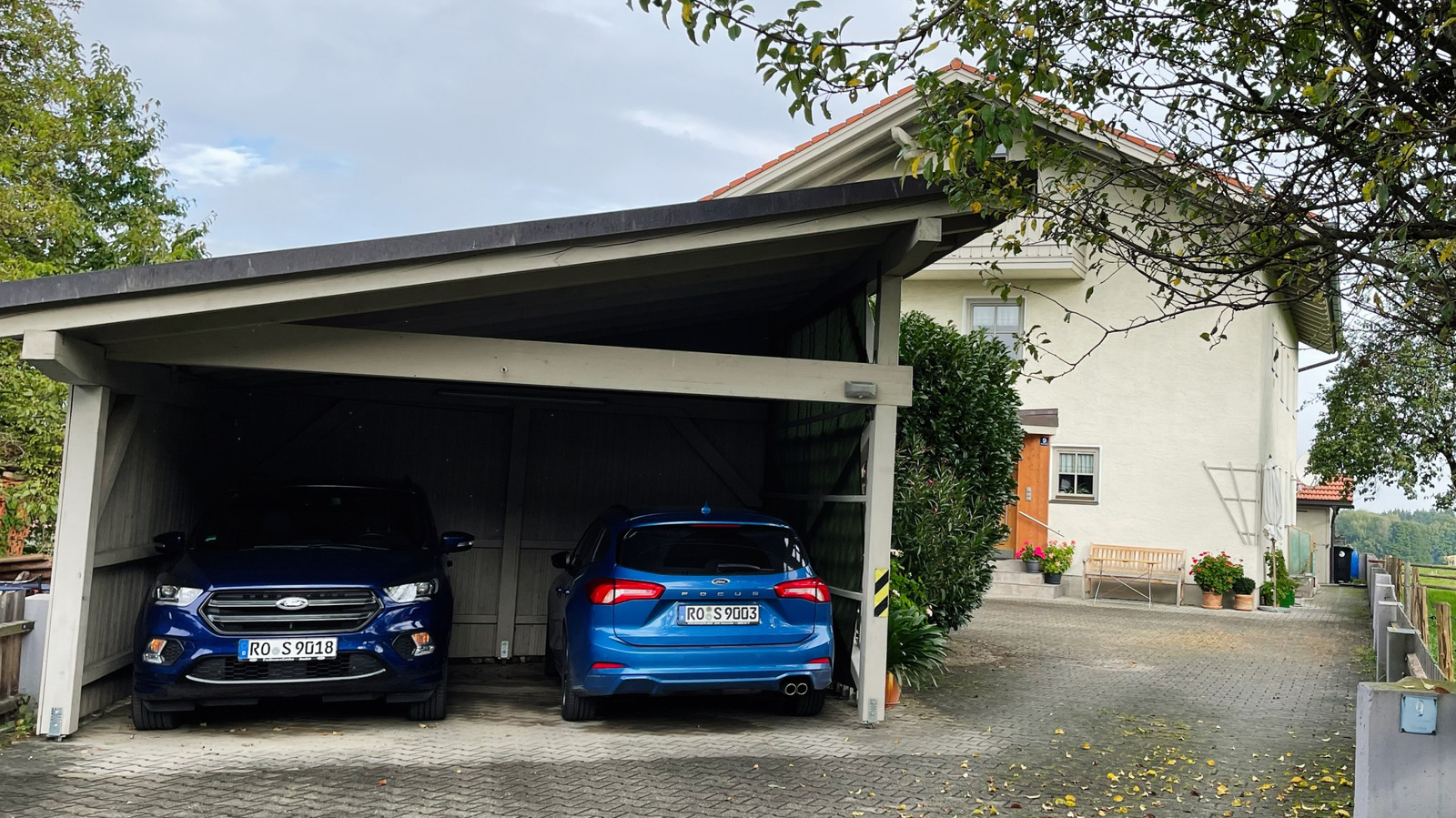
The two-car garage, often dismissed as a mere architectural feature, in fact encapsulates a set of deeply embedded cultural aspirations and anxieties. Its prevalence across suburban and exurban landscapes is not simply a function of practical necessity—though, for many, the need to house multiple vehicles is real—but rather a material manifestation of the American ideal of abundance and autonomy. This structure, attached or detached, signals not only a family’s capacity for mobility but also its claim to a certain kind of social status. Yet, the evidence suggests that the two-car garage’s symbolic resonance often exceeds its actual utility: surveys indicate that a significant proportion of American garages are used less for parking cars than for storage, workshops, or even makeshift living spaces. The garage, then, becomes a flexible buffer zone between public and private life, between aspiration and reality.
How Does the Two-Car Garage Reflect Shifting Socioeconomic Patterns?
The rise of the two-car garage tracks closely with postwar patterns of suburbanization, mass car ownership, and the proliferation of single-family homes. However, this alignment is neither static nor universally beneficial. Under specific conditions—such as in regions with high housing costs or limited land—the two-car garage can exacerbate affordability crises by inflating the size and price of new homes. Demographically, the garage privileges households with the means to own multiple vehicles, subtly reinforcing patterns of spatial inequality. Meanwhile, as remote work and e-commerce reshape daily routines, the garage’s function is evolving: for some, it is now a home office or package drop zone, for others, a vestigial space whose original purpose has faded. The mainstream narrative of the garage as a site of freedom and convenience thus obscures its role in perpetuating certain forms of exclusion and inefficiency.
What Structural Limitations and Blind Spots Persist in the Two-Car Garage Paradigm?
Despite its iconic status, the two-car garage is not universally adaptive. Urban planners and environmental advocates have long critiqued its contribution to car dependency, sprawl, and the erosion of walkable communities. The evidence here is mixed: while garages may facilitate vehicle ownership, they are also a response to infrastructural realities—namely, the paucity of reliable public transit and the spatial logic of zoning codes. Underlying these debates are vested interests, from real estate developers to automakers, who benefit from the normalization of multi-car households. Notably, the garage’s design rarely anticipates future shifts in mobility, such as the rise of electric vehicles or shared transportation. Retrofitting existing garages for charging infrastructure or alternative uses often proves costly and technically challenging, revealing a structural inertia that resists rapid adaptation.
Why Should the Reader Care About the Two-Car Garage’s Future?
The fate of the two-car garage is not merely a matter of architectural taste or personal convenience. It is a barometer of broader societal choices about land use, environmental sustainability, and the distribution of resources. For policymakers and homeowners alike, the challenge lies in reconciling the garage’s historical symbolism with emerging needs and constraints. Should zoning codes continue to mandate multi-car garages, or should they incentivize more flexible, adaptive spaces? Can the garage be reimagined as a site of resilience—capable of supporting new forms of work, mobility, and community life—or will it remain a monument to a fading era of automotive excess? The evidence does not yield a single, uncontested answer. Yet, the informed reader should recognize that the two-car garage, far from being a neutral backdrop, is a contested space whose evolution will shape—and be shaped by—the next chapter of American domestic life.