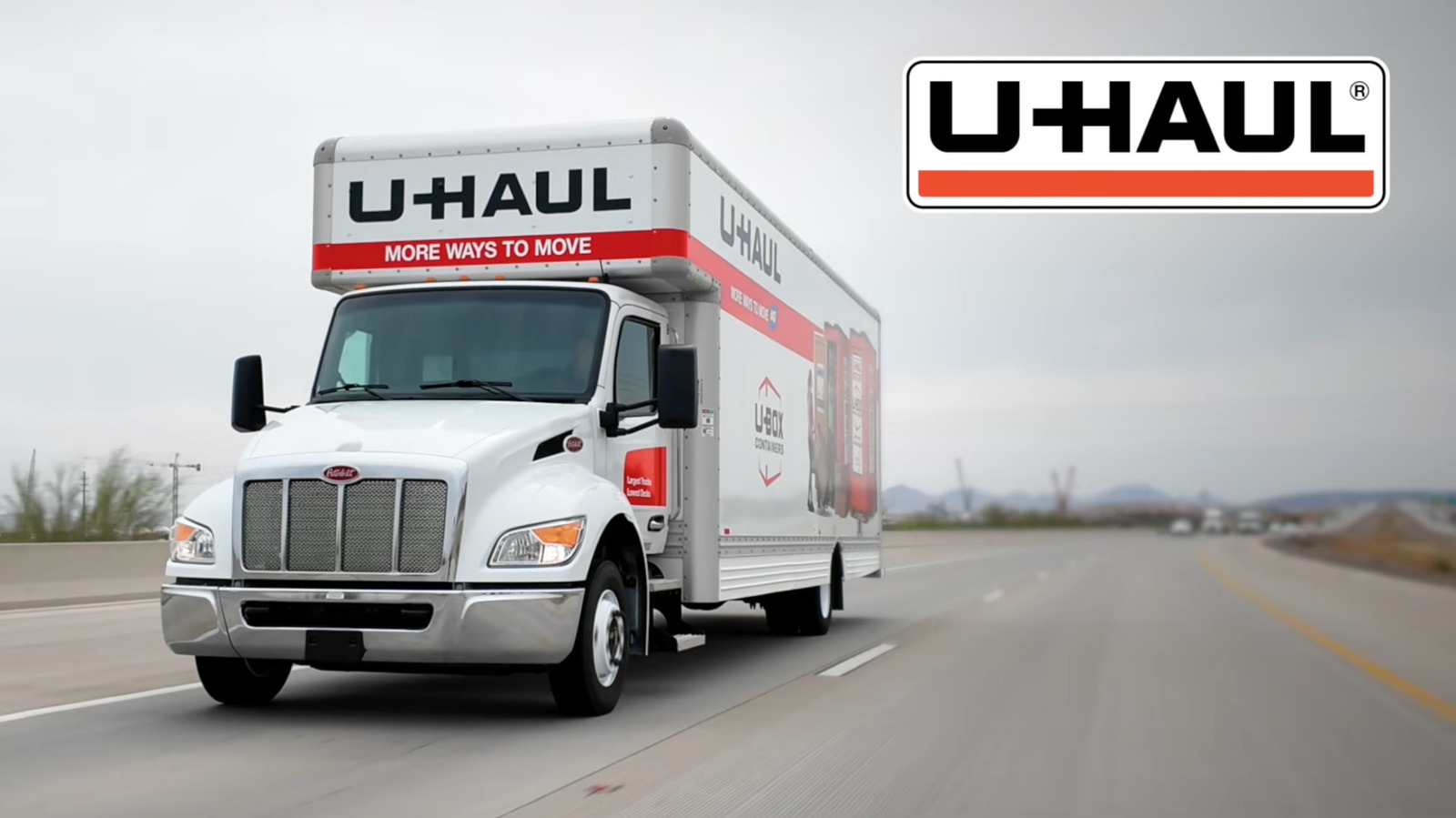
How Does the New Peterbilt U-Haul Truck Redefine the Boundaries of Non-Commercial Vehicle Rental?
The introduction of a 29-foot Peterbilt truck to the rental market, with a gross vehicle weight rating (GVWR) calibrated to fall just two pounds below the threshold for commercial driver’s license (CDL) requirements, signals a calculated expansion of what is accessible to the general public. This maneuver, while technically compliant, exposes the porousness of regulatory boundaries that were designed to separate professional and amateur operation of large vehicles. The evidence suggests that the core mechanism at play is a strategic exploitation of legal demarcations: by engineering the vehicle to narrowly evade CDL mandates, the manufacturer and rental provider can market a machine of unprecedented size to a customer base with no formal training in heavy vehicle operation.
Why Does This Regulatory Loophole Matter Beyond the Obvious?
On the surface, the move appears to be a mere extension of consumer choice. Yet, a closer reading reveals a more consequential dynamic. The distinction between CDL and non-CDL vehicles is not arbitrary; it reflects a risk calculus embedded in public safety policy. By permitting the rental of a truck that approaches the upper limit of non-commercial classification, the system effectively transfers the risk assessment from regulatory bodies to individual renters—many of whom may lack the skills or judgment to safely operate such a vehicle. This shift is not merely theoretical. It has practical implications for accident rates, insurance liability, and the burden on emergency services. The mainstream interpretation, which frames this as a benign expansion of rental options, fails to grapple with the second-order effects: increased exposure to catastrophic error by untrained drivers and the potential normalization of ever-larger vehicles on public roads.
Who Is Most Affected by This Expansion—and Who Remains Invisible in the Discourse?
While the immediate beneficiaries are consumers seeking to move large quantities of goods without hiring professional movers, the affected population is broader and less obvious. Pedestrians, cyclists, and drivers of smaller vehicles—already vulnerable in collisions with large trucks—face heightened risks. Municipal infrastructure, not designed for the turning radii or weight distribution of near-commercial vehicles, may also bear unintended costs. Furthermore, insurance markets, which price risk based on historical data, may find their models destabilized by the sudden influx of inexperienced operators behind the wheel of vehicles at the cusp of commercial classification. These stakeholders, largely absent from celebratory narratives about consumer empowerment, are nonetheless implicated in the downstream consequences.
What Are the Structural Limitations and Blind Spots in Current Oversight?
The regulatory regime governing vehicle rentals is predicated on static thresholds—GVWR cutoffs that do not account for advances in vehicle engineering or shifts in consumer behavior. This rigidity creates opportunities for actors to game the system, as evidenced by the precise calibration of the Peterbilt’s weight. Moreover, the absence of mandatory training or testing for operators of such large vehicles constitutes a structural blind spot. The assumption that a non-CDL driver can safely manage a truck just below the commercial threshold is, at best, untested and, at worst, demonstrably flawed. The evidence base for safe operation under these conditions is thin, and the lack of robust data collection further impedes informed policy response.
What Judgment Should an Informed Reader Draw from This Development?
Caution is warranted. While the allure of greater autonomy in moving large loads is understandable, the broader societal costs—diffuse, delayed, and often invisible—demand a more critical appraisal. Policymakers and industry actors should resist the temptation to treat regulatory thresholds as mere technicalities. Instead, they should consider whether the spirit of public safety regulation is being subverted by such incremental expansions. For the informed reader, the lesson is clear: when legal boundaries are stretched to their limit, the burden of risk often shifts from institutions to individuals and communities least equipped to bear it.