What Does SHO Stand For on Ford Cars, and Why Does It Matter?
If you’ve ever spotted a Ford Taurus SHO and wondered what those three letters actually mean, you’re not alone. SHO stands for Super High Output, and it’s a badge Ford reserved for a select group of its performance-oriented vehicles. But the story behind SHO is more than just a catchy acronym—it’s a fascinating chapter in American automotive history that’s still sparking curiosity (and a bit of nostalgia) among car enthusiasts today.
How Did the SHO Badge Come About?
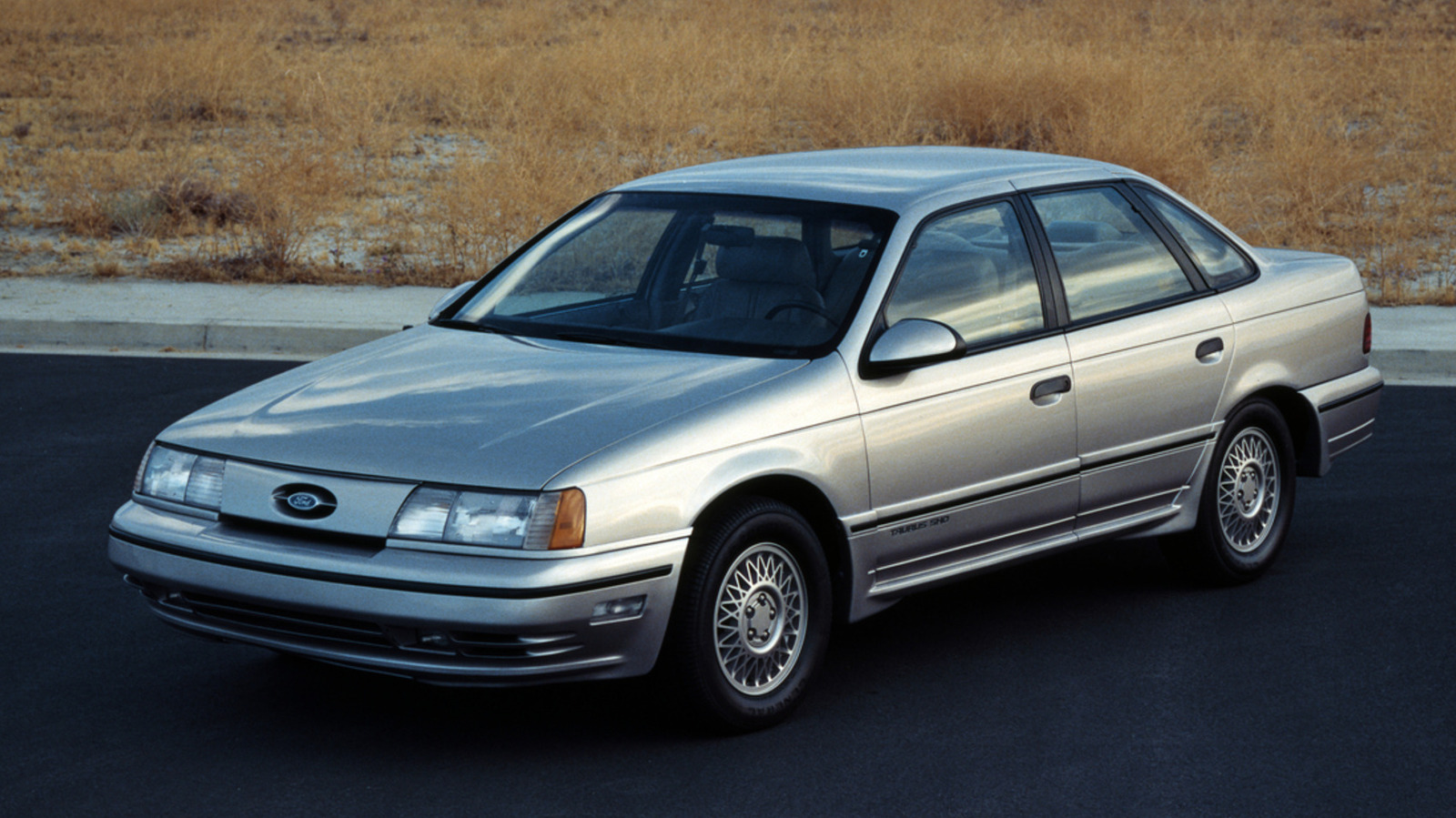
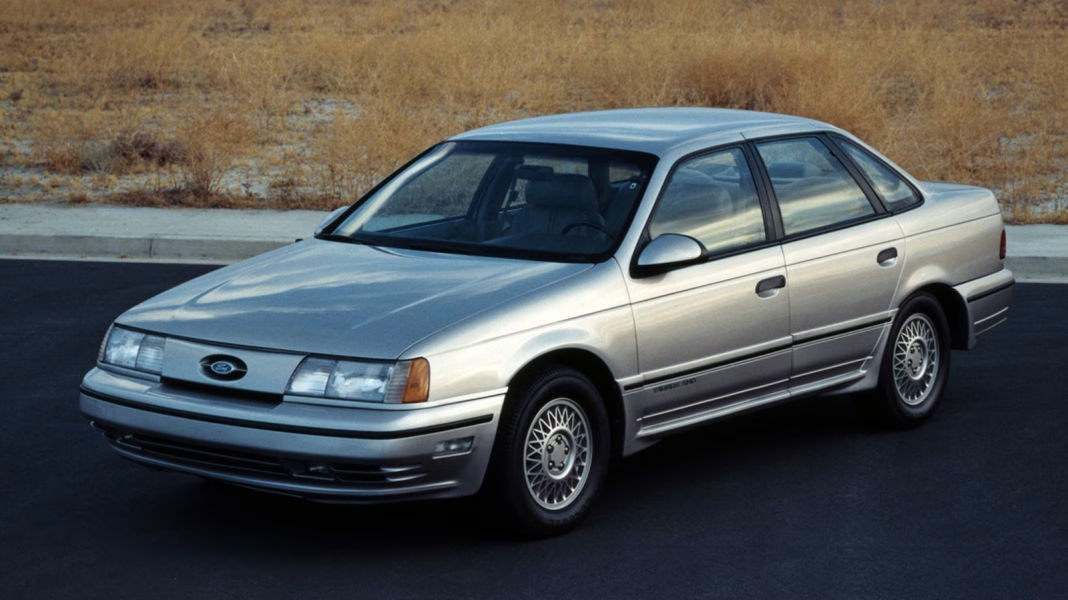
Back in the late 1980s, Ford wanted to shake up its image. The Taurus was already a hit as a family sedan, but Ford saw an opportunity to inject some excitement into the lineup. Enter the Taurus SHO, first launched in 1989. But this wasn’t just a Taurus with a few sporty badges slapped on. Ford collaborated with Yamaha to develop a 3.0-liter V6 engine that was, frankly, a revelation for its time. It revved high, made 220 horsepower, and sounded like nothing else in the segment.
The SHO label was Ford’s way of signaling that this wasn’t your average commuter car. Super High Output wasn’t just a marketing term—it was a promise that you’d get something special under the hood. And for a while, it worked. The Taurus SHO built a cult following, with fans praising its sleeper looks and surprisingly potent performance.
What Makes a Ford SHO Different from Regular Models?
Let’s get specific. The original Taurus SHO didn’t just have a unique engine; it came with a manual transmission, upgraded suspension, and subtle styling tweaks. No flashy spoilers or neon graphics—just understated cues that hinted at its capabilities. Later generations saw the SHO formula evolve, with turbocharged EcoBoost V6 engines replacing the Yamaha V6, and all-wheel drive joining the mix.
But the SHO treatment wasn’t limited to the Taurus. Ford experimented with the badge on other models, like the Contour SHO concept and even the Explorer SHO, though these never reached the same legendary status. What set any SHO apart was a focus on real performance upgrades, not just cosmetic changes.
Is the SHO Just About Speed, or Is There More to It?
Speed is definitely part of the equation, but the SHO badge has always been about balance. These cars were designed to handle daily driving just as well as spirited backroad runs. Owners often talk about the SHO’s dual personality: docile and comfortable when you want it, but eager and responsive when you put your foot down.
There’s also a certain underdog appeal. The Taurus SHO, in particular, looked almost identical to its more pedestrian siblings. That meant you could surprise unsuspecting sports car drivers at a stoplight—a fact that SHO fans still love to reminisce about.
How Has the SHO Legacy Influenced Modern Ford Performance?
While Ford eventually discontinued the Taurus SHO after the 2019 model year, its influence is still felt. The idea of taking a mainstream car and giving it a serious performance makeover paved the way for later models like the Fusion Sport and the current crop of ST-badged vehicles. Even the Mustang EcoBoost owes a little something to the SHO’s philosophy: practical cars with a wild side.
According to data from Ford’s archives and recent collector trends, SHO models—especially the early Yamaha-powered versions—are gaining traction among enthusiasts and collectors. Their blend of rarity, performance, and sleeper status makes them increasingly desirable, with clean examples fetching higher prices at auctions and online marketplaces.
Why Do Enthusiasts Still Care About the SHO?
There’s a certain magic to the SHO story. It’s not just about horsepower numbers or quarter-mile times. It’s about the thrill of discovering something unexpected—a family sedan that could run with the best of them. The SHO community is tight-knit, with owners sharing tips, restoration stories, and the occasional friendly debate about which generation reigns supreme.
If you’re considering hunting down a Taurus SHO or just want to know what makes these cars special, the answer is simple: it’s the spirit of doing more with less, of finding excitement where you least expect it.
The big takeaway? The SHO badge isn’t about perfection—it’s about smarter adjustments. Start with one change this week, and you’ll likely spot the difference by month’s end.