What Drives the Allure of the Unconventional Automotive Upgrade?
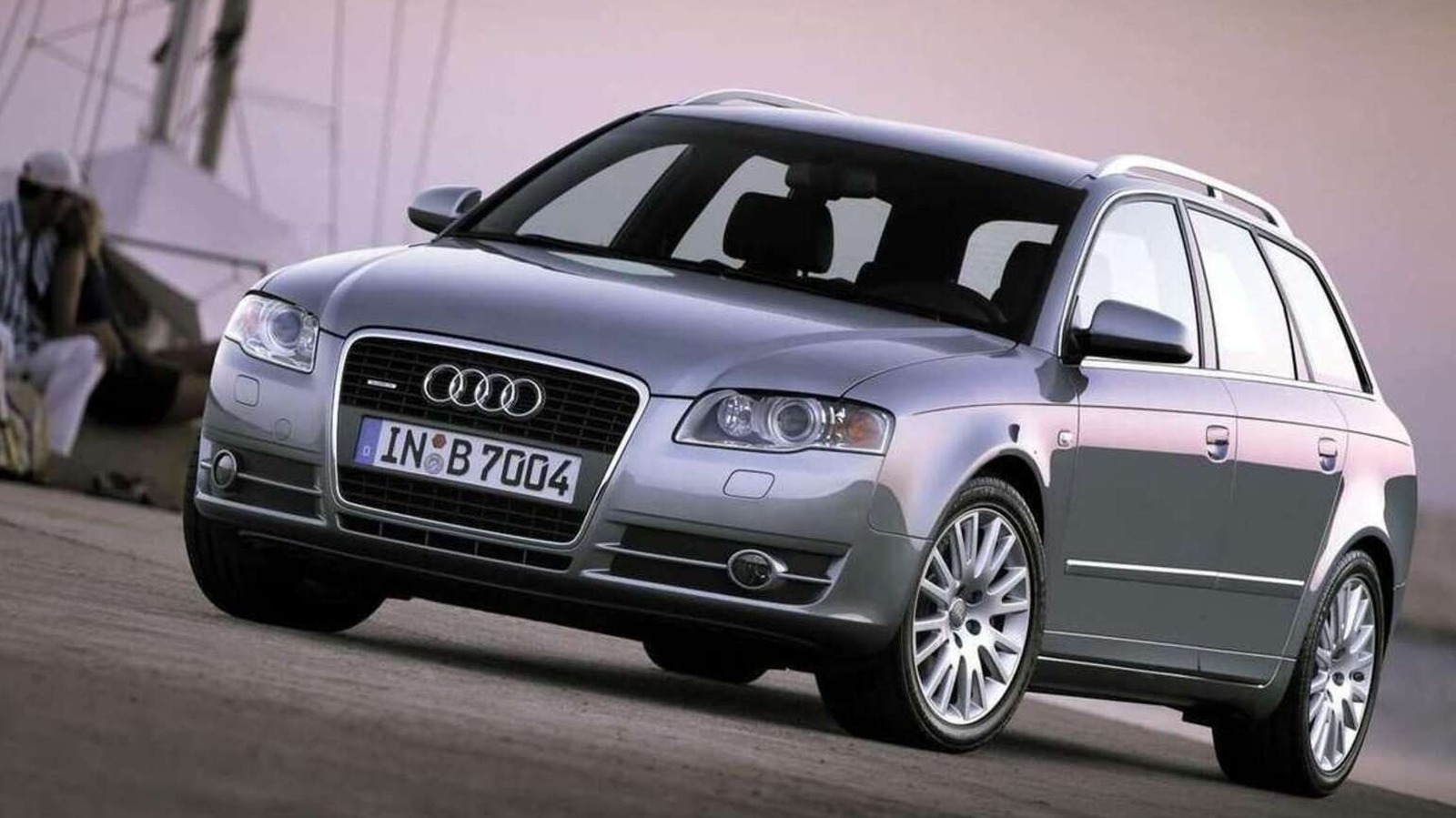
The persistent fascination with vehicles that defy conventional categories—such as the transition from a fast wagon to something “special and a little weird”—signals more than mere consumer caprice. It reveals a latent desire among certain drivers to assert individuality through mobility, even as mainstream automotive culture continues to valorize performance metrics and brand prestige. The evidence suggests that, for a subset of enthusiasts, the upgrade is less about technical superiority and more about narrative: the story a car tells about its owner, and the subtle social codes embedded in vehicular choice.
Why Do Fast Wagons Inspire Such Devotion—and Restlessness?
Fast wagons occupy a peculiar niche. They blend utilitarian practicality with performance, offering a compromise that, for some, becomes its own form of perfection. Yet, this very synthesis can breed a restless dissatisfaction. The paradox is instructive: what begins as a rational choice for speed and space often ends in a search for something that transcends both. The “bait” of the weird or special upgrade, then, is not merely a marketing ploy but a response to a psychological itch—the urge to escape the tyranny of rational optimization. This dynamic is underexplored in conventional automotive commentary, which tends to frame upgrades as linear progressions rather than cyclical quests for novelty and meaning.
Who Benefits—and Who Is Marginalized—by the Pursuit of Automotive Distinction?
While the market for unconventional upgrades may appear to democratize automotive enthusiasm, its social consequences are uneven. Those with the disposable income and cultural capital to pursue “weird” vehicles can signal distinction, but this very signaling can reinforce exclusionary boundaries. The evidence from enthusiast communities indicates that rarity and eccentricity often become proxies for taste, subtly policing who belongs. Under these conditions, the pursuit of the special or odd is not a neutral act of self-expression; it is a move within a status game whose rules are only partly visible to outsiders.
What Are the Structural Constraints and Blind Spots in the Upgrade Narrative?
The prevailing narrative—upgrade as self-actualization—obscures several structural realities. First, the supply of genuinely unconventional vehicles is tightly constrained by regulatory, economic, and technological forces. Second, the environmental and infrastructural implications of constant upgrading are rarely foregrounded in personal decision-making, despite their collective significance. Finally, the psychological rewards of novelty tend to diminish rapidly, a phenomenon well-documented in behavioral economics but seldom acknowledged in enthusiast discourse. The result: a cycle of anticipation and disillusionment that sustains both the market and the myth of the perfect upgrade.
What Should an Informed Reader Conclude About the Pursuit of the “Special and Weird”?
To treat the upgrade from a fast wagon to something “special and a little weird” as a purely personal or aesthetic choice is to miss its broader significance. This pursuit is best understood as a microcosm of contemporary consumer culture’s restless search for meaning amid abundance. For those contemplating such a move, the most prudent course may be to interrogate not only the features of the next vehicle, but also the deeper motivations and systemic forces at play. The evidence does not support a simple narrative of progress; rather, it points to a complex interplay of desire, distinction, and structural constraint—one that rewards self-awareness as much as automotive acumen.