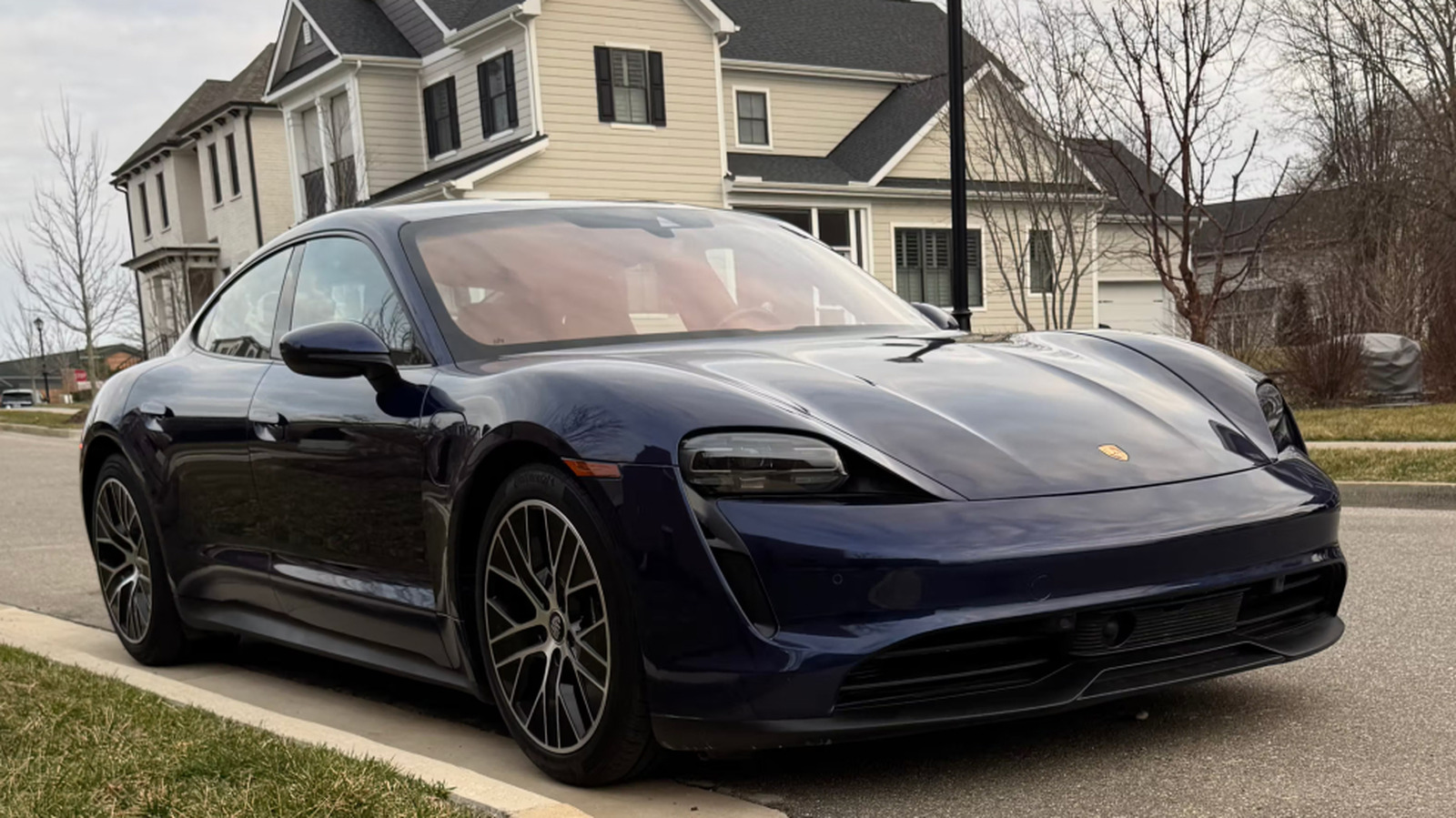
How Rapid Depreciation is Reshaping the Electric Luxury Market
The emergence of a pre-owned Porsche Taycan priced in the $30,000 range signals more than a mere bargain for opportunistic buyers; it marks a pivotal inflection point in the evolving economics of electric luxury vehicles. While a single data point does not constitute a trend, the appearance of such a listing—particularly one with a clean title—suggests that the depreciation curve for high-end EVs may be steepening at a rate that outpaces both industry forecasts and consumer expectations. This phenomenon, if sustained, could disrupt established hierarchies of automotive value and ownership.
What Drives the Accelerated Depreciation of High-End EVs?
Several interlocking mechanisms appear to be at work. First, the relentless pace of battery and software innovation renders even recent models functionally obsolete at a speed unfamiliar to buyers accustomed to the slower product cycles of internal combustion vehicles. The evidence here is circumstantial but compelling: as new Taycan variants and software updates proliferate, earlier models lose not only cachet but also practical desirability. Second, the secondary market for luxury EVs remains thinly traded, amplifying price volatility and undermining residual values. Dealers and private sellers, facing uncertain demand, may feel compelled to discount aggressively to clear inventory. Third, regulatory and incentive structures—such as tax credits favoring new purchases—further erode the relative appeal of used EVs, a dynamic that disproportionately affects premium brands.
Who Stands to Gain or Lose from This Shift?
The immediate beneficiaries are, paradoxically, not the original buyers but the secondary owners who can access cutting-edge technology at a fraction of its launch price. For aspirational consumers previously priced out of the luxury segment, this represents a democratization of access—albeit one shadowed by concerns about battery longevity and maintenance costs. Conversely, early adopters and lessors face significant financial exposure, as the resale value of their vehicles collapses more precipitously than anticipated. Manufacturers, too, must navigate a delicate balance: while rapid turnover may boost new sales in the short term, a perception of poor long-term value could erode brand equity and customer loyalty.
Are Mainstream Interpretations Missing Deeper Structural Risks?
Prevailing narratives often frame this depreciation as a short-term market correction or a quirk of supply and demand. Such readings, however, risk underestimating the structural vulnerabilities exposed by the EV transition. The evidence suggests that the luxury EV segment is particularly susceptible to technological obsolescence, a risk that may intensify as software-driven features become the primary locus of differentiation. Moreover, the lack of standardized battery health metrics in the used market introduces a layer of opacity that could suppress demand further, especially among risk-averse buyers. If depreciation accelerates unchecked, leasing companies and financial institutions with exposure to residual values may face cascading losses—a scenario reminiscent of past asset bubbles, though on a more contained scale.
What Should Informed Consumers and Industry Stakeholders Infer?
The appearance of a $30,000-range Taycan should prompt both consumers and industry observers to recalibrate their assumptions about the lifecycle value of electric luxury vehicles. For buyers, the opportunity is clear but not without caveats: due diligence on battery health and warranty coverage is paramount. For automakers and financiers, the challenge is to develop new models of value retention—perhaps through certified pre-owned programs with robust battery guarantees or subscription-based ownership structures that mitigate obsolescence risk. Ultimately, the evidence points toward a future in which the traditional logic of automotive depreciation is upended, with second-order effects likely to ripple across the entire mobility ecosystem.