How Does the Allure of Mobility Intersect with Aspirations of Aristocratic Leisure?
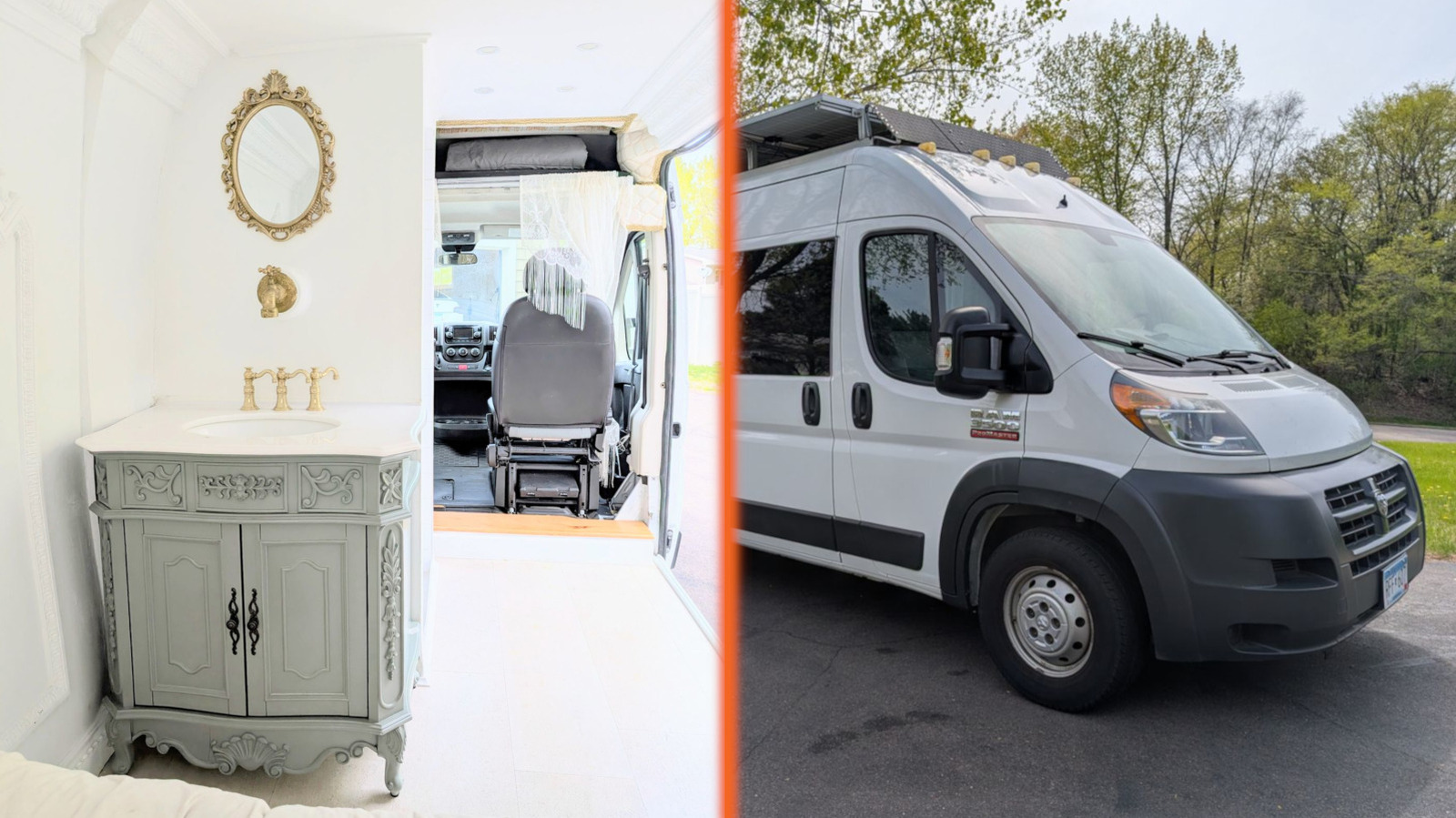
The convergence of nomadic lifestyles and aristocratic fantasy, as embodied by a $33,000 van promising the trappings of Versailles on wheels, reveals a curious tension at the heart of contemporary consumer desire. On the one hand, the vanlife movement valorizes mobility, minimalism, and a rejection of fixed property. On the other, the invocation of French aristocracy conjures images of opulence, permanence, and a social order predicated on inherited privilege. The evidence suggests that this vehicle, marketed as a mobile Versailles, is less a practical solution for the itinerant than a symbolic artifact—a rolling stage set for the performance of status in a world where traditional markers of class have become increasingly fluid.
What Social and Psychological Needs Does This Vehicle Actually Address?
Beneath the surface-level appeal of a luxury van lies a deeper narrative about autonomy and belonging. For the self-identified nomadic nudist, the promise of aristocratic comfort on the road is not merely about physical amenities; it is about the capacity to inhabit multiple identities simultaneously. The vehicle becomes a liminal space, mediating between the desire for escape and the longing for recognition. Yet, this synthesis is inherently unstable. The practical realities of vanlife—limited space, infrastructural dependency, and the precarity of constant movement—stand in stark contrast to the fantasy of sovereign leisure. The marketing of such a vehicle, therefore, caters less to the needs of the truly rootless than to those who wish to flirt with the aesthetics of freedom without relinquishing the comforts of privilege.
Who Is Excluded or Marginalized by This Vision of Mobile Aristocracy?
Despite its playful tone, the proposition of a Versailles-on-wheels is not universally accessible. The price point alone—$33,000—positions this vehicle well beyond the reach of most individuals for whom mobility is a necessity rather than a choice. Moreover, the implicit promise of nudist-friendly, aristocratic vanlife presupposes a social context in which such eccentricities are tolerated, if not celebrated. For many, especially those whose mobility is shaped by economic hardship or legal constraint, the fantasy of mobile luxury is not merely unattainable but actively alienating. The evidence points to a structural blind spot: the conflation of voluntary nomadism with the realities of displacement, and the erasure of those for whom mobility is a condition of vulnerability rather than empowerment.
What Broader Cultural Dynamics Are at Play?
The phenomenon of luxury van conversions, particularly those that self-consciously reference historical privilege, can be read as a symptom of a broader cultural ambivalence toward class and mobility. In an era marked by economic precarity and the erosion of traditional status markers, the ability to purchase and inhabit a mobile Versailles becomes a kind of ironic commentary on both aspiration and alienation. This interpretation remains contested; some argue that such vehicles democratize luxury by making it portable, while others contend that they merely repackage exclusivity in a new form. The methodological boundaries here are significant: without longitudinal data on who actually purchases and uses these vehicles, claims about their democratizing potential remain speculative.
What Should the Informed Reader Conclude?
For those seeking to understand the intersection of mobility, luxury, and identity, the $33,000 Versailles-on-wheels offers a revealing case study in the contradictions of contemporary consumer culture. It is neither a straightforward tool of liberation nor a simple symbol of excess. Rather, it is a site where fantasies of freedom and privilege collide, exposing the limits of both. The informed reader would do well to approach such artifacts with skepticism—recognizing both their imaginative appeal and their structural exclusions. Only by interrogating the underlying mechanisms of desire and access can one move beyond the surface spectacle to a more nuanced understanding of what is truly at stake.