How Did Vespa’s Foray into Racing Challenge Preconceptions About Mobility and Performance?
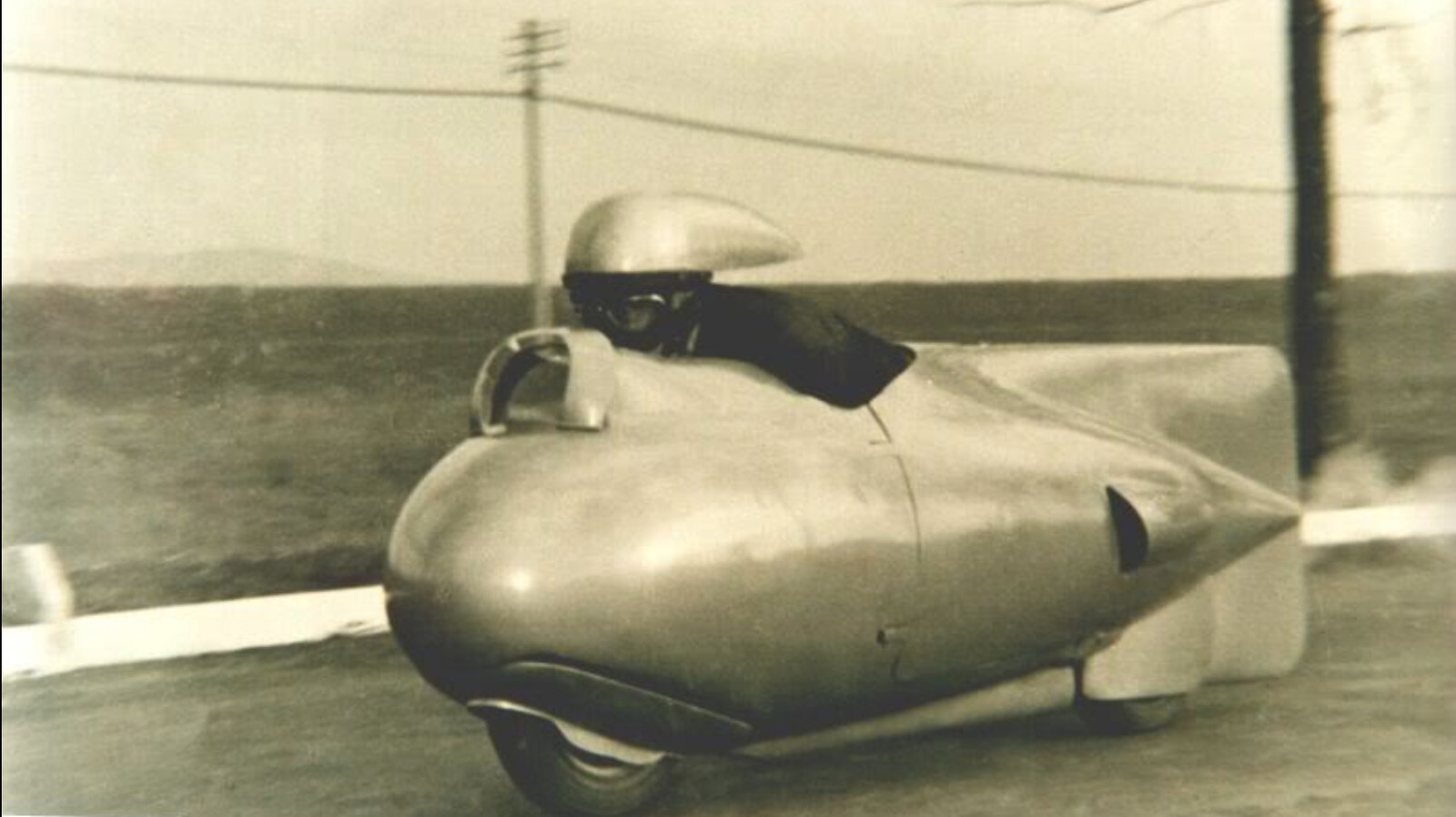
The archetype of the Vespa—compact, utilitarian, and unabashedly stylish—rarely conjures images of high-octane competition. Yet, historical records indicate that during its formative decade, Vespa actively pursued a place on the racetrack. This strategic pivot, while seemingly anomalous given the brand’s association with urban commuting, reveals a more complex narrative: Vespa’s racing experiments were not mere publicity stunts but a calculated effort to interrogate the boundaries of what a scooter could achieve. The evidence suggests that, under specific conditions, the Vespa’s lightweight frame and unconventional engineering offered unique advantages, particularly in endurance and agility-focused events. However, these advantages were often offset by the limitations inherent to the scooter’s original design brief—namely, modest engine displacement and a chassis optimized for comfort rather than cornering stability. The resulting tension produced a series of models that, while sometimes eccentric, forced a reconsideration of the scooter’s place within the broader landscape of motorized competition.
What Motivated Vespa’s Unlikely Pursuit of Racing, and Whose Interests Did It Serve?
To interpret Vespa’s racing ambitions as mere mimicry of Italian performance icons such as Ducati or Ferrari would be to miss the deeper structural incentives at play. Postwar Italy was a crucible of industrial reinvention, and the motorcycle industry, in particular, was a site of intense technological cross-pollination. For Vespa, racing was less about dethroning established champions and more about signaling engineering credibility to a skeptical public. The move also served to galvanize a new demographic—young, aspirational riders who might otherwise have dismissed the scooter as a tool of necessity rather than a vehicle of desire. Yet, the benefits accrued unevenly. While the brand gained cachet among enthusiasts, the technical demands of racing diverted resources from mass-market innovation, arguably slowing the pace of improvements that would have benefited the broader consumer base. This trade-off remains a point of contention among historians of industrial strategy.
Did Vespa’s Racing Experiments Yield Lasting Technological or Cultural Shifts?
The legacy of Vespa’s racing period is, at best, ambiguous. On one hand, the technical modifications pioneered during this era—streamlined fairings, reinforced suspensions, and experimental engine tunings—occasionally filtered into production models. These innovations, however, were often diluted by the practical constraints of cost and manufacturability. More enduring, perhaps, was the cultural shift: Vespa’s flirtation with speed and spectacle subtly recalibrated public expectations, making it plausible for a scooter to be seen as both functional and aspirational. Nevertheless, the mainstream narrative continues to privilege the brand’s association with leisure and accessibility, relegating its competitive exploits to the margins of collective memory. This selective amnesia may reflect a broader discomfort with hybrid identities—machines, like people, are often expected to conform to a single, legible role.
What Can Contemporary Observers Learn from Vespa’s Brief Racing Epoch?
For the informed reader, Vespa’s racing interlude offers a cautionary tale about the risks and rewards of category defiance. The evidence does not support the view that such experiments are universally transformative; rather, their impact is contingent on timing, audience, and the willingness of institutions to adapt. In Vespa’s case, the racing chapter did not fundamentally alter the trajectory of scooter design, but it did expand the imaginative possibilities available to both engineers and consumers. The lesson, then, is not that every brand should chase the glamour of competition, but that strategic forays beyond one’s perceived limits can yield second-order benefits—reputation, technical insight, and cultural capital—that persist long after the checkered flag has fallen.