What Drives the Enduring Allure of the Vespa in Contemporary Urban Culture?
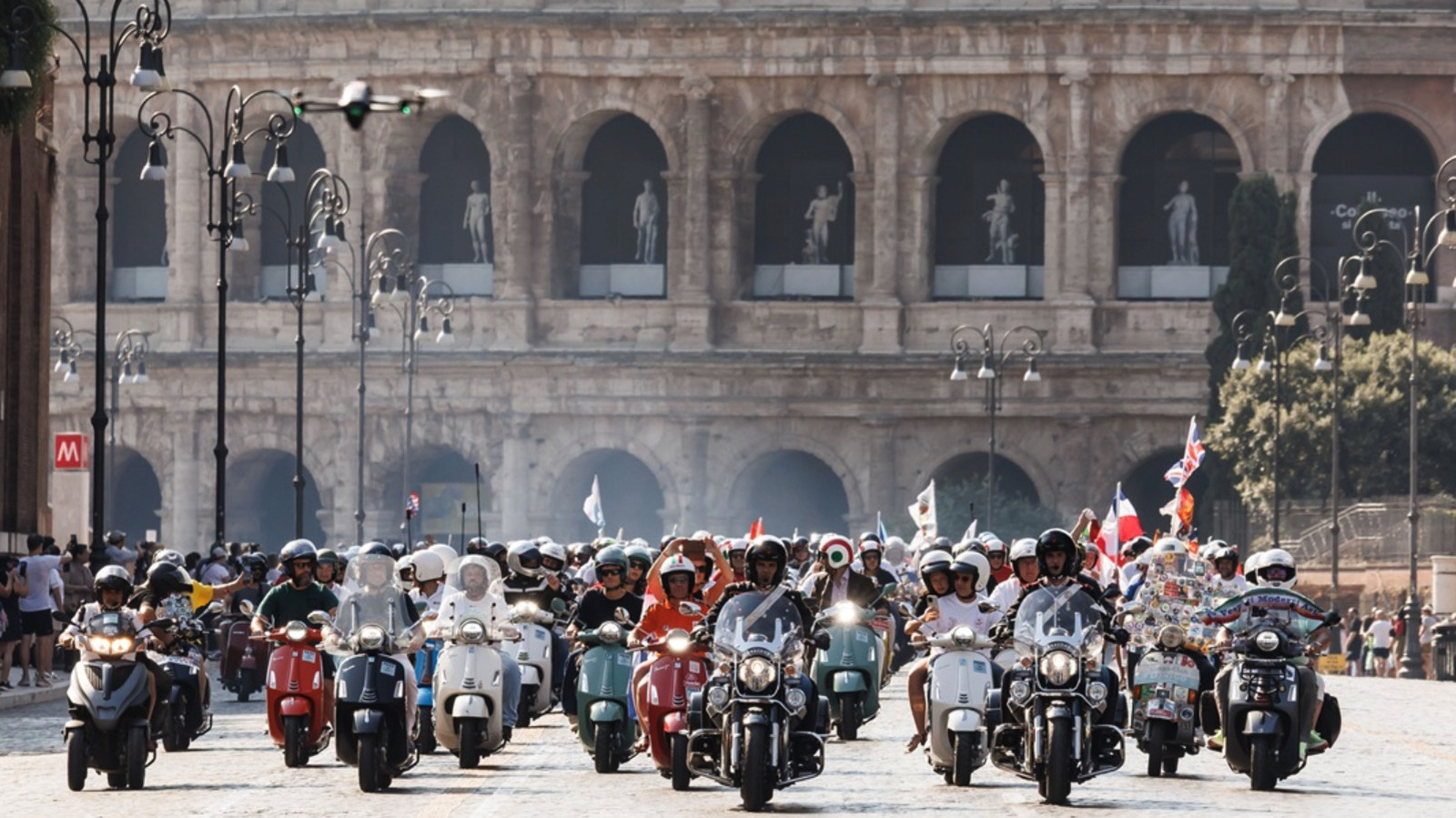
The recent convergence of thousands of Vespisti in Rome, ostensibly to mark the 80th anniversary of the Vespa, signals more than a nostalgic celebration of Italian design. It exposes a persistent undercurrent in urban mobility: the search for identity and community in an era of increasingly homogenized transportation. The Vespa, with its distinctive silhouette and storied lineage, functions as both a practical vehicle and a mobile signifier of belonging. While some might dismiss such gatherings as mere enthusiast spectacle, the evidence suggests a deeper mechanism at play—one in which the Vespa operates as a locus of collective memory and resistance to the anonymity of mass transit.
Why Does the Vespa Rally Matter Beyond the Surface Spectacle?
At first glance, the spectacle of thousands of scooters coursing through Rome might appear as a quaint, if noisy, interruption to daily life. Yet, beneath the surface, such assemblies reveal the contested terrain of public space in modern cities. The Vespa rally, by its very nature, reclaims the urban environment for a form of mobility that is both individualized and communal. This stands in stark contrast to the prevailing logic of urban transport planning, which privileges efficiency, scale, and predictability—often at the expense of spontaneity and local character. The rally thus becomes a subtle act of defiance, challenging the technocratic consensus that treats mobility as a problem to be solved rather than an experience to be lived.
Who Benefits—and Who Is Excluded—From the Vespa Phenomenon?
The demographic composition of the Vespisti is far from monolithic. While the image of the Vespa rider is often associated with a certain retro-chic cosmopolitanism, the reality is more complex. Intergenerational participation at such rallies suggests that the Vespa’s appeal cuts across age and, to some extent, class boundaries. However, the cost of ownership, maintenance, and participation in large-scale events introduces barriers that are not always acknowledged. Moreover, the celebration of Vespa culture can inadvertently marginalize those for whom two-wheeled transport is a necessity rather than a choice—a distinction that complicates the narrative of carefree urban motoring.
What Are the Structural Blind Spots in Mainstream Interpretations of Vespa Culture?
Mainstream accounts tend to romanticize the Vespa as a symbol of freedom and Italian ingenuity, glossing over the environmental and infrastructural tensions such mass gatherings can produce. Air quality concerns, noise pollution, and the strain on city services are often minimized in the celebratory rhetoric. Furthermore, the rally’s focus on heritage risks ossifying the Vespa as a museum piece rather than a living technology capable of adaptation. This interpretive blind spot obscures the potential for electric or hybrid Vespas to address contemporary sustainability challenges—an omission that may ultimately undermine the vehicle’s relevance in a rapidly changing mobility landscape.
What Should an Informed Observer Conclude About the Vespa’s Place in Urban Life?
The Vespisti’s occupation of Rome is best understood not as a mere anniversary celebration, but as a negotiation over the meaning of mobility, memory, and modernity. For policymakers and urbanists, the lesson is twofold: first, that transportation systems must account for the affective and cultural dimensions of mobility, not just their functional attributes; and second, that the preservation of urban vibrancy depends on accommodating forms of movement that foster community and identity. To ignore these dynamics is to risk designing cities that are efficient but soulless—places where the only thing that moves is traffic.