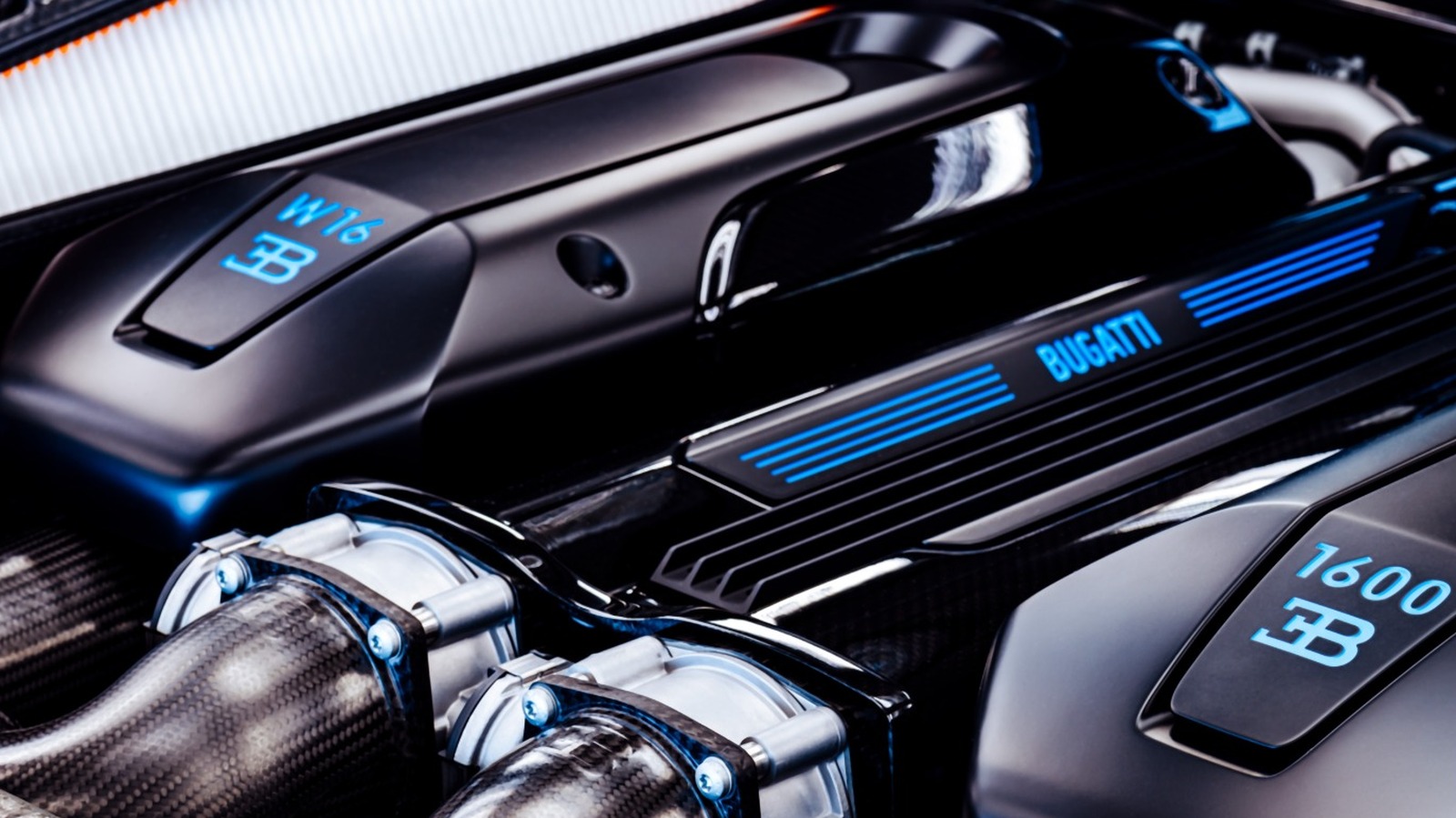
How Do W Engines Differ Fundamentally from V6 and V8 Configurations?
The proliferation of V6 and V8 engines has, for decades, shaped expectations about internal combustion architecture. Yet the existence of W engines—less familiar, more visually complex—invites a reconsideration of what engine configuration can achieve. At the core, the W engine’s defining characteristic is its arrangement: rather than two banks of cylinders forming a V, it employs three or four banks, often staggered in a double-V or “W” pattern. This geometric innovation is not a mere aesthetic flourish; it is an engineering response to the perennial tension between power density and packaging constraints.
Whereas V6 and V8 engines strike a balance between smoothness, compactness, and cost, W engines pursue a different equilibrium. By nesting cylinder banks more tightly, W engines can deliver twelve or sixteen cylinders in a footprint not much larger than a conventional V8. The evidence suggests that this design, under specific conditions, enables automakers to offer unprecedented power in vehicles where engine bay space is at a premium. However, the practical significance of this compactness is not universally agreed upon. Some critics argue that the marginal gains in packaging are offset by increased mechanical complexity and maintenance demands, particularly as the number of moving parts multiplies.
Why Have W Engines Remained Niche Despite Their Technical Intrigue?
The persistence of the W engine as a niche solution, rather than a mainstream alternative, cannot be explained solely by technical merit. Instead, it reflects a confluence of manufacturing economics, legacy supply chains, and the inertia of consumer expectation. For most automakers, the cost of retooling factories and retraining technicians to accommodate the idiosyncrasies of W engines outweighs the potential benefits. The evidence is especially clear in the luxury and hypercar segments, where the W engine’s presence is most pronounced. Here, the engine serves as both a technical showpiece and a brand differentiator—a signal of engineering bravado rather than a response to mass-market needs.
Yet, this interpretation remains contested. Some engineers maintain that, with the rise of electrification and hybridization, the packaging advantages of W engines could become newly relevant. If battery and motor placement increasingly compete for under-hood real estate, the argument goes, the W engine’s compactness might find renewed justification. This line of reasoning, while plausible, is speculative and has yet to manifest in production trends.
Who Benefits—and Who Is Overlooked—by the W Engine Paradigm?
The most obvious beneficiaries of W engine technology are manufacturers seeking to maximize performance within strict spatial constraints. High-end consumers, too, derive status and sensory pleasure from the unique sound and feel of a W12 or W16. However, the less visible consequence is the exclusion of mainstream buyers. The cost and complexity of W engines render them inaccessible to all but a narrow segment of the market, reinforcing automotive hierarchies rather than democratizing innovation.
Moreover, the environmental implications warrant scrutiny. W engines, by virtue of their cylinder count and displacement, tend to be less fuel-efficient and more emissions-intensive than their V6 or V8 counterparts. This structural limitation, coupled with tightening regulatory regimes, further circumscribes their future relevance. The evidence suggests that unless radical advances in combustion efficiency or synthetic fuels emerge, the W engine will remain a technological outlier—admired, but not widely adopted.
What Broader Lessons Emerge from the W Engine’s Marginal Status?
The story of the W engine is, in many respects, a parable about the limits of engineering ingenuity in the face of systemic constraints. It demonstrates that technical possibility does not guarantee commercial viability or social acceptance. The allure of the W engine lies in its audacity—a willingness to challenge orthodoxy and pursue a different path. Yet, this very distinctiveness ensures its marginality.
For the informed reader, the lesson is clear: innovation in automotive engineering is as much about navigating institutional inertia and regulatory headwinds as it is about mechanical creativity. The W engine’s fate serves as a reminder that the most elegant solutions often remain peripheral, not because they lack merit, but because the structures into which they must fit are stubbornly resistant to change.