How Aggressive Charger Deployment Alters Retail Competition
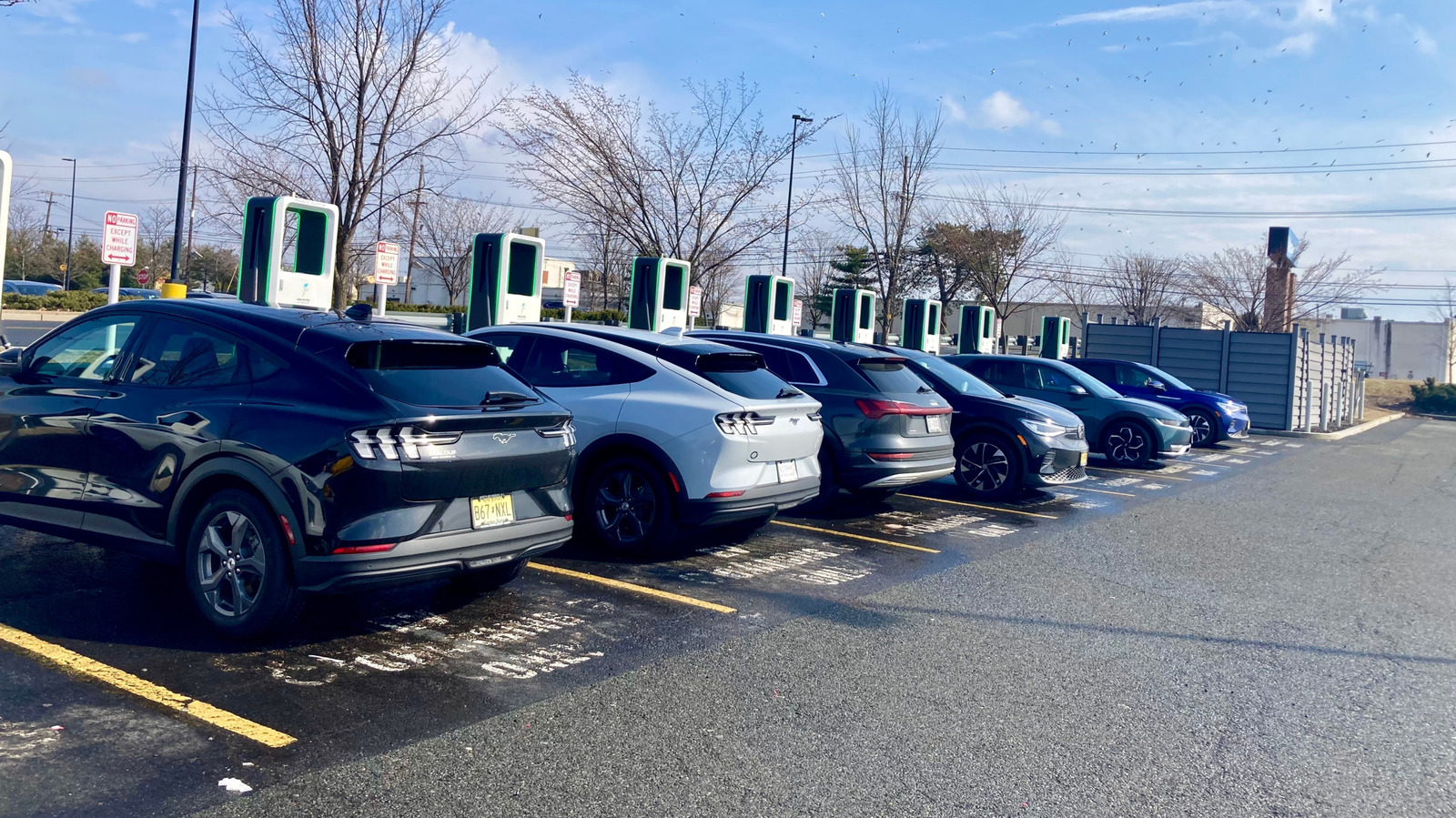
The accelerated installation of electric vehicle chargers in retail parking lots, particularly by large-scale operators, signals a subtle but profound reconfiguration of competitive dynamics in the sector. While the surface narrative frames this as a straightforward race to meet consumer demand, the underlying mechanism is more nuanced: rapid charger deployment does not simply attract EV drivers—it redefines the very criteria by which consumers choose where to shop. For retailers, the presence or absence of fast-charging infrastructure is no longer a marginal amenity but a potential determinant of foot traffic and dwell time. The evidence suggests that, under conditions of charger scarcity, retailers who move decisively to install fast chargers may siphon off not only EV-driving customers but also their associated spending, thereby eroding the market share of slower-moving competitors.
Why Charging Infrastructure Becomes a Strategic Retail Asset
The strategic significance of charging infrastructure extends beyond the immediate transaction. Fast-charging stations transform parking lots into nodes of convenience, recasting the retail environment as a destination for both necessity and opportunity. This shift is not merely technological; it is behavioral. Consumers, faced with the prospect of a thirty-minute charge, may recalibrate their shopping routines, favoring locations where charging and errands can be efficiently combined. The practical significance of this shift is amplified in regions where public charging remains patchy or unreliable. However, the extent to which charger availability translates into sustained competitive advantage remains contested. Some analysts caution that early-mover benefits may erode as fast-charging becomes ubiquitous, while others point to the stickiness of consumer habits and loyalty programs as moderating factors.
Who Gains—and Who Risks Marginalization—in the Charging Race
The most immediate beneficiaries of rapid charger deployment are EV owners, who gain new flexibility in planning their shopping trips. Yet the second-order effects are more diffuse and, arguably, more consequential. Retailers with the capital and logistical capacity to install chargers at scale may entrench their dominance, accelerating the marginalization of smaller competitors unable to absorb the upfront costs or negotiate favorable utility rates. This dynamic risks exacerbating existing inequalities within the retail sector, particularly in suburban and rural markets where charger density remains low. The evidence here is mixed: while some case studies highlight increased foot traffic and higher basket sizes at locations with chargers, others suggest that the novelty effect may fade as charging becomes commoditized.
Structural Limitations and Blind Spots in the Charging Rollout
Despite the apparent momentum, several structural limitations temper the narrative of unmitigated progress. Utility interconnection delays, local permitting bottlenecks, and the uneven distribution of grid capacity all constrain the pace and geographic reach of charger deployment. Moreover, the business case for fast-charging infrastructure is not universally robust; in lower-traffic areas, utilization rates may remain stubbornly low, raising questions about long-term sustainability. There is also a blind spot in much of the mainstream analysis: the assumption that all EV drivers will behave as rational economic actors, prioritizing charging speed and convenience above all else. In practice, brand loyalty, perceptions of safety, and the quality of the retail environment may exert equal or greater influence.
What Judgment Should the Informed Reader Draw?
For decision-makers in retail and adjacent sectors, the lesson is neither to blindly emulate the leaders nor to dismiss the charging race as a passing fad. Rather, the evidence points to a contingent, context-dependent opportunity: where charger scarcity intersects with high retail foot traffic, early investment may yield disproportionate returns. Yet this window is likely to narrow as infrastructure becomes more widespread and as regulatory frameworks evolve. The prudent course is to assess not only the immediate competitive landscape but also the longer-term interplay between consumer behavior, infrastructure economics, and the shifting regulatory environment. In this fluid context, agility and strategic foresight—not mere speed—will determine which retailers thrive in the era of electrified mobility.