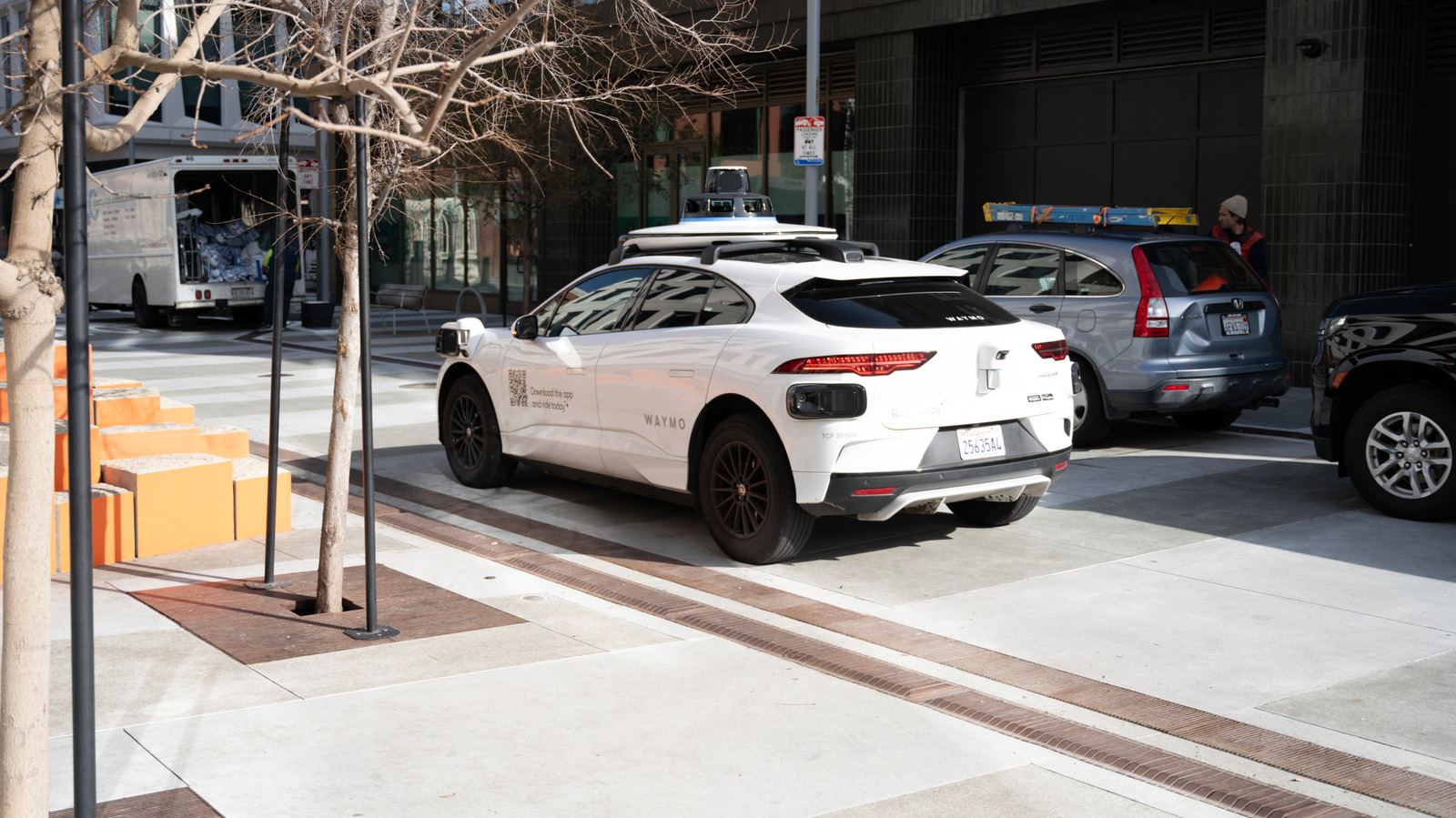
How Autonomous Vehicles Complicate Criminal Investigations
The recent incident involving a theft suspect utilizing a driverless vehicle as a getaway car exposes a paradox at the heart of contemporary surveillance and law enforcement. Despite the Waymo’s extensive sensor suite—29 cameras, among other technologies—authorities have yet to apprehend a suspect. This outcome challenges the assumption that pervasive data capture necessarily translates into effective policing. The evidence suggests that, under certain conditions, the very features designed to ensure accountability and safety in autonomous vehicles may inadvertently create new procedural hurdles for investigators.
Why Surveillance Saturation Does Not Guarantee Accountability
At first glance, the presence of dozens of high-resolution cameras might seem to render anonymity impossible. Yet, the methodological boundaries of such surveillance are stark. While the vehicle records its surroundings and occupants, legal and technical constraints govern access to this data. Privacy regulations, corporate data retention policies, and the technical challenge of matching fleeting images to known suspects all introduce friction. Furthermore, the absence of a human driver eliminates a potential eyewitness—an often-overlooked limitation in the evidentiary chain. The paradox is clear: more data does not always mean more actionable intelligence.
The Shifting Terrain of Criminal Opportunity
This episode signals a subtle but significant shift in the calculus of criminal risk. Autonomous vehicles, marketed for their safety and neutrality, may under specific circumstances become unwitting accomplices. The lack of a driver removes a variable that criminals historically had to account for—human unpredictability or intervention. Moreover, the procedural lag in accessing and analyzing autonomous vehicle data can create a temporal window in which suspects evade identification. While some commentators argue that the digital footprint left by such vehicles will ultimately aid law enforcement, the current case demonstrates that this outcome is far from assured.
Who Bears the Hidden Costs?
Beyond the immediate parties—suspect, victim, and law enforcement—there are less visible stakeholders. Residents in neighborhoods where such incidents occur may experience a false sense of security, believing that technological saturation equates to deterrence. Meanwhile, companies operating autonomous fleets face reputational and legal exposure, especially if their data is perceived as either too accessible (raising privacy concerns) or too restricted (hampering investigations). The broader public, meanwhile, must grapple with the ambiguous trade-off between convenience, privacy, and security.
Toward a More Nuanced Understanding of Technological Neutrality
The mainstream narrative often frames autonomous vehicles as neutral tools, their impact determined solely by user intent. This interpretation remains contested. The structural limitations of current legal frameworks, the vested interests of technology providers, and the evolving tactics of criminal actors all interact in unpredictable ways. If anything, the incident underscores the need for a more sophisticated regulatory and ethical conversation—one that acknowledges both the promise and the pitfalls of delegating mobility, and by extension, accountability, to machines.
What Should Informed Observers Conclude?
For those seeking a clear takeaway, the lesson is not that technology inevitably outpaces law enforcement, nor that surveillance is futile. Rather, the core mechanism at stake is the interplay between technical capability and institutional adaptability. Until investigative protocols, data governance, and public expectations evolve in tandem with the technology itself, such paradoxes will persist. The prudent observer will recognize that neither technological optimism nor skepticism alone suffices; what is required is a continuous, critical reassessment of the assumptions underpinning both.