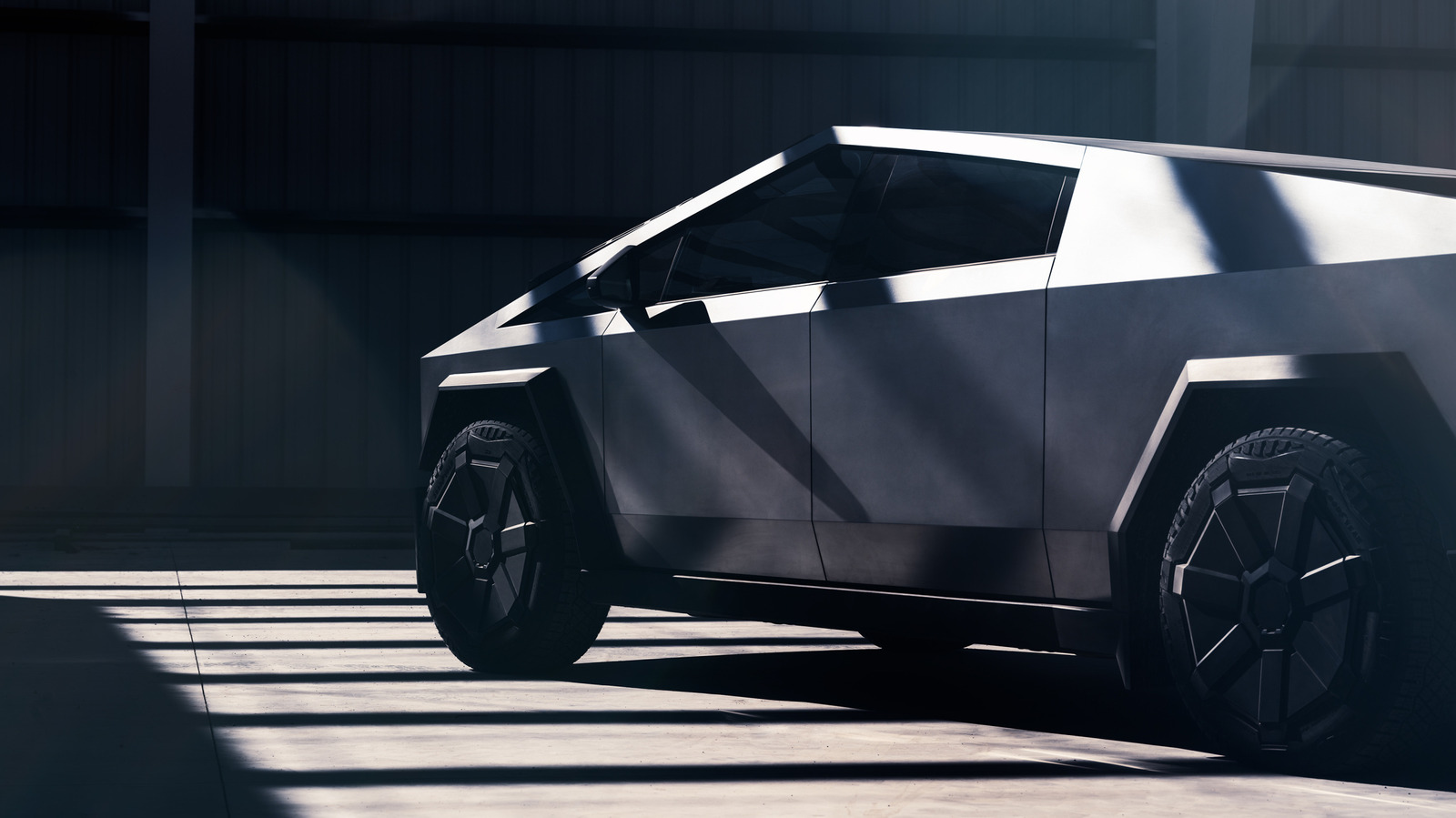
Why Do Certain Vehicles Provoke Disproportionate Irritation on the Road?
The phenomenon of vehicular annoyance—where specific models elicit outsized frustration from other drivers—demands a more nuanced exploration than mere aesthetic distaste or frequency of appearance. While it is tempting to attribute the collective groan to design excesses or ubiquity, the evidence suggests a more intricate interplay between cultural signaling, infrastructural adaptation, and the psychology of public space. Vehicles that become objects of scorn often serve as proxies for broader anxieties: about urban congestion, shifting social hierarchies, or the erosion of shared norms of courtesy and restraint.
To dismiss these reactions as superficial overlooks the symbolic freight certain vehicles carry. Oversized SUVs, for instance, are not merely large; they are perceived by some as declarations of disregard for communal resources—space, fuel, even safety. The irritation they provoke is thus less about the object itself and more about the perceived intent and values of its operator. This interpretive lens complicates the narrative, revealing that what is at stake is not just taste but contested visions of the public good.
How Does Vehicle Design Reflect—and Shape—Societal Tensions?
Automotive design, far from being a neutral exercise in engineering, encodes a set of priorities and aspirations that may or may not align with the evolving needs of the communities in which these vehicles operate. The proliferation of aggressively styled, high-riding vehicles—ostensibly justified by safety or utility—can be read as both a response to and a catalyst for a more atomized, defensive urban experience. Under specific conditions, the very features that manufacturers tout as virtues become liabilities in the collective context: elevated hoods that obscure pedestrians, excessive width that strains parking infrastructure, or lighting signatures that dazzle rather than illuminate.
The mainstream interpretation, which frames these trends as inevitable responses to consumer demand, warrants skepticism. Consumer preferences are not formed in a vacuum; they are shaped by marketing, regulatory loopholes, and the slow erosion of alternatives. The evidence remains mixed on whether the average driver genuinely benefits from these design shifts, or whether the externalities—borne disproportionately by cyclists, pedestrians, and those in smaller vehicles—are simply rendered invisible by the prevailing discourse.
Who Bears the Hidden Costs of Automotive Homogenization?
While the most visible consequence of the so-called “monstrosity” on the road is aesthetic fatigue or spatial inconvenience, the deeper costs are distributed unevenly across the urban landscape. Children and the elderly, whose sightlines and reaction times are mismatched to the scale and acceleration of modern vehicles, face heightened risk. Municipal budgets strain to accommodate ever-larger vehicles with wider lanes and reinforced infrastructure, diverting resources from alternative transportation modes that might serve a broader public.
Moreover, the normalization of such vehicles exerts a subtle coercive pressure: as the fleet grows taller and heavier, those who wish to avoid being physically or symbolically marginalized may feel compelled to purchase similar models, perpetuating a cycle of escalation. This dynamic, rarely acknowledged in mainstream commentary, suggests that the issue is not merely one of taste or preference, but of structural incentives and collective action problems.
What Should an Informed Observer Conclude About the Persistence of Road Monstrosities?
The persistence—and proliferation—of vehicles that inspire near-universal derision on the road is not an accident of consumer irrationality, nor merely a failure of design restraint. It is, rather, a symptom of deeper misalignments between private incentives and public welfare, exacerbated by regulatory ambiguity and the inertia of established market actors. The evidence does not support the notion that these vehicles are an inevitable endpoint of progress; rather, they are the contingent result of choices—by manufacturers, policymakers, and consumers—that could be otherwise.
For the reader seeking actionable insight, the lesson is not to indulge in reflexive scorn, but to interrogate the systems that render such outcomes rational for individuals but suboptimal for the collective. Advocacy for more stringent design standards, support for alternative mobility options, and a willingness to challenge the cultural narratives that valorize excess over sufficiency—these are the levers by which the current trajectory might be redirected. The monstrosity on the road, in short, is less a cause than a symptom. The real question is whether we are prepared to address the underlying condition.