How Do Wildfires Challenge Conventional Insurance Protections?
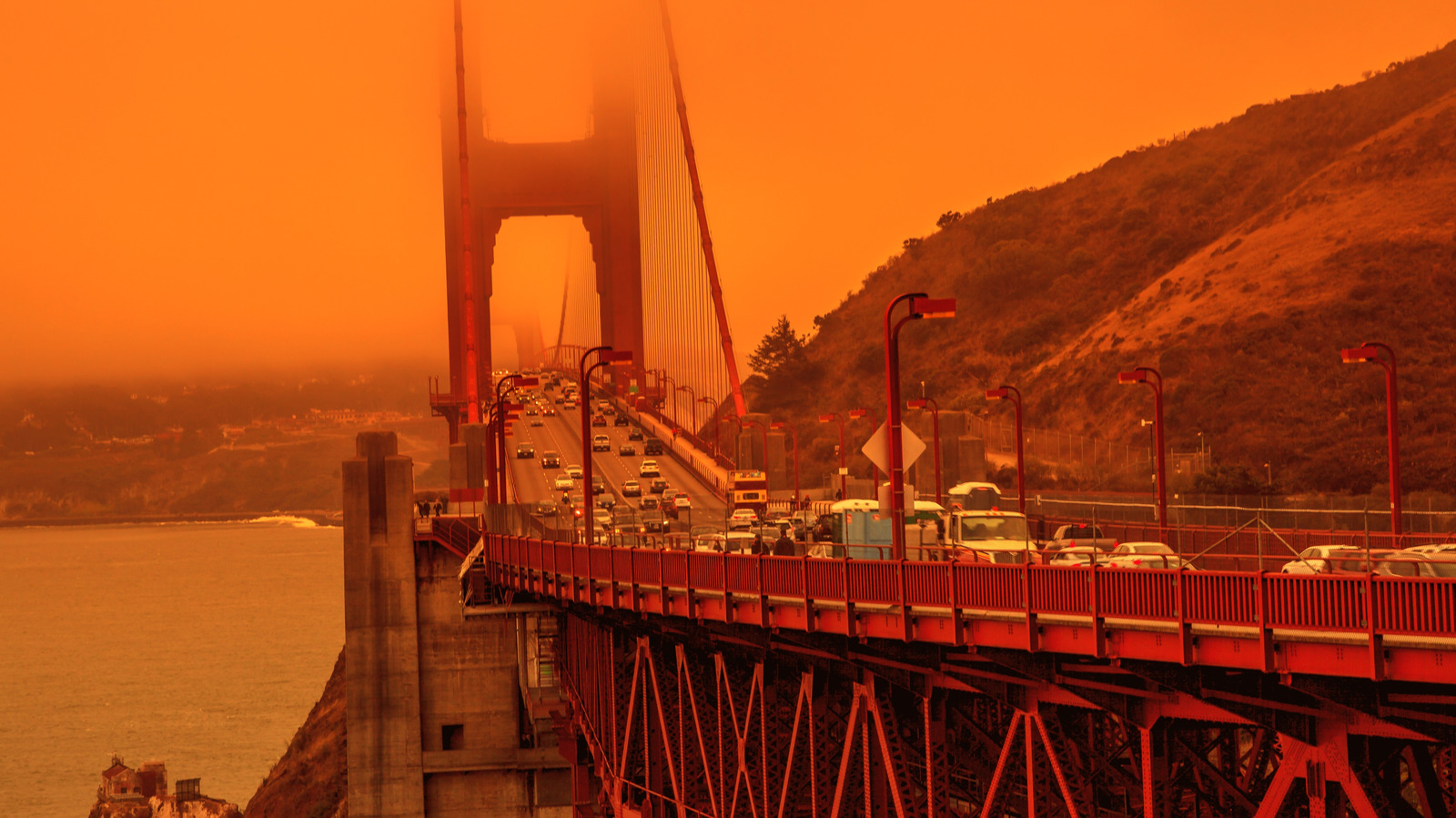
The intensification of wildfire seasons in recent years has exposed a structural vulnerability in standard insurance frameworks. Policies that once seemed comprehensive now reveal significant exclusions or ambiguous language regarding smoke and particulate damage. While most consumers assume that fire-related losses are covered, the evidence suggests that insurers often distinguish between direct fire damage and the more insidious effects of smoke infiltration, ash, and corrosive particulates. This distinction is not merely semantic; it has practical consequences for claims approval and out-of-pocket costs. Under specific conditions, policyholders may find themselves responsible for repairs to vehicles or property that, while not scorched, have suffered substantial harm from airborne contaminants. The core mechanism at stake is the contractual specificity of coverage—what is explicitly named versus what is left to interpretation. For those in wildfire-prone regions, this gap is not hypothetical. It is a recurring source of financial and legal friction.
Why Does the Scope of Coverage Matter Beyond Immediate Losses?
The ramifications of inadequate or unclear coverage extend far beyond the immediate aftermath of a wildfire event. When insurers deny claims for smoke damage, the costs are not simply absorbed by individuals; they ripple through local economies as diminished consumer spending, deferred repairs, and even reduced property values. Moreover, the psychological toll of uncertainty—never knowing whether a future claim will be honored—undermines the very purpose of insurance as a risk-mitigation tool. There is a second-order effect as well: as more claims are contested or denied, public trust in the insurance system erodes, prompting calls for regulatory intervention or the emergence of alternative risk-sharing models. The mainstream interpretation that insurance is a reliable safety net thus appears increasingly incomplete, especially under the stress test of climate-driven disasters.
Who Faces the Greatest Exposure—and Why Is This Often Overlooked?
It is tempting to view wildfire risk as a rural or exurban problem, affecting only those who live near forests or grasslands. Yet, the data complicate this narrative. Urban peripheries, transportation corridors, and even densely populated suburbs can experience significant smoke exposure, with vehicle and property damage occurring miles from the fire’s origin. Demographically, lower-income households and renters are disproportionately affected, as they are less likely to have robust coverage or the resources to pursue contested claims. This structural inequity is rarely foregrounded in public discourse, which tends to focus on dramatic images of burning homes rather than the diffuse, invisible harms of smoke and ash. The evidence thus points to a blind spot in both policy design and public awareness.
What Should an Informed Policyholder Do in Light of These Uncertainties?
Given the contested boundaries of wildfire-related coverage, the prudent course is not passive acceptance but active inquiry. Policyholders should scrutinize their insurance documents for explicit mention of smoke, ash, and particulate damage, seeking clarification where ambiguity persists. In some cases, supplemental riders or endorsements may be available, though these come with additional costs and are not universally offered. The practical significance of this diligence cannot be overstated: in a landscape of increasing environmental volatility, the difference between covered and uncovered losses may hinge on a single clause. For those with the means and leverage, collective negotiation—through homeowner associations or regional advocacy groups—may yield more favorable terms. Ultimately, the lesson is clear: in the era of climate-driven risk, vigilance and specificity are the new prerequisites for genuine protection.