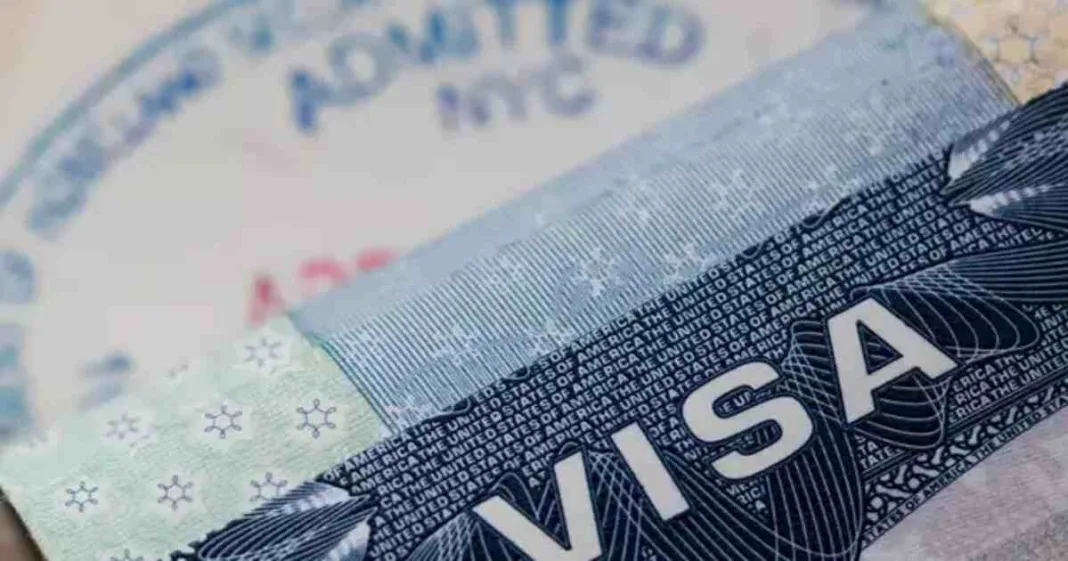
The Trump administration announced Tuesday it was expanding travel restrictions to an additional 20 countries and the Palestinian Authority, doubling the number of nations affected by sweeping limits announced earlier this year on who can travel and emigrate to the U.S.
The Trump administration included five more countries as well as people traveling on documents issued by the Palestinian Authority to the list of countries facing a full ban on travel to the U.S. and imposed new limits on 15 other countries.
Read more: Pakistan’s military chief Asim Munir in spotlight over Trump’s Gaza plan
The move is part of ongoing efforts by the administration to tighten U.S. entry standards for travel and immigration, in what critics say unfairly prevents travel for people from a broad range of countries. The administration suggested it would expand the restrictions after the arrest of an Afghan national suspect in the shooting of two National Guard troops over Thanksgiving weekend.
People who already have visas, are lawful permanent residents of the U.S. or have certain visa categories such as diplomats or athletes, or whose entry into the country is believed to serve the U.S. interest, are all exempt from the restrictions. The proclamation said the changes go into effect on Jan. 1.
In June, President Donald Trump announced that citizens of 12 countries would be banned from coming to the United States and those from seven others would face restrictions. The decision resurrected a hallmark policy of his first term.
At the time the ban included Afghanistan, Myanmar, Chad, the Republic of Congo, Equatorial Guinea, Eritrea, Haiti, Iran, Libya, Somalia, Sudan and Yemen and heightened restrictions on visitors from Burundi, Cuba, Laos, Sierra Leone, Togo, Turkmenistan and Venezuela.
Read more: Bondi Beach suspect father arrived in Philippines as ‘Indian national’: immigration
On Tuesday, the Republican administration announced it was expanding the list of countries whose citizens are banned from entering the U.S. to Burkina Faso, Mali, Niger, South Sudan and Syria. The administration also fully restricted travel on people with Palestinian Authority-issued travel documents, the latest U.S. travel restriction against Palestinians. South Sudan was also facing significant travel restrictions already.
An additional 15 countries are also being added to the list of countries facing partial restrictions: Angola, Antigua and Barbuda, Benin, Ivory Coast, Dominica, Gabon, Gambia, Malawi, Mauritania, Nigeria, Senegal, Tanzania, Tonga, Zambia and Zimbabwe.
The restrictions apply to both people seeking to travel to the U.S. as visitors or to emigrate there.
The Trump administration said in its announcement that many of the countries from which it was restricting travel had “widespread corruption, fraudulent or unreliable civil documents and criminal records” that made it difficult to vet their citizens for travel to the U.S.
It also said some countries had high rates of people overstaying their visas, refused to take back their citizens whom the U.S. wished to deport or had a “general lack of stability and government control,” which made vetting difficult. It also cited immigration enforcement, foreign policy and national security concerns for the move.