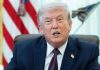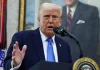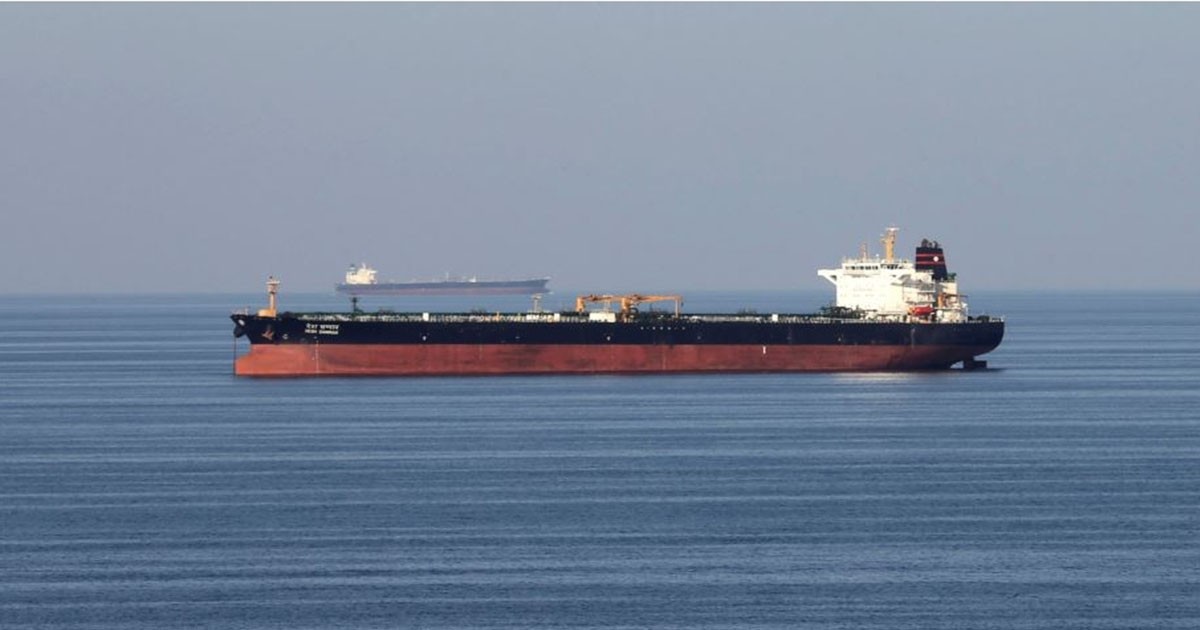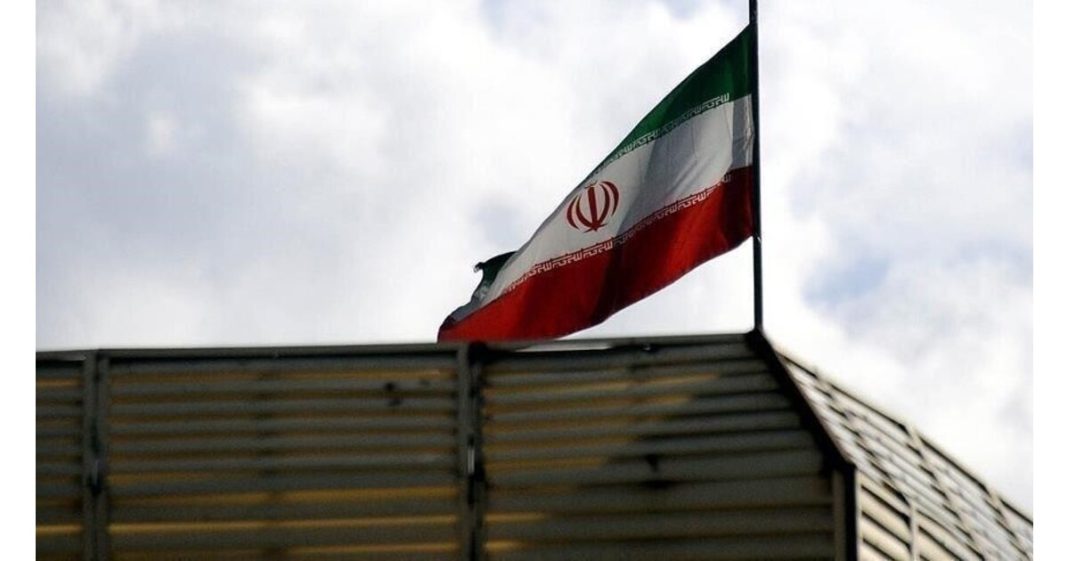
US President Donald Trump, who had previously warned that he would target Iran if the Strait of Hormuz was not opened within 48 hours, extended that deadline to April 8th in a statement over the weekend.
In a statement yesterday, Trump said that talks with Iran were going well, but if an agreement wasn’t reached within the timeframe he gave, he would target Tehran’s power plants and bridges, destroying the country’s civilian infrastructure. He stated, “We have a plan; by midnight tomorrow, every bridge in Iran will be destroyed, and all power plants will be disabled.”
In contrast, statements from Iran conveyed the message that “the war will continue until the enemy is brought to a point of regret, in order to prevent future attacks.”
The harsh statements exchanged between the countries highlight the risk that the US will directly target Iran’s energy infrastructure in the future, increasing concerns that such a scenario would deepen global supply disruptions.
The world faces the risk of an unprecedented supply shortage
Osama Rizvi, an energy and economics analyst at the international data company Primary Vision Network, told an AA correspondent that energy markets would be sharply shaken if Trump’s threats were to be implemented.
Rizvi pointed out that the negative impact of current geopolitical developments on oil supply has reached higher levels compared to past supply shortages, saying, “If Trump’s threats materialize, energy markets could face an unprecedented supply shortage. This could push oil prices up to $200, causing serious damage to international markets.”
Rizvi emphasized that potential attacks on energy infrastructure could affect not only prices but also the structural integrity of supply, noting that some Gulf countries have already declared “force majeure” and that LNG supply has been negatively impacted in much of the world.
Rizvi noted that if the US were to launch a large-scale attack on Iran’s energy infrastructure, restoring oil production in the region could take many years, negatively impacting developing countries and Asian economies that are particularly dependent on energy imports.
On the other hand, Rizvi noted that the markets have not yet priced in these threats, saying, “The markets are exhibiting a rather mixed picture. Uncertainty prevails rather than anxiety, and it is impossible to predict what will happen. Therefore, uncertainty manifests itself as high and unpredictable volatility in energy markets.”
The era of cheap energy may be over
Rizvi stated that the rise in markets could be temporary if tensions are brought under control, adding, “We are entering a new era where geopolitical tensions have become a permanent element. This indicates that risks in energy markets have structurally increased and the era of cheap energy has come to an end.”
Read more: Donald Trump Issues Final Ultimatum as Iran Strikes Region and Civilian Targets Come Under Threat
Rizvi emphasized that Europe’s energy supply security is also directly affected by this process, and continued as follows:
“The disruption of supplies from Russia and the limited availability of alternatives have made Europe more dependent on a small number of suppliers. This situation could lead to expanding options by increasing investment in pipelines and energy infrastructure. This would reduce Europe’s dependence on the Strait of Hormuz, Bab el-Mandeb, and other strategic transit points. However, as of today, there is no alternative that can replace the energy flow through the Strait of Hormuz.”
Rizvi concluded by saying that the decision by International Energy Agency (IEA) member countries to activate their 400 million barrel emergency oil reserves may not have a significant impact on limiting price increases.
“These reserves are not directly released to the market but are only made available for access, and buyers still need to purchase them. Furthermore, logistical processes and high war risk insurance costs continue. The type of crude oil offered and the technical compatibility of the refineries also remain a decisive technical factor hindering efforts to ease market tensions.”