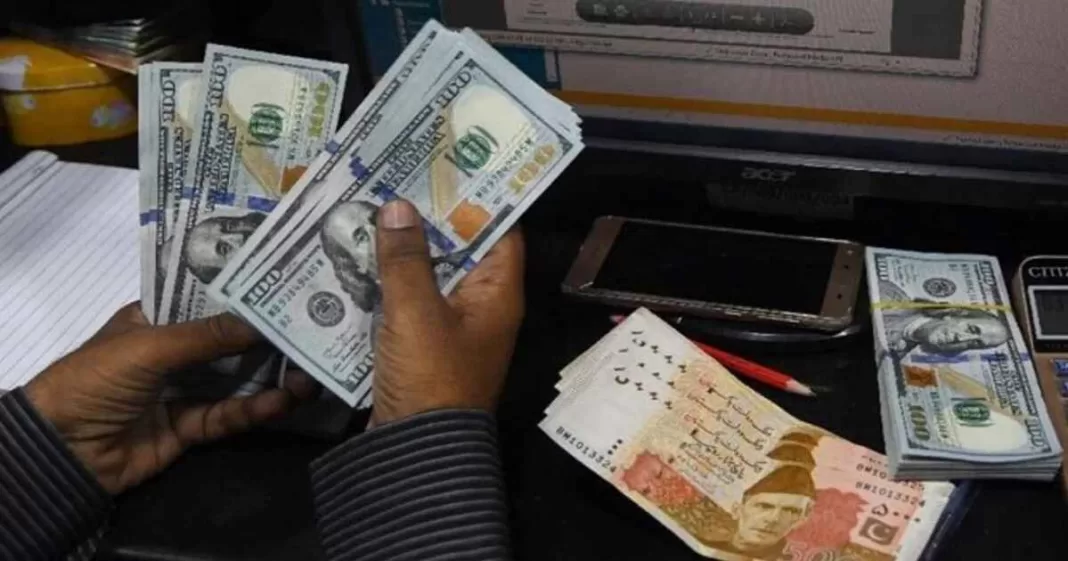
Pakistan has decided to repay $3.5 billion in debt to the United Arab Emirates (UAE) before the end of the month, according to a senior official.
🚨🇦🇪 BREAKING — Dubai is Broke!
UAE Demands Pakistan Repay $2,000,000,00 Loan Immediately pic.twitter.com/5BnolGq3rT
— ✦✦✦ 𝙿𝚊𝚖𝚙𝚑𝚕𝚎𝚝𝚜 ✦✦✦ (@PamphletsY) April 3, 2026
The official said the move reflects a willingness to absorb financial strain in order to uphold “national dignity,” despite the expected impact on foreign exchange reserves. The repayment follows a request from Abu Dhabi for the immediate return of the funds.
Read more: Iran claims downing of US F-35
“The amount will be returned as soon as possible,” the official stated, adding that financial considerations could not outweigh national dignity.
The funds were part of financial assistance provided by the UAE in 2019 to support Pakistan’s balance of payments. Since then, the deposits — placed through the Abu Dhabi Fund for Development — had been rolled over multiple times. However, recent extensions had become increasingly short-term, sometimes lasting only a month, indicating growing reluctance on the UAE’s part.
Under its ongoing programme with the International Monetary Fund (IMF), Pakistan is required to secure around $12.5 billion in rollovers from key partners, including China, Saudi Arabia and the UAE, to maintain reserve levels and meet external financing needs. The UAE deposits were a crucial component of this arrangement.
Read more: ‘Rs.458 per litre?!’ Social media stunned by shocking fuel hike
Pakistan’s central bank reserves currently stand at approximately $16.3 billion. Repaying $3 billion would reduce reserves by about 18 per cent, significantly weakening the country’s external buffer and import cover.
Officials acknowledged that the repayment would affect reserve levels but said the decision was made in light of evolving bilateral considerations and the UAE’s demand for immediate settlement. They did not indicate any immediate plans for replacement financing.
Economic analysts have warned that the move could put additional pressure on the rupee and complicate Pakistan’s position under the IMF programme unless offset by fresh inflows.
Meanwhile, the Ministry of Finance, in a post on X, said it is closely monitoring and managing Pakistan’s external financial flows to ensure stability in foreign exchange reserves.
The government, it added, remains committed to meeting all its external obligations, while dismissing media speculation by reiterating that external flows are being actively managed to maintain reserve stability.