The long-term fallout of the war in Iran is only beginning to take shape, but this much is clear: The conflict has left the Middle East unsettled, alliances strained and the world facing uncertain shifts in the balance of economic and military power.
Iran’s theocracy is tattered but alive, with new economic leverage. The U.S. and Israel will hold elections this year, their leaders potentially facing voters having fallen short of their war aims. The NATO alliance, already strained, is under even more pressure. The Gulf Arab states face an emboldened Iran in their backyard.
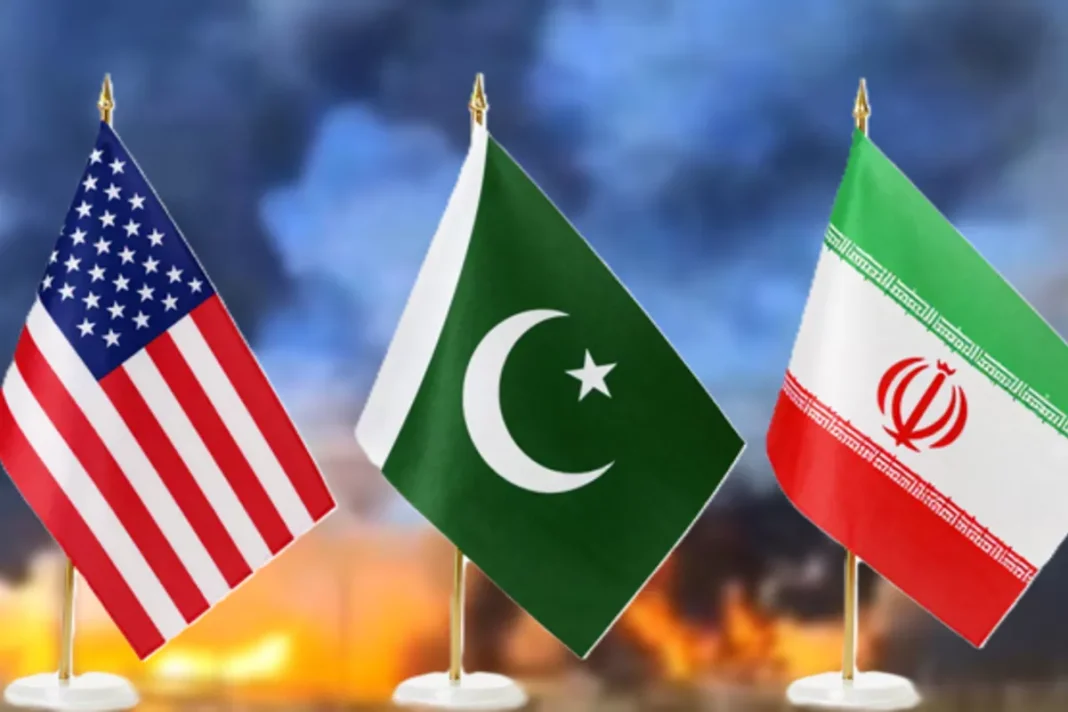
At this inflection point, as the U.S. and Iran prepare for talks this weekend in Pakistan, AP journalists in the Middle East and Washington share their assessments on how the war is still reverberating across the world during the tenuous ceasefire:
Israel
If Prime Minister Benjamin Netanyahu were to be graded for the war, he would get an “incomplete.”
Netanyahu set some ambitious goals at the outset of the fighting on Feb. 28, saying he wanted to remove the threats posed by Iran’s missile and nuclear programs and its support for hostile proxy groups. He also vowed to create the conditions for a popular uprising against the Iranian government. None of these goals were fully achieved.
In a televised address after the ceasefire, Netanyahu acknowledged “we still have goals to complete.” But he nonetheless claimed “immense achievements.”
“Iran is weaker than ever, and Israel is stronger than ever. This is the bottom line of this campaign,” he said.
Read more: Iran targeted 7 Arab countries with 6,413 missiles, drones over past 41 days
With elections looming later this year, the question for Netanyahu is whether the Israeli public agrees with his assessment.
Israelis overwhelmingly supported the war against archenemy Iran, especially in the early days of the campaign. But as the war dragged on, Israelis also grew tired as nonstop air-raid sirens disrupted daily life and sent people scrambling into bomb shelters around the clock.
Netanyahu is now hoping that in the coming ceasefire talks the U.S. will shore up the battlefield gains into a permanent agreement that guards Israel’s interests. He also must ensure that his relationship with President Donald Trump remains strong after an inconclusive war that was deeply unpopular in the U.S.
Otherwise, Netanyahu could find himself struggling for his job when his war-weary nation heads to the polls.
— Josef Federman, deputy news director for the Middle East
Depleted Iran finds leverage
Iran, battered by nationwide protests in January and heavy airstrikes in the war, suddenly finds itself in a position of power.
Just the threat of sea mines and possible attacks from Iran’s paramilitary Revolutionary Guard has ships staying away from the Strait of Hormuz, in effect keeping the waterway crucial for international energy shipments closed.
Even hard-liners have spun the killing of 86-year-old Supreme Leader Ayatollah Ali Khamenei into the idea of replacing him with a younger, more hard-line version of himself in his son, Mojtaba.
The government has put forward its own maximalist demands ahead of the Islamabad talks — including continuing to enrich uranium in its nuclear program, one of the chief reasons Trump gave for going to war.
Yet Iran’s military sites now sit in ruins, its missile arsenal broadly depleted, and the threat of more protests by its people still looms in the future. That unrest could be spurred on by the sheer level of destruction in Iran’s oil and gas industry, as well as attacks targeting steel mills and other economic sites.