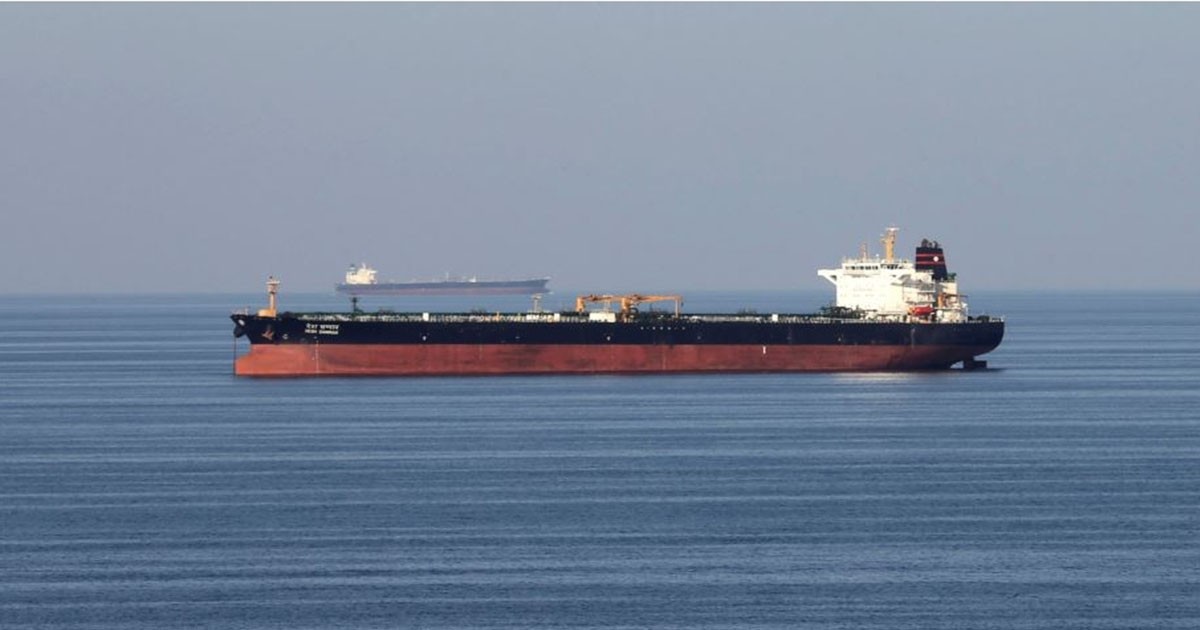
Pakistan has formally requested Saudi Arabia for an alternative oil supply route through Yanbu to maintain its fuel supply chain in the wake of blockade of the Strait of Hormuz following the United States-Israel joint attack on Iran.
Iran, in retaliation to these attacks, has blocked the main Strait of Hormuz. The request was made by the Federal Minister for Petroleum Ali Pervez Malik to the Saudi Ambassador of Pakistan Nawab bin Sayyid Al-Maliki during the meeting.
The Saudi Ambassador has assured full support in this record, according to the statement issued by the Petroleum Division. During the meeting, both sides discussed matters of mutual interest and bilateral cooperation.
The Minister apprised the Ambassador about the current situation and the implications of the closure of the Strait of Hormuz on global energy markets. He said that Pakistan is closely monitoring the situation evolving in the Middle East on a daily basis as the majority of Pakistan’s energy supplies transit through that strait.
The Ambassador of Saudi Arabia added that the Kingdom is fully aware of the evolving situation and reaffirmed that Saudi Arabia will stand firmly with Pakistan to meet any energy requirements. He emphasized that Pakistan and the Kingdom of Saudi Arabia are brotherly countries and will continue to stand together, especially in these testing times. However, the government has decided to continue passing on the impact of the rising global oil prices to consumers under the existing fortnightly adjustment mechanism to avoid a fiscal burden.
Read more: Iran claims ‘complete control’ of strait: Latest developments in Middle East war
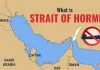
The Strait of Hormuz is a 33-mile-wide passage and a critical global chokepoint through which a large share of the world’s oil and most of Pakistan’s fuel imports pass, raising concerns. Asia is being the worst affected with the blockade of this Strait of Hormuz. The region is most exposed to the fallout from the Middle East conflict due to its heavy dependence on Gulf oil and gas supplies.
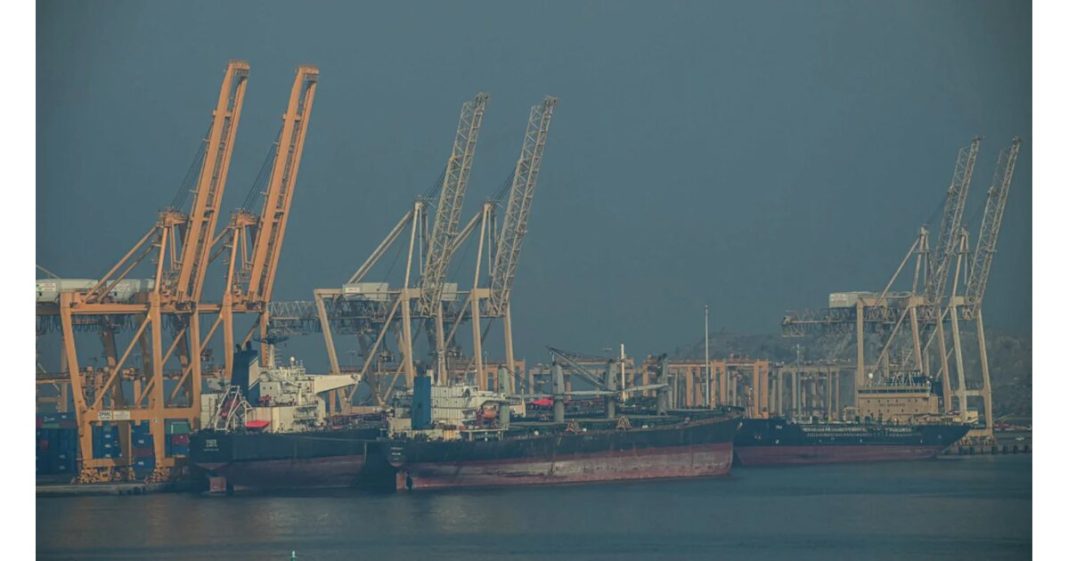
Besides targeting the U.S. military installations in the Gulf countries, Iran also seems to be attacking the oil and gas facilities as well. A fire broke out at the UAE’s Fujairah oil terminal on Tuesday following what the Emirates said was the debris falling on the facility. A fuel tank at Oman’s Duqm port was also hit. Energy-producing states including Qatar and Iraq have halted production after Iran’s said that it would set ablaze vessels passing through the Strait of Hormuz.
State-owned Qatar Energy said it was holding productions at its Ras Laffan plant on Monday after it was attacked by a drone. Asia is the most exposed to a halt in oil shipments through the Strait of Hormuz, but Europe is particularly vulnerable because of its dependence on Qatari liquefied natural gas.