Slate’s $24,950 Electric Pickup Tests Whether Simplicity and Price Can Drive Mass EV Adoption

Honda Element Returns as a Hybrid to Test Demand for Practical Compact SUVs

Suzuki Swift Sport Returns as Factory Bodykit, Highlighting the Limits of the Modern Hot...

Lincoln Memorial Reflecting Pool Faces Structural Risks from Motorcade Traffic


Autocar Namesakes and the Shifting Identity of Automotive Innovation
 The Autocar companies: The auto pioneers, pretenders, and partners who shared our name
Like 'Volkswagen Golf' or 'Citroën', 'Autocar' is an odd name normalised in the public consciousness purely by familiarity.
Like old André Citroën, this magazine (and website) has a valid excuse: while his grandfather had sold lemons, we were predicting what would become the common name for an entirely new invention.
Plenty of people setting up in the 1890s named their endeavours the This, That or The Other Autocar Company, and indeed one was so presumptive as to definitively call his The Autocar Company. He was well-born engineer Louis Semple Clarke, who produced his first car, The Pittsburgher, in 1897 with help from his brothers and their father.
In late 1899, the 32-year-old gave "quite an enthusiastic welcome" to Henry Sturmey, founding editor of The Autocar - a magazine of which he was apparently a "close student".
Sturmey was on a mission from Coventry to survey the incipient American car industry, and from Pennsylvania's industrial capital he reported: "The factory is at present situated on the fourth floor of a tall building, but I was informed that a new factory is now being erected to cover some three and a half acres of ground, and being laid out for an estimated output of 10 carriages per day!" - as if Clarke's ambition hadn't already been demonstrated by $1 million in founding capital (that's roughly £30m today).
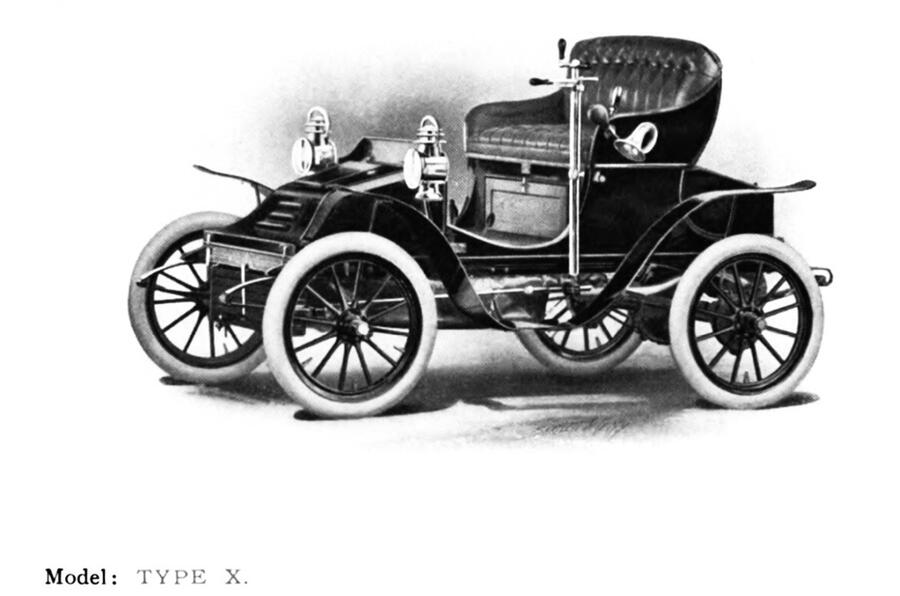
Sturmey was treated to a ride in a 4hp, two-cylinder, two-seat runabout-type car "presenting a very neat and handy appearance" and set to cost a very reasonable $500 pre-tax (say £15,000 now). He found it "handled over very bad roads excellently" and "ran very smoothly and satisfactorily, though one of the tyres showed a great inclination to get flat". Recent history made Sturmey doubt that The Autocar Co could hit that low price target, but should it succeed, he felt it would "certainly be producing the cheapest satisfactory car on the market".
By 1911, The Autocar Co was no longer making cars - but not due to the bankruptcy that befell most 'brass era' firms, rather because it found far greater prosperity as the first American truck maker, or so it claims. Yes, claims present tense, because it still exists as a maker of 'severe-duty' trucks in Alabama.
'Autocar' was already an outdated term by the early 1950s, yet that was what an Israeli duo picked for their fledgling nation's first car company.
Autocars Ltd started out making plastic-bodied vans, named Sussita and created by British minnow Reliant. Then, in 1960, co-founder Yitzhak Shubinsky visited London for the Racing and Sports Car Show, where he saw a novel chassis and a quirky plastic kit car body in close proximity to each other. Combining them, he reckoned, could produce a fine roadster for American export.
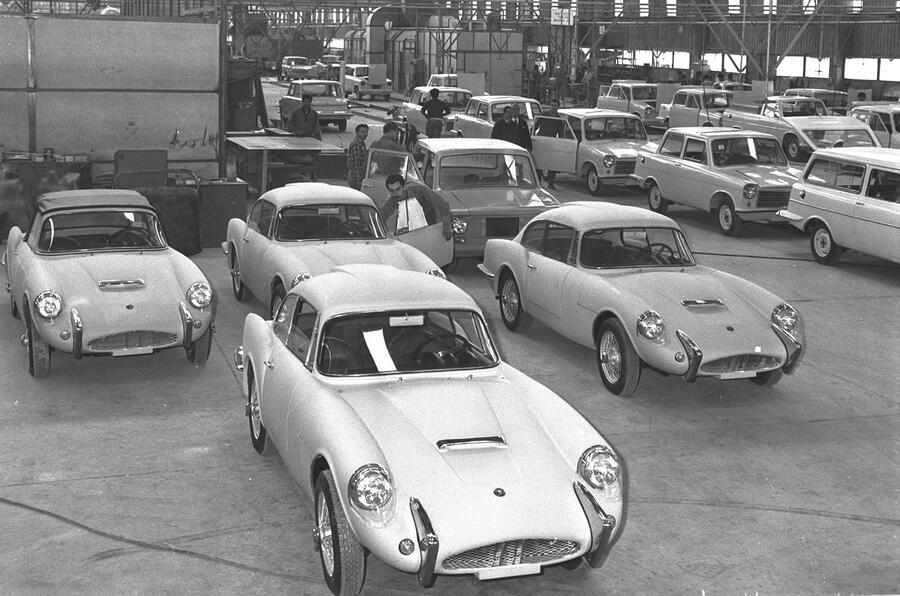
Having done the required deals, Shubinsky again engaged Reliant to make his idea a reality - and after significant chassis revisions and agreement to buy some 1.7-litre four-cylinder engines from Ford, the result was the Autocars Sabra. Or, if you were British, the Reliant Sabre, Tamworth making a version themselves under their own name. Notwithstanding some criticism of its suspension, our road testers concluded: "It has an acceptable performance, is fundamentally safe, fun to drive and economical to run."
Come 1963, we found Autocars' Haifa plant running at an annual production rate of a little over 2000, having just introduced the Carmel saloon - "the first purely Israeli passenger car", we said, although in hindsight it looks awfully like a Reliant Regal with a fourth wheel.
Enjoy full access to the complete Autocar archive at the magazineshop.com
"Since 1956 the [Autocars] project has gathered momentum quickly," we continued. "A local maker of steel furniture has taken on the job of making chassis frames, while other local manufacturers have been able to supply glass, trim materials, upholstery and road springs."
Further models arrived through the decade, borrowing parts from Triumph and Japan's Hino, but the Autocars name would last only until 1970 and the firm would fold in 1980.
It had made many thousands of cars by then - although very few of them had found homes in America.

Toyota Crown Updates Signal Strategic Shift with Expanded Hybrid Options and Trim Realignment

Morgan Midsummer Coupé Redefines Coachbuilt Exclusivity with Glass Canopy and Limited Production
 Extensive redesign creates glass-topped version of Pininfarina special – limited to just nine cars
Morgan has turned its stunning Midsummer roadster into an ultra-exclusive coupé – its first hard-top in more than a decade.
Limited to just nine examples, the Midsummer Coupé is Malvern's first fixed-roof model since the Aero 8 bowed out in 2015 and brings to an end production of the Pininfarina-designed coachbuilt special.
Morgan says all nine cars will be highly individualised, courtesy of the expansive array of personalisation options it offers through its in-house coachbuilding division. No pricing has been announced yet, but the coupé is expected to command a healthy premium over the £200k, 50-off roadster.
While the coupé is technically identical to the roadster – sharing its Plus Six-derived fundamentals and 335bhp BMW straight six – Morgan says it introduces "dramatically different proportions", with a bespoke design that "fundamentally changes the character of the car".
The roof itself is effectively a full glass canopy, split in the middle by a distinctive dividing strip that continues down the whole length of the car.
Morgan says the "roof was never conceived as a purely stylistic addition" but rather to "enhance the ownership experience" by improving refinement, practicality and year-round usability.
Transforming the car from open-roof barchetta to coupé "required significant structural development", the firm adds, highlighting the billet-machined aluminium A-pillars that have been installed to preserve body rigidity.
Morgan chief design officer Jonathan Wells said: "Midsummer Coupé represents the culmination of an extraordinary creative journey. What began as a celebration of coachbuilding, craftsmanship and collaboration has evolved into one of the most ambitious and rewarding projects we’ve ever undertaken.
“Working alongside the team at Pininfarina, together with our own designers and engineers, has been both a privilege and immensely rewarding. Midsummer Coupé marks the closing chapter of that remarkable collaboration, but it also represents a defining moment in Morgan’s coachbuilding story."
The coupé pictured here is car number 0 – a final design prototype that provides the basis for the nine customer cars. After a stint on display at the firm's Malvern HQ, it will be shipped to the Hague in the Netherlands, where it will be put on display at the Louwman Museum – the world's oldest private collection of historic cars.

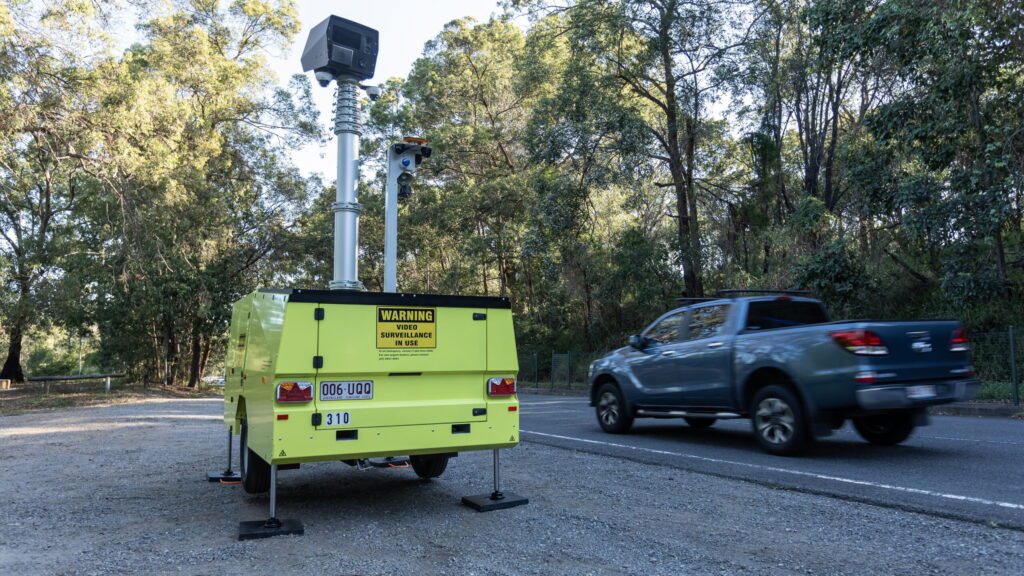
AI Traffic Cameras in Mississippi Ignite Debate Over Road Safety and Civil Liberties

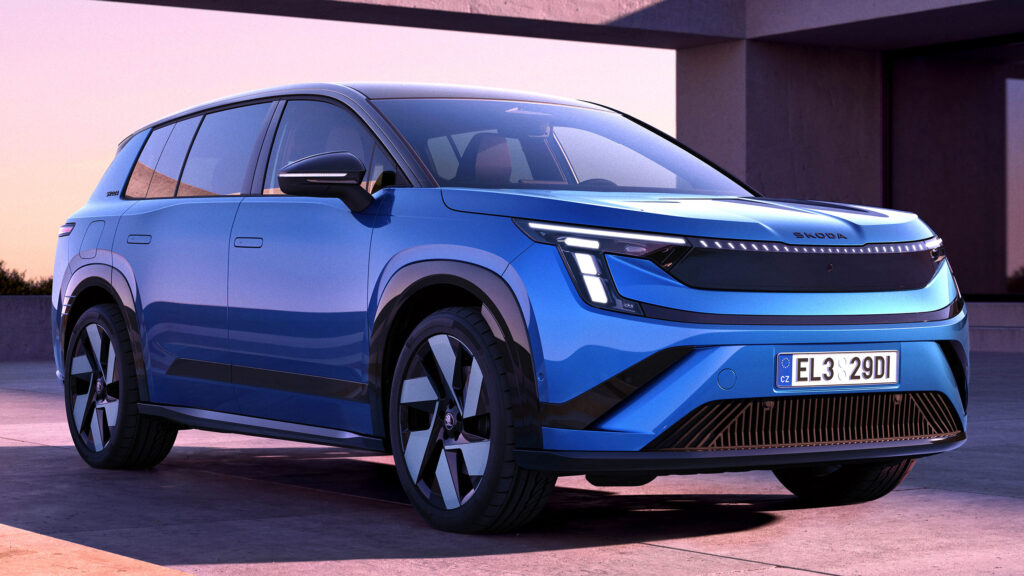
Skoda Peaq Redefines Electric Flagship with Three-Row Versatility, 402-Mile Range, and Sustainable Design

Mini Endurance Redefined as Diesel Cooper D Surpasses One Million Kilometers on Original Engine