Mercedes-AMG Pursues BMW M Rivalry With Aggressive Model Expansion and New Performance Engines

Mercedes-AMG GLE63 S and GLS63 Redefine Performance SUVs with Hybrid V8 and Advanced Chassis...

Audi A6 Allroad Reclaims the Rugged Estate Niche With Enhanced Off-Road Capability and Hybrid...
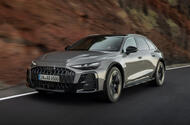 Lifted estate promises to match off-road ability of full-blown 4x4s, sitting 34mm higher than regular A6
Audi has revived the A6 Allroad for a new generation by turning its big family estate into a rugged 4x4 wagon that promises off-road ability to rival many full-blown SUVs.
This lifted and toughened version of the new A6 will appear in dealerships in the coming months, four years after the previous Allroad models were withdrawn from sale in the UK.
Audi plans to reignite a market niche that has almost disappeared, with the likes of the Skoda Superb Scout, Volvo V90 Cross Country and Mercedes E-Class All-Terrain all bowing out.
Audi technical boss Rouven Mohr hailed the A6 Allroad as "an icon in the Audi line-up". He said the firm aimed for this latest generation to match the earlier cars' blend of on-road comfort and rough-road capability.
Key to meeting this target is an extensive chassis overhaul that makes the Allroad a radically different proposition from the standard A6, with a bespoke suspension set-up and steering system among its headline features.
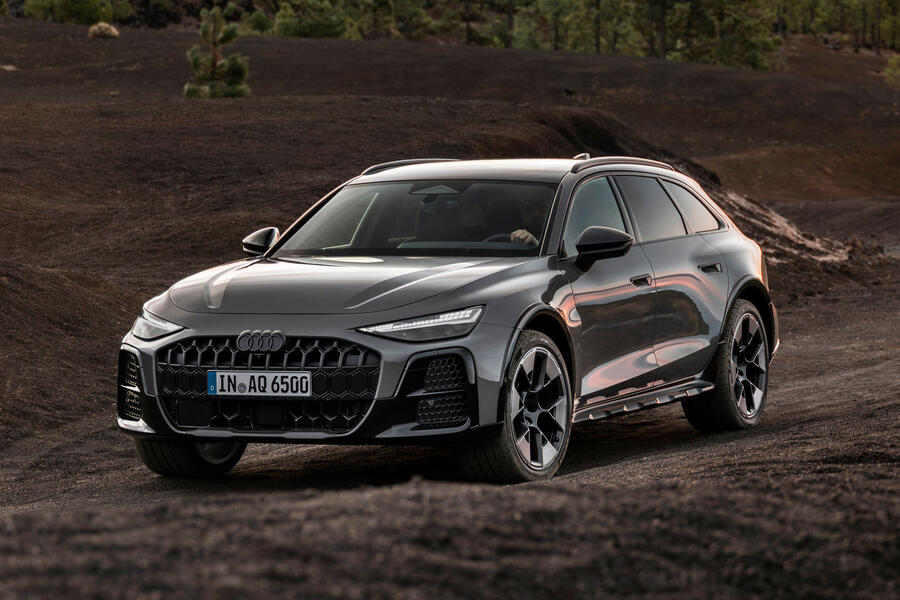
The most obvious change is a 34mm increase in ride height in normal mode. Because the active air suspension has 55mm of adjustability, that can be extended a further 15mm in its most extreme setting - with the shock absorbers adjusting to account for the extra height.
There is a more compliant Comfort mode for use in normal on-road driving situations and a Dynamic setting that lowers the ride by 20mm "for greater precision and stability". In every mode, the Allroad drops by 20mm above 75mph to boost efficiency.
The Allroad gains stiffer steering mounts in a bid to boost responsiveness and feedback. Audi also says the model has improved agility courtesy of a rear axle that can optionally steer up to 5deg in the opposite direction to the front-cutting the turning circle by up to one metre.
The mechanical upgrades are signalled by a substantial exterior design overhaul. The body is 110mm wider than the standard A6's and 84mm wider than even the previous Allroad - courtesy of a widened track and thicker tyres at each end, as well as bulky protective cladding around the lower portion of the car.
The Allroad gains a bespoke grille design and has its own intakes as part of a styling package that also includes a chunky skid plate, diffuser, side skirts and roof bars. The Allroad-specific wheel designs are available in 19in, 20in and 21in forms.
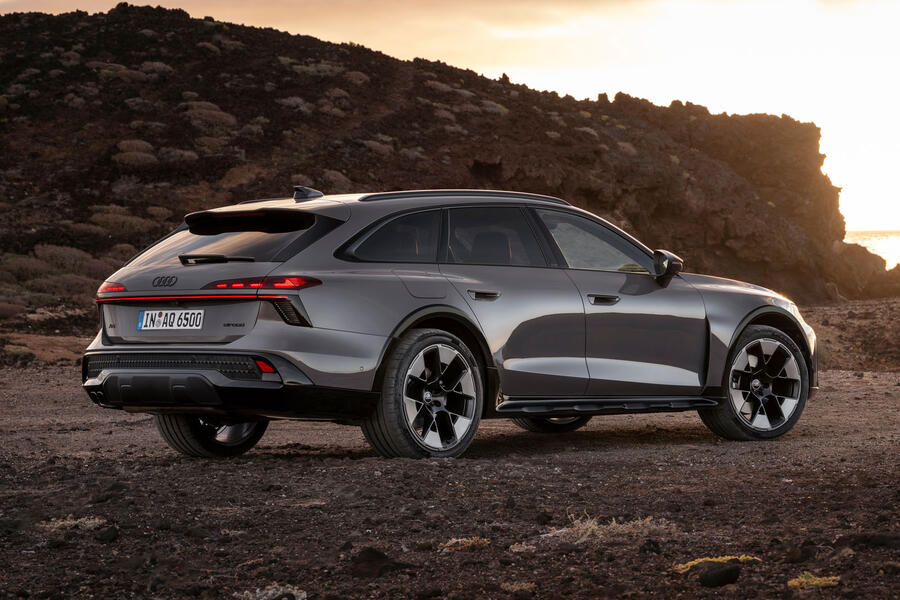
Power comes from either a mildly hybridised 3.0-litre diesel V6 producing 295bhp and 428lb ft or - for the first time on an Allroad - a plug-in hybrid system that combines a 2.0-litre petrol four-pot with an electric motor and a 20.7kWh battery for up to 60 miles of engine-off running.
UK specification details have yet to be confirmed but the new Allroad will go on sale in Germany later this week priced from the equivalent of £67,000 for the diesel or just under £70,000 for the PHEV.

Hyundai i20 N Shadow Edition Marks the End of an Era with Exclusive Australian...

Buick’s Enduring Legacy: How America’s Oldest Car Brand Survived by Reinventing Itself Across Eras
 Buick: the story of America’s oldest auto firm still running
Small to large.
By a small margin, Buick is the oldest North American company still building cars today, was the first to be incorporated into General Motors, and marked its 120th birthday in 2023.
To have survived so long, Buick has clearly been doing something right for the last 120 odd years, which is as good a reason as any for us to delve into its history:
The founder
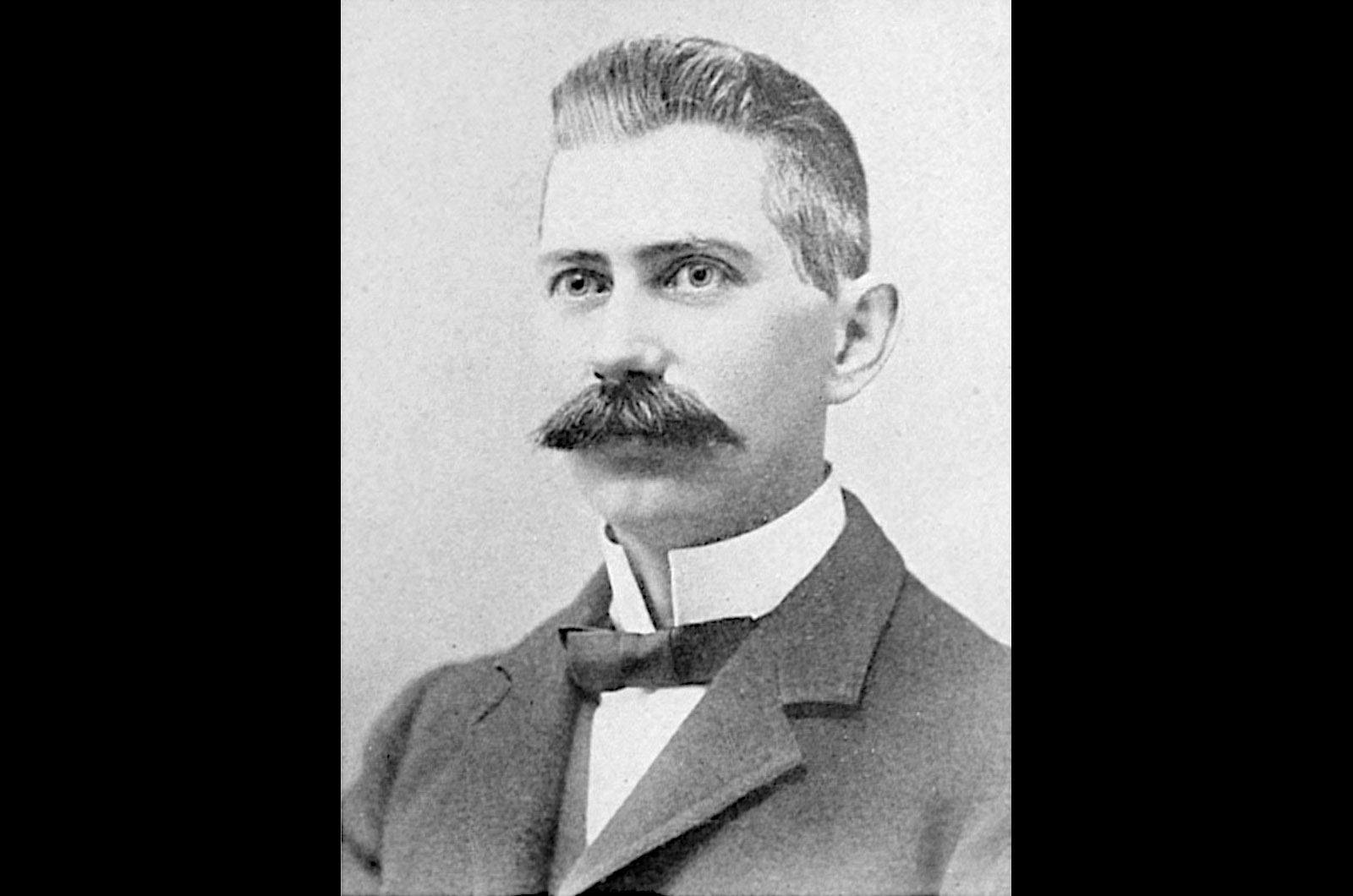
David Dunbar Buick (1854-1929) was born in Arbroath on the east coast of Scotland, but was taken by his family to the US at the age of two. Like Henry Ford (1863-1948), he created three companies, the last of which was by far the most successful.
The Buick Motor Company was incorporated on 19 May 1903, two months before Ford. Its predecessors had built cars, but this was the one that took the business seriously.
The first car
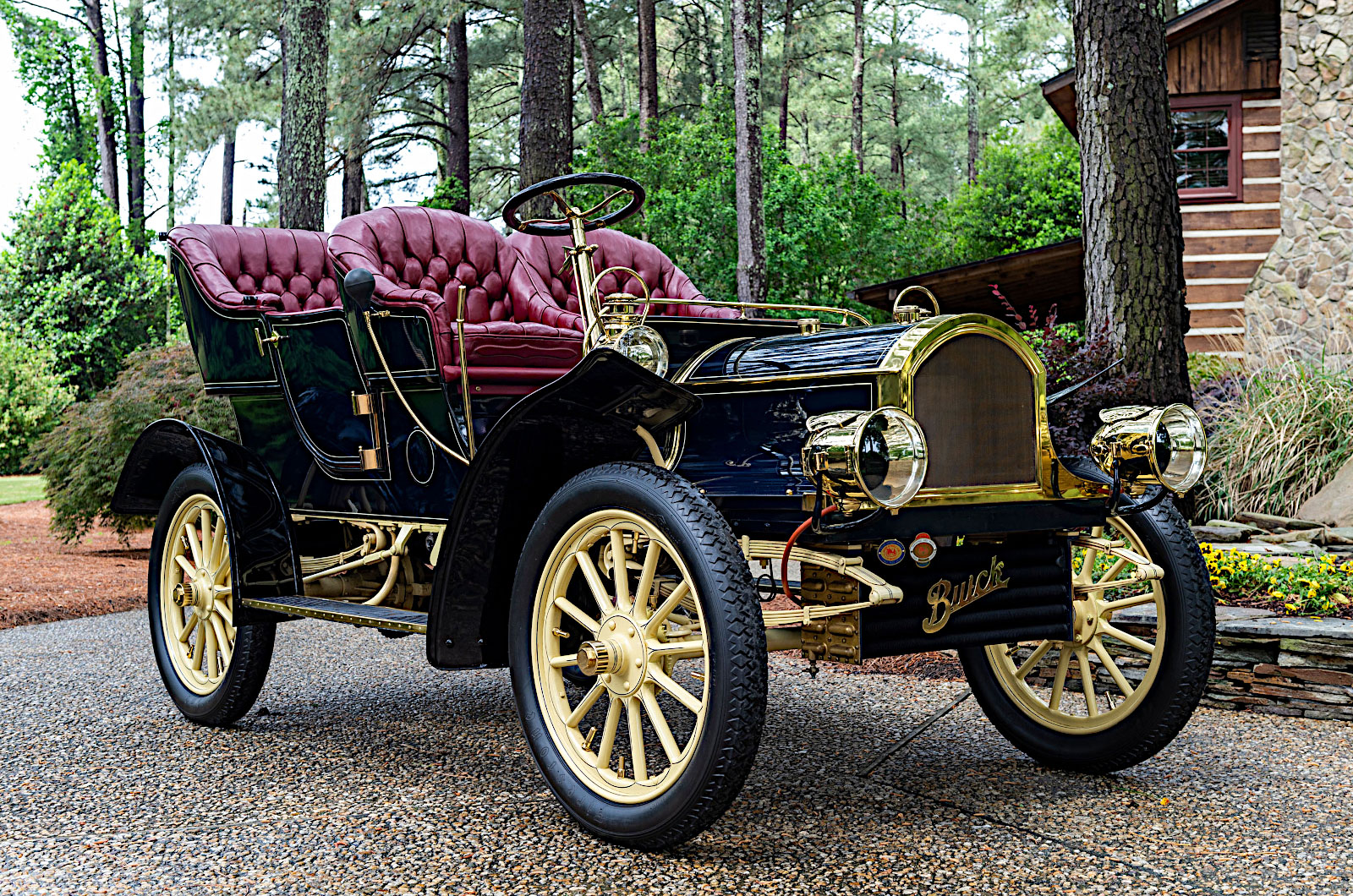
The first Buick to go to market, in 1904, was the Model B, which was renamed several times as it was developed over the years. None are believed to survive, but there are still over a dozen examples of the Model C derivative.
These cars had exceptional performance for their day, largely because their valves were mounted above the cylinders rather than alongside. This was due to the work of chief engineer Walter Marr (1865-1941), an early adopted of overhead-valve technology.
PICTURE: 1905 Buick Model C
General Motors
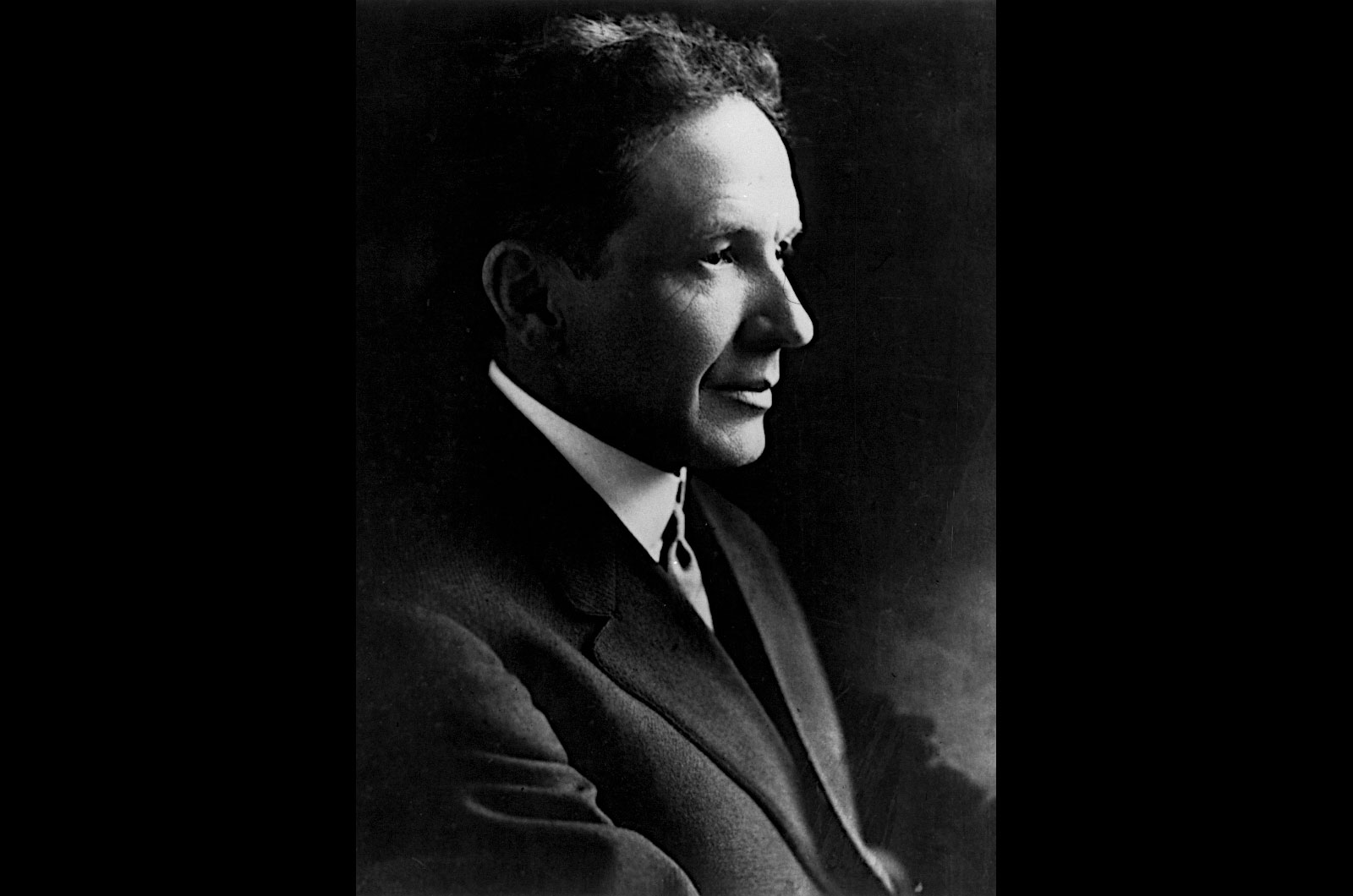
The Buick Motor Company got into deep financial trouble very quickly, and might not have lasted for much more than a year. It was saved by William Durant (1861-1947, pictured), who had made a fortune selling horse-drawn carriages. Not initially keen on cars, Durant was impressed by the Buick, and bought the company.
In 1908, he created a holding company called General Motors, Durant realizing before others that autos were going to be a huge new consumer product and economies of scale were key to producing them efficiently. Buick, by now very successful after its shaky start, was its first acquisition. Founder David Buick left the business in 1906 with a $100,000 pay off (around $3 million in today's money), but subsequent business ventures didn’t work out and he died, apparently broke, in March 1929.
The Four
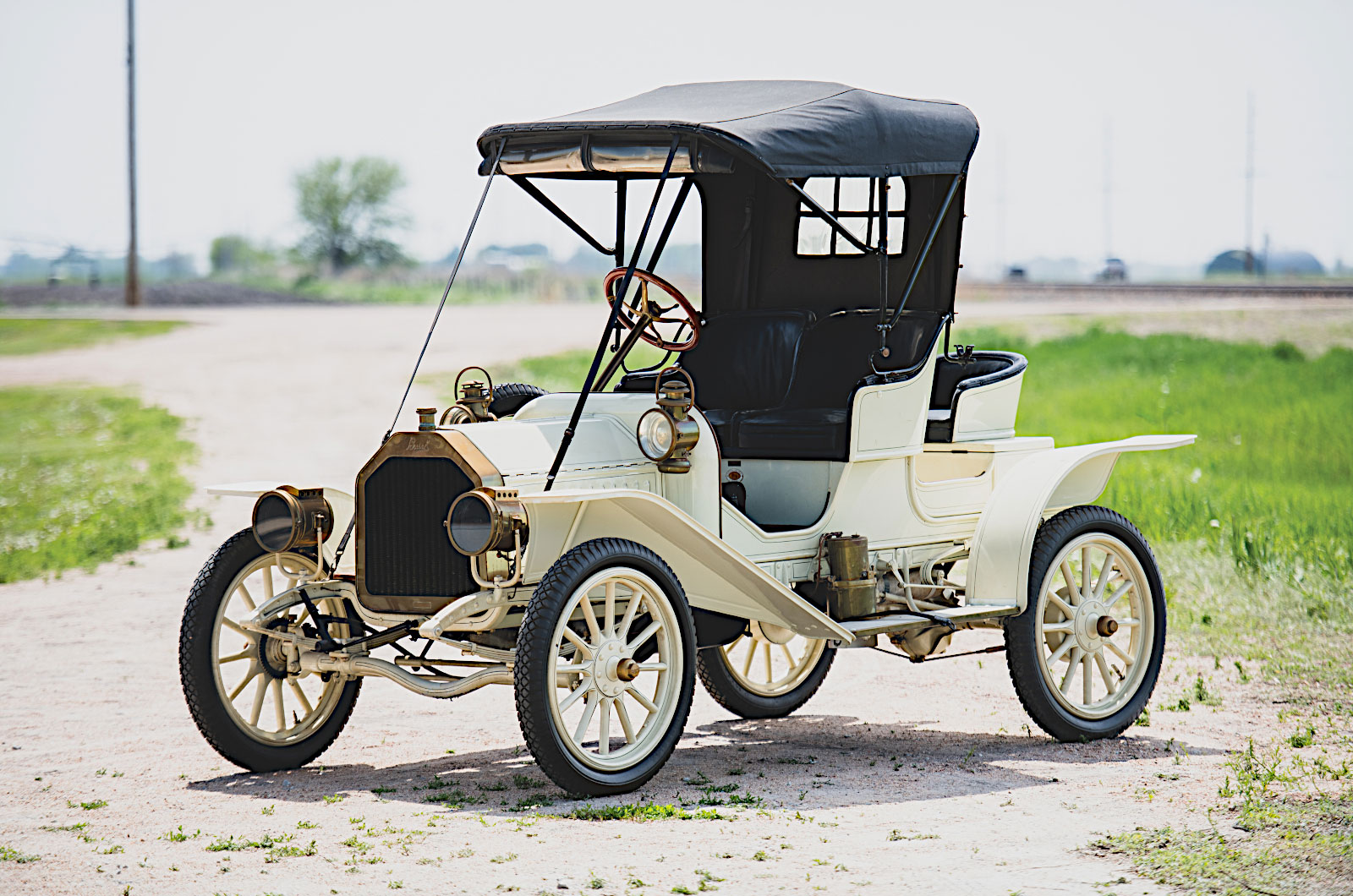
Buick Four is the collective name for a series of cars built after the GM takeover, whose engines had four cylinders, rather than the two in the Model B and its successors. Each cylinder was only slightly smaller than those of the older engine, and since there were twice as many of them the capacity almost doubled.
Oddly, Buick reverted to the less efficient sidevalve (or flathead) arrangement for this engine, but even in its earliest form it was far more powerful at 30bhp.
PICTURE: 1909 Buick Model 10 Runabout
The Six
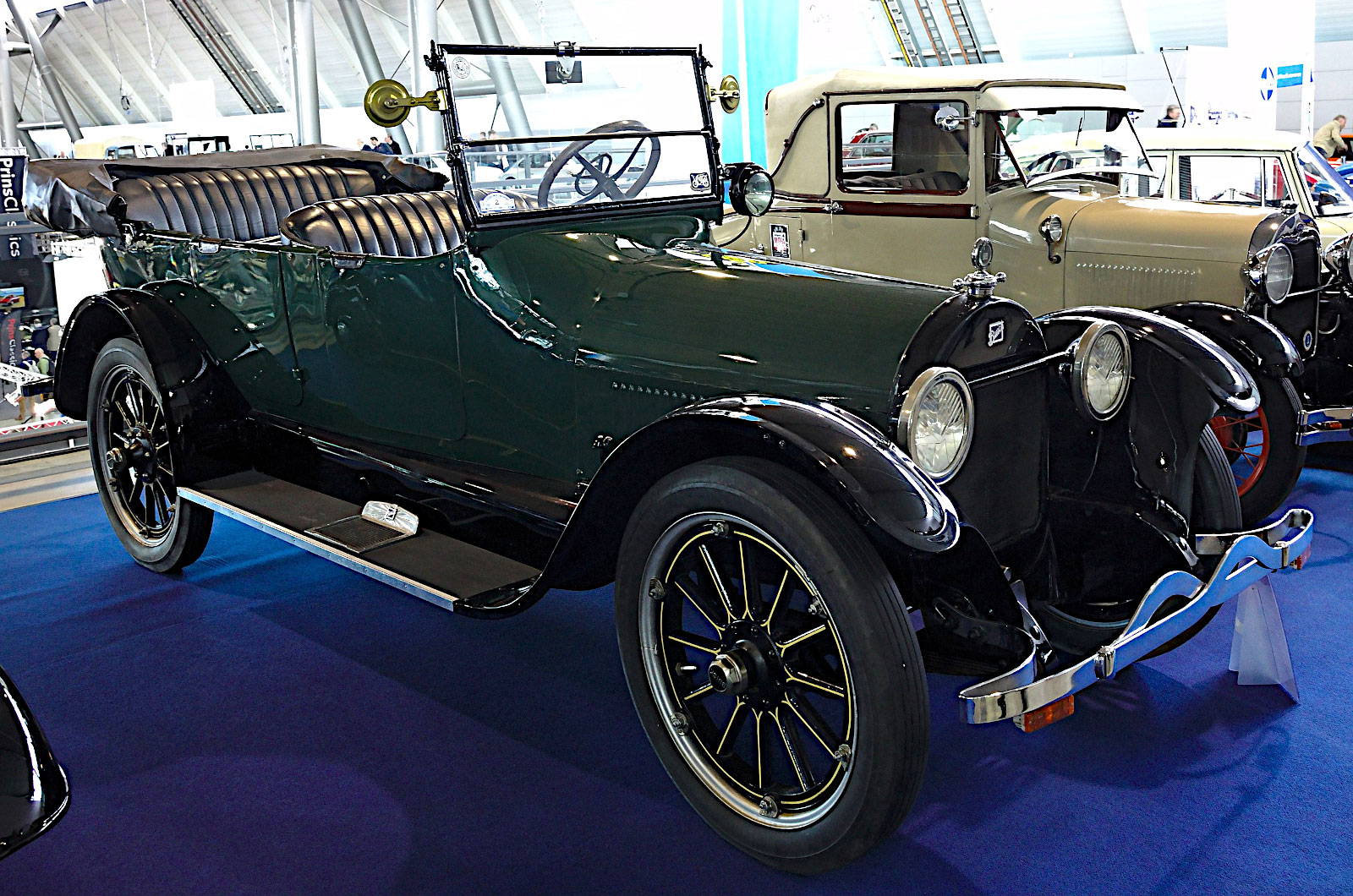
The Six was the last Buick launched before the US entered the First World War, and marked the debut of the company's first six-cylinder engine. Its cylinders were arranged in-line, and Buick reverted to the overhead valve head it had started out with.
The Six was in production from 1914 until 1925, but the engine was still being used as late as 1930. Available in capacities ranging from 3.1 to 5.4 litres, it was also fitted to the upmarket Master Six and the junior-level Standard Six.
Marquette
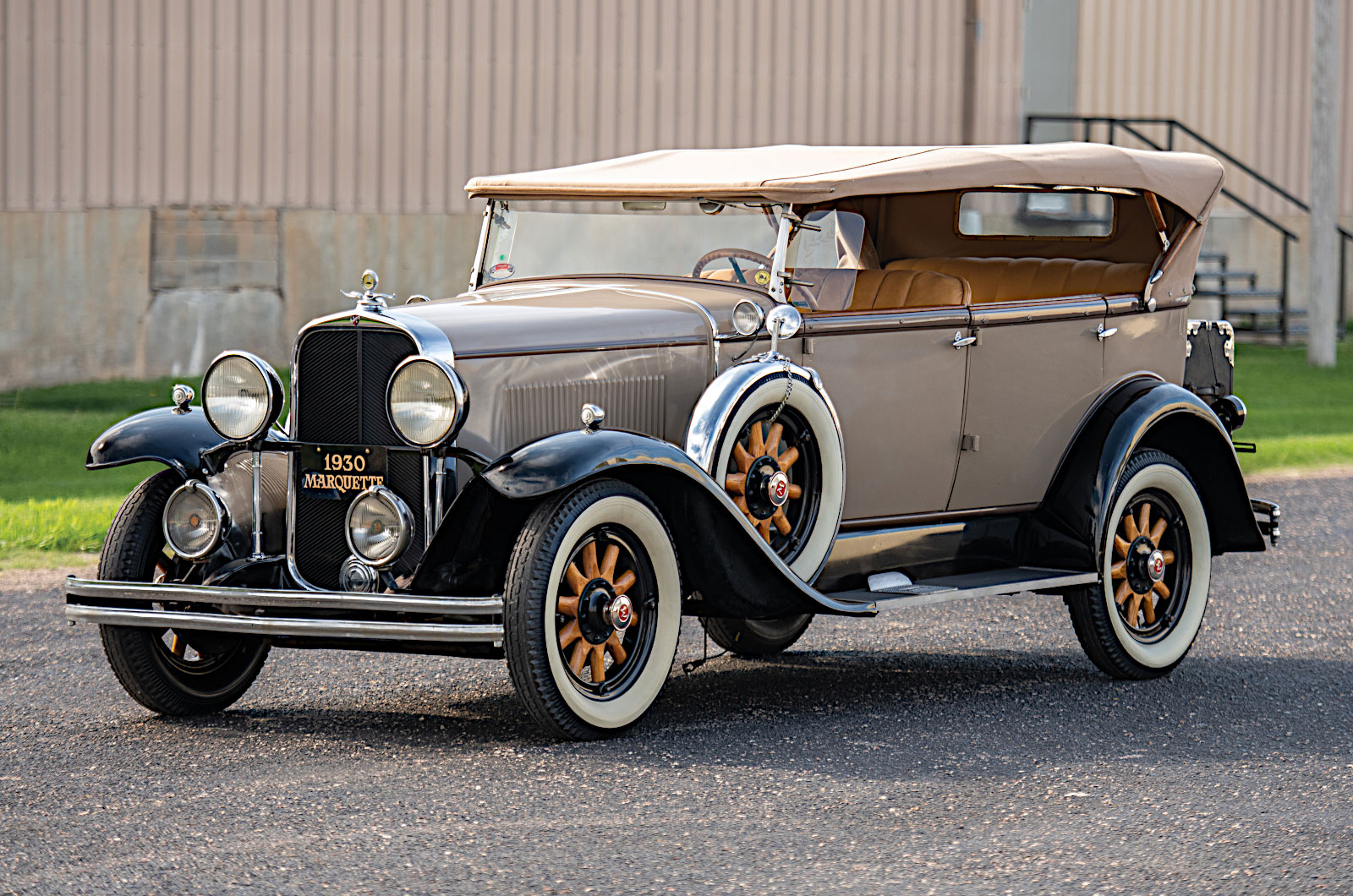
In the 1920s, GM tried to increase its market penetration by creating companion makes for four of its five brands (the exception being Chevrolet). Buick's companion was Marquette, a new division whose name had last been used in 1912. Powered by an uncharacteristic sidevalve/flathead engine, the Marquette was a single model available in six body styles, and was cheaper than contemporary Buicks.
Marquette survived only for the 1930 model year before being discontinued. Two other companion makes lasted hardly any longer, though Pontiac (created as a junior brand to Oakland) uniquely outlived its senior partner and remained active until 2010.
McLaughlin-Buick
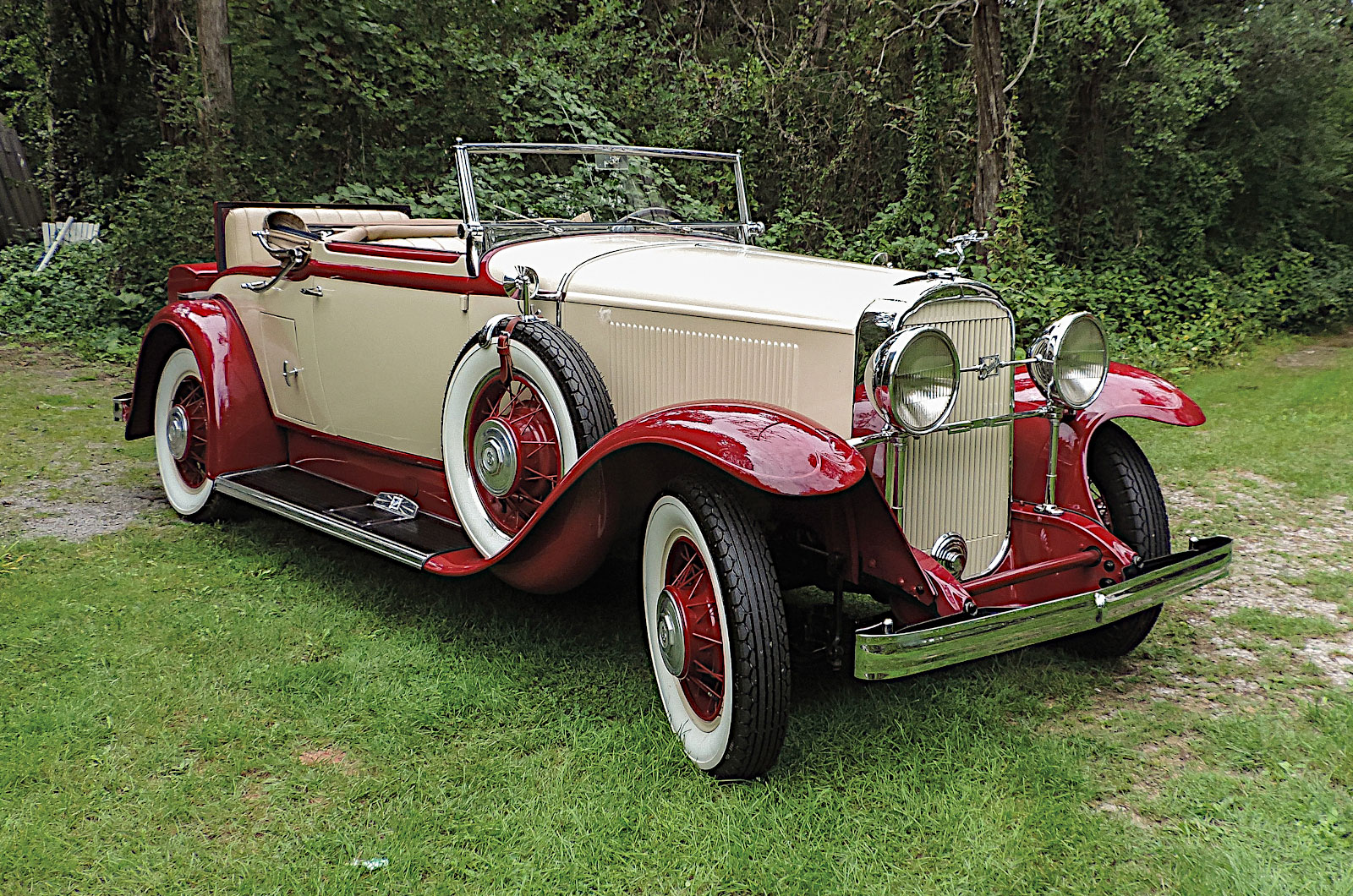
Originally a carriage maker, Ontario-based McLaughlin moved into the car industry in the early years of the 20th century. In 1918, it was merged with Chevrolet's Canadian arm to become General Motors Canada.
Its cars later became known as McLaughlin-Buicks. This name survived until the US entered the Second World War. In the post-War period, the McLaughlin name was dropped, and the cars were sold simply as Buicks.
Straight-eight
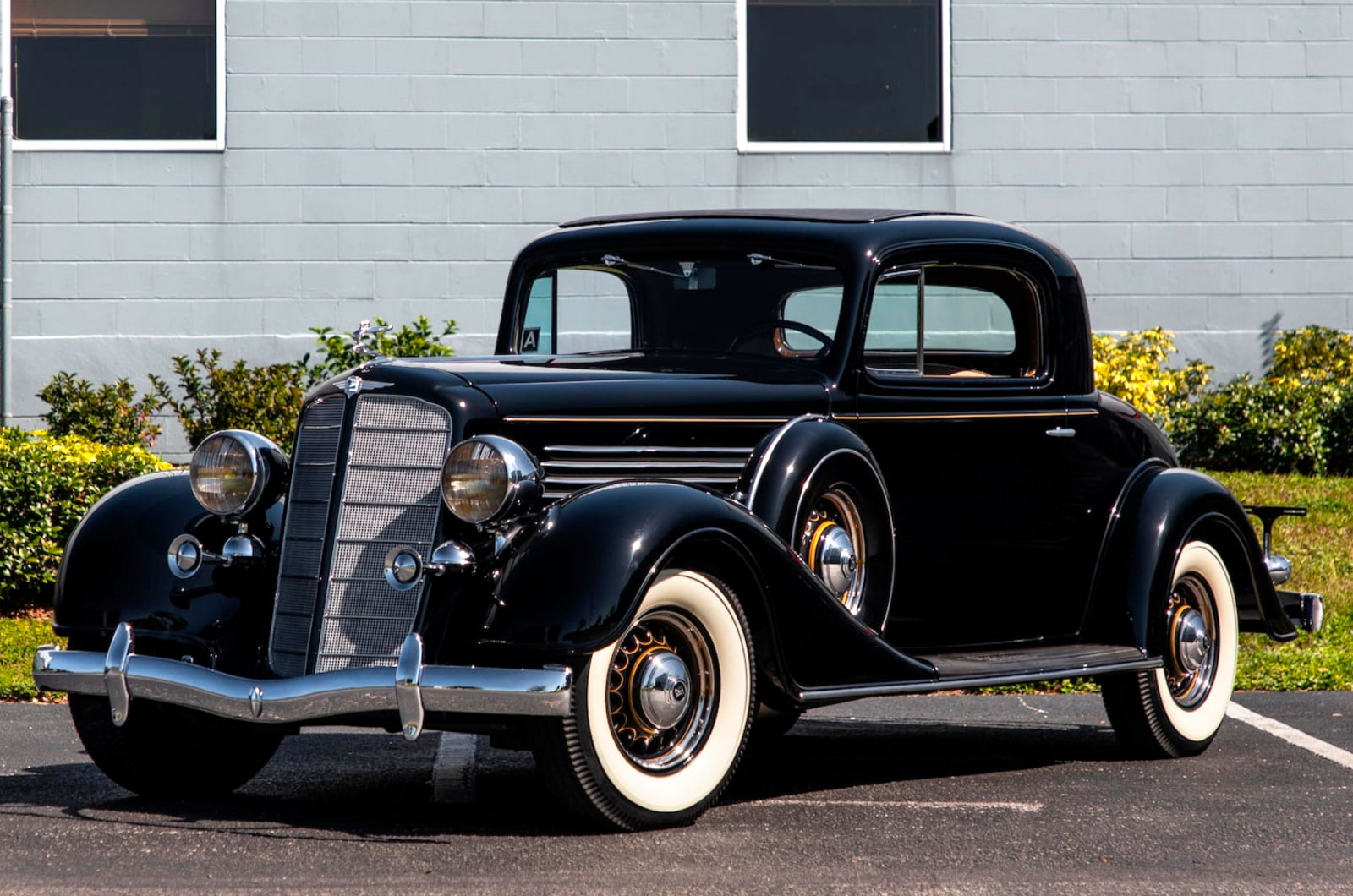
Straight-eight engines became almost the default choice for premium North American cars in the 1920s, despite the structural and packaging advantages of the more compact V8. Buick was late to the party, but it added its own overhead-valve straight-eight to its entire range in the 1931 model year.
The engine was available across a wide variety of displacements from 3.6 litres to 5.2 litres, and was still being fitted to some Buicks as late as 1953.
PICTURE: 1934 Buick Series 60 with straight-eight engine
The first Century
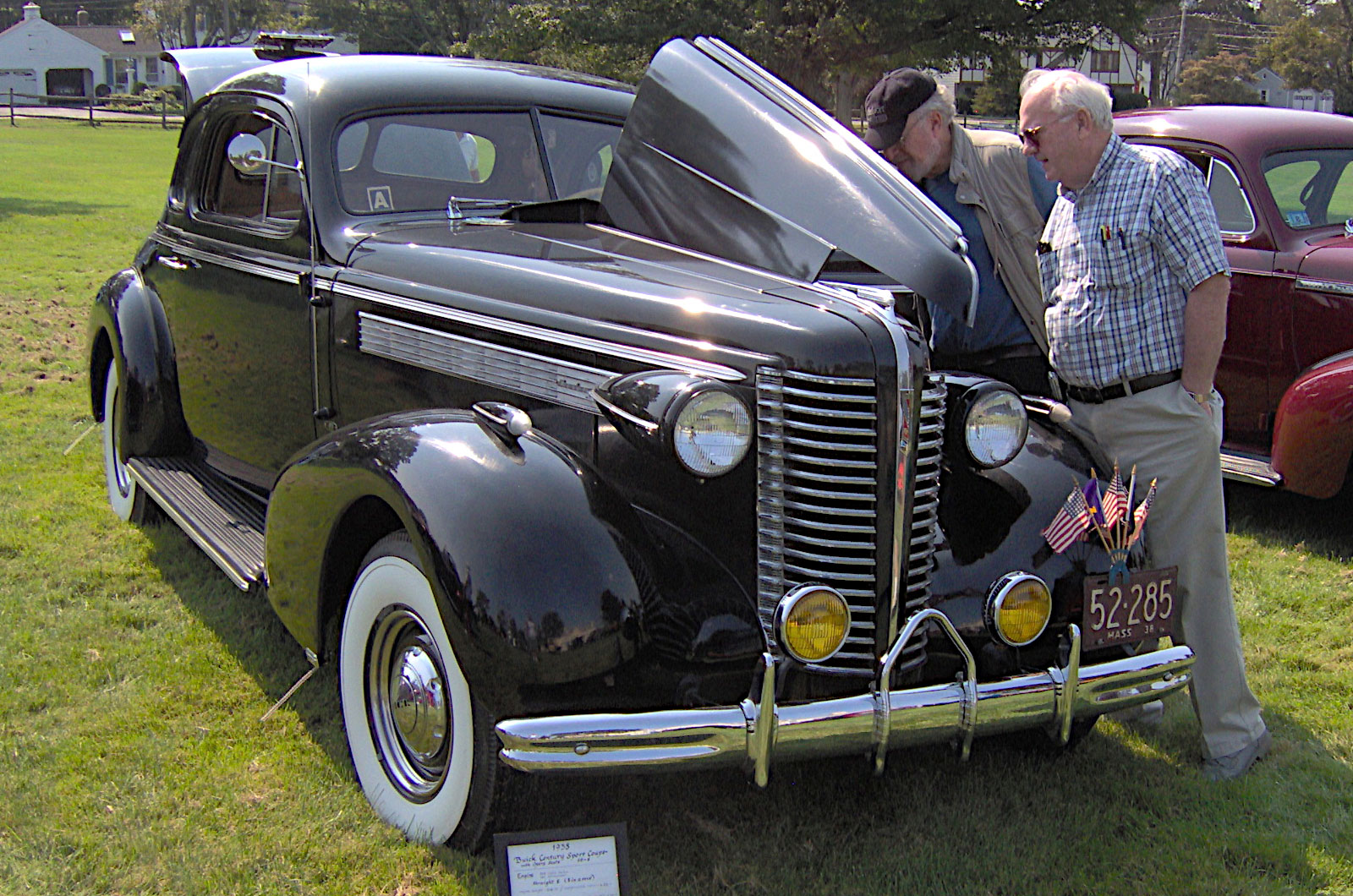
Buick has used periodically Century as a name since the 1936 model year. Its first appearance was on a fashionably streamlined update of the car previously known as the Model 60.
This was by no means the biggest Buick of its time, but it was fitted with the largest (5.2 litres) and most powerful (120bhp) version of the straight-eight engine. The Century name was chosen because the car could reach 100mph, or at least had a speedometer which suggested that it might.
The first Limited
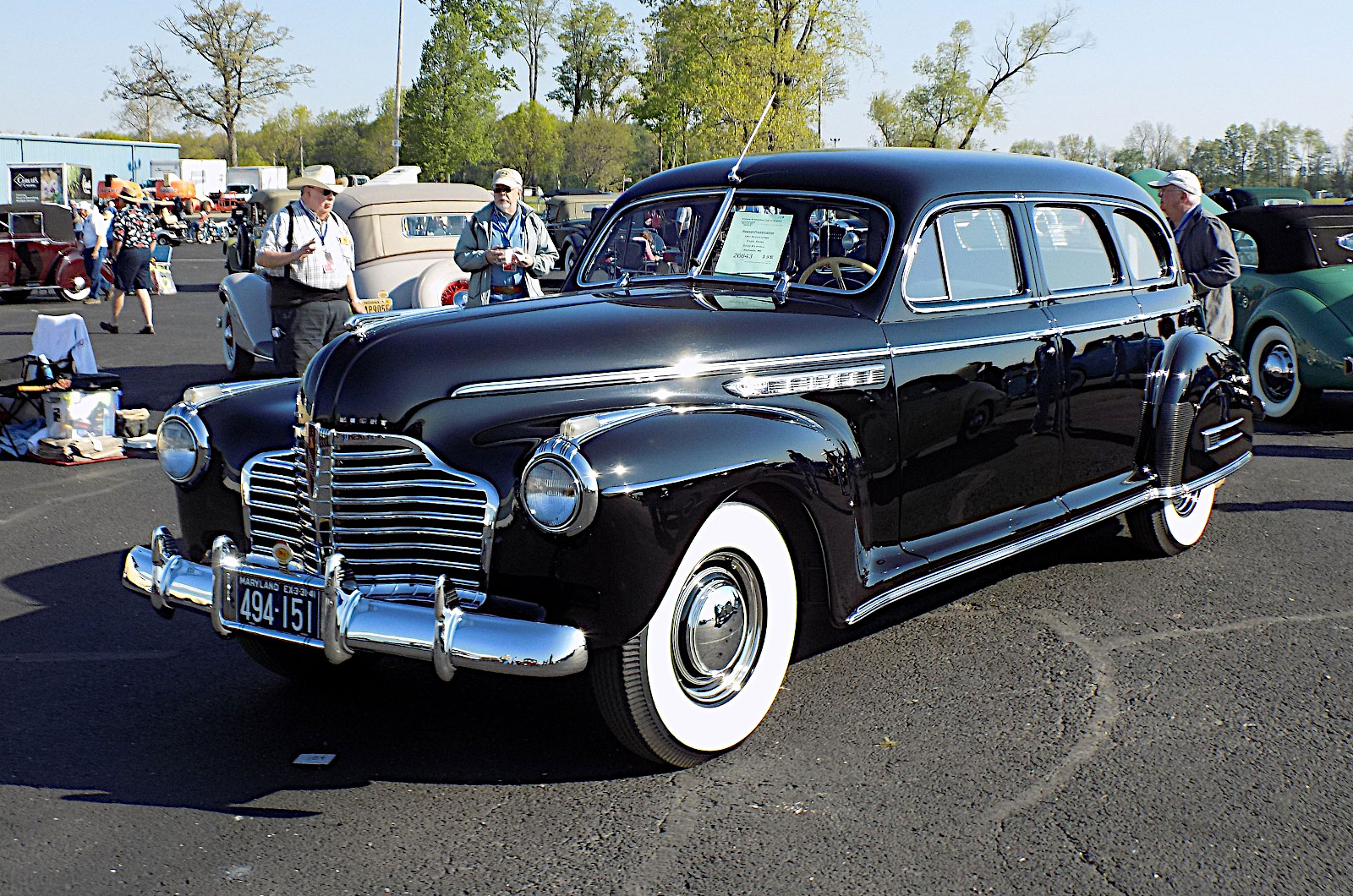
Buick began to use the name Limited (suggesting exclusivity rather than parsimony) in the 1936 model year. The original Limited was an update of the Series 90. It was so large and luxurious that Buick almost seemed to be encroaching on the territory of GM's poshest brand, Cadillac.
Including a major mid-life update, production continued for more than half a decade until Buick was obliged by world events to shift its focus in 1942.
The Y-Job
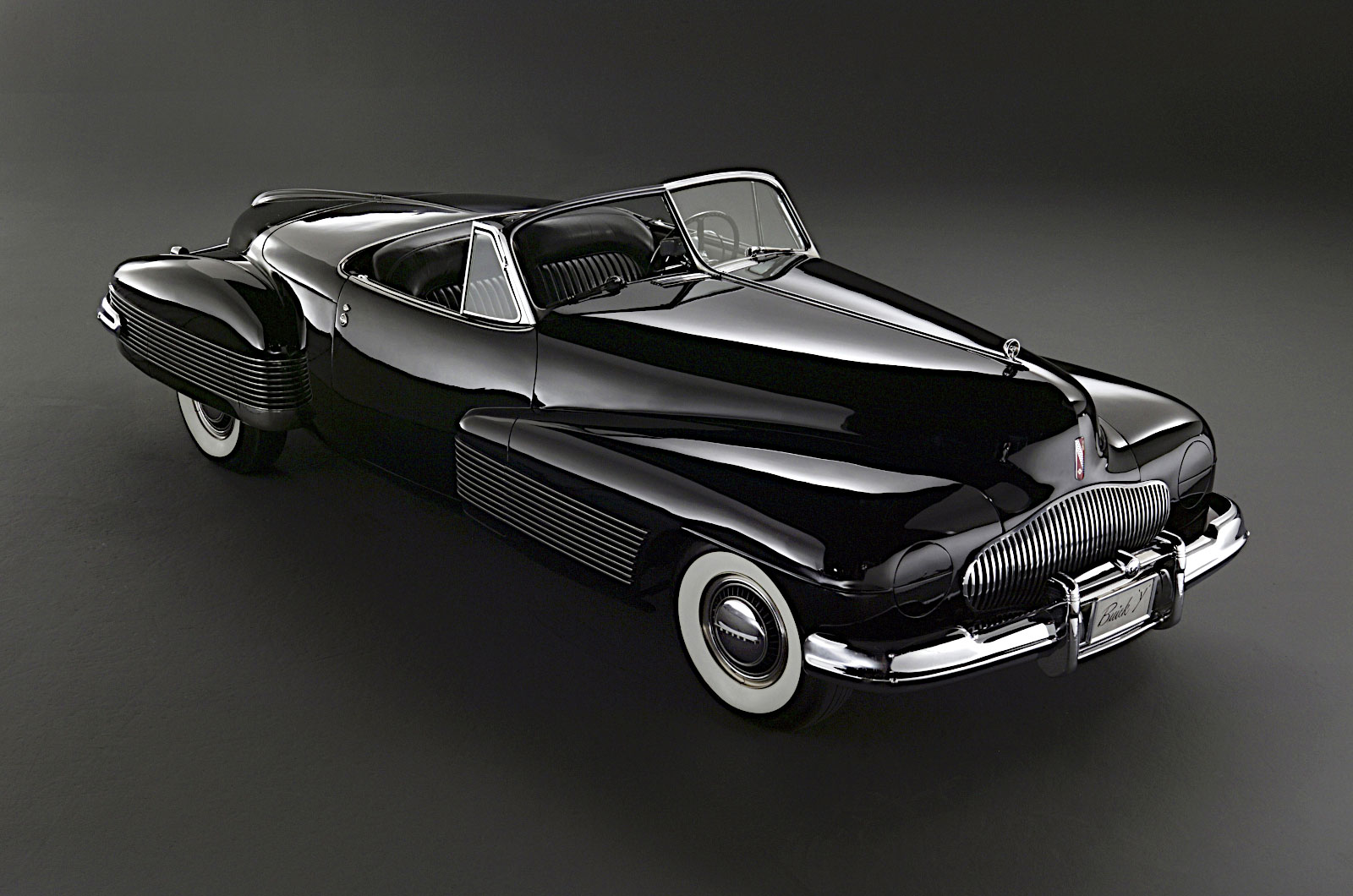
Buick is credited with being the first manufacturer to build a concept car - one designed to be seen in public and show off its maker's ability, but with no suggestion that a production model would follow.
GM's chief designer Harley Earl (1893-1969) wanted the 1938 Y-Job to be as low and sleek as possible. To achieve this, he specified 13-inch diameter wheels at a time when 16s were the norm. Earl used the car as his daily driver for several years. According to GM, it then "languished in dusty anonymity" for a while before being fully restored.
Buick wagons
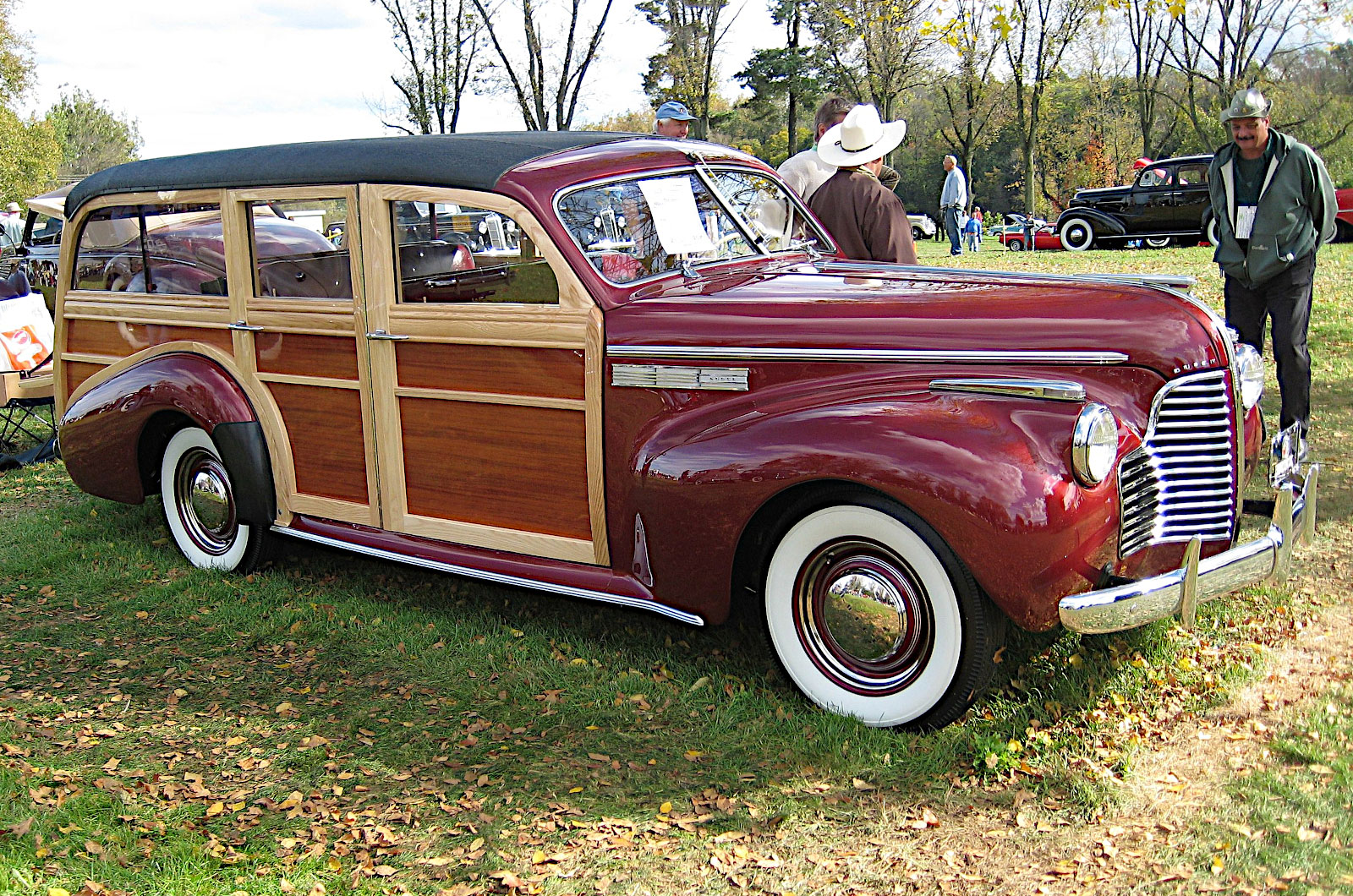
Buick has used the British term ‘wagon’ to describe cars which would normally be called station wagons in North America. It first did this in 1940, applying the name to an extra-roomy derivative of the Buick Super. This policy continued until the final Roadmaster Wagon was built in 1996.
PICTURE: 1940 Buick Super Wagon
Buick at war
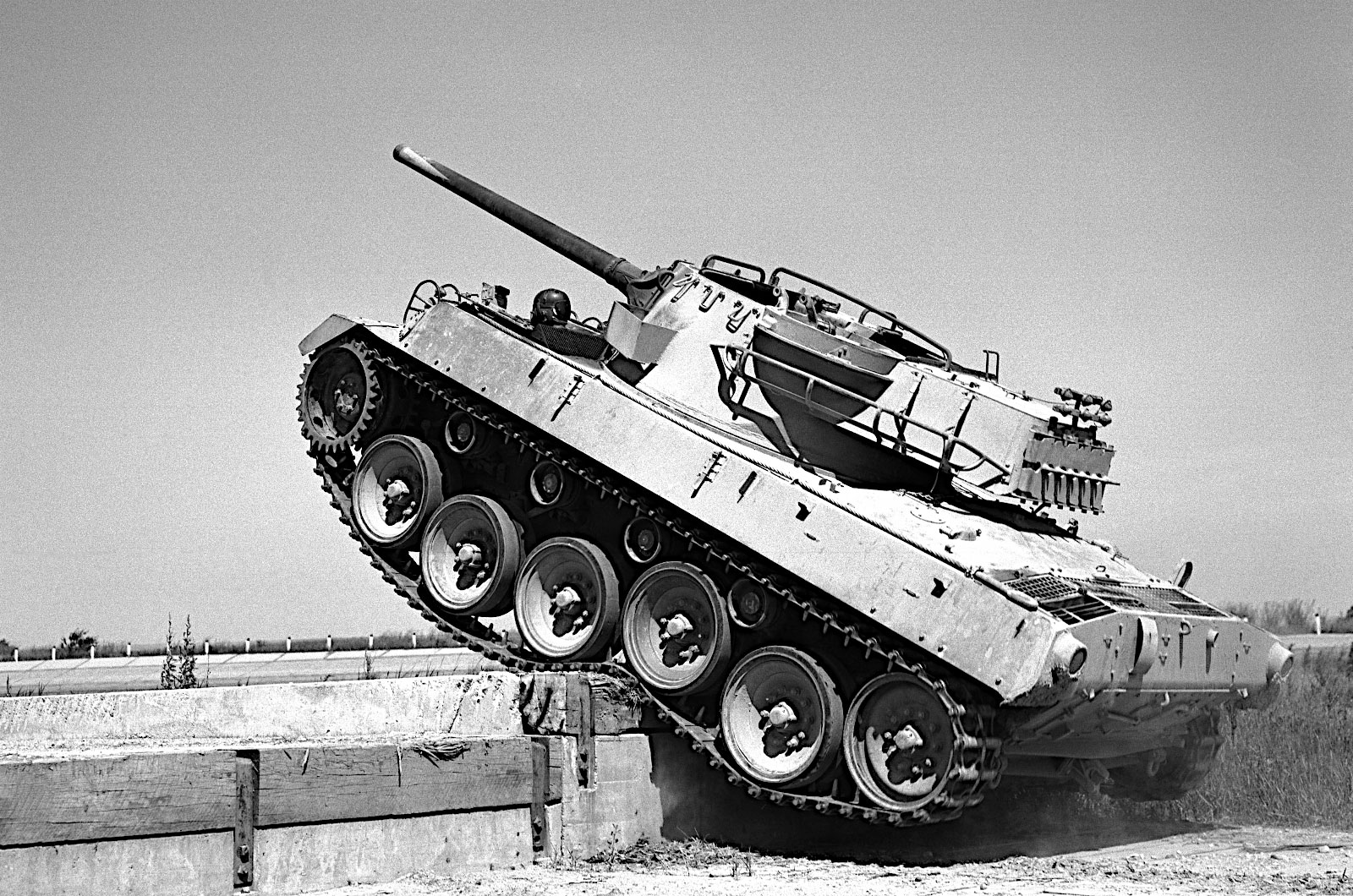
General Motors put enormous energy into building armaments for the Second World War. Buick's major contribution was the design and construction of the very fast M18 Hellcat tank destroyer, which was capable of travelling at 55mph despite weighing around 18 tons.
Just over 2500 were built in 1943 and 1944. It performed service in all theaters, but mainly Europe, and was admired for its 50mph top speed, which gave it the ability to outmaneuver slower German tanks; Germany’s Panther could only muster 34mph.
Post-War styling
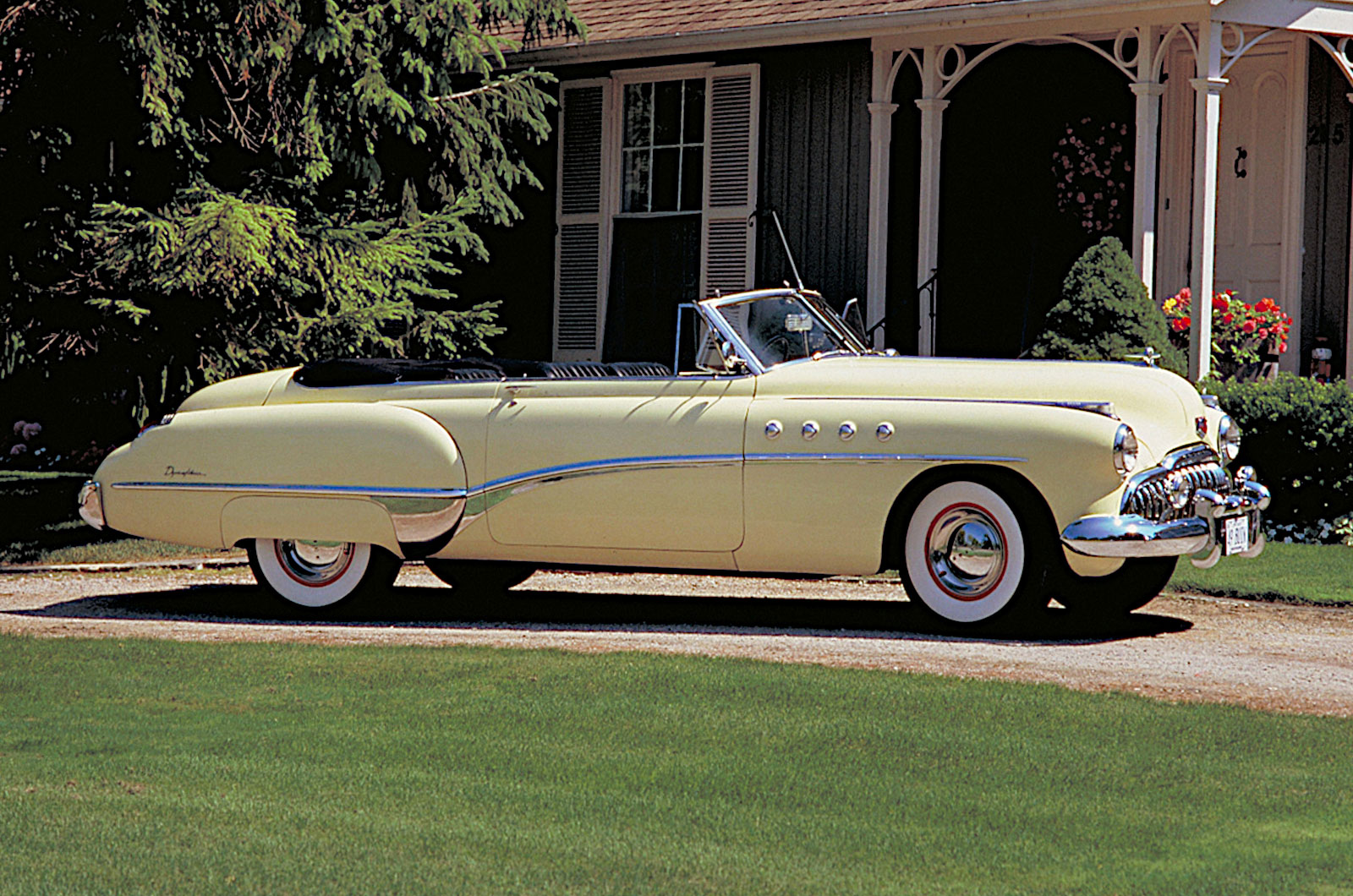
By 1950, two styling features which would become familiar on Buicks for several years were already well established. One was a distinctive chrome grille featuring a large number of vertical elements placed side by side.
Buicks were also notable for their VentiPorts - three or four (depending on model) air outlets on the front fenders behind and above the wheels. In the UK, Sunbeam would later use similar (though less obvious) outlets on its MkIII sedan.
PICTURE: 1949 Buick Roadmaster Riviera convertible showing both features
The Sweepspear
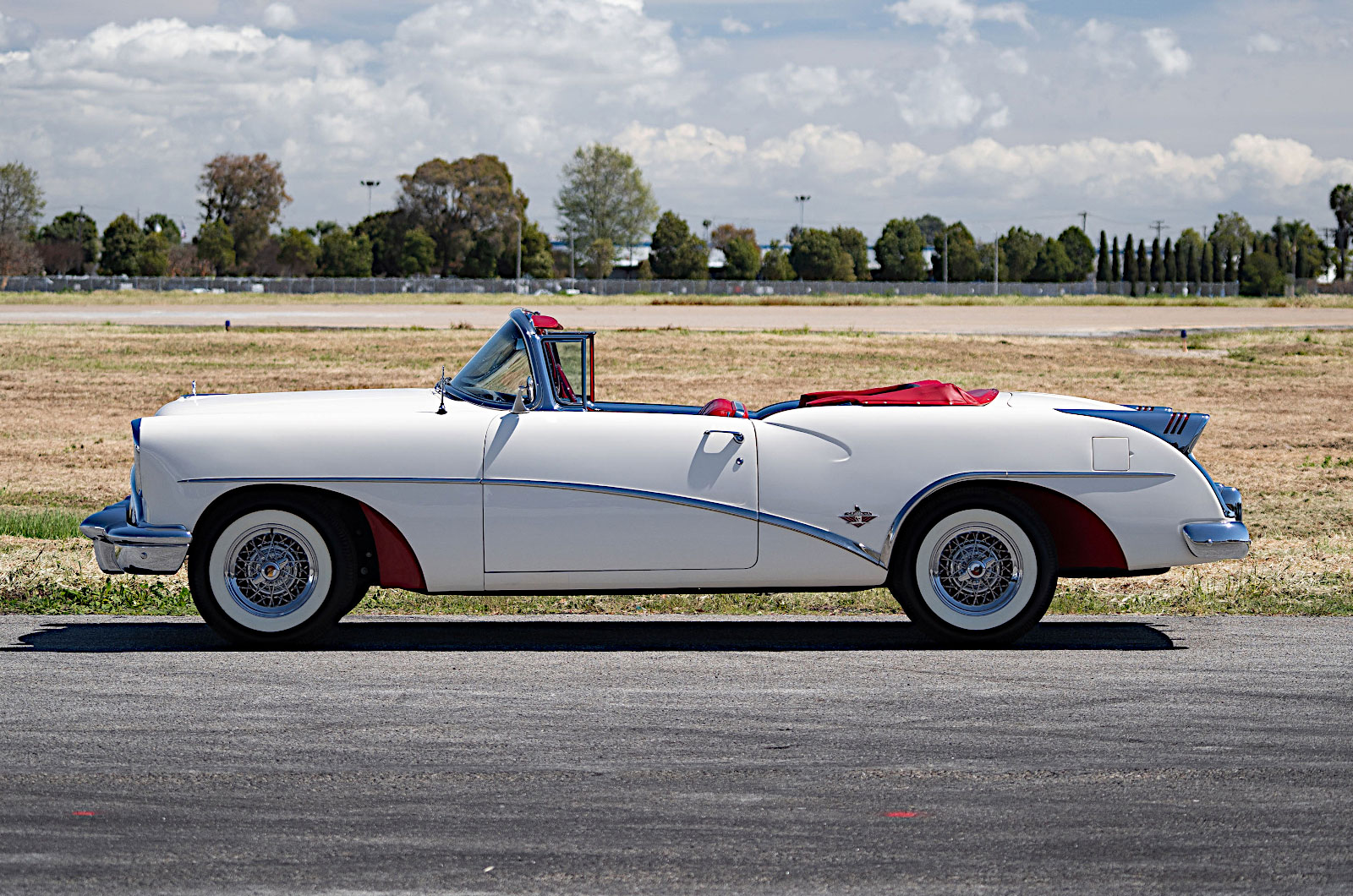
Buick's stylists also developed the Sweepspear, which first appeared on the 1949 Roadmaster Riviera. This elaborate chrome strip ran almost the whole length of the car, starting high before curving down to sill level, then swooping up over the rear wheels.
PICTURE: 1954 Buick Skylark Convertible with Sweepspear
The Nailhead
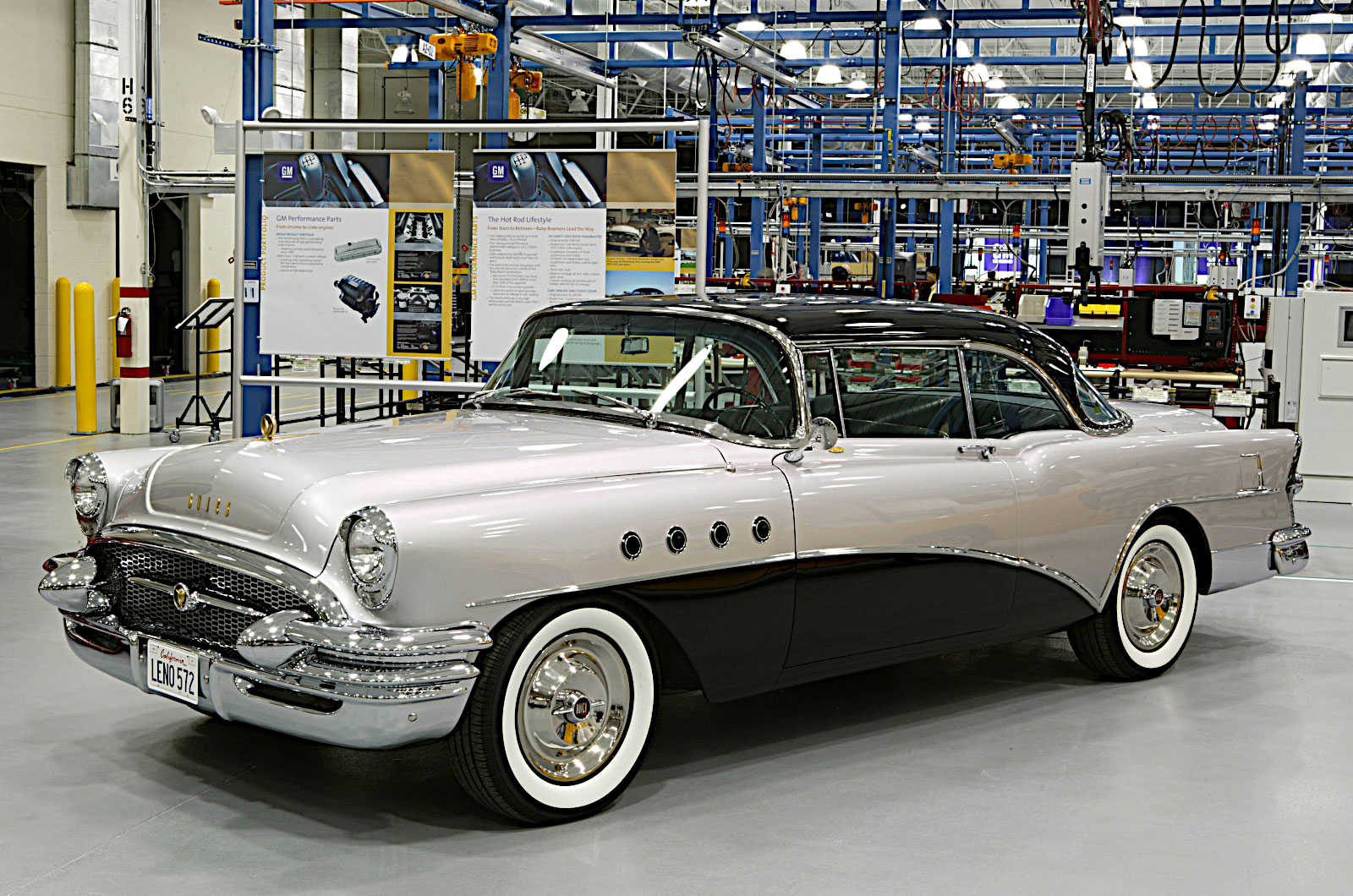
Buick's first V8 engine was nicknamed Nailhead because its narrow valves, arranged vertically in the cylinder head, resembled a row of nails. Initially available in 4.3-litre and 5.3-litre forms, it was fitted to a wide variety of Buicks from 1953, and occasionally to the Chevrolet Task Force truck. In its second generation, the Nailhead reached a capacity of 7.0 litres.
PICTURE: 1955 Buick Roadmaster with 5.3-litre Nailhead V8
A car named Electra
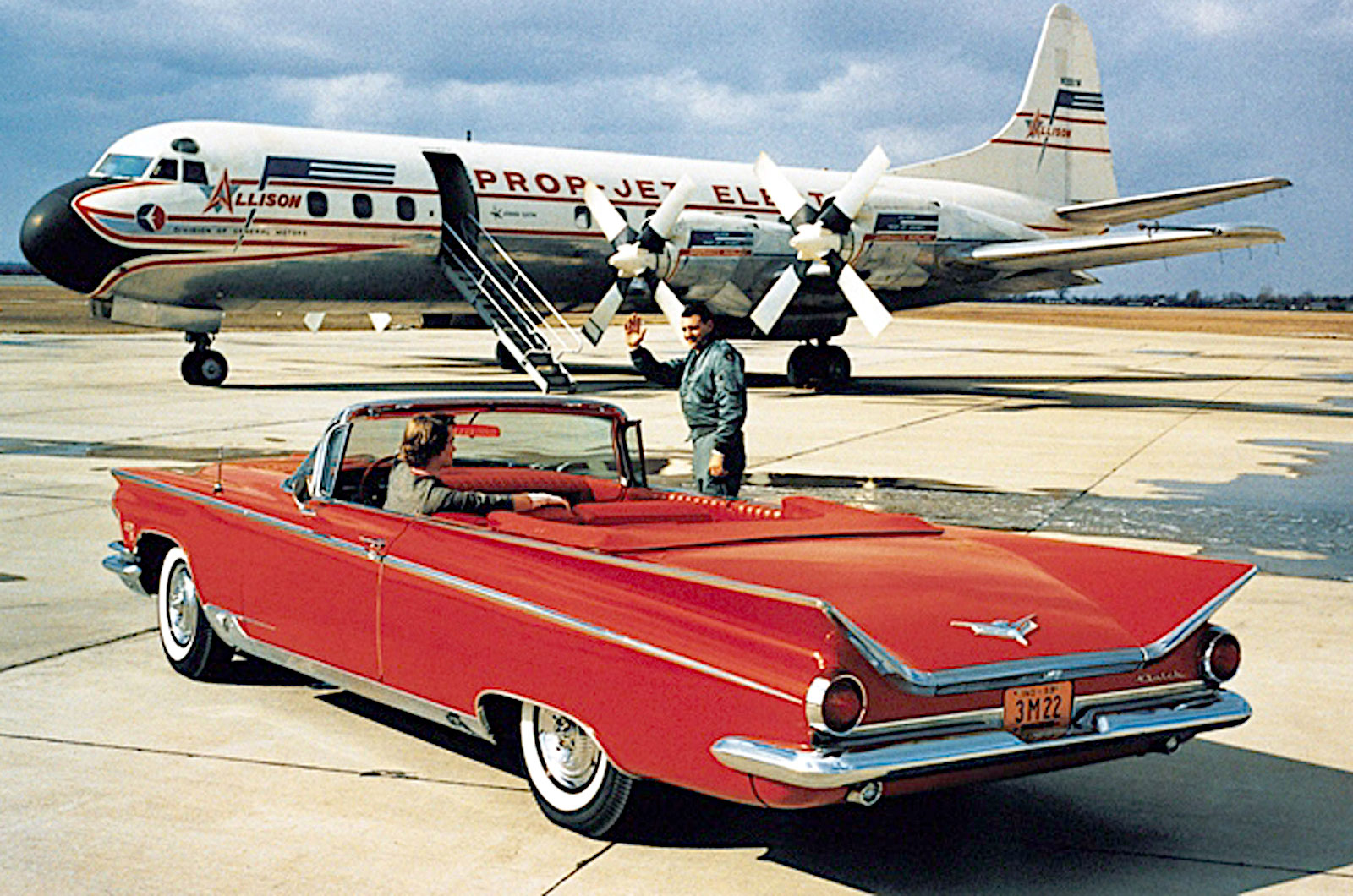
In 1959, Buick introduced the first of several models called Electra. It was named after Electra Waggoner Biggs (1912-2001), the sister-in-law of recently retired GM and former Buick president Harlow Curtice (1893-1962), who was TIME magazine's Person of the Year in 1955. The town of Electra, Texas is named after her mother.
Typically for American cars of the time, the Electra featured very large rear fins, known as Delta fins. When the second-generation car was launched in 1961 fashion had quickly changed, and there was almost no sign of them.
PICTURE: 1959 Buick Electra Convertible
From Buick to Rover
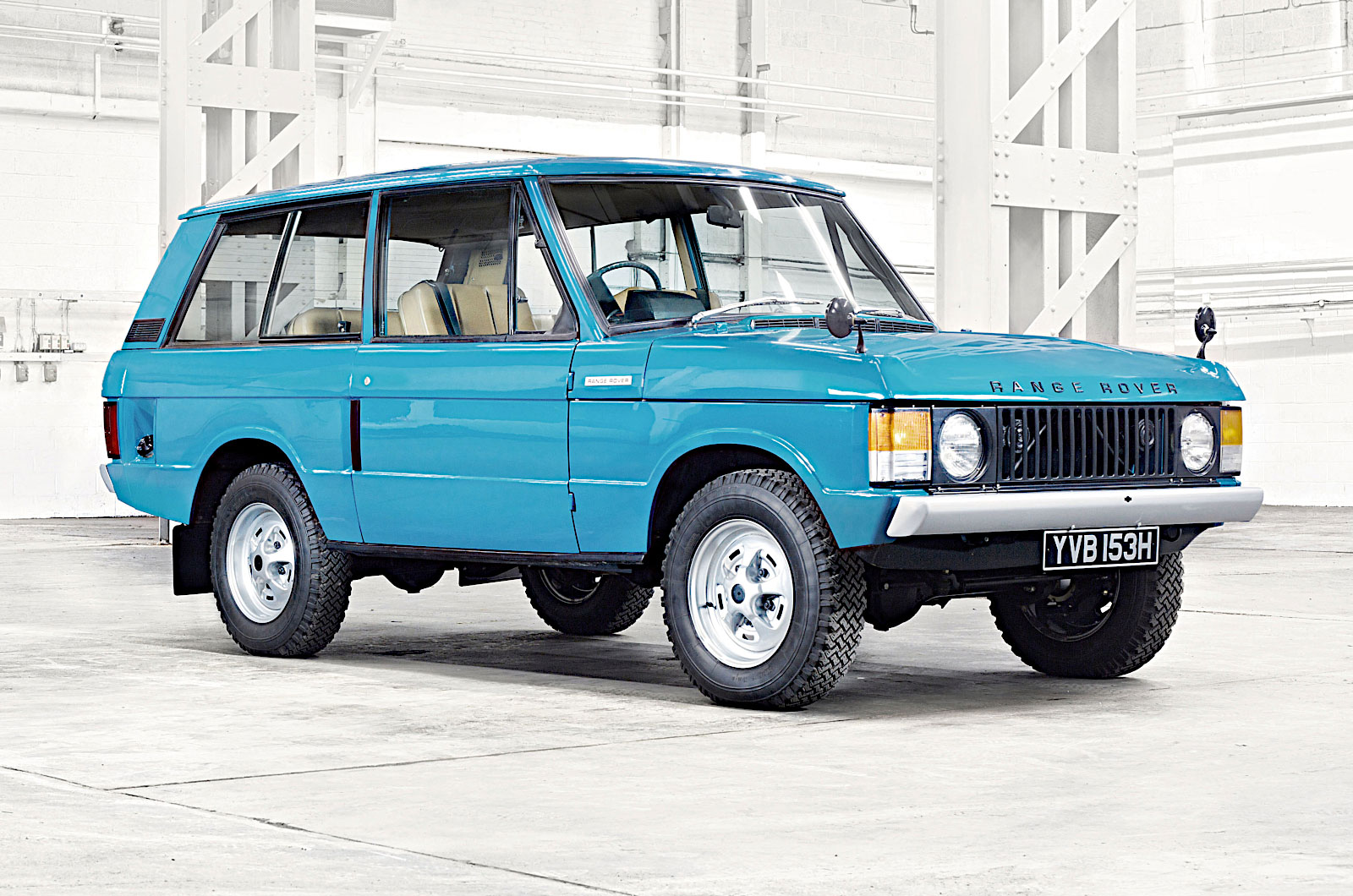
The Nailhead engine was replaced in 1961 by a new 3.5-litre aluminum V8, named 215. Highly respected for its combination of high power and low weight, it was used both by Buick and by several other GM brands for a few years before being abandoned due to its high manufacturing cost, with iron-blocked engines used instead.
Britain’s Rover however urgently needed a powerful new engine and bought the rights to the engine, modified it and began using it in its high-end cars, including (from 1970) the original Range Rover. Short-lived as an American engine, it survived for many years as a British one in Rovers, MGs, Triumphs, Morgans, TVRs and a very large number of home-built competition cars.
PICTURE: Range Rover with Buick-derived V8 engine
The Riviera
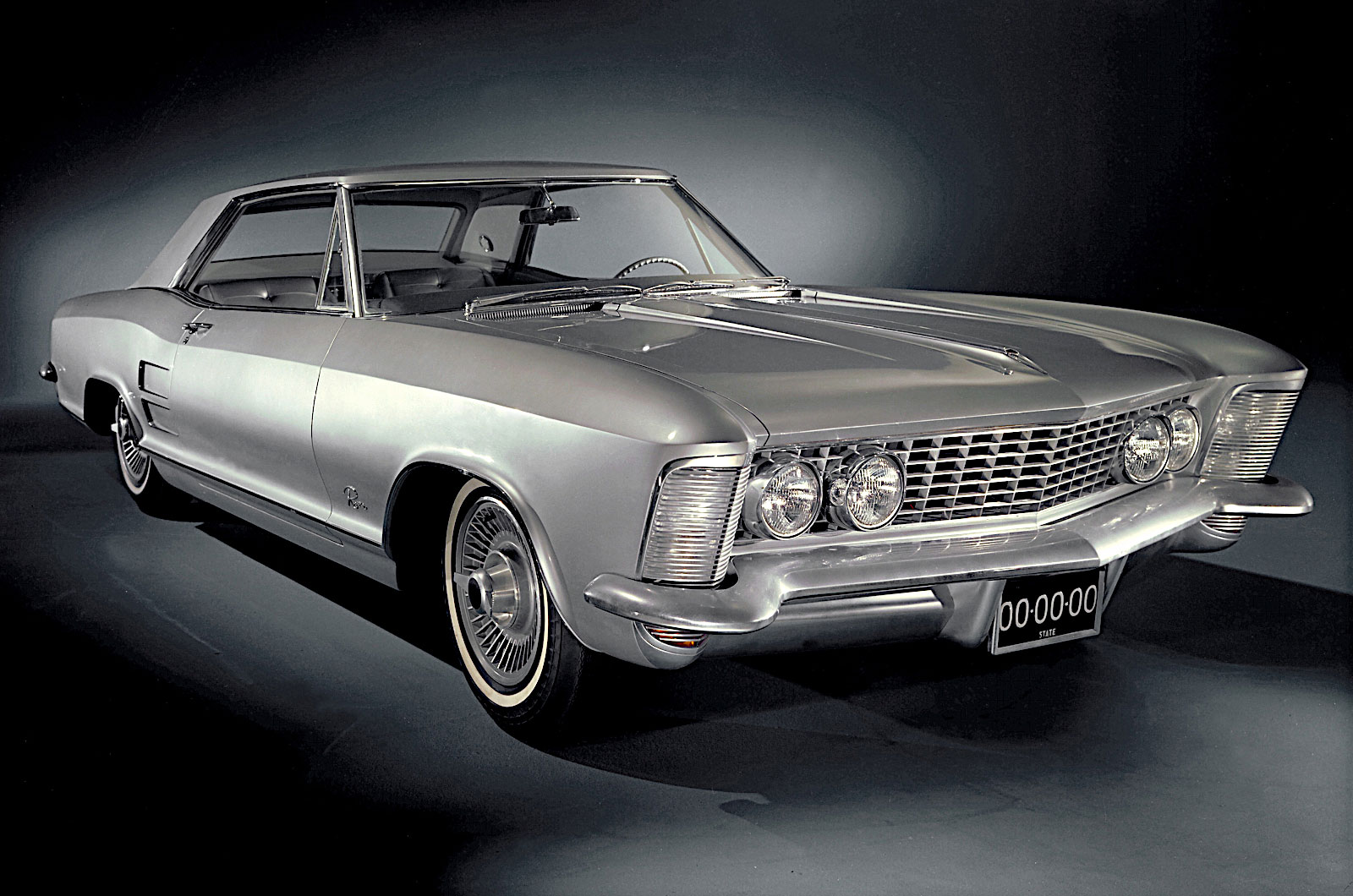
Buick had used the Riviera name for special versions of other cars for several years before assigning it to a standalone model in 1962. Like the Ford Thunderbird, this was a personal luxury car - a relatively sporty model but one with an emphasis on comfort rather than performance, despite being fitted with the mighty second-generation Nailhead V8 engine.
The Riviera’s lustrous design is partly because it was originally destined to be a Cadillac, one notch higher in the GM firmament, but Cadillac didn’t want it. Buick created other production Rivieras up to the end of the 20th century, and a couple of concepts with that name in the 21st.
PICTURE: 1963 Buick Riviera
The Buick V6
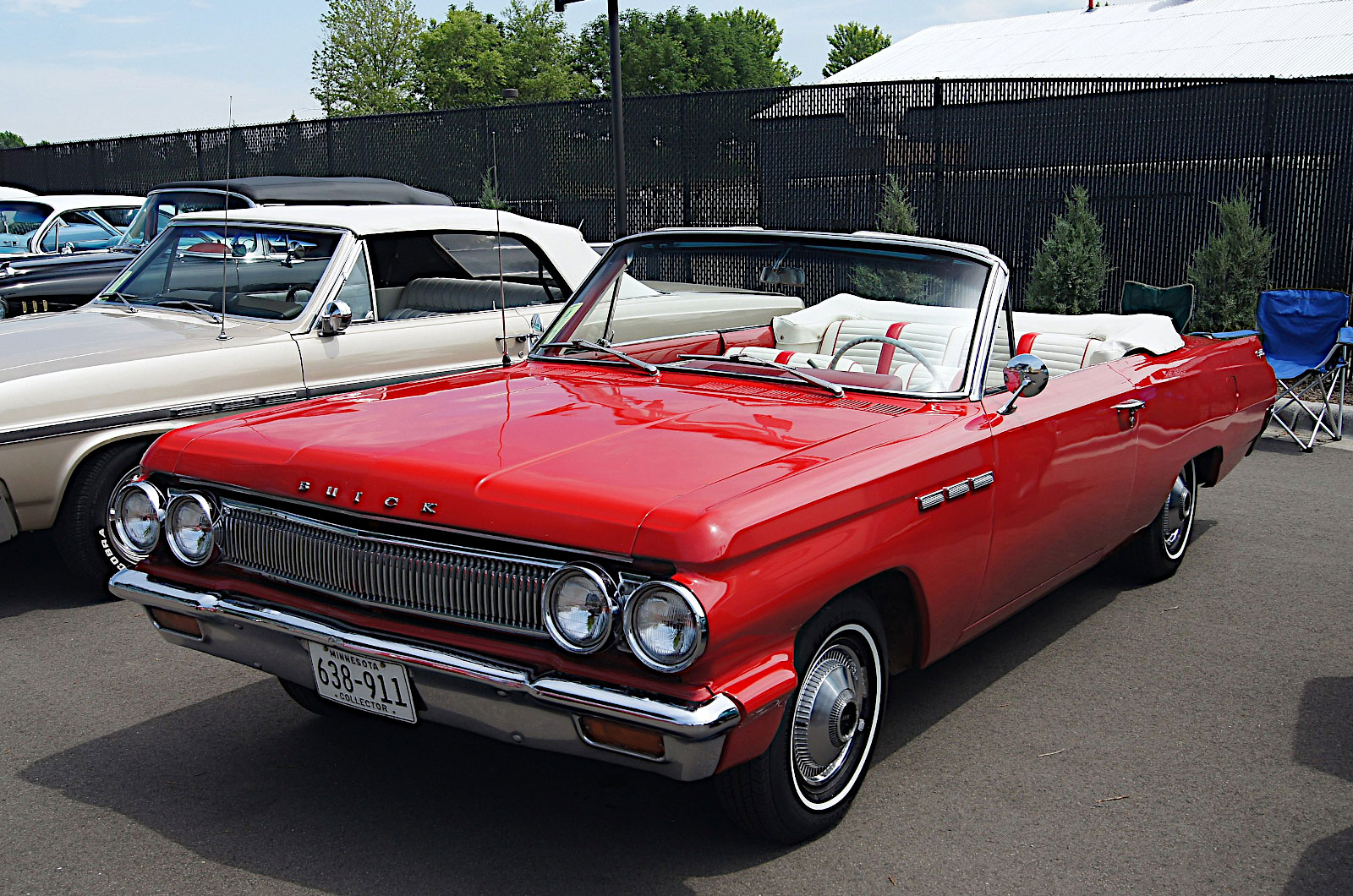
The 1962 Buick Special was the first car fitted with Buick's new V6 engine, a layout almost completely unknown in North American markets at that time. Initially known as the Fireball, it was sold to Kaiser-Jeep, but GM bought the rights back after the oil crisis of the early 1970s.
Development continued for years afterwards. Latterly known as the 3800, the engine remained in production until 2008; its last application was in the 2009 Buick LaCrosse sedan.
PICTURE: 1963 Buick Special Convertible
Gran Sports
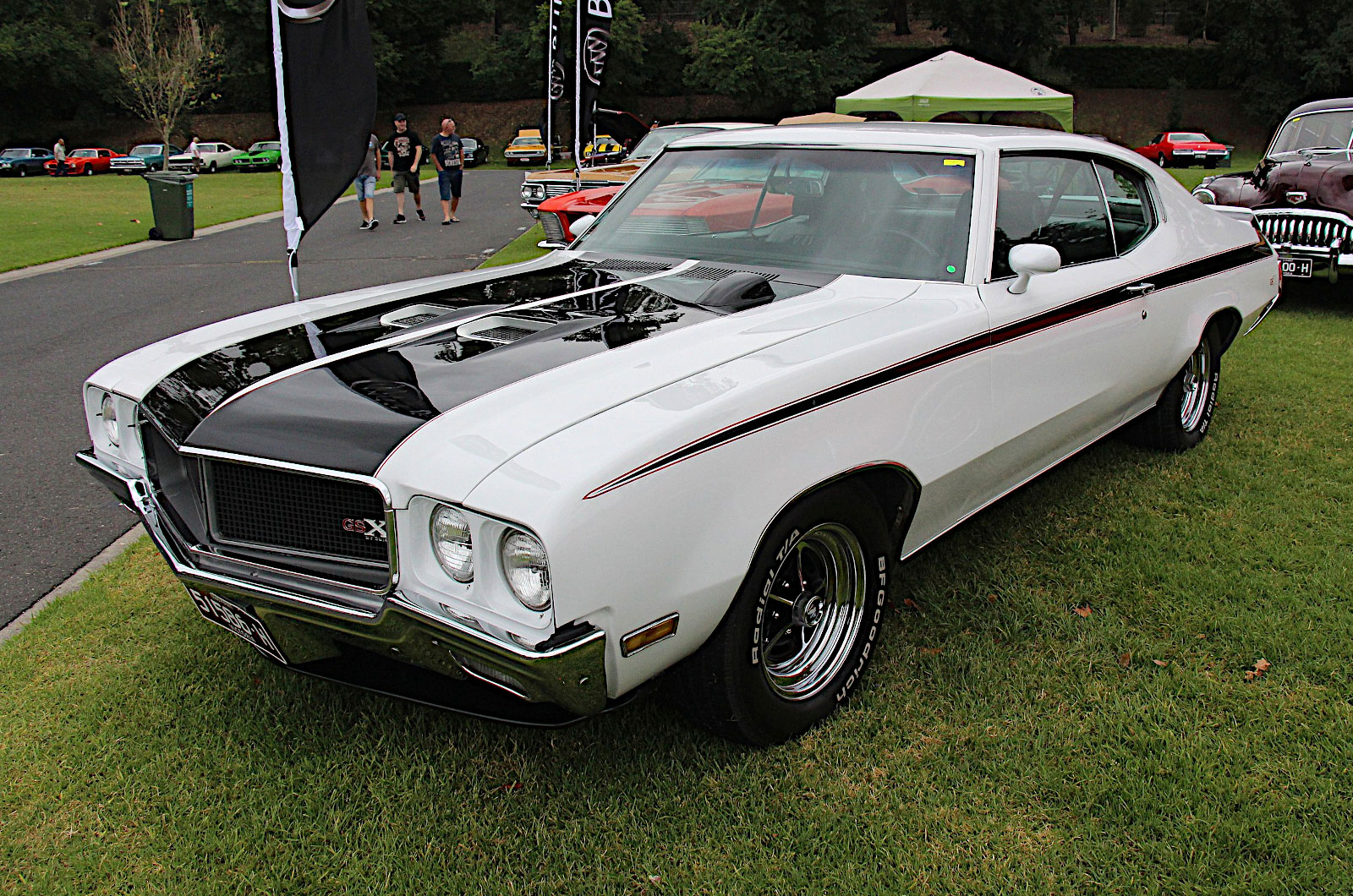
High-performance Buicks have been named either Gran Sport or GS since 1965, when a Skylark with a 7.0-litre Nailhead V8 engine was introduced. The series included the 1970 GSX, which easily qualifies as a muscle car.
It was a special version of the second-generation Skylark with a 7.5-litre V8, front and rear spoilers and stiffer than normal suspension. Buick built 678 examples in 1970, 500 of them painted Saturn Yellow and 178 Apollo White.
Front-wheel drive
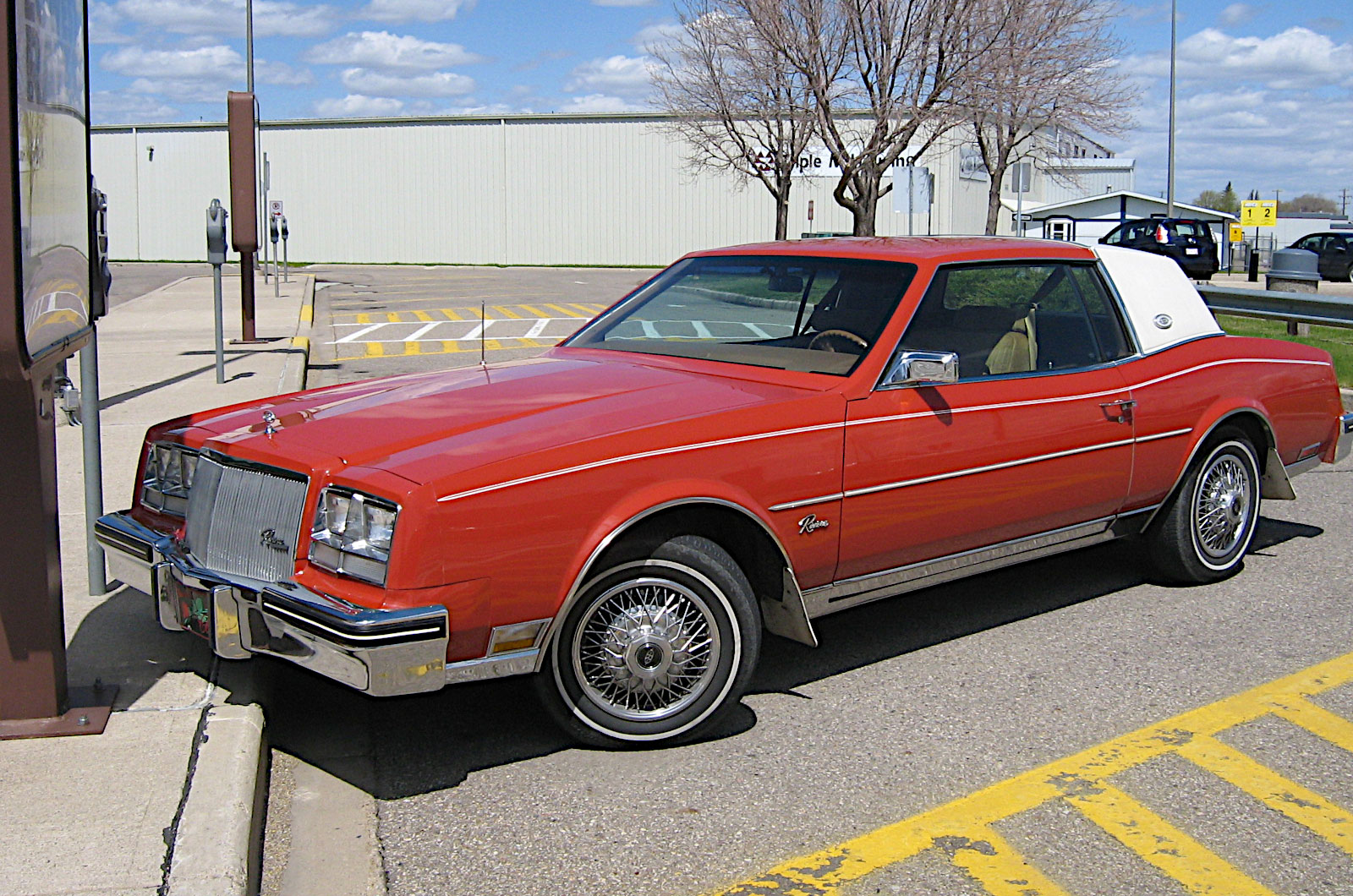
Buick did not get round to producing a front-wheel drive car until 1979, half a century after the Cord L-29 had gone on sale with that layout. It wasn't even a new development for General Motors. The sixth-generation Riviera was related to the Cadillac Eldorado and Oldsmobile Toronado, both of which had been FWD since the mid 1960s.
Earlier Rivieras had been based on the same platform as those cars too, but Buick had made a point of converting it to rear-wheel drive for its own purposes.
Buick in NASCAR
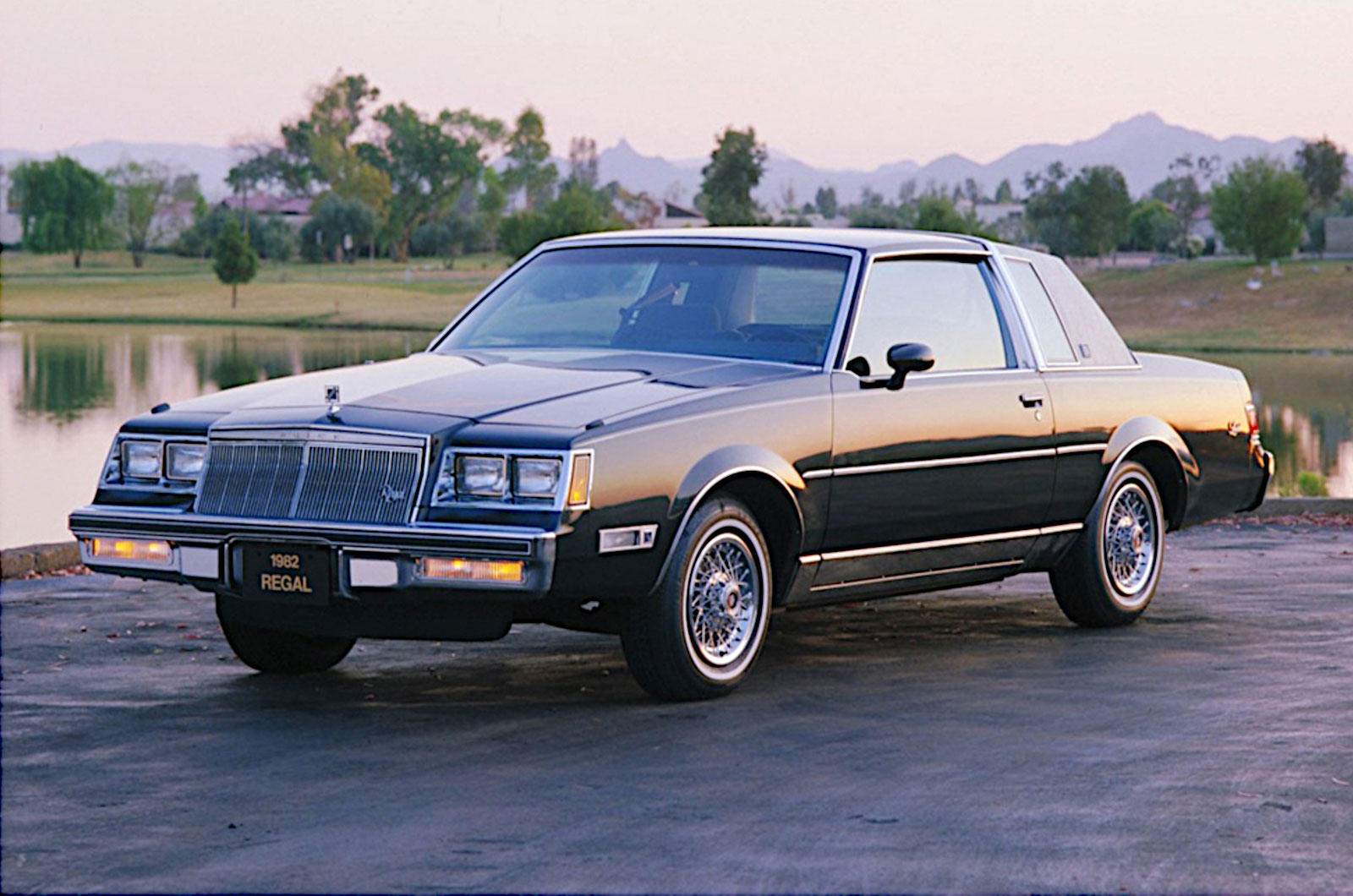
Buicks were driven in the National Association for Stock Car Auto Racing (NASCAR) for many years, but never with more success than in 1981 and 1982. 1981 was the first year of NASCAR's Generation 3 regulations. Buick's contender was the Regal, in which Darrell Waltrip won the first of his three Drivers' titles, while Buick won the Manufacturers' crown.
Both achievements were repeated the following year. Bobby Allison used a Buick for most of 1983 and became the Driver's champion, though the top manufacturer overall that year was Chevrolet.
The Grand National
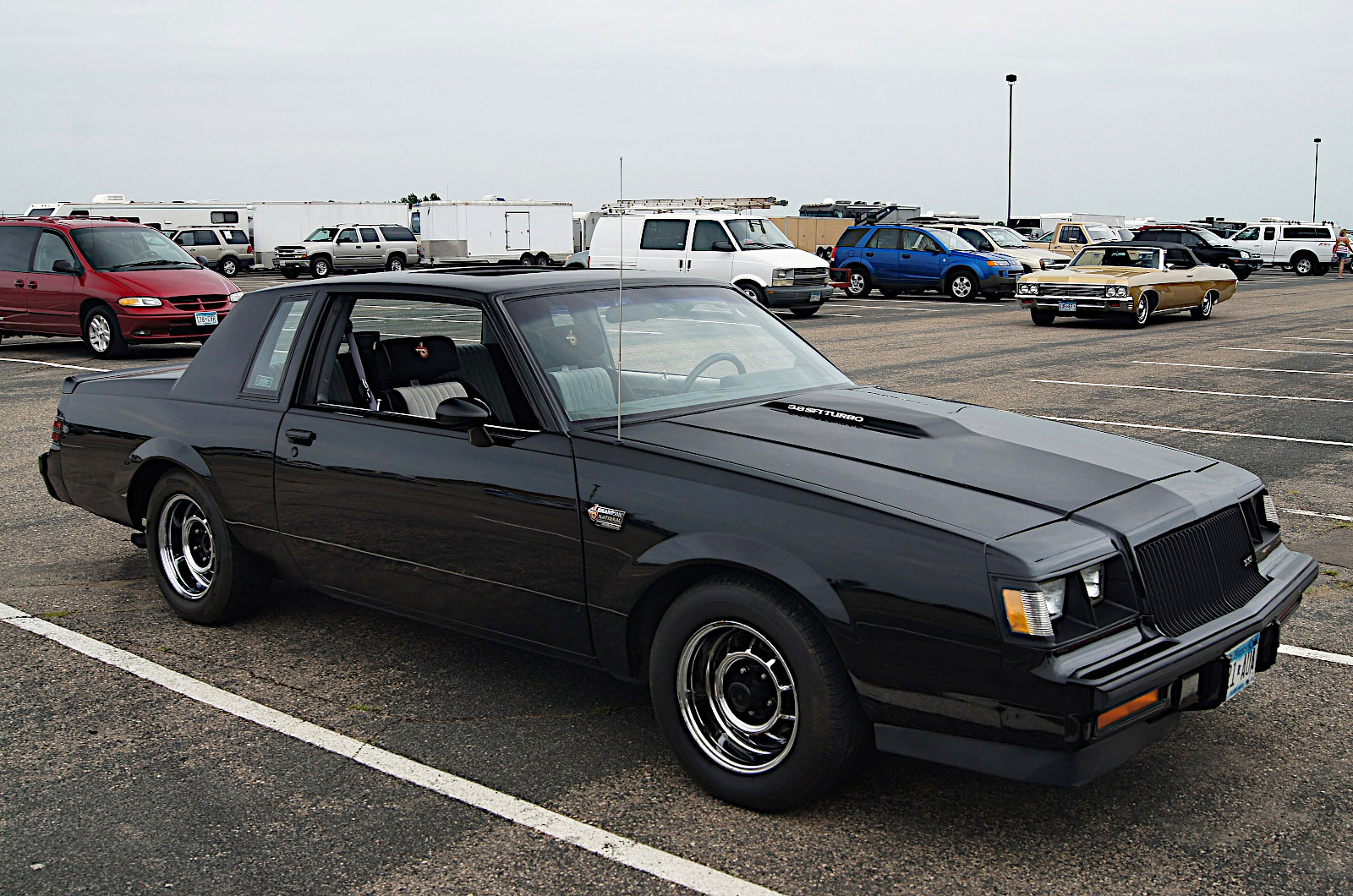
Buick celebrated its NASCAR triumph of 1981 by creating a Grand National version of the Regal, which went on sale the following year. The road car was fitted with the by now very well established 3.8-litre V6 engine, rather than the 5.8-litre V8 used in the racer.
For the 1987 model year Buick created the ultimate variant named GNX: good for over 300 hp, just 547 were made and flew off the lots. One of them with just 568 miles on the clock sold in January 2022 for a cool $308,000, and you won’t get near a rather more used example for less than $50,000 today.
Buick at Indy
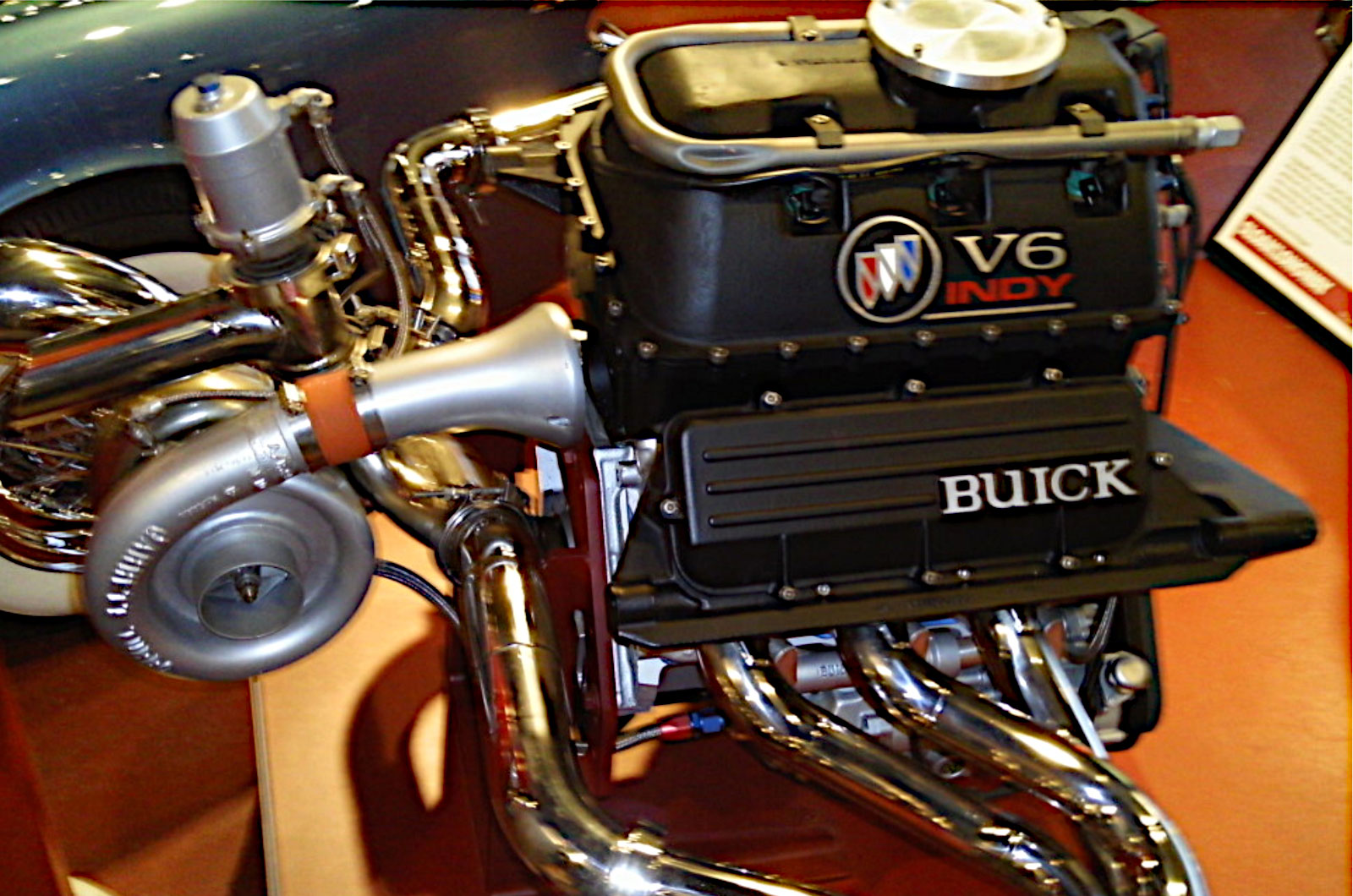
Buick first won a race at the Indianapolis Motor Speedway in 1909, two years before the first 500-mile race. In the 1980s, Buick developed a competition version of its road-going V6 for Indy racing. The rules of the time allowed 'stock block' engines to be larger than ones designed from the start for competition, and to have higher levels of turbo boost.
The Buick V6 never won the 500, but it was a popular choice for many teams. Buick pulled out of the project in 1992, citing decreasing relevance to engines used in production cars.
The Park Avenue
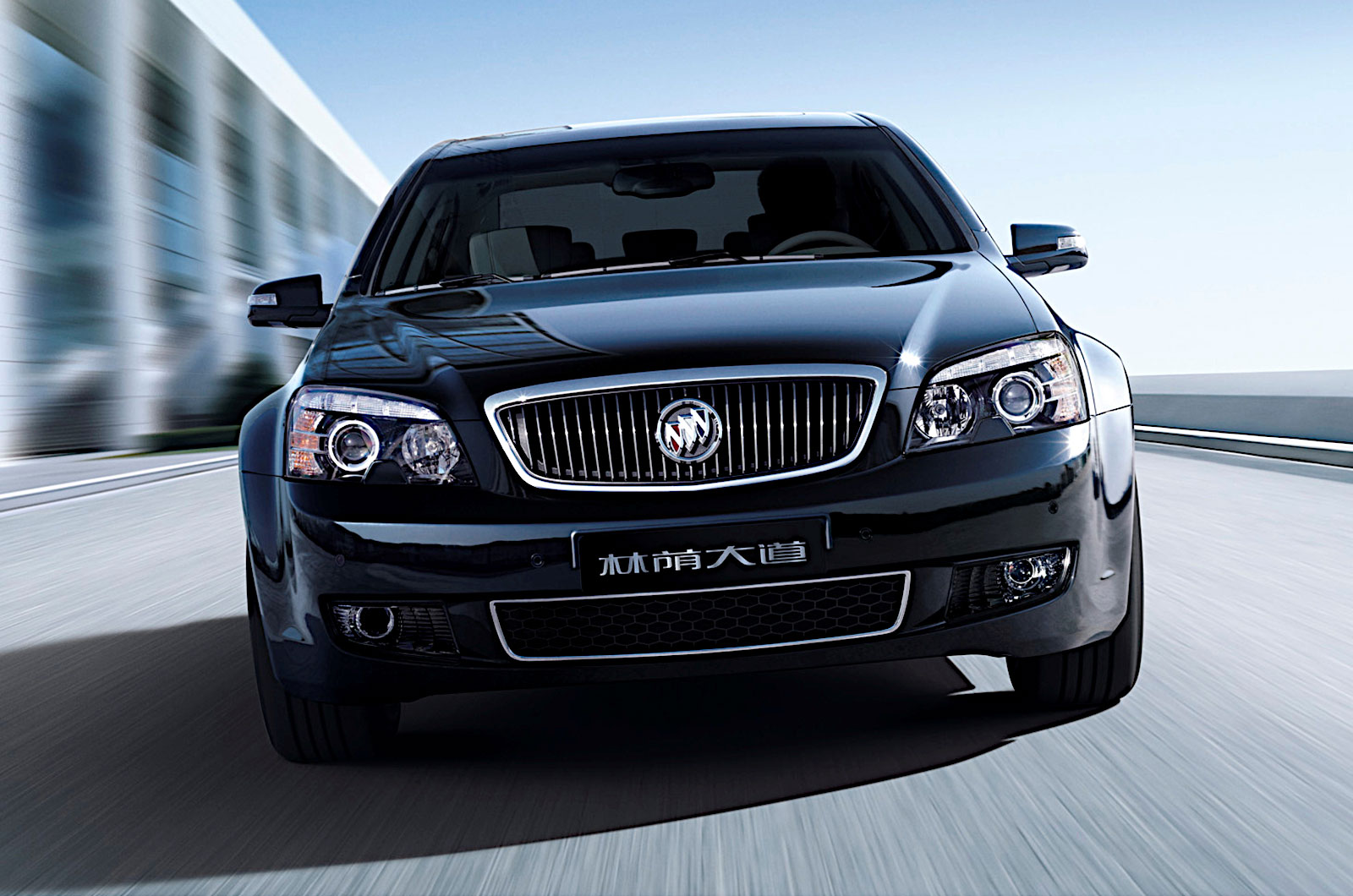
After being used for a trim level on the Electra, Park Avenue became a model name for Buick's full-size luxury sedan. It was built in two generations from 1990 to 2005, and was powered by the 3.8-litre V6 in either supercharged or naturally aspirated form.
A third Park Avenue was launched in China in 2007, and remained on the market for five years. This was essentially a slightly altered Holden Caprice, assembled in Shanghai from parts shipped in from Australia.
Buick in China
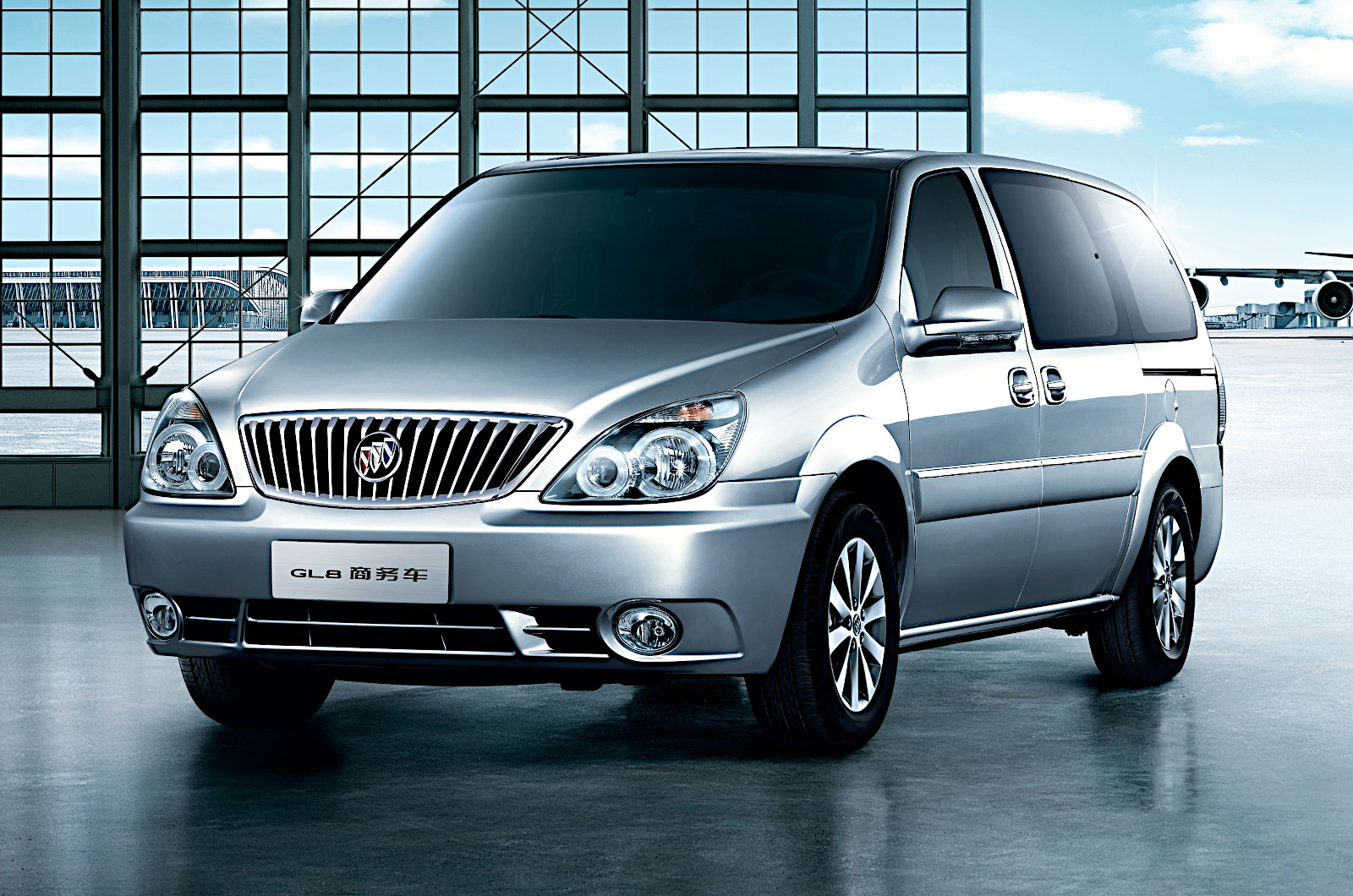
Buick has been popular in China for many years. According to GM, statesman and philosopher Sun Yat-sen (1866-1925), Emperor Pu Yi (1906-1967) and Premier Zhou Enlai (1898-1976) all either owned or were driven in the company's cars and that status has served the US brand very well in the country, helping GM become by far the most successful of the Big 3 in China.
Buick manufacturing within China itself began in 1999. The first models were a local version of the Regal and the original GL8 MPV.
Buick Sail
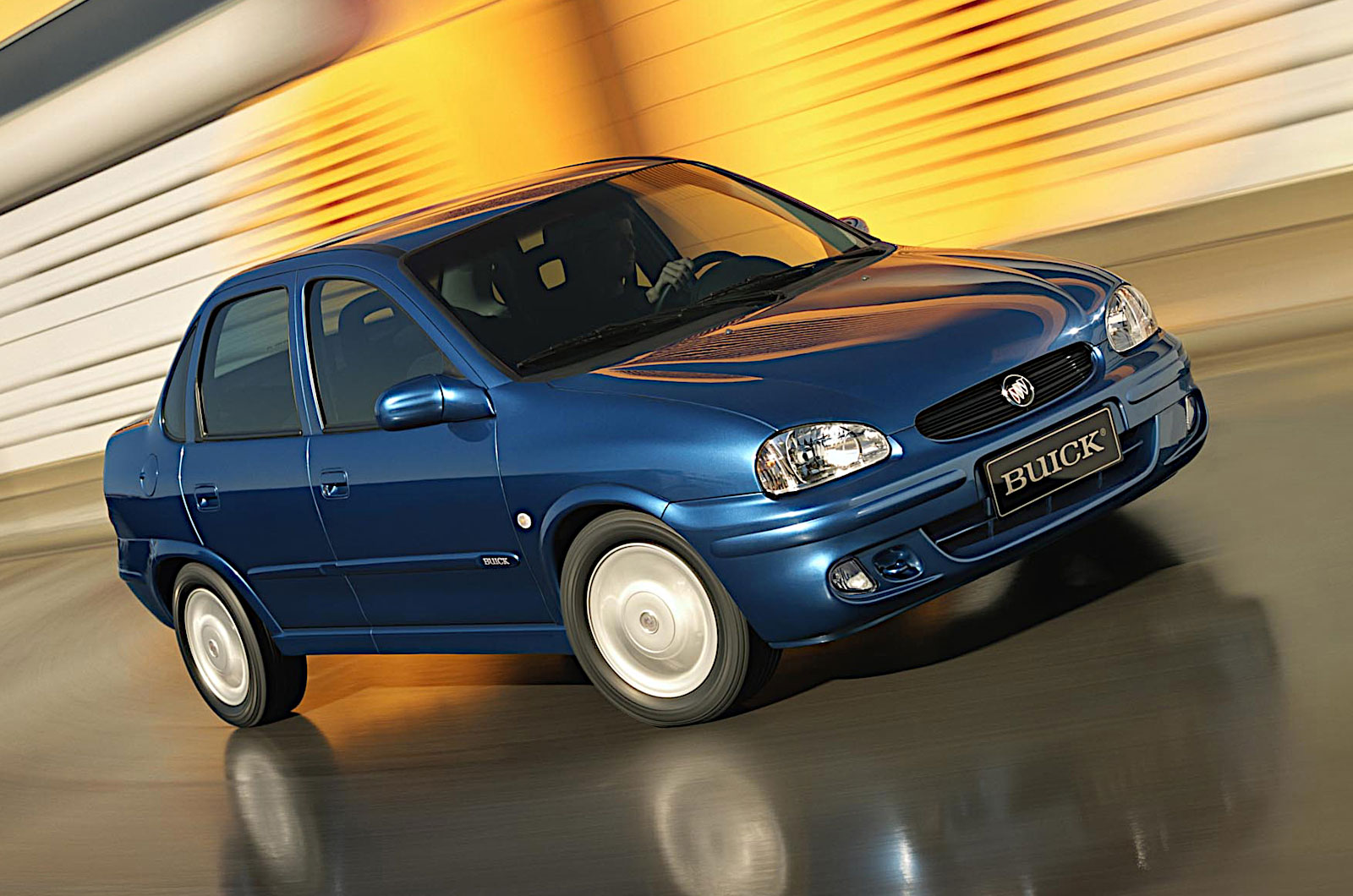
Based on the Opel Corsa, the Sail was the first low-cost Buick built and sold in China. The problem with this was that the car did not fit with China’s upmarket perception of the brand. In 2005, GM switched to selling it as a Chevrolet.
Chevrolet was perceived as having a younger image than Buick.
The Rendezvous
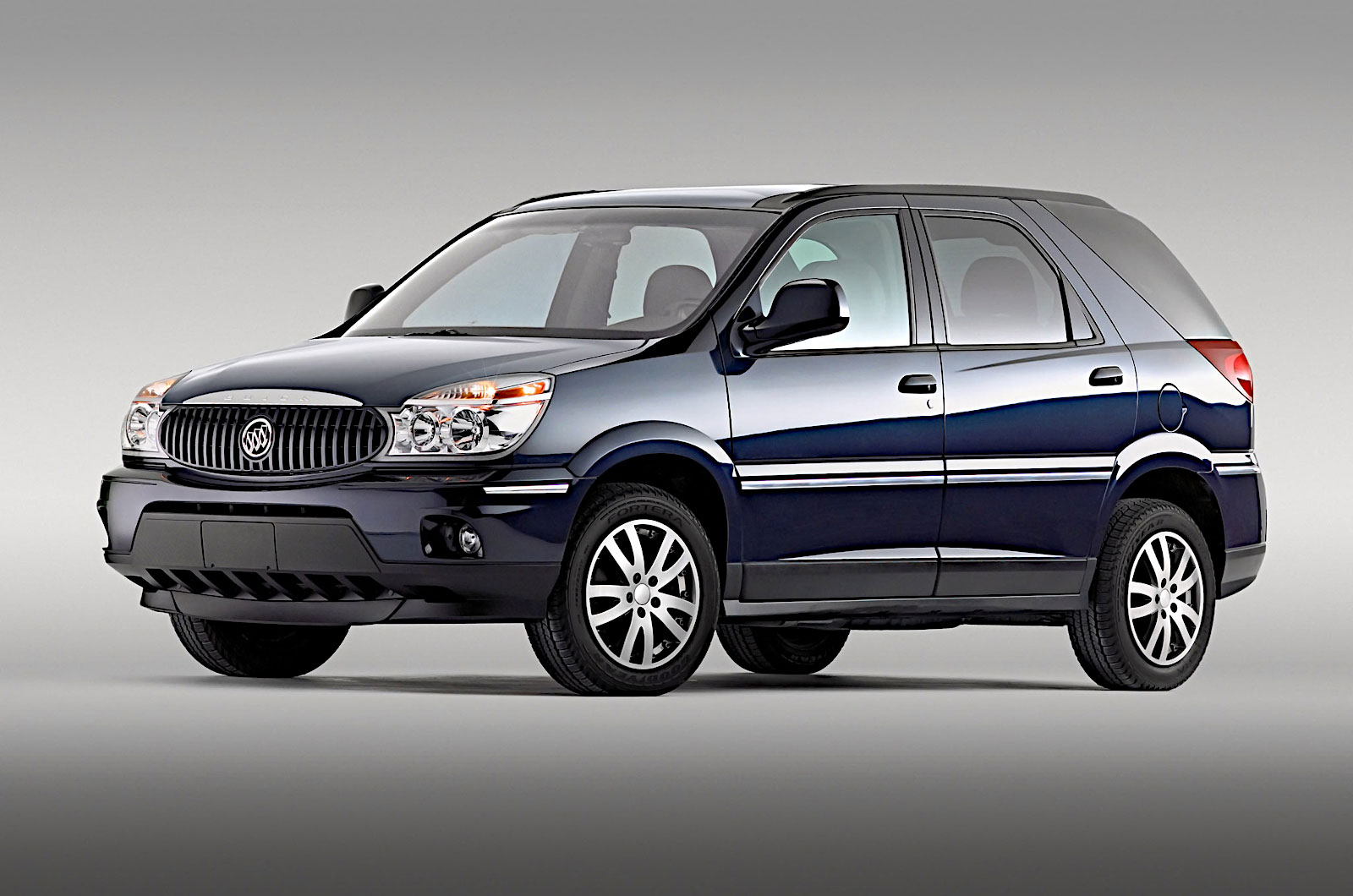
Very few manufacturers nowadays can get away without having at least one crossover SUV in its line-up. Buick entered this market sector in 2001 with the Rendezvous, a corporate cousin of the Pontiac Aztek.
The Rendezvous had an unusual appearance, but it looked far less regrettable than its Pontiac equivalent, which is widely regarded as one of the ugliest cars ever sold. Probably for this reason, the Rendezvous outsold the Aztek in a big way every year until they were both discontinued in 2007.
Buick Enclave
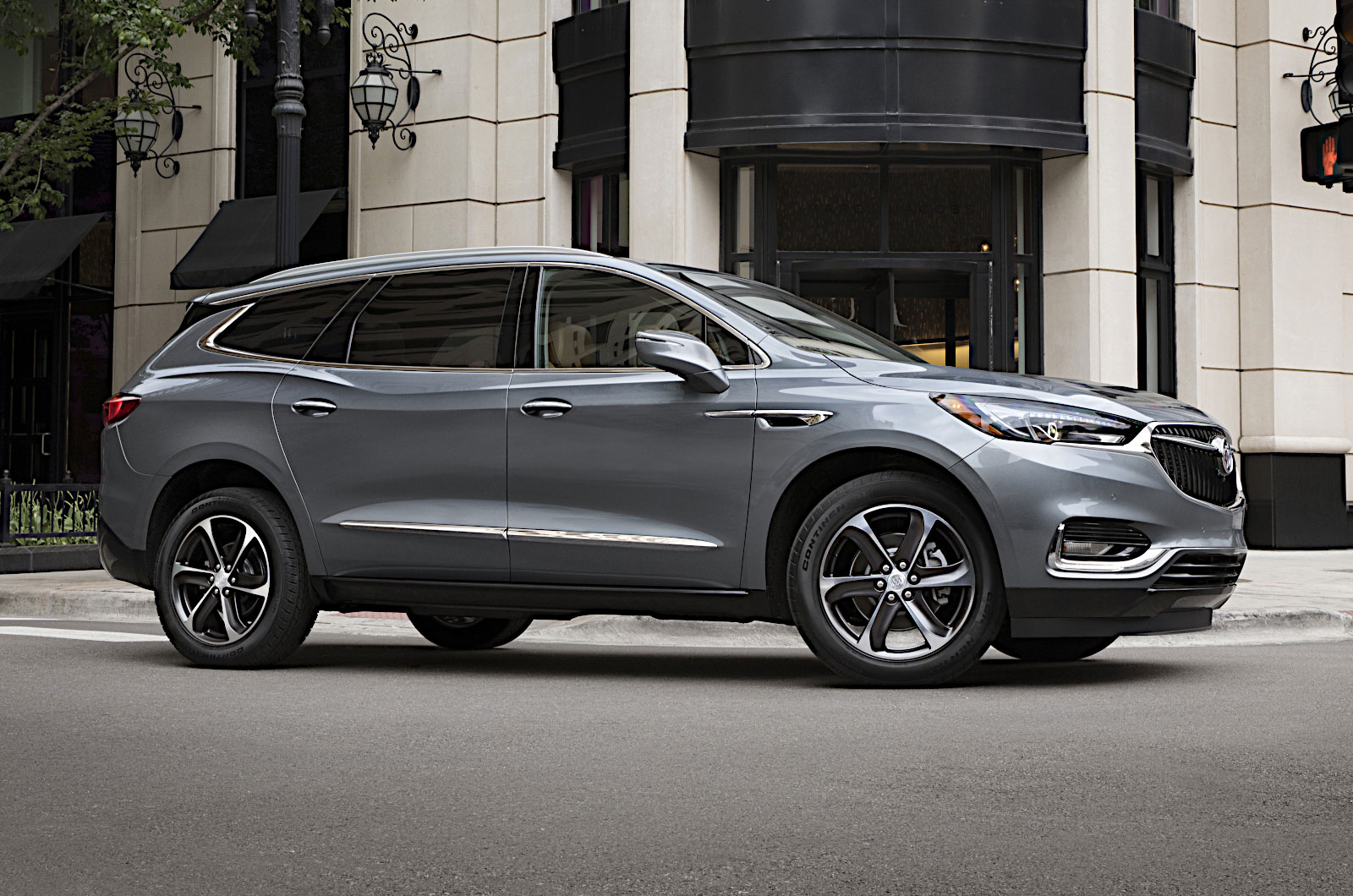
Of the nameplates currently used by Buick in North America, the oldest is Enclave. The three-row SUV went into production in 2007, and went into its second generation ten years later. It was given a mid-life update in 2021.
A two-row Enclave based on a shorter version of the same platform went on sale in China in 2020.
Buick Cascada
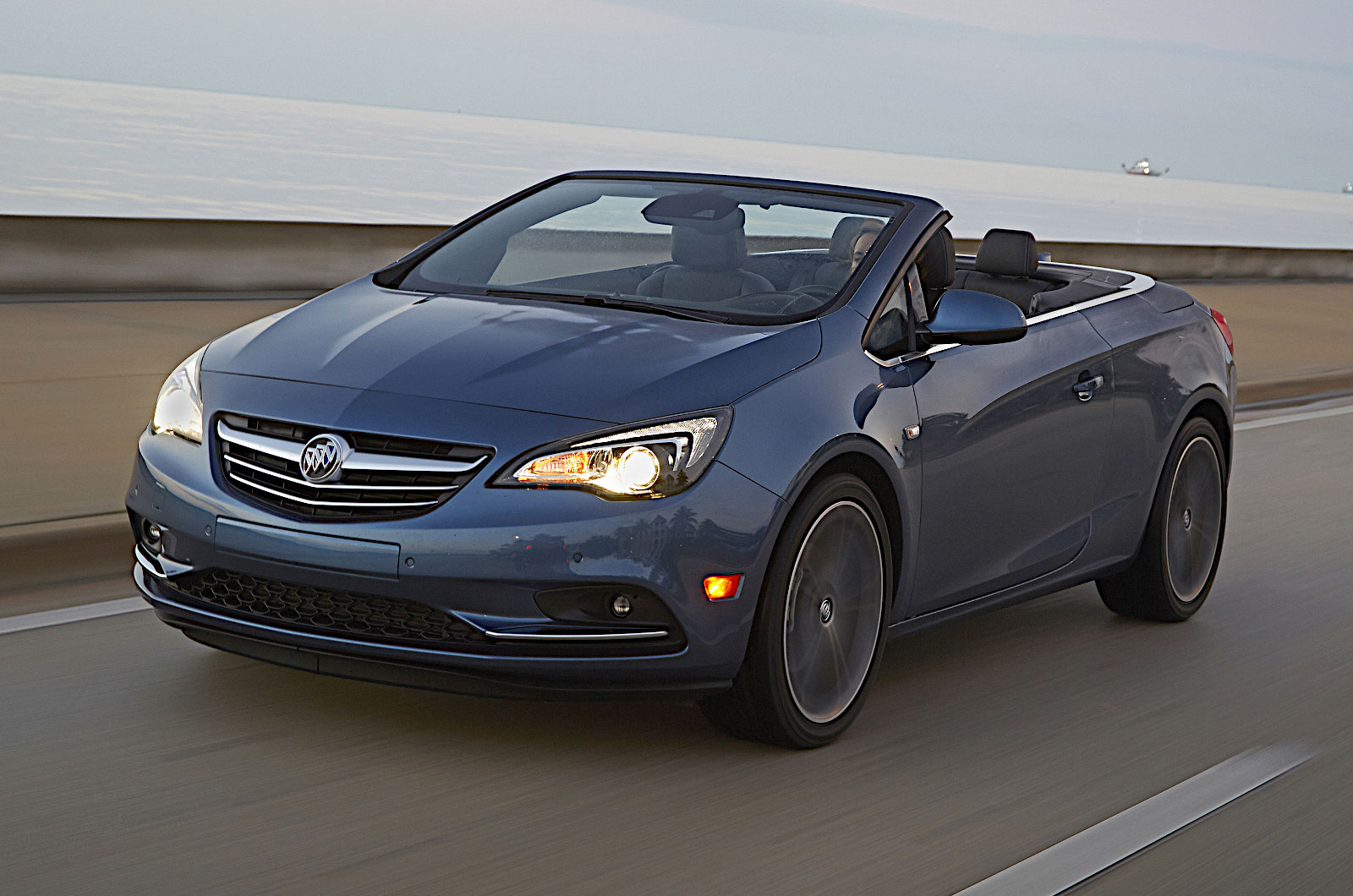
To an even greater extent than the Sail mentioned earlier, the Cascada was a renamed Opel rather than a 'proper' Buick. The four-seat convertible was developed by GM Europe and sold on that continent as an Opel or, in the UK, a Vauxhall. It was marketed as a Holden in Australia and a Buick in North America.
Several engines were available in most markets, but only the most powerful - a 1.6-litre petrol turbo producing just short of 200 hp - was offered in the Buick.
Buick Velite
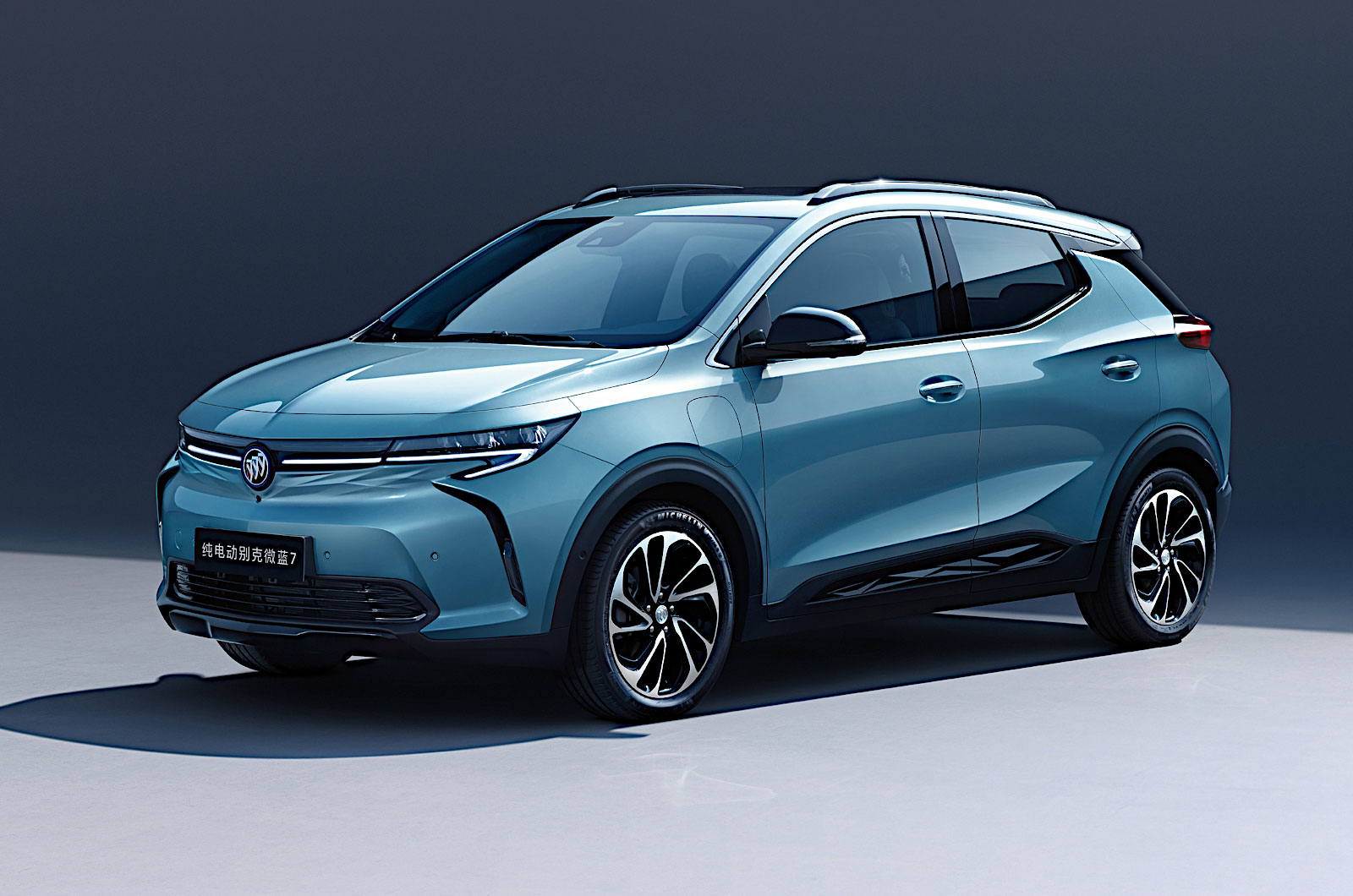
Buick used the Velite name for a roadster concept in 2004, and then for the Chinese version of the second-generation Chevrolet Volt hybrid, known as the Velite 5. The current Velite 6 is a compact hatchback which made its debut as an EV but is now also available as a plug-in hybrid.
The Velite 7 crossover, offered only as an EV, is built on the same platform as the Velite 6 and all-electric Chevrolet models sold in North America and elsewhere.
PICTURE: Buick Velite 7

Nissan Frontier 2027 Updates Pricing and Expands Appeal With Sport Edition and Feature Tweaks

Neue Klasse redefines BMW engineering for the EV era while preserving core driving identity
 Neue Klasse represents a total rewrite of how BMW builds cars – yet they still feel exactly as BMWs should
The Mundy Award for Engineering recognises outstanding contributions to the automotive industry. Named after Harry Mundy, an engine designer who was also a staff writer for Autocar, the award is normally handed to a prominent engineer. Renault's Philippe Krief, Nissan's David Moss and GMA founder Gordon Murray are among the previous winners.
This year, given the team effort behind it, its excellence and its potential significance, our winner is BMW's Neue Klasse architecture, for the meaningful developments and progress it has made in the electric car world, while still allowing BMWs to drive like BMWs.
The man leading the development of this EV architecture was Mike Reichelt, head of Neue Klasse. It was an unusual project for the automotive industry and a unique one for him.
"I was the man [then CEO] Oliver Zipse called in 2020 and asked if I would lead, from the early beginning until the launch, not only the iX3 but the whole Neue Klasse family," recalls Reichelt.
That family begins with the iX3 SUV but will be quickly expanded by the i3 saloon (an electric 3 Series) and then a host of other models.
"It was the biggest chance, for me as an engineer, to make something incredibly new," says Reichelt. "We started on a blank sheet of paper, from scratch. That's not normal in the automotive industry. Normally you have an evolutionary development: you use something from an existing drivetrain, you make something a little bit better, you integrate a few innovations in the next car generation. But this time, in 2020, we thought some technologies were on a breakthrough point: technology, computing power, the user interface. We went all in and pushed every single technology to the boundaries, to lead BMW into the future."
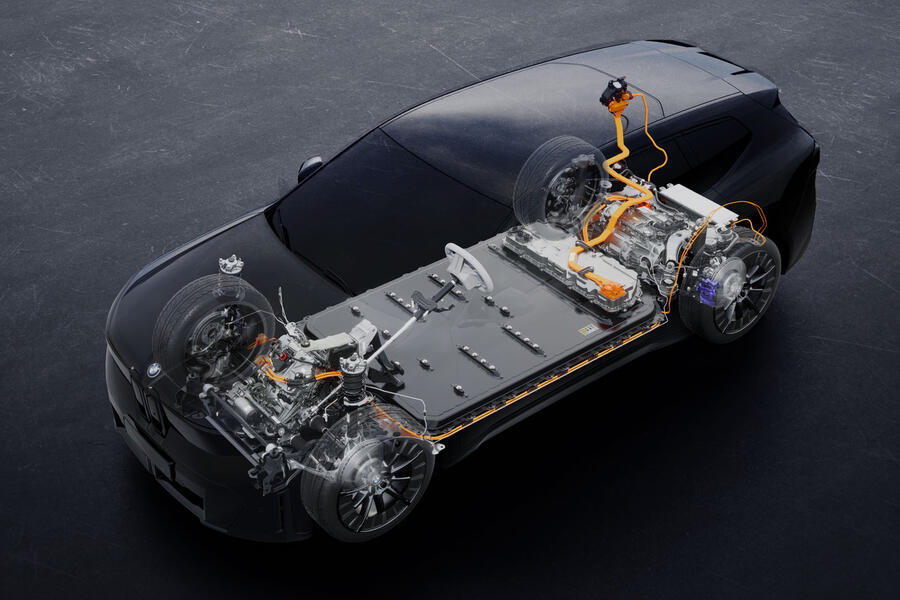
And yet "the name Neue Klasse you know from the history of BMW", says Reichelt. Indeed we do. The 'New Class' was a line of cars that the company made from 1962 to 1972, beginning with the 1500 saloon and later including the 2000 saloon and the E9 and 02 coupés.
To revive the name "was a signal inside BMW at the time for us", says Reichelt. "It was a step, like in the 1960s, to revolutionise BMW for the future - but this time from a strong position."
That part seems important. This wasn't, as so many company reinventions or growth plans seem to be, coming after a downturn in fortunes. The BMW Group made 2.4 million vehicles in 2025, up 0.5% on the previous year. Profit was £6.43 billion. And the product profile was diverse: 290,000 Minis, 5664 Rolls-Royces, 203,000 motorcycles and 2,169,739 BMW cars, one in 10 of them an M performance model. It made its three-millionth electrified vehicle last year, and one in six BMWs were purely battery-powered.
"Over the past years, we've adopted the right strategic positioning," said Zipse in March, "and we're benefiting from that today: in a challenging environment, we don't need to change direction but can maintain our course and continue implementing our strategy systematically."
It's not as if BMW was behind the electric curve, but still "we felt it was necessary to do this [engineer the Neue Klasse architecture from scratch], because the technology had jumped in such a revolutionary direction."

Particularly the software. Indeed, BMW defines the iX3 and other Neue Klasse EVs as 'software-defined'. But what does that mean?
"It means that all the functions, or close to all the functions, have an electronic part inside," answers Reichelt, although "a software-defined vehicle doesn't mean that hardware isn't important in the future".
"The best fit is if you have a perfect mechanical DNA - for example, in the driving experience: the stiffest body, perfect kinematics of all the axles. But you use central computing as a superbrain - the fastest computer we can use today," he says. "We integrate all those functions into one ECU. And with this fastest computing power, we have the chance to steer the mechanical systems as fast as possible."
Which means that a Neue Klasse BMW still drives, well, like a BMW. Our favourite part of the iX3 is that it behaves like one. But that isn't only down to the hardware beneath it.
"That car doesn't drive like a 2.3-tonne car," says Reichelt. "It drives like it's lighter than two tonnes, because the software reacts so fast that the car reacts in the moment you initially move the steering wheel. And that's sensational. Software and hardware in symbiosis. And that's the way of BMW."
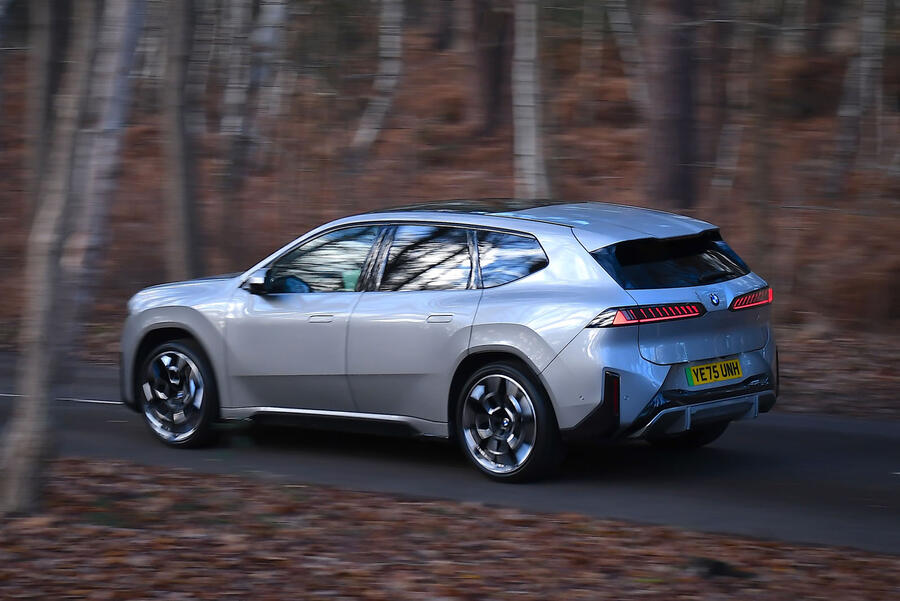
"I think every BMW engineer looks at what is the next big thing to make BMW," continues Reichelt. "We don't build a BMW to present the latest technology. We use that to make a BMW a better BMW.
"I'll give you an example. We didn't want to sit behind a display wall. That's not driver intuition in the way of BMW. So when some engineers came with this cool idea to use the windscreen to project all the information from pillar to pillar, and I saw their Panoramic iDrive in mock-up, I had goosebumps. And then, with a small team, we promised 'yes, we want to realise this for series production'. This is the BMW way."
We found Panoramic iDrive to be one of the big successes of the iX3, projecting as it does the instruments at the base of the windscreen, beautifully clearly and with a longer focal length than a screen pitched right in front of you - and configurable to your own preferences.
"We felt the potential in the early moments," says Reichelt. "Those were the moments when we said that we wanted to realise [this new] technology within the Neue Klasse.
"We had a big discussion inside BMW. 'Is it possible to realise this in perfect quality? Is it the right step?' And it was really intensive. But today everyone who drives it, including people inside BMW, is so happy that we took this step."
"Hands on the wheel, eyes on the road: the information you need is there without any driver distraction," says Reichelt. "It's another way; a symbiotic drive. You know, when you drive some cars today, when you want to interact with the ADAS, you have to fight against them. Here you are the boss, you are the driver, and the system is there to support you. You don't have to fight against this system."
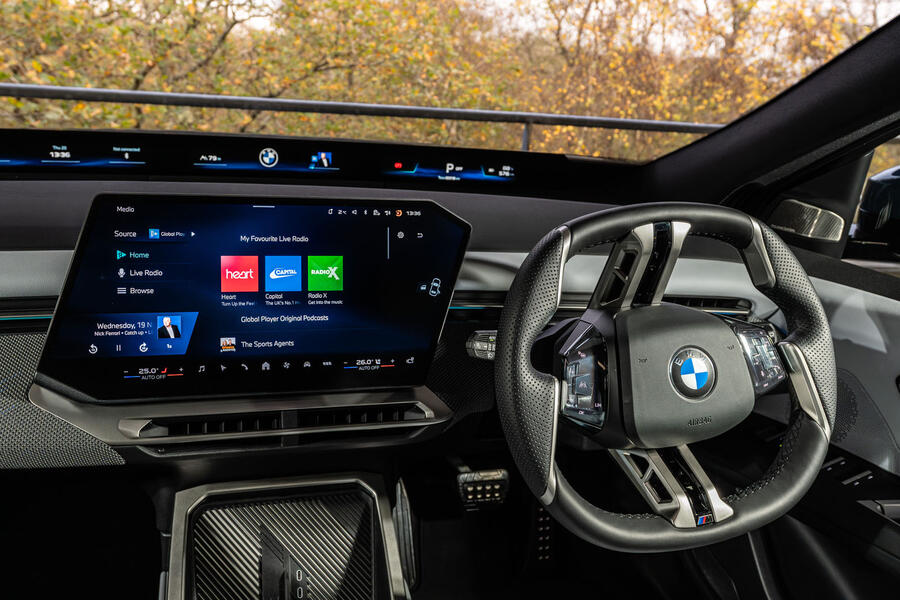
The panoramic dials have other benefits too, says Reichelt: "We saw the advantage for our design colleagues. You have no instrumental panel in front of you, so there is a chance to create a spacious and cool-looking interior, a modern interior. Normally you sit behind the instrument panel and so there isn't the space to create something new."
This process is all tempered by the fact that in some quarters there has been a resistance to moving to electric cars.
"We looked at reasons our ICE customers don't jump into full electric cars: the range, charging speed, charging infrastructure and price," says Reichelt. "We said we want to solve these topics, that no customer should have the problem. So this was the beginning: to say 'what is the biggest wheelbase we can make with the same footprint [to maximise battery size]? Which cell technology, for 20% more energy density? What are the most efficient axles we can use?'"
Reichelt acknowledges that this project will define his career: "To start on a blank sheet of paper is revolutionary, and we won't repeat it in the next one or two decades. You don't do it. And now we will normally develop it further and further but more in an evolutionary way."
Despite the newness of it all, the Neue Klasse architecture has been well received as upholding the best BMW standards.
"Ultimately it feels like a BMW," says Reichelt, "but a completely modern one and a new interpretation of what being a BMW should be. And that's the biggest compliment we can get."

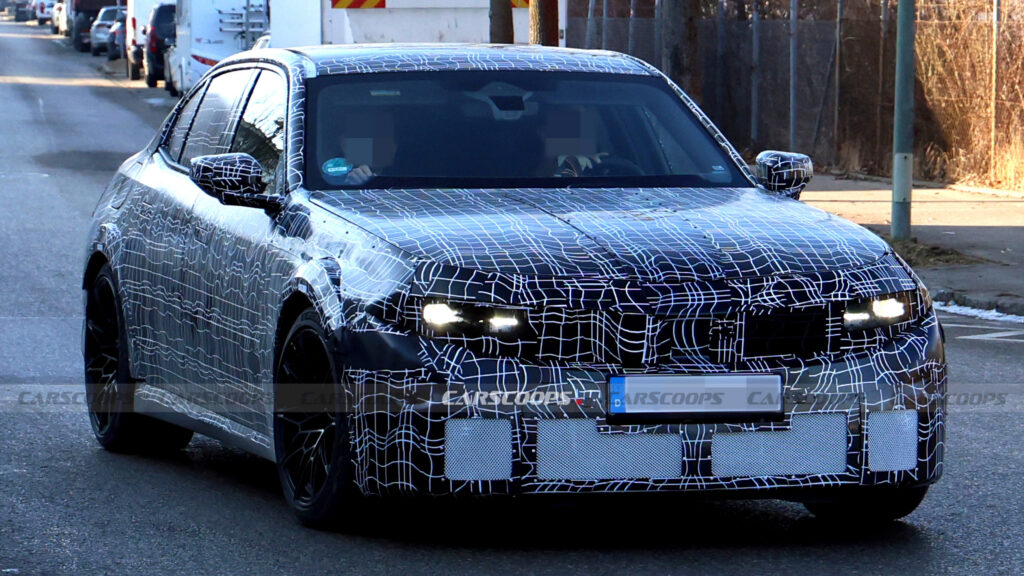
BMW M3 Embraces Dual Powertrains as Brand Balances Electric Performance and Purist Combustion

Austria’s Overlooked Automotive Influence Driving Innovation for Global and Niche Car Brands
 Austria is a much more important car maker than many people believe
Austria is not always the first country you think of as an automotive powerhouse.
However, many well-known car names, from Aston Martin to Volkswagen, have turned to Austria for its car-building expertise. However, Austria has also been home to many of its own car brands and even witnessed the birth of Porsche as the sports car company we know today.
Here’s a list of cars built in Austria, arranged in alphabetical order.
Aston Martin Rapide
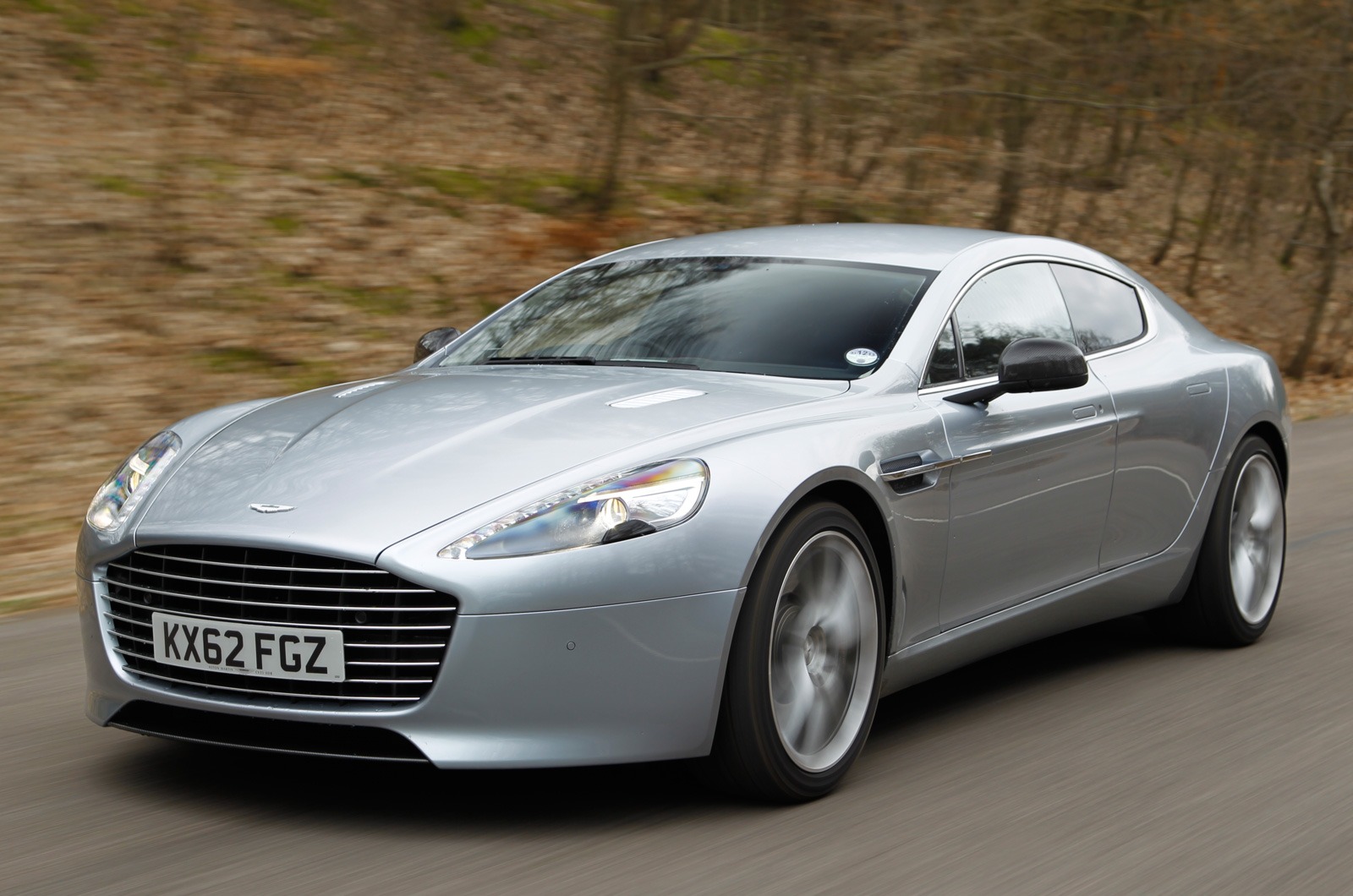
Aston Martin is about as traditional a British car company as it gets, yet the 2009 Rapide was built at a dedicated facility in Graz under the watchful eye of contract manufacturer Magna Steyr. In its brochure for budding Rapide owners, Aston even mentioned this bespoke factory, albeit in a single paragraph on page 51 of the 60-page book. Elsewhere, the British firm preferred to make more of the Rapide’s ‘low volume, high technology production.’
The Graz factory was capable of building up to 2000 Rapides per year, but that number was never achieved as sales drooped. Instead, production was brought back to Gaydon in the UK from the autumn of 2012 ahead of the Rapide S going on sale in early 2013. This makes a Gaydon-built Rapide the rarest of this 296 km/h four-door model.
Audi V8L
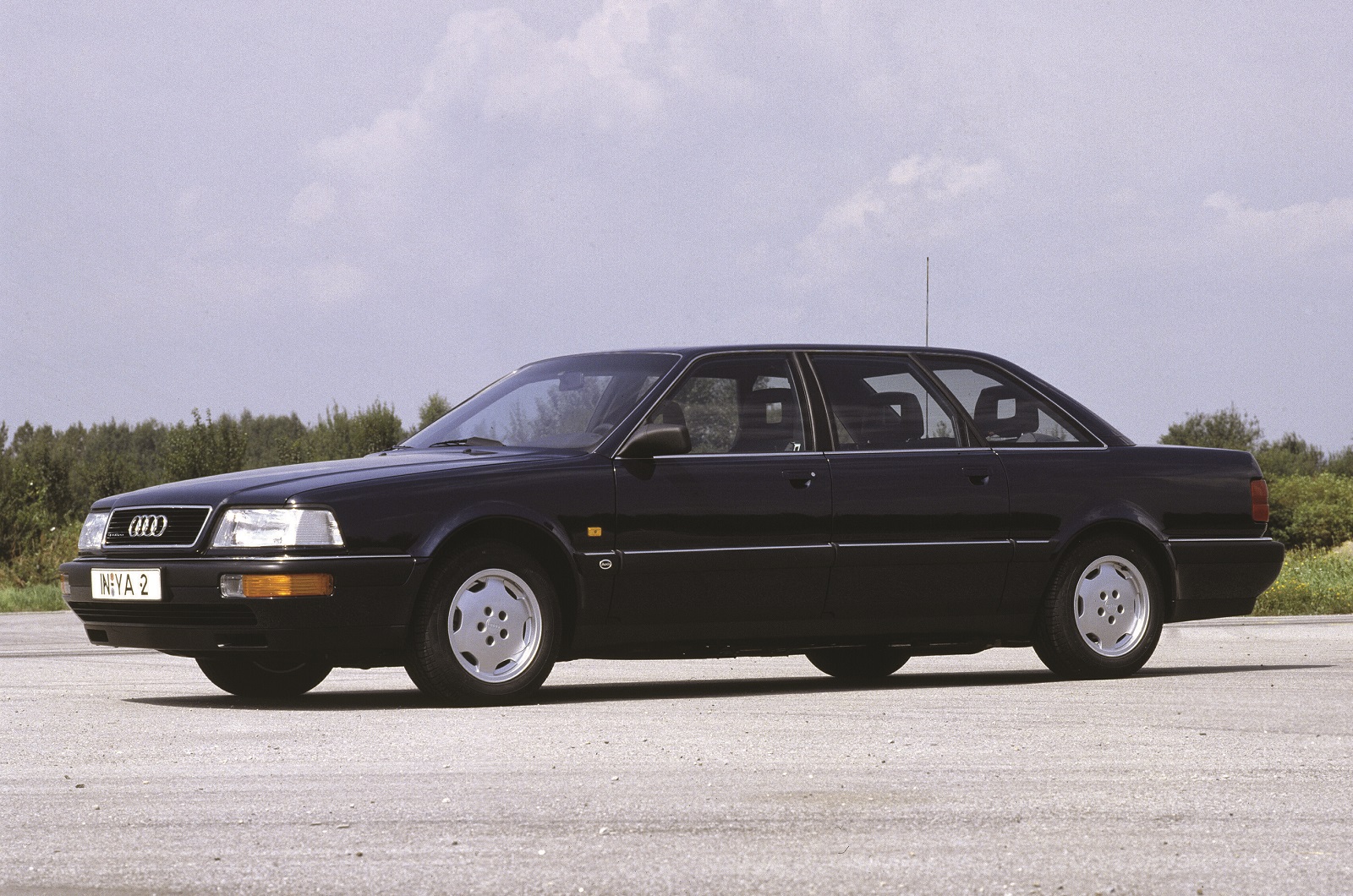
A mere 271 Audi V8L cars were built and all of them were created in Austria by Steyr-Daimler-Puch in 1990. This car was extended by the Austrian company for those lucky customers who wanted to lounge in the rear with its additional space offered by lengthening the wheelbase by 316 millimetres.
This limo provided two individual rear seats and a long list of options, such as leather upholstery, mobile phone, and fridge.
Under the bonnet, the V8L shared the same 247bhp 3.6-litre V8 as the standard saloon, and this was uprated to a 276bhp 4.2-litre V8 in 1991. All V8L models came with four-wheel drive and an automatic gearbox.
Austro-Daimler Prinz Heinrich
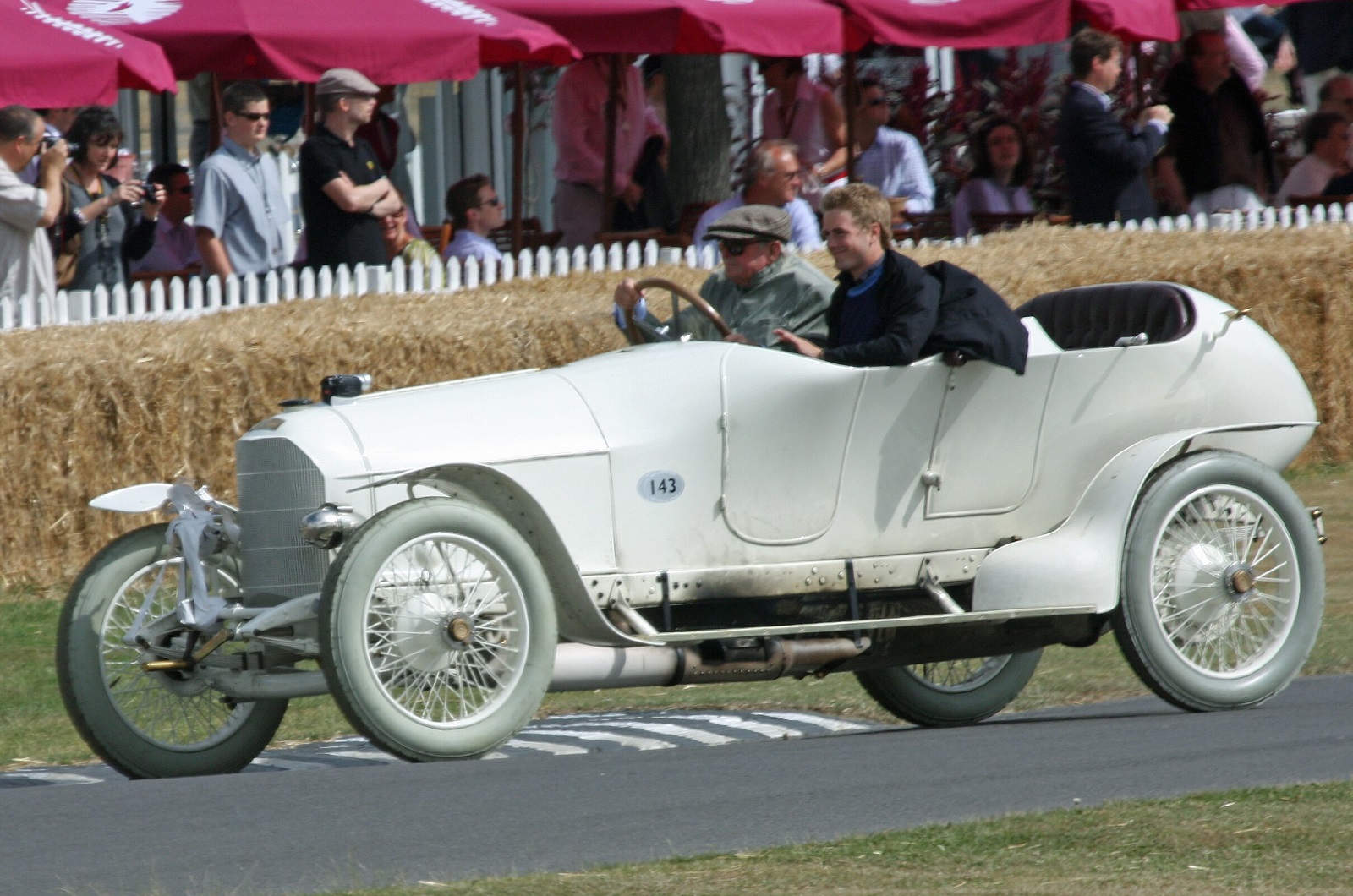
This company began by selling German-made Daimler cars in Austria before branching out into full-blown production of its own models, notably the Prinz Heinrich with its vast 5.7-litre four-cylinder engine from 1911.
By this stage, Ferdinand Porsche was running the company’s automotive technical development alongside working on aero engines. After the First World War, Austro-Daimler continued to build large luxury cars and enjoyed royal patronage. However, the company was struggling and not even smaller-engined, more mainstream models could save it from folding in 1931.
BMW Z4
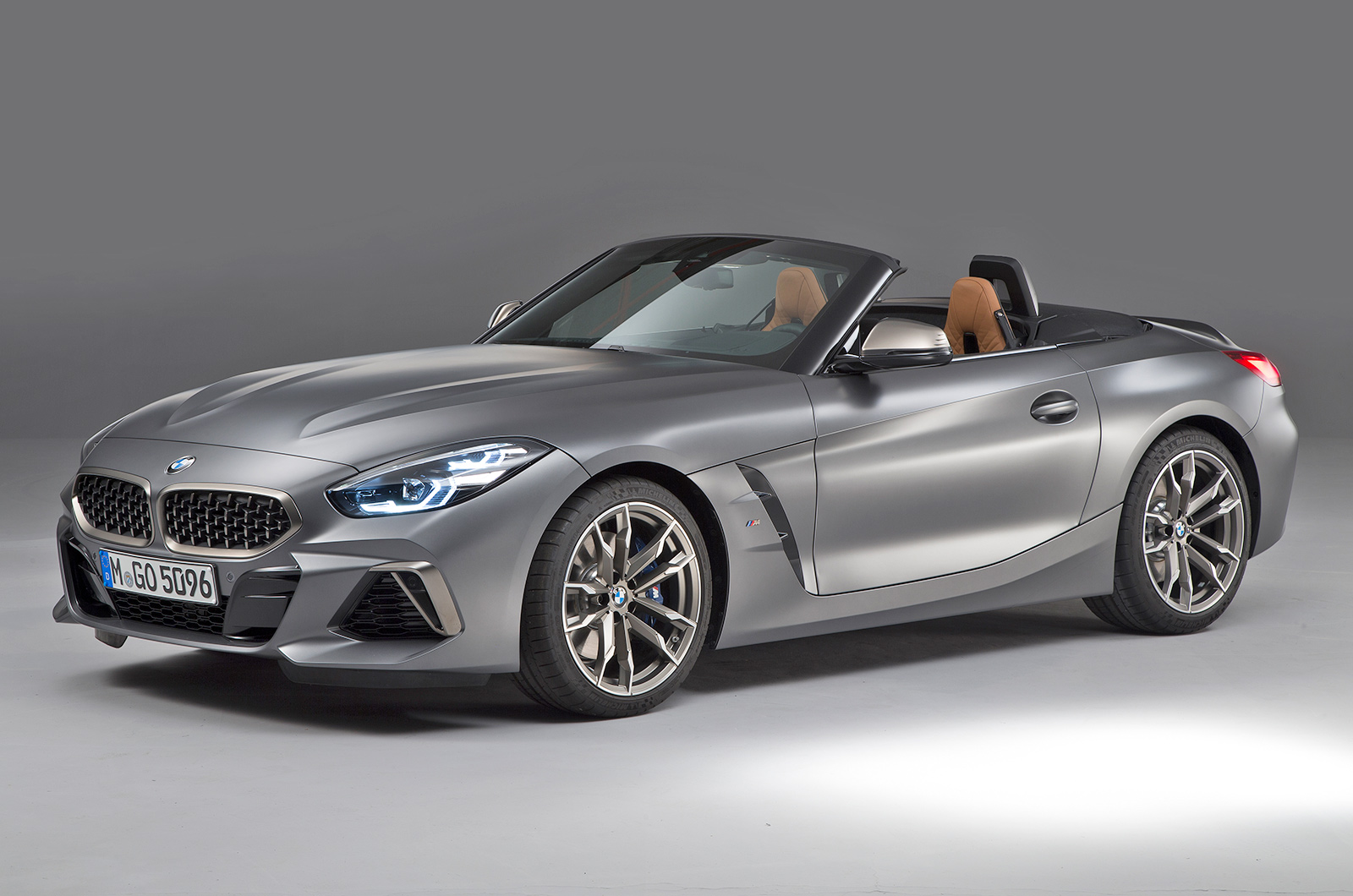
Magna has a history of building BMWs at its factory in Graz, Austria. It started out with the original X3 in 2003 and added the G30 generation of 5 Series in 2017. When the current Z4 was launched in 2018, BMW looked again to Austria to produce one of its cars.
This third generation of Z4 follows a tradition of building BMWs anywhere but the company’s usual Munich or Dingolfing plants. The first Z4 was made in Spartanburg in America, while the second generation was produced in Regensburg, Germany. The Z4 is scheduled to end production in March 2026.
Custoca
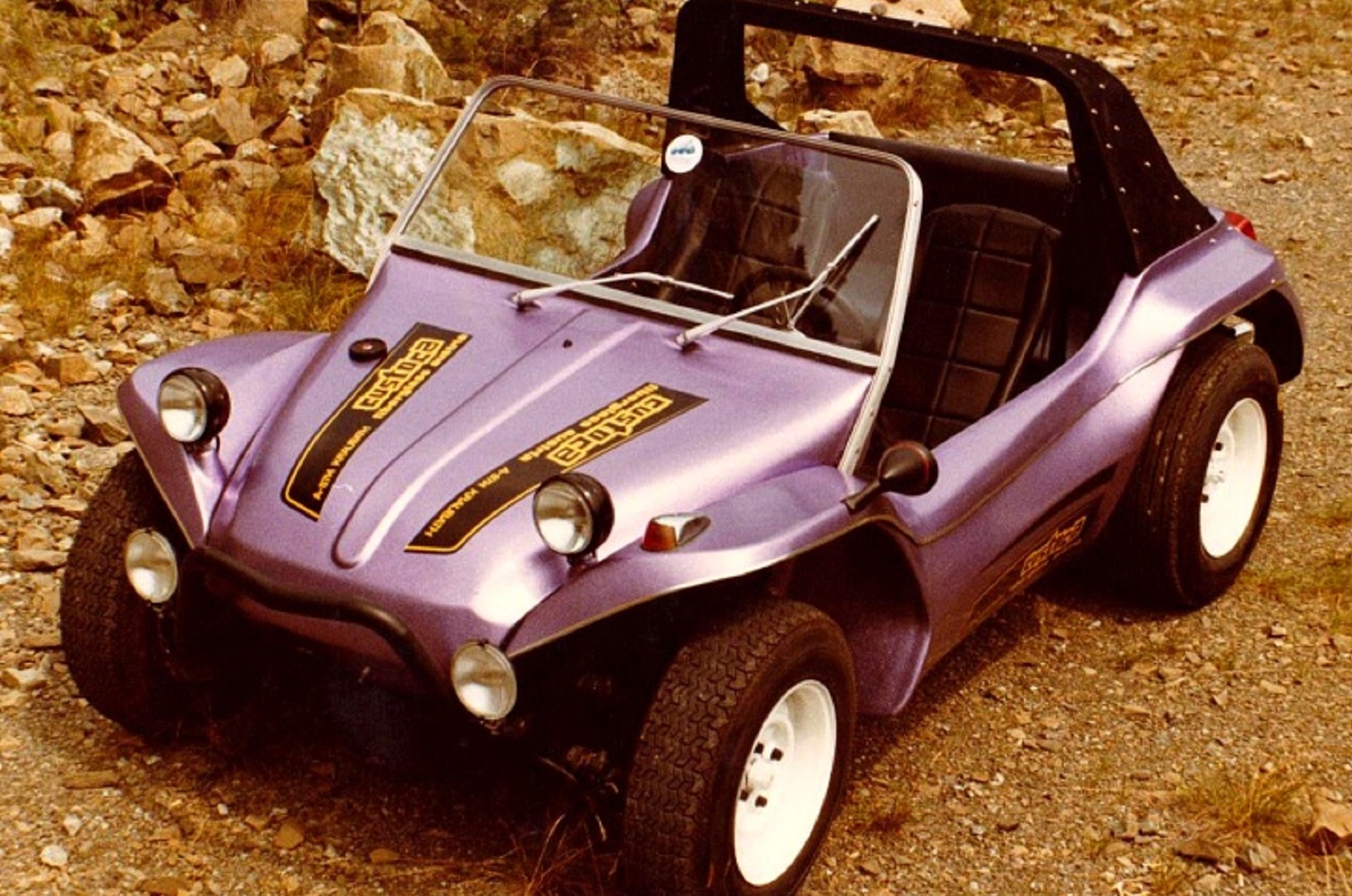
The kit car scene was in full swing in the UK and US by the mid-1960s, and Gerhard Höller saw no reason for Austria to miss out on the home-build sports car boom. Based in Leoben, Höller came up with his Strato model that was based on the Volkswagen Beetle floorpan and the original plan was to sell fully built cars. However, the glassfibre body was not very well made, so he switched to offering the car as a kit.
Around 135 Strato cars were made and Custoca launched its Ford GT40-inspired Hurrycane in 1971, with 100 sold and powered by various V8 engines. A beach buggy called the Buggy Fun was the company’s most successful model and found 350 willing buyers.
Denzel
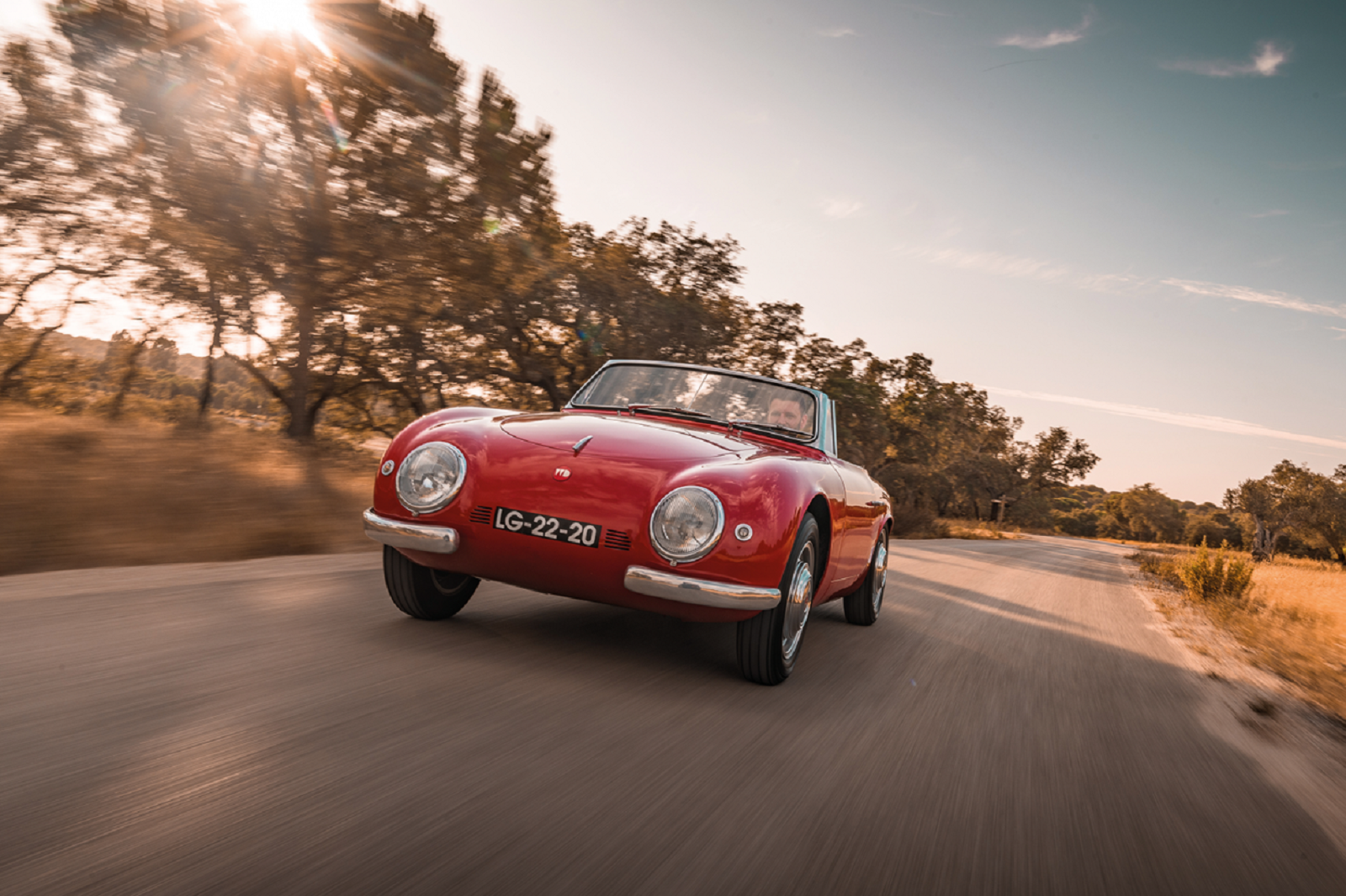
Wolfgang Denzel started his eponymous company making wooden-bodied cars based on the floorpan of Volkswagen Kübelwagens left over from the Second World War. However, the Densel sports car was an altogether more sophisticated machine. Styled in a similarly sleek and low-slung way to the early Porsche 356, the Denzel started with a VW Beetle floorpan, but moved on to a bespoke chassis. Denzel also developed his own highly tuned engines from the VW flat-four motor, offering as much as 86bhp from a 1.5-litre version.
The roadster went on to win the 1954 Alpine Rally outright in a 1.3-litre model and around 300 Denzel sports cars were made before the company hit the buffers in 1960.
Deus
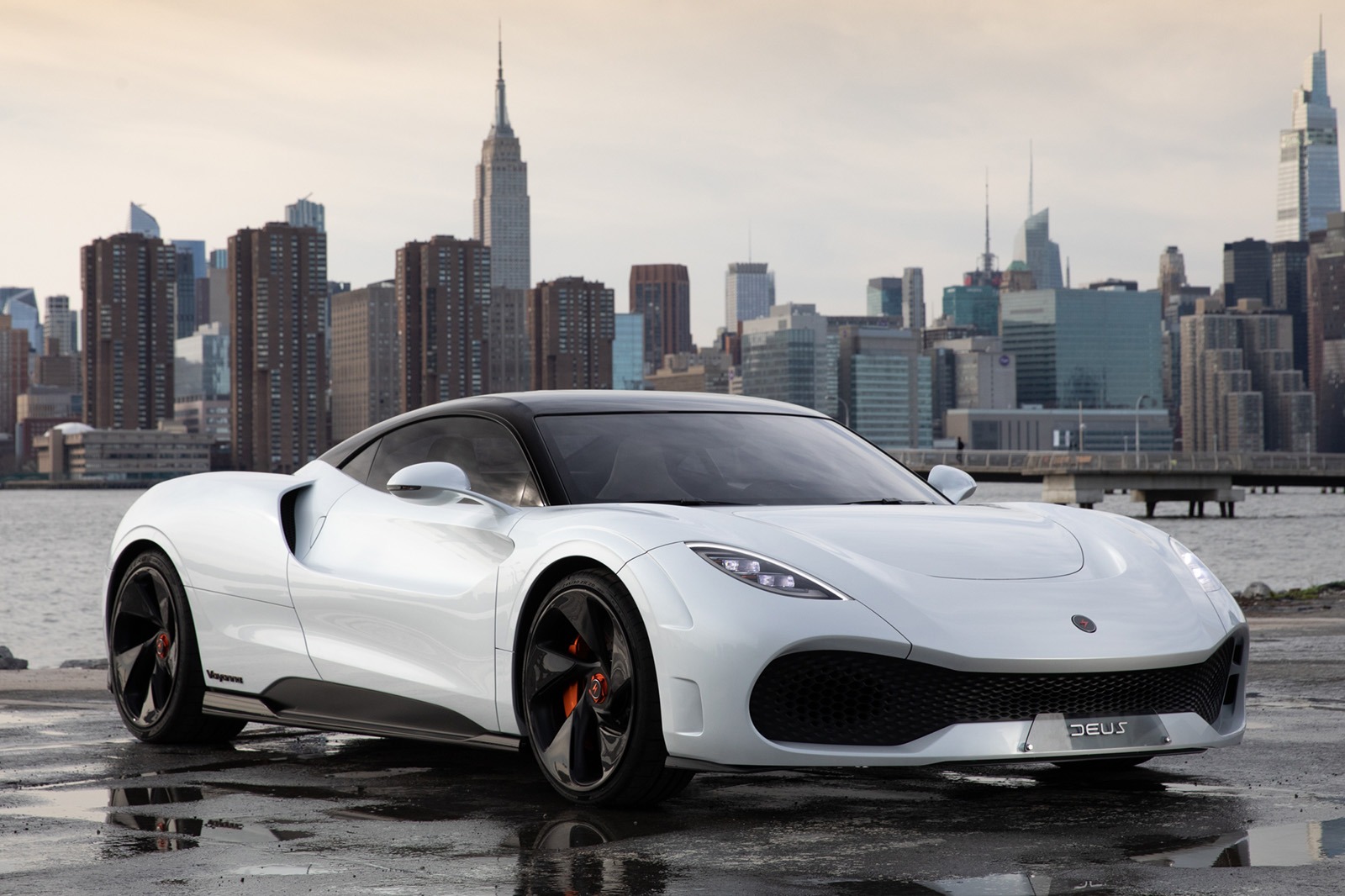
Set up in Vienna in 2020, Deus is the most recent addition to Austria’s car building tradition. The company’s Vayanne hypercar uses EV power and has had input from Italdesign and Williams Advanced Engineering.
Production of the 2169bhp Vayanne is scheduled to begin in 2025 and only 99 cars are due to roll of the line. Each Vayanne is set to cost €2.2 million and only 99 cars are due to roll of the line. With four-wheel-drive and 2169bhp, it’s claimed the Vayanne will offer 0-100 km/h in 1.9 seconds, a 400 km/h top speed, and be able to recharge in just 20 minutes to give a 480 km range.
Felber Autoroller
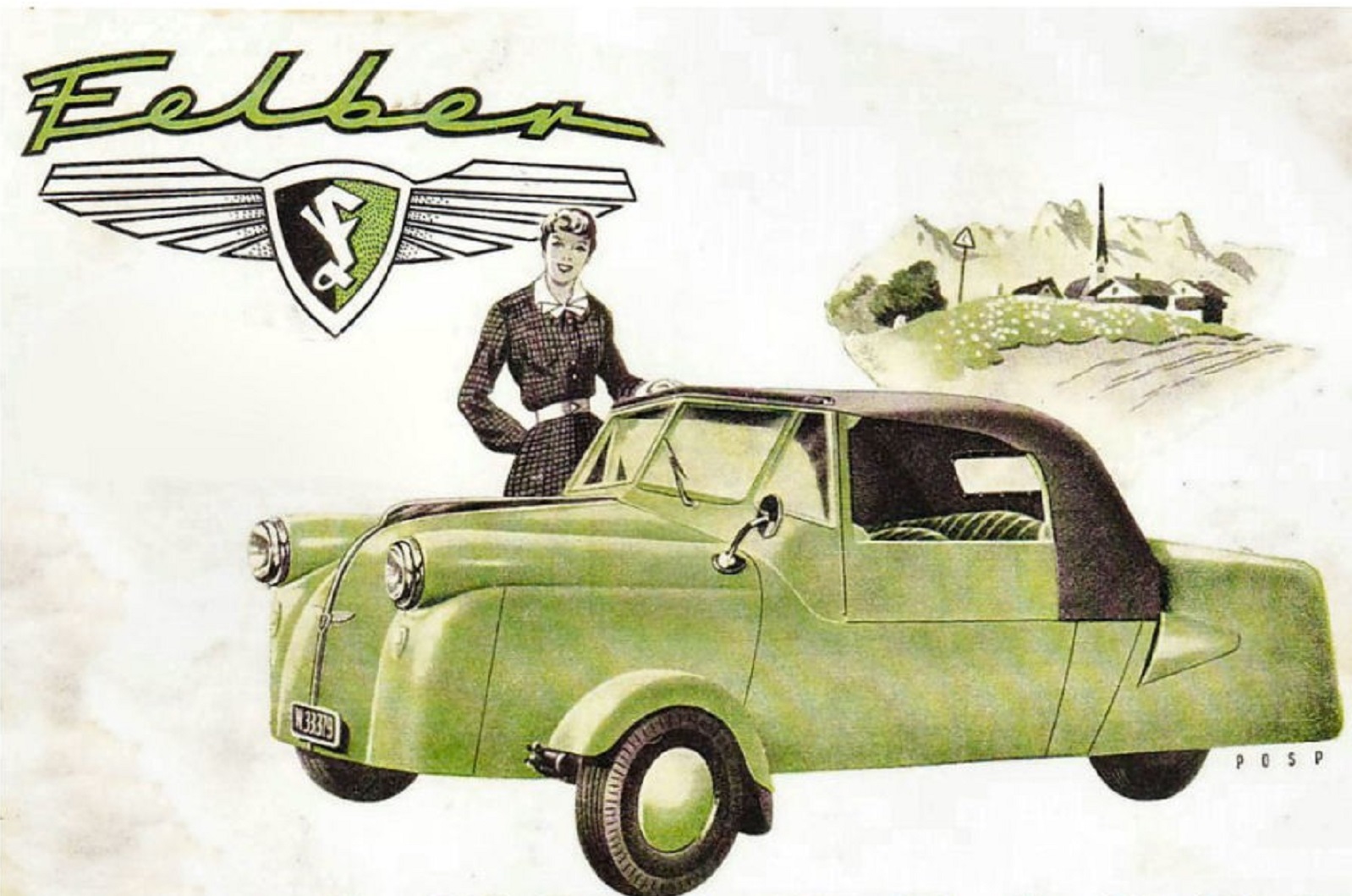
Felber, the car company that briefly produced cars in Austria between 1952 and 1953, is not to be confused with the Swiss company of the same name that built specials based on Ferraris and Lancias. The Austrian Felber Autoroller was an early example of the bubble car and used a 398cc two-cylinder Rotax engine with 15bhp.
In the cabin, the Autoroller offered an odd seating layout, with the driver in the front centre and small seat behind on the left for children. There was another passenger seat for adults angled diagonally to the right rear of the driver. Unsurprisingly, the Felber Autoroller didn’t catch on and only 400 were made before the company disappeared just a year after it started production.
Fisker Ocean
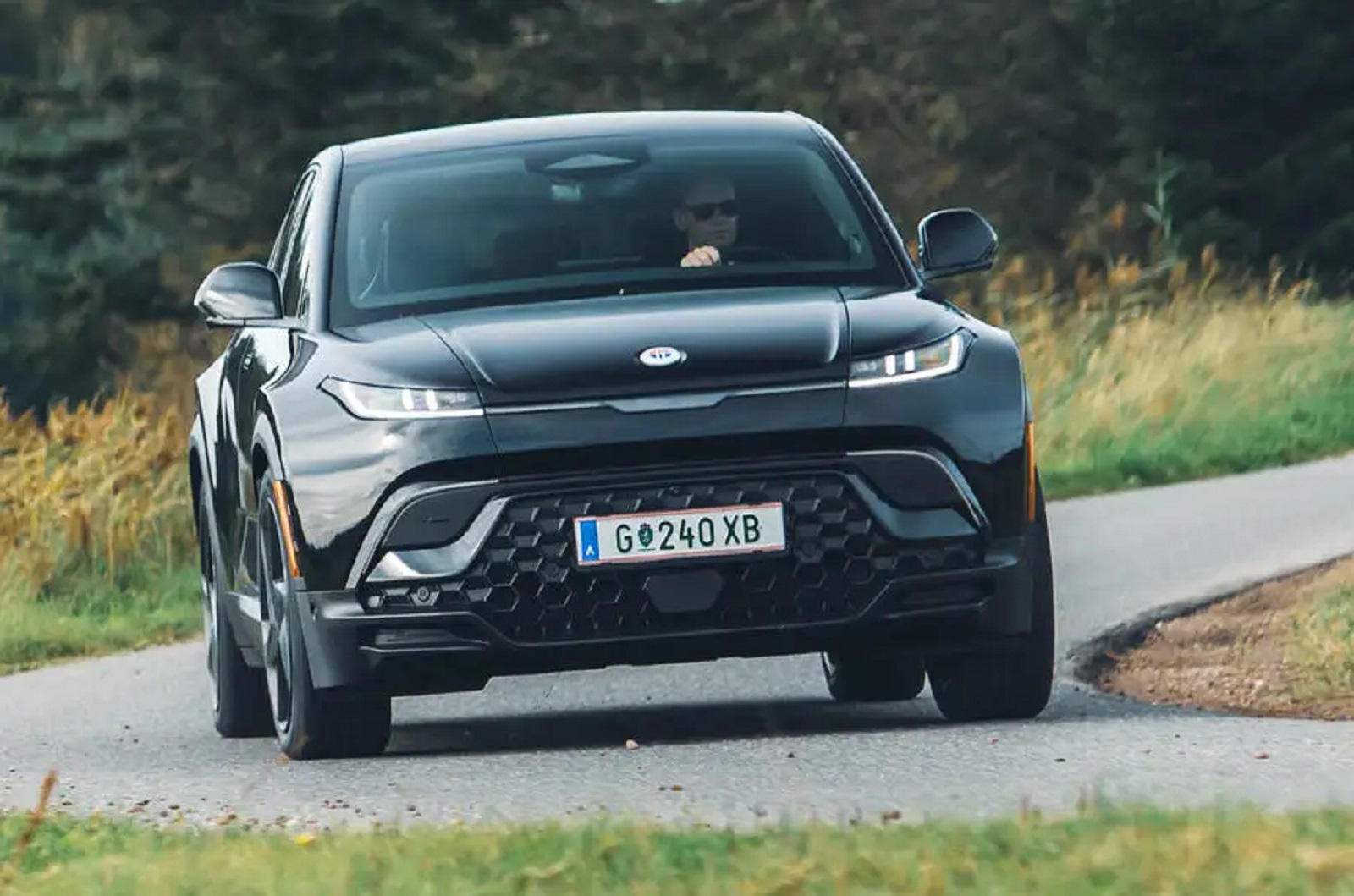
Henrik Fisker was born in Denmark and is now based in California in the US after working for car firms like Aston Martin, BMW, and Ford. This international outlook led to the Ocean, which was first unveiled in prototype form in 2020, being built somewhere other than where he resides.
As a result, Fisker sub-contracted Magna Steyr to build the Ocean at its factory in Austria. However, the project was plagued by financial troubles, and by April 2024, production of the Ocean was suspended – but not before 10,000 units had already been built. Only a few months later, the Fisker brand filed for Chapter 11 bankruptcy protection.
Gräf & Stift
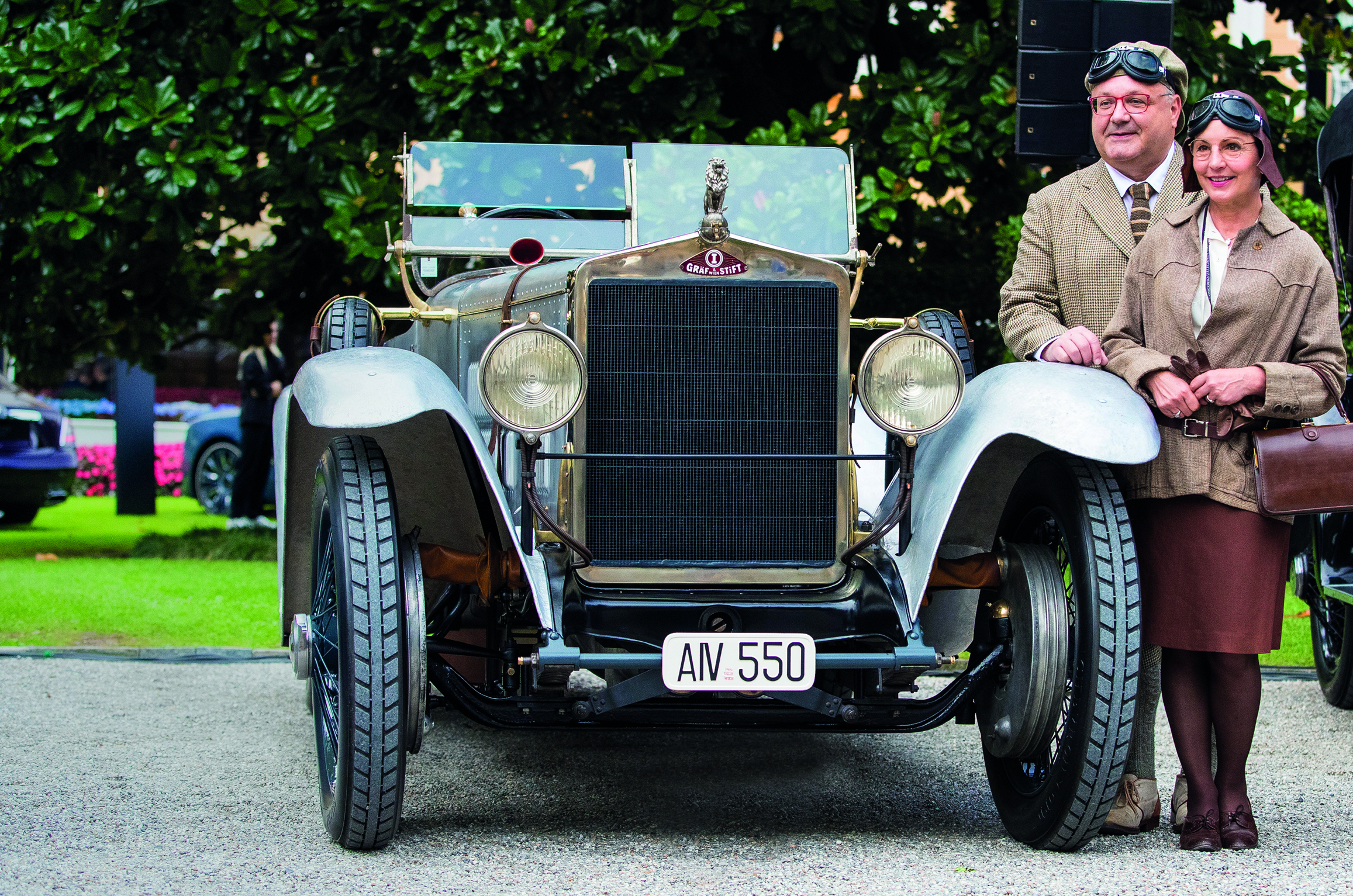
The Gräf brothers built their first car as early as 1895 and combined with Willy Stift in 1902 to make cars designed by Arnold Spitz. In 1907, the Gräf & Stift company built its own car and became known for its large, luxury models.
Gräf & Stift earned a certain notoriety when one of its cars was being used to transport Archduke Franz Ferdinand when he was assassinated in 1914, which sparked the First World War. After the war, the company returned to luxury car manufacture and its cars were noted for their silver lion mascot. The last Gräf & Stift car, a C12 model, was made in 1938.
Grofri
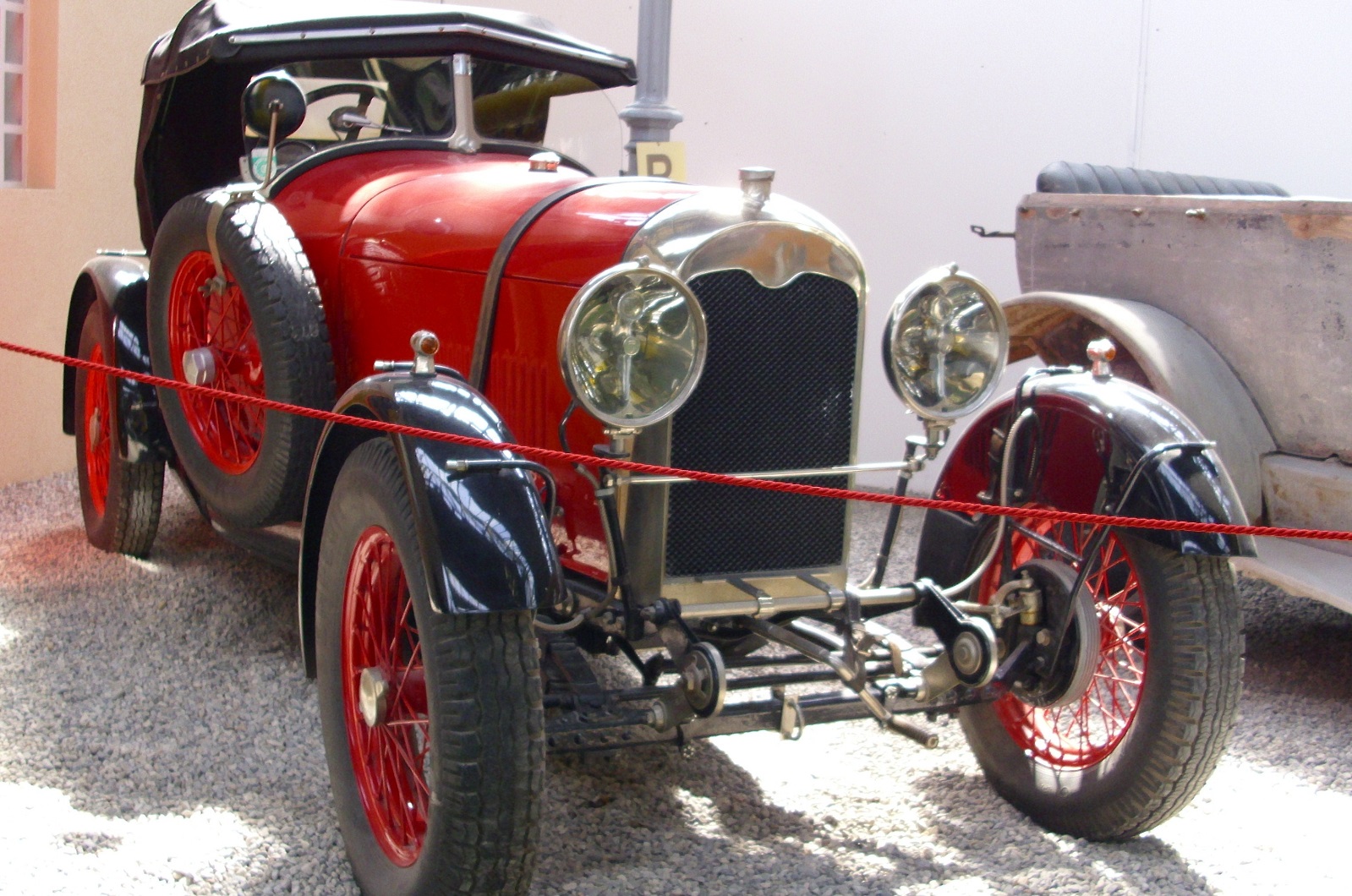
Grofri was based at Atzgerdorf near Vienna from 1921 to 1931 and was one of many European car makers to emerge in the post-First World War era. The Austrian company started with its own six-cylinder model and also built versions of the French firm Amilcar’s sports models under licence.
Grofri had its own factory racing driver while in business. This was Max Hoffman, who later went on to set up his own vehicle import business in the US and made his name bringing in Porsche and Volkswagen cars.
Jaguar I-Pace
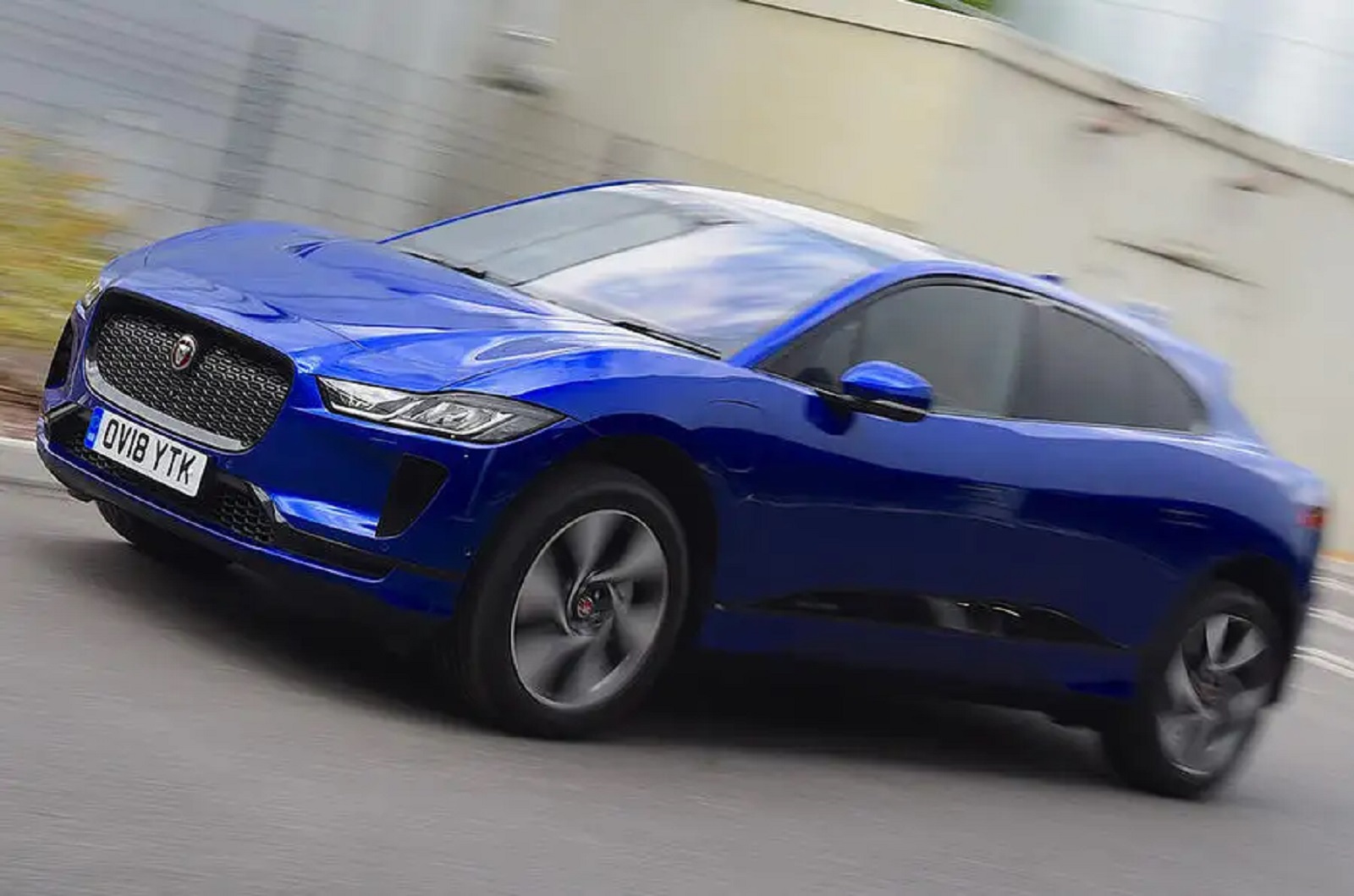
The I-Pace was not the first Jaguar to be built in Austria – that honour goes to the E-Pace. Both were made by Magna Steyr at its plant in Graz. The two Jaguar models were a fitting reflection of Magna Steyr’s flexibility at its factory, as it had the capability to build cars with different propulsion systems at one plant and on the same line.
It’s also a measure of how pleased Jaguar was with making the I-Pace in Austria that it held the car’s world premiere in Graz in 2018. Production ended in 2024.
Jeep Grand Cherokee
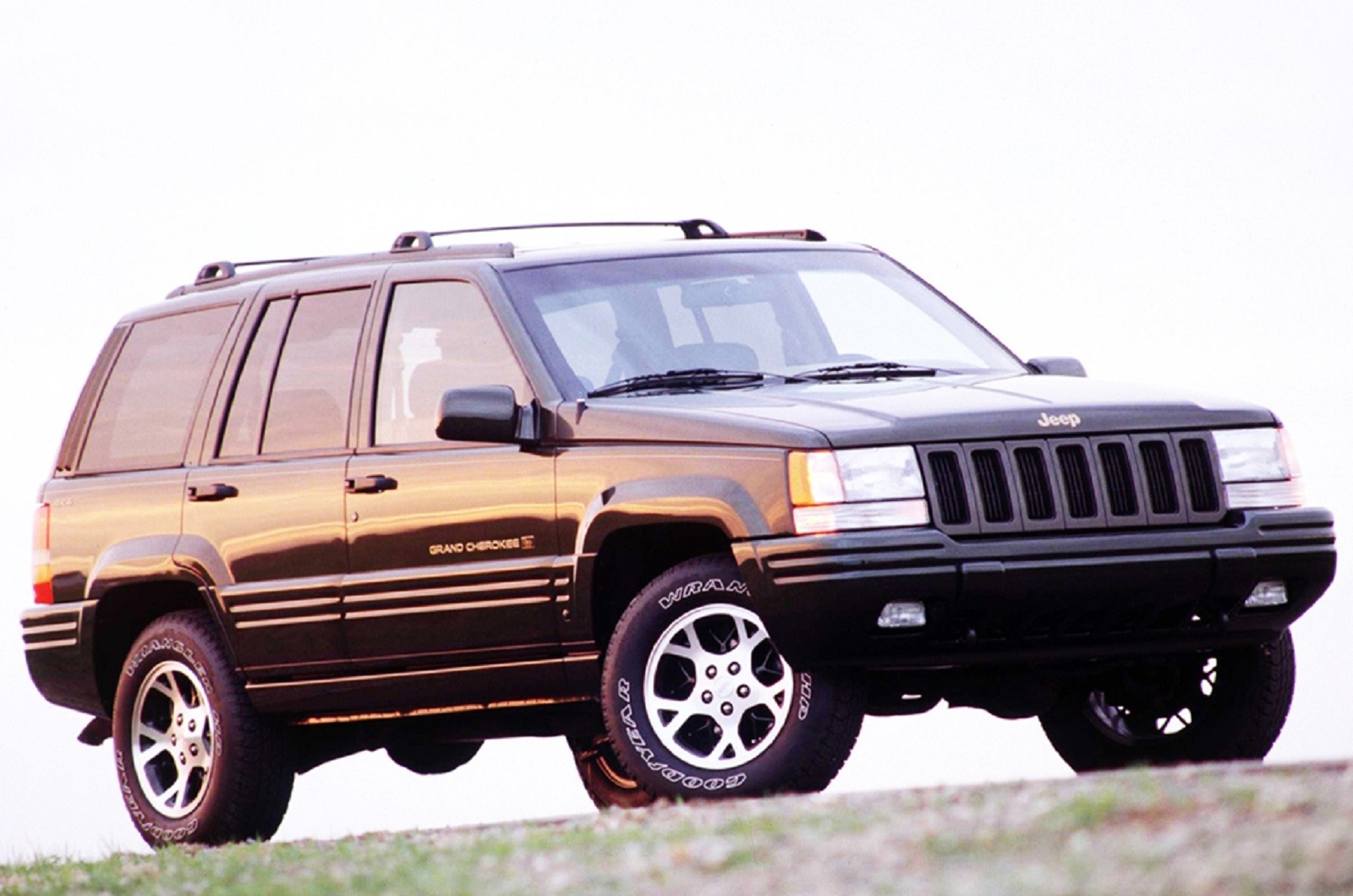
Jeep might be as American as apple pie, but that hasn’t stopped the company building its Grand Cherokee for European buyers in Austria. It’s another customer for Magna Steyr and the factory in Graz, which even earns a ‘G’ suffix for Grand Cherokee models made there to distinguish them from US-made versions.
Jeep Grand Cherokees have been produced in Austria since the car’s launch in 1993, and the same factory has also built the Commander and Chrysler 300C saloon between 2005 and 2010 for the European market.
KTM X-Bow
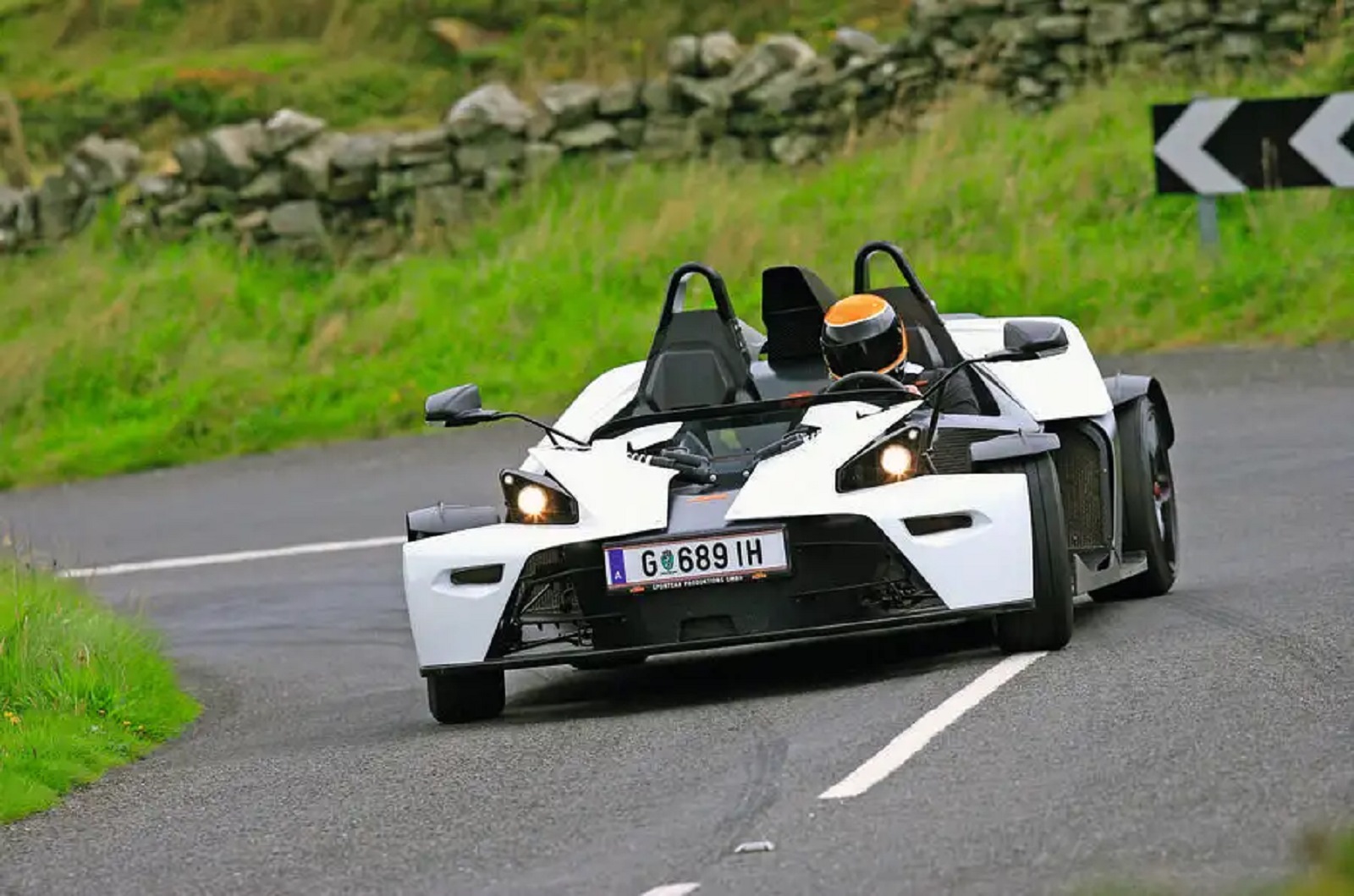
KTM has a separate manufacturing plant for its cars to its motorcycle division, which is based in Mattigohefen that’s 150 miles to the northwest of the car facility in Graz. However, even though KTM’s cars are made in Graz, they are not produced by Magna Steyr but hand-built by KTM itself.
Alongside the stripped out X-Bow, KTM also makes its GT-XR supercar in the same plant. Its carbon fibre tub is made in Salzburg by Carbo Tech, keeping the Austrian DNA of the car intact. It takes KTM around 60 hours to build a X-Bow, but the 492bhp GT-XR requires 1600 hours to build by hand to individual customer specification that helps justify its £250,000 price tag.
Mercedes-Benz E-Class
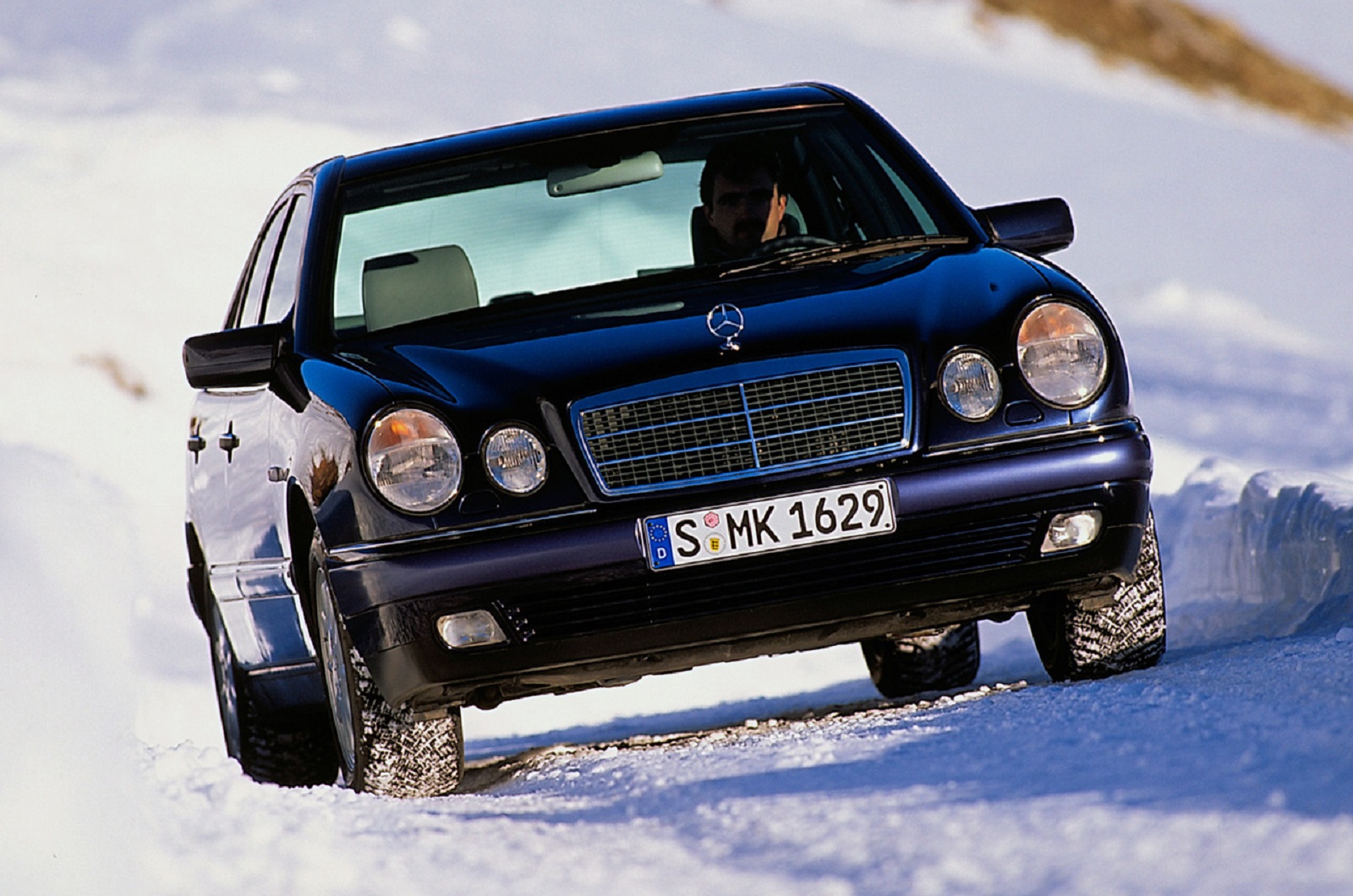
Two generations of Mercedes E-Class 4Matic models were produced in Austria by Magna Steyr. The first was the W210 generation that started to roll out of the Austrian factory in 1996. By the time the next E-Class, the W211 model, arrived in 2002, Magna Steyr had built 97,500 four-wheel drive E-Class in saloon and estate forms.
Production of the W211 4Matic ended in Austria in 2006, with a further 93,300 cars built. At this point, the tooling for the 4Matic models was transferred to Mercedes’ Sindelfingen plant for production to continue in Germany.
Mercedes-Benz G-Wagen
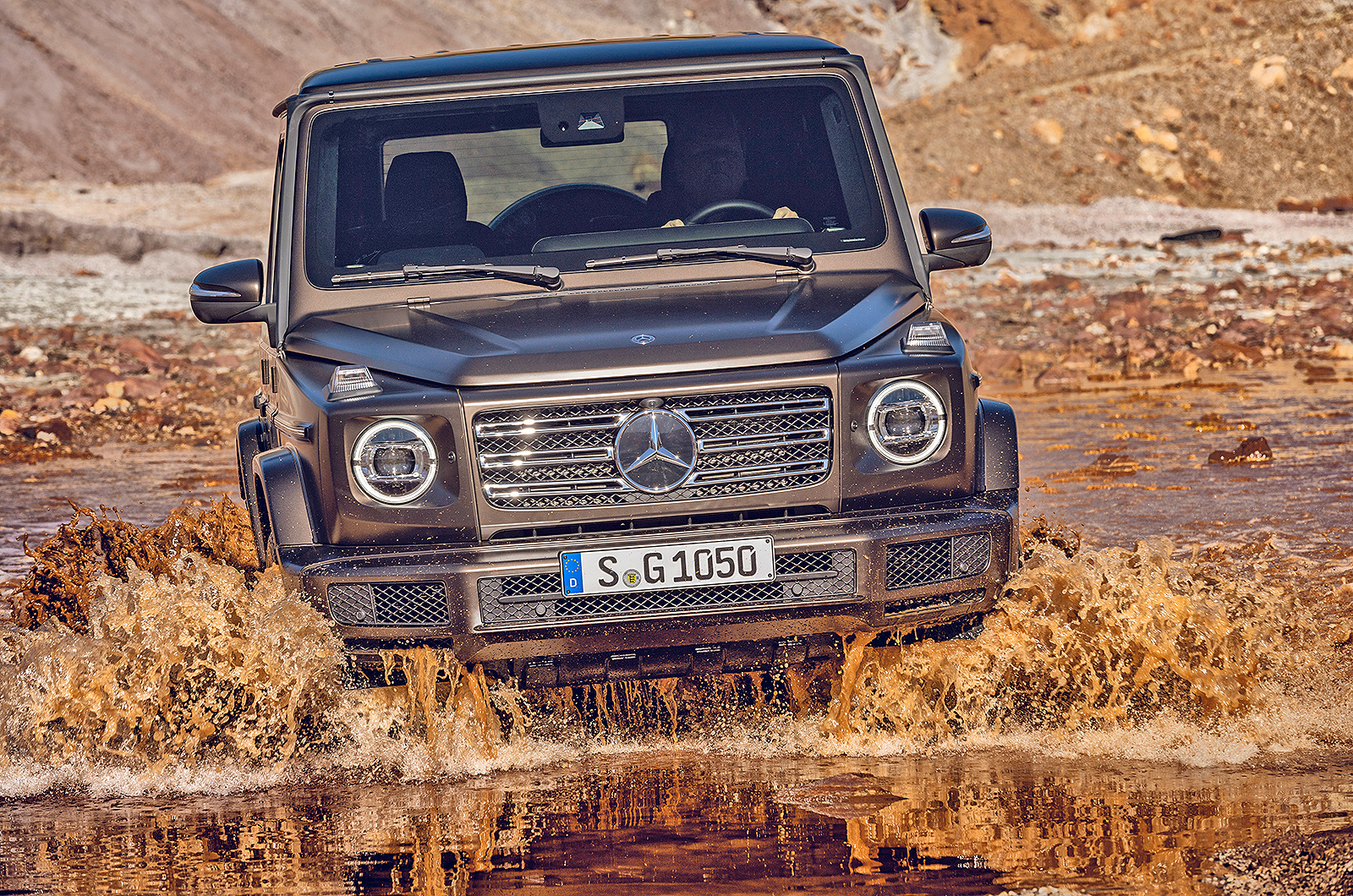
If you thought Mercedes would want to downplay that its iconic G-Wagen is built in Austria by Magna Steyr, think again. Not only has the Austrian firm being building G-Wagens from the start, it helped in the off-roader’s development as far back as 1972. Another demonstration of Mercedes’ pride in the G-Wagen’s Austrian heritage is the visitor experience based at Magna Steyr’s Graz factory. You can tour the factory, see G-Wagens from throughout the car’s life, and take a ride in one of the cars round a series of off-road courses.
The G-Wagen plant in Graz was built specifically for this model, and Magna Steyr has also built the car in completely knocked down form in Greece for the Greek Army.
MINI Countryman
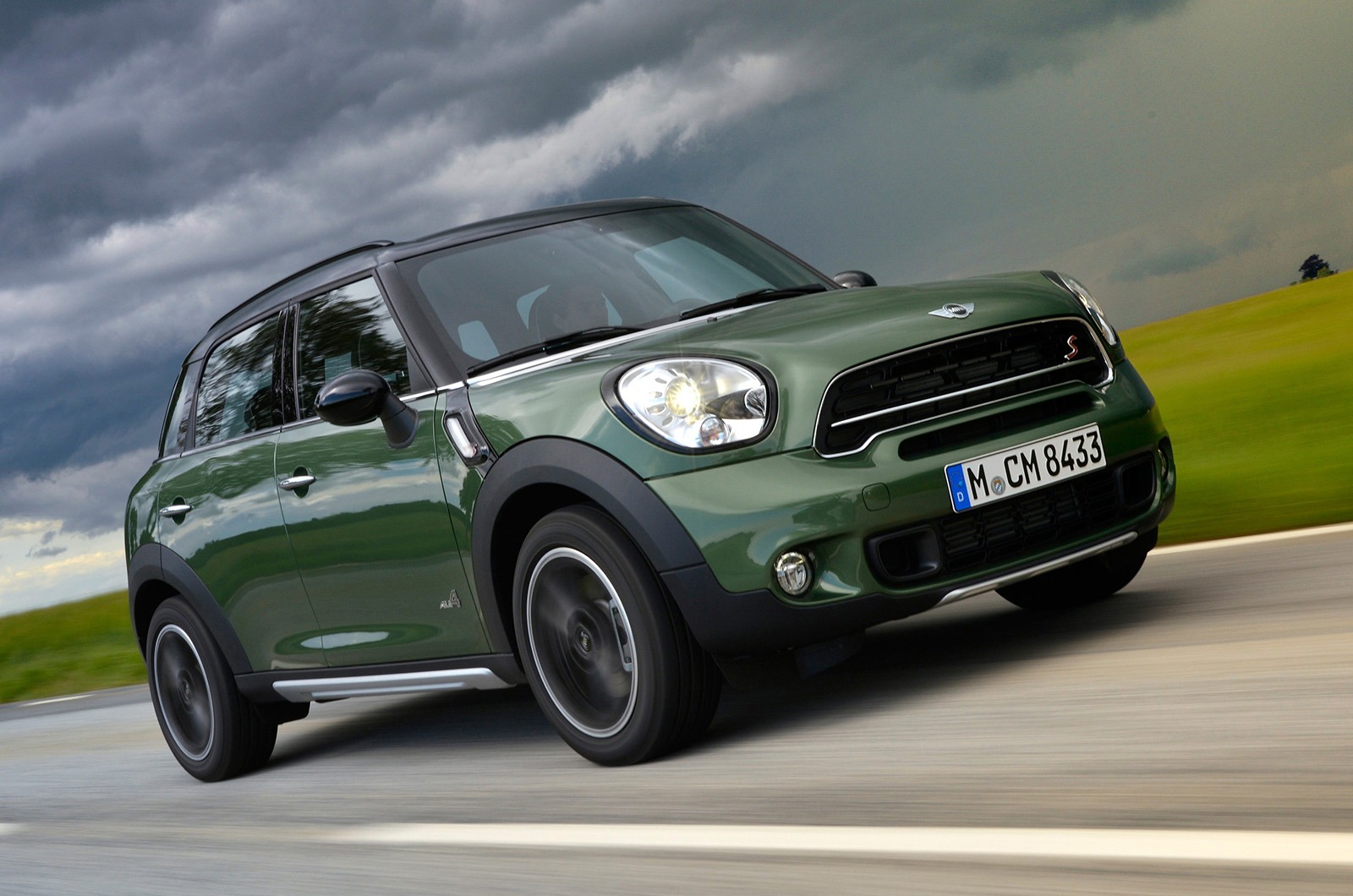
With a German parent, you might expect some MINI models to be made there. However, for the first generation of Countryman, and then the Paceman, BMW looked to Austria to build its MINI SUV. Magna Steyr was chosen to make the Countryman for its flexible production facility, which made it easier to adjust production to customer demand. The Austrian firm also has a lot of experience with four-wheel drive to further entice BMW.
When the second-generation Countryman was launched, production had moved to another contract production manufacturer, this time VDL Nedcar based in the Netherlands.
Peugeot RCZ
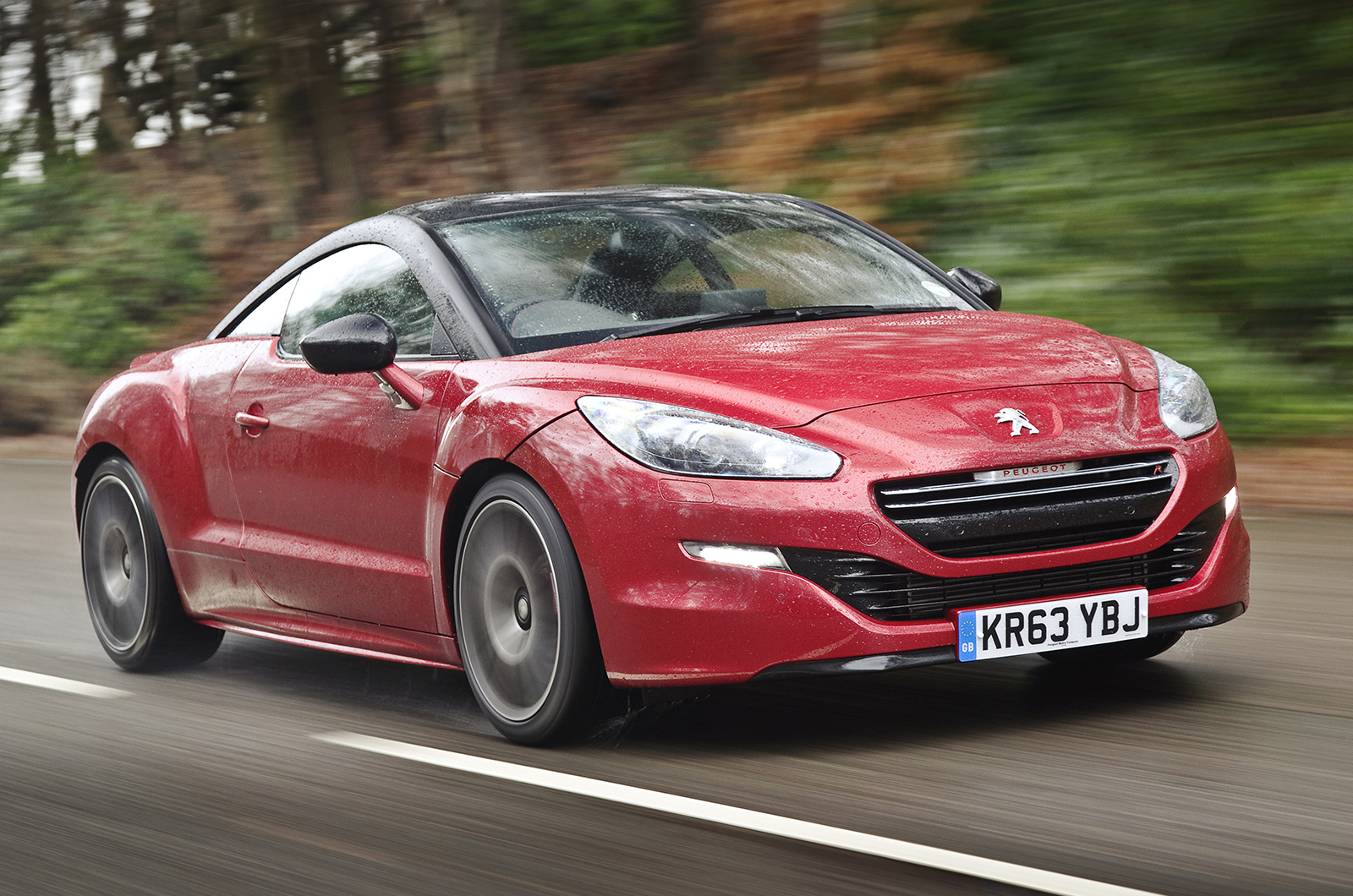
Peugeot returned to fine sports car form with the 2010 RCZ coupe. While the French company basked in the glory, much of the plaudits are thanks to Austrian firm Magna Steyr. In less than two years, Magna Steyr developed the RCZ from a concept to production reality. It did this by using virtual development, reducing the need for working prototypes drastically.
With that completed, the RCZ was also built by the Austrian company at its Graz factory until it went off sale in 2015.
Porsche 356
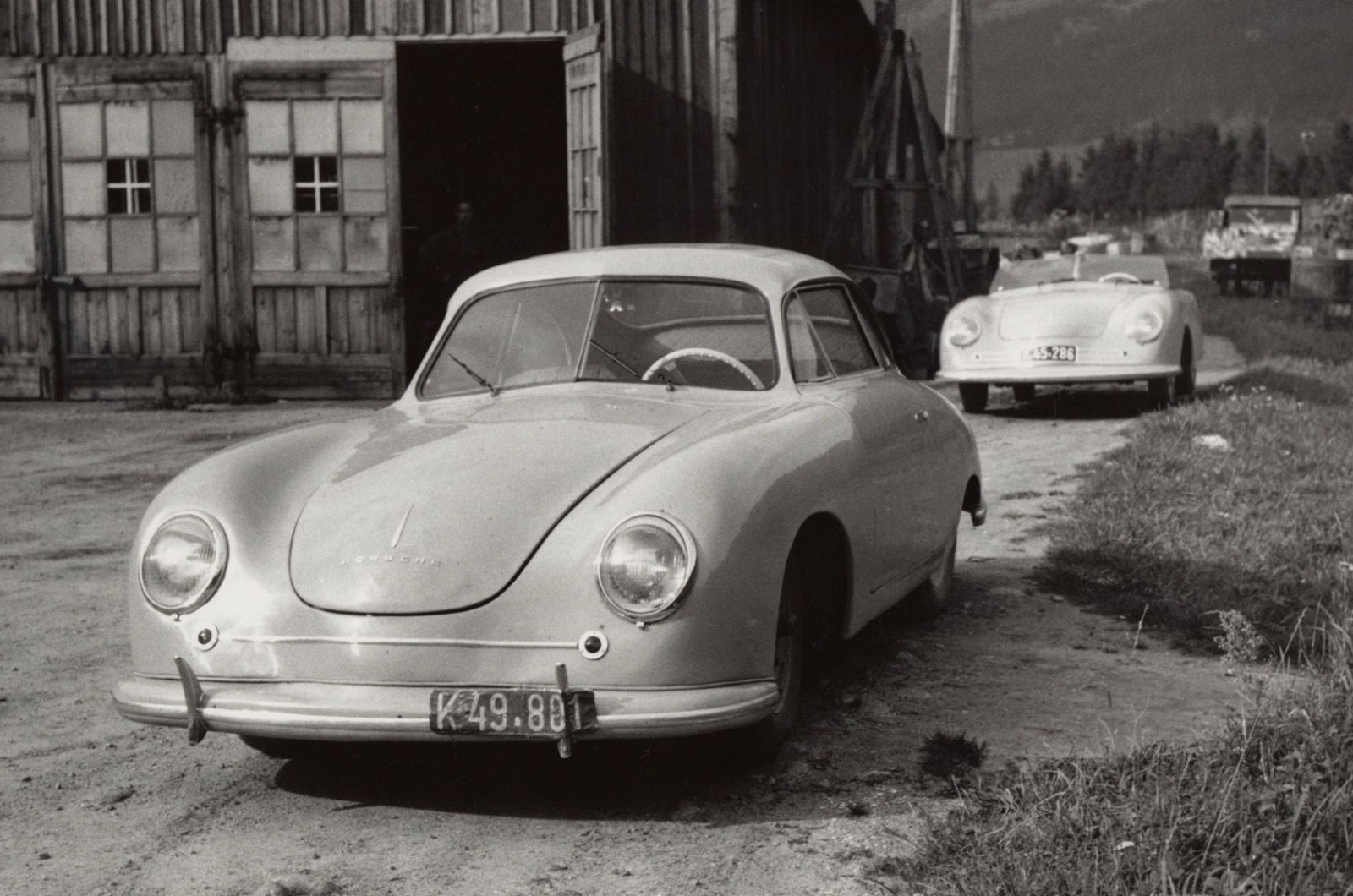
The town of Gmünd holds a special place in Porsche lore as it’s where the very first cars to bear the company’s name were built. Porsche had moved there in 1943 to avoid air raids on Stuttgart and set up shop in a former sawmill. The very first Porsche was 356.001, which was a mid-engined roadster. It remained a one-off as the second car was a 356 Coupe with the Volkswagen-derived engine now rear mounted and producing 40bhp.
Production of the early 356 remained in Austria until Porsche relocated back to Stuttgart in 1950. By then, 44 Coupé and eight Cabriolet 356/2 models had been made in Austria, and they are now the Holy Grail of collectors.
Puch 500
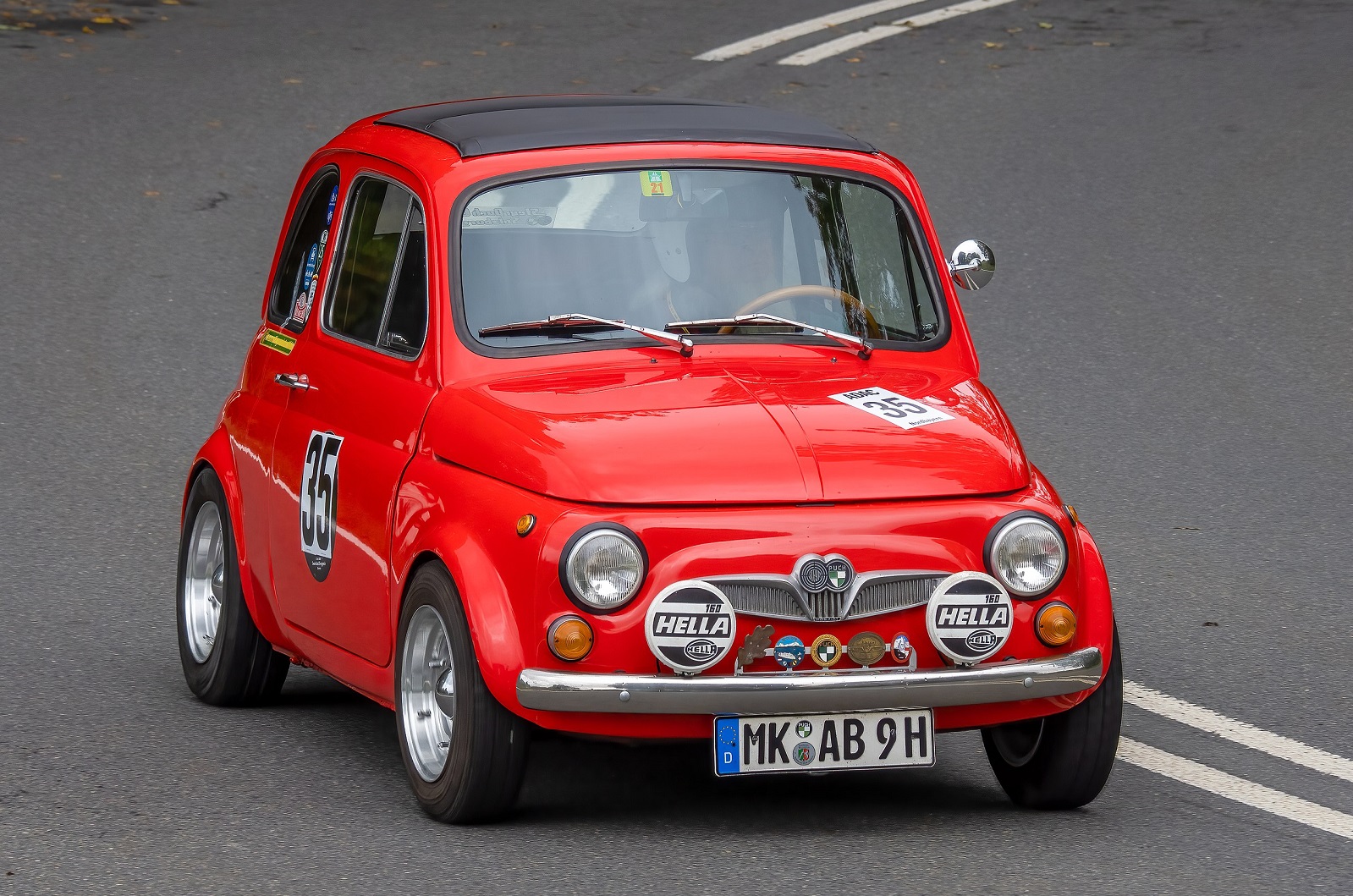
Puch got car manufacturing back underway in Austria after the Second World War by building Fiat cars under licence. The 500, however, was rather different. Although Puch agreed with Fiat to use the new 500’s body, the Austrian company shunned the Italian’s parallel twin engine in favour of its own flat-twin motor.
The air-cooled engine made 16bhp to begin with, but faster 660cc versions made up to 40bhp and proved very competitive in hillclimbs and on track. Around 54,000 Puch 500s were made and the car remained in production from 1957 until 1969.
Saab 9-3 Convertible
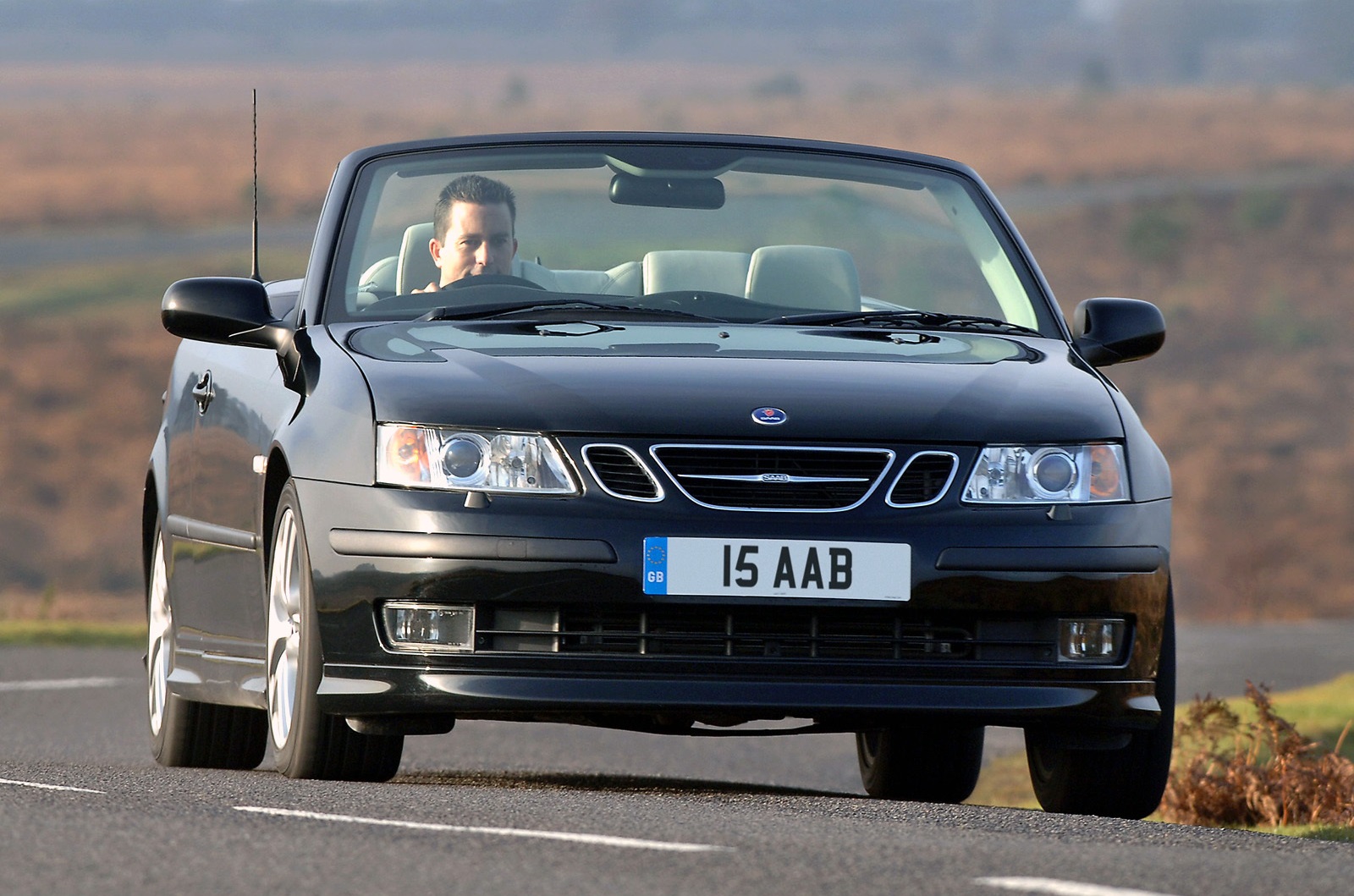
The Saab 9-3 Convertible was originally built in Finland by Valmet at its Uusikaupunki plant. When the model was replaced by the second generation version in 2003, production shifted to Austria. Under the wing of Magna Steyr, the 9-3 Convertible became the first Saab to be built outside of Scandinavia.
As well as making the 9-3 Convertible, Magna Steyr helped engineer the 9-3 Convertible. During its production life in Austria, 99,535 Convertibles left the Graz factory.
Steyr 50
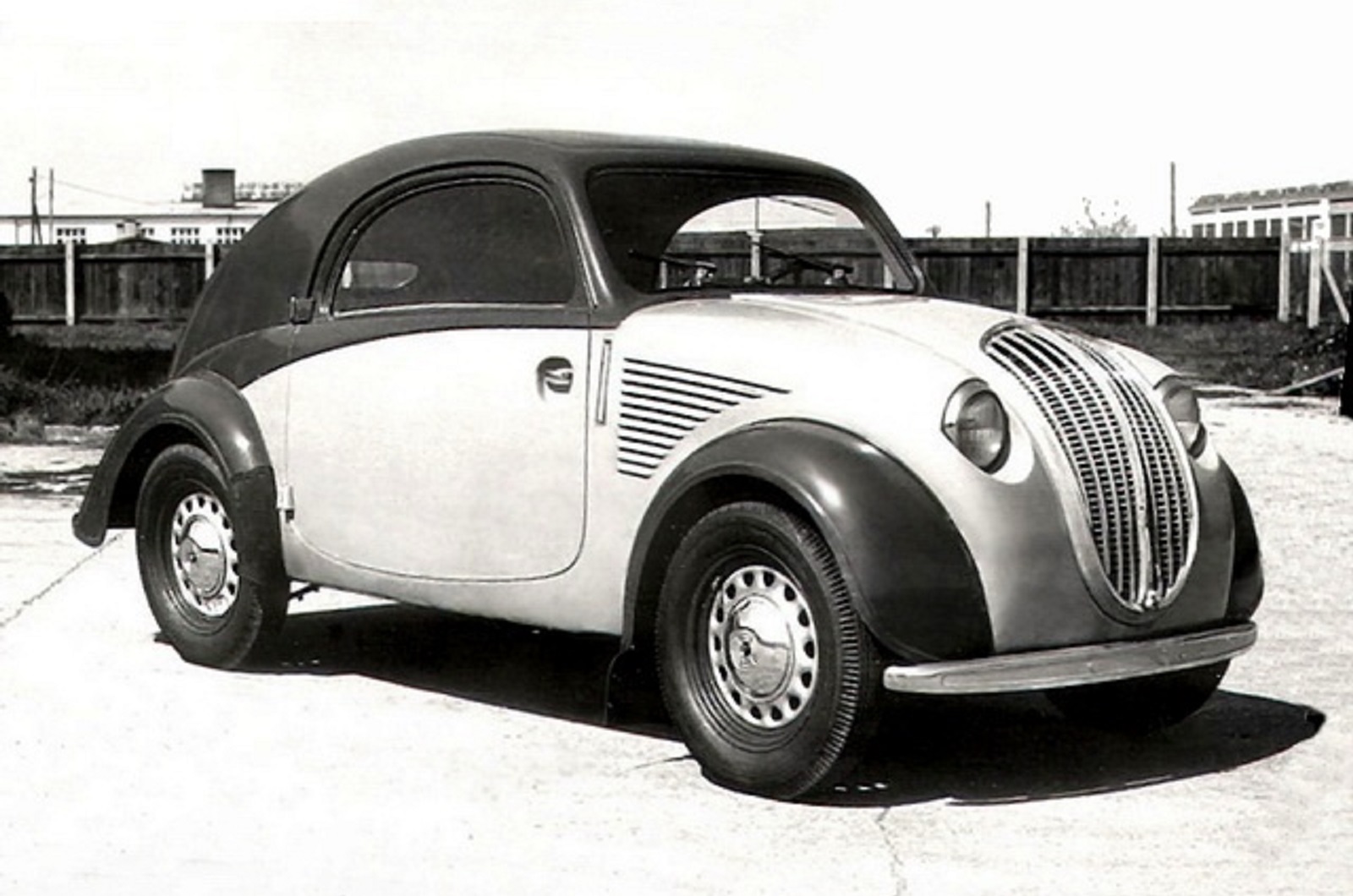
Steyr may be better known today for making cars for other companies, but prior to the Second World War it made its own very advanced 50 from 1936 to 1940. The 50 was a compact car in a similar vein to the Volkswagen Beetle, and the Steyr also used a flat-four engine. However, the 50’s motor was front-mounted and water-cooled.
A more powerful 55 model was added in 1938, which also had a longer wheelbase to improve rear seat space. In total, around 13,000 of both versions were produced.
Steyr-Puch 120
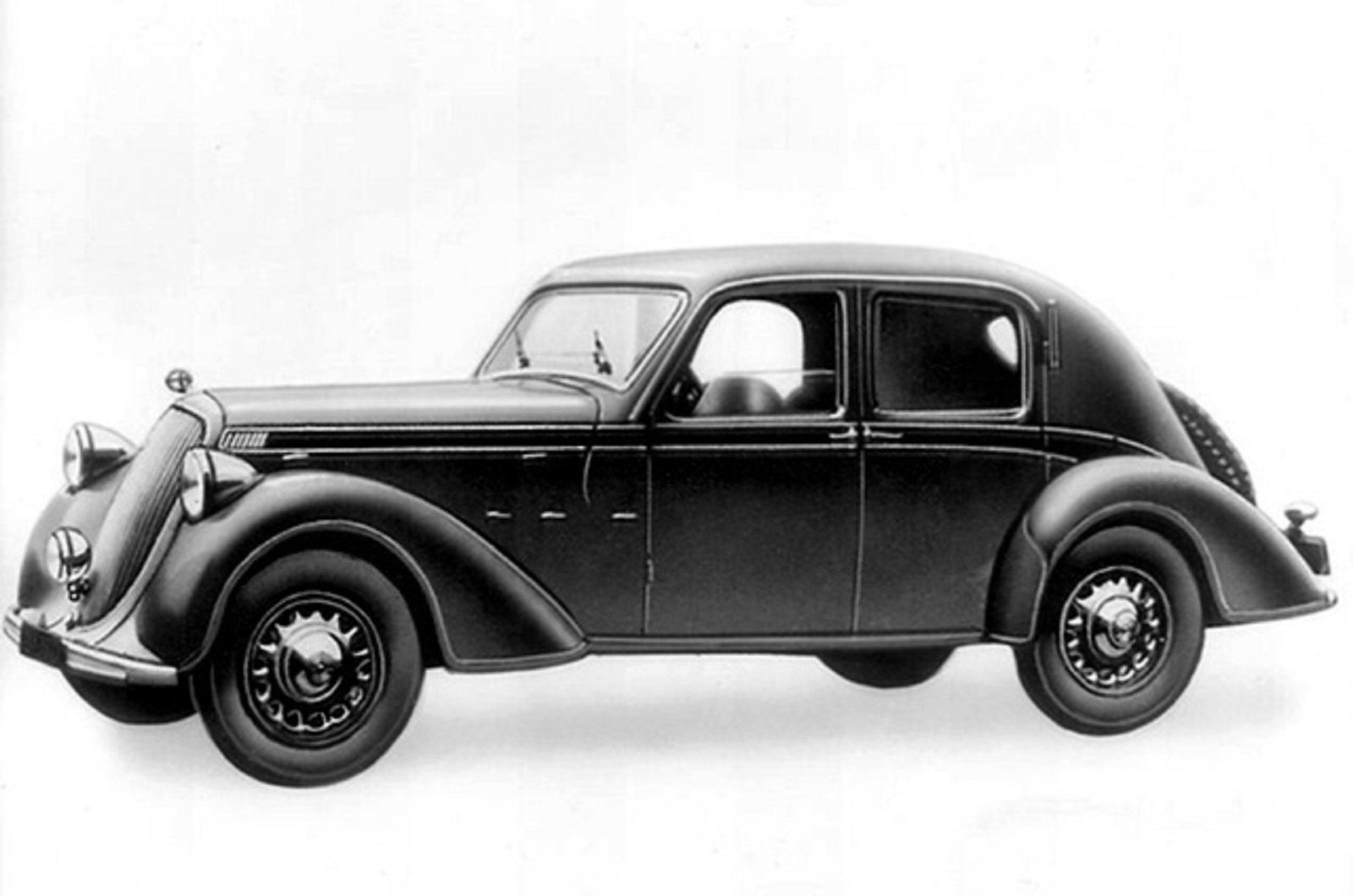
Steyr Puch’s 120, and the 125 and 220 models that evolved from it, was a rakish compact saloon launched in 1935. The 120 arrived with a 2.0-litre six-cylinder engine rather than the smaller capacity four-cylinder motors used in the 100 model. This was superseded by the 125 Super in 1936 with its slightly larger engine and 50bhp output, though only 200 of this model were built before the 220 arrived in 1937 with its 2.3-litre engine and 55bhp.
The 220 was by far the most popular of this line of Steyr cars, selling 5900 by the end of production in 1942 compared to 1200 120s sold between 1935 and 1936.
Steyr 1500
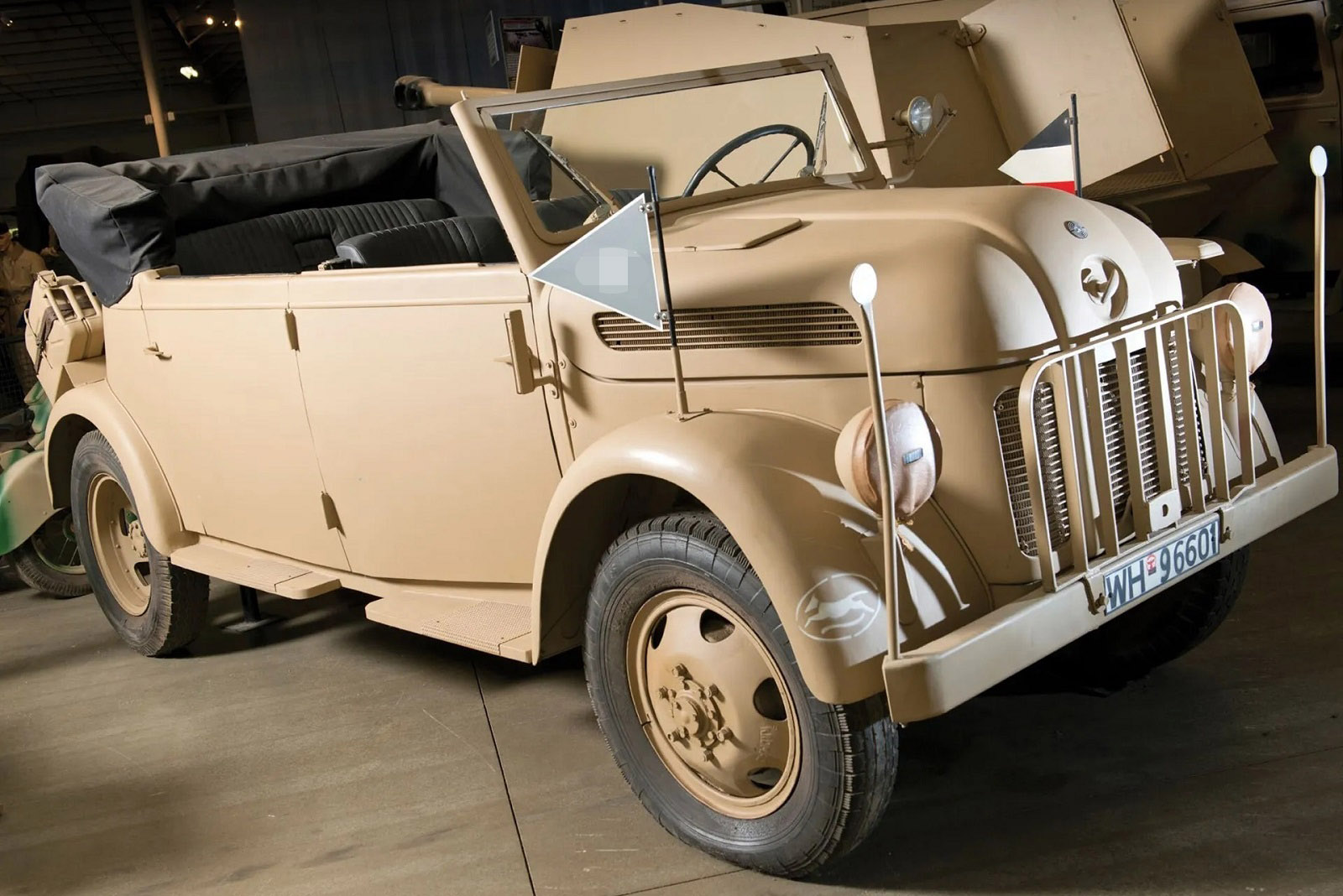
Steyr was well regarded for its commercial and military vehicles, so the 1500 command car came from good stock. Its light but strong chassis made it ideal for use as a command car and to carry several troops with equipment. An air-cooled 3.5-litre V8 provided 85bhp - and it also sent power to all four wheels, a key advantage over vehicles like the Kübelwagen.
When it went into production in 1941, the 1500 quickly found favour with General Rommel’s Afrika Korps for its reliability and resistance to overheating in the desert conditions.
Steyr-Puch Haflinger
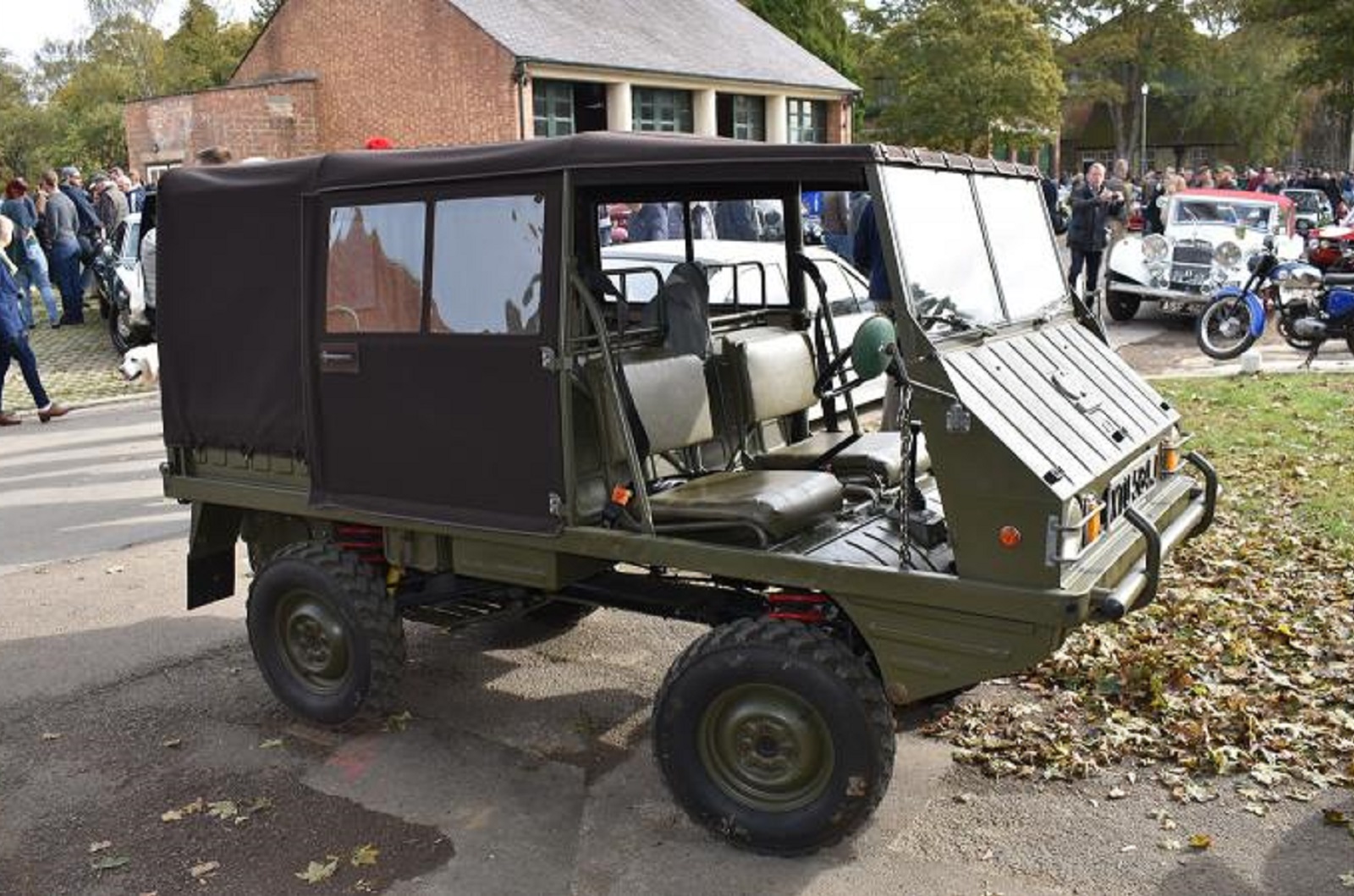
Better known simply as the Haflinger, this small, lightweight off-roader was named after the Haflinger horse breed that originated in the Tyrolean Mountains. Like its equine namesake, the Haflinger was brilliant at negotiating rough terrain, aided by four-wheel drive and superb ground clearance. It also weighed just 600kg but could carry four passengers and a cargo of up to 500kg.
Made by Steyr-Daimler-Puch between 1959 and 1974, the Haflinger was powered by a simple 643cc flat-twin engine shared with the Puch 650. By the end of production, 16,647 Haflingers had been built and many are still used for off-roading now.
Steyr-Puch Pinzgauer
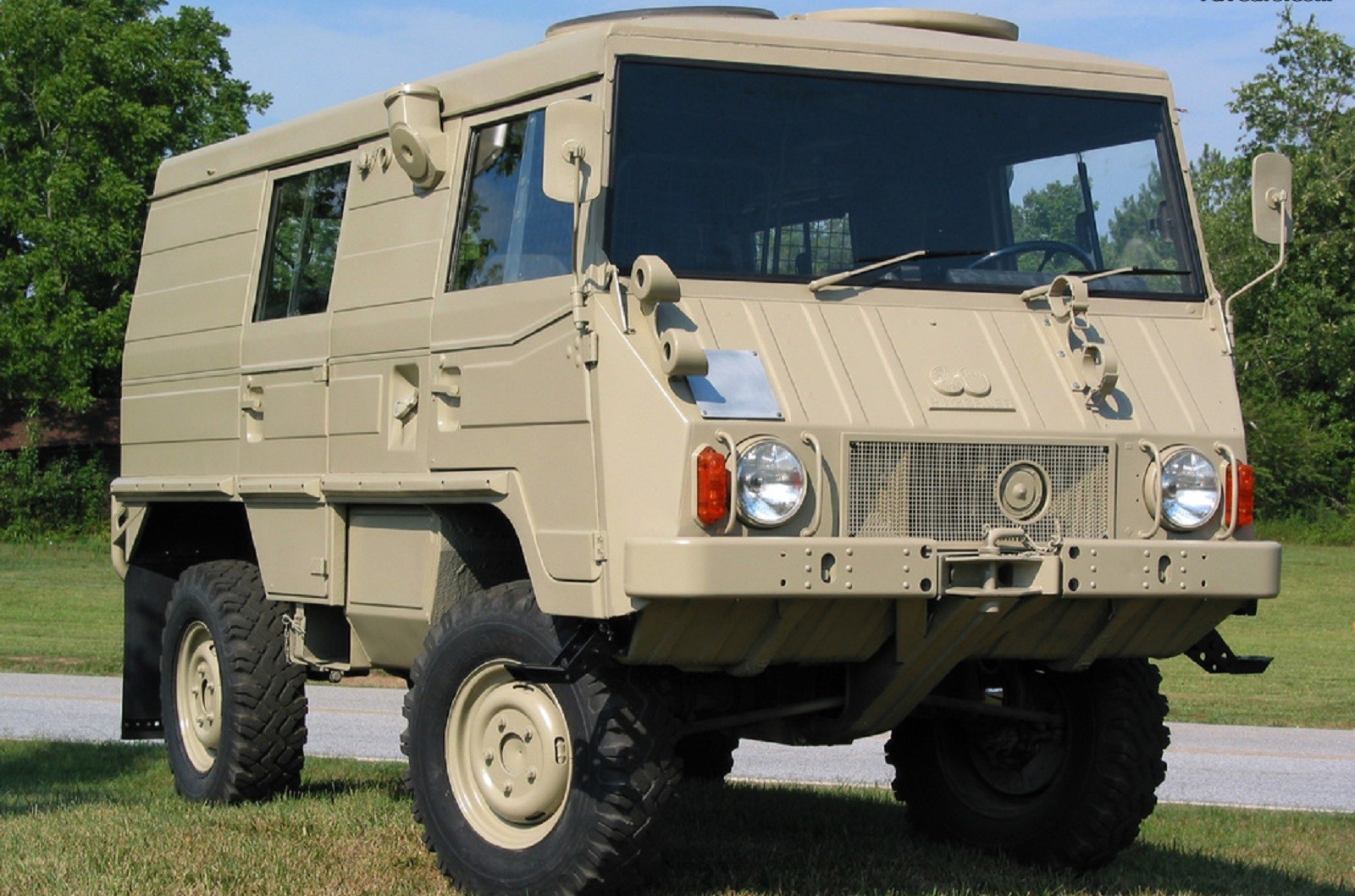
Inspired by the Haflinger, Steyr-Daimler-Puch came up with the larger scale Pinzgauer, which was named after a type of Austrian cow. The Pinzgauer was primarily aimed as a military vehicle and rival to the Land Rover Series III and Forward Control models. With its cab-over design, the Pinzgauer made the best use of space within its wheelbase while also retaining superb approach and departure angles for off-road use.
Power came from a 2.5-litre air-cooled engine, which was later enlarged to 2.7-litres, until a second-generation model was introduced in 1980 with a Volkswagen six-cylinder turbodiesel engine. The Pinzgauer remained largely unchanged up to 2000, when the manufacturing moved to the UK.
Toyota GR Supra
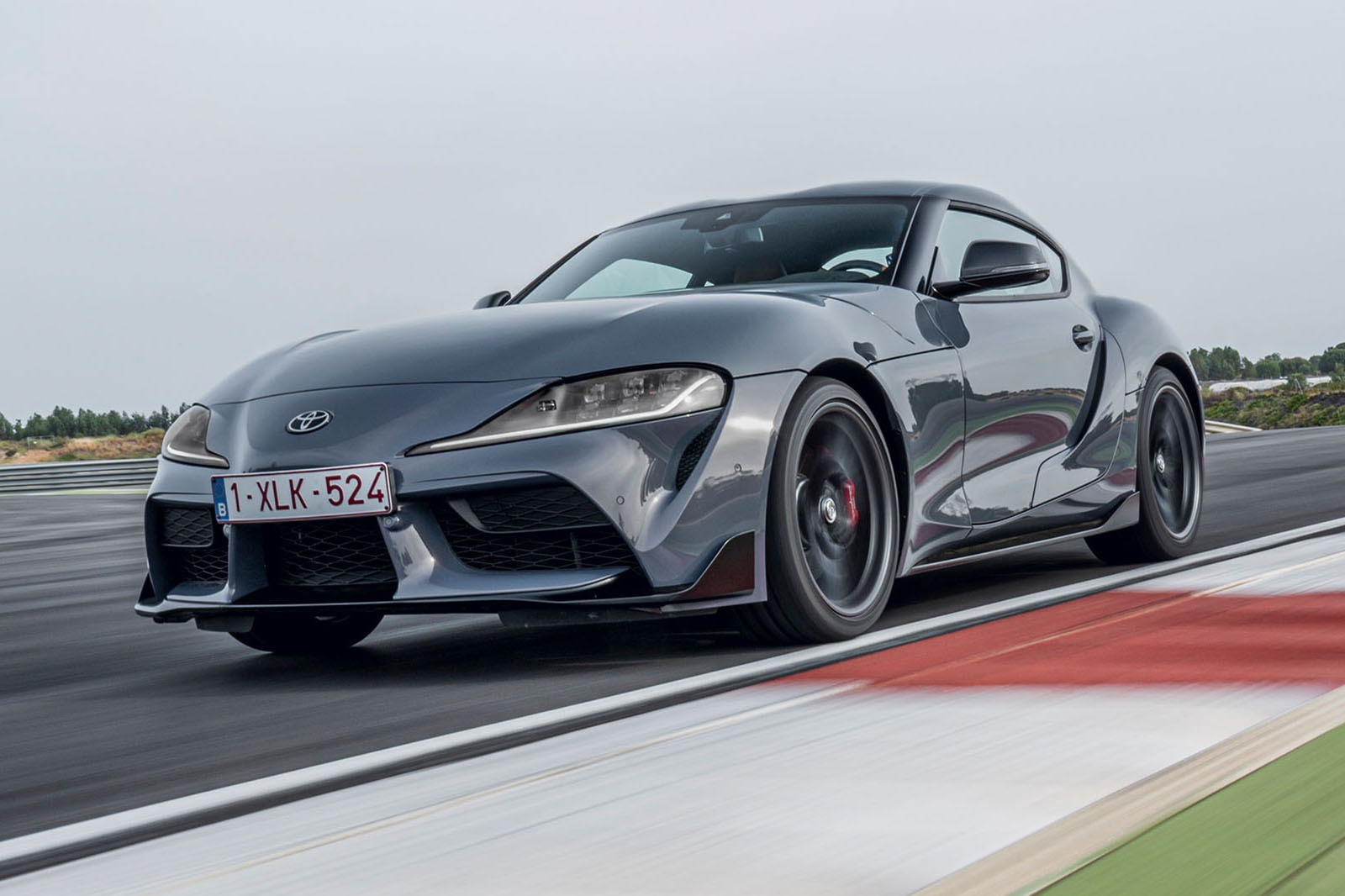
The latest Toyota Supra shares a great deal with the BMW Z4, so it’s no coincidence the Supra is built in the same factory in Graz, Austria as its Z4 sister car by Magna Steyr. The Supra began production slightly later than the Z4, getting going in March 2019. The first car down the line was finished in a unique specification with matt grey paint, red door mirrors, and carbon fibre inserts for the red leather interior.
It also came with an engine signed by Akio Toyoda, the president of Toyota. This car was auctioned in the US and sold for $2.1 million (around €1.8 million), with all the proceeds going to charity. Production ends in March 2026, at the same time as BMW Z4 production ends.
Tushek
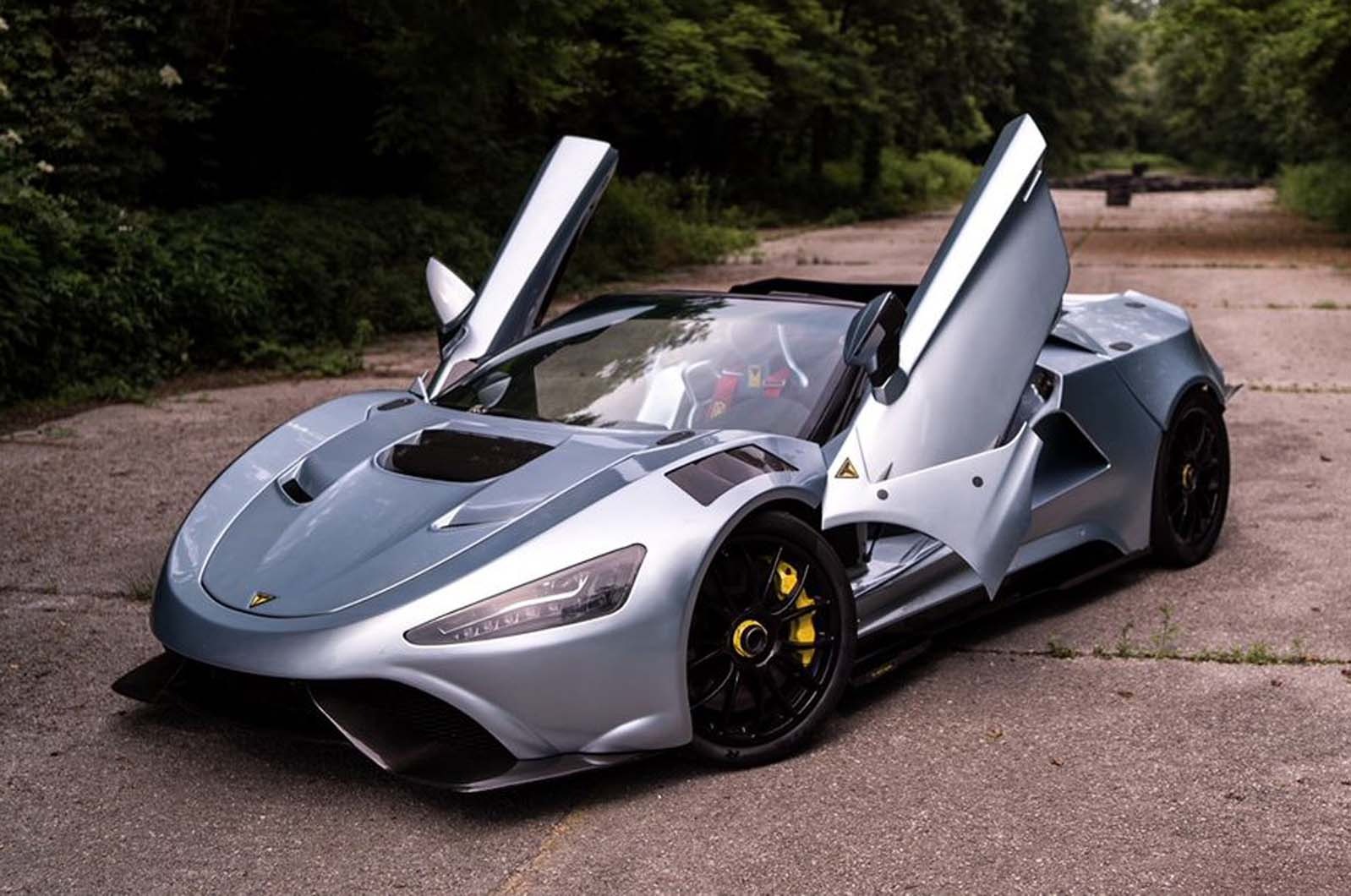
Tushek is named after its Slovenian racing driver founder Aljoša Tushek, but the company is based in Austria at a former airfield that is now used for testing the company’s cars. The TS900 Apex is a petrol-electric hypercar with 1351hp and 1240lb ft of torque, which gives a top speed of 236mph and 0-62mph in 2.5 seconds.
The company is working on its new Aeon model, an EV hypercar with 2500bhp that will weigh less than 1600 kg.
Volkswagen Golf Country
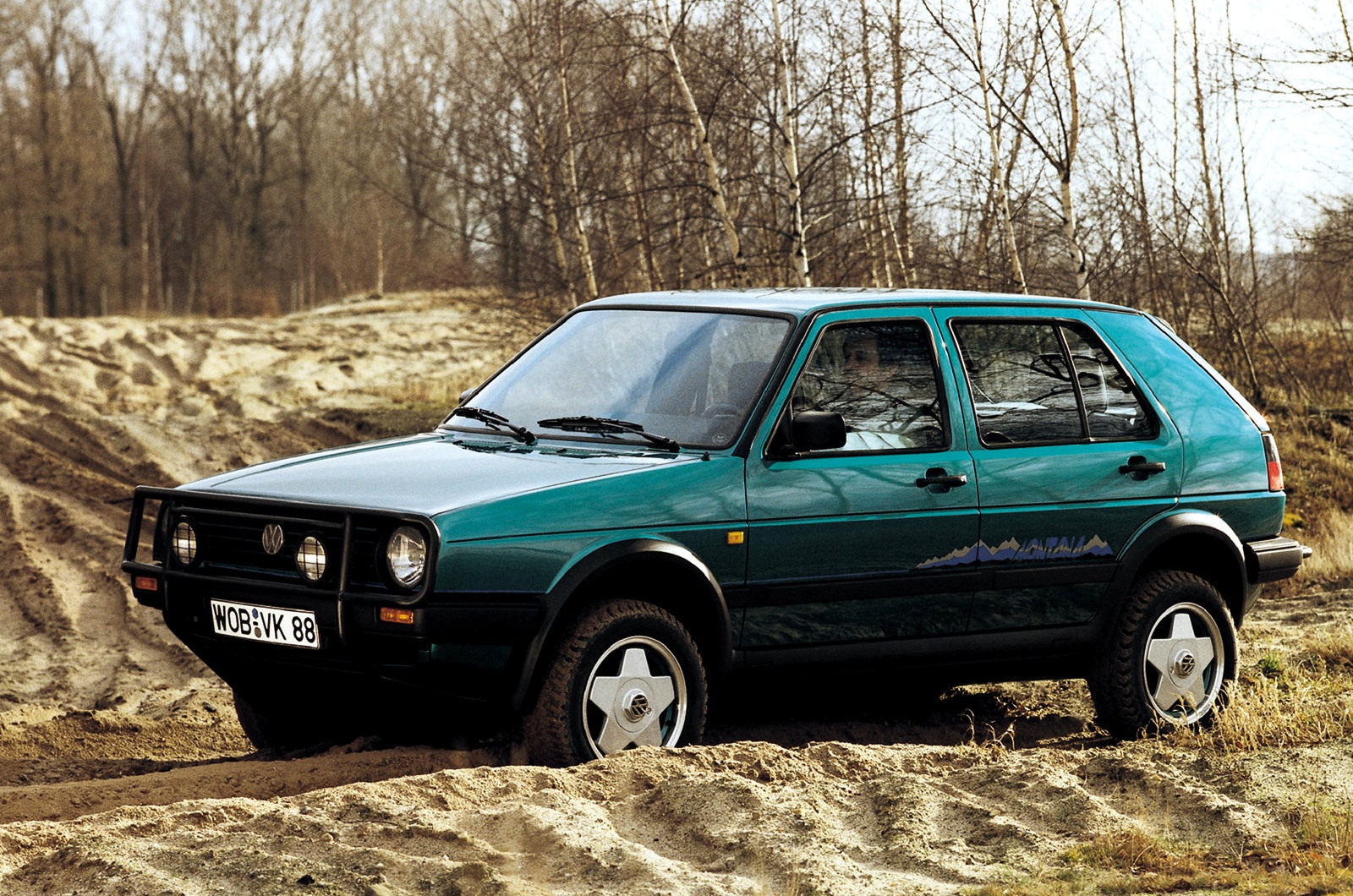
The Volkswagen Golf Country was a more grown-up take on the Fiat Panda 4x4. Steyr-Puch supplied the four-wheel drive system for the Panda, and it was this same company that VW turned to for the Golf Country. Where the Panda 4x4 was built by Fiat, Steyr-Puch put the Golf Country together at its factory in Graz, Austria.
A basic Golf CL Syncro provided the base and Steyr-Puch then fitted uprated and raised suspension, underbody protection, bull bars, and a spare wheel mounted on a carrier outside the rear tailgate. With its increased ground clearance, the Golf Country was surprisingly able in off-road conditions. A total of 7735 were made between 1990 and 1991.
Volkswagen Transporter T3 Syncro
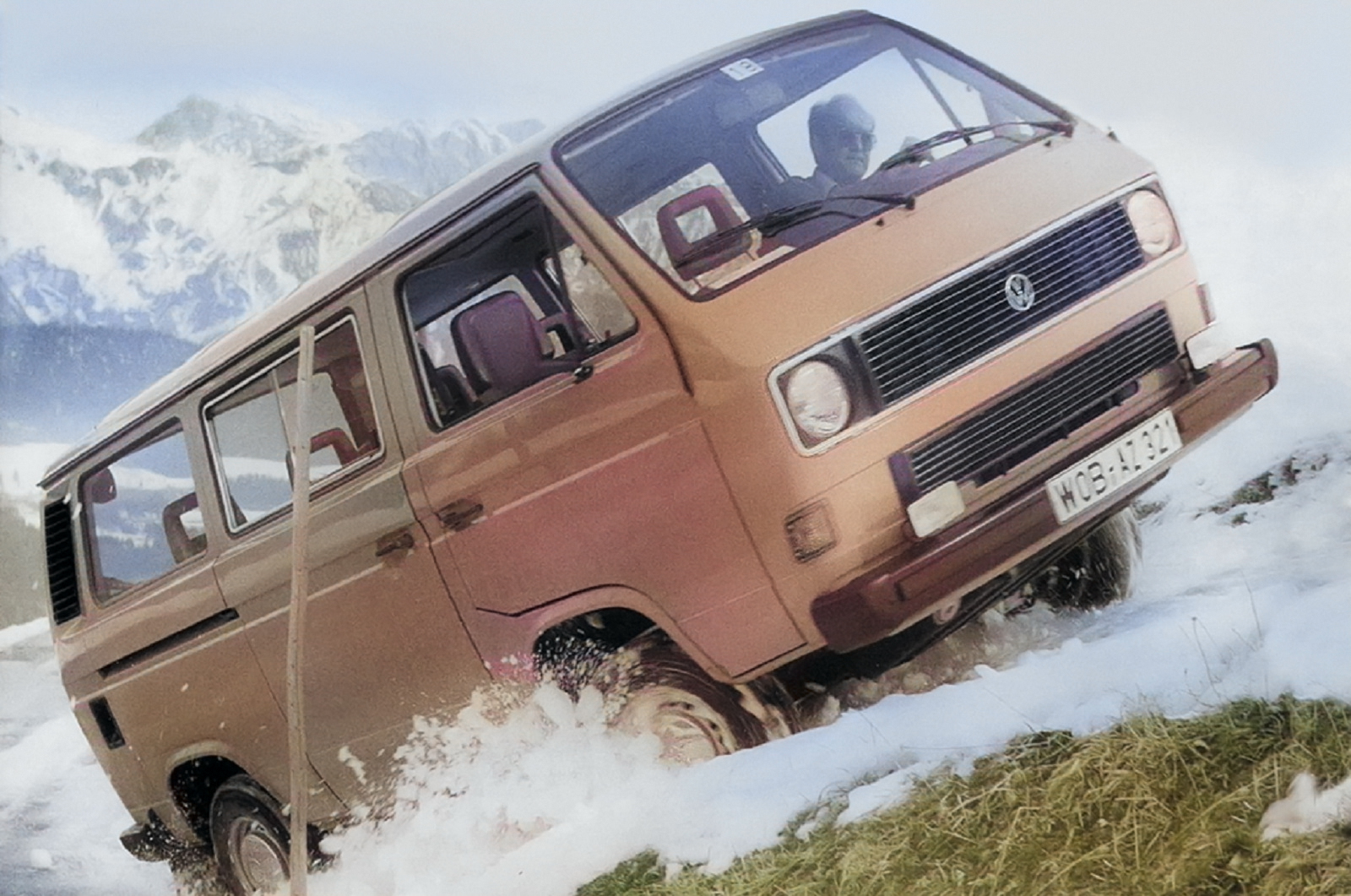
If you had deep pockets and wanted a four-wheel drive pick-up or camper from Volkswagen in the 1980s, the T3 Syncro was just the thing for you. This all-wheel drive model was sold by Volkswagen through its dealers, but much of the build was undertaken by Steyr-Daimler-Puch at its factory in Graz. It was chosen by VW for its expertise in four-wheel drive, gained from building the Haflinger and Pinzgauer, and was a convenient arrangement as VW supplied diesel engines for the Pinzgauer 4x4.
When the work was completed by Steyr-Daimler-Puch, the T3s were shipped back to VW’s plant in Hanover for finishing, or camper versions were sent to Westfalia’s factory in Weidenbruk. All of this going back and forth is what made the T3 Syncro so pricey.

Bugatti W16 Imagined in a Plymouth ‘Cuda Challenges the Limits of Muscle Car Restomods