Chevy Express and the Endurance of Unchanged Design in a Rapidly Evolving Auto Industry

Forgotten American Cars Reveal a Legacy of Innovation and Missed Recognition
 Forgotten American Cars That Deserved Much More Love
It often seems like a new model of car comes out practically every day.
With all the autos in the world, it’s no wonder that a few models slip through the cracks and get lost to time. Some cars deserve to be forgotten, but others deserve better. In this slideshow, we will showcase some of the American automotive jewels that have been practically erased from memory. From the avant-garde Stout Scarab to the high-performance Ford Contour SVT, we will re-discover and re-appreciate 40 of these fine cars.
Chrysler Airflow
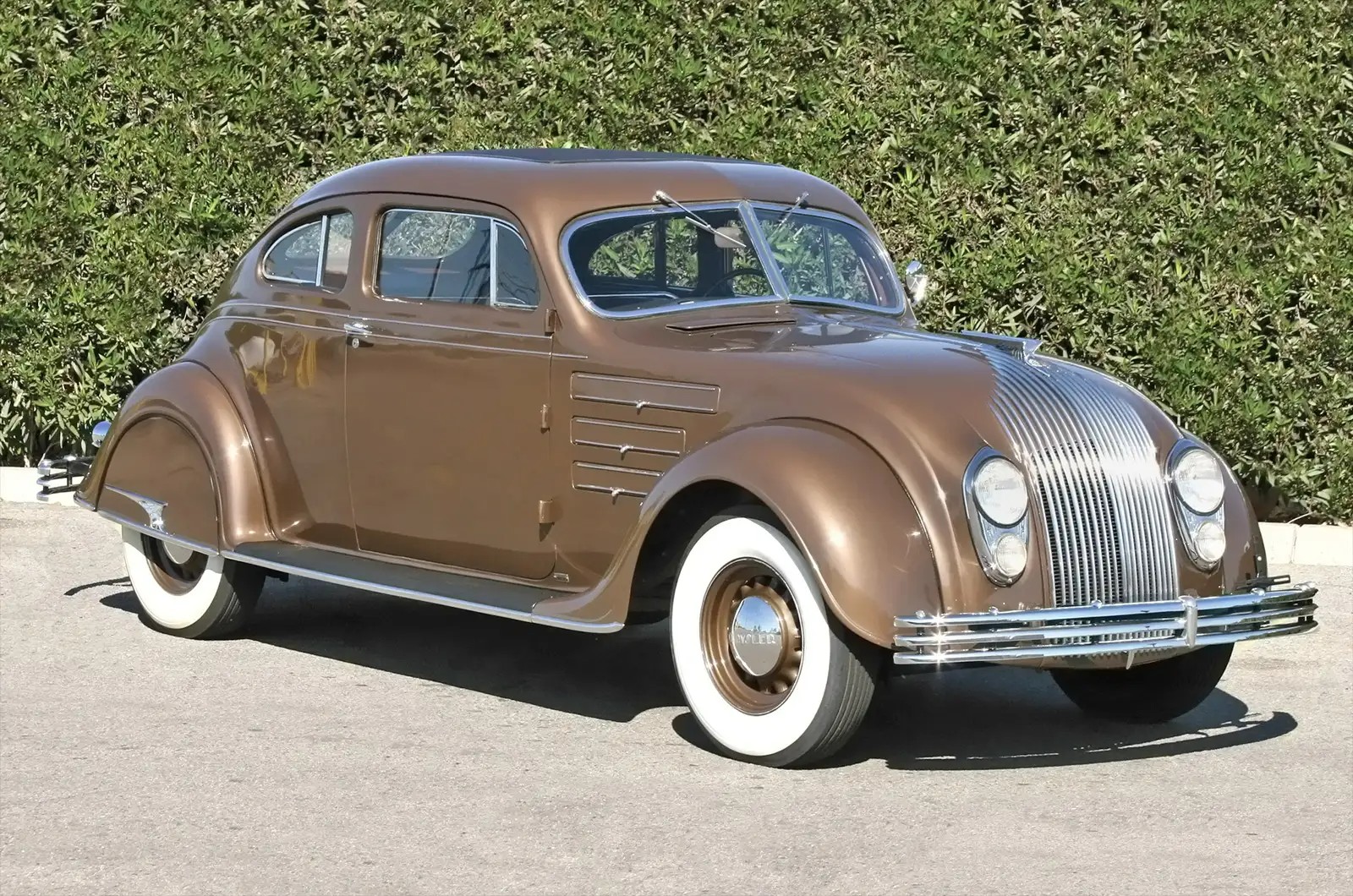
The Chrysler Airflow was a pioneer in automobile design. It was the first full-size American production car to use aerodynamics in order to reduce air resistance, resulting in a smooth and streamlined body.
Unfortunately, the design was not well received. The Airflow was only produced for a few short years, from 1934 to 1937, before it was discontinued due to low sales. It remains an obscure model today – but also a trailblazer.
Stout Scarab
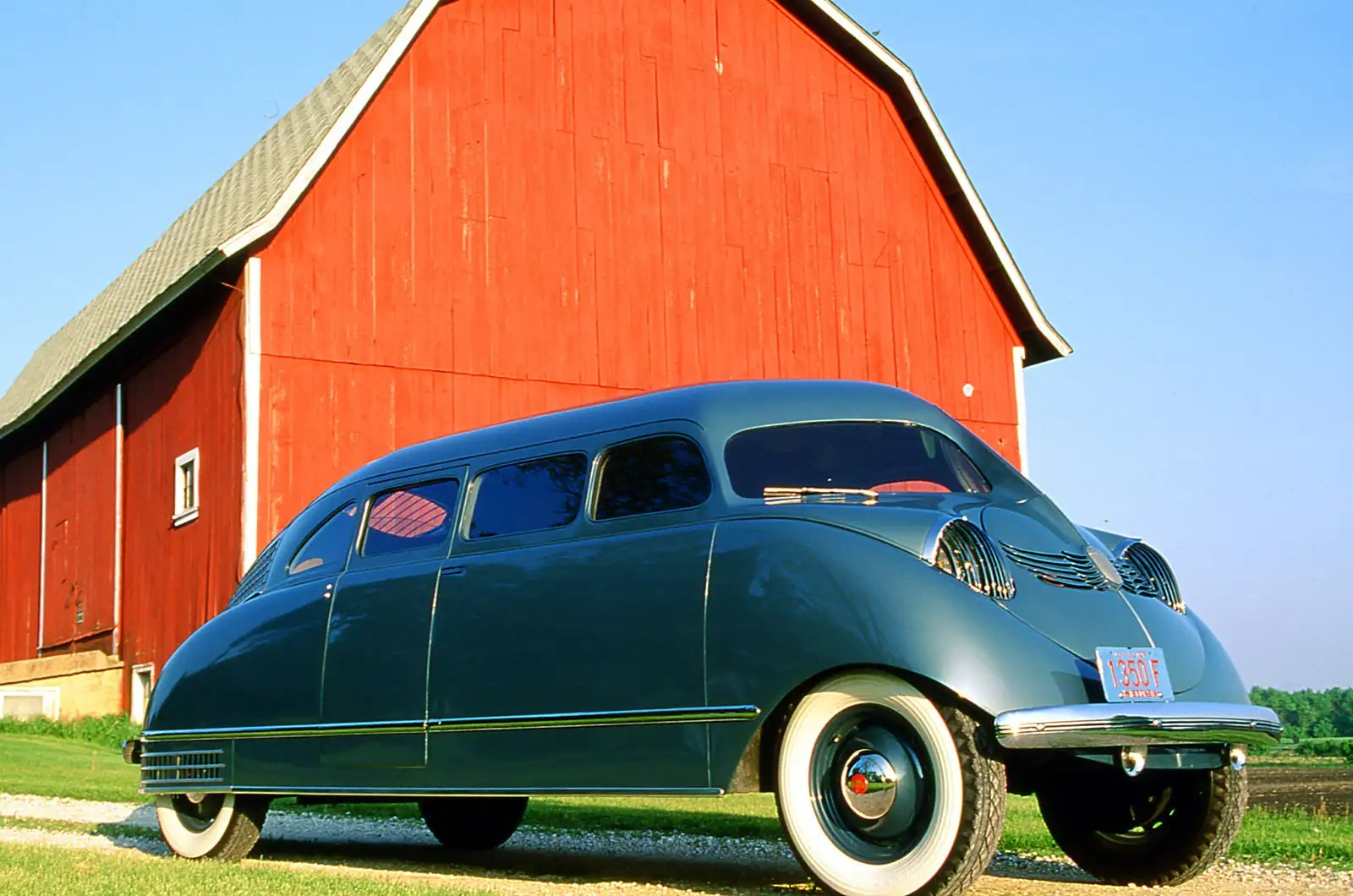
The Scarab of 1936 is, according to some, the very first production minivan. Its interior layout, with movable seats and a folding table, even predicted many of the typical interior layouts of modern minivans.
The high cost and unconventional design of the Scarab made it quite inaccessible to the general car-buying public of the time. Only nine units were ever built, along with one concept car, leading the car into obscurity for many years.
Dodge Wayfarer
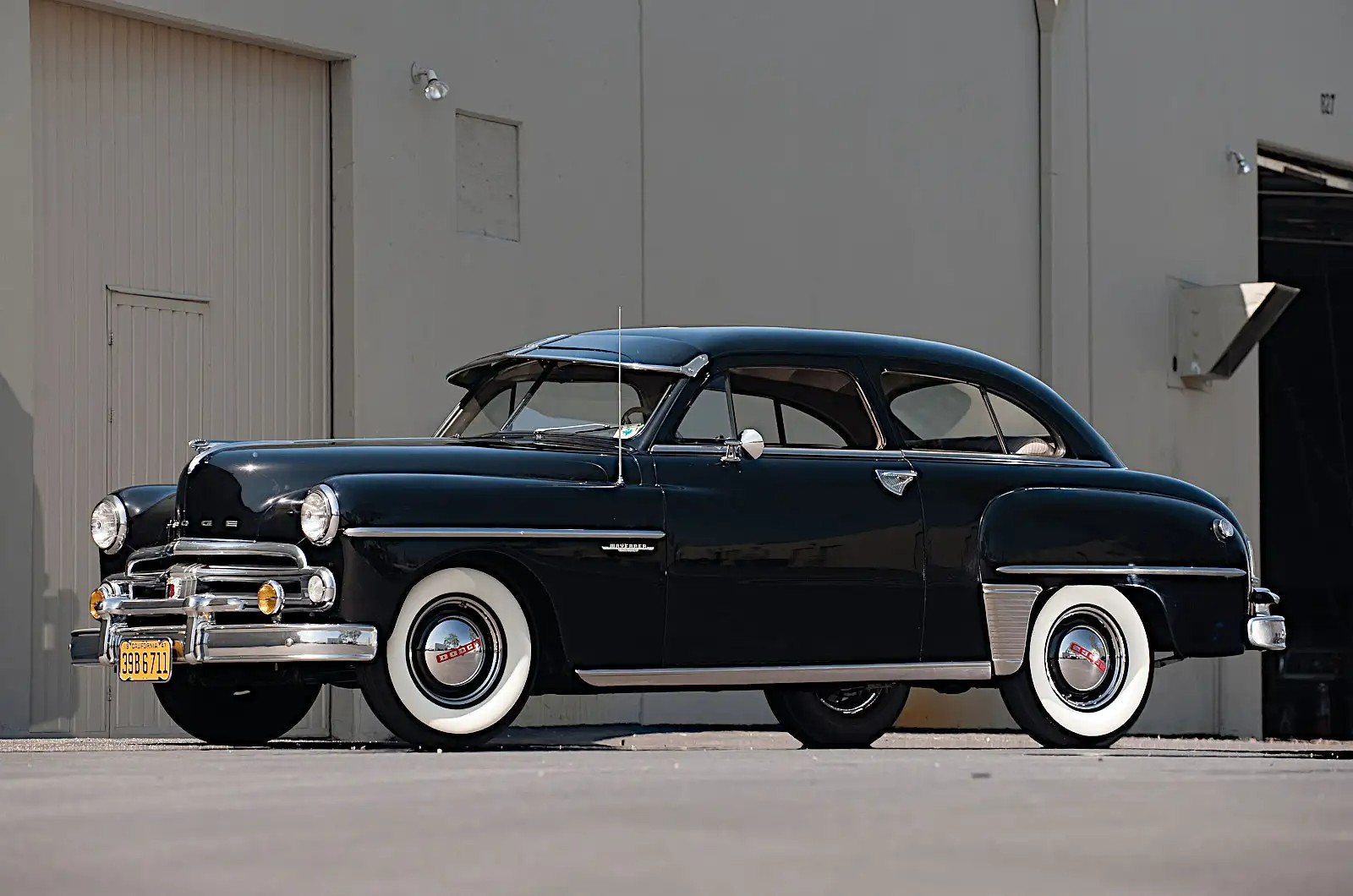
A few years before the release of the Chevrolet Corvette, Dodge introduced America to the first 2-door roadster produced domestically since World War II. The Wayfarer was produced for only a few short years, from 1949 to 1952.
The Wayfarer was a basic, no-frills model, with some roadster variants not even receiving side windows or top weather protection. These factors, along with the emergence of the aforementioned Corvette, are what vastly overshadowed the historical significance of the Wayfarer.
Studebaker Speedster
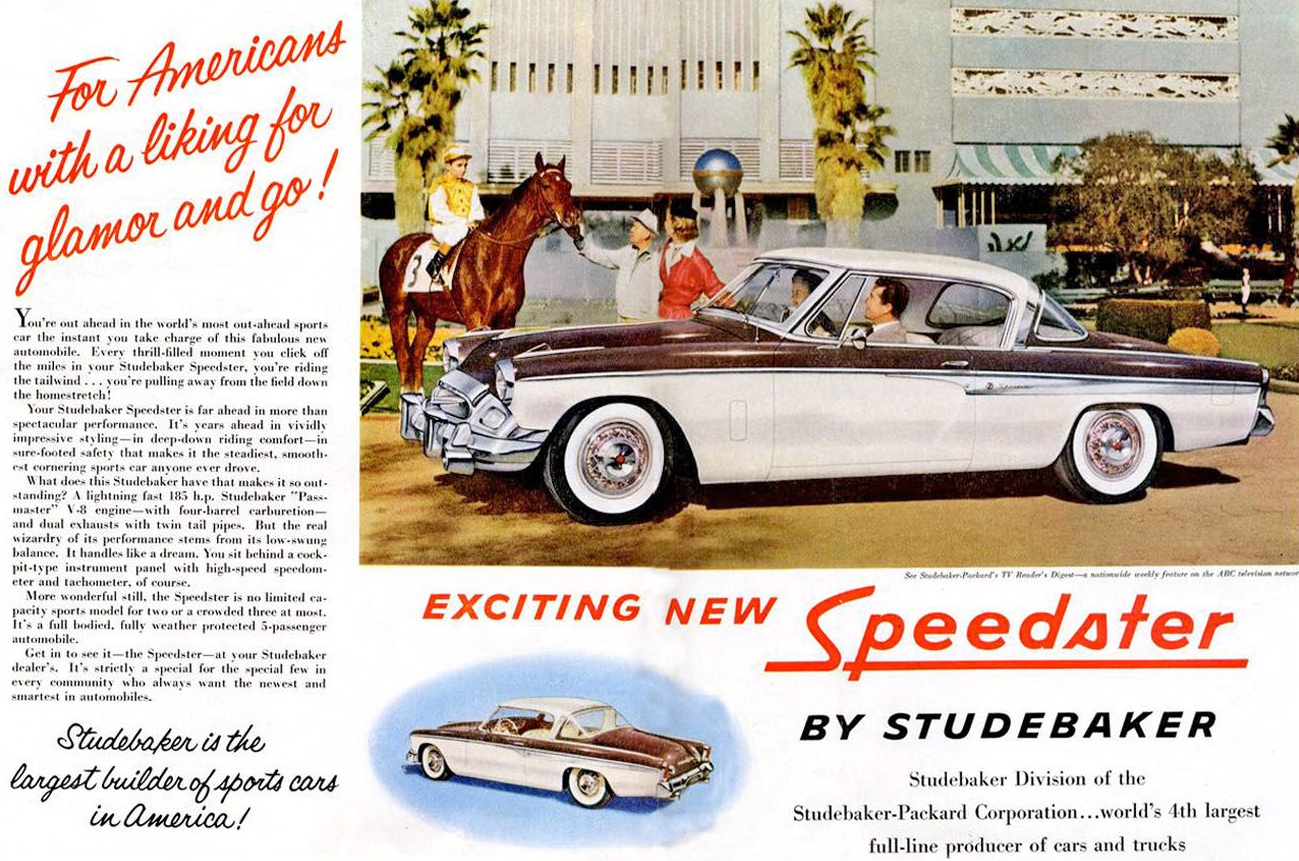
The Speedster was a high-performance two-door personal luxury car, and a spinoff from the President sedan. Its 4.2-liter V8 engine could produce 185 hp. It was a standout in the Studebaker lineup for its full complement of advanced accessories, including power steering and diamond-quilted leather seating.
The Speedstar was most recognized in its 2-tone yellow and green paint job, known colloquially as “lemon/lime.” Only 2215 Speedsters were produced, making them extremely rare today; produced for the 1955 model year only, making the Speedster one of the shortest production runs in US auto history.
Nash Metropolitan
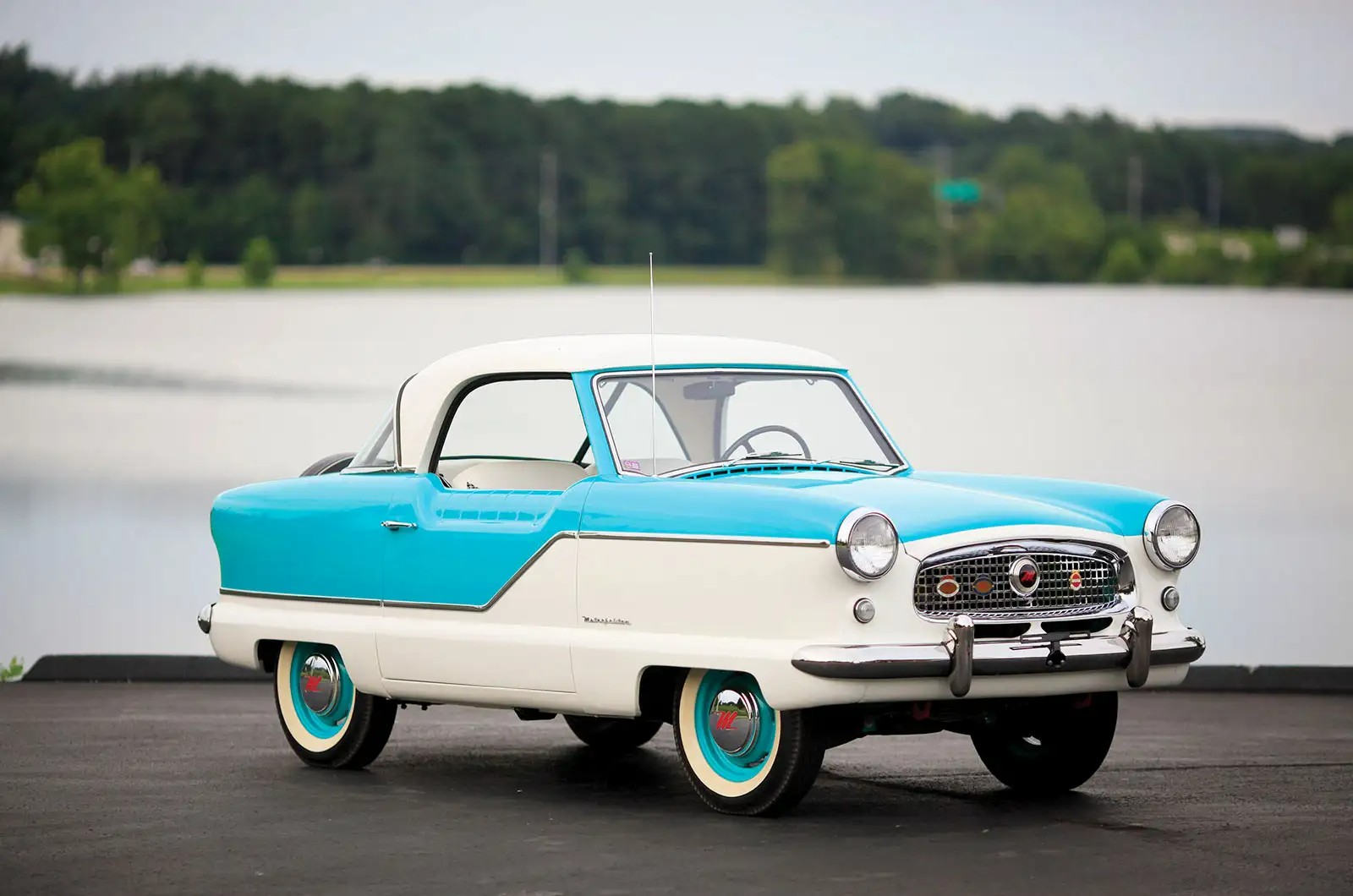
Probably the cutest car to come out of the 1950s, the Nash Metropolitan was known for its tiny, almost toy-like dimensions, and two-tone paint scheme. Along with the Dodge La Femme, the Metropolitan was one of the first cars specifically marketed to women.
The Metropolitan was unfortunately overshadowed, quite literally, by the larger and more popular cars of the day. Still, the Metropolitan was a pioneer in the subcompact car category, offering an efficient, and affordable automobile in a small package.
Studebaker Lark
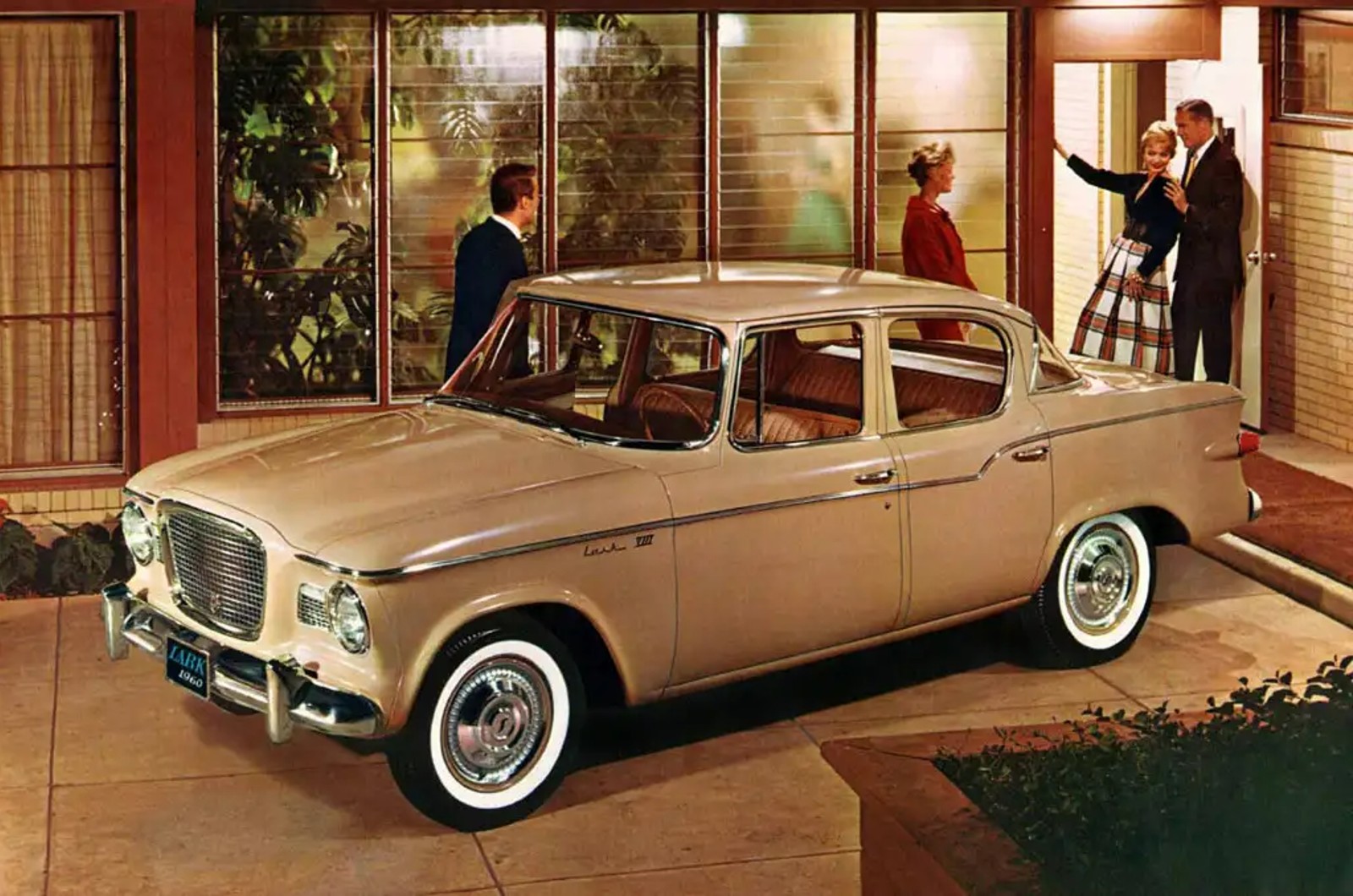
In the larger context of American cars, the Studebaker Lark stands out as an innovative early example of the compact segment. Produced from 1959 to 1966, the Lark was the first car of its size to be available with a V8 engine, but it was fuel efficient to boot with less lard to haul around.
Despite its affordability, practicality, and efficiency, the Lark was never as popular as Big Three compacts like the Ford Falcon, Plymouth Valiant and Chevrolet Corvair. Like many of Studebaker’s cars, it was forgotten when the company finally went out of business in 1966.
Kaiser Darrin
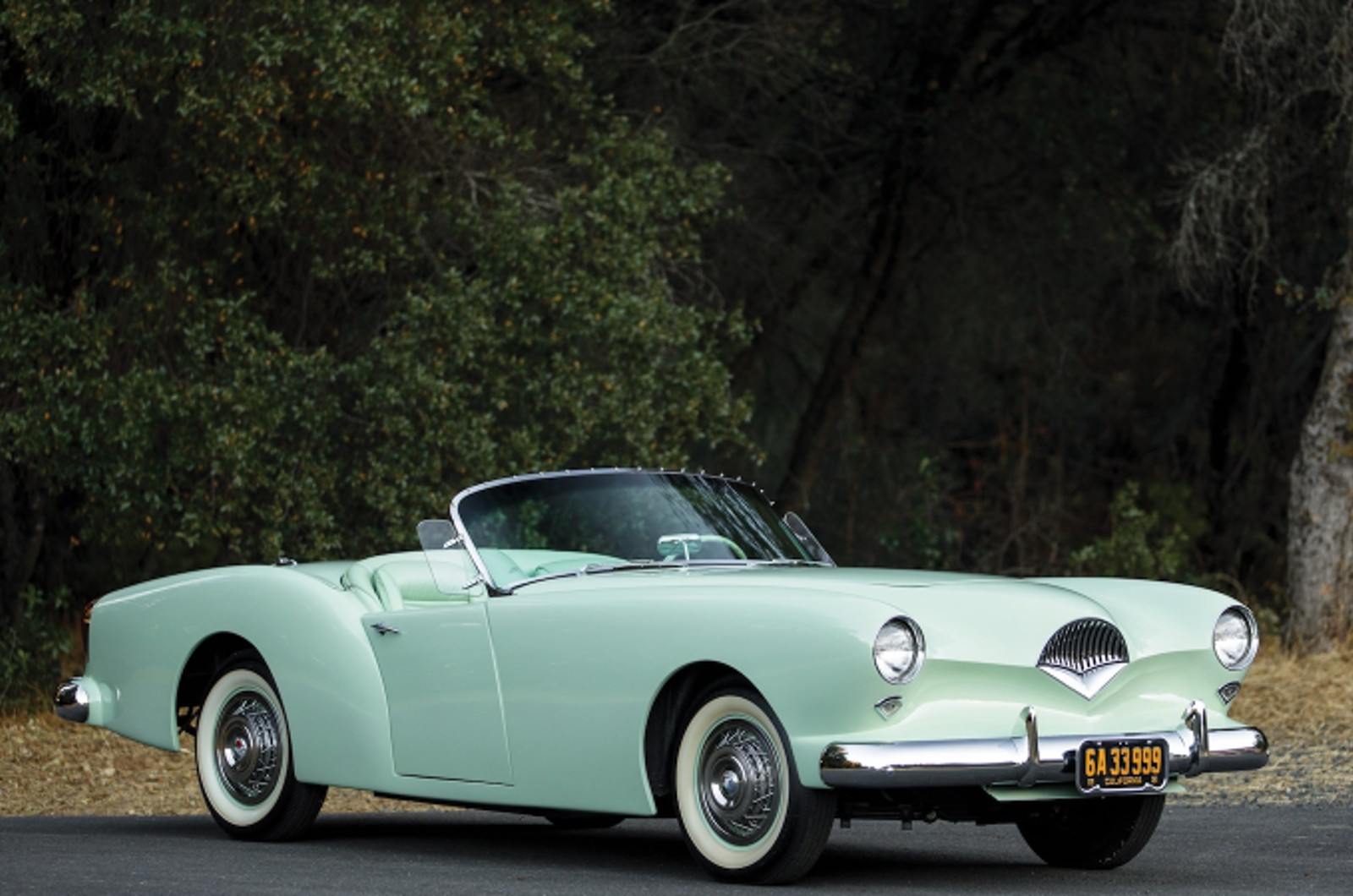
This 1950s two-seater was one of the first American cars with a complete fiberglass body. No, we’re not talking about the Chevrolet Corvette, who’s release just a year prior largely overshadowed this rival roadster. We’re talking about the Kaiser Darrin.
The Darrin was a beautiful car, its long-and=low profile was accented by some quirky features, such as a unique grill design and sliding doors that retracted into the front fender wells. Unfortunately, it was only produced for 1954, with a grand total of 435 units, before Kaiser was forced to drop the model.
Studebaker Avanti
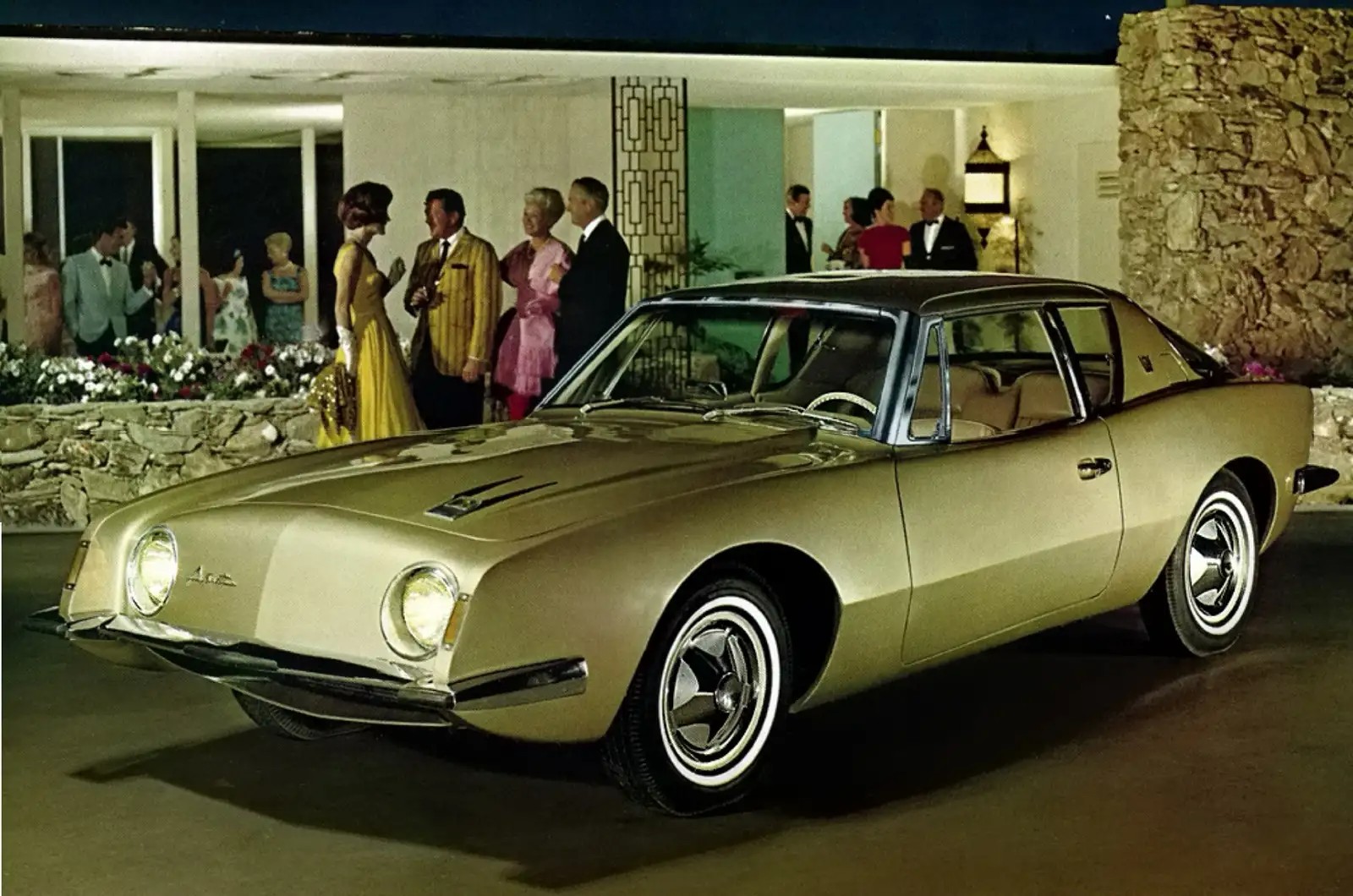
It set 29 world speed records at the Bonneville Salt Flats, and it still wasn’t enough to save Studebaker from going under. Less than 5,000 were ever produced, making them exceptionally rare.
Despite being one of Studebaker’s biggest sales flops, 1962’s Avanti was ahead of its time with a lightweight fiberglass body and an aerodynamic shape. These factors, paired with a supercharged V8 under the hood are what made the Avanti so lightning quick.
Buick Wildcat
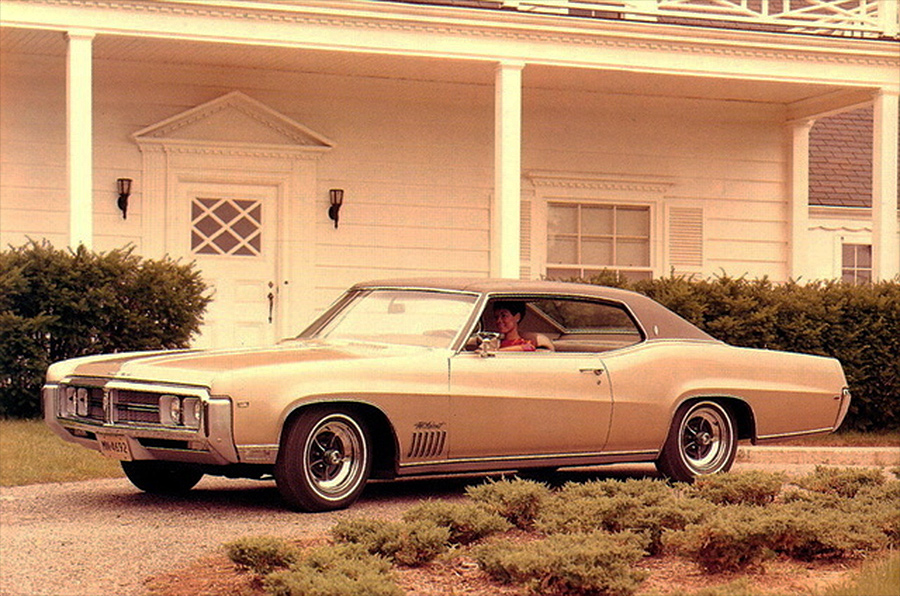
The Wildcat was never as famous as its Skylark, GNX, or Riviera siblings. However, it did have strong performance in its own right, featuring powerful V8 engines like the 401 ci Nailhead. The Wildcat was produced at the height of the muscle car era, from 1963 to 1970. It was even offered as a convertible, an option rarely found among the ilk at the time.
Unfortunately, even that was not enough to save the Wildcat from being overshadowed by more popular cars in the class.
Picture: 1969 Wildcat
Studebaker Wagonaire
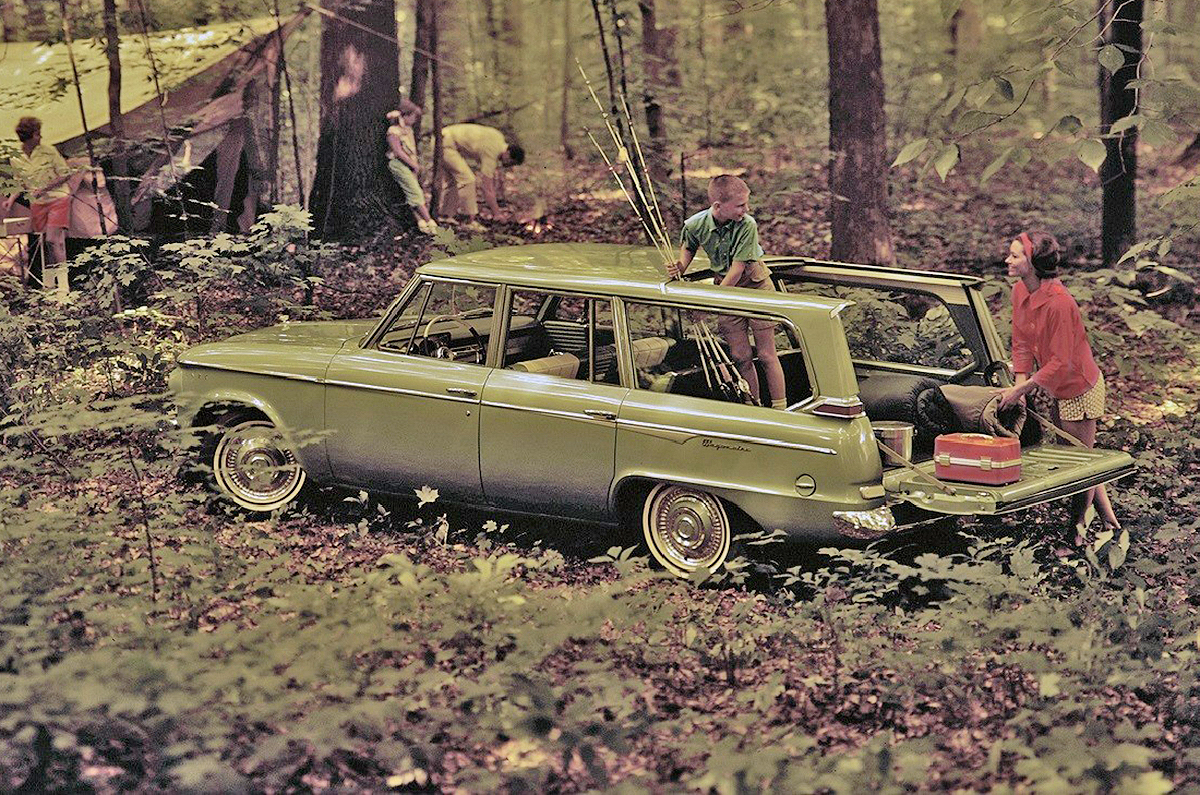
The Wagonaire was a Studebaker station wagon — with a catch. The Wagonaire featured a retractable rear roof section, which could slide forward to create an open cargo area.
The innovative design of the 1963 Wagonaire was unfortunately met with some production problems, and some customers reported that the sliding roof was prone to leaks. This was quickly fixed by the factory, but it was too little too late, especially in the light of Studebaker’s failing image and faltering business.
Rambler/AMC Marlin
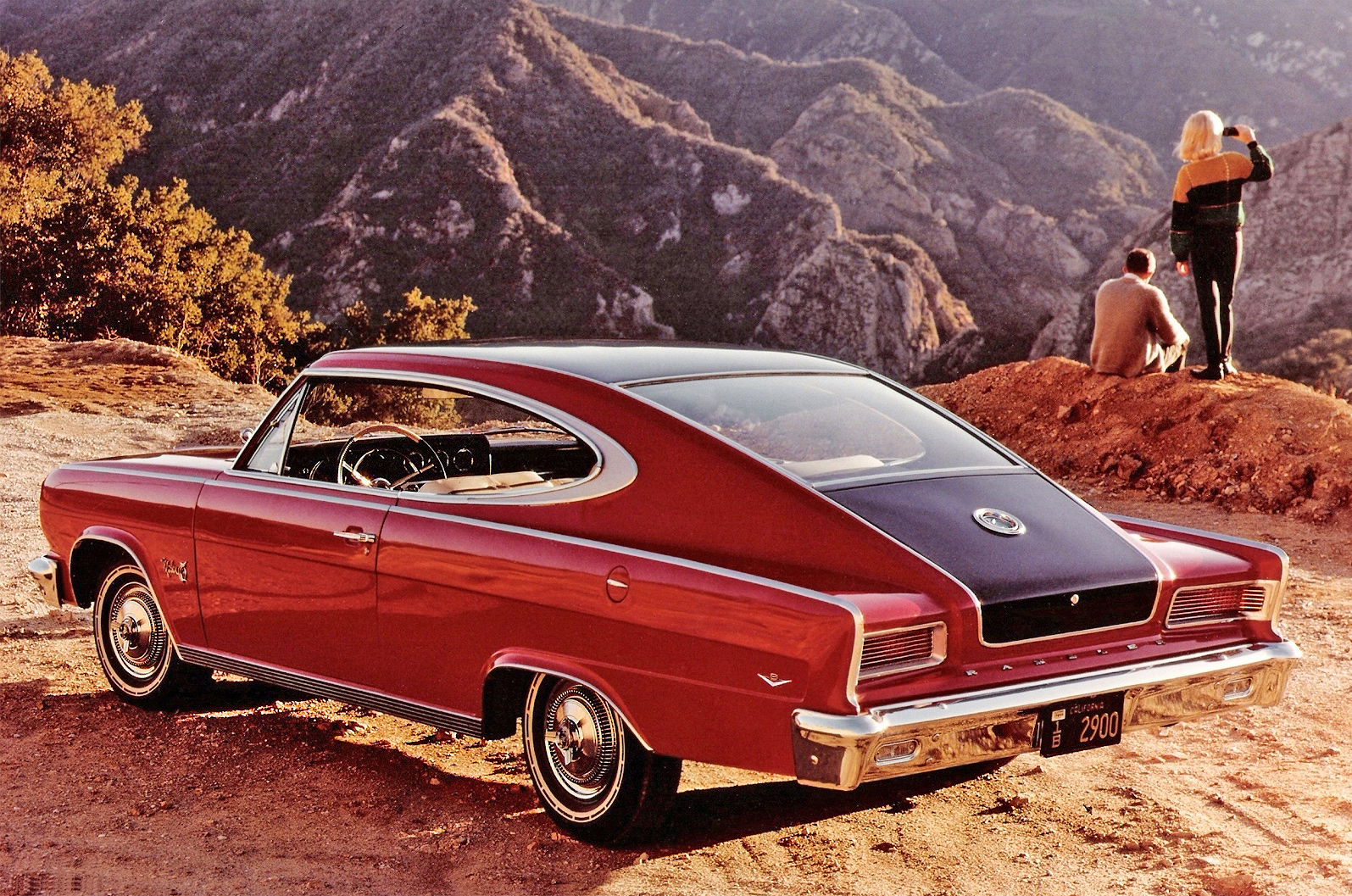
Produced from 1965 to 1967, the AMC Marlin was originally badged under the Rambler marque. Known for its distinctive fastback roofline, spacious six-passenger seating, and powerful V8 engine options, the Marlin checked all the right boxes to compete in the burgeoning personal luxury car market.
Unfortunately, the Marlin had some stiff competition from the Big Three automakers and was only produced for a brief time. Yet, the Rambler’s legacy is not completely lost to time, as it heavily influenced the design of the 2004 Chrysler Crossfire.
Mercury S-55
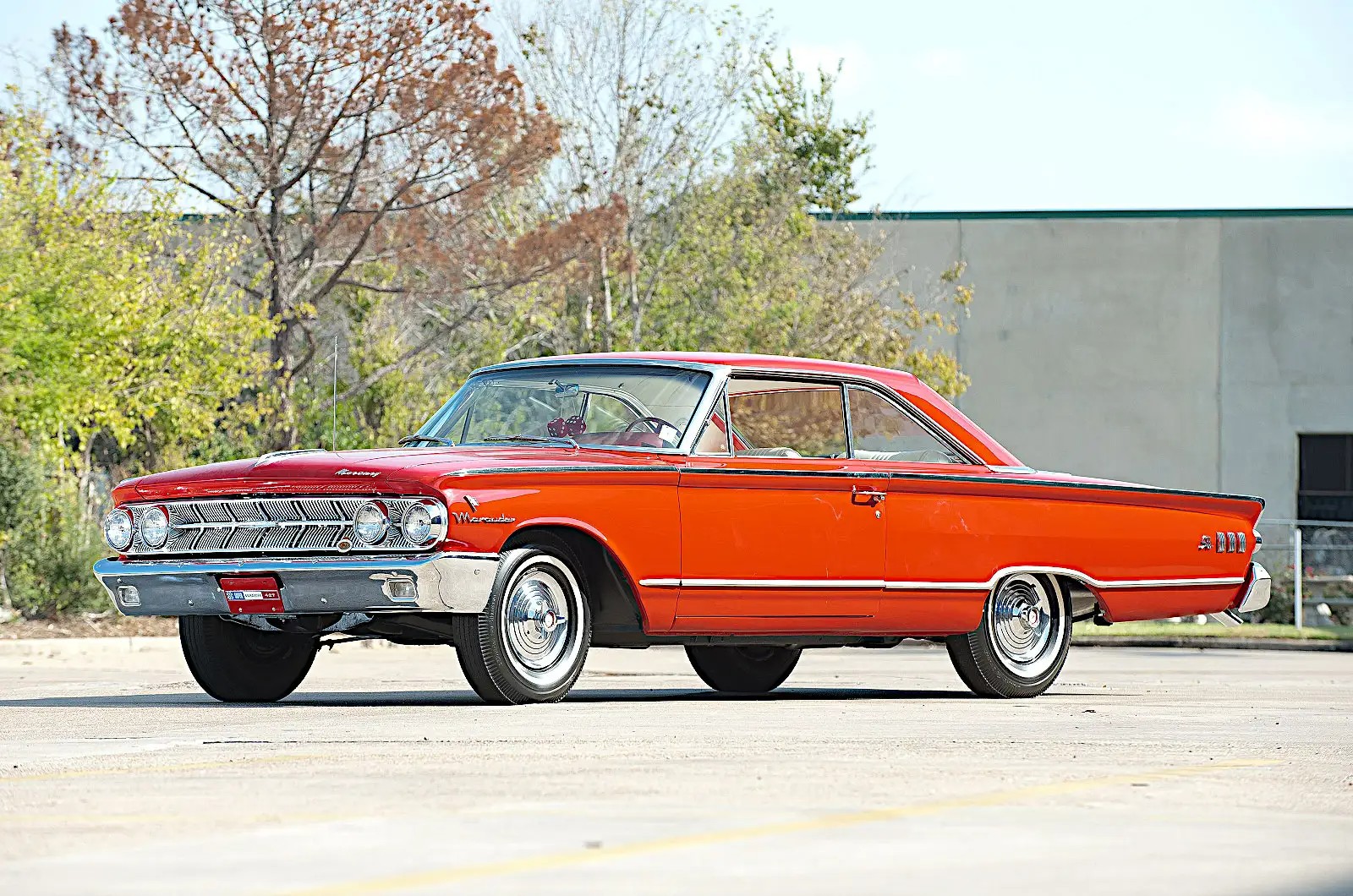
The Mercury S-55 was a high-performance full-size muscle car produced from 1962 to 1963, and again from 1966 to 1967. The S-55 offered drivers a luxurious yet powerful driving experience, with engine options like the 406 ci V8 pushing 405 hp. It also included bucket seats and upgraded suspension components.
The availability of the S-55 was very limited compared to more popular luxury sport coupes like the Ford Galaxie 500XL or Chrysler 300H. Despite all this, the S-55 is a great example of some of the best that the muscle car era had to offer.
Jeep Jeepster Commando
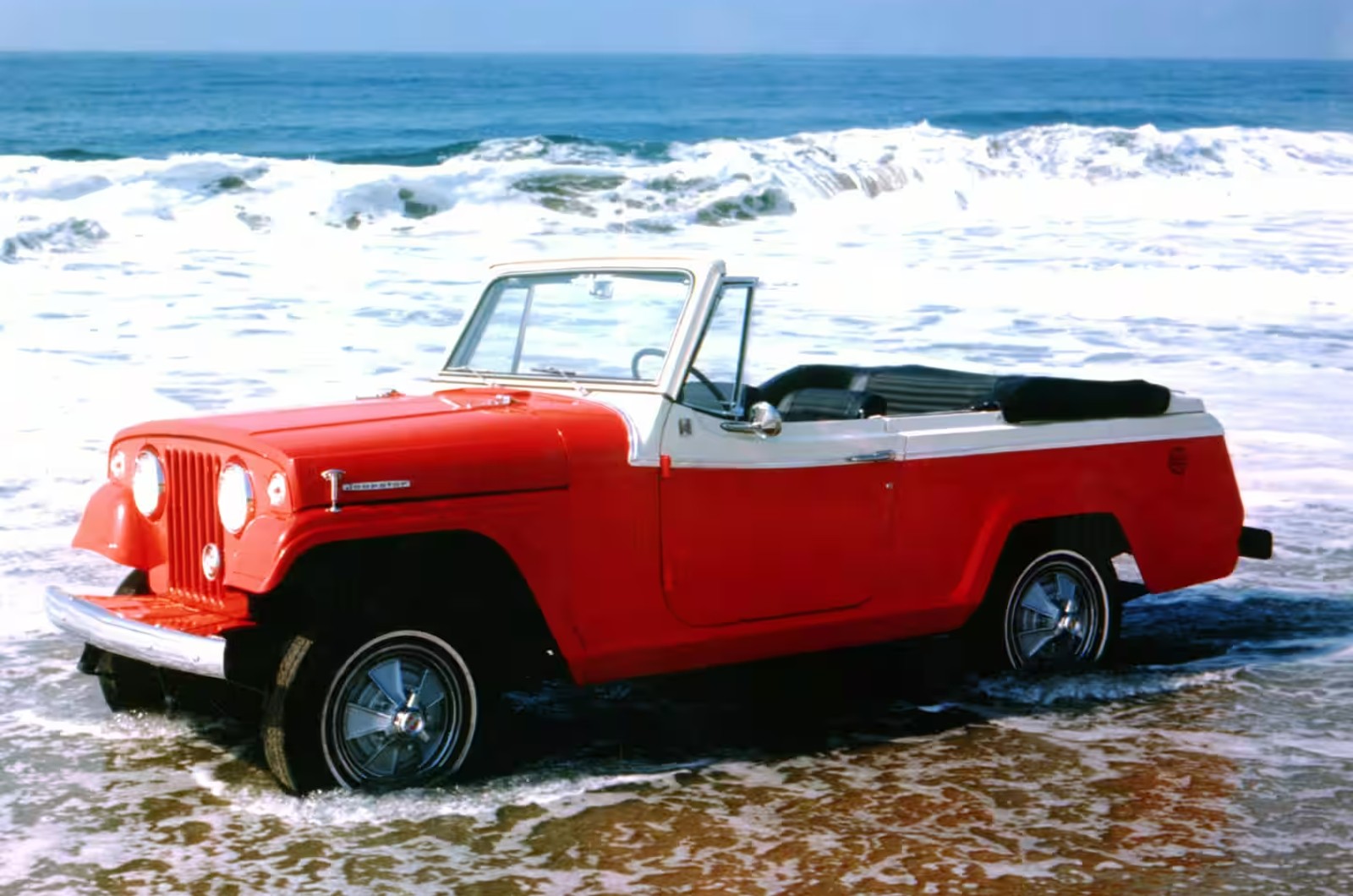
The Jeepster Commando was designed to offer a more comfortable and stylish alternative to traditional Jeep models. During its 1966 to 1973 production run, the Jeepster Commando was available as a convertible, pickup, and a wagon.
There was even a Hurst Jeepster version available for 1971, complete with a number of performance modifications. The Jeepster Commando was popular in its day, but it is largely overshadowed by its successor, the Jeep Cherokee.
Pontiac Executive
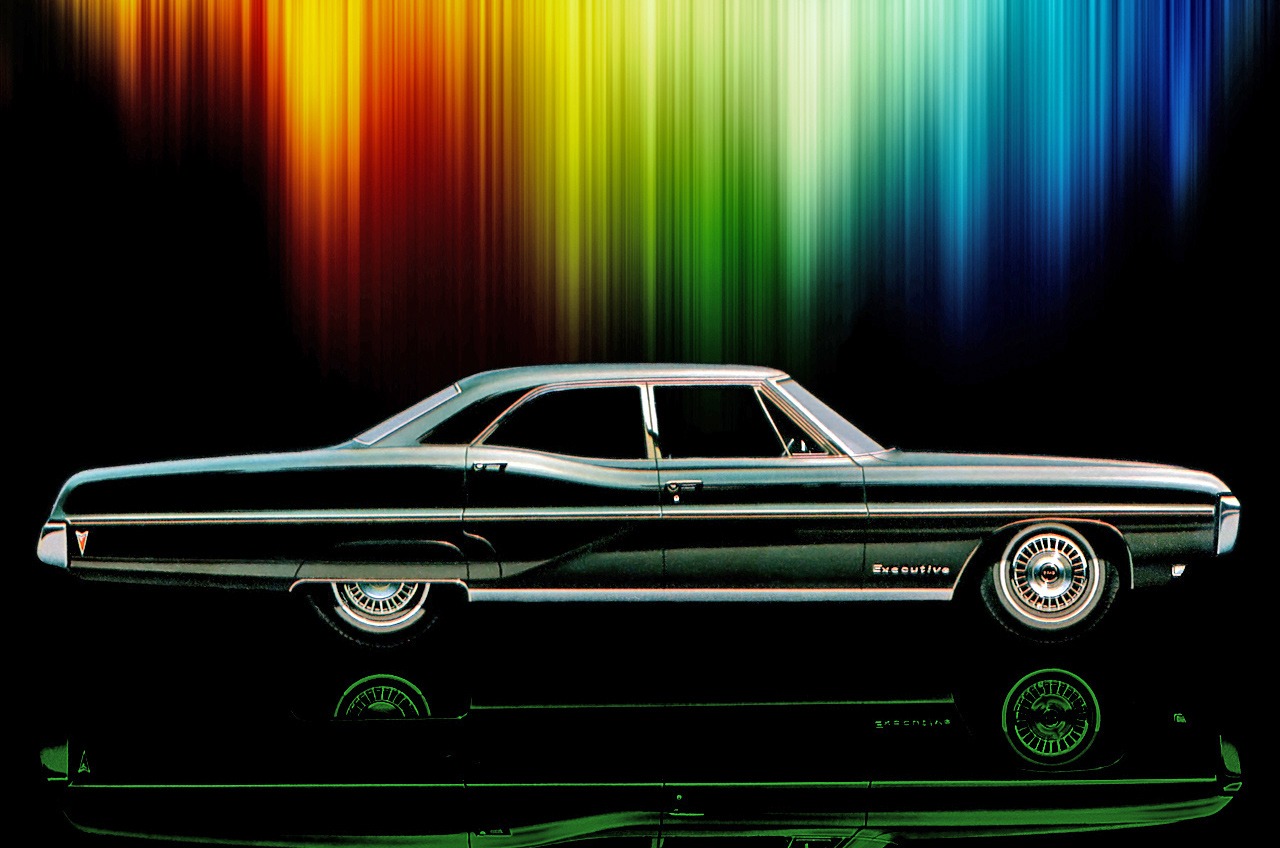
Despite its deluxe features and powerful engine, the Executive (which launched in 1967) struck an odd middle ground. It was not quite as luxurious as the Bonneville, nor as performance-oriented as the Firebird, GTO, or Tempest, leading it into relative market obscurity.
That’s unfair since the Pontiac Executive was one of the most powerful full-size luxury cars at the time, with a 7.5-liter V8 producing 370 hp and a healthy 500 lb-ft of torque.
AMC AMX
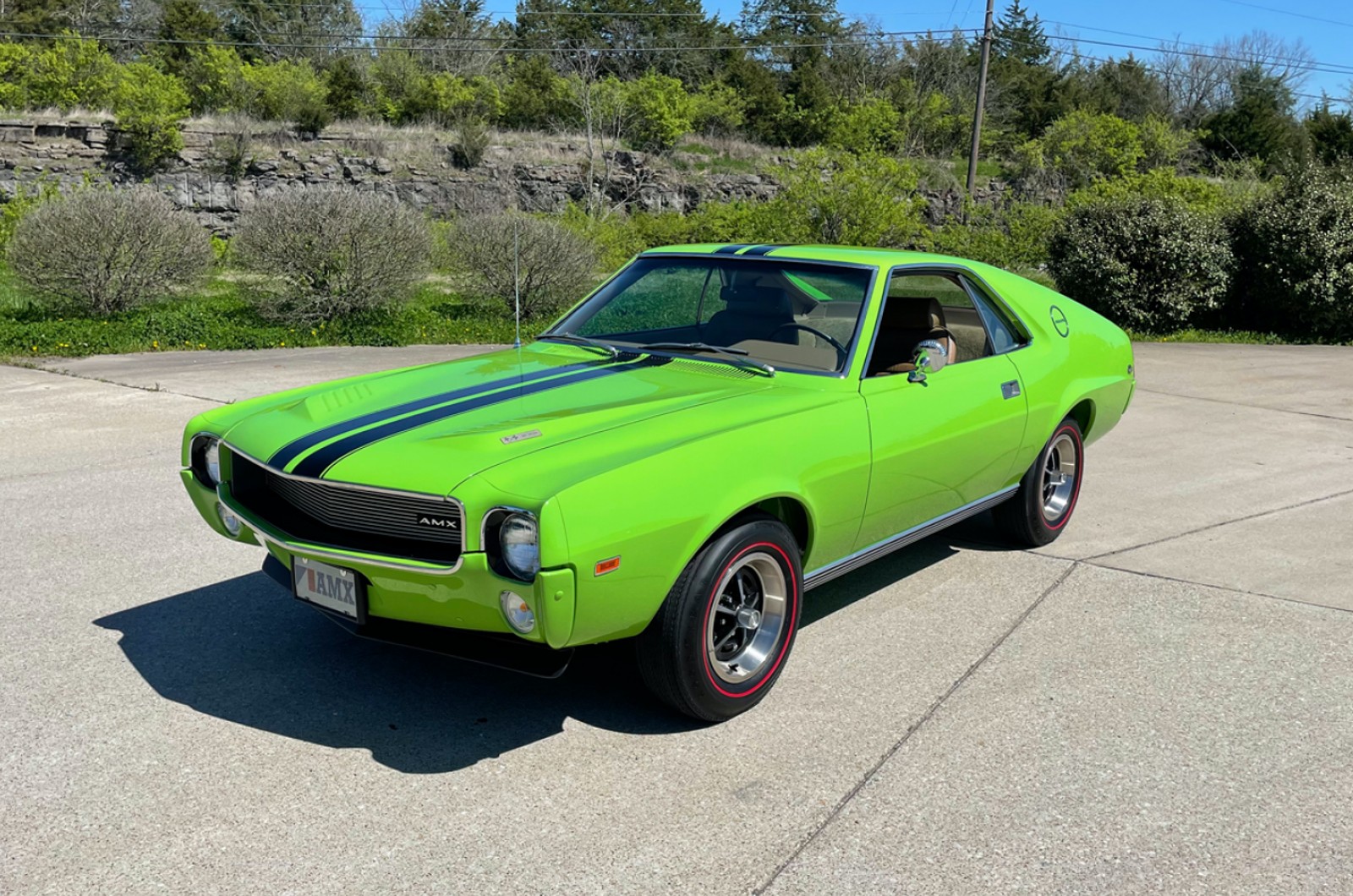
The “American Motors Experimental” was a two-seater GT known for its significantly lower price compared to other muscle cars from the same era. That didn’t mean the AMX held back: the available 6.4L V8 produced 315 hp and could accelerate from 0 to 60 in 6.6 seconds.
Once more, this AMC car was overshadowed by competitors from the Big Three. Coupled with its short production run lasting only from 1968 to 1970, the AMX has only recently been rediscovered by collectors, although it still represents pretty good value, with prices starting around $30,000.
Hurst SC/Rambler
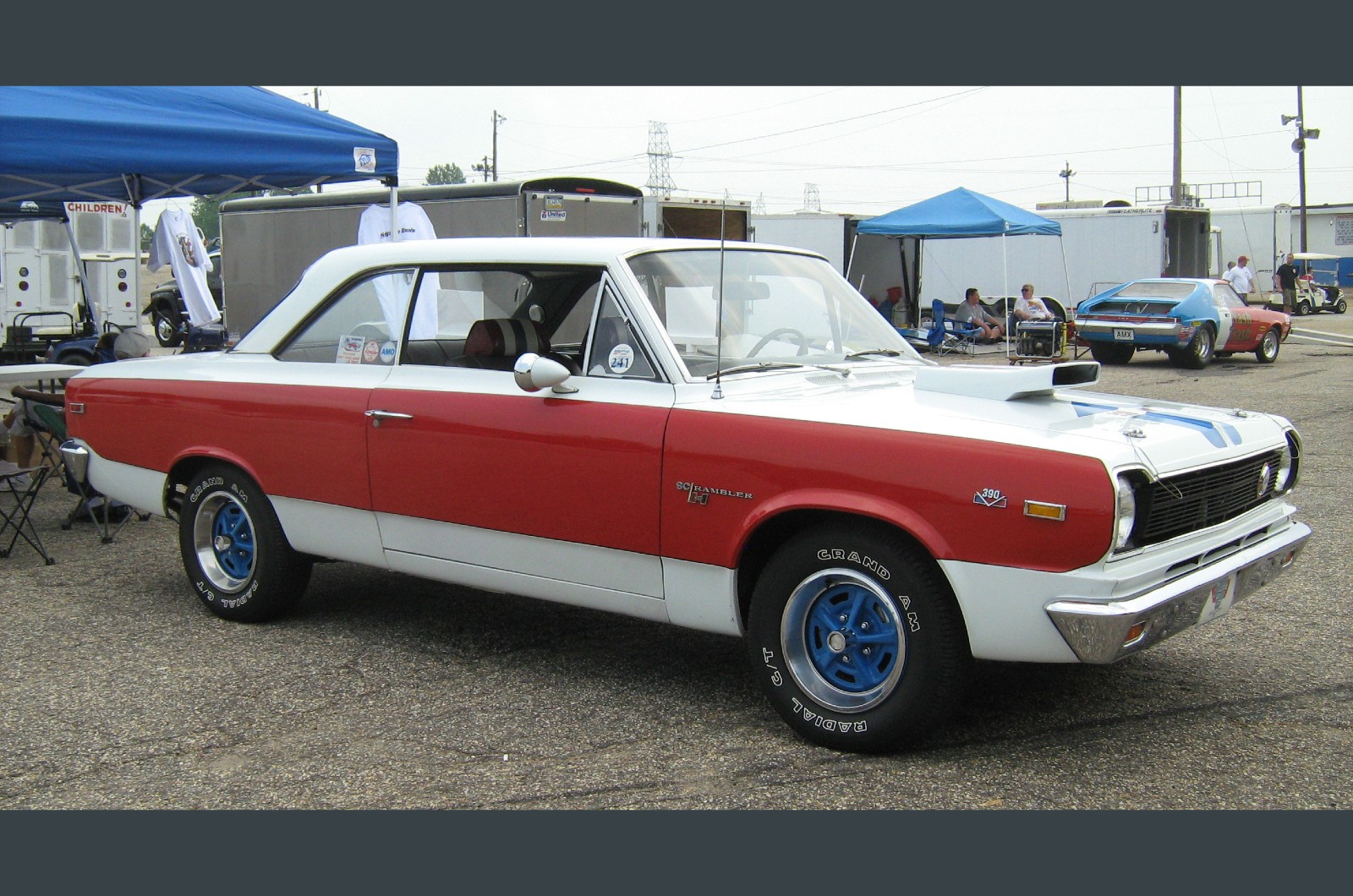
This special version of the Rambler American was a high-performance muscle car produced in 1969 as a collaboration between AMC and Hurst Performance. Each SC/Rambler was equipped with a 390 ci V8 producing 315 hp, among other Hurst performance modifications. The car also had a patriotic red, white, and blue paint scheme.
The SC/Rambler’s 0-60 time of 6.3 seconds made it competitive with other muscle cars of the era, but it didn’t quite stand out enough in the looks department. This, along with its short production run, is why the Hurst SC/Rambler is largely forgotten today.
Plymouth Duster
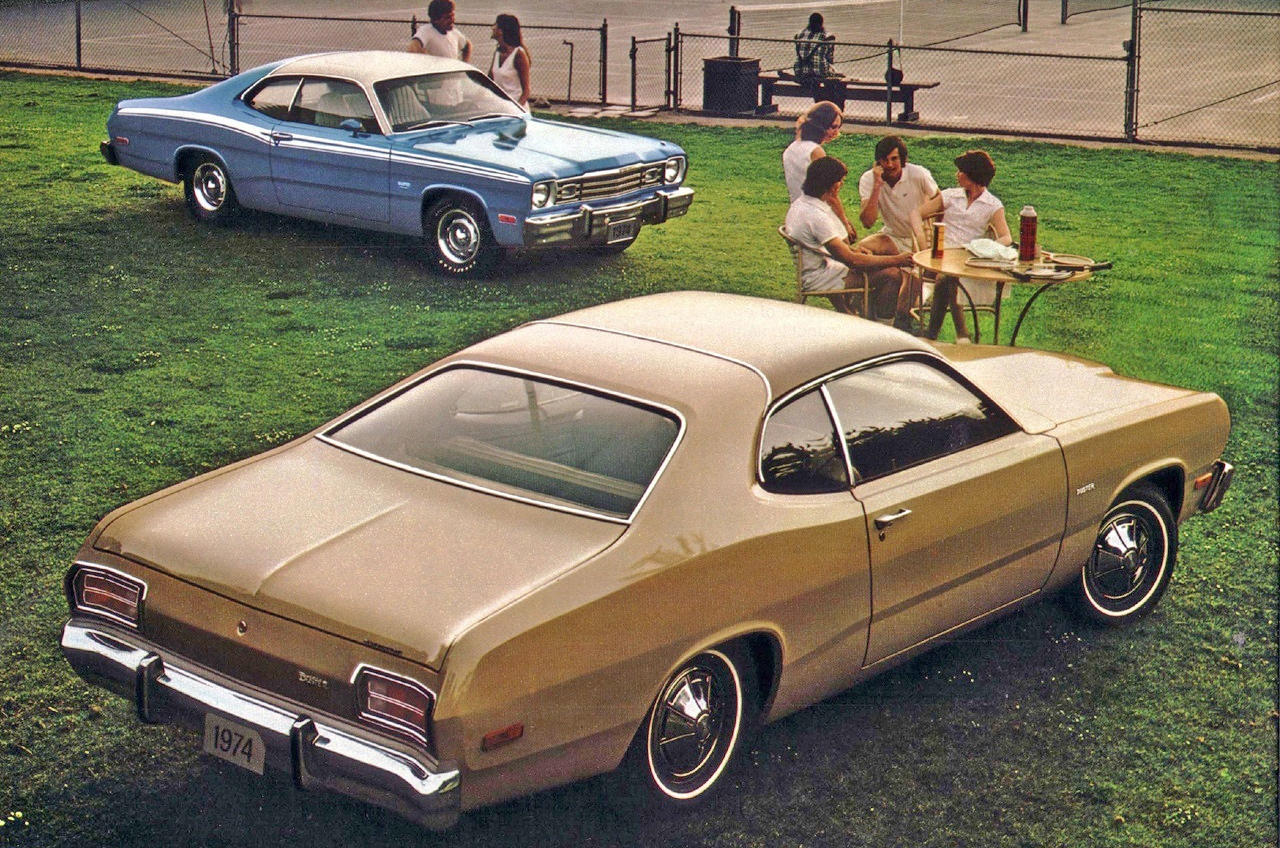
The Duster (which launched in 1970) was never a huge sales success for Plymouth, as it was always overshadowed by its more popular stablemate, the Barracuda. Still, the Duster was a great muscle car in its own right, and featured powerful engine options like the 340 V8. It was intended to compete with other small semi-fastbacks like the AMC Hornet and Ford Maverick.
The high-performance “Twister” variant of the Duster was originally intended to have Taz the Tasmanian Devil as its logo. However, the logo was dropped after negotiations with Warner Bros failed.
Mercury Cyclone Spoiler II
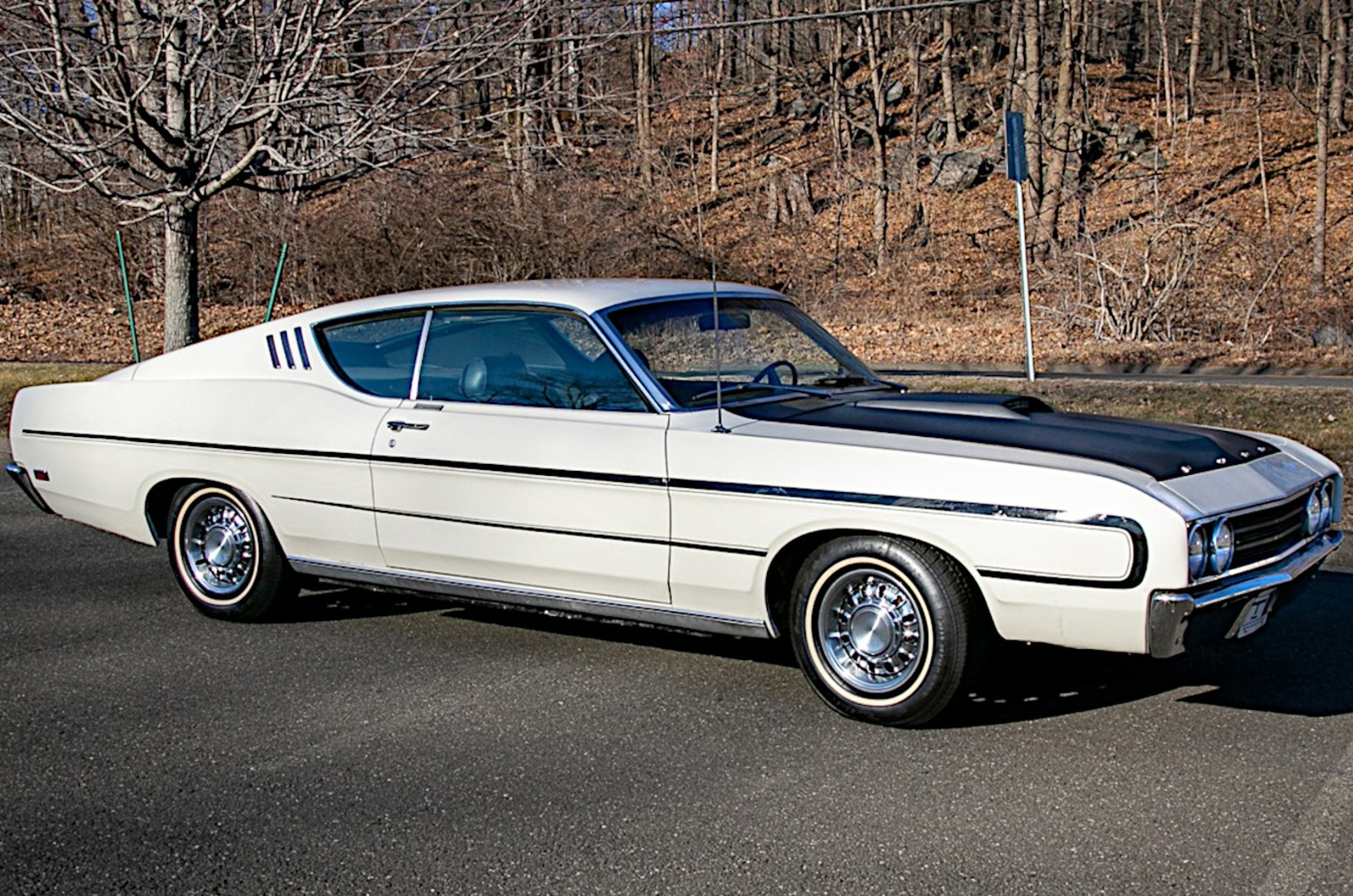
This limited-production version of the Mercury Cyclone muscle car was specifically designed for NASCAR racing during the competition’s iconic “aero car” days. Though never as popular as the Plymouth Superbird or Dodge Charger Daytona, the Cyclone Spoiler II (which first arrived in early 1969) had its own set of performance and aerodynamic enhancements that put up a good fight.
Mercury built 503 units to meet homologation rules, but by some accounts, they never even made that many. Rumor has it that Mercury only had 351 units ready by the deadline, so they couched 152 regular production Cyclones between the Spoiler IIs in the parking lot; NASCAR’s inspectors were none the wiser.
Ford Maverick
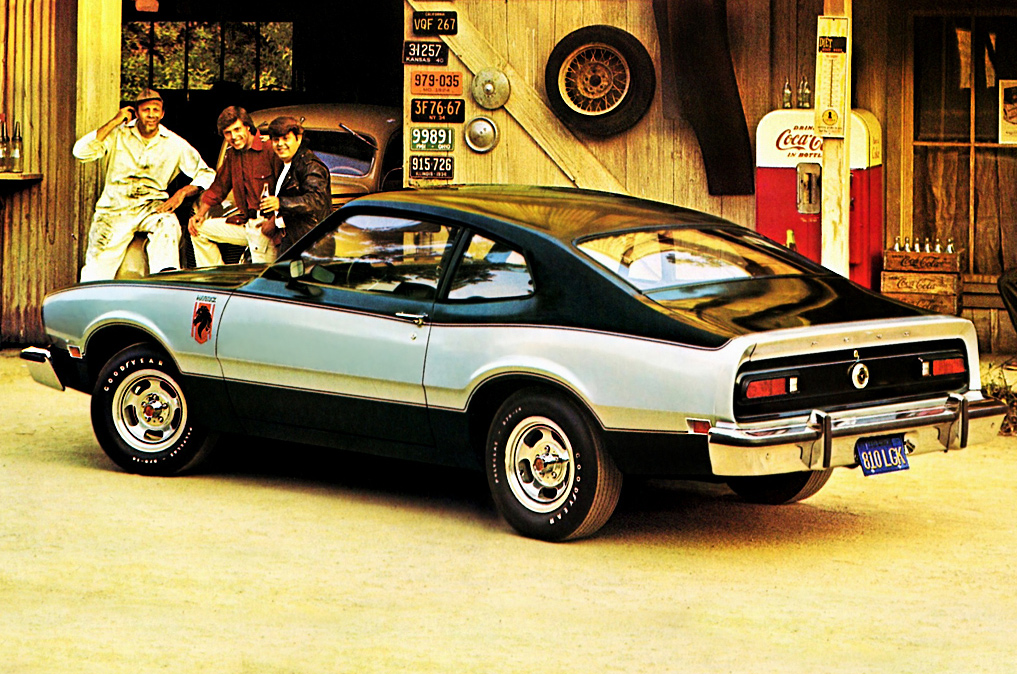
No, not that Ford Maverick. We’re talking about the 1970s compact, which was positioned somewhere between a Mustang and a Pinto. It initially sold very well, even outpacing Mustang sales in 1970. Unfortunately, its “middle child” status did not do it many favors in terms of longevity.
Also, Ford has recycled the Maverick name many times across different markets, most recently with the compact pickup unveiled in 2021, further watering down the memory of the initial model.
Picture: 1976 Ford Maverick 2-door sedan
Stutz Blackhawk
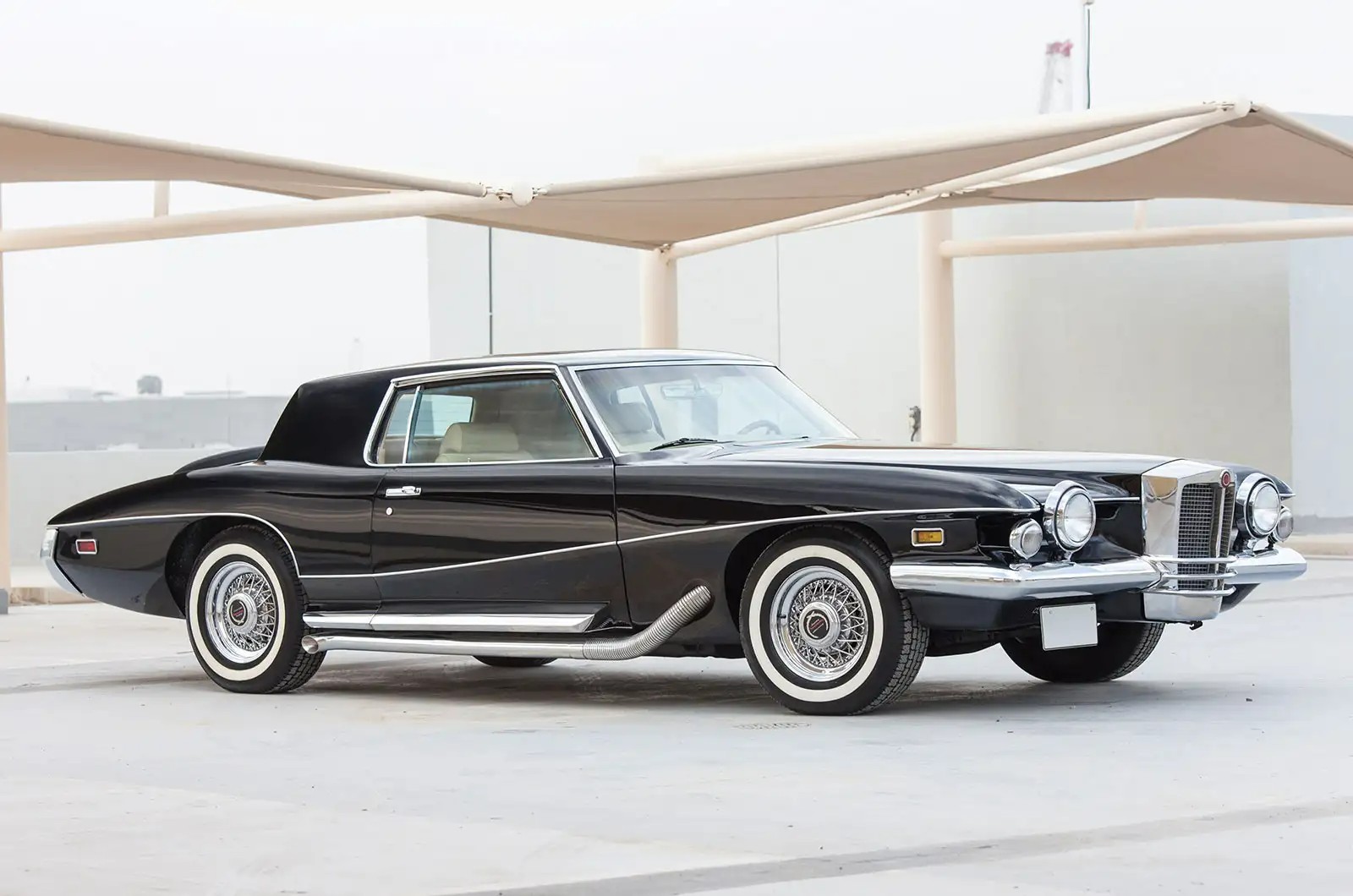
The Stutz Blackhawk (which began in 1971) was one of the most extravagant and egregious examples of neo-classic design. Whether you agree with the design or not, the Blackhawk was ultra-luxurious, with an interior that included 24-carat gold plated trim, mink carpeting, and a liquor cabinet.
The list of high-profile owners is extensive, and included Elvis Presley, Lucille Ball, and Elton John. The car has faded from public consciousness because of its niche market and the obscurity of the Stutz brand in the larger automotive landscape.
Chevrolet Chevelle Laguna
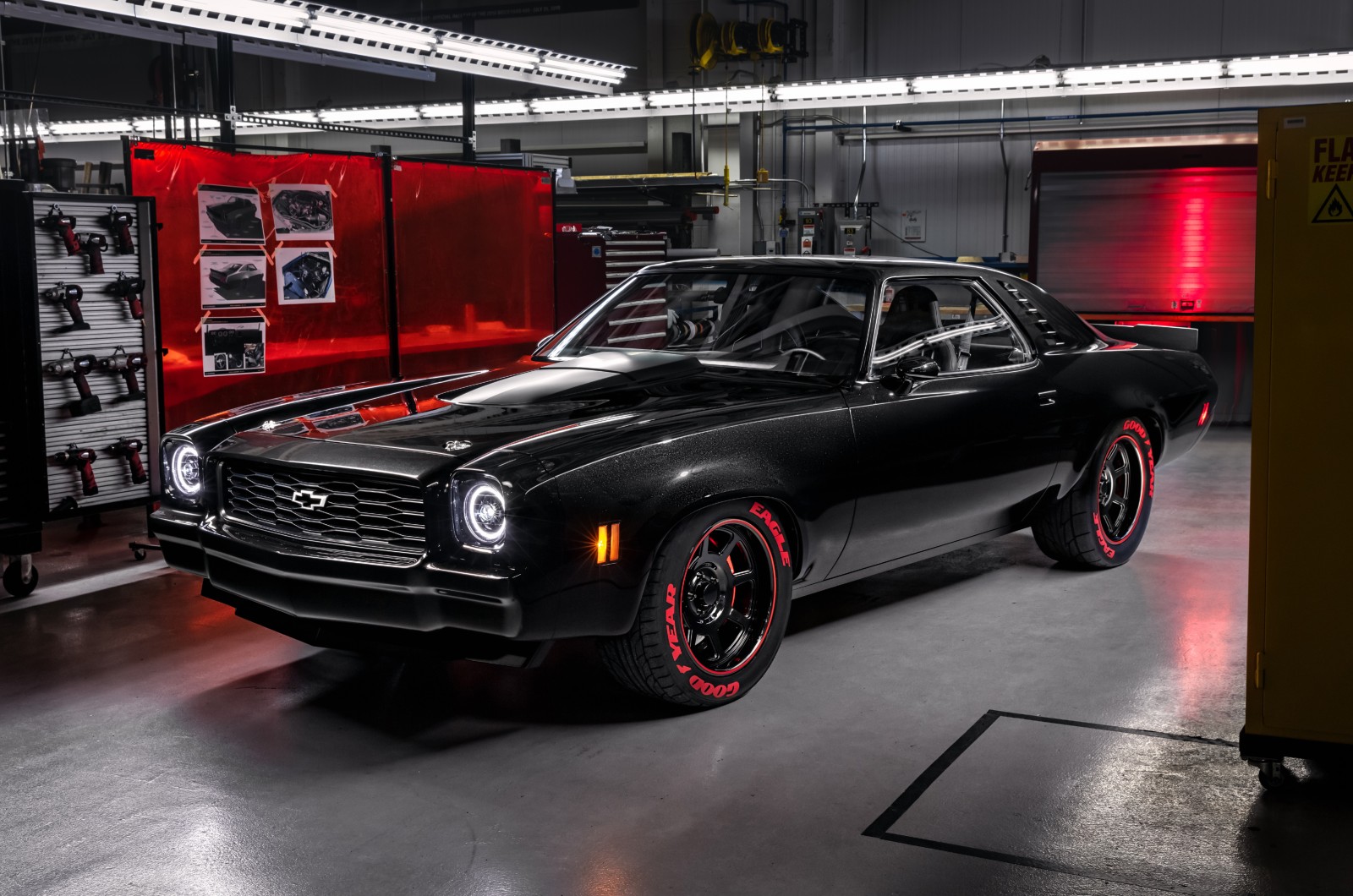
The Laguna made up a very small number of the total third generation Chevelles, making them quite rare and forgotten today. One of the key innovations of the Laguna was its urethane front end, allowing it to meet safety regulations without a massive blocky bumper, which most 70s cars were forced to adopt and ruined many a car in the process.
The Laguna received favorable reviews in its 1973 launch year for its blend of luxury and modest performance. It even carried a few drivers to NASCAR victory, aided by its 7.4-liter V8 producing 245 hp.
Oldsmobile Omega
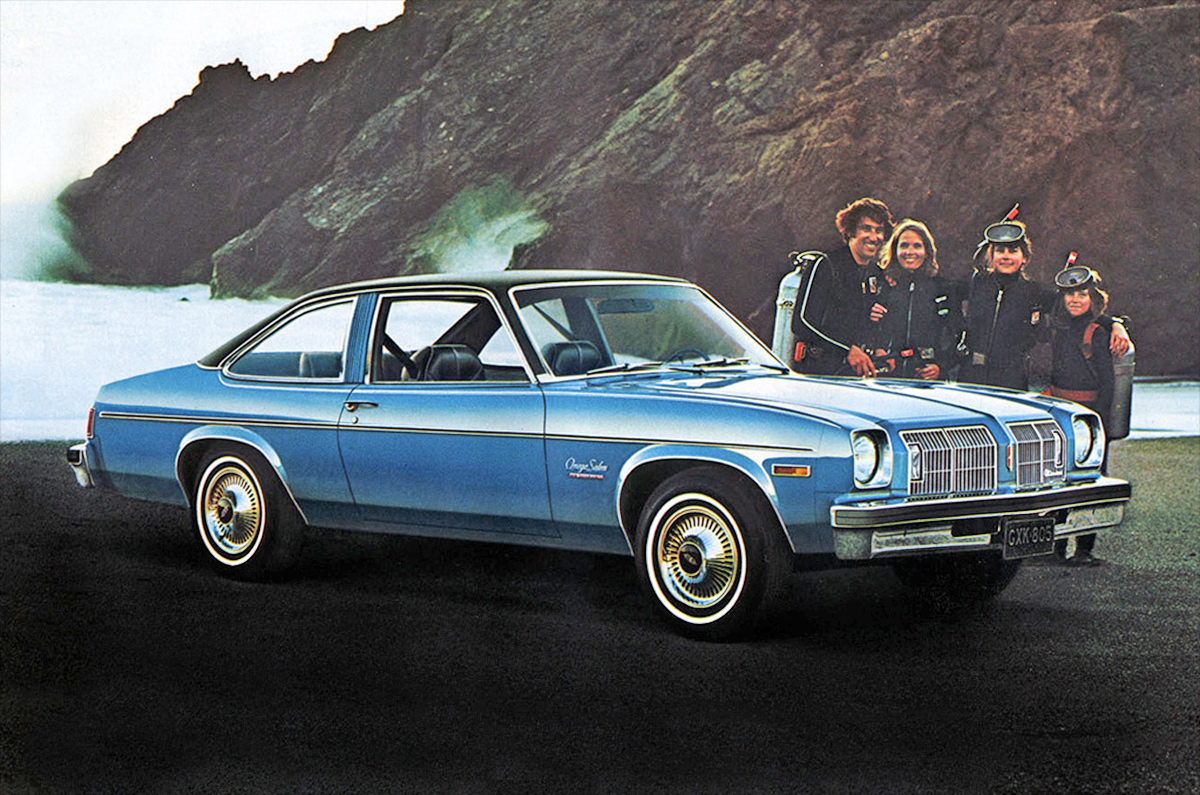
Many people will remember the Chevrolet Nova, but not many will remember the upscale Oldsmobile variant, known as the Omega. Produced from 1973 to 1984, the Omega was available as a coupe, sedan, or hatchback.
The first two generations of the Omega featured all of the best elements of the Nova, including standard radial tires and front disc brakes, along with Oldsmobile upgrades. The trademark Oldsmobile waterfall grille, for instance, upgraded the Omega’s class, as did interior woodgrain trim. The mark three Omega unfortunately left a sour taste, and after multiple recalls, the model was pushed from the public’s mind.
Picture: 1975 Omega Salon
Ford Elite
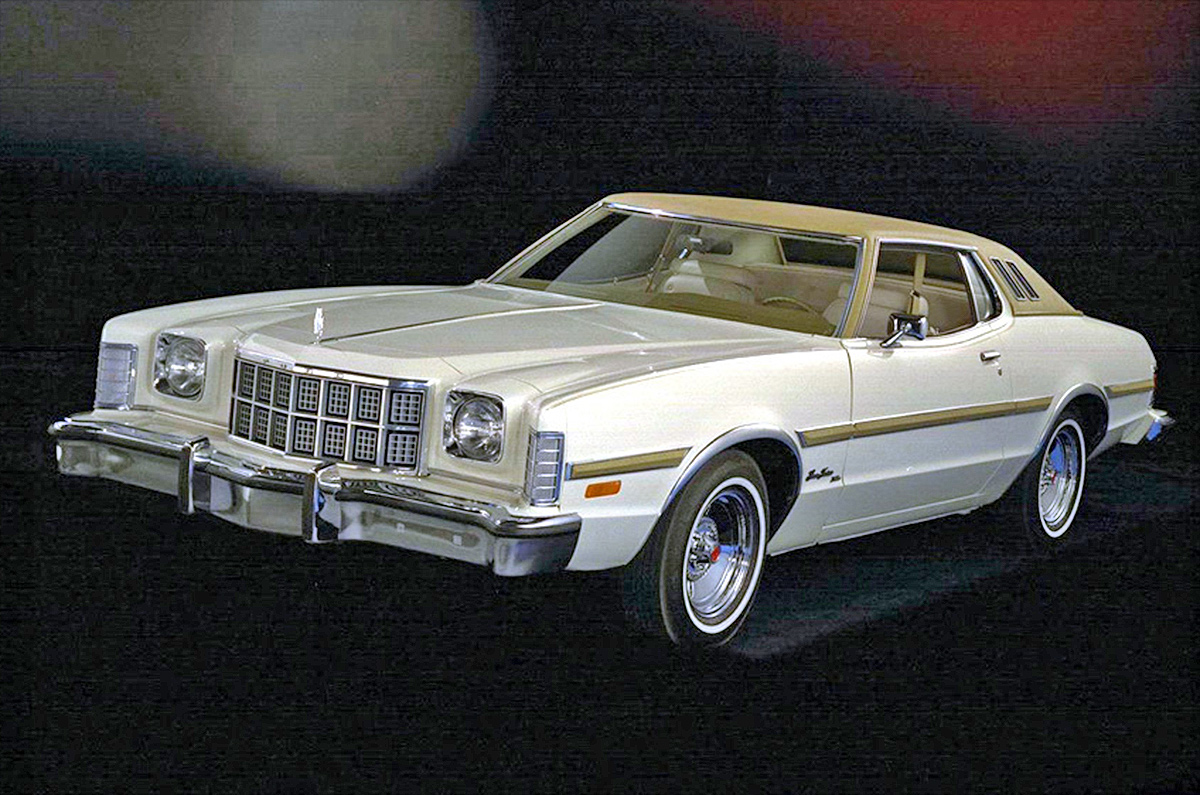
Originally the highest trim level of the Gran Torino, the Elite was in production as its own standalone model for only two years. Between 1974 and 1976, Ford attempted to market the Elite in the flourishing personal luxury car market.
The Elite had a whole host of standard luxury features, as well as distinct styling and a unique opera window design. Unfortunately, the personal luxury car market was saturated by the mid 70s, and the Elite was never as popular as competitors such as the Buick Electra or Oldsmobile 98. This, along with its short production run, have made the Elite a forgotten car.
Mercury Grand Monarch Ghia
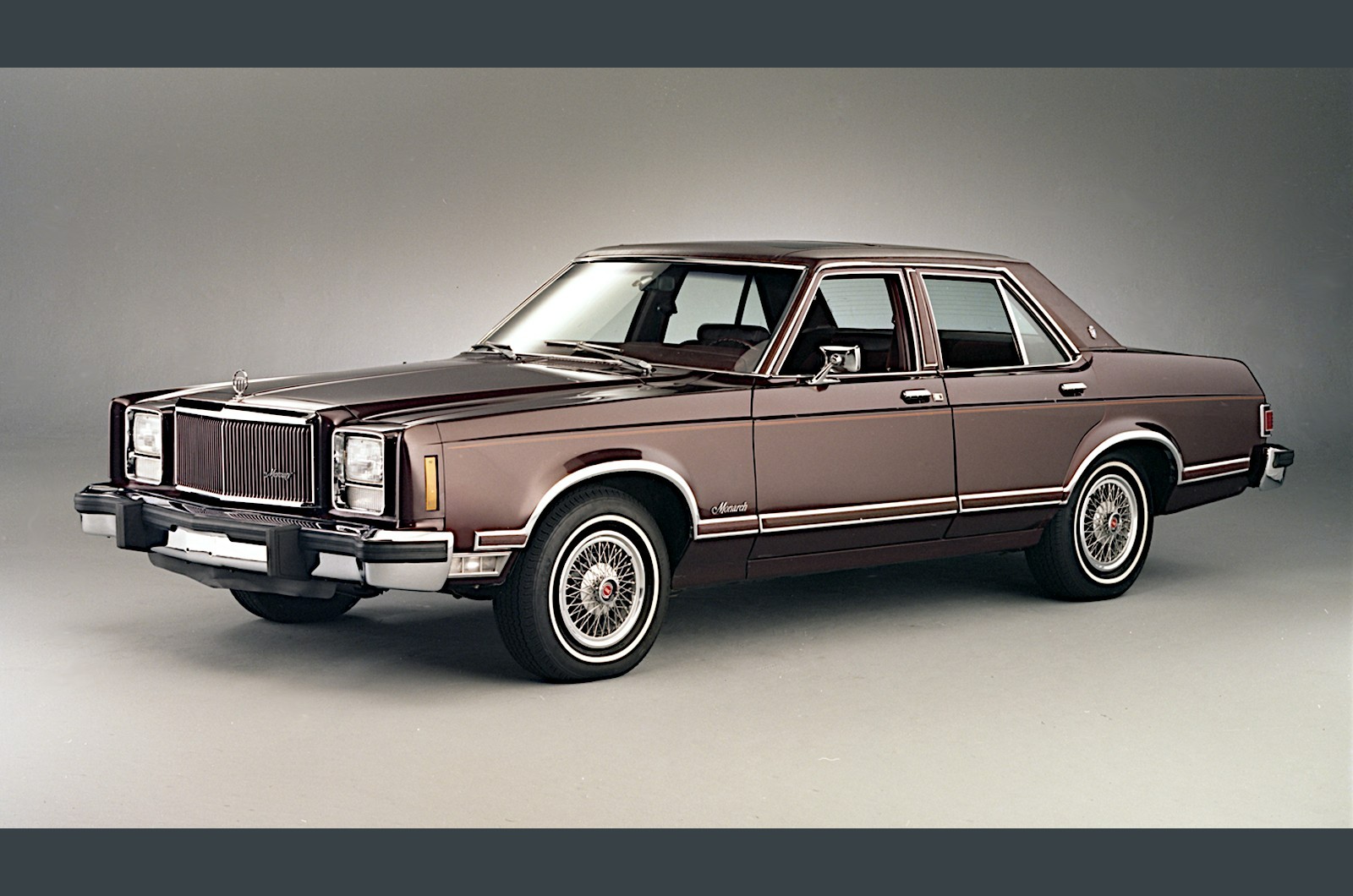
This highest-trim version of the Mercury Monarch luxury sedan offered upscale features in a compact, changing the long-standing American association with large cars and opulence. 60% Ford executives chose it as their personal car, including Henry Ford II.
The Grand Monarch Ghia was only produced for two years, after which it was badge engineered as the Lincoln Versailles. Unlike its Mercury counterpart, the Versailles was highly controversial and not well received, forever clouding the memory of the Grand Monarch Ghia.
Chrysler Cordoba
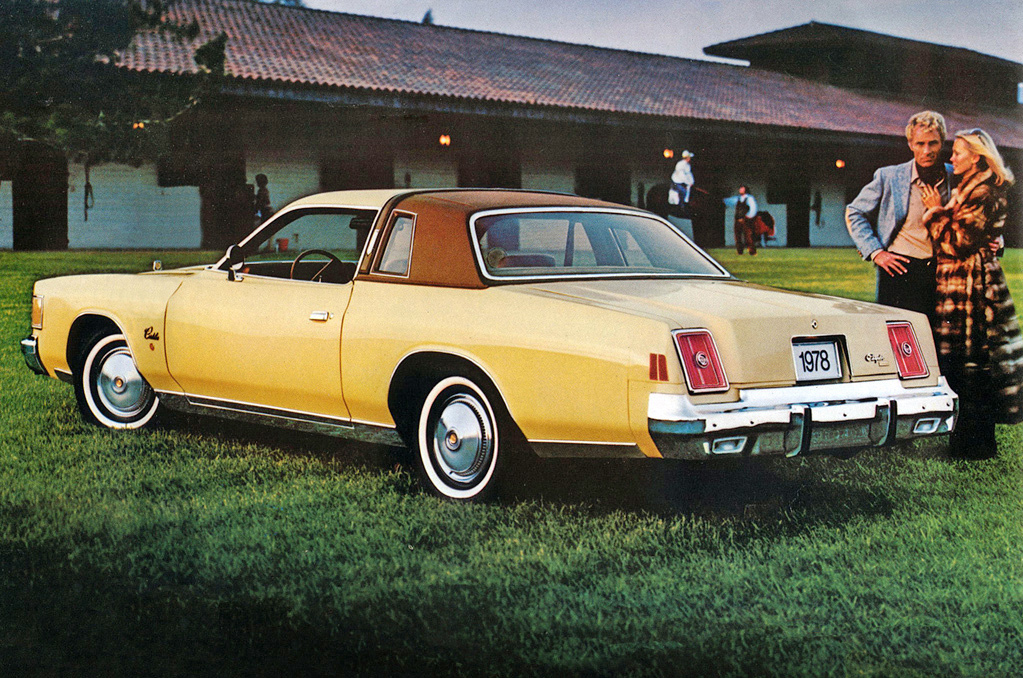
The Chrysler Cordoba peaked when Ricardo Montalban touted its “soft Corinthian leather” in a famous TV commercial. The Mexican actor’s alluring pronunciation was the subject of much imitation over the next few years, but the car itself, although a successful model at the time, is not well remembered these days.
This personal luxury car was produced from 1975 to 1983, and apart from its rich Corinthian leather, also featured opera windows and a long stylish hood, underneath of which was a standard V8 engine and a smooth-shifting automatic transmission. The Cordoba, like many other cars of the mid 70s and 80s, is often forgotten, as it was produced at a time when American cars were known for being over-large and fuel-inefficient, and not very well-made too. Still, the Cordoba deserved better.
Pontiac Phoenix
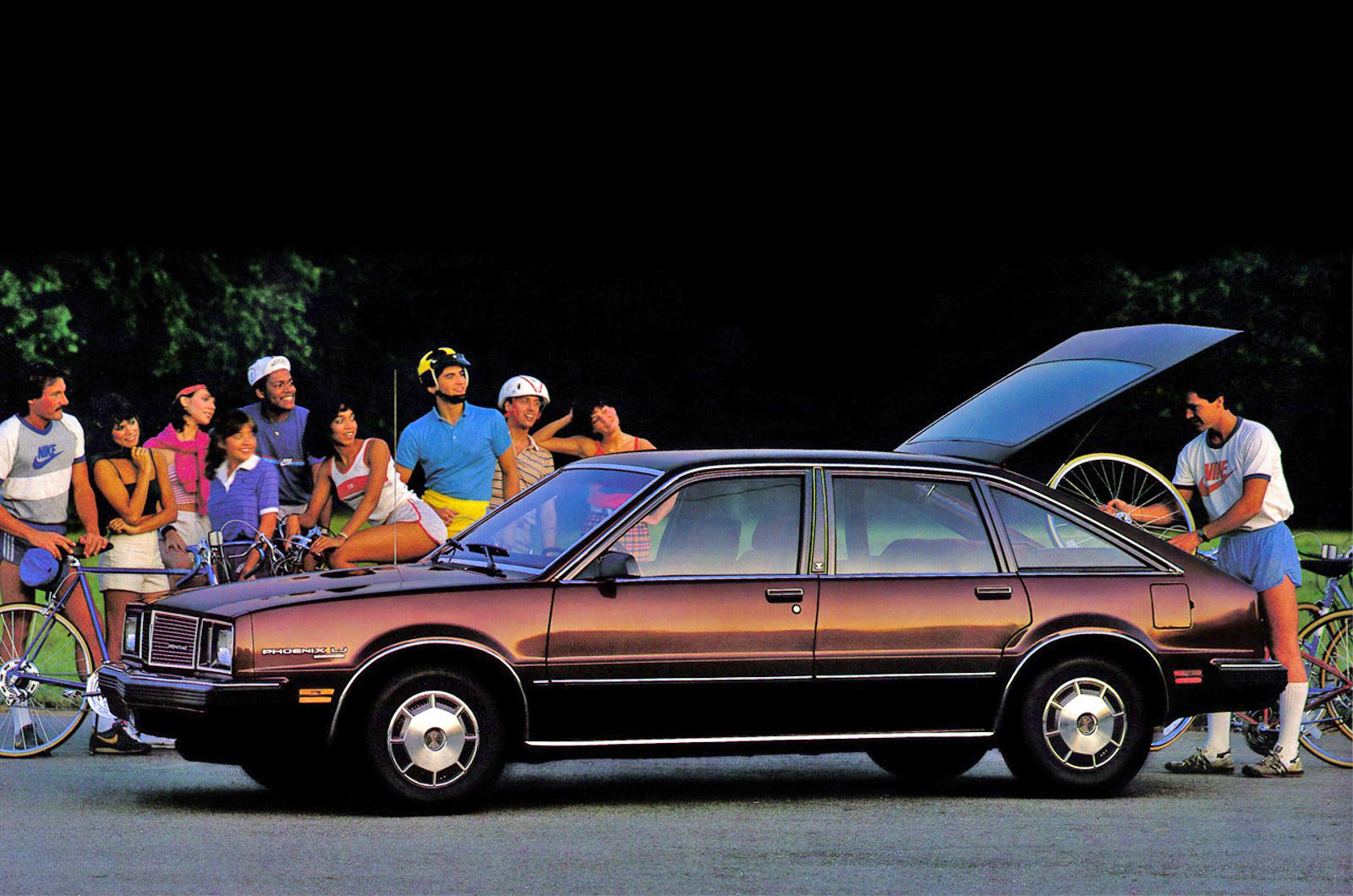
Introduced in 1977, the Phoenix provided a great blend of style, reliability, and comfort. At least, this was the case for the Mark I Phoenix, which was based on the Pontiac Ventura. It also offered some great performance options and powerful engines, including the 140 hp LG3 V8.
The Mark II unfortunately marred the badge’s good name, with multiple recalls ruining the Phoenix’s reputation. It was replaced after five years by a revived Grand Am.
Imperial by Chrysler
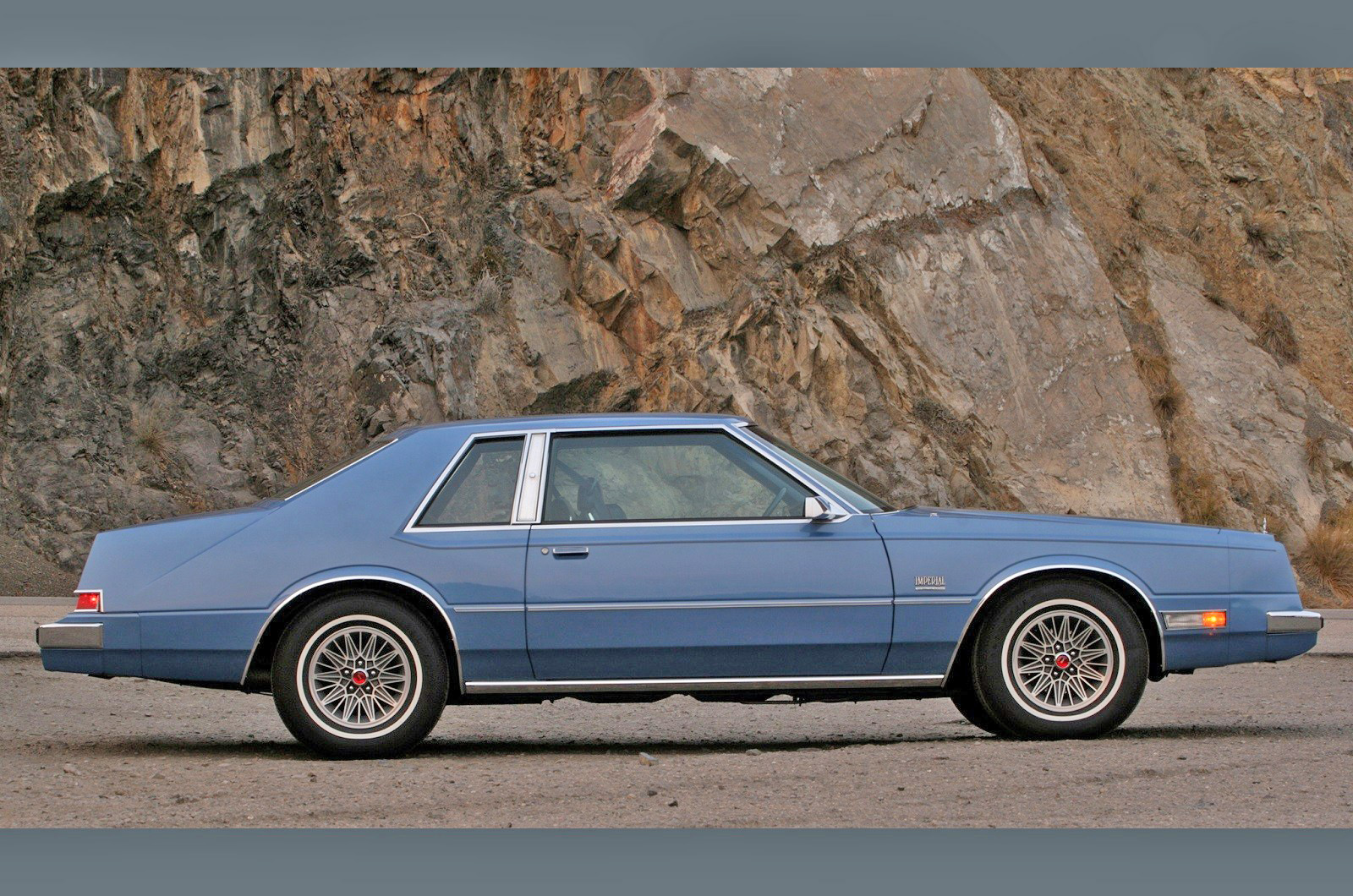
After a long hiatus, the top-of-the-line Imperial marque was revived in 1980, this time without the Chrysler name attached to it. The Imperial was a more compact personal luxury car for the new decade, complete with luxurious features and a distinctive bustle-back styling reminiscent of classic Rolls-Royces.
The Imperial even had Frank Sinatra as its spokesperson, with the special “fs” trim bearing his initials. It was a good car, but released at entirely the wrong time, right in the midst of an economic downturn and soaring gas prices. The Imperial was only produced from 1980 to 1983.
Ford EXP Turbo Coupe
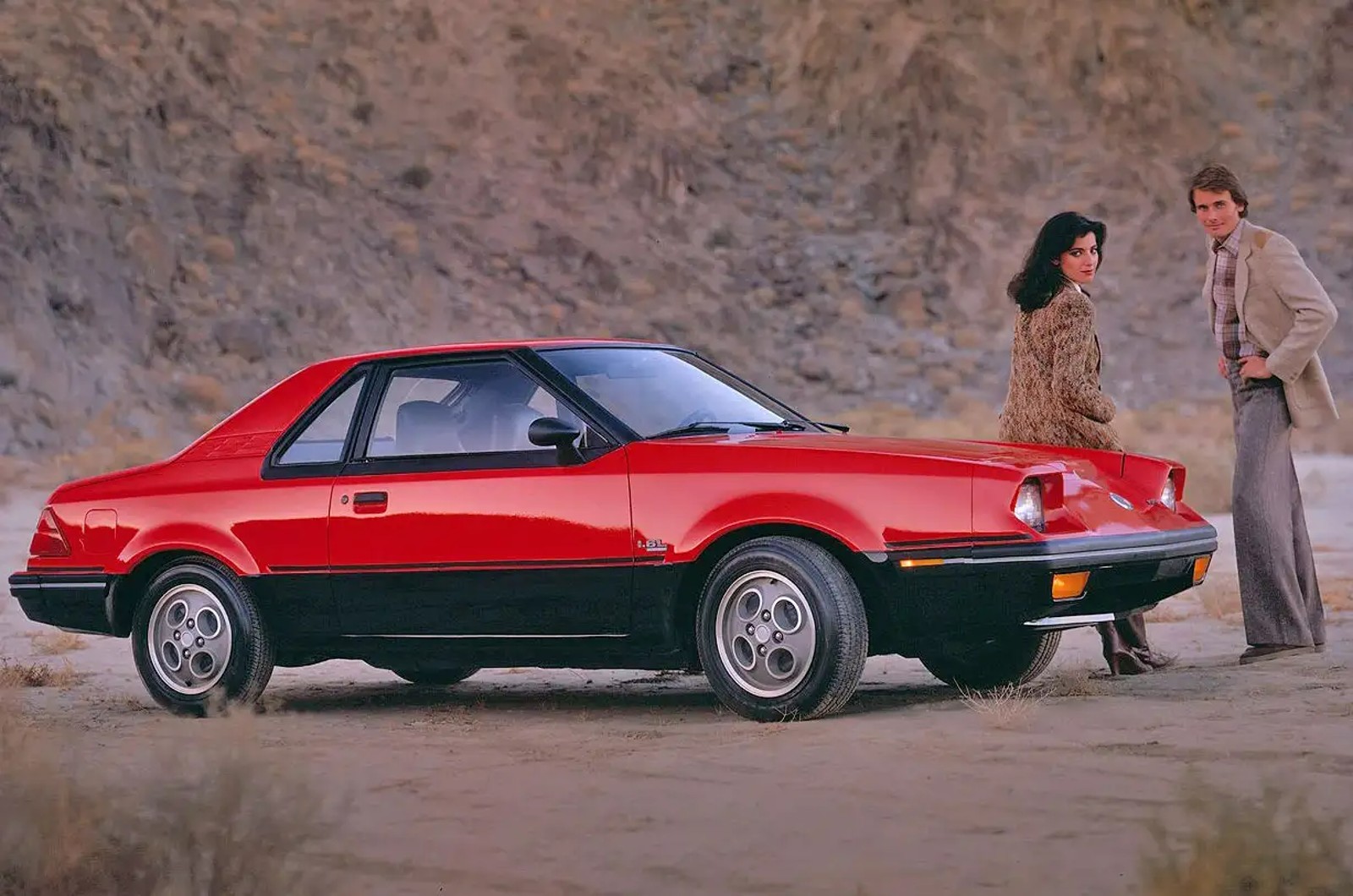
To date, the EXP is the last two-seater compact car that Ford has ever produced in the US. Available for the 1982 to 1988 model years, the EXP was a distinctly styled sports coupe based on the Escort. Its headlight design was inspired by the Mk1 Thunderbird.
While the base model was a bit underpowered, the turbo version bumped the output up to 120 hp and 120 lb-ft of torque. While this made it a fun little car, the EXP Turbo was never as popular as imports like the Honda CR-X or even domestic competitors like the Pontiac Fiero. Couple that with its short production run, and it's no wonder the EXP is largely forgotten and under-appreciated.
Dodge Lancer Shelby
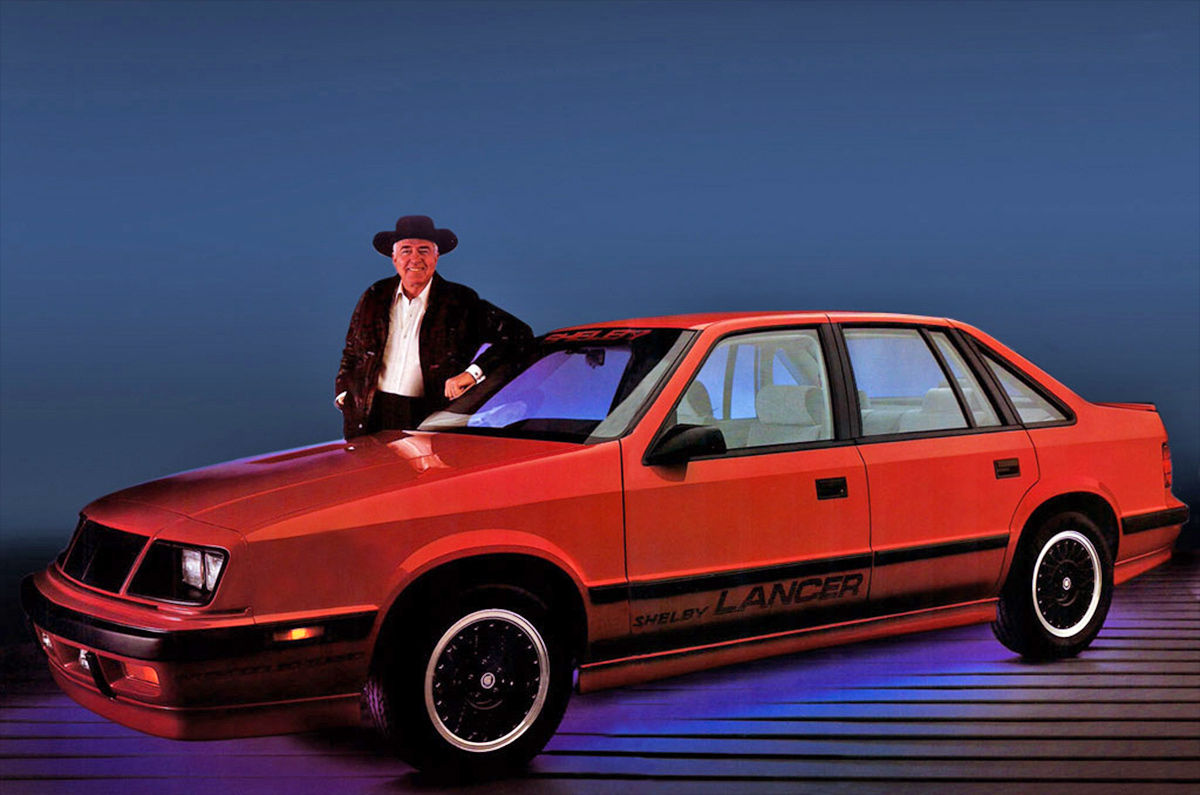
Not to be confused with the Mitsubishi model, this Dodge compact car produced from 1985 to 1989 was essentially a rebadged version of the Chrysler LeBaron GTS. However, the Lancer had a few performance variants that set it apart. The most notable of these was the Shelby performance package.
800 Dodge Lancer Shelbys were produced at the Shelby factory, followed by 487 more once Chrysler took over their production in 1988. These upgraded compacts featured shorter springs, quicker steering, upgraded sway bars, and comfort features like leather seats and a CD player. The upgraded Turbo II engine put out 175 hp. Here’s Carroll Shelby himself promoting the model, which deserves to be better remembered today.
Chevrolet Beretta
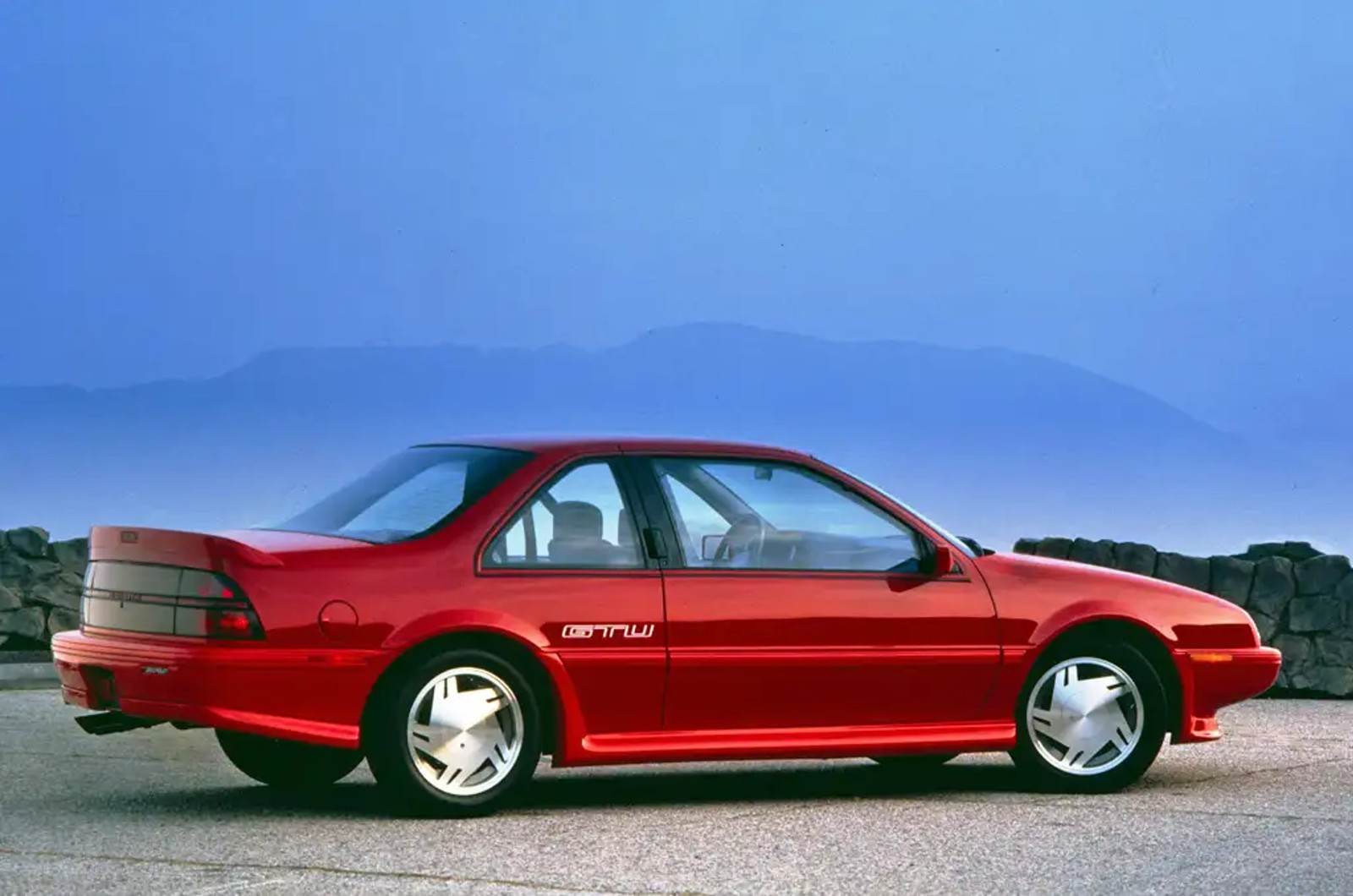
You wouldn’t expect a two-door budget coupe to be designed in the same studio as the Camaro and the Corvette, but that’s exactly the case with the Chevrolet Beretta. The GTU, GTZ and Z26 Models of this sporty compact car were known for their modest performance. It was even the official pace car of the 1990 Indy 500.
The Beretta’s sales figures weren’t bad either, with 1988 being by-far the best year for the car. However, the Beretta is simply not as collectible or memorable as other cars of the era, and is forgotten from many people’s minds.
Eagle Premier
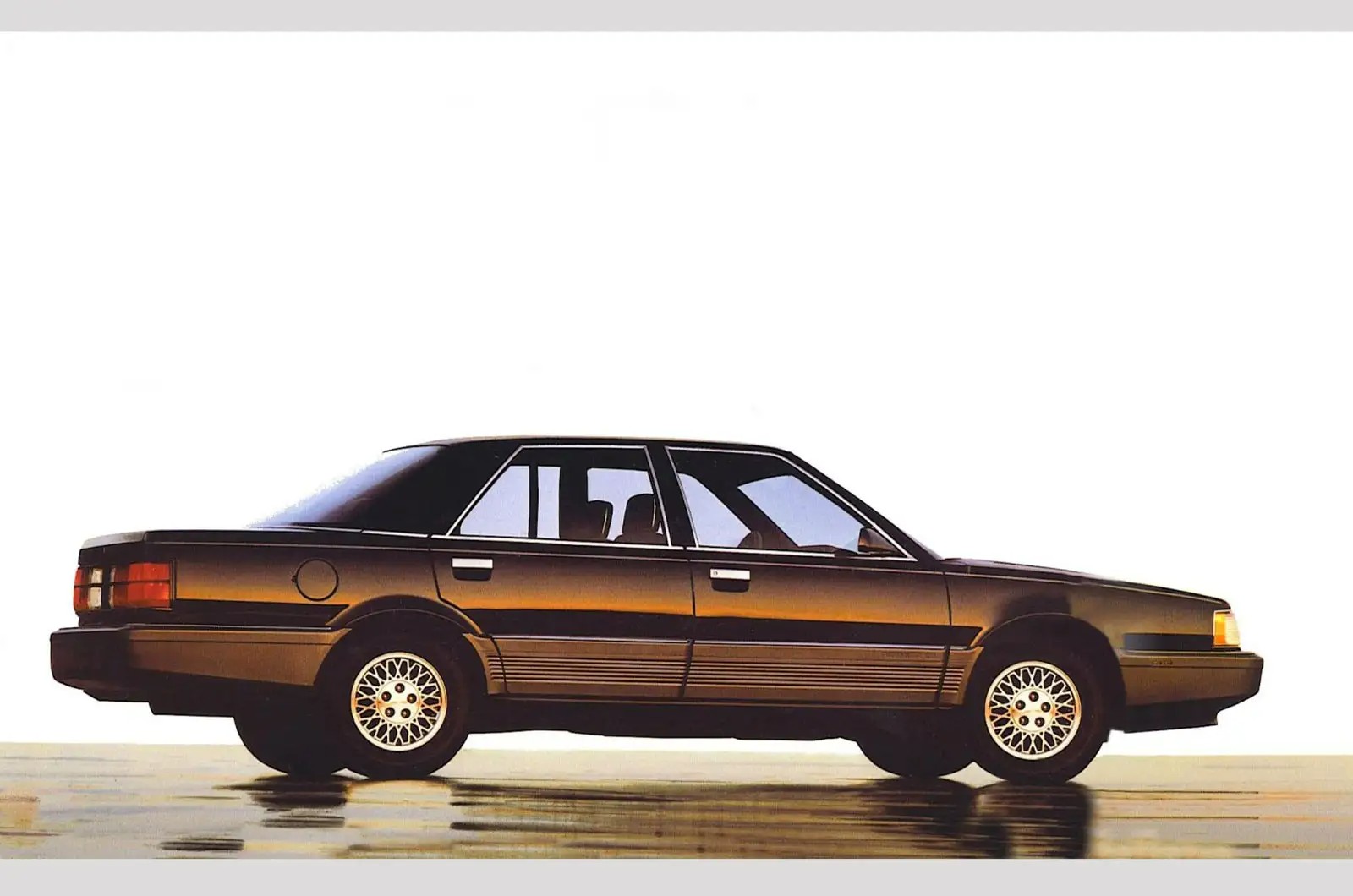
The Premier was the final offspring of the collaboration between AMC and Renault, and was sold under the new Eagle marque after Chrysler’s acquisition of AMC in 1988. Like all the offerings from the short-lived Eagle brand, the Premier is not well-remembered today. Yet, it is a historically significant car, as the last model with roots in AMC.
This elegant and understated car featured an incredibly spacious interior as well as a number of advanced features. Among them were automatic variable-speed windshield wipers that detected the amount of rain.
Buick Reatta
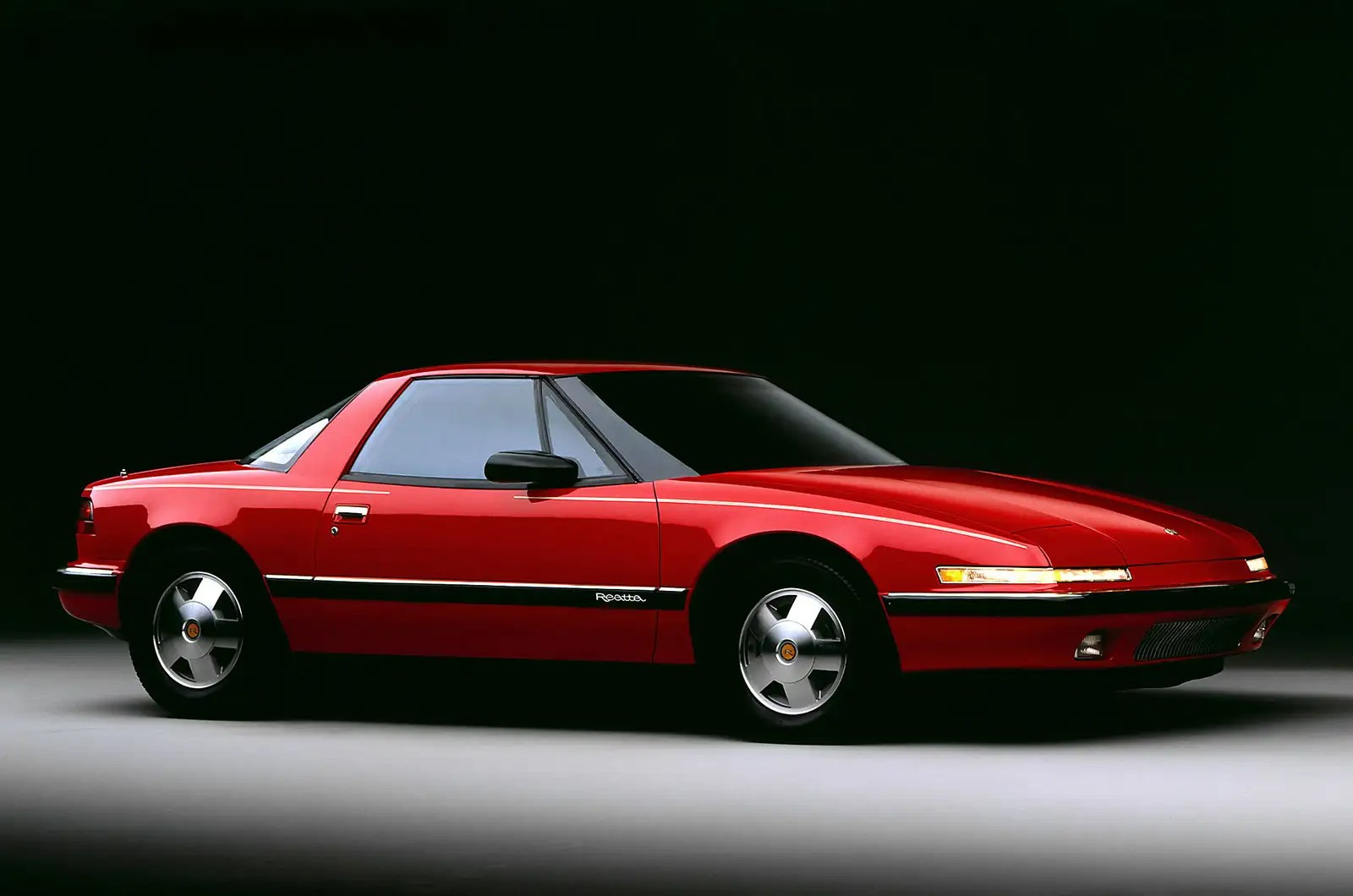
GM had a nice run of sporty two-seaters in the late 80s and early 90s with the Pontiac Fiero and Cadillac Allante. Buick’s contribution was the Reatta, a zippy GT produced from 1988 to 1991. The Reatta featured some of the signature features of the 1980s, such as pop-up headlights and a digital dashboard, not to mention Bose surround sound.
However, many would-be customers flocked to its sister-brand competitors or to foreign imports like the Lexus SC. While Buick had initially intended to sell 20,000 Reattas annually, it only sold slightly more than that over its entire four year run.
Dodge Spirit R/T
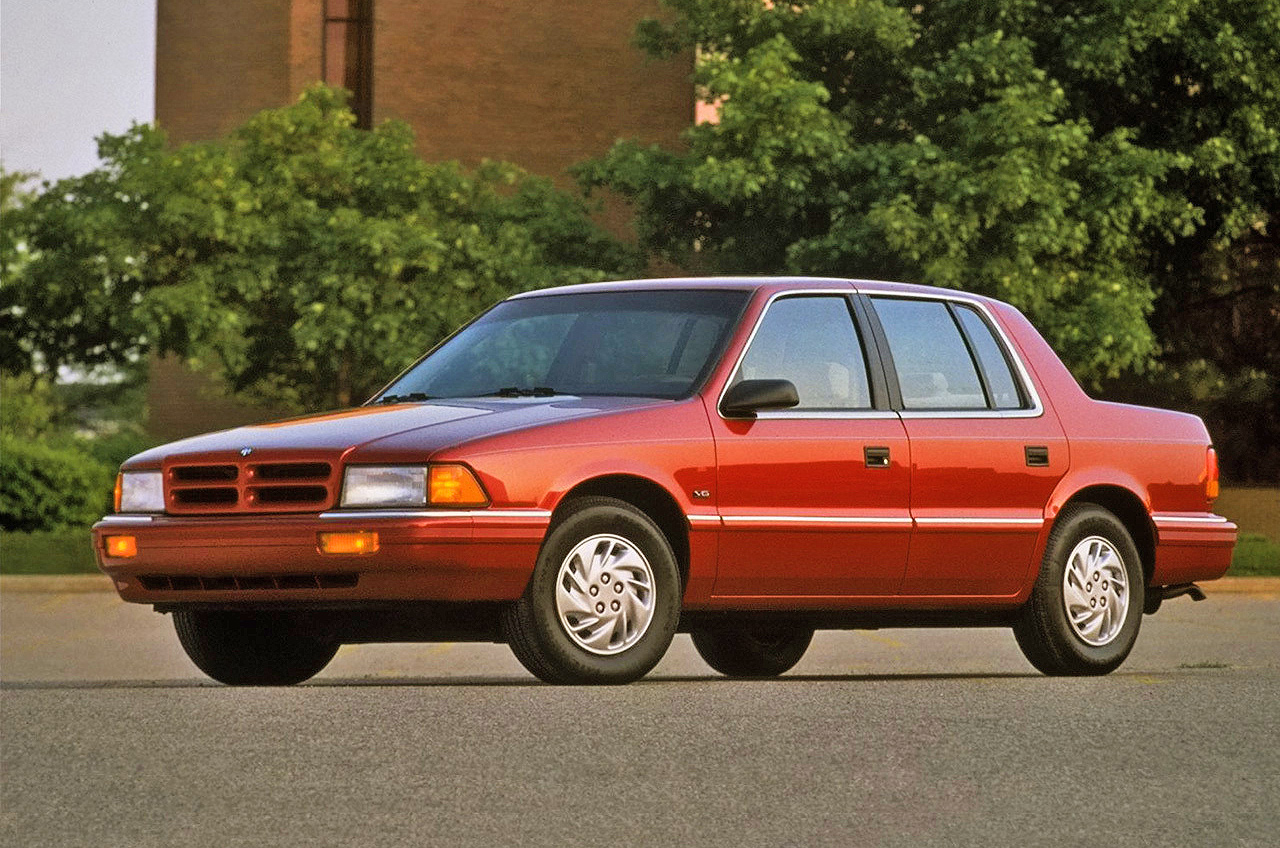
The R/T of 1991 was marketed as “the fastest sedan made in America” for good reason. Its turbocharged 2.2-liter engine designed by Lotus produced 224 hp and 217 lb ft of torque.
The Dodge Spirit was only available as the R/T for two years, which was hardly enough time for the sedan to leave a mark. It was also much more understated than competitors like the BMW M5.
Vector W8
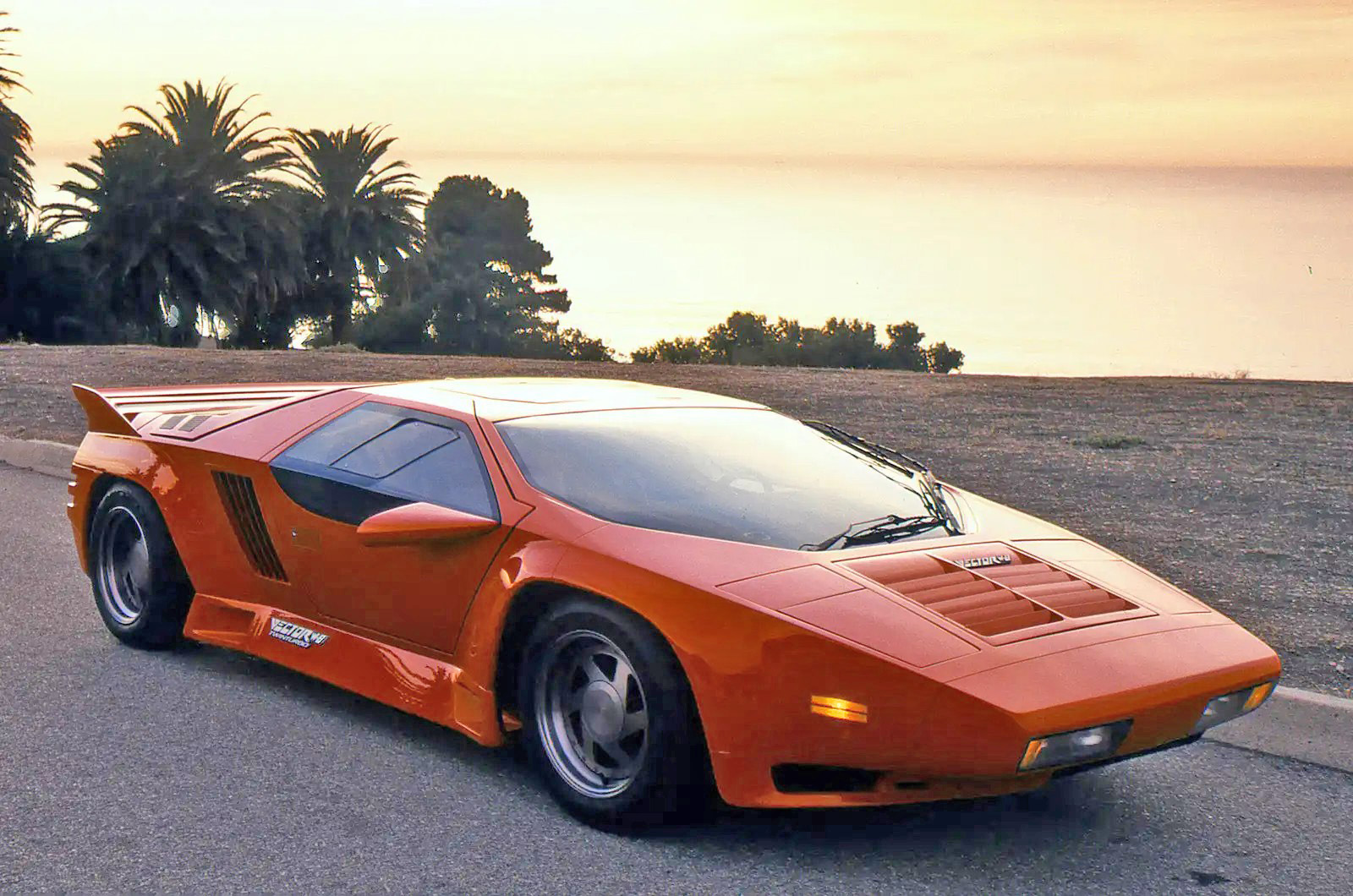
Vector Aeromotive introduced the stunning W2 concept in 1978, but it would be more than 10 years until a production version was finally available. 22 examples of the W8 were produced from 1989 to 1993.
The W8 was a futuristic dream, complete with aircraft-style controls, lots of carbon fiber and kevlar, and the coupe-de-gras, a twin-turbocharged V8 producing over 600 hp, and it reportedly once clocked 242mph at Bonneville. Unfortunately, its limited production run and unreliability led it to obscurity.
GMC Typhoon
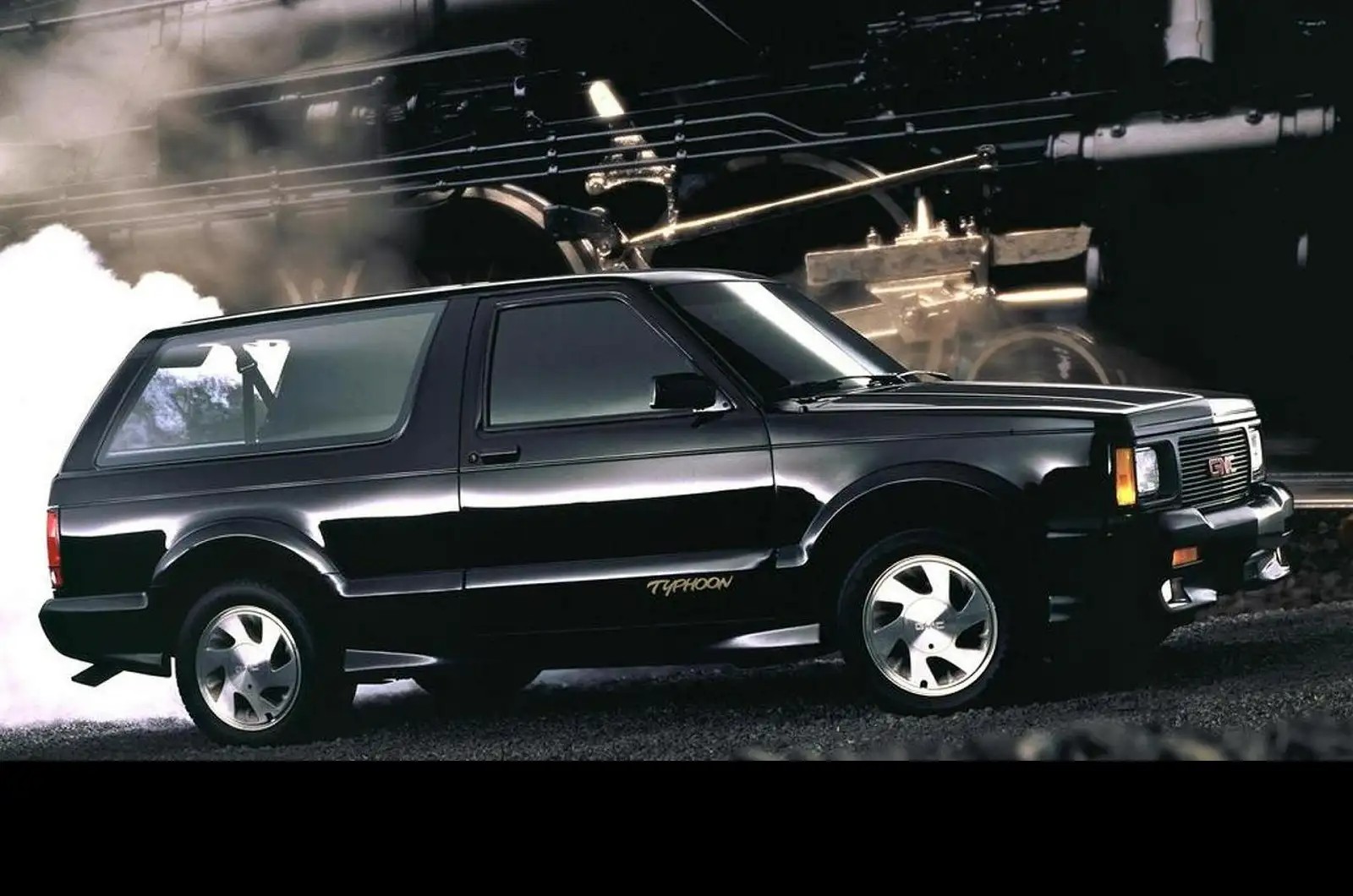
Boxy performance SUVs are all the rage nowadays, which is why the GMC Typhoon deserves a comeback. After all, it ticks all the same boxes as a Ranger Rover — plush interior, AWD performance, great handling, and an impressive 0-60 time of 5.3 seconds.
Underneath, the Typhoon is essentially just a GMC Syclone pickup with an SUV body kit and a turbocharger. It was only in production for two years, with a total of 4697 units, which is why they are both rare and obscure these days.
Eagle Vision
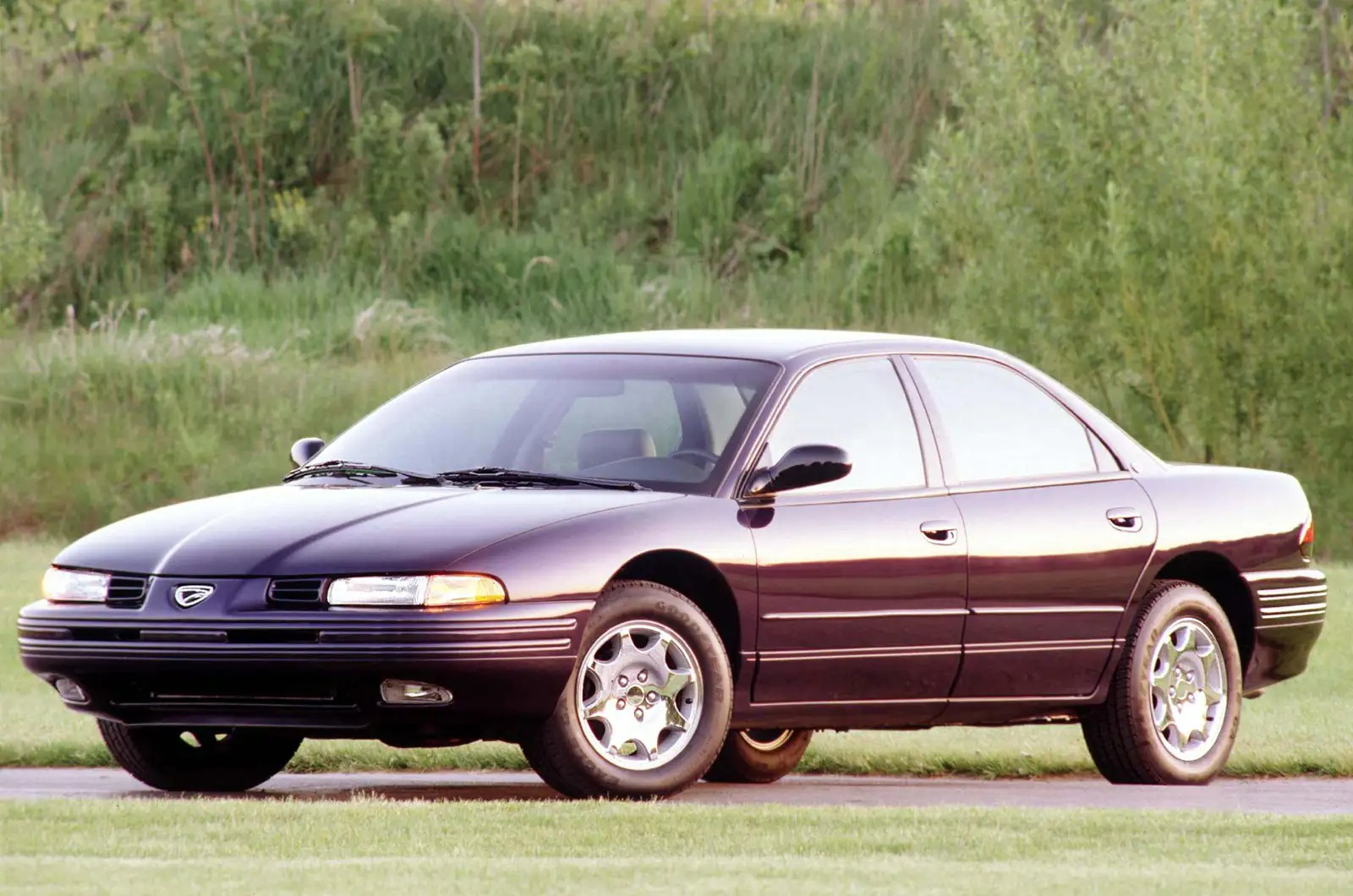
After Chrysler’s acquisition of Lamborghini, the company made the interesting decision to manufacture a sedan inspired by the innovative “cab forward” design of the Lamborghini Portofino concept. What followed was the Eagle Vision, a full-size luxury car available from 1992 to 1997.
The Eagle Vision not only had a spacious interior due to its design, but it also featured European-inspired suspension and a powerful 3.5-liter V6 engine. The Eagle brand was short-lived, and the Vision is largely forgotten today.
Oldsmobile Achieva SCX
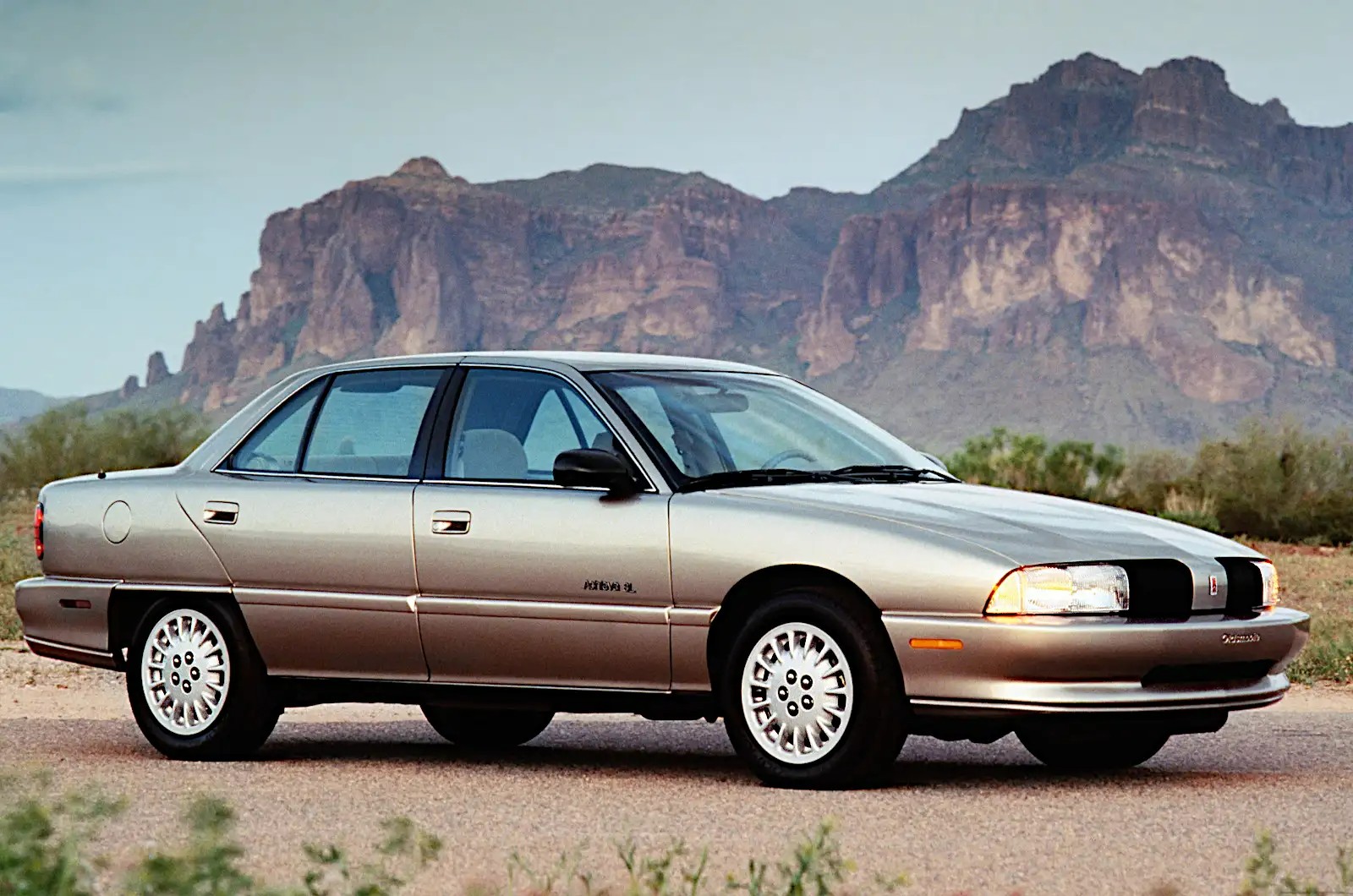
Oldsmobile always had a hard time balancing their image between sensible family offerings and high-octane performance. The Achieva SCX was one of the times that Oldsmobile got it right. During its production from 1992 to 1998, the Achieva SCX was the most powerful and best handling compact car in Oldsmobile’s lineup. It featured performance modifications such as wide tires, aluminum wheels, upgraded suspension, and a naturally-aspirated inline four pushing 190 hp.
This was enough to make the SCX competitive in the SCCA Grand-Am World Challenge and IMSA Firehawk. These days, the Achieva is relegated to “grandma car” in most people’s memories, like most of Oldsmobile’s other 90s offerings.
Ford Contour SVT
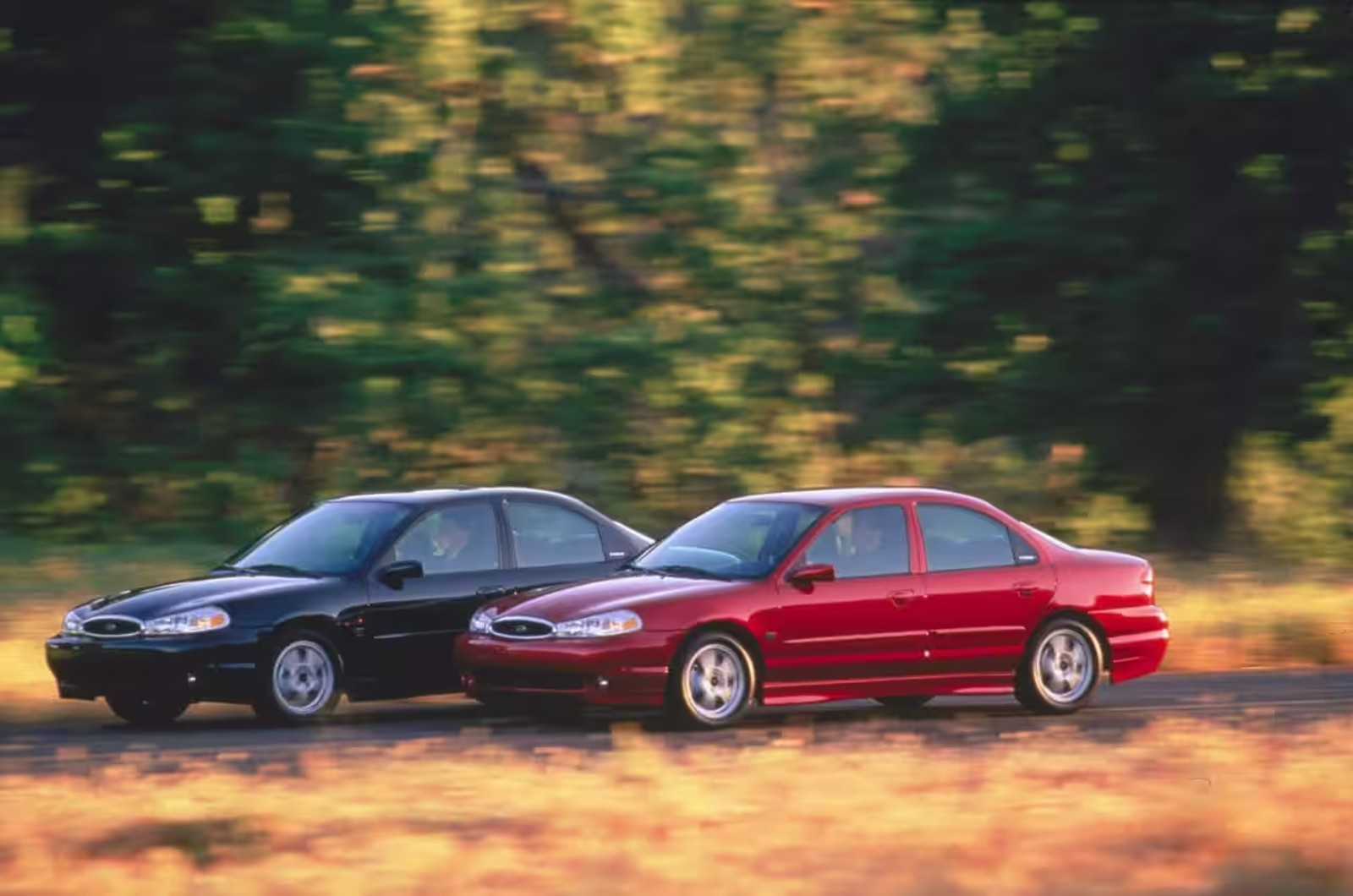
Produced from 1998 to 2000, this high-performance variant of the Contour sedan, developed by Ford’s Special Vehicle Team, featured a specially turned 2.5-liter V6 engine and sport suspension. The upgrades allowed the Contour SVT to churn out 195 hp and reach 60 mph in 7.5 seconds. What’s even better, it was only available as a 5-speed manual.
The contour was never a big sales success. Consequently, not many people have heard of the Contour, let alone the SVT version.
Saleen S7
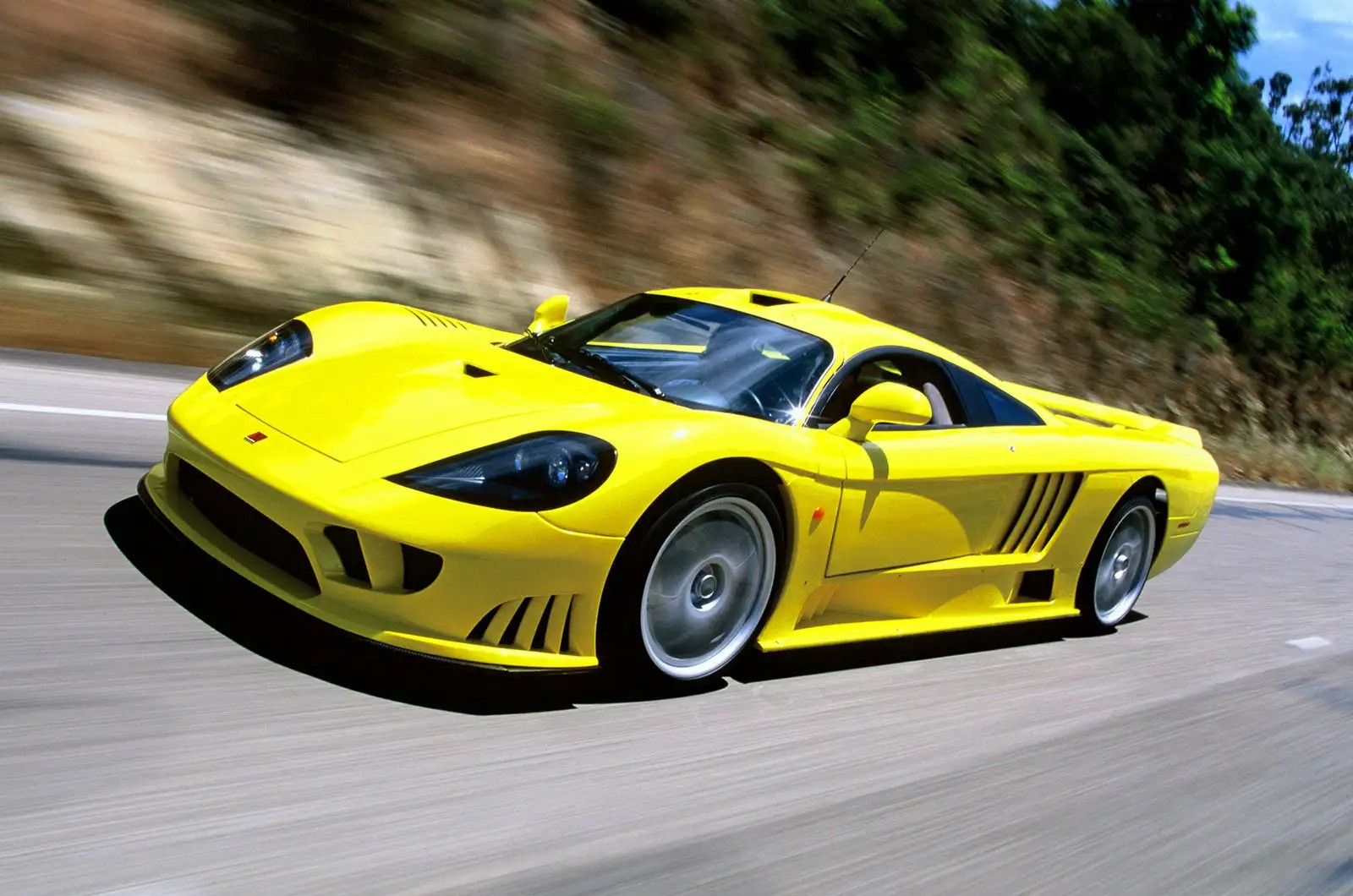
This hand-built supercar was debuted in 2000 by Saleen Automotive Inc. The S7 features a lightweight chassis made from aluminum and carbon fiber, along with a 7.0-liter V8 engine producing 550 hp. Later models produced up to 750 hp and a top speed of 248 mph.
While the Saleen S7 was a great example of American supercar engineering, and deserves to be remembered for its world-class performance and striking design, it has unfortunately been overshadowed by better established supercar brands.
Commuter Cars Tango T600
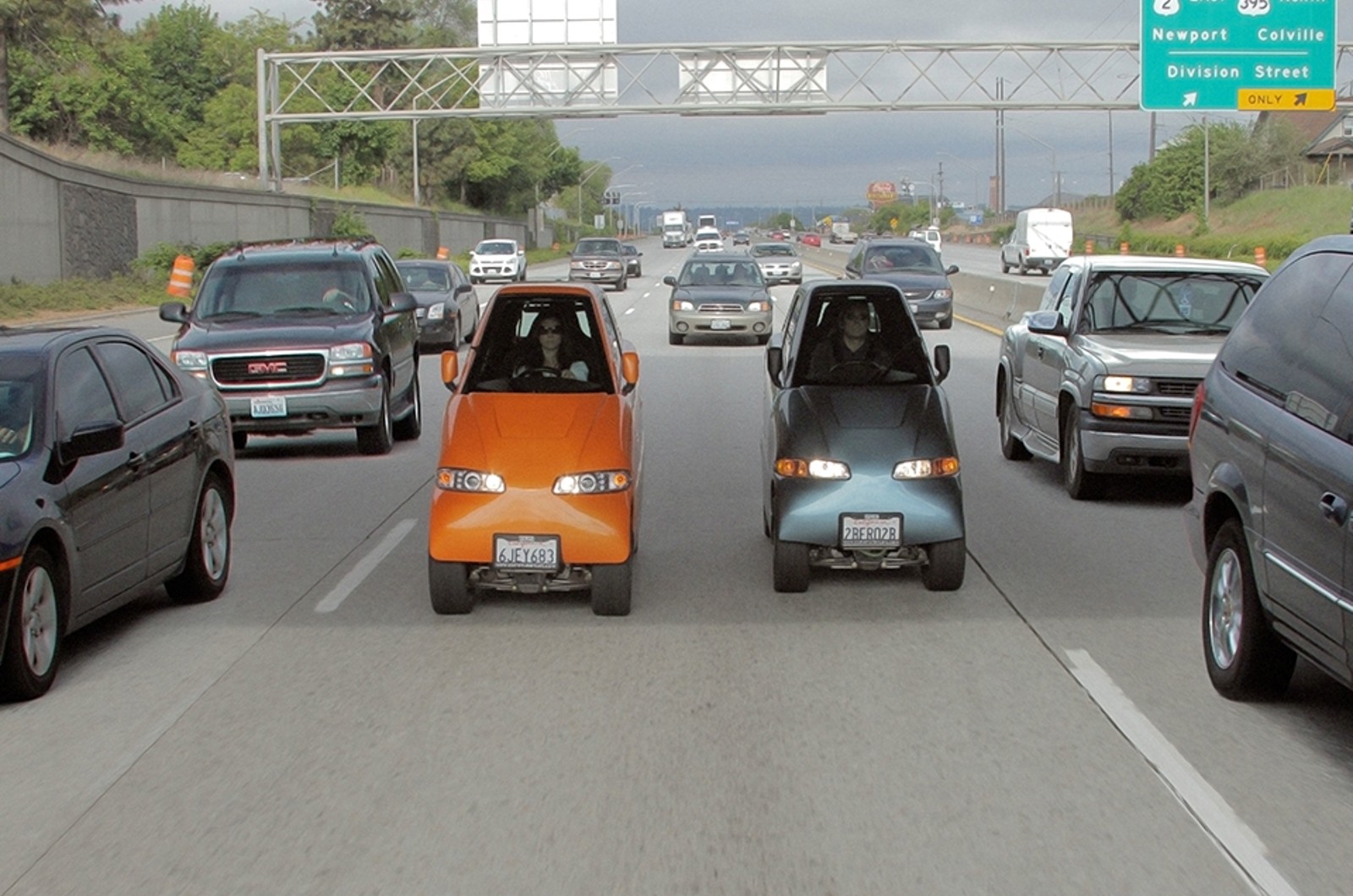
An 800 hp machine, accelerating from 0-60 in 3.2 seconds, and a top speed of 150 mph. Bet you didn’t see that coming from this ultra-narrow electric microcar. Only 12 units of the Tango T600 were ever made, with George Clooney becoming the first owner of one back in 2005. Despite the high-profile customer, the Tango never took off because of its high cost and lack of practicality, making it unlikely that you’ll be smoked by one of these any time soon.
Still, it deserves to be remembered for its insane performance stats, let alone its attempts at solving urban congestion.

Headlight Glare Spurs Public Outcry in Canada Despite Minimal Crash Impact, Forcing Regulatory Review

Sedan Demand Persists as Readers Urge Automakers to Reconsider Production Cuts

Denza Z Electric Supercar Challenges European Luxury with 1582bhp Performance and Strategic Market Entry
 Chinese rival to Maserati Grancabrio Folgore is an electric 2+2 roadster with huge power reserves
Specifications for the new Denza Z have been disclosed in Chinese regulatory filings, revealing the electric supercar will pack a huge 1582bhp.
The 2+2 roadster was previously revealed at the Beijing motor show as the BYD-owned luxury brand's new flagship.
Denza has said it will be capable of sprinting from 0-62mph in less than 2.0sec – as fast as the Rimac Nevera – and its top speed has now been revealed as 217mph.
The Z weighs 2650kg in soft-top form or 2580kg with a metal roof.
It will also be offered with a sporting package that adds a large rear spoiler and boosts the top speed from the standard 186mph to its full potential.
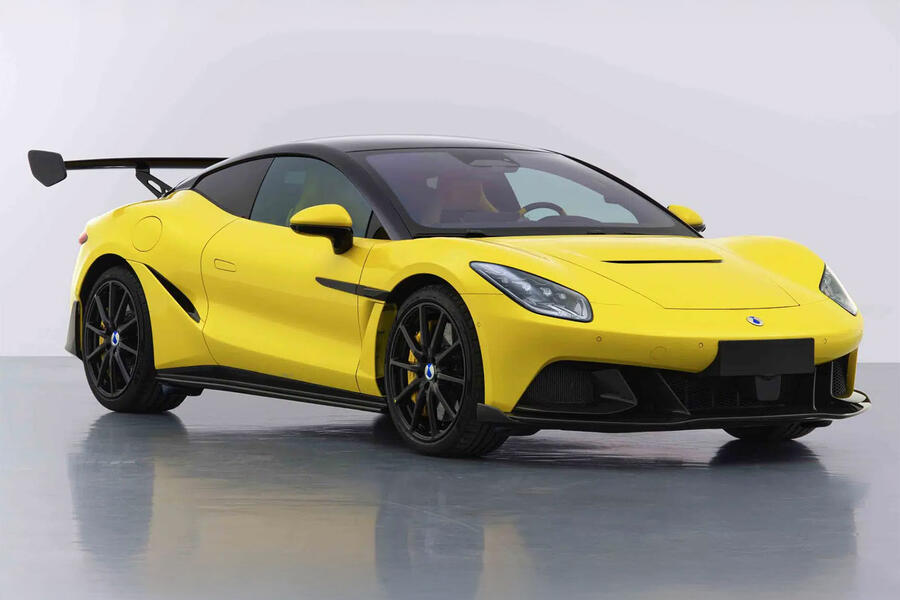
Shaped by BYD's chief designer Wolfgang Egger (whose previous works include the Alfa Romeo 8C Competizione), the Z remains true to the concept car that was shown in last year with smooth surfacing and a cab-forward silhouette.
Inside the show car's brightly decorated cabin, with turquoise and yellow upholstery, it departs from BYD convention in gaining a smattering of physical controls on the dash and squared-off steering wheel - including what look to be drive mode and suspension adjustment functions.
Exposed carbonfibre in the centre console and in the backs of the bucket seats further nod to the Z's sporting remit.
Unusually, Denza will launch the Z first in Europe, as it aims to establish a foothold for its fledgling premium brand in a market historically dominated by the British and German stalwarts, before starting sales in its home market.
The Z is powered by three electric motors (two on the rear axle, one up front). It is also equipped with a steer-by-wire system, four independently controlled electric motors and the same 'DiSus-M' magnetorheological suspension as the wild Yangwang U9 hypercar.
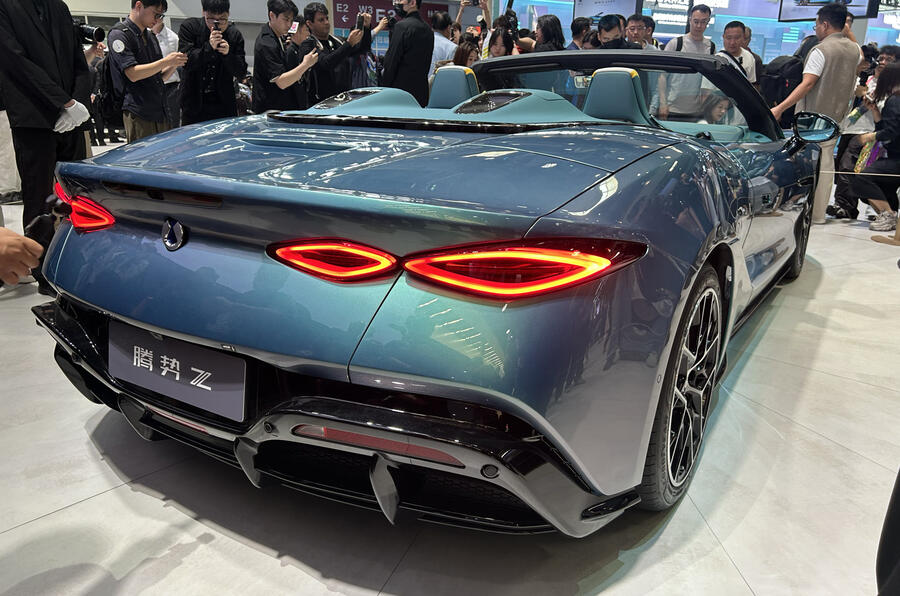
This will give the four-seater the same predictive damping technology that primes the chassis for upcoming changes in the road surface, but it's unconfirmed whether it will be able to jump into the air on command, like the U9.
Denza has yet to give a steer on pricing, but the Z's closest rival on paper would be the Maserati Granturismo Folgore, which starts at around £180,000.
The brand could look to undercut the established competition with its new super-GT, but it will naturally cost significantly more than the new Denza Z9 GT, which is tipped to start at around £100,000 when it lands in the next few months.

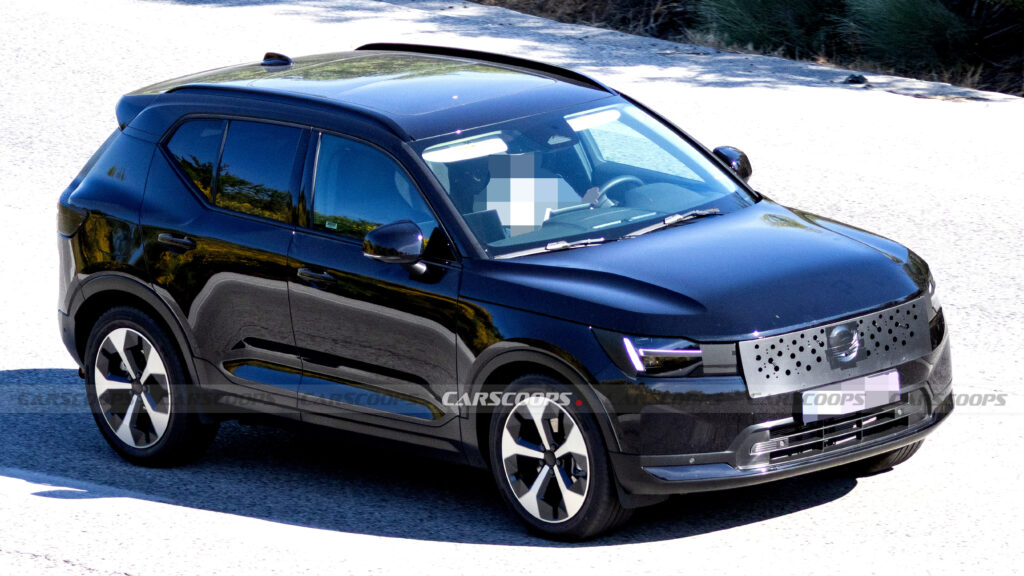
Volvo XC40 Second Facelift Signals Extended Lifespan and Dual Powertrain Commitment Amid Evolving Emissions...

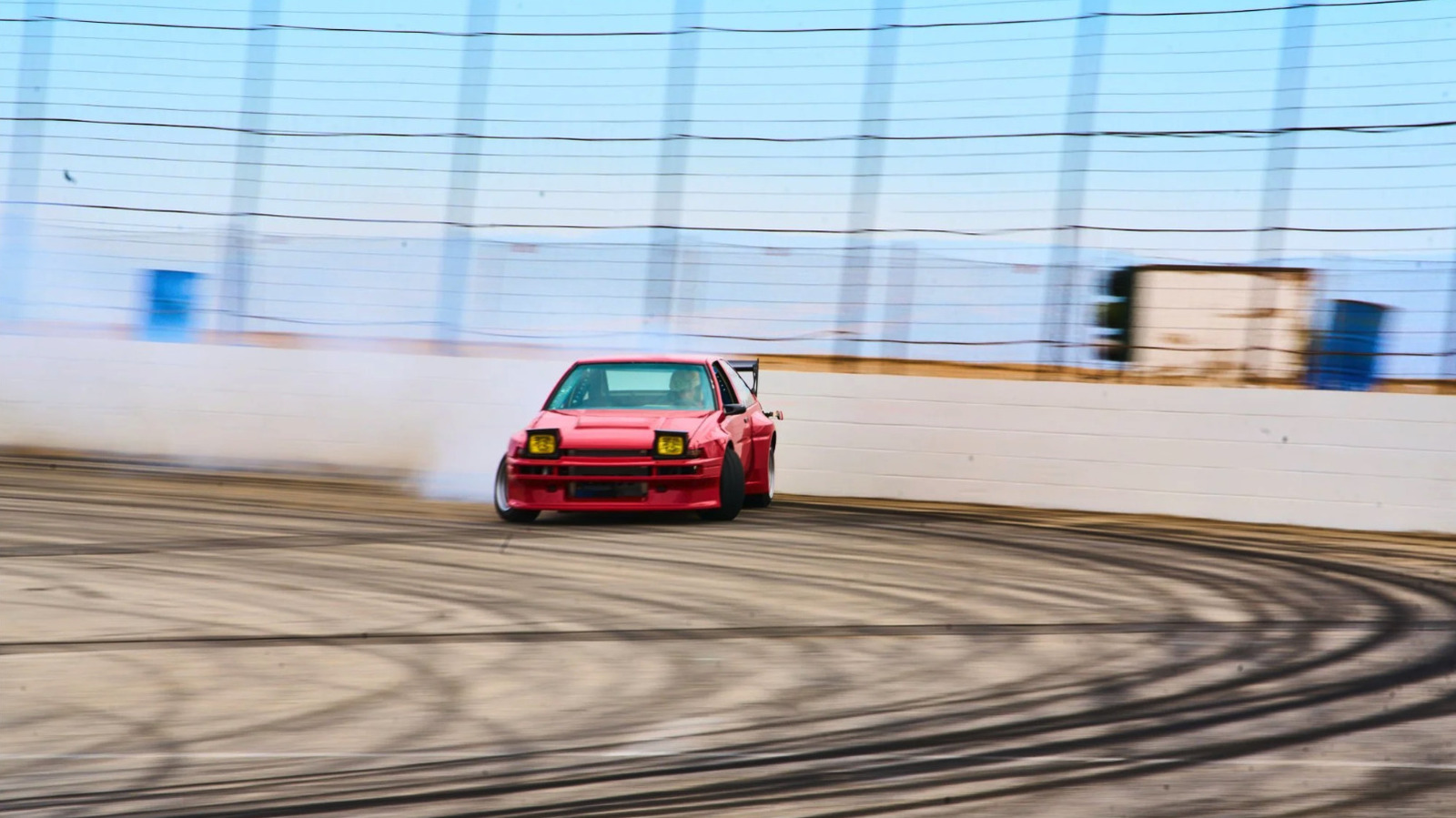
Sung Kang Reimagines Car Culture Storytelling in New Film Drifter

Defunct Car Brands and Their Defining Models Reveal How Innovation, Missteps, and Market Shifts...
 We take a journey into the finest model made by famous car companies that no longer exist
Times change, markets evolve and sometimes companies who rule the roost get a wheel stuck in a ditch and never recover.
Some of the brands who are no longer with us are gladly forgotten, while others left us wonderful memories of motoring days gone by. Join us as we look at some of the best cars built by car makers no longer around:
AMC: Eagle (1980)
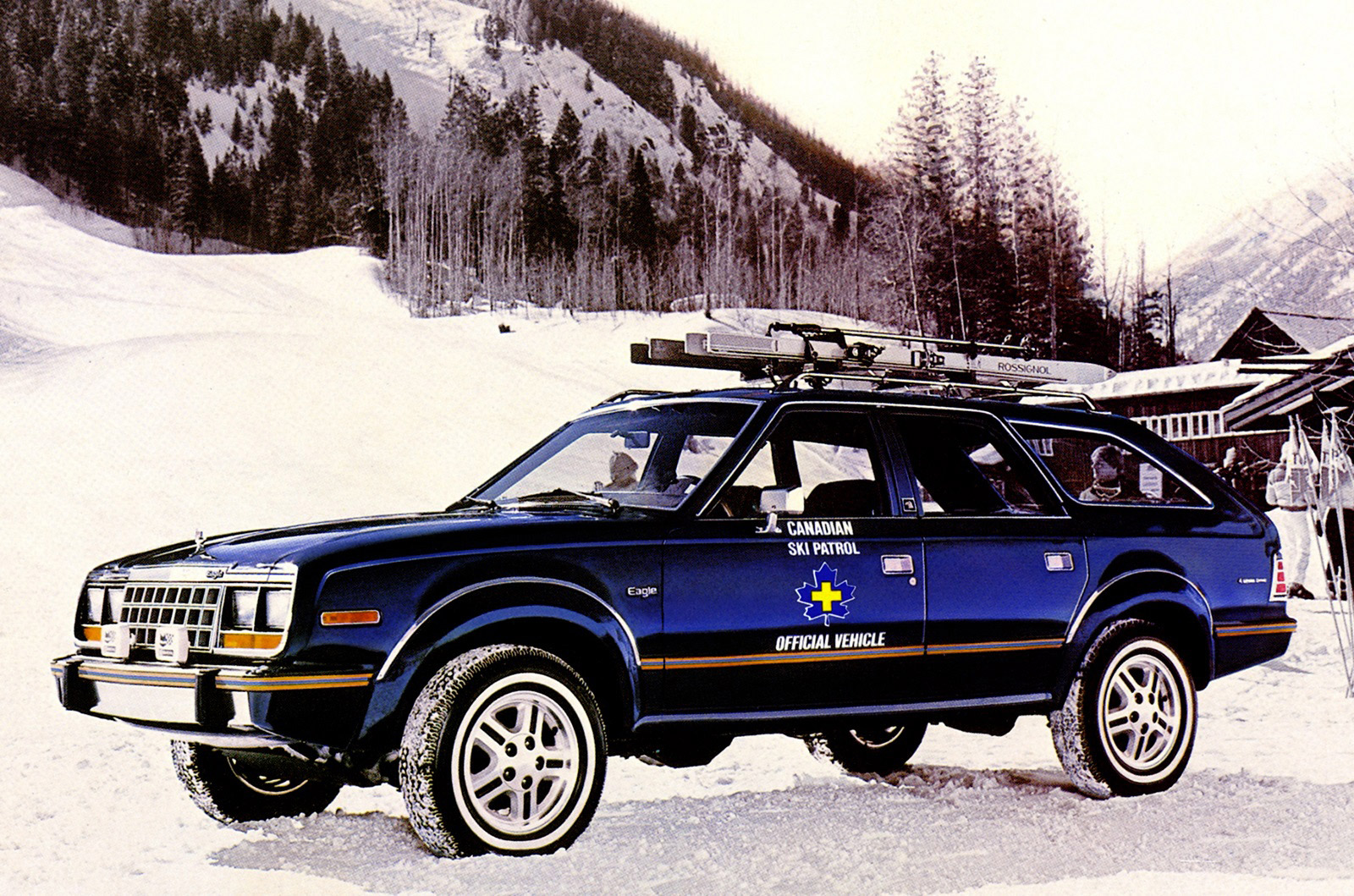
This was a family car on stilts which relied on serious four-wheel drive hardware and ample ground clearance to tackle tough trails and knee-deep snow. In many ways, the Eagle was the modern crossover’s predecessor. Have you noticed the rising popularity of SUV-coupes? AMC did it first with the Eagle SX/4 (next picture), and it had two doors like a proper coupe should.
So what happened to AMC?
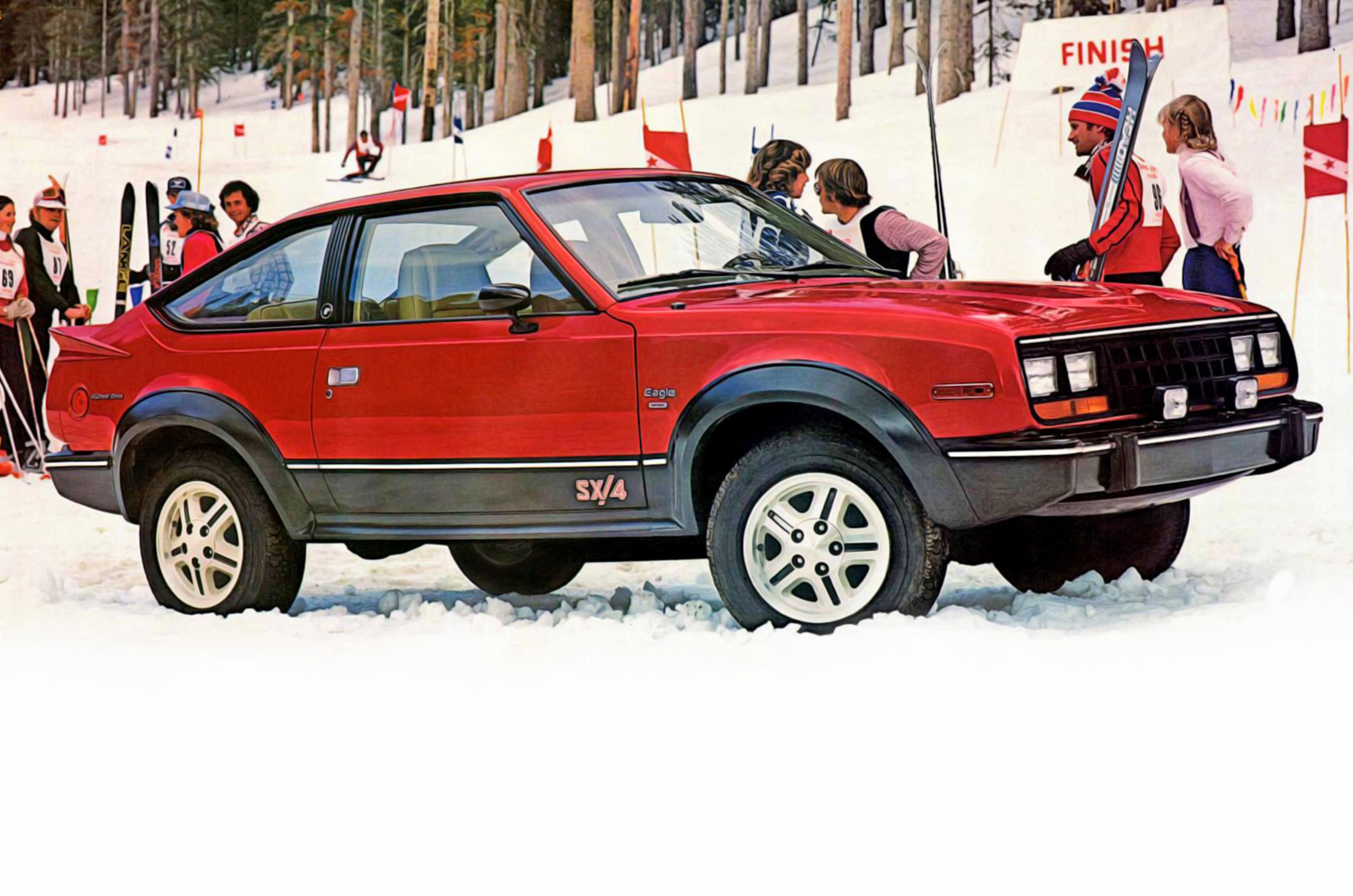
The company was bought by France’s Renault in 1979, but AMC’s range of mostly smaller cars suffered as fuel became relatively cheaper during the 1980s. Renault CEO Georges Besse - who championed AMC - was murdered in 1986 by terrorists, and his successors lost interest and sold the firm to Chrysler in 1987, when the AMC badge came to an end.
Amphicar: Model 770 (1961)
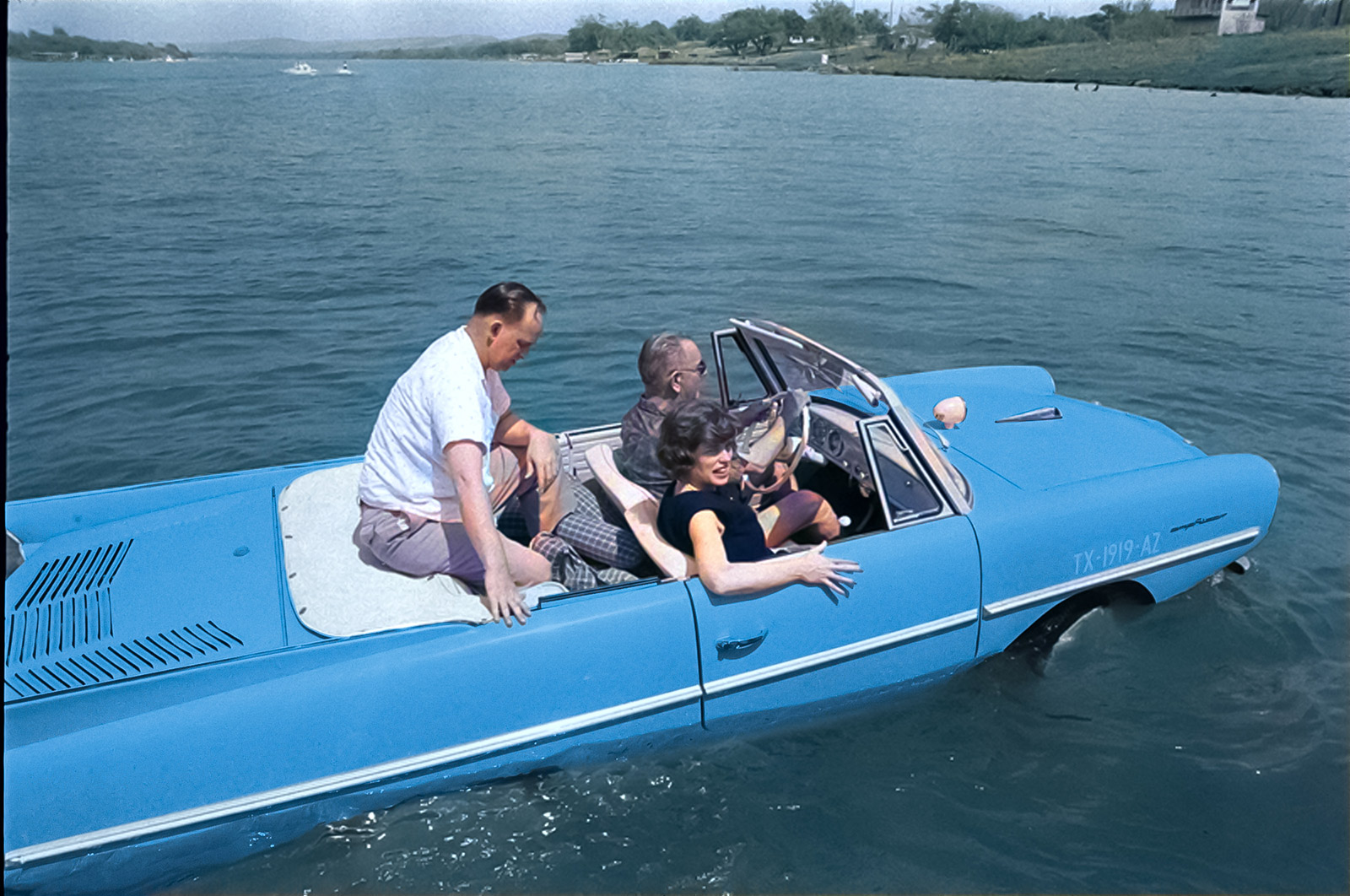
Launched in 1961, the Amphicar Model 770 was a boat-car hybrid with no direct rivals. Its rear-mounted, Triumph-sourced four-cylinder engine spun either the back wheels or a pair of plastic propellers visible beneath the rear bumper, while the front wheels steered it regardless of whether it was traveling on land or on water. It was surprisingly versatile and, thankfully, completely watertight.
Most were sold in the United States, including one to President Lyndon Johnson (pictured) , who used to pretend to unsuspecting visitors that his brakes had failed as he drove into a lake at his ranch in Texas.
So what happened to Amphicar?
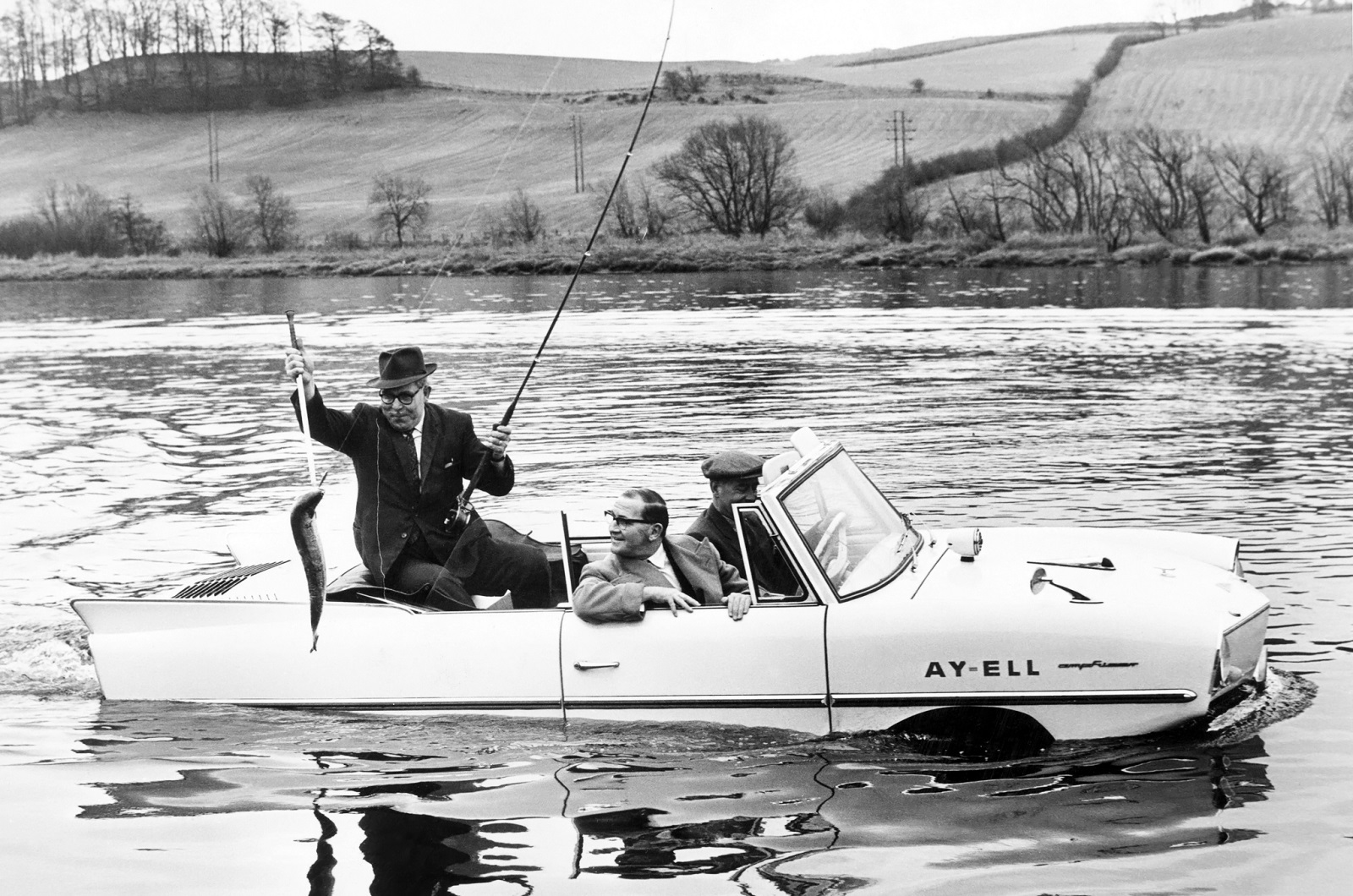
The niche the Model 770 landed in was too small to keep Amphicar financially afloat. Production ended in 1967 after about 4000 units were built in West Germany by a company owned by the Quandt family, better known for their large stake in BMW.
Amphicar chose not to stay in the car industry after it axed the Model 770. To date, no other company has offered a series-produced amphibious passenger car.
Austin-Healey: 3000 (1959)
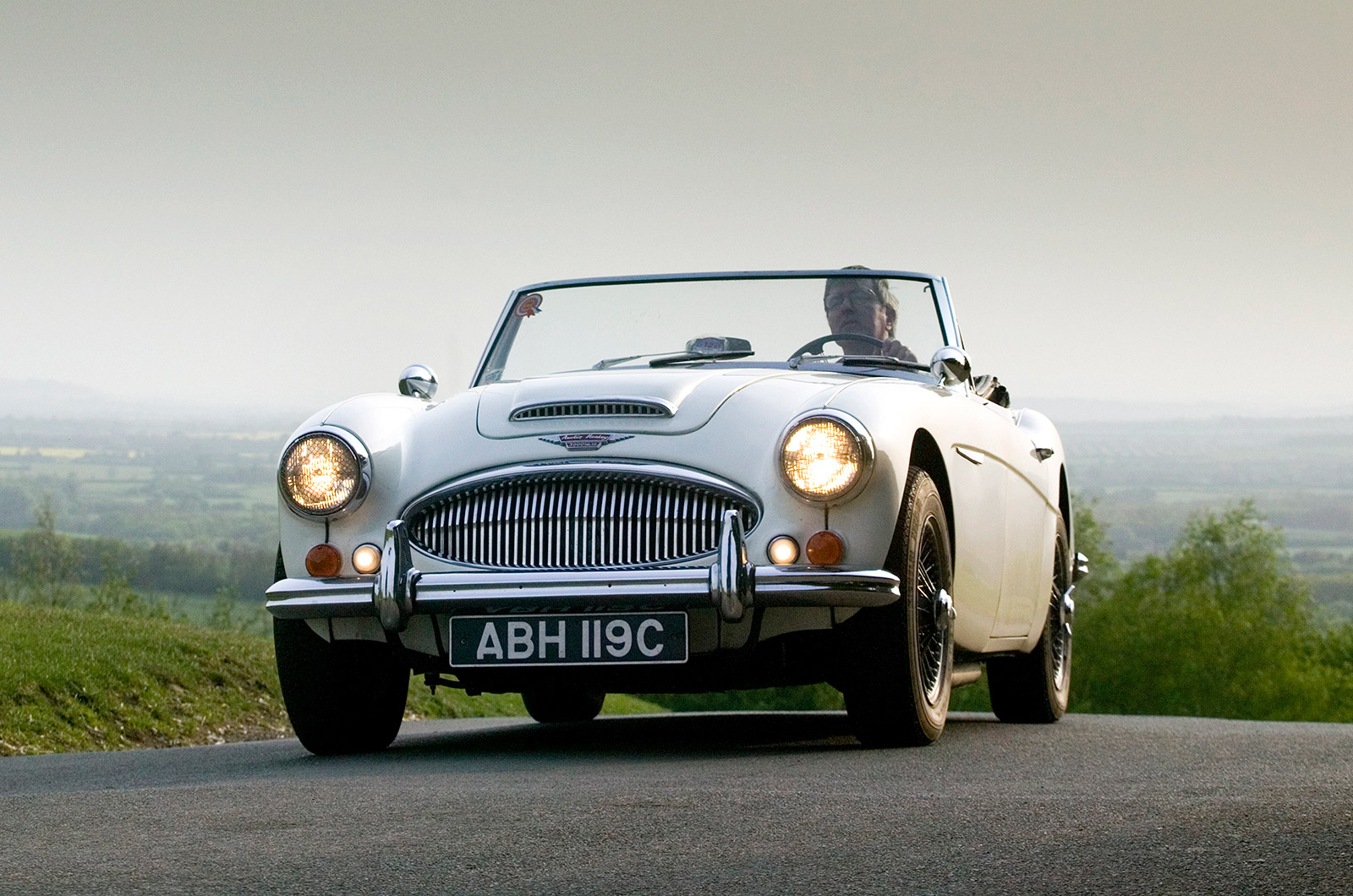
When it made its debut in 1959, the Austin-Healey 3000 stood out with a 3.0-litre engine and front disc brakes. The big Healey was a force to be reckoned with in European rallying events, but convertible-hungry buyers in North American scooped up most of the production run. It was one of the greatest British sports cars of its era, and it was continuously updated throughout the 1960s.
So what happened to Austin-Healey?
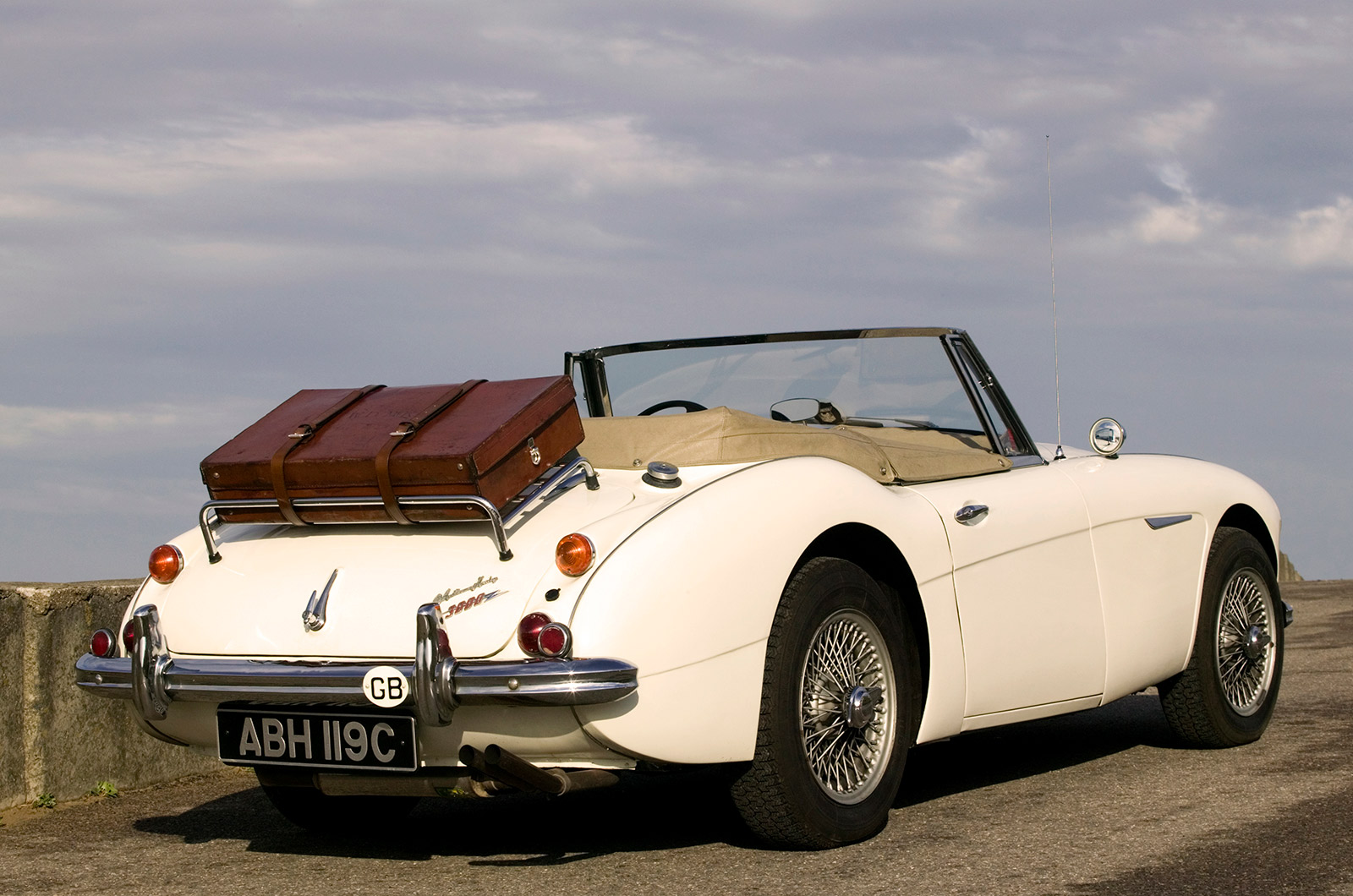
The deal between Austin and Healey ended in 1972 after 20 years. There have been talks of a revival since, including under BMW’s ownership of Austin successor company Rover, but nothing has appeared. The name itself is now owned by China’s SAIC.
PICTURE: Austin-Healey 3000 Mk3
Autobianchi: A112 Abarth (1971)
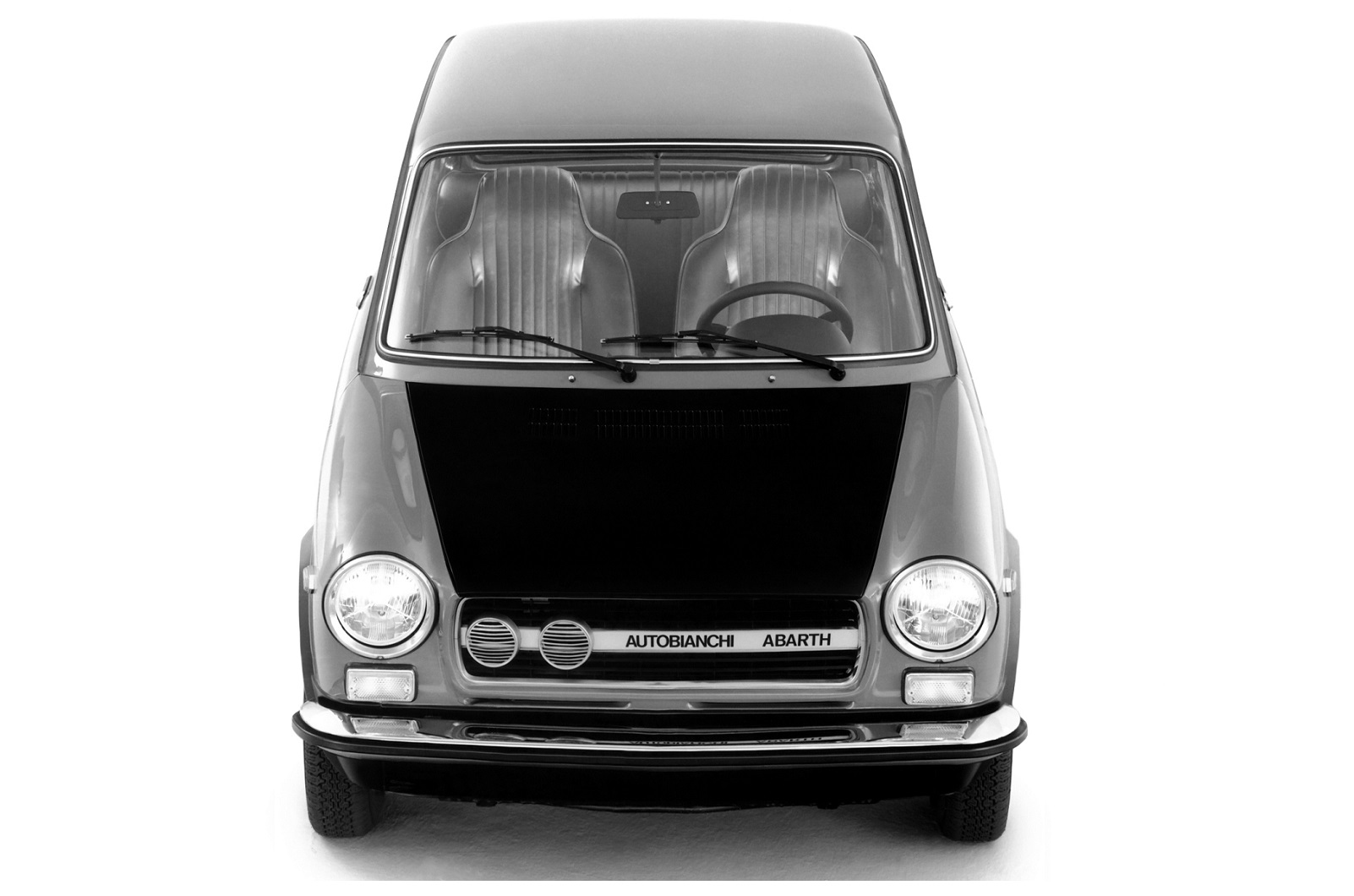
When Volkswagen takes credit for pioneering the hot hatchback, it overlooks the Autobianchi A112 Abarth. Admittedly, the A112 was easy to miss due to its small dimensions. It was introduced in September of 1971 (before anyone knew what a Golf was) as a hotter version of Autobianchi’s successful small car. Early models used a 58hp four-cylinder engine, though power climbed to 70bhp later in the production run.
So what happened to Autobianchi?
The company was a joint venture between bicycle-maker Bianchi, Pirelli, and Fiat. Fiat took full control in 1968, and then folded the operation into Lancia. The badge disappeared in 1995.
Auto-Union: 1000 SP (1957)
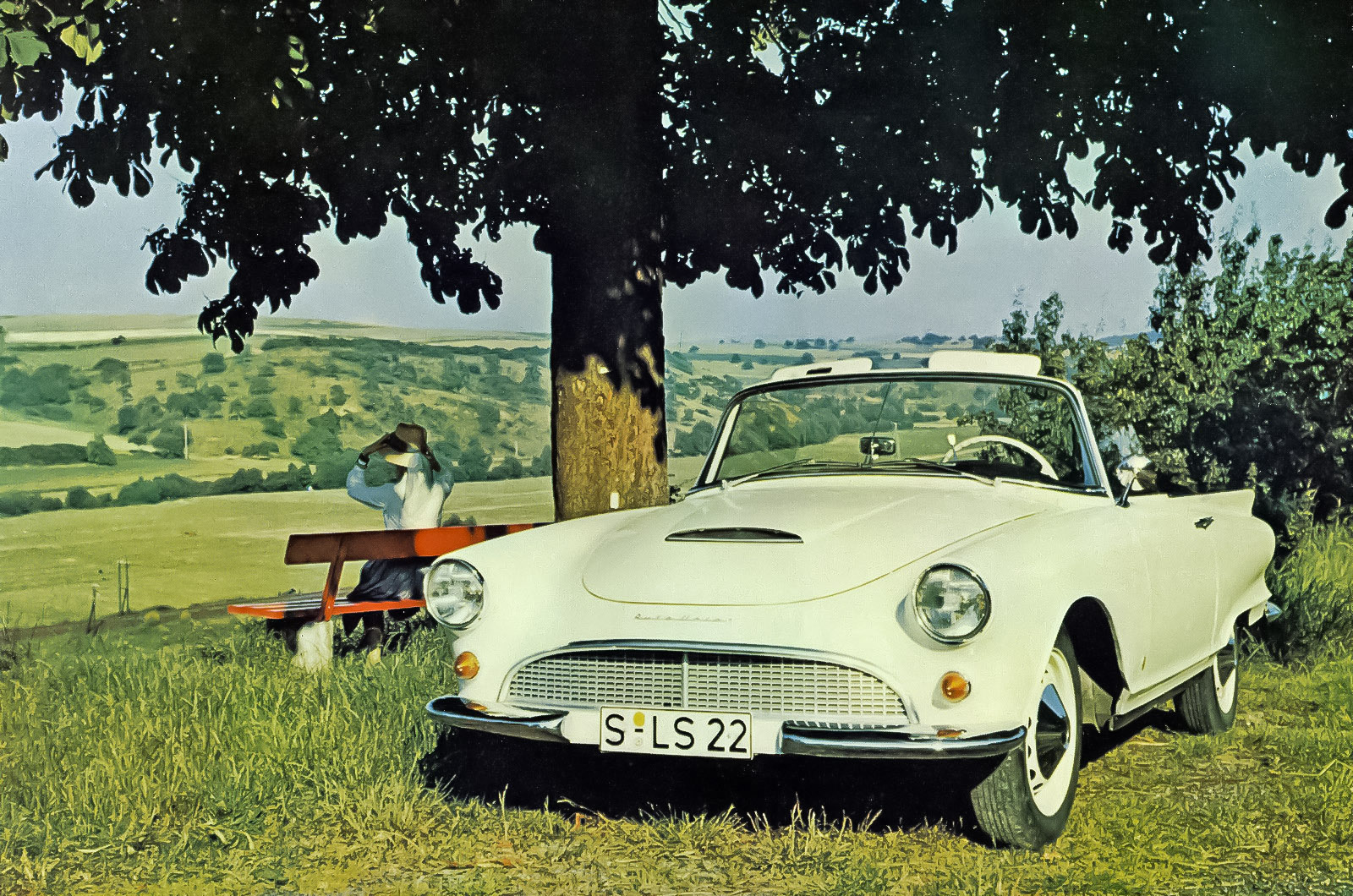
Visually, there was little to suggest the Auto-Union 1000 SP was related to the standard 1000. And yet, the SP shared its basic two-stroke, three-cylinder engine with the 1000, though there were some model-specific differences. Stuttgart-based coachbuilder Baur made about 5000 units of the 1000 SP between 1958 and 1965. It also built around 1640 examples of a 1000 SP-based convertible starting in 1961.
So what happened to Auto-Union?
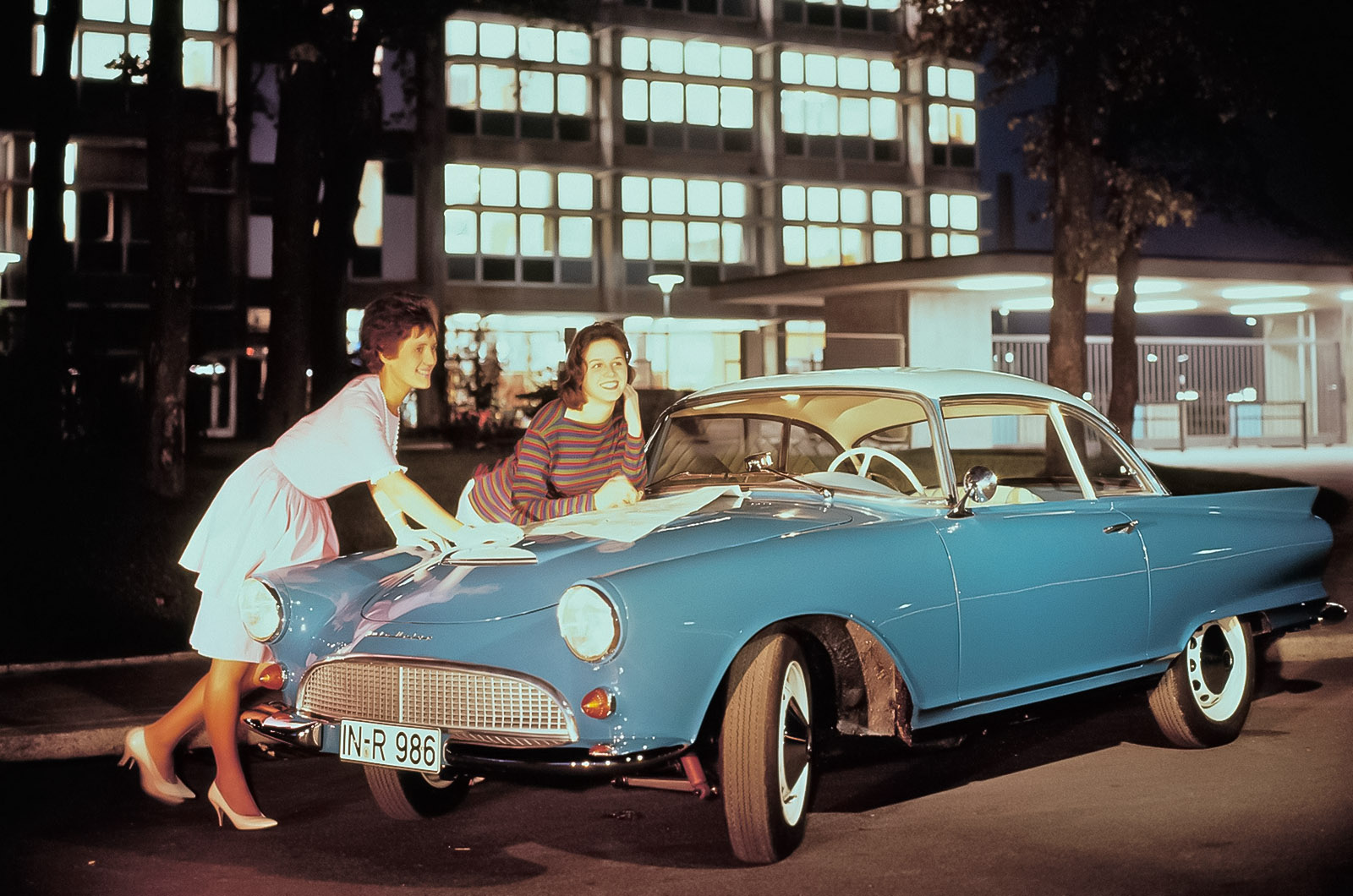
Auto-Union merged with NSU in 1969, and both were absorbed by Volkswagen shortly after. Audi was born from the merger. While both brands are dormant today, Audi still builds cars like the A6 in Neckarsulm, where NSU was based, and Volkswagen manufactures cars in Zwickau, where Auto-Union traces some of its roots to (and where the Trabant was made).
Daimler: SP250/Dart (1959)
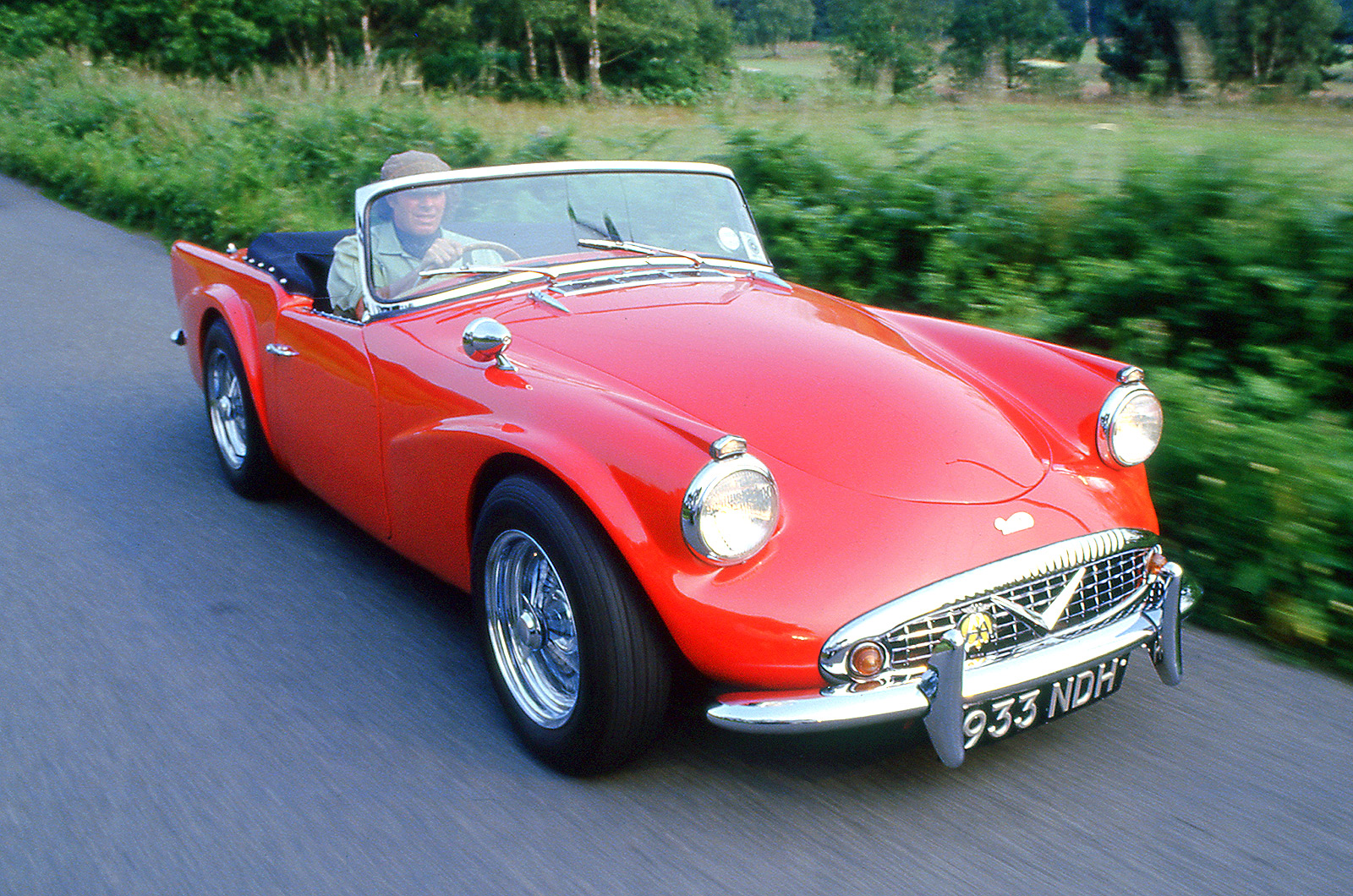
Once a supplier of cars to royalty, Daimler grew out of the German company, but soon built its own models. The SP250’s engine had an interesting configuration; while being only a 2.5-litre, it was a V8. Elegant but interesting to look at, it was a spirited drive, good for 120mph, and determinedly different from its stately predecessors. It was famously used to police speeds on Britain’s first motorway, the M1.
So what happened to Daimler?
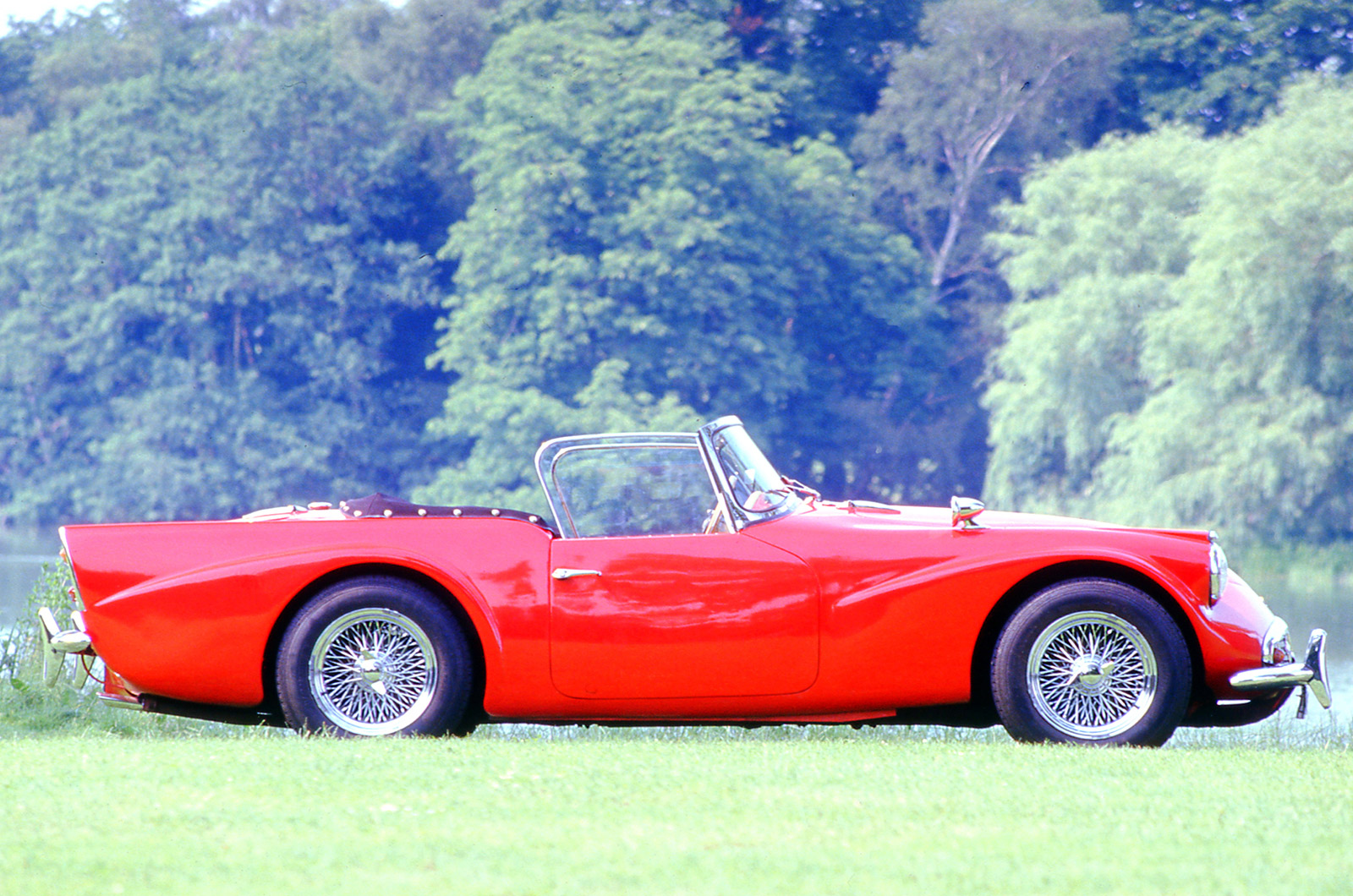
The company was sold to Jaguar in 1960, its cars eventually becoming badge-engineered Jaguar derivatives. The brand disappeared in 2007, though Jaguar still has the right to use the name in many markets, though given Daimler is now also the name of the heavy trucks arm of Mercedes-Benz (it’s complicated…), this seems unlikely.
DeSoto: Model K (1928)
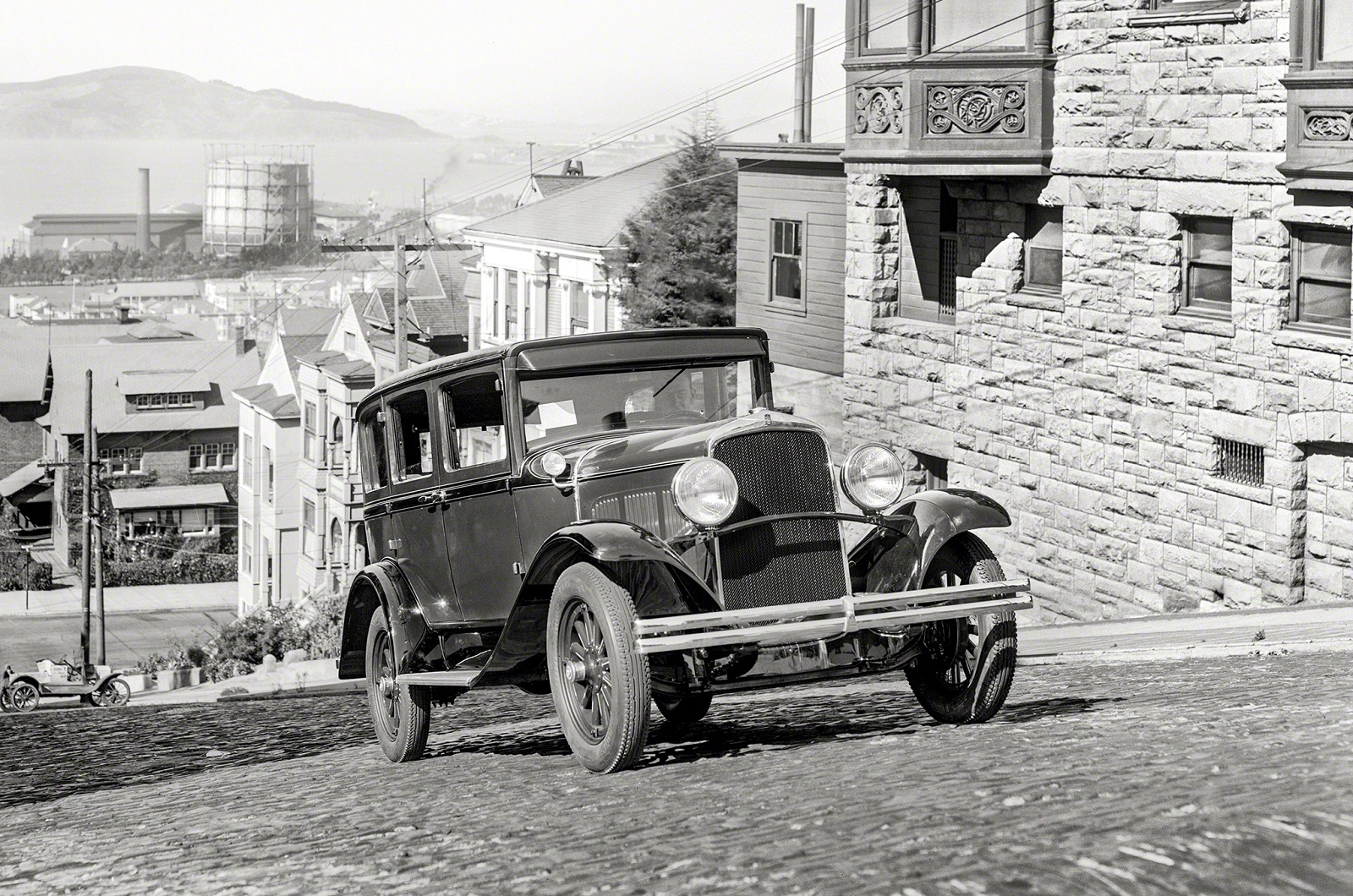
Created by Chrysler in 1928, DeSoto put its rivals on notice when it released its first car, the Model K, for the 1929 model year. It sold 81,065 units of the model during its first 12 months on the market, a record that remained unbroken for several decades. The Model K was cheaper than a comparable Chrysler, fitted with a six-cylinder engine, and offered in a number of body styles, including a roadster. It was the right car at the right time, and the future looked bright for Chrysler’s mainstream brand.
So what happened to DeSoto?
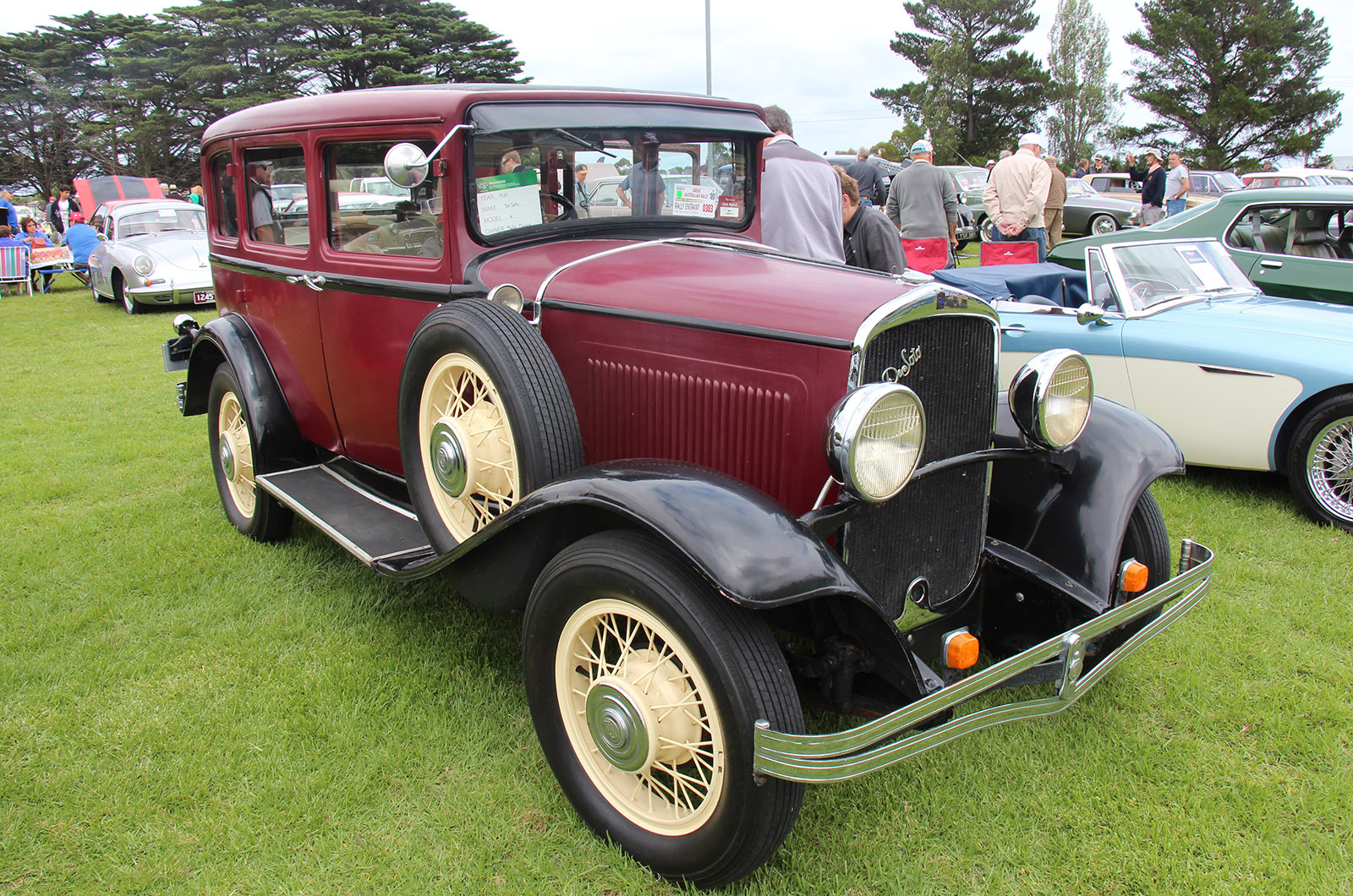
DeSoto’s early success quickly faded. Chrysler also purchased Dodge in 1928 and the two brands often overlapped; both were positioned below Chrysler as mass-market brands. Its evolution followed the rest of the Chrysler portfolio’s, so it received the new Firedome V8 in 1952 and the “Forward Look” design language in 1955. Sales collapsed in 1958, partly due to the same recession that helped end Edsel, and Chrysler closed DeSoto in 1961.
De Tomaso: Pantera (1971)
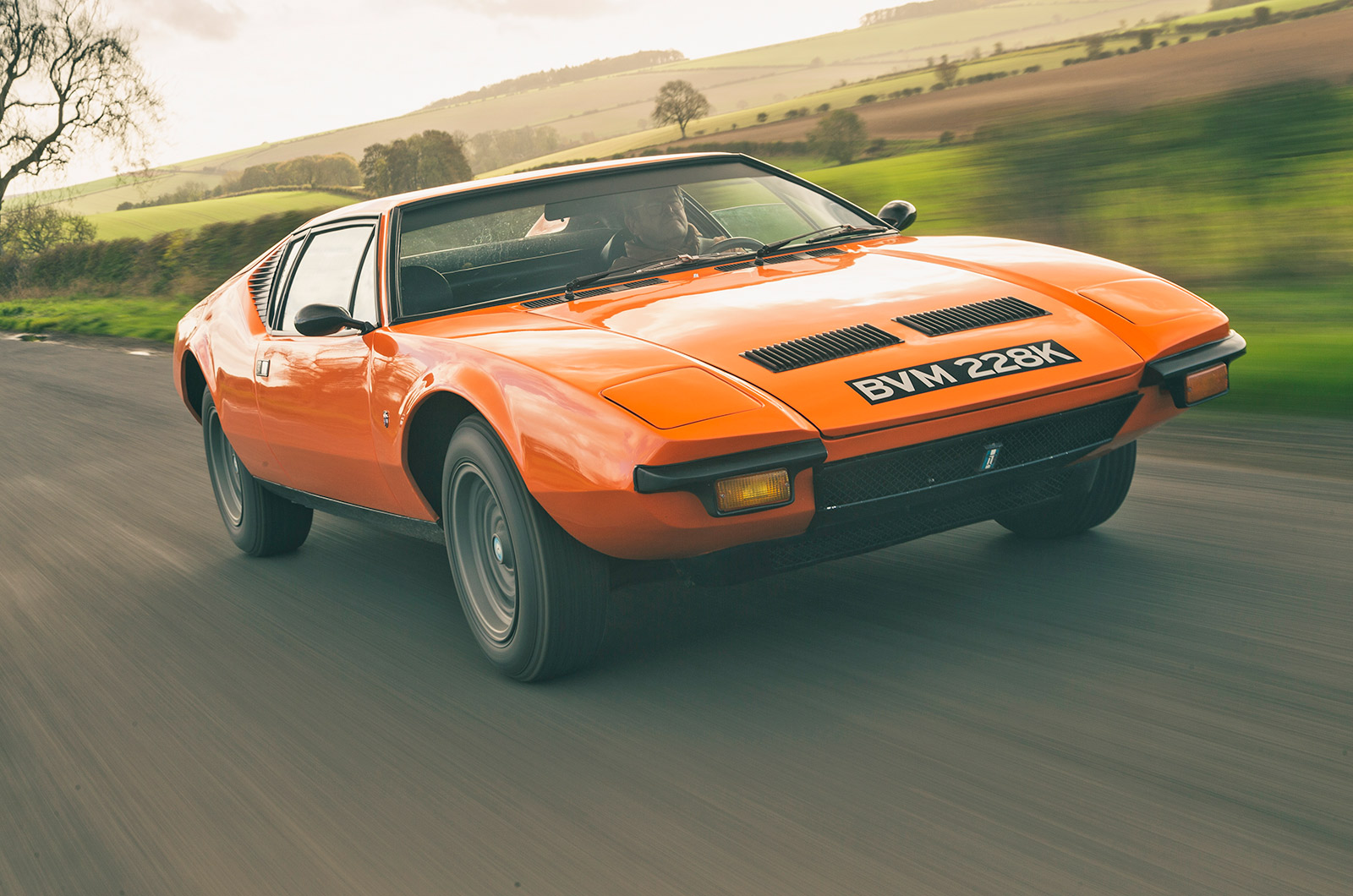
Alejandro De Tomaso (1928-2003) designed a breathtakingly gorgeous car and bought a V8 from Ford to stuff behind the seats. America’s appetite for performance cars ensured a steady cash flow for De Tomaso in spite of the Pantera’s quality issues.
Unreliability caused Elvis Presley to shoot his Pantera on numerous occasions, presumably as a punishment. It’s not known if this helped. Ford stopped importing the car to the US in 1975, but production carried on for other markets (including Europe) until 1992.
So what happened to De Tomaso?
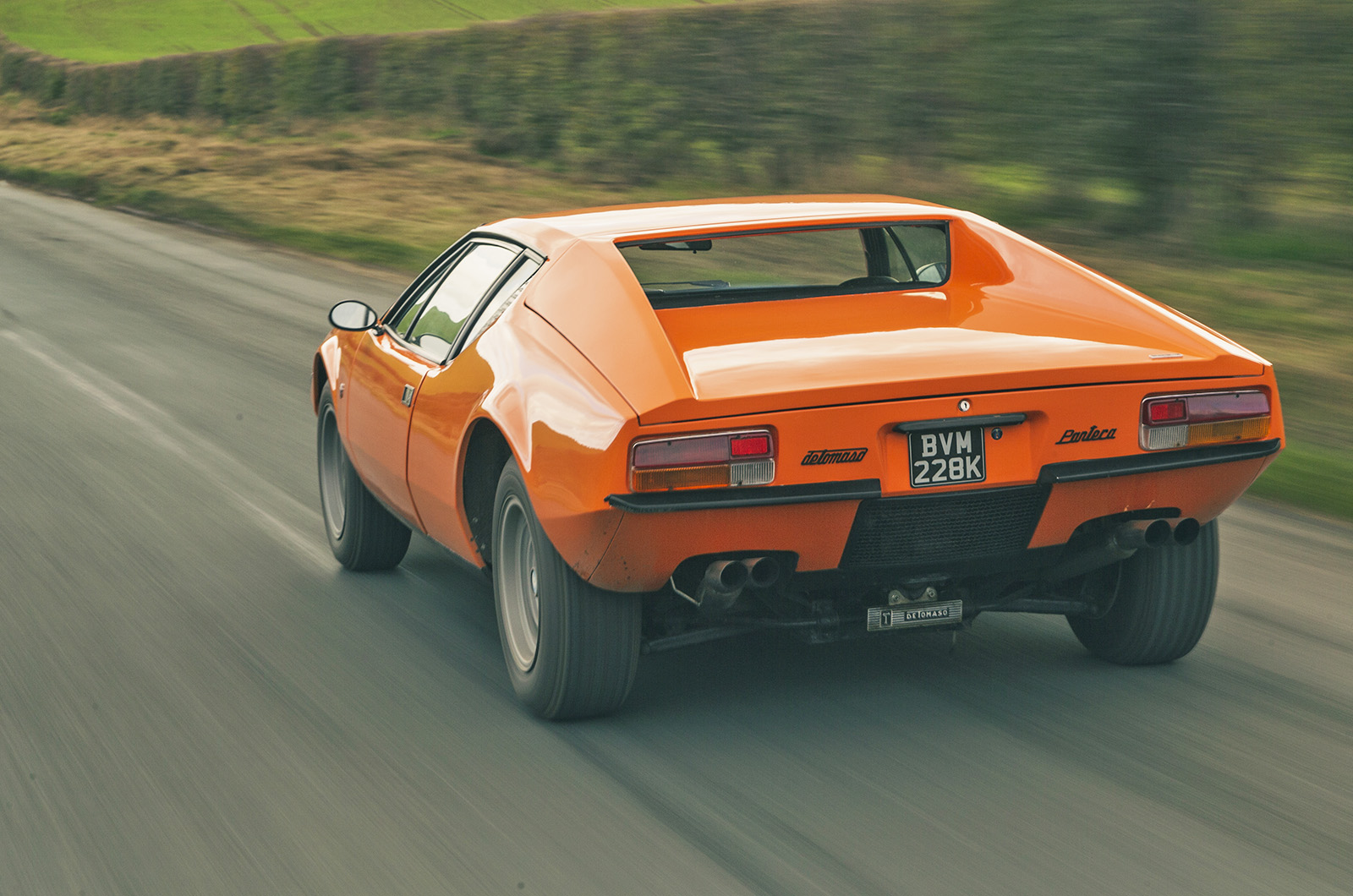
De Tomaso merged with Maserati in 1975 and that brand was always more prolific, but De Tomaso sales carried on in small numbers until 2004 when the firm died. The trademark was sold on, and a De Tomaso concept car appeared at the 2011 Geneva motor show, but nothing’s been heard since.
Eagle: Talon (1989)
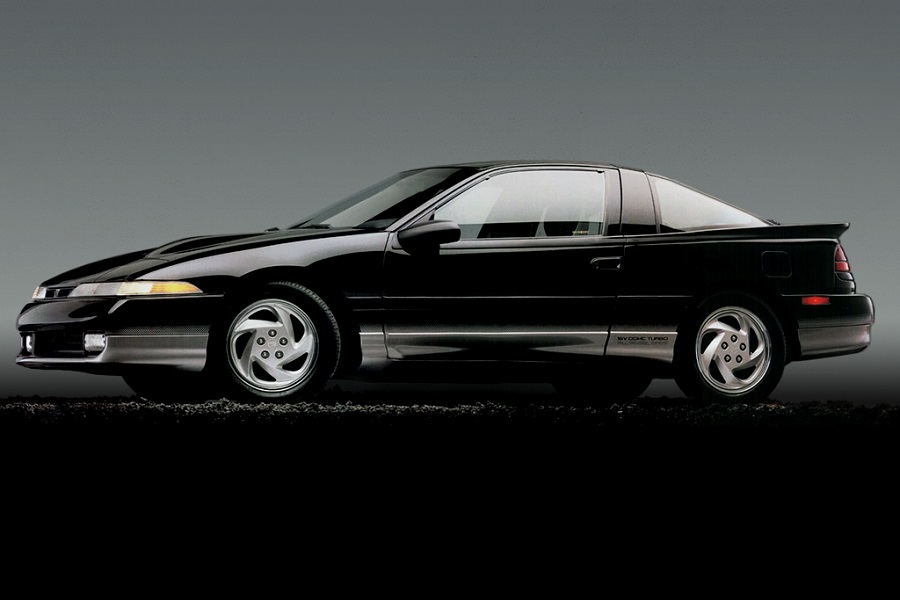
Chrysler founded Eagle in 1988 to continue AMC, which left the scene that same year. Its range consisted largely of average, unexciting cars that suffered from a complete lack of image. The only exception was the Talon, which was closely related to the Mitsubishi Eclipse. Released in 1989 as a 1990 model, it was available with all-wheel-drive and a turbocharged four-cylinder engine rated at 192bhp.
So what happened to Eagle?
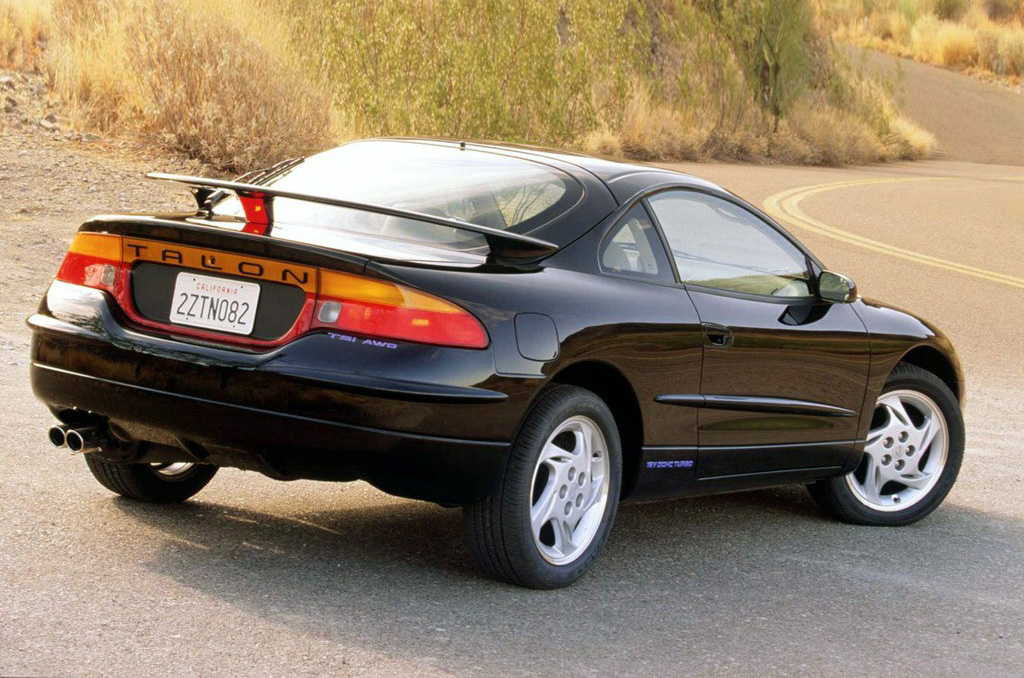
In hindsight, there was no space in Chrysler for an obscure brand like Eagle, and not enough interest or money to give it a fighting chance. Models left the range one by one during the 1990s, and the Eagle name disappeared in 1998. Stellantis owns the name today. The factory in Normal, Illinois, that manufactured the Talon now belongs to electric pickup truck maker Rivian.
Facel Vega: Excellence (1958)
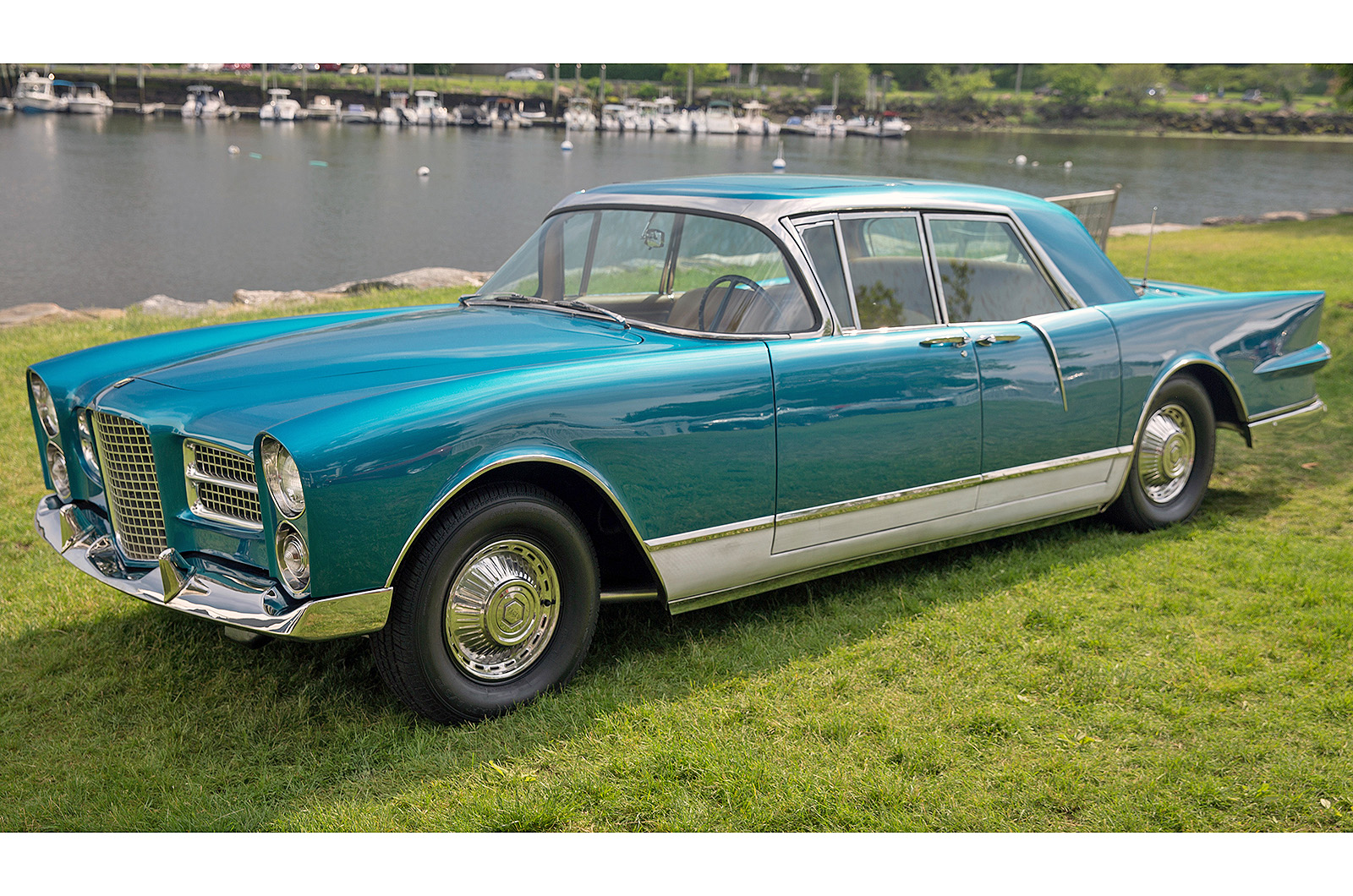
Facel Vega was a brand favoured by the world’s celebrities to build the Excellence to take the fight directly to Rolls-Royce and the German brands. From its stately design with reverse-facing rear doors to its hand-built interior, the Excellence easily lived up to its name. It served as the flagship for the brand, and for France’s entire automotive industry.
So what happened to Facel Vega
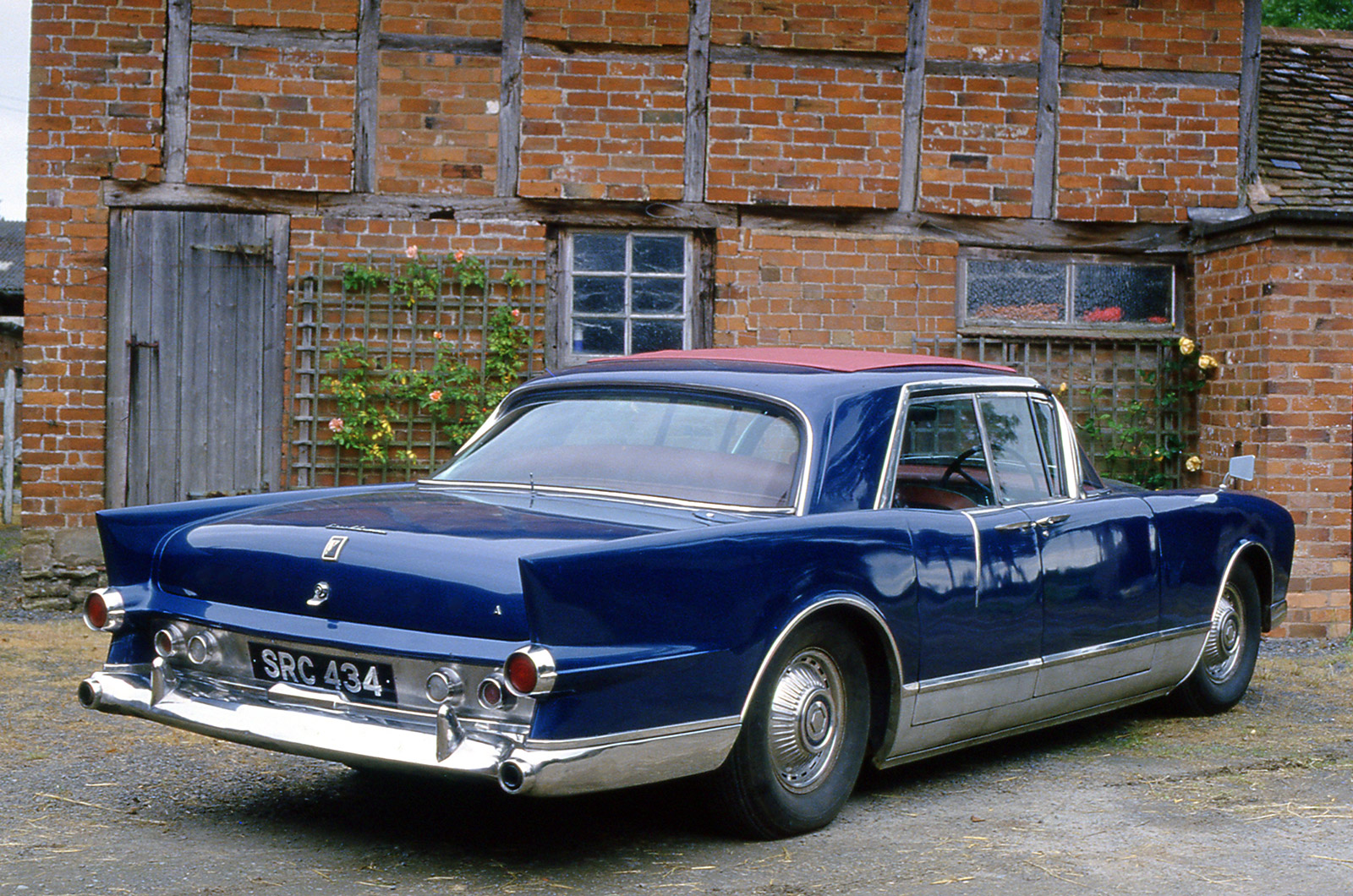
Competition from larger luxury-car rivals like Mercedes-Benz did the company no favours and it closed down in 1964. It remains a mystery why France – home to world-beating luxury brands like Louis Vuitton and Chanel – has never created a successful luxury car brand in recent decades.
Hudson: Hornet (1951)
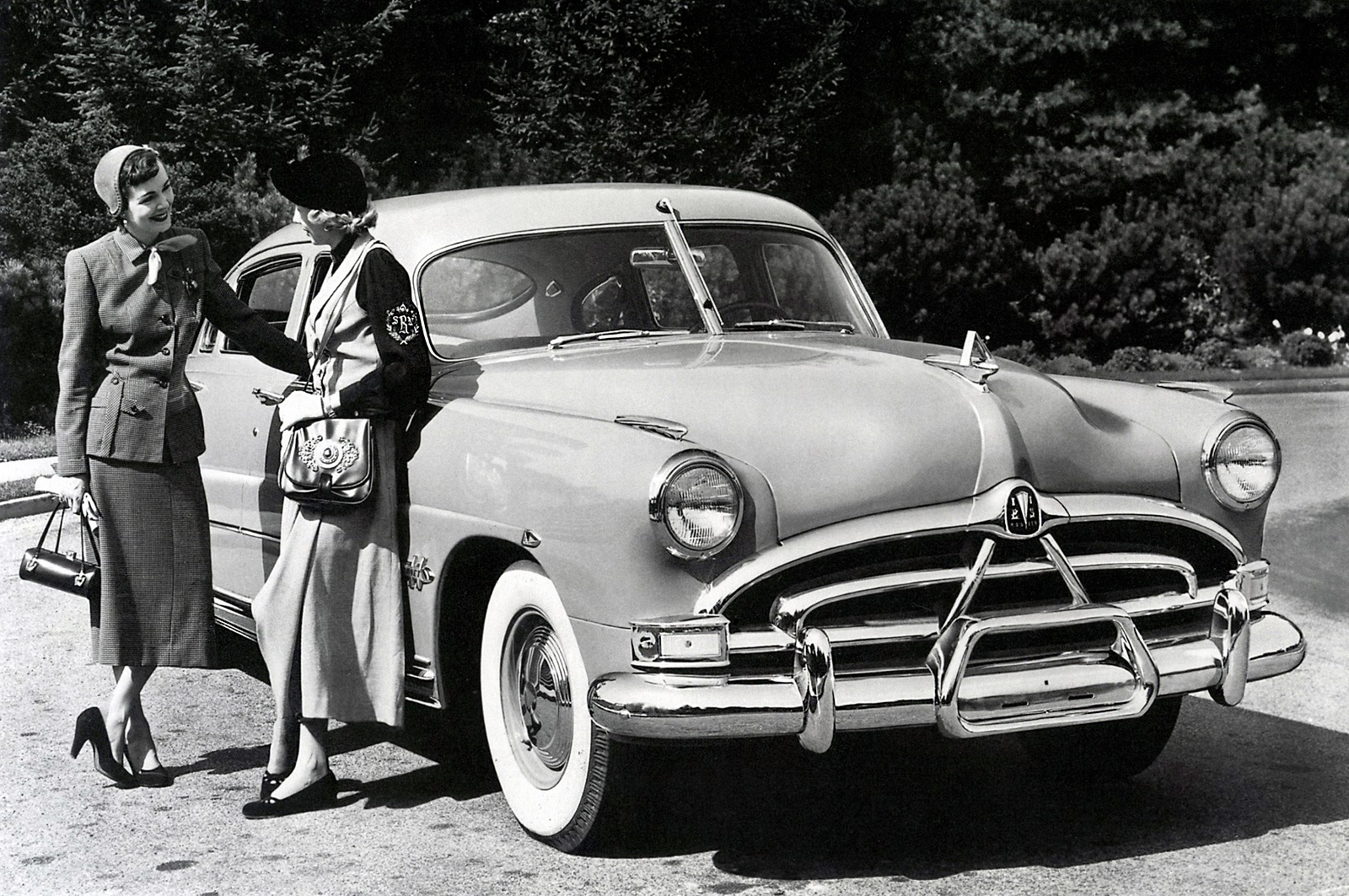
The Hudson Hornet had big round headlights, plenty of chrome and a long, sloping roof line that flowed into a pontoon-like rear end. Power came from a 5.0-litre straight six. It was fast, too; the Hornet dominated NASCAR racing in the early 1950s.
So what happened to Hudson?
It merged with Nash-Kelvinator in 1954, to form American Motors Corporation- AMC. The Hudson badge survived until 1957. The remnants of AMC – including, most notably, Jeep – today live in Stellantis.
Innocenti: Mini (1974)
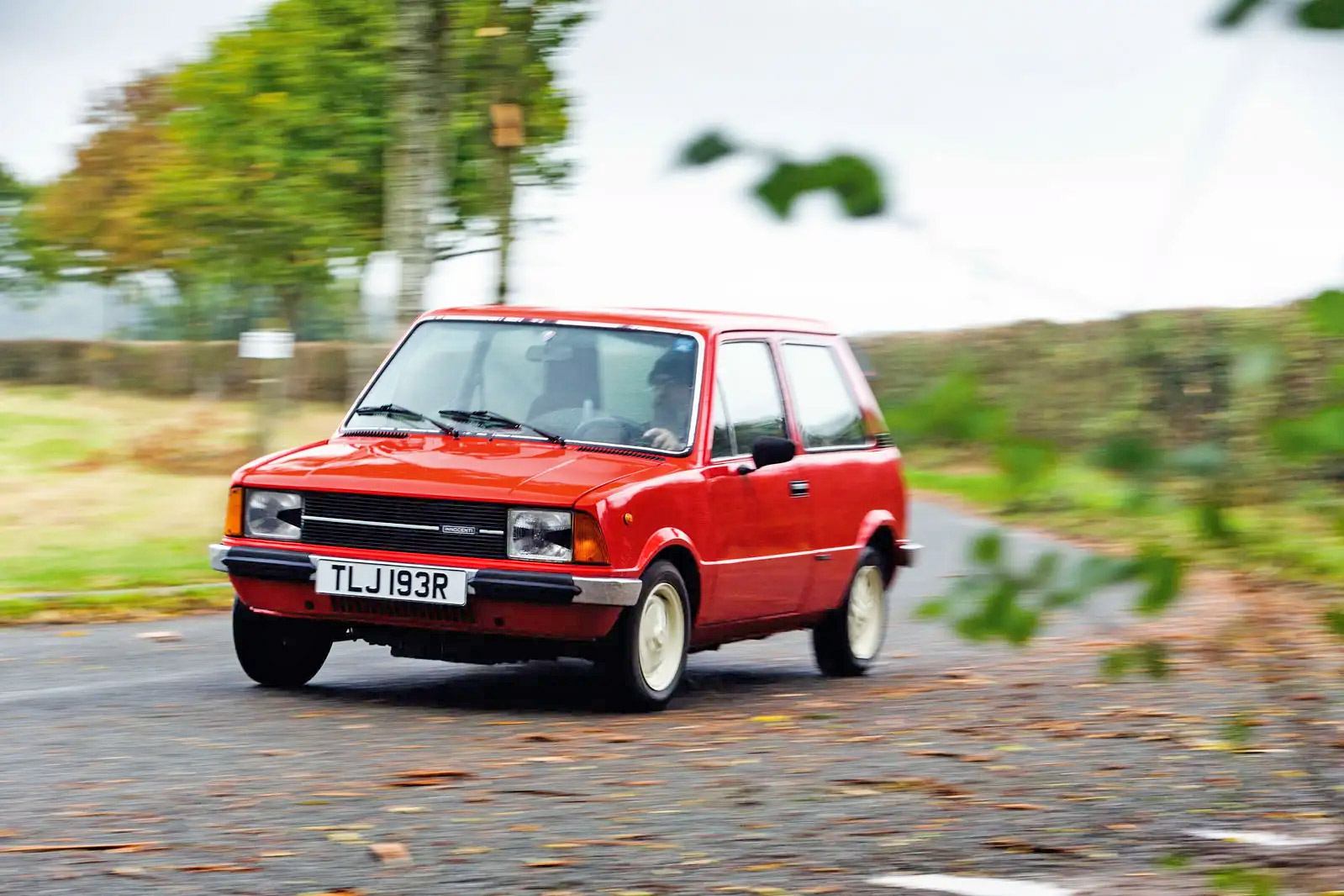
Scooter maker Innocenti formed its car-building division through a collaboration with Britain’s Austin. It began building the Mini under license during the 1960s, and it released an updated model styled by Bertone’s Marcello Gandini in 1974. Bertone gave the Mini a more modern-looking design and a practical hatch to take on the Autobianchi A112, one of Italy’s rising stars.
Several evolutions of the Innocenti Mini were built, and an entry-level two-cylinder engine joined the range in 1985. Outdated in spite of several visual updates inside and out, the Innocenti Mini retired in 1993, seven years before the Mini itself died.
So what happened to Innocenti?
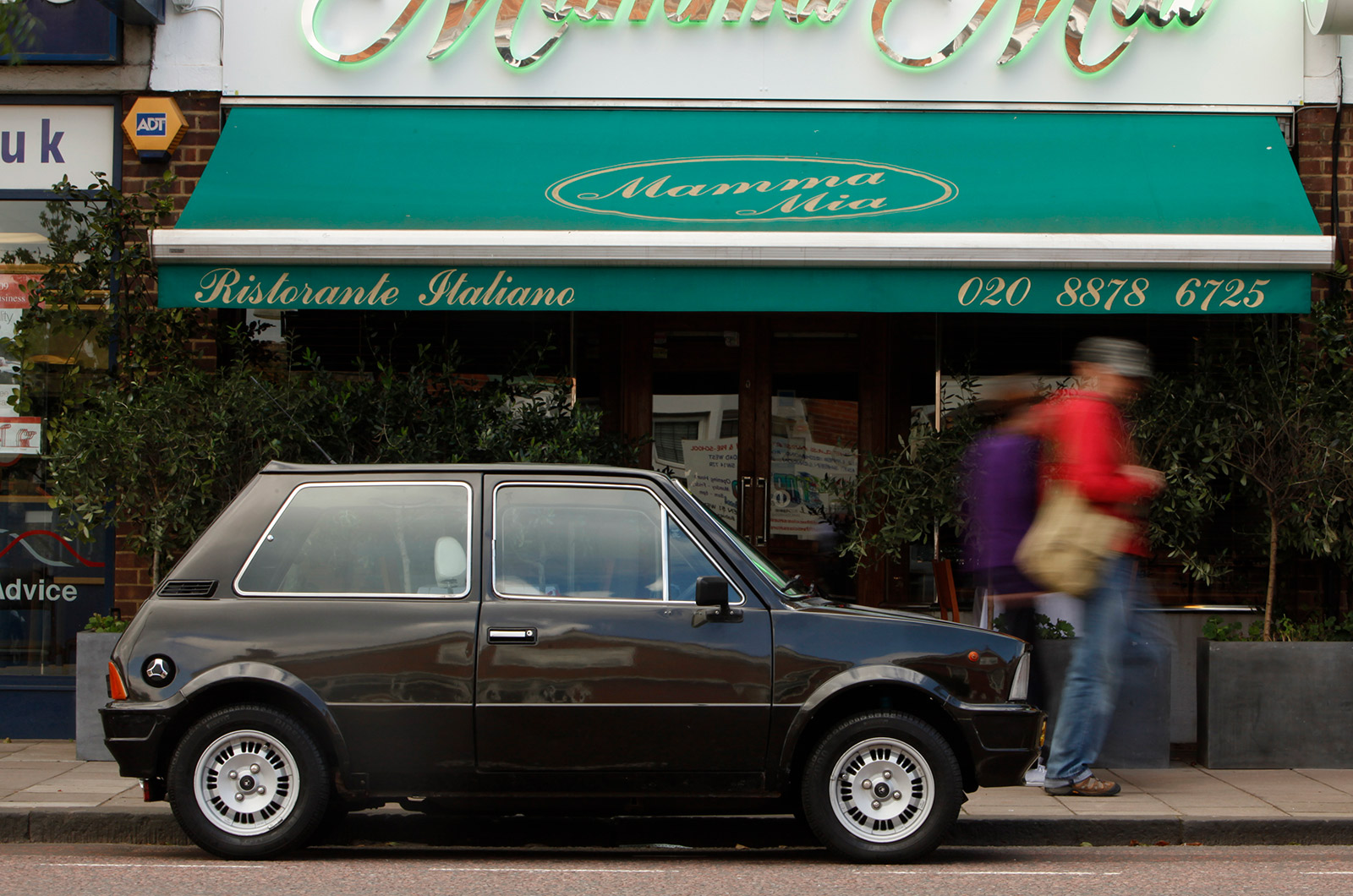
Fiat gradually took over Innocenti and Maserati from De Tomaso in the 1990s. It closed the company’s factory and assigned the brand a series of badge-engineered cars like the Mille, which was a second-generation Uno made in Brazil and sold for less than the Italian-built model. Fiat dumped the Innocenti name in 1997, and Stellantis owns the name today.
Jensen: Interceptor (1966)
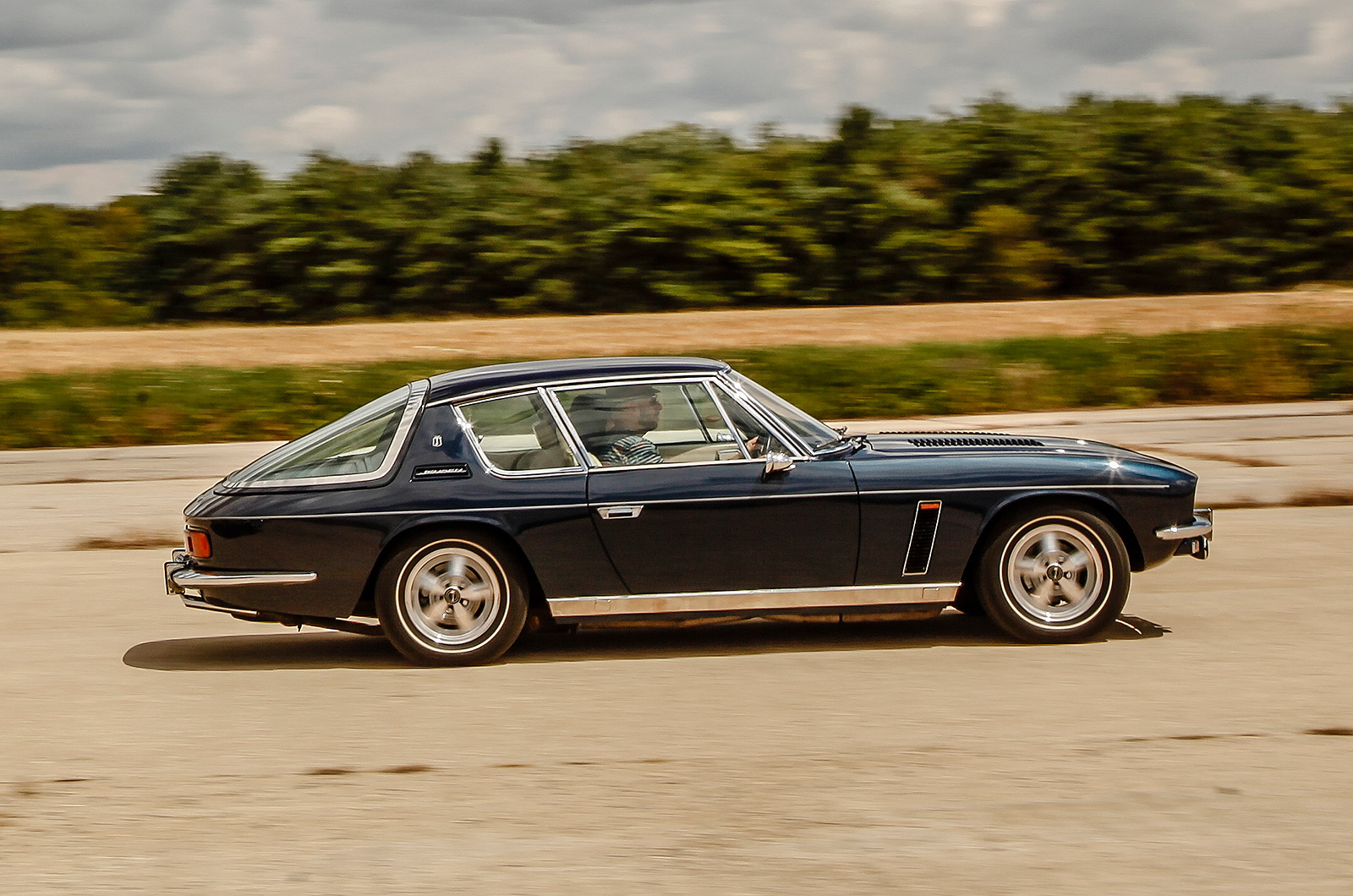
The Jensen Interceptor provided buyers with an alternative to the archetypal British grand tourers made by the likes of Aston Martin. It catered to buyers who cared more about silky-smooth low-end torque than razor-sharp handling and low running costs. It died without a successor when Jensen collapsed under the burden of its financial troubles.
So what happened to Jensen?
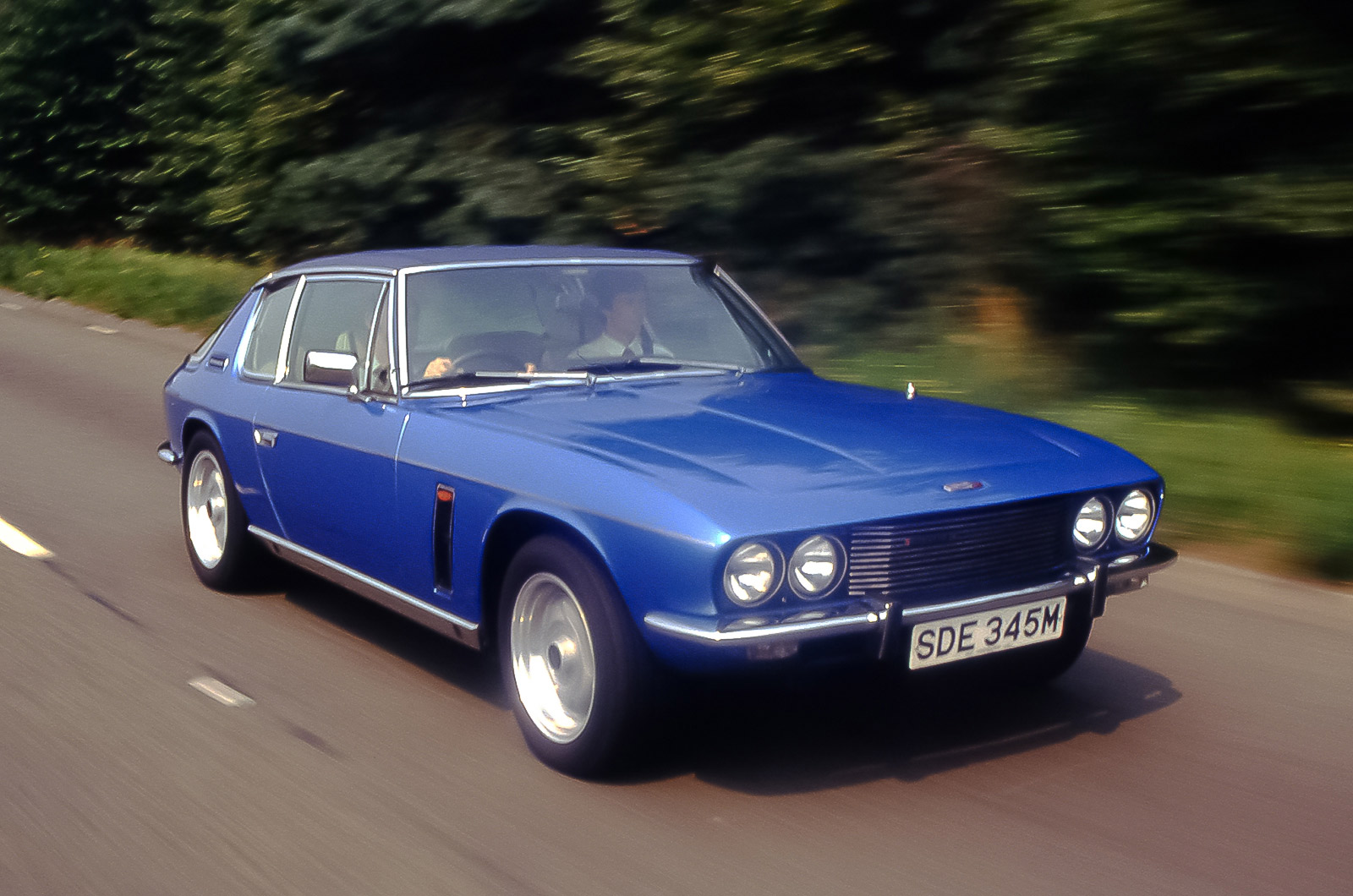
Jensen ceased operating in 1976. It was revived in 2001 with a new car, the S-V8, but promptly died again after just 20 were produced.
Matra: Rancho (1977)
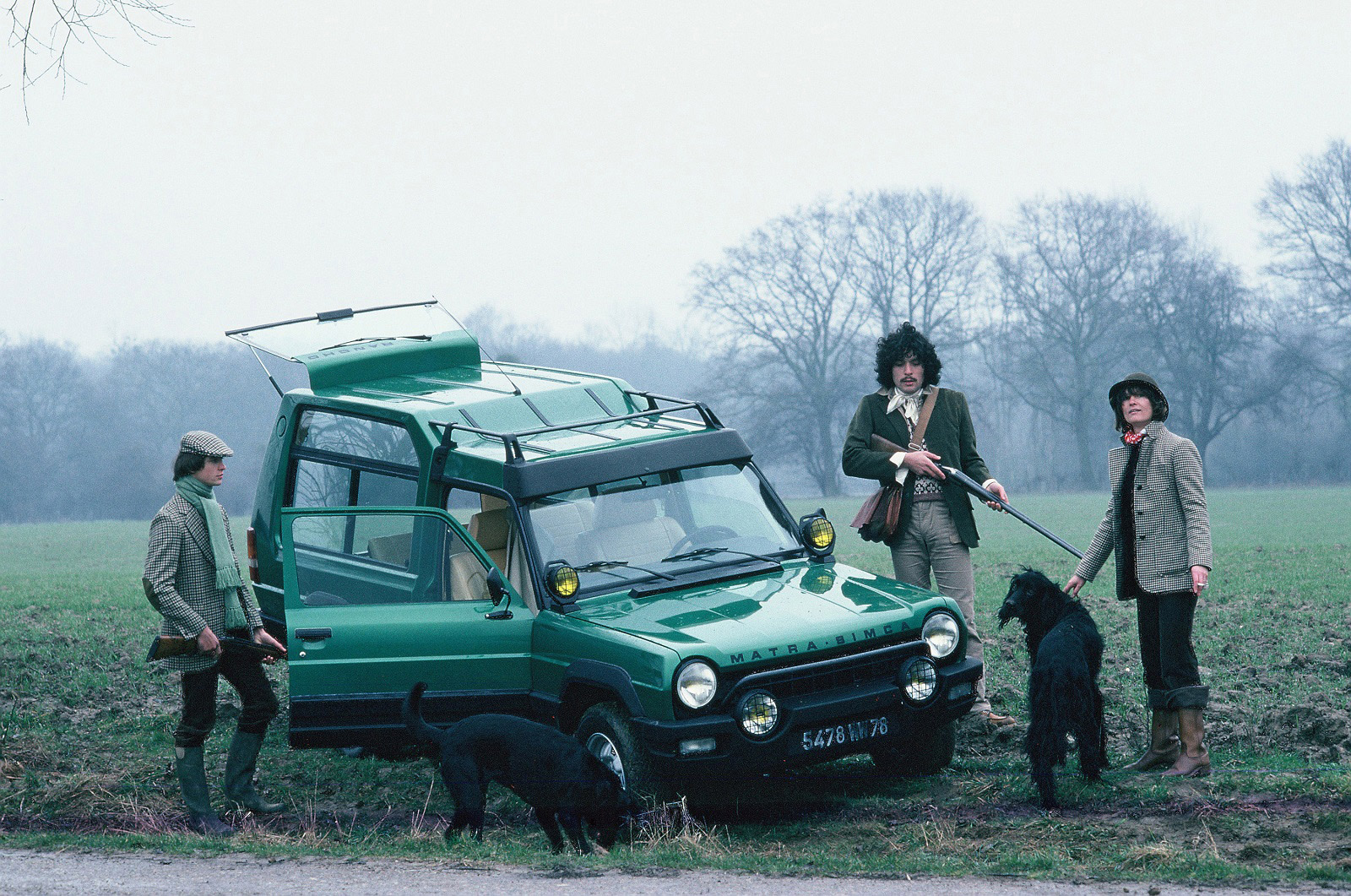
Matra made the Rancho from many parts of its other vehicles. Starting with the VF2 van, engineers installed an 80hp 1.4-litre engine from the 1308 GT, brakes from the 1100 TI, and a four-speed manual transmission from the 1307. While the design suggested it could go anywhere, four-wheel drive was never offered for cost and packaging reasons.
It was a trailblazer for the crossover class, but arguably a couple of decades too early. In an odd twist of fate, the Rancho’s intended replacement morphed into the original Renault Espace, Europe's first people-carrier.
So what happened to Matra
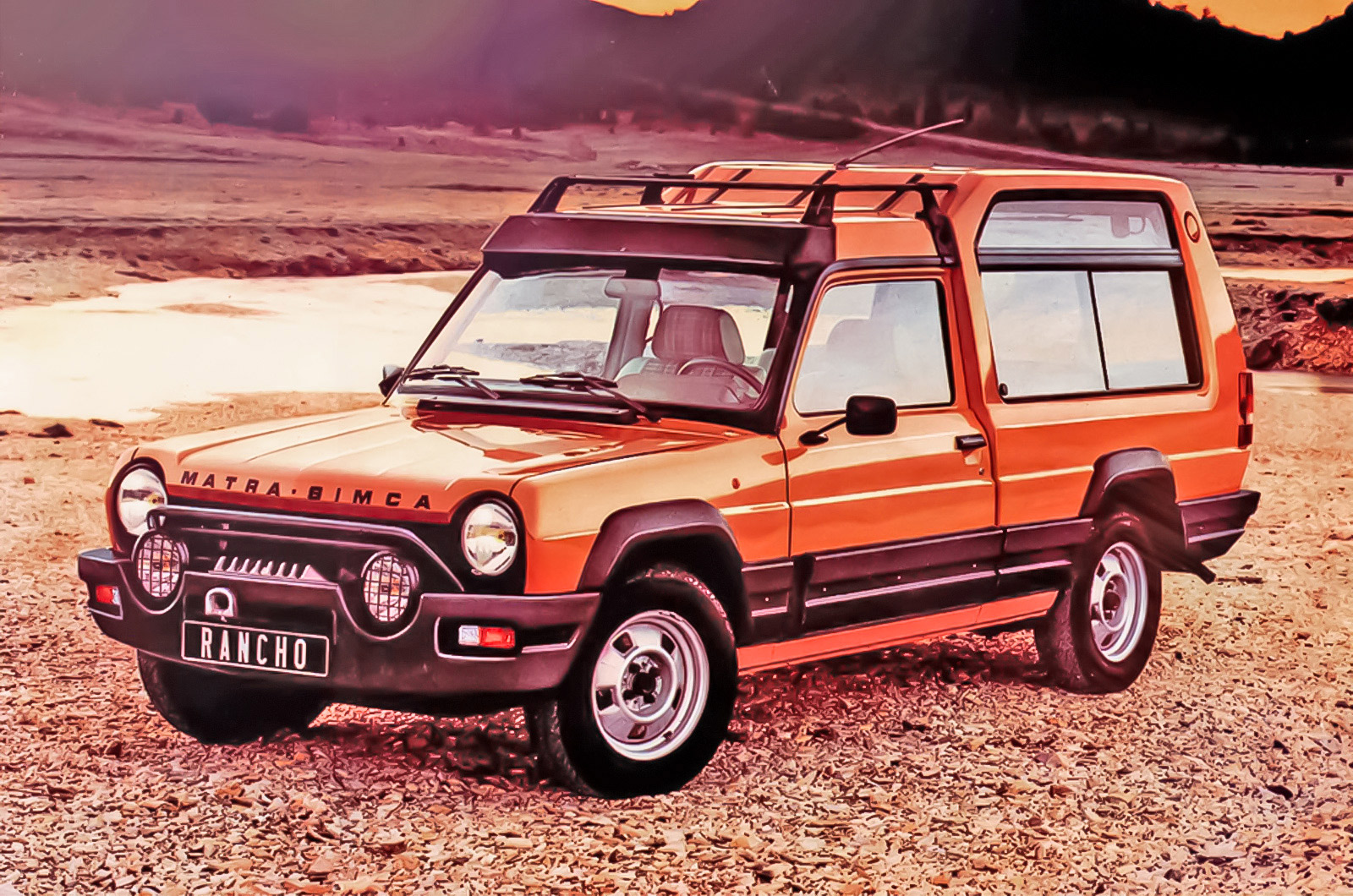
Matra in the automotive sphere became a contract manufacturer for Renault, but this work ceased in 2003, and some other assets were acquired by Pininfarina. The defence and aerospace part of Matra is now part of Airbus.
Mercury: Cougar (1967)
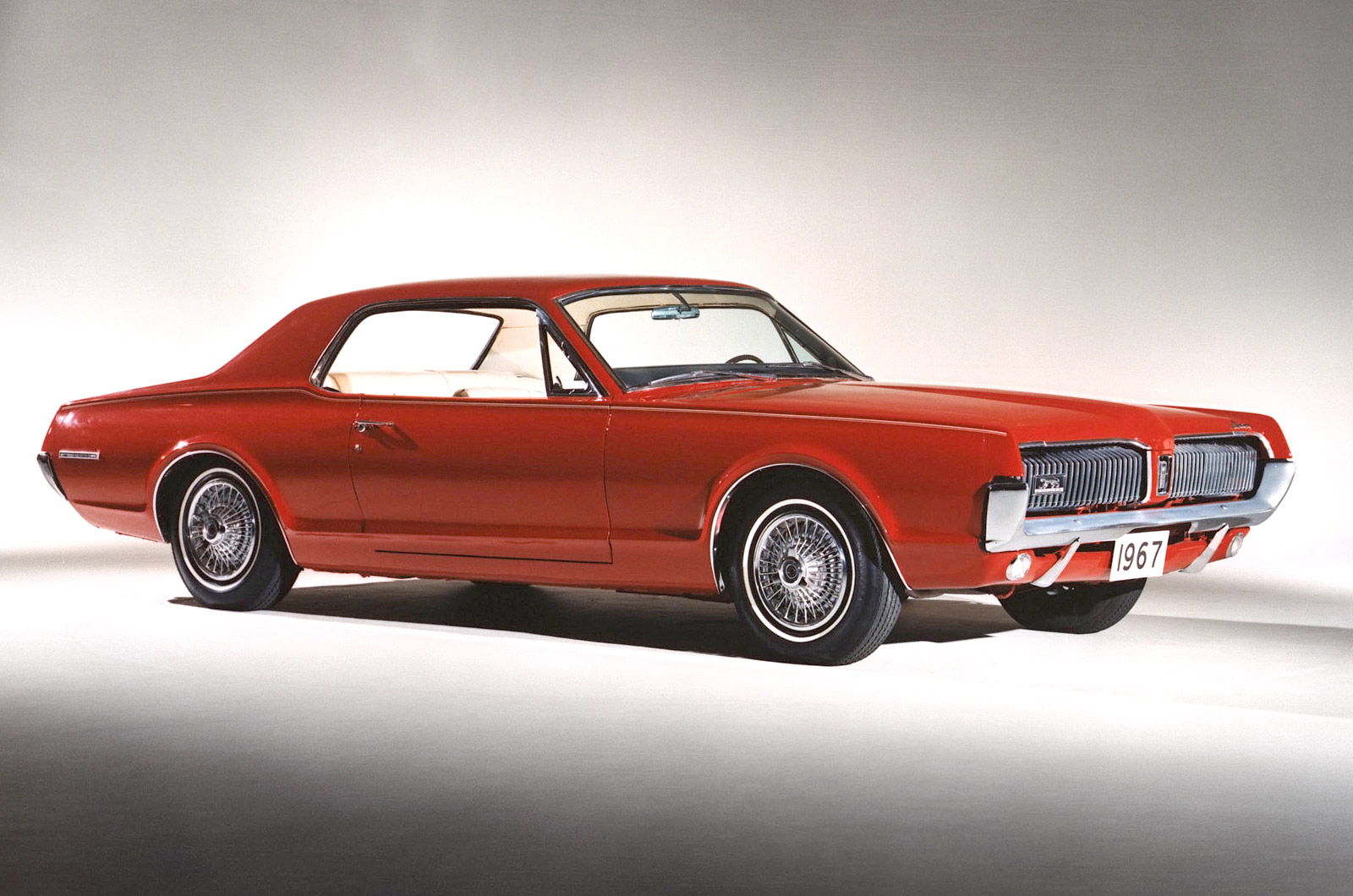
Mercury launched the Cougar to fill the space between the Ford Mustang, which it shared its platform with, and the Ford Thunderbird. It became Mercury’s hero car by combining performance with a larger dose of luxury. Later models attempted to recapture the spirit of the original, though they largely failed due to poor execution and performance best characterized as slothful.
So what happened to Mercury?
Following rationalization after the financial crisis, Ford announced the end of the brand in 2010, and its last car, a Grand Marquis, was built in January 2011.
Morris: Minor (1948)
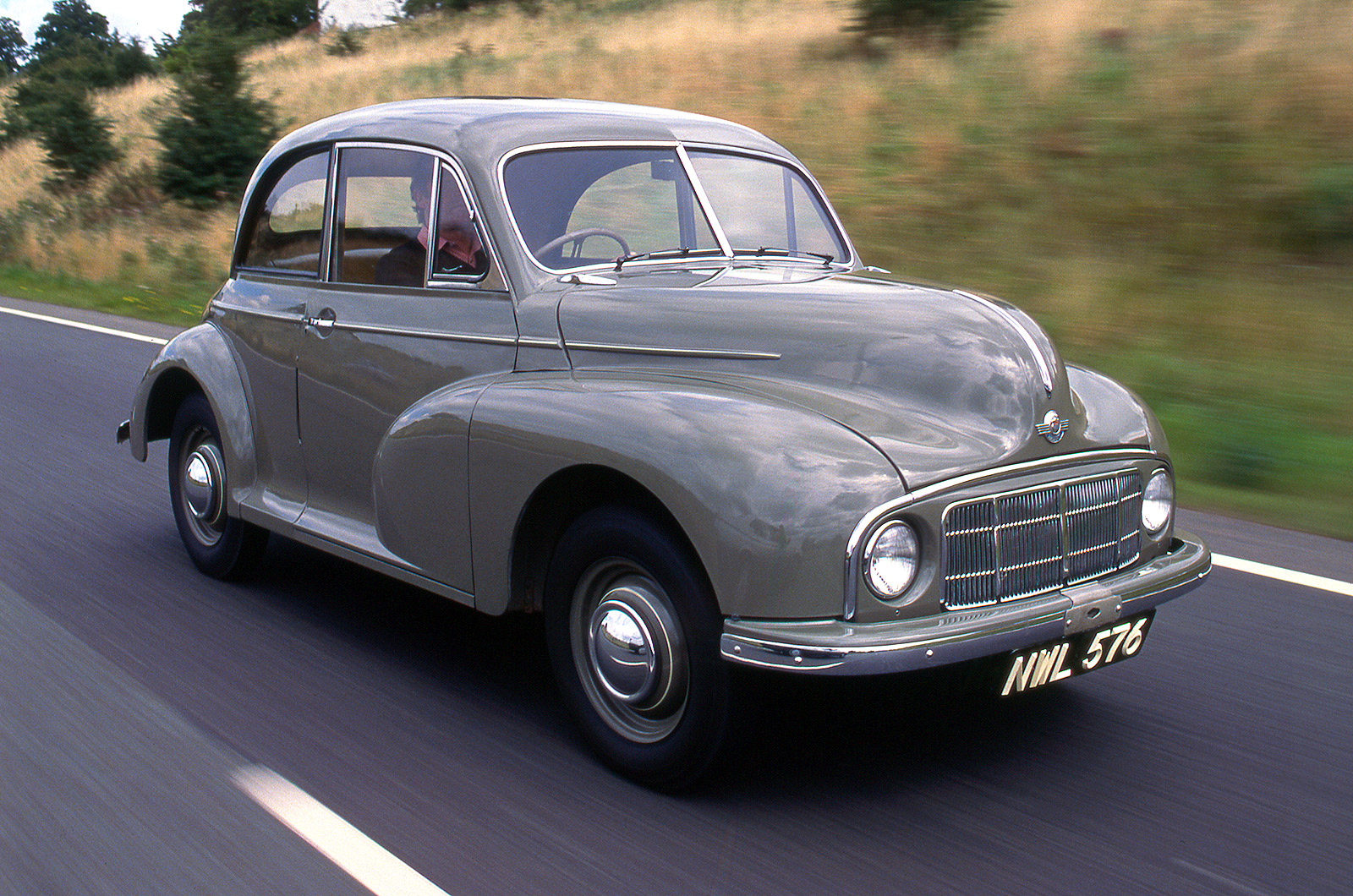
In terms of Morris-branded cars, it’s hard to beat the Minor. While performance was sedate even by the standards of the time, steering and handling was impressive, and this was a primary way Britain got back on the road after the second world war. It later spawned van, estate and convertible versions, and more powerful engines that arrived later helped a lot. A cool 1.4 million examples were built until 1971.
So what happened to Morris?
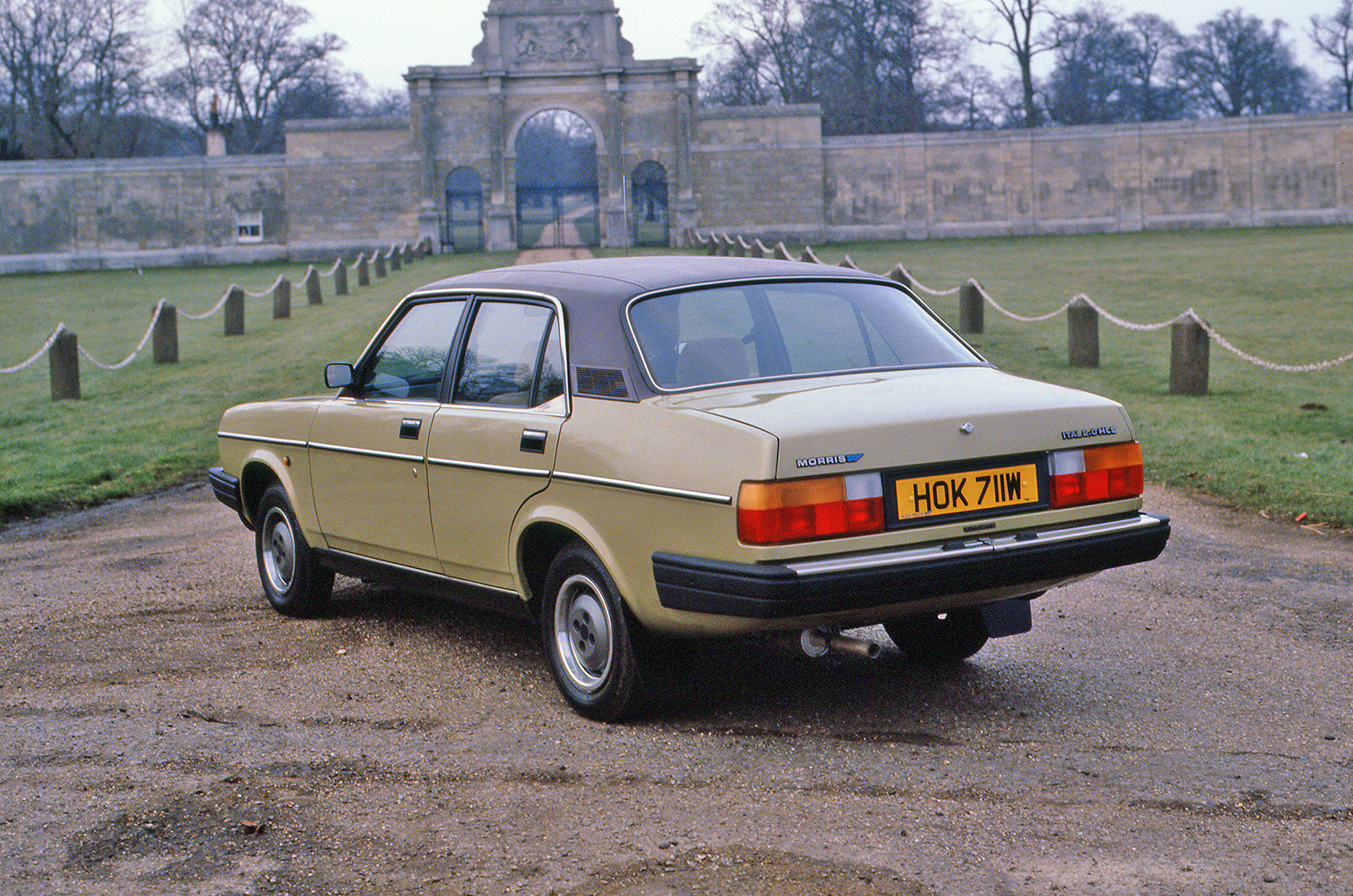
Morris merged with arch-rival Austin in 1952 to make the British Motor Corporation. In turn this merged with various other companies to form British Leyland in 1968. The last Morris-branded car, the Ital (pictured), was built in 1984. Part of the old Morris factory in Oxford today produces the Mini for BMW; the Morris name itself is owned by China’s SAIC.
Oldsmobile: 4-4-2 (1964)
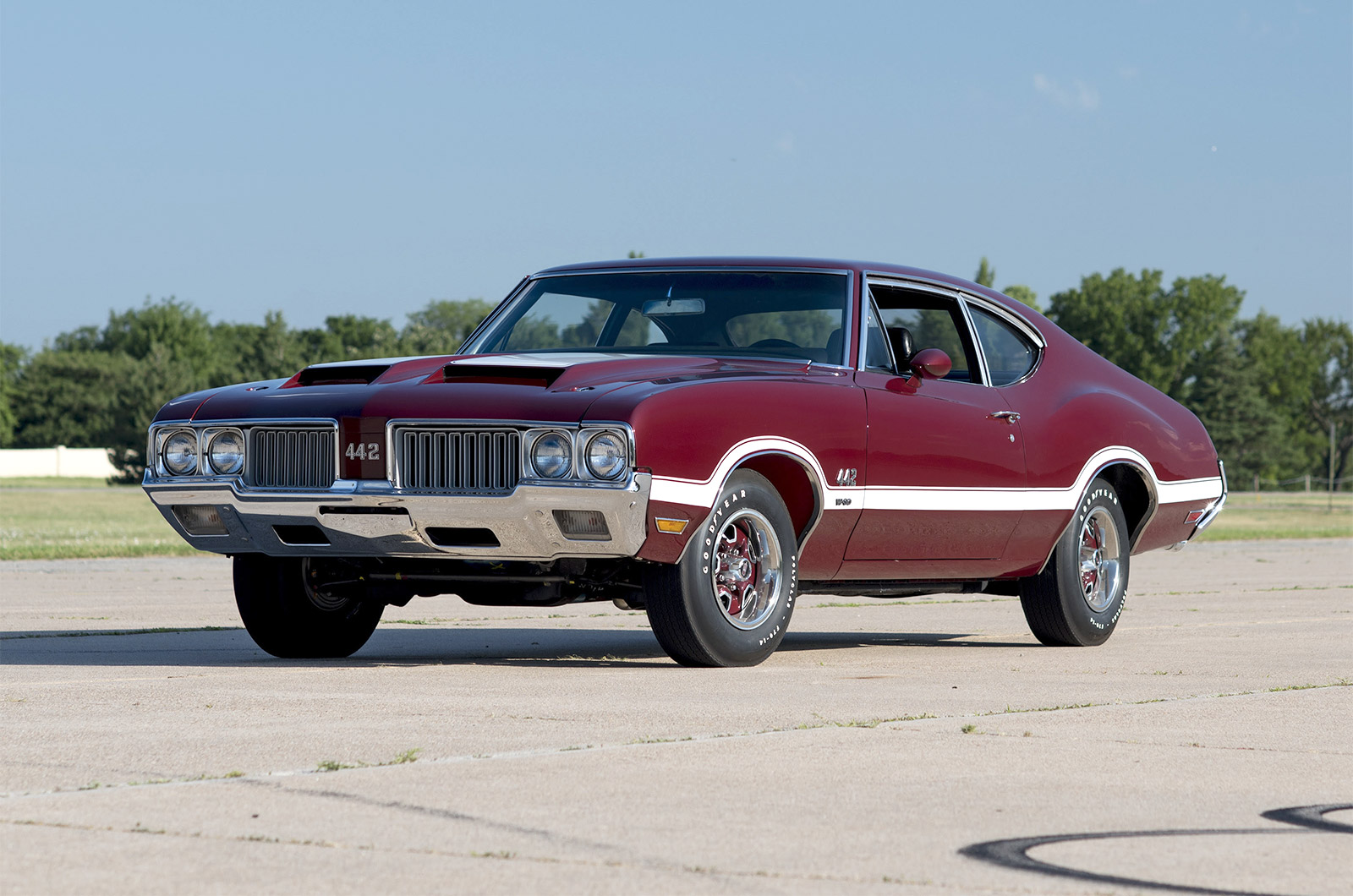
The 4-4-2 started life as a performance-oriented option package on the Oldsmobile Cutlass. It proved popular enough to earn a promotion to a full-fledged model line in 1968. Oldsmobile collaborated with American tuner Hurst to build an even faster 4-4-2 with a 390bhp engine, upgraded brakes and a model-specific suspension.
For a few years, the numbers 4-4-2 were synonymous with no-nonsense performance. The 1972 redesign demoted the nameplate to option package status.
So what happened to Oldsmobile?
Oldsmobile increasingly found its cars lost among those of GM’s other brands, let alone those from other carmakers, and the brand died in 2004.
Nash: Metropolitan (1953)
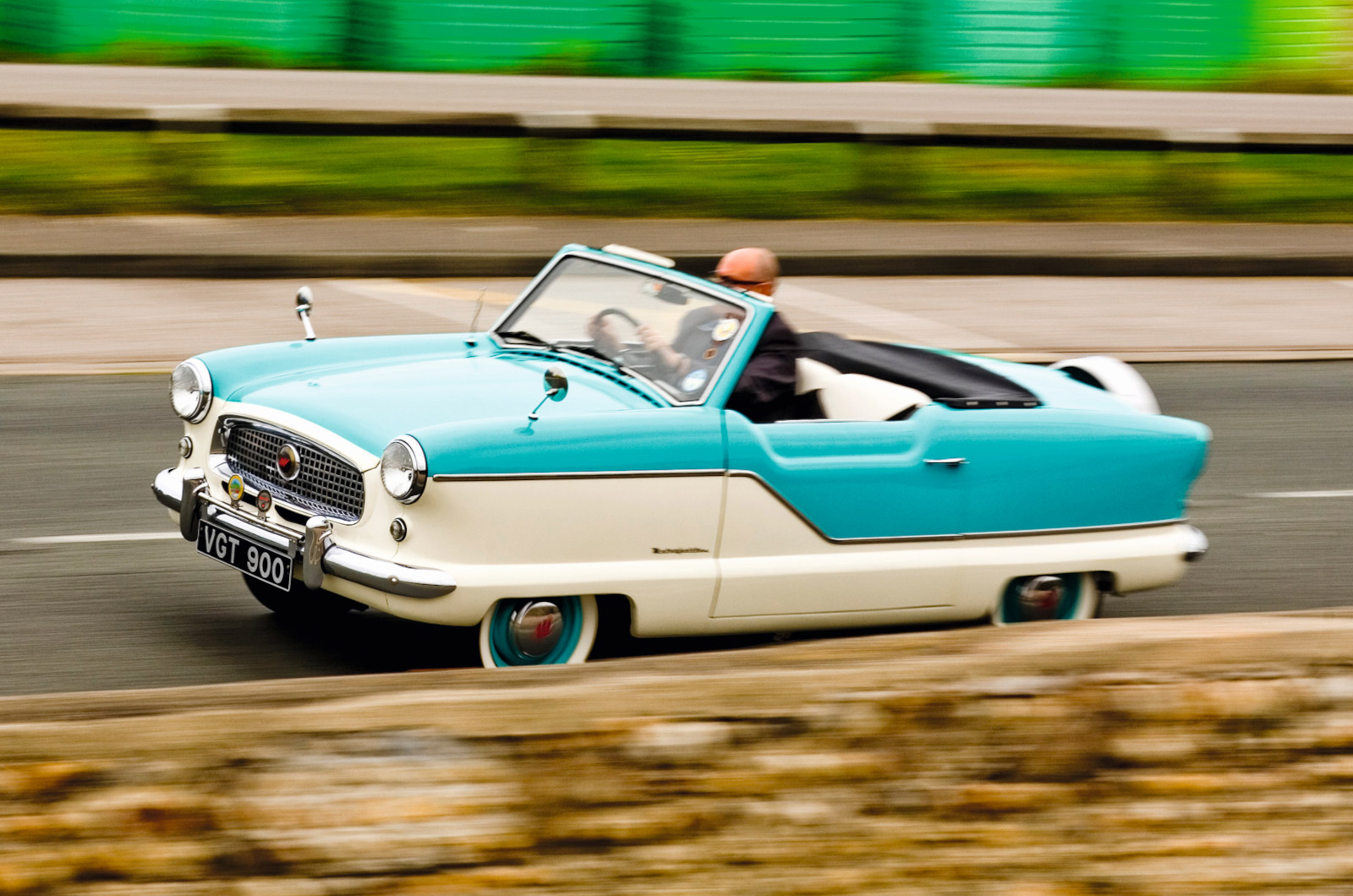
Nash envisioned the Metropolitan as a small American car with European flair. It commissioned a design from Pininfarina and asked Austin for the A40’s engine and spare production capacity. It all came together shockingly well; one of America’s smallest and most stylish cars was born.
Sales started during the 1954 model year. Often bought as a second car, the Metropolitan went through several evolutions (and was sold under several names, including Hudson and Rambler) until production ended in 1961.
So what happened to Nash?
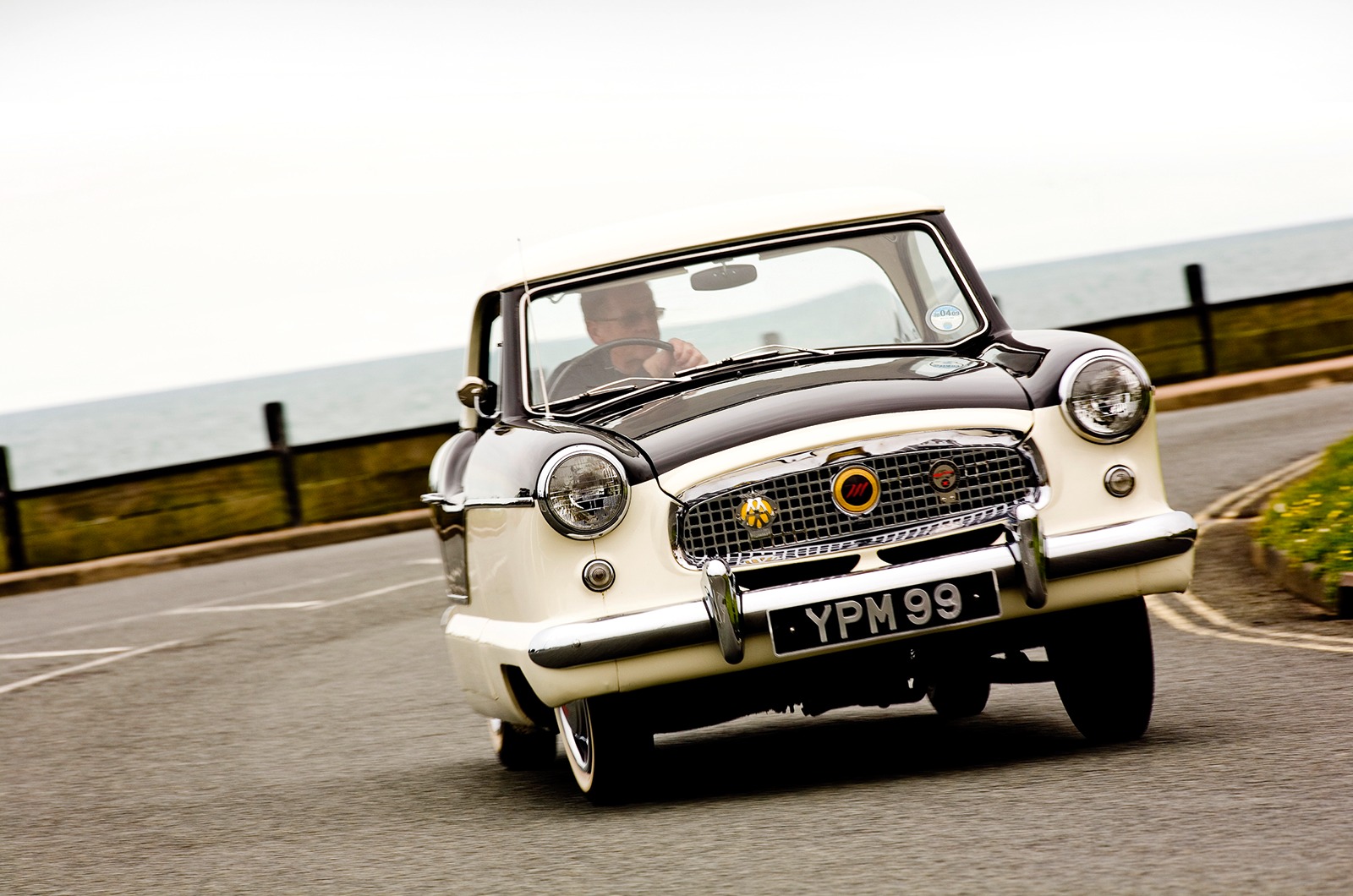
In 1954, Nash and Hudson became American Motors Corporation (AMC) through what was at the time the largest corporate merger in American history, and formed the fourth-largest carmaker in the United States. AMC was taken over by Chrysler in 1987. The Nash name stopped being used in 1957.
NSU: Ro80 (1967)
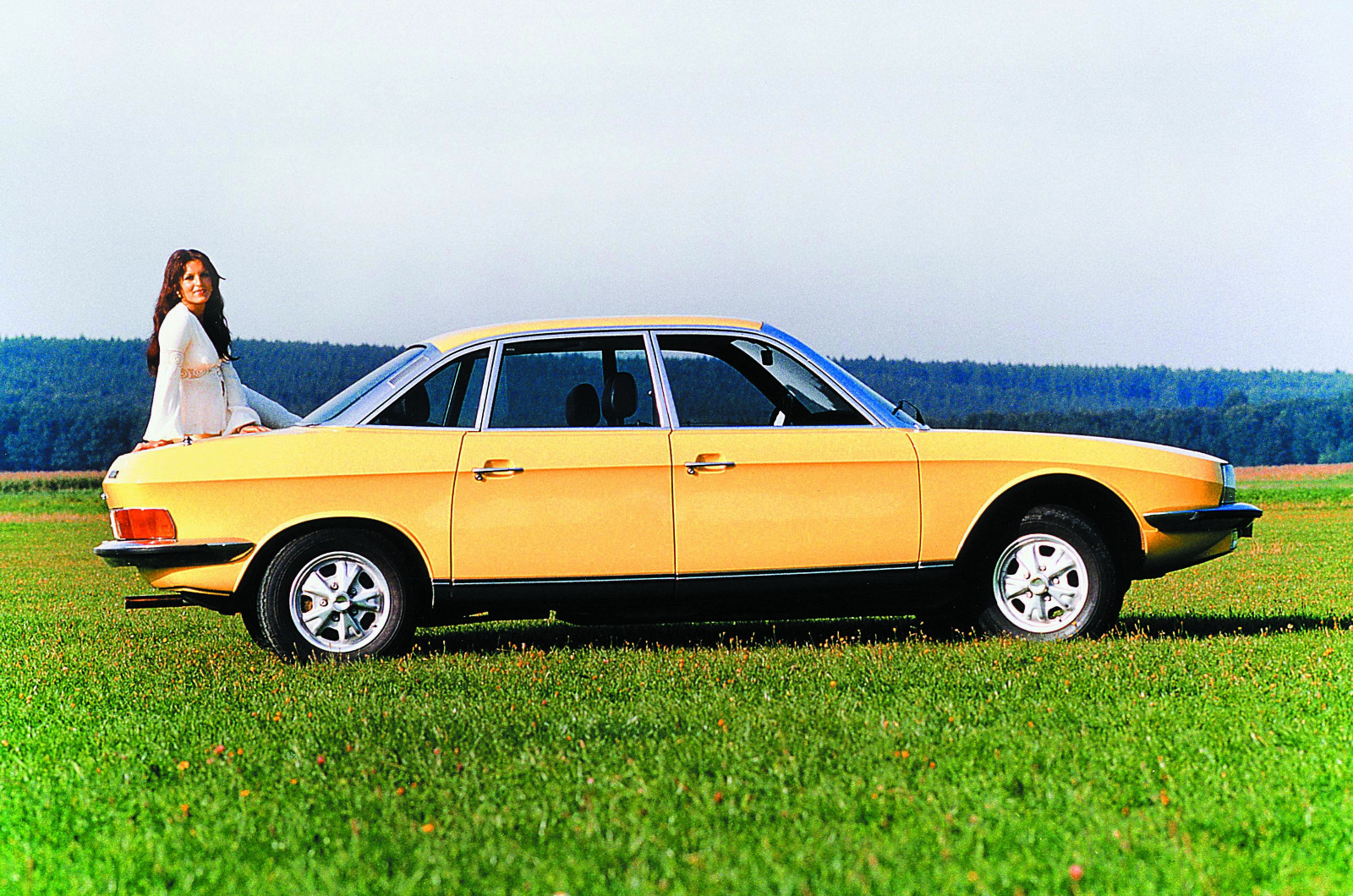
Presented at the 1967 Frankfurt motor show, the NSU Ro80 stood proud as one of the most innovative production cars released in the 1960s. It arrived as a big, upmarket model with unusual proportions, a highly aerodynamic design, and a twin-rotor Wankel engine.
Many celebrated it as the family car of the future. Early problems with the rotary engine gave the Ro80 a bad reputation that it didn’t fully recover from, and the first oil embargo sealed its fate. While NSU took steps to make the rotary engine more reliable, it couldn’t keep its fuel economy in check. The Ro80 retired without a direct successor in 1977.
So what happened to NSU?
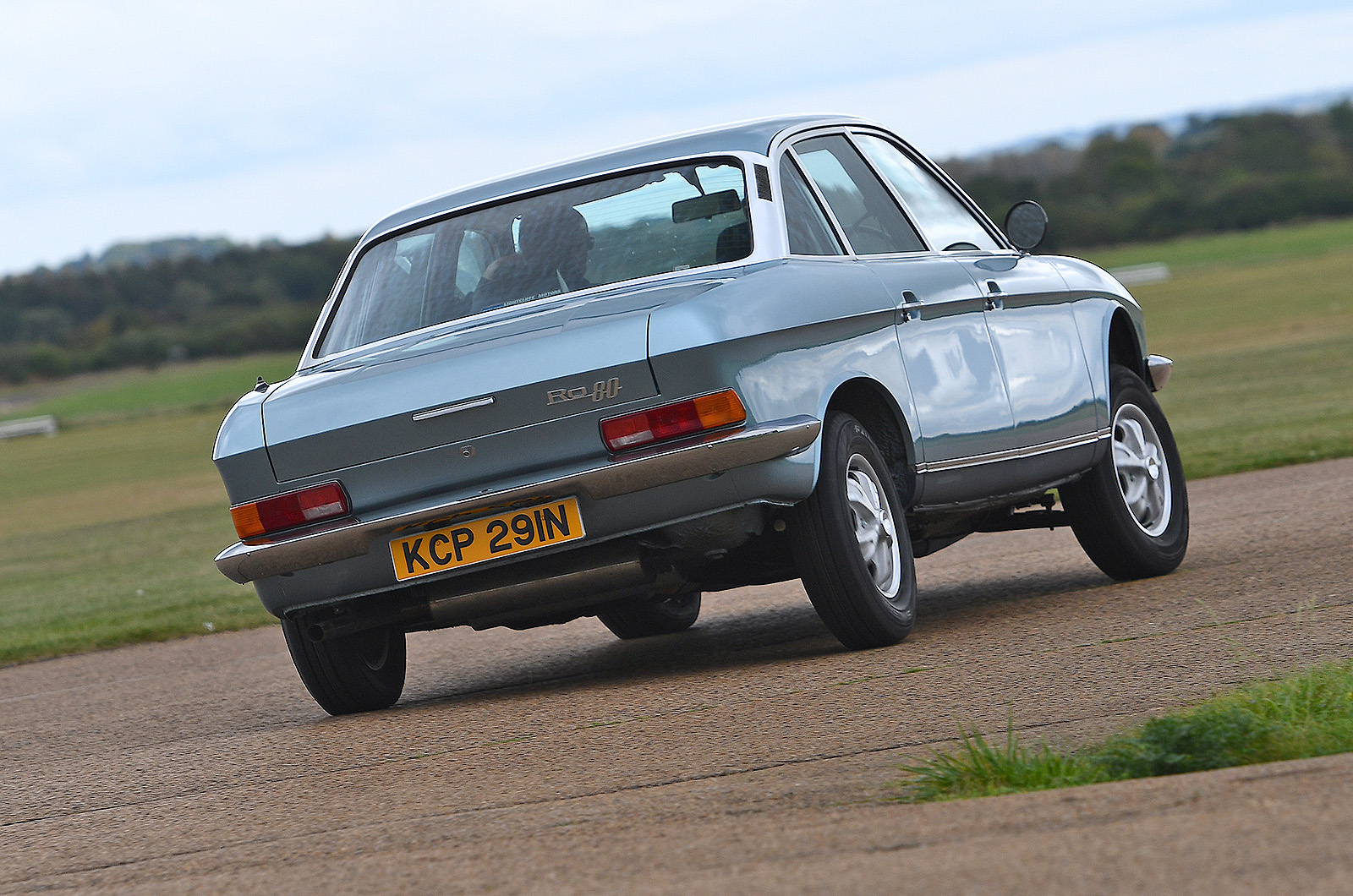
Vast warranty claims from the Ro80 crippled the firm and Volkswagen took it over, though VW was more interested in the firm’s factory than in its line-up. It merged NSU and Auto-Union in 1969 and reluctantly absorbed the K70, which became the first water-cooled Volkswagen.
NSU built its last car, an Ro80, in 1977, but the firm’s legacy endured. The Audi 50 (1974) was developed by NSU to replace the Prinz; it became the first Volkswagen Polo.
Panhard: 24 BT/CT (1964)
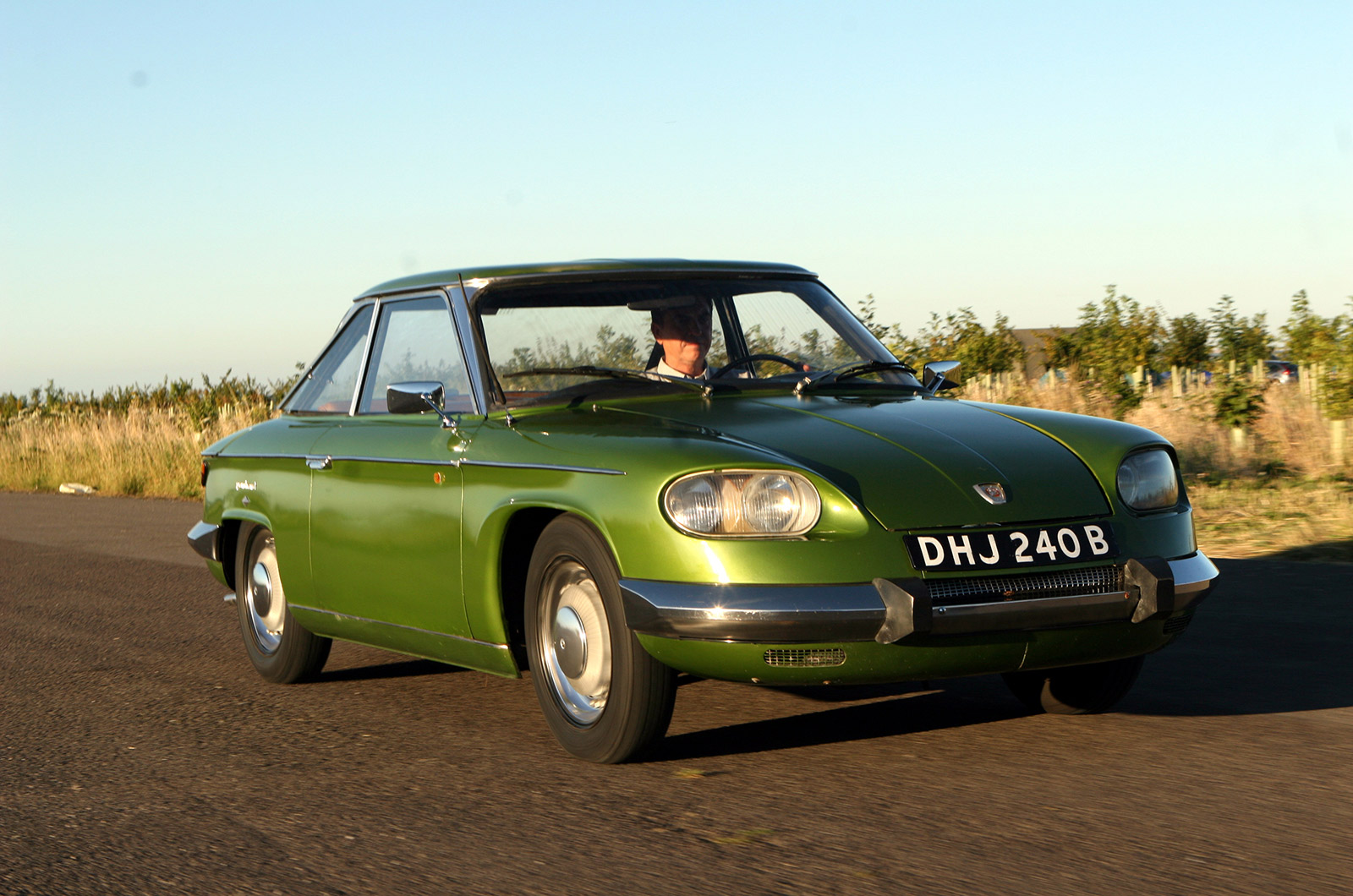
Ordinary motorists knew Panhard for big, six-seater saloons; racers knew Panhard for ultra-light sports cars. The 24-series cars were an attempt at blending the company’s two identities. Offered with a short or a long wheelbase, the 24 brought Panhard’s unique breed of sportiness to motorists unwilling to commute in a stripped-down race car.
The 24 BT was longer than the 24 CT to offer more space for occupants riding in the back. Both variants received an air-cooled flat-twin engine which, thanks to an impressively aerodynamic design, propelled the 24 to highway speeds in a relative hurry.
So what happened to Panhard?
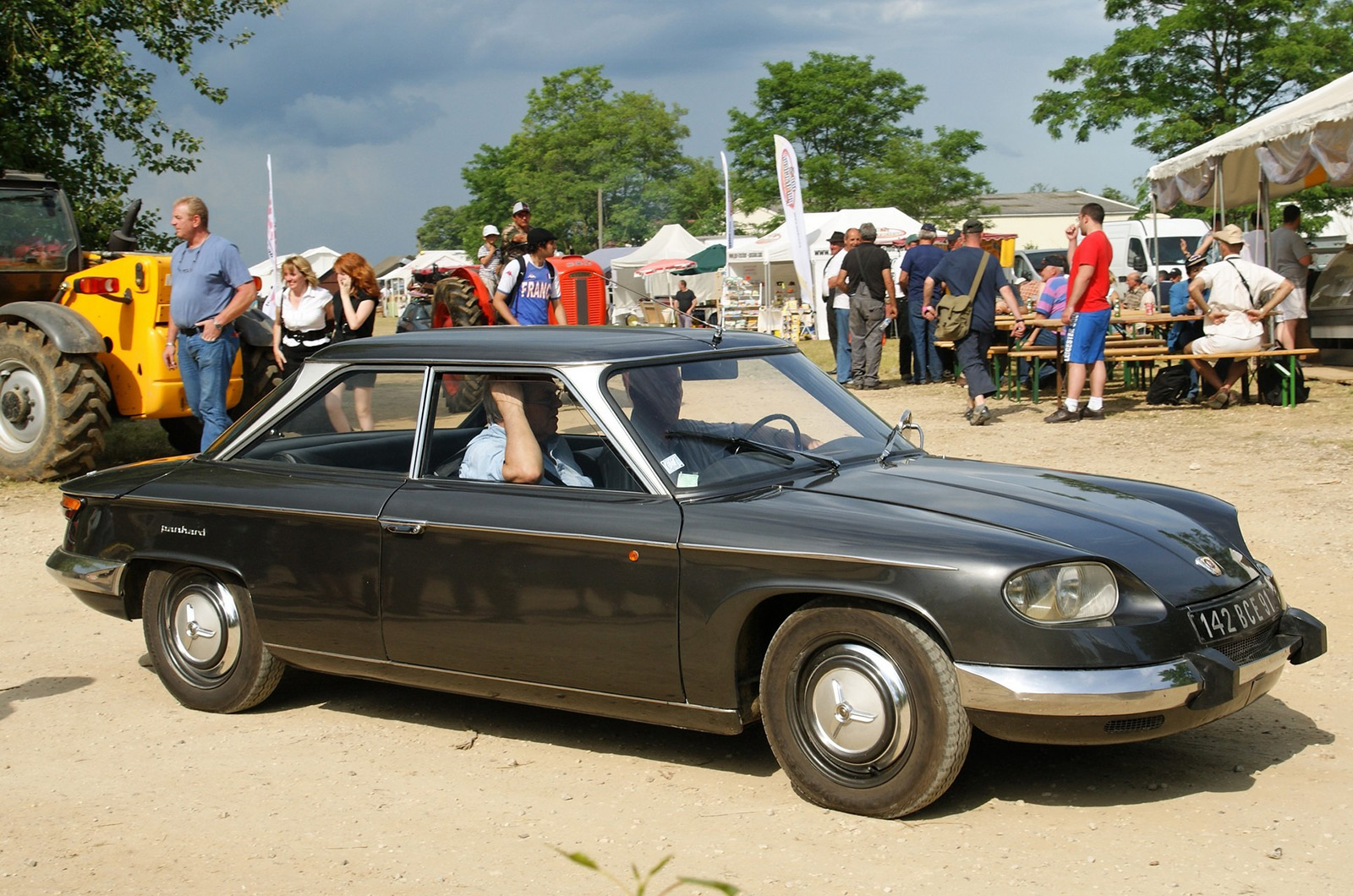
The car side of Panhard was sold to Citroën in 1967, and the brand as a carmaker died. The name lives on as a maker of military vehicles, ultimately owned by Volvo Group, the Swedish truckmaker.
Pontiac: Firebird (1967)
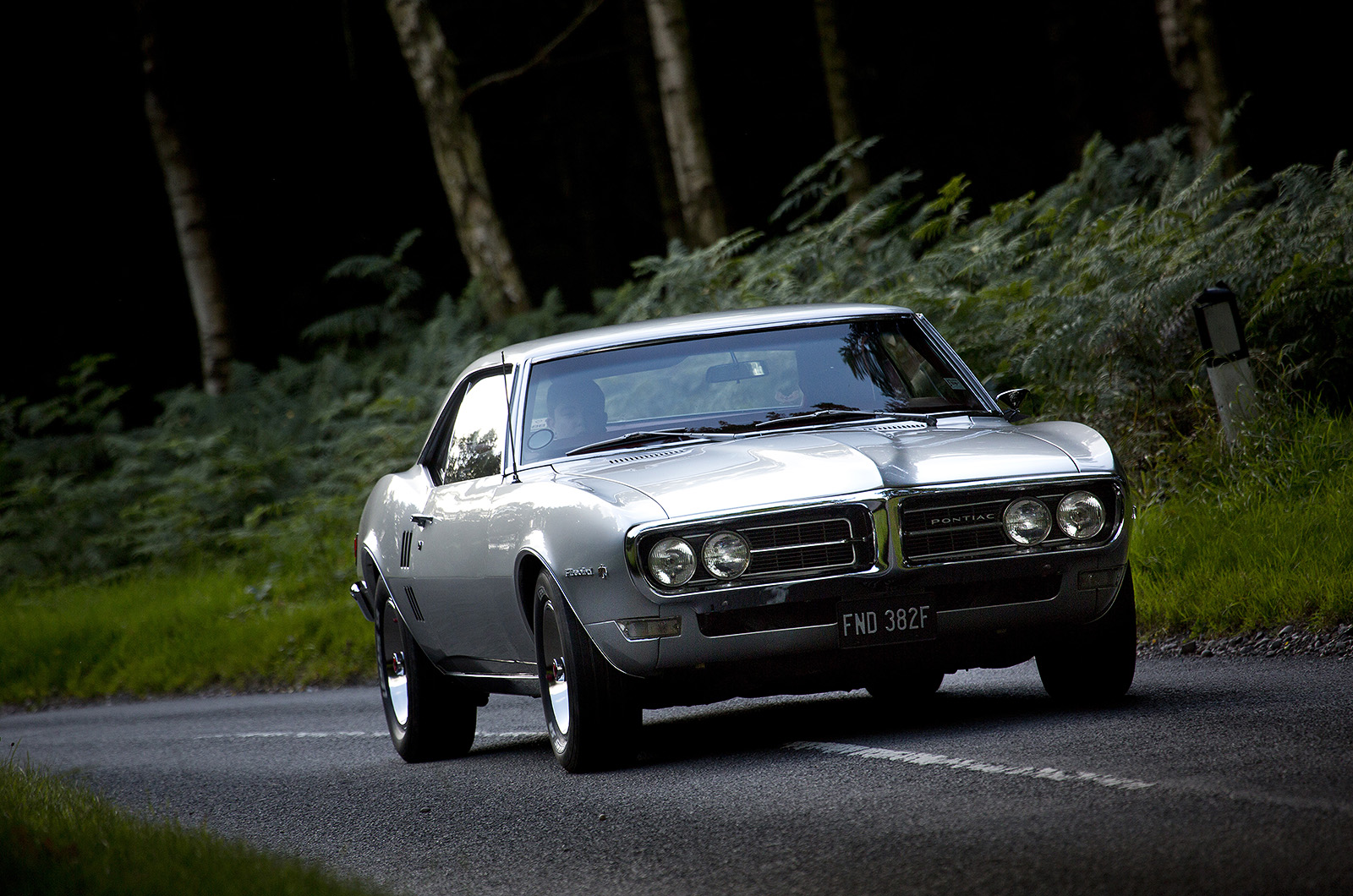
General Motors didn’t allow Pontiac to build a two-seater sports car out of fear it would compete directly against Chevrolet’s Corvette. Instead, Pontiac received permission to launch a sports car based on the same platform as the then-new Camaro.
Affectionately called “Screaming Chicken,” the Firebird carried on alongside the Camaro for four generations until it died in 2002.
So what happened to Pontiac?
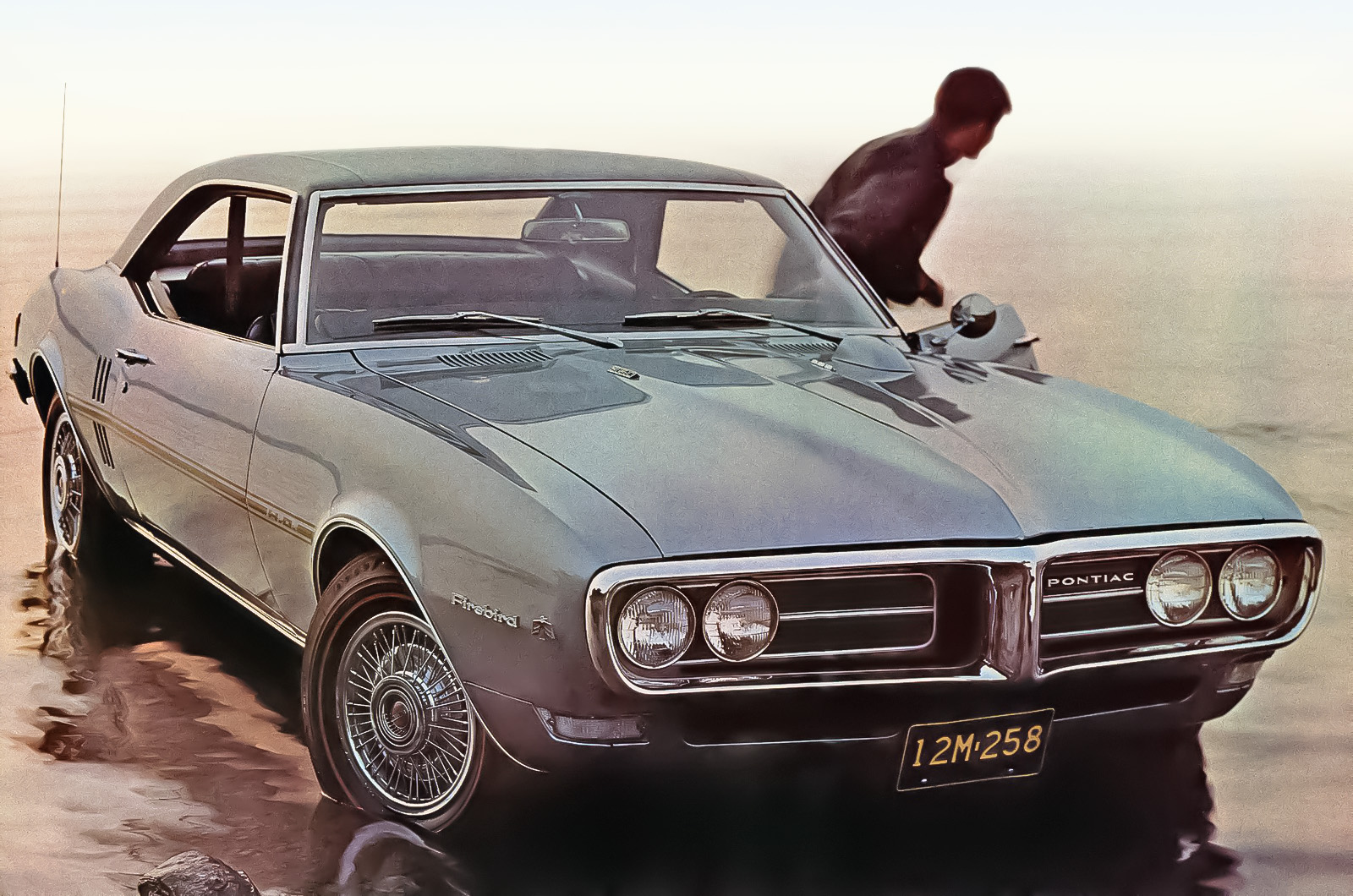
Increasingly lost in General Motors, the Pontiac brand was discontinued in 2010 as GM rationalised its brands after its near-death experience in the 2008-09 global financial crisis.
Plymouth: Road Runner (1968)
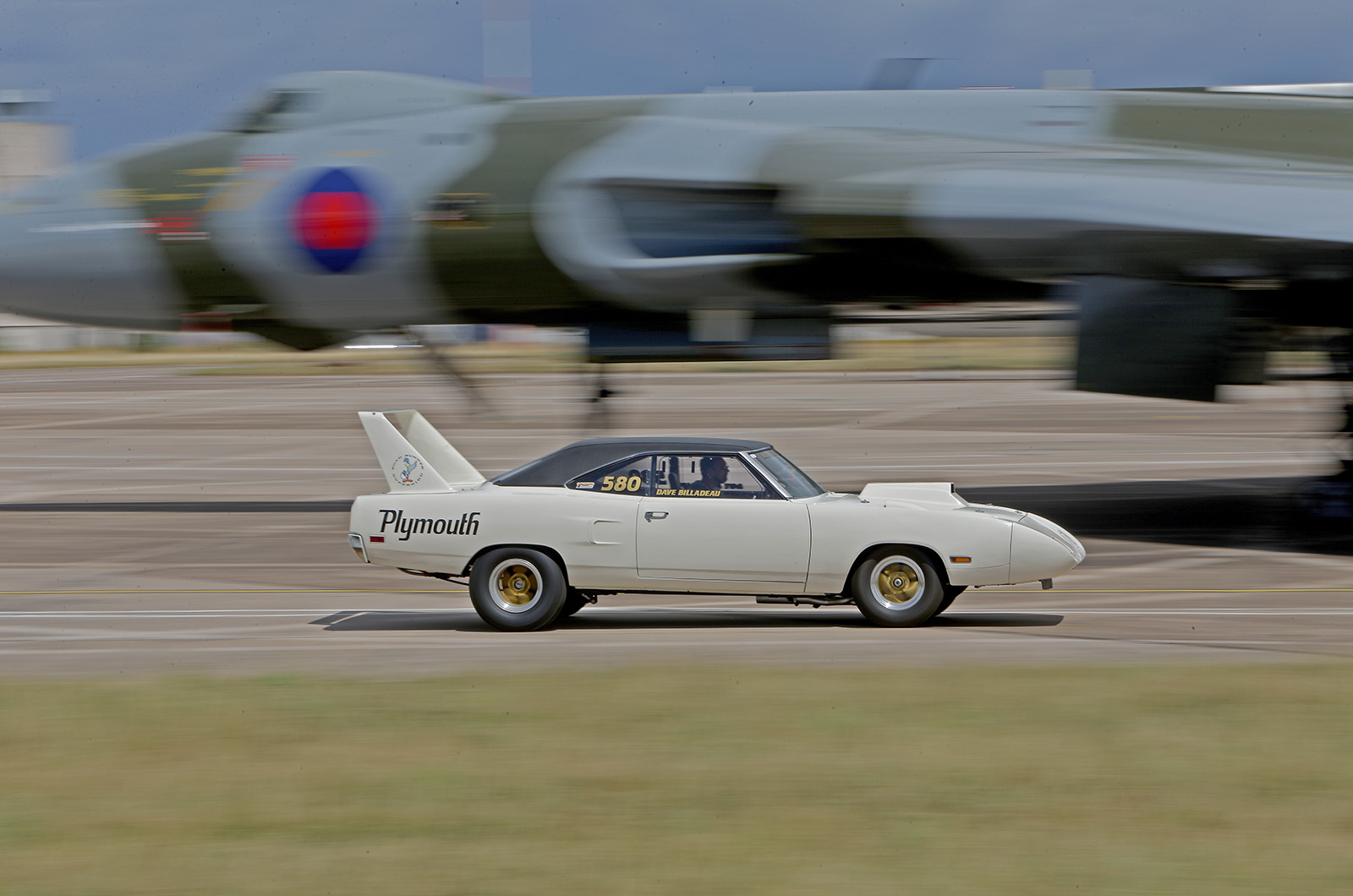
Muscle cars progressively grew out of mainstream buyers’ reach as they became more powerful and more expensive. The Road Runner was a return to the basic, enthusiast-approved formula of placing an immensely powerful engine in the unsuspecting body of a run-of-the-mill car. The Road Runner exceeded Plymouth’s wildest expectations during its first year on the market. Clearly, the time was right for a more affordable muscle car.
So what happened to Plymouth?
Chrysler’s Plymouth brand died in 2001, and its cars were either discontinued or rebranded as Chryslers.
Rover: SD1 (1976)
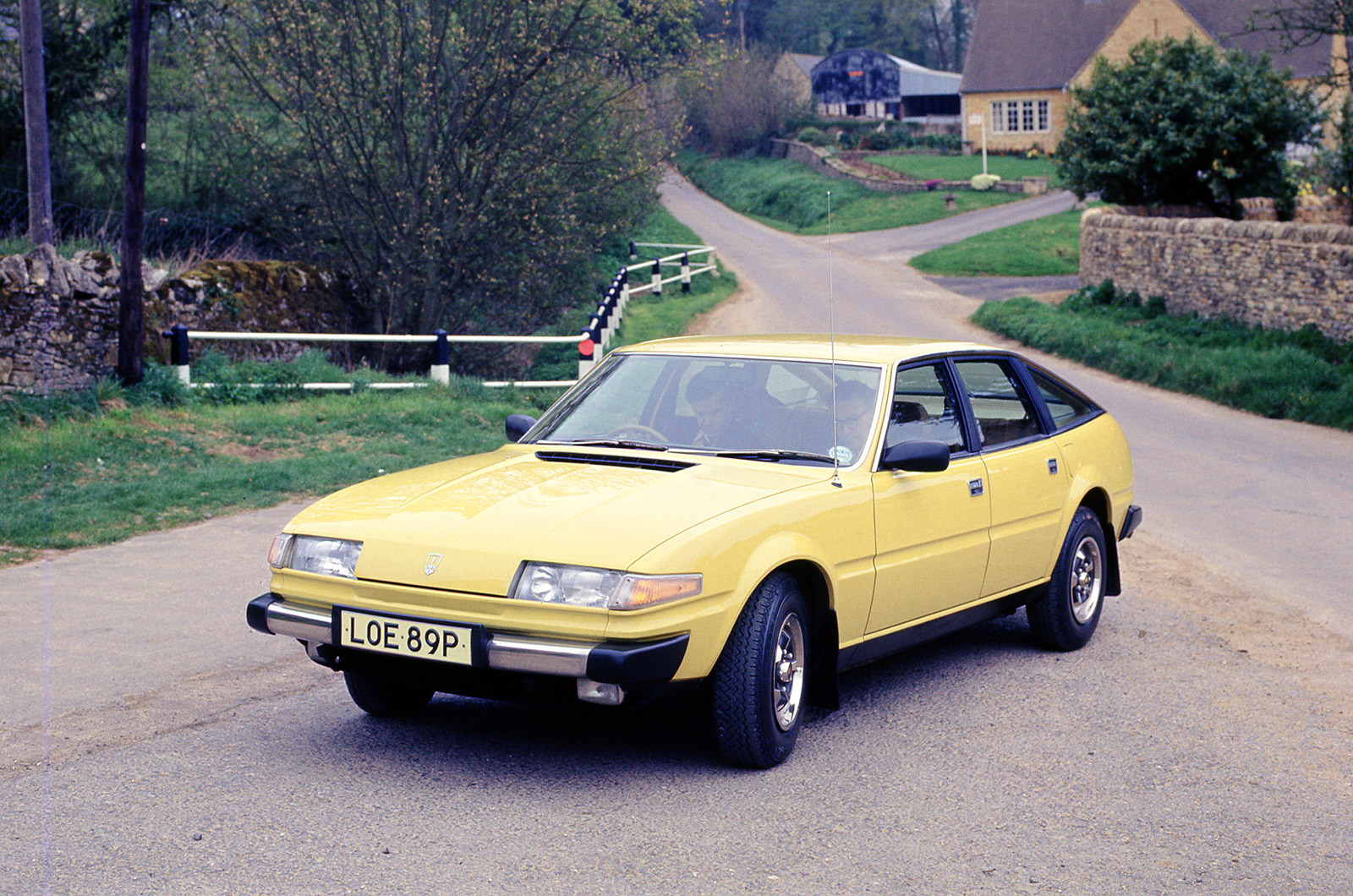
The SD1 was Rover’s last attempt at building a true flagship model on its own, before it teamed up with Honda to share technology and costs. An avant-garde design and optional V8 power positioned it firmly at the top of the Rover range, placing it in the same ring as executive saloons from BMW and Mercedes-Benz. When it worked it was great – but poor build quality and reliability ensured the SD1 often didn’t.
So what happened to Rover?
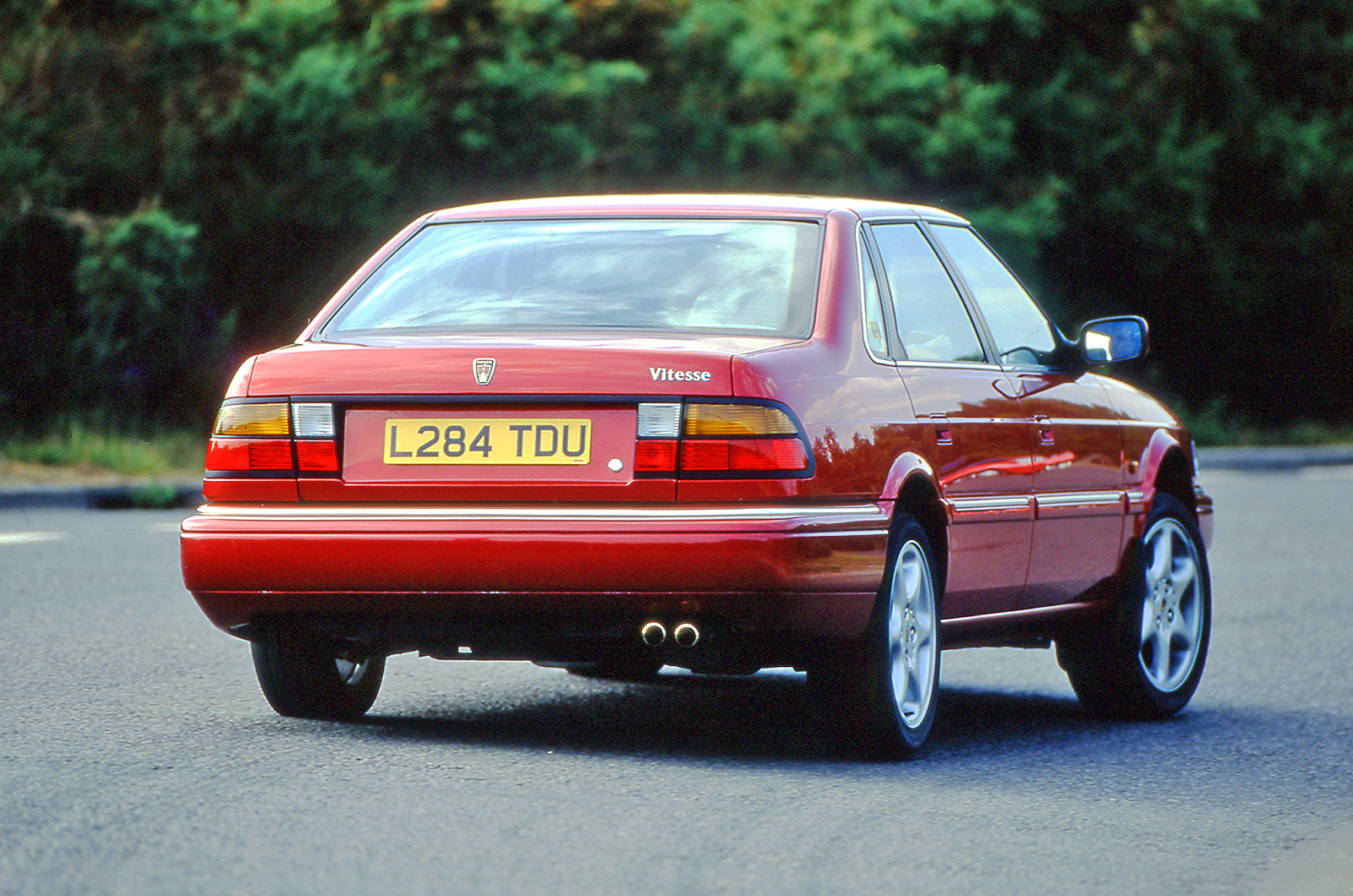
Rover became part of the Austin Rover group, and it developed the 800 (pictured) as a follow up to the SD1, a sister car to the Honda Legend. Rover was sold to BMW in 1994. Having sold off Land Rover to Ford in 2000, it sold what was now MG Rover to a management consortium for £10. However, MG Rover went out of business in 2005. The Rover name was sold by BMW to Ford for around £10 million (around $16 million) in 2006, which sold the marque along with Land Rover and Jaguar to India’s Tata Motors in 2008.
Saab: 99 (1968)
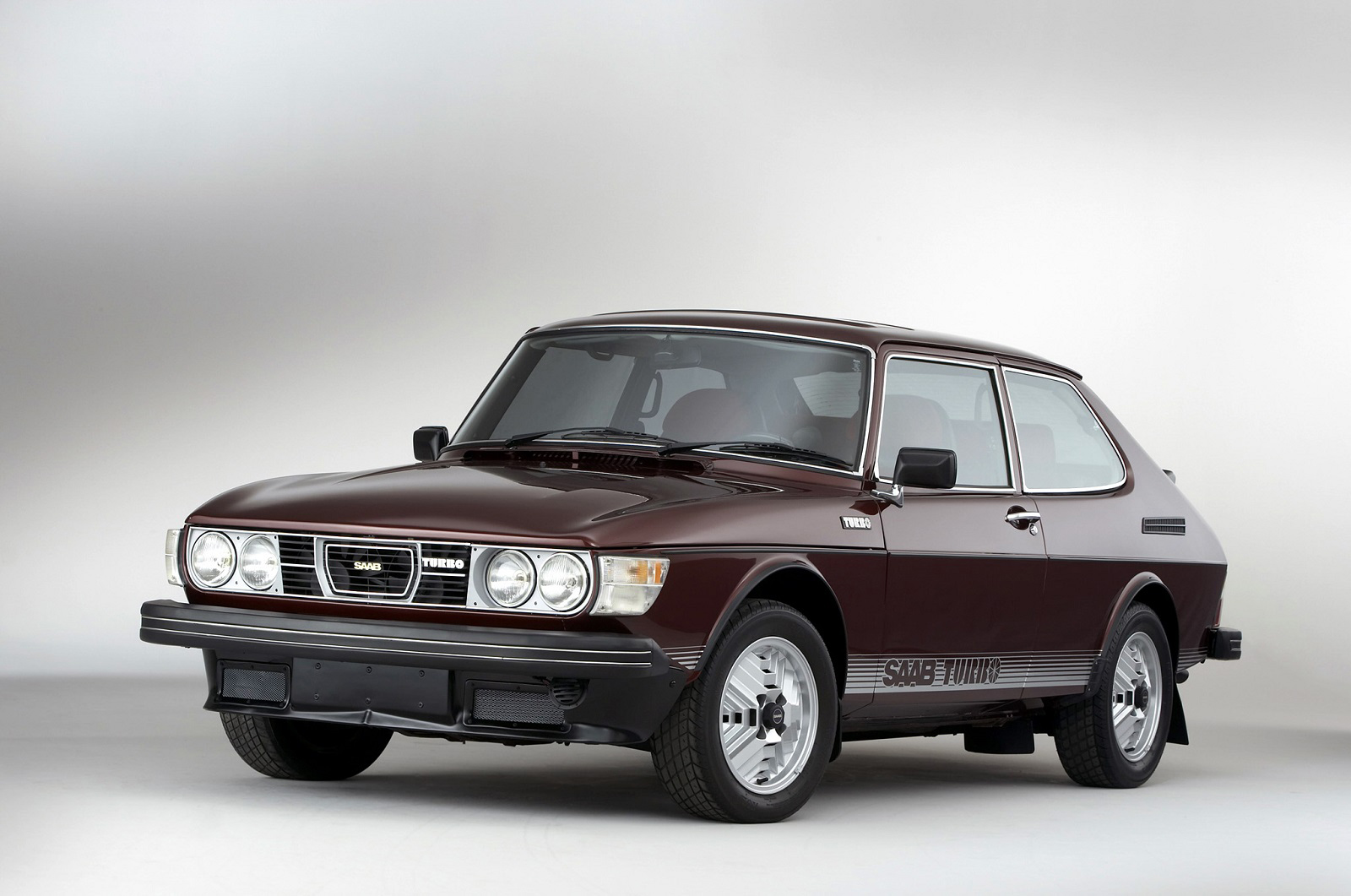
The 99 marked the beginning of a new chapter in Saab’s history. The Swedish brand ditched the 92-inspired design of earlier cars in favor of a more contemporary look characterized by a wrap-around windscreen, while a Triumph-sourced four-cylinder engine relegated the 96’s DKW-derived two-stroke engine to the history book once and for all.
The 1978 Turbo remains the best-known evolution of the 99. It paved the way for every high-performance Saab from then on.
So what happened to Saab?
Saab was fully acquired by General Motors in 2000. Saab was sold to Spyker in 2010, but ceased making cars in 2011. A Chinese firm called NEVS then bought Saab’s automotive assets, but it seems that the brand won’t be used on any vehicles; this is a complex area since the Saab name is still used by a military aircraft maker; Saab cars and aircraft were under the same ownership until 1990.
Saturn: SL (1990)
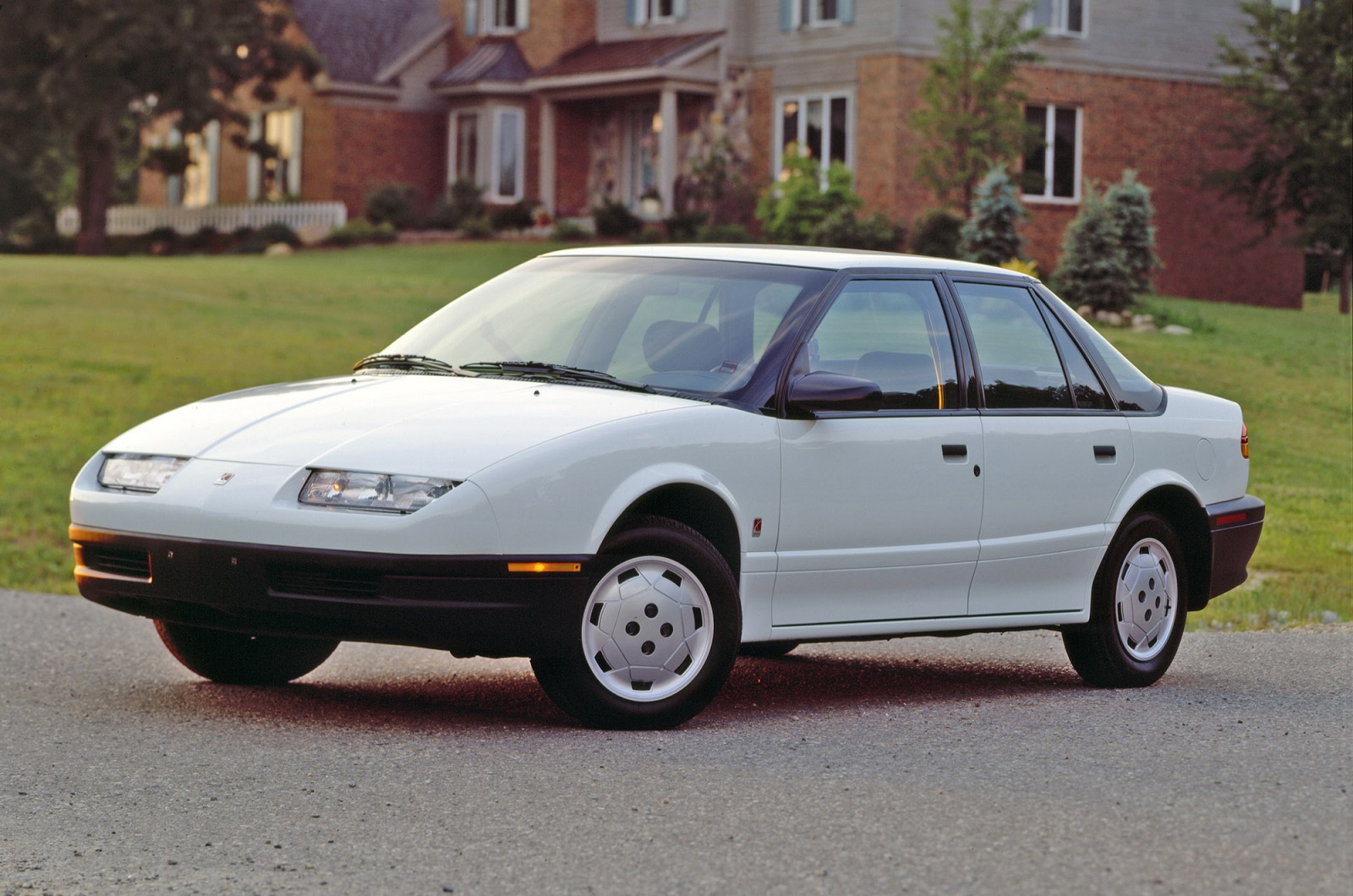
Saturn illustrated how it planned to operate as a different kind of car company when it launched the SL in 1990 as a 1991 model. The model looked like nothing else in the General Motors portfolio thanks in part to a grille-less front end, it was built on a brand-specific platform, and it was manufactured in a new assembly plant located in Spring Hill, Tennessee.
Even odder were the SL’s plastic body panels, which were chosen because they were lighter, more durable, and cheaper than steel parts. Saturn’s unique approach to taking on Japanese carmakers initially paid off. It built its 500,000th car in September 1993 and it sold 229,356 cars that year.
So what happened to Saturn?
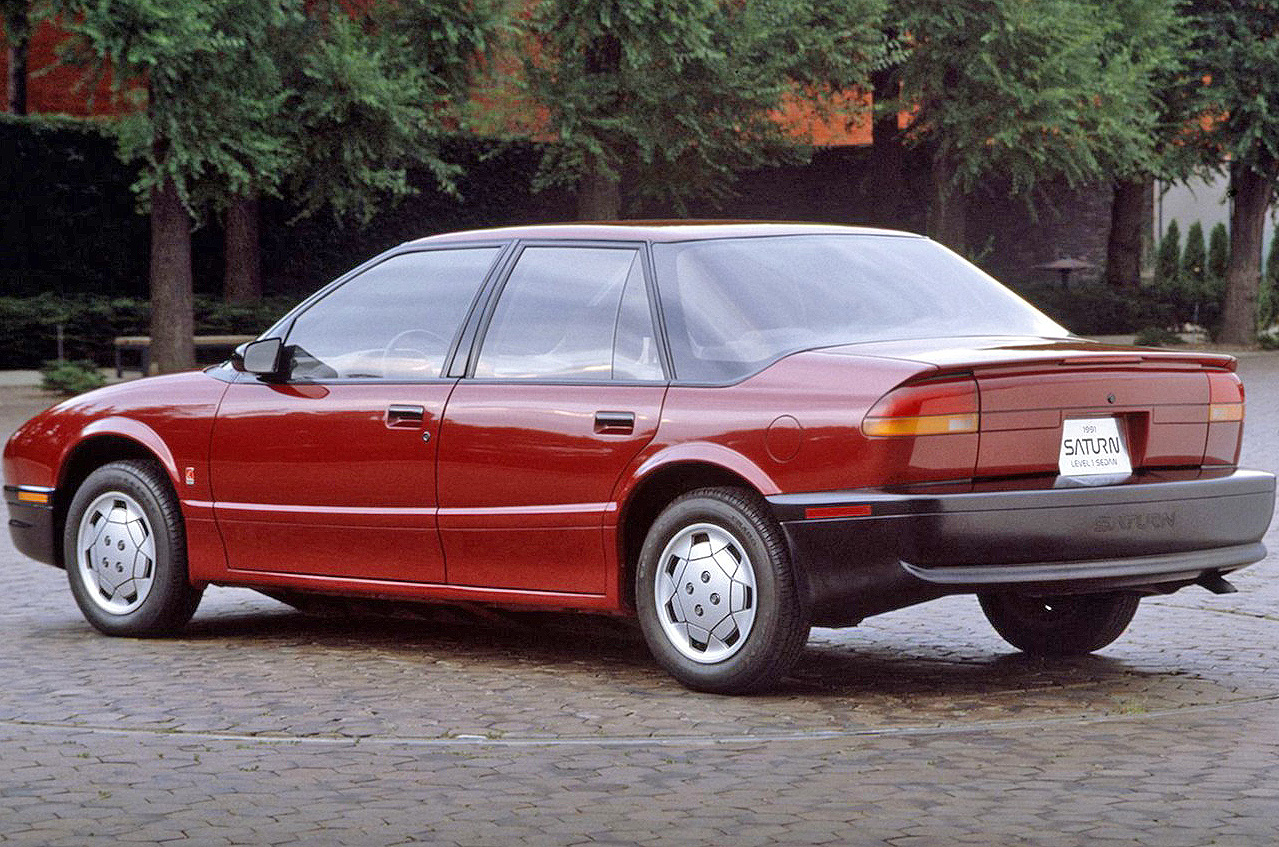
The problem arguably started from literally day two. GM CEO Roger Smith championed Saturn, but retired the day after it was officially launched. Later bosses showed much less interest commitment to it, and the cars gradually lost their identity as they became sister cars to those from other GM brands. It was closed in early 2010 along with several other GM brands.
Simca: 1000 Rallye (1970)
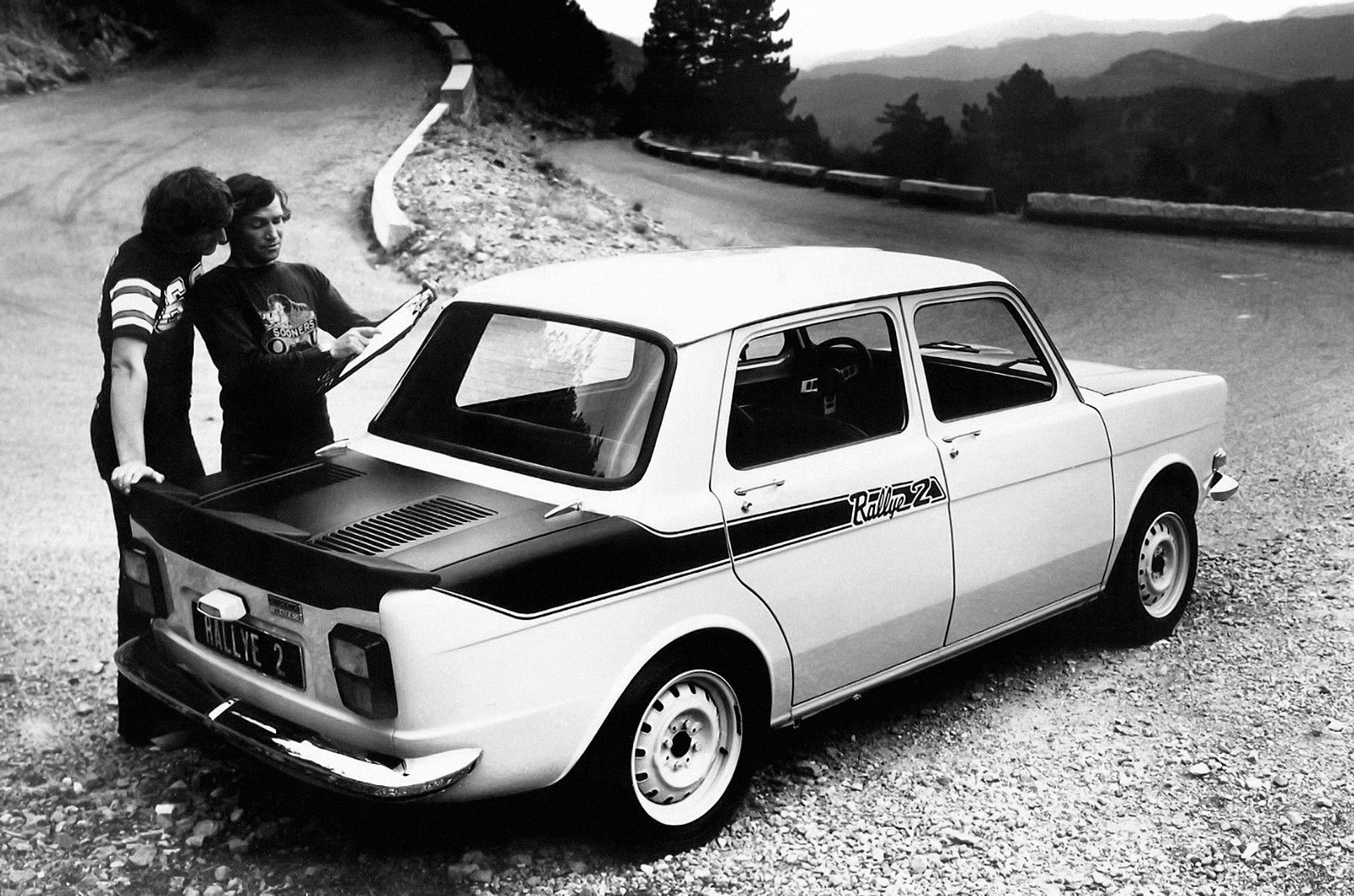
Abarth applied its magic to the Simca 1000, but it’s the three Rallye versions that replaced Renaults and NSUs in the heart of enthusiasts seeking rear-biased driving thrills. The 1000 was the ideal base for a high-performance saloon aimed at buyers on a budget. The first two editions of the Rallye were hot-rodded production cars, but the 102bhp Rallye 3 was a full-blown street-legal race car released for homologation purposes. All three models are still widely used in hill climb events today.
So what happened to Simca
Simca was bought by Chrysler in 1970, and then PSA Peugeot-Citroën in 1979, and the badge died thereafter in favour of Talbot.
Studebaker: Avanti (1962)
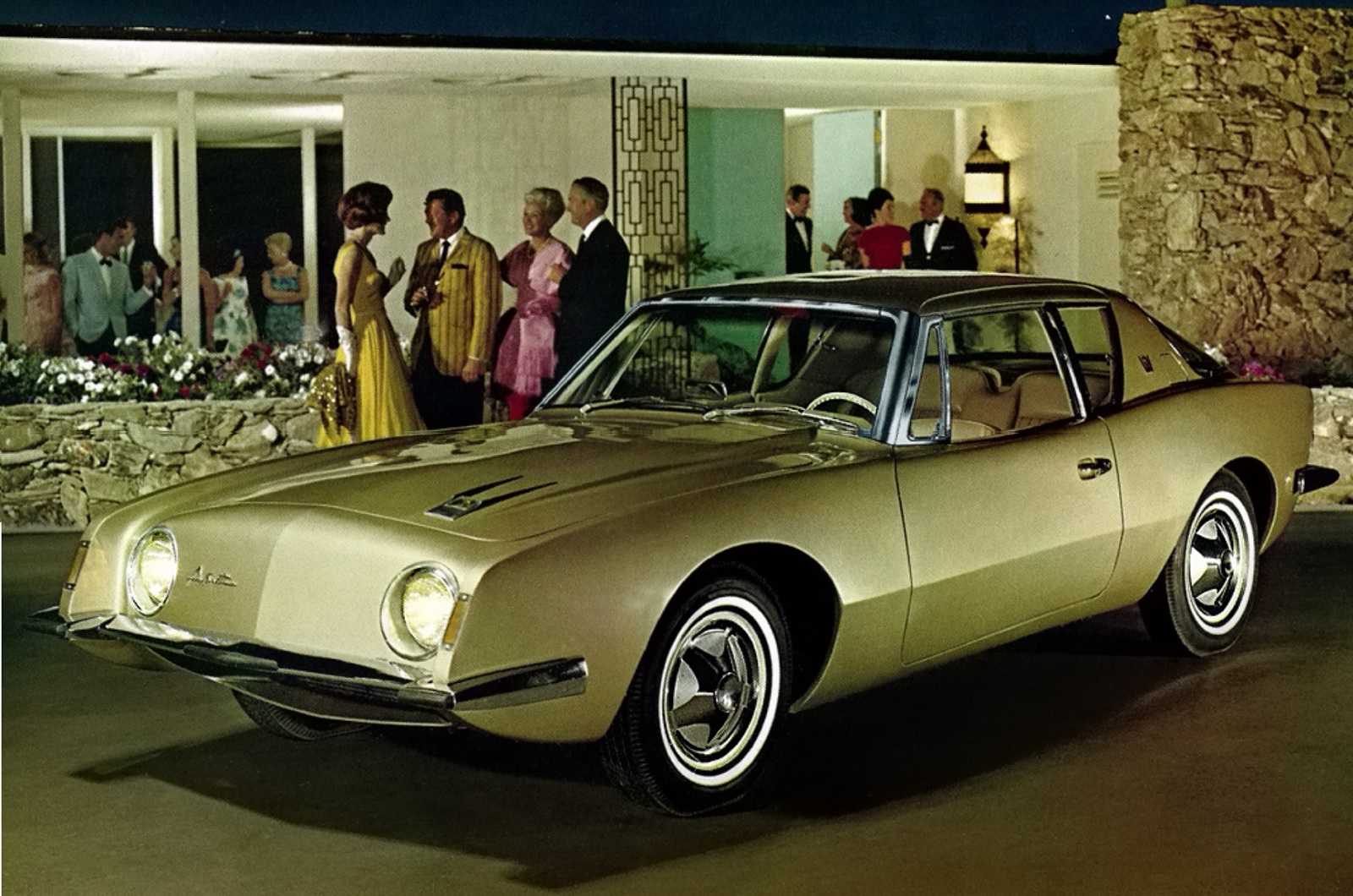
Developed in response to the Chevrolet Corvette, the Avantis was designed by Raymond Loewy and had a body made out of fiberglass and dropped on a modified Studebaker Lark chassis. Studebaker built about 5800 examples of the Avanti before it shut down for good, but five different entrepreneurs took turns building the car until 2006.
So what happened to Studebaker?
Studebaker found it increasingly hard to compete with the Detroit giants, and production at its main South Bend factory ceased in 1963, though operations continued at the company’s Canadian plant until 1966. The name is today owned by Federal-Mogul, a car parts firm.
Sunbeam: Tiger (1964)
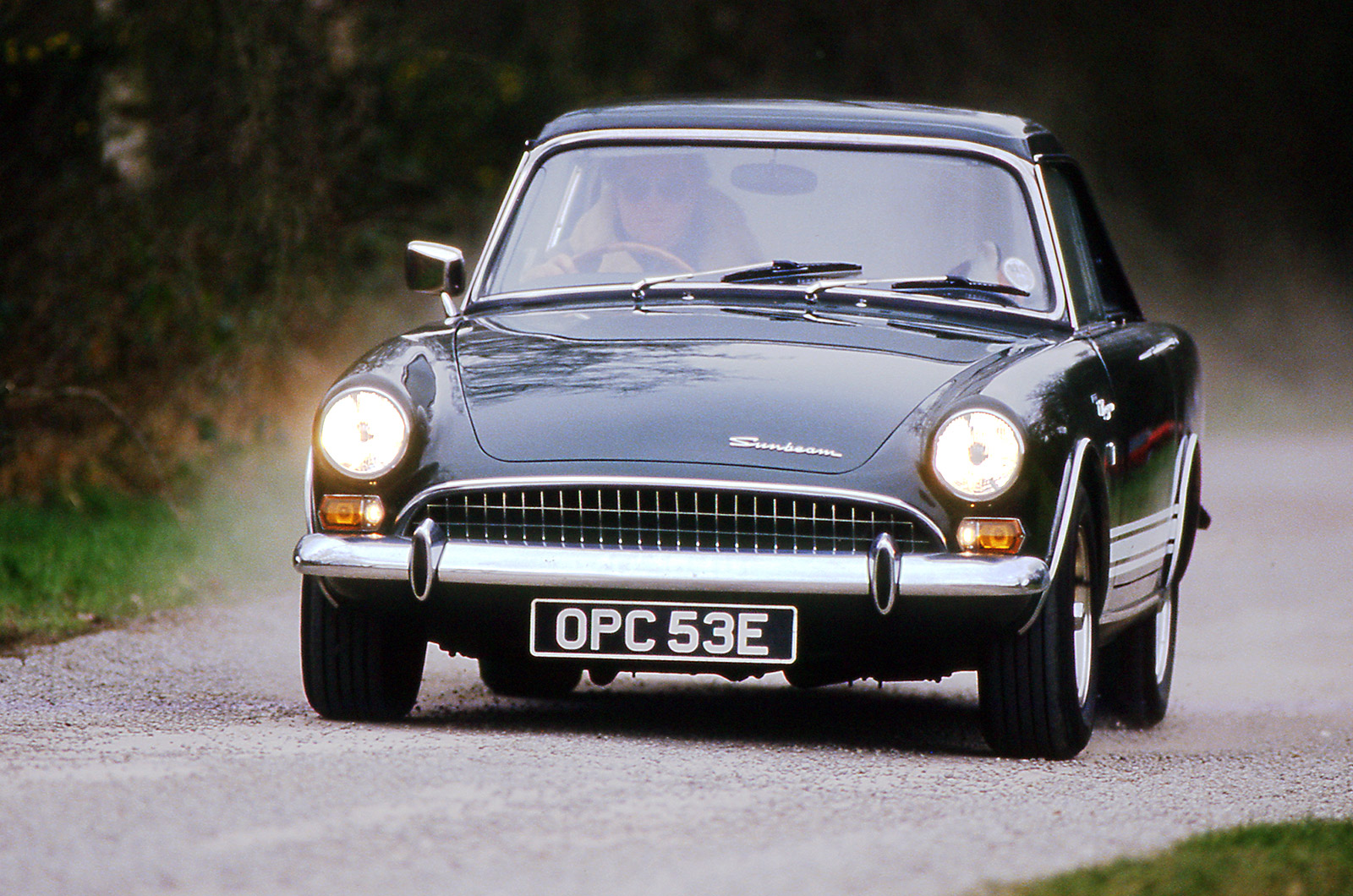
Originally formed in 1901, Sunbeam disappeared after 1935, but was revived in some style in 1953 with the pretty and successful Alpine – which was perfectly timed for the 1950s American open-top sports car wave.
Wanting more power, Sunbeam enlisted Carroll Shelby to help fit a 164bhp 4.3-litre Ford V8 into the car. Twice as powerful as the Alpine but only marginally heavier, the car was a scintillating hit, shifting over 7000 examples in just three years.
So what happened to Sunbeam?
Already part of the Rootes Group, Rootes was absorbed by Chrysler and then Peugeot. The Sunbeam name disappeared in 1981.
Tatra: 613 (1974)
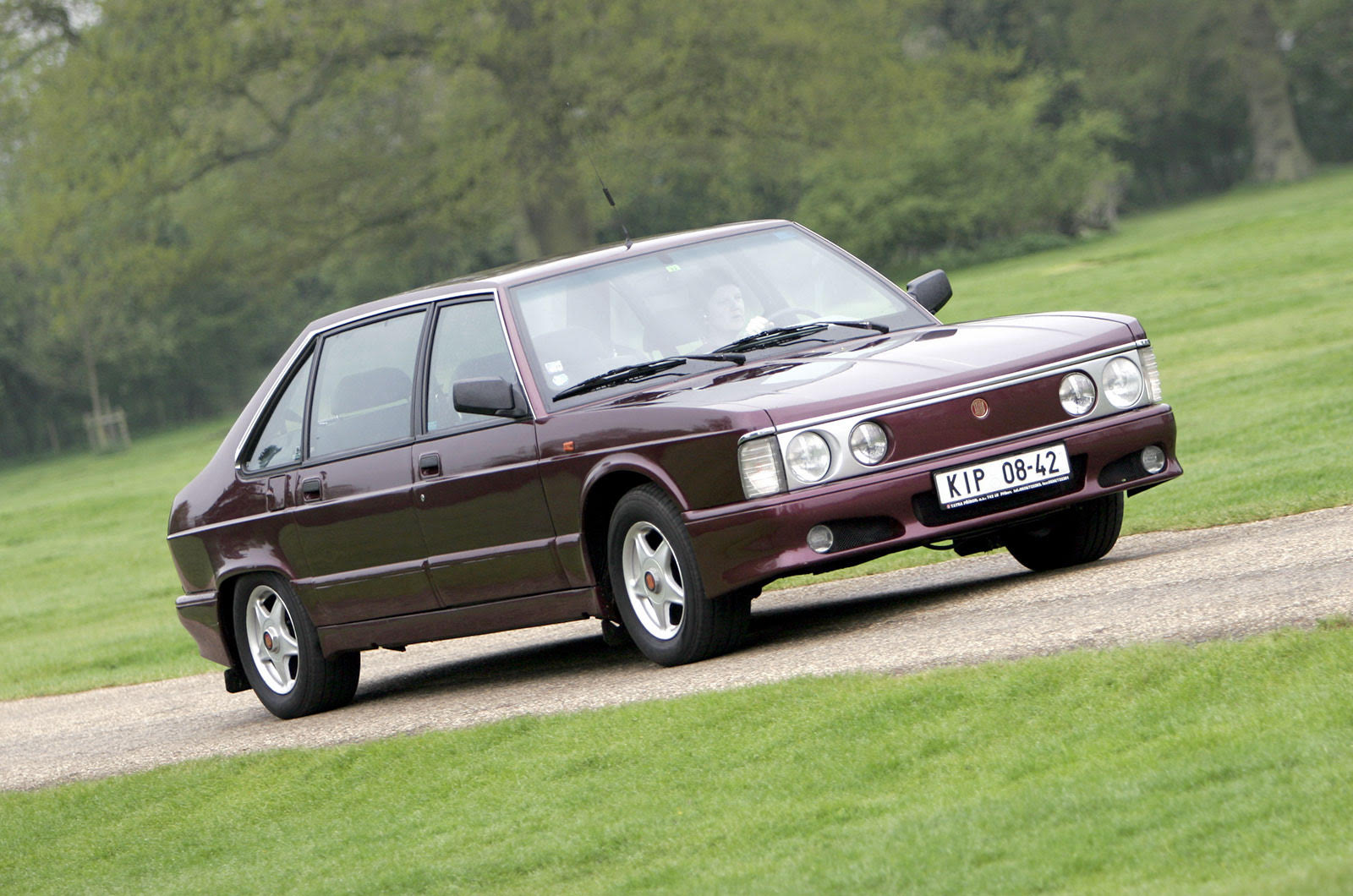
Like Porsche’s 911, the Tatra 613 retained its rear-engined configuration well after the layout went out of fashion. It shared this configuration with its predecessor, the 603, but its styling came to life on a blank sheet of paper. In an unlikely tie-up, Czechoslovakia-based Tatra enlisted the help of Italy’s Vignale to forge a new design identity more in-tune with the times.
It’s remembered as one of the most prestigious cars to come out of the Soviet-era Eastern Europe. You didn’t want to see it parked up in front of your house at two in the morning as it was a favourite of the KGB and its Warsaw Pact counterpart organisations.
So what happened to Tatra
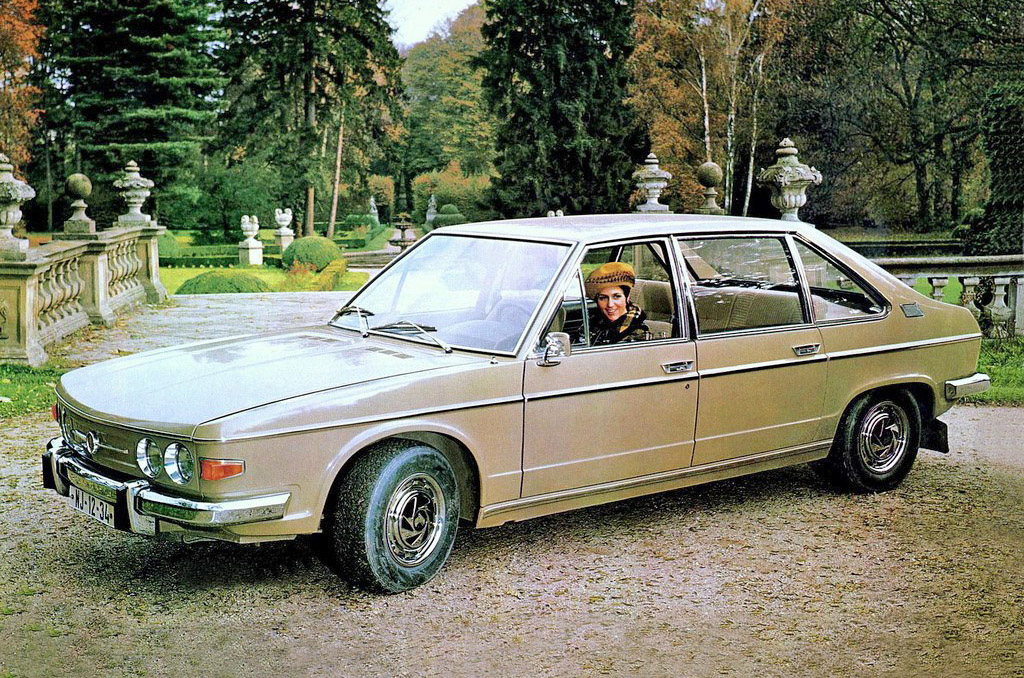
It stopped making cars in 1999, but carries on as small-scale truck maker, and as such is the second-oldest vehicle producer in Europe after Peugeot, the Tatra company having been formed all the way back in 1850, when it produced horse-drawn carriages.
Talbot: Samba Cabriolet (1982)
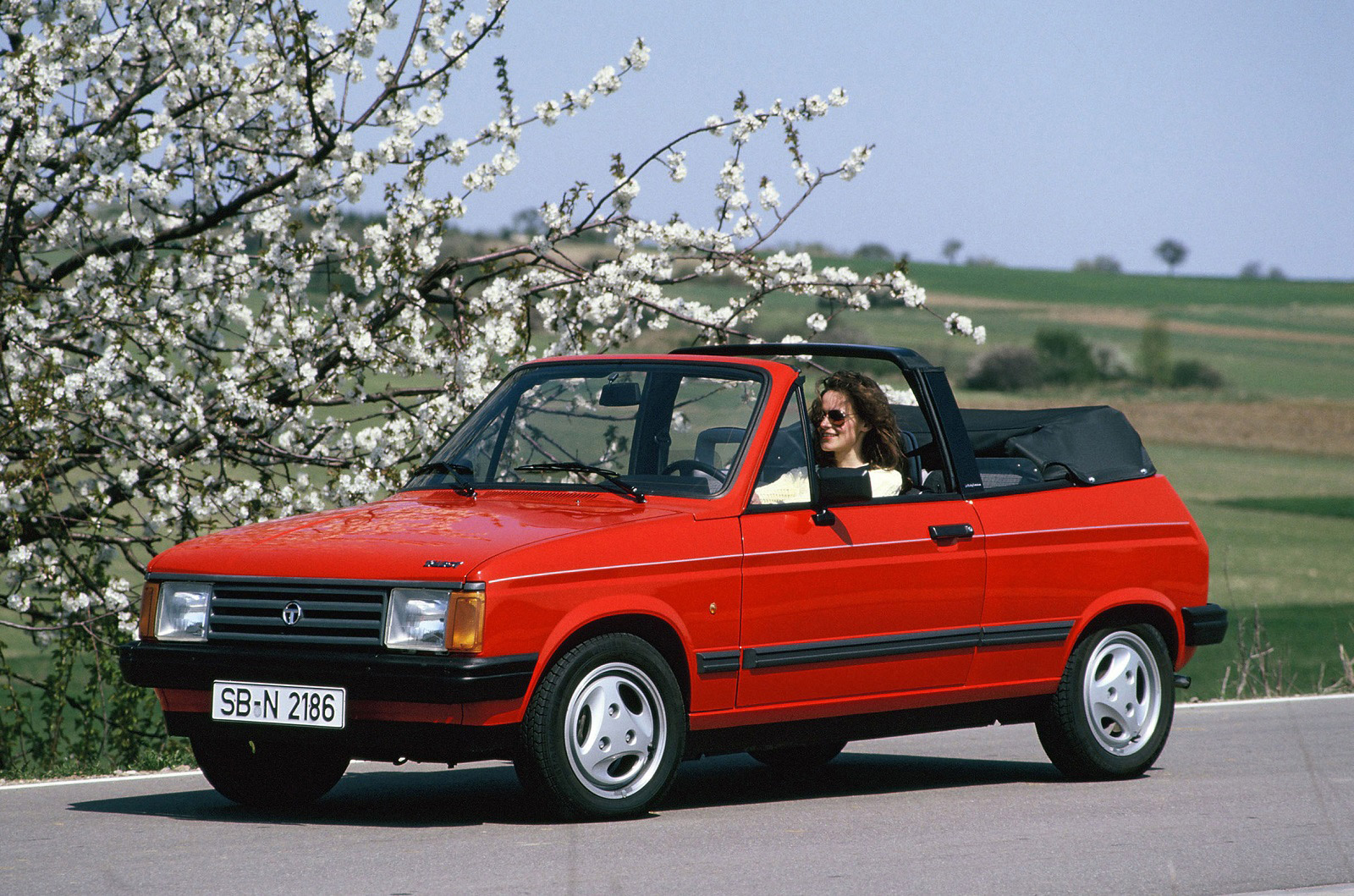
Based on one of the cheapest cars in Europe, the Talbot Samba Cabriolet gave young, cash-strapped motorists a way to go topless without breaking the bank. It also attempted to provide the Talbot brand its own image by separating the Samba from the Peugeot 104 and the Citroën LNA it shared a platform with.
So what happened to Talbot?
When PSA bought Chrysler Europe in 1979, it used the Talbot badge on former Chrysler and Simca models. The Talbot name continued on cars until 1987, and on vans until 1994.
Triumph: Stag (1970)
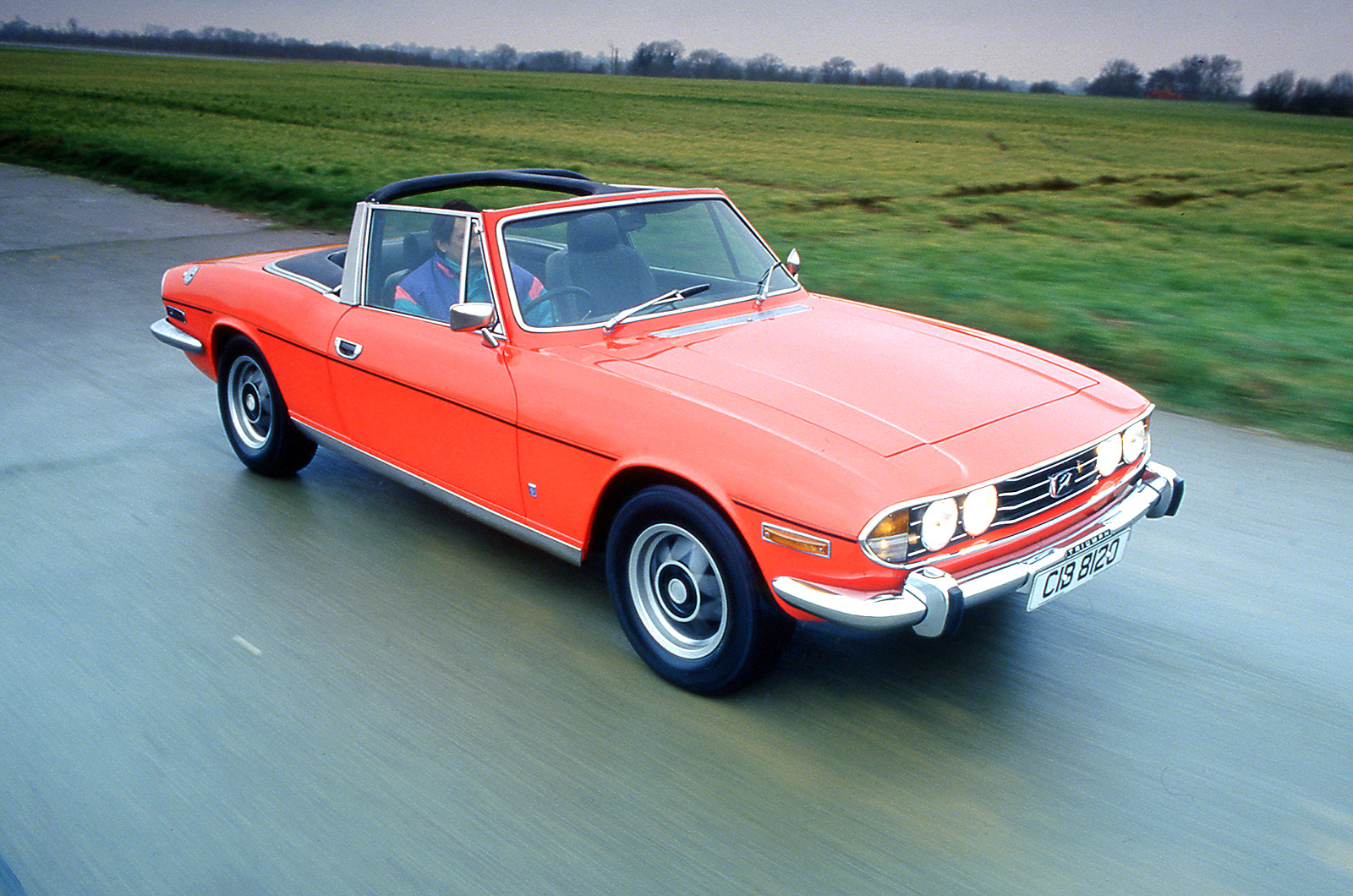
While some would choose Triumph’s successful and pretty line of TR sports roadsters from the ‘50s and ‘60s, we reckon the Stag deserves more credit as the British V8-powered would-be answer to the Mercedes SL. Moodily handsome though blighted by reliability issues, it was a nice drive when it worked.
So what happened to Triumph?
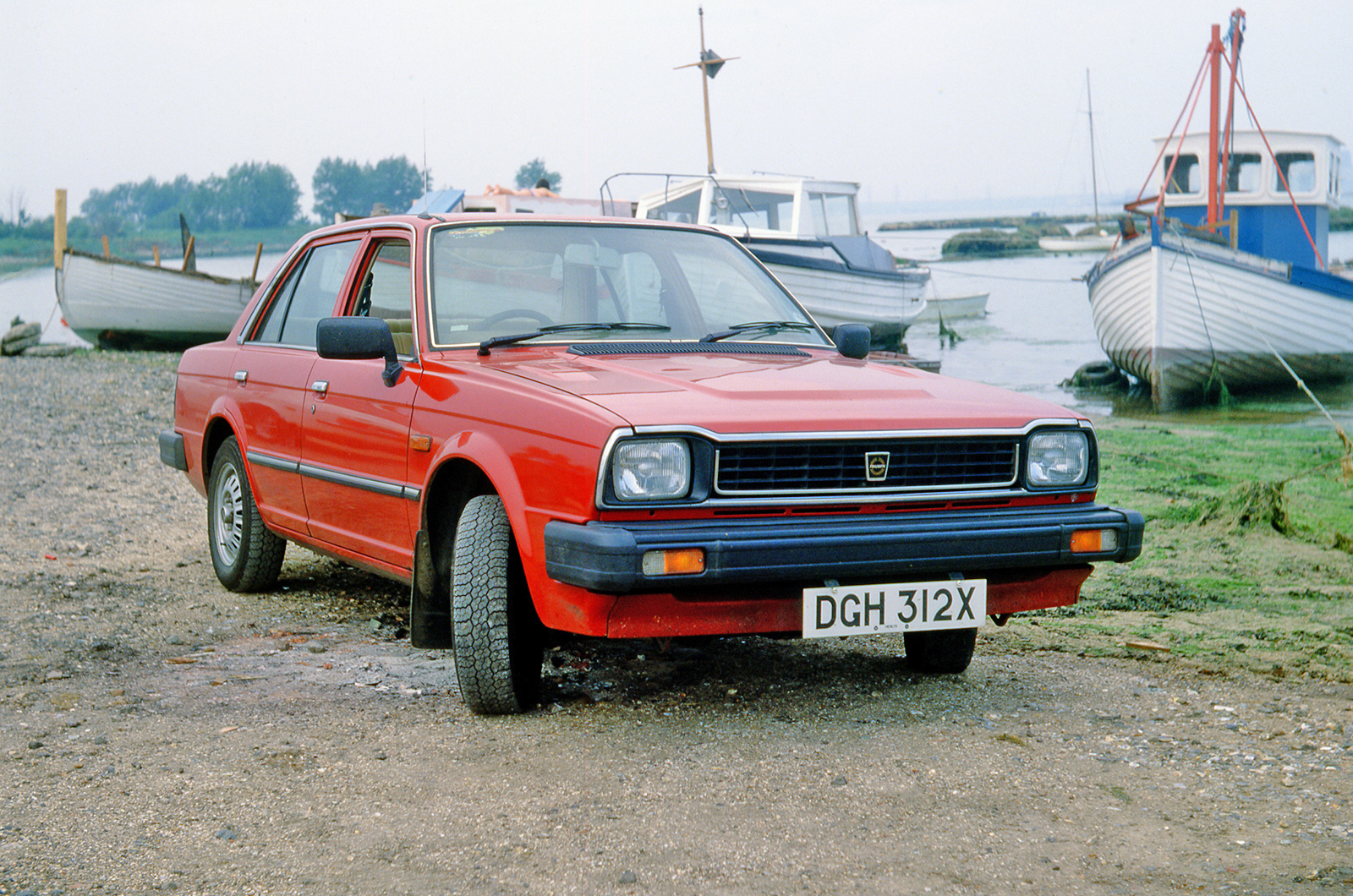
Triumph was run down by owners British Leyland, and the oddball TR7 was the last car developed in-house. That was followed by the 1981 Honda Ballade-based Triumph Acclaim (pictured), and the name ended in 1984. However, someone in Munich has a long memory: intriguingly, the Triumph Cars name today belongs to BMW, a relic of the firm’s Rover ownership but retained when it sold that firm. Triumph and BMW went head-to-head in the small sports saloon market in the 1970s in Europe.
Vespa: 400 (1957)
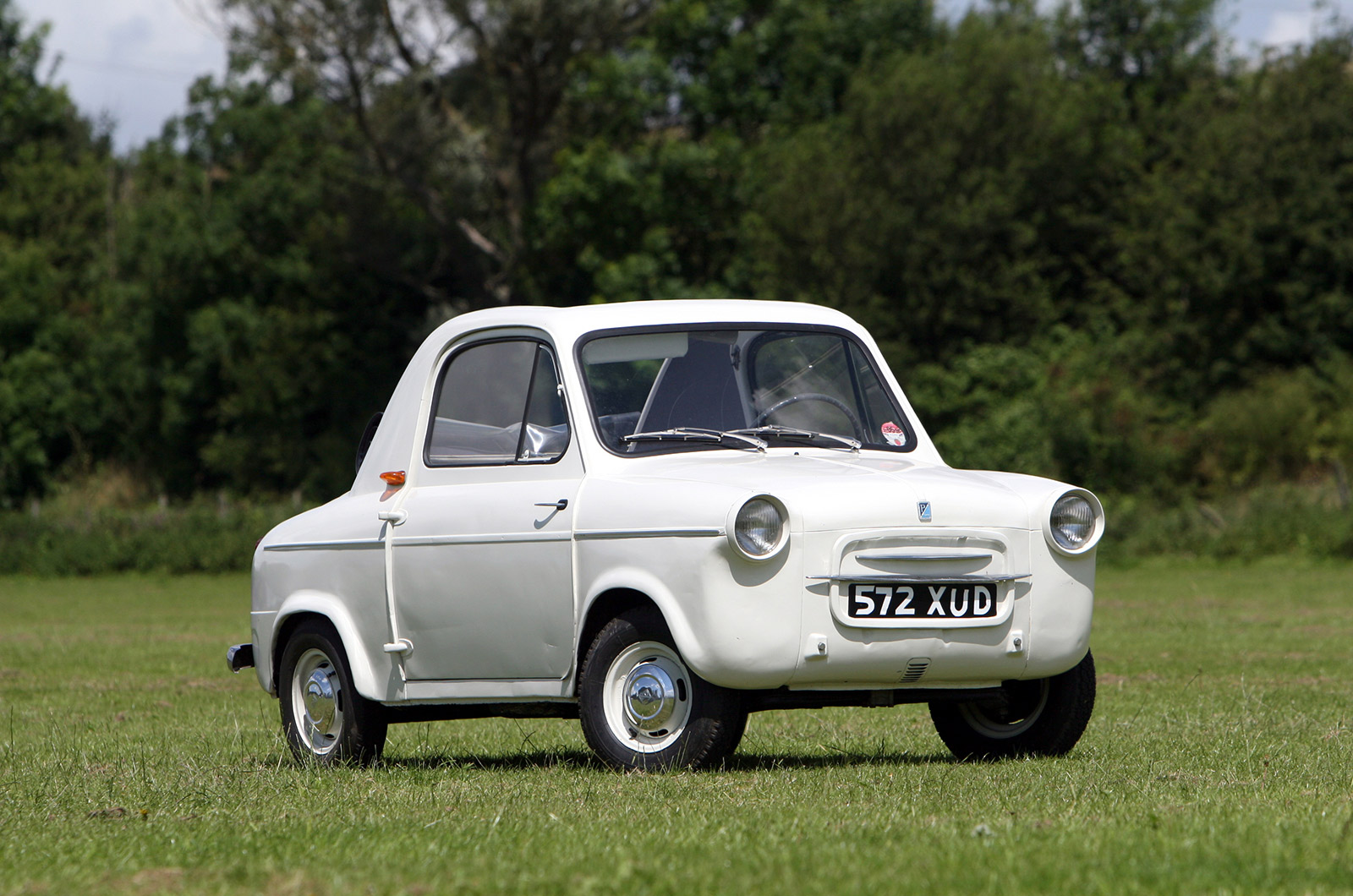
Known internationally for scooters, the Italian brand dipped its toes in the automotive pond when it introduced one of the smallest cars on the European market at a high-profile event in Monaco. The 400 competed in the same handkerchief-sized arena as the Goggomobil and the Fiat 500, which hit the market just a few months before its Vespa-badged rival. The 400 – an allusion to its 393cc engine – was manufactured in France. One and done, Vespa never built another car.
So what happened to Vespa
Nothing, in a word. Vespa continues to make motor scooters; its parent company Piaggio sold 436,000 two-wheeled machines in 2023 using a variety of brands which also include Aprilia and Moto Guzzi.

Honda Recall Exposes Tire Repair Kit Flaw in Over 1 Million Hybrids After Injury...

Automotive Trends Under Fire as Drivers Voice Growing Discontent