Porsche Restructuring Signals Strategic Retreat as Sales Slump Forces Production Cuts and Workforce Reduction
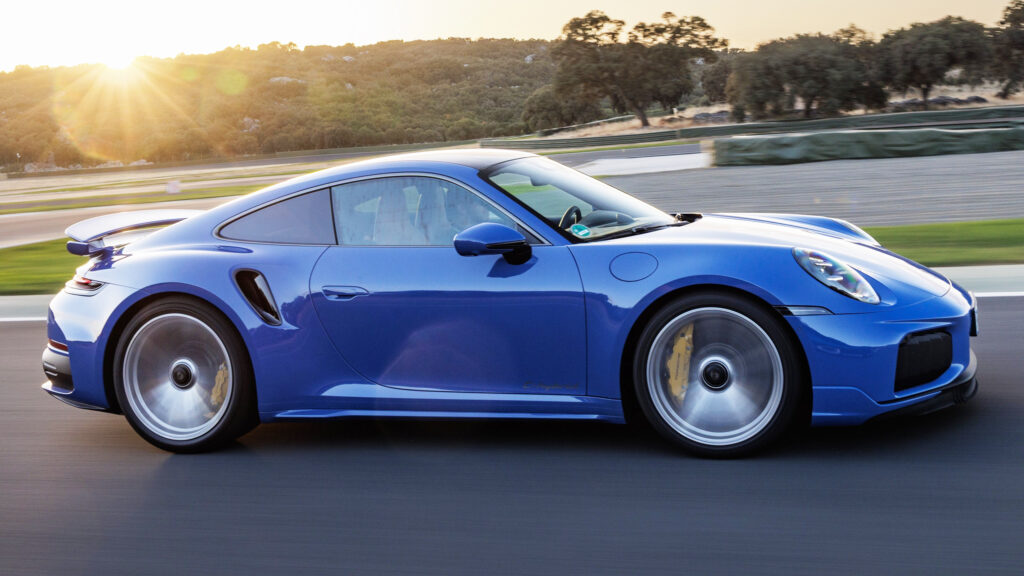

Automotive Underdogs and Unexpected Winners How Market Forces, Design Choices, and Brand Strategy Shaped...
 We take a close look at the cars that deserved much greater success - and also a few cars that were suprising hits...
From the moment the proud designer slides off the cloth cover, the car looks to be a nailed-on smash hit.
Very often it is. But sometimes, a car that looks like a sure-fire winner fails to make the cut.
Sometimes the car doesn’t drive in the ways its looks say it will. Sometimes the price is wrong. Sometimes there isn’t enough promotion behind it. Very often, it’s a mix of all these things and more. Read on, then, to discover our selection of cars that should have been stars, and also five unlikely machines that broke records:
Alfa Romeo 4C (2013-2020)
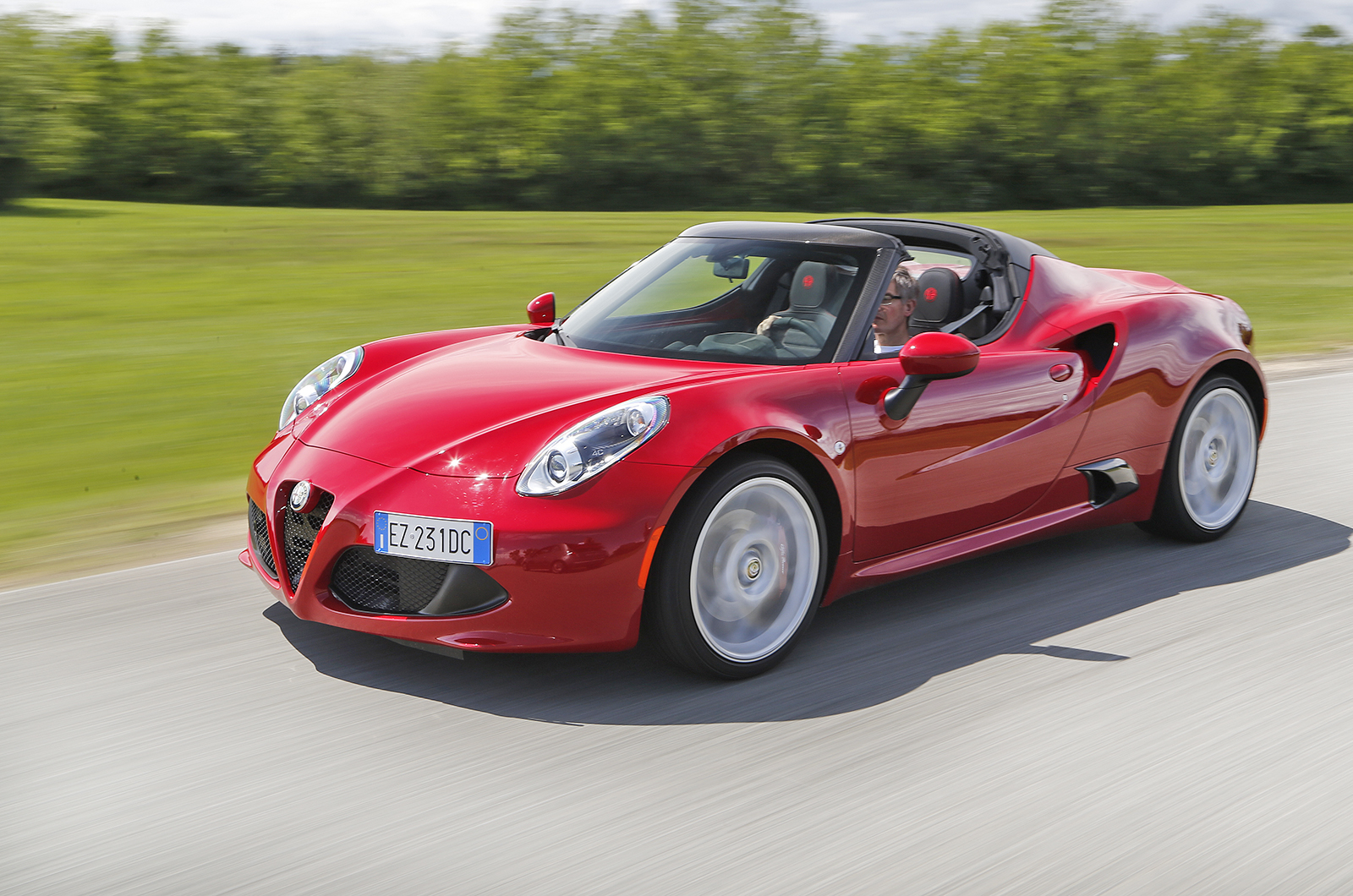
Sometimes the ingredients for perfection are all there. A carbonfibre tub designed especially for this car. A mid-mounted, revvy, sweet, slightly oversized turbocharged motor. Great styling, an Alfa Romeo badge and a mission to deliver pure driving enjoyment – and, indeed, little else.
So where did it all go wrong? Geometry, mainly. Alfa’s suspension was at times alarmingly twitchy, its directional stability similar to a chicken attempting flight. It was tiresomely noisy, too. Alfas that don’t handle usually don’t sell, and so it is with the flawed 4C. Right ingredients, wrong recipe.
DS Automobiles DS 5 (2011-2018)
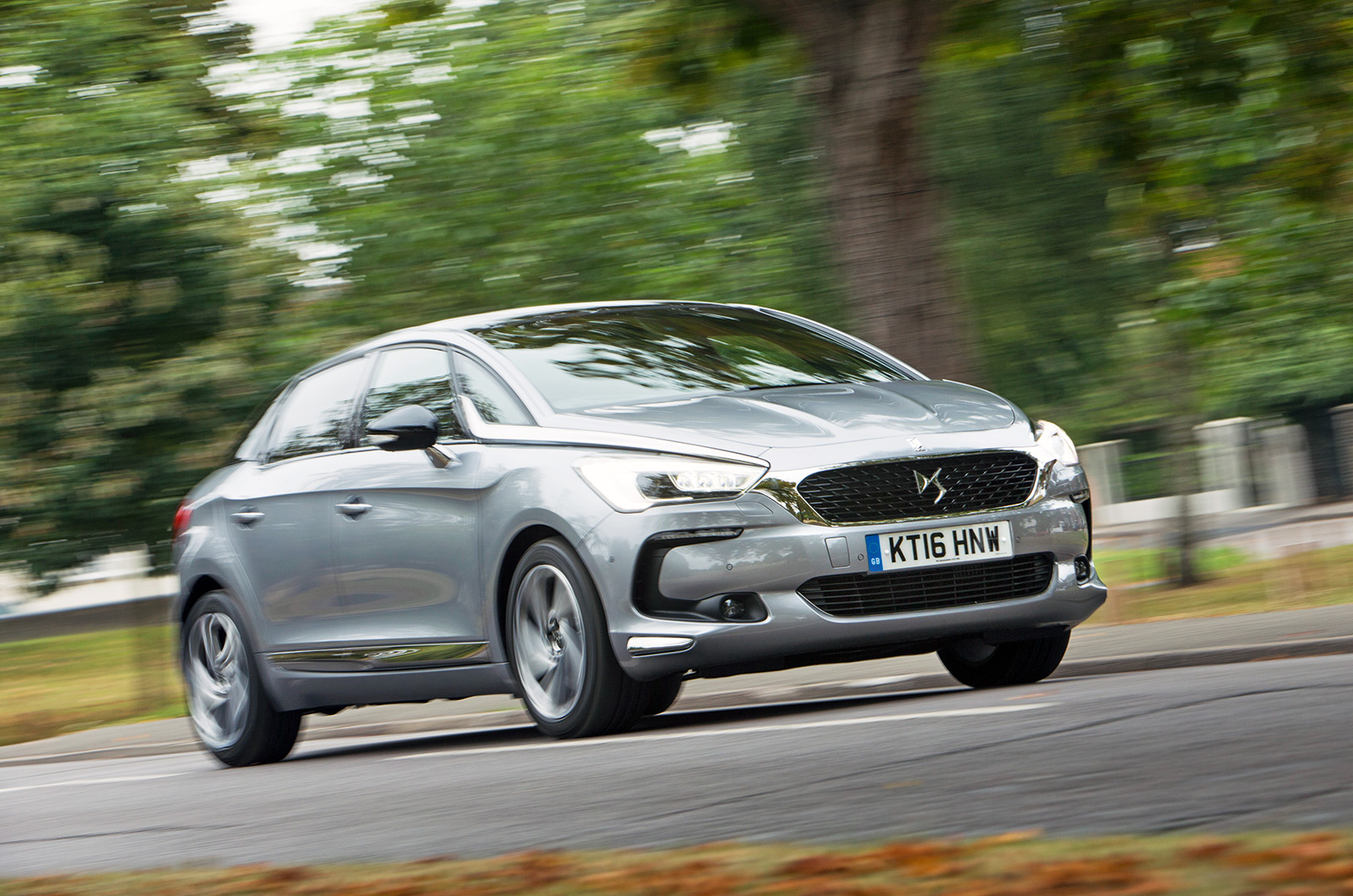
DS is a relatively new premium sub-brand (and later standalone brand) launched by France's Citroën in 2009. The DS 5 was a beautiful, troubled car that sold slowly enough to constitute a limited edition. When it emerged as a Citroën, the DS 5 looked like it really could tempt buyers out of their BMWs.
A shooting brake, coupé, and hatchback cross, it was fast, had a luscious interior and an extremely stiff sports suspension. And this last thing may have been the car’s biggest problem.
Jaguar XJR575 (2017-18)
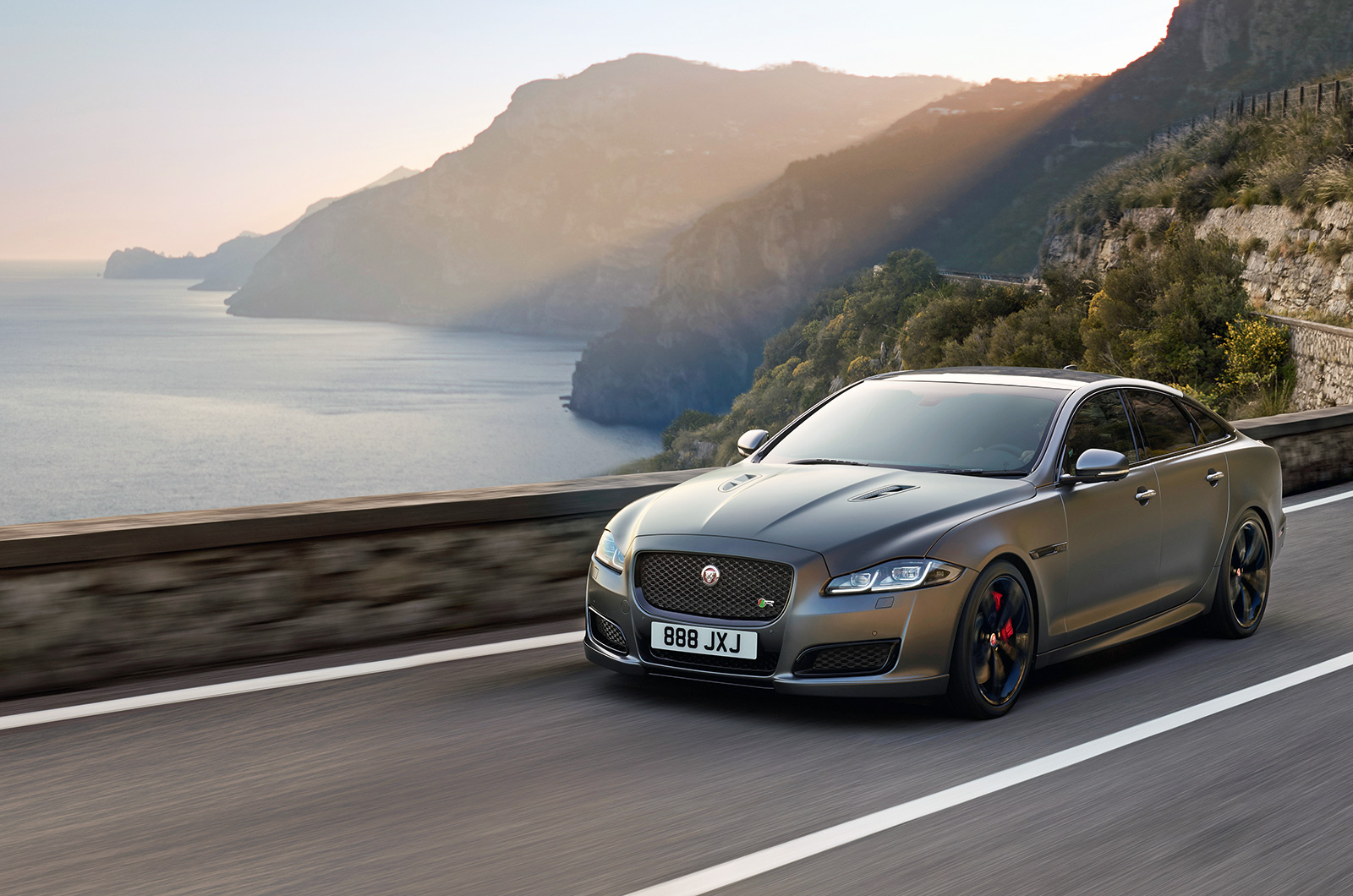
This is a car that seems to have lived for 10 minutes, hidden from view. As its name implies, it has a pleasingly excessive horsepower count, can reach its 186mph top speed in 44 seconds and 62mph in precisely a tenth of that time.
It has a chassis to handle the power, and with XJ aplomb, too. It’s also the last petrol-powered XJ variant ever developed. WLTP changes and default diesel XJ demand did for it in most markets, but it deserved better.
Honda CR-Z (2010-15)
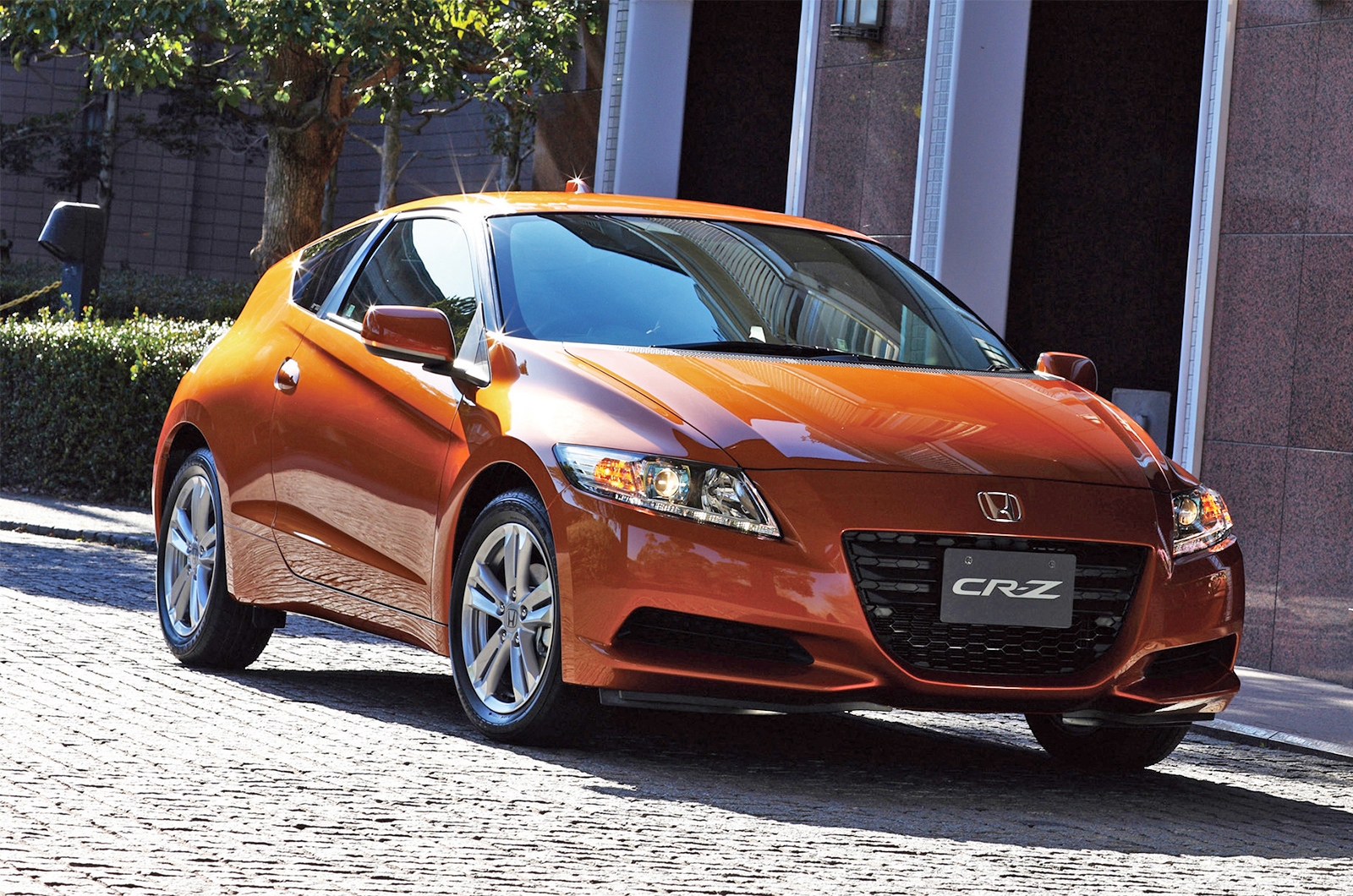
It referenced one of Honda’s greatest sporting hits, its chassis was co-developed with a Japanese drift ace, and it was packed with on-trend technology. But the CR-Z’s life petered out before planned, its mix of features failing to press that ‘I want one’ button.
Unlike Honda’s inspirational CR-X coupé, the CR-Z was a hybrid, both in function and character. It wasn’t fast and fun enough for red mist redliners, nor economical or practical enough for eco-commuters. So it died early…
Toyota Urban Cruiser (2009-12)
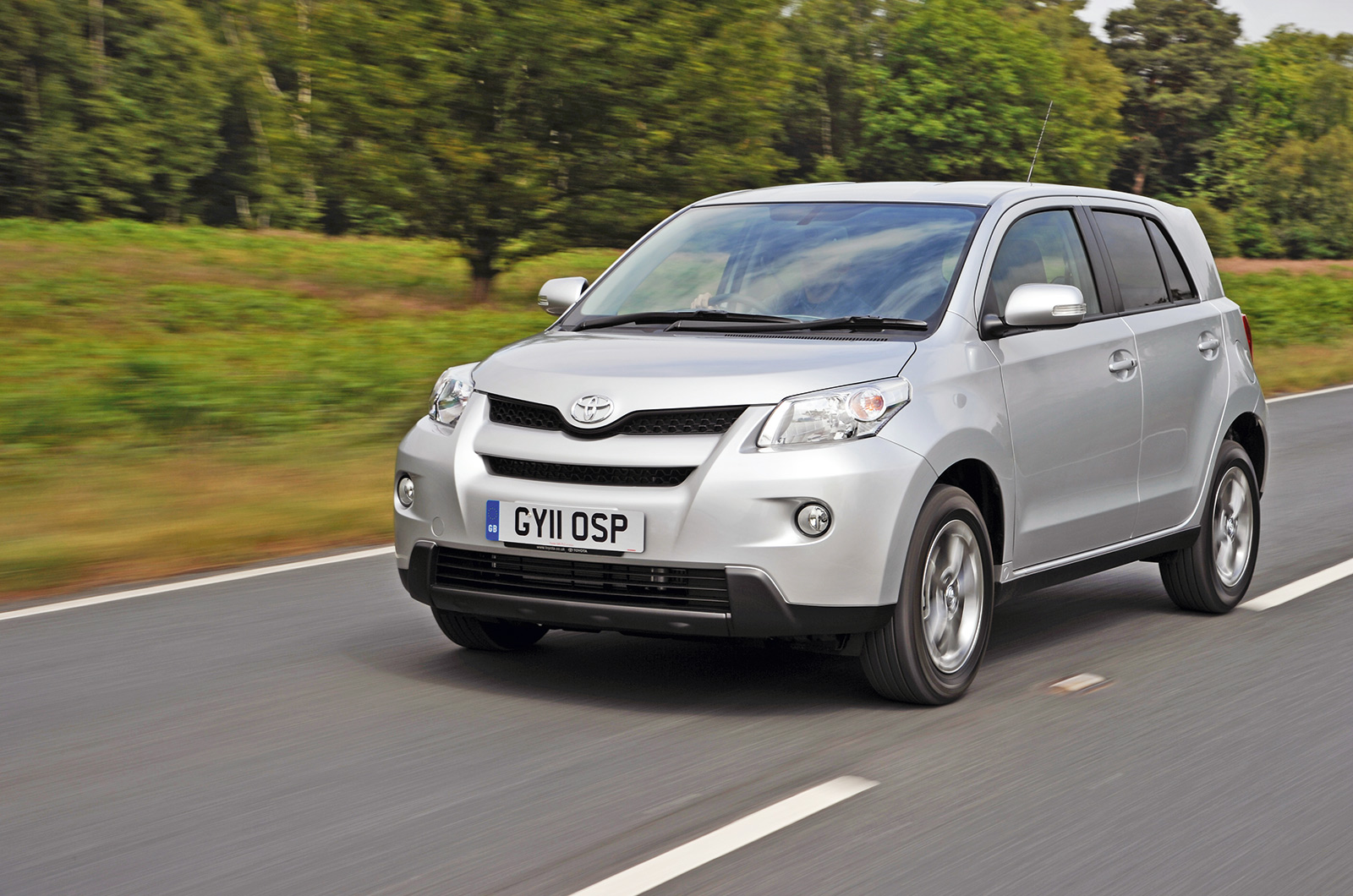
The name was quite interesting. The shape was too, when this Toyota was new. Wouldn't you rather have this than just another supermini? You might, until you discovered that the Urban Cruiser was as dull as a queue.
The interior was all shades and grades of black, with no features to make you think you were driving something interesting, urban or cool, and it drove with the verve of an escalator. The market soon found out, and failed to buy it.
Renault Wind (2010-12)
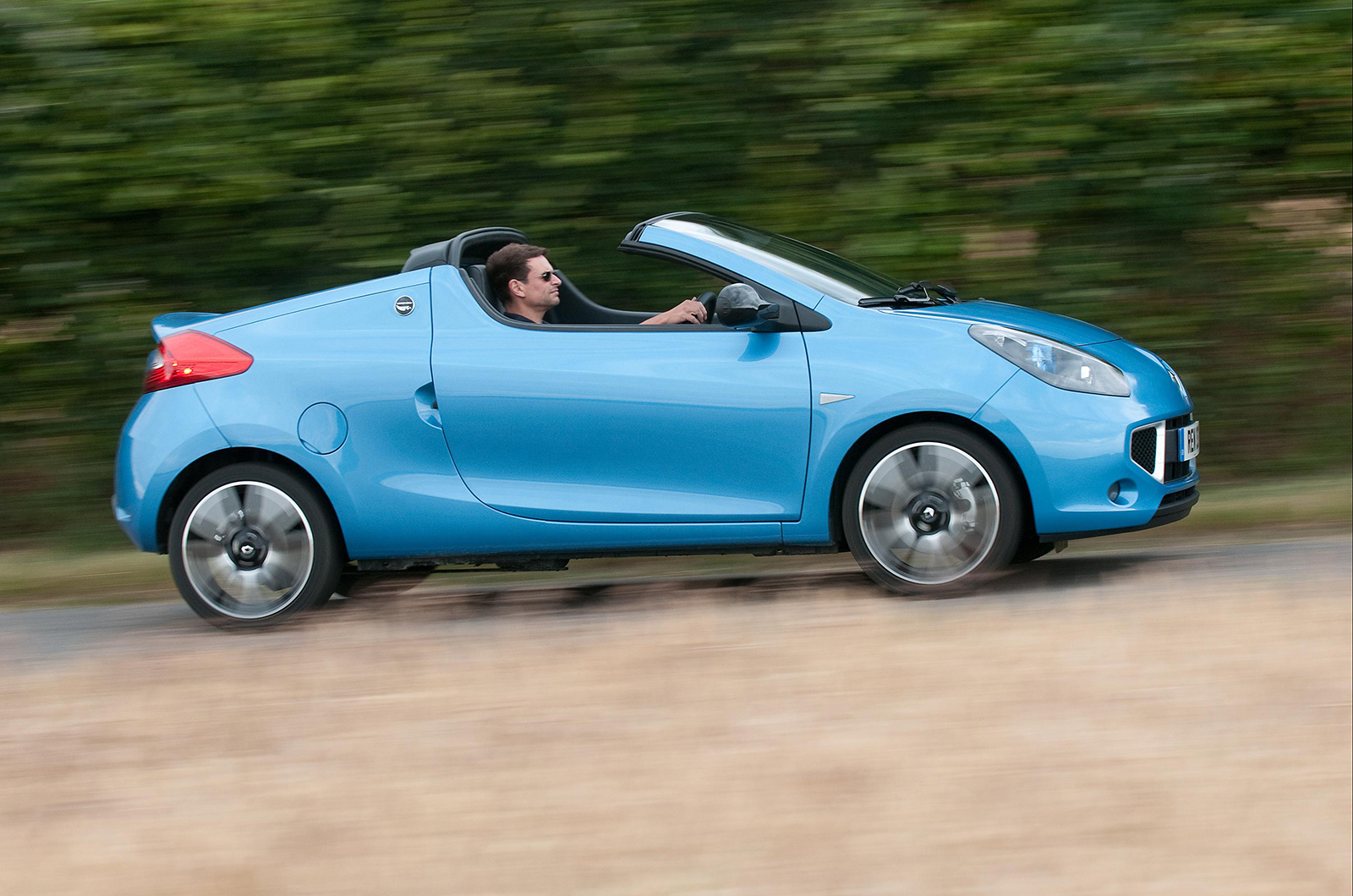
It looked like a concept car, was developed by Renault Sport, had a roof that folded away in 12 seconds and was affordable. It was also fun and looked like no other small sports car on the road. True, the name was unfortunate, the Twingo mechanicals didn’t quite deliver a magical chassis and the tiny rear window was a threat to bumpers.
Opel Ampera (2012-15)
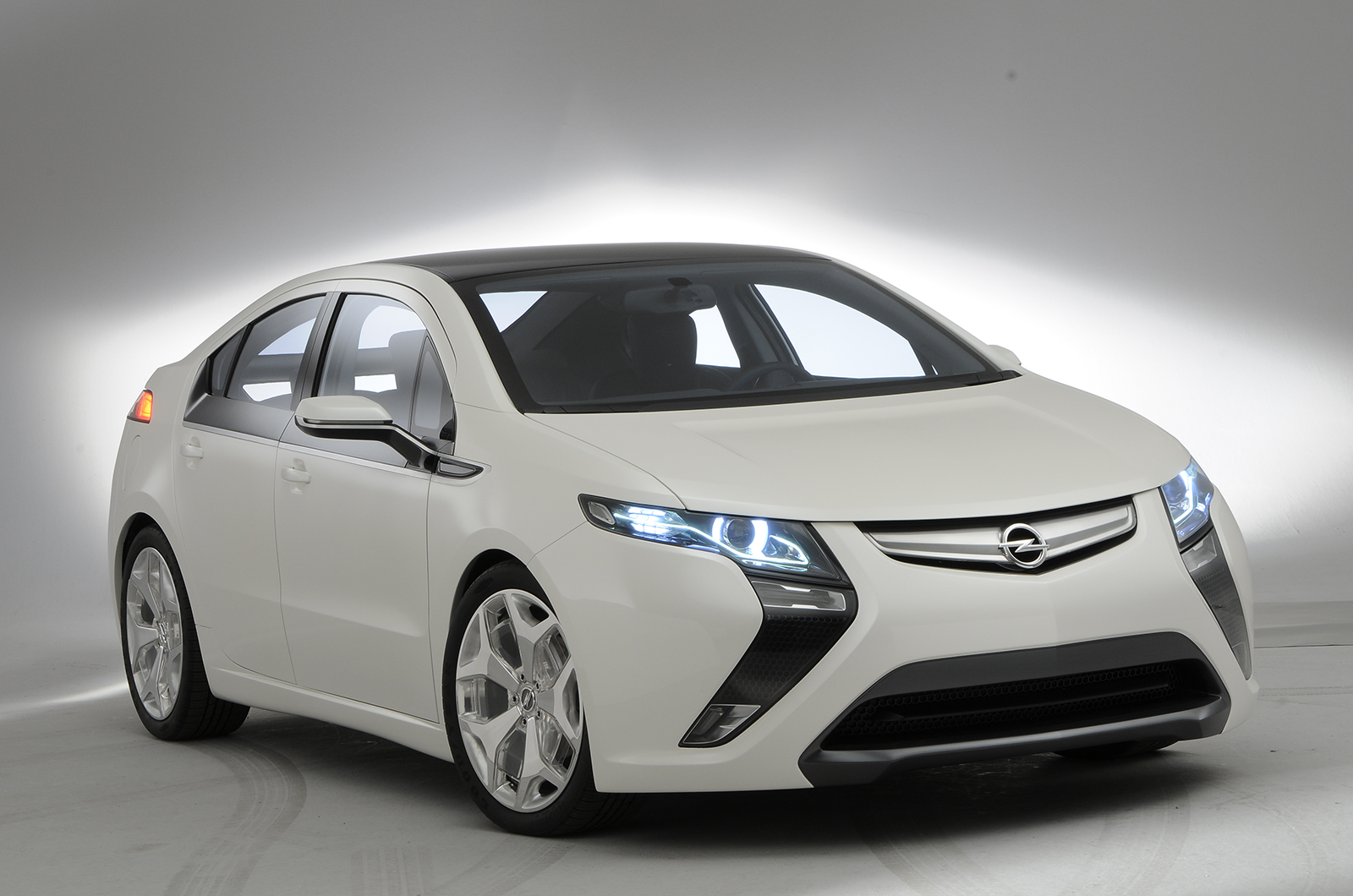
This was a car that should have triggered a plug-in revolution. One of the first electrified range-extenders, its pioneering technology produced a truly practical car, and one that wouldn't leave you stranded for want of a socket. It was interesting to look at and sit in, it drove pretty well - and very quietly - and its emissions were zero to low.
Job done? No, sadly. The price was too high. It only seated four. And it was an Opel, Astra-sized and double the money. For most, that didn't compute.
Lotus Evora (2009-2021)
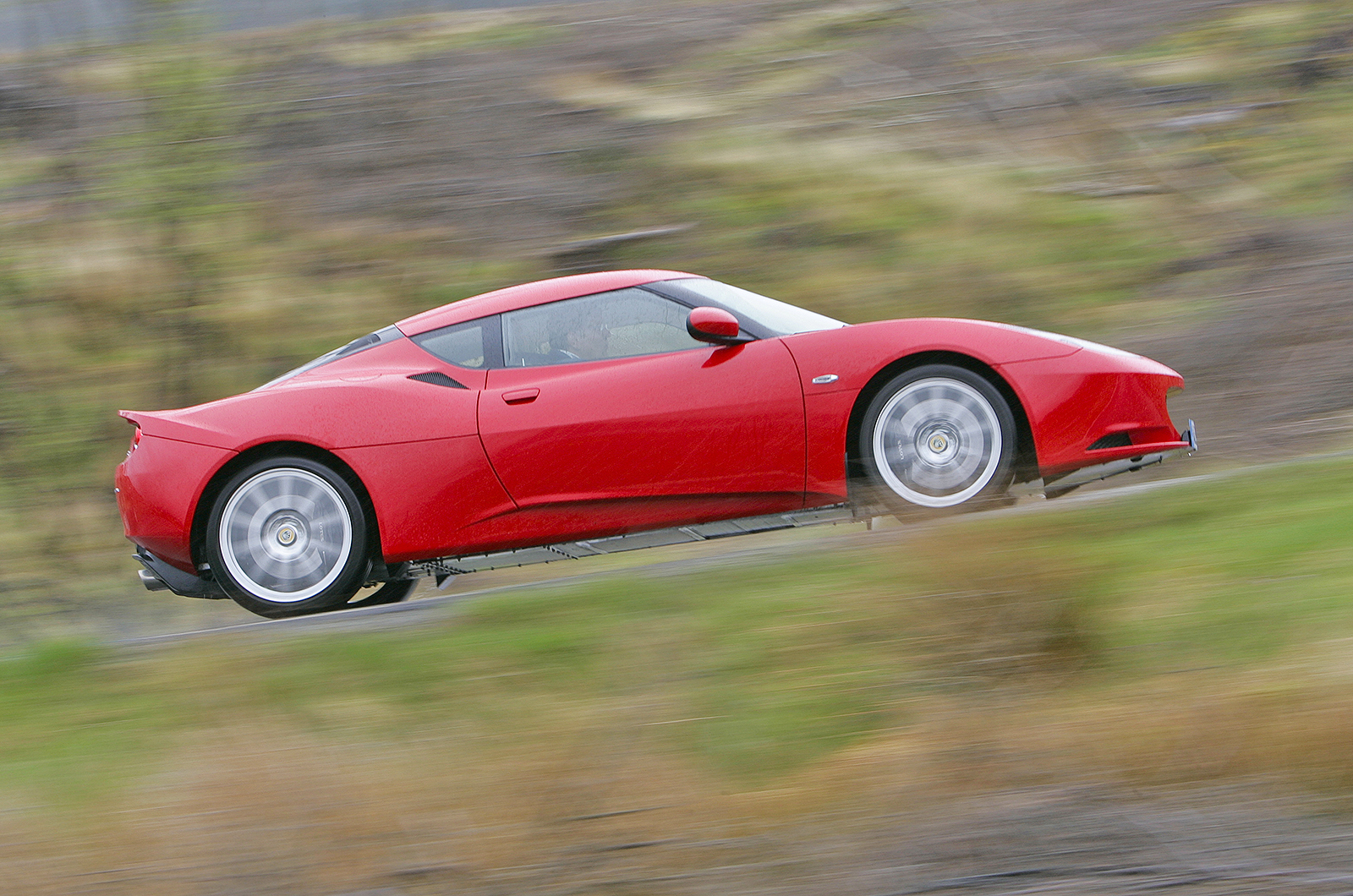
The costliest model Lotus had ever developed, the Evora aimed to combine Elise dynamism with refinement, 2+2 practicality and the electronic tech to make this a practical, almost everyday Lotus. So everyday, Lotus reckoned, that it would sell 2000 a year.
Sales barely reached half that in its best year, and while the car improved and power climbed, so did the price, turning the Evora into a niche seller. It’s far from a bad car, and the chassis is sensational, but annoyingly for Lotus, Porsche – mostly – did it better.
Peugeot RCZ (2010-15)
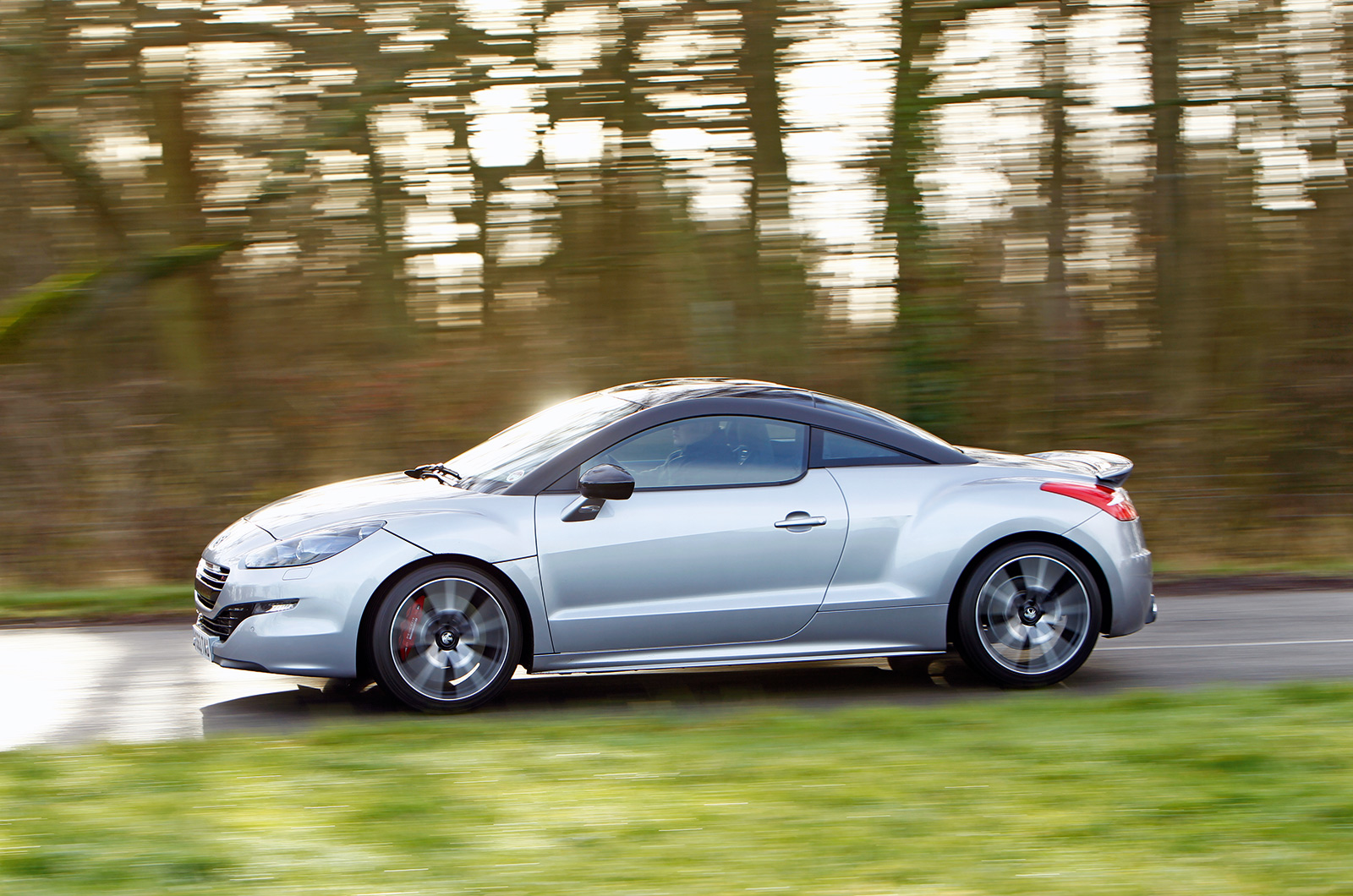
Yes, you could see the Audi TT influence and, yes, it suffered some of the same dulled dynamic feedback as the TT, but this was a pretty, intriguing, well-finished and desirable sports coupé. Its appeal was powerful enough to win it loads of page impressions, column inches and airtime. And then it all went dead.
Peugeot’s promotion was minimal, until the RCZ-R version landed. Peugeot sold almost 68,000 RCZs, but important markets like the UK never bought many after the initial surge.
Mini Coupe (2012-15)
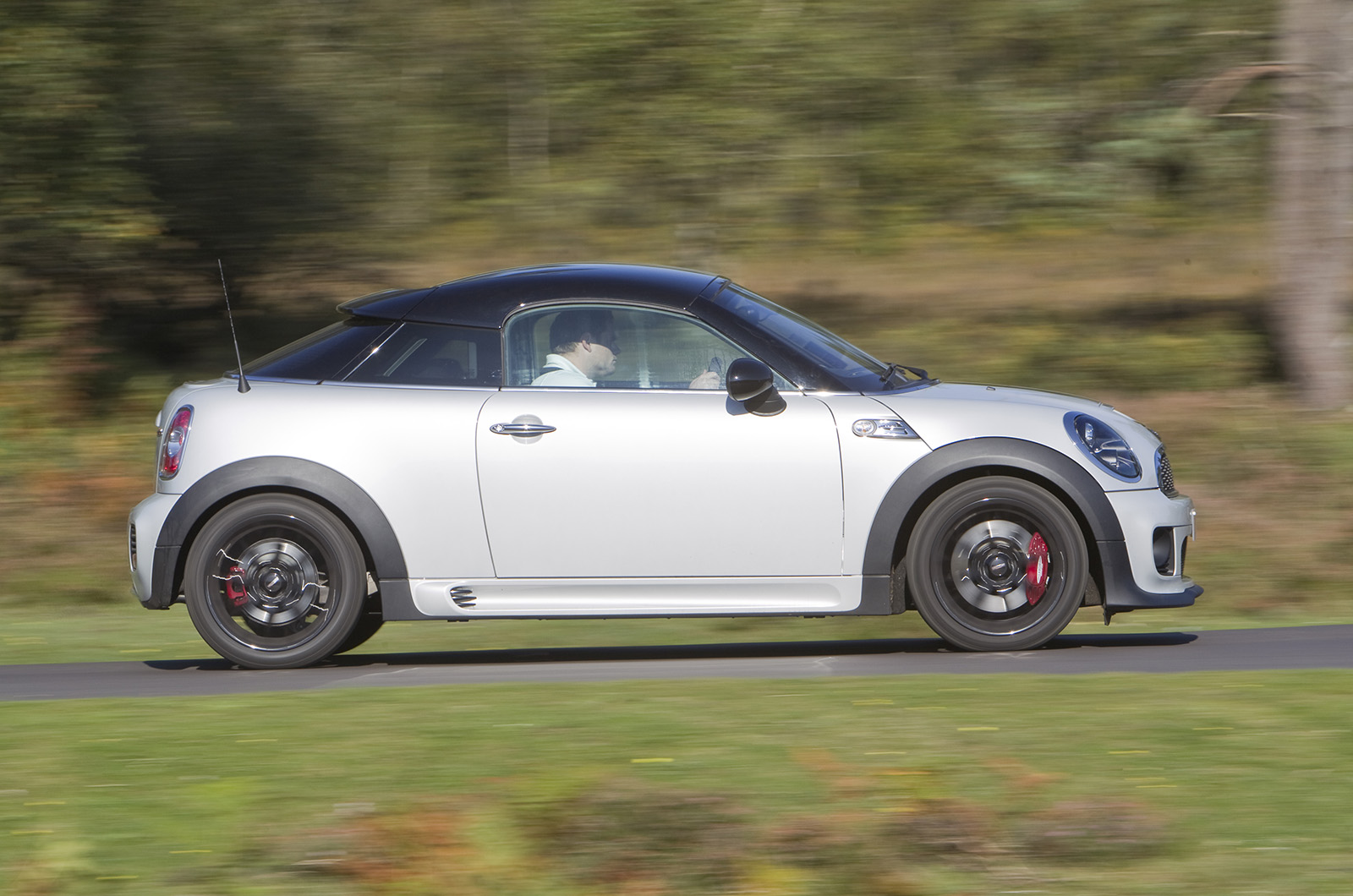
Germany had already produced one car with roof like a military helmet: the original Audi TT was an outstanding success. Now here was another. Only this time, it just looked odd. Very odd.
Odd enough that it lived for less than three years, killed by the fact that it was even less practical than a Mini hatchback and looked like the kind of creature found lurking around deep ocean vent holes. Dying with it was the barely-any-prettier Roadster.
Saab 9-5 (2010-11)
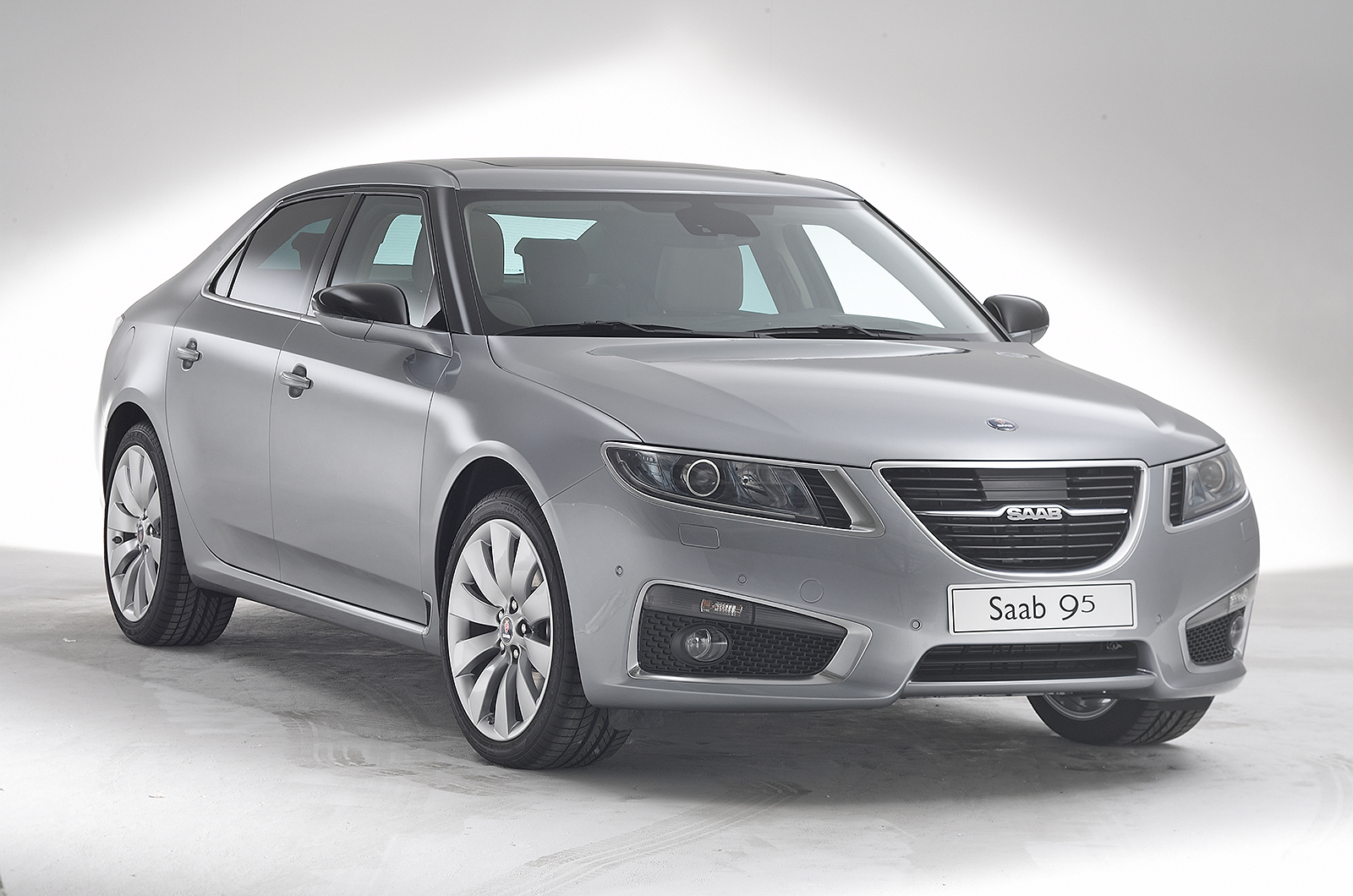
This was a missed opportunity not only for a car, but the brand that built it. By the time the 9-5 entered series production after the 2008 crash, government-controlled GM had reluctantly sold the marque to Spyker Cars.
The build of 11,280 examples wasn’t enough to avoid Saab’s bankruptcy, and the premature death of a stylish, spacious and safe car that needed a bit more polish. And a solvent company behind it. The 9-5 still looks good today, making Saab’s death all the sadder.
Cadillac CTS-V (2009-2019)
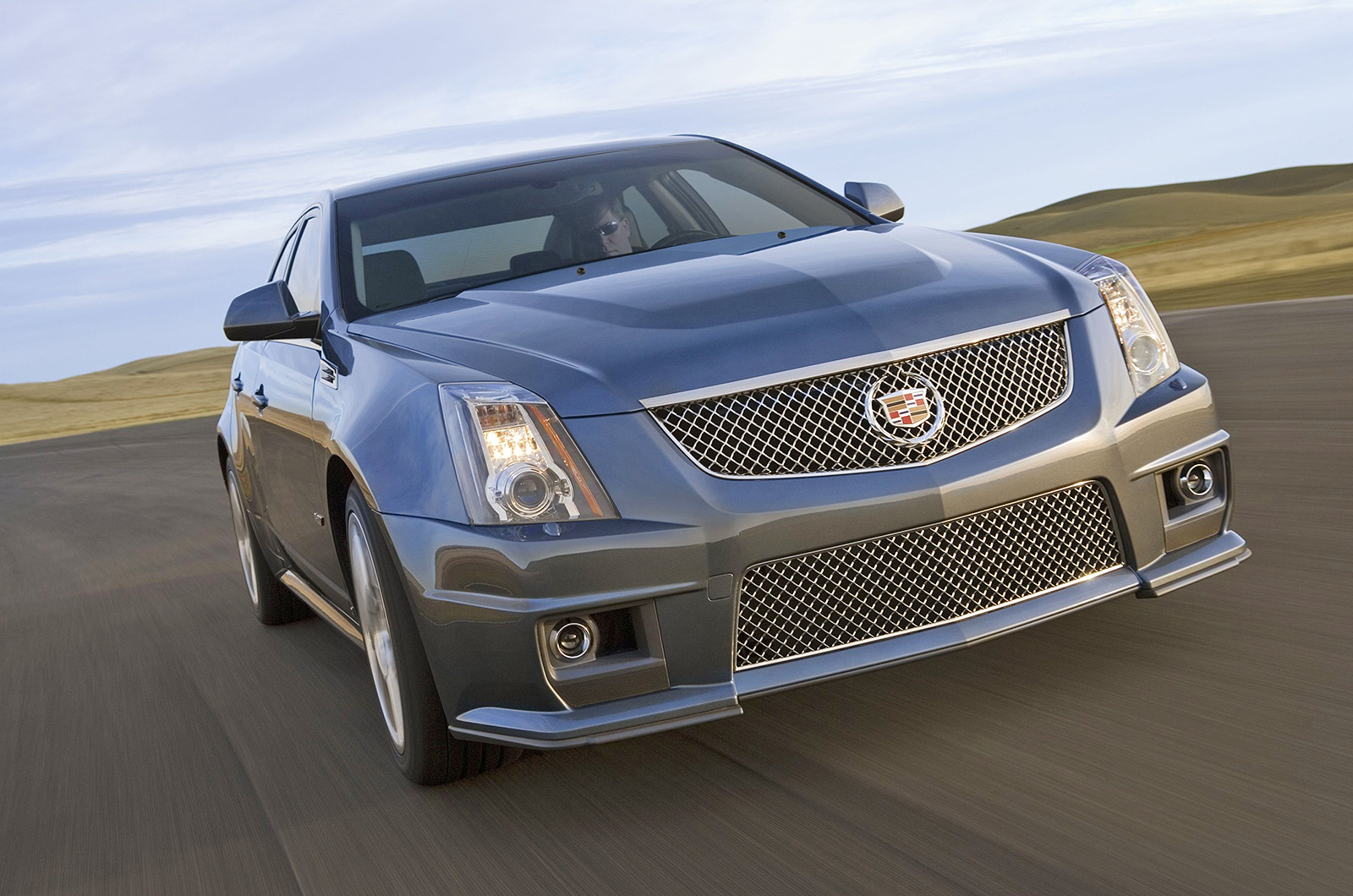
Cadillac’s attempts to claw itself a presence in Europe have produced frothy ambitions, repeated failures and even a Europe-only Cadillac in the shape of the BLS, based on the Saab 9-3.
The CTS-V was a ferociously muscular super-saloon, coupé and estate aimed at the BMW M3 and M5. And it beat some Nürburgring records too. Despite its mighty credentials and distinctive style, the CTS-V scored just small sales outside America.
Volkswagen Beetle (1997-2019)
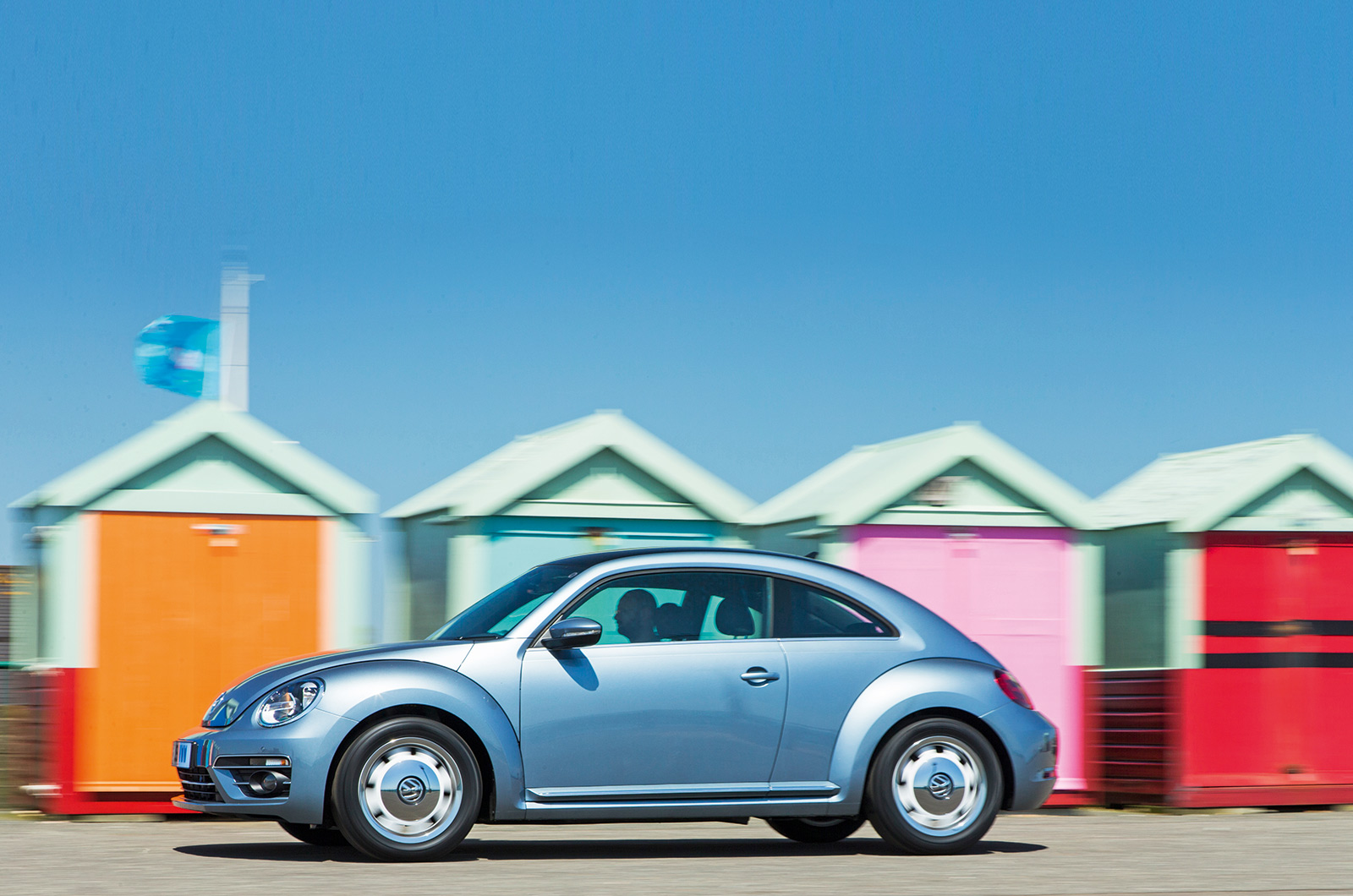
Reviving the most popular car in the world, ever, should have been easy. For many years, it was, even if the 1997 production Beetle had rather less character than its looks suggested. Underneath, it was a Mk4 Golf – a dynamically mediocre example of the breed.
A Cabriolet followed, and in 2011 an all-new version, cast in a visually sportier mould. But character was still absent; Volkswagen somehow failed to build the aura of desire successfully harnessed around the re-born Mini and Fiat 500. Production stopped in July 2019.
Mini Paceman (2013-16)
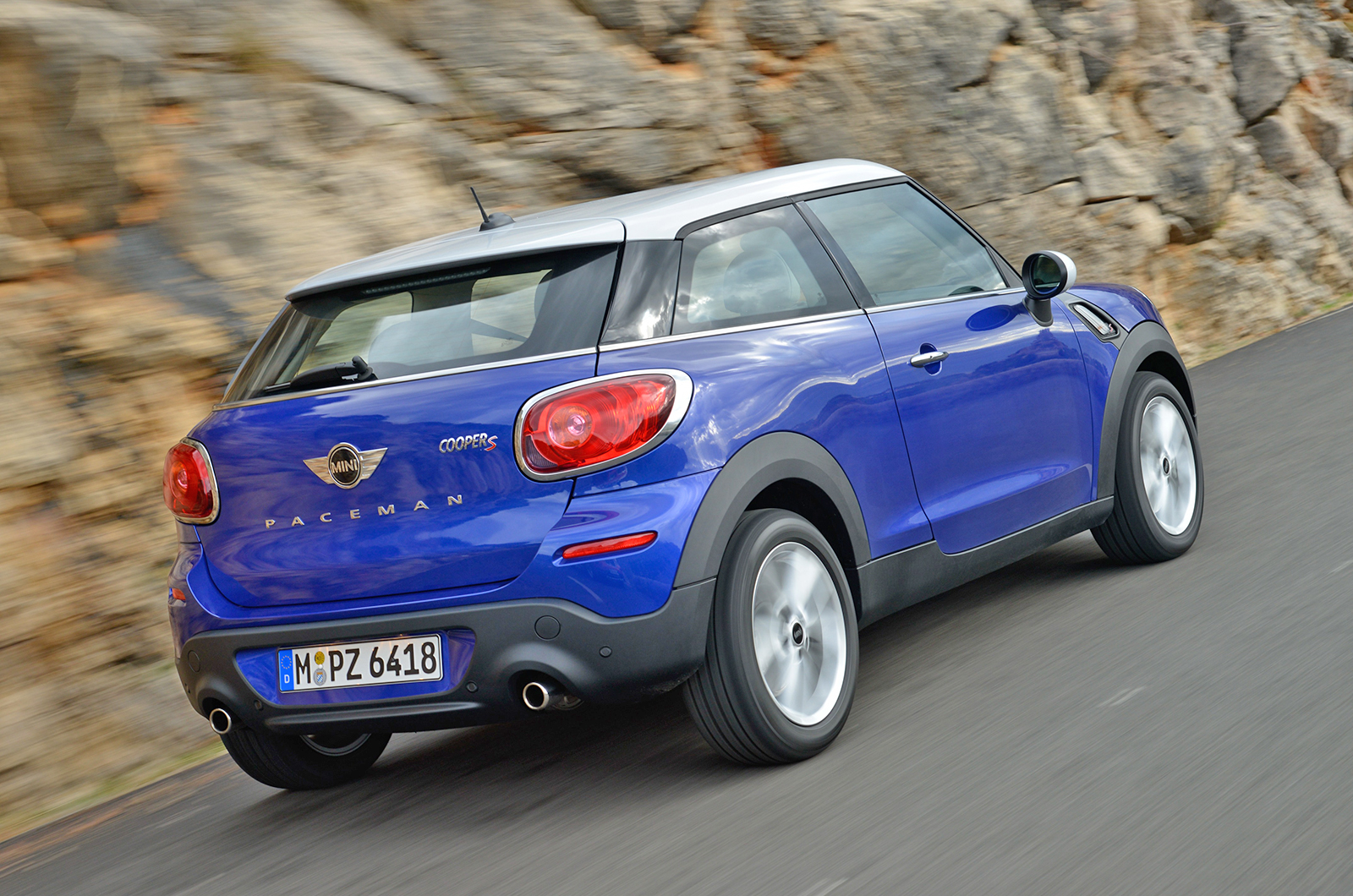
Another faltering attempt to expand the Mini portfolio. Based on the Countryman, the Paceman was a four-seat Mini coupé and being bigger than its two-seat Coupe sibling, was at least more useful.
It also introduced a rising beltline to the Mini design catalogue, and quite successfully. Less-than-polished Countryman innards yielded a car that looked better than it drove, and offered little that the standard Mini hatch didn’t.
Jaguar F-Type (2013-2024)
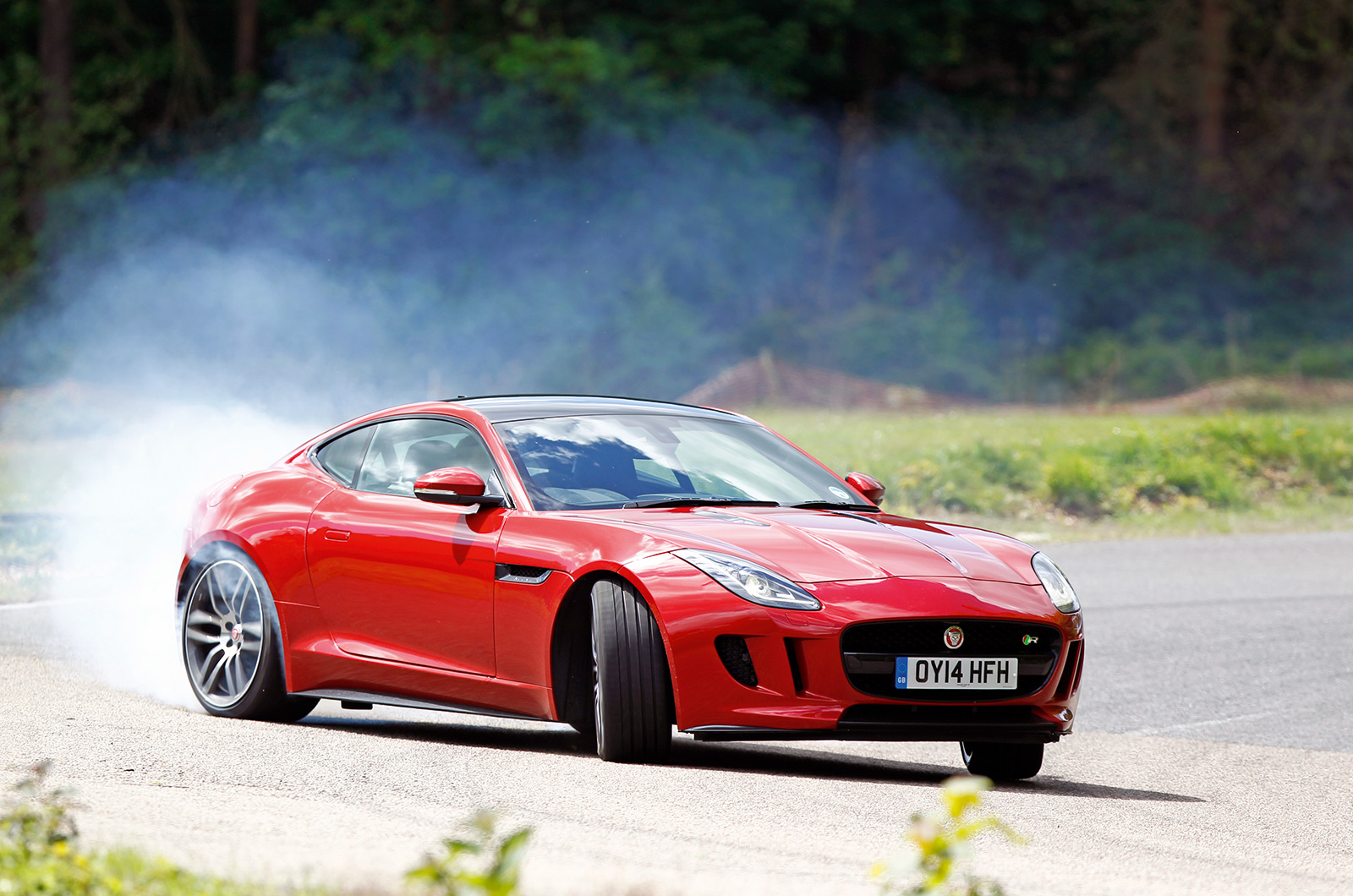
Jaguar, more than most, knows how to make cars that grip, handle and ride. For its follow-up to the legendary E-Type, you’d expect it to over-deliver on the first two, and satisfy on the third. But, whisper it, the F-Type has a challenging chassis, at least in lesser V6 form.
Get it on a track and you’ll feel it get out of sorts. Take it down the road and you discovered that its composure was less complete than offered by either Porsche’s 718 or 911. A facelift in 2019 was well received, but couldn’t cover up the fact that the model was getting old.
So those are the cars that underperformed. But what about those that were surprisingly successful?
BMW Mini (2001+)
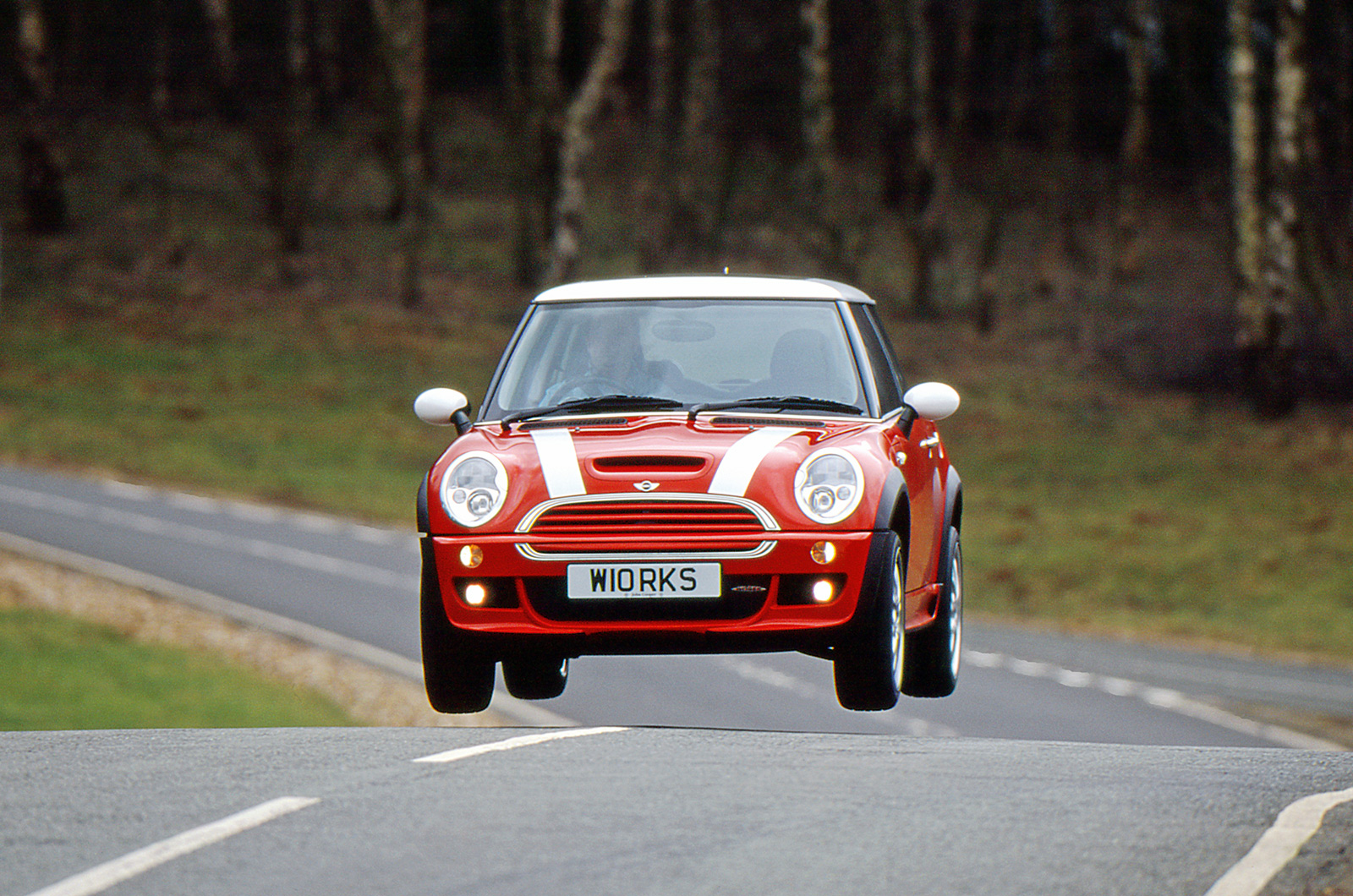
This was a dangerous challenge – replace the best-selling British car of all time, a car that was part of the national culture and a car whose makers had repeatedly failed to replace.
German money, motivation and pragmatism produced what many considered an over-sized revival, but it was a high-quality one. The new Mini was exactly what the market wanted - the Mini's difficult second album has been a success.
Nissan Qashqai (2006+)
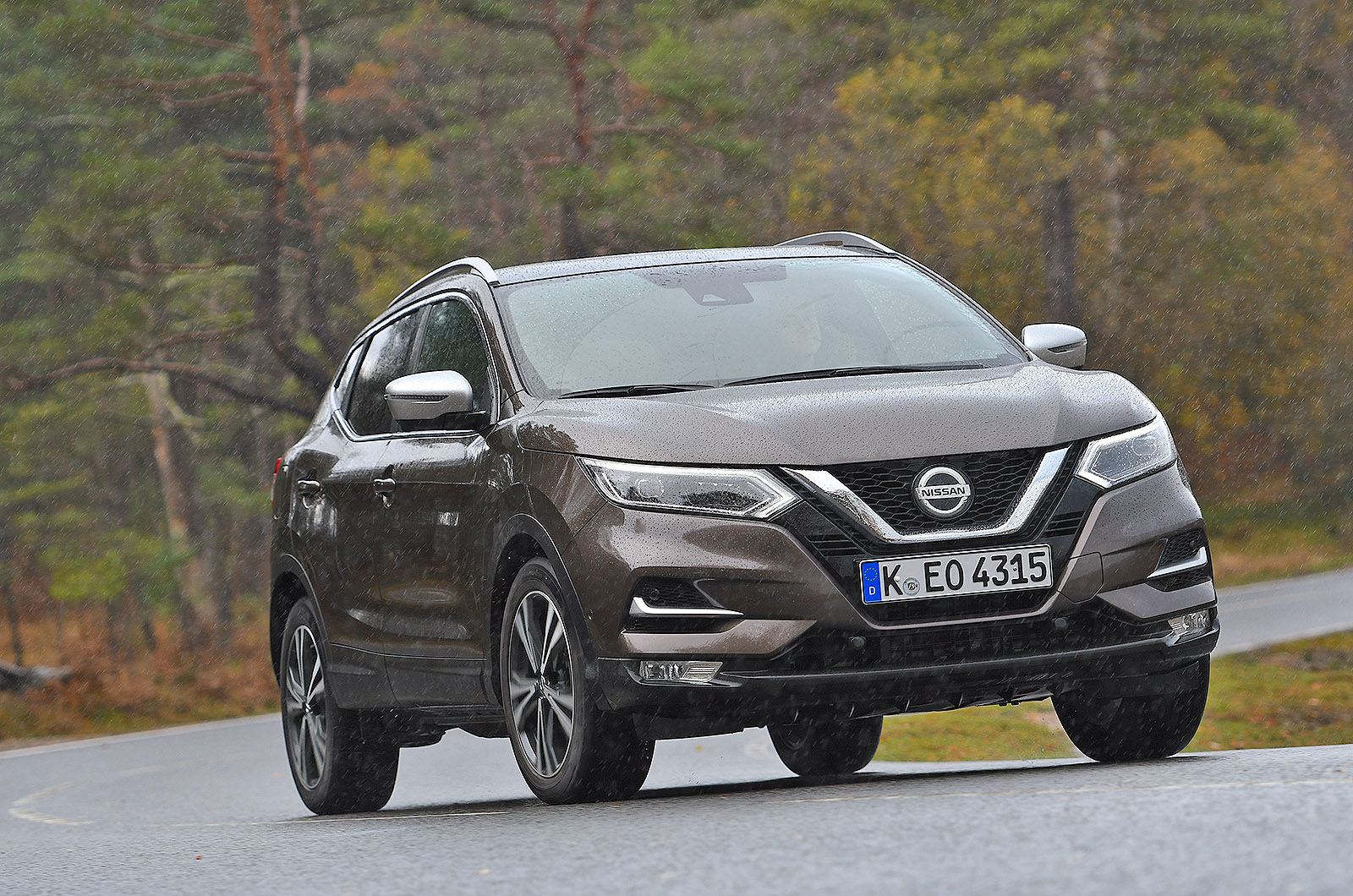
Is it an SUV? Is it a hatchback? Is it some oddball, fiscally mutated machine from Japan? The Qashqai was, and is, the first two of these things, and back in 2006 there were plenty who didn’t quite know what to make of this high-riding hatch with a four-wheel drive option.
They do now, this crossover selling fast enough to rescue Nissan’s fast-shrinking European presence and establish a whole new genre of competitors.
Nissan Juke (2011+)
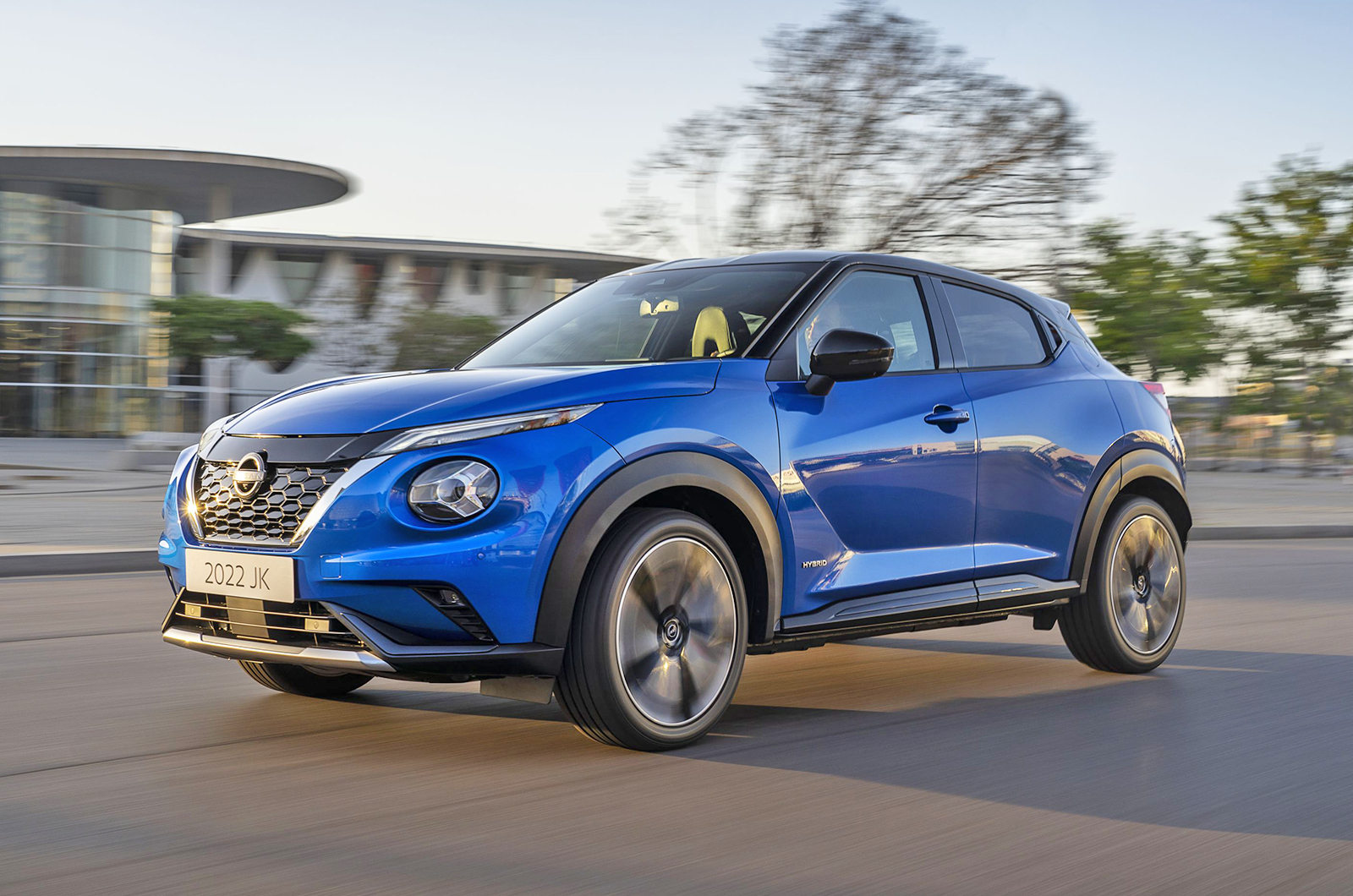
Is it an SUV? Is it a hatchback? Is it some oddball, a mutated machine from Japan? The Juke was, and is, the first two things but, coming after the Qashqai, buyers had less trouble understanding what this little SUV was all about.
Its styling was divisive, but there were enough who liked it to frequently propel into the top 10 selling cars in several markets. Curiously, Nissan was slow to replace the Juke, perhaps because it sold well even late in life. An all-new one went on sale in late 2019.
Range Rover Evoque (2011+)
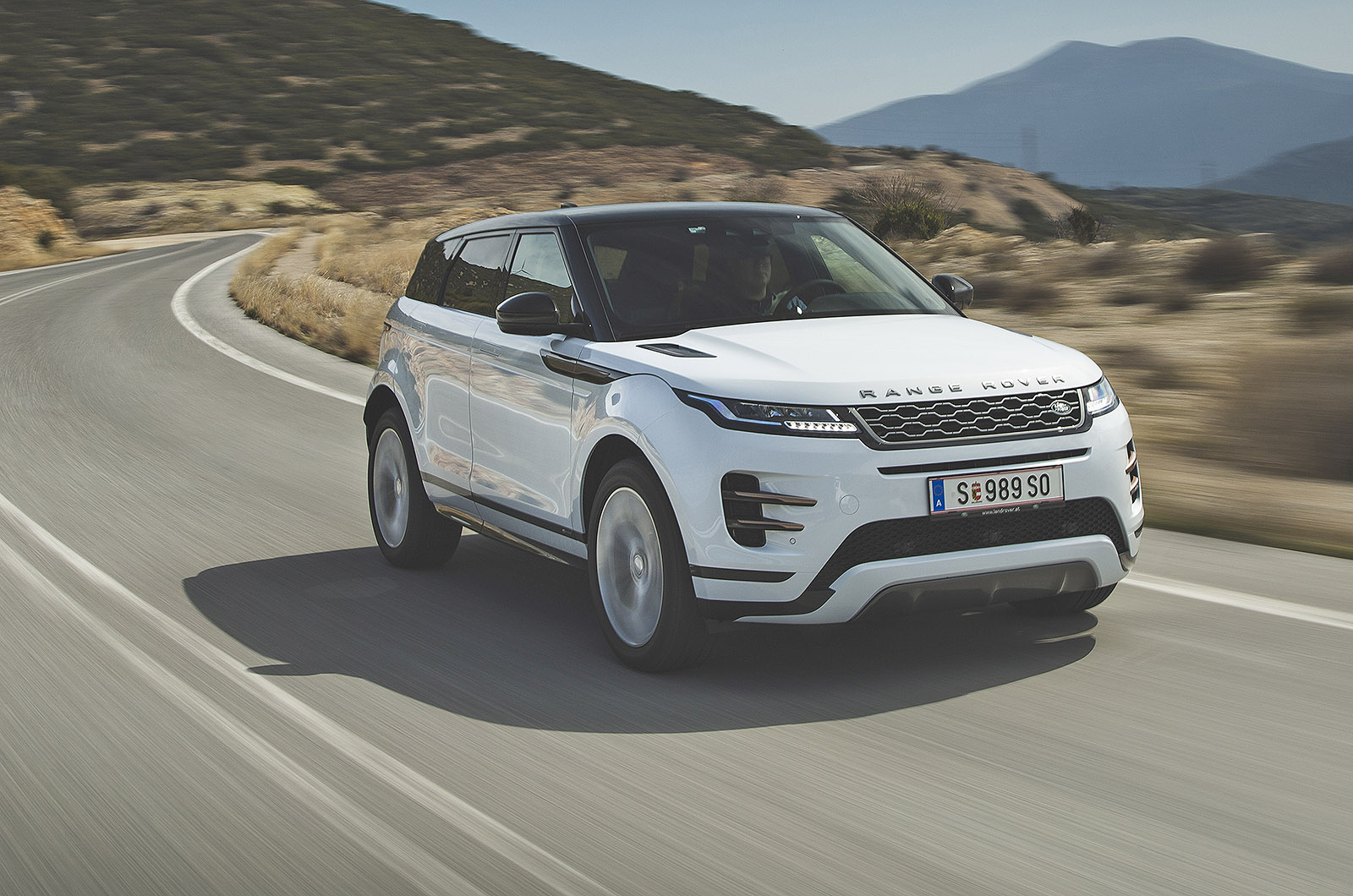
The 2008 LRX concept was a hit, but not one as big as the production car itself. Land Rover famously deviated only by millimetres when it turned the three-door LRX into the three-door Evoque, although it was the more practical five-door that ignited the firm’s spectacular expansion.
After nearly 800,000 sales, the original was replaced in 2018 by a new model almost dimensionally identical, and that’s been a strong seller too.
Toyota Prius (2000+)
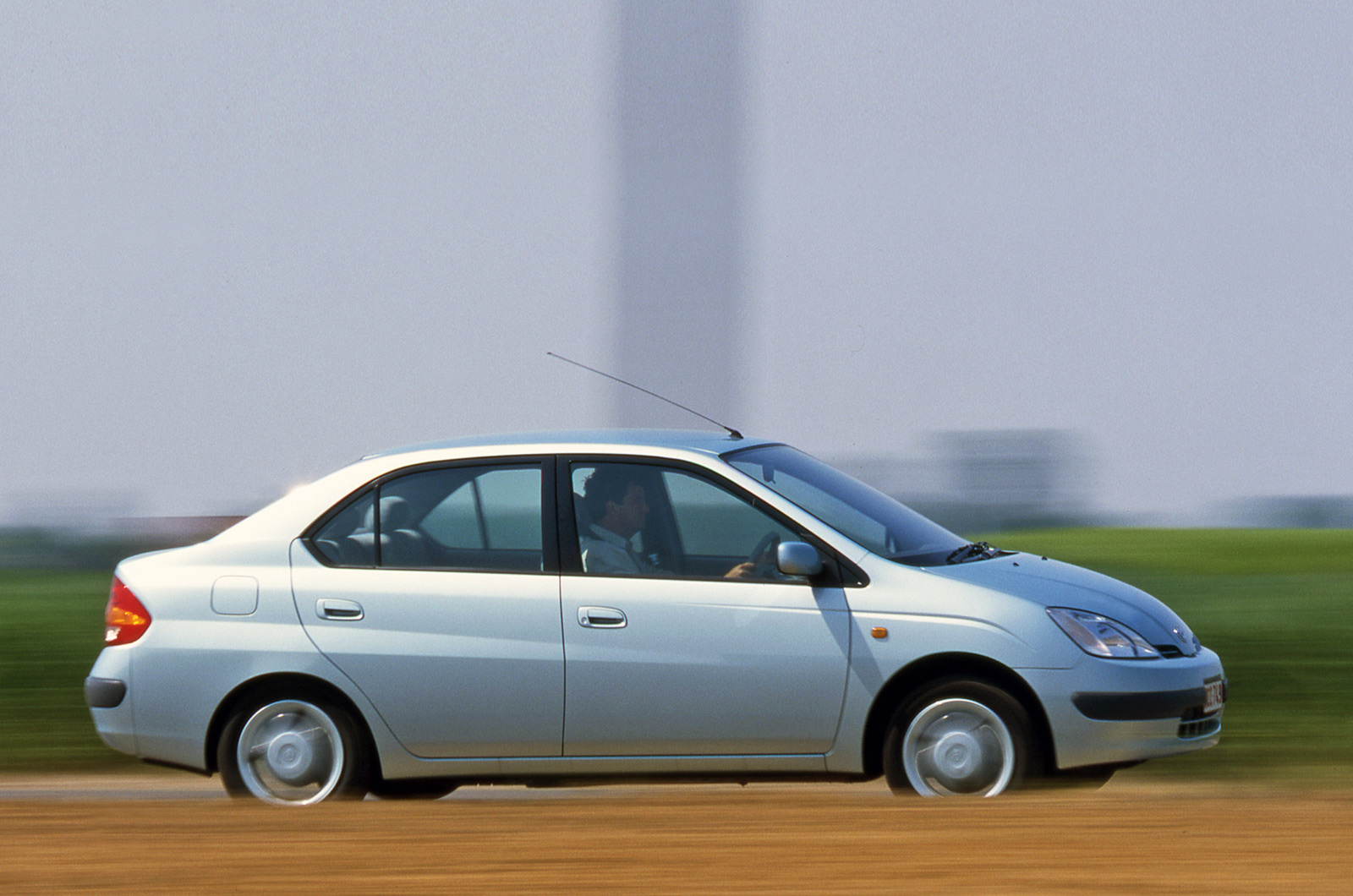
The first Prius was a slightly ungainly four-door saloon with an odd little air vent beneath the nearside rear pillar, and was initially offered only in Japan. Global sales began in 2000, and by 2002 US celebrities were driving them as a political statement.
Sales accelerated, still harder with the second generation’s arrival in 2003. Millions have been sold, and hybrids have become ordinary. That’s real confirmation of success.
If you enjoyed this story, please click the Follow button above to see more like it from Autocar

Volvo’s US Waiver Highlights the Limits of Blanket Bans on Chinese-Linked Automotive Technology

Jetta GLI and the End of Manual Transmissions: Volkswagen’s Shift Reflects the Waning Market...
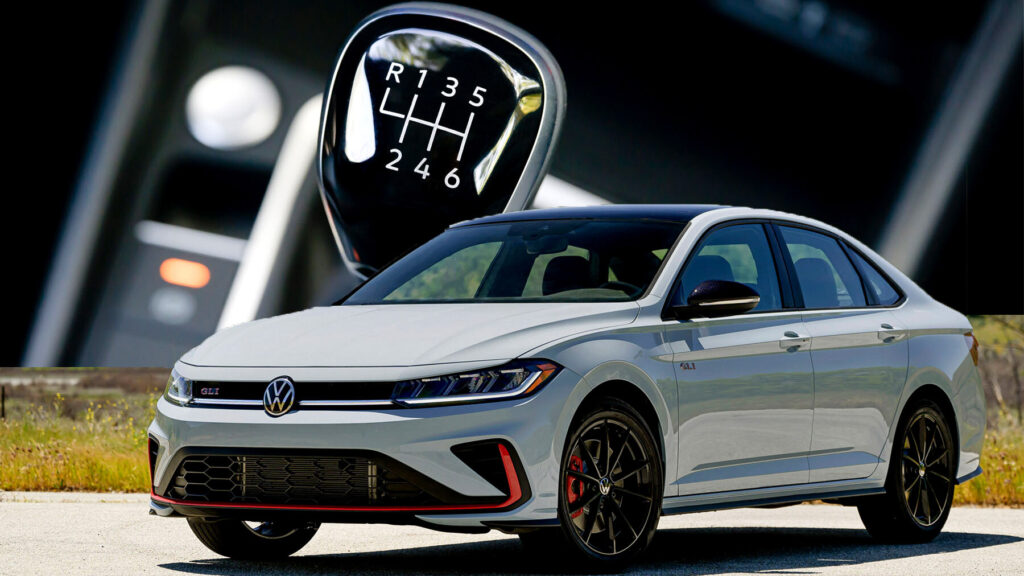

Airline Policy Shifts Exclude Humanoid Robots from Passenger Flights, Raising New Questions About Automation...
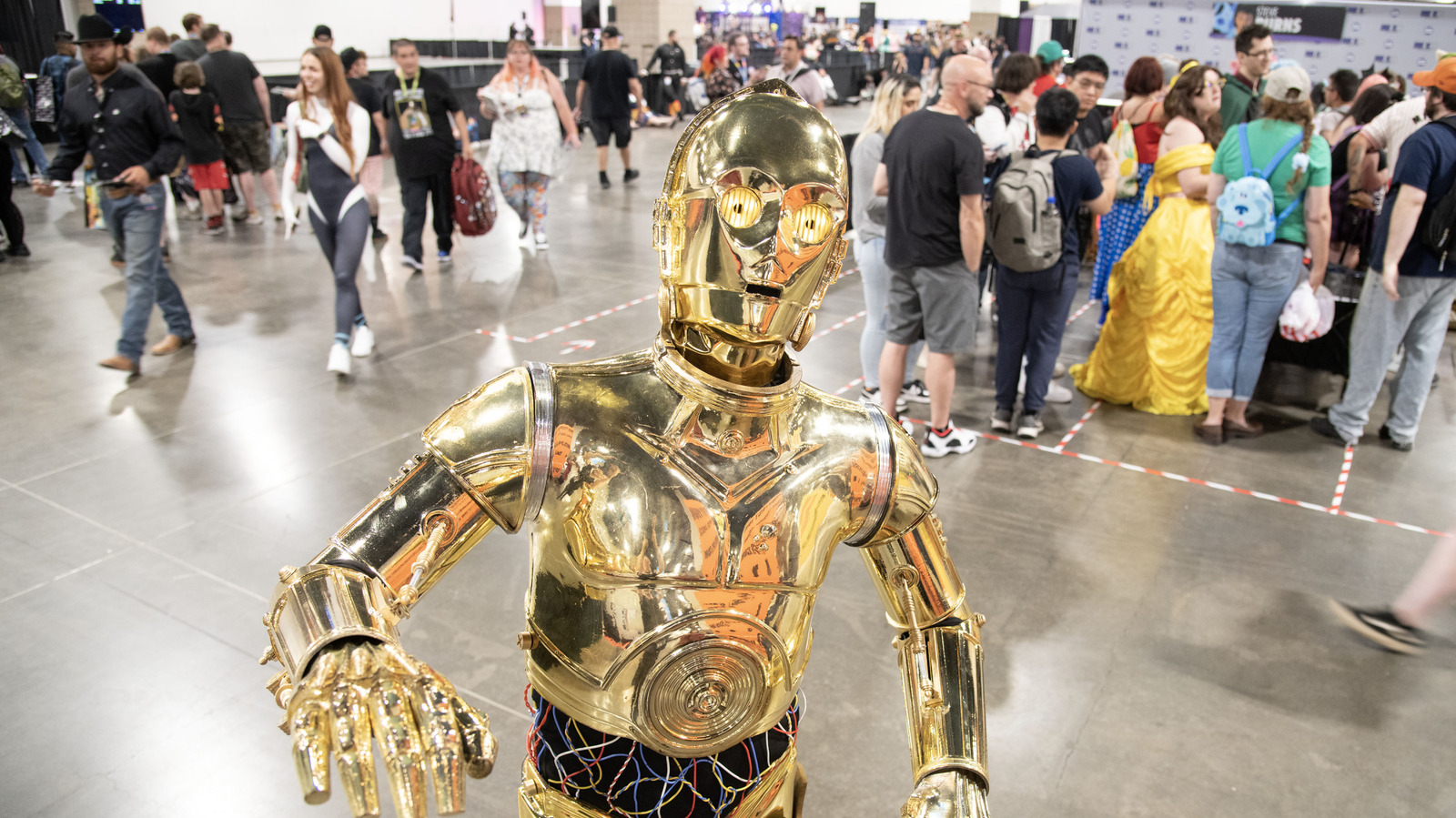

Ford Mustang Cobra as Hollywood Artifact and Racing Legend Paul Newman’s 1995 Daytona Winner...
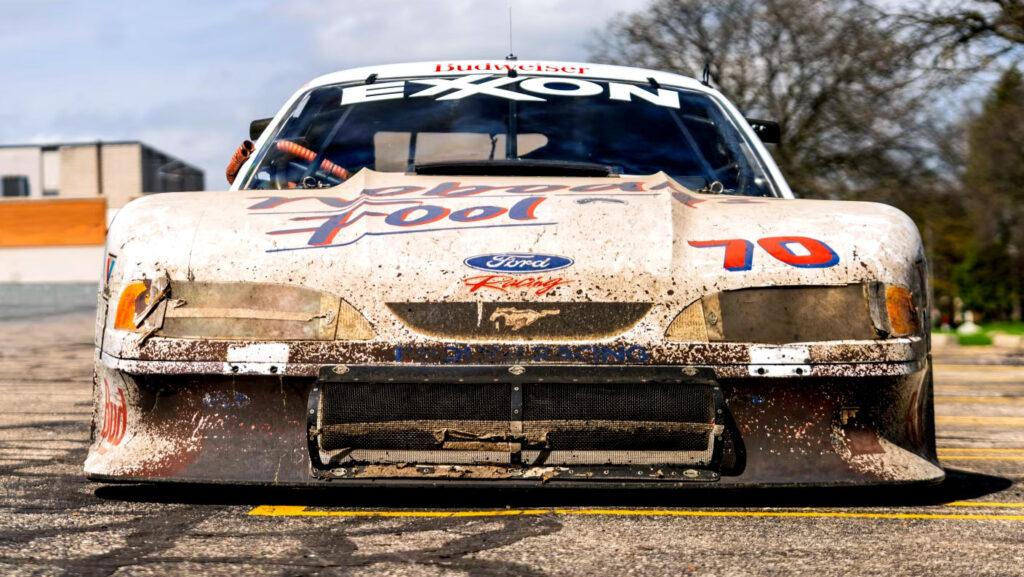

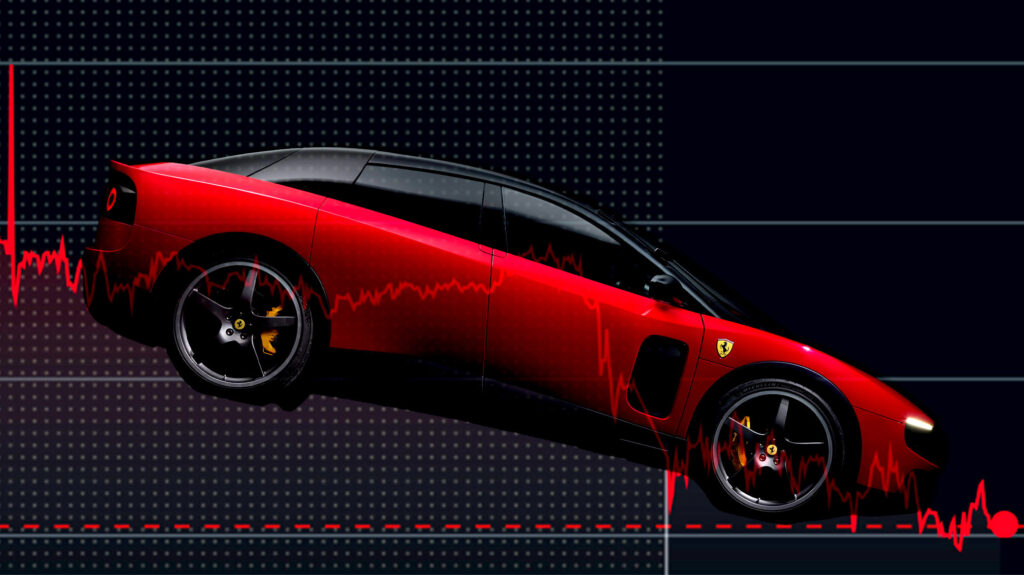
Ferrari Luce and the Crisis of Brand Identity Why the Electric Debut’s Design Sparks...
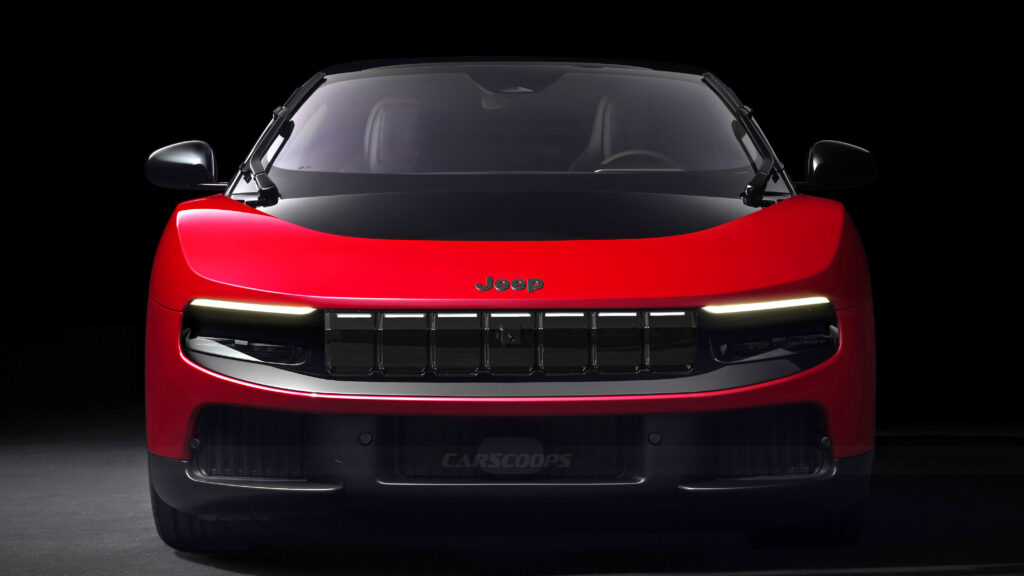

Hyundai Mobile Servicing Emerges as a Strategic Response to Dealership Overload Amid Record Sales...

Ferrari Luce redefines electric supercar design with radical aerodynamics, tactile analog controls, and uncompromising...
Rule-breaking silhouette was conceived in partnership with iPhone designer Jony IvePrancing Horse plugs in: mad Luce brings radical styling and performance specs to match its V8 and V12 siblings
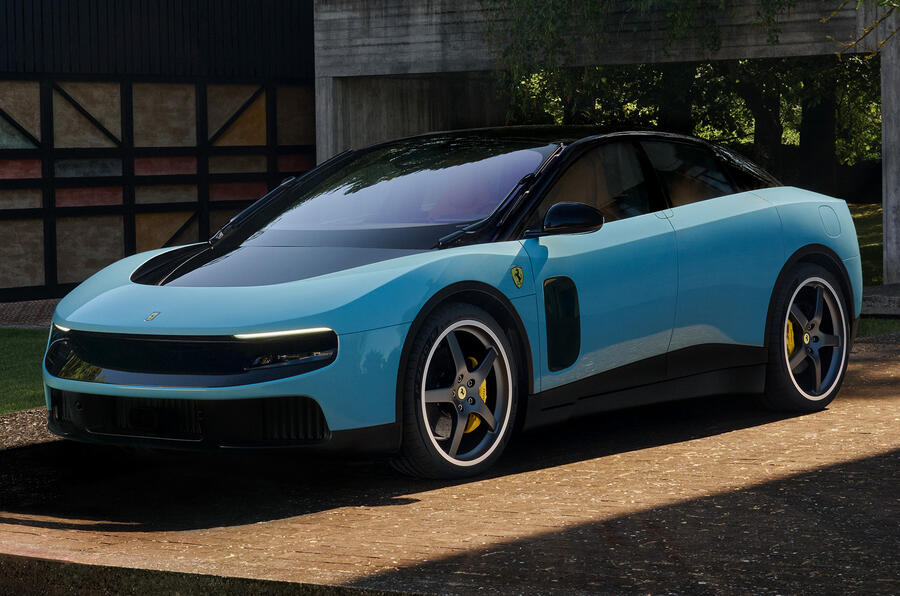
Ferrari has revealed the exterior design and full technical details of its new Luce electric car.
Ferrari’s second five-door car (after the Purosangue) and its first five-seater will go on sale priced at around £440,000, with UK deliveries set for spring 2027.
The Luce has four electric motors, one for each wheel, making a combined 1036bhp, with a 122kWh battery giving it an estimated range of 329 miles (subject to homologation).
In terms of performance, Ferrari says the Luce will be able to reach 62mph from rest in 2.5sec, travel from 0-124mph in 6.8sec - making it one of the firm’s fastest-accelerating models yet – and go on to a 192mph top speed.
It’s also the largest Ferrari yet: at 5026mm, the Luce is 53mm longer than the Purosangue, while measuring 1999mm wide across the body and 1544mm high (45mm lower than its V12 sibling), with a 2961mm wheelbase.
Design
The Luce’s design is primarily the work of LoveFrom, the design agency founded by industrial designers Sir Jony Ive – best known for designing the iMac, iPhone and iPad – and Marc Newson, another Apple alumni.
Ferrari has used design houses such as Pininfarina, Bertone and Zagato before, but it says that its relationship with LoveFrom has helped it think radically.
Employees of LoveFrom, which has studios in San Francisco and London, have also been based in Ferrari’s offices at Maranello.
“We've been working hand in glove with Ferrari for the last six or seven years,” Newson said at the Luce’s launch in Rome. “It’s safe to say that we've been completely embedded within the Ferrari organisation.“
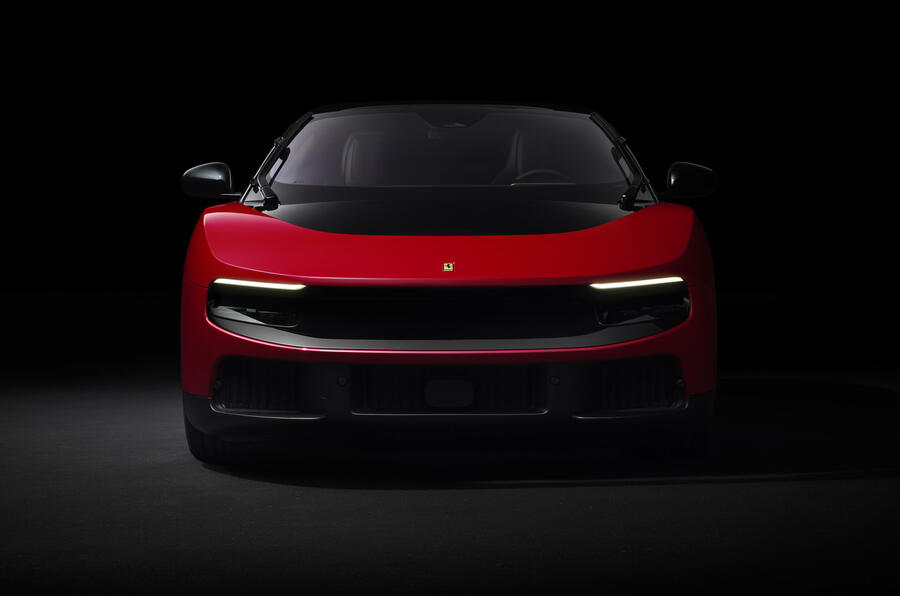
The Luce is a five-door hatchback with aft-hinged rear doors and a cab-forward design (the distance from driver’s seat to front axle is the same as in the 296 GTB), which affords it a spacious interior.
Rather than the focus of its styling being on downforce, as would usually be the case with Ferraris, more attention here has been paid to aerodynamics.
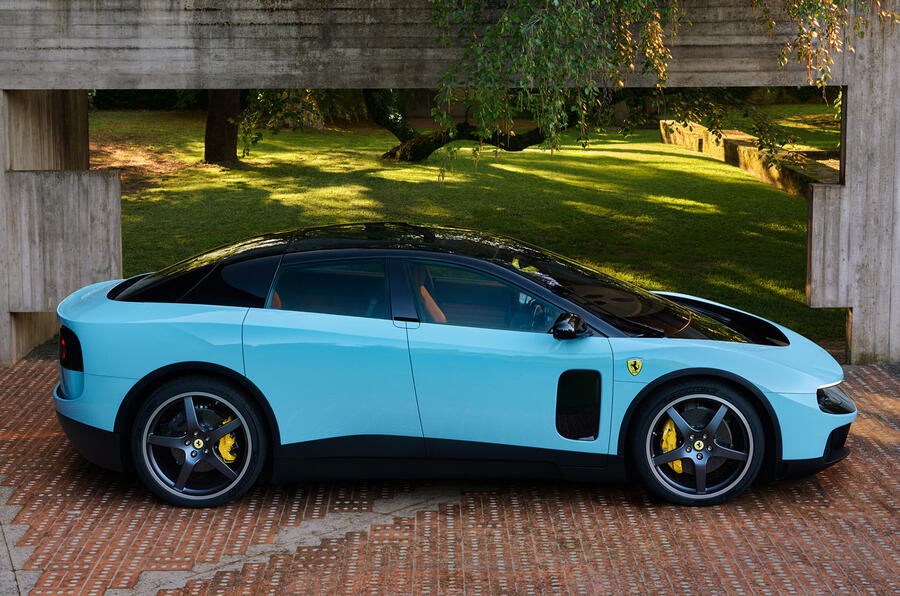
The design theme is for it to resemble a two-piece body; the black glassy volume contained within a coloured outer shell isn't dissimilar to the way the 12Cilindri’s glass and gloss black volumes look inserted inside its body panels.
“You might call it a glasshouse, or we like to call it a passenger cell,” said Newson. “Those things are intrinsically connected, but we like the idea of them as separate design elements.”
The Luce has ‘floating’ front and rear spoilers, each separated from the black form, allowing air to flow between the body and “this smooth, inherently aerodynamic object [inside],” said Newson.
While Ferrari doesn’t quote a number, because the car has to still generate some downforce to cope with its prodigious top speed, it says the Luce has the lowest drag coefficient of any roadgoing Ferrari: 25% less than the Amalfi, while generating the same kind of downforce.
The Luce has been through two and a half times the number of CFD calculations as the Purosangue during its development, reflecting the importance of aerodynamic efficiency in an EV. “Drag means range [loss],” said aerodynamicist Matteo Biancalana.
The front-door strake vents air from the front wheel arches, while the rear wheel arches vent at the rear, and there are active cooling fins at the front to reduce drag. The windscreen wipers are mounted vertically at the windscreen edges to keep a smooth profile to the passenger cell.
The body-in-white is an entirely new aluminium structure, composed of extrusions, castings and sheets, into the floor of which is mounted a battery pack, which is also assembled in Maranello. Ferrari claims torsional rigidity is’’ up 35% over the Purosangue, while the Luce also has Ferrari’s first elastically mounted rear subframe, to improve NVH, from which the lower suspension arms and rear motor module are attached.
Interior
Elements of the Luce’s interior design had been shown in part before the car’s unveiling this week, but this is the first time Ferrari has shown the elements together inside the finished cabin.
The short-bonnet design and absence of a transmission tunnel free up enough space for the Luce to host Ferrari’s first five-seat interior, as well as 40/20/40-split rear seats with a 597-litre boot behind - Ferrari’s largest yet.
But the most notable elements of the Luce’s interior are surely the control surfaces that were previewed earlier this year, and which feature high-grade materials and physical buttons and dials.
“Just because the vehicle is electric, doesn’t mean we need to get carried away with electronics,” said Newson. The idea was to have “the minimum distraction possible.”
There's a small, thin-rimmed steering wheel reminiscent of classic Ferraris, as well as glass-fronted and -backed dials that feature both physical needles and high-definition digital displays. Most controls can be felt for rather than having to be looked at and all are engineered to feel heavy, or positive, to the touch.
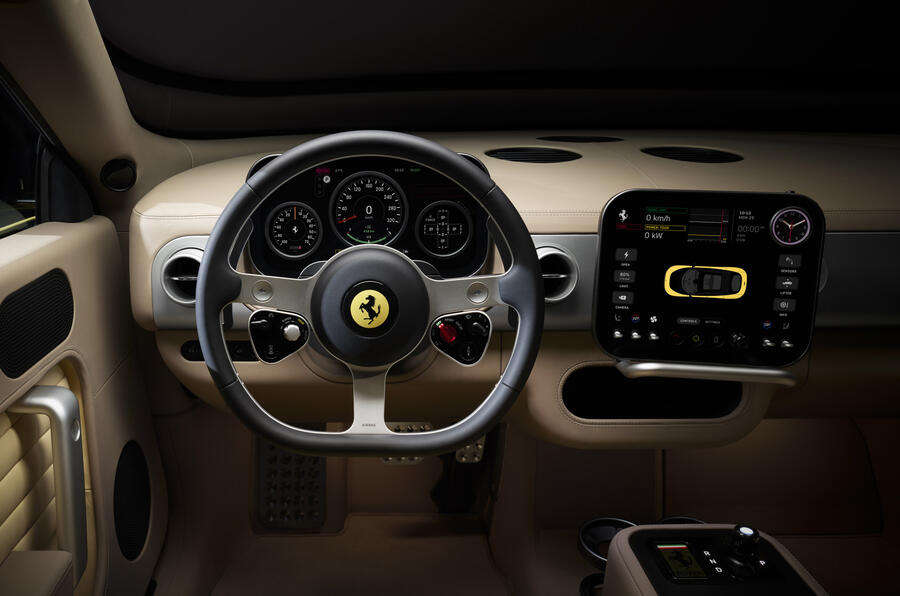
“Jony and I are car enthusiasts, right?” said Newson. “We're petrolheads, I guess, for want of a better expression. We've owned Ferraris – old Ferraris, historic Ferraris. I'm an obsessive classic car collector. I've done the Mille Miglia 14 times. And I appreciate - we appreciate - the straightforward ability to be able to interact with things in a coherent, spontaneous way. And it occurred to us very, very early on in this process that, in fact, that was what Ferrari really fundamentally is about.”
Tactile and perceived material quality is high on the agenda too, said Newson: “There’s a sort of the litmus test that we applied to all of these objects, that every single one of them was beautiful; not only a beautiful object but a beautifully crafted object, a beautifully made object.“
Apple CarPlay and Android Auto are both supported and personalised ADAS preferences are available with one button-push on the steering wheel.
Powertrain
The Luce’s four electric motors produce a system total of 1036bhp and a maximum torque output of 739lb ft, which is heavily rear-biased, with 416bhp and 262lb ft produced by each rear motor and 141bhp and 103lb ft coming from each front motor.
The radial flux, permanent magnet synchronous motors are a derivative of the type used in the hybrid drivetrains of Ferrari’s GT racers and the F80 hypercar. The front motors can spin at up to 30,000rpm, while the larger rear motors top out at 25,000rpm, owing to their larger outer diameter, different gearing and a larger wheel diameter at the rear.
The motor and gearbox module at the front weighs just 65kg, with the rear at around 130kg.
With a motor for each individual wheel, the Luce can torque vector to improve agility or stability. The front motors will disengage in Range driving mode but otherwise always remain engaged in Tour and Performance modes.
The battery, weighing 630kg, is designed and built in Maranello and integrated into the car’s floorpan. Designed with Korean battery company SK On, it consists of 210 cells connected in series, arranged 14 per module, with 15 modules in the pack – one centrally at the front behind the front axle, then mounted two by two to the rear, where the last four are stacked two-high, beneath the rear seats.
They have a peak discharge rate of 830kW and a total capacity of 122kWh at 800V, with a usable capacity of around 11kWh. The Luce’s peak charge speed is claimed to be 350kW, although Ferrari says it will take 70kWh in 20 minutes, meaning a sustained rate over that time of 210kW.
The battery pack is designed and built in Maranello so that Ferrari – which says 90% of all of its cars are still on the road – can place new battery tech into its own pack design should it need to, even decades down the road - in a similar way to how it’s offering F80-derived packs for LaFerrari batteries now.
Dynamics
While the Luce weighs 2260kg, it has a centre of gravity that’s 95mm lower than a Purosangue’s and a yaw moment of inertia that’s 15% smaller. Weight distribution is 47:53 front to rear.
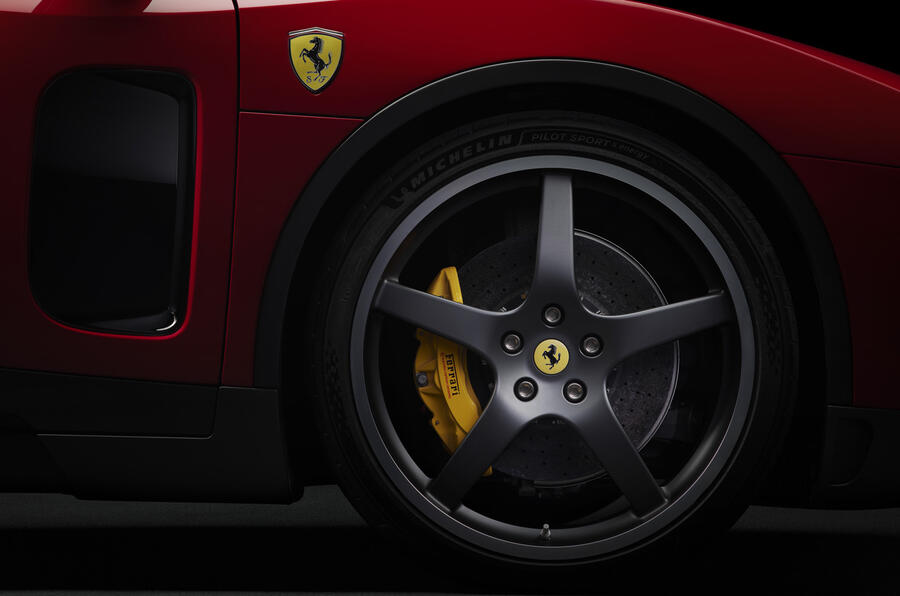
It has the largest wheels yet fitted to a Ferrari, with 23in, 9.5J front and 24in, 11J rear wheels, in two different styles – lighter five-spoke alloys or a more aerodynamically efficient turbine design, which gives maximum range.
Between them, suppliers Pirelli, Michelin and Bridgestone offer two normal tyres, two winter tyres and a run-flat option.
Ferrari’s chief product development officer, Gianmaria Fulgenzi, said the Luce will be “the most comfortable Ferrari ever produced”. The suspension is by double wishbones at the front and rear and employs an evolution of the 48V Multimatic TrueActive spool-valve dampers first used on the Purosangue, which negate the need for conventional anti-roll bars. Here, though, their internal ball screw pitch is increased by 20%, which better absorbs vertical impacts, and they’re 0.5kg lighter at each corner.
Ferrari’s engineers promise the Luce will be extraordinary to drive. Testing chief Raffaele de Simone said that “it behaves like… you have no idea. It’s a new sensation.”
With active rear steering, torque vectoring and the low centre of gravity, the steering response is said to be 15% faster than in the Purosangue, even though the rack is the same.
If you ask for a steering response at speed, “you don’t know if the main actors are the steering or the engines,” said de Simone, while insisting that “it’s very natural. It’s always linked to what you ask for.” The chassis and power, he said, “are fused together”.
Ferrari admits that much of its cars’ driver appeal is linked to their powertrains. To enhance the interaction of the Luce, in Performance mode there are amplified sounds, taken directly from the motors and gearsets as they mesh and amplified into the cabin.
“The sound is authentic; the sound is real,” said de Simone. “You can see where it comes from. We didn’t want a fake, nostalgic sound.”
Ferrari’s famous steering column paddles remain too, but instead of artificial gearshifts, such as in the Hyundai Ioniq 5 N, the left-hand paddle increases regenerative braking while also reducing the amount of available power.
There are five stages, with the most severe pulling 0.33g under throttle-off deceleration, “more or less the same as the engine braking in a 12Cilindri in second gear,” de Simone said. The right-hand paddle reduces that and increases the amount of available power on full throttle.
You can pull any ‘gear’ at any speed, but extra power – around 0.2g of additional acceleration – is released with each upshift, with the top setting liberating the full whack.
“It’s not a fake gearbox. The power is cut in slices, not speed,” de Simone said. “We keep the interaction, to keep decision-making active.”
The idea is that, in lower-speed corners, you want the additional retardation and can’t use all 1036bhp anyway. “It’s not easy to manage full power” on low-speed corner exit, de Simone said.
Away from this manual mode, the automatic operation of the Luce has an “almost coasting” regenerative braking level, of around 0.05g, which is “the same as the Purosangue in eighth gear,” said de Simone.
Buying
UK prices for the Luce haven’t yet been confirmed, but it’s set to cost €550,000 in continental Europe, where it will go on sale early next year, with an estimate of £440,000 in the UK, plus or minus 10%.
Customer deliveries are due to begin next spring.

Ferrari’s First Electric Car Tests the Limits of Brand Identity as Investors Reject the...