Free2move Sale Signals Stellantis Retreat from Car-Sharing to Refocus on Core Automotive Strategy

AI Integration in GM Vehicles Promises Short-Term Savings but Raises Long-Term Cost Questions

Audi Q9 Redefines Luxury SUV Segment as A8 Successor and Platform for Porsche Flagship
 "Unapologetically high-status" SUV will rival BMW X7 and Mercedes GLS, while forming basis of Porsche's 'K1'
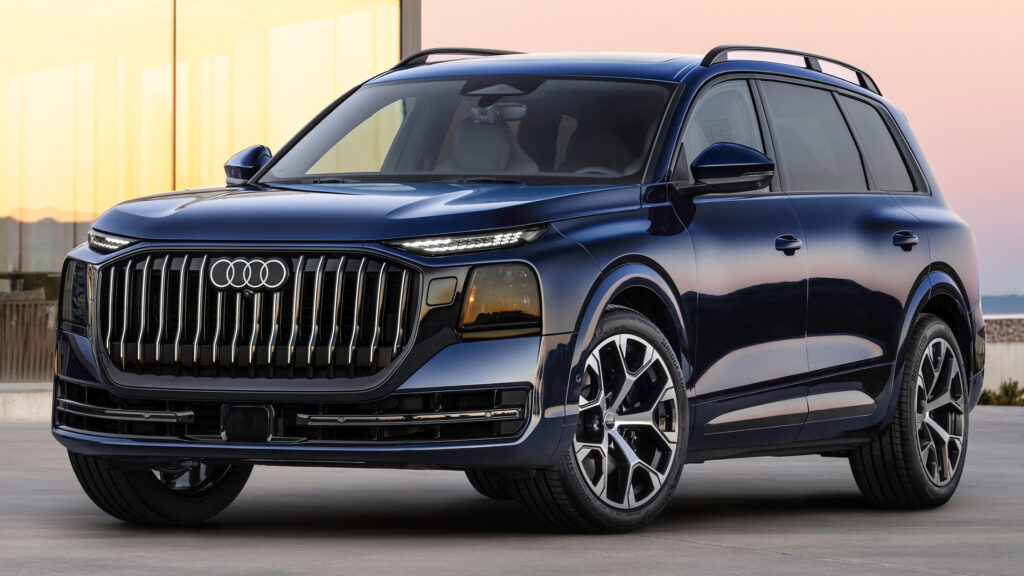
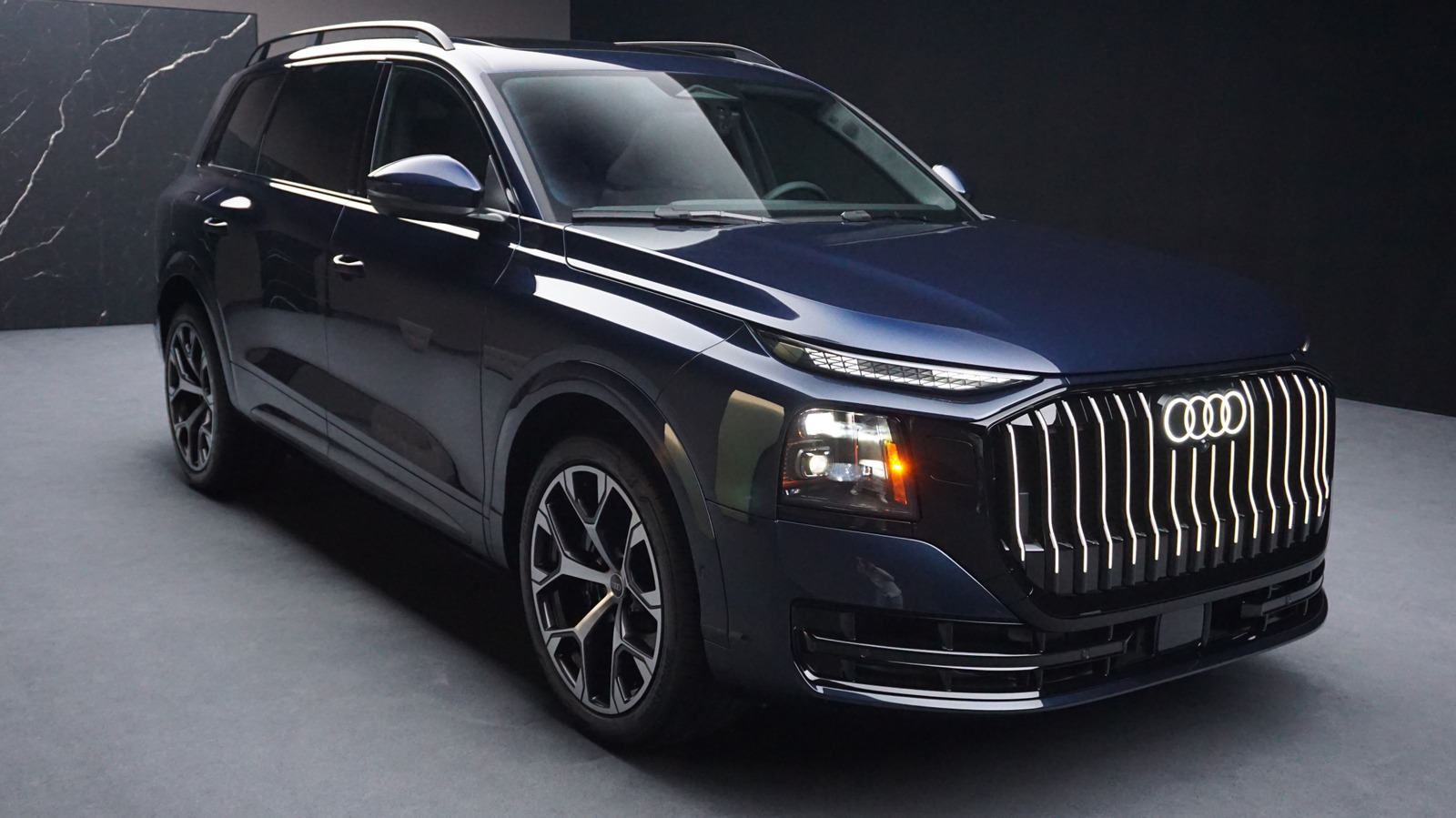
Audi has revealed the huge Q9 SUV as an indirect replacement for its A8 luxury saloon flagship – and its long-awaited rival to the BMW X7 and Mercedes GLS.
Described by the brand as “unapologetically high-status”, it has been developed primarily for the North American and Middle Eastern markets – hence its mammoth proportions.
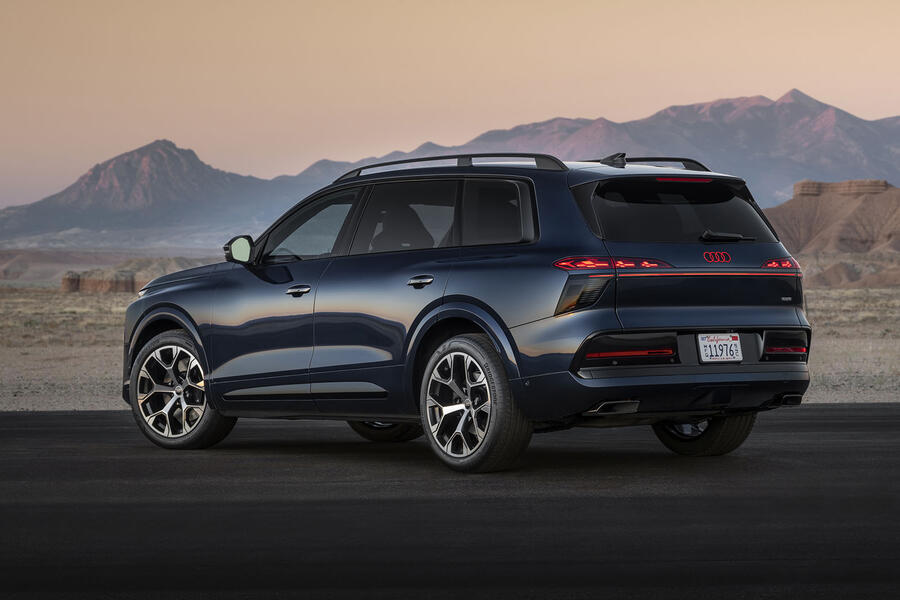
It measures 5.3m long, 2.2m wide and 1.8m tall, making it bigger than both of its German rivals and one of the largest cars to be sold in the UK – where it will struggle to fit through many urban width restrictors.
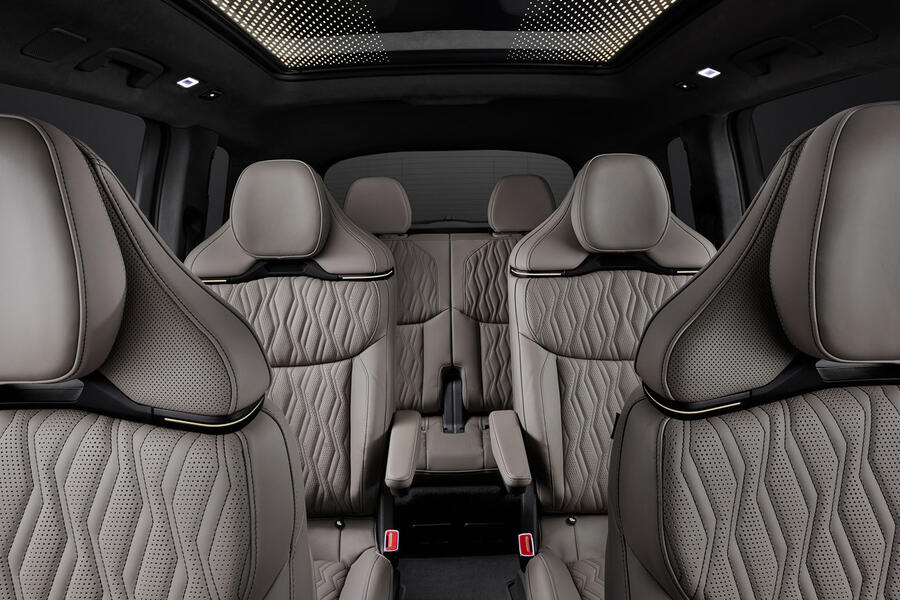
The Q9 will be offered with a choice of two interiors: a standard seven-seat configuration and a six-seat set-up that has two individual chairs in the second row.
The Q9’s doors open and close automatically as you approach the car. They can also be controlled through the interior screen or via the Audi app and contain sensors to prevent them from opening into the path of a passing vehicle or cyclist.
Up front, the Q9 has a three-screen dashboard familiar from the A6 and Q7, with an 11.9in instrument panel, a 14.5in curved infotainment touchscreen and a 12.3in passenger’s touchscreen.
Audi CEO Gernot Döllner said the digital-heavy interior exemplifies a new approach to Audi’s ‘Vorsprung durch Technik’ ethos and its cars will “increasingly be defined by the in-car experience”. He added that the Q9 shows “where we are taking the Audi brand” as it moves further upmarket.
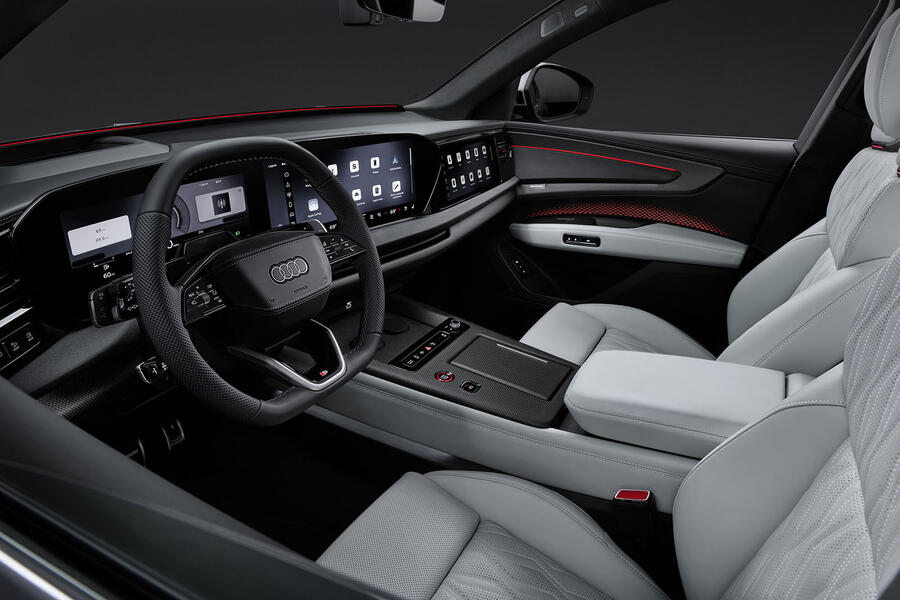
But it also brings low-tech solutions to appeal to its target markets: the cupholders have been designed to fit a one-litre water bottle, as has become the trend in the US.
Notably, the Q9 is the penultimate new model to feature Audi’s current design language. This is being phased out in favour of new design chief Massimo Frascella’s minimalist ‘Radical Next’ ethos, beginning with the Nuvolari supercar. The A2 electric supermini is set to be the final production car to be launched before the switch.
The hulking Q9 is based on the Premium Platform Combustion, which was previously employed by the A6 and Q7. This mounts the engine longitudinally, allowing for the use of a traditional Torsen differential for permanent four-wheel drive, rather than the clutch-pack system found in smaller models.
Initially the Q9 will be offered in two states of tune with the mildly hybridised 3.0-litre diesel V6 that also powers the A6 and new Q7. The entry grade puts out 241bhp and 369lb ft, but it can also be had with 295bhp and 465lb ft. Both are matched with an eight-speed torque-converter automatic gearbox, which channels power to all four wheels.
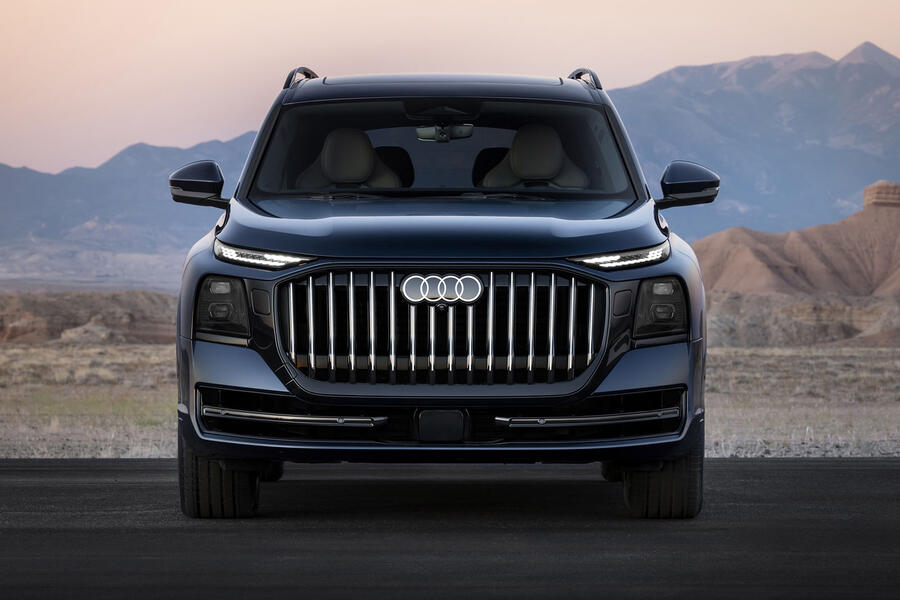
The line-up is expected to be expanded in due course. A lower-emission plug-in hybrid powertrain would make the Q9 more attractive to business users in Europe and the UK. Meanwhile, a performance-focused SQ9 derivative could use the 4.0-litre twin-turbo petrol V8 from the Bentley Bentayga, Lamborghini Urus and Porsche Cayenne – all models that perform well in the Q9’s target markets.
The Q9 is due in UK showrooms at around the end of the year. Pricing has yet to be confirmed but will almost certainly begin well above £100,000, given the outgoing Q8 can be specced up to nearly £120,000 as it is.
The Q9 will form the basis of Porsche’s upcoming flagship SUV, known internally as the ‘K1’. The K1 is set to arrive in the UK in 2028, also with a range of seating layouts.

Audi Q9 Redefines Flagship SUV Luxury With Expansive Tech and American Ambition

Audi Q9 Debuts as a Full-Size Three-Row SUV with Exclusive V8 Power for the...

Bugatti Mistral’s Soaring Auction Value Signals the Enduring Allure of the Last W16 Hypercar

Mini Countryman Embraces Off-Road Adventure to Expand Brand Identity and Customization
 New derivative of family SUV will be revealed in October amid drive to extend Mini's appeal
Mini is priming a new off-road version of the Countryman as it looks to broaden the brand's appeal with a range of individualistic special editions.
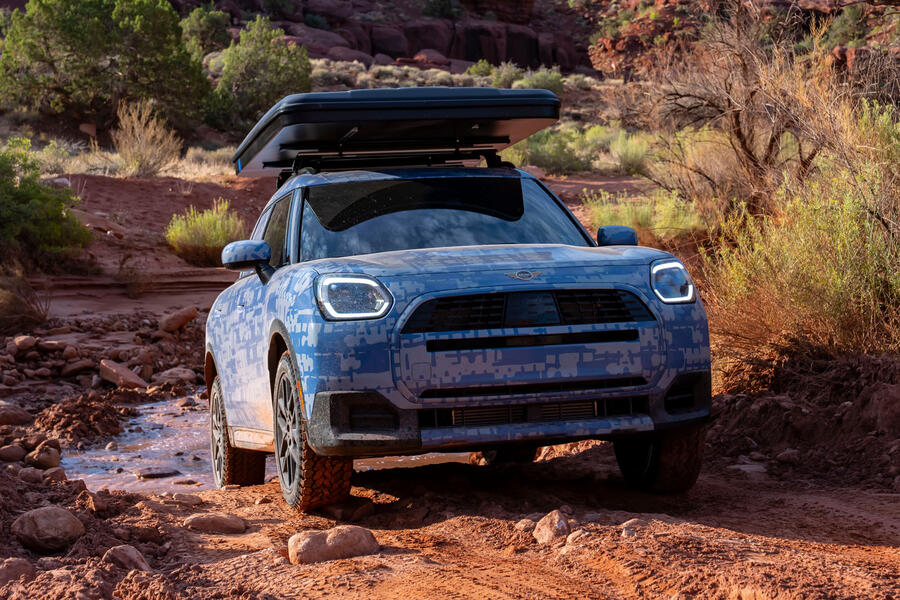
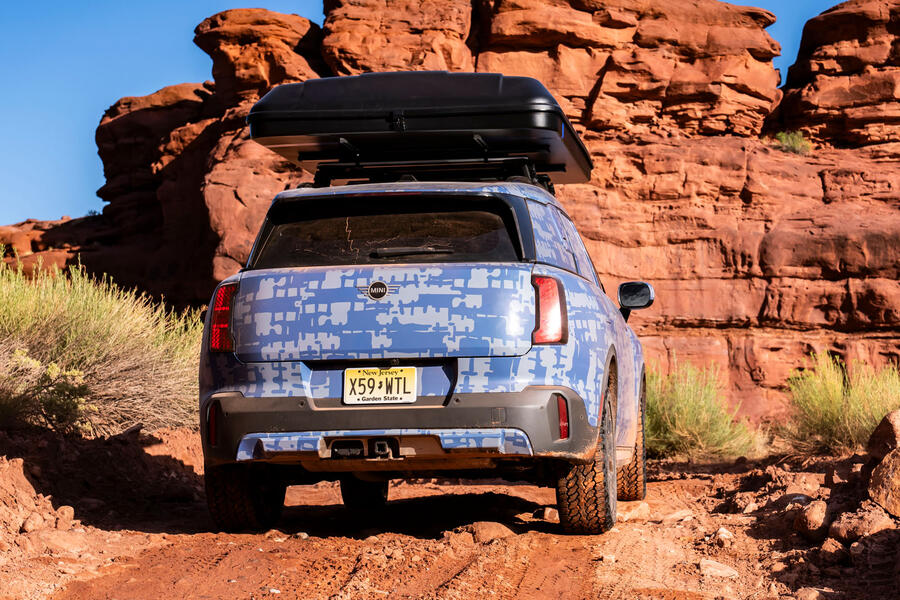
The company has revealed a new prototype referred to only as “a new Countryman edition”, which brings lifted suspension, chunky off-road tyres and a roof-mounted tent, hinting at its outdoorsy remit.
Mini boss Jean-Philippe Parain said the brand is “just one step away” from unwrapping the finished car, which will be unveiled in October.
The prototype has been pictured traversing the Rocky Mountain national park in Colorado, in the US, where hardened versions of conventional family SUVs are an emerging trend.
Two years ago, Hyundai launched the Ioniq 5 XRT, which provides a similar combination of a small lift in ride height and chunky body cladding. Honda, meanwhile, offers ‘Trailsport’ trims for its CR-V, Pilot and Passport SUVs in the US market.
As reported by Autocar last month, the new Countryman reflects Mini’s ambition to keep its line-up fresh with a wide range of new derivatives.
Design chief Holger Hampf said: ““We’ve witnessed the trend of the outdoor lifestyle and driving out of the city to spend some days in nature. Can our car do this? Certainly, so expect something in that direction.”
Autocar understands that the finished car will draw on the Vagabund concepts that were unveiled earlier this year. Inspired by festival culture, these exhibited off-road conversions of Mini’s family SUV.
Hampf suggested that brand partnerships such as the Vagabund would become more prominent in the years to come, as Mini looks to offer more special editions and greater personalisation.
He said Mini had “lost sight of that for a couple of years” as it sought to simplify its range and cut down on option packages, amid a broader drive in the car industry to cut costs.
He explained: “We feel Mini is a clean canvas that can be more customised in the way that it takes on different characters. Take, for example, a Paul Smith edition: fashionable and urban. Take a John Cooper Works: racy, sporty and almost track-like for the GP models in the past. Maybe the Deus Ex Machina concepts, more raw, more DIY and so on.
“[We want to] make sure that our customisation options allow people to express these different lifestyles. Preference has to become more important to us. This is where we learn from these collaborations, and from past editions.”

Dangerous Excessive Speeding Law in Florida Signals New Era of Criminal Penalties for Super...


Unforgettable Car Details and the Lasting Power of Automotive Memory

BMW Reinvents Automotive Product Placement with Spider-Man: Brand New Day Collaboration