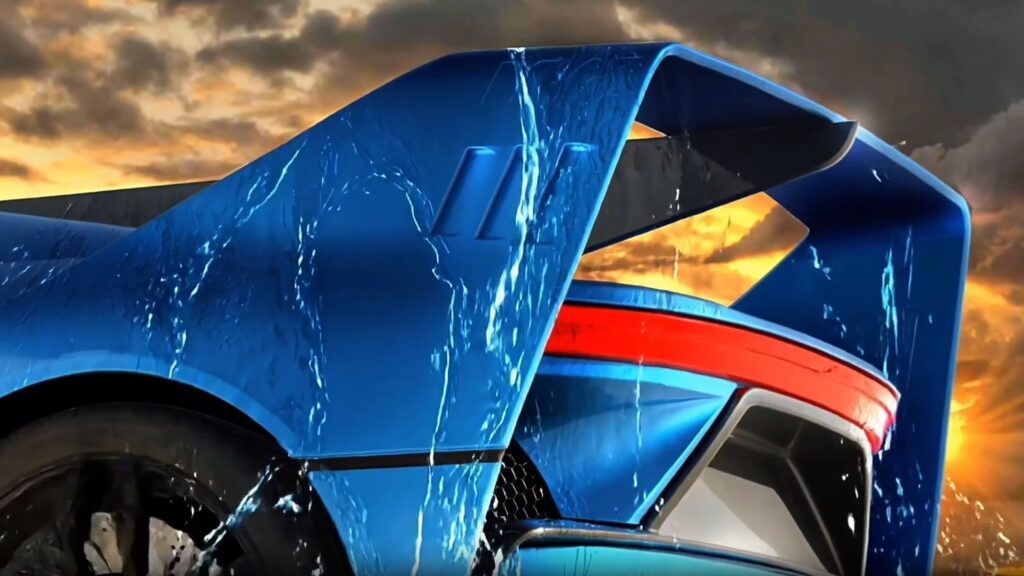
Charger Super Bee Returns as Dodge Unveils Its Most Powerful Sixpack Model Yet


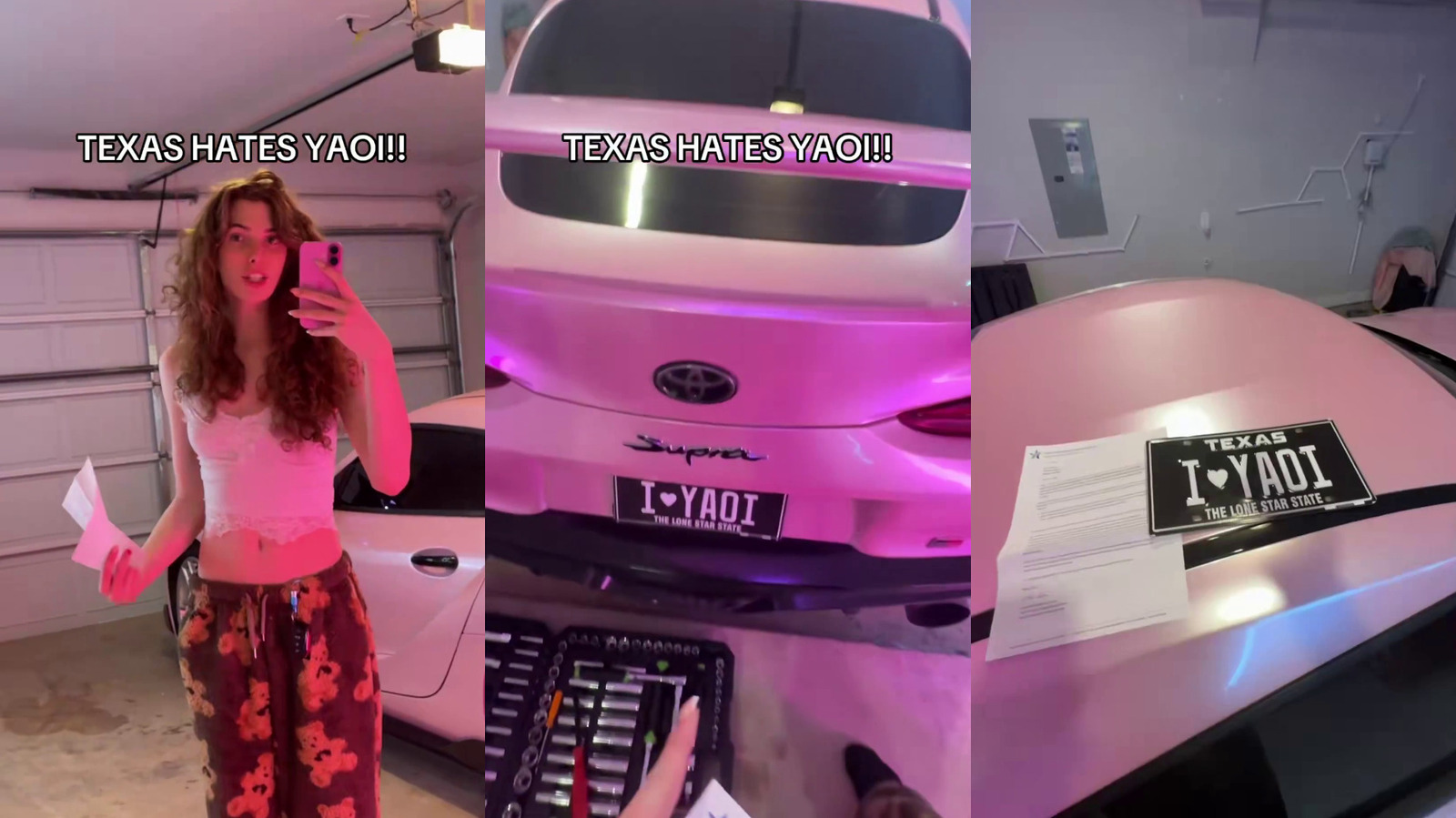
Yaoi, Censorship, and the Limits of Expression in Texas License Plate Policy

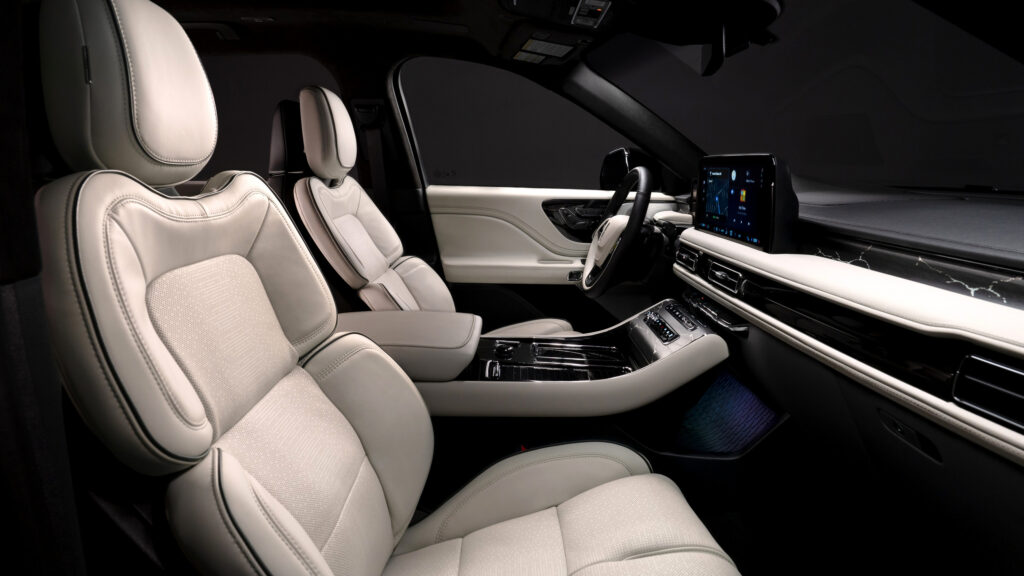
Ford Recall Crisis Deepens as Faulty Seat Motors Push 2026 Total Past 13 Million...

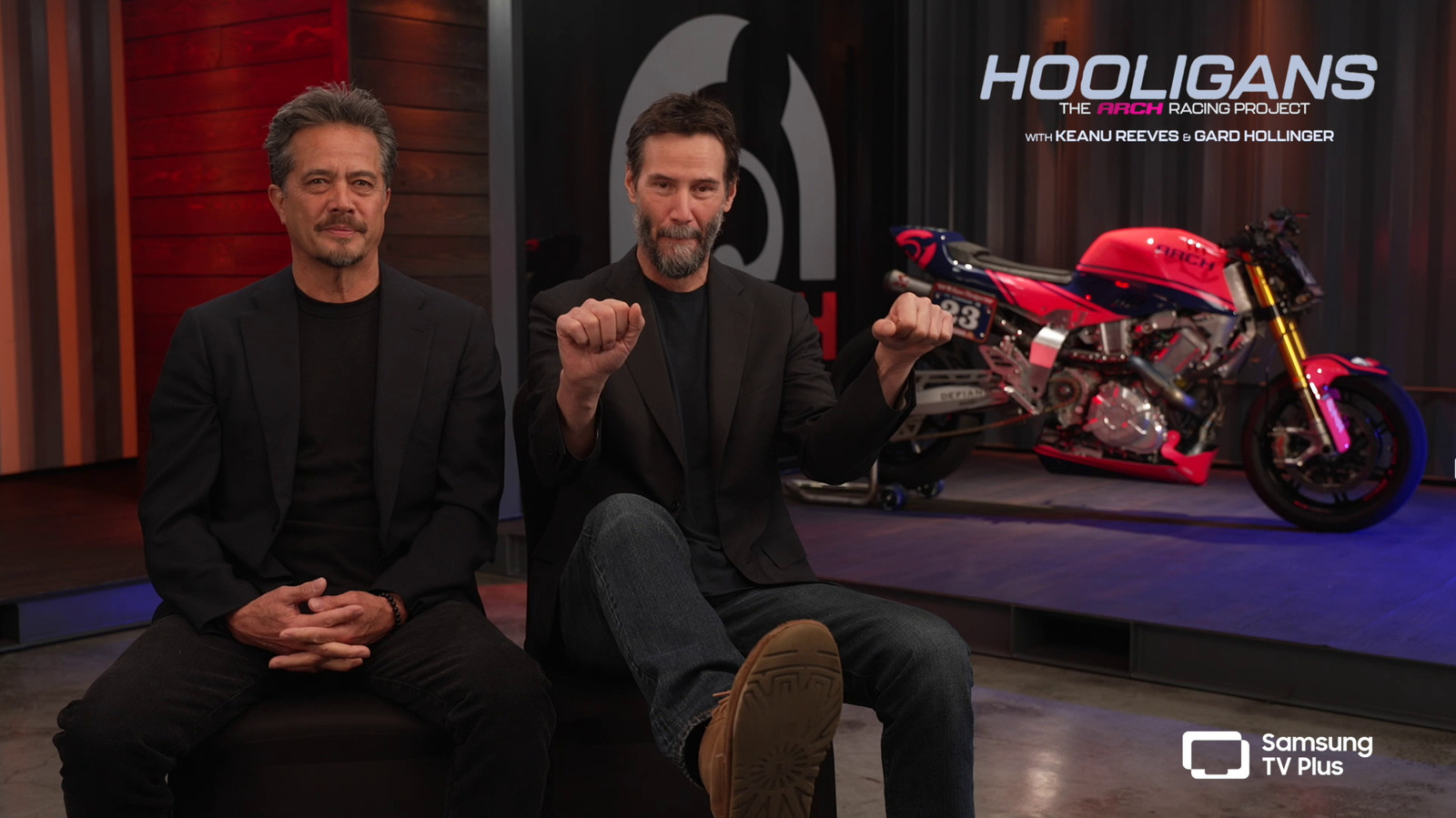
Arch Motorcycles Redefines Racing Ambition with MotoAmerica Super Hooligan Series Collaboration

German Carmakers Face Deepening Factory Slowdown in China as Local Brands Eclipse Demand

Ford Pursues Major Military Contract as Mercedes-Benz Scales Back China Sales and Stellantis Exits...

BMW i4 Convertible Signals Shift to Electric Open-Top Performance with Neue Klasse Platform
 New model marks the 4 Series Convertible's move to electric power, likely using the i3 saloon's tech
BMW's first electric cabriolet has moved a step closer, with a new prototype providing the clearest indication yet that the German car maker is already well advanced on an i4 Convertible based on its Neue Klasse electric platform.
Set to make its public debut during the second half of 2027 before reaching UK dealerships in 2028, the new four-seat model is planned to form part of an all-new two-door i4 family.
Alongside it, BMW is also developing an i4 Coupé, which will effectively succeed today's Cluster Architecture (CLAR)-based i4 Gran Coupé, while the i4 Convertible expands the line-up with BMW's first dedicated open-top electric model.
The disguised prototype reveals several key details about the i4 Convertible.
Most obvious is the electrically operated fabric roof, which confirms that BMW has resisted calls to return to the folding metal hard tops used on earlier 3 Series Convertibles. Instead, it has retained a soft top similar in concept to that of today's G23-generation 4 Series Convertible. When lowered, the roof stows neatly beneath a dedicated rear tonneau cover.
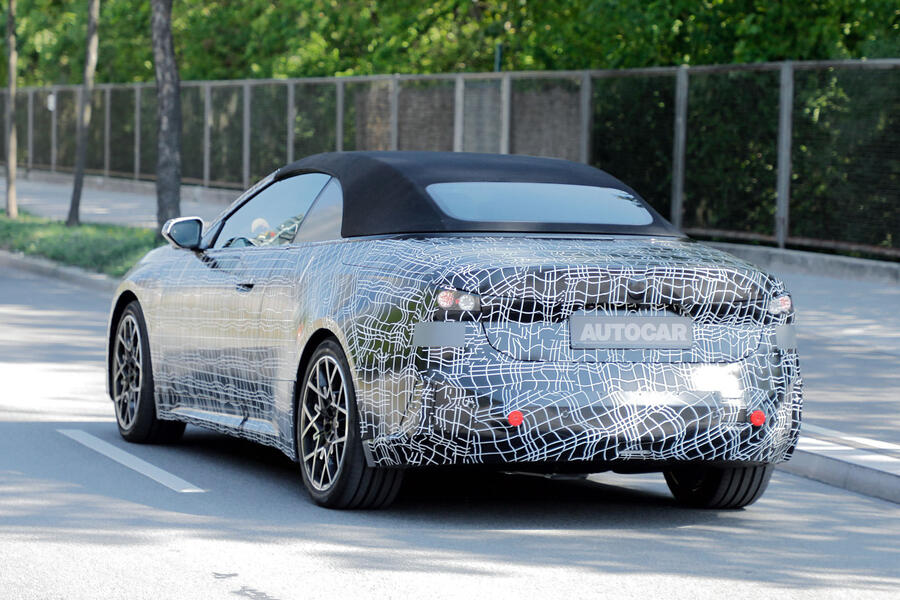
The prototype captured here also provides the clearest look yet at how the Neue Klasse's dedicated electric platform has influenced the new open-top's design. It brings shorter overhangs at the front and rear, a longer wheelbase and proportions more closely aligned with the recently revealed i3 saloon.
Mechanically, the i4 Convertible is expected to borrow extensively from the new i3. The Neue Klasse platform supports an 800V electrical architecture, cylindrical battery cells and DC charging capability of up to 400kW.
Initial models are expected to mirror the i3 range, beginning with a rear-wheel-drive version before expanding to a four-wheel-drive i4 50 xDrive Convertible model featuring BMW's latest synchronous rear motor and asynchronous front motor. In i3 saloon specification, the dual-motor drivetrain develops 463bhp and 476lb ft. More powerful M Performance variants are also likely.
The i4 Convertible will not immediately replace its combustion-engined counterpart. BMW plans to continue producing the G23-generation 4 Series Convertible alongside the new electric model until around mid-2029.
Speaking to Autocar earlier this year, Joachim Post, who oversees the development of all new BMWs, said: "The 4 Series is an important car for us. It's more sporty, and BMW is a sporty brand which has a clear heritage also on the performance side. It will play an important role also for the future."

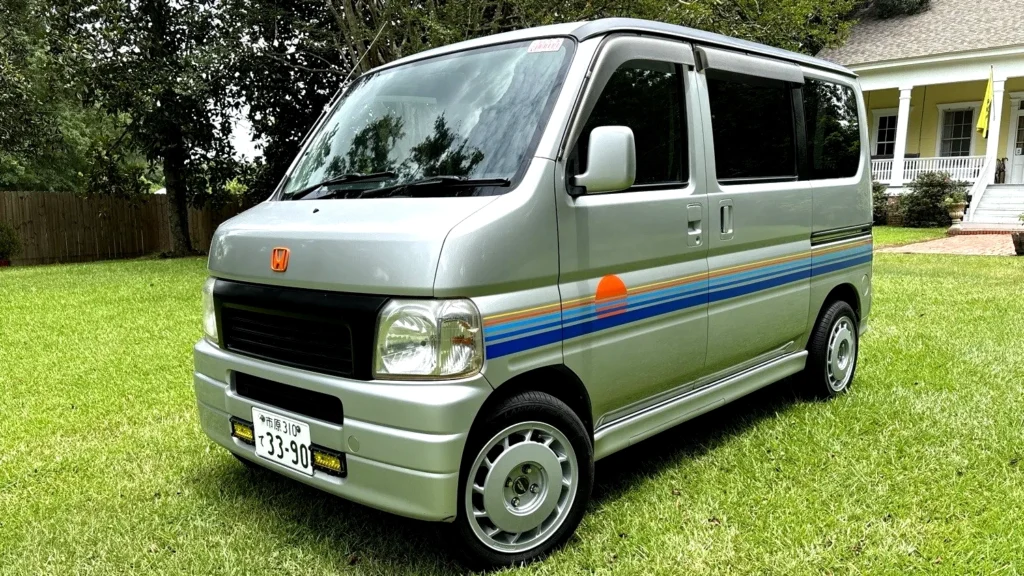
Honda Vamos Redefines Kei Van Appeal with Retro Style and Surprising Practicality

Driver Monitoring Systems Redefine Safety and Control in the Shift Toward Automated Vehicles
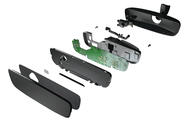
Magna's new mirror contains camera that detects driver distraction, drowsiness or fatigueAs car makers push for greater safety and automation, are drivers ready to hand over full control?
Robotics in the form advanced driver assistance systems (ADAS) have been here in Europe since 2015, when it became essential for car makers to adopt features such as autonomous emergency braking (AEB) to gain a five-star Euro NCAP safety score.
Drivers of fully loaded 2026 model-year cars will notice how lane-keeping features, which a few years ago may only vibrated the steering wheel, have evolved to positive automated steering input and now to full-blown overtaking assist.
Along with features that physically intervene with the control of the car has come occupant status monitoring (OSM). This electronic big brother can include child presence detection and seatbelt reminders, and it can actively check if a driver is nodding off, looking drowsy or simply being distracted, perhaps rubber-necking an incident on the opposite carriageway.
Whether drivers view these aids as nannying, helpful or simply distracting (because of the beeps and warning lights they trigger), Thatcham Research data makes a strong case for technology to mitigate the problem. Thatcham says impairment or distraction is a contributing factor in 14.8% of UK accidents, and that figure rises to 28% in fatal accidents. OSM can detect the "alertness, attention and availability of the drivers and other passengers in the vehicle."
Thatcham says OSM is the key enabling technology for automation and driver-controlled assistance systems (DCAS), which is the 'hands off, eyes on' type of assistance we see today.
But there's more to OSM than keeping a watchful eye. Last year ZF showed its Lifetec system, which blends camera and sensor data to classify occupants. Airbags and seatbelt systems can tailor responses to each individual, taking into account their seating position irrespective of whether a person is small, large, muscular or petite.
Supply giant Magna has recently been awarded a driver and occupant monitoring system (DMS/OSM) programme with a European manufacturer. The tech is built into the rear-view mirror, which contains 'behind-the-glass camera architecture', and is integrated with the car's central computing systems.
The camera monitors the driver's head, eye and body movements to detect distraction, drowsiness and fatigue. The technology has been in the market for a couple of years now; it's designed as a system and can be scaled to include child presence detection and seat-belt detection. It can also be used to identify specific passengers to enable user-preference memory settings.
Car makers have been developing technologies to read our minds for a number of years. Back in 2011, Mercedes showed a wearable device (the prototype resembled a swimming cap) to monitor 'alpha spindles' in brainwave patterns to establish whether a driver was becoming drowsy.

Silvestri Automobili MN 40 Tributo Redefines Analog Supercar Purity with a V12 Manual Homage...