Car Accessories as Social History How Forgotten Gadgets Reveal Shifting Priorities in Motoring Comfort...
 Need some inflatable seats for your car or a felt safety cap to protect your bonce? There was a time when you could buy such things…
Motorists take safety, comfort and reliability for granted nowadays.
The modern car is an incredibly complicated piece of machinery, but it wasn't always like that. Decades ago we were expected to spend our cash on an array of accessories to make our lives easier and more comfortable – although how useful many of these products were is debatable.
We've been delving into our archives to bring you some of the best gadgets and accessories from years gone by – and what we found was fascinating…
Berkeley Caravette (1955)
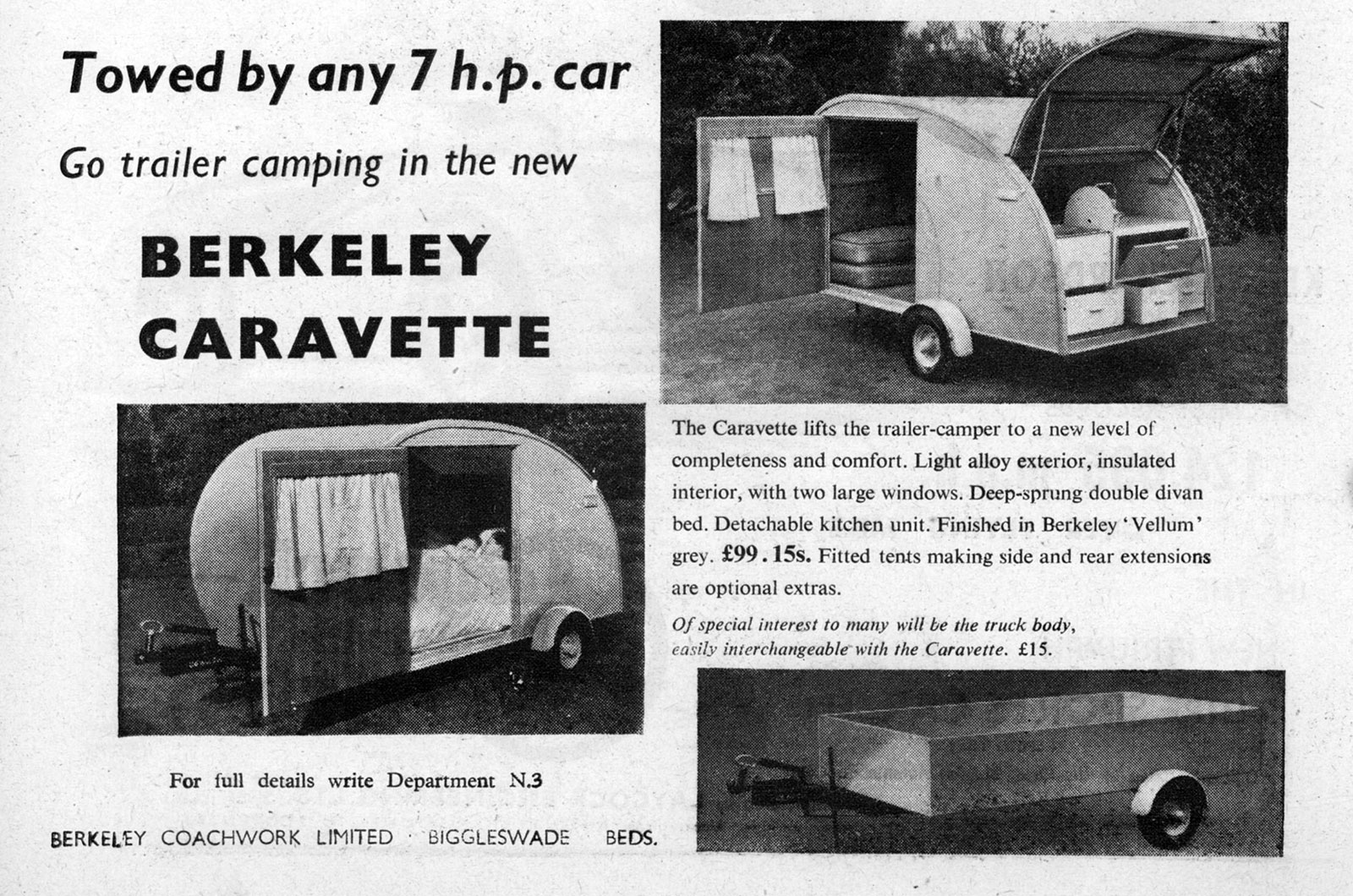
Berkeley made full-size caravans as well as plastic-bodied microcars. This precursor to the modern teardrop caravan looks intriguing and horrifying in equal measure. Perfect for towing behind your Mini, the Caravette was quite costly for something so basic; at current prices this would cost around £2500.
Brexton Minitable
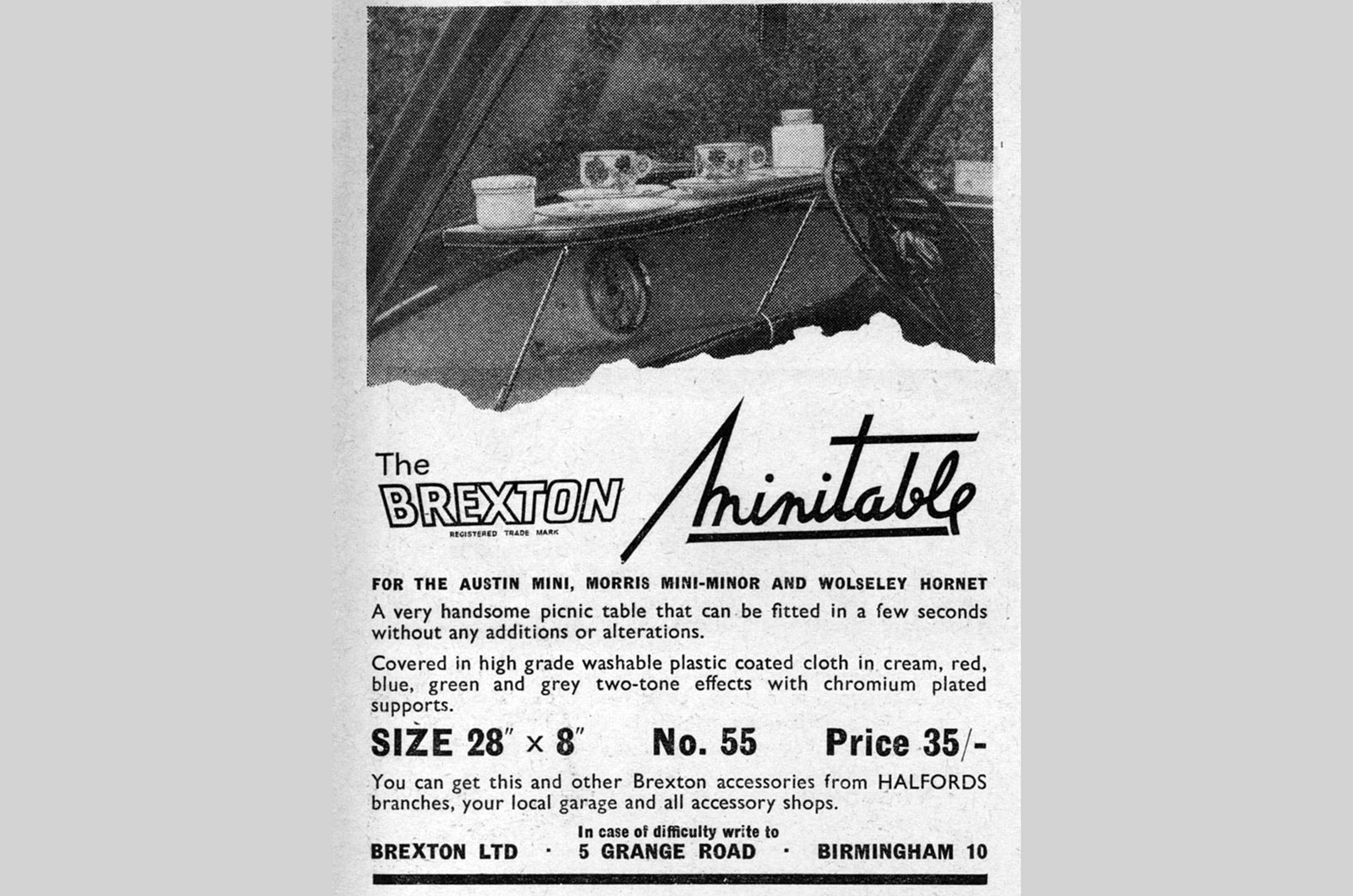
Brexton made high-quality picnic sets, but the company also offered this clip-on table which allowed you to sip tea from fine bone china cups while you waited for the traffic to clear. Just the thing for your commute.
Auster sun visor
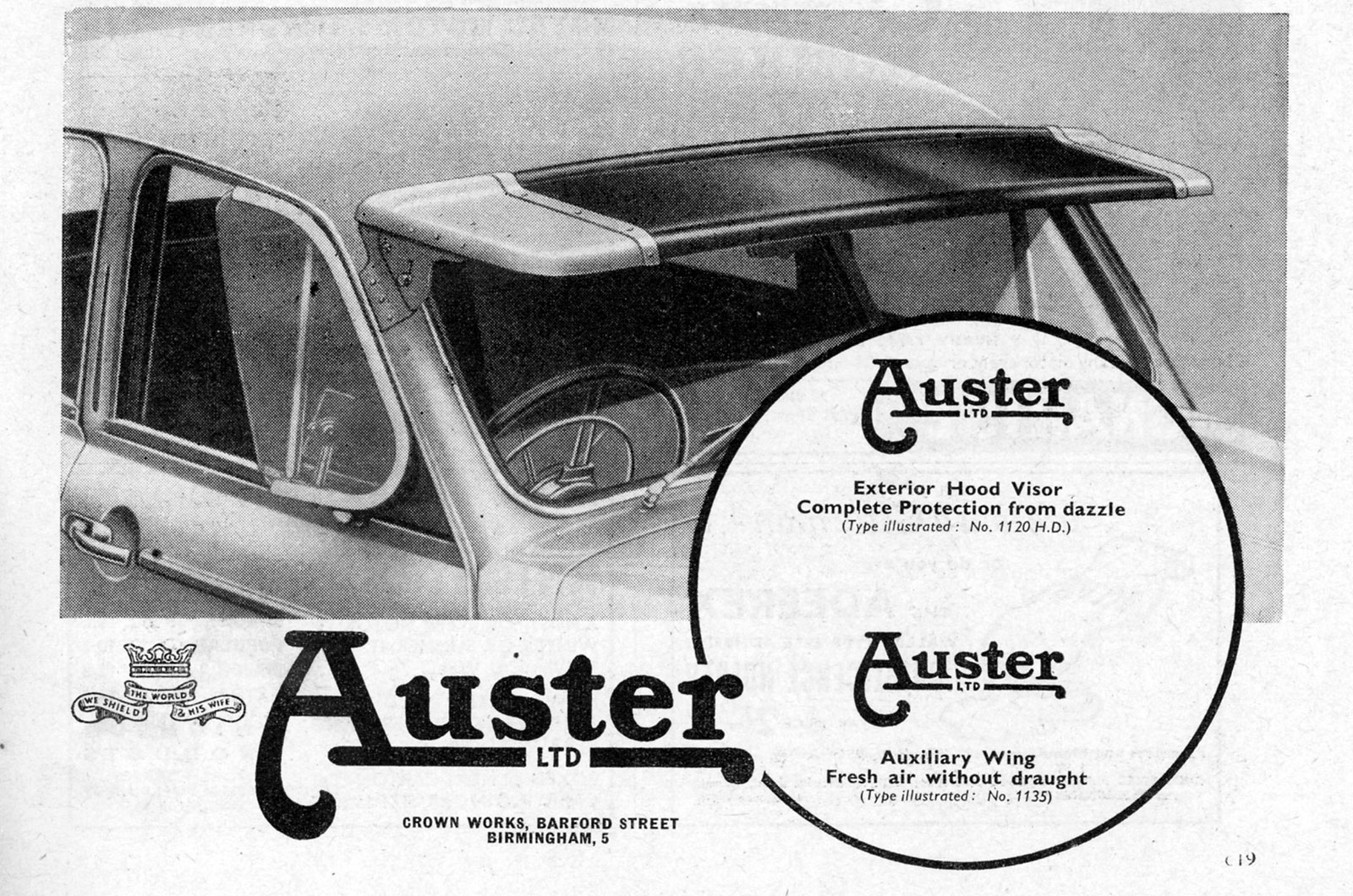
Why bother with cumbersome sun glasses or tinted glass when you could just bolt a massive wing to the leading edge of your car's roof? Not only did it keep the sun out of your eyes but it had the added benefit of giving your Austin A35 some extra downforce.
Nenette duster
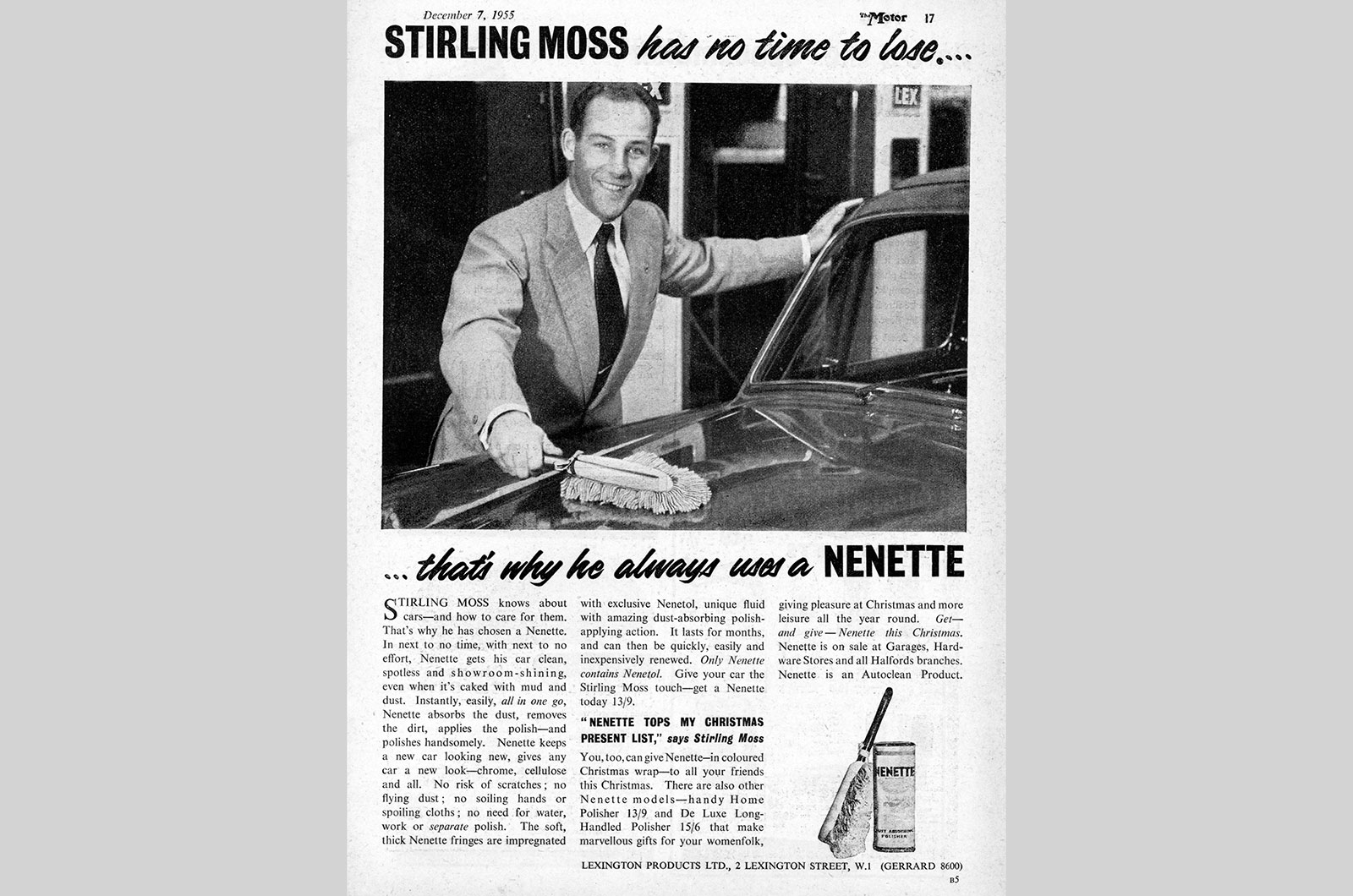
Could you imagine Lewis Hamilton promoting car cleaning products? Probably not, but back in the day Stirling Moss endorsed all sorts of products from oil and fuel to clothing and this – a duster to keep your car clean. It was so good that it was top of his Christmas present list. Hmmm…
Monsall holdall
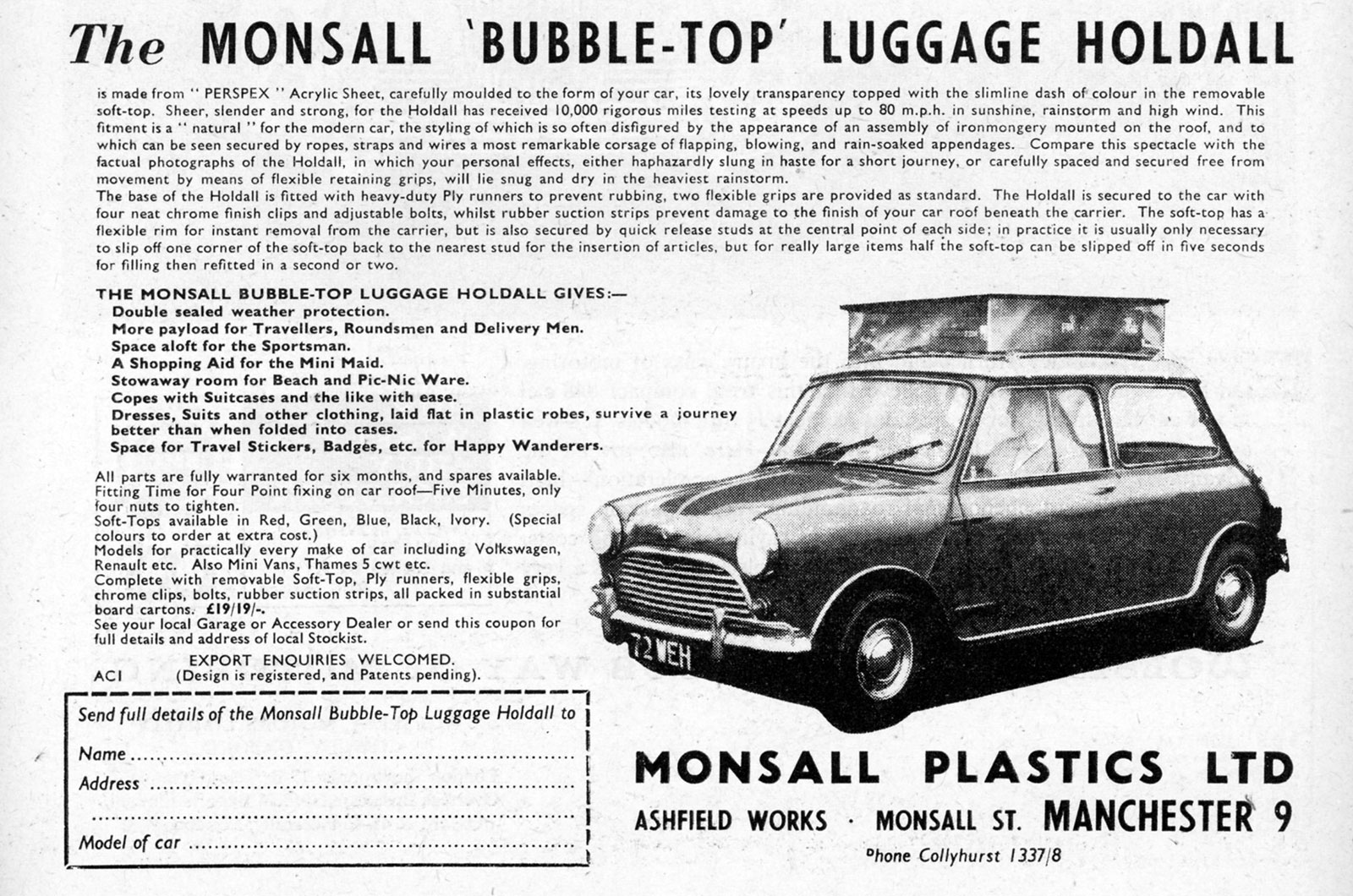
Struggling to fit everything into your car? No problem thanks to this device which was the predecessor of today's roof boxes. Available in an array of colours, you could buy a Monsall holdall for pretty much any car on the market.
Moseley Float-On-Air
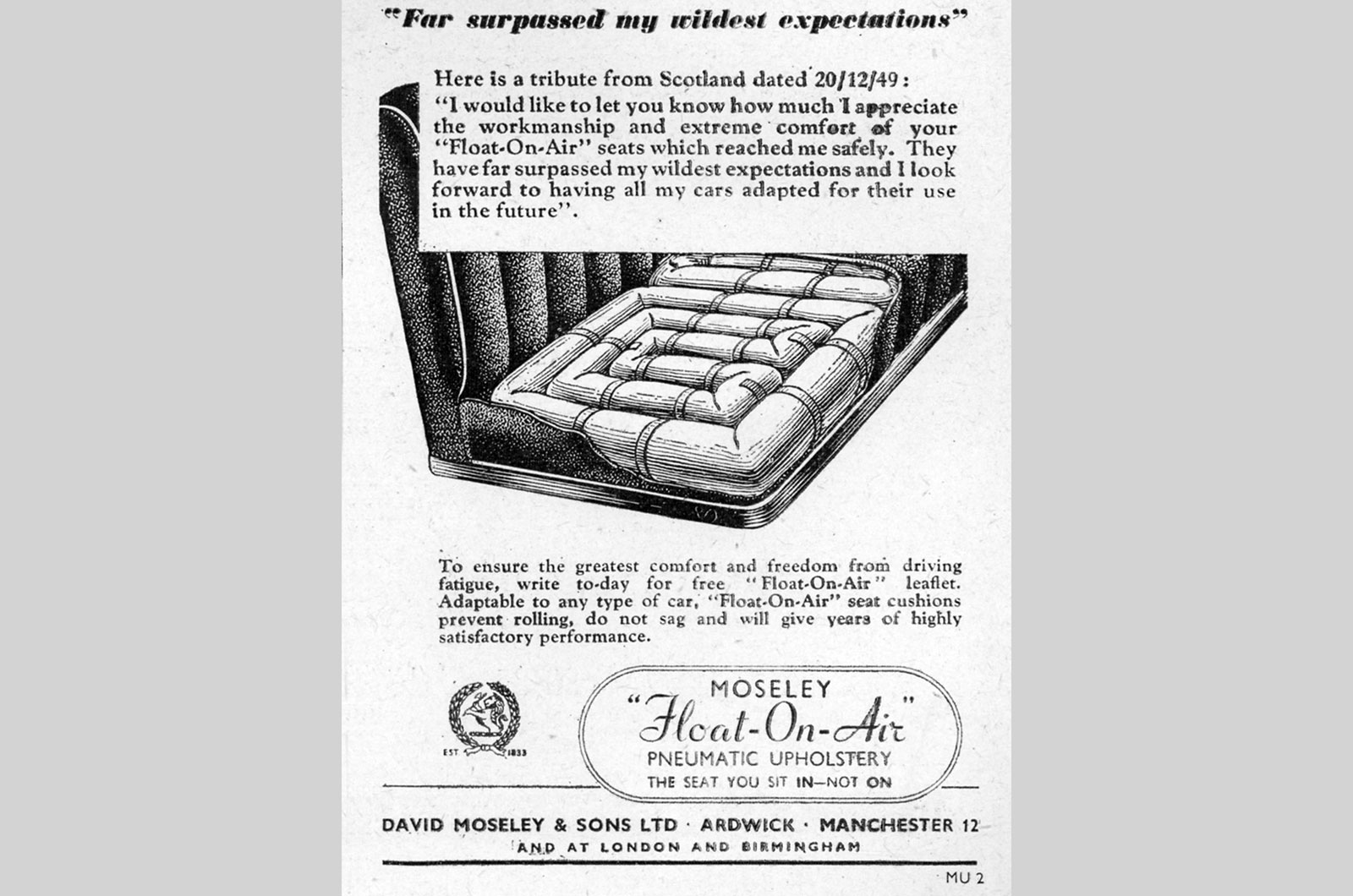
Post-war cars were renowned for having softly sprung seats, but Manchester company Mosely allowed you to go even further – inflatable cushions for the ultimate in comfort. Perfect until your darts fall out of your back pocket.
KL Sit-Rite
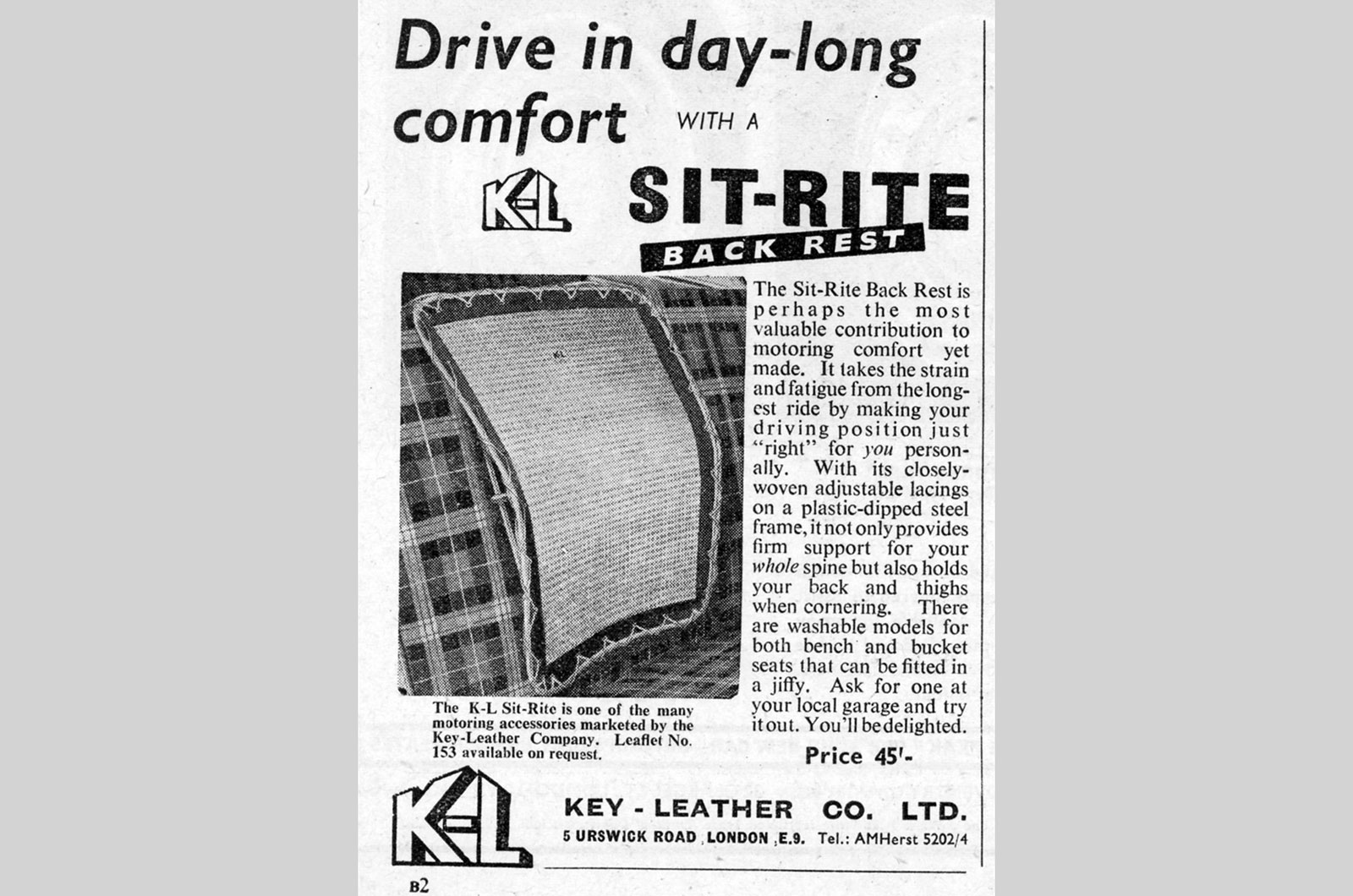
Who needs Recaro bucket seats when you could just clip one of these into the factory-fit front seat? Perfect for those trans-continental drives.
Bowmonk Dynometer
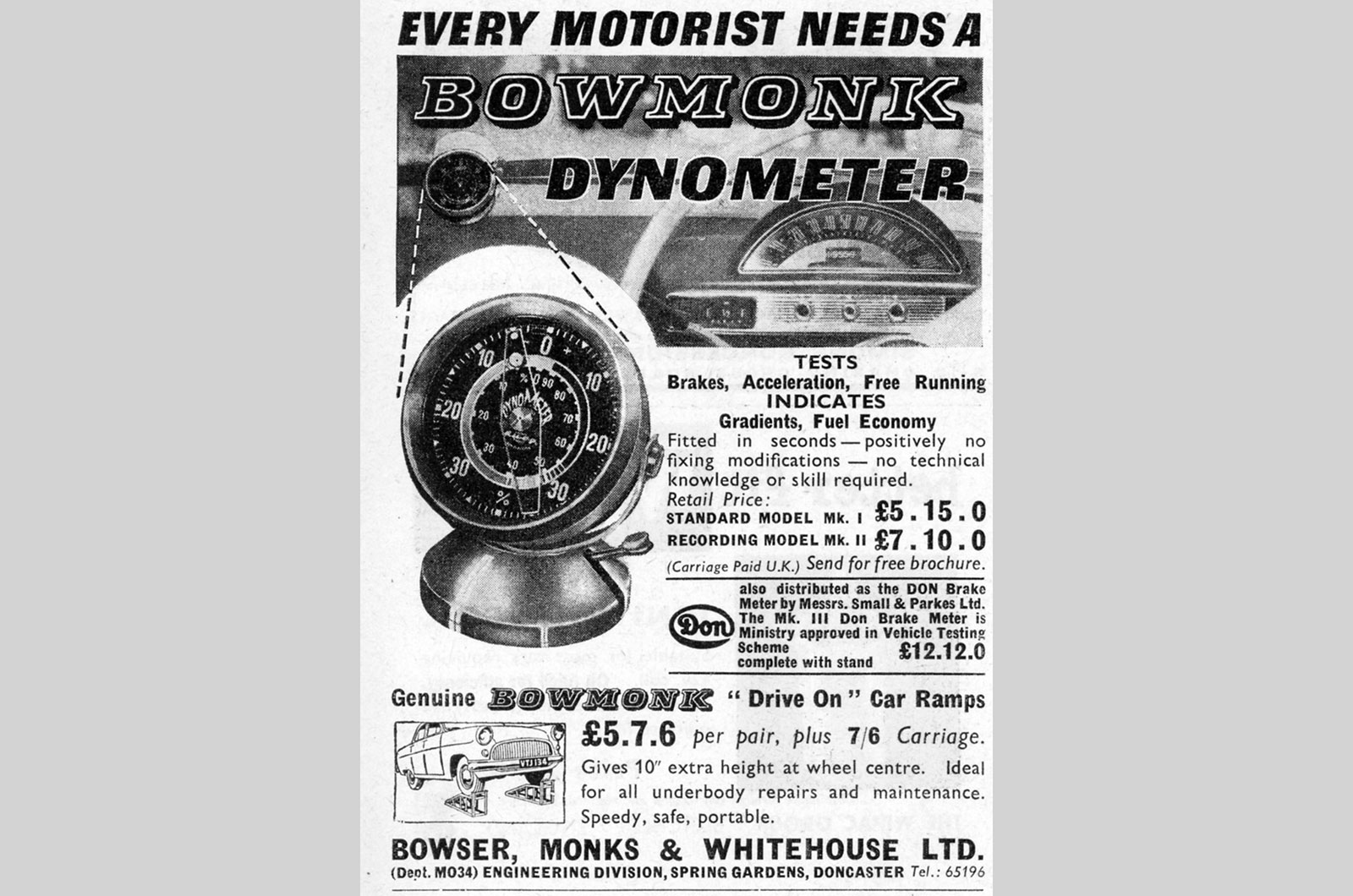
Not sure whether or not your brakes are working? A Bowmonk Dynometer will tell you. We're not sure how accurate the fuel consumption meter is, bearing in mind the Dynometer is just stuck to the top of the dash.
Delaney Galley seatbelts
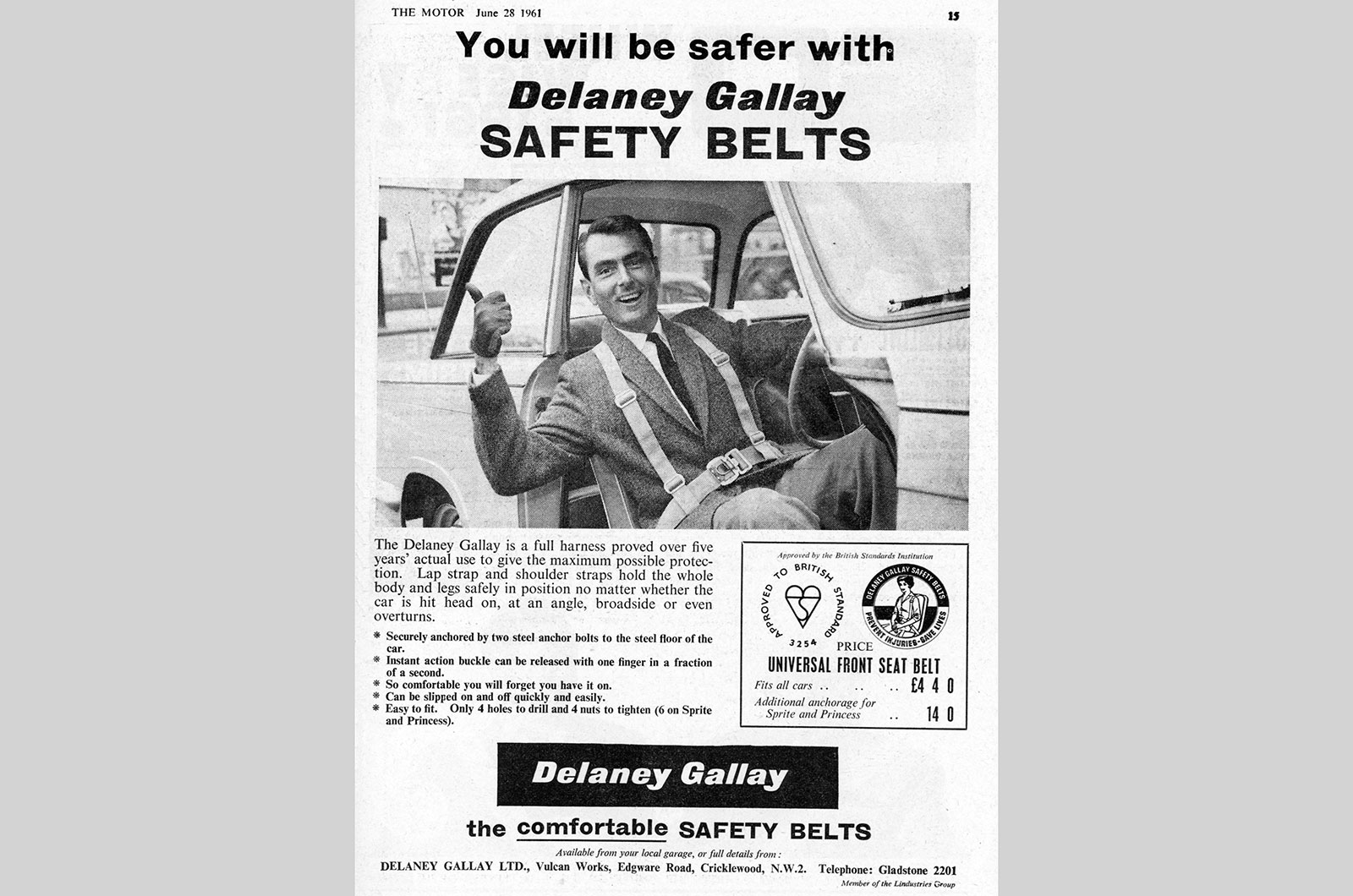
If you've removed the driver's door from your Triumph Herald there's every chance that you'll fall out under hard cornering. The secret is to invest in some Delaney Galley safety belts to hold you in place.
Lake & Elliott hydraulic jack
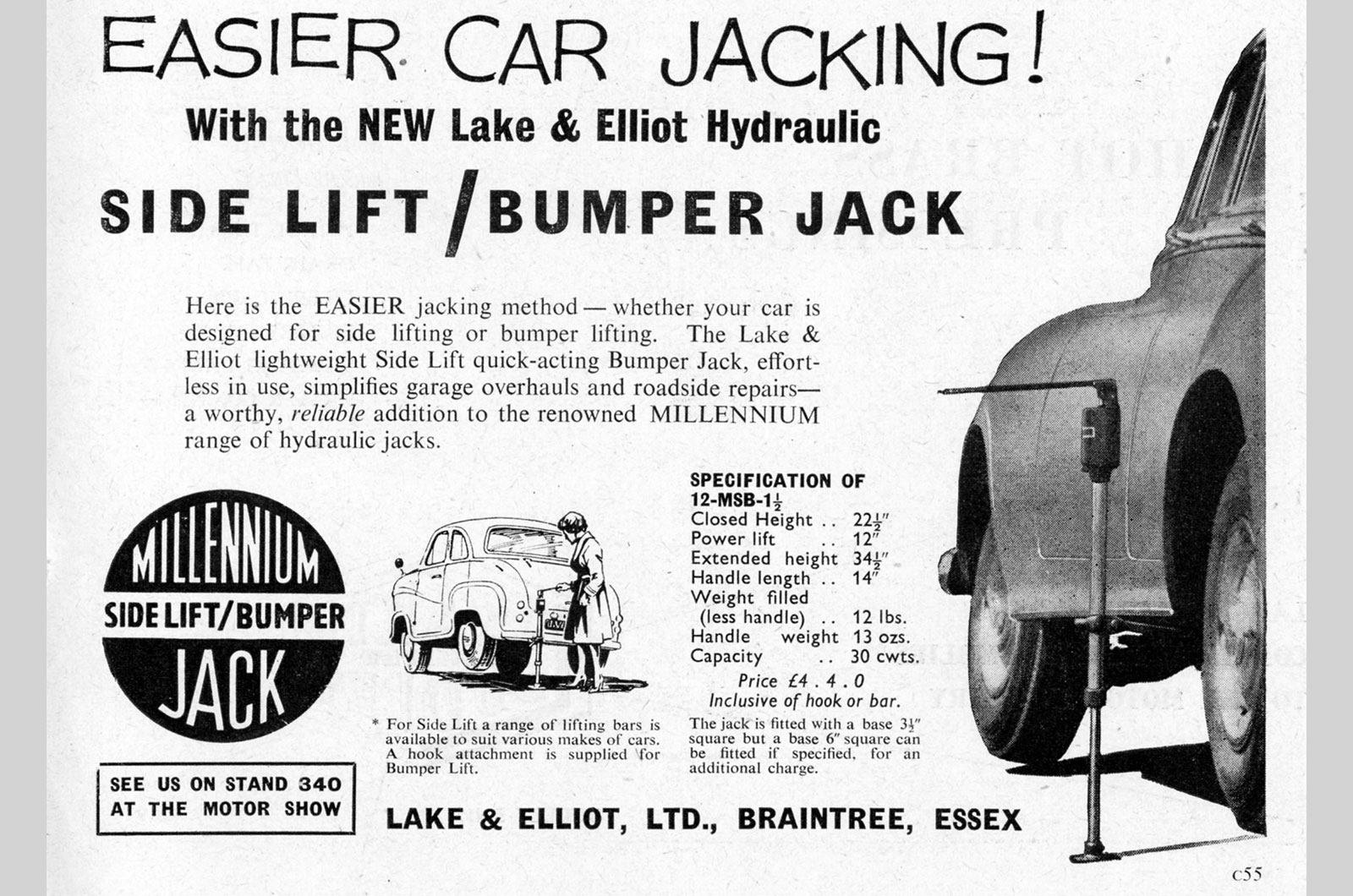
Jacking up a car can be quite stressful, but not with the help of Lake & Elliott, which has the perfect tool to make your life that much easier.
Sparkrite computer
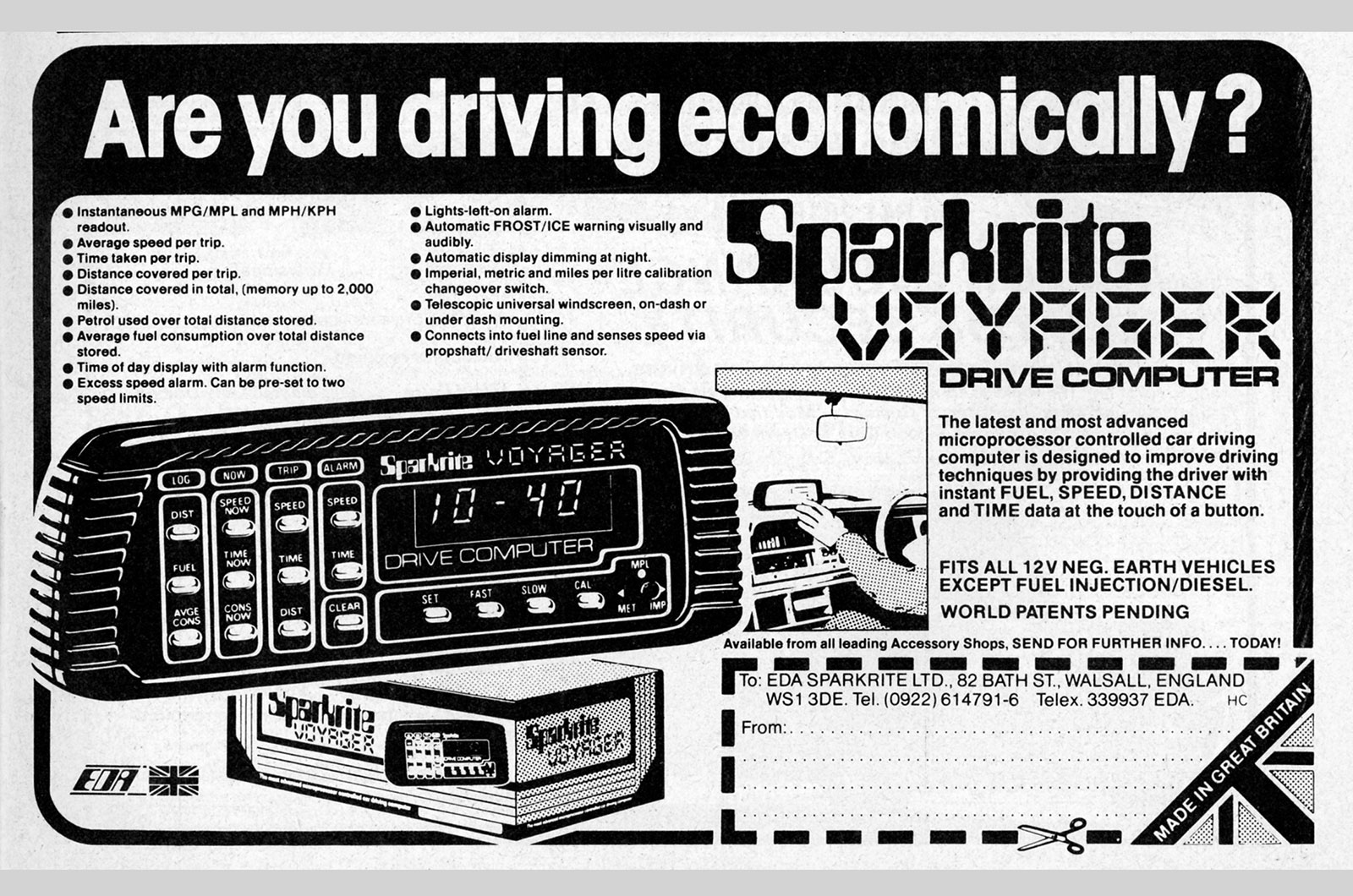
By the 1980s you didn't need a Bowmonk Dynometer – instead you could buy the latest digital trip computer. Nowadays you don't need a Sparkrite Voyager of course – all of its capabilities are built into the most basic of city cars.
Regency seat covers
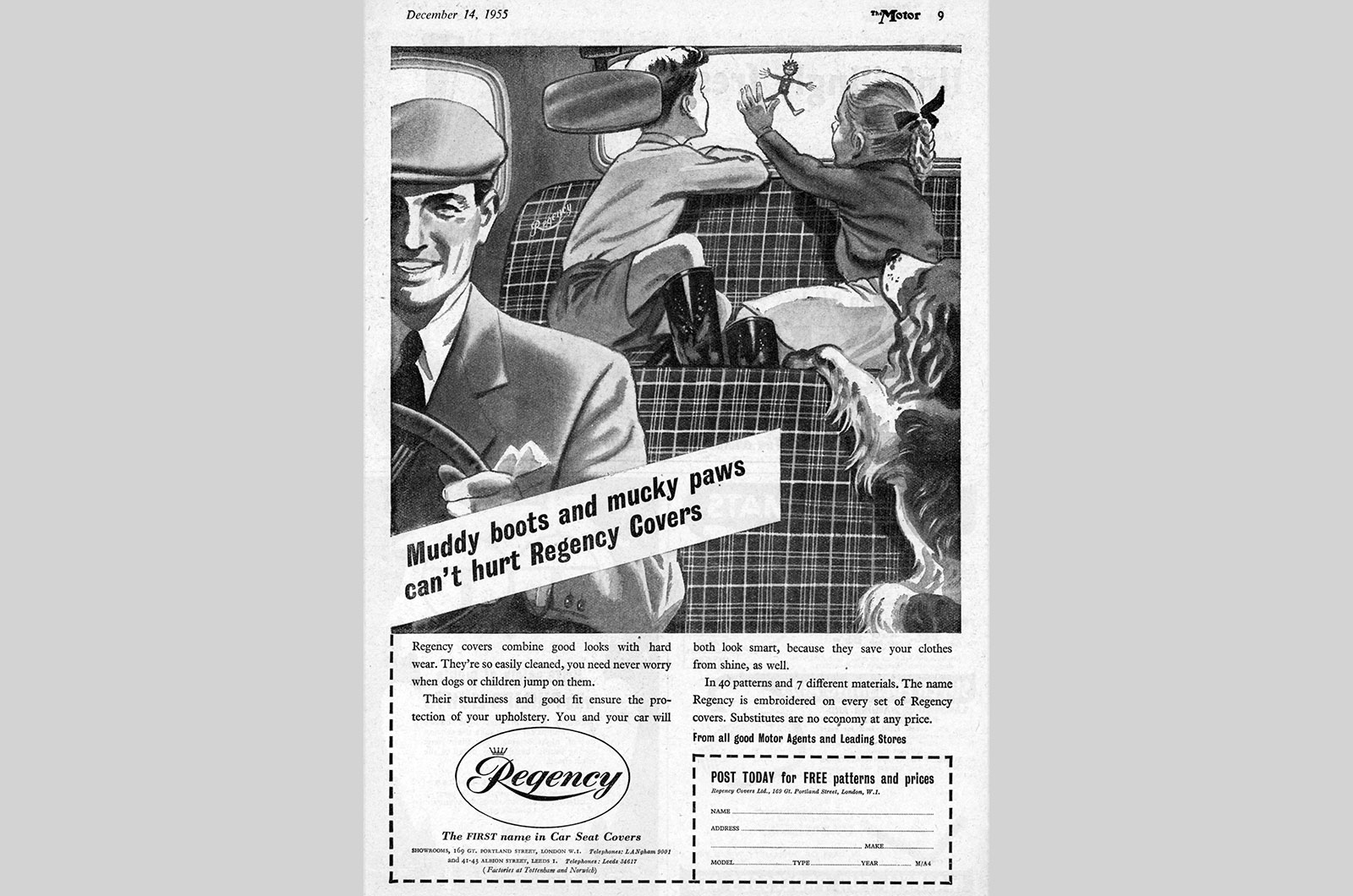
If you needed a hose-down interior in your Wolseley it wasn't a problem thanks to Regency. Just fit a set of its seat covers and the muckiest kids or pets were no problem…
Drok lubricator
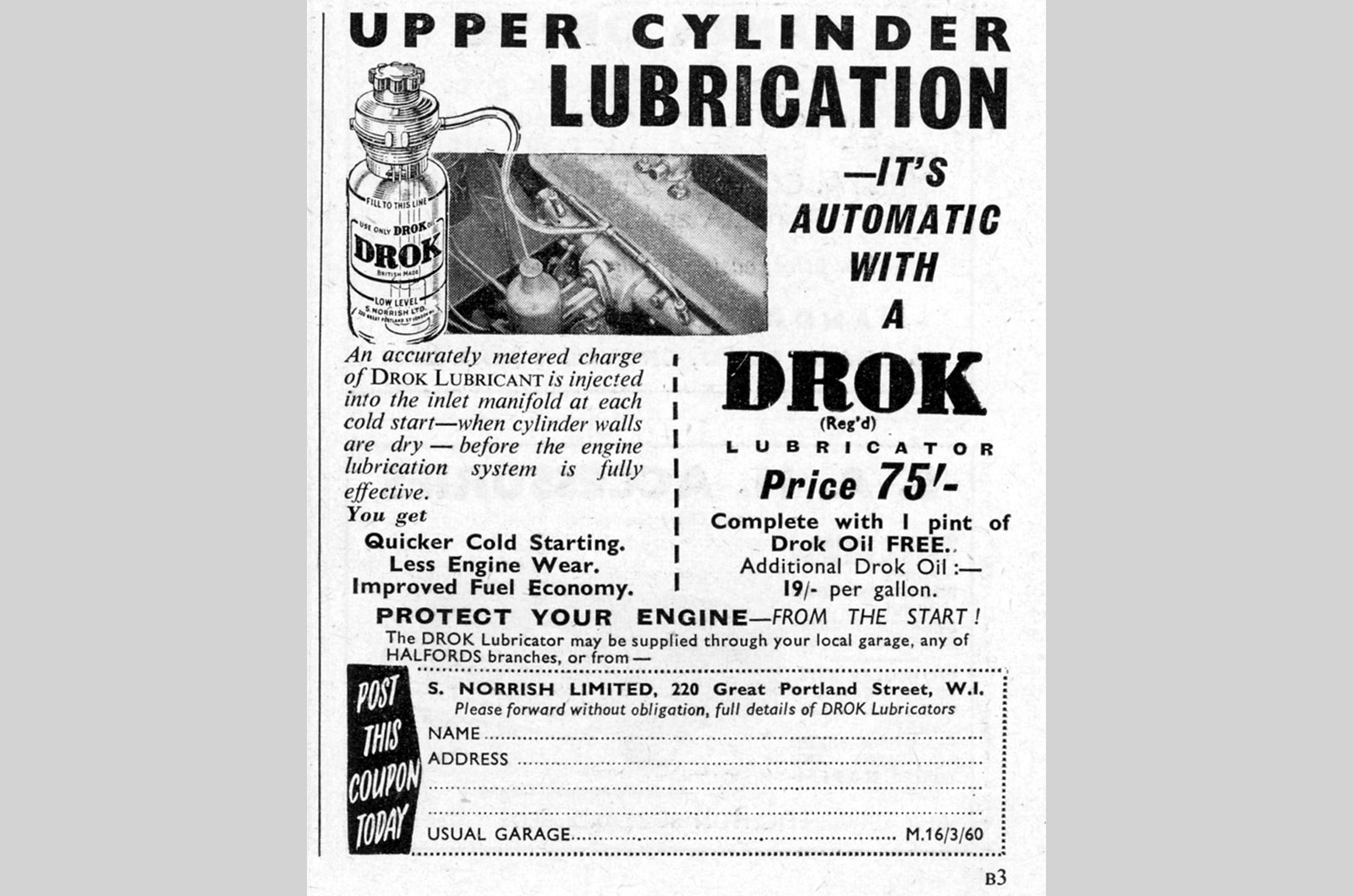
The idea of buying a car that needed an aftermarket accessory to protect its engine seems like utter madness nowadays, but it wasn't always like that…
Mini accessories
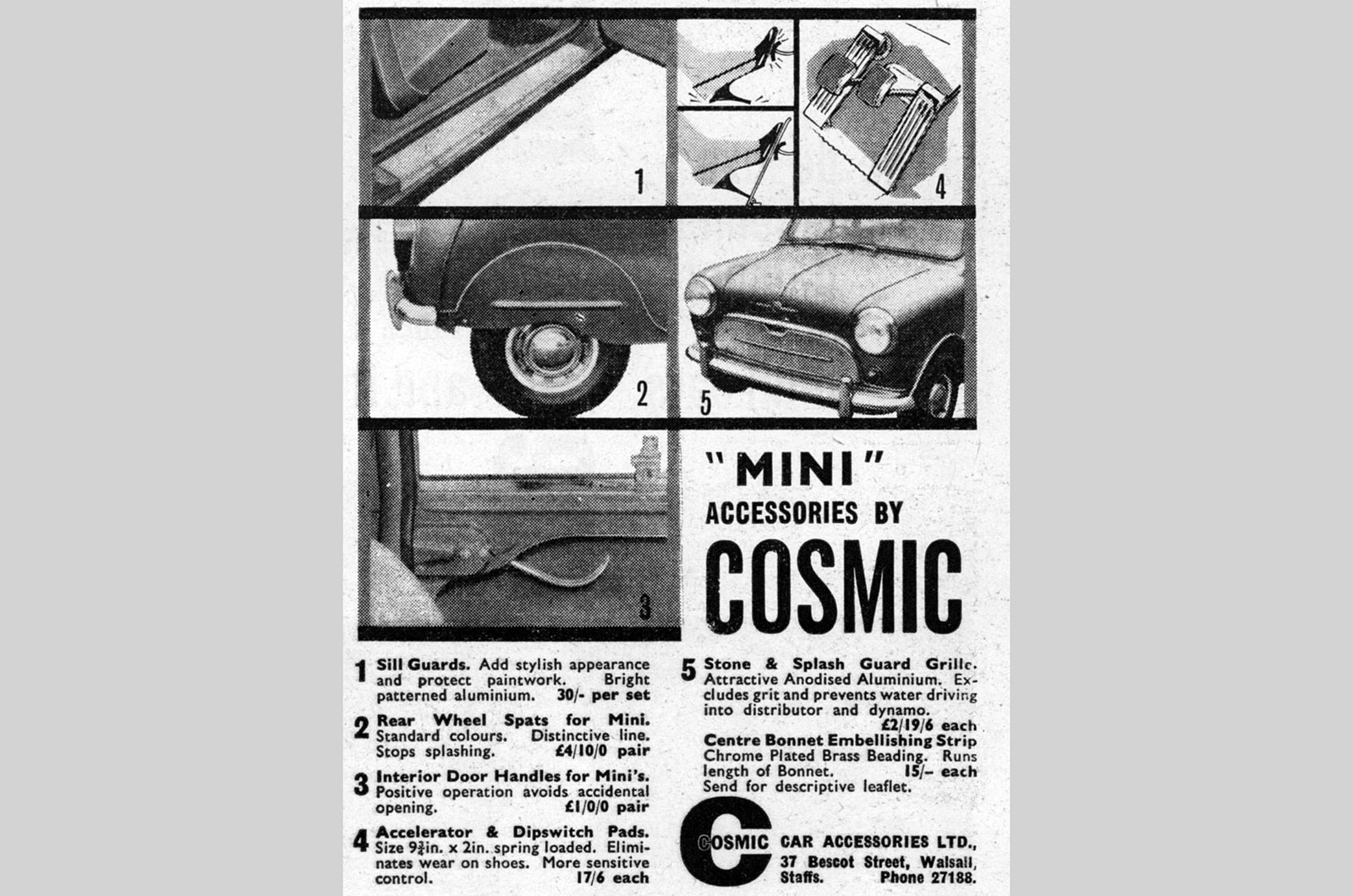
In the 1960s an entire industry sprang up to cater for Mini owners. One of the biggest accessories brands was Cosmic, which offered an array of delights for the wondrous small car from BMC, including rear-wheel spats and a grille that appeared to stop air-flow into the engine bay.
Granville Petro Patch
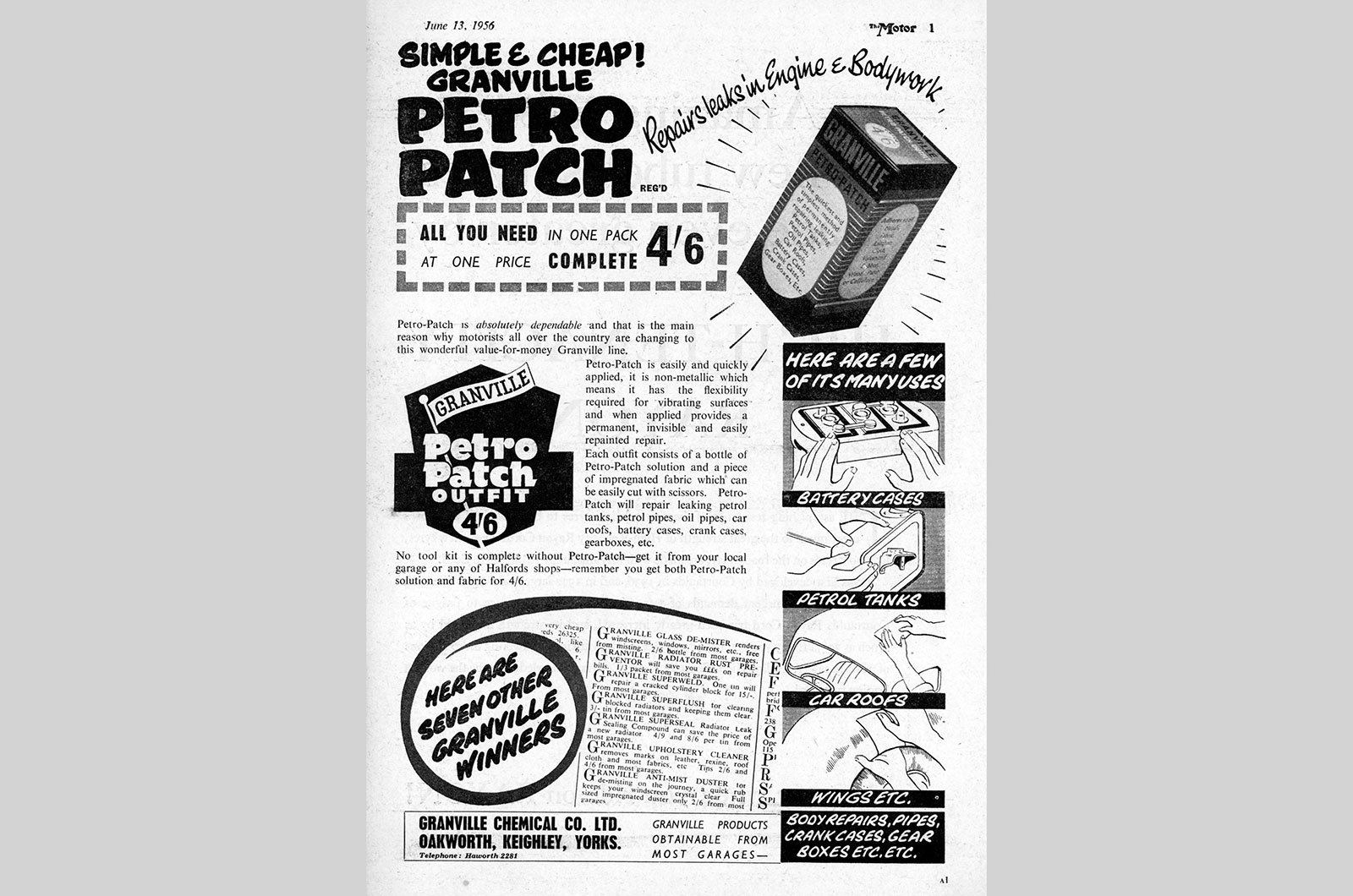
Whether your battery, gearbox, fuel tank or roof is leaking, it seemed that the answer was to bodge it with a Granville Petro Patch. We're seriously intrigued that a Petro Patch can fix a problematic crankcase…
Radiator blind
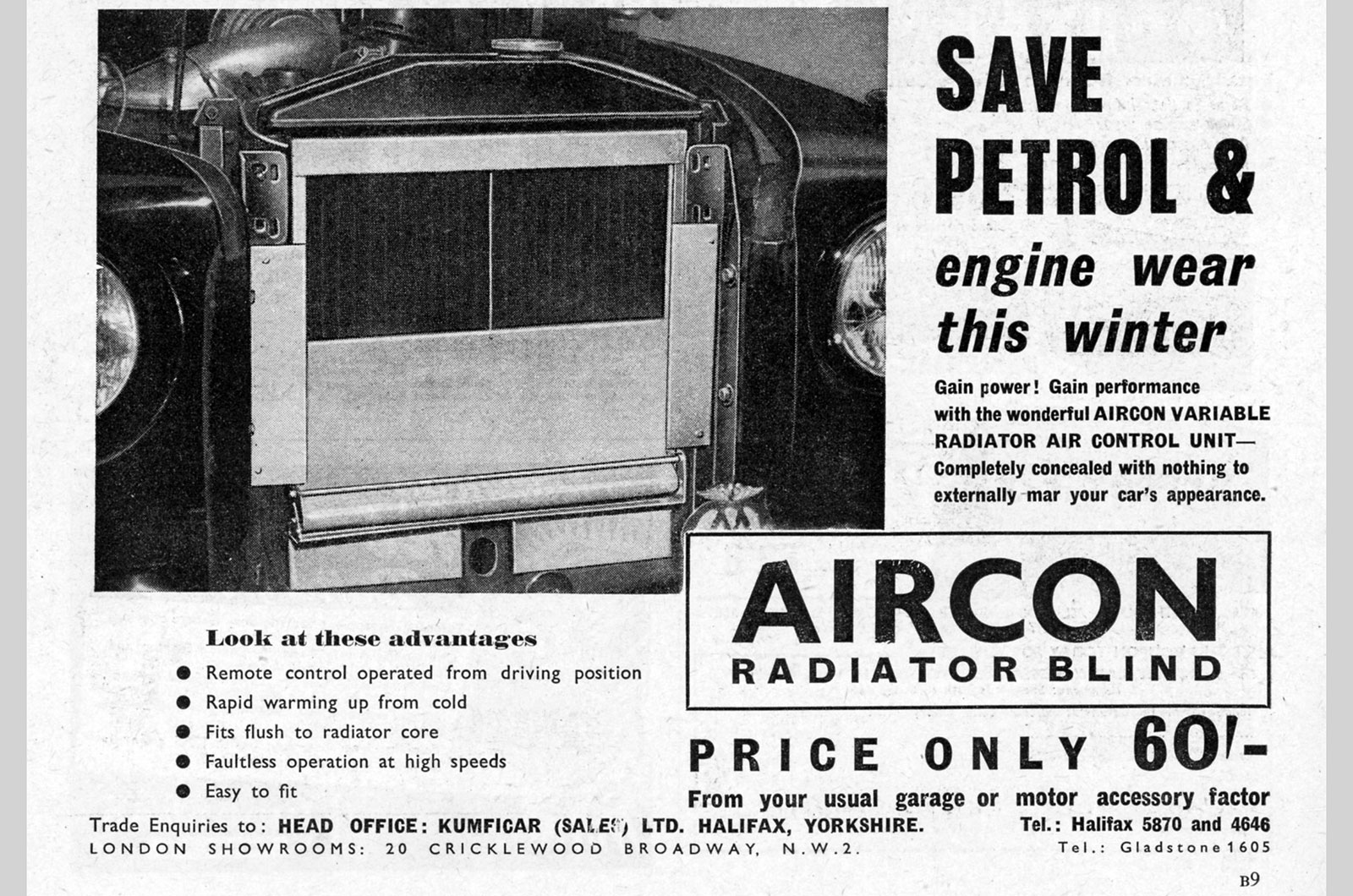
In an age of climate control, heated seats and steering wheels plus electrified windscreens, the idea of fitting a radiator cover to speed up the rate at which your engine gets up to temperature must seem like madness. But it used to be a thing – and a common one at that.
Li-Lo canoe
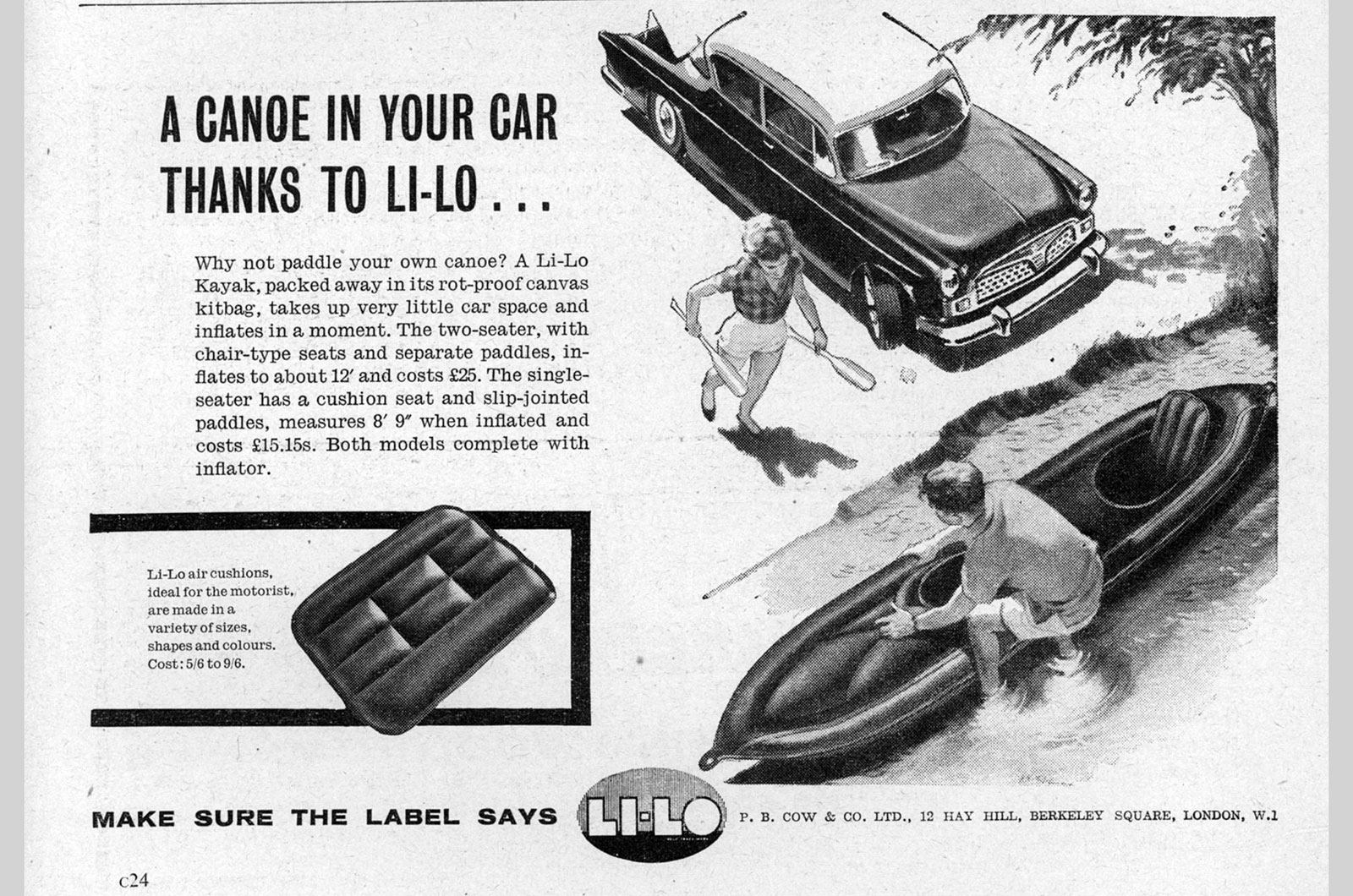
It's the accessory that every motorist needs – an inflatable canoe that you can carry in the boot in case you need to traverse a river at any time. This advert is from 1960, and if you buy the full kit at £25, that works out at £565 in today's money, so this wasn't a cheap accessory.
Elpico radio
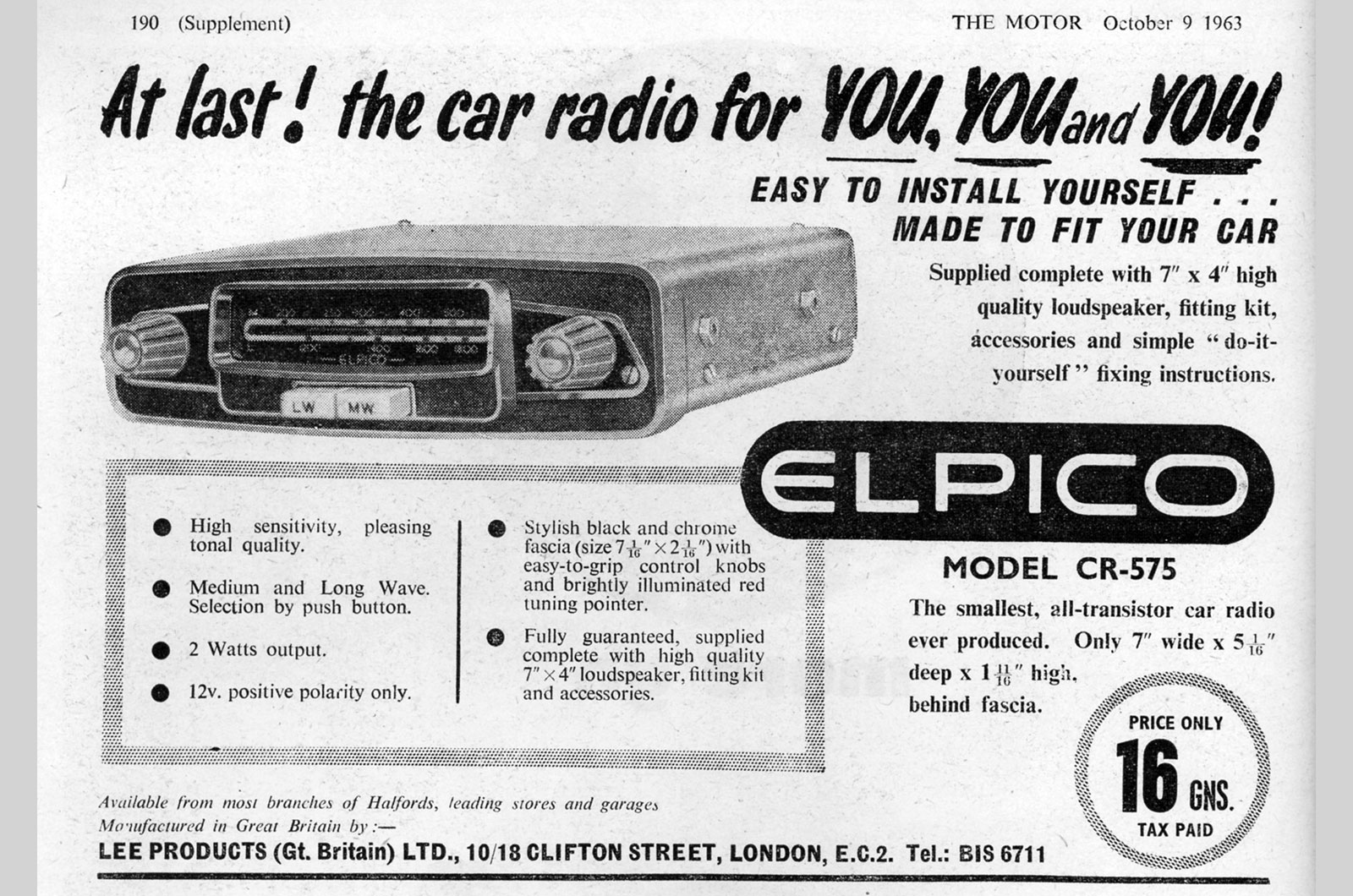
We've got used to touch-screen displays, Bluetooth and streamed music all fitted as standard, but more than half a century ago most cars didn't even come with a radio. Instead you had to buy an aftermarket unit, such as this 2-watt Elpico unit that at today's prices would set you back £350.
Rear seat extension
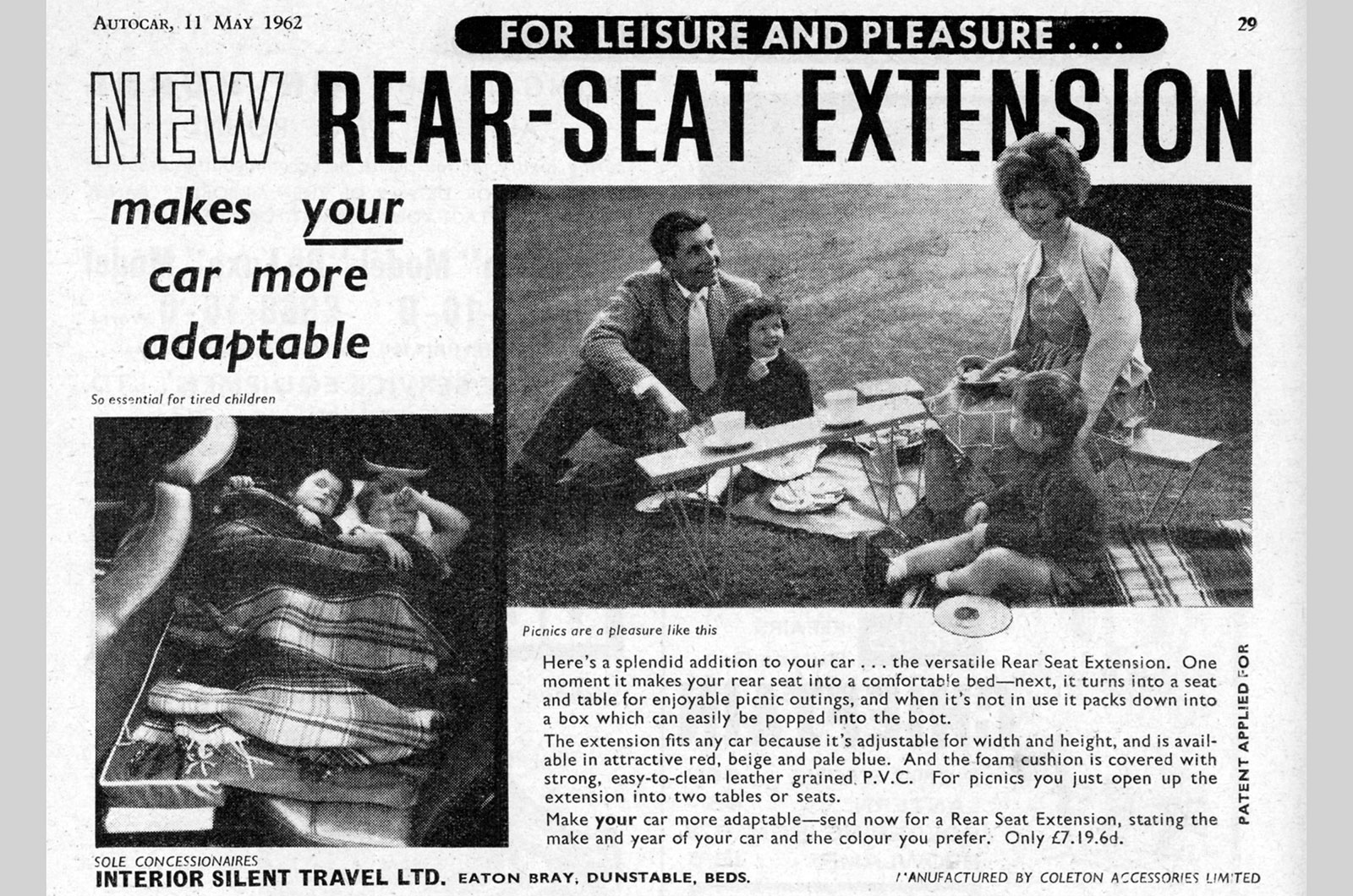
No wonder so many people died on our roads in the 1960s. Vehicle tyres and lighting were rubbish, nobody wore a seatbelt, and drink-driving was legal until 1967. You could also buy items such as this rear seat extension to allow your kids to sleep unrestrained on the move. The road safety lobby would be apoplectic at adverts like this now...
Cooper sleeping conversion
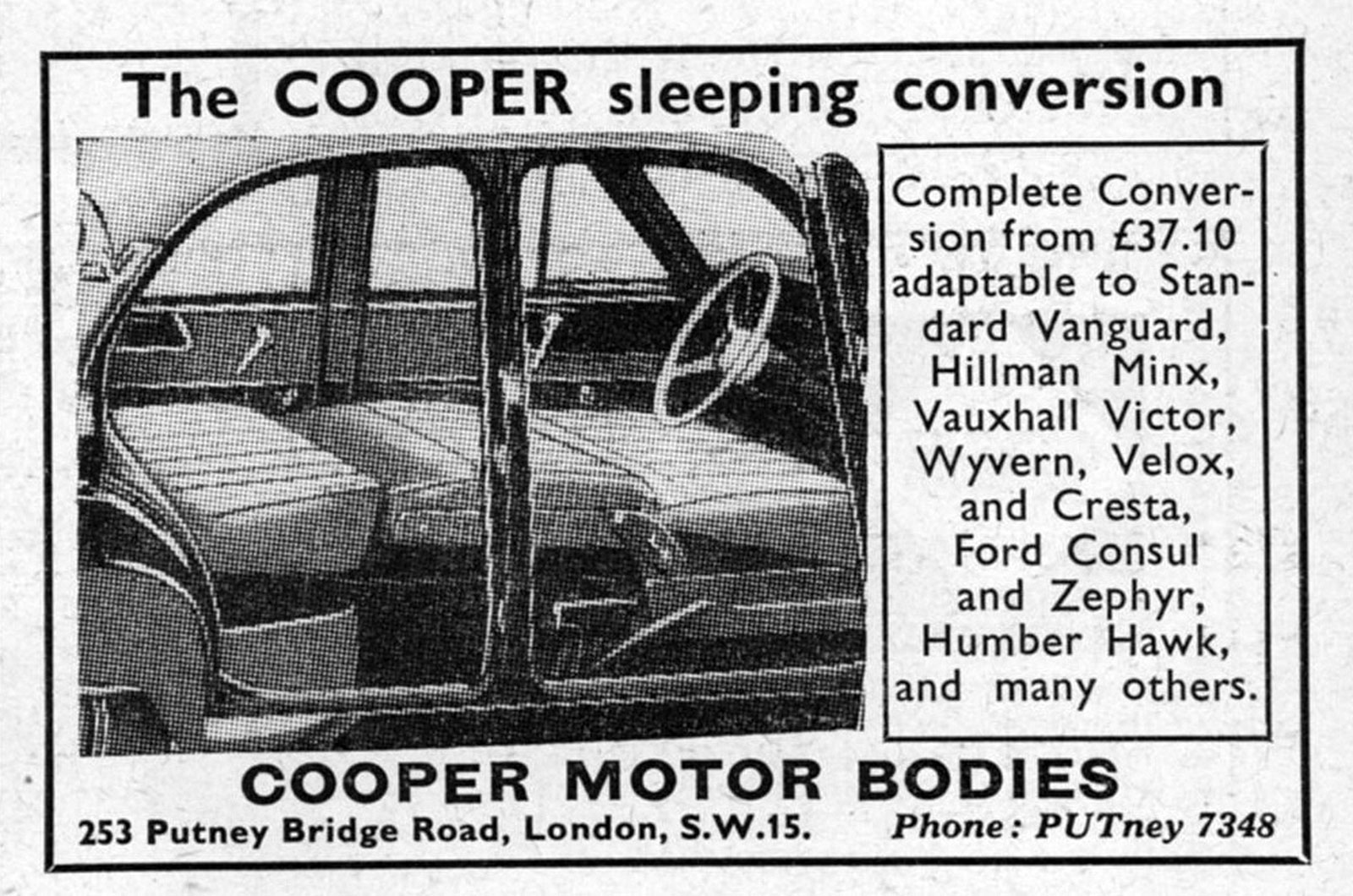
Presumably designed for use only when parked up rather than when on the move, the Cooper sleeping conversion allowed you to convert your family car's interior into a luxurious bed for the night, to save on accommodation.
Philips shaver
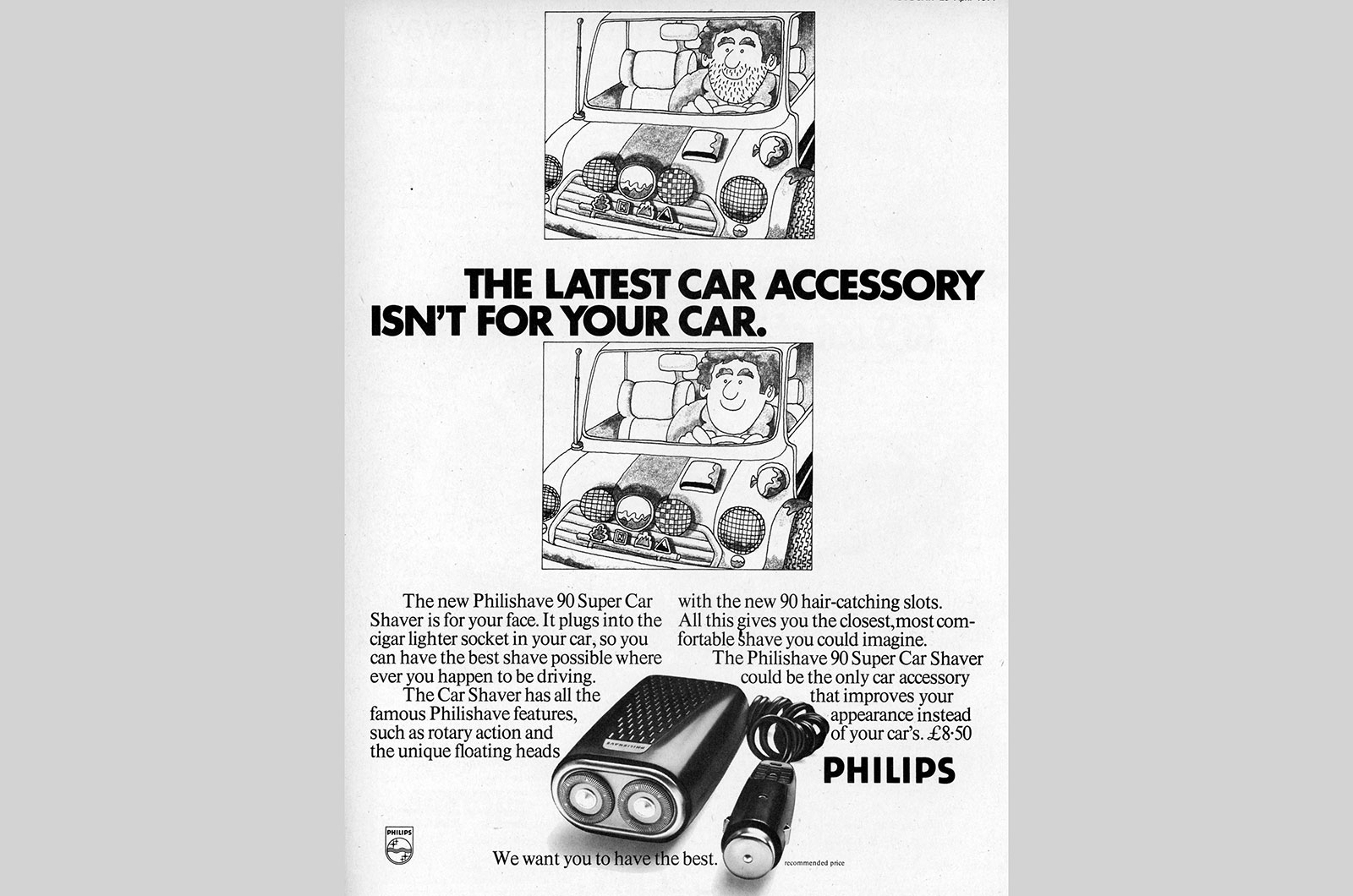
We suspect the Advertising Standards Authority might have something to say about this one. The very idea of promoting shaving while you drive in our 21st century safety-conscious society shows just how much the world has changed in the past half a century.
Baronet wheel glove
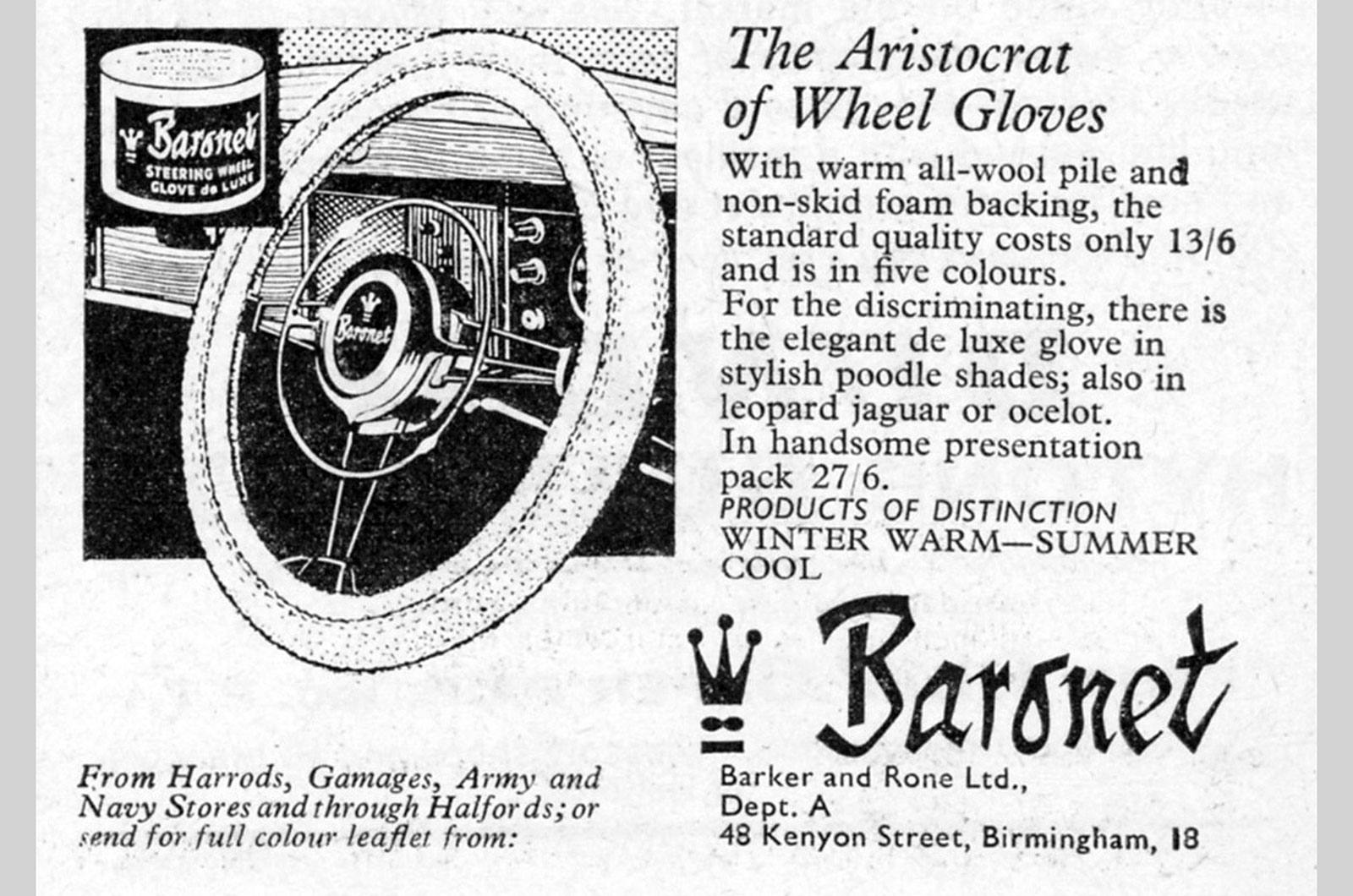
Don't waste your cash on one of those expensive heated steering wheels when you spec up your new Range Rover. Instead, invest in one of these tasty-looking wheel covers; we'll take the ocelot finish please, just because it's a word you don't hear nearly often enough.
Redi-Spare puncture repair kit
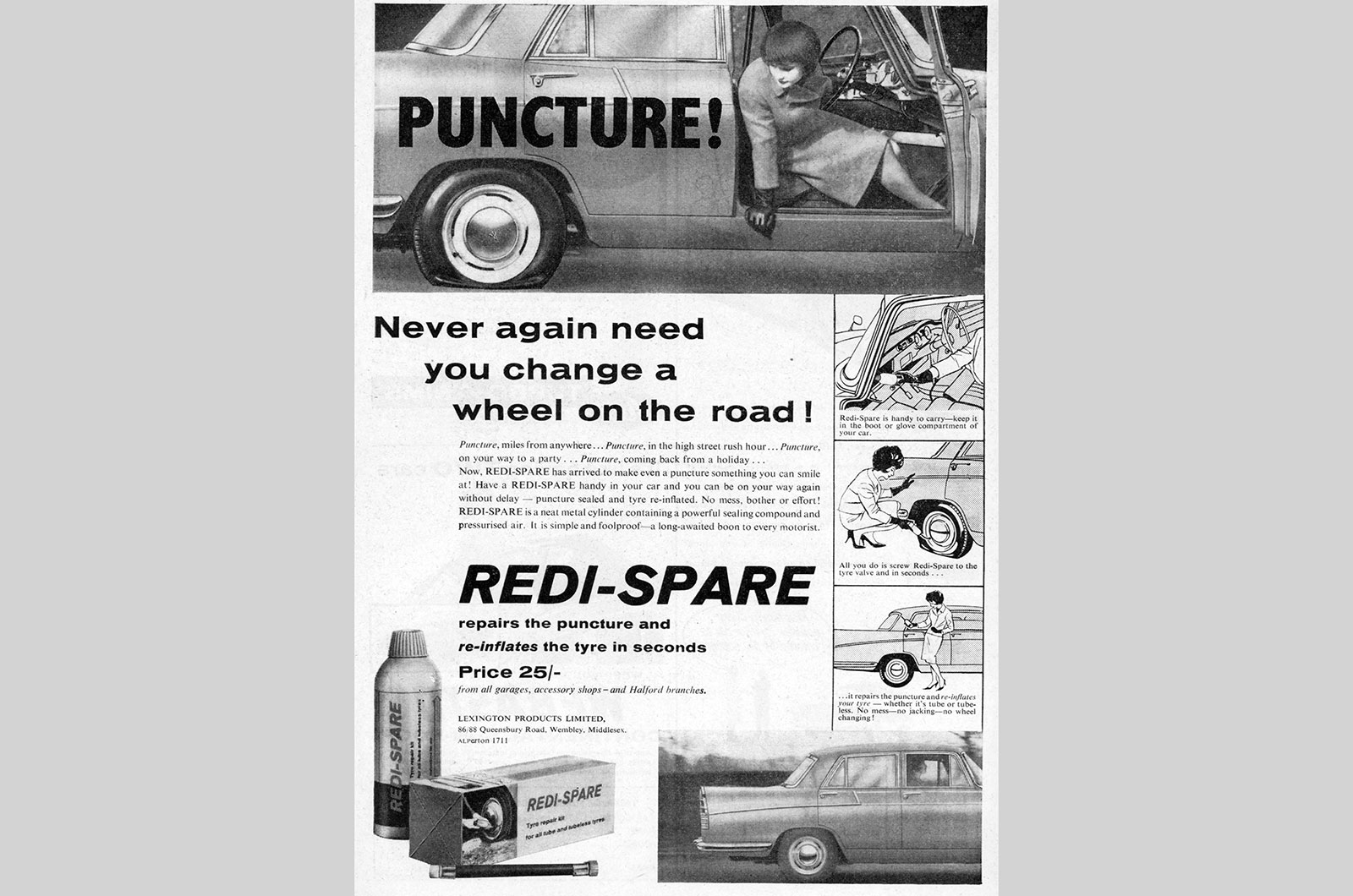
There really is nothing new under the sun. Now fitted as standard to most new cars, the idea of a puncture repair kit and a canister of gas goes right the way back to the early 1960s. Of course this BMC Farina would have had a spare wheel anyway, we hope.
Rootes replacement engine
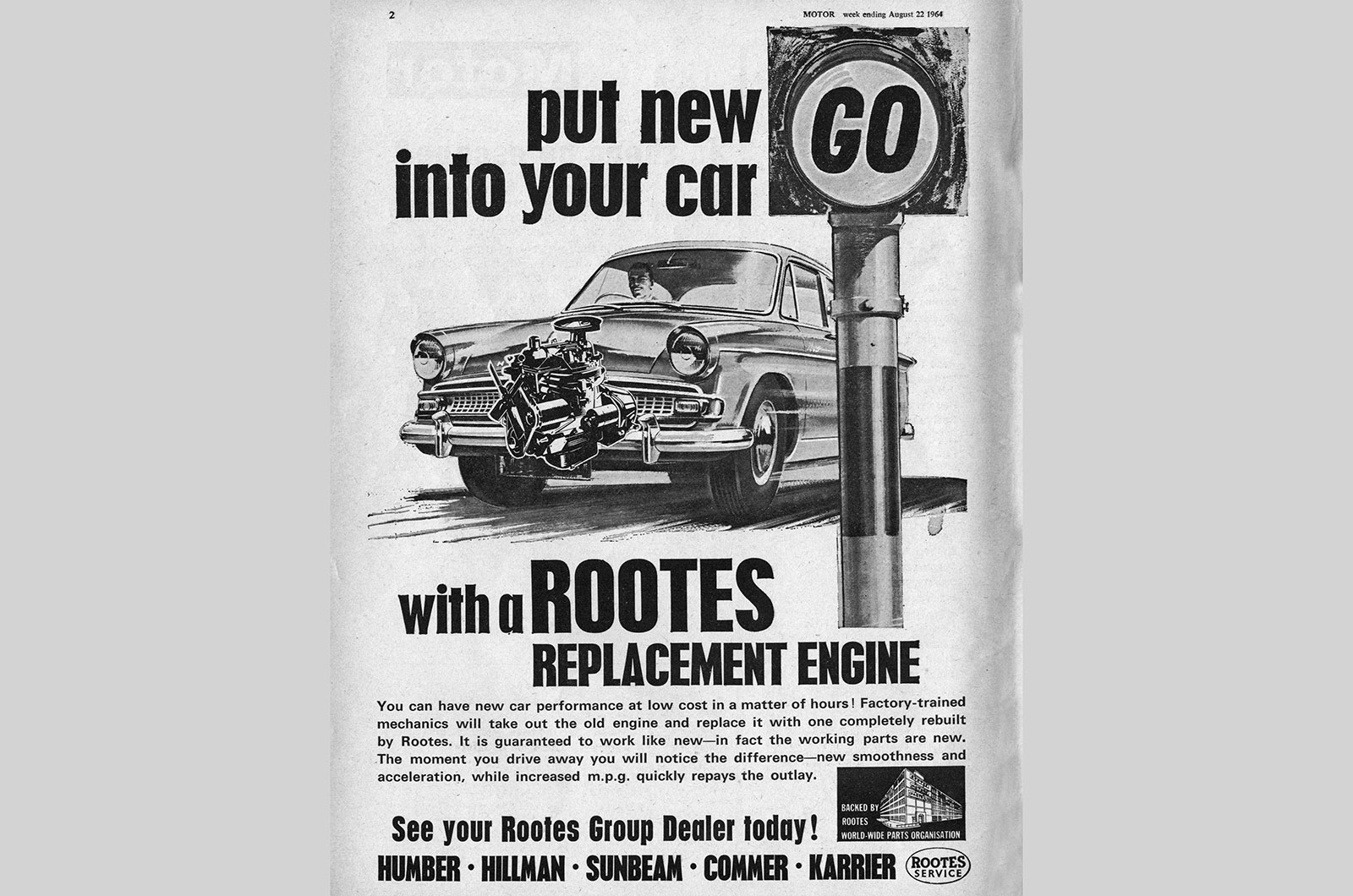
Could you imagine a car maker promoting the need for a new powerplant in one of its cars? Such a lack of confidence would set alarm bells ringing, but engines weren't expect to last very long in the fifties and sixties, which is why manufacturers offered their own exchange engines.
Autoflex car fan
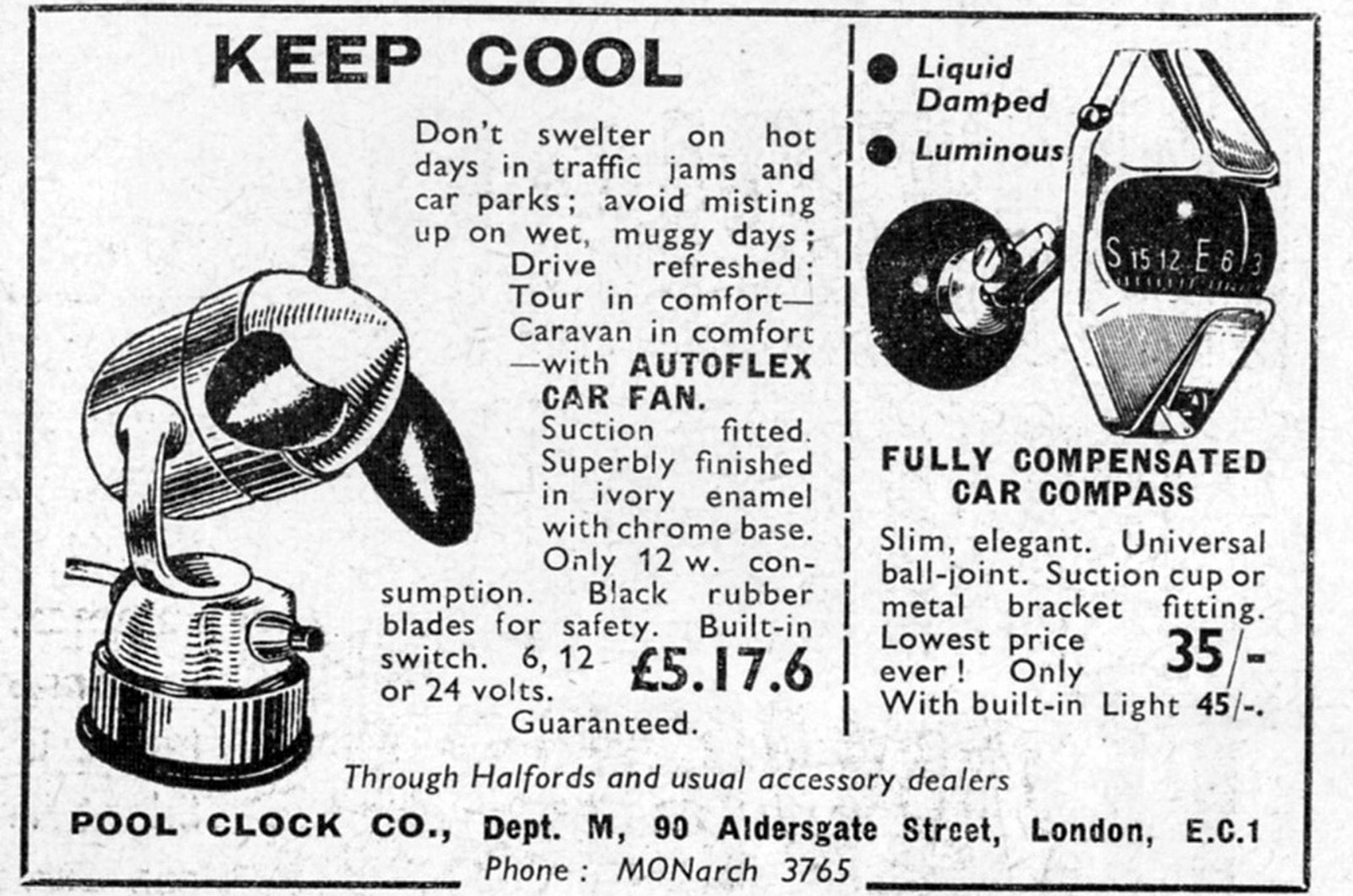
Air conditioning is complicated and can be costly to spec on your new car if you're buying at the bottom of the price lists. But that's no problem with an Autoflex car fan, to help you keep your cool. Give the Pool Clock Co. a call and they might still have some in stock – although at current prices this equates to around £120.
Thunderbolt window deflector
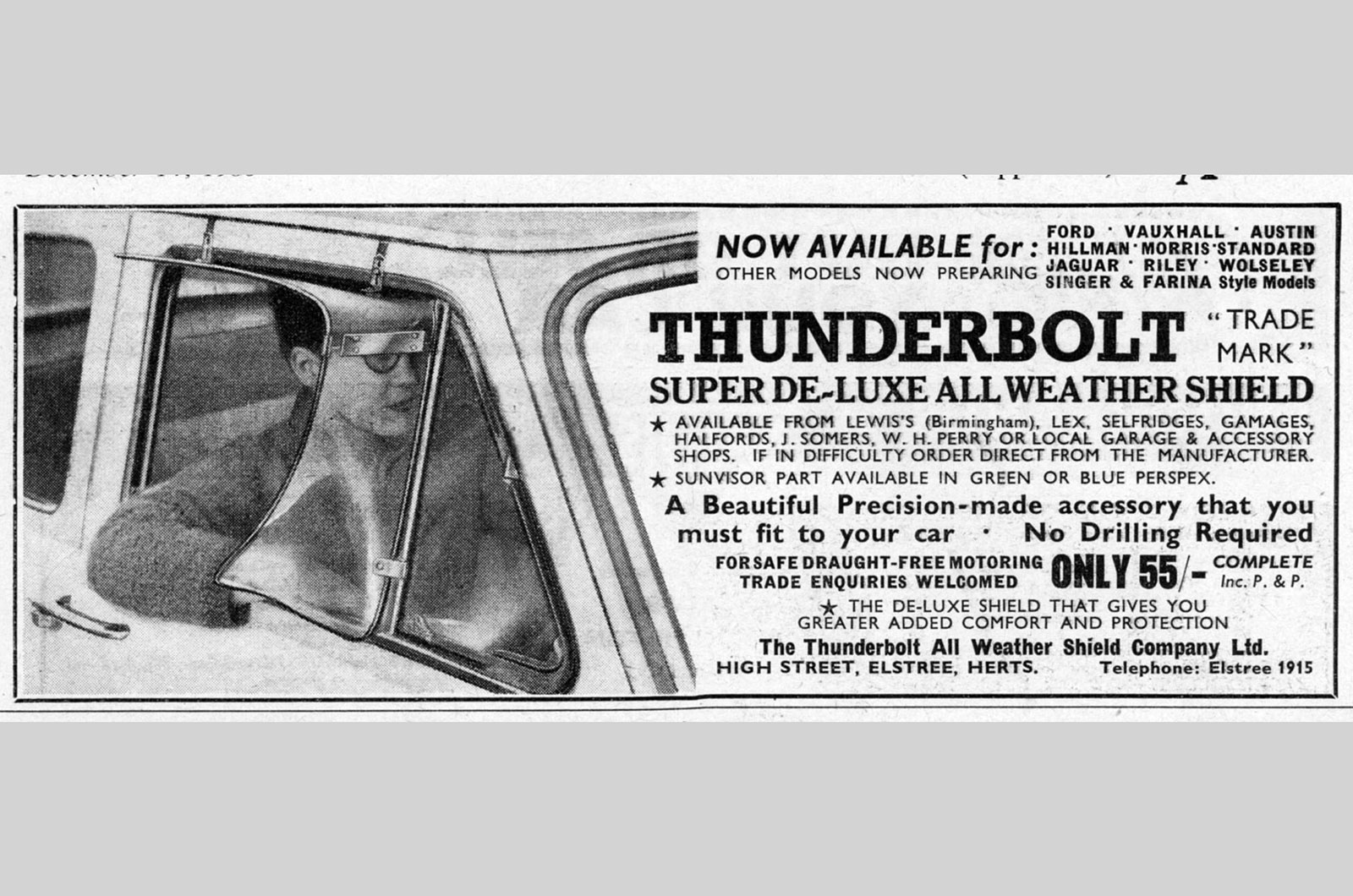
Apparently a Thunderbolt will give you "greater comfort and protection", but we're not sure what from. While we wouldn't call the Thunderbolt beautiful, we do love it just for its over-dramatic name.
Dover steering wheel
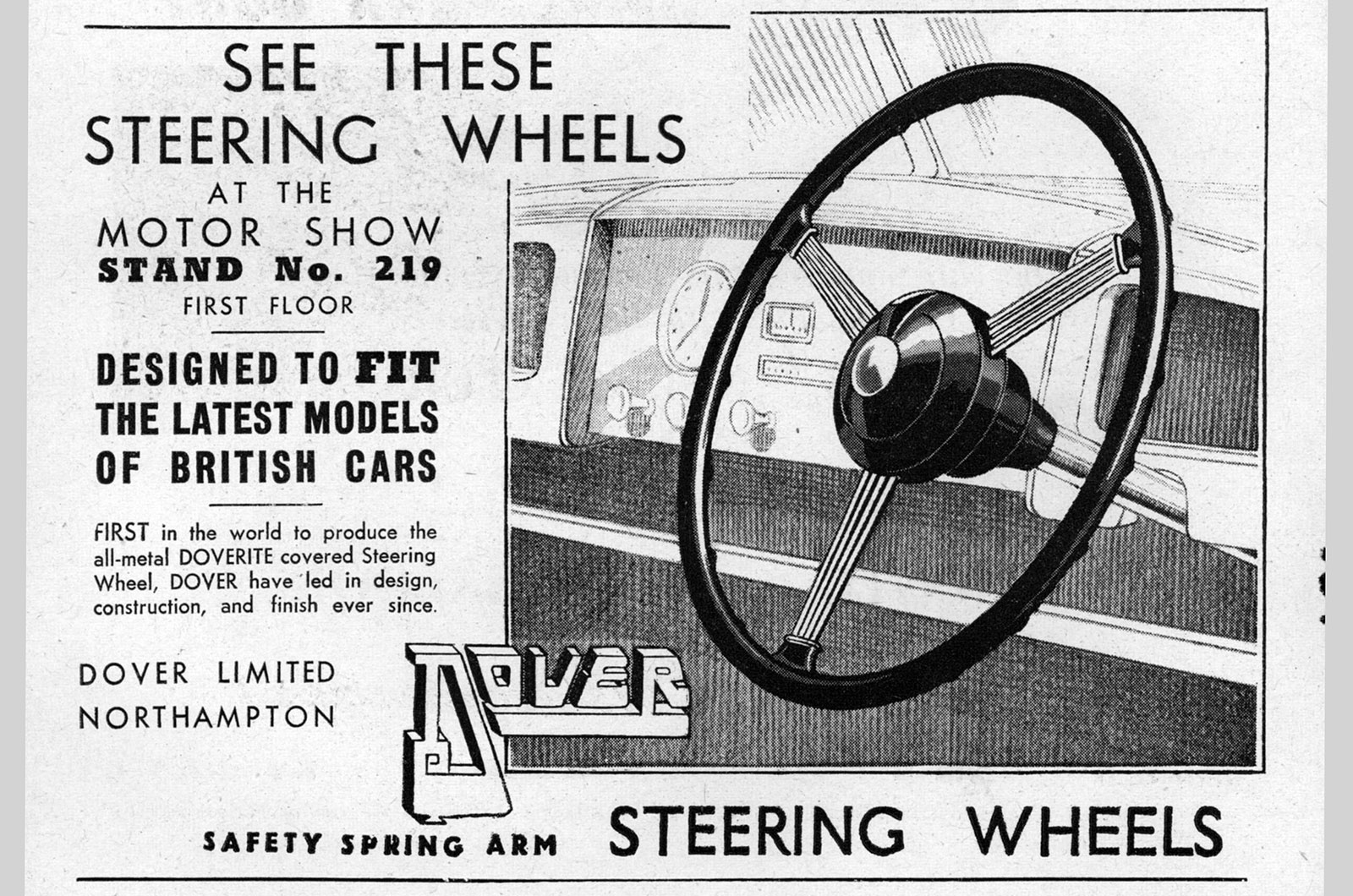
You can keep your fancy airbags, leather rims and heating elements – the next time we spec one of our long-termers we're going to ask for a Dover safety spring arm steering wheel. You know it makes sense.
Felt safety cap
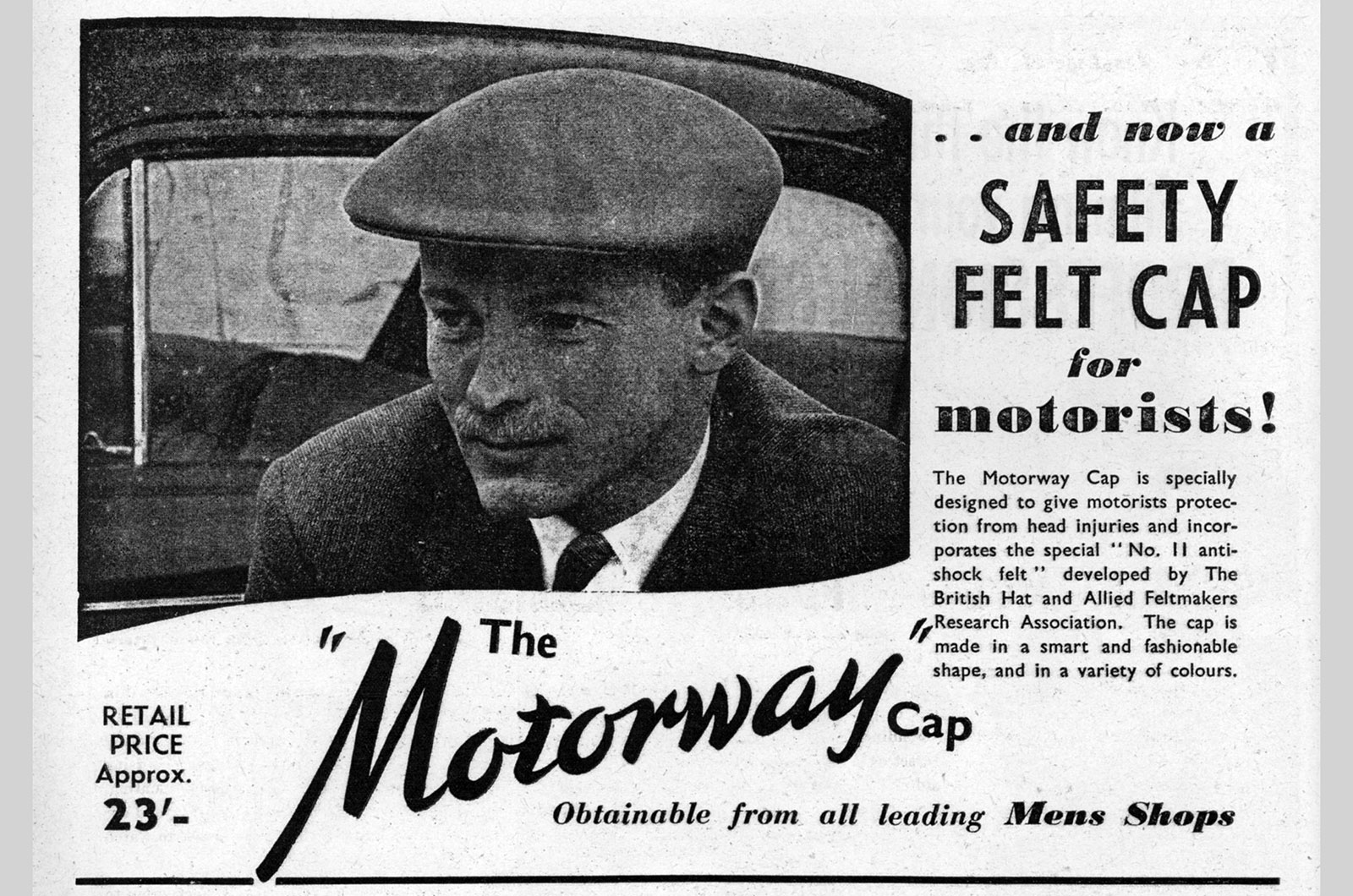
We love the fact that there was an organisation called the British Hat and Allied Feltmakers Research Association; it doesn't seem to exist any more, but there is still the Worshipful Company of Feltmakers of London. We're also intrigued that a felt cap can protect you from head injuries; presumably it's got an armoured lining.
Horvell wheel trims
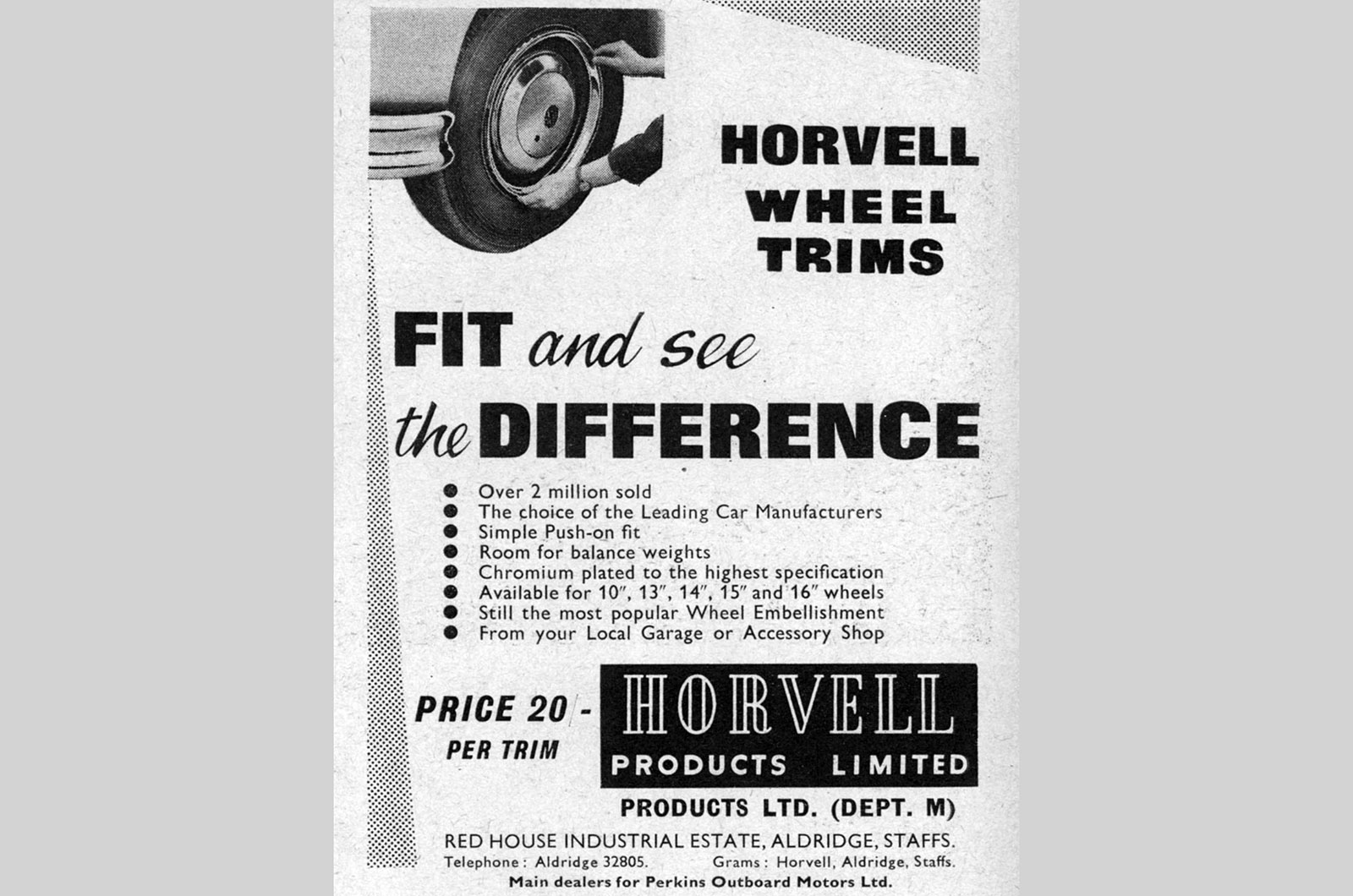
In the days before alloy wheels, keen motorists who wanted to make their car stand out from the crowd invested in some racy wheel trims. And what better than some chrome-plated trims from Horvell?
Coleshill Engineering trailer
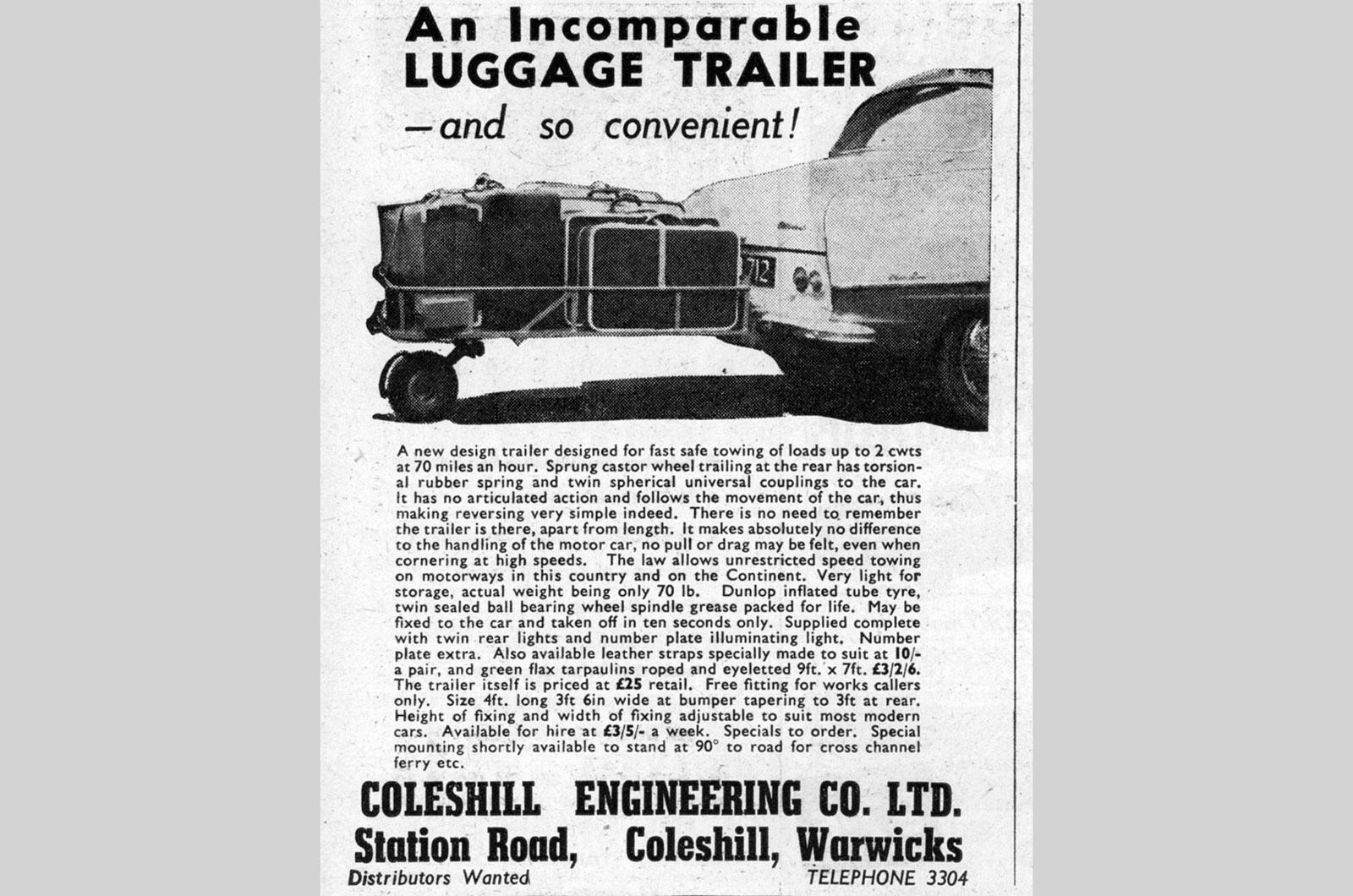
We're not sure we'd want to pull one of these lightweight single-wheel trailers at 70mph when empty, never mind when it's loaded up with suitcases. That one wheel looks about the size of the ones on a supermarket trolley…
Silverstone coat
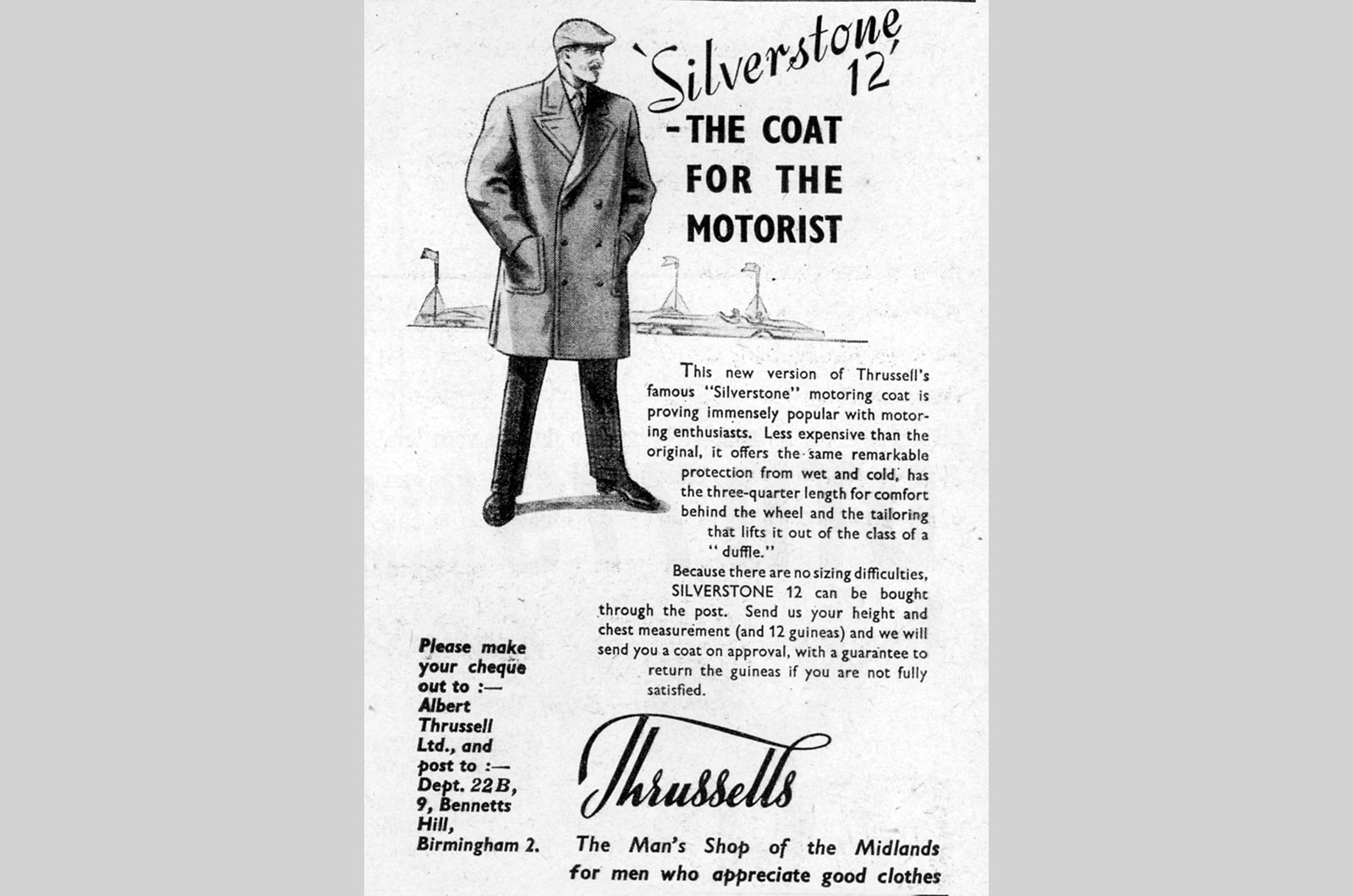
It's not a coat Jim... it's a coat for motorists, from Thrussells Silverstone no less. Regrettably, 'The man's shop of the Midlands' seems to be no more.
Safety-Face photoframe
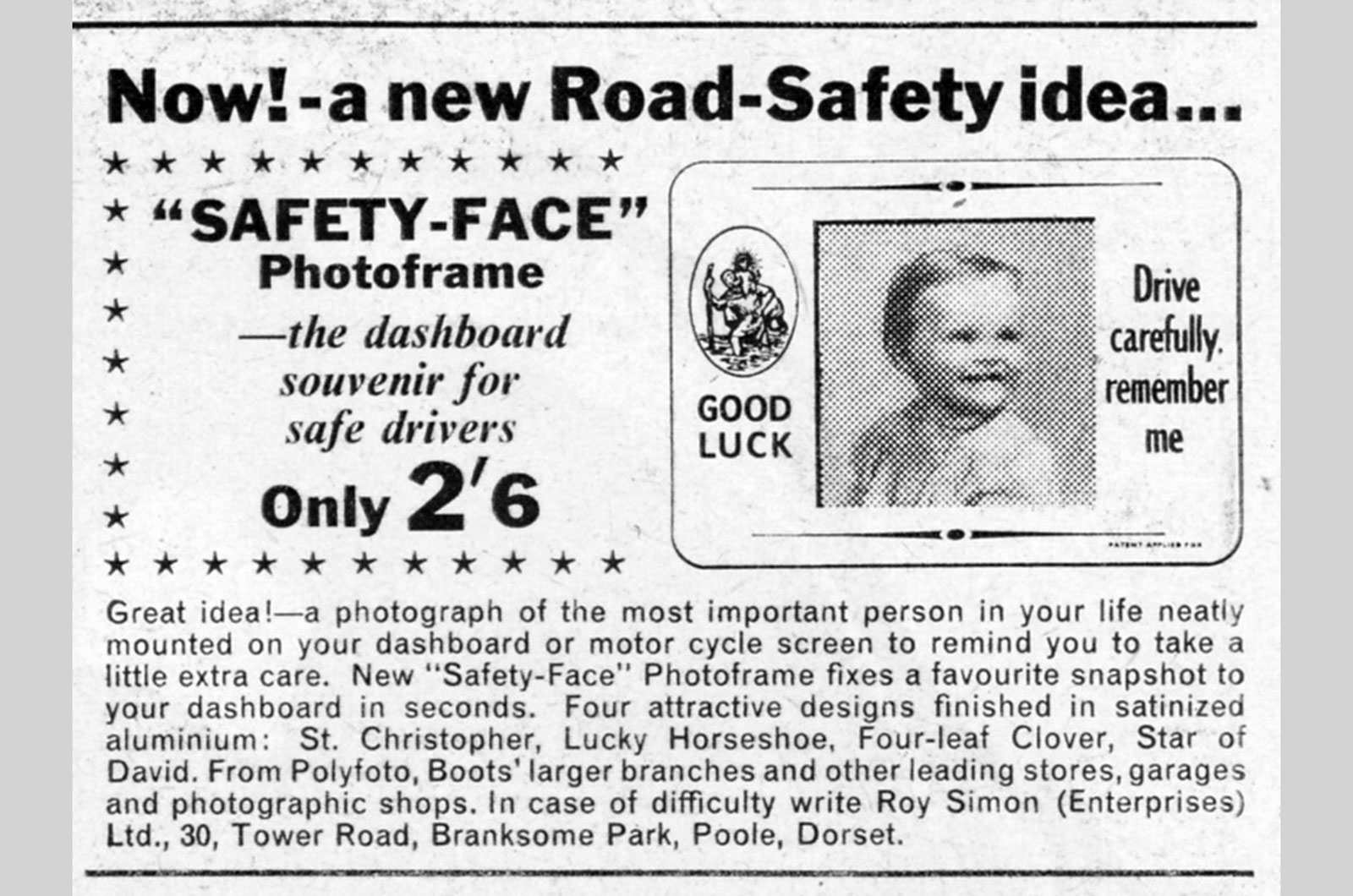
The perfect idea to stop people driving recklessly – pin a picture of their loved one to their dashboard. Nowadays you can just use Facetime to watch your loved one in real time, though not while driving along, please. So much simpler…
K-L Ventilor
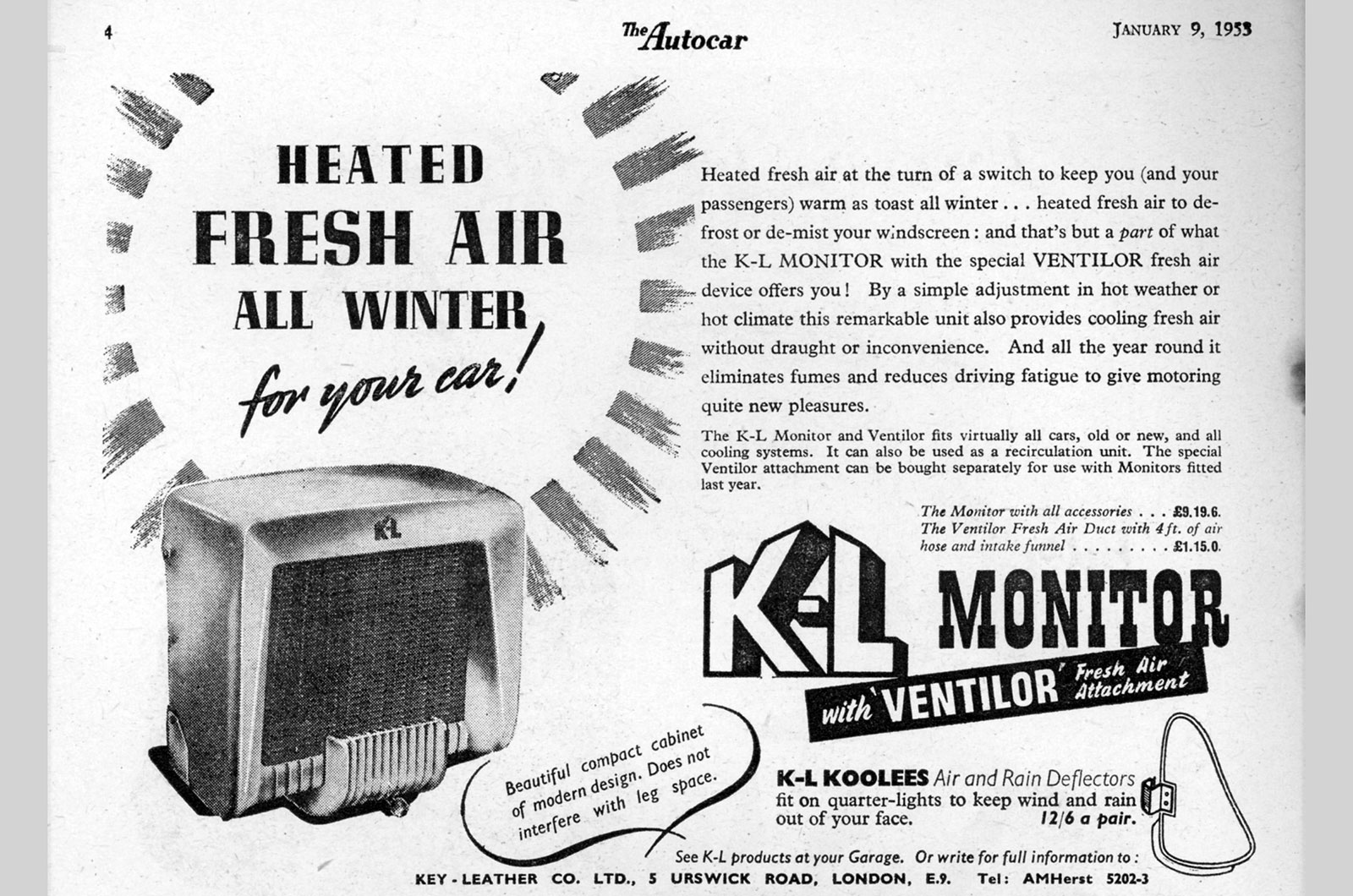
Even into the 1960s a lot of cheaper cars didn't come with a heater, so it was left to motorists to buy an aftermarket unit and fit that instead. The Ventilor was electrically operated so as a heater it was probably fairly effective – but in hot weather we suspect it didn't ventilate the cabin too well.
Hitachi air purifier
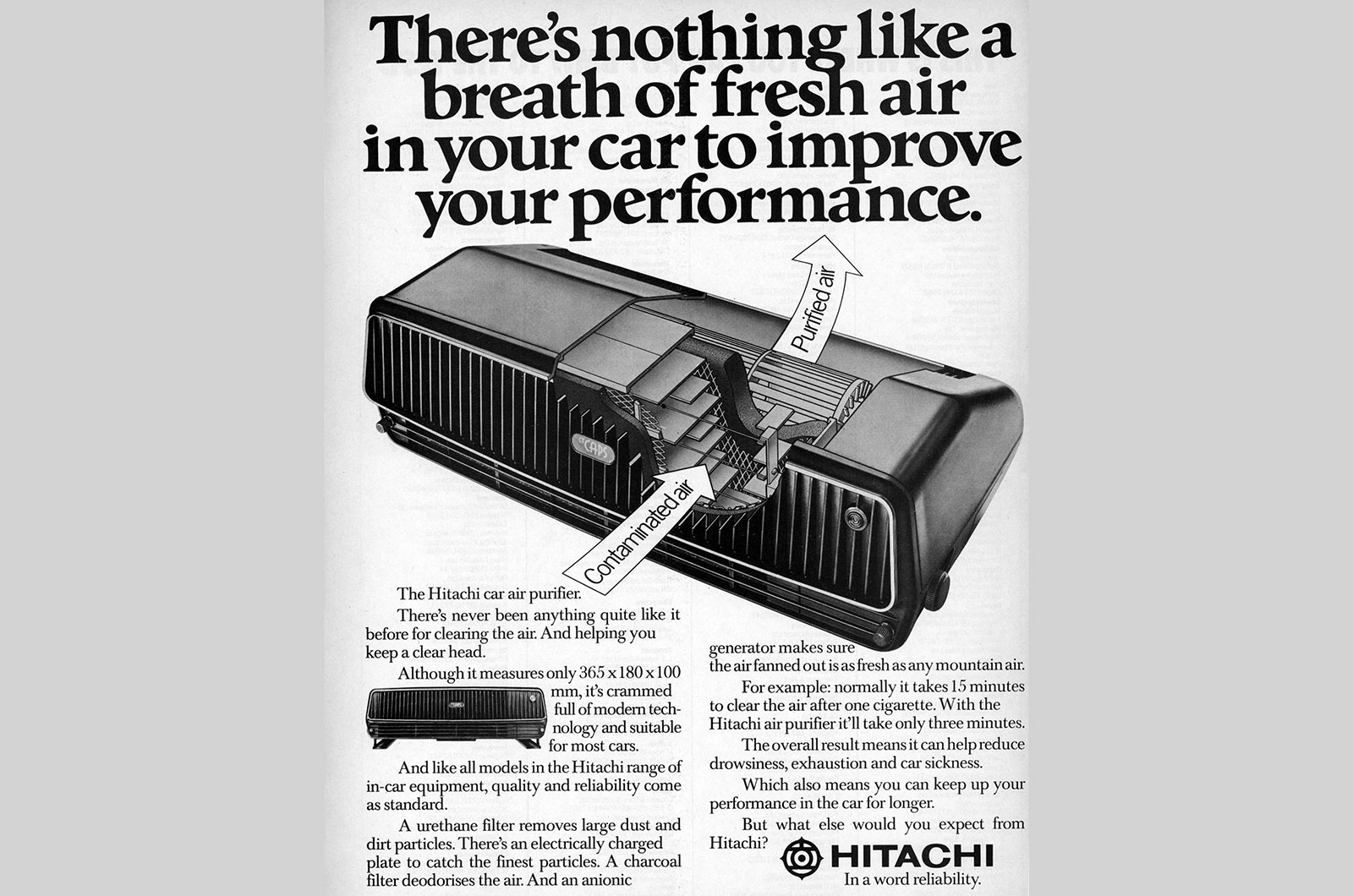
In the 1980s things had progressed beyond mere heating and cooling, with Hitachi offering this wonderful gadget – an air purifier for your car's cabin. We wonder how many were sold.
Polco defroster
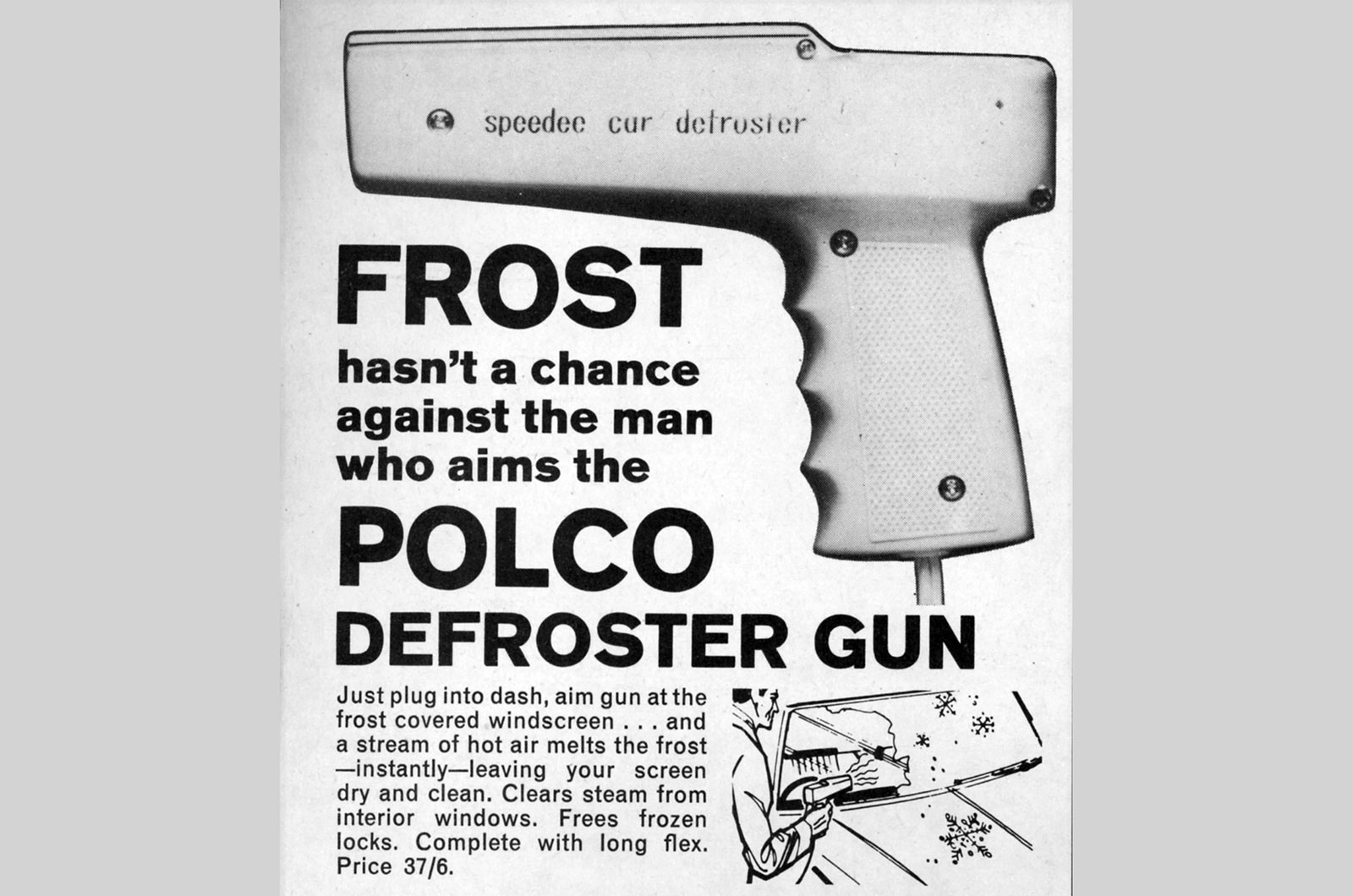
Presumably the Polco defroster gun doubles as a hair drier. Just plug it into your car's cigarette lighter, press go and a continuous supply of hot air is generated. We rather like the idea of this one – maybe it's time to revive the defroster gun?
Limpet tent
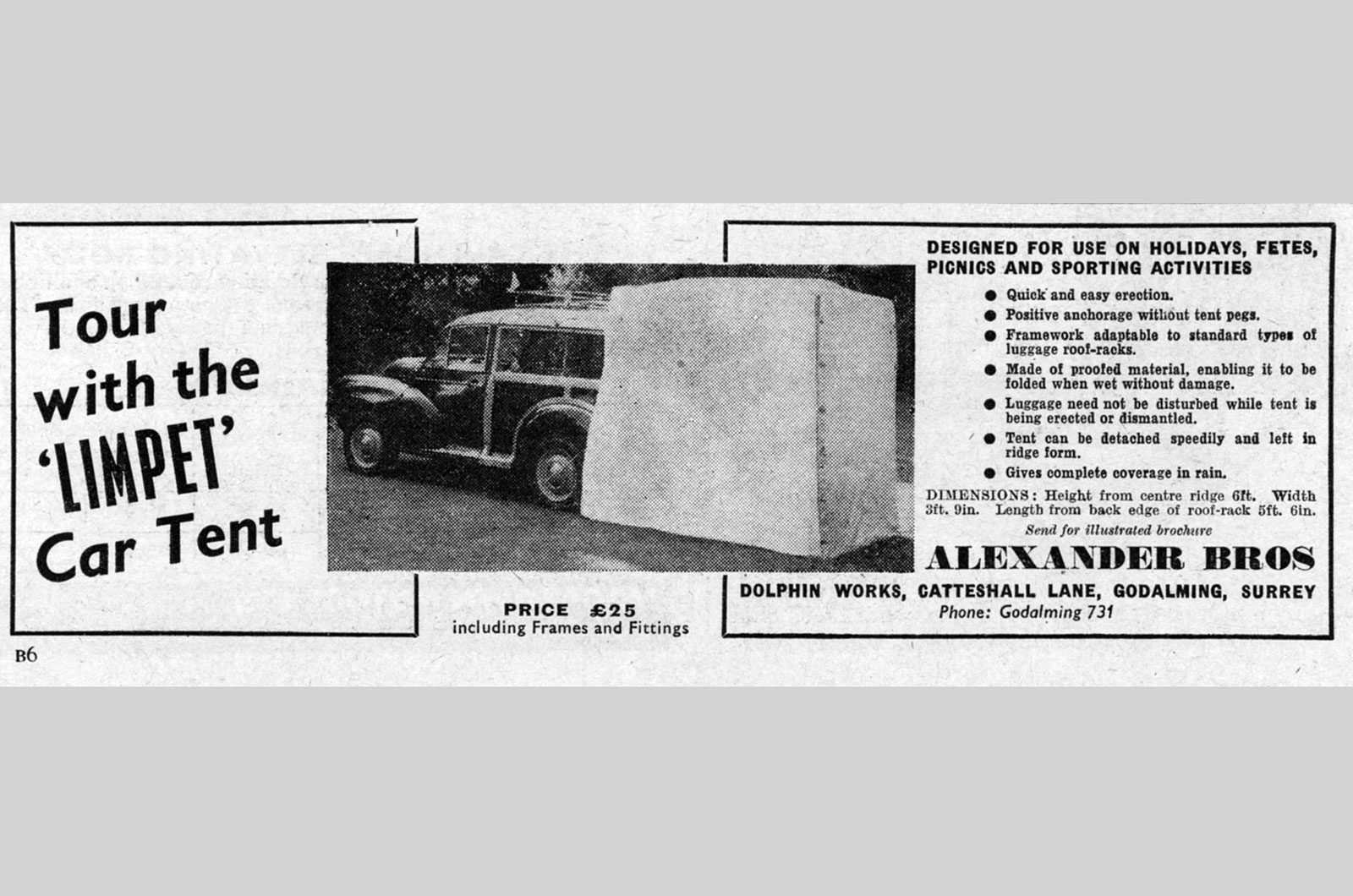
There's stylish then there's the Limpet tent from Alexander Brothers. This doesn't appear to have been designed as such; instead it was created from some offcuts of fabric which were then wrapped around the back end of a Morris Minor. And all for the princely sum of around £475 at today's prices.
Imperial Venetian blind
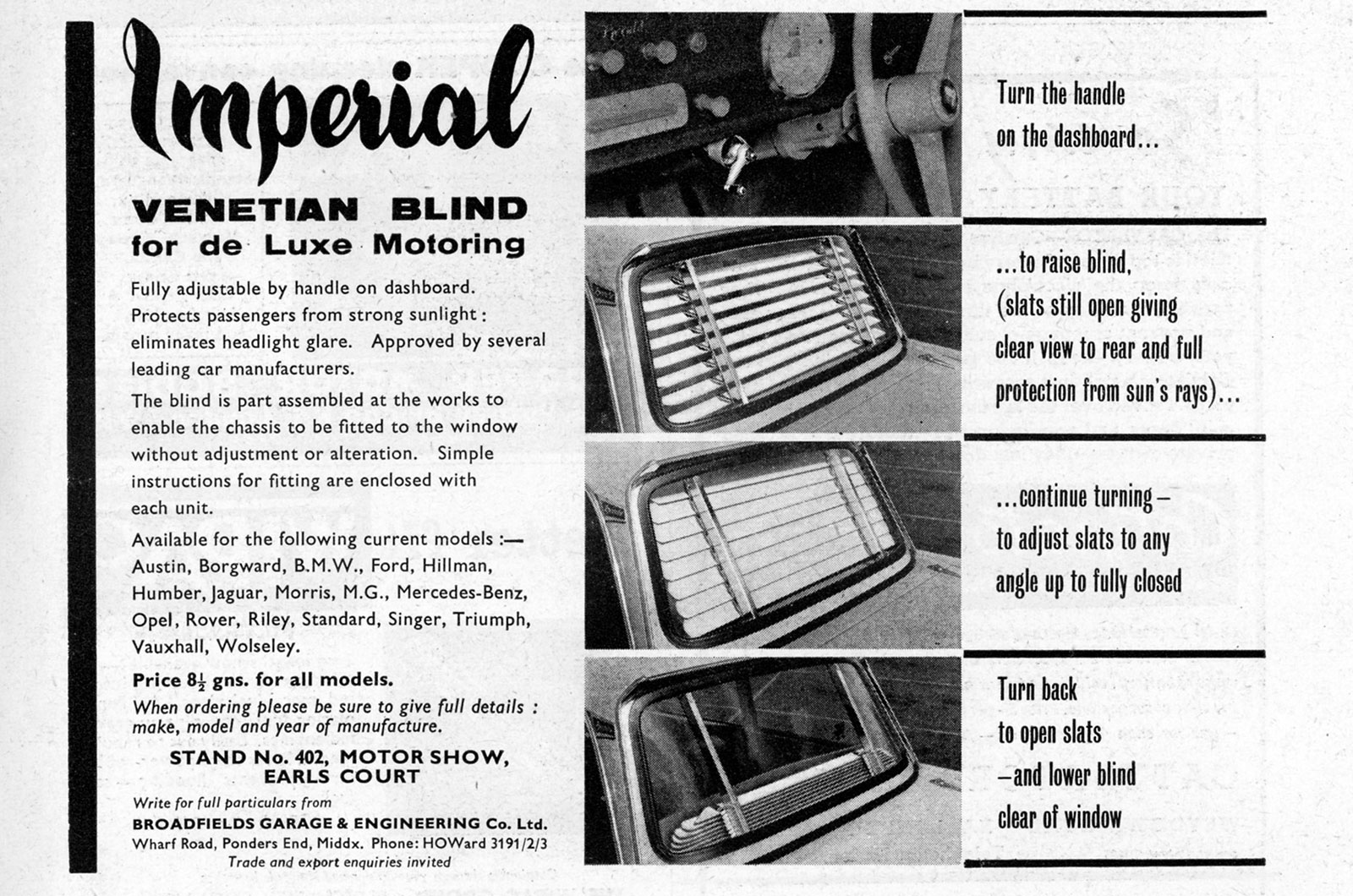
And you thought climate control was a modern invention… If Venetian blinds were good enough for your lounge at home it was good enough for keeping your Triumph Herald's interior cool.
Superb Tool Icetec
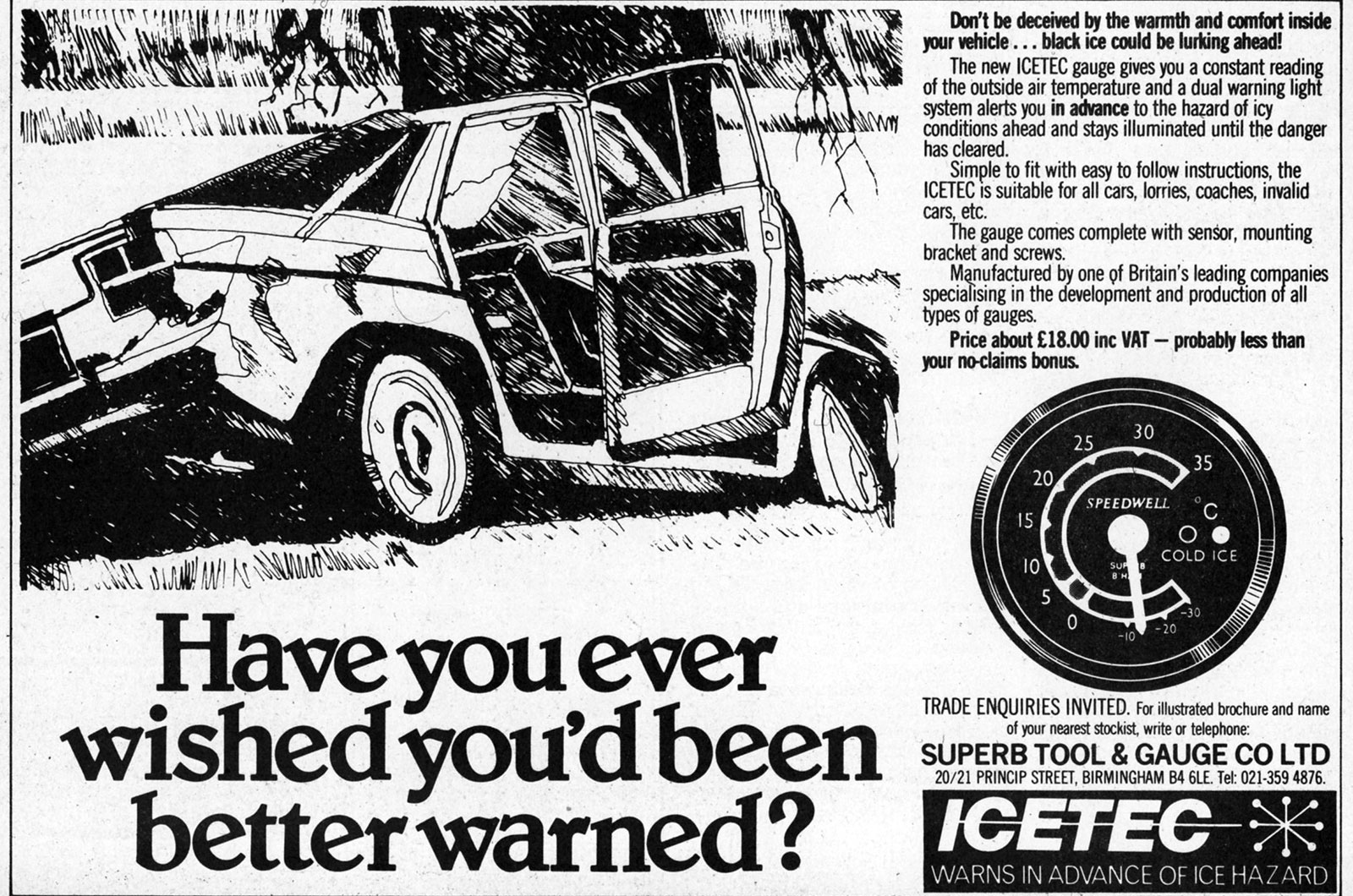
We take dash-mounted thermometers for granted now, but it didn't used to be like that. Instead, drivers had to invest in a separate external temperature gauge like this one – made by the Superb Tool & Gauge Company no less. So it must have been good.
Clearvue demister
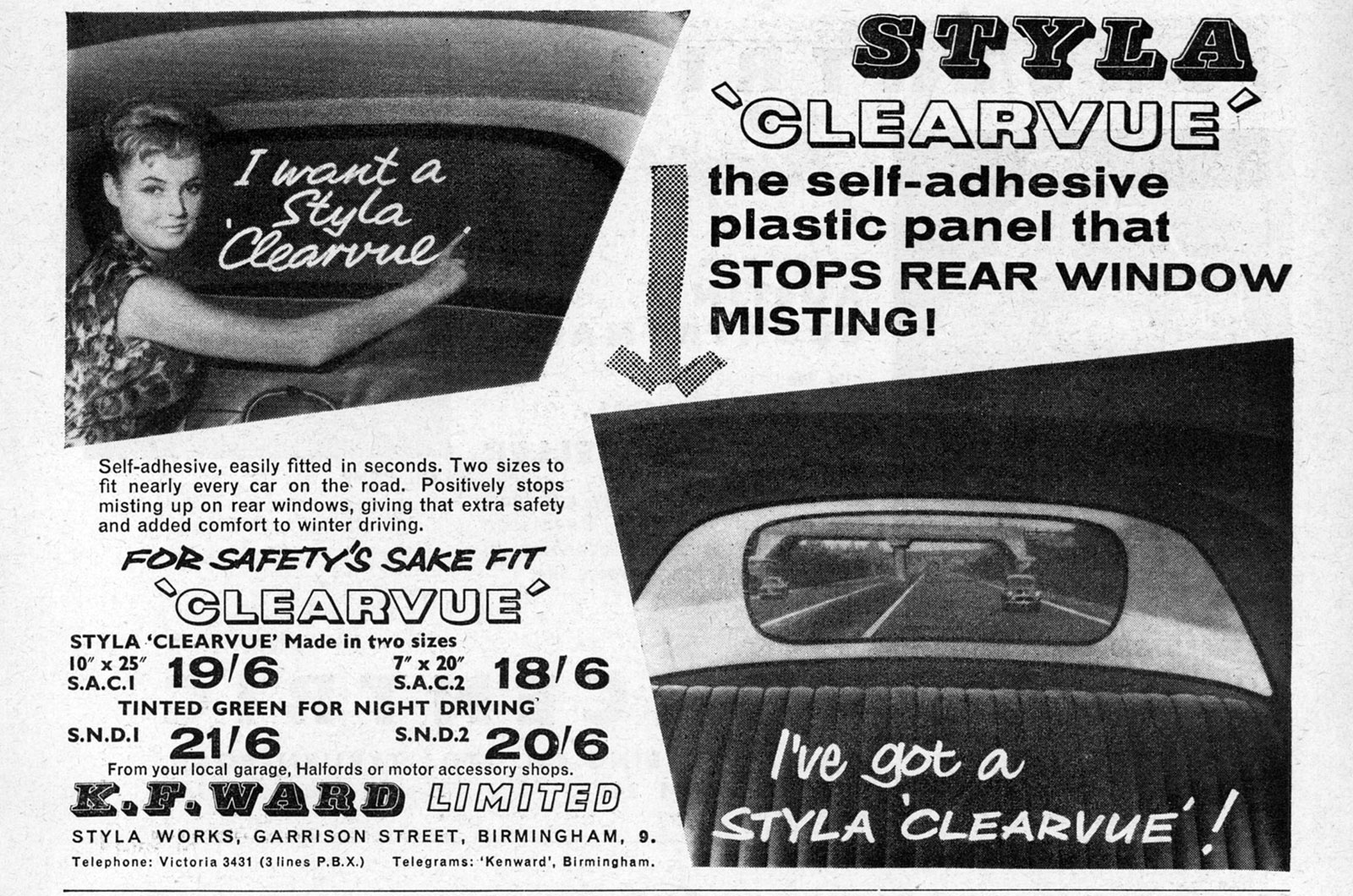
It wasn't until well into the 1970s that heated rear windows became common; up to that point they weren't even available as an option on many mainstream family cars. But before heating elements motorists had to settle for one of these – a stick-on pad that didn't mist up, so you could see what was going on behind you.
Desmo roof rack
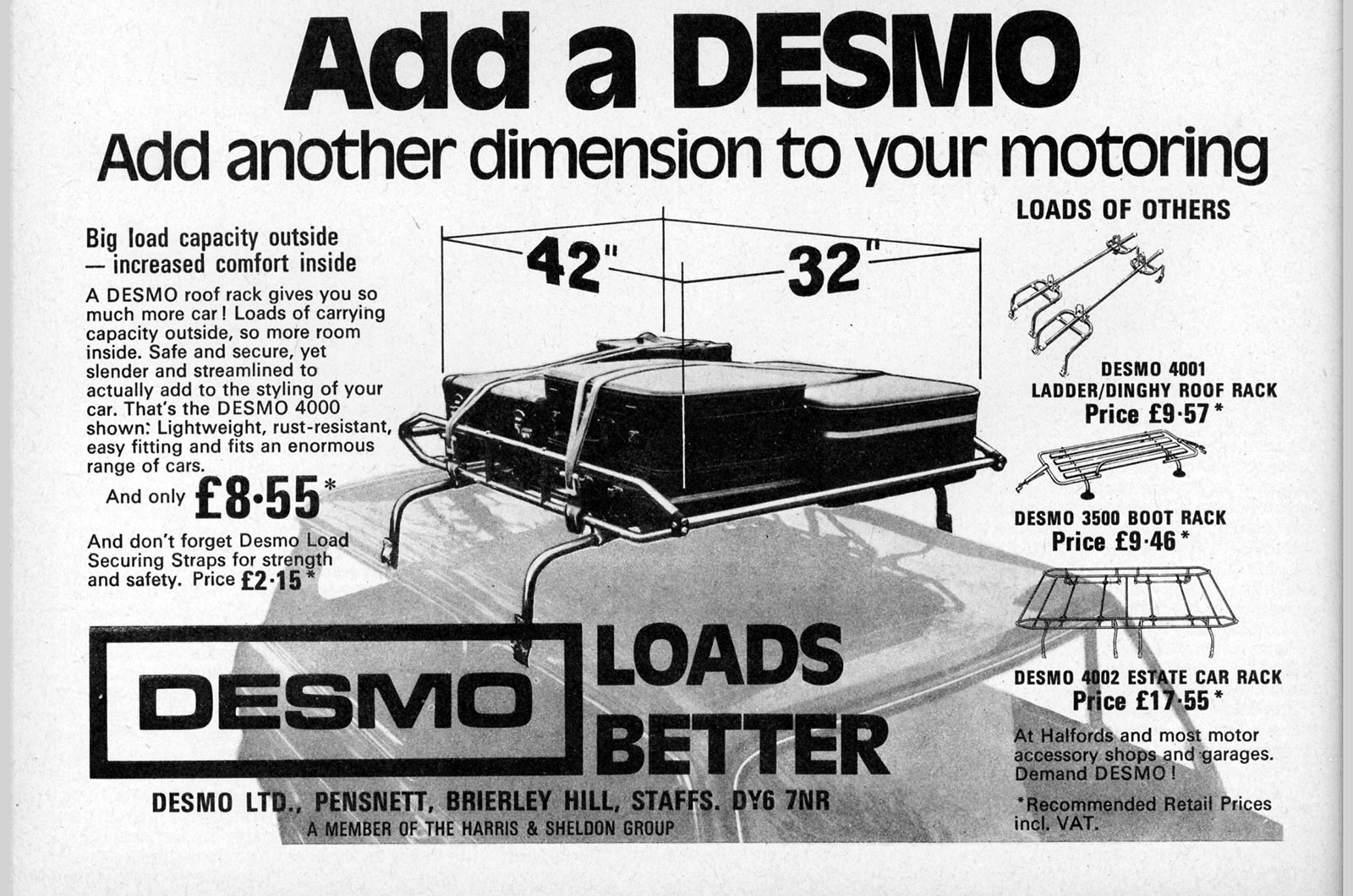
Roof boxes are still popular but in the fifties, sixties and seventies motorists had roof racks instead. Guaranteed to create excruciating wind noise at cruising speeds, you had to tie your luggage to the frame and hope that it didn't end up all over the three lanes of the M1 as you went away for your holidays.
Alpine hat
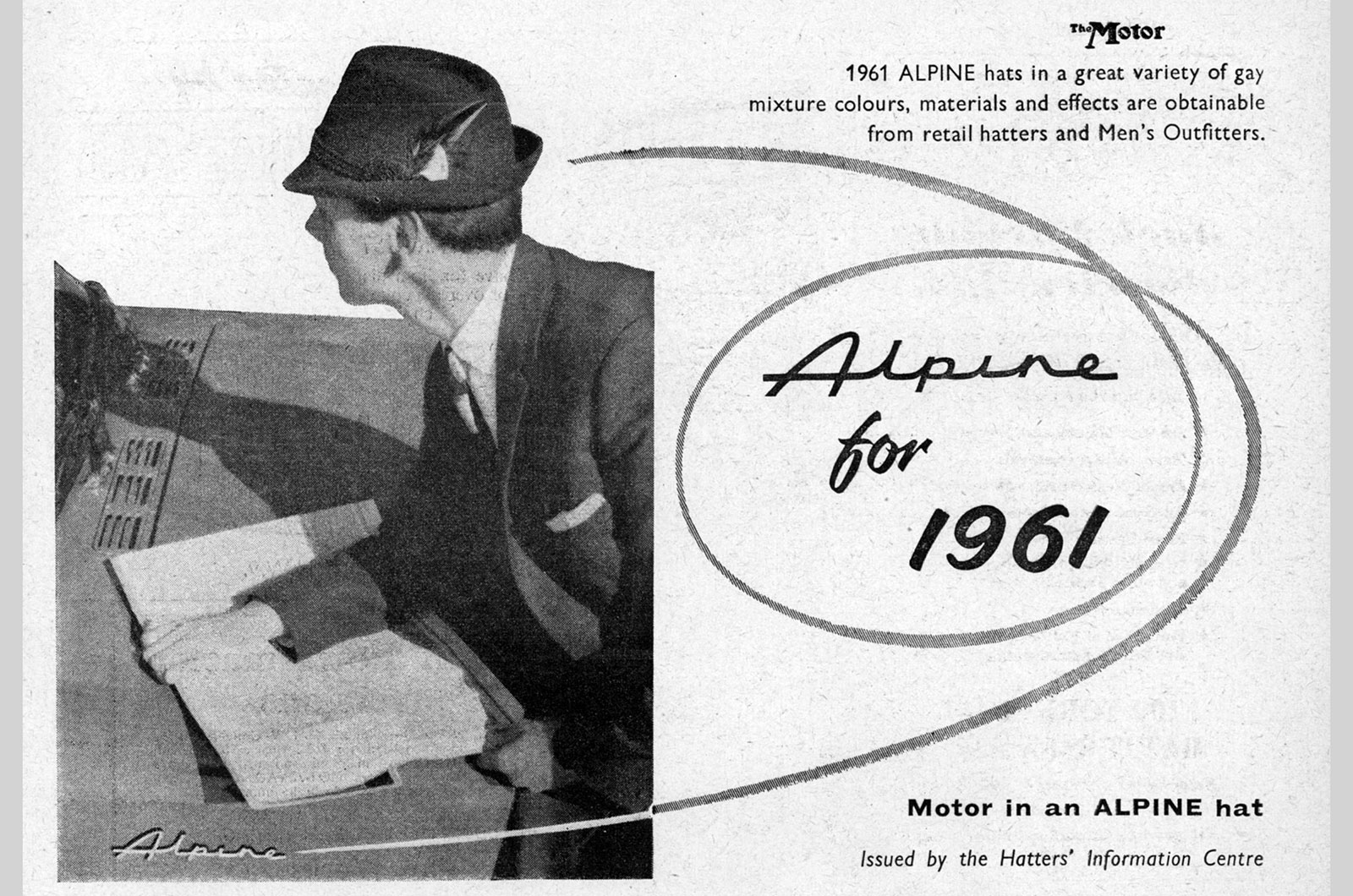
The fact that there used to be a Hatters' Information Centre pleases us no end. We also love the fact that you used to be able to buy an Alpine hat in "a great variety of gay mixture colours". Time for a revival?
Glanfield Lawrence trailer
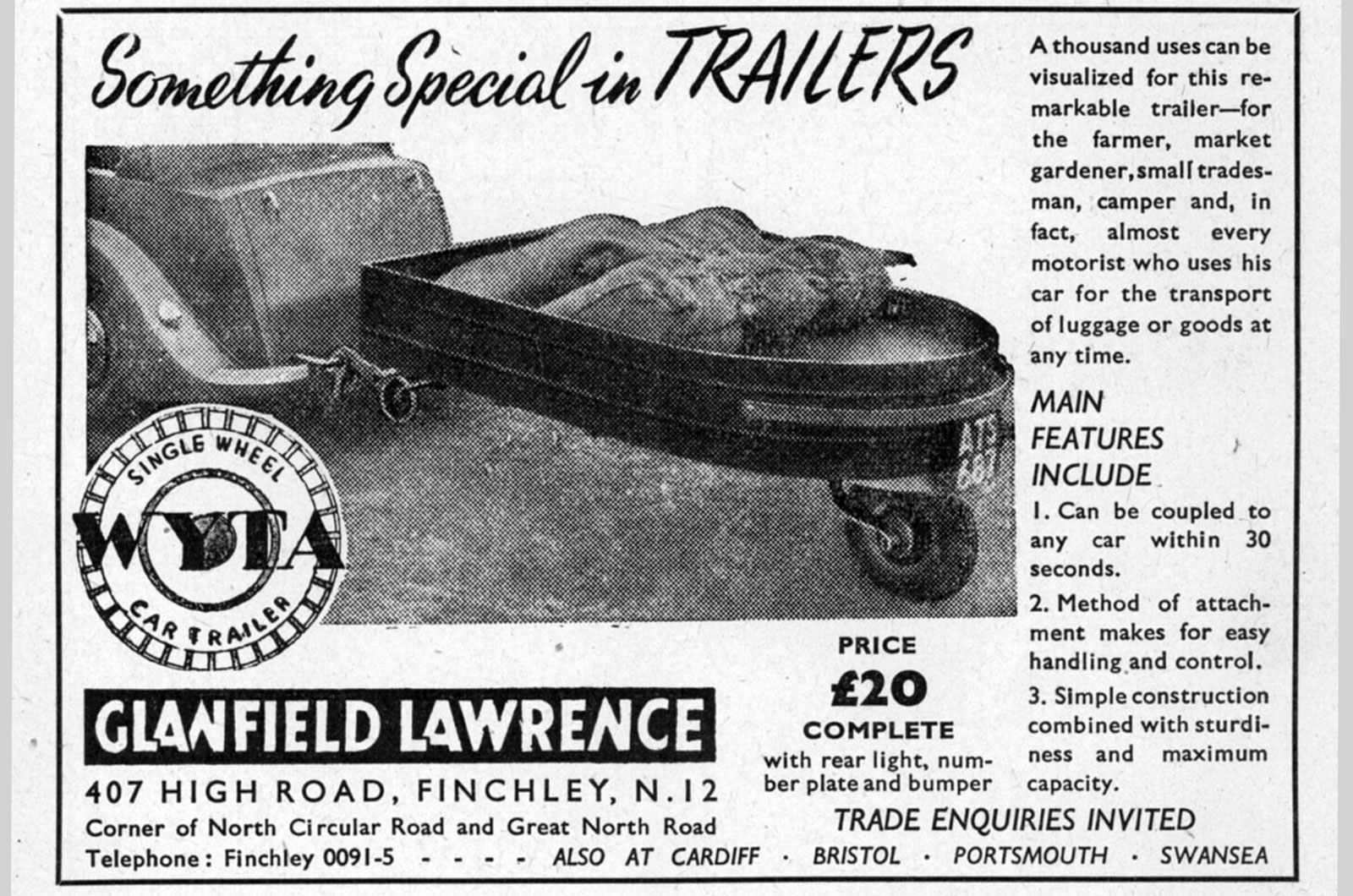
Not too dissimilar from the single-wheel trailer seen earlier, this one is an older model that looks just as basic and just as frightening to use. Having said that, the car towing it is probably incapable of going faster than about 40mph, so there's probably a limit to how much carnage it can cause.
Snowflake anti-freeze

In the fifties and sixties, if ever a company needed to spell out the simplicity of its products it was always a woman who figured. Here, Shell and BP have joined forces to patronise women drivers of the time. We bet they were so very grateful…
Eltron kettle
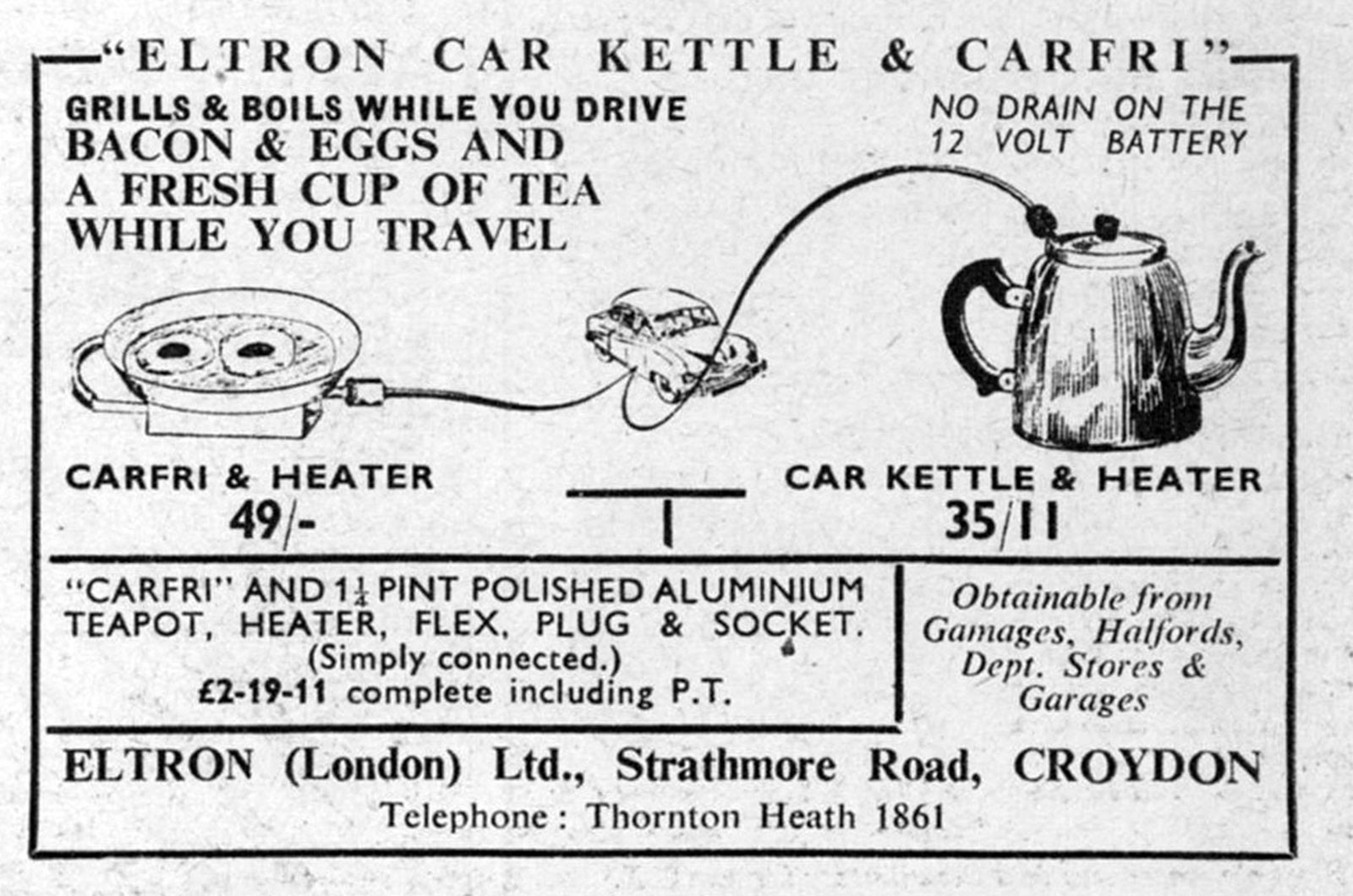
Boil a kettle and prepare a fry-up as you drive. What could possibly go wrong?
Velvetex
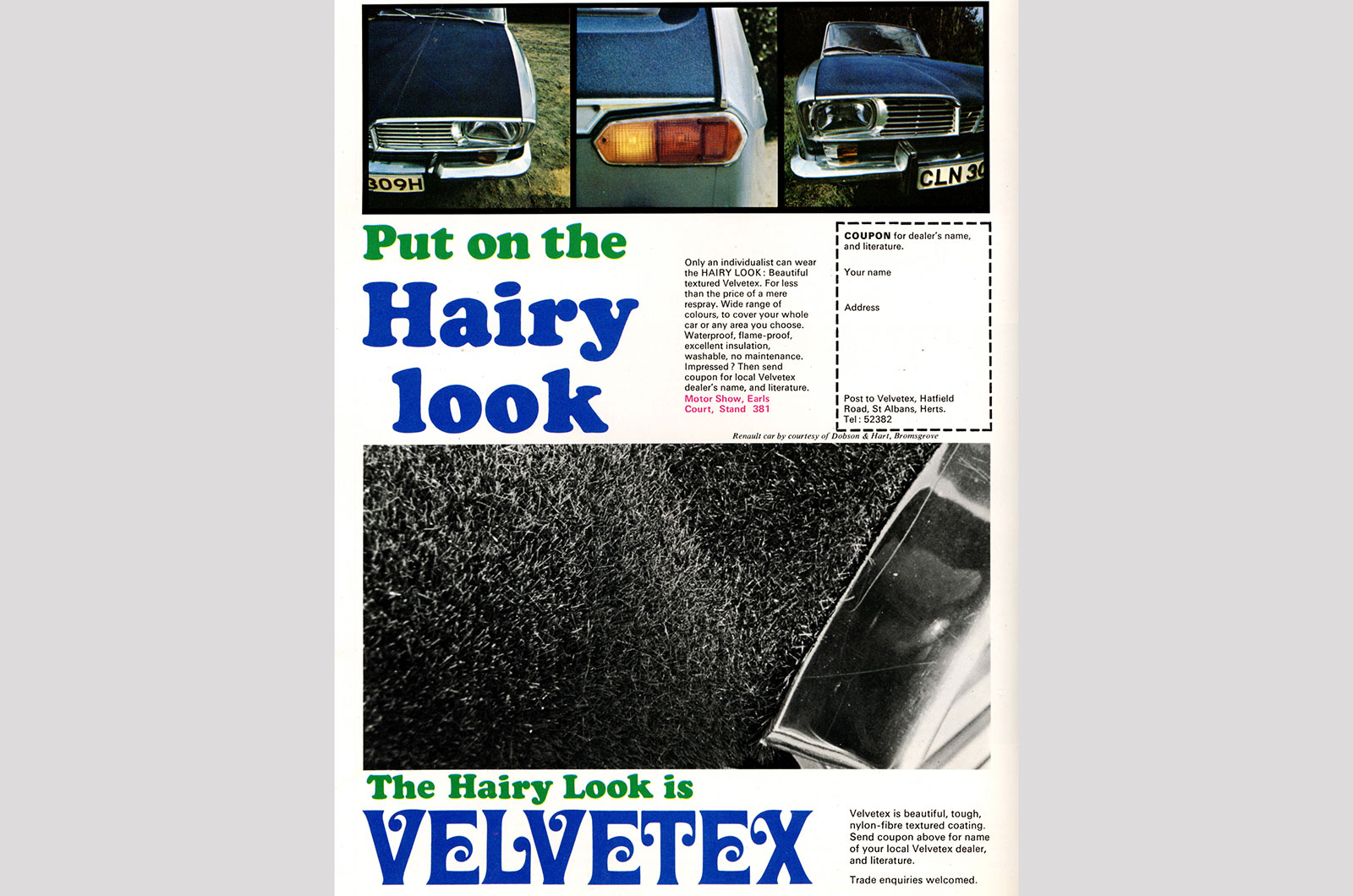
It seems incredible that Velvetex hasn’t conquered the world since this advert was printed in 1970. Just why wouldn’t you want your car to feature the Hairy Look – the kind of finish more usually reserved for doormats or tennis courts?
Foldaway trailer
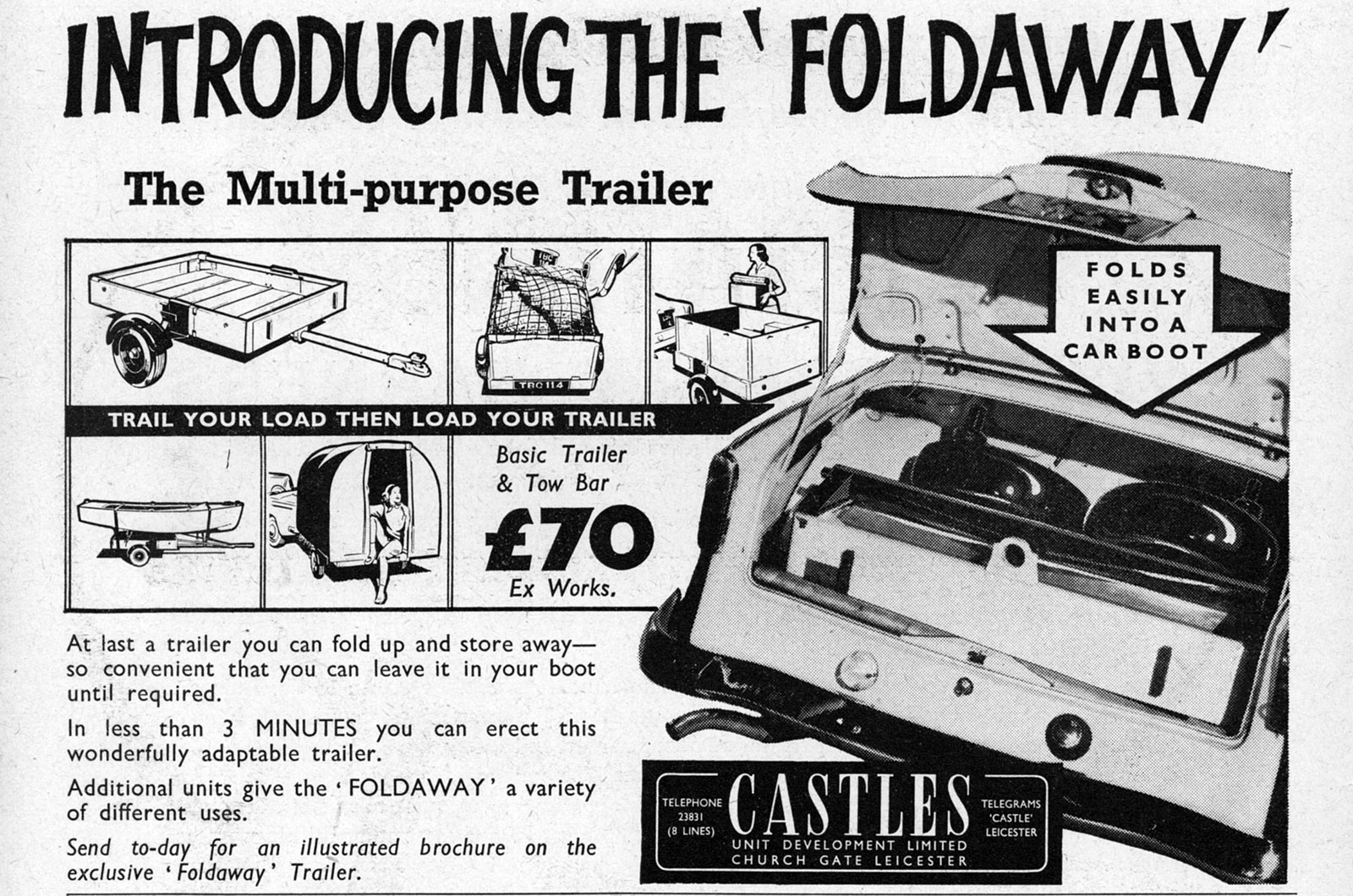
This is rather a neat idea, but we wonder just how much the Foldaway trailer could safely carry, bearing in mind how flimsy it looks when it's folded away…
Driving gloves
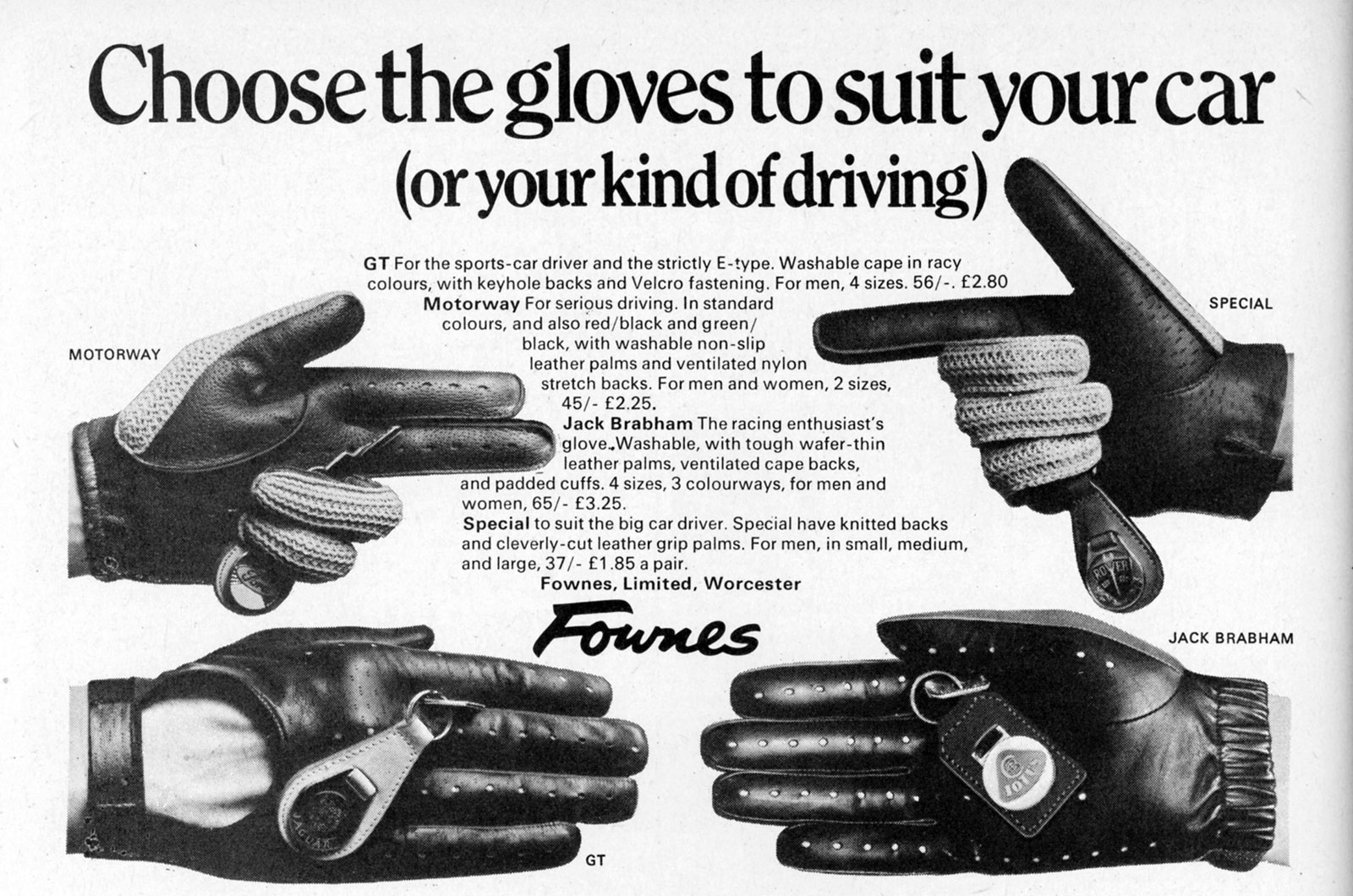
Couldn't afford an Aston Martin or Jaguar? No problem – just buy a pair of these driving gloves and your Austin Cambridge would feel ready for the Mulsanne Straight.
Lubristyl
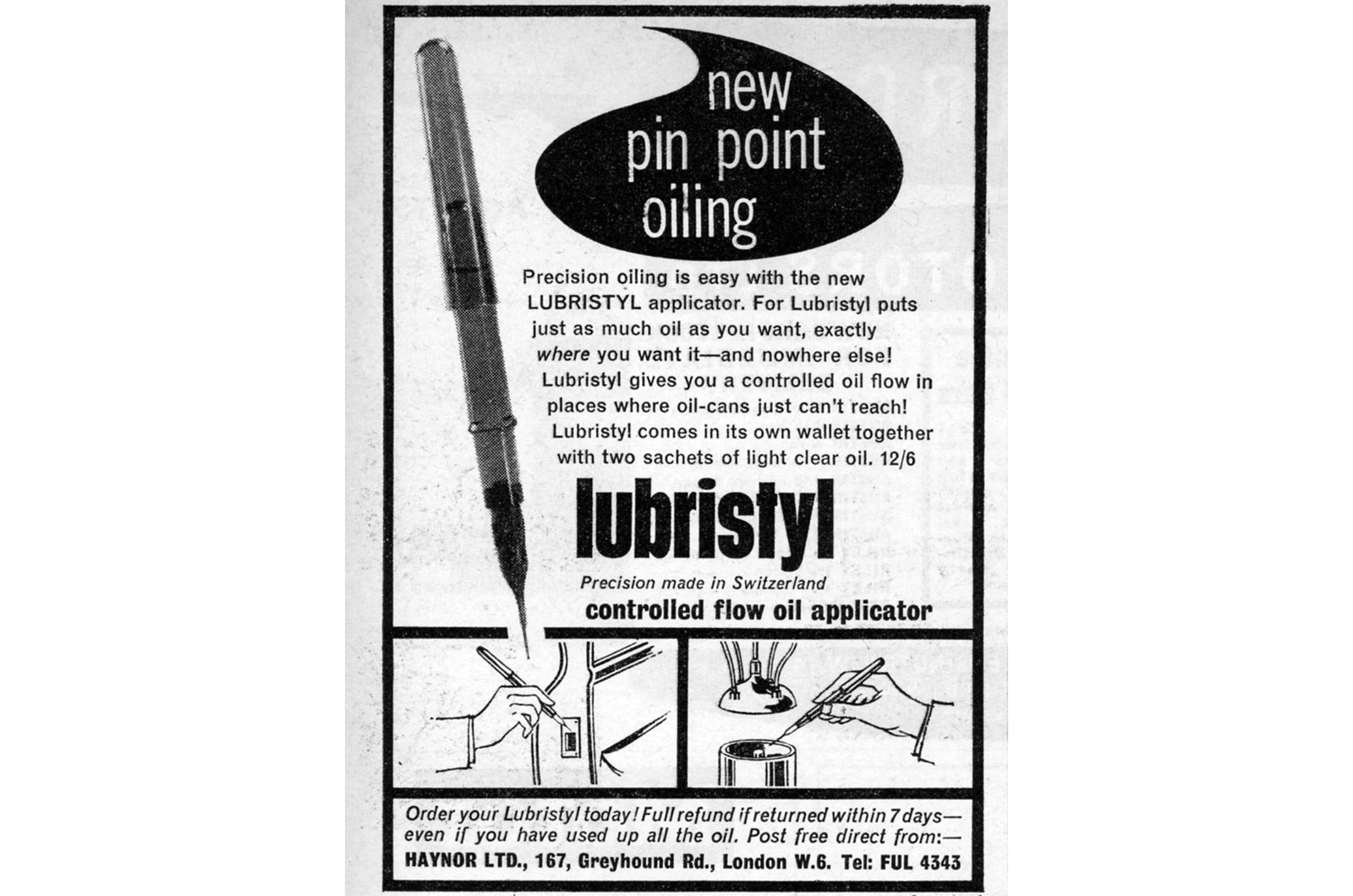
Ever felt the need to do some precision oiling? If so, what you need is a Lubristyl, so it's a shame that the company seemingly closed down in the 1960s. There clearly weren't enough precision oilers about.

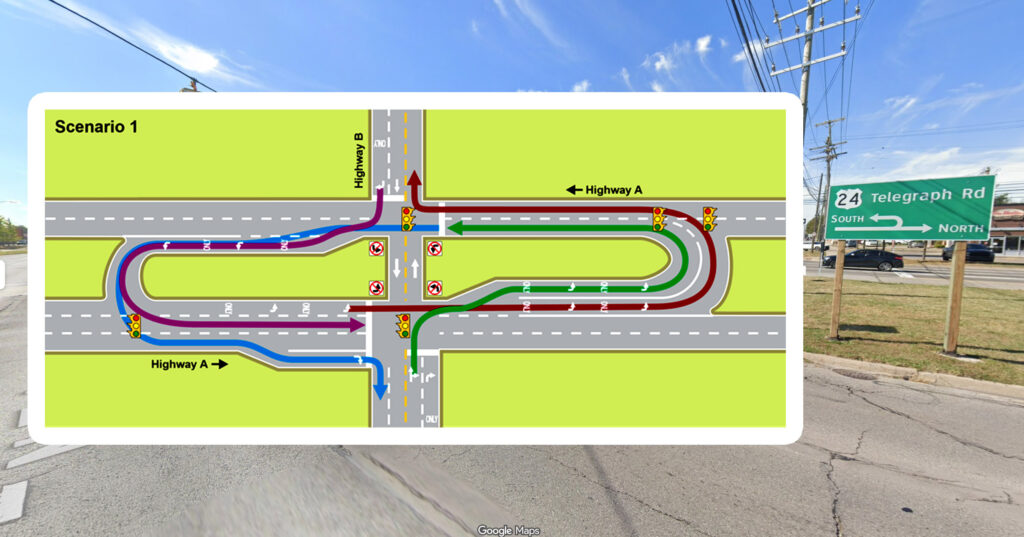
Michigan Lefts Transform Intersection Safety and Efficiency by Eliminating Direct Left Turns

Autostadt’s Eclectic Car Collection Reveals the Evolution and Cultural Impact of Automotive Design
 Join us for a look inside Autostadt, the Volkswagen museum located next to its giant Wolfsburg factory, and one of the world's best car museums
Located in the shadow of Volkswagen's Wolfsburg factory in Germany, Autostadt is essentially a theme park devoted to cars.
Spread throughout the 70-acre site are pavilions devoted to each Volkswagen Group brand, along with exhibitions to learn about the history, culture and impact of cars – and with plenty of opportunities to try them out. And there’s plenty of cars that don’t have anything to do with Volkswagen – meaning this is a seriously eclectic collection.
Let’s take a look:
Autostadt

Autostadt opened in May 2000 featuring a host of attractions, including the GroupForum entrance (pictured), seven pavilions dedicated to VW Group brands and the Zeithaus, a museum dedicated to car design. Around two million people a year visit the site.
Porsche 911
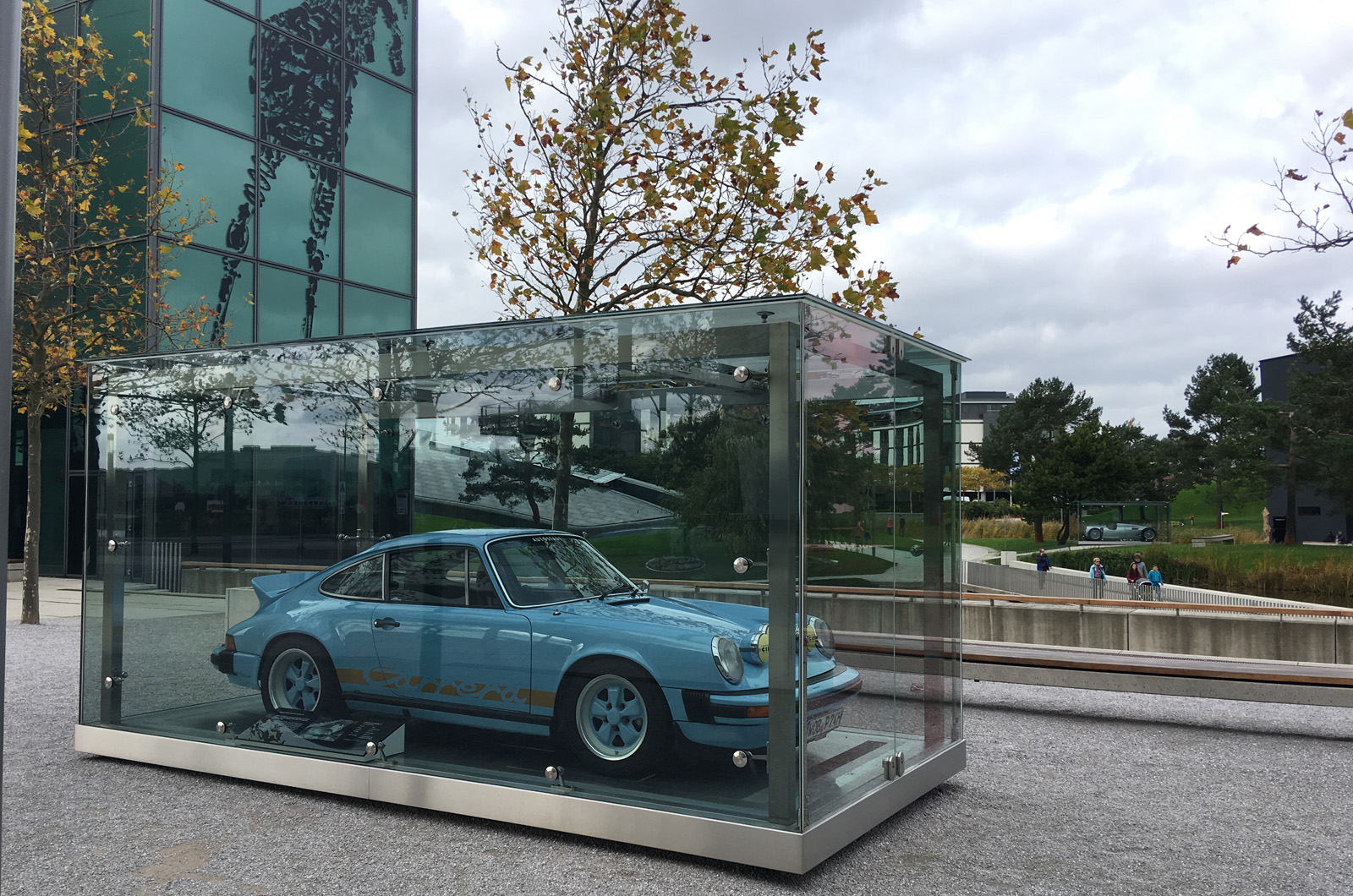
The grounds of Autostadt are dotted with classic cars (in glass boxes to protect them from the elements), including this stunning Porsche 911.
Benz Velo Convertible
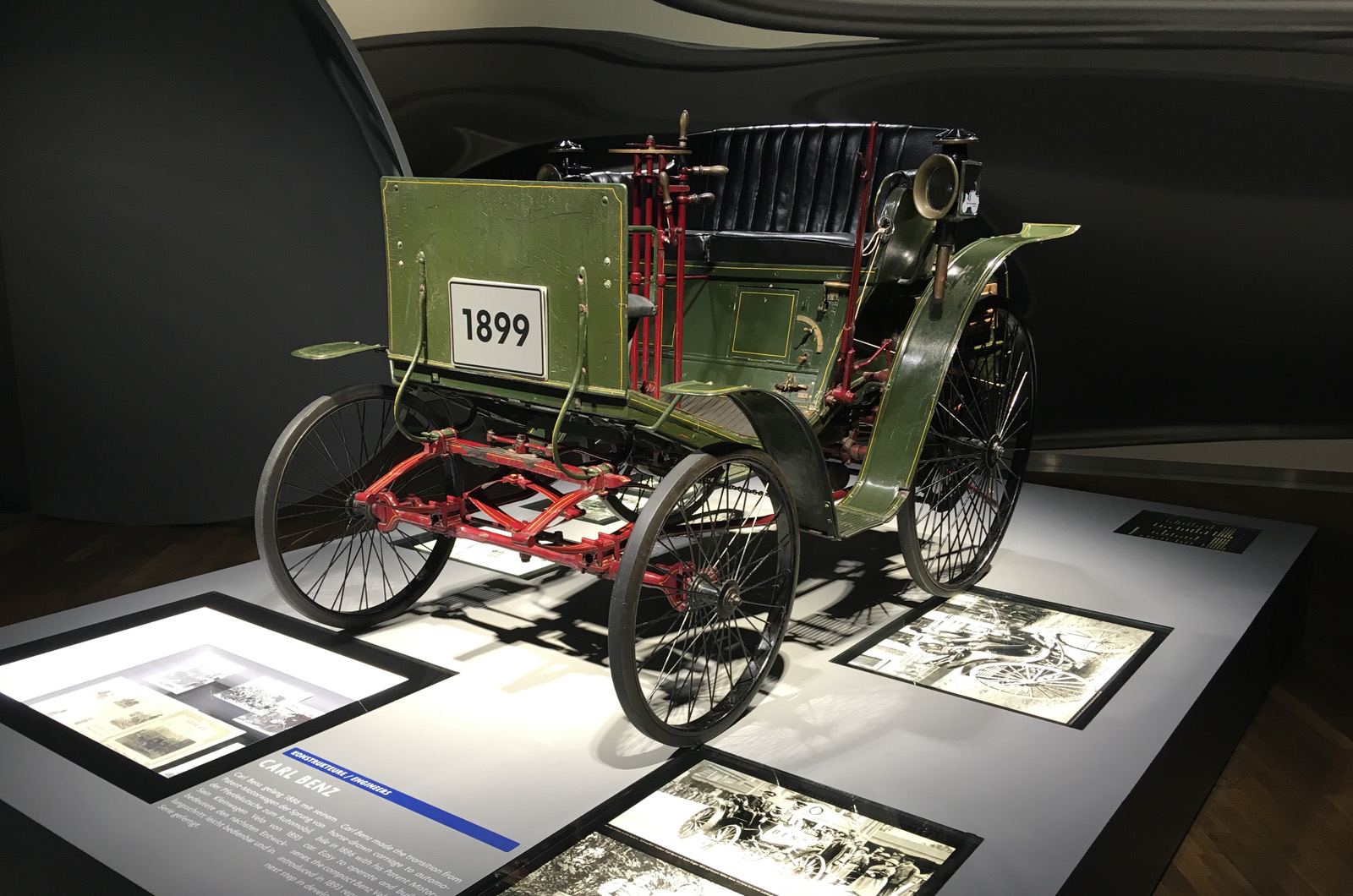
The Zeithaus is dedicated to charting the design and progression of the motor car – and not just Volkswagens. This 1899 Benz Velo Convertible recognises the pioneering designs of Karl Benz (1844-1929).
Messerschmitt/FMR KR200
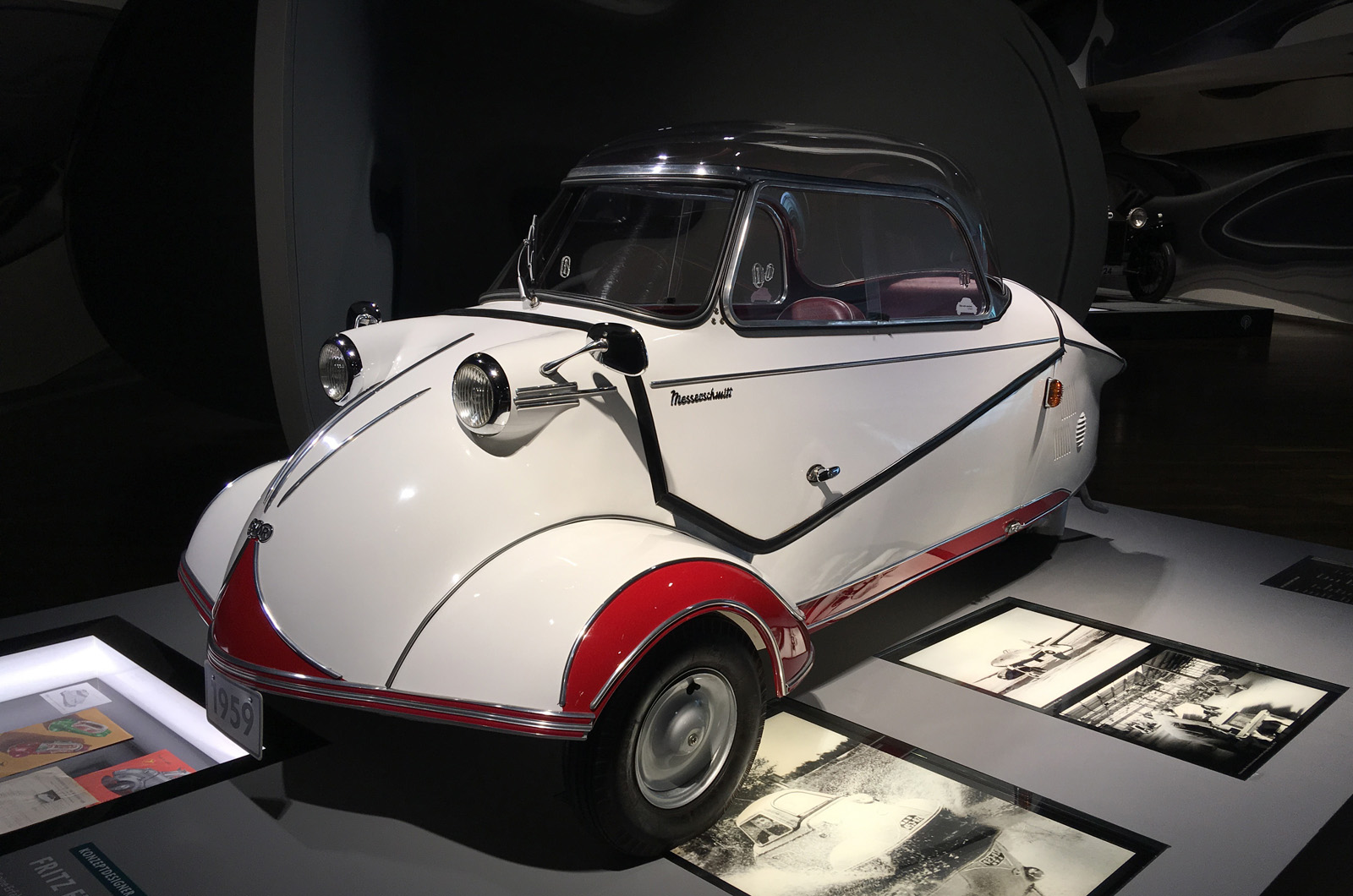
This three-wheeled bubble car was first built by Messerschmitt in 1955, during the period when the company was not allowed to manufacture aircraft. When the firm was allowed to work on planes again, the rights to the design were sold to FMR, which continued production until 1964.
Volkswagen Type 2 Transporter (1950)
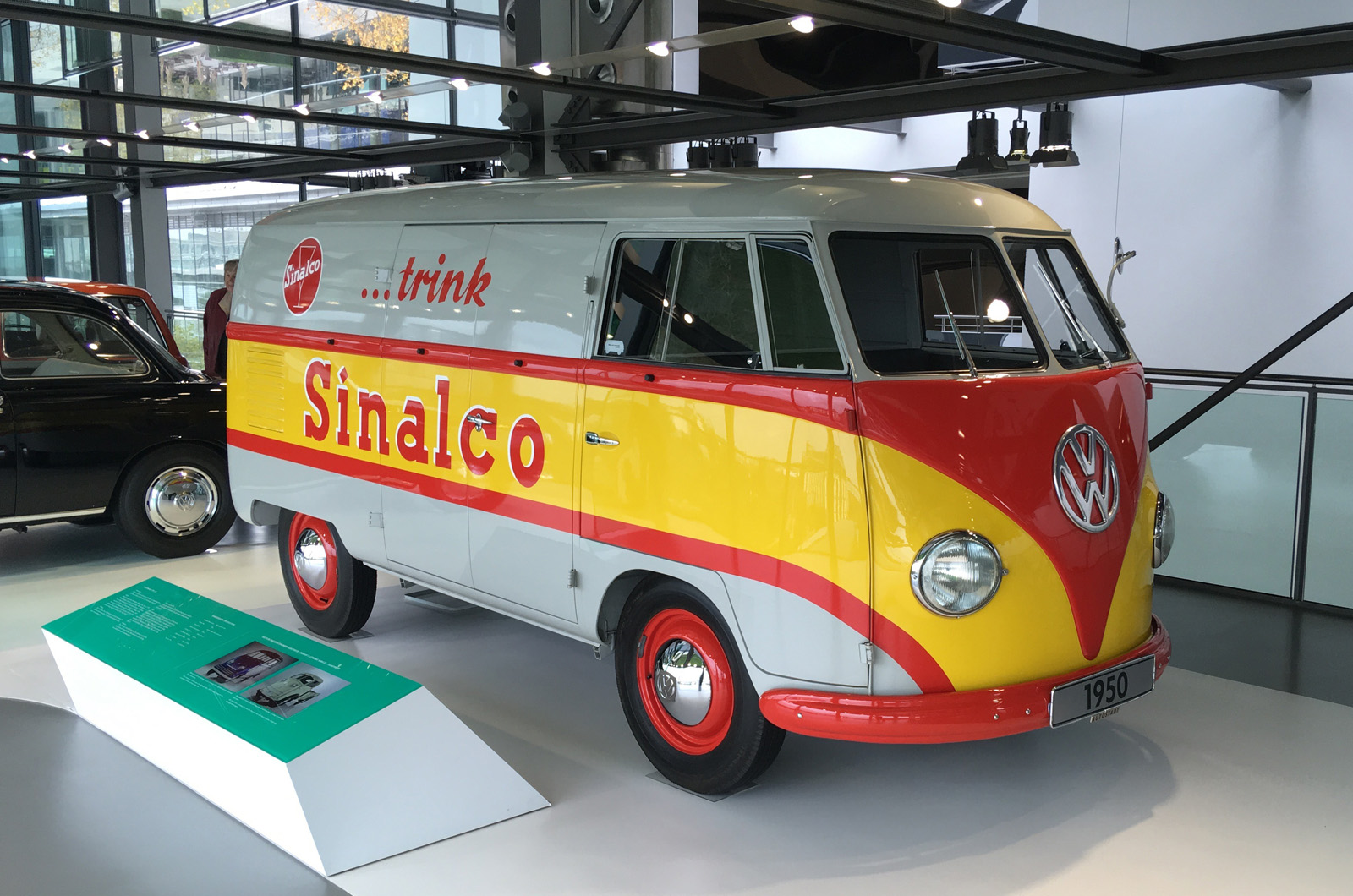
Depending on its form, versions of the Type 2 (the factory designation; the Beetle was the Type 1) are variously called the Transporter, Kombi and Microbus – but you may know it better as the Camper Van.
Whatever you call it, the design, first introduced in 1950, is an enduring design classic, which VW will return to with the forthcoming electric ID Buzz. This Transporter variant promoted Sinalco, a German fizzy drink invented in 1902, and still one of the best-selling brands in the country today. Pub fact: Sinalco is a contraction of the Latin phrase 'sine alcholoe', or 'no alcohol'.
Volkswagen Beetle (2003)
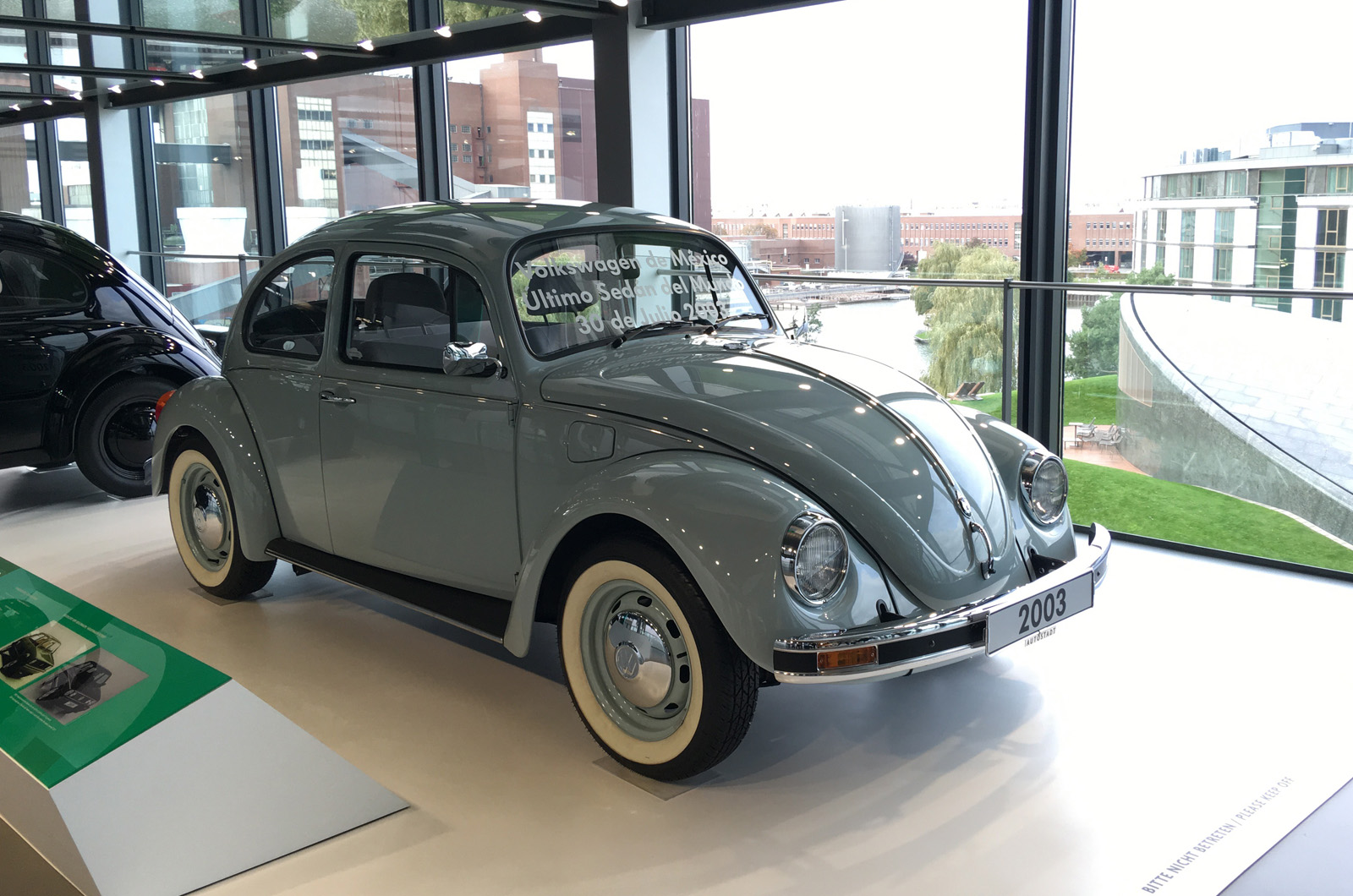
This isn't just any old, er, old Beetle - it's the very last one. This is the last car to roll off the final production line in Mexico back in 2003, when new emissions rules came in and rendered it no-longer legal to sell.
Volkswagen Beetle (1938)
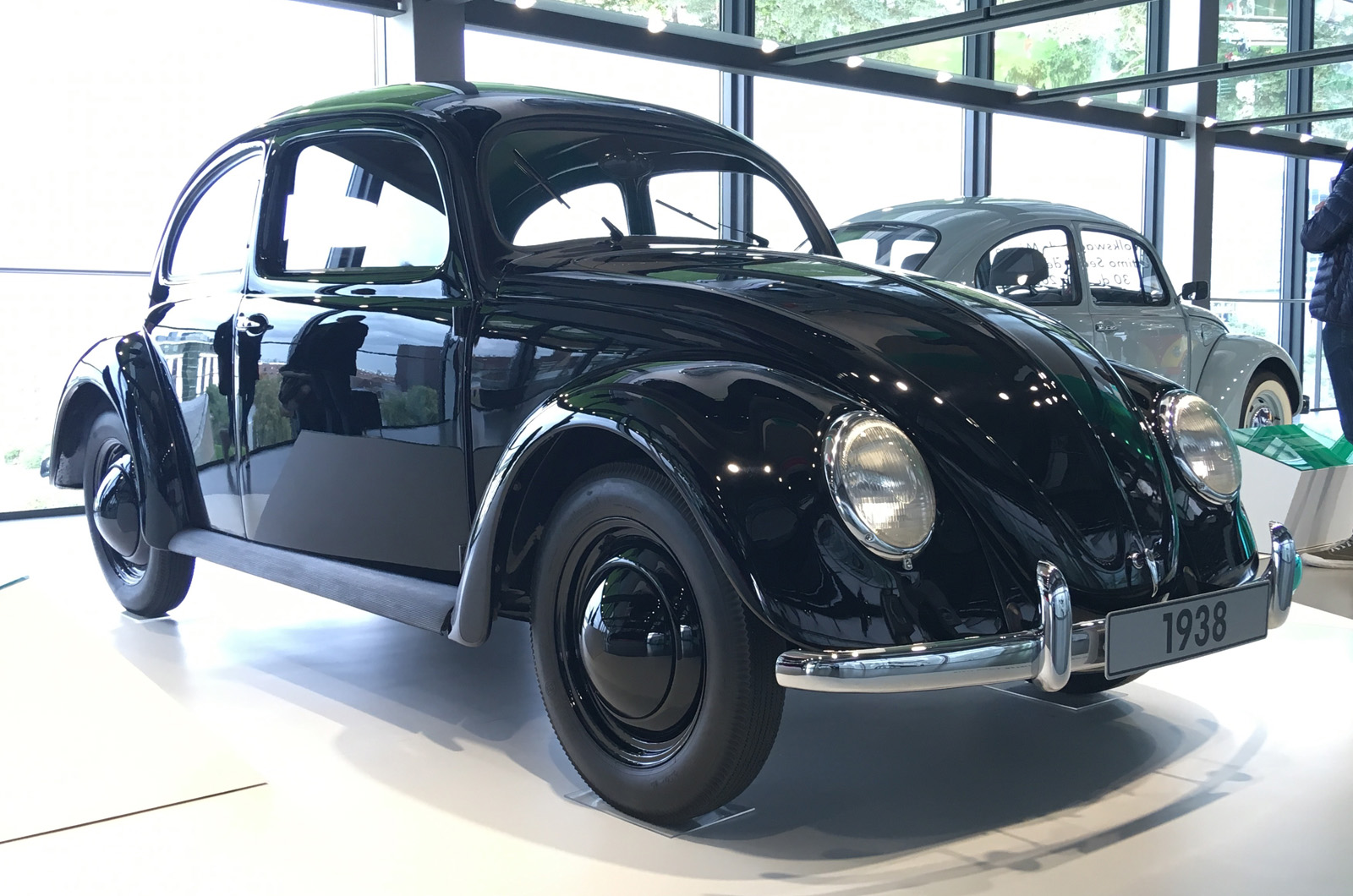
…and this is one of the first, dating from 1938. The two stand side-by-side in the Zeithaus as a true celebration of how well the classic design endured. With a total production life of 64 years, it’s by far the longest produced single model ever.
Volkswagen 411 LE (1970)
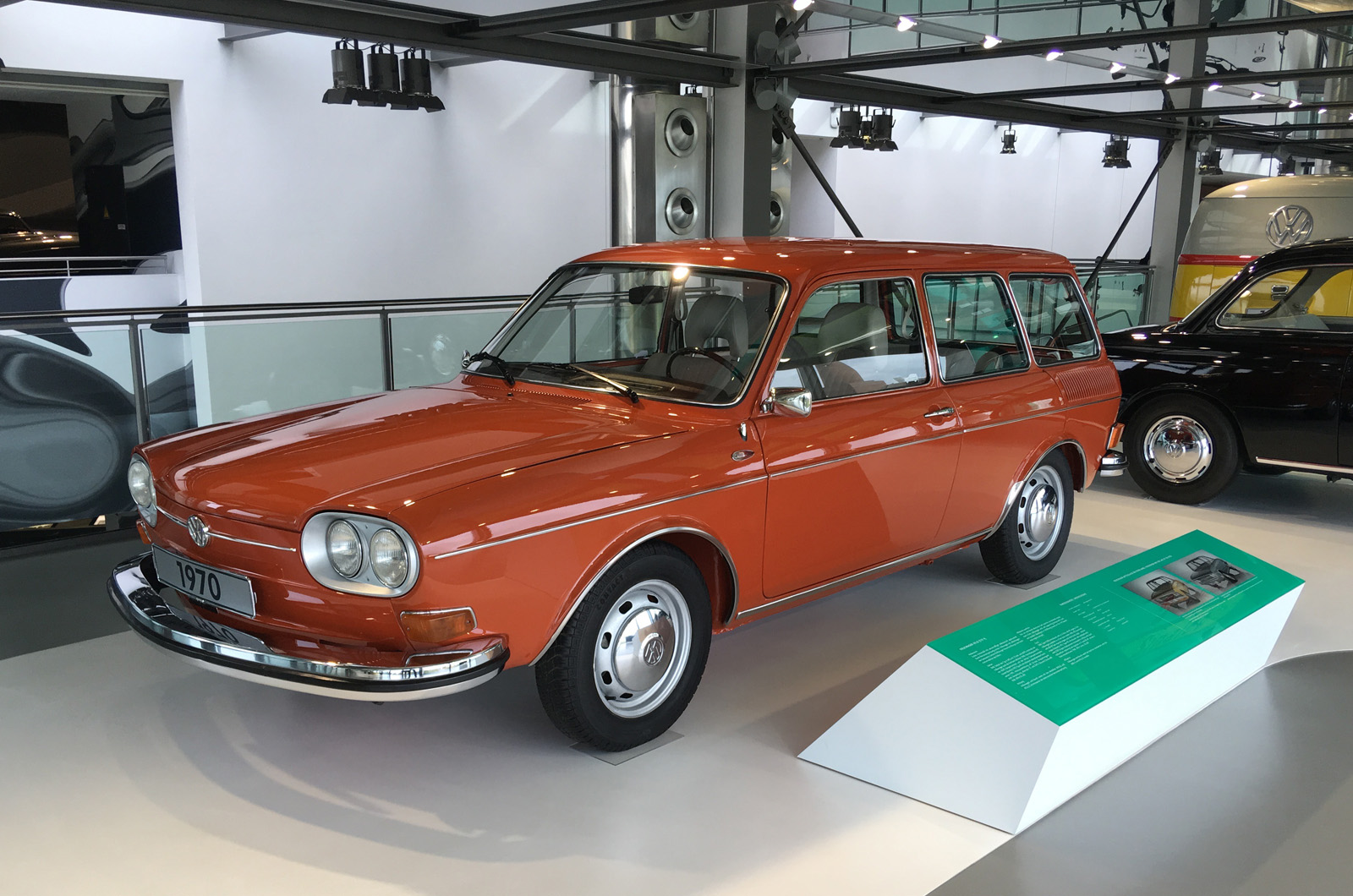
The Type 4, for those who like their VW factory line production designations, was the brand's first car with self-supporting bodywork and the last to be based on the Beetle's rear-engine layout. It was launched in 1968 with a 1.7-litre 68bhp engine.
Volkswagen 1500 (1961)
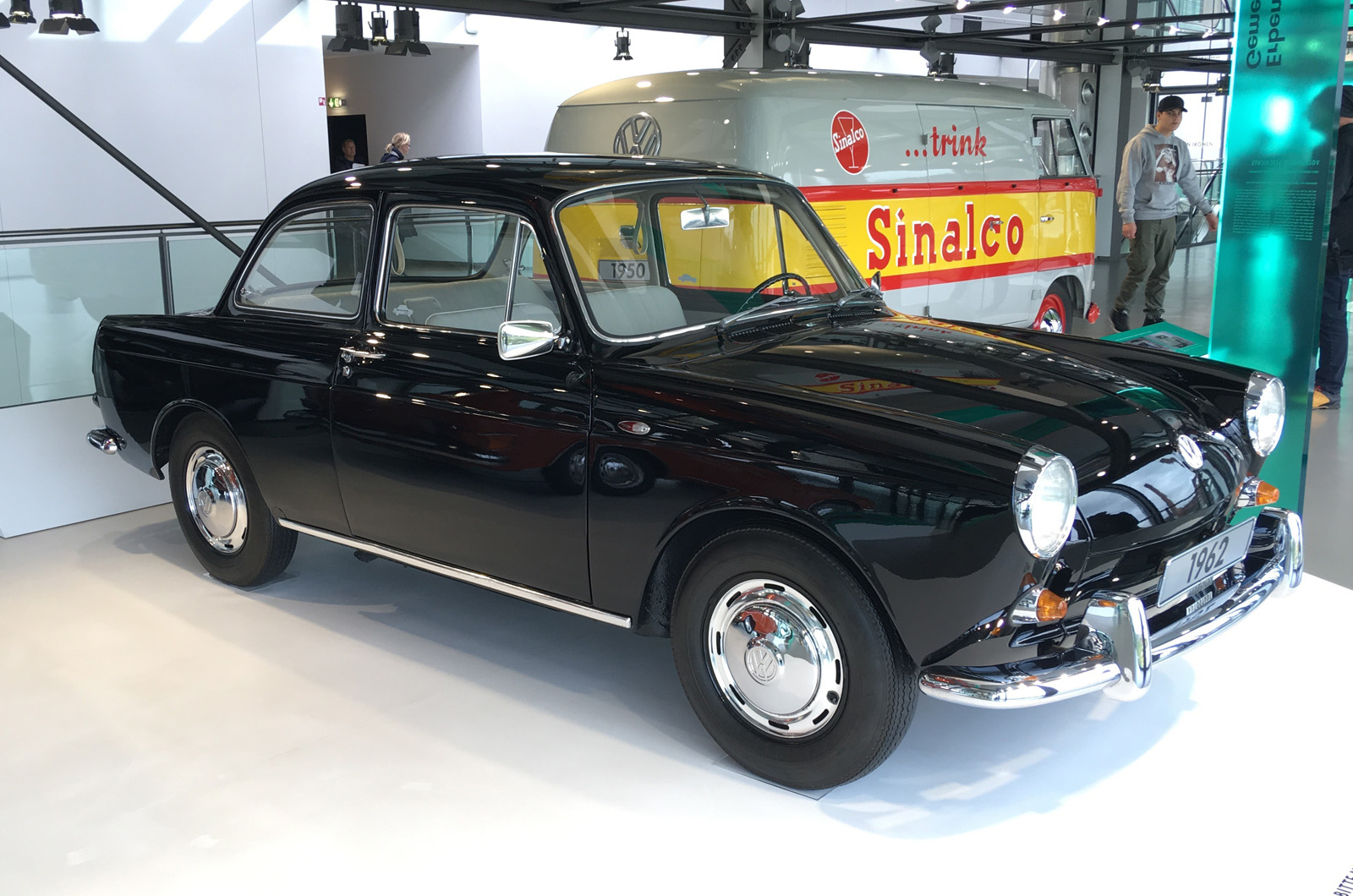
The 1500, introduced in 1961 (and designated the Type 3), was VW's first mid-sized car – a market segment that would become rather important to the brand. Saloon, estate, cabriolet, coupé and convertible versions were available at launch.In 1968, it also became the first series production car to feature optional electronic fuel injection. More than 2.5 million were made before production ended in 1973.
Formula Super Vee
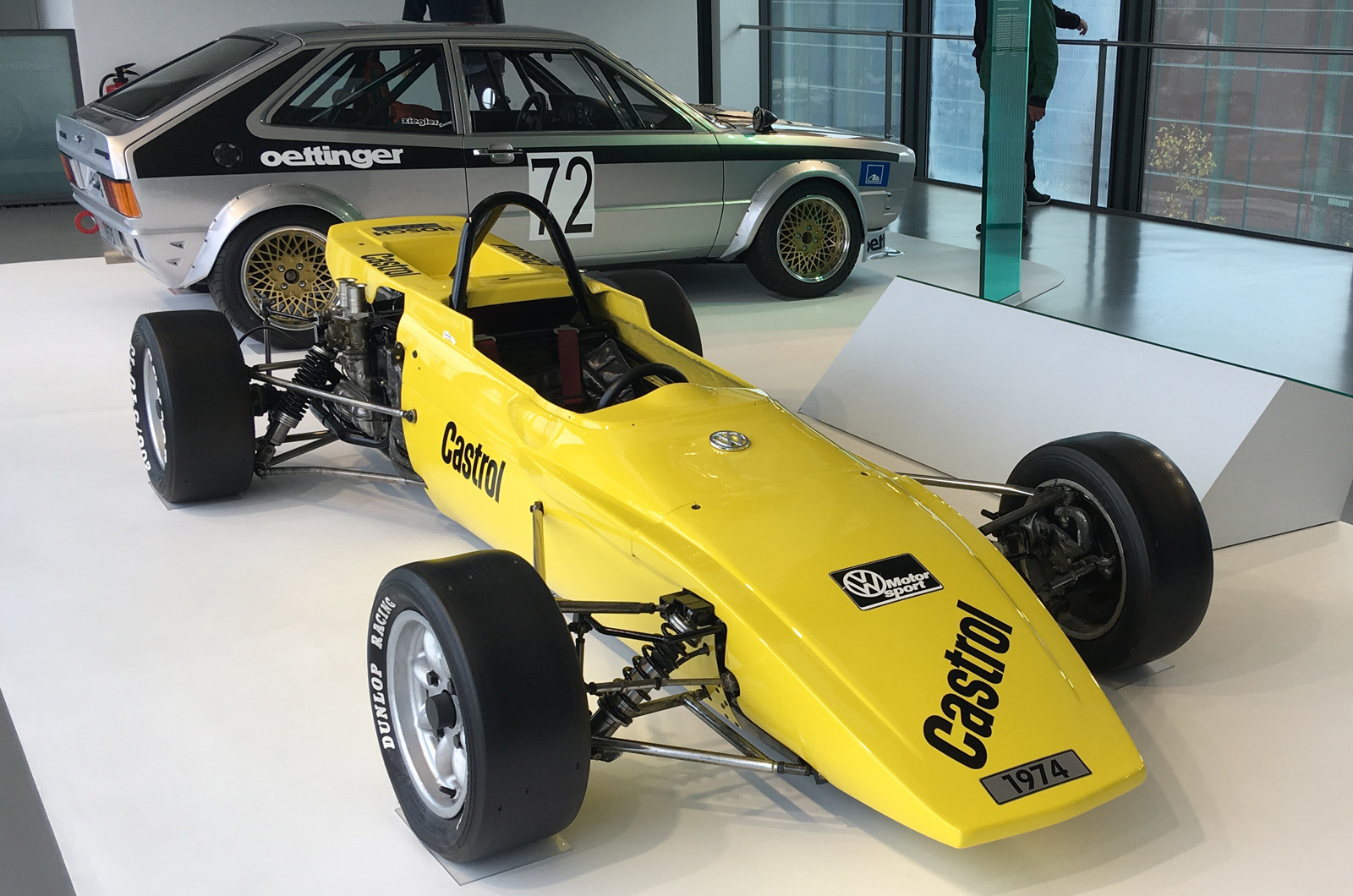
An equivalent to Formula Ford racers, Formula Vee was a junior single-seater category that started in the US but quickly headed to Germany. The cars initially featured Beetle engines, gearboxes, suspension and brakes and were limited to 40bhp. That was later raised to 100bhp.In 1971, Super Vee was introduced, featuring 1.6-litre engines taken from Type 3 cars, with more than 120bhp.
Volkswagen Scirocco Group 2
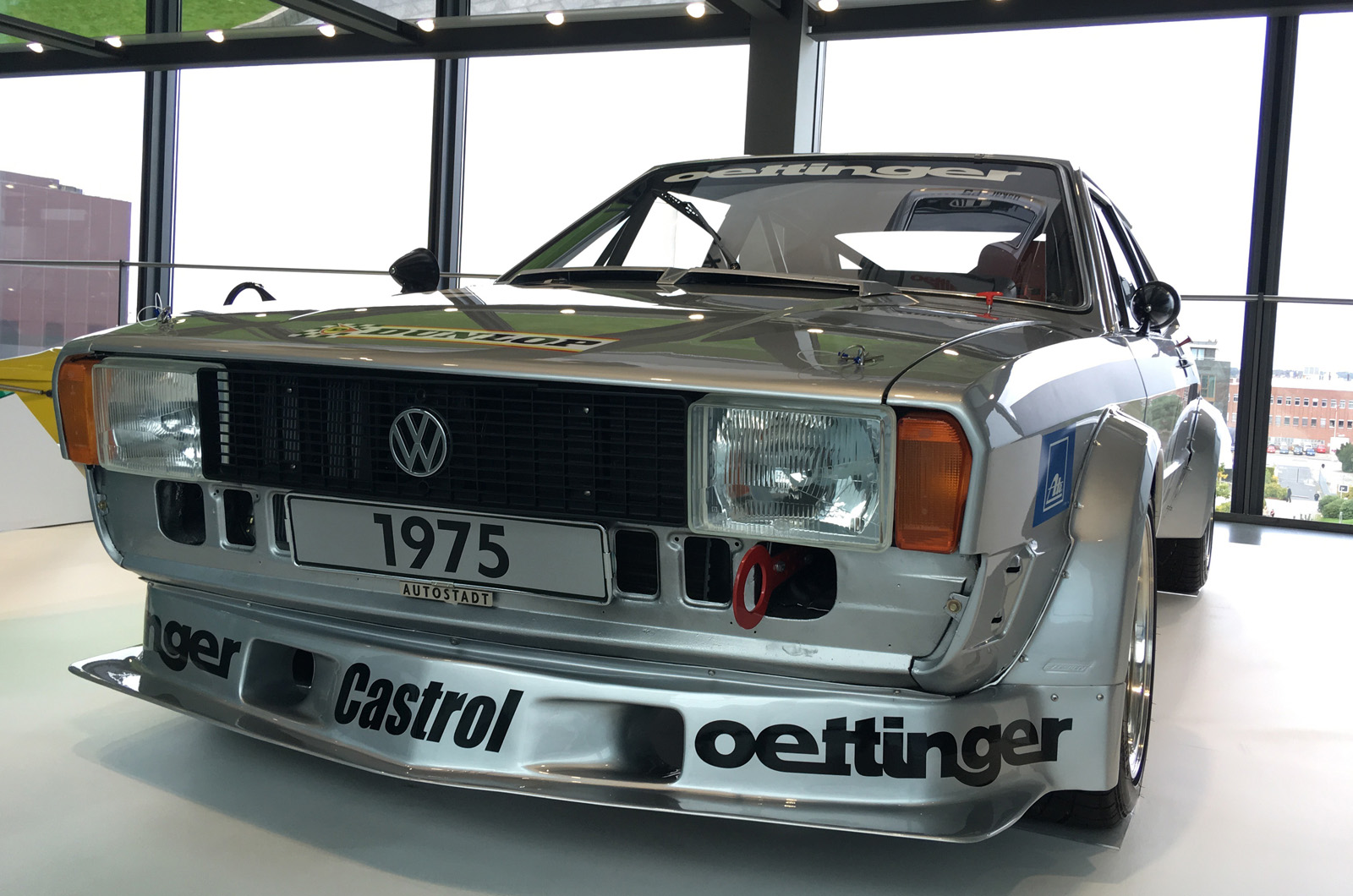
This was the first successful saloon racing car to be based on a VW model. The Group 1 Scirocco was developed by Eckart Berg in 1974 and went on to dominate the 1.6-litre class in the German Circuit Championship.
Ford Model T
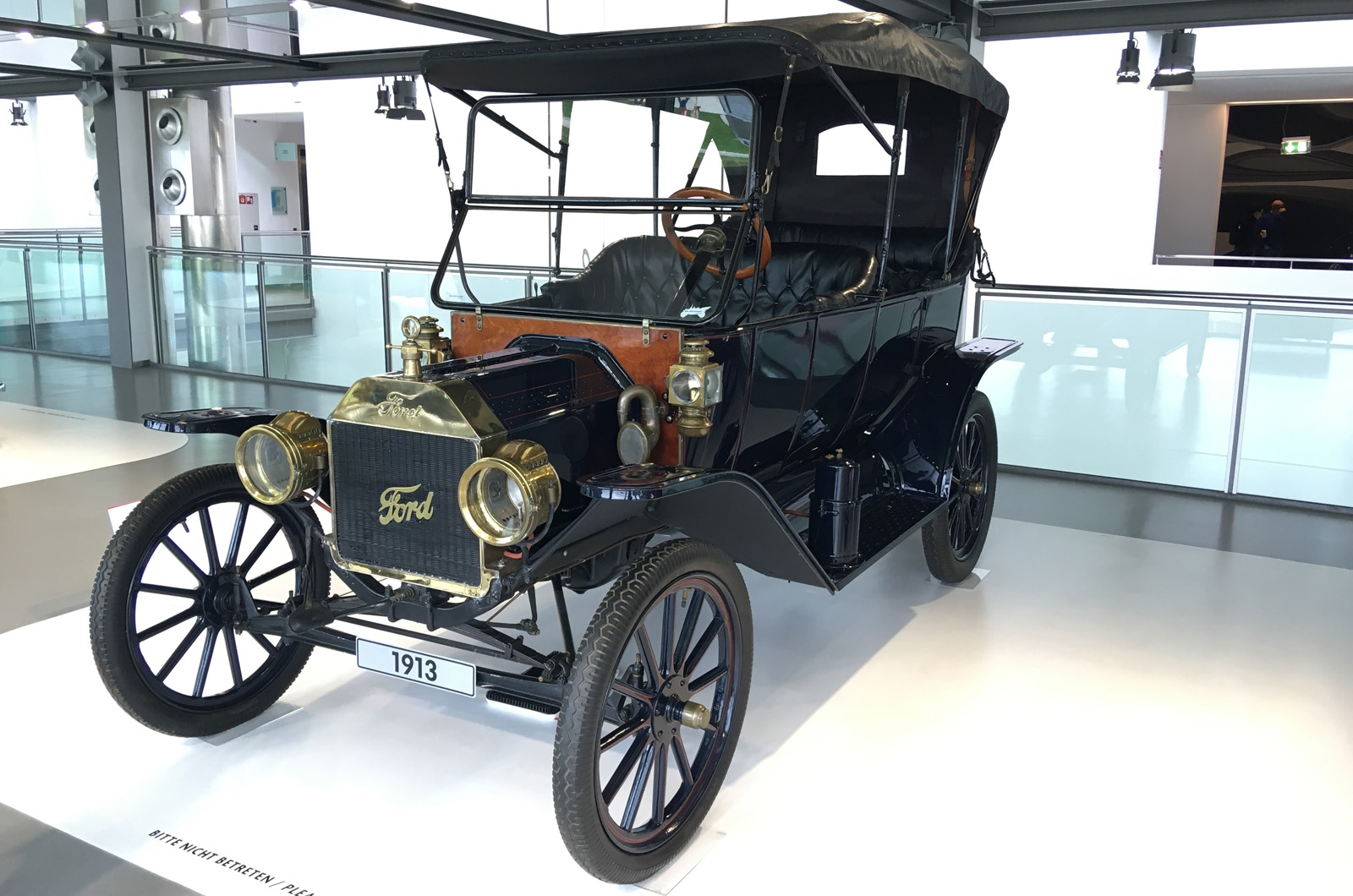
You couldn't celebrate the design heritage of the automobile without an example of the car that revolutionised mass production. Predictably, Autostadt's Ford Model T comes in black.
Borgward Isabella (1955)
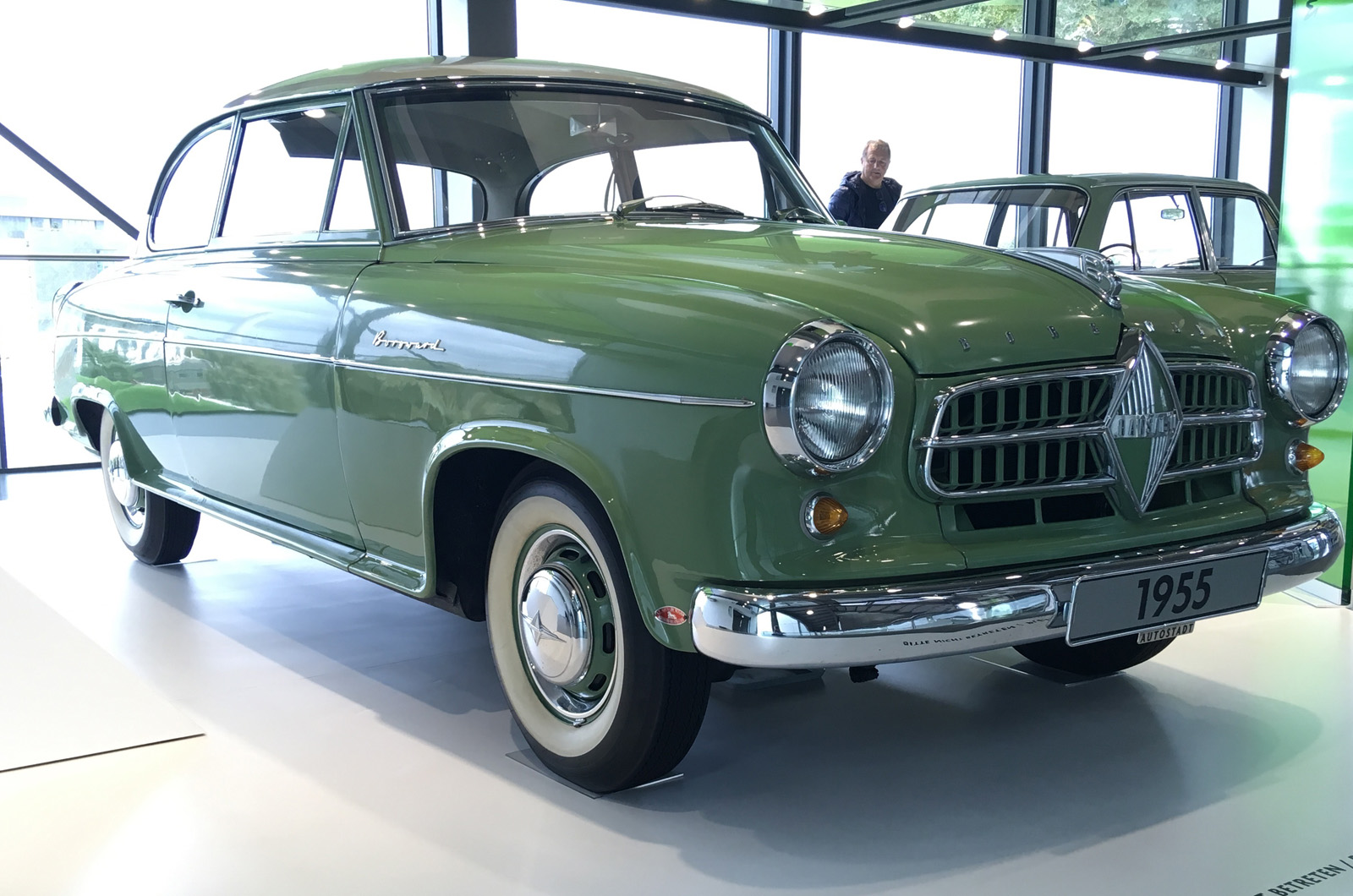
The Isabella sits in the Zeithaus next to a BMW 1500, and for a good reason: after Borgward went bankrupt in 1961, BMW took many of the design traits of the Isabella that made it appeal to Germany's middle classes and applied them to its new 1500.
Mini (1956)
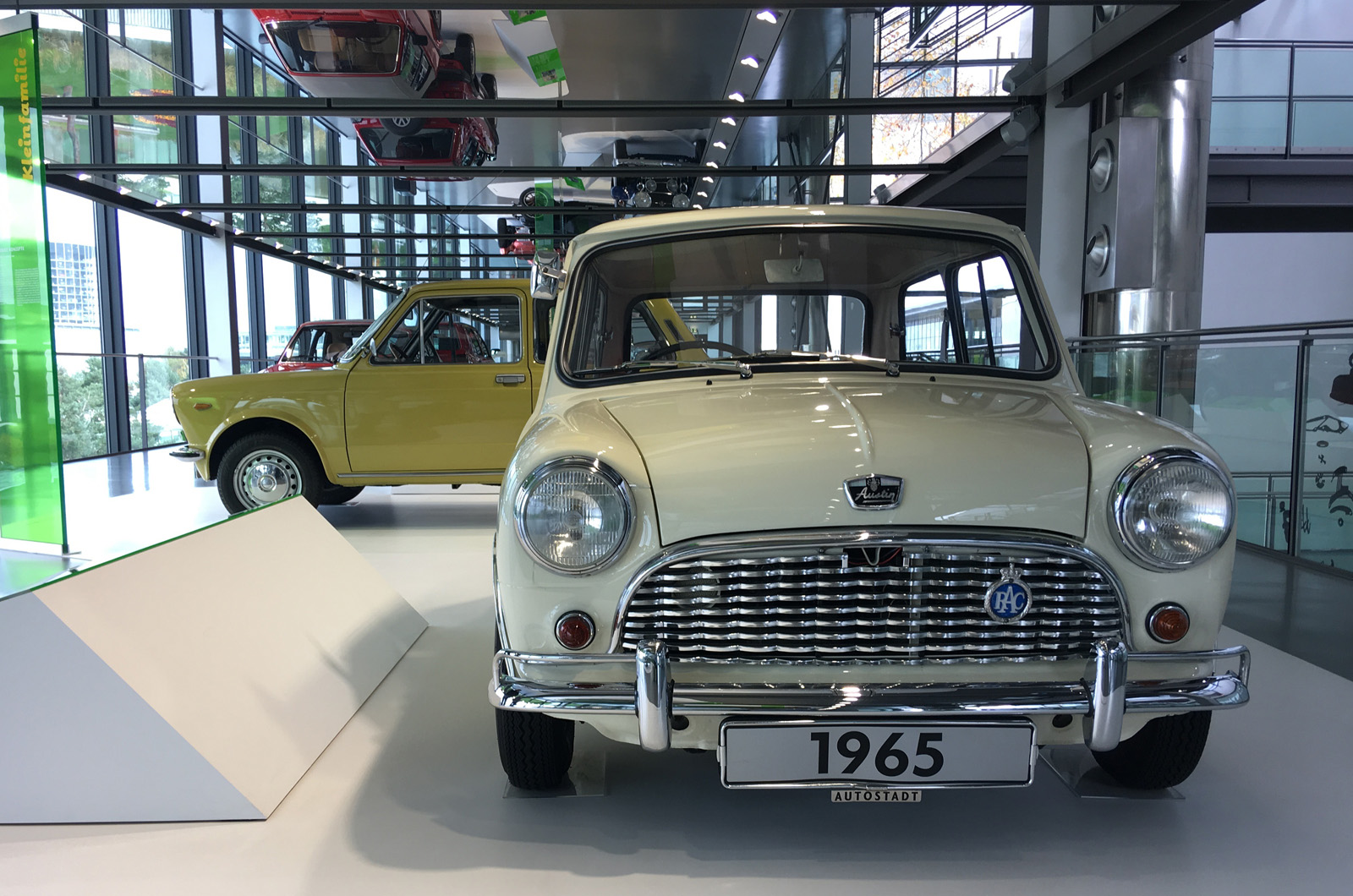
Autostadt doesn't ignore British design classics. The Mini is rightly celebrated for its ingenious, endearing and enduring design.
EMPI Imp dune buggy (1968)
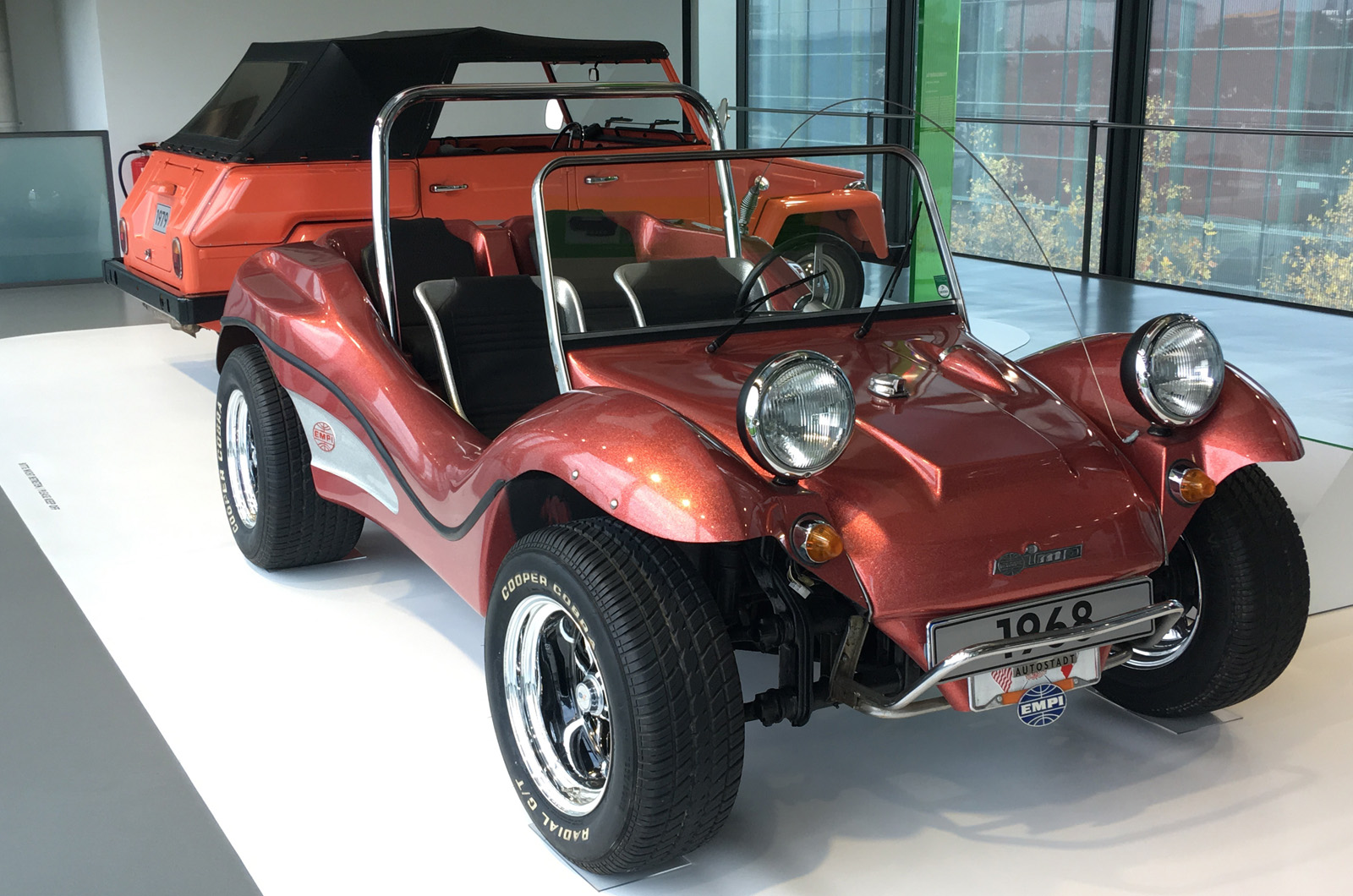
The first dune buggy built on a Beetle chassis originated in the US in 1960. Eight years later, American firm EMPI followed suit with this design. Dune buggies proved popular with those seeking thrill-seeking motoring, but less so with US safety regulators.
Volkswagen Golf Cabriolet (1980)
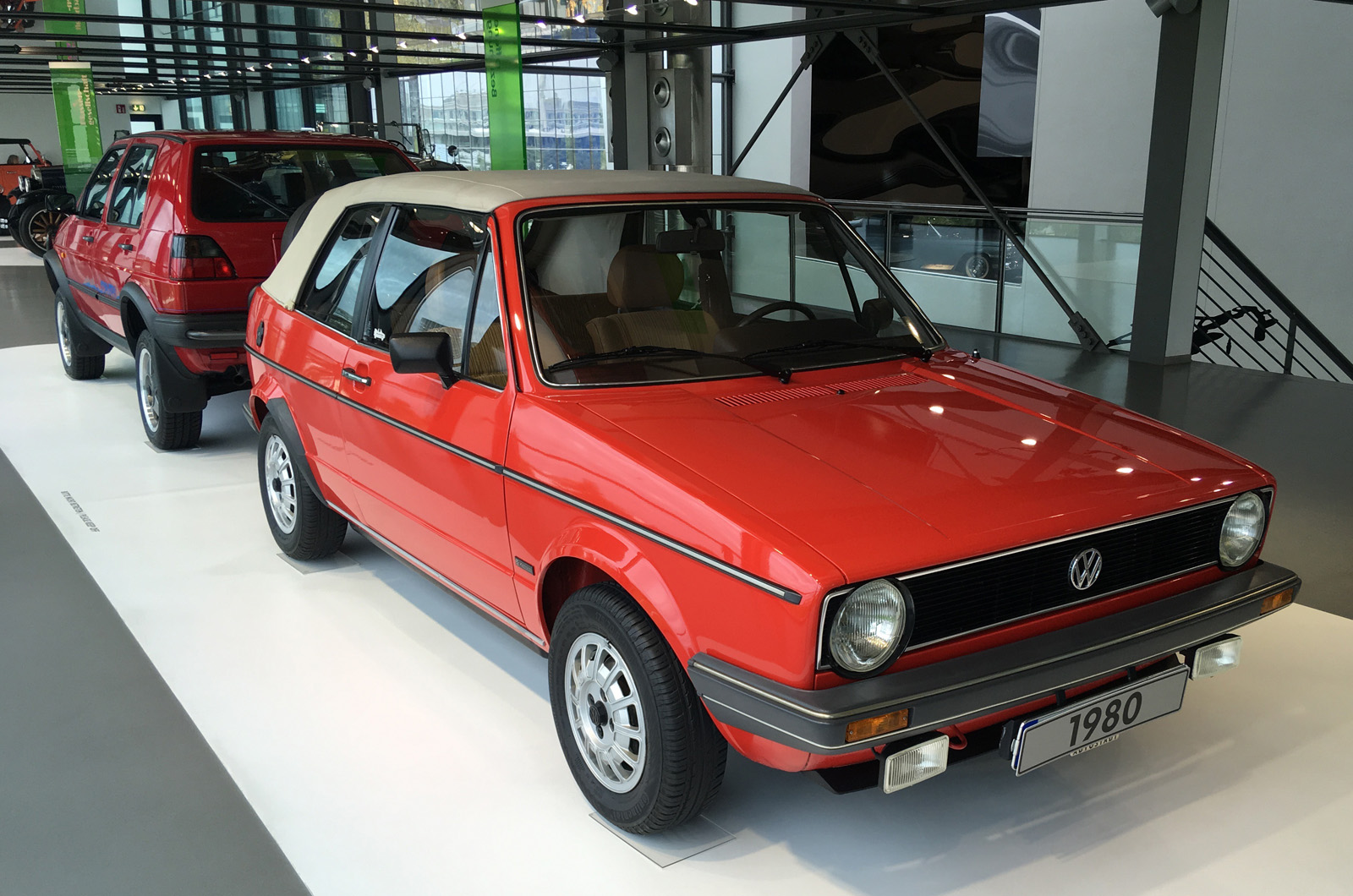
A successor to the Beetle Cabriolet, the first drop-top Golf was revealed in 1979, with a full reveal – complete with 70bhp engine – at the following year's Geneva motor show. Based on the Golf 1 body, this cab stayed on sale when the second-generation Golf was introduced and was only replaced when the third generation arrived in 1993.
Volkswagen Golf Country (1990)
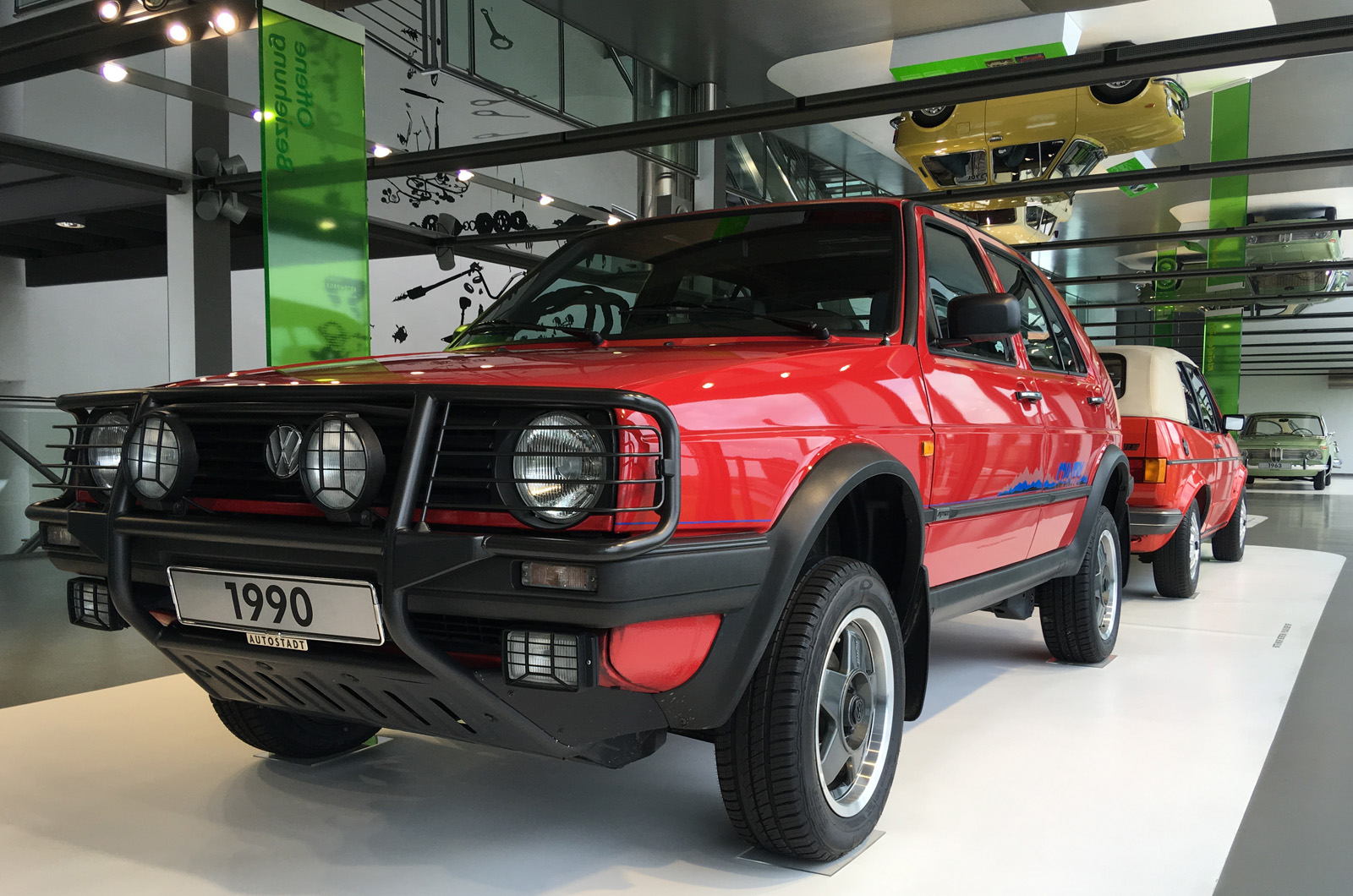
And you thought small crossover SUVs were new… the Golf Country went into production in Austria by Steyr in 1990, complete with an extra 60mm of ground clearance over a regular Golf, a skid plate, fold-out spare wheel and four wheel drive. It proved a popular niche vehicle in alpine regions of Europe; 7735 examples were sold over just two years.
Volkswagen 181
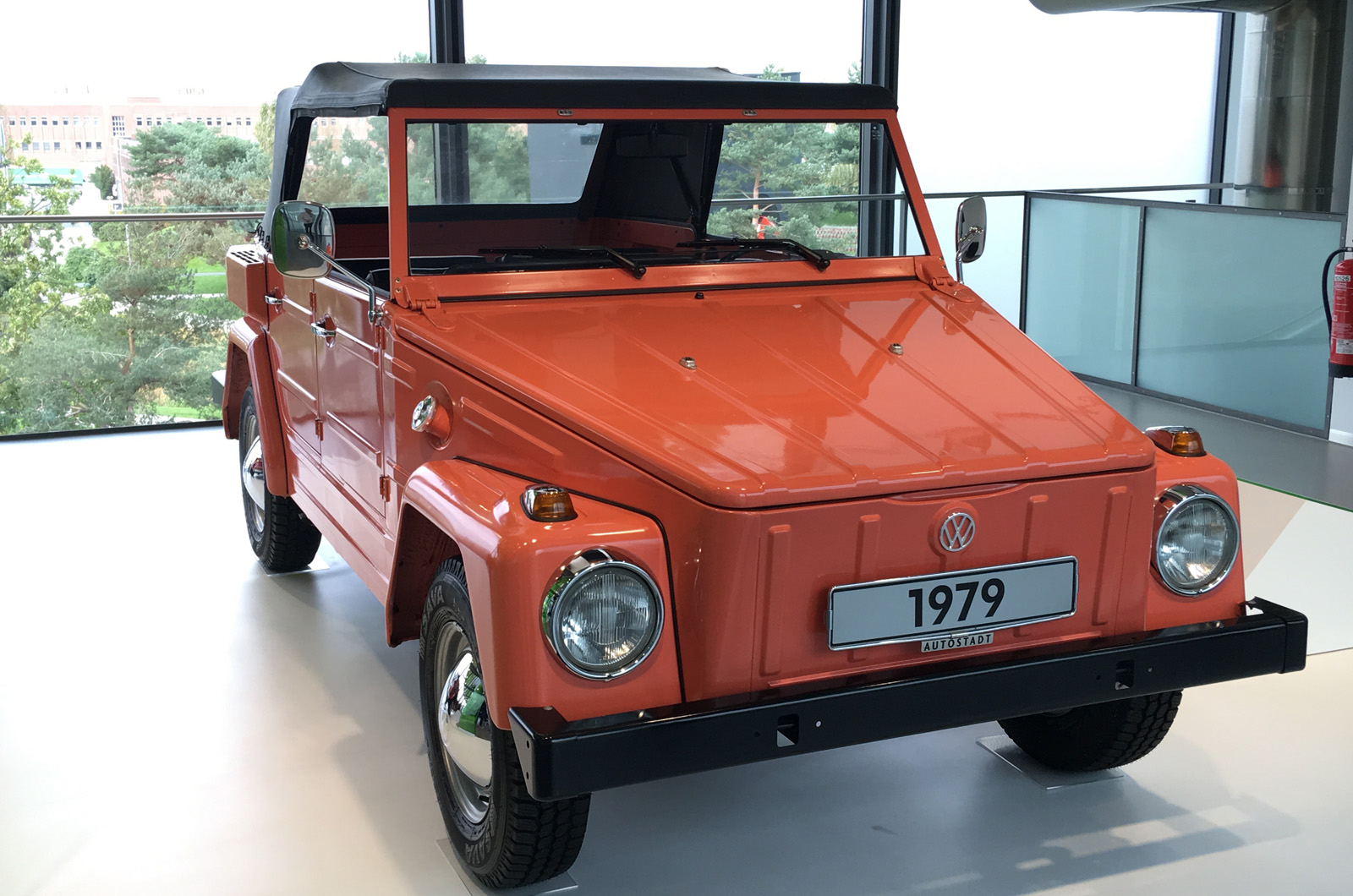
This design, which definitely puts the 'utility' into SUV, was developed in the 1960s for the West German army but quickly become a popular choice for fun-seeking civilians. It was built in Germany and Mexico, and was marketed in the US as The Thing. In total, 90,883 units were produced with various engine sizes, with around 18% of those sold to the German army.
Oldsmobile Toronado (1966)
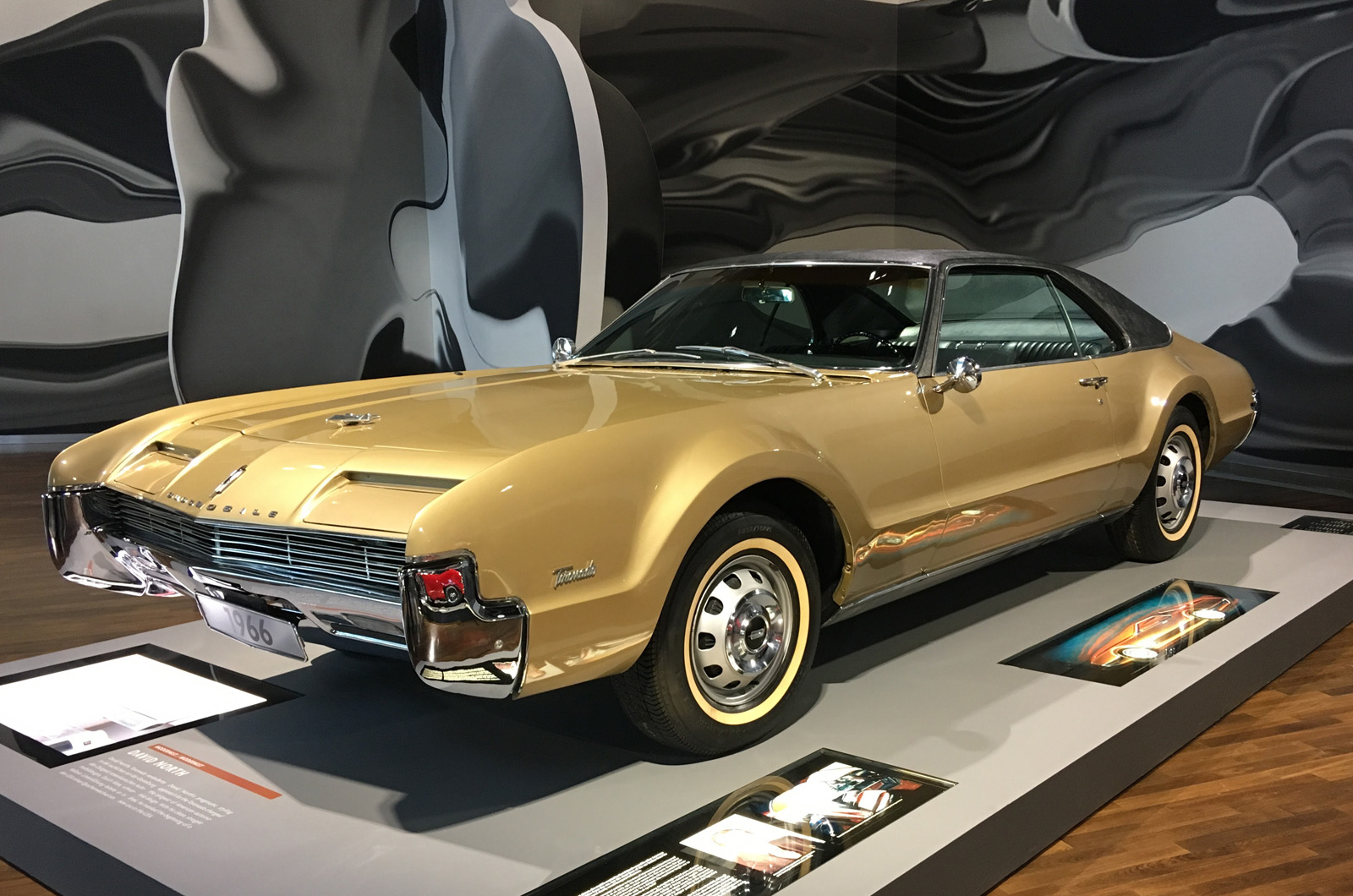
The Toronado is on display at Autostadt to recognise the design work of David North. The American was born in Montana and joined the General Motors design studio in 1958 after studying at the ArtCenter College of Design in Los Angeles.
North began work on the Toronado design in 1962 but it was only when GM's upmarket Oldsmobile brand decided to develop a luxury coupé that his design was attached to a model. North also designed the Pontiac GTO. The model was America’s first major front-wheel drive car since the ill-fated Cord 810/812 died in 1937.
Cadillac Eldorado Biarritz (1959)
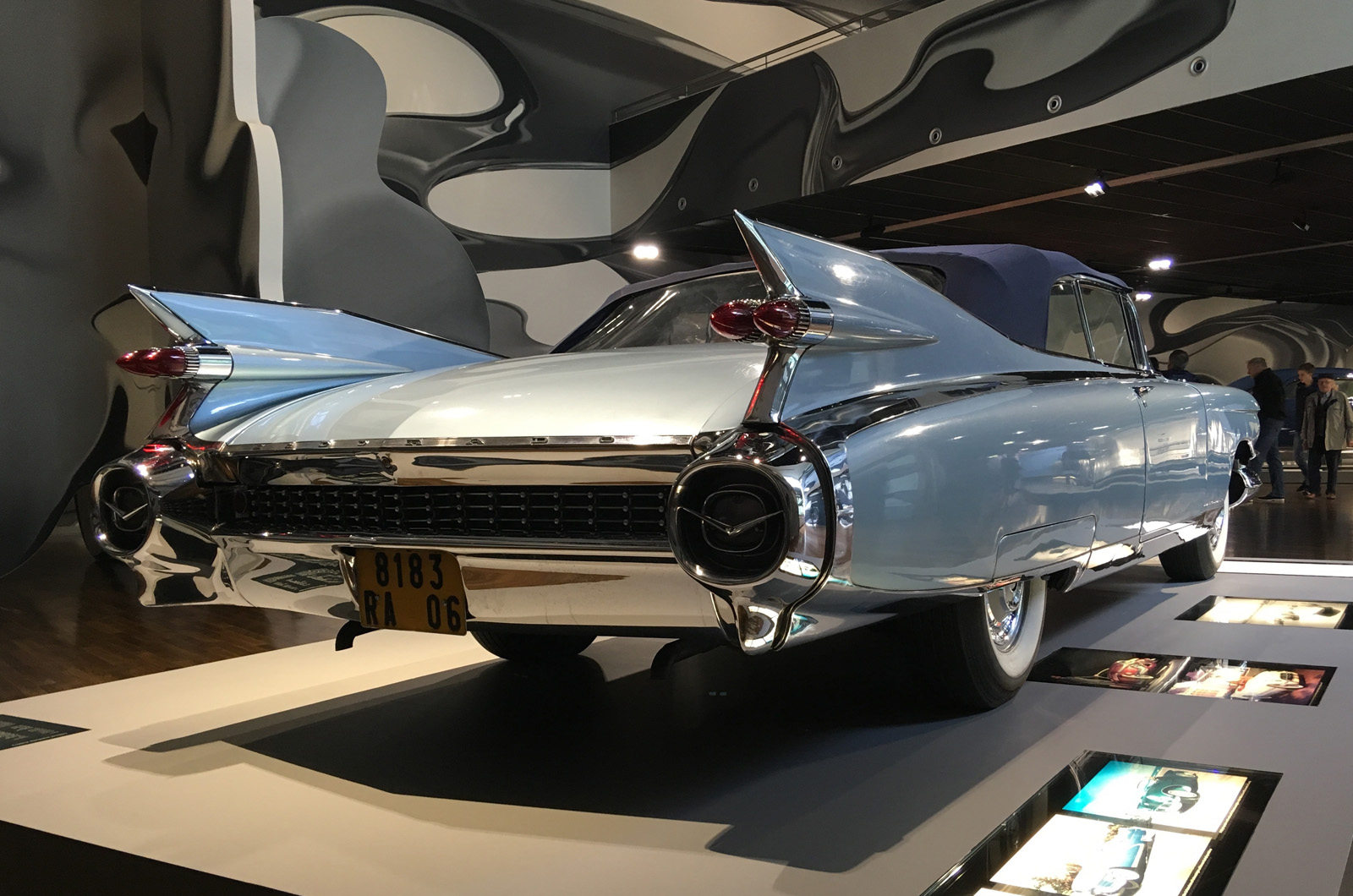
Less a car, more a motorised definition of 1950s Americana, the Cadillac Eldorado is recognisable thanks to those outlandish, stunning fins rising at the rear of the car. Look at them. Really, just look. Lovely.
From 1956 until 1960, Cadillac produced both hard-top and convertible versions, adding the nameplates Seville and Biarritz respectively. Biarritz was later used as the name of a higher-level trim package on the 1977 car.
DKW SS600 (1930)
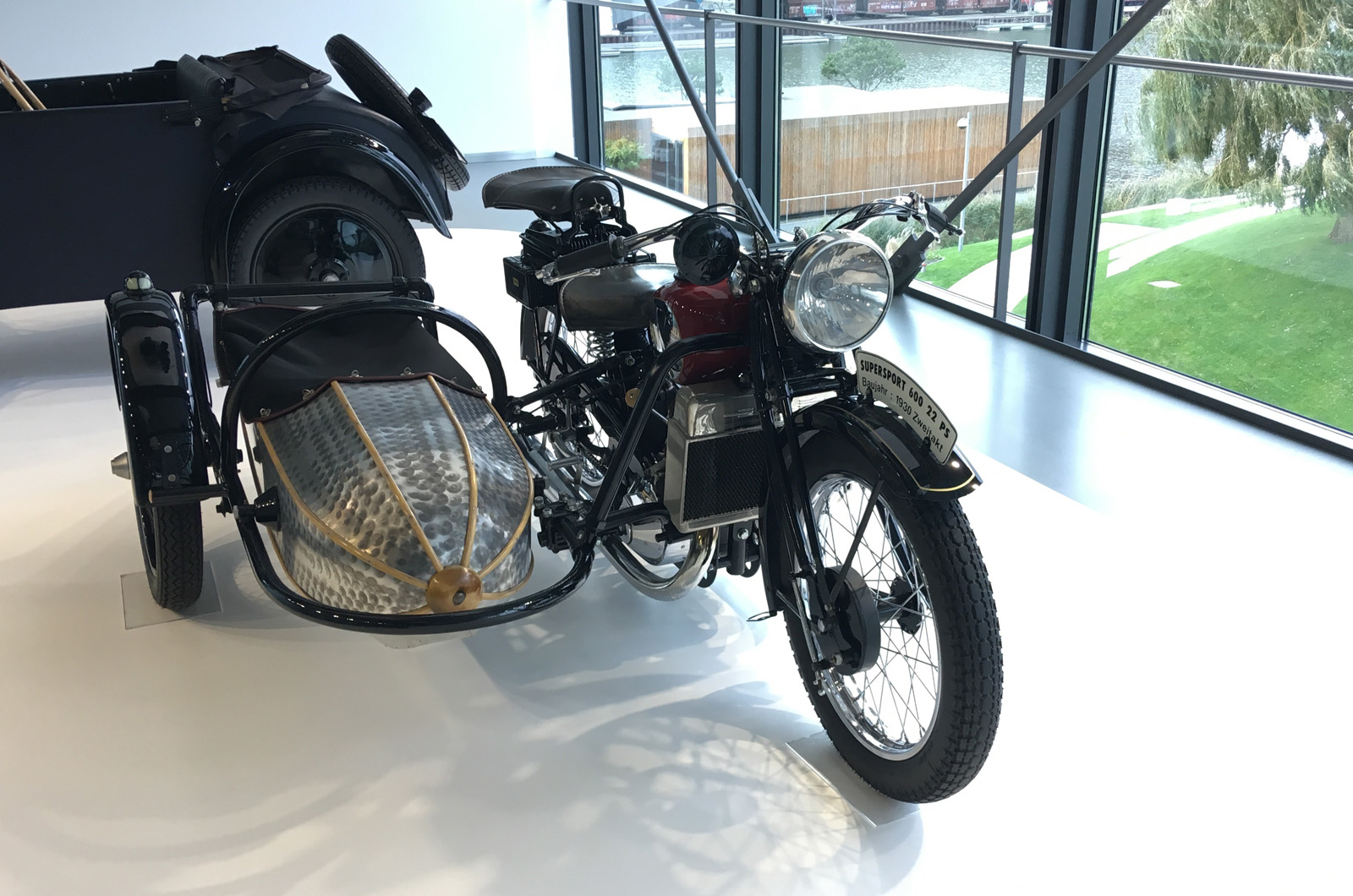
Autostadt isn't all about cars: a handful of bikes are featured too. This fine example was built by Dampf-Kraft-Wagen (DKW; it translates as steam-driven car) and features a water-cooled SS600 two-cylinder two-stroke engine that produces 22bhp.Notably, versions of that SS600 engine were also used in Germany's first mass-produced front-wheel-drive car, the DKW F1 in 1931, and an aerobatics aircraft.
Porsche 911 (1982)
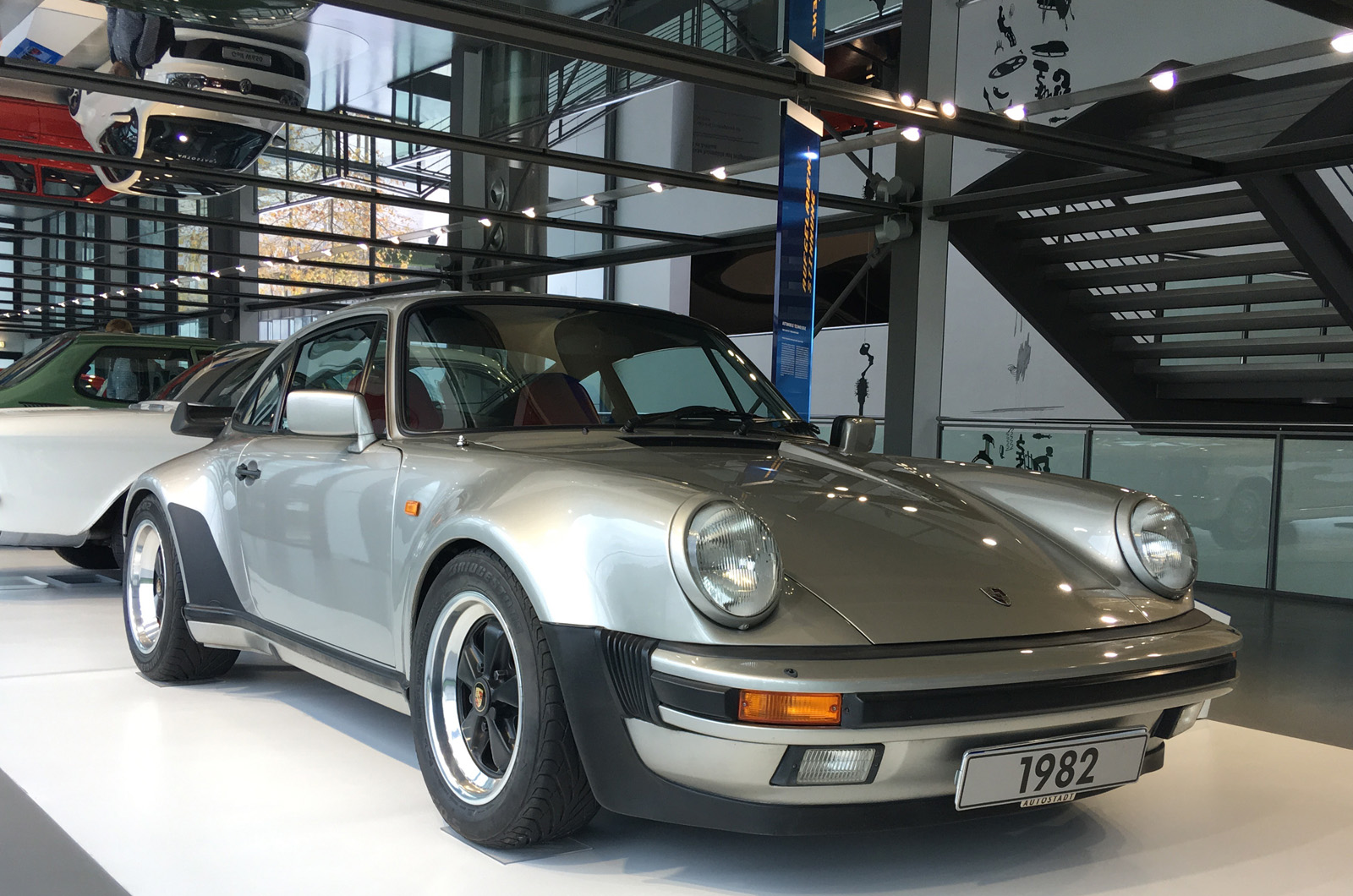
First introduced in 1963, the Porsche 911 is another enduring design classic that has changed remarkably little over time. Which is good: there wasn't much wrong with the rear-engined two-door sports car when it was first introduced all those years ago.
Volkswagen Golf W12-650 (2007)
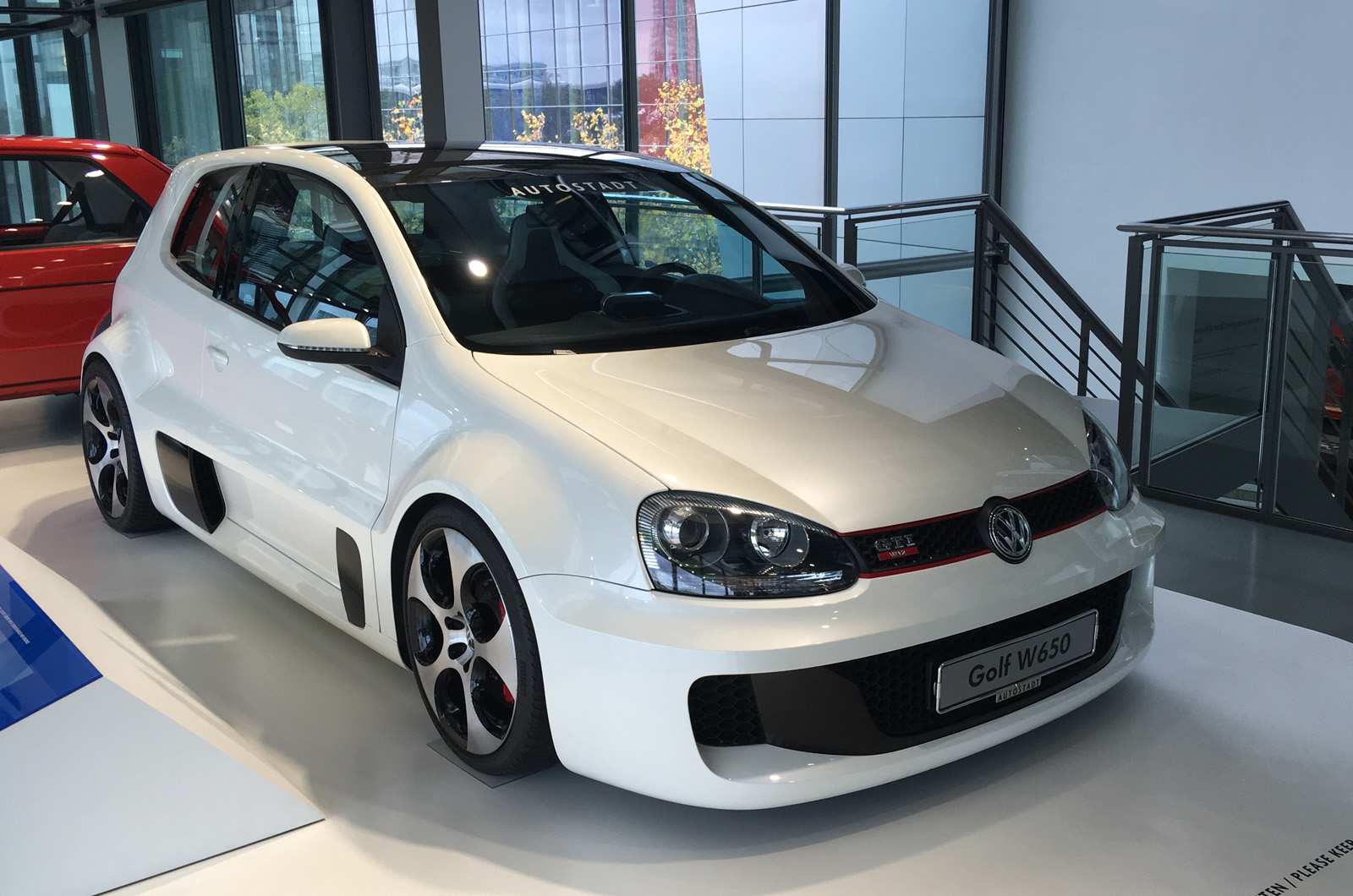
The 650 in the title refers to the car's PS output, so that's 641bhp to many of you. However you like to chart your power output, it's a big figure for a Golf – and makes this the most powerful Golf ever produced. The W12-650 was first shown at the Worthersee VW GTI festival in 2007, with a mid-mounted W12 engine purloined from colleagues at Bentley, a six-speed automatic gearbox, a carbonfibre roof and a downforce-producing diffuser. It was capable of 0-62mph in 3.7sec, with a top speed of 202mph.
This is the only W12-650 built, doubtless making this rather valuable. We'll have to guess, though: in the space reserved for price, the information plaque simply says: "Prototype, not for sale."
Chevrolet (1954)
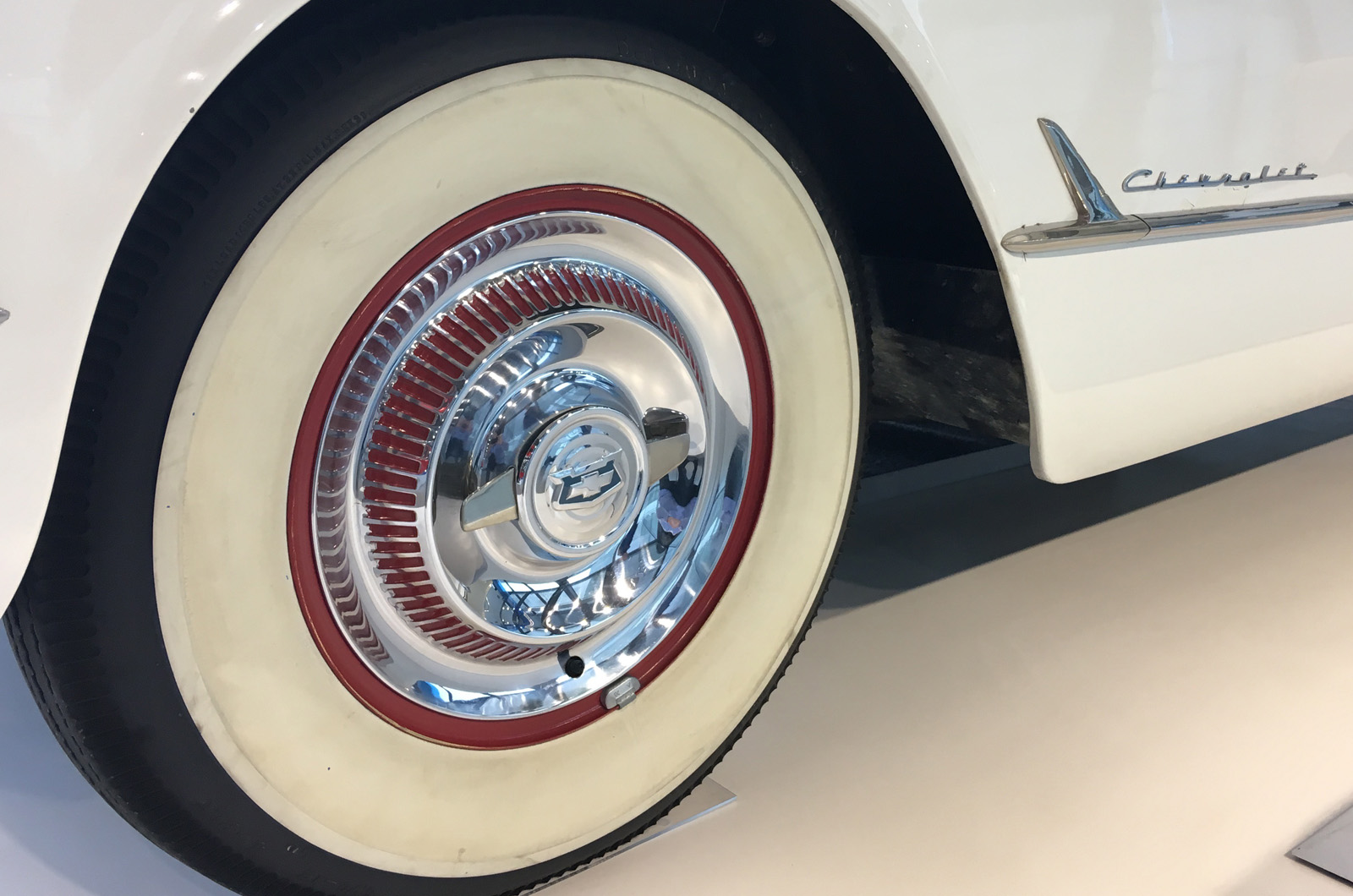
We're not normally fans of white-walled tyres. But on a 1954 Chevrolet, they just look oh-so-right.
Audi Quattro (1981)
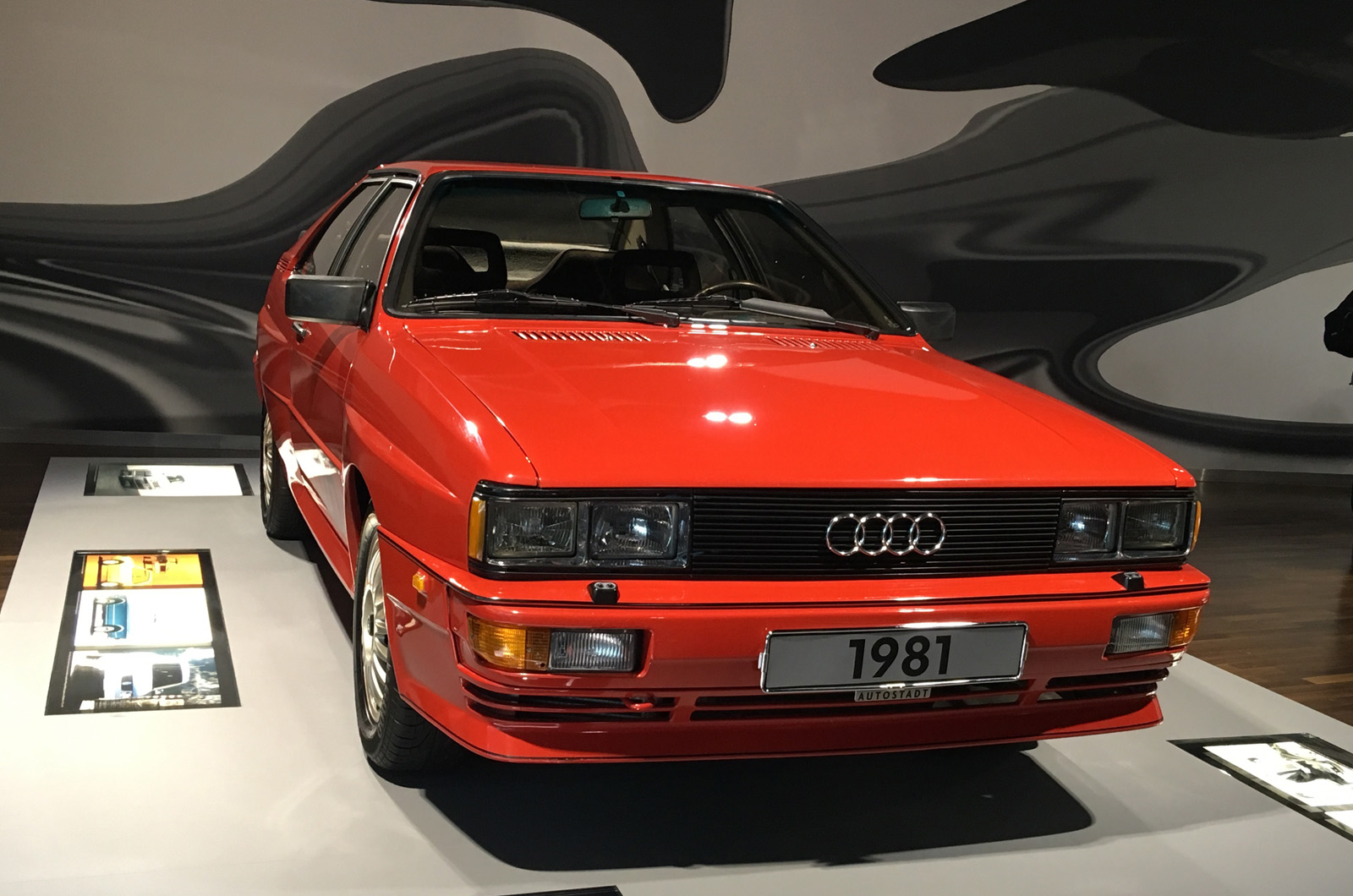
This groundbreaking four-wheel-drive beast attracted a huge number of fans while reinventing the world of rallying. This is one of the early production Quattro examples.
Volkswagen Up (2012)
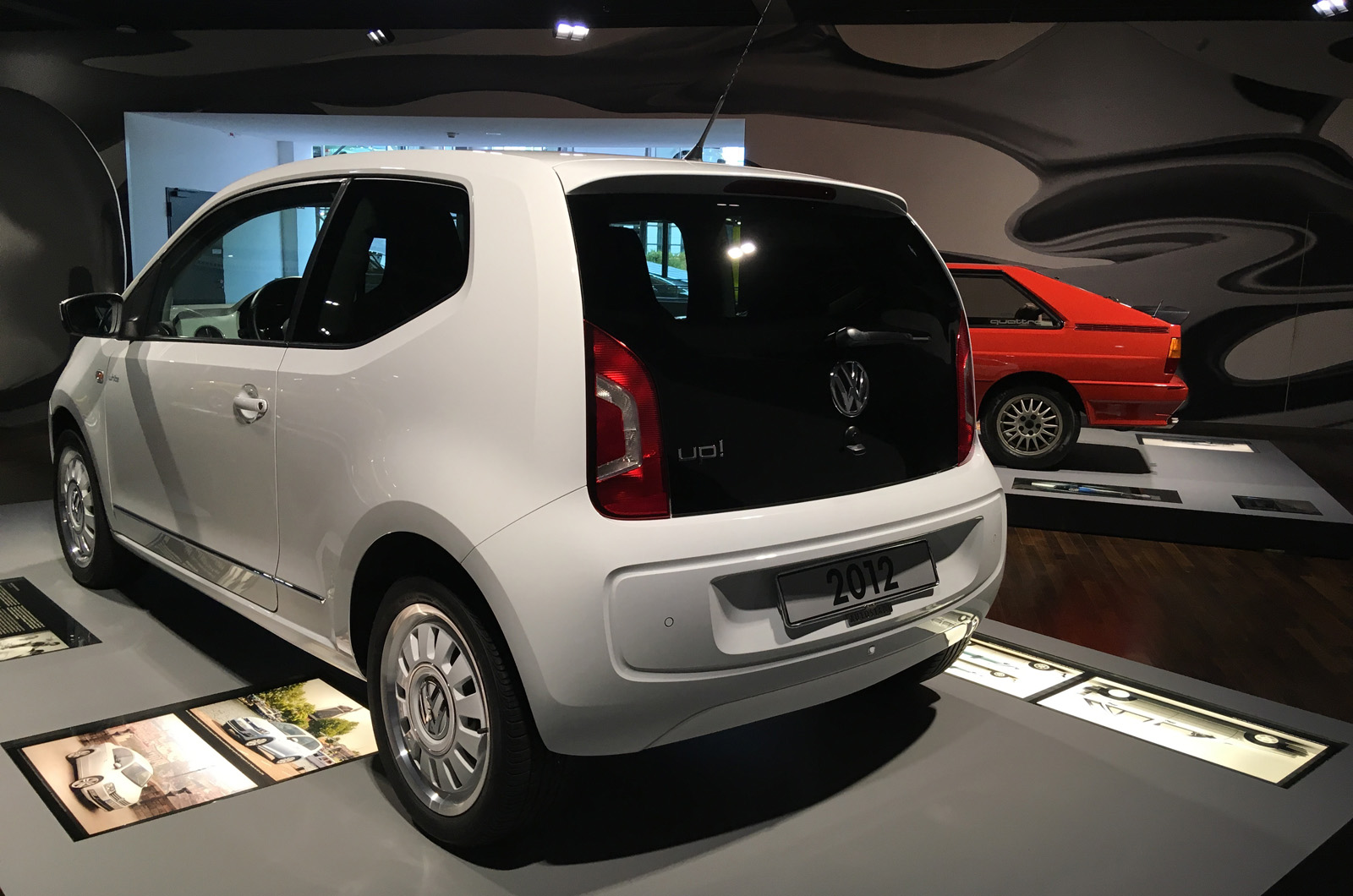
What car do you put on display next to the Quattro? Well, the Autostadt curators chose the VW Up, the city car sold in many markets outside North America. We don’t think the Up will be as fondly remembered in future as the Quattro is today, but the impact of small city cars on design has been substantial, and it’s a class of car that’s rapidly disappearing today, sadly.
Lamborghini Countach (1975)
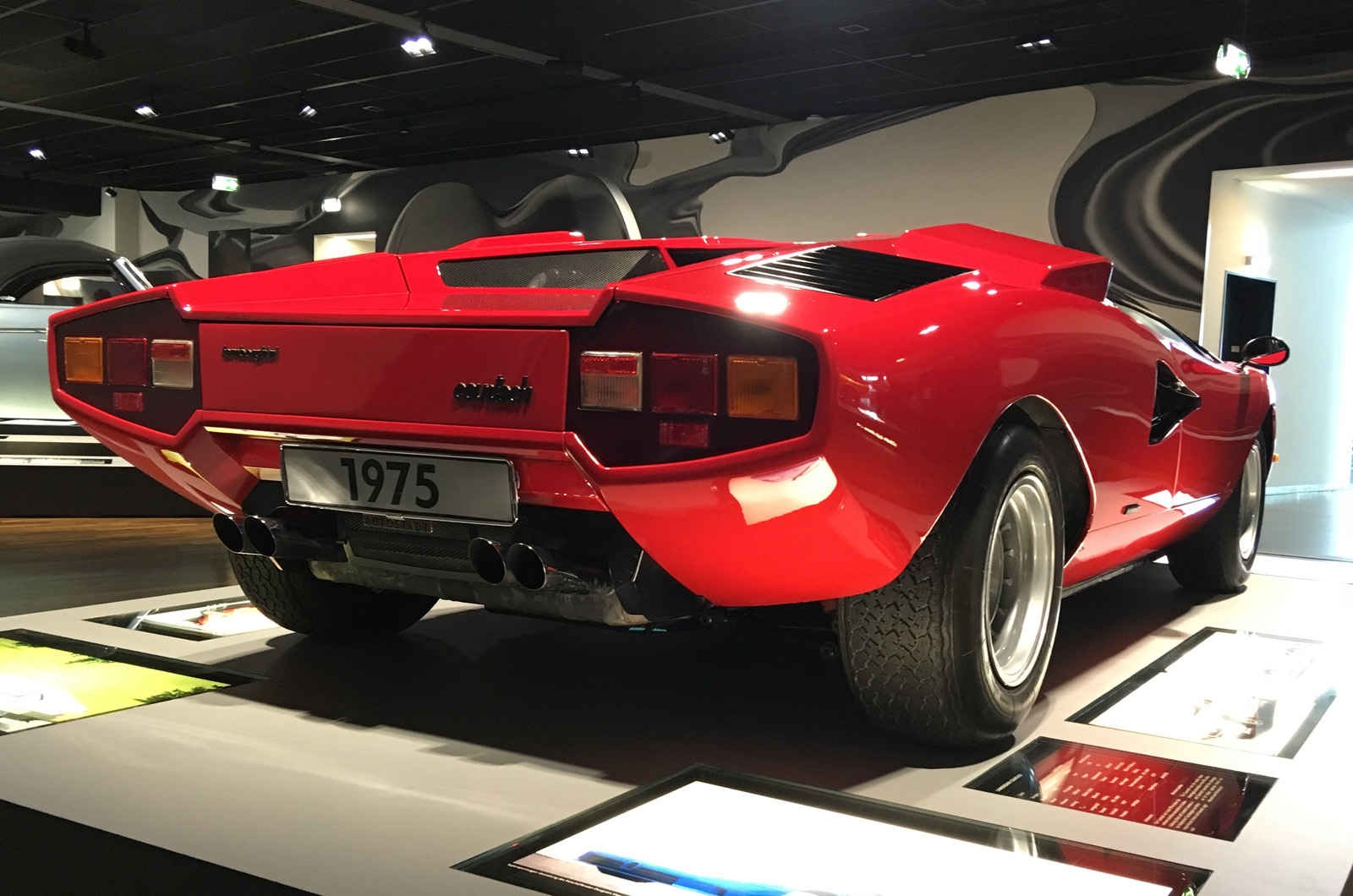
Classic wedge shape. Mid-mounted V12 engine. Rear-wheel drive. Captivating performance. Stunning, outlandish design. Need we say more?
Lamborghini Countach (1975)
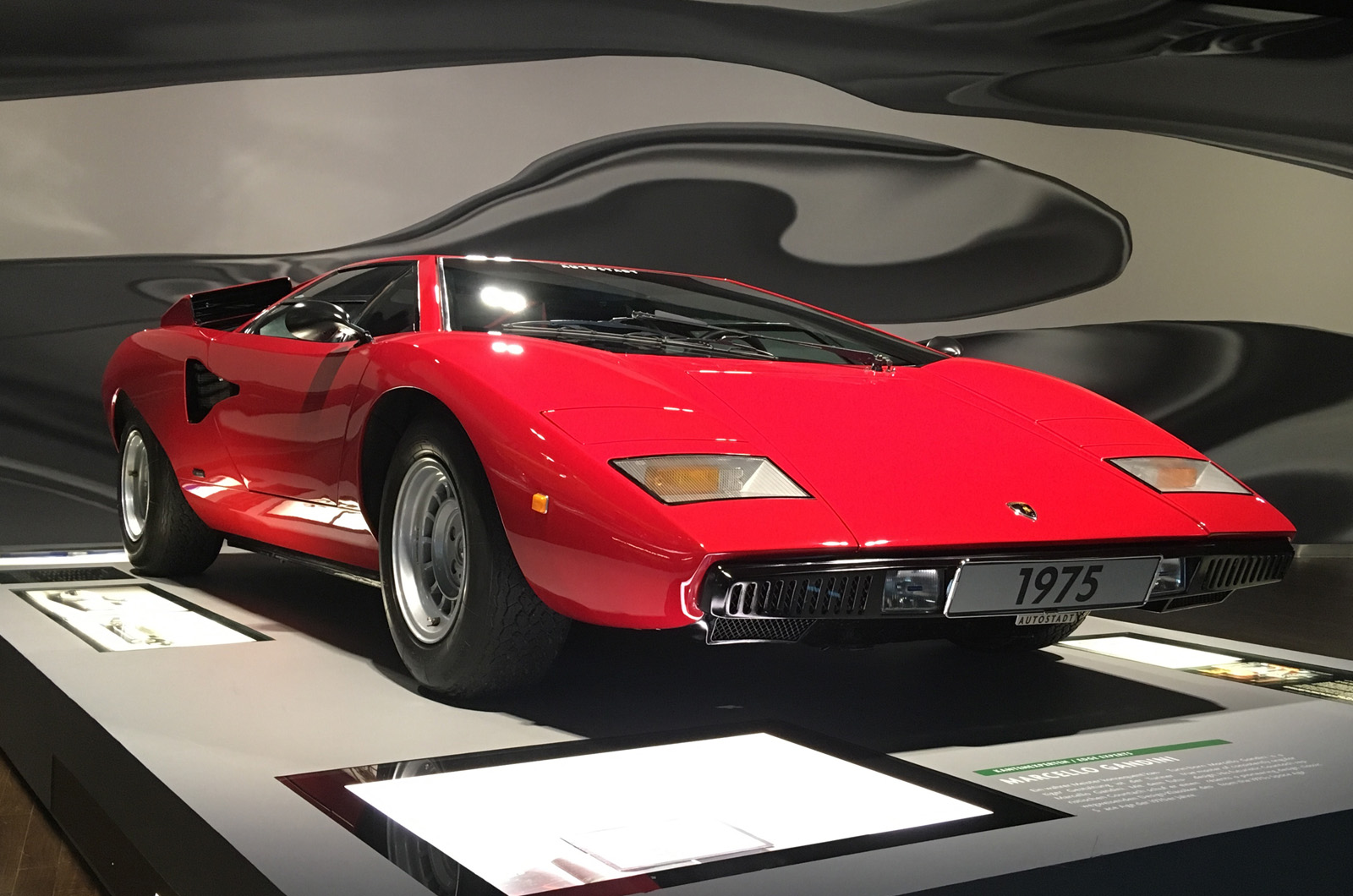
From every angle, it's clear why the Countach graced many a bedroom wall and topped many a 'dream car' wish list.
Volkswagen K70 (1970)
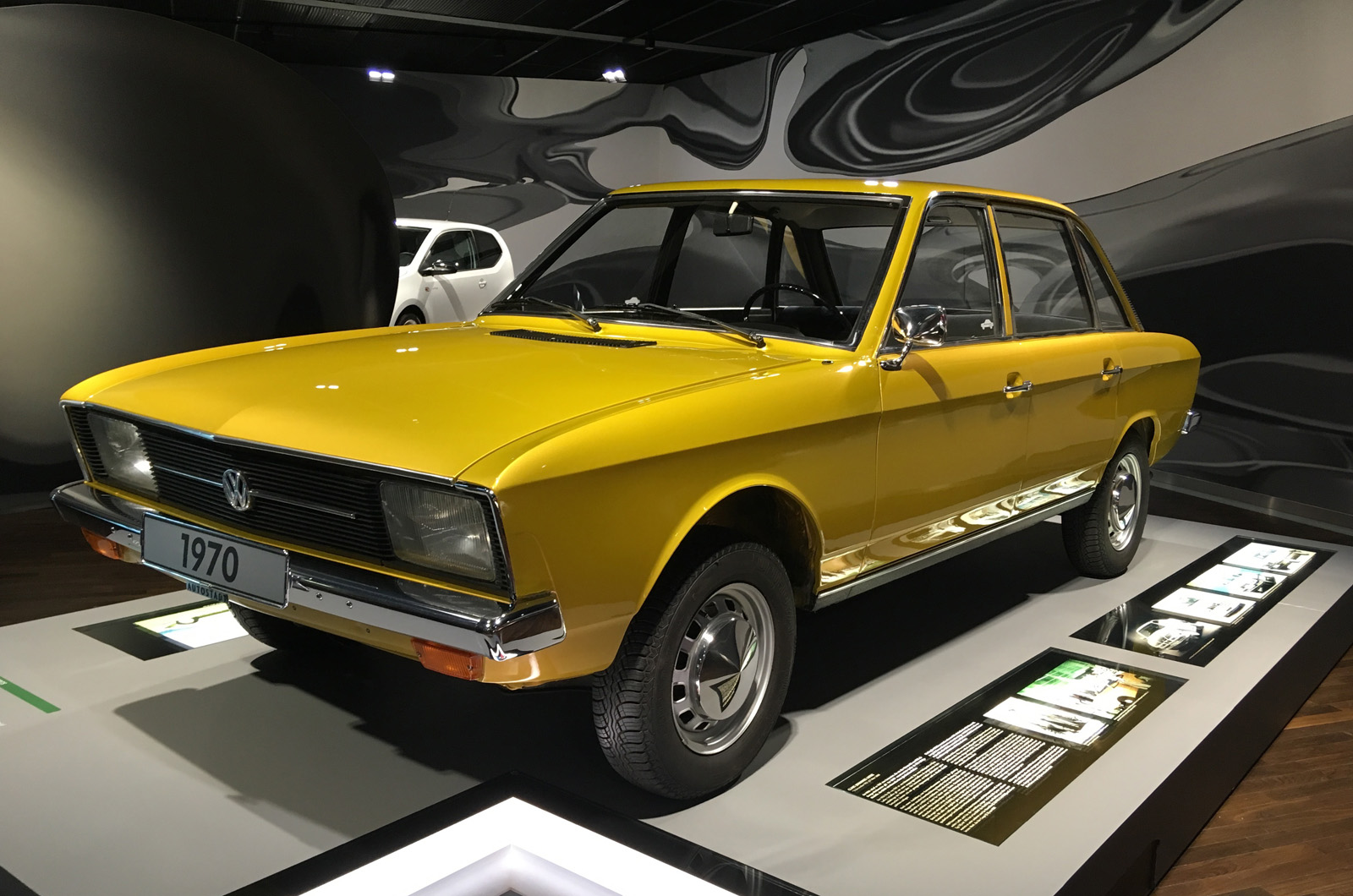
The K70, designed by NSU, was all about maximising space. Doing that marked a shift in VW design from air-cooled rear engines to water-cooled, front-wheel-drive models and a move from boxer to inline engine designs.
Volkswagen Rometsch (1952)
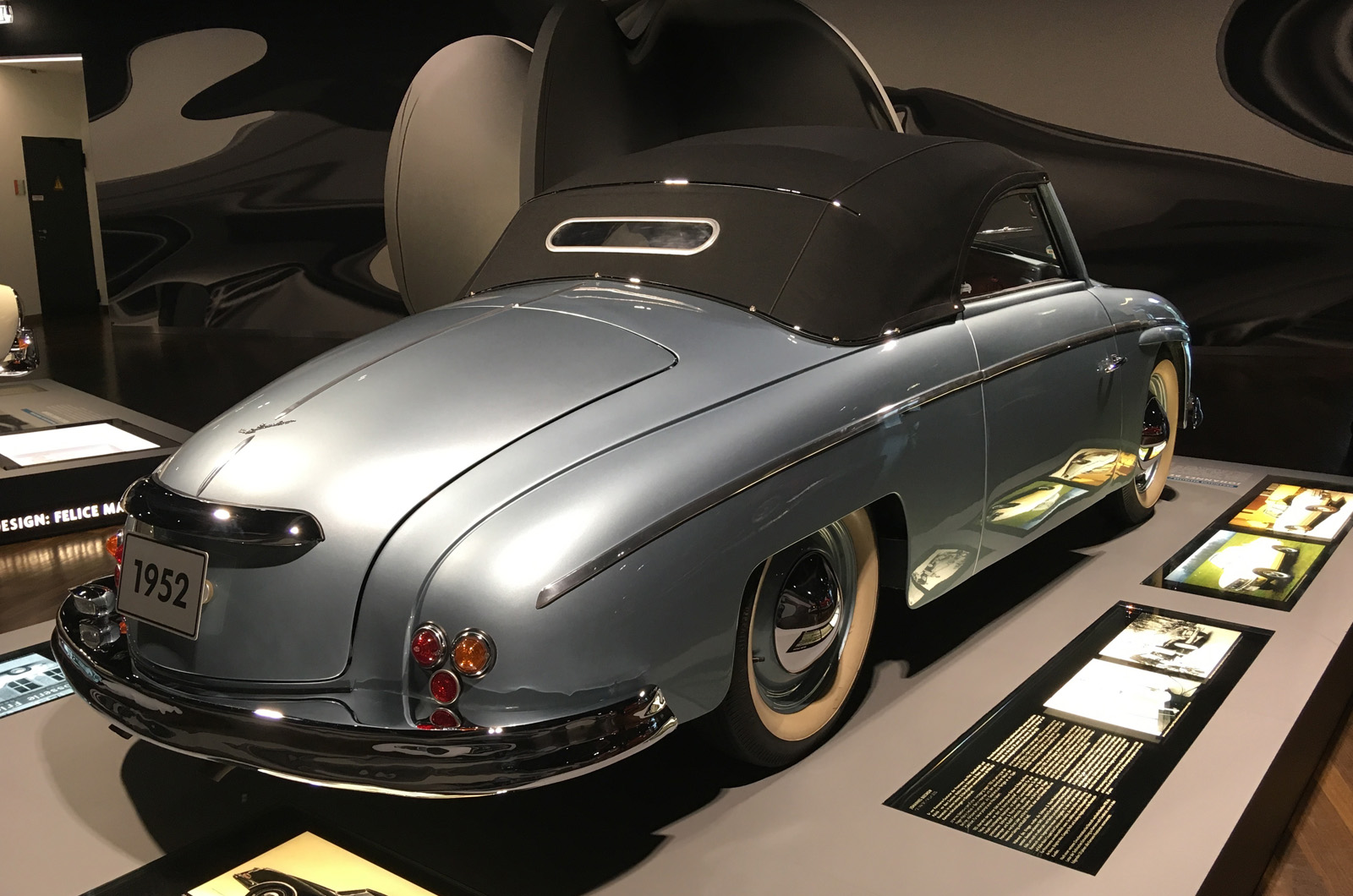
Rometsch was a German metalworks that specialised in high-end coachwork models, taking the chassis of a major car and replacing the body with a custom design. This was one of the first true luxury cars built on a VW platform, and we reckon it looks marvellous.
Volkswagen V30 prototype (1937)
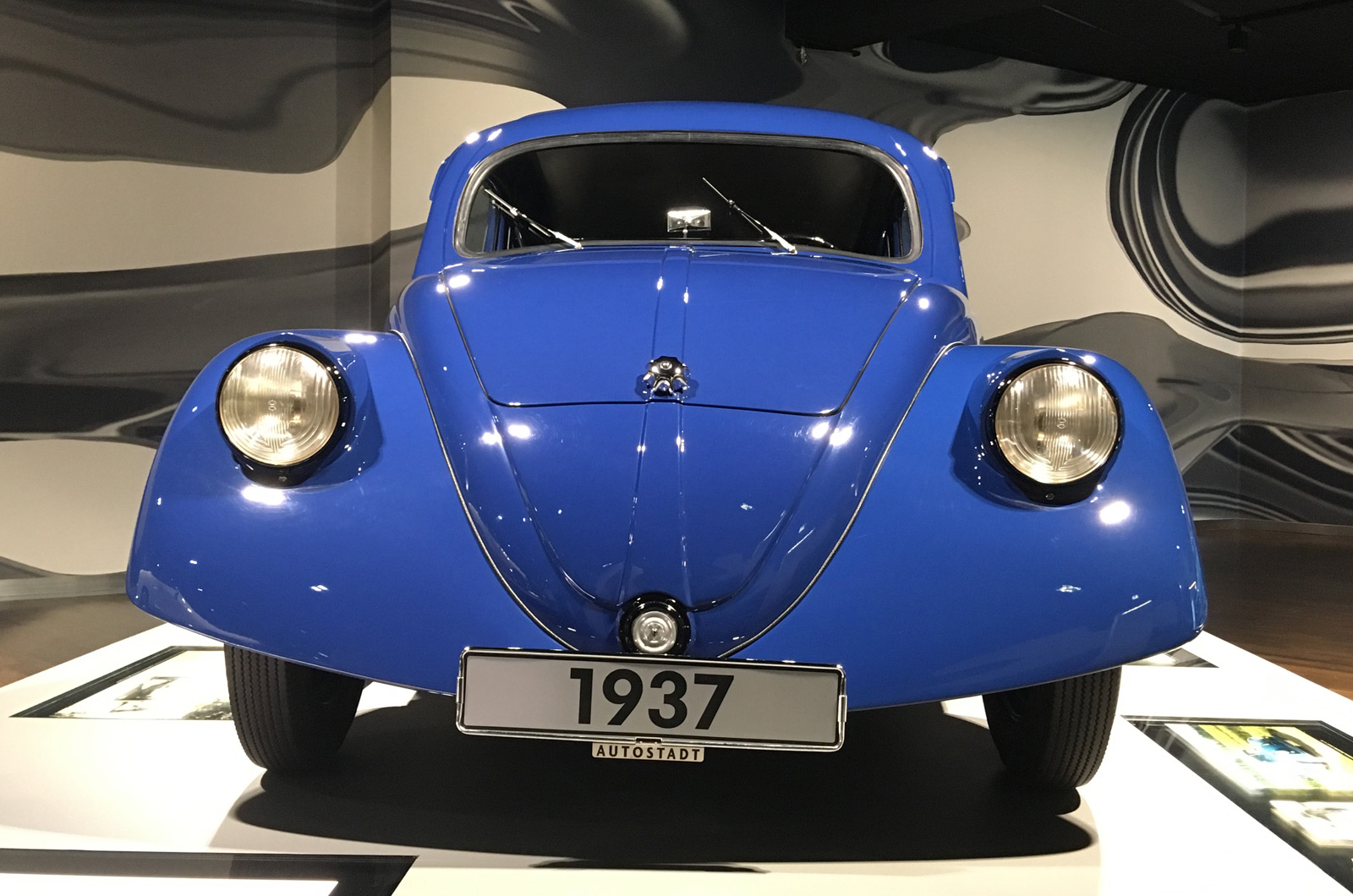
No, this isn't a Beetle. Well, it's not quite a Beetle. Based on the Porsche Type 60, the V30 prototype is the design that ultimately became the Beetle. Thirty prototype machines were built, covering a combined 1.5 million miles of testing – far beyond the usual testing standards of the day.
Volkswagen Golf (1977)
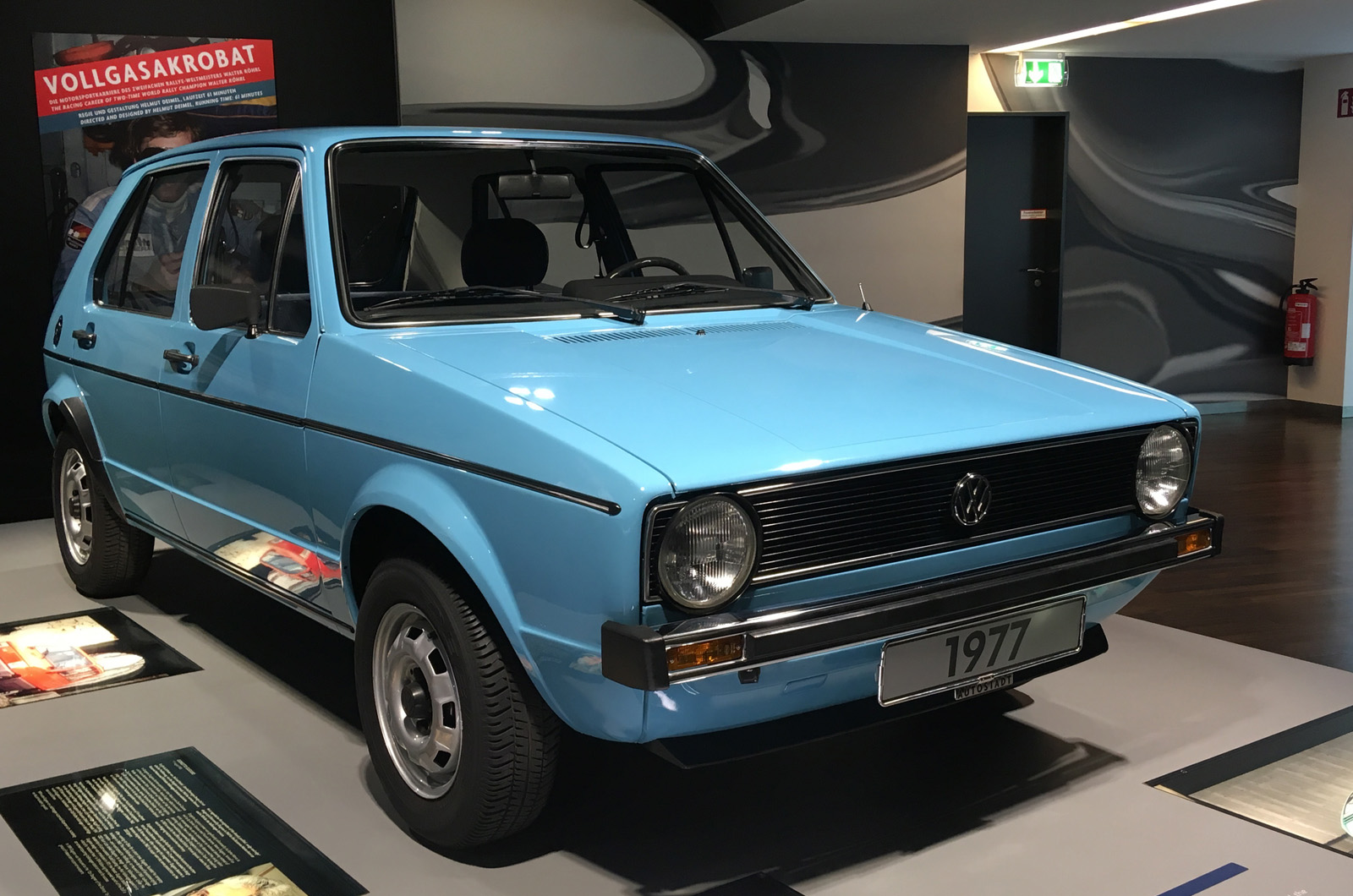
VW launched the Golf in 1974 and the front-engined front-wheel-drive small car quickly became a big hit; more than 35 million have been produced since. This first-generation example on display in Autostadt's Zeithaus dates from 1977; the firm is currently on the seventh generation, and the eighth has just been unveiled. It's been called the VW Rabbit at various stages in North America.
Rally cars and design classics
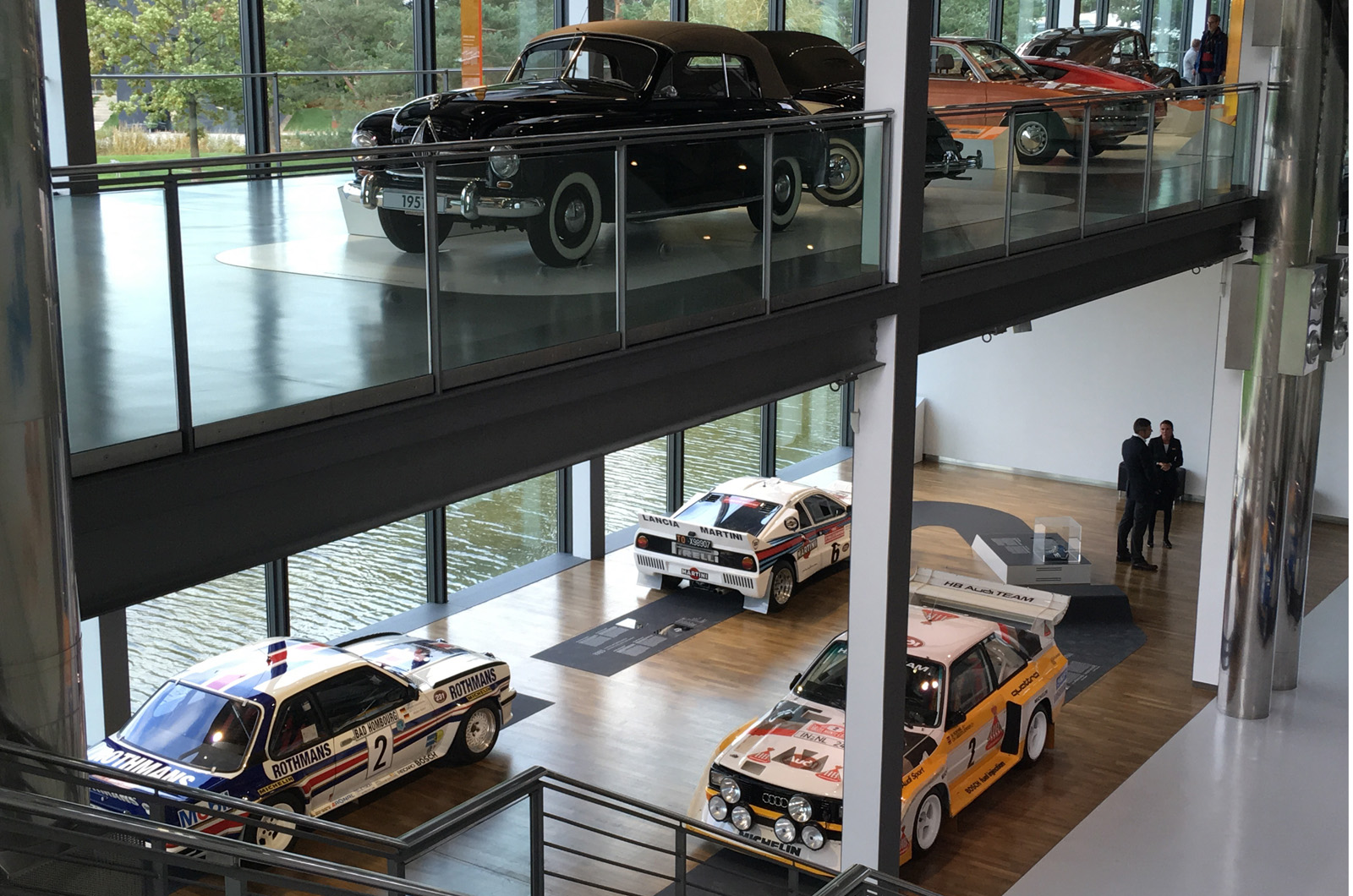
When Autocar visited, a celebration of Walter Rohrl, the 1980 and 1982 World Rally champion, featured on the ground floor of the Zeithaus, with the design classics on show on the levels above.
DeLorean DMC-12 (1982)
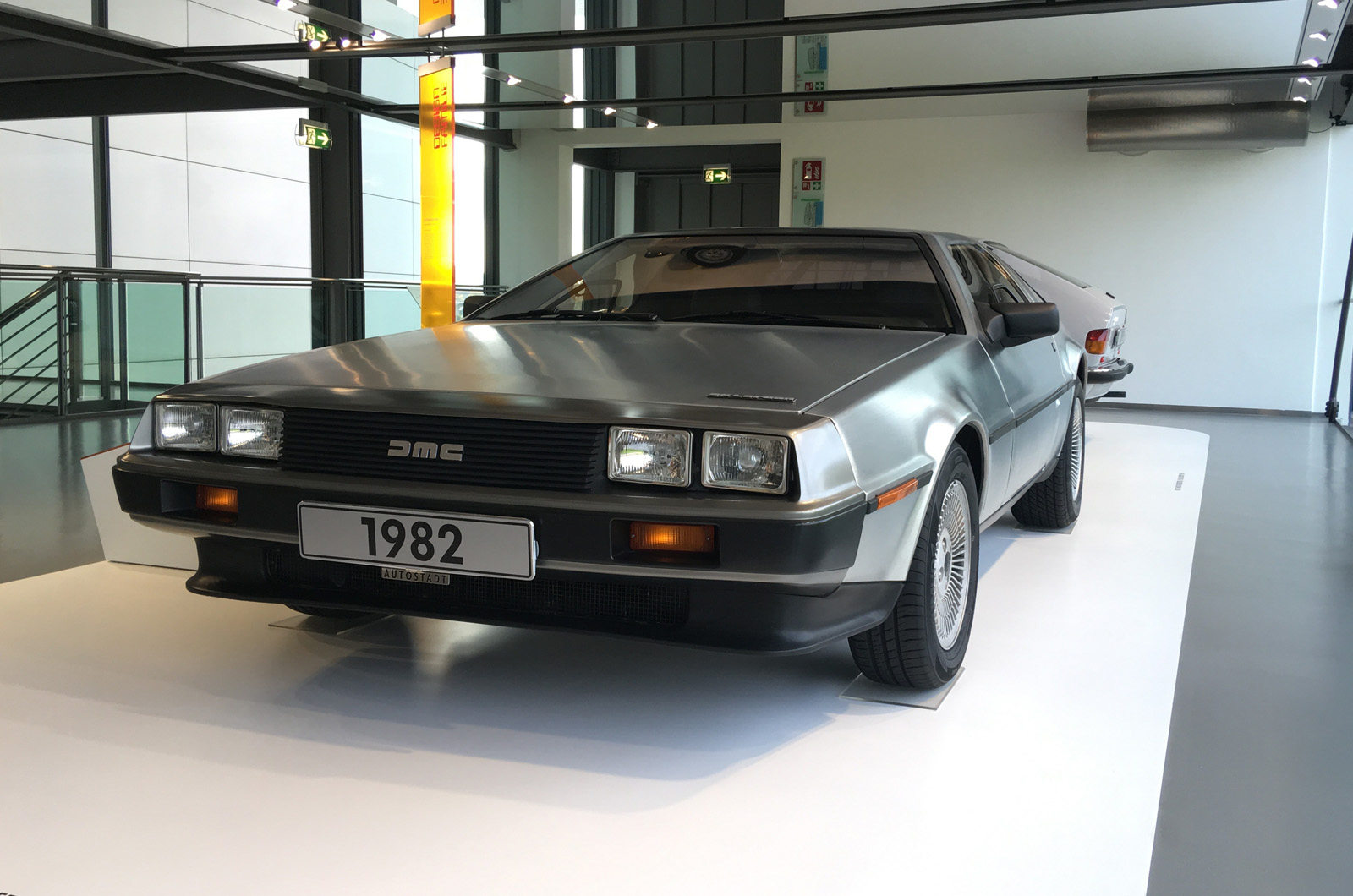
From a business perspective, the DeLorean DMC-12 could never be called a classic – it was the only model produced before the company went bankrupt.
Still, its design endures, from the fibreglass body structure and stainless steel body panels to the gull-wing doors – probably helped by its starring role in the Back to the Future films. And, of course, no car will ever match the DeLorean's performance at 88mph.
Volkswagen Beetle Type 14 (1949)
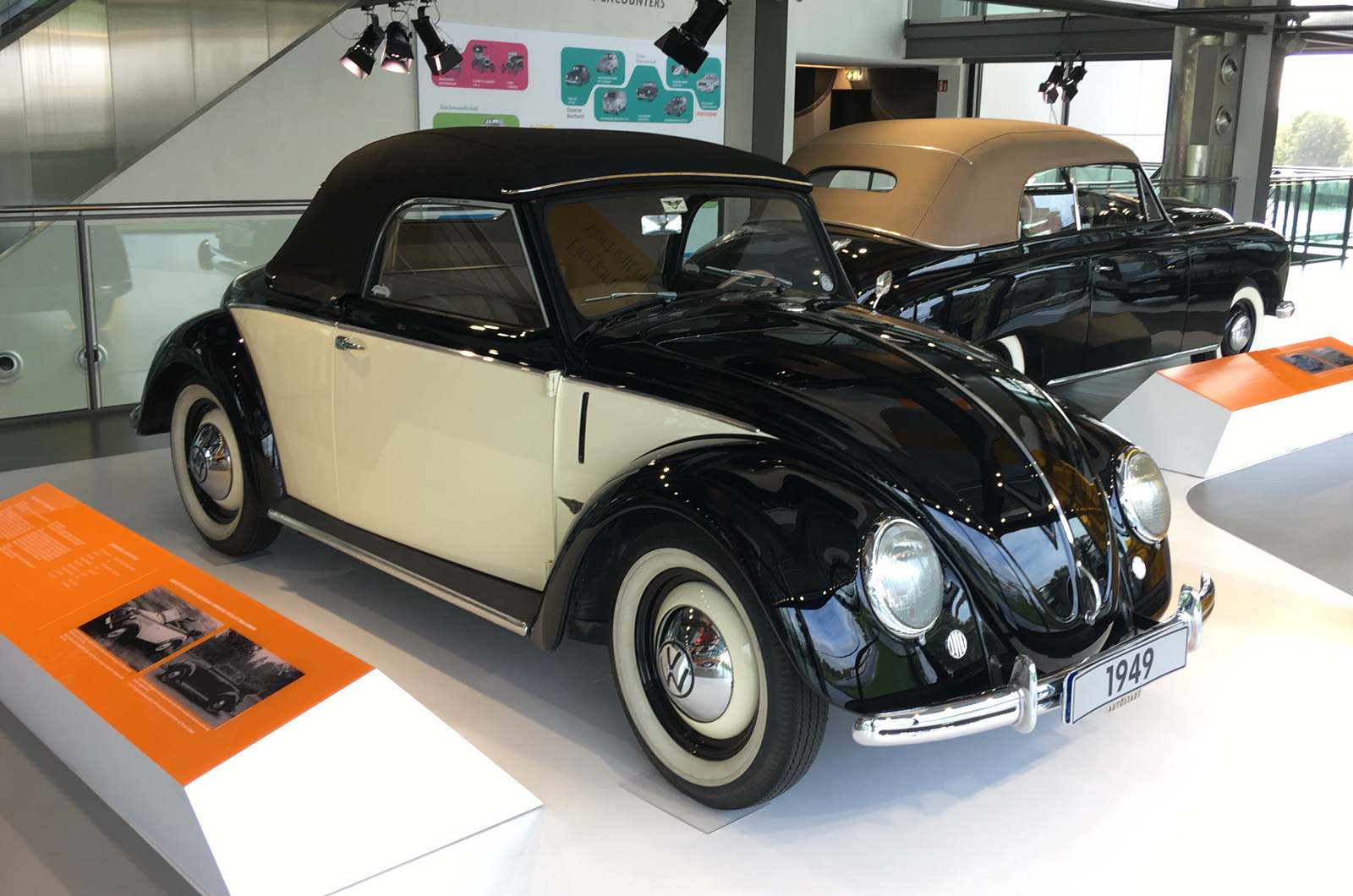
This Beetle variation was the result of VW asking coachworks special Hebmüller to develop a 2+2 convertible on the Beetle platform in 1948. The contract called for 2000 examples to be built, but production was slowed by a fire at Hebmüller's factory in 1949. The firm went bankrupt in 1952, by which time 696 examples had been built.
Volkswagen XL1 (2013)
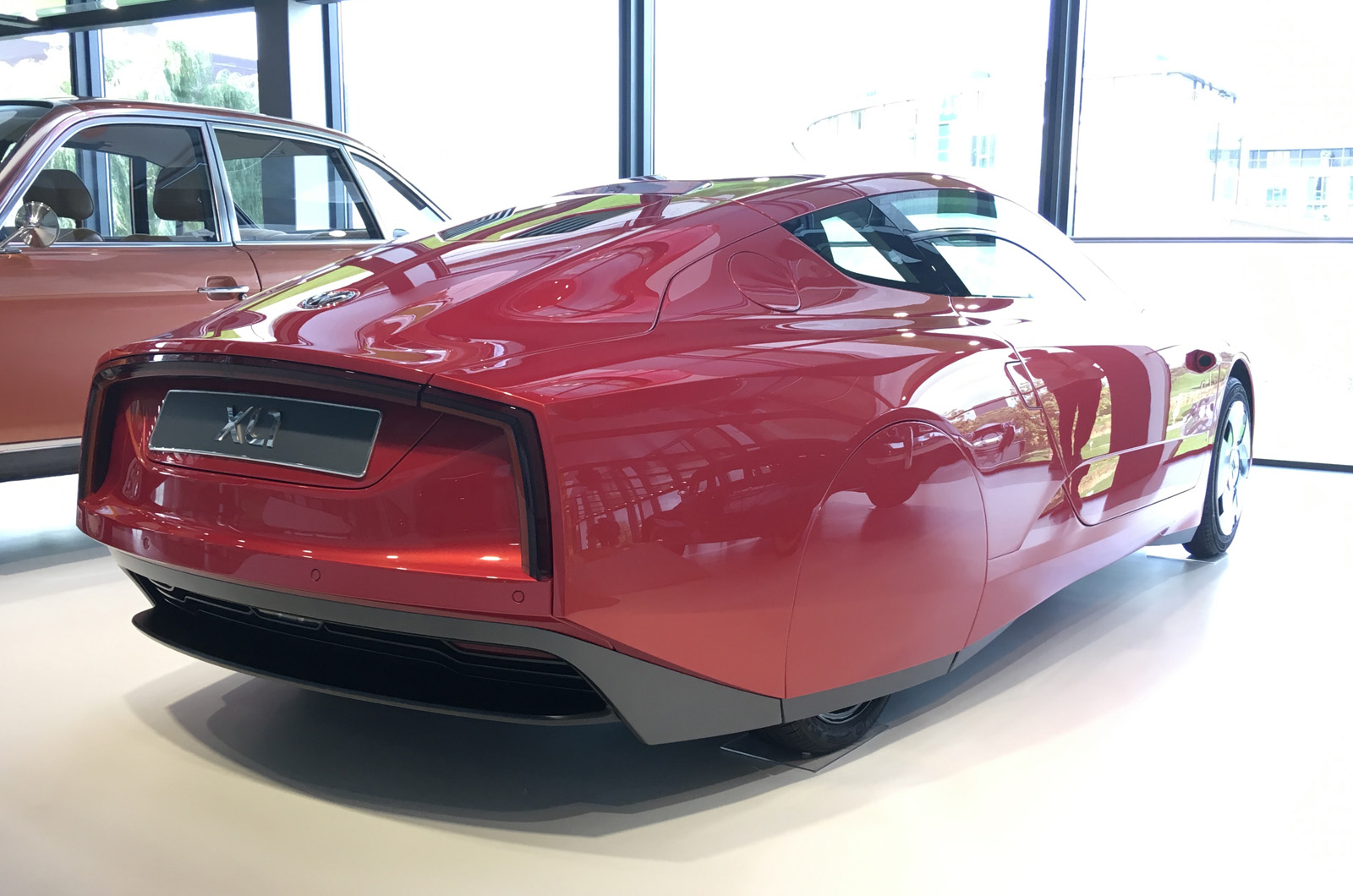
Based on an earlier L1 concept (and sitting on basic Lupo architecture), the XL1 set a world record for fuel efficiency. Powered by a plug-in hybrid mating a 47bhp 800cc diesel engine with a 27bhp electric motor, the XL1 is capable of 280mpg. VW built 250 examples.
Lamborghini Diablo GT (1999)
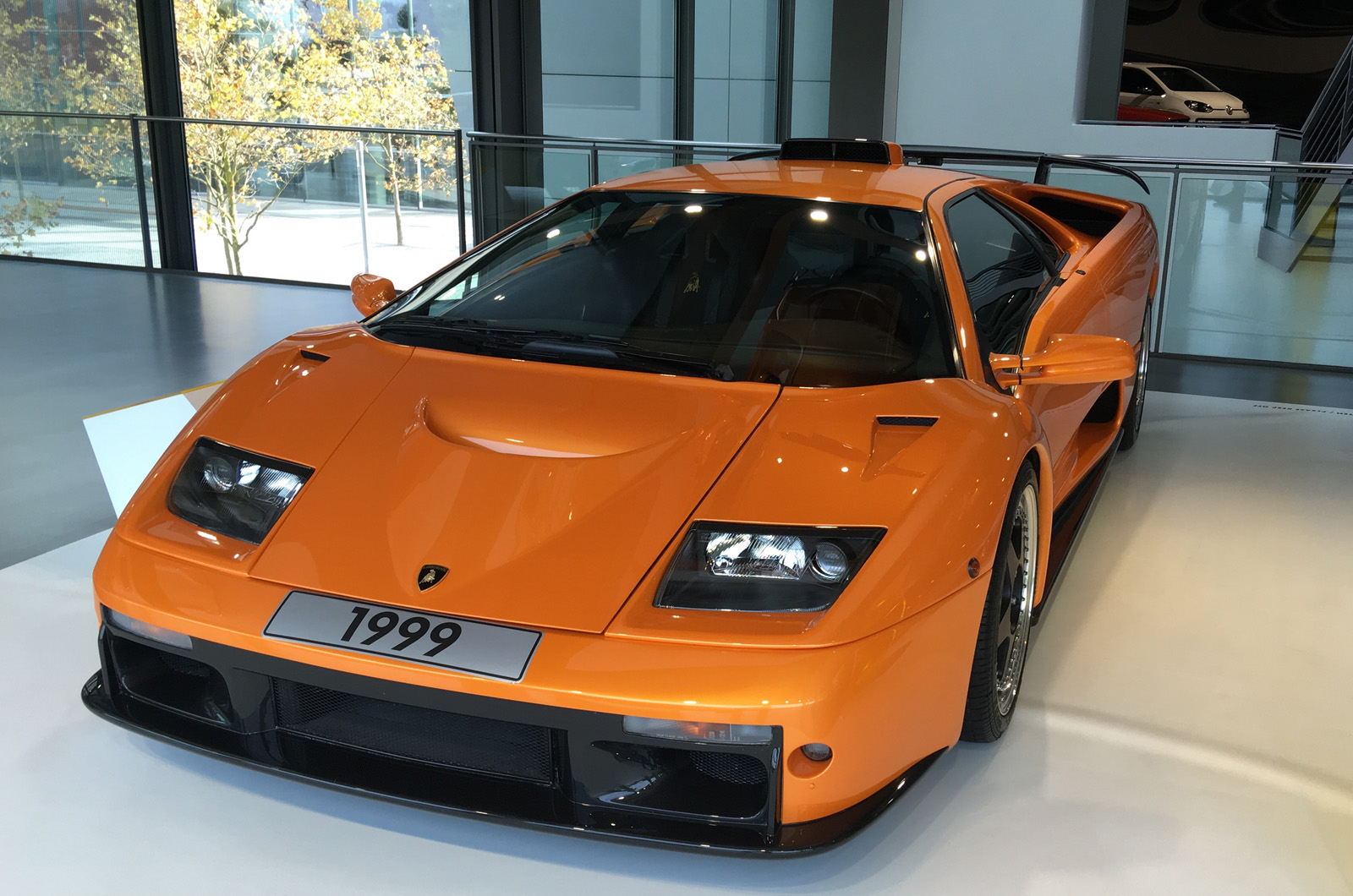
This model is the first product of two VW Group brands working together. The 1999 Diablo GT was the first Lamborghini to be produced after the firm was taken over by Audi the previous year. It was a heavily reworked version of the Diablo, first launched in 1990, and capable of passing 205mph.
Opel Ascona 400 (1982)
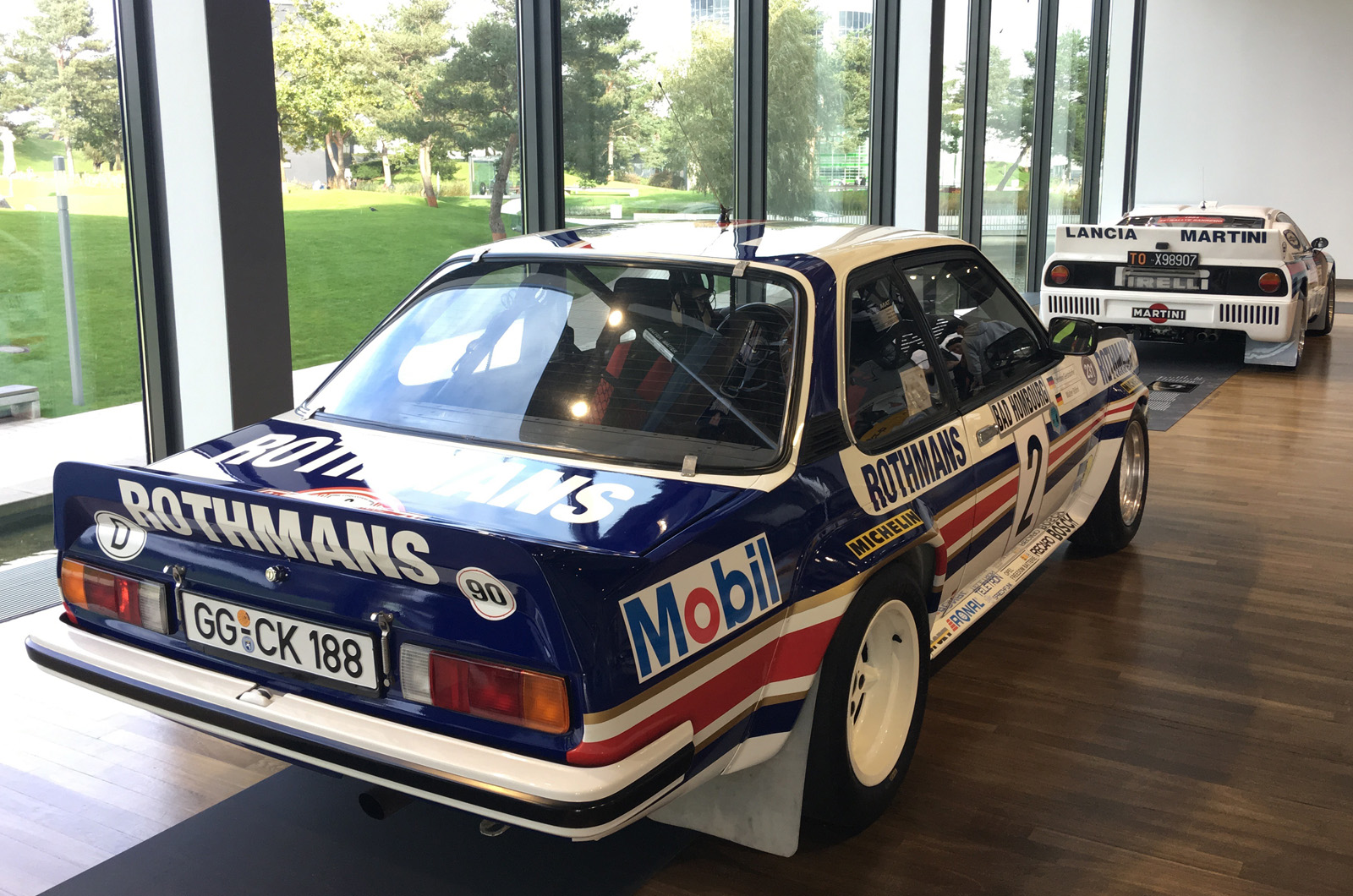
A temporary display on the ground floor of the Zeithaus during Autocar's visit featured several cars driven by double World Rally champion Walter Rohrl. This is the Opel Ascona 400 the German used to secure his second world title in 1982 – a great achievement in a rear-wheel drive car against powerful four-wheel drive rivals.
The AutoTurme
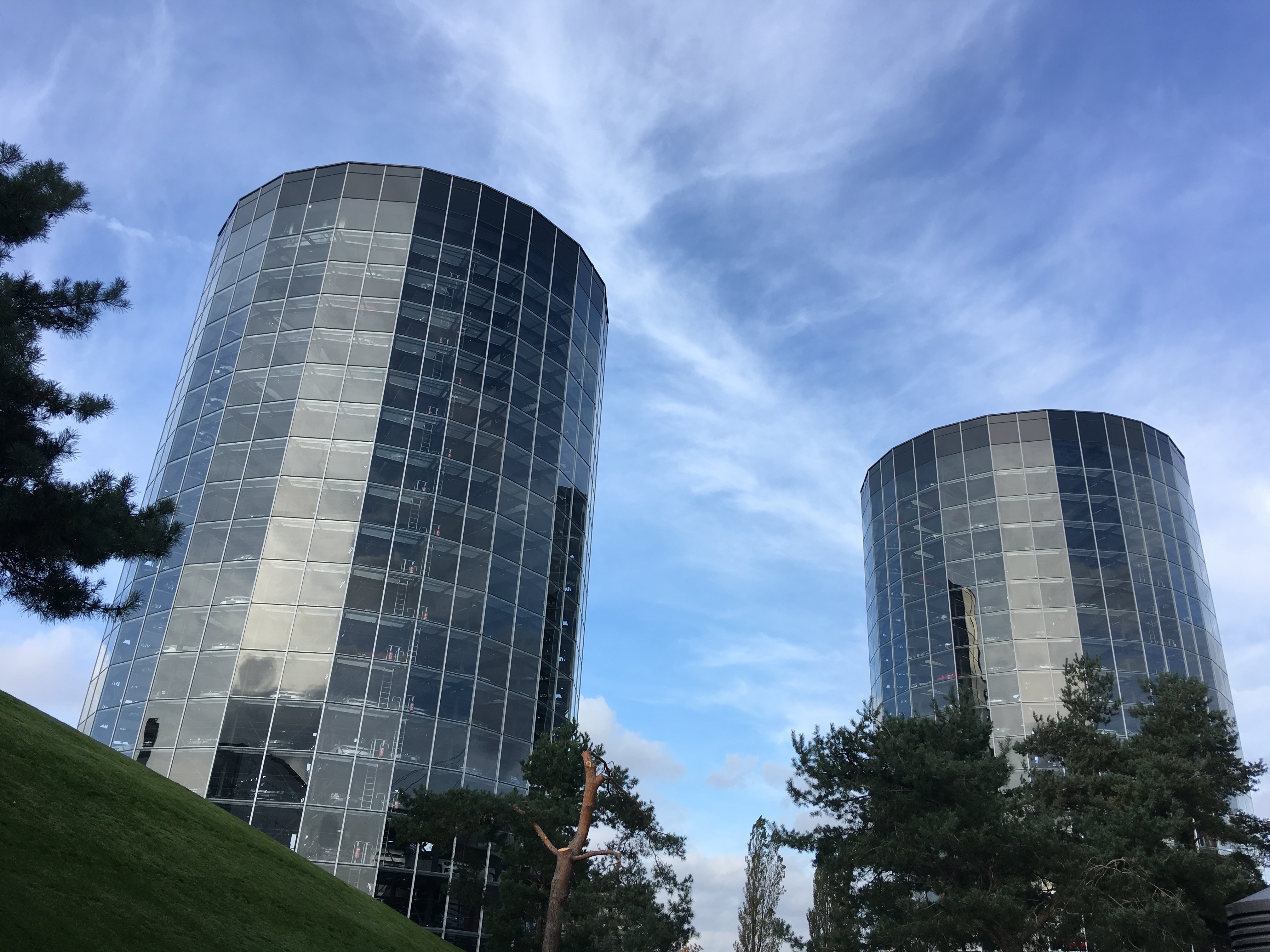
The two glass Autoturme – car towers – are perhaps the most notable attraction of Autostadt. Each tower can hold 400 cars, which are accessed by two high-speed robotic car lifts. One of the lifts can be converted into a passenger ride, giving members of the public the chance to zip up and down the tracks.
The AutoTurme
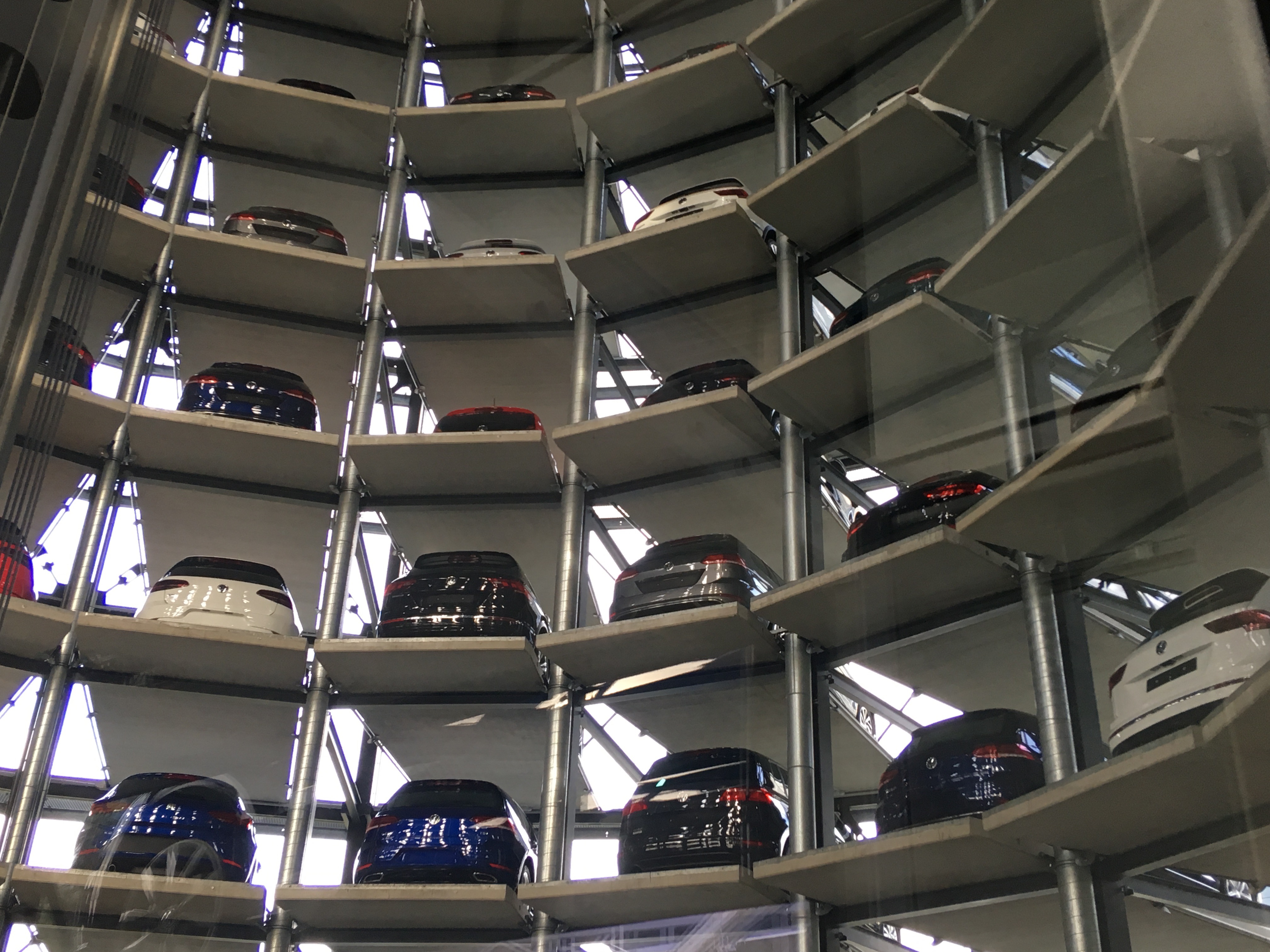
The cars in the AutoTurme are new models ready to be delivered to owners. VW Group buyers around Europe can choose to come to Autostadt and collect their cars from one. Well, it's more exciting than popping to your local dealer…
Volkswagen Polo (2017)
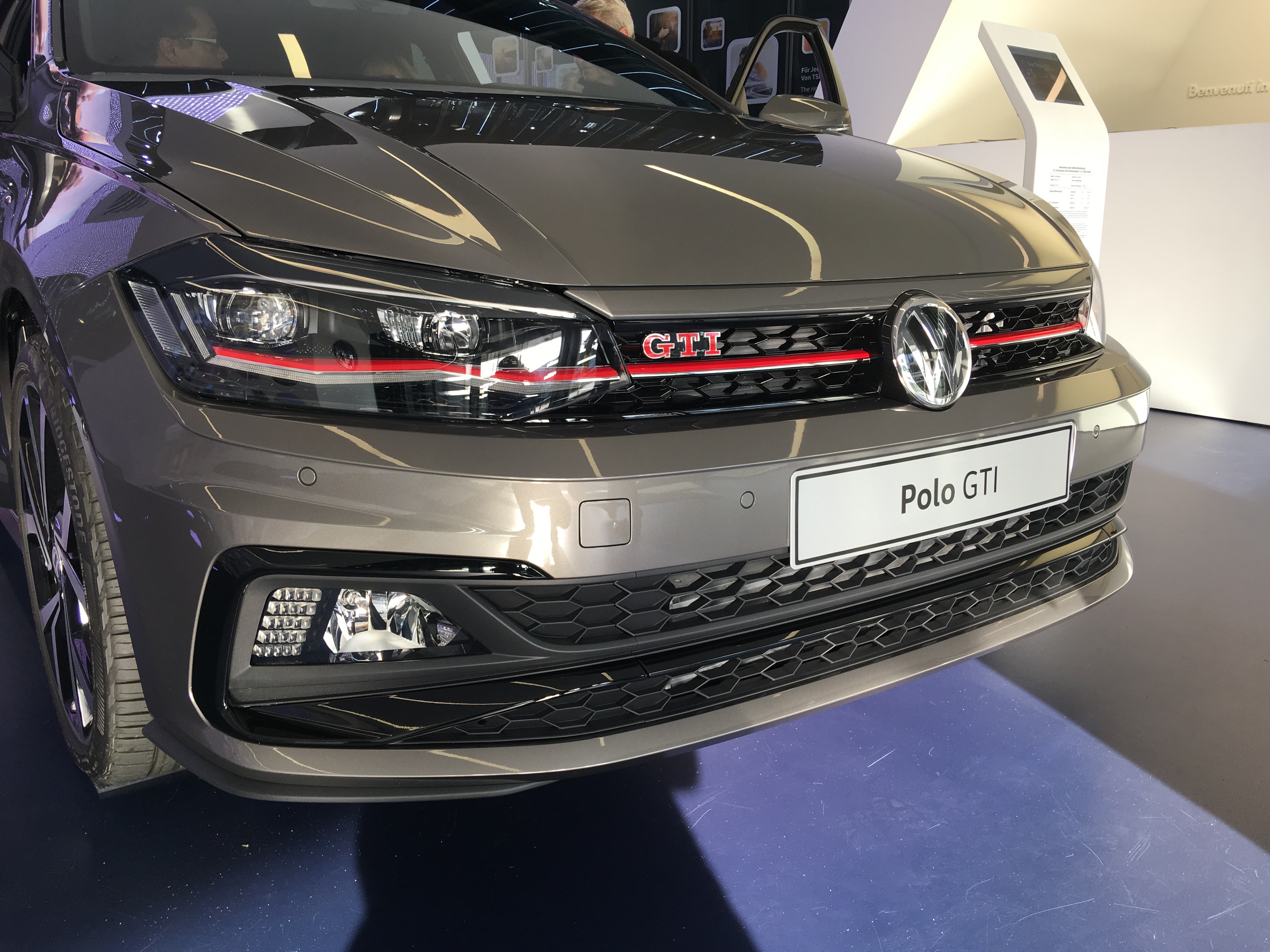
Every VW Group brand has its own pavilion on the Autostadt grounds, which are usually filled with motor show-style features and attractions.
Porsche pavilion
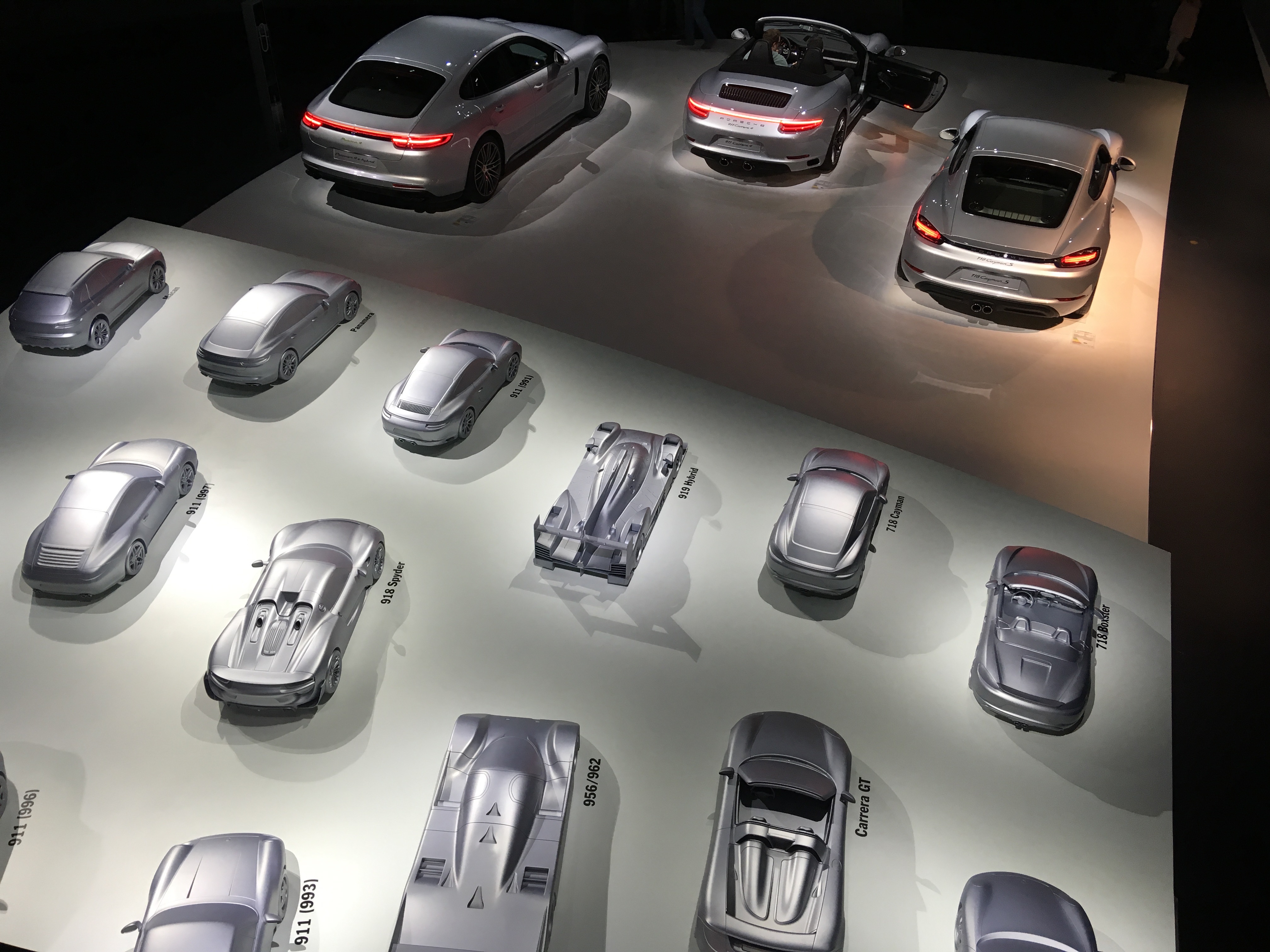
The Porsche pavilion contains a particularly notable feature – a brushed-metal version of every previous Porsche model sweeps down to an assortment of the brand's current line-up. Can you spot your favourite Porsche in there?
Autostadt

There's plenty more to Autostadt beyond old cars, including driving experiences, restaurants and all sorts of temporary exhibitions. For more information, go to the official Autostadt website.
If you enjoyed this story, please click the Follow button above to see more like it from Autocar

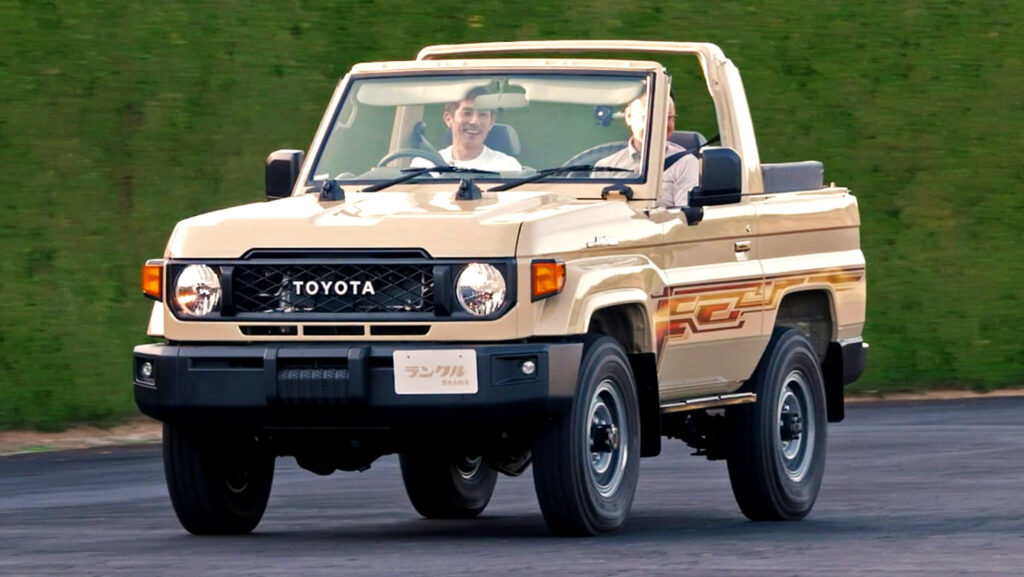
Land Cruiser 70 Series SWB Endures as a Purpose-Built Icon for Global Utility and...

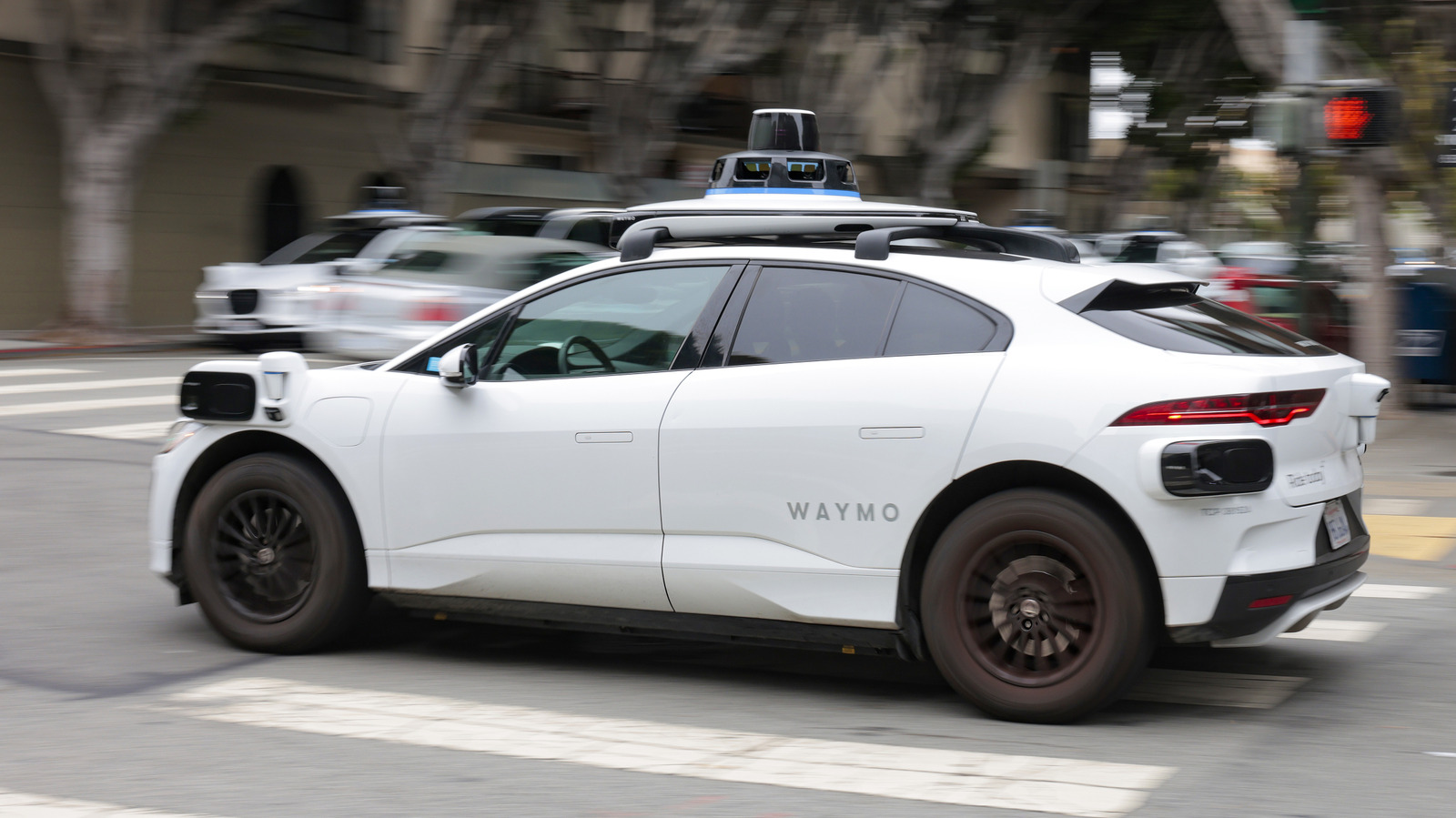
Autonomous Vehicle Safety Claims Hinge on Elusive Crash Data and Ambiguous Comparisons

Supercars as Strategic Investments Challenging Exclusivity and Revealing Accessible Value Across the Market
 Supercars are not only for the super-rich, discovers John Evans, even in the current economic climate. Just look at these 20 gems as shrewd investments…
Supercars are not only for the super-rich, discovers John Evans, even in the current economic climate. Just look at these 20 gems as shrewd investments…
From the price of a new Volkswagen Golf to the price of a modest detached five-bed house in Surrey, there’s a supercar for every budget.
You know all the usual suspects, so we’ve ditched the hordes of Ferraris and Lamborghinis that could have packed out our 20 slots in favour of more makes and a few surprises, all in the name of variety and avoiding duplication. Buckle up…
McLaren 12C
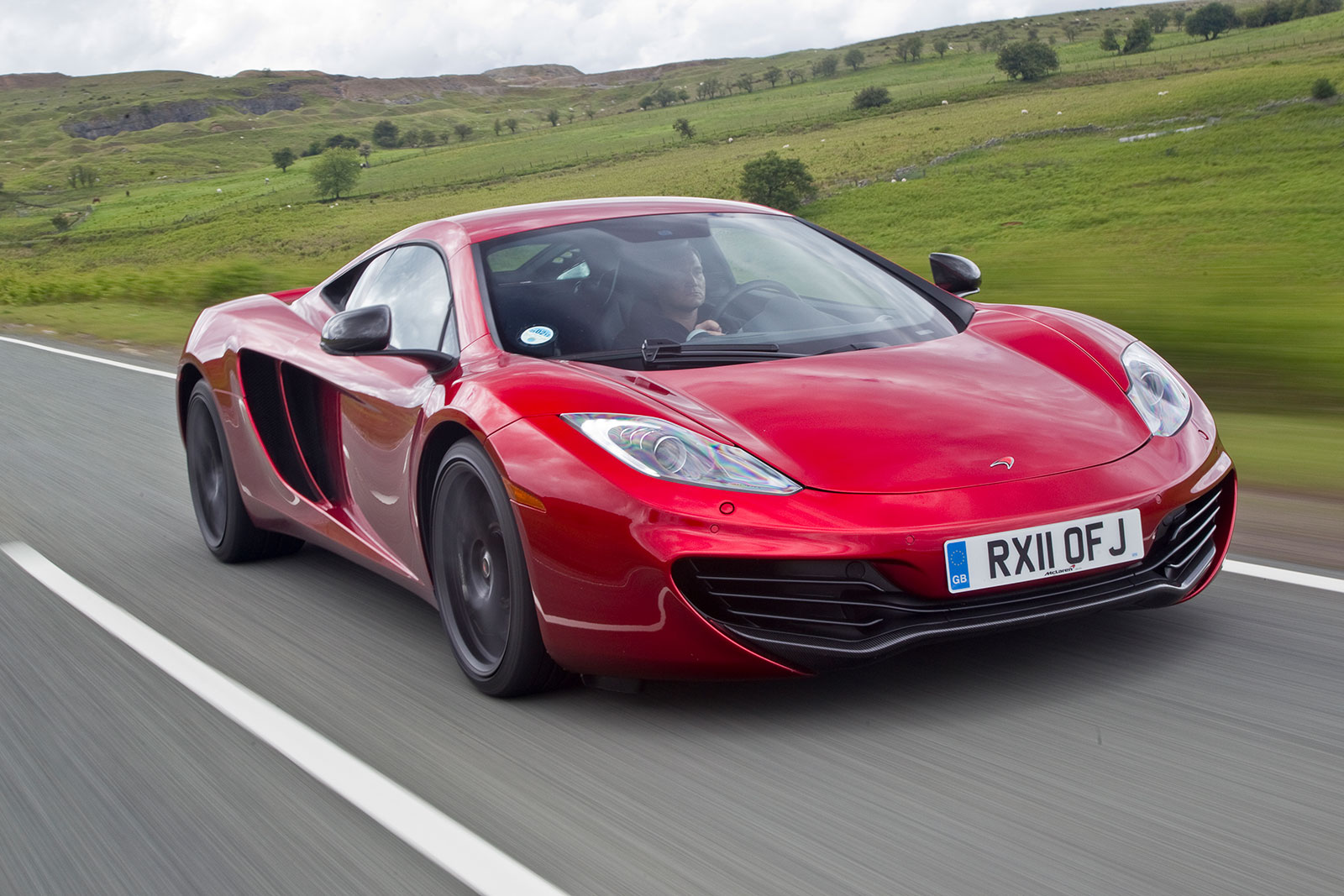
2011-2014 £63,000-£100,000
Tales of poor development and unreliability plagued the 12C initially, but upgrades and fixes put most of them right. Cars from 2012 or later benefited from the start. Our find is one such example. For instance, it has the more powerful 616bhp engine, a functioning sat-nav and working Bluetooth. Just check that you can open the doors.
One we found: McLaren 12C, 2012, 35,000 miles, £69,990
Ford GT
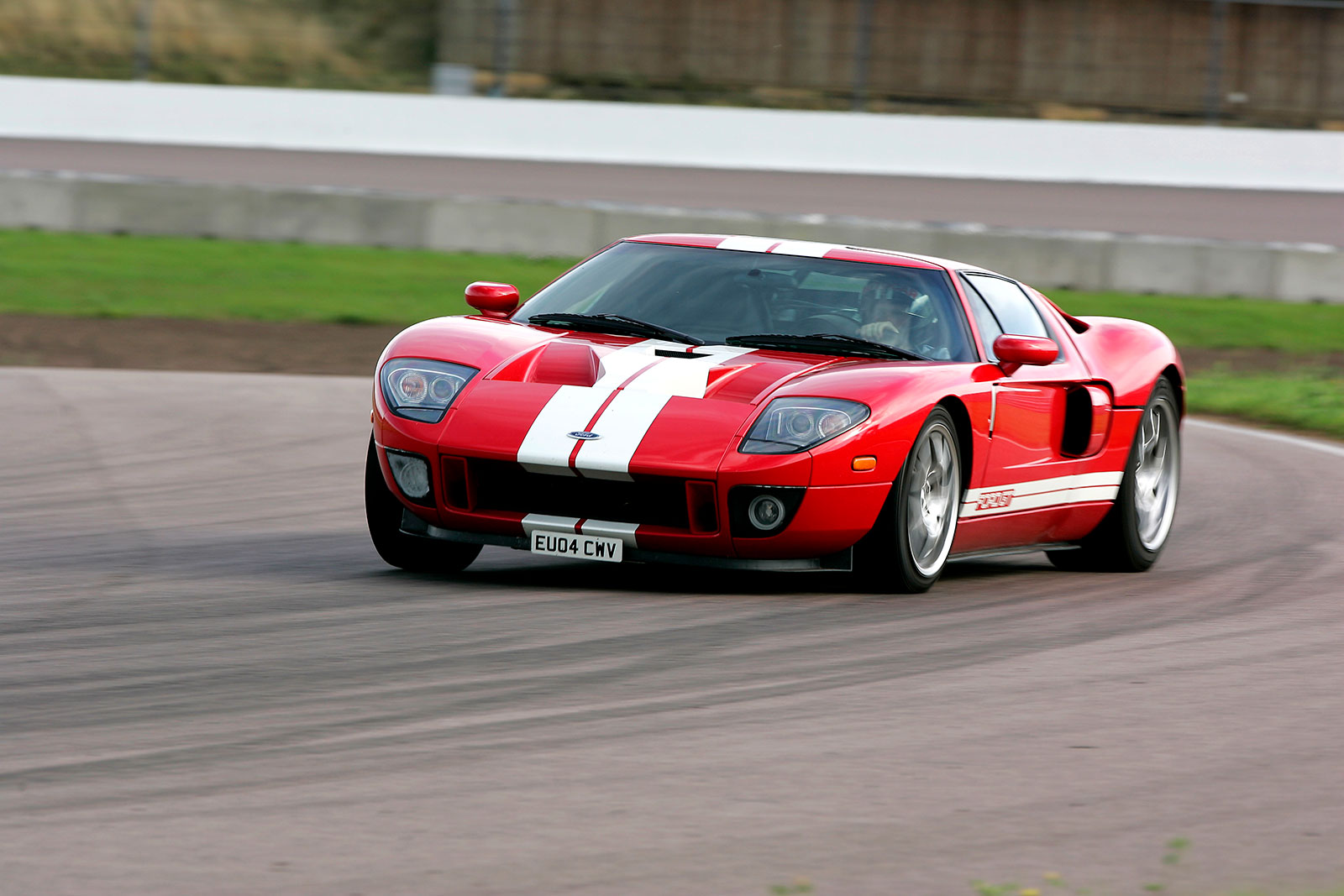
2005-2006 £329,000-£395,000
Jeremy Clarkson’s problems with his GT’s alarm system nearly did for the model’s rep in the UK, but last year his car was offered for sale by its second owner with 25,000 miles on the clock, so it must have been fixed. Downside is that the model is left-hand-drive only. Prices are only going one way.
One we found: Ford GT, 2006, 8000miles, £329,000
Honda NSX
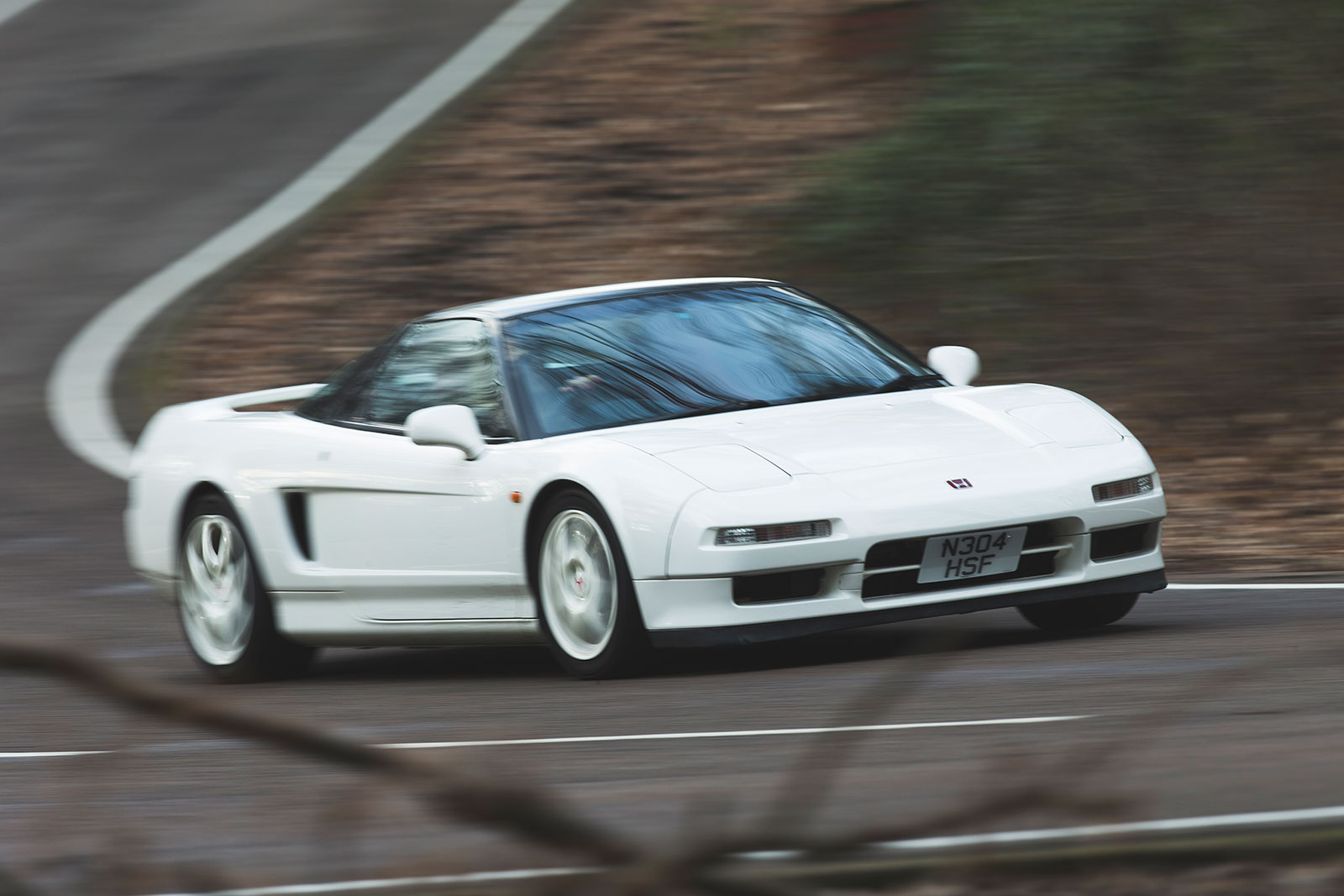
1990-2005 £60,000-£150,000
Ignore its ’90s Japanese interior and the original NSX is a deeply impressive tilt at Ferrari. Being the less-loved auto version, our spot is a useful £20,000 cheaper than the equivalent manual and more relaxing in town or on a long drive. It’s a former Honda UK car and has just had a full belt service.
One we found: Honda NSX 3.0 Targa auto, 2000, 82,000 miles, £64,000
Lotus Esprit Turbo
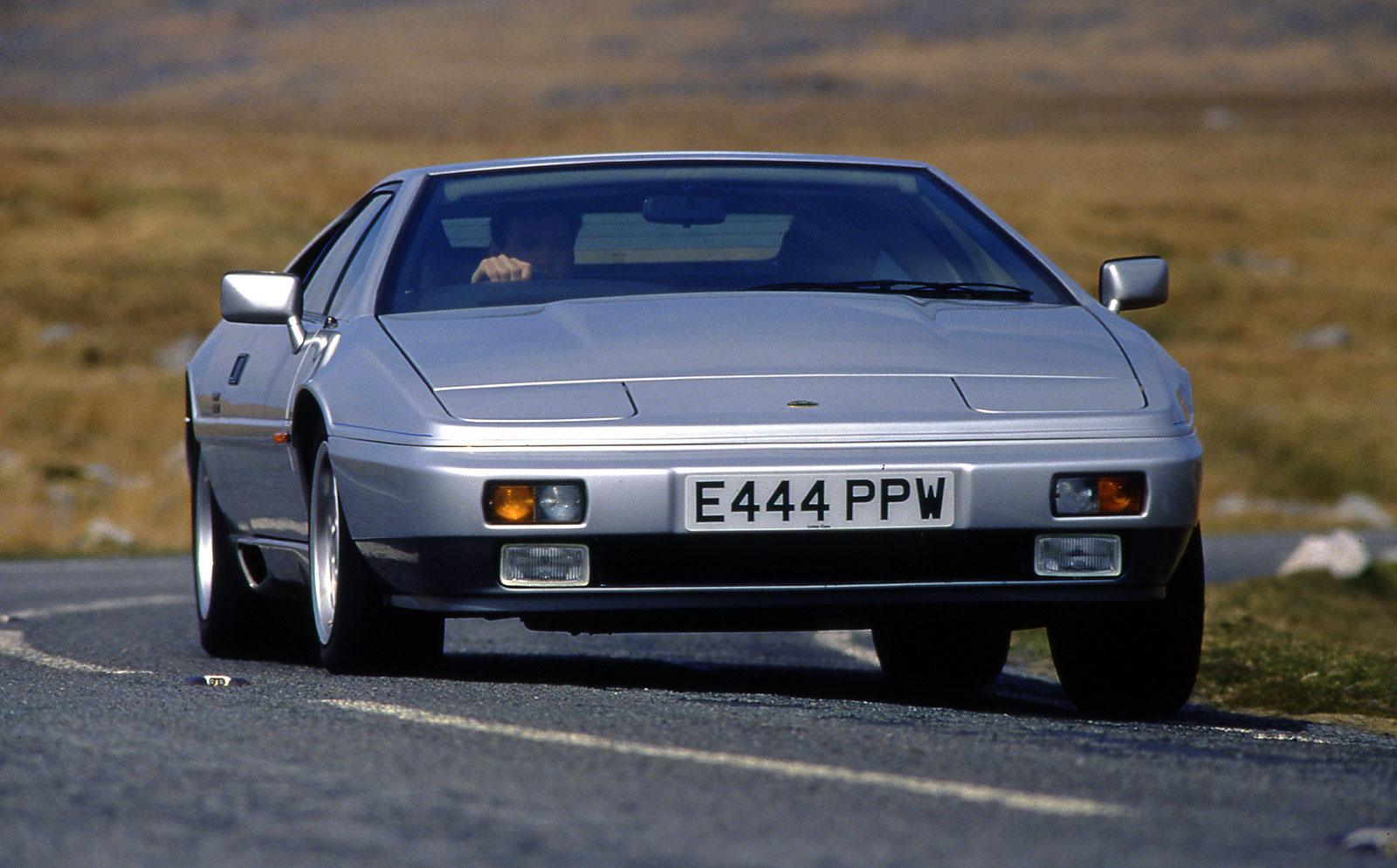
1987-1993 £15,000-£35,000
The Peter Stevens-designed ‘X180’ Esprit Turbo still ticks all the supercar boxes – well, apart from the high cylinder count one, but the power output is befitting regardless. Will one leave you stranded by the roadside? Specialists swear that apart from suspension and brake niggles, Esprits have no serious issues. On top of that, our find has a good main dealer service history and fresh belts.
One we found: Lotus Esprit Turbo, 1988, 43,000 miles, £29,995
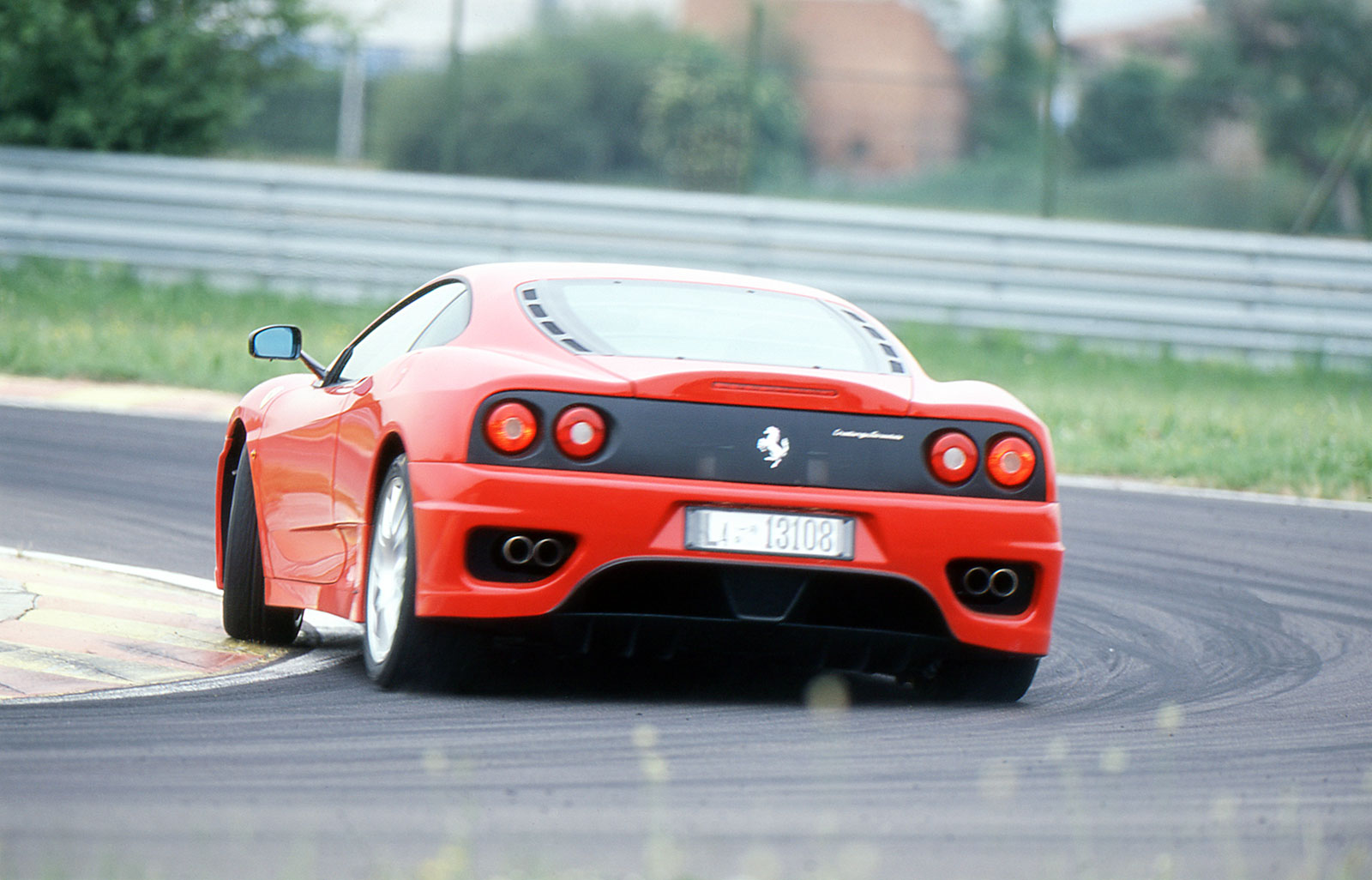
Ferrari 360 Modena
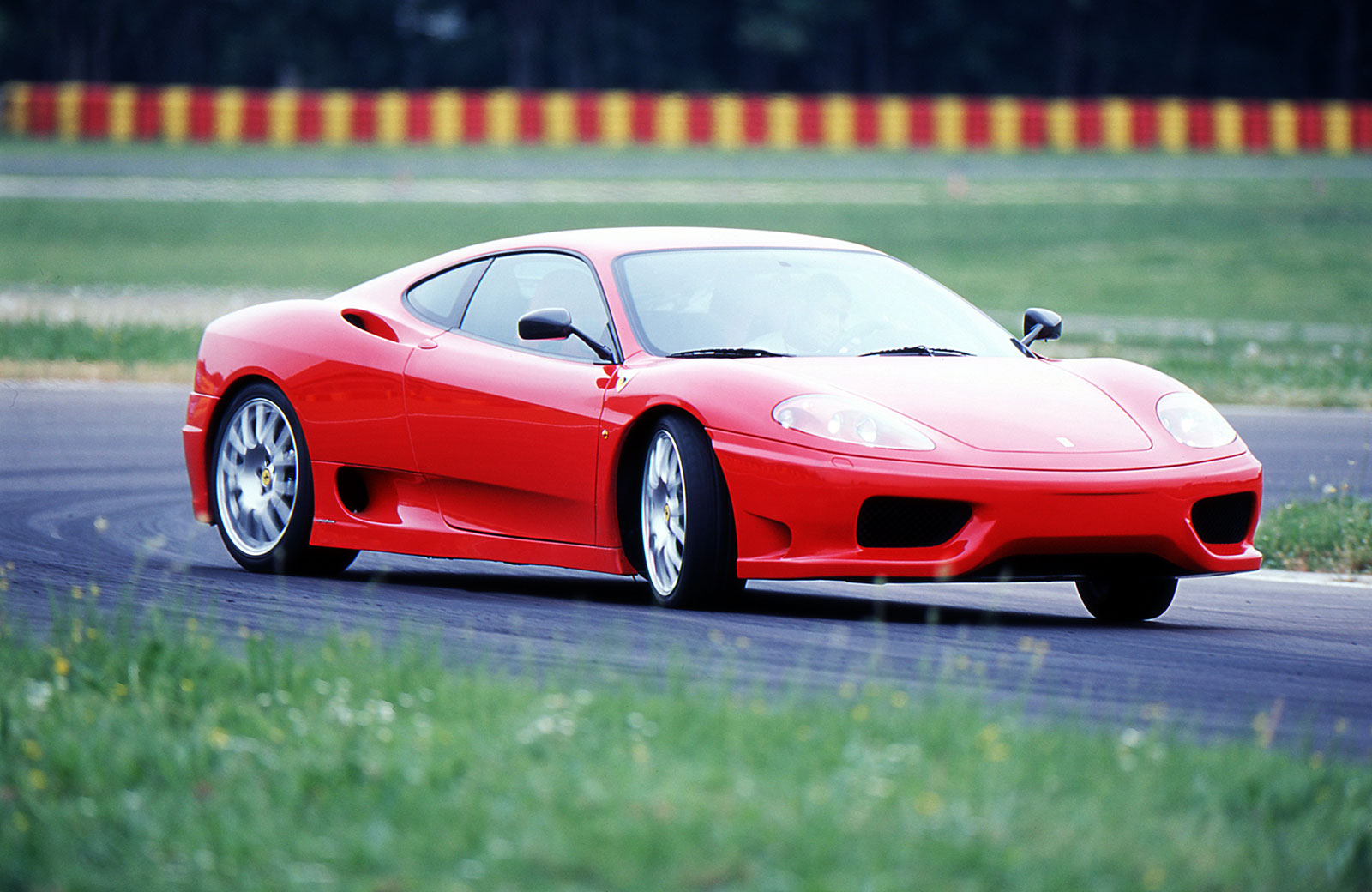
1999-2004 £50,000-£159,000
We could have chosen any number of Ferraris, but the 360 stands out for its ease of ownership, availability, performance and value. Some parts cost a fortune, though, such as wheel bearings, so take nowt for granted. Our example is with an independent, but Ferrari dealers of fer the occasional one with a proper warranty.
One we found: Ferrari 360 Modena, 2000, 46,000 miles, £79,995
Nissan GT-R
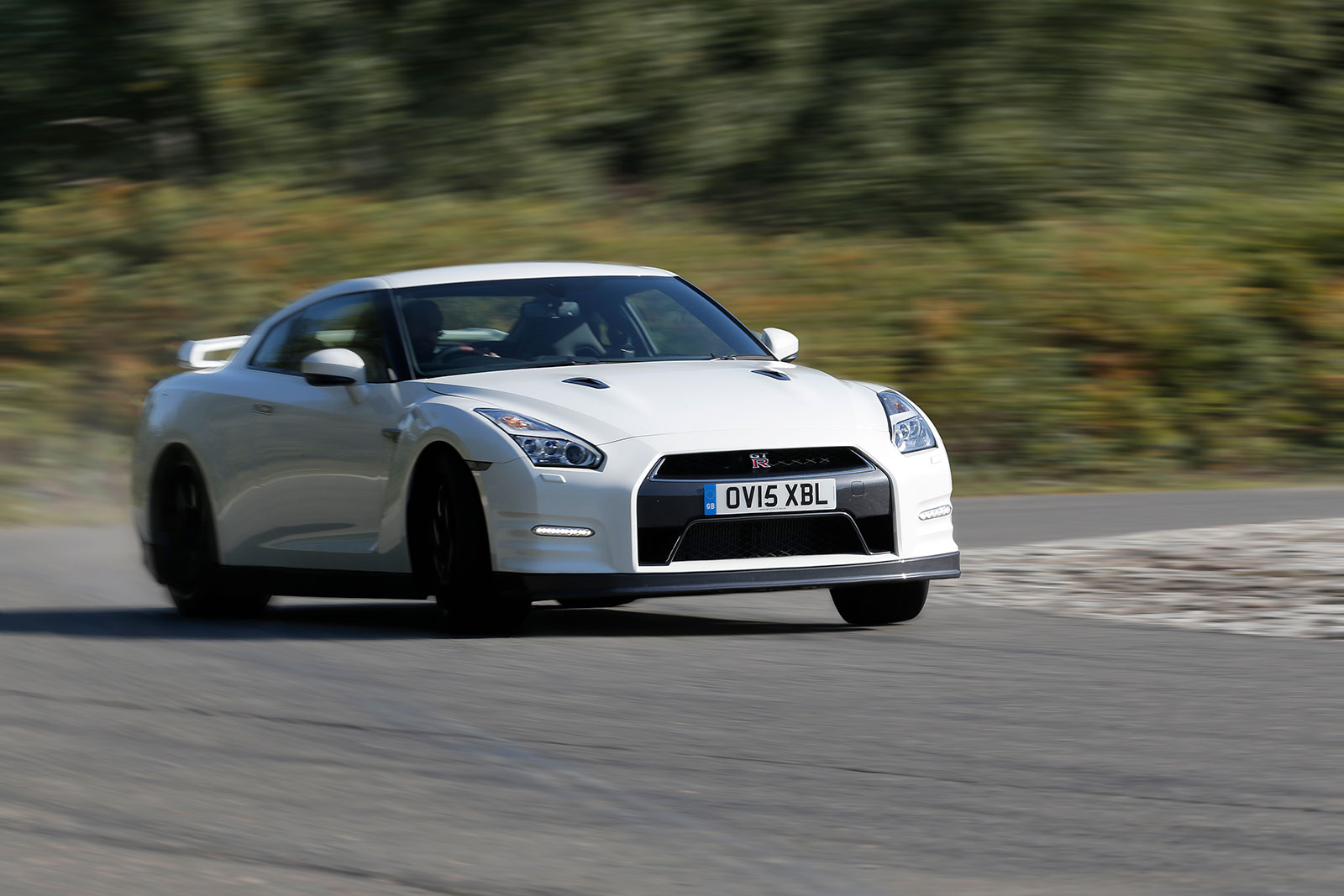
2007-2022 £30,000-£180,000
Supercar-slaying performance but with four seats and a tailgate: the GT-R is almost impossible to pigeonhole, which is why we’re relaxed about including it here (and next time in a rundown of great GTs). There are lots to choose from, but we would avoid any that are clumsily tuned or wrapped.
One we found: Nissan GT-R, 2014, 33,000 miles, £54,995
Lamborghini Gallardo
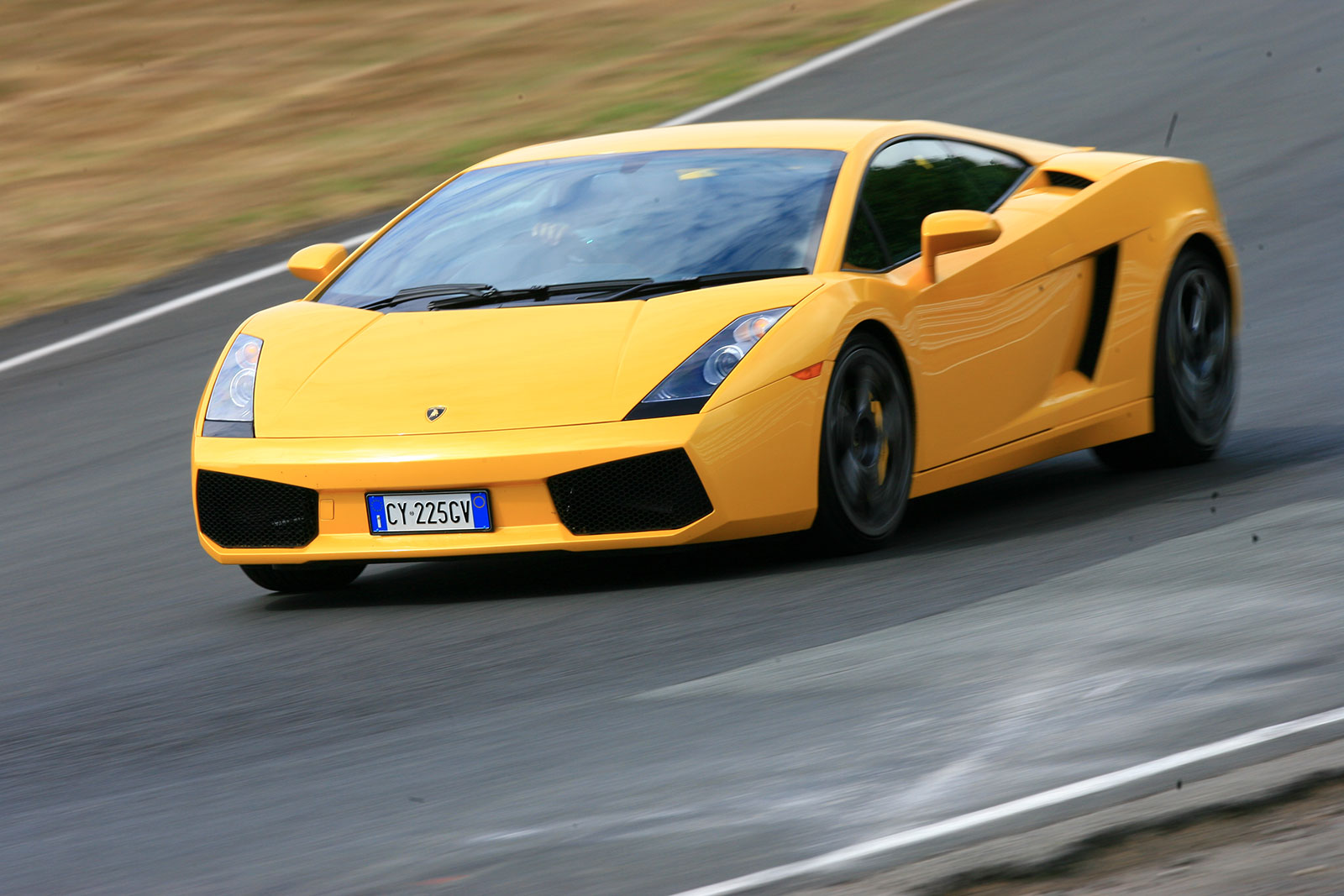
2003-2008 £60,000-£80,000
Prices may be rising, but find a good Gallardo and your money will be safe. Our find’s 5.0-litre V10 is less well regarded than the later 5.2-litre version, but its manual gearbox is ample compensation. Buying privately has its risks; you can tell a lot from meeting the owner though and some are as mad as cockerels.
One we found: Lamborghini Gallardo 5.0 V10, 2005, 46,000miles, £68,500
Audi R8
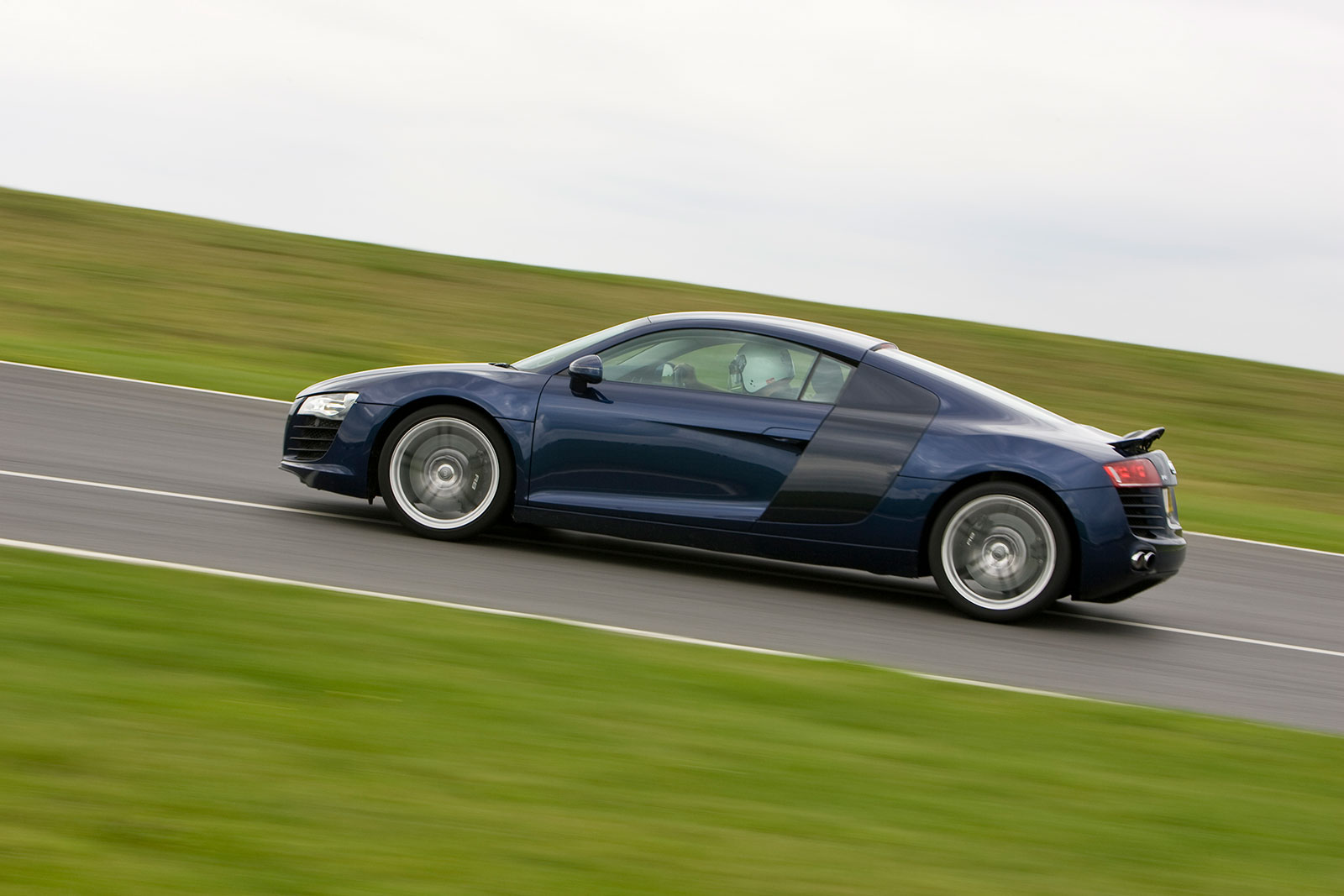
2007-2015 £32,000-£70,000
Supercar performance with Audi A3 drivability: with the R8, you really can have your cake and eat it. There are loads to choose from at all sorts of prices, but we would be wary of anything chipped or wrapped. That’s why we like this unmolested 4.2-litre V8 example in classic silver and with a full Audi service history.
One we found: Audi R8 4.2 V8, 2007, 55,000 miles, £36,995
Noble M12
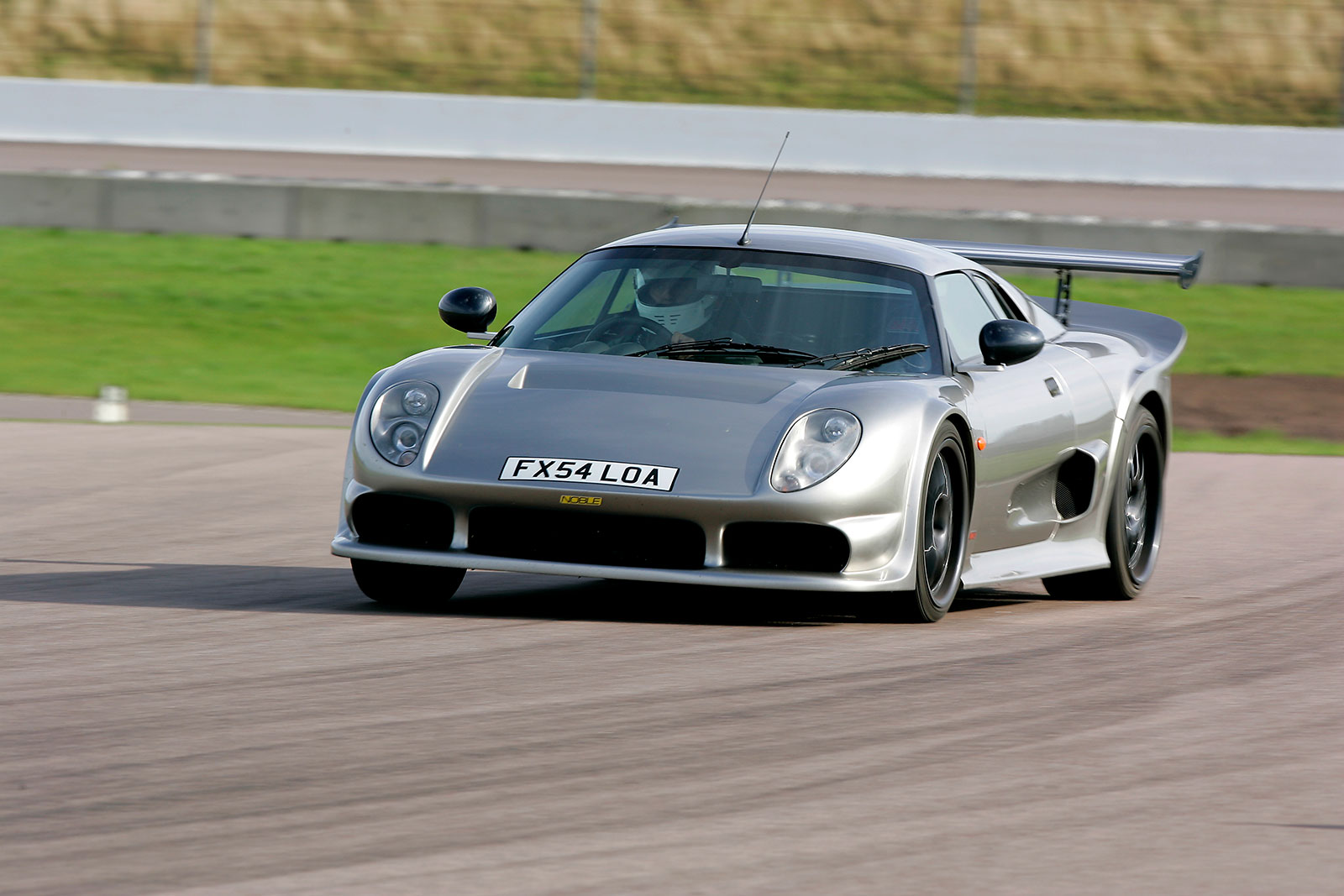
2001-2008 £35,000-£55,000
Leicester’s Ferrari-chaser combines a spaceframe chassis with composite bodywork, the lot launched down the road by a Ford V6. In our example’s case, it’s a 3.0-litre engine. From the factory it produced 352bhp, but it has been professionally boosted to 500bhp and given uprated mechanicals to match. We wouldn’t normally recommend anything that has been modified, but this looks so good.
One we found: Noble M12 GTO 3R, 2004, 50,000miles, £46,000
BMW i8
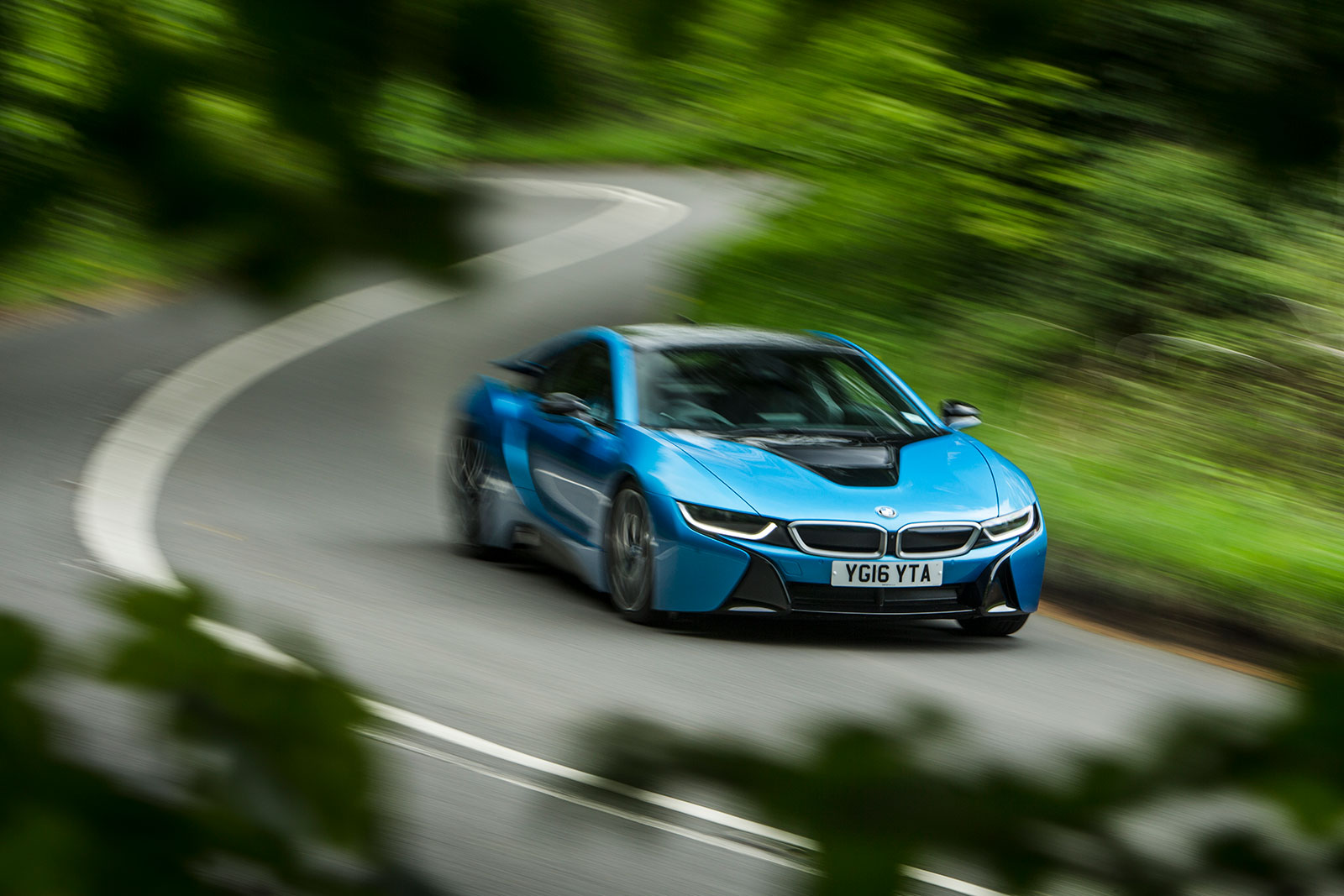
2014-2020 £37,000-£90,000
On looks, tech and those butterfly doors alone, the i8 deserves its place here. But it goes hard, too, and keeps going with many examples now approaching 100,000 miles. Our find is an approved used car, which makes it a little more pricey but, given its complexity, is worth it for peace of mind.
One we found: BMW i8, 2016, 28,000 miles, £50,590
Porsche Taycan Turbo S
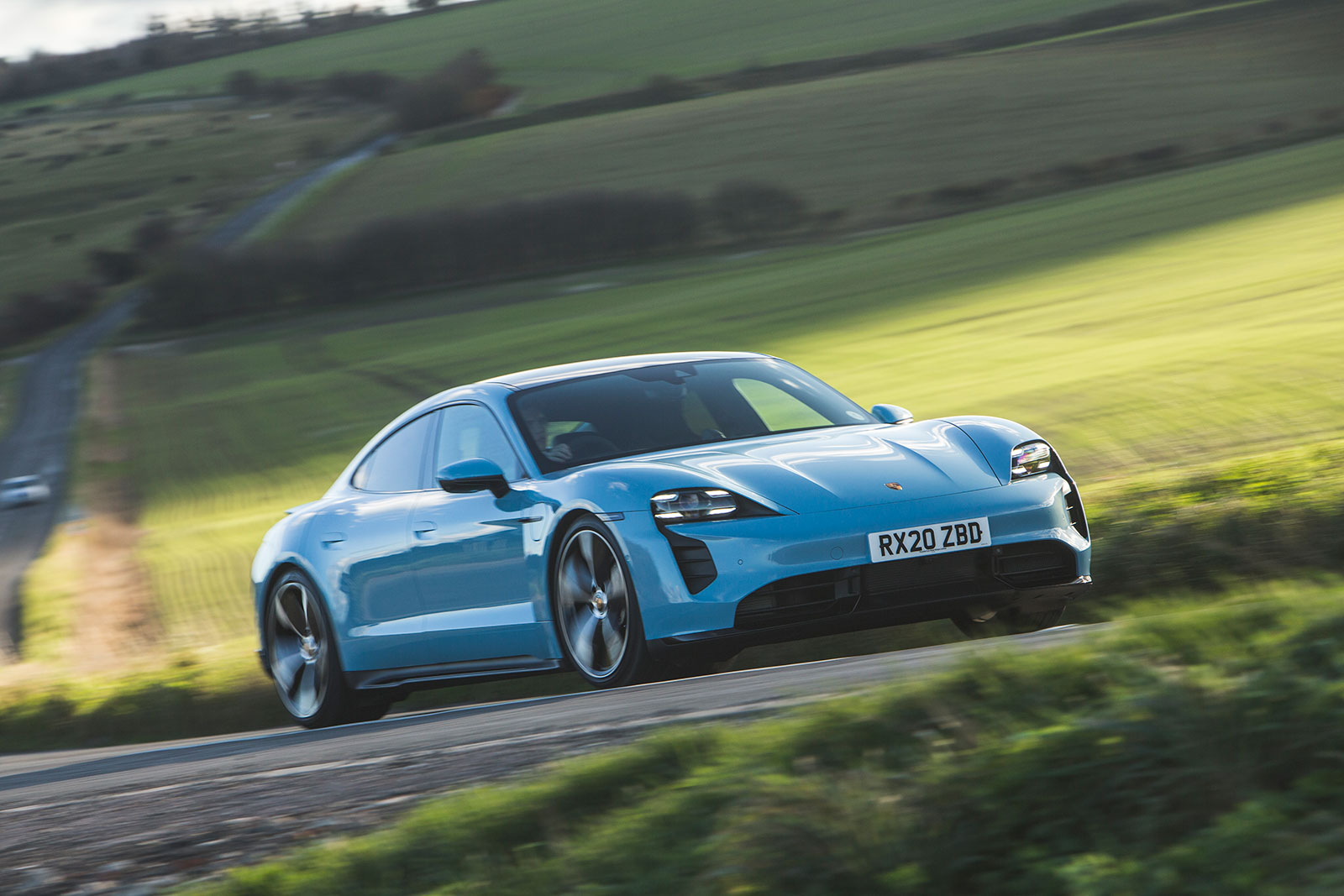
2020-present £120,000-£190,000
Its performance alone is sufficient to earn this electric four-door a backstage pass to the supercar class. When we tested it, only the Bugatti Veyron Super Sports and Porsche 918 Spyder had been quicker. Our fully loaded, approved used car is £12,000 cheaper than a standard new model.
One we found: Porsche Taycan Turbo S 93kWh, 2020, 24,000miles, £129,990
De Tomaso Pantera
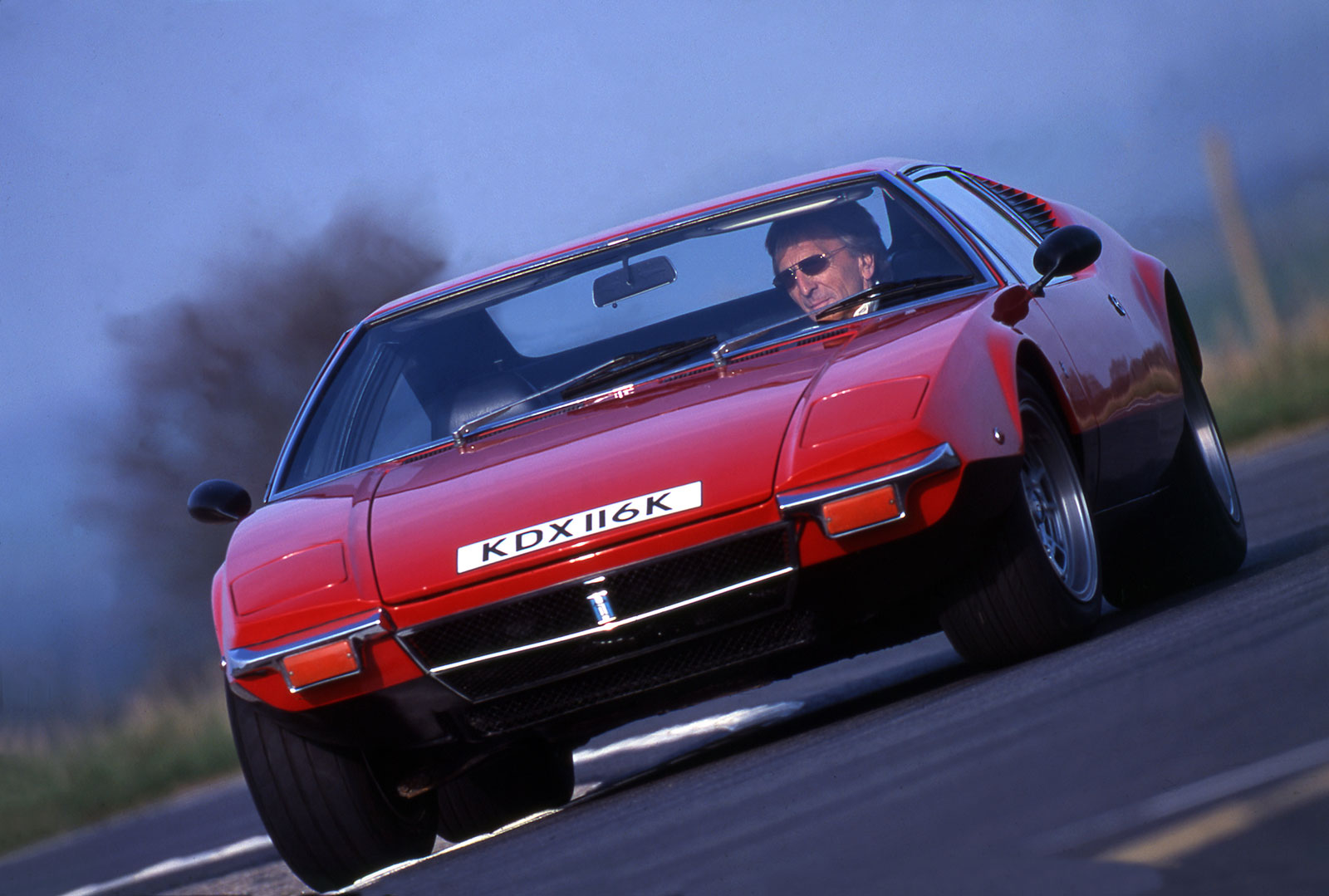
1971-1992 £85,000-£200,000
The Pantera looks like the real Italian deal, but under that sleek bonnet is a Ford V8 and at the back is a German transaxle, while most of the cars were sold in the US by Lincoln dealers. Still, good ones, such as our restored 1974 US import, are rare and desirable alternatives to the usual fare.
One we found: De Tomaso Pantera V8 5.8, 1974, 21,000 miles, £99,995
Aston Martin DBS
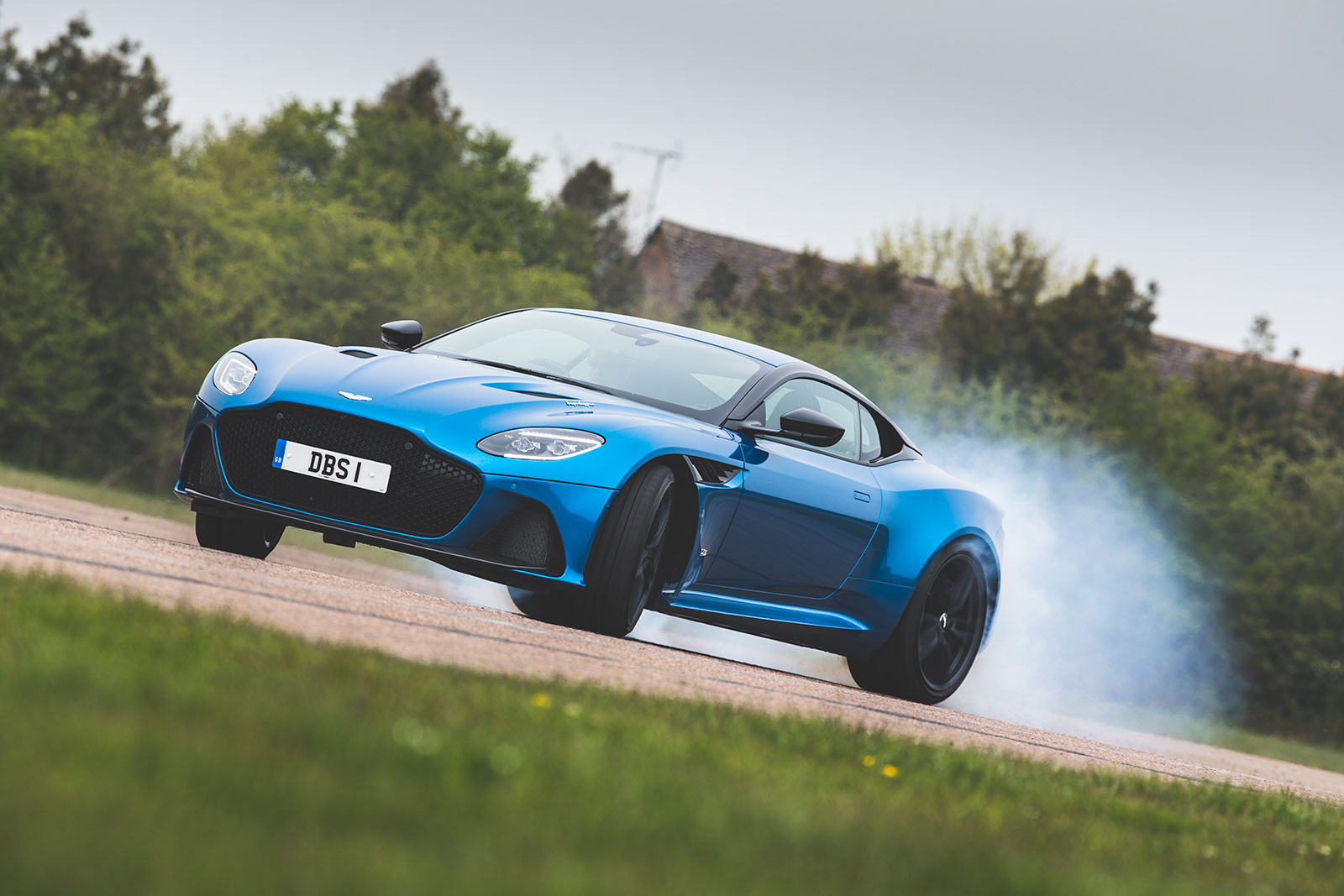
2018-present £150,000-£290,000
We know it’s really a GT, but among people who adore Astons, the DBS (formerly DBS Superleggera) is a supercar with the swagger to brush Ferraris off its lapels. For the record, it has a 715bhp V12 and can crack 0-62mph in 3.7sec. Our example is an approved used car in, appropriately, Divine Red.
One we found: Aston Martin DBS Superleggera, 2019, 5000 miles, £163,990
Maserati MC20
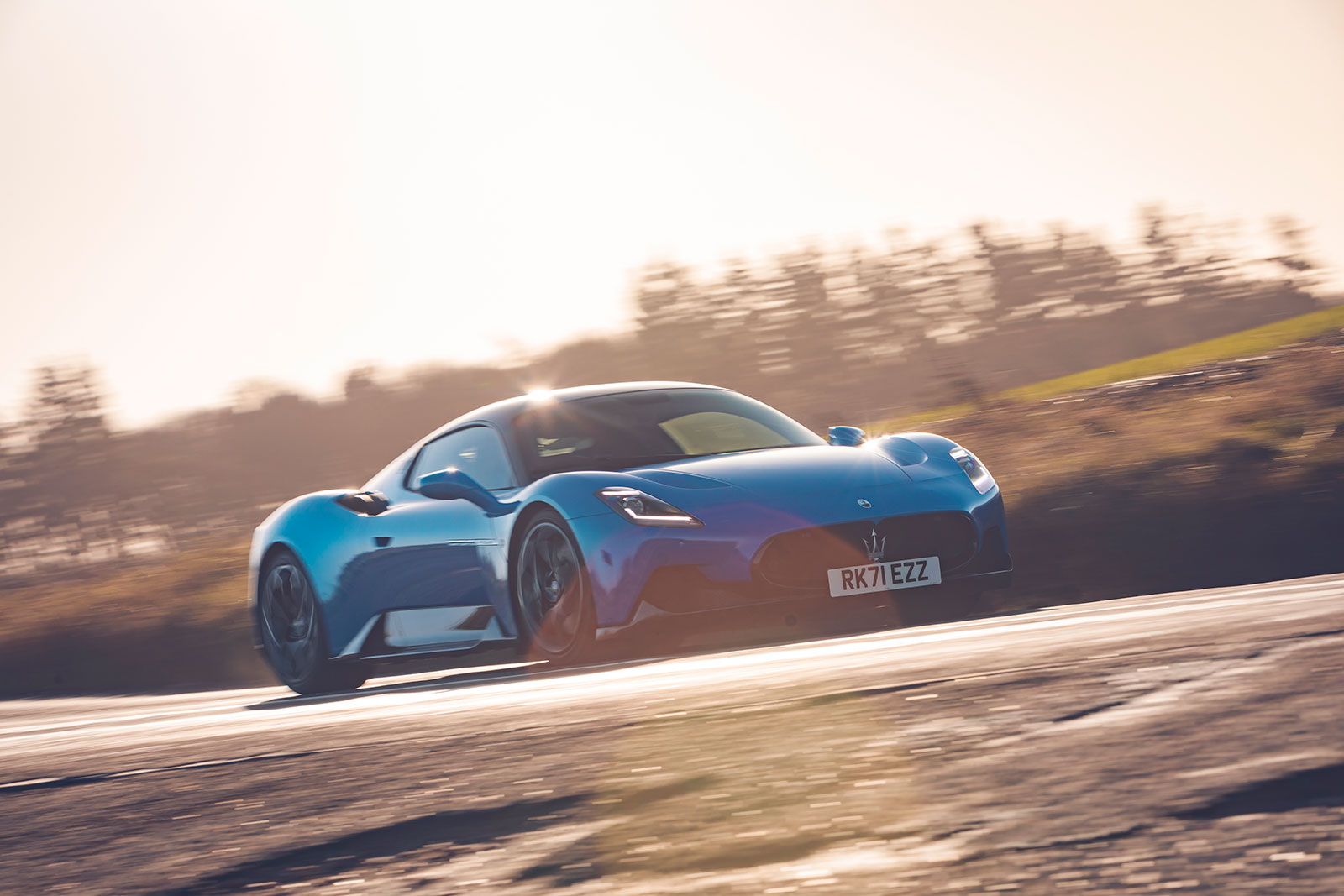
2021-present £230,000-£255,000
At last, a Maserati that delivers on its promise. It’s a shame that it has taken a £190,000 supercar to do so (it’s more expensive used), but you’ve got to start somewhere. The 621bhp 3.0-litre V6 delivers 0-62mph in 2.9sec. For some reason, our car bears the signature of Maserati’s vice-president of design.
One we found: Maserati MC20, 2021, 2000 miles, £229,995
Spyker C8
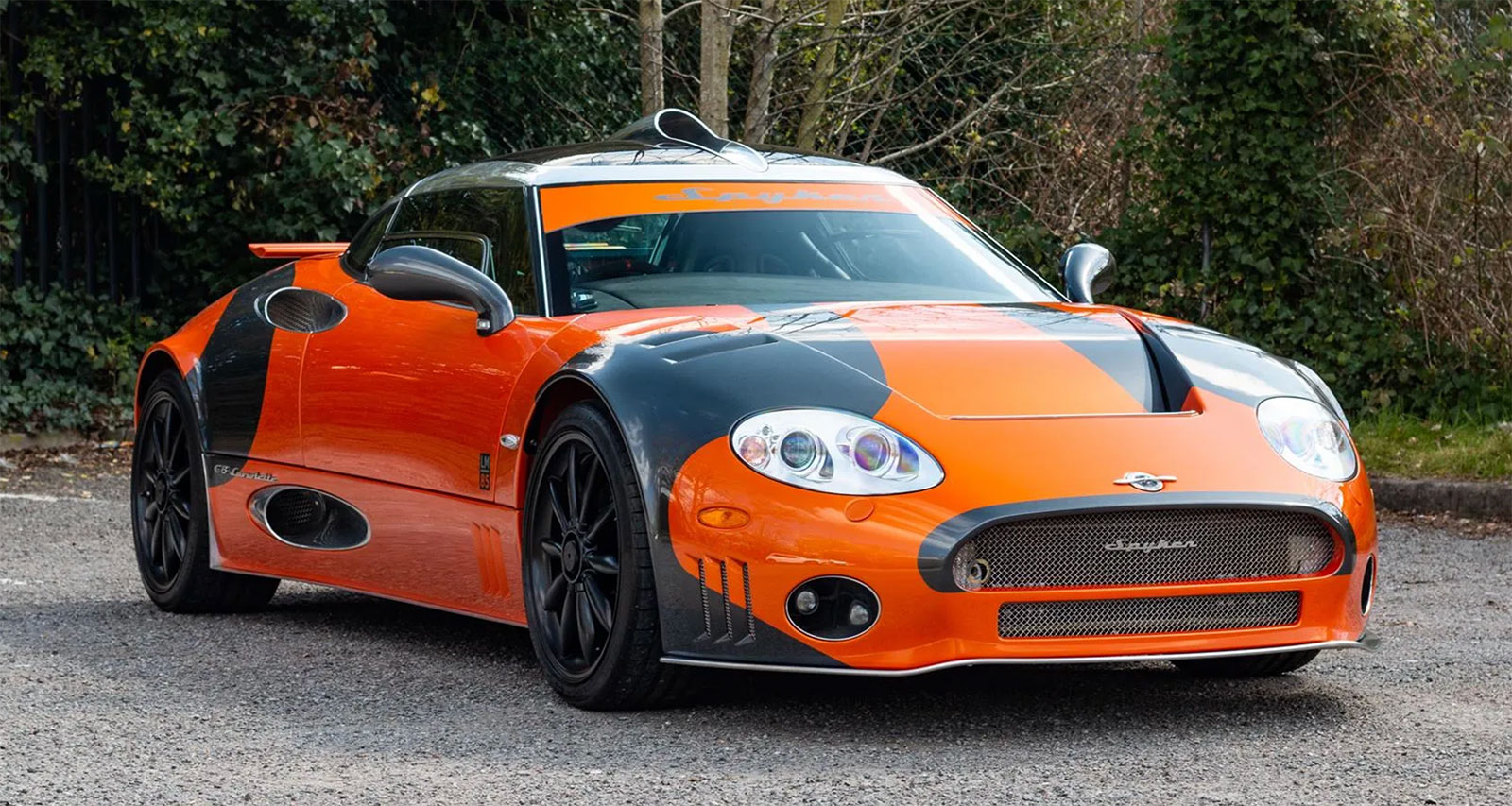
2000-2012 £230,000-£325,000
Neither as fast as rival supercars (it’s powered by an Audi S4 engine) nor as good looking, this Netherlands native is nevertheless a special car and, once you’re strapped in, a very special place to be. Our find is a right-hand-drive limited edition inspired by Spyker’s GT2 race cars.
One we found: Spyker C8 LM85, 2010, 950 miles, £299,950
Bugatti Veyron
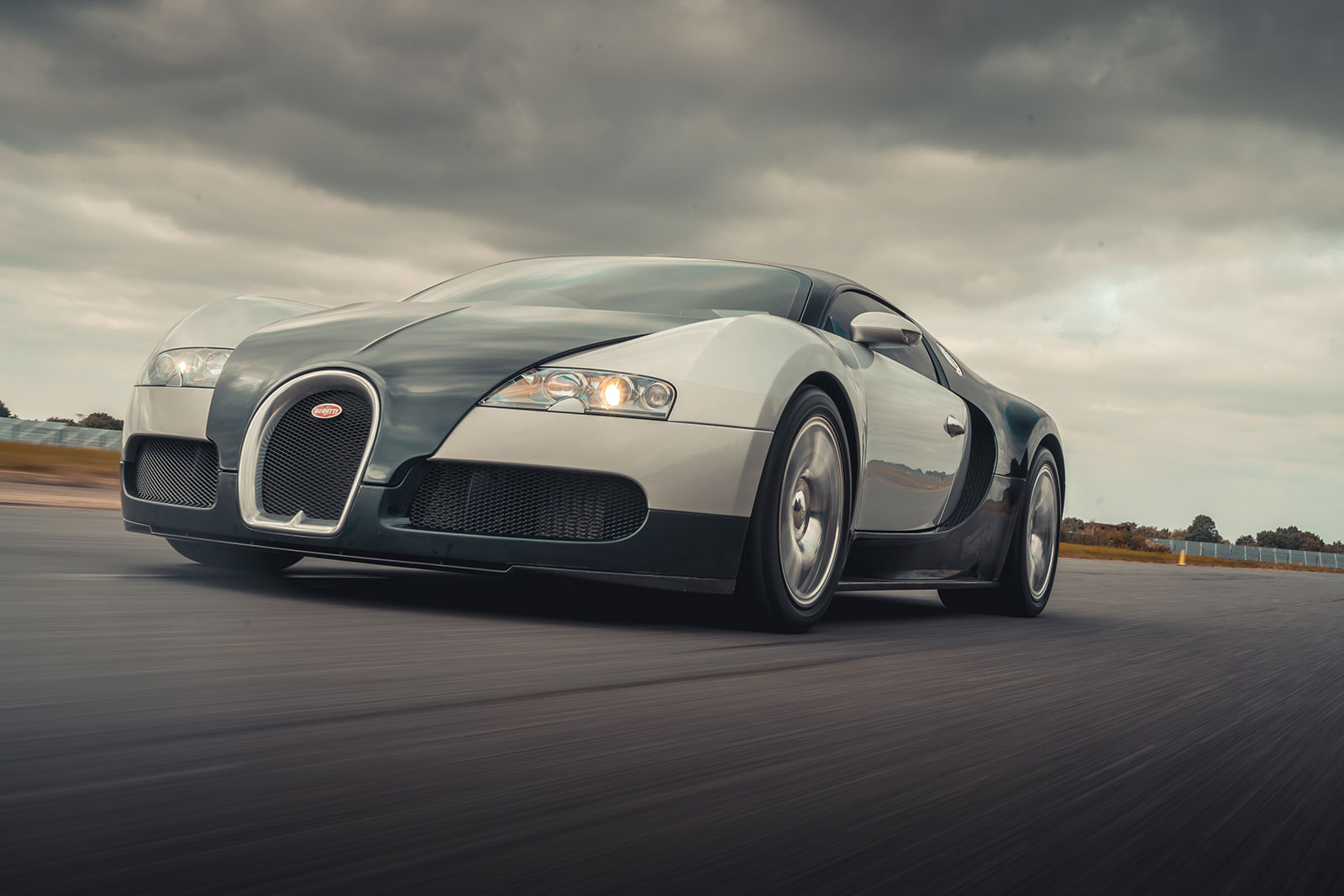
2005-2011 £1,000,000-£1,500,000
We said ‘every budget’, and here it is: your Surrey five-bed on wheels. Still, even at more than £1 million, it’s nice to know that dealers still push for that last 90 quid. Don’t forget to put aside £25,000 for annual servicing and a little extra for re-gluing the tyres to the wheels every 18 months.
One we found: Bugatti Veyron 16.4, 2007, 2000 miles, £1,174,990
Saleen S7
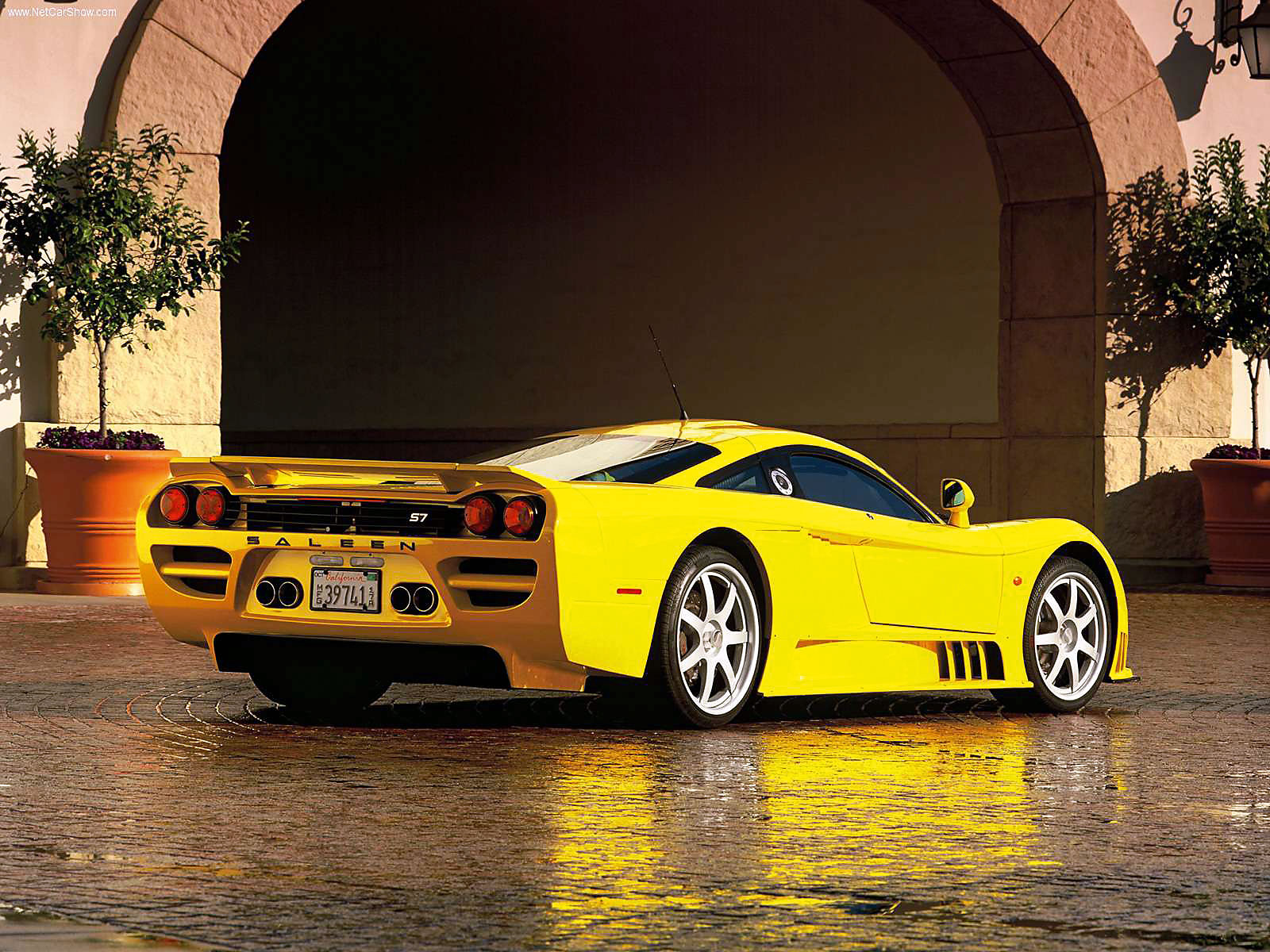
2000-2009 £500,000-£850,000
The world’s your lobster with this much money. Five used Ferrari 488 GTBs, anyone? So, blinded by the bright lights of choice, we’ve gone for that all-American supercar, the Saleen S7. Its 7.0-litre Ford V8 produces 550bhp and 0-62mph takes a little under four seconds. It’s super-rare, and our find will need to be imported from the US.
One we found: Saleen S7, 2003, 7000 miles, £810,000
Mercedes-Benz SLS AMG
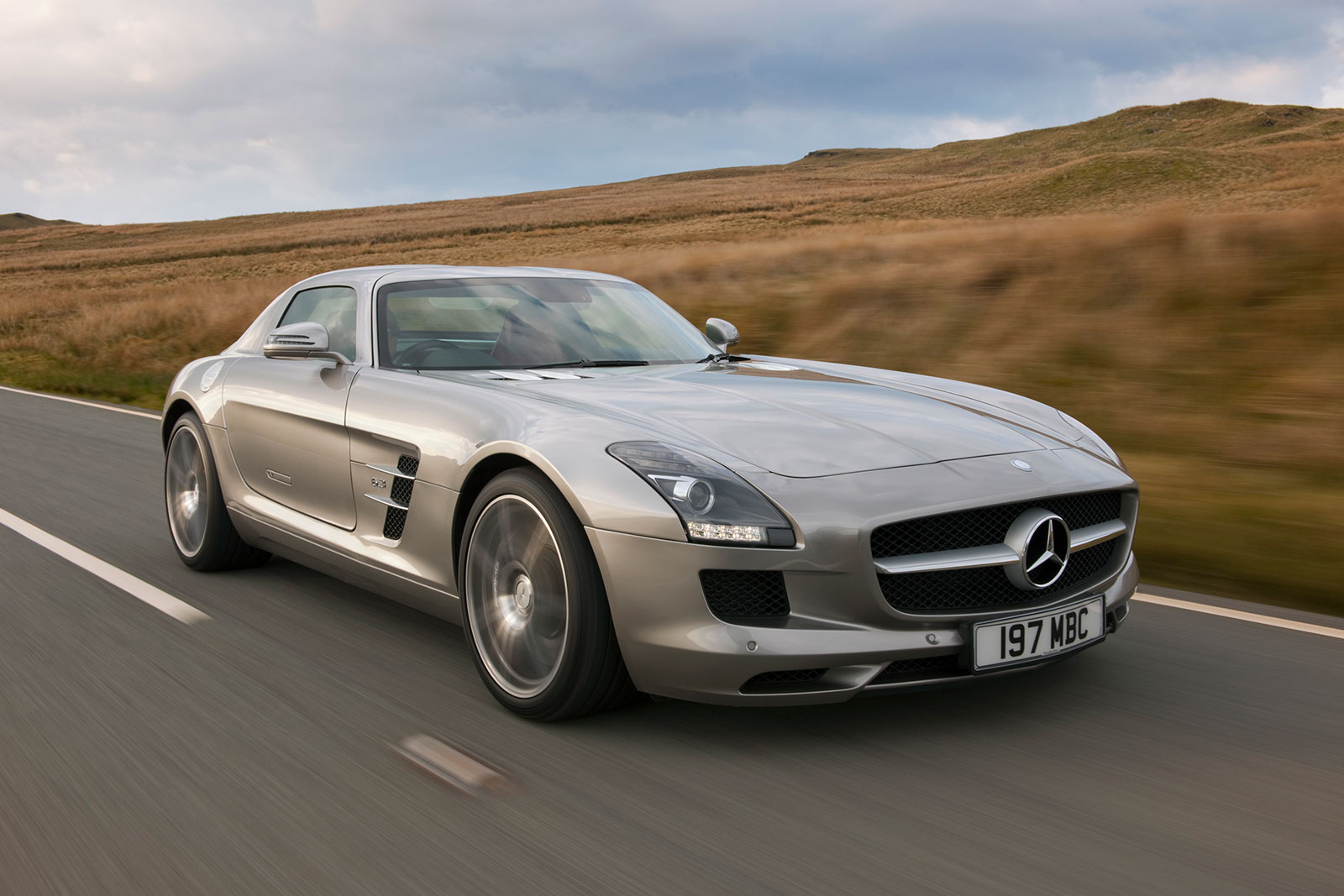
010-2015 £130,000-£190,000
The letters ‘AMG’ guarantee that whatever wears them will be challenging to drive. With those three applied to the back of something as purposeful as the SLS, you had better ready your medication. Its 6.2-litre V8 makes 563bhp, but it’s the way it spoons it out that stays in the mind. Expect no bargains.
One we found: Mercedes-Benz SLS AMG, 2011, 20,000 miles, £181,950
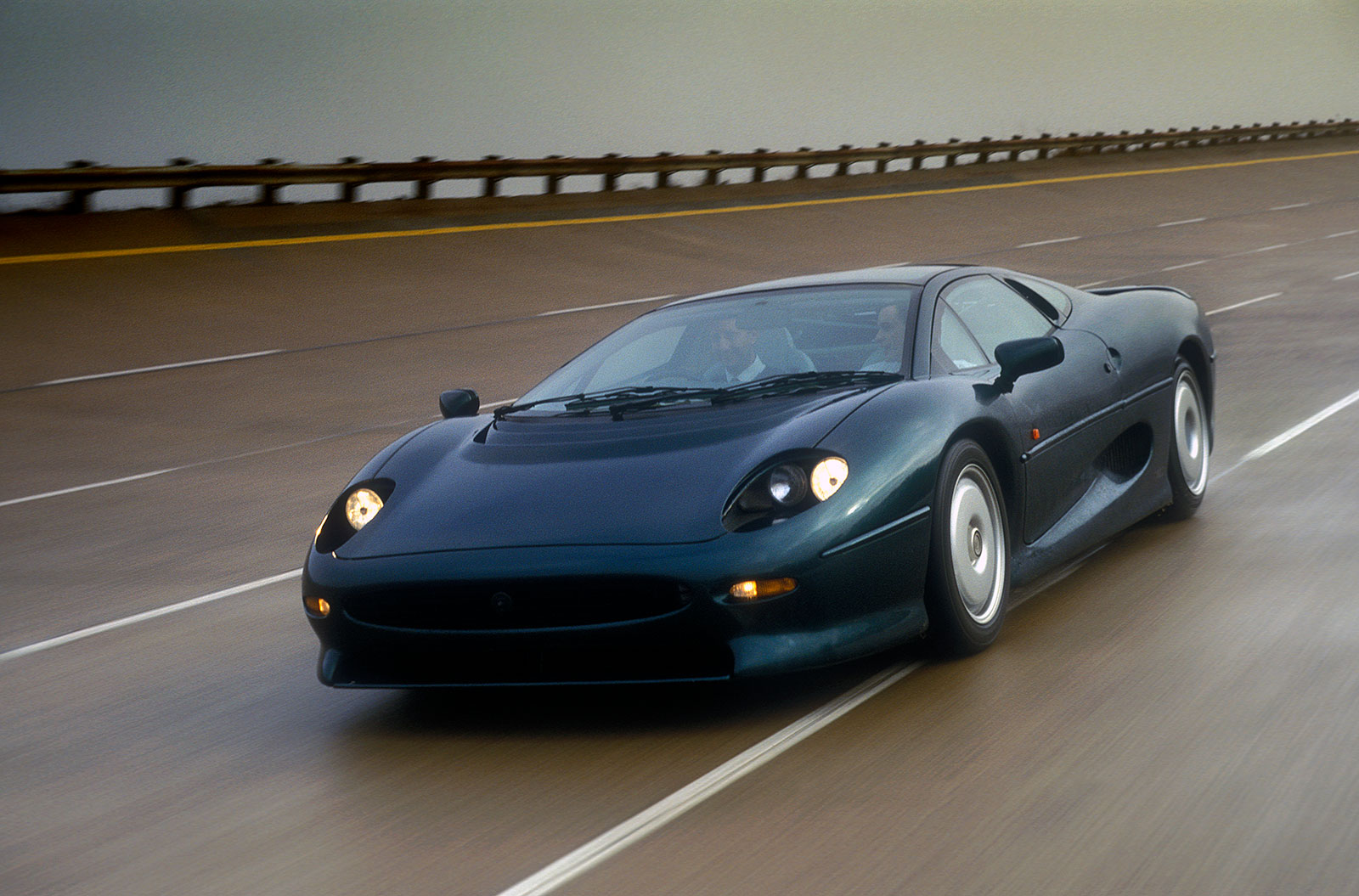
Jaguar XJ220
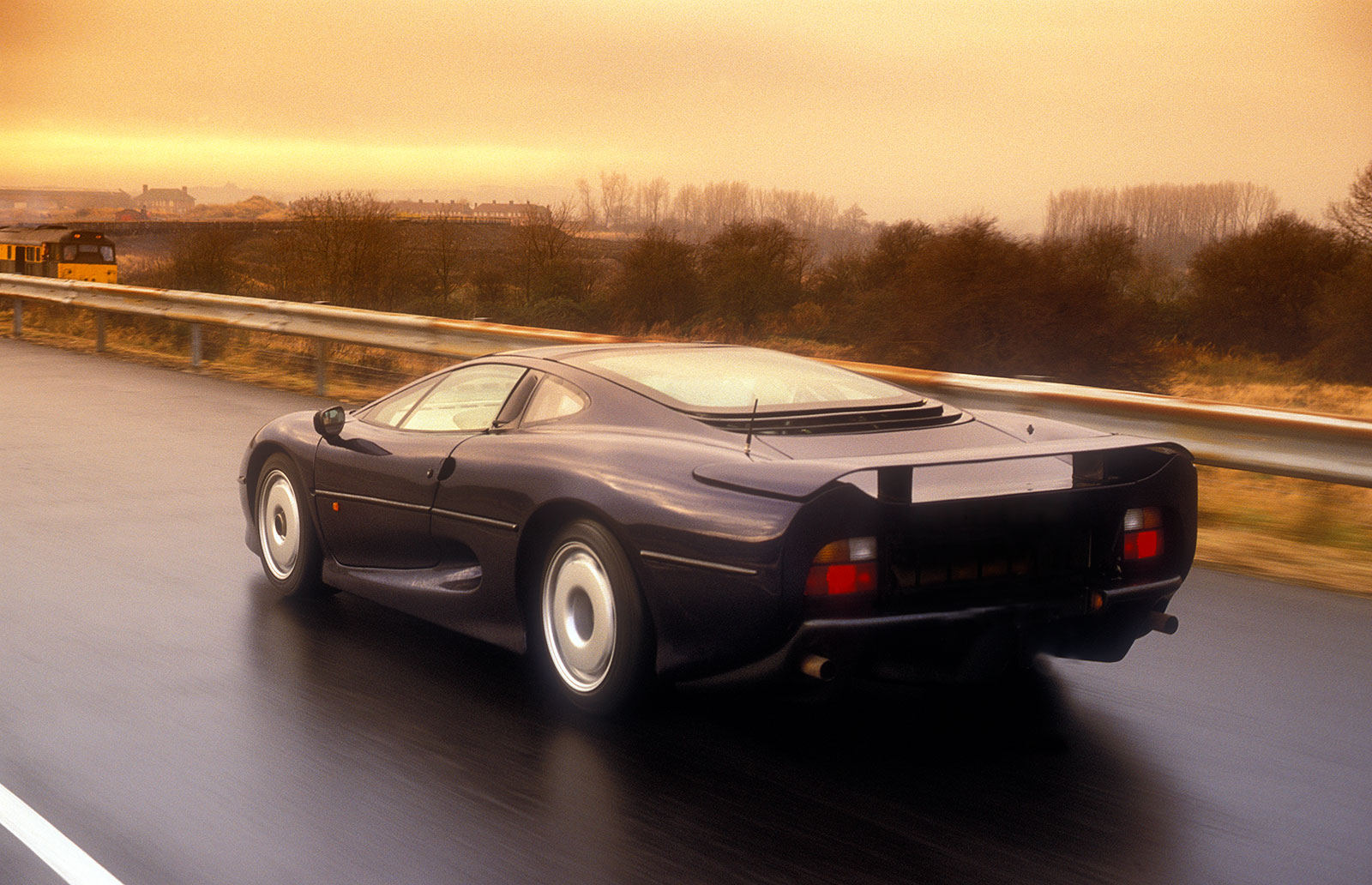
1992-1994 £375,000-£550,000
Is there anything more supercar than the XJ220? Don’t answer that, but for anyone who was around when this thing emerged (come on, it was only 1992), the XJ220 is the real deal. There was a bit of bother over its changed specification at launch, but everyone is over that today, as prices attest.
One we found: Jaguar XJ220, 1993, 8000 miles, £399,850
How to buy a used supercar
Follow these simple steps to avoid coming a cropper:
Stick to your budget: Nothing turns the head or empties the wallet like a supercar, so put all your effort into remaining collected.
Research your costs: Be sure you can afford the insurance, servicing, consumables and garaging.
Know the market: In addition to knowing what’s a fair price, find out what specification, colour and extras are popular so that when the time comes to resell it, you won’t be stuck with an orphan.
How to buy a used supercar
See loads of them: Compare prices, how they drive, condition and aftersales care.
Check it thoroughly: Ideally you should hire an expert for this, but if you’re going alone, at least make sure it drives as it should. Ensure alloy wheels have been properly repaired and that the interior is free of damage. Check that all the tyres are to specification.
Check its history: Be sure it’s clear of finance and that it isn’t a write-off. Many supercars wear cherished plates, so cross-check the data using engine and VIN numbers.

EV Prices Fall but Market Shifts Toward Larger Models Drive Up the Median Cost

Sporty Car Design and the Myth of Performance: When Looks Outpace Speed
 We take a look at the cars whose looks wrote cheques their engines couldn’t always cash
Sharp styling, large spoilers and sculpted air dams will occasionally trick us into thinking a meatier engine lies underneath.
Looks can be deceiving and don't always mean great acceleration or top speed. Here are some cars that we think look more meteoric than they are:
Toyota Celica
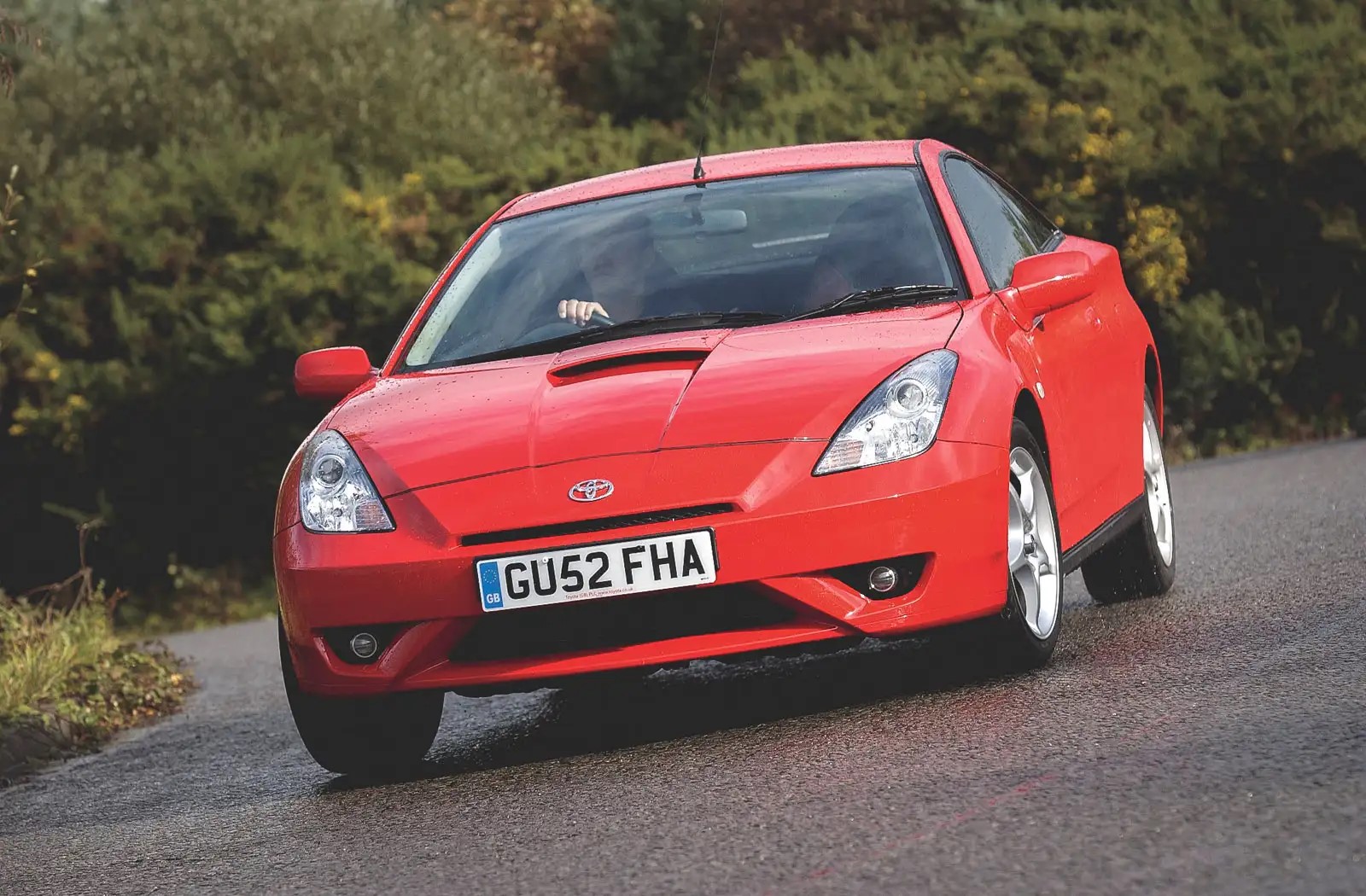
With its low-slung stance, small bonnet scoop and carved lines, the Celica started off in life with just 143bhp from its Yamaha-derived 1.8-litre VVT-I unit. It took 9 seconds to get to 62mph from rest, though would eventually make 127mph when possible. While it wasn’t a drag racer, the Celica handled well and was even considered the best-handling front-wheel drive car on sale in 1999.
Mazda RX-8
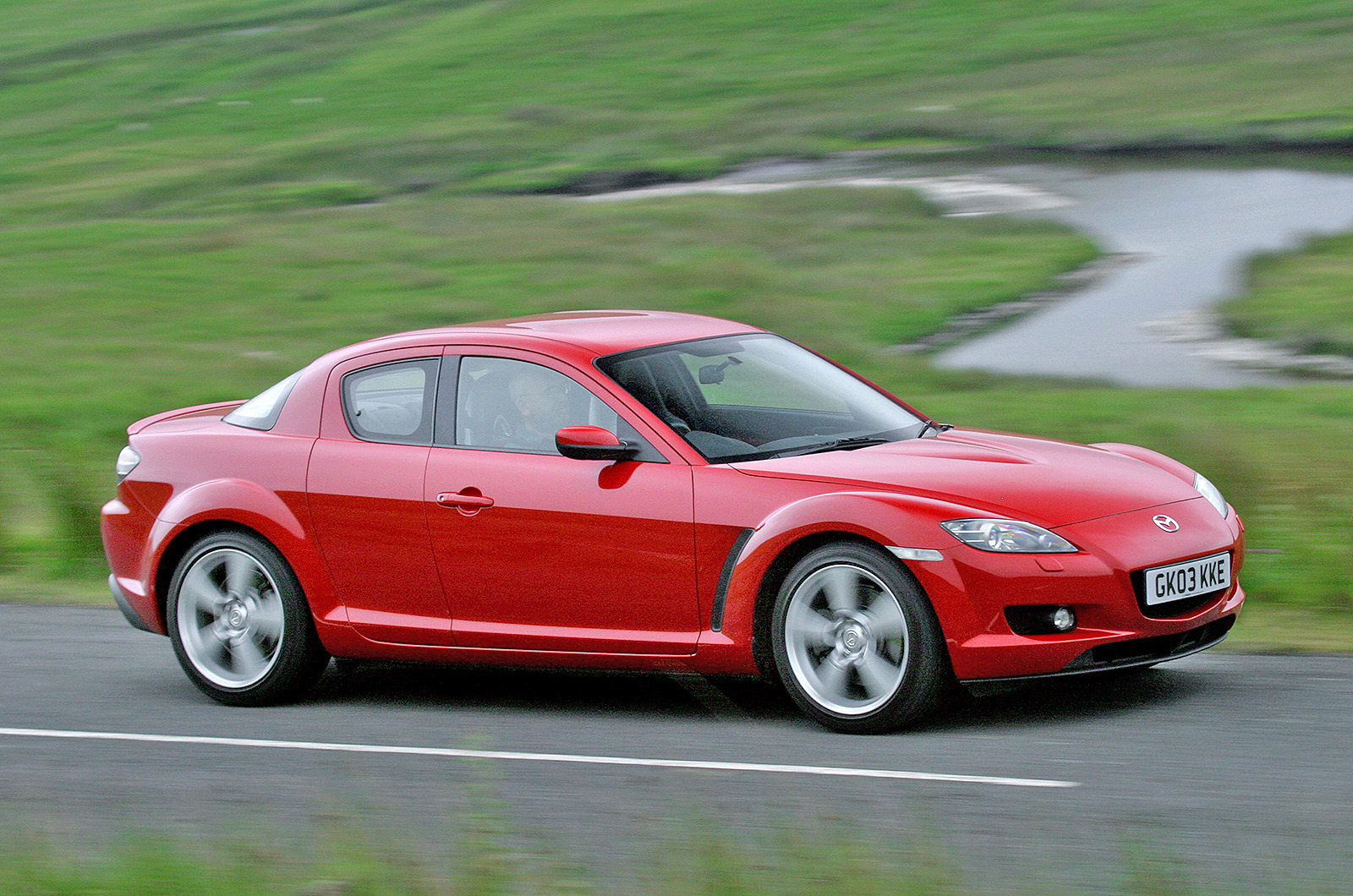
Many people often expected the RX-8 to be a speed machine with its funky 2+2 layout, sporty bodywork and a special naturally aspirated high-revving 1.3-litre Wankel rotor engine - an evolution of the RX-7's twin-turbocharged unit. The RX-8 landed with 189bhp but little torque - a characteristic of most rotaries - at 162lb ft, due to the lack of turbos, which meant 0-62mph in 7.5sec and a quarter-mile time of around 17sec.
Toyota GT86
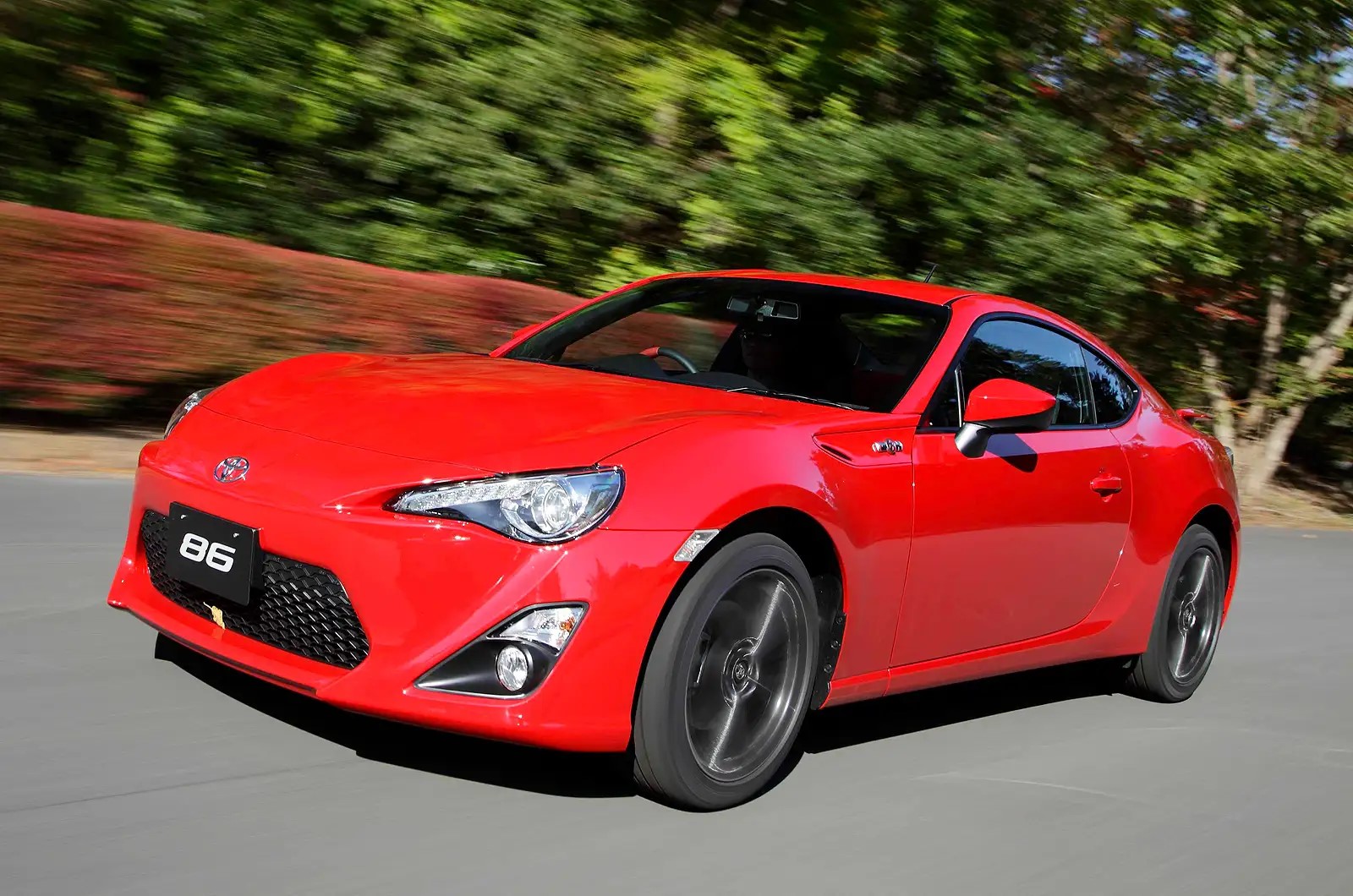
When it arrived in 2012, the GT86 was praised for its lightweight body, rear-wheel drive and 50:50 weight distribution. It looked like a bona fide sports car with its aggressive front-led headlights, ground-hugging stance and swooping roofline. The 2.0-litre Boxer engine produced 197bhp, and 151lb ft, which had just 1239kg (2731lbs) to shove along but the GT86 would hit 62mph from rest in 7.7sec and top out at 137mph. However, those who opted for the automatic version would have to put up with a frankly pedestrian 0-62mph time of only 8.2sec.
Fisker Karma
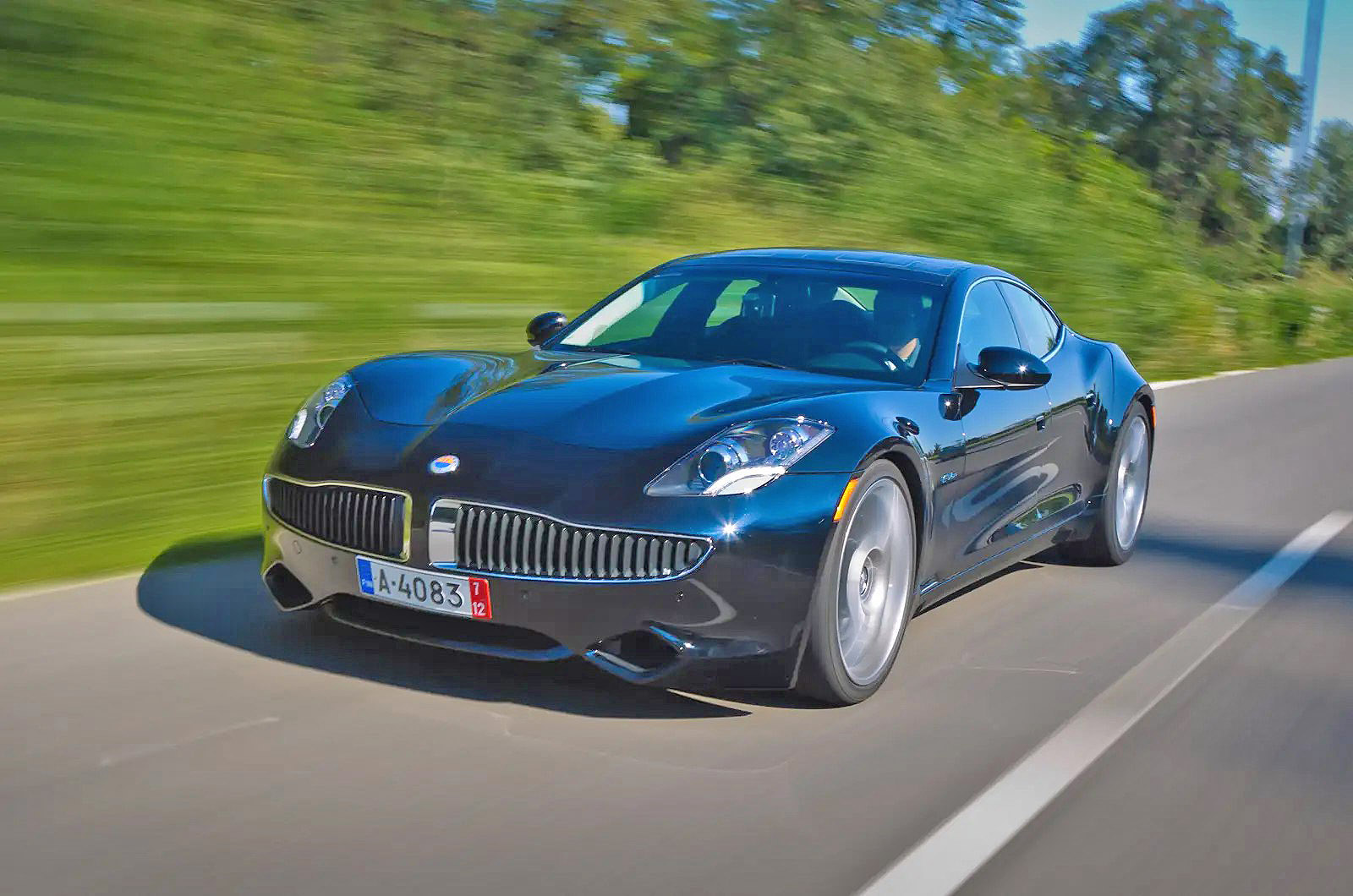
The man who designed the BMW Z8 and Aston Martin Vantage, Henrik Fisker, gave us the striking Fisker Karma in 2011. Its bonnet was long, it was wider than a Ferrari 360 and its bodywork was sculpted like that of an Aston Martin Rapide, as though it was to fire on to 170mph-plus. However, underneath the makeup was a 260bhp 2.0-litre powerplant and two 201bhp electric motors powering the rear wheels. This meant, on battery power alone, the Karma would scuttle to 62mph in 8.0sec.
Ferrari Mondial
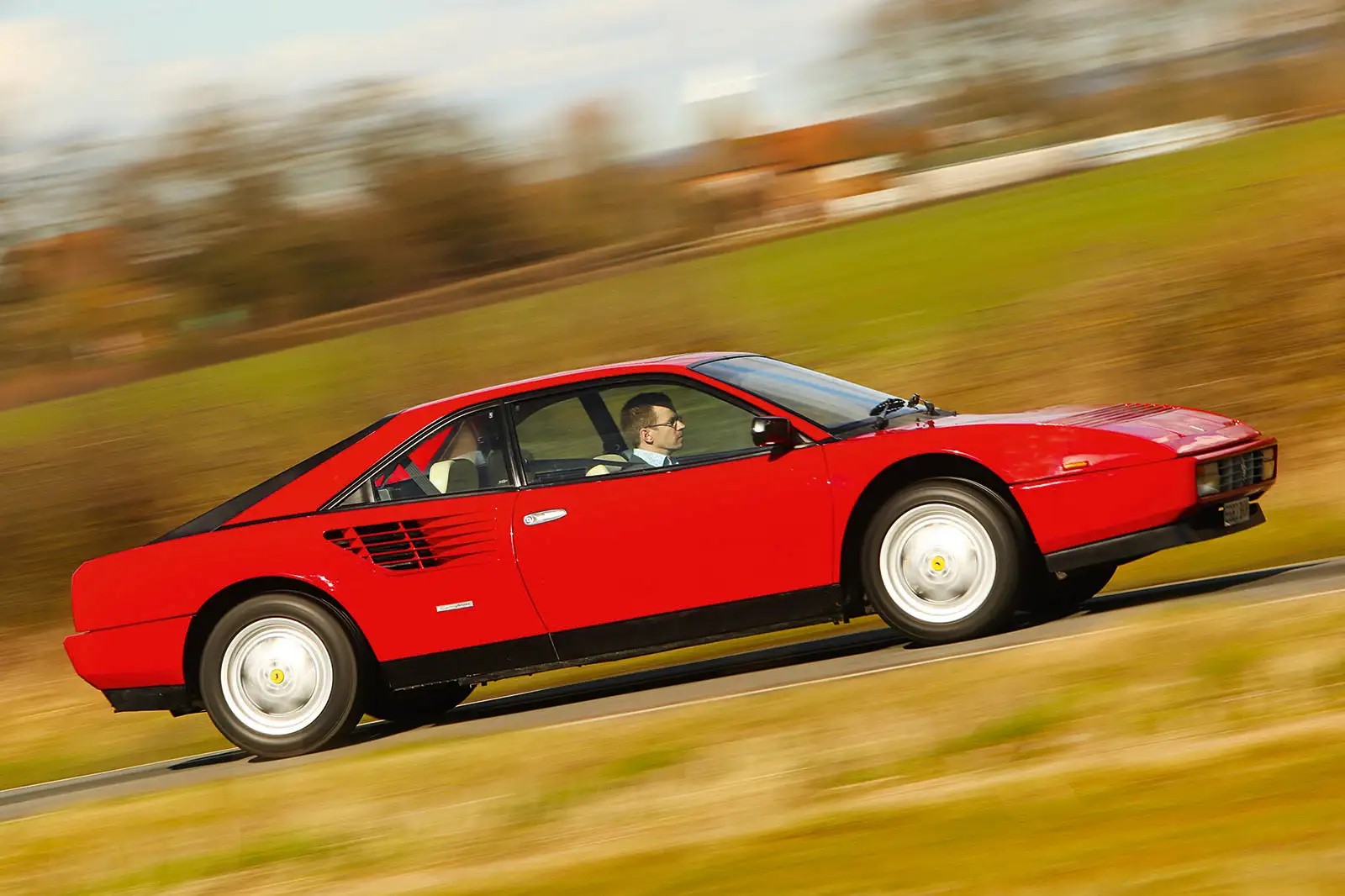
In the 1980s, the world was gifted the legendary Ferrari Testarossa and the F40. The Mondial, launched in Geneva in 1980, did have all the Ferrari looks such as an iconic sloped front end, vents to cool the mid-mounted V8 and a supercar presence. Upon its release, 3.0-litre V8 produced just 214bhp (205bhp in US spec), which meant the Mondial slugged its way to 62mph from rest in 8.2sec, although some claims are closer to 10sec. Given enough room, it would hit 140mph, eventually...
DeLorean DMC-12
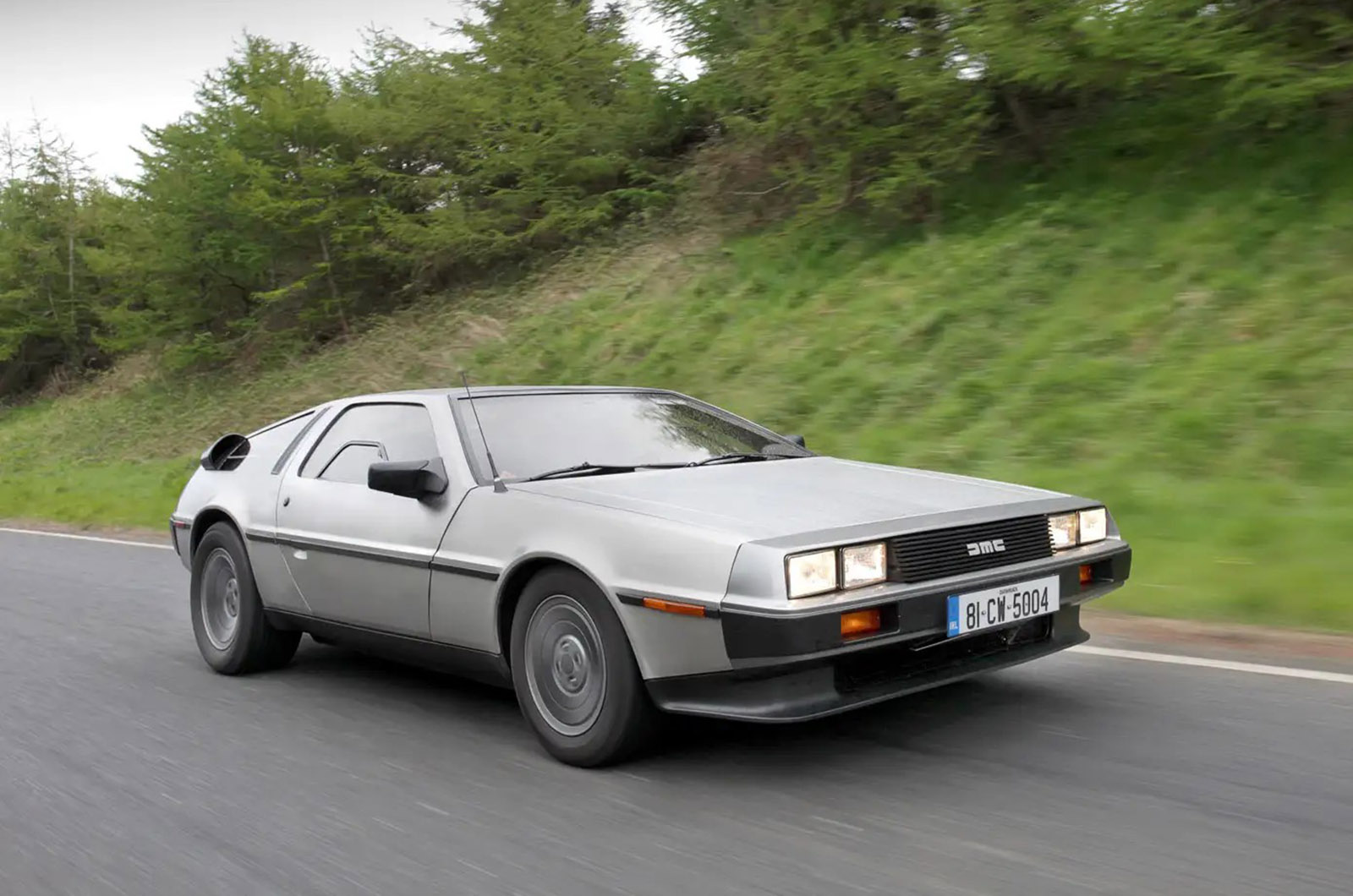
DMC-12 was intended to be lighter and a lot more powerful than the production version ended up being, as the firm had a difficult time finding a suitable engine. The prototype had a Ford Cologne V6 but was later swapped for a four-cylinder Citroen engine that was to be turbocharged.
Unfortunately, Citroen didn’t like the idea and asked DeLorean to go elsewhere, and they eventually settled on a 2.85-litre Peugeot V6. It looked like a supercar with its sleek bodywork and gullwing doors, but with a poor 130bhp, and it tipping the scales at 1230kg (2712lbs), the DMC-12 took a tedious 10.5sec to reach 62mph. The top speed was 130mph although other sources claimed only 105mph was achievable.
Honda CR-Z
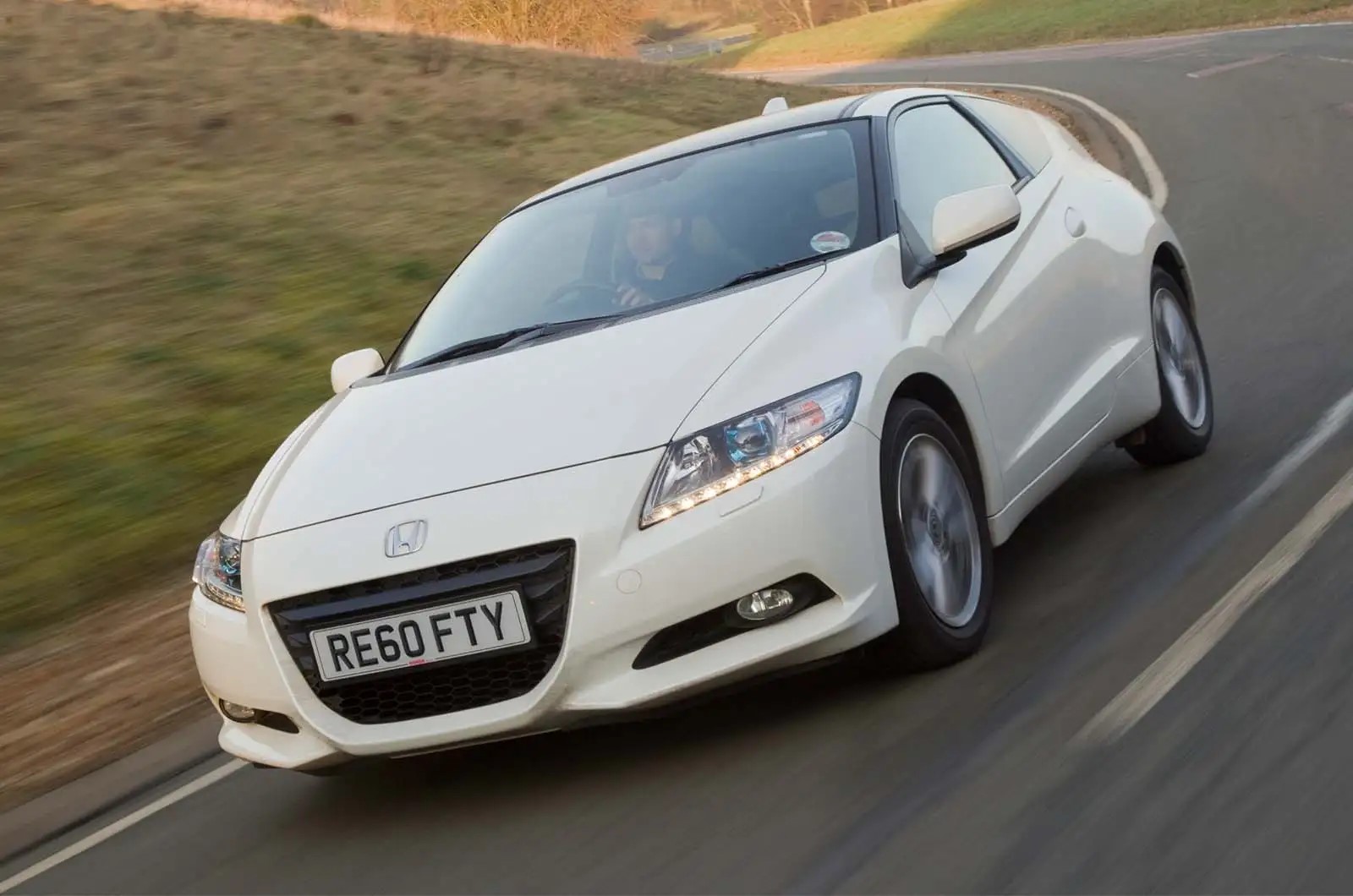
When Honda teased the CR-Z, it looked like the possibility of a classic CRX revival was on the cards. The sloped roof line, wide appearance and low centre of gravity were there, but unlike the CRX’s 1.6-litre 8000rpm 160bhp VTEC engine, a 1.4-litre hybrid powertrain with a mere 122bhp was used for the CR-Z. While the CR-Z never offered straight-line thrills, Honda had given it a stiffer front-strut and rear torsion-beam suspension which made it more pleasurable on a B-road. 0-62mph arrived in a lethargic 10.0sec and it would crawl on to 118mph.
Hyundai Coupe
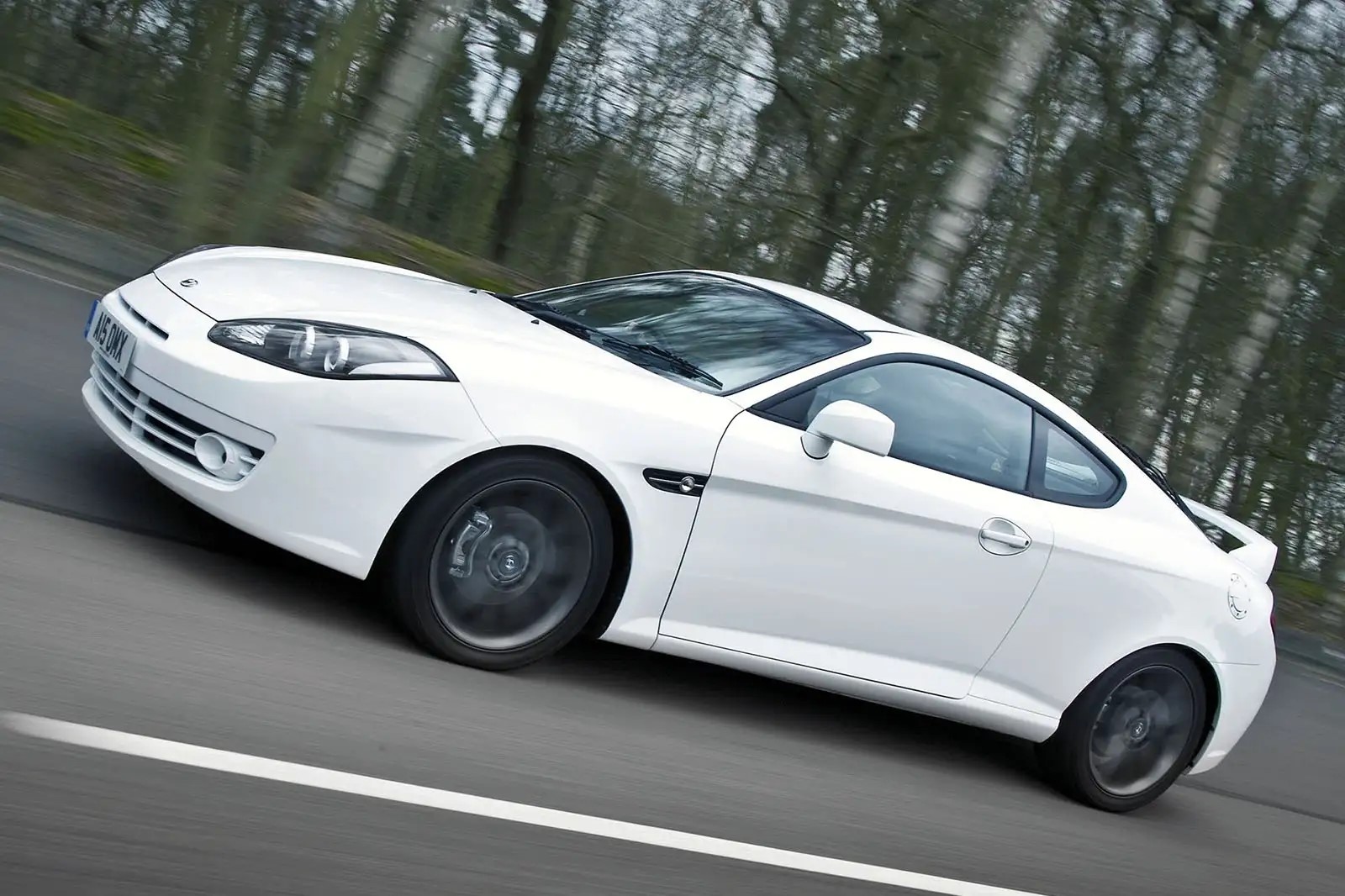
The Coupe was handsome with its sleek and sporty profile and it became popular in 2005 when it received a facelift which saw new lights and tweaked bodywork. In base guise, Hyundai was targeting the younger market who perhaps wanted an attractive car without the large insurance premium but the 1.6-litre produced a trivial 103bhp which meant 0-62mph in 11.5sec and it would top out at a risible 115mph.
Ford Mustang King Cobra
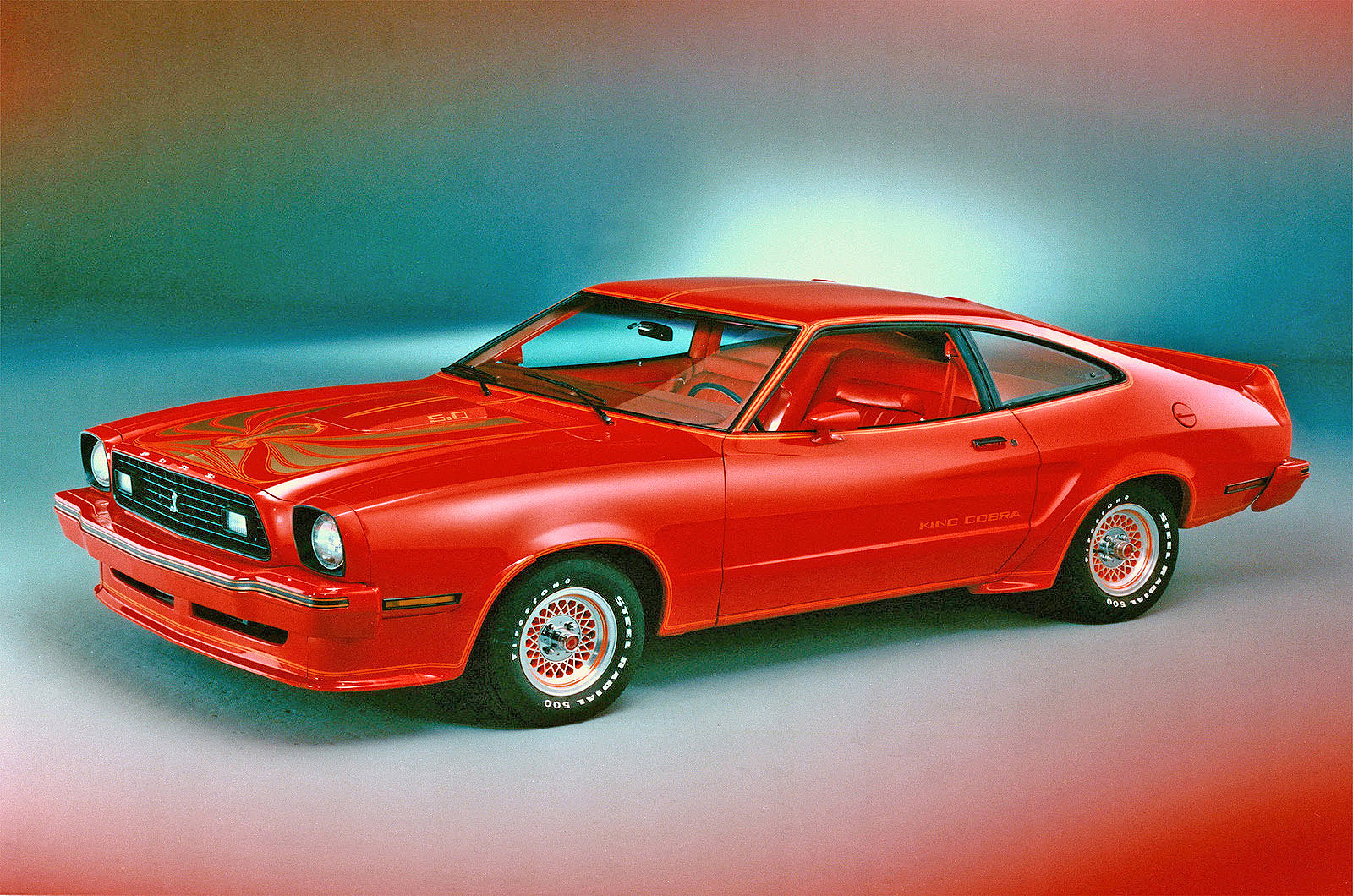
At the end of the fuel crisis in 1974, Ford decided to introduce a new Mustang that could balance both fuel economy and offer great drivability while keeping the traditional Mustang shape. This led to disappointing figures and owners could either buy it with an 88bhp 2.3-litre four-cylinder or a 105bhp 2.8-litre V6, rather than the 5.0-litre V8s of old. The V6 option meant that 0-60mph would arrive in a Peugeot 504-rivalling 13sec and it could barely hit 100mph.
Chevrolet Camaro
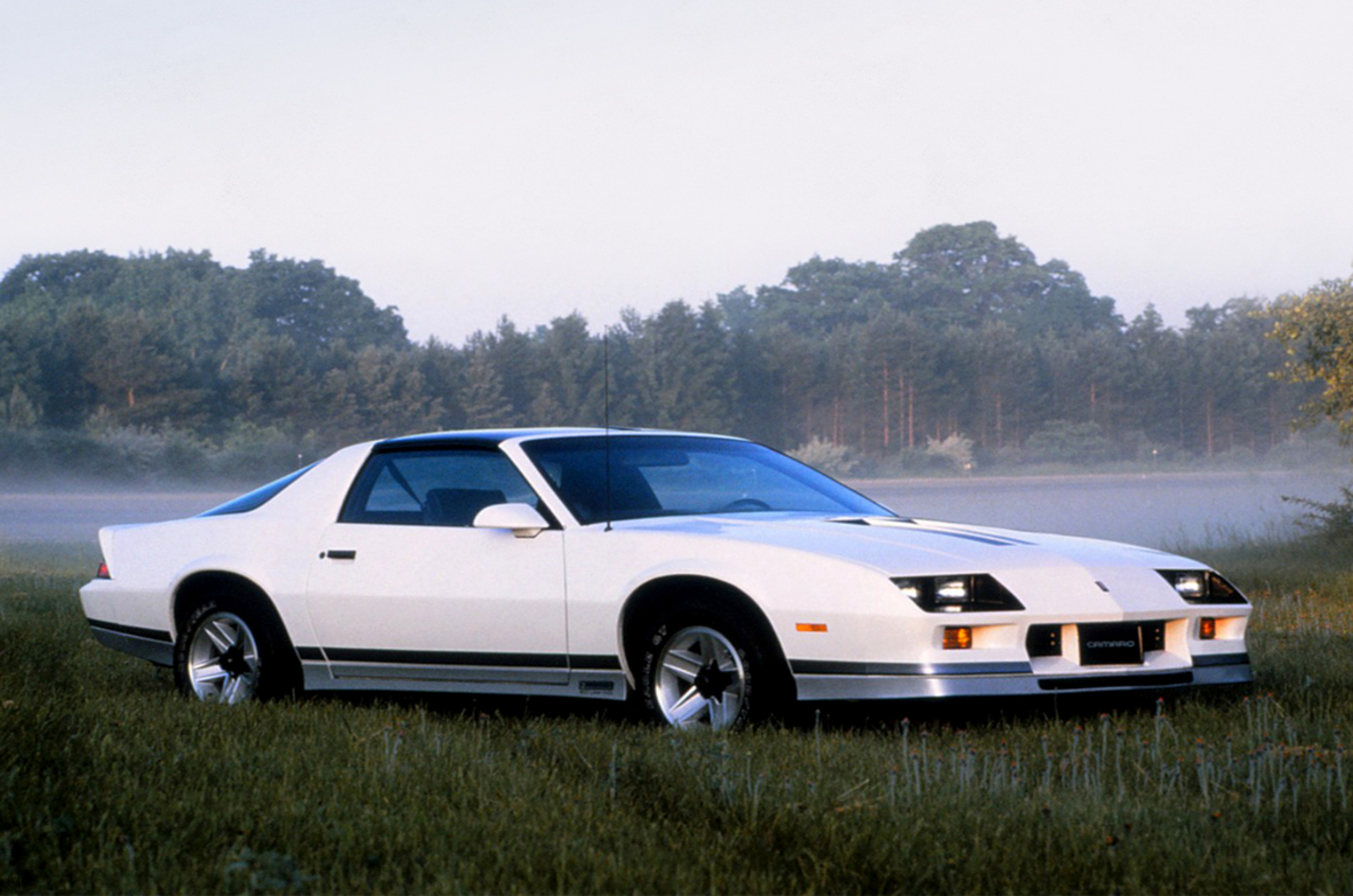
Previously, the Camaro was offered in either an inline-six or V6, alongside its V8 counterparts. When the third generation came in 1982, it received a 2.5-litre V6. These had supercar-inspired aerodynamic lines and wide muscle car bodywork, but with just 89bhp and 132lb ft from its 2.5-litre V6 engine, the Camaro walked to 62mph in 13.8sec. Top speed was just 106mph.
Hyundai Veloster
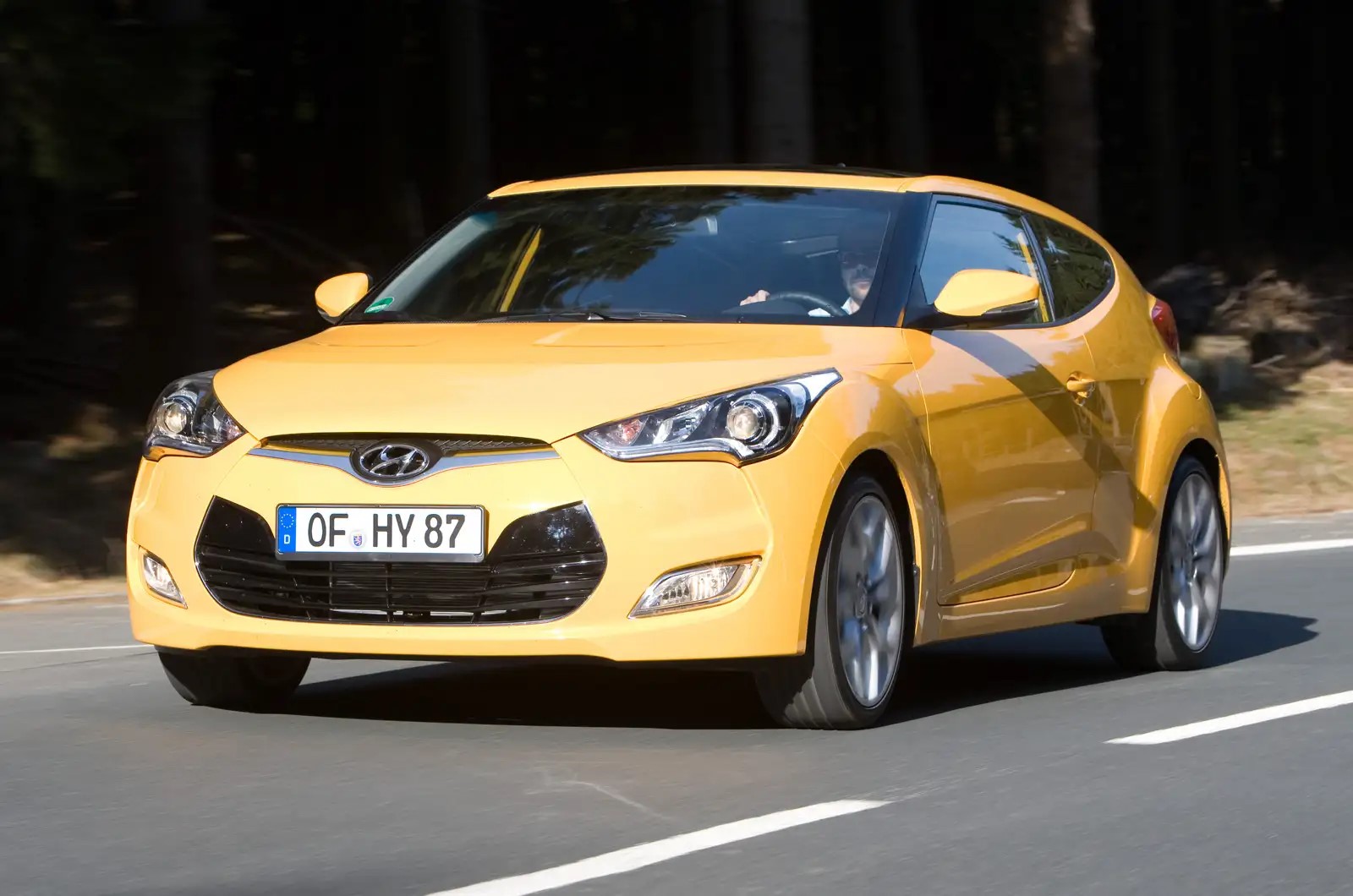
Hyundai released the Veloster in 2012 to compete with the popular Volkswagen Scirocco. It had a quirky sloping coupe design with a three-door layout. And while the Veloster had very little body roll, a large amount of grip and great handling, this was ruined by the 1.6-litre which only fed 138bhp through the front wheels, seeing 62mph arrive in a lengthy 10sec from rest. Hyundai later released a more powerful turbo guise to make up for the base car's poor performance.
Mitsubishi Eclipse Spider GS
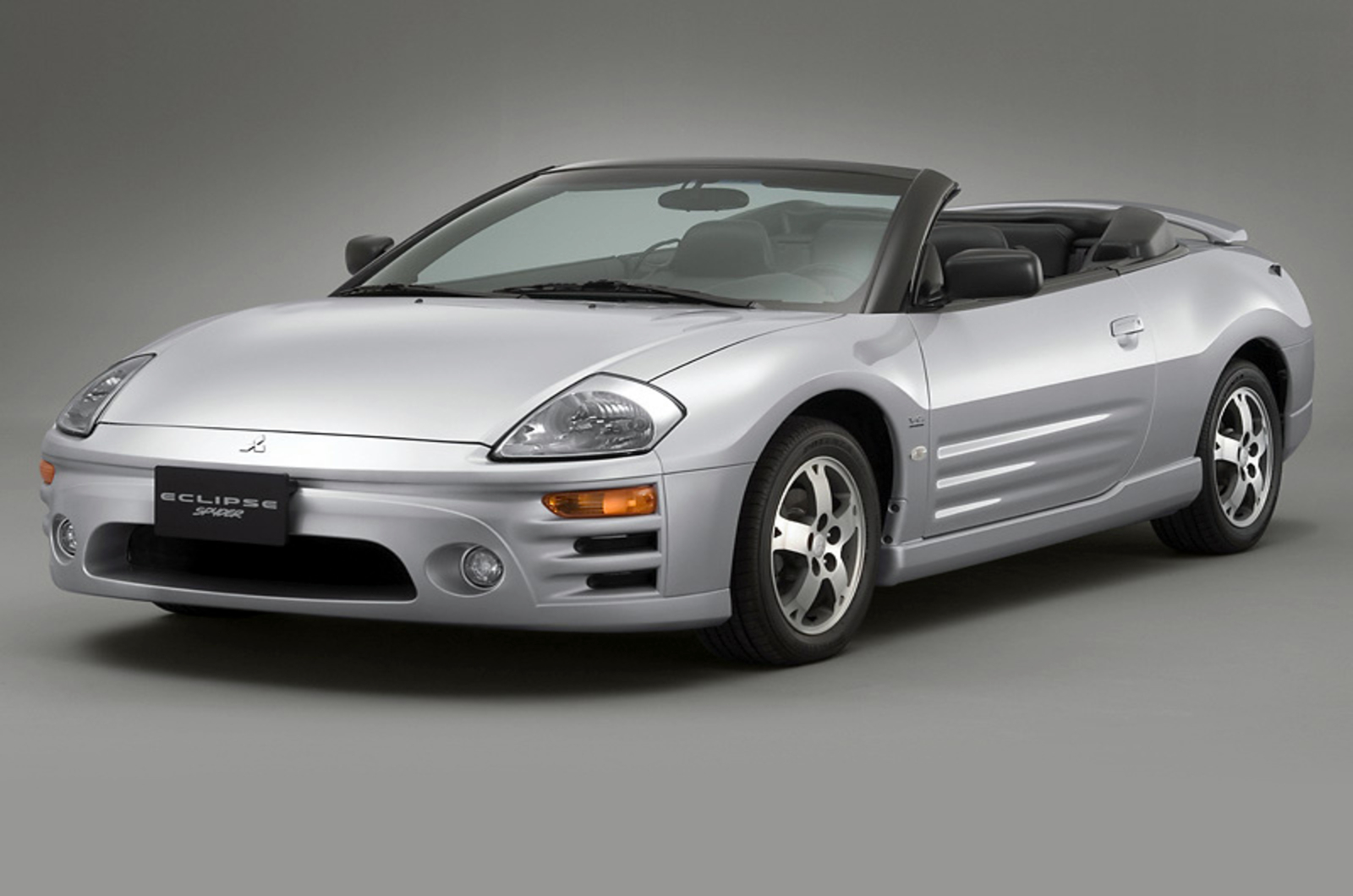
The Eclipse Spider wasn’t as fast as its aerodynamic bodywork or low and wide stance suggested and being a convertible meant it had additional weight at 1589kg (3505lbs). This meant that the mere 147bhp that the 2.4-litre produced could only manage 0-62mph in 8.9sec and cover the quarter mile in 17sec. Those who opted for the automatic gearbox had to endure an even worse 10.4sec to 62mph.
Audi 100 Coupe S
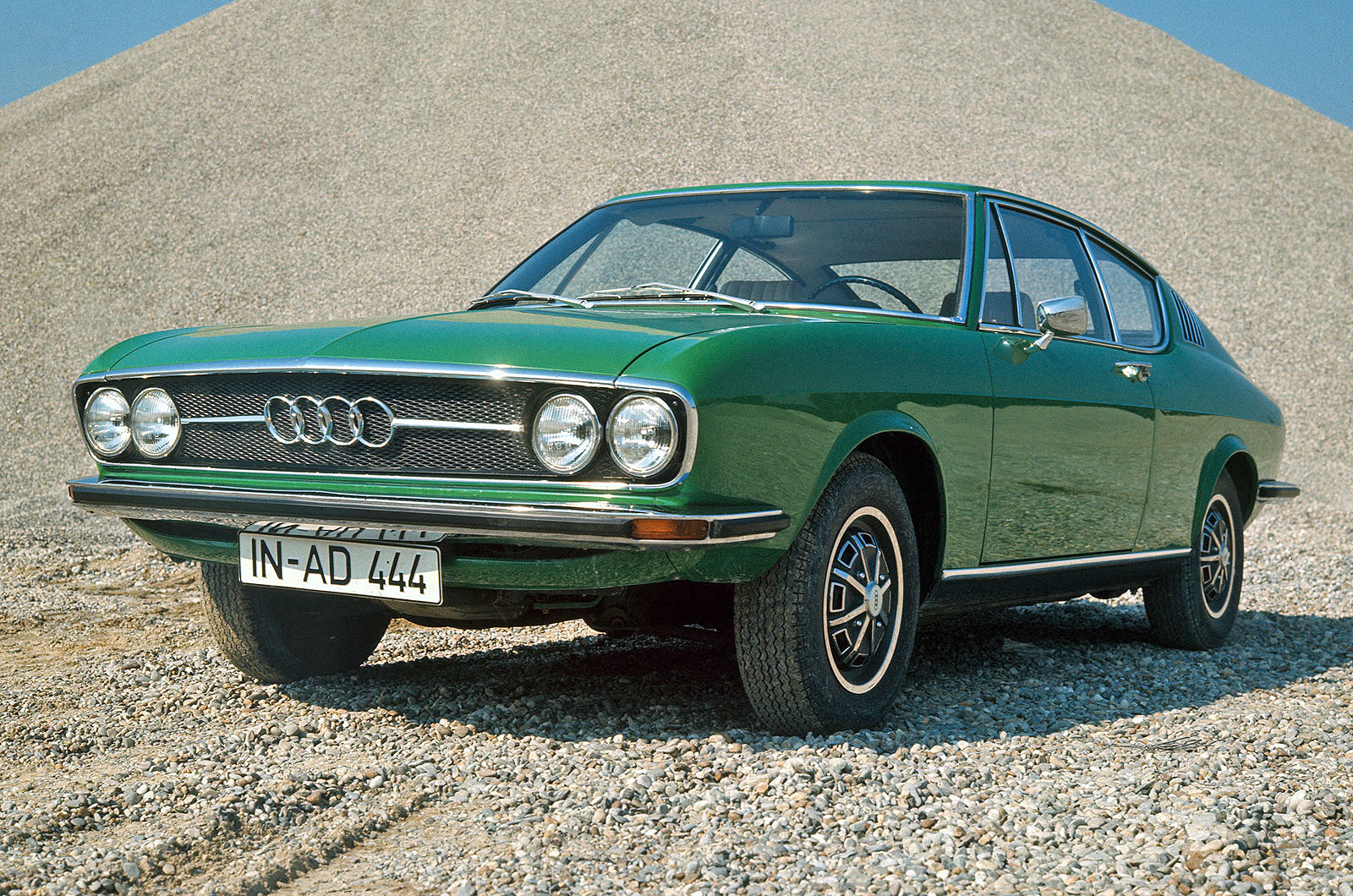
While it was elegant and its fastback-like design was attractive, the 100 Coupe S was powered by a 110bhp 1.9-litre four-cylinder that fed all power through the front wheels via a three-speed automatic gearbox. The 100 Coupe S looked prestige and more expensive than it really was with its sporty silhouette, four headlights, long bonnet and chrome trim. 0-62mph arrived in a leisurely 12.2sec while it would eventually reach 114mph.
Pontiac Fiero
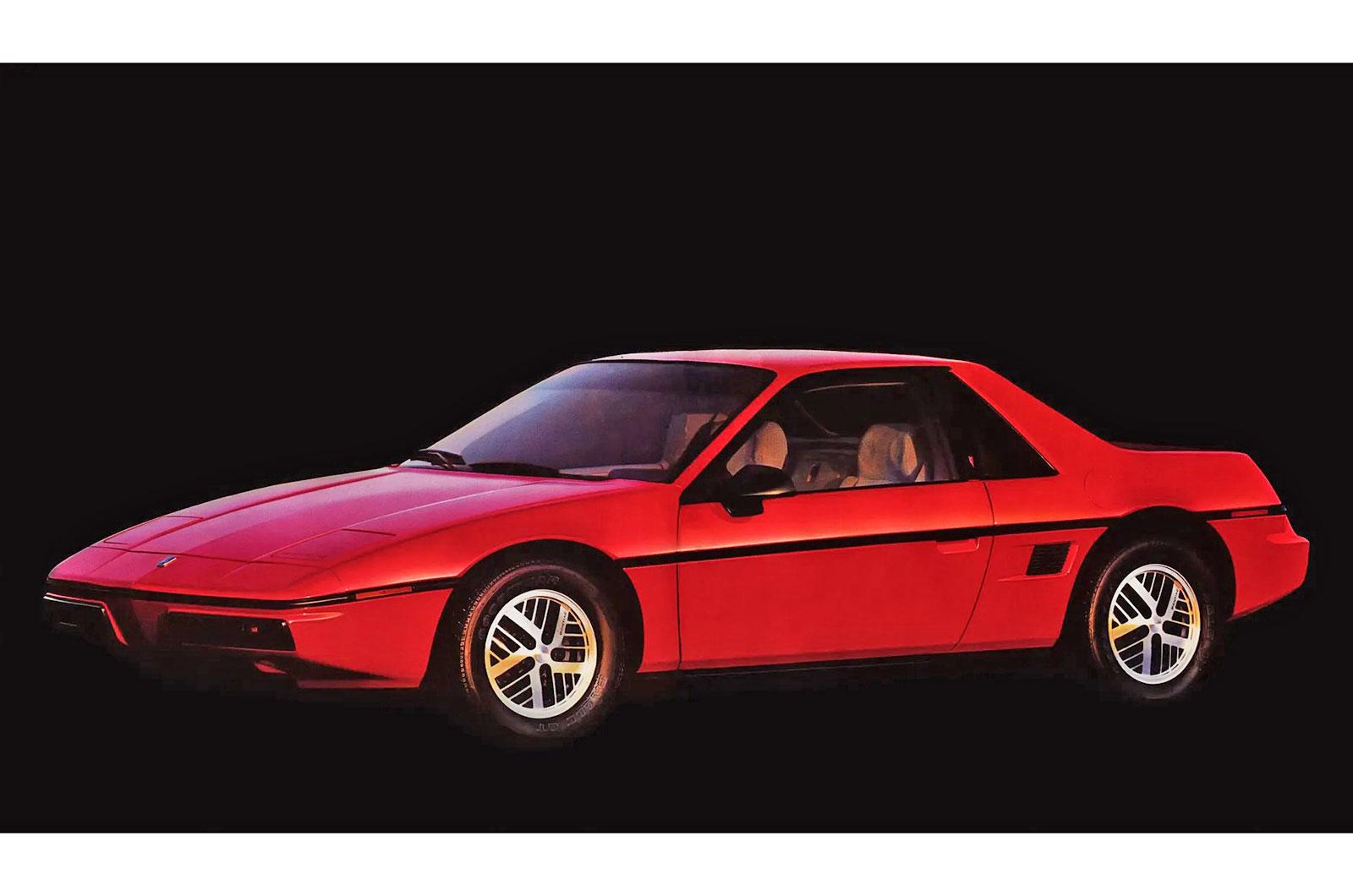
Its bodywork was Toyota MR-2-sharp and on paper the Fiero was considered fast; it was small, light and entertaining to drive with its mid-engined layout. Cars were also meant to get a high-revving 1.8-litre engine but due to costs, GM opted for a cheaper 93bhp 2.5-litre unit which gave it a high 11.0sec 0-60mph time and a top speed of 105mph.
Buyers could have the more muscular-sounding 2.8-litre V6 GT variant although this produced just 142bhp and still gave a disappointing 0-62mph time of 8.3sec.
Mazda MX-30
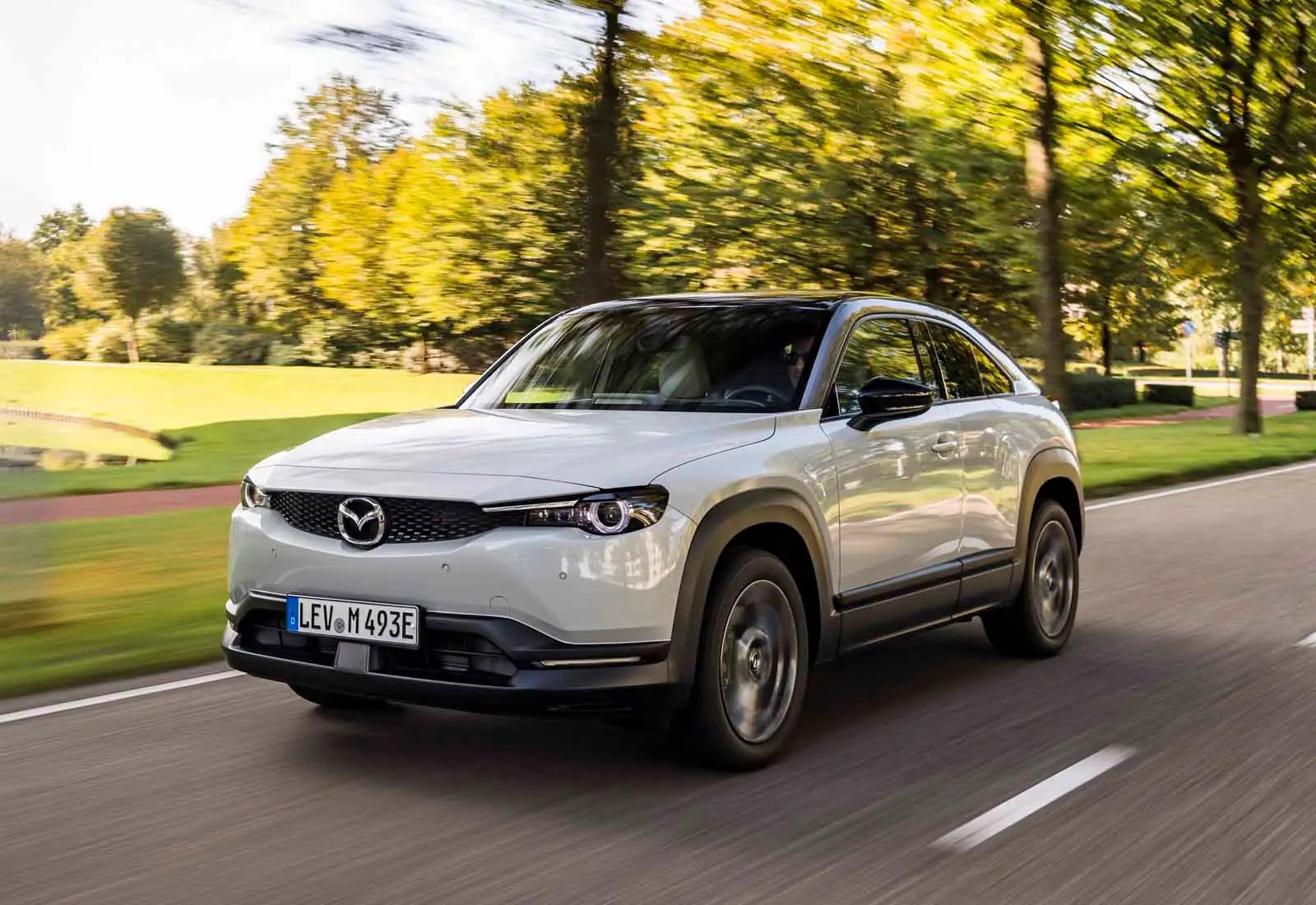
Electric cars usually offer a large dollop of torque in one go and give impressive acceleration. The MX-30 looked the part with its pushed-back cabin, low roofline and aggressive lights and grille, but the power output was a modest 143bhp and 199lb ft. In a car that weighs 1,645kg (3626lbs), this meant 0-62mph took an extensive 10.0sec, top speed was rather dull at 87mph, while range was just 124 miles.
Mazda MX-5
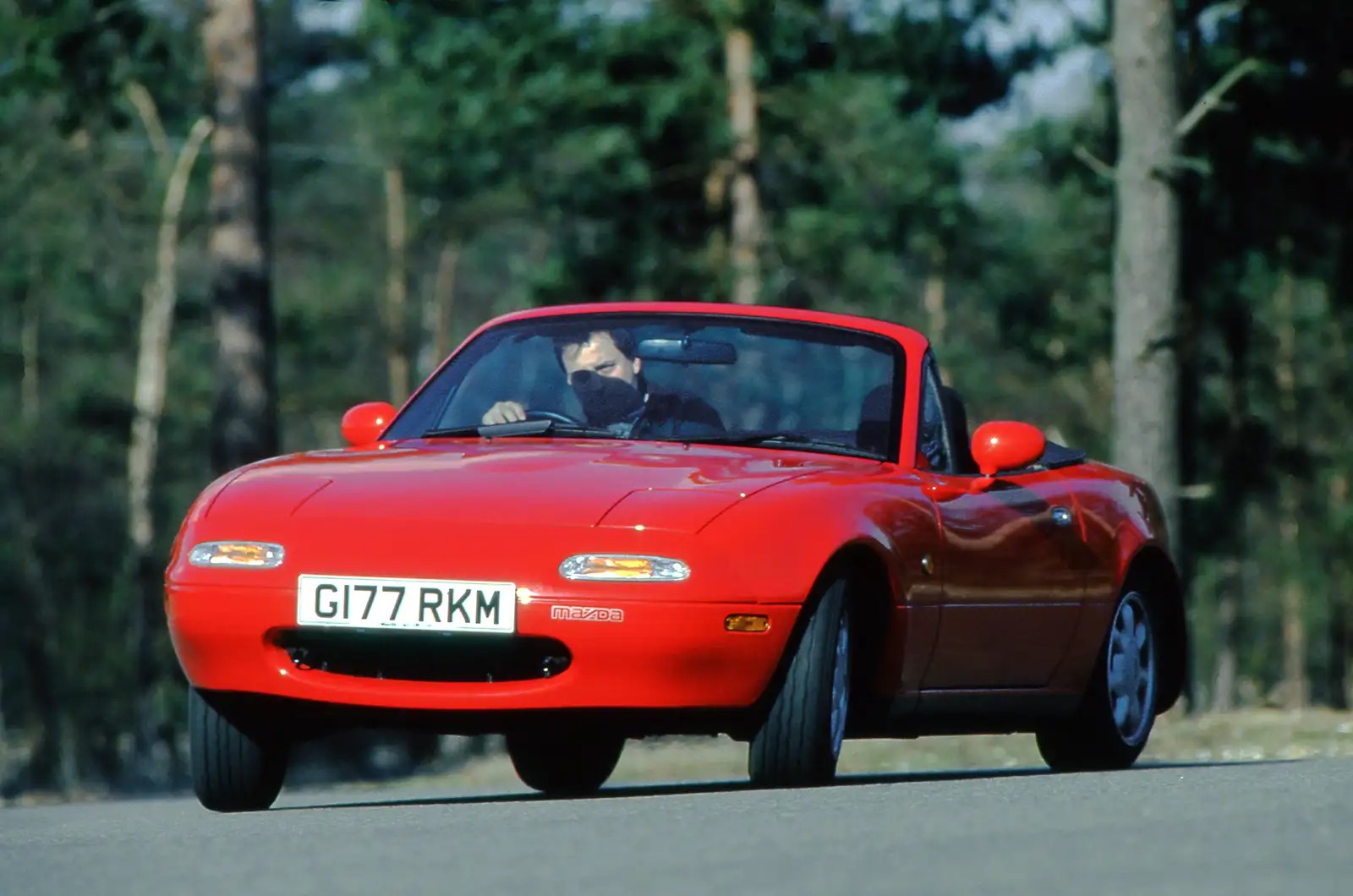
It’s a choice for many when it comes to a budget sports car or a track day because of its superb handling, thanks to its 50:50 weight distribution, and sharp steering. Cars were, unfortunately, introduced with a naturally aspirated 114bhp which meant 62mph arrived in 9.4sec and Mazda released a 1.8-litre with just 14bhp more. 1.8-litre cars were favoured while 1.6-litre owners have been known to either supercharge or turbocharge their cars in a bid to combat the disappointing straight-line performance.
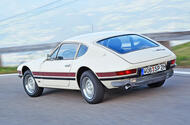
Volkswagen SP2
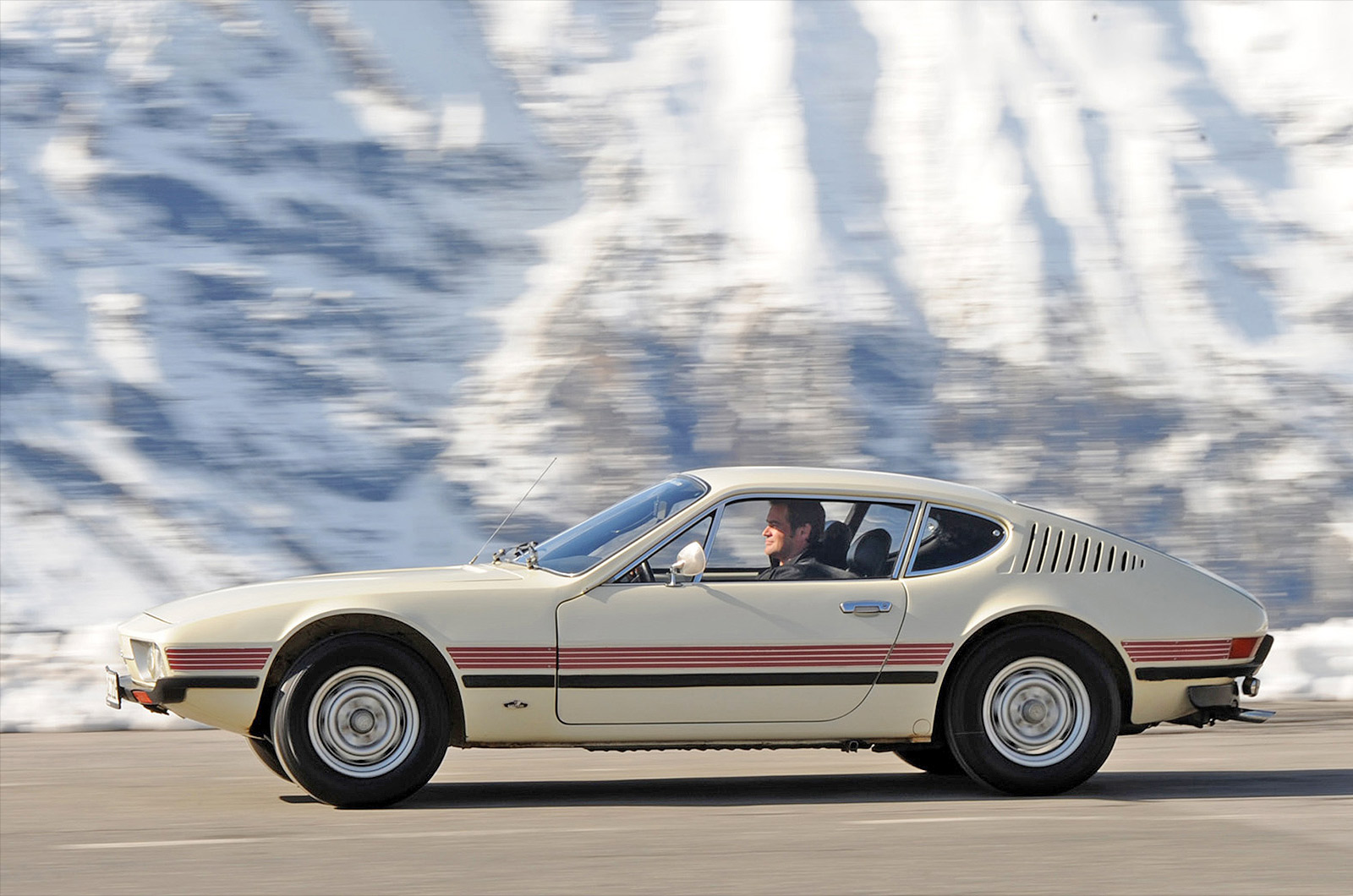
Brazil was starved of sports cars due to high import taxes and the country had its own called the Puma, based on a Beetle. Volkswagen then developed the SP2 in-house via their Brazilian division to give Brazil another sports car. Inside, it had leather seats and a low driving position, outside was a sleek steel body with cut-out rear vents and a long bonnet.
Although it weighed just 890kg (1962lbs), the SP2 was heavier than the Puma and was powered by a 1.7-litre with a miniscule 75bhp. This resulted in a 95mph top speed and a slothful 0-62mph time of 17sec.
Mitsubishi FTO
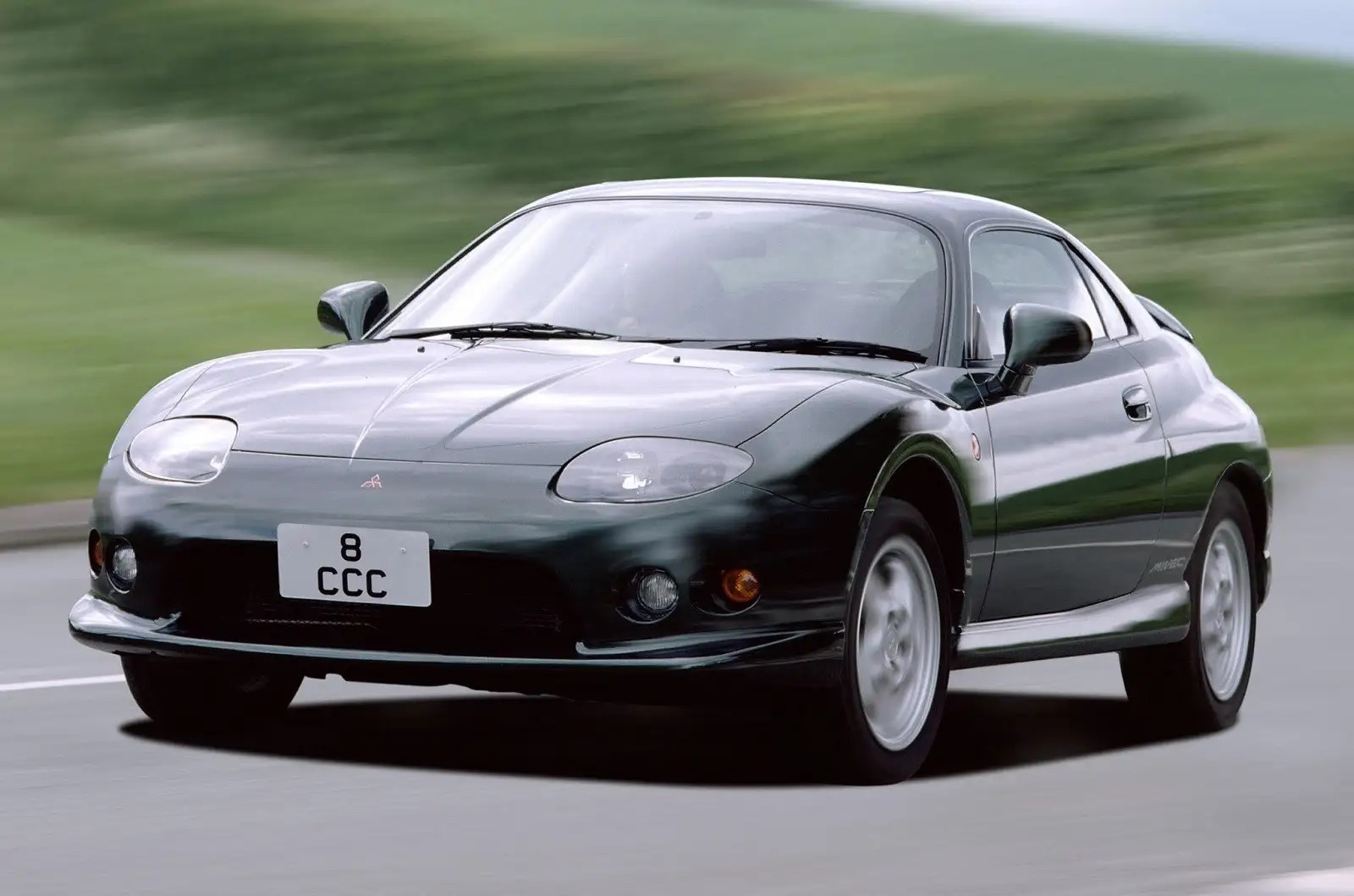
Unlike the desirable 197bhp 2.0-litre V6, the standard FTO’s 1.8-litre produced just 125bhp. Outside, the FTO had all the features of a sports car: large 3000GT-like front lights, aerodynamic bodywork and a nifty spoiler. However, 0-60mph arrived in a lengthy 10.0sec and it would only see 125mph; the similarly priced Fiat Coupe 1.8-litre with 128bhp, although still slow, could manage the 0-62mph dash in just under 10sec and would go onto 128mph.
Porsche 924
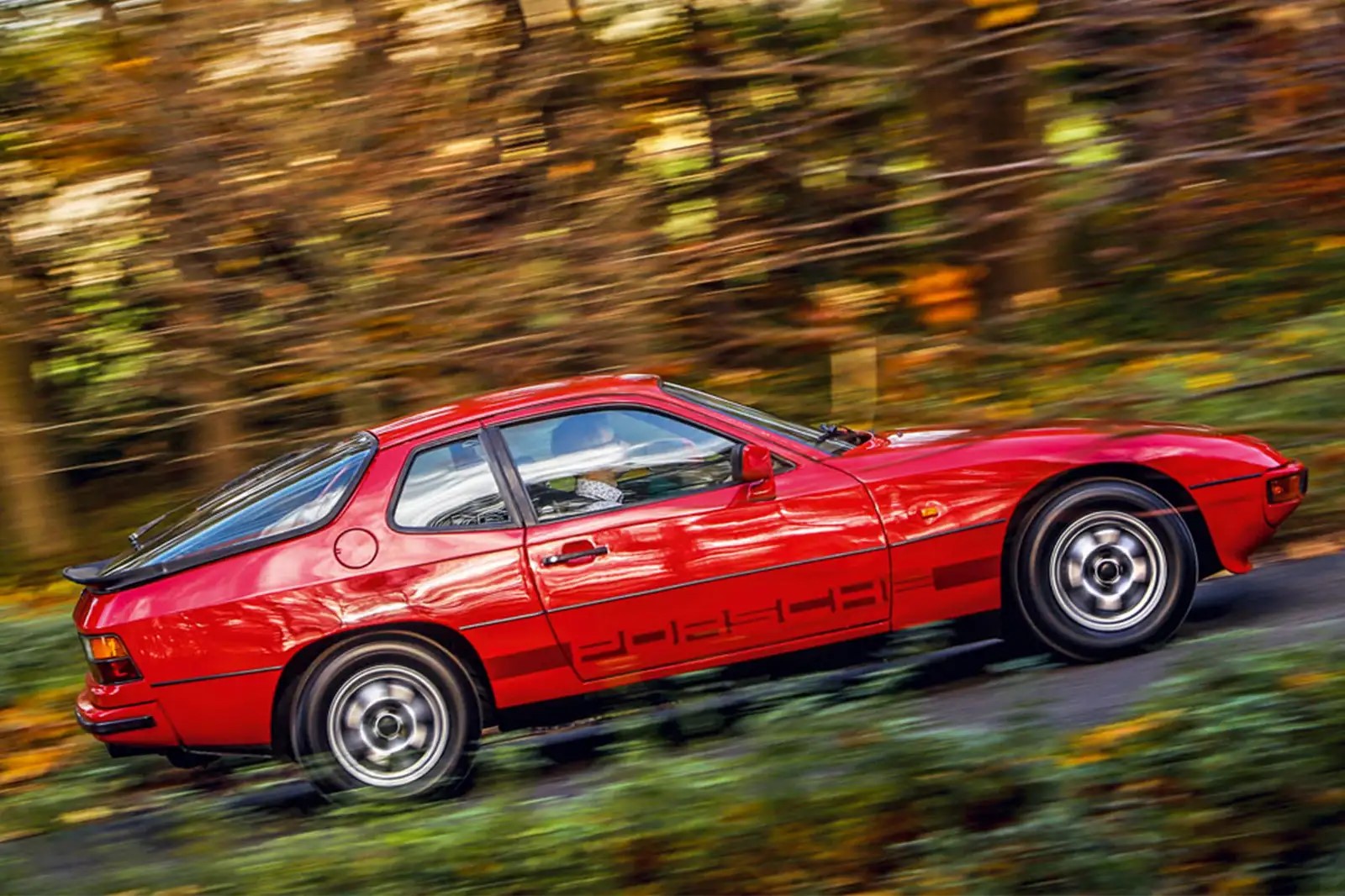
Amongst the 944 and 968, the 924 was never meant to be a Porsche but was instead intended to be sold as either an Audi or a Volkswagen but Volkswagen killed the project. So, Porsche bought the rights. For some reason, the 924 was equipped with Volkswagen’s 123bhp 2.0-litre van-derived unit which meant a lazy real-world 0-62mph time of 11.0sec and it would eventually hit 124mph if given enough room.
Lancia Scorpion
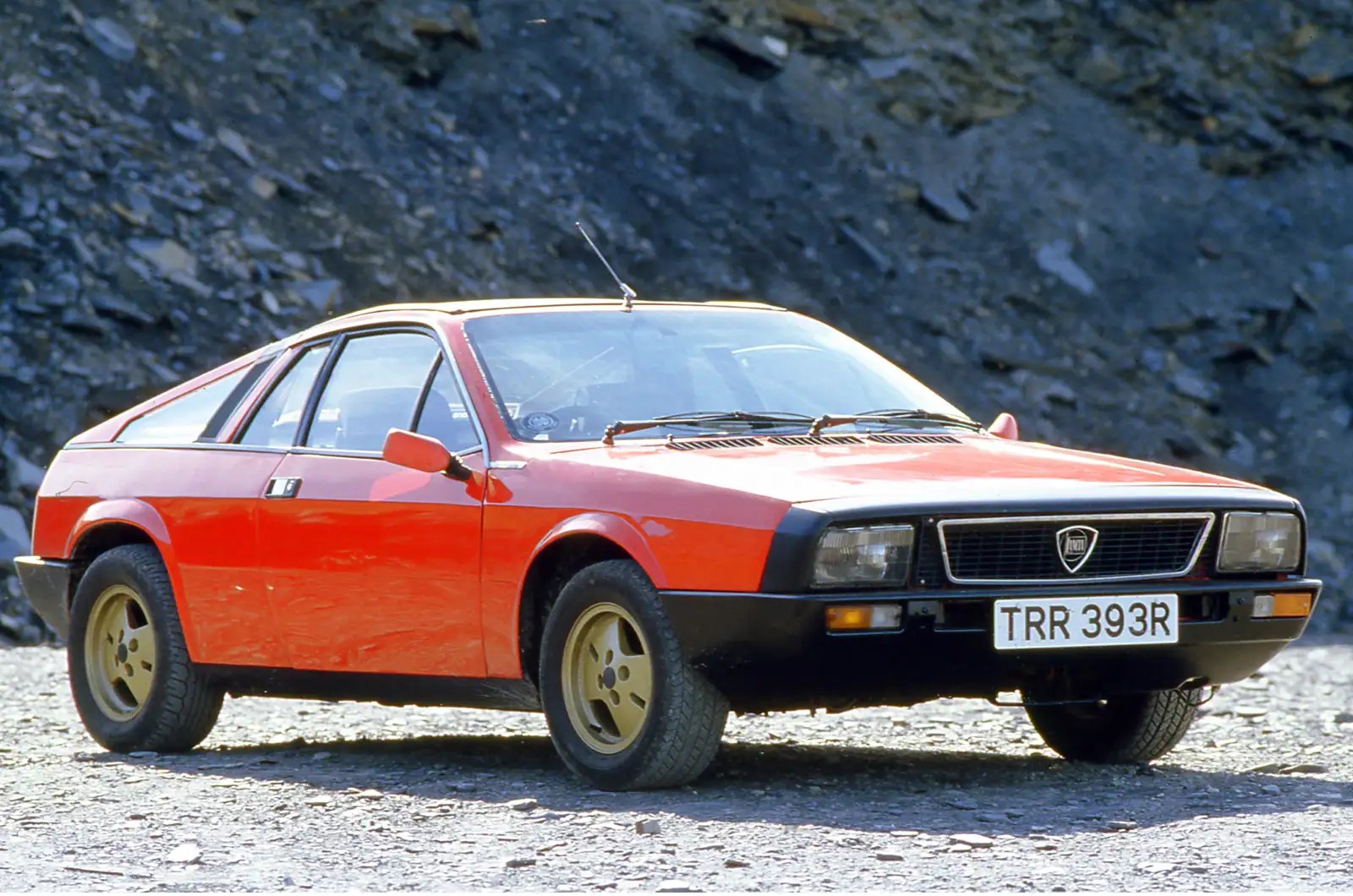
What was originally designed for Fiat, ended up with Lancia. The Montecarlo was for Europe and received a punchy 120bhp variant while the US was given the Scorpion which had a 1.8-litre with just 81bhp due to emission laws. The European car would still struggle to scamper to 62mph in under 9sec while the US car took an even lengthier 13.4sec. Its front was attractive with a long bonnet and aggressive lights, while X1/9 hints were at the rear – the Scorpion was designated originally as an X1/8.
Smart Roadster
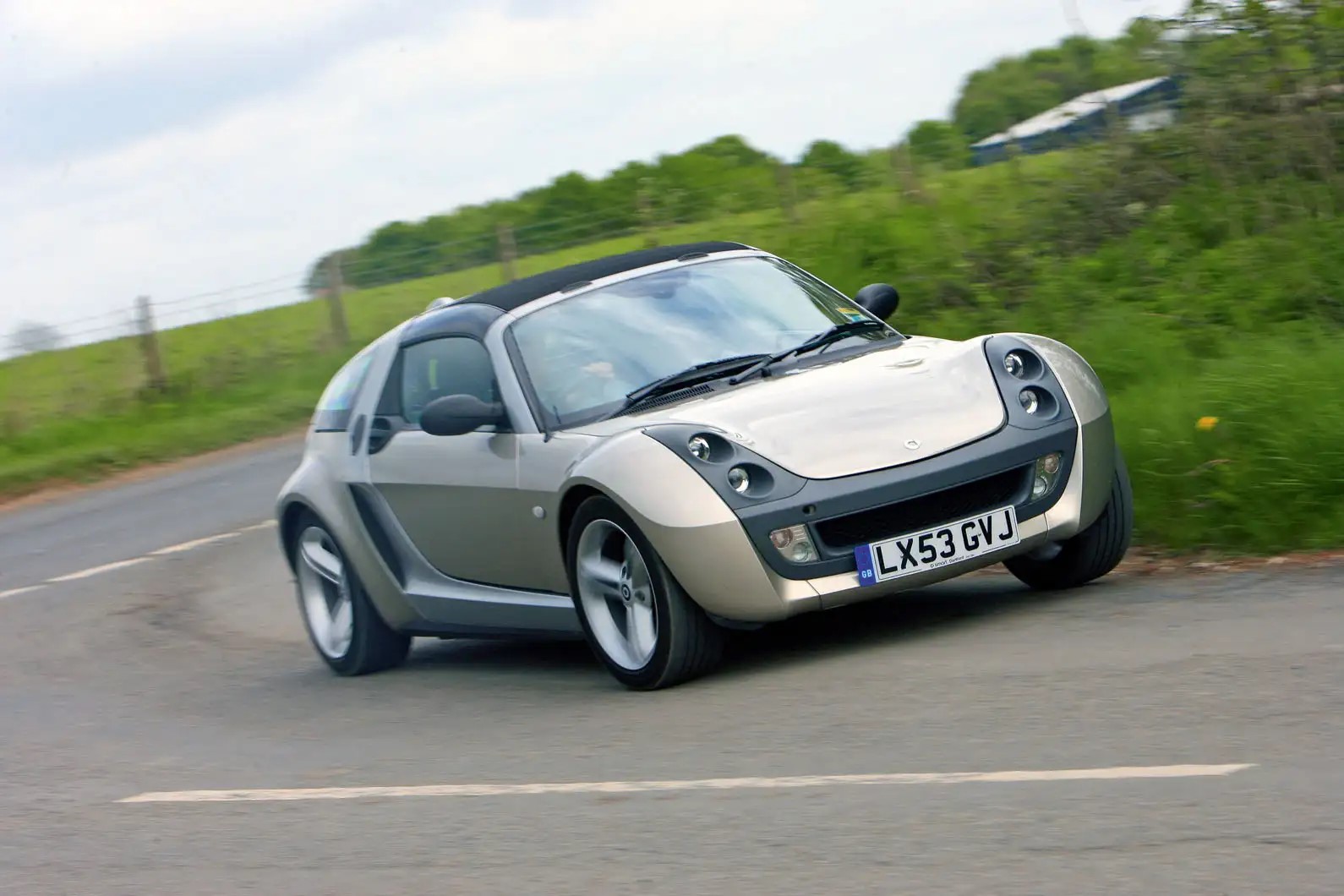
Smart isn’t known to build sports cars, but being under Mercedes’ umbrella, they have been known to release Brabus variants of their for-two and for-four models. In 2003, the quirky 790kg (1741lbs) Coupe hit the streets with its rear glass panel, low-slung driving position and 698cc turbocharged engine.
While the Coupe was chuckable, the 80bhp engine was tied to a lazy three-speed semi-automatic gearbox which meant a 0-62mph time of just over 11sec. A Brabus variant was later introduced which upped the power to 101bhp, but with no manual gearbox available, it was still slow with its 10sec 0-62mph time.
Fiat X1/9
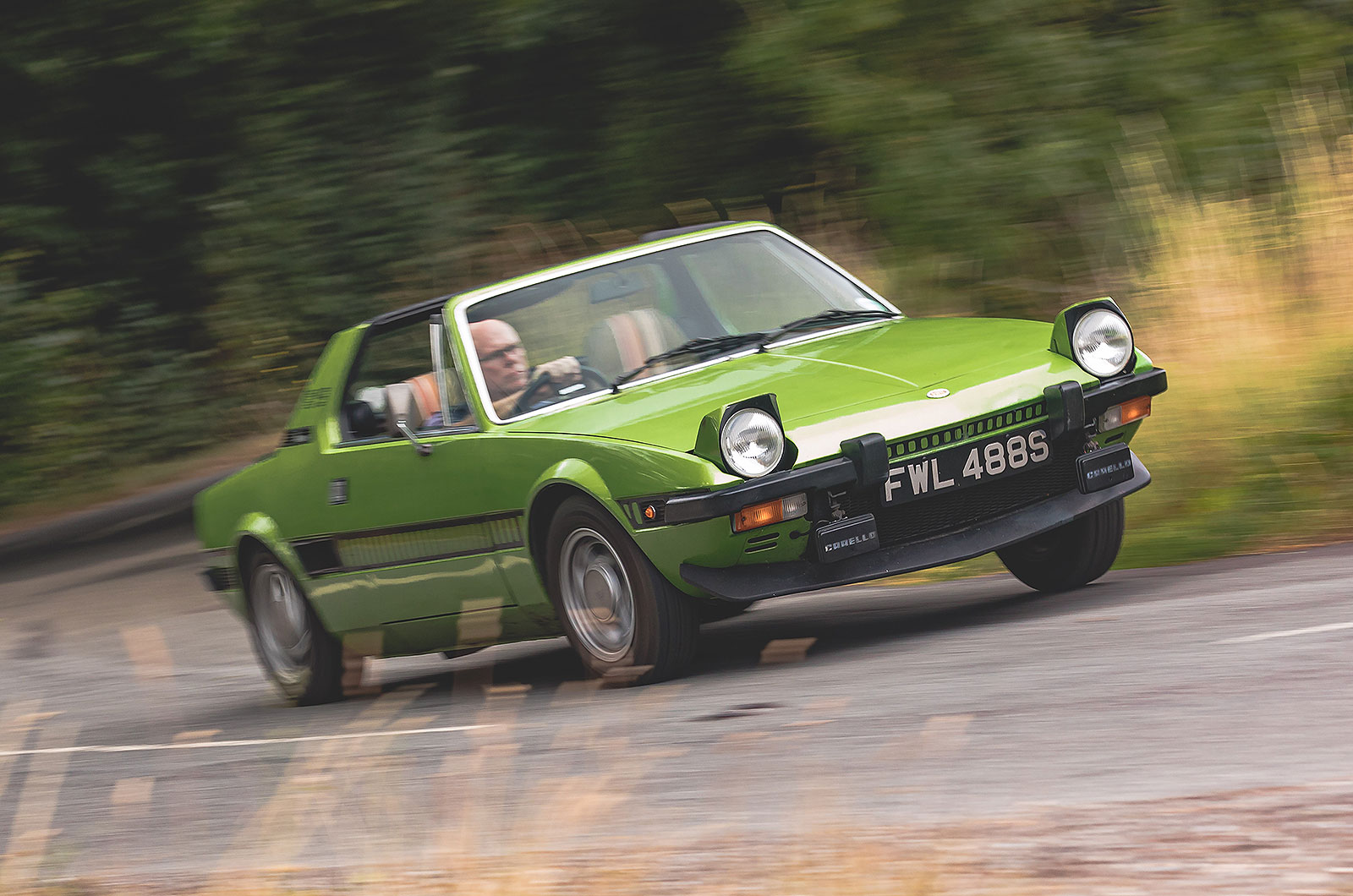
The X1/9 looked quick with its flat Ferrari-like boot lid, carved front end and side-mounted engine ducts but underneath was a 1.3-litre four-cylinder with a puny 75bhp which pushed the 880kg (1940lbs) X1/9 to 62mph in a torpid 12.8sec. Fiat later revisited the X1/9 and equipped it with a more powerful 84bhp 1.5-litre but this didn’t massively improve its performance as 0-62mph took 11.5sec and gave a top speed of just 112mph.
Porsche 914
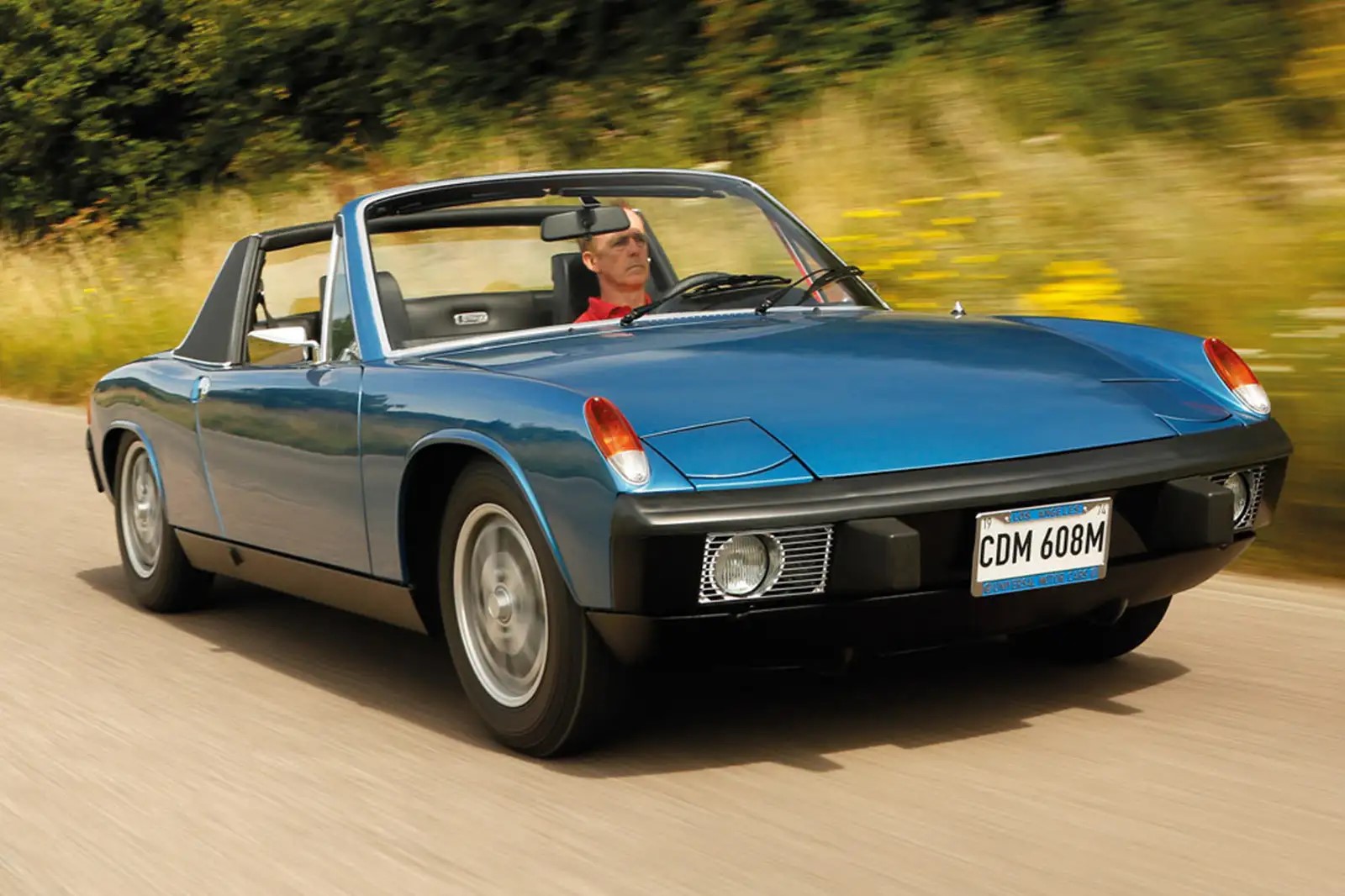
Volkswagen wanted to build a halo car and Porsche needed a car to replace its 912, and in a joint venture, the 914 was conceived. Its design looked aerodynamic with its pop-up headlights, raised wheel arches and ground-hugging suspension. Behind the driver sat a 1.7-litre Volkswagen-derived powerplant with a mere 80bhp, shoving the 914 to 62mph in an unenergetic 13.3sec and it would even struggle to reach its 115mph top speed.
Renault Caravelle
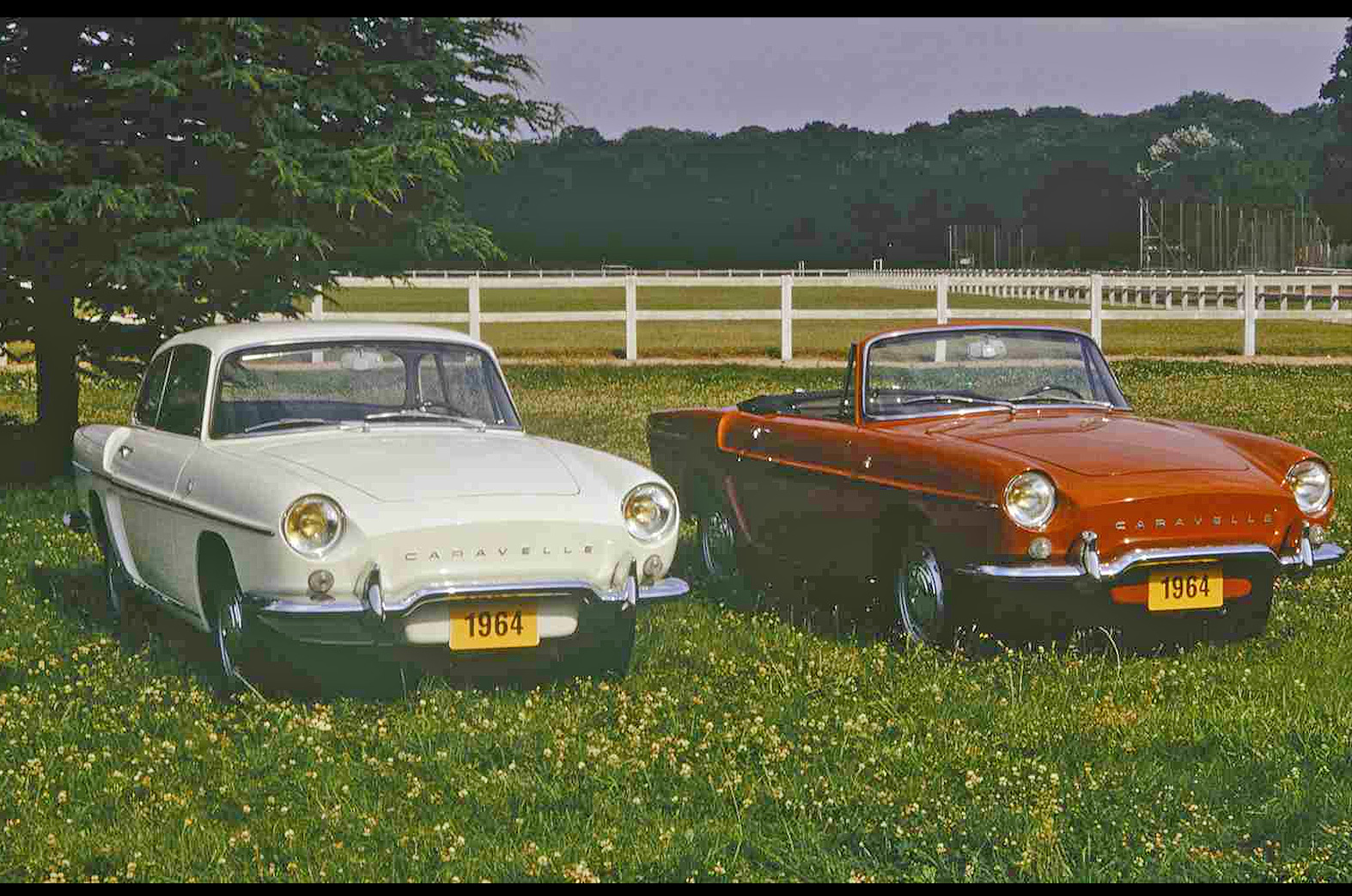
The Caravelle was the late-‘50s response by Renault to try and seize on two apparent opportunities: ape the success of the Volkswagen Beetle (and its associate, the Karmann Ghia) in the American market, and also get a slug of the sales then captured by mostly British-built roadsters in the same market. The low slung and reasonably slinky Caravelle was the response.
With a design by Ghia and based on the floorplan of the rear-engined Dauphine, it never had the motor to deliver on especially the latter objective; its 845cc engine was only good for 37bhp, while even the performance version only put out 40bhp. Even the latter took over 22 seconds to get to 60mph, while 78mph was its top speed. This did nothing for its appeal to American motorists, used to much more powerful cars, at a time when rival Volkswagens were regularly introducing more powerful engines.
Volkswagen Karmann Ghia (1955)
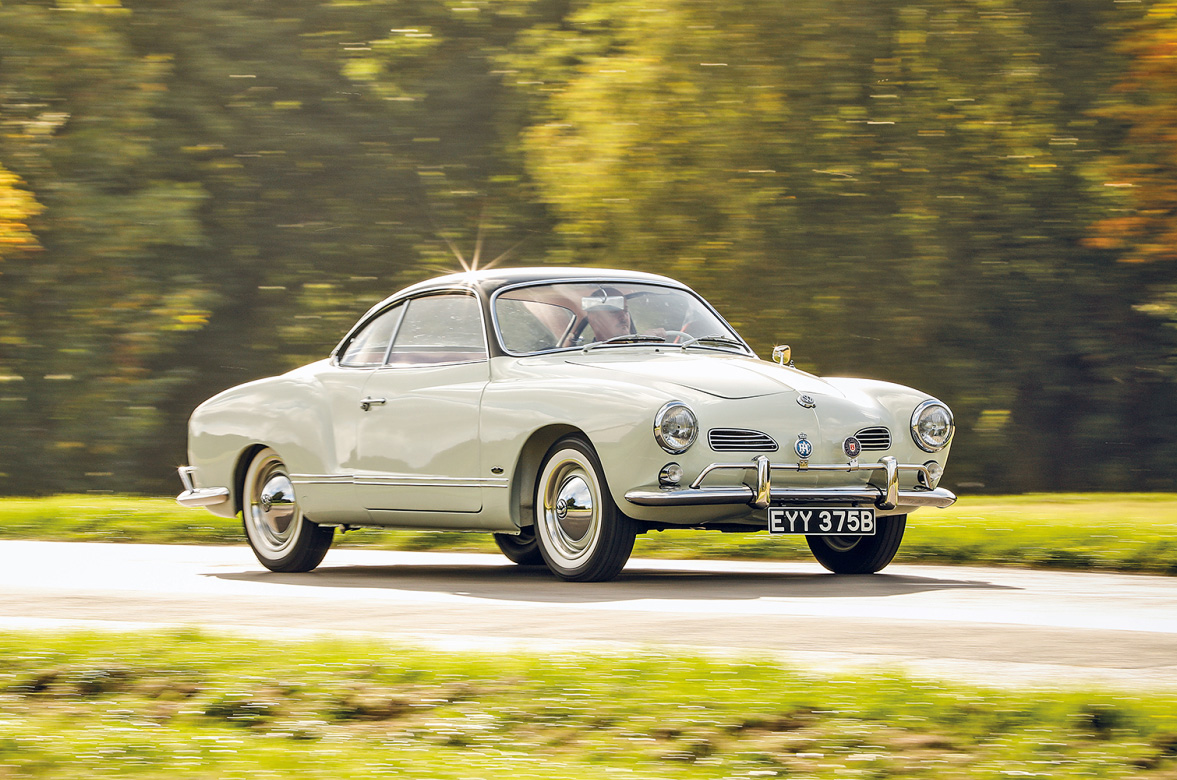
With the Beetle selling like hot cakes, VW finally had the resources to do more than just survive – but also to thrive at all. With incomes rising after the austerity of the war and immediate post-war years, people had money to spend on cars that were more just mere tools. The Karmann Ghia was a result, with sporty and modern styling from Ghia.
However, deep down it was a Beetle, and that means sharing that car’s often rather lethargic engines; initially that meant an air-cooled 1.2-litre flat-four good for just 34bhp and a 0-60mph time of a cool 30 seconds. Still it looked great, acquired a cult status that stands today, and VW sold them by the bucketload – there were 445,000 sales over a 19 year period, 81% of which were couples, the remained being convertibles.
Volvo P1800 (1961)
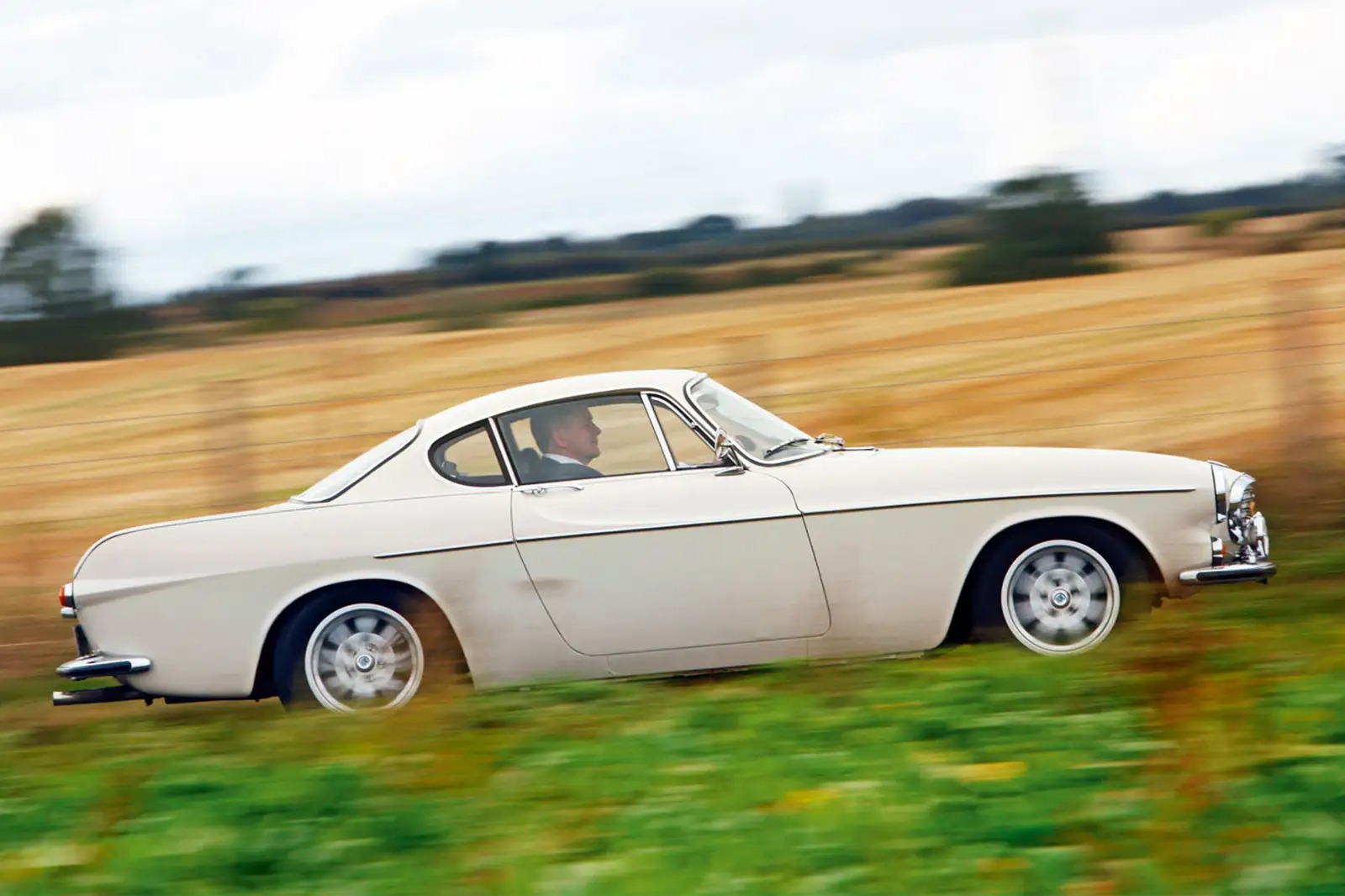
It wasn’t just the likes of Renault who wanted a piece of the compact sports car market – even stodgy old Volvo wanted a piece of the action, and the sensuously beautiful P1800 was the result. But it received a four-cylinder engine more usually at home in the Swedish firm’s staid saloons and station wagons, and good initially for only 100bhp, a 0-60mph time of 13 seconds and a 105mph top speed. It did later receive more powerful engines – and also got small-screen stardom as the wheels of Simon Templar in The Saint, as portrayed by Roger Moore, later a James Bond.
Nova
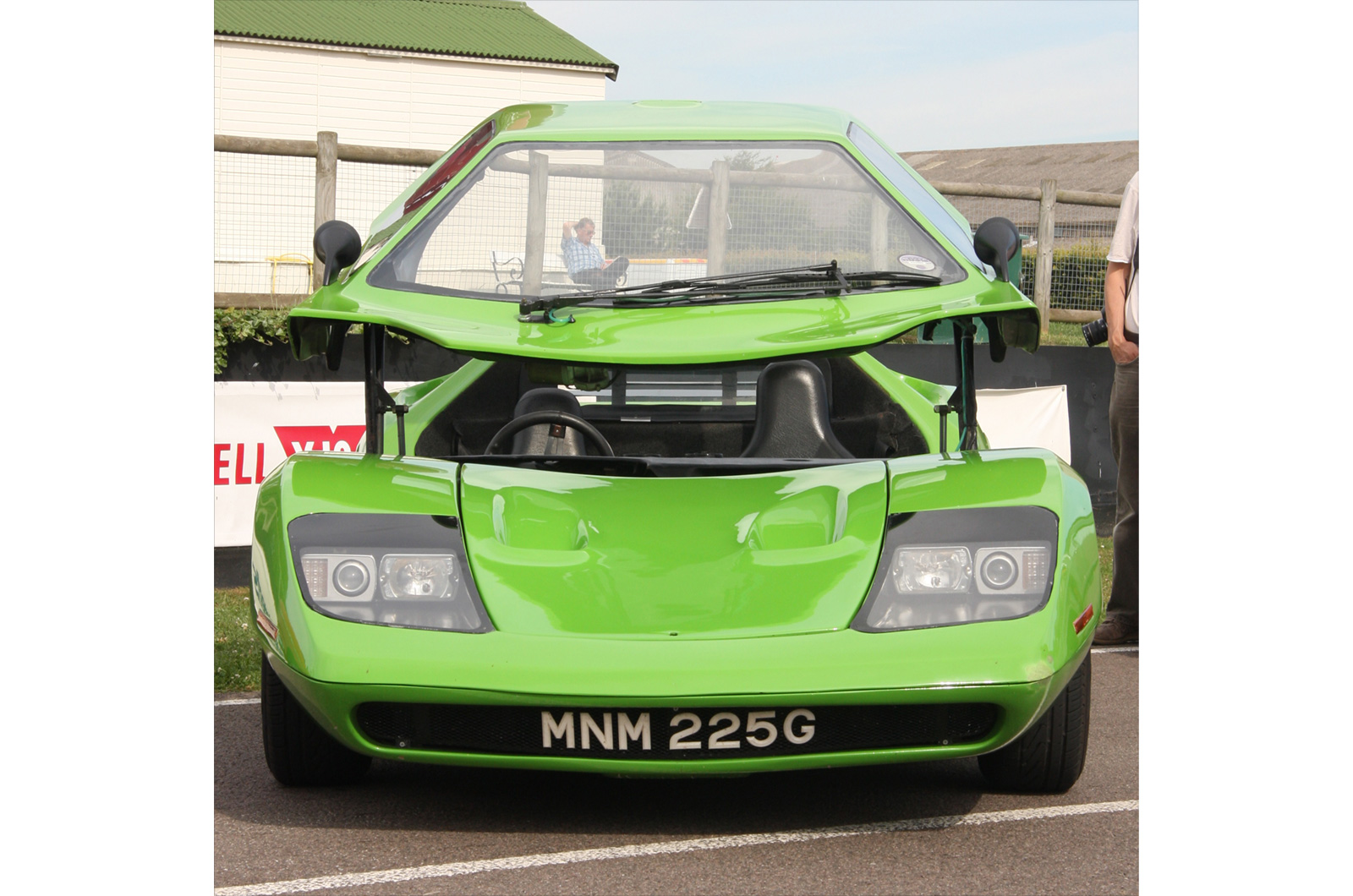
The Nova was a stunning-looking machine that rather astonishingly was firstly built largely by its owners – there were various tax breaks in the Nova's 70s heyday for ‘kit cars’ in the UK – and secondly was essentially a rather more pedestrian VW Beetle underneath. Its canopy opened dramatically (via a hydraulic pump), combining roof and doors in one – and the uninitiated might have thought you were looking at a Ferrari-rival.
Although lighter than its donor, it still featured its engines and usually delivered decidedly Beetle-like performance – complete with treacherous handling inherent from placing a relatively heavy engine right at the back of a lightweight plastic-bodyworked and low slung car.

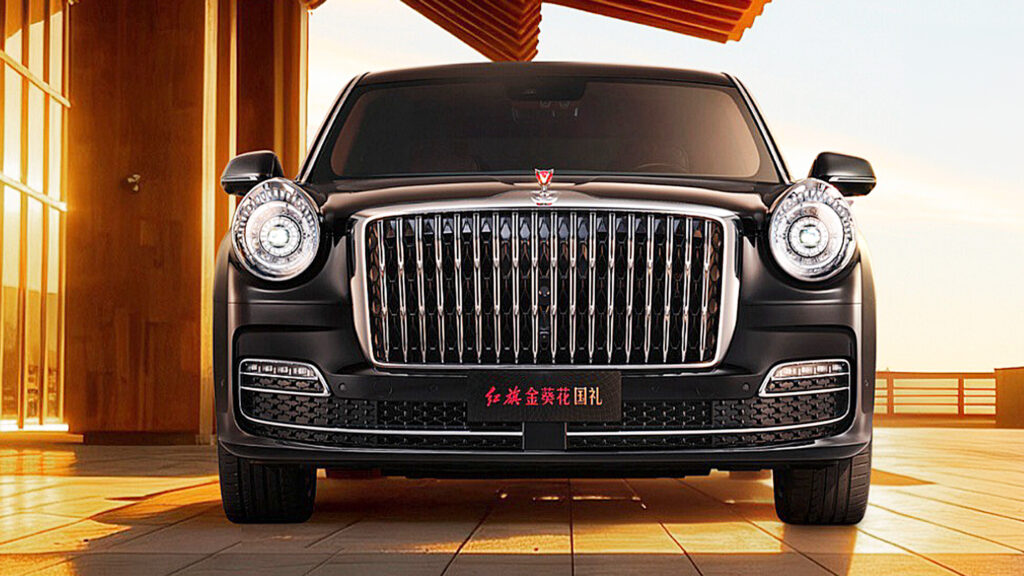
Hongqi Redefines Luxury in China as Patriotic Buyers Drive Domestic Brand Past Rolls-Royce

Audi A2 E-tron Signals Brand Shift to Premium Electric Entry Segment Amid Model Consolidation
 New model will replace both A1 supermini and Q2 small crossover as Audi looks to simplify its line-up
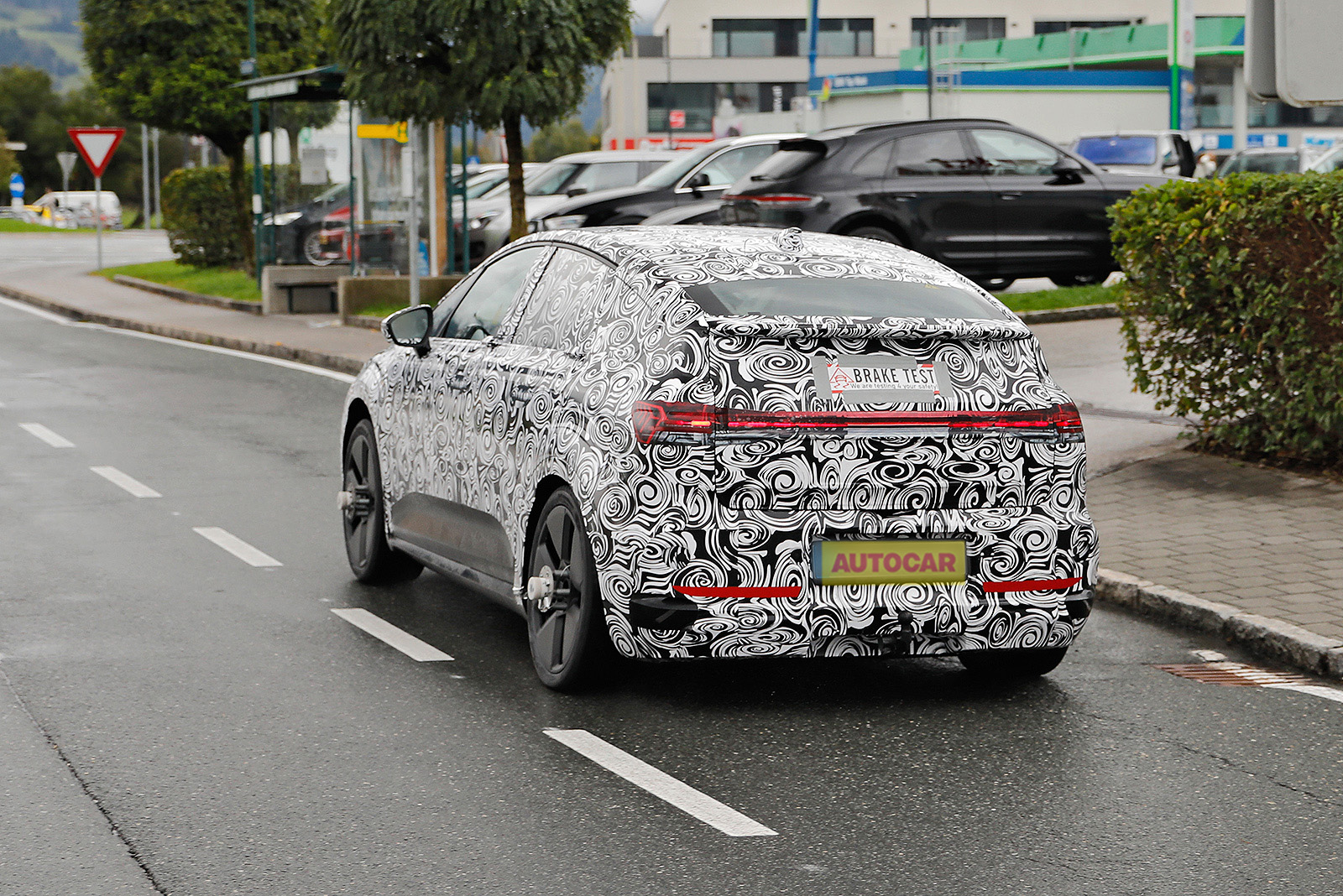
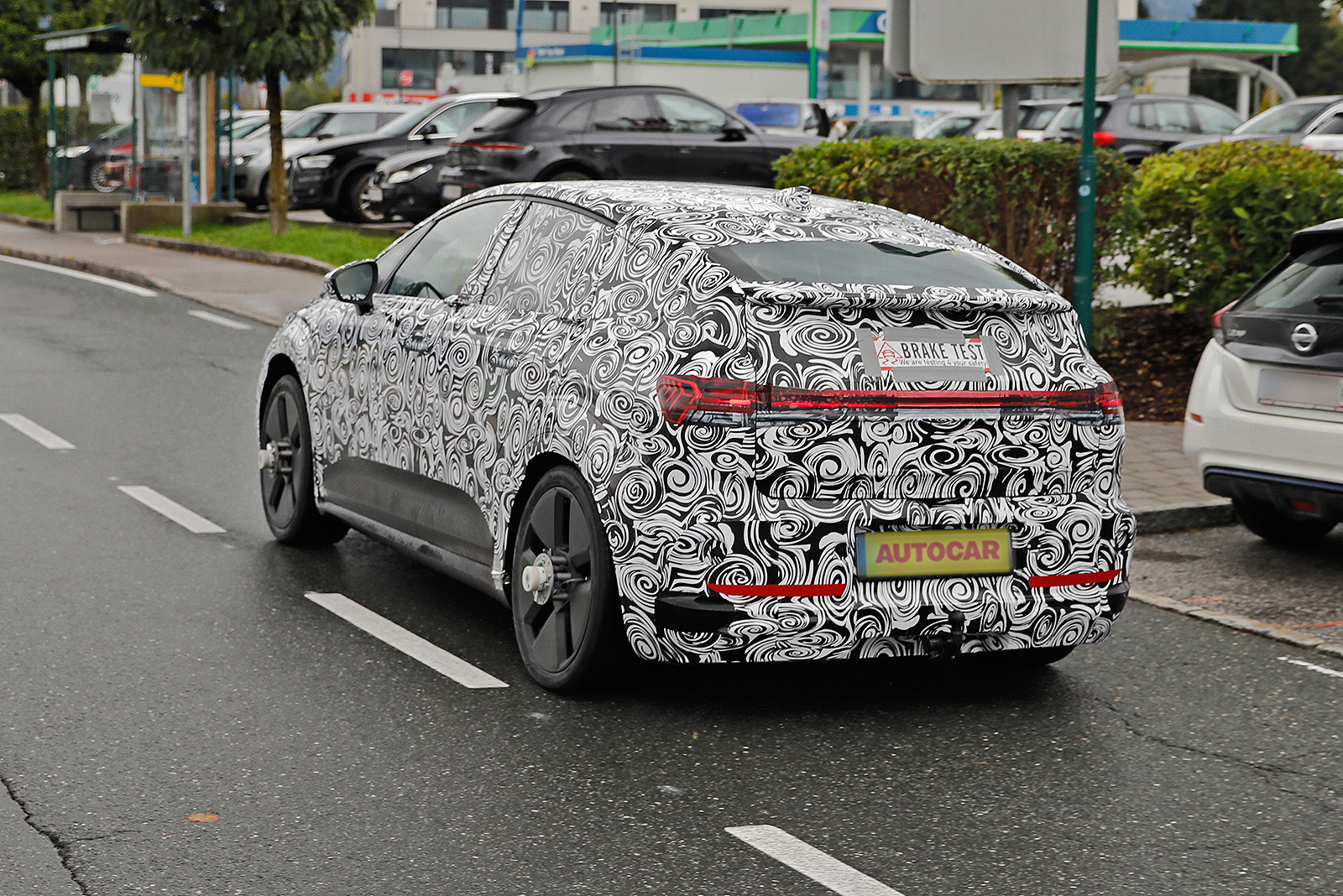
Audi has begun testing a new entry-level model that is set to indirectly replace the A1 and Q2 when they are retired next year.
It will be the smallest car Audi offers, and is set to be positioned as an electric counterpart to both the A3 hatchback and Q2 crossover.
Audi A2 E-tron
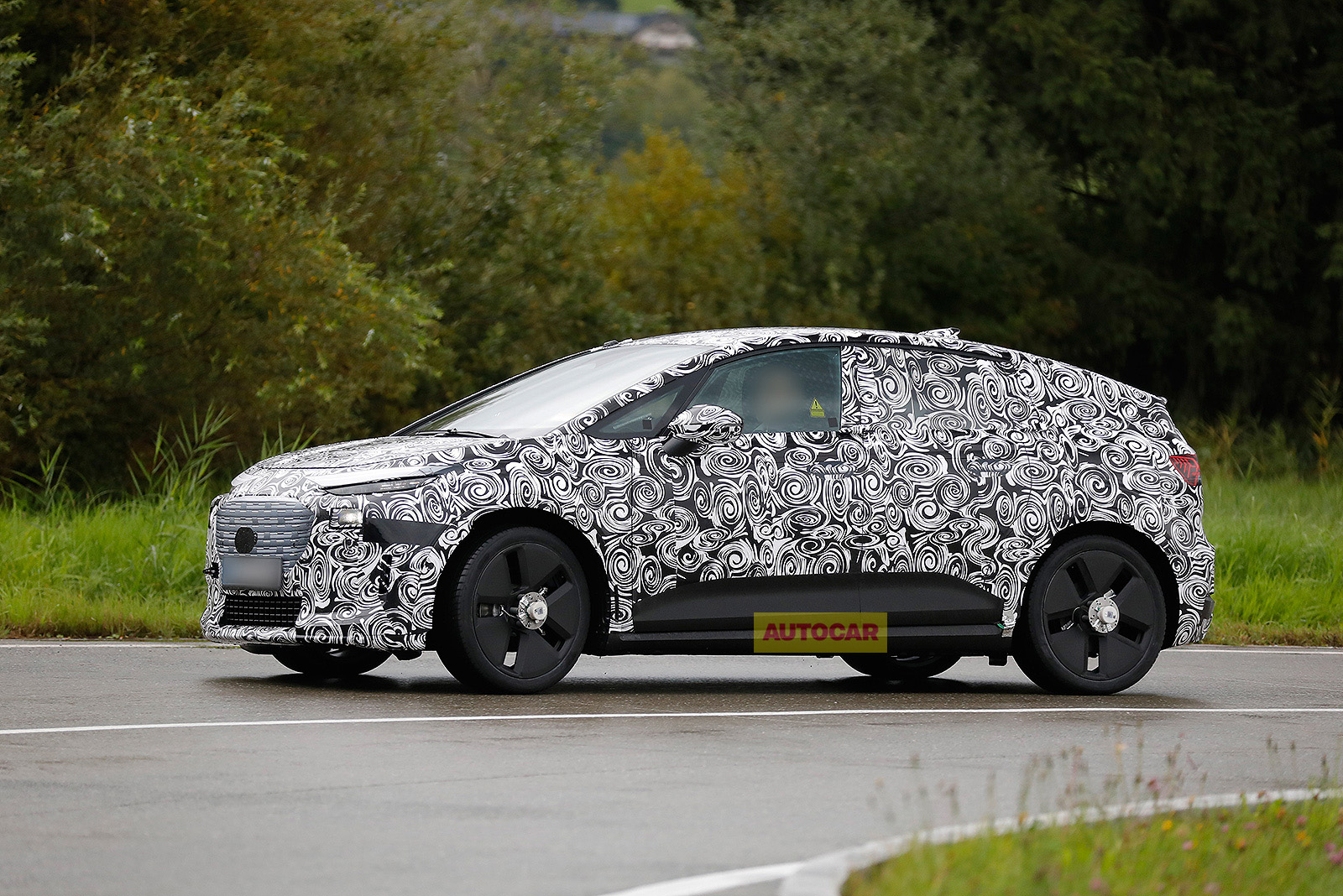
Seen by Autocar photographers for the first time, the new EV looks like a smaller version of the Q4 E-tron but with clear influence from the bubble-like A2 of 1999-2005.
Because the new EV won't serve as a direct replacement for any models, it could wear a new badge – and a resurrection of the long-dormant A2 moniker is one possibility.
Audi A2 E-tron
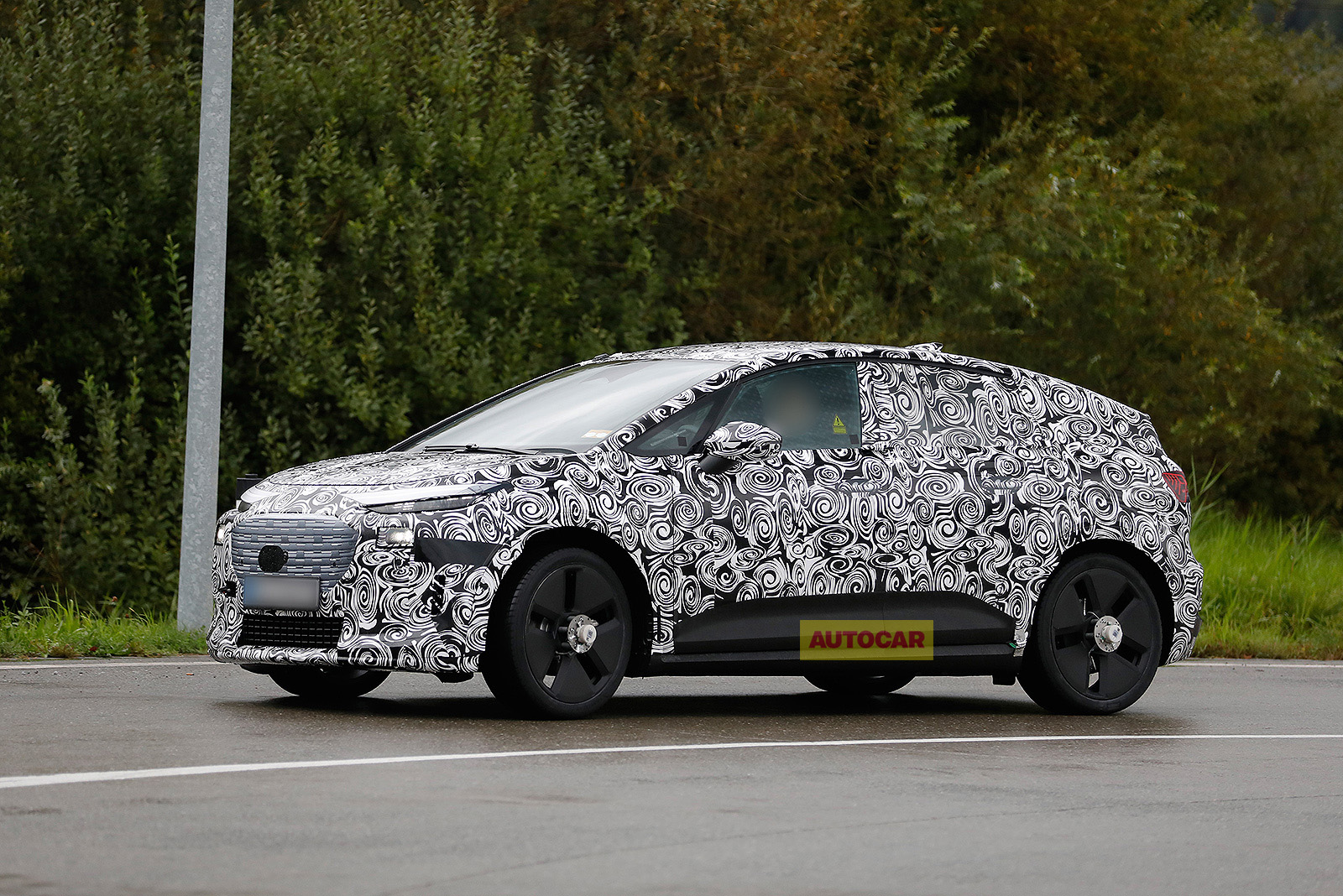
Speaking previously to Autocar, Audi CEO Gernot Döllner wouldn't confirm any future naming plans but said it was "thinkable" that the brand could redeploy historic names.
Audi A2 E-tron
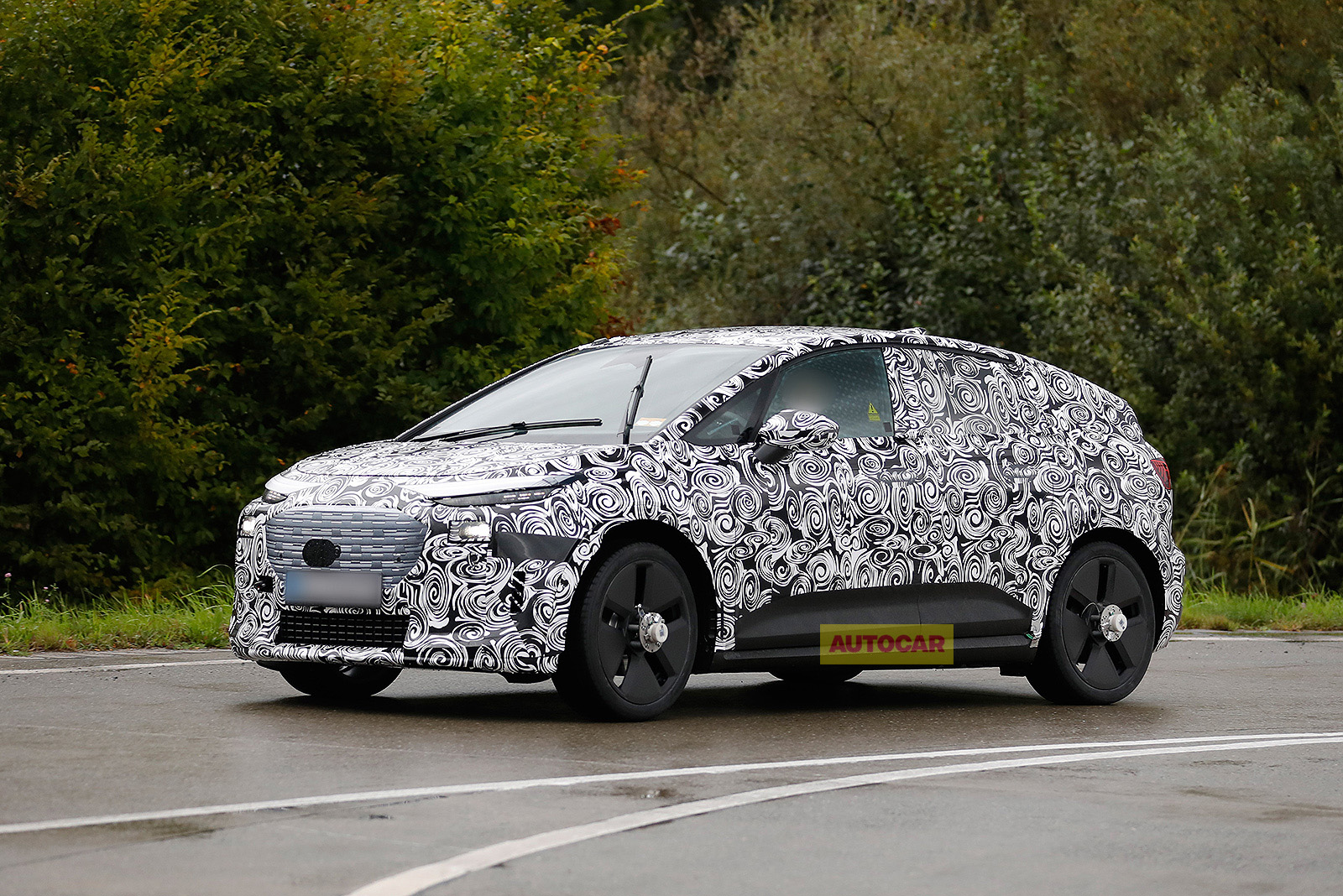
While technical details are still under wraps, the new EV is expected to sit on the Volkswagen Group’s MEB platform, which underpins a raft of EVs from the Volkswagen ID 3 to the Q4 E-tron, Ford Capri and Cupra Tavascan.
Audi A2 E-tron
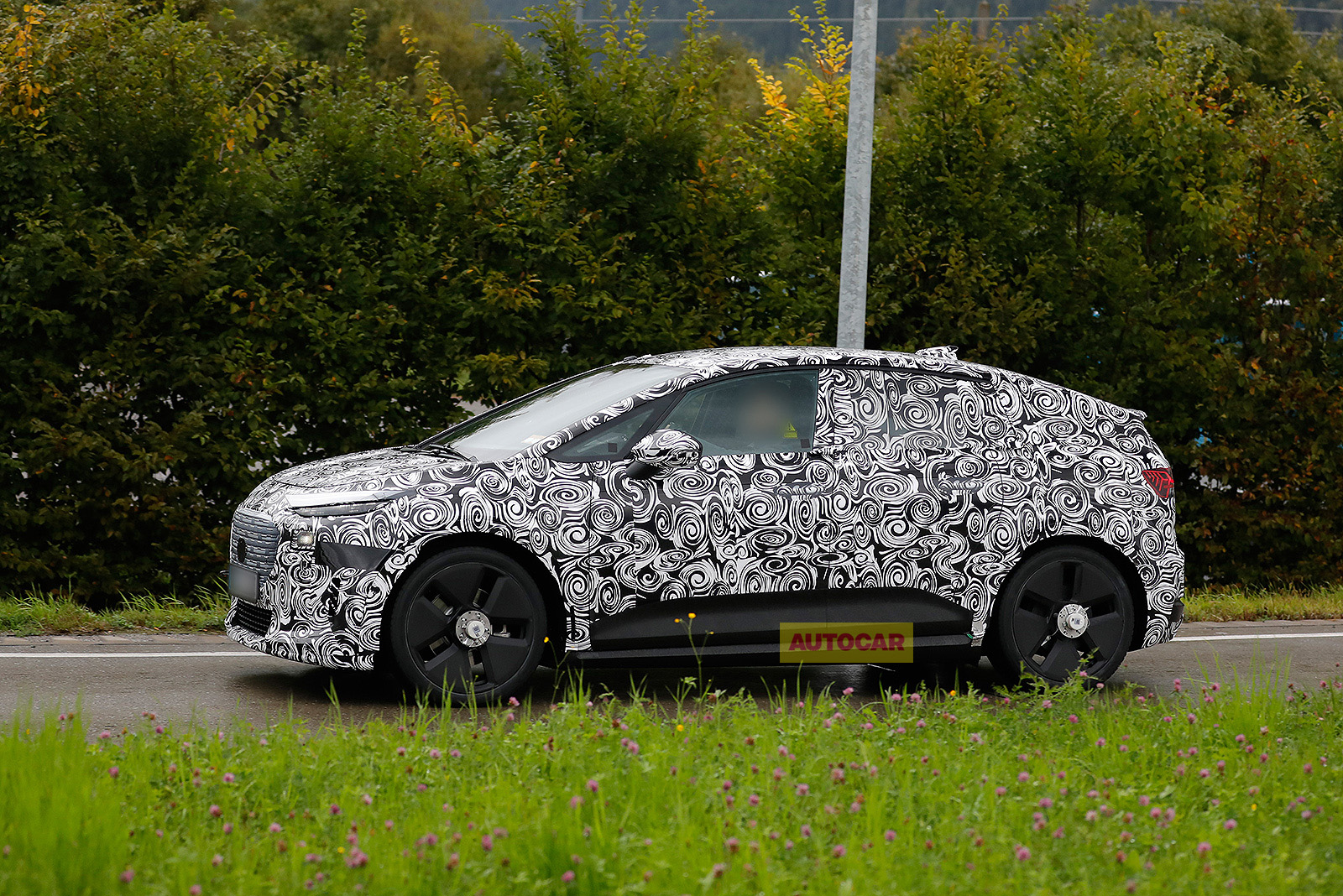
Given its size and positioning (straddling the boundary between hatchback and crossover), it will most likely be twinned with the Skoda Elroq.
Audi A2 E-tron
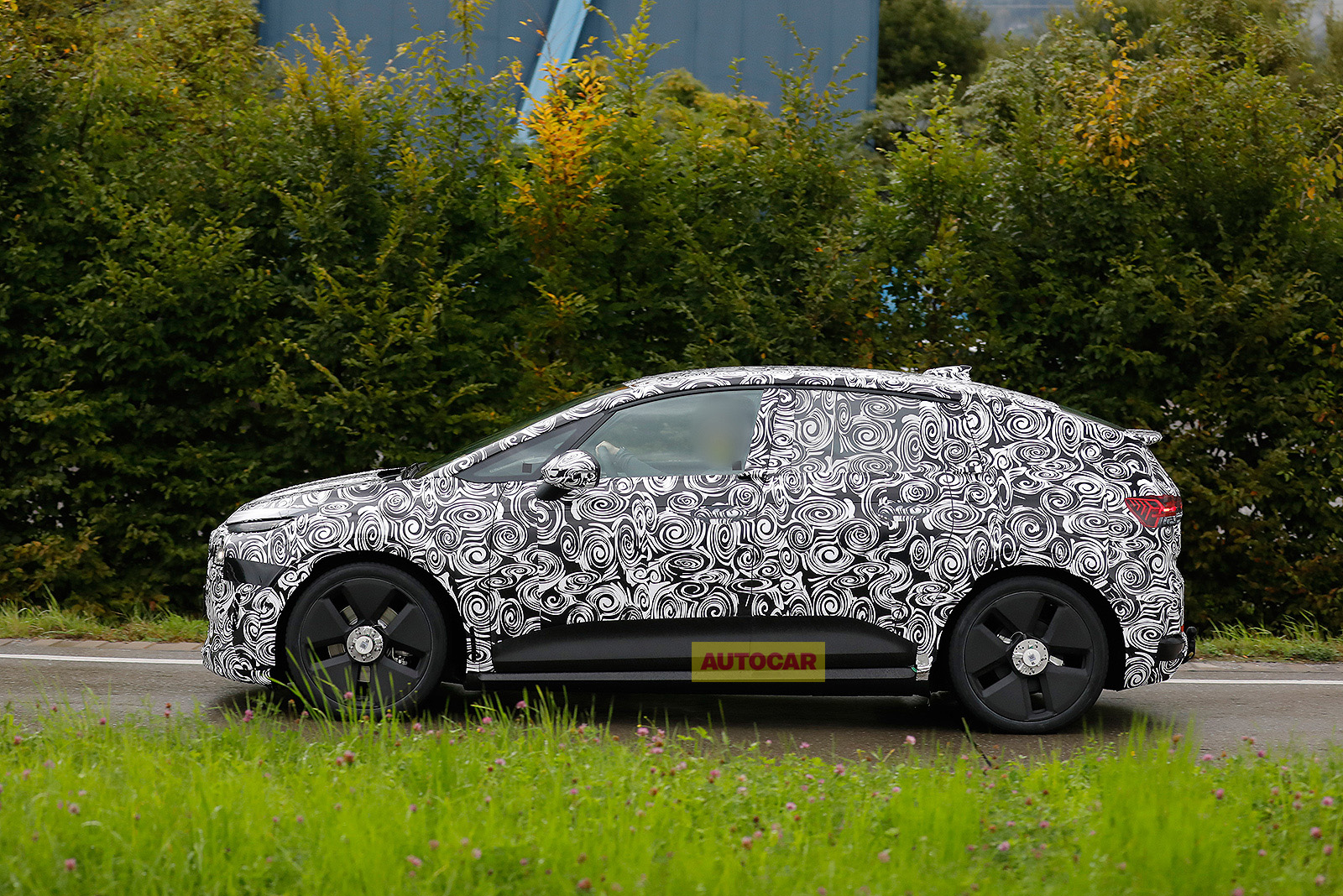
That car is offered with batteries from 58kWh to 79kWh and in its most efficient form can travel up to 360 miles on a single charge. The sporty vRS version puts out 335bhp.
Audi A2 E-tron
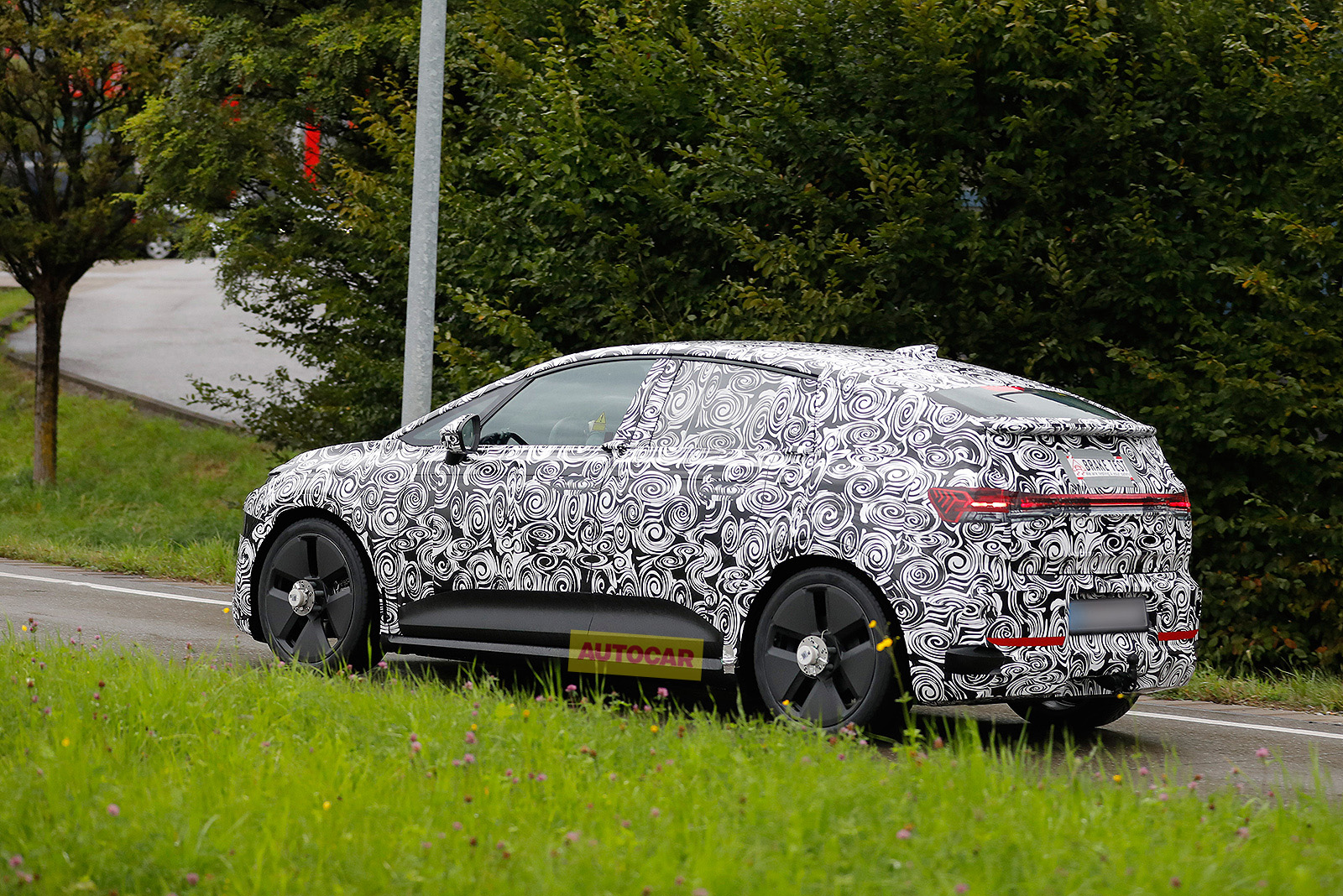
Unlike the Elroq, the new Audi will be a premium offering in the A-segment. Döllner previously said: "There are not many brands in the world, but I think Audi can have a true premium offer in the A-segment.”
Audi A2 E-tron
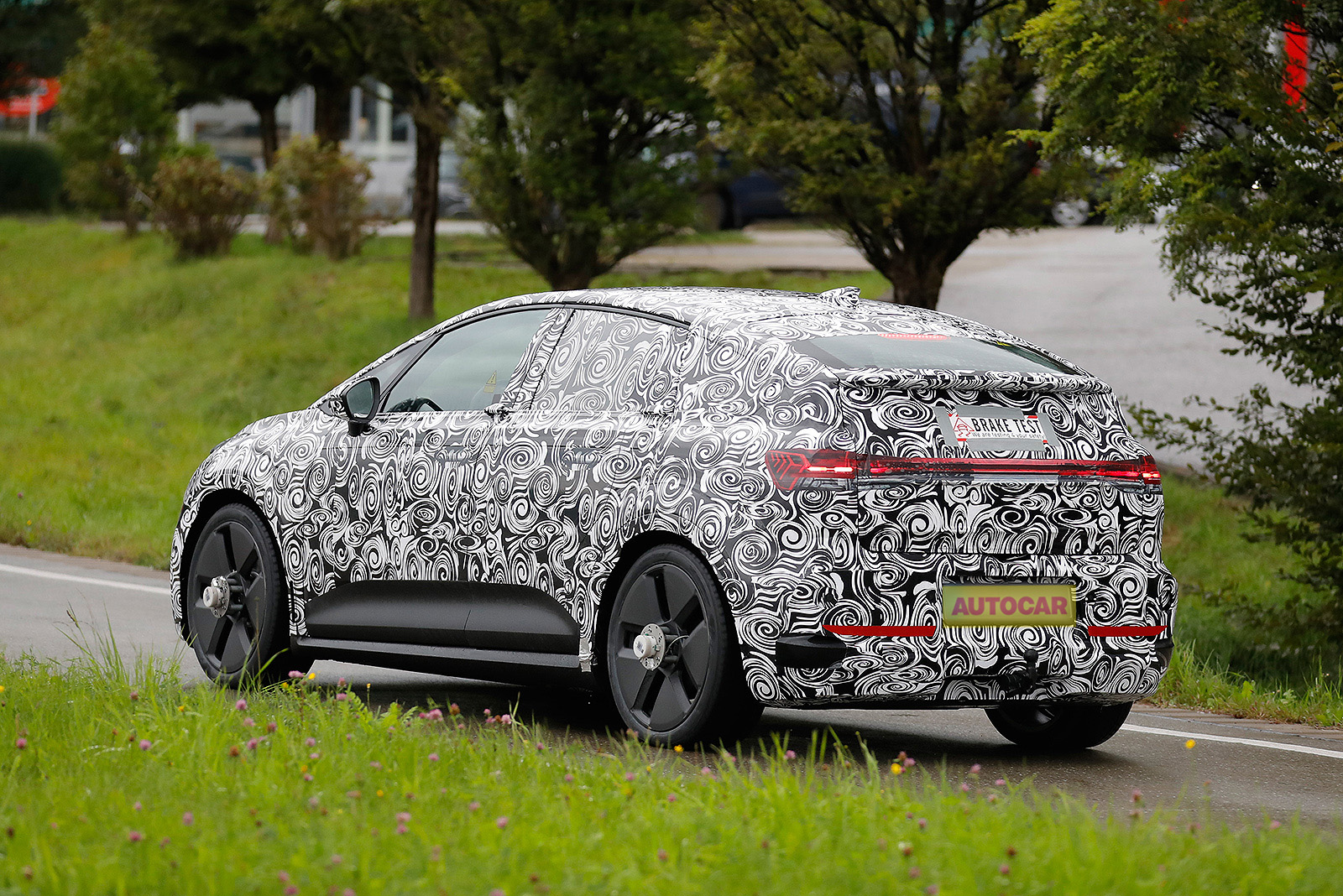
The decision to replace the A1 and Q2 with a single car is part of “a wider Audi move to simplify the model line-up”, Döllner said.
Audi A2 E-tron
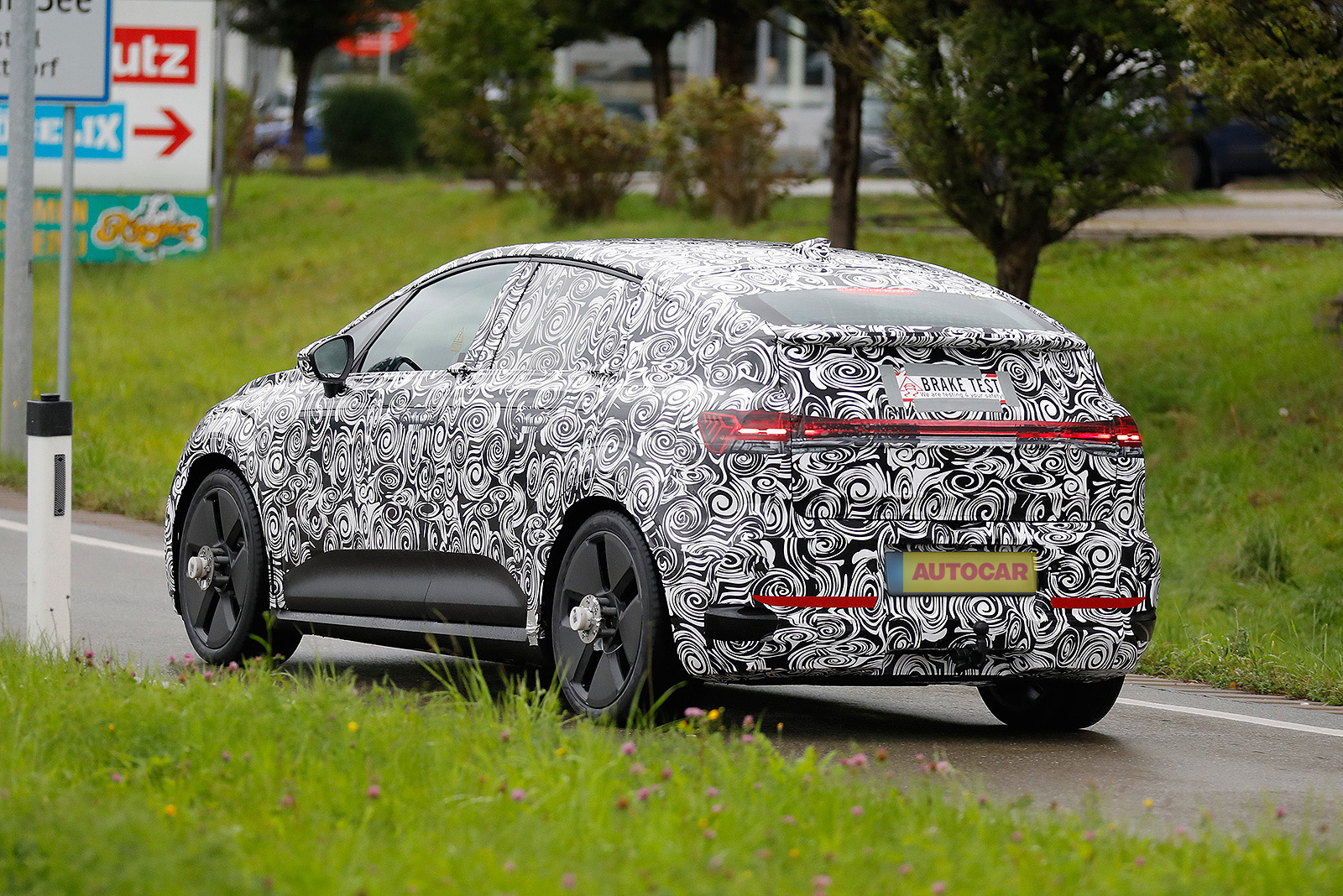
As such, the new EV will be the smallest car Audi will offer, confirmed Döllner, adding that smaller segments “will be utilised by other brands and the Group” – models such as the VW ID Polo, VW ID Cross, Cupra Raval and Skoda Epiq.
Audi A2 E-tron
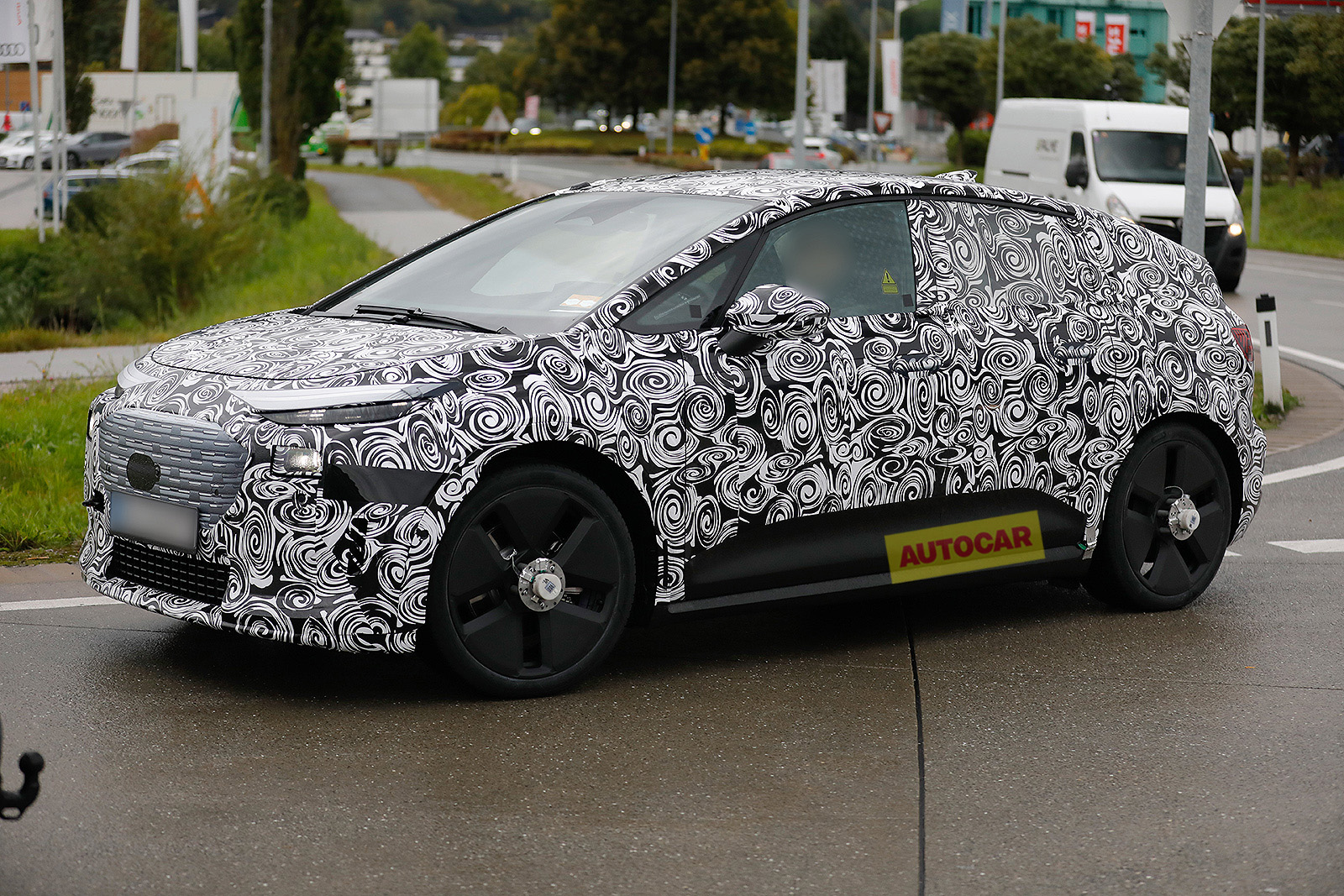
This will allow Audi to “focus on a specific portfolio” that will bring “a more focused and a clearer view for the customer”.
Scroll through the gallery above to view more photos of the Audi A2 E-tron
Audi A2 E-tron
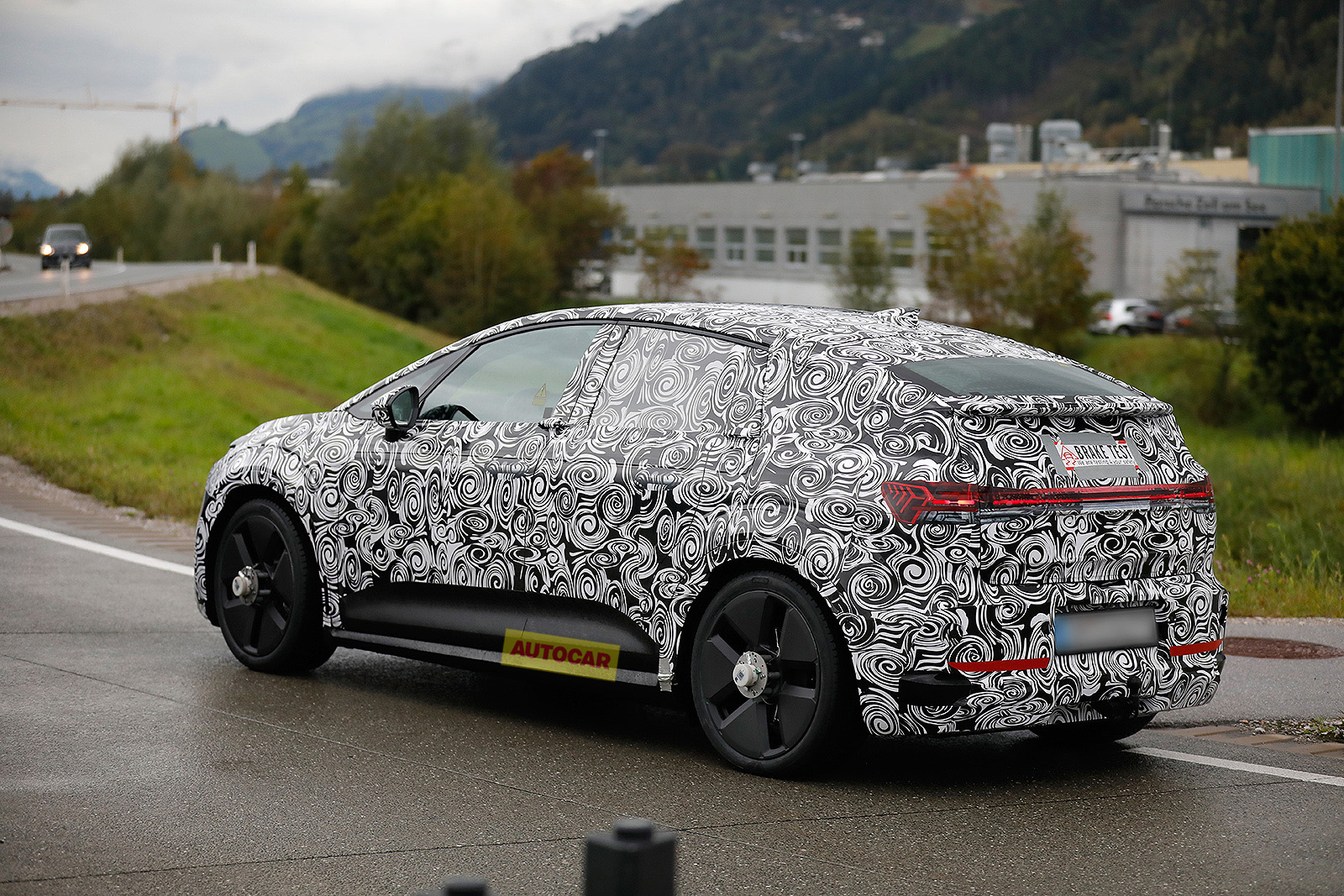
Audi A2 E-tron
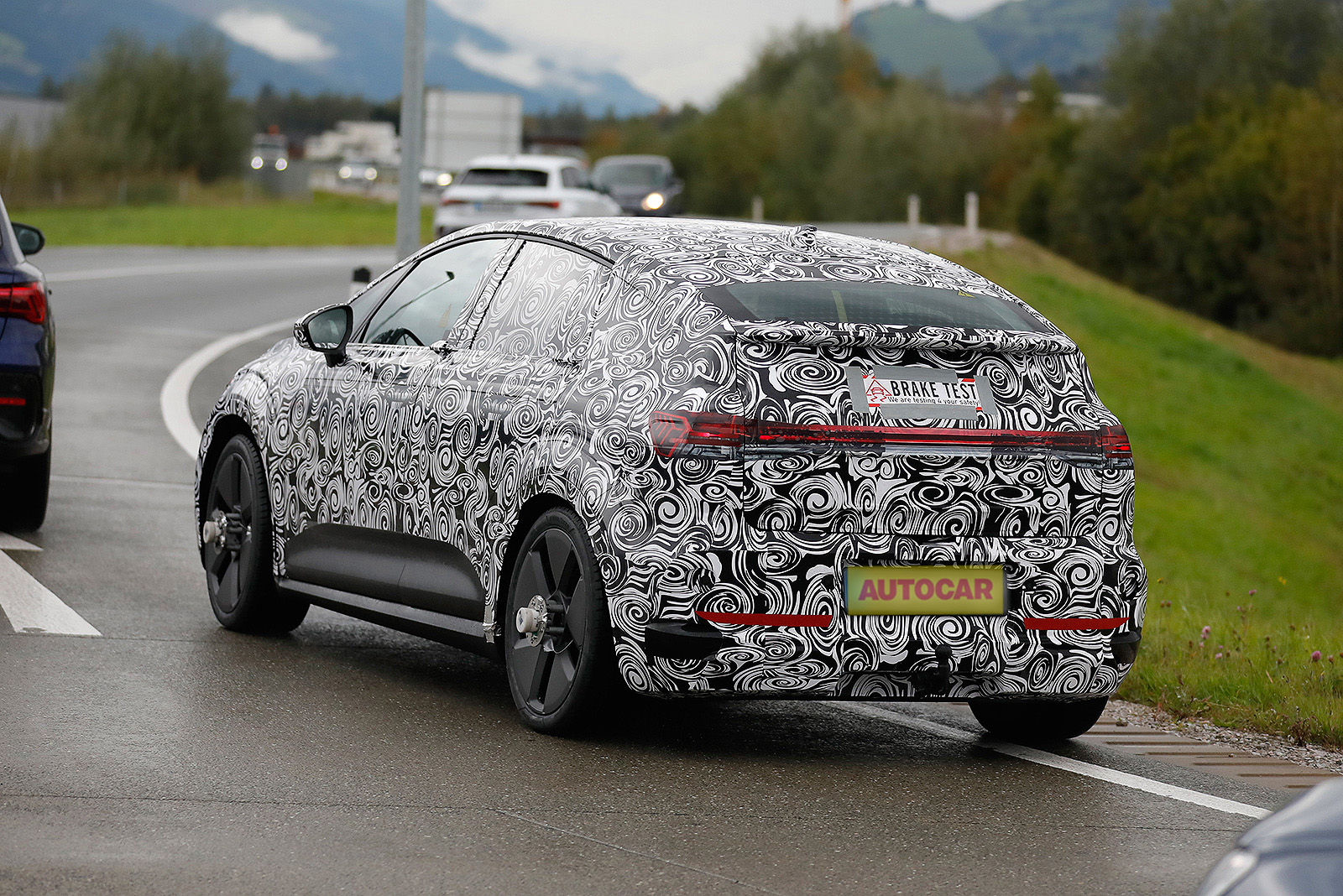
Audi A2 E-tron
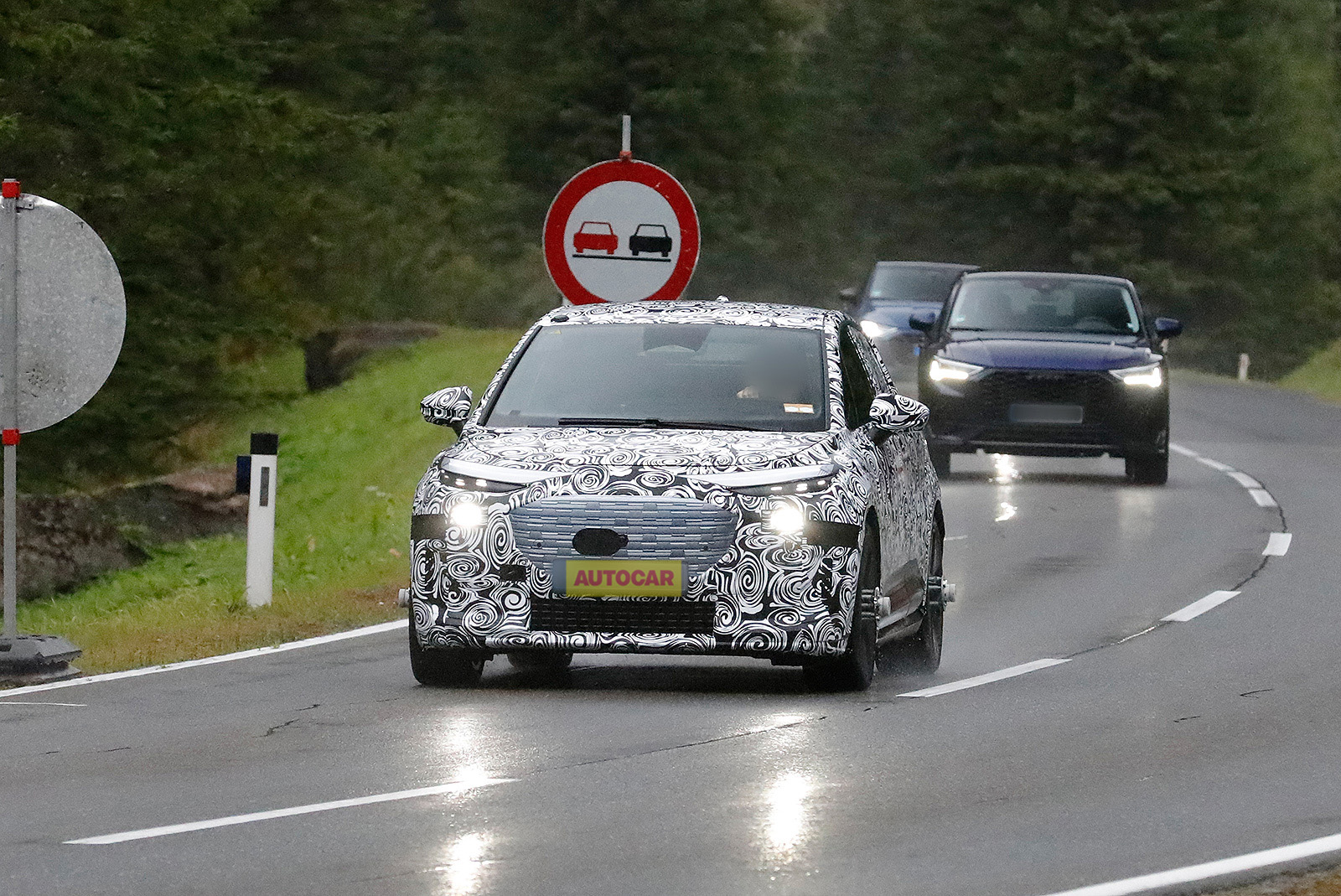
Audi A2 E-tron
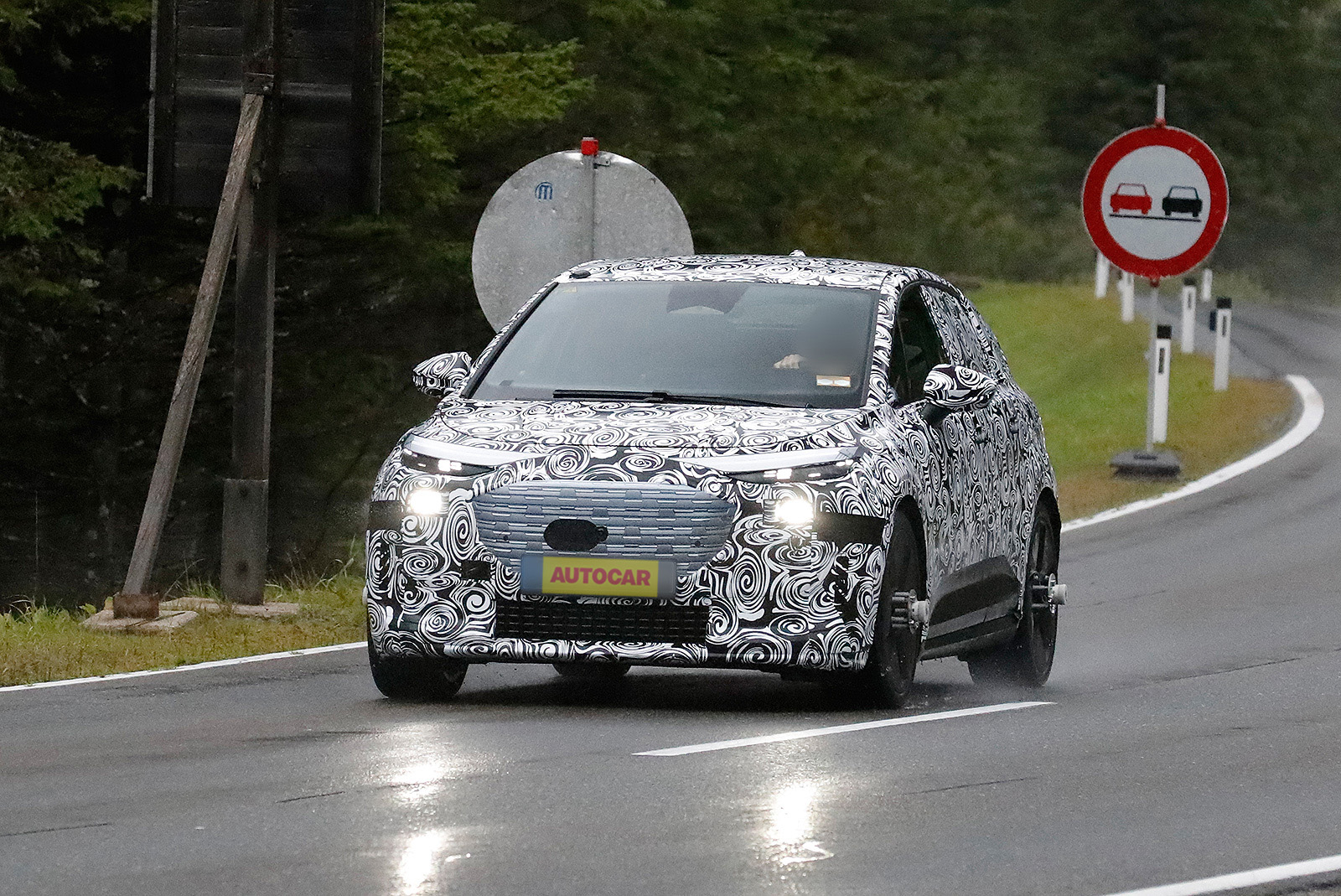
Audi A2 E-tron
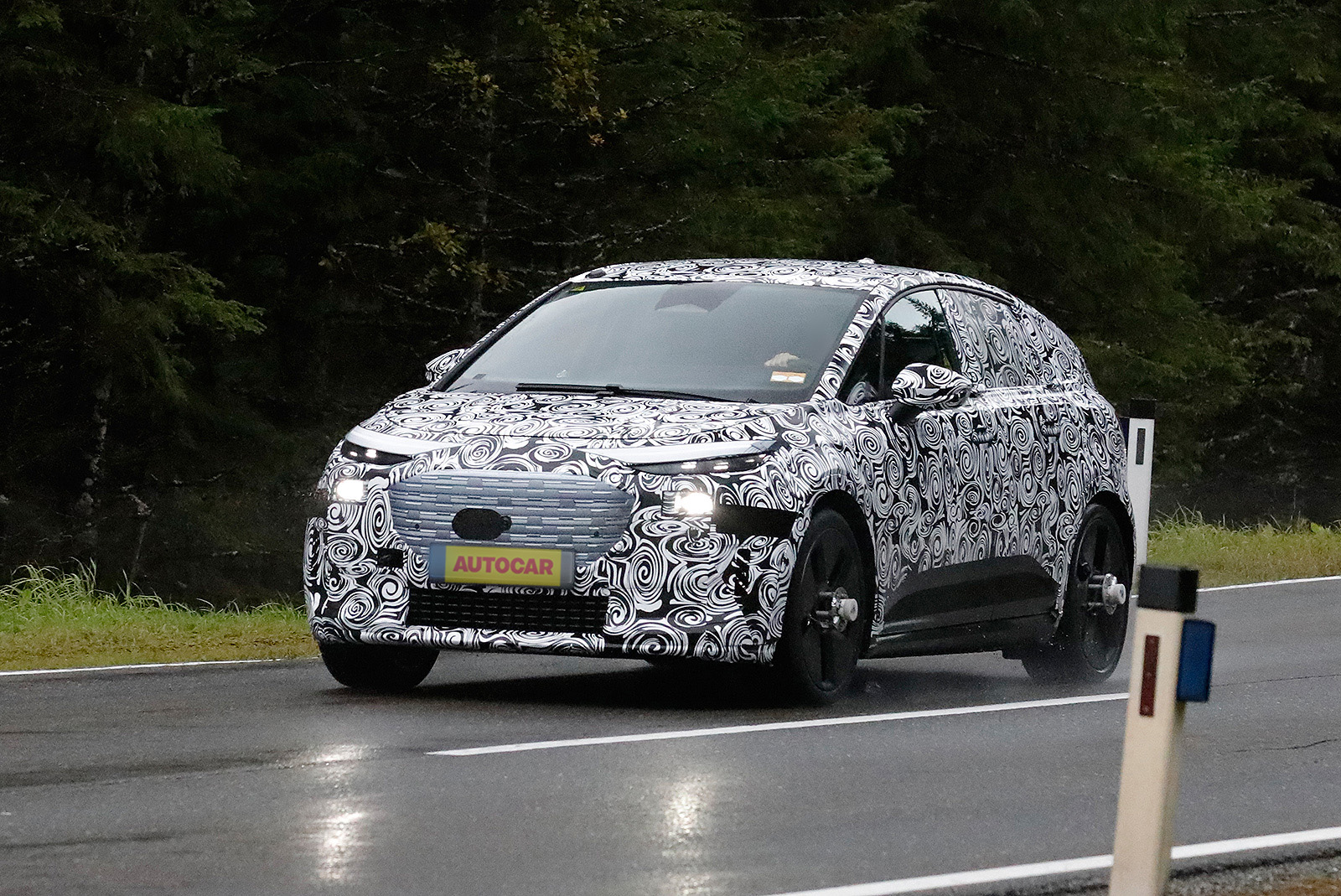
Audi A2 E-tron
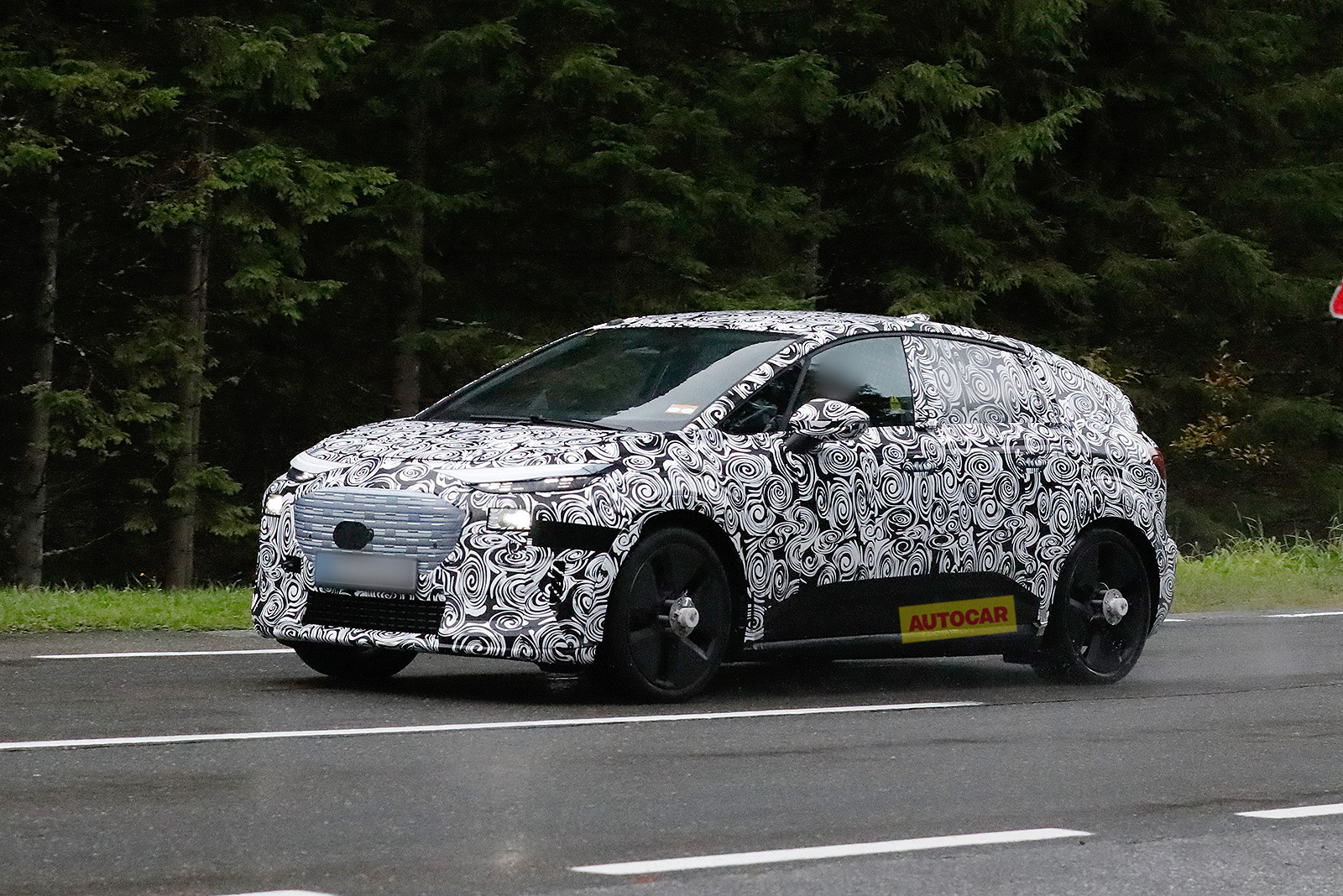
Audi A2 E-tron
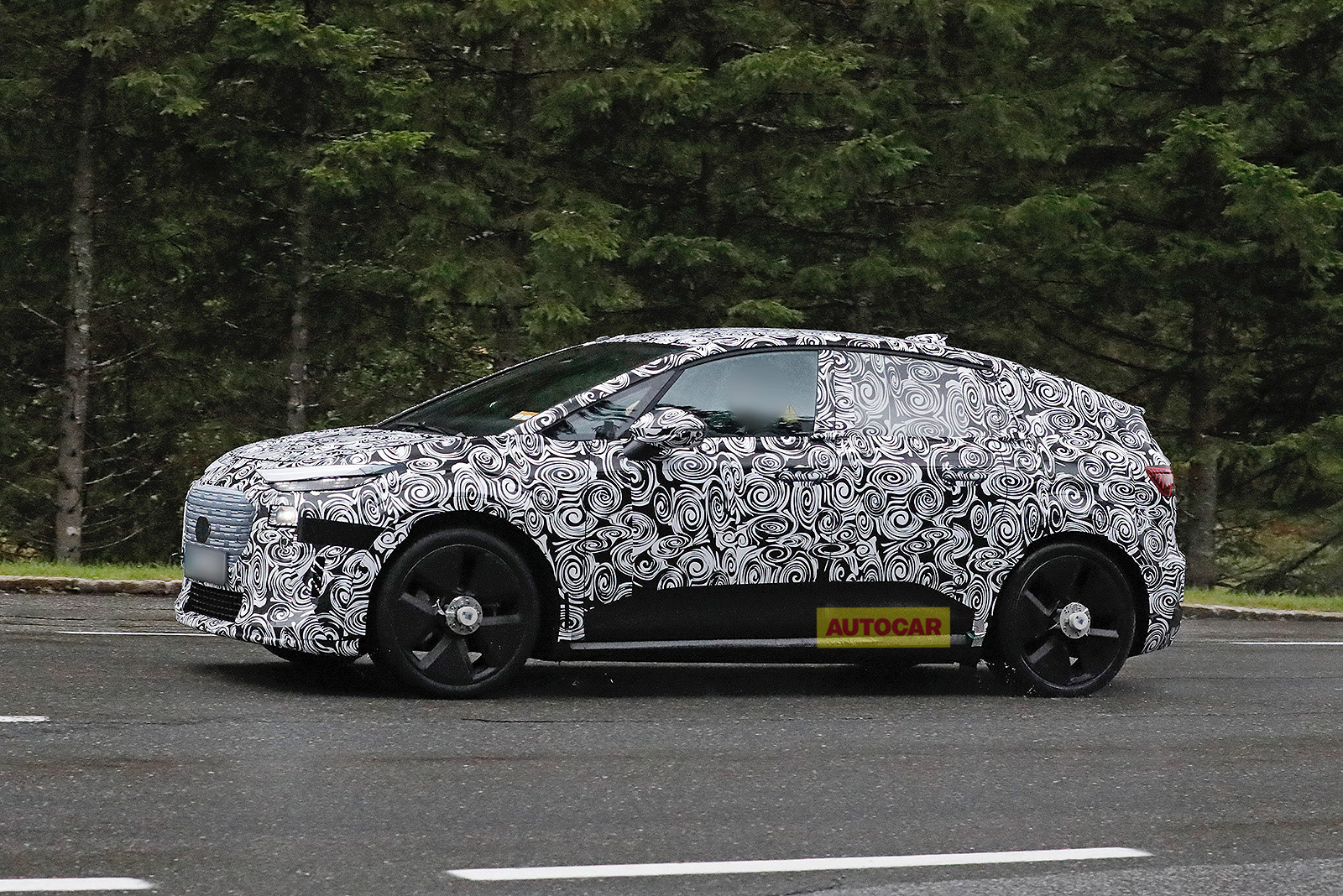
Audi A2 E-tron
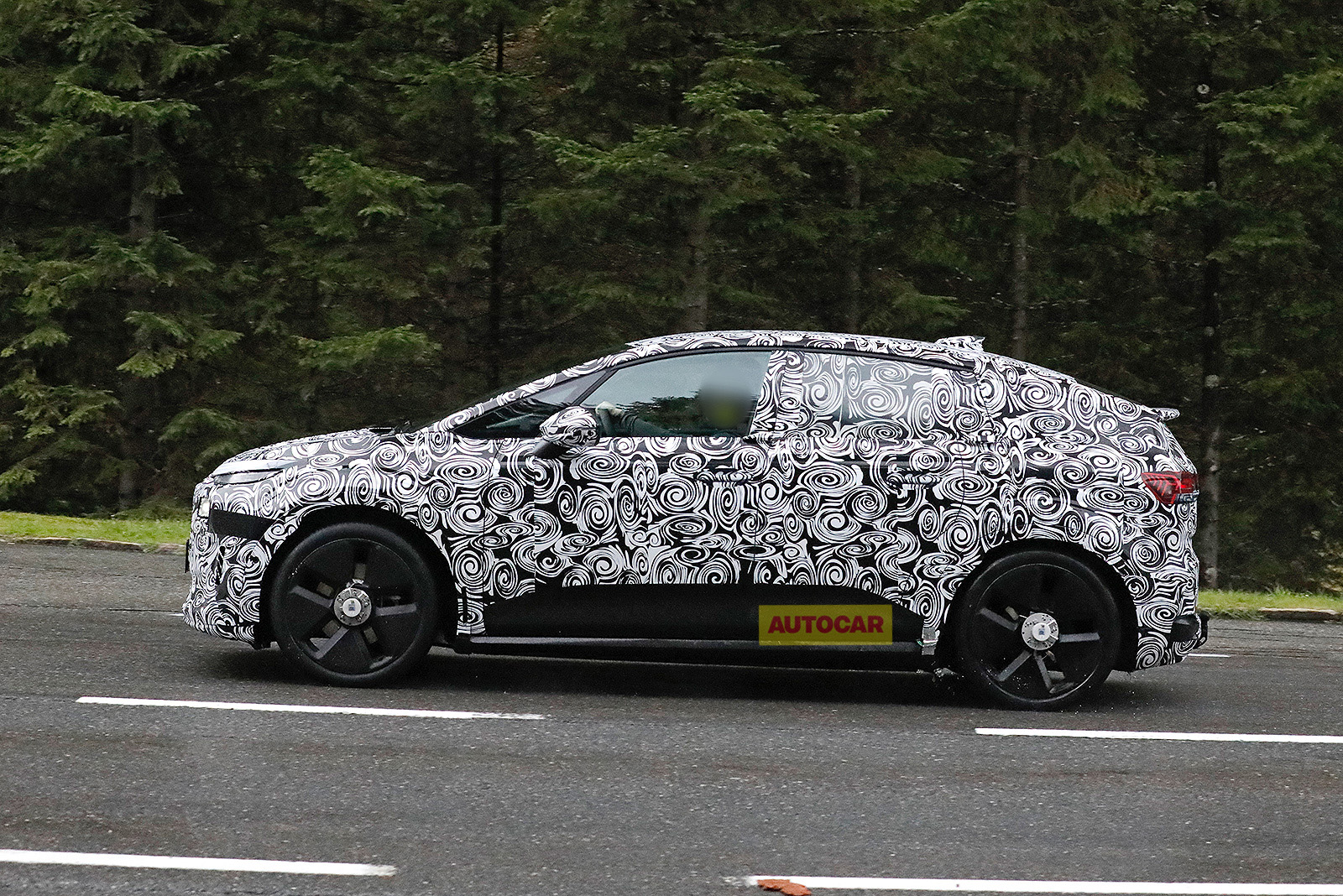
Audi A2 E-tron
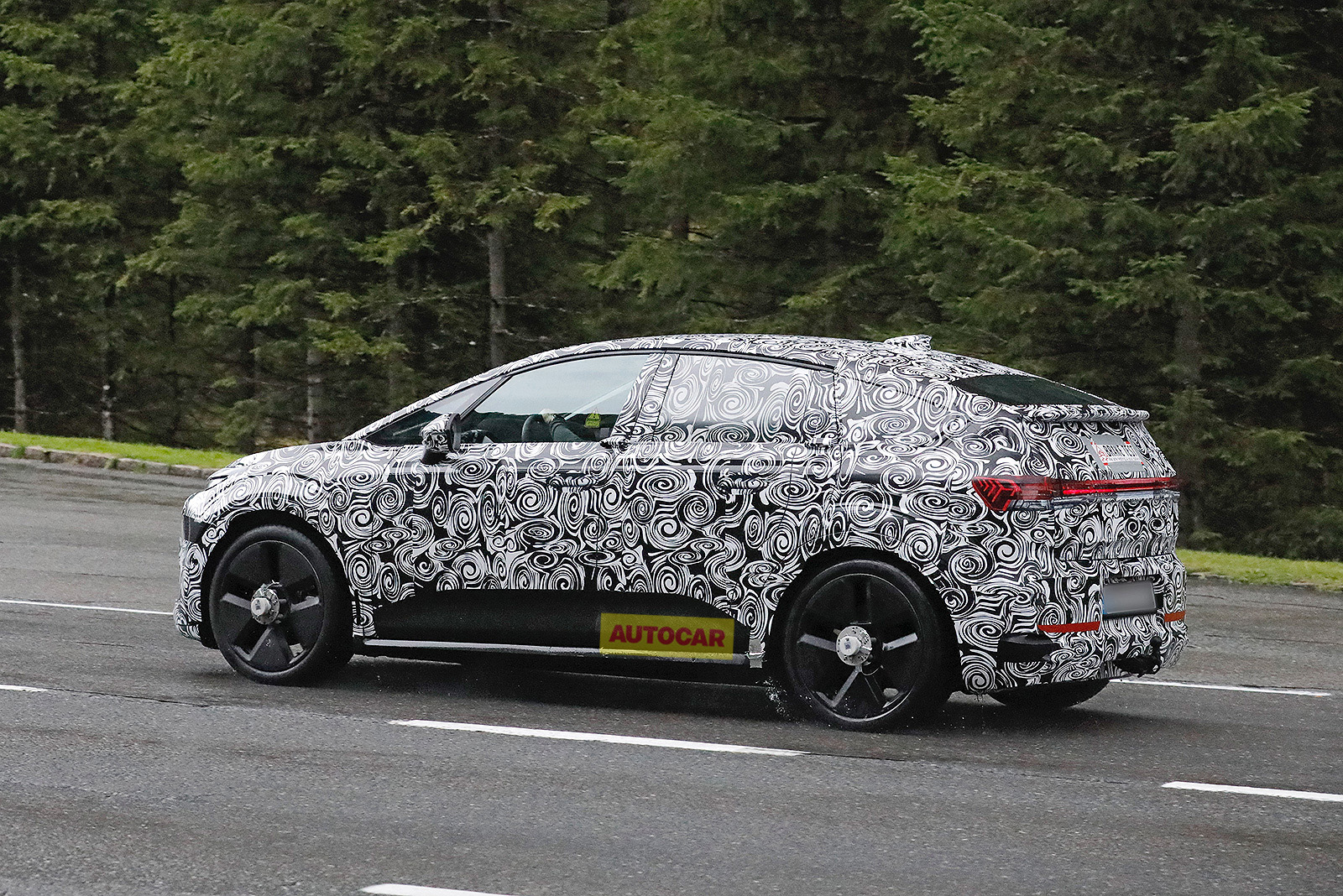
Audi A2 E-tron
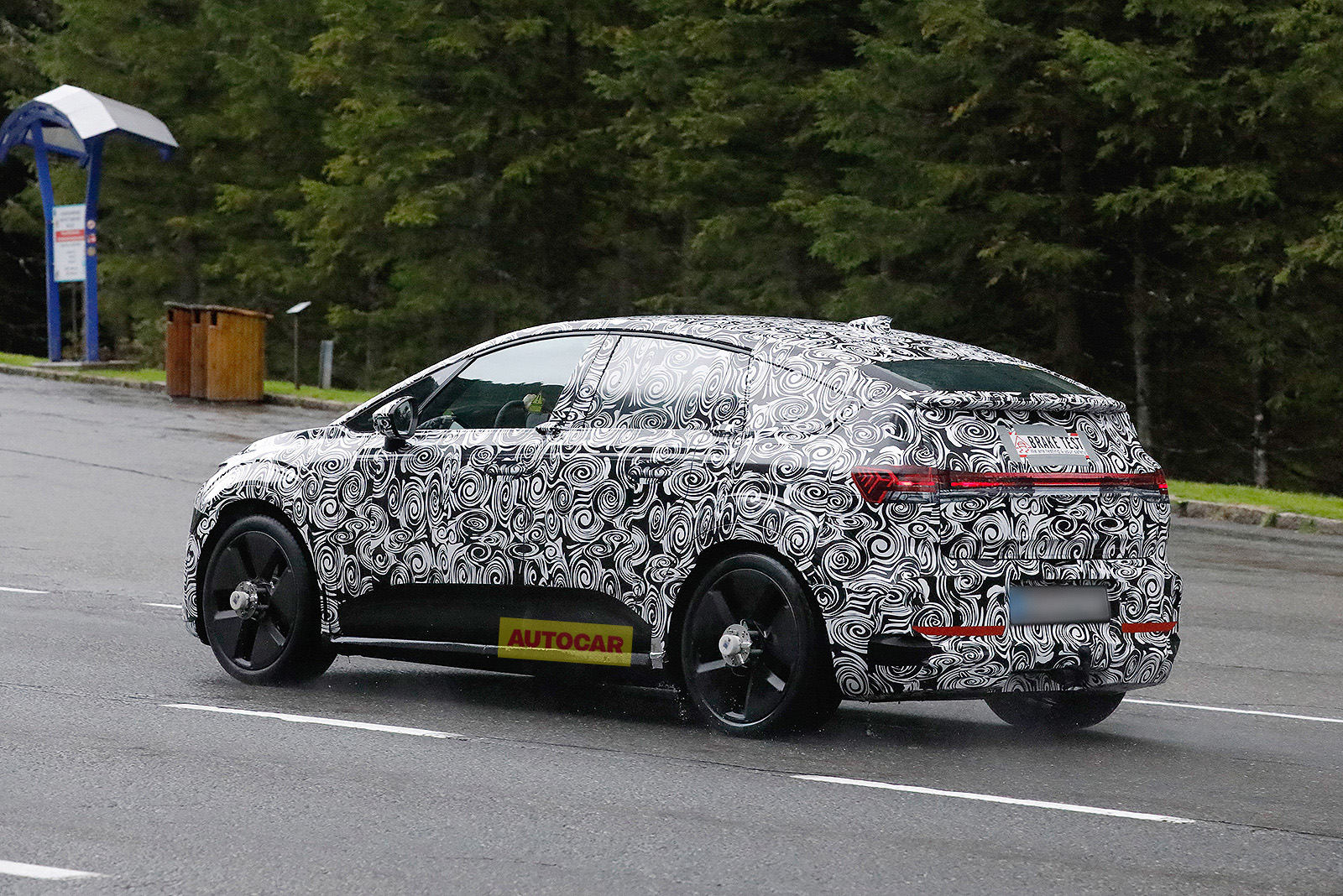
Audi A2 E-tron
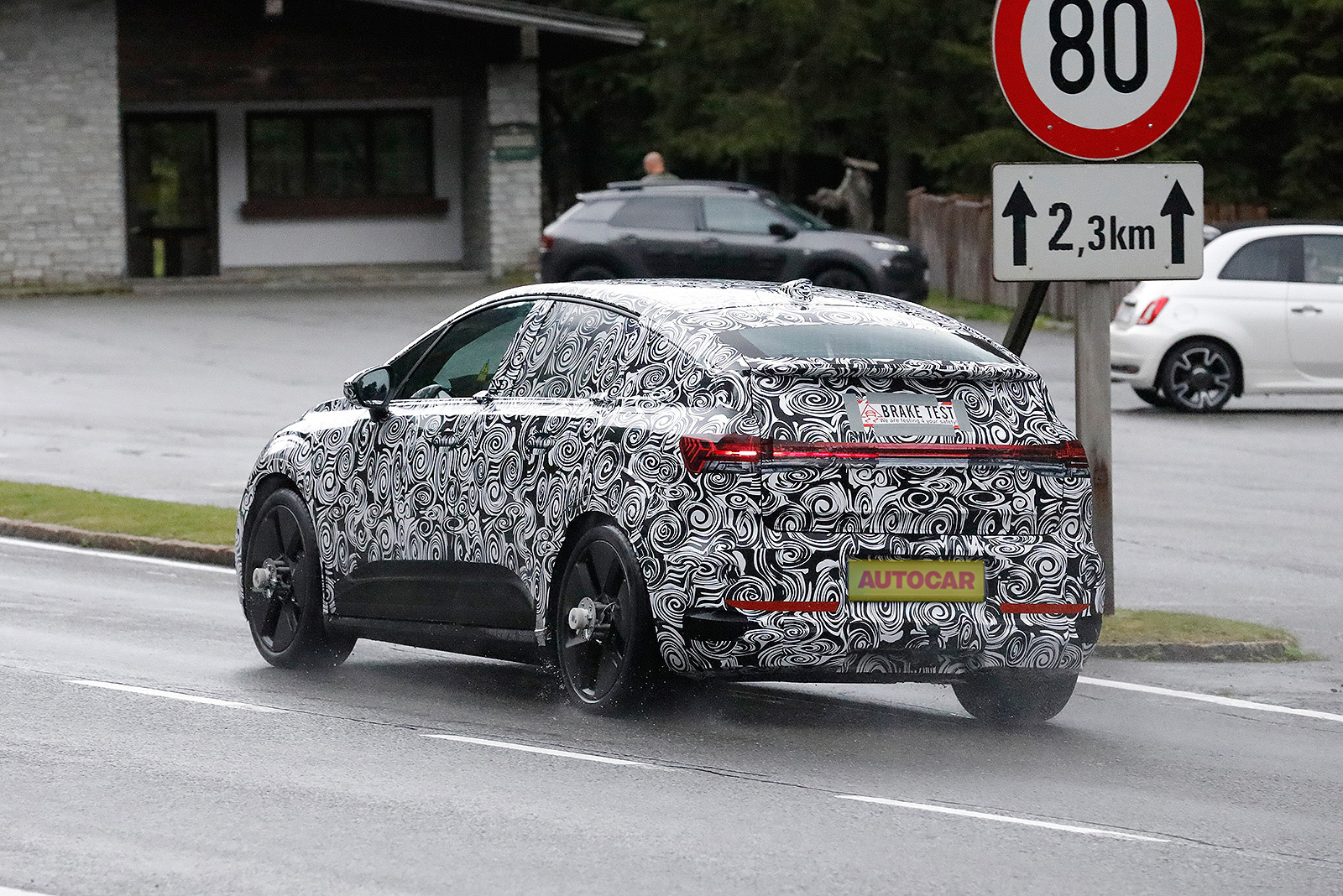
Audi A2 E-tron
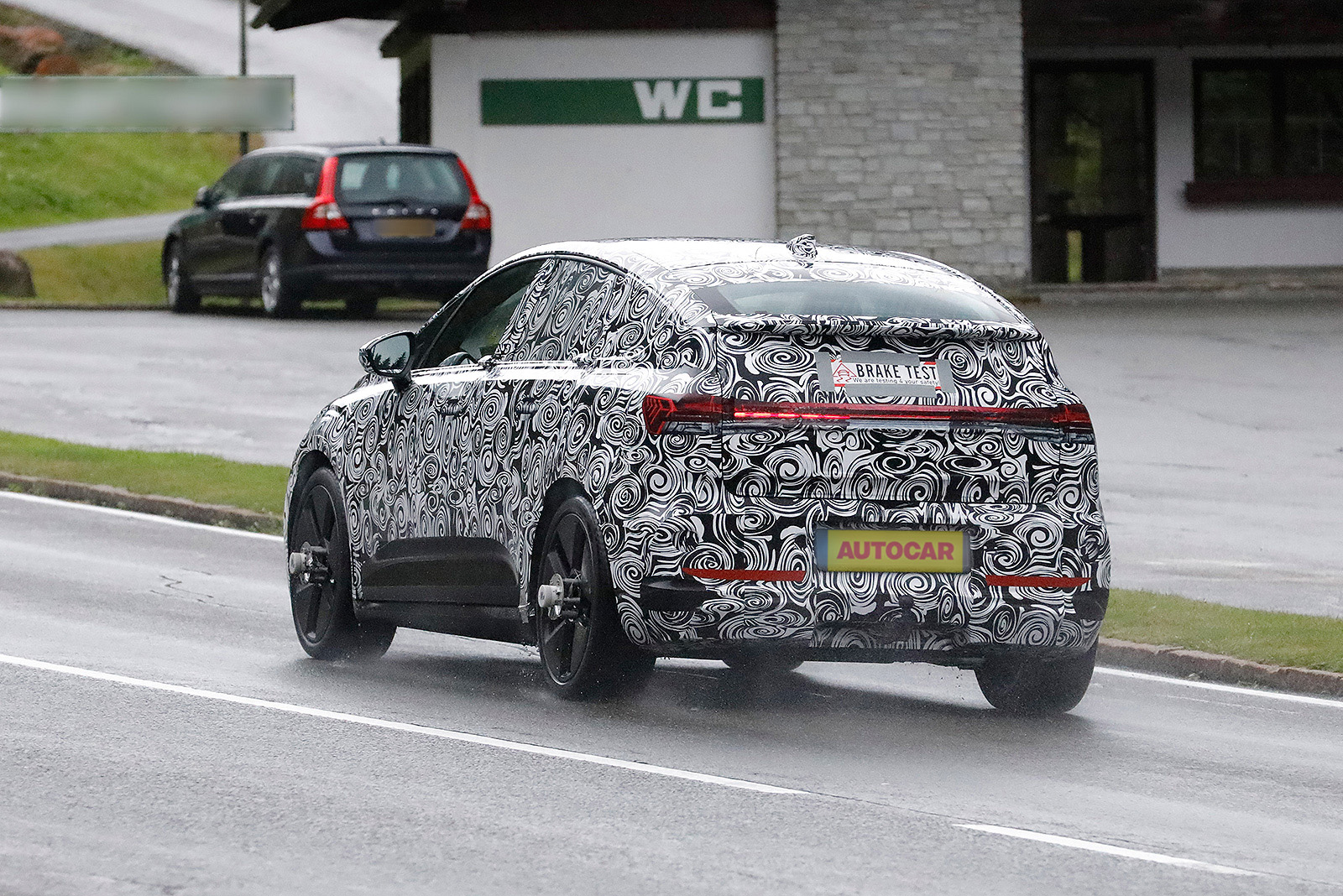
Audi A2 E-tron
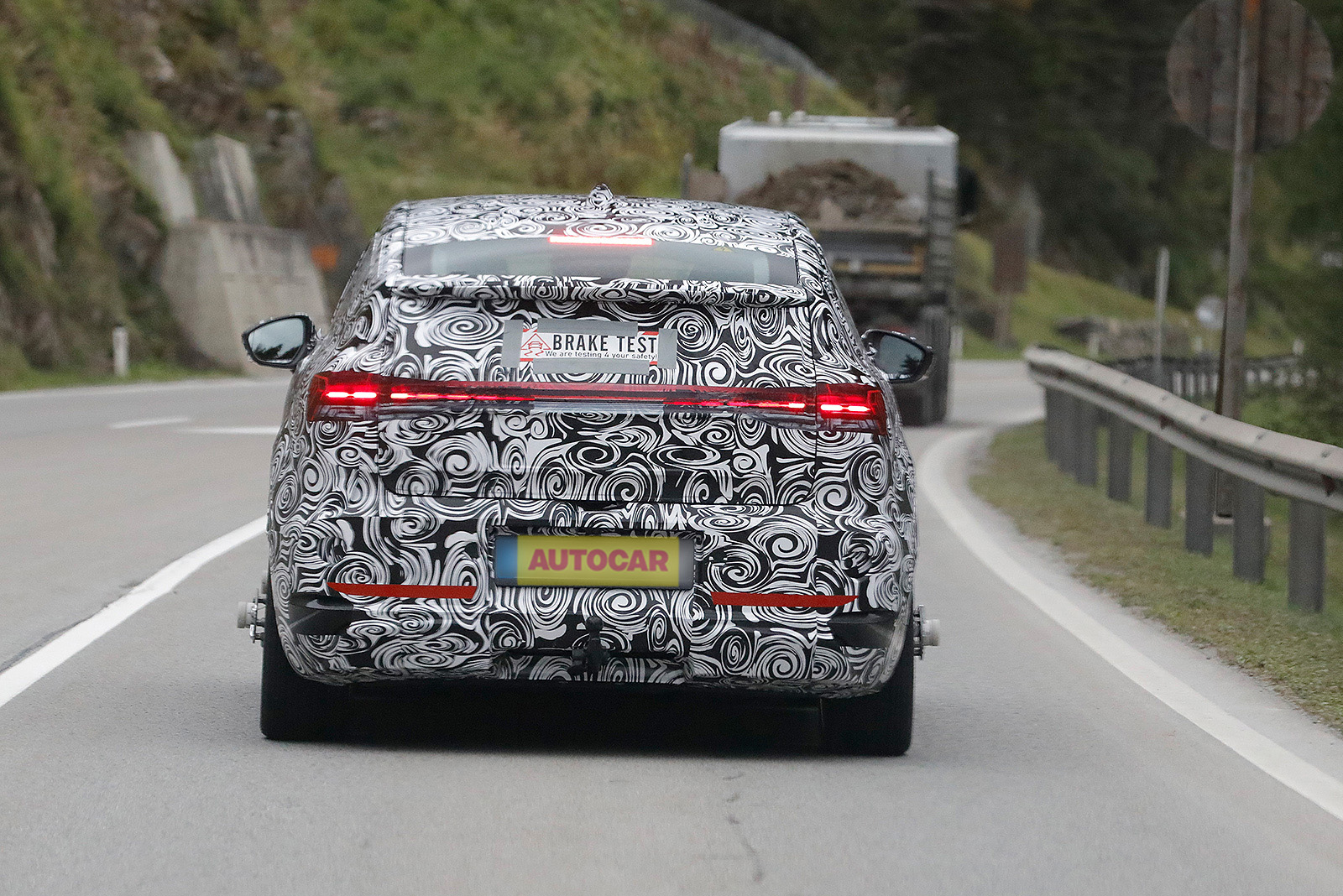
Audi A2 E-tron
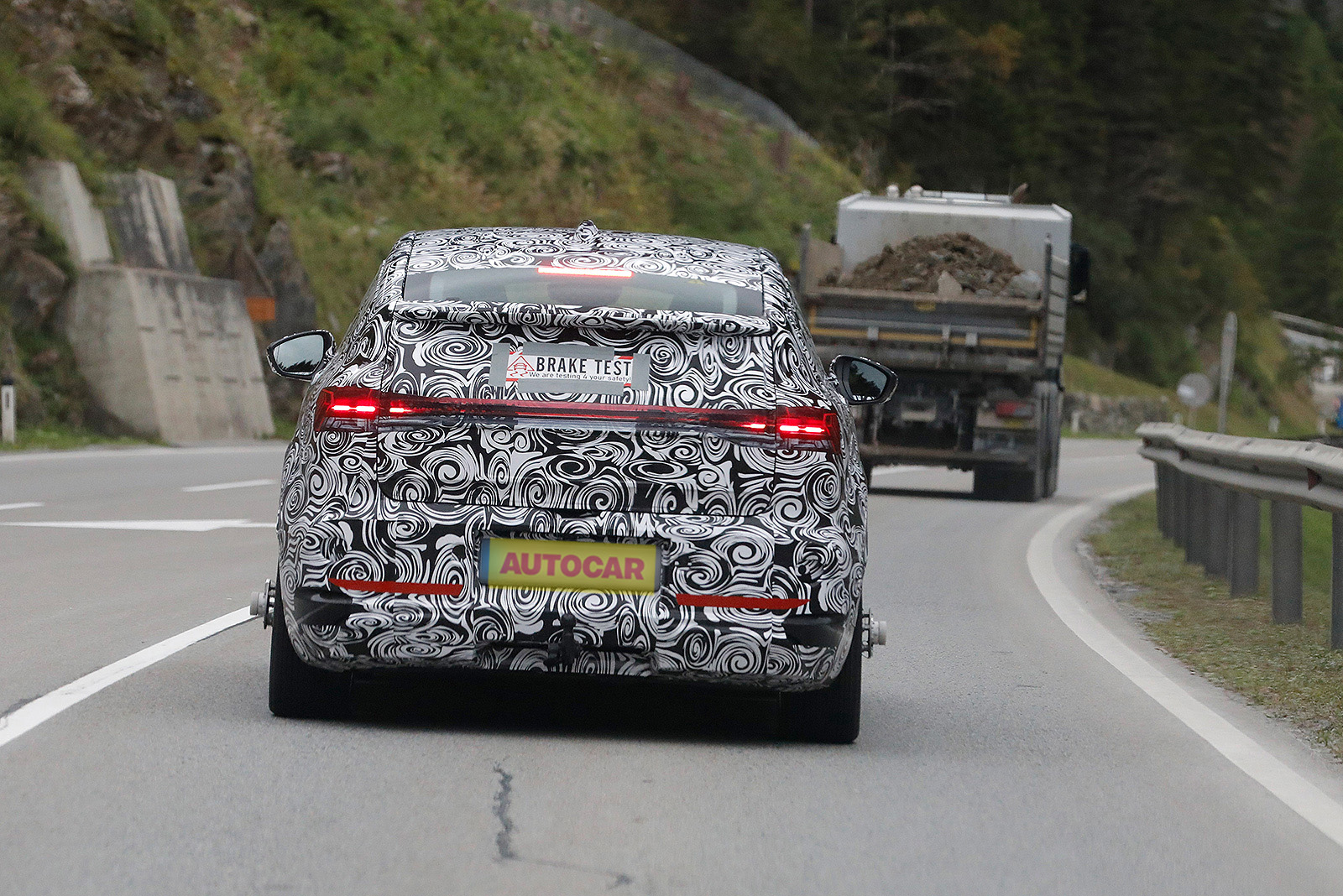
Audi A2 E-tron
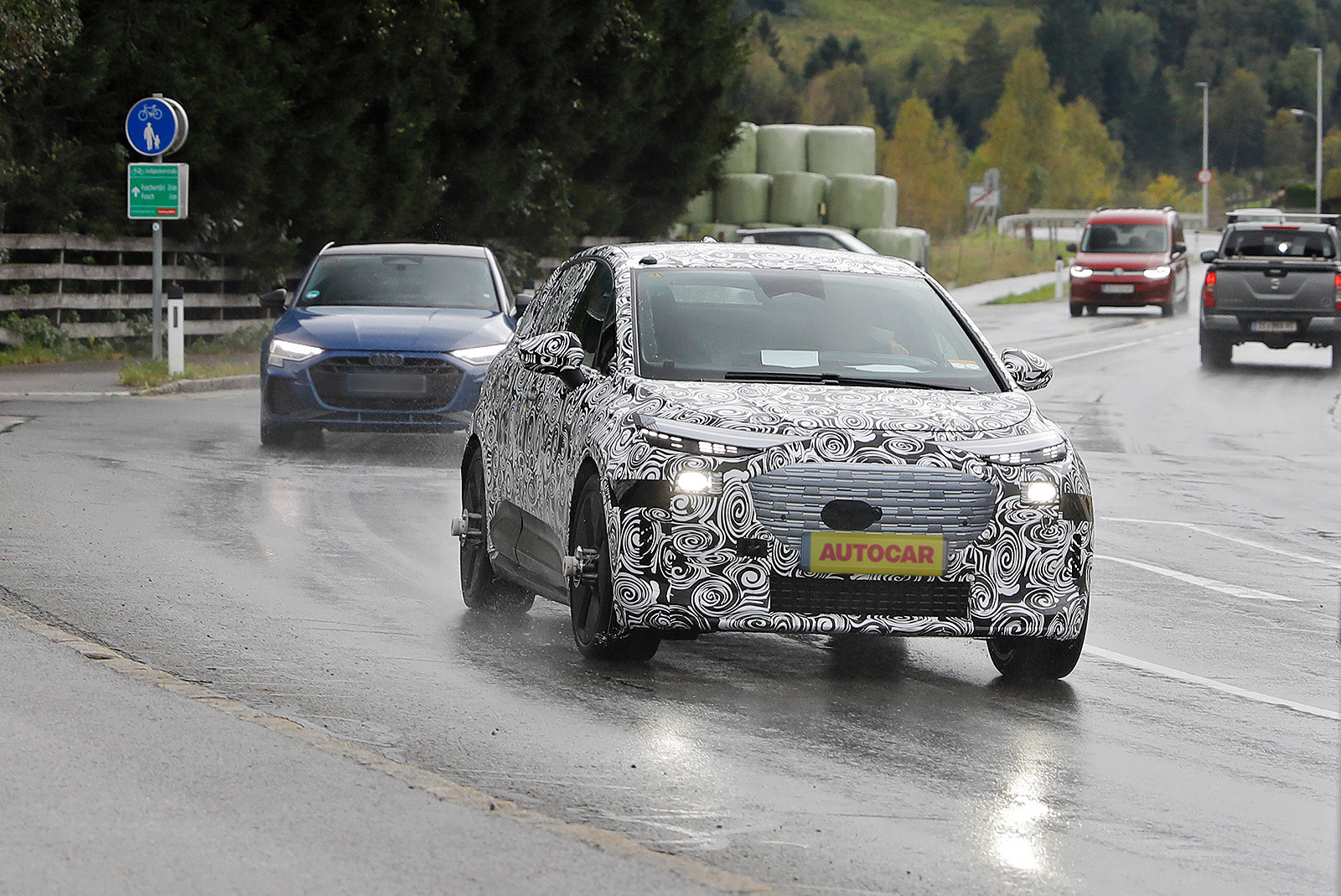
Audi A2 E-tron
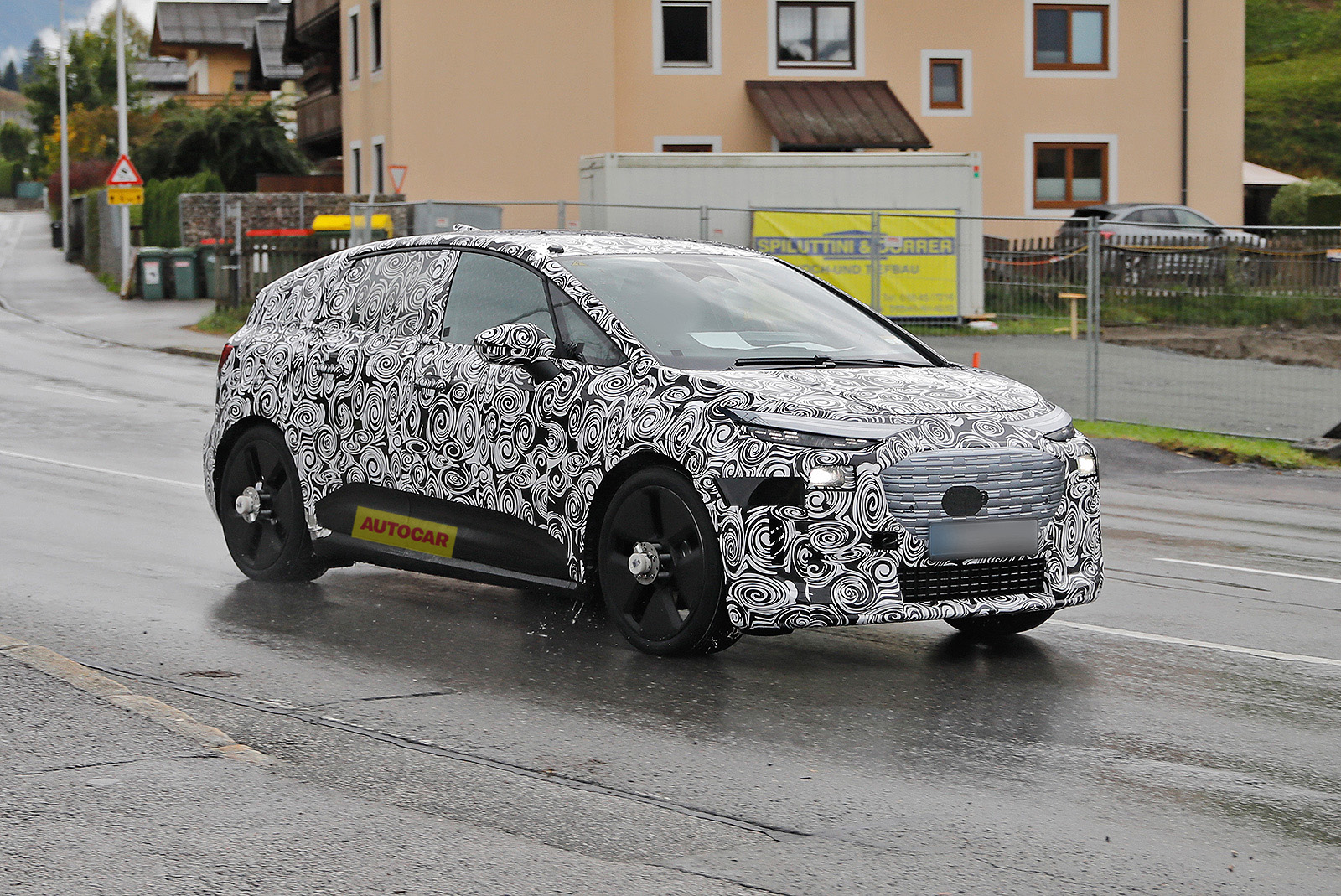
Audi A2 E-tron
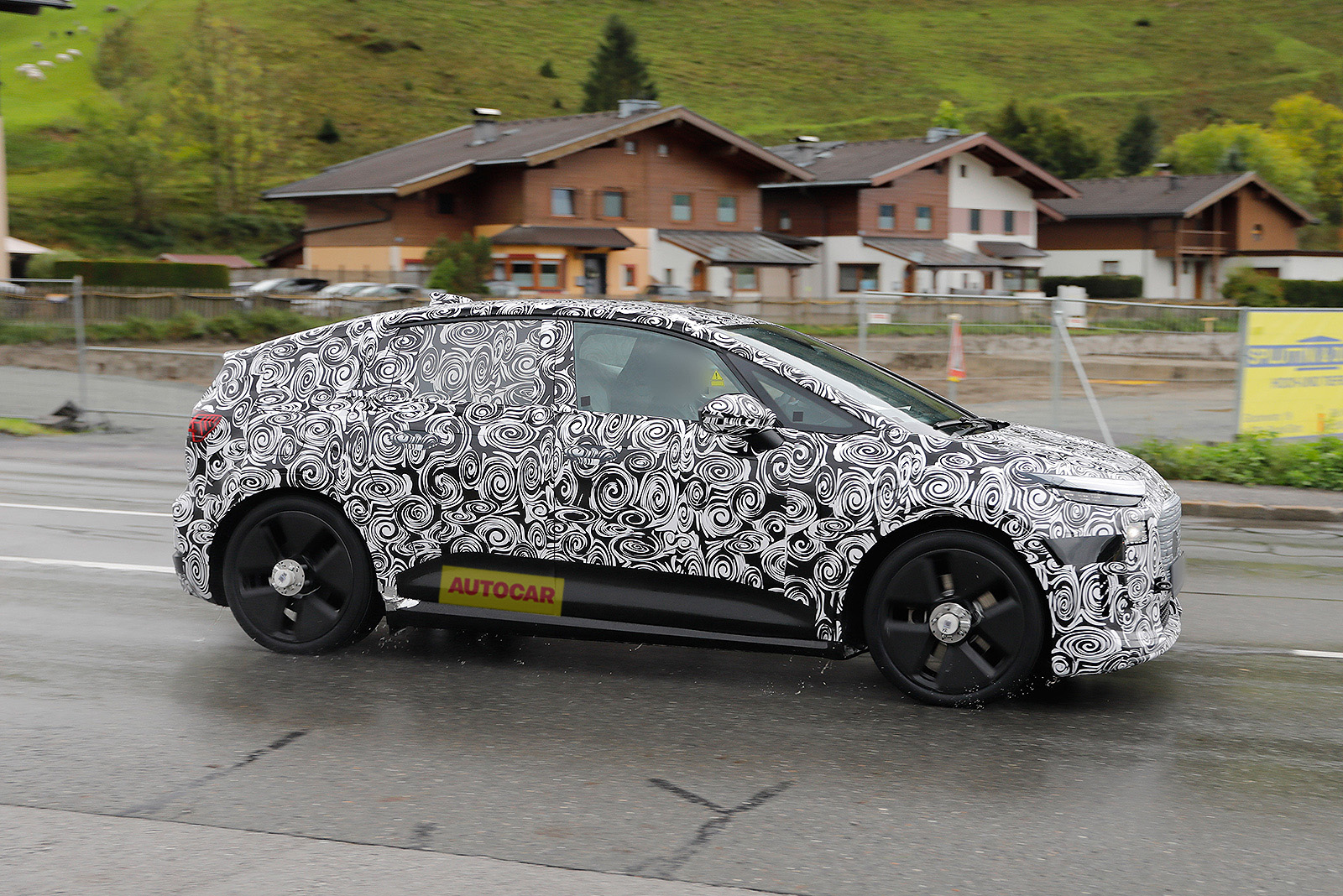
Audi A2 E-tron
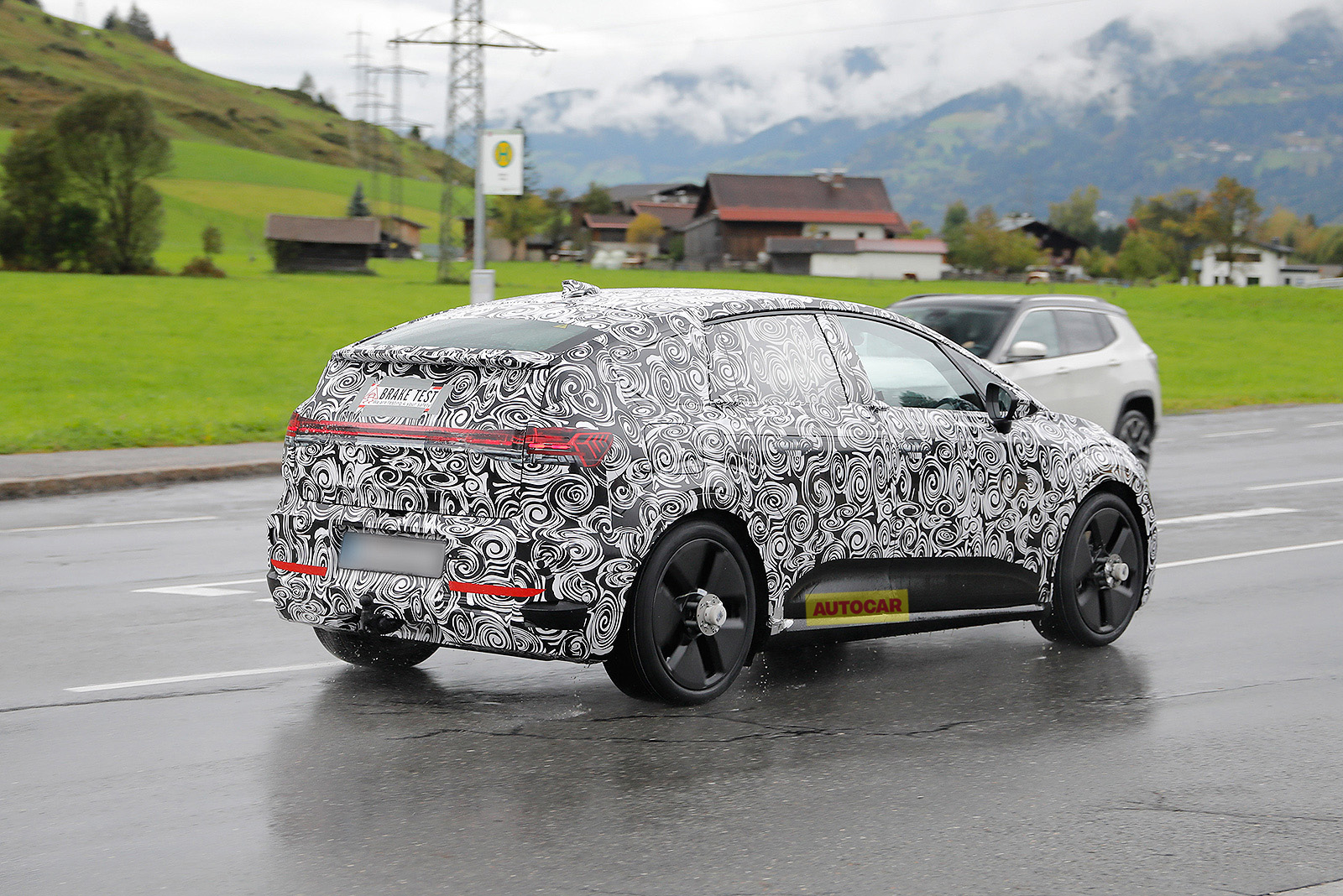
Audi A2 E-tron
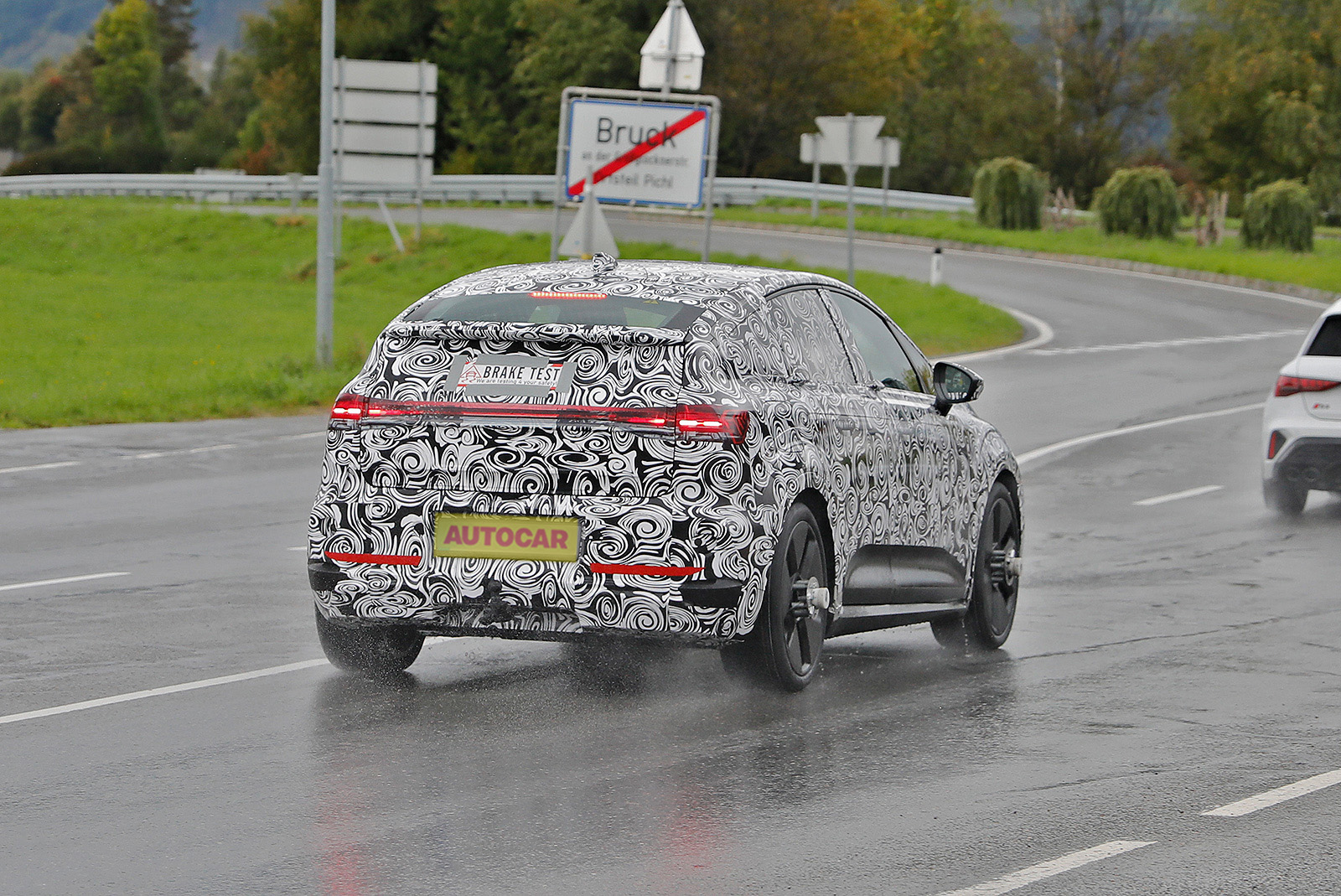
Audi A2 E-tron
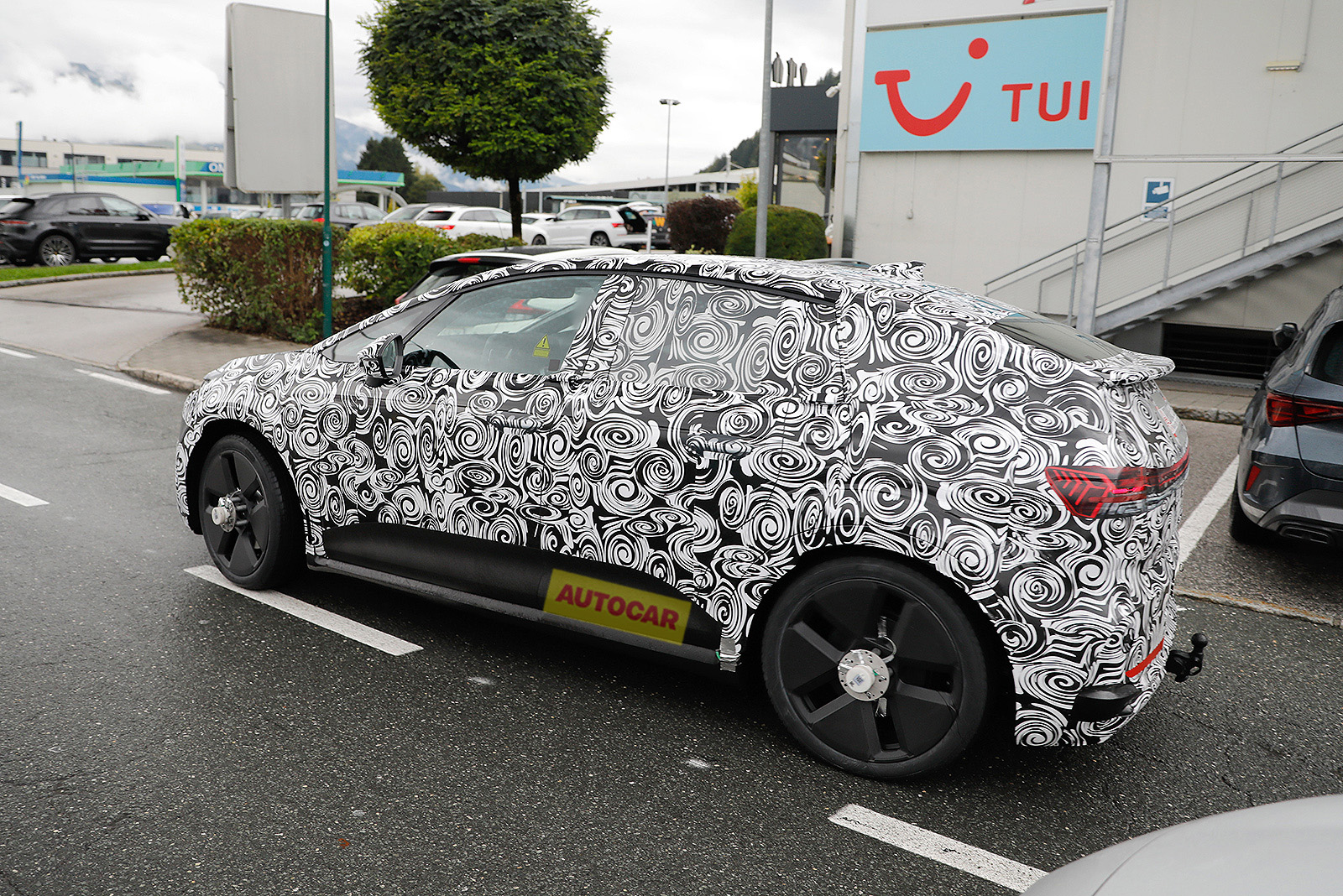
Audi A2 E-tron
Audi A2 E-tron