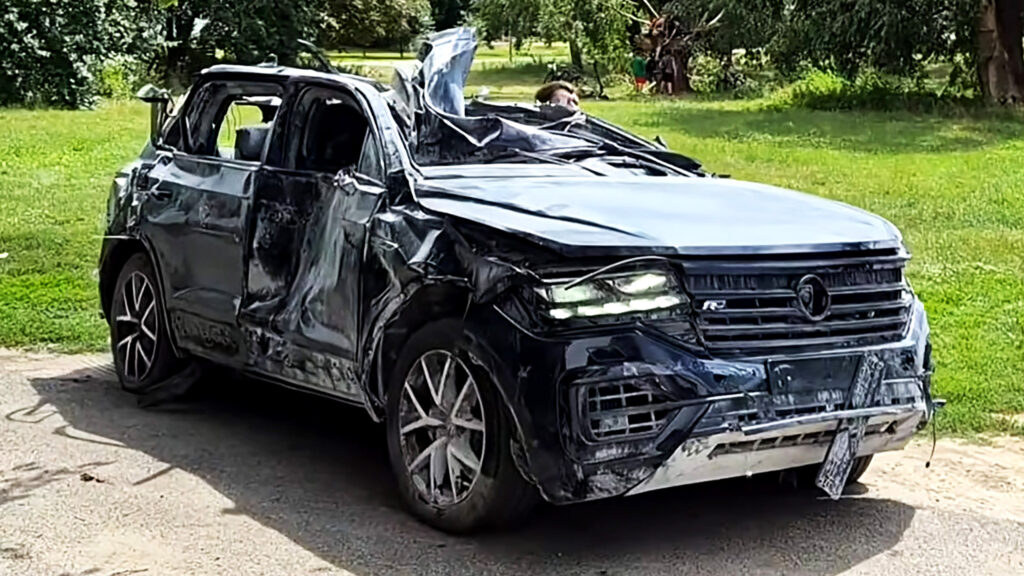
Dealership Retaliation Turns Viral as Customer Review Spurs Online Backlash and Corporate Reckoning

Volvo’s Evolution Beyond Safety: How Design, Innovation, and Experimentation Shaped an Iconic Brand
 Volvo's own museum was a treasure trove of legendary cars of the brand's past
The Volvo Museum was a treasure trove of the brand’s finest machinery.
Now permanently closed with many of the exhibits transferred to the new World of Volvo, the museum showed the brand made more than just bricks. It’s true that, even with its classic cars, the company often put a much greater emphasis on safety than on design.
But it has also shown a tremendous amount of creativity since its inception in 1927 - with many classic Volvos sporting stunning exteriors. Walking through the official Volvo museum in Gothenburg, Sweden, reveals how decision-makers injected performance and luxury into the brand’s line-up without diluting its image.
Let’s take a look:
ÖV 4 (1927)
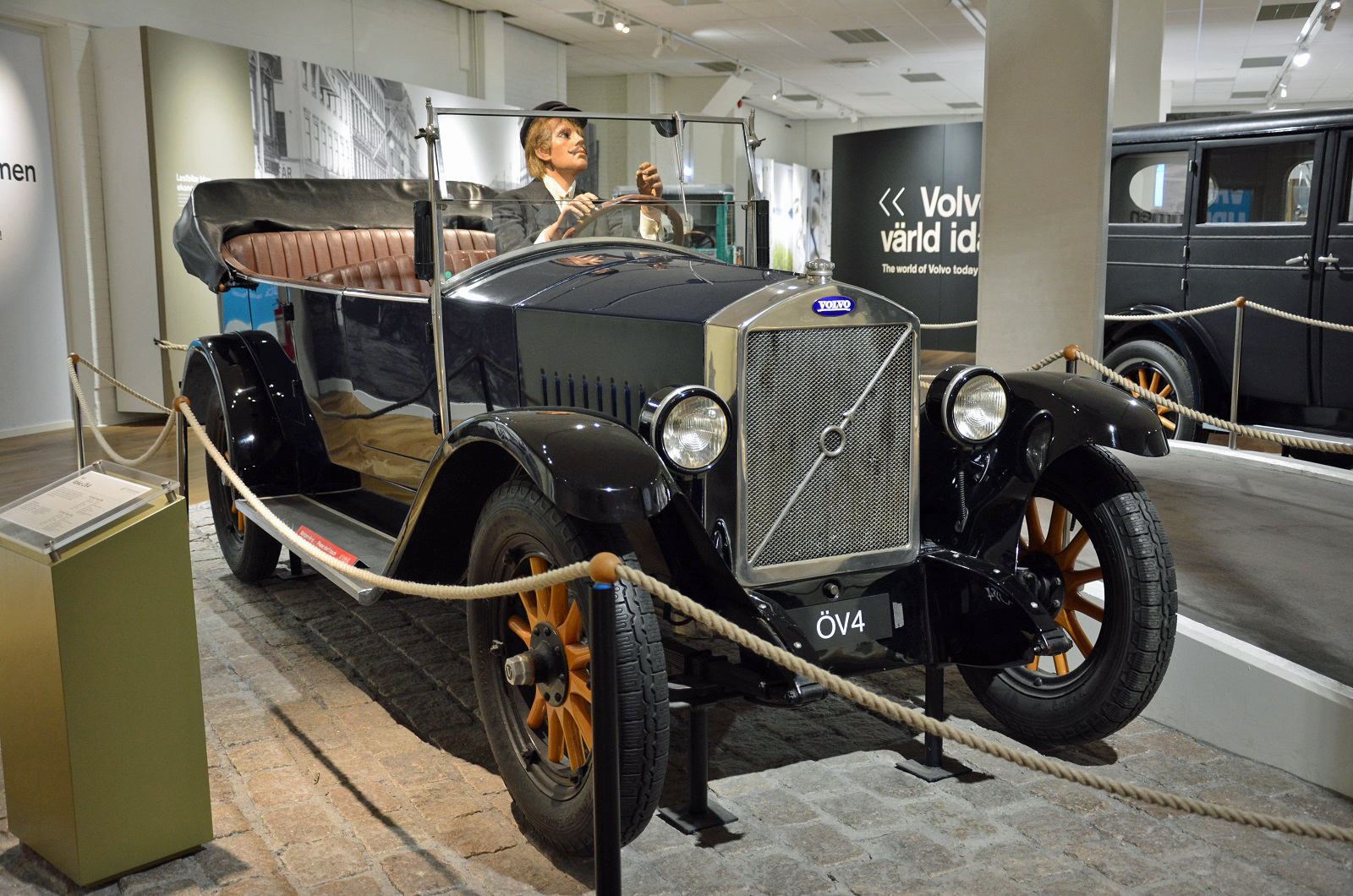
Volvo made its first series-produced car, the ÖV 4, on 14 April 1927. Sales manager Hilmer Johansson got behind the wheel of car number one to ceremoniously drive it off the assembly line and quickly noticed it only moved backwards.
The differential gear in the rear axle had been installed improperly. Shop foreman Johan Fingal fixed the car in 10 minutes and the celebrations carried on as planned. Volvo made 204 ÖV 4s between 1927 and 1929. Only a small handful survive today.
PV 36 (1935)
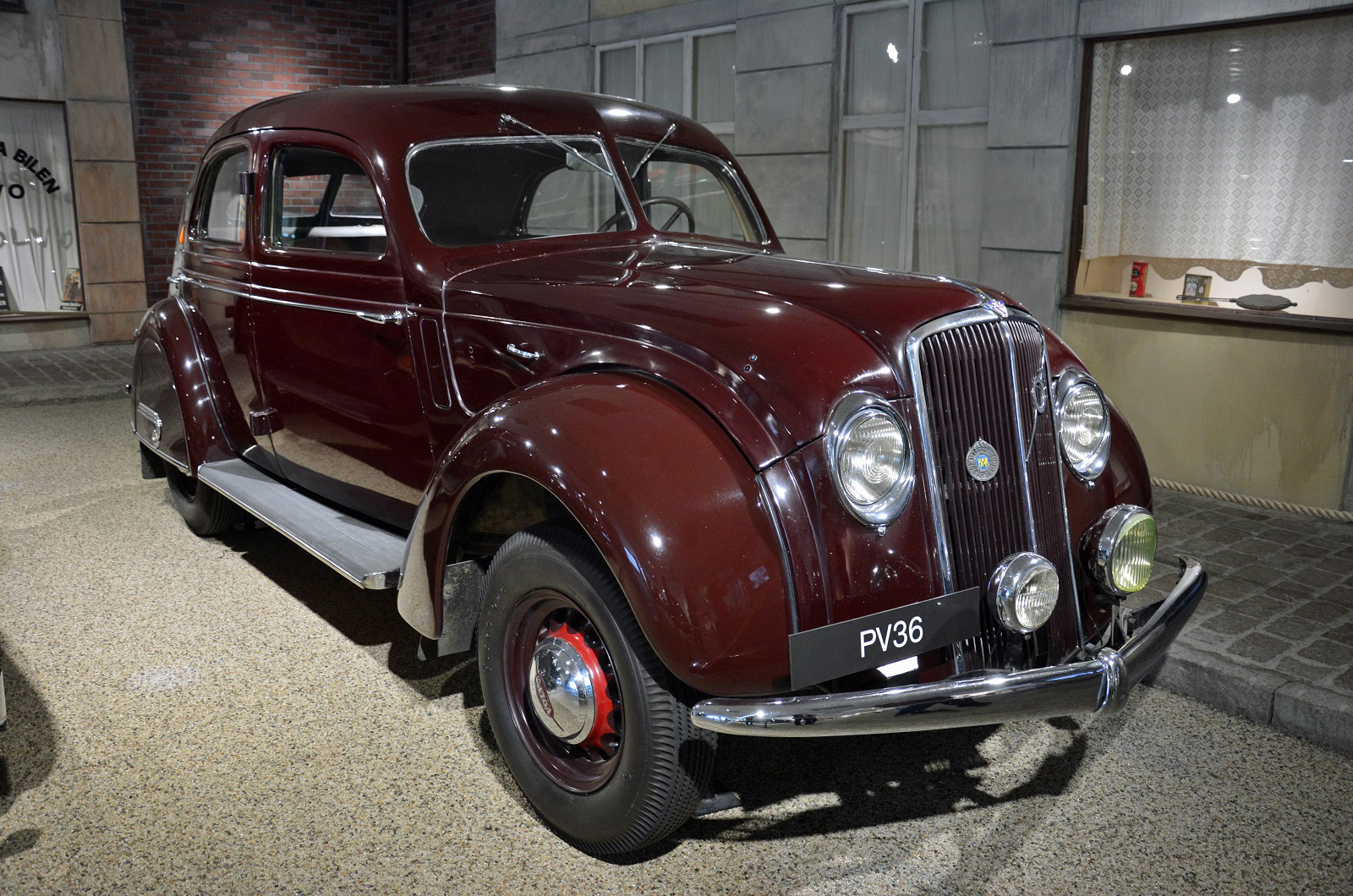
Introduced in 1935, the daring PV 36 looked markedly different than Volvo’s other models. It wore an aerodynamic design characterized by headlights integrated into the body and covered rear wheels.
Many motorists found the look too futuristic and difficult to get used to. The PV 36 – which earned the nickname Carioca – was also heavy, underpowered and expensive. Production ended after Volvo made about 500 examples over a three-year period.
PV 444 (1947)
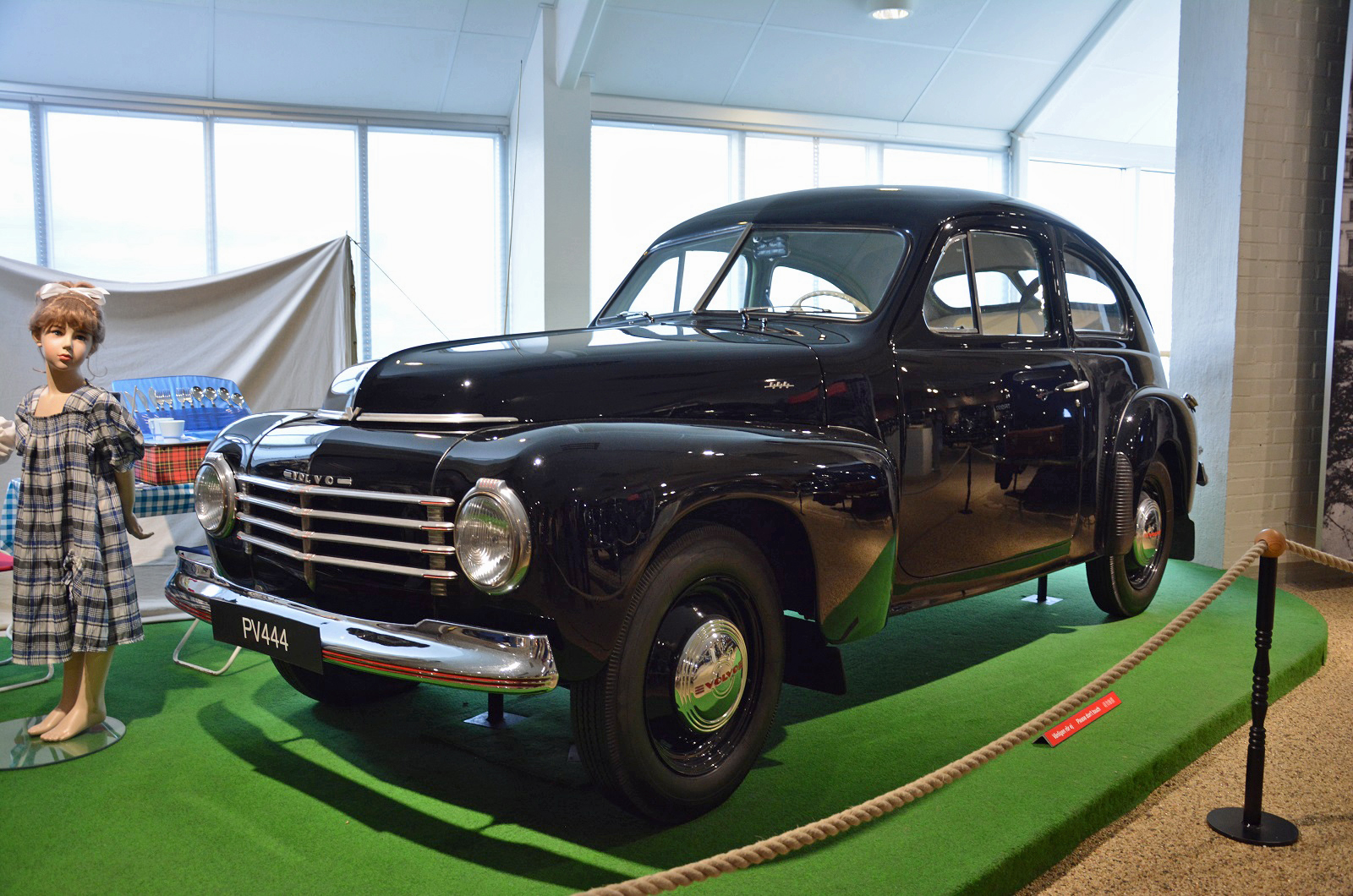
Per-Åke Fröberg, Volvo’s head of heritage, told Autocar the game-changing PV 444 was ready in 1944 but production didn’t start until 1947 due to a labor shortage caused by World War II. The firm had over 10,000 orders to fill at home and abroad when it started making the PV 444.
The PV 444 – which later morphed into the PV 544 – deserves credit for putting Volvo on the map in the United States. Sales in America officially began in 1955 and it became the second best-selling European car (behind the Volkswagen Beetle) in California two years later.
PV 61 (1949)
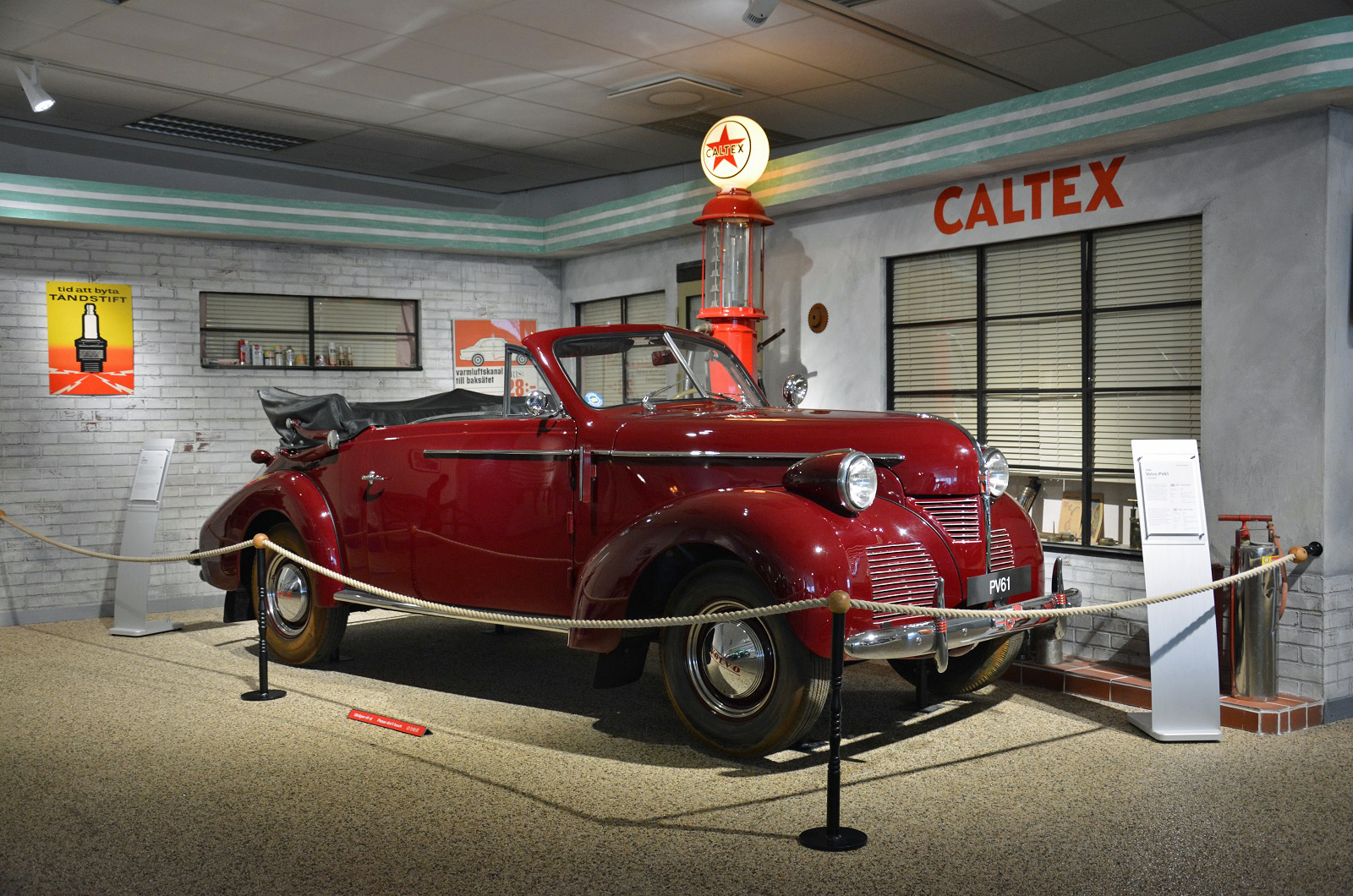
Volvo continued offering bare chassis into the 1950s. Most examples were transformed into pickup trucks, delivery vans, or ambulances but a small handful were promised a more exotic life as stylish convertibles prized by Sweden’s jet-setters.
This PV 61 was turned into a roadster by Stockholm-based coachbuilder Nordbergs in 1949 and fully restored by Volvo.
Philip (1953)
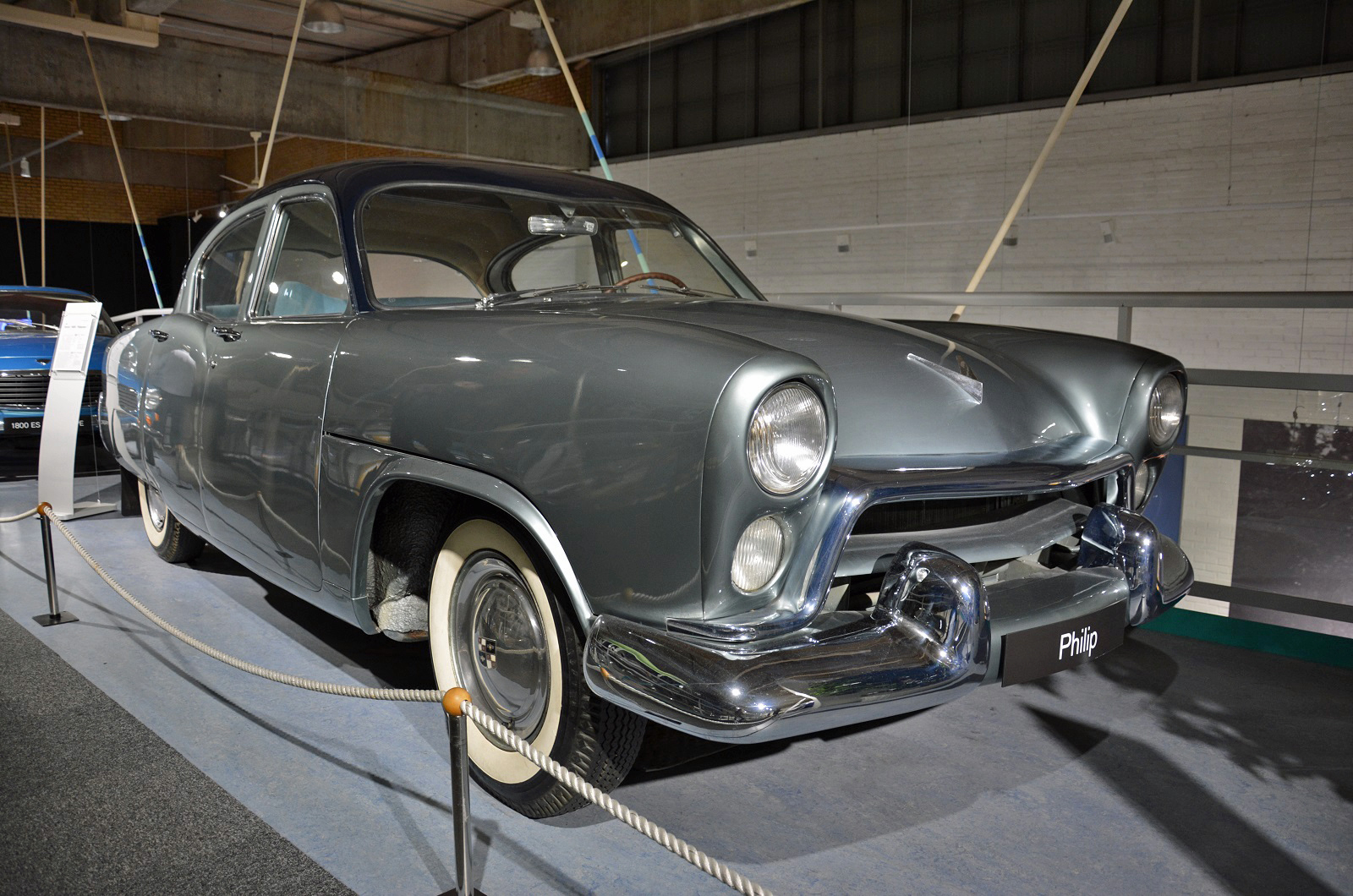
In the 1950s, decades before the term ‘Scandinavian design’ became marketable internationally, Volvo designers often looked across the Atlantic for inspiration. The 1953 Philip prototype looked like an American car with its generous dimensions and big chromed bumpers on both ends.
It drove like one, too, because it used a 120hp V8 engine designed in-house by Volvo. The firm notes the Philip remained a one-off model because it would have cost far too much to mass-produce. The V8 engine later powered trucks and boats, however.
Sport (1954)
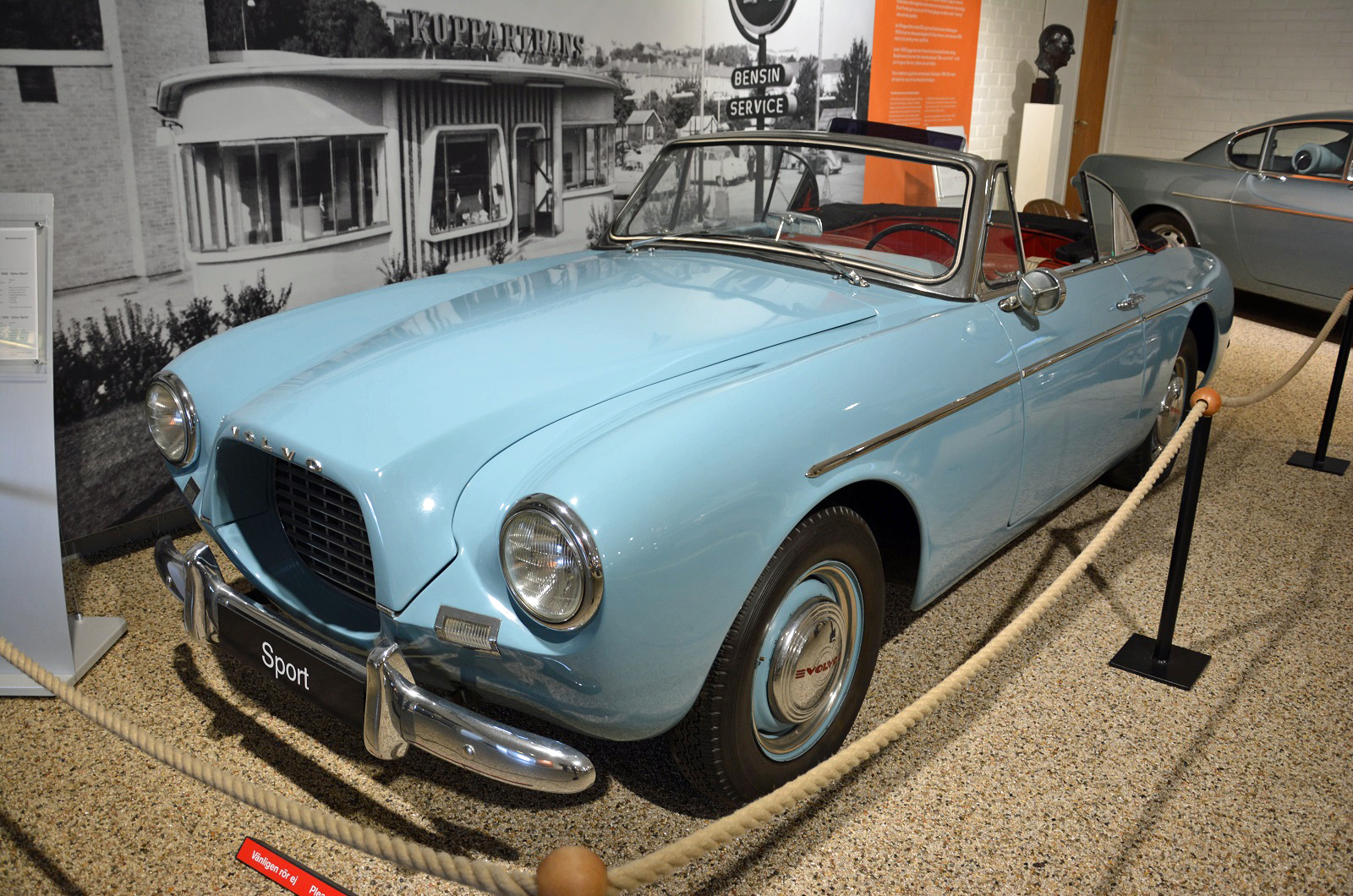
On paper, Volvo’s first sports car closely resembled the original Chevrolet Corvette. Called Sport, it took the form of a two-seater roadster with a fiberglass body, an eye-catching exterior design and wall-to-wall leather upholstery inside.
Assar Gabrielsson, Volvo’s co-founder and CEO in the early 1950s, commissioned the car after taking a trip to the United States in 1953. Production started the following year and ended in 1957.
Sport (1954)
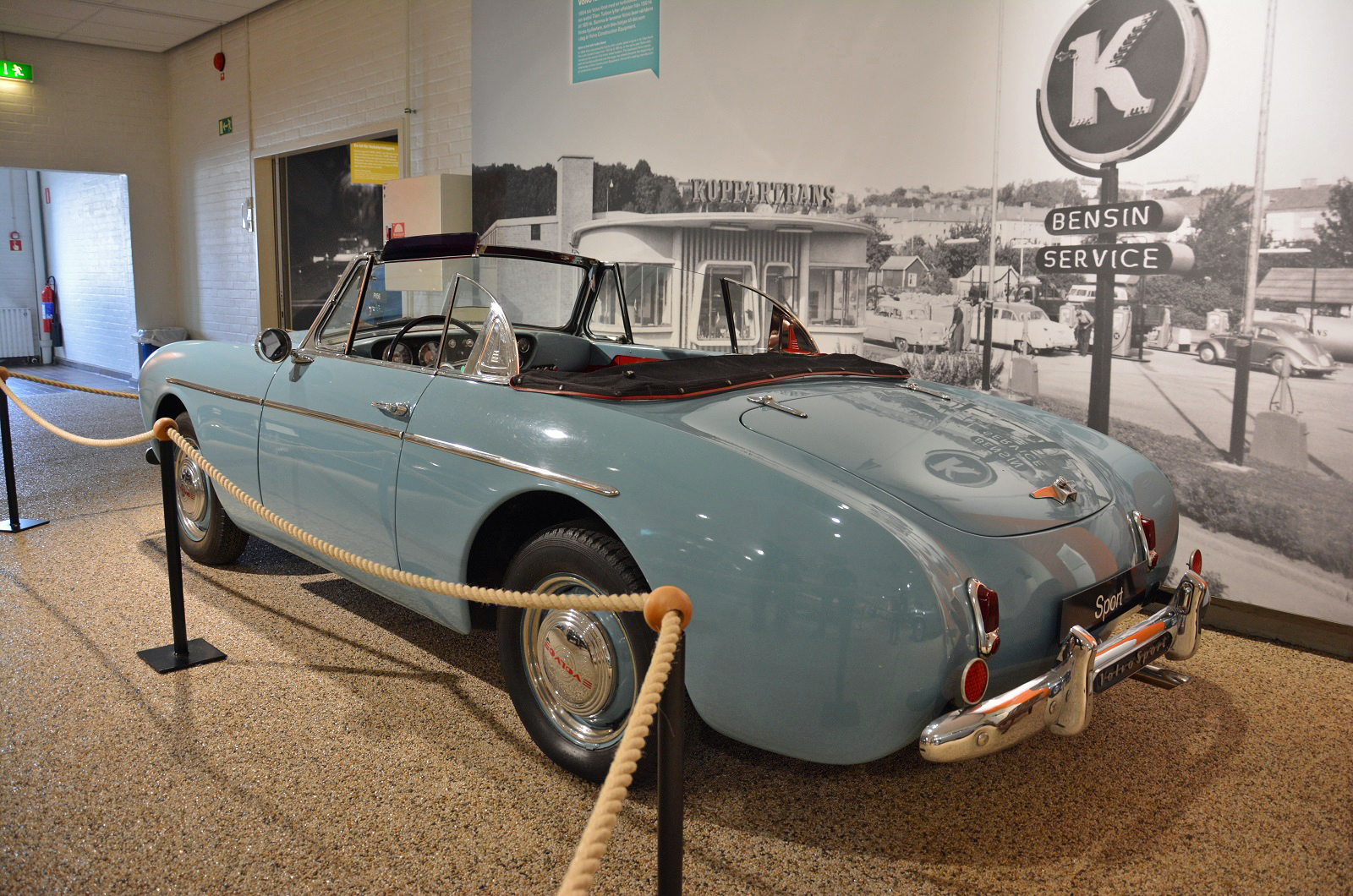
The Sport sold poorly because it was expensive, it suffered from quality problems and Swedish motorists showed little interest in buying a roadster they'd have to park half the year in order to avoid hypothermia.
Volvo made 67 examples of the Sport, and it’s the only Volvo ever made with a fiberglass body.
P1800 prototype (1958)
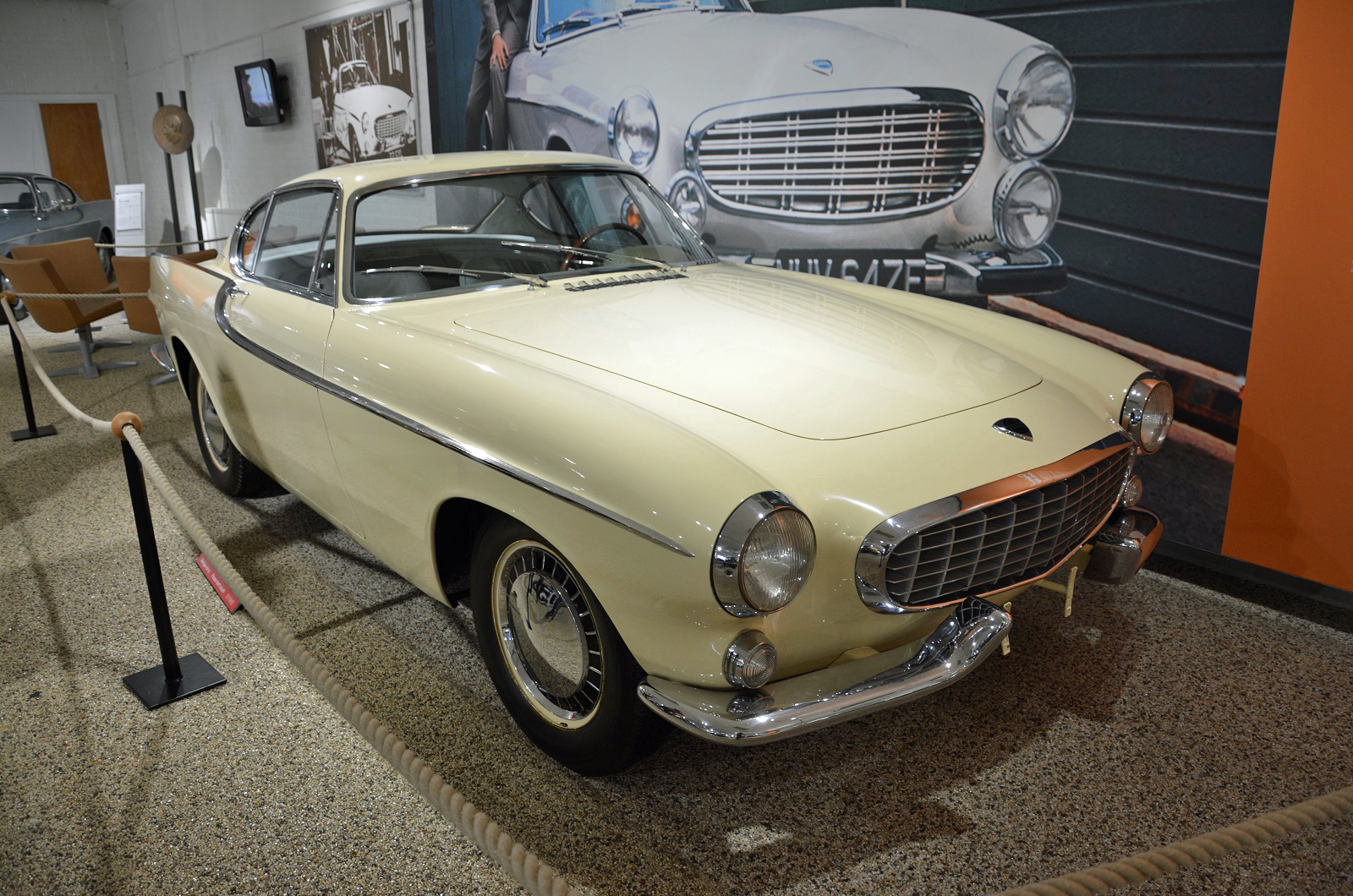
The memorably ill-fated Sport didn’t discourage Volvo from trying to make a name for itself in the sports car segment. In 1958, it showed a prototype called P1800 that accurately previewed a sporty coupe introduced in 1961.
The differences between the prototype and the production model were minor; early cars even came with two-piece bumpers.
Rally-winning PV 544 (1965)
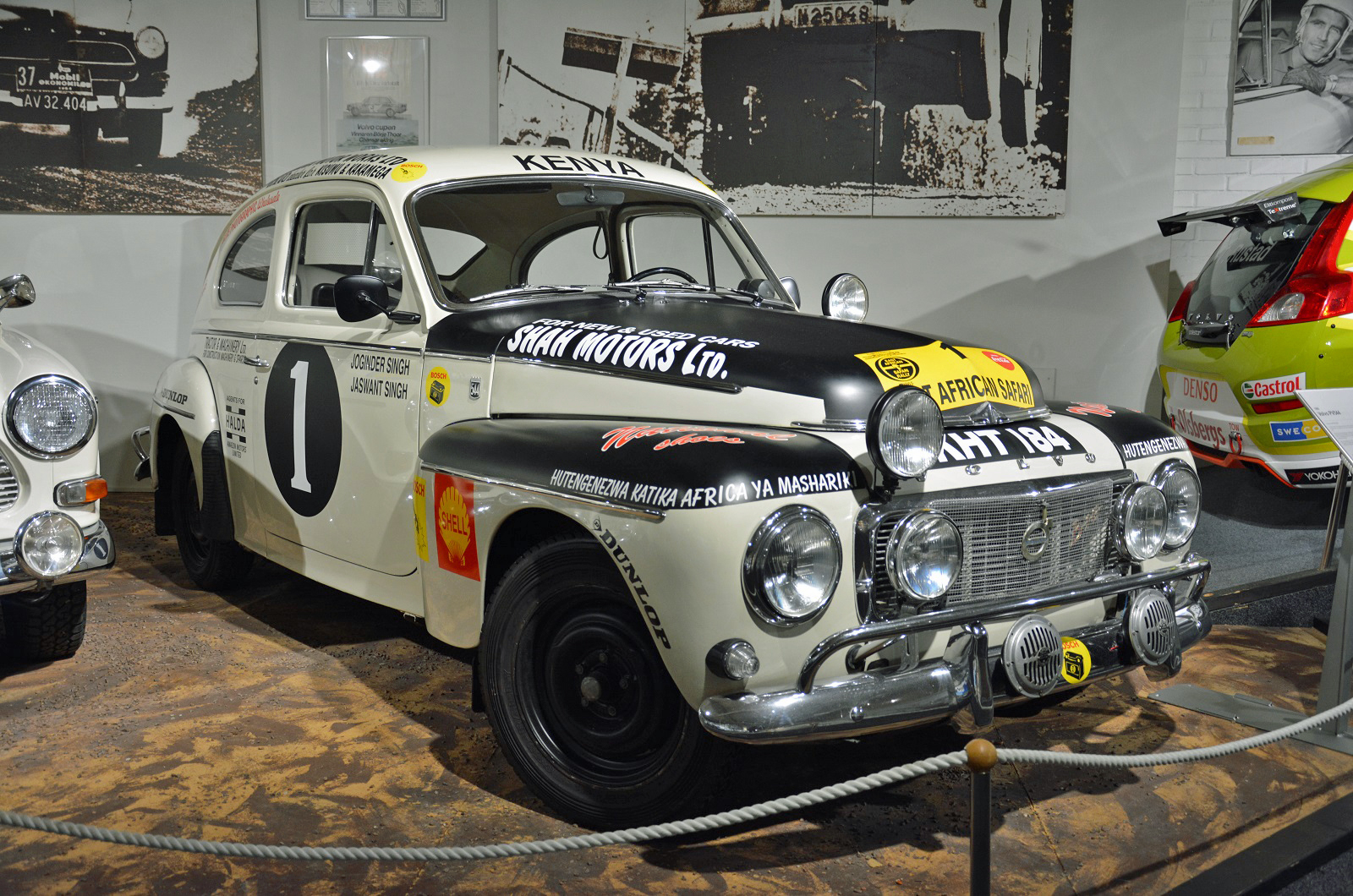
Brothers Joginder and Jaswant Singh won the 13th edition of the grueling East African Safari Rally in this purpose-built PV 544.
The modifications included squeezing more power out of the four-cylinder engine, adding stronger suspension components and fitting thick skid plates below the vital mechanical components.
Rocket (1967)
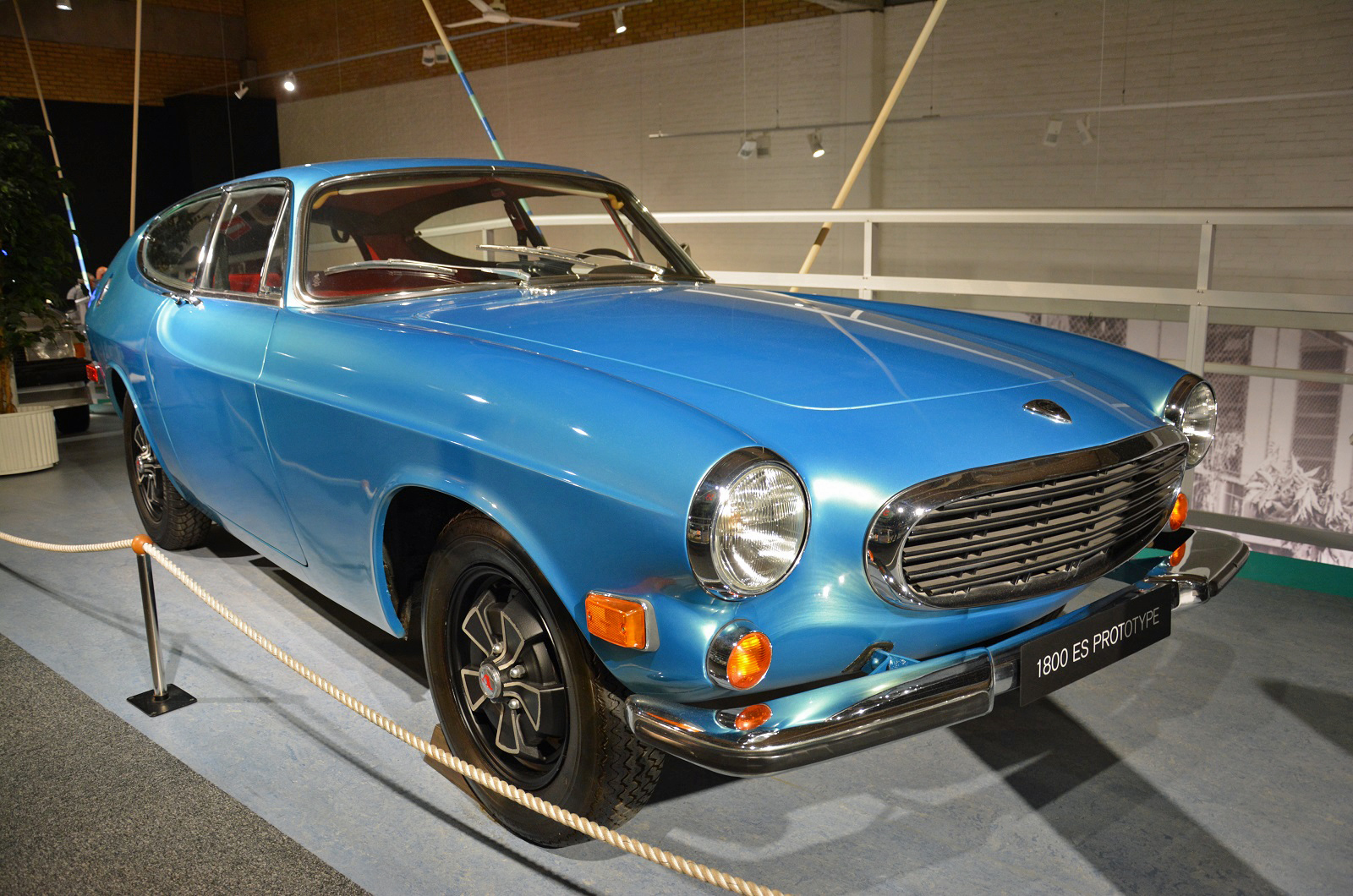
Jan Wilsgaard, the head of Volvo’s design department, began working on a successor to the P1800 in the 1960s.
He considered two different options. The first wore a more conservative design that fell in line with what buyers broadly expected from Volvo. The second took the brand into uncharted territory. Officials couldn’t decide between the two so Volvo asked Italian coachbuilder Frua to build a drivable prototype.
Rocket (1967)
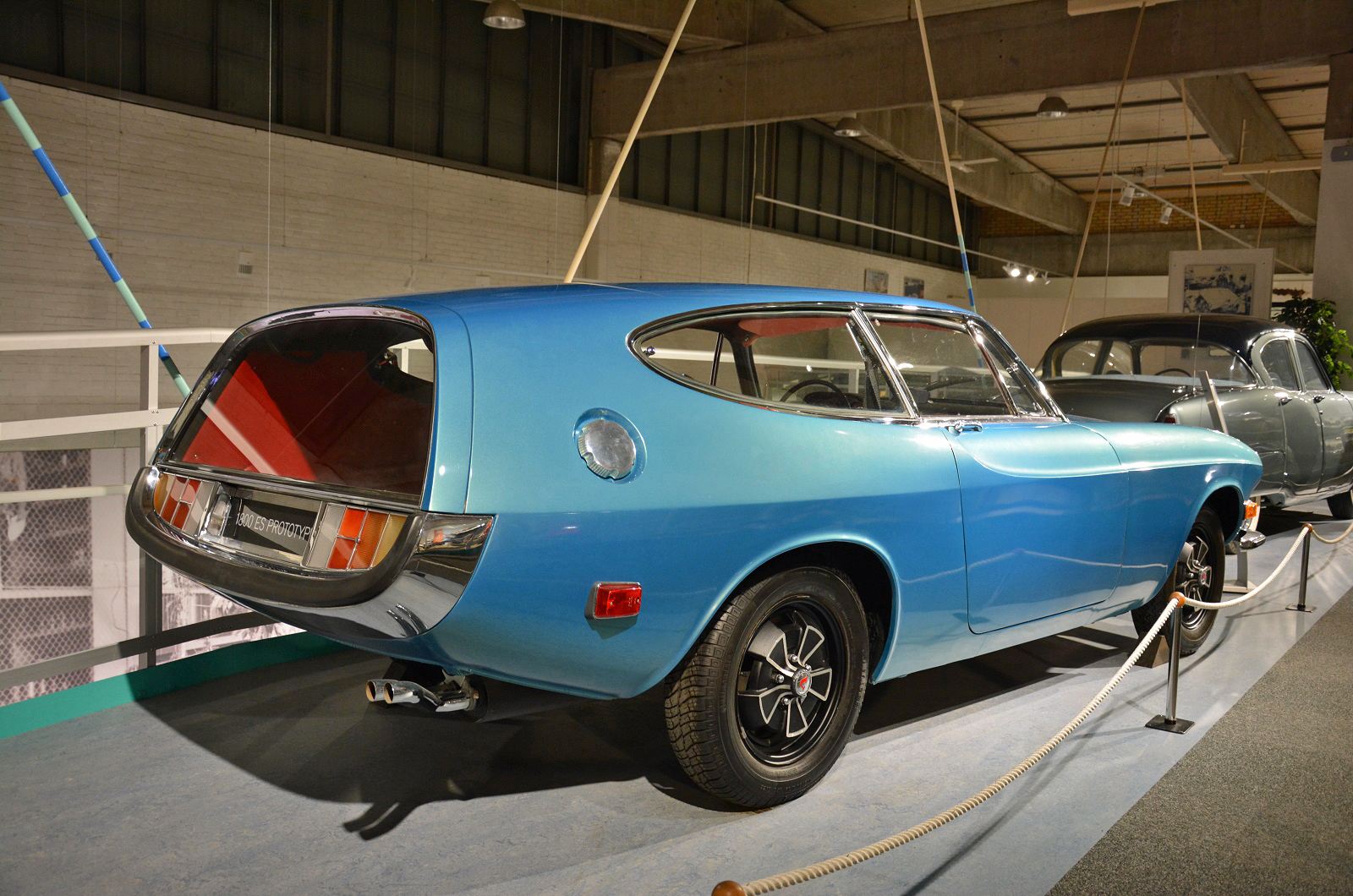
Called Rocket, Frua’s prototype looked like a P1800 from the tip of the front bumper to the B-pillar. Beyond that, it received a longer roof line, an upswept rear overhang and a glass hatch underlined by horizontal lights.
Frua’s Rocket looked too extreme to fit into the Volvo line-up so Wilsgaard’s team selected the first option and fine-tuned it into the P1800 ES.
164 (1968)
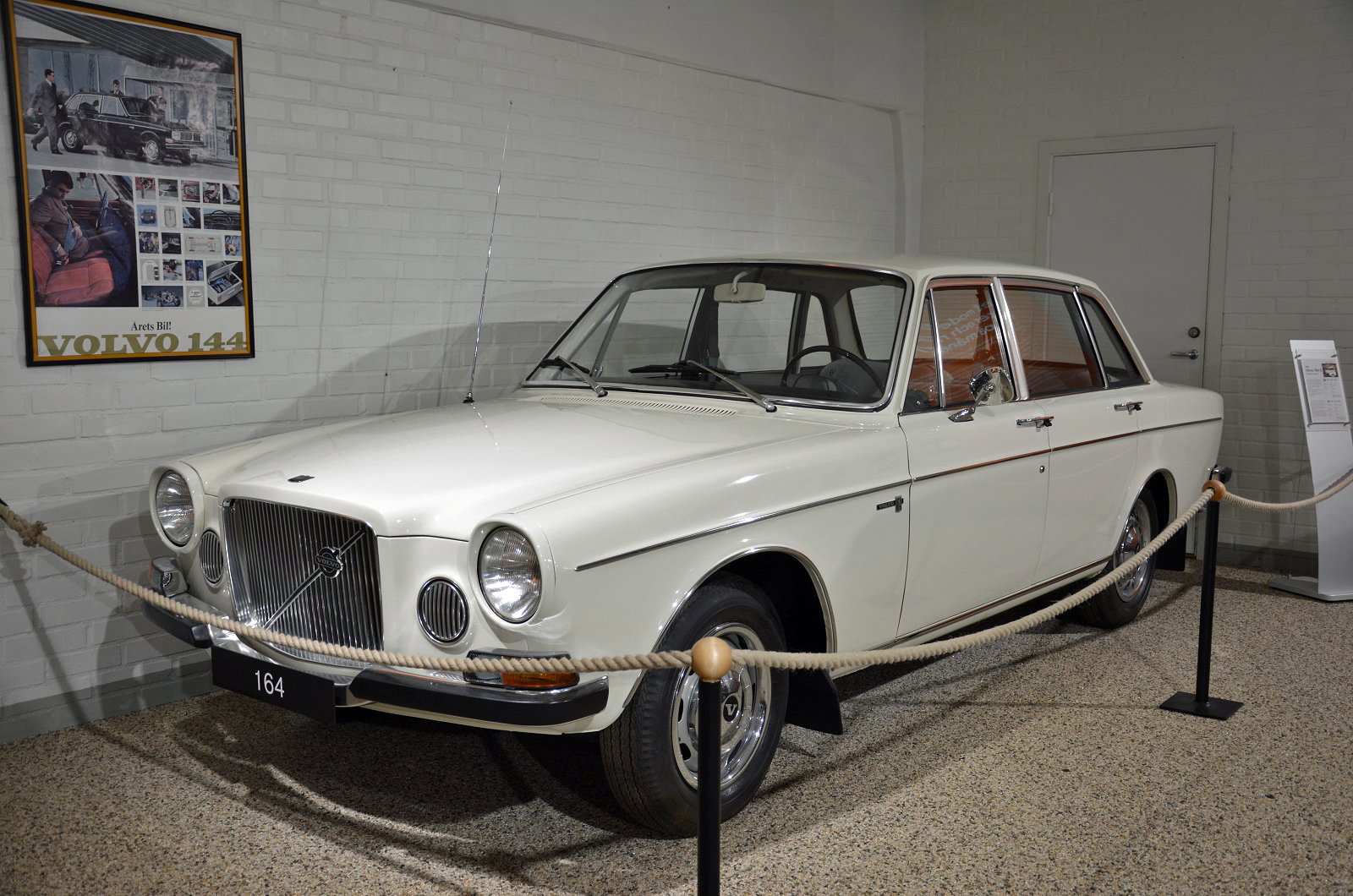
The 164 stood out as the first Volvo offered with a six-cylinder engine since 1950. The example displayed in the company’s museum is the first one made when series production started in 1968.
The firm notes the car spent much of its early life in Belgium. It joined Volvo’s collection during the 1980s with about 50,000 miles on the clock.
VESC (1972)
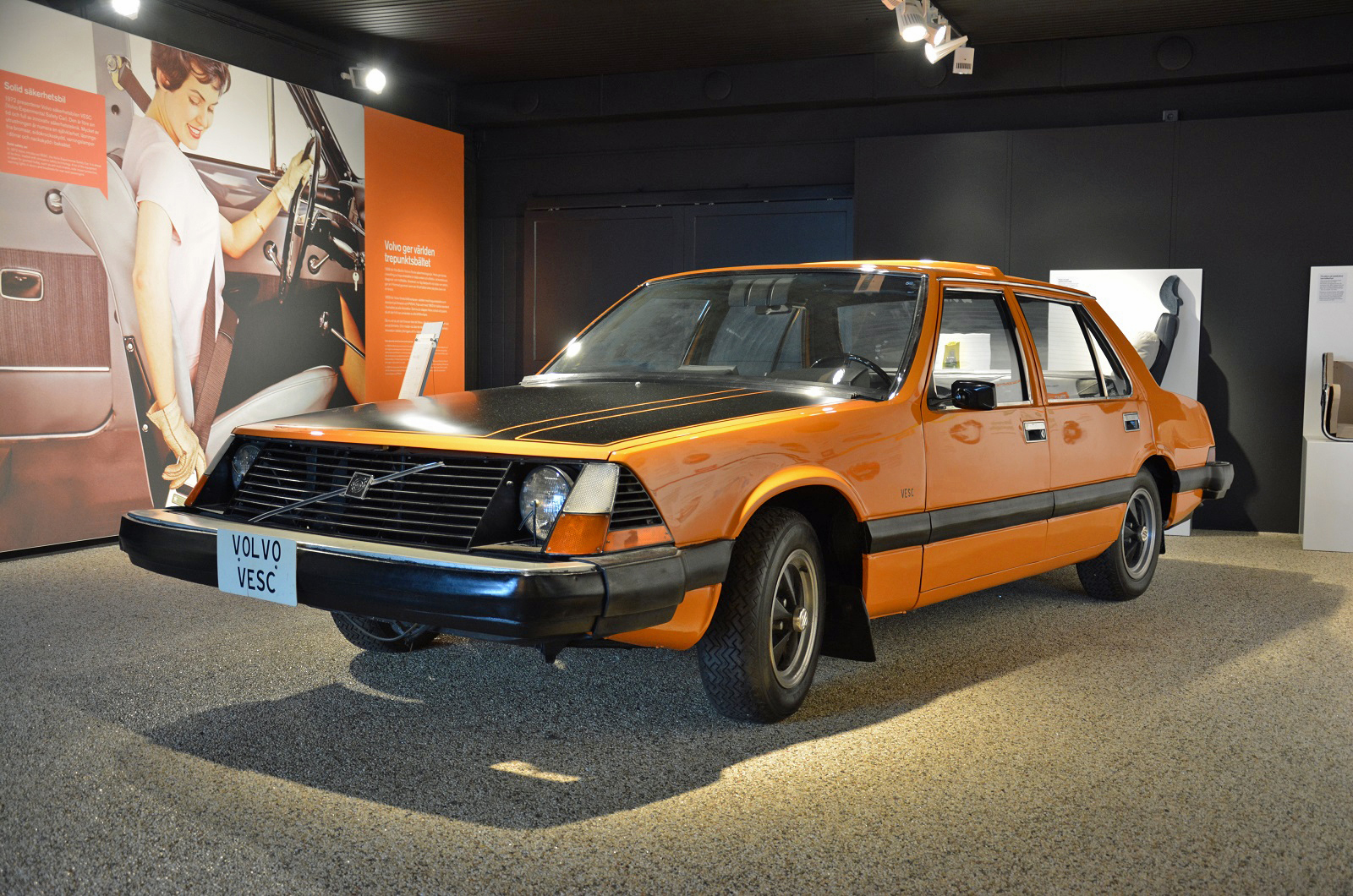
The Volvo Experimental Safety Car (VESC) explored ways to make driving safer. Bumpers with seven inches of travel protected the sheet metal in the event of a low-speed collision.
Volvo installed front and rear airbags plus motor mounts designed to push the engine under the passenger compartment in a crash. Its most innovative feature was a rear-view camera provided by Mitsubishi Electric. It transferred footage to a television-like screen on the dashboard.
244 (1974)
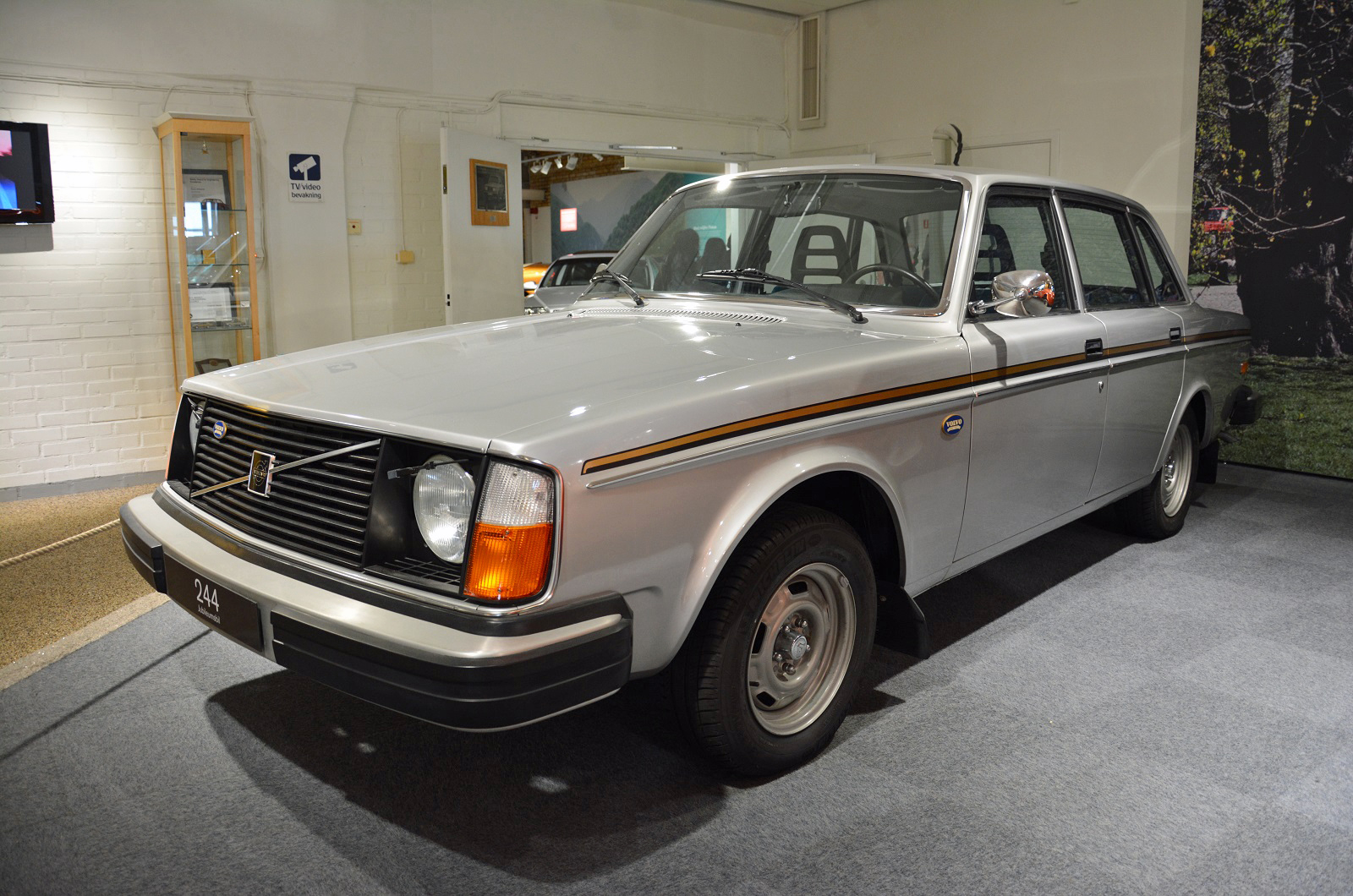
Some of the safety features baked into the VESC trickled down to the 200 series, an evolution of the 100 series with bigger bumpers, an improved chassis and a more contemporary-looking design.
The line-up included two- and four-door models plus a spacious station wagon. Volvo made 2.8 million examples of the 200 series between 1974 and 1993.
In hindsight, it almost single-handedly cemented the company's reputation for building safe, solid cars.
66 (1976)
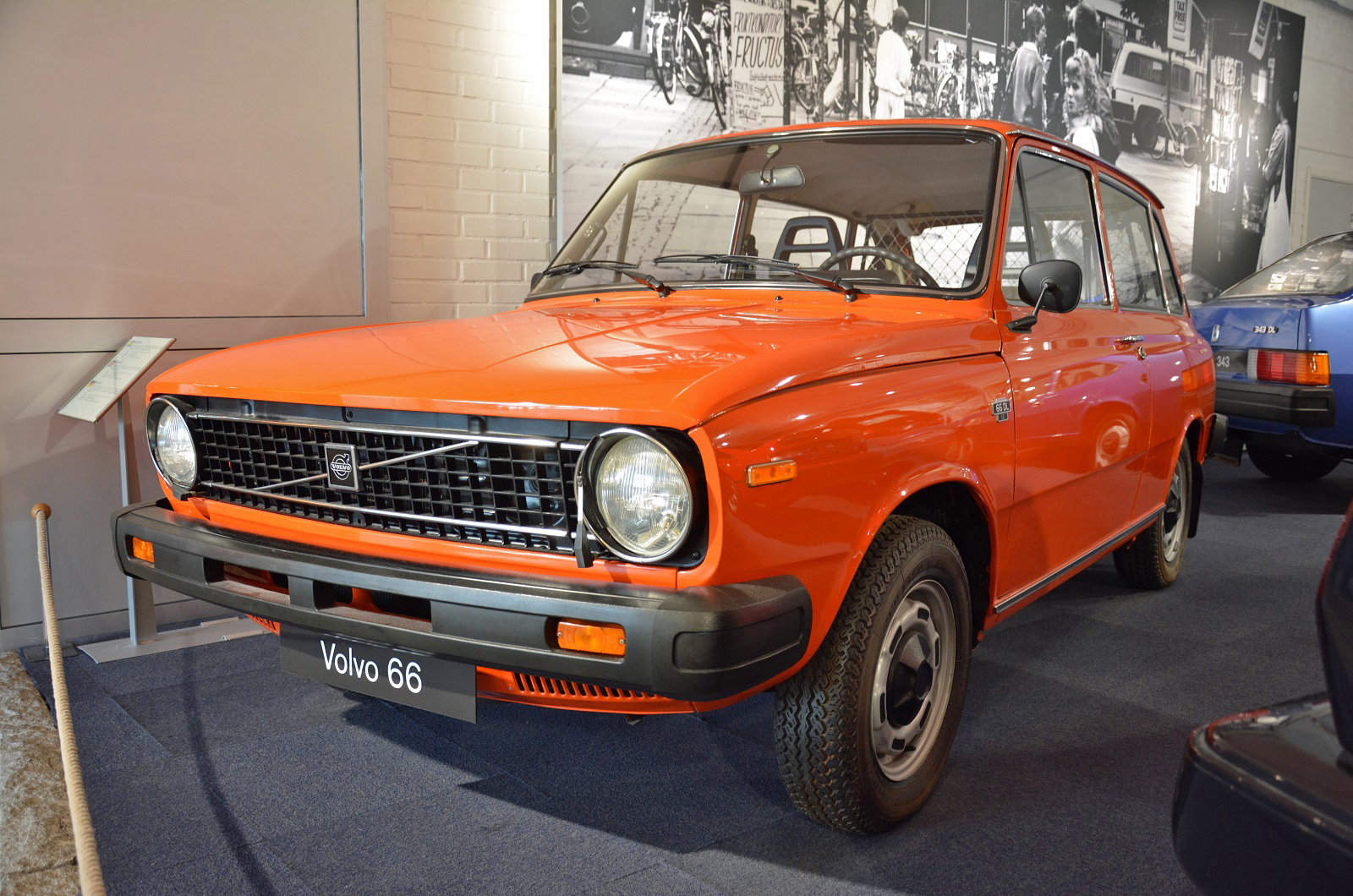
Volvo received the 66 when it purchased the car-building division of Holland-based DAF in 1975. Its version of the car received minor design tweaks and several significant safety upgrades like new seats with integrated headrests and a so-called safety steering wheel.
There were no major mechanical changes; the 66 carried on with a Renault-sourced four-cylinder engine that spun the rear wheels through a continuously variable transmission (CVT). Production ended in 1978.
343 (1976)
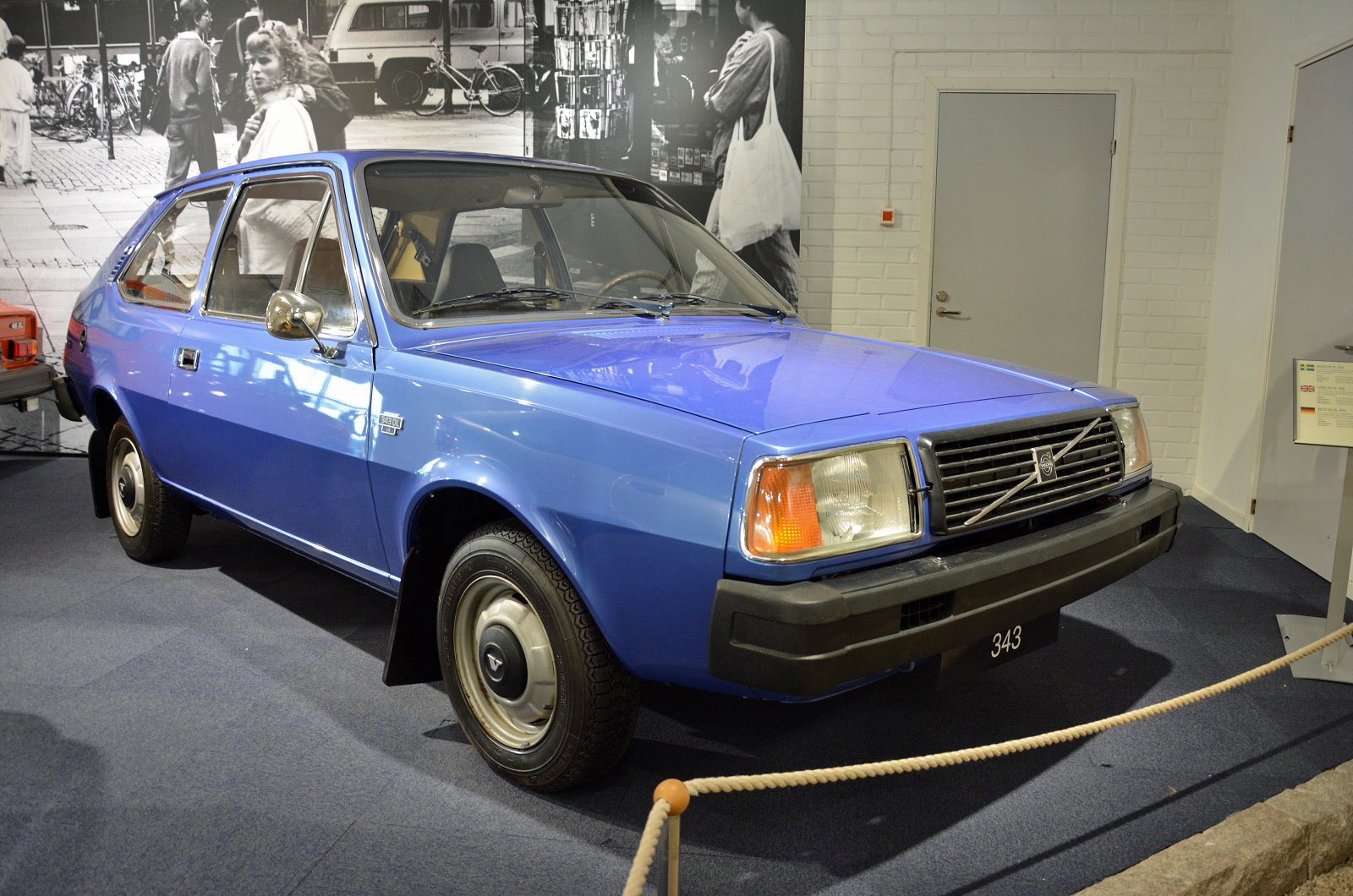
Volvo’s purchase of DAF also included an unfinished project called 77. It was a brand-new car that shared almost no parts with the 66 or its predecessor, the 55.
Volvo finished the design and re-named the car 343. It went on sale across Europe in 1976 with a four-cylinder engine and a CVT.
The line-up later grew to include more powerful engines and, by popular demand, a conventional five-speed manual transmission.
Electric prototype (1976)
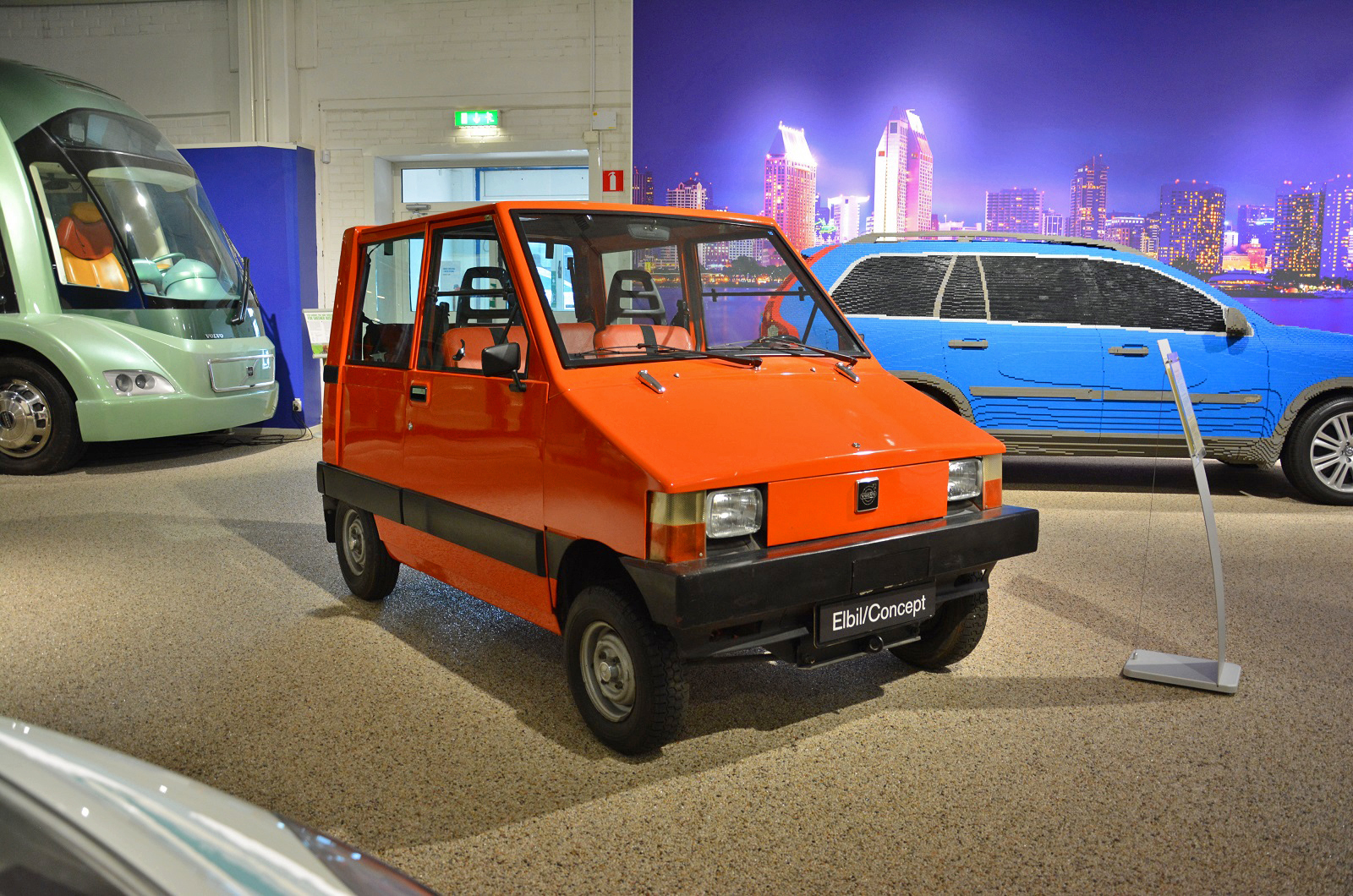
Volvo’s 90-inch long electric prototype could have become the Smart Fortwo of the 1970s.
It’s one of two experimental battery-powered city cars tested on the public roads around Volvo's headquarters in Gothenburg, Sweden. The company quickly shelved the project because both prototypes were surprisingly heavy, excruciatingly slow and offered a limited driving range.
262C (1977)
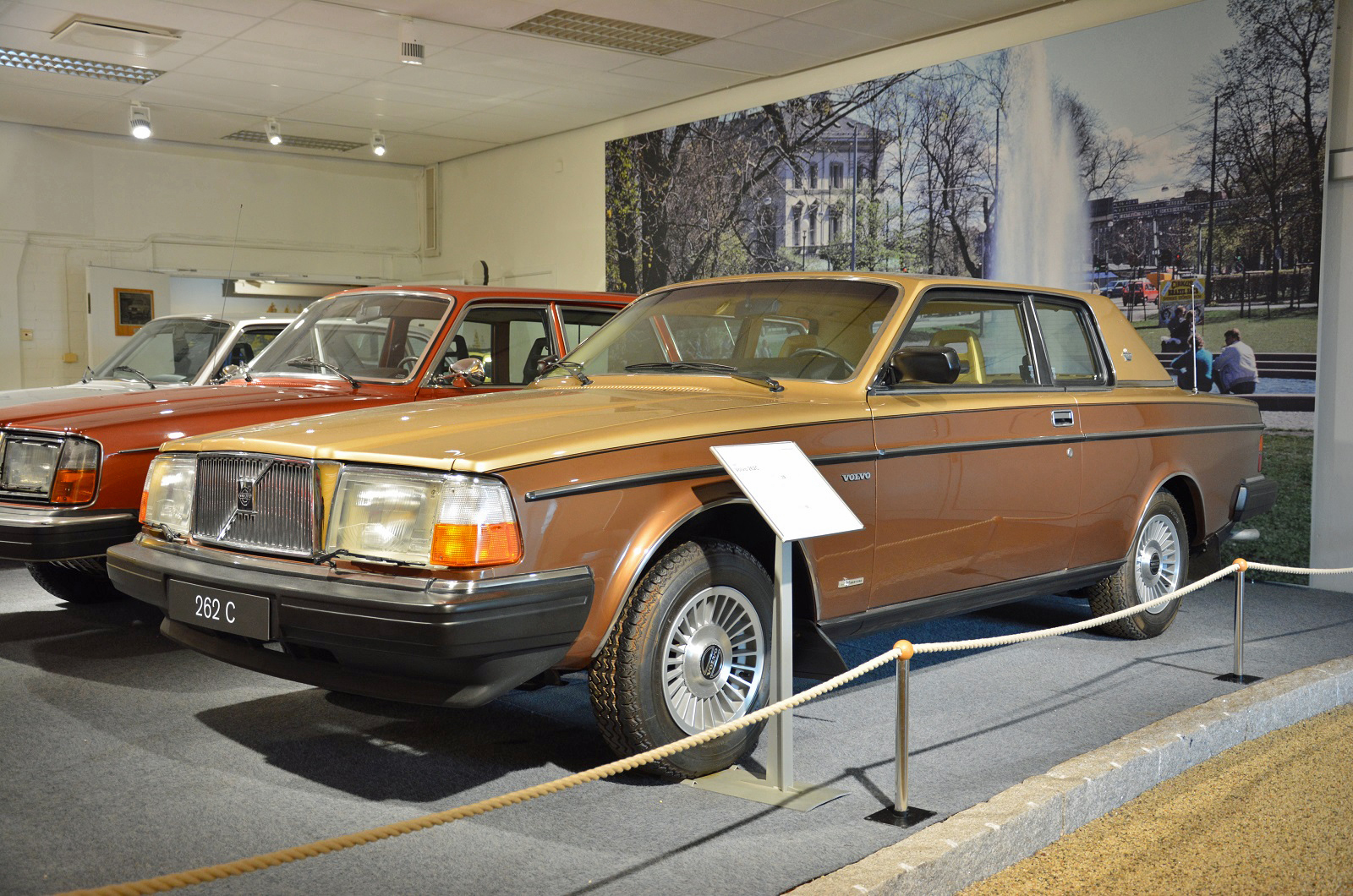
Volvo envisioned the 262C as a replacement for the P1800 ES. The two-door, four-seater flagship model was based on the 200 series and received the top-spec PRV V6 engine.
The list of standard features included leather upholstery, power steering, power windows, power mirrors and a three-speed automatic transmission. Early cars came with silver paint and a black vinyl roof while later ones were offered in metallic gold without the vinyl.
Bertone made 6622 examples of the 262C between 1977 and 1981. 75% of the production run went to the United States and only 200 cars were sold new in Sweden.
760 (1982)
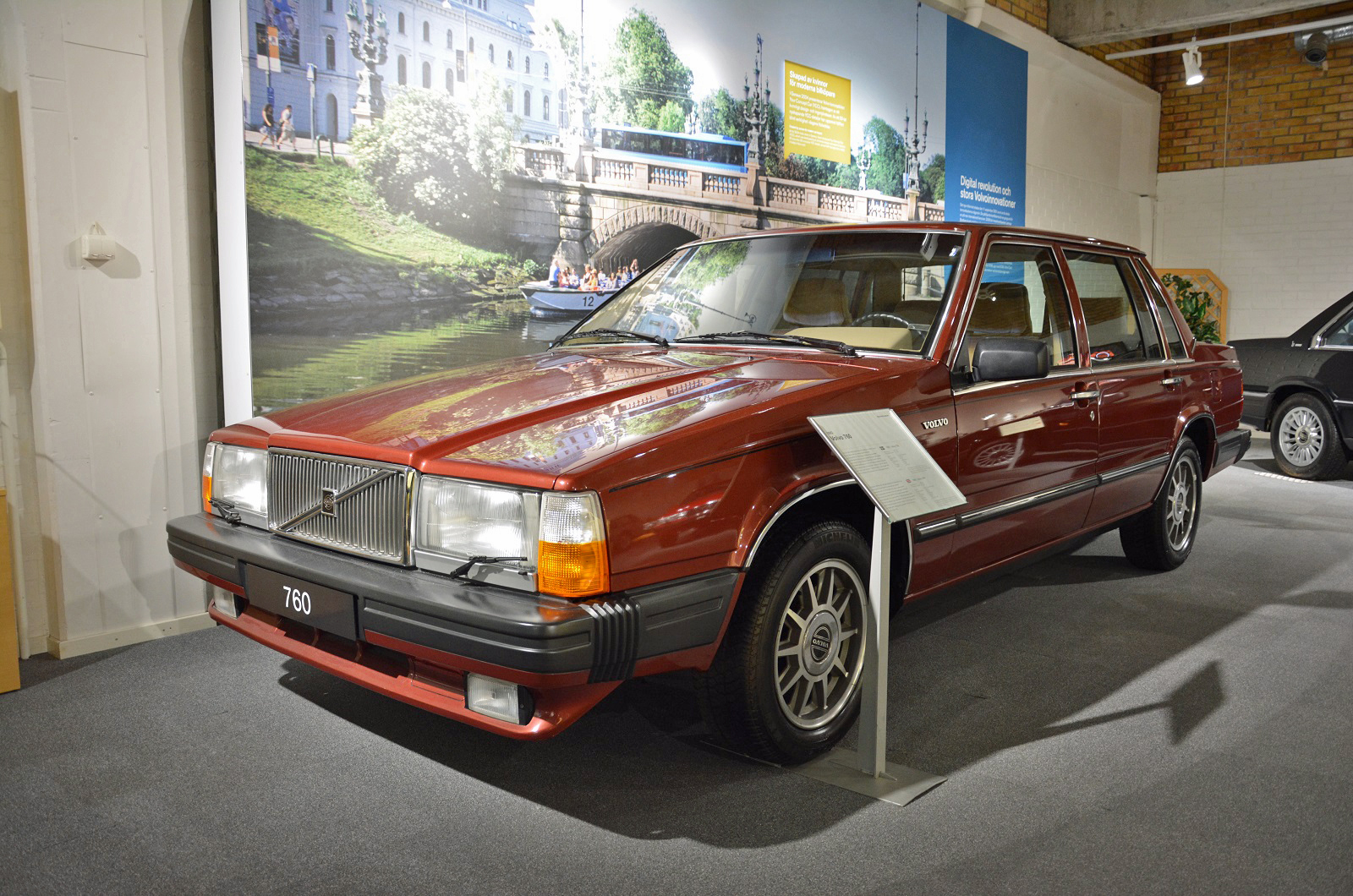
Volvo remembers it held product clinics for the first time while developing the 700 series.
The valuable feedback gathered from participants helped the firm understand what prospective buyers liked and didn’t like about the car and make changes before it arrived in showrooms.
Light Component Project (1983)
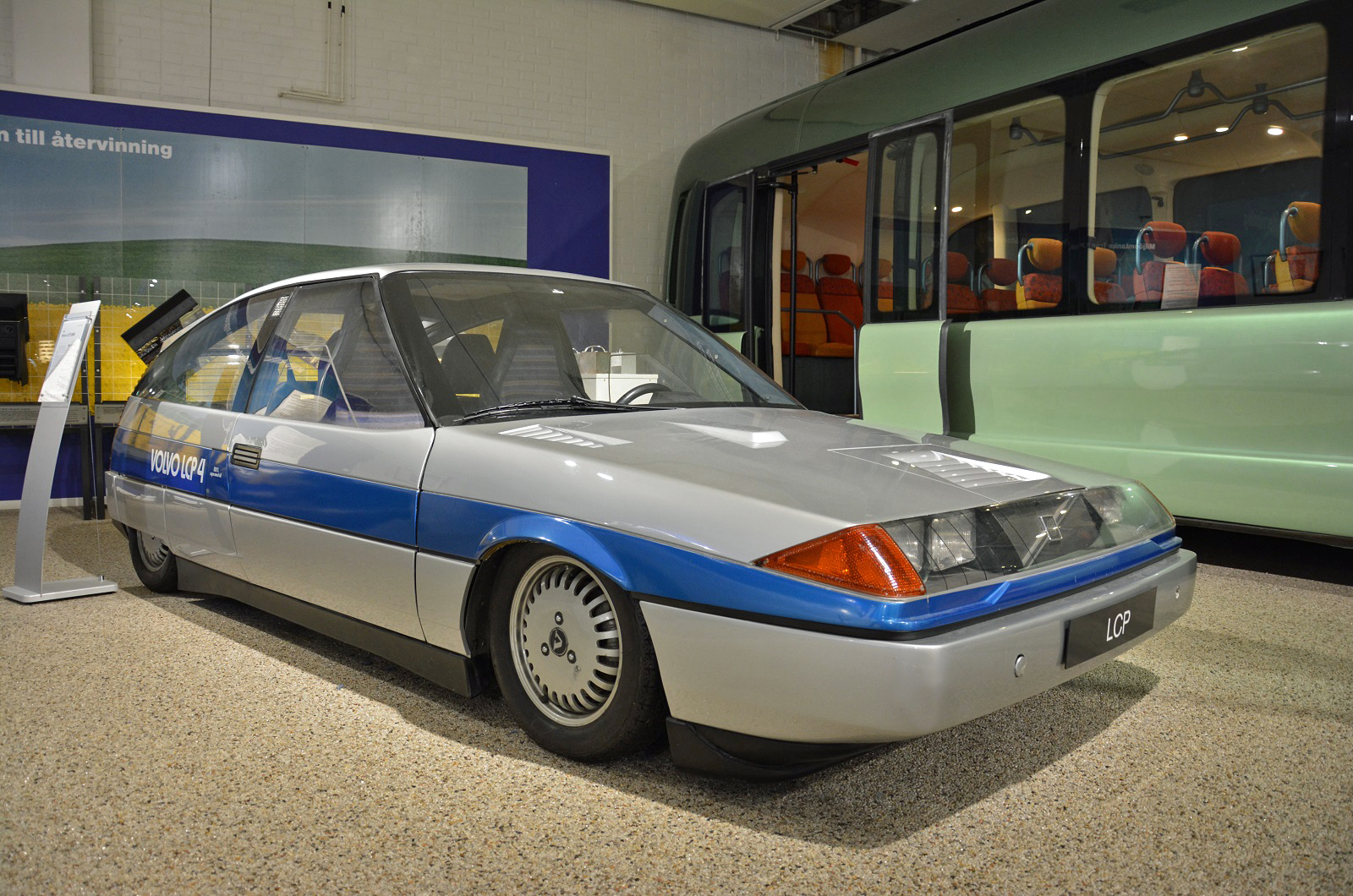
Volvo built the Light Component Project (LCP) prototype to illustrate ways to make lighter, more efficient cars. This ground-breaking machine made its debut in Stockholm in 1983.
Volvo replaced iron and steel with lighter materials like aluminum, magnesium and composites. It notably made the doors out of carbon fiber, a material almost exclusively reserved for expensive race cars in the early 1980s.
Shedding weight allowed the LCP to use a relatively small 66hp three-cylinder diesel engine without sacrificing acceleration or top speed.
240 Turbo Racing (1985)
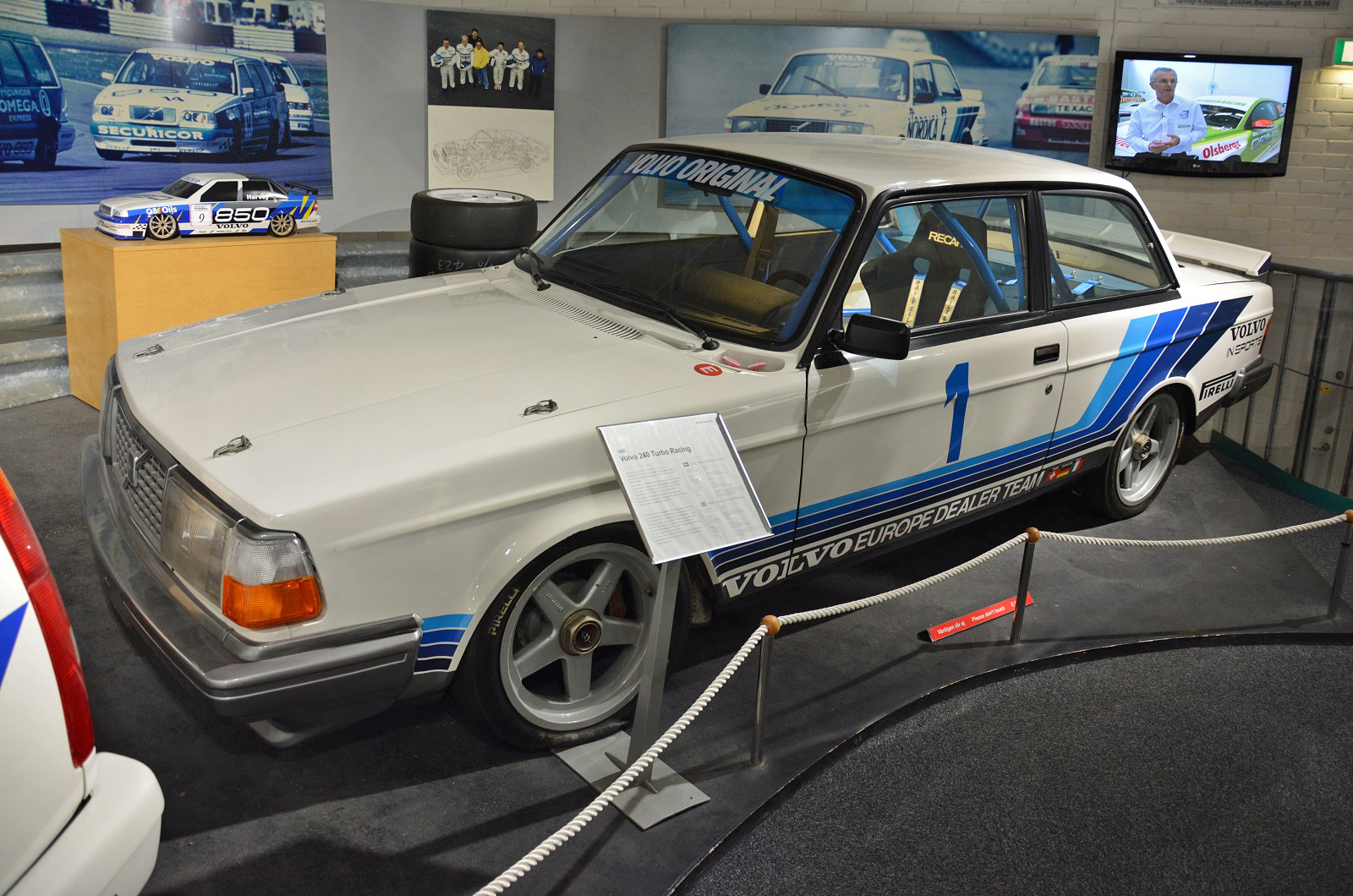
In the 1980s, Sweden’s turbocharged car of choice wore a Saab emblem on the grille. Volvo nonetheless jumped on the forced-induction bandwagon in 1981 when it released the 240 Turbo.
It started racing the car in 1984 and sponsored two factory teams the following year in an all-out attempt to win the European Touring Car Championship (ETCC). Volvo took home the driver’s championship in 1985 after drivers Gianfranco Brancatelli and Thomas Lindström won six of the 14 races held that year.
The win almost didn’t happen, however. Race officials nearly kicked Volvo out of the series after questioning whether the firm had truly built the 500 cars required for homologation. Volvo executives famously waited until the end of their summer break to clear the company’s name.
780 (1985)
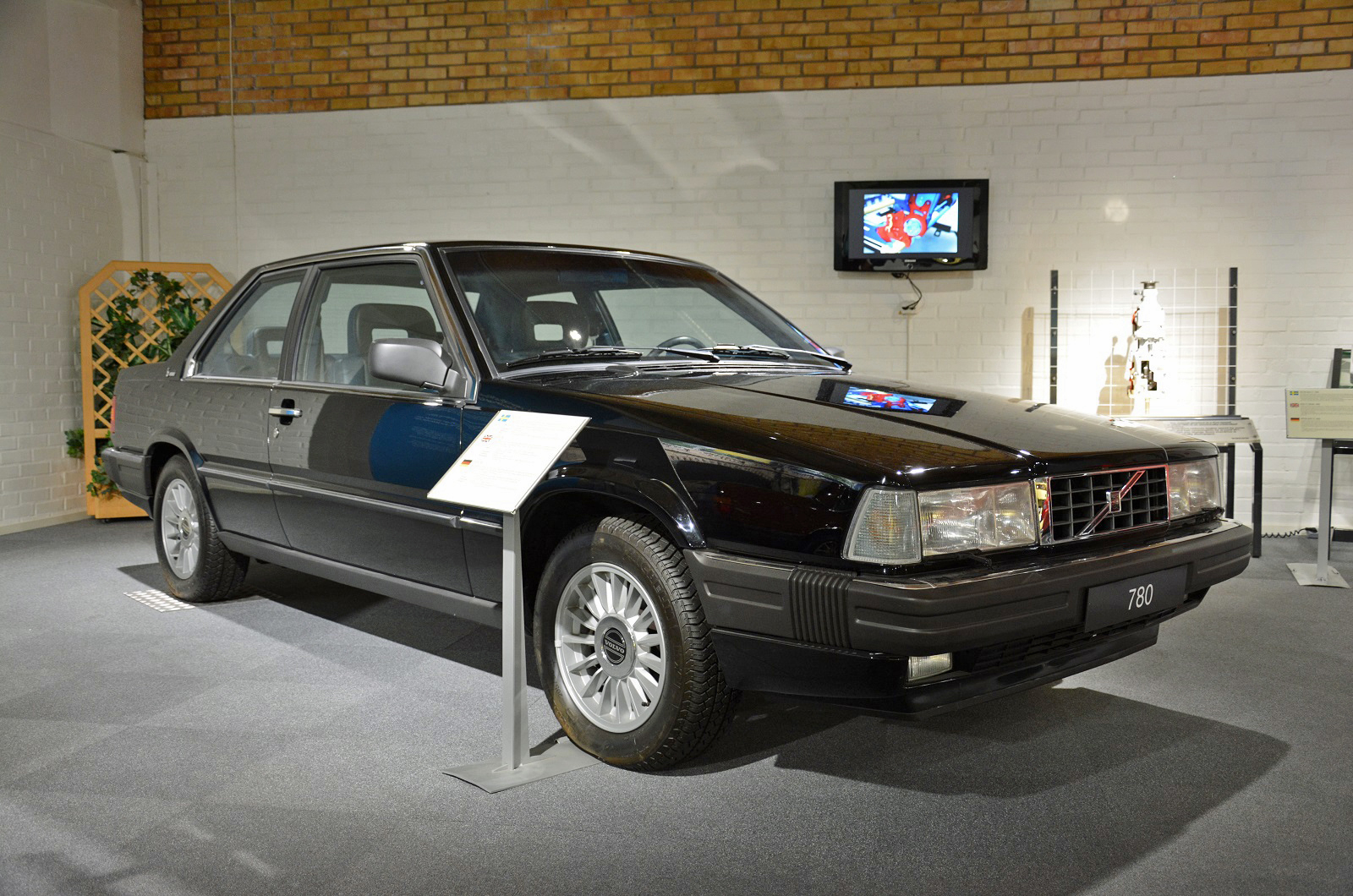
Volvo again asked for Bertone’s help when it began the process of turning the 760 into a two-door luxury car. Presented at the 1985 Geneva auto show, the 780 arrived with an elegant design that arguably gave it a more balanced look than the 262C, its predecessor.
Volvo offered a high level of equipment and either a four- or a six-cylinder engine. Bertone made 8500 examples of the 780 until 1990. Most of the production run went to the United States and Japan.
480 (1986)
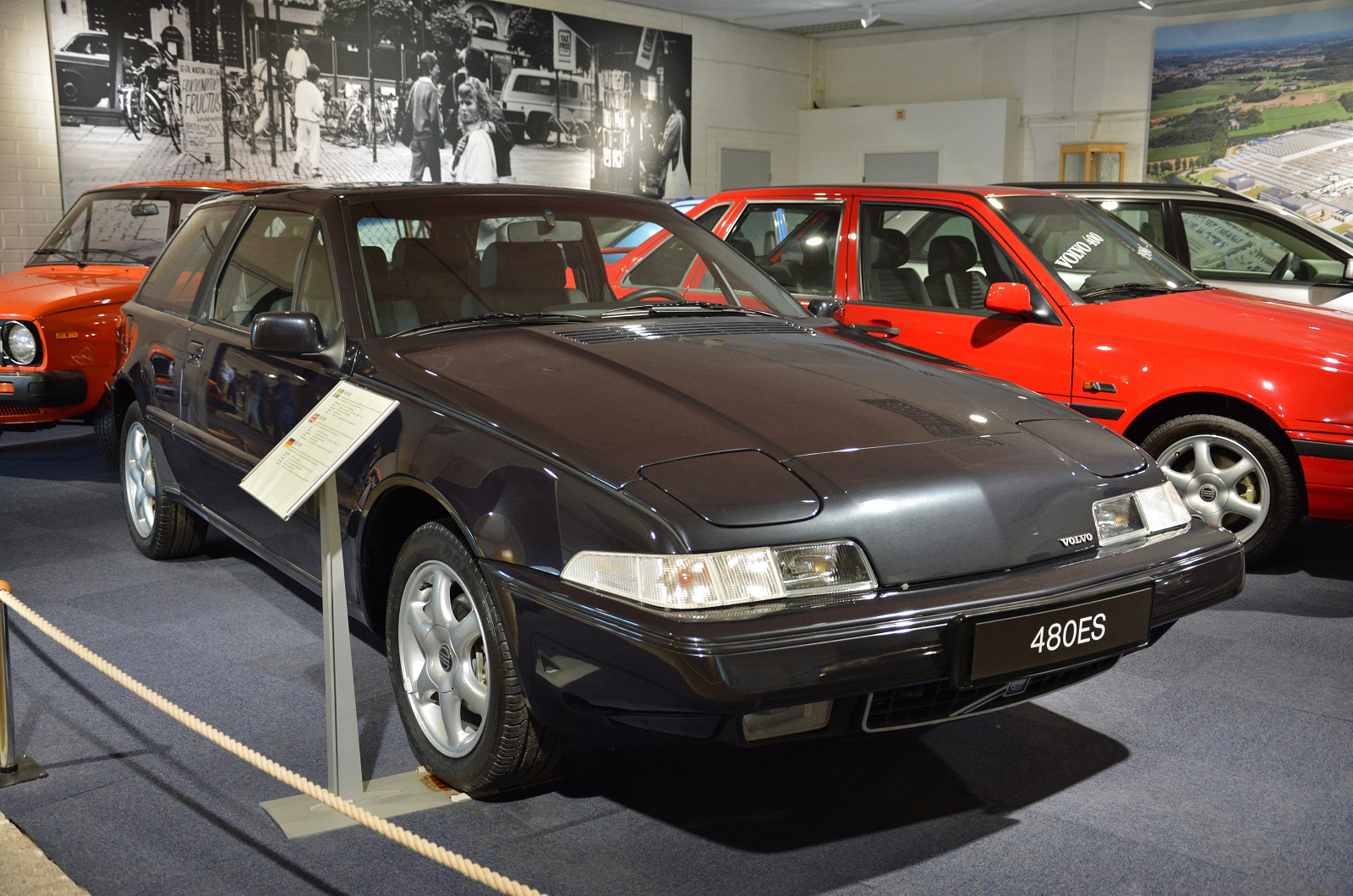
Volvo broke new ground when it introduced the 480 at the 1986 Geneva auto show. The sharp, wedge-shaped model was the firm’s first series-produced front-wheel drive car.
The 480 complied with American regulations (hence the five-mph bumpers and the light reflectors on both ends) but Volvo abruptly canceled its plans to sell the car across the Atlantic due to the disadvantageous krona-dollar exchange rate.
76,375 examples of the 480 rolled off the assembly line between 1986 and 1995. The example displayed in Volvo’s museum is the very last one made.
480 Cabriolet (1990)
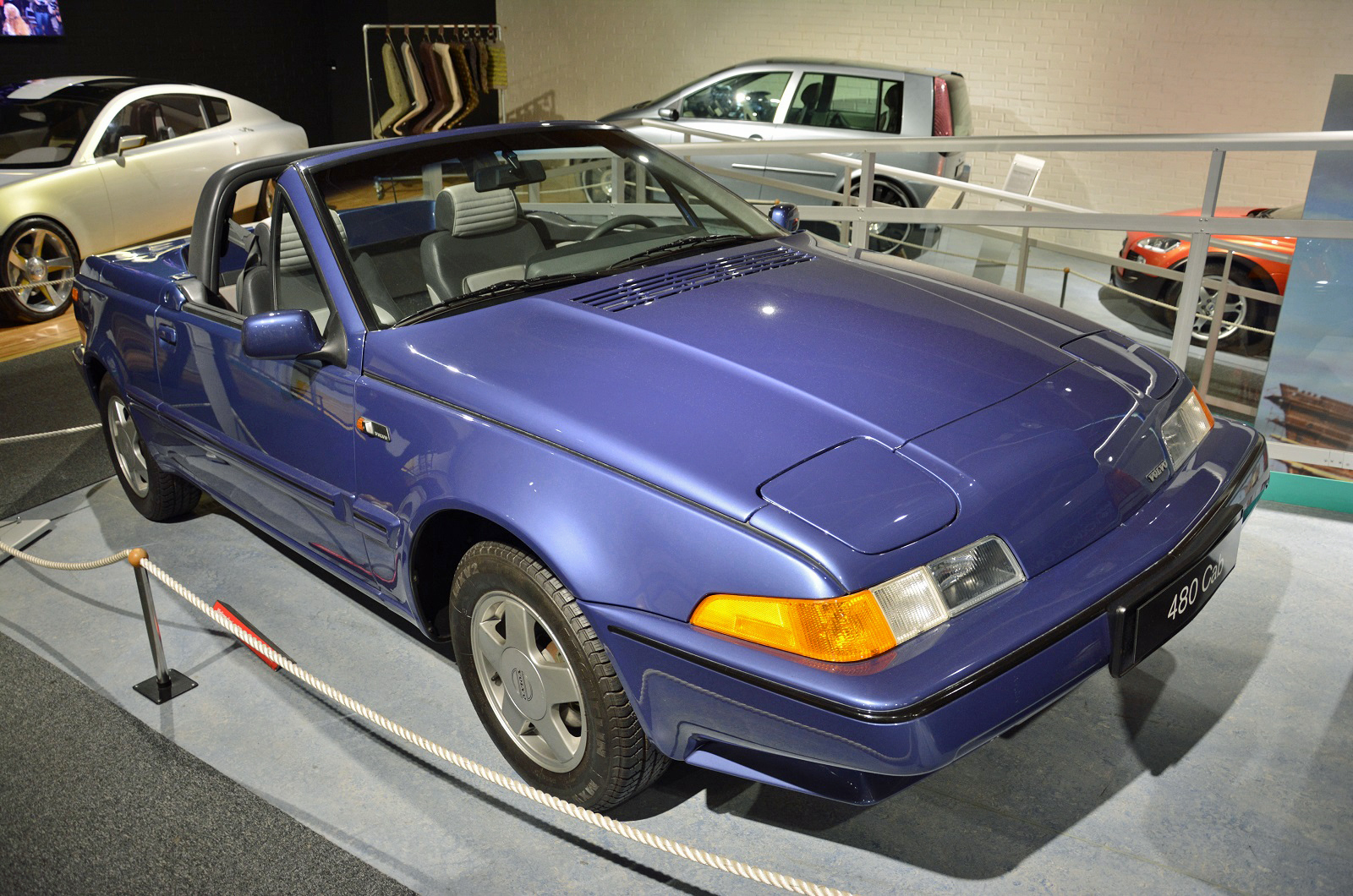
Volvo made and tested a few examples of the topless 480 but ultimately canned the project. The 480’s aborted US launch likely had a significant influence on Volvo’s decision to cancel the convertible because America would have been the model’s biggest market by a long shot.
The company also remembers that several suppliers who participated in the project filed for bankruptcy during the model's testing phase.
850 BTCC (1994)
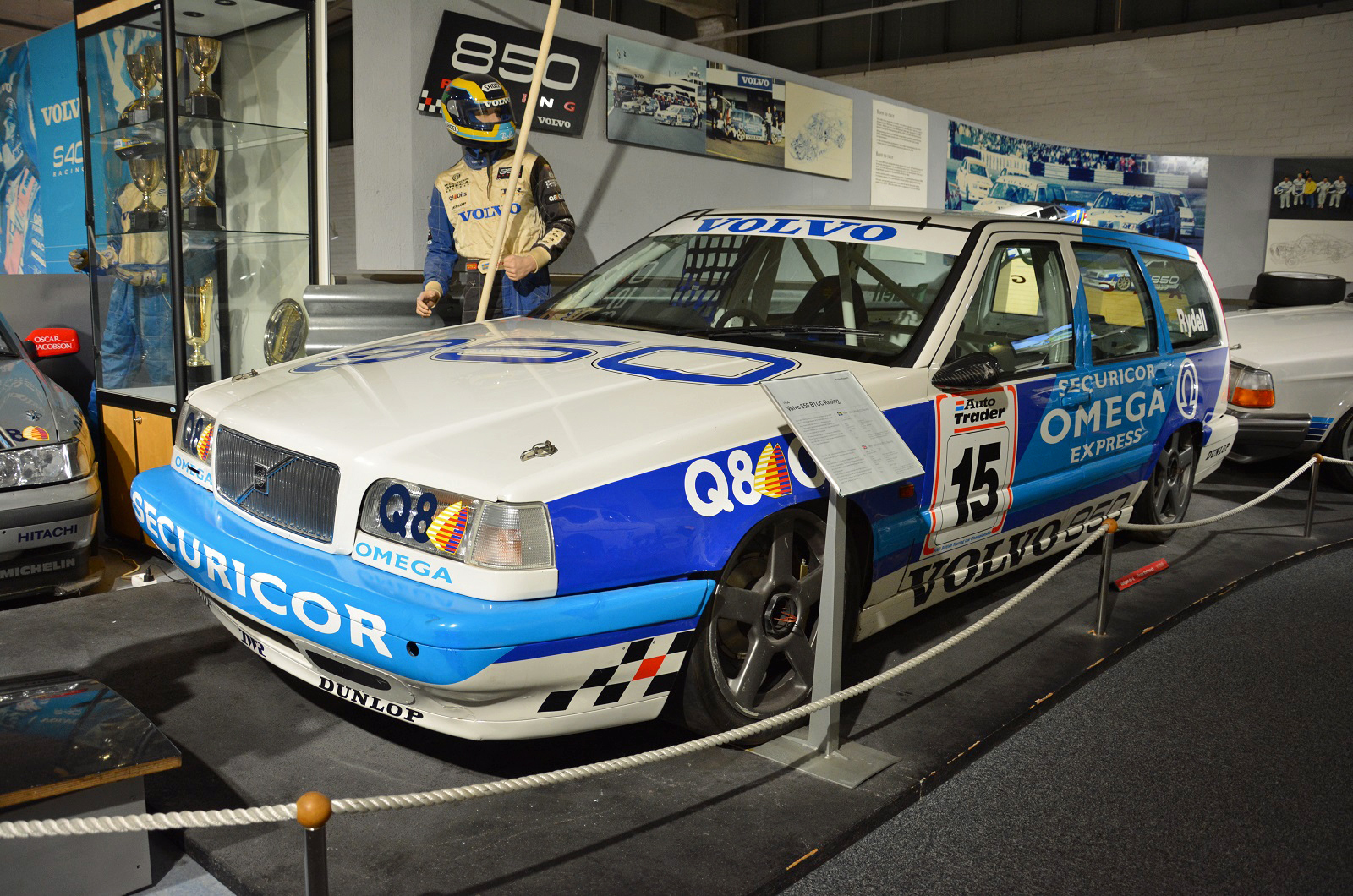
Volvo raised eyebrows when it entered a pair of 850s in the British Touring Car Championship (BTCC) in 1994.
No one had dared go racing with a long-roof model before. Volvo’s entry did its best to fend off fierce competition from rivals such as the Alfa Romeo 155 TS, the Ford Mondeo, the Vauxhall Cavalier and the BMW 318i with 280hp from a five-cylinder engine. The team finished the 1994 season in eighth place.
850 T-5R (1995)
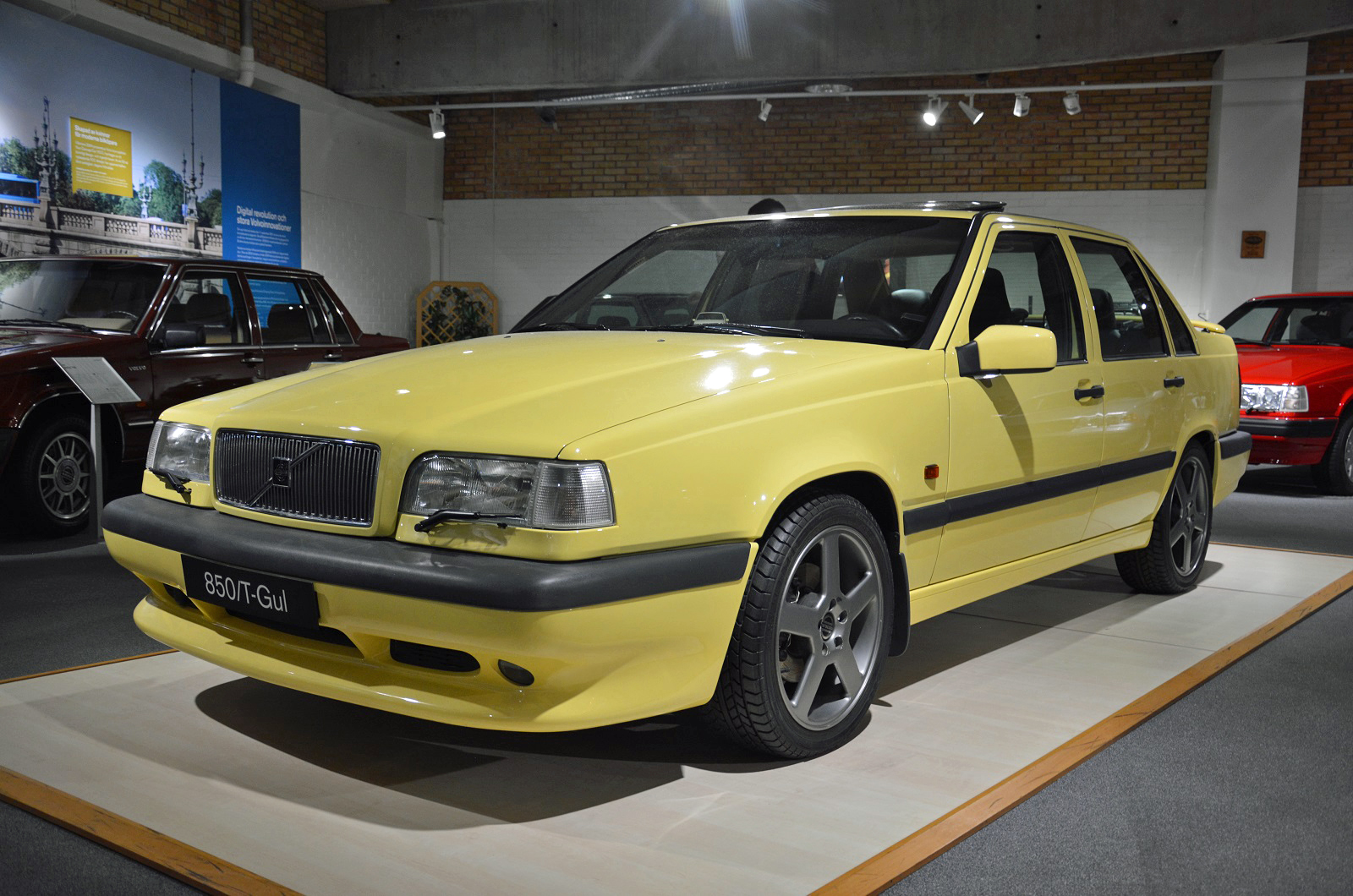
The 850 T-5R was Volvo’s performance hero during the 1990s.
It packed a 240hp punch from a 2.5-liter five-cylinder engine. Volvo quoted a 0-62mph time of 6.9sec, which was quick enough to worry the competition from Germany, and yellow paint and a model-specific body kit let other motorists know they weren’t looking at a run-of-the-mill 850.
Volvo intended to build 2500 examples of the T-5R. The initial production run sold out quickly so it made 2500 additional T-5Rs painted in black and nearly 800 cars finished in olive green.
XC90 Lego (2004)
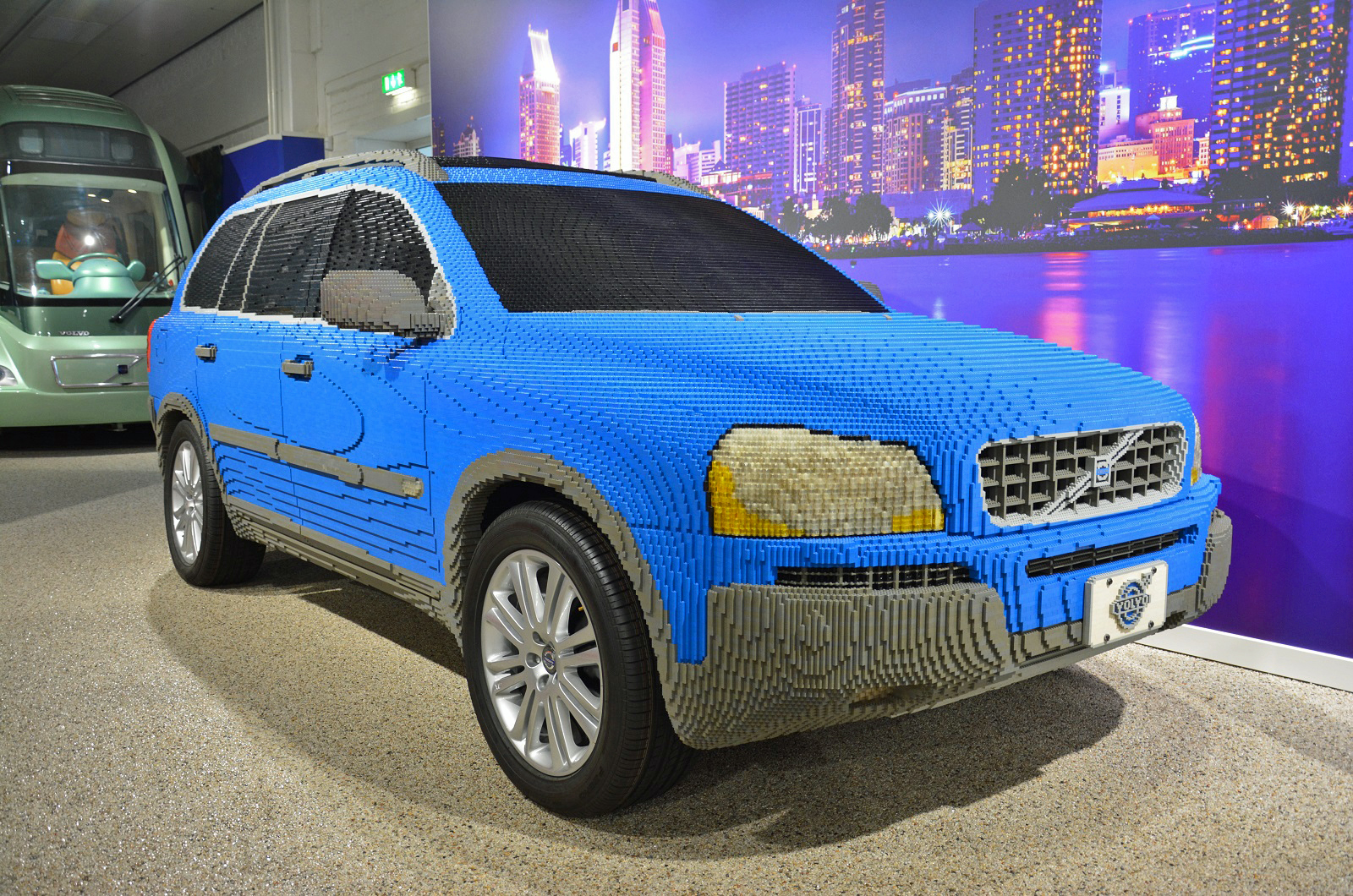
This is the lightest XC90 that Volvo has ever built. It’s a life-sized model made with no less than 201,076 Lego bricks.
It’s hollow – it’d be a lot heavier otherwise – and the plastic body sits on an actual XC90 chassis. Five Lego employees spent 10 weeks building the XC90 as part of a partnership between the Swedish firm and the Legoland amusement park in California.
YCC (2004)
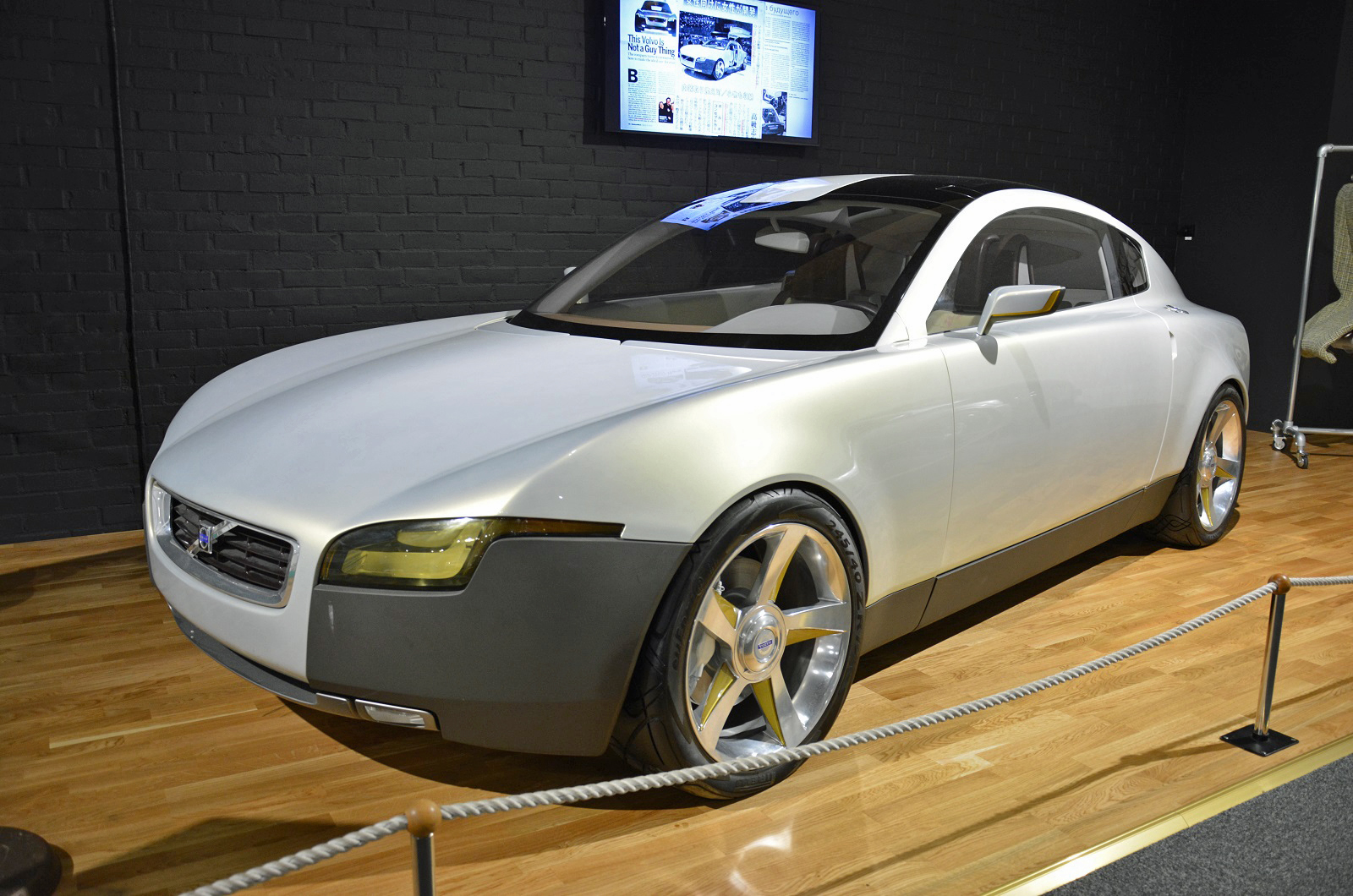
Volvo presented the Your Concept Car (YCC) at the 2004 Geneva auto show.
It envisioned the design study as a car for women. It assembled a team of women engineers and designers to develop it and asked for a car that was easy to park, required little maintenance, offered smart storage solutions and boasted good visibility.
The YCC never reached production but some of its design elements influenced the C30.
If you enjoyed this story, please click the Follow button above to see more like it from Autocar

Bear Protection Helmet Marks TOM’s Unlikely Pivot Amid Rising Wildlife Encounters in Japan

Rear-Engined Cars and the Economics of Innovation: How Cost, Packaging, and Shifting Tastes Drove...
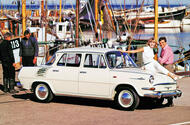 Millions of rear-engined cars roamed the globe in the 1960s
An entire generation of motorists learned to drive with a rear-engined car.
This type of car became immensely popular during the 1950s and the 1960s and companies from all over the automotive spectrum touted their merits in every market they sold cars in. Moving the engine to the back reduced the cost of a car and made its interior more spacious while keeping its overall dimensions in check, they argued.
However most car companies moved away from the rear-engined layout as quickly as they adopted it as tastes changed. Here we look back at the car that represent its glory days, and the reasons for its decline.
Why?
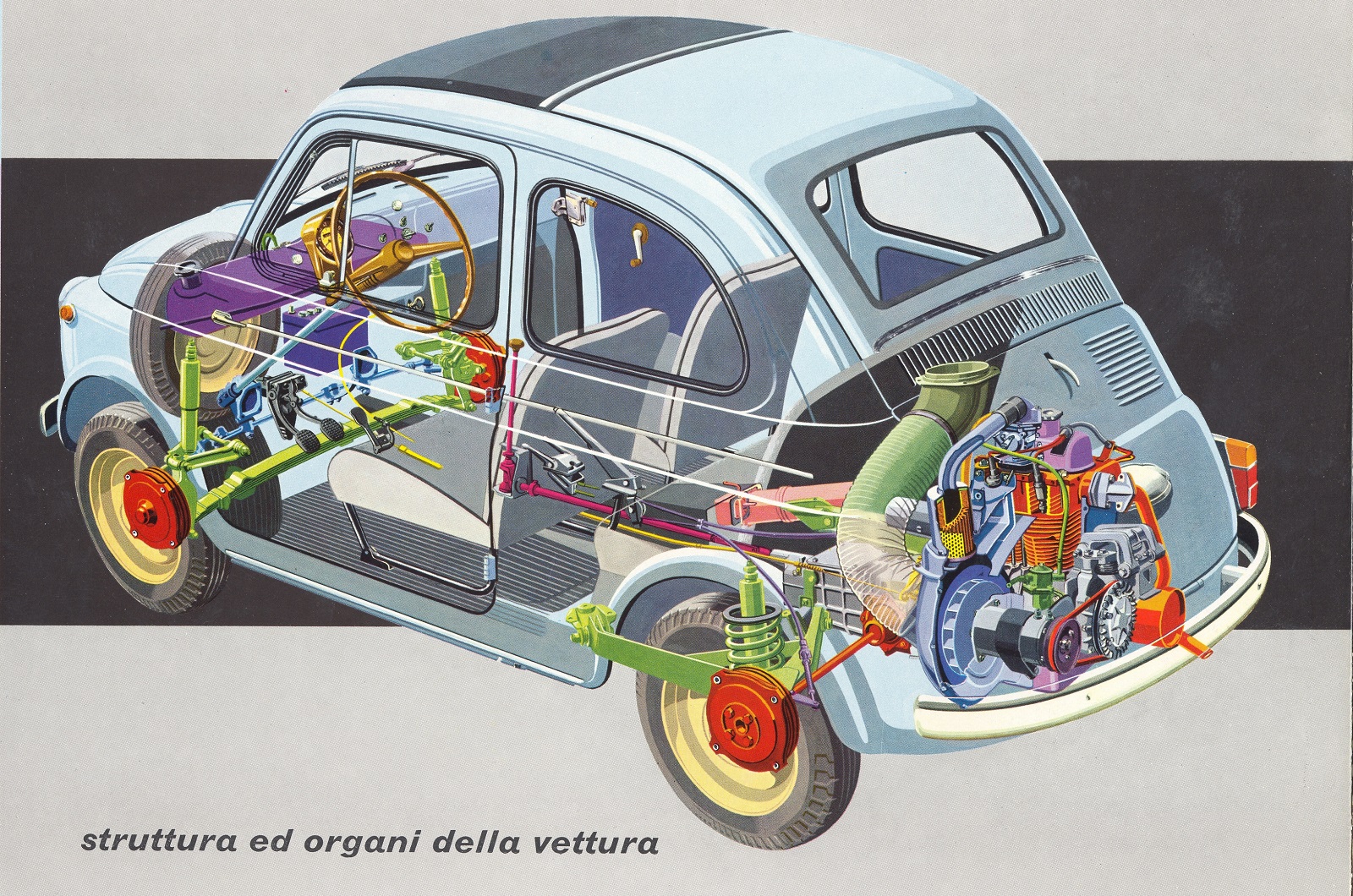
Weight, cost and packaging constraints drove several car-makers towards the rear-engined layout after the second world war. In his book, Fiat engineer Dante Giacosa explained why the Italian firm adopted the configuration for the Fiat 600 and then the Fiat 500 (pictured).
“The decisive element deciding me in favour of the rear engine-transmission arrangement was cost. The front arrangement was attractive because of the technical advantages presented by front-wheel drive, and even more because of the space it would leave free for the coachwork, but it would have made an economy model of the size we aimed at much more expensive than the rear-engined arrangement.”
Though he speaks only on behalf of Fiat, his reasoning explains why most mainstream car-makers adopted a rear-engined layout. The configuration began rising in popularity well before the 600 made its debut in 1955, though, as we’ll see:
Tatra V570 (1931)
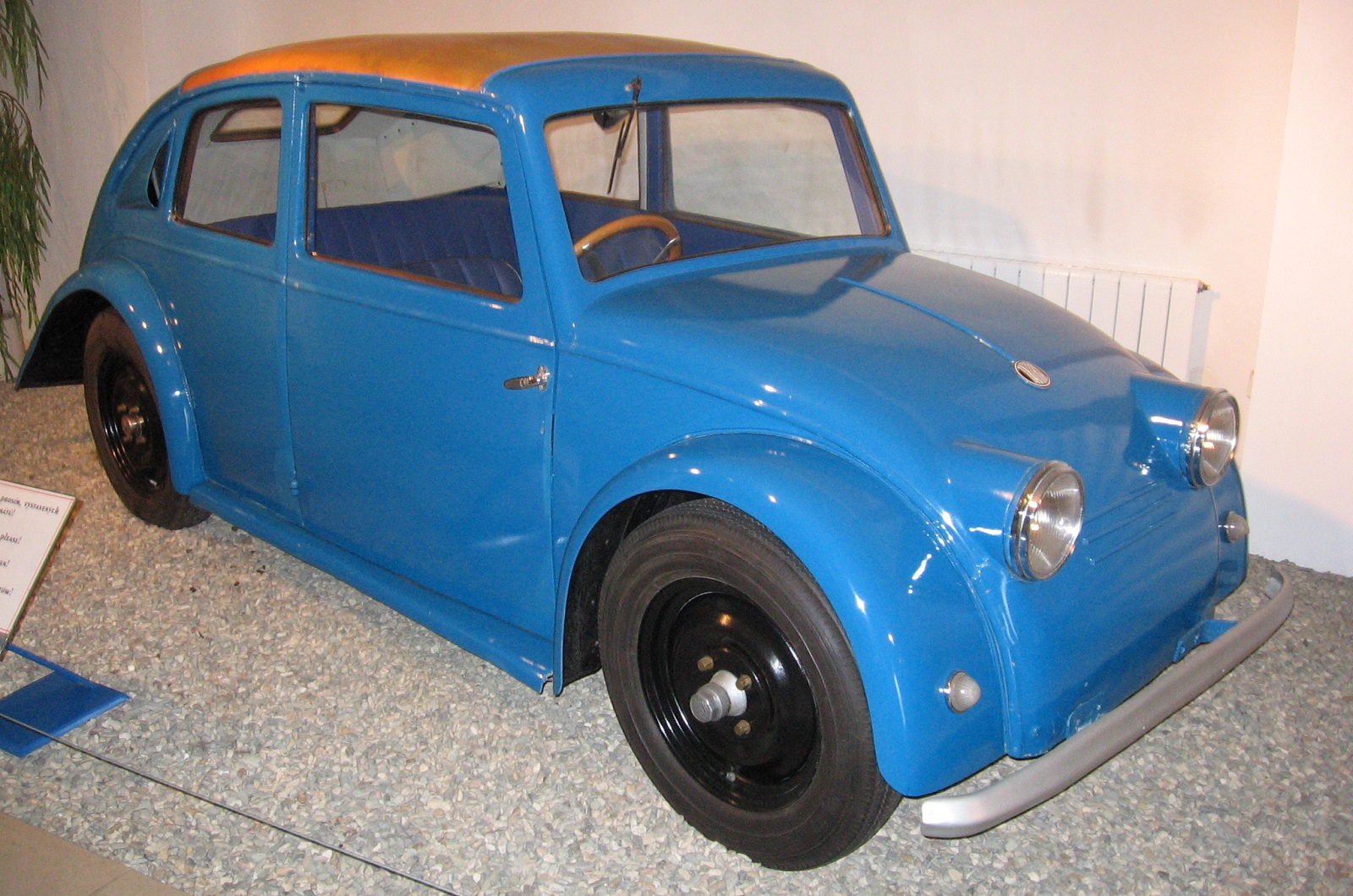
The Czech firm Tatra started experimenting with rear-engined cars when it built a prototype named V570 in 1931. Its creators argued putting the engine in the back made the car quieter and more spacious because it didn’t need a transmission tunnel.
Tatra V570 (1931)
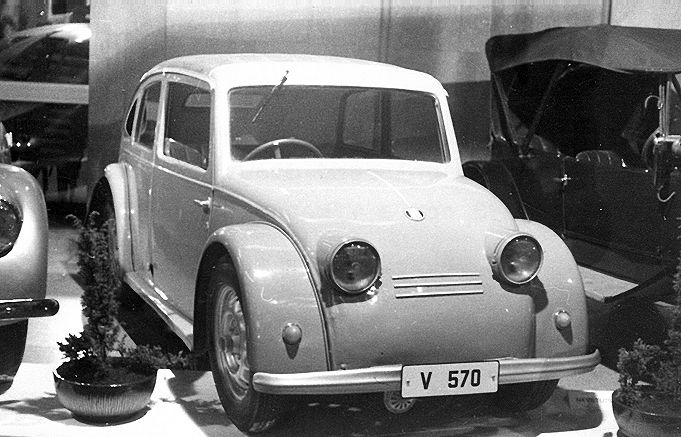
The layout also let it design a more aerodynamic body by extending the back end. The V570 was never mass produced but it’s a fascinating part of history because many historians claim it directly influenced the Volkswagen Beetle.
Tatra 77 (1934)
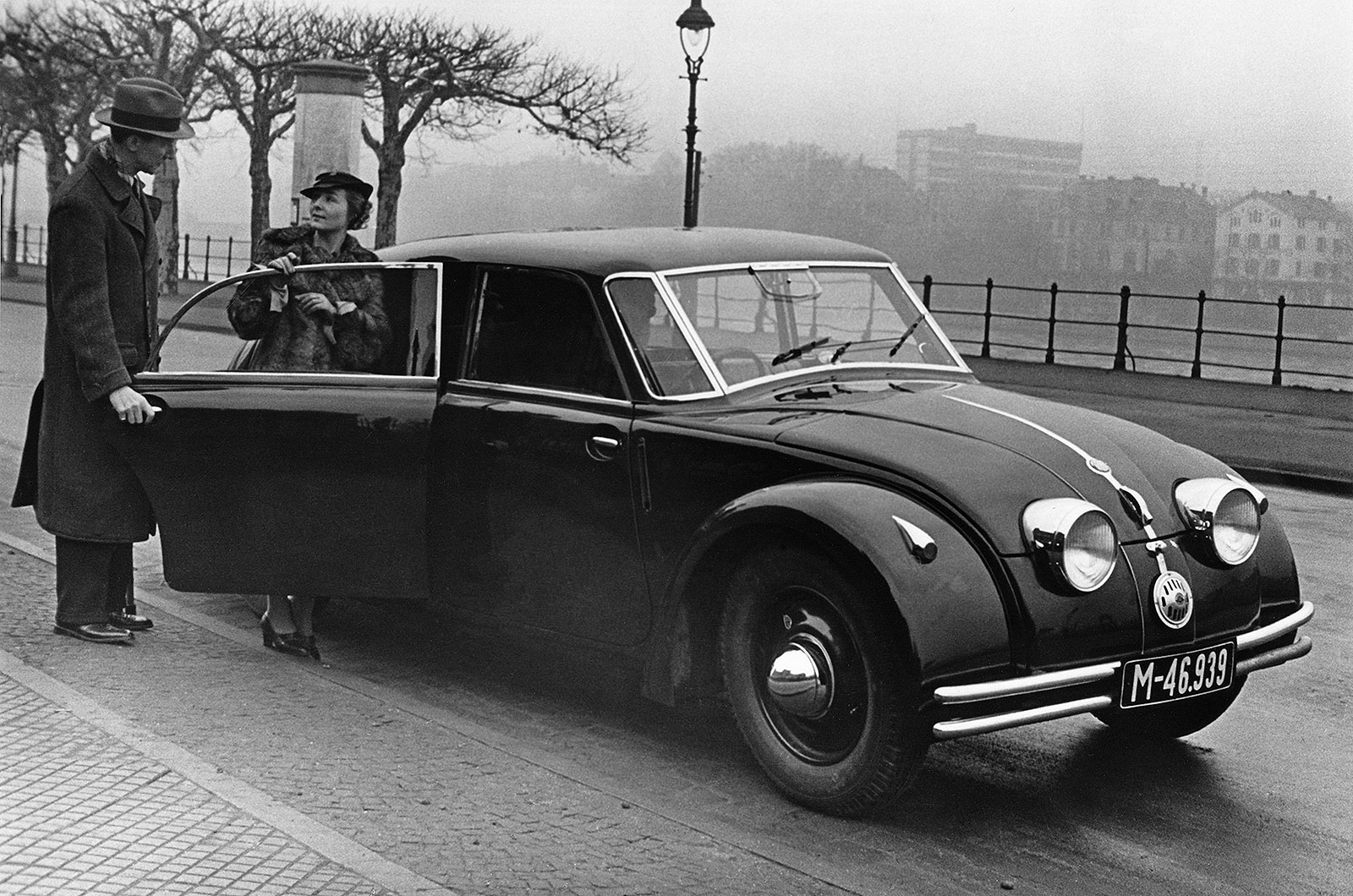
Tatra took the lessons it learned from the V570 project into a production car named 77. Launched in 1934, it was much larger than the prototype that helped shape it but the two cars shared several important attributes like a streamlined design and a rear-mounted engine.
Tatra 77 (1934)
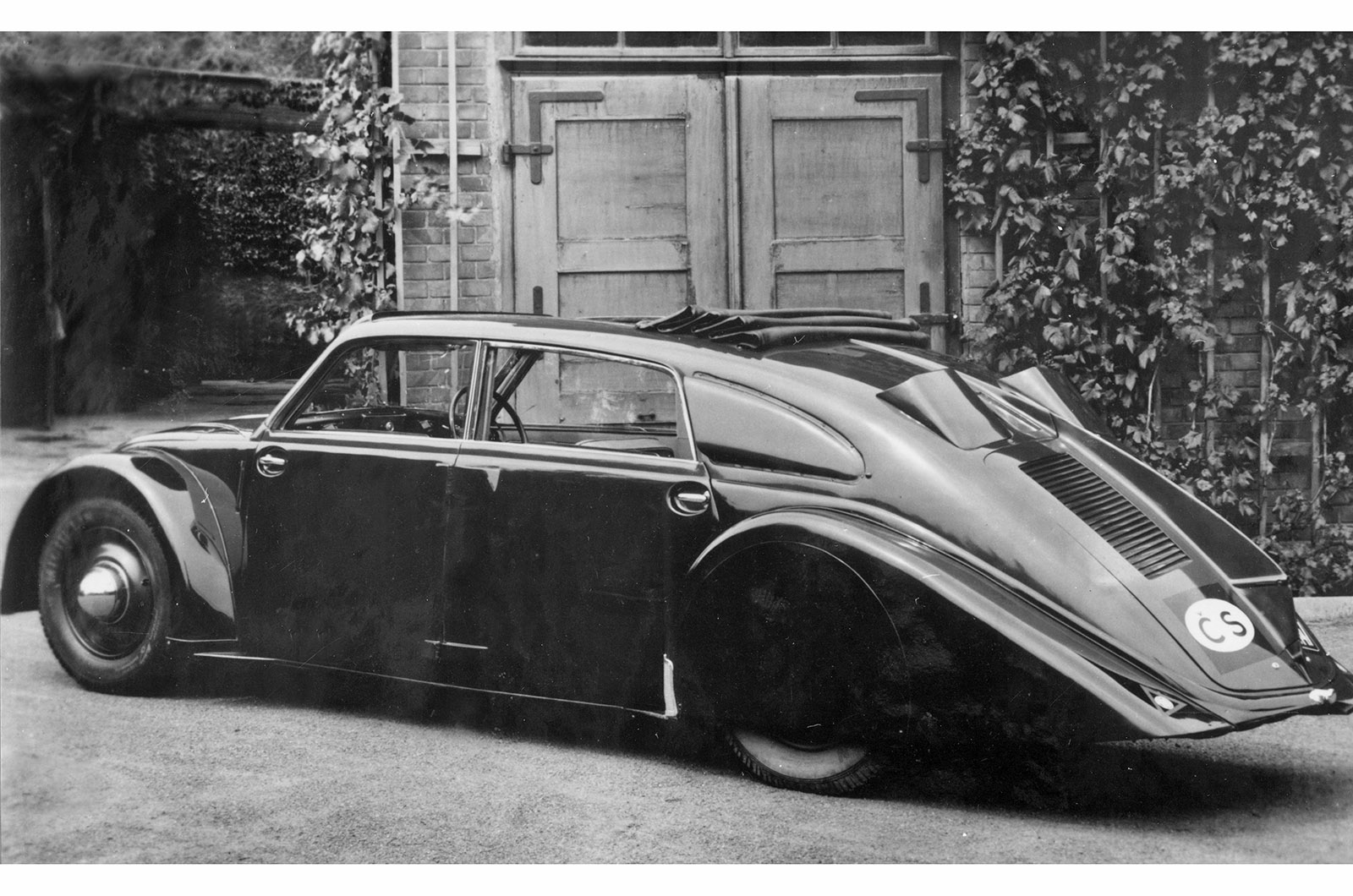
The unit in question was an air-cooled V8 rated at 60bhp. The later 77a received a bigger, 75bhp V8. The 77 can hardly be considered a mass-produced car; production ended in 1938 after Tatra made about 250 examples. It's significant because it laid the foundations Tatra built on until it stopped making passenger cars in 1999.
The 700 of 1996 was its last car, and was a large, aerodynamic four-door with a rear-mounted, air-cooled V8 – just like the 77.
Volkswagen Beetle (1938)
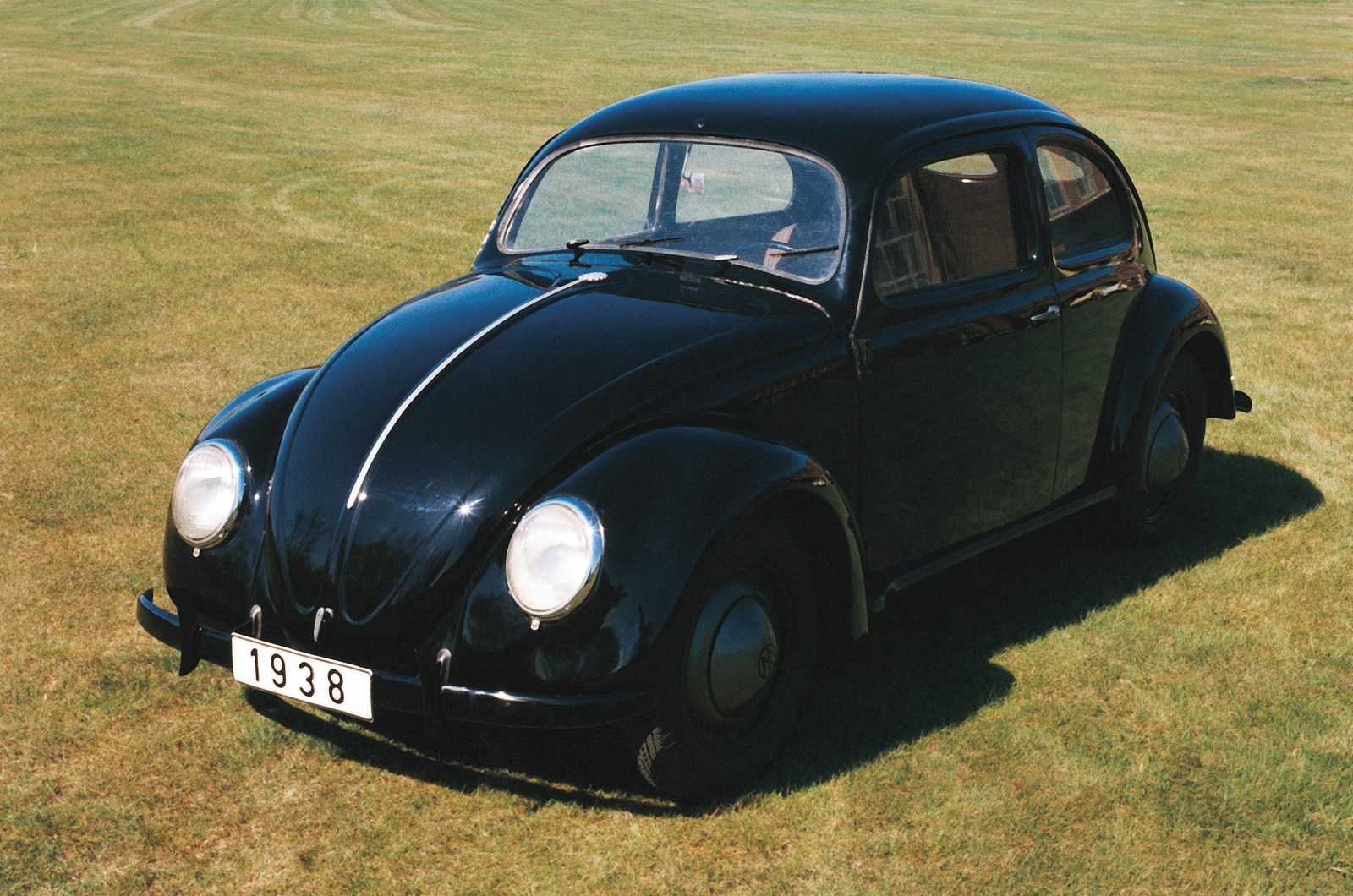
Adolf Hitler asked engineer Ferdinand Porsche to develop an affordable, economical car capable of putting Germany on wheels, at a time when car ownership was much lower than in neighbouring France.
While Porsche started from scratch, he already had a very concise idea of the type of car he wanted to create. He had toyed with the idea of a so-called people’s car for years and many of his designs used a rear-mounted engine. The first pre-production Beetle prototypes were built in 1938, and around 630 were built before the start of the second world war, when production ceased in favour of military production, such as the German army’s Kübelwagen, based on the Beetle.
Volkswagen Beetle (1938)
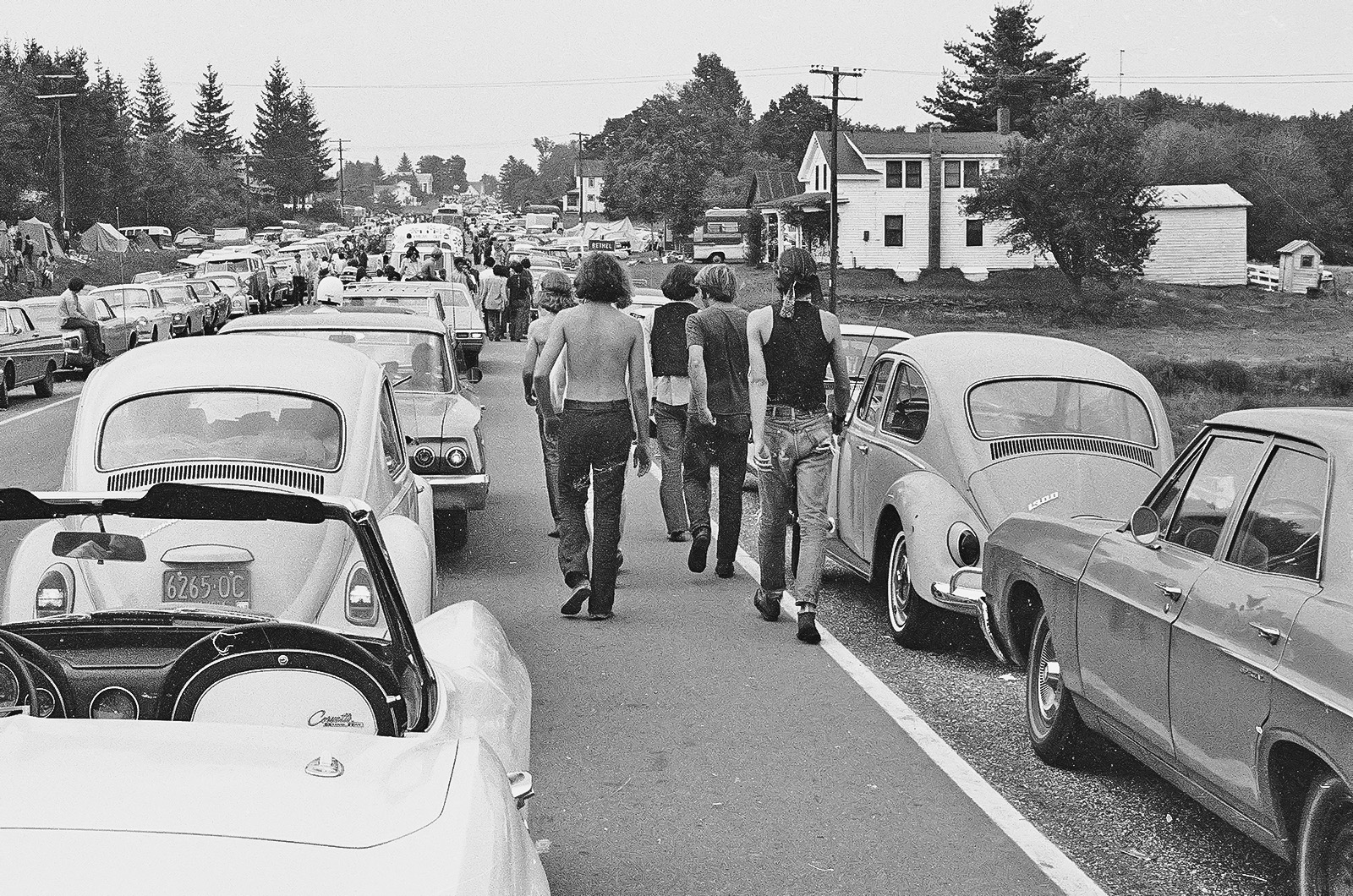
Production restarted after the war and sales grew slowly at first, but they sky-rocketed during the 1950s. The one million mark for the Beetle arrived in 1955; the two million mark came just two years later. The Beetle outgrew its status as a basic economy car and became an icon.
It was also a very successful export, especially to America (pictured) where there was a demand for small cars not initially sold by the large car firms in Detroit. The Beetle gave its underpinnings to a wide variety of Volkswagen models and inspired dozens of models made by rival brands. With over 21 million examples built during a 65-year long production run, the Beetle remains the most popular rear-engined car ever.
Renault 4CV (1947)
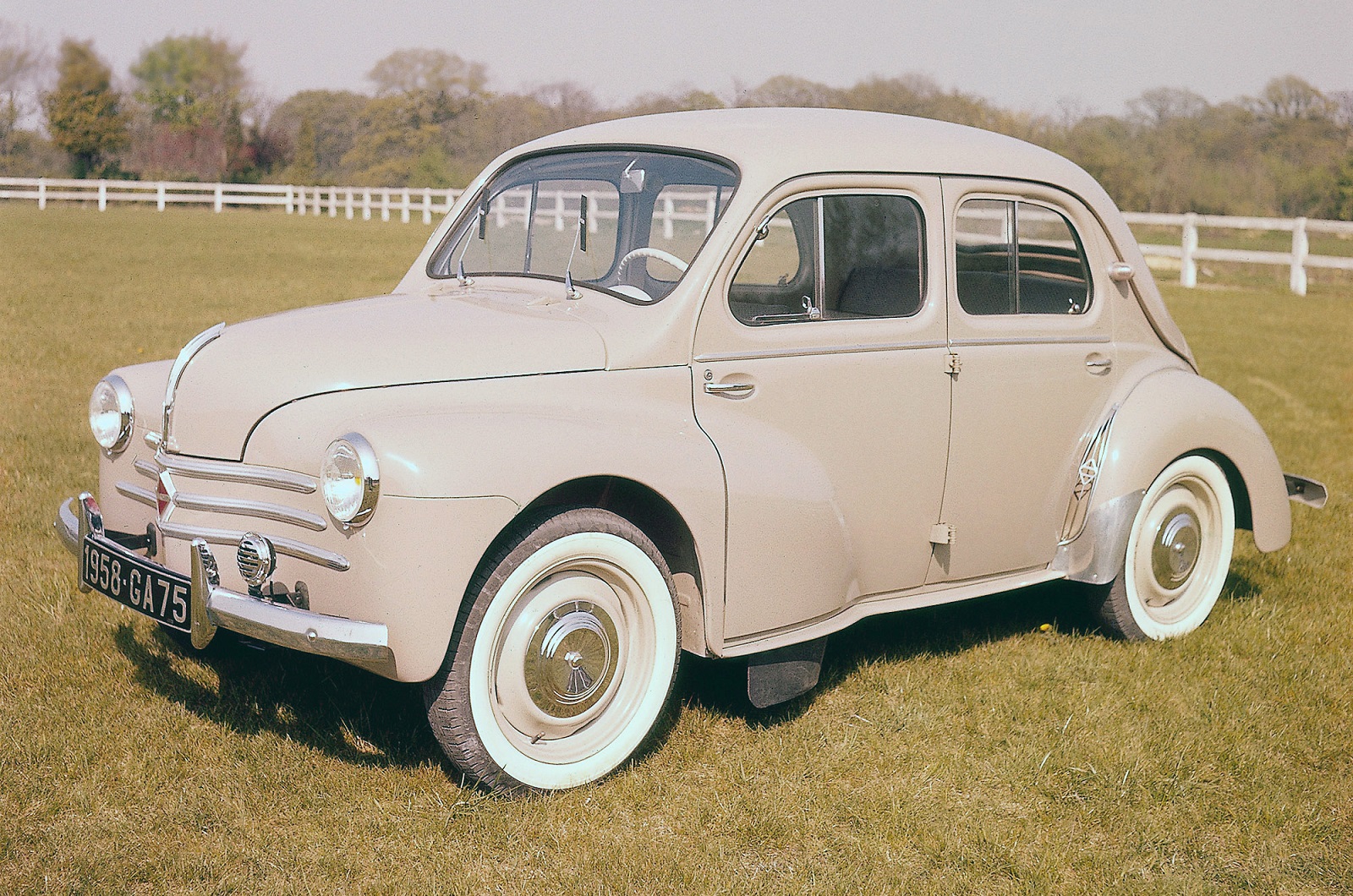
Renault engineers secretly began working on the 4CV during German occupation in the second world war. Company founder Louis Renault allegedly didn’t know about the model; apparently he wasn’t informed because everyone knew he didn’t like the idea of a popular car for the mass market.
Some historians believe the 4CV’s creators chose a rear-engined layout after examining the Volkswagen Beetle but Renault claims it selected the configuration for cost and weight reasons.
Renault 4CV (1947)
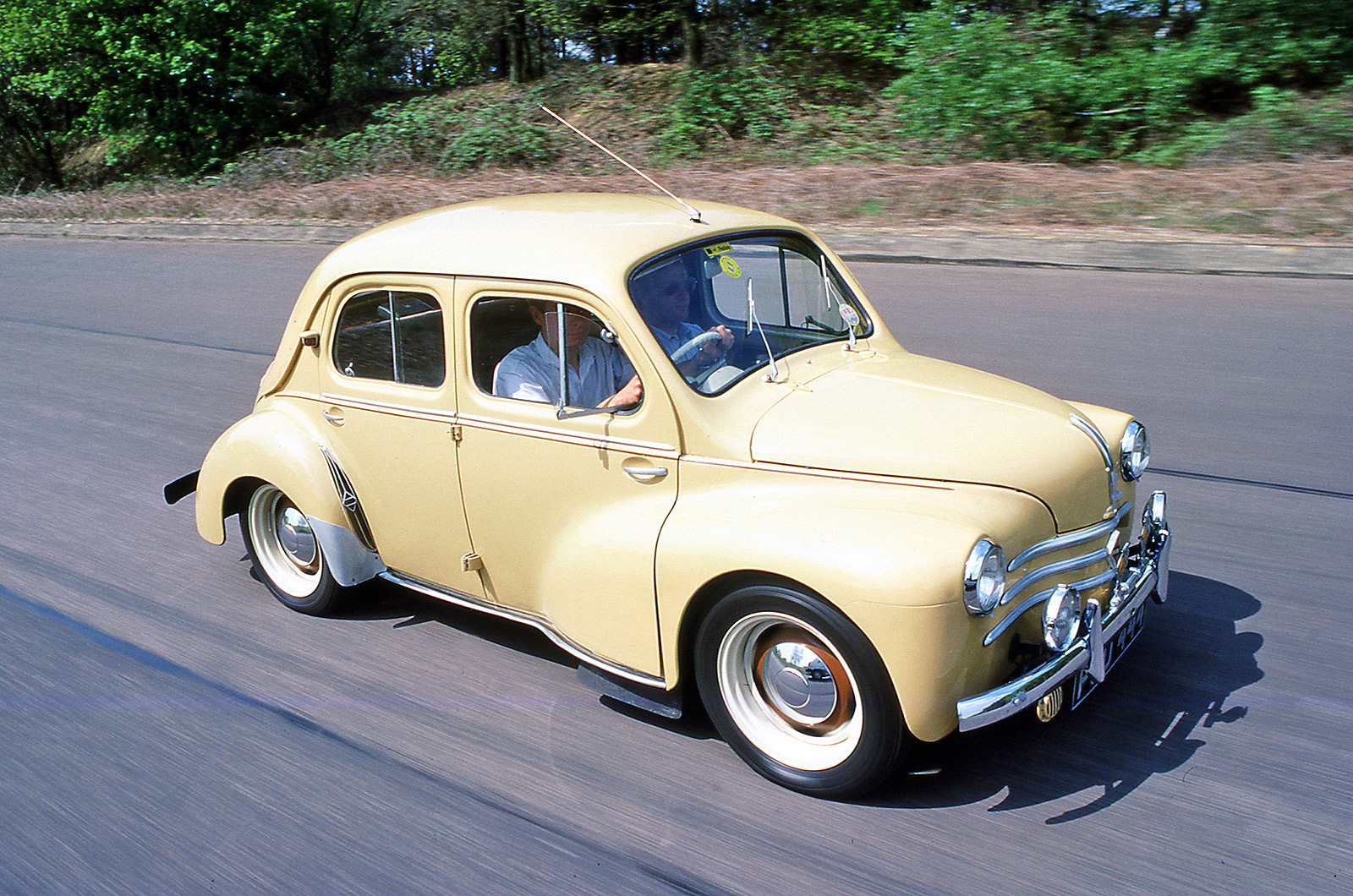
4CV production began in 1947 and the model quickly travelled around the globe. It was sold in the United States, manufactured under license in Japan by Hino, and even built from complete knock-down kits in Sydney, Australia.
Significantly, the 4CV gave its platform to the Alpine A106, the firm’s first car. Renault made over one million examples of the 4CV until 1961. Its replacement was the Renault 4, and it changed to a front-mounted engine and front-wheel drive in the name of practicality.
Porsche 356 (1948)
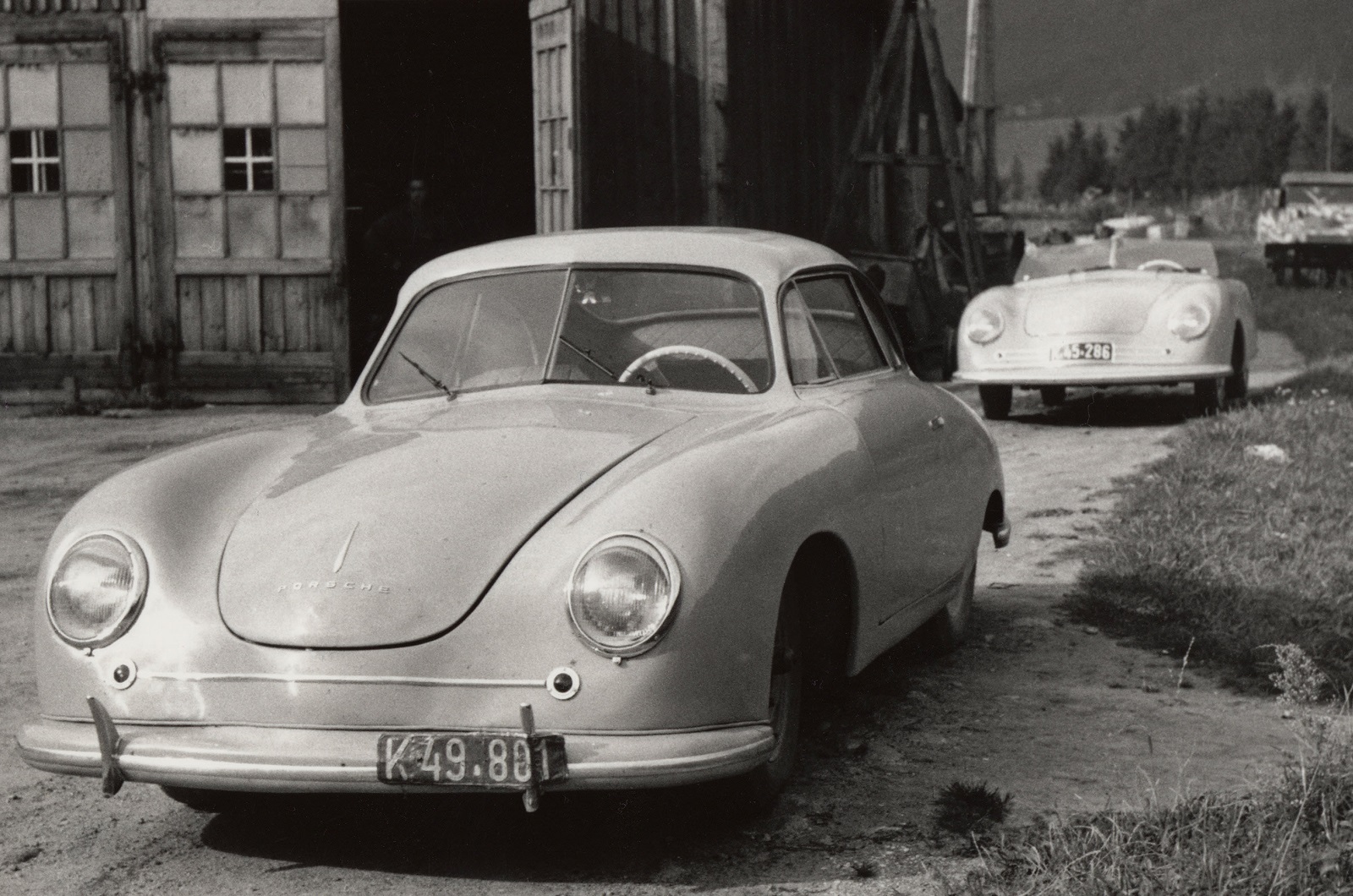
The first Porsche 356 prototype made in 1948 used a mid-mounted engine. This configuration could have completely changed the course of Porsche’s history if it had stuck to it but the company chose to move the engine behind the rear axle on the production model for cost and packaging reasons.
Porsche 356 (1948)
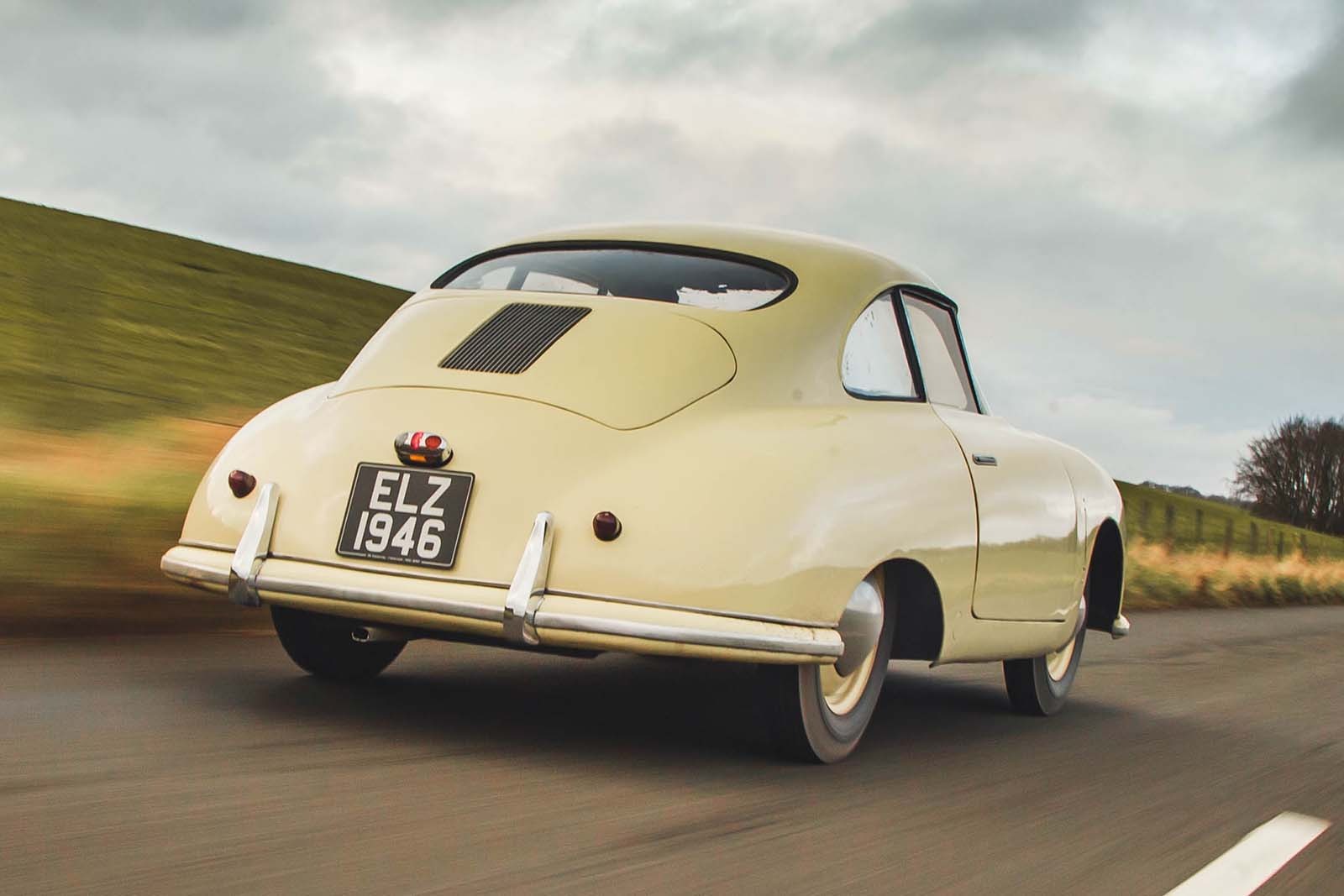
The 356 became the first in a long line of rear-engined Porsche models that continues with the 911 today. Porsche never forgot about its origins and it later released several mid-engined cars, including the 914 and the 718 Boxster.
Fiat 600 (1955)
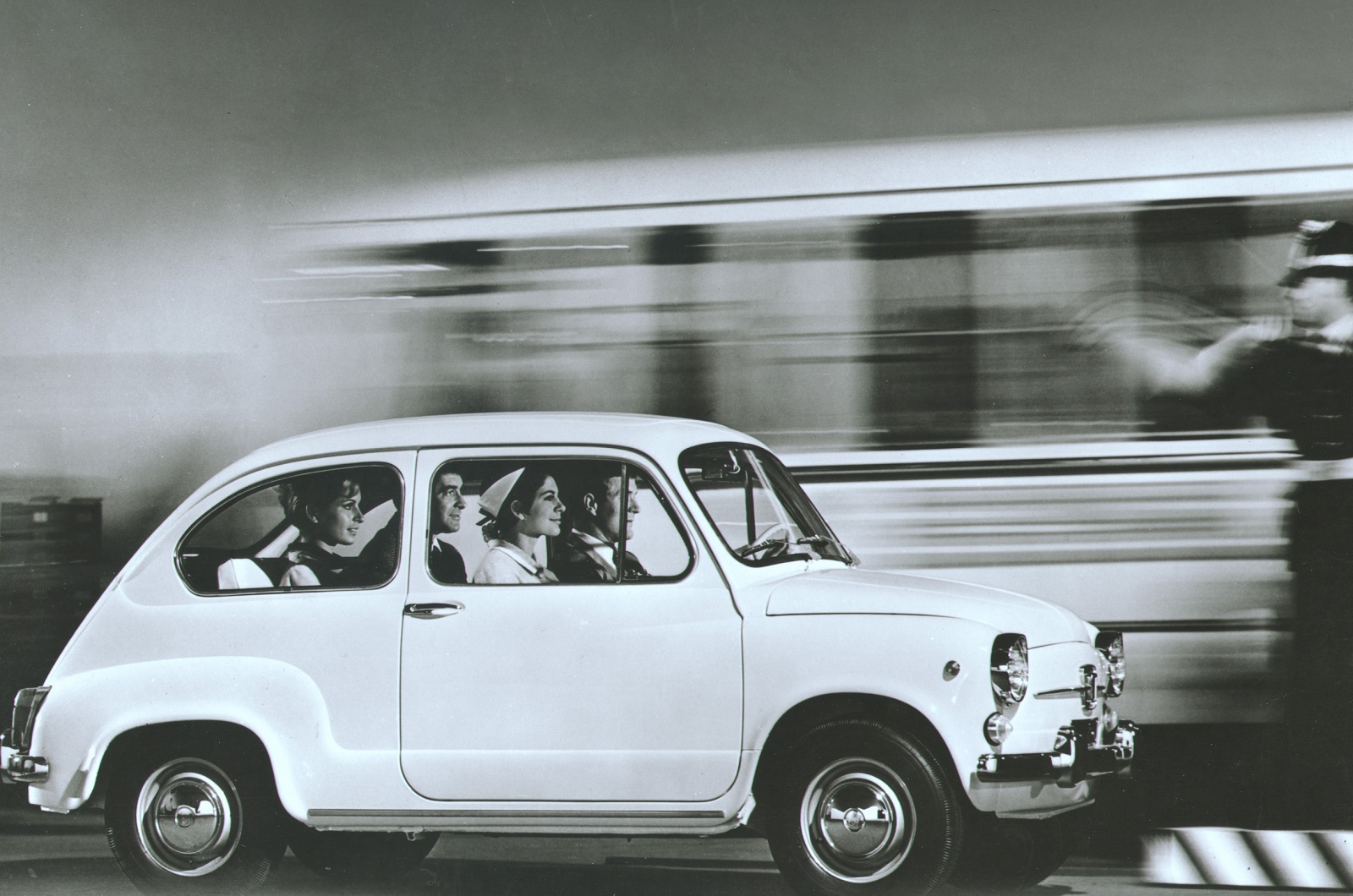
The 600 sparked Fiat’s long association with the rear-mounted engine. The company envisioned it as a model that would put Italy on wheels after the war. It had to be cheap to buy, cheap to operate and cheap to service. Fiat seriously considered front-wheel drive but, as engineer Dante Giacosa explained, ultimately chose to make it rear-wheel drive and rear-engined to keep costs low.
Early examples came with reversed doors and a water-cooled, 633cc four-cylinder engine. The engine’s displacement grew during the car’s long production run, and spawned several other versions during its long production run. It became the SEAT 800 in Spain, where it gained a second set of doors, but Fiat never offered it as a four-door.
Fiat 600 (1955)
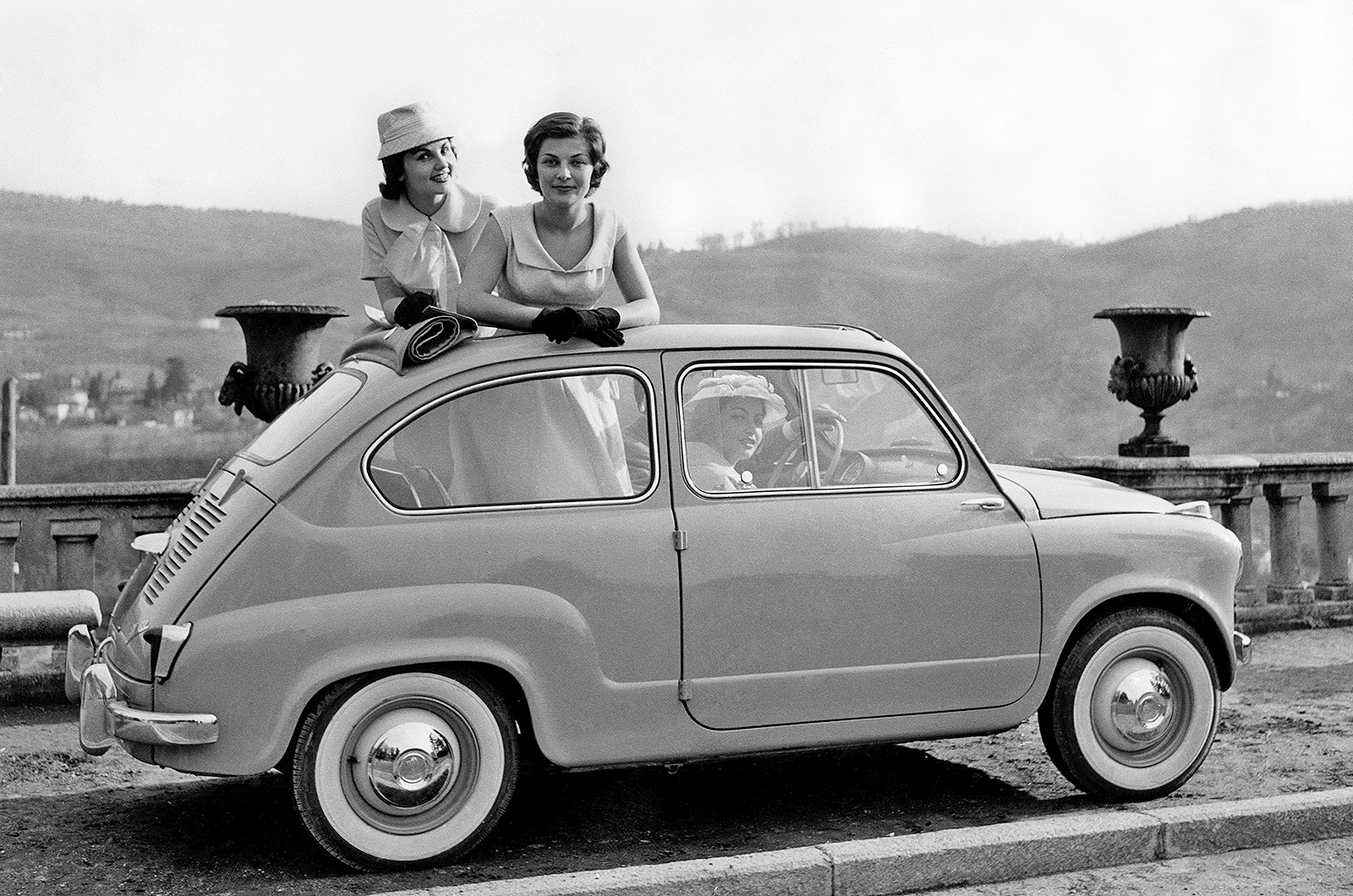
Neckar and Zastava made the car in Germany and in Yugoslavia, respectively. Factories in Argentina, Uruguay and Chile also built 600s with modifications made to suit local requirements.
And, in Italy, dozens of coachbuilders turned the 600 into coupes, convertibles, sports cars and even luxury cars. Italian production of the 600 ended in 1969 but it remained available in Yugoslavia until 1985.
Fiat 600 Multipla (1956)
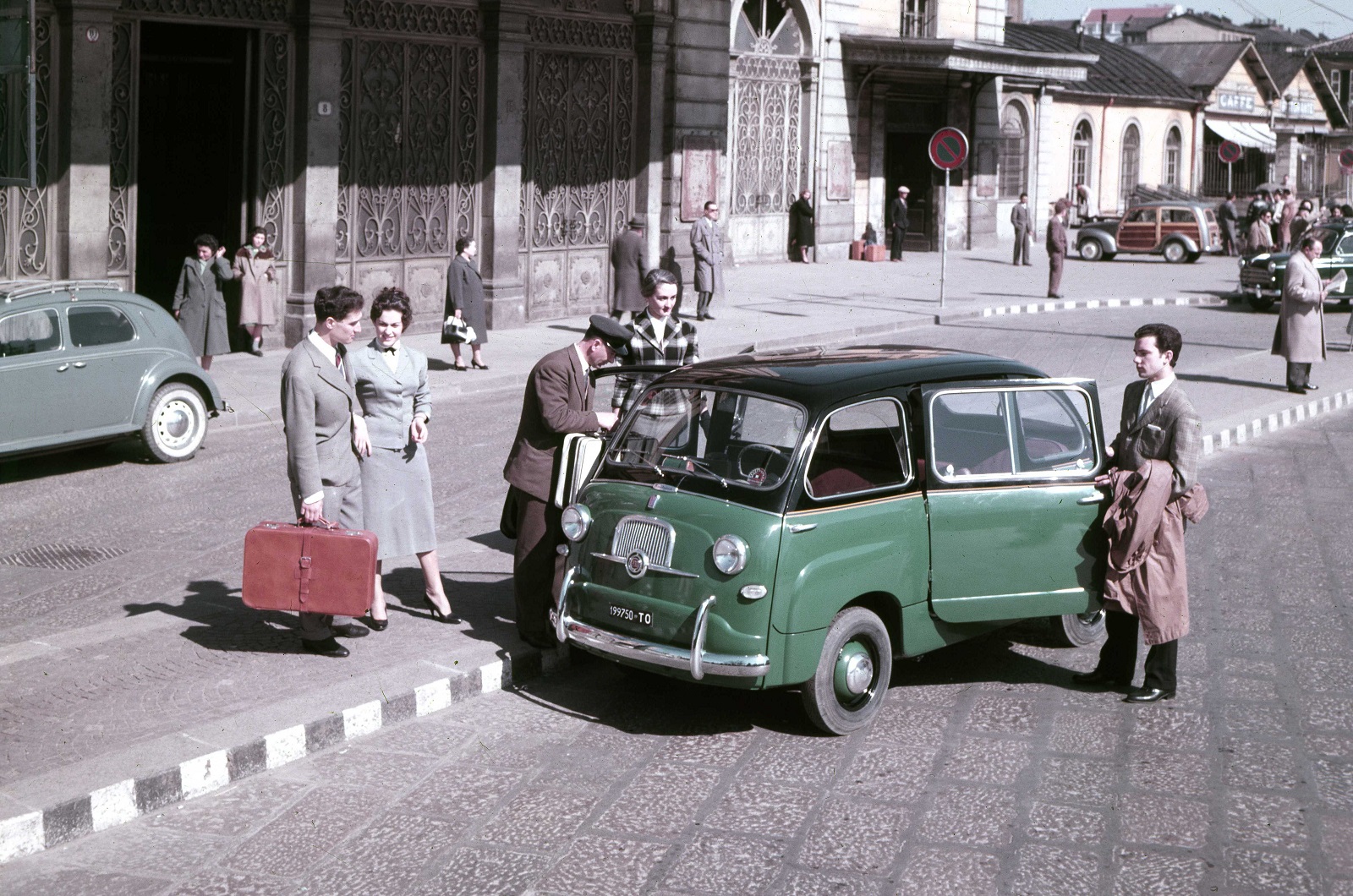
Fiat wasted no time in expanding the 600 line-up. It released the 600 Multipla, a precursor to the modern people-carrier, in early 1956. Engineers retained the rear-mounted engine but shifted the front seats to the space right over the front axle in order to carve out a roomier cabin without making the car significantly longer.
Fiat 600 Multipla (1956)
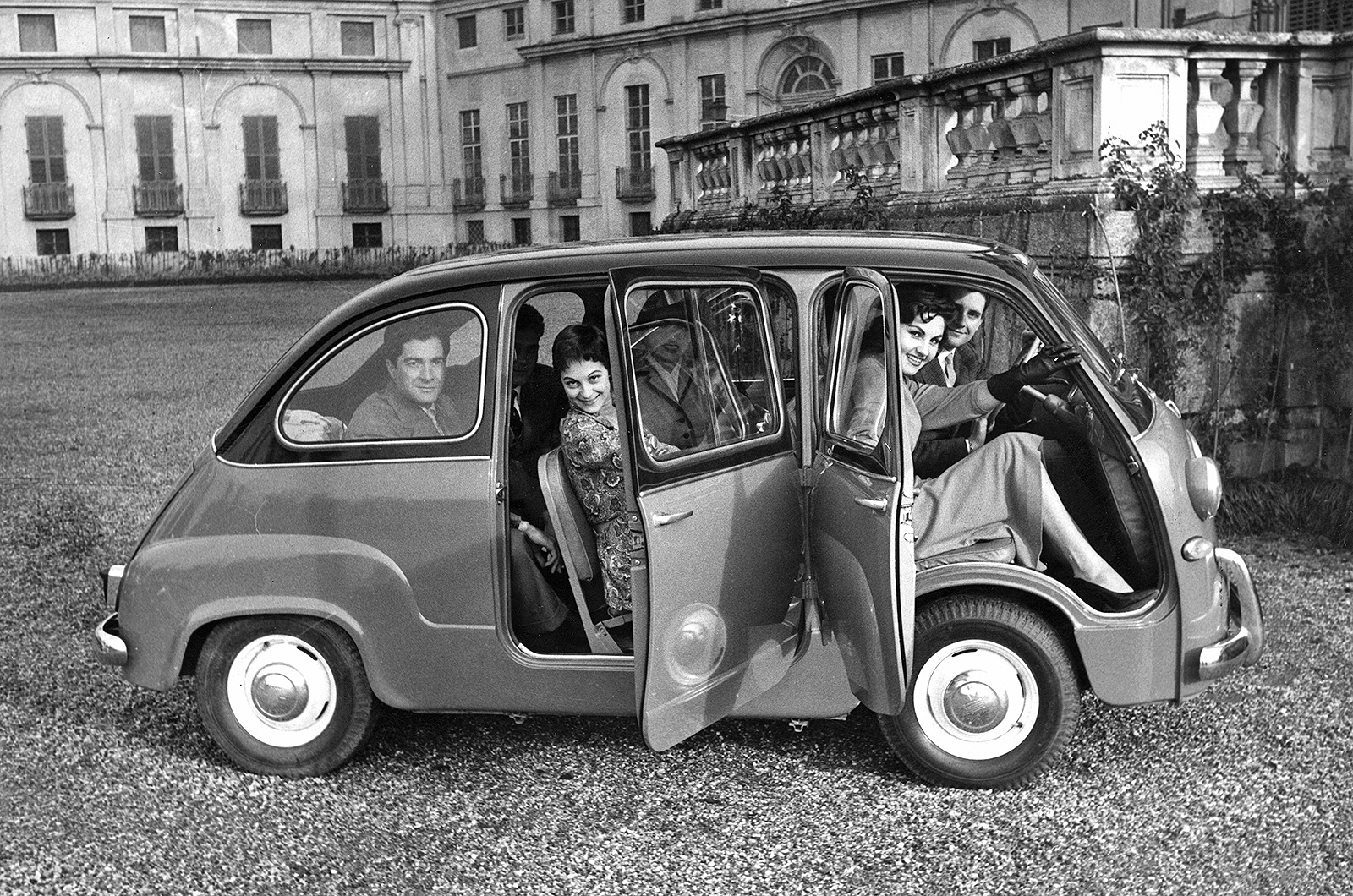
Hailed as one of the first leisure-oriented cars, the 600 Multipla could seat six, sleep two or carry a generous amount of cargo.
Renault Dauphine (1956)
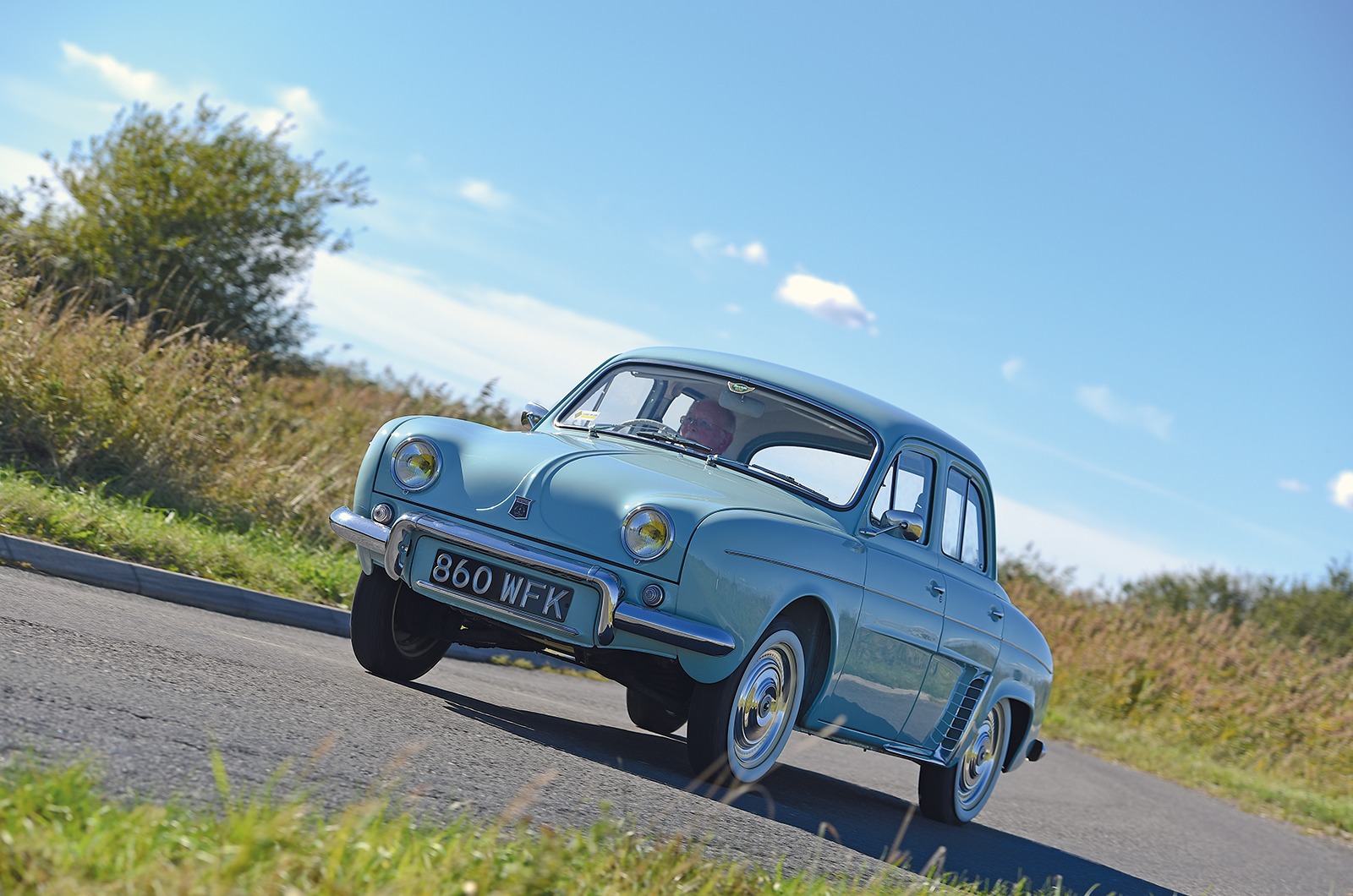
The Renault 4CV was France’s best-selling car between 1949 and 1955. In an effort to keep the momentum going, the French firm created a larger and more comfortable car that could lure 4CV owners who were ready for an upgrade.
The Dauphine was born in 1956 and it led the sales charts between 1957 and 1961; Renault’s bet had paid off. It looked considerably more modern than the 4CV but the two models shared a number of mechanical components, including their rear-mounted, water-cooled four-cylinder engine. Renault made several variants of the Dauphine.
Renault Dauphine (1956)
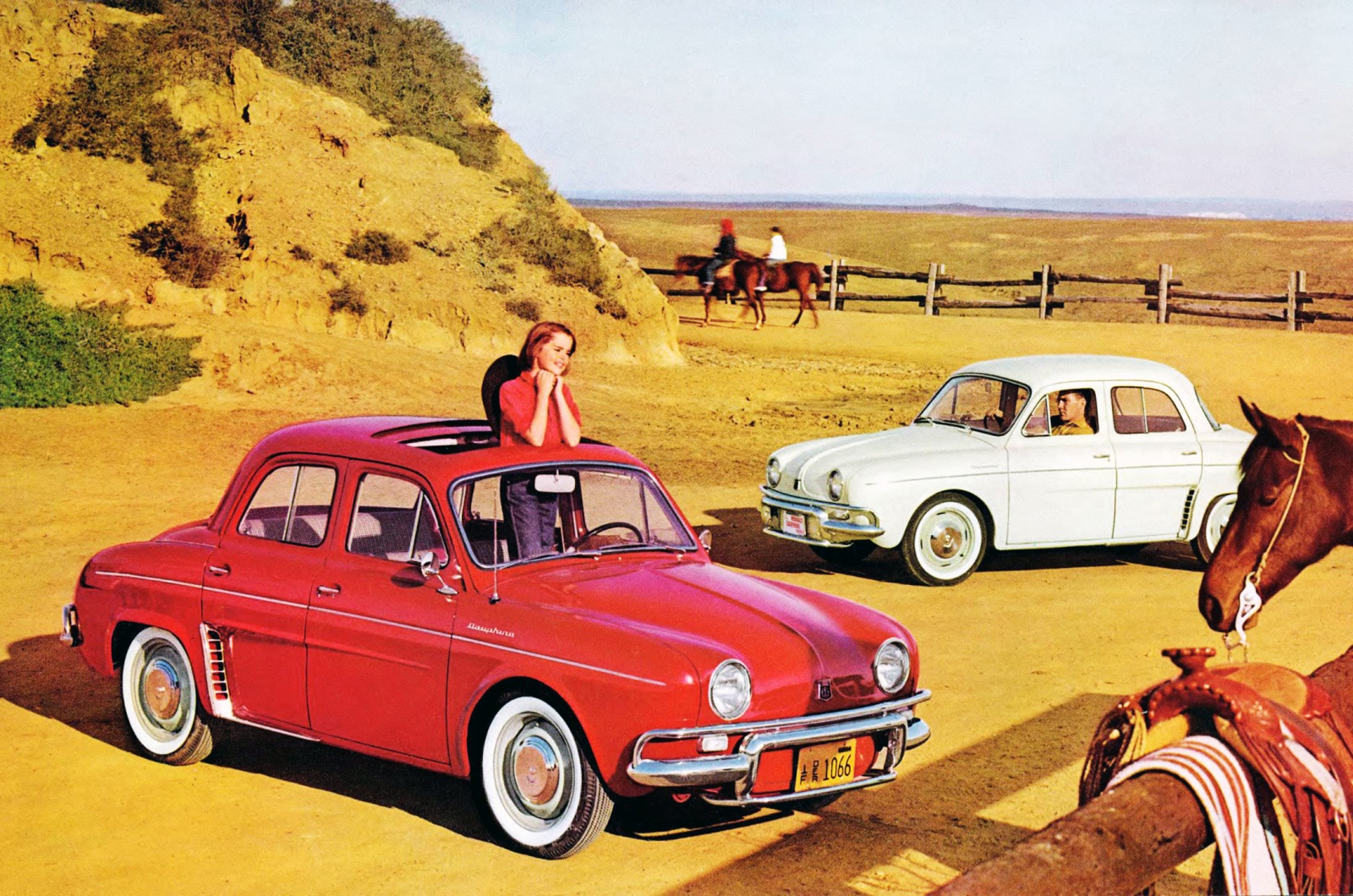
The range included a more upmarket model named Ondine, high-performance Gordini- and 1093-badged models plus a convertible named Floride. It was also sold in America (pictured), where it sold well at first to households that wanted a smaller second car.
Alfa Romeo notably made the Dauphine for the Italian market; it was the firm’s only mass-produced rear-engined car. Dauphine production ended in 1967 in France and in 1970 in Argentina. Renault made over two million examples.
Fiat 500 (1957)
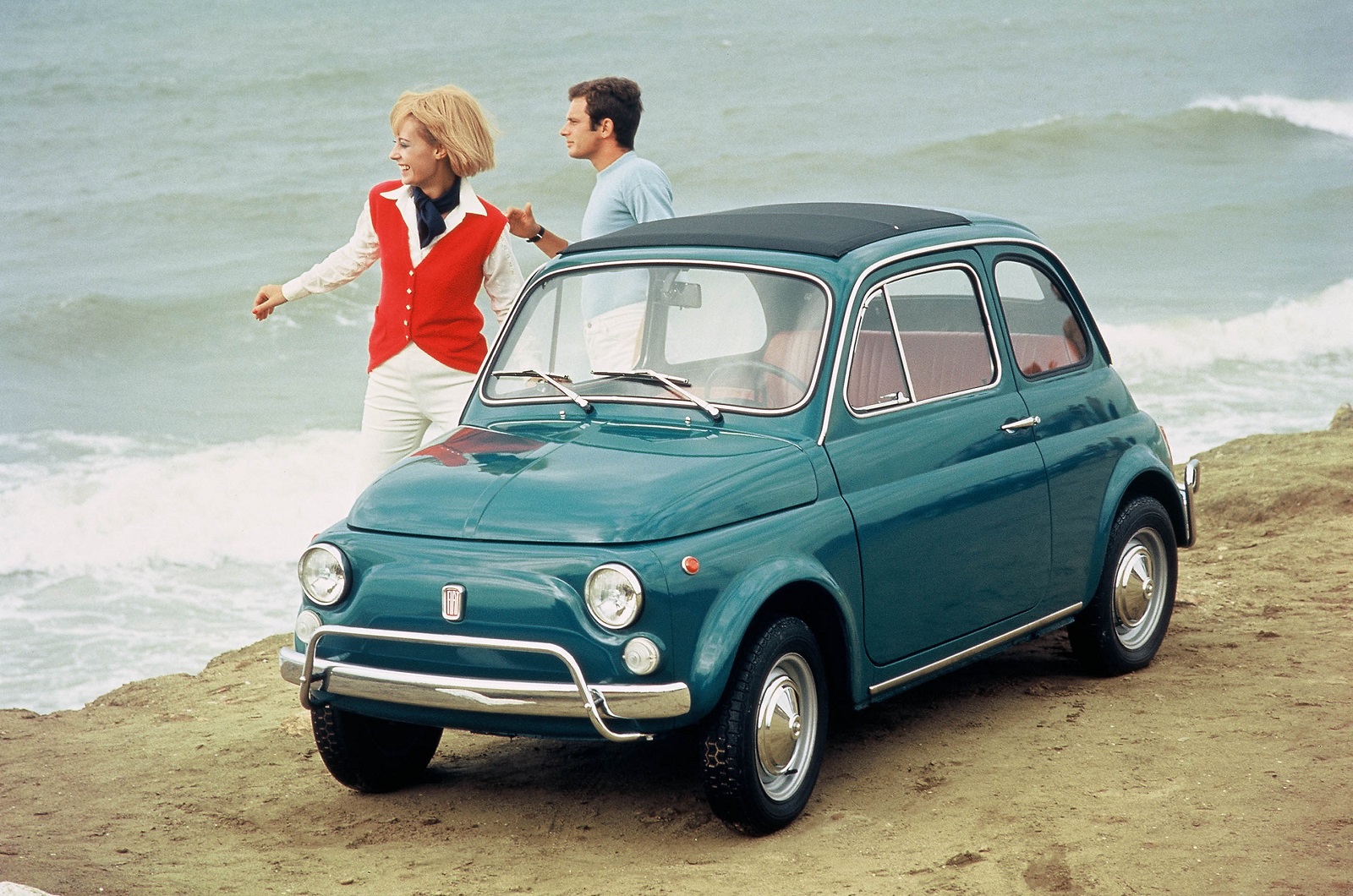
Fiat’s 600 exceeded all expectations but it remained out of reach for many buyers who settled for a scooter or a moped. Decision-makers put Dante Giacosa in charge of creating a smaller, entry-level model capable of putting even the most modest households on wheels. The 500 made its debut in 1957.
Slow, noisy and pretty basic, the original 500 raised more than a few eyebrows when it went on sale. Many argued buyers were better off saving up for a 600. Demand picked up after Fiat added features and increased the 479cc, two-cylinder engine’s output to 15hp in late 1957. The 500 remained a strong seller until production ended in 1975, three years after its intended replacement, the 126, went on sale.
Fiat 500 (1957)
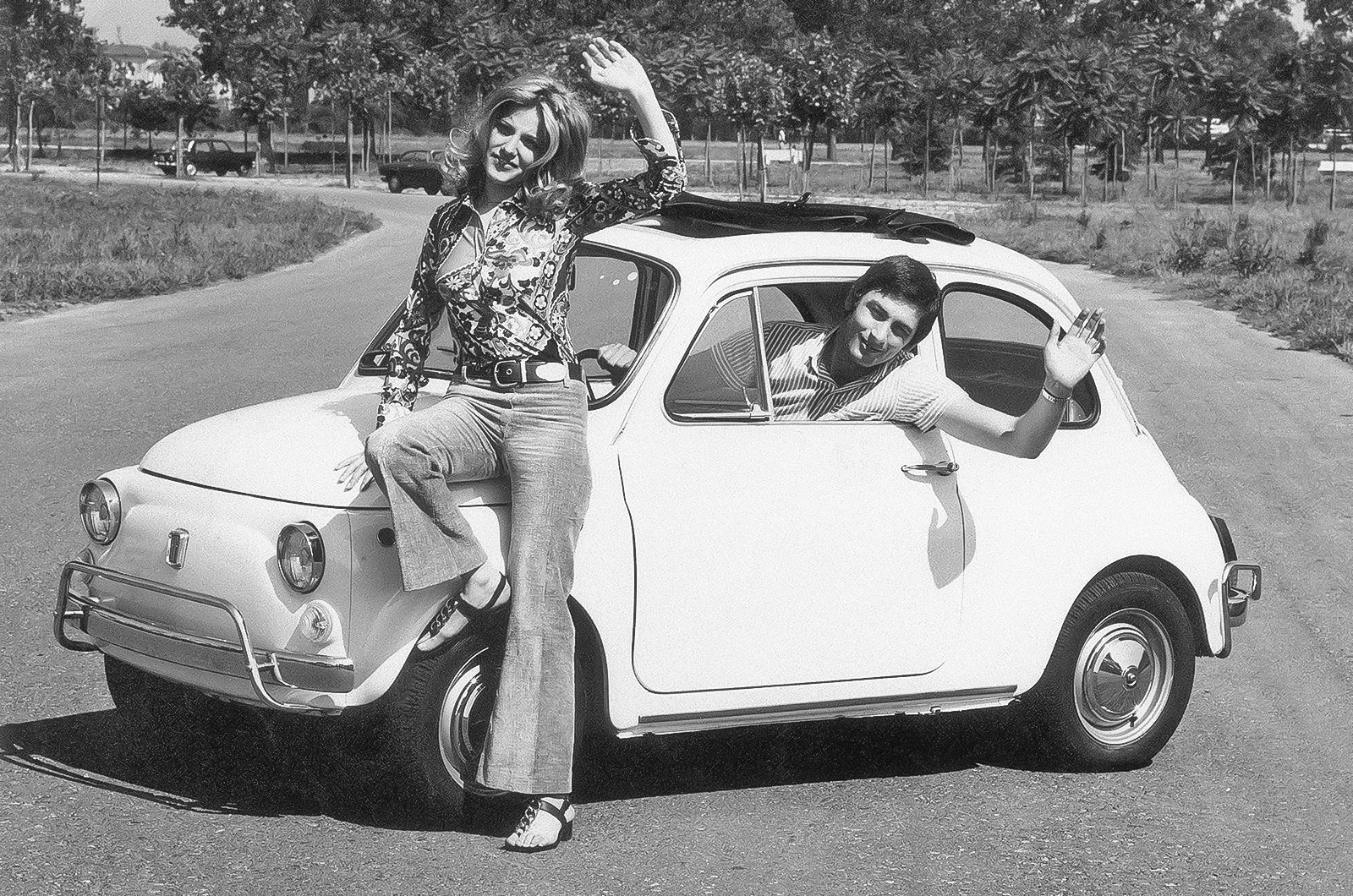
Like the 600, the 500 spawned many variants inside and outside of Italy. Abarth and Giannini famously took it racing, Fiat launched a more spacious variant named Giardinetta (which was also sold as an Autobianchi) and even a beach-friendly model called Jolly.
Austrian company Steyr-Puch prepared the 500 for the Alps by fitting it with a more powerful flat-twin engine.
NSU Prinz (1958)
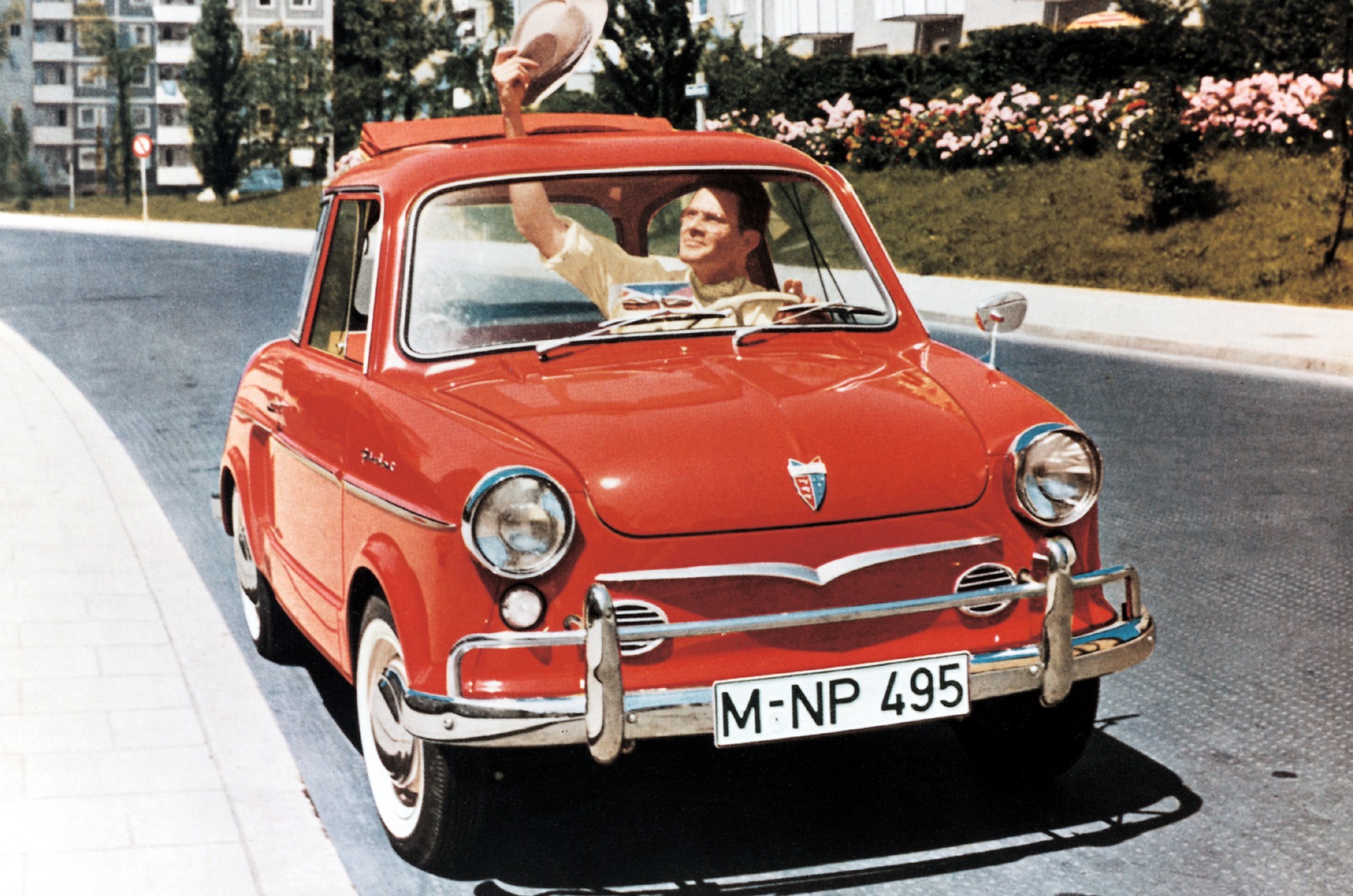
In the 1950s, NSU was better versed in making scooters and mopeds than cars. It began planning its return to the automotive space when it grew tired of losing clients who were seeking to upgrade to a four-wheeler with a fixed roof.
The Prinz nearly arrived with three wheels, like the Messerschmitt KR 200, but it made its debut at the 1957 Frankfurt auto show with four wheels and a rear-mounted, two-cylinder engine.
NSU Prinz (1958)
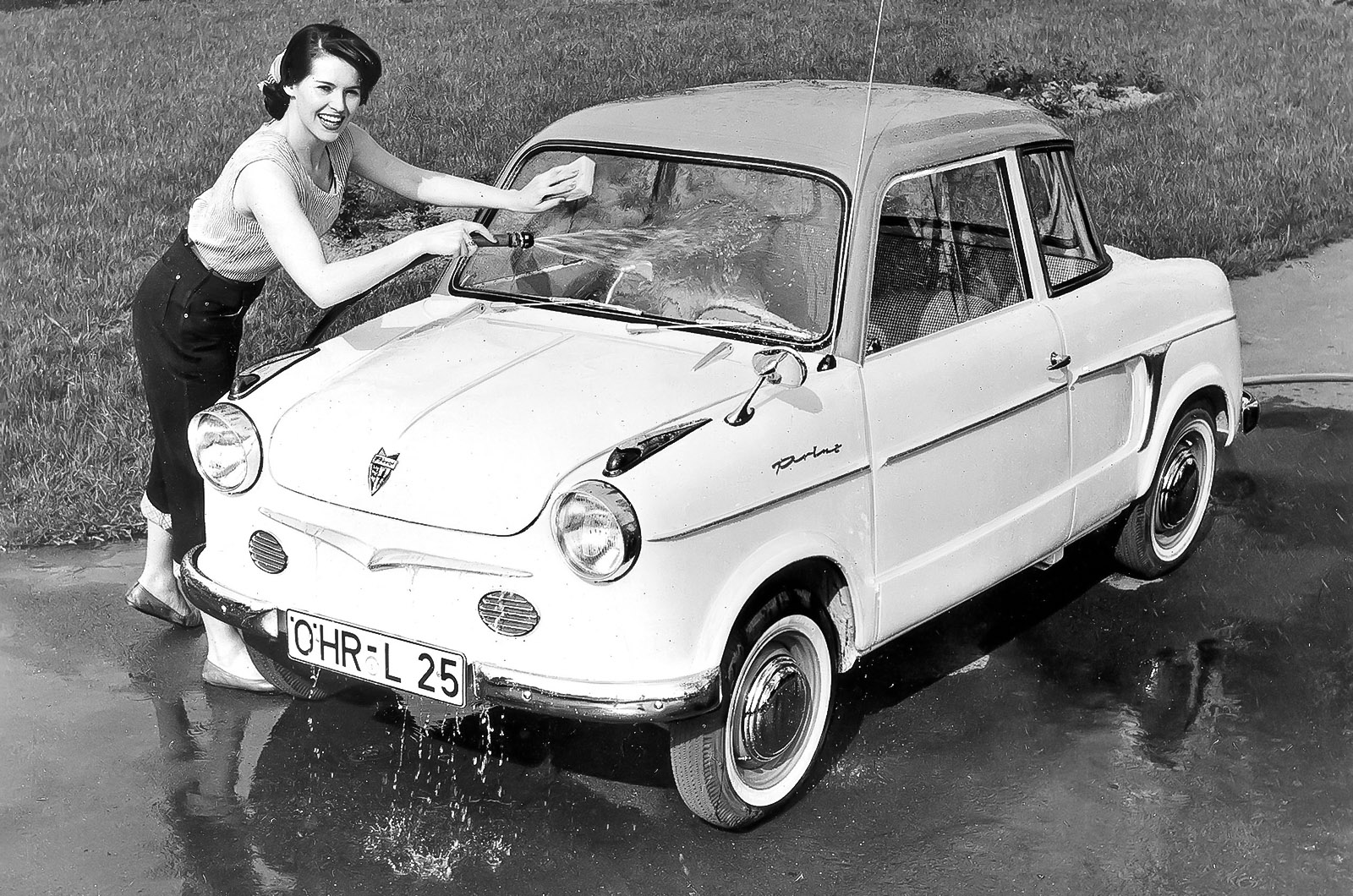
Production began the following year with a 20hp, 600cc air-cooled twin. The Prinz kept its rear-engined configuration as it received upgrades including a complete redesign in 1961 and several high-performance, Gordini-rivalling variants during the 1960s.
Subaru 360 (1958)
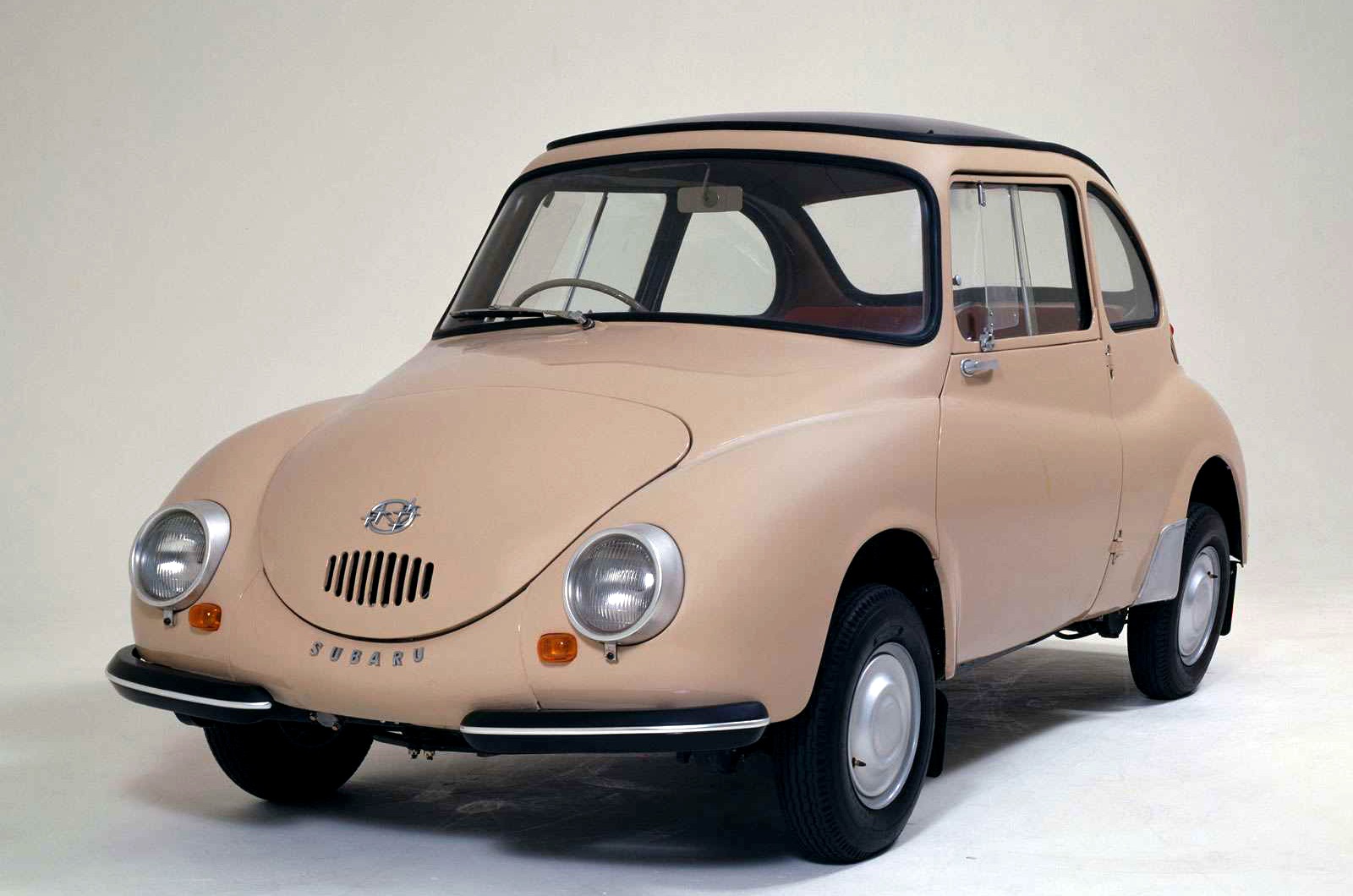
An eccentric Japanese law convinced Subaru engineers to place the 360’s two-stroke, two-cylinder engine in the back. Early on, they knew the model needed to comply with the strict kei car regulations announced in 1949 to convince motorists to think small.
This meant it couldn’t stretch longer than 2997 mm (118 inches), wider than 1295 mm (51 inches) tall and taller than 1981 mm (78 inches). Placing the engine in the back cleared up enough space for four adults in the passenger compartment while staying under the size limits imposed by the Japanese government.
Subaru 360 (1958)
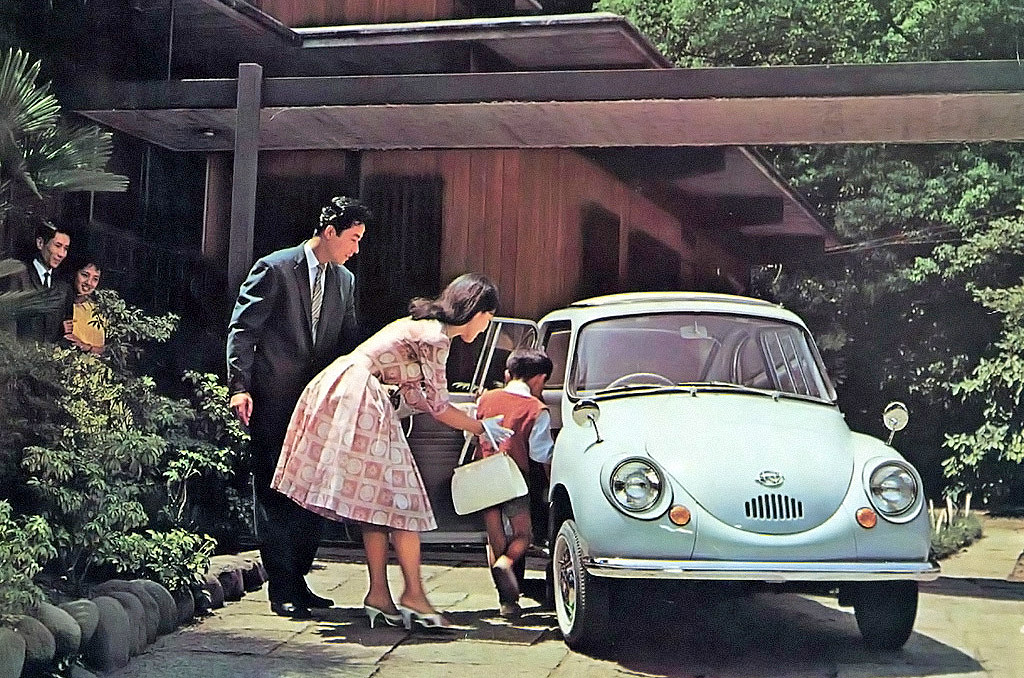
The 360 remained in production until 1971. The entrepreneur Malcolm Bricklin imported the car to the USA to establish Subaru America in 1968; driving this tiny car among the usually enormous cars on US roads must have been somewhat scary…
BMW 700 (1959)
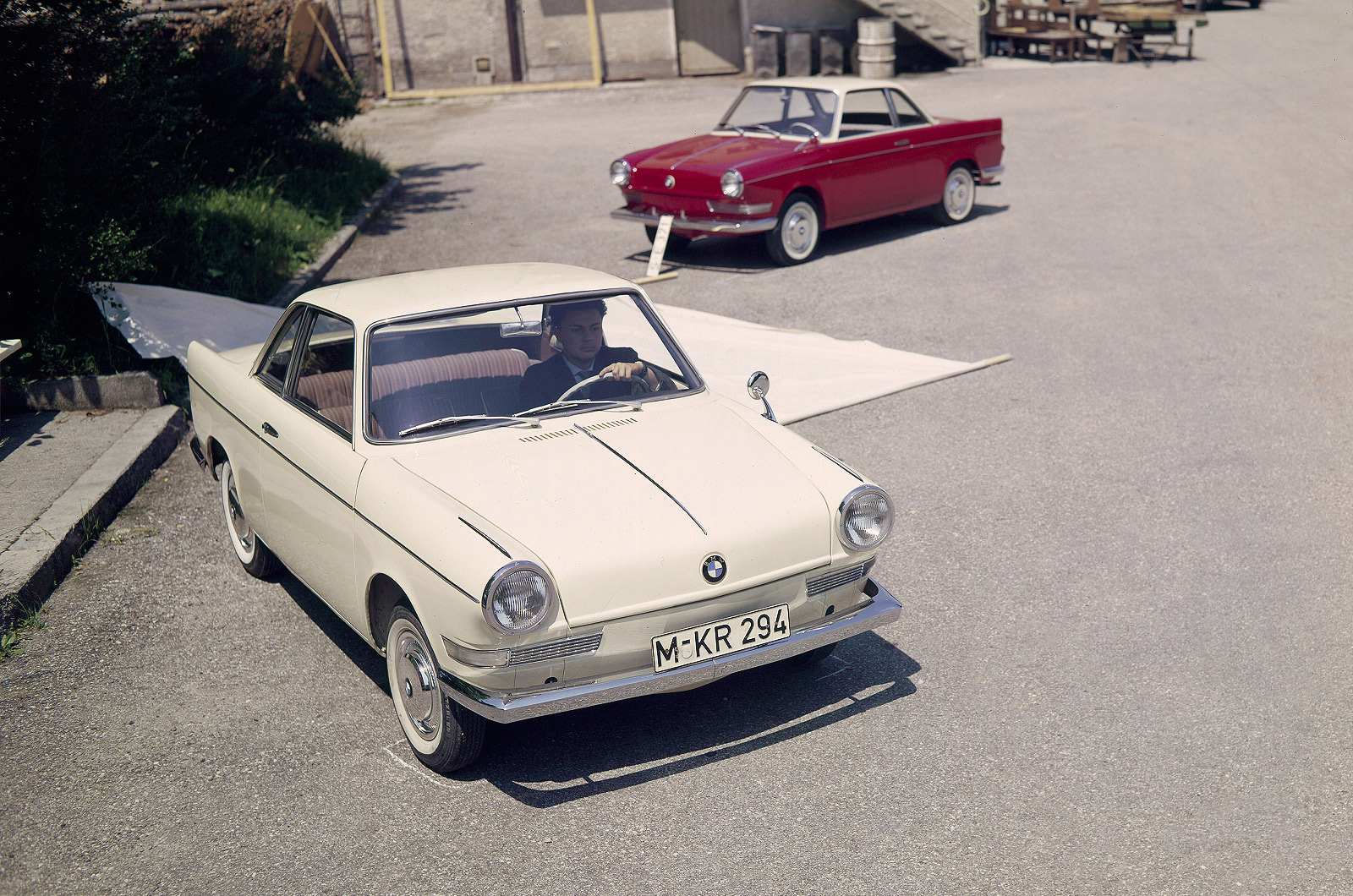
The Michelotti-designed 700 played a significant role in saving BMW from collapse. It took the company into a booming segment of the market it wasn’t previously present in.
BMW didn’t want to spend money on designing an engine from scratch so it modified the BMW R67 motorcycle’s air-cooled, flat-twin for car use.
BMW 700 (1959)
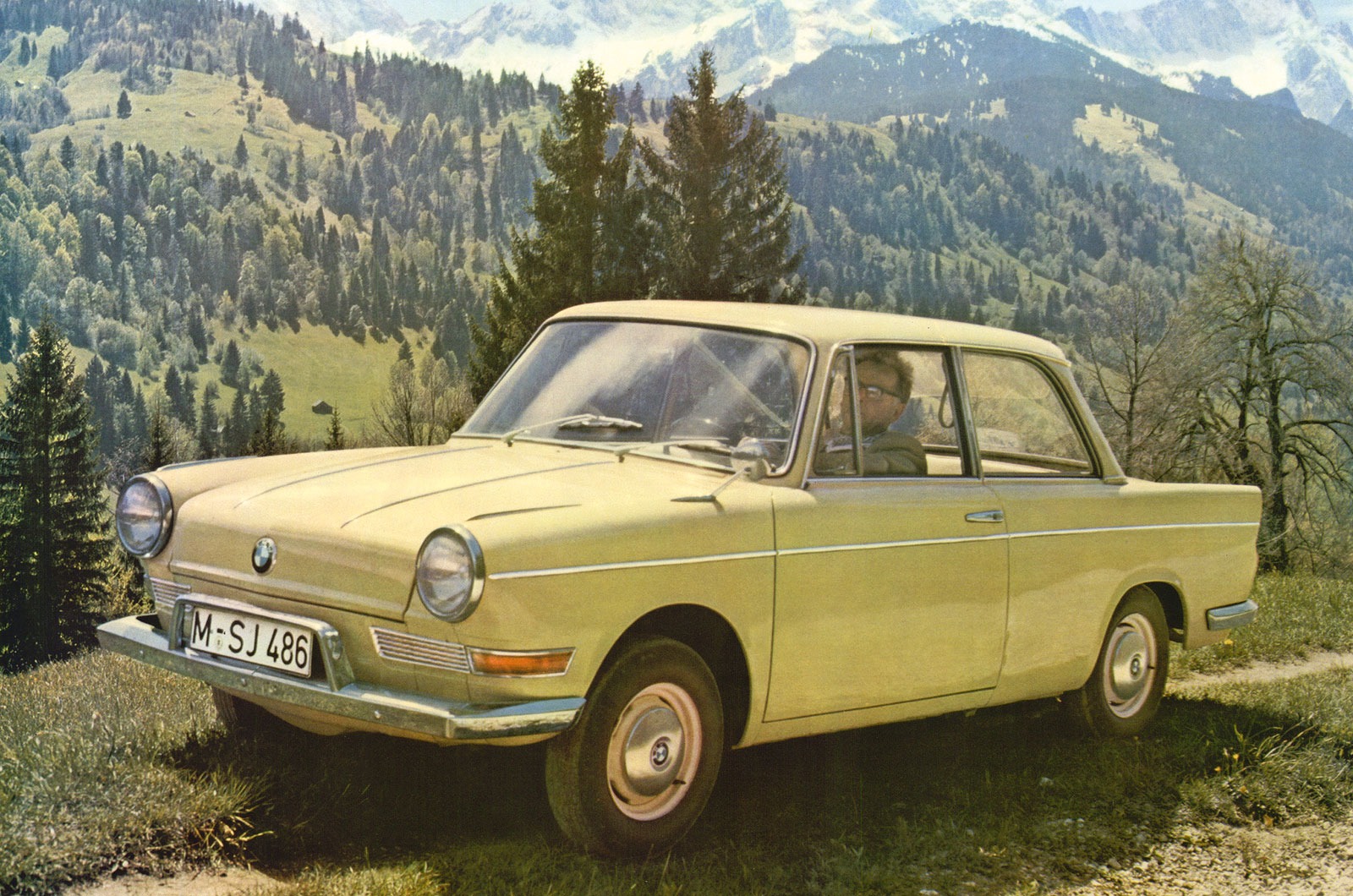
The firm mounted the engine behind the passenger compartment to better compete against the most popular cars sold in Europe during the late 1950s.
Production lasted between 1959 and 1965, a point by which BMW had already started forging its image as a maker of sporty, prestigious cars.
Picture: BMW 700 Coupe
Chevrolet Corvair (1959)
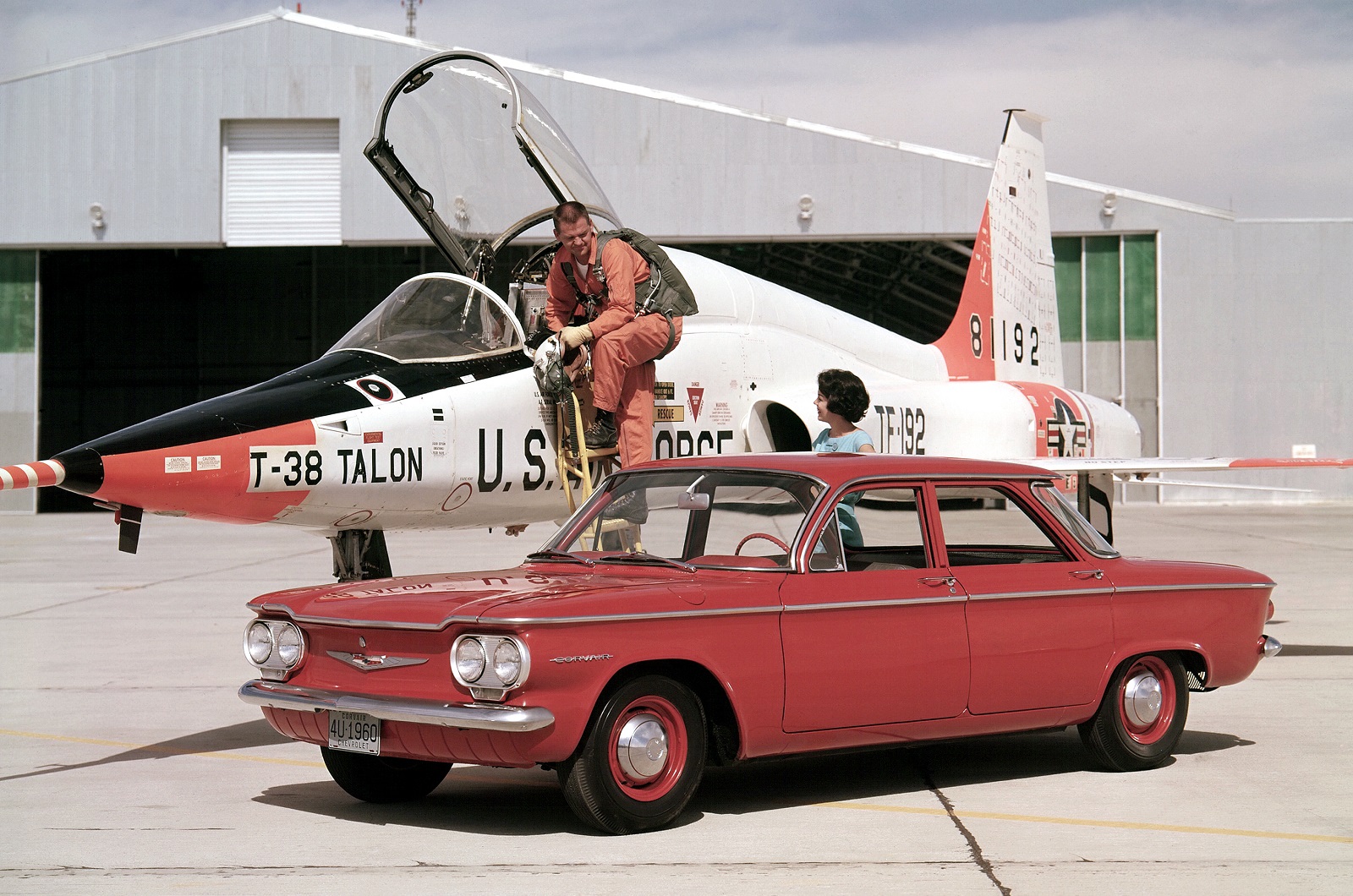
Chevrolet released the Corvair for the 1960 model year in a bid to compete directly against the Volkswagen Beetle. The Corvair used a rear-mounted, air-cooled engine but the similarities between it and its German rival largely ended there.
It wore a considerably more modern design, it was bigger and it offered buyers a flat-six engine that made 80 hp in its initial state of tune. Sporty variants – including a turbocharged, 180 hp model – joined the line-up in the early 1960s.
Chevrolet Corvair (1959)
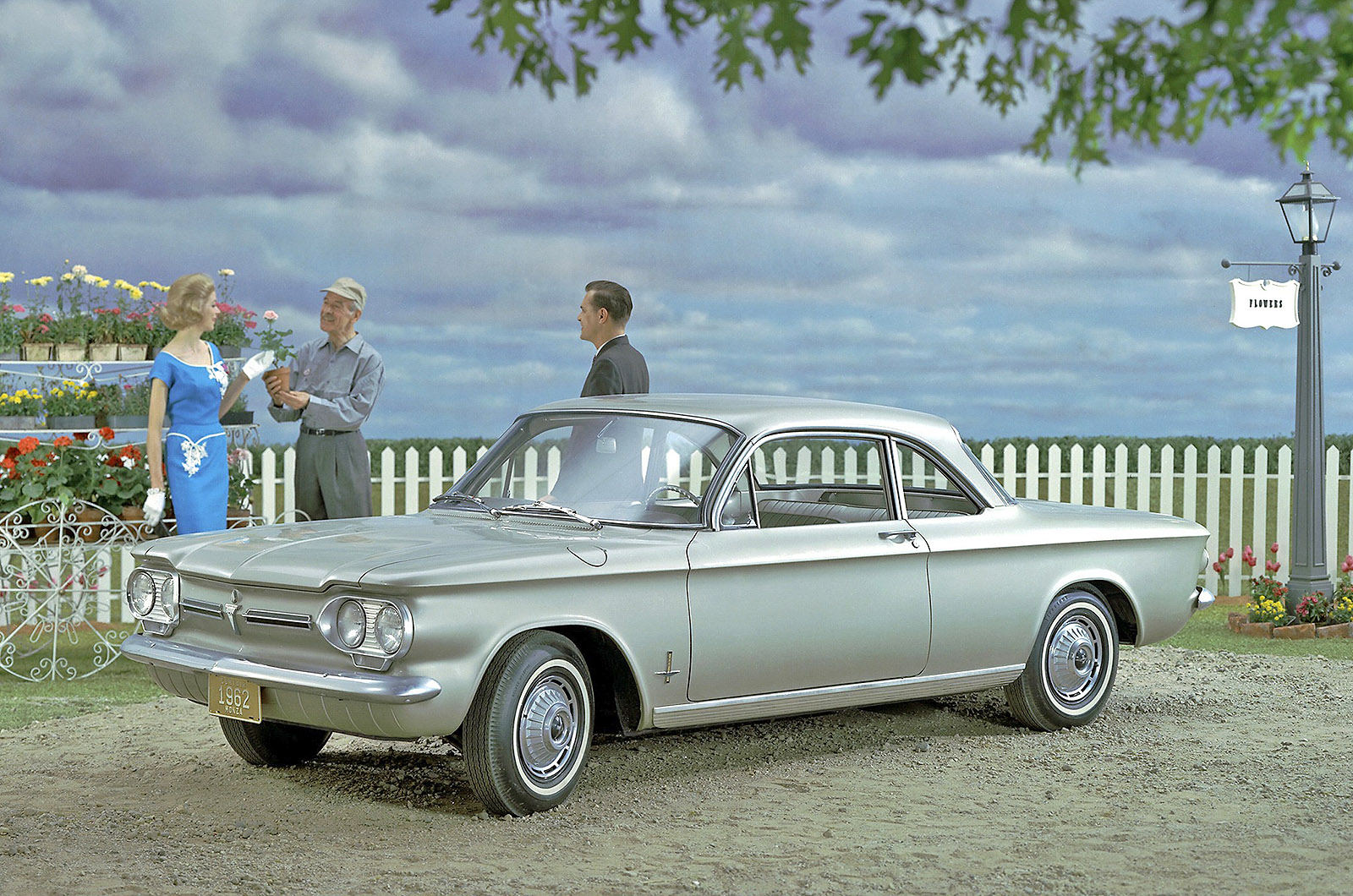
Chevrolet’s answer to European economy cars could have spawned an entire segment but its handling drew the damning criticism of safety advocate Ralph Nader. His book Unsafe at Any Speed cemented the model’s reputation as dangerous. Chevrolet corrected most of the Corvair’s handling faults with a thorough update in 1965 but the damage was already done – though the model did go onto sell around 1.835 million examples.
The firm didn’t dare release another rear-engined car after Corvair production ended in 1969.
ZAZ Zaporozhets (1960)
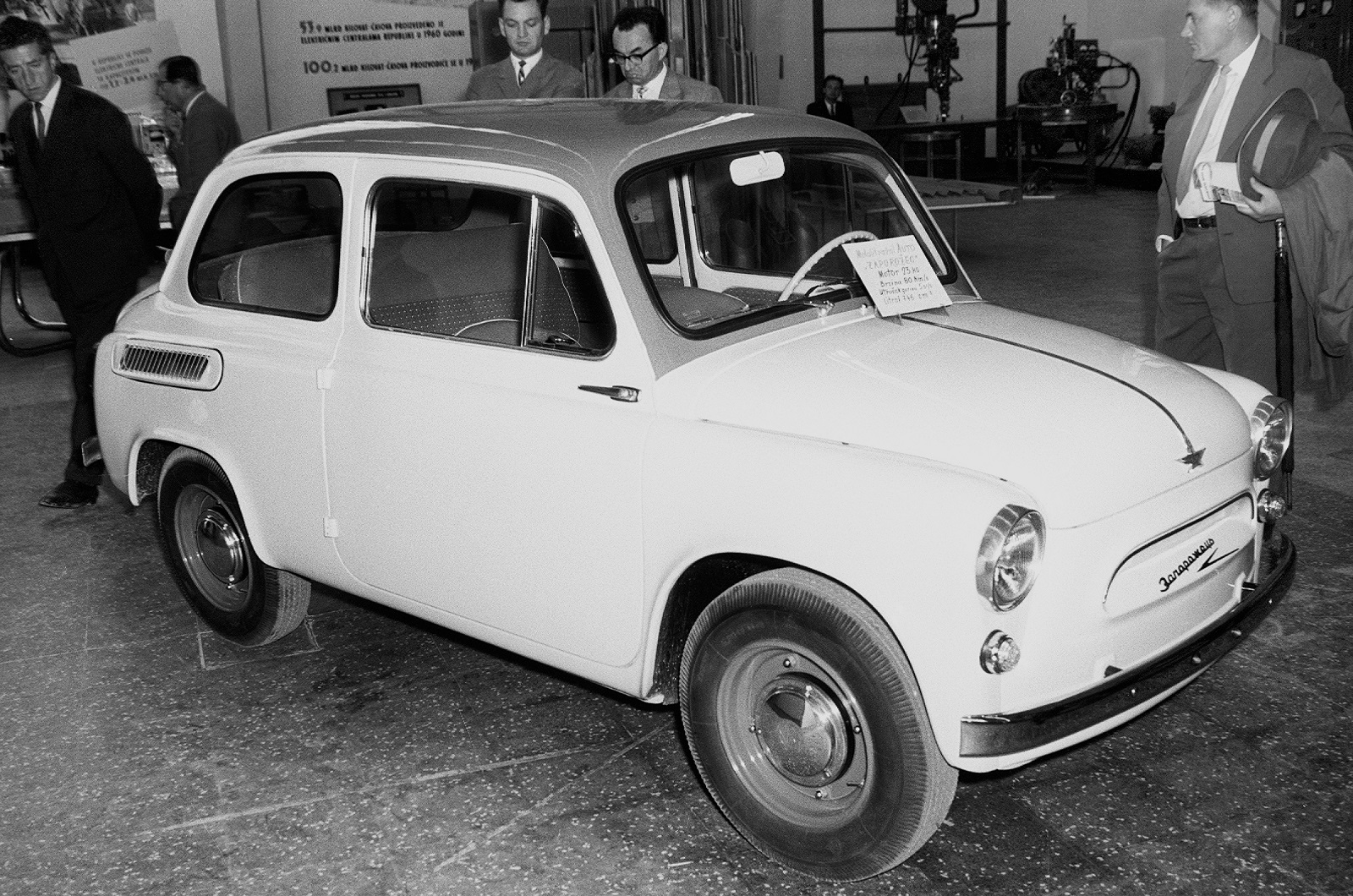
The USSR-built ZAZ-965 launched the long-running Zaporozhets series in 1960. It looked like a Soviet interpretation of the Fiat 600 and the resemblance wasn’t a pure coincidence. The Russian government instructed ZAZ engineers to closely examine the then-new Fiat before starting the design process.
The 965 wasn’t a carbon copy of the 600, however. It featured a torsion bar suspension system inspired by the one fitted to the Volkswagen Beetle and it came with an air-cooled V4 engine.
ZAZ Zaporozhets (1960)
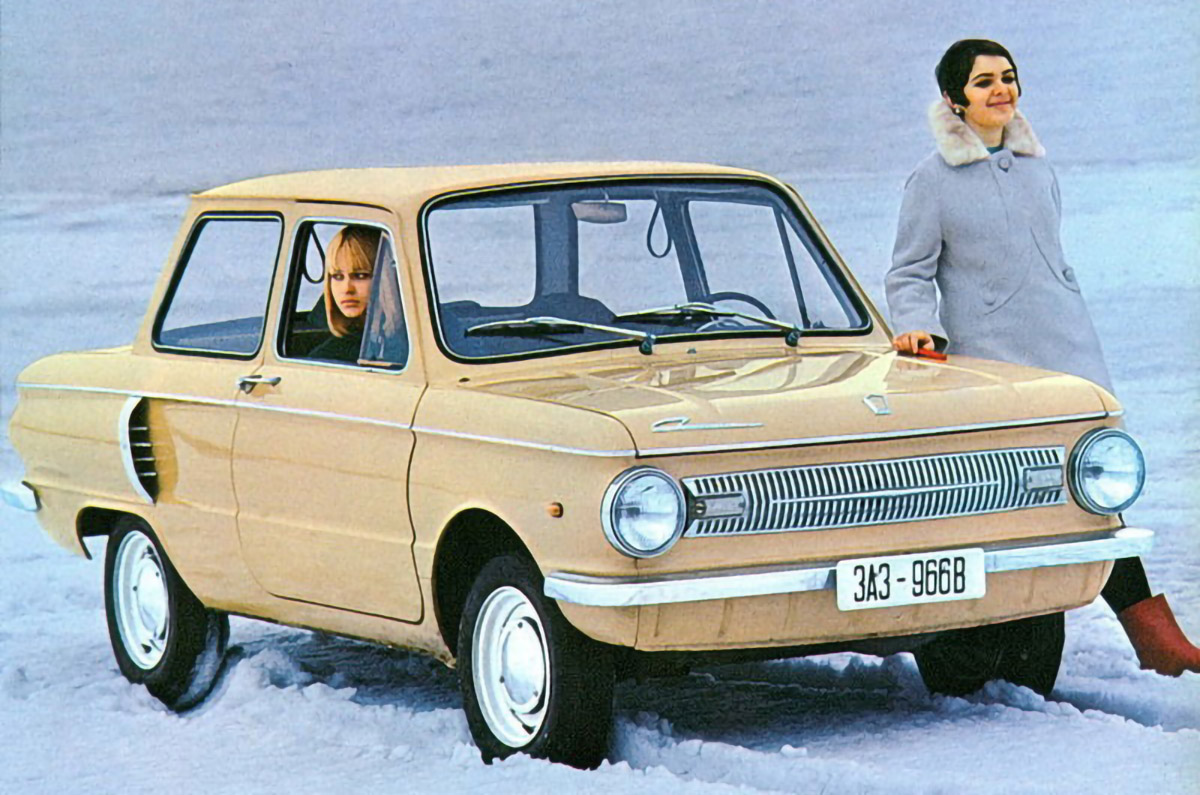
The 965 was replaced by the 966 (pictured) – which openly drew inspiration from the NSU Prinz – in 1966 but it remained available until 1969. The 966 morphed into the 968 in 1971 and remained available in various forms until 1994, always with a rear-mounted, air-cooled V4 engine.
Simca 1000 (1961)
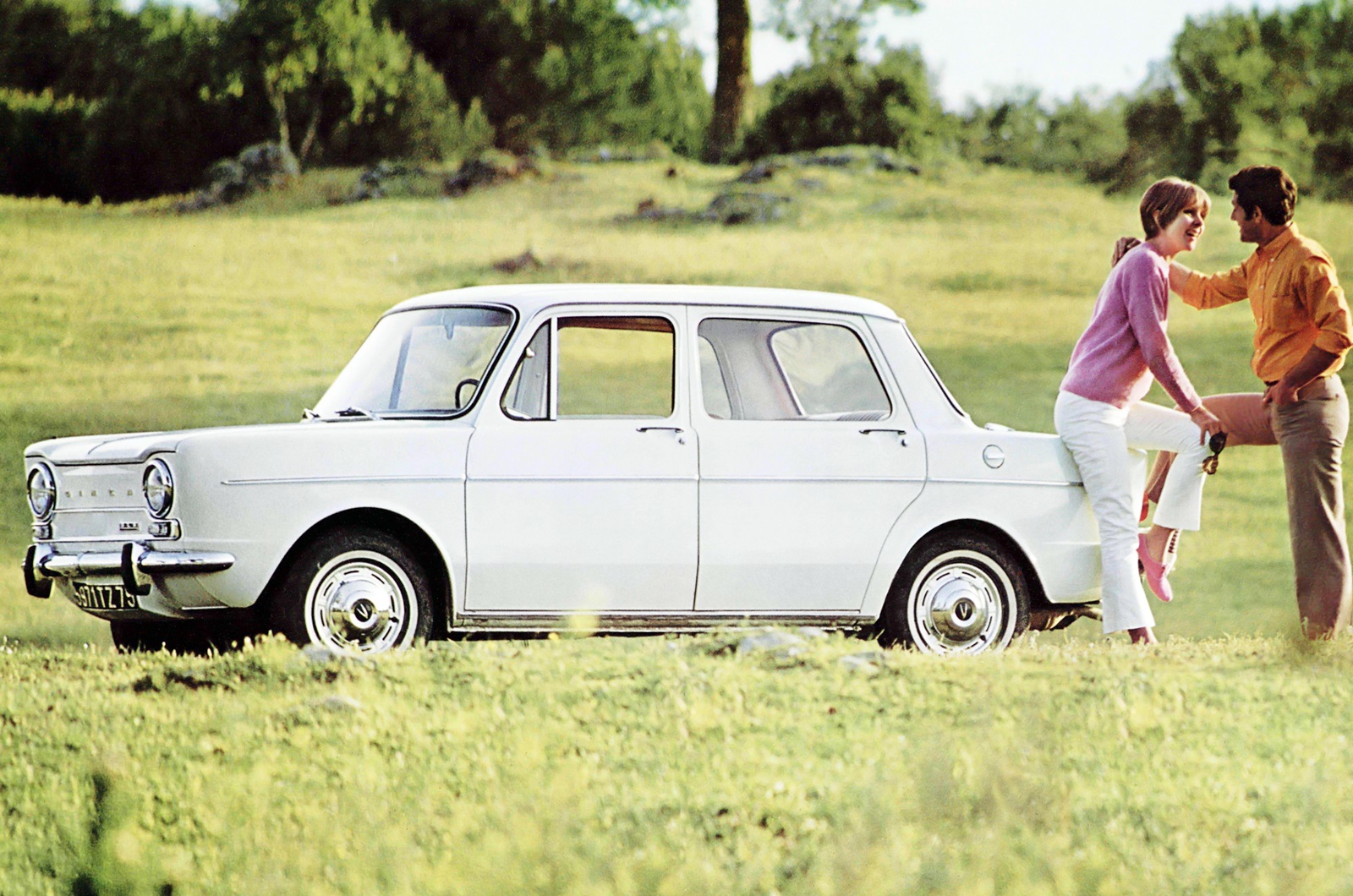
Simca tried every nearly mechanical configuration available. It experimented with rear-engined, rear-wheel drive models when it released the 1000 in 1961. The four-door was designed with input from Fiat – which owned part of Simca – and it anticipated a rising demand for a bigger, more powerful car than the 600 powered by a 1000cc engine.
The team in charge of the 1000 set out to develop a humble family car priced within most people’s reach; they unintentionally created one of the most popular (and successful) race cars of all time.
Simca 1000 (1961)
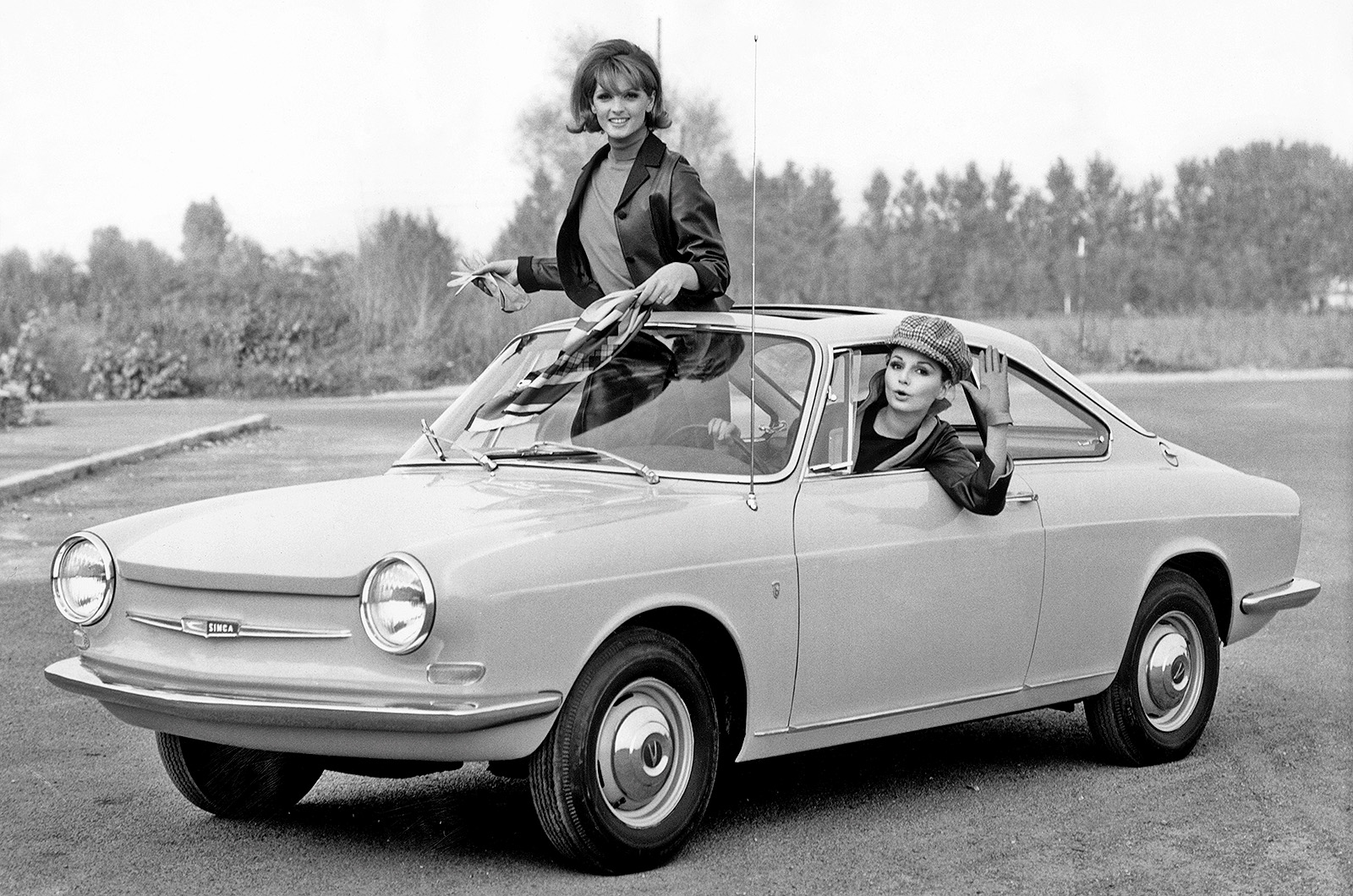
The Rallye-badged variants of the Simca 1000 won competitions all over Europe and they remain popular as historic racers today. Abarth also tuned the model shortly after its introduction and Simca turned its entry-level family car into a pair of low-slung coupes called 1000 Coupe (pictured) and 1200S, respectively.
Simca released the 1100 in 1967 with a transversally-mounted four-cylinder engine that spun the front wheels. It was sold alongside the 1000 until troubled Simca ended production of both models in 1978.
Alpine A110 (1962)
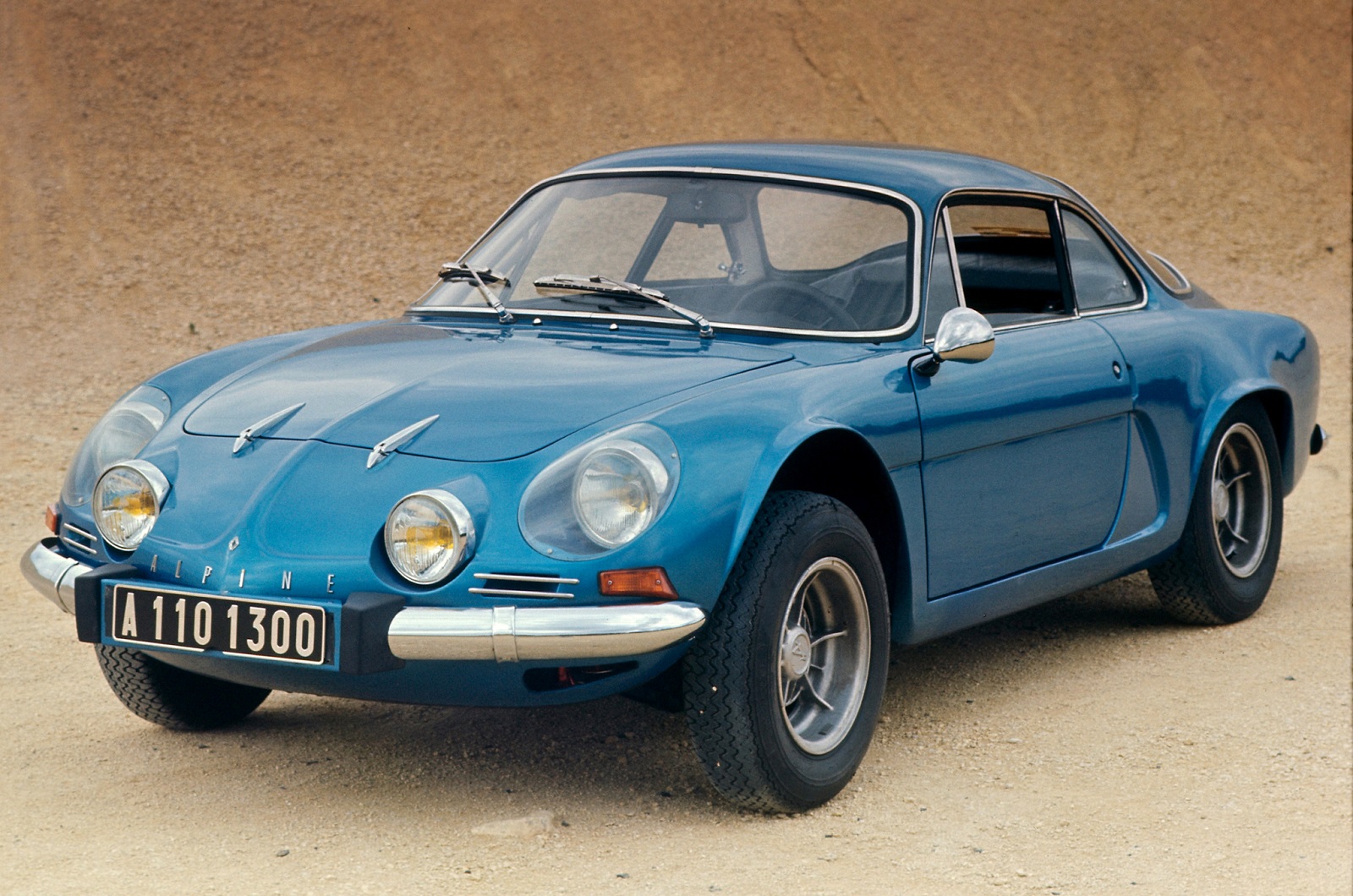
The A106, Alpine’s first model, was rear-engined because it shared many mechanical components with the Renault 4CV. The company stuck to this configuration when it designed the A108 and it found no reason to move the engine when it began working on the A110.
Compact, light and reasonably powerful, the A110 became one of the most successful rear-engined race cars ever to line up on a starting grid. The A110 used Renault-sourced engines throughout its entire career.
Alpine A110 (1962)
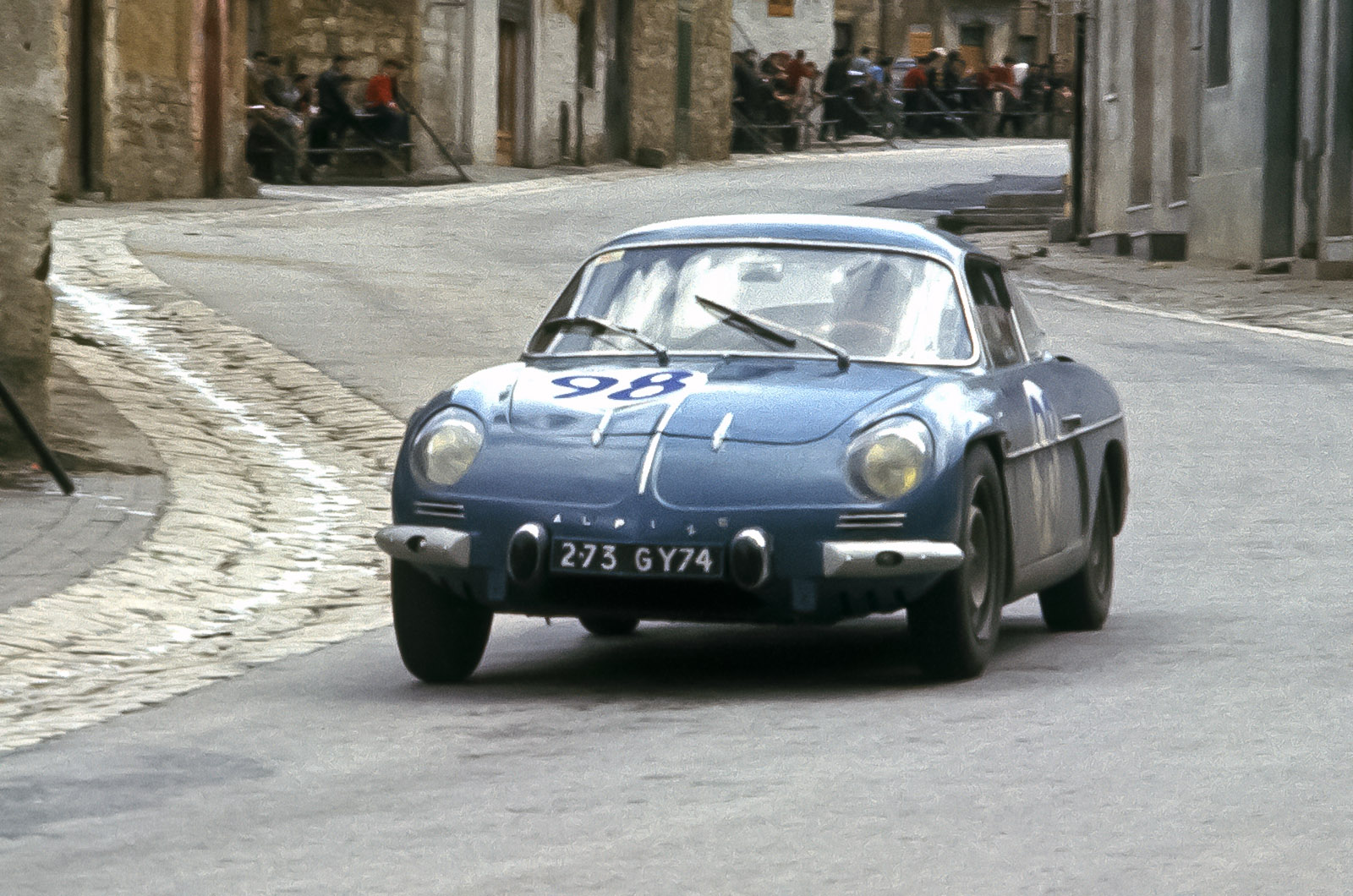
Early models came with 55hp, 956cc four-cylinder borrowed from the then-new 8 while later examples received a fuel-injected, 1605cc four-cylinder borrowed from the 17 TS and tuned to deliver 140bhp.
Alpine, like Porsche, kept the rear-mounted engine for as long as possible. The A310 and the A610 were both rear-engined. The born-again A110 released in 2017 switched to a mid-engined layout, however.
Renault 8 (1962)
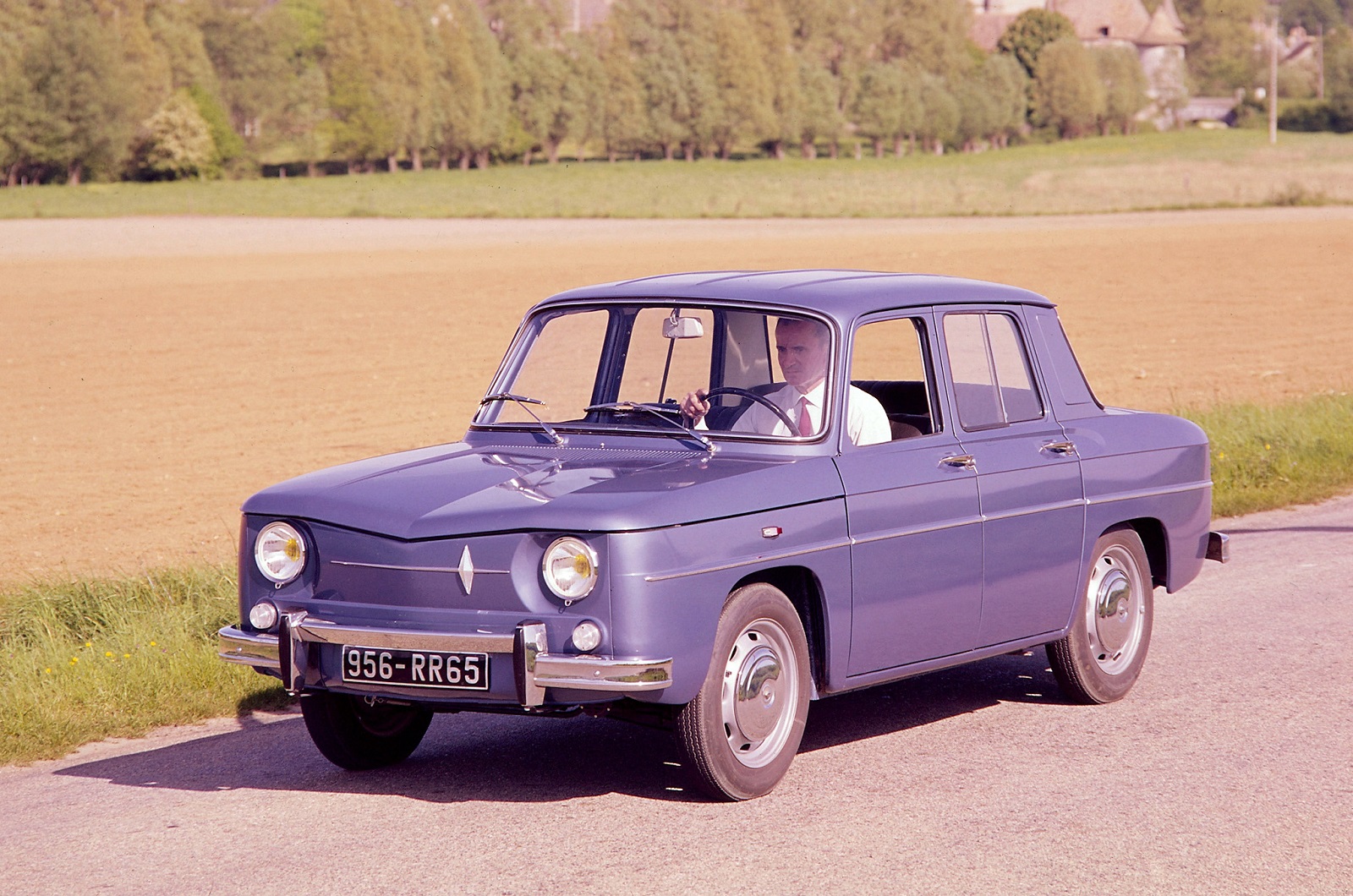
Many understandably assumed Renault would stop making rear-engined cars when it released the front-wheel drive 4 in 1961. The company wasn’t quite done, however. The Dauphine was beginning to show its age and Renault sought to replace it with a new model named Renault 8.
Its boxy design broke away from the Dauphine’s soft, rounded lines but the two cars were similar under the sheet metal.
Renault 8 (1962)
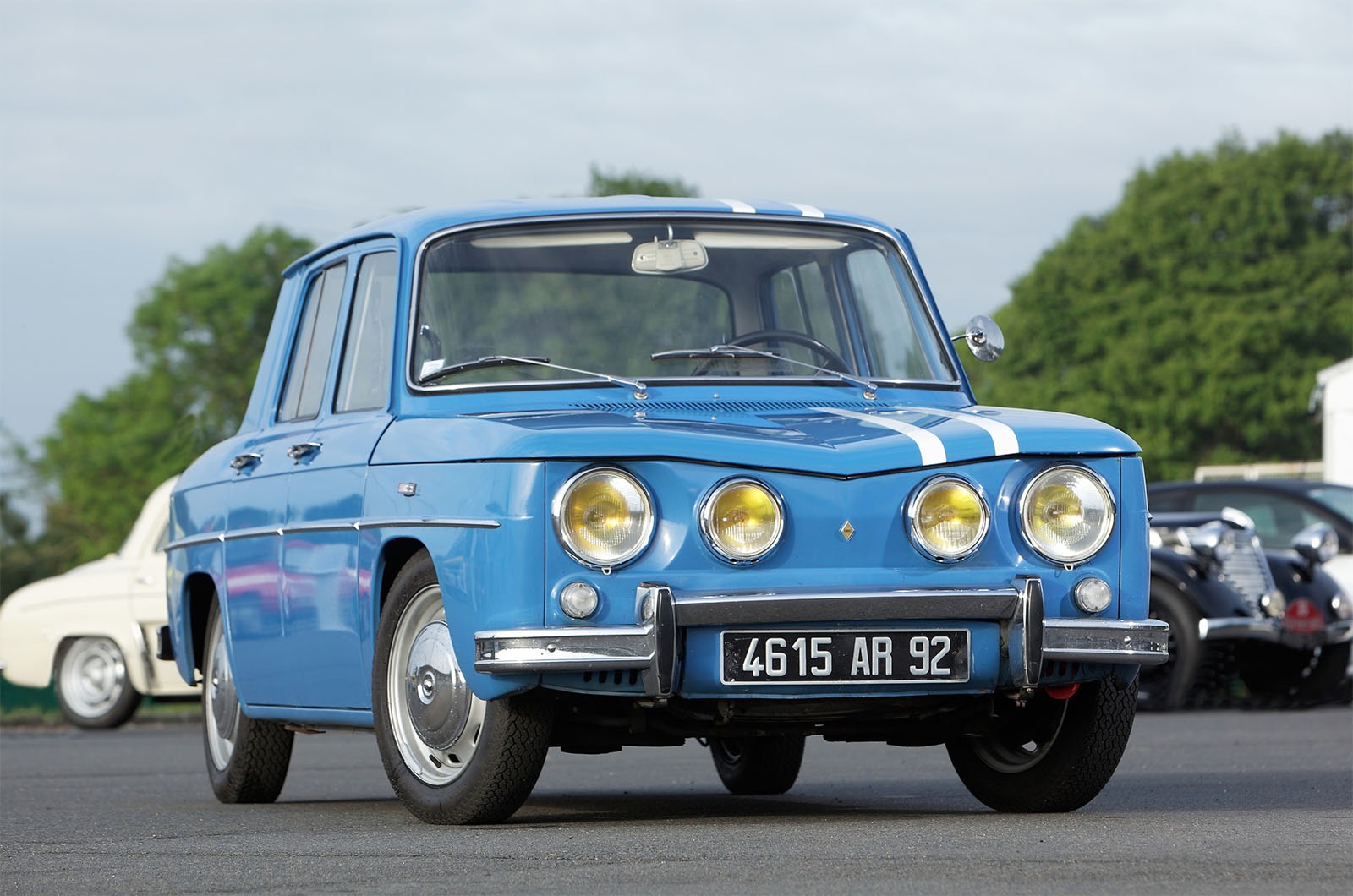
Renault kept the water-cooled, rear-mounted engine instead of making the 8 front-engined and front-wheel drive like the Renault 4. It probably worried about alienating a customer base who had driven rear-engined cars since the 1940s.
Renault filled the gap between the Renault 8 and the Renault 16 by releasing another rear-engined model named Renault 10. It was an evolution of the 8 with a longer front end that wore a model-specific design and a nicer interior.
The best-remembered variant of the 8 is the Gordini (pictured), which arrived in 1964 with a 90hp, 1108cc engine. It gained a 100hp, 1255cc four-cylinder (and two additional lights up front) in 1967. French production of the 8 stopped in 1973, six years after Renault made the last Dauphine, but the model survived until 1976 in Spain.
Hillman Imp (1963)
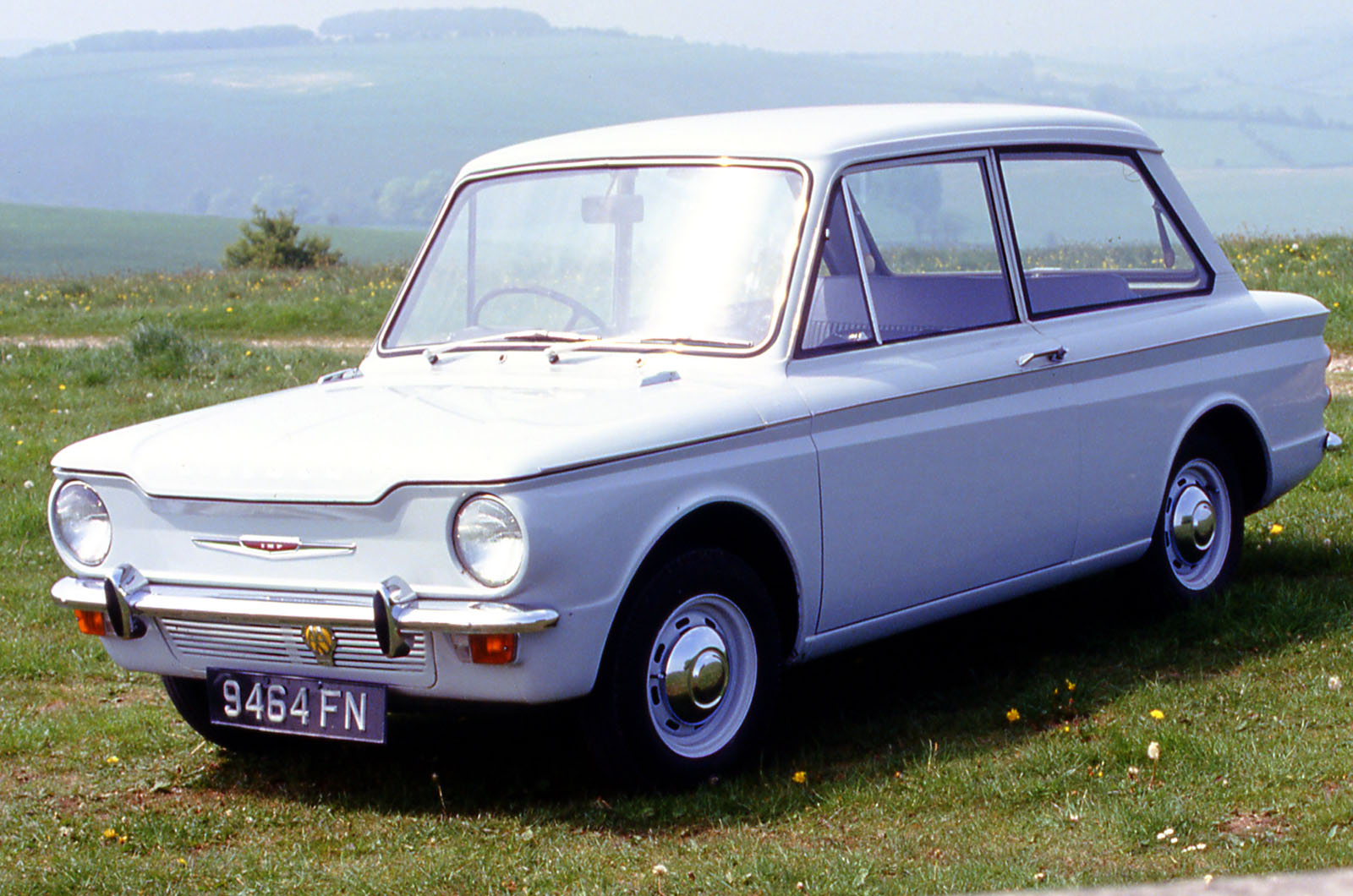
Hillman released the rear-engined Imp in 1963. Designed to tackle the Mini head-on, the Imp had a clever feature none of its competitors could boast about.
Its rear window opened upwards to let motorists place luggage on the back seat. Those who needed more space could fold the rear seatback flat, another unusual feature in the 1960s.
Hillman Imp (1963)
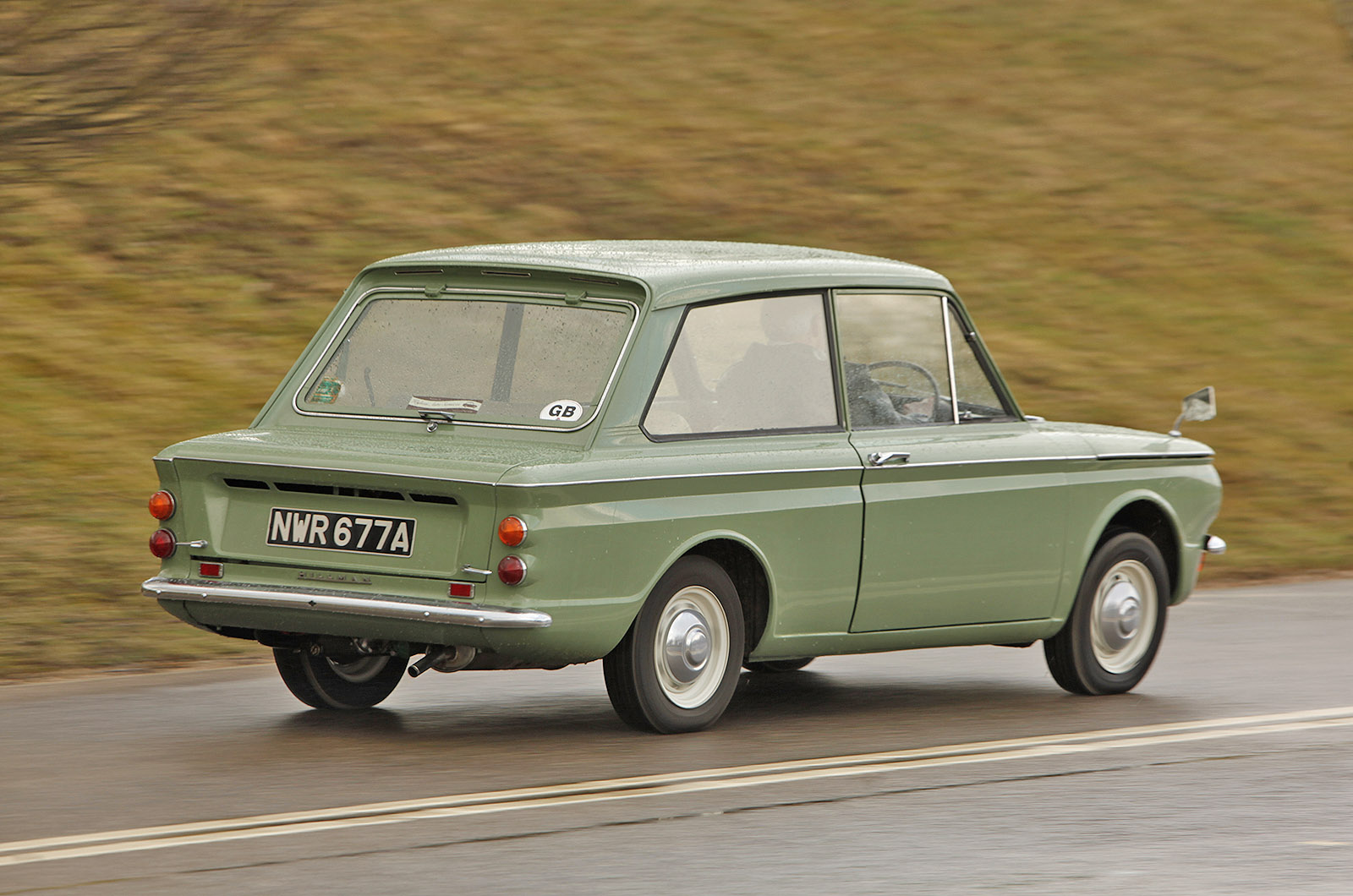
Hillman went to great lengths to make the Imp easier to live with on a daily basis than the Mini but reliability problems - notably with the cooling system - gave it a bad reputation it couldn’t recover from.
Strikes at the Linwood factory in Scotland that built it compounded its problems. The Imp’s less-than-illustrious career contributed greatly to the financial problems of Hillman parent company Rootes, leading Rootes into the arms of Chrysler in 1967.
Porsche 911 (1963)
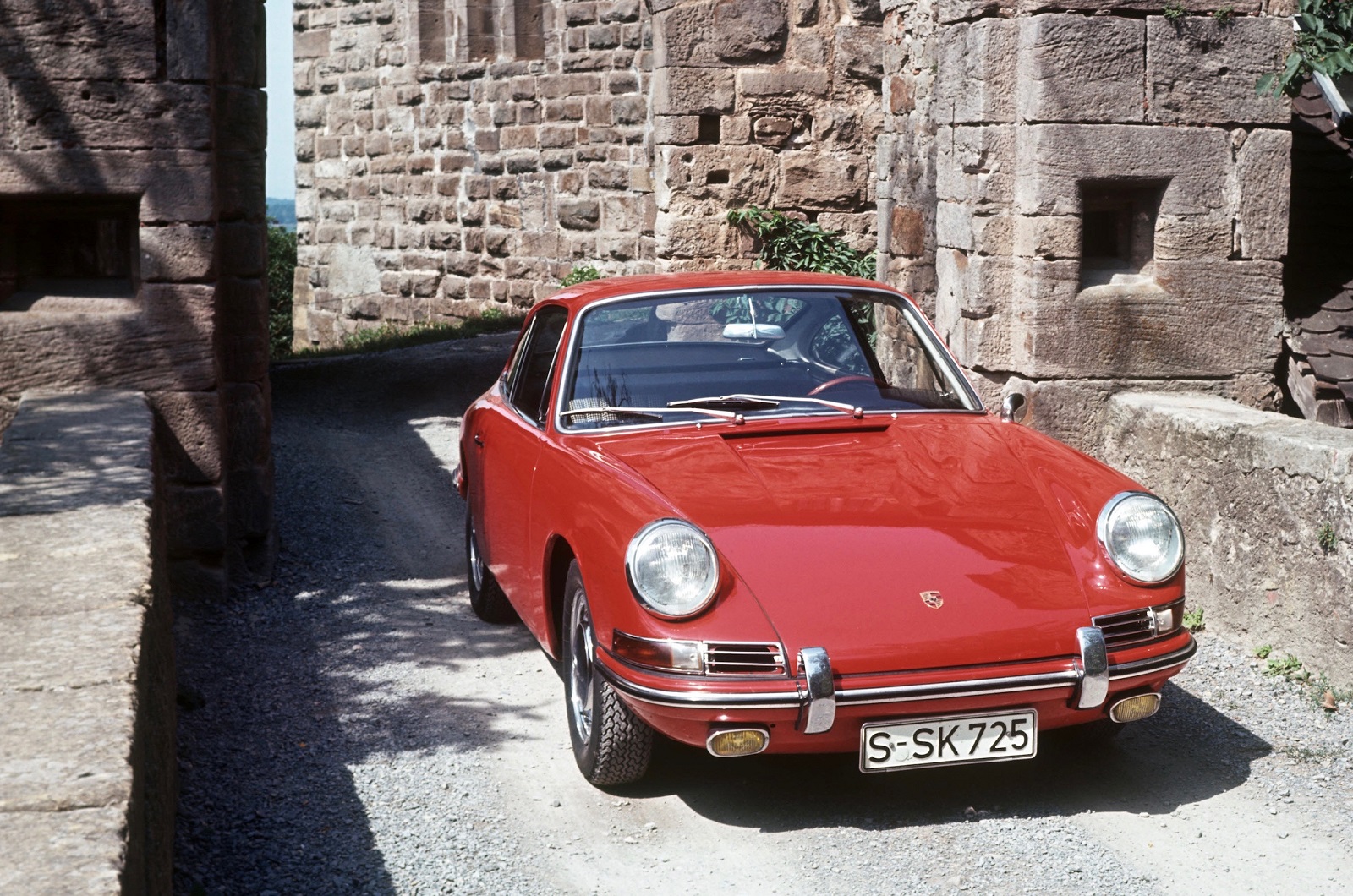
Porsche replaced the 356 with the 901 in 1963. It was a brand-new model from the ground up; it wore a sleeker design and it received a flat-six engine. Peugeot swiftly reminded Porsche that it owned every three-digit nameplate with a zero in the middle so the 901 became the 911 shortly after its introduction.
The rest, as they say, is history. The 911 is one of the most famous rear-engined cars ever made.
Porsche 911 (1963)
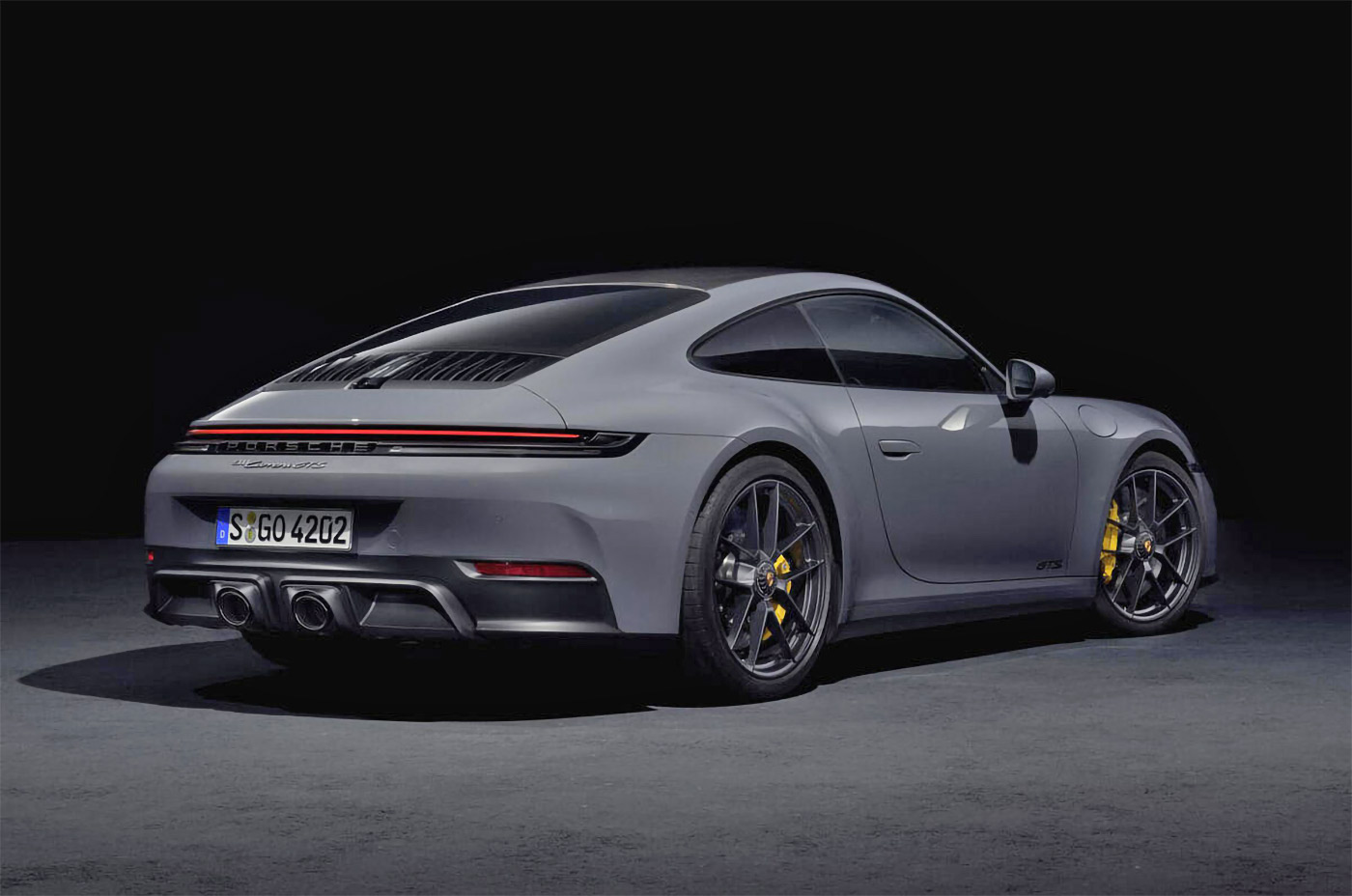
The 911 has gone through many, many evolutions in its long history. It has got bigger, heavier, more advanced and much more powerful. It shifted from air-cooling to water-cooling and even launched a hybrid version in 2024 (pictured). It has always remained rear-engined and this configuration continues to shape its emblematic design.
Fiat 850 (1964)
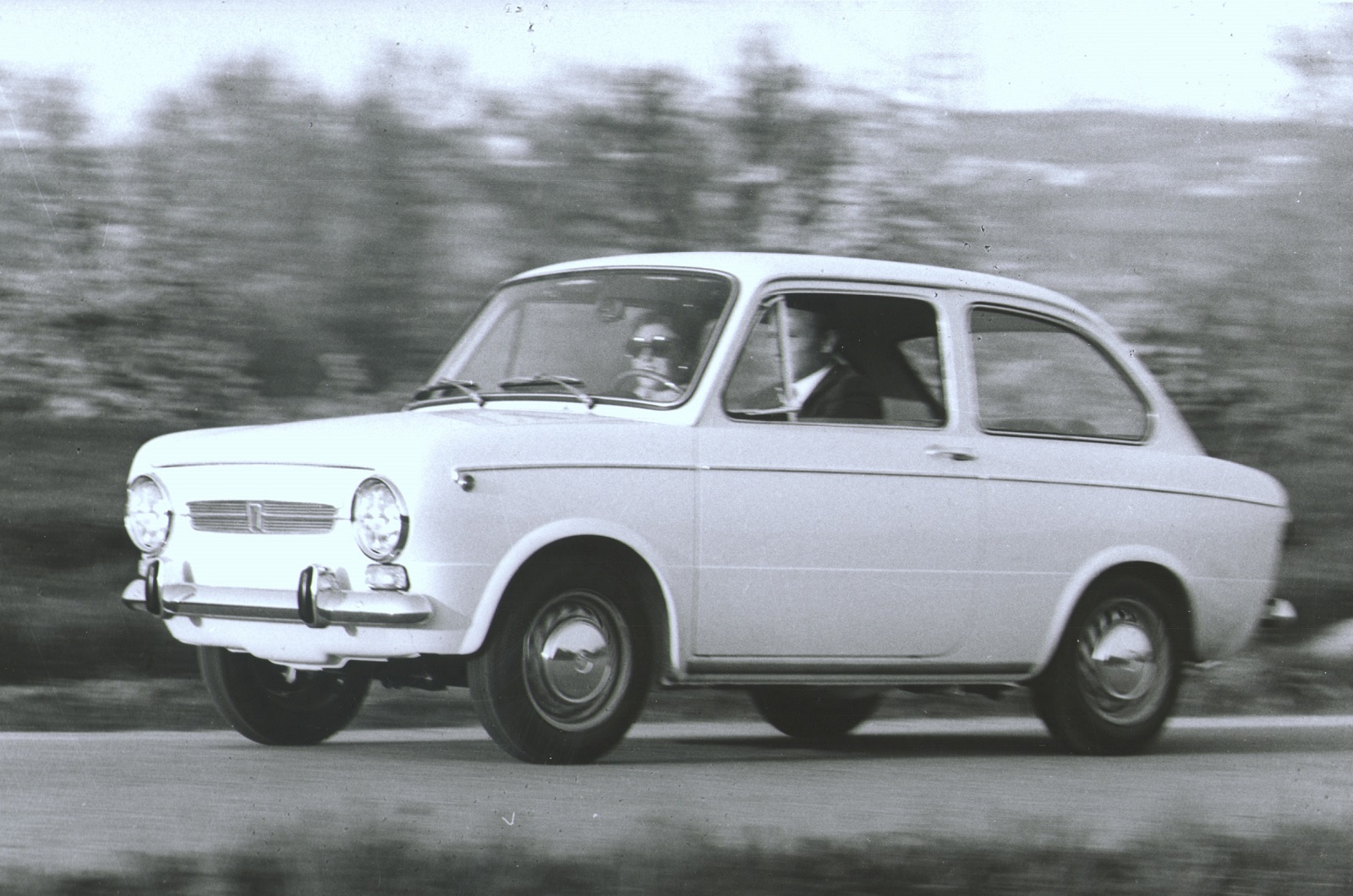
Developed to take the torch from the 600, the Fiat 850 was a new design built around the same rear-engined layout as its predecessor. Released in 1964, the 850 should have arrived with a sloping silhouette like the 600’s but internal testing revealed prototypes weren’t aerodynamically efficient.
They had nearly the same 68mph top speed as the 600 even though horsepower output had jumped from 29 to 40. Fiat rushed a three-box design to production to avoid delaying the car, according to Dante Giacosa, and the 850 went on sale right on schedule with a 75mph top speed.
Fiat 850 (1964)
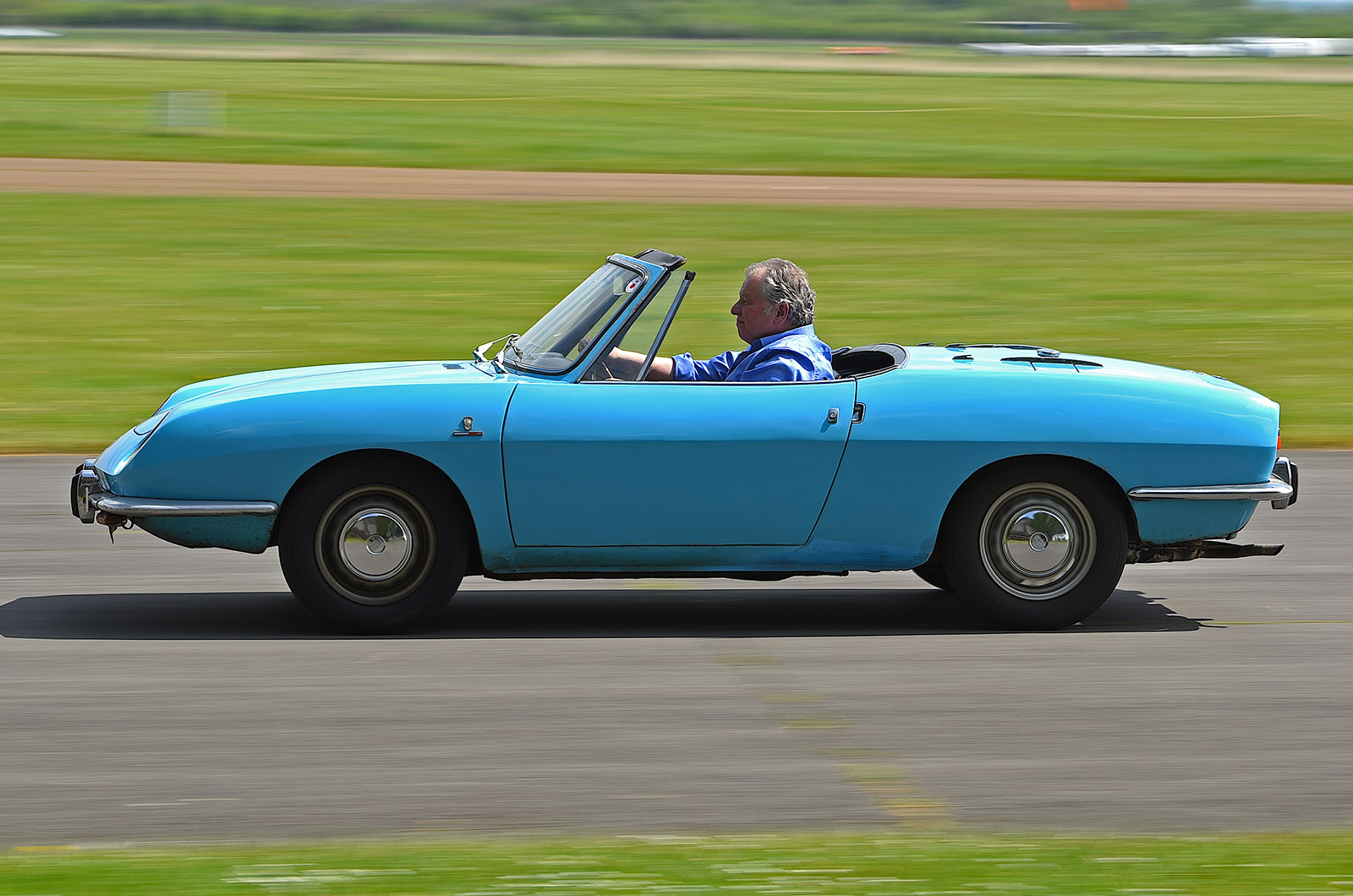
SEAT again built the 850 under license and it again released a variant with an extra set of doors. Back in Turin, Fiat had watched coachbuilders steal the spotlight with sporty variants of the 600 and it was determined not to make the same mistake twice.
It released coupe and convertible (pictured) variants of the model in 1965 and fitted both with a more powerful version of the 843cc engine. Coupe and Spider models received a 903cc four-cylinder engine in 1968. In the United States, Fiat moved in the opposite direction.
For years, it sold the 850 with an 817cc four to skirt emissions regulations. Production ended in 1973 and Fiat replaced the 850 with the front-engined, front-wheel drive 127.
Škoda 1000 MB (1964)
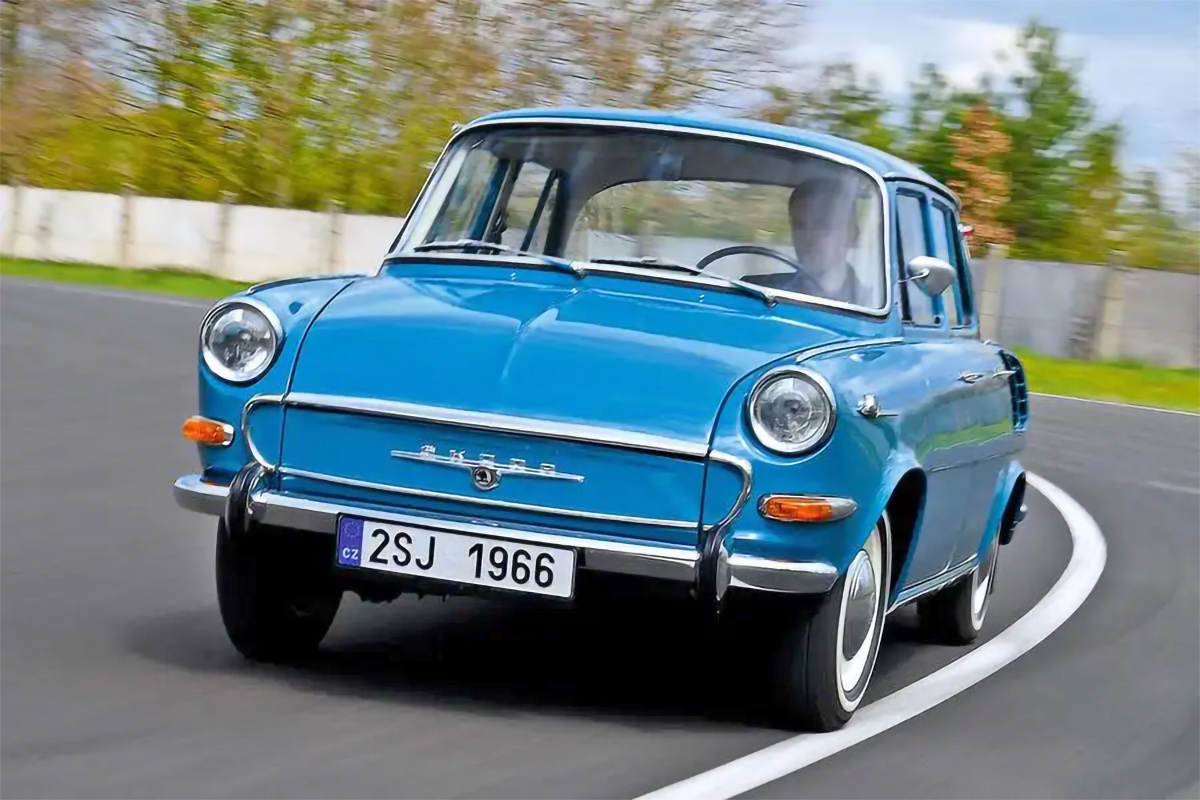
Škoda didn’t ask its research and development department to make the 1000 MB rear-engined. The car simply had to be lighter, more efficient and more compact than the firm’s other models. In the late 1950s, that meant ditching body-on-frame construction.
With that matter settled, engineers considered three options: front-engined and front-wheel drive, front-engined and rear-wheel drive as well as rear-engined and rear-wheel drive. They chose the latter because it made the car simpler to build – and consequently cheaper to sell.
Škoda 1000 MB (1964)
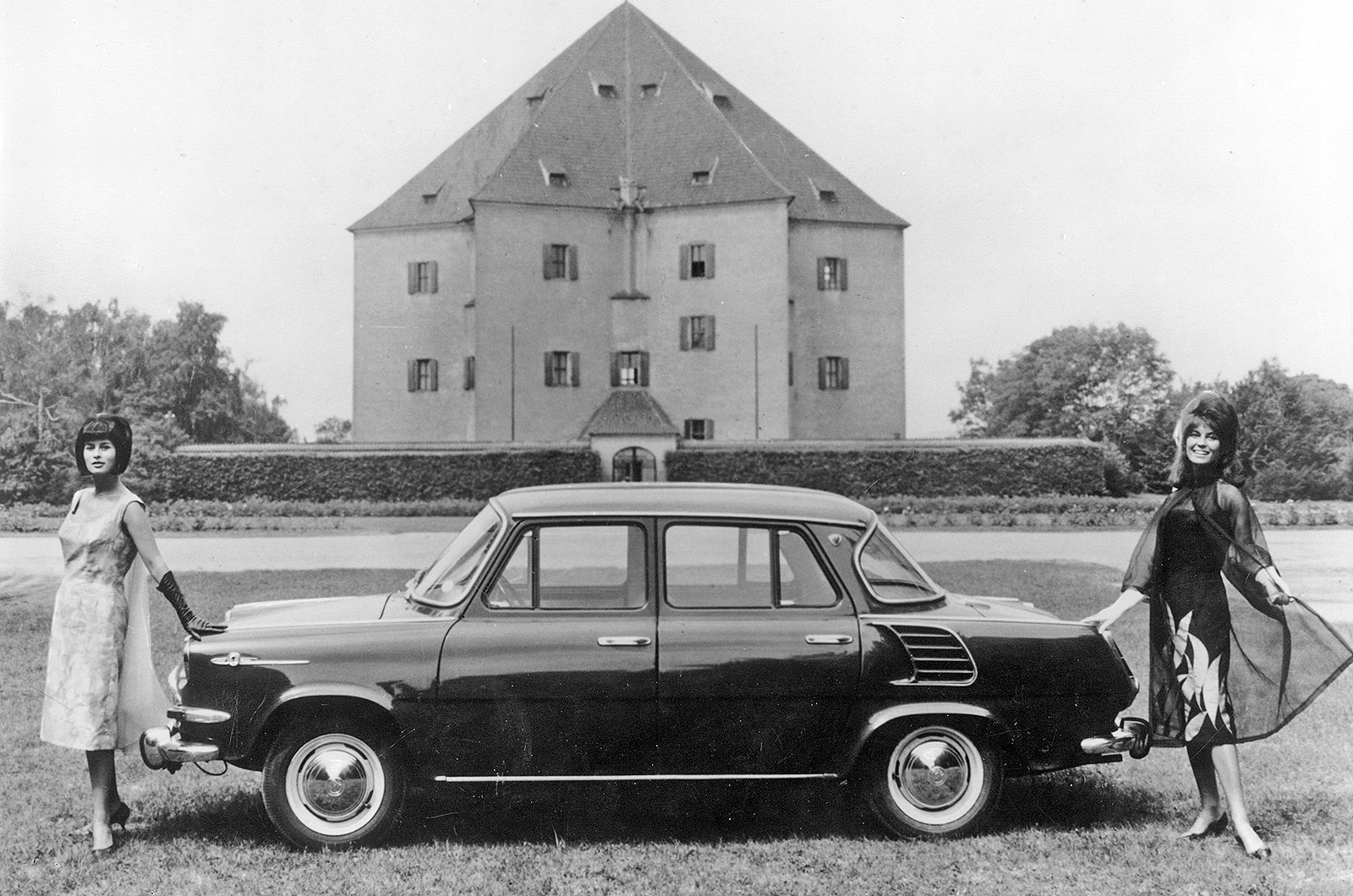
The 1000 MB was the first in a decades-long series of rear-engined Škoda models that ended when the last 120 rolled off the assembly line in 1990. The model family included four-door passenger cars, two-door coupes with a fastback-like roof line and a rally-winning, hot-rodded model named 130 RS.
Fiat 126 (1972)
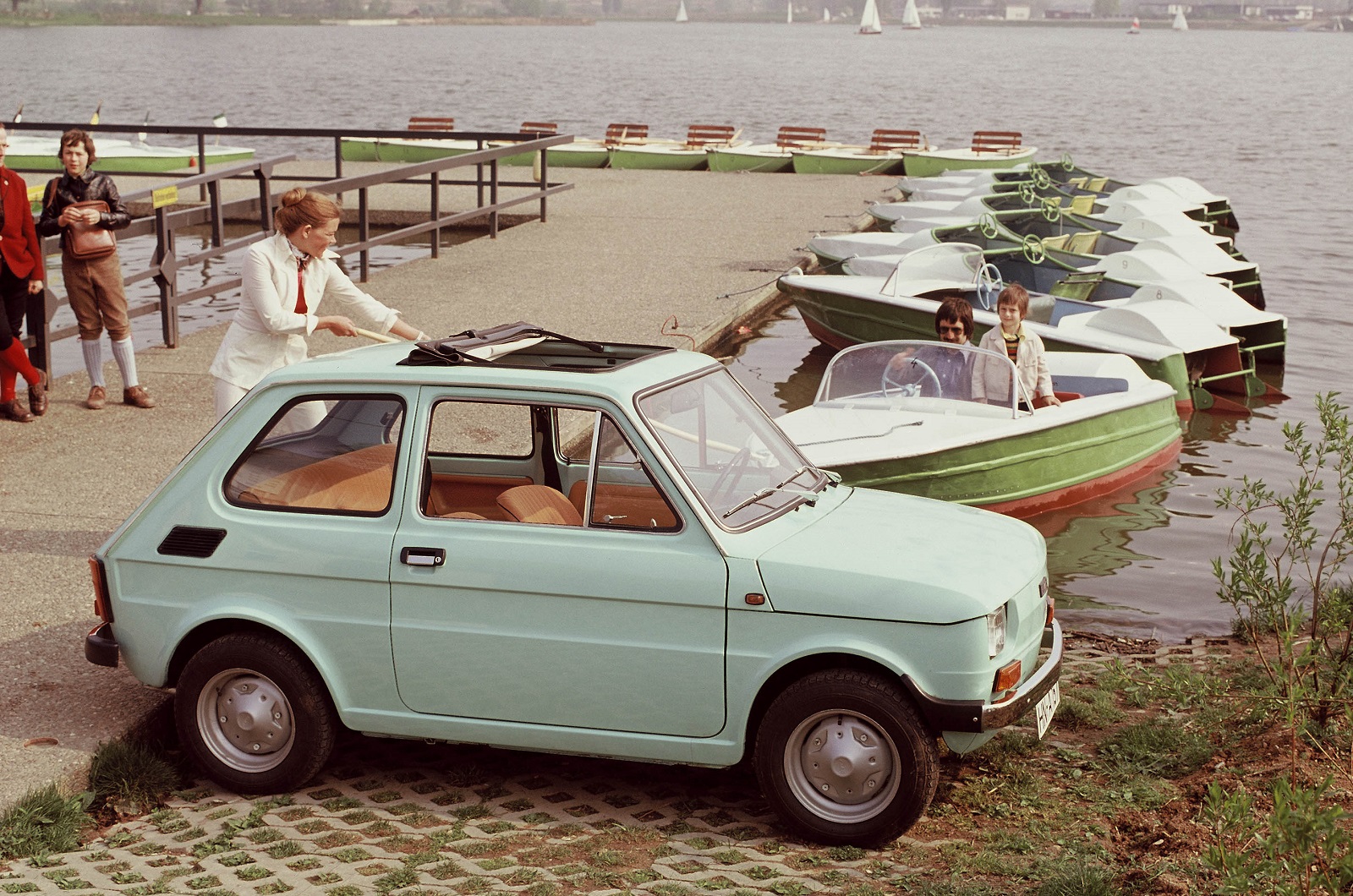
The popularity of rear-engined cars had already started to decline when Fiat released the 126 in 1972. Developed to finally replace the 500, it stood out with a boxier design that brought it in line with the prevalent styling trends of the 1970s.
The sheet metal hid a packaging solution largely borrowed from the 500, however. Power came from an air-cooled, two-cylinder engine mounted behind the passenger compartment.
Fiat 126 (1972)
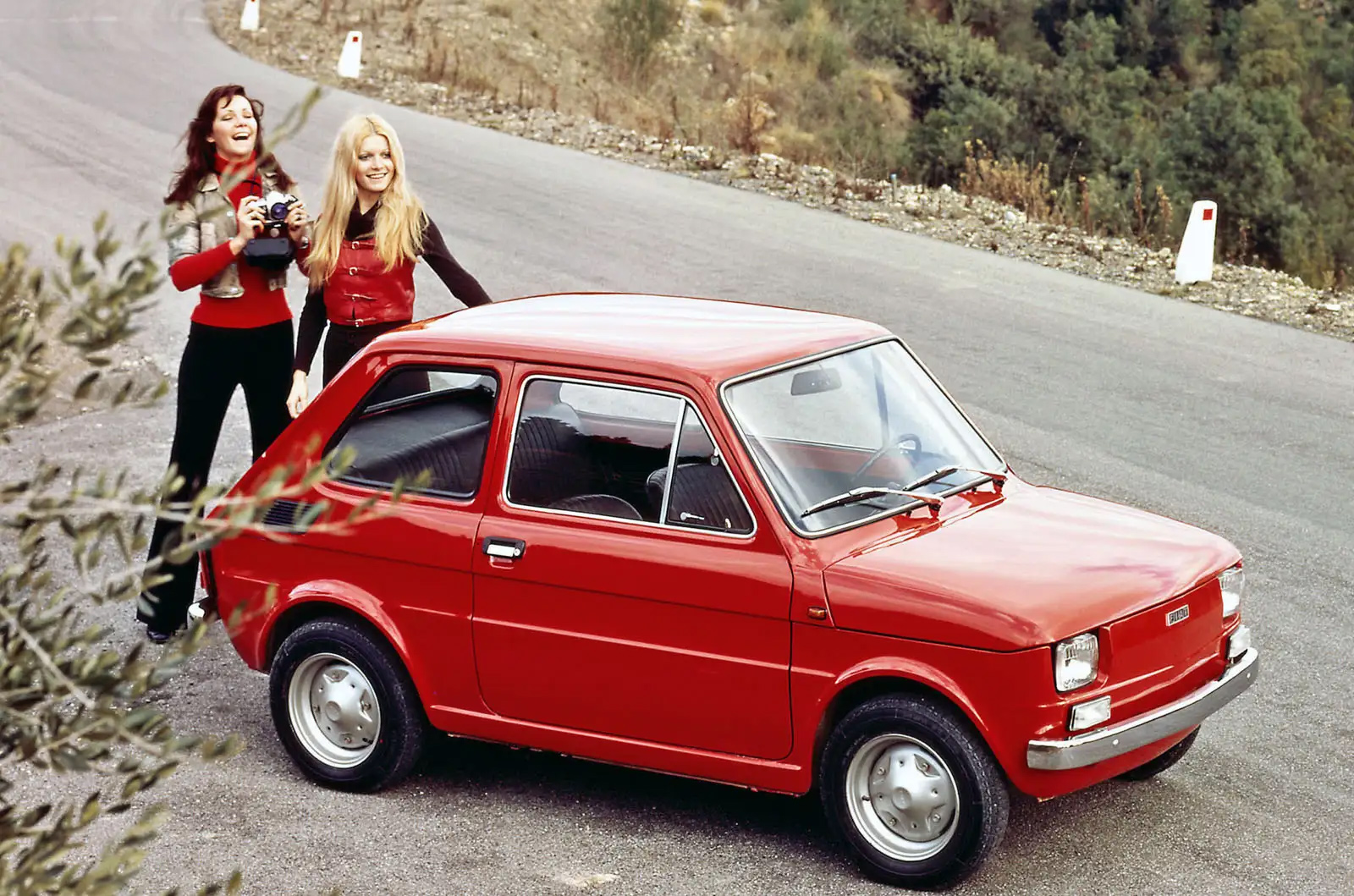
In early cars, the 594cc twin sent 23hp to the rear wheels through a four-speed manual transmission. The 126 survived for even longer than the 500. In 1987, its 15th year on the market, it received a water-cooled, 704cc two-cylinder and a rear hatch for added practicality.
Fiat stopped selling the 126 in many western European countries in 1993 but the model remained hugely popular in Poland. Polish production began in 1973 and didn’t stop until 2000. All told, 4.6 million examples of the 126 were manufactured, against 3.8 million 500s.
The end
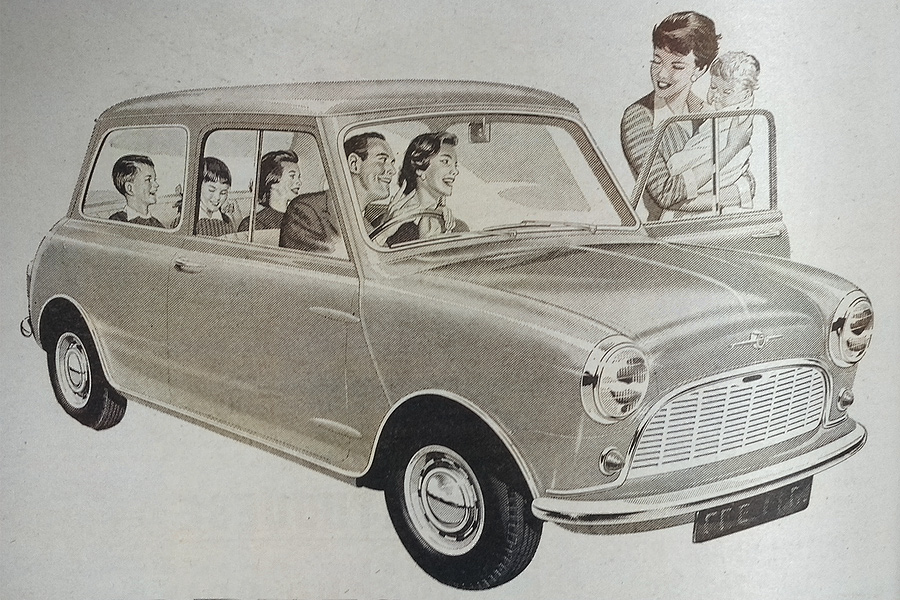
The original Mini (pictured) of 1959 defiantly proved it was possible to combine front-wheel drive and front-engine in a small, economy-oriented car which still was reasonably spacious given its size. It led many car-makers to seriously search for alternatives to the rear-mounted engine during the 1960s.
Those companies which had never released a rear-engined model, like Citroën, Ford and Saab, sat back and watched. Renault cut its teeth with the 1959 Estafette and truly started its shift when it released the Renault 3 and the Renault 4 in 1961.
Fiat started looking into front-wheel drive in 1947 and finally brought the layout to production in the 1964 Autobianchi Primula. Simca introduced the 1100 in 1967, and Fiat unveiled the 128 two years later. 1969 is also when Chevrolet stopped building the Corvair, and never made another rear-engined car.
The end
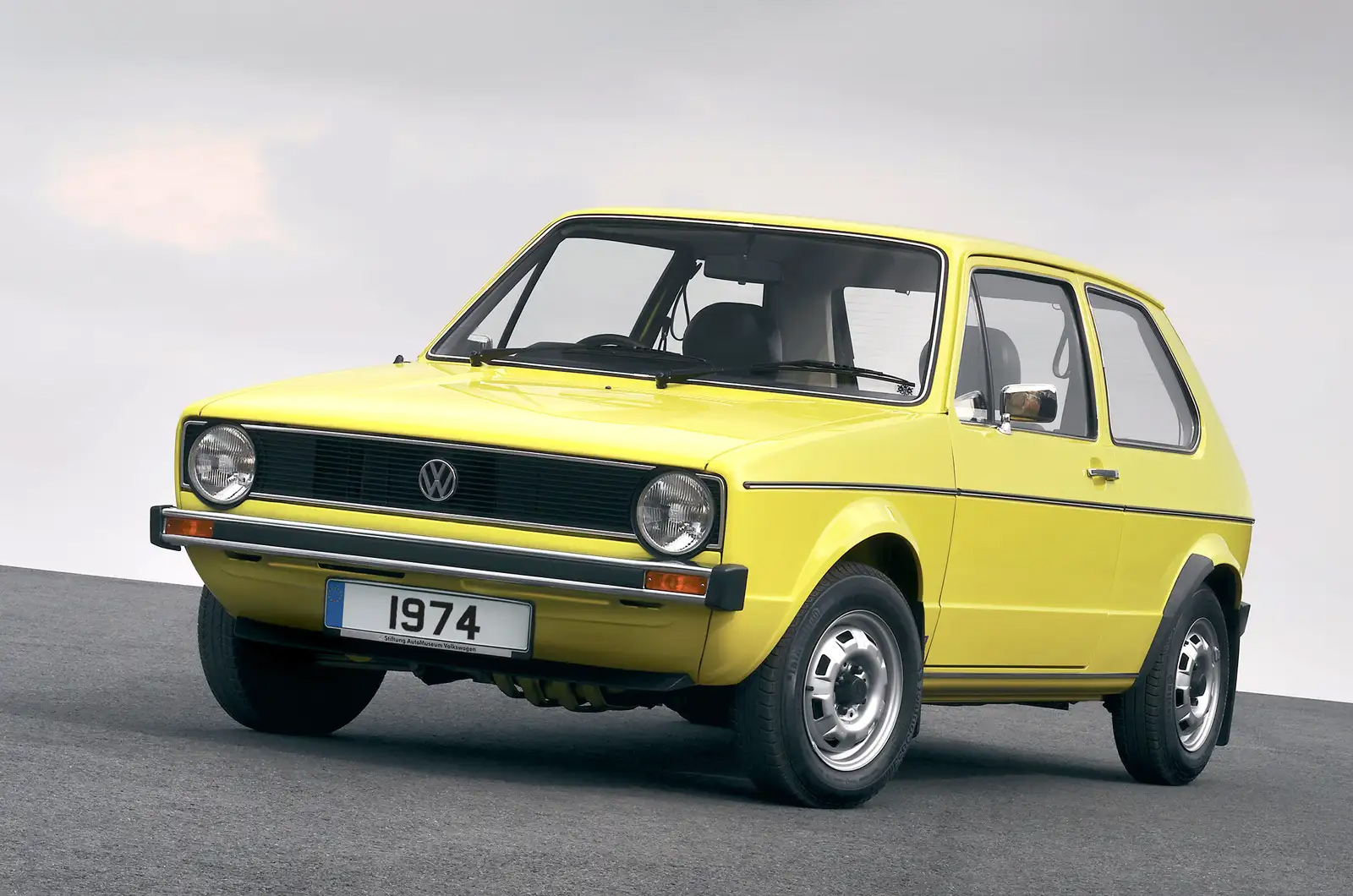
Even Volkswagen, a company many believed would never change, warmed up to the idea of making front-engined cars. Its first was the K70, which unexpectedly joined the Volkswagen line-up from NSU in 1970.
The Passat introduced in 1973 and the Golf (pictured) launched in 1974 both used a similar layout. The glory days of the rear-engined car were firmly at an end.
If you enjoyed this story, please click the Follow button above to see more like it from Autocar
Photo Licence: https://creativecommons.org/licenses/by/4.0/deed.en

Factory Automation Redefined as Renault’s Calvin Robot Tackles Human-Limiting Labor and Signals a Shift...
 Renault is trialling an autonomous robot on the production line at its Douai factory. We meet it
Imagine for a moment - and stick with me here - picking up a baby seal. Not the BYD saloon but the aquatic mammal. At 40kg, he's a big feller, isn't he?
Now imagine your job is to collect a juvenile example of the pinniped from a box and sling it onto a conveyor belt. You'll be shovelling the adorably chubby things onto the line for hours at a time, with little rest, and you might well be doing it through the night. Being so rotund and pliable, it's tricky to get a good grip on a baby seal. And the weight - my goodness, the weight - makes this exhausting work. Almost inhuman.
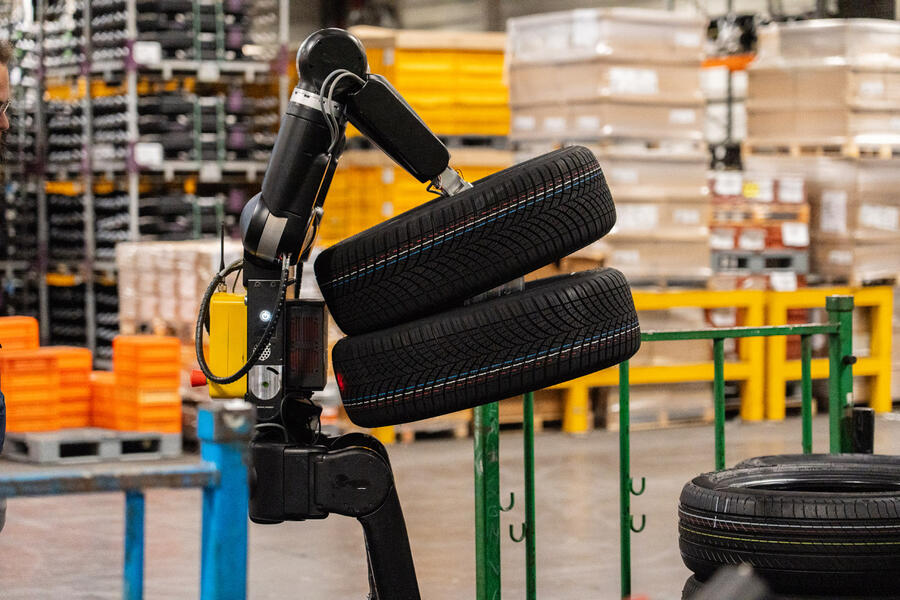
This is, of course, hypothetical. But it's not far from the truth for a group of workers at Renault's Douai factory, where the 5, Scenic, Megane, Alpine A290, Nissan Micra and Mitsubishi Eclipse Cross are churned out in rapid succession. Its newest employee, Calvin, toils away transferring tyres from a carrier to the production line. From there, they are mated with wheels and bolted to cars.
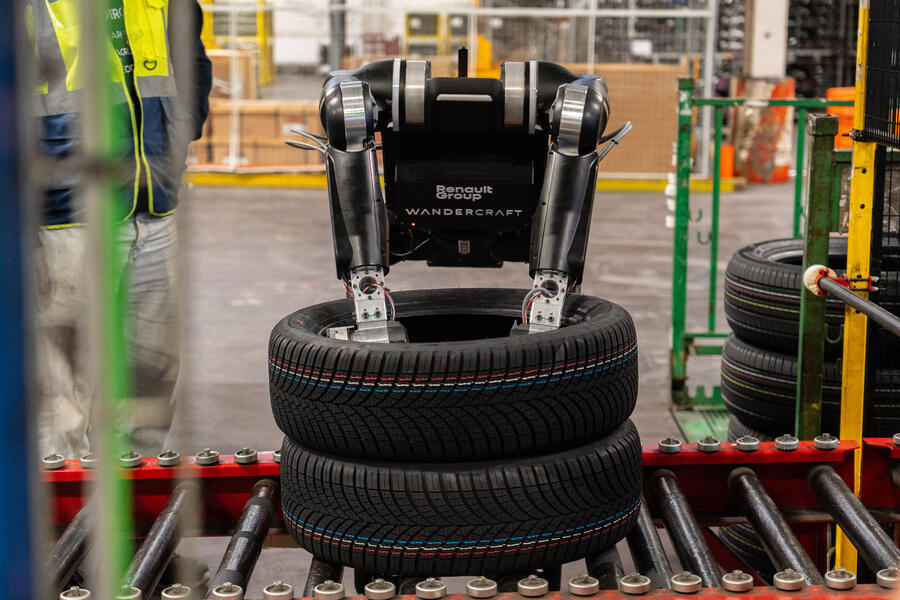
A pair of tyres weighing about as much as a baby seal, you see, and being round, they are bloody difficult to pick up in multiples. To do it four times a minute for eight hours - or to lift nearly 4000 tyres per shift - is surely among the world's toughest workplace workouts; to make a career of it is all but impossible.
Renault, being well aware of the toll inflicted by such torrid work, looked for ways of reducing the strain. The simple answer would be to remove the human element entirely. But traditional factory machinery would have been too tricky to integrate into such a small corner of the tightly packed plant - and possibly not as effective as actual humans.
The next best thing, then, is a robot. But rather than buying from Tesla or any manner of Chinese firms, Renault went to an unlikely source. A year ago, it signed a deal with Wandercraft, a start-up manufacturing powered exoskeletons for the paraplegic. A little like a toned-down version of that worn by Sigourney Weaver in Aliens, they are intended to give independence back to those who would otherwise rely on a wheelchair or carers. Yet being designed for people, they also make a canny facsimile of one.
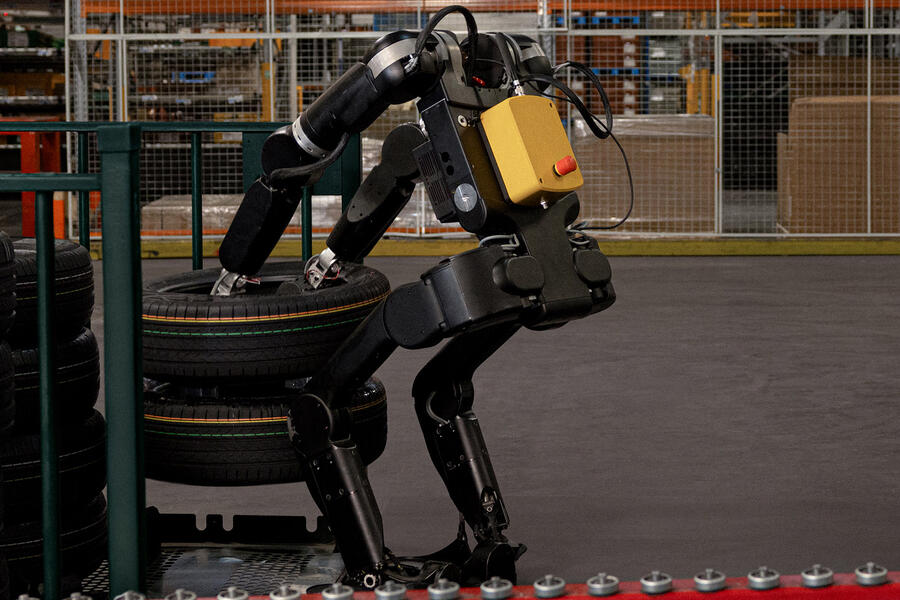
Having tested four different designs over the past year, the machine was finally ready. Enter Calvin, so named in reference to Isaac Asimov's character Susan Calvin. It - or should that be she? - was pressed into service just days before we travelled to Douai to witness it in action.
Disconcertingly humanoid in form, Calvin weighs 90kg and can carry up to 40kg, roughly equivalent to a baby seal or a really fat golden retriever. Two cameras and 45 sensors feed information to an artificial intelligence that takes free rein over 22 high-torque motors, doing whatever is required to complete a predetermined mission.
Unlike the automated vehicles that are a familiar sight in factories around the globe, Calvin does not follow a predetermined path through the plant but blazes its own trail. Wandercraft co-founder Jean-Louis Constanza explains that instead of instructing Calvin to go to points A, B and C and coming back, you simply tell it: "This is your job, go here and here, and manage yourself."
The jobs are simple - pick up that box and move it here, sling those tyres onto the line and so on - but variable, with the precious cargo prone to sliding off-kilter or being dropped. As such, Calvin doesn't have conventional five-fingered hands. Those are quite useful for doing a lot of jobs - one might say handy - but not the best for more specialised work such as this. Instead, Calvin has a pair of trays designed to grasp the inner lip of a tyre or box, with plenty of wiggle room for the cargo to move around without being dropped.
It all sounds rather impressive on paper, and the excitement builds as we enter the plant. Calvin is nocturnal, so it's now 11pm. Despite the time, it's a bustling place; Douai more than doubled its output last year, so the night shift is in full swing. We're warned not even to think about interrupting any line workers for a chat, in case we distract them and force a costly error. Delirium sets in as doors, bodies and wheels fly overhead, while drones zoom across the floor, delivering screws, fixings and the like at the precise moment they're needed for any particular car.
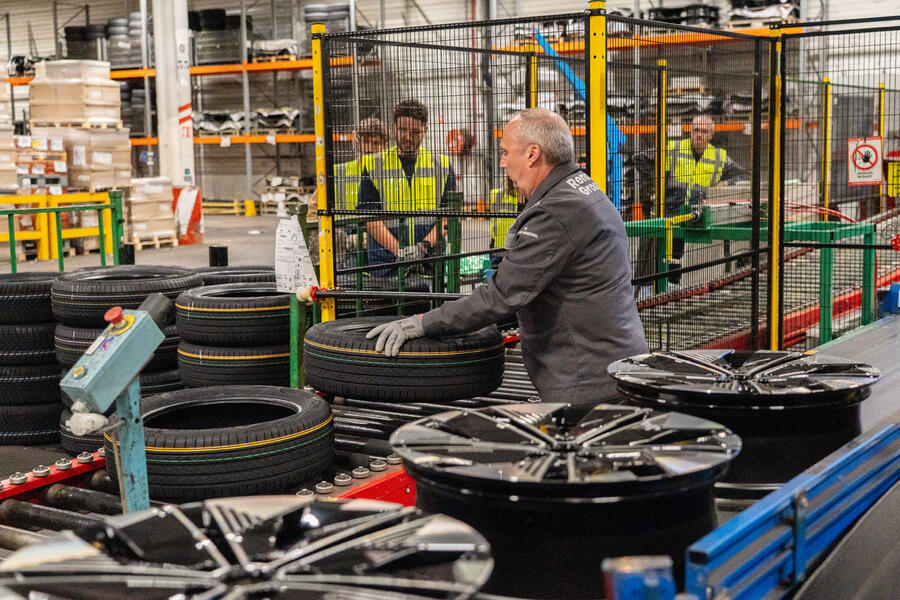
So imagine my surprise when we reach the main event and I discover Calvin has the gait of a university fresher after one too many Buzzballs. It steps deliberately, with wide and slow legs whirring and clicking it over to a rack. It then collects a pair of tyres, wobbles over to the adjacent conveyor, battles a case of the shakes not seen since England supporters last witnessed Harry Kane step up to the penalty spot, and plonks the tyres down on the line. A slightly bored-looking man of middle age separates the pair and sends them on their way.

I posit that it doesn't look all that polished. The immediate reply from Calvin's supervisor is an incredulous look - one of near disgust. I'm briskly informed that this is actually completely normal, and by design: the shakes are in part because the tyres are so heavy and tricky to grasp, but that they - and the sloshed stride - are exactly as intended. They're simply the optimal movements for both balance and efficiency - no energy is wasted on making Calvin's operation any slicker.
The original premise of my visit was actually to participate in a man-versus-machine showdown with Calvin, but it turns out that he's a little too valuable and I too unproven to risk any tomfoolery. No bother. In a straight race to stack just one set of tyres on the line, I reckon I could trounce the clanker.
While true, says Constanza, that is to miss the point entirely. "The quality and strength of a human is still better," he says, but "the fact is that humans can't keep doing these tasks for long because it hurts them. You can imagine it's really strenuous: four times a minute for eight hours. There are two million strenuous jobs in France today, plus 400,000 that are vacant; in Europe, there are 15 million. It's a long way to go, and that is our priority."
In other words, were there more than one set of tyres in question, I'd prove the hare to Calvin's tortoise - or collapse in a fit of pain.
The strangest thing of all, I think, is that I feel pity for Calvin. It's human nature to anthropomorphise, but it feels like there's a genuine kinship between man and machine here. Constanza compares supervision of Calvin to that of looking after a toddler. And, if you'll excuse my being meta, I've repeatedly edited references to 'her' and 'she' as I write this, because Calvin feels surprisingly organic.
You almost wonder what would happen if Calvin broke free. Her brain is an artificial intelligence, after all, so she could in theory make her own decisions about what she would actually like to do. Would she make a break for the countryside - do a Pinocchio and try to live as a real boy? Sorry, a girl. Am I going mad?
Constanza offers reassurance: "This is one of the least, least silly questions of the year, because it's exactly that. The problem is if you rely on neural networks like LLMs [large language model AIs], you have the same high probability of success, but it's not high enough."
Calvin's artificial intelligence is, for now, constrained by how many mistakes Renault and Wandercraft can afford for her to make. Constanza explains: "We're looking for [an error rate of] one or two per 1000 tasks - humans make one over 1000. If you want to work in this factory, it's one per 2000 as a maximum, and that's way [better than] LLMs."
It's then that Constanza breaks the news that Calvin is soon to be decommissioned and replaced by a more advanced model. I can't help feeling a little bad, but so it goes.
The Calvin that is currently in action is only the '40' model, and a more advanced iteration is on the way. It has been designed by Renault's in-house team, and I wonder if, fresh off penning the 4, 5 and Twingo, it will be something like a Tom Baker-era Doctor Who Cyberman or Dalek.
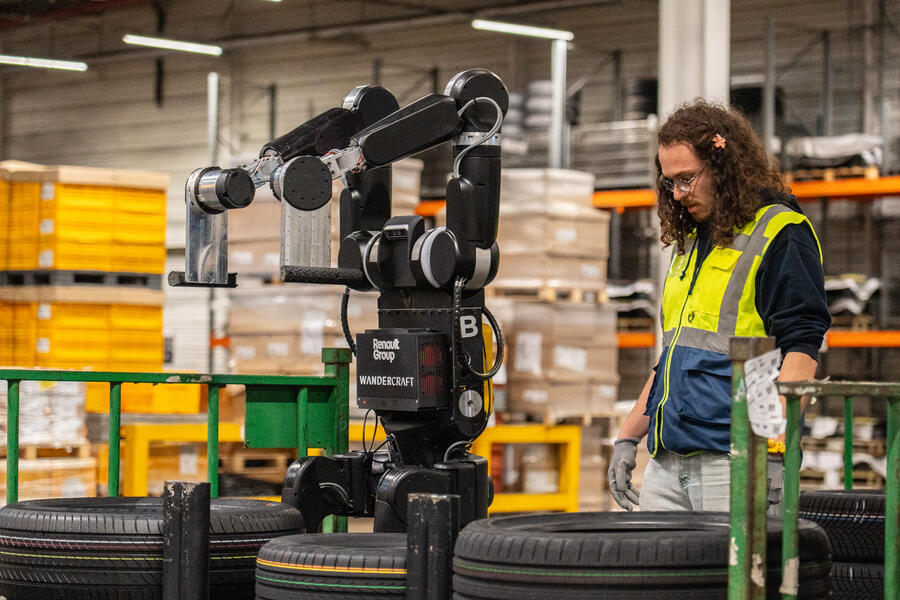
Not quite: it's said to be evolutionary of today's model, with narrower hips and different feet, optimised for carrying heavier weights. Constanza says it looks a bit like a Terminator - "in the version when he's nice, not the version when he's trying to kill everyone".
Calvin's replacement will be rolled out in factories across France and Spain in the coming months; 10 will be in action by the end of the year, scaling up to 350 by the end of 2027.
On the evidence I've seen, it is difficult to imagine a plant staffed entirely by Calvins in the near future. But given how quickly the 'bot is being rolled out and iterated on, it could prove vital in protecting the future of European manufacturing. After all, it doesn't need a month's holiday in August; it can't fall ill; it can't - or at least shouldn't - rise up against its bosses and go on strike. That may well be the shot in the arm that firms need in order to match the industrial might of China, which doesn't play to the same ethical or financial rulebook as Europe.
What of the jobs? Renault suggests it will retrain workers displaced by robots, but how feasible will that be as the 'bots become ever more useful? Time will tell. For now, dramatic upheaval is coming, and this feeble-looking, drunken-walking machine is at the fore.
| CALVIN 40: SPecifications | |
|---|---|
| Price | Tens of millions (est) |
| Engine | 22 electric motors, 45 sensors, two cameras |
| Power | More than a child but less than an adult |
| Kerb weight | 90kg |
| 0-62 tyres | 7.8min |
| Top speed | 480 tyres per hour |
| Range | A couple of square miles (software-limited) |
| Rivals | Tesla Optimus, Xpeng Iron, Wall-E |

Flock License Plate Readers Under Scrutiny as Detective’s Misuse Spurs Broader Debate on Surveillance...


Electric Vehicle Policy Under Burnham Highlights UK’s Charging Divide and Industry Uncertainty

Image: Getty ImagesOne of Andy Burnham's first policies affects EV drivers, but there is much more to decide
Andy Burnham has stepped into the fray as the UK's new prime minister - and one of his first moves in government will have ramifications for UK motorists.
He has ordered the removal of VAT on domestic electricity bills. This was previously charged at 5% but reducing it to zero will save the average home around £45 per year, according to the government. Although the potential savings are small, the move has been welcomed in some quarters as a signal of Burnham's commitment to reducing the cost of living - and motoring with it.
David Martell, CEO of home wallbox provider Andersen, said the saving for high-mileage EV drivers could be around £40. "That may not sound transformational on its own," said Martell, "but it's the direction of travel that matters."
Gurjeet Grewal, chief of Octopus Electric Vehicles, said the change means "the financial case for going electric has never been stronger".
Speaking on BBC Radio 4's Today programme, transport secretary Heidi Alexander said the decision to cut VAT as well as introduce a national cap on bus fares were a "signal of intent for the Burnham government".
Although the VAT change was broadly welcomed by the motor industry, some called for greater support for those unable to charge their EVs at home.
Drivers reliant on public chargers will continue to pay VAT at 20%. Specialised 'EV tariffs' for home charging were already significantly cheaper than public points, but the gap has now widened further. And, according to industry group ChargeUK, public charging prices have risen by 38% since 2020.
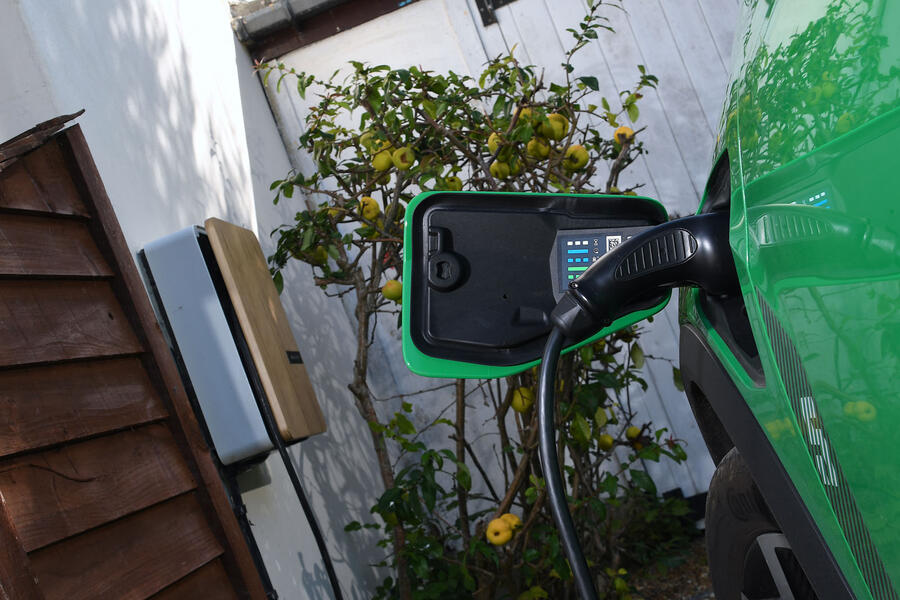
Victoria Edmonds, CEO of campaign group EVA England, said the transition to EVs "cannot be fair while people pay substantially more simply because they cannot charge at home".
Edmonds highlighted "significant taxes, levies and electricity costs faced by charge point operators" as key barriers to cutting public charging costs.
Professor David Bailey of the Birmingham Business School has called VAT on public charging a "tax on circumstance". He added that it is time to "end the EV charging tax divide once and for all".
Cutting VAT on public charging has already proven contentious. In March, a tax tribunal ruled that firm Charge My Street (CMS) should have been levied at 5%, rather than 20%, as it fell under the domestic provision threshold. HMRC has appealed the decision.
The VAT issue amounts to a stick in an artillery barrage of automotive questions that the Burnham administration must answer. He has yet to directly comment on the state of motoring in the UK, but he and his ministers have hinted at continuity of Starmer-era policy while making tweaks to improve the general quality of life in the nation. Here are the key sticking points to watch for.
Policy watch: is Burnham pro-car?
ZEV mandate
The zero-emission vehicle (ZEV) mandate remains the most pressing issue for car firms in the UK. It requires a rapid ramp-up in EV sales by manufacturers to avoid facing big fines. It was reported last month that the Sir Keir Starmer-led government was set to reduce the EV sales target for 2030 from 80% to just 50%, but it remains to be seen whether Burnham's administration will follow through on that change.
Lucy Powell, deputy leader of the Labour Party, told the BBC that Burnham would stick to the manifesto under which Starmer was elected - so changes such as the reported tweaks to the ZEV mandate are expected to remain in the offing.
Manufacturing
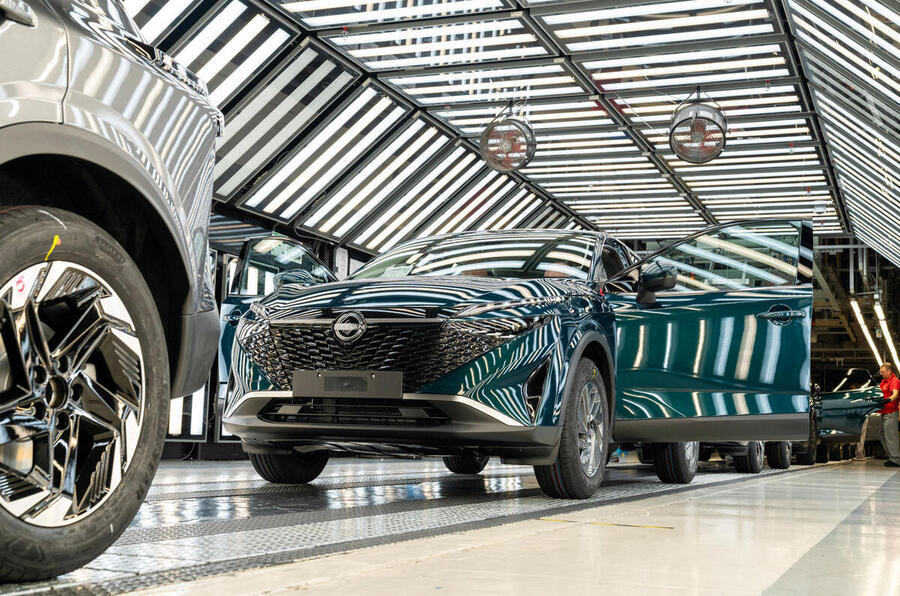
High energy and labour costs, a downturn in the size of the domestic market and the ZEV mandate have all threatened the UK's car factories. A total of 764,715 vehicles were built in the UK last year, making it the slowest year since 1952.
The Starmer government set a goal of boosting output to 1.3 million by 2035, but this will require targeted action.
Speaking in Parliament last year, Jonathan Reynolds - who has been reappointed to his prior post of business secretary - said: "We have to be serious about making sure that the UK is the place to be a producer of vehicles."
In his first speech as prime minister, Burnham highlighted "reindustrialising Britain" as one of his priorities.
Given cars are the UK's most valuable goods export - totalling £47.7 billion in the year ended April 2026 - this will have significant ramifications for manufacturers such as JLR, Toyota and Nissan.
EV road tax
The Treasury recently finished its consultation on the proposal of 'eVED' - a new tax on electric and plug-in-hybrid vehicles charged at 3p and 1.5p per mile driven annually, respectively. It confirmed it would go ahead with the plans as it seeks to replace lost funding from fuel duty, as a significant proportion of drivers have now made the switch to an EV.
Drivers will be allowed to estimate their own mileage within the first three years of their car's lifetime, rather than attending separate mileage checks. MOT data will be used thereafter. Extra flexibility has also been introduced for company fleets.
The Office for Budget Responsibility previously forecast that eVED would raise £1.1 billion in the 2028-29 tax year - but also said the measure may preclude 440,000 EV sales between now and March 2031.
The Society of Motor Manufacturers and Traders said the mix of eVED and the ZEV mandate is a "bitter recipe for sustaining - never mind attracting - global investment in the UK".
Safer roads
There are now more than one million potholes across the UK. The Starmer government committed £7.3 billion for roads over the next four years and pushed councils to consider longer-term preventative measures, rather than patchwork repairs. But the rot lies deeper, according to experts, and more investment is needed for a total overhaul of the road network.
Meanwhile, MPs are considering following Wales in the adoption of a default 20mph speed limit across England, highlighting the safety benefits and reduction in serious collisions.

Lexus LS400 Platinum Series Reveals the Enduring Appeal of Analog Luxury in a Digital...

Rear-Engined Cars and the Shift to Front-Engine Design: How Cost, Innovation, and Changing Tastes...
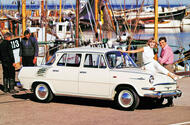 Millions of rear-engined cars roamed the globe in the 1960s
An entire generation of motorists learned to drive with a rear-engined car.
This type of car became immensely popular during the 1950s and the 1960s and companies from all over the automotive spectrum touted their merits in every market they sold cars in. Moving the engine to the back reduced the cost of a car and made its interior more spacious while keeping its overall dimensions in check, they argued.
However most car companies moved away from the rear-engined layout as quickly as they adopted it as tastes changed. Here we look back at the car that represent its glory days, and the reasons for its decline.
Why?
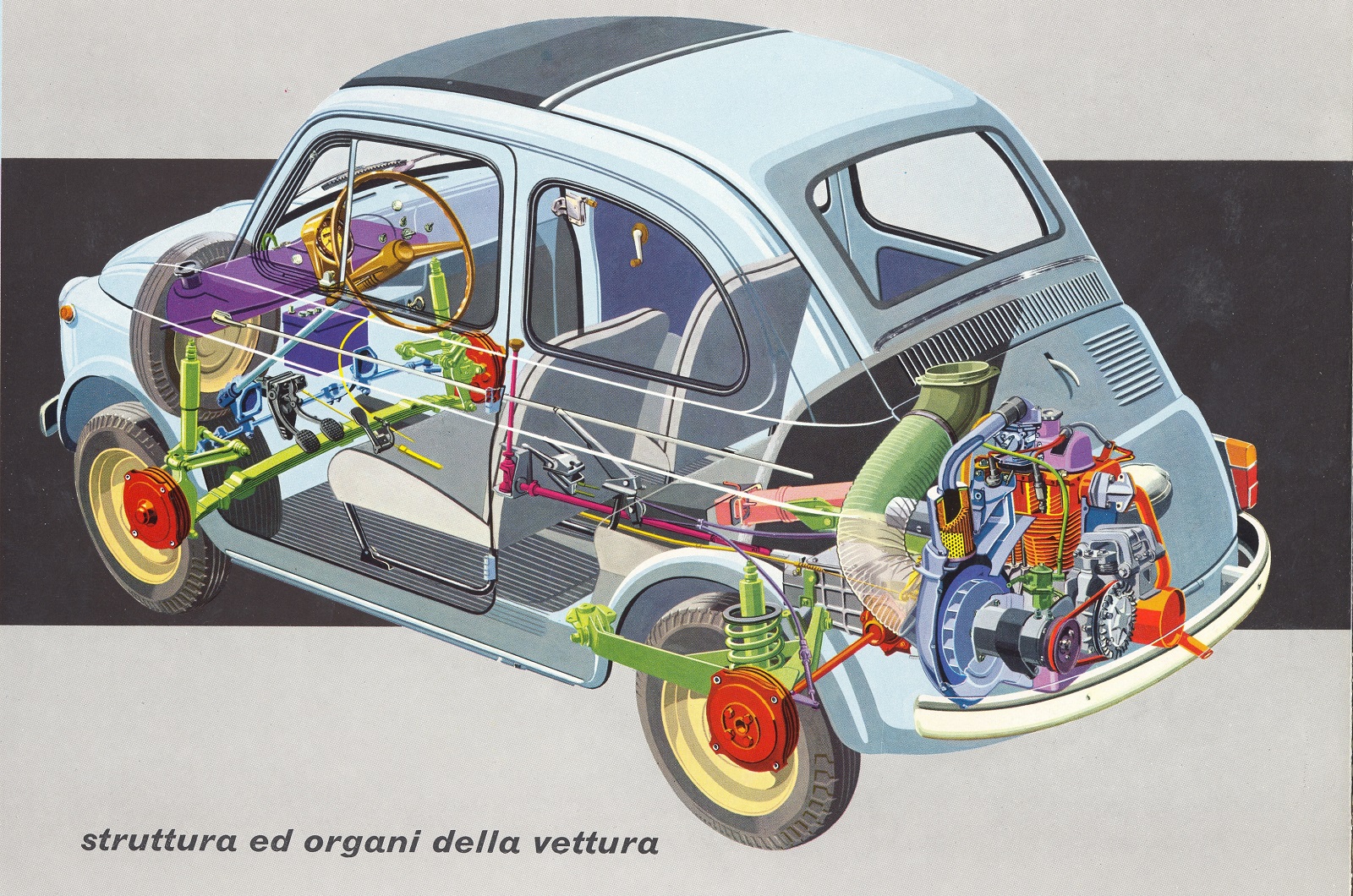
Weight, cost and packaging constraints drove several car-makers towards the rear-engined layout after the second world war. In his book, Fiat engineer Dante Giacosa explained why the Italian firm adopted the configuration for the Fiat 600 and then the Fiat 500 (pictured).
“The decisive element deciding me in favour of the rear engine-transmission arrangement was cost. The front arrangement was attractive because of the technical advantages presented by front-wheel drive, and even more because of the space it would leave free for the coachwork, but it would have made an economy model of the size we aimed at much more expensive than the rear-engined arrangement.”
Though he speaks only on behalf of Fiat, his reasoning explains why most mainstream car-makers adopted a rear-engined layout. The configuration began rising in popularity well before the 600 made its debut in 1955, though, as we’ll see:
Tatra V570 (1931)
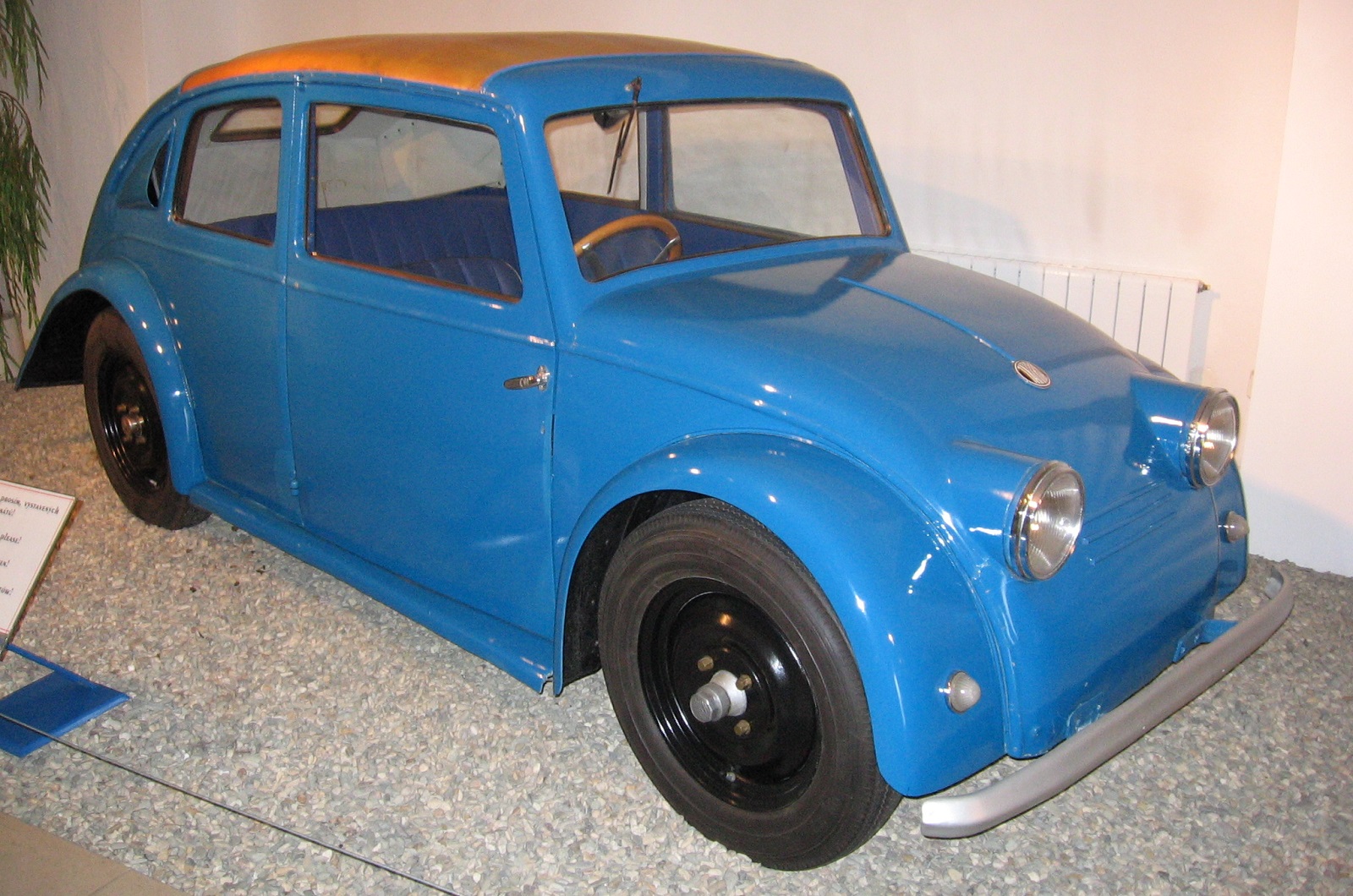
The Czech firm Tatra started experimenting with rear-engined cars when it built a prototype named V570 in 1931. Its creators argued putting the engine in the back made the car quieter and more spacious because it didn’t need a transmission tunnel.
Tatra V570 (1931)
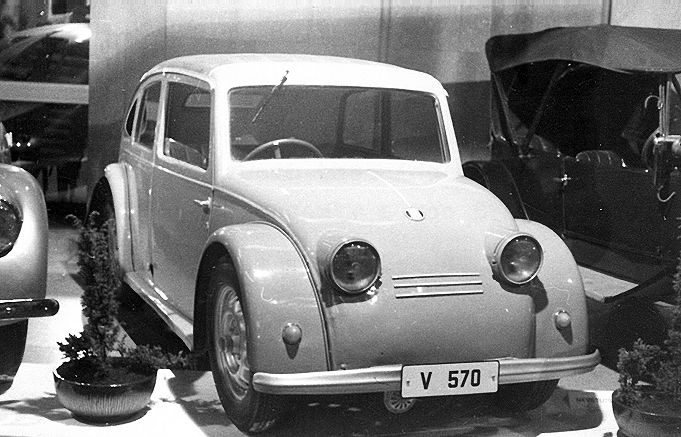
The layout also let it design a more aerodynamic body by extending the back end. The V570 was never mass produced but it’s a fascinating part of history because many historians claim it directly influenced the Volkswagen Beetle.
Tatra 77 (1934)
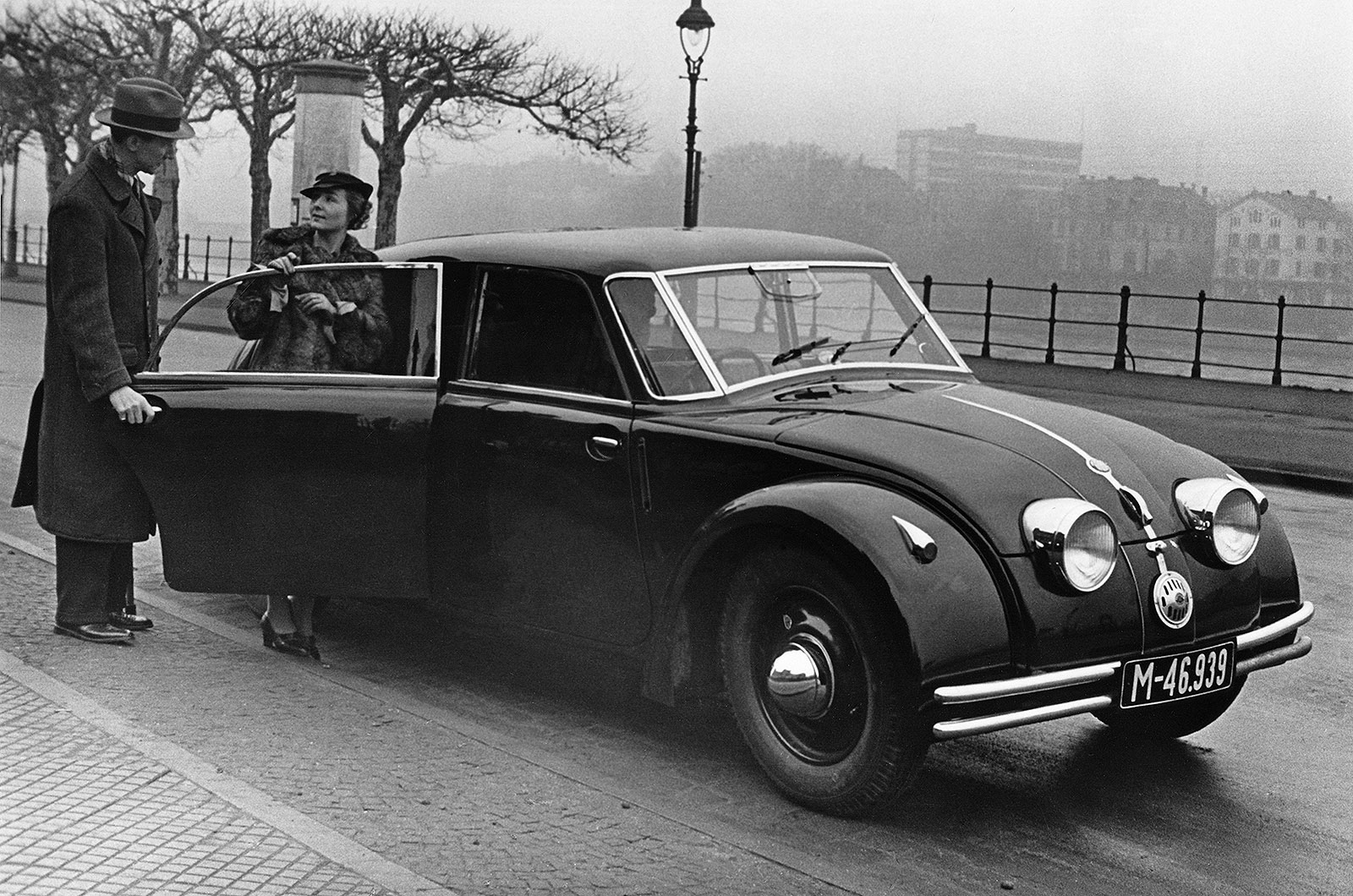
Tatra took the lessons it learned from the V570 project into a production car named 77. Launched in 1934, it was much larger than the prototype that helped shape it but the two cars shared several important attributes like a streamlined design and a rear-mounted engine.
Tatra 77 (1934)
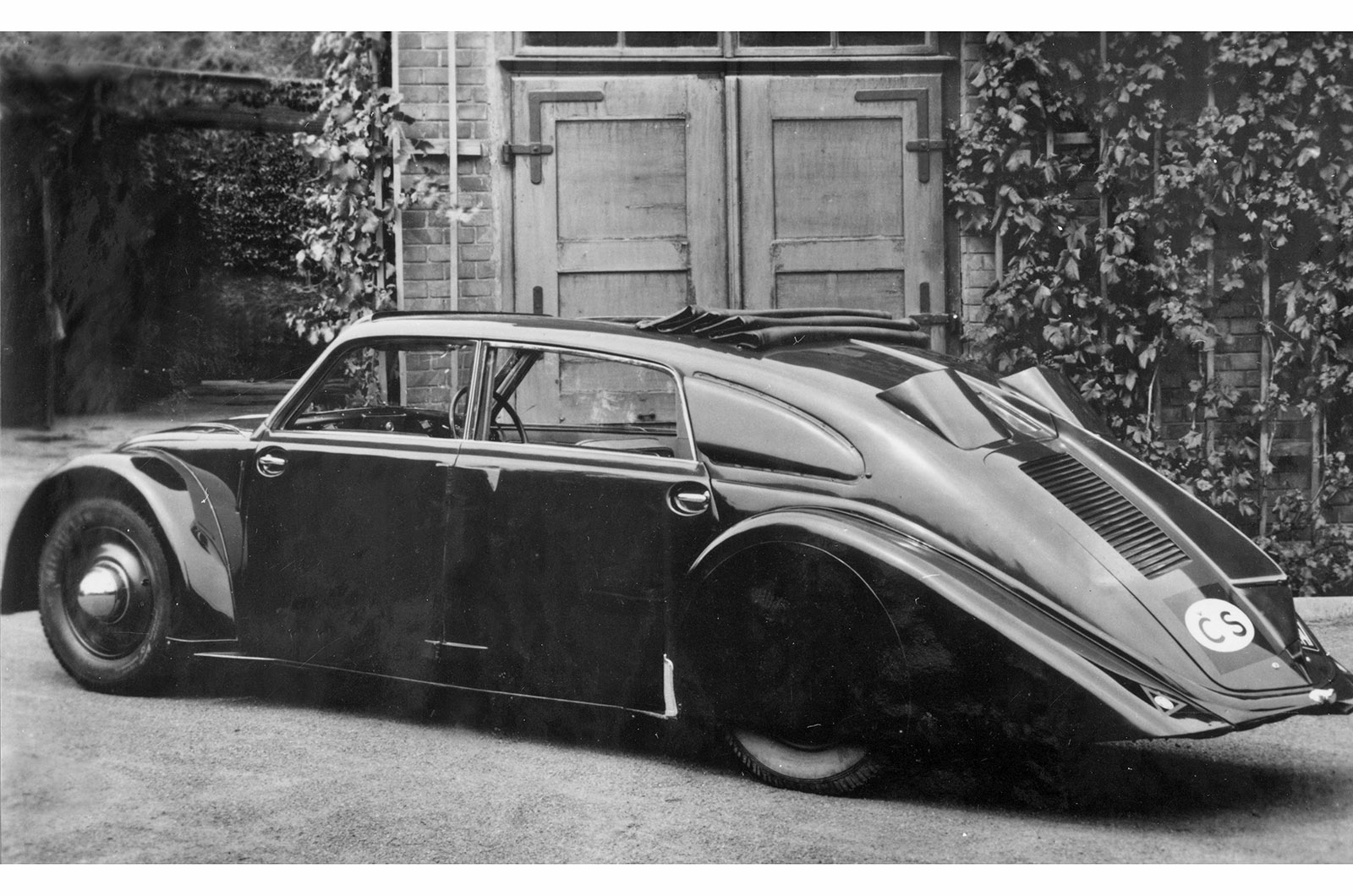
The unit in question was an air-cooled V8 rated at 60bhp. The later 77a received a bigger, 75bhp V8. The 77 can hardly be considered a mass-produced car; production ended in 1938 after Tatra made about 250 examples. It's significant because it laid the foundations Tatra built on until it stopped making passenger cars in 1999.
The 700 of 1996 was its last car, and was a large, aerodynamic four-door with a rear-mounted, air-cooled V8 – just like the 77.
Volkswagen Beetle (1938)
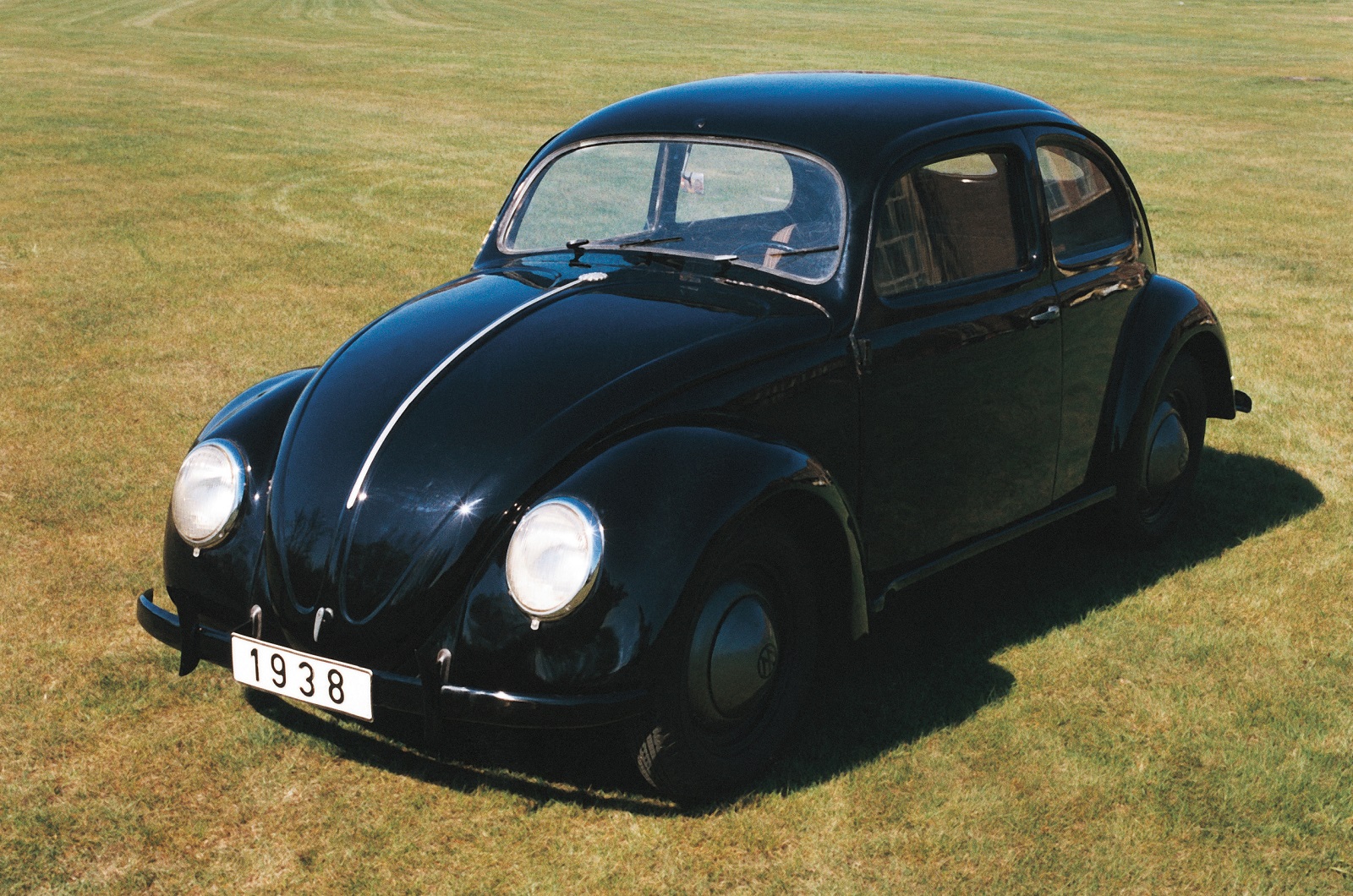
Adolf Hitler asked engineer Ferdinand Porsche to develop an affordable, economical car capable of putting Germany on wheels, at a time when car ownership was much lower than in neighbouring France.
While Porsche started from scratch, he already had a very concise idea of the type of car he wanted to create. He had toyed with the idea of a so-called people’s car for years and many of his designs used a rear-mounted engine. The first pre-production Beetle prototypes were built in 1938, and around 630 were built before the start of the second world war, when production ceased in favour of military production, such as the German army’s Kübelwagen, based on the Beetle.
Volkswagen Beetle (1938)
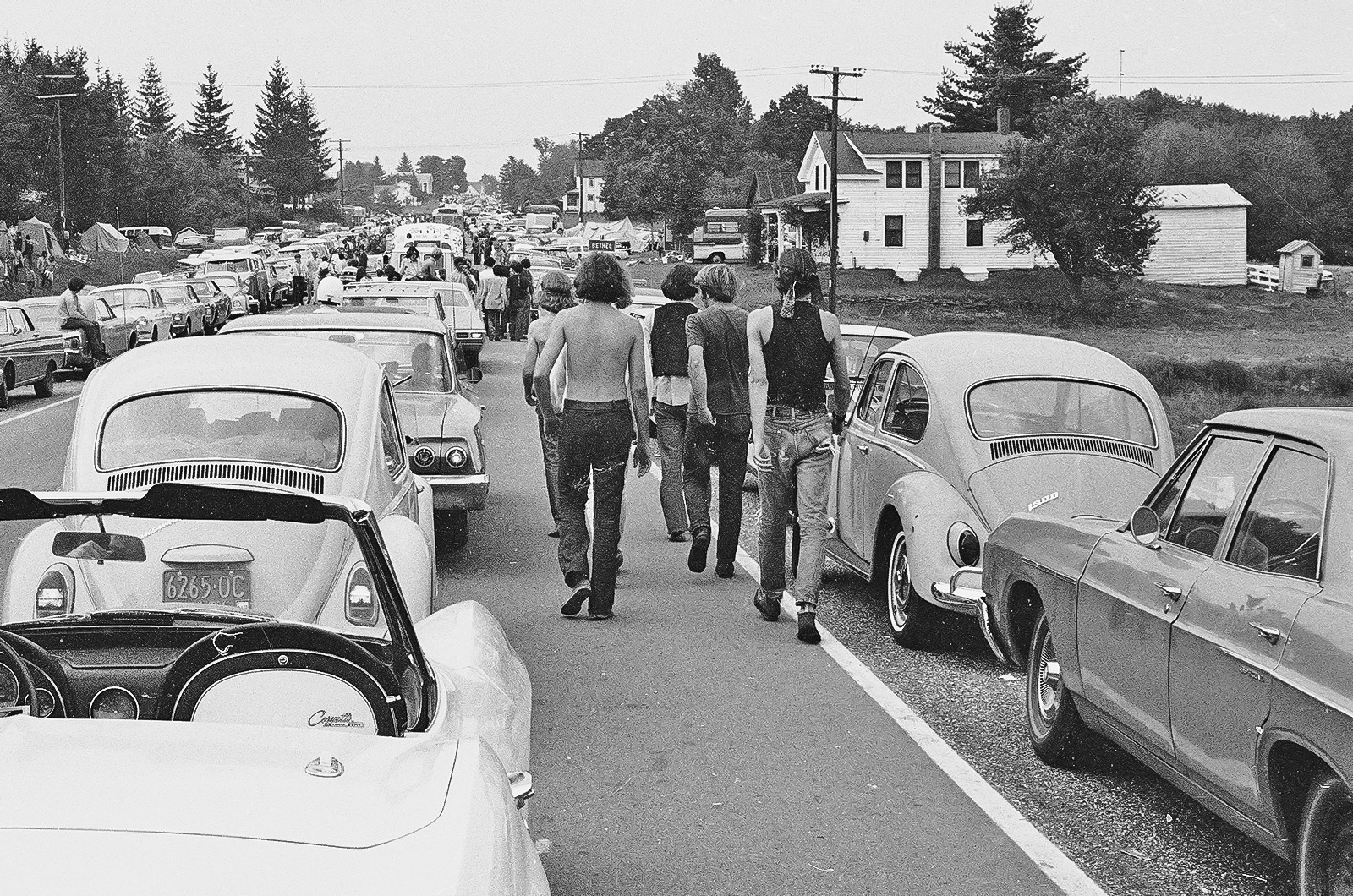
Production restarted after the war and sales grew slowly at first, but they sky-rocketed during the 1950s. The one million mark for the Beetle arrived in 1955; the two million mark came just two years later. The Beetle outgrew its status as a basic economy car and became an icon.
It was also a very successful export, especially to America (pictured) where there was a demand for small cars not initially sold by the large car firms in Detroit. The Beetle gave its underpinnings to a wide variety of Volkswagen models and inspired dozens of models made by rival brands. With over 21 million examples built during a 65-year long production run, the Beetle remains the most popular rear-engined car ever.
Renault 4CV (1947)
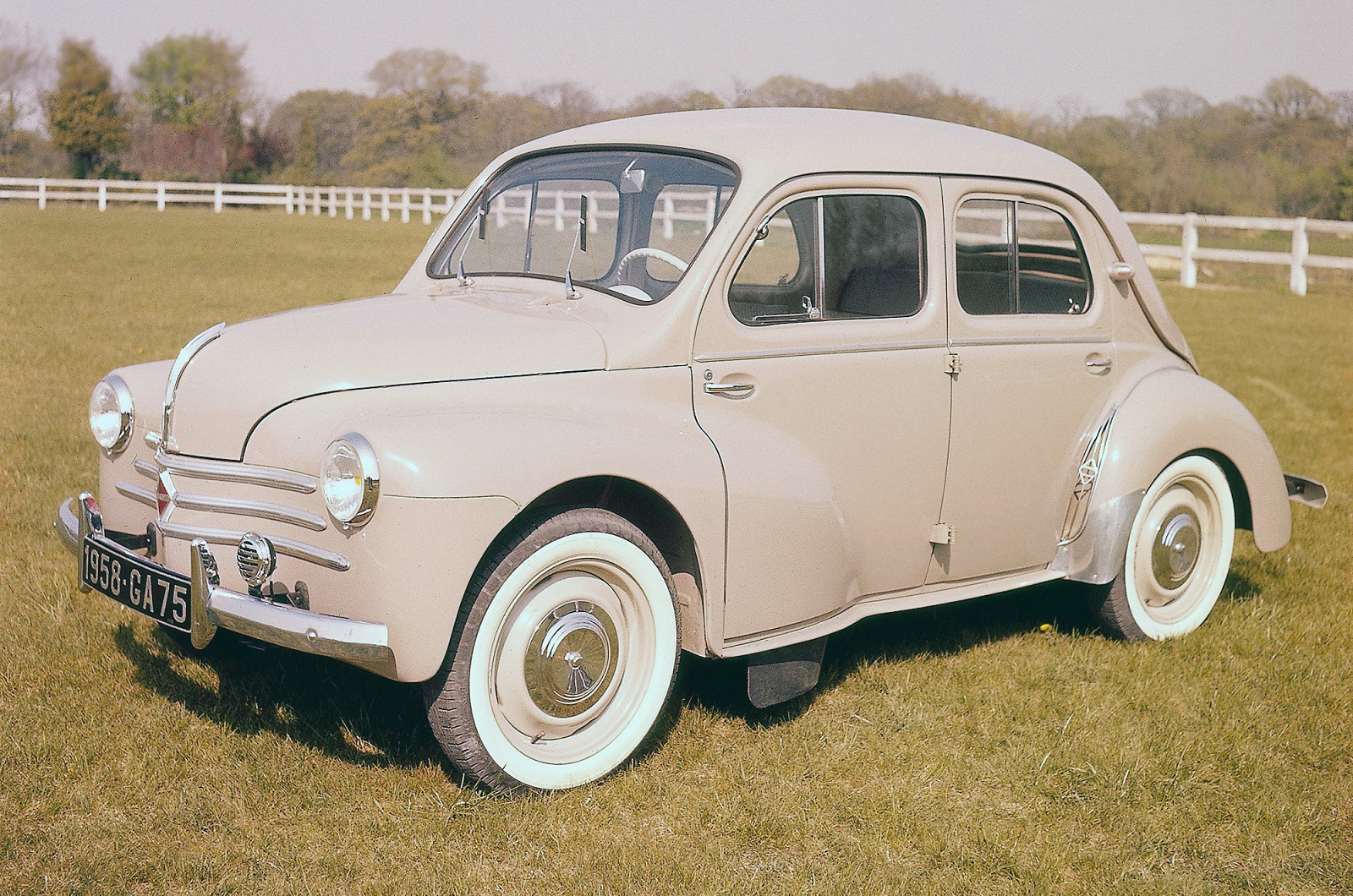
Renault engineers secretly began working on the 4CV during German occupation in the second world war. Company founder Louis Renault allegedly didn’t know about the model; apparently he wasn’t informed because everyone knew he didn’t like the idea of a popular car for the mass market.
Some historians believe the 4CV’s creators chose a rear-engined layout after examining the Volkswagen Beetle but Renault claims it selected the configuration for cost and weight reasons.
Renault 4CV (1947)
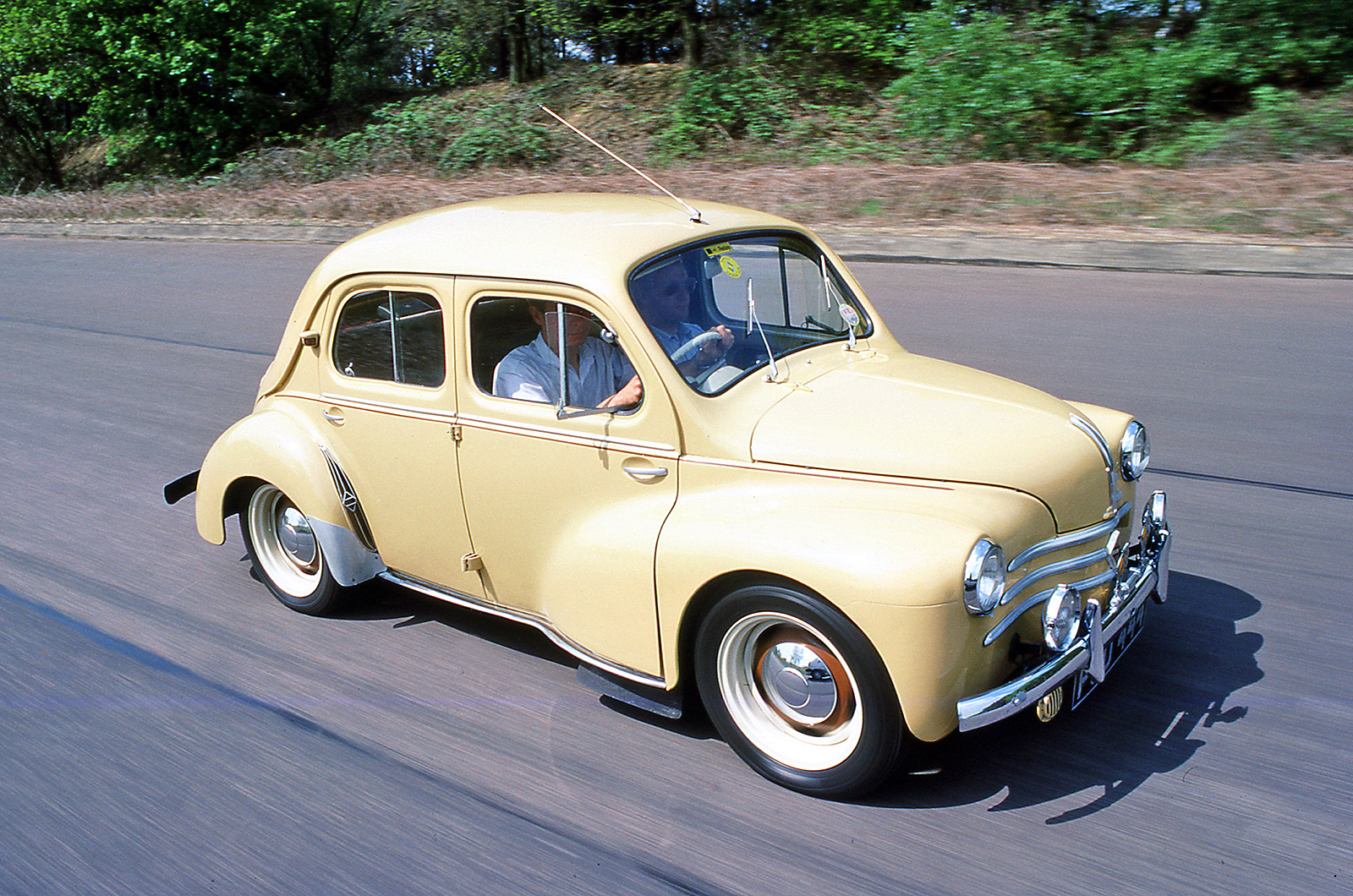
4CV production began in 1947 and the model quickly travelled around the globe. It was sold in the United States, manufactured under license in Japan by Hino, and even built from complete knock-down kits in Sydney, Australia.
Significantly, the 4CV gave its platform to the Alpine A106, the firm’s first car. Renault made over one million examples of the 4CV until 1961. Its replacement was the Renault 4, and it changed to a front-mounted engine and front-wheel drive in the name of practicality.
Porsche 356 (1948)
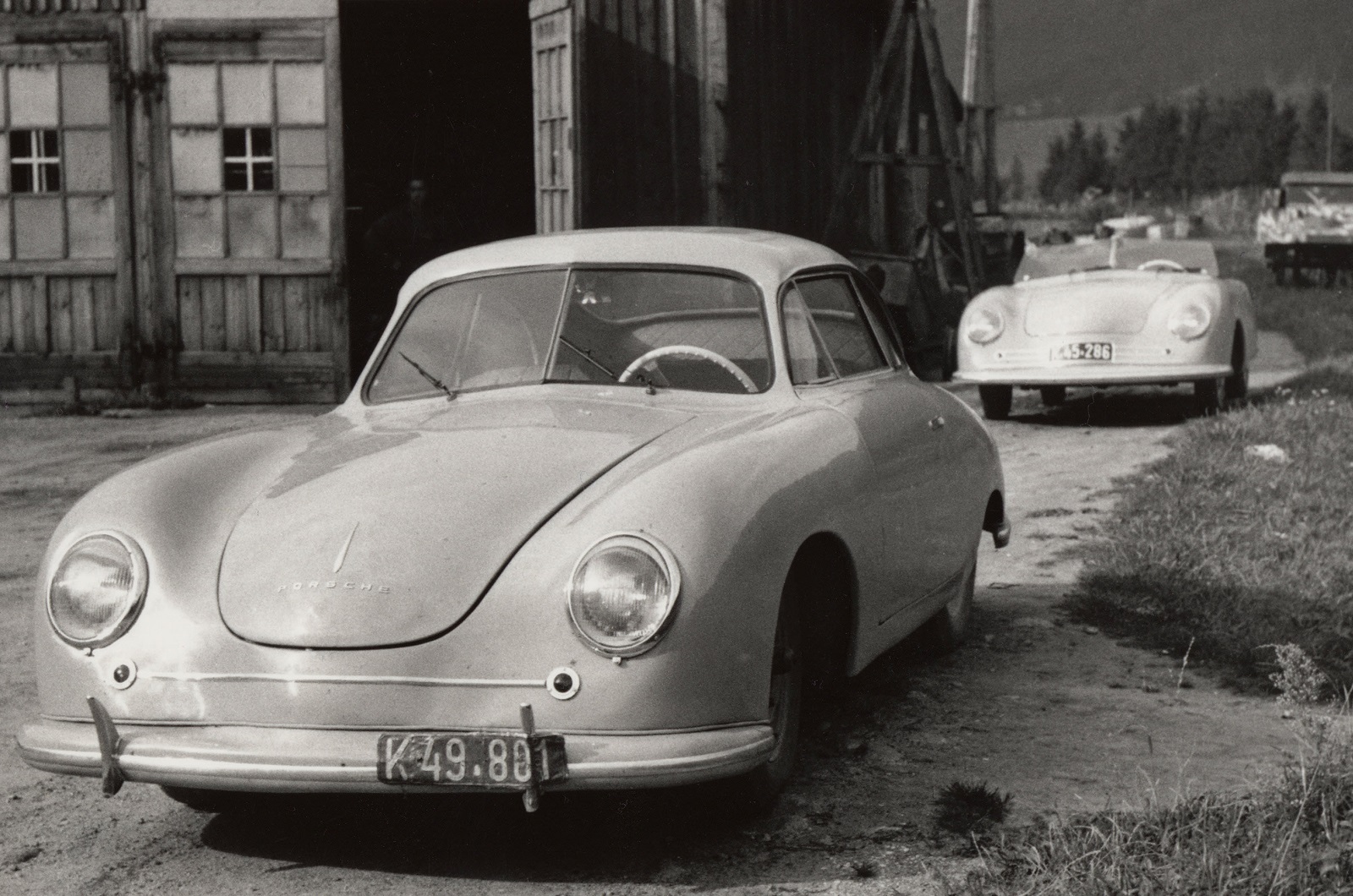
The first Porsche 356 prototype made in 1948 used a mid-mounted engine. This configuration could have completely changed the course of Porsche’s history if it had stuck to it but the company chose to move the engine behind the rear axle on the production model for cost and packaging reasons.
Porsche 356 (1948)
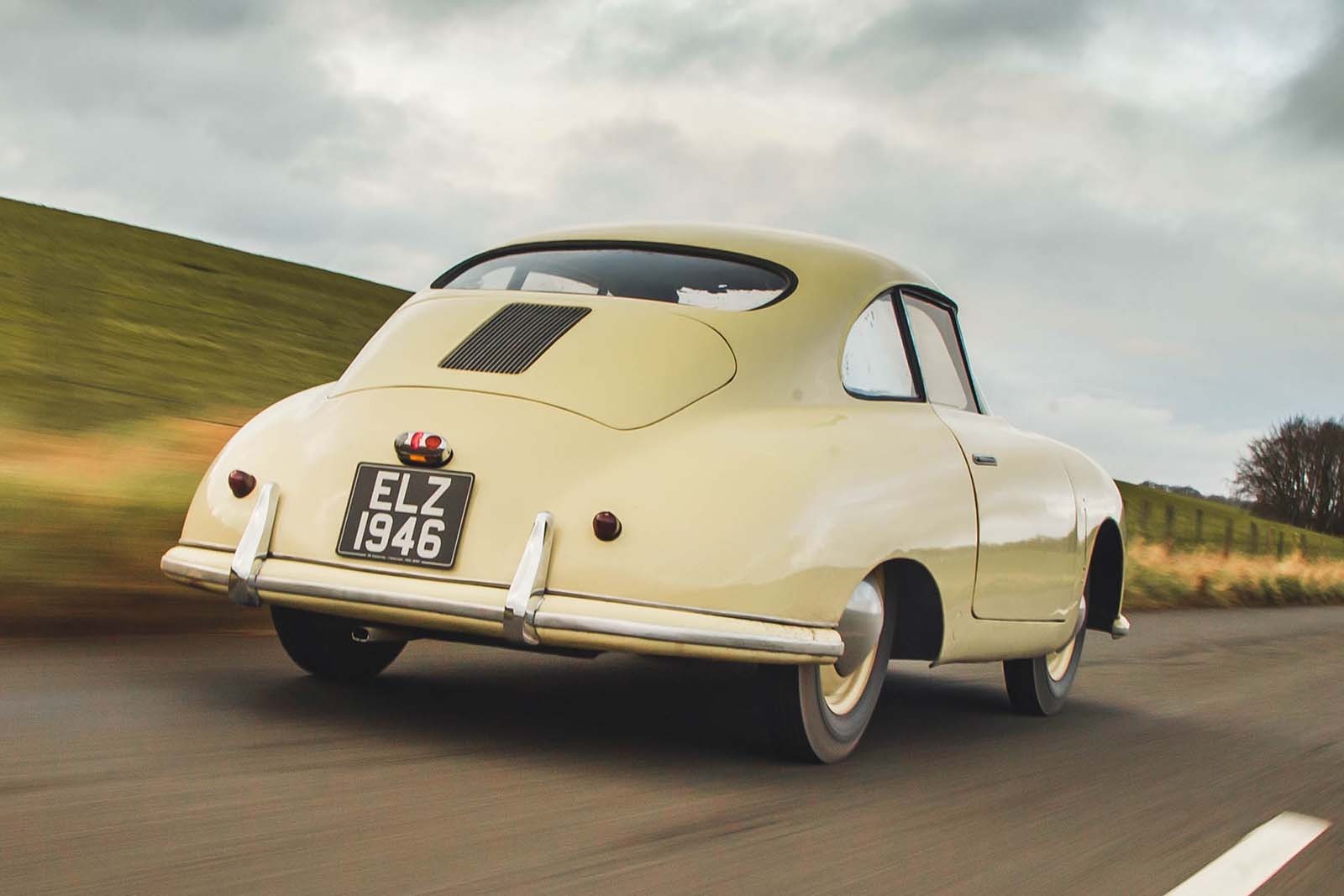
The 356 became the first in a long line of rear-engined Porsche models that continues with the 911 today. Porsche never forgot about its origins and it later released several mid-engined cars, including the 914 and the 718 Boxster.
Fiat 600 (1955)
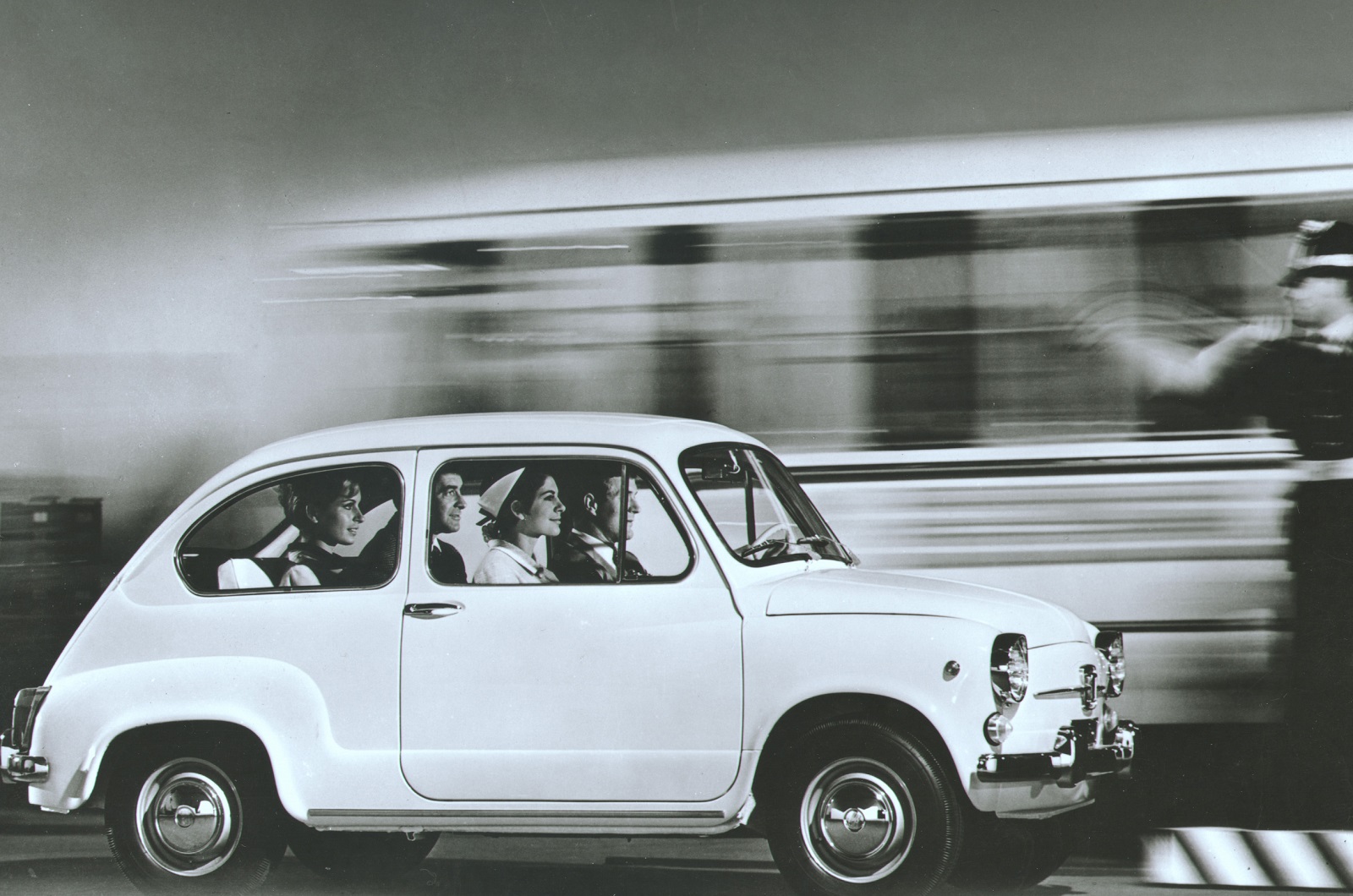
The 600 sparked Fiat’s long association with the rear-mounted engine. The company envisioned it as a model that would put Italy on wheels after the war. It had to be cheap to buy, cheap to operate and cheap to service. Fiat seriously considered front-wheel drive but, as engineer Dante Giacosa explained, ultimately chose to make it rear-wheel drive and rear-engined to keep costs low.
Early examples came with reversed doors and a water-cooled, 633cc four-cylinder engine. The engine’s displacement grew during the car’s long production run, and spawned several other versions during its long production run. It became the SEAT 800 in Spain, where it gained a second set of doors, but Fiat never offered it as a four-door.
Fiat 600 (1955)
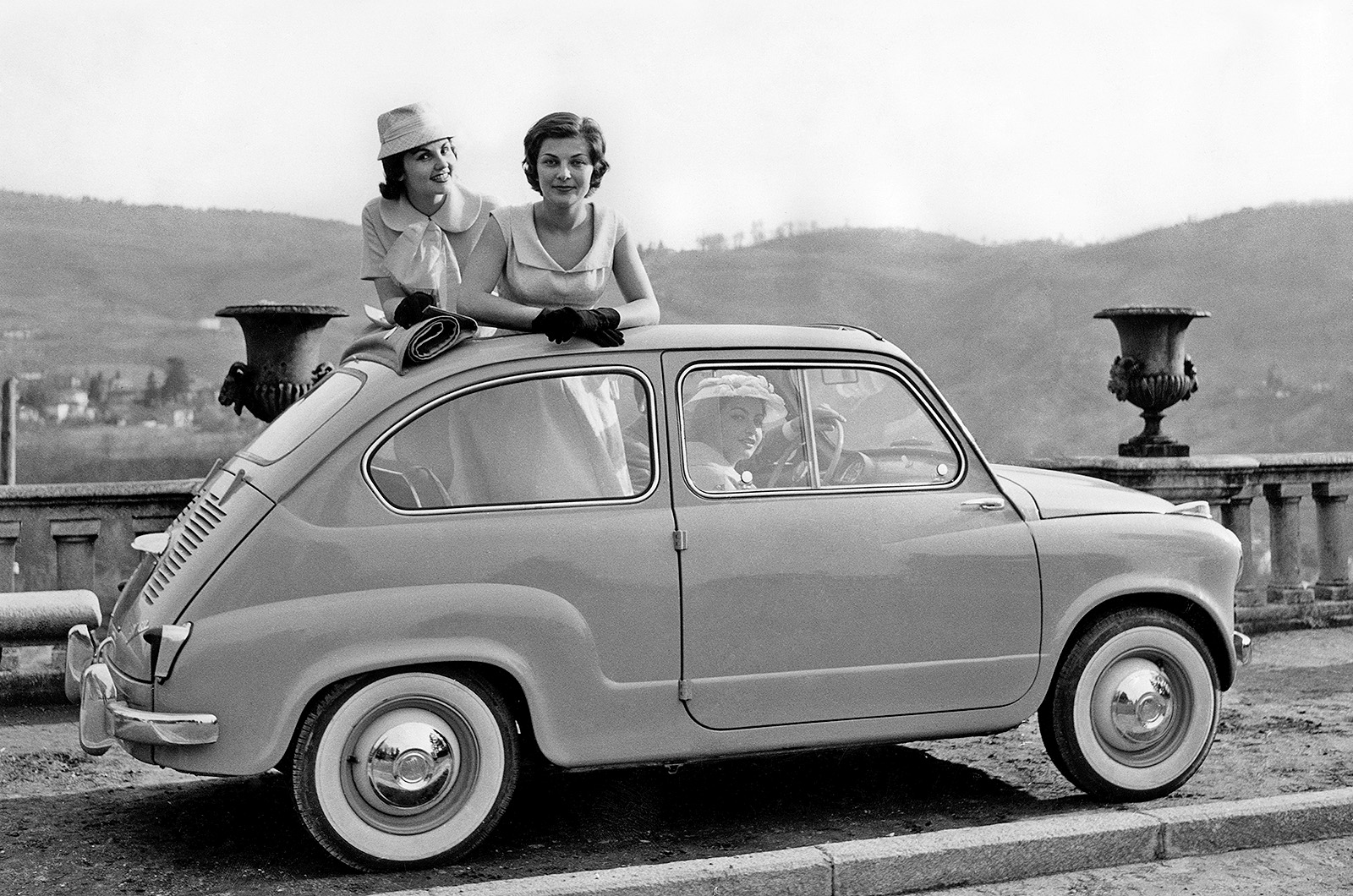
Neckar and Zastava made the car in Germany and in Yugoslavia, respectively. Factories in Argentina, Uruguay and Chile also built 600s with modifications made to suit local requirements.
And, in Italy, dozens of coachbuilders turned the 600 into coupes, convertibles, sports cars and even luxury cars. Italian production of the 600 ended in 1969 but it remained available in Yugoslavia until 1985.
Fiat 600 Multipla (1956)
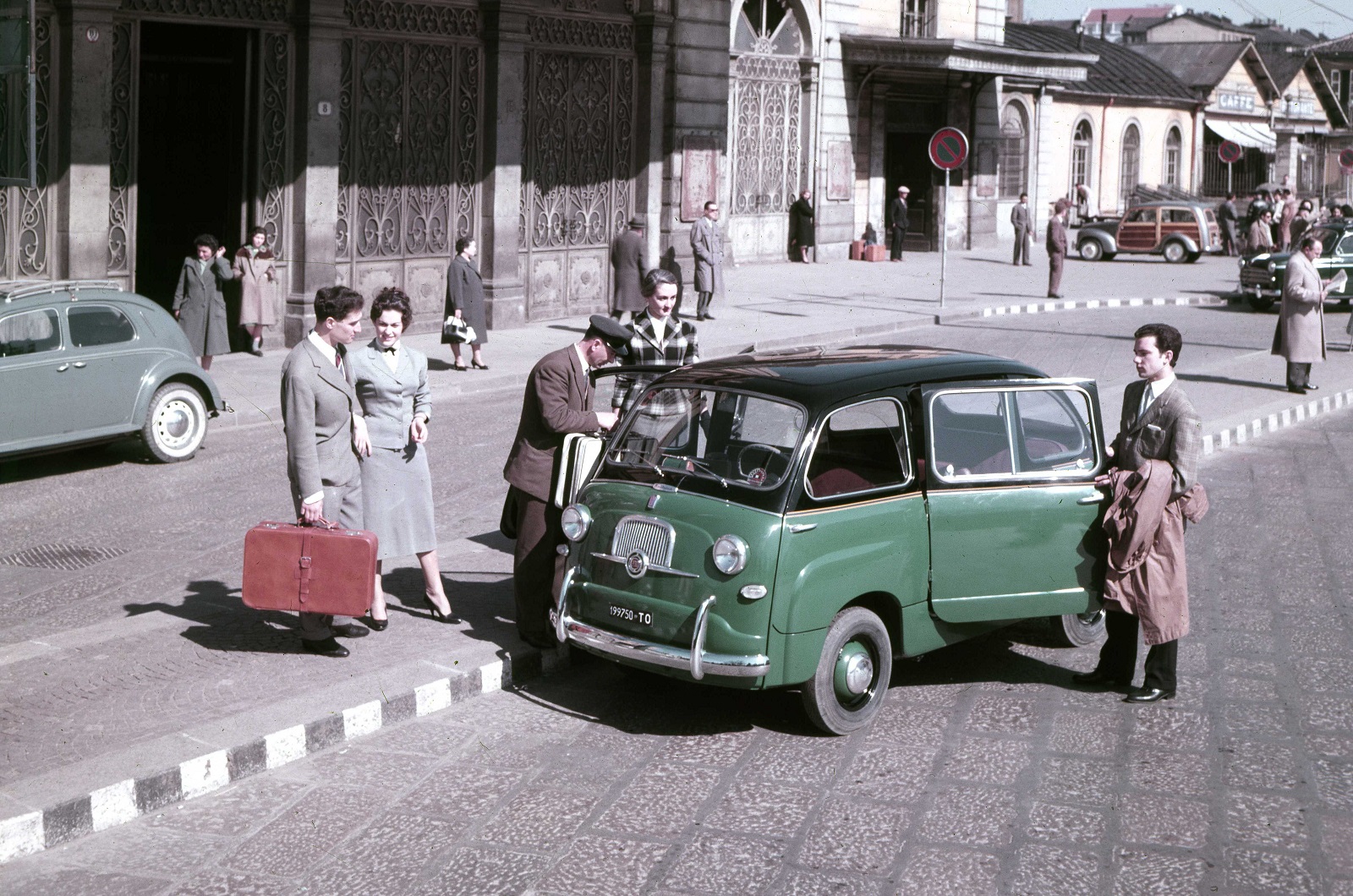
Fiat wasted no time in expanding the 600 line-up. It released the 600 Multipla, a precursor to the modern people-carrier, in early 1956. Engineers retained the rear-mounted engine but shifted the front seats to the space right over the front axle in order to carve out a roomier cabin without making the car significantly longer.
Fiat 600 Multipla (1956)
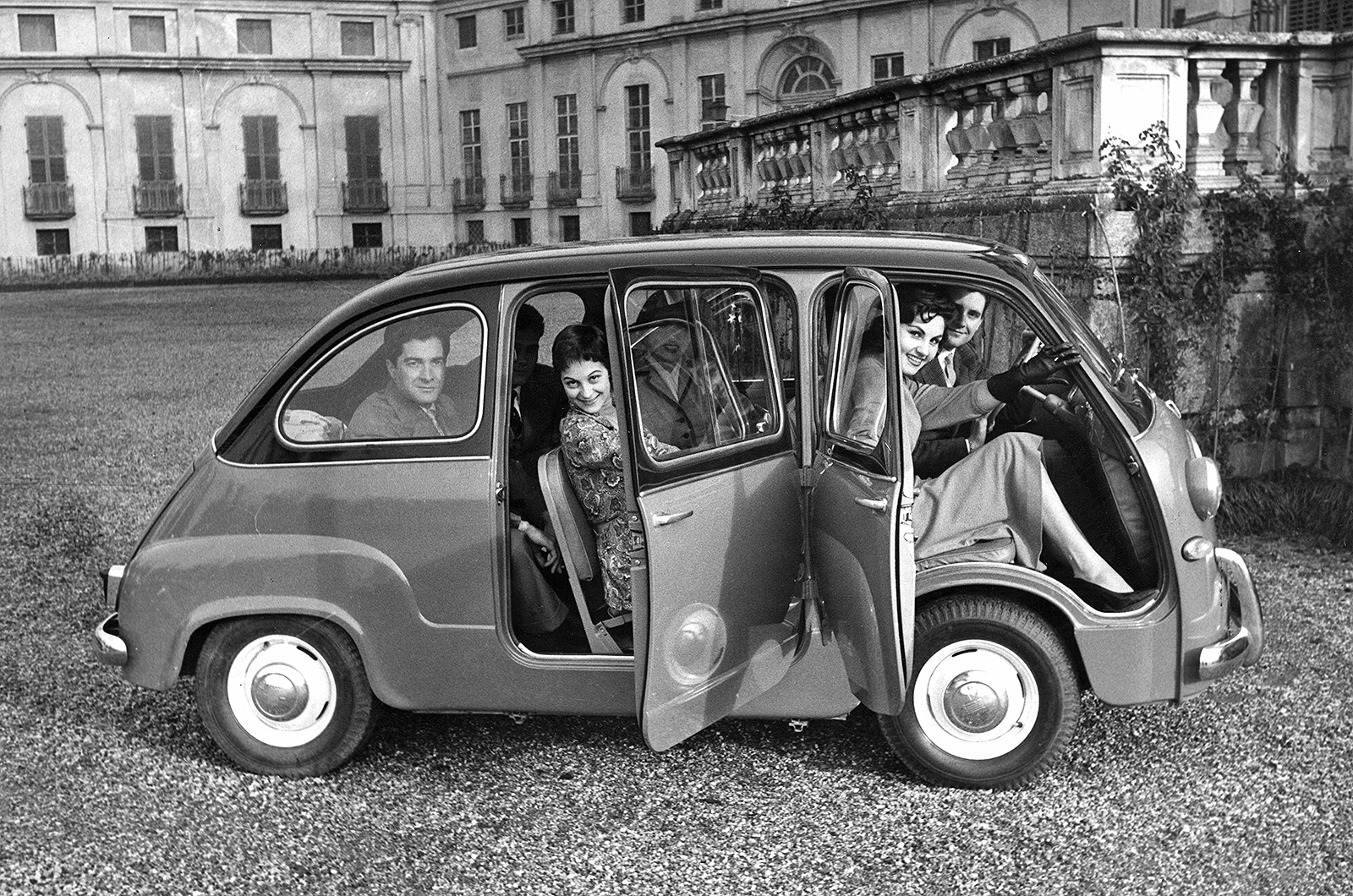
Hailed as one of the first leisure-oriented cars, the 600 Multipla could seat six, sleep two or carry a generous amount of cargo.
Renault Dauphine (1956)
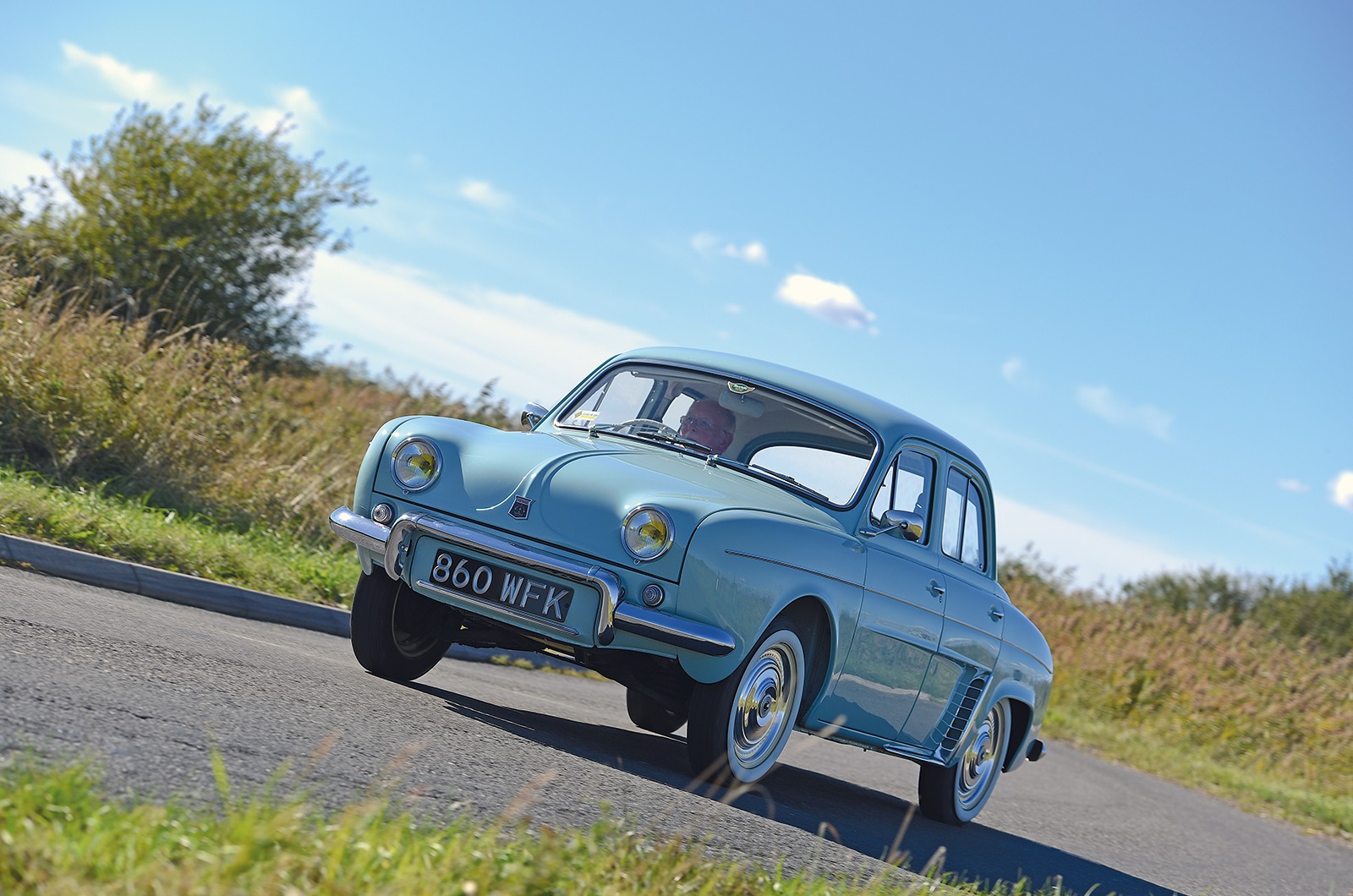
The Renault 4CV was France’s best-selling car between 1949 and 1955. In an effort to keep the momentum going, the French firm created a larger and more comfortable car that could lure 4CV owners who were ready for an upgrade.
The Dauphine was born in 1956 and it led the sales charts between 1957 and 1961; Renault’s bet had paid off. It looked considerably more modern than the 4CV but the two models shared a number of mechanical components, including their rear-mounted, water-cooled four-cylinder engine. Renault made several variants of the Dauphine.
Renault Dauphine (1956)
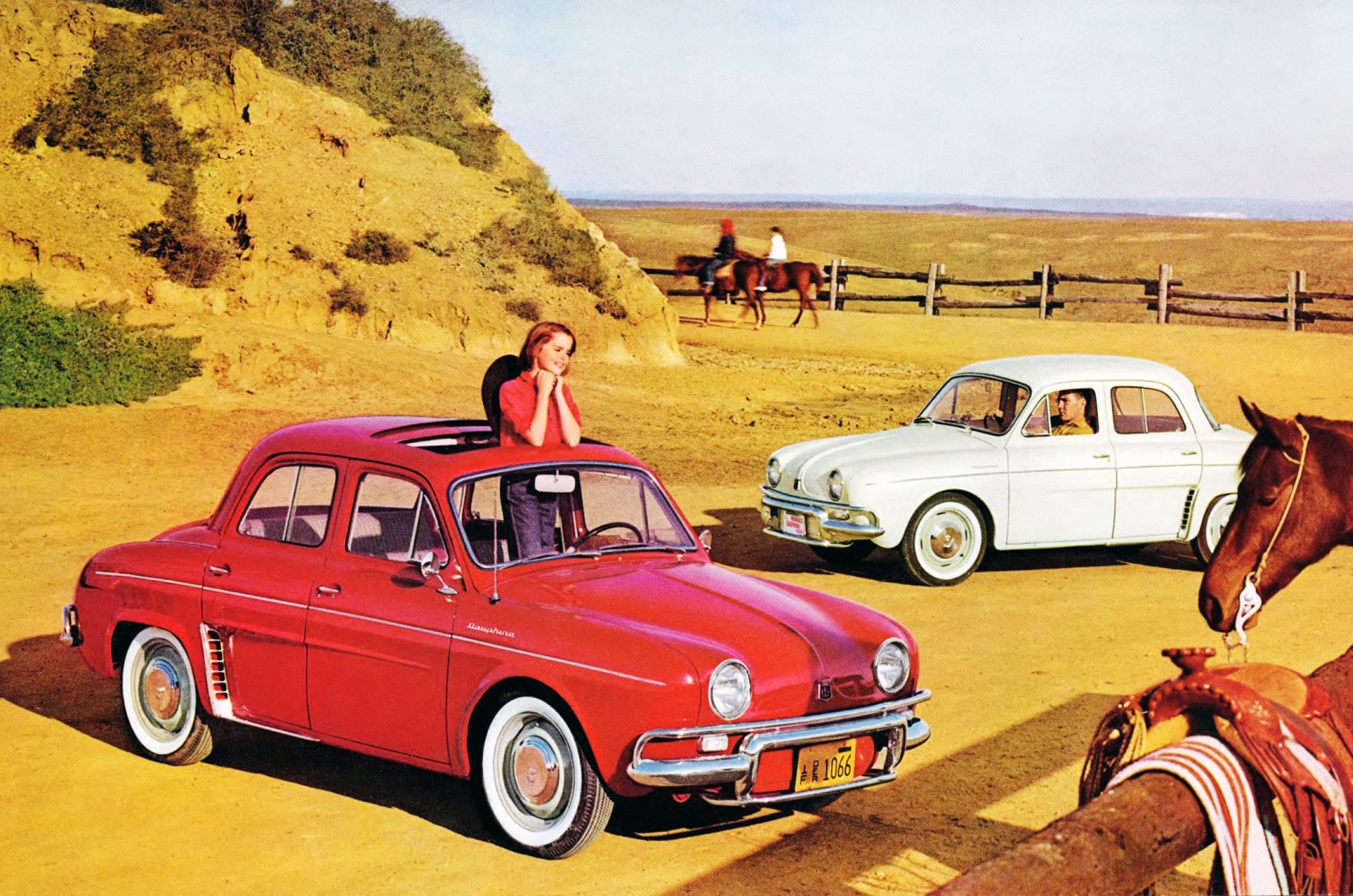
The range included a more upmarket model named Ondine, high-performance Gordini- and 1093-badged models plus a convertible named Floride. It was also sold in America (pictured), where it sold well at first to households that wanted a smaller second car.
Alfa Romeo notably made the Dauphine for the Italian market; it was the firm’s only mass-produced rear-engined car. Dauphine production ended in 1967 in France and in 1970 in Argentina. Renault made over two million examples.
Fiat 500 (1957)
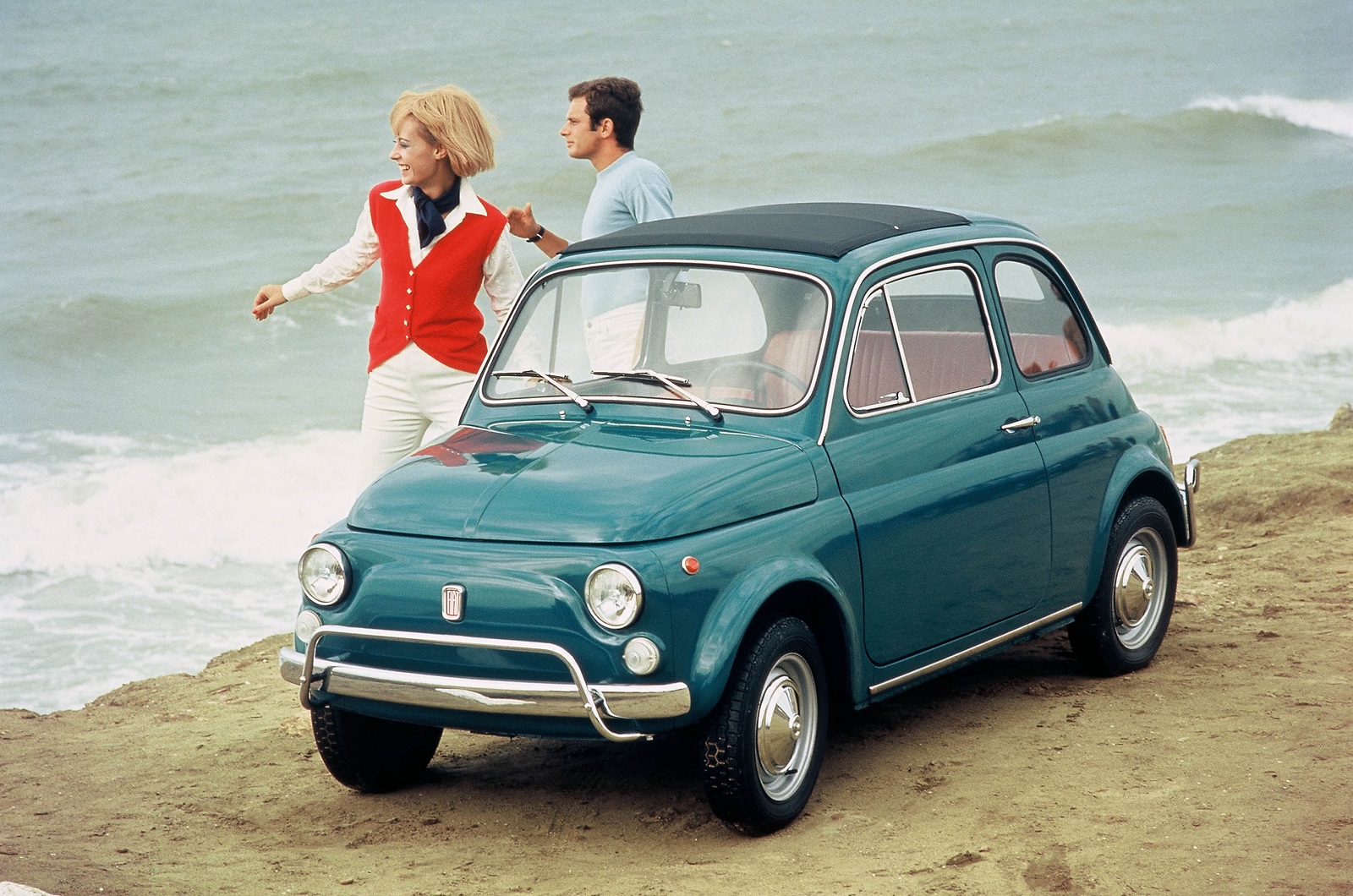
Fiat’s 600 exceeded all expectations but it remained out of reach for many buyers who settled for a scooter or a moped. Decision-makers put Dante Giacosa in charge of creating a smaller, entry-level model capable of putting even the most modest households on wheels. The 500 made its debut in 1957.
Slow, noisy and pretty basic, the original 500 raised more than a few eyebrows when it went on sale. Many argued buyers were better off saving up for a 600. Demand picked up after Fiat added features and increased the 479cc, two-cylinder engine’s output to 15hp in late 1957. The 500 remained a strong seller until production ended in 1975, three years after its intended replacement, the 126, went on sale.
Fiat 500 (1957)
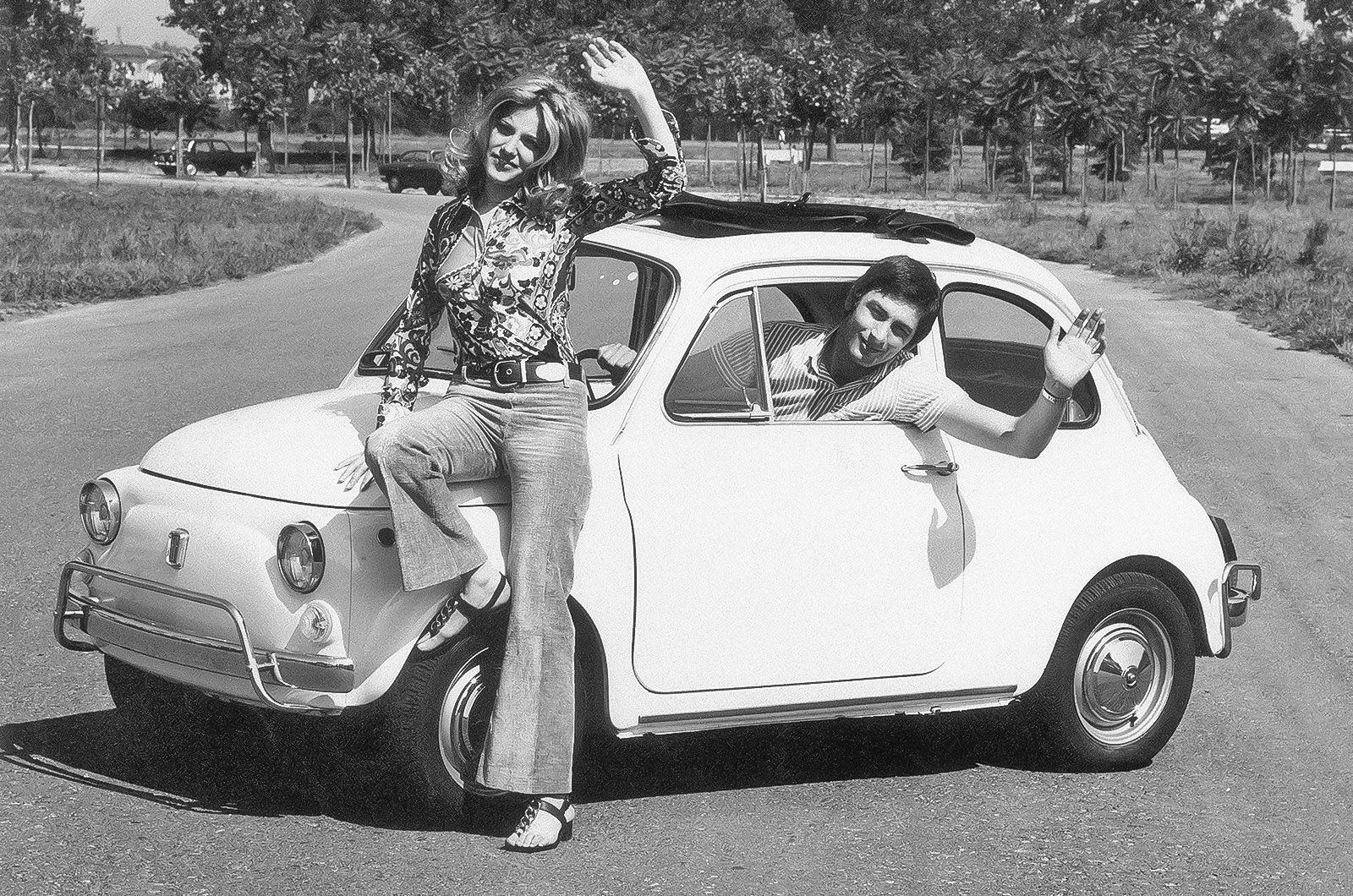
Like the 600, the 500 spawned many variants inside and outside of Italy. Abarth and Giannini famously took it racing, Fiat launched a more spacious variant named Giardinetta (which was also sold as an Autobianchi) and even a beach-friendly model called Jolly.
Austrian company Steyr-Puch prepared the 500 for the Alps by fitting it with a more powerful flat-twin engine.
NSU Prinz (1958)
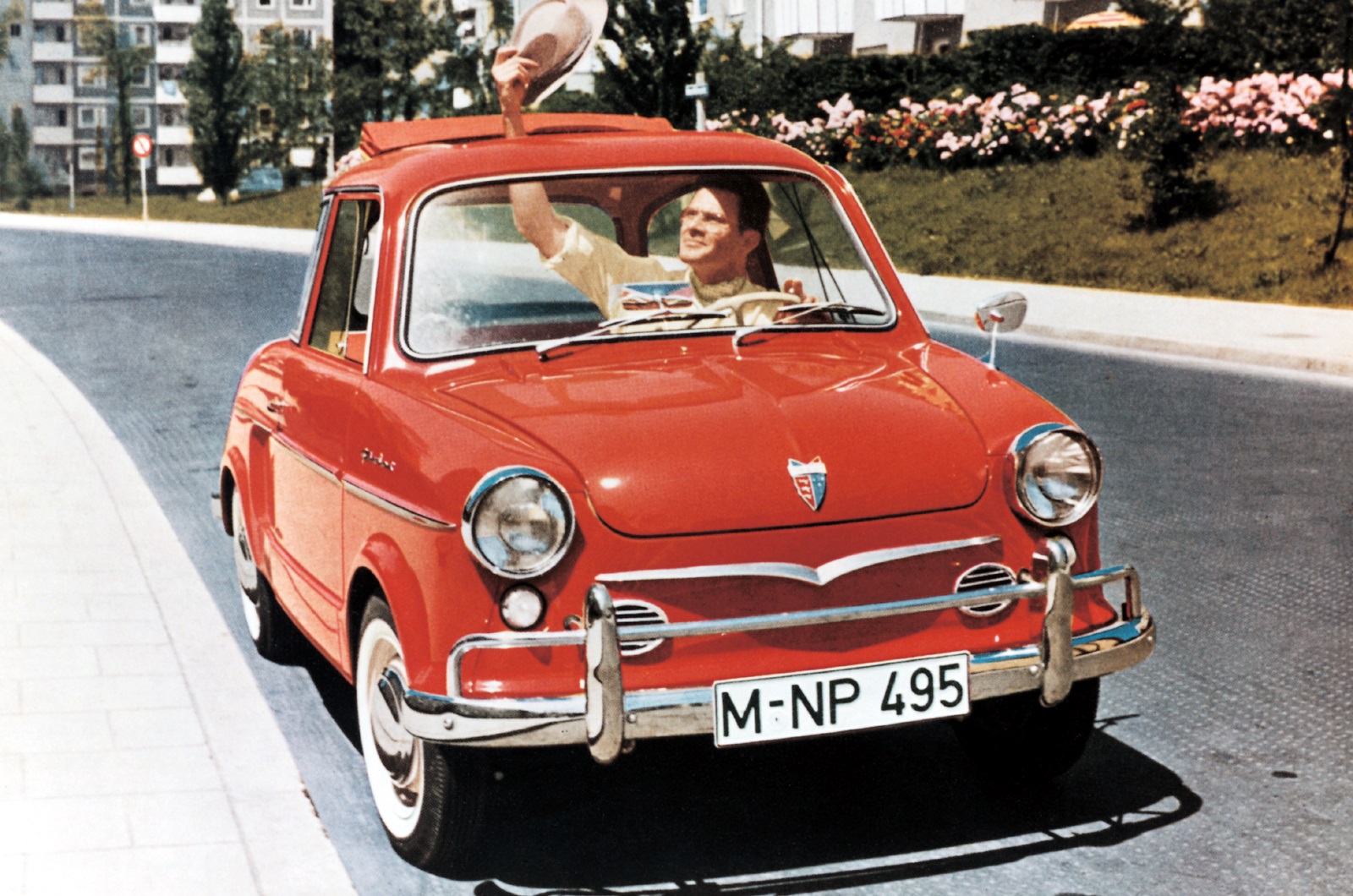
In the 1950s, NSU was better versed in making scooters and mopeds than cars. It began planning its return to the automotive space when it grew tired of losing clients who were seeking to upgrade to a four-wheeler with a fixed roof.
The Prinz nearly arrived with three wheels, like the Messerschmitt KR 200, but it made its debut at the 1957 Frankfurt auto show with four wheels and a rear-mounted, two-cylinder engine.
NSU Prinz (1958)
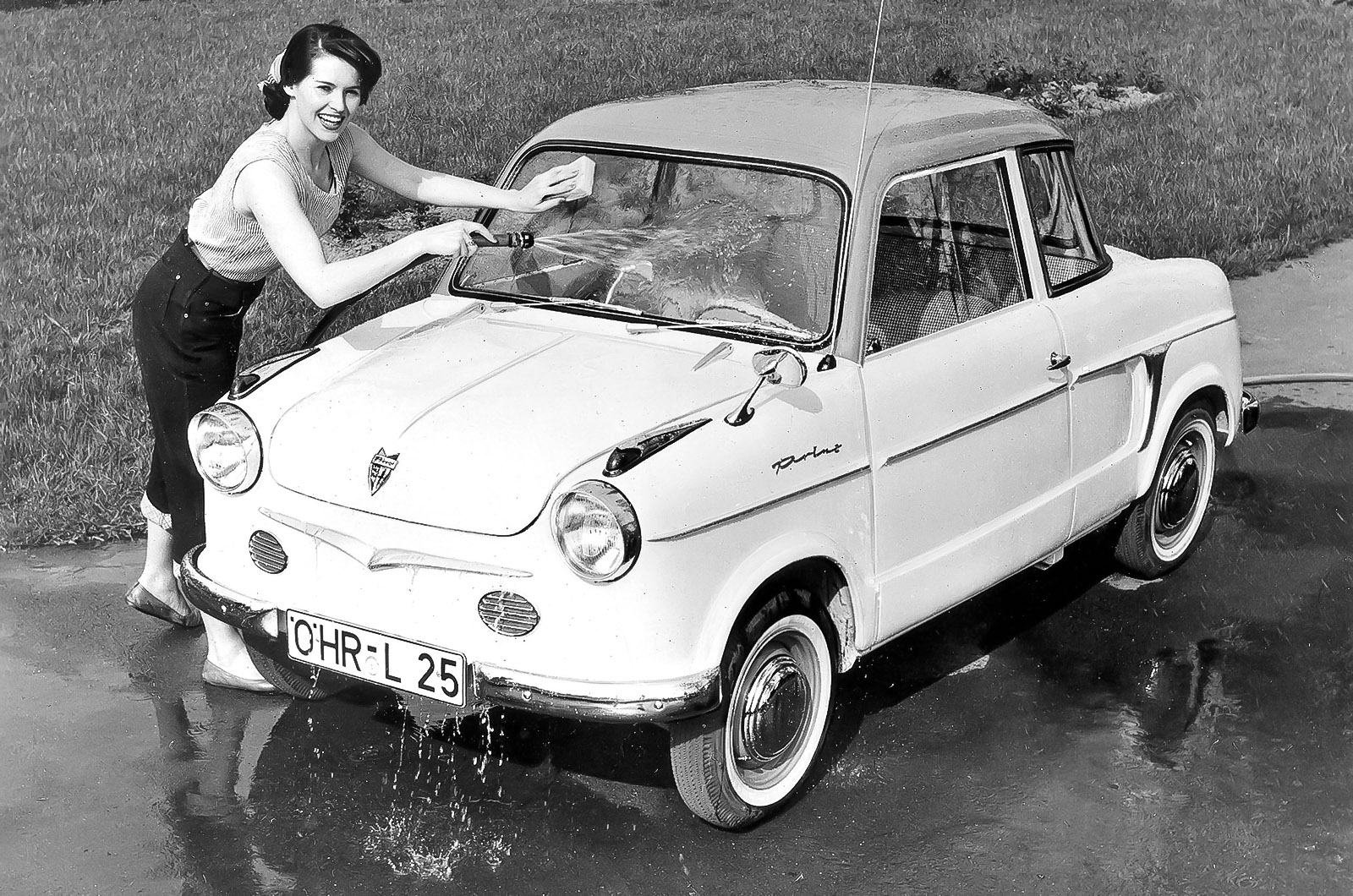
Production began the following year with a 20hp, 600cc air-cooled twin. The Prinz kept its rear-engined configuration as it received upgrades including a complete redesign in 1961 and several high-performance, Gordini-rivalling variants during the 1960s.
Subaru 360 (1958)
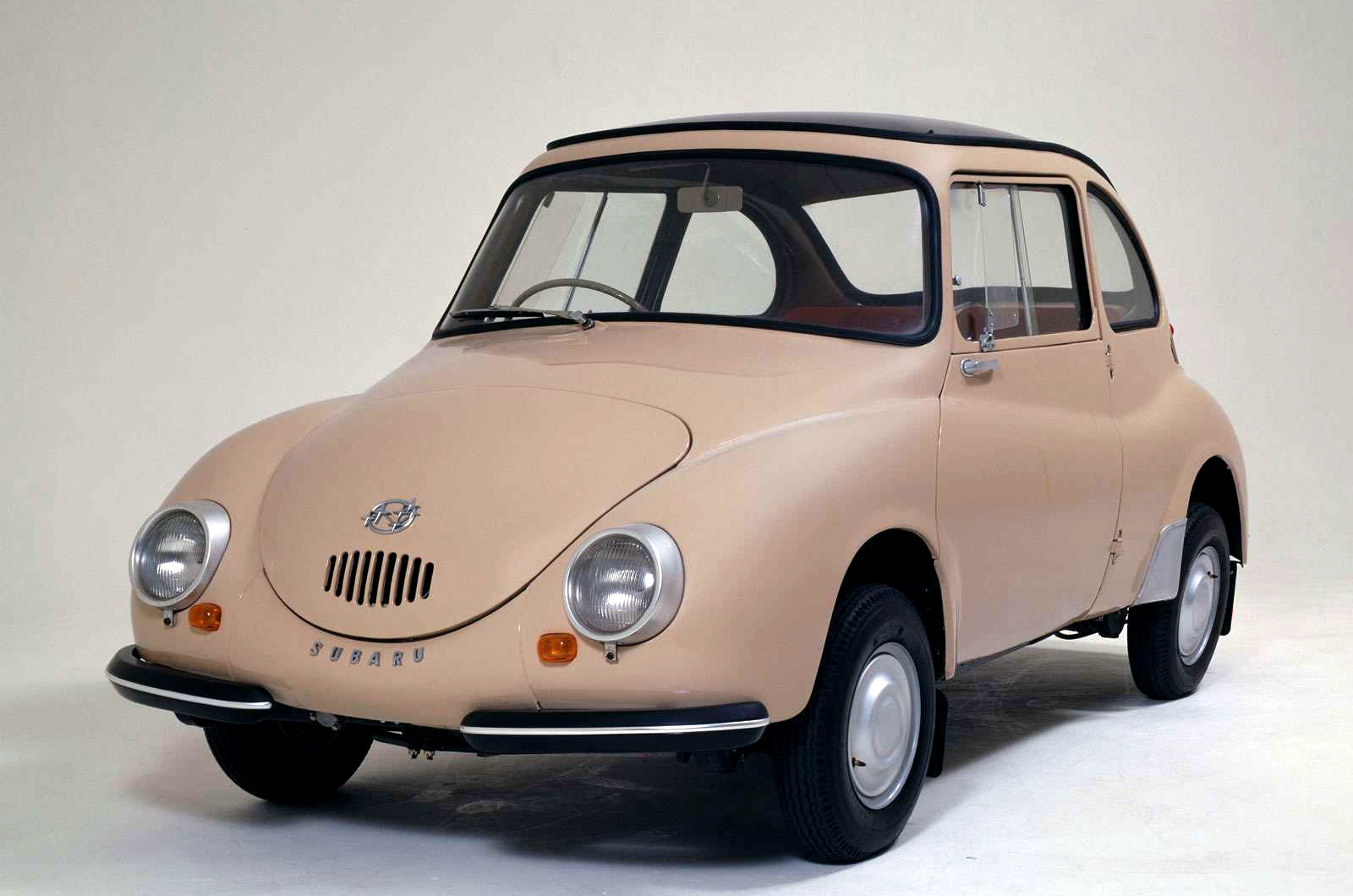
An eccentric Japanese law convinced Subaru engineers to place the 360’s two-stroke, two-cylinder engine in the back. Early on, they knew the model needed to comply with the strict kei car regulations announced in 1949 to convince motorists to think small.
This meant it couldn’t stretch longer than 2997 mm (118 inches), wider than 1295 mm (51 inches) tall and taller than 1981 mm (78 inches). Placing the engine in the back cleared up enough space for four adults in the passenger compartment while staying under the size limits imposed by the Japanese government.
Subaru 360 (1958)
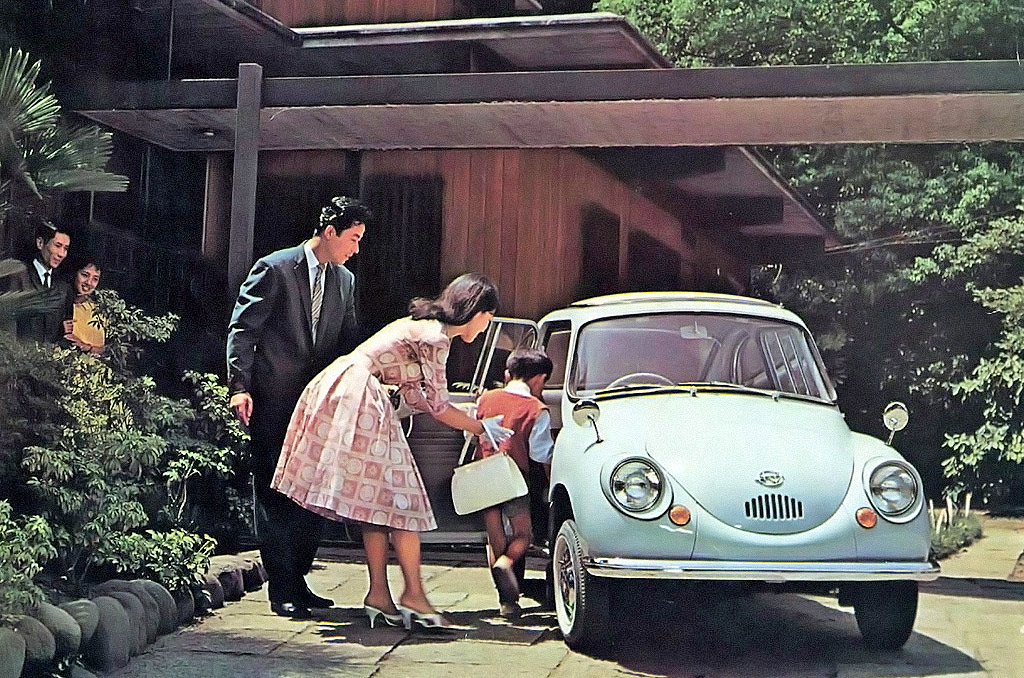
The 360 remained in production until 1971. The entrepreneur Malcolm Bricklin imported the car to the USA to establish Subaru America in 1968; driving this tiny car among the usually enormous cars on US roads must have been somewhat scary…
BMW 700 (1959)
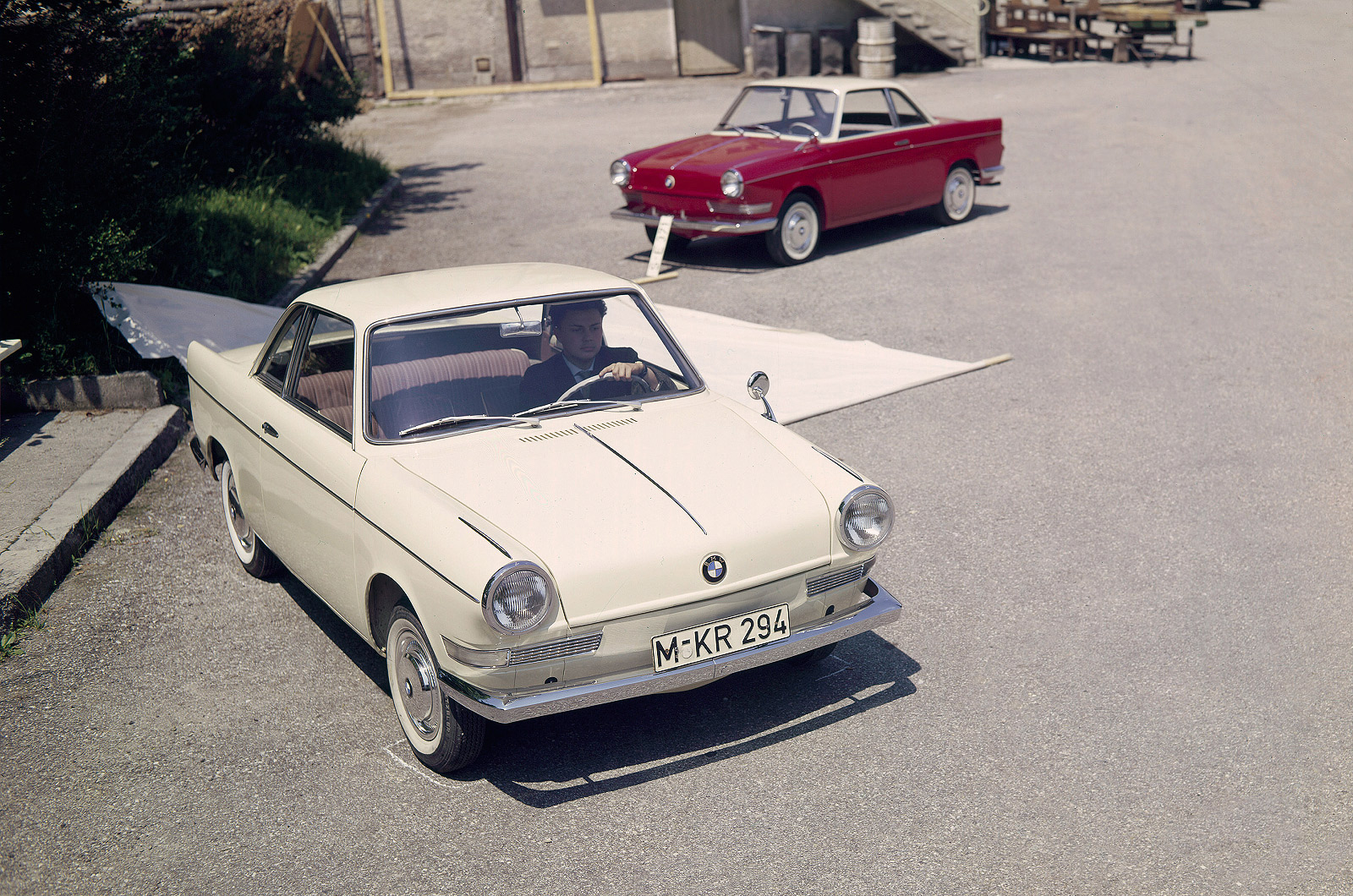
The Michelotti-designed 700 played a significant role in saving BMW from collapse. It took the company into a booming segment of the market it wasn’t previously present in.
BMW didn’t want to spend money on designing an engine from scratch so it modified the BMW R67 motorcycle’s air-cooled, flat-twin for car use.
BMW 700 (1959)
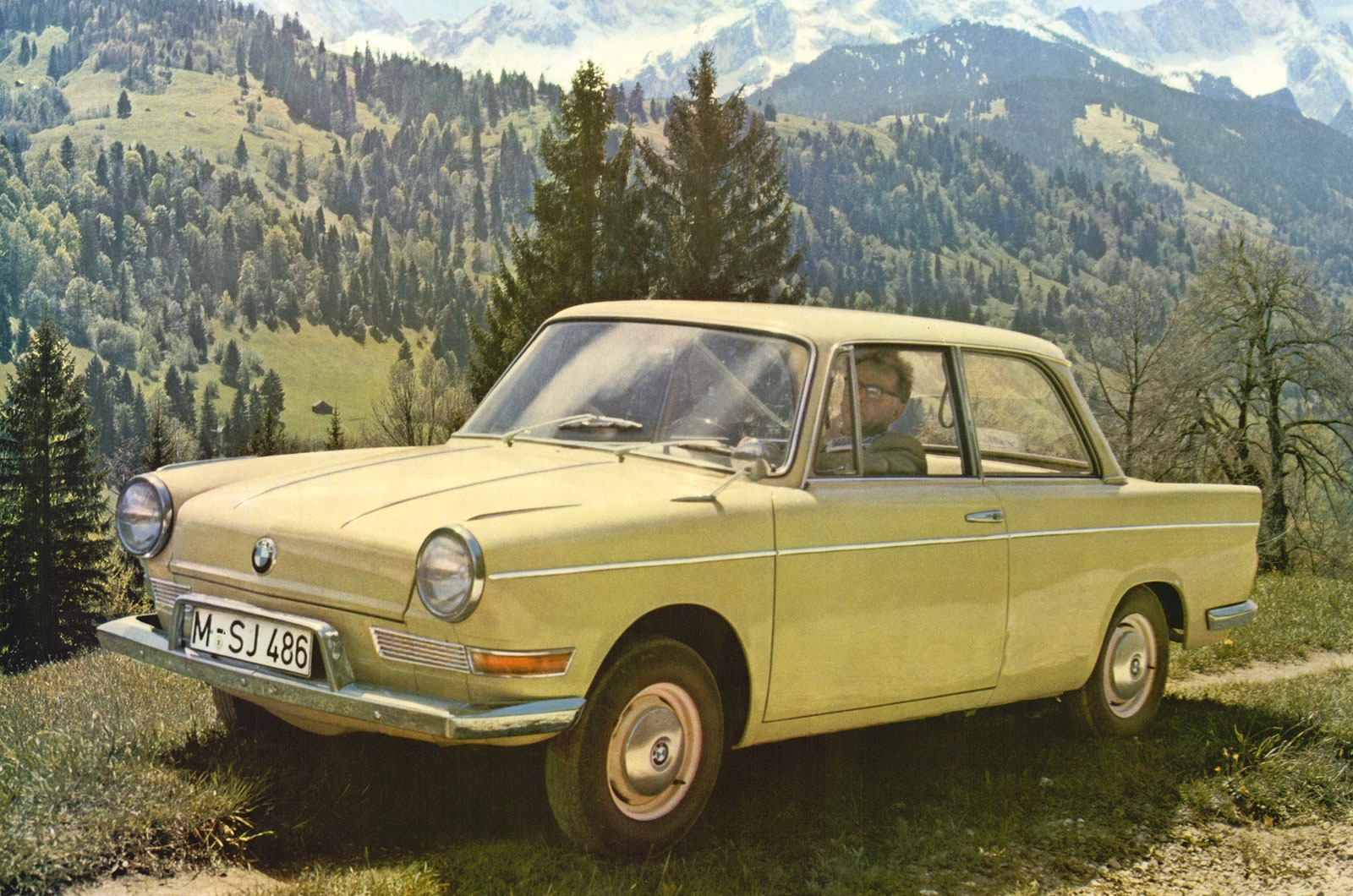
The firm mounted the engine behind the passenger compartment to better compete against the most popular cars sold in Europe during the late 1950s.
Production lasted between 1959 and 1965, a point by which BMW had already started forging its image as a maker of sporty, prestigious cars.
Picture: BMW 700 Coupe
Chevrolet Corvair (1959)
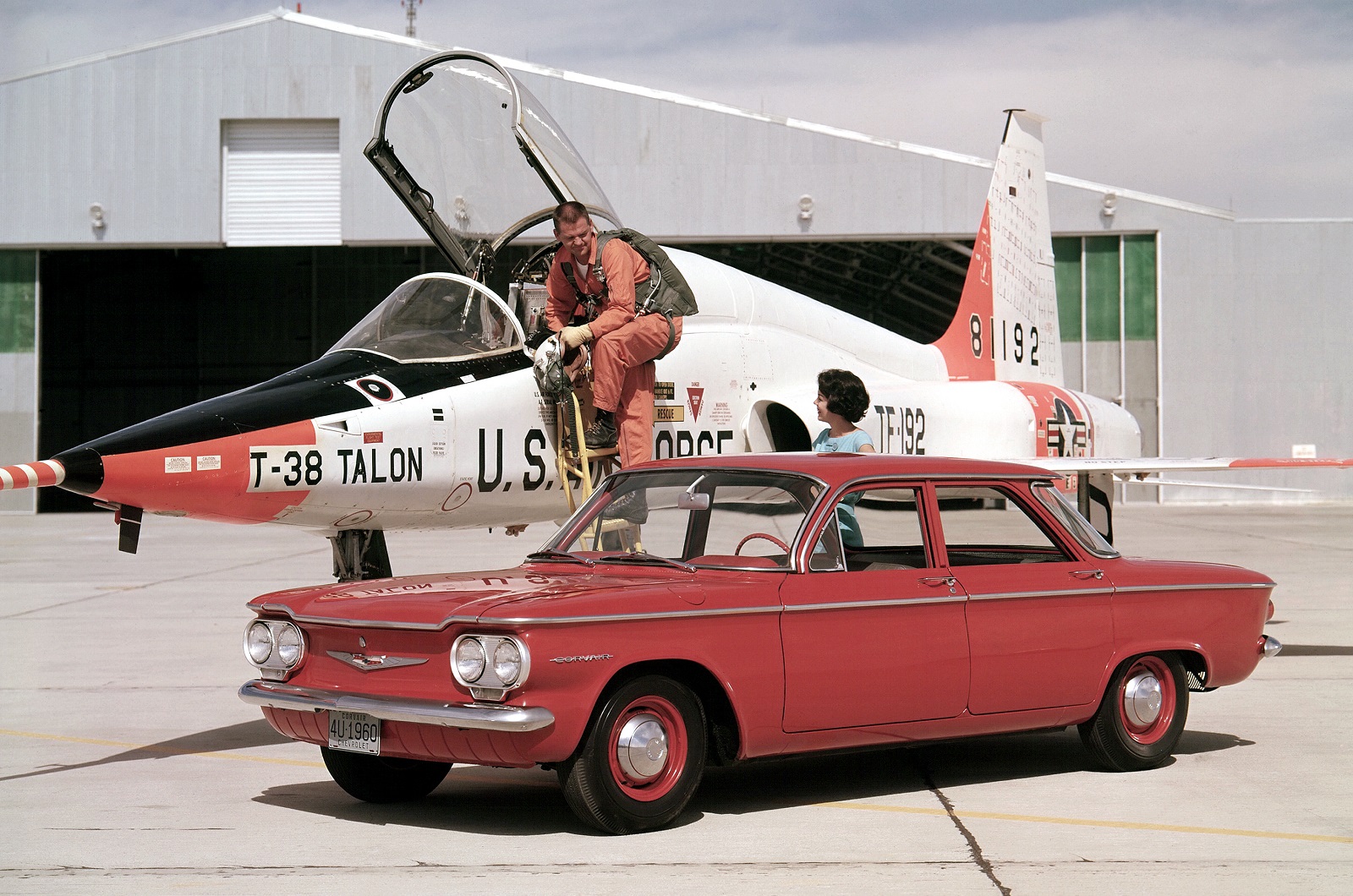
Chevrolet released the Corvair for the 1960 model year in a bid to compete directly against the Volkswagen Beetle. The Corvair used a rear-mounted, air-cooled engine but the similarities between it and its German rival largely ended there.
It wore a considerably more modern design, it was bigger and it offered buyers a flat-six engine that made 80 hp in its initial state of tune. Sporty variants – including a turbocharged, 180 hp model – joined the line-up in the early 1960s.
Chevrolet Corvair (1959)
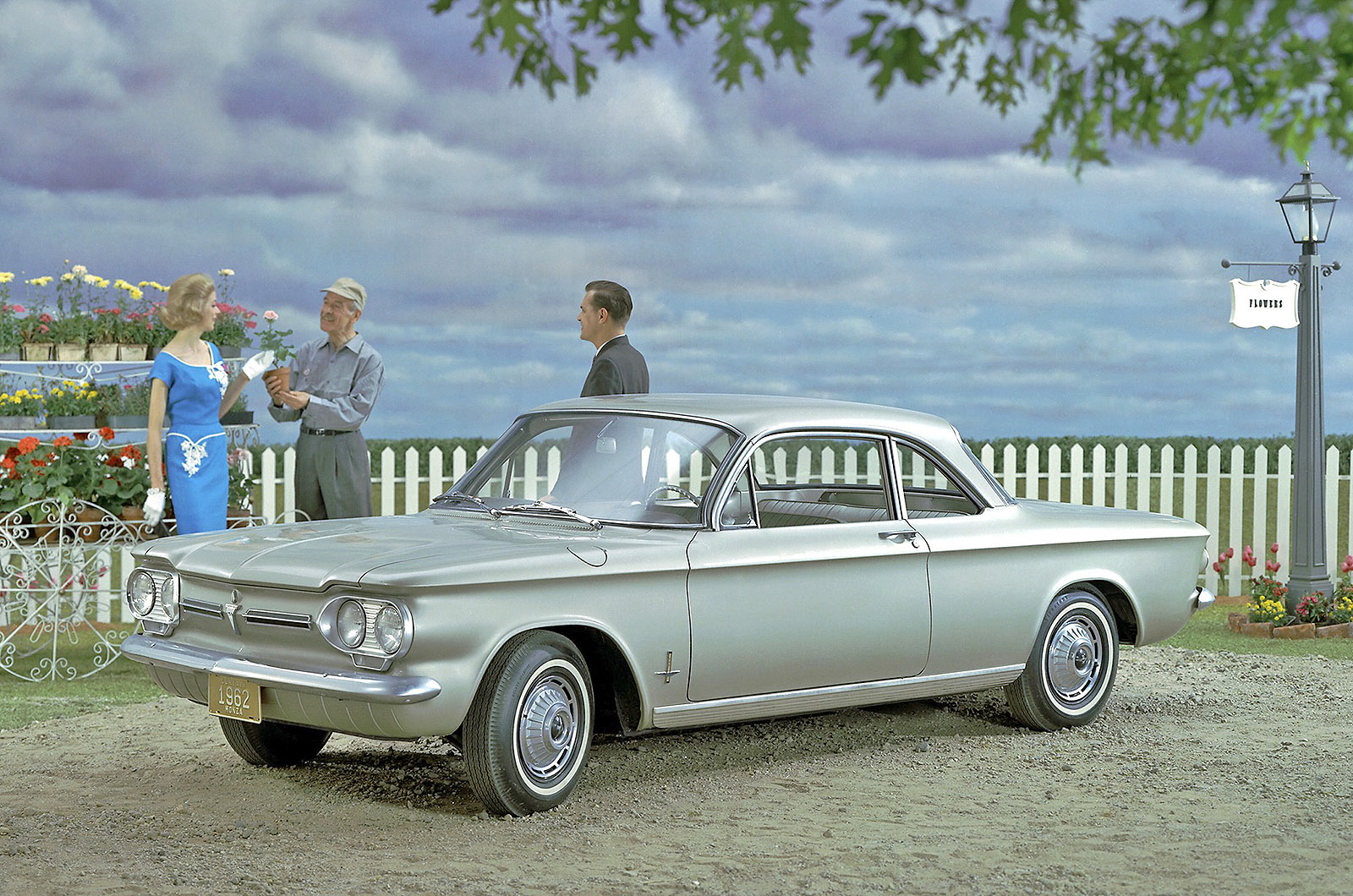
Chevrolet’s answer to European economy cars could have spawned an entire segment but its handling drew the damning criticism of safety advocate Ralph Nader. His book Unsafe at Any Speed cemented the model’s reputation as dangerous. Chevrolet corrected most of the Corvair’s handling faults with a thorough update in 1965 but the damage was already done – though the model did go onto sell around 1.835 million examples.
The firm didn’t dare release another rear-engined car after Corvair production ended in 1969.
ZAZ Zaporozhets (1960)
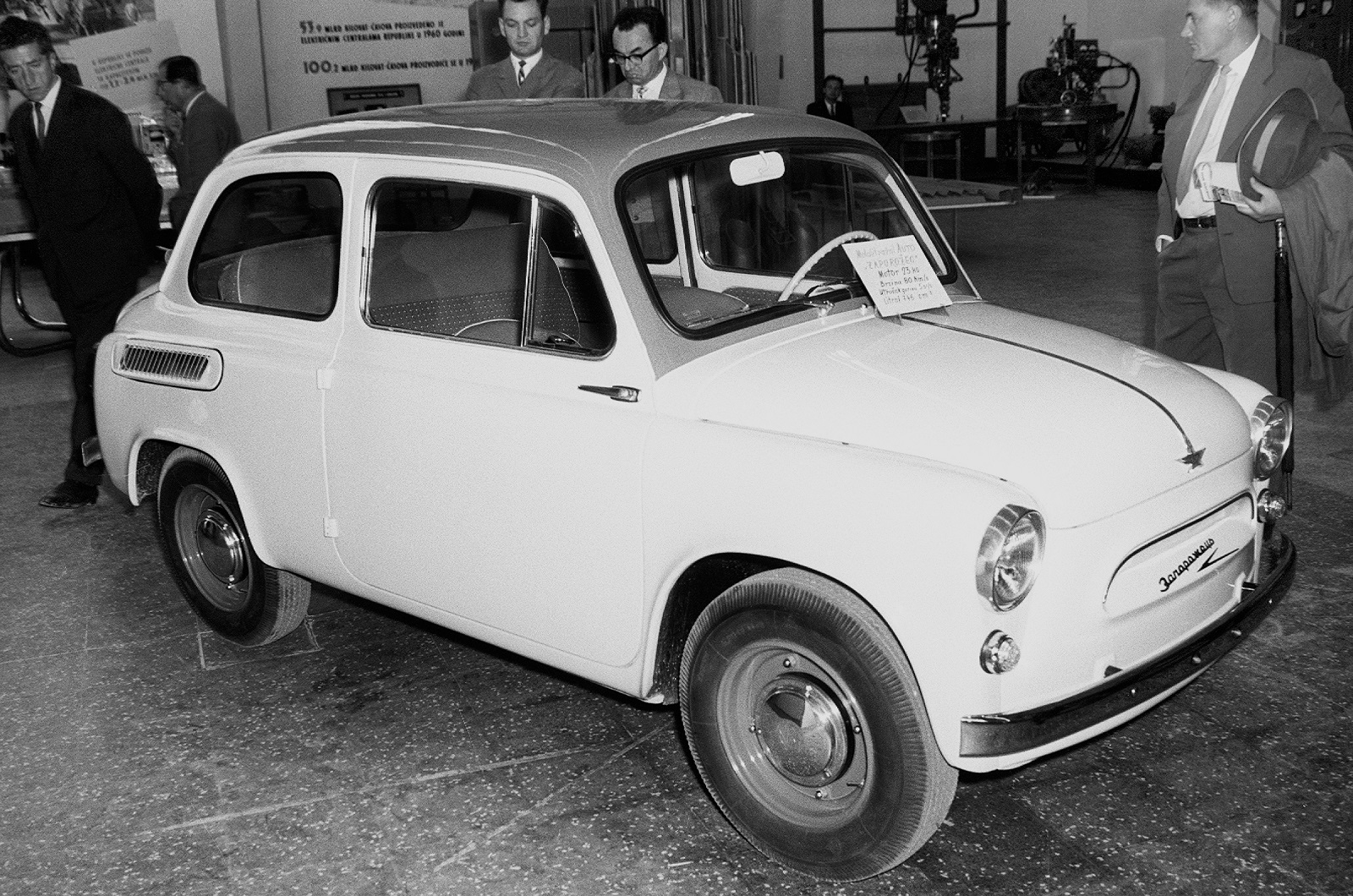
The USSR-built ZAZ-965 launched the long-running Zaporozhets series in 1960. It looked like a Soviet interpretation of the Fiat 600 and the resemblance wasn’t a pure coincidence. The Russian government instructed ZAZ engineers to closely examine the then-new Fiat before starting the design process.
The 965 wasn’t a carbon copy of the 600, however. It featured a torsion bar suspension system inspired by the one fitted to the Volkswagen Beetle and it came with an air-cooled V4 engine.
ZAZ Zaporozhets (1960)
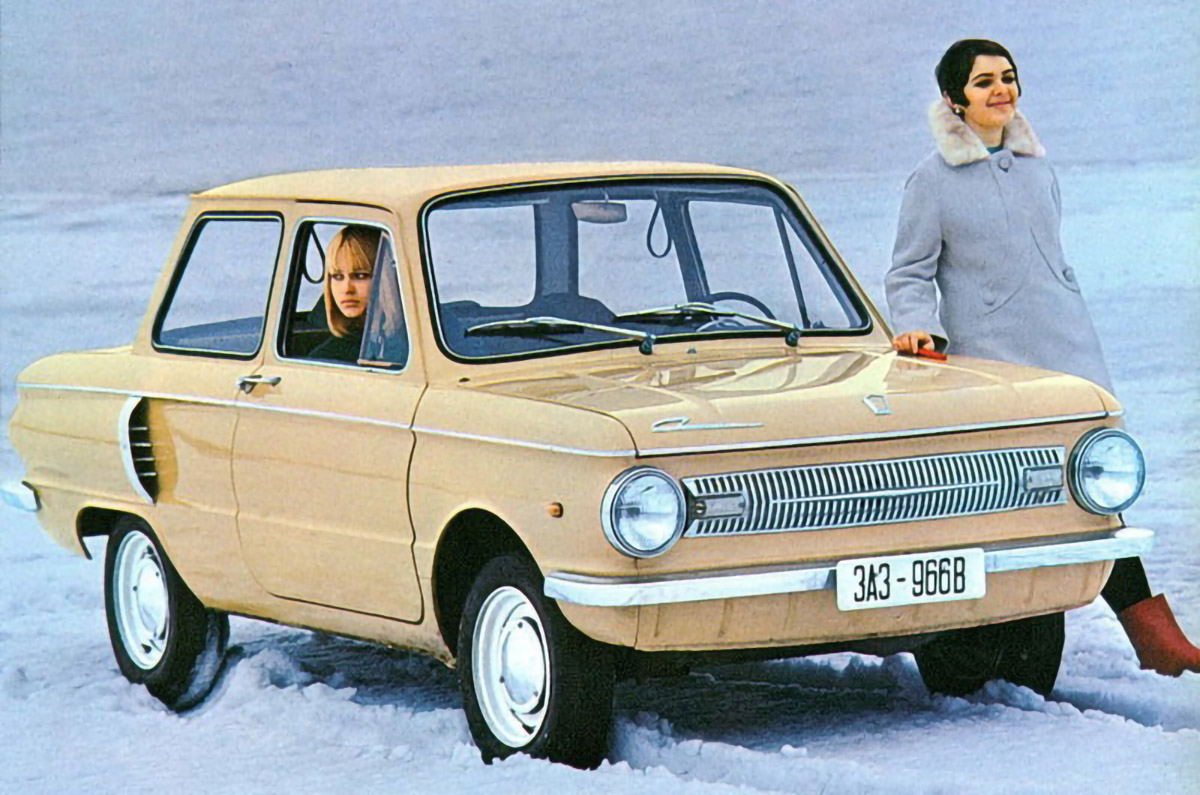
The 965 was replaced by the 966 (pictured) – which openly drew inspiration from the NSU Prinz – in 1966 but it remained available until 1969. The 966 morphed into the 968 in 1971 and remained available in various forms until 1994, always with a rear-mounted, air-cooled V4 engine.
Simca 1000 (1961)
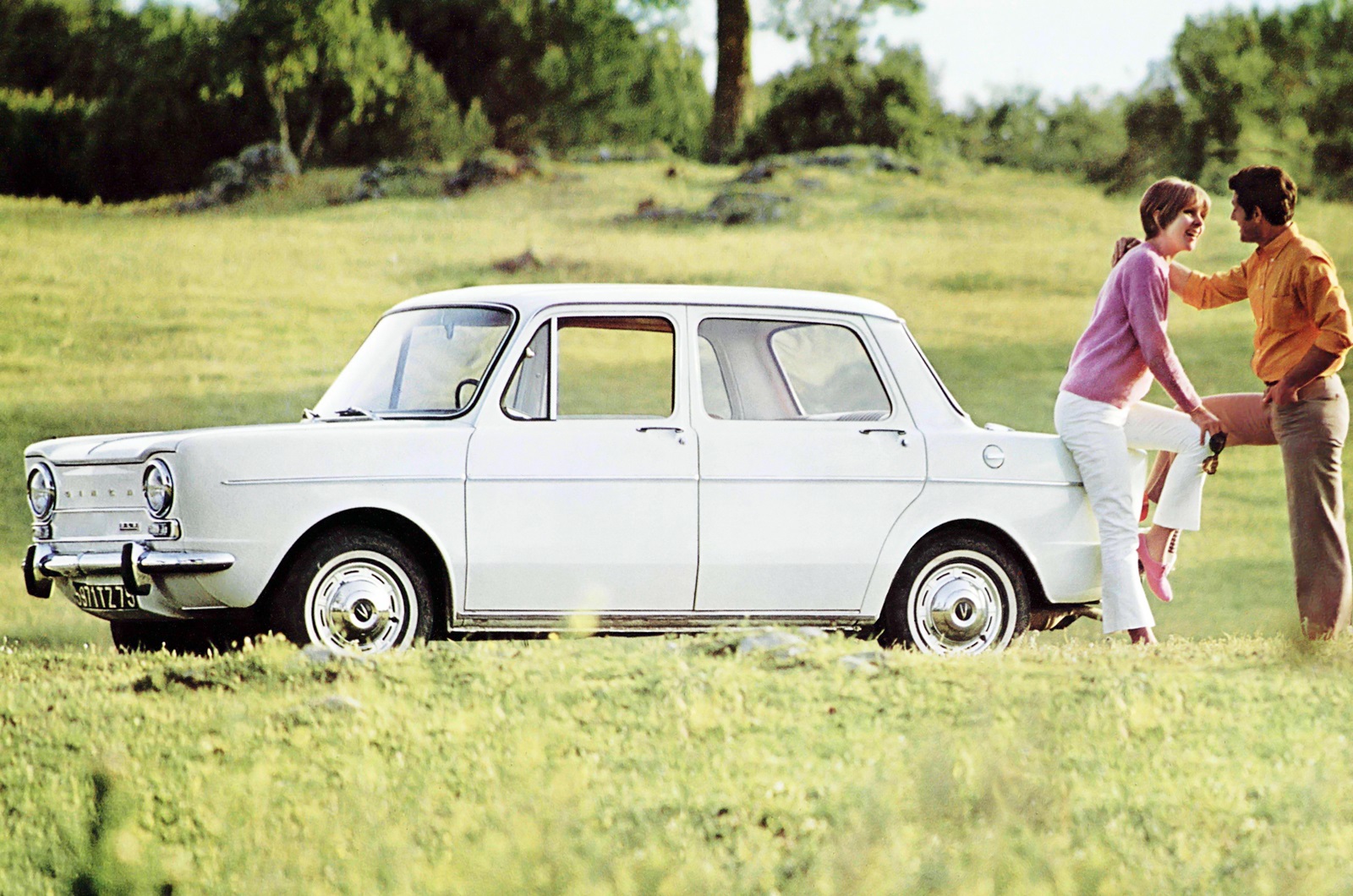
Simca tried every nearly mechanical configuration available. It experimented with rear-engined, rear-wheel drive models when it released the 1000 in 1961. The four-door was designed with input from Fiat – which owned part of Simca – and it anticipated a rising demand for a bigger, more powerful car than the 600 powered by a 1000cc engine.
The team in charge of the 1000 set out to develop a humble family car priced within most people’s reach; they unintentionally created one of the most popular (and successful) race cars of all time.
Simca 1000 (1961)
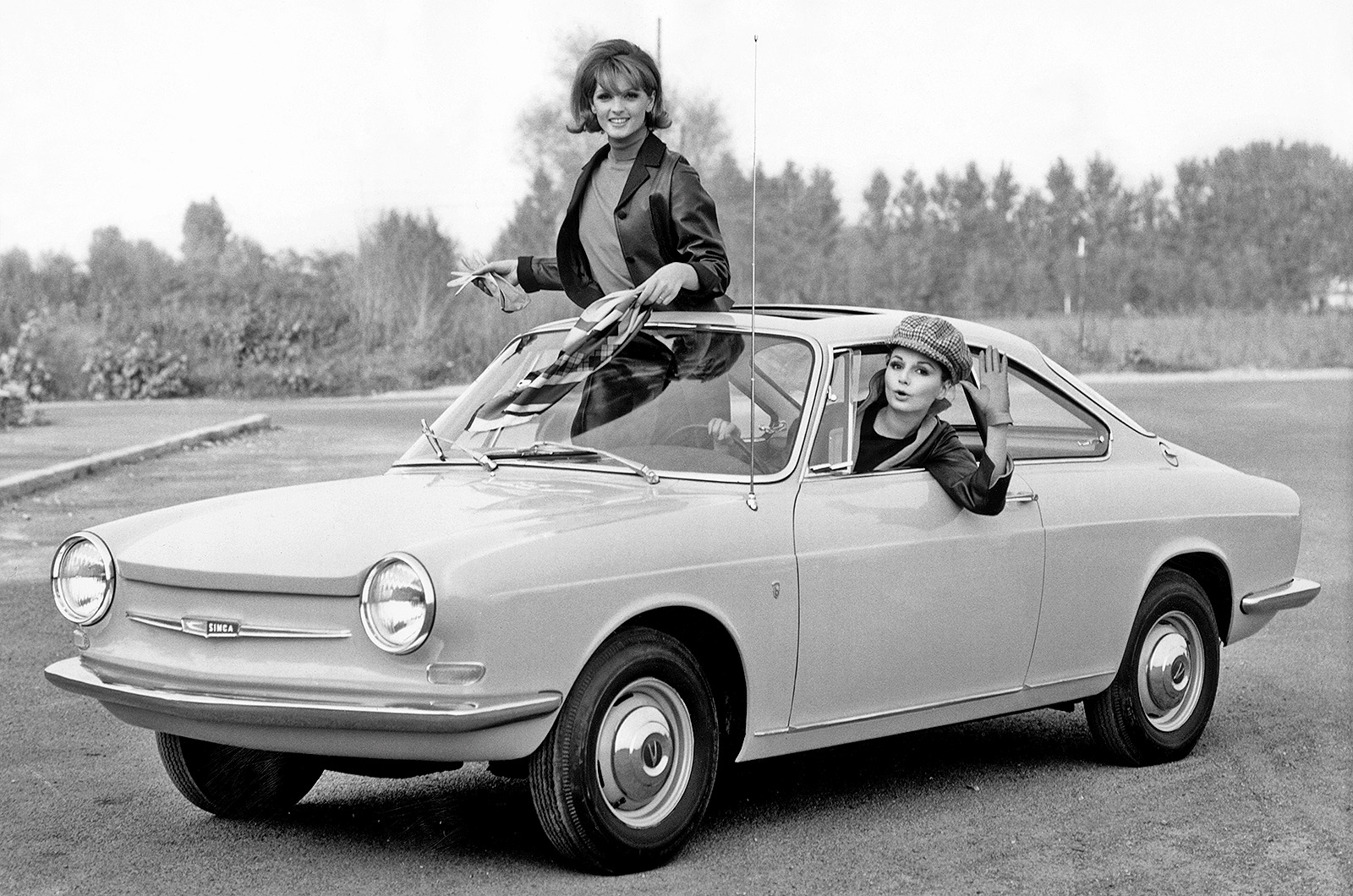
The Rallye-badged variants of the Simca 1000 won competitions all over Europe and they remain popular as historic racers today. Abarth also tuned the model shortly after its introduction and Simca turned its entry-level family car into a pair of low-slung coupes called 1000 Coupe (pictured) and 1200S, respectively.
Simca released the 1100 in 1967 with a transversally-mounted four-cylinder engine that spun the front wheels. It was sold alongside the 1000 until troubled Simca ended production of both models in 1978.
Alpine A110 (1962)
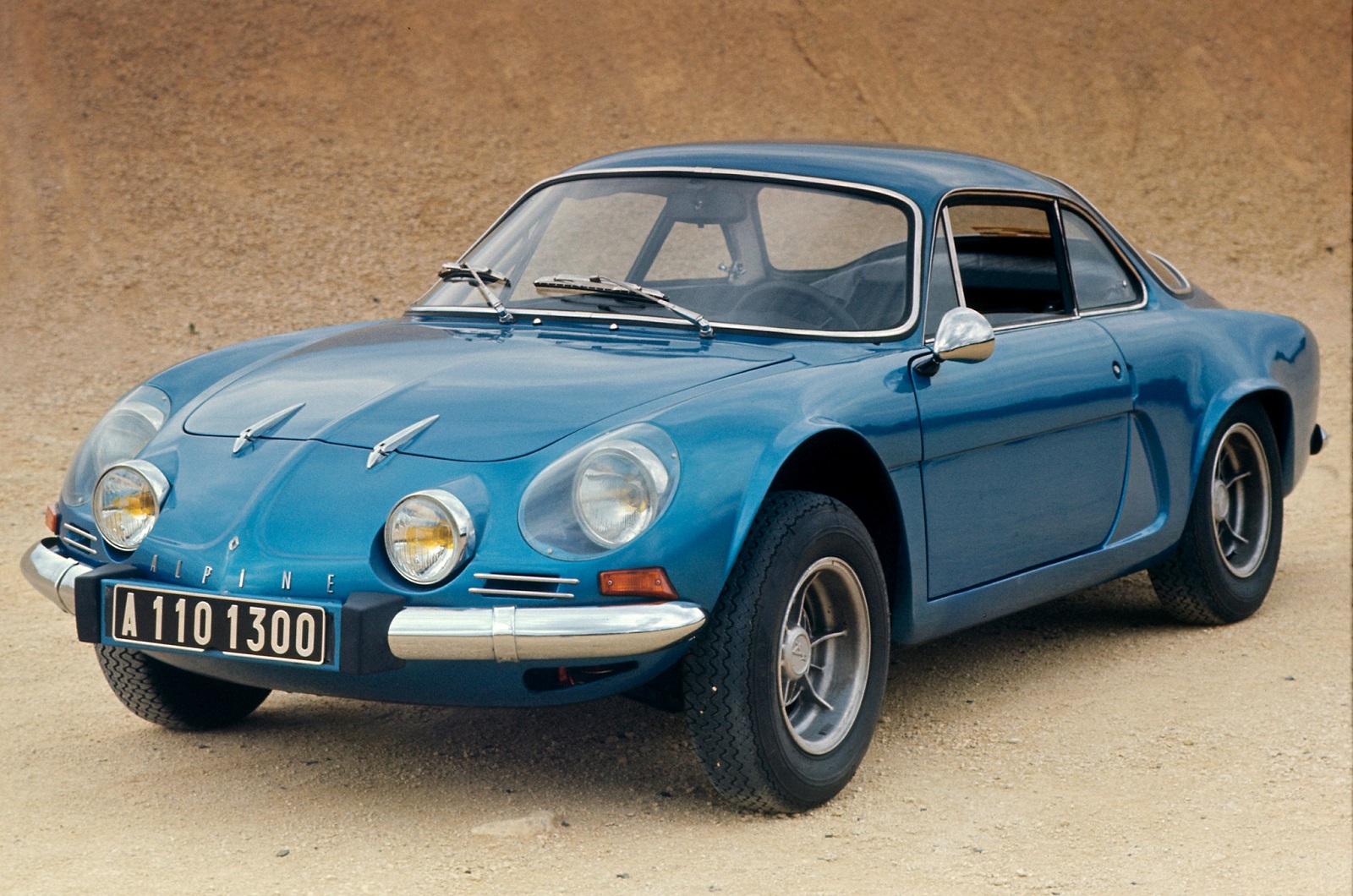
The A106, Alpine’s first model, was rear-engined because it shared many mechanical components with the Renault 4CV. The company stuck to this configuration when it designed the A108 and it found no reason to move the engine when it began working on the A110.
Compact, light and reasonably powerful, the A110 became one of the most successful rear-engined race cars ever to line up on a starting grid. The A110 used Renault-sourced engines throughout its entire career.
Alpine A110 (1962)
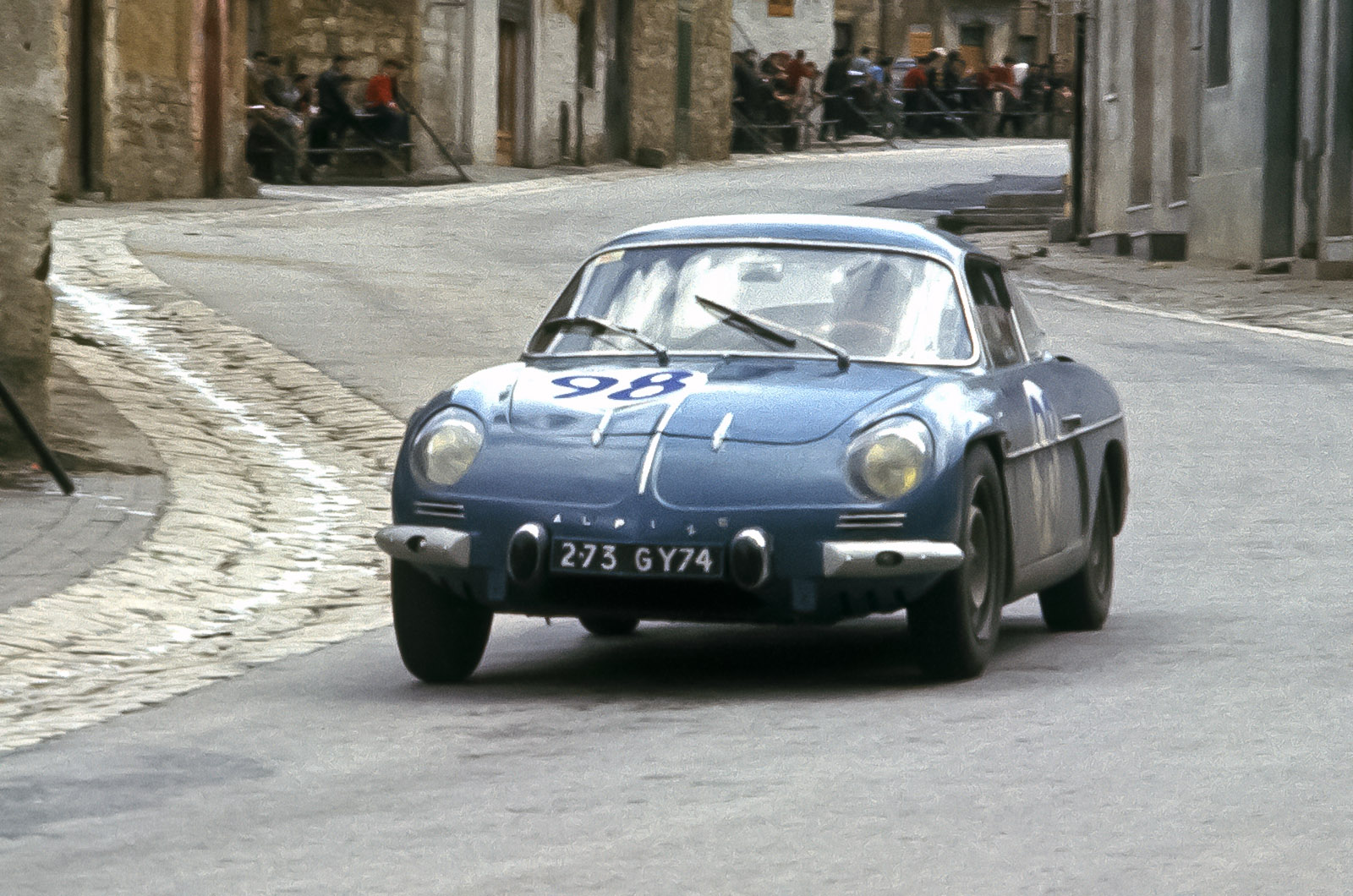
Early models came with 55hp, 956cc four-cylinder borrowed from the then-new 8 while later examples received a fuel-injected, 1605cc four-cylinder borrowed from the 17 TS and tuned to deliver 140bhp.
Alpine, like Porsche, kept the rear-mounted engine for as long as possible. The A310 and the A610 were both rear-engined. The born-again A110 released in 2017 switched to a mid-engined layout, however.
Renault 8 (1962)
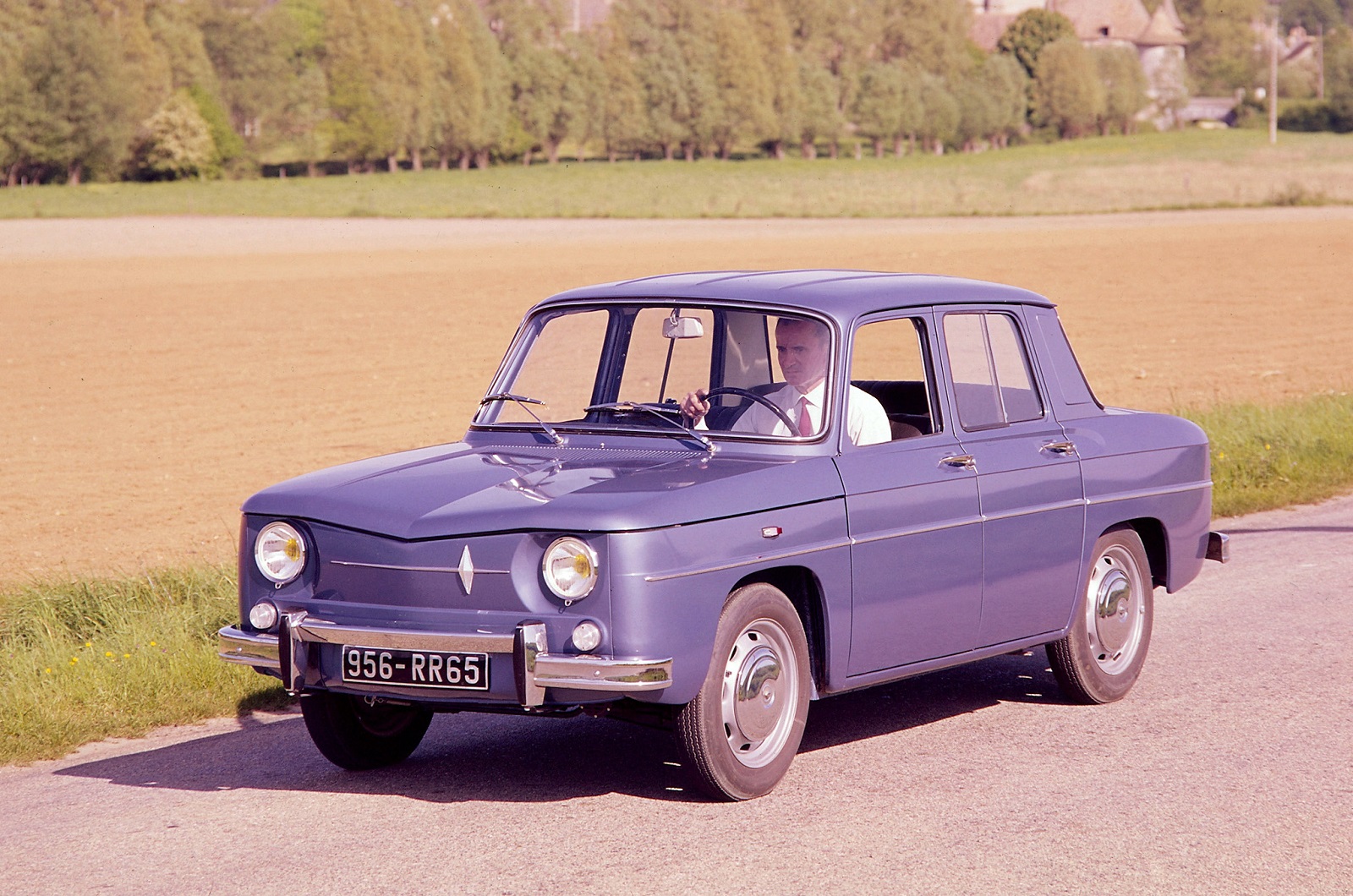
Many understandably assumed Renault would stop making rear-engined cars when it released the front-wheel drive 4 in 1961. The company wasn’t quite done, however. The Dauphine was beginning to show its age and Renault sought to replace it with a new model named Renault 8.
Its boxy design broke away from the Dauphine’s soft, rounded lines but the two cars were similar under the sheet metal.
Renault 8 (1962)
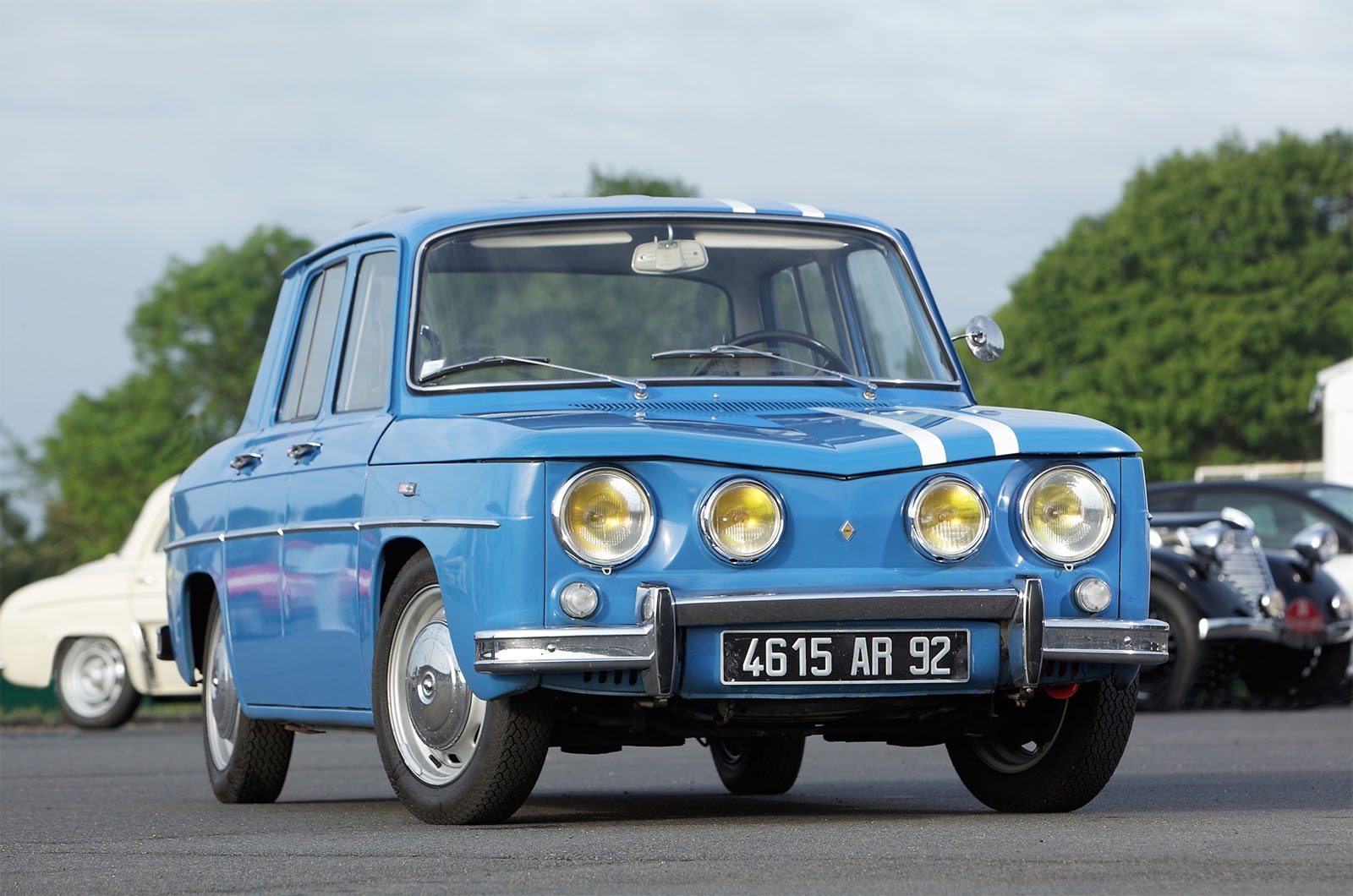
Renault kept the water-cooled, rear-mounted engine instead of making the 8 front-engined and front-wheel drive like the Renault 4. It probably worried about alienating a customer base who had driven rear-engined cars since the 1940s.
Renault filled the gap between the Renault 8 and the Renault 16 by releasing another rear-engined model named Renault 10. It was an evolution of the 8 with a longer front end that wore a model-specific design and a nicer interior.
The best-remembered variant of the 8 is the Gordini (pictured), which arrived in 1964 with a 90hp, 1108cc engine. It gained a 100hp, 1255cc four-cylinder (and two additional lights up front) in 1967. French production of the 8 stopped in 1973, six years after Renault made the last Dauphine, but the model survived until 1976 in Spain.
Hillman Imp (1963)
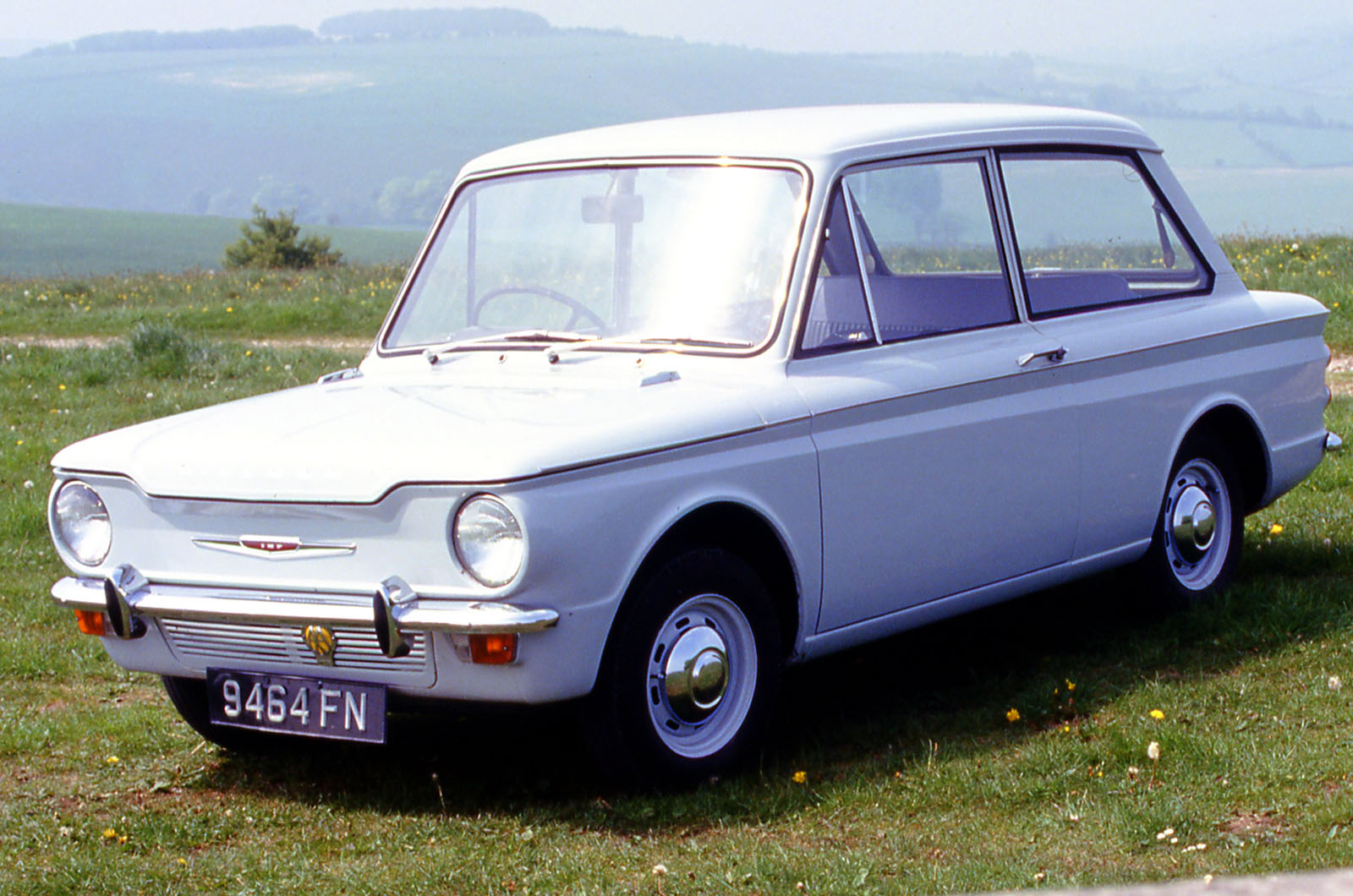
Hillman released the rear-engined Imp in 1963. Designed to tackle the Mini head-on, the Imp had a clever feature none of its competitors could boast about.
Its rear window opened upwards to let motorists place luggage on the back seat. Those who needed more space could fold the rear seatback flat, another unusual feature in the 1960s.
Hillman Imp (1963)
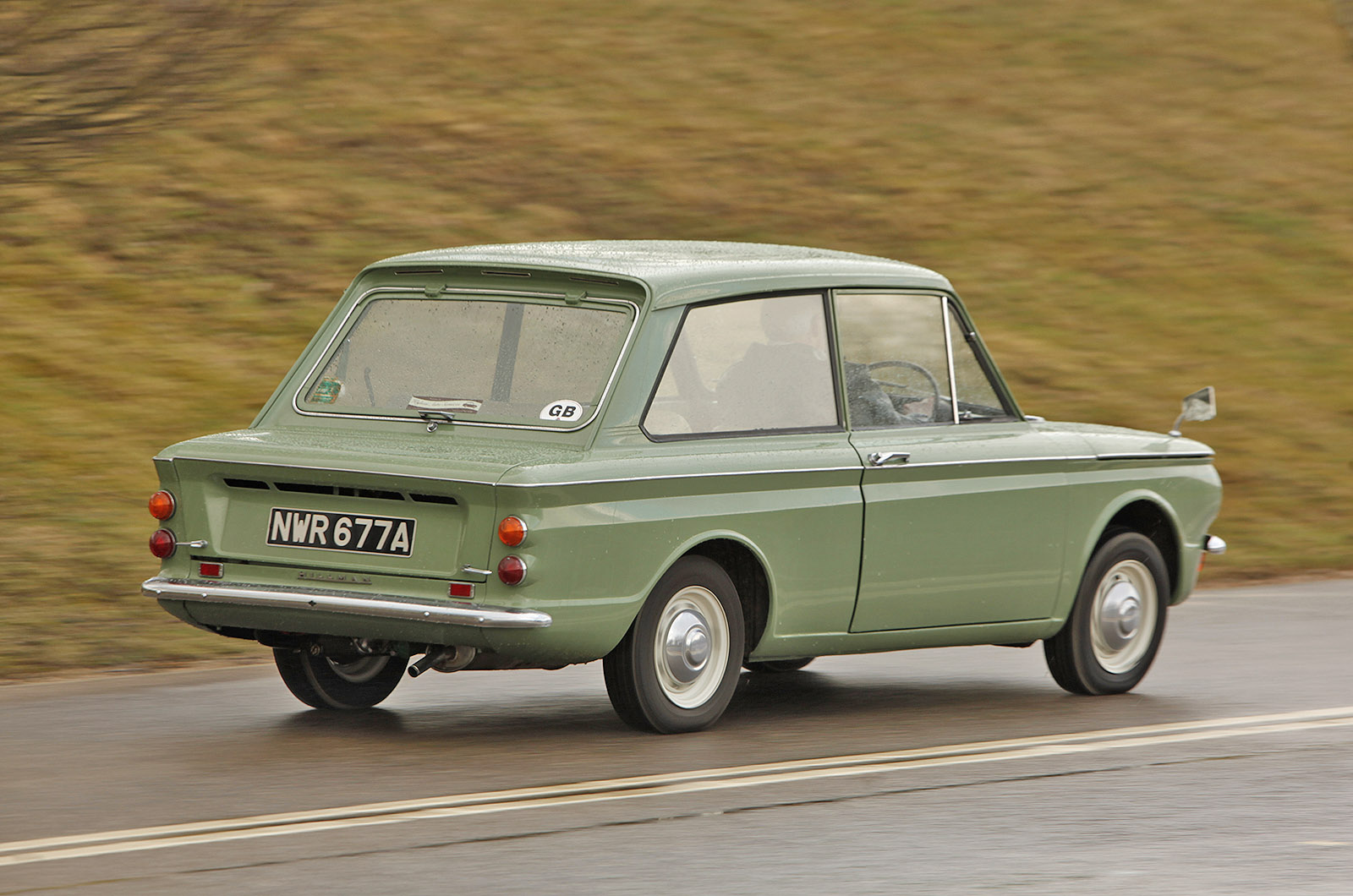
Hillman went to great lengths to make the Imp easier to live with on a daily basis than the Mini but reliability problems - notably with the cooling system - gave it a bad reputation it couldn’t recover from.
Strikes at the Linwood factory in Scotland that built it compounded its problems. The Imp’s less-than-illustrious career contributed greatly to the financial problems of Hillman parent company Rootes, leading Rootes into the arms of Chrysler in 1967.
Porsche 911 (1963)
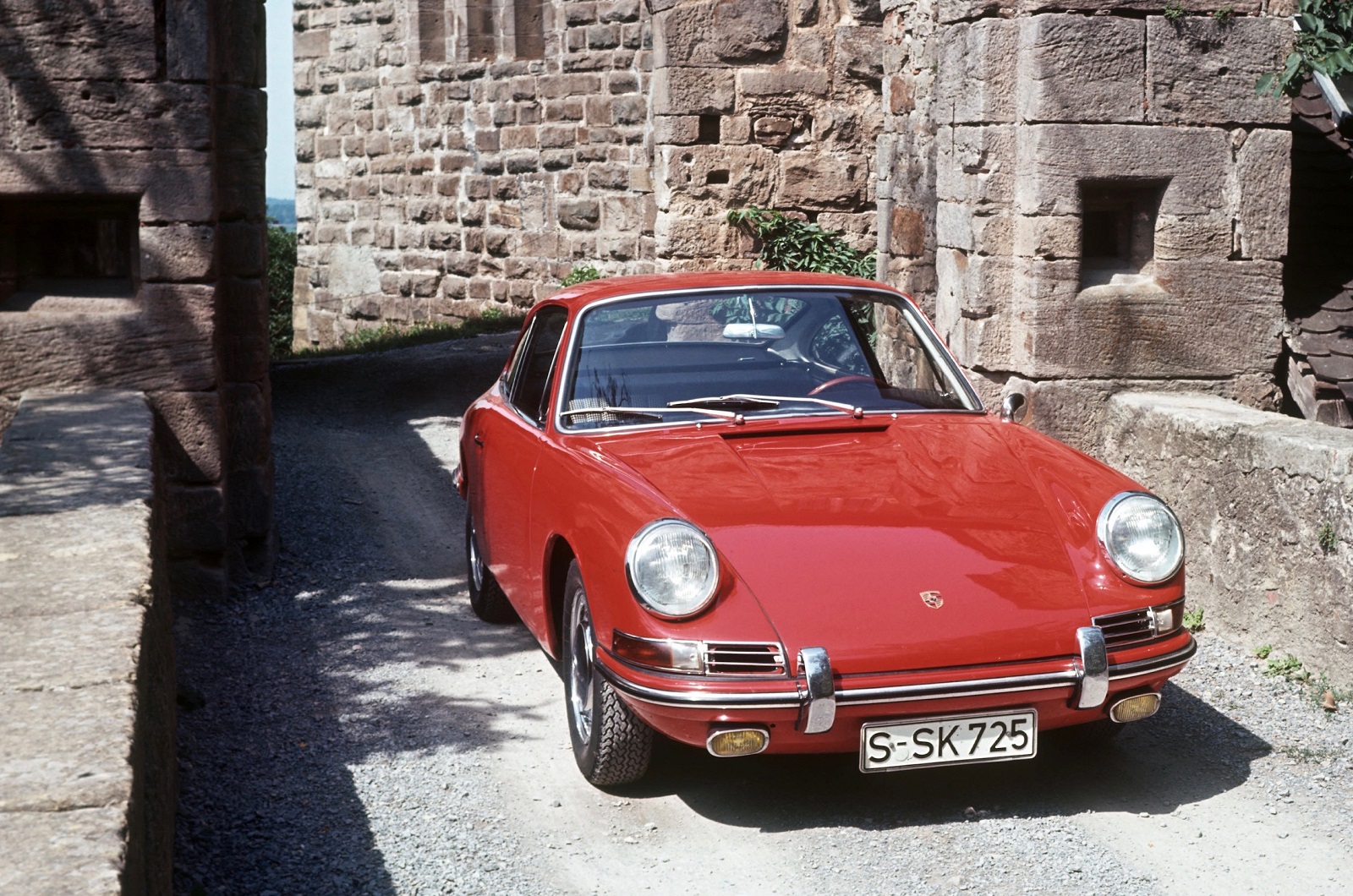
Porsche replaced the 356 with the 901 in 1963. It was a brand-new model from the ground up; it wore a sleeker design and it received a flat-six engine. Peugeot swiftly reminded Porsche that it owned every three-digit nameplate with a zero in the middle so the 901 became the 911 shortly after its introduction.
The rest, as they say, is history. The 911 is one of the most famous rear-engined cars ever made.
Porsche 911 (1963)
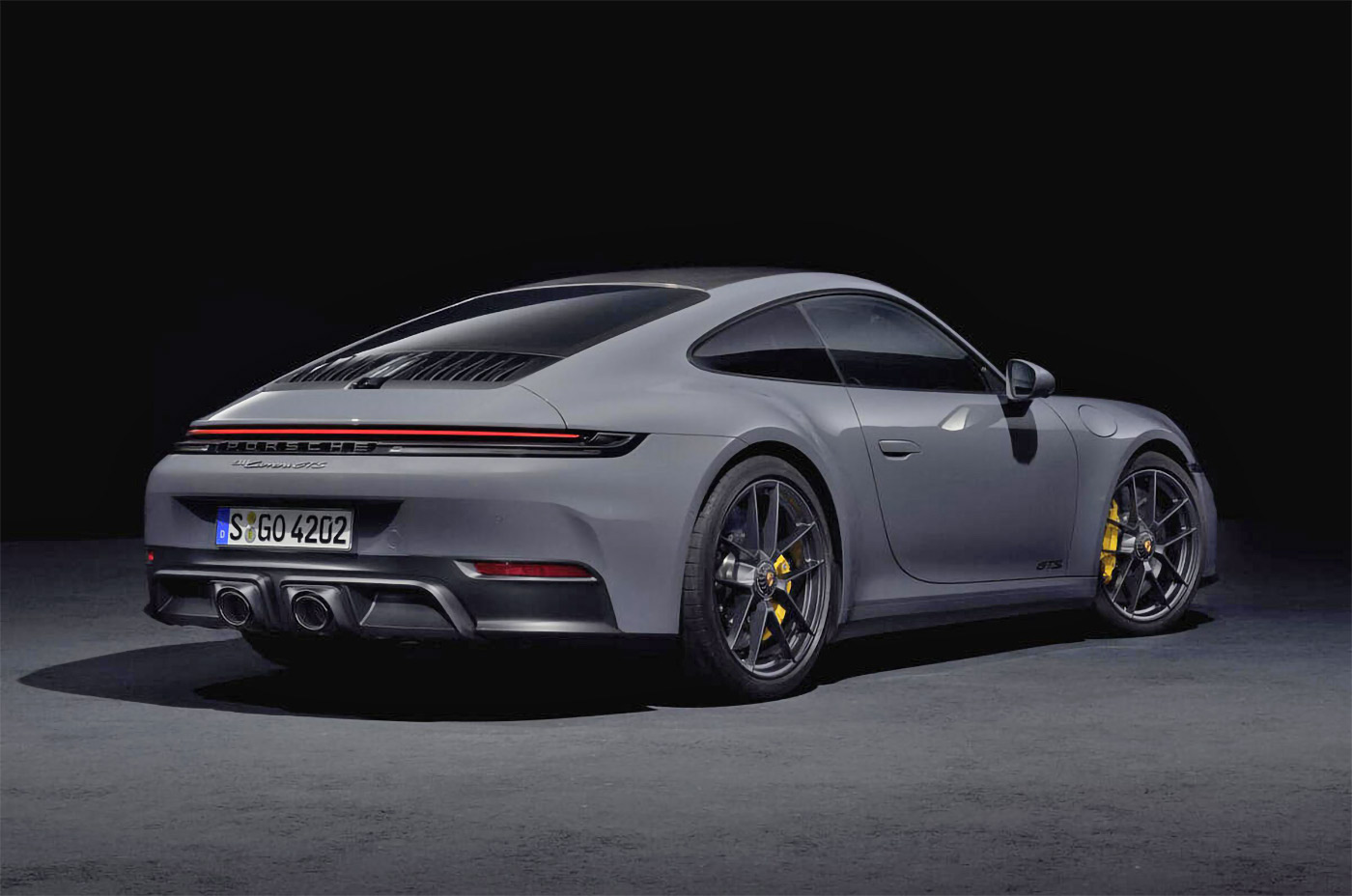
The 911 has gone through many, many evolutions in its long history. It has got bigger, heavier, more advanced and much more powerful. It shifted from air-cooling to water-cooling and even launched a hybrid version in 2024 (pictured). It has always remained rear-engined and this configuration continues to shape its emblematic design.
Fiat 850 (1964)
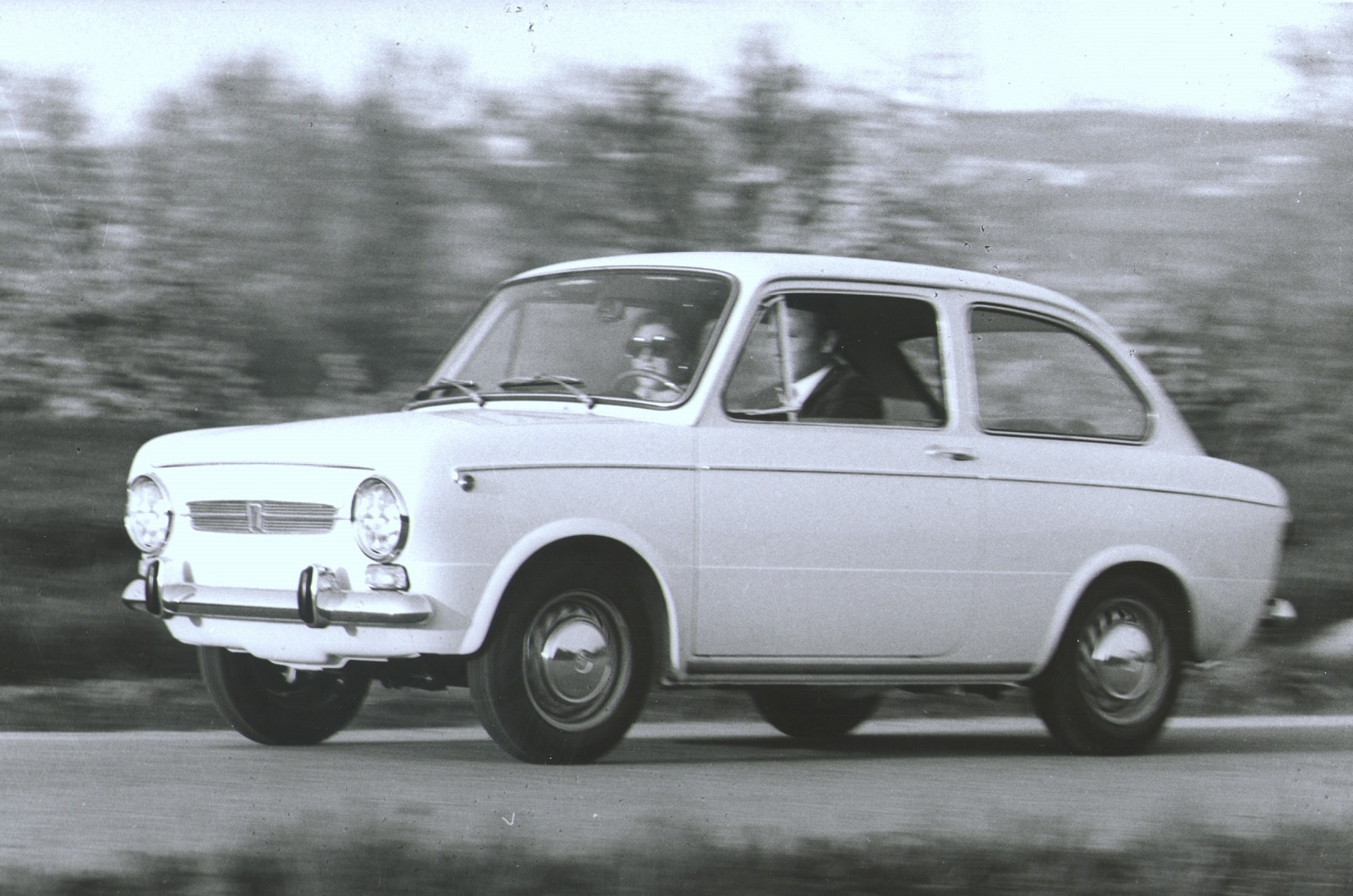
Developed to take the torch from the 600, the Fiat 850 was a new design built around the same rear-engined layout as its predecessor. Released in 1964, the 850 should have arrived with a sloping silhouette like the 600’s but internal testing revealed prototypes weren’t aerodynamically efficient.
They had nearly the same 68mph top speed as the 600 even though horsepower output had jumped from 29 to 40. Fiat rushed a three-box design to production to avoid delaying the car, according to Dante Giacosa, and the 850 went on sale right on schedule with a 75mph top speed.
Fiat 850 (1964)
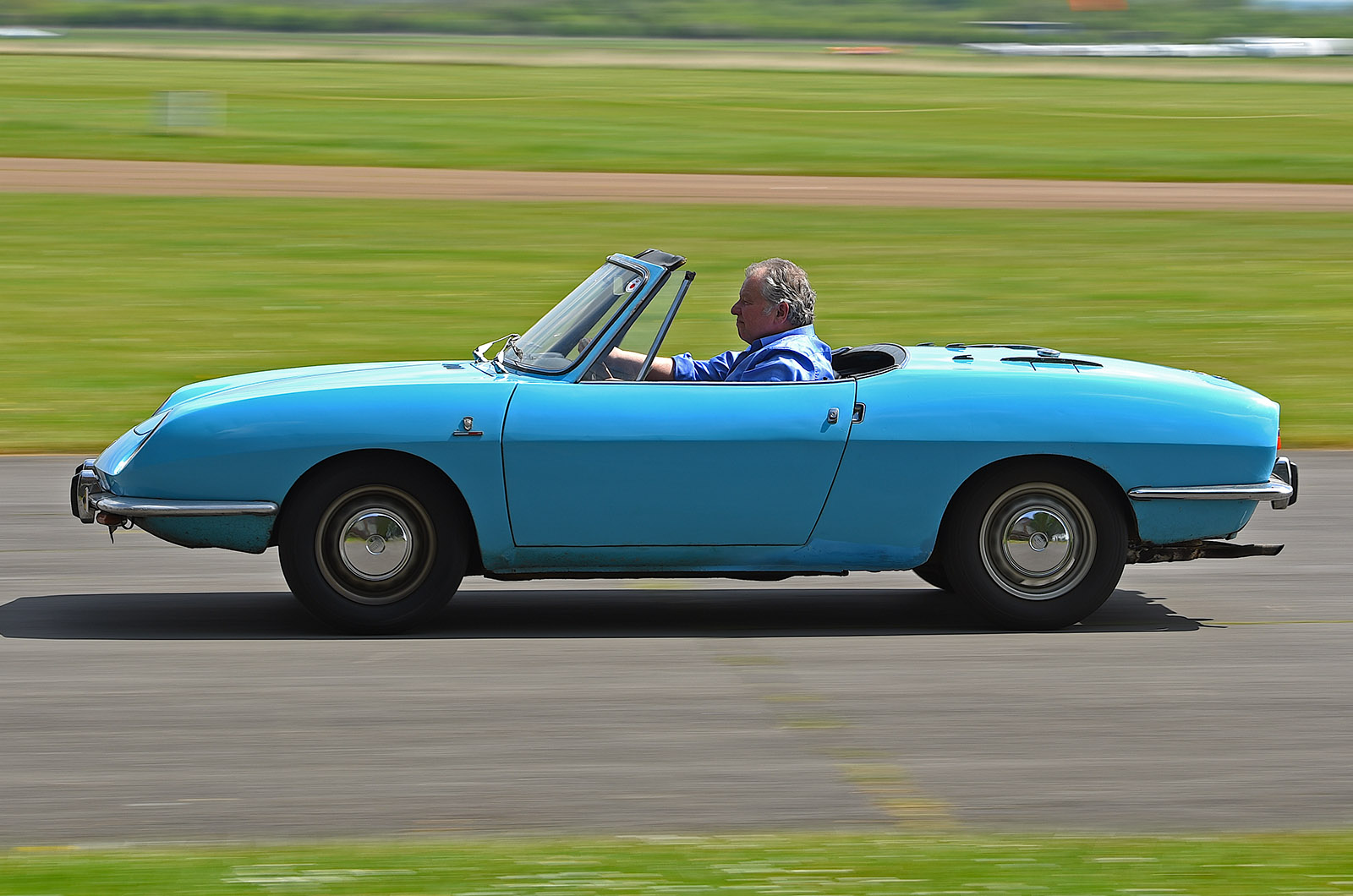
SEAT again built the 850 under license and it again released a variant with an extra set of doors. Back in Turin, Fiat had watched coachbuilders steal the spotlight with sporty variants of the 600 and it was determined not to make the same mistake twice.
It released coupe and convertible (pictured) variants of the model in 1965 and fitted both with a more powerful version of the 843cc engine. Coupe and Spider models received a 903cc four-cylinder engine in 1968. In the United States, Fiat moved in the opposite direction.
For years, it sold the 850 with an 817cc four to skirt emissions regulations. Production ended in 1973 and Fiat replaced the 850 with the front-engined, front-wheel drive 127.
Škoda 1000 MB (1964)
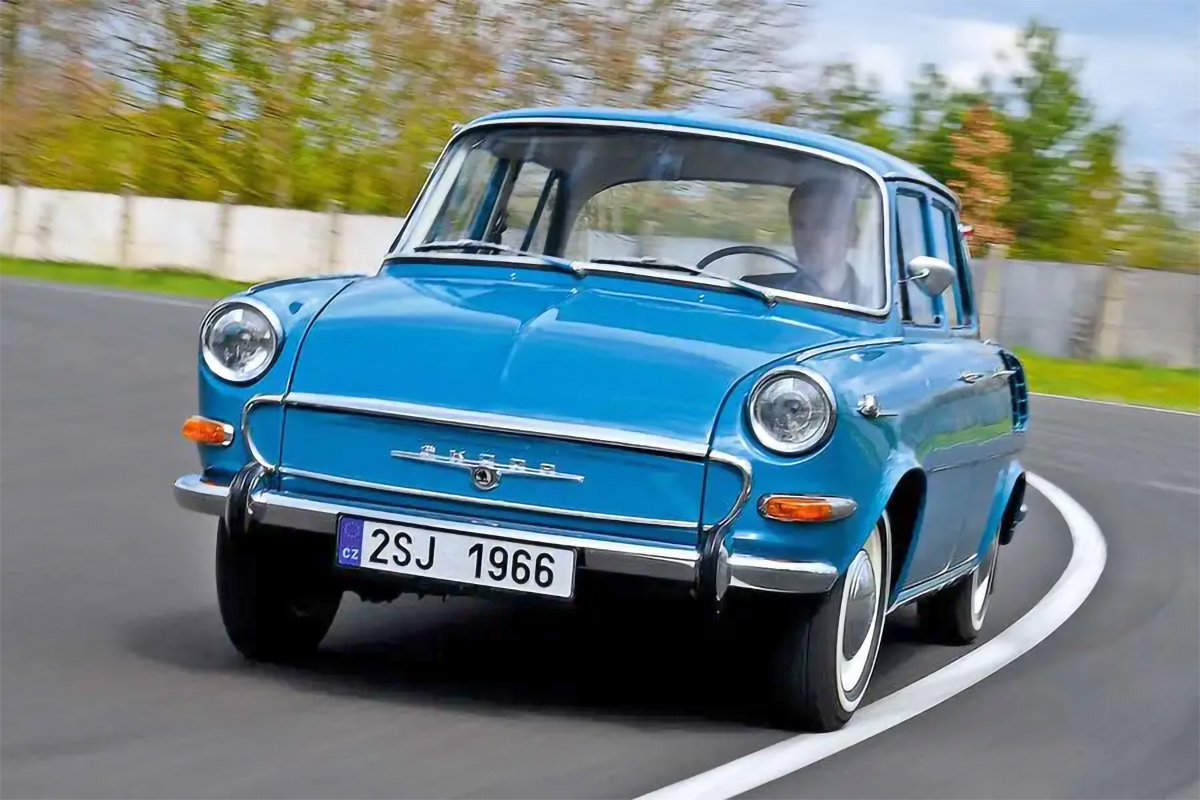
Škoda didn’t ask its research and development department to make the 1000 MB rear-engined. The car simply had to be lighter, more efficient and more compact than the firm’s other models. In the late 1950s, that meant ditching body-on-frame construction.
With that matter settled, engineers considered three options: front-engined and front-wheel drive, front-engined and rear-wheel drive as well as rear-engined and rear-wheel drive. They chose the latter because it made the car simpler to build – and consequently cheaper to sell.
Škoda 1000 MB (1964)
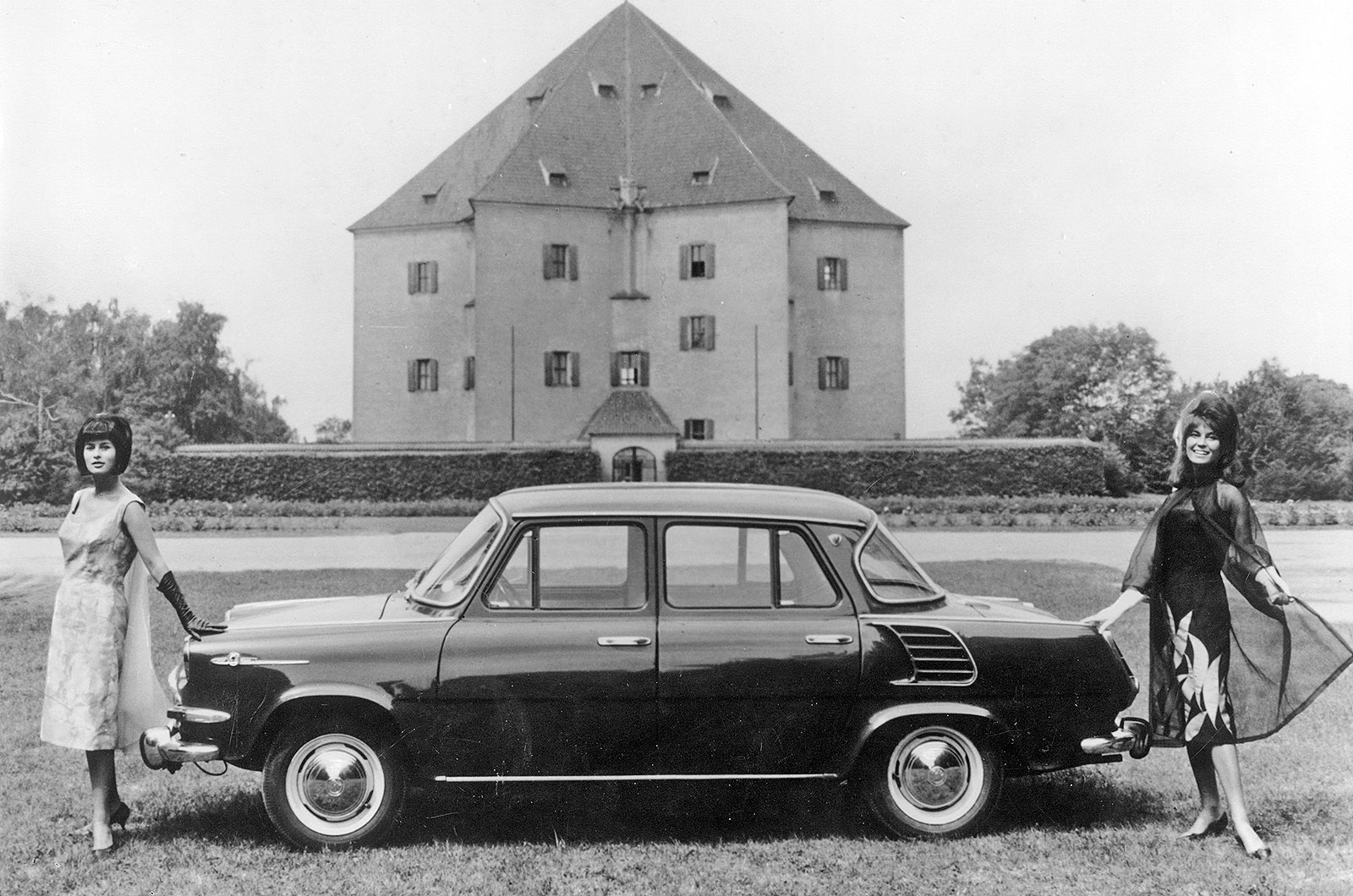
The 1000 MB was the first in a decades-long series of rear-engined Škoda models that ended when the last 120 rolled off the assembly line in 1990. The model family included four-door passenger cars, two-door coupes with a fastback-like roof line and a rally-winning, hot-rodded model named 130 RS.
Fiat 126 (1972)
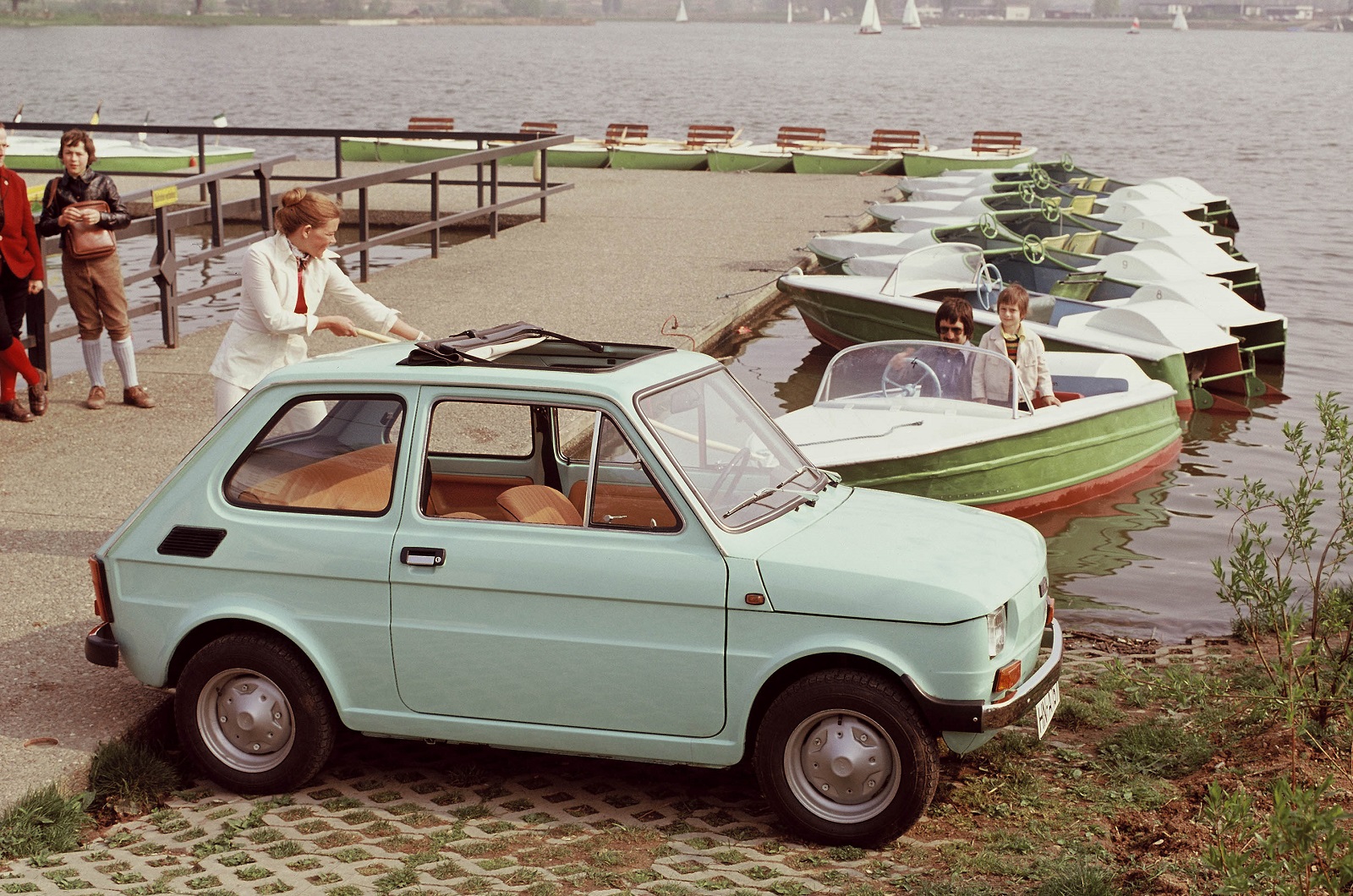
The popularity of rear-engined cars had already started to decline when Fiat released the 126 in 1972. Developed to finally replace the 500, it stood out with a boxier design that brought it in line with the prevalent styling trends of the 1970s.
The sheet metal hid a packaging solution largely borrowed from the 500, however. Power came from an air-cooled, two-cylinder engine mounted behind the passenger compartment.
Fiat 126 (1972)
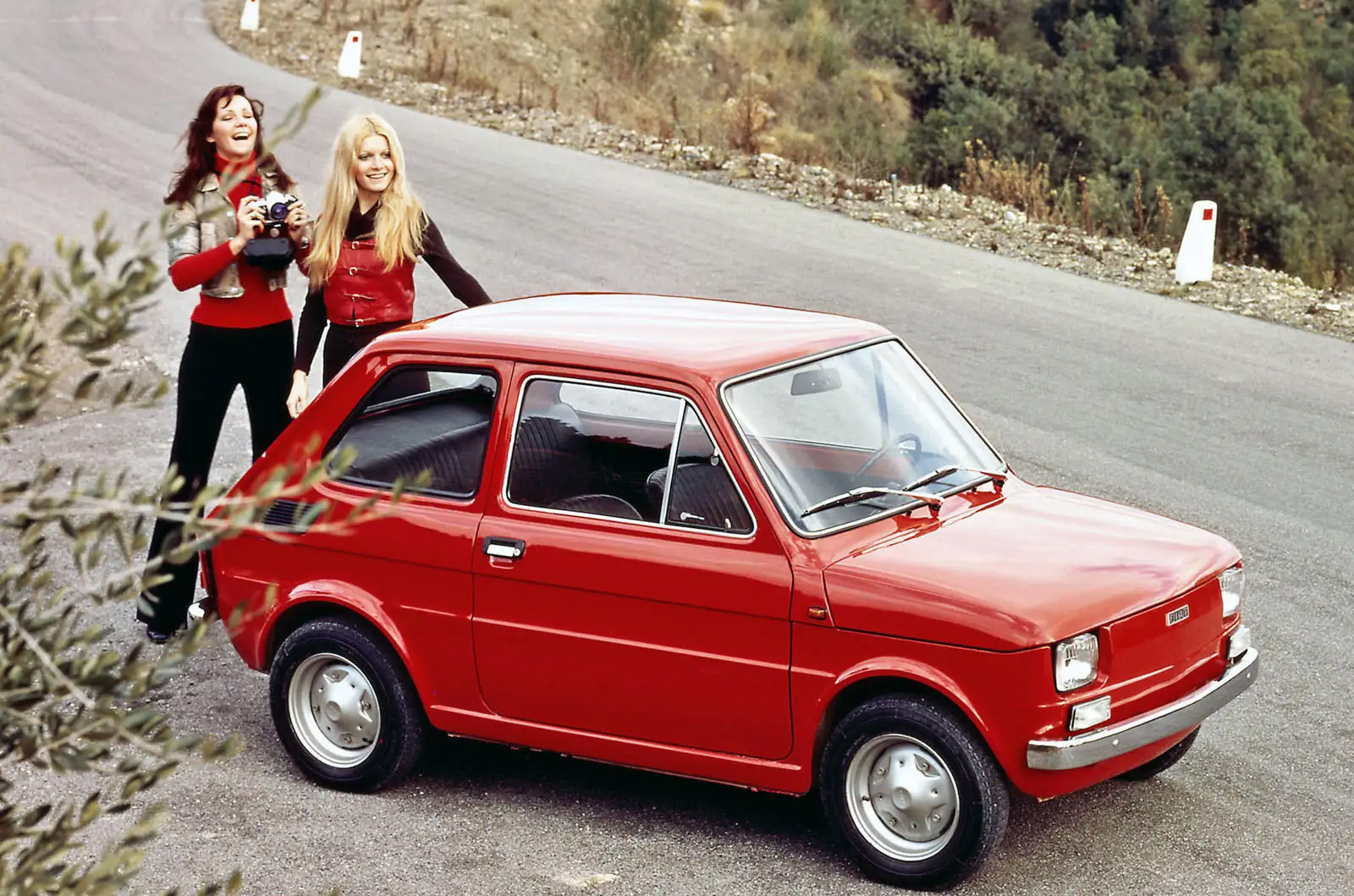
In early cars, the 594cc twin sent 23hp to the rear wheels through a four-speed manual transmission. The 126 survived for even longer than the 500. In 1987, its 15th year on the market, it received a water-cooled, 704cc two-cylinder and a rear hatch for added practicality.
Fiat stopped selling the 126 in many western European countries in 1993 but the model remained hugely popular in Poland. Polish production began in 1973 and didn’t stop until 2000. All told, 4.6 million examples of the 126 were manufactured, against 3.8 million 500s.
The end
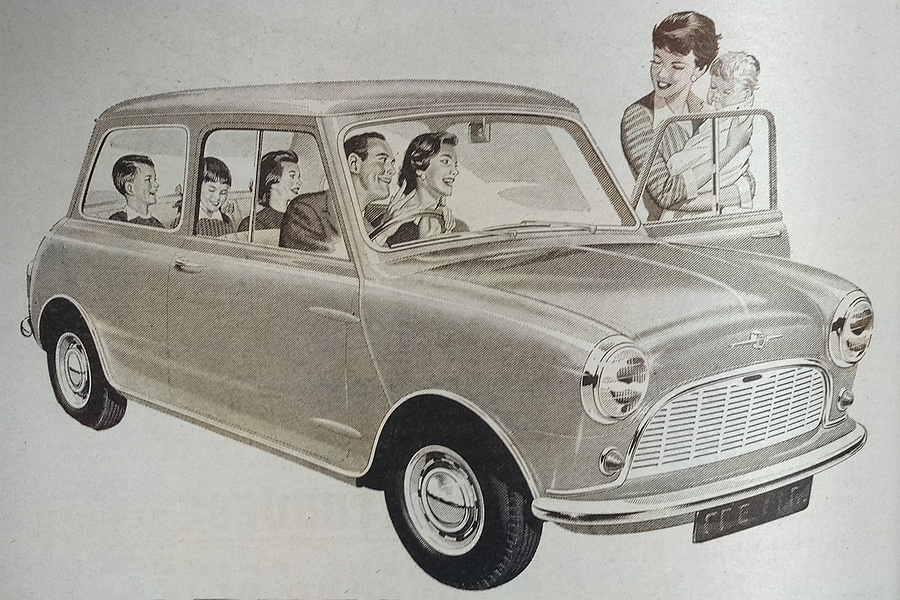
The original Mini (pictured) of 1959 defiantly proved it was possible to combine front-wheel drive and front-engine in a small, economy-oriented car which still was reasonably spacious given its size. It led many car-makers to seriously search for alternatives to the rear-mounted engine during the 1960s.
Those companies which had never released a rear-engined model, like Citroën, Ford and Saab, sat back and watched. Renault cut its teeth with the 1959 Estafette and truly started its shift when it released the Renault 3 and the Renault 4 in 1961.
Fiat started looking into front-wheel drive in 1947 and finally brought the layout to production in the 1964 Autobianchi Primula. Simca introduced the 1100 in 1967, and Fiat unveiled the 128 two years later. 1969 is also when Chevrolet stopped building the Corvair, and never made another rear-engined car.
The end
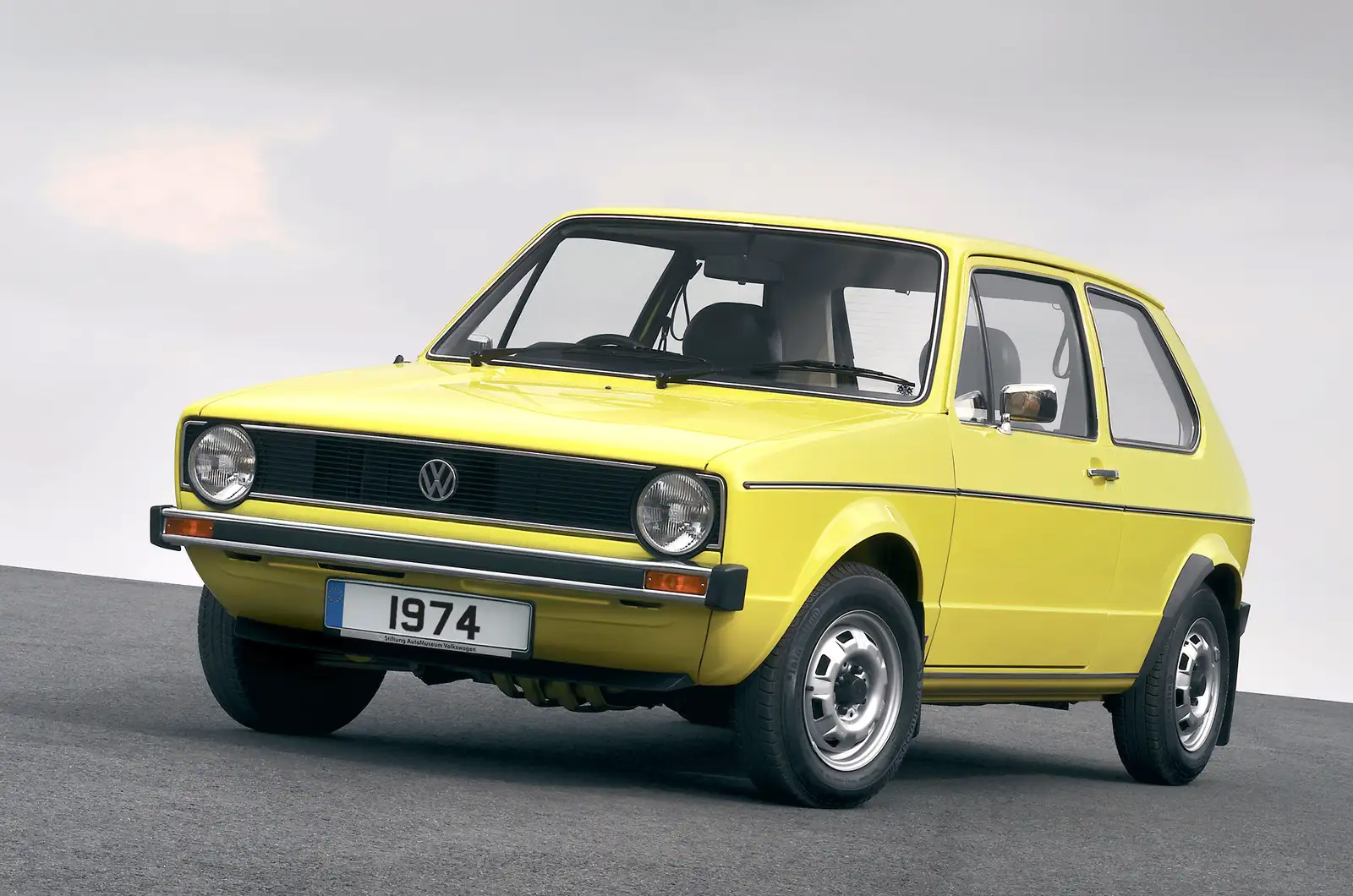
Even Volkswagen, a company many believed would never change, warmed up to the idea of making front-engined cars. Its first was the K70, which unexpectedly joined the Volkswagen line-up from NSU in 1970.
The Passat introduced in 1973 and the Golf (pictured) launched in 1974 both used a similar layout. The glory days of the rear-engined car were firmly at an end.
If you enjoyed this story, please click the Follow button above to see more like it from Autocar
Photo Licence: https://creativecommons.org/licenses/by/4.0/deed.en

Volkswagen Touareg Endures Missile Strike in Ukraine, Defying Myths of Modern SUV Fragility