

Forgotten 1980s Cars Reveal the Decade’s Missed Innovations and Market Lessons
 The 1980s bear similar parallels with today, so perhaps it's time for us to remember the cars everyone seems to have forgotten
Wars, high fuel prices and rampant inflation.
Ring any bells? Well there was also plenty of this in the 1980s as well, which is why in this feature we’re celebrating the cars from that decade – or cars from slightly earlier that made their name in the decade – that you may have completely forgotten:
Subaru BRAT (1977)
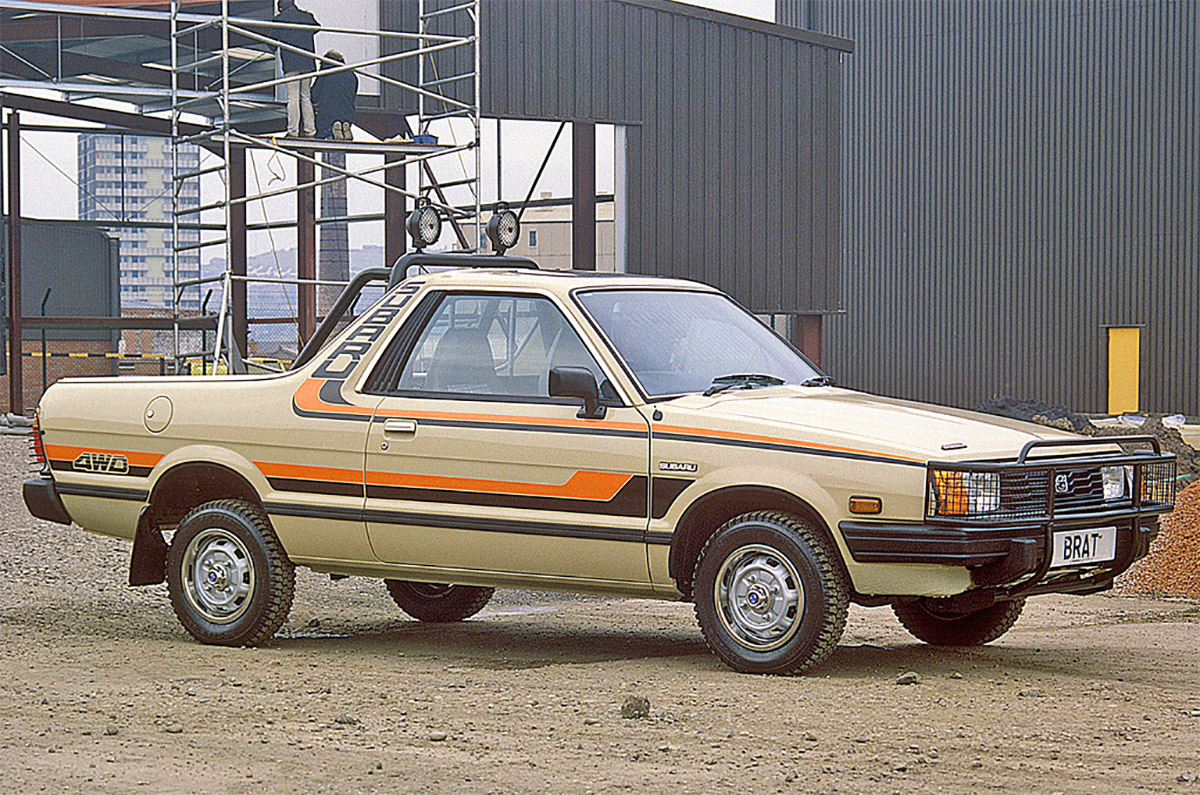
You might not have heard of it, but Ronald Reagan owned one for 20 years on his Californian ranch. This rugged, harebrained, poundshop Lancia-lookalike was sold by the Japanese giant from 1977-1994 and attracted clientele you’d expect to see in a Mercedes S-Class. With 100,000 examples sold over its life, the Brat was Marketed in America as ‘Fun on Wheels’. Later versions used a gutsy turbocharged 1.8 and proved so popular it cemented Subaru’s reputation for reliability and set the company up for major success in the US in the past couple of decades.
Plymouth Sapporo (1978)
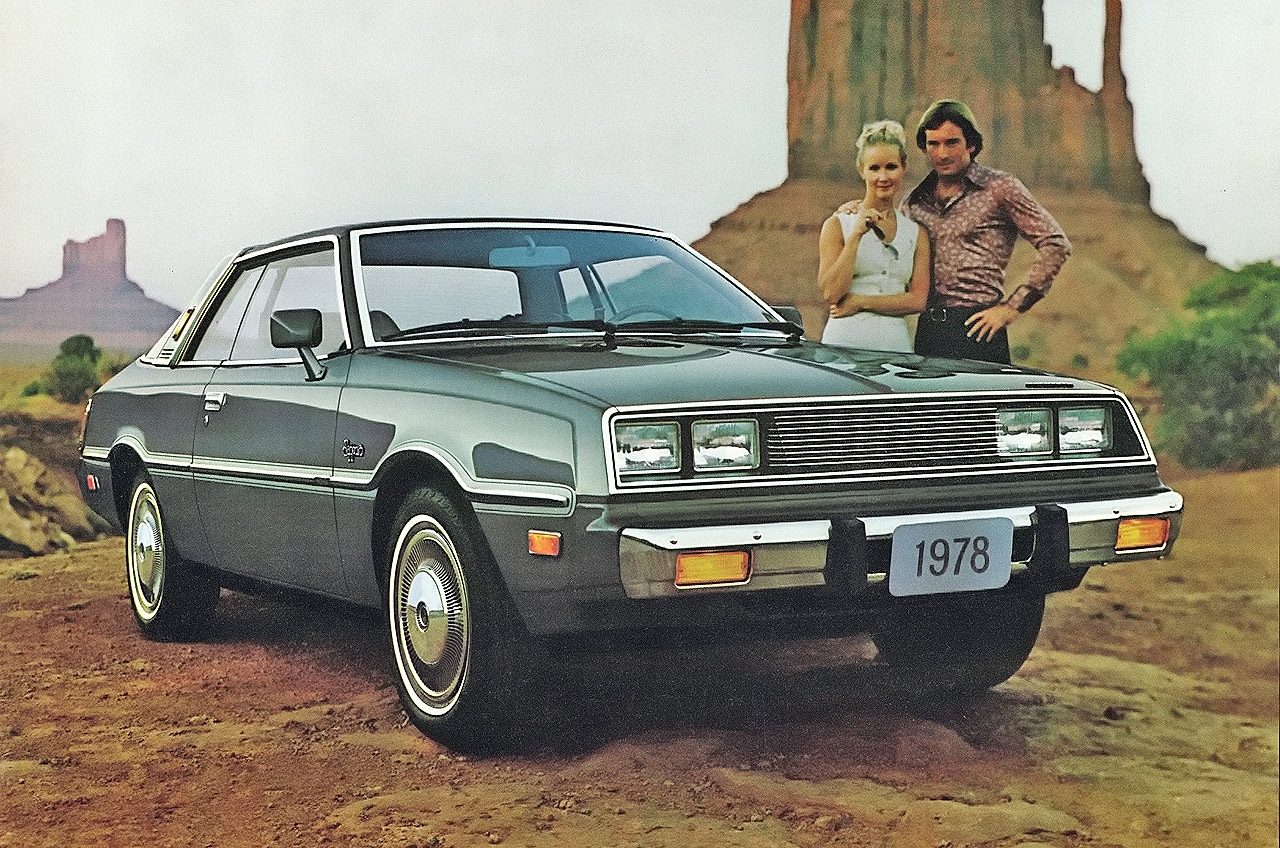
Business ventures constantly give customers an offer they can’t refuse. Mitsubishi’s contract with Chrysler birthed a car that appeared to offer it all, from extravagant options to economy that impresses by today’s standards. You got bucket seats with lumbar support, tinted glass and power-adjustable mirrors. Naming the others would simply take up too much room.
On top of the features, it promised a 40mpg thirst and performance to keep most of the 70,000 buyers entertained. Why, then, was it forgotten? The relationship between the two companies changed, and Mitsubishi began selling the Conquest; the new offer customers couldn’t refuse.
Midas Bronze (1978)
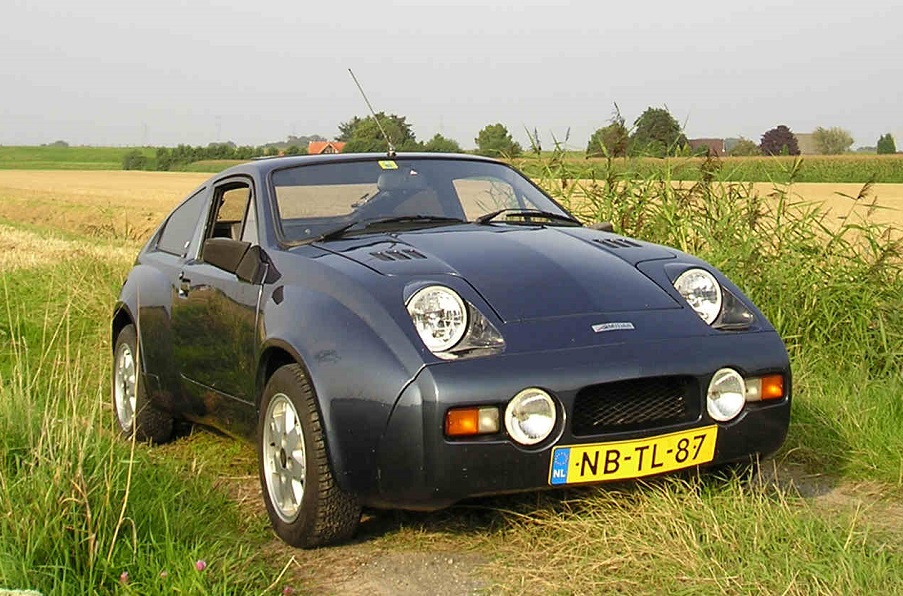
Harold Dermott’s Midas outfit could so easily have become a world-beater in the affordable sports car market. However, a devastating factory fire in 1989 put paid to that and the company folded shortly afterwards in 1989 despite huge acclaim for its compact cars.
The Bronze was launched in 1978 with a glassfibre monocoque body and was the first car with this construction to pass contemporary crash tests. With neat styling by Richard Oakes and aerodynamic design input from Gordon Murray, the later Gold was just getting into its sales stride when that fire destroyed all of the tooling. In all, 500 Bronze and Gold models were produced and they are slowly gaining recognition for their ground-breaking design.
Alfa Romeo Alfa 6 (1979)
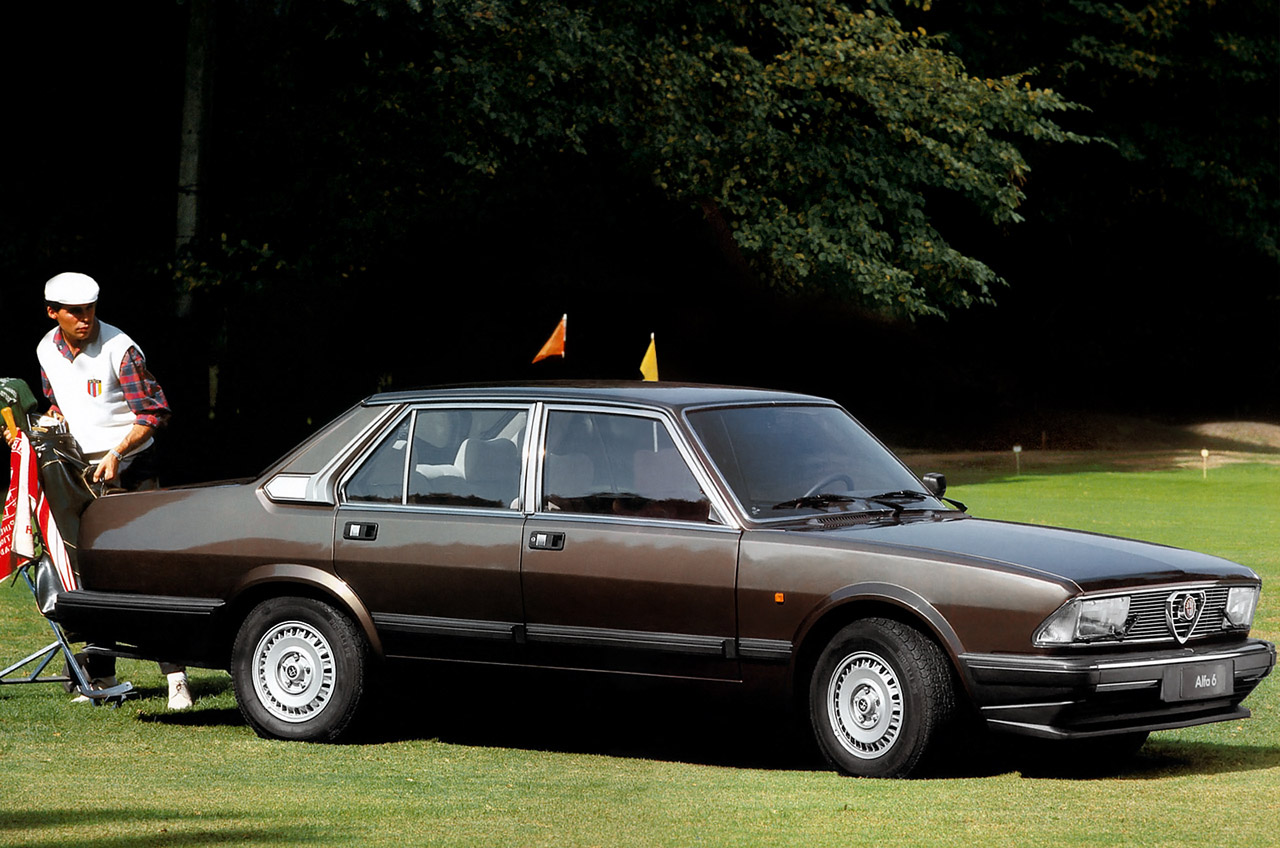
Alfa Romeo’s plans to introduce the 6 in 1973 derailed when the oil crisis made the idea of driving a big, fuel-thirsty sedan unpalatable to all but the wealthiest European motorists. Executives consigned the project to the automotive attic until the late 1970s, when the oil market had seemingly settled. Alfa Romeo made several changes before launching production but the first 6 that drove off the line already looked dated.
The carburetted, 2.5-liter V6 was a real gem of an engine but its high fuel consumption raised eyebrows even in 1979. 1983 brought styling revisions (pictured), Bosch fuel-injection and an available turbodiesel but the improvements were too little, too late. 6 production ended in 1987 after Alfa Romeo built approximately 12,000 units.
Buick Century Turbo Coupe (1979)
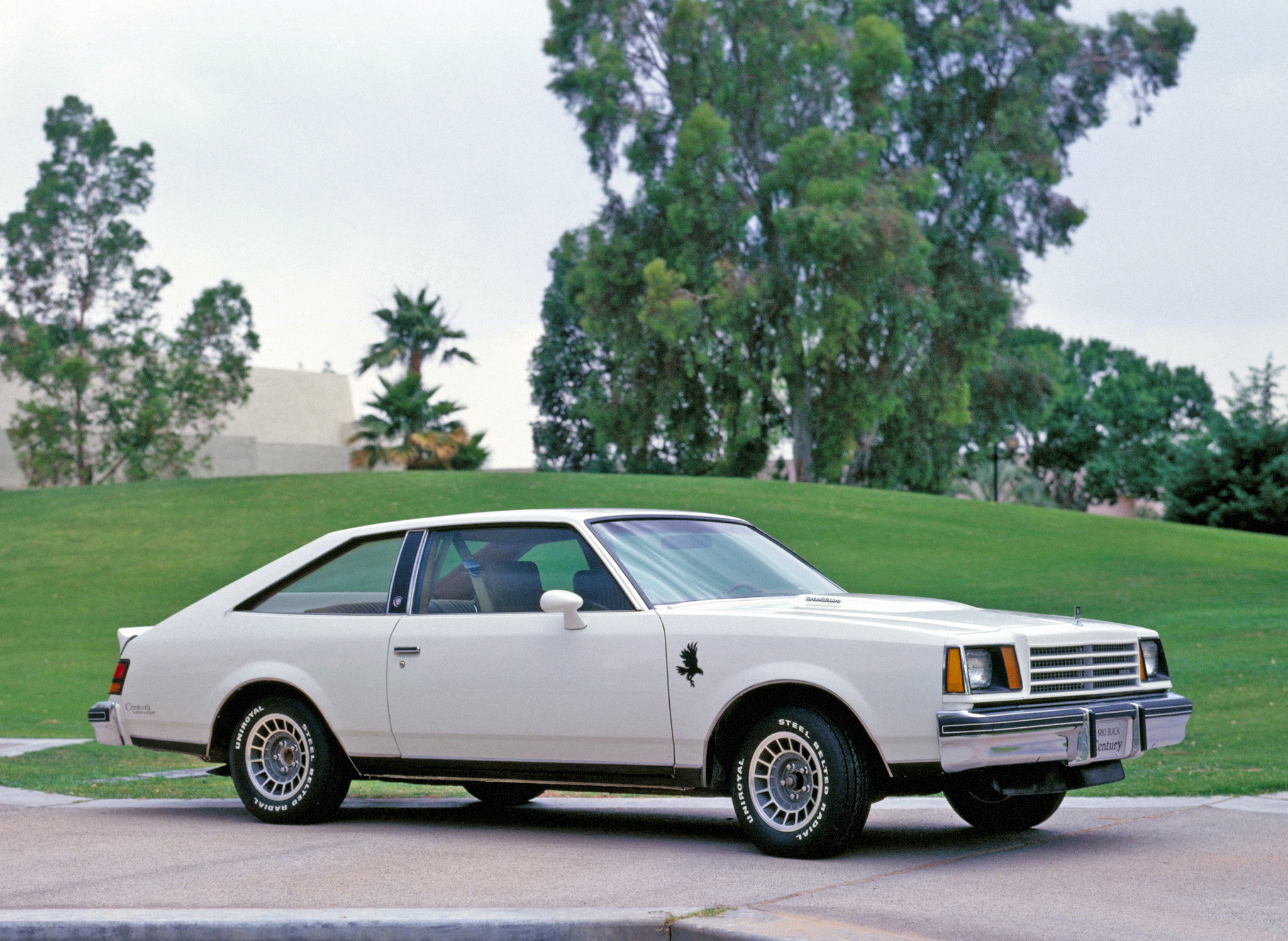
How do you attract young buyers? If a book existed detailing the answer, Buick read it cover to cover. Their Century Turbo was an impressive offering produced by the same company making the Indianapolis 500 pace car. Talk about motorsport pedigree. The Turbo Coupe used a 175bhp 2.8-litre turbocharged V6 which had around as much torque as the then Corvette. With looks not dissimilar to a Saab 900, Buick boasted ‘European-influenced’ styling. But it simply wasn’t enough to lure young buyers and after two years of production and less than 2000 sold, it was dropped.
Stevens Cipher (1980)
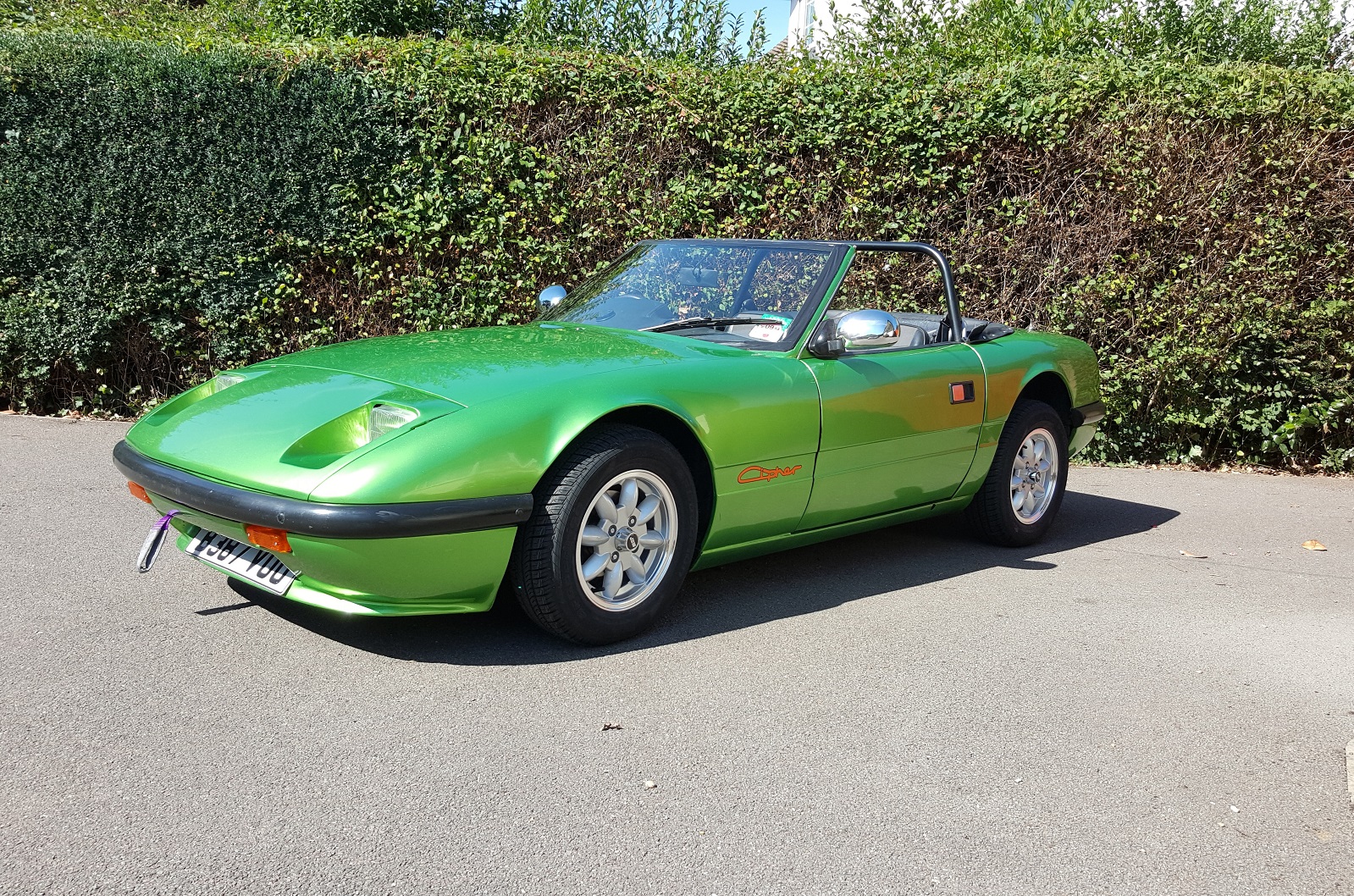
When almost everyone else was abandoning the sports car market amid fears the USA would legislate them out of existence, Professor Anthony Stevens came up with the superb Cipher. Light and compact, it used a simple chassis, glassfibre body and 850cc Reliant engine. Autocar’s Steve Cropley praised it when he drove one, and the Cipher helped inspire the Mazda MX-5.
Despite all of this, Stevens could not raise the funds to take the Cipher into production and only seven were ever completed. It’s the UK car industry’s loss the Cipher didn’t get the backing it deserved as was the right car at the right time.
Chevrolet Citation X-11 (1980)
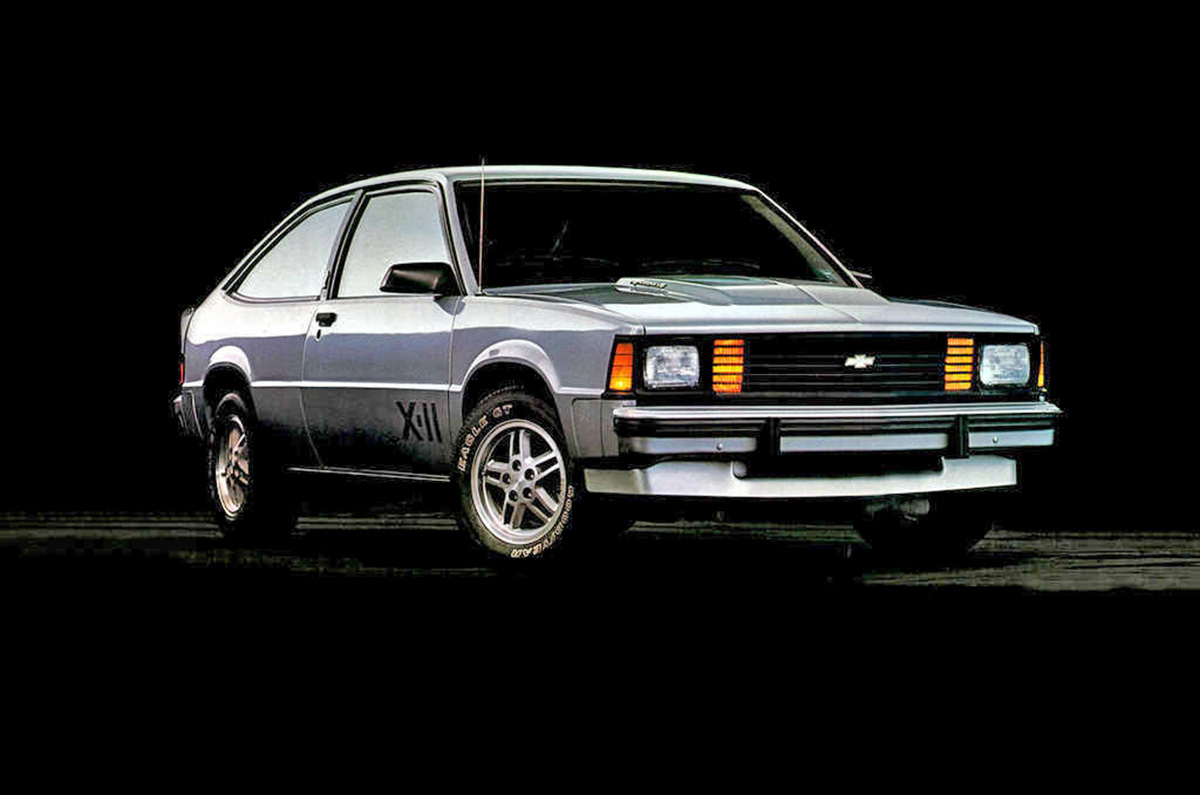
The X-11 was, to Chevrolet, what Polestar is to Volvo. It didn’t set out to become the ultra-rare brother of the ordinary Chevrolet Citation, but with 20,000 X-11’s sold out of 1.54 million ordinary Citation’s, that’s exactly what happened. The X-11 was a performance offering which featured a fizzy 2.8-litre V6 and a bulge in the bonnet to exercise its sporting credentials. As a result, the X-11 drove Chevrolet to racing championships in competitions held in 1982 and 1984.
Dodge Mirada (1980)
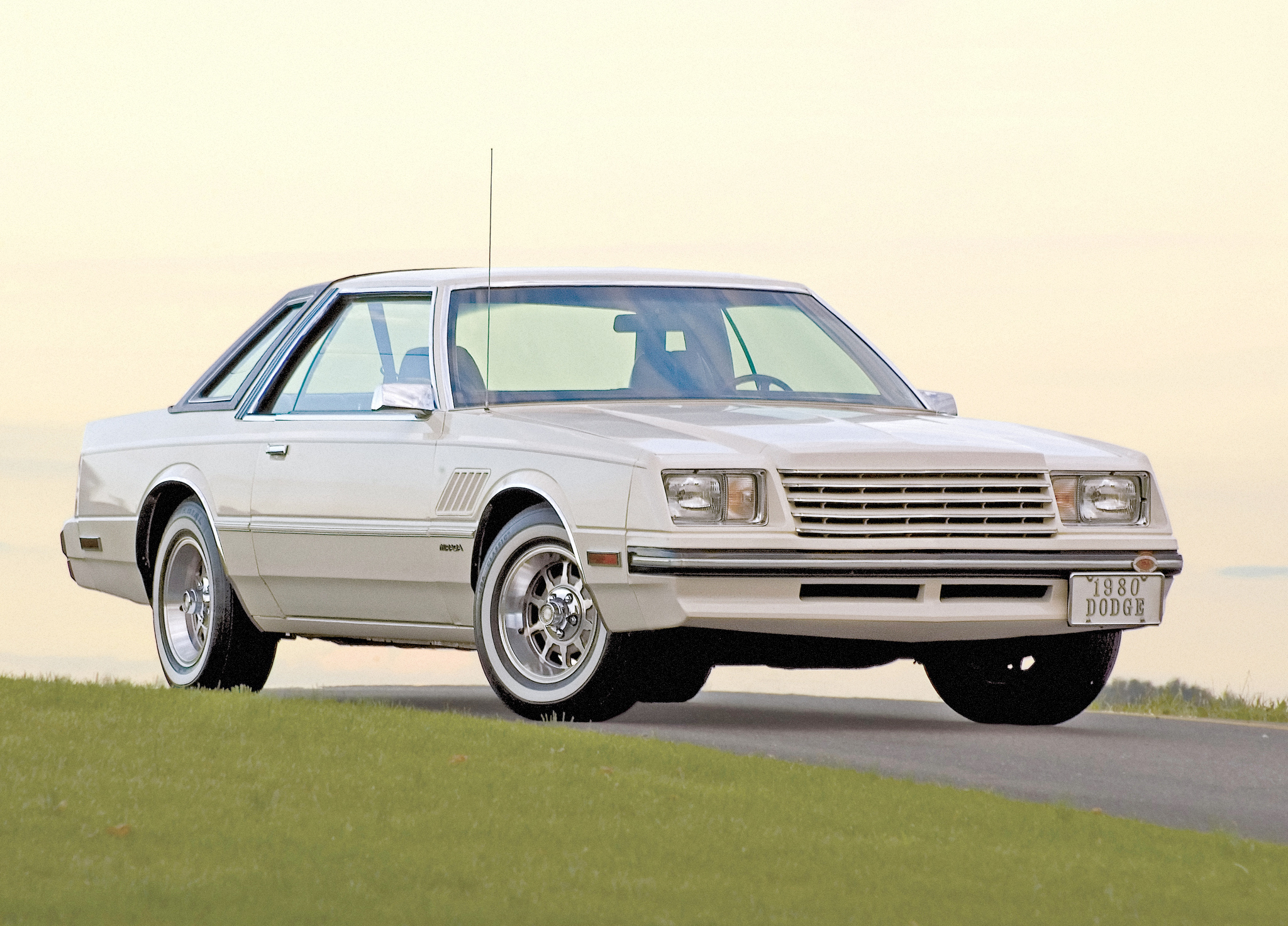
Nothing says 80s chic like the Mirada – born for the V8 engine and adorning whitewall tyres. This car was ideal as a comfortable motorway cruiser, but developed to have a sporting edge. This would become its main problem, with customers disappointed in its performance and poor driving manners for a vehicle with such sporting intentions. Just 52,000 were sold over three years, a piffling amount compared with rivals, and the car was dropped. Still, it lives on as a lesson in tasteful American motoring.
AMC Eagle Kammback (1981)
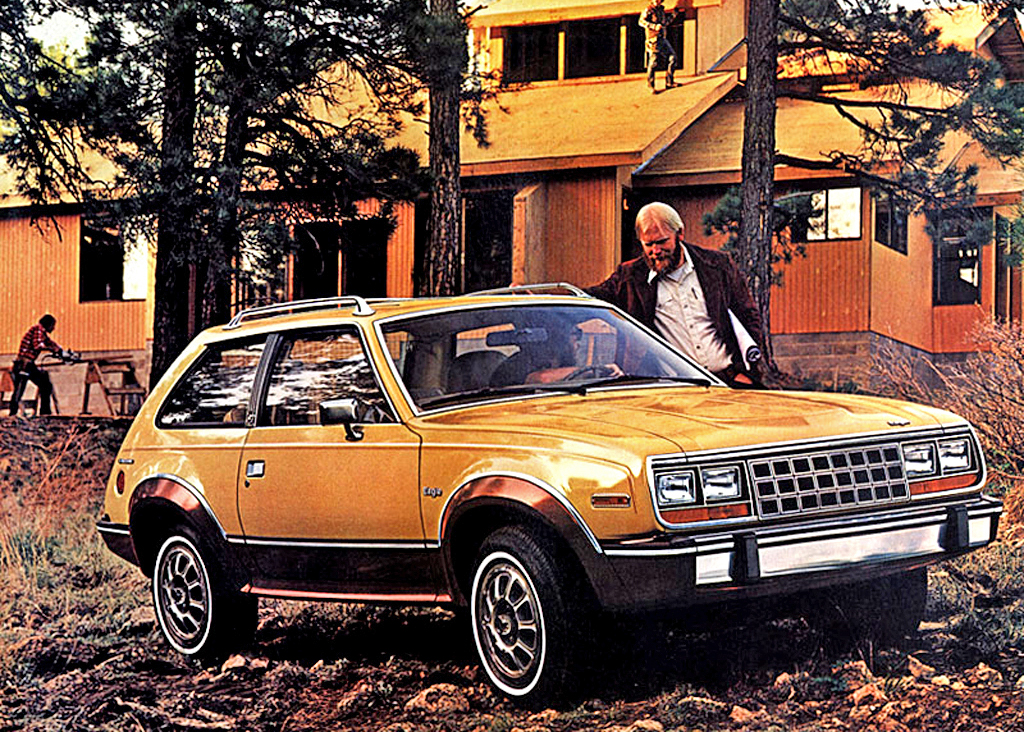
Automotive niches inspire some of the oddest creations. The Reliant Robin. The Mercedes R63. And in America, the AMC Eagle Kammback - a niche within a niche. It was a compact car with an interchangeable four-wheel drive system. The owner, typically a first-time buyer or a fleet driver, had to stop at the side of the road to switch between its four and rear wheel drive modes. These days, to get an interchangeable drivetrain you have to buy a BMW M5. However, it wasn’t enough and sales diminished after just one year, despite being 34,000 strong in year one. Like every other niche, it’s only interesting once it’s gone.
Jeep CJ-8 (1981)
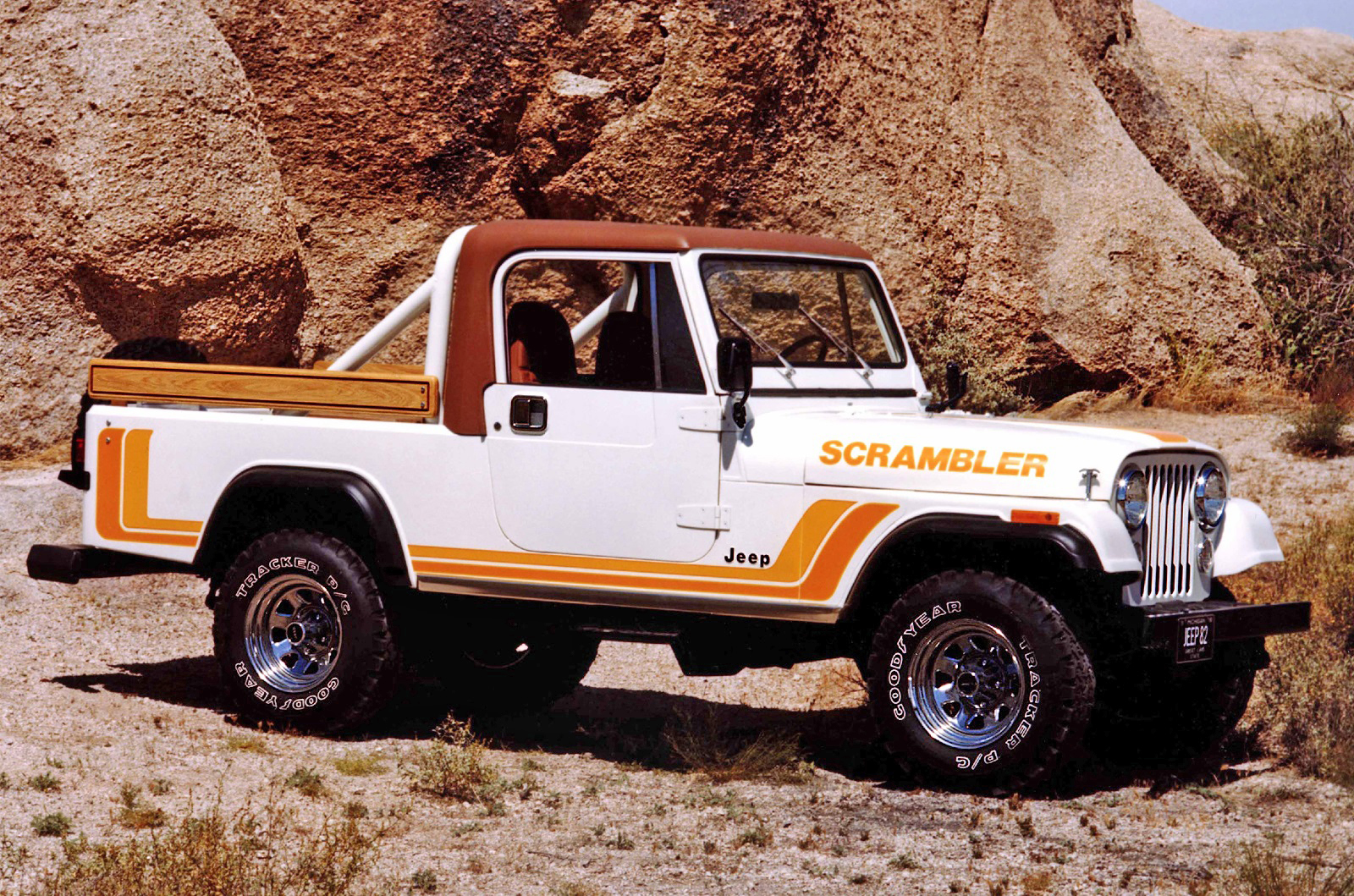
The Jeep CJ-8 was a CJ-7 with 10 additional inches of sheet metal between the axles. It retained the CJ-7’s legendary off-road capacity, but it was unique in its segment because it was more of a leisure-oriented model than a workhorse. Jeep didn’t replace the CJ-8 until it introduced the Unlimited variant of the TJ-series Wrangler in 2004, and it returned to the pickup class with the Wrangler-based Gladiator in 2019.
Ford EXP (1982)
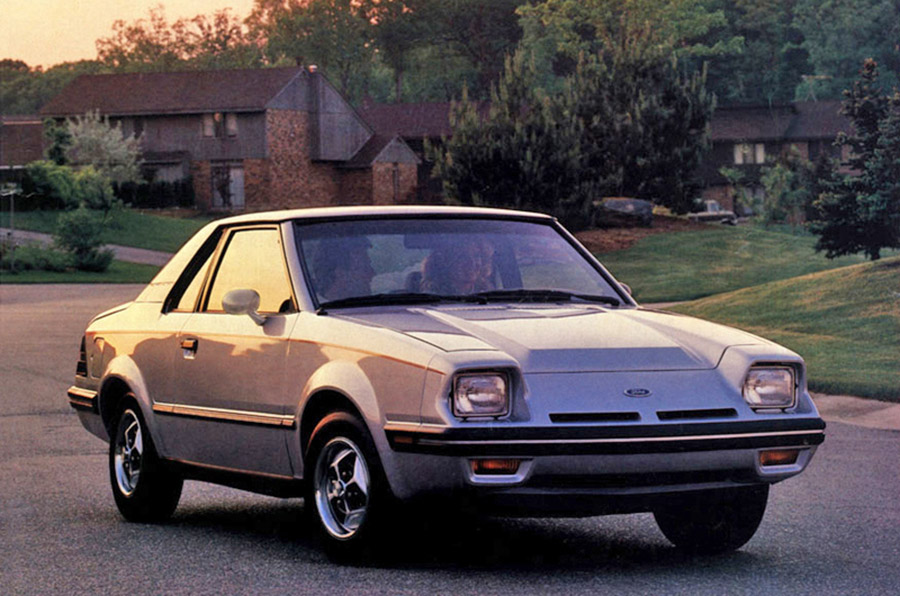
It was just about to be axed from production, but engineers stepped in to save its life. The Ford EXP was introduced in 1982 as a sportier alternative to the Escort, albeit with a more intricate design that seemed to be missing a front grille. Despite 225,000 being sold, the cult following from the EXP’s life wasn’t found on the road, but in the factory. At the end of the first version’s life, workers took a new Escort, restyled it and showed it to their approving boss. The resultant EXP lived on in the Escort family, saved by its human family.
Lincoln Continental Turbodiesel (1983)
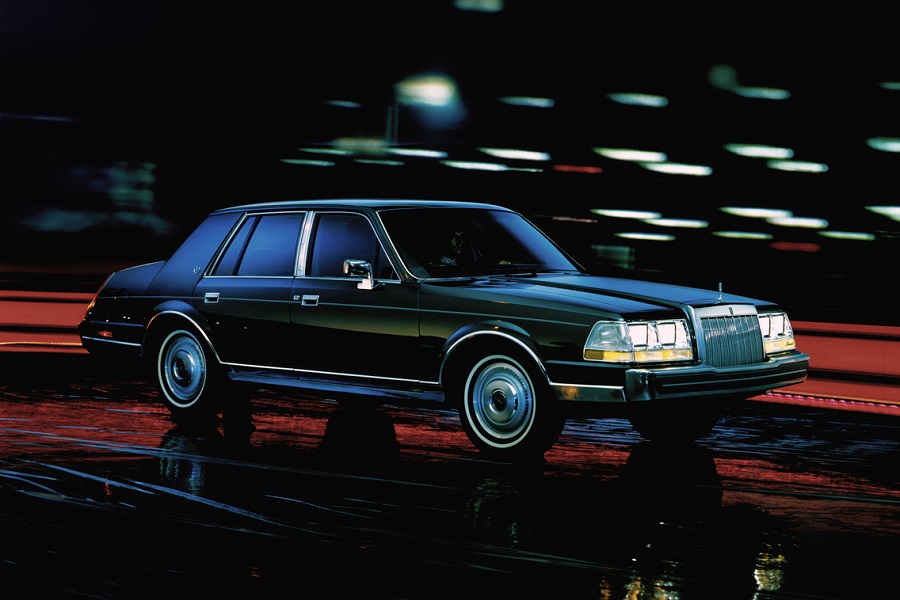
Although the Continental is one of Lincoln’s best-known models, the European-flavoured diesel-powered variant is remembered as an obscure footnote in the nameplate’s decades-long history. Mercedes-Benz sold every diesel it imported into the United States, much to Lincoln’s annoyance, and even some it didn’t bring – the grey market was booming in the early 1980s. Cadillac had jumped on the diesel bandwagon, too, though its models were not nearly as successful. Decision-makers decided the best way to keep customers in the fold was to offer the diesel engine they were leaving to find.
For the 1984 model year, Continental buyers could choose between a 4.9-litre, 140bhp V8 and a 2.4-liter turbodiesel straight-six built by BMW and tuned to 115bhp; it was the same unit that powered the 524td. Lincoln charged $1235 (around $3100 today) for the German engine. As it turned out, Mercedes-Benz buyers didn’t want a Lincoln and Lincoln buyers didn’t want a diesel. The option disappeared after 1985.
Isuzu Impulse (1983)
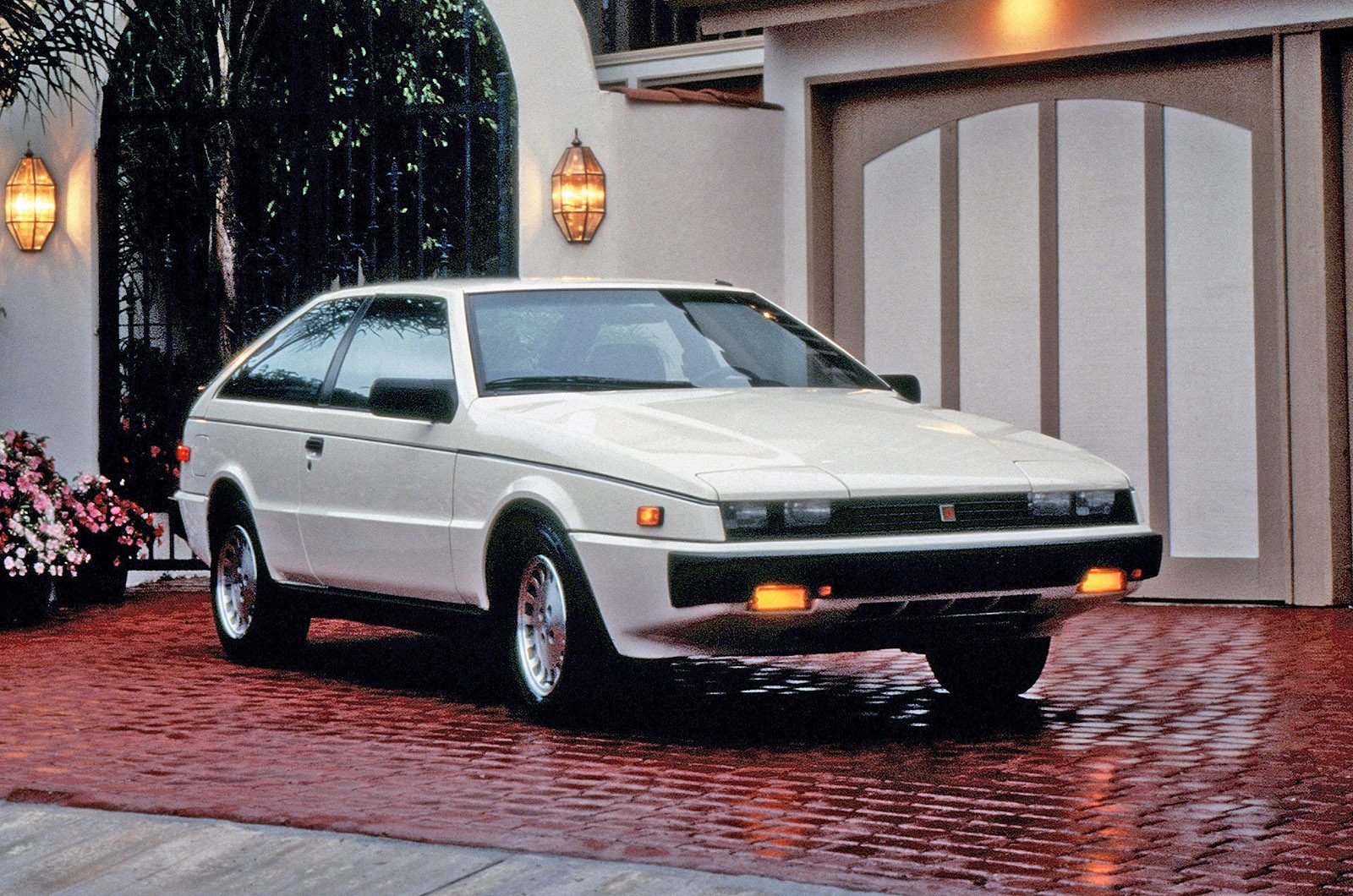
Cutesy but slender. Powerful but delicate. None of these are words anyone would associate with an Isuzu. But judging by the marketing campaign that read “It screams when you step on it” with a dark, moonlit background denoted something of menacing proportions. Styled by Giorgetto Giugiaro and bearing suspension developed by Lotus, the Suzuki was far ahead of its time.
Perhaps too ahead of its time, as those eye-catching looks and delicate personality weren’t enough to secure its success. Even in its best year, Isuzu only just managed to sell 40,000 and the Impulse was dropped after 6 years.
Marcos Mantula (1983)
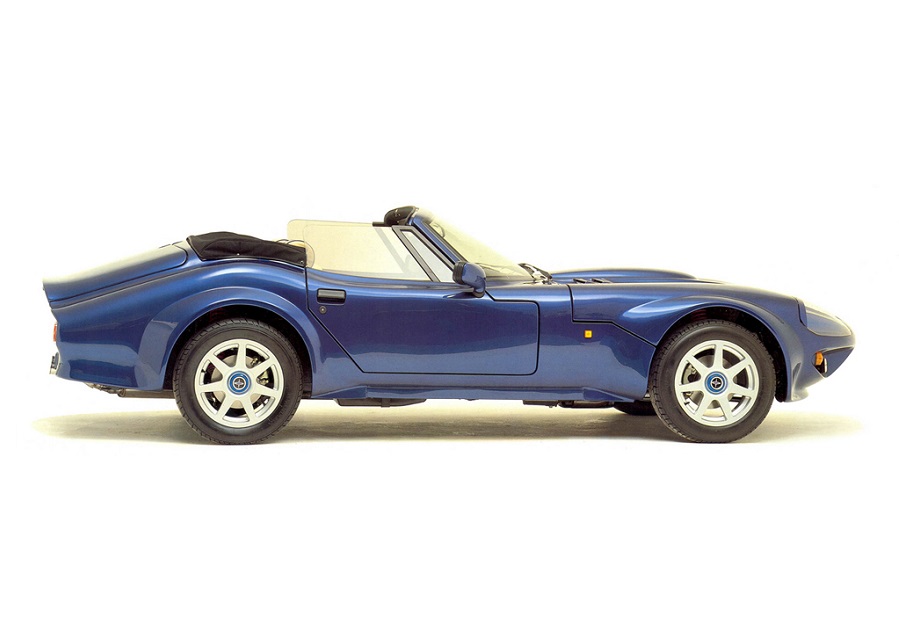
Every Marcos is a rare machine, but most have achieved a small but loyal and vocal following. However, the Mantula and its Mantara and Mantaray derivatives are too easily ignored. That’s a shame when they offer much of the thrills of contemporary TVRs, helped by using the same Rover V8 engine for propulsion. Offered in fully-built or kit form, the Mantula never quite shook off those kit car connotations for some potential buyers, even though the body, chassis and running gear were all very well made. Marcos made 289 Mantulas, so they do still appear for sale and deserve fair consideration for the performance and driving enjoyment they offer.
Zimmer Quicksilver (1984)
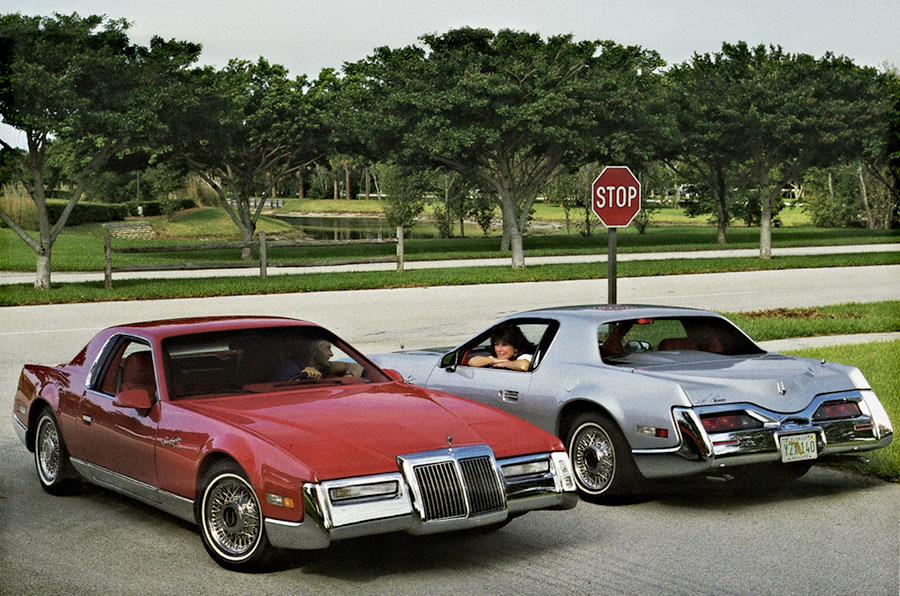
Paul Zimmer set up the Zimmer Motorcars Corporation in 1978, to build luxury cars. His first model was the neo-classic Golden Spirit, but in 1984 the Pontiac Fiero-based Quicksilver came along. Each second-hand Fiero chassis was stretched by 16 inches, on to which a glassfiber bodyshell was bolted, while the interior was spruced up with leather and wood. Production ran until 1988.
UMM Alter (1984)
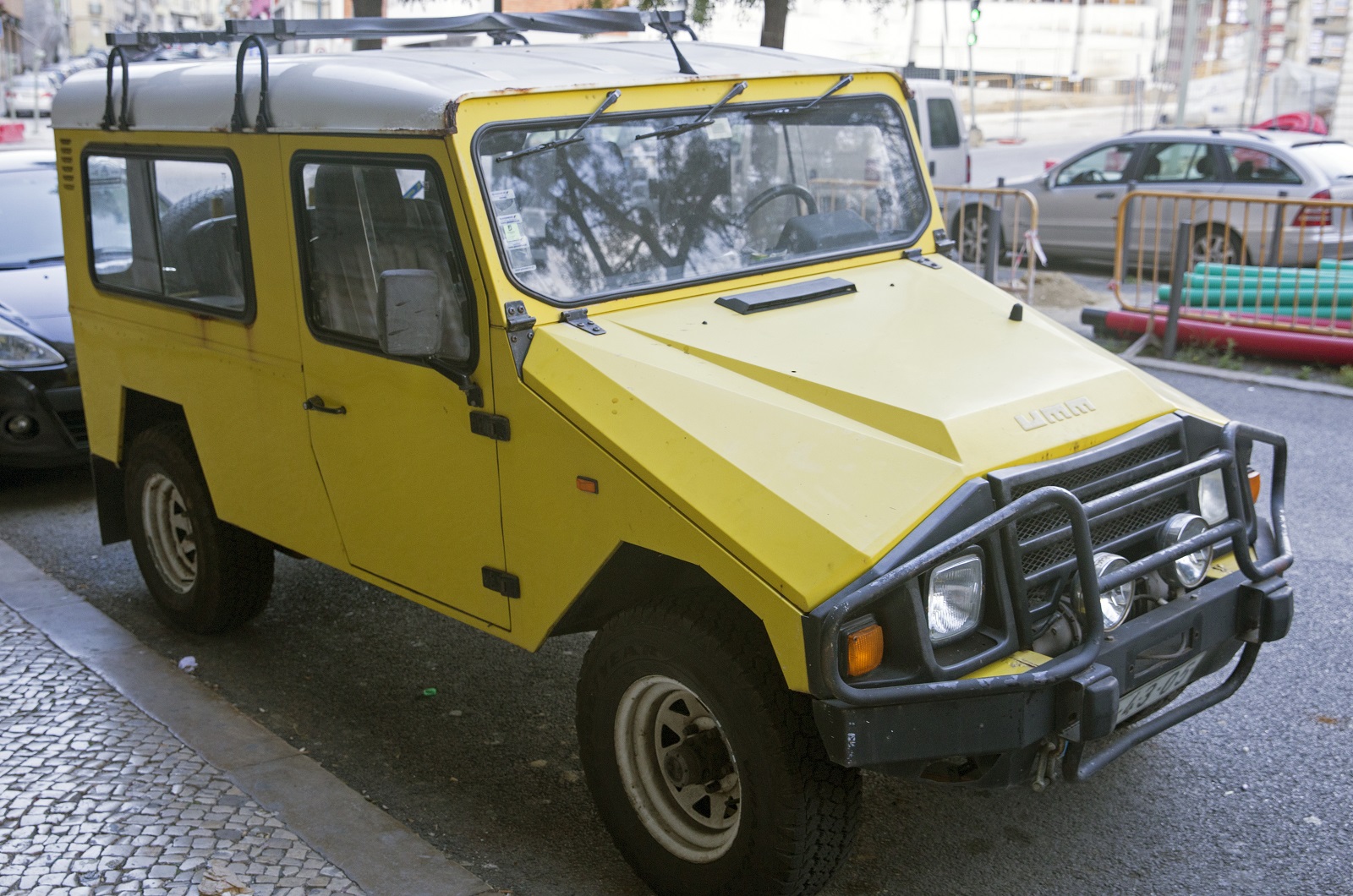
Two versions of this car would eventually come to market, in 1984 and 1986 respectively. Both variants of the Alter were near-perfect embodiments of function-over-form design, with drivers given as much space as possible. Durability, however, was the Alter II’s claim to fame, even finishing the 1989 Paris-Dakar rally. UMM also sold civilian-friendly variants of the Alter II (including some with bright, beach-friendly decals on both sides) but they remained too basic for their own good, even compared to a Lada Niva. Most examples consequently ended up in the hands of government agencies – one was even turned into a Popemobile when Pope John Paul II visited Portugal in 1992.
Pontiac Sunbird (1984)
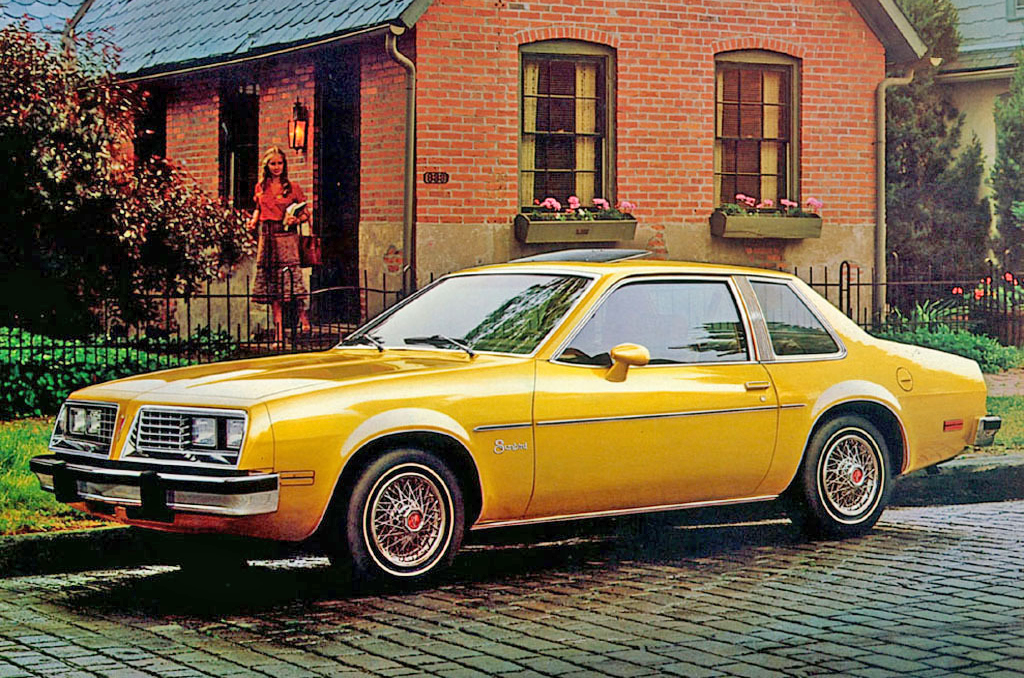
The story of the Sunbird is one of adaptation. The first generation car was dreary and sales weren’t much better. But when the Sunbird GT was introduced, all was transformed. It had a turbocharger and sporty styling cues worthy of the GT badge. Following the addition of a convertible, sales more than doubled in the first year. The final car even had a 3.0-litre V6. But the bestseller was a 165bhp 2.0-litre four cylinder, a formula that proved so successful it wasn’t changed for three years – a record for Pontiac’s laws of evolution.
Chrysler Laser (1984)
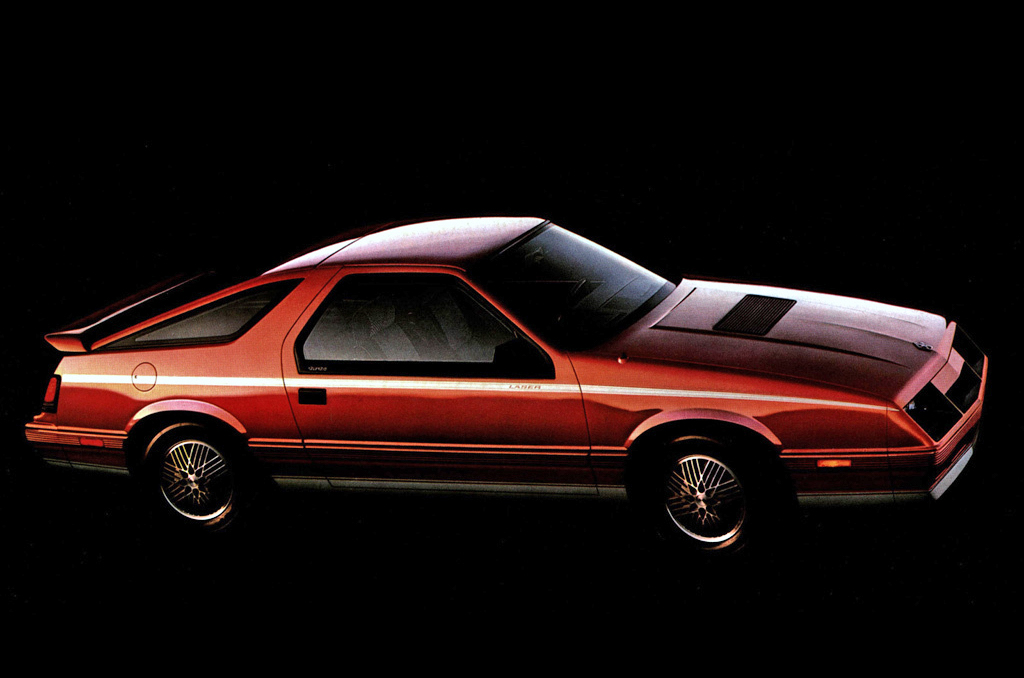
Did you love the 80s? If not, here’s some convincing. The Chrysler Laser was marketed with retro-purple sunsets and had digital dials that looked as wackily trapezoidal as its air vents. It was clearly a car that looked to the future for inspiration, and its competitors. Its 0-62 time matched the likes of Porsche’s 944 and Nissan’s 300ZX Turbo, all while delivering 35mpg. And if that wasn’t enough, the Laser used a turbo boost gauge so its 150,000-strong customer base could regulate its turbo pressures.
Dodge Omni GLH (1984)
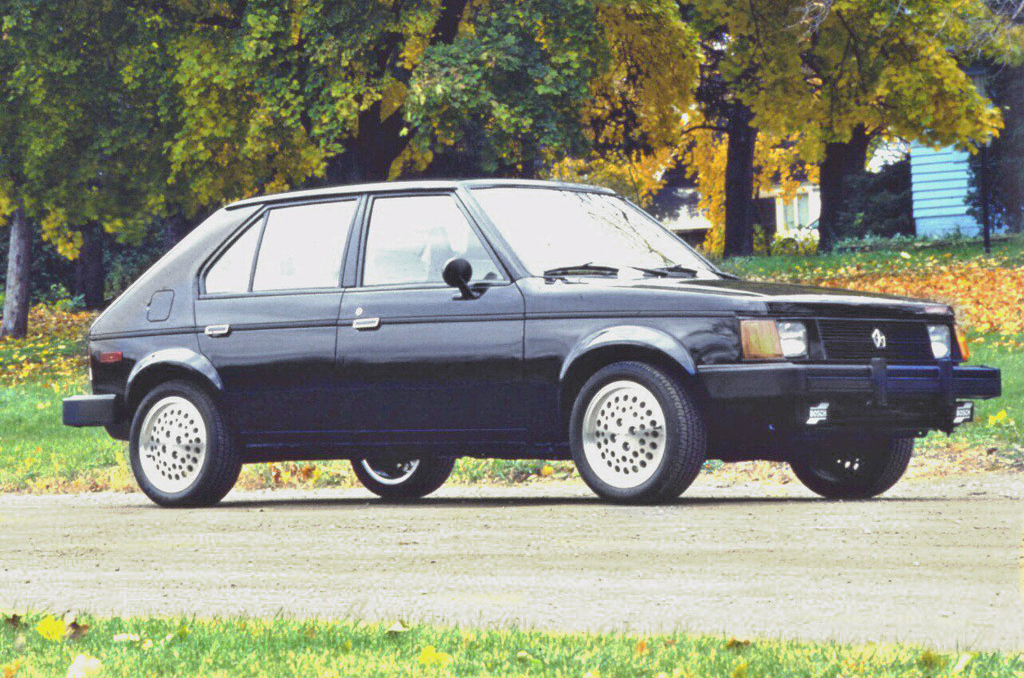
Believe it or not, ‘GLH’ doesn’t refer to this car’s mechanics, or its history. It simply means “Goes Like Hell”. With development overseen by Carol Shelby, this should come as no surprise. What does surprise is the fact that only 13,000 GLH’s were sold. The performance of these cars, particularly the Turbo variant, was impressive even by today’s standards. The Turbo managed 0-62 in 7.5 seconds, just one second slower than a new Volkswagen Golf GTI. And it wasn’t even the quickest one. The Omni GLHS was as quick as a new GTI, whose acronym aptly stood for “Goes Like Hell, Shelby”.
MVS Venturi (1984)
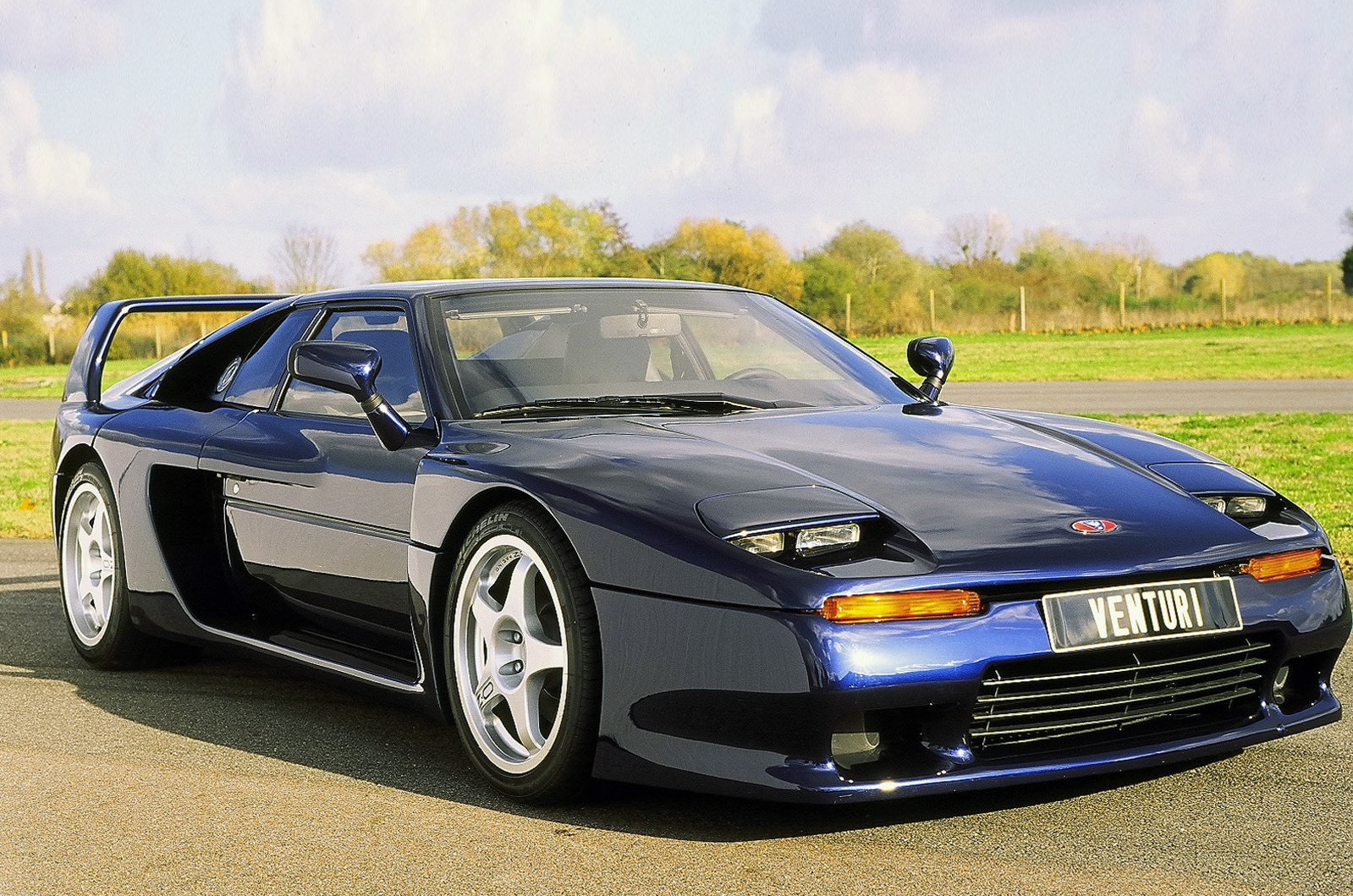
Although it looks similar to the Renault Alpine A610, the MVS 260 and its Atlantique 300 sister were entirely independent products. Built by Manufacture de Voitures de Sport, they did use the Renault V6 engine in 260- and 302 hp forms but the motor was mid-mounted in the MVS. Performance was strong, but the MVS never made the Ferrari-rivalling impact the firm hoped for, even in its native France. The 260 was made from 1984 to 1994, then superseded by the Atlantique that lasted until 2000. While quick, the handling wasn’t in the same league as that of a Porsche 911, which cost almost exactly the same as the MVS.
Pontiac Fiero (1984)
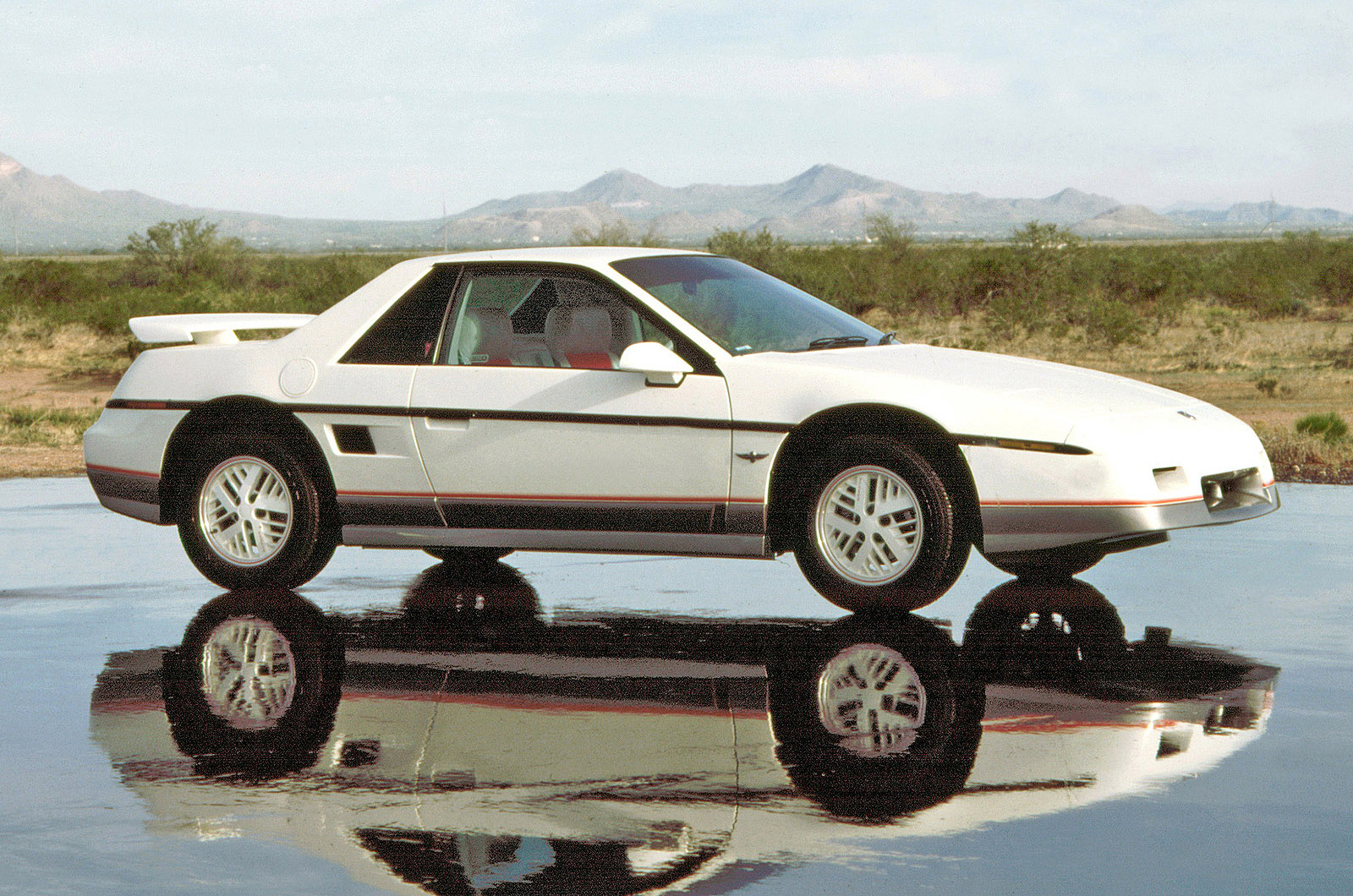
The Fiero was the most European of American sports cars. Under its rust-proof body law a mid-mounted 2.5-litre four-cylinder engine with drive sent to the back wheels. Unfortunately, the European similarities all but end there. Cost saving meant the Fiero didn’t drive as well as it could, and issues with oil leaking onto the exhaust manifold meant cars caught alight, prompting a recall.
Pontiac spent $30 million trying to save the Fiero for the second generation, but it was too late. Sales halved between 1986 and 1987, and the wannabe Lotus was axed after 370,000 units produced.
CXA CX (1985)
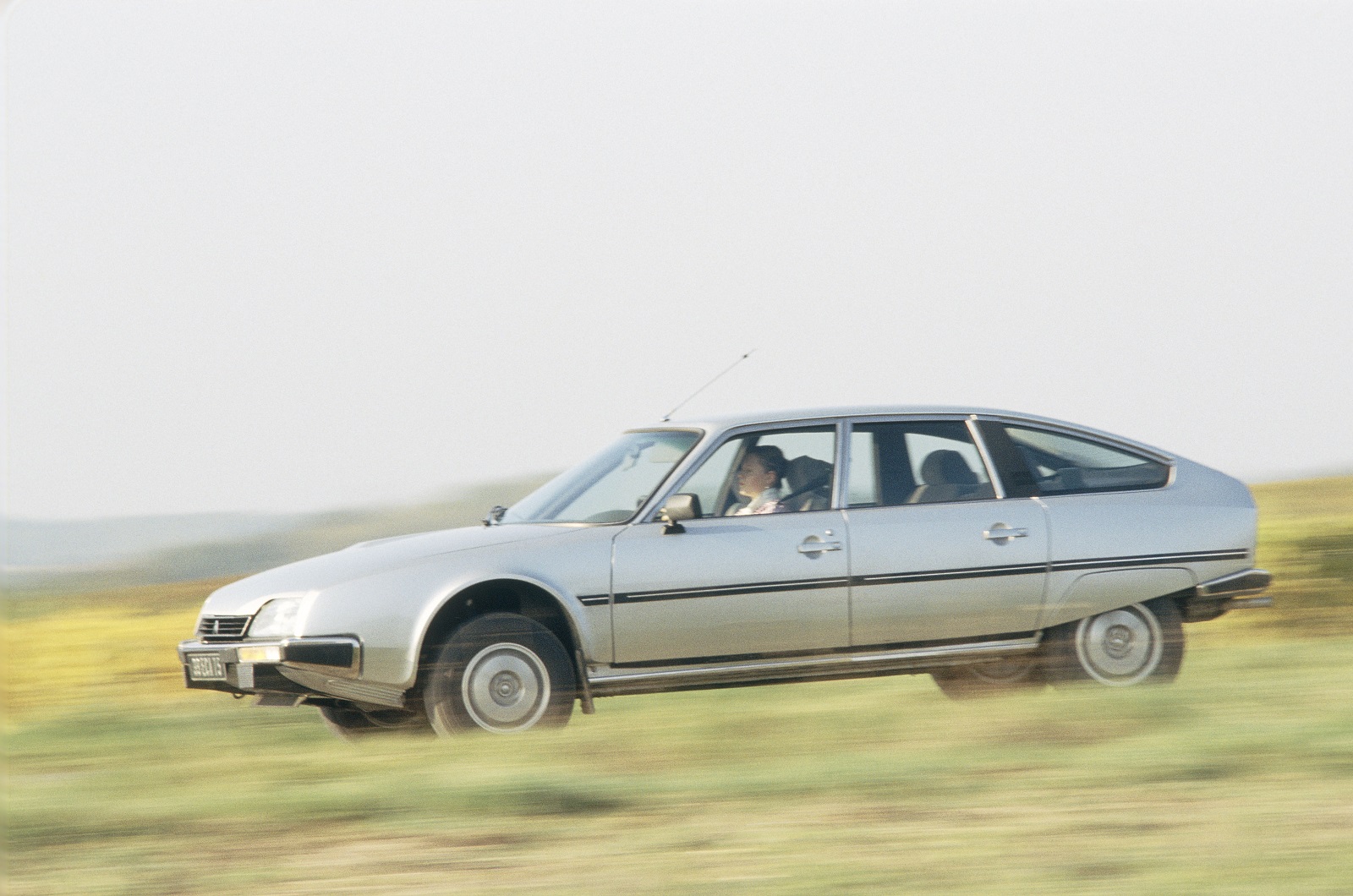
Citroën unceremoniously left the American market in 1974 and hasn’t returned since. Although the NHTSA regulated hydropneumatically-suspended cars like the CX (pictured) out of the United States, Dutch businessmen Andre Pol and Malcolm Langman gave the model a chance to shine when they formed CX Automotive (CXA) in the early 1980s. Their team carried out numerous modifications (like installing side-marker lights and sealed-beam headlights) to make Citroën’s flagship compliant with American regulations.
Upmarket features like real wood trim were sometimes added as well. The cost of buying a CX, modifying it and shipping it to America was extremely high so CXA charged about $30,000 (around $73,000 today) for a legal, homologated model in the United States. It sold a handful of examples and turned its attention to the XM when CX production finally ended in 1991.
Volvo 780 (1985)
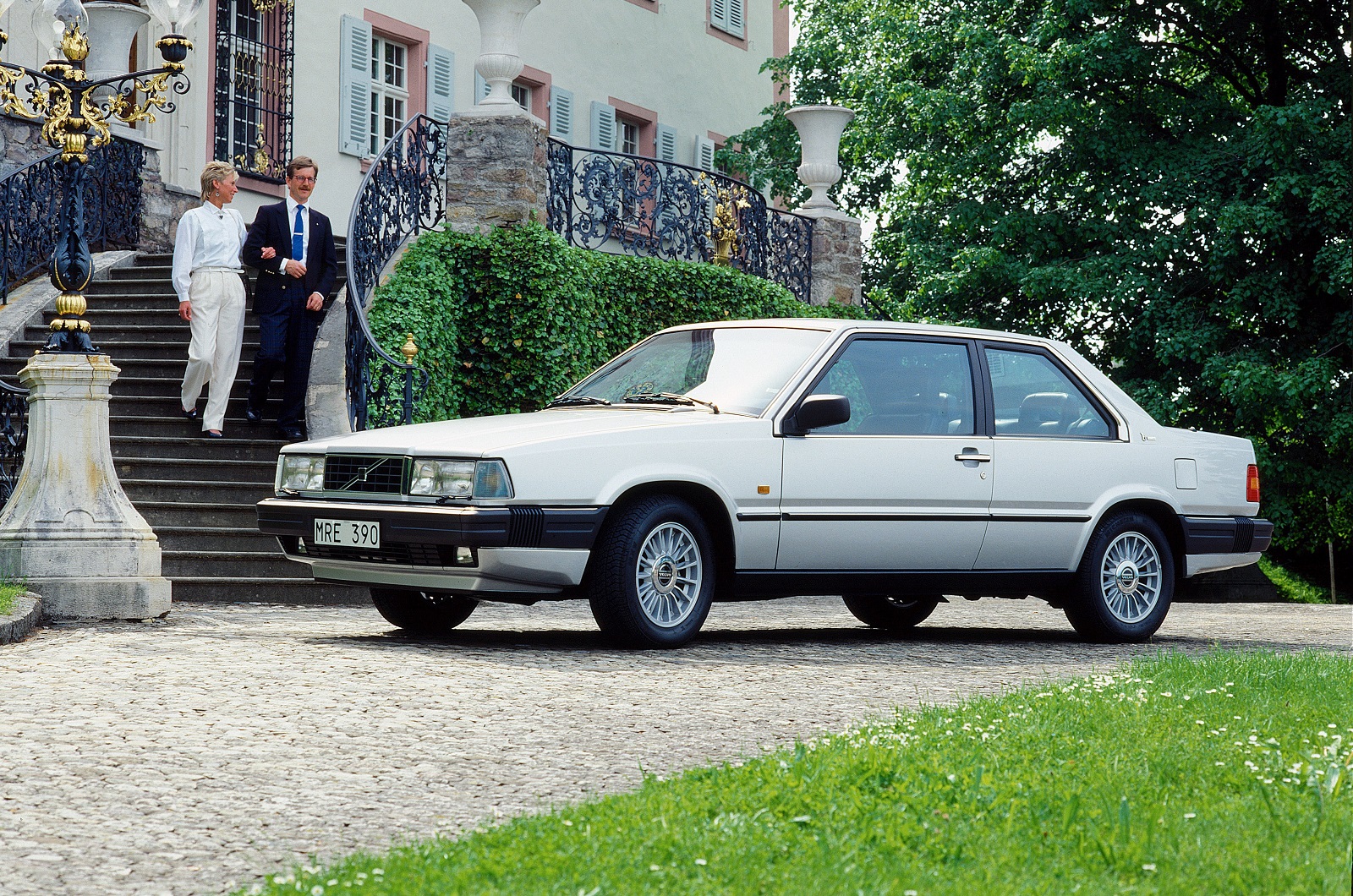
Volvo renewed its ties with Italian coachbuilder Bertone to transform the 760 into a coupe named 780. Unveiled at the 1985 Geneva motor show, its proportions were easier on the eyes than the 262C’s and it was not available with a vinyl top. It wore sharp, sporty lines that fit in well with the rest of the Volvo range and fell in line with what buyers expected in that era.
Inside, leather and wood trim helped it live up to its flagship positioning. It stood proud as one of the most exotic cars ever released by Volvo. Globally, engine options included a V6, a turbodiesel and a turbocharged four-cylinder. Historians disagree about the number of 780s built; Volvo pegs the total output at 8518 cars but some claim the accurate number lies in the vicinity of 10,000 units. Regardless, 780 production ended in 1990 and it wasn’t replaced until the first-generation C70 – which Bertone played no part in – arrived in 1996.
Naylor TF (1985)
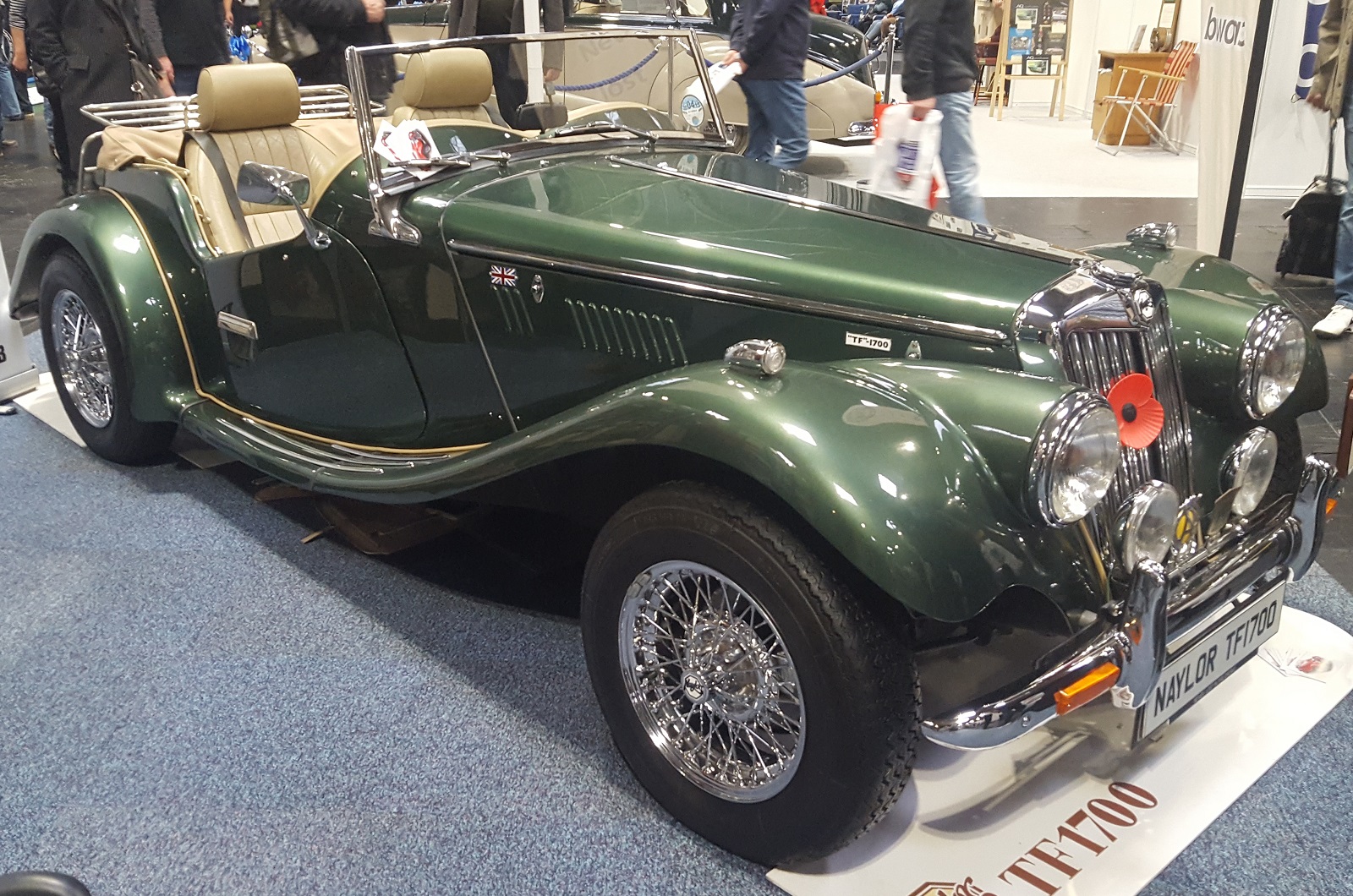
Naylor had built an enviable reputation for high quality restorations of classic MGs, so the idea of building its own MG TF with modern engine, gearbox and electrics seemed like a good idea. There was no faulting the high standards of the Naylor TF, though choosing a 78 hp British Leyland O-Series engine and four-speed manual gearbox didn’t inspire many buyers. The real problem for Naylor, however, was cost as the TF was offered for £14,950 when a Toyota MR2 was cheaper, better to drive and more practical. Not even a test drive from Prime Minister Margaret Thatcher could drum up enough patriotic support to boost sales beyond 100 cars in total.
Merkur XR4Ti (1985)
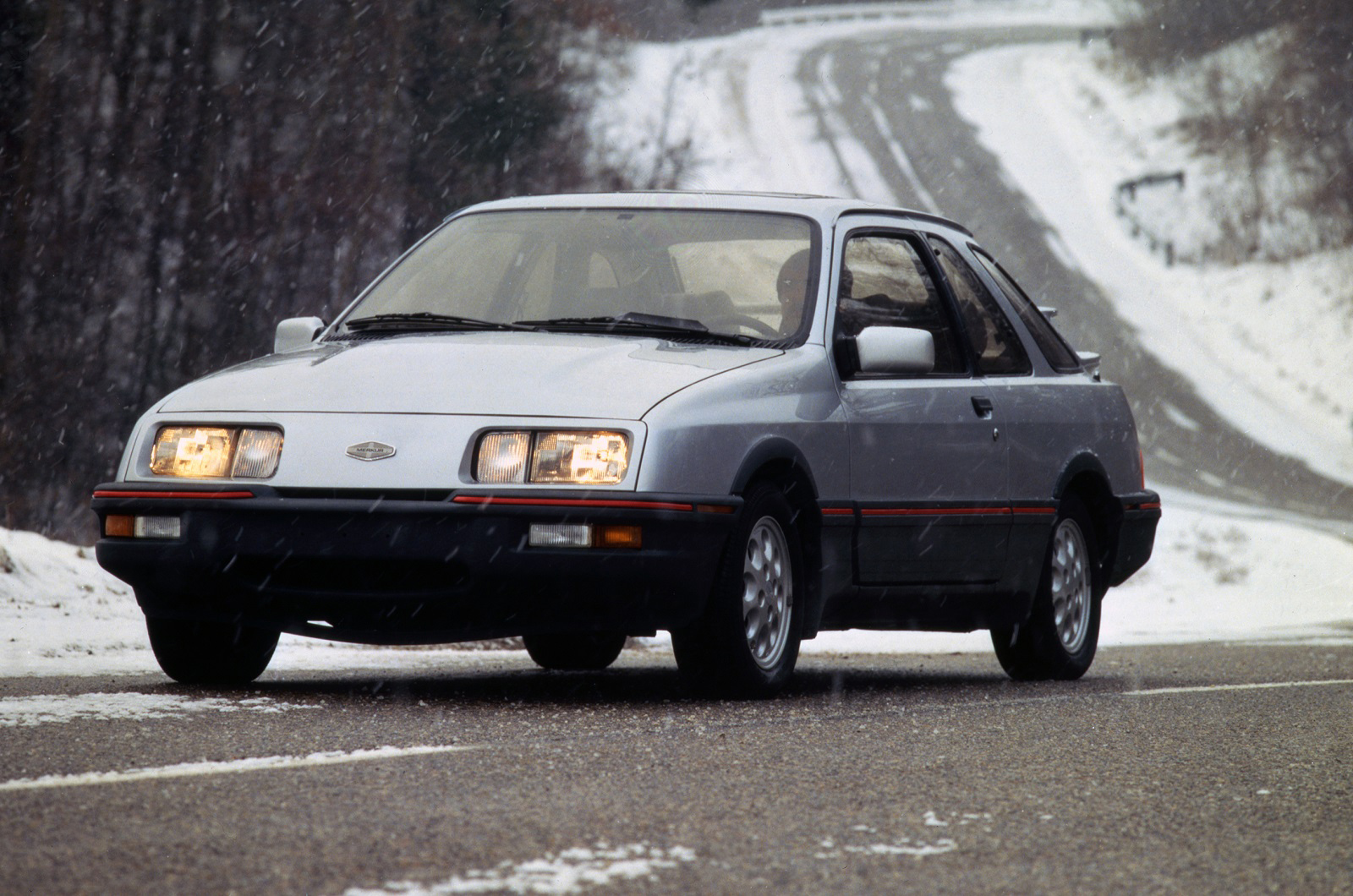
Ford believed selling the Sierra XR4i in America would help it fend off competition from brands like BMW, Mercedes-Benz and Audi. It chose to market the car under a new brand called Merkur, a name presumably chosen because it sounded more German. The US-spec model received a turbocharged 2.3-litre four-cylinder engine instead of a V6, which explains the “T” in its name. Too esoteric, the XR4Ti retired in in 1989 after Ford imported about 42,000 examples from Germany. The bigger Merkur Scorpio suffered the same fate.
Daihatsu Cuore Avanzato TR-XX R4 (1985)
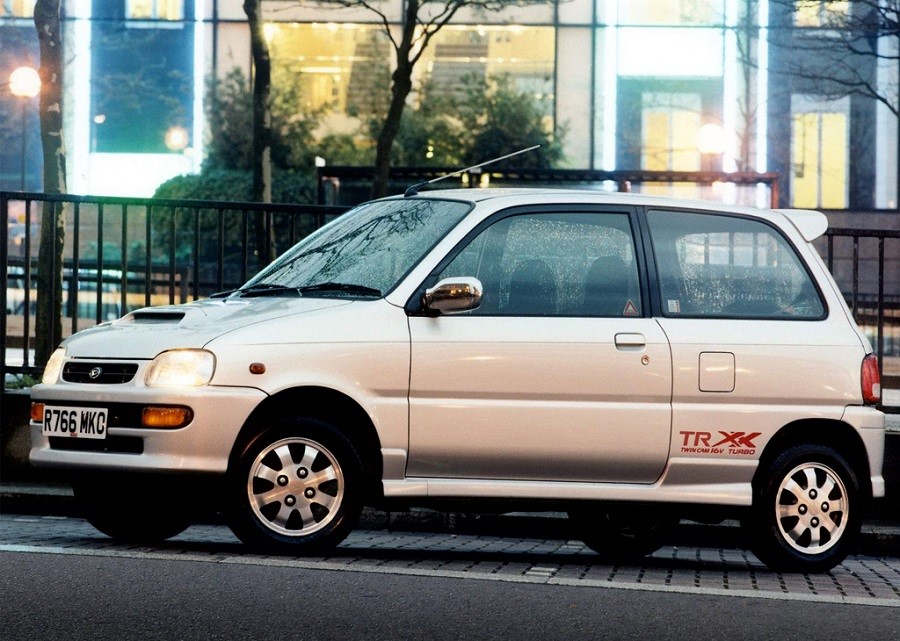
When the world was going crazy for roadgoing versions of World Rally Championship cars like the Mitsubishi Evo and Subaru Impreza, Daihatsu offered its take on the theme: the Cuore Avanzato TR-XX R4. However, it was more a product of the fertile Kei car market in Japan than stage victories in the WRC.
The tiny Cuore came with four-wheel drive and a turbocharged engine like its more illustrious compatriot, but with 659cc on hand it was somewhat less powerful. The four-cylinder engine corralled 64bhp to offer 0-60mph in 8.5 seconds and, if you were determined, it could hit 101mph. Doesn’t sound much but the way the Cuore had to be driven hard made it a surprisingly entertaining and unusual way to brighten any journey.
UVA F33 (1986)
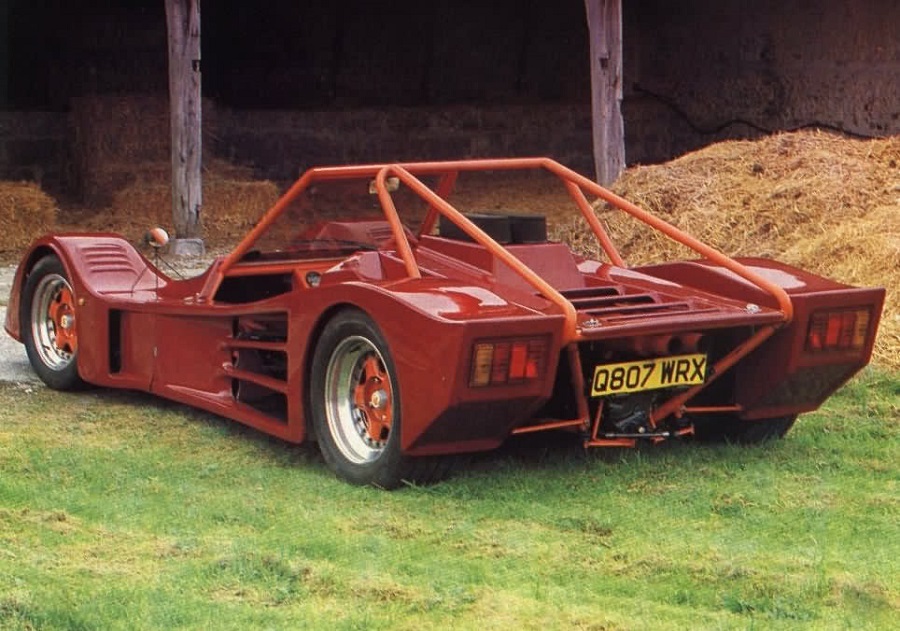
The UVA Fugitive F33 Can-Am was born out of the earlier F30 that set the template for this minimalist vehicle with mid-mounted Rover V8 engine. Pre-dating the likes of the Ariel Atom by more than a decade, the F33 had some bare bones bodywork over a chassis inspired by UVA’s off-road sand rail buggies. The result was supercar pace when it was unveiled in 1986. However, even the Ferrari Testarossa-style side intakes and rapid performance were not enough to convince more than 12 people to part with their cash for this slice of 1980s excess.
Suzuki Samurai (1986)
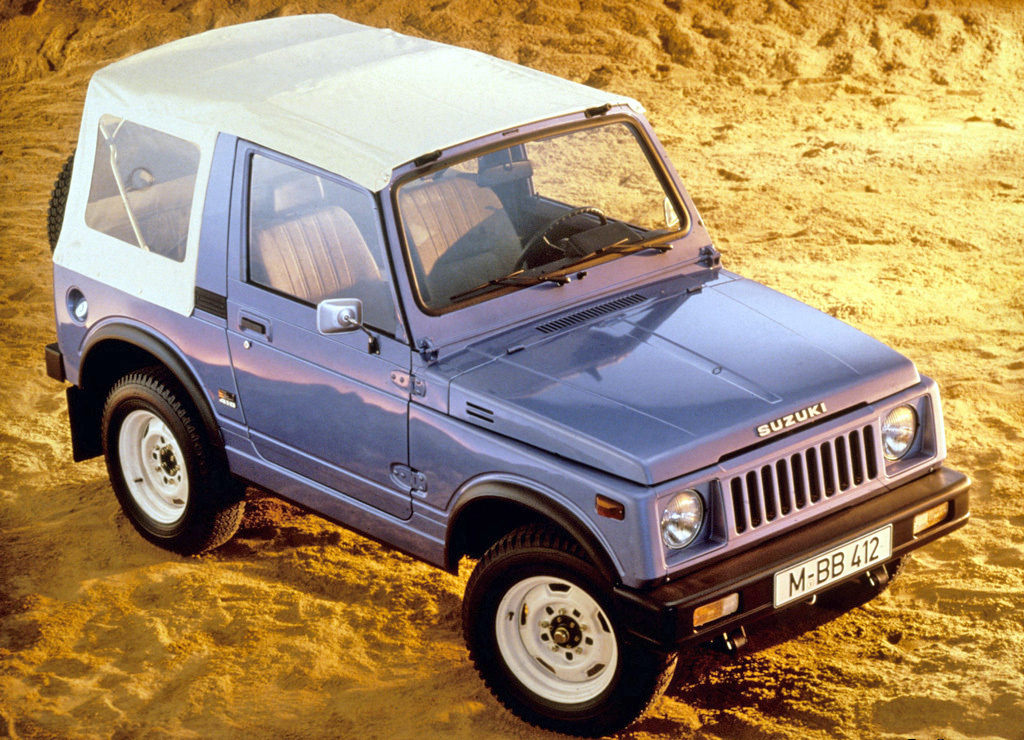
The idea that these cars were inherently unstable sits in the minds of everyone born after its launch. It’s so engrained it could actually be considered local legend. Unfortunately, it resulted in a turbulent lifespan for the Samurai in the United States. Sitting as a cheaper alternative to the Jeep Wrangler, the Samurai was designed to appeal to younger drivers who looked for fun and off-road competence. True enough, around 200,000 examples were sold over its life. However, after a lawsuit against the magazine who wrote about the car’s instability, sales became as allegedly unstable as the car.
BMW Z1 (1988)
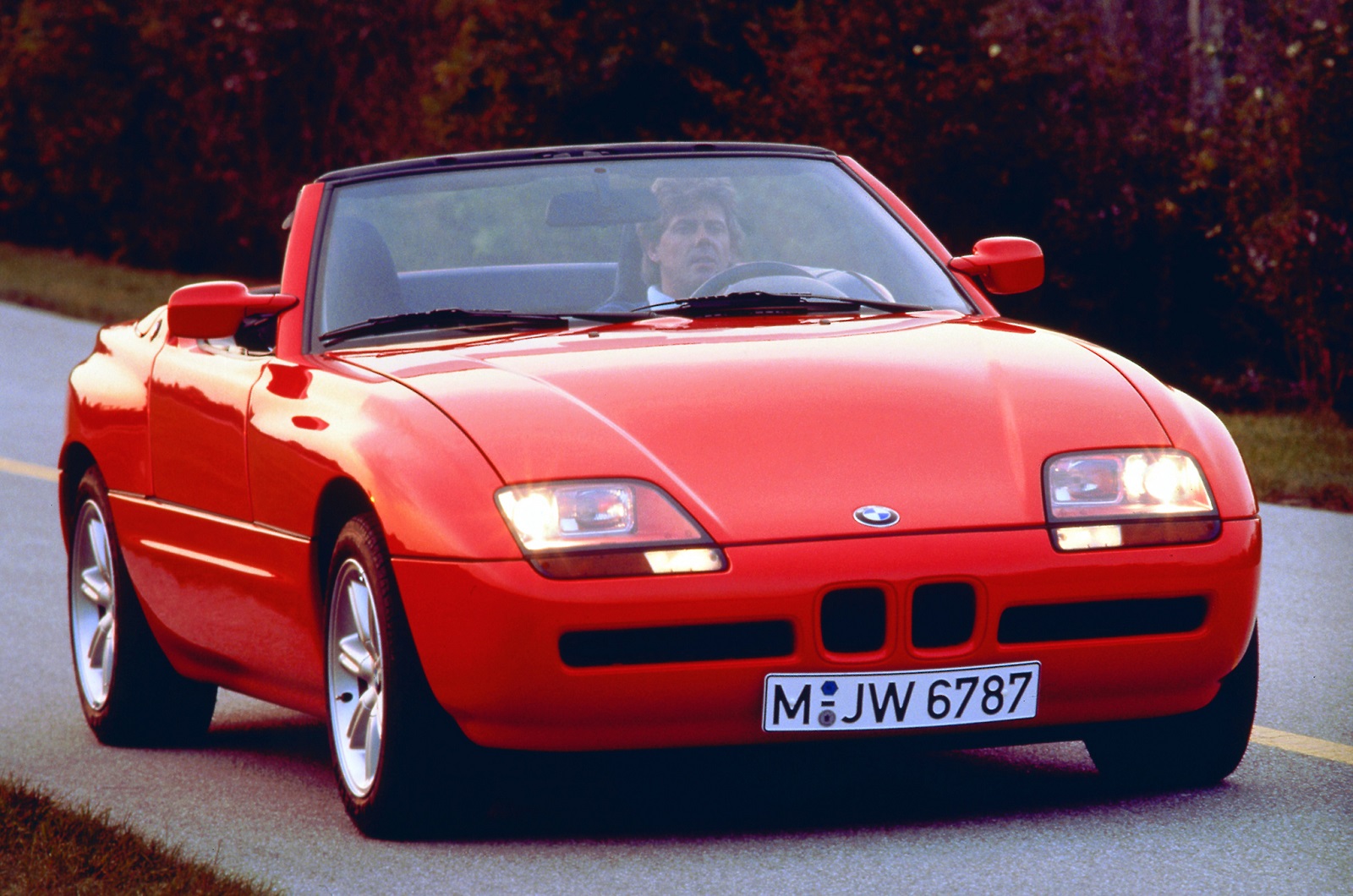
For a car that sold 8000 units in period, the BMW Z1 loiters in the shadows of BMW history. At its launch in 1988, it was expensive – more than twice the price of a contemporary 325i Sport on which it was based – but many were drawn in by its sleek looks and trademark drop-down doors. The intervening years have witnesses the Z1 being somewhat overshadowed by its Z3M and Z4M descendants, not helped by the Z1’s slightly unfair reputation for stodgy handling and mild performance. Even so, it has a small but dedicated following to compensate for its overlooked stature.
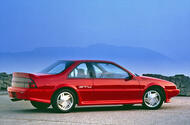
Chevrolet Beretta GTU (1988)
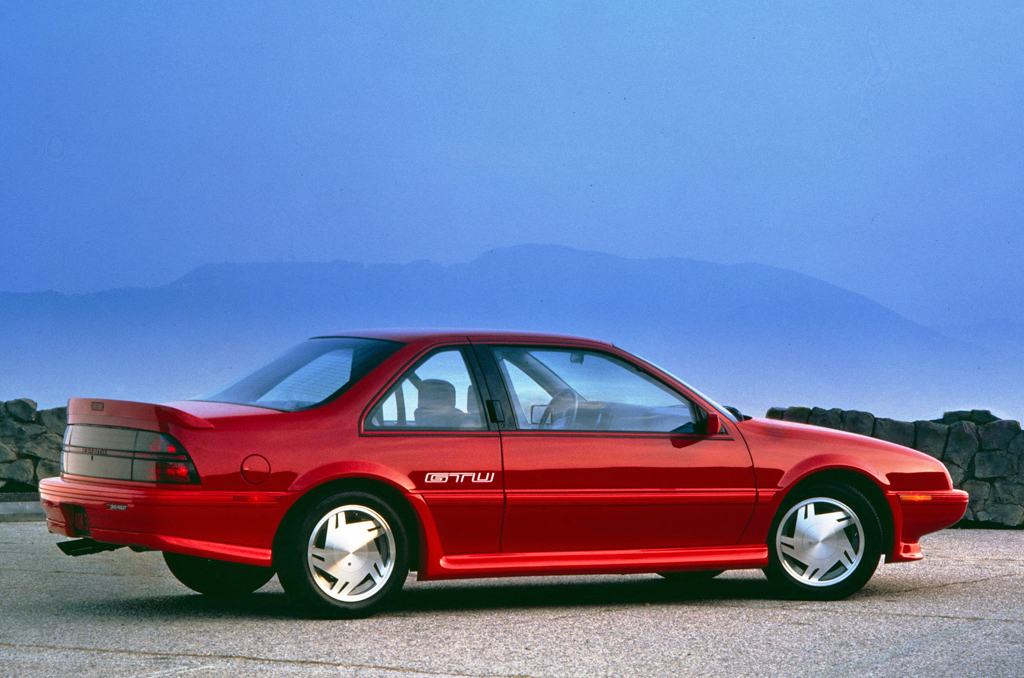
Ever wondered what an American version of the MK1 Golf GTI would be like? Wonder no further. The Beretta GTU was borne out of Chevrolet’s recent racing success, and used a 130bhp 2.8-litre V6 capable of reaching 60mph in 9.2 seconds, just two tenths of a second off a Golf GTI.
What set the Beretta apart was its departure from other sporty versions of normal cars. Chevrolet didn’t simply fit a bodykit, they fettled with the suspension and fitted performance tyres. What’s more, it was understated in the way it portrayed its GTU heritage. Much like the Golf GTI.
Buick Reatta (1988)
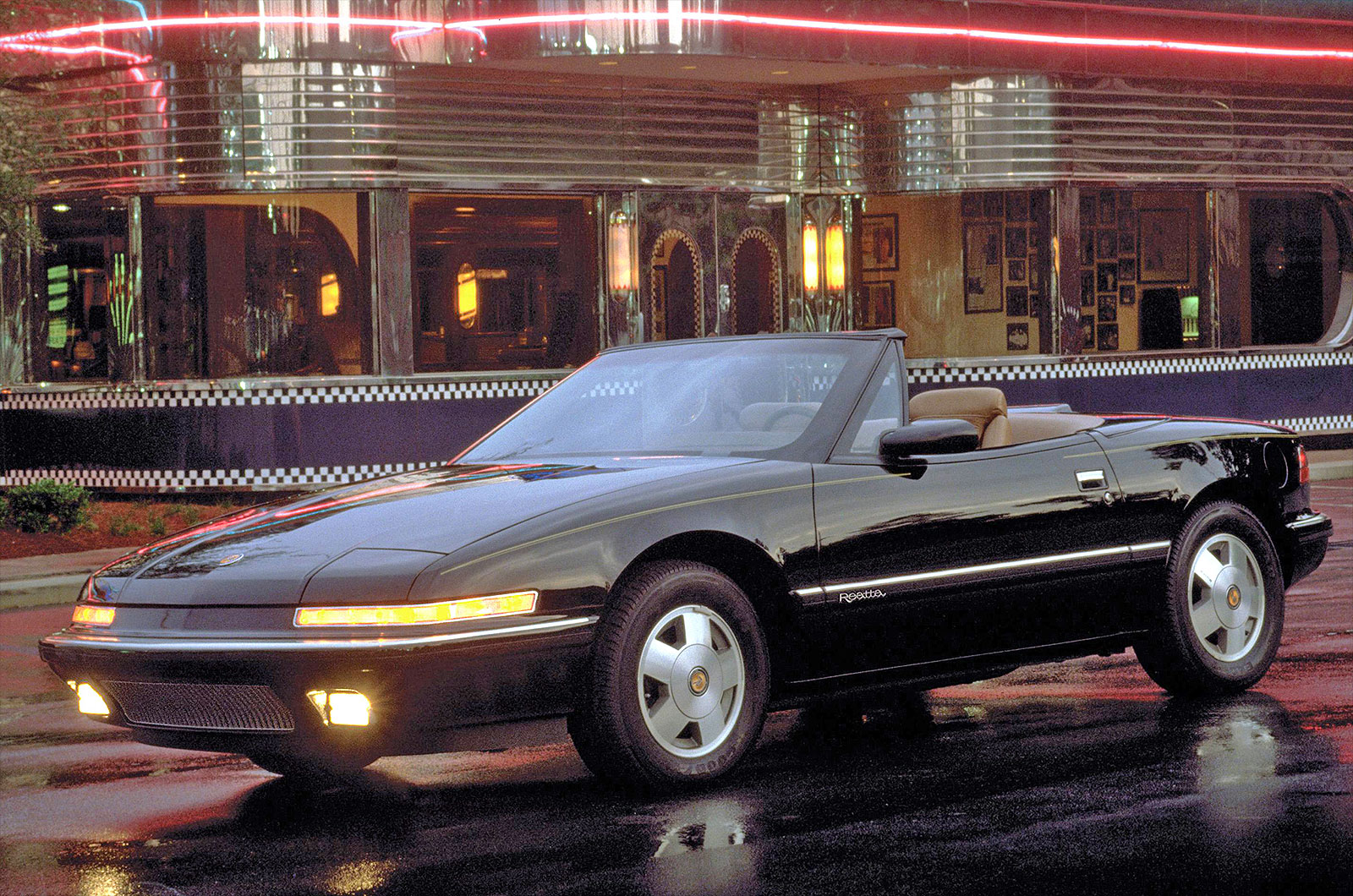
Offered as a coupe and as a convertible, the Reatta sat at the very top of the Buick lineup in the late 1980s. It was built largely by hand in a special facility located in Lansing, Michigan, and it was a relatively advanced car for its era. Buyers could order 16-way adjustable seats, automatic headlights and even a touch screen, though the forward-thinking feature was phased out before the end of production. Buick built nearly 22,000 examples of the Reatta between 1988 and 1991. It was hardly a success; executives predicted they could sell about 20,000 cars annually. Having learned its lesson, Buick hasn’t sold a two-seater model since.
Daihatsu Rocky (1988)
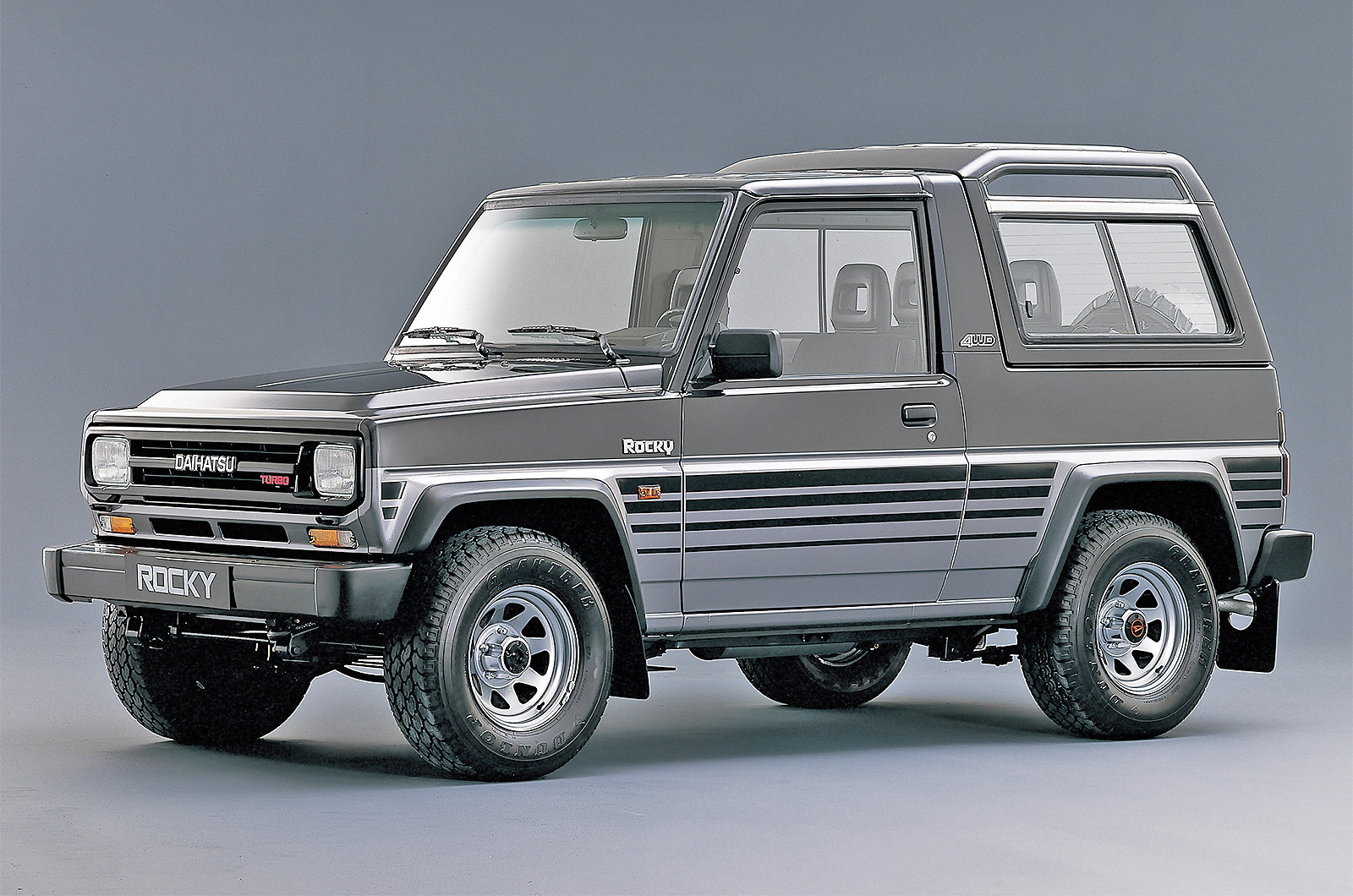
This compact SUV was also known as the Rugger in Japan and Fourtrack in the UK. While it worked reasonably well in its home market and UK, it was far too small for America where they expect their SUVs to be big boned. Nor did the engine line-up impress: four-cylinder engines that couldn’t quite crack 100bhp, delivering predictably lethargic performance. Handling was awful too, and generally did nothing for the company’s image stateside; it withdrew from the US altogether in 1992.
Chrysler TC by Maserati (1988)
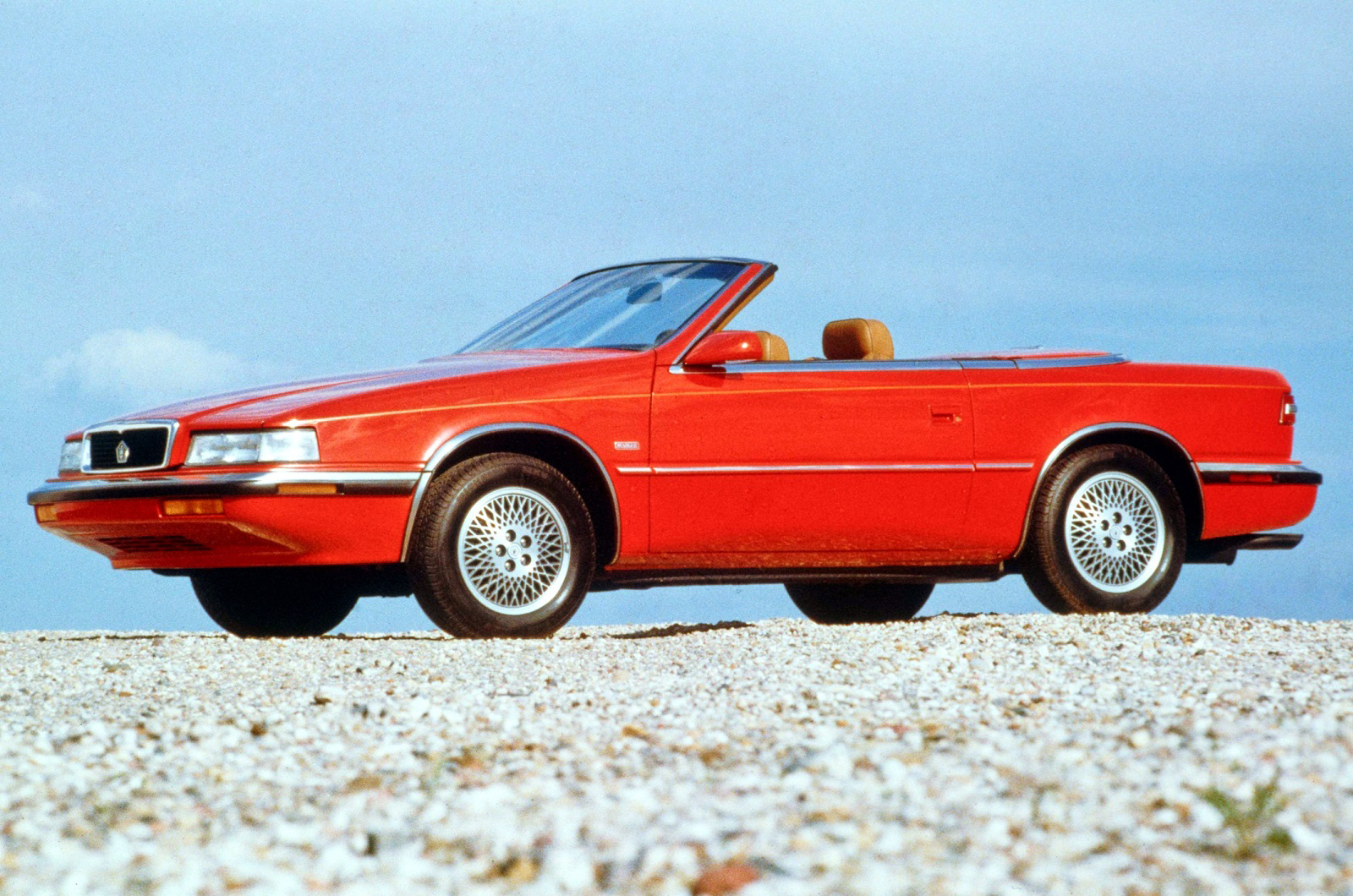
Chrysler and Maserati parent company De Tomaso agreed to jointly build a sports car in the mid-1980s. The idea was brilliant on paper: Chrysler would leverage the prestige associated with the Maserati name to build a flagship model capable of taking on some of the finest two-doors on the American market. Production was delayed as the TC would be assembled in Milan, however engine options included a 2.2-litre four-cylinder with a Cosworth-designed 16-valve head and a V6 from Mitsubishi. Chrysler pulled the plug on the project after importing about 7300 cars to America. In hindsight, using a true Maserati engine could have prolonged the TC’s life.
Lexus ES (first generation,1989)
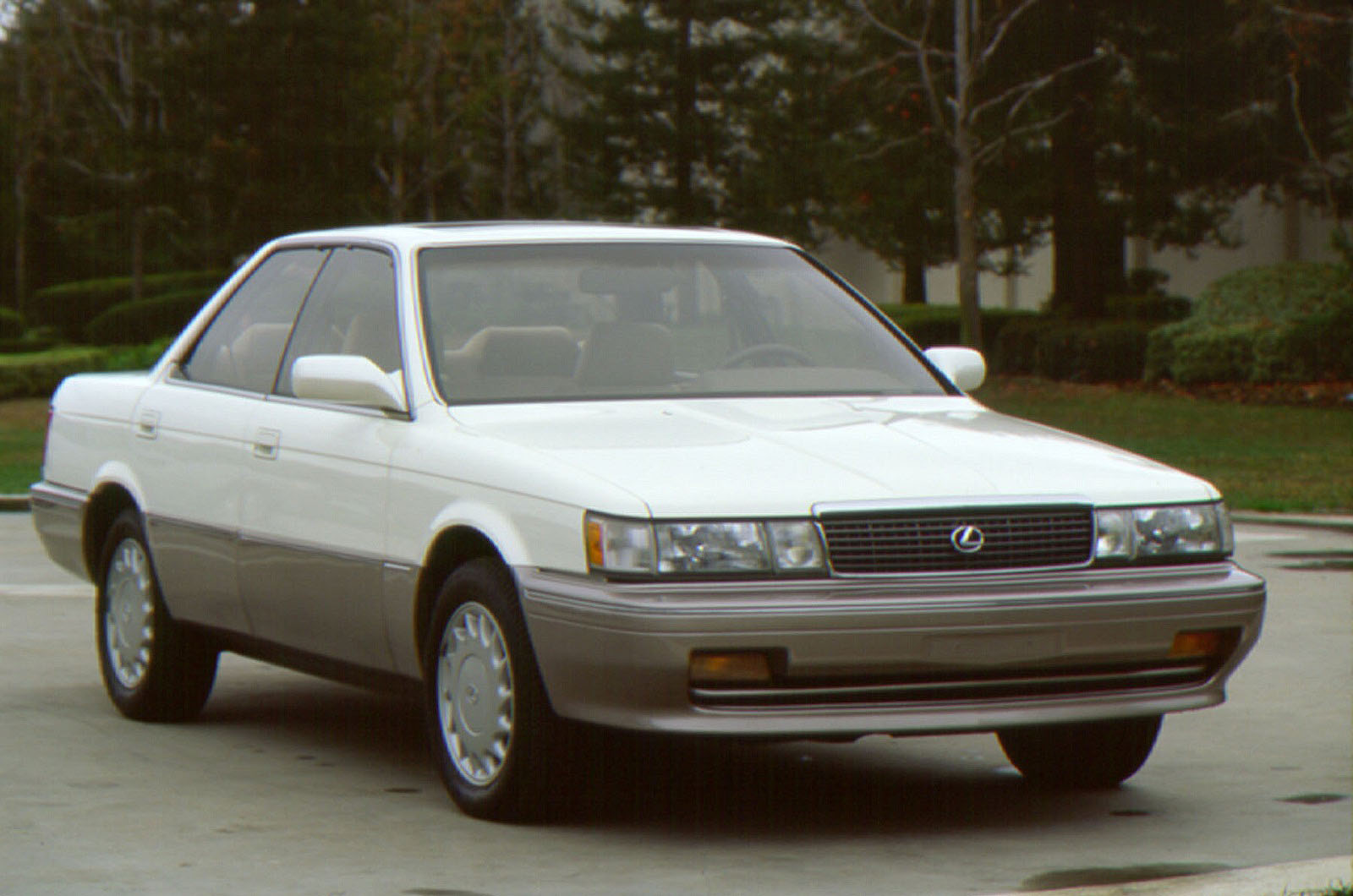
Toyota initially envisioned the original Lexus LS as its flagship model. Executives decided it deserved its own brand after looking at the results of market research, especially in the United States, but they didn’t want it to stand on its own so they Lexus-ified a Camry into the ES, and to give its dealers a larger sales volume. It made its debut alongside the LS at the 1989 Detroit motor show and it was positioned as a smaller, cheaper alternative to the LS. Lexus began selling the ES in September 1989, a month after it received the first 1000 examples of the LS. Both models were popular and the newly-minted firm had logged 16,000 sales by the end of 1989. The second-generation ES arrived in 1991 with a Lexus-specific design inside and out.
Bertone Freeclimber (1989)
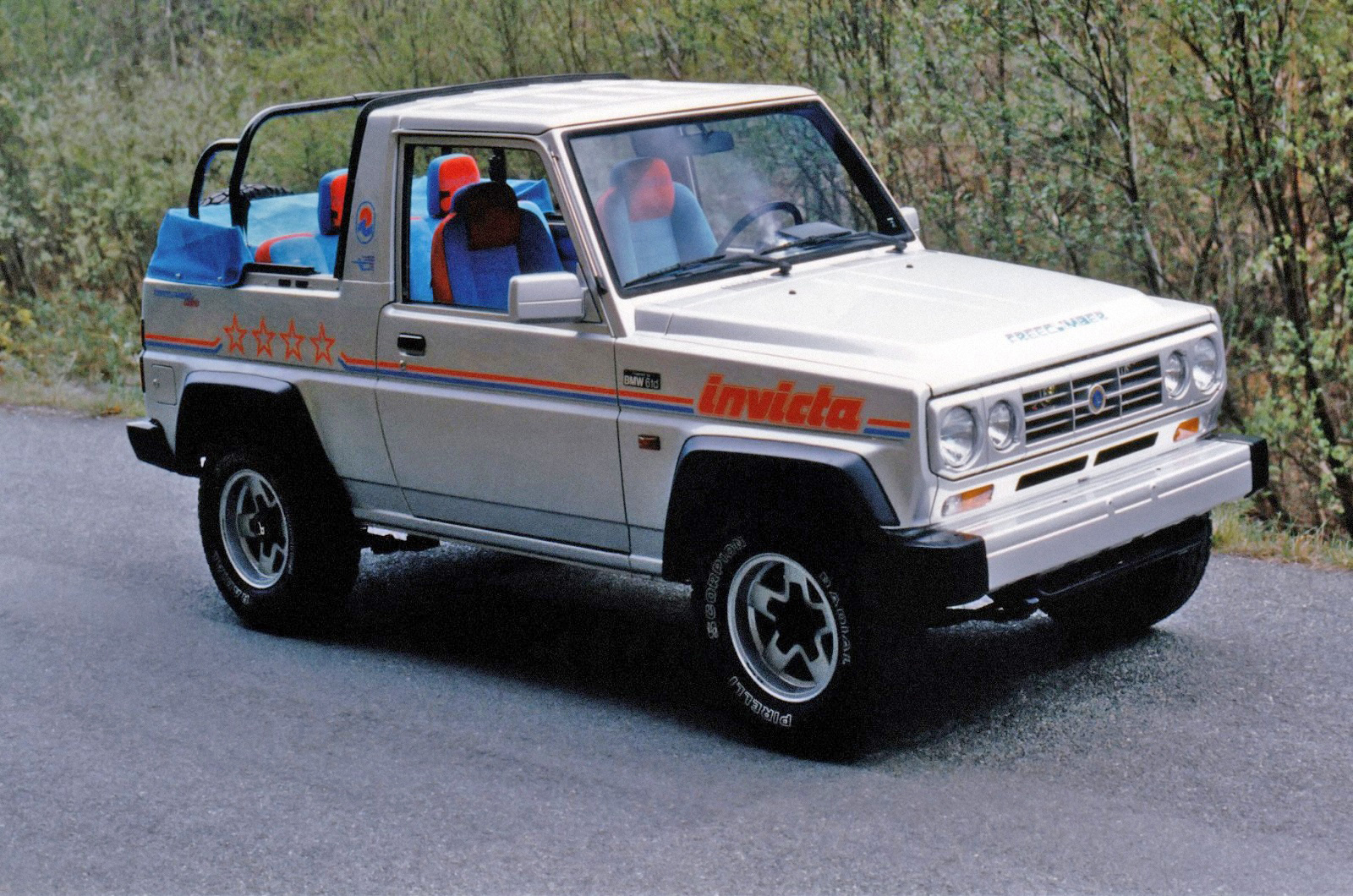
The 4x4 segment underwent a profound transformation during the 1980s. Models like the Jeep Grand Wagoneer and Land Rover’s Range Rover that were once purchased as tools had become a status symbol. Bertone saw this transformation as an opportunity.
It took a Daihatsu Rocky, gave it a much nicer interior, made a handful of design tweaks and, significantly, replaced the original engine with smoother, more powerful BMW units. It sold its creation as the Freeclimber starting in 1989. Bertone made about 2800 units of the original Freeclimber between 1989 and 1992. This number wasn’t stellar but it was high enough to warrant the development of a second-generation model based on the updated version of the Rocky. Sales of the Freeclimber II (pictured) started in 1992 and Bertone built an additional 2800 units until 1995, when it canceled the model to free up production capacity for other projects.
LaForza 5-litre (1989)
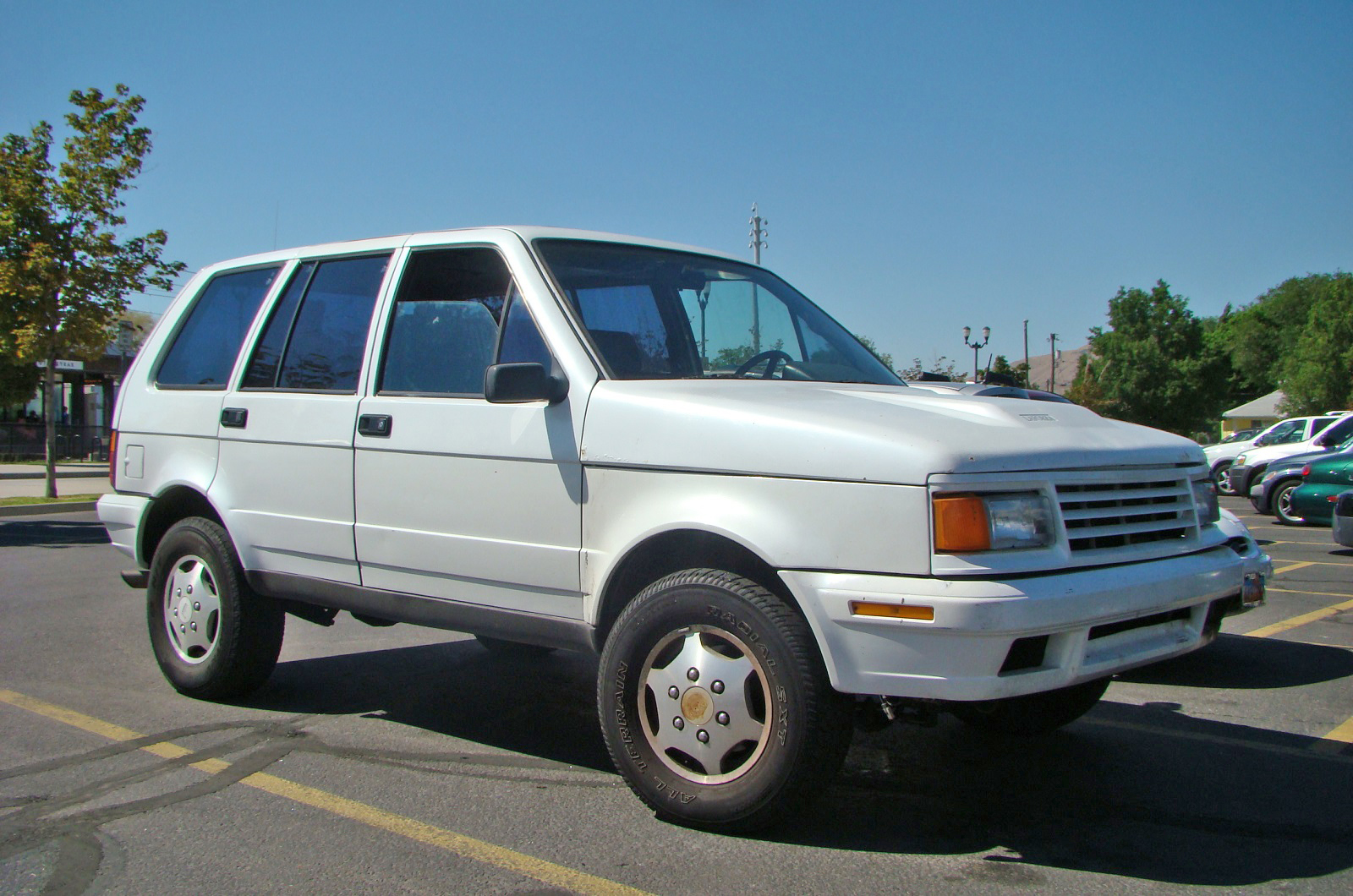
Introduced in 1989, the LaForza 5-litre looked familiar to anyone who had taken a trip to Italy in the late 1980s. It was based on the Rayton-Fissore Magnum built on Iveco bones for the Italian military, police and Carabinieri. Tom Tjaarda (1934-2017) designed the Magnum, which looked a little like a Fiat Uno on steroids, and was asked to turn it into a luxurious SUV positioned as an alternative to the Range Rover.
The 5-litre was powered by a 4.9-litre V8 provided by Ford and a four-speed automatic transmission that spun the four wheels. It offered a posh cabin with leather upholstery and real wood trim. It sold well at first, especially in California, but early cars were plagued by various problems that took their toll on the firm’s American division. It filed for bankruptcy in 1990 and made a comeback after Saudi Arabia-based Badrahn Enterprises purchased its assets (and started distributing the 5-litre in its home country).
Dodge Dakota Sport Convertible (1989)
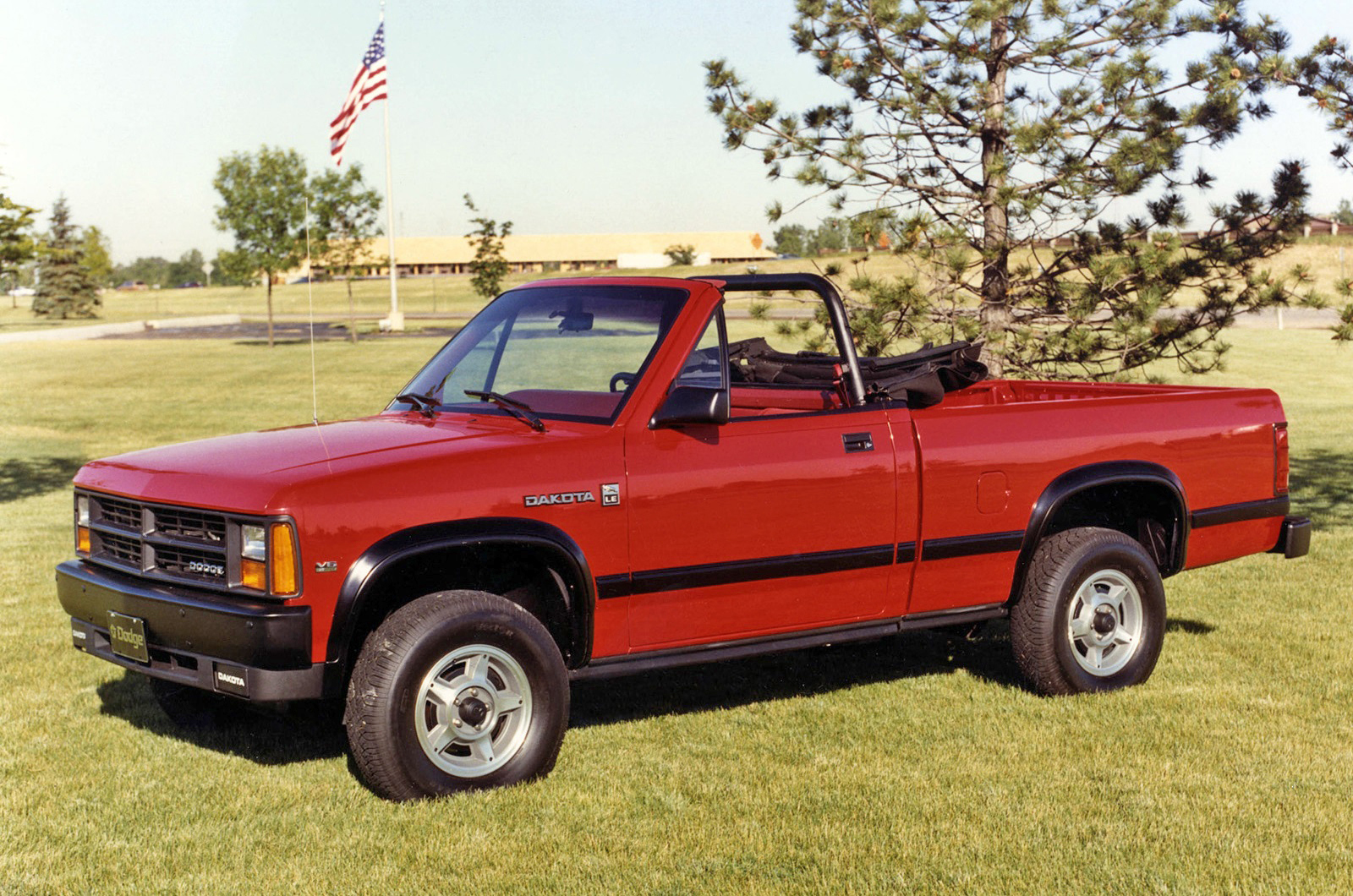
Buyers met the Dodge Dakota Sport Convertible with a collective “wait, what?” followed by a “why?” when it broke cover in 1989. As its name clearly implies, it was a Dakota trucklet with a manual soft top, though the “Sport” part of the moniker was highly debatable. It didn’t exist for long, and it never spawned competition from Ford or Chevrolet, but it remains one of the most unique pickups in the 1980s. Could this have been the predecessor to the Range Rover Evoque Convertible?
Vegantune Evante Mk2 (1990)
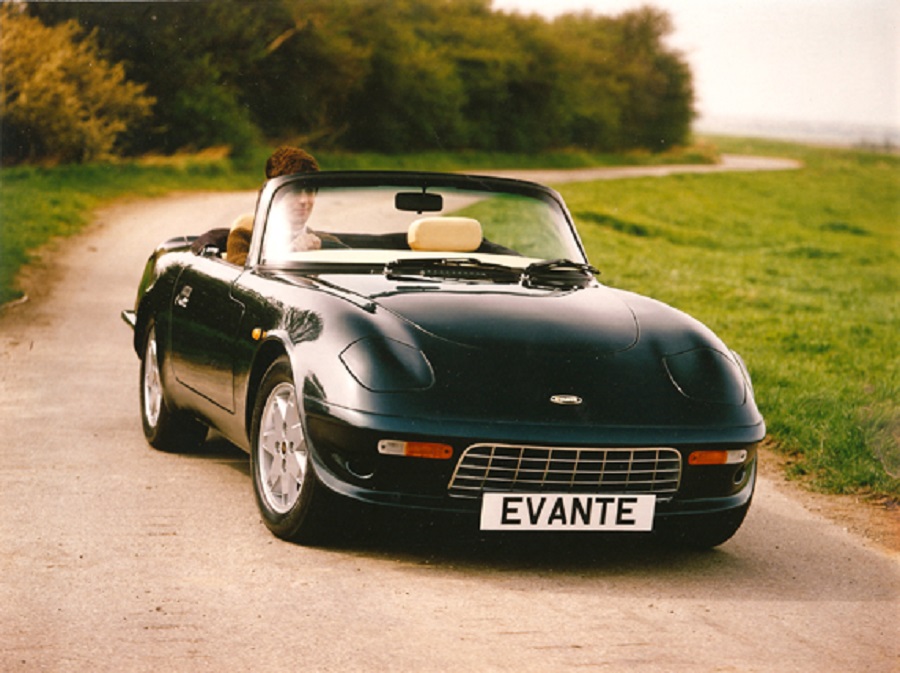
Updating the original 1960s Lotus Elan worked brilliantly for Mazda, but it proved a harder task for Vegantune boss George Robinson when he set up Evante. Based around a backbone chassis very similar to the Elan’s, the Evante Mk2 was powered by a Vegantune 1.7-litre engine built around a Ford block with 142bhp. Performance was better than the original Lotus’ and so was build quality. What did for the Evante was launching a pricey two-seater that looked like a classic Lotus at the height of the early ‘90s recession.
Few showed interest and even less coughed up the money, so Evante only ever produced six of these hand-built machines in Mk2 form; the company was sold to another firm called Fleur De Lys which then produced 12 further cars, powered by Ford Zetec engines. There is an active owners club for the car who are apparently in close touch.
Cadillac Cimarron (1982)
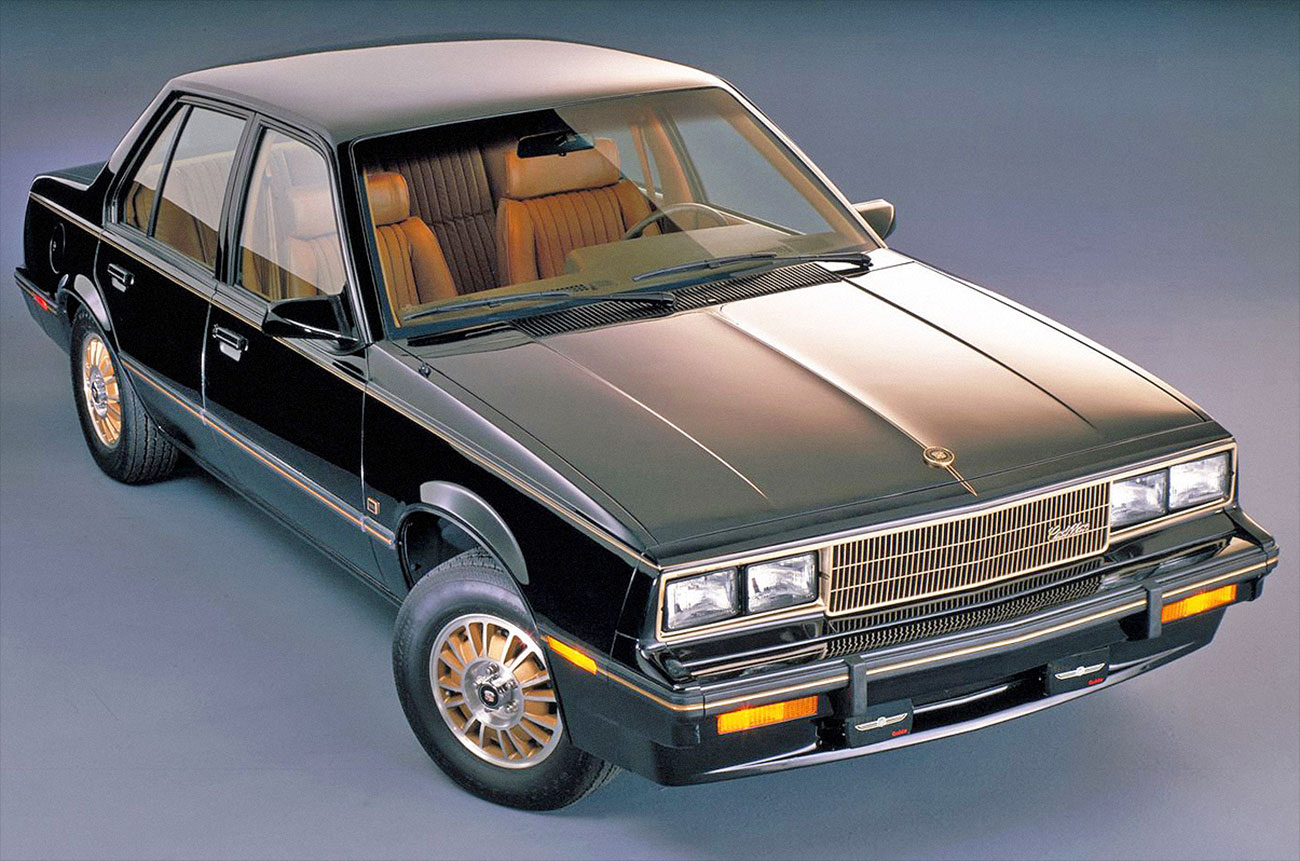
The tale of the Cimarron reads as one of half-heartedness. Introduced in 1982 it was a product of pressure. Cadillac, concerned about overseas manufacturers stealing sales, insisted GM give them a car to develop using an existing platform. The problem was, they had just one year to do it.
The solution was to fully spec-up the Chevrolet Cavalier, rebadge it, and market it as “The Cimarron by Cadillac” for a $4000 premium. Despite selling a steady 20,000 cars per year, customers saw through this poor disguise and sales of the Cimarron slowly burned to the ground after 6 years.
PICTURE: 1983 model

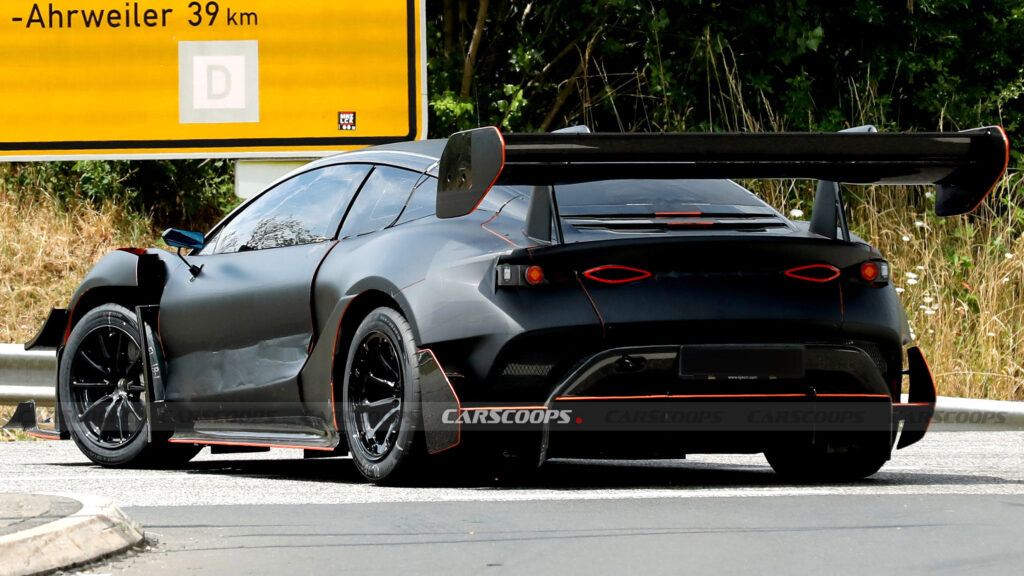
Denza Z Special Edition Targets Nürburgring Record with 1,973-HP Tri-Motor EV Engineering

Global Car Icons America Missed: How Market Barriers and Cultural Preferences Shaped the US...
 We take a look at the great cars that America has missed out on over the years
Until China took over in 2009, America was the world’s largest car market.
This meant that all car makers did their level best to get a piece of the action. But there have long been substantial differences between the American market and those in Europe and Asia. And those differences tend to account for why certain models were never sold there.
But it does mean that America misses out on great vehicles like the BMW M3 Touring (pictured), a hot wagon that got rave reviews from most people. Take a look at all the other cars America never officially sold in America, in chronological order:
Renault 4 (1961)
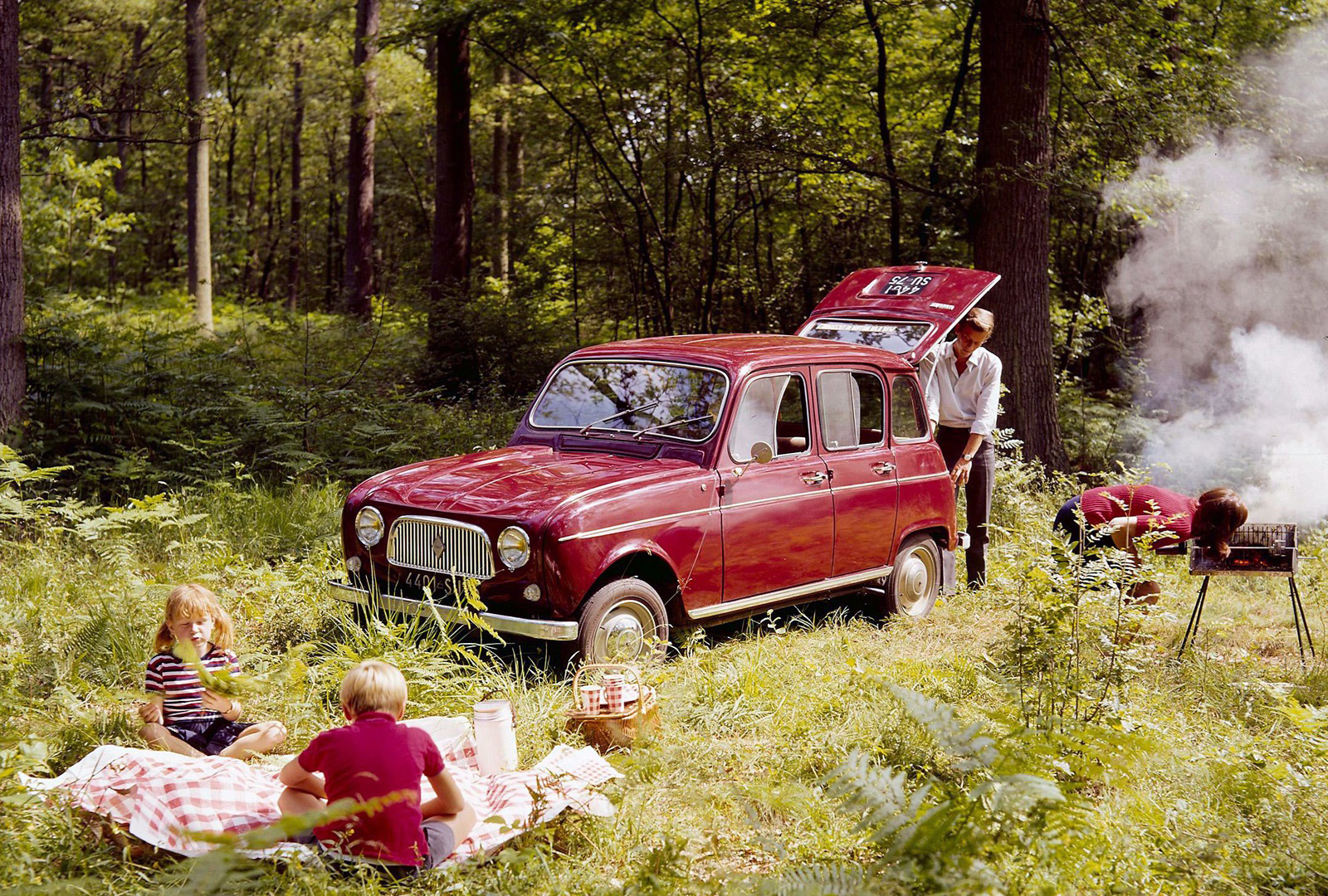
The 4 isn’t the pettiest or the fastest Renault ever to grace European roads, but it was an honest, humble car that ticked every box of basic transportation. Renault’s entry-level model offered winter-friendly front-wheel drive and a functional hatch well before either became common. Admittedly, the dash-mounted manual gear-change might have intimidated a few motorists, but this was good honest motoring.
Toyota Century (1967)
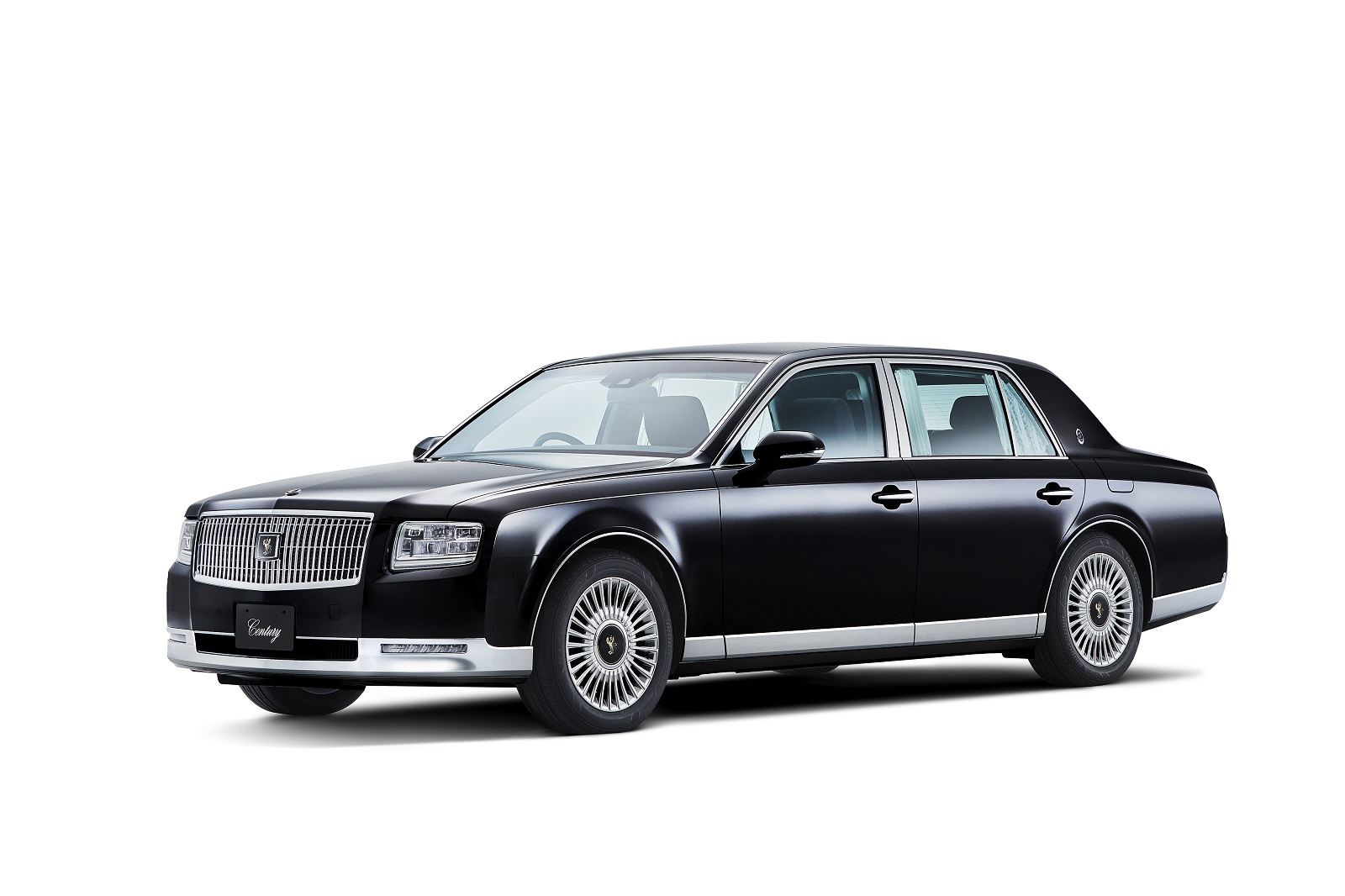
Toyota created the Lexus brand in 1989 to vie for a slice of America’s ever-growing luxury car market. Lexus was new to every class it entered, but Toyota had learned valuable lessons in building an opulent car from manufacturing the Century, its flagship saloon in Japan, for over two decades.
The second-generation of this car was powered with a V12 engine and lasted all the way from 1997 to 2017; it is the official state car of the emperor of Japan. A third-generation model arrived in 2017 (pictured), now powered by a V8 engine, and is still on sale.
Renault Rodeo (1970)
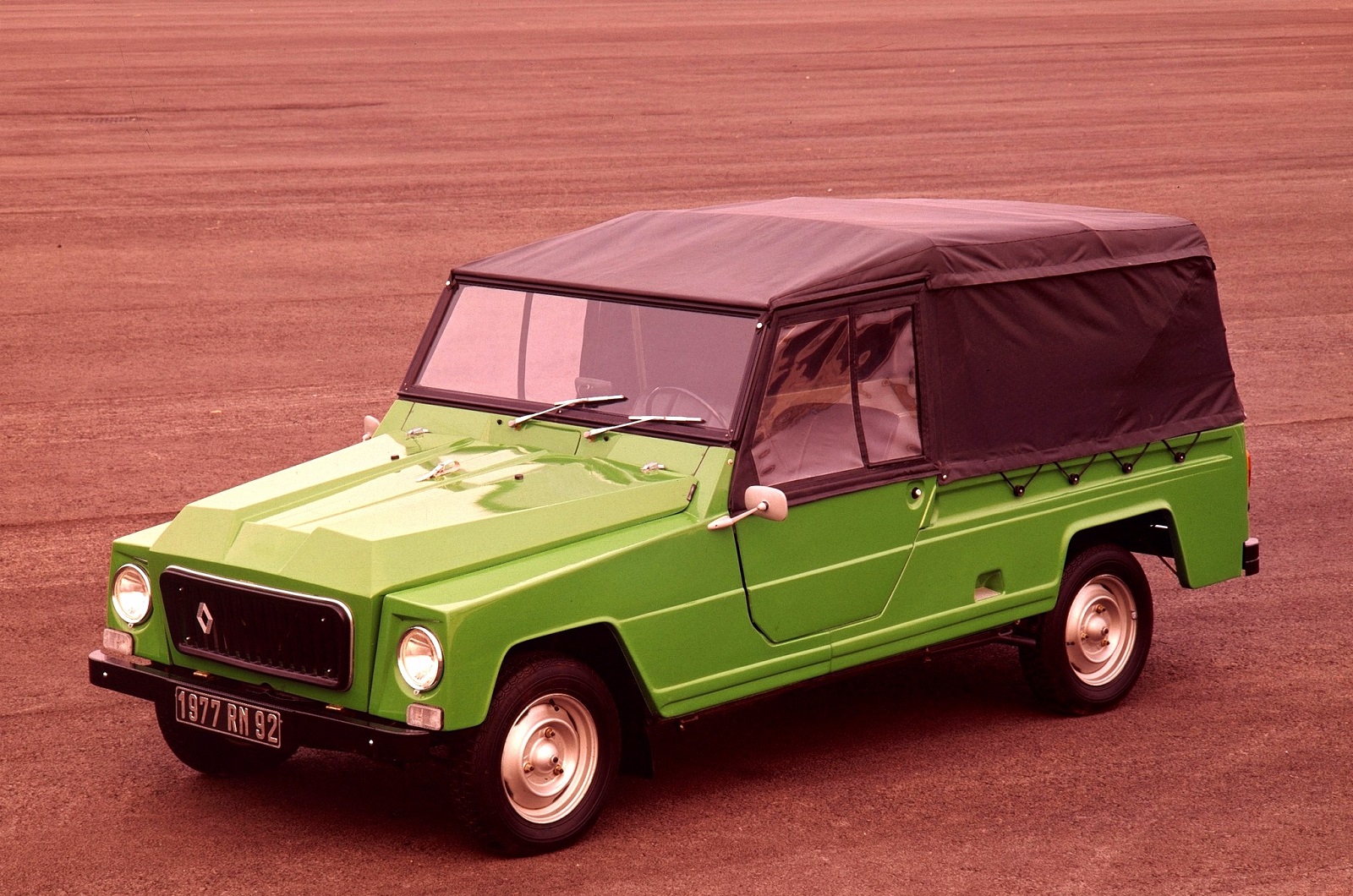
Utilitarian beach cars never caught on in the US, partly because the cars they were based on often weren’t sold there to begin with. Citroën made a half-hearted attempt to market the Mehari but stopped after just one year when American regulators made seatbelts mandatory.
We think the Renault Rodeo would have fared a lot better; it was more usable than the Mehari, and Renault had a better grasp on the American market than Citroën.
Volkswagen SP2 (1972)
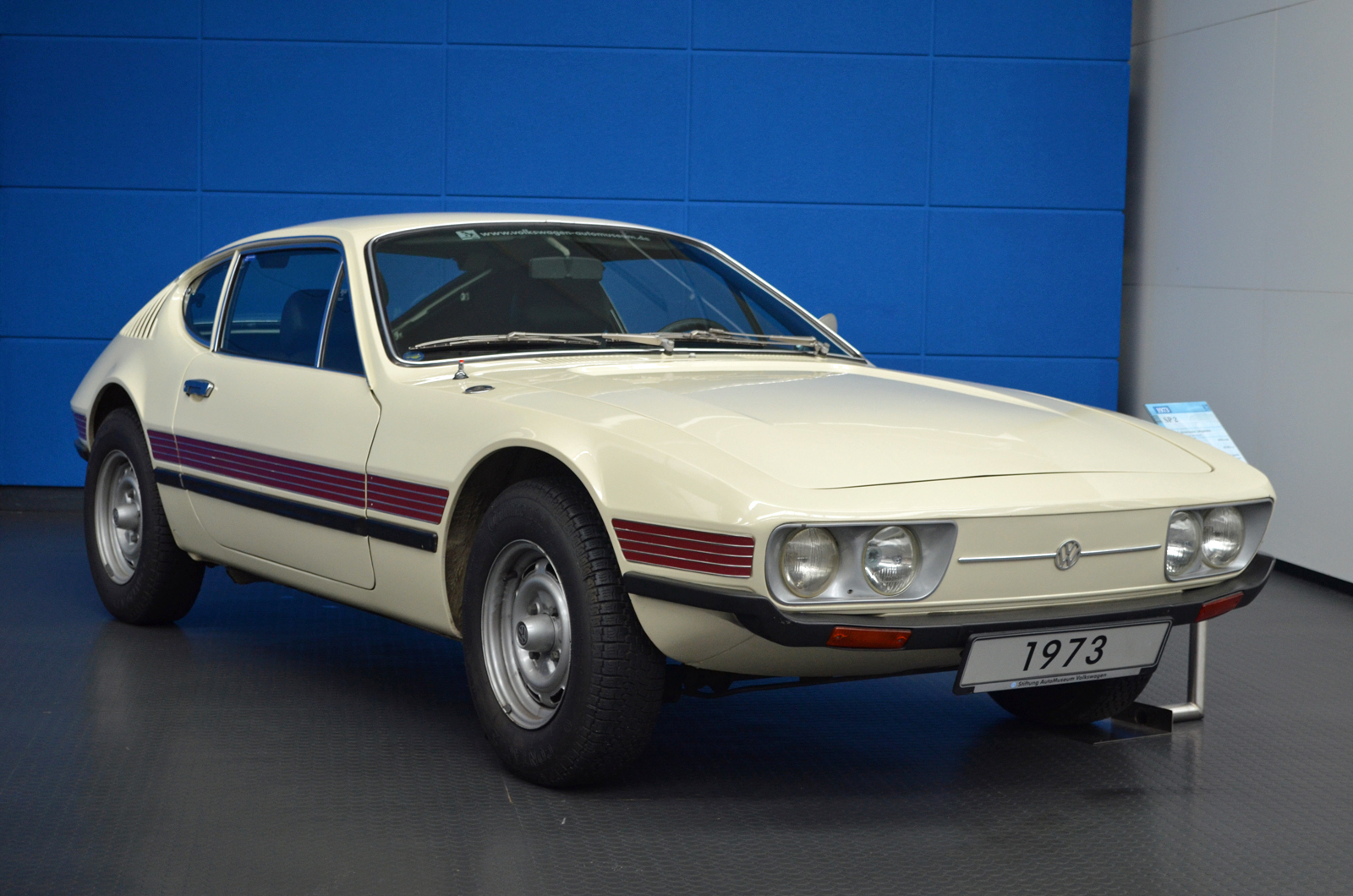
Volkswagen’s Brazilian division enjoyed a significant amount of independence from headquarters in Germany. The SP2 was designed in Brazil solely for the Brazilian market, using mostly off-the-shelf components like a chassis borrowed from the 412 and a 1.7-litre air-cooled flat-four engine. Its fastback-like design secured the SP2’s spot as one of the most handsome cars ever to wear a Volkswagen badge.
Lancia Stratos (1973)
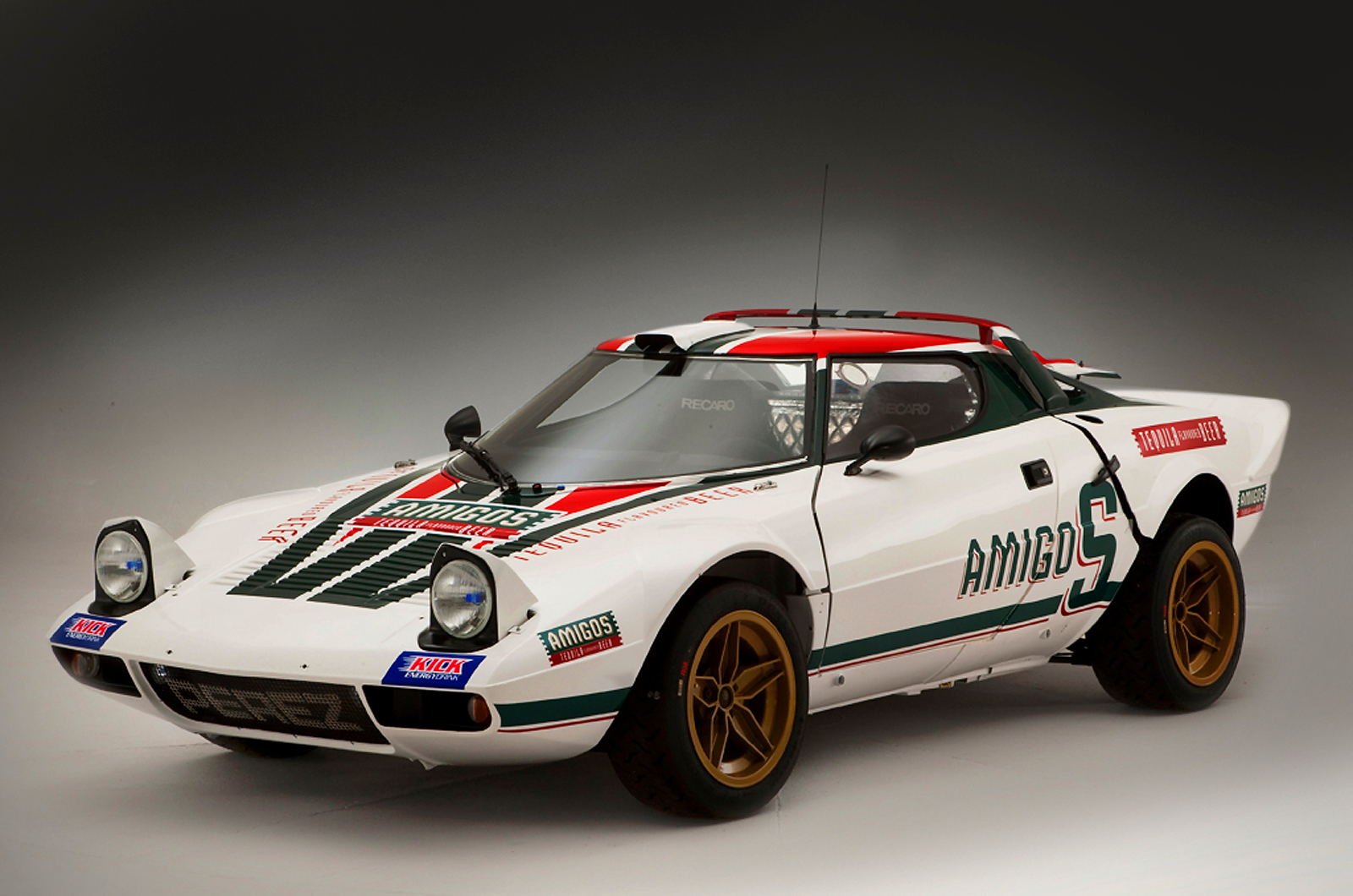
Lancia built the Stratos for homologation reasons. Developing and building a small series of high-performance cars was an immensely expensive project, especially for a company like Lancia that has often found itself in financial trouble. So trying to sell the car to Americans was ruled out. It’s a shame; a car like the Stratos could have helped salvage the brand’s sinking image.
Citroën GS/GSA (1979)
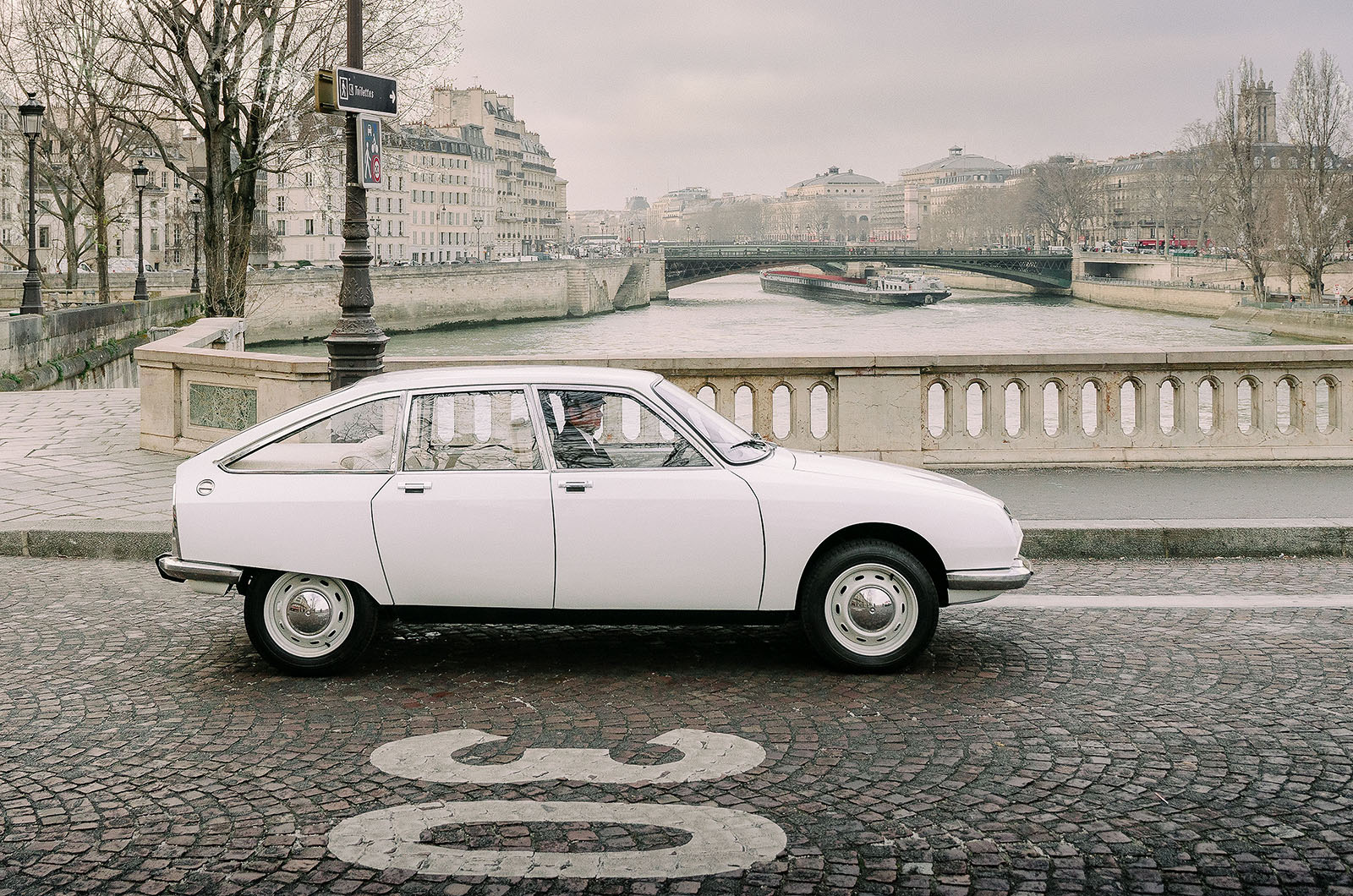
Citroën was ready to launch the GS in the US. It sent a small batch of cars to its dealers in preparation for the launch, but it changed its mind when it became aware of new safety regulations mandating a fixed ride height.
The GSA (an updated GS with a more practical hatchback and many of the original problems ironed out) could also have been sold in the US had it been allowed in, and it would have launched at a time when motorists were in the market for smaller and more efficient cars.
Mercedes-Benz G W460 (1979)
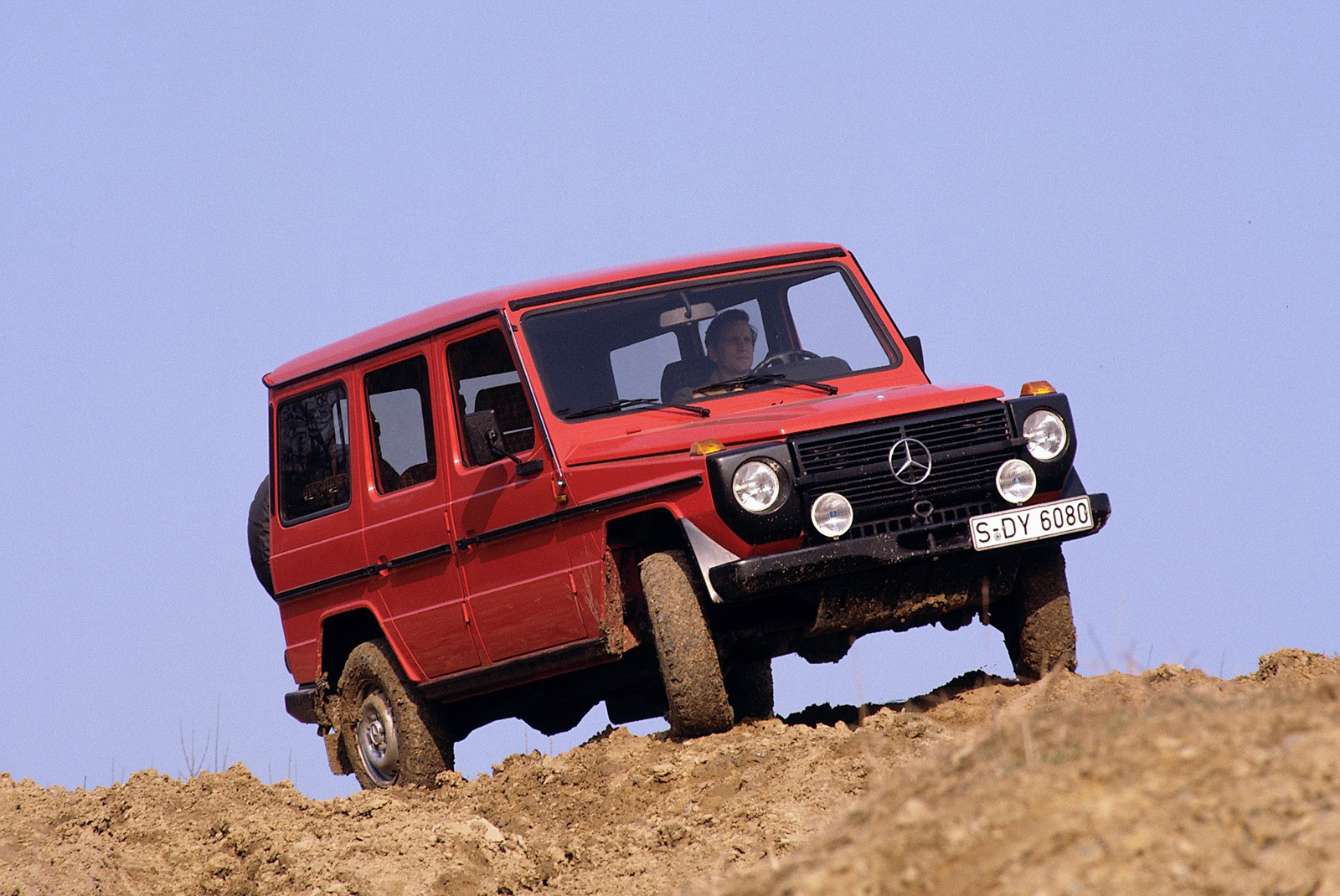
For decades, the G-Class wasn’t part of the Mercedes range in America. The German brand represented the pinnacle of luxury, so executives worried selling a utilitarian 4x4 wearing a Mercedes badge would harm the brand’s image.
The popularity (and very high transaction prices) of personally-imported cars convinced Mercedes to begin selling the G-Class in the US in 2002. By that point it had become much posher than anyone had envisioned when production started.
Volkswagen Transporter pickup (1979)
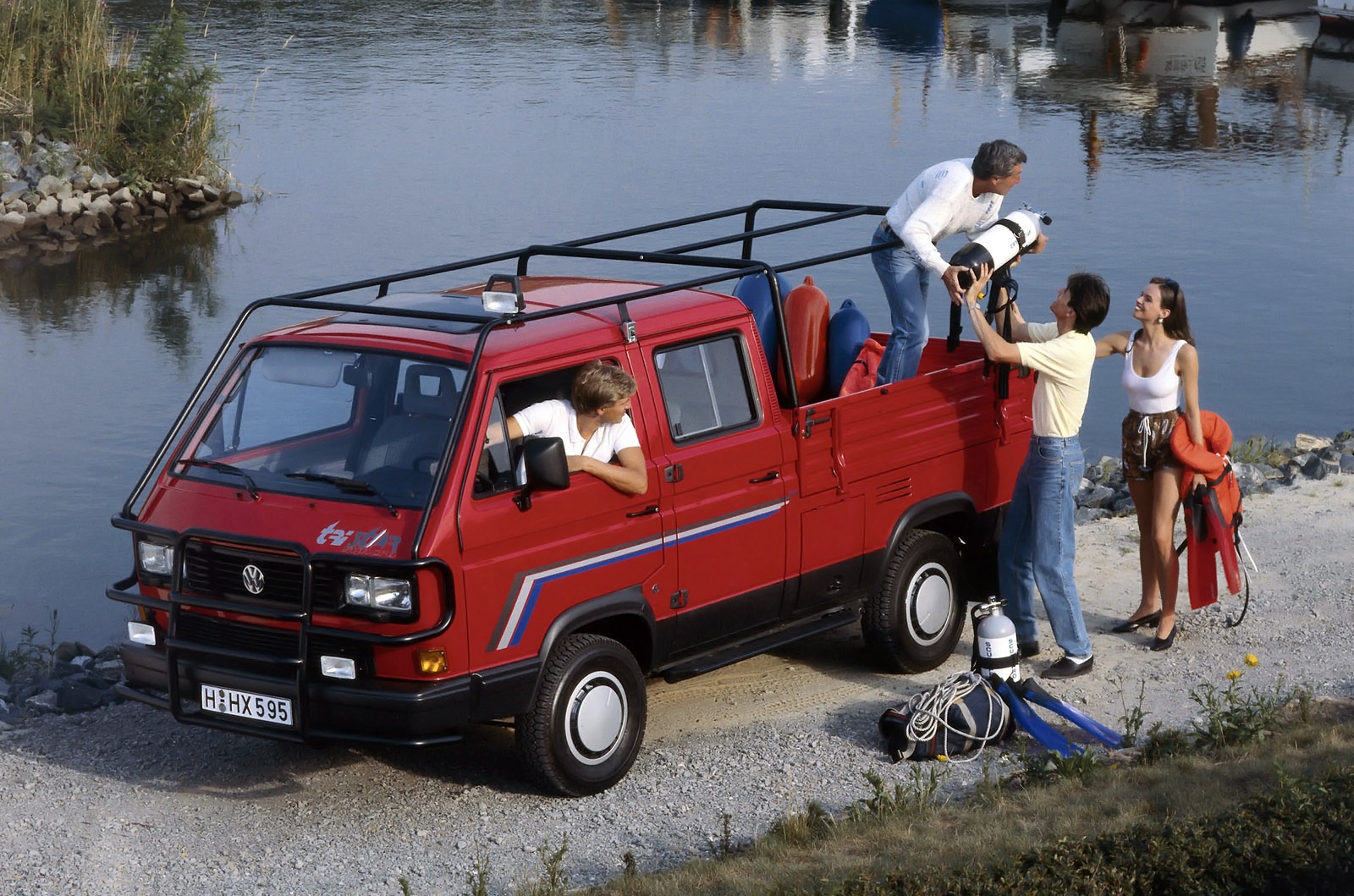
A US import tax that started in 1964 places a 25% tariff on all imported light commercial vehicles (including pickups), and remains today. It means that importing such vehicles and selling them is more or less impossible.
This meant that the excellent and interesting VW Transporter pickup never made it to the USA.
Alfa Romeo 33 (1983)
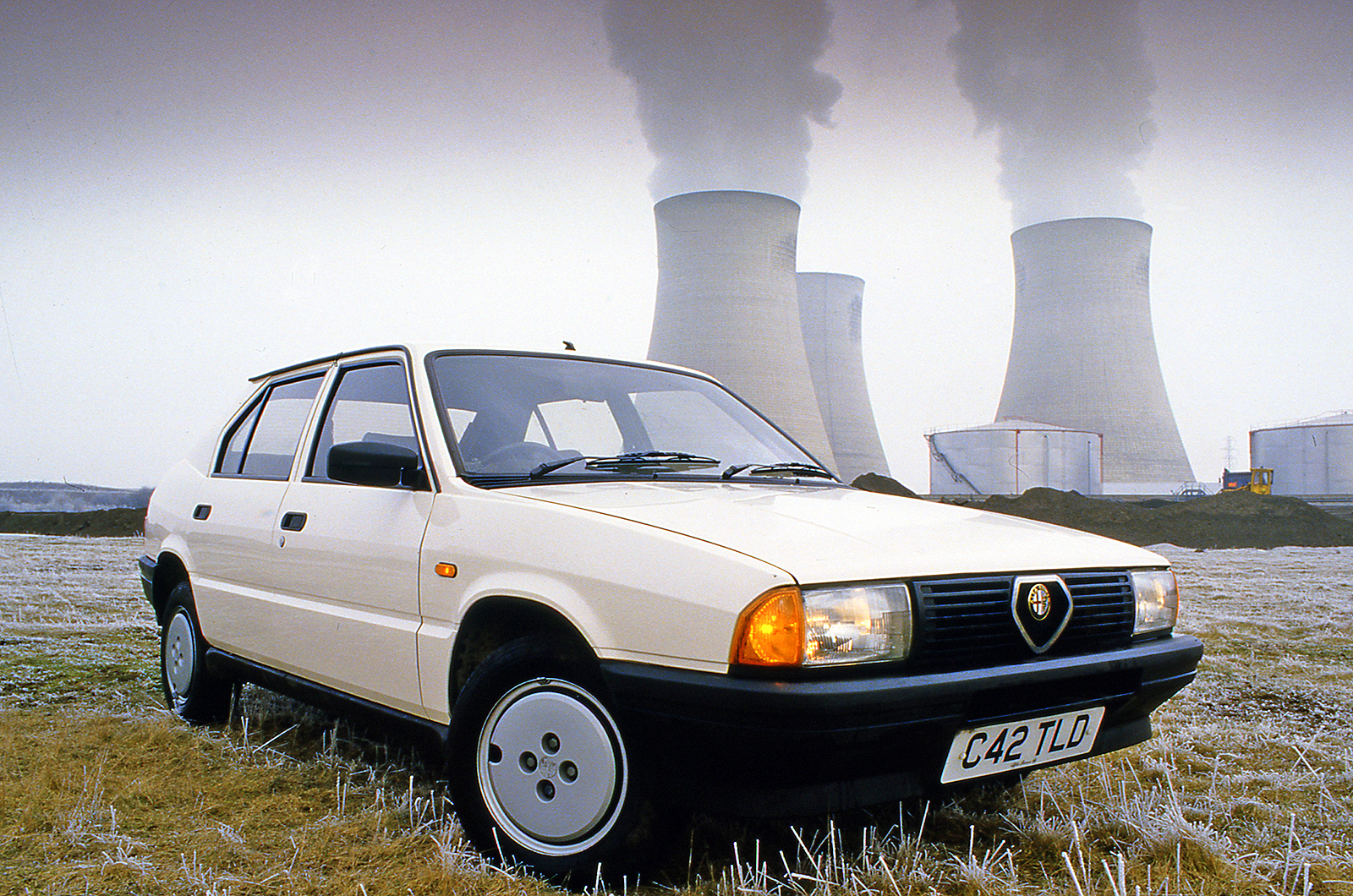
Alfa Romeo didn’t sell the 33 in the US because a small and economy-oriented model didn’t fit the image of Italian luxury it was aiming for in America. In hindsight, would it have been a volume model for Alfa Probably not.
Would it have saved Alfa’s ill-fated American division? Definitely not. But the remaining examples would still be cherished by Alfa Romeo fans today.
Ford Fiesta XR2 (1984)
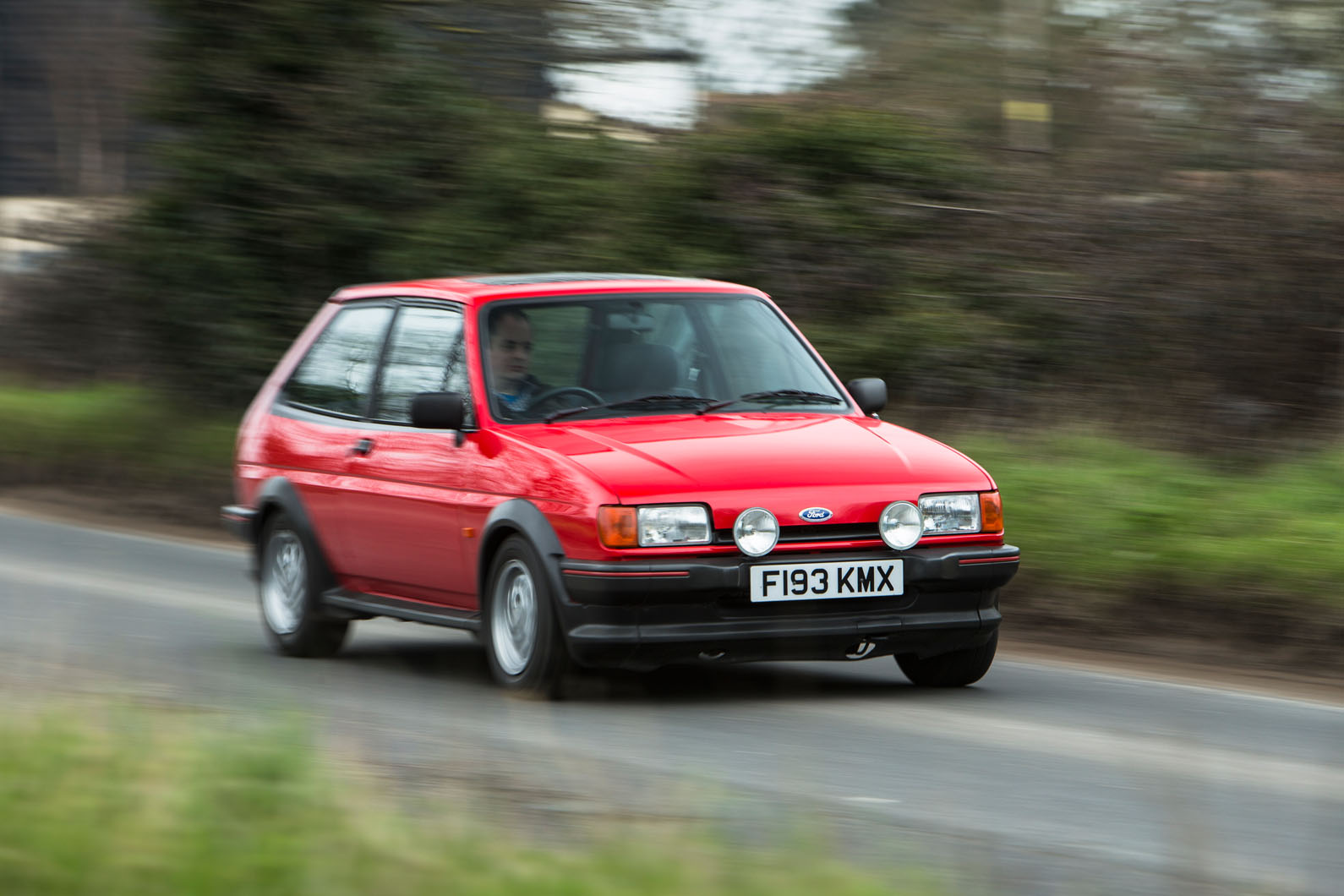
A marketing campaign billing the original Fiesta as the “Wundercar” completely failed to entice buyers, so Ford dropped the pint-sized hatchback from its US range after 1980. So Americans never got the hot 96bhp XR2 version of the second-generation Fiesta that young Europeans enjoyed.
The nameplate returned to America in 2011 model year and brought the formidable ST model along for the ride, though the Fiesta was dropped in the US in 2019, and the model died entirely in 2023.
Peugeot 205 GTI (1984)
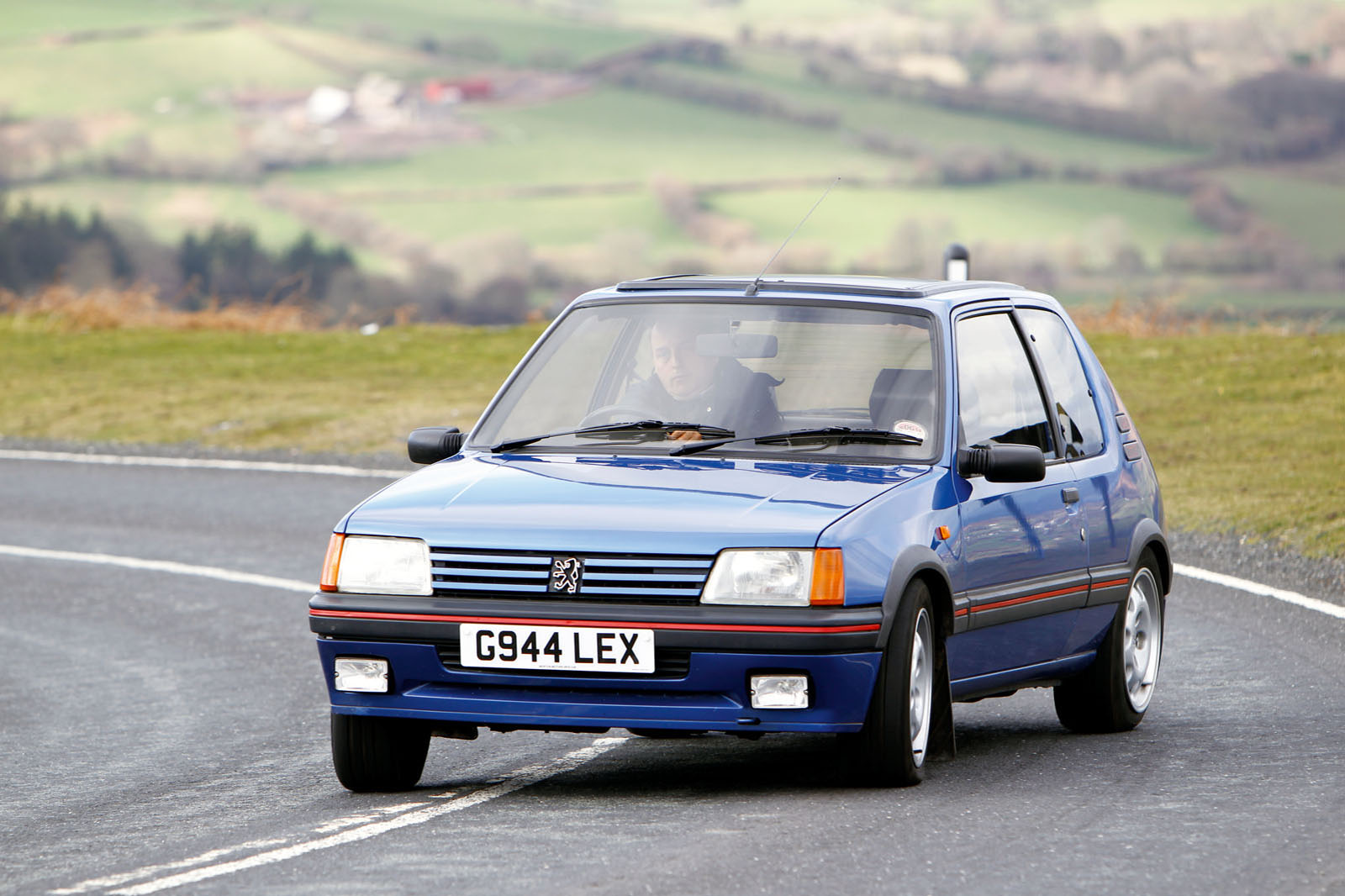
The Peugeot 205 GTI was often considered the benchmark of the fast hatchback class in the 1980s – except in the US, where Volkswagen had a monopoly on the segment. Peugeot’s popular hatchback never joined the 405 saloon in America . Americans are realising what a gem they missed out on, and clean examples imported recently are becoming increasingly expensive.
Toyota Land Cruiser 70 (1984)
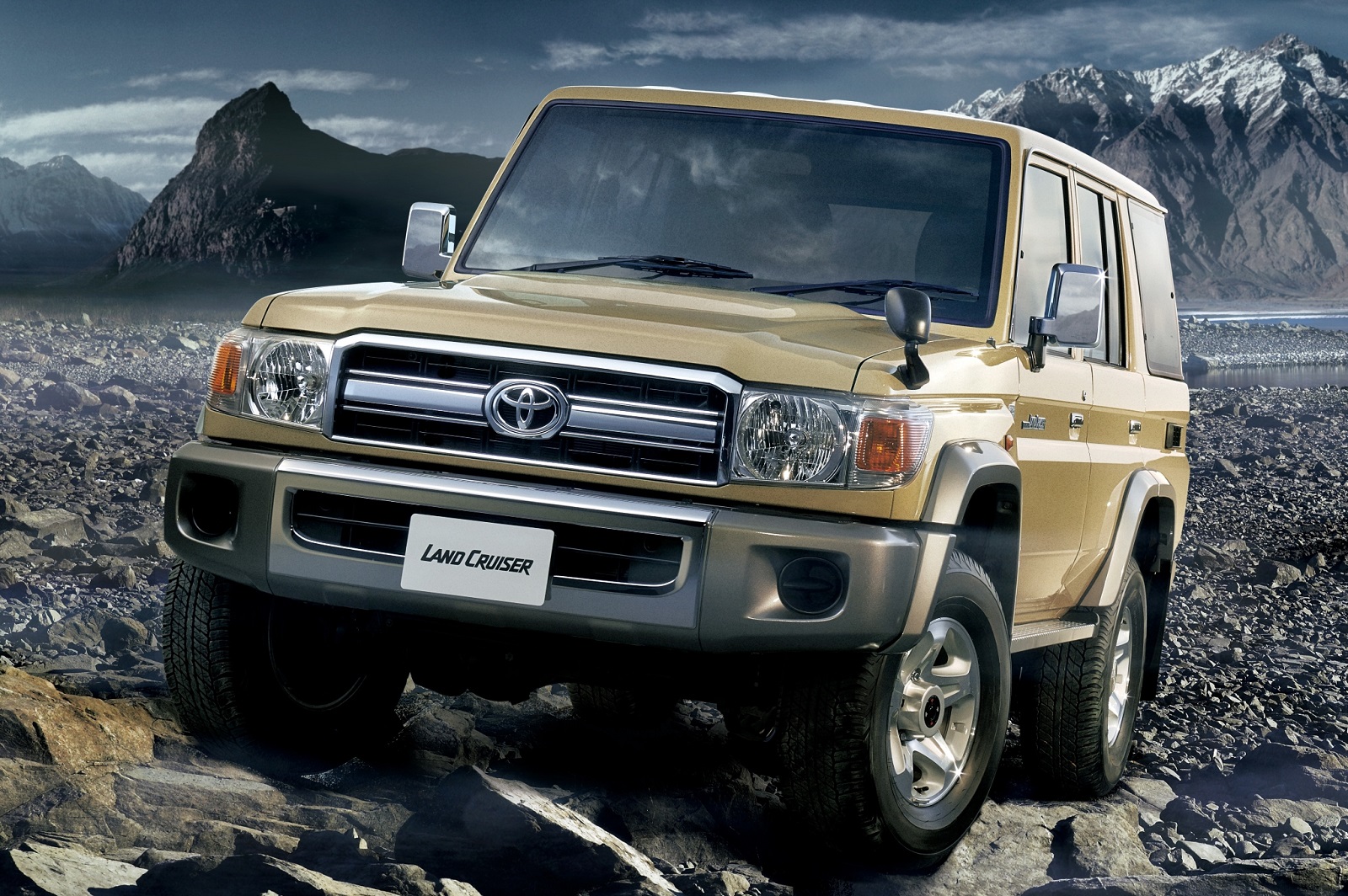
Toyota still builds the Land Cruiser 70 for certain places in Africa and elsewhere. Cheap it isn’t, but it enjoys a loyal following in the off-roader world.
It has adopted modern features like cruise control and Bluetooth connectivity while staying true to its roots, and to the design that made it an icon over the past three decades. We bet it would do well in America even today.
Lancia Thema 8.32 (1986)
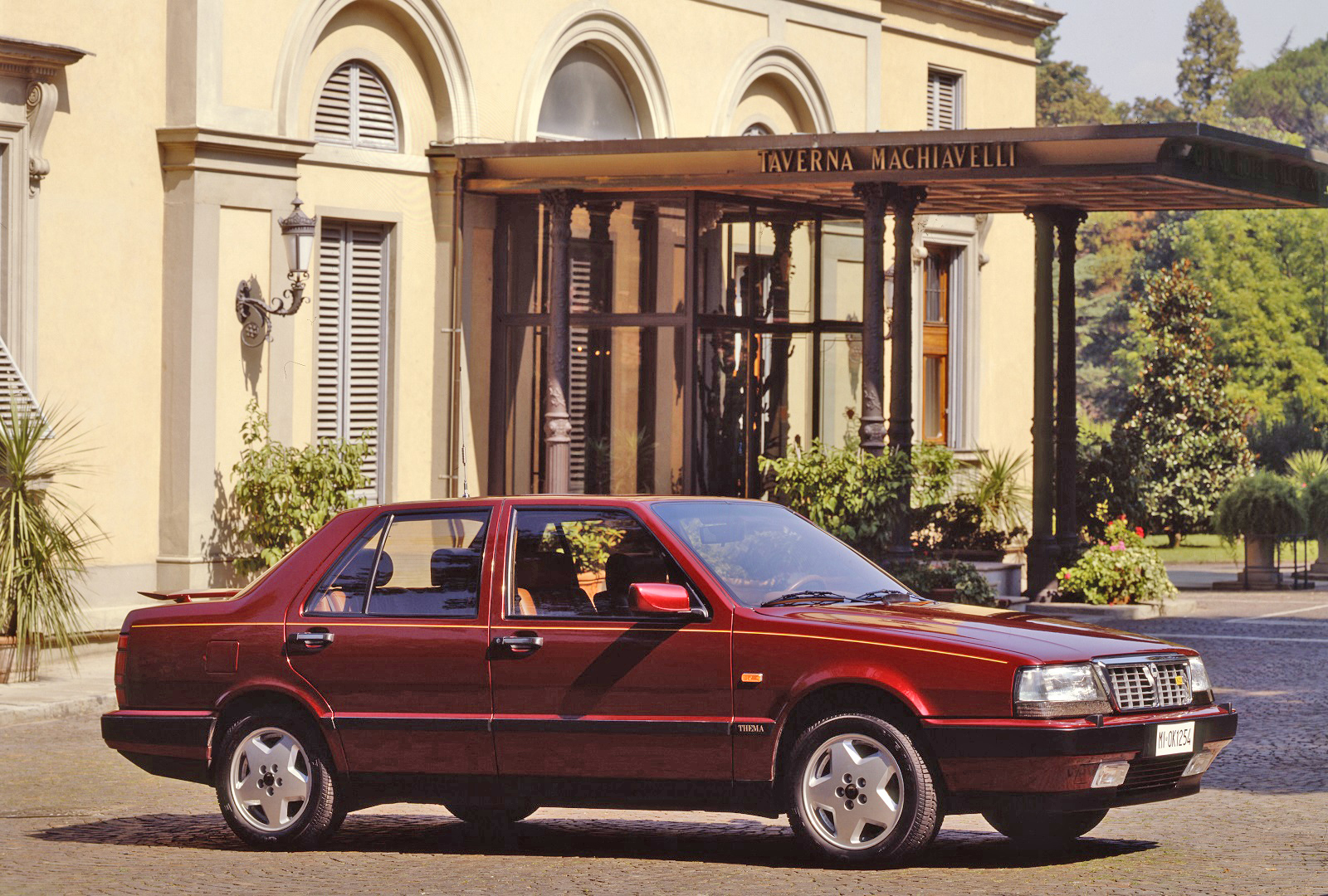
Reliability and rust issues slowly killed Lancia’s reputation in America, and it shut its doors in 1982. It was unfortunate timing because the Ferrari-powered Thema 8.32 would have done well in the surging market for sports saloons in the late 1980s. Instead, Americans who wanted a high-performance saloon built on the same platform had to order a Saab 9000 or wait for Alfa Romeo to introduce the 164.
BMW 3 Series Touring (1987)
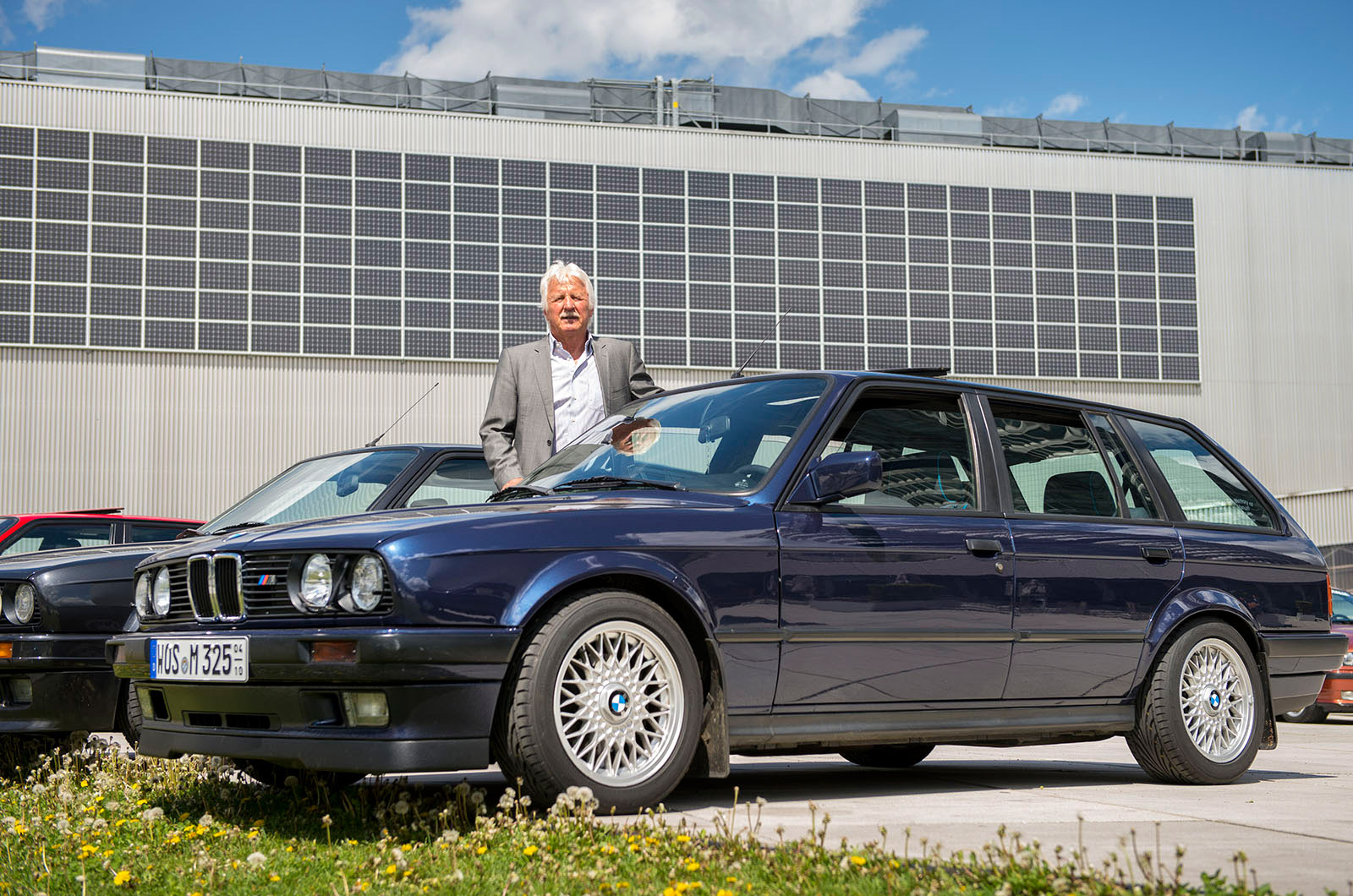
BMW’s first 3 Series Touring combined performance and utility in a spectacular fashion. It was a daring model from a company known for making conservative decisions, but the company wasn’t brave enough to sell it in America. Later generations of the 3 Series Touring did make it to the USA, but the current 3 Series is only available as a saloon.
This man is Max Reisböck; he is the BMW engineer who built a Touring prototype in his spare time to show senior management that it could be done. They loved it and placed it into production. BMW eventually gave him the last model of that generation ever built - of over 100,000 it ended up building - as a thank you for his initiative (pictured).
Nissan Pao (1989)
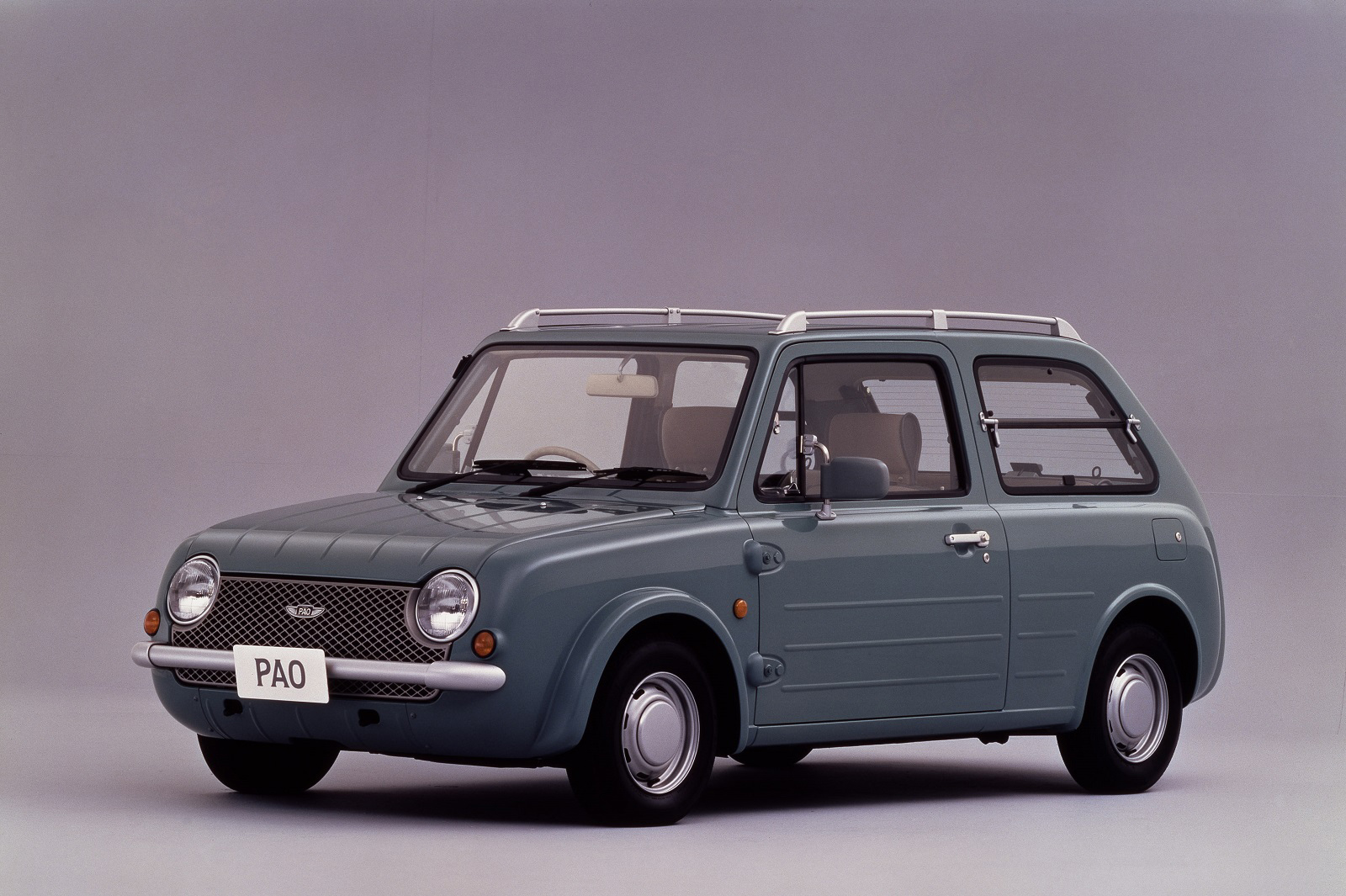
Nissan went on a retro car offensive in the late 1980s. The Japanese company took a trip to the heritage well and came back with styling cues echoing the Citroen 2CV, the Renault 4, and the original Mini, among other so-called people’s cars. The blend somehow worked, giving the Pao a look of its own.
Americans missed out on all of Nissan’s retro-inspired models, presumably because the company thought the designs lacked mass appeal. The car’s small size wouldn’t have helped either.
Volkswagen Rallye Golf (1989)
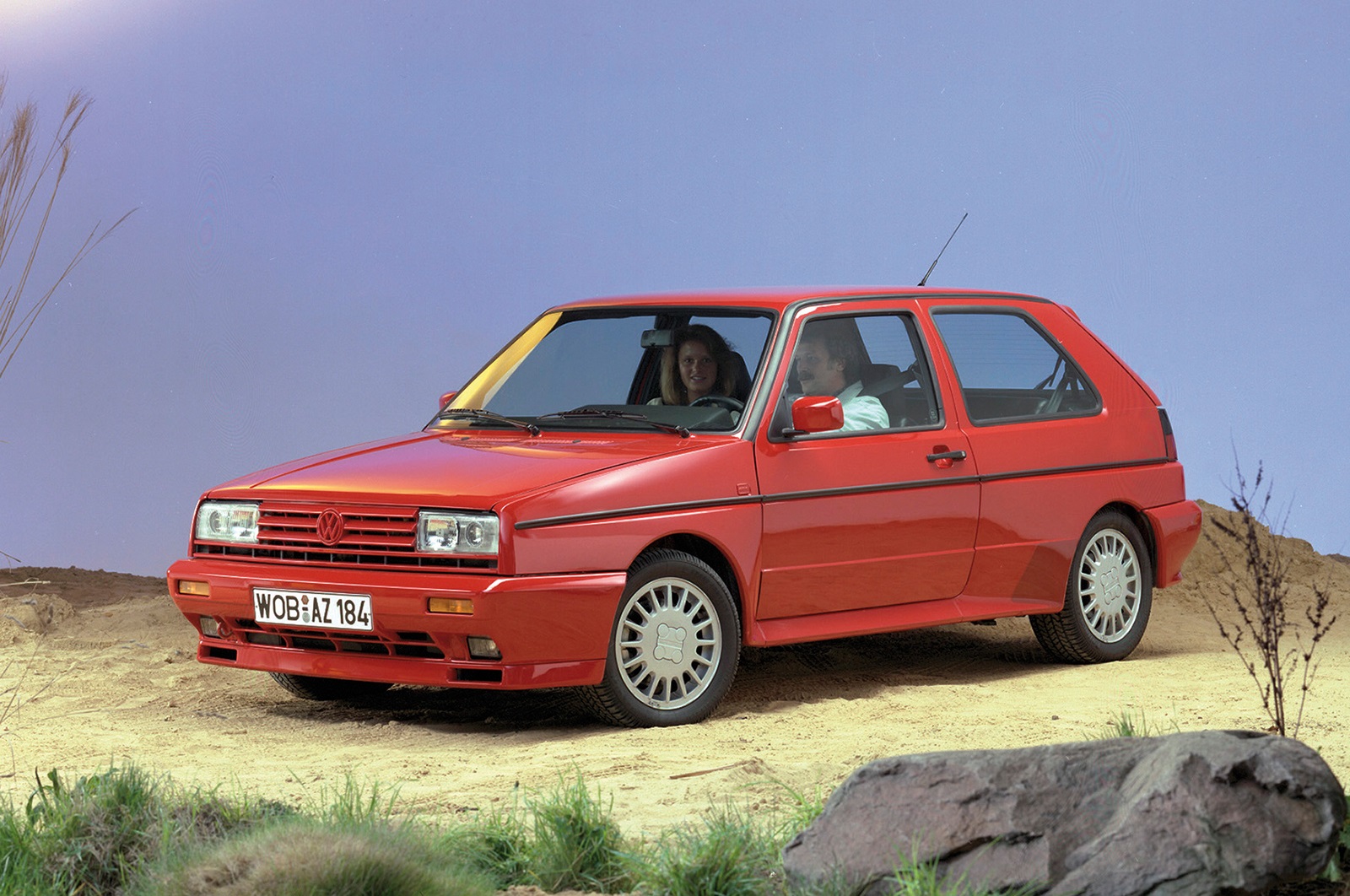
The Volkswagen Rallye Golf illustrates what today’s Golf R would have looked like in the 1980s. With its aggressive look and four-wheel drive, it served as a homologation special built so Volkswagen could go racing.
Executives considered selling the model in America, and they even sent over a few test cars for evaluation purposes, but they ultimately voted the project down because the this fastest of all Volkswagen hatches would have cost far too much.
Volkswagen Golf Country (1990)
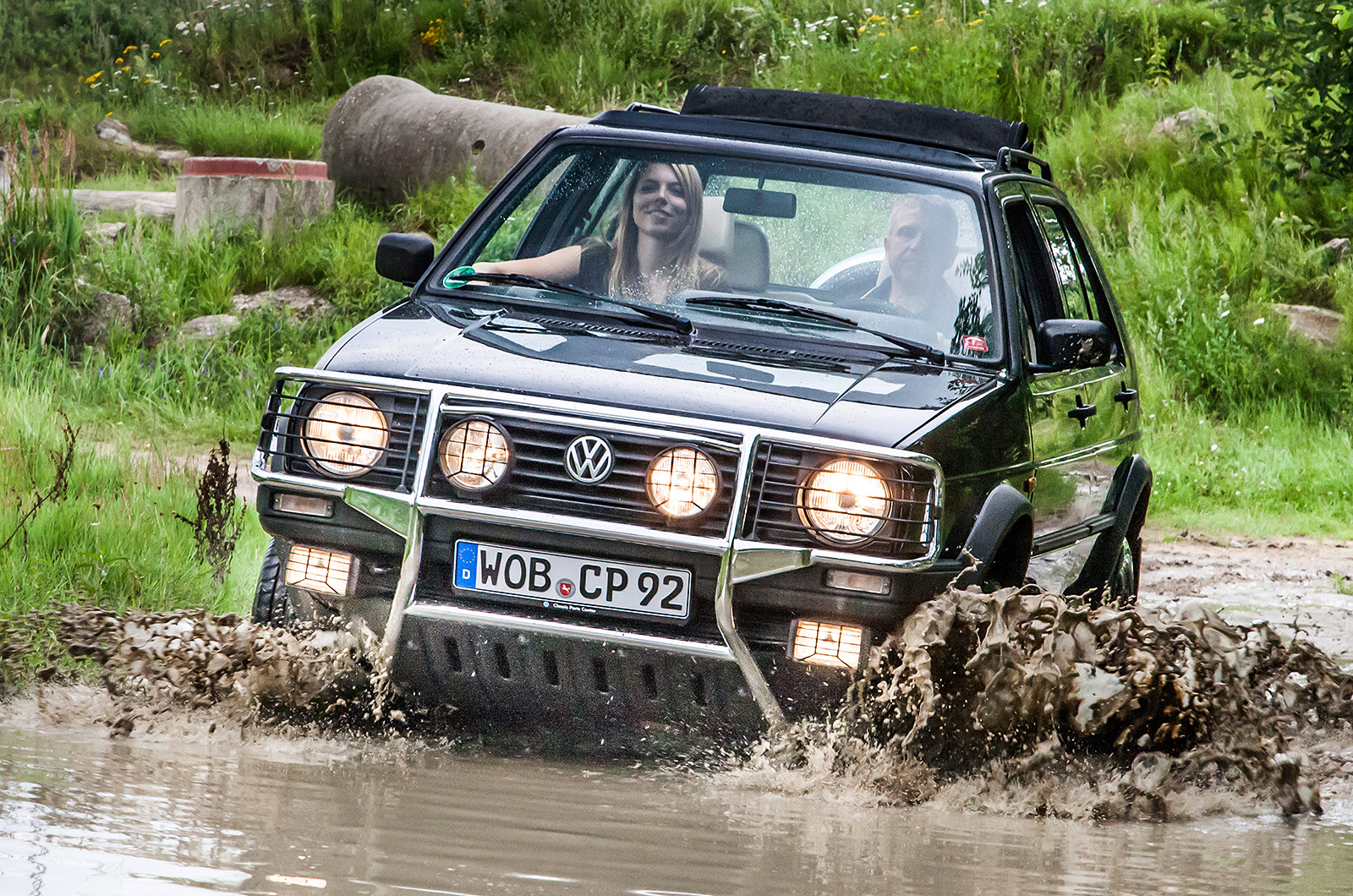
Volkswagen dipped its toes in the SUV segment before any of its rivals with the Golf Country, a hatchback sitting on a lifted suspension, with a rugged look and four-wheel-drive.
The Country was surprisingly popular among buyers in Europe who had grown tired of the basic Fiat Panda 4x4 and the ageing Lada Niva. Could it have competed with Subaru in the America’s mountainous regions?
Suzuki Cappuccino (1991)
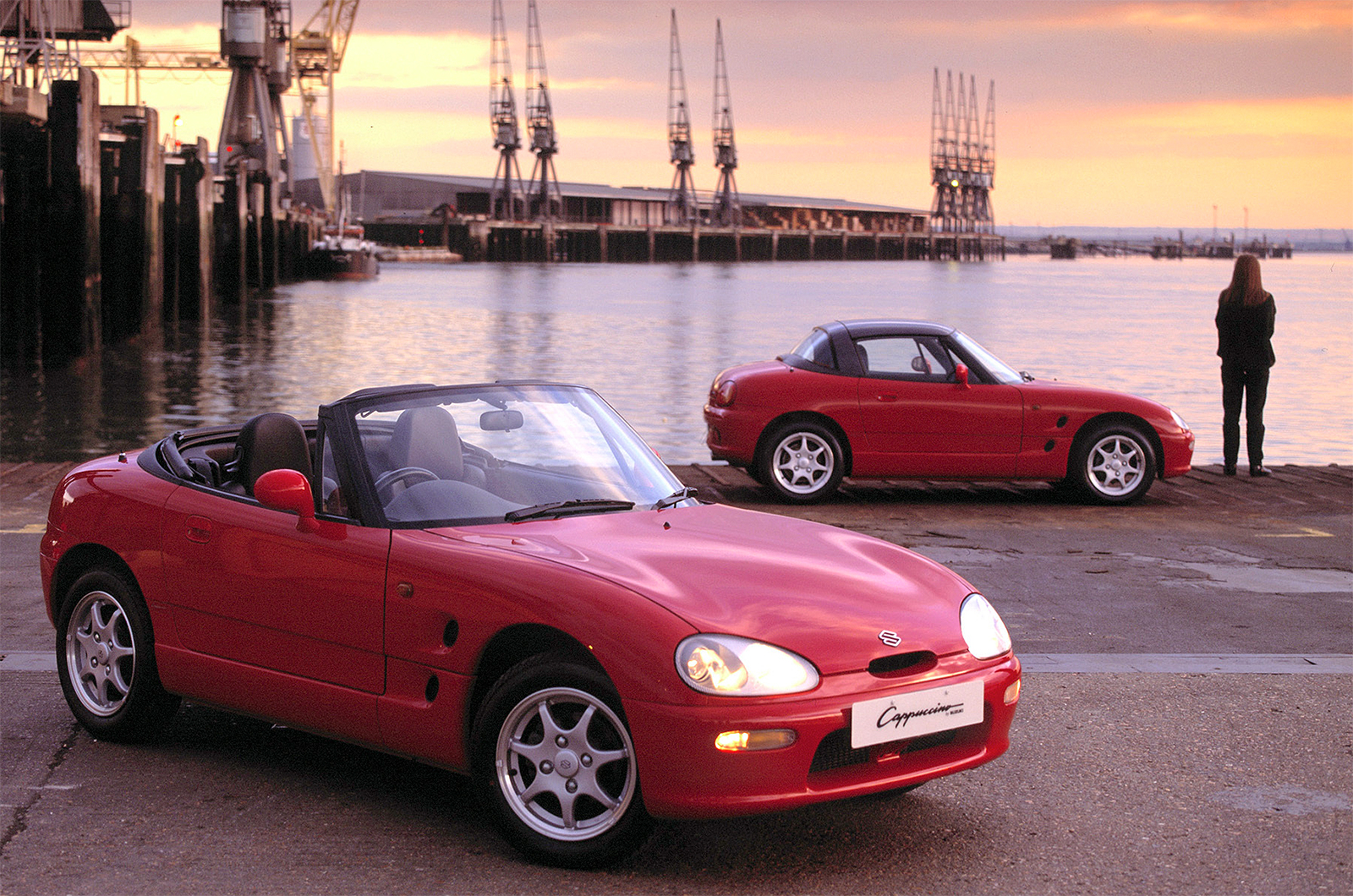
On the road, the Suzuki Cappuccino looked like a scaled-down Mazda MX-5. It took the traditional long bonnet, short bootlid proportions that characterized Mazda’s acclaimed roadster and packed them into an appreciably smaller footprint.
Suzuki’s clever roof design let the driver use the Cappuccino as a coupe, as a targa or as a full convertible. Safety concerns and federal regulations ensured it couldn’t be sold in North America when new, but early examples are beginning to arrive under the rule that allows cars over 25 years old to be imported to America.
Autozam AZ-1 (1992)
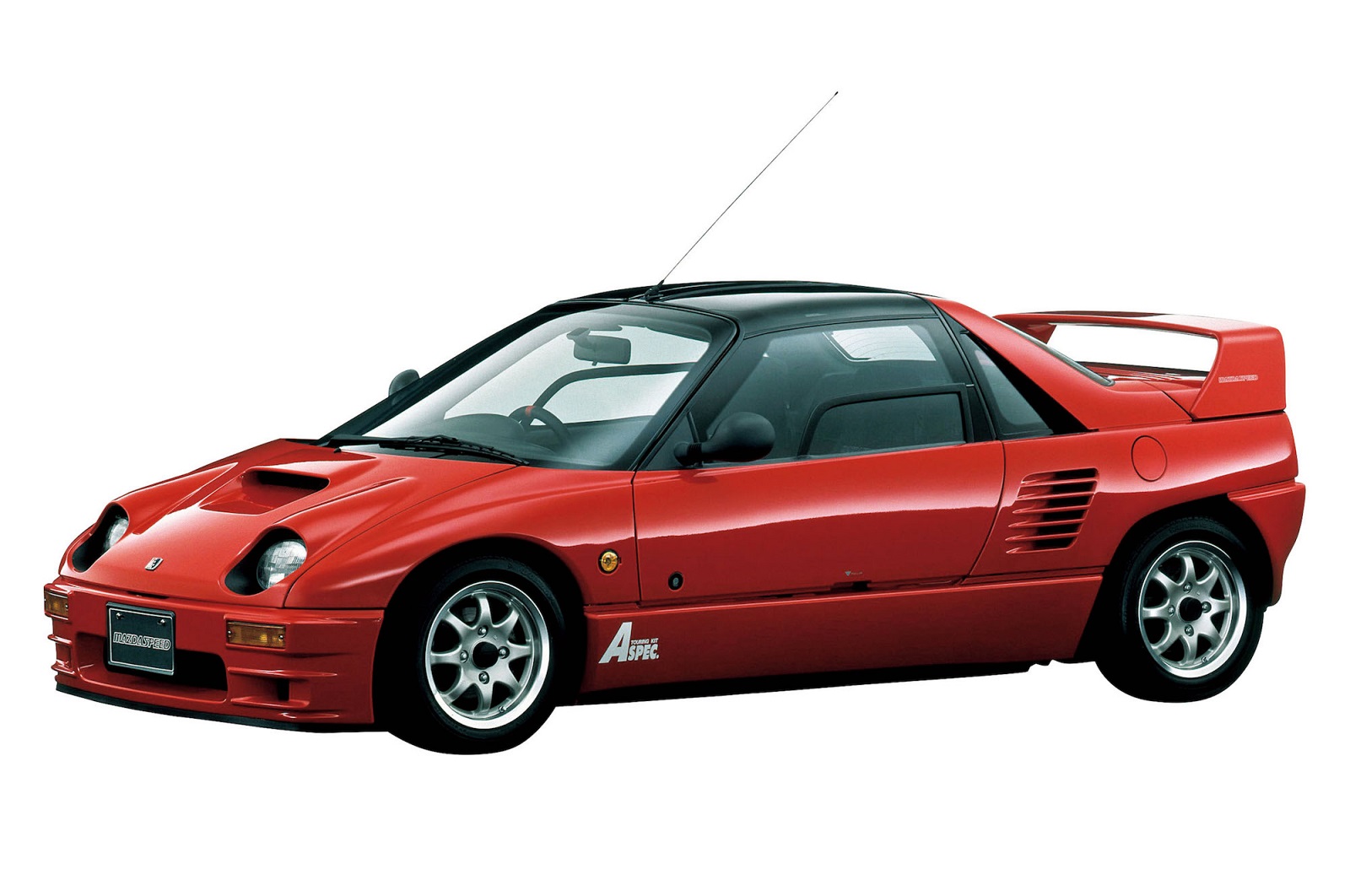
The Autozam AZ-1 was developed by Suzuki and built by Mazda; it was a mid-engined roadster, with gullwing doors. Engineers designed it as a kei car so no one seriously considered selling it in America, let alone tried making a sound argument for it.
The AZ-1 is ready to challenge the “size matters” maxim. It’s now over 25 years old, and American enthusiasts are already seeking the best examples left in Japan.
Citroën Xantia (1992)
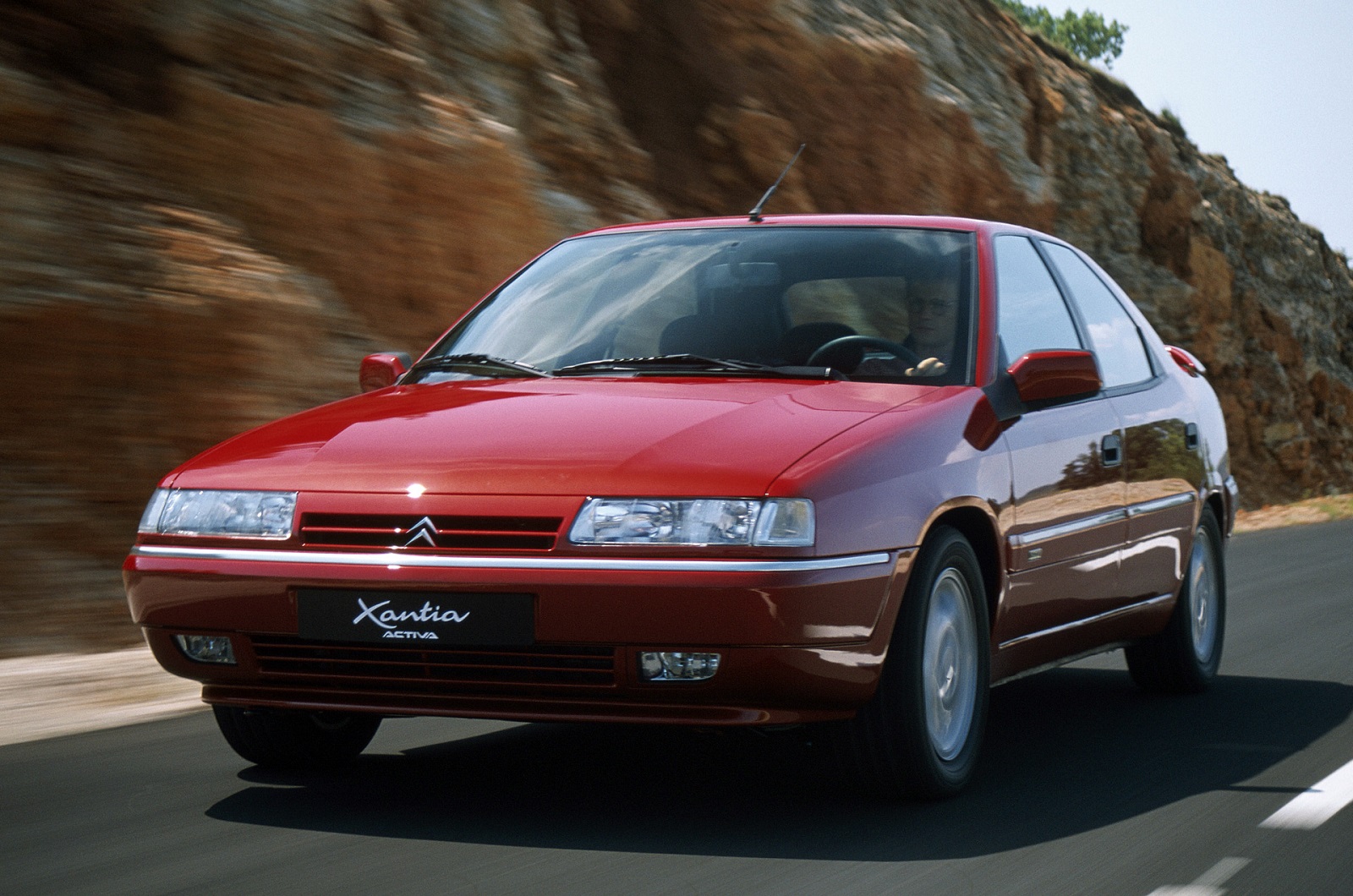
The Xantia possessed every trait a mid-size Citroën should have. It was eccentric, tough, aerodynamic and (importantly) had Citroën’s familiar suspension. Doubters changed their mind after going for a spirited drive in a V6-powered model. Selling it in America was out of the question because Citroën was long gone by the time production started. It’s too bad; it could have been the Saab 900’s quirky French rival.
Audi RS 2 Avant (1994)
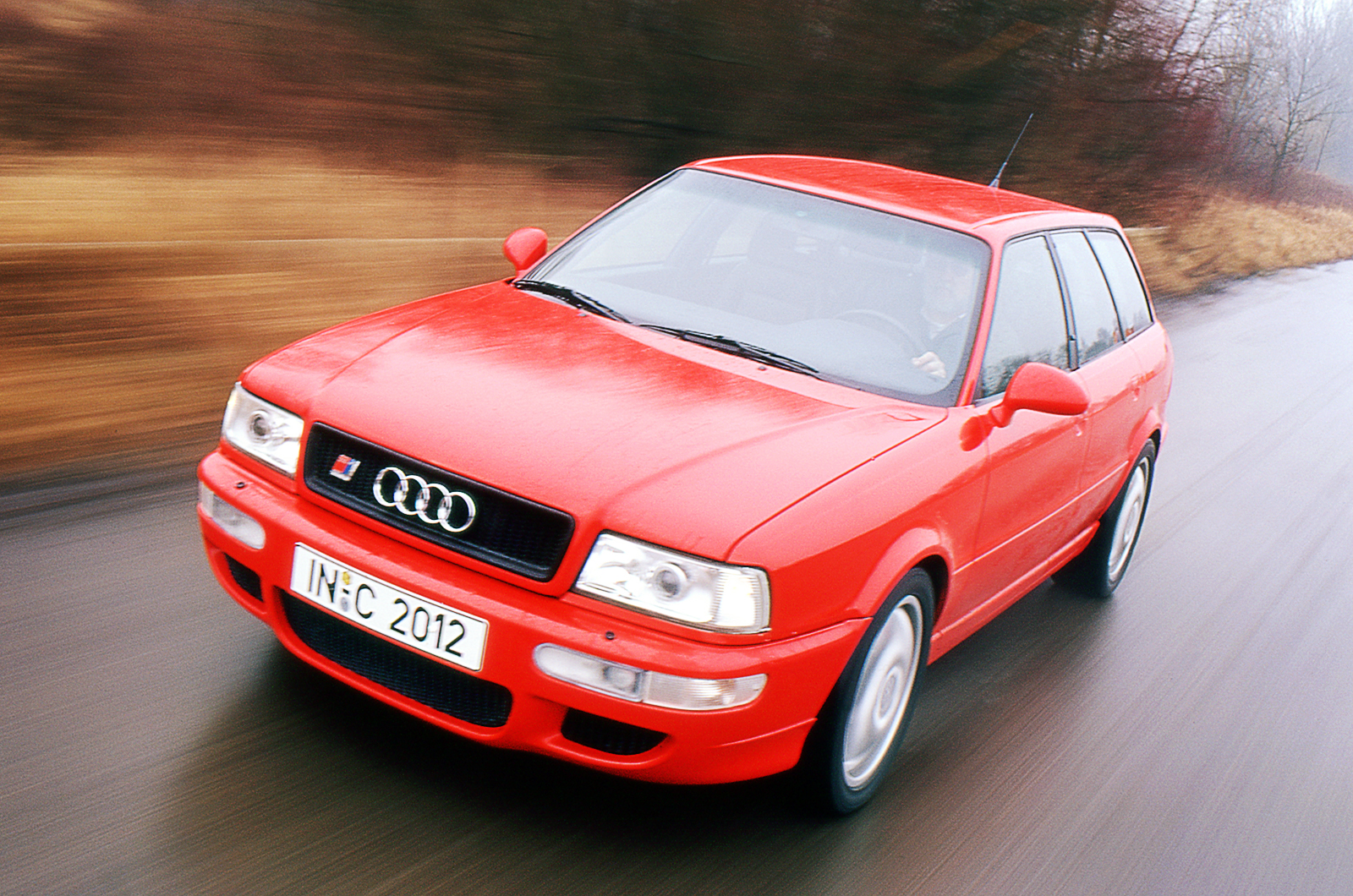
Co-developed with Porsche, the limited-edition RS 2 is the precursor of every Audi high-performance model sold globally today. The idea of an estate car capable of beating a Porsche 911 in a drag race was brilliant on paper, and it was even better in the metal, but Audi decided not to certify a low-volume model for the American market.
It’s now available for import under the 25-year rule, however, and they occasionally sell at auction for up to $100,000.
Renault Sport Spider (1995)
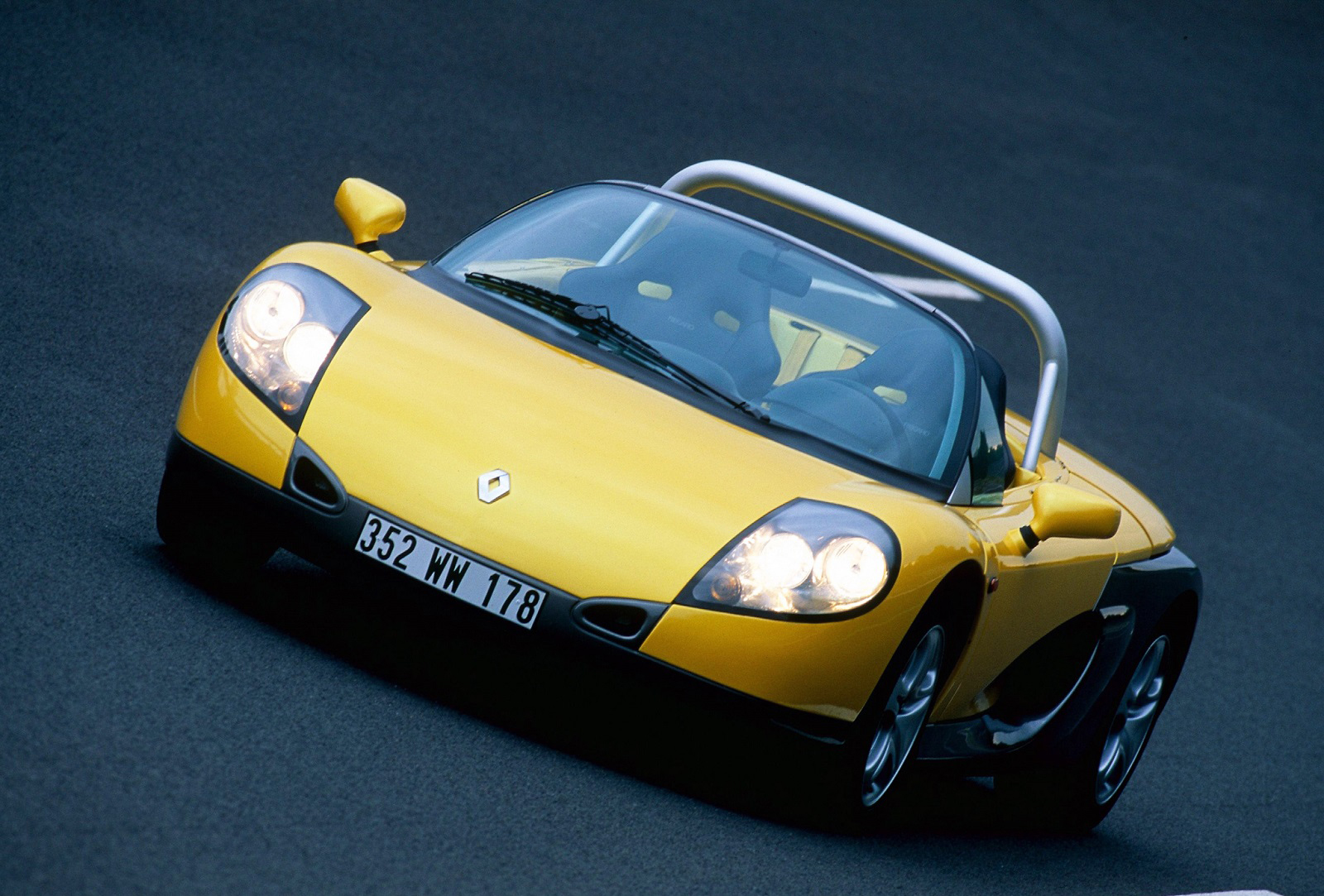
This car stood out with its striking design and powerful, mid-mounted turbo four. Renault pulled out of the American market in 1987 so it no longer had a dealer network capable of distributing the car.
Safety and emissions regulations were another hurdle. We imagine it could have competed in the same market as the original Porsche Boxster, but positioned as a more driver-oriented model.
Alfa Romeo 156 (1996)
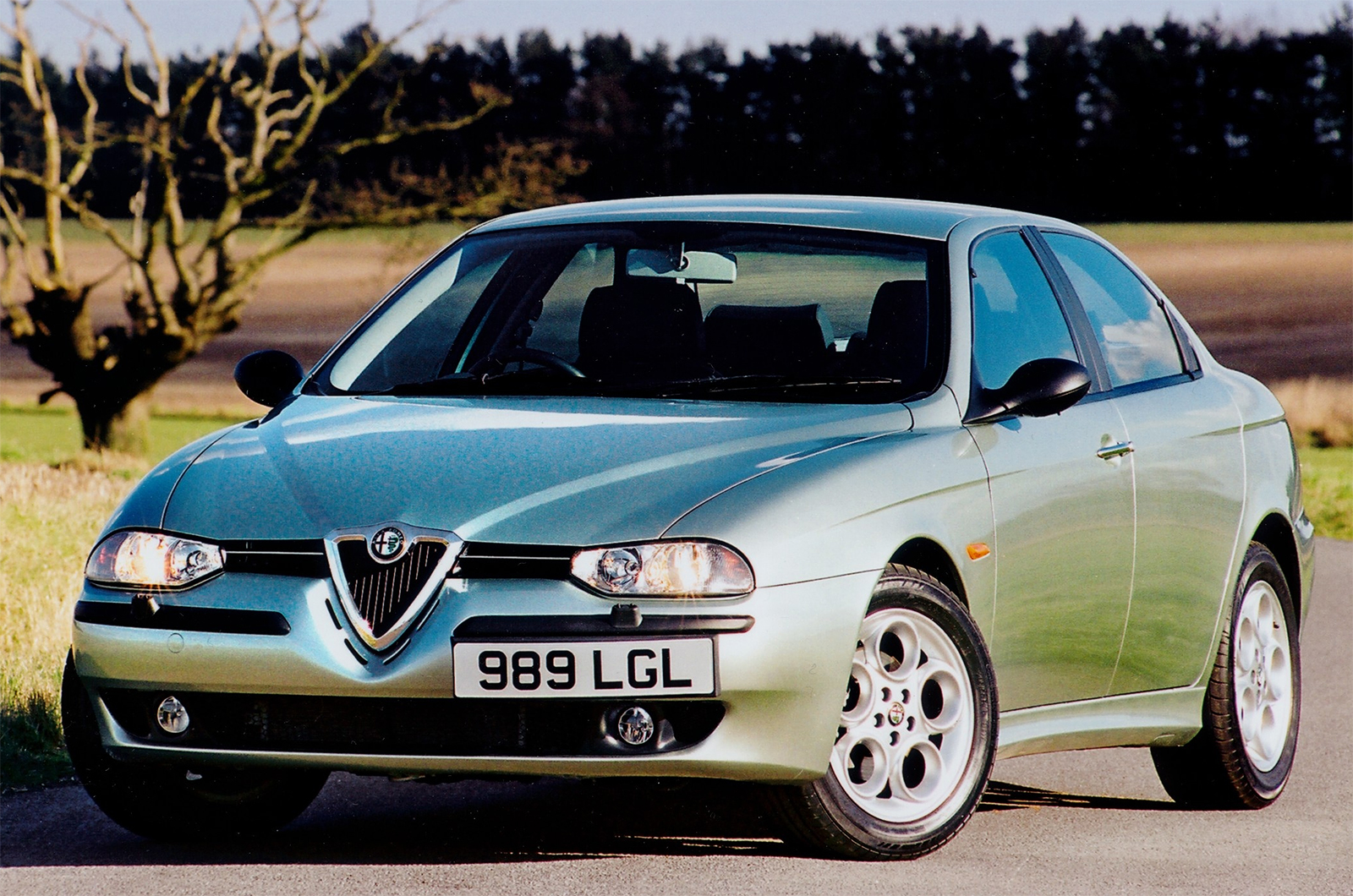
The 156 marked a stunning return to form for Alfa Romeo. It was one of the most handsome saloons on the road when it arrived, and it was good enough to earn the coveted European Car of the Year award in 1998.
Unfortunately, Alfa’s division in America has already closed gone belly up by the time the 156 arrived in European showrooms.
Peugeot 106 Rallye (1996)
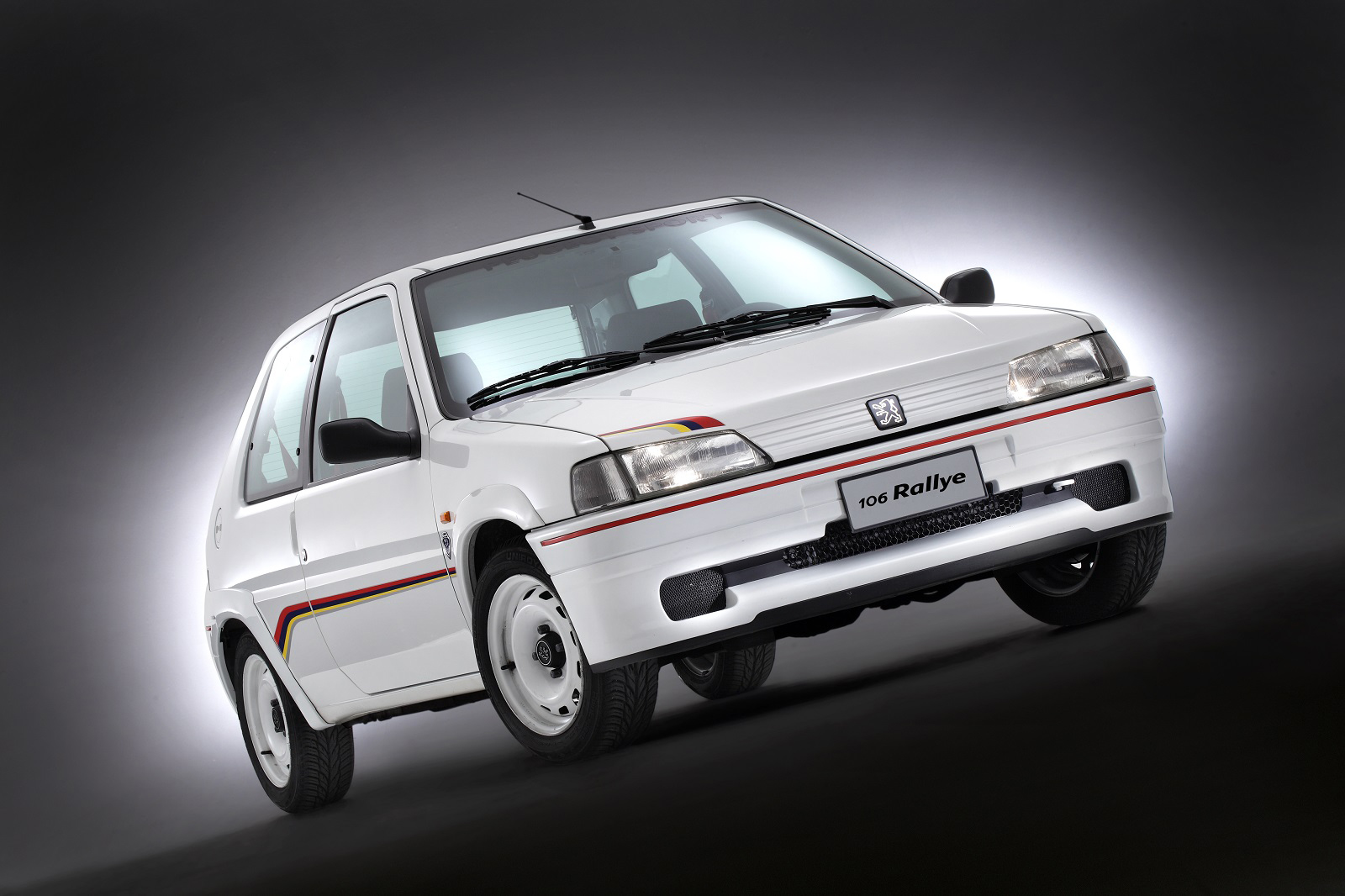
With this car, Peugeot placed a 1.3-litre engine in an ultra-compact, lightweight body shell. The 106 Rallye was unlike any enthusiast car sold on the American market at the time, and it was never seriously considered for export there because Peugeot closed its American division in 1991.
Had it been available, we bet it would have enjoyed a small but loyal following among autocross racers.
Honda Civic Type R (1997 - 2017)
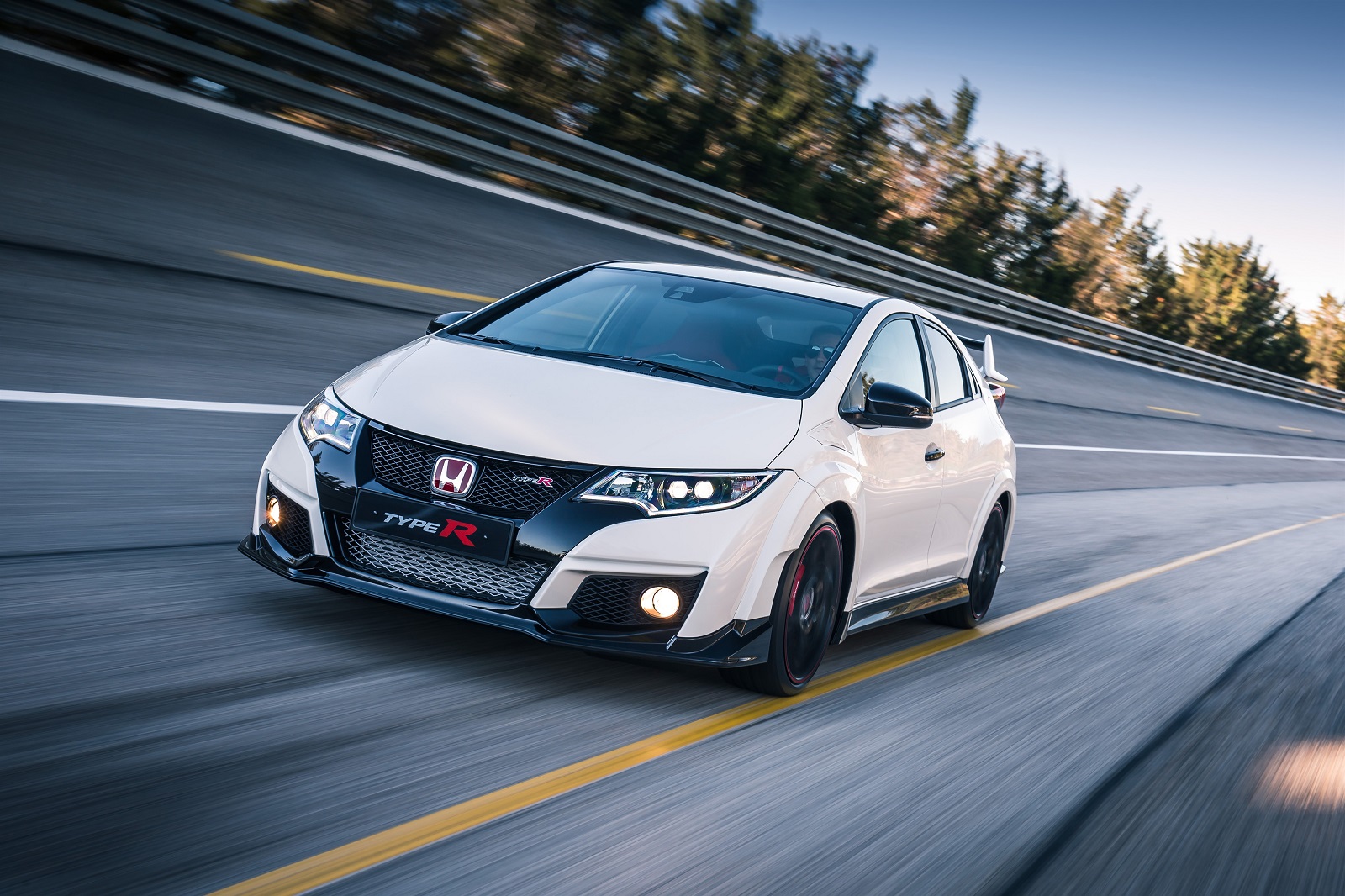
For nearly two decades, American Honda fans who wanted to slip behind the wheel of a Civic Type R had to do so in a video game like Gran Turismo, or by flying to a country where the car was sold. The first four generations of Honda’s fast hatchback never made the trip to America for reasons that remain vague.
The good news is Honda finally listened to enthusiasts across the pond, and the fifth-generation Type R was designed with American regulations in mind and it went on sale in 2017.
Subaru Impreza 22B-STI (1998)
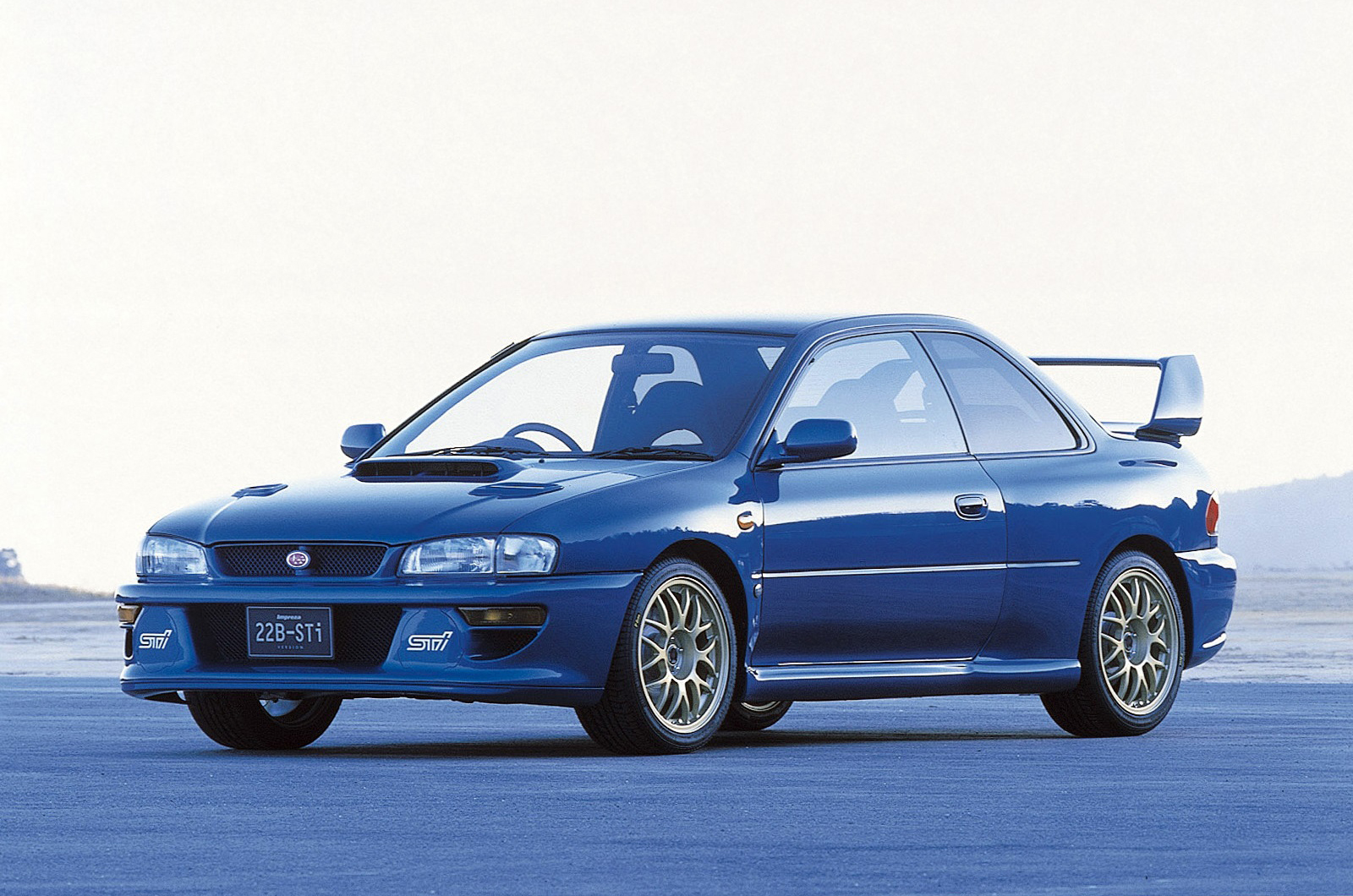
Introduced as a limited-edition model, this car benefited from a long list of mechanical modifications including a hand-built, 2.2-litre flat four cylinder engine, a strengthened five-speed manual transmission as well as numerous suspension and braking upgrades.
Subaru’s American dealers didn’t receive the original WRX, so they were deprived of the right-hand drive-only 22B.
Pagani Zonda (1999)
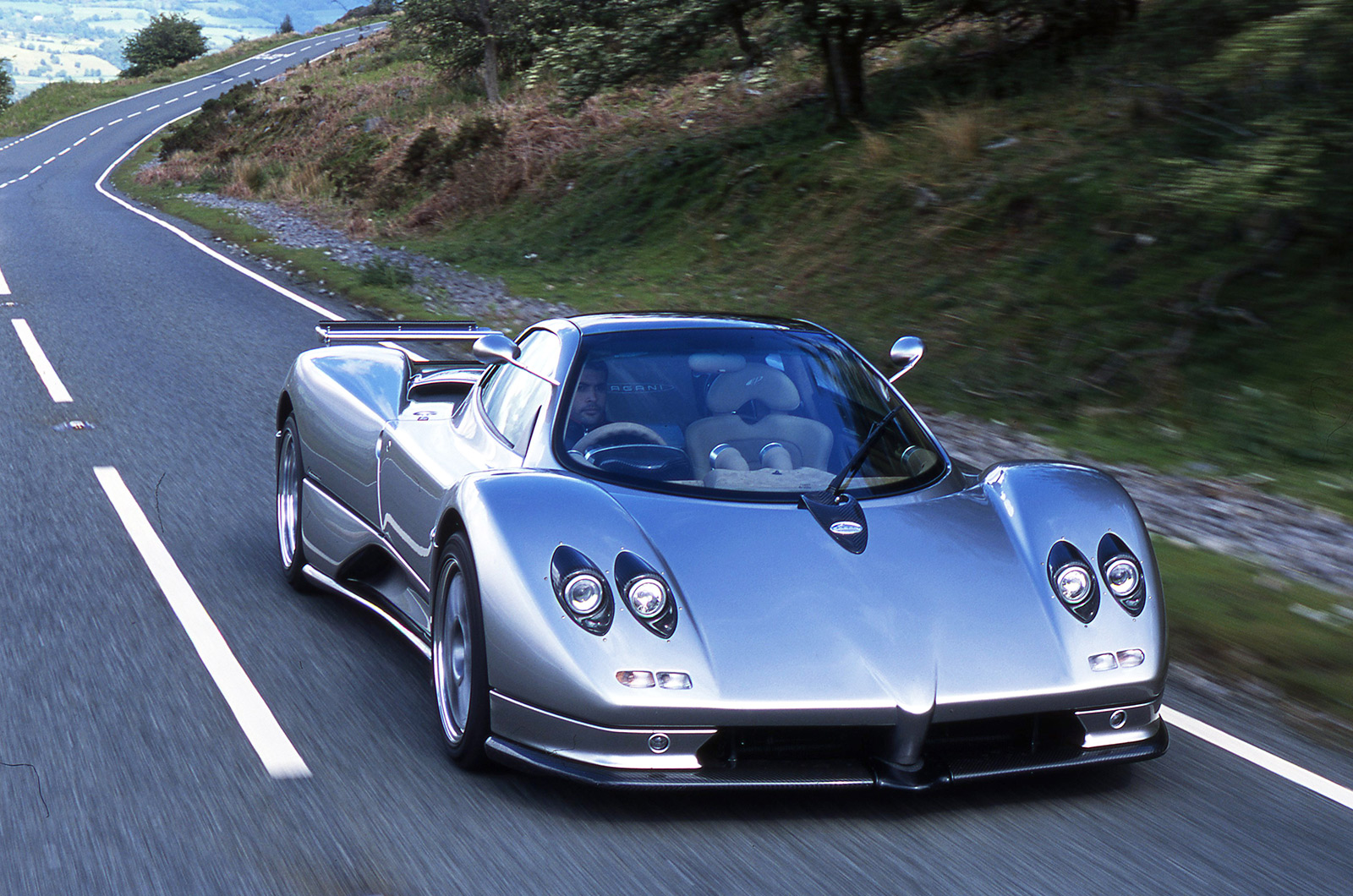
Argentina-born Horacio Pagani was an engineer with Renault and then Lamborghini, before striking out on his own firstly with an Italian consultancy and then, in 1999, he unveiled his first car, the Zonda. The original version, the C12, featured a 6.0-litre Mercedes-Benz V12 that delivered 395bhp or 444bhp, and its looks and performance immediately made the world take notice.
The company has since delivered numerous versions, but all produced in tiny numbers, and never enough it seems to make examples available for US regulators and crash testing to make it legal to drive on the road. It’s a shame as the US is a very major market for its Italian and British hypercar rivals.
Nissan Skyline GT-R R34 (1999)
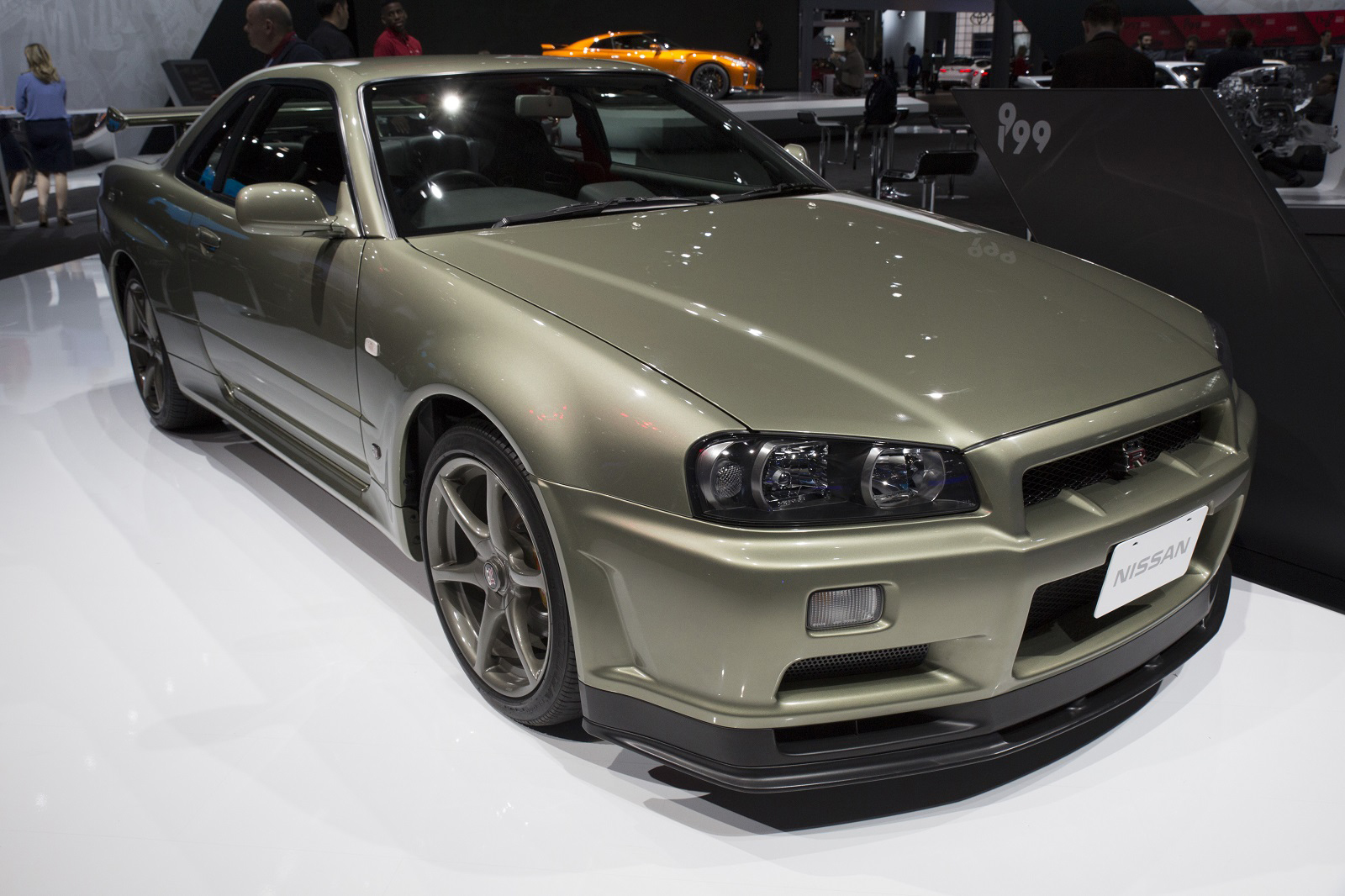
The R34-series Nissan Skyline GT-R was the ultimate forbidden fruit for American motorists. Enthusiasts knew what it was capable of because it starred in several Fast & Furious movies, and it was prominently featured in Gran Turismo, but they couldn’t buy one.
While it was never officially imported to the US, some examples found their way into the country through dubious channels as interest grew. US Customs quickly caught on, and illegal examples usually end up seized and crushed.
TVR Sagaris (2005)
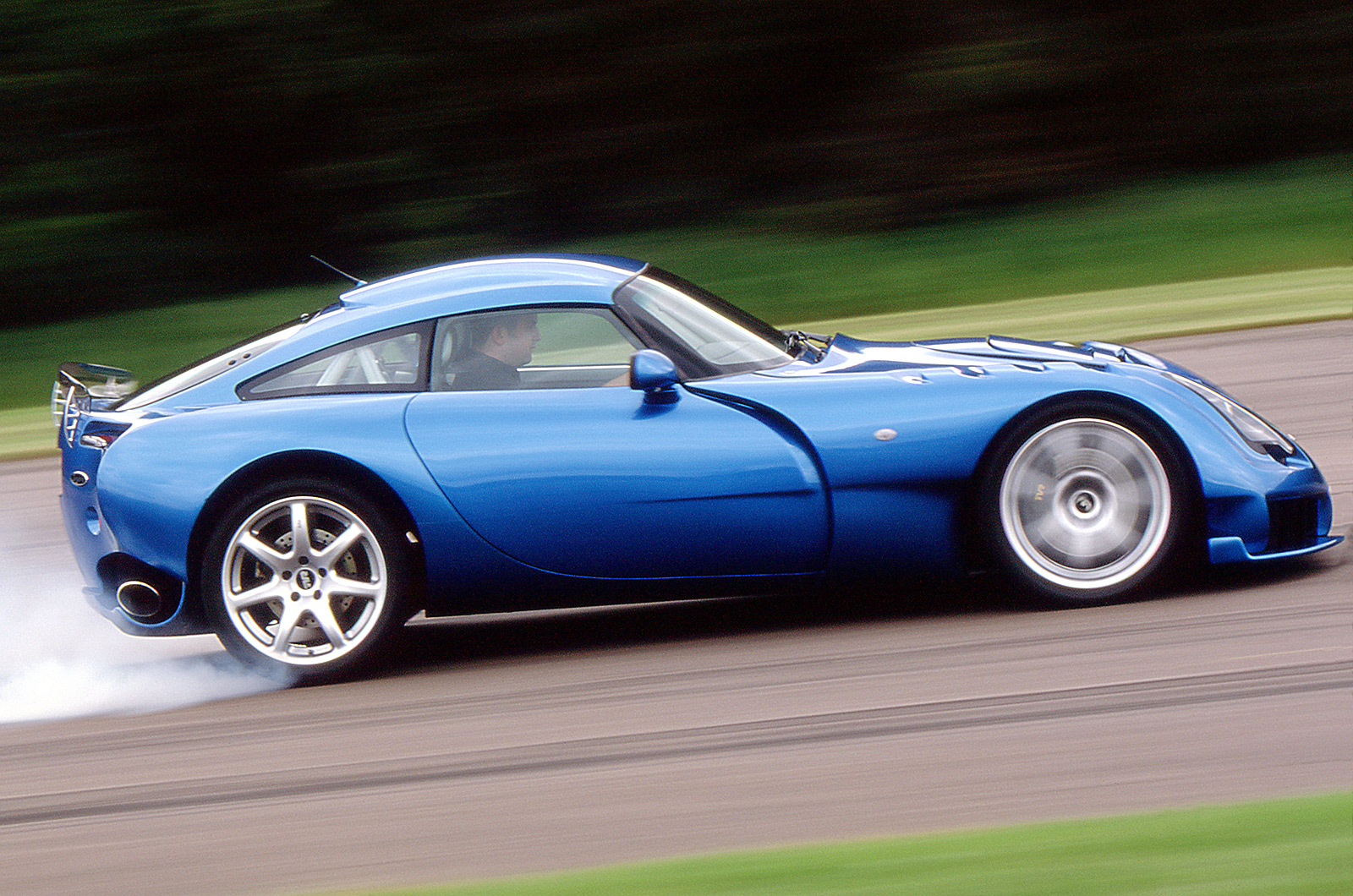
Most Americans have never heard of TVR, a small maker of British sports cars that was established in 1946, but the models were sold in the US in small numbers until the 1980s, but not since. Which meant the market missed out on TVR’s last and arguably greatest creation, the savage-looking Sagaris. And it was pretty wild as well.
It featured a 4.0-litre 406bhp straight-six engine, with no ABS or traction control. However the company closed down in 2006, and a revival is taking a long time to arrive.
Chrysler 300C Touring (2006)
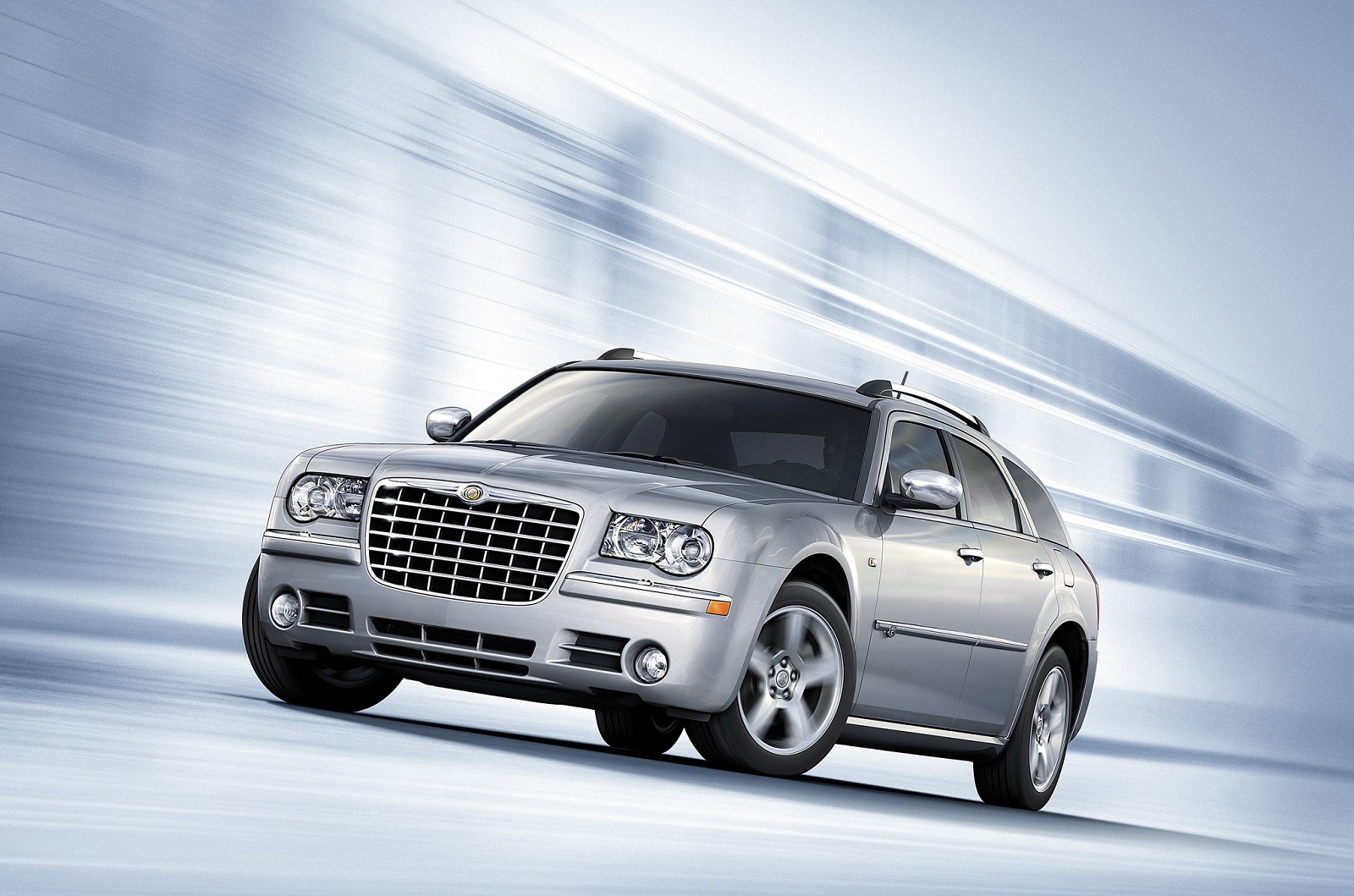
The 300C Touring was Chrysler’s first serious attempt at building a European-flavoured car since launching the Horizon in 1978. Basic market research showed Europeans liked estates, especially diesel-powered ones, so Chrysler set out to build just that.
The Touring was a Dodge Magnum with a 300C face and either a V6 diesel from Mercedes-Benz or a Chrysler Hemi V8. Steyr assembled the 300C Touring in Graz, Austria, alongside the Jeep Grand Cherokee and the Mercedes G-Class. Perhaps too obscure for its own good, the 300C Touring failed to gain traction in a class dominated by the Germans.
Holden VE Ute (2007)
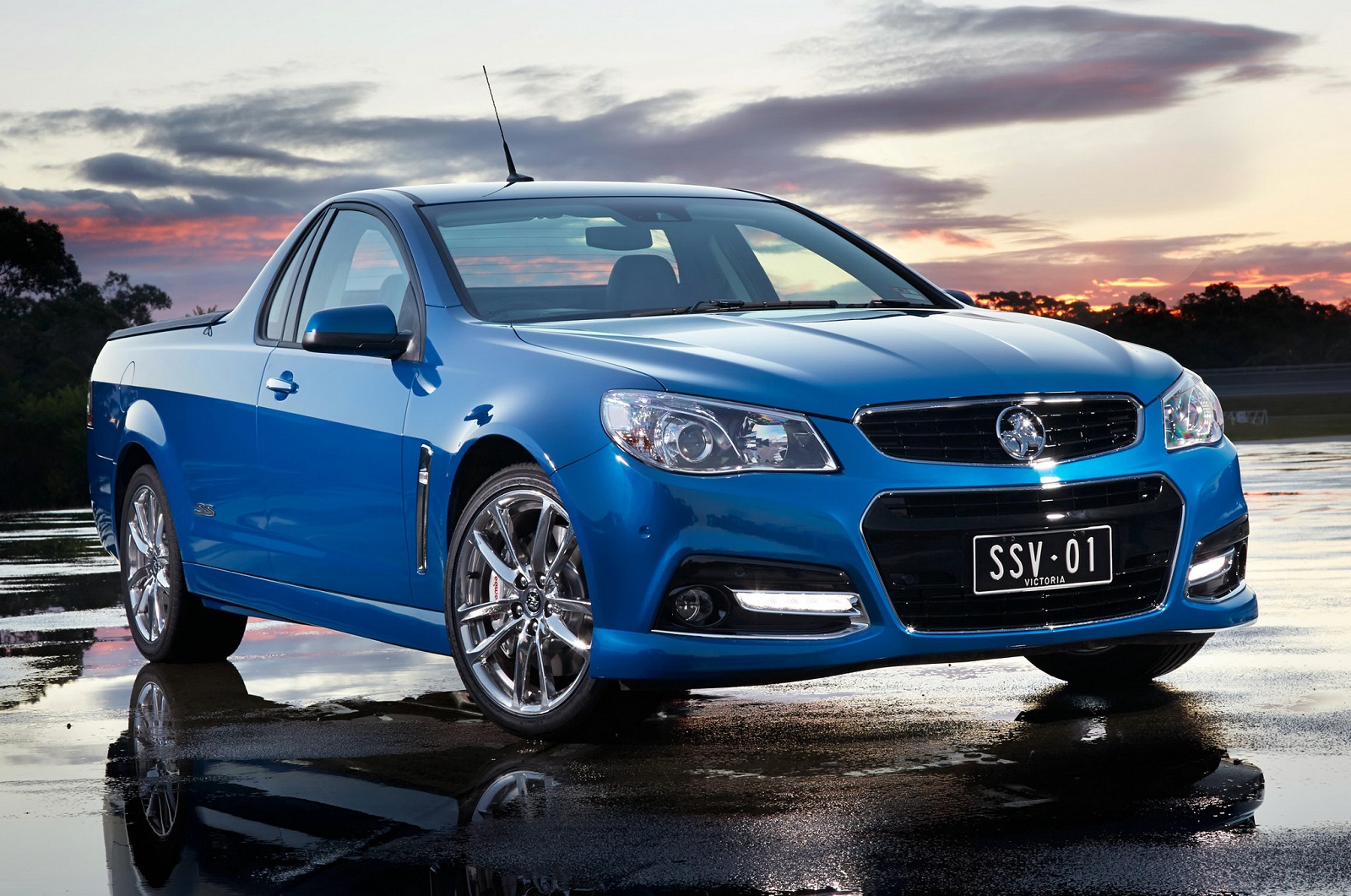
The Holden Ute embodies a concept Americans are intimately familiar with. It’s on the same branch of the pickup truck family tree as the Chevrolet El Camino. The El Camino died after the 1987 model year, but the body style continued thriving in Australia during the 1990s, where it became a lifestyle-oriented model rather than as a workhorse.
Reports suggest the Ute nearly went to America to join the now-defunct Pontiac brand in the late 2000s, but General Motors dropped the project in the wake of the global financial crisis, and closed down Pontiac in 2010.
Volkswagen Scirocco (2008)
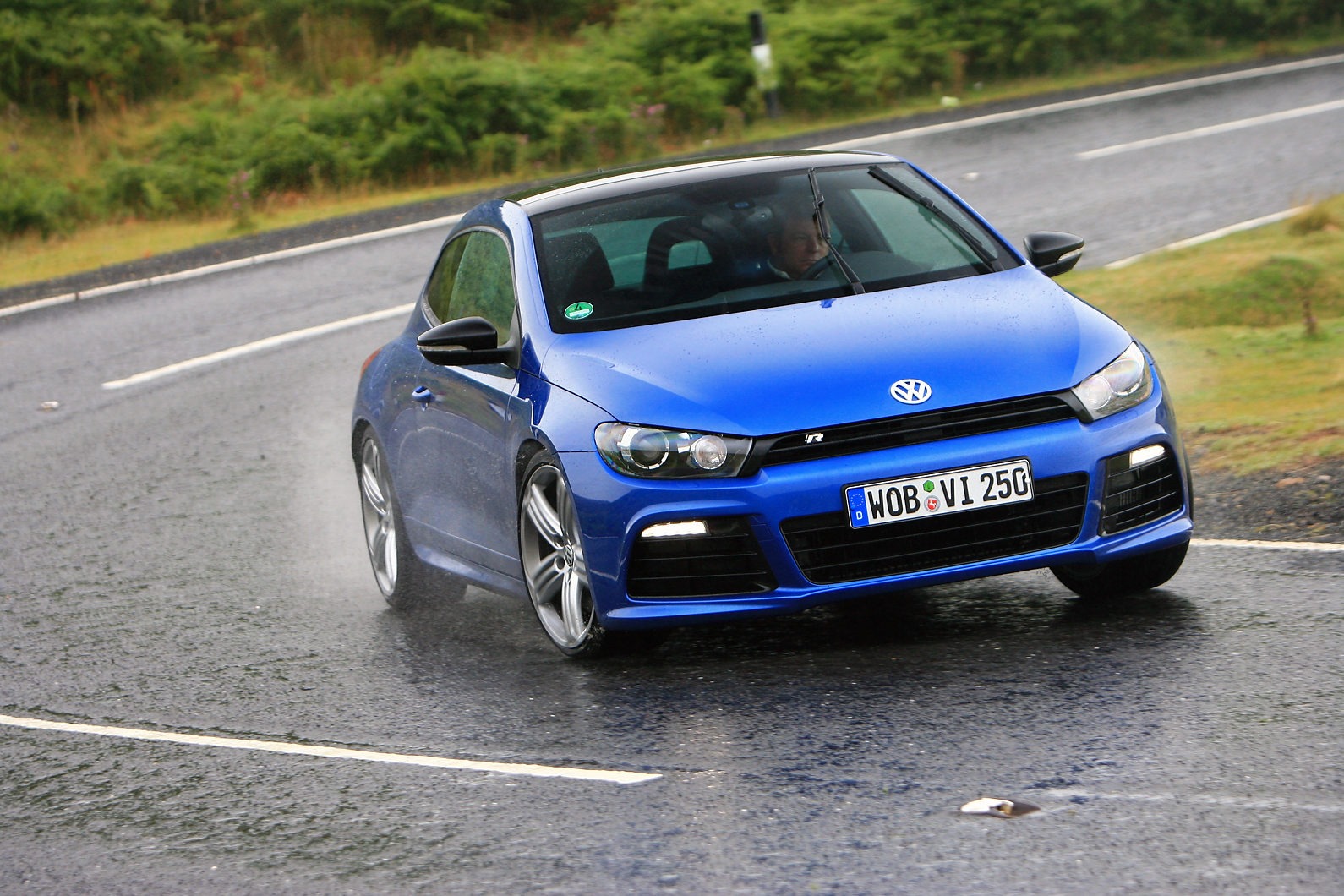
Both the first two generations of Scirocco were sold in America, but not this third generation model. That was a shame as the car was a great looking car with entertaining handling, as well as a good range of engines to suit every driver, with petrol power ranging from 120bhp up to 280bhp; it even had two diesel options.
Apparently Volkswagen didn’t think it could make money selling it in America because of the Dollar-Euro exchange rate at the time.
Dacia Duster (2009)
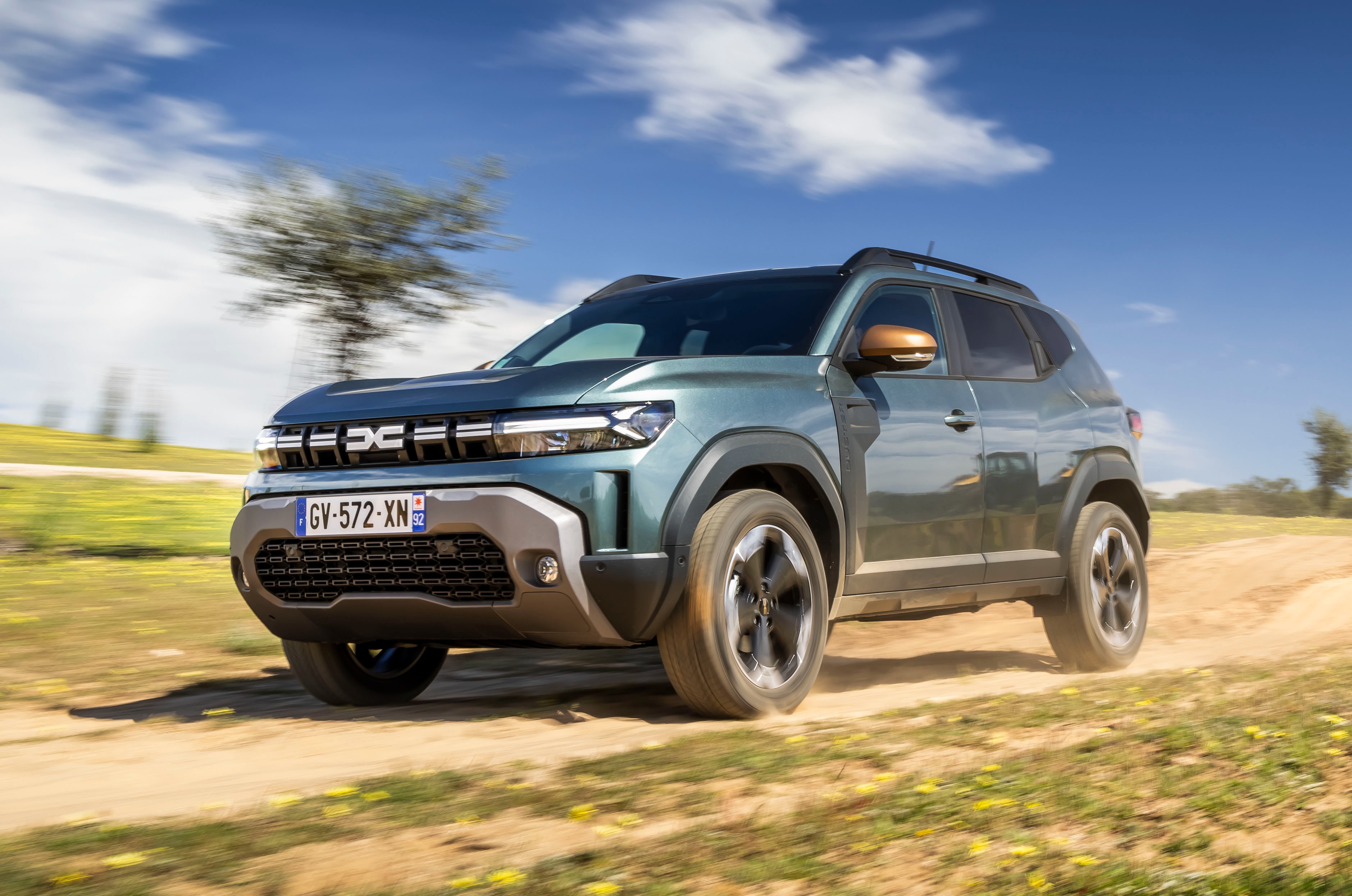
Americans would consider the Dacia Duster a subcompact SUV. The segment is big, and it’s going to get much bigger in the coming years, but it currently lacks an affordable, no-nonsense model capable of holding its own off the beaten path.
Enter the Duster, with its budget-friendly price and available four-wheel drive. Can you not picture one parked among cactus on a ranch in the American west? A third-generation model arrived in 2023 (pictured); like the original model, it’s still a lot of car for your money.
Honda N-One (2012)
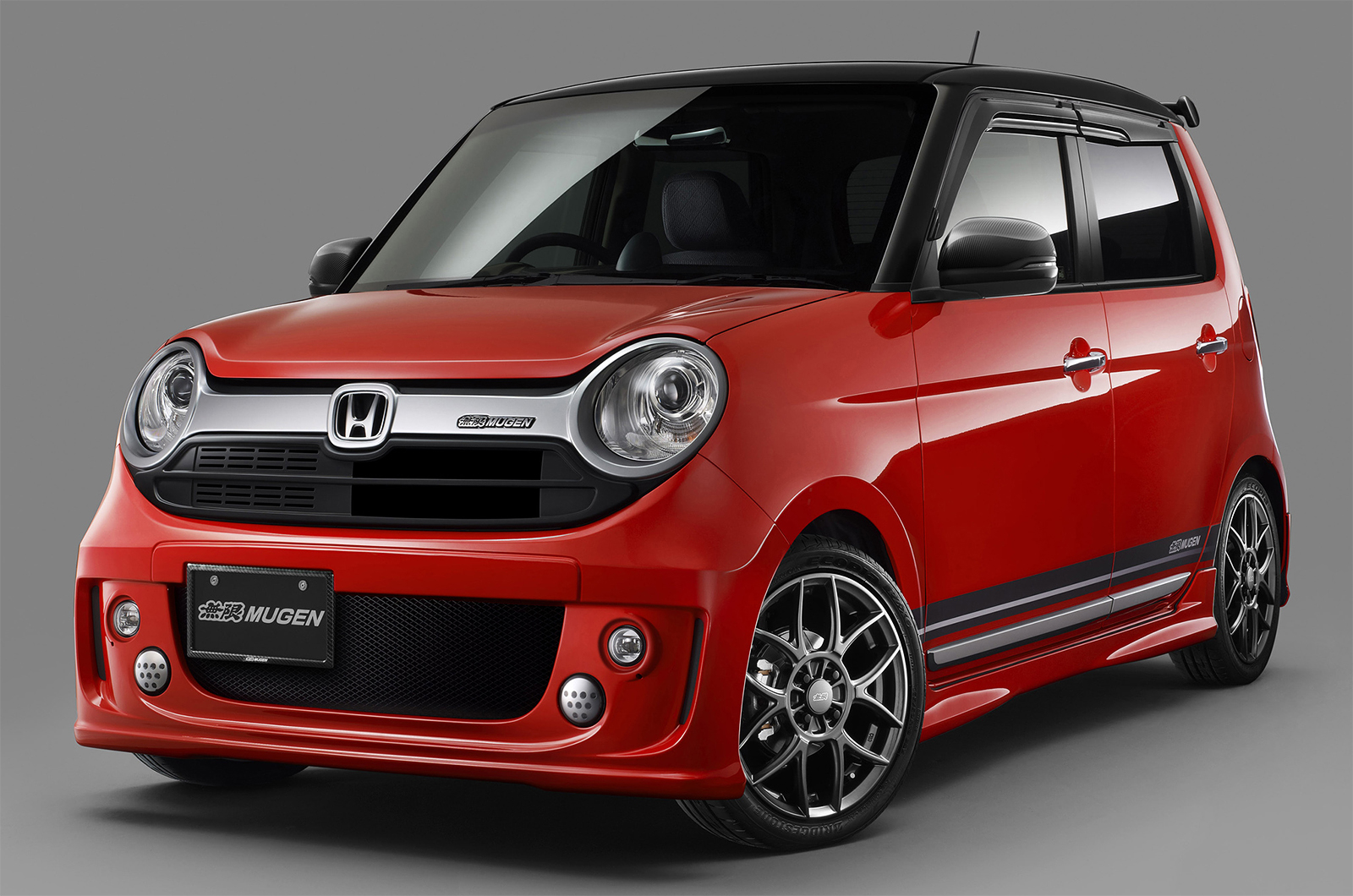
The N-One is an endearing machine with a surprisingly spacious interior, though Japan’s kei car regulations force Honda to use a tiny 658 cc engine. It’s not just Americans missing out on the N-One; Europeans can’t get their hands on this retro-fantastic Honda, either.
Mercedes-Benz C-Class Estate (2014)
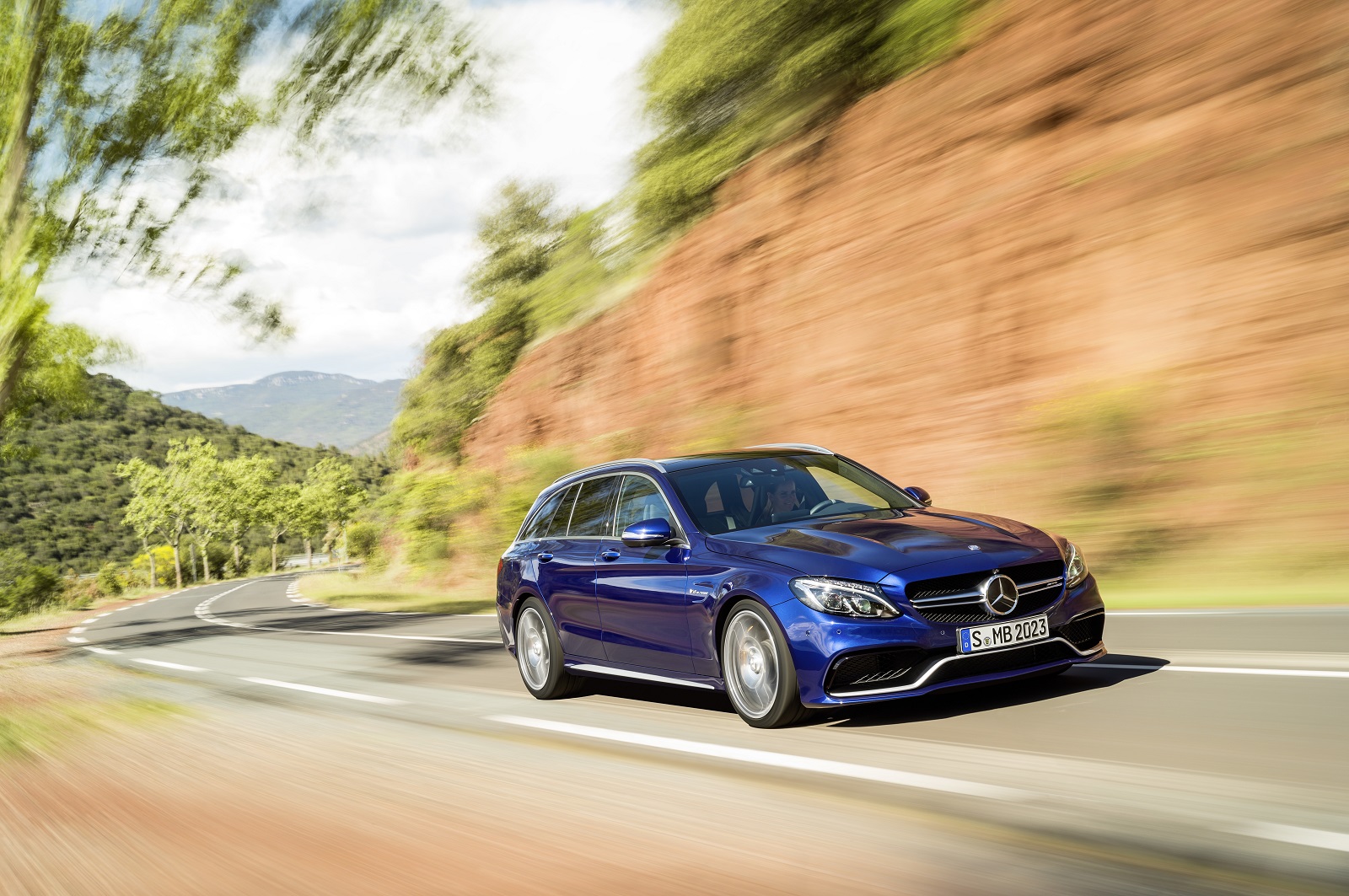
Unlike Audi, Volvo and BMW, Mercedes-Benz never paid much attention to the compact estate segment in the US. The phrase “Americans don’t buy estates” has prevented every single long-roof variant of the C-Class from roaming the nation’s vast network of motorways.
The German brand surprisingly perceived enough demand from buyers in Canada to build a market-specific C-Class Estate, though it’s a niche model rather than a volume offering.
Subaru Levorg (2014)
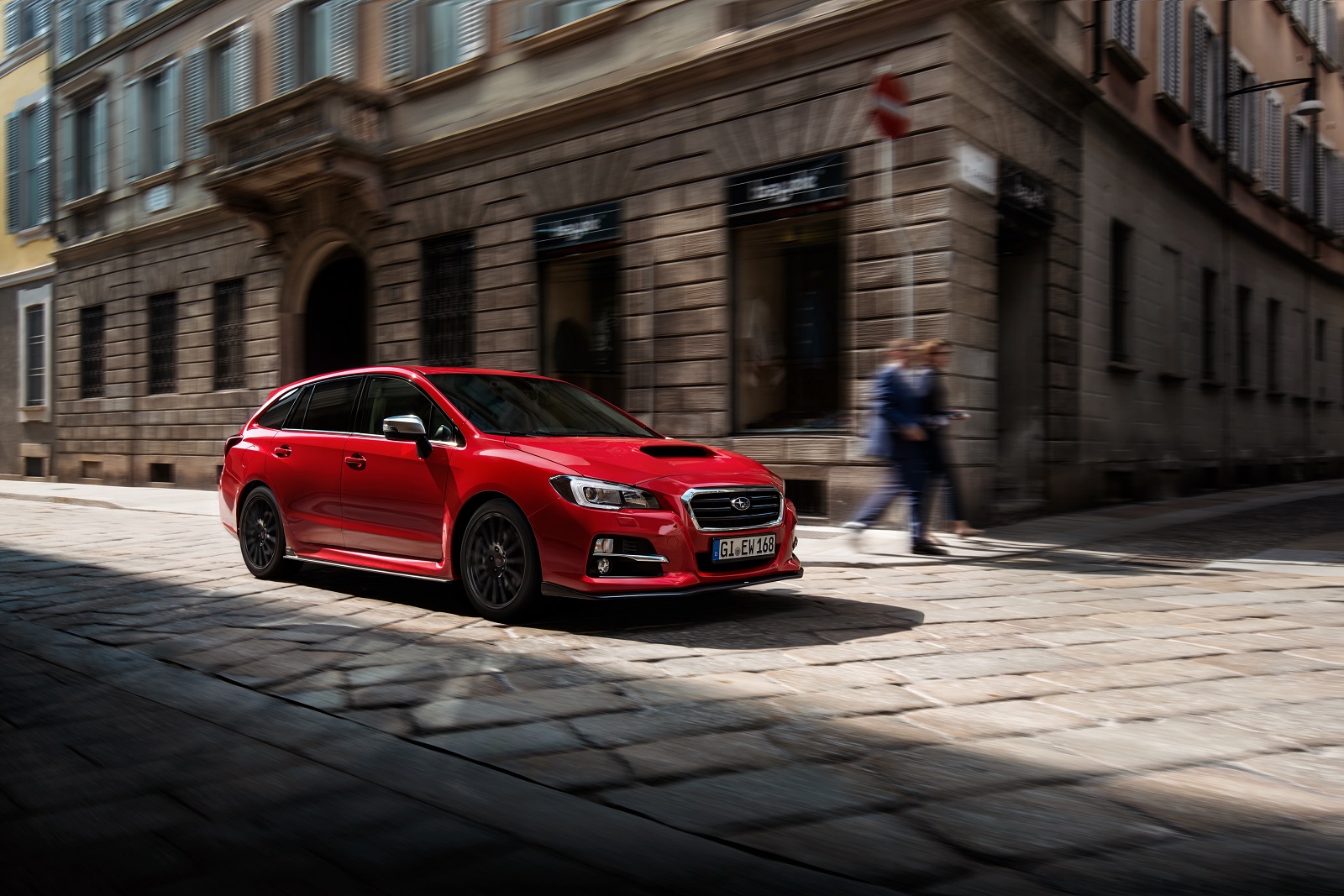
No brand is more closely associated with estates in America than Subaru. That’s why we’re surprised the Levorg remains off the US market. Subaru can’t use the “Americans don’t buy estate cars” argument everyone else employs because it almost has a monopoly on the class, and the Levorg would slot nicely between the Impreza and the Outback.
Volkswagen Passat Mk8 (2014)
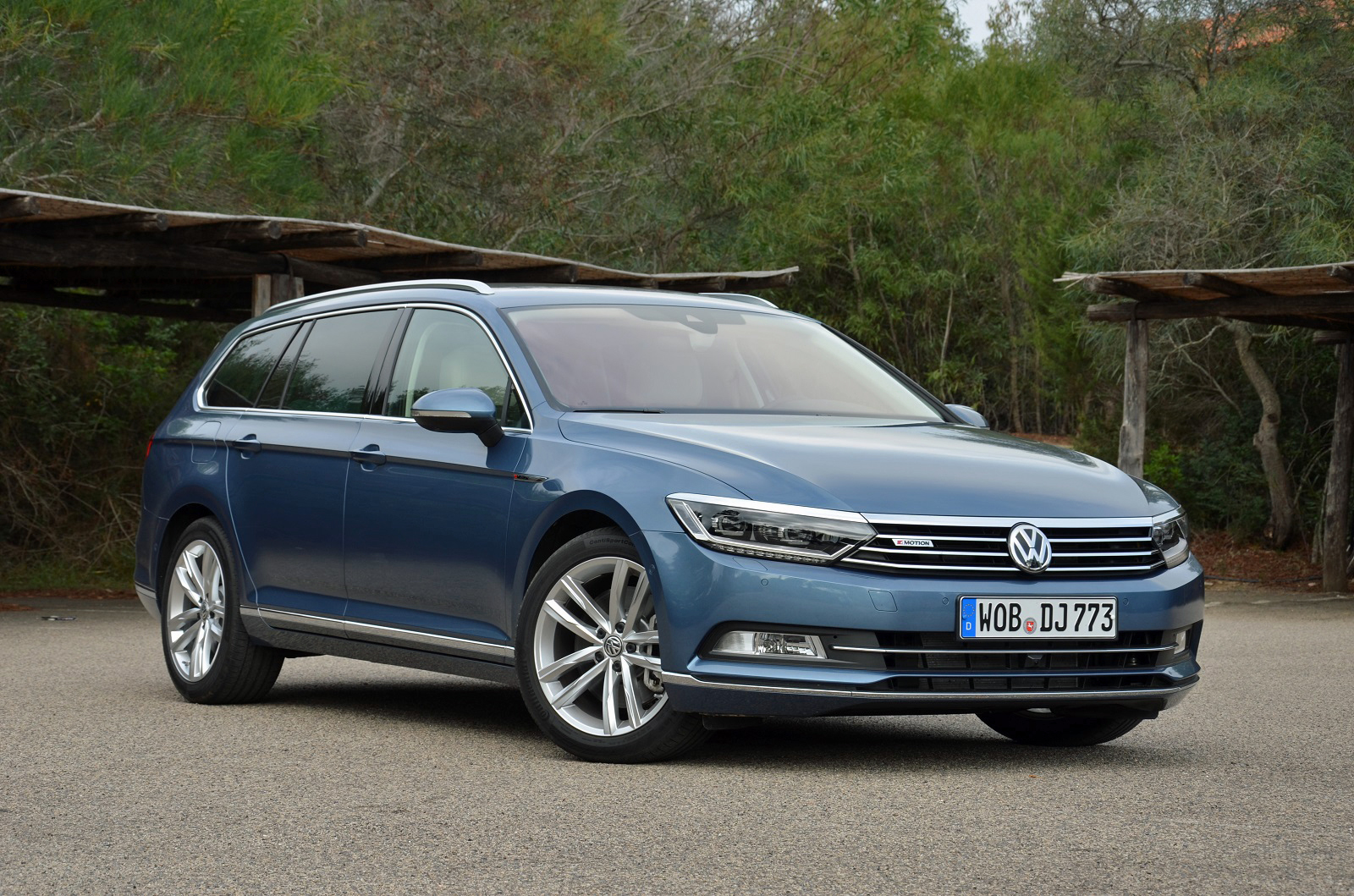
For years, motorists on both sides of the Atlantic drove roughly the same Volkswagen Passat. That changed when the German company gambled on reaching more buyers and decided to develop a Passat specifically for the US, and built at its large plant in Tennessee.
The Passat Europe got is handsome, well-appointed and sharp to drive in the right conditions; however the Passat that America received was a cheaper car didn’t look as good and had less equipment. Fortunately, the latest US Passat, launched in 2019, is much better.
Aston Martin Lagonda Taraf (2015)
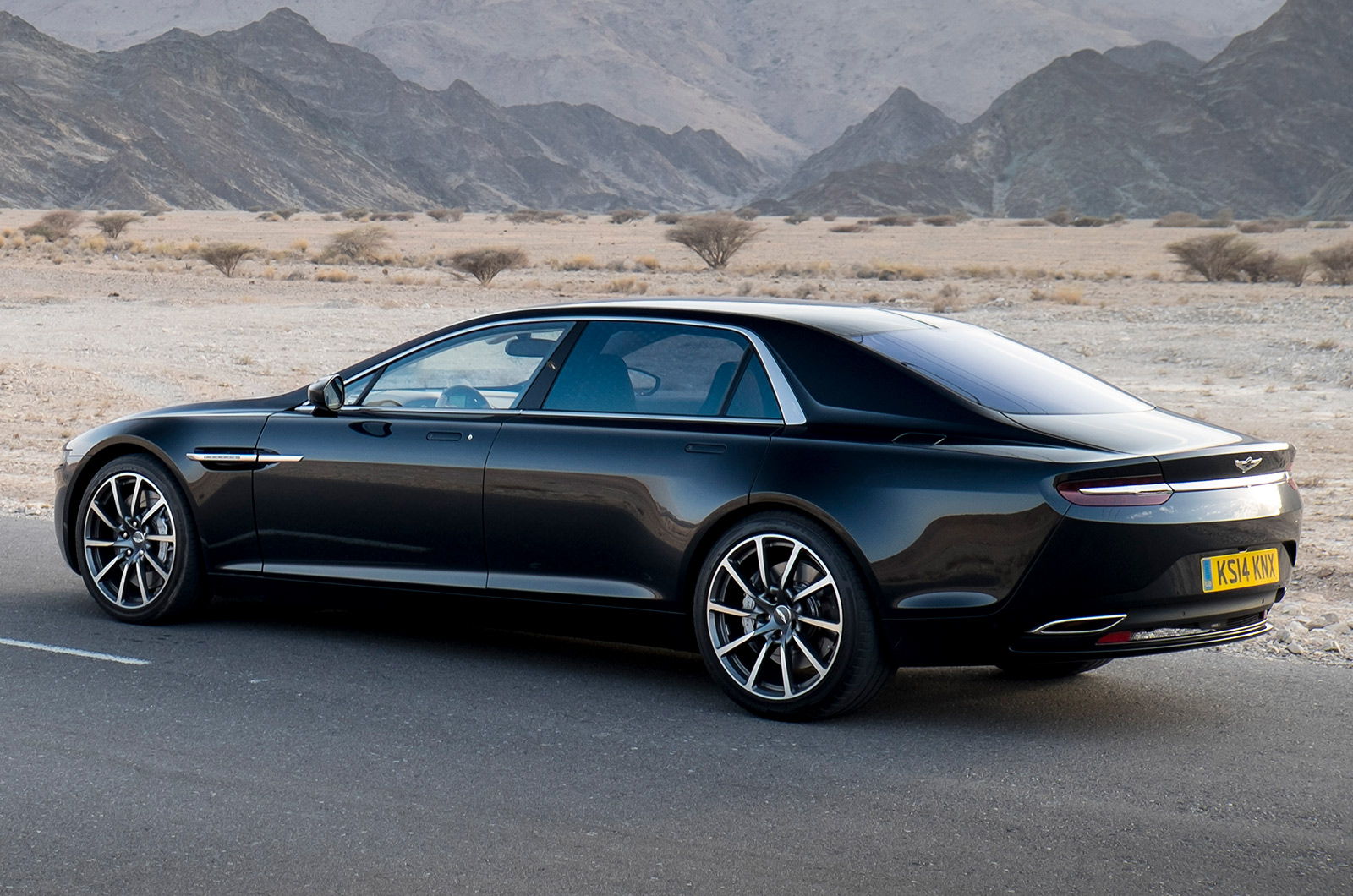
Seemingly from nowhere up Aston Martin launched this graceful super-sedan, designed for wealthy folk in the Middle East with an extraordinary price tag to match – around $1 million. Apart from the price, we rather admired its V12 pace and credible claim to be an uber sports limo.
200 examples were planned but that large price tag led to just 120 or so being produced, and none made it to America.
Audi RS3 Sportback (2015)
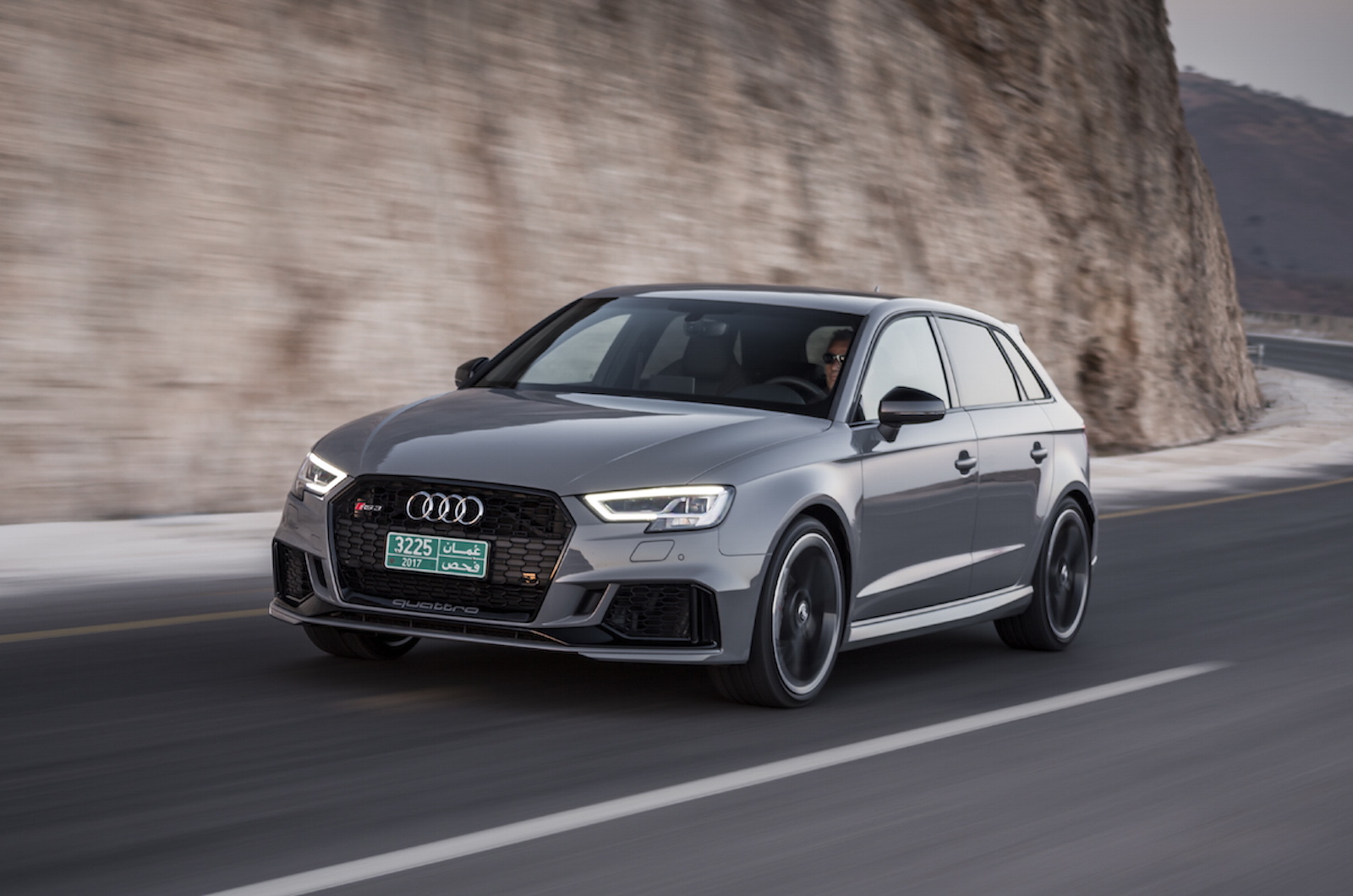
America has been able to get its hands on the RS3 in saloon form since 2016, and it’s a scintillating machine: it delivers 396bhp from an oddball 2.5-litre straight-five-cylinder engine. Europeans also get to buy that version, but they can also buy it in proper hot hatchback Sportback guise as well, which is a whole load more practical, and has stealth properties to boot.
Alpine A110 (2017)
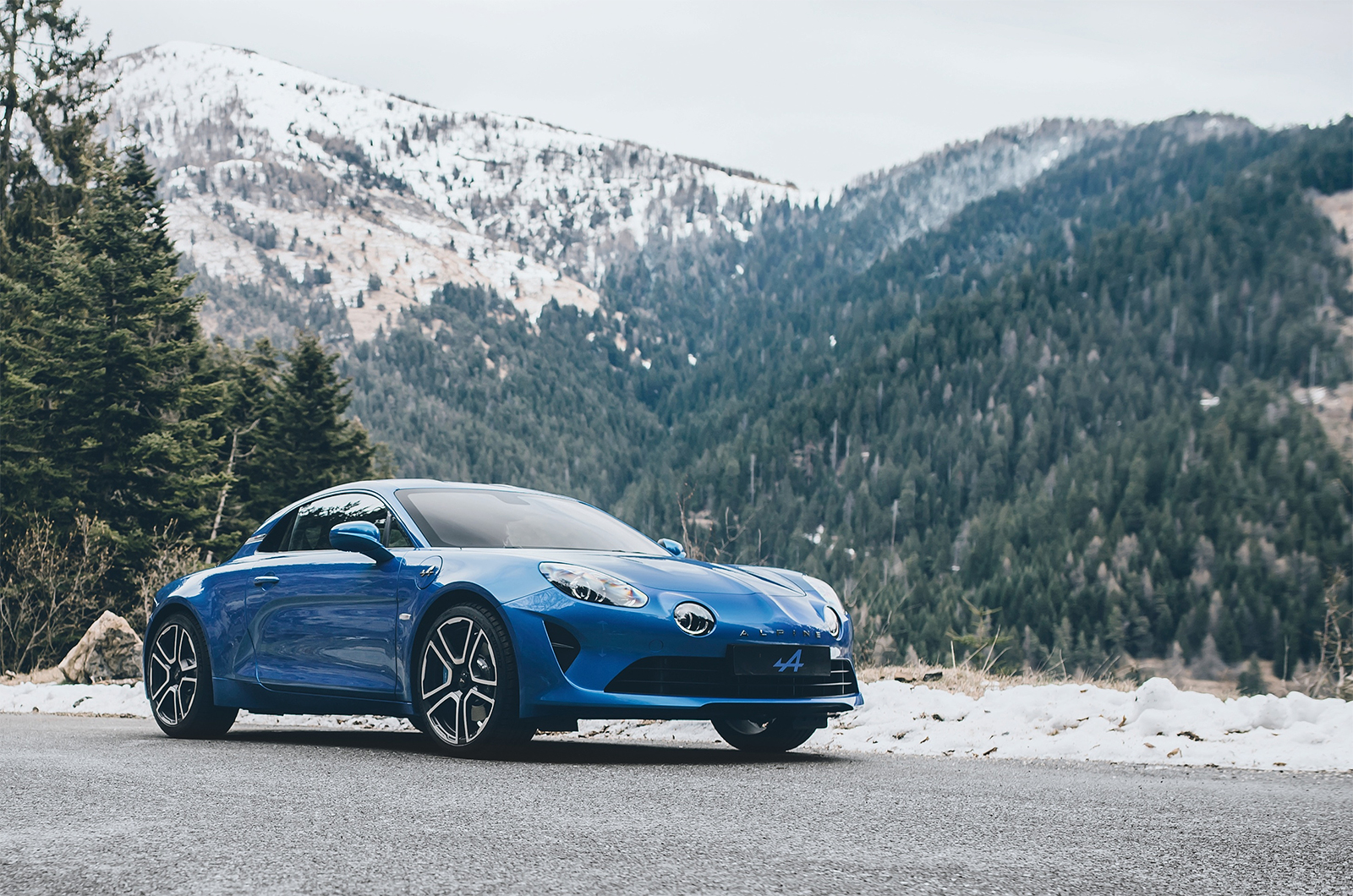
When you drive the A110 you discover one of the best-resolved sports cars ever made. But while it sounds like a budget Porsche Cayman would do well in the US, one of the largest markets for coupes in the world, the car won’t be available in the US.
Among other challenges, Alpine and parent Renault lack a dealer network there.
Volkswagen Up GTI (2017)
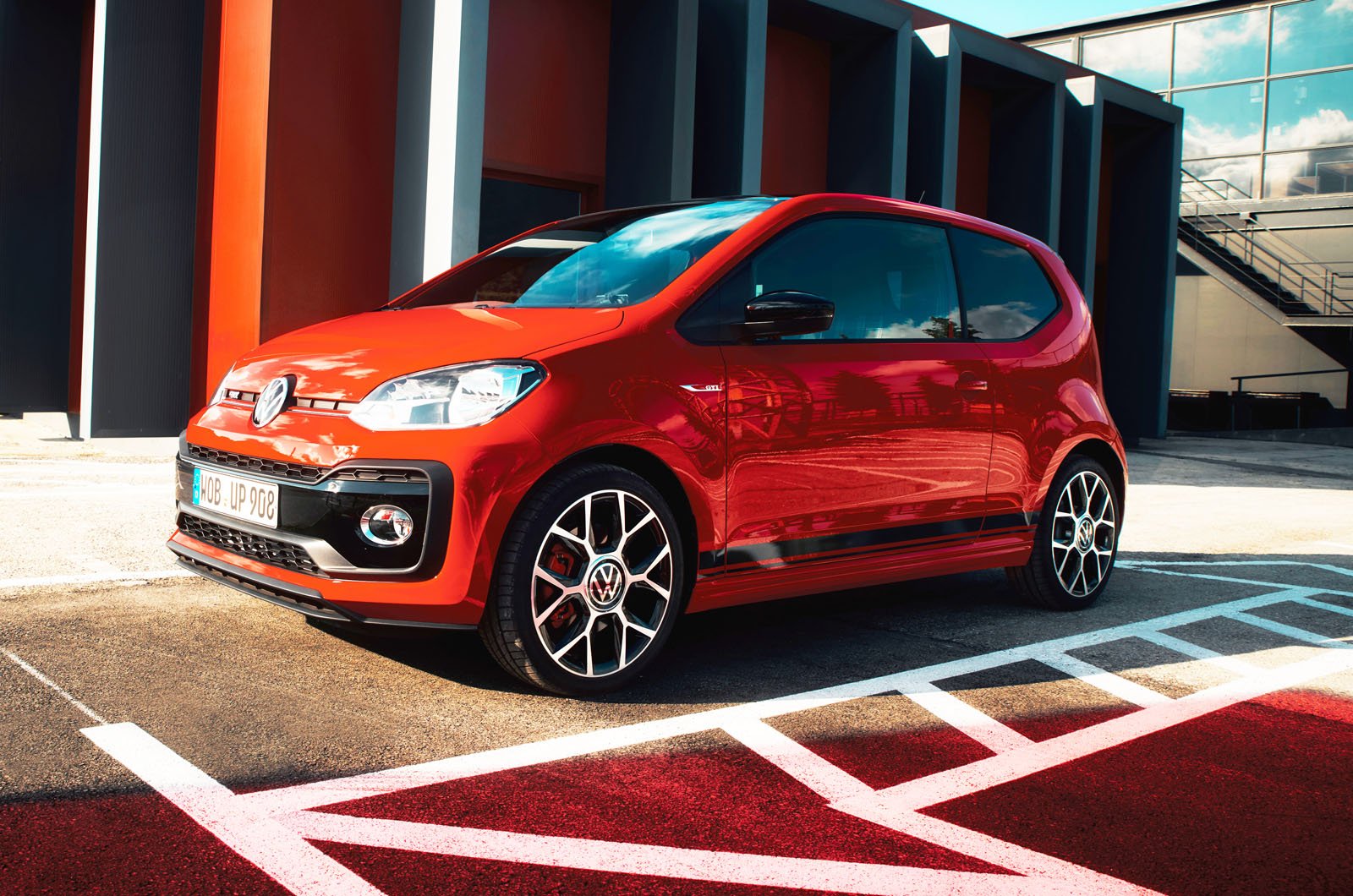
The Up is a useful enough citycar, but in GTI form it becomes a proper bundle of fun. Sure, a 1.0-litre engine delivering 113bhp doesn’t sound like it will light up your life, but it comes in a small 3600mm-long package and weighs just 997kg.
We think it’s as genial and charming a car as any pint-sized hot hatchback and may even be the most desirable of the lot.
Suzuki Jimny (2018)
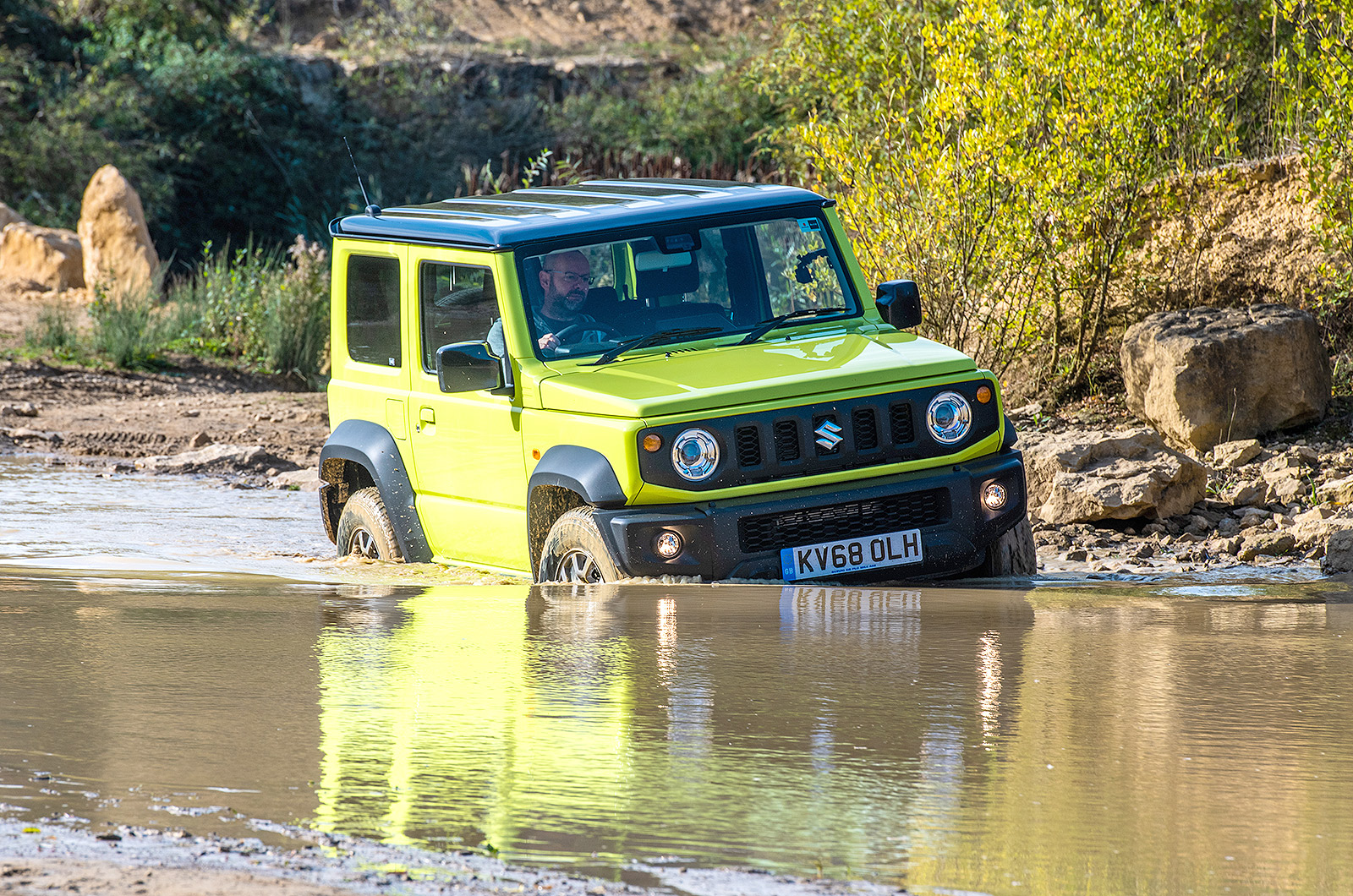
Suzuki quit the American market back in 2013, but even when it was present it never sold the Jimny mini-SUV in the US. Americans expect their SUVs to have a certain minimum size, and the diminutive machine may be cute but at 3480mm (137 inches) it’s not entirely practical, nor is it much fun at all on a fast highway.
This is a shame because it’s a charmingly capable mountain goat, capable of springing around harsh environments with alacrity, helped by its low weight of just 1135kg. Sure, it only has a 100bhp engine and is no hotrod, but we’re huge fans of this small four-wheel drive - complete with switchable low range gearbox as standard - that thinks big. And now it even has modern-day equipment like Apple Carplay and Android Auto. It's a shame that strict emissions rules brought its life to an early end in Europe, in 2020, though it lives on as a commercial vehicle, without rear seats.
With prices starting at the equivalent of US$28,000 (€25,800), we can’t help but think it would find some fans in mountainous parts of America.
Audi RS 4 Avant (2018)
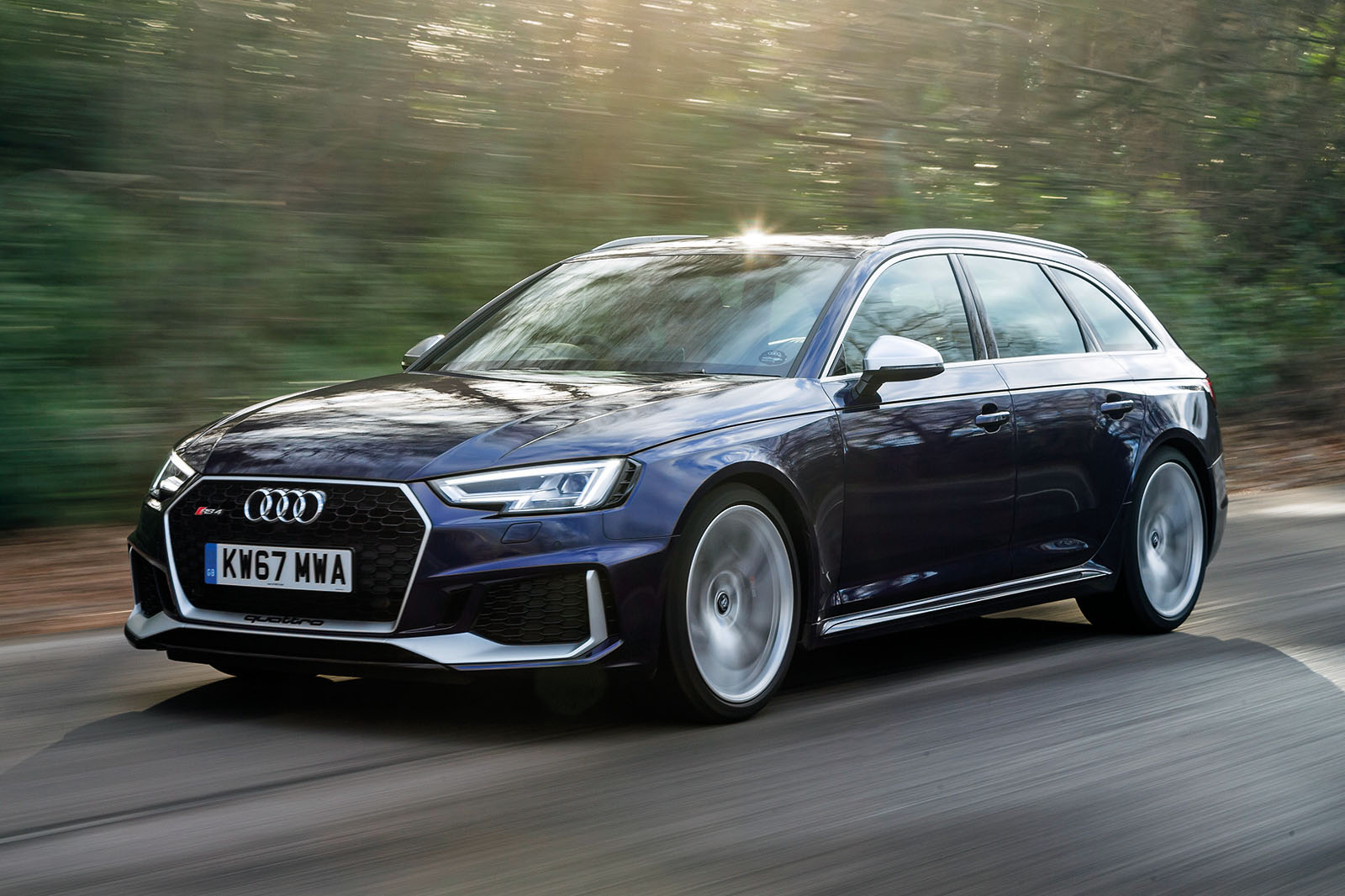
This car was unveiled at the 2017 Frankfurt Motor Show and offers a 2.9-litre turbo V6 giving 444bhp and 0-62mph in just 3.9sec, all in a relatively compact 4781mm package.
But not in America, where the most potent A4 you can get is an S4, and then only in saloon form; at least the Audi RS 6 Avant is available.
Ford Fiesta ST (2018)
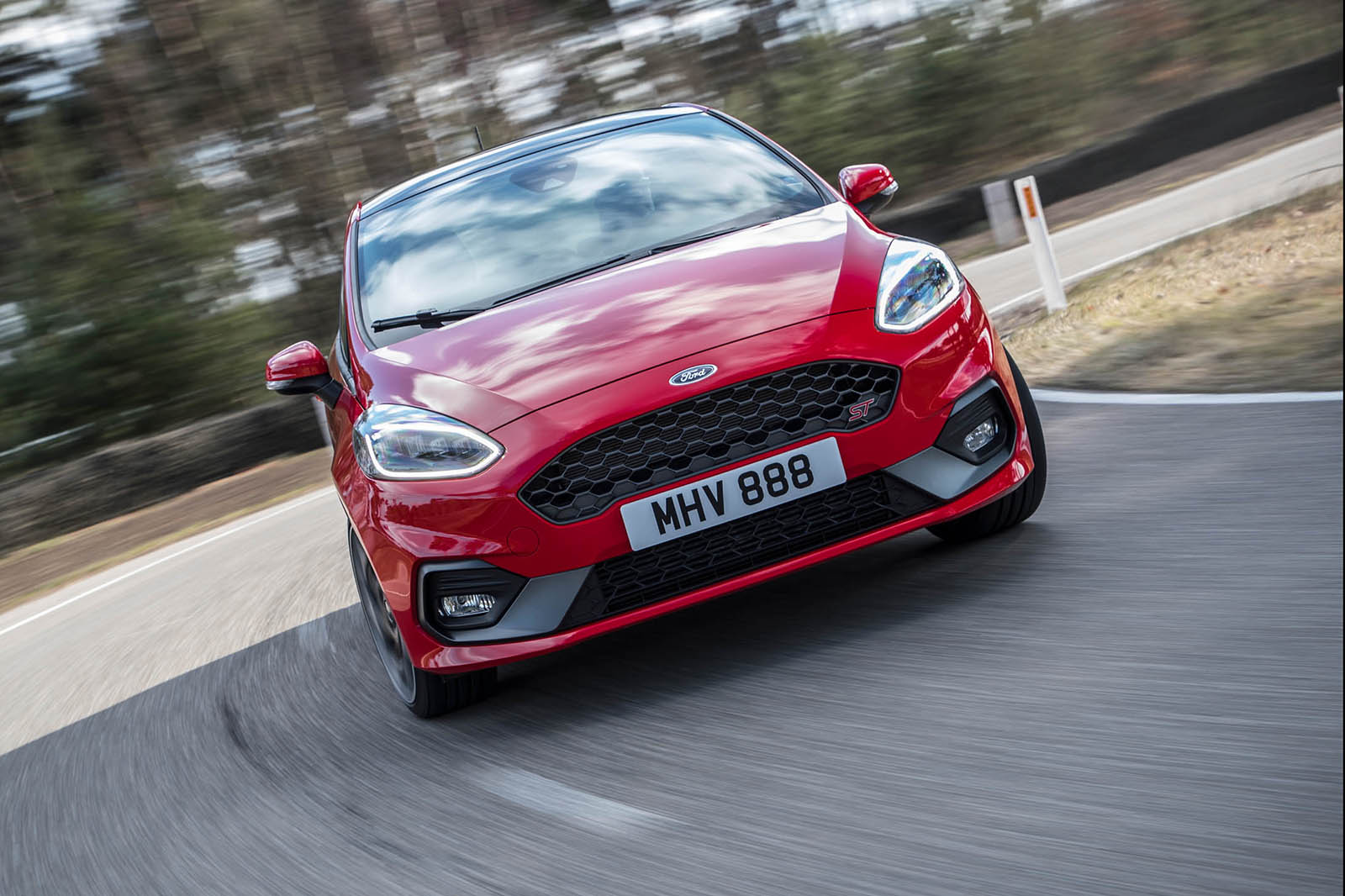
The previous model Fiesta ST held the title for being one of the very best hot hatchbacks and the new generation retained that title. The hot hatch is powered by a three-cylinder 1.5-litre Ecoboost engine which makes 197bhp, 17bhp more than the older generation.
Sadly this new generation Fiesta ST never got to America since the entire Fiesta lineup was withdrawn in 2023.
Ford Focus ST Estate (2019)
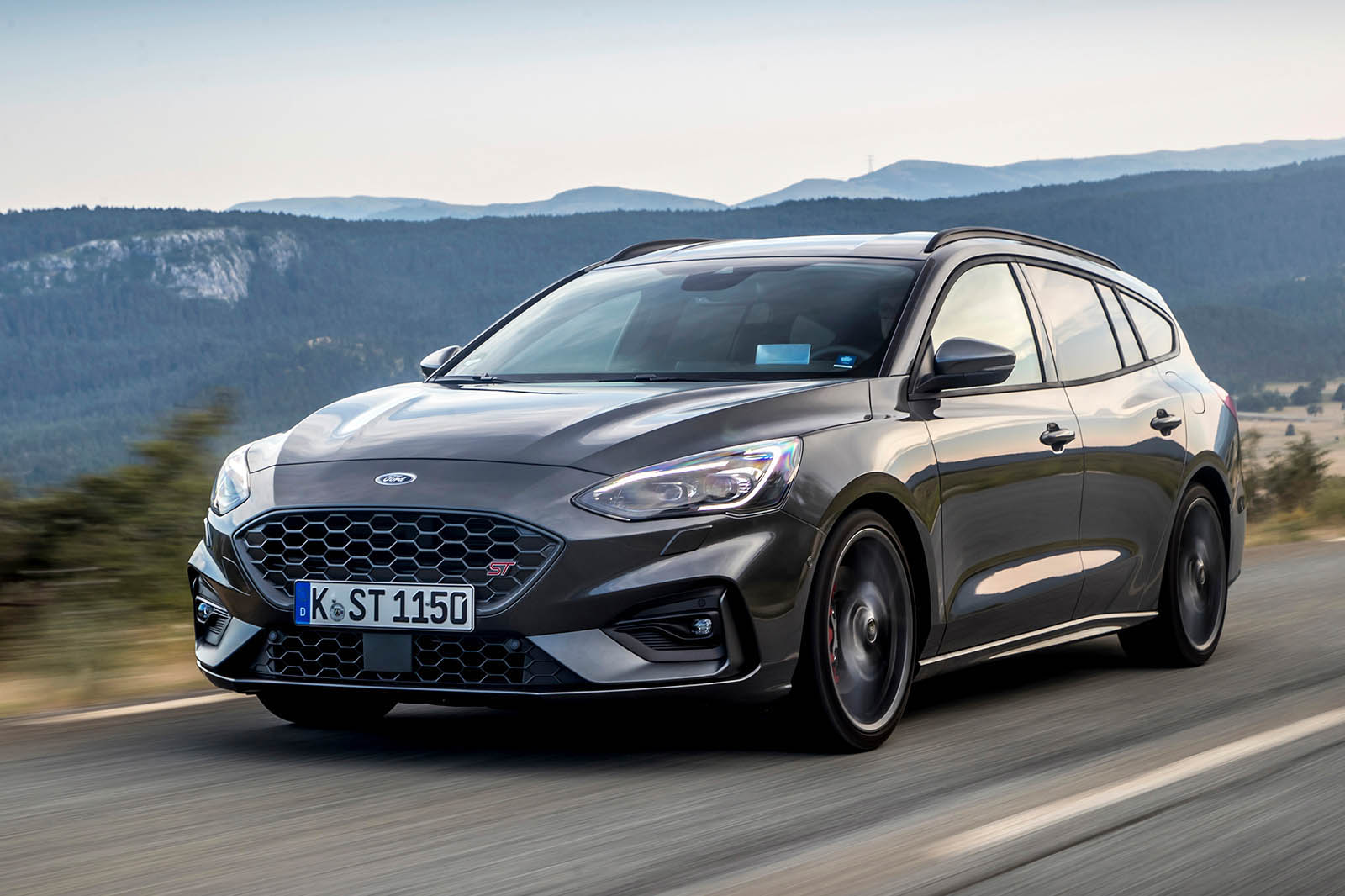
In Europe buyers for a while could can get the latest Focus estate in both 187bhp diesel and 276bhp petrol forms, Americans could not buy either car, and the US didn’t receive the latest Focus at all.
Which is a shame, as the Focus RS acquired quite a following in America in its brief stint on sale, and we dare say this slightly less hot ST version of the latest model might have had a few fans too.
Volkswagen ID 3 (2019)
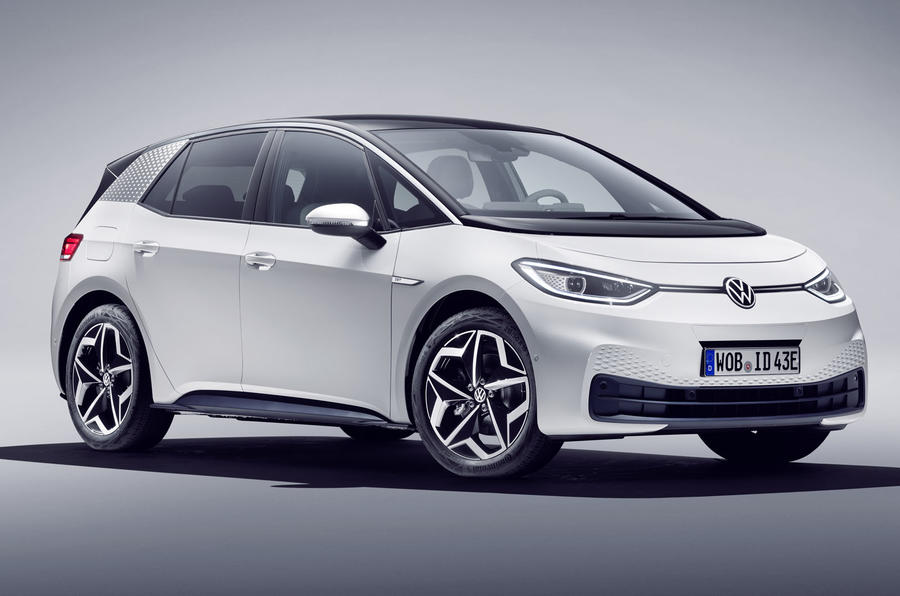
After a troublesome few years, Volkswagen aimed to change its image wholesale with the launch of its first mainstream all-electric model called the ID 3, which in some versions has a single-charge range of over 300 miles.
But despite the success of Tesla’s Model 3 stateside the ID 3 rival won’t be coming anytime soon. America instead gets the ID 4, an SUV sister vehicle built at VW’s plant in Tennessee.
Honda E (2019)
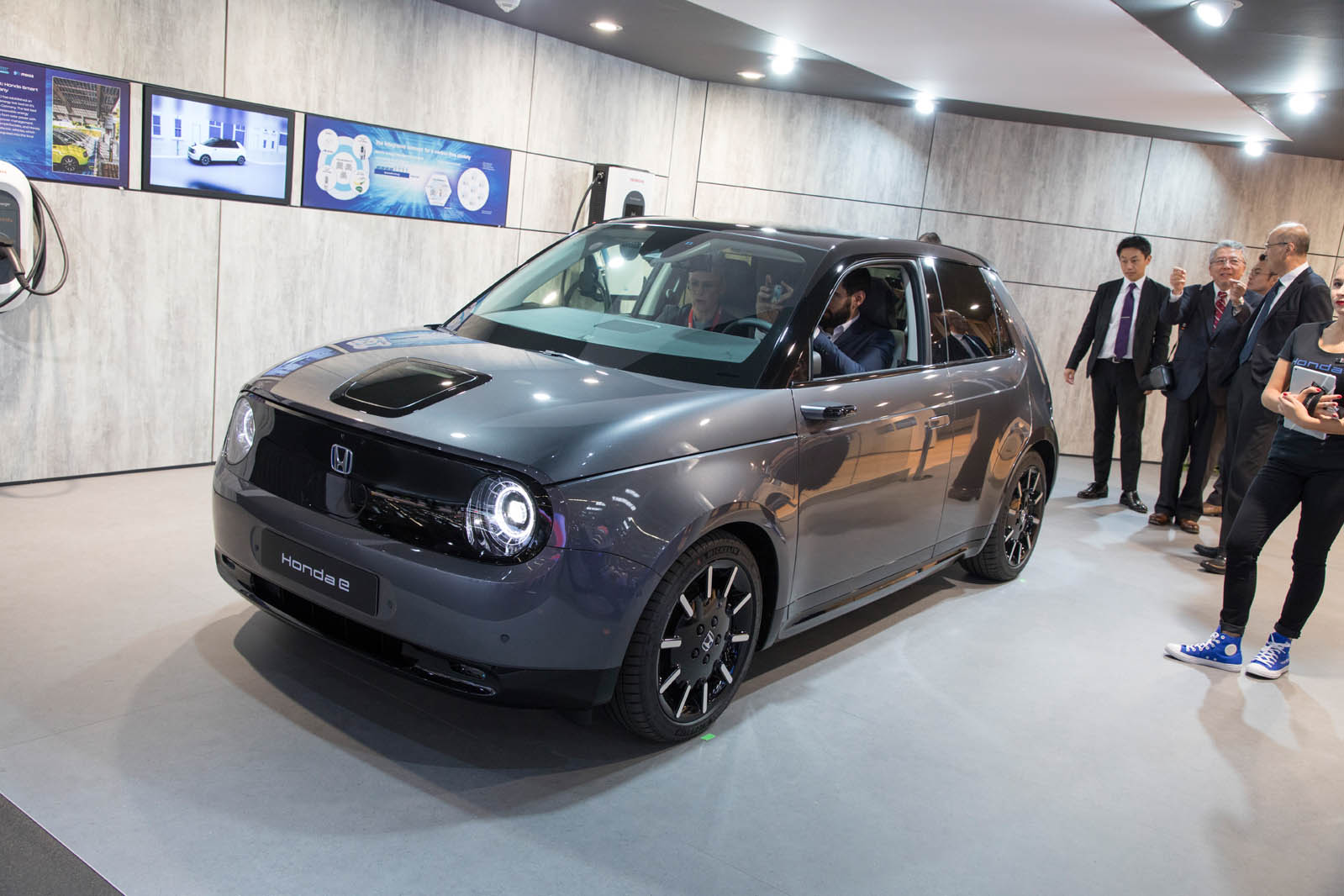
Honda’s cute little urban electric car, the E, also didn’t come to America. That was probably because of the E’s small size (its length was 3894mm – 153 inches) and meagre 130-mile range; average American journeys tend to be a fair bit longer than in Europe or Japan, though we reckon it might have been popular in places like New York City and San Francisco, nevertheless.
Sadly its limited range seems to have counted against it in Europe and Japan, and sales were disappointing; it was cancelled in 2024, after less than four years on sale.
Mercedes-Benz A45 S AMG (2019)
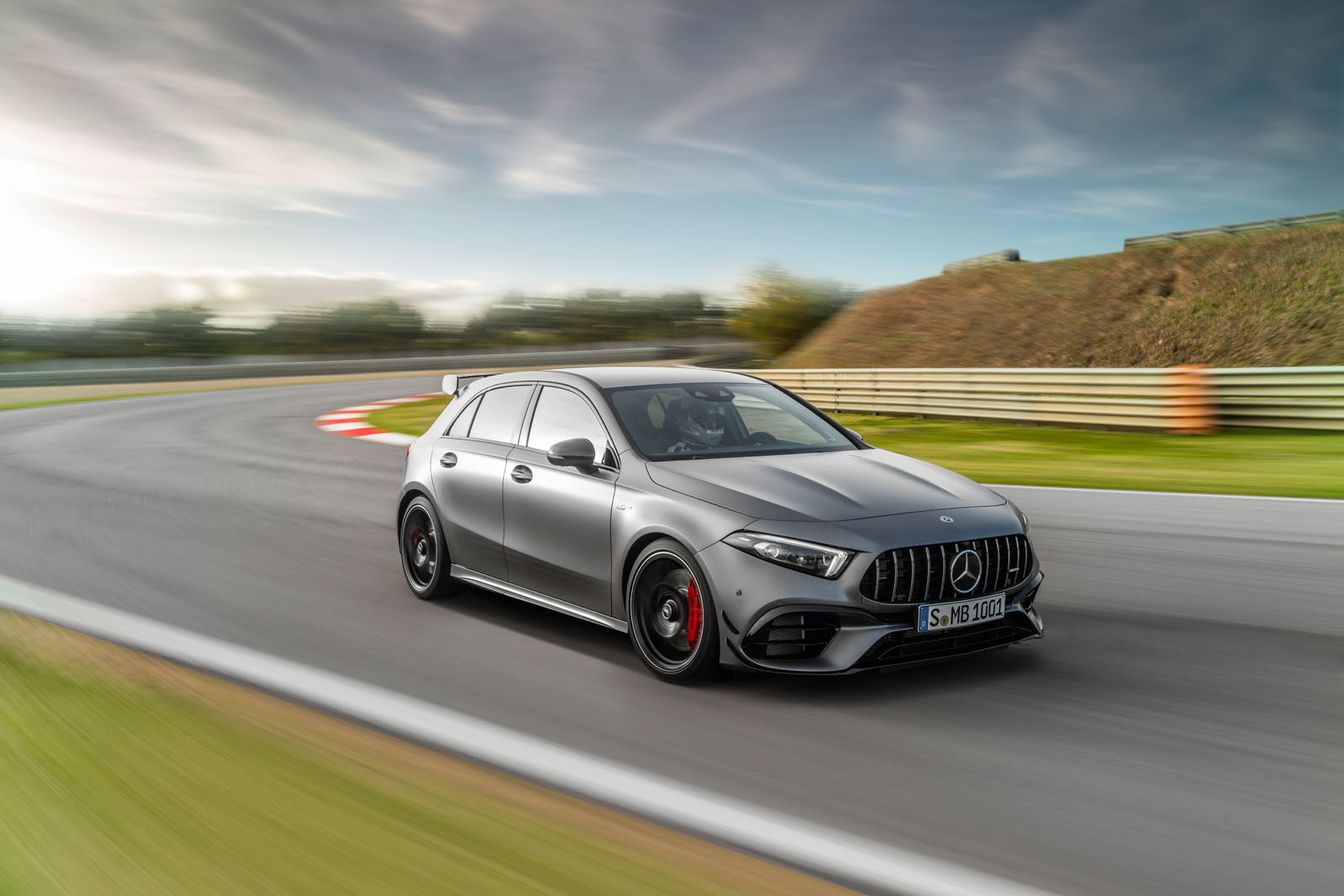
In 2019, Mercedes unveiled its latest pocket-sized hotrod, the A45 S AMG. This remarkable car features a 415bhp engine that gleans all that turbo-charged power from just a 2.0-litre four-cylinder. And while markets in Europe may have no problem spending very serious money on a four-cylinder hatchback, America is different.
America did eventually get the 45 S engine, but only in the CLA model, in late 2023 as a 2024 model. Europe gets the model in shooting brake wagon form as well, but America is again a no-go.
Ford Puma (2020)
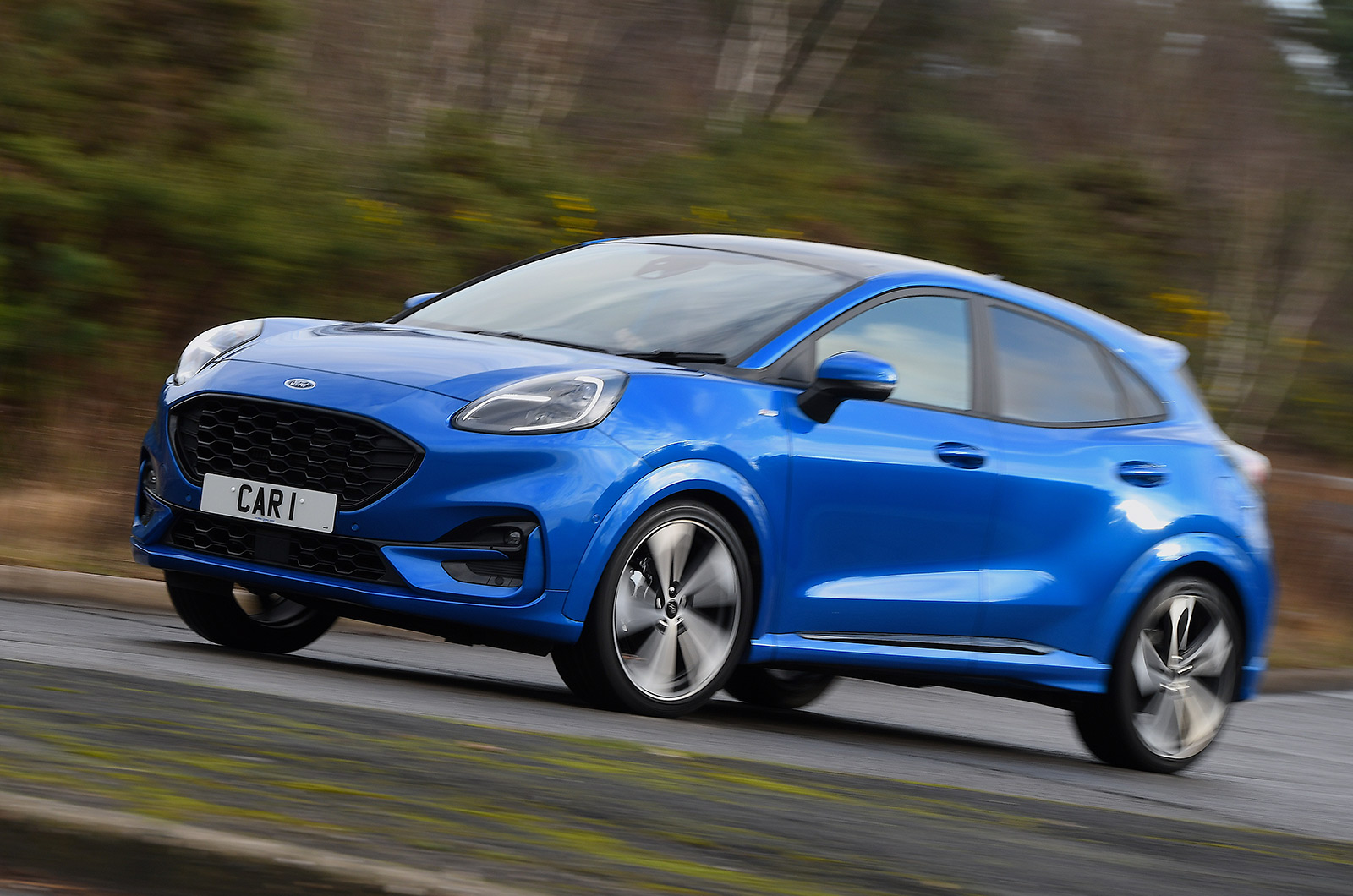
The Puma name was first used on a well-regarded small sports saloon based on the Fiesta, sold in Europe between 1997 and 2001. The name’s was revived on a compact SUV built in Romania, and it’s one of the very best of the type you can buy.
It’s great to drive, interesting to look at, and has strong economy due to a 48V mild-hybrid system. There’s no word on a US appearance, which is shame.
Toyota GR Yaris (2020)
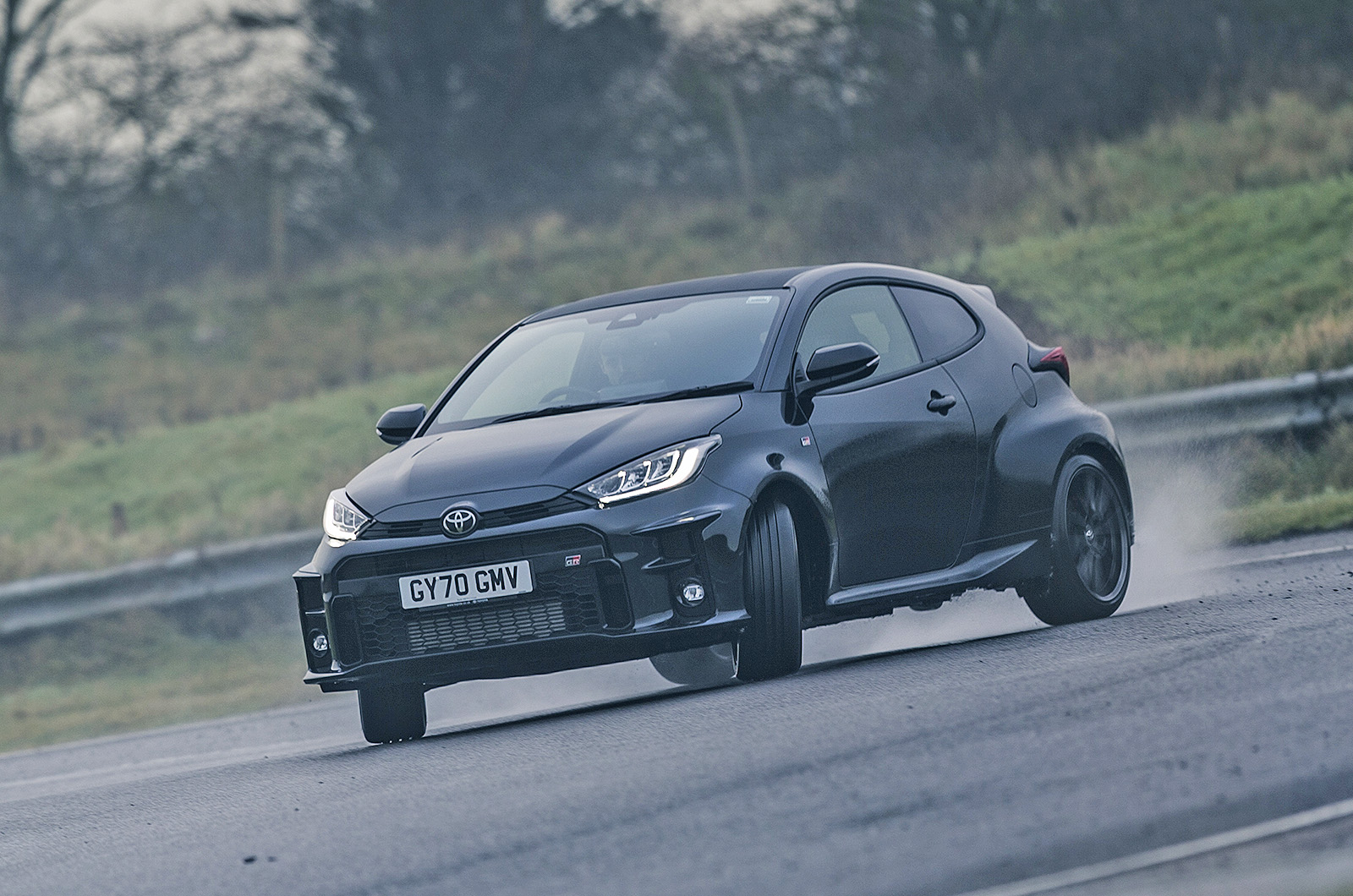
The GR Yaris is one of the most exciting small cars made this century. It fizzes along with a cool 276bhp from a turbocharged 1.5-litre engine driven through a six-speed gearbox, and is hilarious to throw around on a country road. But the Yaris is deemed too small for the US market, which means America doesn’t get the GR Yaris either.
Mercedes-Benz Unimog (2021)
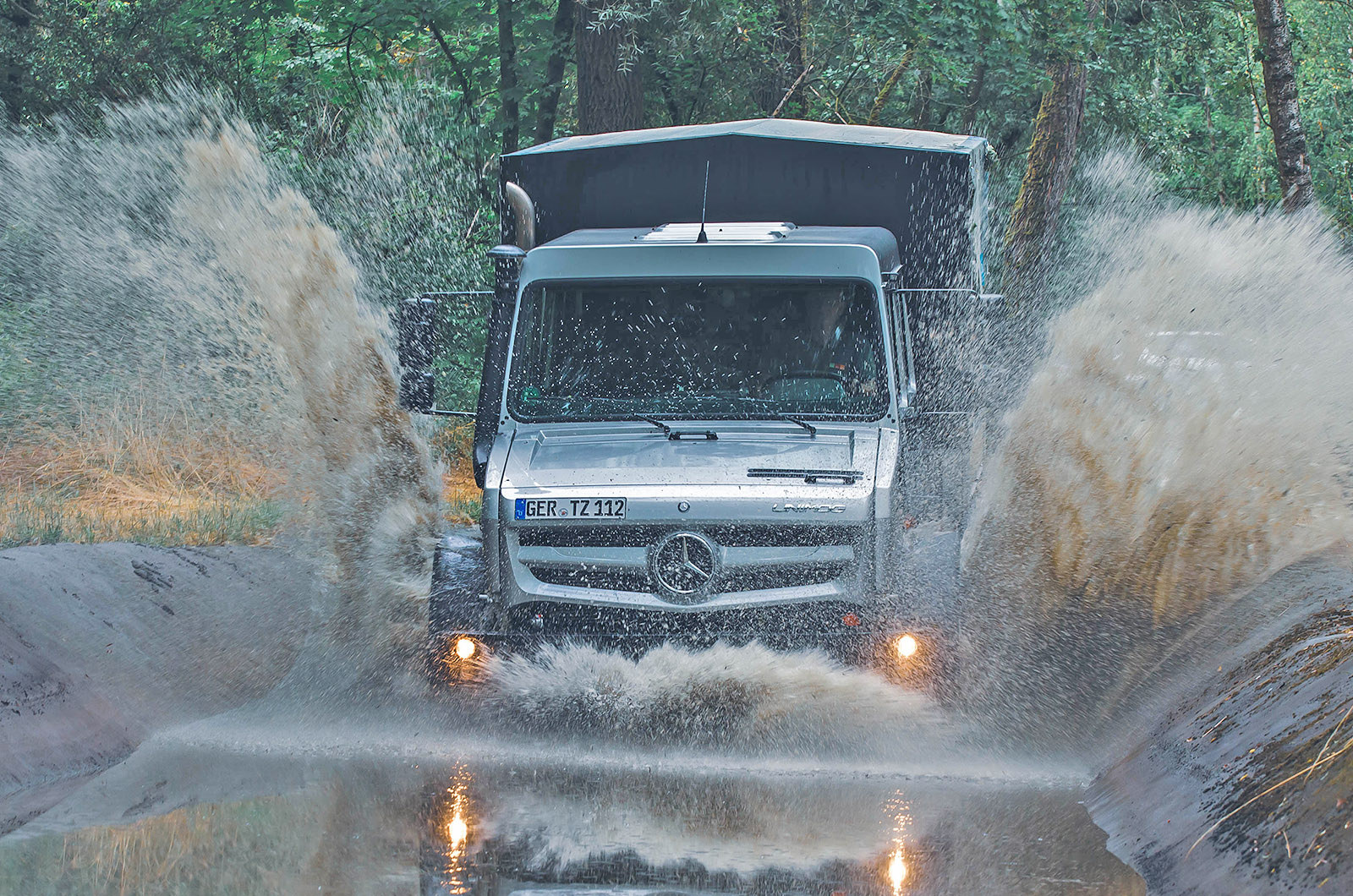
The Unimog has a cult status these days both because of its unusual looks and its amazing off-road capabilities. Simply speaking, there is nothing better in the rough stuff this side of a tractor. Small wonder then that they’re the vehicle of choice for emergency services, farmers and the military across the world – just not in America.
The model was briefly sold in the USA in the late 1970s, but we think it could do very well in a market that loves its rough and tough off-roaders…
BMW M3 Touring (2022)
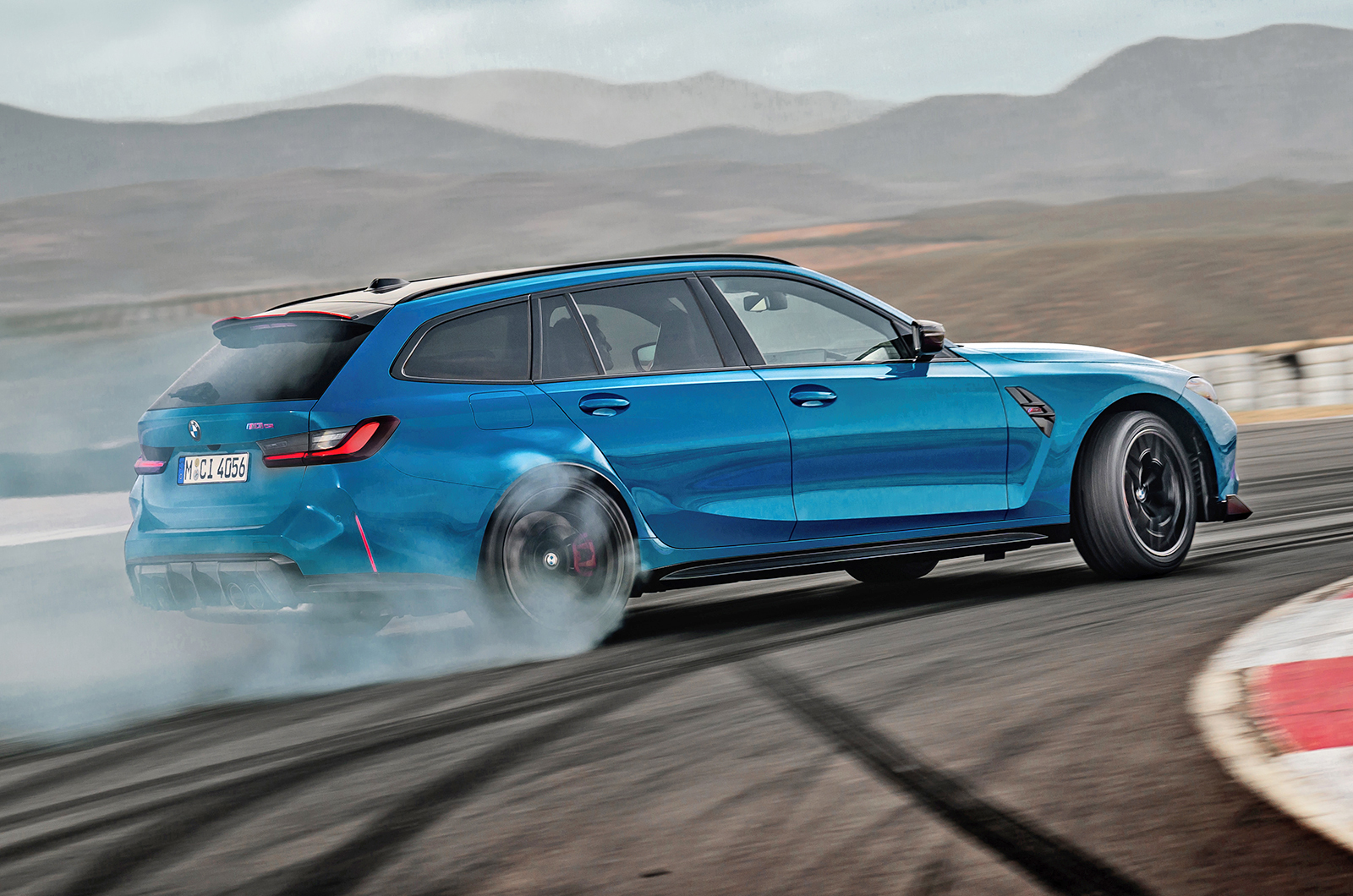
BMW sells plenty of M3s and M4s in America, so perhaps it would be a natural home when Munich made the brave decision to make the first wagon in the M3’s long history. It enjoys the same 502bhp turbocharged six-cylinder engine and engaging handling as the other shapes in the M3/M4 range – but with far more space for family, stuff, and dogs.
But the USA doesn’t really like wagons much these days, so no M3 Touring.
Renault 5 (2025)
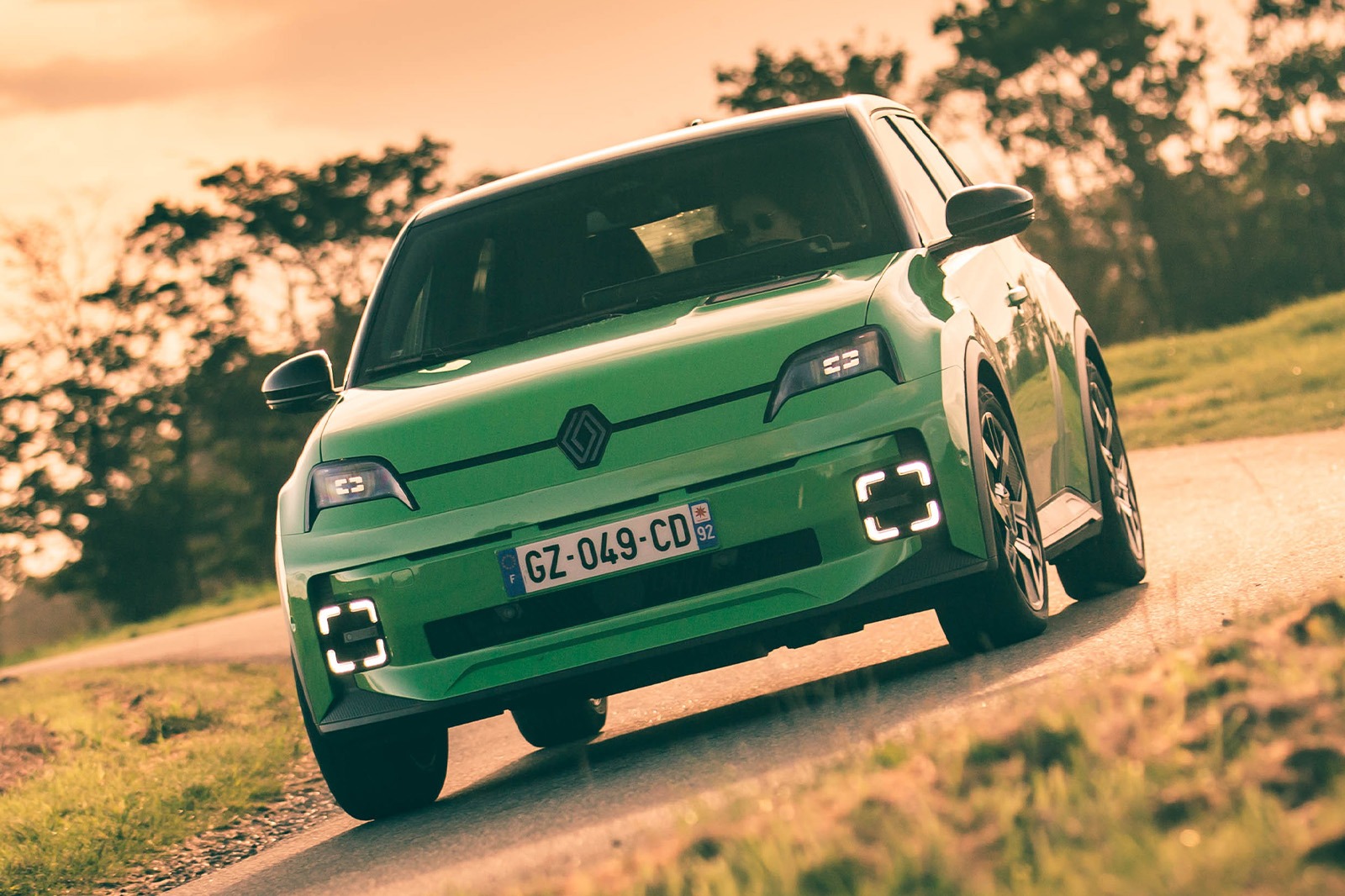
Electric cars are all really expensive and always too large and heavy, right? Well, there’s some truth to all of that, but the industry is responding, in Europe at least. The new Renault 5 is small, relatively light (1449 kg – 3188 lb), but still practical enough for four people and their luggage. It has a decent real-world range of around 200 miles, and all for the equivalent of $29,000 or so.
But Renaults haven’t been sold in America since 1987, and that isn’t changing anytime soon.
Skoda
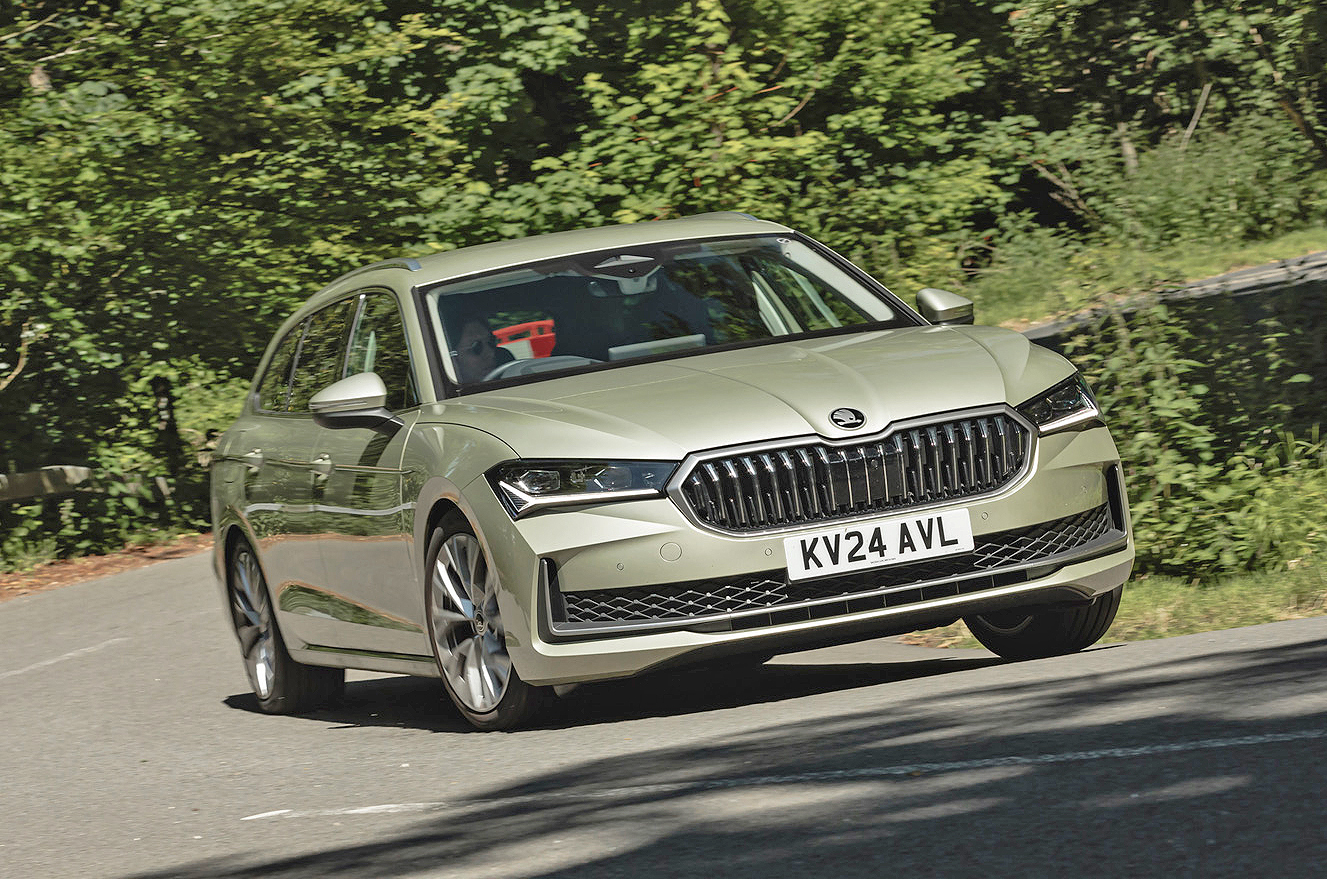
Skoda sold cars in the US between 1946 and 1967, well before Volkswagen purchased and rejuvenated the brand, but is no longer present in the market. Among other cars, America is missing out on the Superb (pictured), a well-appointed but reasonably-priced saloon and estate car that effortlessly cruises for hours on end.
Rumour is that an entry into America was actively contemplated until the Dieselgate scandal in 2015 turned everything upside down at VW.
SEAT/Cupra
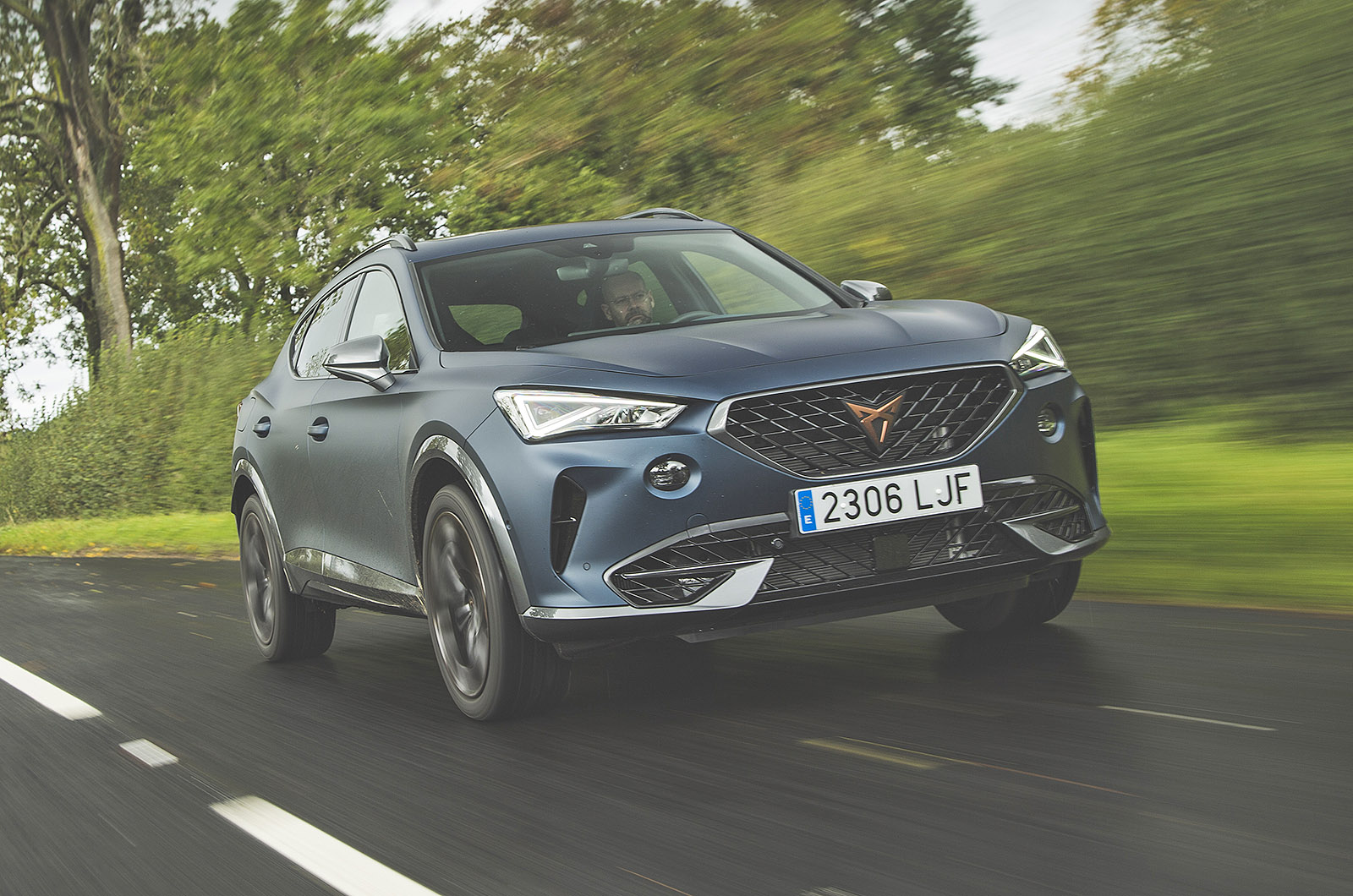
SEAT is one of the few European automakers that has never sold a single car in the US. For decades, exporting cars was impossible because the brand operated as Fiat’s Spanish satellite. Its international presence has grown considerably since it joined the Volkswagen empire in 1990, but America has never been on the list.
Part of the issue lies in its name, no doubt. VW would probably do better with its new SEAT spin off brand Cupra, which at least doesn’t have the name/language issue, and also makes some great cars like the Formentor crossover (pictured).
If you enjoyed this story, please click the Follow button above to see more like it from Autocar

New York City Replaces Street Parking With Trash Bins to Improve Upper Manhattan Streets

British Car Industry’s Lost Innovators How Ambition, Mismanagement, and Market Forces Doomed Iconic UK...
 A journey back in time to some of the UK's most excellent car companies, sadly now deceased
Car-making is hard.
Profitable car-making is a whole lot harder, and for proof you only need take a look at the failed British car companies we’re looking at here.
Some were born close to the dawn of the car, when bicycle-makers saw money in the new-fangled horseless carriage. But it wasn’t easy. Car-making at the start of the 20th century was like internet projects at the end of it - plenty tried, but only the fittest survived.
Here's a look at the best and most interesting of the ones who didn't make it:
Allard
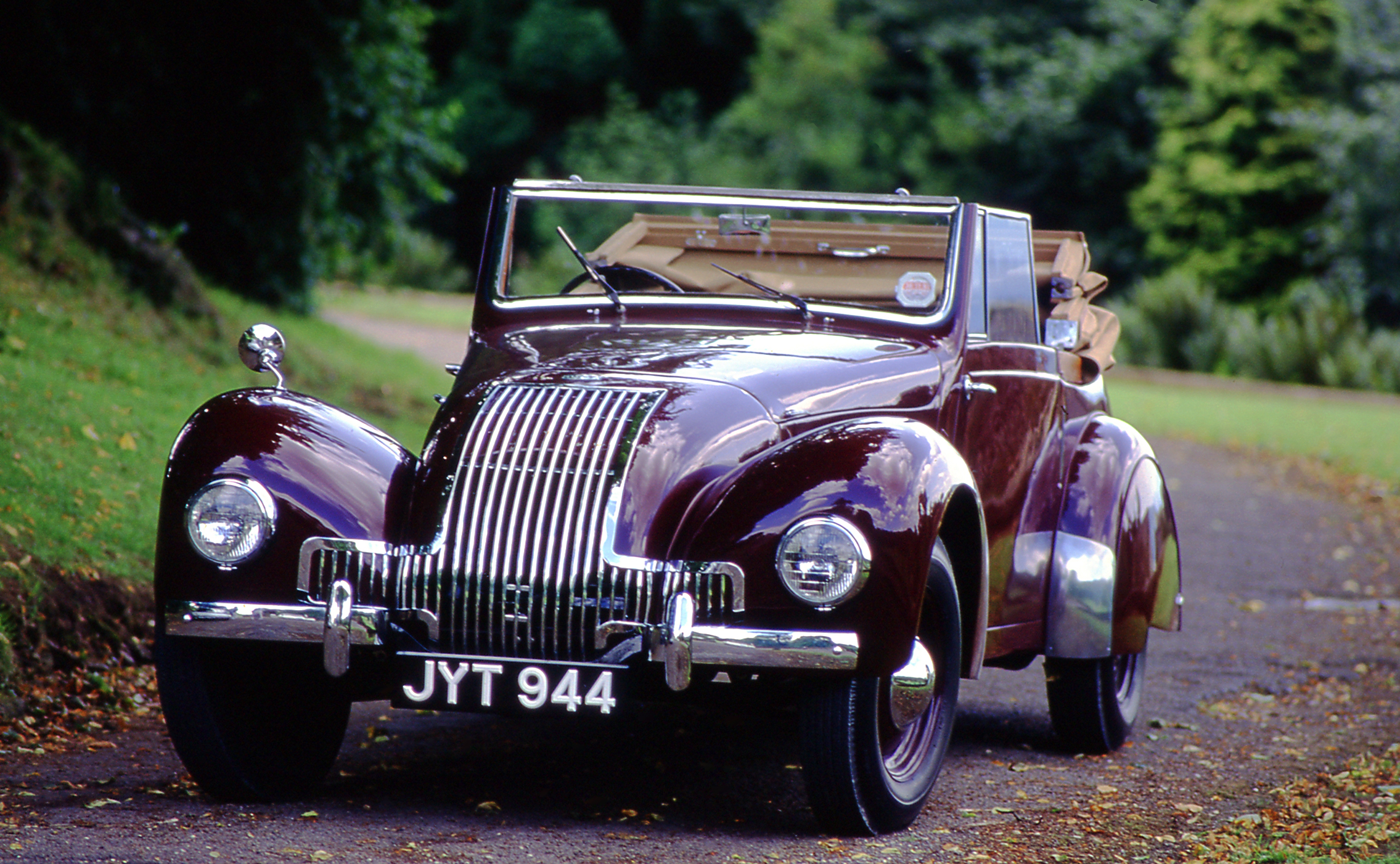
Sydney Allard built almost 2000 cars between 1946-57, many of them fast, American V8-engined sports cars, although there were plenty of saloons too.
But despite an array of models, Allard’s bosses failed to assess the direction in which the automotive world was headed and thus the final model from the company - the two seater Palm Beach - was said to have been a year behind its competitors for technology and driving dynamics.
Allard collapsed in 1957.
PHOTO: Allard M1 (1948)
Alvis
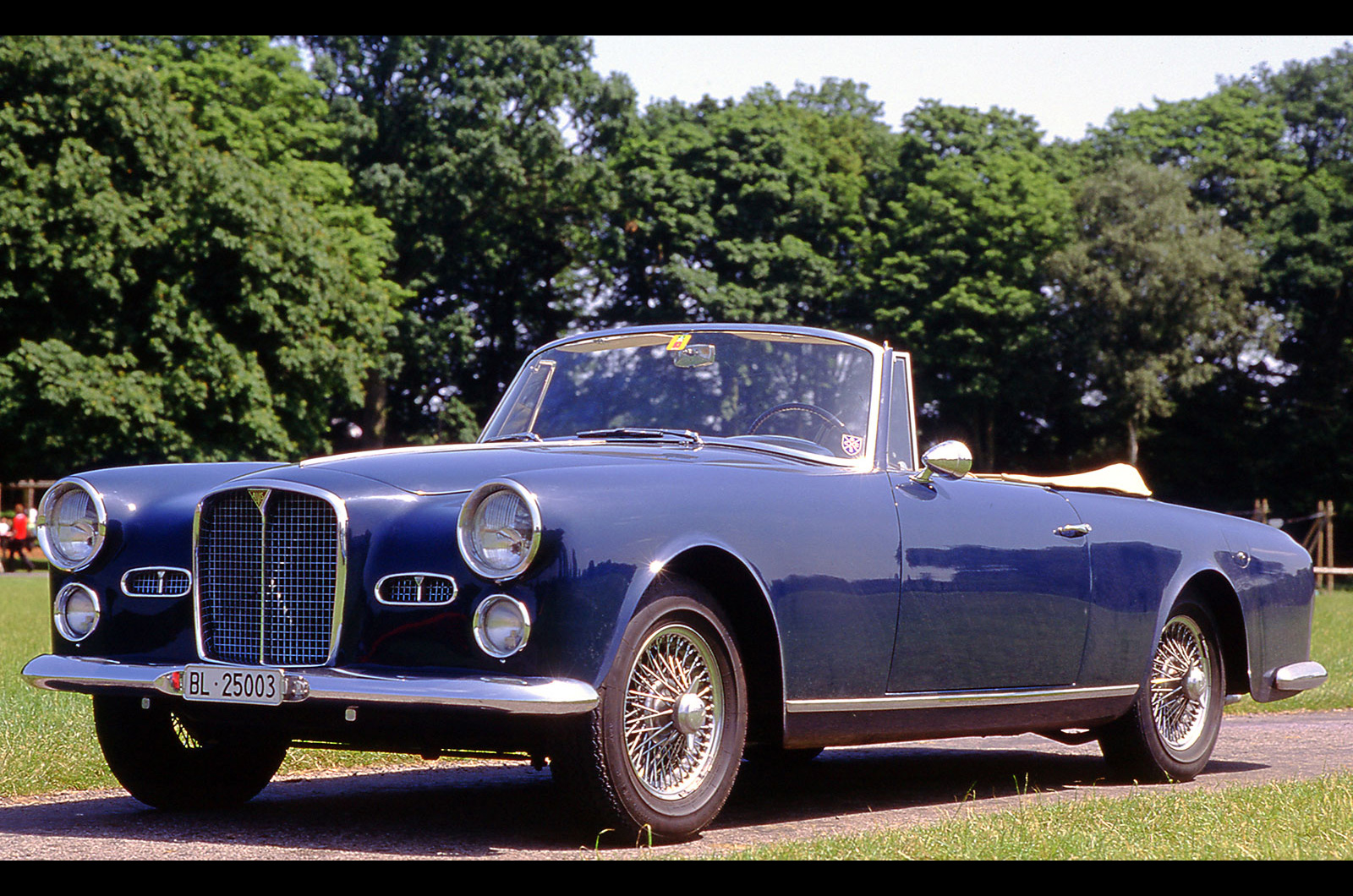
A maker of high-quality sports cars in its heyday. Duller saloons followed, but the TC to TF series of coupés and roadsters were a handsome swansong.
Bought by Rover in 1965, car production ended two years later, Alvis becoming a military vehicles maker. It was bought by BAE Systems in 2004.
Austin
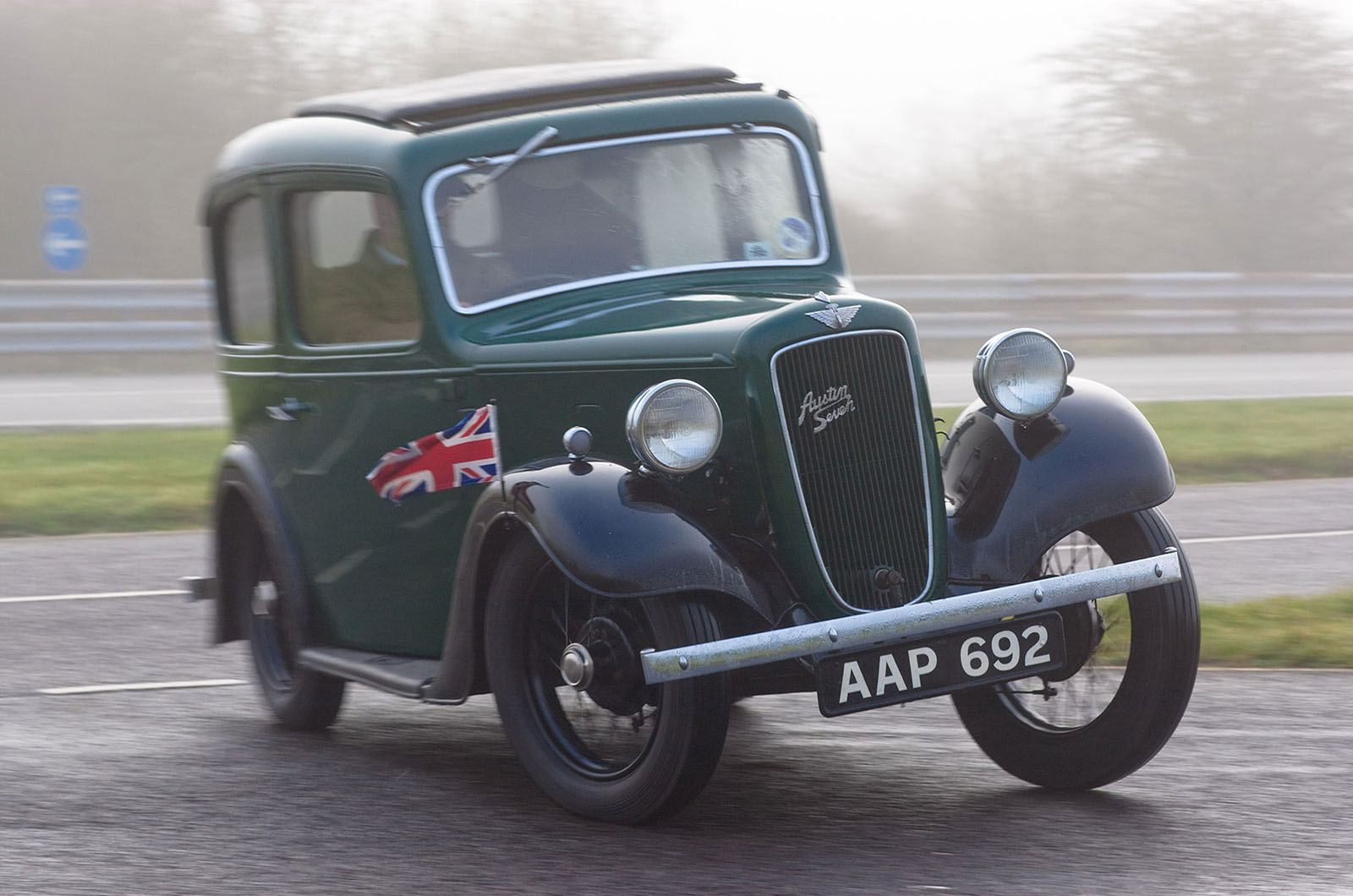
During much of its 83-year life, Austin was a serial maker of dependable and sometimes boring family cars. But it also produced two landmark designs. The 1922 Austin Seven was an affordable car that put much of the UK on wheels, while the 1959 Austin Mini triggered a small car design revolution.
The Mini was also available in larger sizes as the 1100 and the 1800, both advanced Alec Issigonis creations. All would be massive sellers. But it was 1973’s 1100 replacement that doomed Austin. Designed as a car for Europe, the Allegro wasn’t that and didn’t sell that well in the UK either.
By this point Austin was embedded within British Leyland’s Austin-Morris volume car division, which the company was desperate to revive. That almost came with 1980’s highly successful Metro, but the awkwardly formed Maestro and Montego follow-ups blew much of the resulting goodwill. The Austin names was dropped in 1988.
PHOTO: 1930s Austin Seven
Austin-Healey
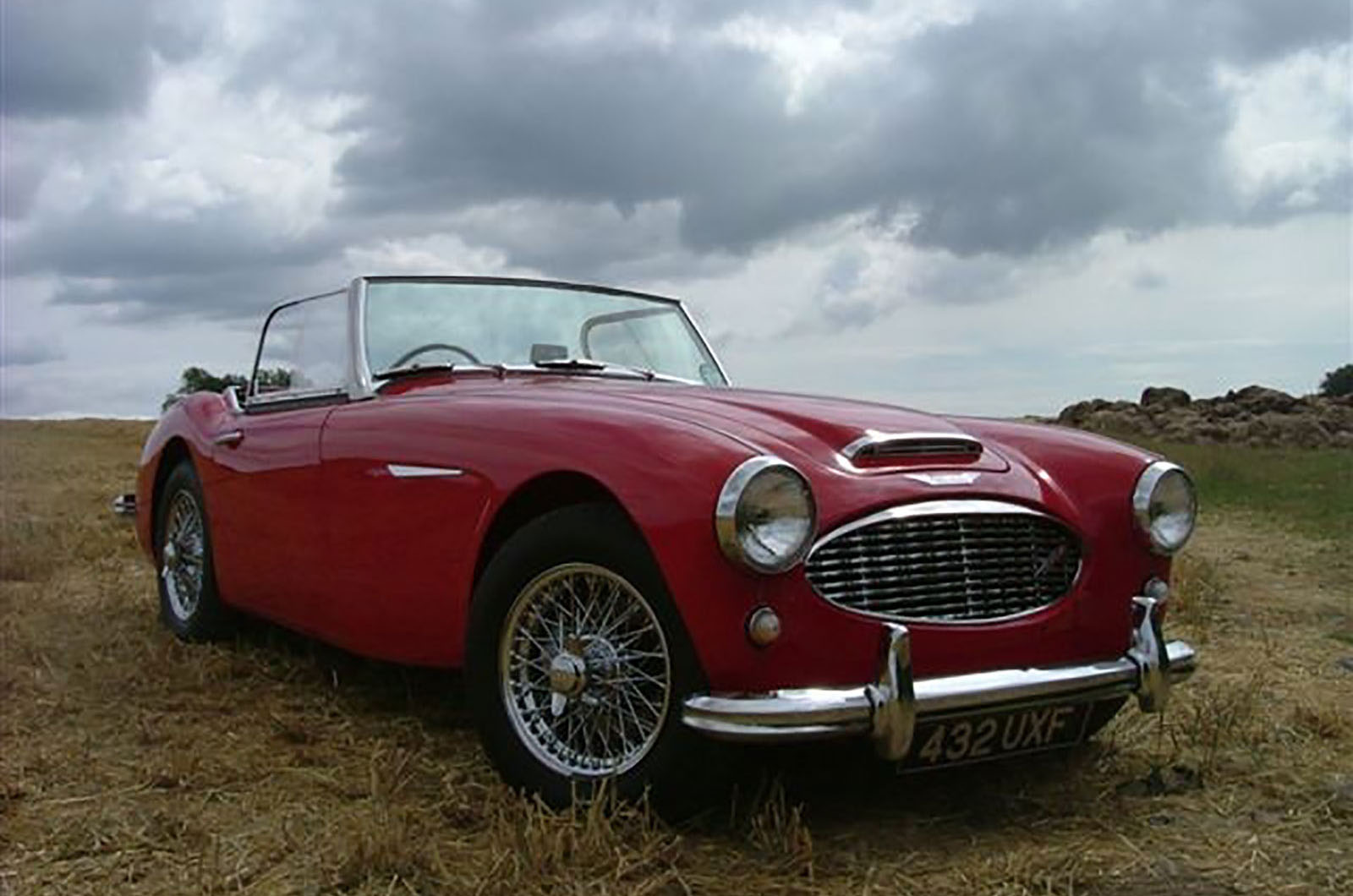
A joint venture between Donald Healey and Austin saw the beautiful 1953 Austin-Healey 100 and the later frogeye Sprite successfully built and sold by BMC. But the frogeye became an MG Midget and the big Healey was eventually outlawed by US legislation, the brand name wastefully retired in 1971.
BMW considered a revival in the late 1990s using a Z3 base, but the company's exit from Rover ended that intriguing prospect.
PHOTO: Austin Healey 3000
Bean Cars
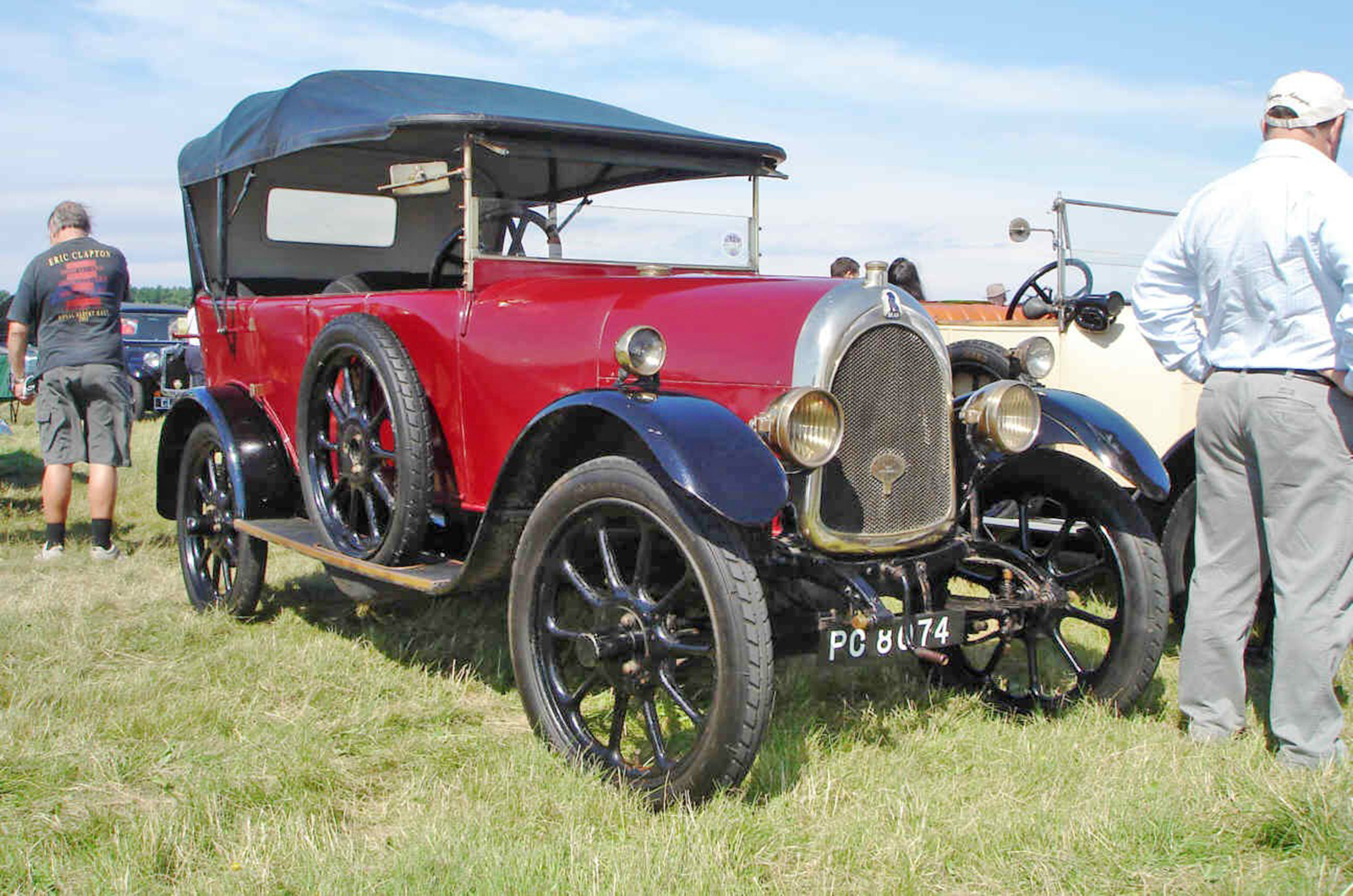
Bean got its name from George Bean; his company – based in Dudley near Birmingham -built artillery shells for the British military during the first world war, but orders dried up when peace arrived and he decided to enter the booming market for passenger cars and commercial vehicles. He bought the rights to make the Perry car, first developed in 1913 and a for a time it was a big seller – challenging even Morris and Austin. A remarkable 10,000 were produced.
In the meantime his son John, who was known as Jack, had built a complicated industrial company that collapsed in 1920. The firm was revived by his father in 1921 and did well for a while, especially when it started producing trucks to its range. It again faced problems and had to be rescued by steel-maker Hadfields, which owned a stake in the firm. However a series of unreliable cars hurts its reputation and it ended car production in 1929 and commercial vehicles in 1931. It was revived again in 1933 to make motor parts and engines; Standard-Triumph bought it in 1956 and thus became part of Leyland Motors in 1960.
Bristol Cars
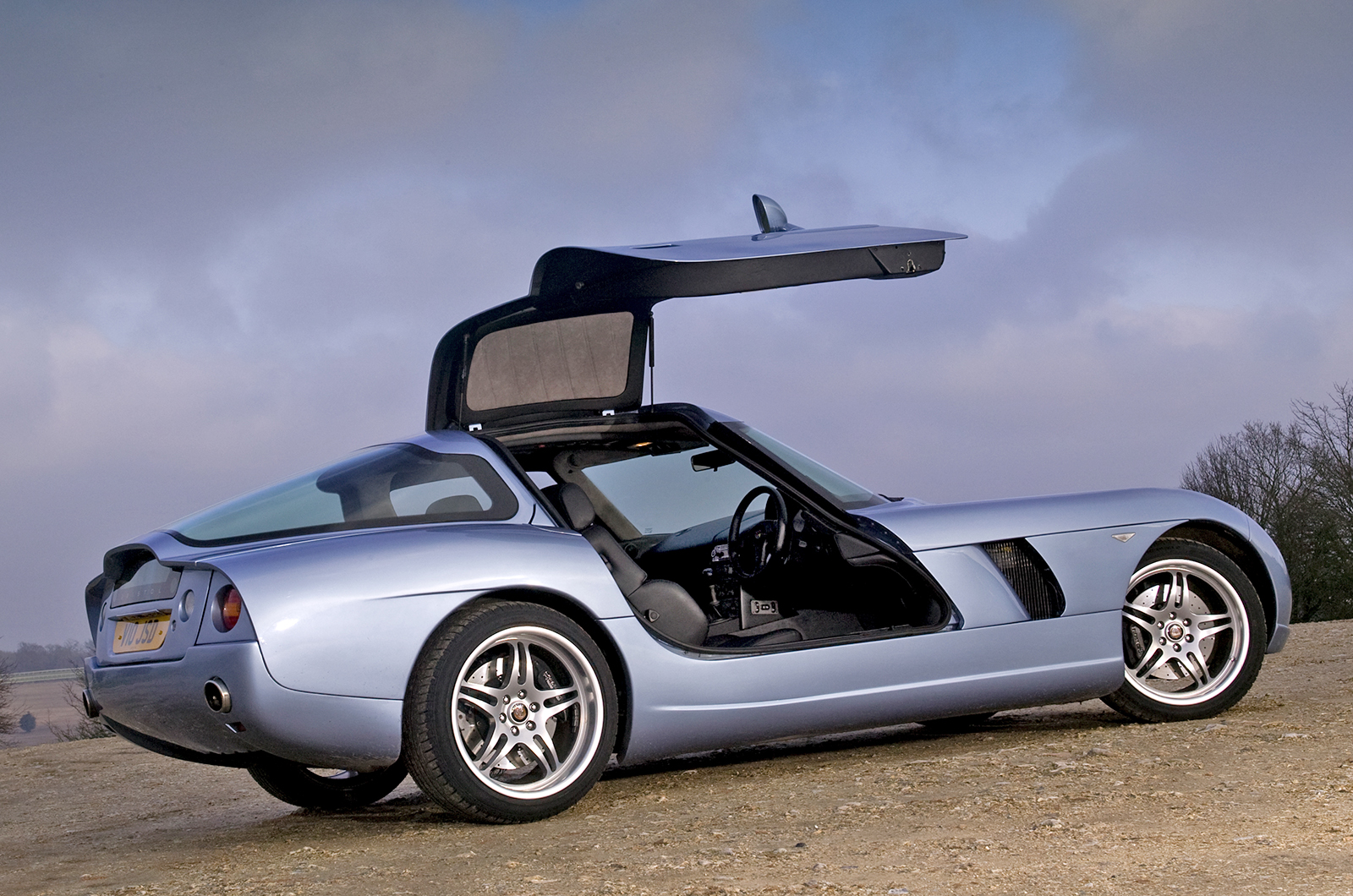
This company was started in 1945 by the Bristol Aeroplane Company. That company had prospered during the war, producing famous aircraft like the Beaufighter. Orders collapsed with the arrival of peace, so the company set up a car company. For several decades the company produced expensive and often eccentric luxury cars that attracted a small but discrete base of wealthy customers.
Its final car was the Fighter (photo), a supercar that featured a 8.0-litre V10 engine from the Dodge Viper. It produced 525bhp and 525lb ft of torque, giving the car a claimed top speed of 210mph. Around 12 were ever made, and the company ceased operating in 2011. It was revived again in 2015 with a new roadster called the Bullet, but that effort failed once more in 2020.
Daimler
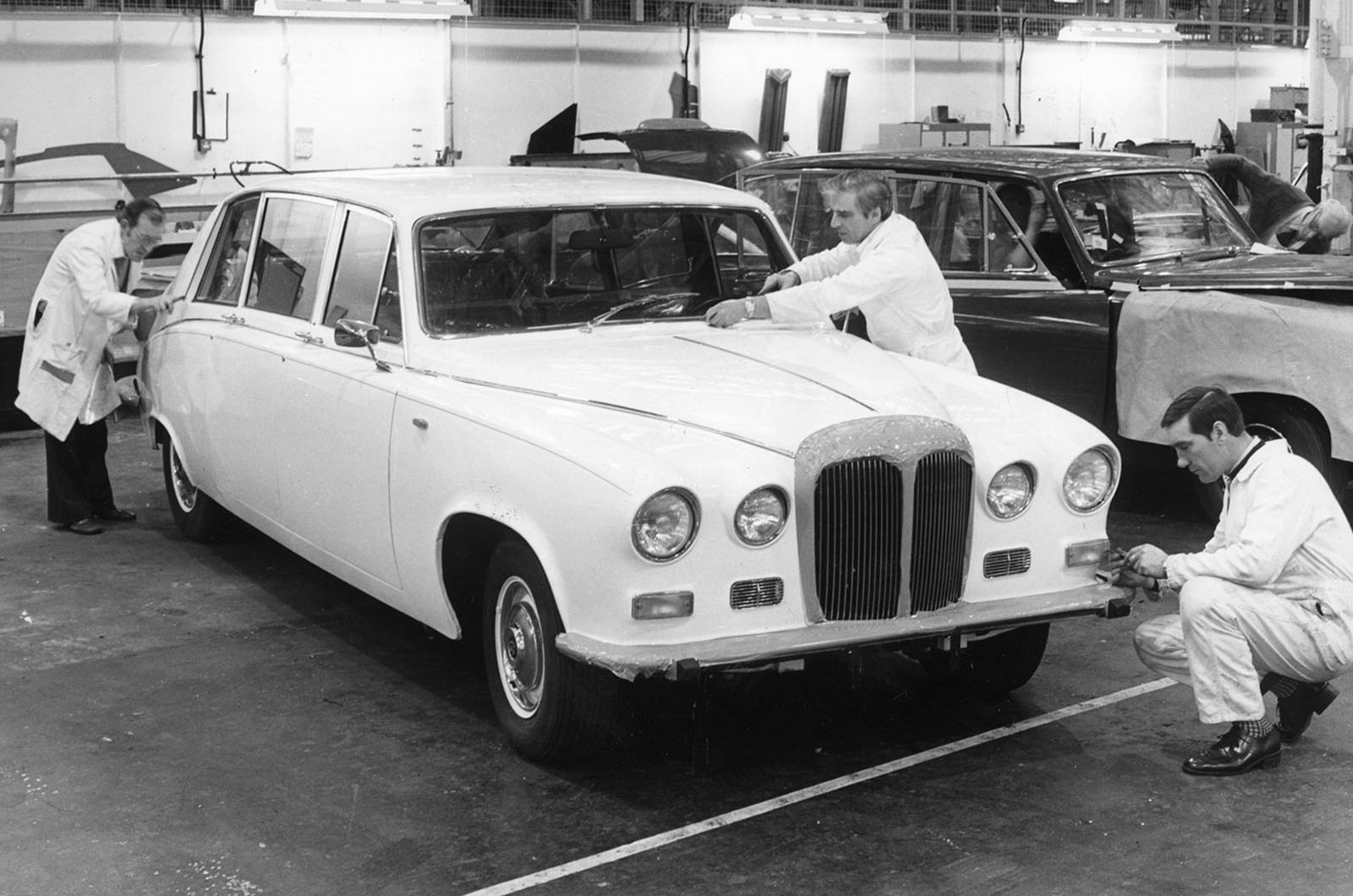
Once a supplier of motor-cars to royalty, Daimler grew out of the German company, but soon built its own models. Poor post-war management induced decline and a Jaguar takeover, its cars eventually becoming badge-engineered derivatives. It disappeared in 2010.
Jaguar retains the right to use the name on cars in many markets, but it seems less and less likely that it will ever come back.
PHOTO: Daimler DS240
Dawson Car Company
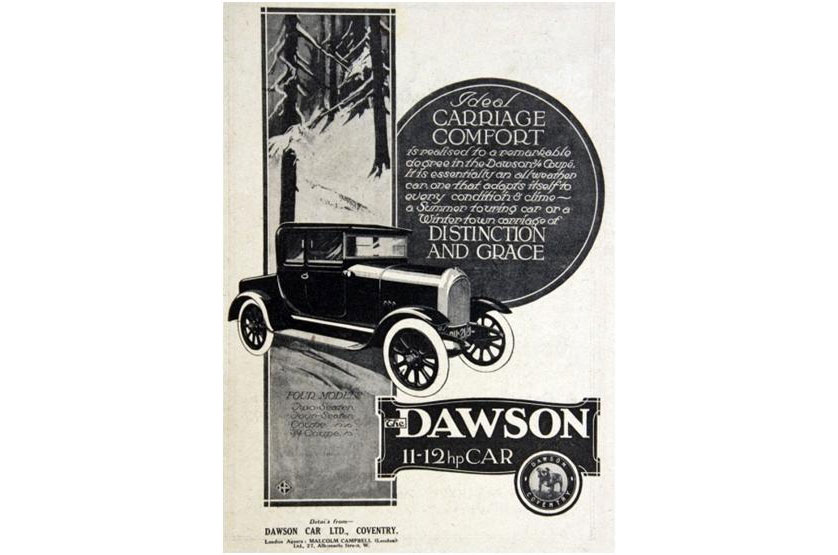
Dawson was started in 1918 by AJ Dawson, who used to work for Hillman. The company, based in Coventry, only made a single model, the 11-12hp, and it was too expensive for what it was. It couldn’t compete with the scale of competitors like Morris and Austin, and closed down in 1921 after only 65 cars were made. Its assets were then acquired by Triumph.
Gilbern
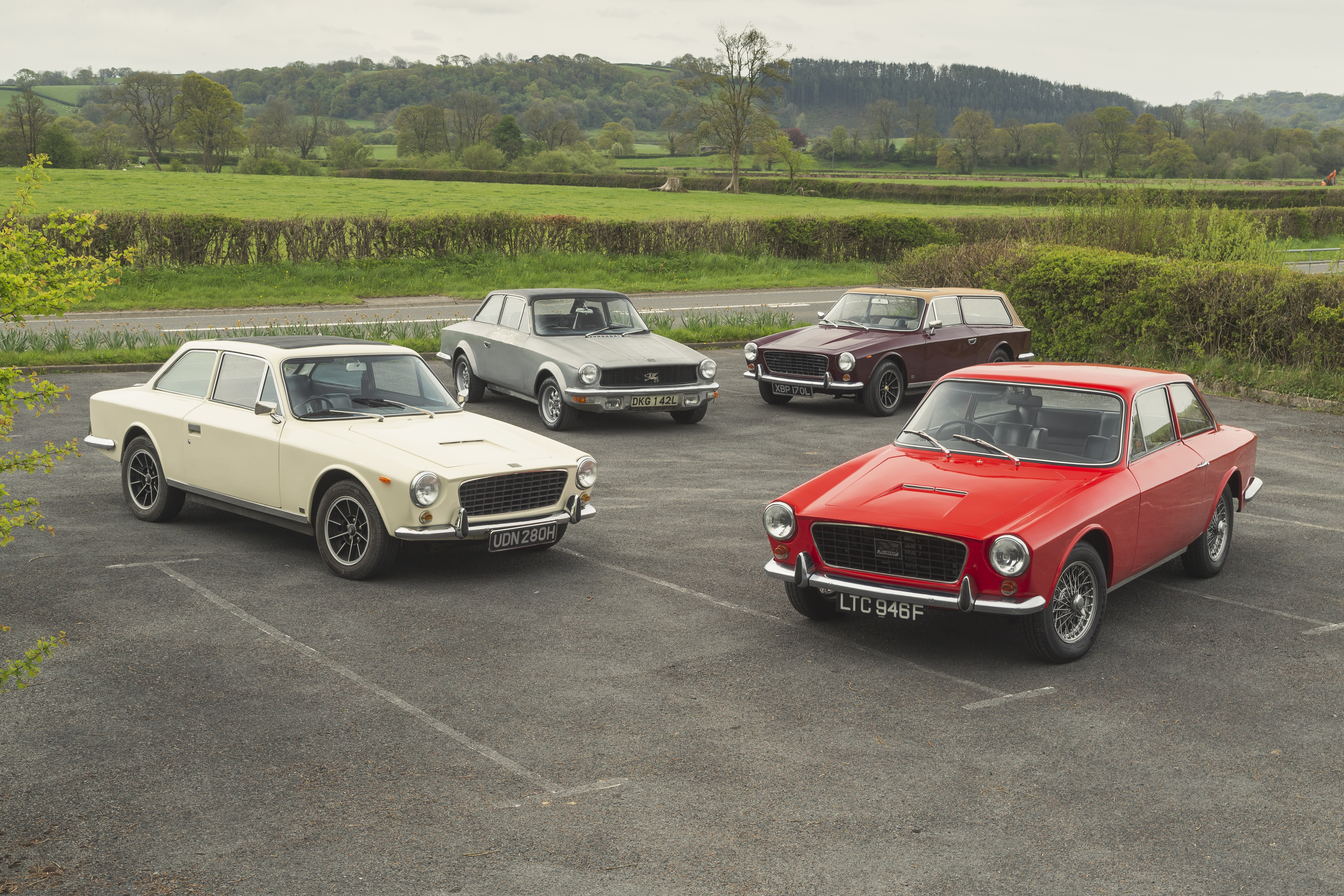
Kit-car manufacturer and virtually the only Welsh car-maker, Gilbern began selling a pretty GT component car from behind a butcher’s shop in 1959, but expensive purchase prices, added taxation and constant change of ownership saw the company shut up shop after the launch of the Genie. It went out of business in 1973.
Hillman
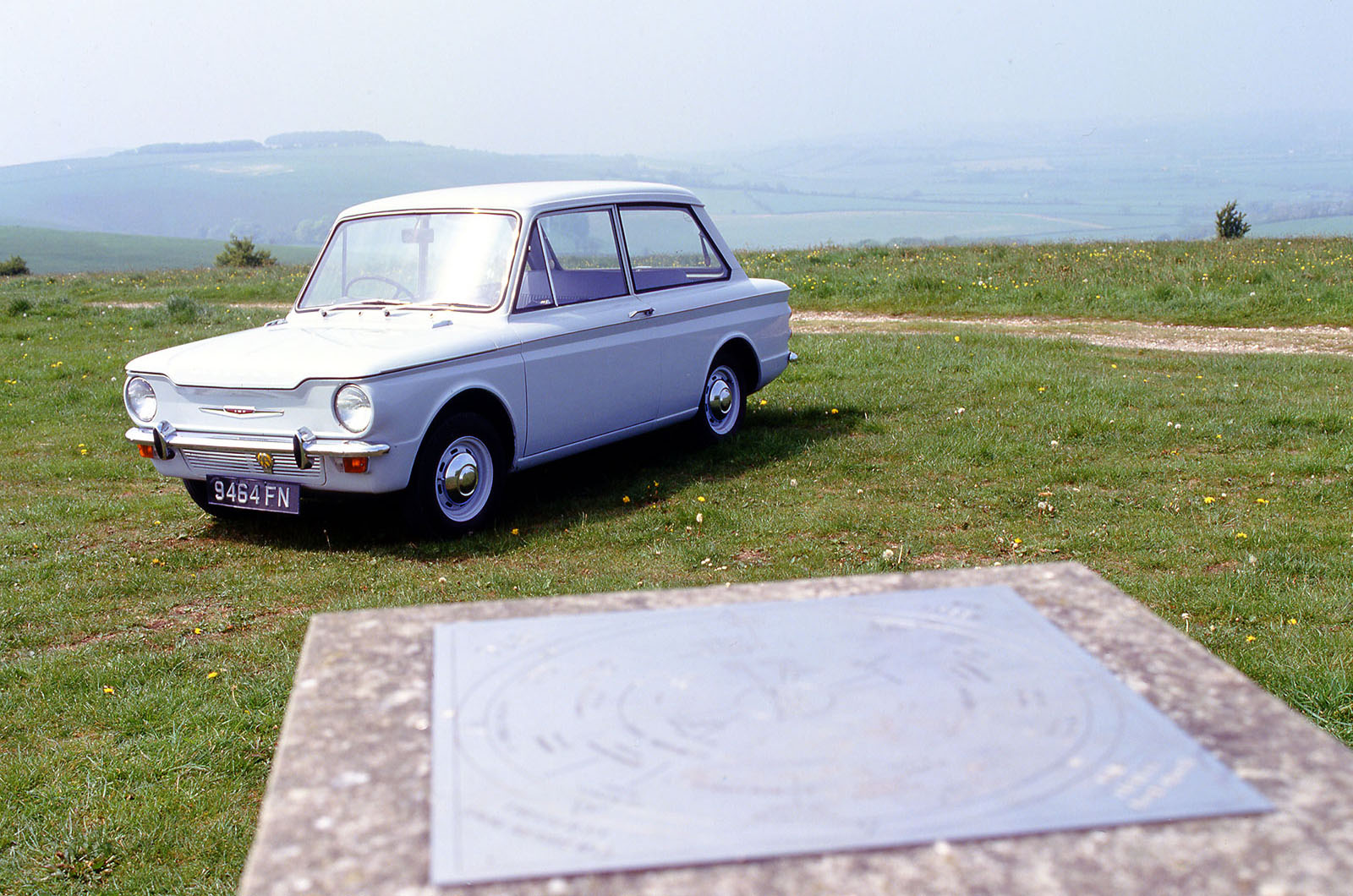
A successful maker of staple family cars, Hillman broke from the pack with its rear-engined Imp in 1963. Government interference saw it built in a new factory at Linwood, near Glasgow. The growing pains of this, reliability troubles and strikes not only undermined the Imp but dragged the Rootes Group, which owned Hillman, to its knees.
Chrysler bought Rootes in 1967, with the Hillman name dying in 1976.
PHOTO: Hillman Imp
Jensen
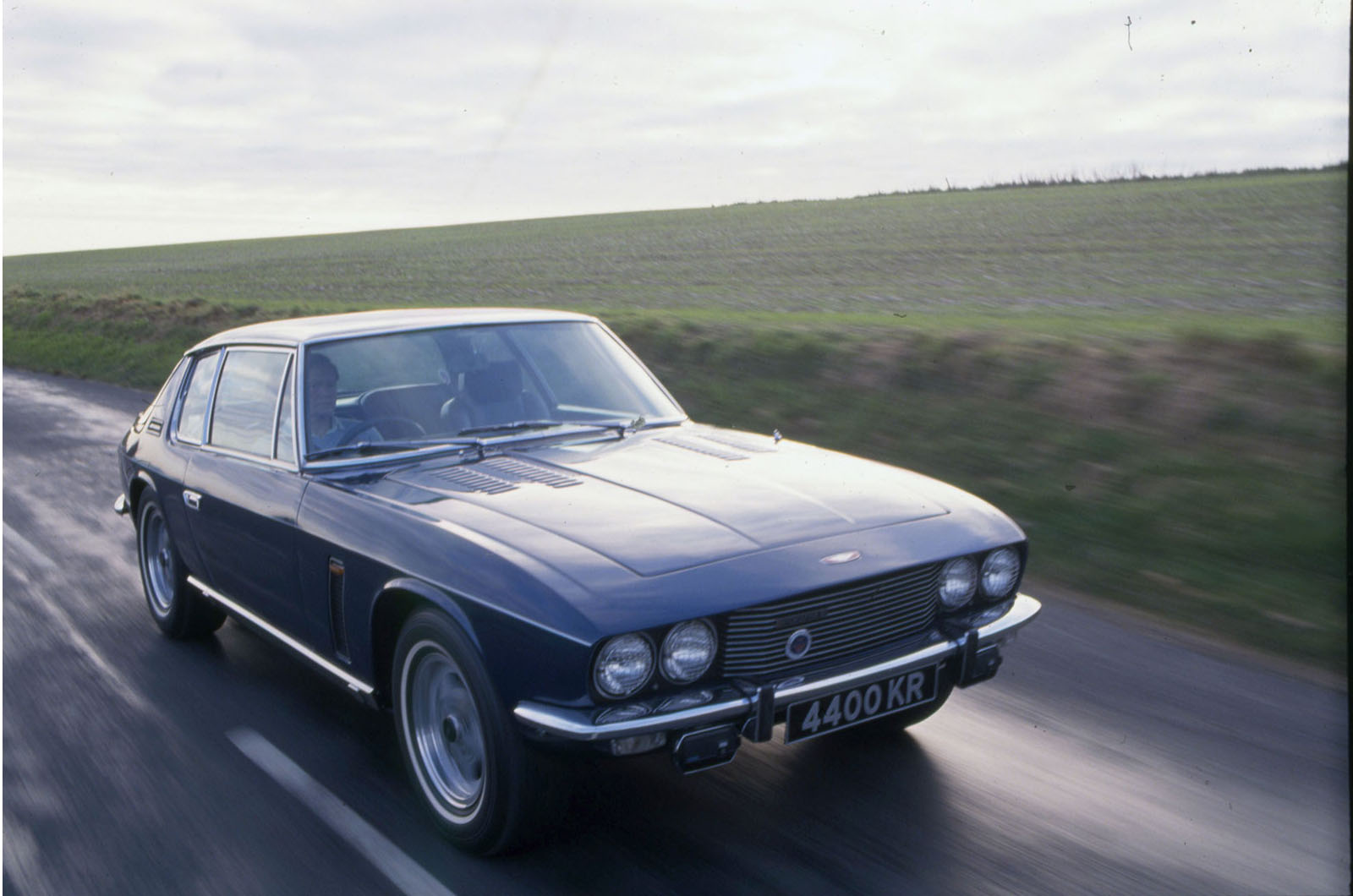
Jensen’s first car emerged in 1935. Beautiful American-powered GTs became a speciality, reaching its zenith with the 1966 Interceptor and FF, a technical tour-de-force combining four-wheel drive and anti-lock braking decades before Audi.
The financial wall was hit in 1976. A revival came in 2001 making a new car called the S-V8, but only 40 or so were built before the company closed again.
PHOTO: Jensen FF
Jowett
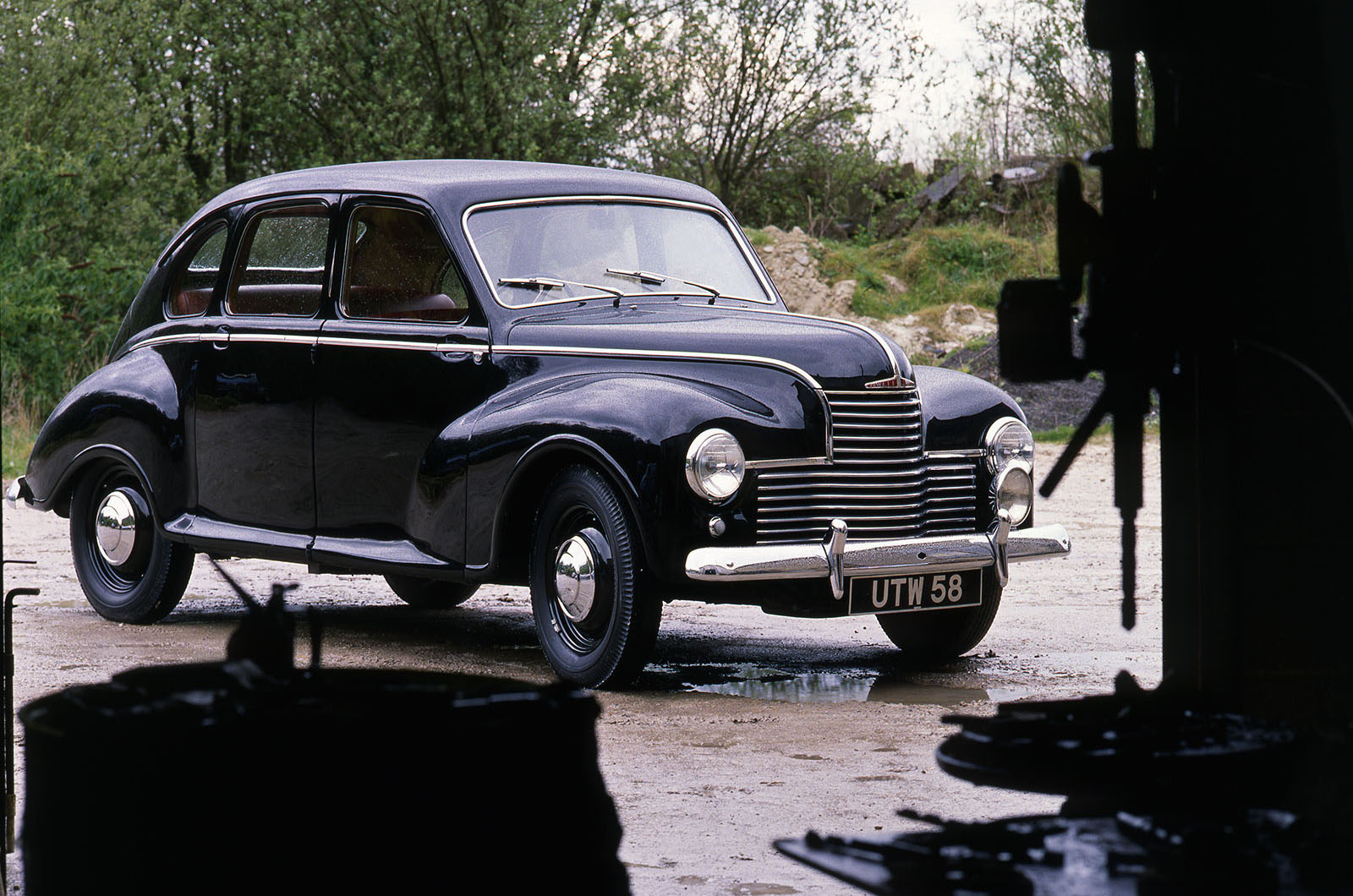
Jowett started with flat twins in 1913, but is best remembered for its advanced Javelin saloon. Jowett sank in 1954.
PHOTO: Jowett Javelin
Lanchester Motor Company
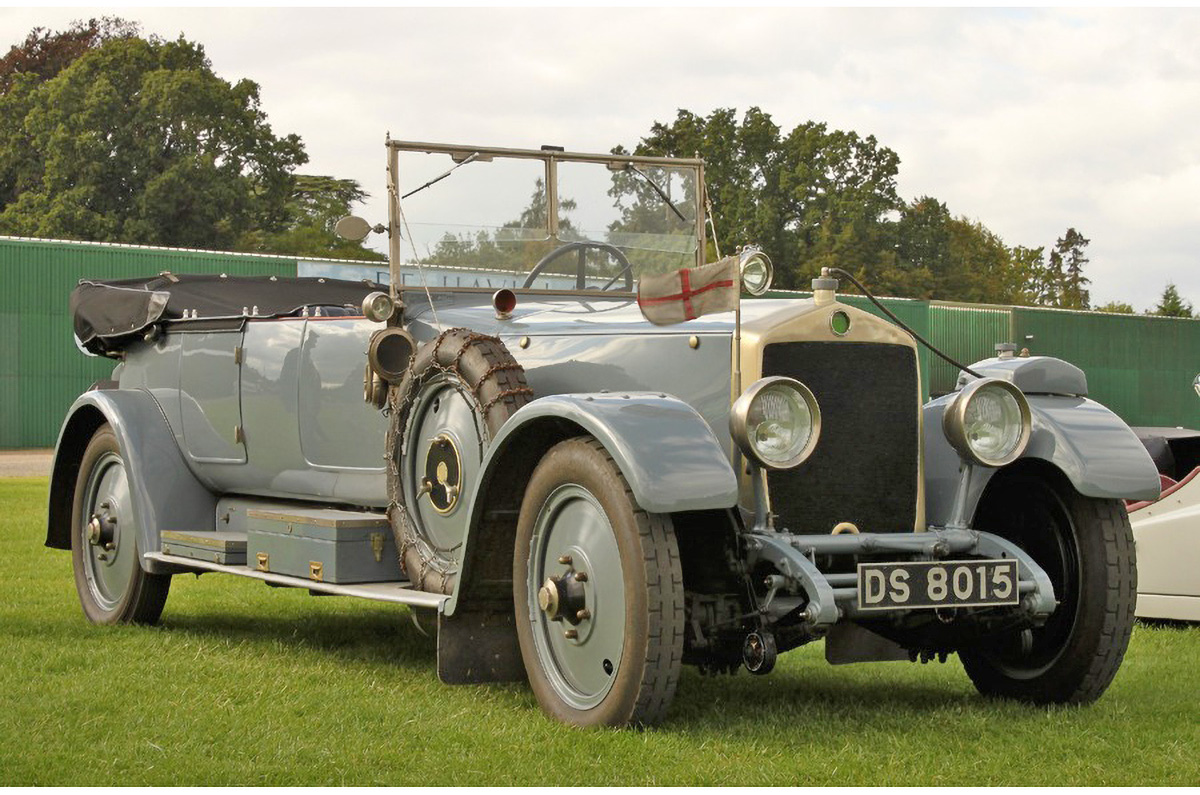
Lanchester is one British luxury car company that is nearly entirely forgotten today. It started in 1901 in Birmingham, but built armoured cars during the first world war. One of its cars, the Lanchester Forty (photo), was even more expensive than a Rolls-Royce Silver Ghost.
It was never a particularly large company, so when demand for luxury cars collapsed with the start of the great depression in 1930, it struggled to survive. It was acquired by Birmingham Small Arms (BSA) and merged with BSA’s Daimler. Today the Lanchester trademark is owned by Tata Motors.
Marcos
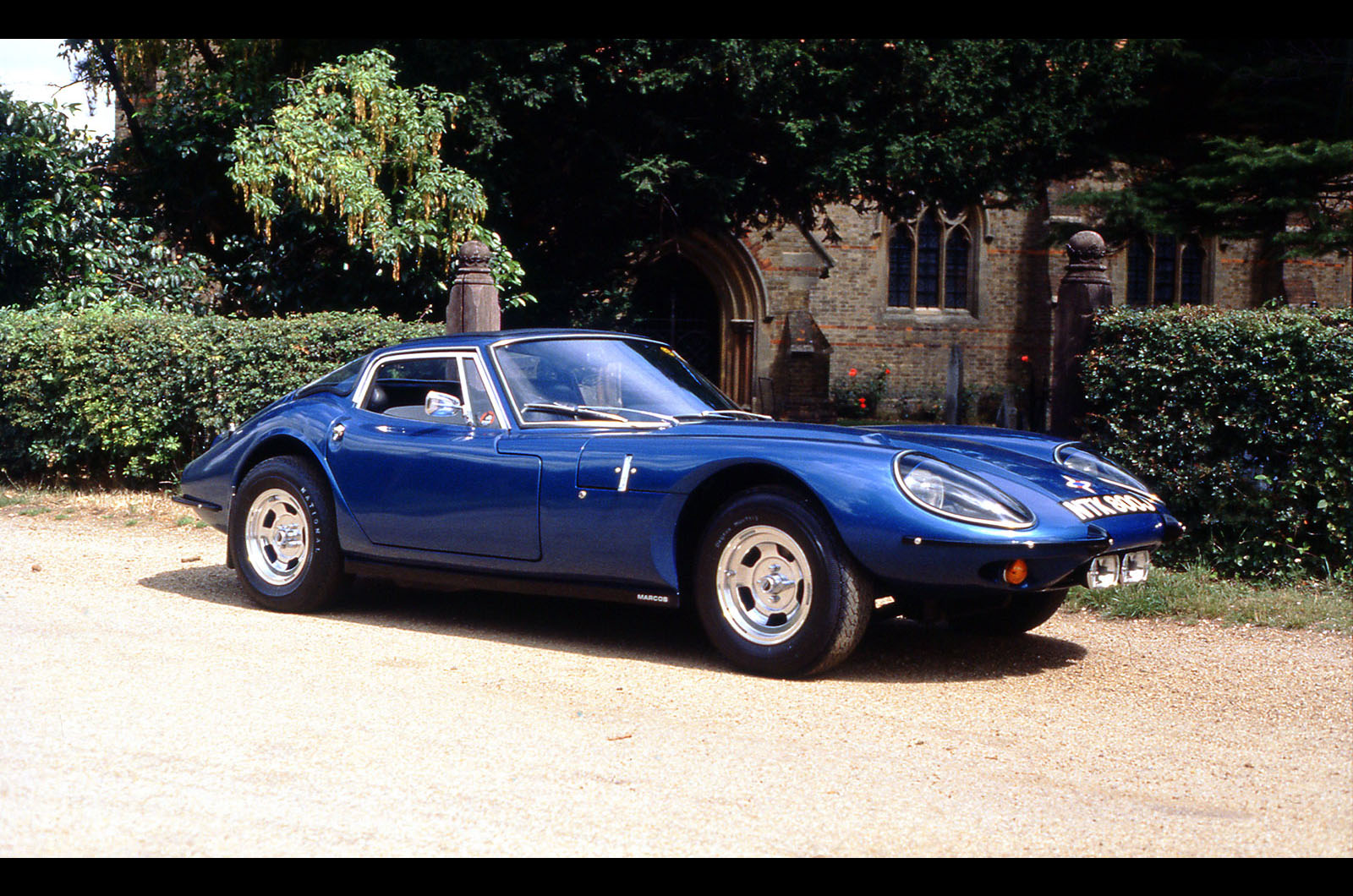
It started in 1959 with a strange, part-wood coupé. Its 1964 1800 follow-up was handsome enough to see Marcos revived in 1981 following a 1971 demise. Its final death was in 2007.
PHOTO: Marcos 1800
Morris
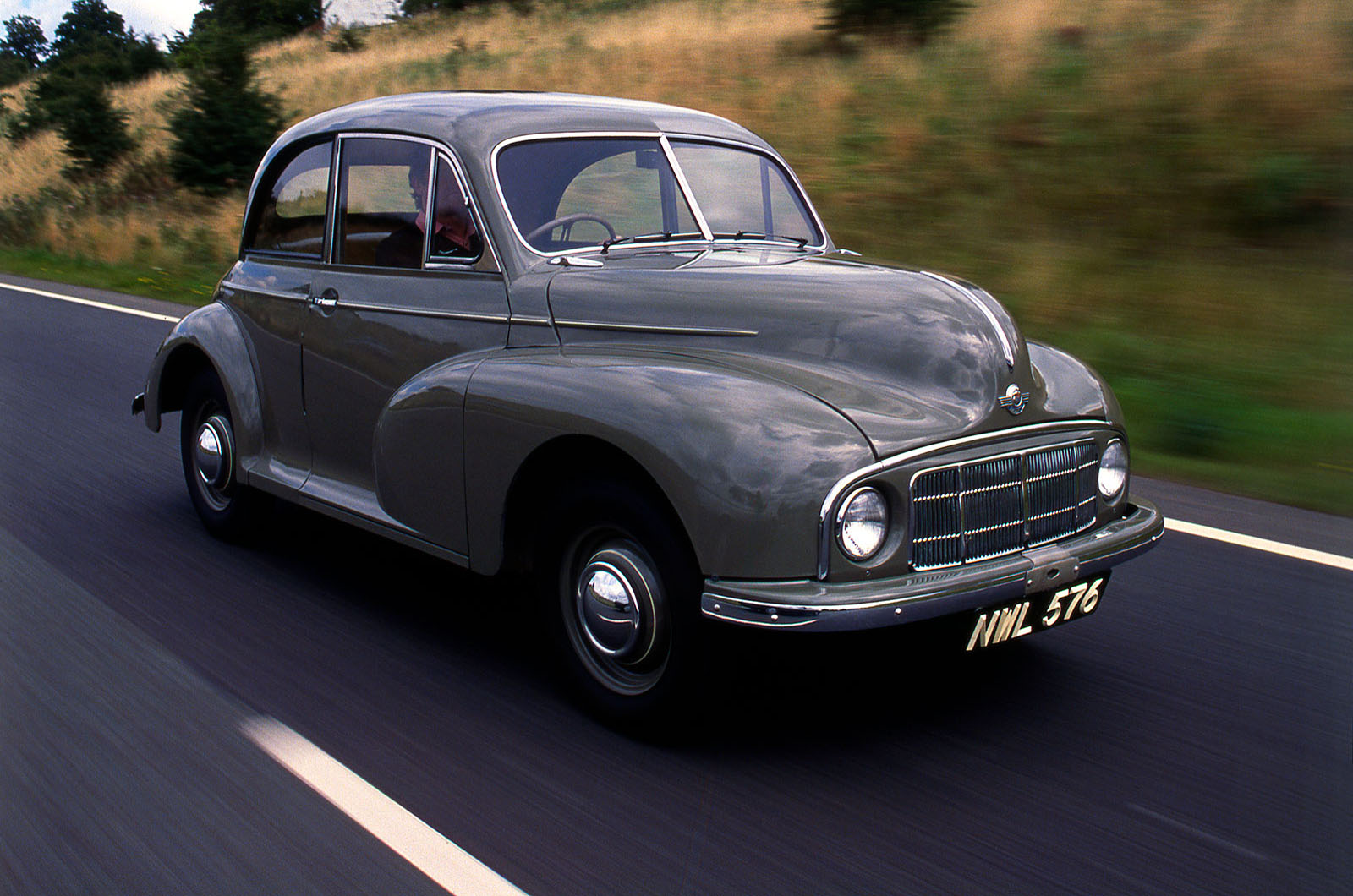
Morris started with the highly successful Bullnose in 1913, and a post-first world war price-cutting strategy won it 51% of the UK car market. After an early 1930s stumble Morris shot back with the hugely successful Morris Eight, planned by Leonard Lord. That was followed by the 1948 Morris Minor, Britain’s first million-seller.
Lord fell out with William Morris, and then Lord reappeared as boss of arch-rival Austin, and then the two companies merged in 1952 to form the British Motor Corporation. This eventually became British Leyland, whose under-engineered Marina was Morris’s last model of consequence. The end came in 1983. The name is now owned by China’s SAIC.
PHOTO: Morris Minor
Panther
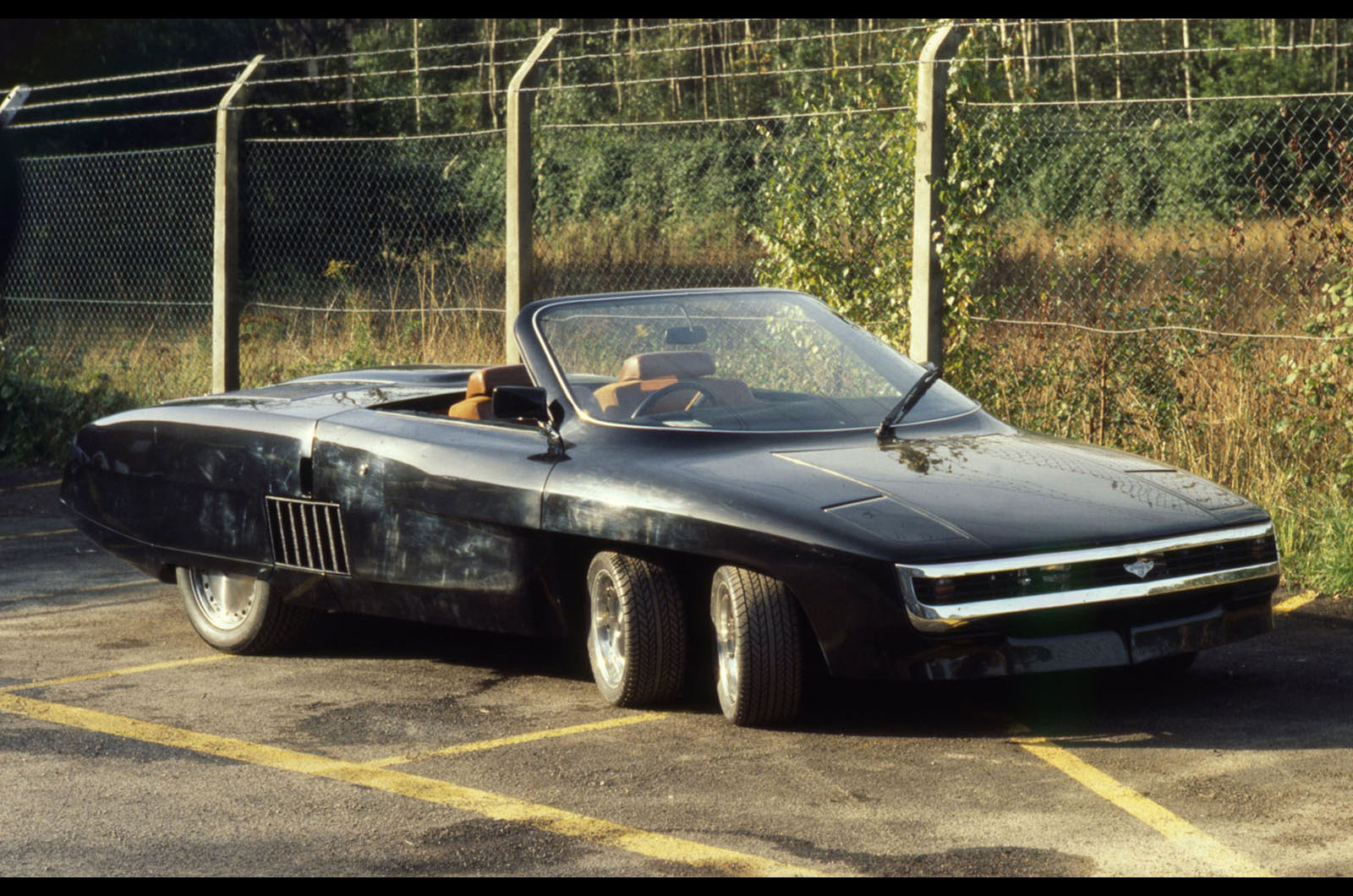
For a tiny business, Bob Jankel's Panther Westwinds made a big impact, starting with J72 of 1972. The De Ville was inspired by the Bugatti Royale and the six-wheeled Six got major publicity too, as did the ambitious Solo. But the car that actually sold was the ’82-90 Lima/Kallista sports car. The firm closed down in 1990.
PHOTO: Panther Six
Reliant
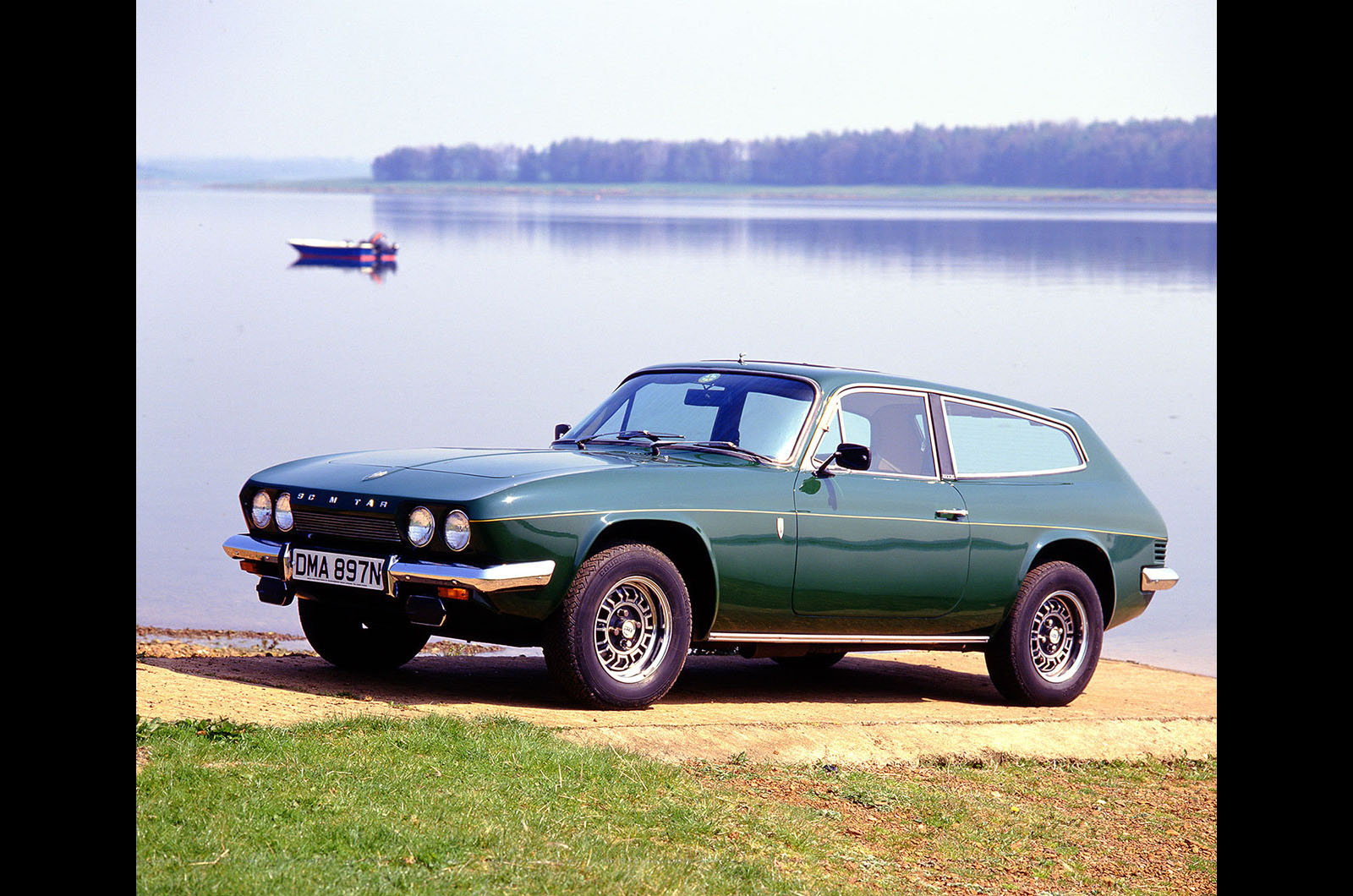
A bit of a bi-polar car-maker, producing three-wheeled grotesques at one end and the handsome, pioneering, Scimitar GTE sports estate at the other, a model serially bought by Princess Anne.
The later Scimitar SS1 was an ugly but surprisingly able sports car. The final Reliants were made in 2002.
PHOTO: Reliant Scimitar GTE
Riley
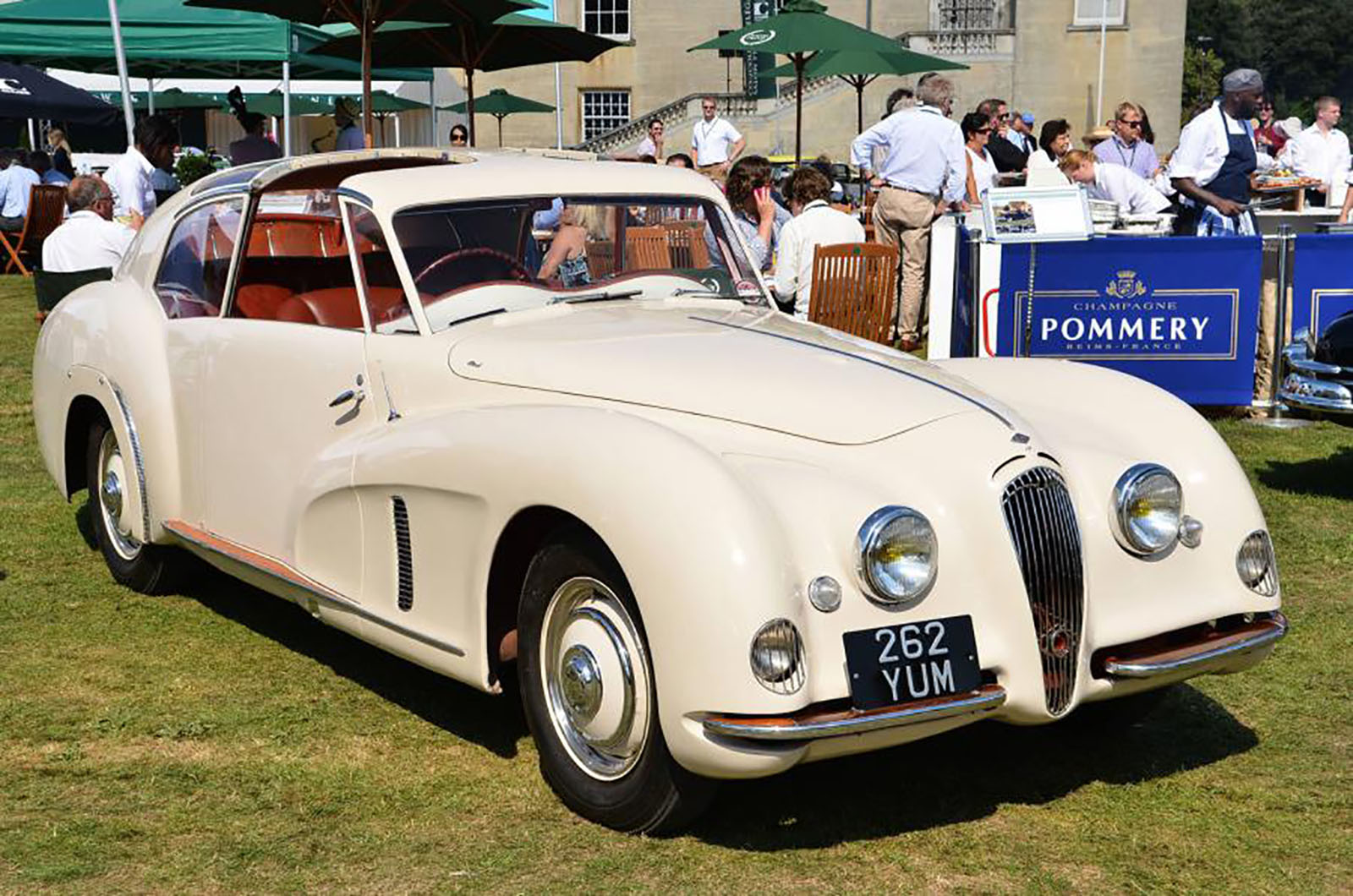
An admired sports model maker through the 1920s and 1930s, Riley lost its individuality following a 1938 acquisition by Morris. All models were badge-engineered Austins by the mid-60s.
It was killed in 1969 by British Leyland, but almost revived by BMW in the late ’90s. Interestingly, BMW owns the rights to the Riley name to this day.
Rover
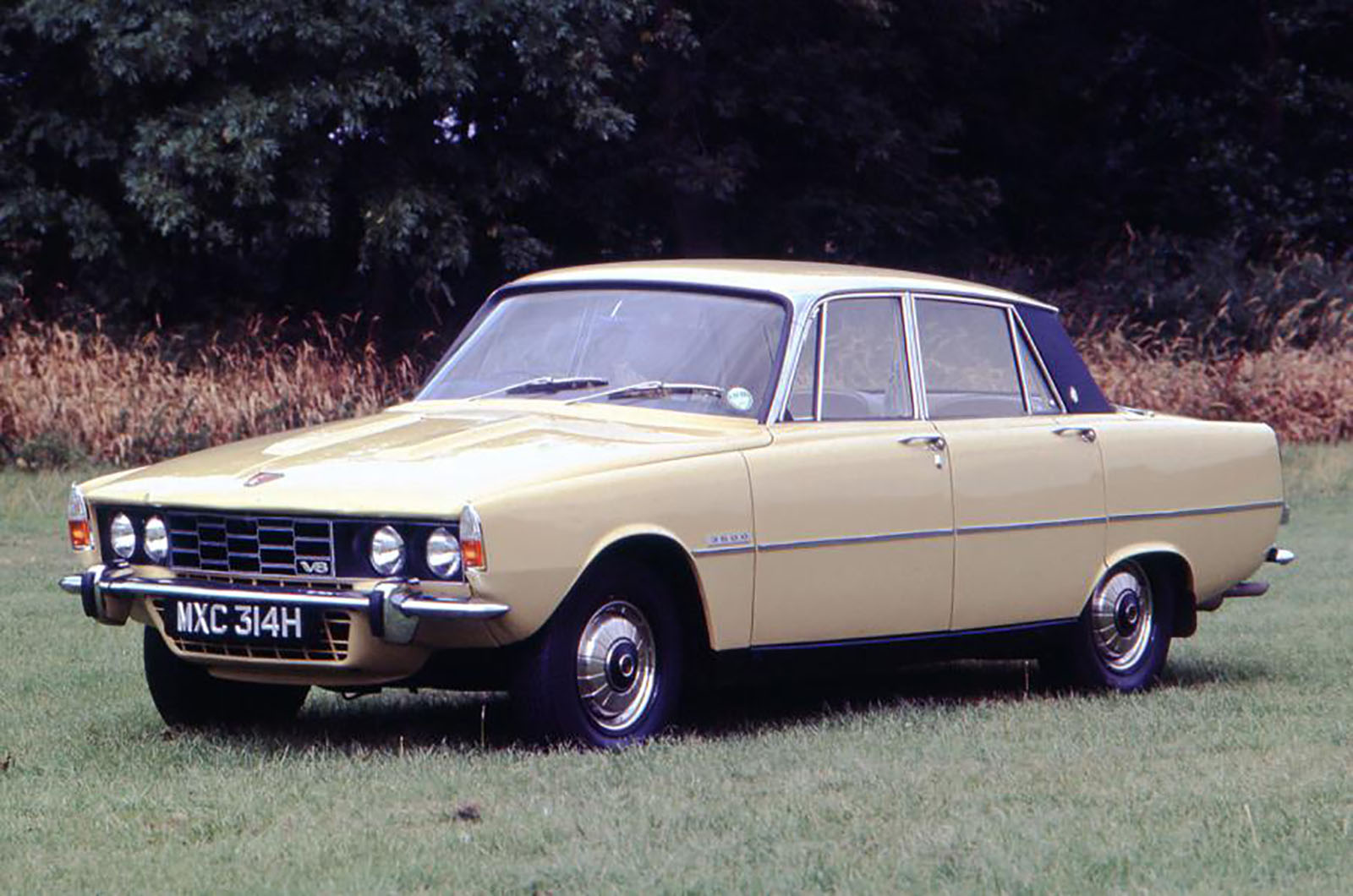
Rover switched from bicycles to cars in 1904 and did well before a wobble in the 1920s. Re-energised by the Wilks brothers, acquiring a fine pre-war reputation for quality cars. That continued post-war with the P4, P5 and P6, an era coinciding with Land Rover’s birth.
Bought by Leyland in 1966, flung into the 1968 British Leyland pot to begin a slow decline and shift downmarket. Owned by BMW between 1994 and 2000, it died a miserable death as MG Rover in 2005.
Highlights during the descent included the brilliant but badly made 1976 SD1, the very successful Honda-based 200 Series of 1989 and the 75– its best-ever car. The name however lives on as Land Rover and in China as Roewe, and JLR owner Tata owns the Rover brand name.
PHOTO: Rover 3500
Singer
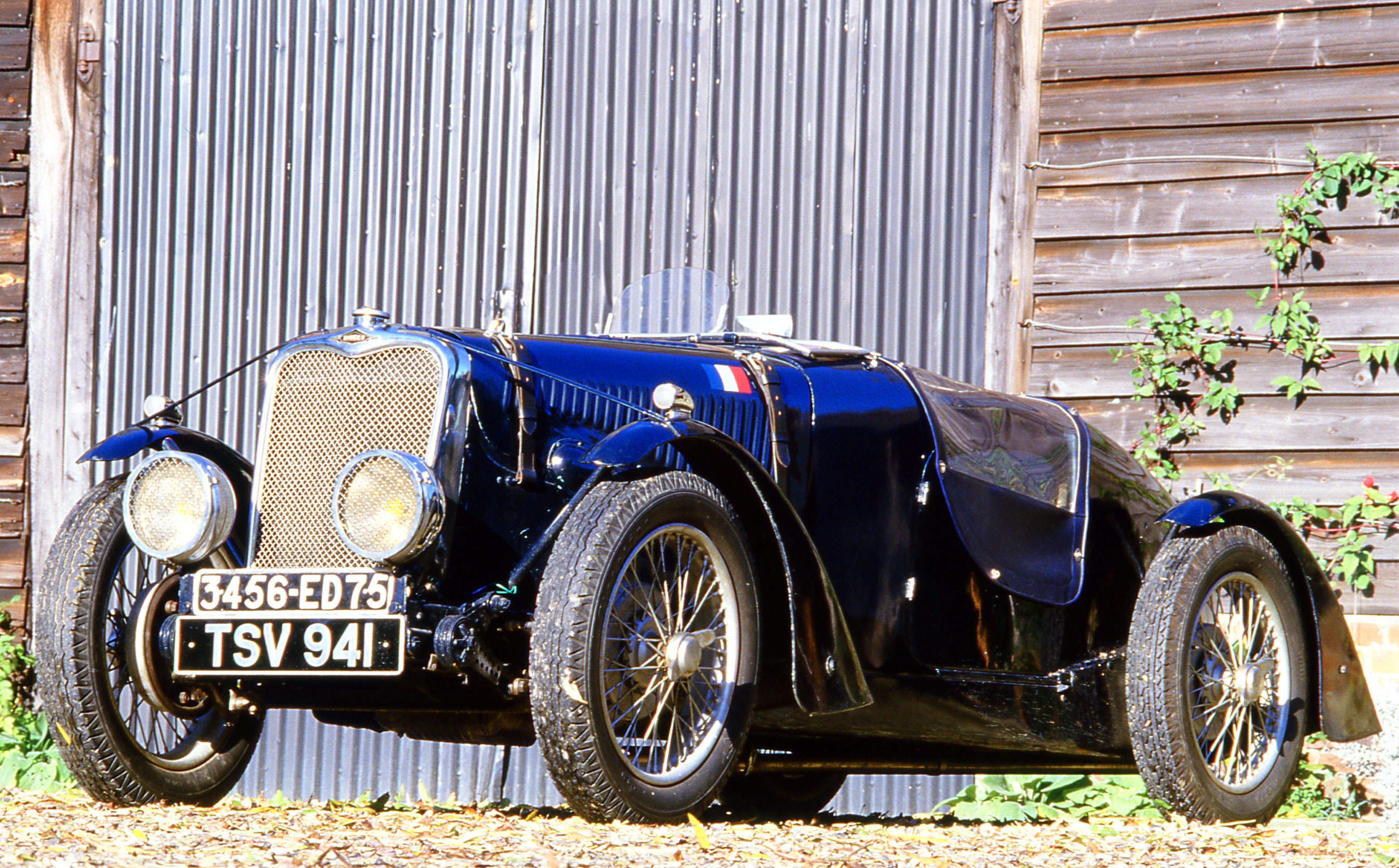
Singer graduated from bicycles to cars in 1905, with a pre-war Le Mans sportscar being its best model. The clunkingly ugly 1947 SM1500 saloon plunged it into the arms of the Rootes company, where it lived a badge-engineered afterlife until 1970.
PHOTO: Singer Nine Le Mans 1935
Standard
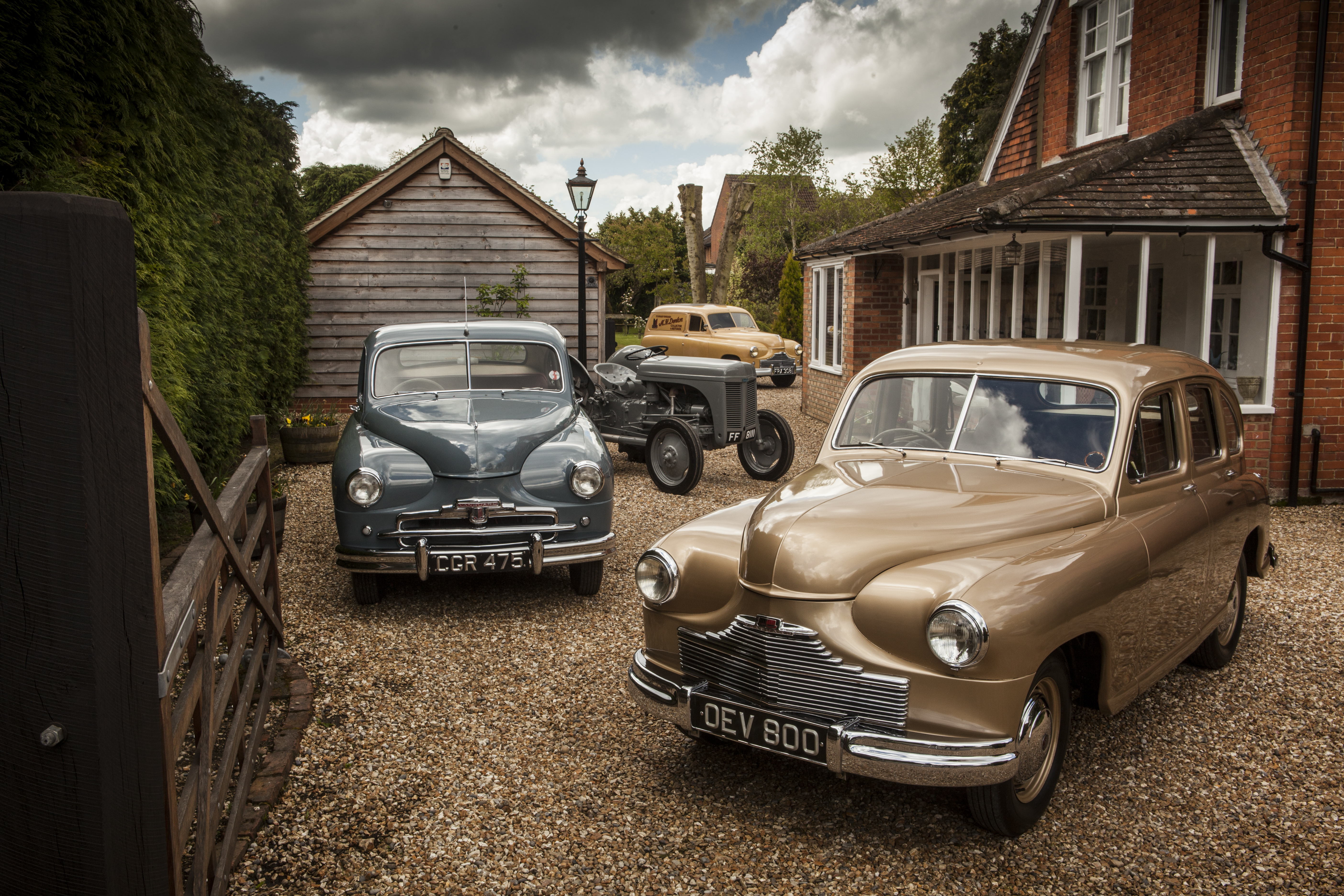
Standard sold inexpensive, unremarkable cars from 1906, and is best remembered for its odd, faux-American post-war Vanguards. It bought Triumph in 1945; the Standard name was dropped in 1963 after the Leyland takeover.
PHOTO: Standard Vanguard
Sunbeam
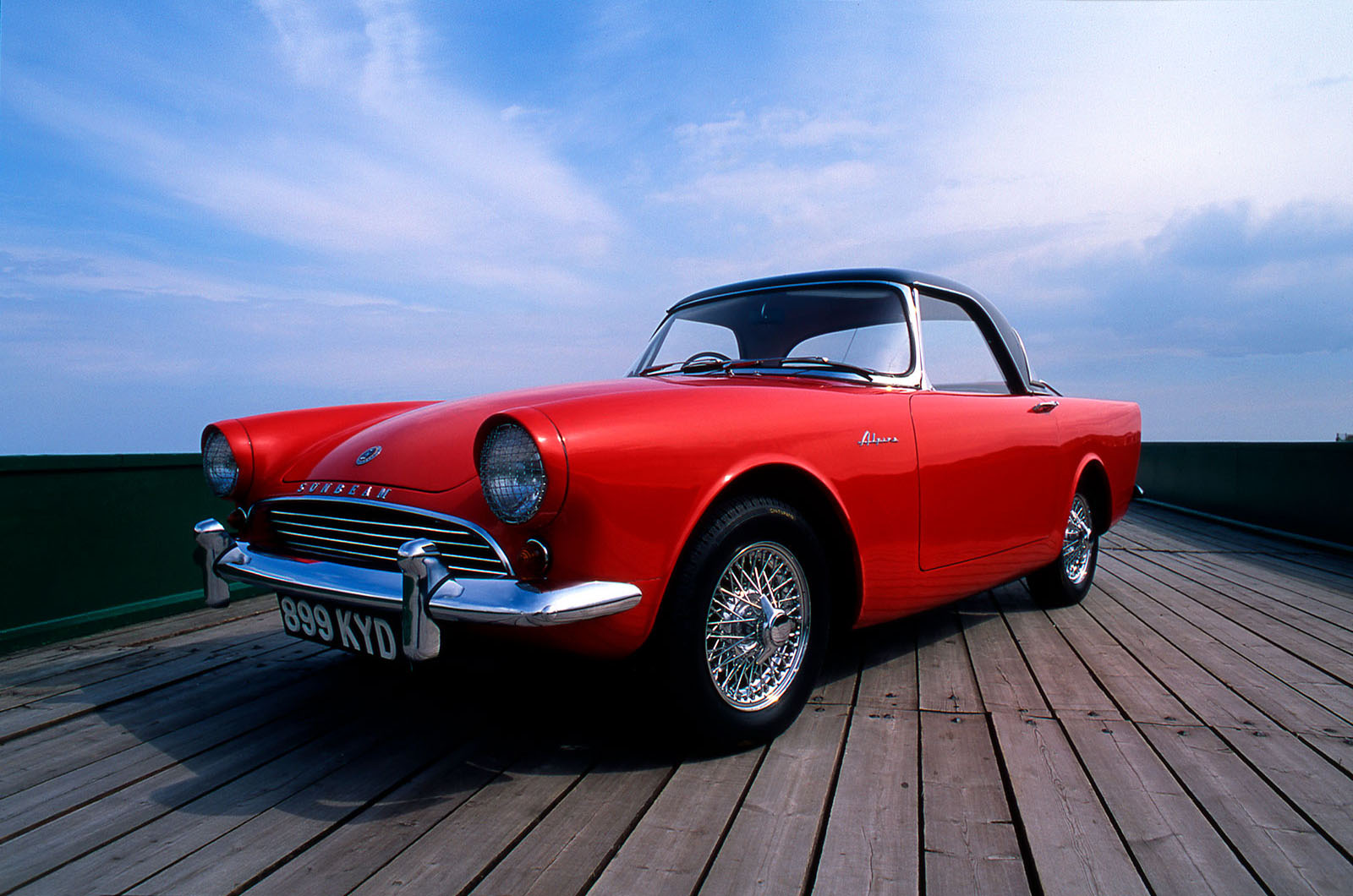
Sunbeam was the first British car to win a Grand Prix, in 1923. Part of the Sunbeam-Talbot-Darracq combine bought by Rootes in 1935, after which it was dormant until 1953.
Sunbeams became lightly sporting Rootes models, including the pretty Alpine. It was last used on the miserable Chrysler Sunbeam in 1981.
PHOTO: Sunbeam Alpine
Swift Motor Company
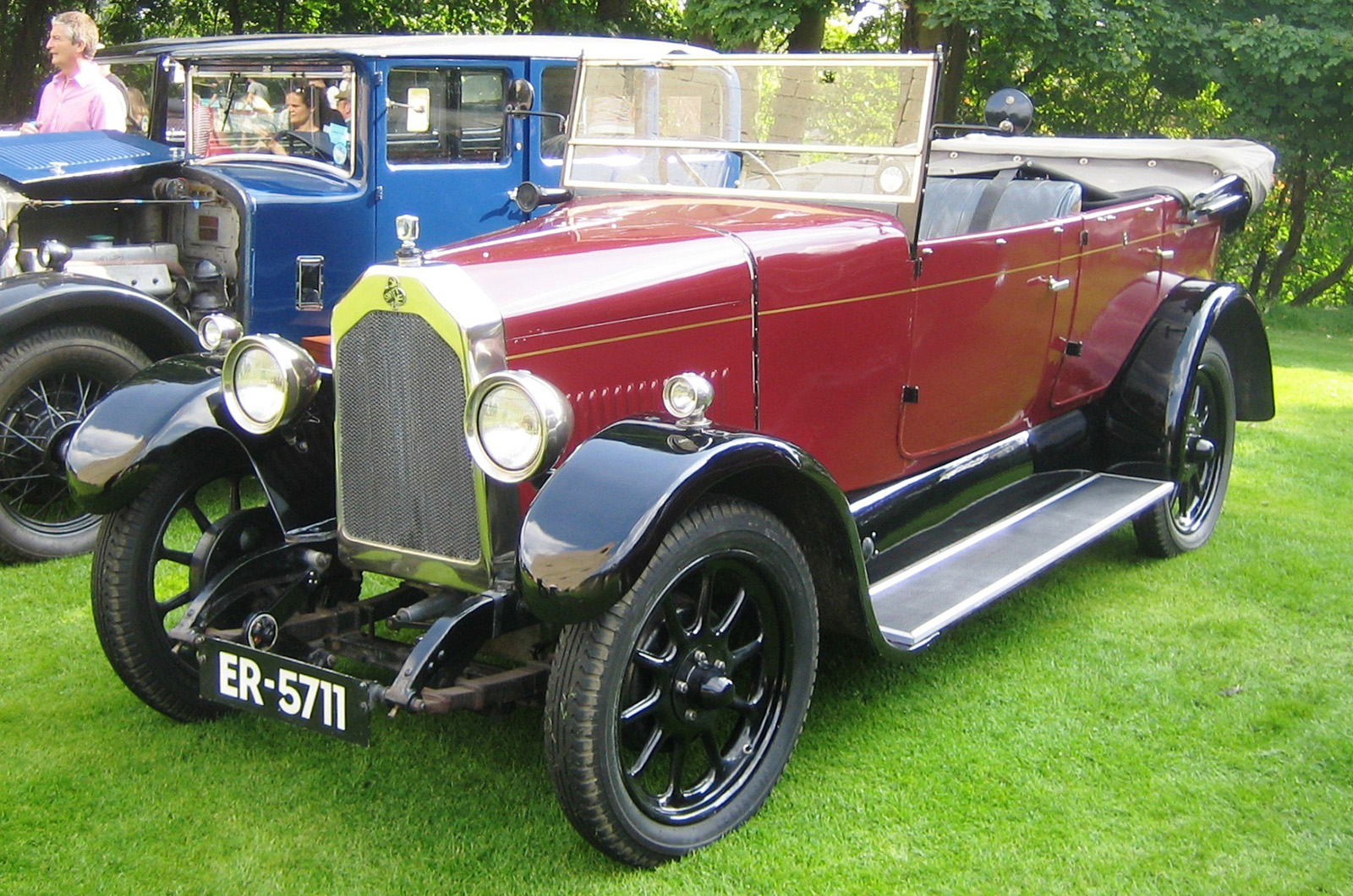
This company grew out of the Coventry Sewing Machine Company in 1901, and started quite slowly. It got properly going after the first world war but like so many other companies found it hard to compete with the economies of scale enjoyed by Austin, Morris and Ford. Its final model was the Cadet, in 1930.
PHOTO: 1926 Swift
Talbot
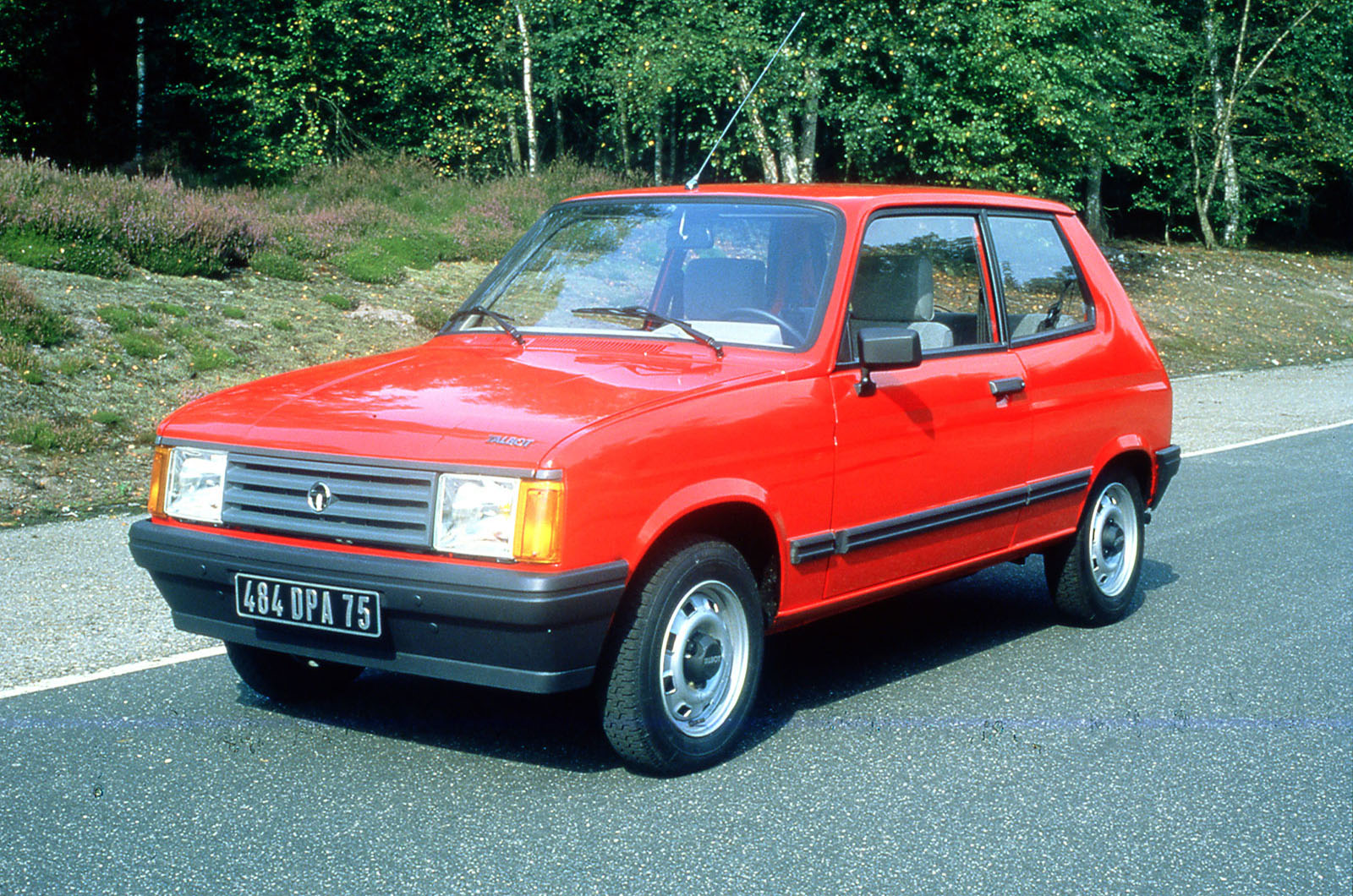
Talbot was an early 20th century Anglo-French enterprise that would end up being paired with and owned by a range of companies. It went to sleep in 1960 before its 1978 revival by Peugeot on a wide assortment of one-time Chrysler UK and Simca models. The Talbot name was last used on a van, in 1992.
PHOTO: Talbot Samba
Triumph
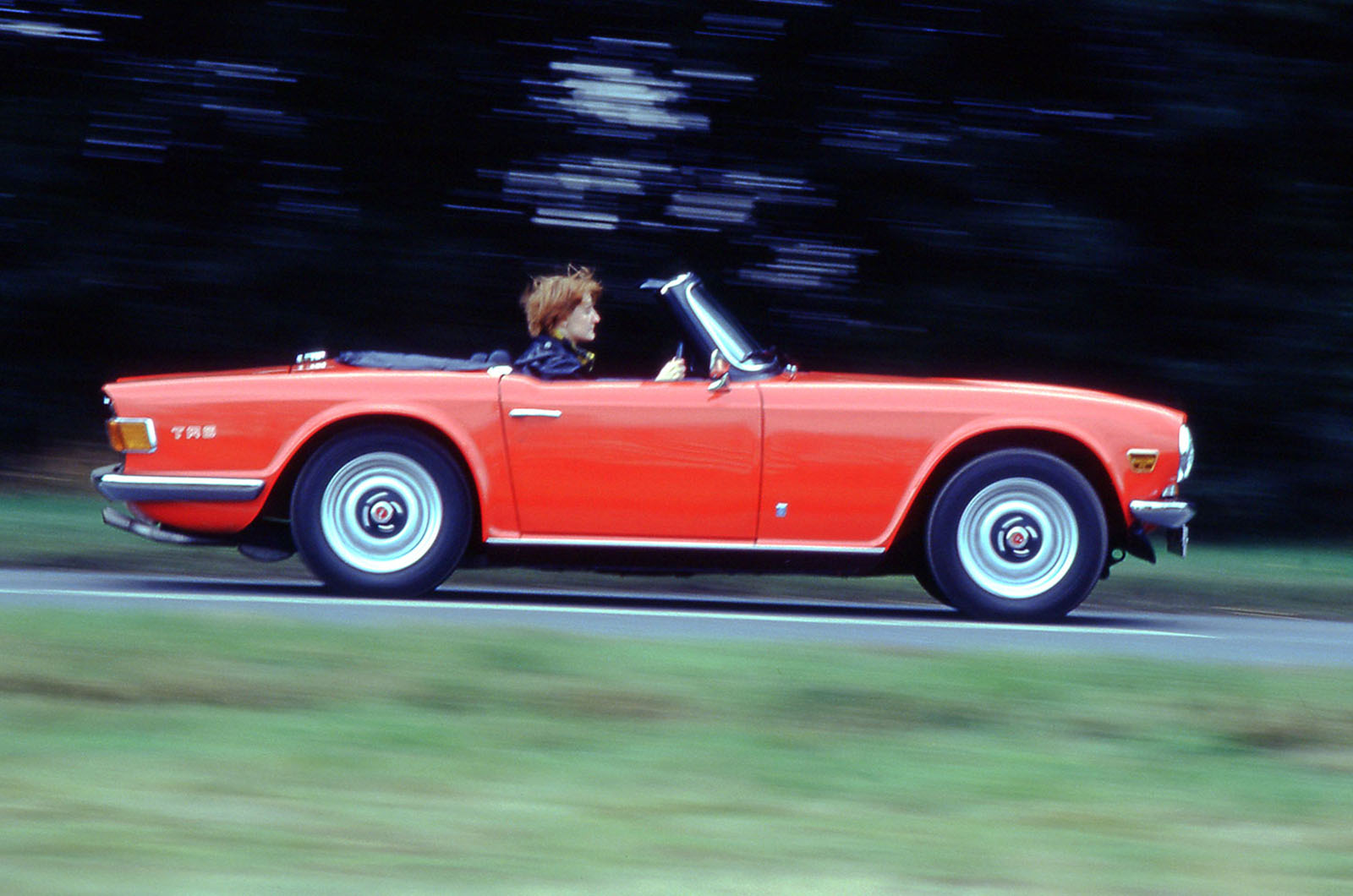
Despite decent success in the 1950s and 1960s with an exceptionally pretty range of sports and saloons cars, Triumph was run down by later owners British Leyland, with the oddball TR7 being the last car developed in-house.
That was followed by the 1981 Honda-based Triumph Acclaim, a car which raised hackles with Triumph fans, but compensated by being the first and indeed last Triumph not to breakdown with tedious regularity. Triumph Cars is another trademark still retained by BMW today.
PHOTO: Triumph TR6
TVR
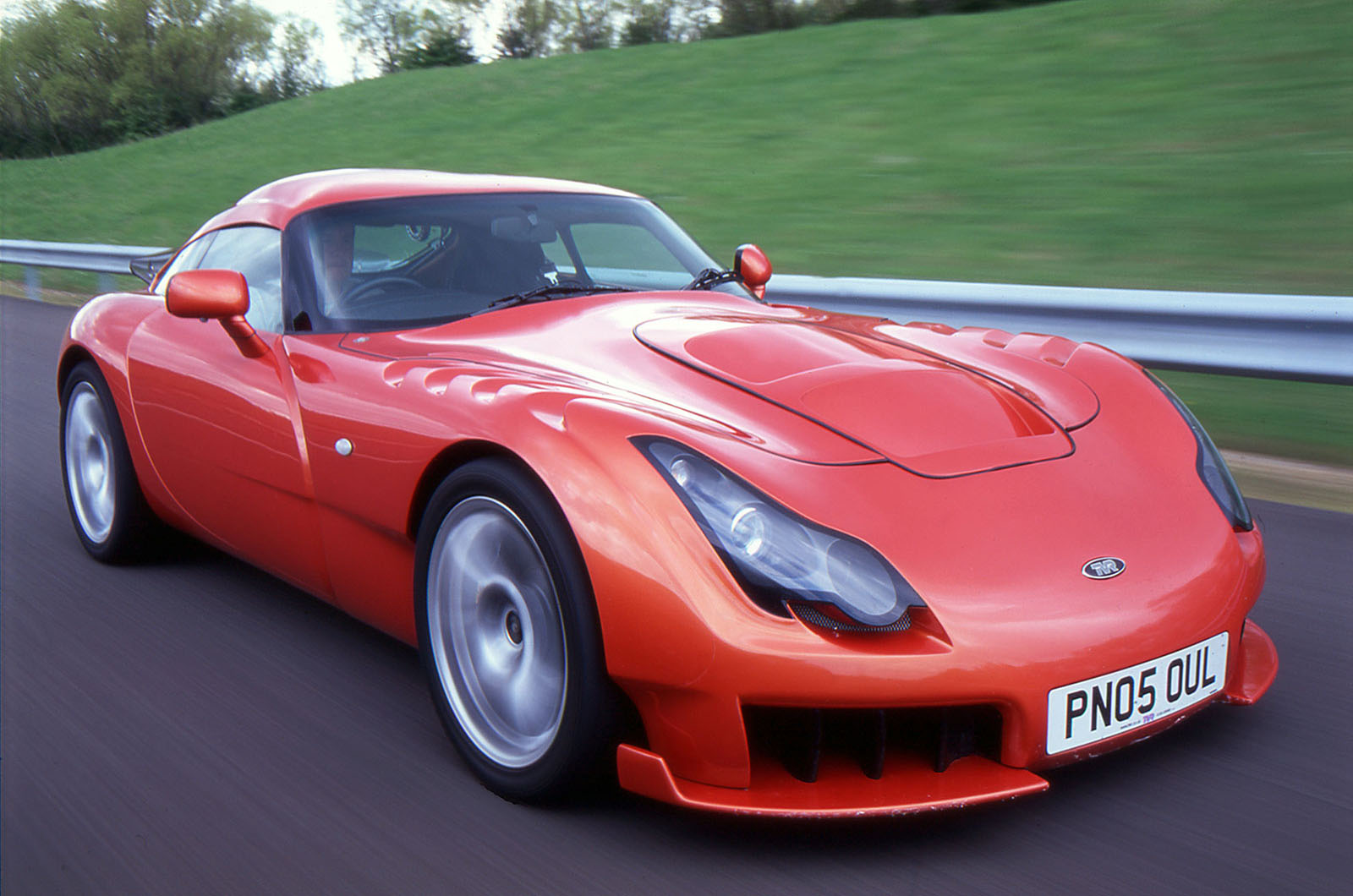
Founded in 1947, TVR survived amazingly long considering its precarious existence. It enjoyed a brilliantly creative period under Peter Wheeler from 1981 to 2004, but rapidly faded under new owner Nikolai Smolensky, with production ending in 2007. The marque is now being revived by businessman Les Edgar.
The first fruit of this is the new Griffith, unveiled in 2017, but production cars are taking a long time to arrive.
PHOTO: TVR Sagaris
Wolseley
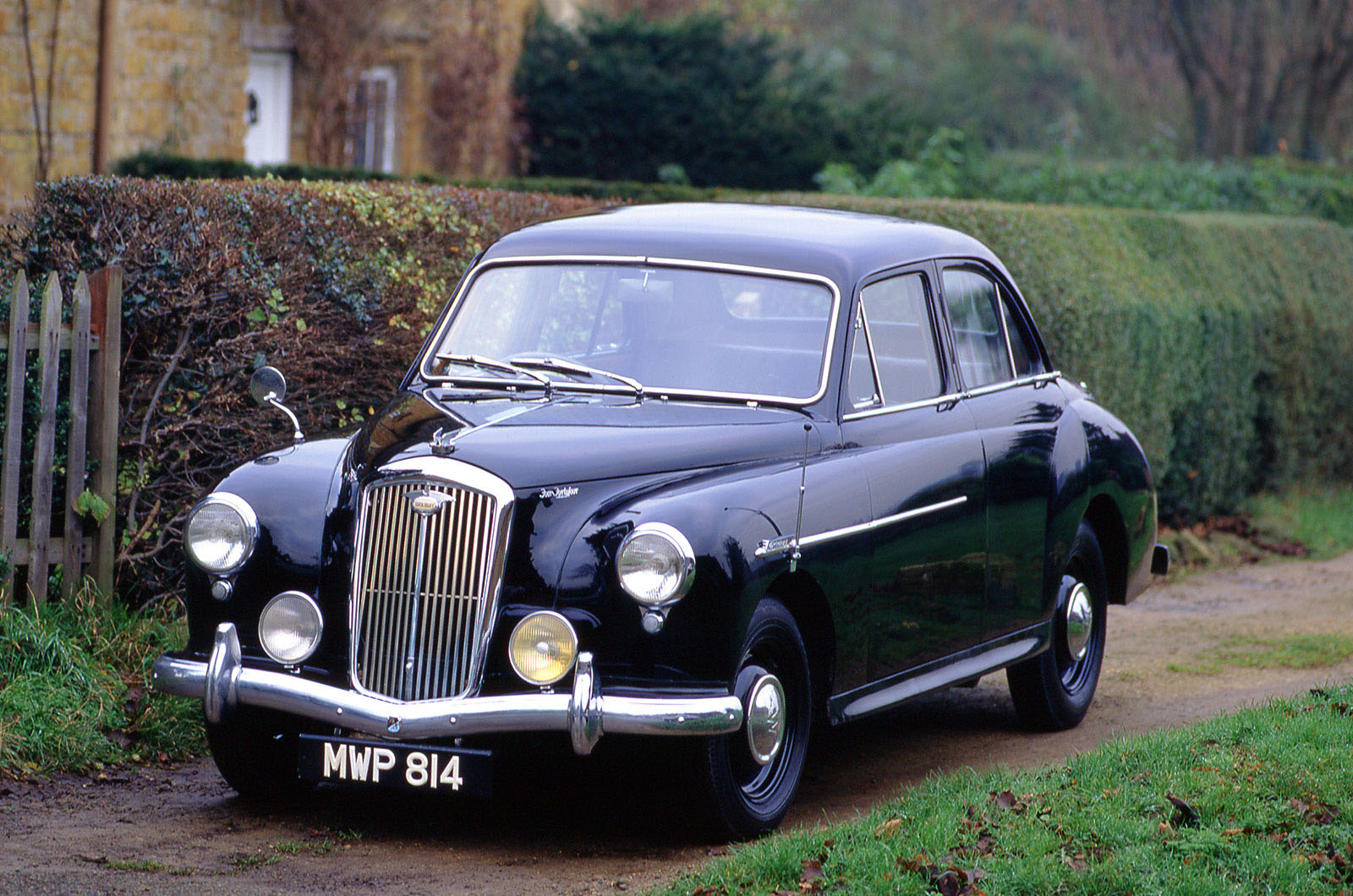
Wolseley was one of Britain’s earliest car companies. Absorbed by Morris in 1927, its cars became posher versions of Morris cars. Killed in 1975 by British Leyland, although its grand 1920s Piccadilly showroom survives as London’s fashionable Wolseley restaurant.
PHOTO: 1948-54 6/80

Comma AI Expands Hands-Free Driving to Over 325 Car Models Amid Growing Aftermarket Demand

Lamborghini Diablo SV Ownership Reveals the Realities and Rewards of Living with a ’90s...
 Seven years of ownership has taught Peter Dietsch how to live with a '90s Italian supercar
The odometer in Peter Dietsch's right-hand drive, UK-registered Lamborghini Diablo reads 83,000, but that's kilometres, not miles.
Bizarrely, while the speedos in most pre-1999 Diablos were calibrated in both MPH and KPH, as required by law, their odos always displayed the distance the car had travelled in kilometres. That's why, when I ask Peter how many miles he has done in his, he replies, rather confusingly, "20,000 kilometres". Before I can get my calculator out, he helpfully provides the conversion: "12,000 miles."
Peter's Diablo is the SV version. "The letters stand for Super Veloce," he explains. "It was a lightweight version of the regular Diablo, which had been launched in 1990 with rear-wheel drive. The Diablo was very popular but UK supplies were limited. In 1993, the more expensive four-wheel-drive Diablo VT was launched.
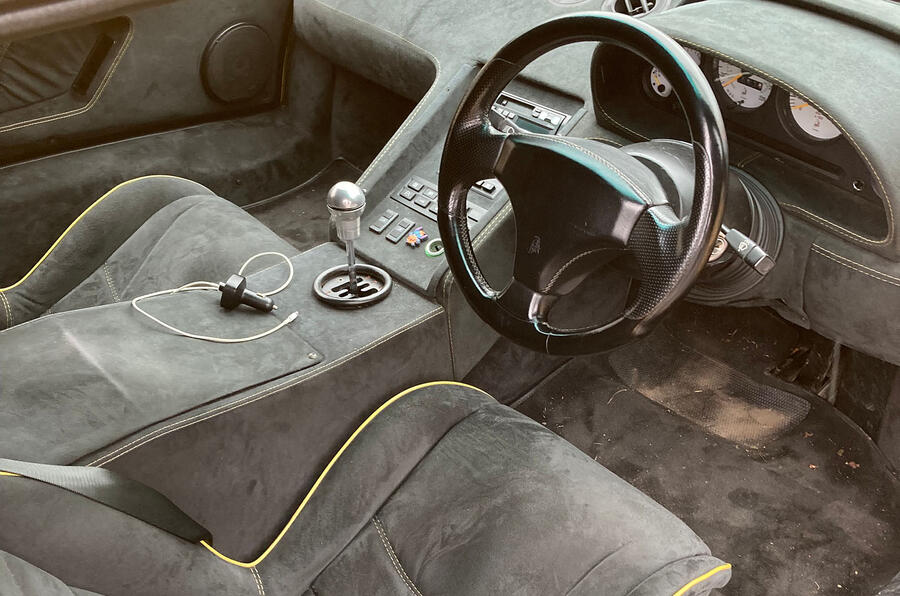
Around that time, a chap called Peter Leonard Morgan, who worked for Portman Lamborghini, the UK importer, suggested Lamborghini create a club version of the two-wheel-drive Diablo. Lamborghini agreed and so the SV was born. It had lightweight components and features including roof scoops - first seen on the Diablo SE30 Jota, a limited-run race car; split rim wheels; a different spoiler and front bumper; and more power. "The SV was cheaper than the VT but, despite its sportier character, also cheaper than the regular Diablo!"
Peter bought his SV just over six years ago, in November 2019, but it wasn't his first supercar. He had owned a Lamborghini Gallardo Superleggera for four years and, before that, a Ferrari Testarossa, which he owned for 12 years and, remarkably, used every day. He claims it cost him just £21,000. "Testarossas were undesirable back then," he says. "Mine was a left-hand-drive car in yellow, too, which didn't help. It had originally left the factory in white but had been repainted. I loved it."
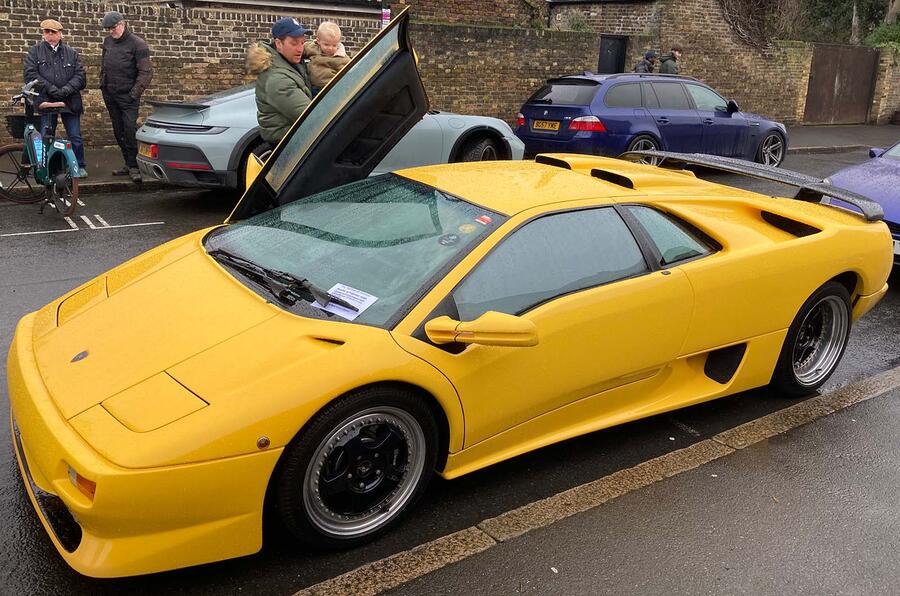
Happily for Peter, the market for Testarossas eventually went "crazy", he recalls: "I sold it and was able to replace it with the series one Gallardo Superleggera, which I think is one of the most underestimated supercars of all time. It was phenomenal. Then the Diablo SV came up for sale. I put a bit of cash towards it and bought it for £105,000. Its value has gone up quite a bit since then."
It's raining when I meet Peter but, he says, that's no reason not to drive the Diablo: "It's garaged but it isn't a garage queen. I'll drive it in all weathers. It's pushing 30 years old so has needed a bit of work but, fortunately, I work for a company specialising in the servicing, repair and restoration of supercars. However, that doesn't mean I get anything for free!"
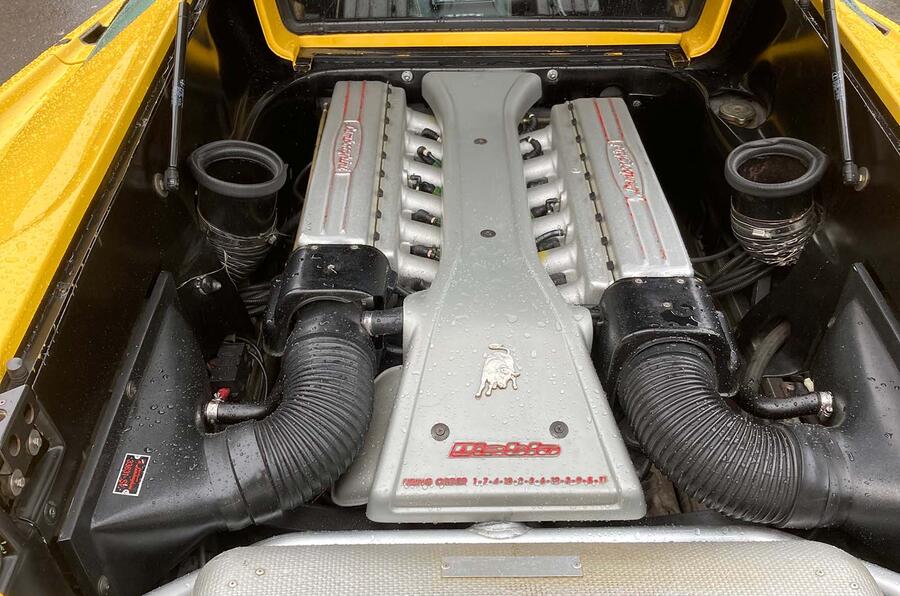
By now, Peter's SV is attracting a lot of attention. A father and his toddler peer past an open scissor door into the driver's cockpit. Dad seems a lot more excited than his son, who looks around impassively. Time for one last question and it's an obvious one: what's the Diablo SV like to drive?
"Once you get used to the size and the poor visibility, it's perfect," replies Peter. "Parking is interesting: it's just not possible to park it straight! It can't do width restrictions and you have to take speed humps at an angle." That's the price of greatness.

Surveillance Technology Transforms Texas Police SUVs Into Mobile Data Collection Hubs Amid Privacy Debate
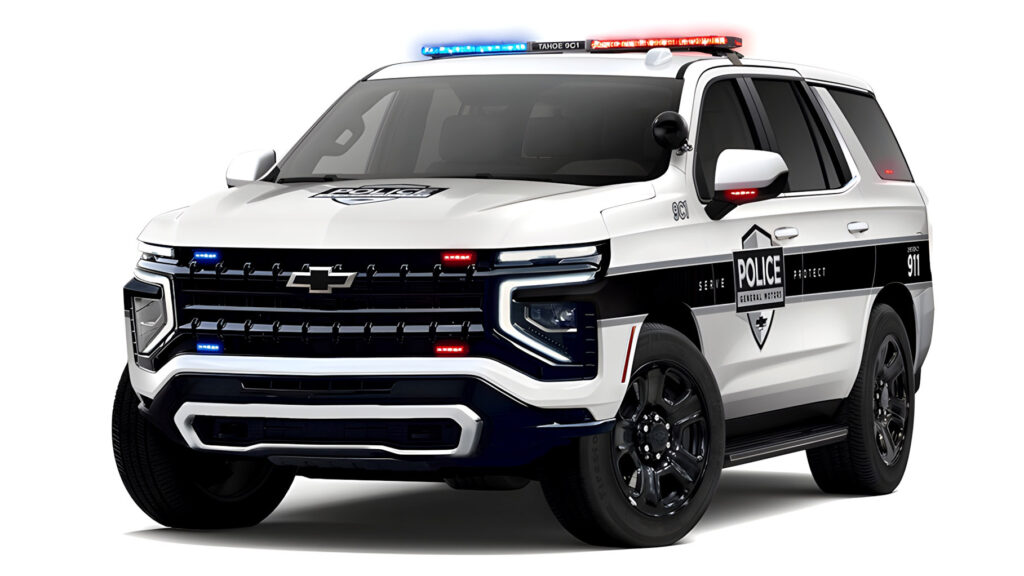

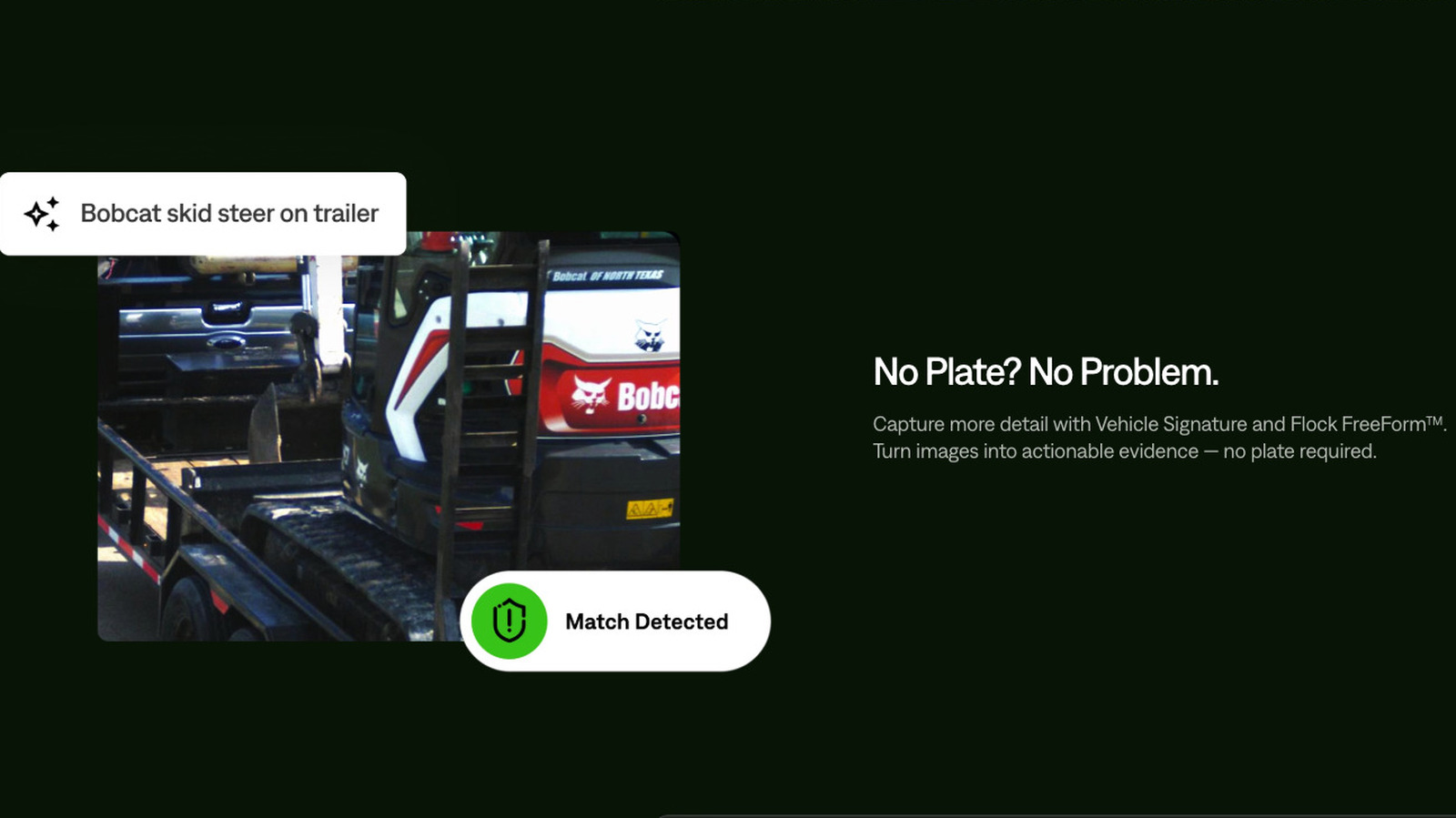
FreeForm Search Expands Flock Camera Surveillance Beyond License Plates to Detailed Vehicle and Personal...

Santa Pod Raceway and the Enduring Appeal of Drag Racing’s Instant Thrill
 Racers blasting beyond 300mph never gets old - but there's much more to UK's most famous drag strip
If you like extremes, you'll love Top Fuel drag racing. Some numbers: 0-343mph in 3.6sec, 11,500bhp, fuel consumption of five gallons per second... To these can now be added '60' - as in 60 years of Santa Pod Raceway (1966-2026), the drag mecca in Bedfordshire. Or is it Northamptonshire? Both councils claim it but then nothing's normal in this sport, including Keith Bartlett, the Bernie Ecclestone of drag racing, who owns Santa Pod and a clutch of championship rights and who, like the former Formula 1 supremo, looks and behaves like a man half his age.
"You're how old?" I ask this trim and energetic legend of the strip, whose consortium bought Santa Pod and the surrounding land in 1996. "Eighty next birthday," he shoots back. It's another remarkable number in a sport that's full of them. But I'm not meeting Bartlett at his Santa Pod HQ to play Drag Strip Top Trumps. Instead, I've come with one simple aim: to find out just who watches the shortest motor races on the planet and why.
But first, some history. The roots of drag racing can be traced to road racing in the immediate aftermath of World War II, when demobbed servicemen with money, technical skills and an appetite for risk modified many of the surplus vehicles then available and, with decommissioned airfields to play on, began racing each other, first over a quarter of a mile and later 1000ft. The new sport was popular on the west coast of the US but by the 1960s its stars were arriving in England and competing on old airfields, often in front of their own countrymen stationed here for the Cold War. Encouraged by the sport's growing popularity, in 1966 a group of British businessmen bought Podington airfield, a former US Air Force bomber station, and on it established Europe's first permanent drag strip. Combining the spirit of its California roots with the name of the former bomber base, they called it Santa Pod.
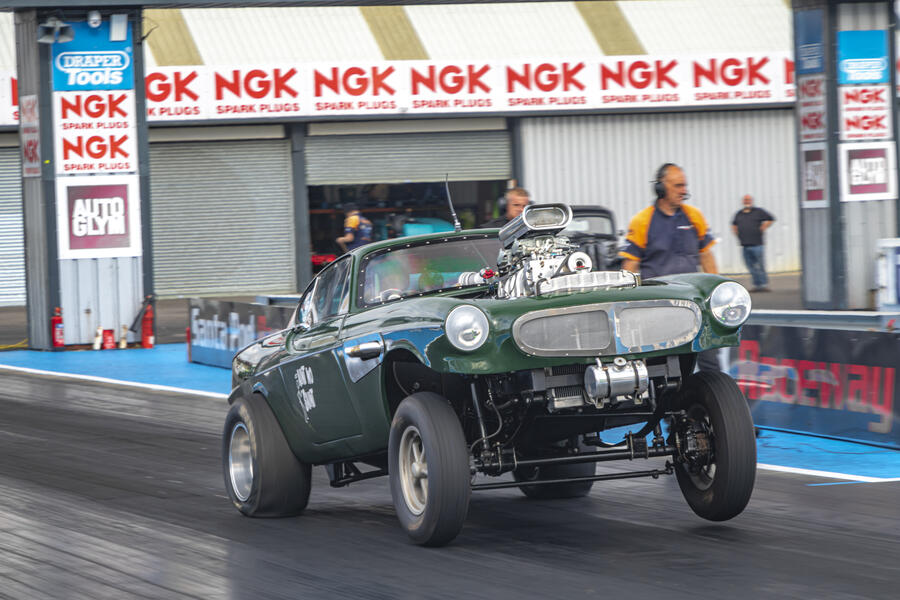
By the 1980s, Santa Pod Raceway had become Europe's premier drag racing venue, where spectators could see Top Fuel cars (so-called because they race in the top formula), funny cars (drag racers that look like extreme road cars) and doorslammers (modified production cars with suspension and functioning doors) competing in a growing number of championships and formulas. Towards the end of the decade, the first Bug Jam Volkswagen festival took place, an event that set Santa Pod on the path to being the popular car culture destination it is today.
Then in 1996 a consortium led by Bartlett, who had created the European Top Fuel Association in 1991, bought Santa Pod and set about transforming it into Europe's maddest and baddest motorsport venue, albeit one that many have heard of but few have visited. The fact is that drag racing seems to exist under the radar, I suggest to him. "Not at all," insists Bartlett. "It's huge, with millions watching it online and across all the platforms. We host 65 events a year and Santa PodTV, our YouTube channel, attracts big audiences."
Who's watching? According to Bartlett, the sport's 'blink and you'll miss it' action is catnip to younger fans: "Young people have a low attention span. They want instant gratification. With drag racing, they can see Johnny beat his best mate or the blue car beat the red car in less than six seconds." Their average age, he says, is 22 to 35 years, compared with 35 to 60 only a few years ago. Influencers are an important route to them and Santa Pod hosts around 10 events where they race each other, streaming the results to their followers. "One year, an influencer said he'd sell tickets and invite his followers to come to Santa Pod to watch," says Bartlett. "The first year, 5000 came and the next, 10,000."
While the Top Fuel cars get the media's attention, it's the doorslammers and less extreme racers that many youngsters relate to. "At some events, the Top Fuel cars feel like the support act," says Bartlett. "They're unattainable to youngsters, who instead want to see the BMWs and JDMs [Japanese Domestic Market cars] they can afford tearing up the strip."
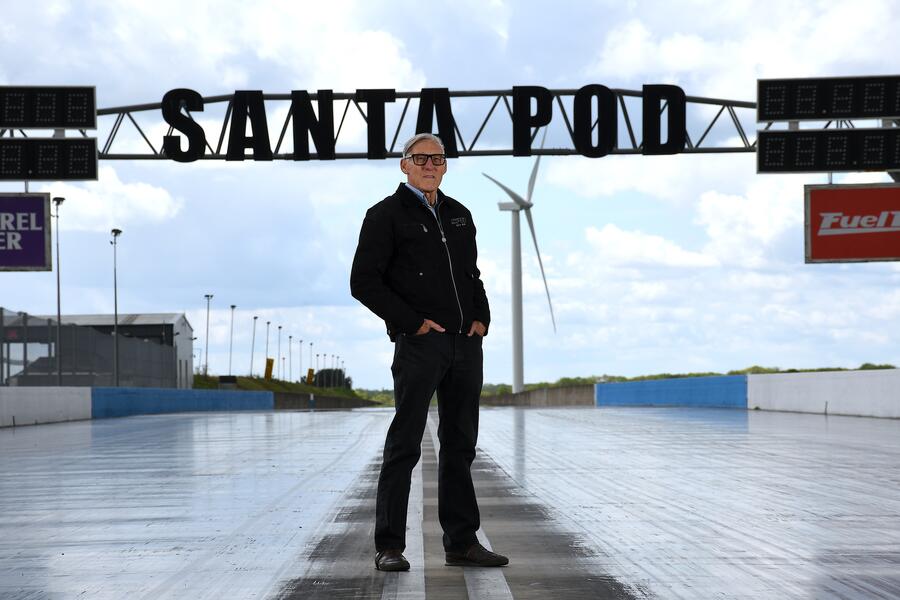
A key attraction of drag racing in this age of equality between the sexes is how, behind the wheel, male and female drivers are evenly matched. In fact, female driver Brittany Force is the current Top Fuel national record holder with a maximum speed over 1000ft of 343.16mph. Bartlett's wife, Susanne Callin, 42, is the 2025 FIA Top Fuel champion. His daughters are drag racers too.
However, male or female, a race is over so quickly that it's hard to imagine a driver has much to do. But Bartlett puts me straight: "You've got to steer but, more important, understand whether the car's getting loose, whether it's getting too heavy and what's happening behind. It's all about feel. It's experience and instinct."
Bartlett has plans for Santa Pod. He's about to buy out his business partner and gain full control to upgrade the site and, among other things, build spectator accommodation and new workshops. He's mulling an EV race formula too. "It's very exciting," he says. "I love the sport. If you don't love it, it'll eat you alive!"
Top fuel facts to melt your brain
In this age of hybrids and regen, the supercharged V8 pushrod engines that power the Top Fuel cars might seem old tech but they're bristling with advanced technologies, including a seven-stage clutch that only fully locks up at the last moment and a fuel system that weakens the mixture to generate more power as it does so. The engines burn 90% nitromethanol because, as a monofuel, it contains its own oxygen, allowing the pumps to force more of it into the combustion chambers at a rate of around five gallons per second. Typical power output is around 11,500bhp. The rear-pointing exhausts add additional thrust.
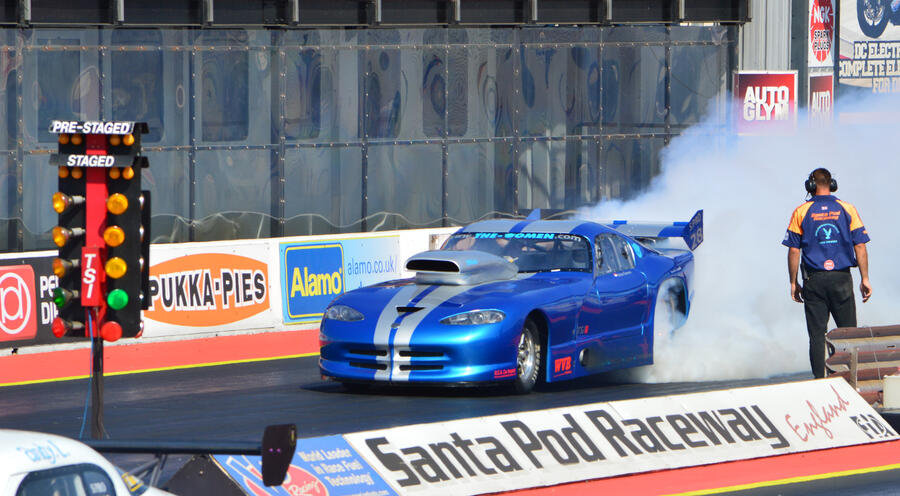
The rear tyres are very soft and inflated to only 7-10psi. The sidewalls bunch up on launch, increasing the contact patch. This twisting also moderates the savage burst of torque generated by the engine. At 300mph, the large rear aerofoil provides around 5450kg of downforce, while the smaller front aerofoil generates around 1135kg. A mixture of glue and chemicals is spread over the entire surface of the drag strip to increase the tyres' grip. I know this because when I walked it, it pulled my shoes off.