

ID. Cross Redefines Affordable Electric SUVs With Premium Features and Surprising Practicality

Jeep Compass 4xe Redefines Electric Off-Roading With Authentic Capability and Strong Road Performance
 Electric version of new Jeep Compass gets the four-wheel-drive treatment for some authentic off-road ability
This year Jeep celebrates its 85th birthday, which is a pretty big milestone by anyone’s standards.
Over the decades the brand’s fortunes have waxed and waned, and no more so than in the UK, where its brash, all-American image has made it something of an outlier.
Yet since being subsumed into the sprawling Stellantis empire in 2021, Jeep’s fortunes on this side of the pond have started to change for the better.
Driven by the little Avenger and the general trend of ever-increasing appetite for SUVs, it has committed to a new model blitz that will treble the size of its European line-up by 2030, including a couple of B-segment SUVs and even a large D-segment offering.
One of the first arrivals as part of this plan has been the third-generation Compass, a rugged family car that does battle in the hotly contested compact SUV sector.
Based on Stellantis's STLA Medium platform (which also underpins the Peugeot 3008, Citroën C5 Aircross and Vauxhall Grandland), it made its debut earlier this year in mild-hybrid petrol and Standard Range electric guises.
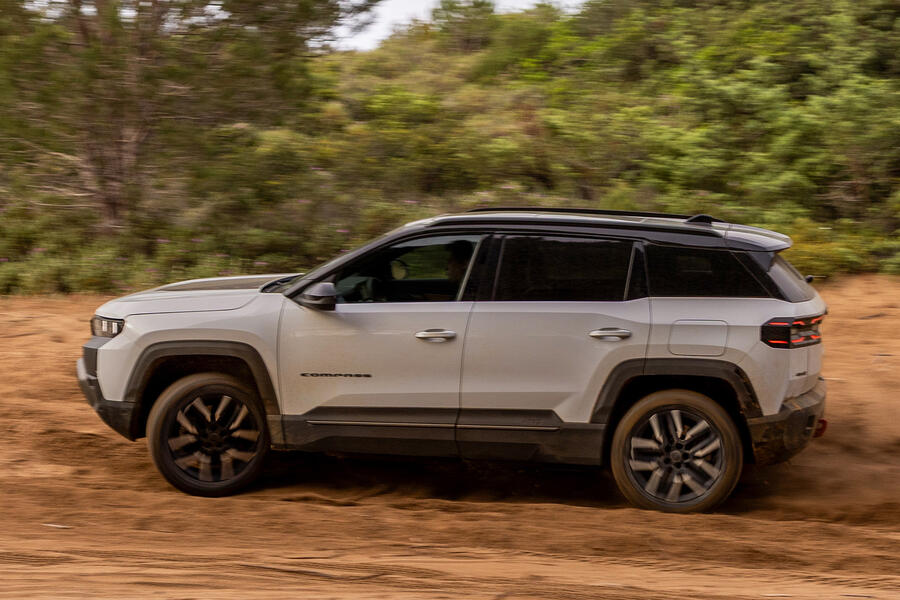
However, as part of Jeep's commitment to the ‘freedom of choice’ powertrain philosophy, it has now launched a plug-in hybrid version (you can read about that elsewhere on these pages) and a Long Range EV.
Perhaps the most important from a brand image point of view, though, is the new, fully electrified flagship 4xe – the first of the new Compasses that promises to live up to Jeep’s hard-earned reputation as hardcore off-road warrior to rival Land Rover.
Featuring a dual-motor powertrain (one for each axle), the 4xe is the only Compass to offer total traction as standard: all the other powertrains are front-wheel drive only.
Plus, with a punchy combined output of 370bhp and dedicated Sport setting that claims to deliver a rearward torque bias of up to 70%, it promises to be as dynamic on Tarmac as it is unstoppable in the rough.
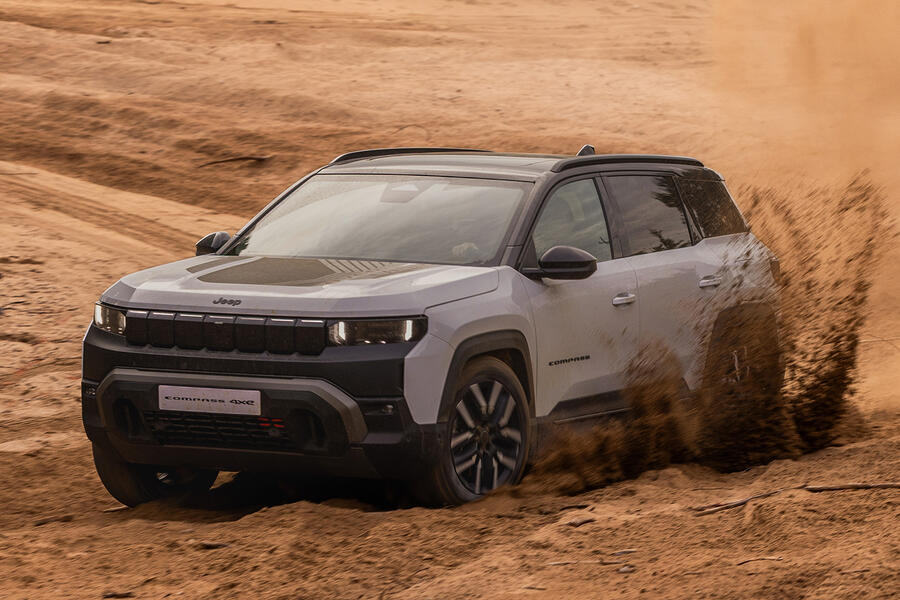
Based on styling alone, this EV looks like it will be more at home on rutted tracks than sinuous secondaries. As with other 4xe models in the Jeep line-up, its exterior has been treated to rufty-tufty makeover. For starters the ride height has been increased by 10mm, while bespoke bumpers offer improved approach and departure angles, plus there are bold red towing eyes at either end.
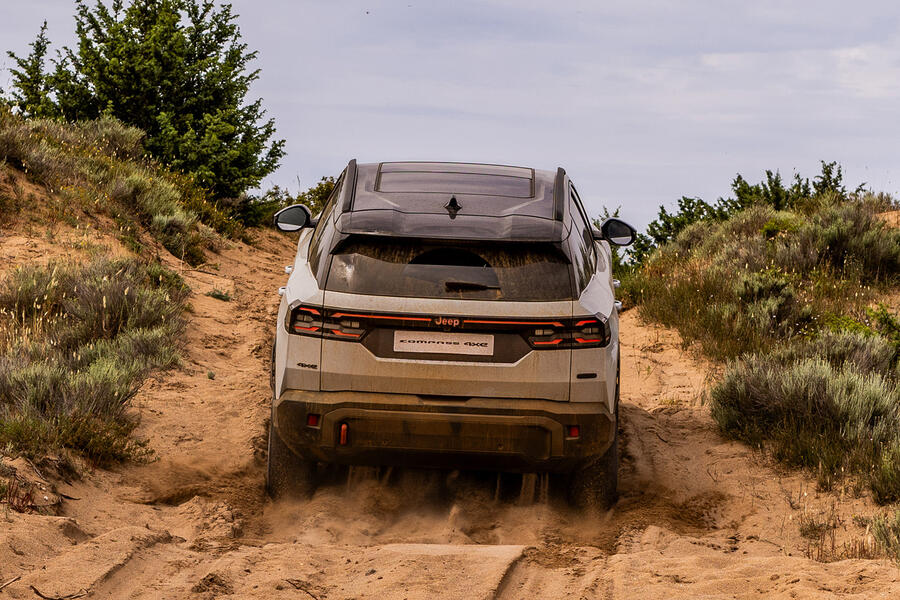
Happily, the 4xe has the off-road chops to match its adventure-seeking exterior. Dedicated Mud/Sand and Snow drive modes and hill descent control helped keep it moving on the various trails that Jeep had lined up for us.
The dry conditions helped, but there were enough steep inclines, vertiginous descents and articulation-assessing gulleys for us to conclude that the 4xe possesses far more capability than most owners would ever use.
And on the road? Well, with 375bhp it's as quick as you would expect, easily feeling good for its claimed 5.4sec 0-62mph time, while the power delivery is smooth, with a linear and naturally paced throttle response.
The 4xe gets the larger 96kWh battery from the Long Range EV, which translates into a decent claimed WLTP figure of 370 miles between charges.
Perhaps not unsurprisingly, it’s quieter than the ICE Compasses - and that includes rolling refinement, with less noise coming from the suspension over bigger bumps, helped no doubt by its mult-link rear axle.
Even so, the ride still lacks the consistency of the best cars of this type, with secondary impacts often shuddering through the structure.
As with lesser versions, its underlying dynamic character is one of easy-going competence.
Sport mode adds a little heft to the steering and out of tighter corners you can just feel that rear bias trying to help point you straighter at the exit, but push past the car’s modest comfort zone and you start to feel every kilo of its considerable 2347kg kerb weight.
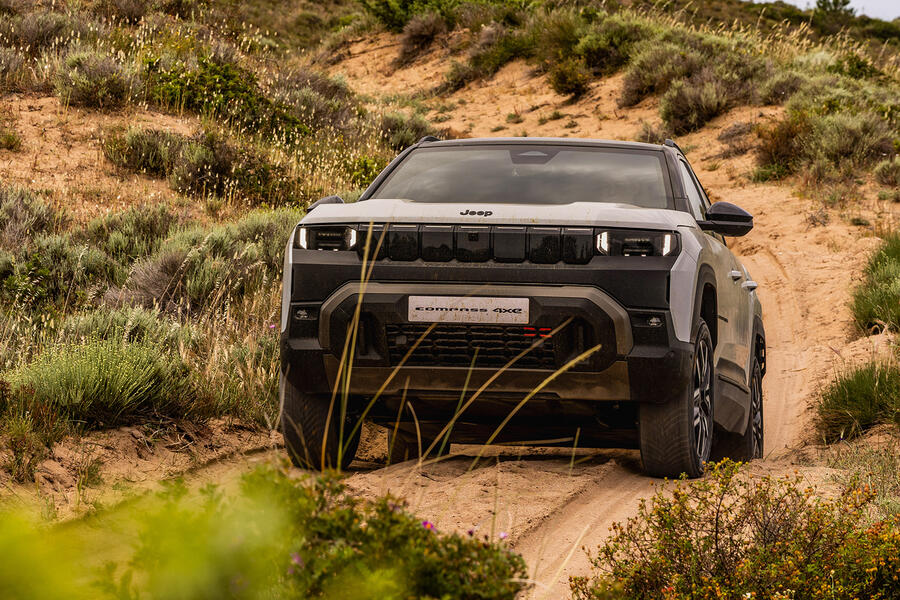
In all other respects, the 4xe is the same as other members of the Compass family. It’s handsome, it's well-equipped and it has a roomy boot (although the rear seats are more cramped than rivals').
It may lack the all-round appeal of the class stars, but it has a selling point that’s currently unmatched by rivals. Whether it’s one that the majority of punters might find useful is another matter.
Jeep Compass 4xe
Verdict: Genuine off-road capability, rugged good looks and effortlessly rapid on-road pace make the 4xe the most appealing Compass so far, price aside.
| Specification | Details |
|---|---|
| Price | £45,200 |
| Motor | Two permanent magnet synchronous motors |
| Power | 370bhp |
| Torque | 254lb ft |
| Gearbox | 1-spd reduction, FWD |
| Battery | 96kWh (total) |
| Kerb weight | 2347kg |
| 0-62mph | 5.4sec |
| Top speed | 112mph |
| Range | 370 miles (WLTP) |
| Economy | 4.0mpkWh (WLTP) |
| CO2, tax band | 0g/km, 4% |
| Rivals | Subaru E-Outback, Skoda Enyaq 85x |

California EV Rebates Reshape Market Incentives and Favor Local Automakers Amid Regulatory Shifts


Toyota Automobile Museum as Global Automotive History: How Nagoya’s Collection Traces Innovation Beyond a...
 The official Toyota museum in Nagoya is a must-see for all car fanatics. These are some of the highlights
Scratch the surface of the Toyota Automobile Museum, and you'll find far more than just a collection of old Toyotas...
The museum, a few miles outside of the city of Nagoya and just 100 minutes by Shinkansen (Bullet Train) from Tokyo, celebrates the worldwide history of the automobile and its culture.
Featuring cars from Europe, the US and Japan, the attractions are displayed in a timeline demonstrating the diversification of ideas and engineering from different eras of development spanning from the Dawn of the Automobile through to the Search for a Sustainable Future.
Nearly 150 vehicles adorn the building's two floors, with Toyota having recently added a superb Cultural Gallery with diverse artefacts like toy cars, period posters and brochures. Here’s a taster of the museum with some choice exhibits to whet your appetite:
Toyoda Model AA (1936)
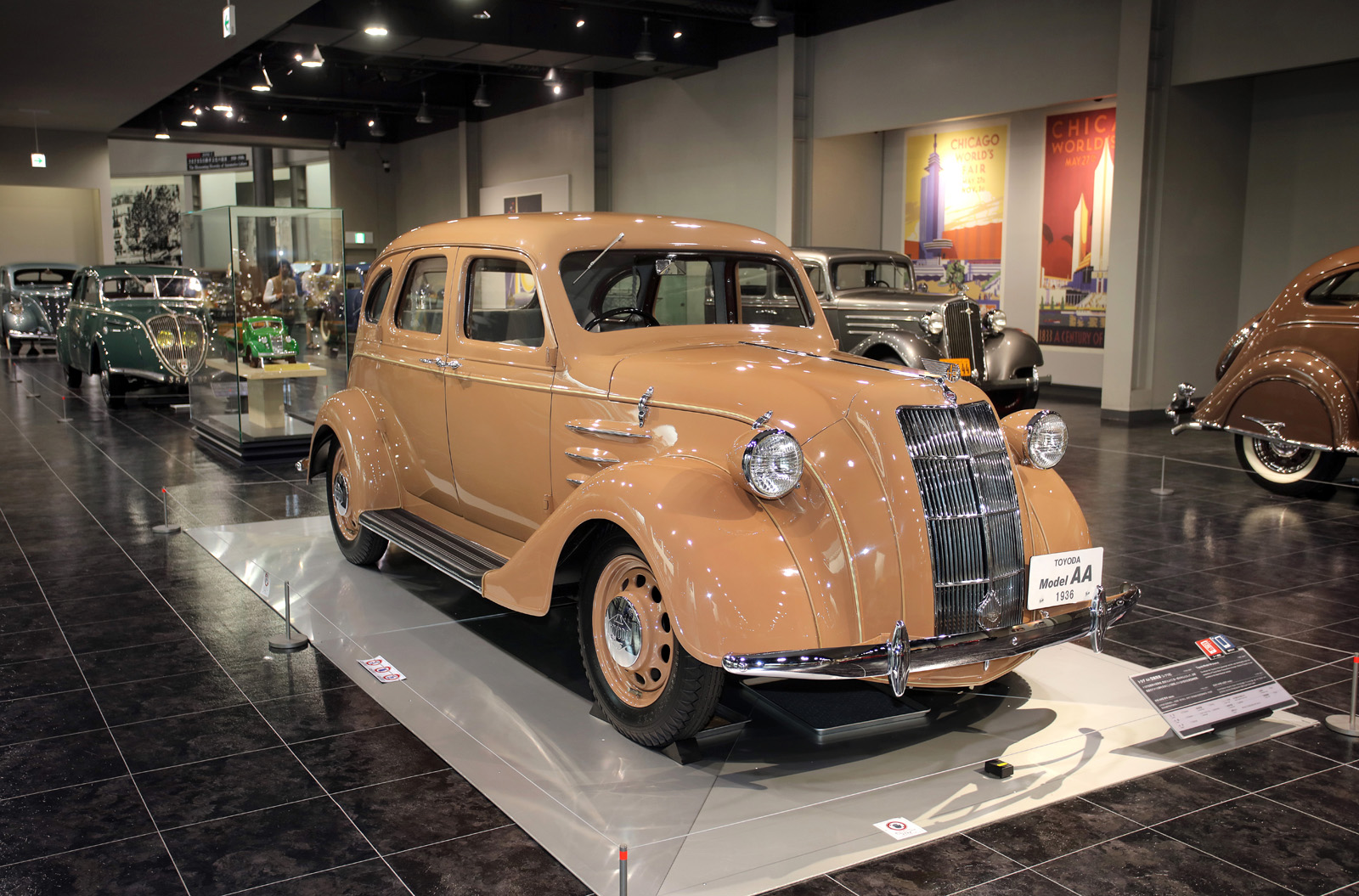
This is where it all began for Toyota, 1936's Model AA. Before this car the Toyota (known then as Toyoda) company made automatic weaving looms. Based on American cars of the day and bearing a striking resemblance to the aerodynamic styling of the DeSoto Airflow, the AA was developed under the leadership of the corporation’s founder Kiichiro Toyoda (1894-1952) and featured a 3.4-litre OHV straight six-cylinder engine.
This car is a replica, having been completely reverse engineered from surviving plans, as only one original example exists in a very poor state in the Louwman Museum in the Netherlands.
Panhard et Levassor Type B2 (1899)
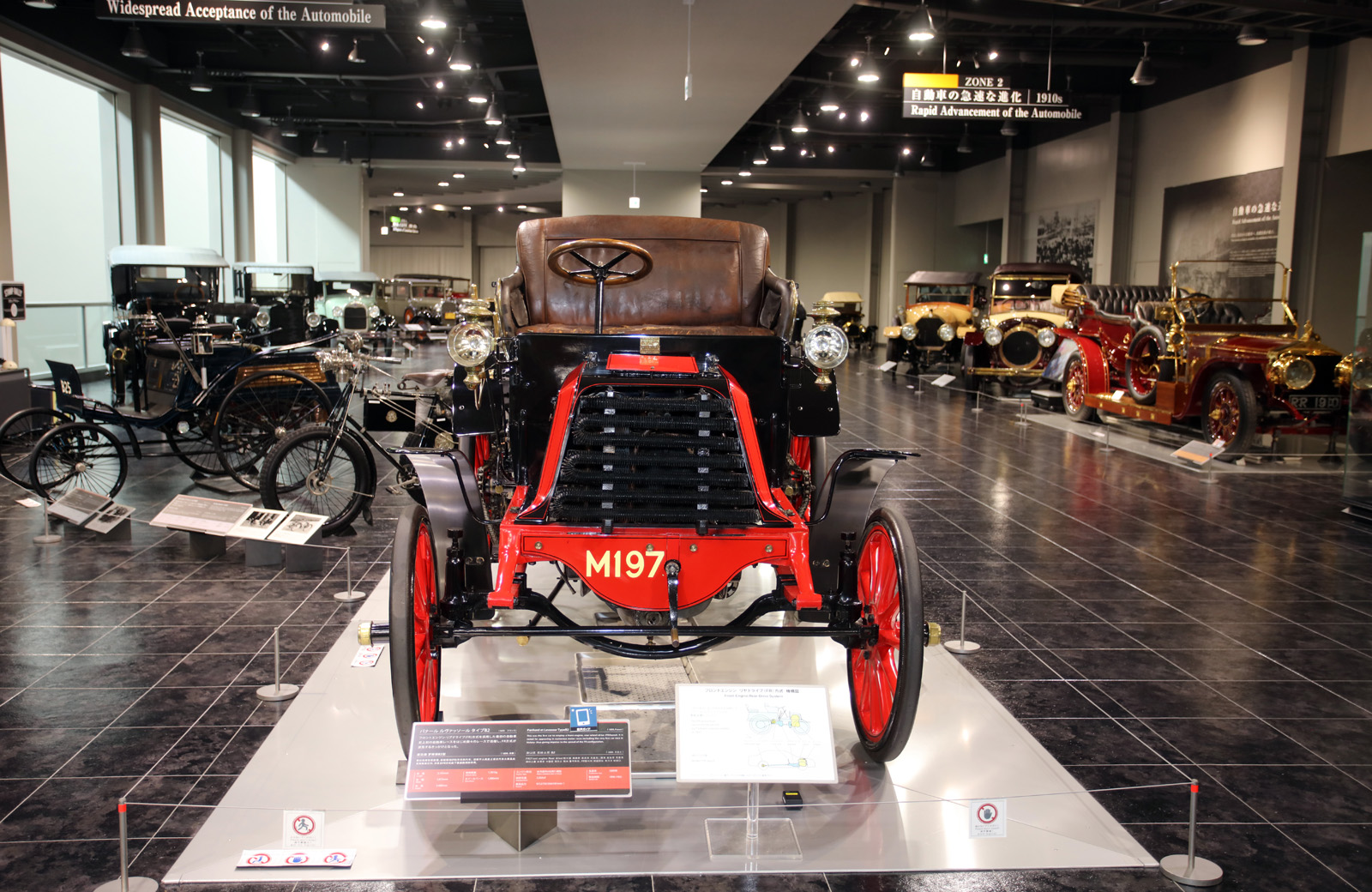
Featured in the Dawn of the Automobile gallery is this 1899 Panhard et Levassor Type B2, the first car to feature the front engine and rear-wheel drive configuration.
Panhard et Levassor also introduced the steering wheel in its 1894 4CV model which competed in the first ever motor race from Paris to Rouen that same year.
Stanley Steamer E2 (1909)
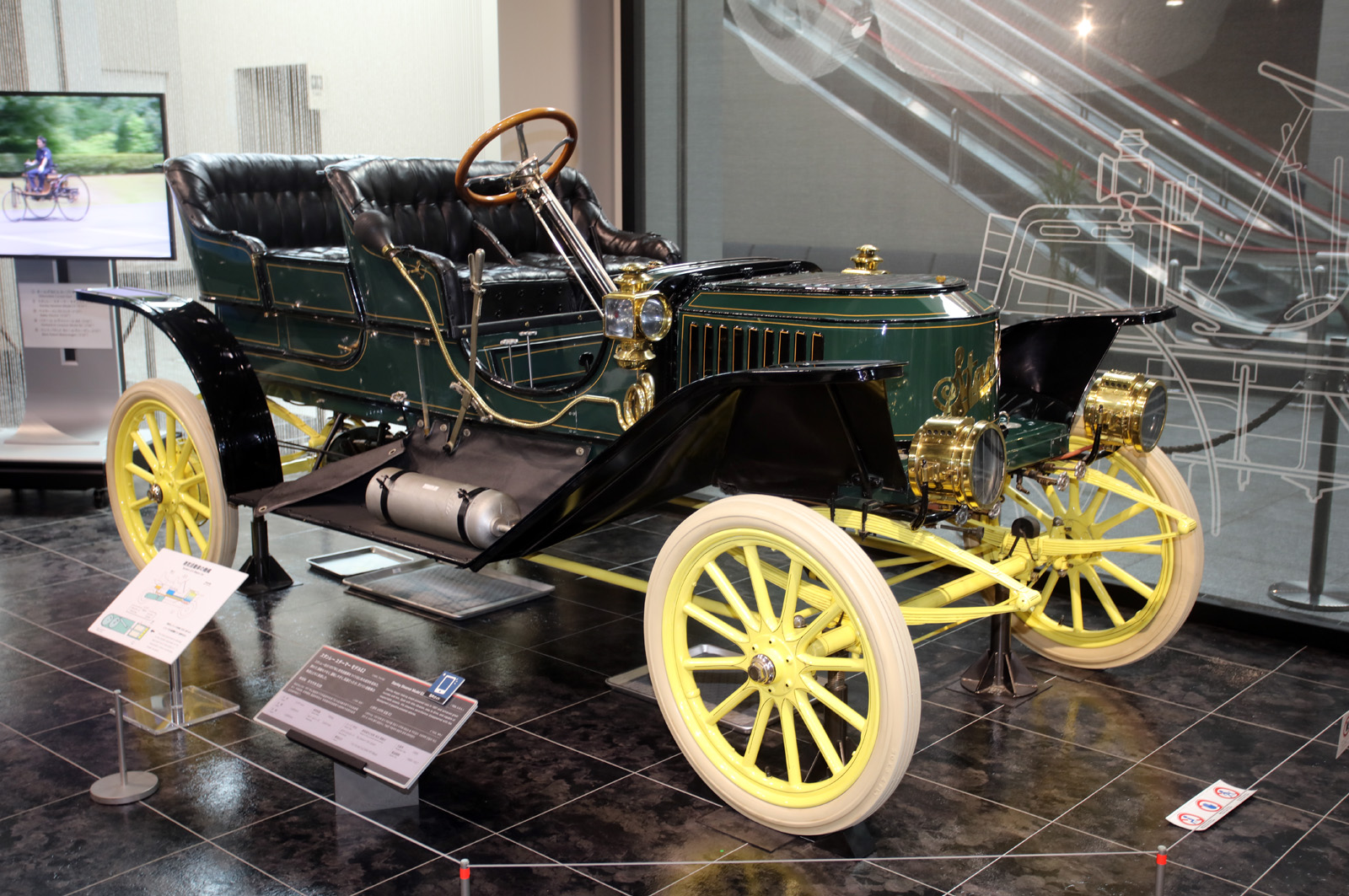
Also in this gallery is this Stanley Steamer E2 from 1909. Twin brothers Freelan and Francis Stanley from Massachusetts started out making photographic plates before selling out to Kodak and going into the steam car business.
One of their streamlined cars took the land speed record at 127mph in 1906, but steam-powered cars were soon forced to yield to the rapidly-improving combustion-engined variety and the Stanley company died in 1924.
Cadillac Model 30 (1912)
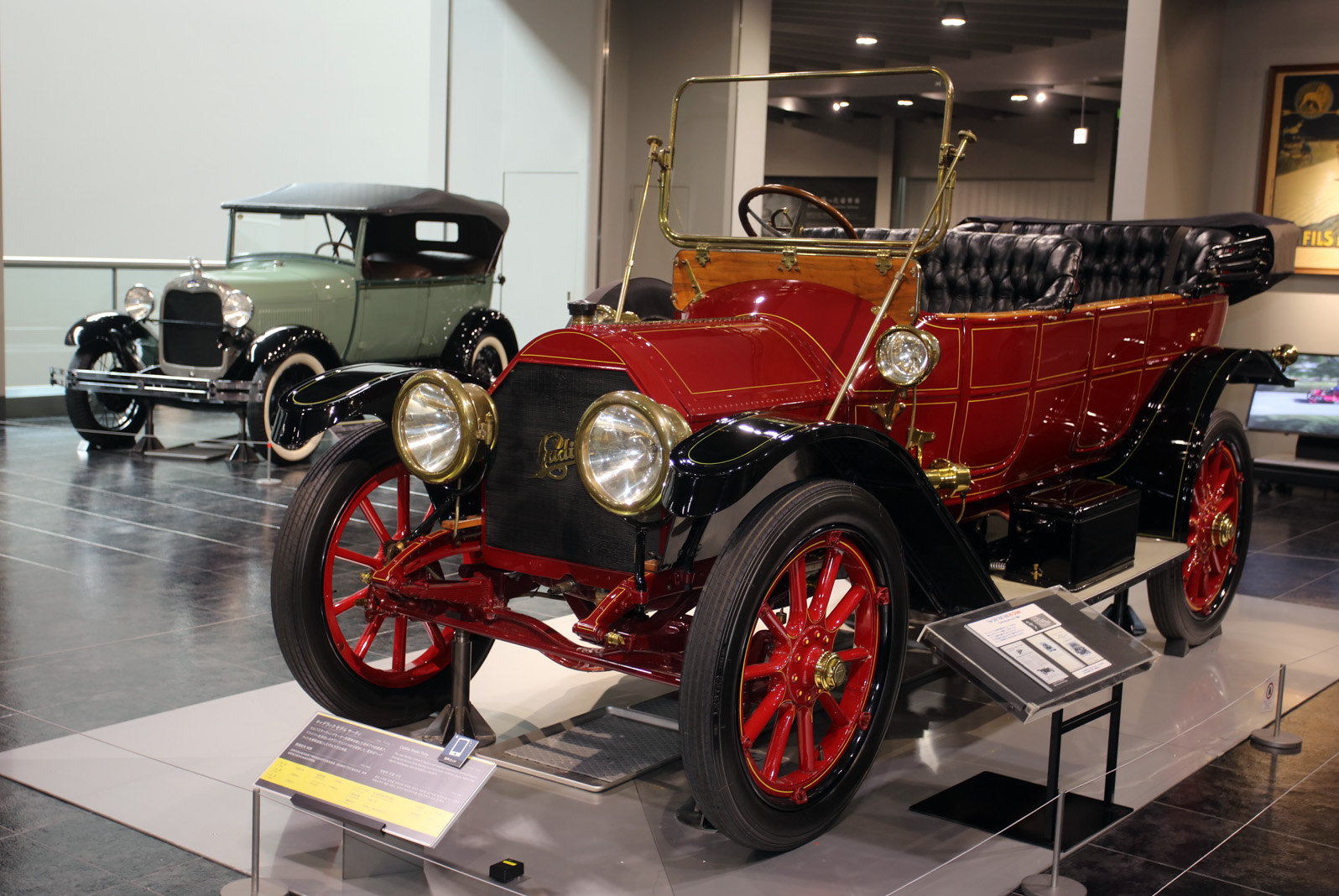
The Cadillac Model 30 from 1912 was another innovator, namely being the first car to feature an effective electric starter motor and electric headlamps as standard. The electrical system supplied by Delco provided 24 volts for starting and six volts for the lighting.
Hispano-Suiza 32CV H6b (1928)
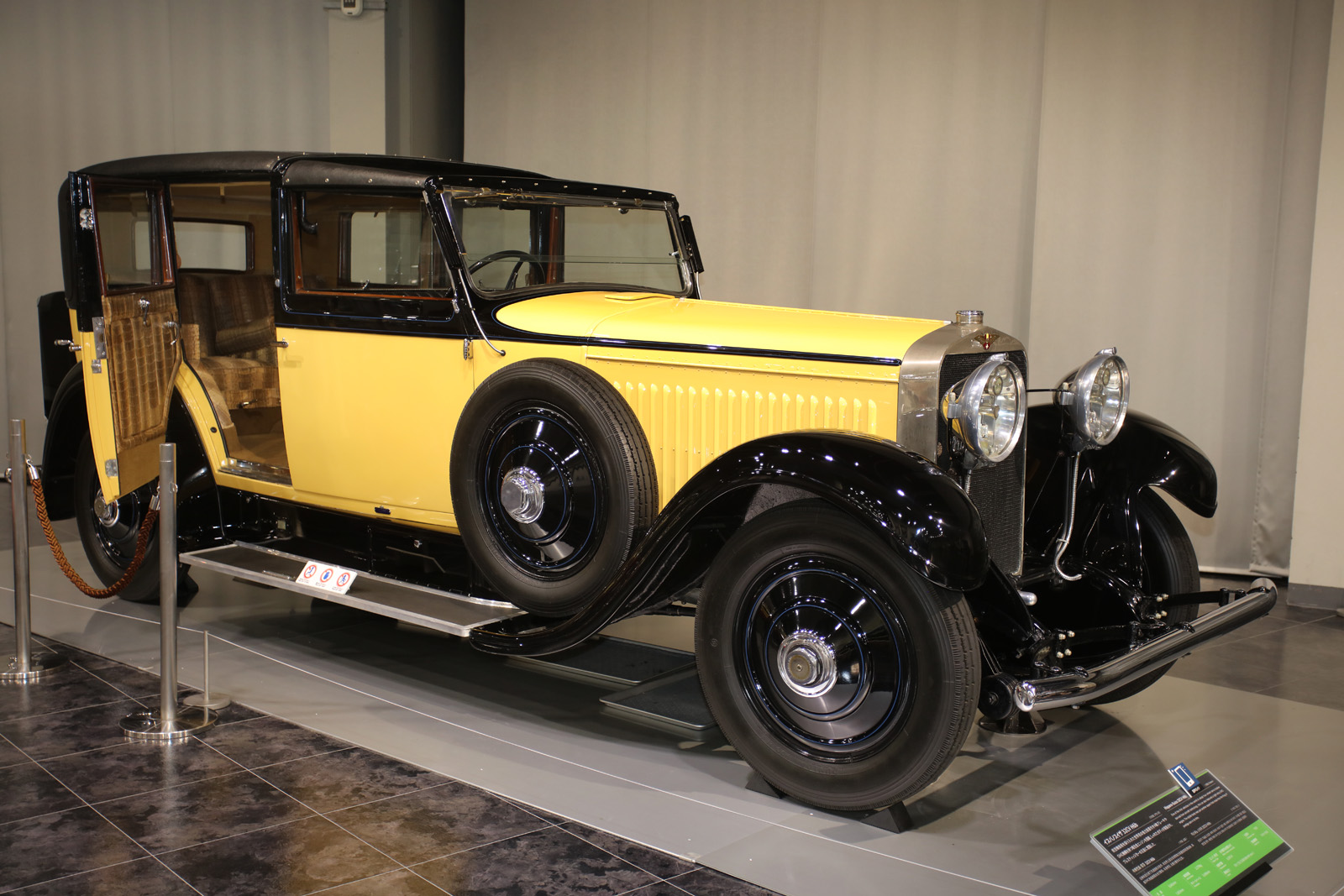
French manufacturer Hispano-Suiza was known for its luxury cars, and this 32CV H6b from 1928 was considered one of the finest cars in the world in its day thanks in part to four-wheel servo brakes (derived from aircraft technology) and an overhead cam all aluminium 6.6-litre engine.
Bugatti Type 35B (1927)
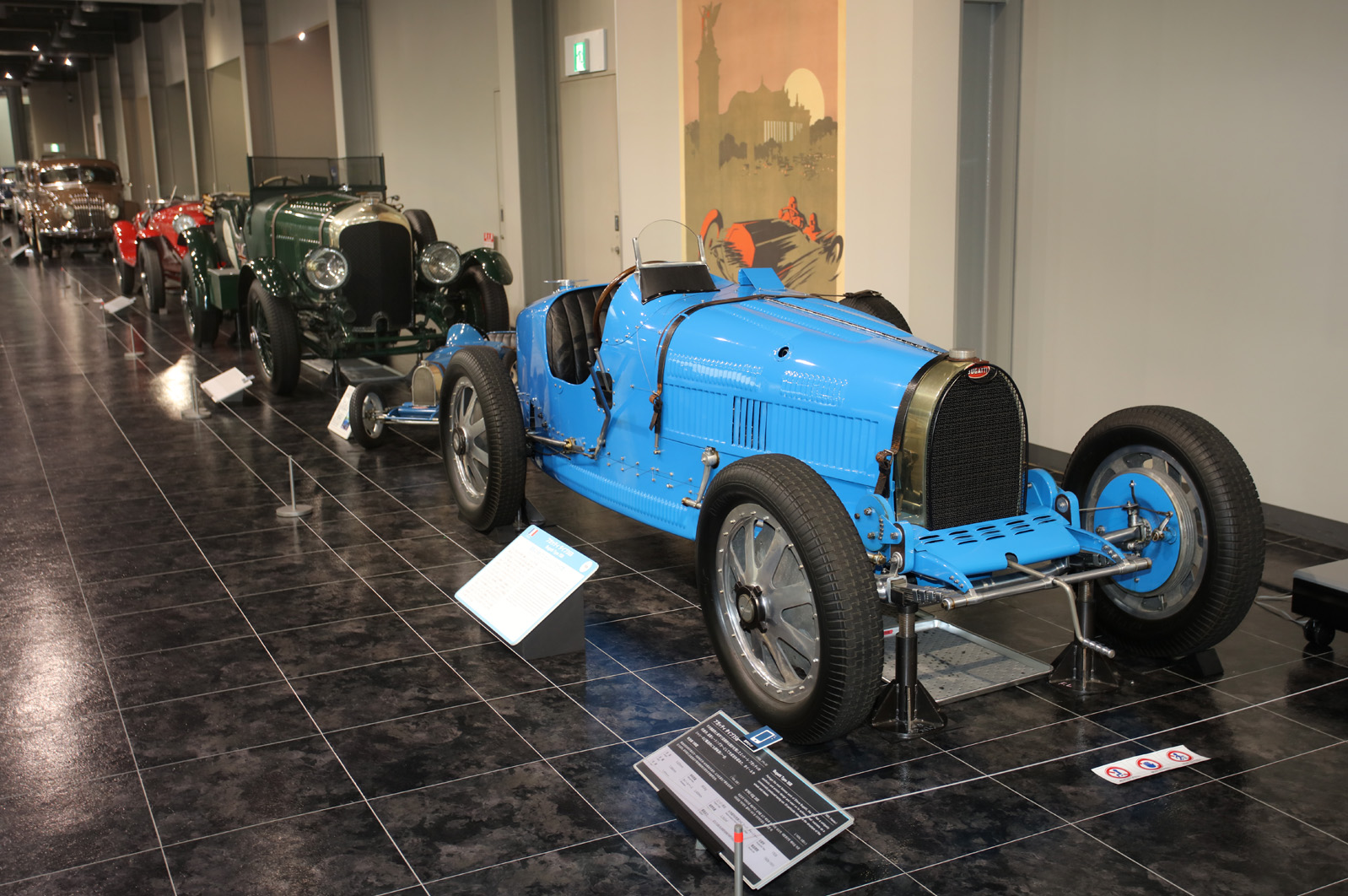
One of the most iconic pre-war Grand Prix cars of all time, the Bugatti Type 35B was blisteringly fast thanks to a supercharged 2.3-litre four-cylinder engine that produced 138bhp, a lot for the time.
This car is in French blue, while the Bentley behind is in British racing green - the national colours that harked back to the Gordon Bennett Cup run at the start of the 20th century.
Tsukuba-go (1935)
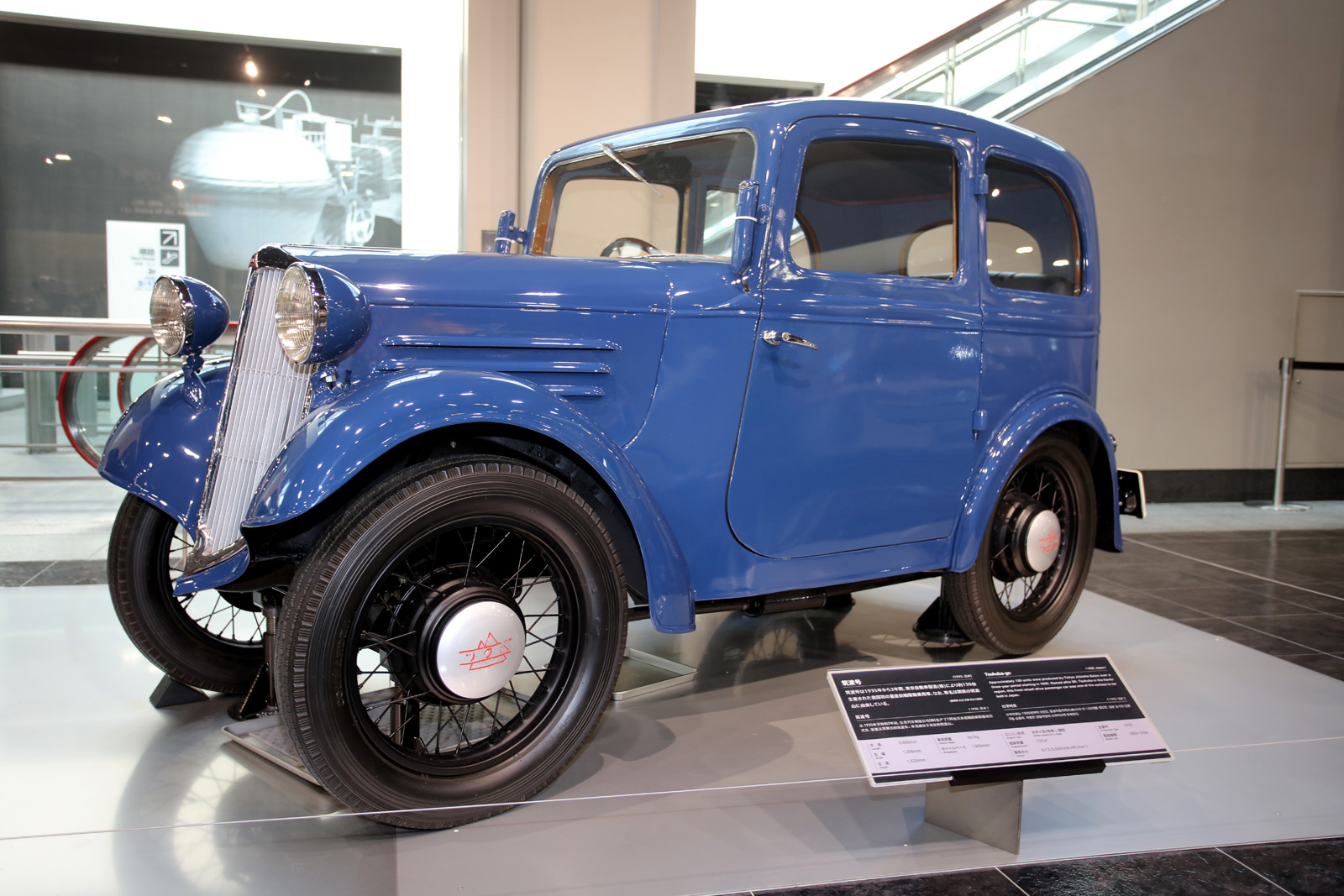
A real rarity now, just 130 Tsukuba-gos were built over a three-year period from 1935 by Tokyo based car company Jidosha Seizo. Bearing a striking resemblance to the Austin Seven and featuring a 737cc inline-four engine, the front-wheel drive contraption was named after Mount Tsukuba in Kanto province.
Datsun Model 11 Phaeton (1932)
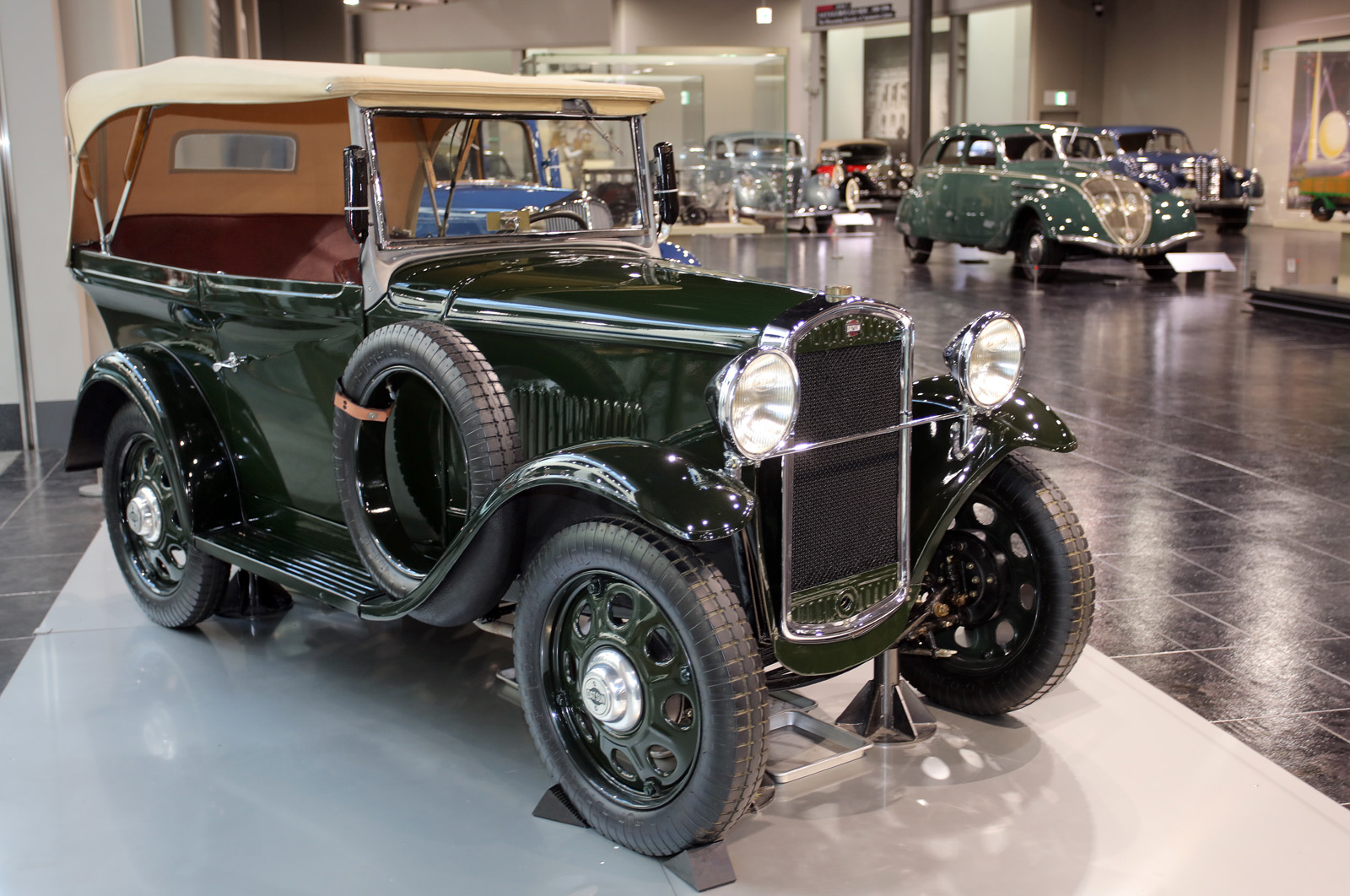
One of the very first cars to be manufactured in Japan is another Austin Seven look-a-like, the grandly named Datsun Model 11 Phaeton from 1932. Originally launched under the name of DAT, the initials of its founders, the company’s new brand was the son of DAT, hence Datsun.
Bought by Nissan in 1934, Datsun was used as a sub-brand for over 50 years before being phased out in 1986. Datsun saw a revival in 2013 as a budget brand.
Lancia Astura (1936)
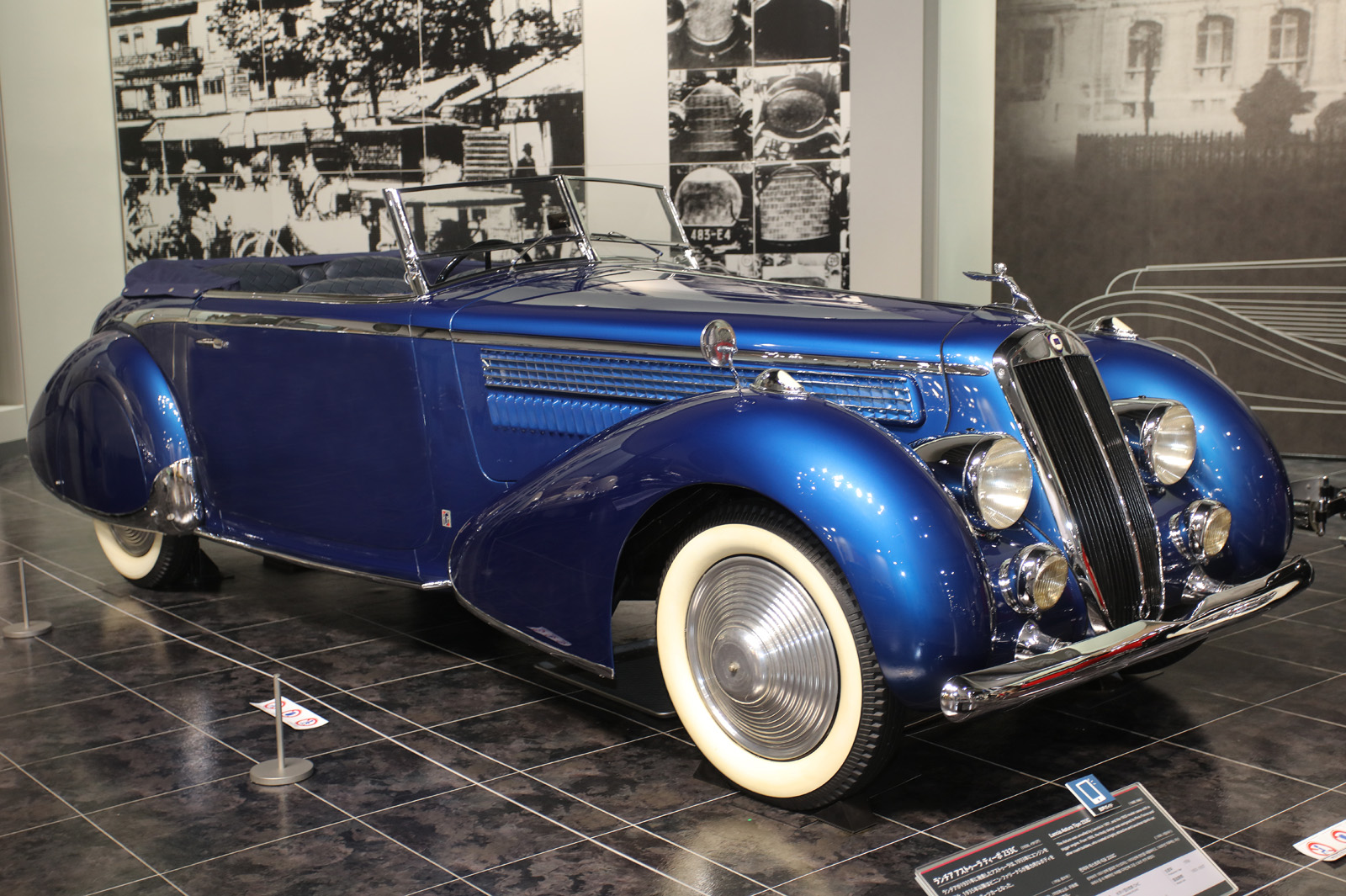
Designed by Italian coachbuilder Pininfarina and unveiled at the 1931 Paris motor show, this stunning 1936 Lancia Astura cabriolet replaced the Lambda model.
Featuring a 2972cc OHC V8, it's one of the most desirable pre-war Lancias, winning top honours at both Pebble Beach and Villa D’Este Concours.
Cord 812 (1937)
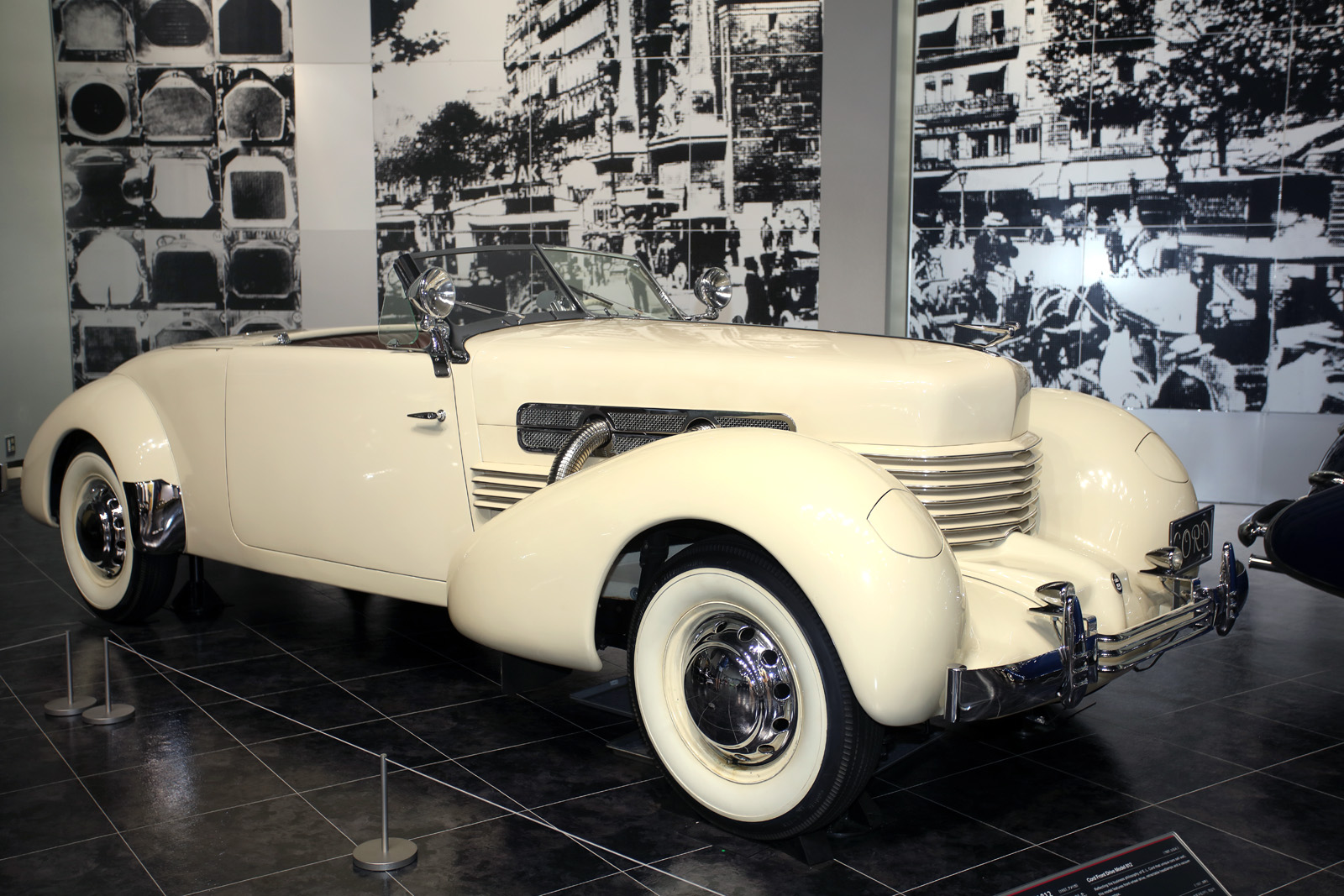
Designed with the sole purpose of turning heads, the 1937 Cord 812 certainly succeeded in standing out. Highly innovative, the 812 featured front-wheel drive, retractable head lamps, a supercharged V8 and a vacuum shift gearbox.
Not that it did Cord much good, as the company died at the end of 1937.
Packard Twelve (1939)
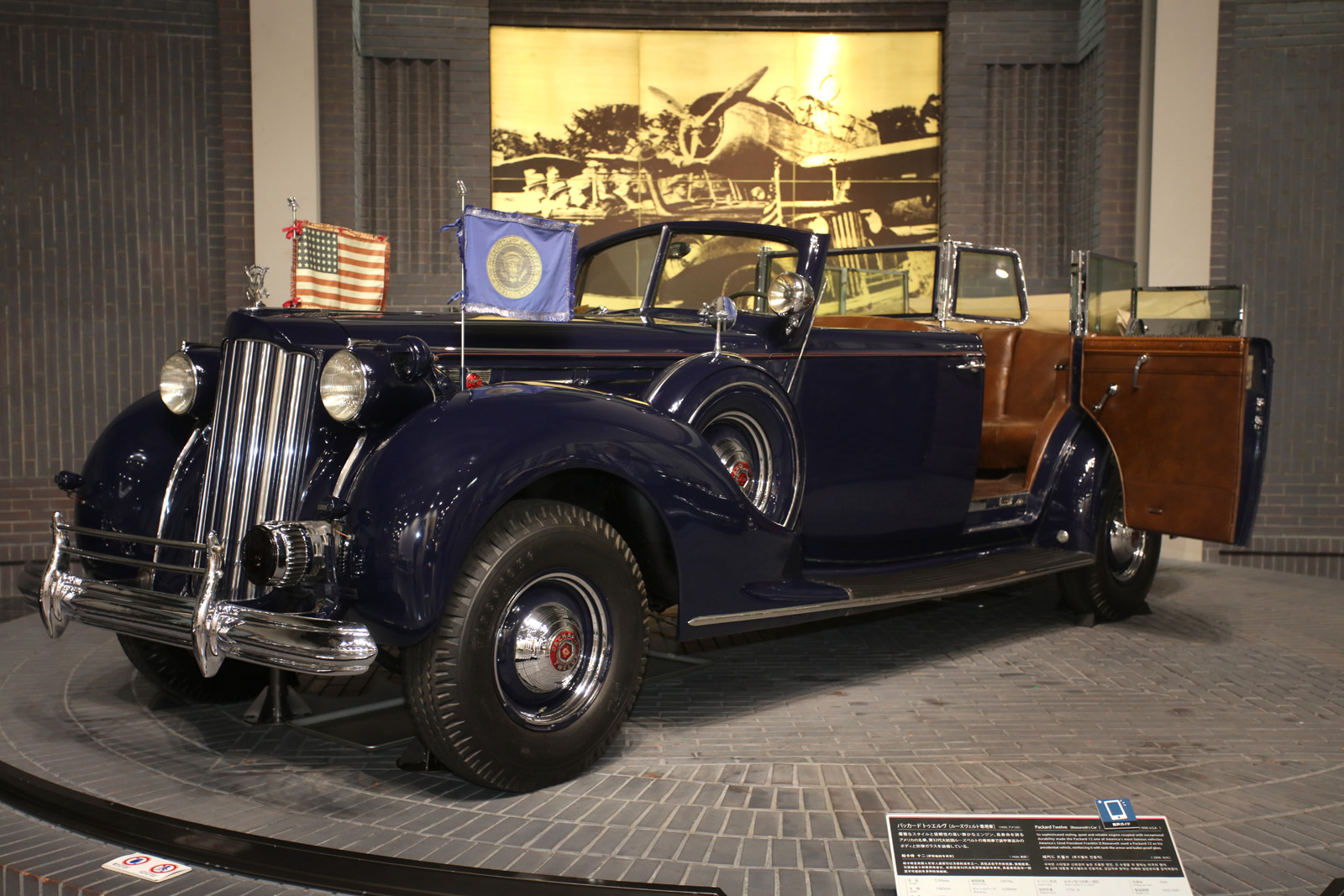
Seen by some as America's Rolls-Royce, Detroit-based Packard produced luxury cars featuring sophisticated V12s and superb build quality. Indeed, the Twelve was the car of choice for 32nd President of the United States, Franklin D Roosevelt. This 1939 car is the one he was driven in for parades and is adorned with armour plating and bullet-proof glass.
Cisitalia 202 (1947)
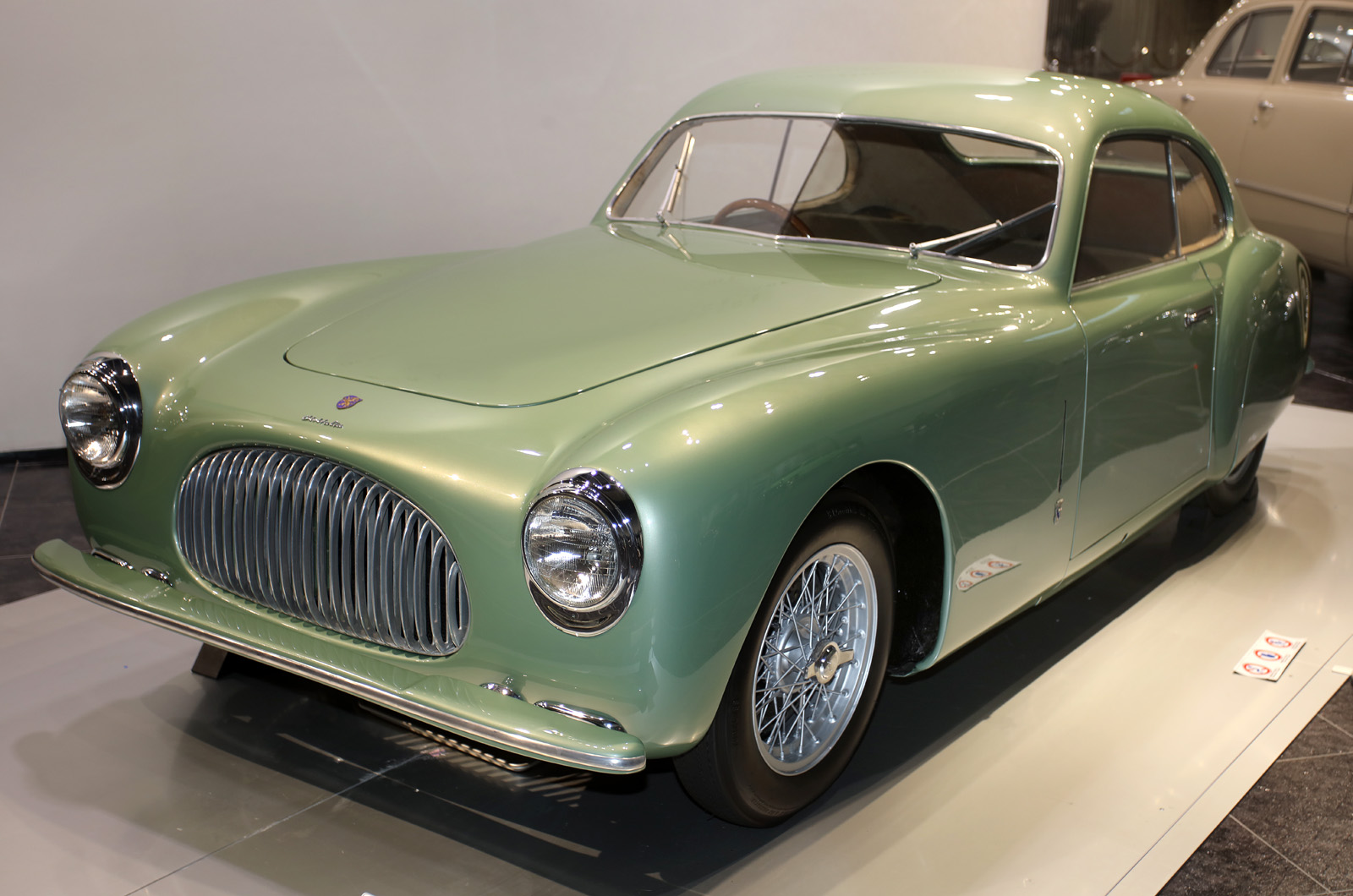
With its iconic and influential styling by Pininfarina, the 202 was honoured by the Museum of Modern Art in New York for its innovation and aesthetic excellence. This 1947 Cisitalia 202 took part in the Mille Miglia in 1948.
Tucker 48 ‘Torpedo’ (1948)
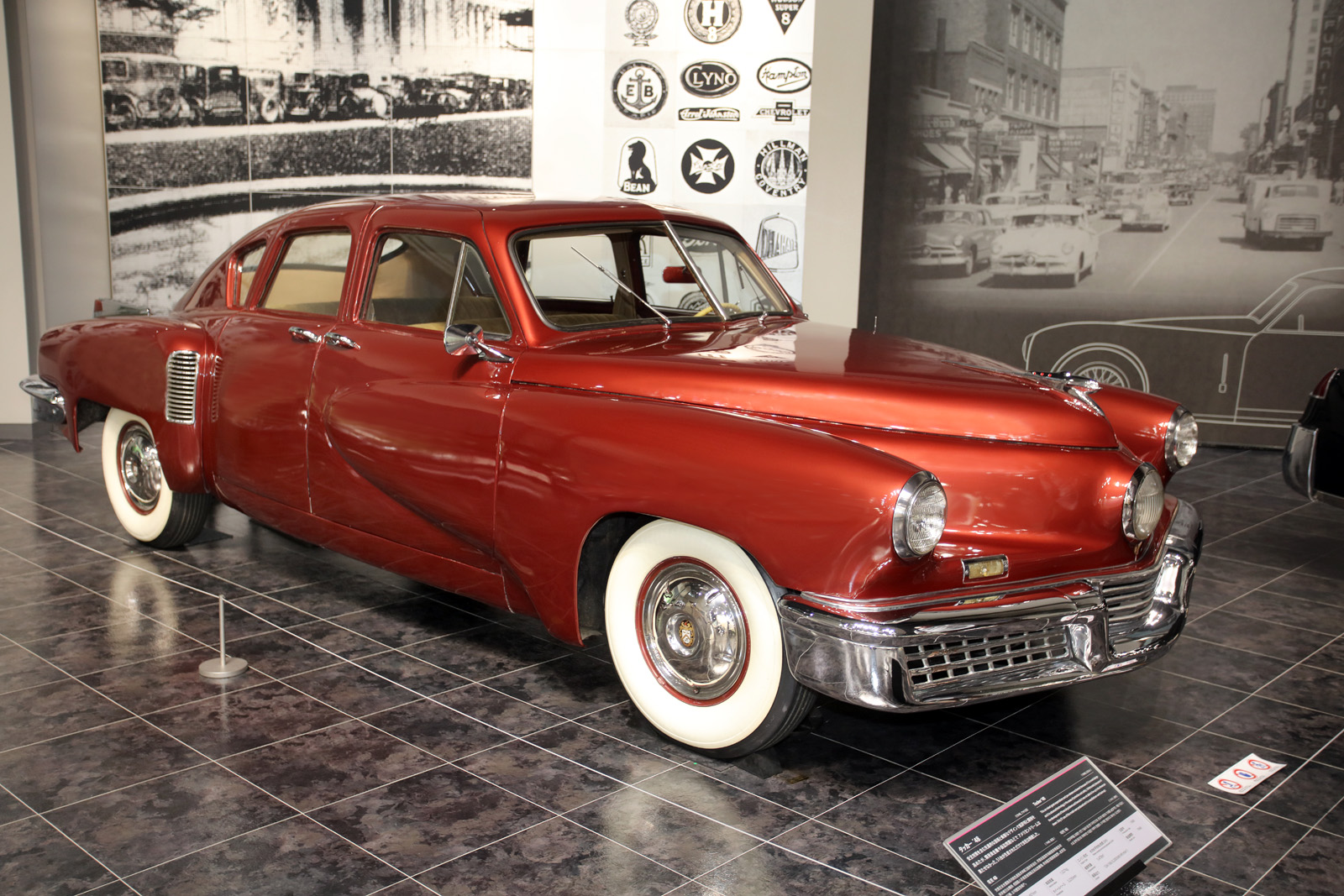
Highly innovative and with a big focus on safety, the 48 featured a 5.5-litre helicopter-derived flat six-cylinder engine mounted at the back and a central directional headlight. Just 51 cars were built before Tucker went bust amid various scandals. Survivors are today very valuable.
Toyopet SA (1951)
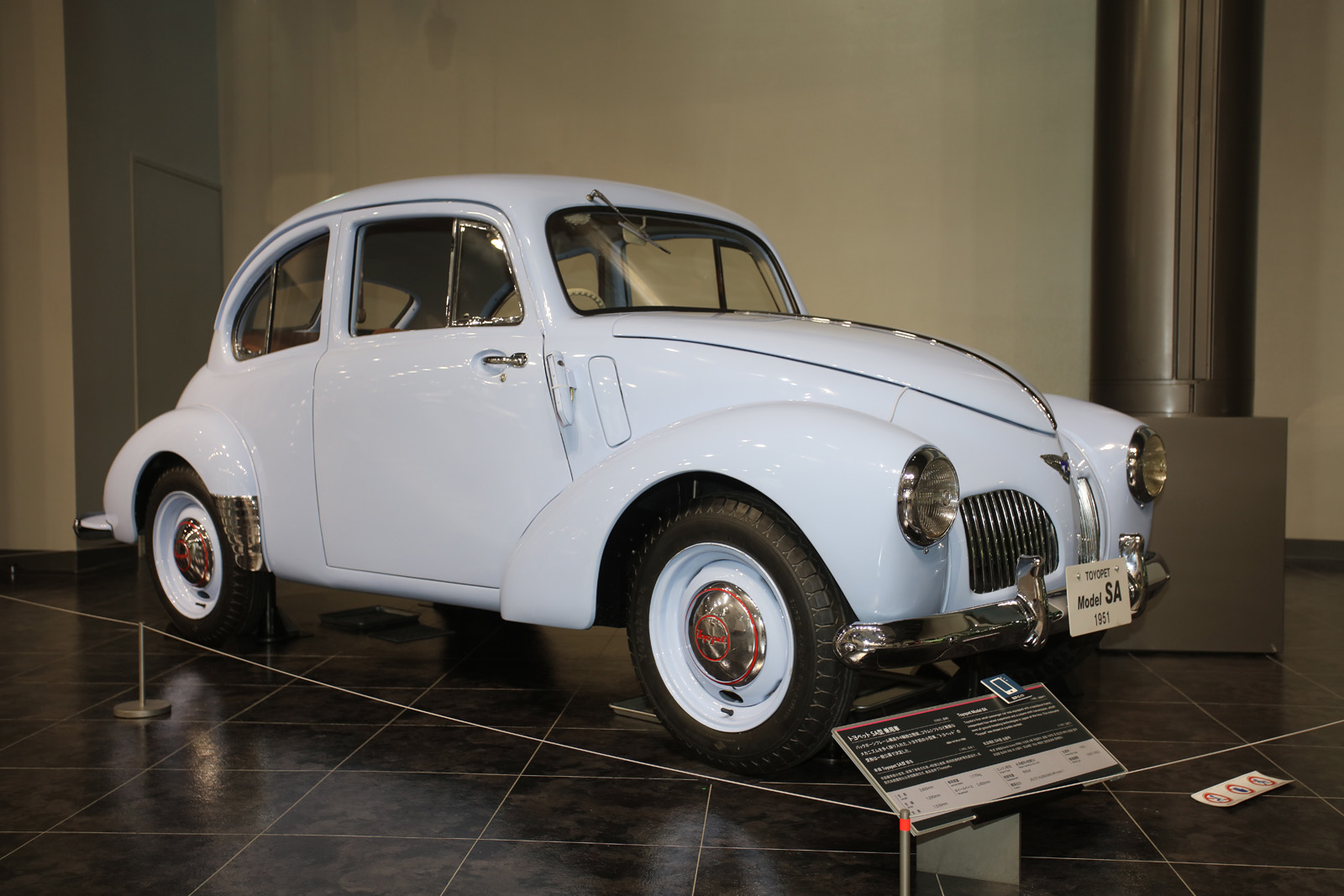
With a name voted for by the public, Toyota's first post war small passenger car features VW Beetle-esque styling , groundbreaking four-wheel independent suspension and column shift gearbox.
Toyopet Crown RS (1955)
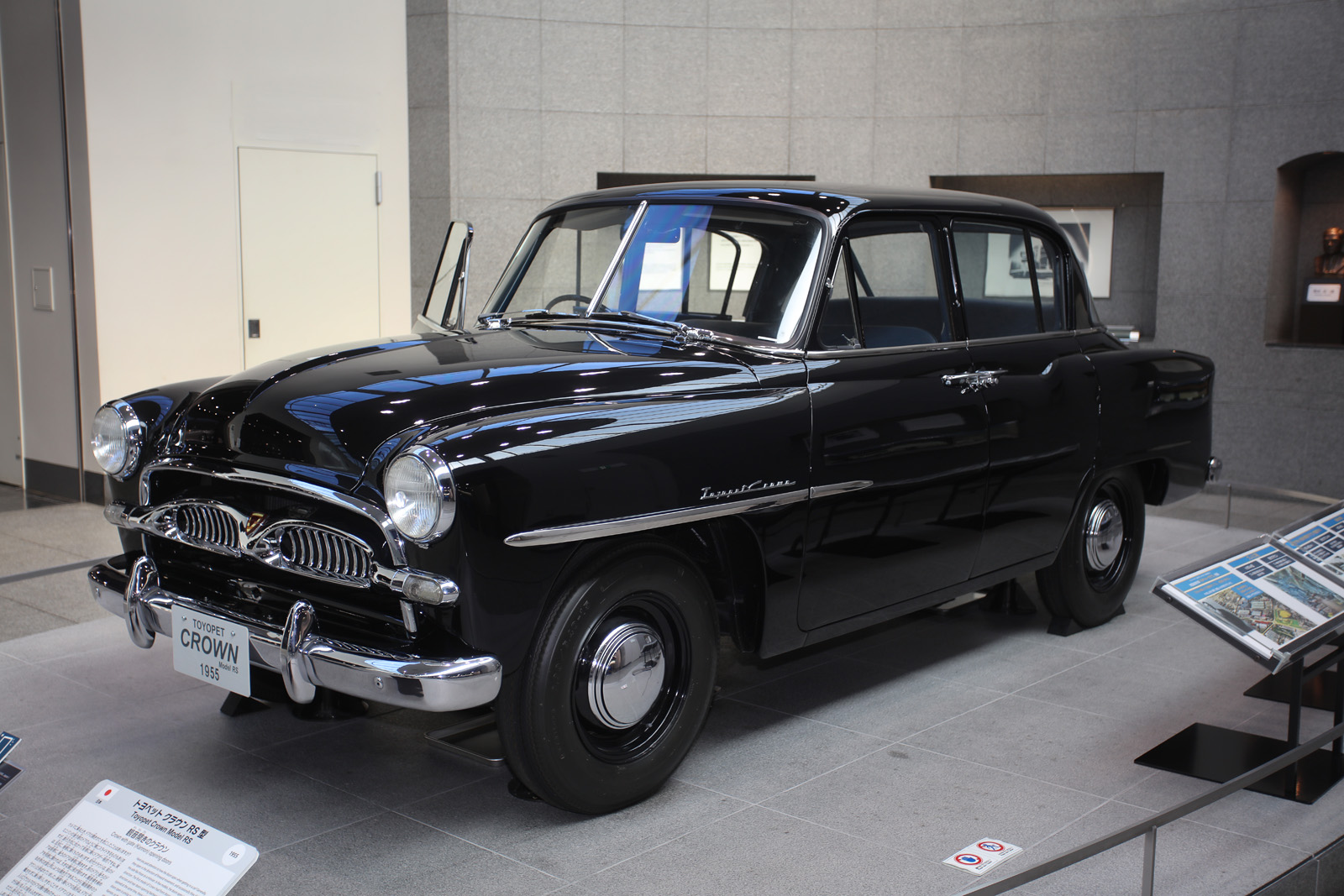
The first generation Toyopet Crown RS was built without technical assistance from overseas, giving a boost to the self-confidence of Japanese car manufacturing. Japan was then slowly recovering from the Second World War that had left much of the industry’s factories devastated by aerial bombing.
Toyopet Crown RS (1955) - continued
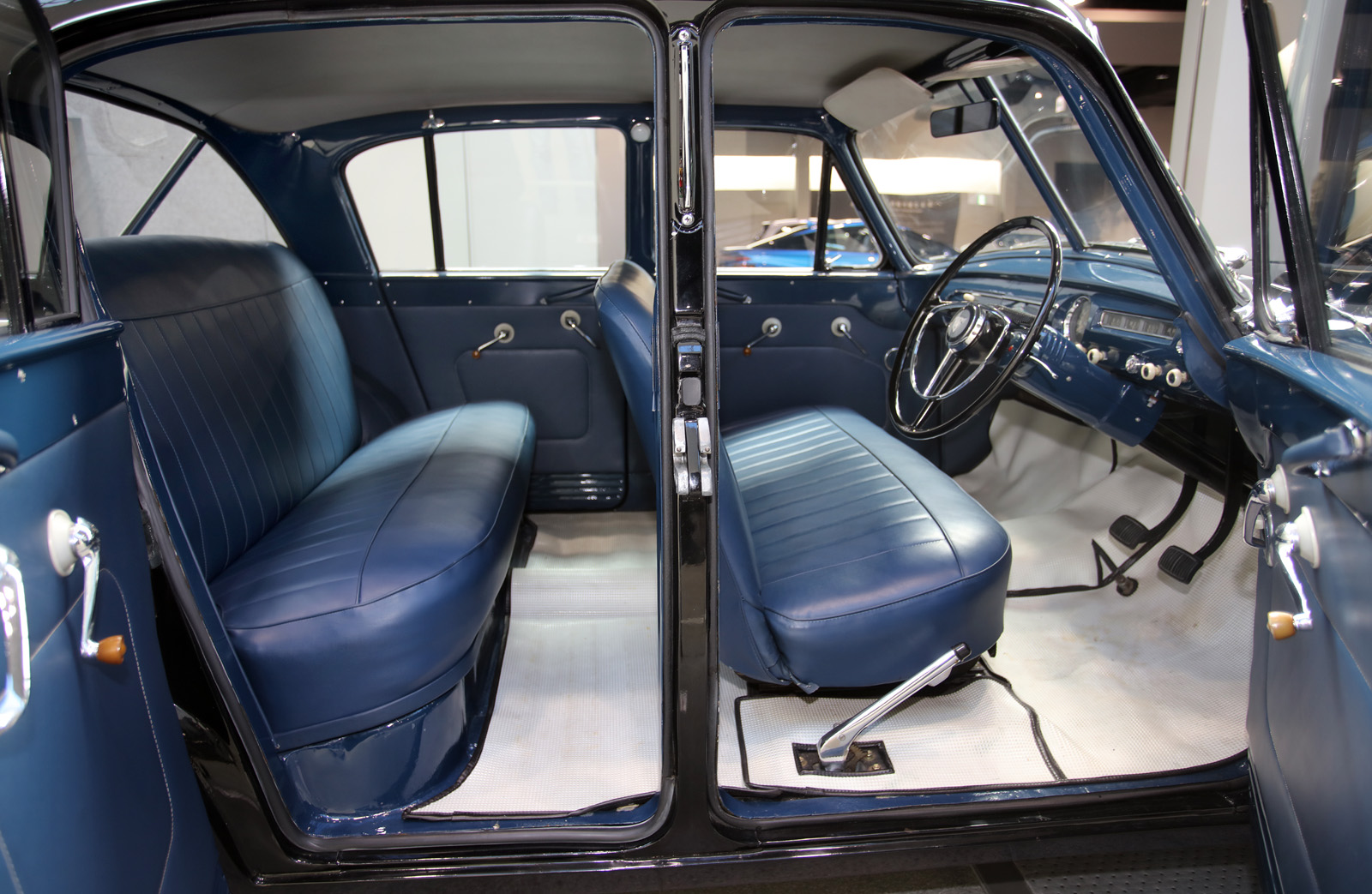
Reversed rear doors created a wide opening inspired by those of a Buddhist Temple enshrining the deity ‘Kannon’. Therefore, the model was described as featuring Kannon opening doors.
Toyota FJ25L (1955)
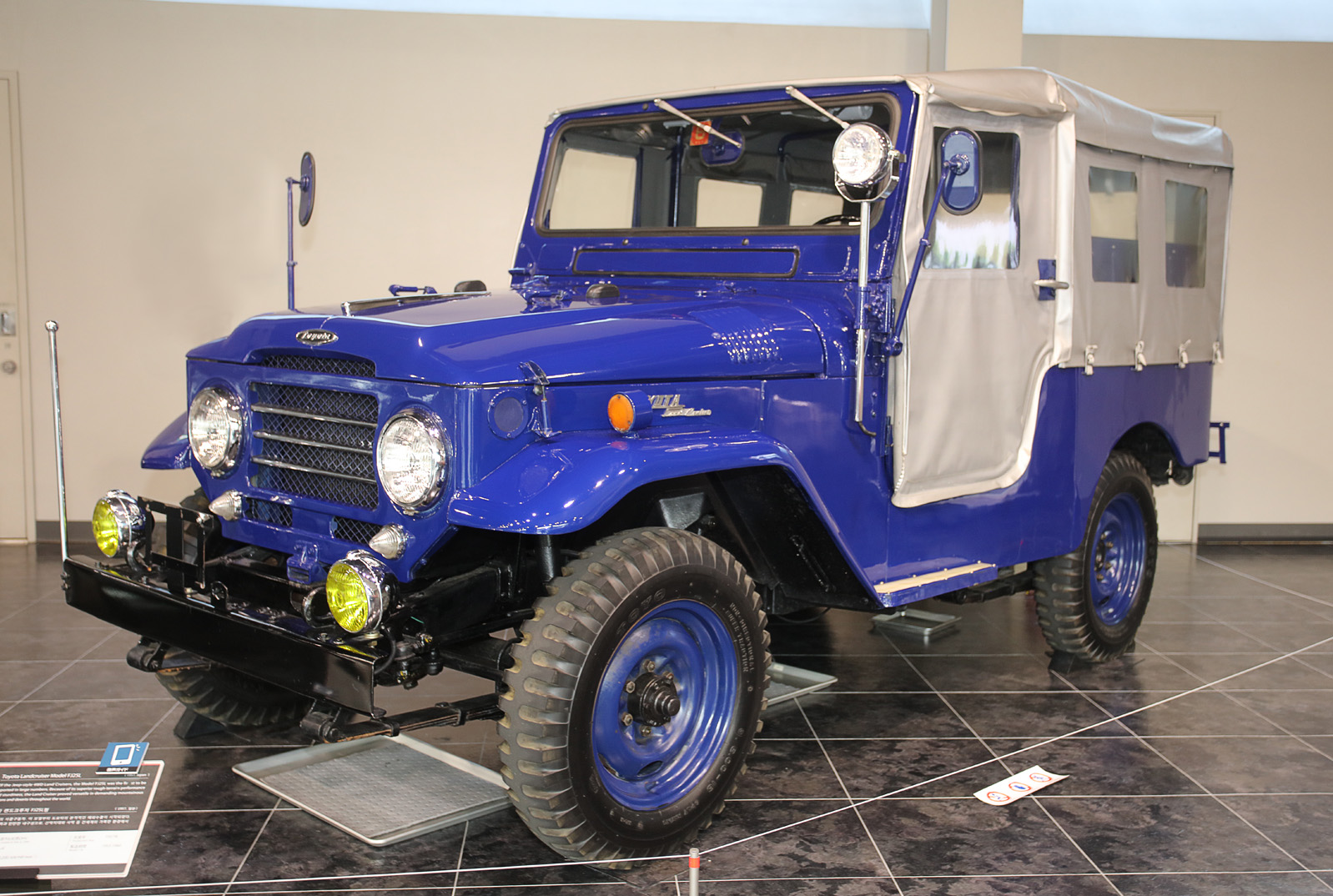
The first Toyota 'Jeep' was manufactured as a prototype in 1951 as a military utility vehicle for the Korean war based on the ubiquitous Willys. This second generation FJ25L vehicle built from 1955, was developed for civilian use.
The first car to be named ‘Land Cruiser’, it proved to be one of the best rough terrain vehicles ever built and was exported in large numbers.
Flying Feather (1955)
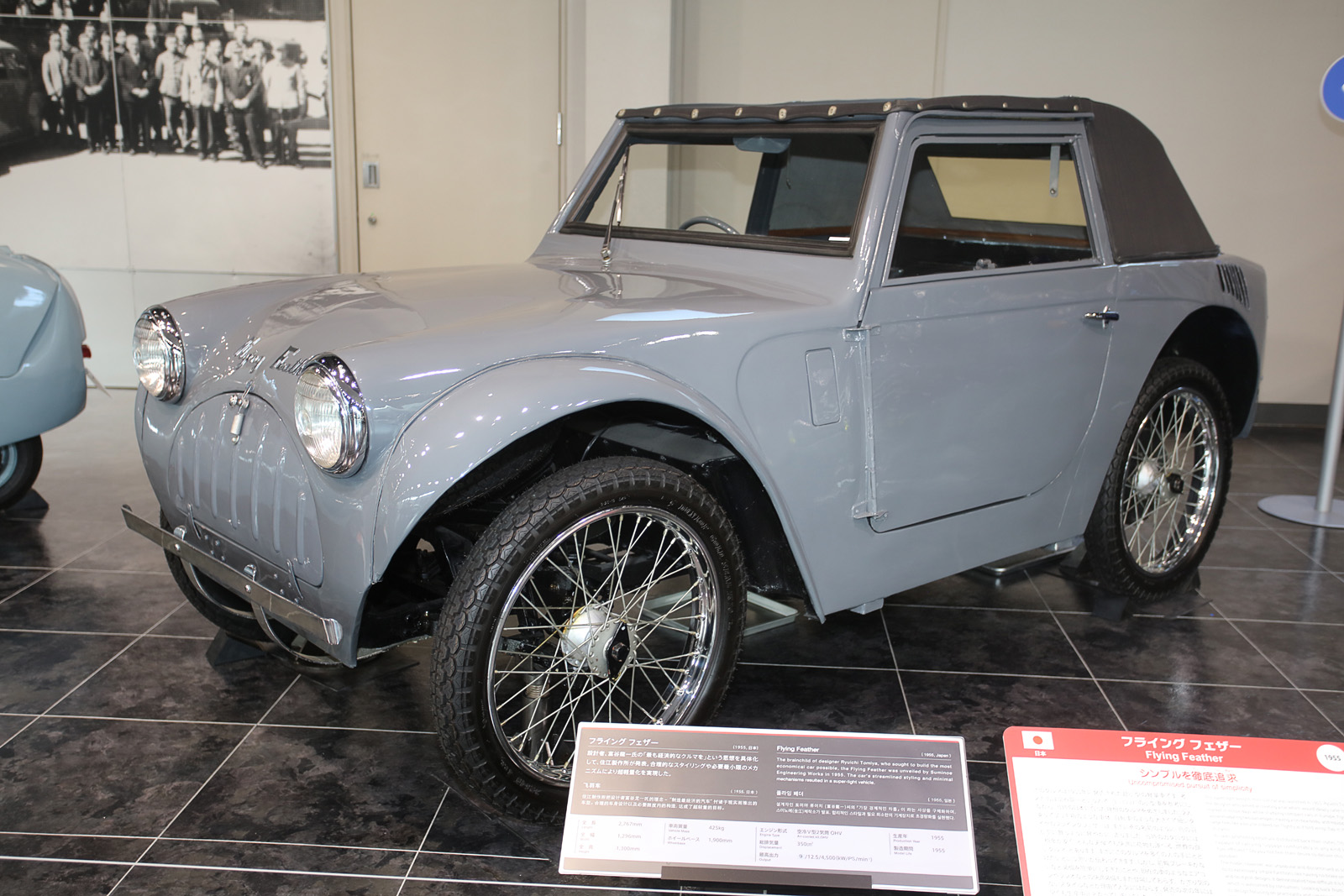
The Flying Feather was designed to be as light and economical to build as possible. With spoked bicycle-inspired wheels and no front brakes, it featured a tiny 350cc V2 air-cooled engine - a design commonly found in motorbikes of the day.
Unsurprisngly, the Flying Feather was not a success as consumers were looking for more, not less, in their cars.
Fujicabin 5A (1957)
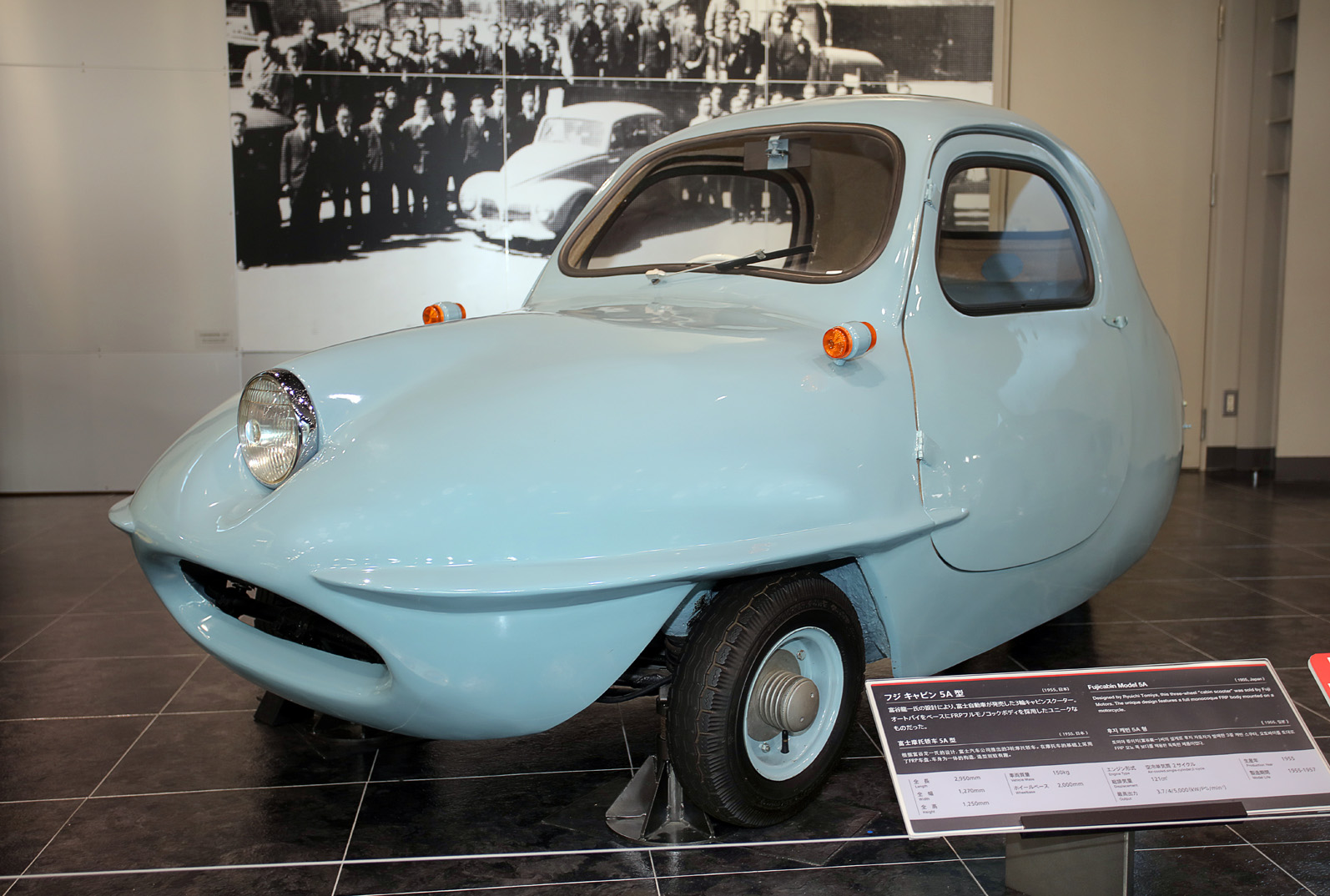
This charming little three-wheeled bubble car, the Fujicabin 5A, was designed by Ruichi Tomiya, the same man who penned the Flying Feather.
Powered by an even smaller 121cc engine, the 5A was driven by its singular rear wheel under and was decorated with a full monocoque GRP skin. Just 100 were made.
Isuzu PH300 Hillman Minx (1960)
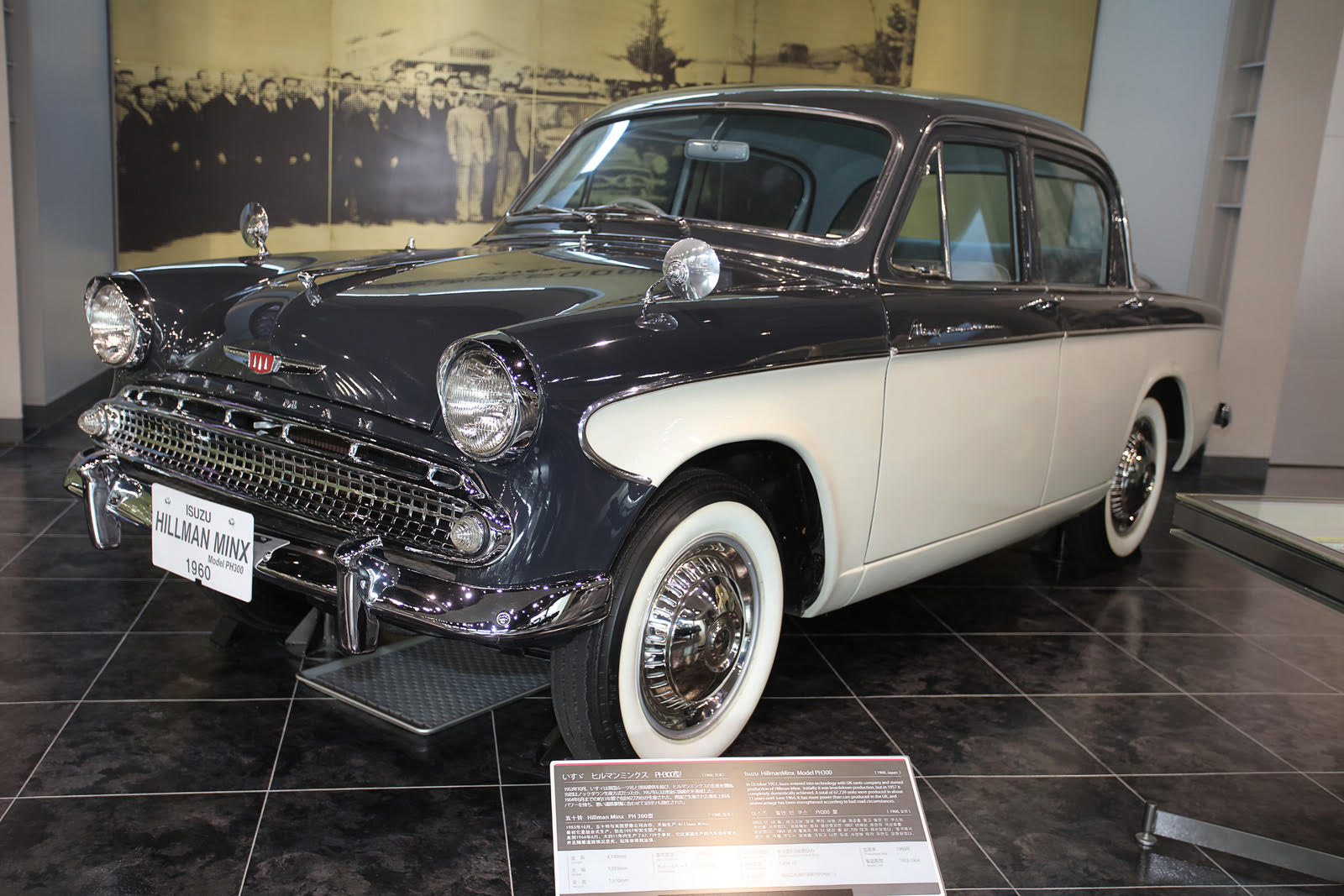
If this looks familiar that’s because it’s a 1960 Hillman Minx built under license by Isuzu from the Rootes Group, initially as a knocked down kit export and called the model PH300. Full domestic production was achieved in 1957 selling an impressive 67,729 units.
Subaru 360 (1958)
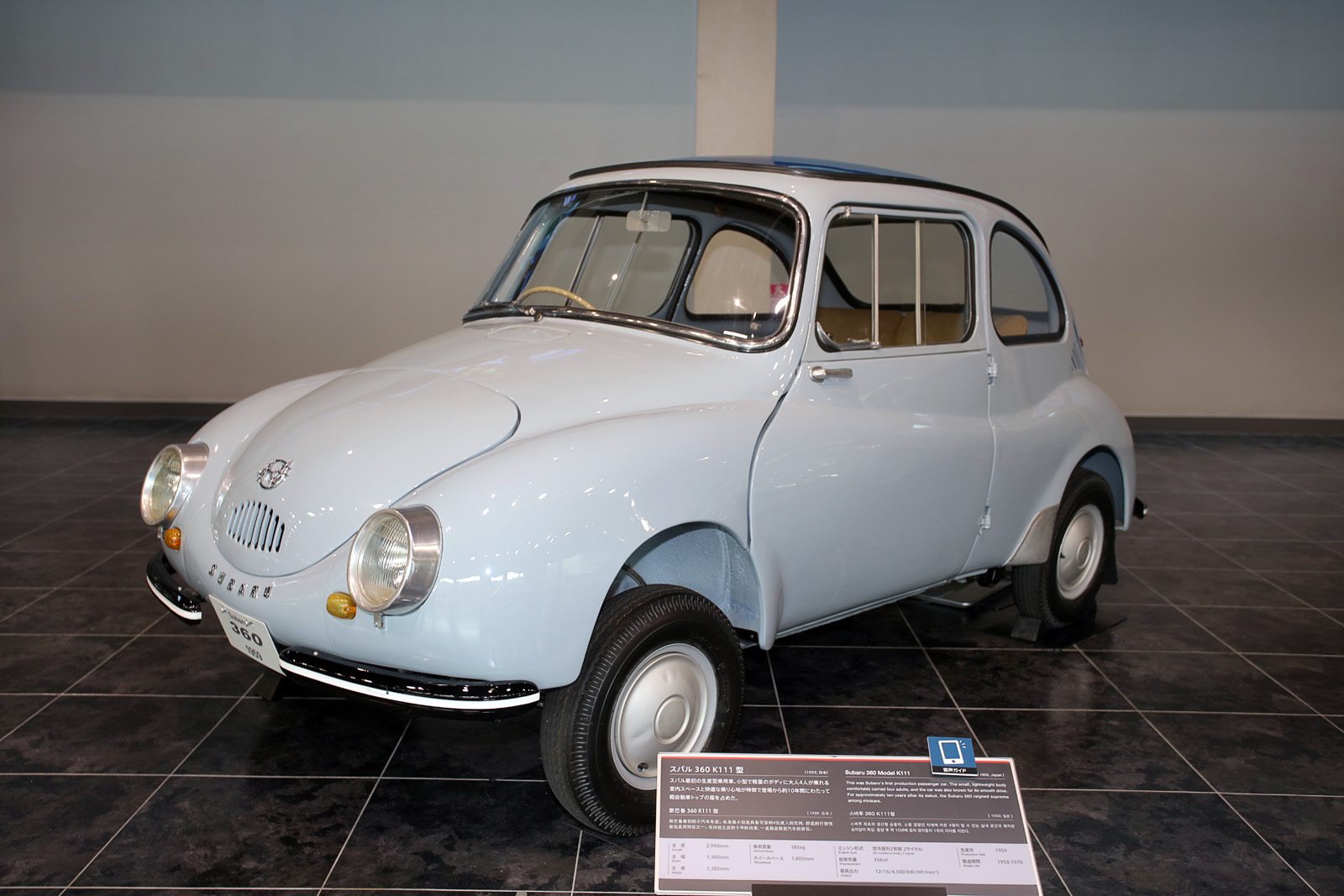
Suburu’s first production car was nicknamed ‘Ladybug’ and featured a straight two-cylinder 356cc two stroke engine. It could carry four people.
Subaru had come from Fuji Heavy Industries, formed by six companies coming together as represented on its logo by six stars. One of the six companies was the Nakajima Aircraft Corporation which had built military aeroplanes during WWII.
Prince Gloria Super 6 (1964)
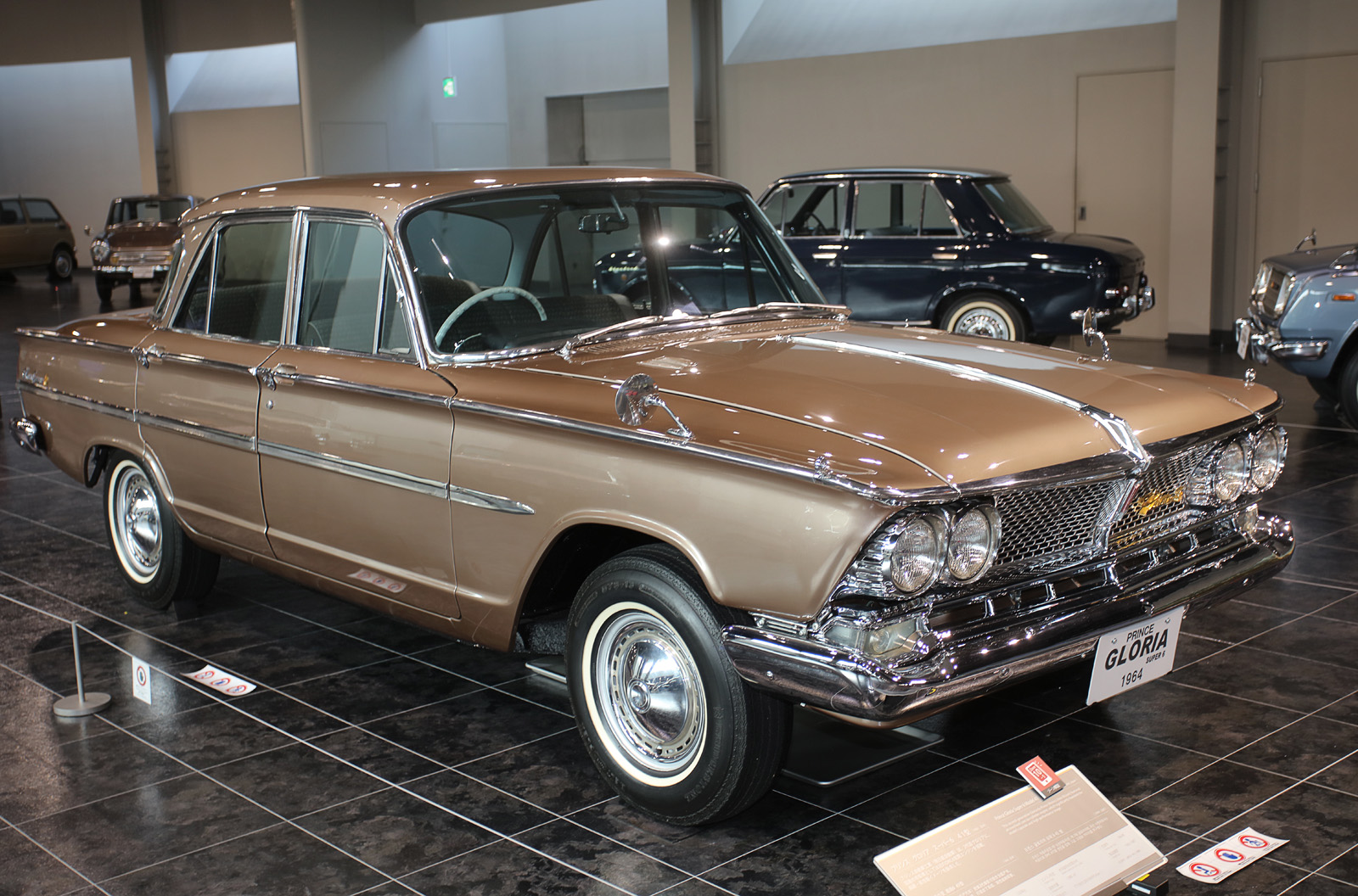
Prince Motors, now Nissan, manufactured this stylish Gloria Super 6 in 1964. An overhead cam straight-six 1988cc engine boosted this second generation car’s performance.
Toyo Kogyo Familia SSA (1966)
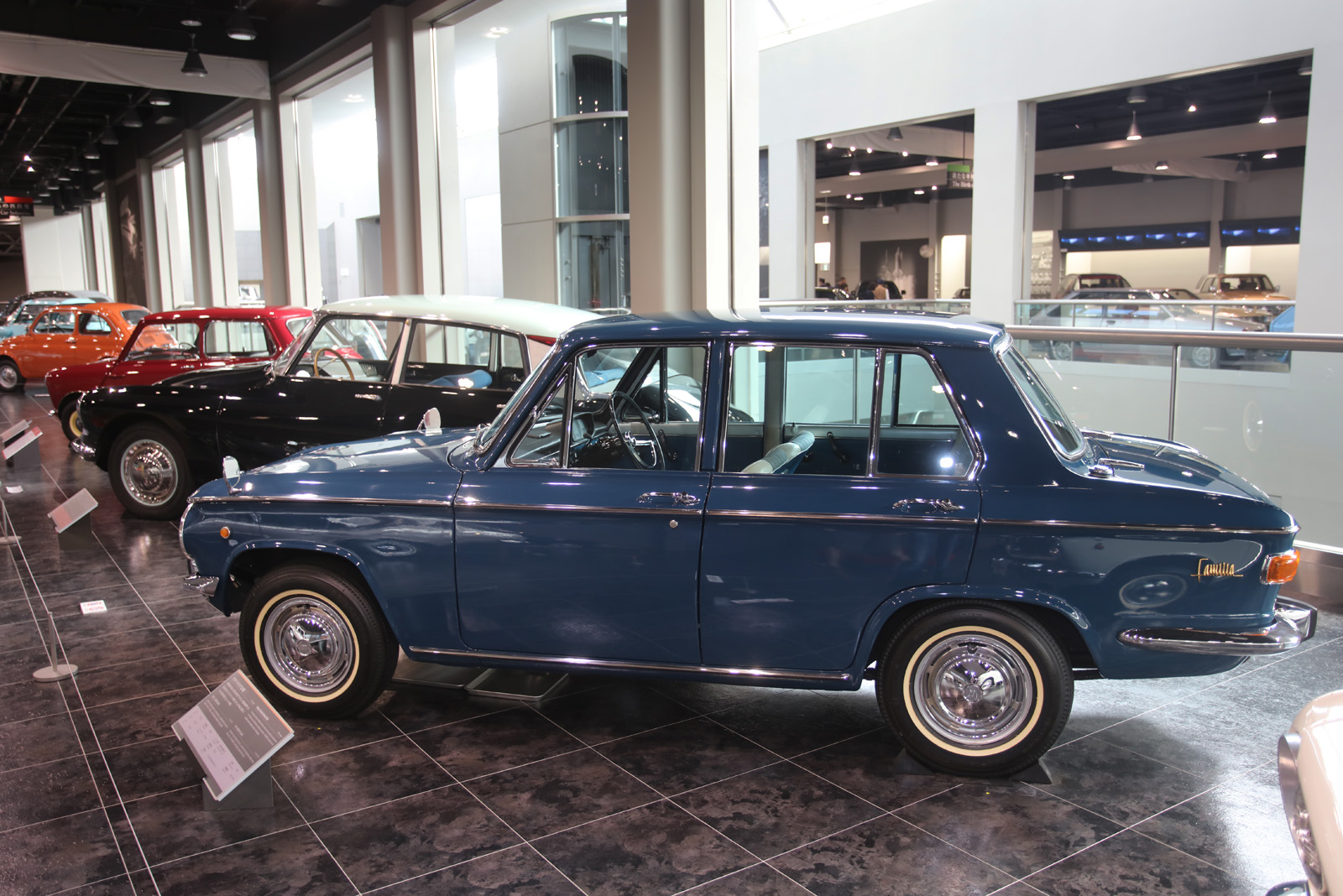
Toyo Kogyo, known today the world over as Mazda, marked its introduction to automobile production with a light van and then in 1966 built this Familia SSA. Featuring a four-cylinder 782cc aluminium alloy engine, it was built for just one year.
Toyota Corolla (1966)
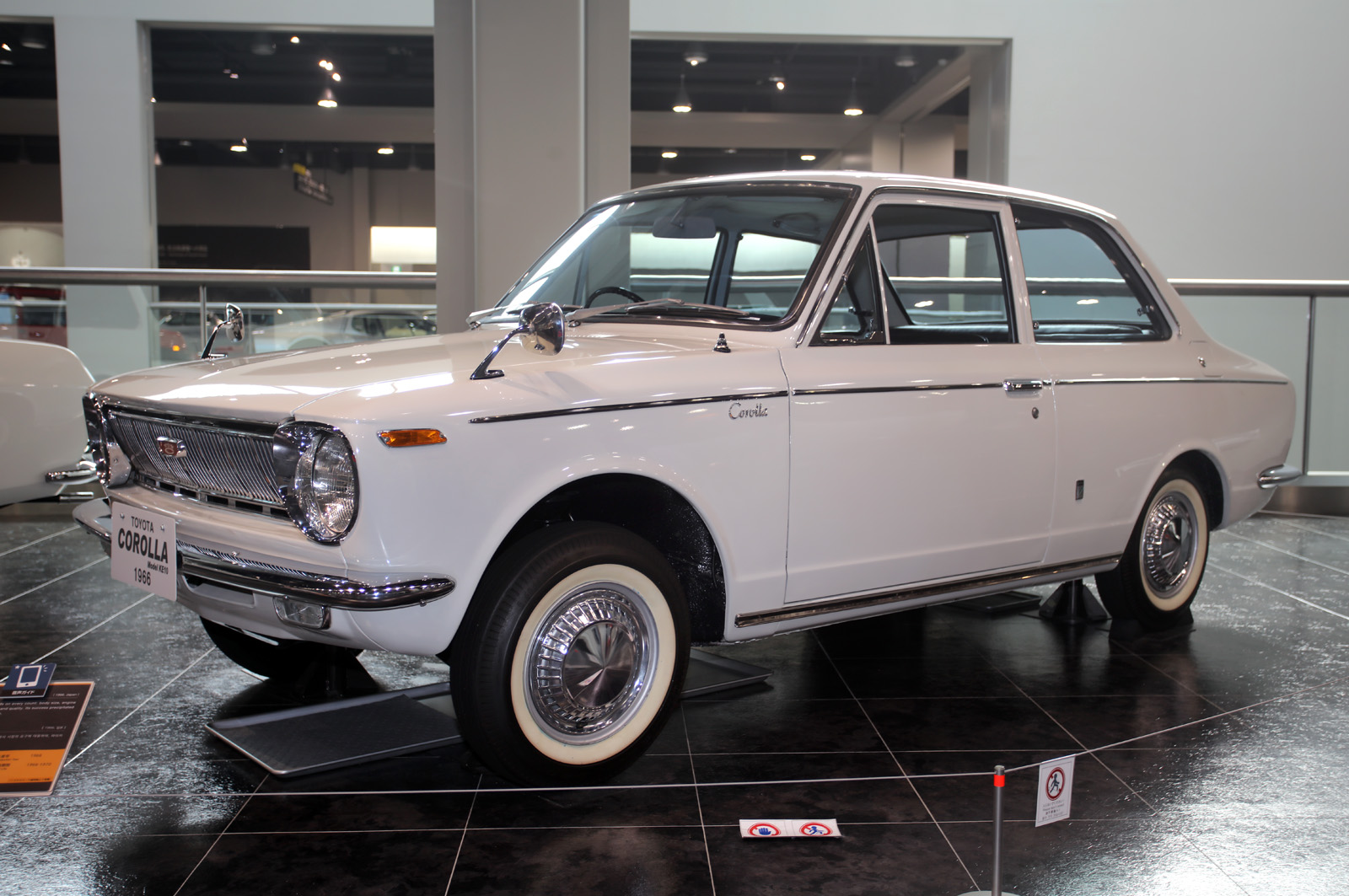
After a lack of success with its very basic Publica model, Toyota went back to the drawing board for the 1966 Corolla. The model added extra luxury and equipment both in the styling with its chromed grill, and in the interior twin instruments dials and added comfort. Performance was also improved over the Publica.
Over 44 million Corollas have been sold to date, making it the largest-produced nameplate on any car, ever.
Datsun Fairlady (1963)
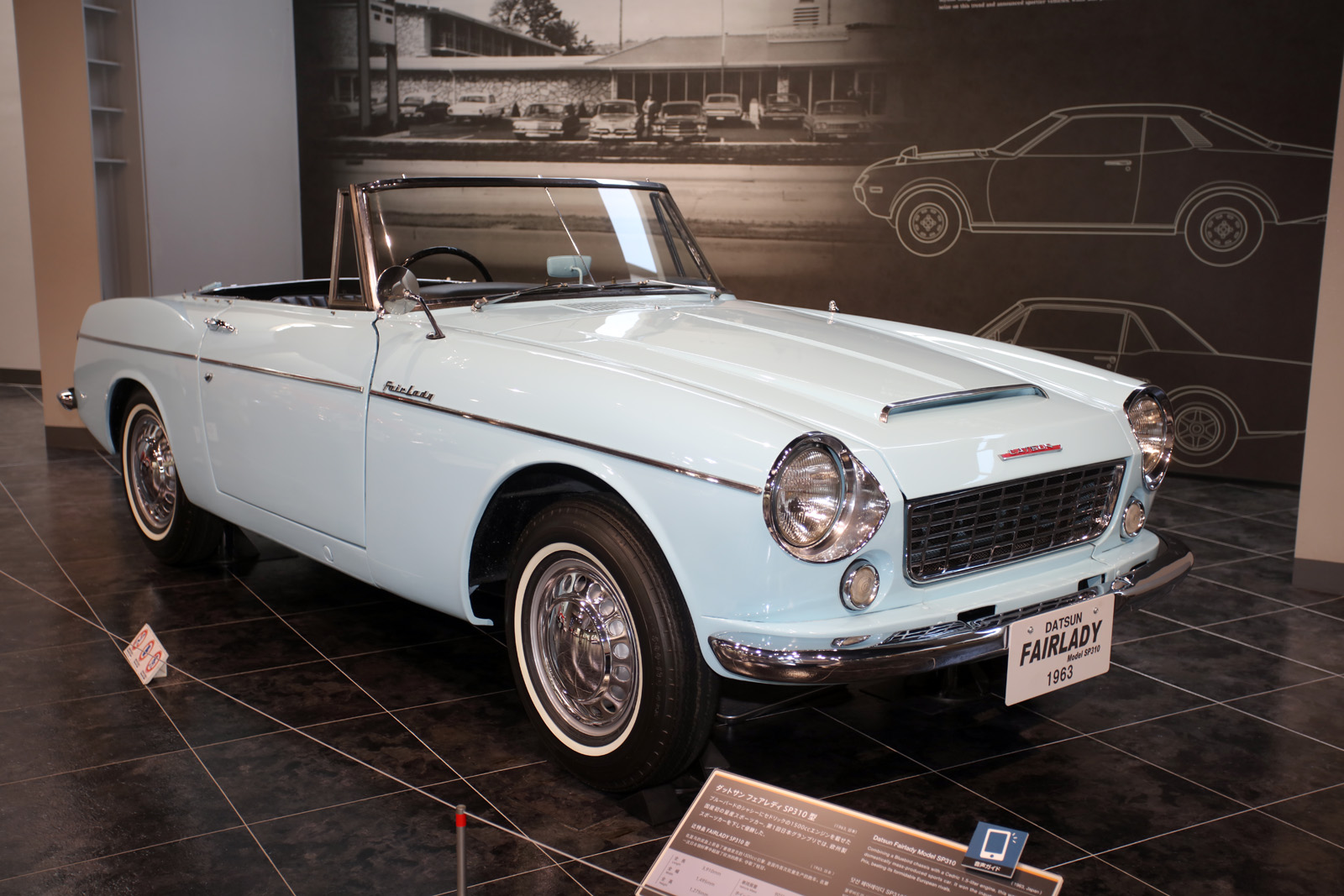
The pretty 1963 Datsun Fairlady, built by Nissan, was the first full sized mass produced Japanese sports car, selling over 40,000 units in total.
Targeting the foreign markets dominated by MG, Alfa Romeo and Triumph, the Fairlady was built around a Bluebird chassis it featured a 1.5-litre Cedric engine developing 85bhp.
Toyota Sports 800 (1965)
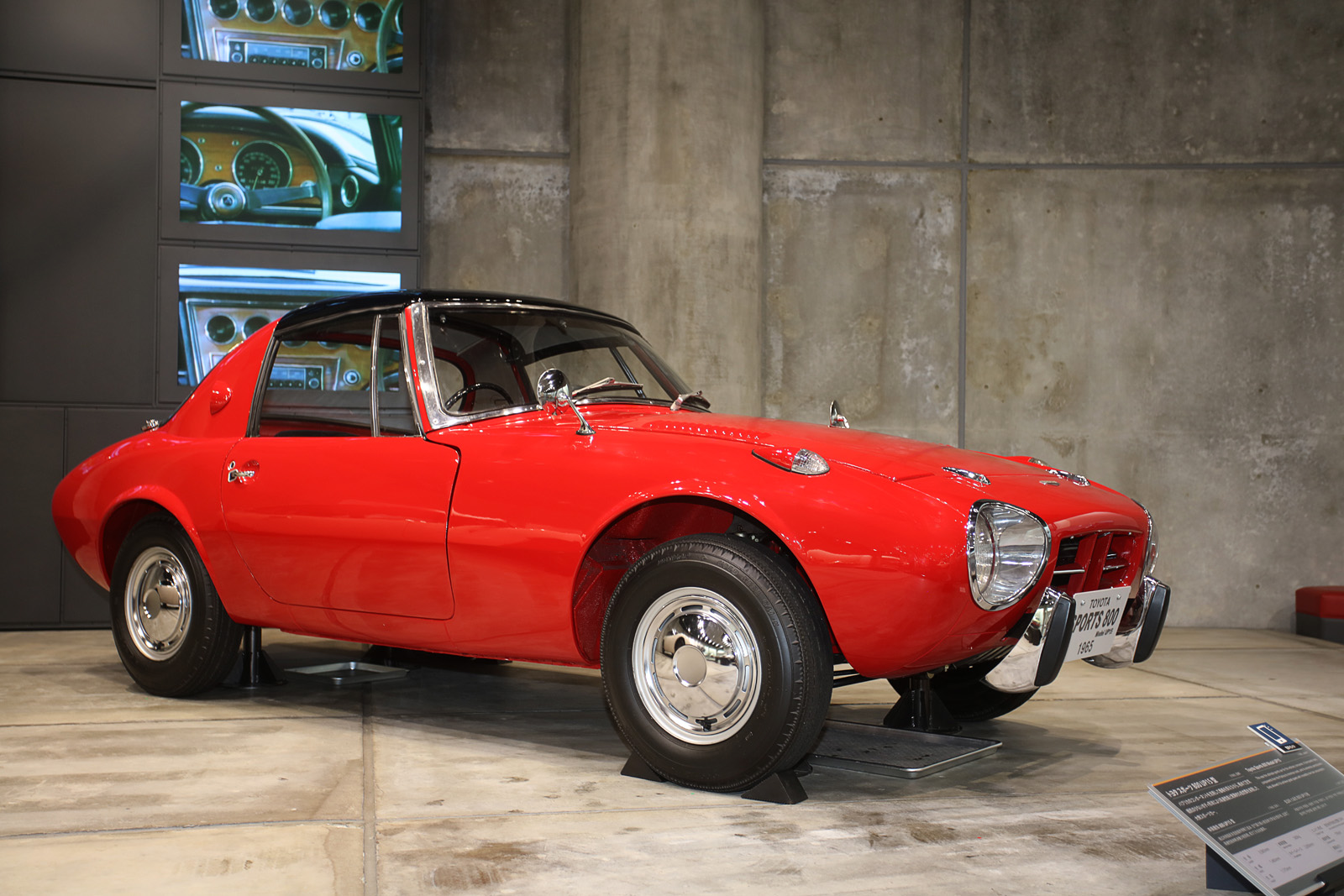
The Toyota Sports 800 was built using techniques from the aircraft industry to make it lightweight and aerodynamic. Constructed with aluminium and featuring cowled-in headlights, the 800's engine consisted of just two cylinders with a displacement of 790cc - the car was capable of nearly 100mph.
Toyota 2000GT (1966)
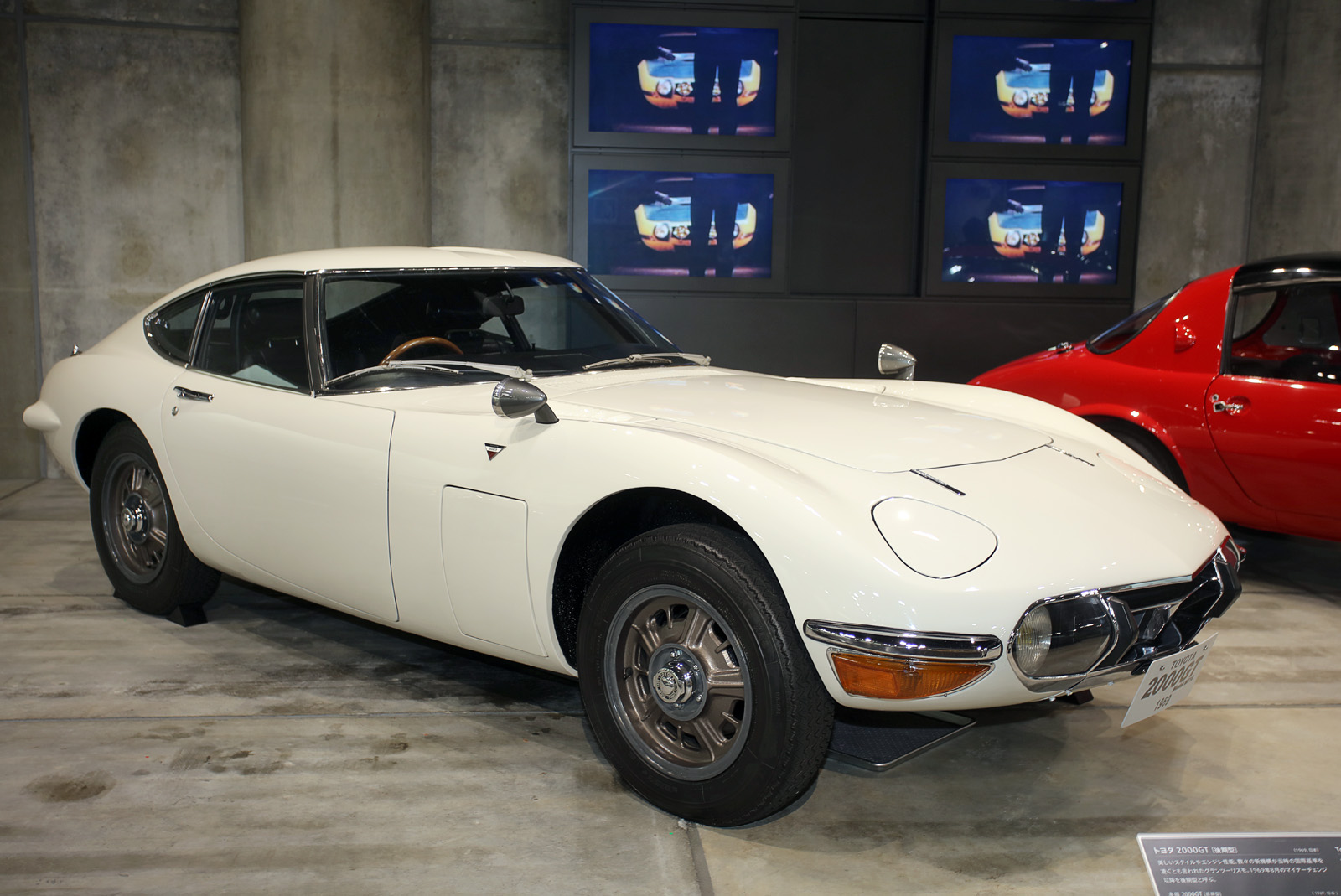
One of the most beautiful sports cars of all time, the Toyota 2000GT was conceived quickly in collaboration with Yamaha and made its debut at the Tokyo motor show in 1965.
It featured a DOHC 1988cc straight six-cylinder engine, but at double the price of a Toyota Crown it was an expensive luxury. Famed by an appearance in the James Bond film 'You Only Live Twice’, just 337 examples were built making them rare and very valuable now; it’s widely agreed that this was Japan’s first true sports car.
Nissan Silvia Coupé (1966)
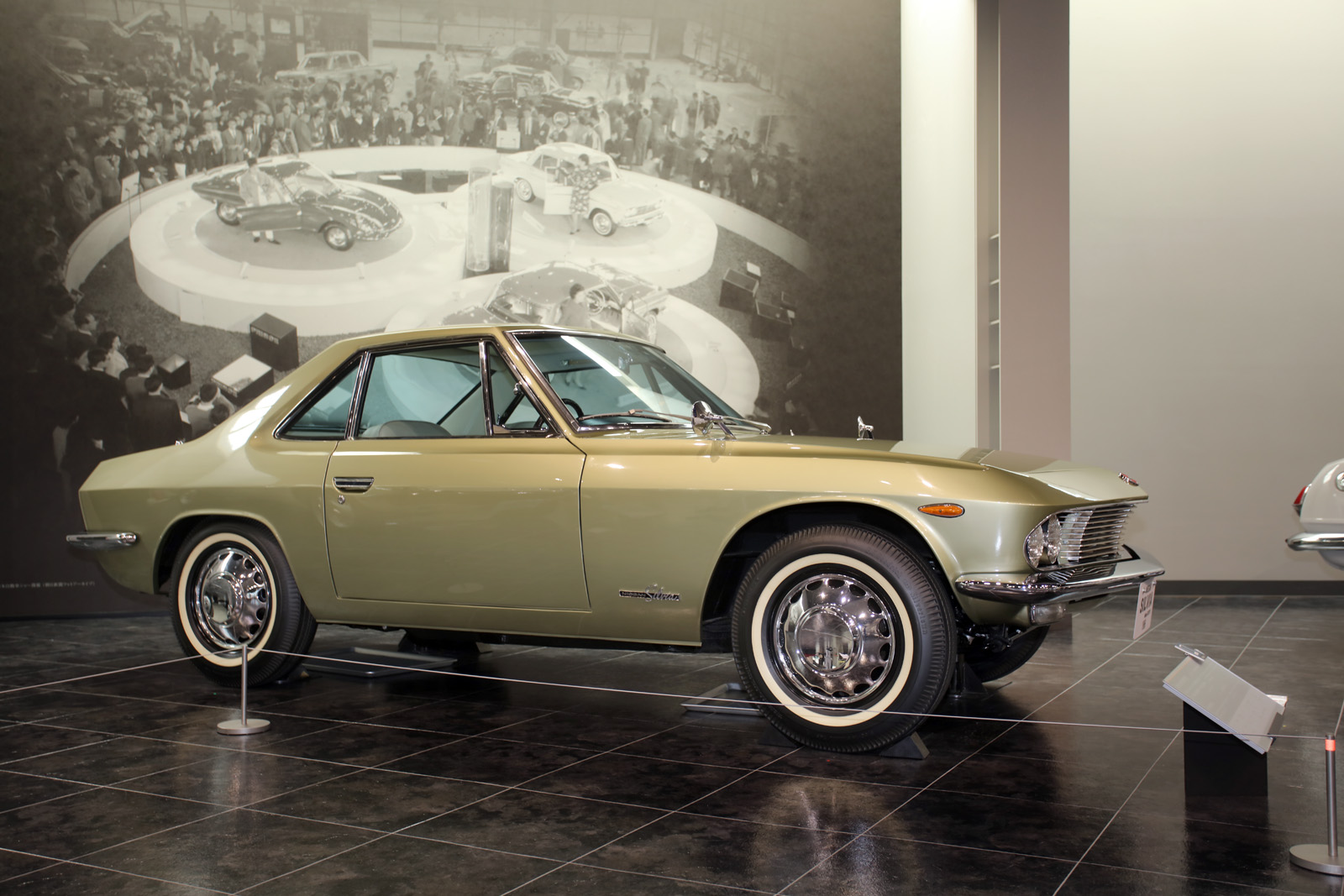
The radical design of the Nissan Silvia Coupé ensured it turned heads when it was launched in 1966. Built on the Datsun Fairlady chassis, it featured a sporty 1595cc four-cylinder engine delivering 90bhp.
Mazda Cosmo (1969)
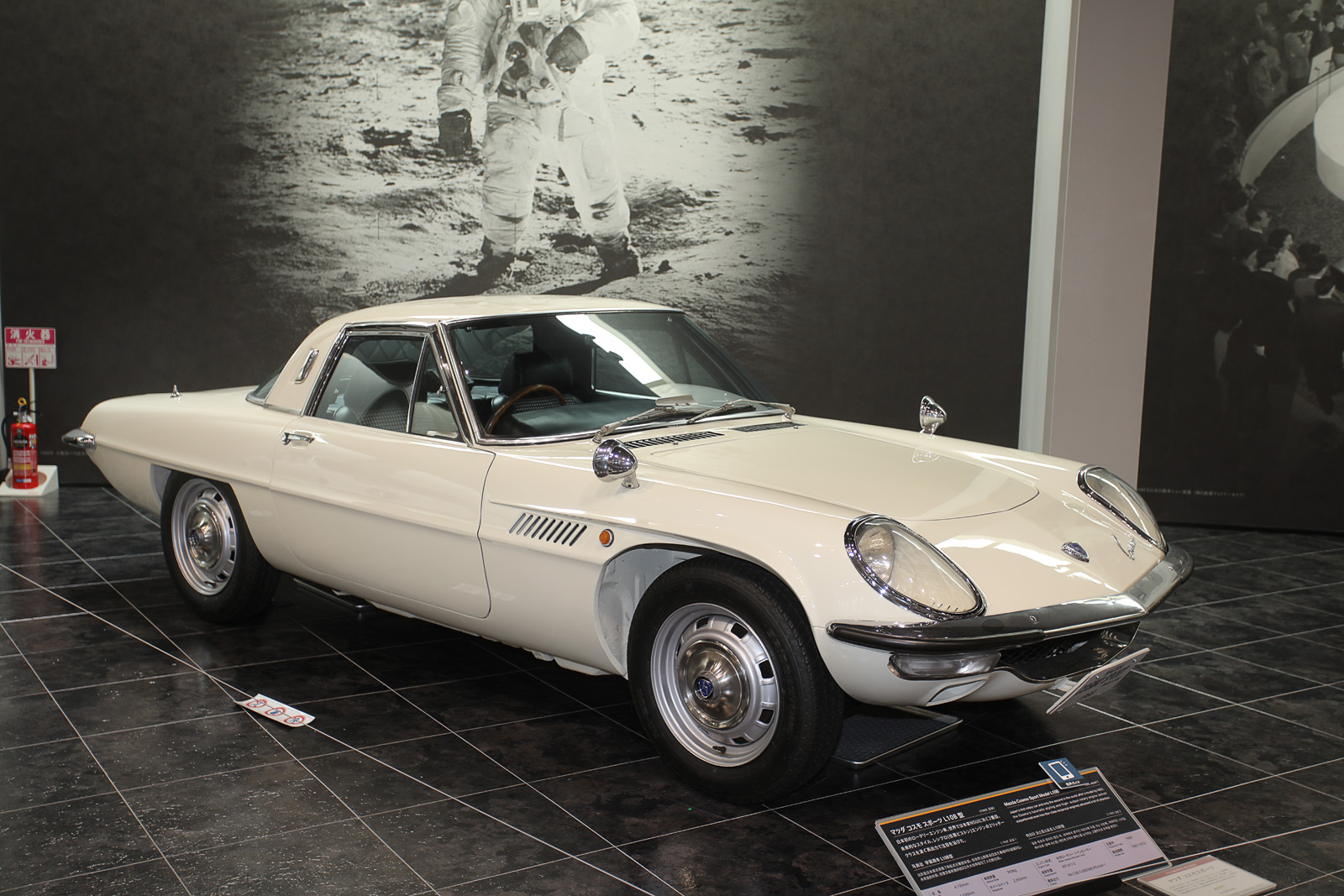
The Mazda Cosmo, precursor to the RX7, featured a twin rotor Wankel engine. Mazda was only the second car manufacturer to use rotary engine technology in mass production, the other being NSU. Its futuristic styling and name echoed the space race of the 1960s.
The technology ended up killing NSU, while Mazda soldiered on with it for decades.
Toyota Celica (1970)
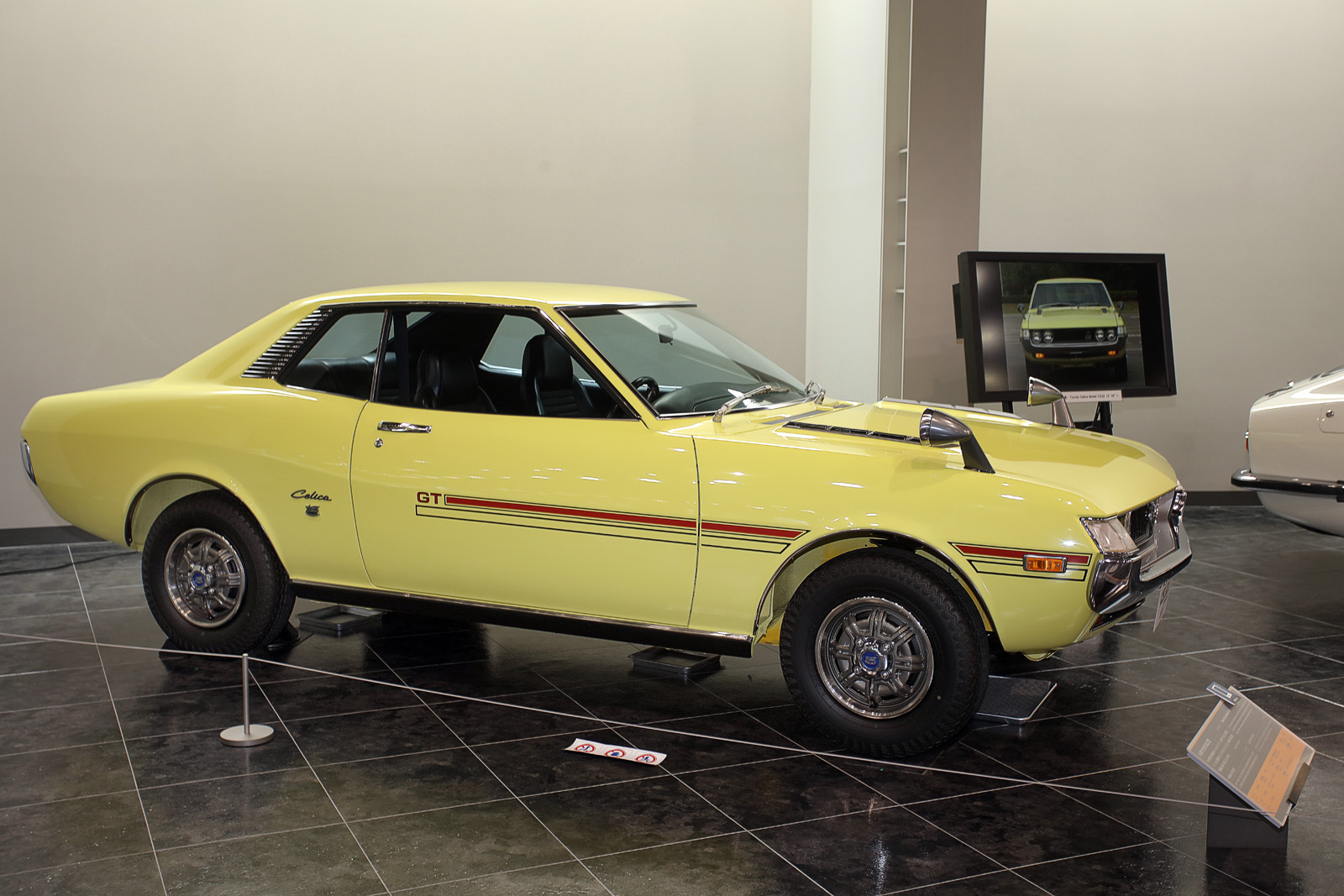
The Toyota Celica was aimed solidly at the US performance car market to meet the American enthusiasm for ‘Pony cars’, as symbolised by the all-conquering Ford Mustang.
Introduced in 1970 it featured a sporty range of engines and equipment. Seen here is a first generation Celica Coupé 1600GT.
Isuzu 117 Coupé (1970)
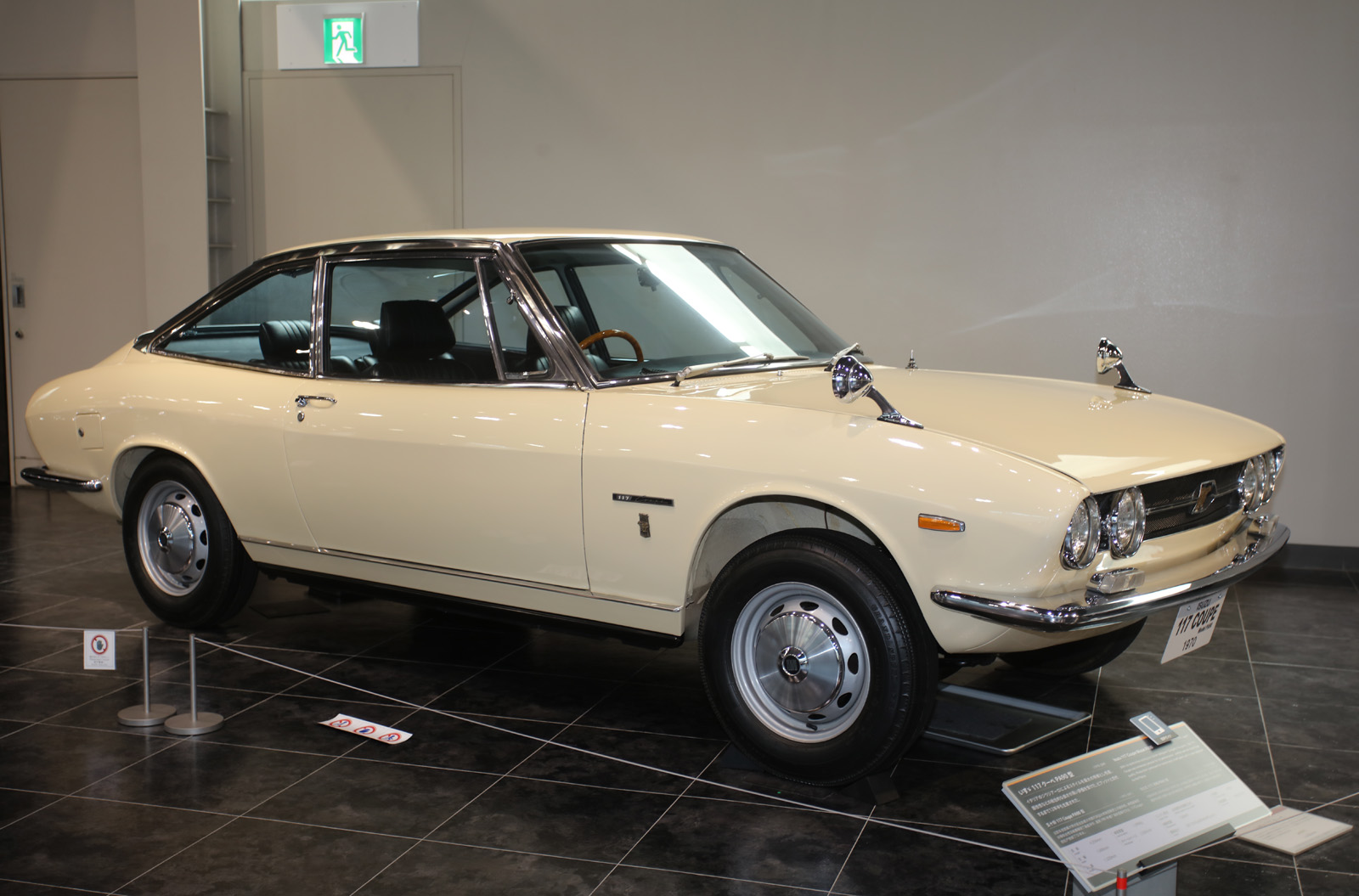
Another launch in 1970 was the Isuzu 117 Coupé with styling by Italian designer Giorgetto Giugiaro. The car proved to be highly popular with its great build quality and perky performance and continued in production for more than ten years.
Toyota Soarer 2800GT-Extra (1981)
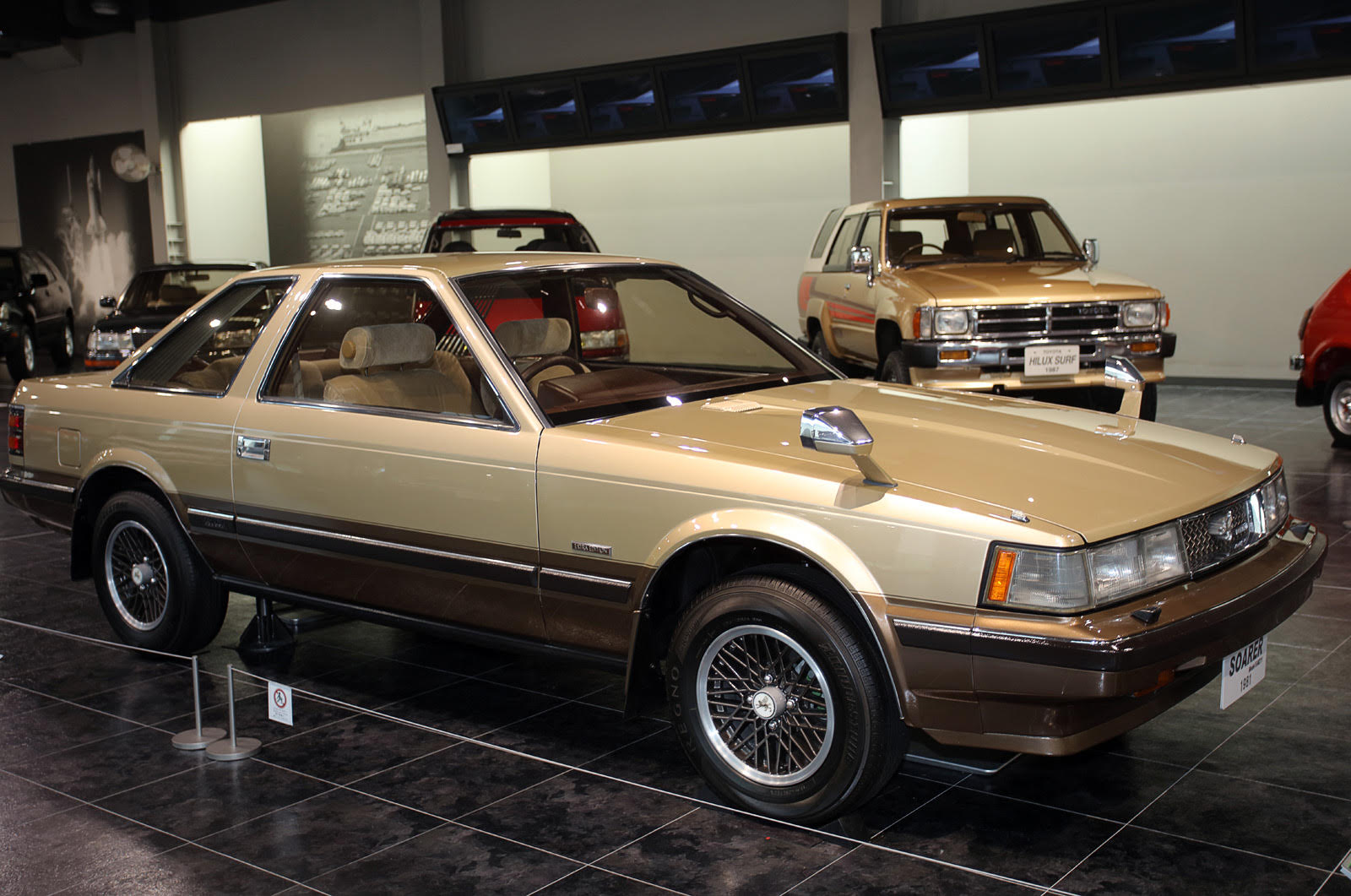
The Toyota Soarer 2800GT-Extra was developed to meet the demands of the professional classes who wanted a bit more luxury, a market that was, at the time, dominated by the likes of Mercedes-Benz and BMW.
It featured a 2759cc DOHC straight-six and advanced electronics.
Lexus LFA prototype (2009)
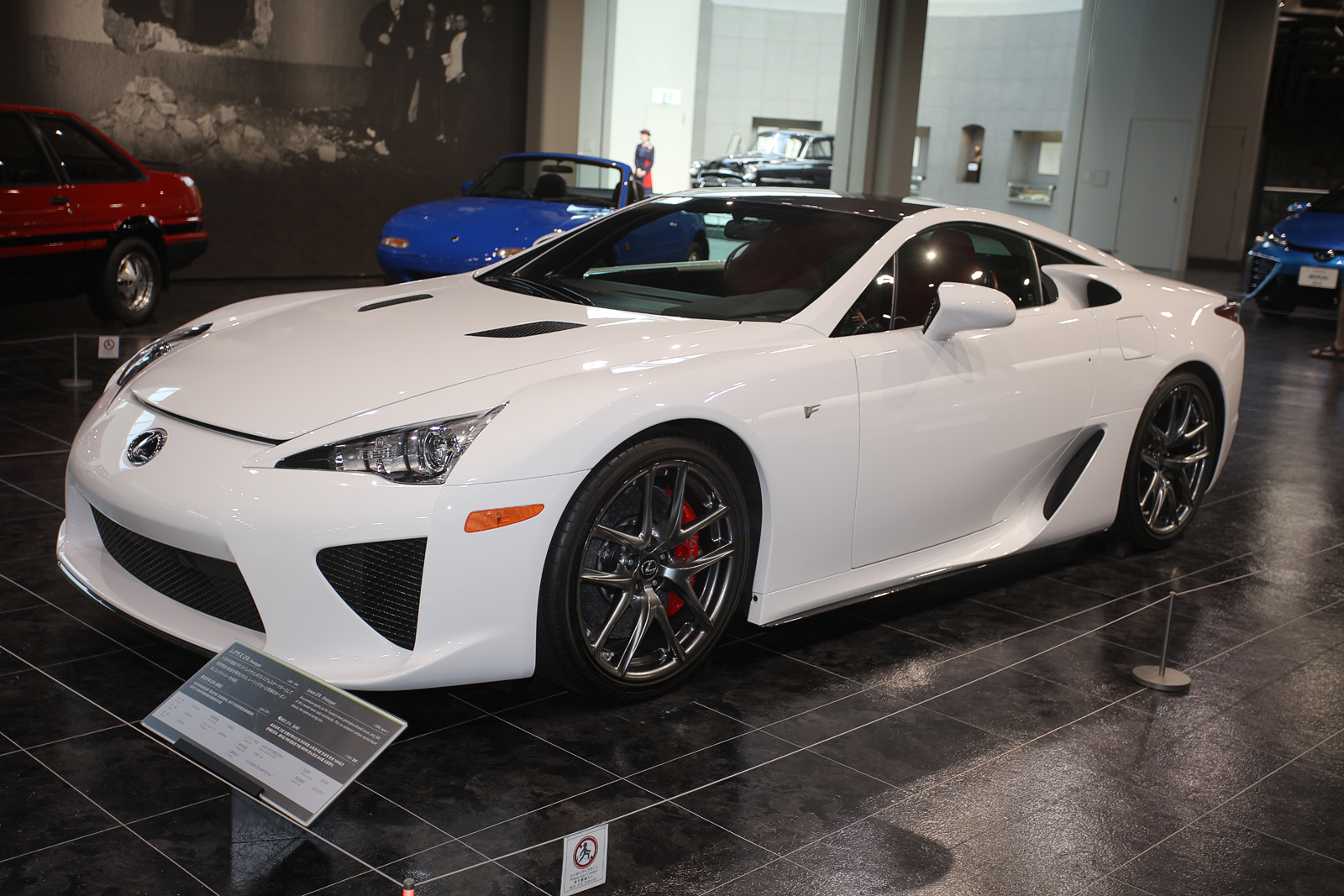
Widely regarded as the best car Lexus has ever made, the LFA looked very much the same in prototype form as it did the final product. Built using a carbonfibre monococque, the LFA featured a screaming V10 engine and electronic rev counter, as an analogue unit couldn't keep up with the engine.
Toyota Mirai (2014)
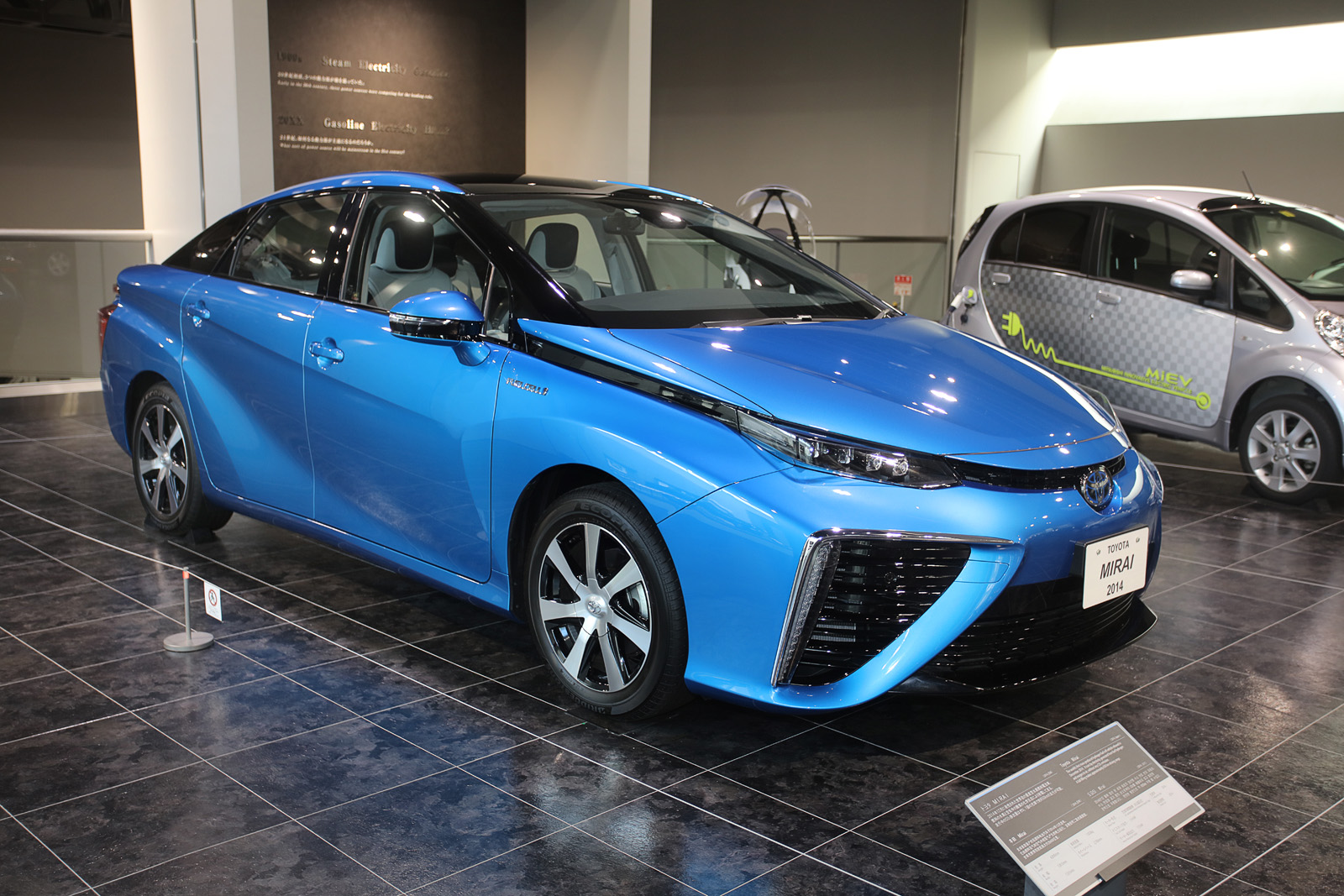
The world’s first mass-produced hydrogen fuel cell car, the Toyota Mirai, was launched at the Los Angeles Auto Show in 2014. With a range of over 650km (404 miles) it was based on the FCV-R concept unveiled in 2011.
Toyota Century (2018)
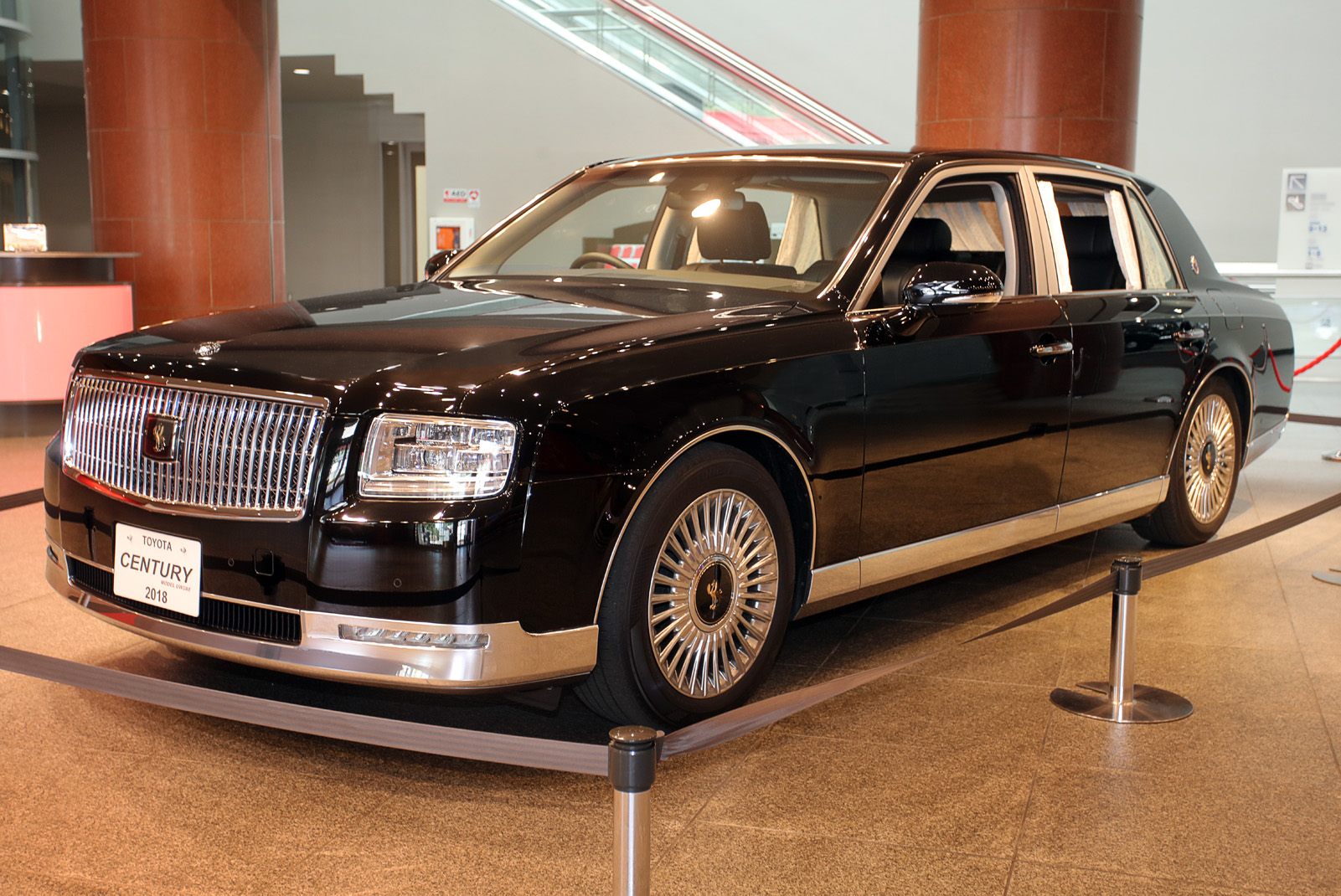
Finally, we come to the 2018 presidential Toyota Century, the luxury flagship model for the Japanese market. This limousine features a 5.0-litre V8 and 165kW electric motor to deliver over 400bhp in total.
The museum
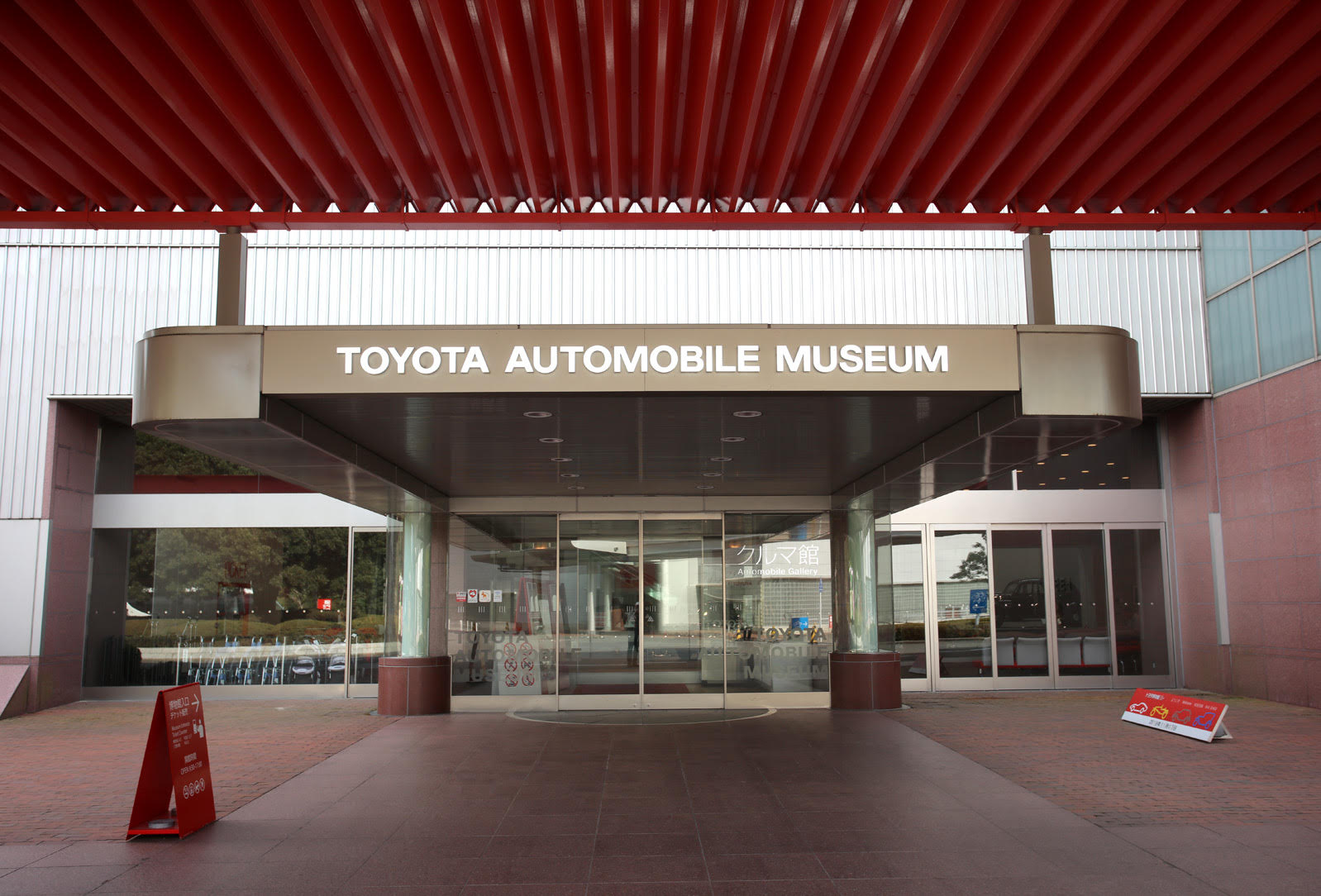
The museum is open everyday 9.30am to 5pm, except on certain holiday days – check the website for information and entry fee information:
Toyota Automobile Museum41-100 YokomichiNagakute CityAichi Prefecture480-1118Japan
Website: https://www.toyota.co.jp/Museum/

Nissan Altima Discontinued as Brand Streamlines US Sedan and Hybrid Strategy Amid Falling Sales

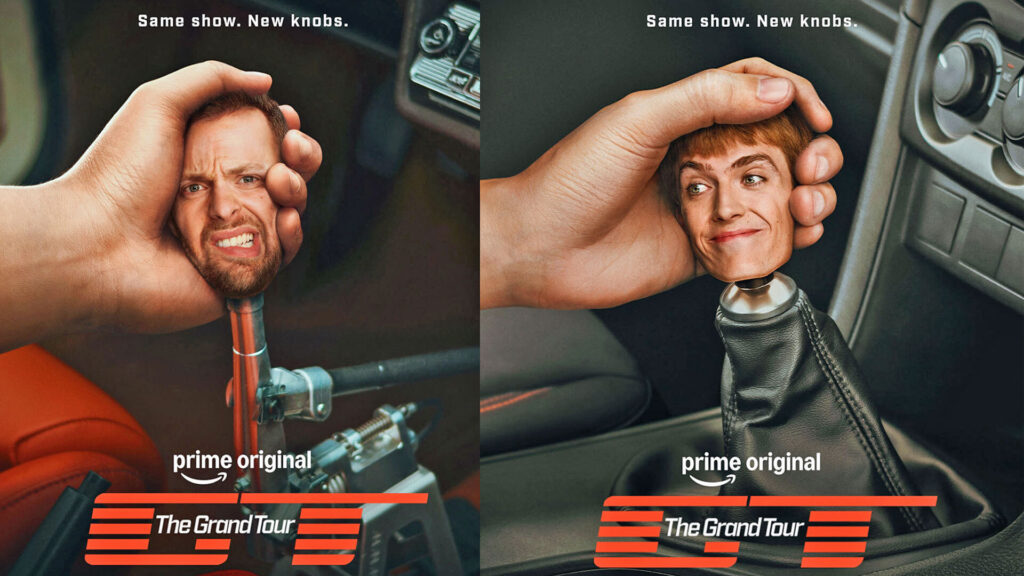
The Grand Tour Reboot Faces Fan Uncertainty as New Hosts Aim to Rekindle Automotive...

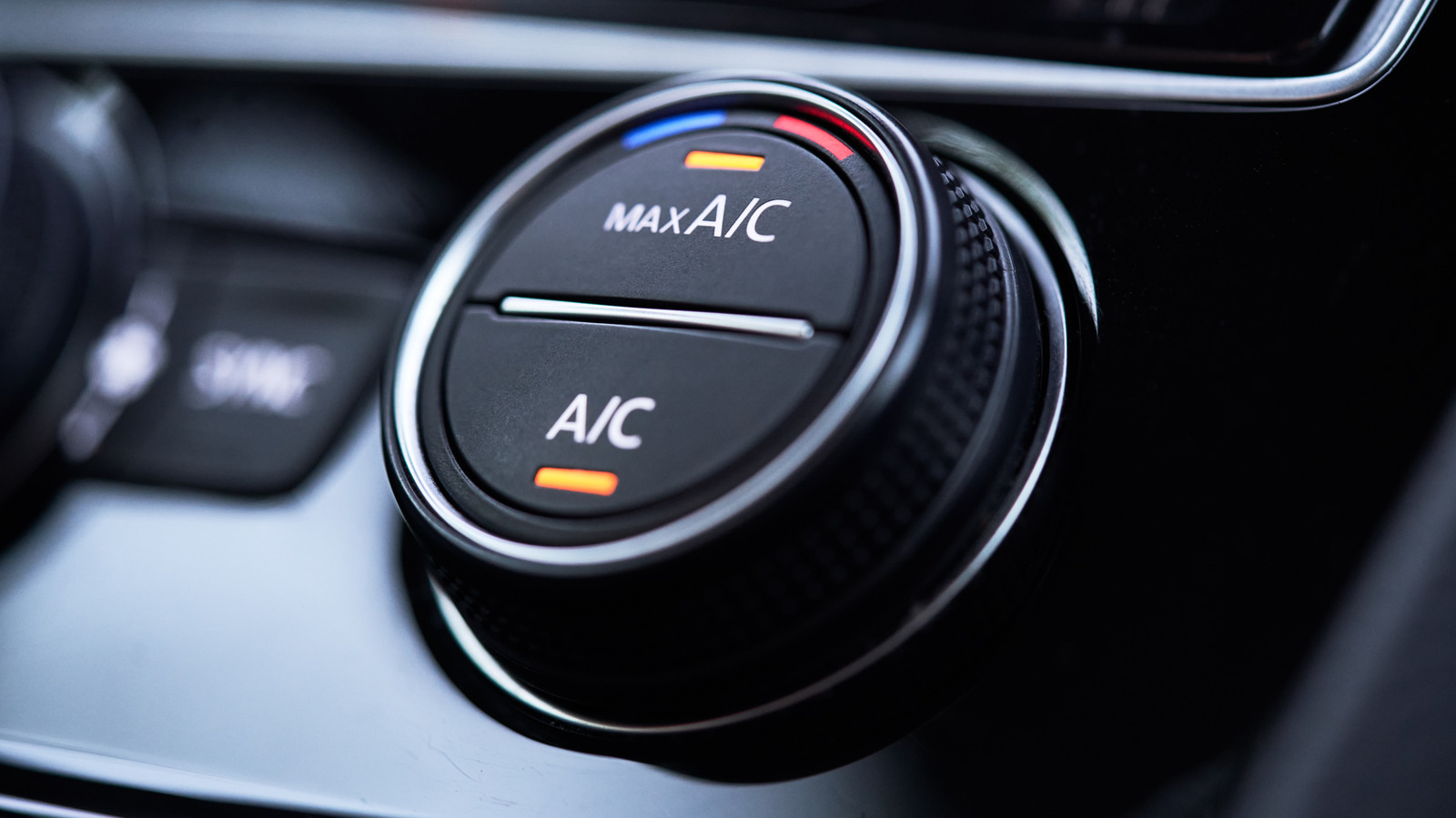
R-1234yf Refrigerant Under Scrutiny as Environmental Solution Falls Short

A-1 Auto Salvage and the Fate of Classic Cars in Roswell: Preservation, Loss, and...
With well over 500 classic cars and trucks , A-1 Auto Salvage of Roswell, New Mexico was one of the best yards we had ever had the pleasure of exploring.
But sadly we’ll never be going back. Within a few years of our visit the place closed down, after the owner decided he wanted to do something else with the land. However, rather than simply cube everything (which is so often the case in these instances) he held a no-reserve auction, with anything not finding a buyer being fed to the crusher. Unfortunately we have no way of knowing whether the vehicles featured here survived. Let's take a look:
Diamond T 1940s
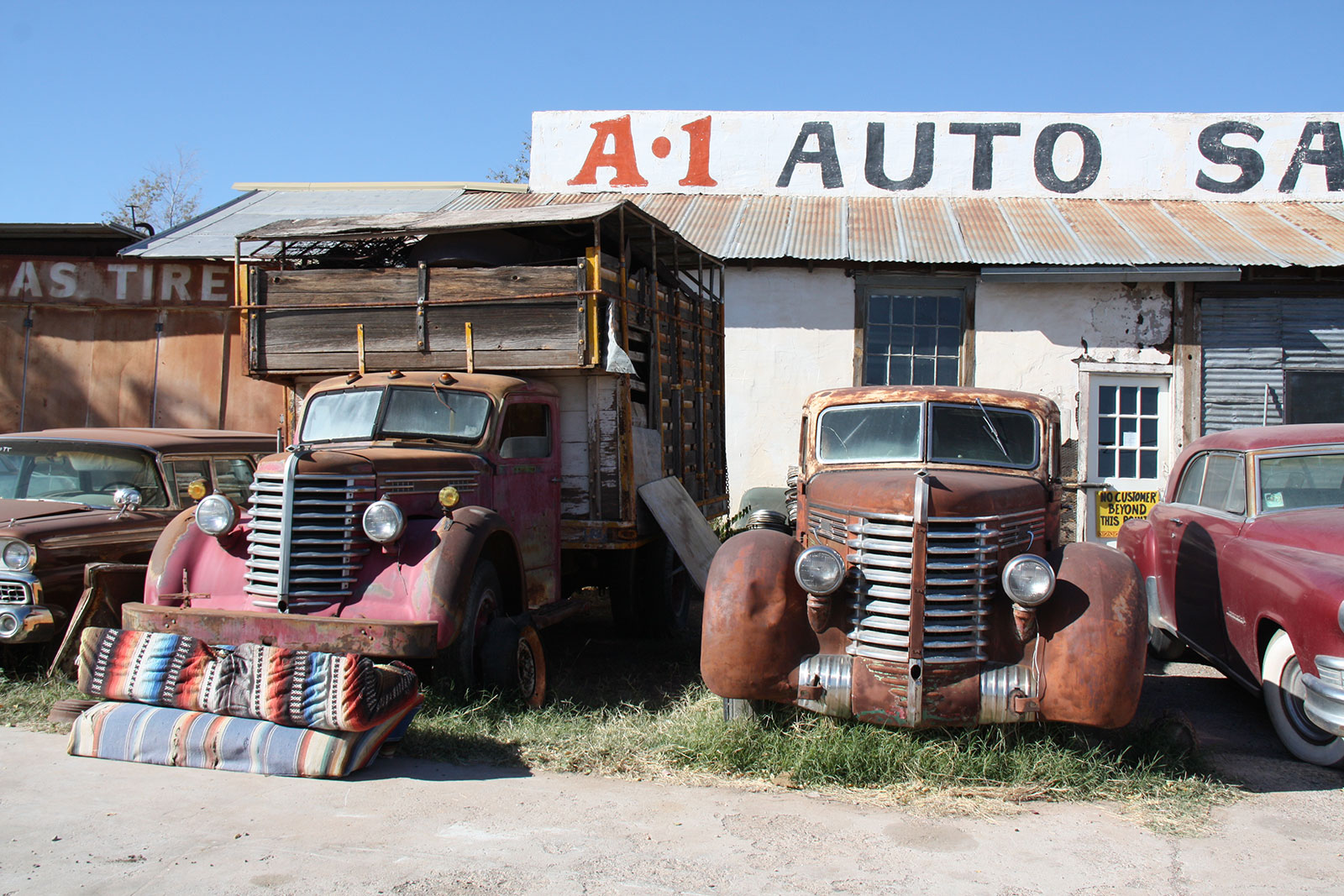
This is the tantalising sight that greeted us when we arrived at Roswell’s A-1 Auto Salvage. They’re both Diamond Ts, and the yard employee who accompanied us throughout the visit, reckoned the late 1940s one on the left belonged to Peter Hurd, a famous local artist.
Hurd whose work concentrated on the people and landscapes of New Mexico, was born in Roswell in 1904, and died in the town 80 years later. Chicago-based Diamond operated between 1905 and 1967.
The Lineup
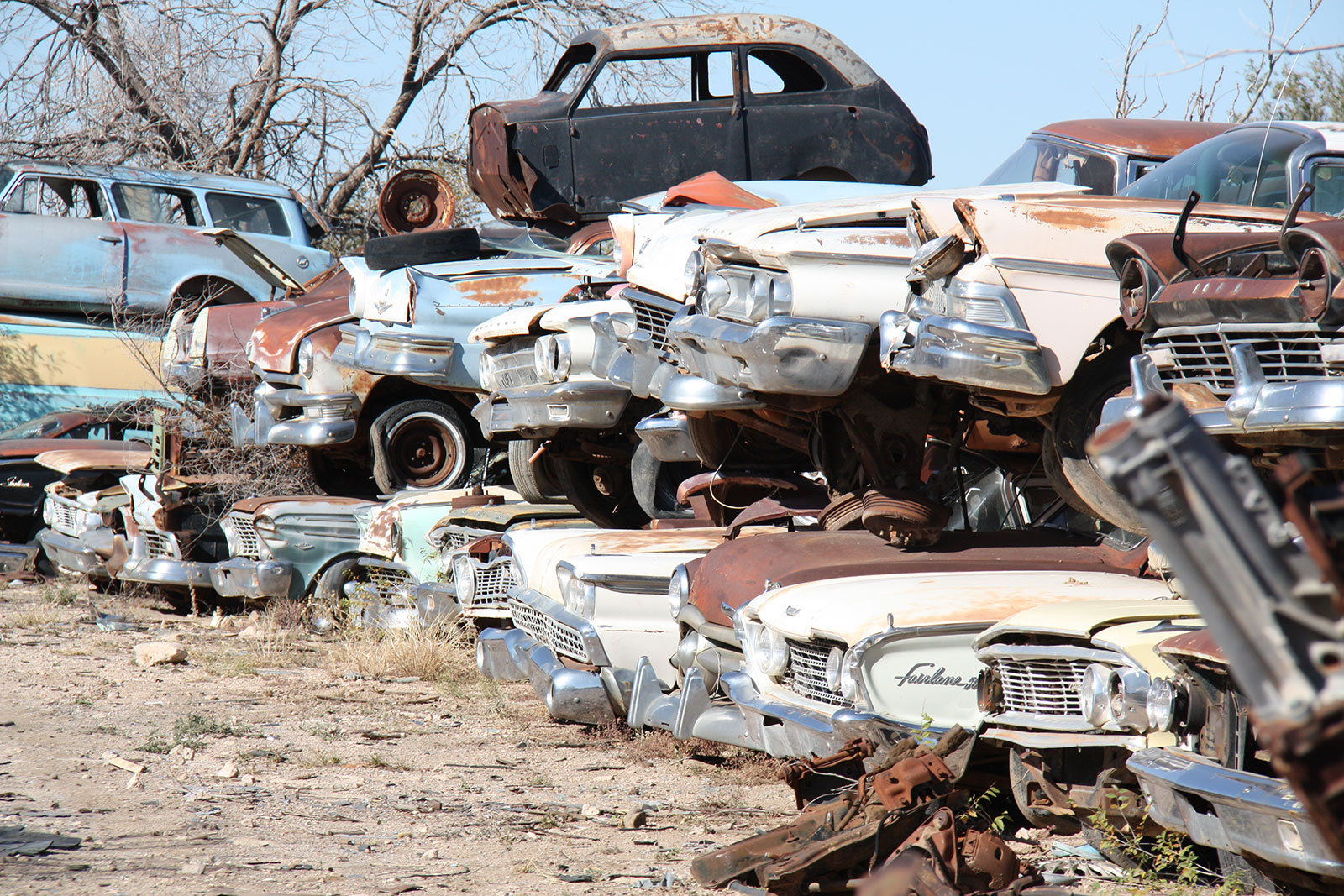
The view inside the 20-acre yard was just as enticing. The stock dated from the 1930s to the 1990s, but the vast majority hailed from the 1950s and 1960s. See anything you like in this line-up? Check out the rare Crosley, perched on the top of the pile. The company sold 84,000 of its subcompact cars between 1939 and 1952.
Chevrolet 1941
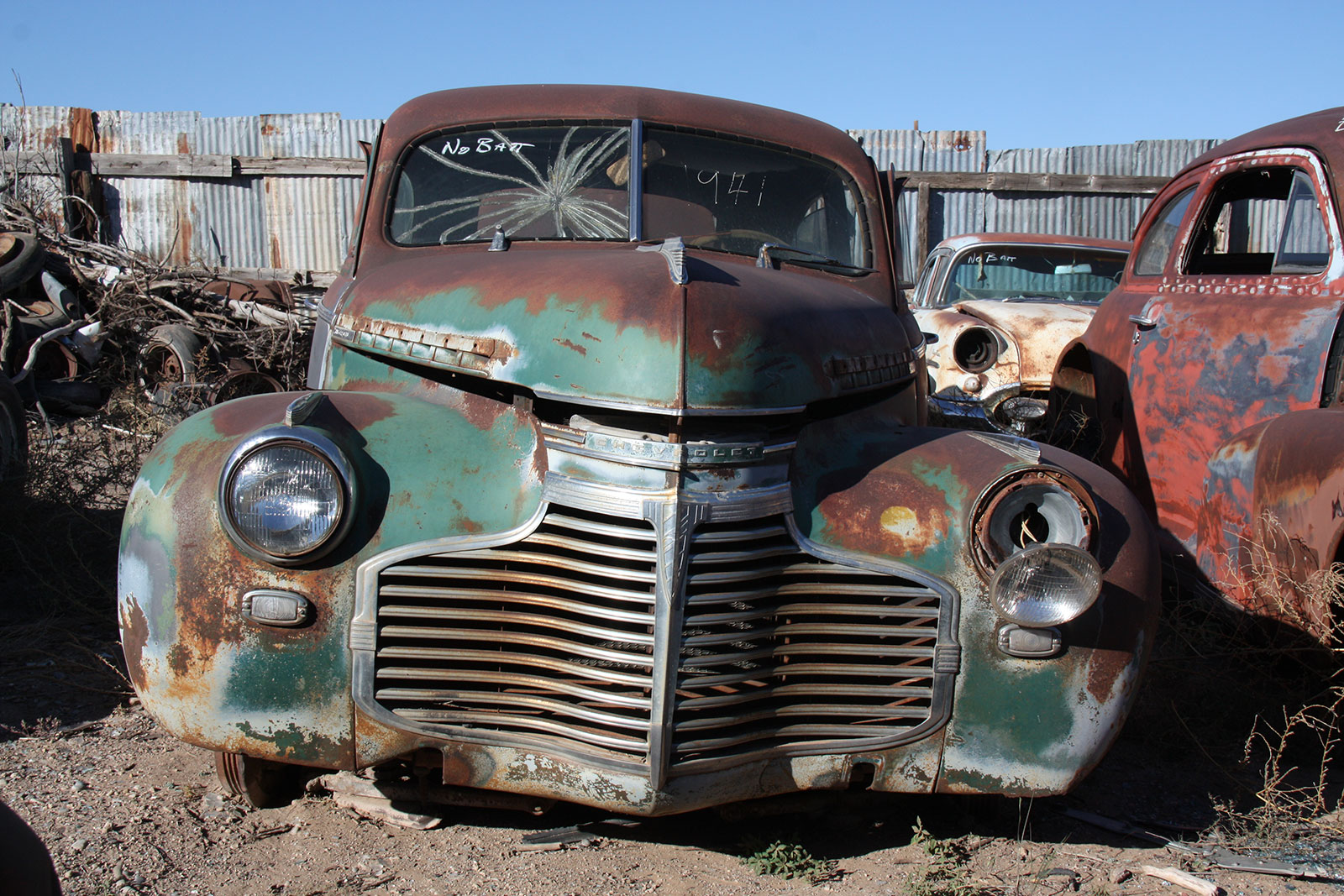
A-1 Salvage of Roswell, New Mexico was founded in 1941, which coincidentally is the same year that this Chevrolet rolled off the production line. That’s six years before an unidentified flying object allegedly crash-landed on a nearby ranch, sparking 75 years of conspiracy theories, and catapulting Roswell onto the tourist map and its name globally famous.
Ford 1947
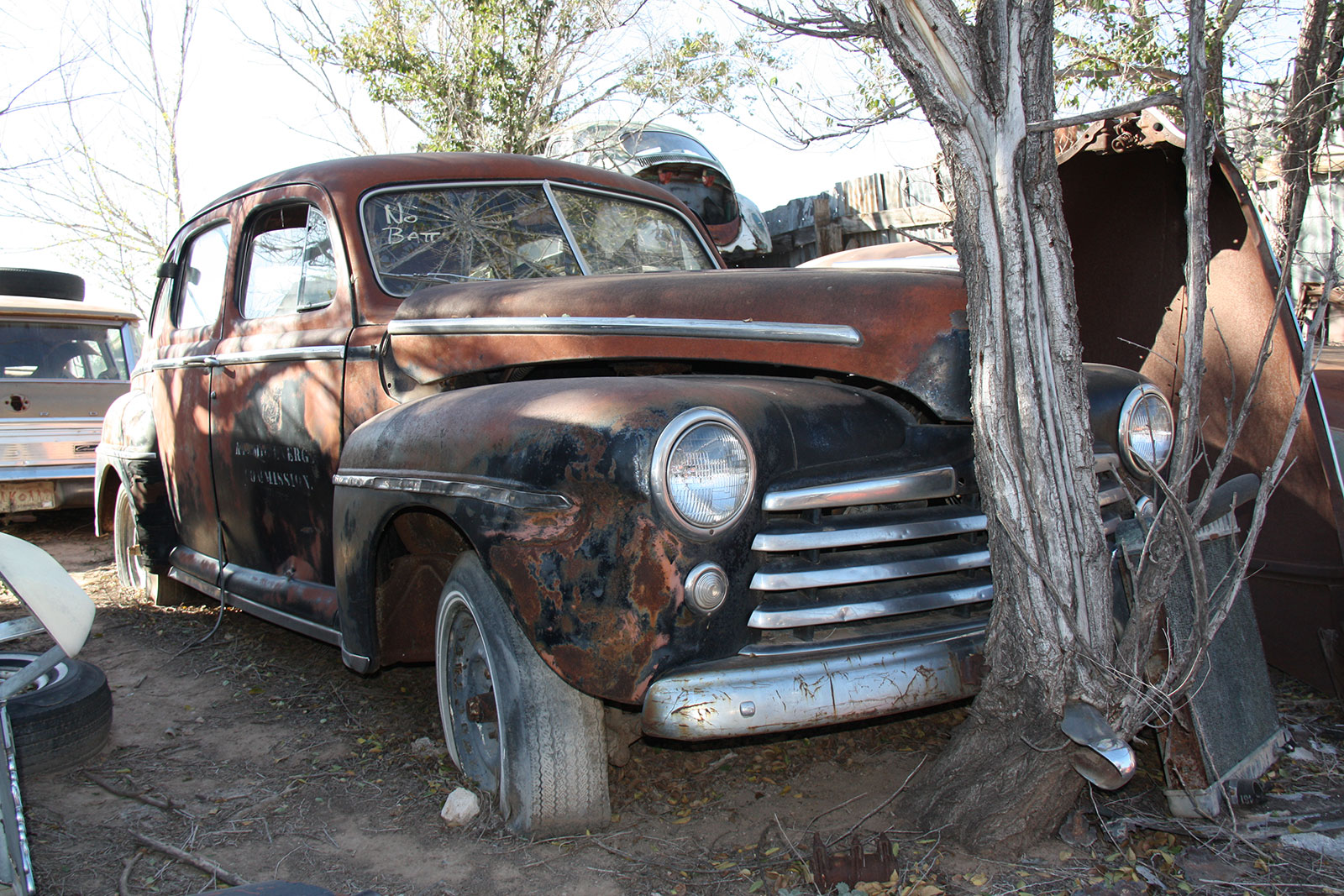
Our guide reckoned this 1947 Ford glows in the dark. He was referring to the car’s former owner – The Atomic Energy Commission. You can just make out the words painted on the door. It was a government agency formed after World War II to control the peacetime development of atomic science and technology. Note the chrome overrider embedded into the tree trunk.
Desotos 1950s
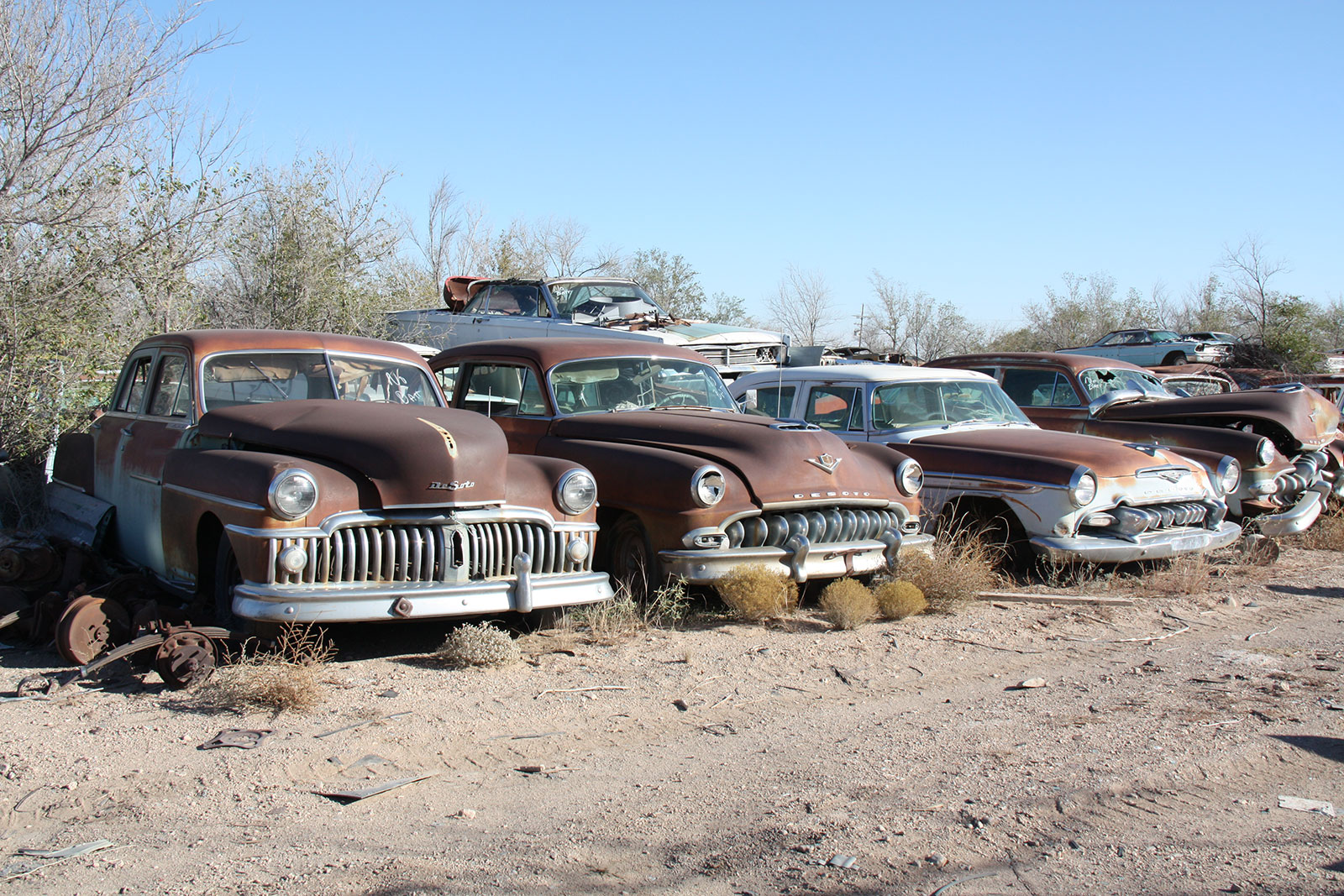
A-1 Auto Salvage once specialised in DeSoto and Studebaker, and both marques were still well represented when we visited. From left to right these DeSotos, all in reasonably good condition for their age, are dated 1950, 1953, 1955 and 1953 respectively. We hope some of them survived the auction.
Ford Mustang 1970s
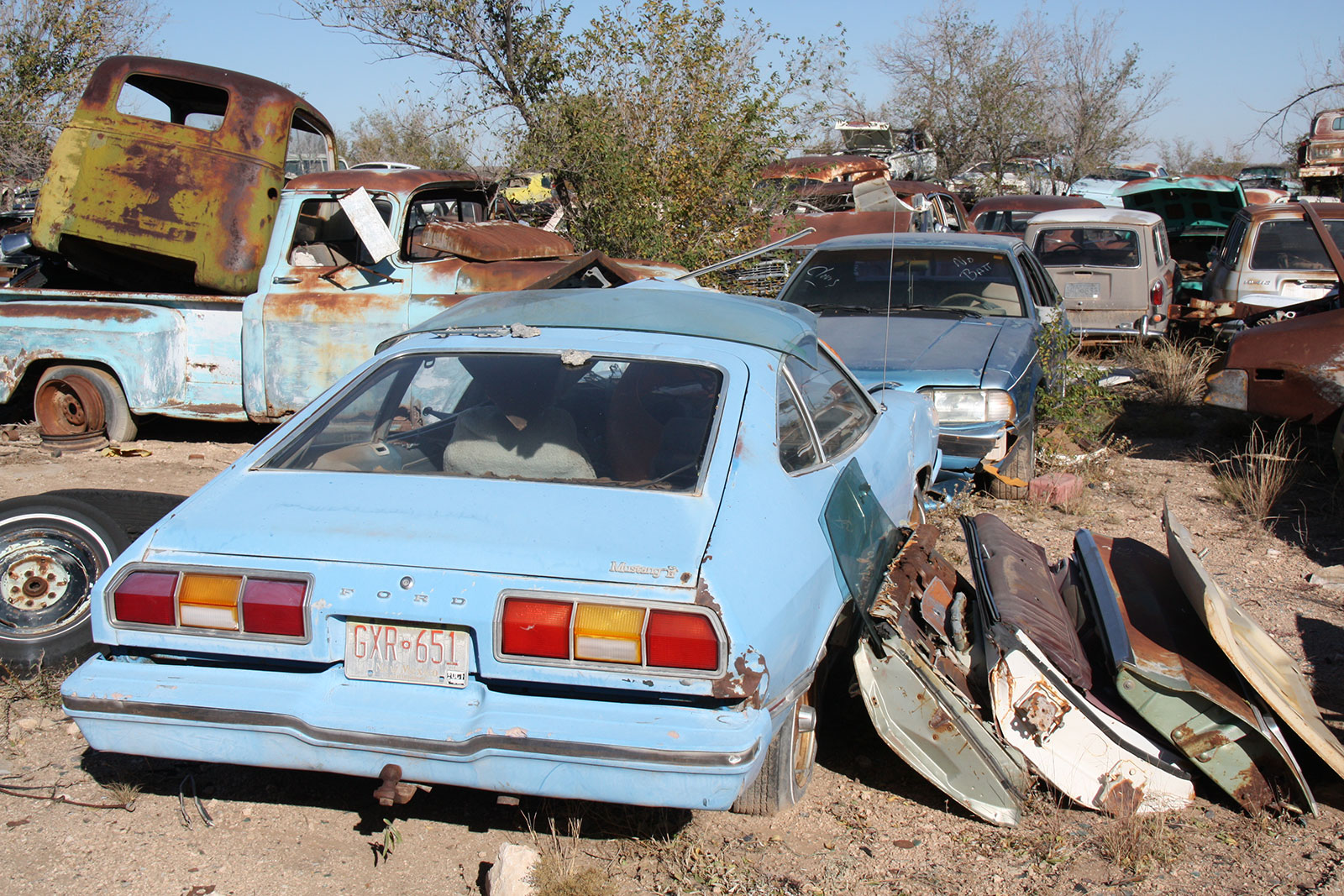
This mid-1970s Ford Mustang II hadn’t turned a wheel since 1986, which was the year it arrived in A-1 Auto Salvage. Although most of the yard’s stock ranged in age from the 1930s to the late 1970s, as you can see from the newer Mustang in the background, there were a few exceptions. And check out those Volkswagens behind it.
Ford 1963
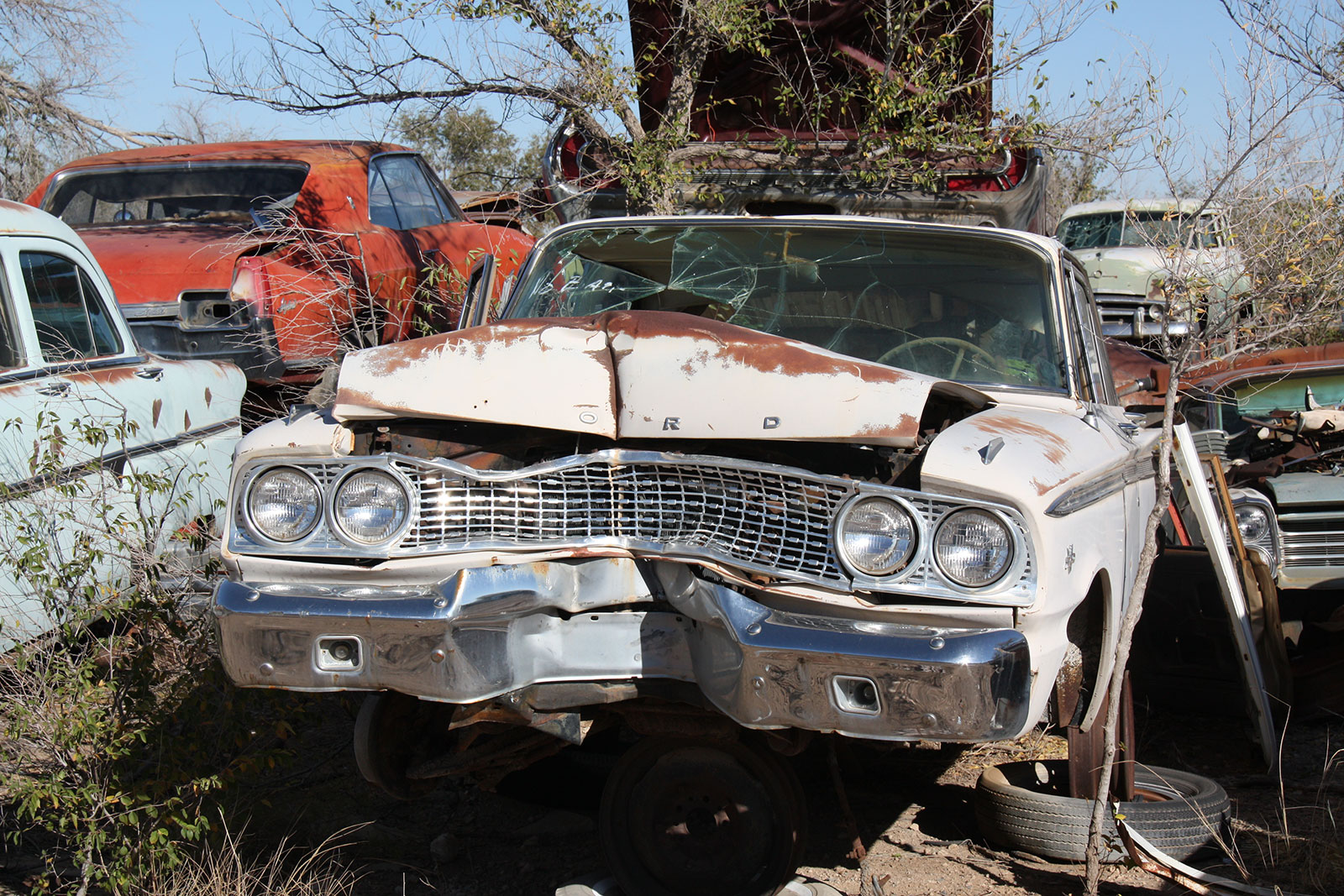
Presumably this 1963 Ford ended up in the yard after colliding with a tree. You've got to be travelling at quite some speed to do that much damage to a solid car like this; let's hope the occupants fared better than the metalwork.
Chrysler 1947
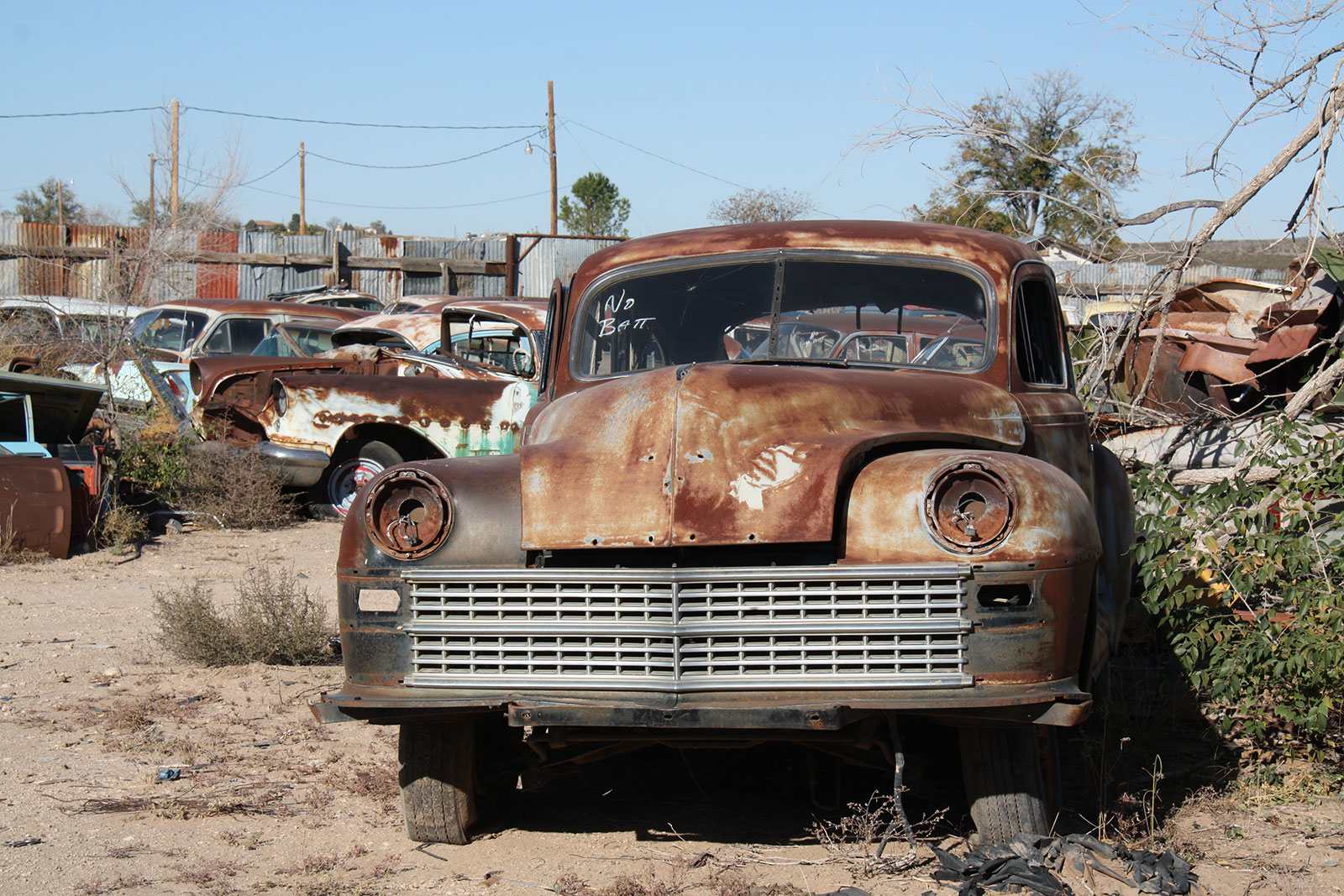
Although this wonderful ‘47 Chrysler was sitting dangerously close to the yard’s crusher, we were pleased to hear that it was to be saved. It had been purchased by an out-of-state car enthusiast, and was awaiting collection. Has it since been restored?
The crushing pile
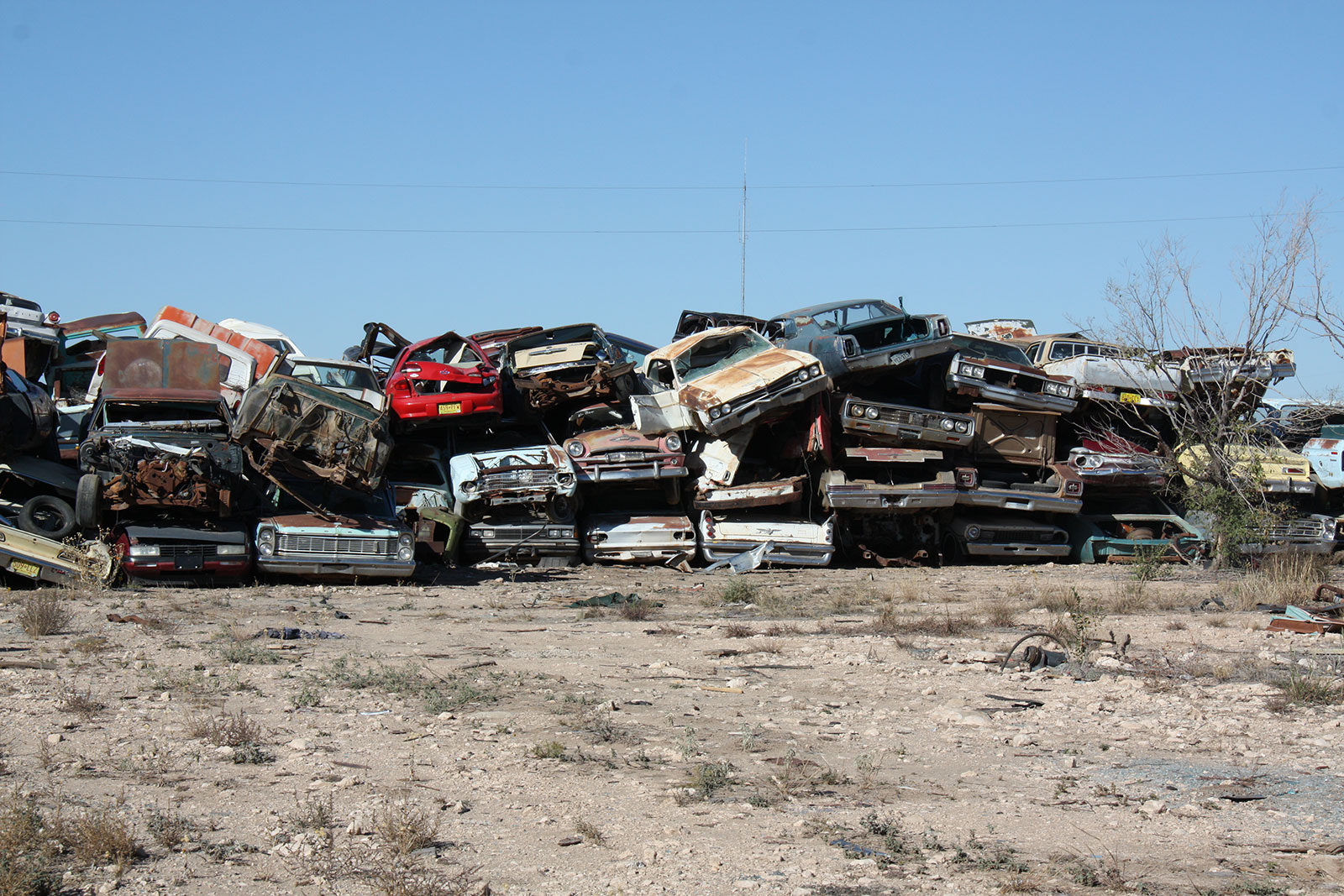
This is enough to bring tears to one’s eyes, because this entire pile was about to be crushed. If you could save one of them, which would it be? Even yards that specialize in classics have to be ruthless sometimes. Less desirable cars might sit around for decades without yielding a single part, taking up valuable space. And with the price of scrap metal being so high, they’re often worth a lot more dead than alive.
Studebaker convertible 1948
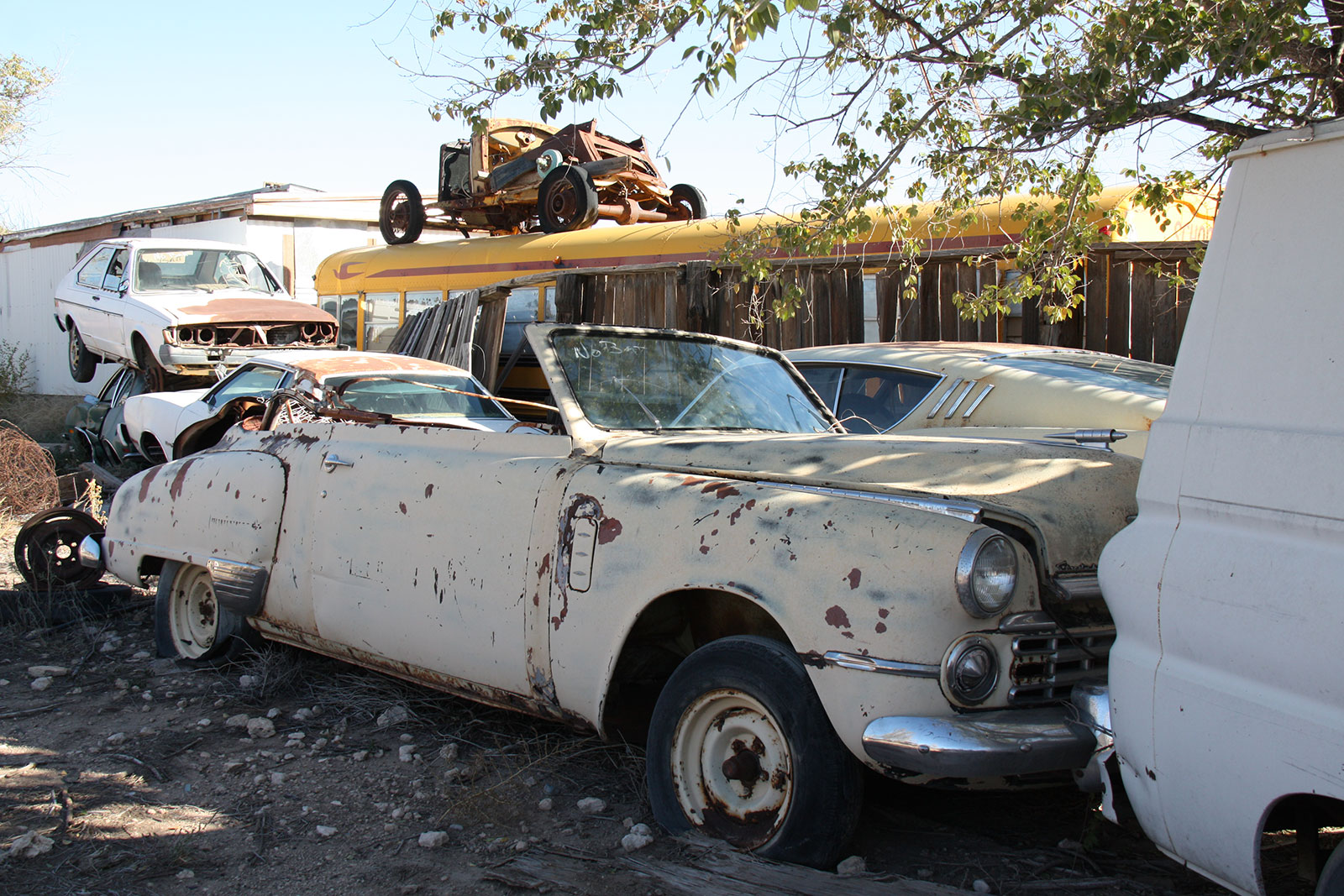
We assume this 1948 Studebaker to be a genuine convertible, making it something of a rarity. Only 8000 were ever made, and few will have survived. Whilst the interior had long since rotted away, the bodywork was still relatively rust-free, thanks to the favorable New Mexico climate.
Buick Wildcat 1964
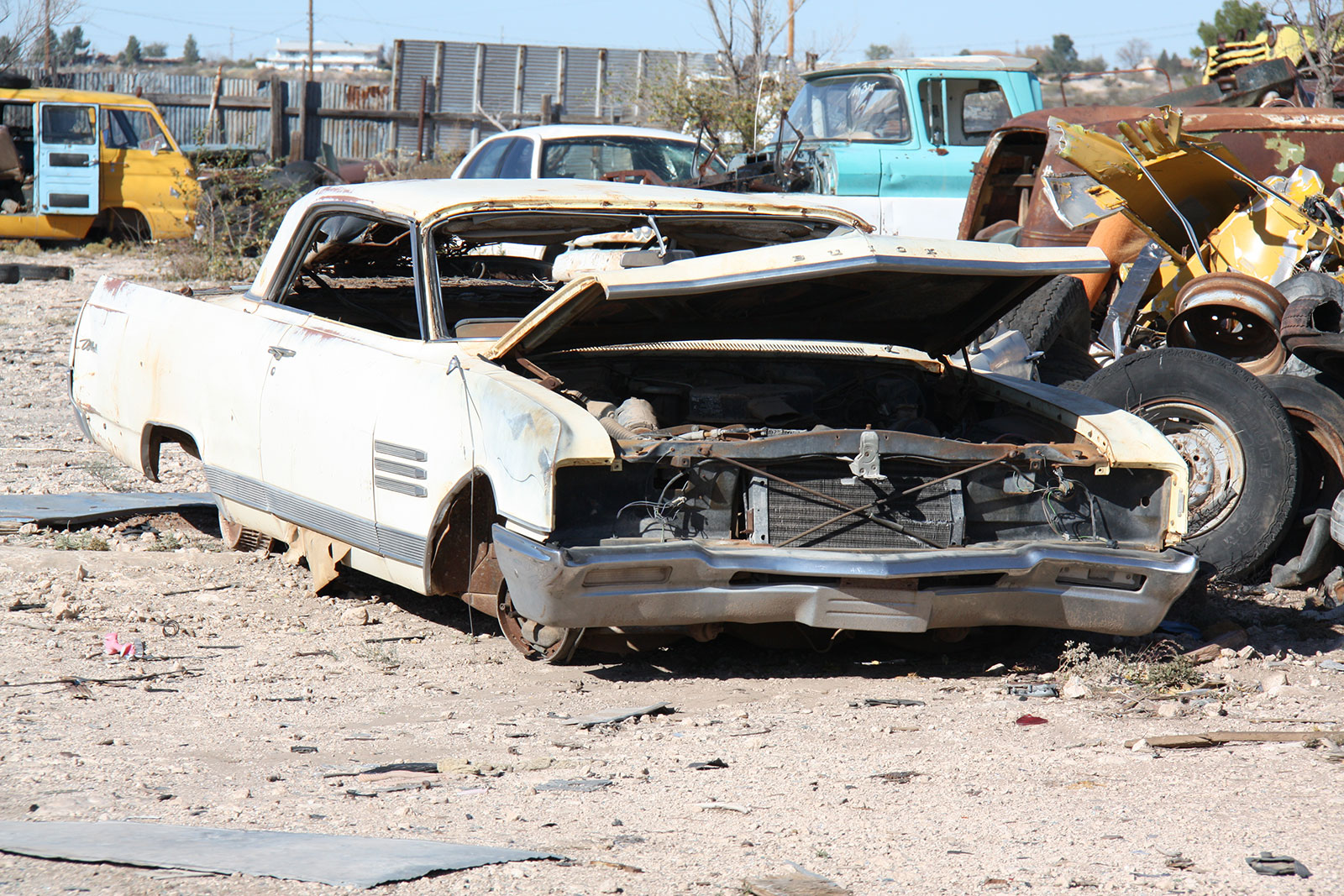
1964 Wildcats didn't have Buick's usual ventiports, but instead had chrome hash marks gracing their fenders. This one had apparently been stripped of all its useful parts, and was about to be fed to the jaws of the ever-hungry crusher.
Chevrolet Styleline tree
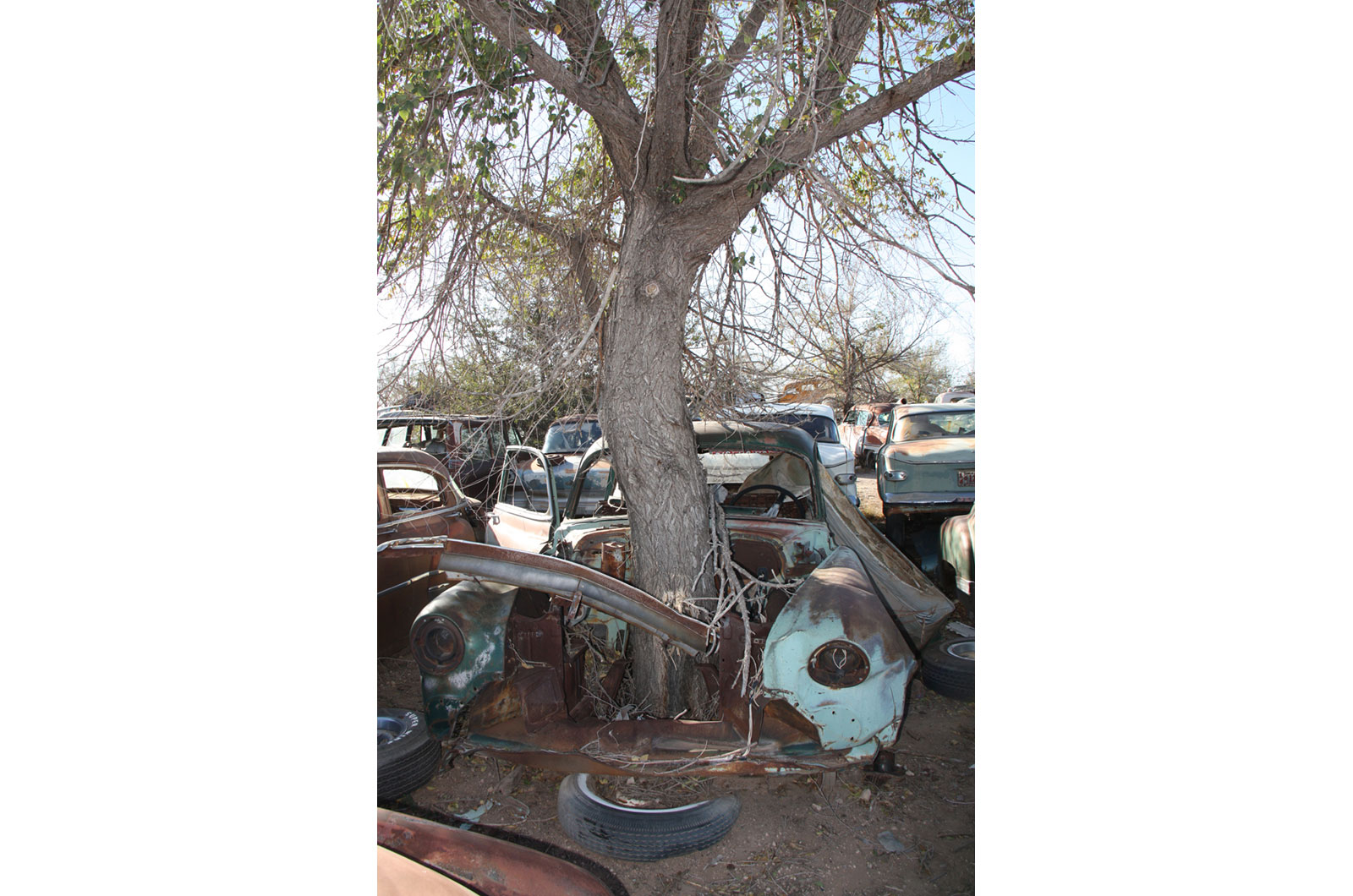
You wouldn't want to stand under this tree during a storm, just in case you got hit on the head by the engine that's perched on the top branch! It’s a 1952 Chevrolet Styleline Deluxe two-door sedan, and judging by the size of the tree growing through its engine bay, it must have sat in this same spot for at least 40 years.
Henry J
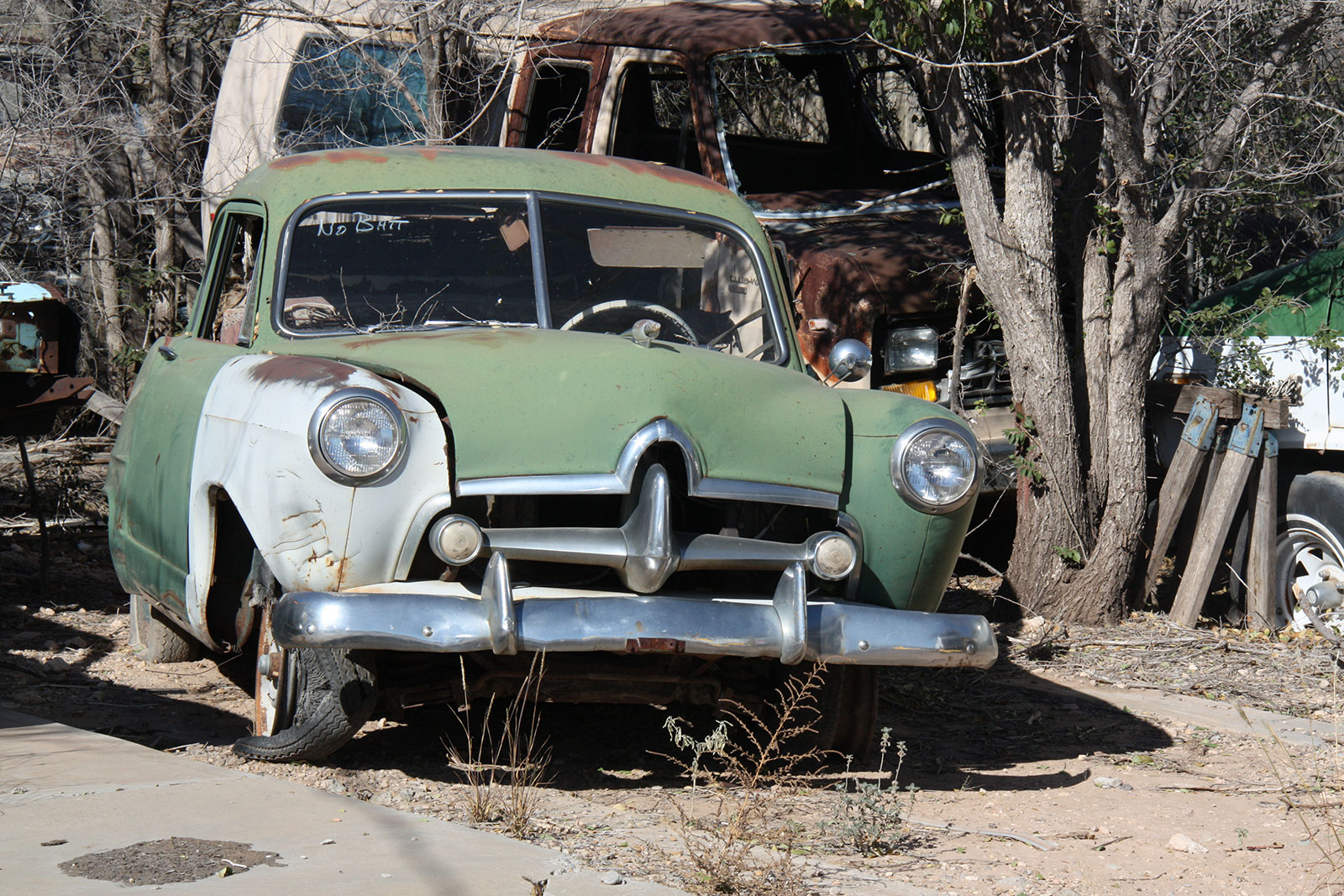
It's unusual to find a Henry J inside a salvage yard, as they’re normally perched on a pole by the highway, where they act as an advertisement to passing motorists. The Henry J, the brainchild of Henry J Kaiser, was designed to be affordable to the average American, rather like the Model T was a few decades earlier. In order to reduce costs, body parts were kept to a minimum, and early examples didn't even have an opening trunk lid. They were in production between 1950 and 1954.
AMC Marlin 1967
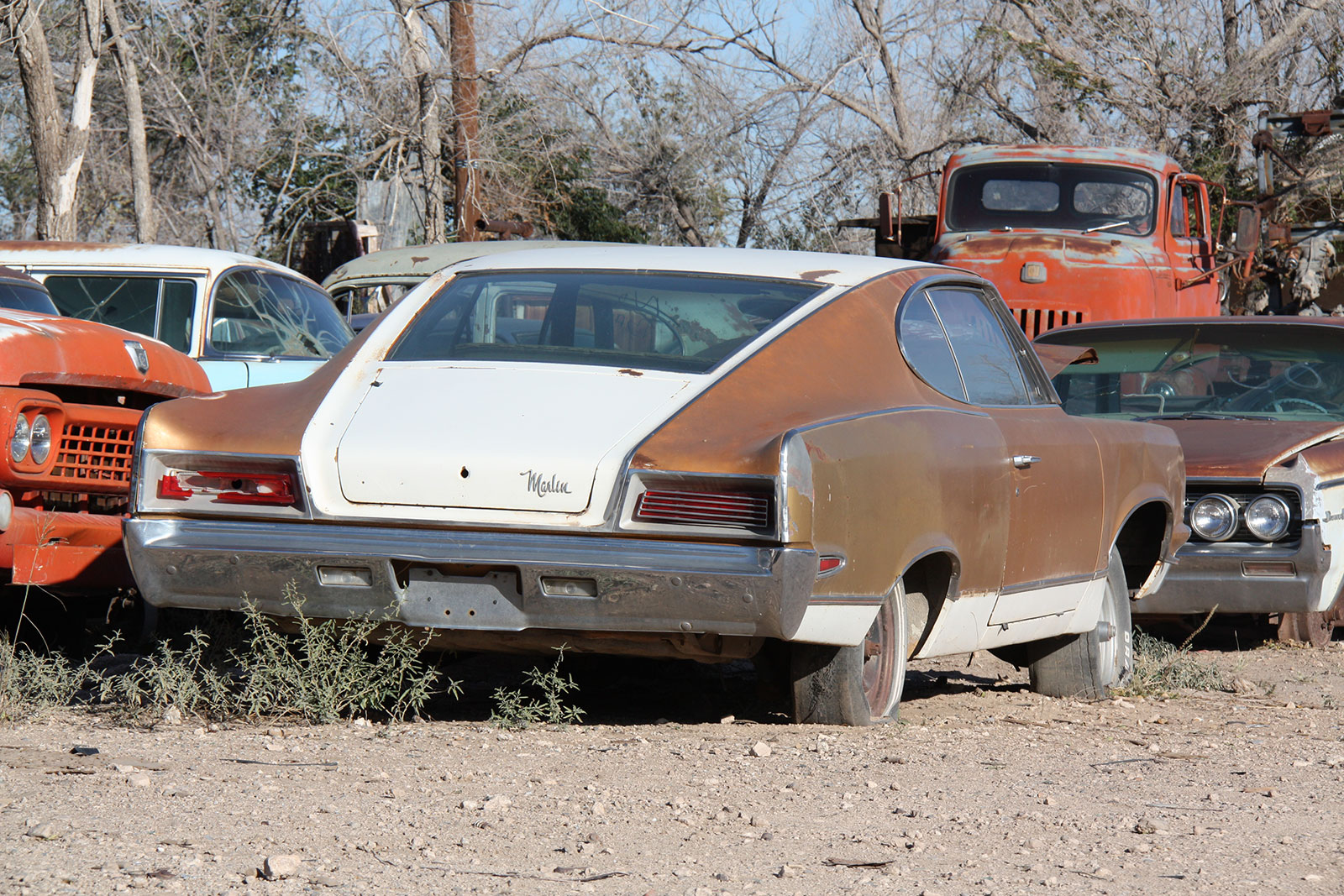
There were some real gems crammed into the 20-acre site, including this ultra-rare AMC Marlin. Just 2545 people bought one of these distinctively-styled two-door fastbacks in 1967, which convinced AMC that it was time to confine this automotive flop to the history books.
Cadillac 1951
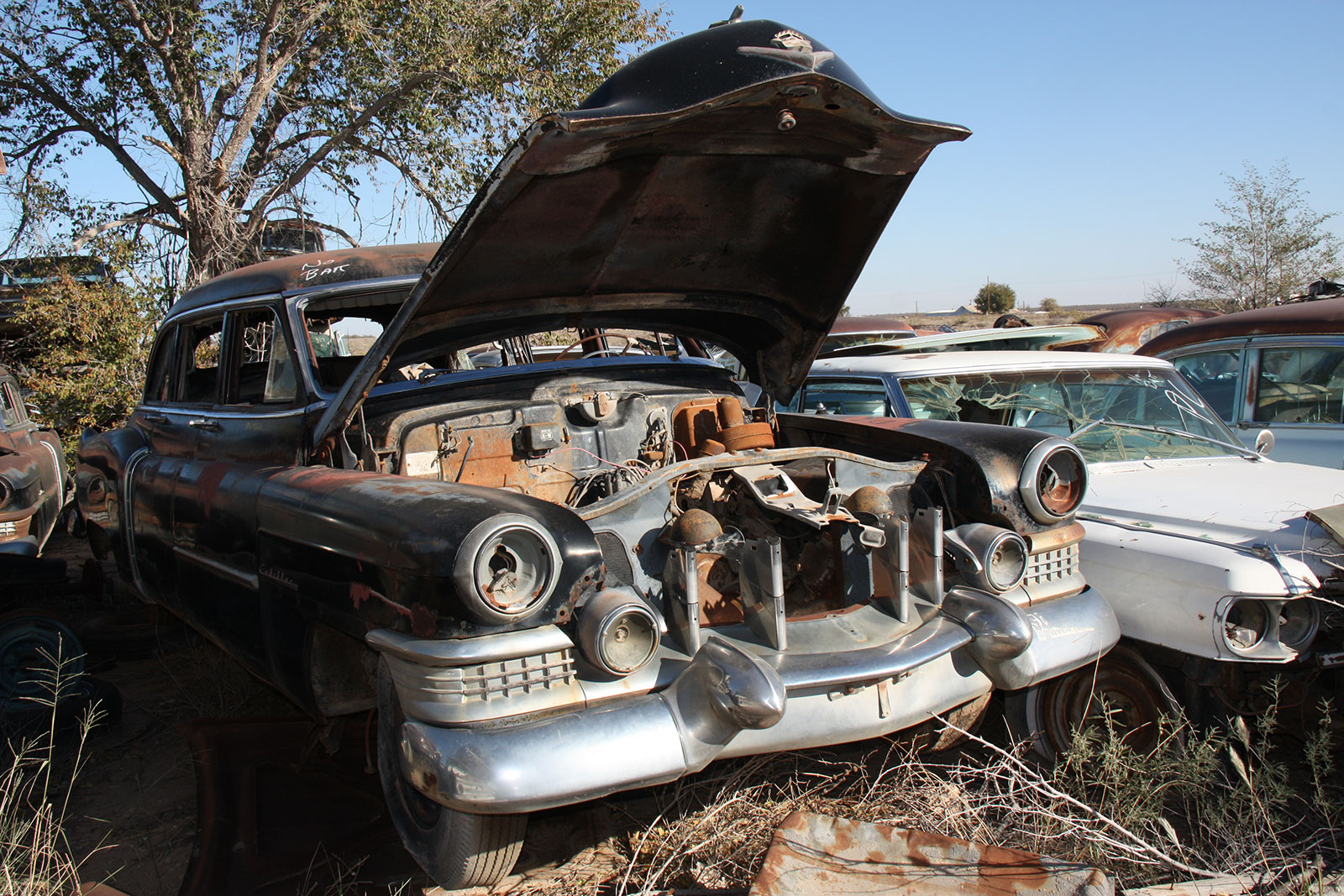
Apparently this 1951 Cadillac was used as a tour bus by a local band in the early 1980s. What a stylish way to arrive at gigs. There aren’t too many cars that are capable of carrying a band and all of their equipment, but then there aren’t too many cars that are 224.5in long! The hood was jammed in the open position, and the yard owner was reluctant to force it from fear of causing damage.
Cadillac SedanDeVille 1956
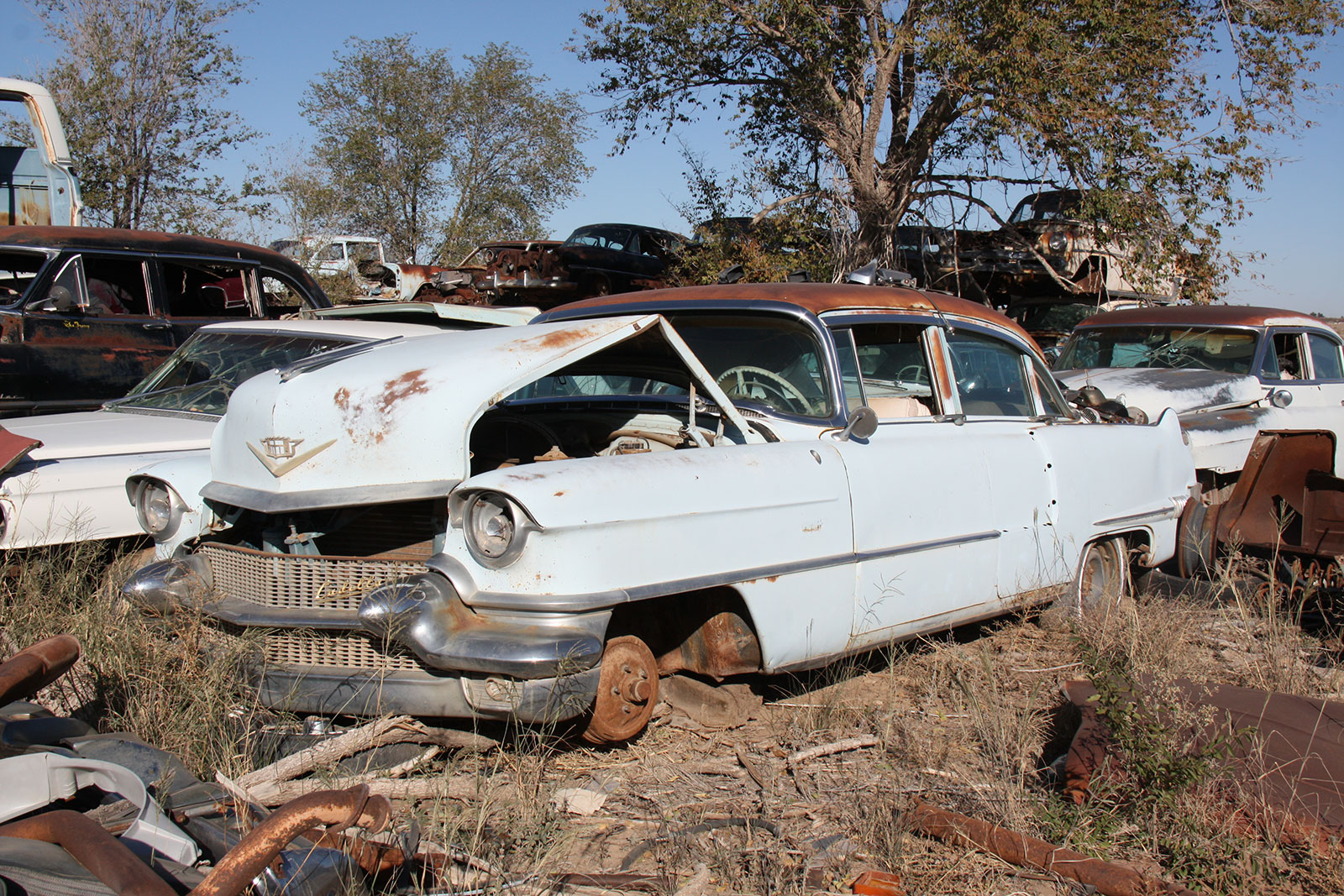
And here's another Cadillac, but with rather more serious hood issues. We wonder how it ended up in this state, as the car doesn’t appear to have any accident damage. Unfortunately it’s a big enough gap for the V8 to have escaped through! More than 41,000 of these Harley Earl-designed 1956 Cadillac Sedan de Villes rolled off the line.
Chevrolet stationwagon 1956
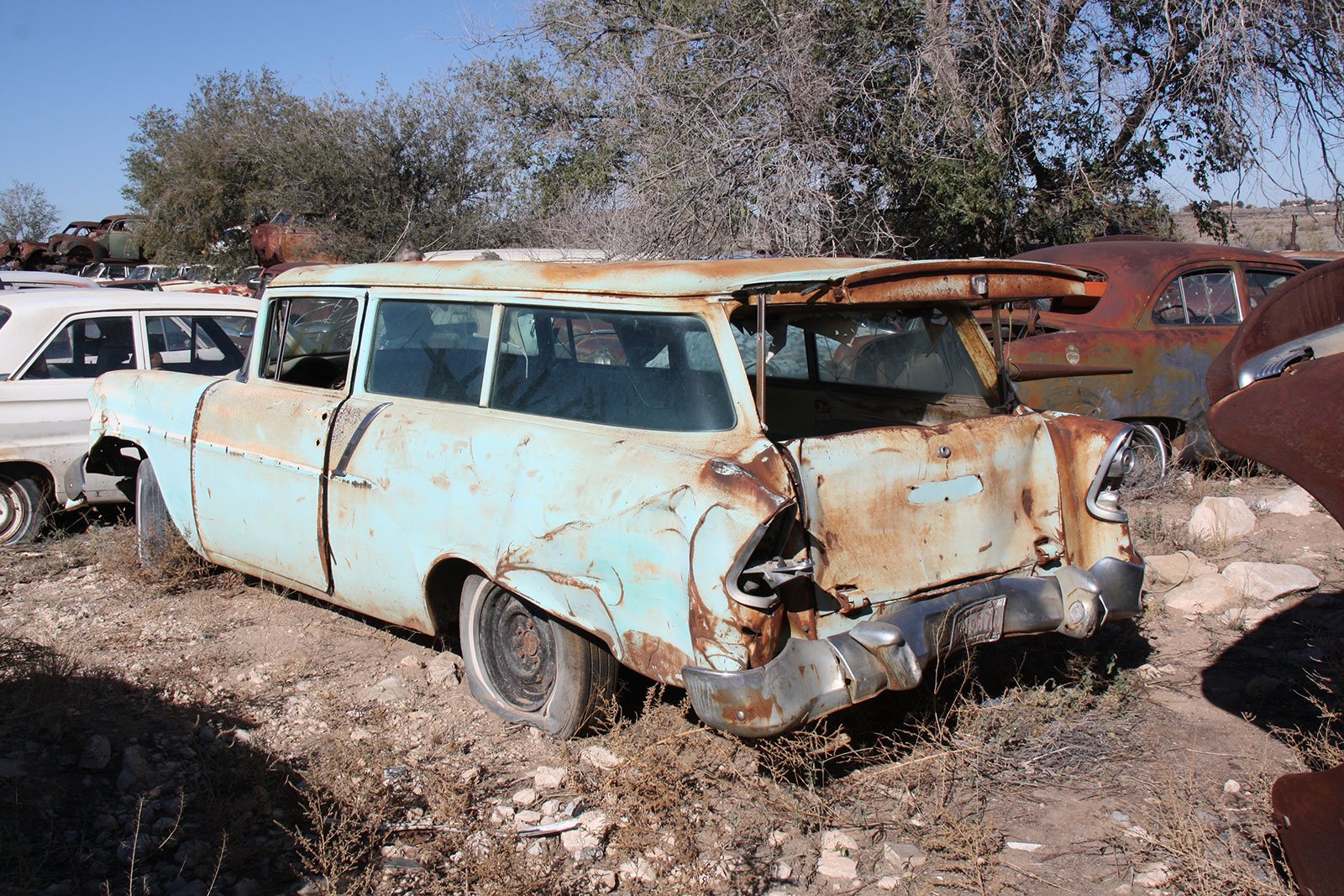
Unfortunately the driver's door was the only straight panel on this 1956 Chevy two-door wagon. Chevrolet was riding high in the 1950s, and for eight out of 10 years took the top sales spot, with Ford only getting a look in during 1954 and 1957.
Ford 1942
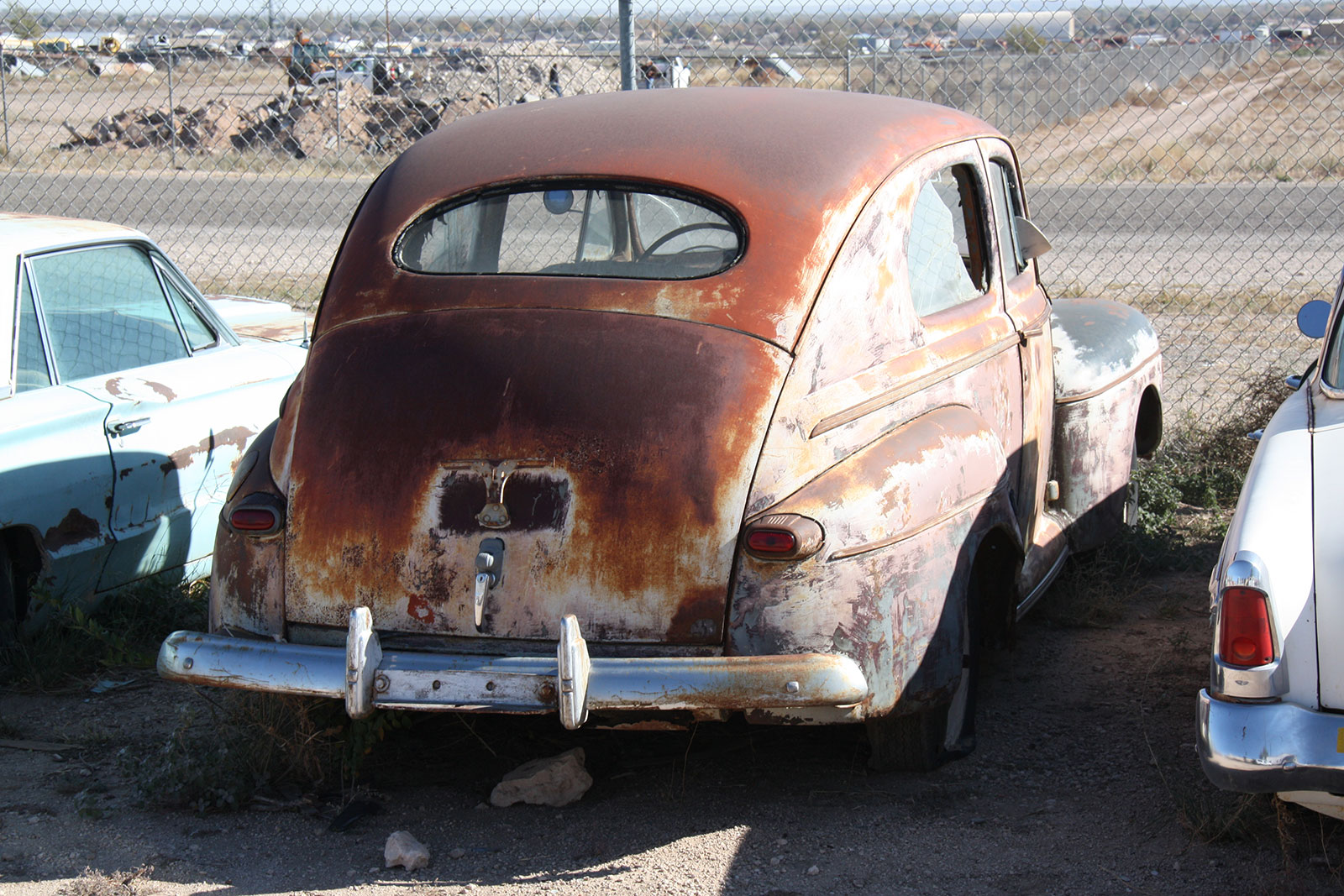
Now here's something you don’t see every day – a 1942 Ford. Production of the 1942 models was halted in February of that year to make way for war production. Just 160,000 cars were built up to that point, making 1942 the lowest production year for the company since 1910. This was one of several project cars lined up along the yard’s perimeter fence. Surely it found a new owner before the big cull occurred.
Ford Consul
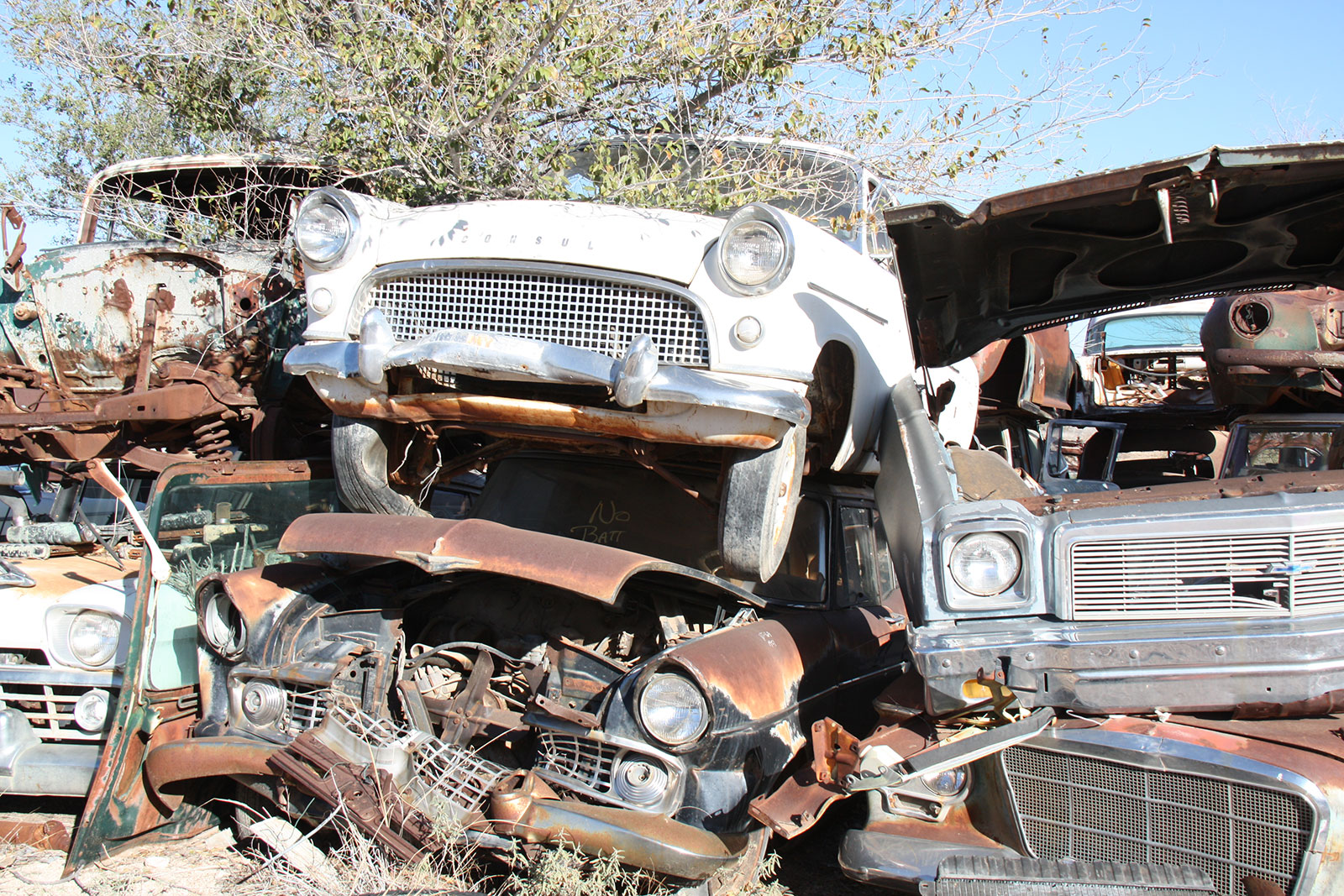
In the 1950s European car designers did their best to replicate American designs, albeit with compact dimensions. And once they’d mastered that, naturally they tried to export them to the USA. However, as many found out, this was almost as challenging as selling ice to the Inuits…
On the top we have a British-built and designed Ford Consul MkII (1956-1962), which resembled a 1955/1956 American Ford. These did reasonably well, with their four-cylinder engines appealing to economy-minded motorists. However the French-built Simca Vadette Beaulieu beneath it sank without trace.
Plymouths and Dodges 1950s
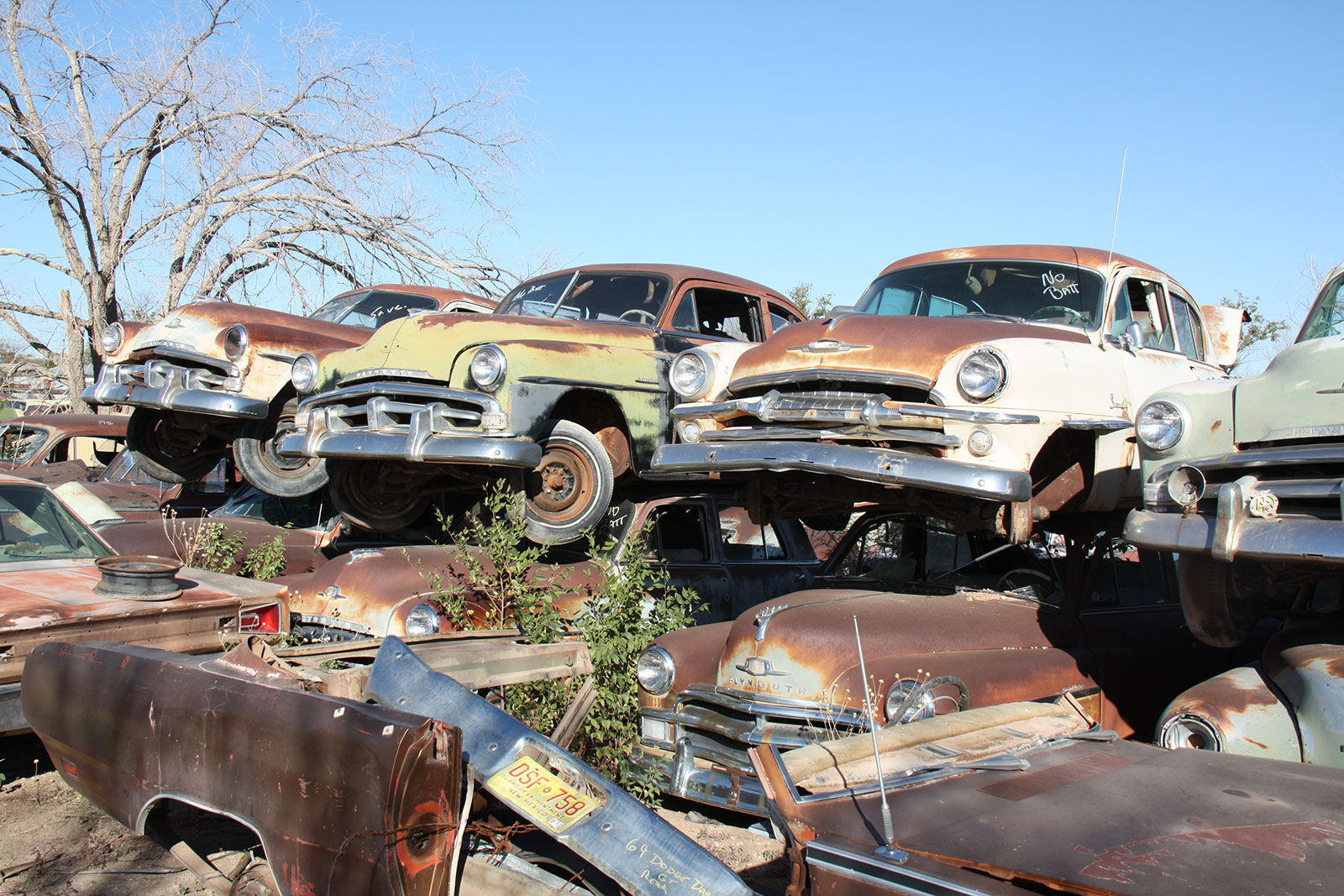
When we visited A-1 Auto Salvage, it had recently been sold to a new owner. Although at the time he intended to keep the yard as a classic car specialist, he wasted little time in crushing the least desirable cars. Our tour guide explained that early 1950s Plymouths and Dodges, like these, fall into that category. He said they have a small following, so often sit around for decades without yielding a single part. In other words they are worth more cubed.
Ford Galaxie Sunliner 1962
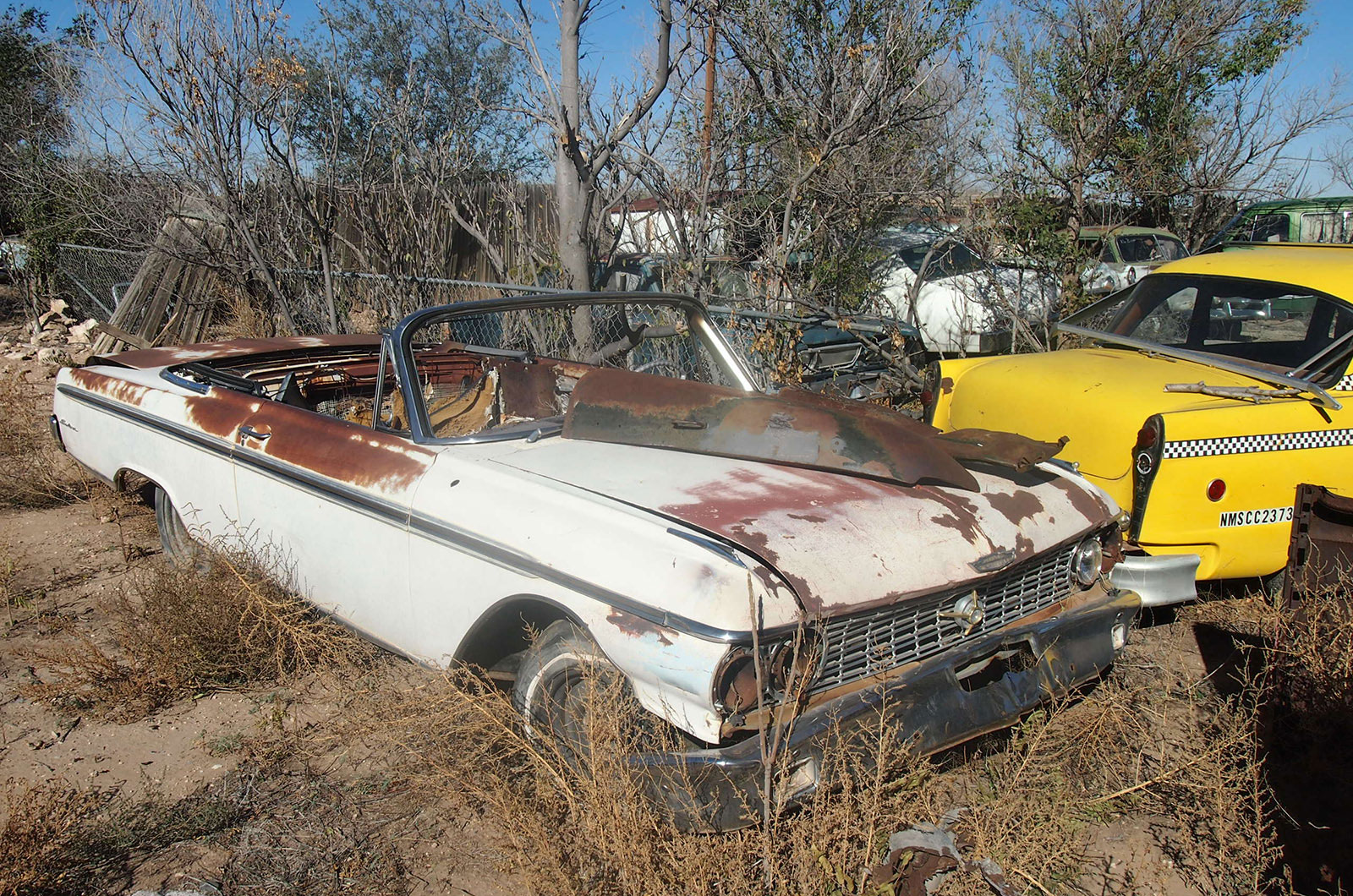
In pristine condition, a 1962 Ford Galaxie Sunliner will cost you a small fortune, but when we saw this sorry-looking example it had a $2000 price tag. Back in the day, this car would have managed 60mph in just under 14 seconds, continuing to a top speed of 101mph. A total of 55,829 were built.
Plymouth Duster 1975
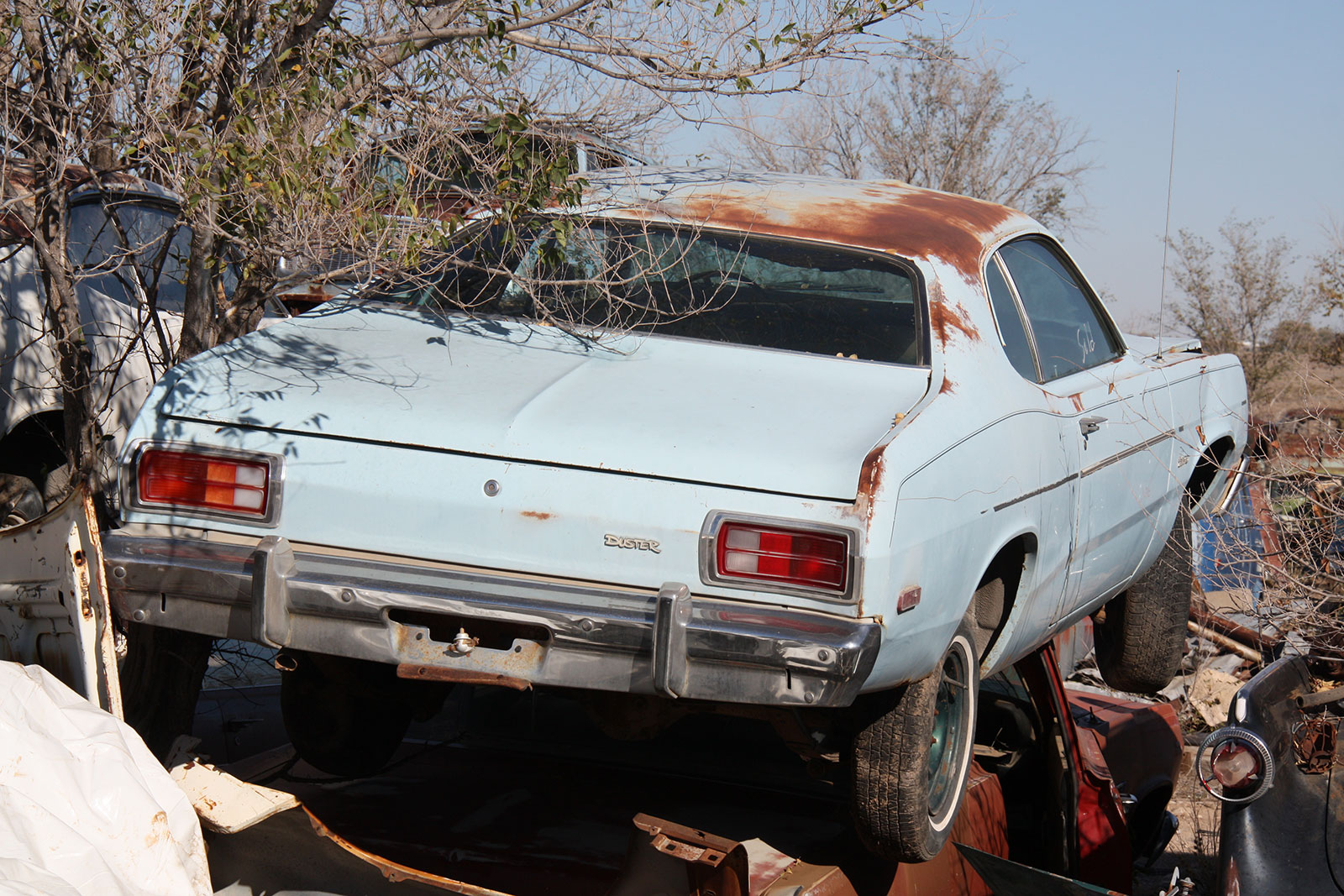
Someone has scribbled “75” and “sold” on this Plymouth Duster’s windows, so presumably it’s a 1975 model, and has hopefully survived. Built between 1970 and 1976, the Duster was a semi-fastback version of the Plymouth Valiant. The car’s main domestic rivals were the Chevy Nova, Ford Maverick and the AMC Hornet.
Reo Speedwagon 1940s
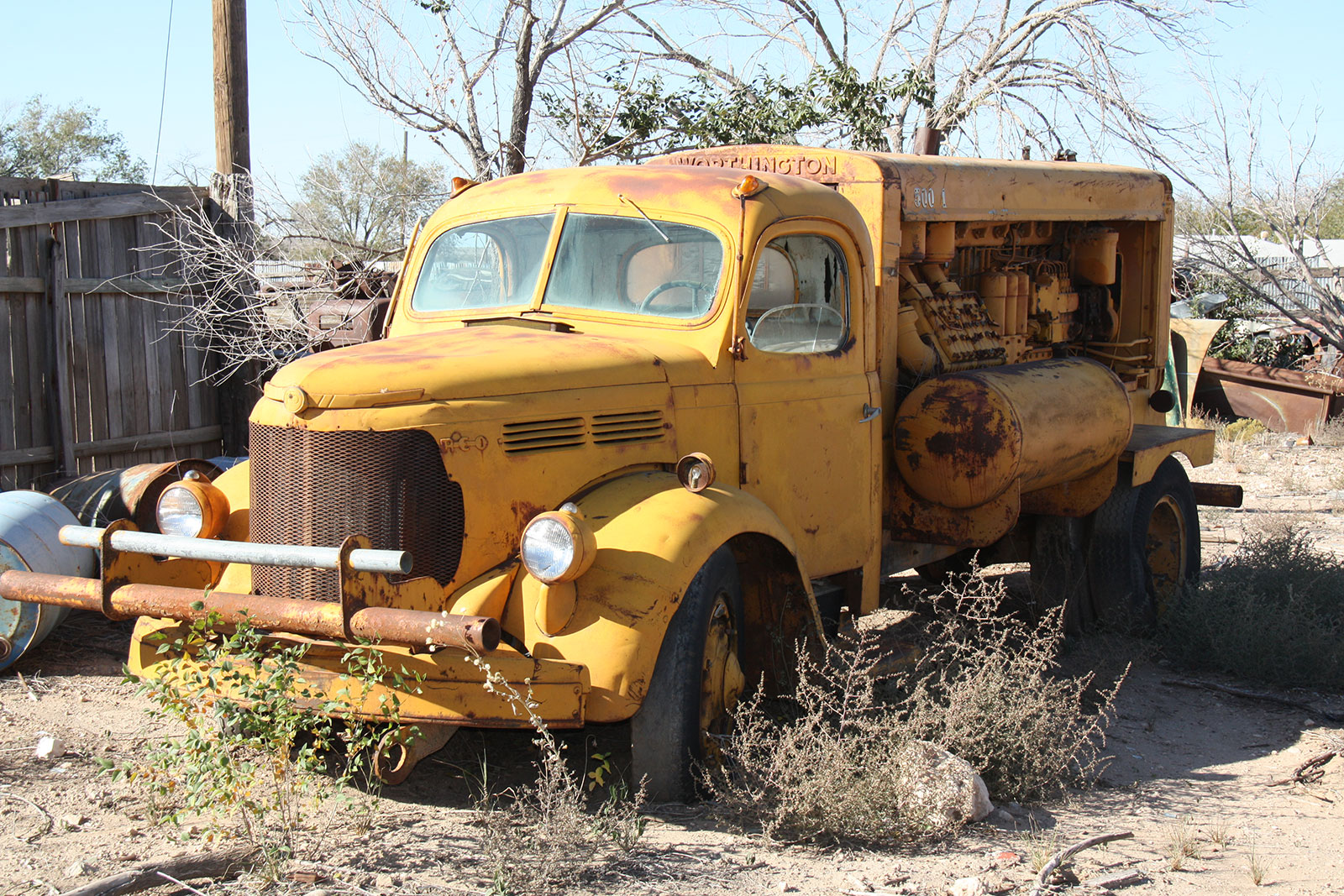
In addition to forming Oldsmobile, automotive pioneer Ransom Eli Olds also gave his name to the Reo truck brand. Based in Lansing, Michigan, it would produce cars and trucks from 1905 to 1975.
This late 1940s Reo Speedwagon was carrying a Worthington compressor on its back. Worthington Compressor Services, which was already 100 years old when this truck was built, supplied the steam pump engines used to power the hydraulic elevator used during the erection of the Paris’s Eiffel Tower. The famous rockband from Illinois took its name from a 1915 example of this model.
Nash Rambler Airflyte 1952
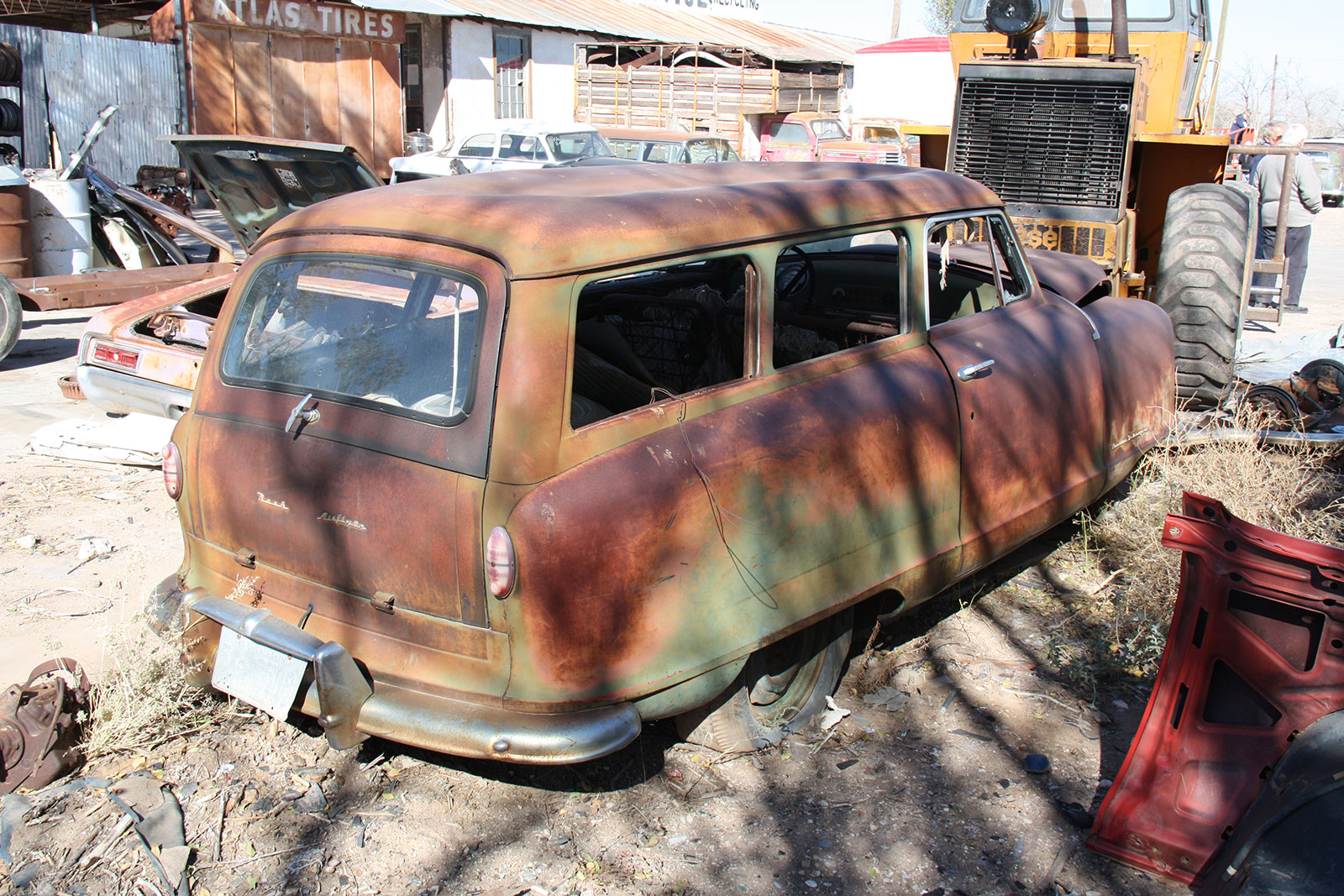
Considering that the Nash Rambler Airflyte station wagon must have looked like something from another planet when it was first launched, Roswell was the perfect location for this one… These two-door wagons first appeared in 1951, and this example was built in the second year of production.
Packard Cavalier 1953
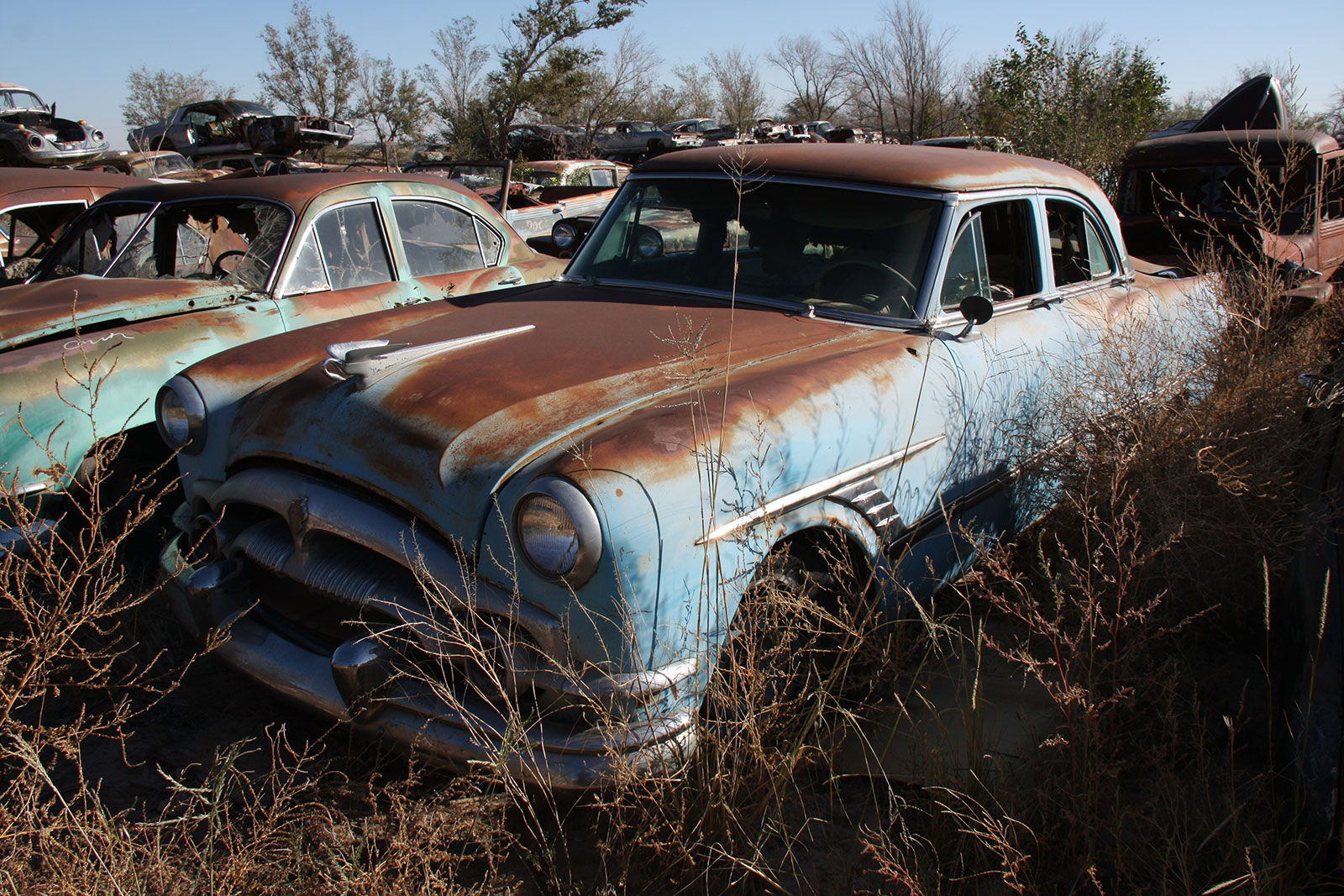
The Packard Cavalier was a replacement for the 300 model. These four-door sedans, which had a $3234 asking price, were only in production for two years (1952-1953). This example, which was on sale as a project car when we visited the yard, was built in 1953 and was one of only 10,779 manufactured.
Studebaker Commander coupe 1953
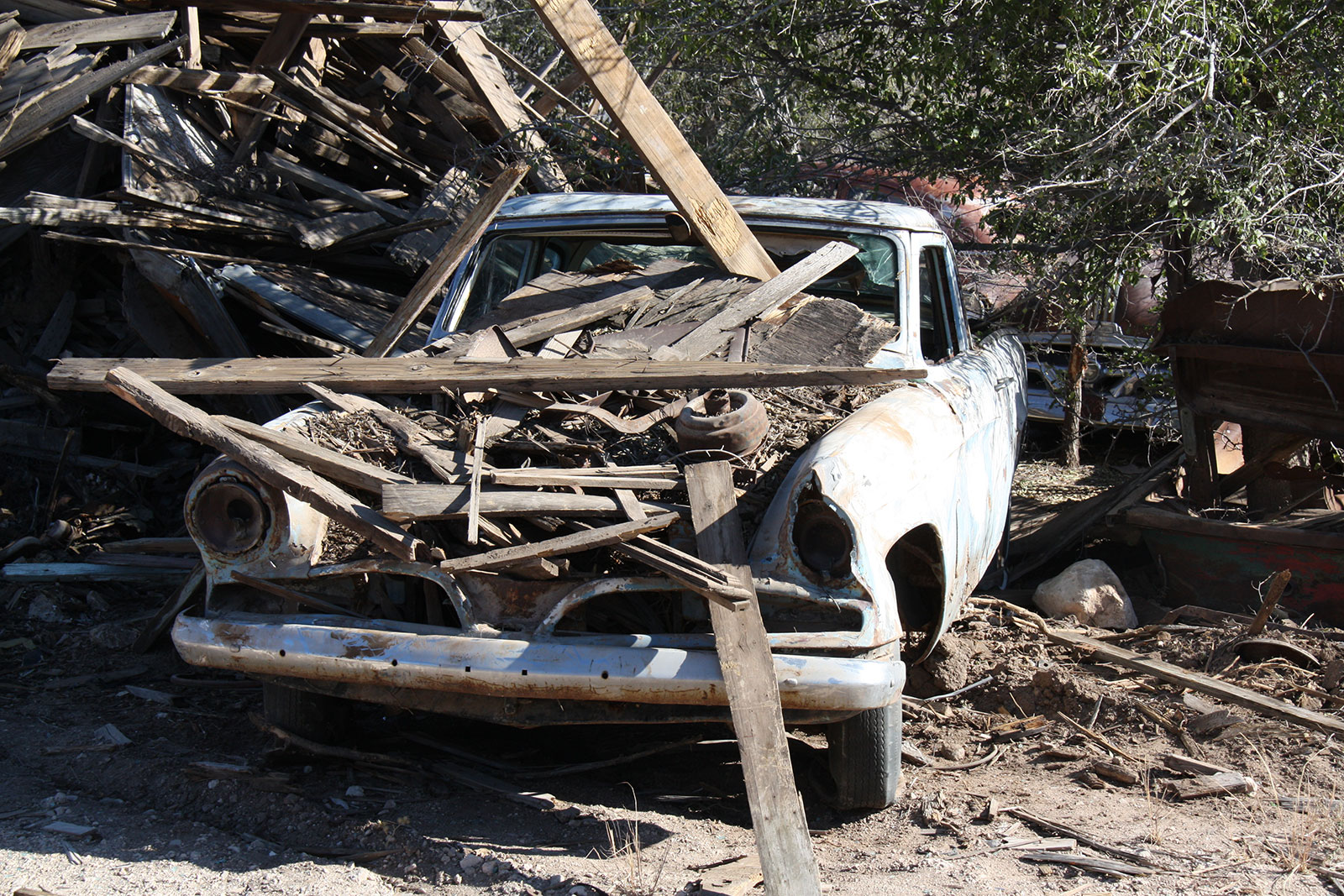
Barn finds are all the rage amongst classic car enthusiasts, however we aren’t sure whether this 1953 Studebaker Commander coupe actually qualifies as one. You see it wasn’t so much in the barn, as under it, following its collapse on top of the car. Although it wasn’t in great shape prior to the accident, at least it had a windshield.
AMC Rambler Americans
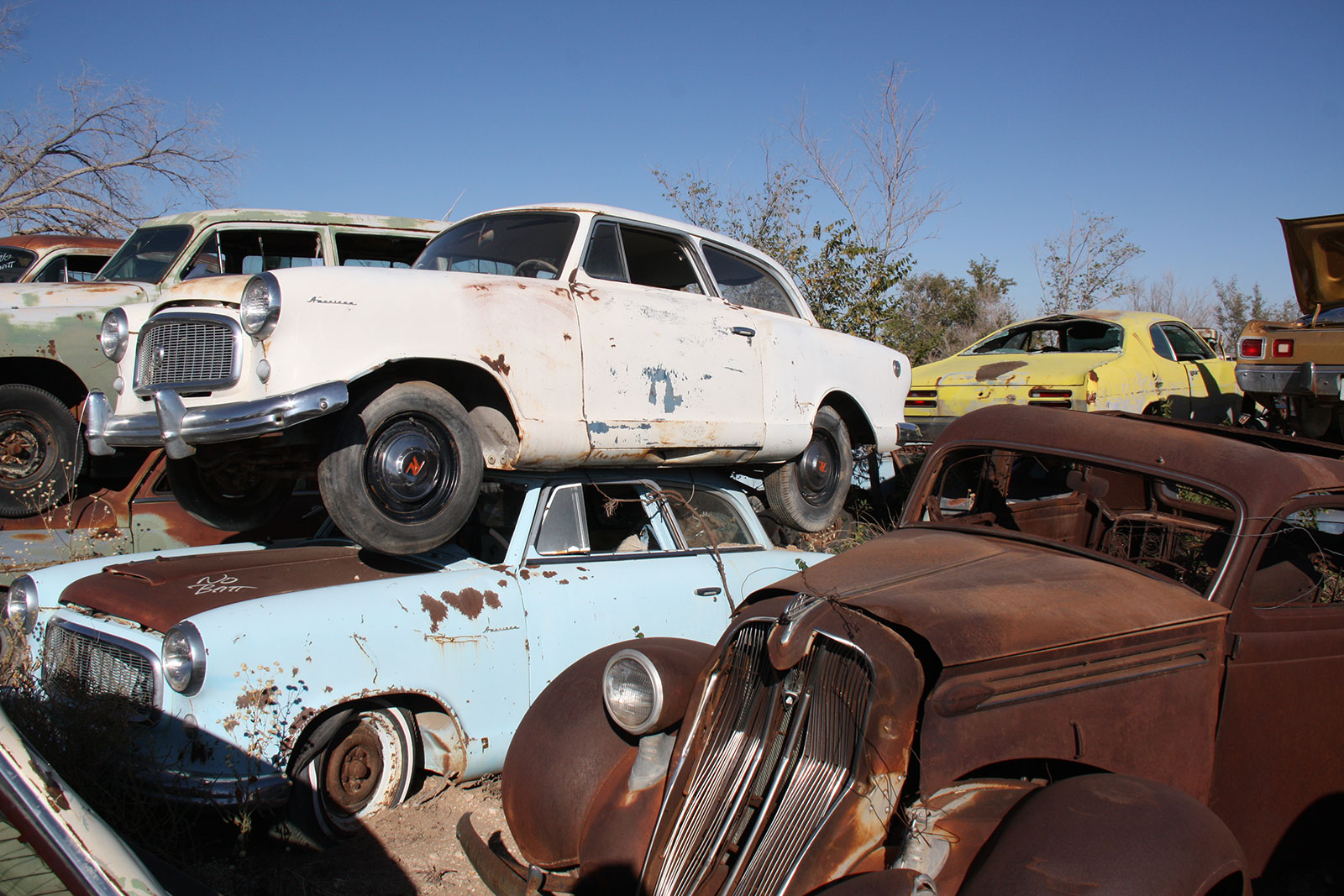
This pair of AMC Rambler Americans, were in reasonable condition, with the white one being particularly complete. Incredibly it has even retained its original wheel trims. But sadly these cars don’t have much of a following, meaning cost-effective restorations would have been out of the question.
With this in mind we’d be very surprised if either have survived. Check out the 1936 Plymouth on the right. We wonder whether the front accident damage was the reason why it entered the yard many decades ago.
AMC Gremlin
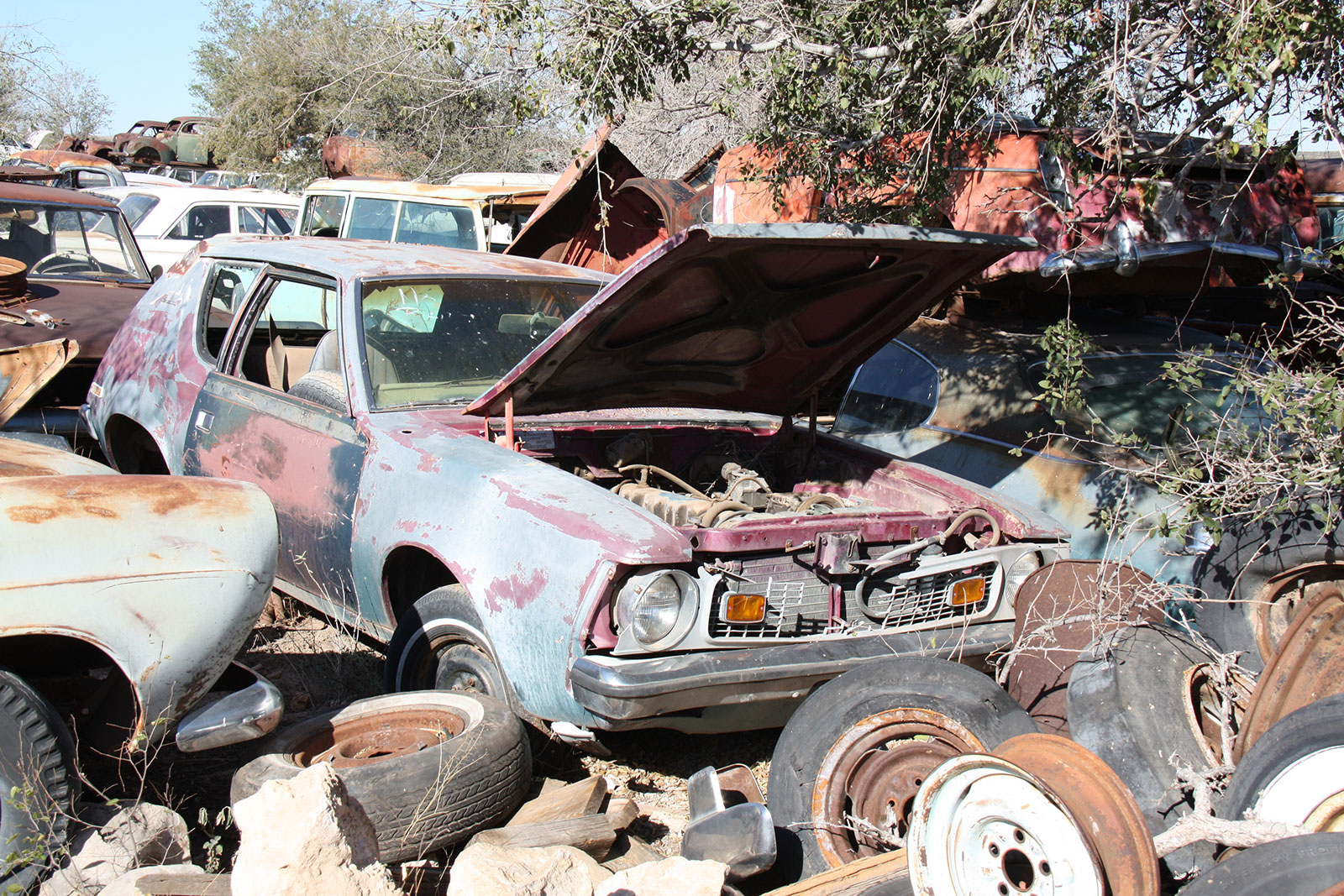
Like their Pacer siblings, AMC Gremlins have developed something of a cult following in recent years, and are starting to command decent money. That said, this one is worth little more than its scrap value, and is unlikely to have survived. Gremlins have appeared in numerous films and TV shows over the years, but perhaps the car’s most significant starring role was at the start of the 1984 movie Gremlins.
Checker Marathon 1970s
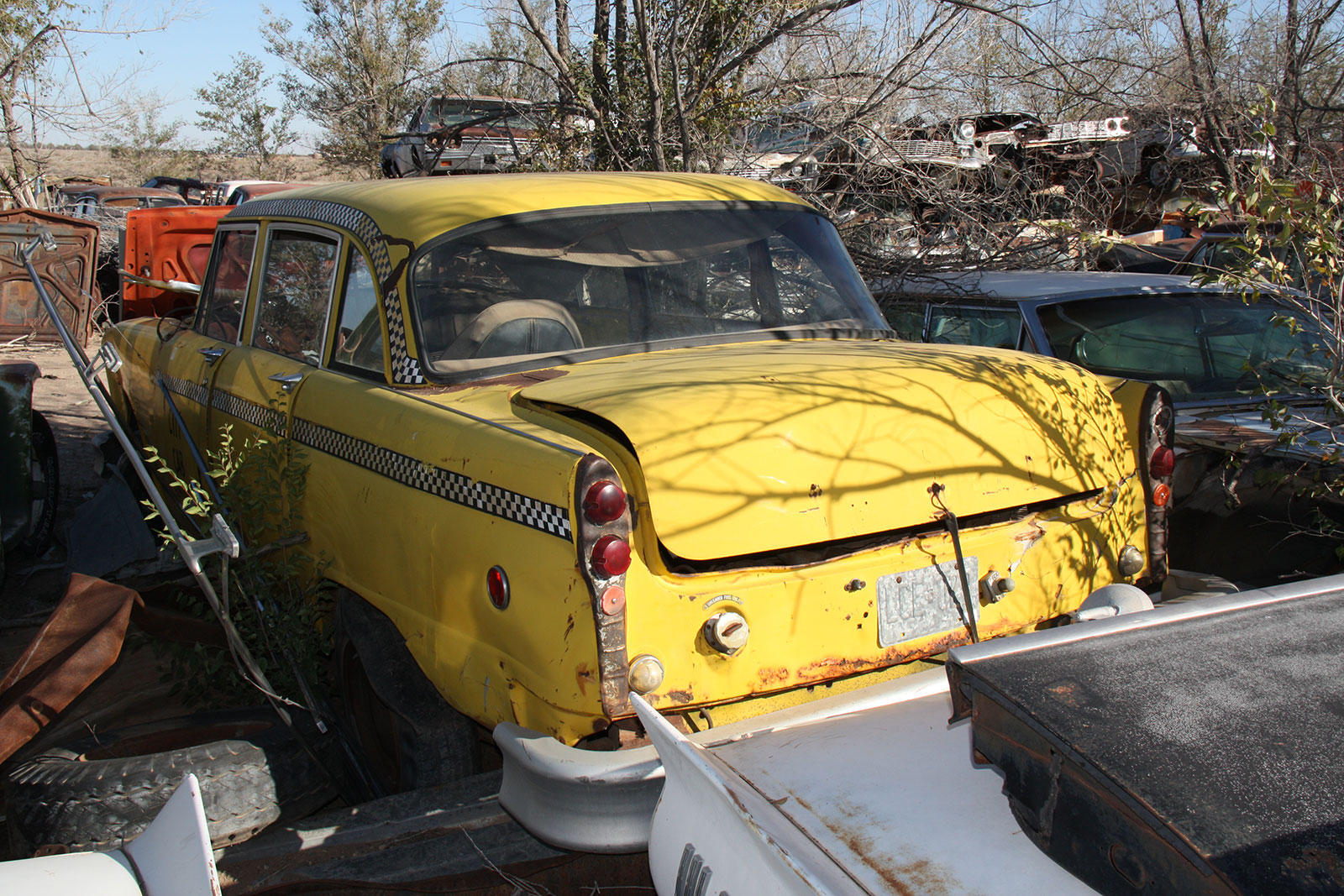
Checker Motors Corporation of Kalamazoo, Michigan, manufactured the iconic American taxicab. The design barely changed over the decades, so it’s hard to date this one, but our best guess is the late 1970s. The Marathon was in production from 1961 to 1982, when car production ceased. The last New York City Checker cab was retired in 1999, with 750,000 miles on its clock.
Checker Superba
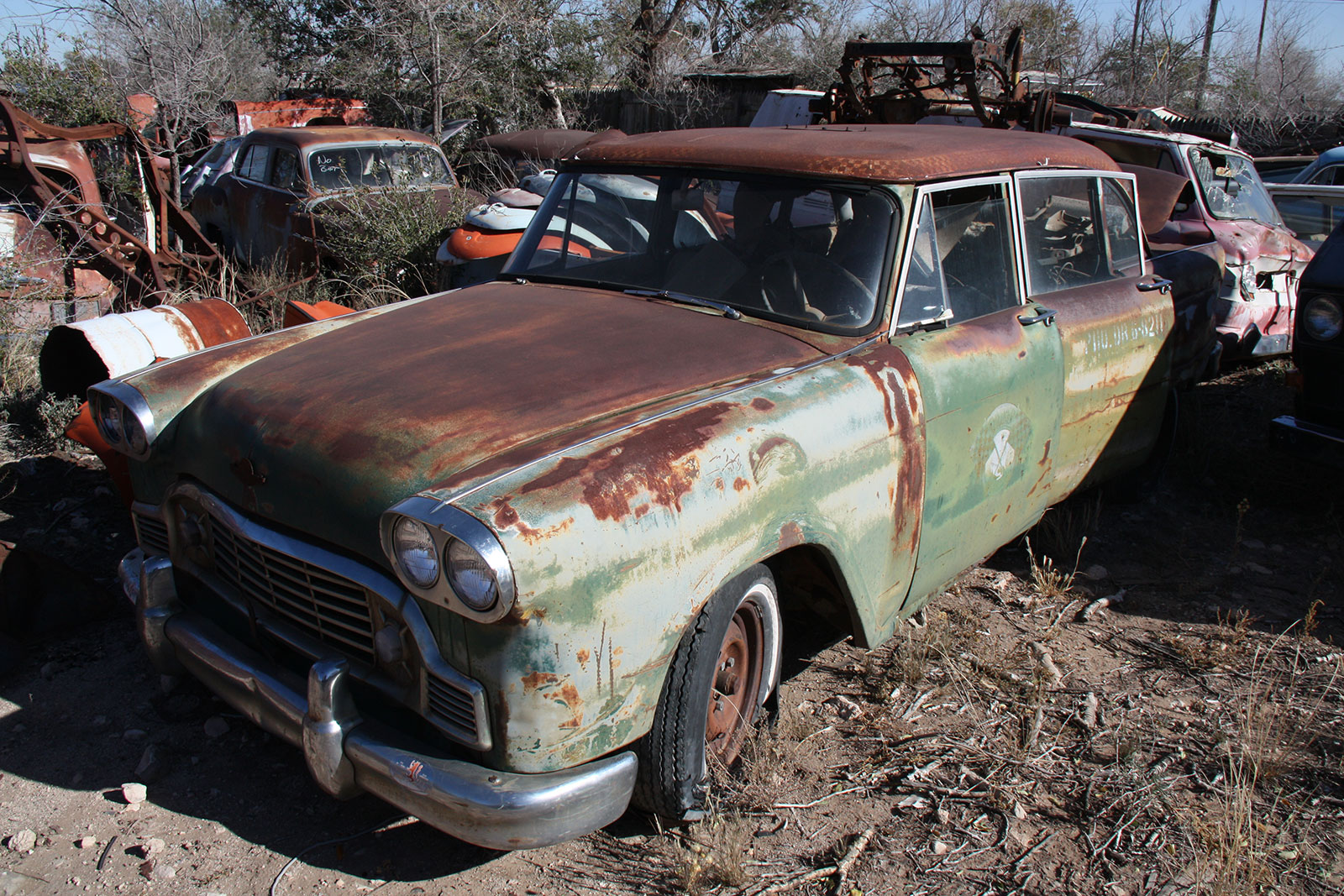
We initially assumed this to be a Checker Marathon, but a closer inspection revealed that it was in fact a considerably rarer Checker Superba. Predating the Marathon, just 1,050 were built in 1959, its first year on sale. It would remain in production until 1963.
Imperial 1960
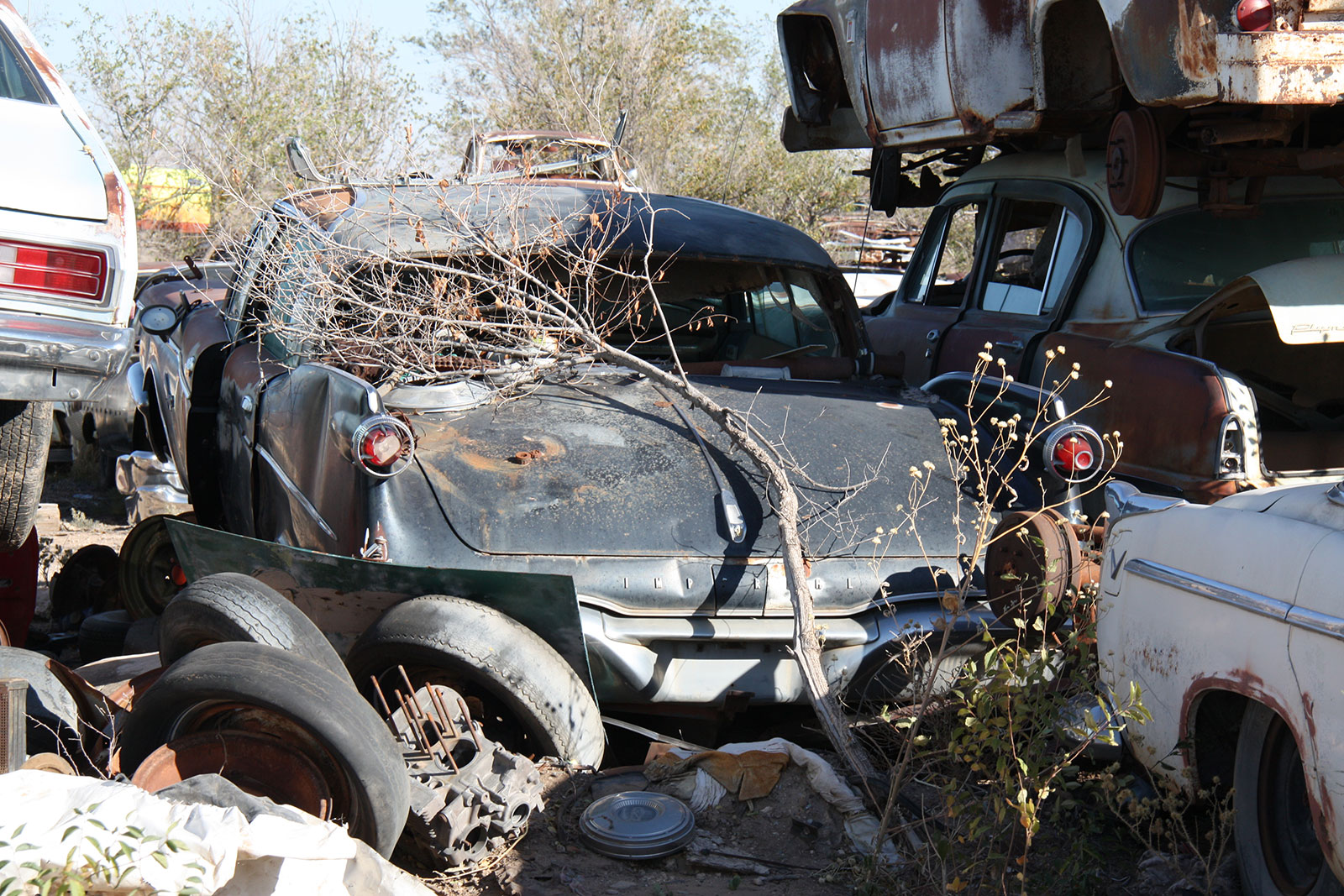
Seeing as less than 18,000 1960 Imperials were built, this was one of the yard’s more unusual residents. "America's most carefully built car," as it was billed, would have been subjected to 32 different quality control stations before leaving the factory. One of these involved drenching it with water, to the equivalent of 252in per hour of rainfall - it certainly wouldn’t pass that test today…
Willys Overland Jeepster
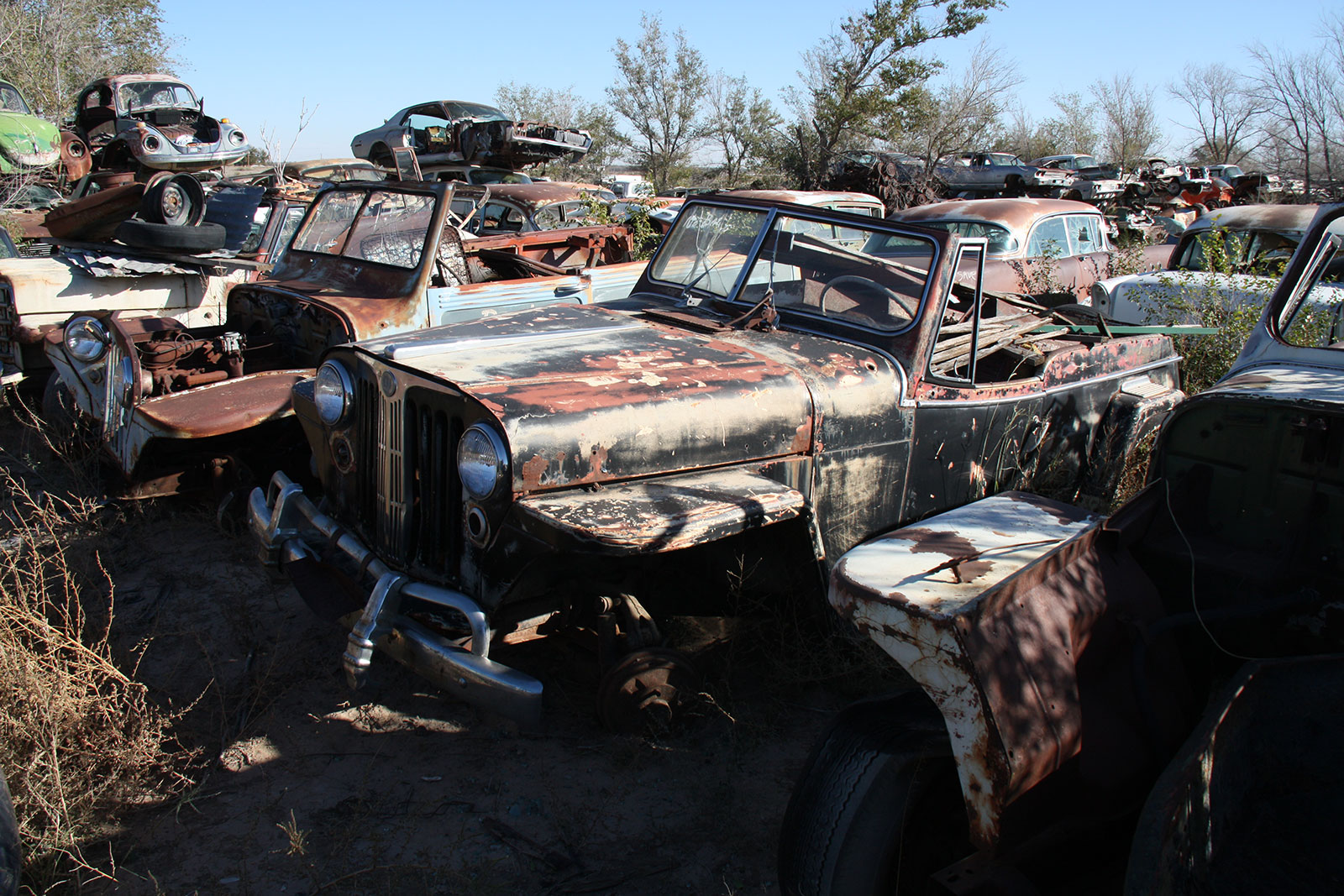
Only 19,132 Willys-Overland Jeepsters were manufactured during the three-year production run (1948 - 1950), and they are few and far between today. We have only ever spotted six of them in junkyards, and four of those were at A-1 Auto Salvage. This was the manufacturer’s attempt to branch out into the passenger car market.
Clipper Custom 1956
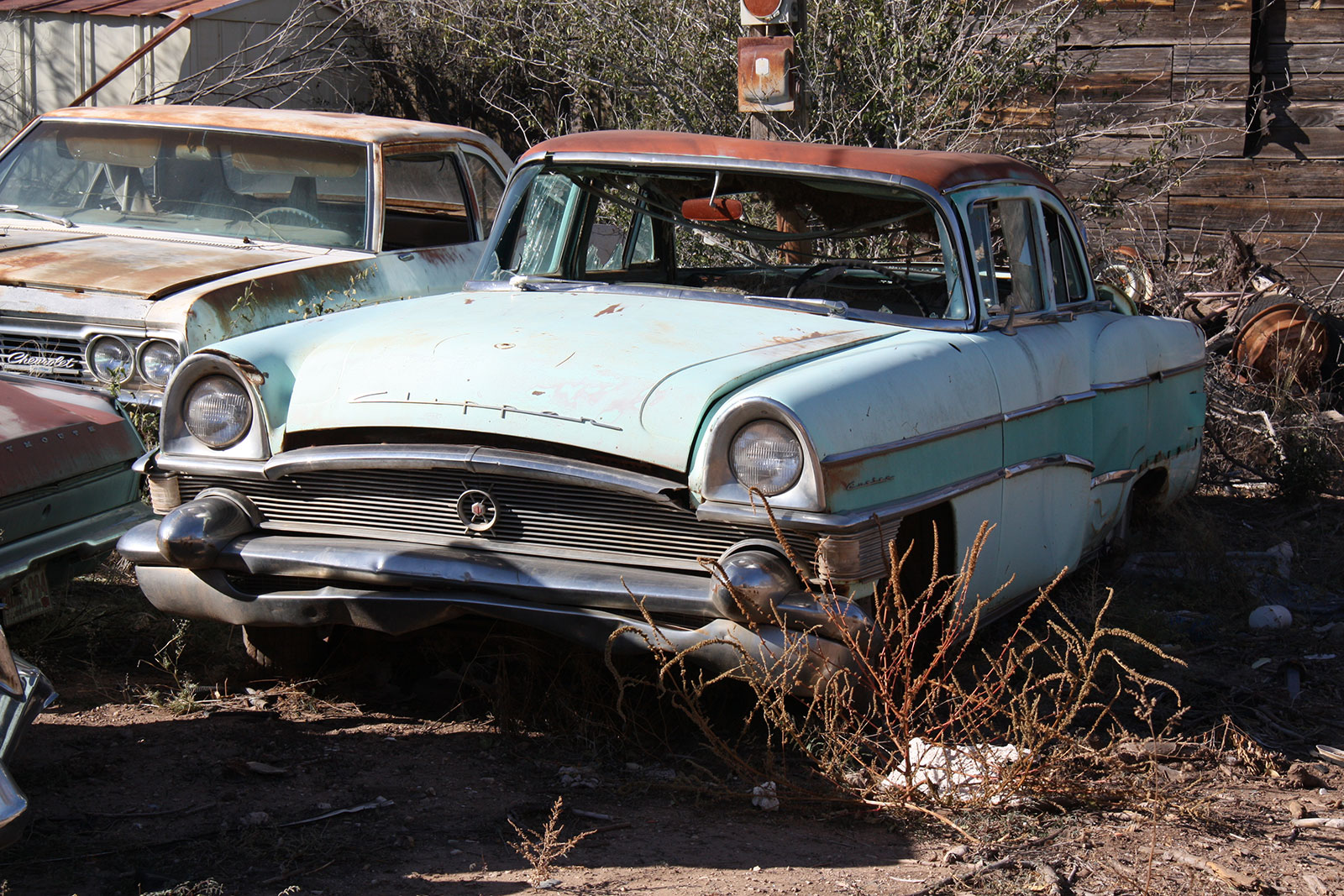
You’ll be looking for a long time to find another one of these in a salvage yard. It’s a Clipper, which for 1956 only, ceased being a Packard and became a marque in its own right. This was a conscious decision to prevent the entry-level car from damaging Packard’s image as a luxury car brand.
But the plug was pulled at the end of the year when Packard’s Detroit factory closed. In 1958 the manufacturer disappeared completely, ending 59 years of car production. This four-door Custom model, is one of only 8708 built.
Chevrolet Truck Tree 1940s
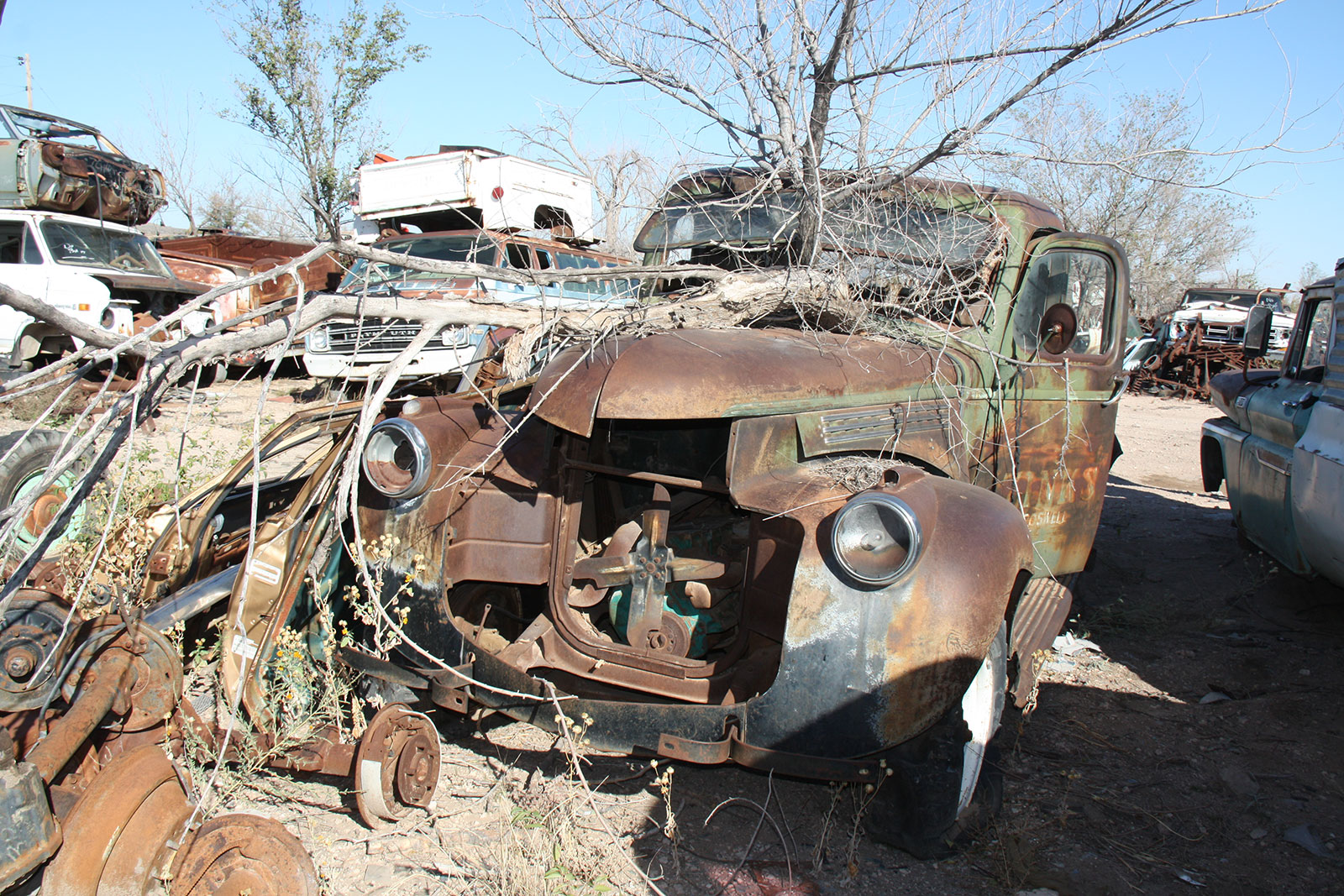
Salvage yards are closing at a phenomenal rate, so to discover that A-1 Auto Salvage is no longer in business came as little surprise to us. While on this occasion the owner wanted to use the land for a different purpose, other common reasons for closures include the high price of scrap metal, encroaching urban sprawl (and new neighbours who don’t like the idea of living next to a junkyard), and increasing environmental pressure.
On the subject of the latter, during our visits to salvage yards, we have found the flora and fauna to flourish around junk cars. Just check out this tree, which has grown through a Chevy truck’s rotten floor, wrapped itself around the steering wheel, and pushed open the windshield. These trucks were built between 1941 and 1946.
Lincoln Continental 1964
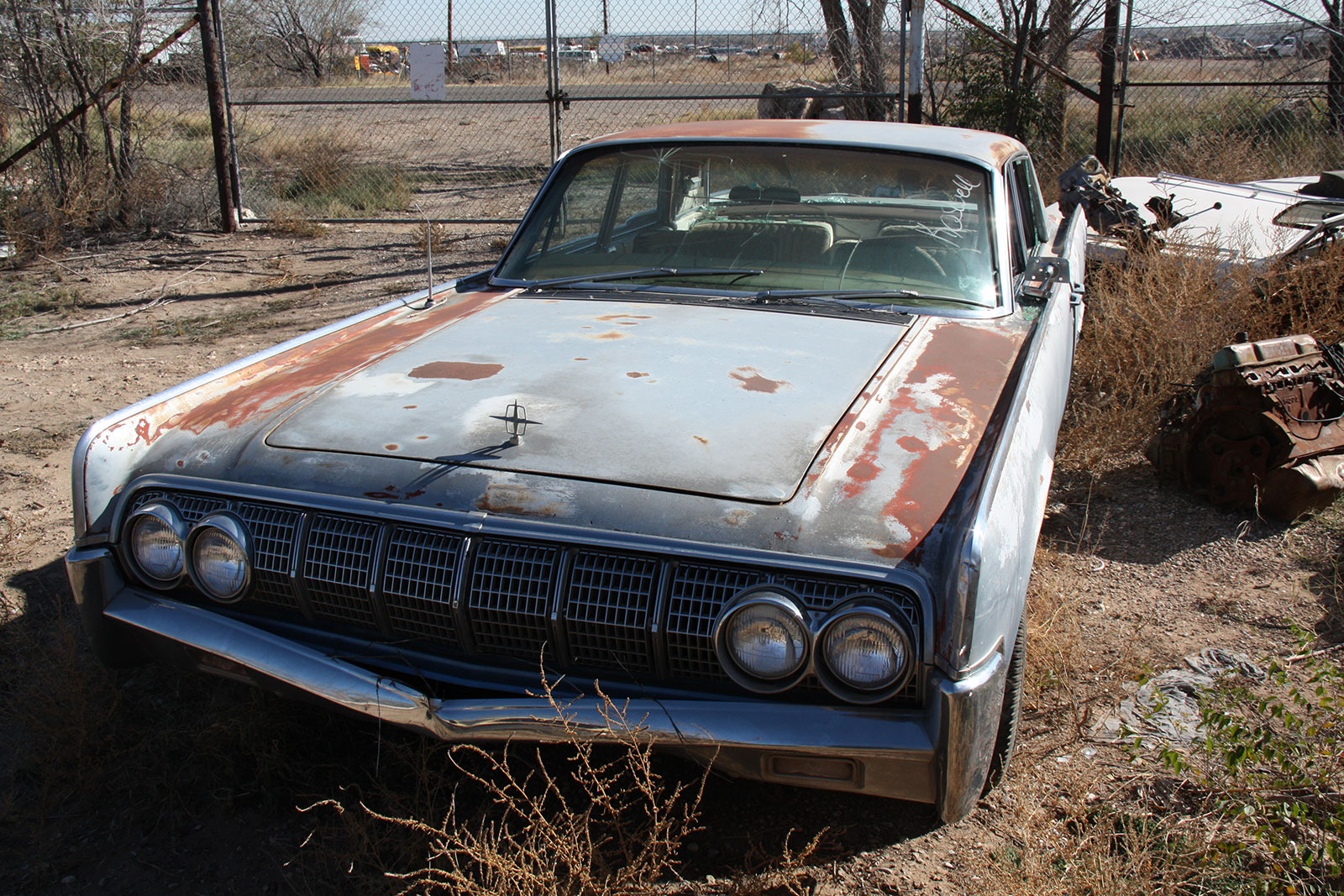
Fourth generation Lincoln Continentals were equipped with “door ajar” warning lights, a necessary safety precaution to reduce the risk of rear passengers being sucked out of the reversed-doors. This one, complete with its convex electric shaver front grille, is one of 36,000 to find a buyer in 1964.
Kaiser Special 1951
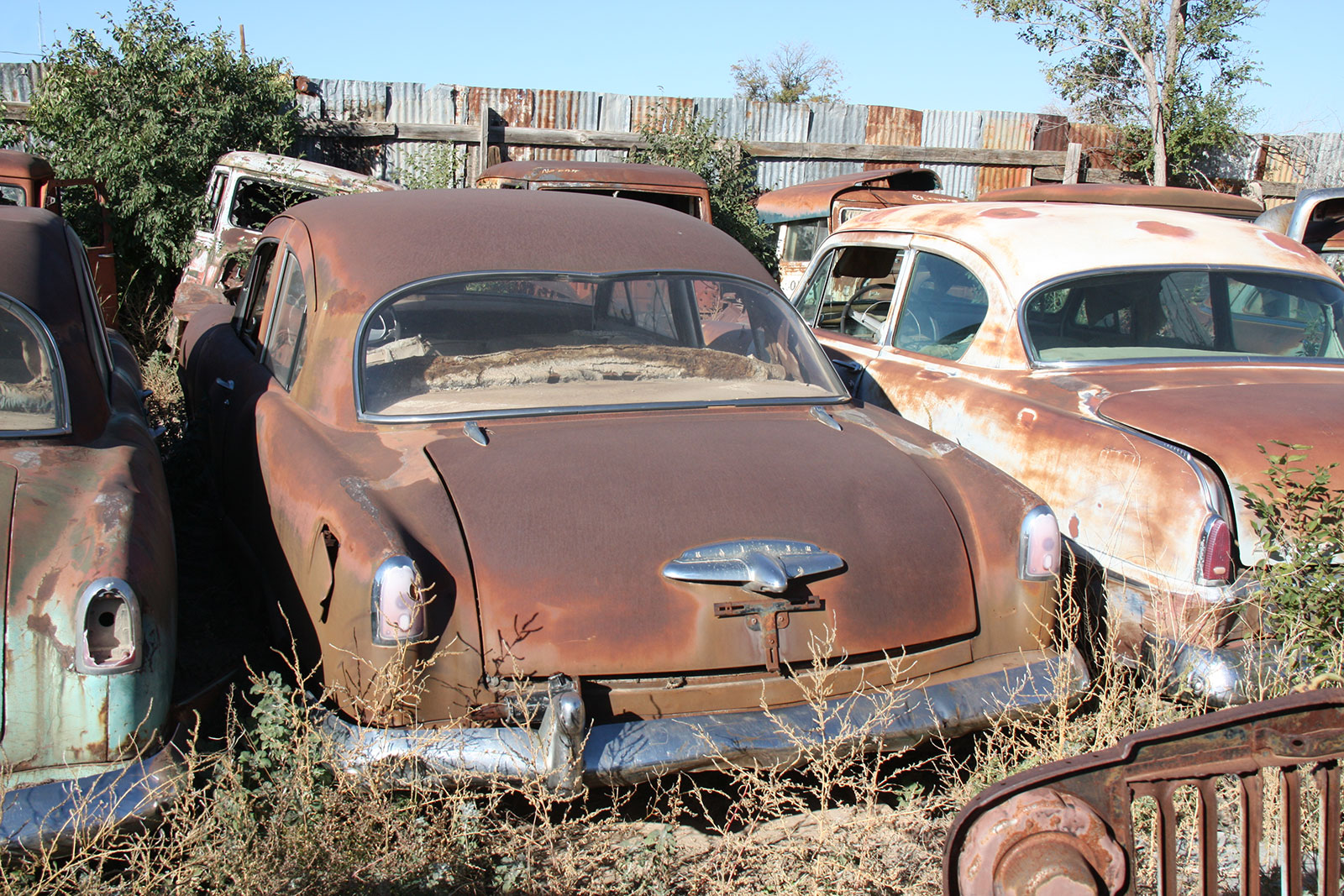
The Kaiser-Frazer Corporation was formed in 1945, as a joint venture between the Henry J Kaiser Company and Graham-Paige Motors. While sales were initially strong, it didn’t have the resources to take on the Big Three. The last Frazer was built in 1951, while Kaiser-branded cars survived for a further four years.
Considering the relatively short production run, it’s definitely unusual to find one in a salvage yard. In fact A-1 Auto Salvage had no less than three of them. This one appears to be a 1951 Special, built in 1951, Kaiser’s most successful year ever.
Cadillac CoupeDeVille 1961
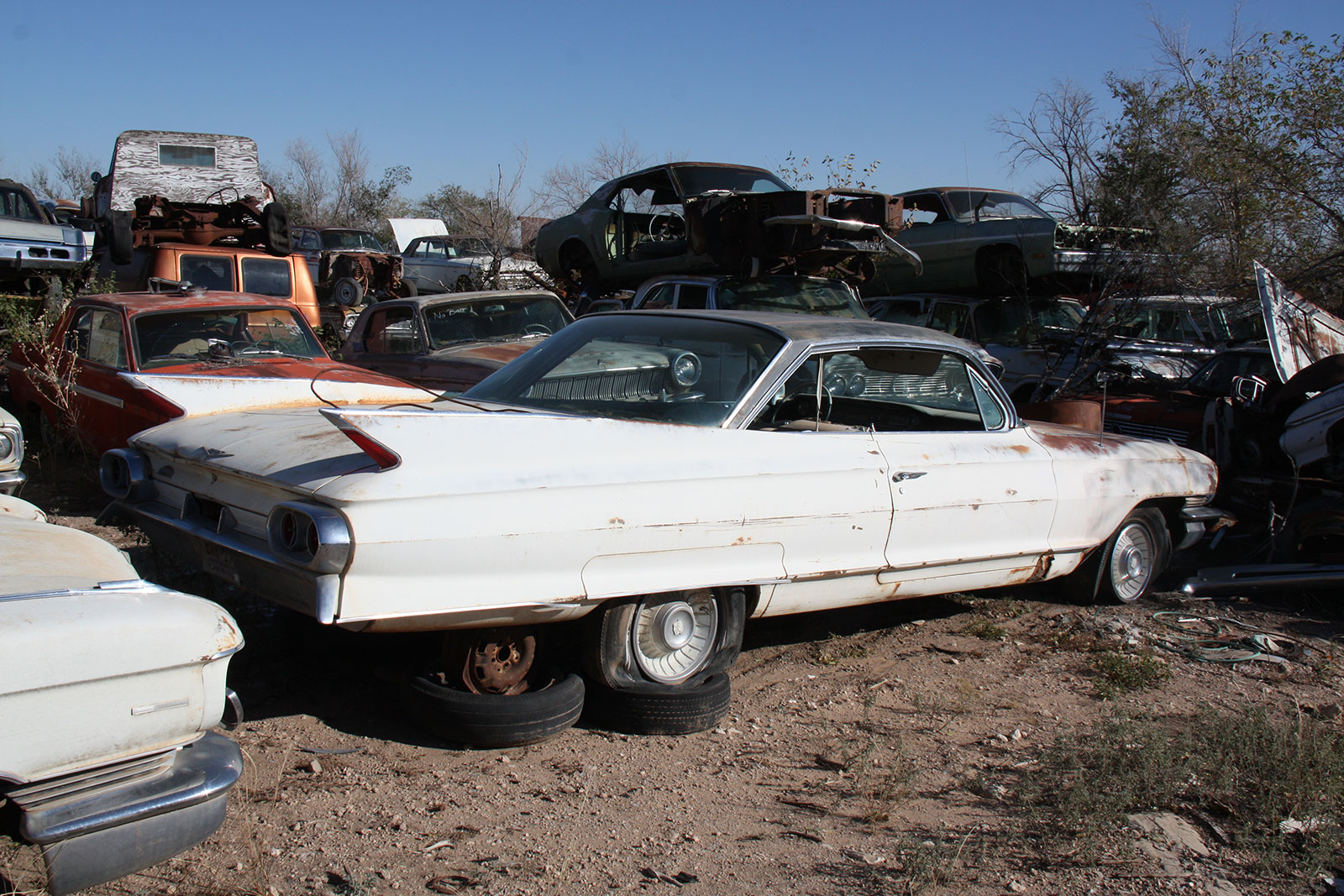
Cadillac designed some incredibly flamboyant tailfins in the late 1950s, culminating in the rocket-inspired creations that adorned the 1959 cars. From 1960 onwards they began to shrink, becoming somewhat more subtle, and dare we say tasteful?
This 1961 Coupe de Ville, which is far too good to have ended up at A-1 Auto Salvage, sports a clean and crisply designed pair, neatly integrated into the design, and starting at the rear doors rather than looking like an add-on.
Ford Thunderbird 1960
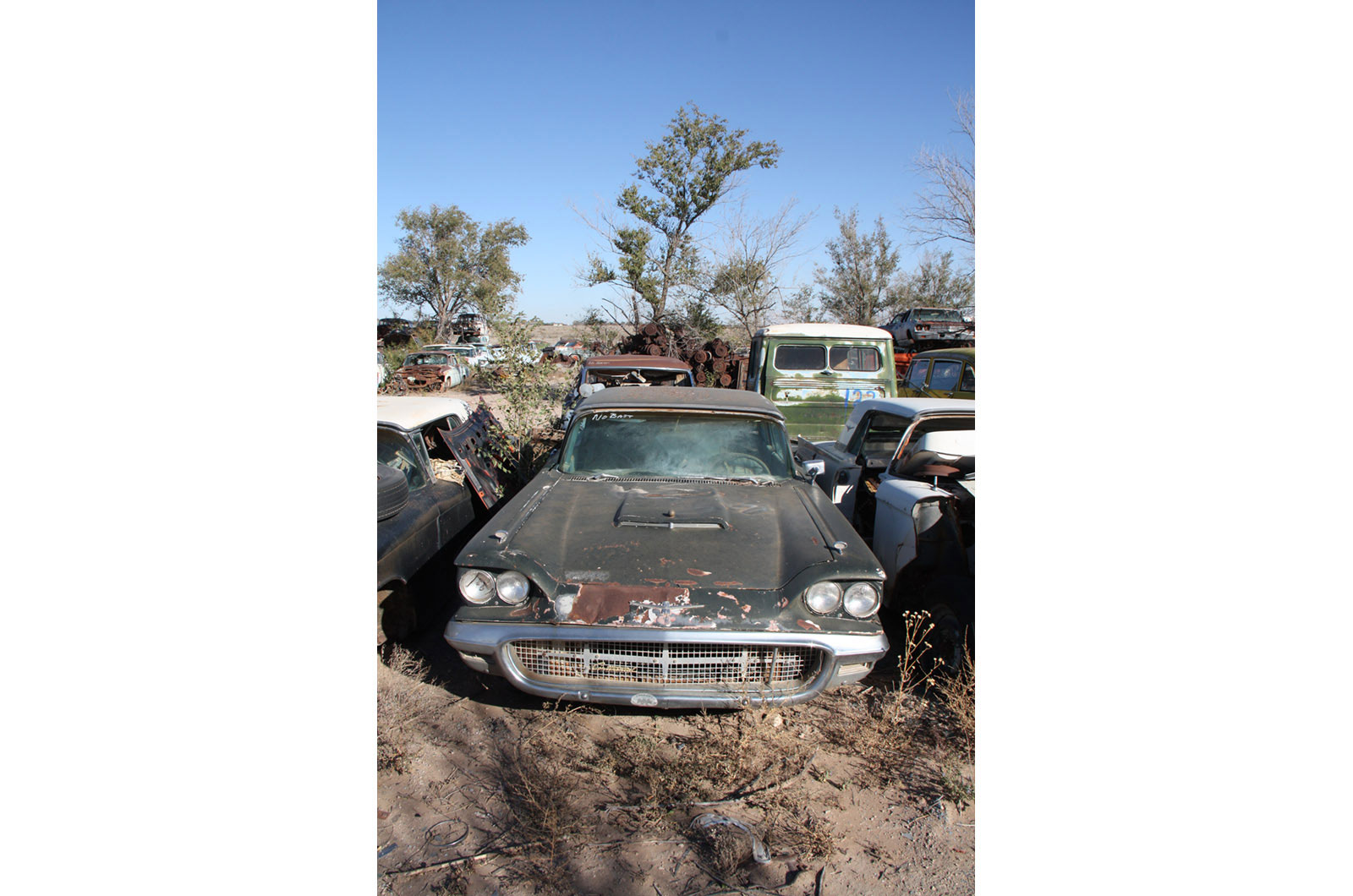
It says “No batt’ on the windshield of this 1960 Ford Thunderbird, but we reckon the lack of a battery is the least of its worries. More importantly, was it desirable enough to attract any bids at A-1 Auto Salvage’s closing-down sale auction, or was it crushed, melted down and turned into a new kitchen appliance? With 93,000 sales, 1960 was a record year for the T-Bird.
Studebaker Transtar 1956
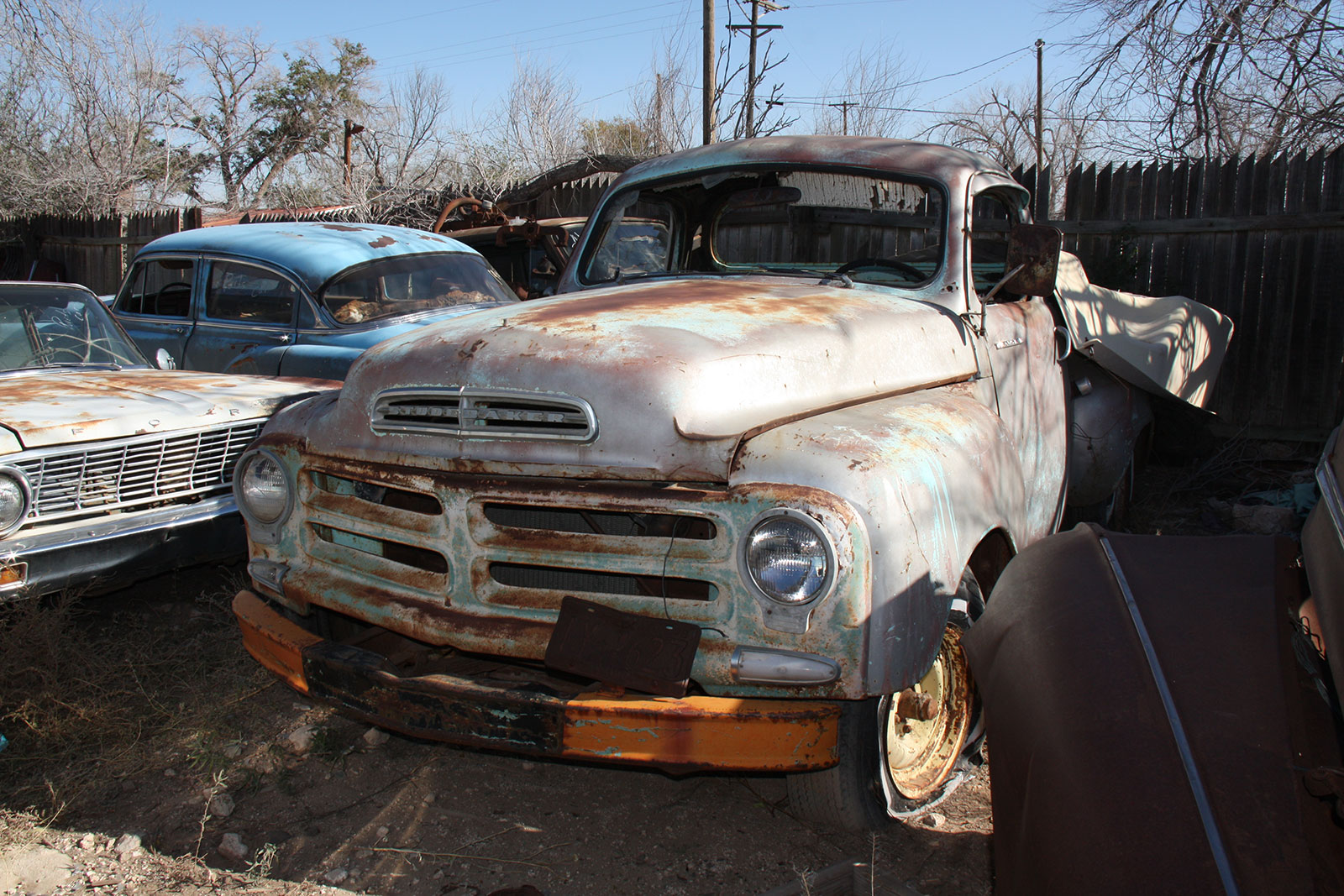
Surely this 1956 Studebaker Transtar half-ton pickup was saved, as it’s far too desirable to have been crushed. The Transtar name was used by Studebaker from 1956 to 1958, and again from 1960 to 1963. Studebaker was founded in 1852, so was already 104 years old when this rolled off the line. It would continue manufacturing vehicles until 1966.
Chevrolet Sedan Delivery 1951
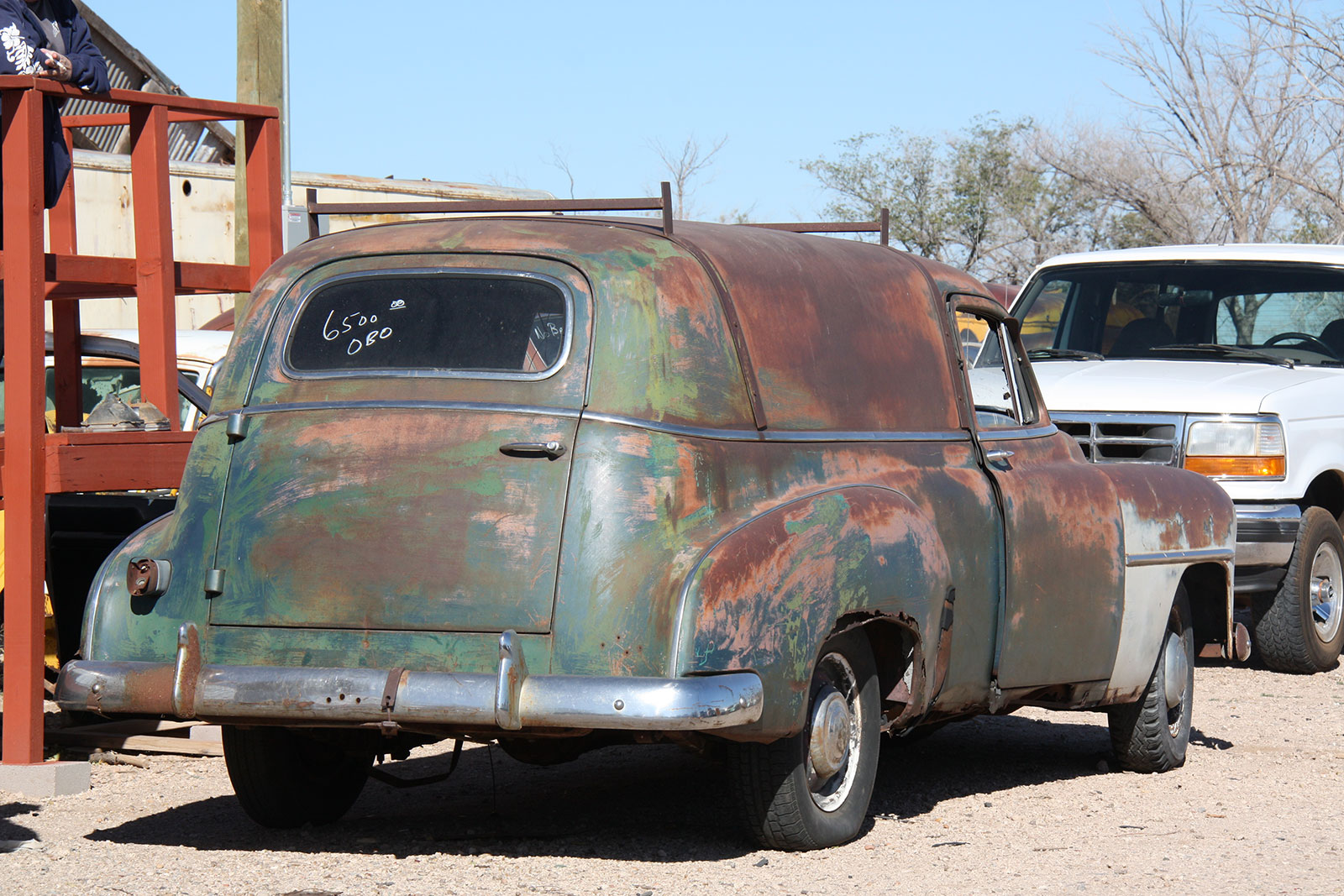
There’s no doubting that this 1951 Chevrolet Sedan Delivery is a desirable vehicle, however we can’t help but feel that the $6500 (or best offer) asking price was a tad optimistic. Based on the two-door station wagon, these light commercials sold reasonably well, with 20,817 finding buyers in 1951. However, unlike the passenger-carrying siblings, they were far more likely to be abused, so had a considerably worse survival rate.
About the author
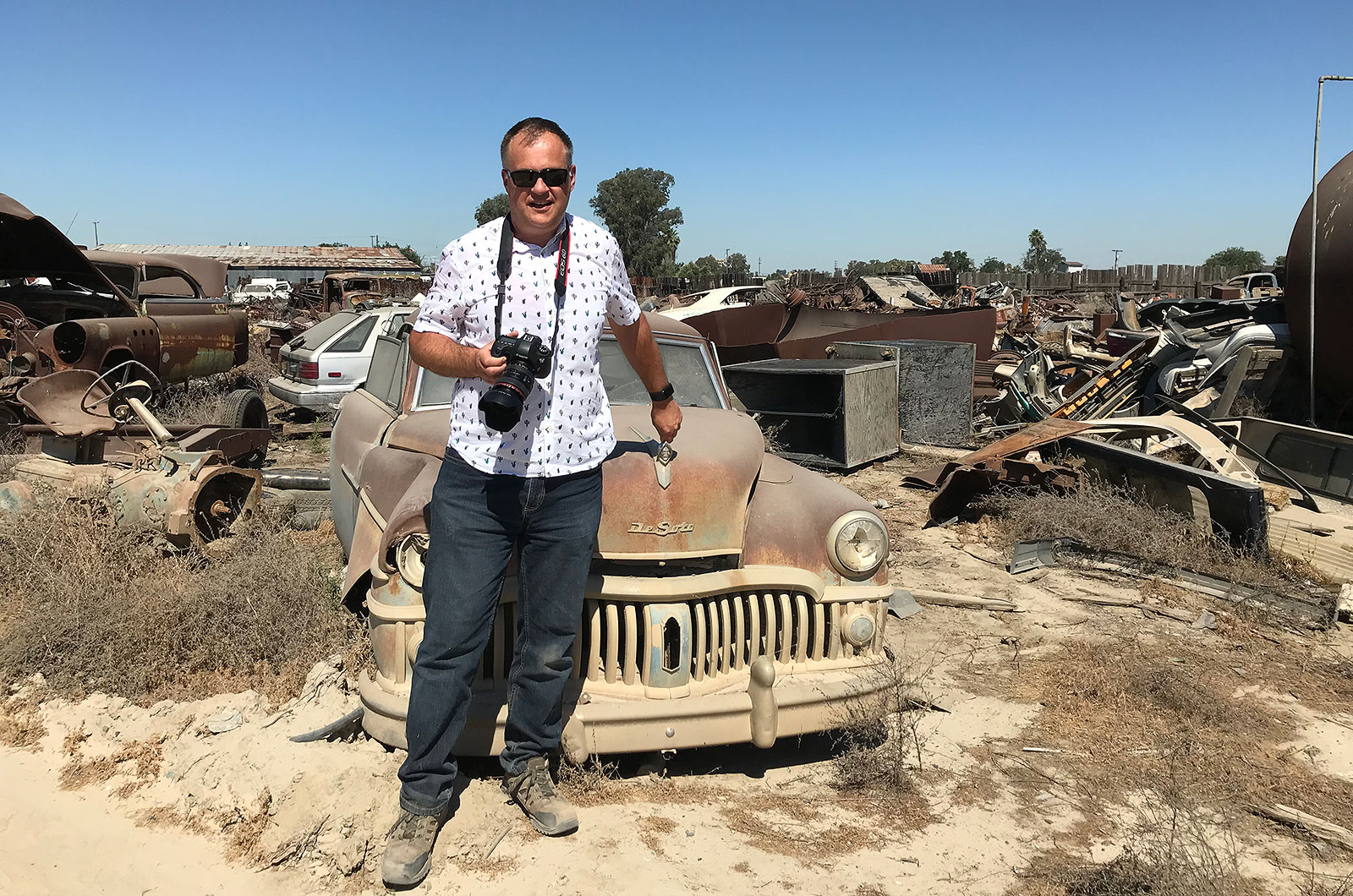
British automotive journalist Will Shiers has been photographing abandoned American cars for 35 years. He has visited all 50 states on his tin-hunting trips, exploring barns, fields, deserts, ghost towns and salvage yards, while searching for hidden treasures. Will has been contributing to car magazines for three decades, and is the author of the book Roadside Relics - America’s Abandoned Automobiles.

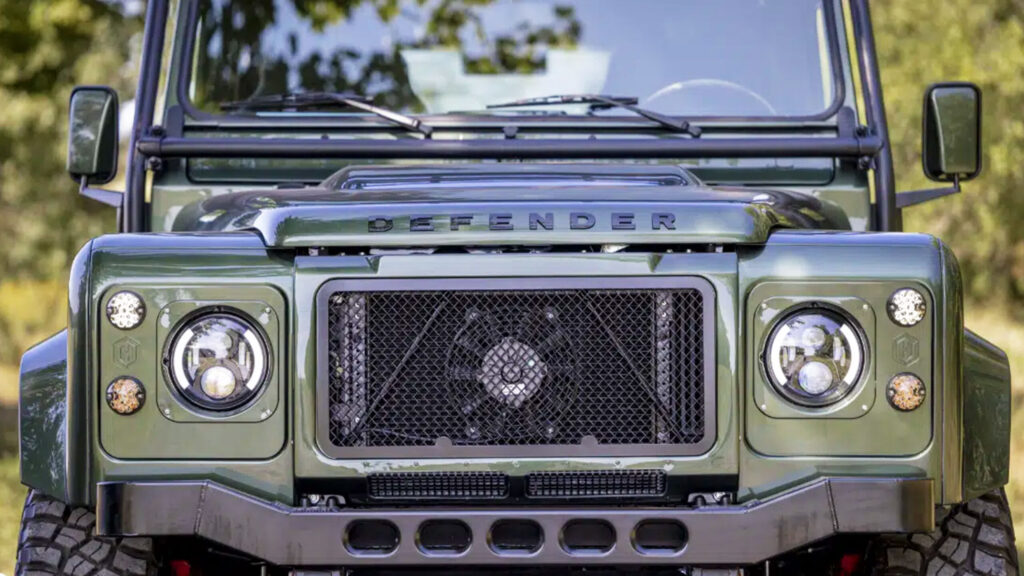
Land Rover Defender Restomod Redefines Luxury and Heritage with Turbo-Diesel Upgrades at Supercar Prices

Overhyped Cars Reconsidered: When Reputation Outpaces Reality in Automotive Icons
 Overrated is a strong word - we wouldn't want you to think any of these aren't much good, but they do have overlooked flaws
It’s not a lemon list, more a herd of sacred cows about which the world thinks of in one way yet the reality can be slightly different.
All – or, at least, most – of these cars have some mega plus-points, but they also have reputations that are a bit larger than life. We take a look at some, and explain why those reputations can be over the top:
Land Rover Series I (1948)
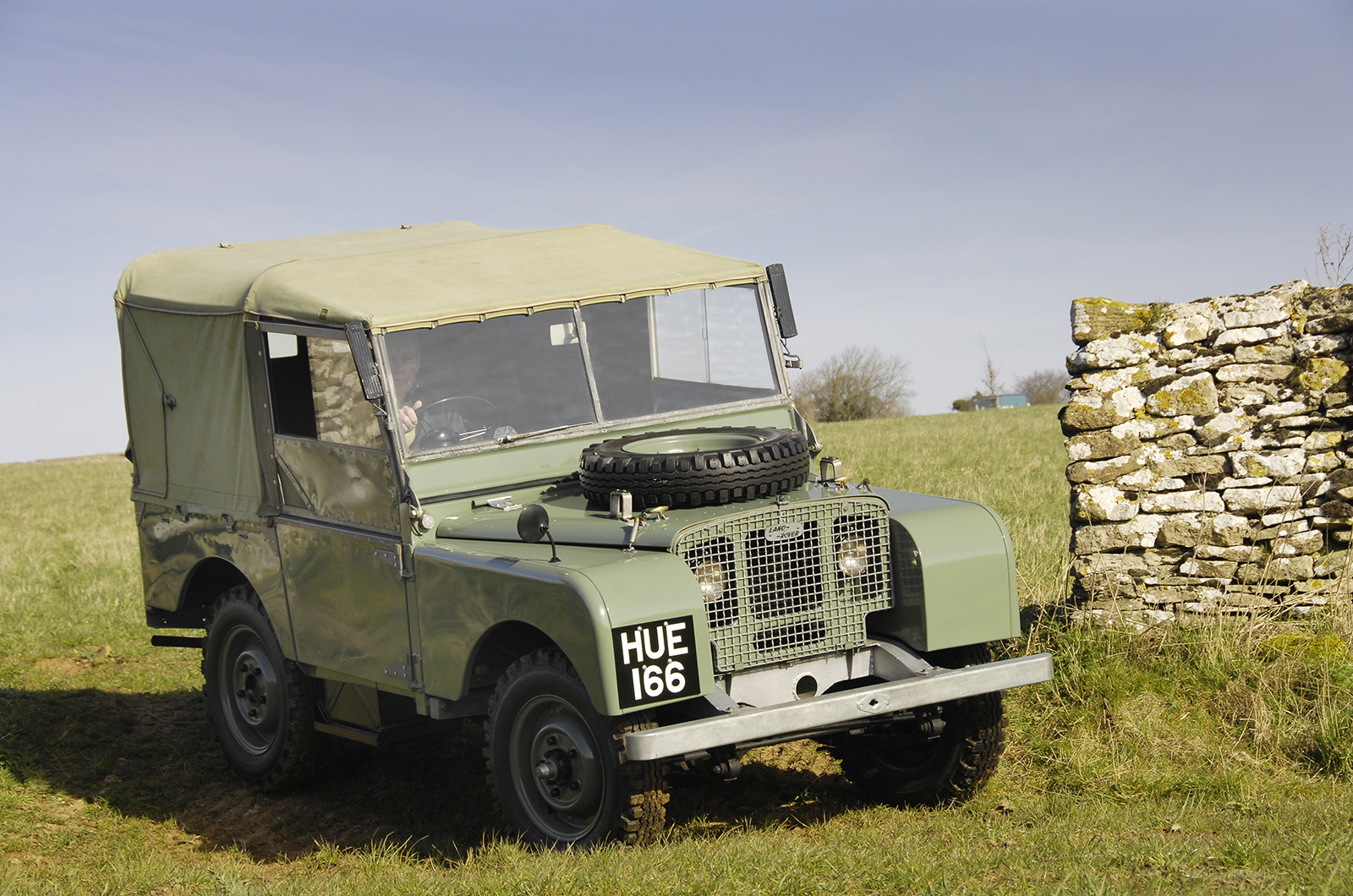
The lovable Land Rover is hailed, quite rightly, as the grandfather of all civilian off-roaders, and how these very early vehicles can still perform in the rough is impressive – were you to submit your Series I to some farm life. ‘Dual-purpose’ is where the concept falls down.
Land Rover Series I (1948)
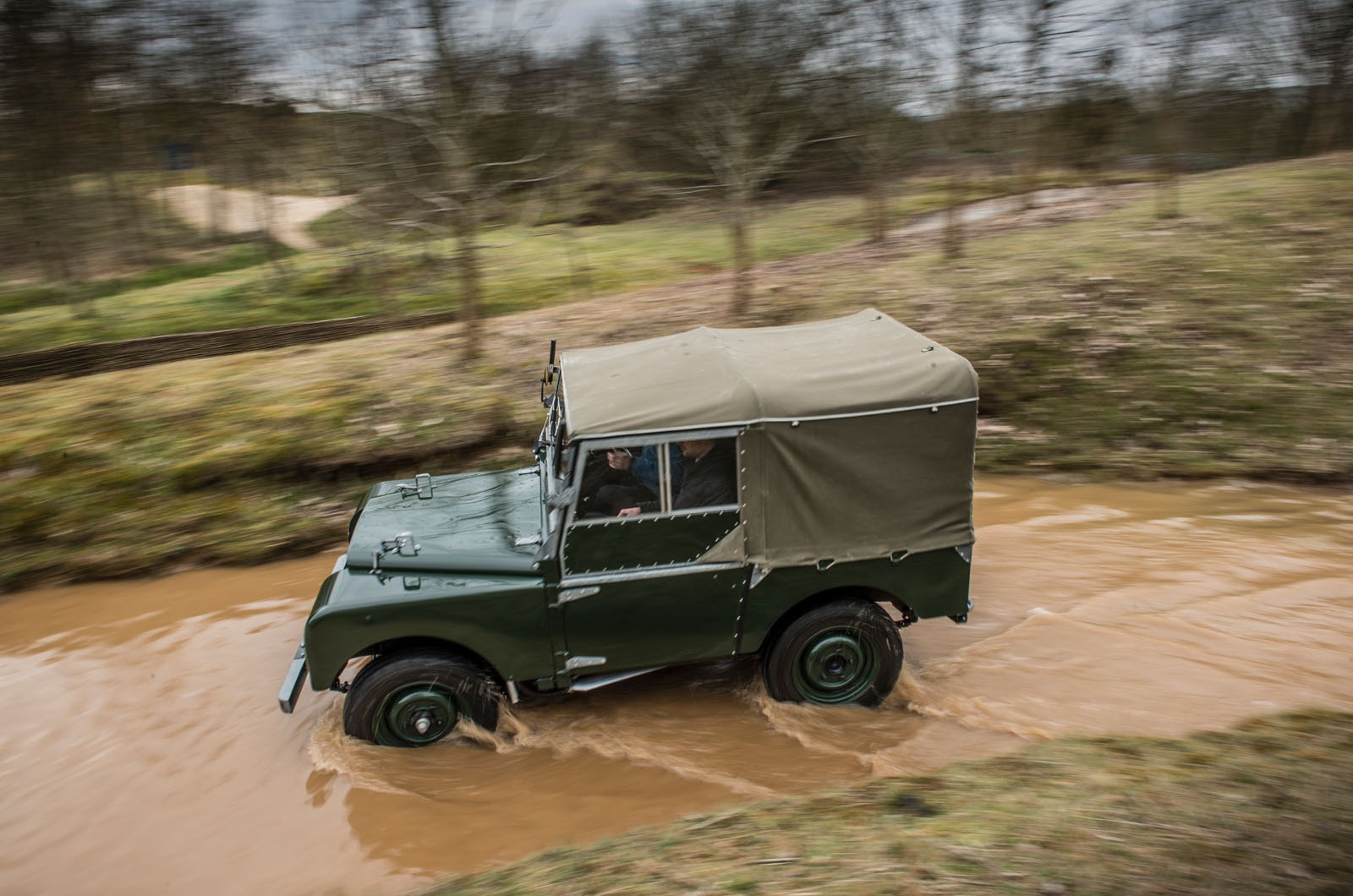
While there’s no disputing it can, legally, be driven on tarmac, the experience is one that should be kept as short as possible in the best interests of your spine, teeth, joints and nerves as the leaf springs, chassis girders and hefty, turning axles make their jarring progress. Think of it as not really a car, and keep to the fields, and you’ll be fine.
Volkswagen ‘Beetle’ (1950)
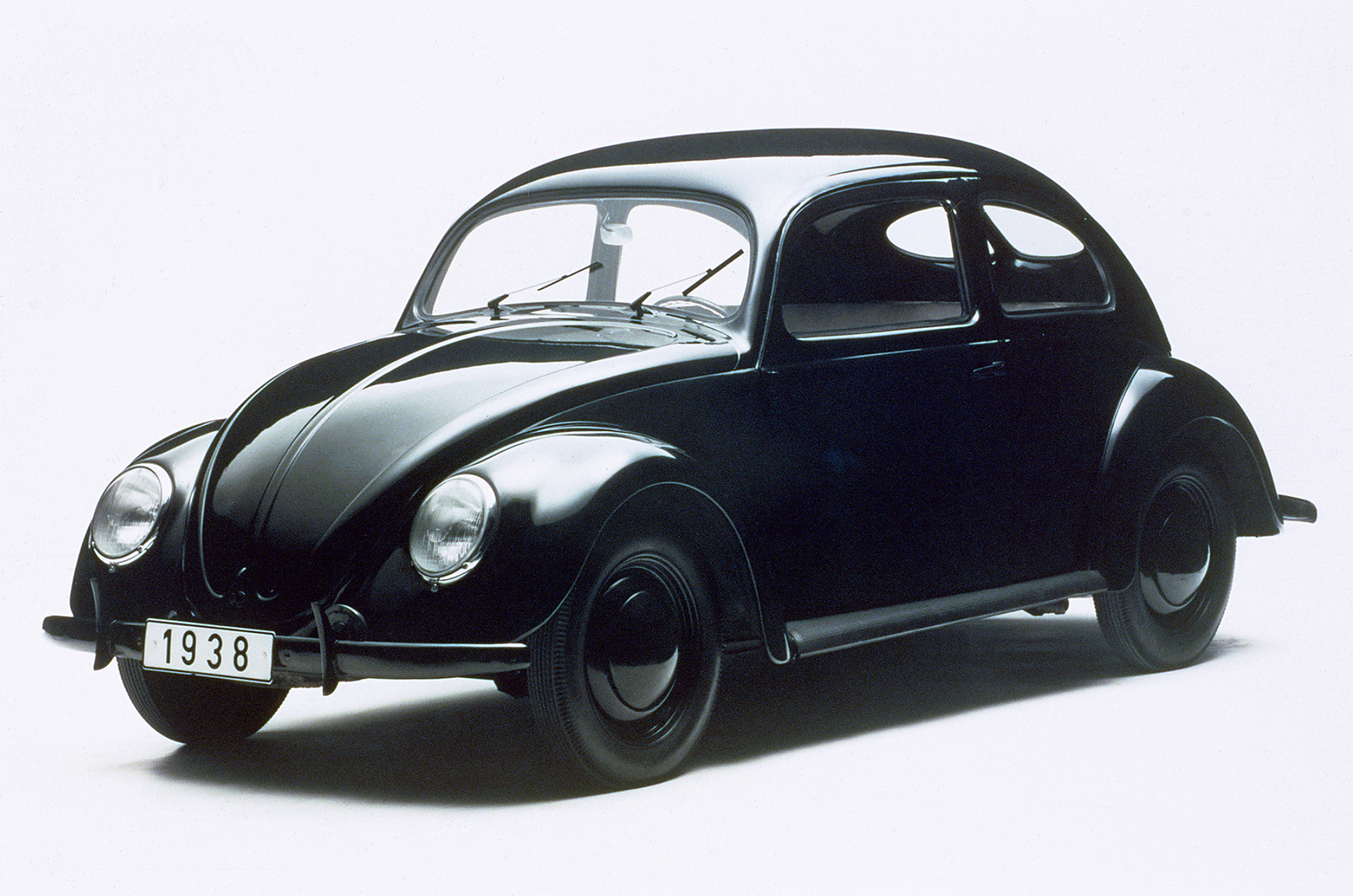
That a cheap, 1930s economy car design should survive on sale for some 60 years, and sell 21 million examples, is of course a phenomenon. It is, though, one celebrated today by people who would find a Beetle an appalling prospect, as it certainly did not set the pattern for the modern car. The rear-engined layout, and weight bias, is not the most forgiving.
Volkswagen ‘Beetle’ (1950)
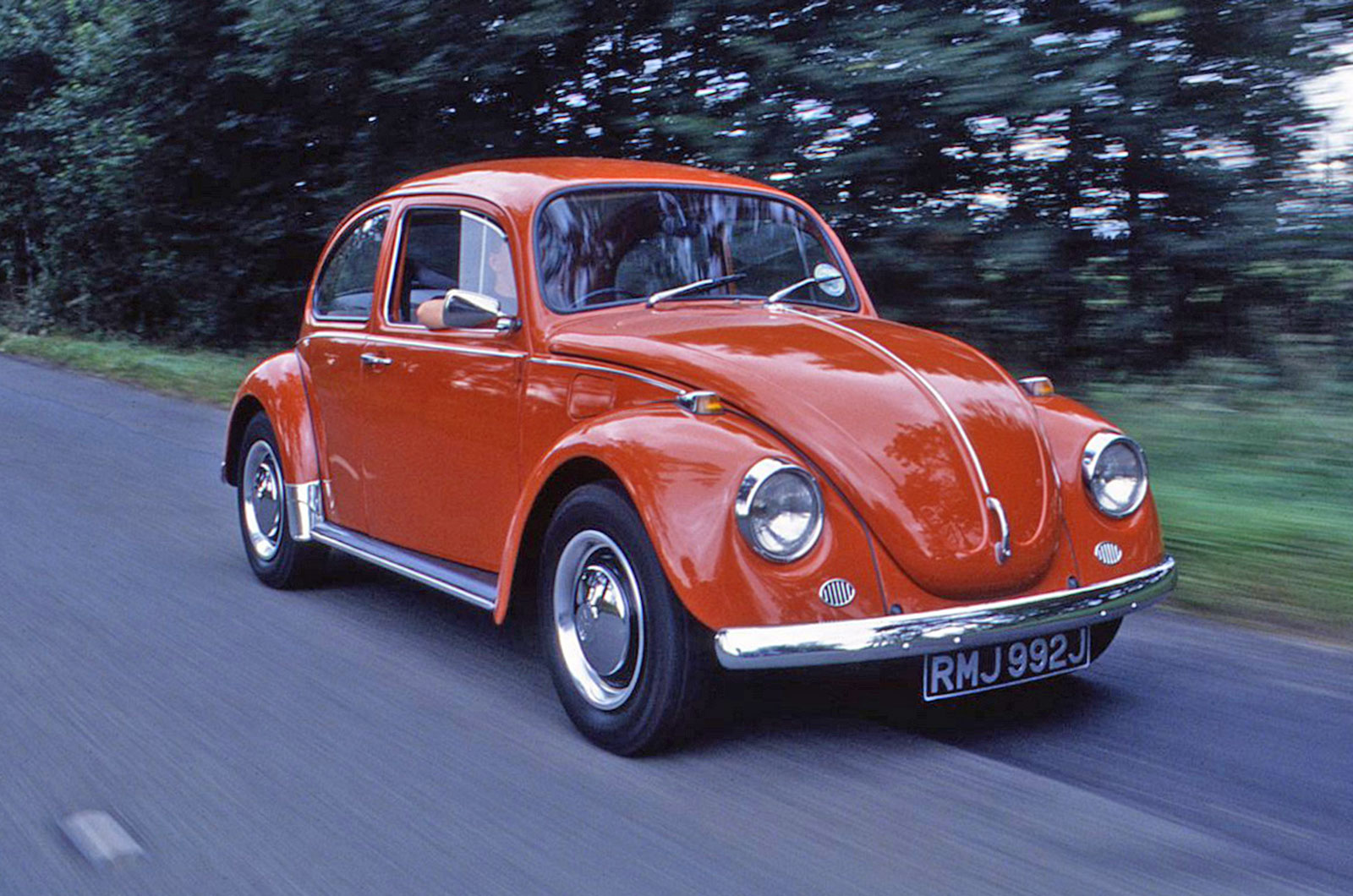
And by the mid 1960s – the Beetle’s heyday, especially in the US – the flimsy structure, complete absence of safety systems, and poor brakes was anachronistic in the extreme. “But it’s so reliable,” people said; or were they getting confused with the ease with which you could work on it? Yes, there’s charm, but the Golf couldn’t come along soon enough…
MGB (1962)
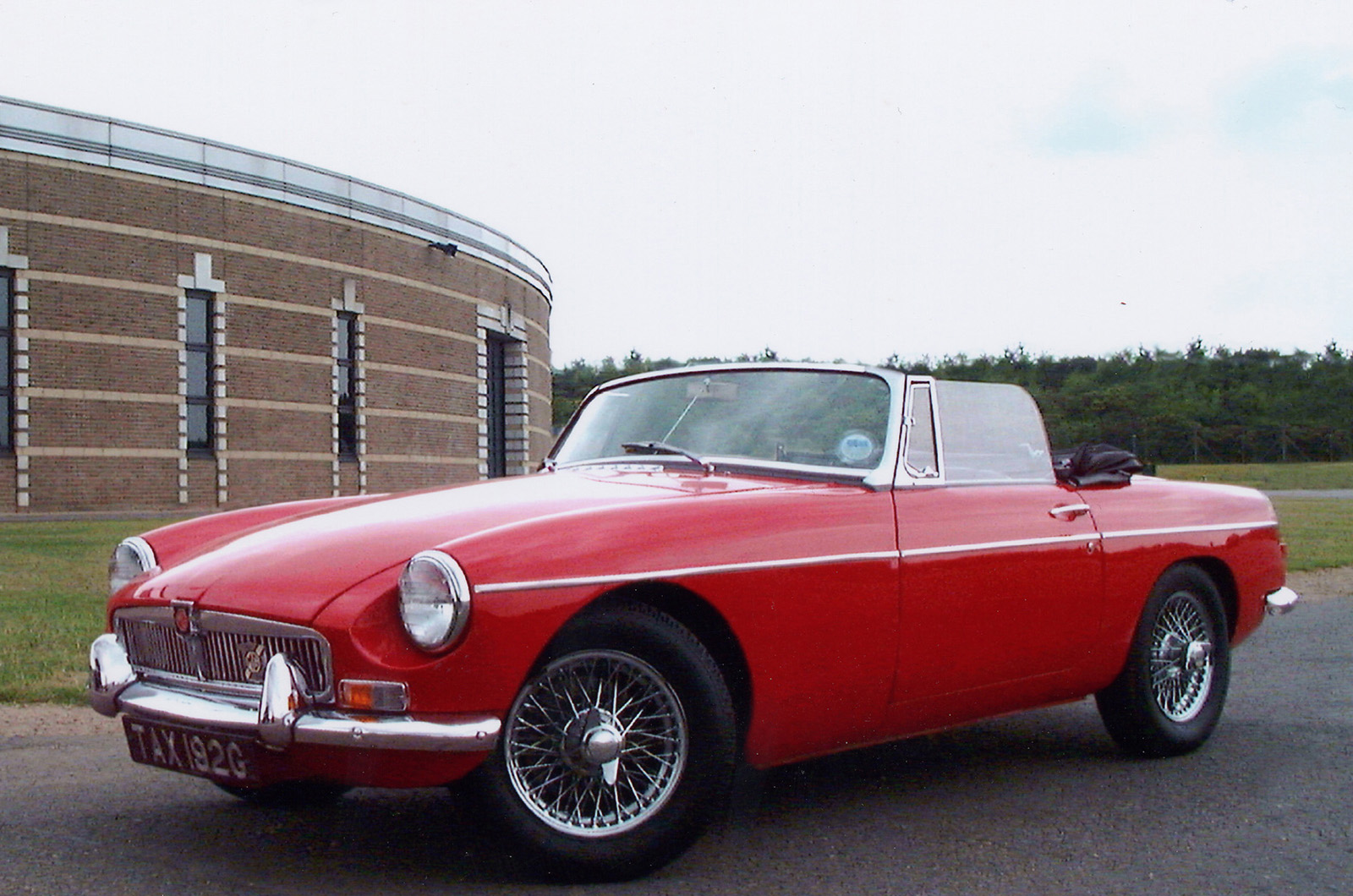
Here’s another car whose venerability, like the Beetle’s, has given it an aura that usually makes it immune to proper analysis. Introduced in 1962, it had monocoque construction and solid performance with all the inconveniences – sweaty cockpit, heavy steering, leaky hood, rust traps aplenty – that a sports car owner was expected to overlook.
MGB (1962)
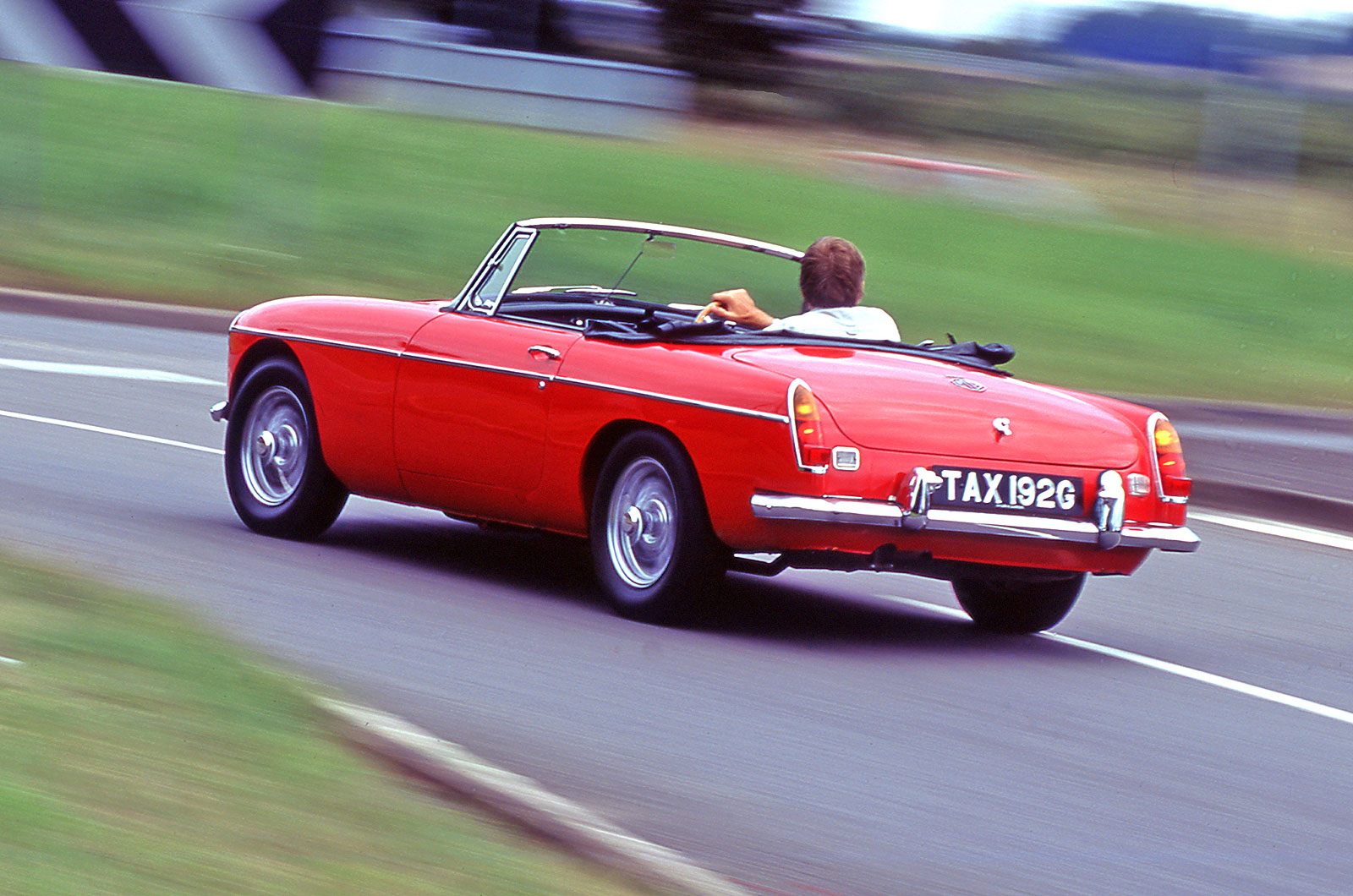
British Leyland decided not to bother replacing the car, especially as most of its rivals were discontinued so that by the B’s demise in 1980, this living antique was the default sports car option. That’s why it led the classic car boom, until the Mazda MX-5 came along and proved that, yes, wind-in-the-hair for two could actually be done really, really well…
Buick Riviera (1963)
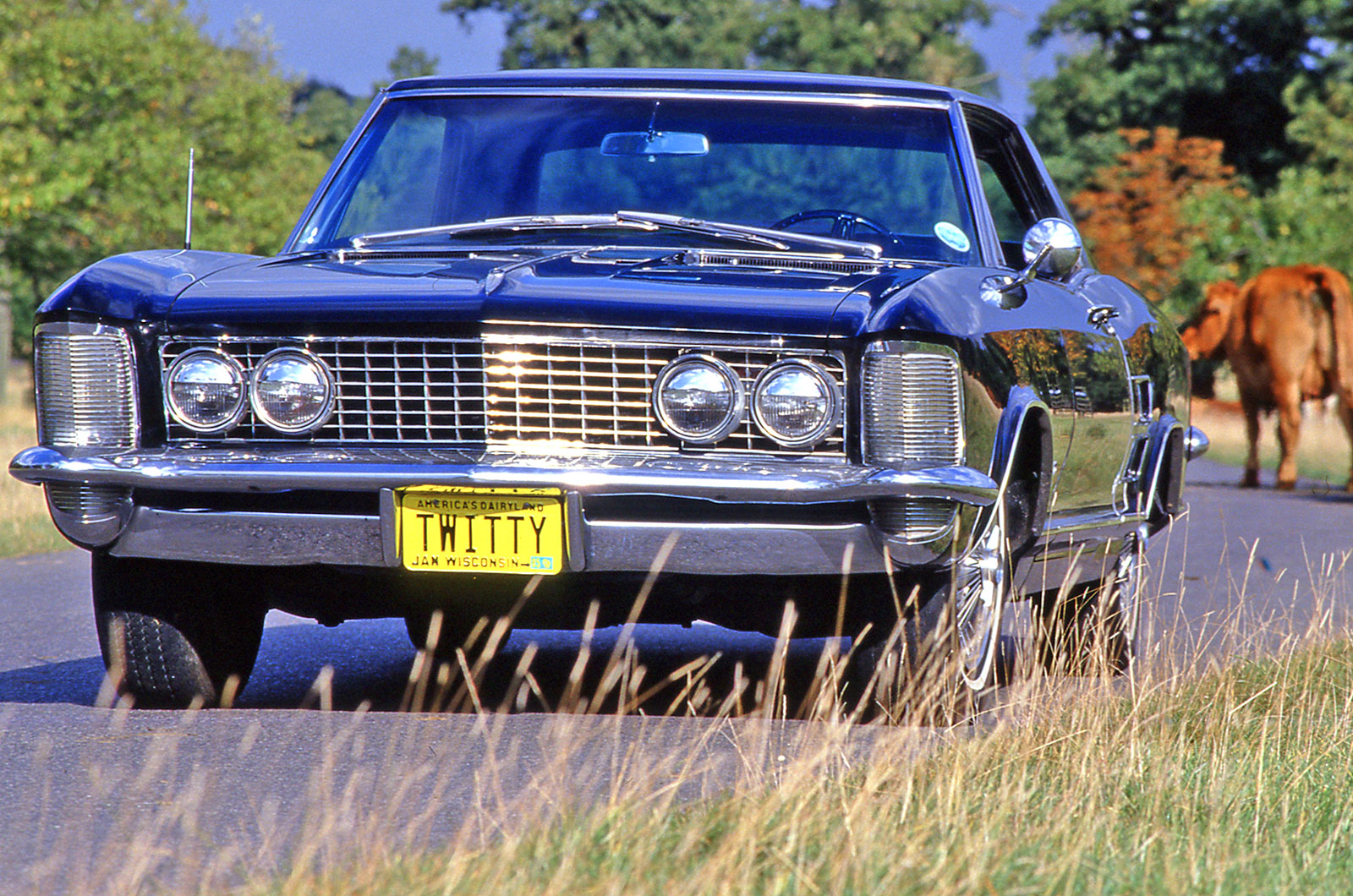
General Motors styling boss Bill Mitchell, like his predecessor Harley Earl, had this fixation that a home-grown roadster for the US highway should be something vast and imposing, while the late 1930s Lincoln Continental which evolved into the Continental II of 1956 had an enormity that no-one from Europe would consider remotely sporty.
Buick Riviera (1963)
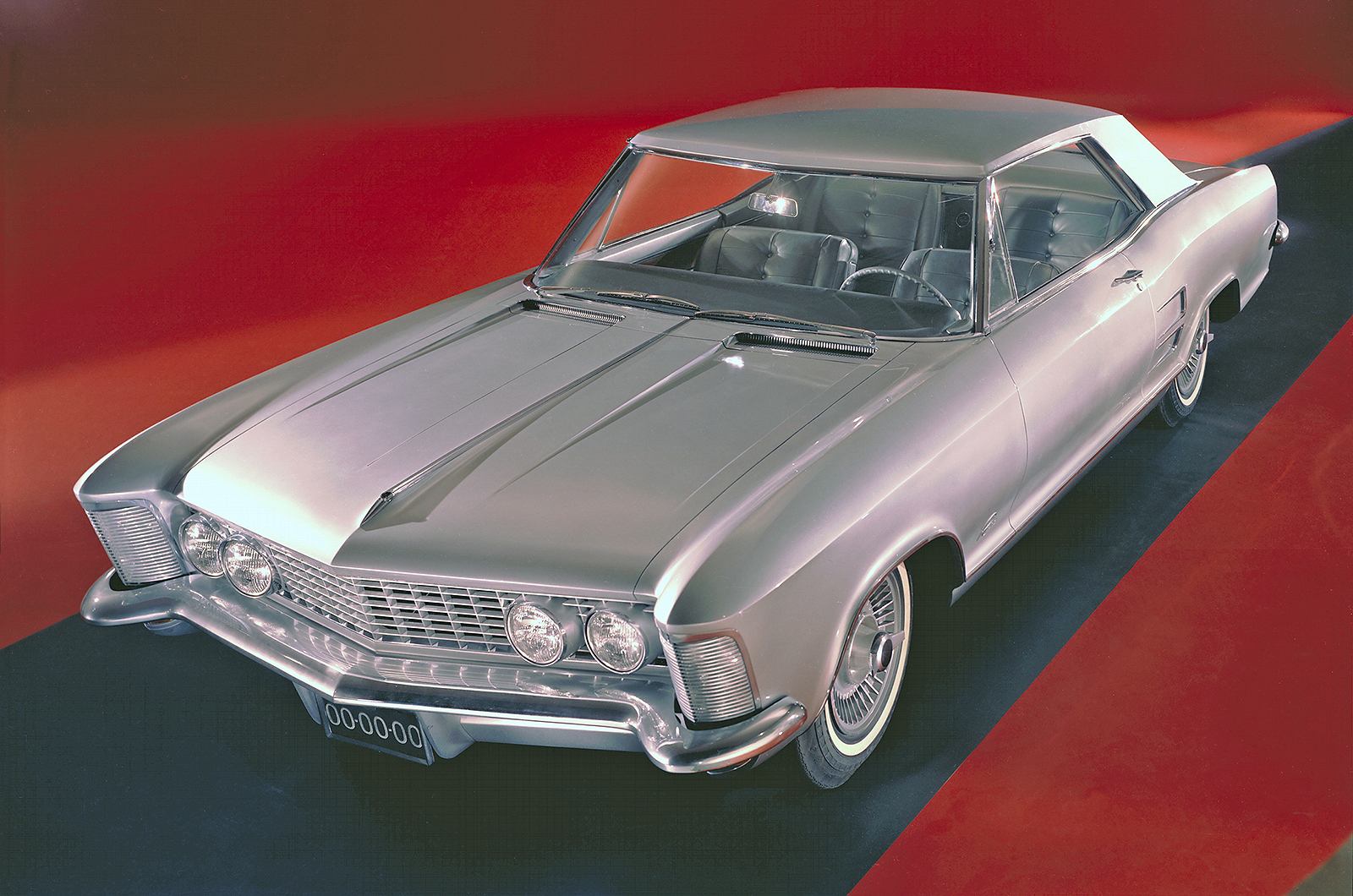
So when Mitchell conceived his “American Ferrari” in the 1963 Buick Riviera, it became a skyscraper to Italy’s bell tower. It was an enormous hardtop coupé with a 6.6-litre V8 engine, admittedly beautifully styled, but a turnpike cruiser and not a sports car. It wafted along like a bed at the Beverly Hills Hotel, with vague steering and even vaguer brakes. Rolling sculpture for sure, but no Ferrari.
Alfa Romeo Alfasud (1971)
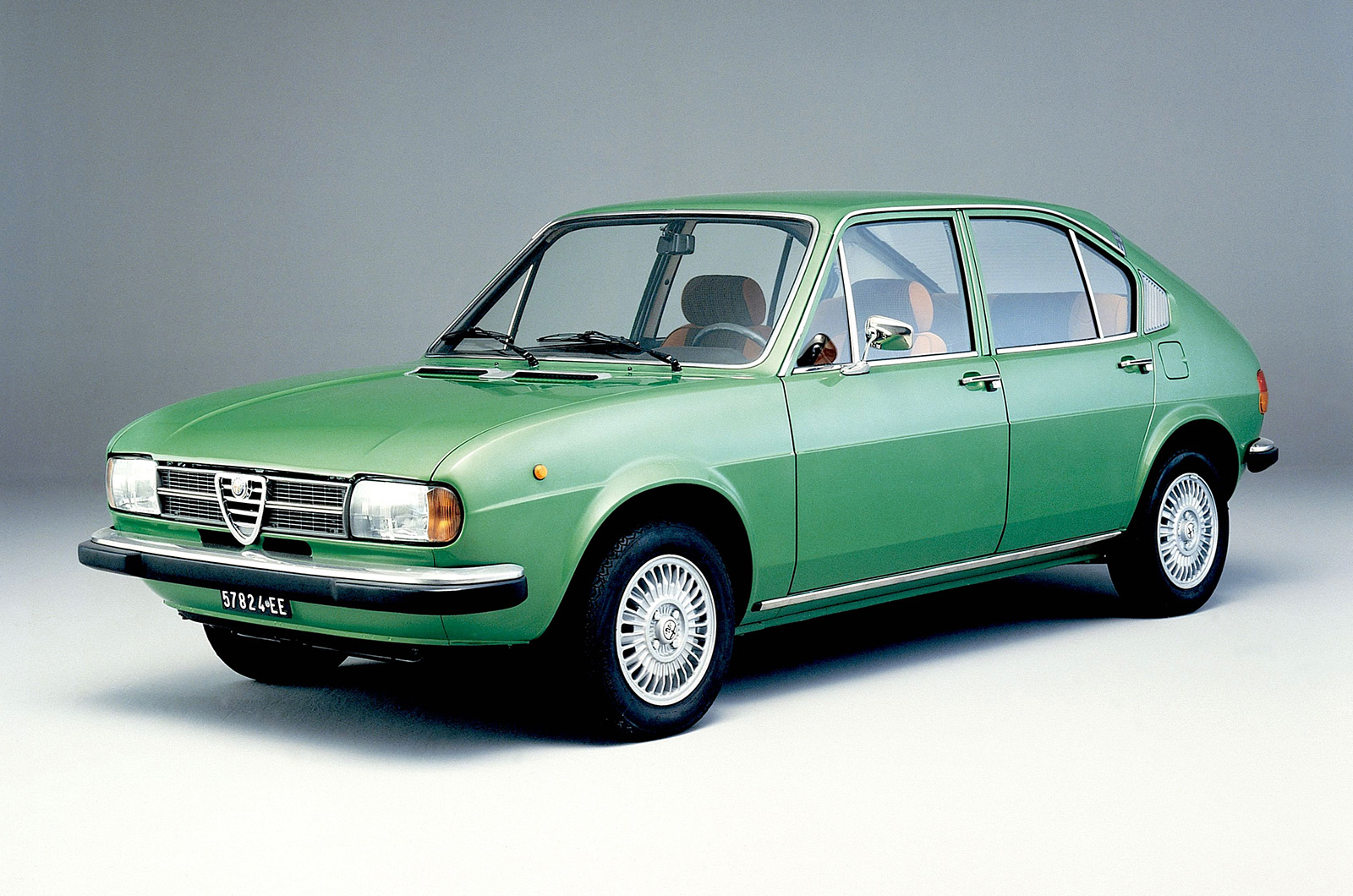
For about three years in the 1970s, the Alfasud Ti was the most exhilarating small car on the planet. Its grip, handling, verve and sheer joie de vivre wowed everybody who tried it. Then the Volkswagen Golf GTi arrived, and the Ti slunk into its shadow. The Ti, like all Alfasuds, is a classic case of a critically-acclaimed car that was often a disastrous prospect for actual ownership.
Alfa Romeo Alfasud (1971)
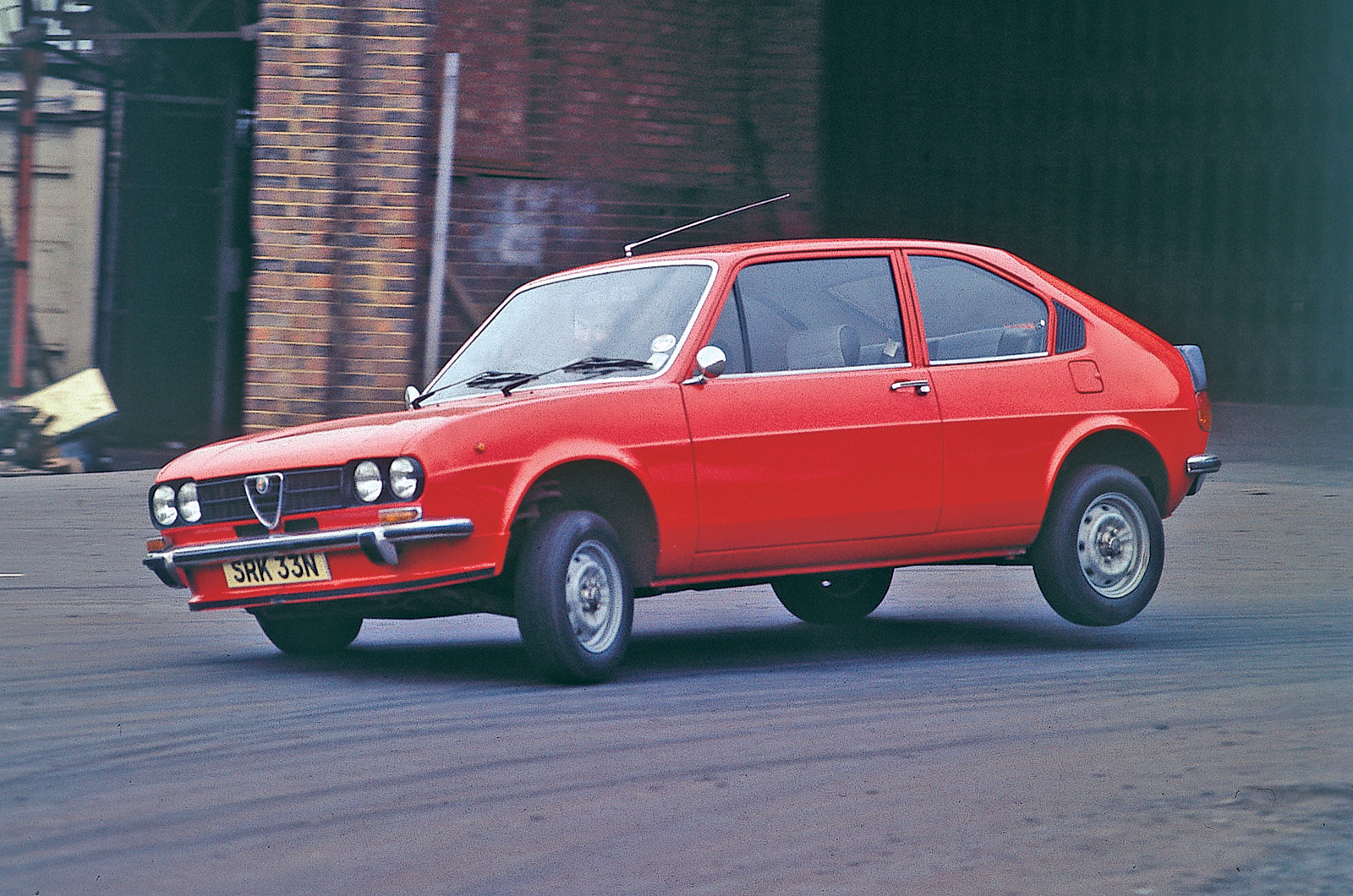
The magazine road-tester would have it for a week and then reluctantly hand it back, having raved about the way it drove. But then the beguiled buyer would watch the car disintegrate and corrode often mere months after taking delivery. You just didn’t get any of that with the Golf.
Bristol 412 (1976)
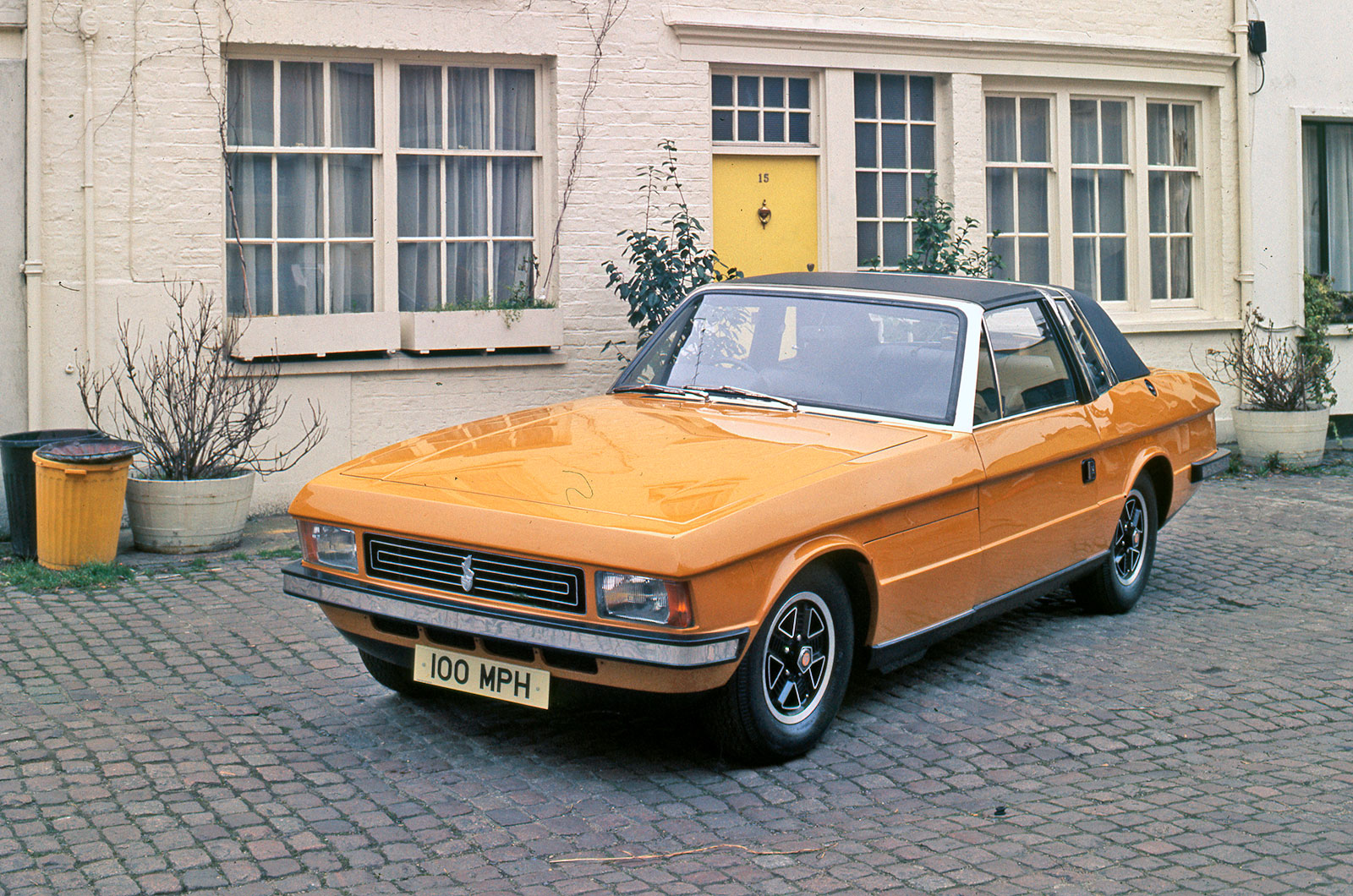
Rolls-Royce money was required to purchase this targa-topped Bristol in 1975, along with the turbocharged Beaufighter edition of five years later. The separate chassis traced its roots back to the 1940s, although no doubt the car was still pretty capable, being fast, riding well and having a perhaps unexpectedly competent level of road manners.
Bristol 412 (1976)
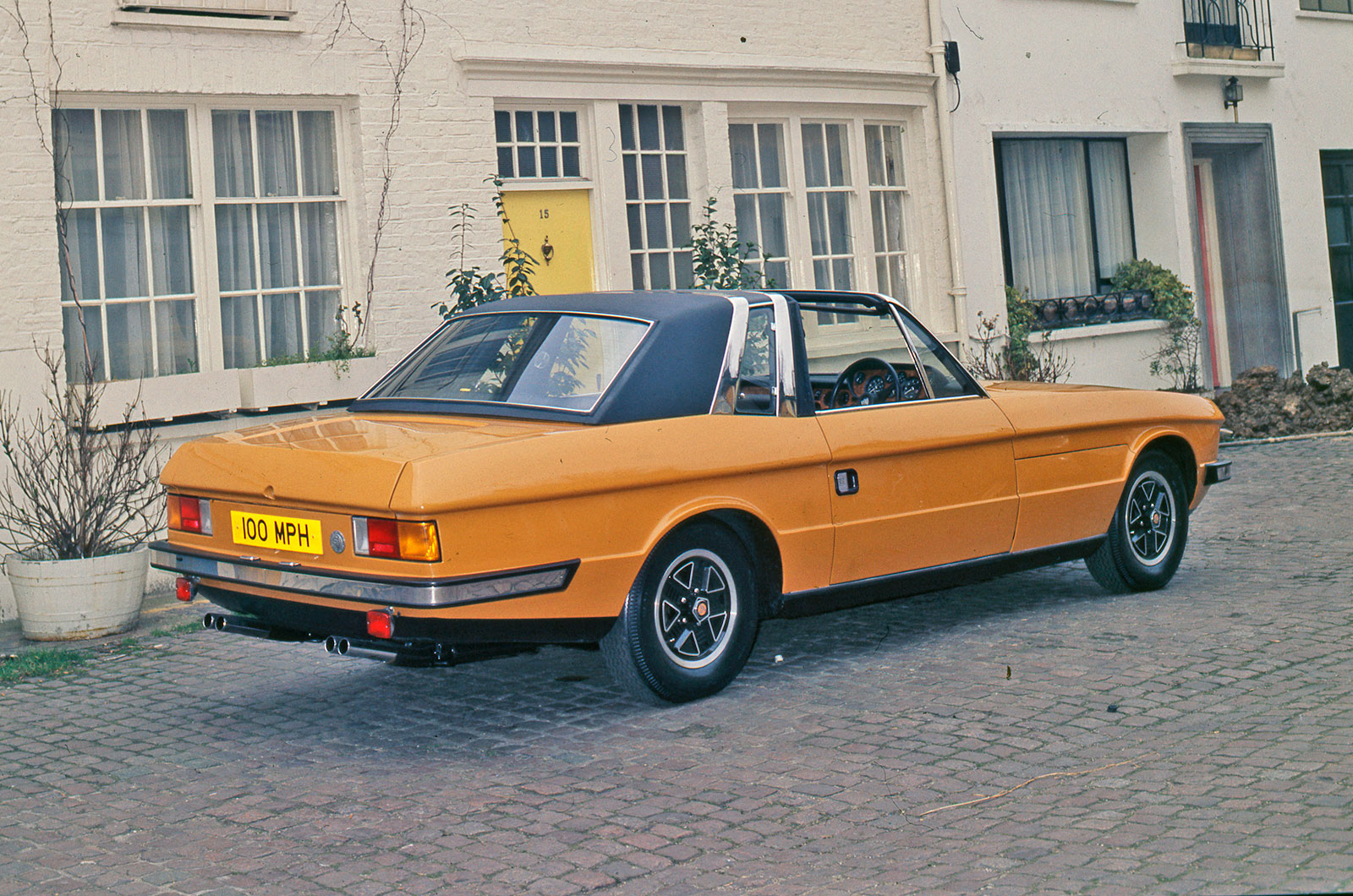
Unlike a Rolls, though, or even an Aston Martin, with their handbuilt engines, you were getting in the Bristol a V8 power unit from a Canadian truck and – apart from a gleaming walnut dashboard and plump leather seats – parts from other cars that were somehow thrown into the mix in a haphazard way. The eccentric coteries of Bristol owners loved them, but connoisseurs quite rightly tended to head off towards the Porsche 928.
Lancia Gamma (1976)
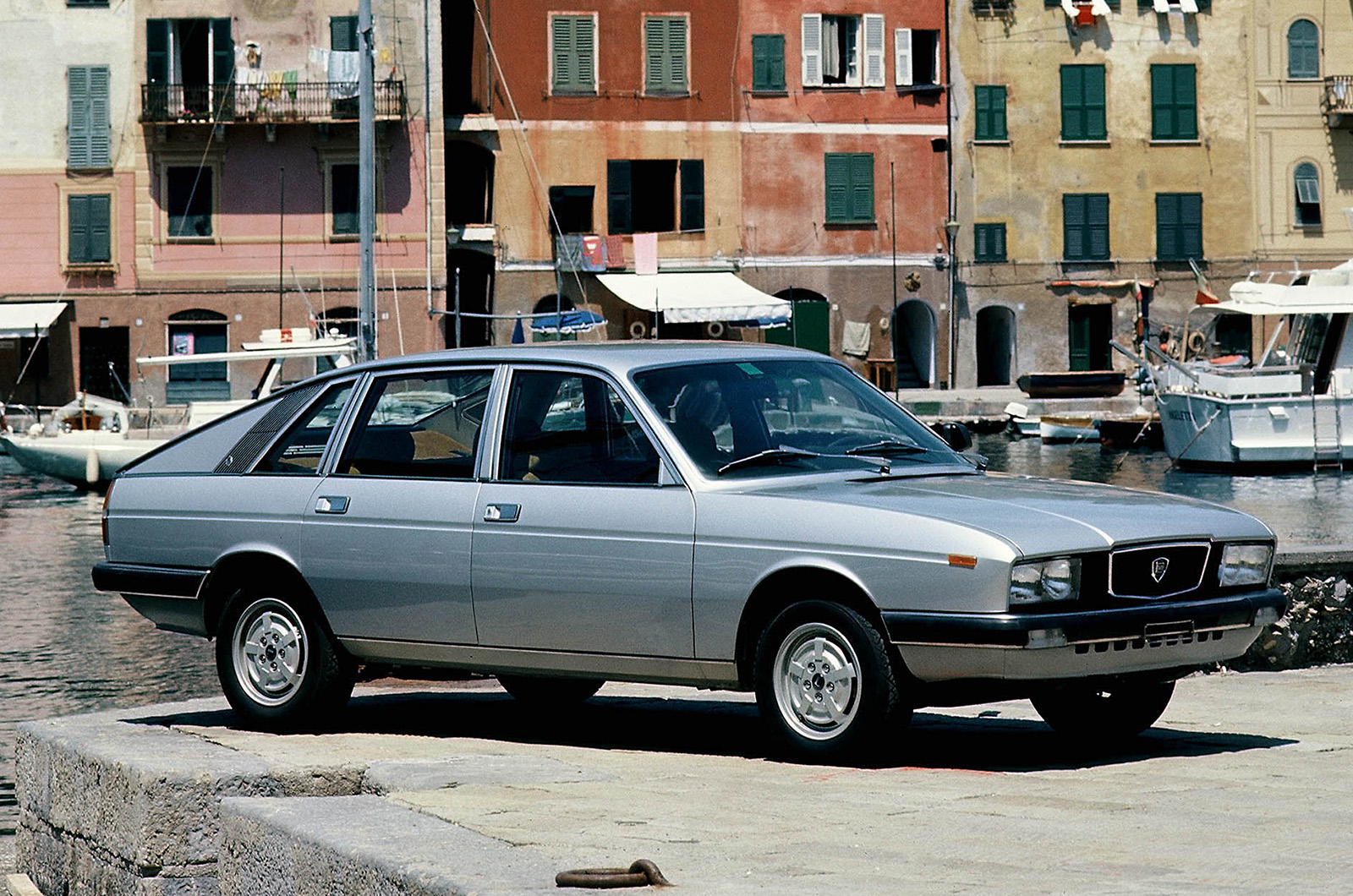
As one of Pininfarina’s most acclaimed production car designs, the Lancia Gamma Coupé is a familiar 1970s high spot on the car enthusiast’s timeline. Its saloon counterpart was and remains utterly overshadowed by it. Technically, it became an extension of the Lancia Flavia in using an all-aluminium, four-cylinder ‘boxer’ engine driving the front wheels.
At a time when six cylinders denoted cachet in this market sector, it was a perplexing choice to go for a large, 2.5-litre four.
Lancia Gamma (1976)
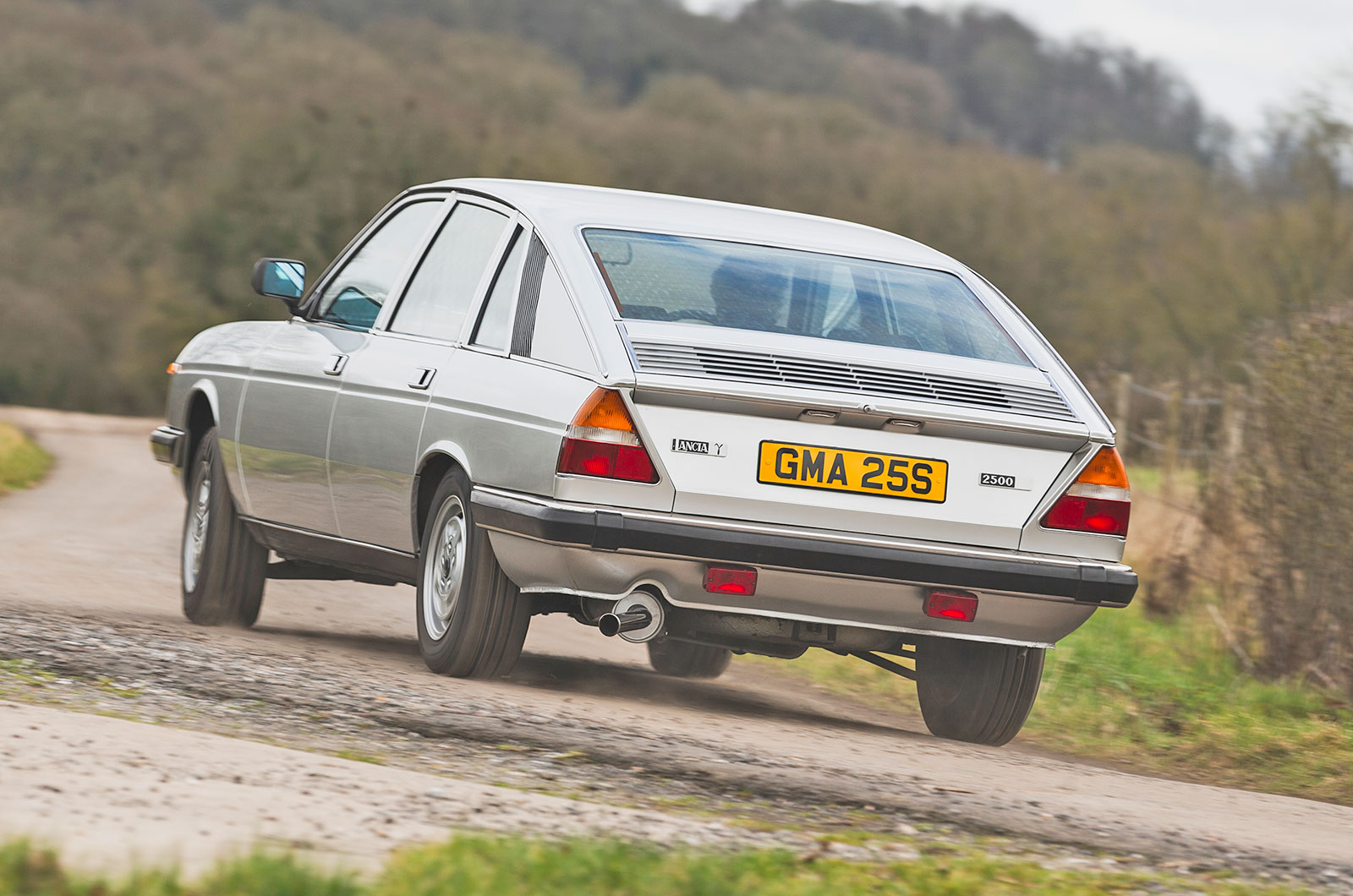
Buyers had to balance an excellent pure driving experience on every front, five-speed manual gearbox and terrific roadholding included, with design flaws that included engine cambelt issues and worrying vibrations, and grave concern at patchy quality. Executive car owners also liked automatics but Lancia refused to offer one until 1983… Potentially it was a great car, but a poor product.
Rover 3500 SD1 (1977)
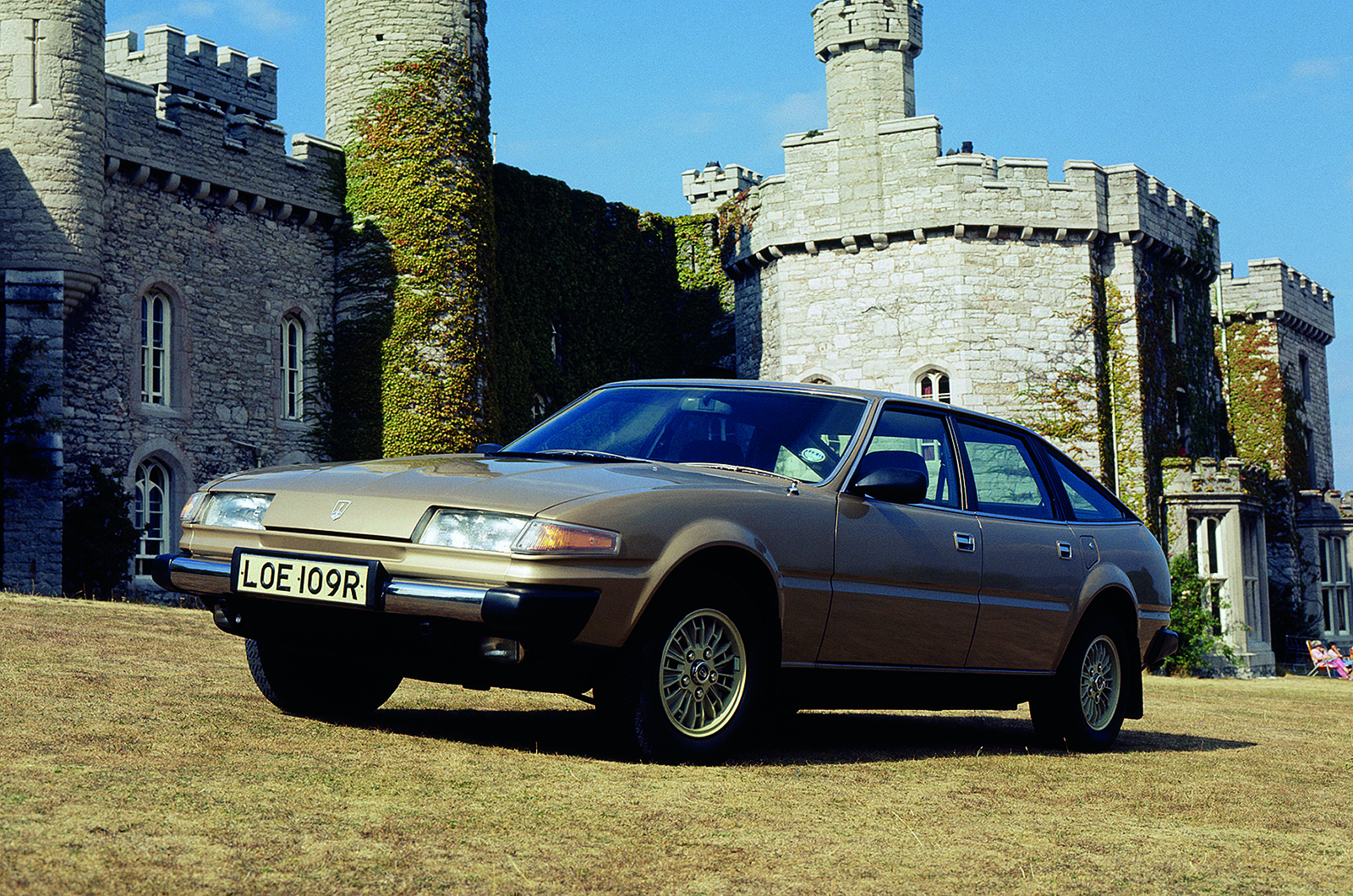
Every British car enthusiast loves the beefy, five-door Rover with its V8 engine and Ferrari Daytona nose. It could almost be the law that you have to. Yet in the race to perfect the luxury sports saloon, it was BMW, Mercedes-Benz, Audi and possibly even Saab that set the pace.
It wasn’t just that the SD1 swapped its P6 predecessor’s racecar-like rear suspension for an old-fashioned live axle.
Rover 3500 SD1 (1977)
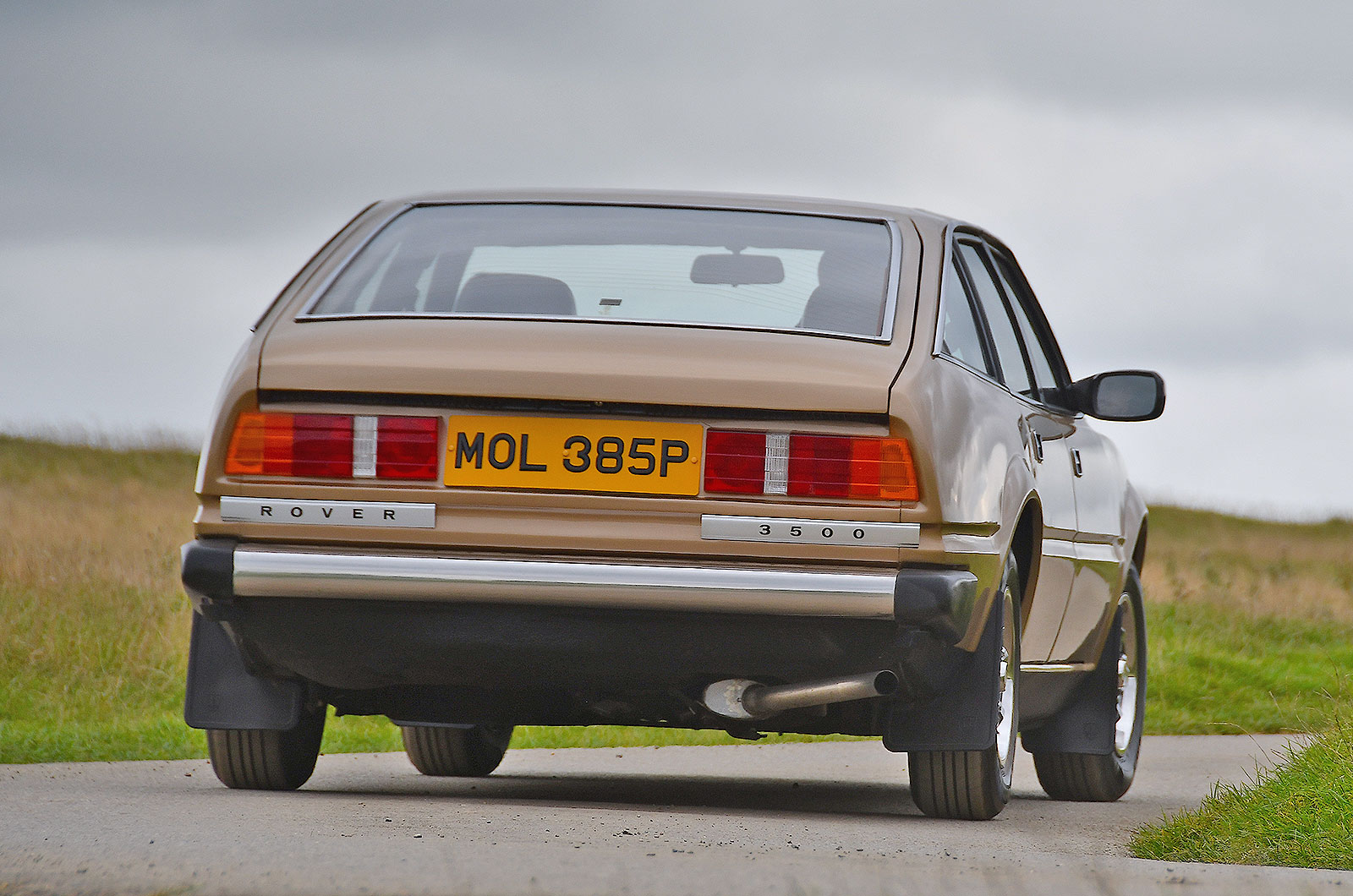
It was that Rover’s workers consistently failed to deliver a quality job to those company bosses and city lawyers who were rooting for the marque. The German models were better cars overall, and spent more time with their owners’ gravel than on the ramp in the workshop. Only the British police were forced to stick with it for reasons of patriotism.
Delorean (1981)
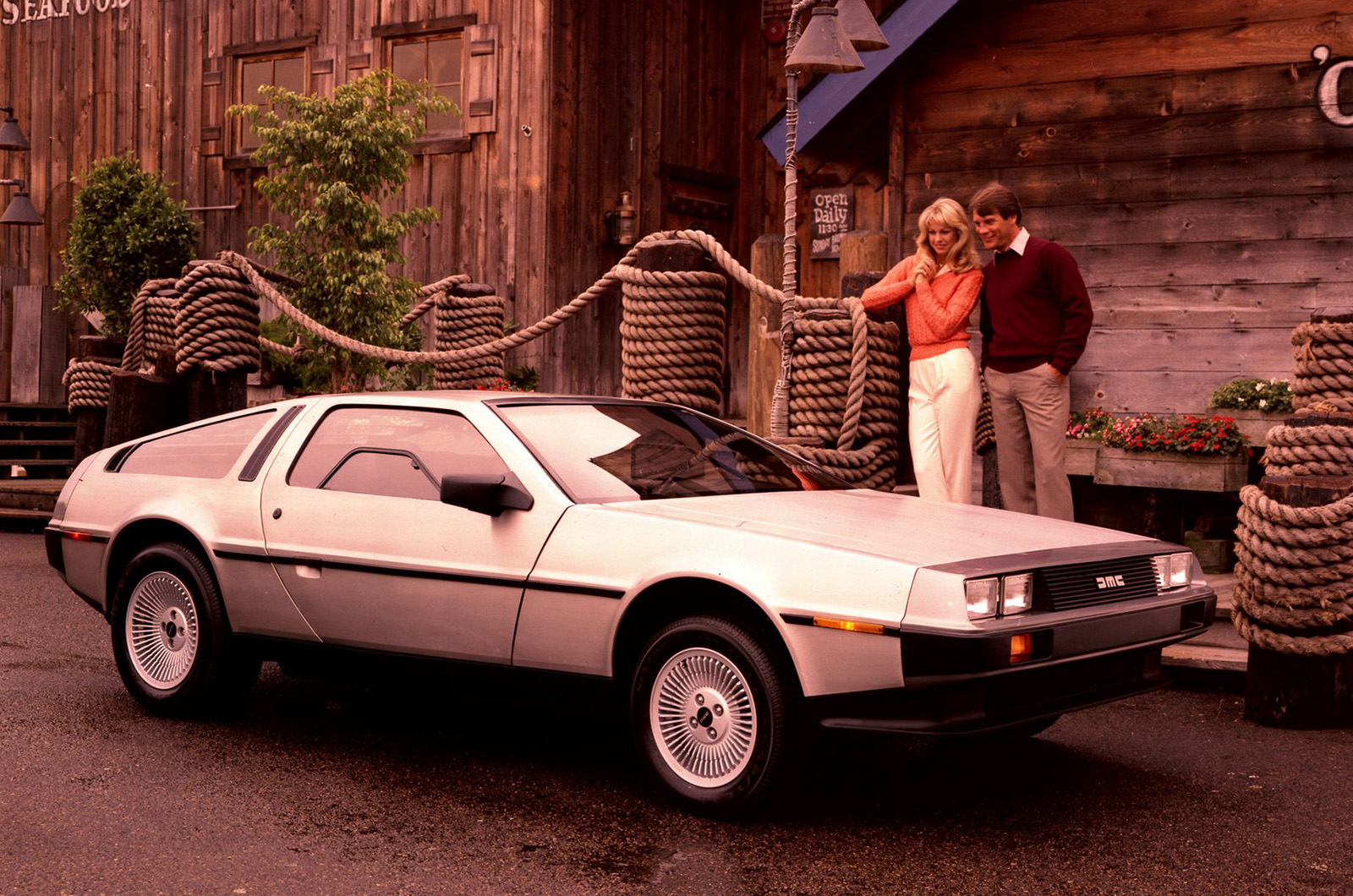
Is the Tesla Cybertruck going to be the Delorean of the 21st century? Quite apart from the fact that they both share hugely impractical stainless steel panels, seasoned industry watchers can sense a similar syndrome of pointless reinvention propelled by the hubris of an industry maverick. John Z De Lorean set out to teach the car industry a lesson by producing his idea of an ethical sports car, but it was a disaster.
Delorean (1981)
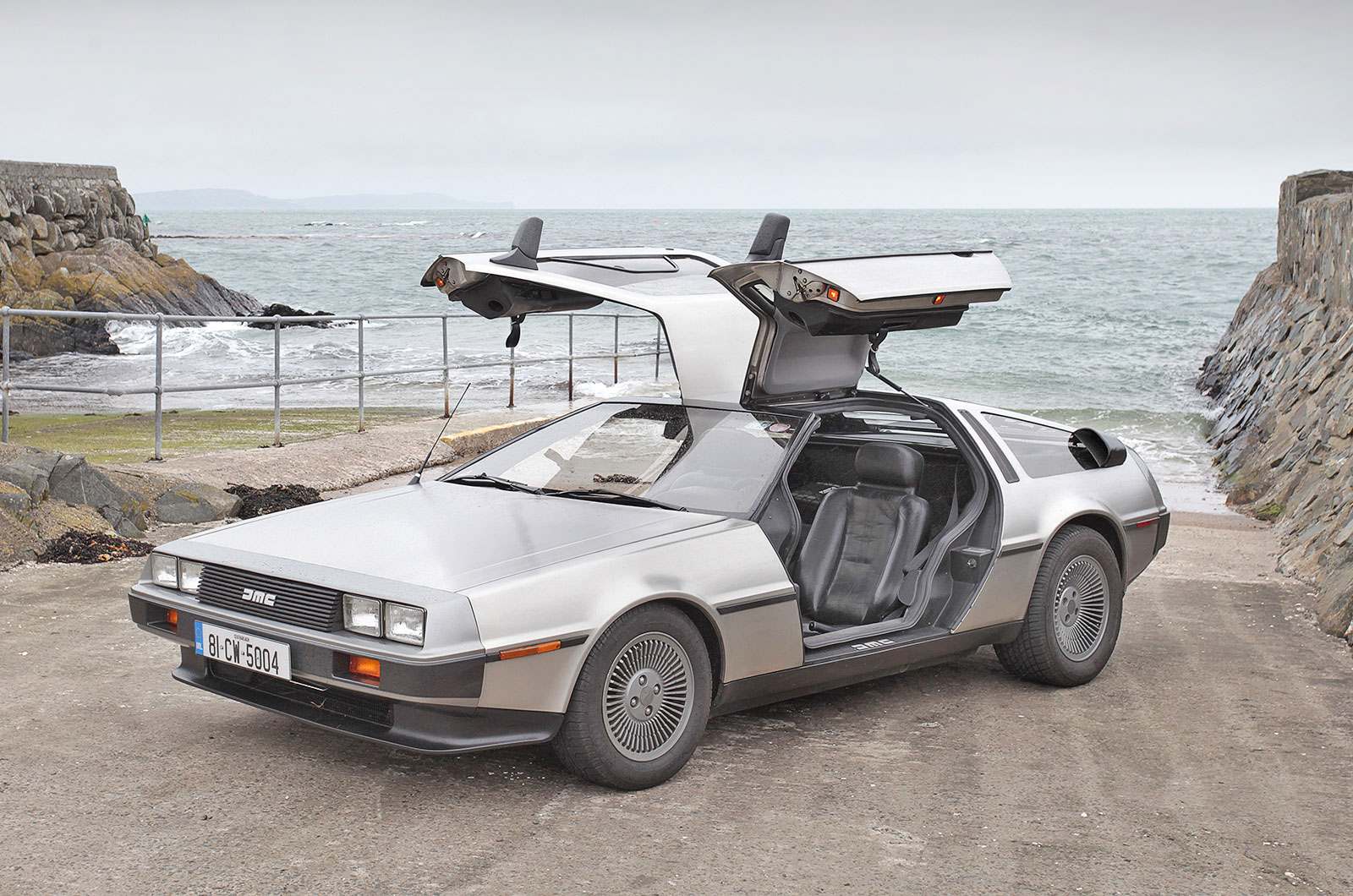
The car wove together a Lotus chassis, a Renault engine and gullwing doors that were not to be trusted; it had a short run of fame, and once it had sunk Porsche could get on and dominate the 1980s.
Ford Sierra (1982)
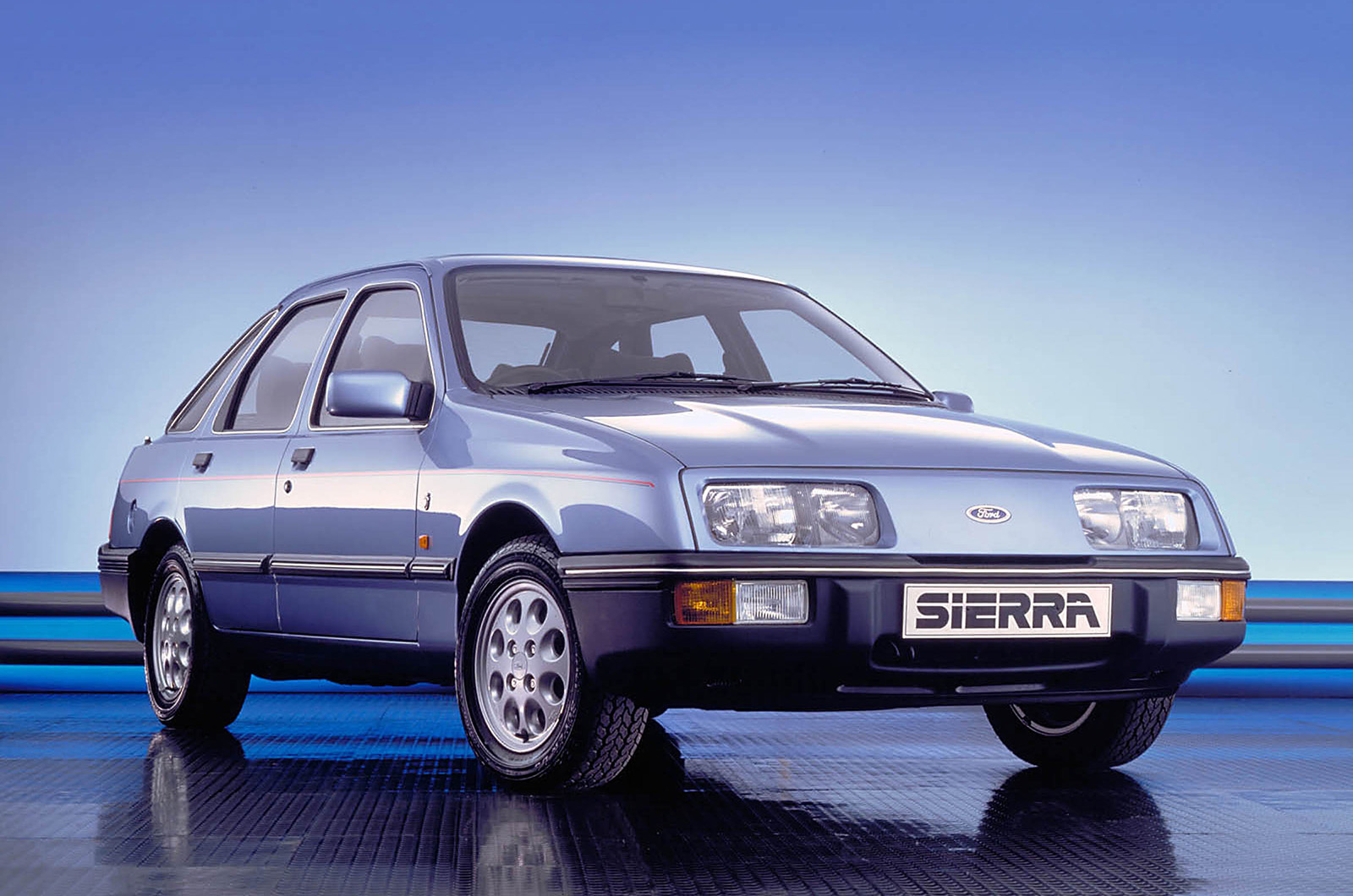
The car that replaced the Ford Cortina in 1982 among the then hugely important fleet buyers had quite a task on its hands: to offer radical modernity and dependable familiarity at the same time. So while a great big fuss was made of its aerodynamic lines, underneath it was all old-school rear-wheel drive and Cortina-style Pinto engines.
Ford Sierra (1982)
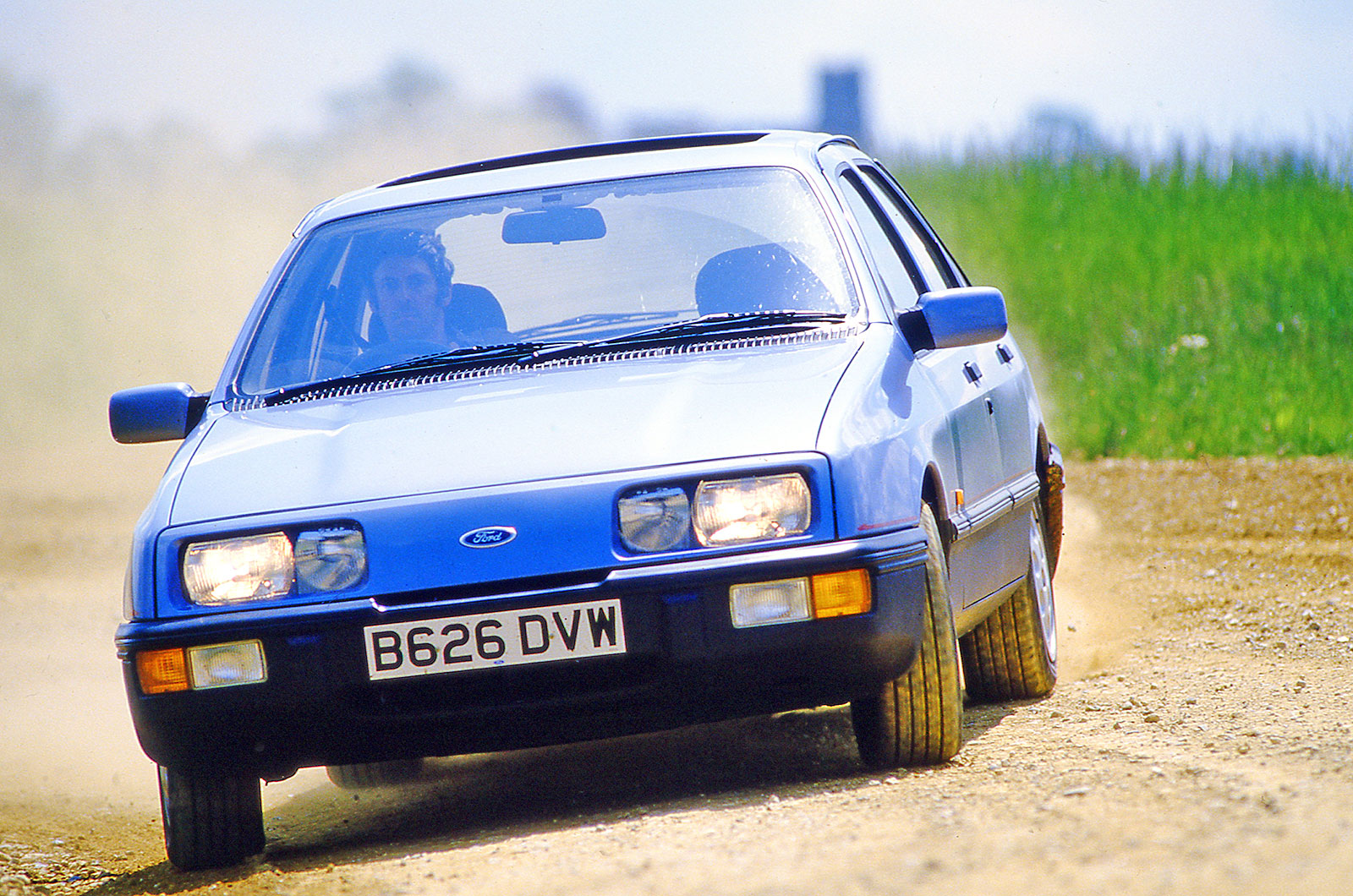
And while by no means awful to use, the Sierra hardly impressed, the later Cosworth-engined and turbocharged 4x4 excepted. Its new feature, a lift-back tailgate, also got a lukewarm reception, obliging Ford to add a four-door Sapphire to the range in 1987 that toned down the infamous “jelly-mould” profile. And while all this was going on, Vauxhall and Opel’s acclaimed, front-wheel drive Cavalier simply leapt ahead in the fleet sales charts.
Cadillac Allanté (1987)
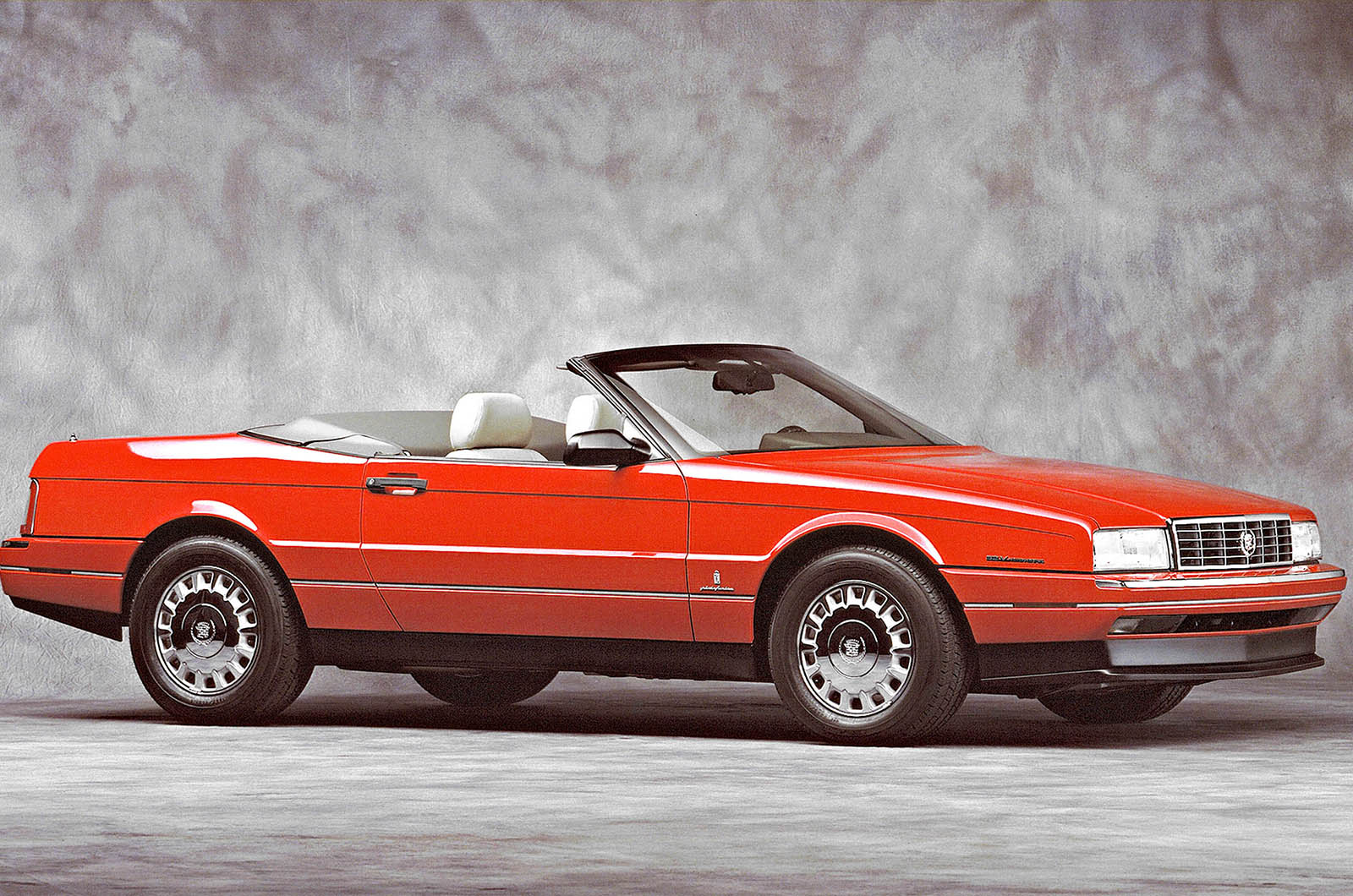
This two-seater Cadillac was the product, so they liked to boast, of ‘the longest production line in the world’. That meant that the bodies were constructed by Pininfarina in Italy and flown to the States for assembly in an ‘air-bridge’ operation in expensively-modified Boeings 747s – all of which was, really, of no tangible benefit to any buyer, and extremely costly.
Cadillac Allanté (1987)
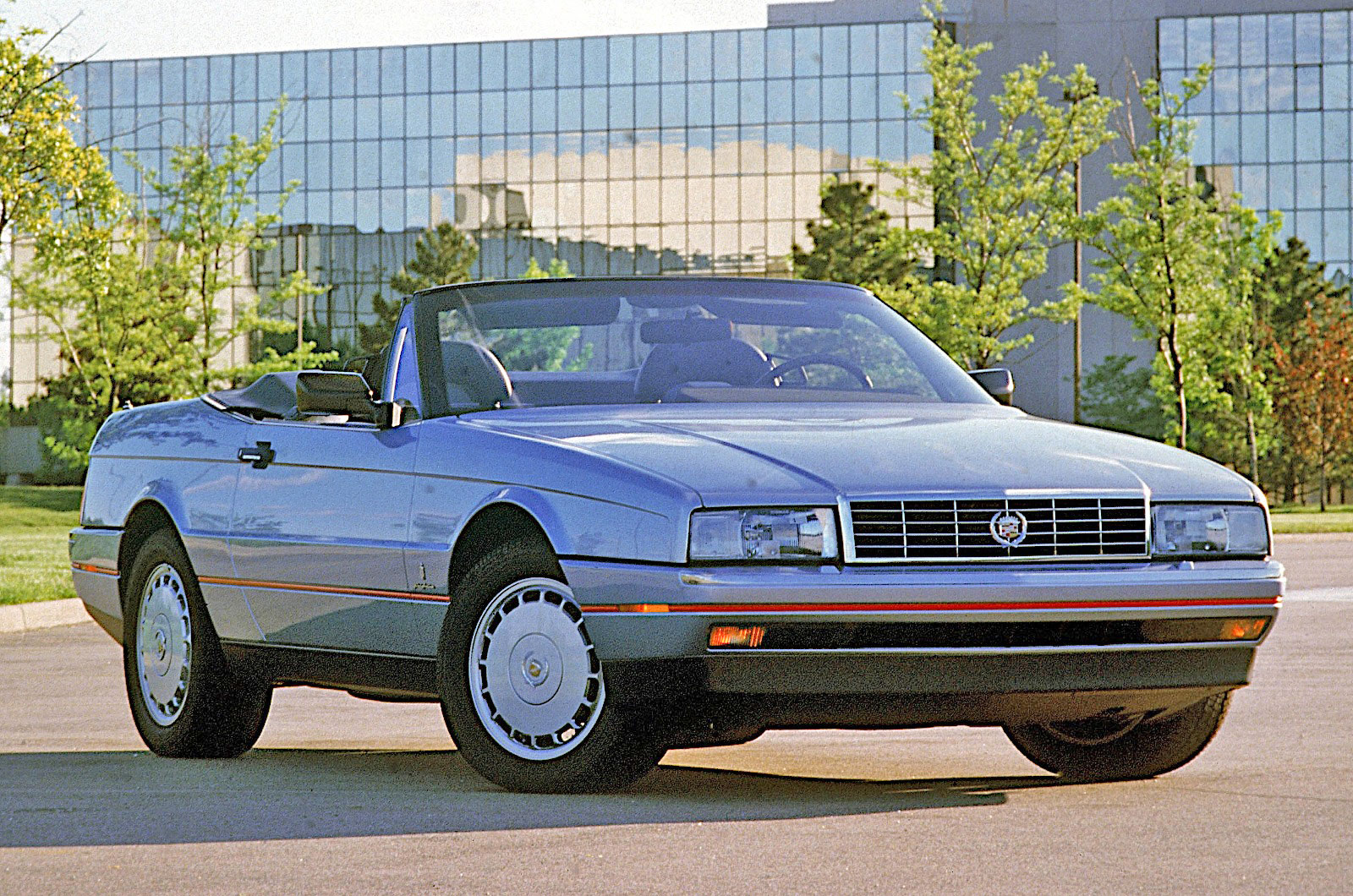
The two-seater styling was also by Pininfarina, but was pretty unmemorable, with none of the character of the open-top Merc SL or Jaguar XJS. Introduced in 1987, the final cars in 1993 at least came with Caddy’s excellent Northstar V8 engine.
Daihatsu Sportrak (1989)
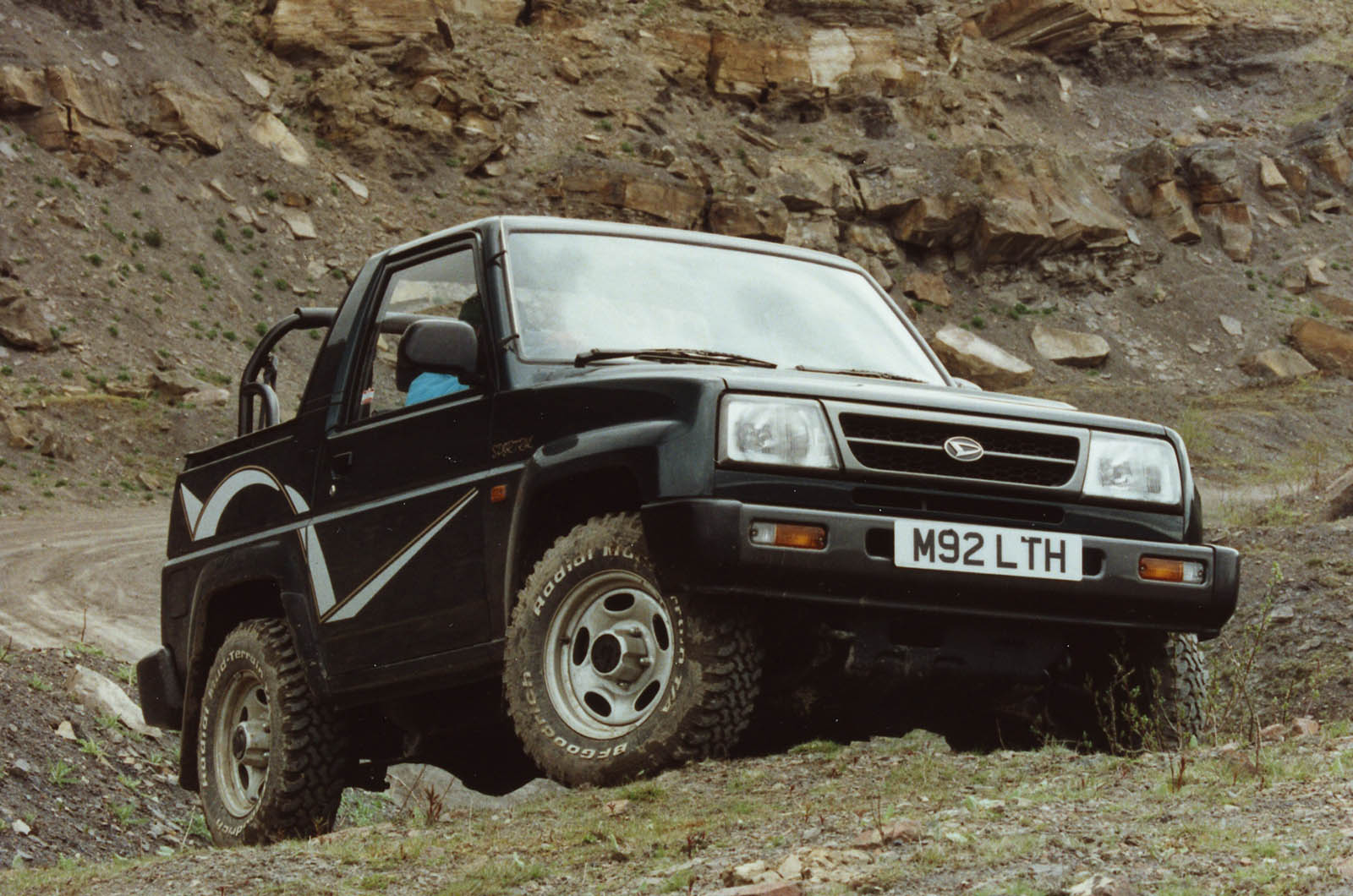
The Sportrak, or Feroza as it was alternatively known, was a very good choice for thrifty mud-plugging in the early 1990s – the sort of thing every country estate manager would want, with four-wheel drive and a reasonable 1.6-litre engine from the Daihatsu Applause which, while not able to make it go like the clappers, was perfectly adequate. Along with the contemporary Suzuki Vitara, the Sportrak was the first compact sport-utility vehicle.
Daihatsu Sportrak (1989)
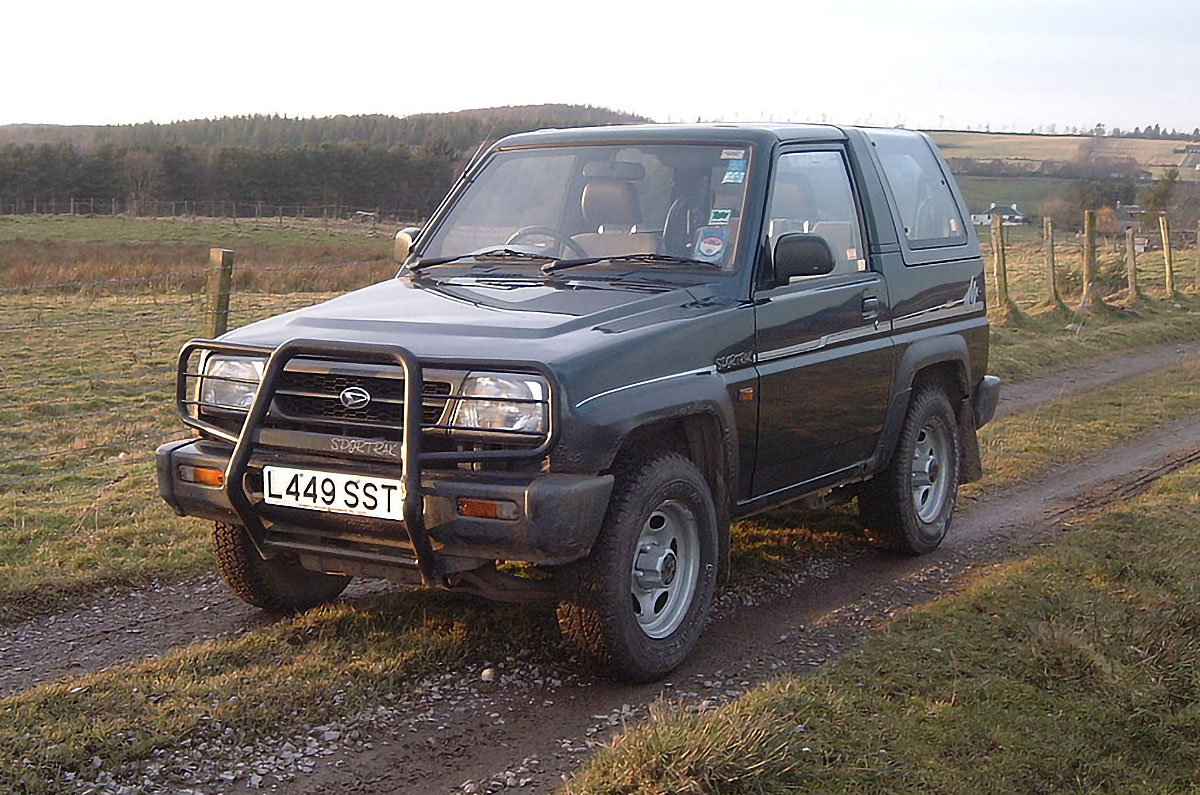
Yet history is sometimes unkind to pioneers. Just five years after the Sportrak’s launch, along came the Toyota RAV4 and re-set the benchmark. The key difference? The RAV4 had a monocoque structure and was genuinely as capable on-road as off it; the Sportrak had a ladder frame chassis that the Romans would have recognised, and so would always be tiresome on the open road.
Pontiac Le Mans (1988)
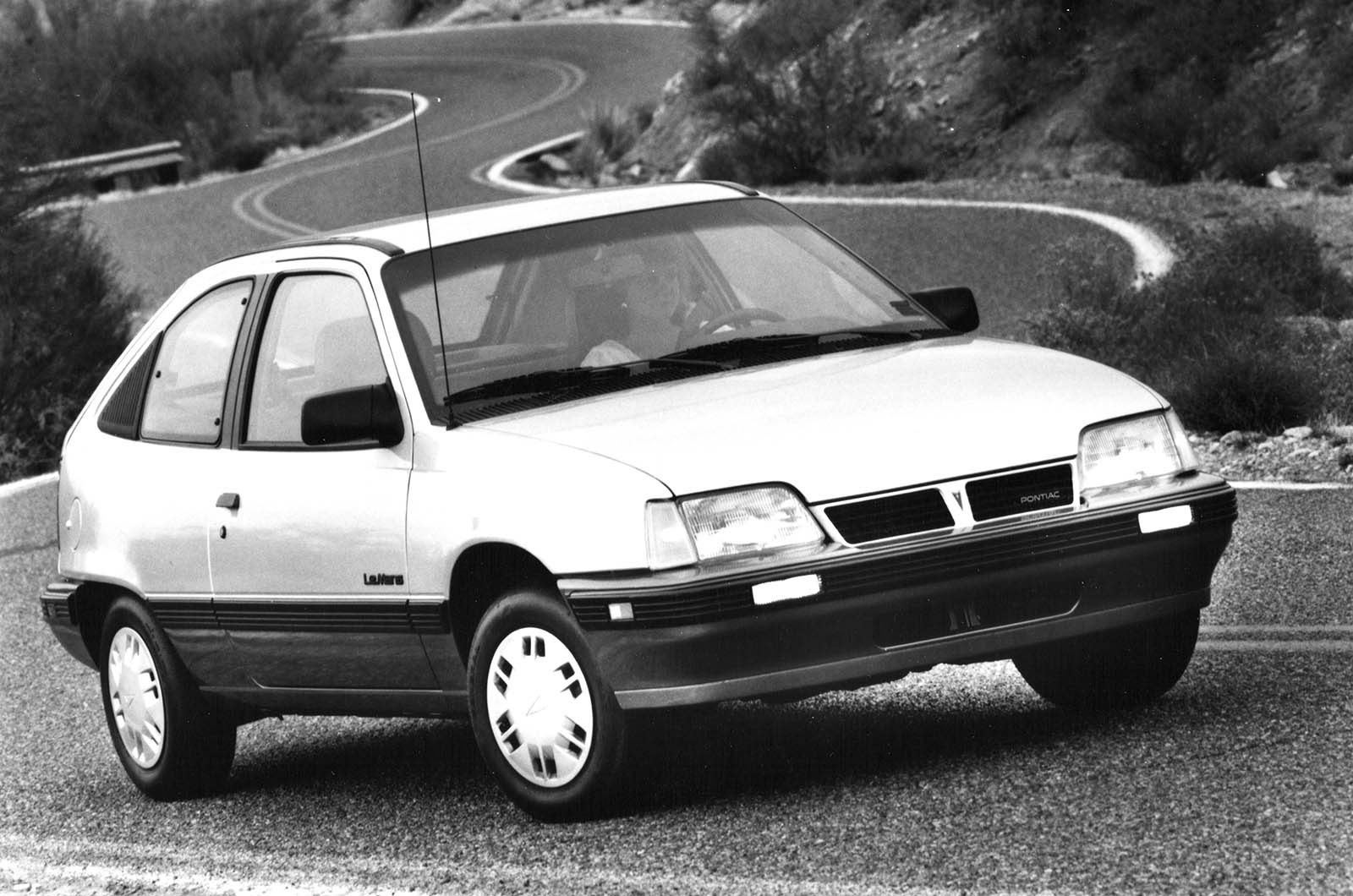
This nameplate gave the world some interesting muscle cars in the late ‘60s, but by 1988, not so much. If ever you were swayed to buy a car based on the allure of its name then this has to be the nadir; an ageing Opel/Vauxhall Astra, built for maximum cheapness in South Korea by Daewoo, and sold across the USA as an entry-level Pontiac.
Pontiac Le Mans (1988)
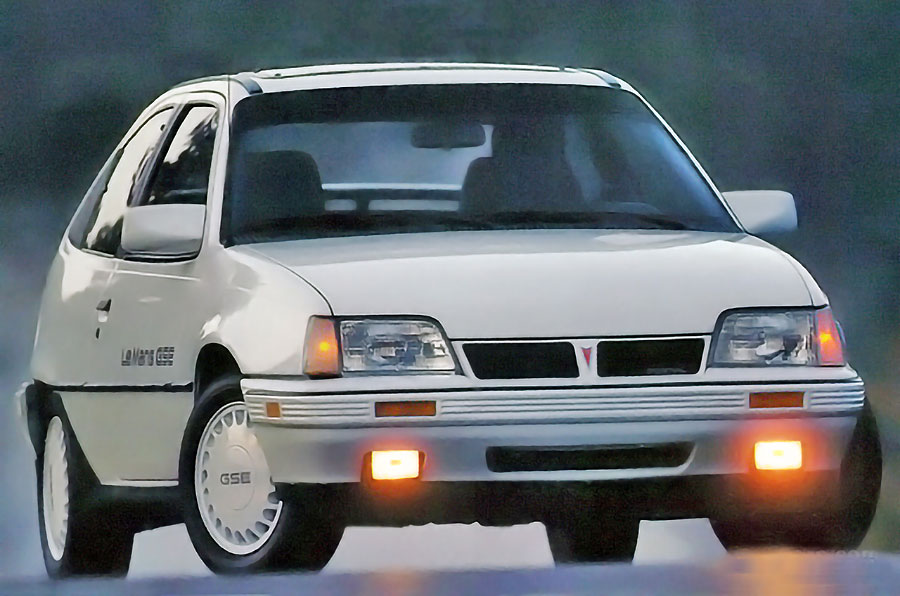
All the emphasis was on the bargain-basement nature of the offering, but any compact offering from Honda or Toyota would surely have been better, and a lot less plasticky.
Buick Park Avenue (1992)
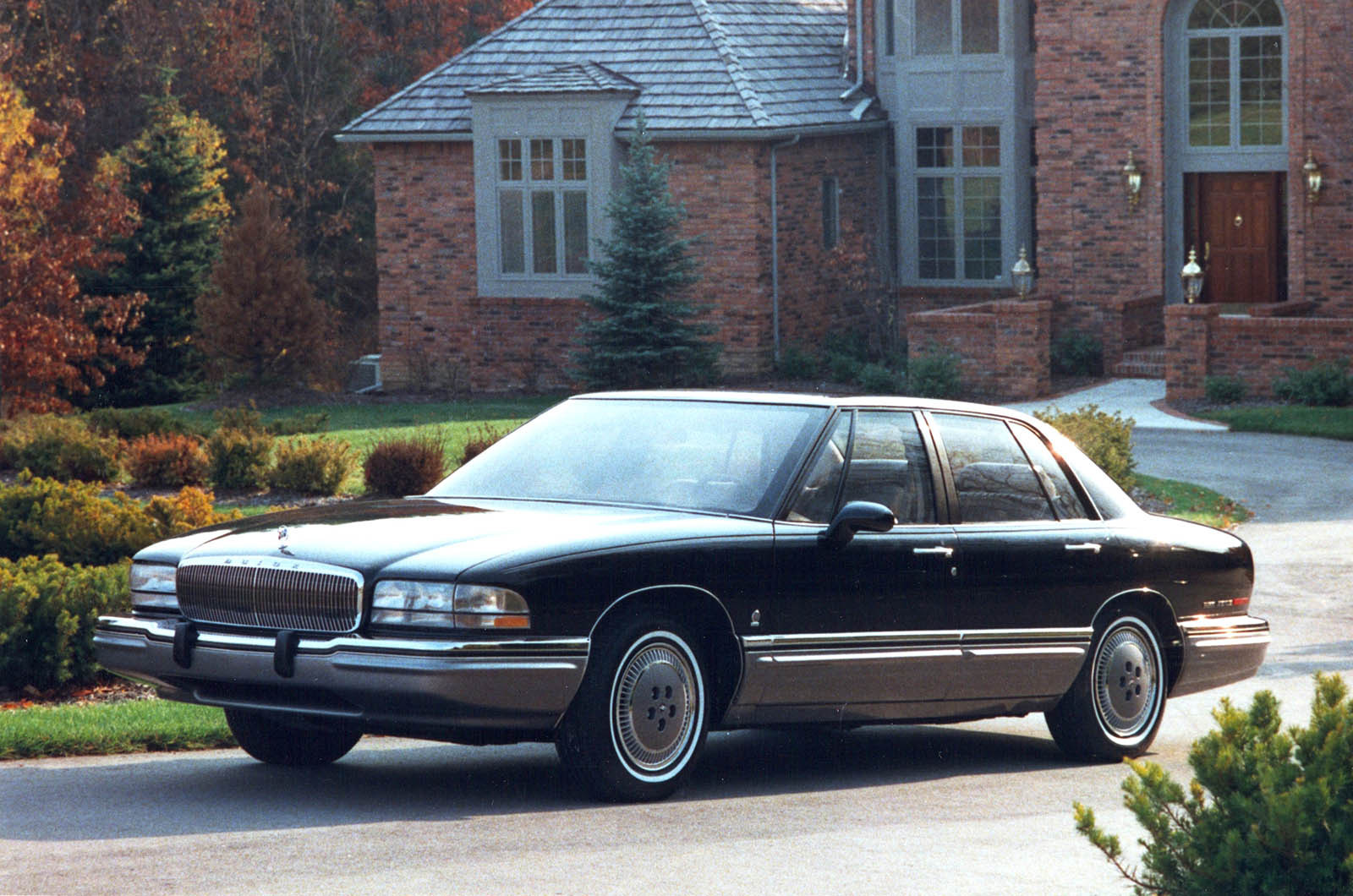
Something went quite awry between the unveiling of the 1989 Buick Park Avenue Essence concept car and the 1991 production Park Avenue. The former hinted at a dynamic new image for large US cars, but when the latter arrived it was little more than the usual softly-sprung sedan with its formerly rectilinear corners shaved off.
The 3.8-litre V6 engine wasn’t half-bad, especially in supercharged Ultra guise, but this was not a car to hurl around enthusiastically because its bench front seat was unsupportive and its ride soft and wallowy.
Buick Park Avenue (1992)
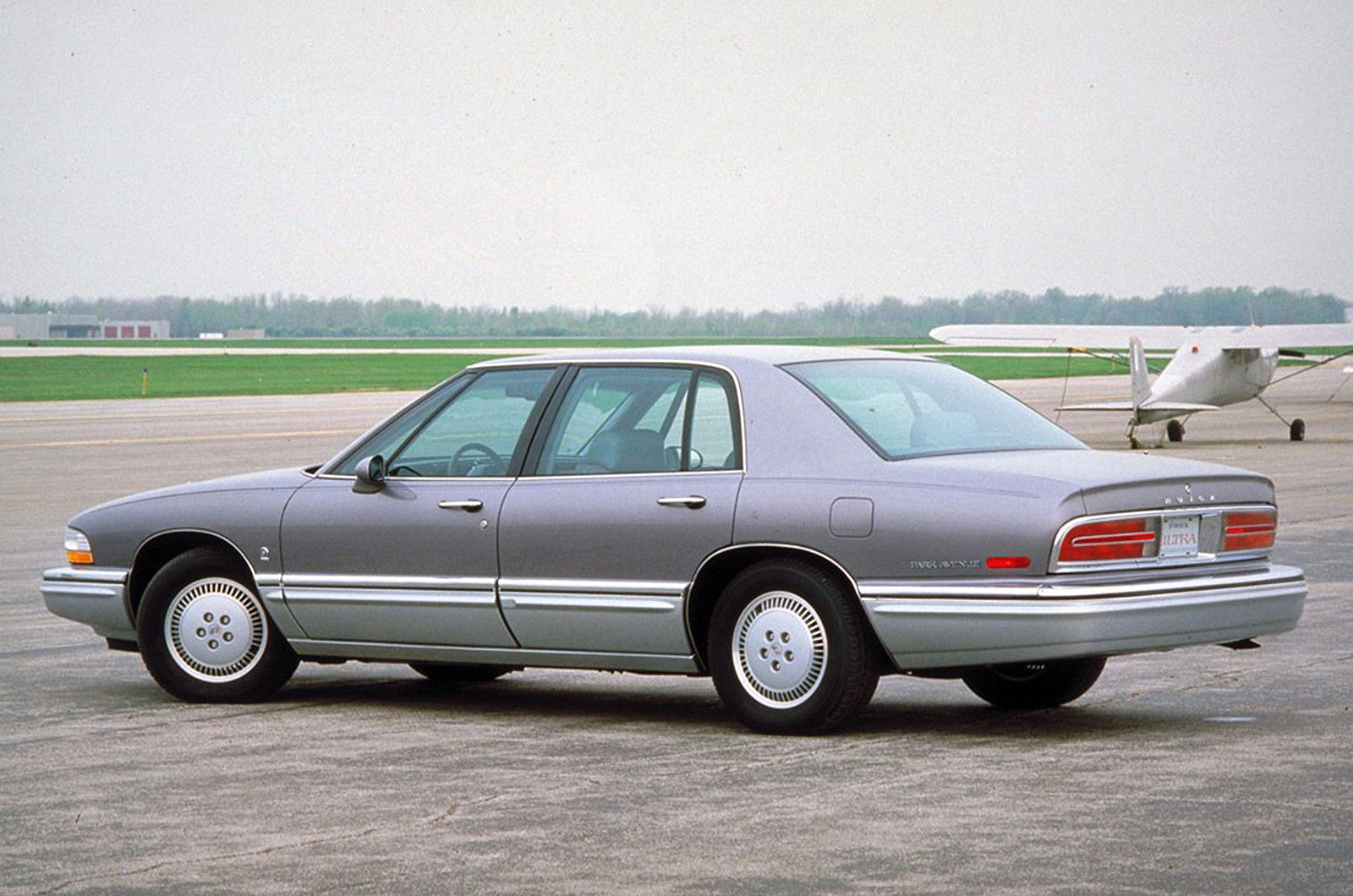
A column gearchange and mediocre refinement meant it fell well short of any BMW or Lexus standards, and yet this car was actually exported to Europe as some kind of totem of American prestige. Ultra-kitsch value today, mind, assuming you could dig one up.
Bristol Fighter T (2004)
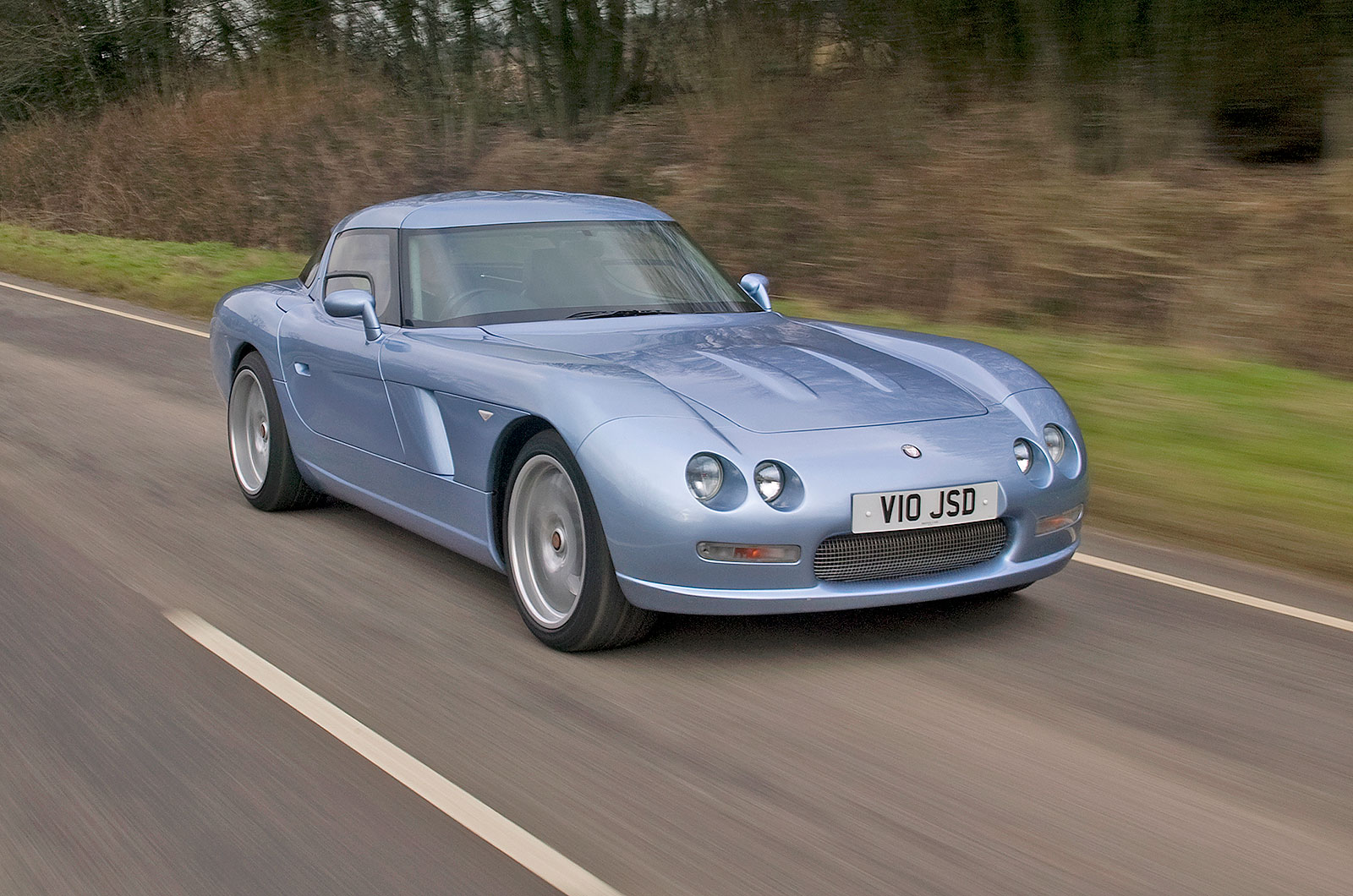
A car boasting some massive claims – such as 1012bhp in twin-turbo form, 225mph top speed, and a 0-60mph figure of 3.5sec – that seemed at definite odds with the world’s smallest and least well-capitalised ‘supercar’ maker.
Gullwing doors were another feature that you’d rather have, if at all, engineered by Mercedes-Benz rather than some bloke in a West of England shed.
Bristol Fighter T (2004)
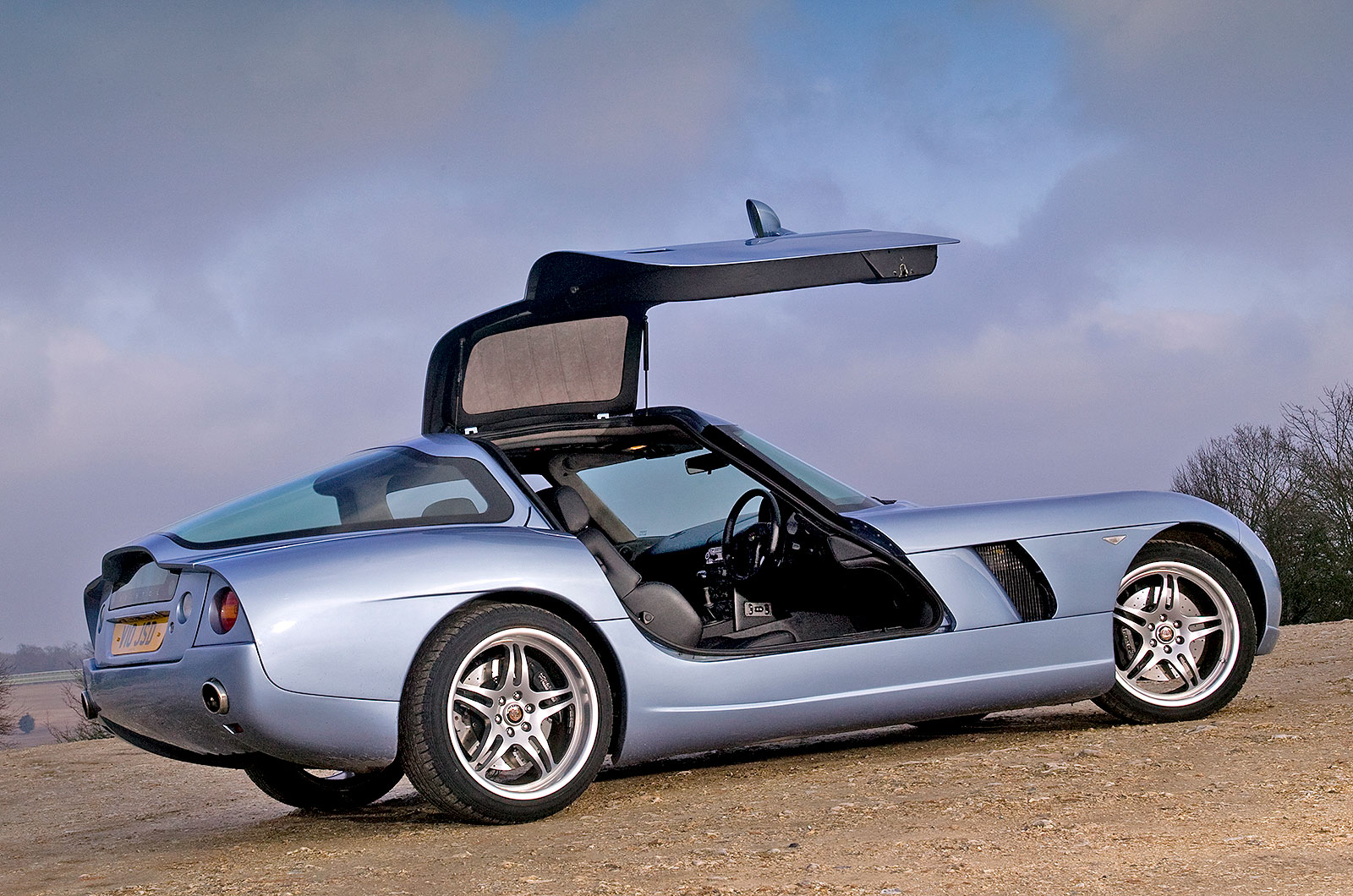
Actually, the Fighter T barely existed as a production car, although about a dozen standard Fighters were made, all with Dodge Viper V10 engines. And were the aerodynamics at all credible? Everything else so ridiculously rapid tends to need spoilers and air dams to tether them safely down, but maybe Bristol was taking its aircraft heritage seriously, and aiming high?
Honda S2000 (1999)
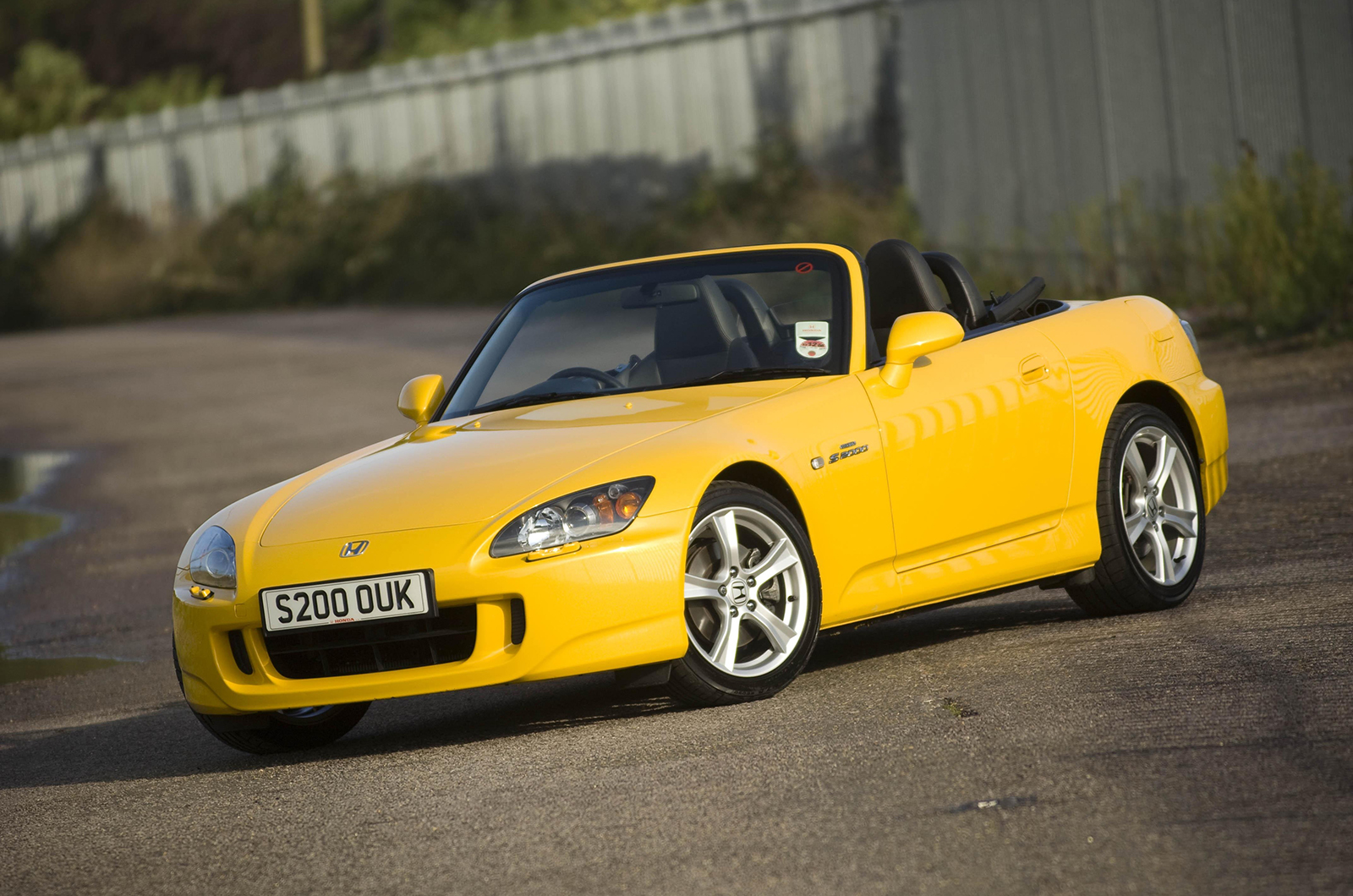
The 1990s and early 2000s was somewhat of a golden era for two-seater sports cars, and this Honda should have gleamed the brightest, especially with its 2.0-litre engine being one of the most powerful non-turbo units ever installed to a road car – a scarcely believable 240bhp dished out at a screaming 8300rpm.
Unfortunately, in the hands of the most experienced drivers, the overall recipe was deemed to be not quite right, despite all the attention on getting a 50:50 weight balance.
Honda S2000 (1999)
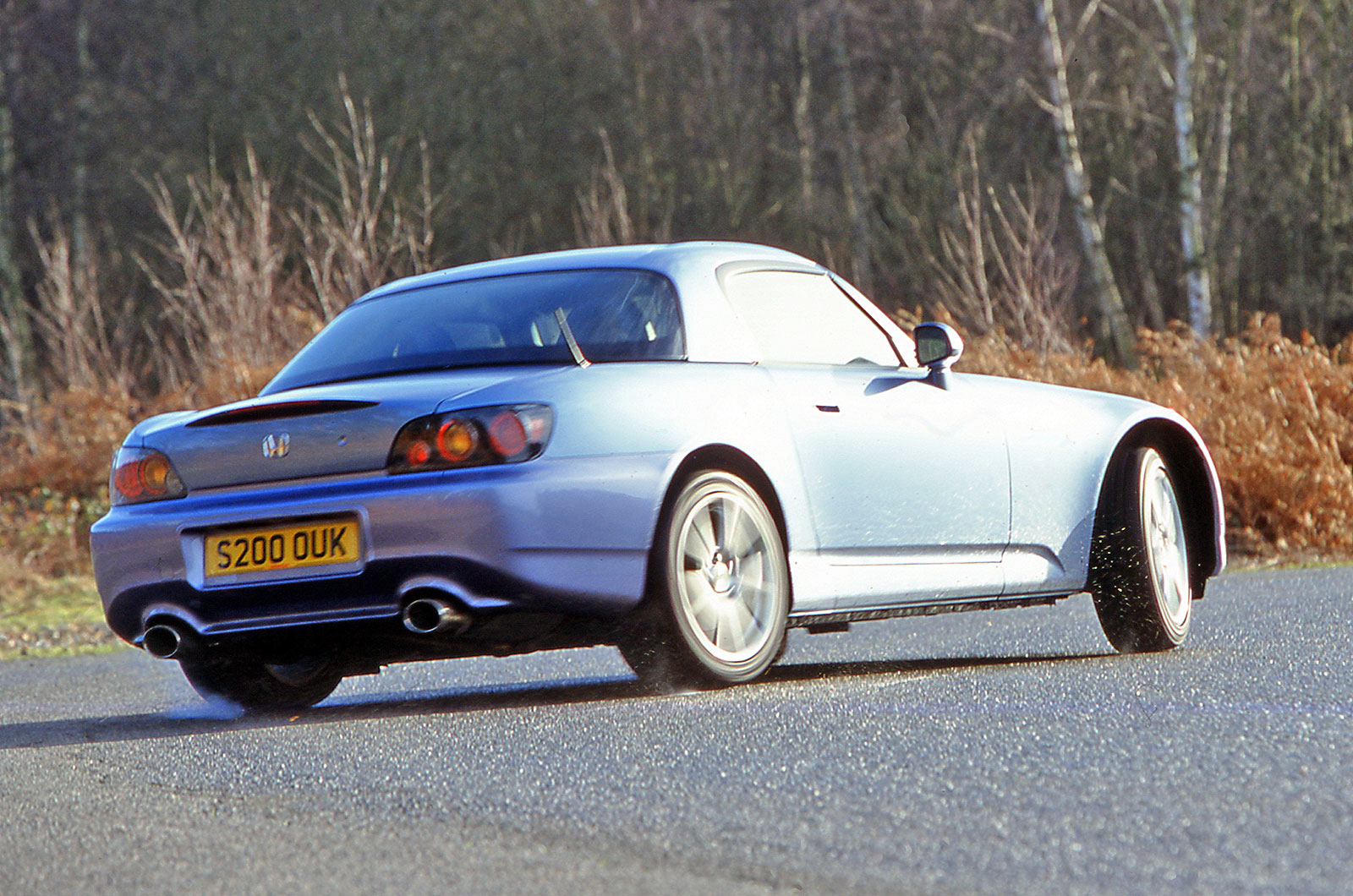
Flaws include unresponsive electric power steering, an awkward driving position, and a frightening tendency to snap oversteer that would catch you out alarmingly. In its favour are a fantastic six-speed gearbox, drop-dead gorgeous looks, and classic status today, but a lot more brilliance was expected from the home of the NSX.
Volkswagen Phaeton (2002)
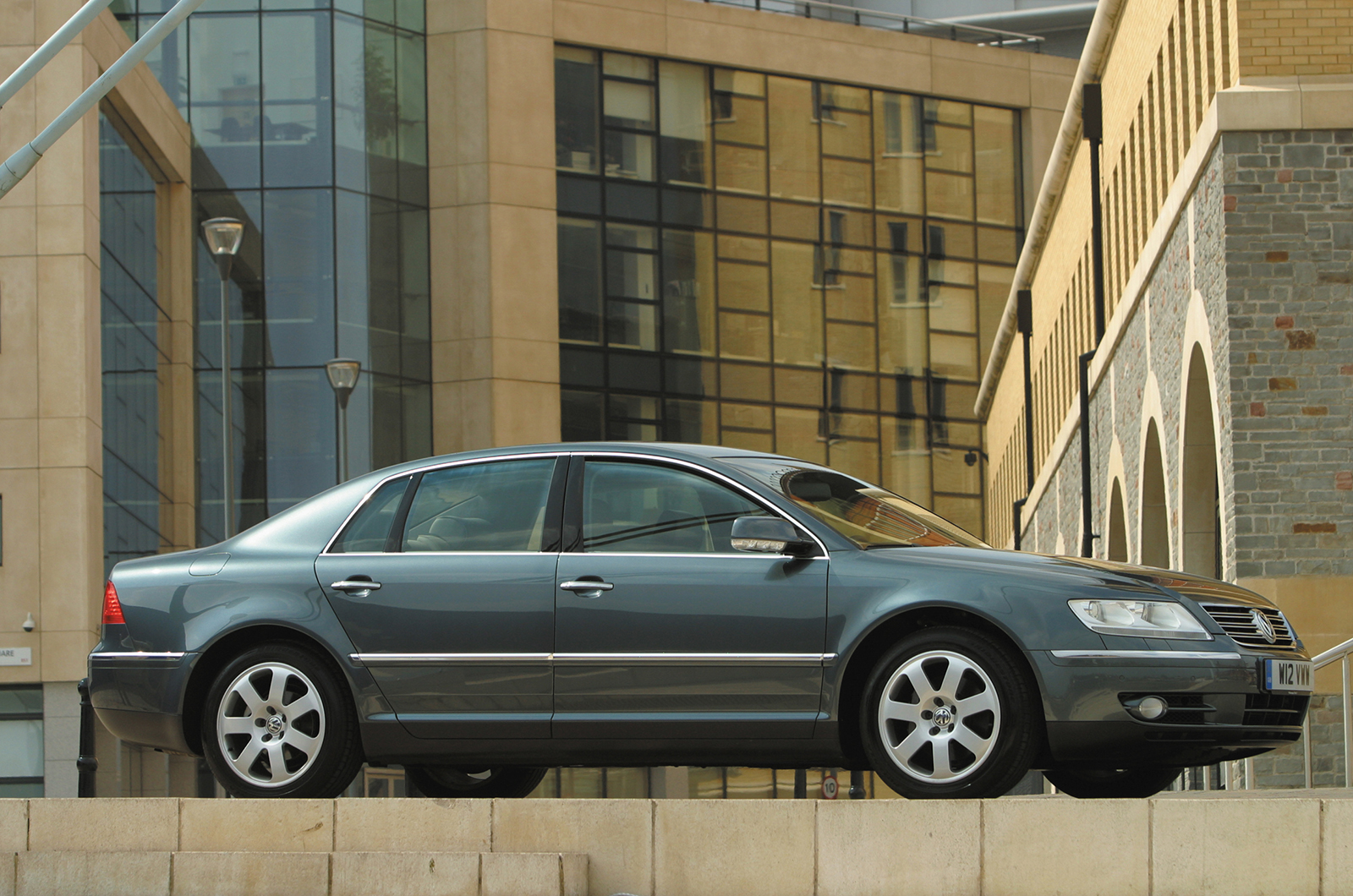
The Phaeton was intended as a limousine for the shy but rich individual who didn’t want to lord it in a Bentley, but in fact this car only came to life precisely because it shared its 6.0-litre W12 underpinnings with the Bentley Flying Spur.
The Phaeton itself was the pet project of VW’s scary chieftain Ferdinand Piëch, anxious to give Volkswagen the range-topper he felt it deserved – and it was said, to keep his Audi guys on their toes - but the reception for it was lukewarm.
Volkswagen Phaeton (2002)
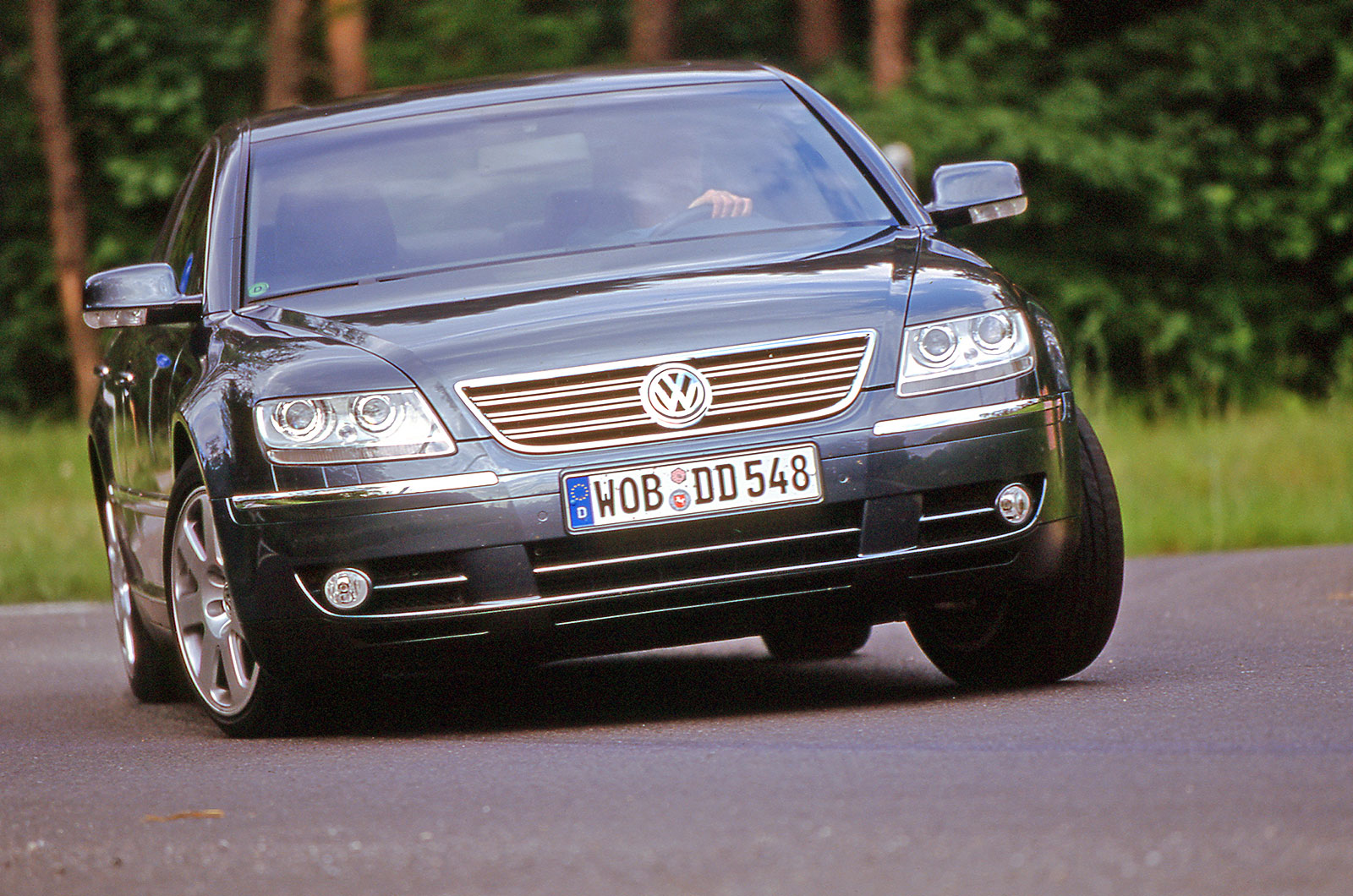
Fantastic machine, but overrated for its subtlety next to the Bentley, and very much unwanted today by comparison. If Angela Merkel had designed a luxury car, it would probably have turned out like this.
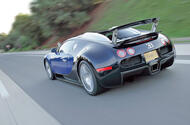
Bugatti Veyron (2005)
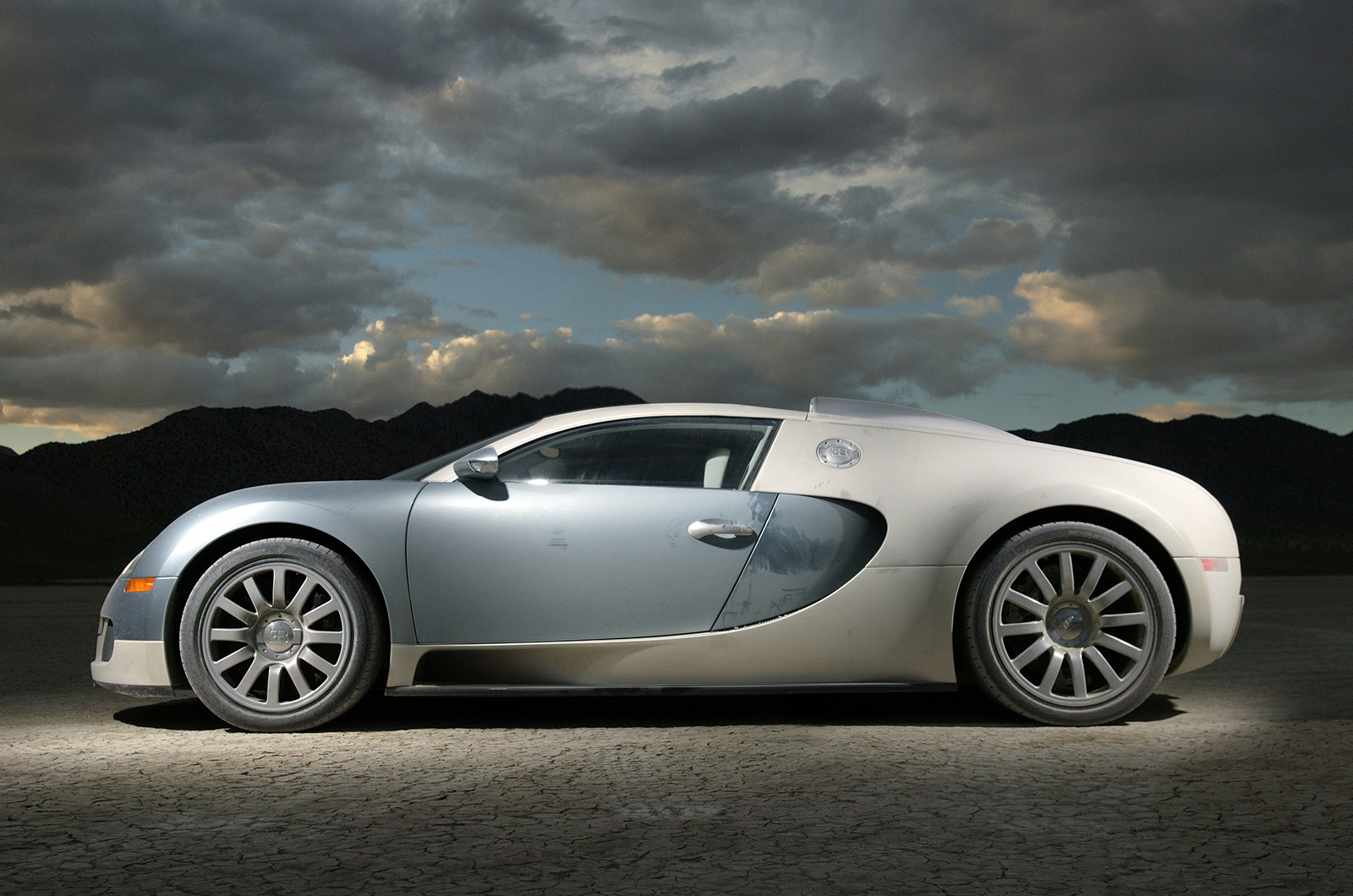
The top 10 most powerful cars on sale in the year the mid-engined French supercar was launched started at No10 with the 612bhp Porsche Carrera GT or Mercedes-Benz SL65 AMG and culminated at the No1 with the 987bhp Veyron. The Bugatti could also manage 253mph, making the quad-turbo, W16-engined two-seater the world’s fastest car.
Bugatti Veyron (2005)
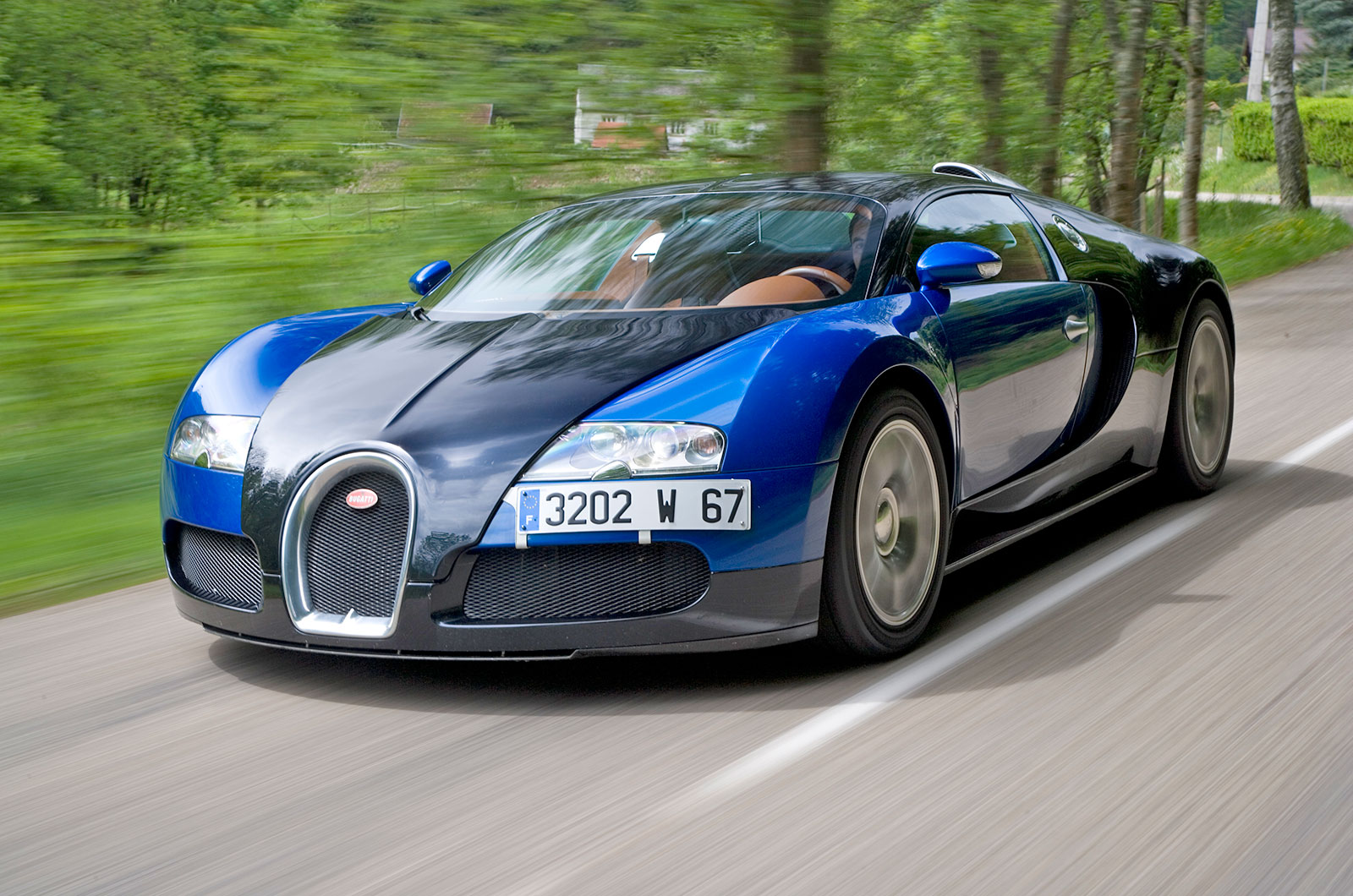
But was it really, really worth all the mountains of extra dosh for a car that – in the real world – had power and velocity that no-one could actually use? It was also 2.0 metres wide, making it one of the most cumbersome of city-drivers, and there were 10 radiators to keep topped up. And it was extremely expensive to both buy and operate.
Subaru Impreza STI WRX hatch (2008)
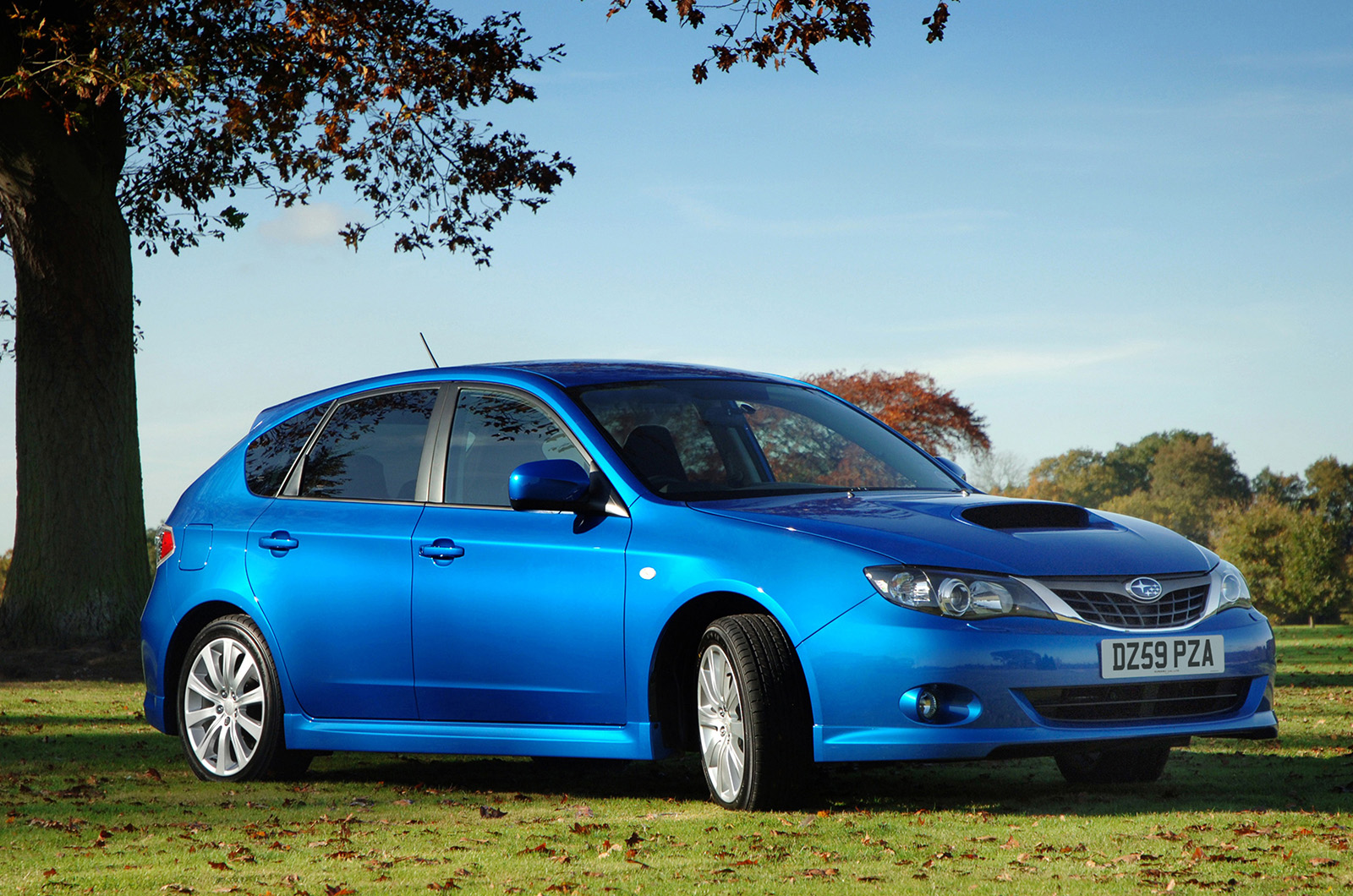
The raw performance largely remained from the old days, with 300bhp and prodigious, four-wheel drive grip as the 2.5-litre boxer engine rocketed the car to 60mph in 4.8sec. But no matter what the marketing and statistics relayed, the character had been lost in Subaru’s quest to broaden its hardcore Impreza’s appeal and align it with Germany’s performance best-sellers.
Subaru Impreza STI WRX hatch (2008)
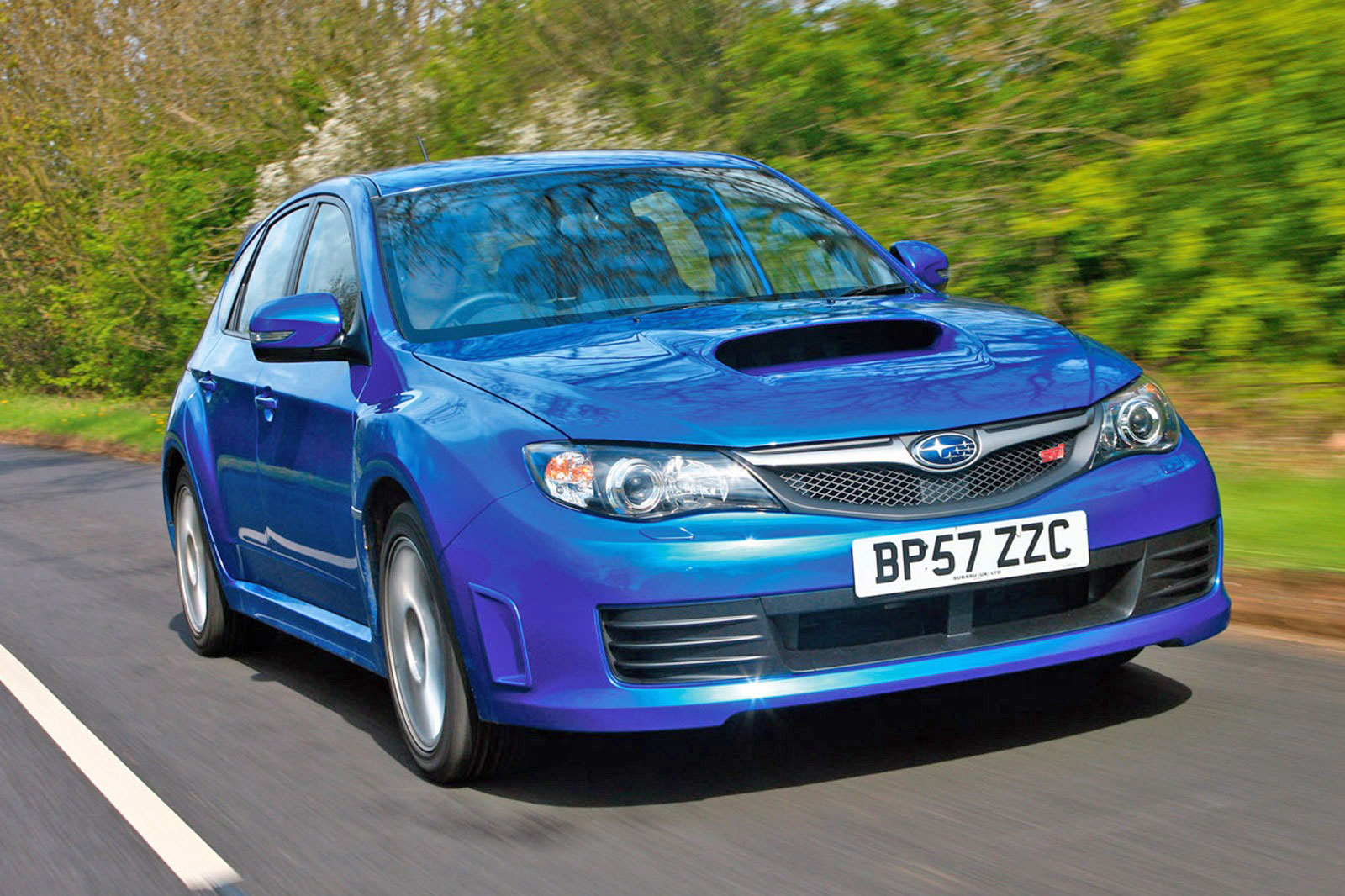
The familiar three-box shape, with its giant rear aerofoil, was gone, and in its place came a blander-than-bland five door hatchback. Then, Subaru’s cost-cutting team combed through the interior, making it as cheap and coarse as they could. It seemed like a shameful way to treat an icon…
Toyota GT86 (2012)
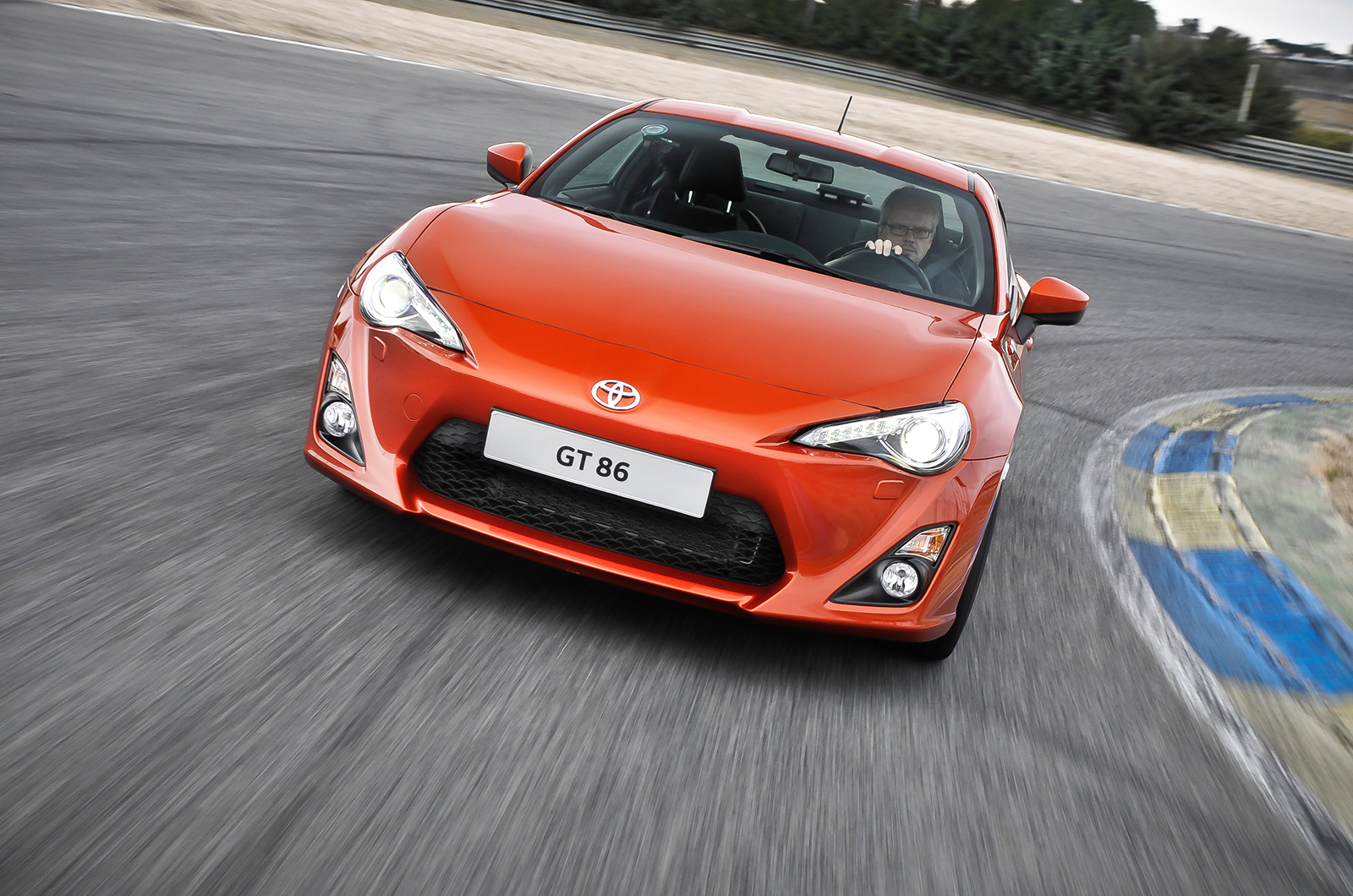
The 2.0-litre two-plus-two seater was designed to get back to basics with its rear-wheel drive and skinny tyres, and you did indeed get quite a basic car. And not necessarily in a good way: inside, it was claustrophobic and cheaply finished. Oversteer was the major characteristic of the handling – okay for some weekend drifting on a disused airfield, possibly a liability on rain-soaked public roads.
Toyota GT86 (2012)
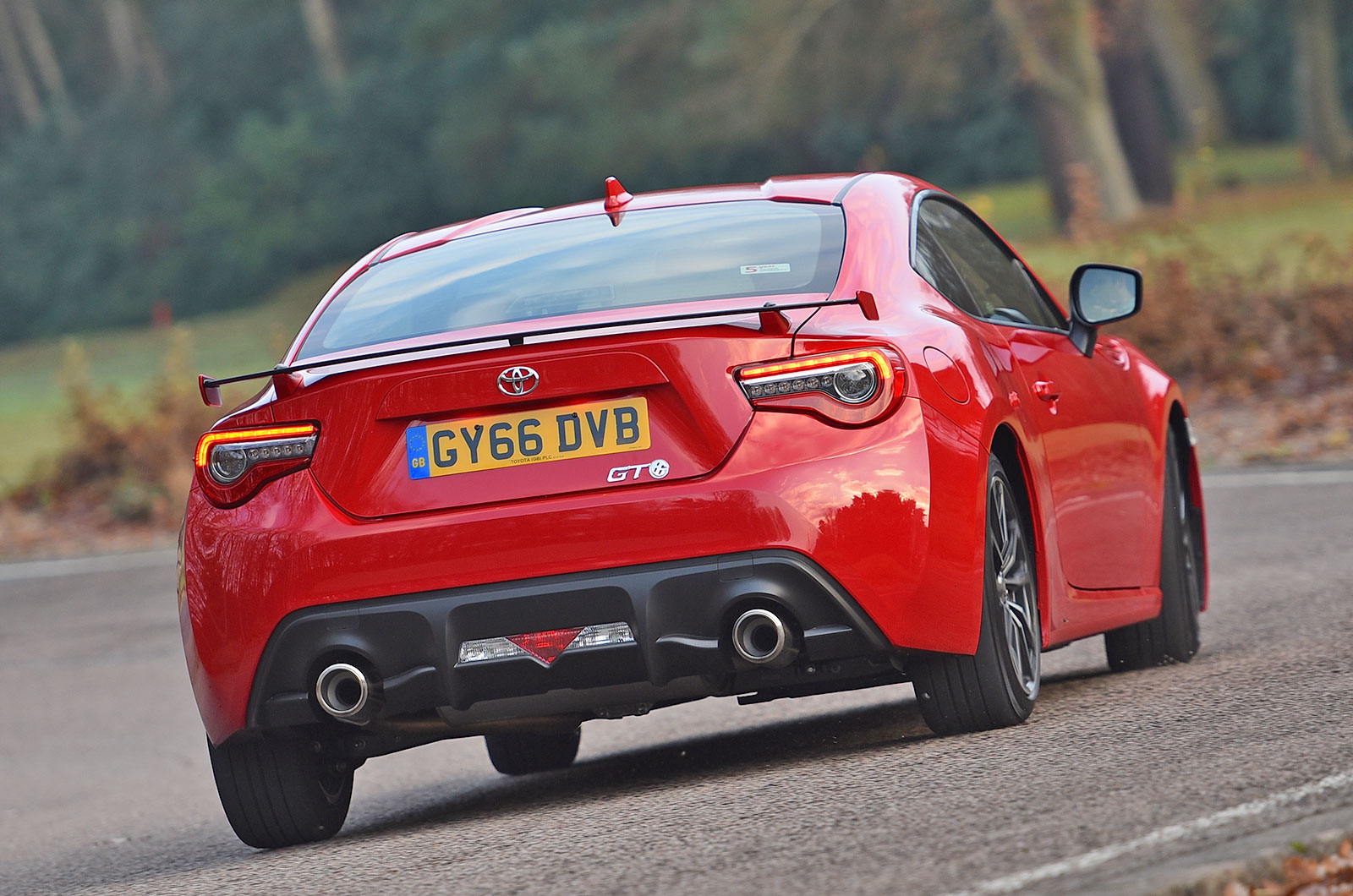
And there was a distinct lack of torque right in the middle of the rev range, which kind of put the kybosh on spirited everyday driving. None of it had to be this way, as Mazda’s all-round excellent MX-5 continued to demonstrate. The new GR86 takes the GT86 recipe and improves it.