

Porsche 911 GT3 Expands With Lightweight Focus and Ducktail Revival Amid Strong Demand

Aston Martin’s Strategic Case for Acquiring Lucid Motors

Forgotten Cars of the 1990s Reveal the Decade’s Overlooked Innovations and Shifting Automotive Priorities
 The decade marking the most significant change in car design yet seen, but some undeservedly slipped our net...
The ‘90s saw a sea-change in cars.
Out went the straight lines and sharp edges of the ‘70s and ‘80s, in came sleeker, aerodynamic and bulbous designs. And the decade also brought in widespread use of fuel injection, which greatly boosted reliability; arguably ‘most cars became pretty good’ on that front for the first time in the decade. And some got the credit in terms of fame and sales. But not this lot, which (usually) deserve to be better remembered….
Mercedes-Benz 500E
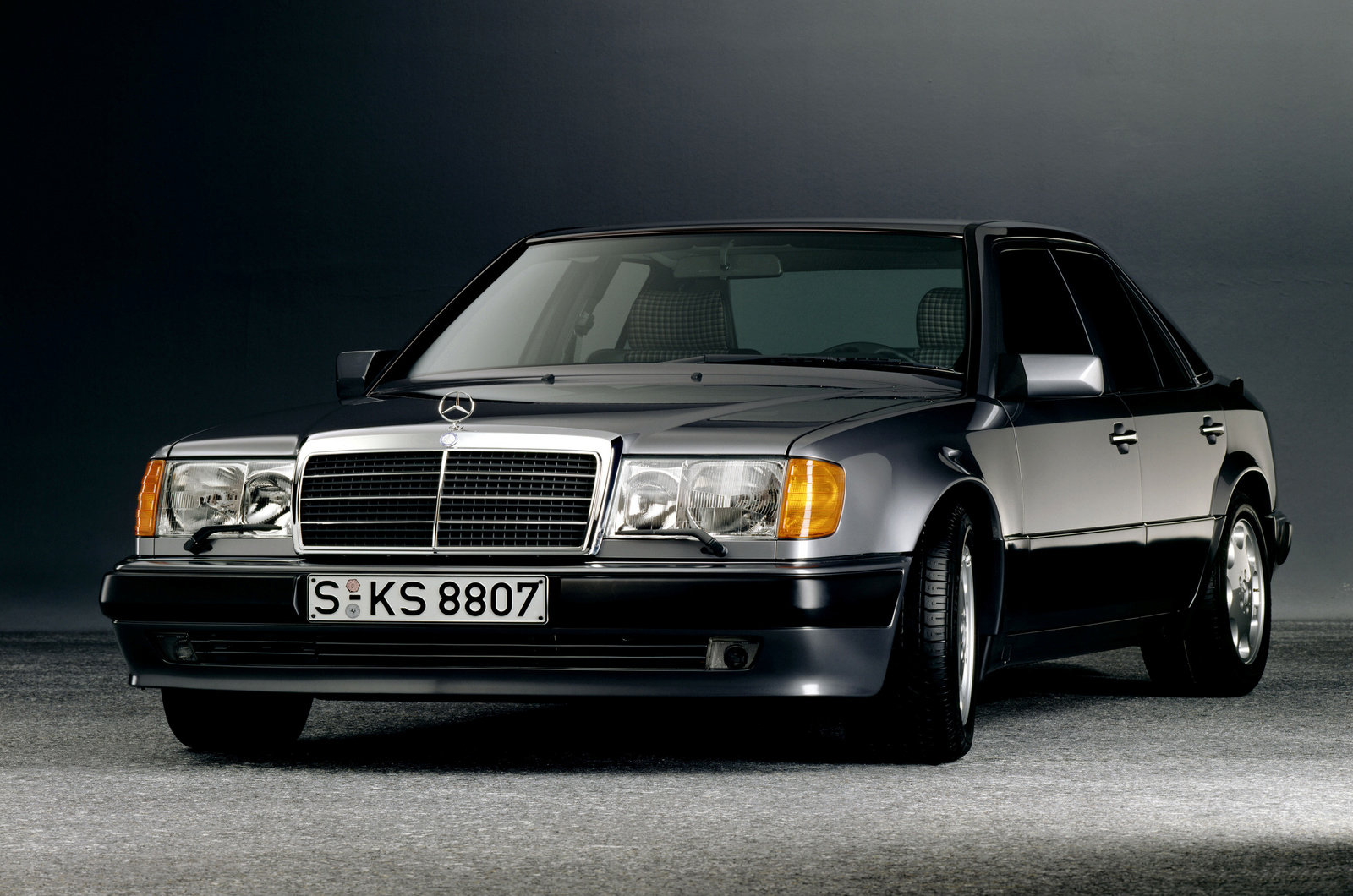
The 500E was built from 1991 to 1994. Mercedes hired Porsche which took a bog-standard W124 and redesigned the chassis to fit the 322bhp 5.0-litre V8 from the SL while also changing various bits in the suspension and the drivetrain — muscular bodywork was also fitted to compliment the engine. Only 10,479 cars were made during its production run, making them a rarity. One sold at auction in 2021 for £32,250, but the car has long lived unfairly in the shadow of the BMW M5.
Mitsubishi Eclipse GSX
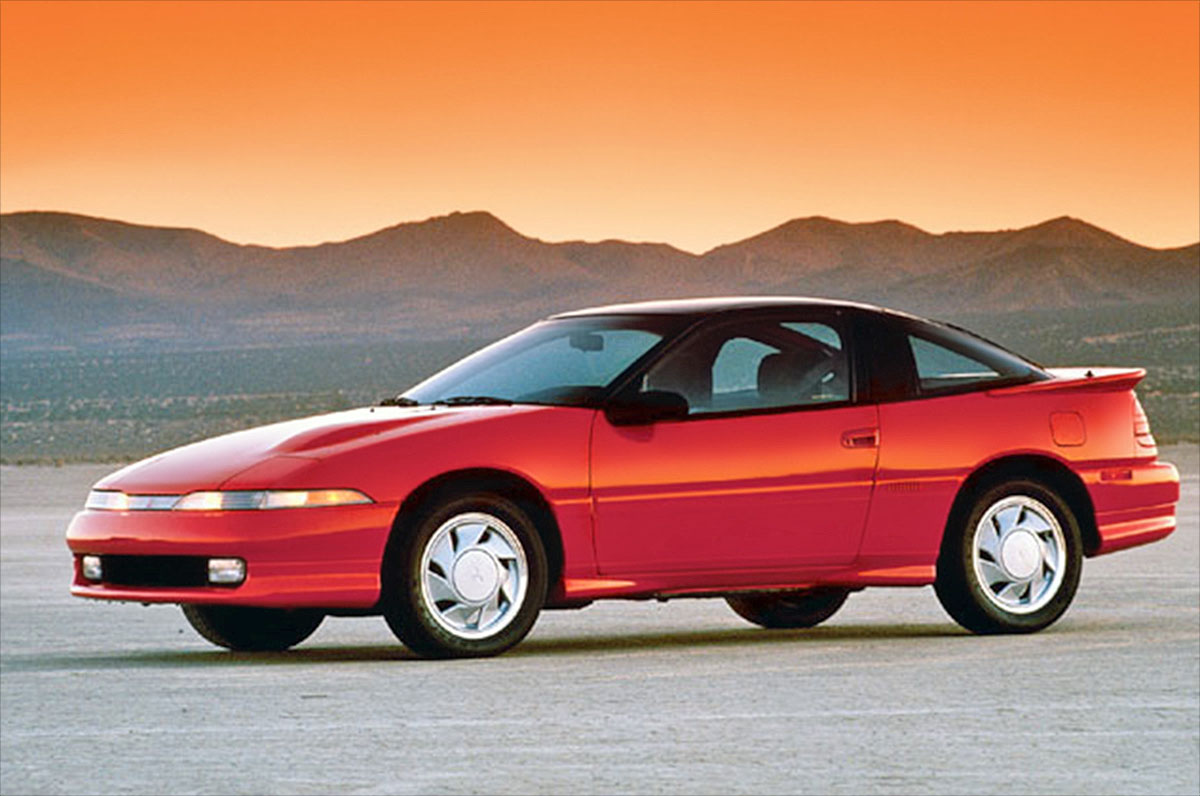
When the Eclipse GSX arrived in the ‘90s, it was an instant hit because of its petite size, four-wheel drive chassis and turbocharged four-cylinder, capable of blowing the doors off most American sports cars of the era. The GSX was the range-topping AWD model, producing 195bhp and capable of 0-60mph in under 7sec. Mitsubishi eventually dropped the Eclipse to focus on hybrid technology.
Porsche 968
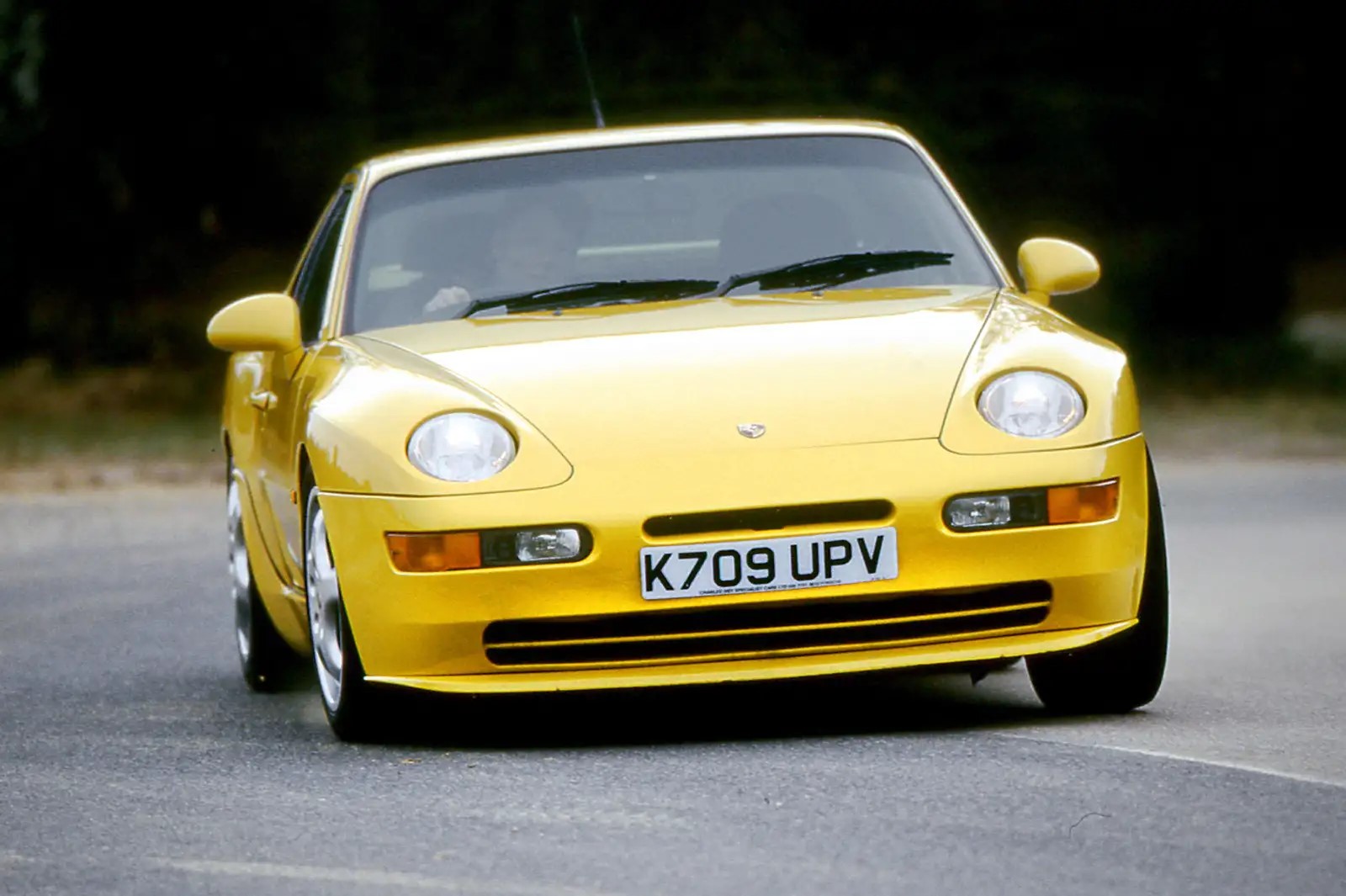
Porsche’s famous models include the 944, 911, Boxster and 928; the 968, however, was simply forgotten about. Its engine had the same layout as the 944, although Porsche had introduced its VarioCam system for the 968. With 237bhp, it was a 156mph car even though the focus was predominantly on handling.
It was the last of Porsche’s transaxle layout and fans looked down on these with disappointment - they wanted cars like the mid-engined 911. A shame really, as the 968 had the recipe for a good Porsche: speed, agility, luxury and looks.
Nissan Sunny GTI-R
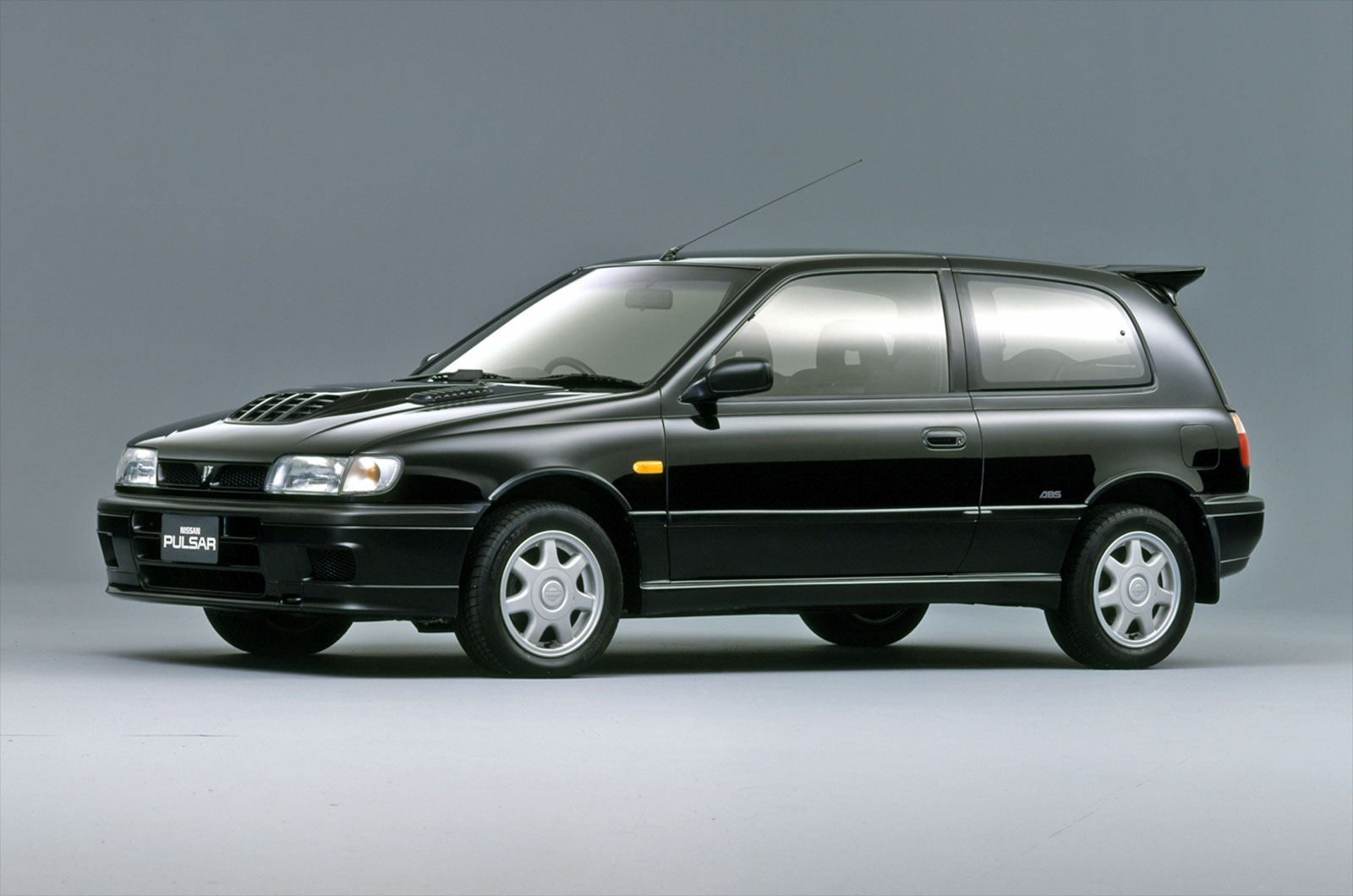
Even without a push from Nissan, the GTI-R rapidly gained a cult following in the early to mid-2000s but quickly slipped off the radar. The basic Sunny’s goal was to be a cheap A to B car that would sell in large numbers but, in the early 1990s, Nissan turned its attention to motorsport and WRC’s Group A was the target.
It would go up against Mazda’s 323 but the average Sunny would be clobbered. Drastic changes were made and the GTI-R was born. Sold as the Pulsar in Japan, the GTI-R had a turbocharged 2.0-litre with 220bhp fed through all four wheels. Overall, Nissan produced just 14,613 cars.
Dodge Neon R/T
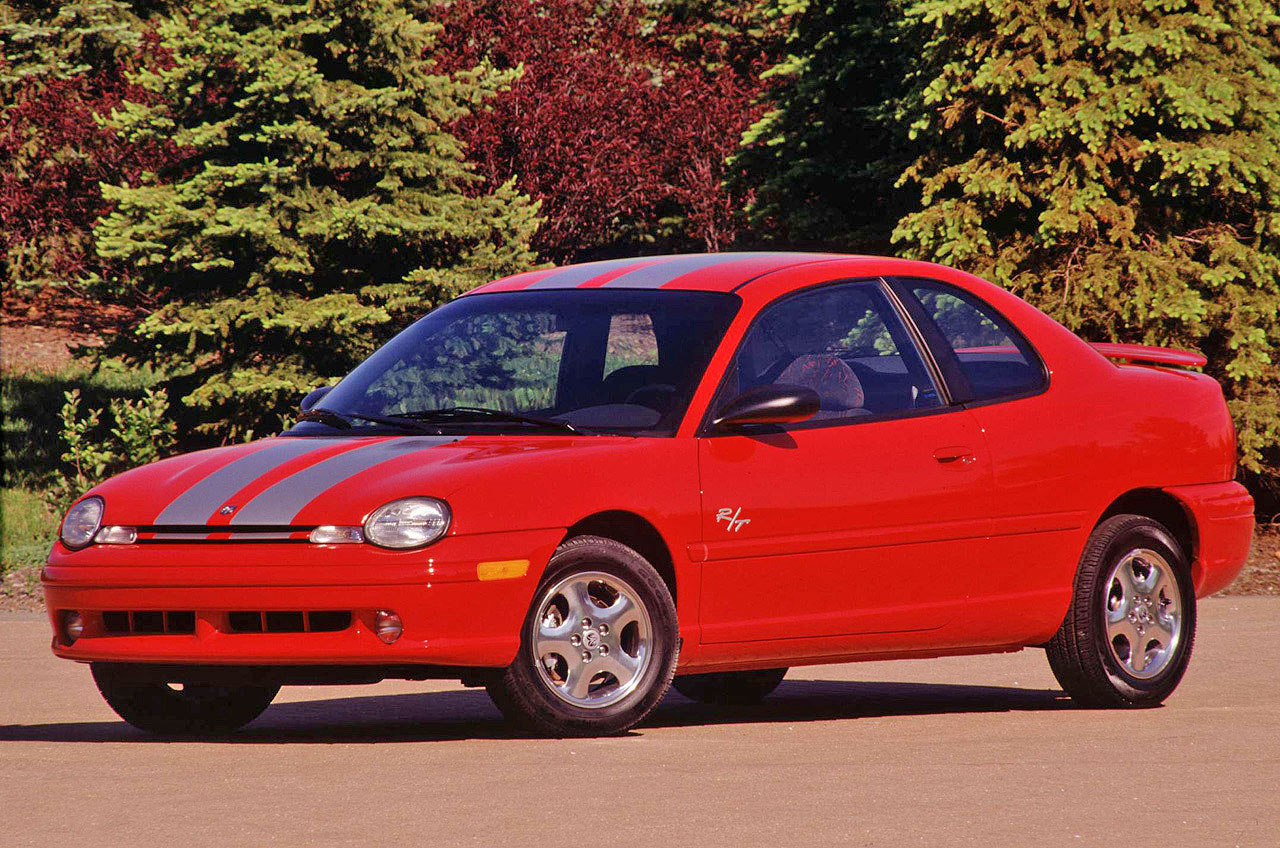
The Road/Track (R/T) emblem graced the front and rear of the iconic ‘70s Charger and Challenger - but as time went on, Dodge experimented with more family-oriented cars such as the Neon. The Neon started in life as 1.8-litre but, in 1998, the R/T variant arrived with a 2.0-litre. R/Ts were previously known to be the fire-breathing guise, but the Neon possessed just 150bhp, an 18bhp increase over standard.
Although it was faster than the Golf GTi of the same period, many claimed it lacked the sophistication of cars like the Ford Focus. Soon, the R/T vanished into the history books.
Volvo 850R
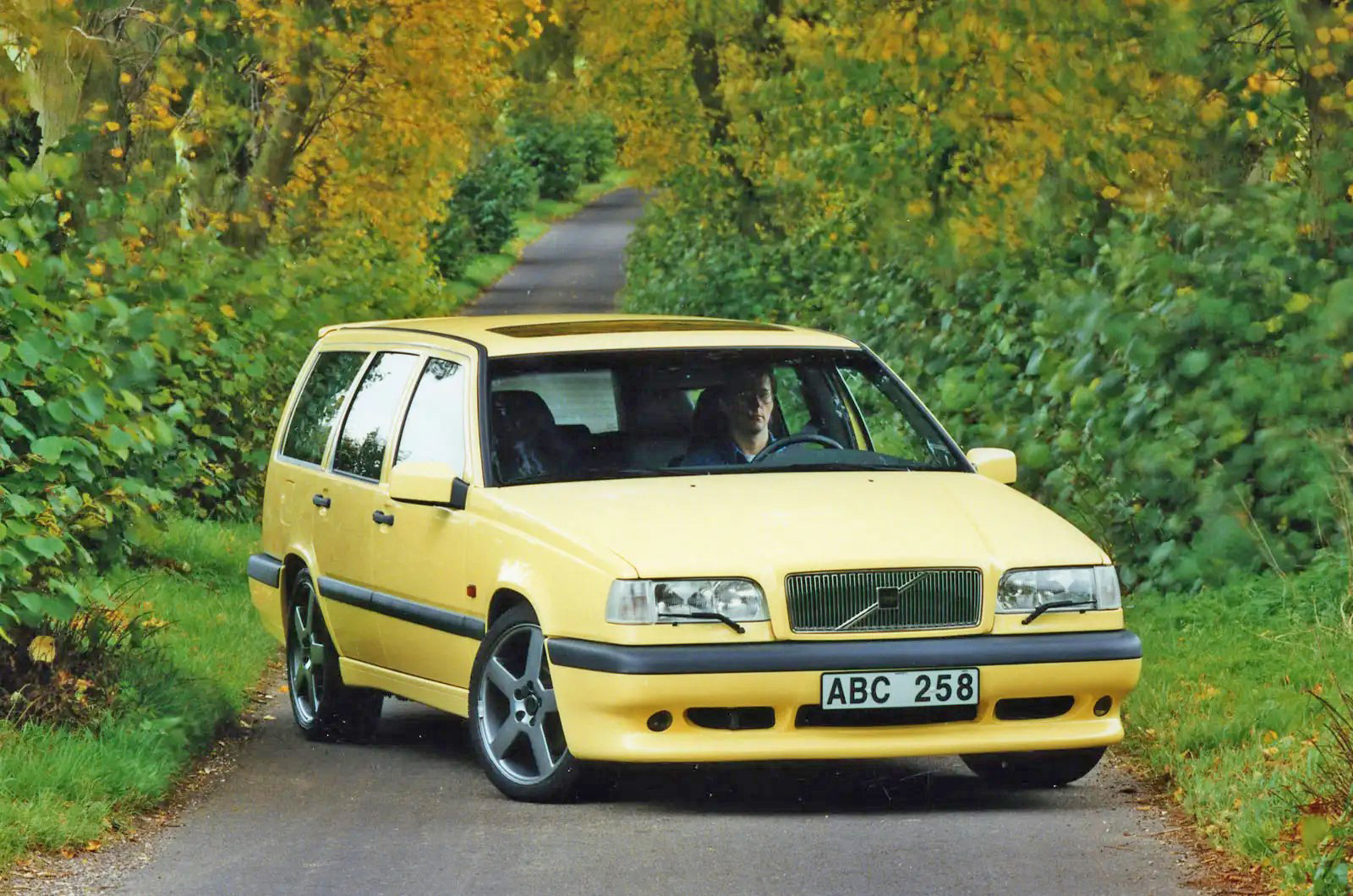
As cars like the C5 Audi RS6 and the more modern Volvo V50 T5 moved into the 2000s, the legendary 850R was pushed aside. The 850 replaced the 240 and it was offered as both a sedan and an wagon. In 1996, the 850R arrived which had 18bhp more than the standard 850 Turbo, or 247bhp in total, and a turbocharged 2.3-litre.
62mph from rest was over in just 6.9sec with the five-speed manual, or 7.5sec with the four-speed auto. It had subtle sporty bodywork, 17” alloys, Alcantara seats and a two-tone leather steering wheel.
Volkswagen Corrado
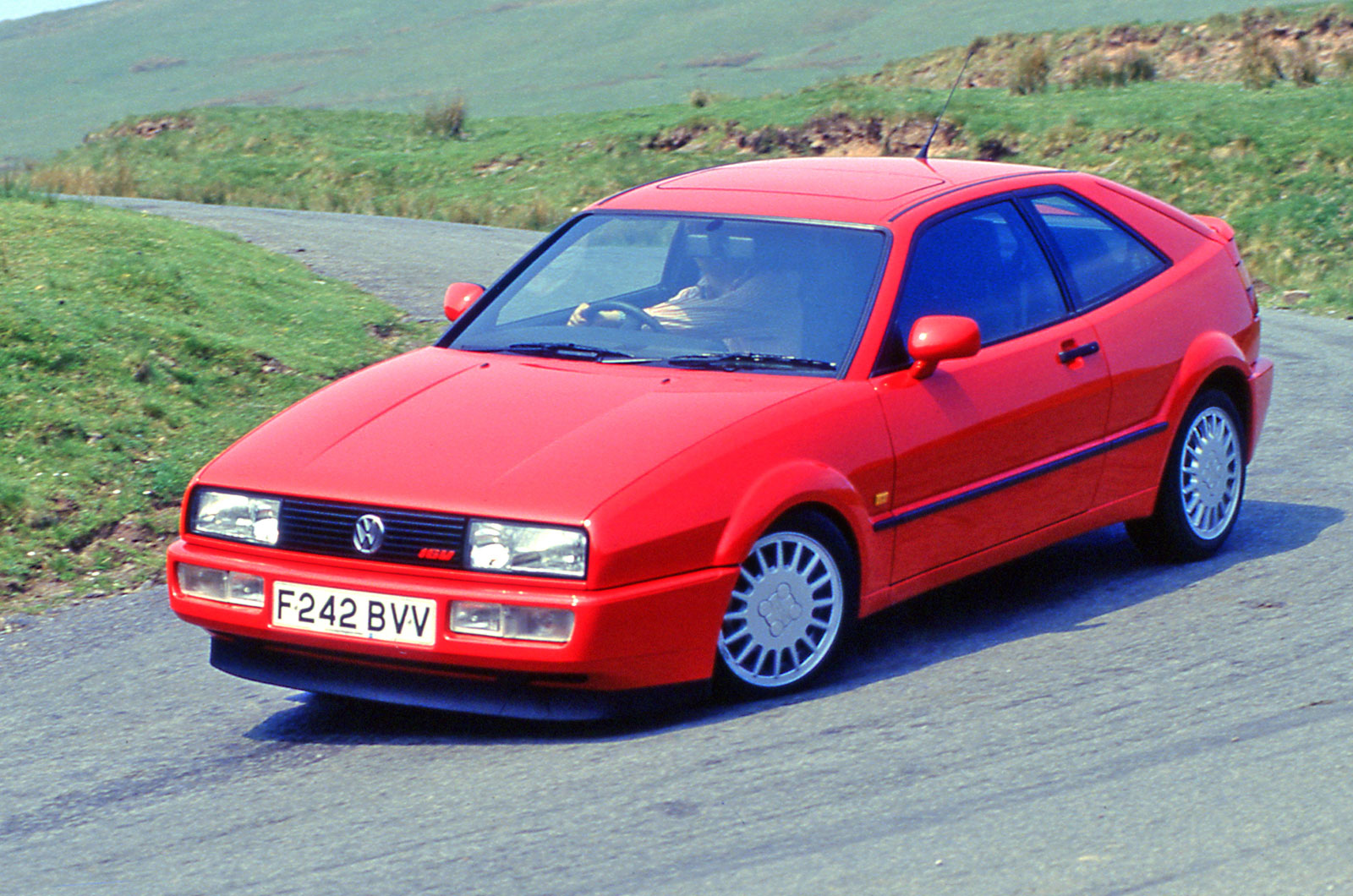
Focus was mainly on the hot VR6 version of the Corrado and today it remains that way. However, the Corrado was available in other guises as well, such as the 1.8-litre 134bhp and the supercharged 1.8-litre 158bhp G60. In 1992, a 2.0-litre 134bhp was introduced and then the 187bhp VR6, which was followed by another 2.0-litre, producing 113bhp.
In base form, the Corrado still looked majestic and it featured an active aero spoiler. In total, 97,521 Corrados were made.
Vauxhall Corsa B GSI
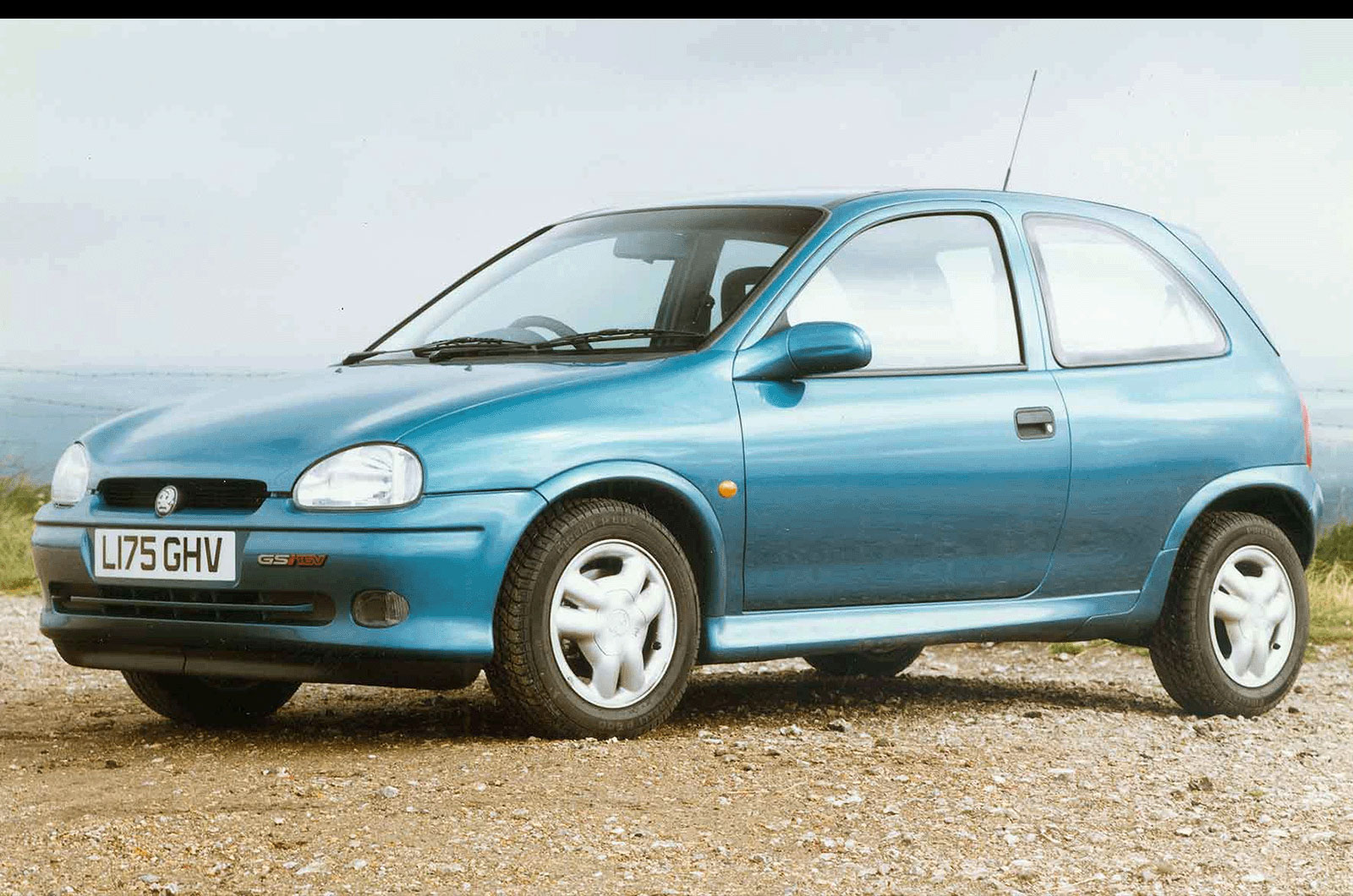
The GSI badge was placed on cars that had gone through Vauxhall’s ‘hot’ tuning, giving those, who wanted more oomph from the likes of the Astra and Corsa, another avenue. Vauxhall had already given the Nova the GSI treatment and the next small car in line was the humble Corsa B. Weighing in at just under one tonne, the GSI had 108bhp meaning that 0-60mph was under 10sec and a 119mph top speed was achievable.
Sporty bodywork and agile steering made it popular. Vauxhall had to keep up with design and in 2000 the Corsa B was discontinued and the more modern Corsa C was introduced.
Nissan 100NX
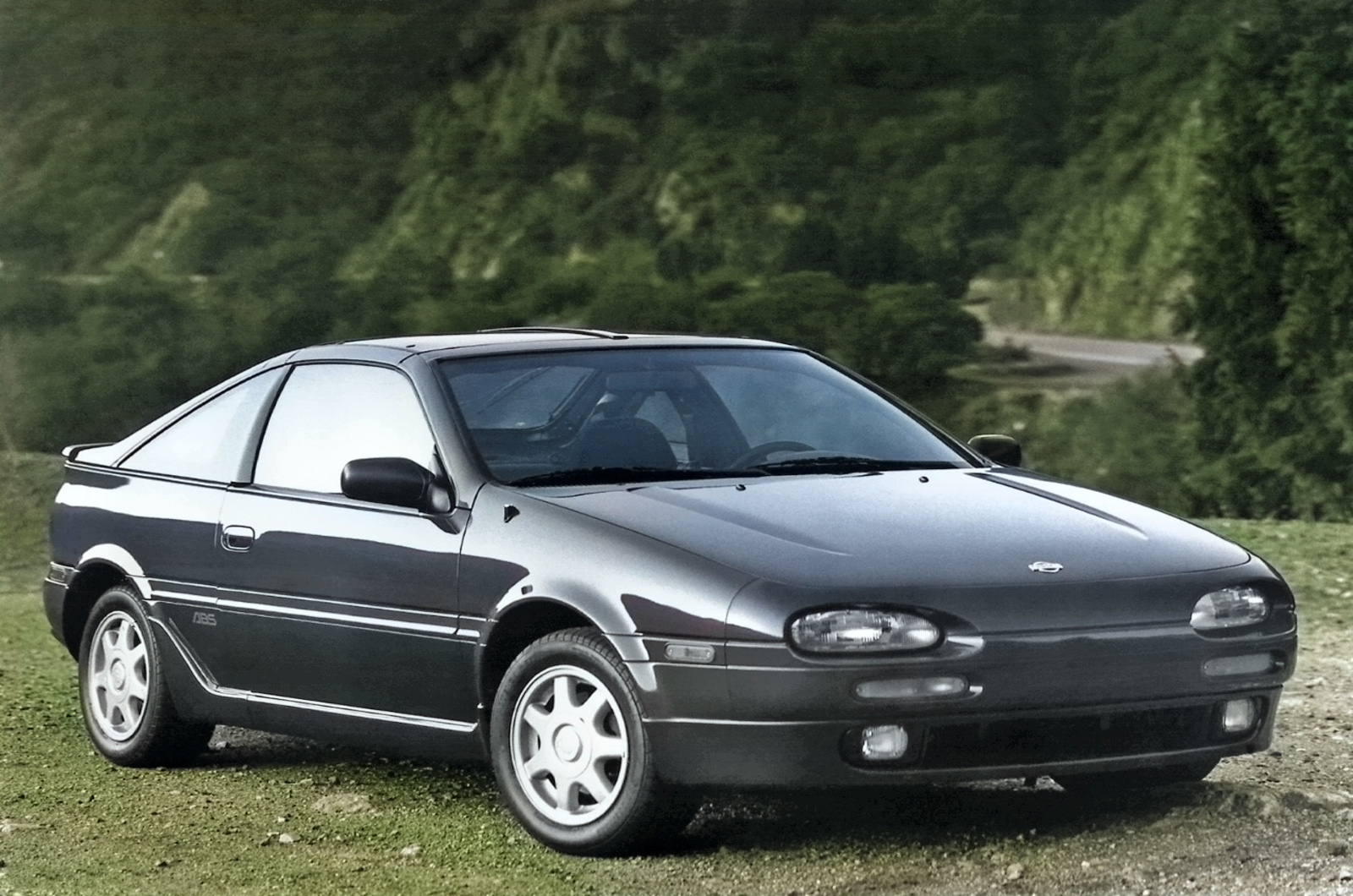
Arriving in 1990, the 100NX was a front-wheel drive sports car that was loosely based on the 1987 Nissan Pulsar. Underneath, it had the 1.6-litrefrom the Sentra although buyers could opt for a more powerful 2.0-litre from the Sentra SE-R. Most buyers purchased T-Top variants but there was also the option of a hardtop. In 2.0-litre form, the NX, with its lightweight stiff chassis and limited-slip differential, was considered one the best handling front-wheel drive cars of its era, next to the Lotus Elan. Unfortunately, the 100NX failed to reach the set sales figures and it was dropped.
Lincoln Mark VIII
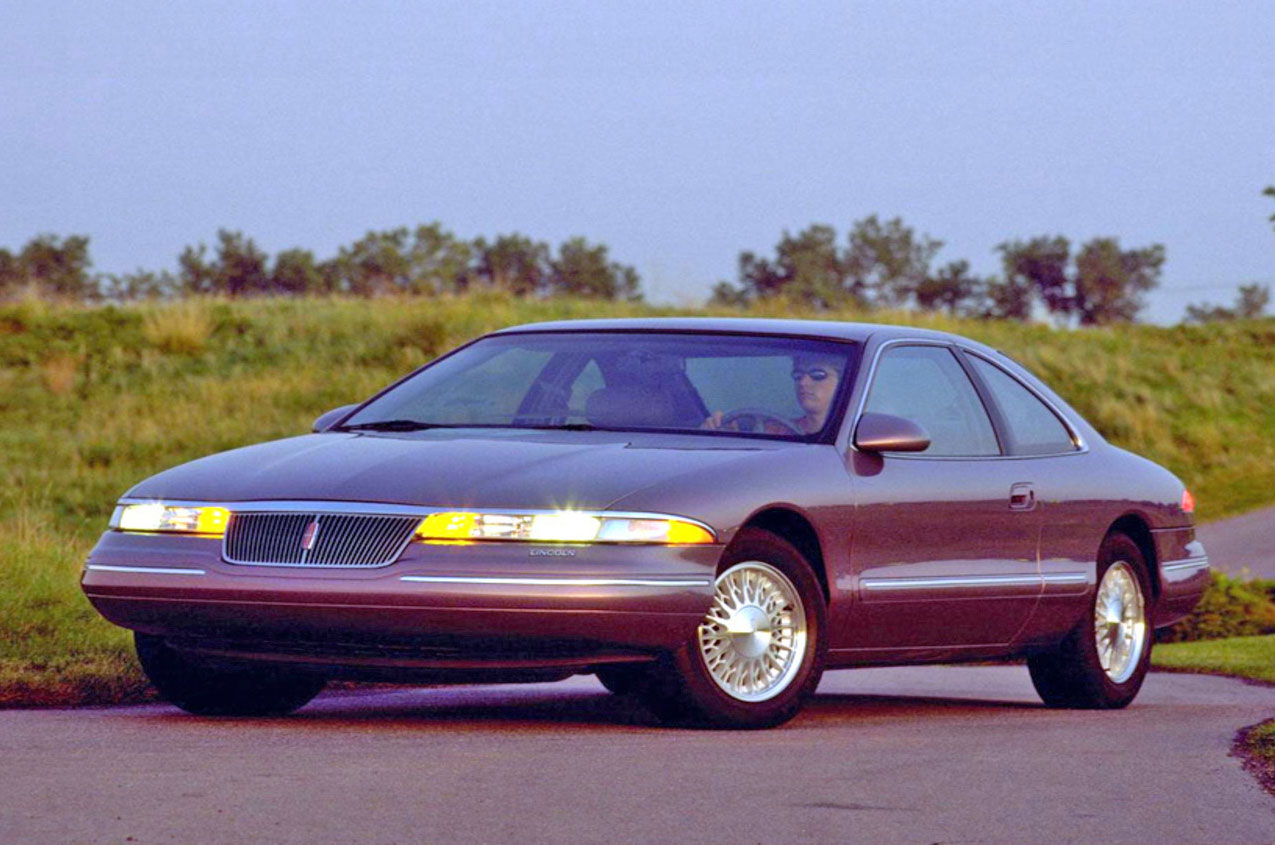
The Mark VIII was an opulent grand tourer produced by Lincoln from 1993 to 1998 and rivalled the Cadillac Eldorado. It used a similar platform to that found on the Ford Thunderbird and Ford Cougar, although it was slightly larger. It had a long hood and a sharp front end, complete with elongated headlights.
Its 4.6-litre V8 powerplant it produced 280bhp. A facelift arrived in 1997, which gave it a smoother front and rear. In total, 122,060 were made.
Ford/Mercury Cougar
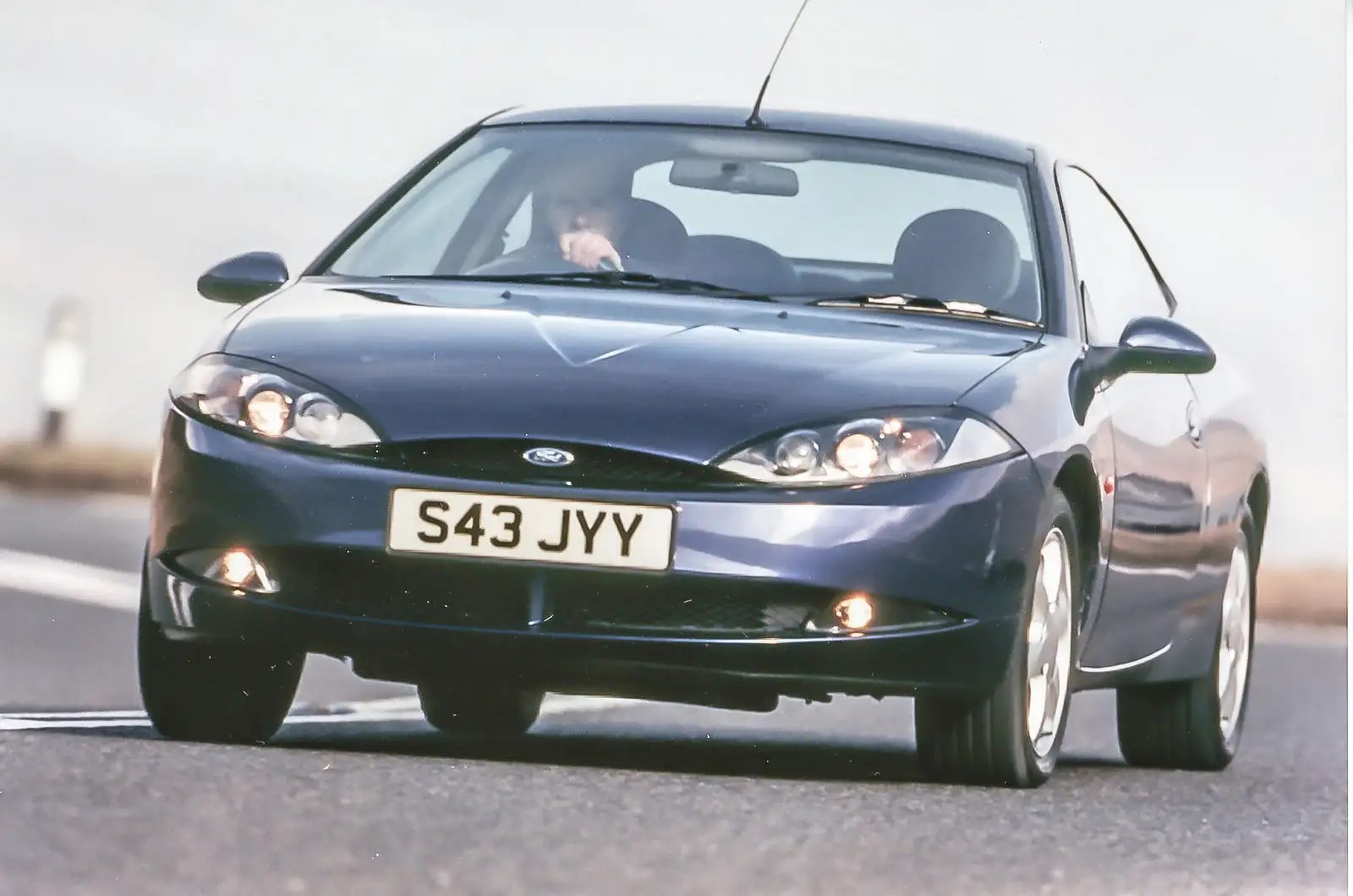
Ford had already released the Puma at this point and a year later the Cougar followed. It was a coupe that was intended to be the third-generation Ford Probe but the name was dropped. When it first arrived, it had mixed reviews due to its bulbous styling, but it handled well enough, and buyers could choose from two gasoline engines: a 123bhp 2.0-litre or a 168bhp 2.5-litre.
A similarly priced Toyota Celica GT from the same era, with similar power levels, was quicker and became a popular alternative, whilst those looking for a fast Ford were often found going for the Mondeo ST200 or ST24 instead. The Cougar sported Mercury badging in North America.
Suzuki X-90
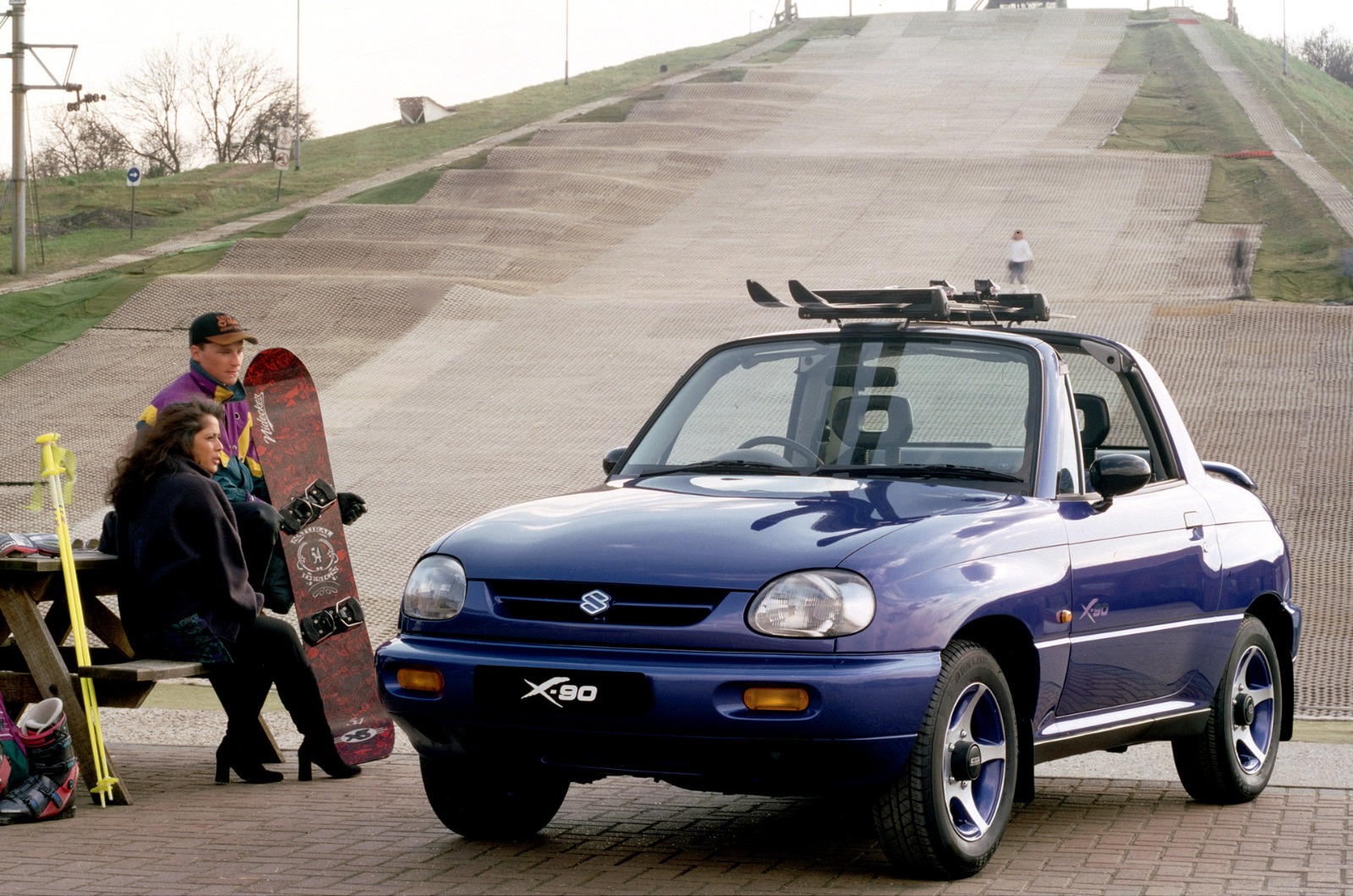
A two-seater short-wheelbase convertible SUV? The similar Toyota Rav4 just hit differently than the little Suzuki, and as a result, the X-90 earned its Barbie-Doll-jeep moniker. In rough offroad environments, it was perfectly capable, although the 95bhp 1.6-litre struggled at steeper inclines. Buyers also could have it in four-wheel drive or rear-wheel drive.
When it came to sales, the X-90 flopped and only 7000 were sold in the US, a market that Suzuki thought would have buyers digging deep. Eventually, after little success, Suzuki canceled the X-90 after just two years of production.
Mitsubishi Galant VR-4
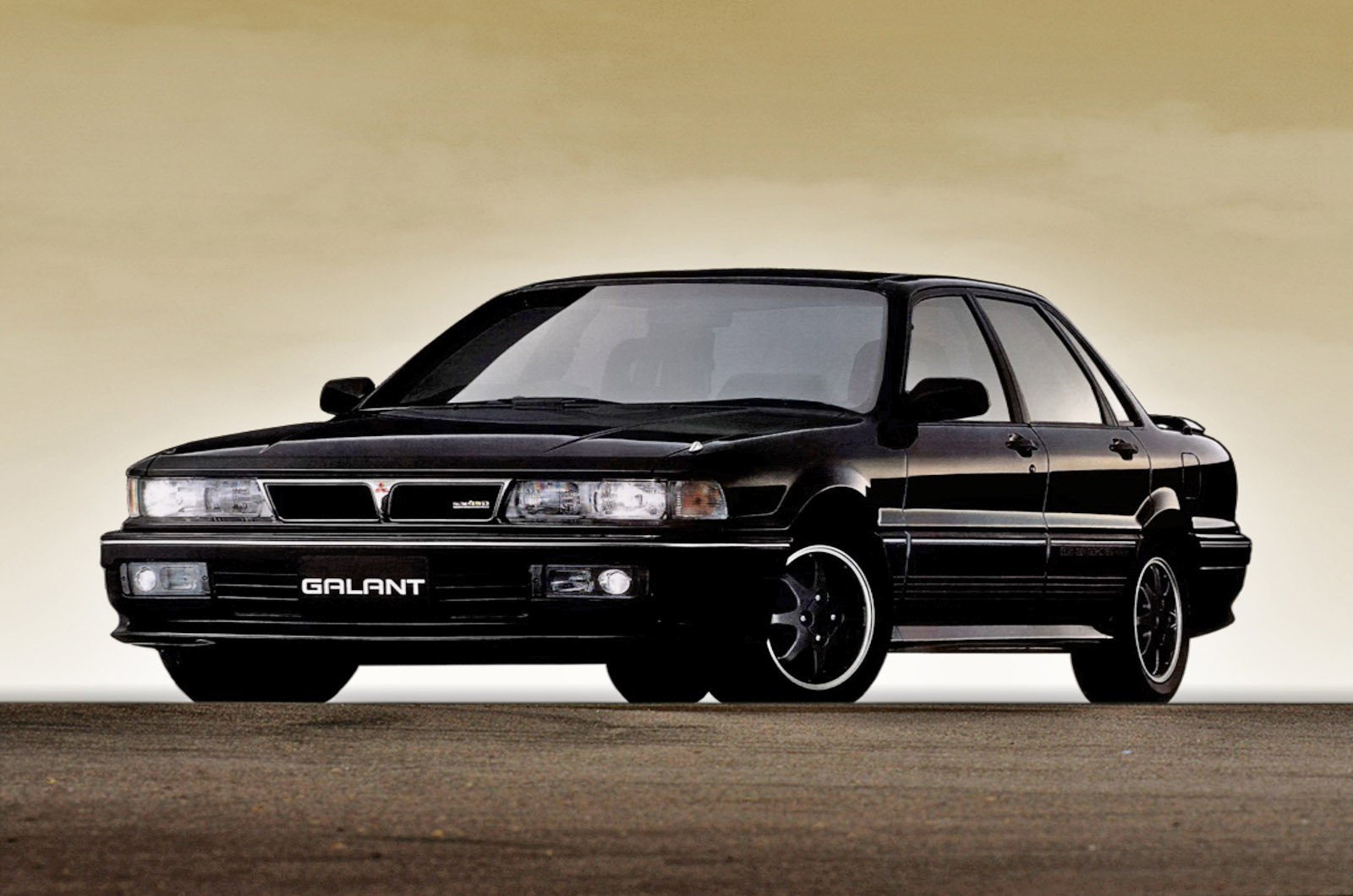
Generation seven Galants, built from 1992 to 1998, also had a VR-4 option, but the most memorable for the UK is said to be the eight-gen, built from 1996 to 2006. There were various Galant options available, from diesel to gasoline, but those who had deeper pockets could spec the range-topping VR-4. Buyers were rewarded with a 276bhp four-wheel drive brute capable of 160mph derestricted and 0-60mph was over in just 5.3sec.
An automatic five-speed was available which was based on Porsche’s Tiptronic. Eventually, the Galant was dropped in favor of the Lancer Evolution series.
Lotus Elan M100
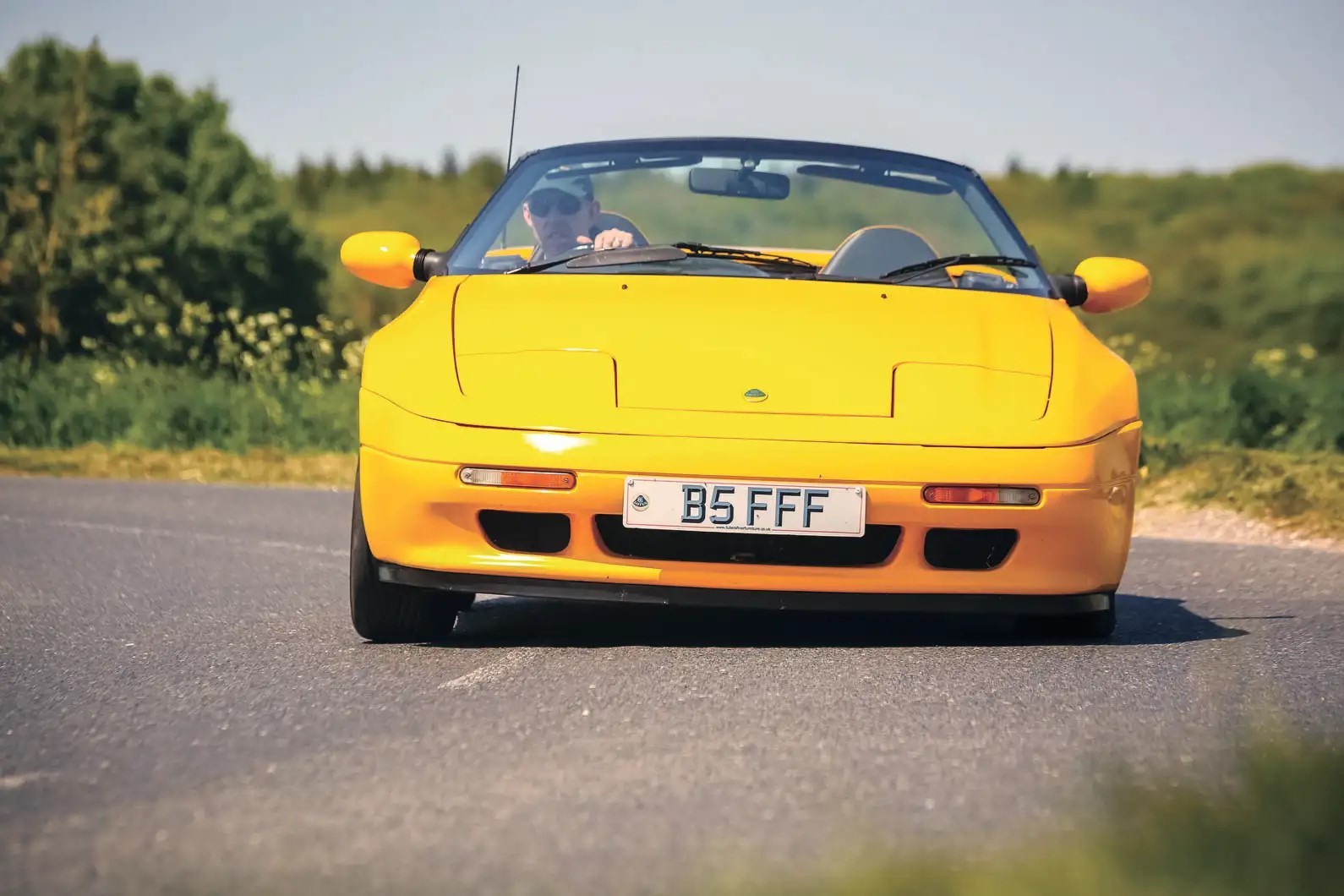
Elan M100s have climbed slightly in popularity, but for a long while they remained a bygone. In its short production run, from 1989 to 1995, Lotus made just 4700 Elans over two series: the SE and S2. A feisty 162bhp turbocharged 1.6-litre sat up front, driving the front wheels, while the chassis was rigid which minimised body roll.
A naturally aspirated 1.6-litre was also available. It was classed as one of the quickest point-to-point cars available. People simply couldn’t see past the idea of a front-wheel drive Lotus sports car, never mind a front-wheel drive Lotus, and while sales and interest started strong, they eventually divebombed. Lotus sold the rights to Kia, who sold the car in South Korea bearing that badge for a couple of years.
Honda Del Sol
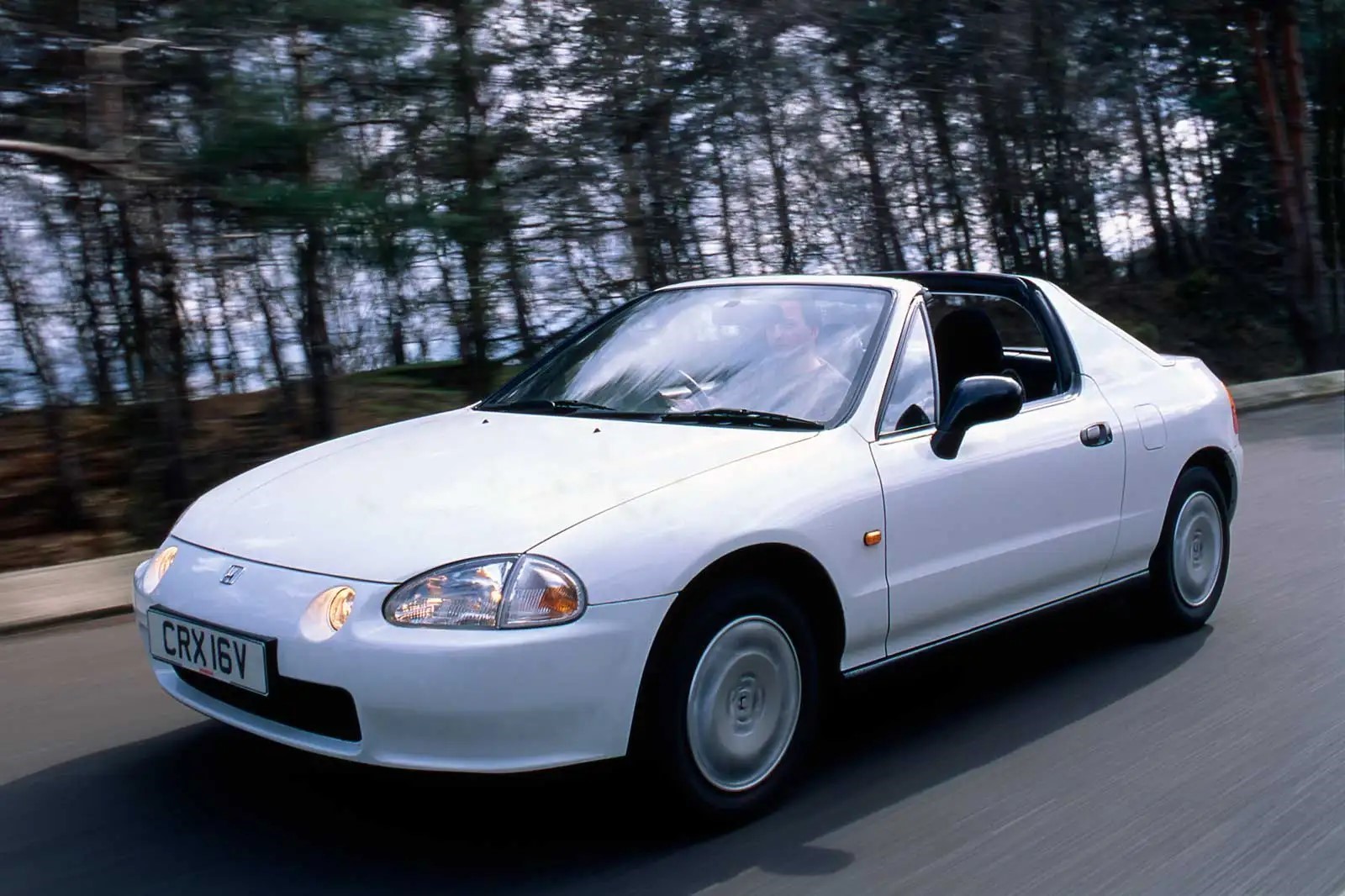
The CR-X was gone, and Honda needed to replace it with something just as sporty — enter the Del Sol. It shared its underpinnings with the Civic and the name Del Sol, which means ‘of the sun’ in Spanish, was a perfect fit as it was a convertible. When the Del Sol is brought up in conversation, it’s often remembered for its party trick — the TransTop. At the click of a button, the trunk lid would rise and two arms would extend to collect the 11kg hardtop.
The driver would lock the lid to the arms, the arms would then retract, and the trunk lid would lower. Of course, if you didn’t like showing off, you could opt for the manual hardtop. The Mazda MX-5, however, delivered better thrills and people bought it instead.
Citroen AX GTI
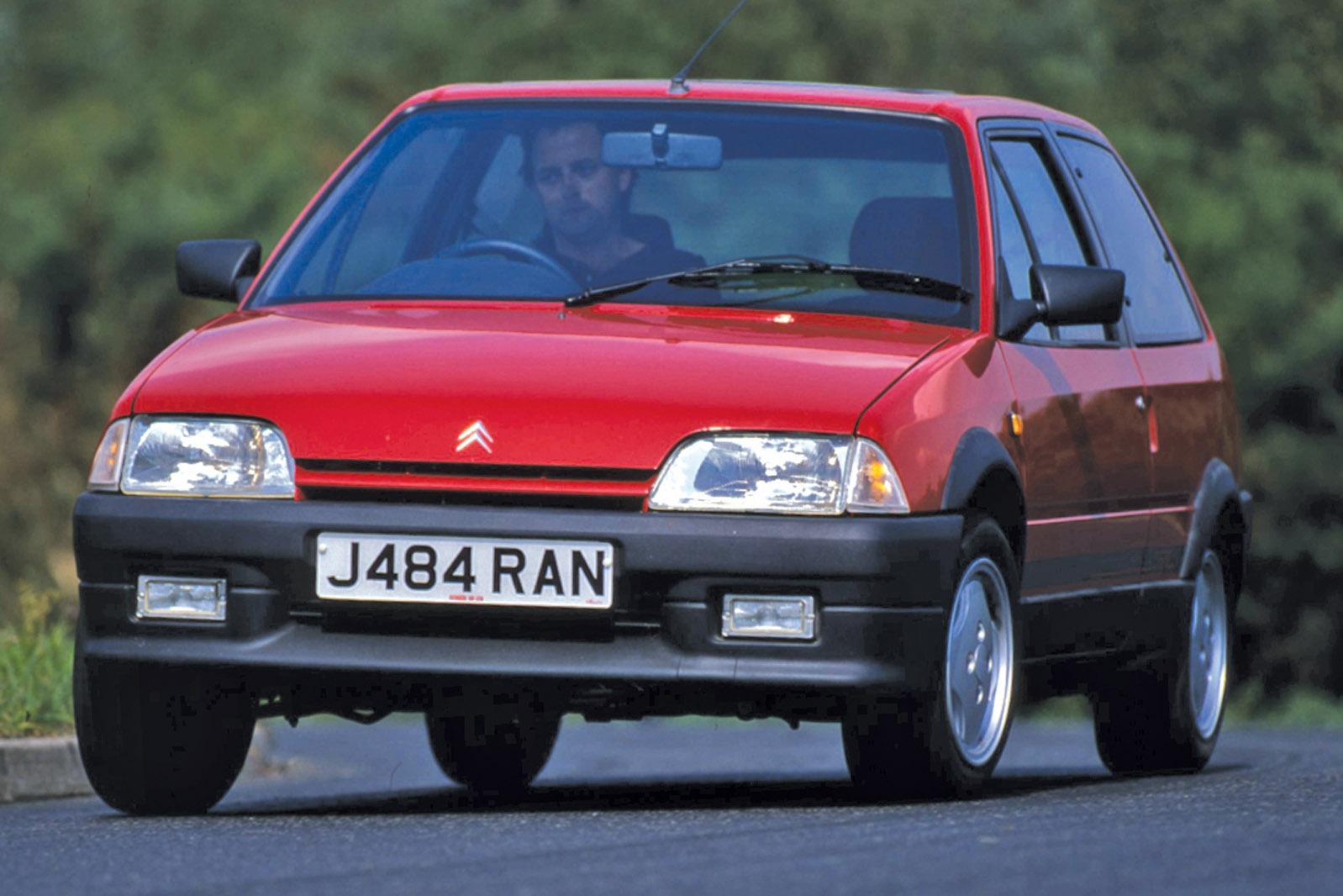
AXs could be spotted zinging about town centers all over the UK during the ‘80s and ‘90s, they were small, cheap and largely popular. The UK saw the arrival of the hot GTI guise in 1992. What you got was a sub-800kg car with a hungry 99bhp 1.4-litre.
This meant that, off the mark, the little AX GTI could rival bigger, more powerful cars up to 60mph from a standstill (8.5sec); it pirouetted around bends as it cocked its wheels and, if it had enough room, it would eventually hit 120mph. As the Saxo was introduced, Citroen had to cut their range and the AX was axed.
Mercury Capri
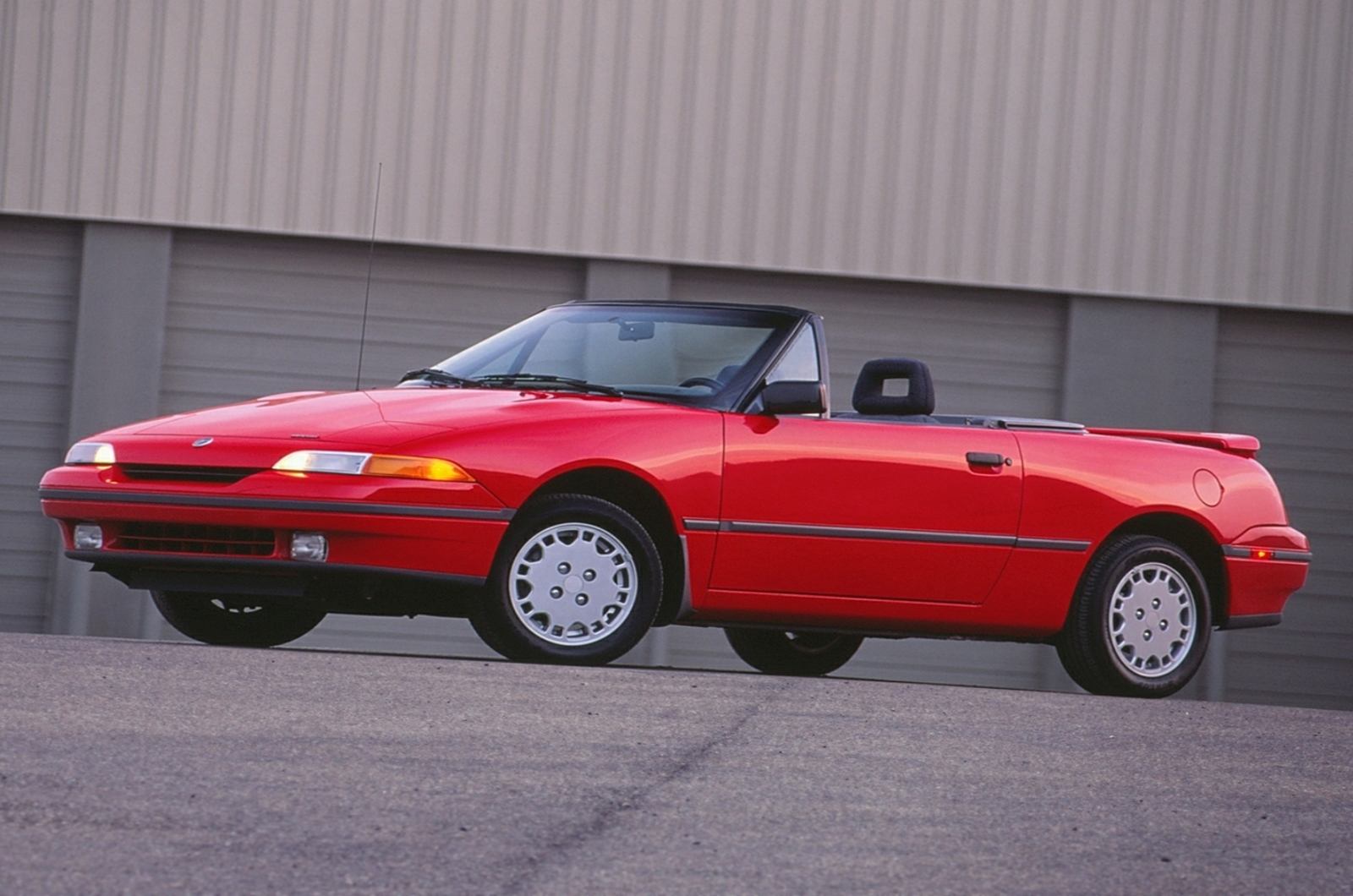
Many people loved the Capri of the ‘70s, it was cool with its fastback styling, long hood and Ford Mustang roots. A second generation arrived in 1970 which kept the fastback styling but had more modern lines and aesthetics. Then the third-gen hit in 1991. It was built by Ford Australia to rival the Mazda MX-5/Miata and Toyota MR2 and it used many Mazda 323 components.
Larger engines were no longer an option and those interested had a choice of either a 100bhp Mazda 1.6-litre or the same 1.6-litre with a turbocharger attached, producing 132bhp. The MR2 and Miata did the job better, leaving the Capri in the history books.
Mazda MX-3
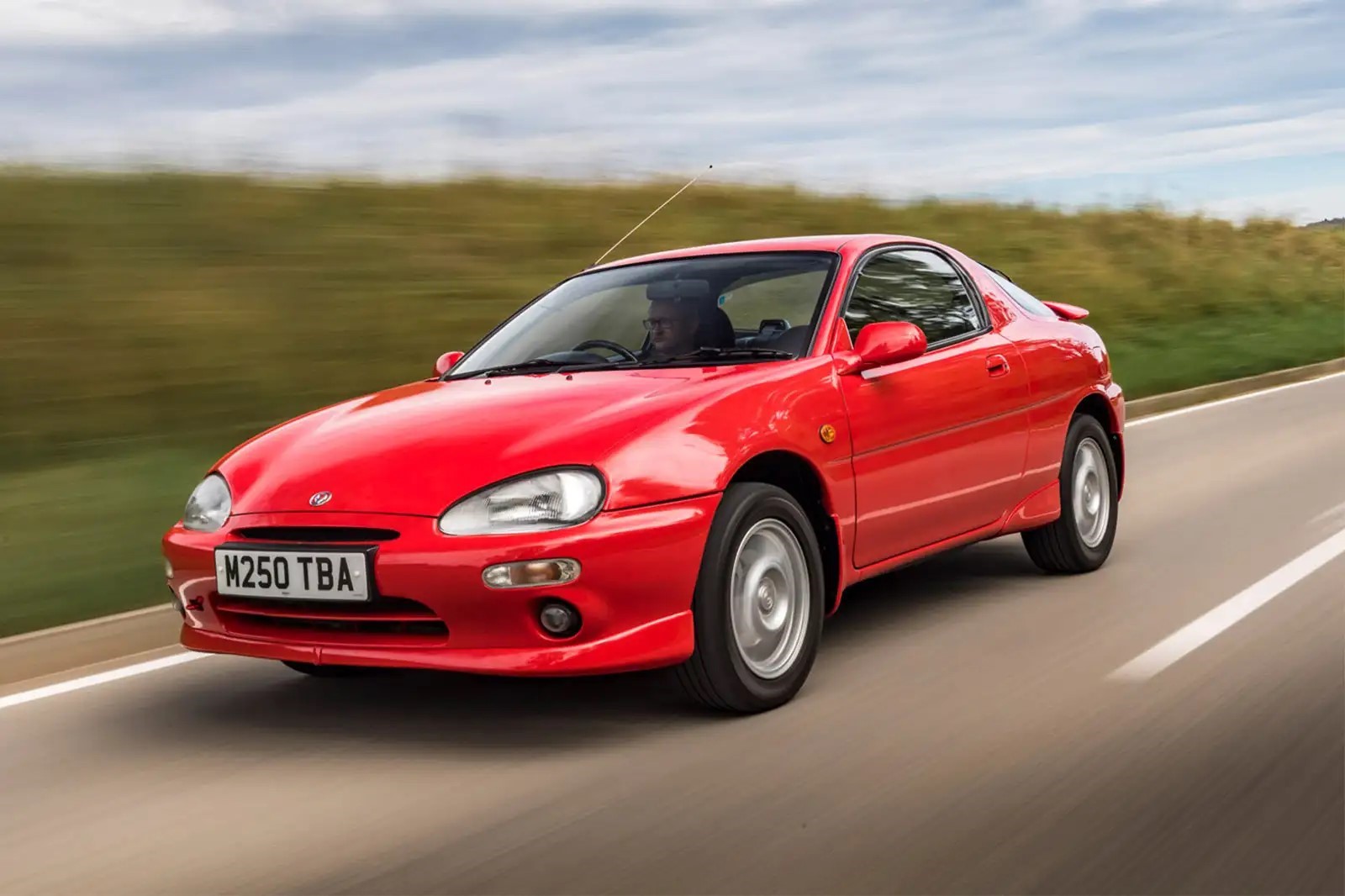
Unlike the MX-5, the MX-3 was a four-seater, and it had front-wheel drive. It shared the 323’s underpinnings and was built from 1991 to 1998 before Mazda canned production due to the MX-5 becoming more popular. There was a choice of engines: a 1.5-litre, a 1.6-litre, a 1.8-litre and a 1.8-litre V6. At the rear, Mazda used its Twin-Trapezoidal Link technology, which delivered all the benefits of four-wheel steering without the extra weight.
Mitsubishi 3000GT
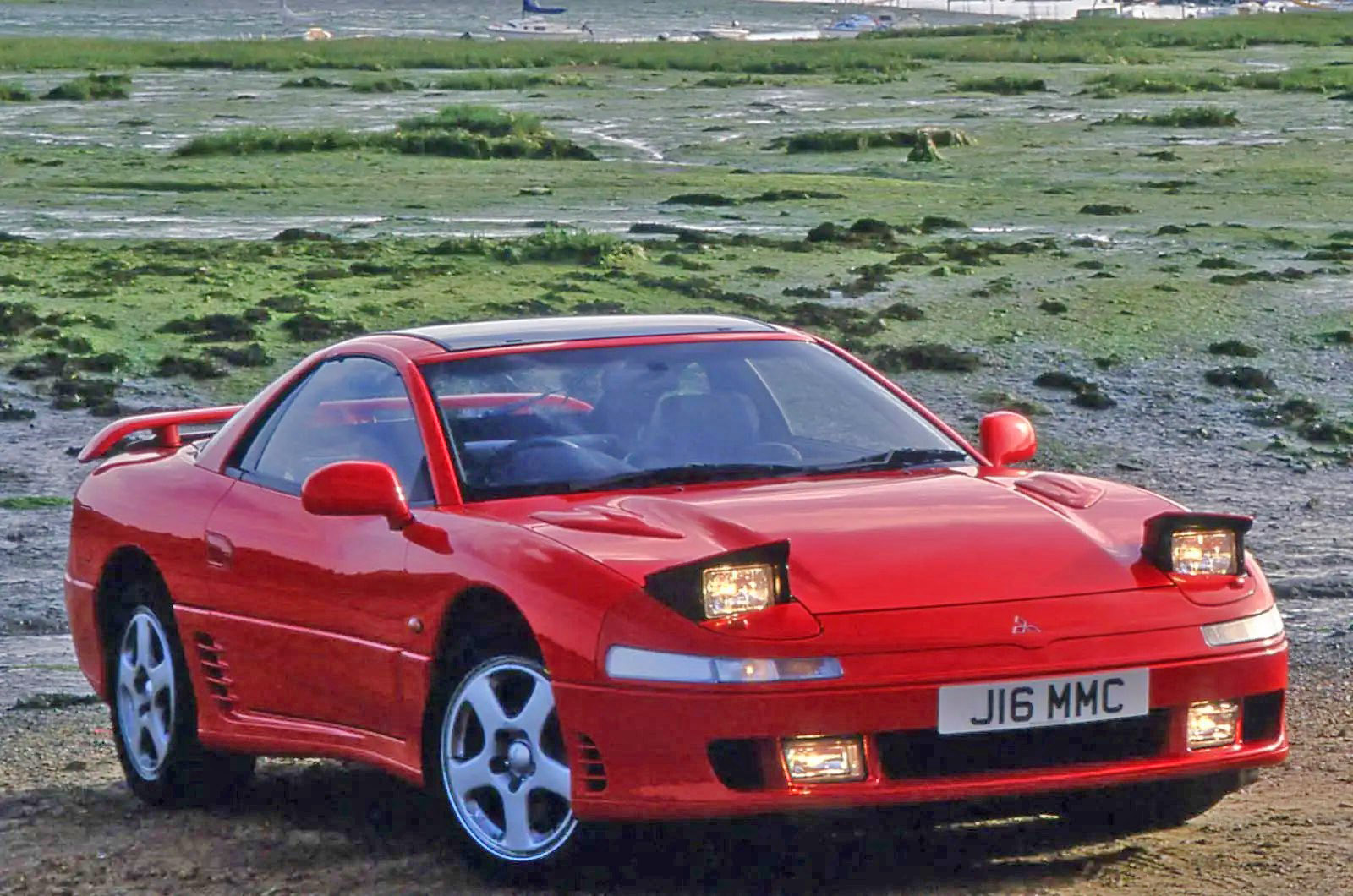
The market was popular for grand-touring sports cars during the ‘90s. Mazda had the RX-7, Nissan had the 300ZX, Toyota had the Supra and Honda - the NSX. Mitsubishi had to compete and so the 3000GT was born, remaining the brand’s flagship model for the rest of the era. Due to various US regulations, Mitsubishi was forced to strangle the 3.0-litre V6 powerplant to produce just 164bhp, but it later introduced a 222bhp GT guise.
Europe, however, got full power with the GT producing 282bhp. The 3000GT was a mechanical complexity and it was pulled because future generations would cost too much to produce.
Alfa Romeo 164
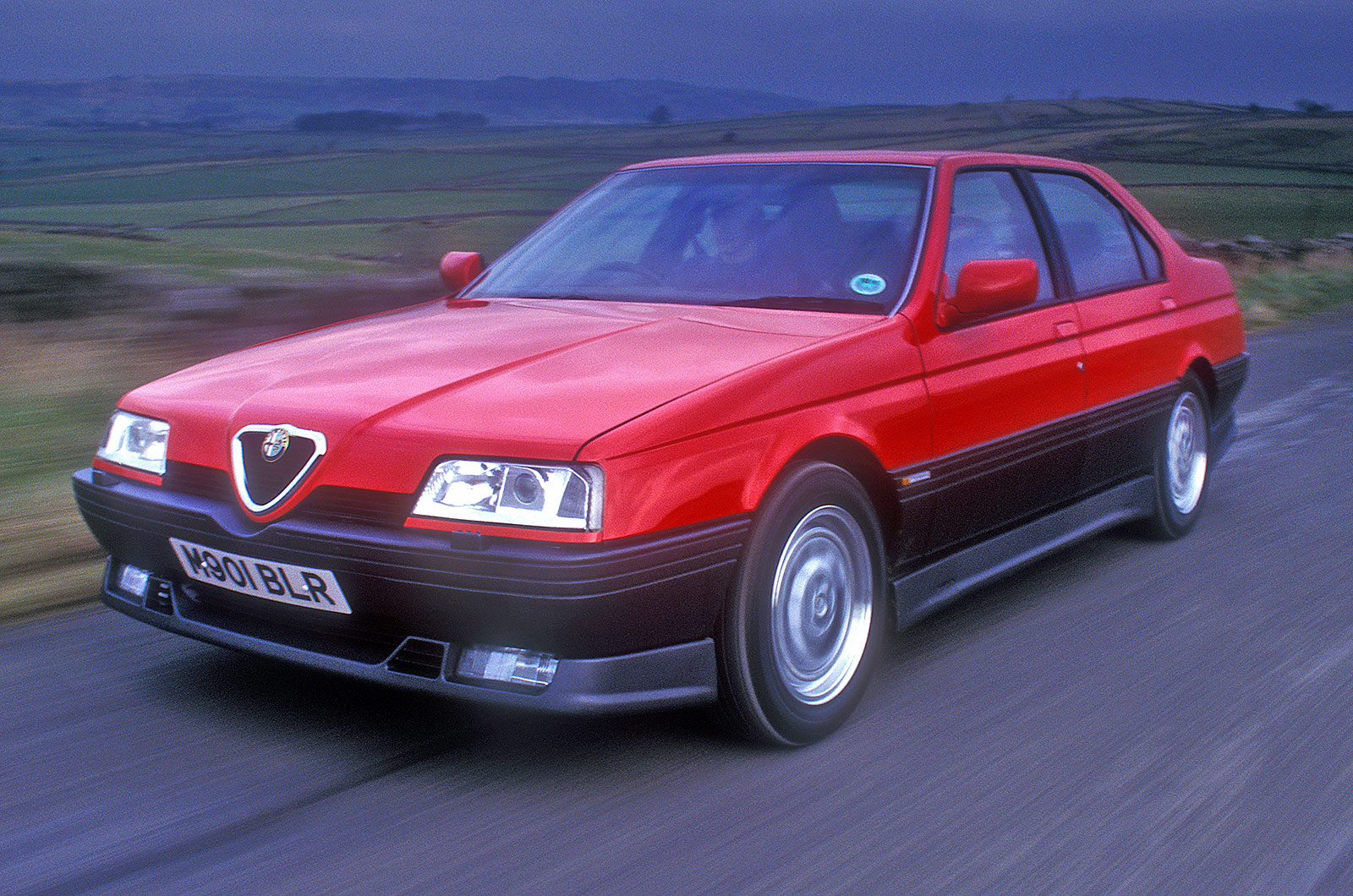
Although built in 1987, the 164 makes our list due to its popularity in the ‘90s and the introduction of the fast Quadrifoglio Verde and Q4 models. Before the two hot guises, Alfa gave buyers, who were looking at an executive German sedan, further food for thought with the 164. In base form, there were three engines: a 2.0-litre Twin Spark, a 3.0-litre V6 12-valve and a 2.5 diesel. In 1990, this expanded with a 2.0-litre Turbo and then the 229bhp Quadrifoglio Verde. In 1998, Alfa dropped the 164 for the more curvaceous 166.
Audi S4
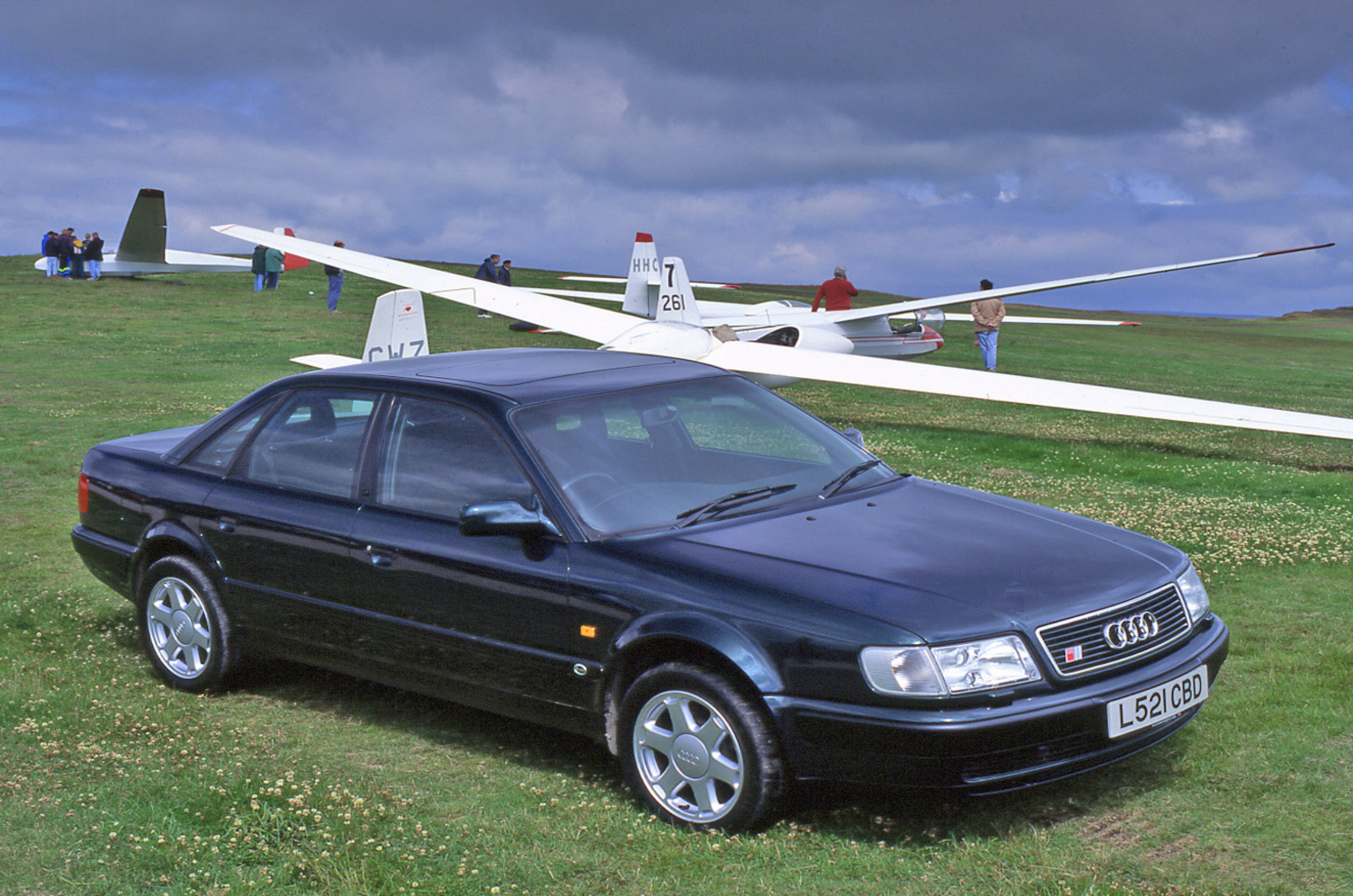
Introduced in 1991, the C4 S4 was aimed at those with a lead right foot, in addition, the 200 Quattro Turbo had been on the go for a while at this point and needed replacing. Two engines were available: a turbocharged 2.2-litre, which fed 227bhp to all four wheels using Audi’s quattro system, and a 276bhp 4.2-litre V8, only available in the ‘Plus’ trim.
The S4 lived a short life and was canceled in 1994. This was because Audi planned to re-introduce the car as an S6, the S6 would go on to mirror the S4 mechanically but it featured small cosmetic changes.
Mitsouka Viewt
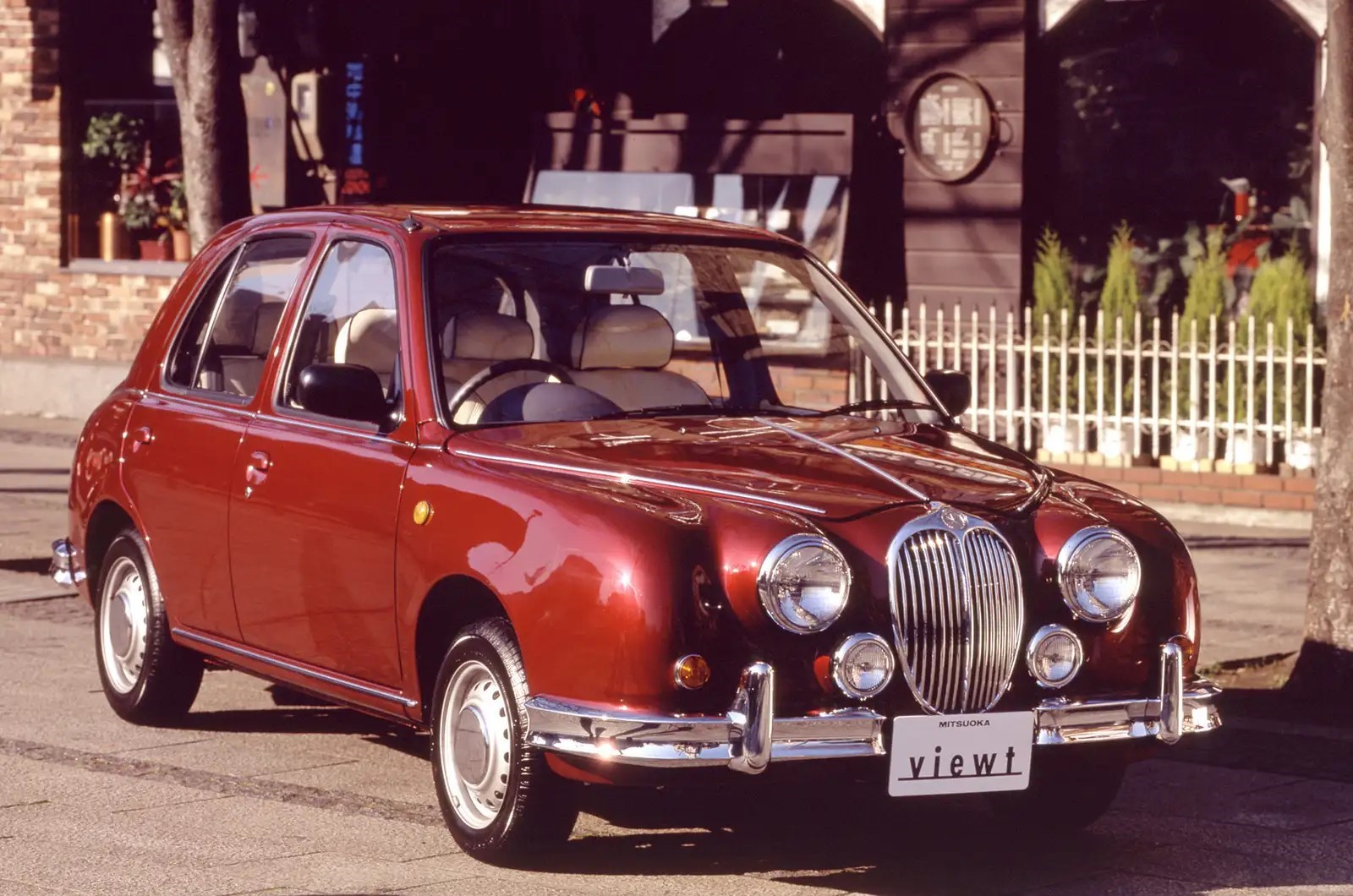
Since its release in 1993, the Viewt had people bewildered: “Is that a 1963 MkII Jag?”. Not quite. It almost looked like one from the front but that was Mitsouka's intention. If you were to lift off the glinty bodywork, you’d be met with a Nissan Micra or March as it was known in Japan.
By looking through the windows, you’d quickly notice that the interior had nothing to do with the Jaguar’s either. Those interested could have a 1.0-litre or a 1.3-litre in either a manual or automatic. The Viewt was never sold in the UK but found its way to UK soil via importers.
Toyota Celica
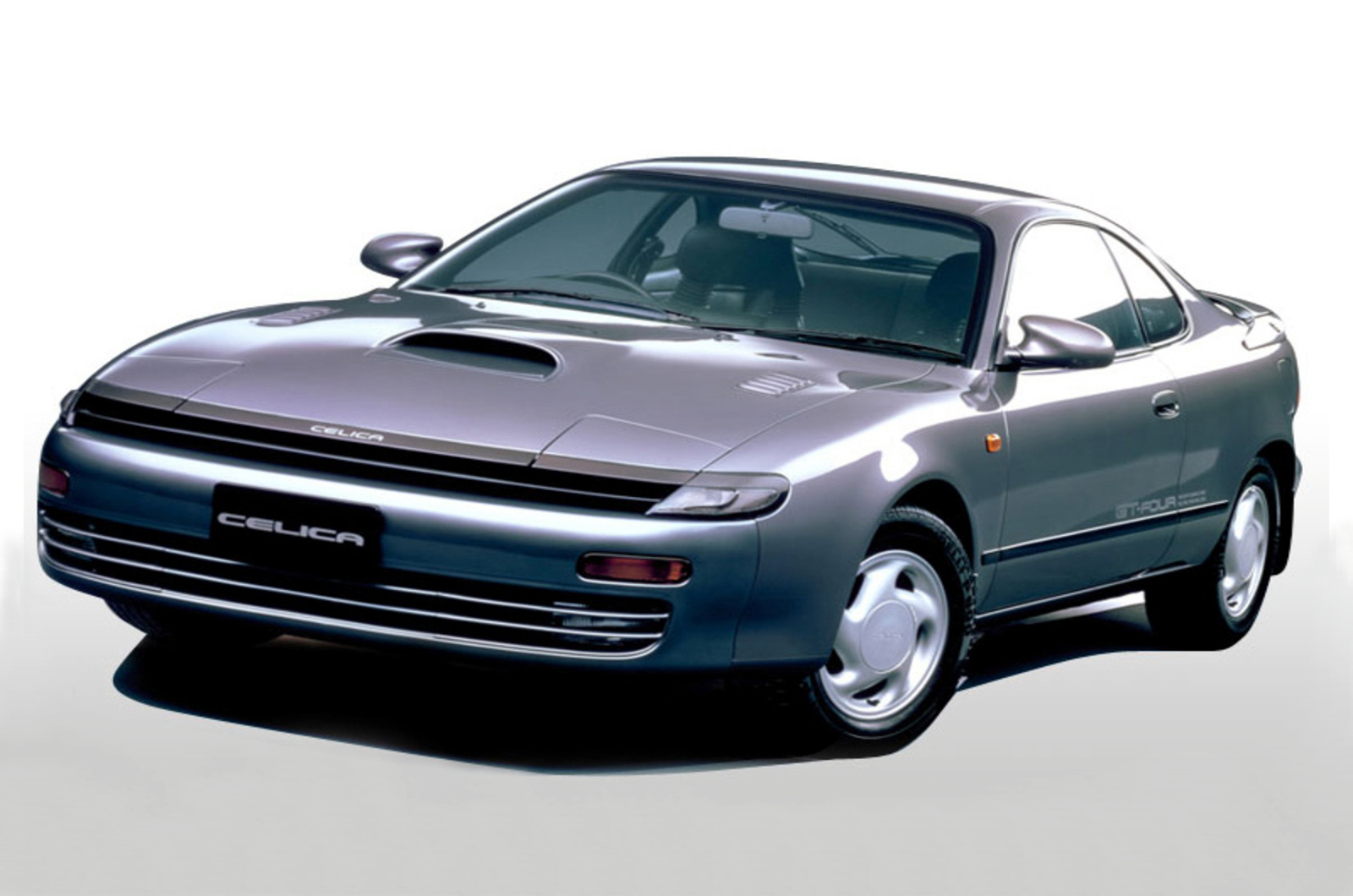
The Celica name was popular, especially when it comes to the seventh-generation cars released from 1999 to 2006. The fifth-generation 1990s cars, however, were made for a really short period of time, until 1993, before Toyota opted to focus on the updated sixth generation. Various trim levels were offered but Europe only received the ST-I — a 103bhp 1.6-litre, the 2.0-litre GT-I — a 158bhp 2.0-litre, and the ST185 GT-Four which had 232bhp.
Mercedes C36 AMG
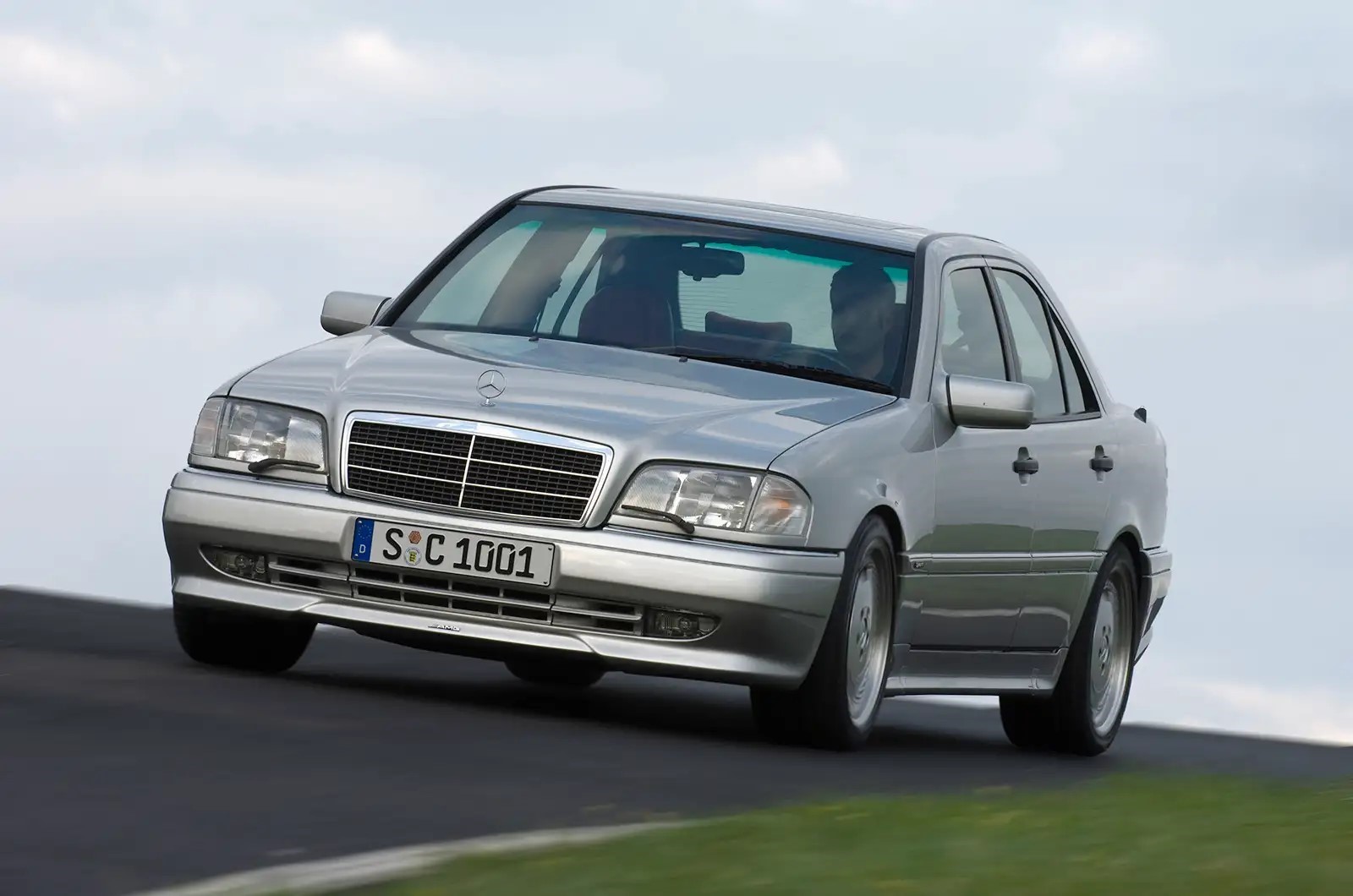
It was difficult to tell the C36 AMG and the car it was based on, the C280 Sport, apart; the big giveaways were the AMG badges, twin-exhaust and the 3.6-litre straight-six which produced 280bhp. It was a 155mph car, capable of cracking 0-62mph in 6.7sec, putting it in the firing line of the BMW M3. While the BMW was considered a better driver, Mercedes stepped up and offered the C43 AMG — a V8 variant with 306bhp that directly replaced the C36. Only 5221 C36 AMGs were made with 378 making it to the UK.
Subaru SVX
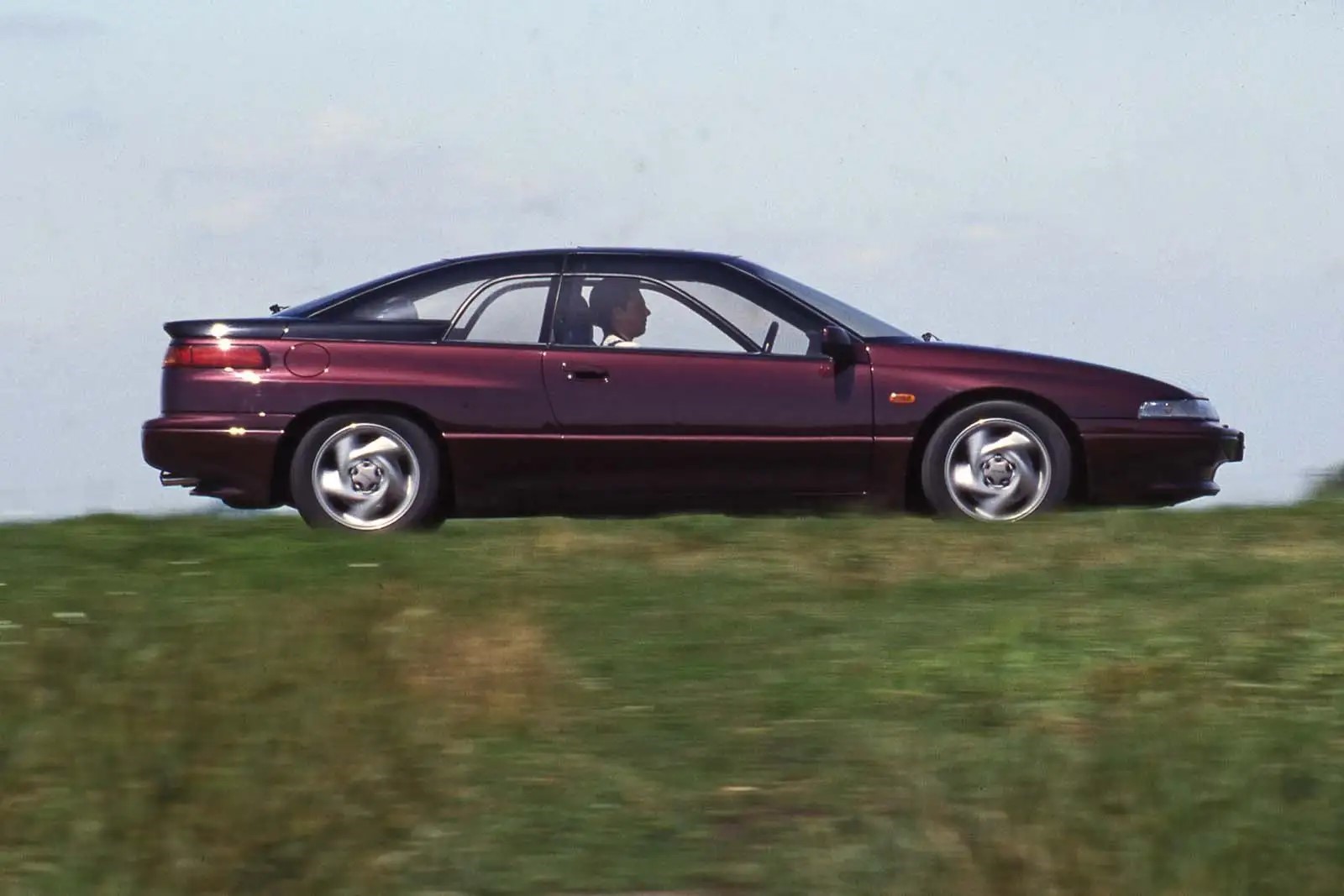
Subaru’s go at a grand tourer resulted in the SVX, a car designed by Giorgetto Giugiaro, the man behind the Lotus Esprit and DMC DeLorean. The SVX had four-wheel drive, funky side windows, an aircraft-inspired instrument panel and a jet-fighter-like glass roof. Upon its arrival, it was popular with the media but not the public as its design was outlandish and it was expensive.
The 3.3-litre flat-six produced 230bhp but it was held back by a slow four-speed automatic gearbox, restricting its full performance potential and putting the final nail in the coffin. Its lack of popularity saw Subaru pull it from sale after five years.
Lexus SC
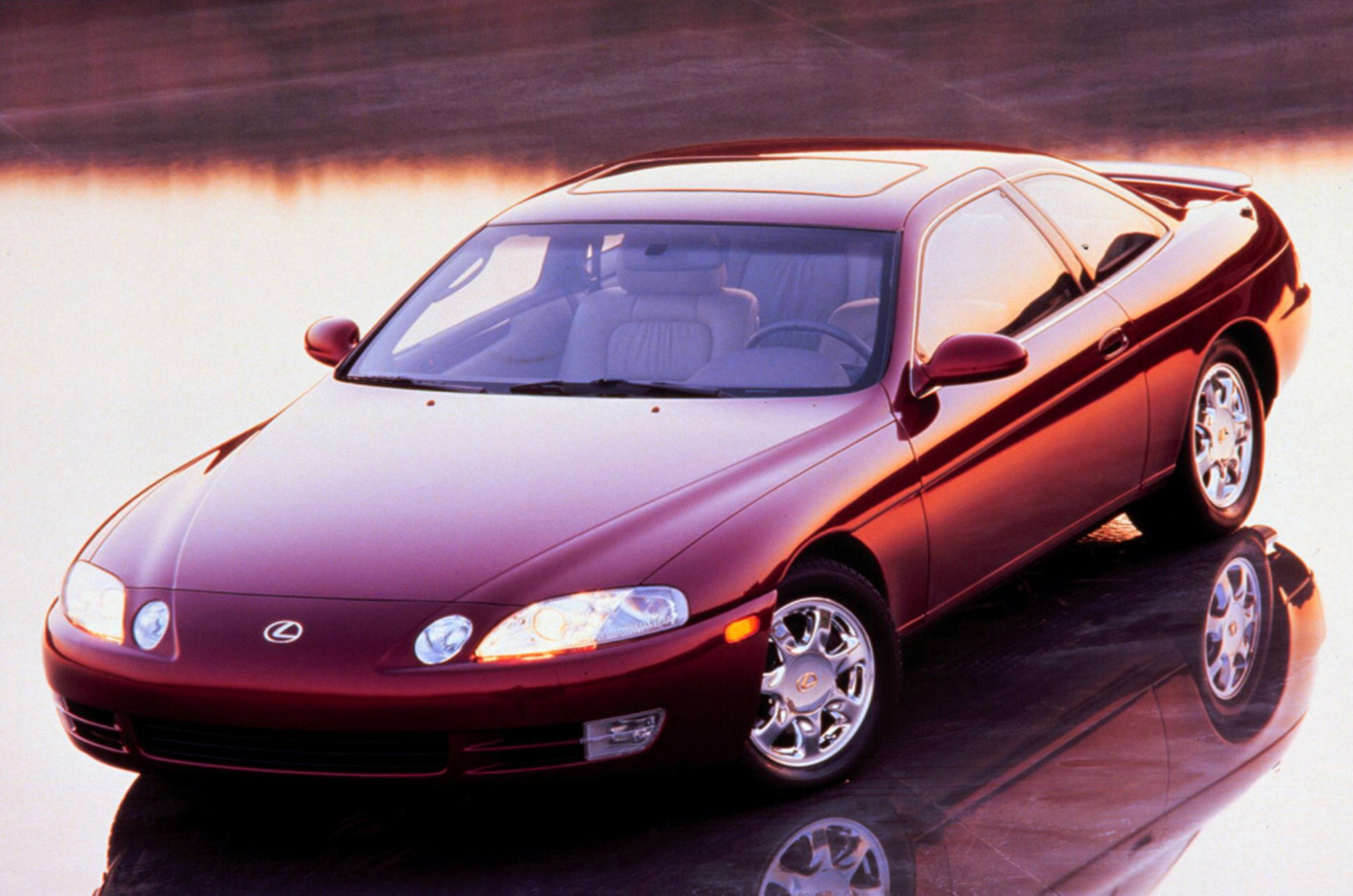
Mercedes had the CL and it was Lexus’s time to compete with its new SC. On offer was the SC 400 which featured a 4.0-litre V8 and the SC 300 which had a 3.0-litre inline six. The SC 300 was the one to get a five-speed manual whereas the rest had four-speed or five-speed automatics. Lexus built the SC till 2000 before it was canceled to make way for the second generation.
A car that received points for luxury but also received heavy scrutiny because of its design. Lexus produced just 33,000 first gen SC300s and 49,538 SC400 variants.
Isuzu VehiCROSS
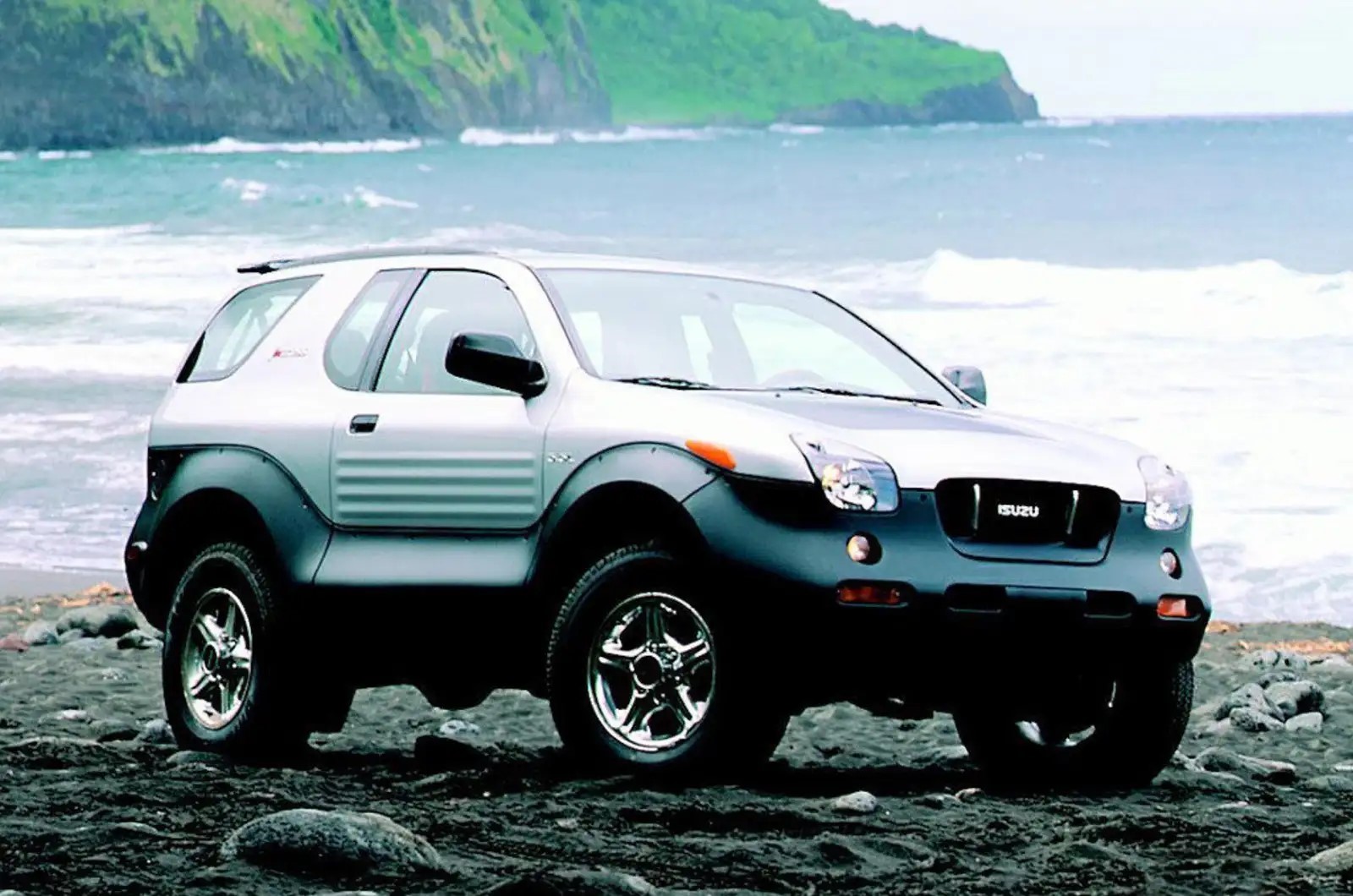
When looking at the VehiCROSS concept car, it looks like Isuzu changed very little for the production version. Built from 1997 to 2001, it had a direct relation with the Isuzu Trooper as most of its components were shared and Isuzu planned to build just 5958 vehicles, most of which were to be sold in the US. The four-wheel drive was computer-controller “Torque On Demand” system and there was a separate off-road low-gear system.
While perfectly capable, it suffered the same fate as the Pontiac Aztec and many struggled to get over its looks.
Aston Martin Vantage V550
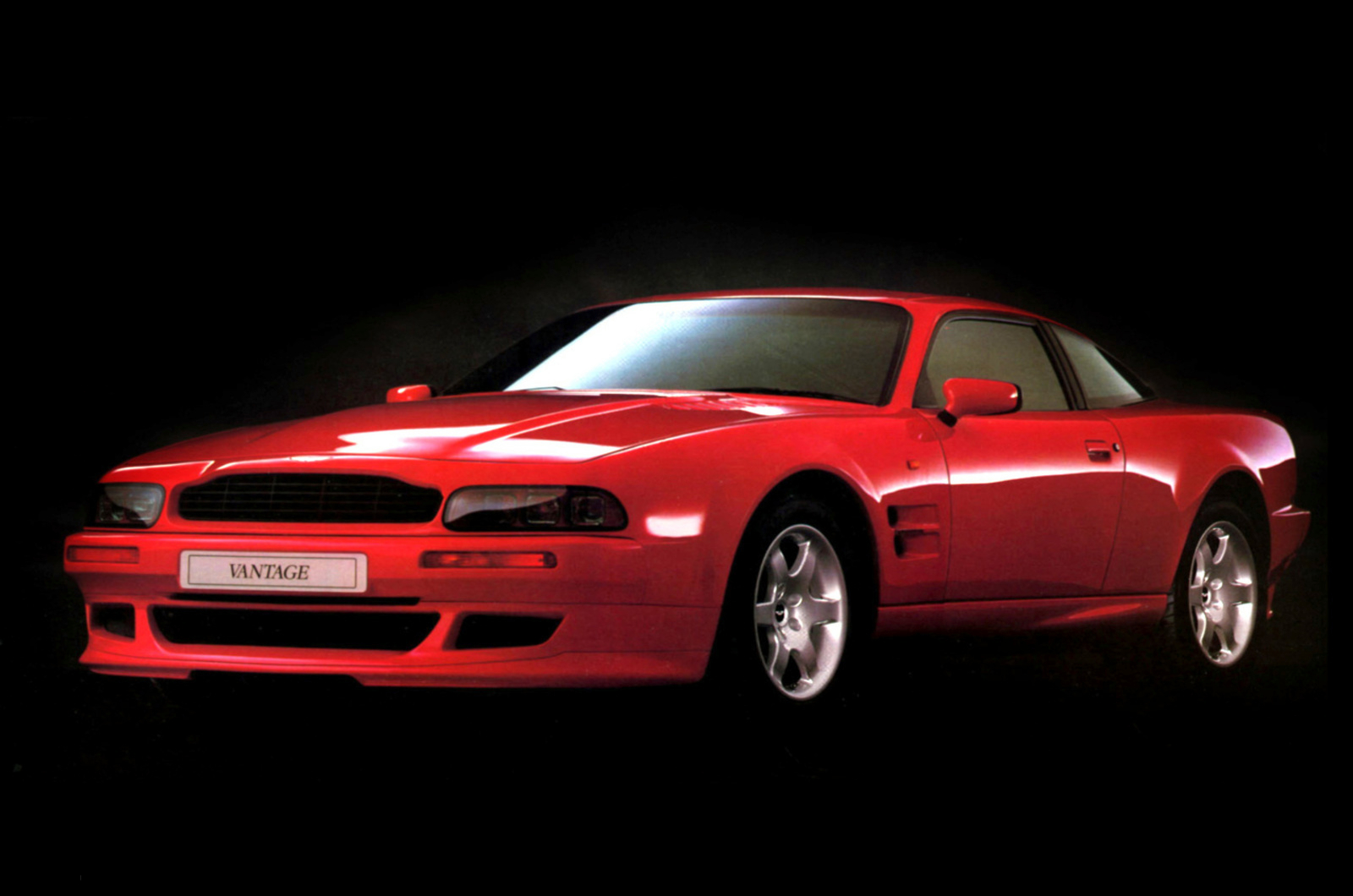
Like many previous Aston Martins, it was only a matter of time before a high-performance Vantage guise would land on the Virage production line. From 1993 to 2000, Aston Martin produced only 239 standard Vantages and 40 Le Mans special edition cars making them extremely scarce. Over the standard Virage’s 5.3-litre, producing 330bhp, the Vantage had twin superchargers at its disposal, which meant power was now upped to 550bhp, despite using the same engine.
Maserati Shamal
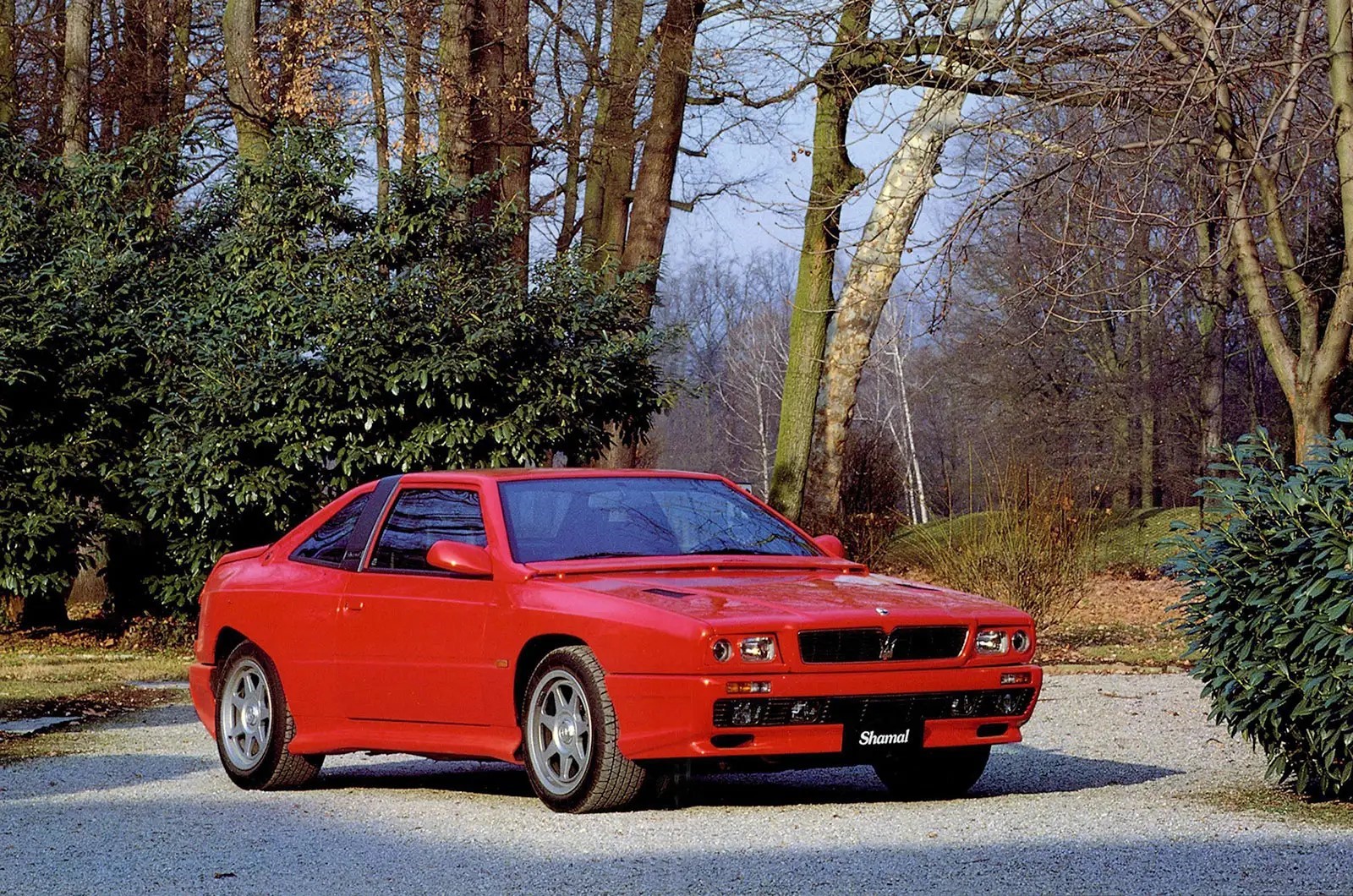
Marcello Gandini, designer of the Lamborghini Countach, and Maserati joined forces to design the 2+2 grand tourer Shamal. Built from 1990 to 1996, the Shamal came at a time when Maserati was drowning in debt and therefore couldn’t afford to build an entirely new car. As a result, the Biturbo parts bin was robbed and the Shamal had the Biturbo’s body shell, doors and interior but it sat on a Biturbo Spyder wheelbase which was shorter.
The twin-turbocharged 2.8-litre V6 was also taken from a Biturbo and fitted to the Shamal but it was given an extra bank of cylinders. With various other changes, the result was a twin-turbocharged 3.2-litre V8 with 322bhp. Only 369 examples were ever made.
Ferrari 456
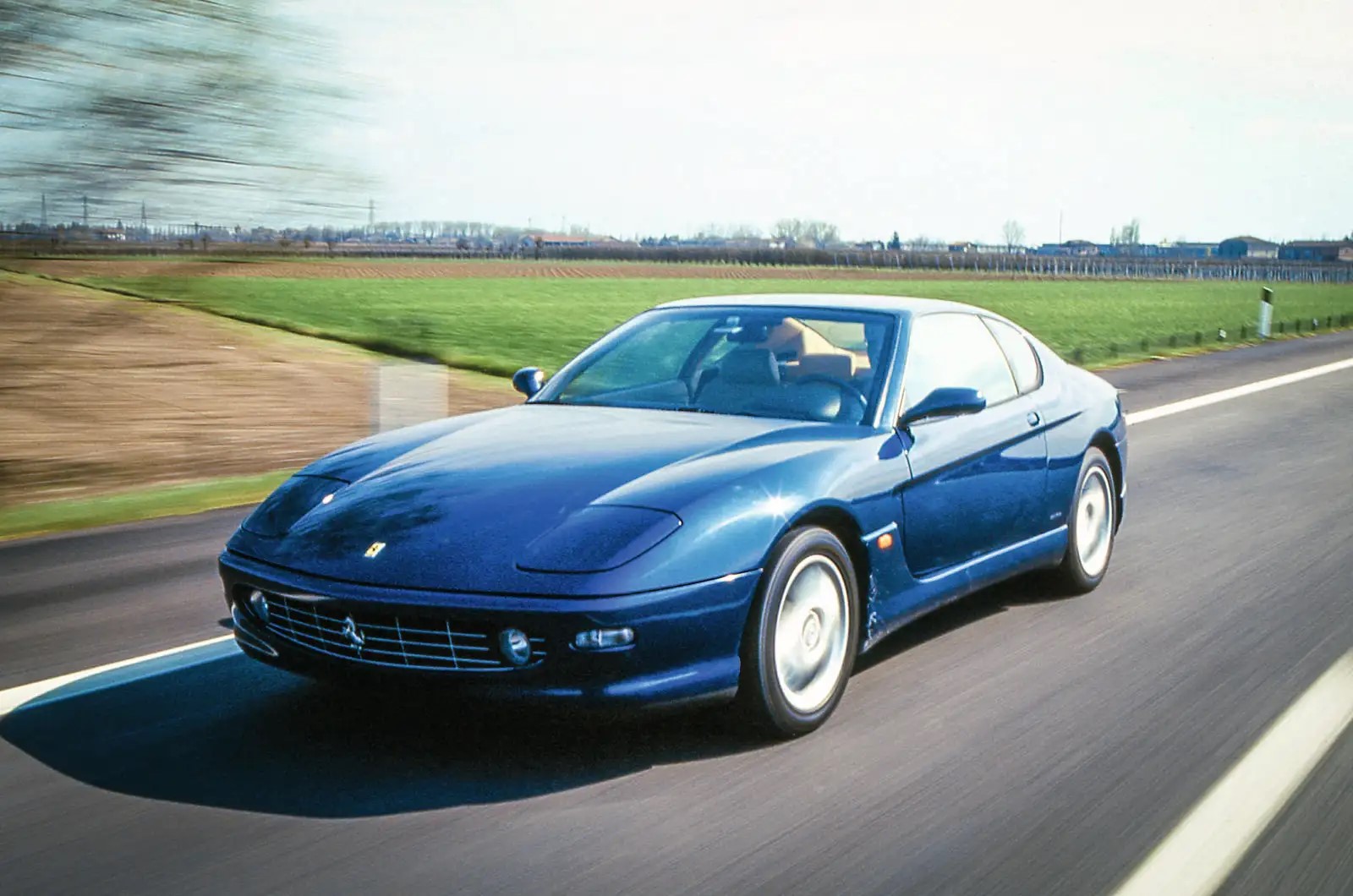
It was time to replace the front-engined four-seater 412 with something more modern and, in 1992, Ferrari had the answer with the 456. It was the last in the Ferrari line-up to feature pop-up headlights; when production ended in 1997 with just 3289 units made, Ferrari replaced it with the 612 Scaglietti.
Buyers could have the 456 with either a six-speed manual or a four-speed automatic gearbox but the 436bhp 5.5-litre V12 (derived from the Dino V6) was the only engine choice; it was enough to get the car to 192mph. In 1998, the 456M arrived which featured aerodynamic, cooling and interior updates.
MTX Tatra V8
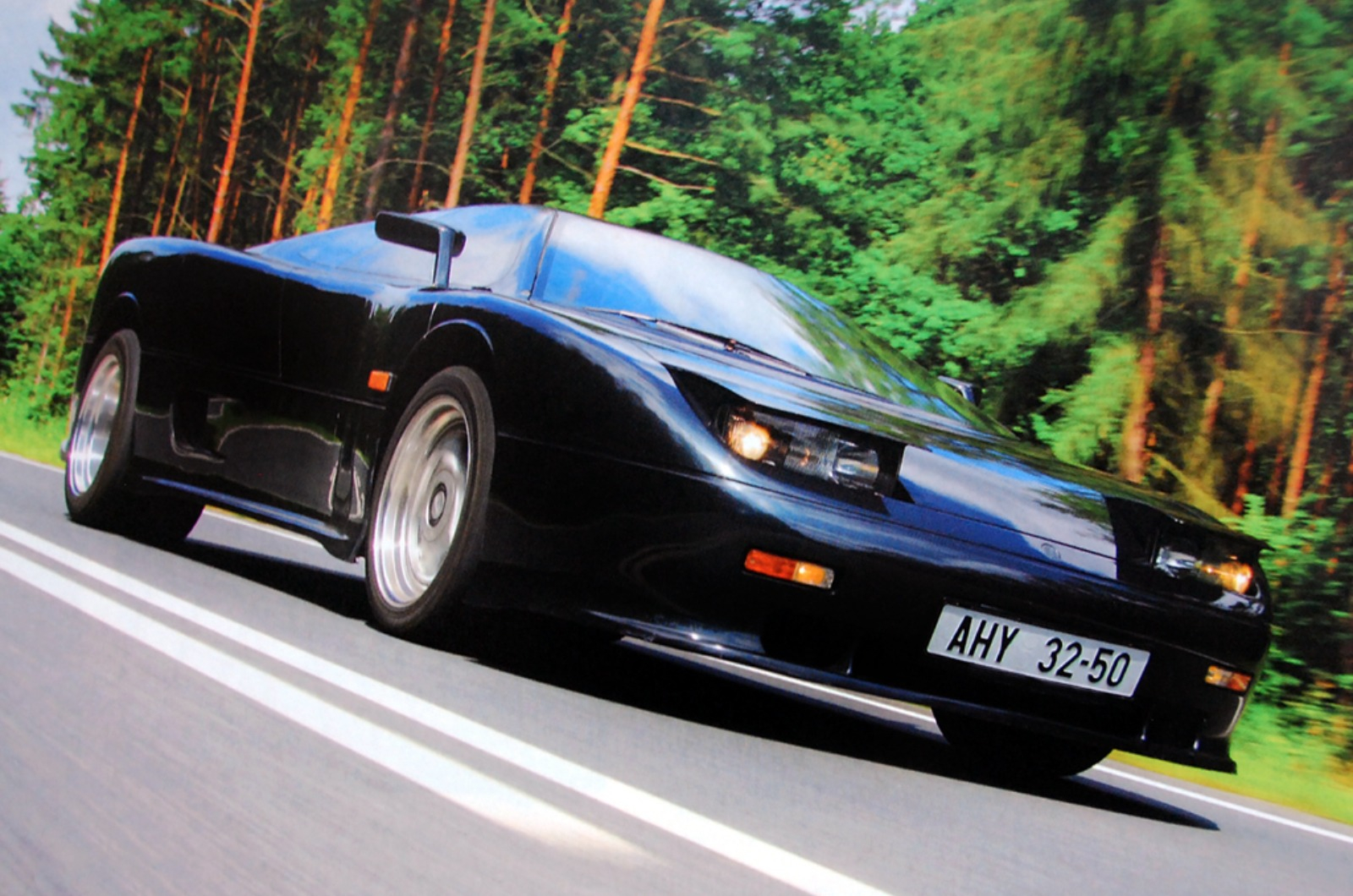
Back in 1991, a Czech Republic car builder, MTX, paired up with Tatra to venture from building Formula One cars and build a supercar — the result was the Tatra V8. Equipped with a 302bhp 3.9-litre V8, the Tatra V8 was the fastest Czech car of its time, reaching 62mph from rest in 5.6sec while being capable of 165mph. It was teased at the auto show in Prague in 1991 where 200 orders were placed, but in the early stages of production the factory burned to the ground with only four cars ever built.
Vector W8
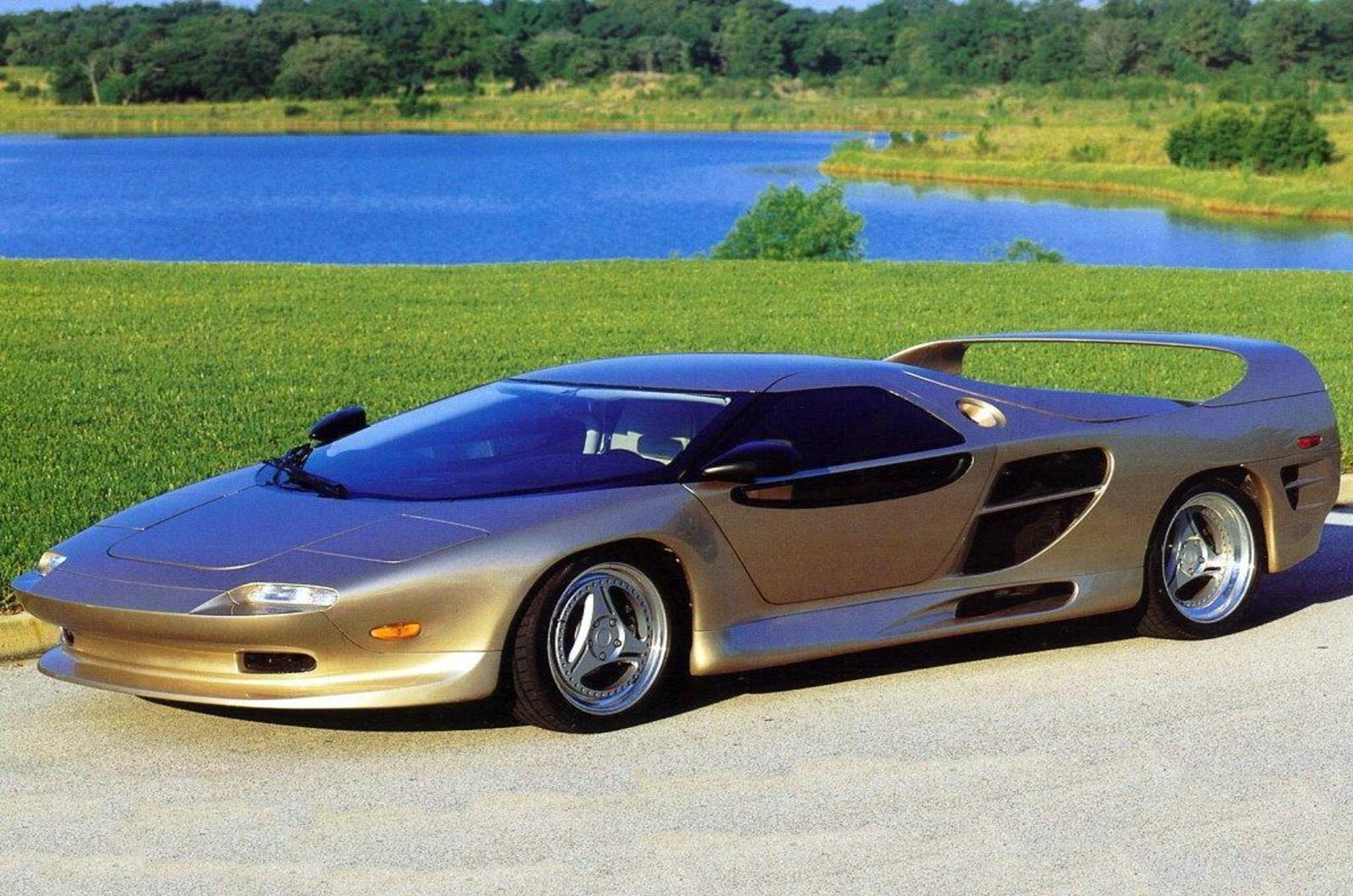
Gerald Wiegert, Vector’s company founder, had a dream of building the ultimate sports car and in 1980 he came up with the W2 prototype. It was presented to the public in 1976 but production was delayed due to lack of financial backing and a world economy plunge. In 1980, finances were better and Vector grew to 80 employees meaning that the W2’s successor, the W8, could proceed.
It was given a 6.0-litre twin-turbocharged V8 powerplant and, at 8psi, it produced 625bhp. Boost could be adjusted in the cabin and during testing the car managed 1200bhp. Unfortunately, a hostile takeover by Megatech ended the W8 in 1993 after just 22 cars were produced.
Honda Accord Type-R
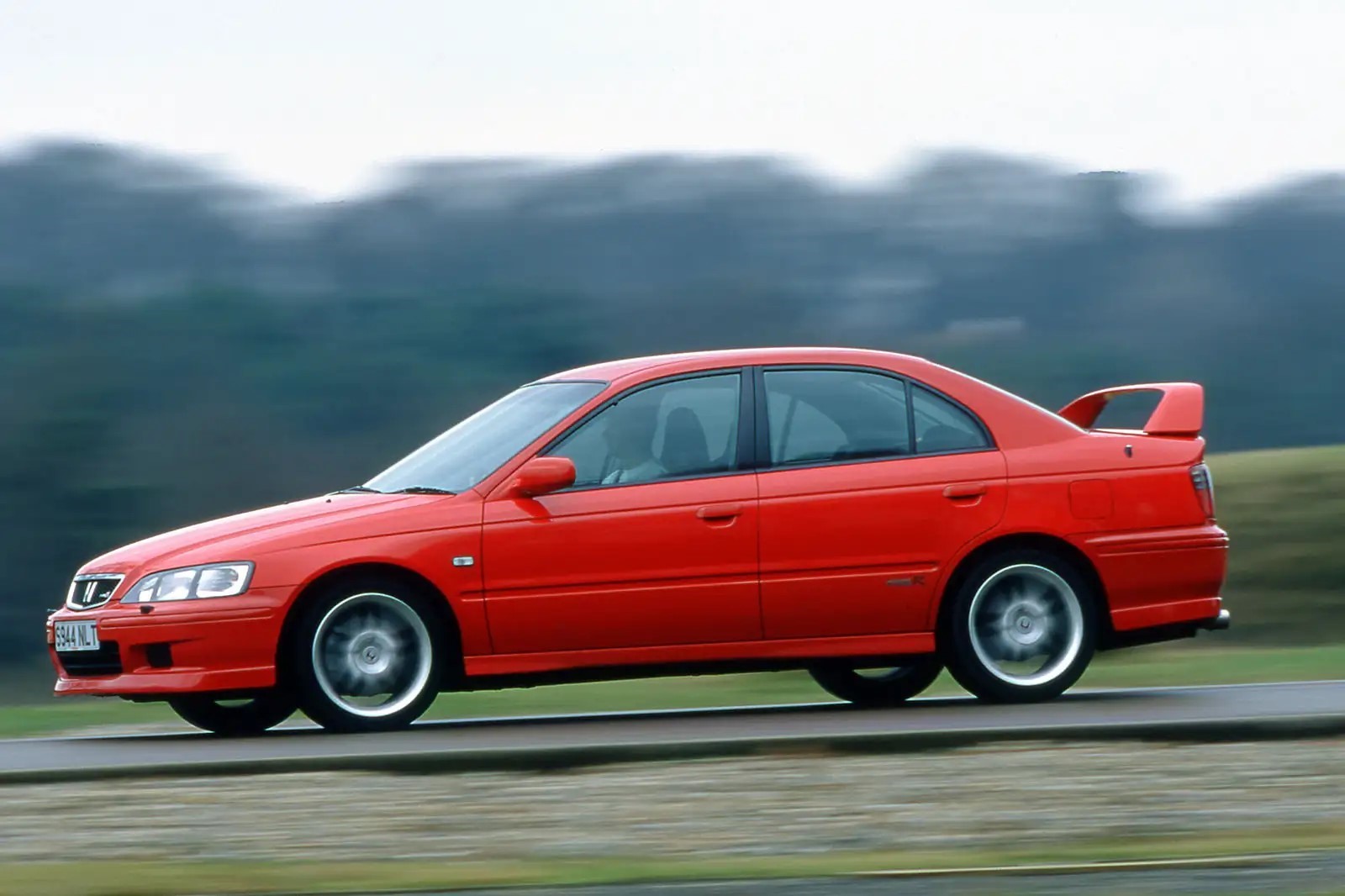
There was no real direct competition for the Accord Type-R when it arrived in 1998: the Ford Mondeo ST200 and Vauxhall Vectra GSI were fast repmobiles and the Integra Type-R was classed as a sports car. Honda used a 2.2-litre VTEC producing 217bhp with 164lb ft at 6700rpm while the chassis and suspension were both stiffer in comparison to the standard car. It also received a limited-slip differential, dual exhaust, better brakes, Xenon headlights and Recaro seats.
Honda made only 3789 Accord Type-Rs before stopping production in 2002. There was no dramatic reason for this, but it was a car that belonged to the sports sedan class, something that no longer existed.
Proton Satria GTi
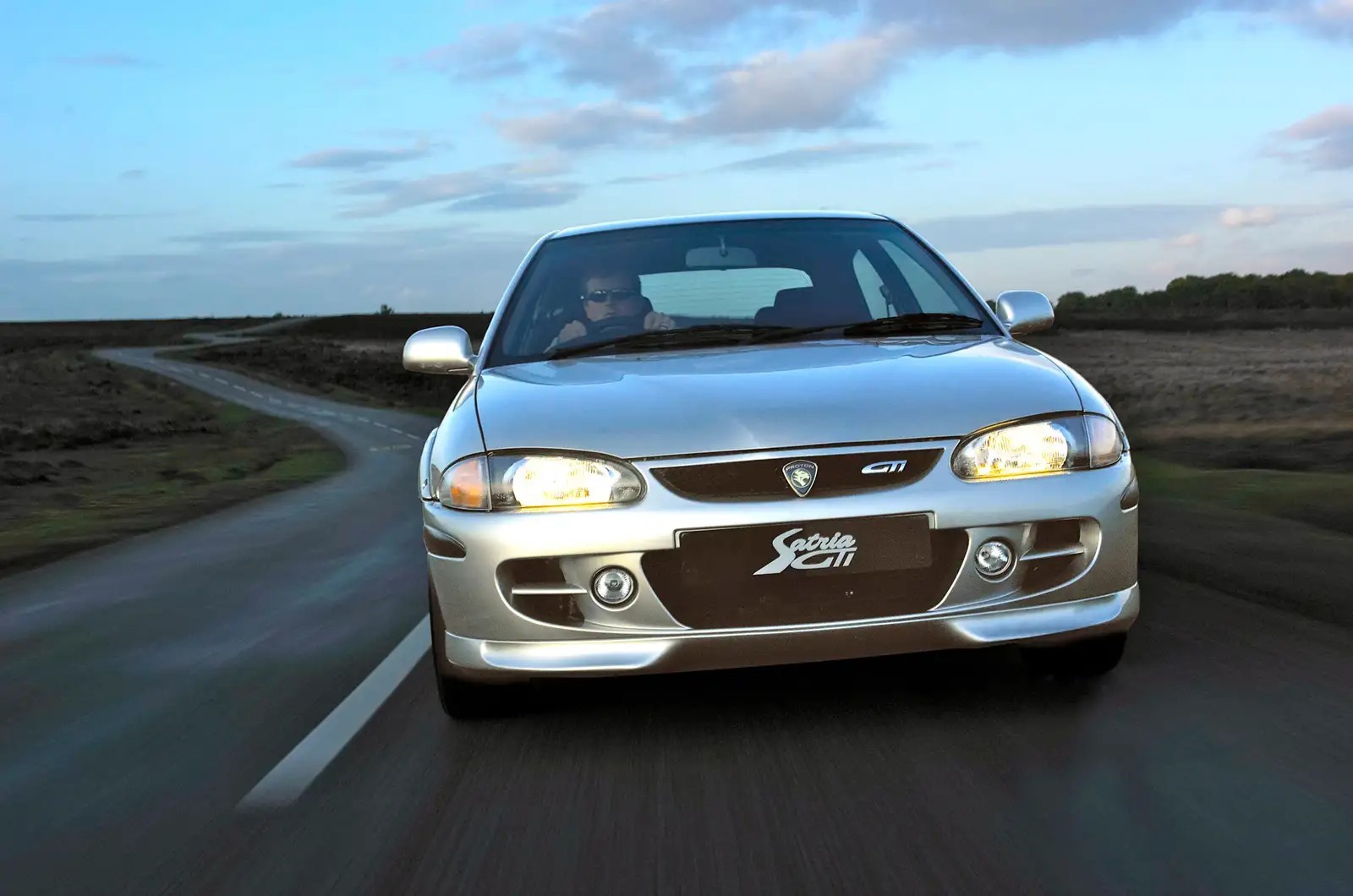
When building the Satria GTi, Proton opted for a 1.8-litre Mitsubishi Lancer GSR engine without the turbo. The compression was increased to make up for the forced induction loss which meant power landed in at 138bhp. Lotus hopped on board to assist with the handling and, as a result, it was among the fastest Proton models ever made.
Proton had built it to pick fights with the Volkswagen Polo GTI and the Peugeot 206 GTI but it wasn’t enough to persuade the public to part with their hard-earned cash and, in 2005, the Satria GTi came to an end and slowly disappeared from our roads.
Nissan R390 GT1
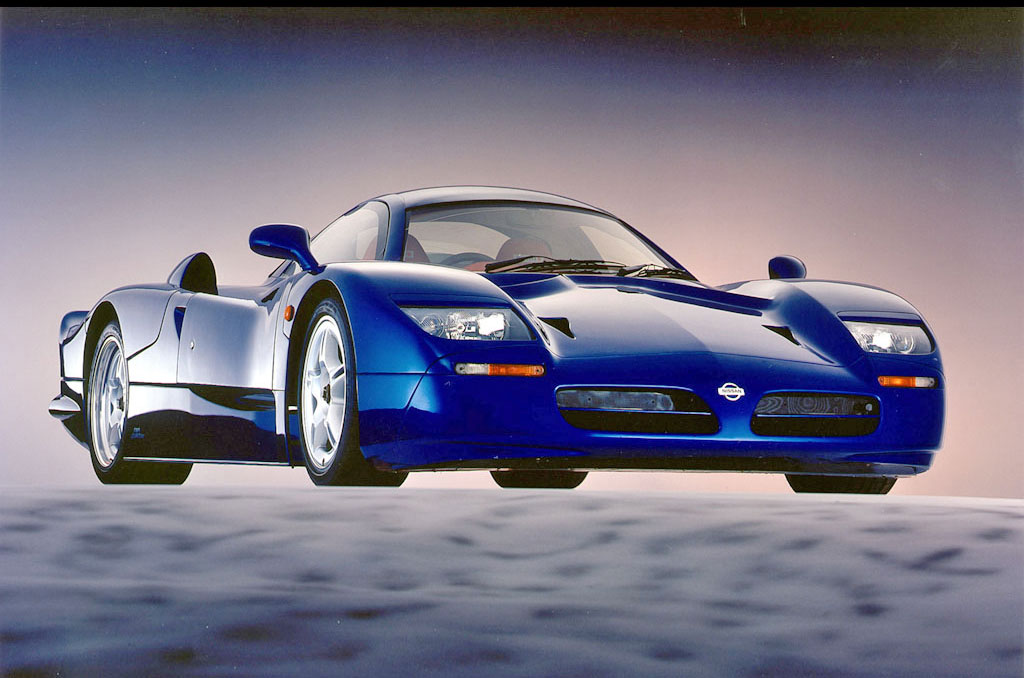
In the 1990s, Nissan was entering into Le Mans and, before they could do so, they needed to meet homologation rules which stated that a road-going version of the racecar had to be built. Nissan developed one R390 road car and never had the intent of mass production.
It’s powered by the same twin-turbocharged 3.5-litre V8 that’s in the racecar and feeds 550bhp to the rear wheels via a six-speed manual gearbox. Later, one of the race cars was modified over two years so it could be driven on the road. It kept 95% of its race car components. The styling effort here was led by Ian Callum, then working for TWR.
Rover Metro
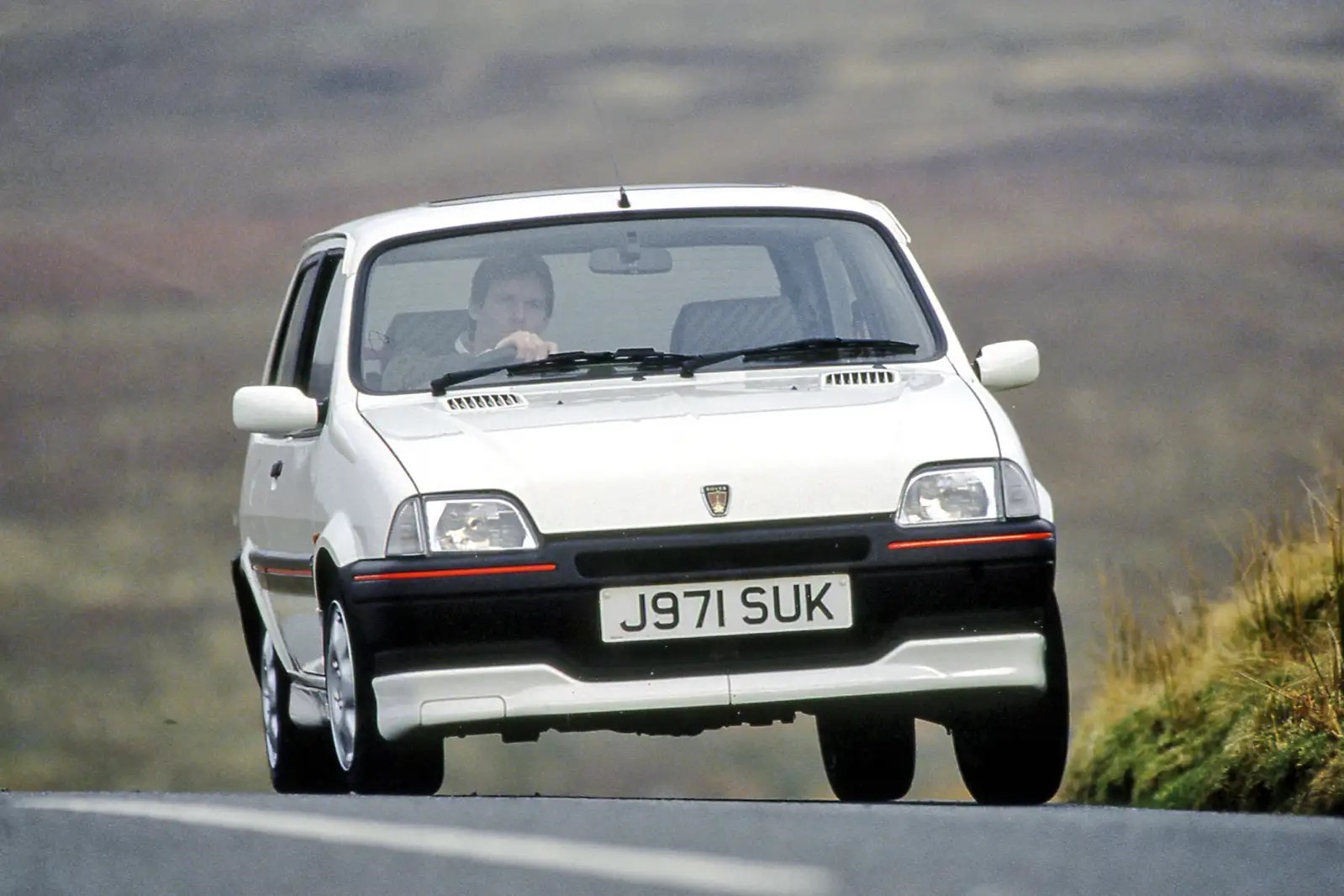
Originally known as the Austin Metro, the Rover Metro arrived in 1990 and came with heavy design changes. The K-series engines were introduced in 1.1 and 1.4-litre sizes while a 1.4-litre diesel was also available. In 1994, the new Rover 100 appeared: a revised variant of the Metro which kept the same gasoline engine sizes but buyers could now have a 1.5-litre diesel.
When 1997 arrived, Euro NCAP put the Rover 100 through a multitude of crash tests and it failed drastically, giving just one star for adult occupancy. With sales collapsing, Rover pulled it from the line-up.
GMC Typhoon
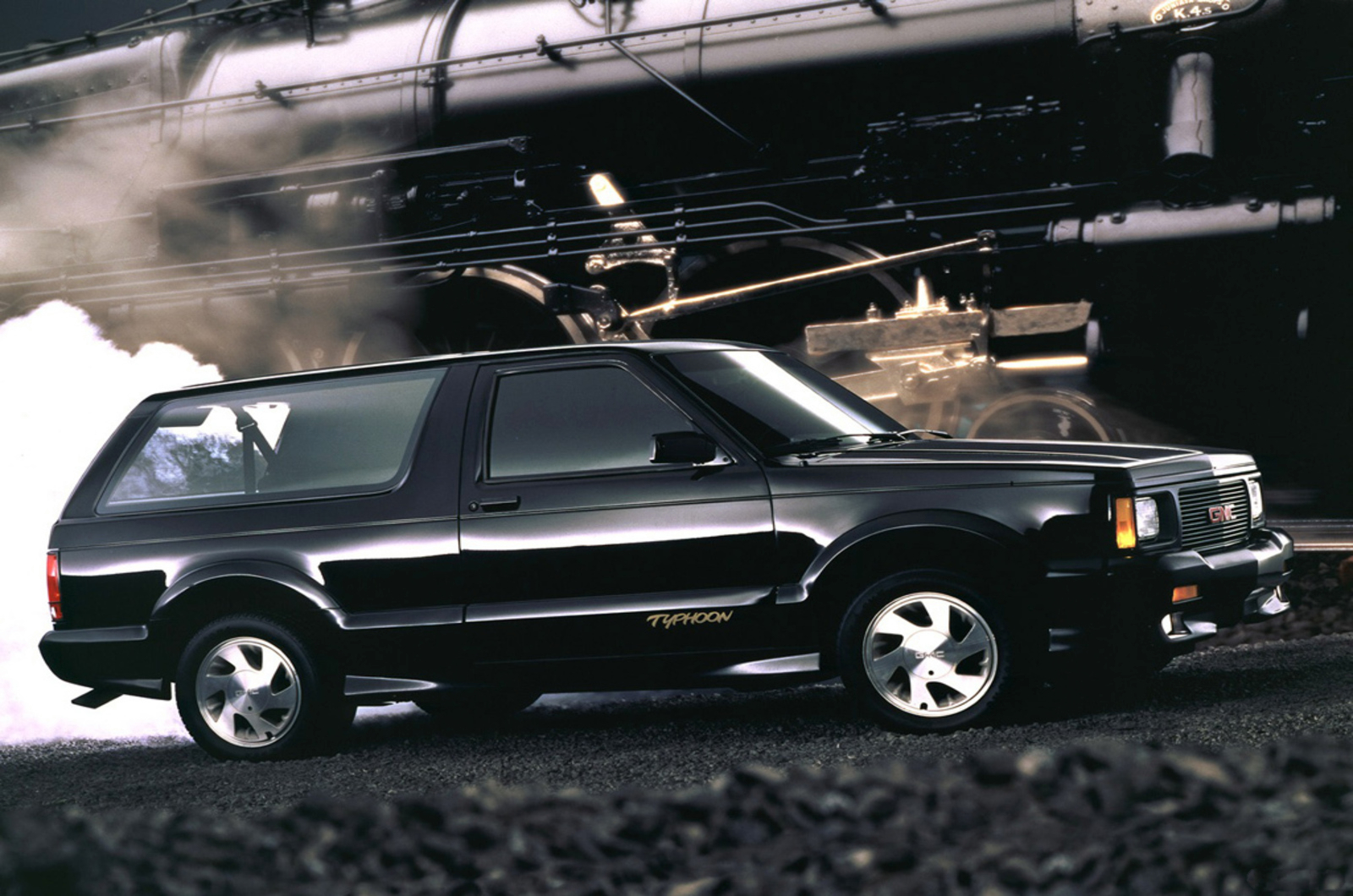
For those who are fans of performance SUVs, the Typhoon was the car that started it all. It was powered by the same engine its Syclone sibling had, a 4.3-litre 280bhp V6, but it featured unique pistons and a throttle body from a 5.7-litre Chevrolet small block engine. It sent power to all four wheels and although it only came with a four-speed automatic, it could hit 60mph from nought in 5.3sec and reach the quarter mile in 14.1sec.
This meant performance that could rival both the Ferrari 348TS and Chevrolet Corvette. GM produced just 4697 cars from 1992 to 1993.
De Tomaso Guara
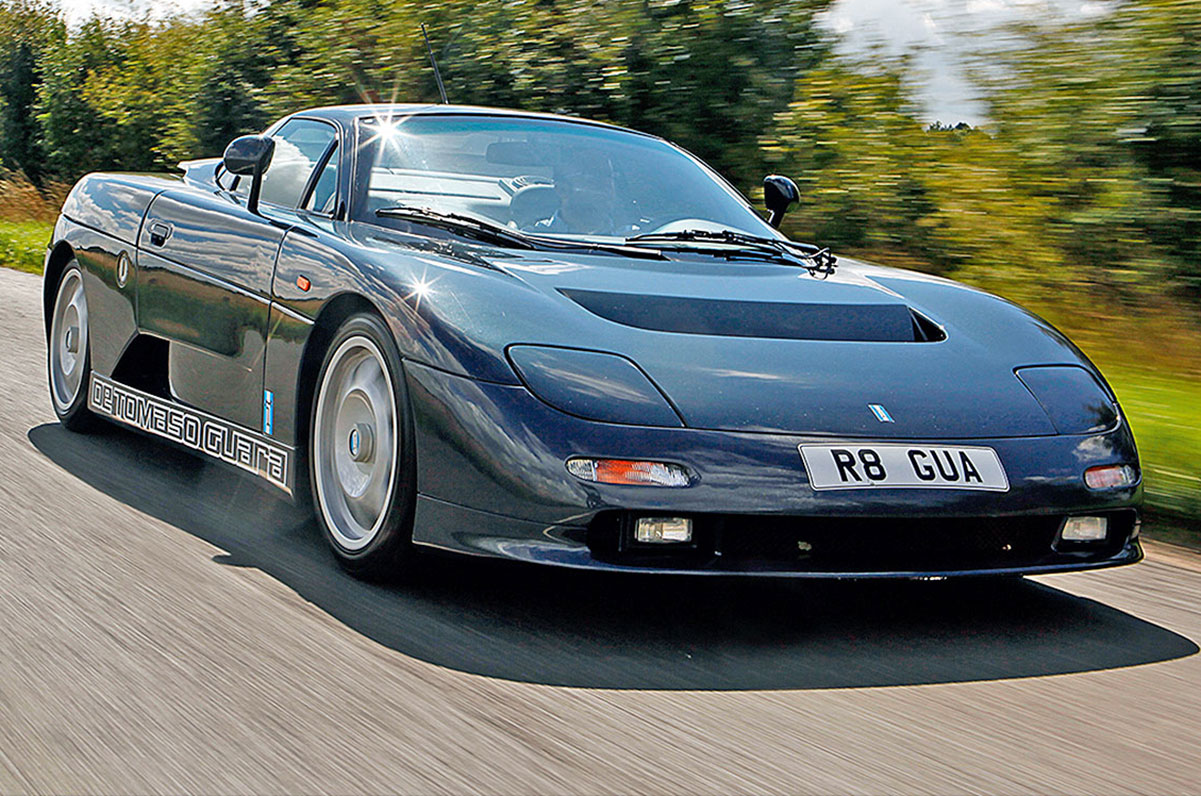
In design terms, Alejandro de Tomaso based his Guara idea on the Maserati Barchetta Stradale prototype from the early ‘90s. The fiberglass and kevlar body sat on an aluminum backbone chassis with suspension like that of a Formula One car. Ford was originally meant to supply engines for the car but was unable to, and attention was turned to BMW engines instead.
Early cars used the V8 found in the BMW 840Ci which gave 280bhp but BMW later phased out this engine and Guara’s were later given a 4.6-litre V8 with 316bhp. Only 52 cars were produced from 1994 to 2004 as De Tomaso went into liquidation.
Renault Sport Spider
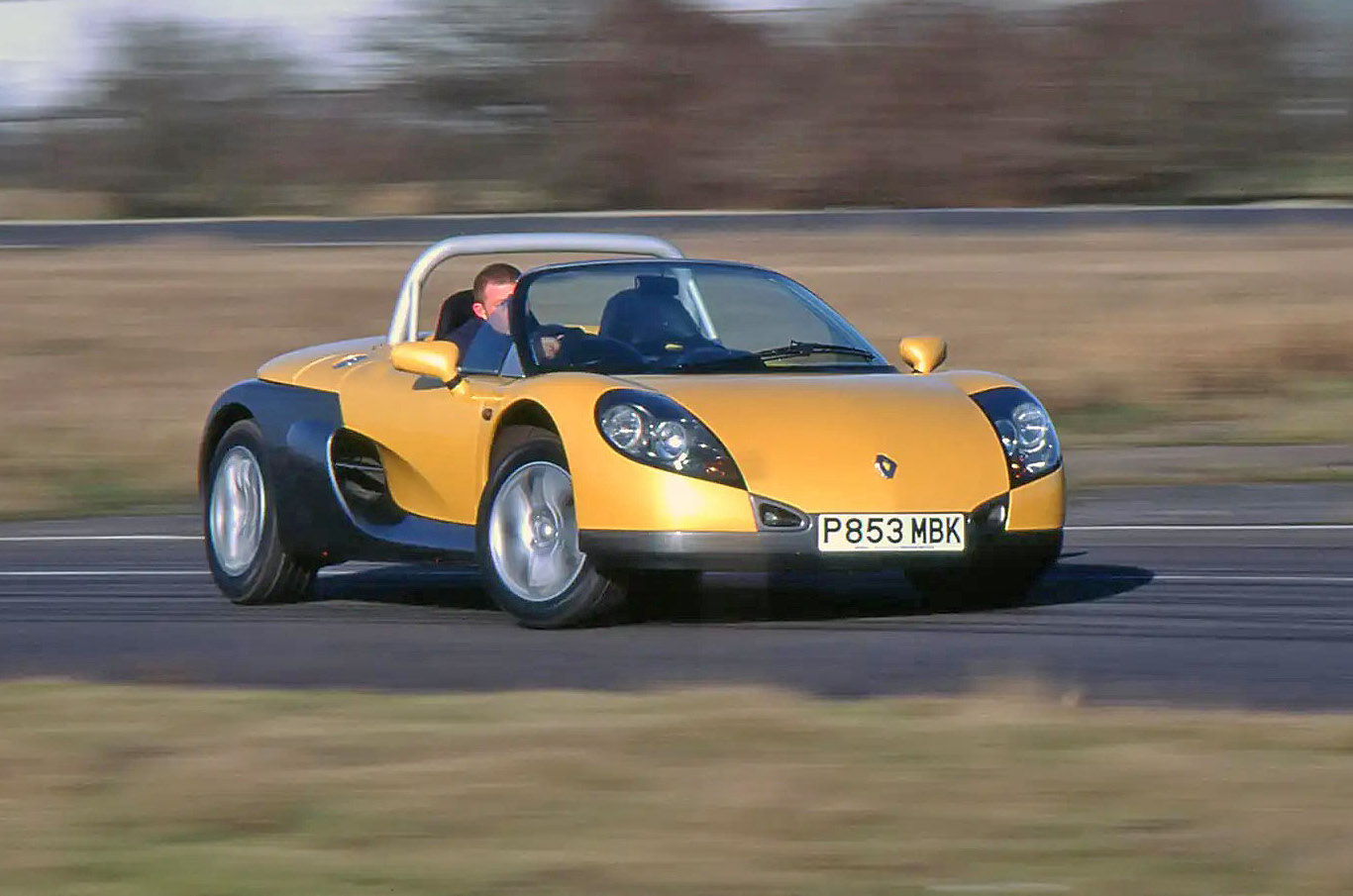
The Renault 5 Turbo was a success and Renault decided that a sport division was needed - to kick things off, they made the Renault Sport Spider. The Spider would serve in Renault’s one-make racing series and serve as a road car. Production started in 1996 and all cars were fitted with a small aero screen but, in 1997, buyers could choose to have a full windshield with a windshield wiper, whilst all cars got scissor doors.
Its chassis was made from aluminum while the bodywork was a plastic composite, the engine was robbed from a Clio Williams and produced 148bhp. Renault made just 1726 Sport Spiders before seizing production.

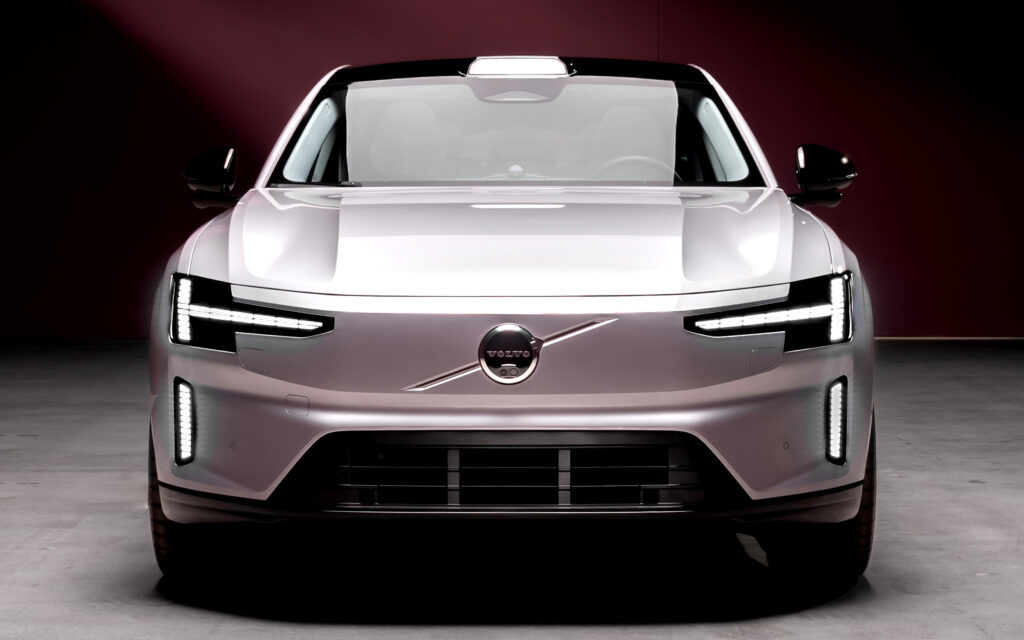
Volvo Reconsiders Sedans and Wagons for the US Market as Electric Strategy Shifts Beyond...

Delayed Gratification and the Real Stakes of the Marshmallow Test

Volkswagen ID Cross Redefines Compact EVs with Lounge-Inspired Interior and Enhanced Practicality
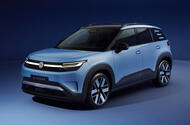 ‘Lounge-like’ cabin and real buttons will be key to new crossover’s appeal
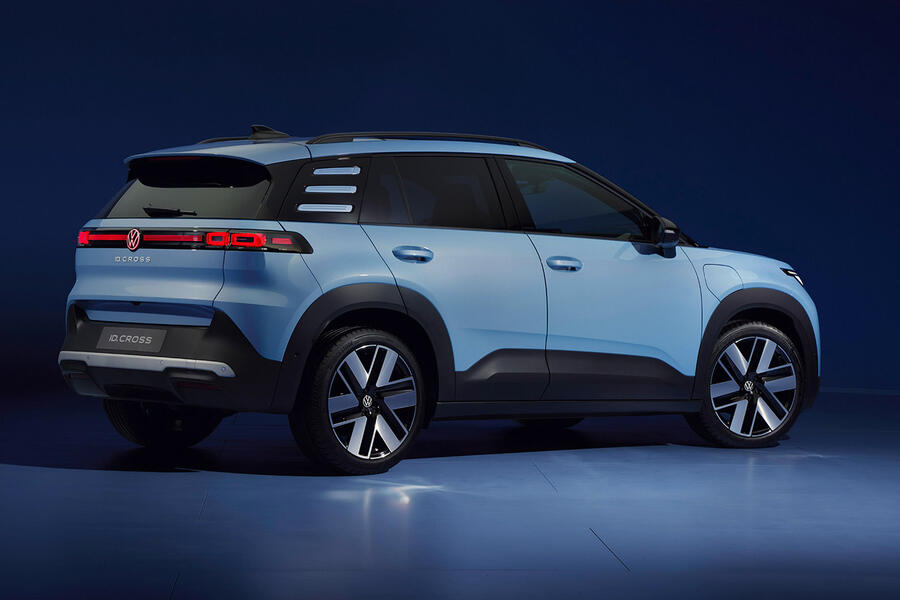
Volkswagen has revealed the ID Cross as an electric counterpart to the T-Cross that will take on the Renault 4 and Ford Puma Gen-E in one of the industry's hardest-fought battlegrounds.
A sibling to the ID Polo, Cupra Raval and Skoda Epiq, the ID Cross is the fourth EV based on the Volkswagen Group's new MEB+ platform - a stripped-back version of the architecture that underpins the larger ID 3 and ID 4.
It is marginally larger in all dimensions compared with the combustion-engined T-Cross, but Volkswagen claims a significant improvement in interior space thanks to the packaging of its electrical systems. It has 475 litres of boot space, 20 litres more than the T-Cross, plus a 22-litre front compartment to hold the charging cable.
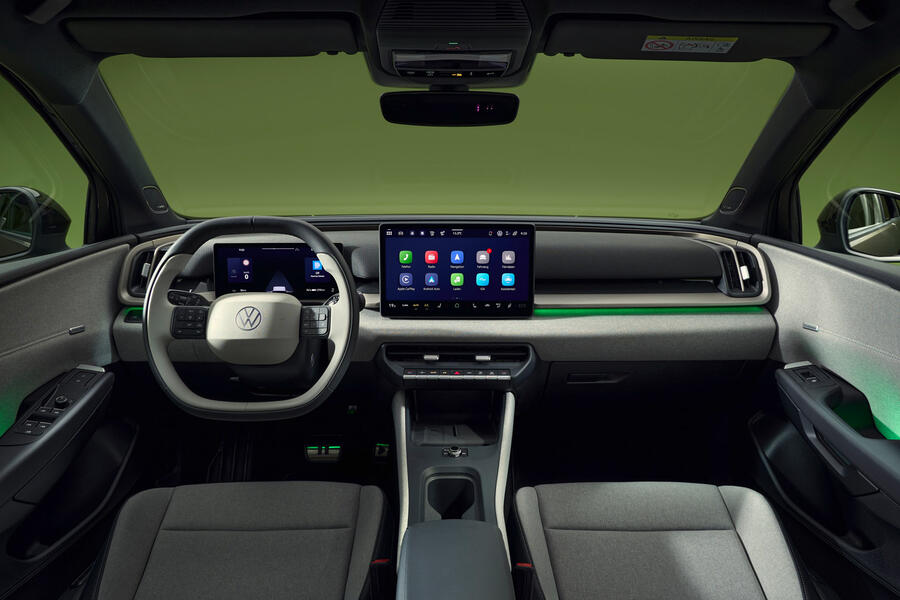
Volkswagen design director Andreas Mindt said the ID Cross's interior was designed to "feel like a friend". Fabric lines the centre console, dashboard and door cards, which, combined with ambient lighting, is intended to foster a lounge-like vibe.
Ergonomics have also been an area of focus. As in the ID Polo, physical buttons feature on the steering wheel and dashboard, giving more tactile responses to input compared with the touchscreen controls and haptics used in previous Volkswagen EVs.
There is also a small rotary-style controller on the centre console for adjusting the volume of the infotainment system or for changing track - placed so that it is in easy reach of either the driver or front passenger.
Mindt said buttons create a sense of "stability" inside the ID Cross. He previously told Autocar that dropping buttons in the first instance was a "mistake", and the new crossover reflects his commitment to offering them in all future VWs.
The ID Cross will be offered with a choice of three front-mounted motors with outputs of 114bhp, 133bhp and 208bhp. There will be two battery options: a 37kWh lithium-iron-phosphate pack with a 37kWh capacity for a range of 196 miles; and a 52kWh nickel-manganese-cobalt pack with a 271-mile range.
The smaller battery can be charged at up to 90kW, this figure rising to 105kW for the bigger pack. Both will be capable of charging from 10-80% in less than half an hour.
That puts the ID Cross on a par with the related Epiq and outdoes the rival 4-although the Renault is due an imminent update to boost both its range and its power, by way of a new motor.
ID Cross deliveries will begin later this year, with prices likely to start from around £25,000.
It isn't yet known whether it will qualify for the government's Electric Car Grant, which offers a discount of either £1500 or £3750 depending on the environmental impact of the car's production and transport to the UK. The ID Polo, Raval and Epiq all qualify for the lower band, and the ID Cross is likely to follow, being built in Pamplona, Spain, with European-made batteries.
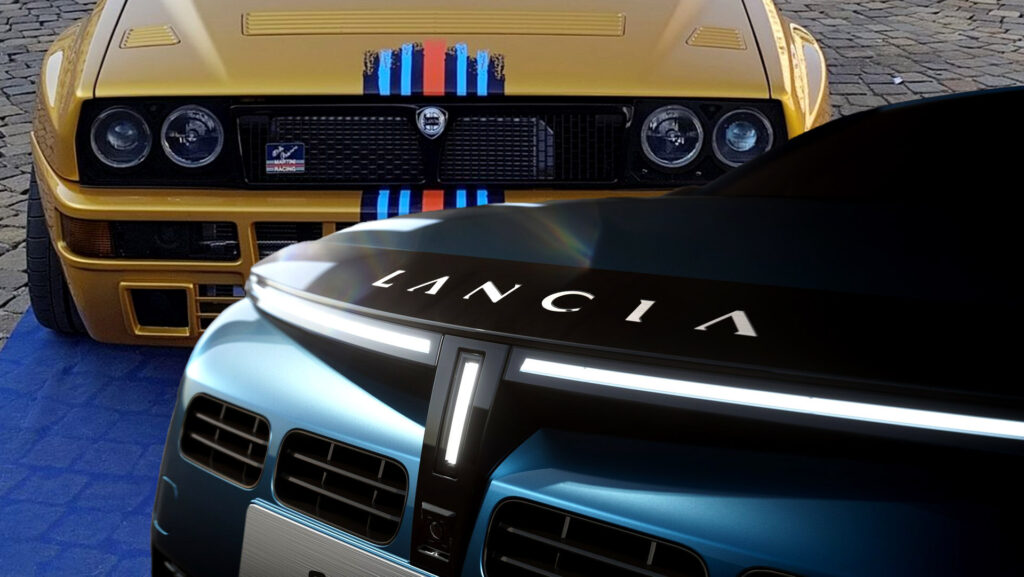
Lancia Delta’s Future in Doubt as Stellantis Restructuring Shifts Resources and Priorities

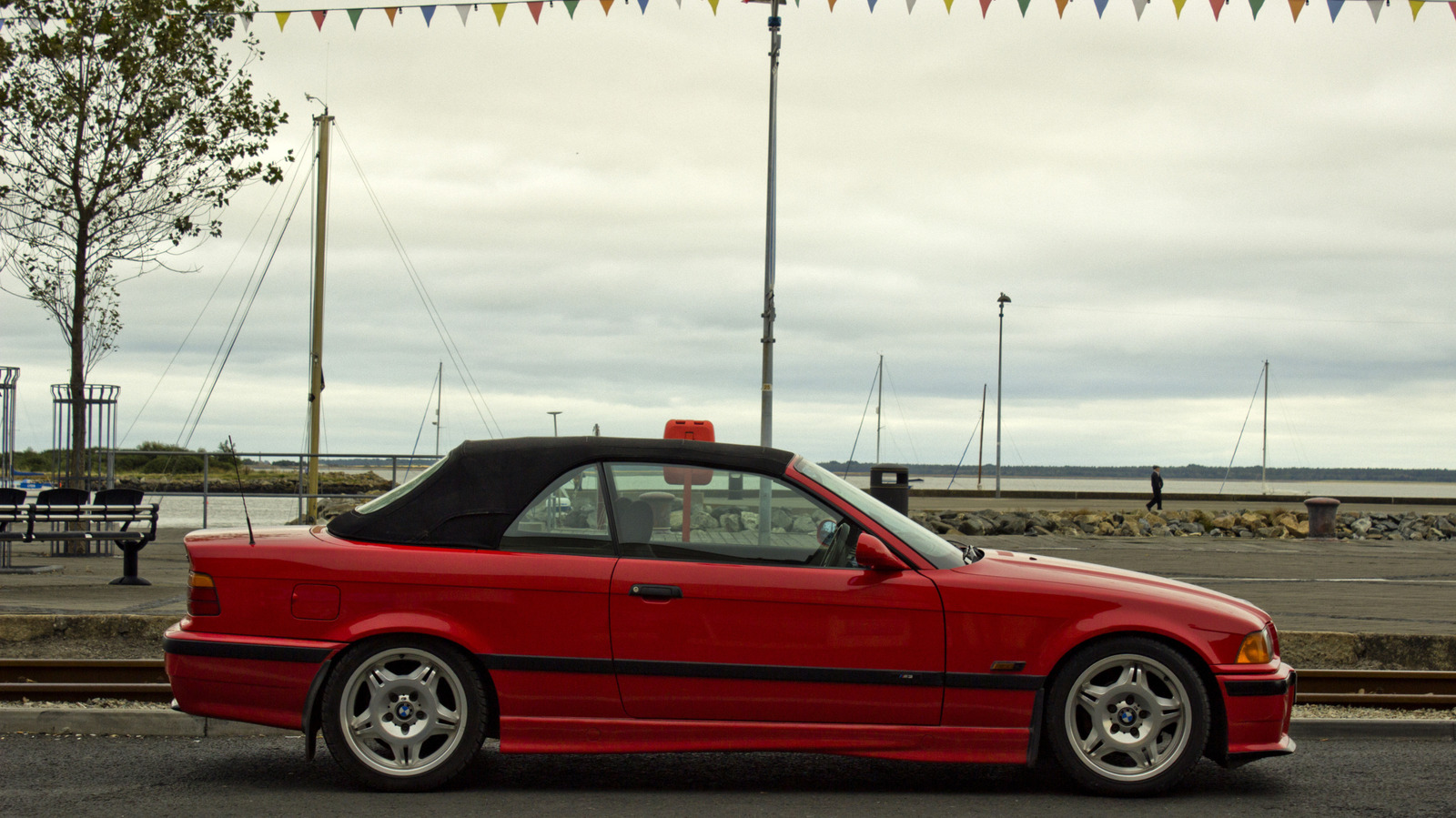
Beach Cars and the Pursuit of the Perfect Coastal Drive

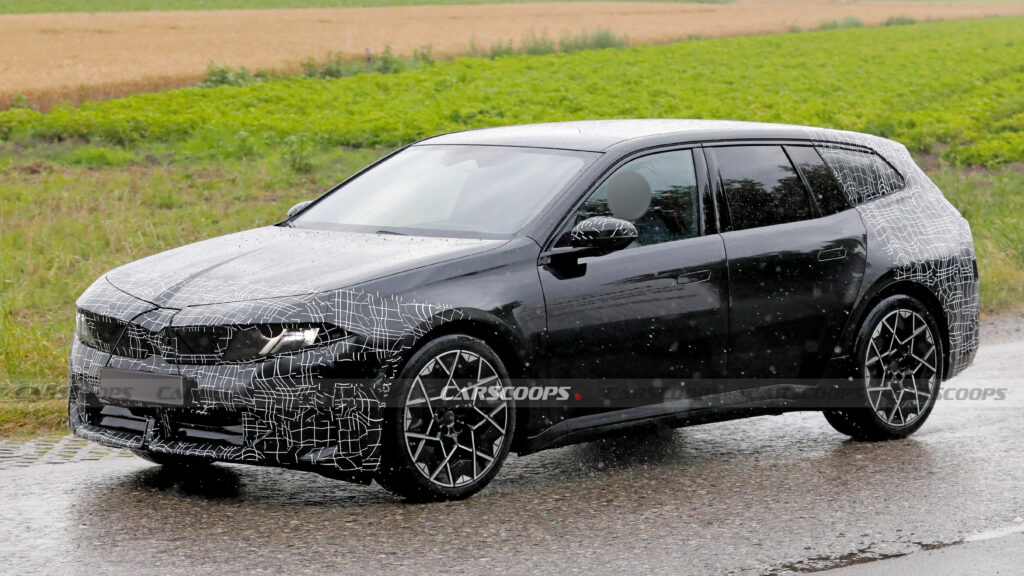
BMW i3 Touring Redefines Electric Wagon Range and Practicality with Neue Klasse Platform

Volkswagen Beetle’s Global Journey from Rejected Prototype to Cultural Icon and Collector’s Prize
 As production of the latest 'new' Beetle ends, join us as we explore the Beetle’s multifaceted, long-running history
The third-generation VW Beetle has come to the end of its life.
The last one was produced today. At 81 years old, the Volkswagen Beetle has been everywhere and it has done it all. It started life as a people’s car in Germany, it became America’s darling before heading south to put much of Latin America on wheels and it is now one of the most sought-after classic cars. It has conquered land, water and air. It has won races, shuttled scientists in Antarctica and carried millions of passengers in Mexico City.
Join us as we explore the Beetle’s multifaceted history.
Porsche’s vision
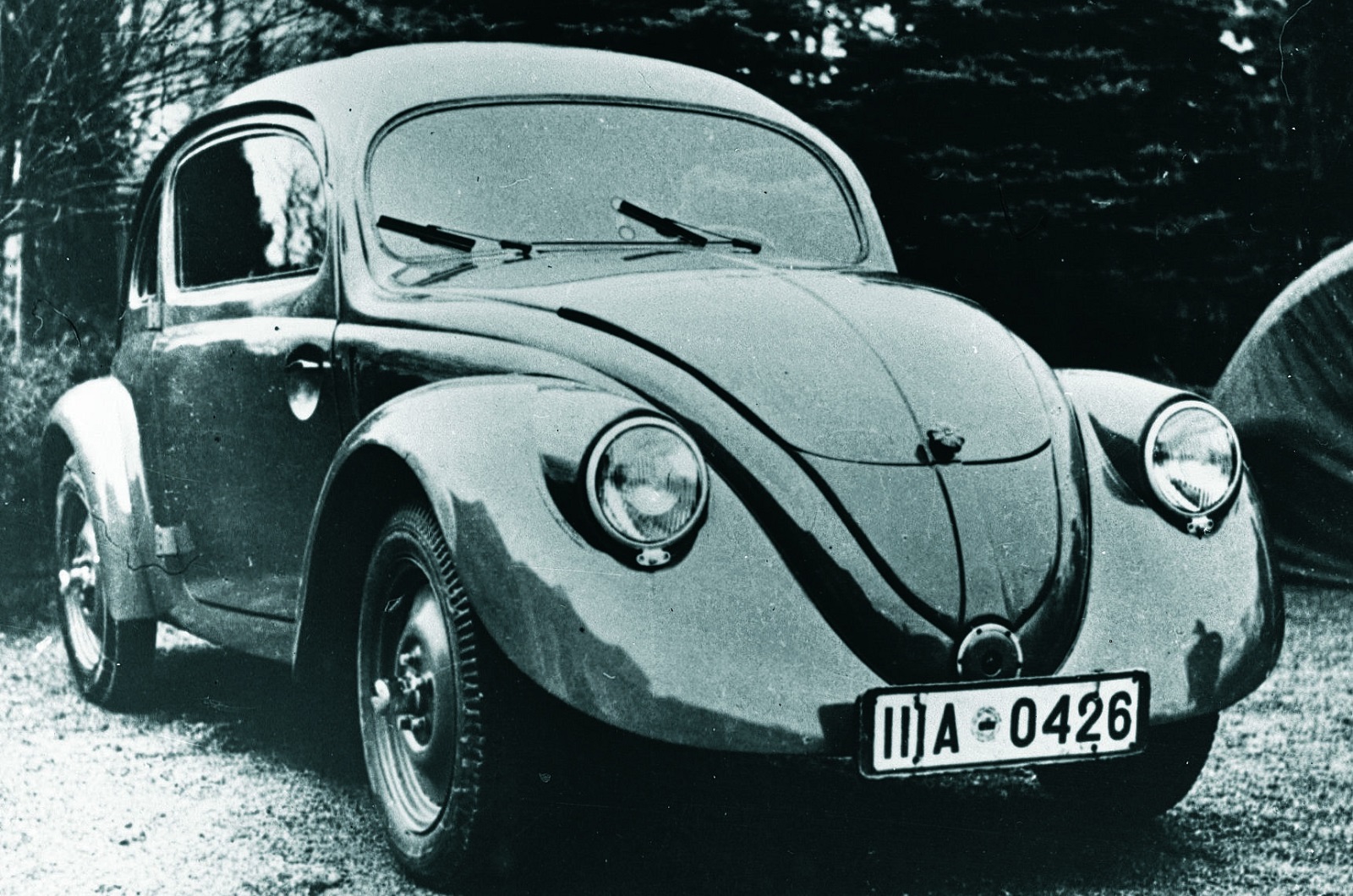
Engineer Ferdinand Porsche is associated with some of the greatest designs in automotive history, including Auto-Union’s formidable 16-cylinder race cars and, of course, the high-performance machines that bear his name. Yet from an early age he envisioned a simple, basic car that even factory workers could afford. This was slightly less than revolutionary in an era when cars were an expensive commodity and many intended to keep them that way.
Adolf Hitler shared Porsche’s vision of a small car and gave him the means to design one. The early design brief called for a 650kg four-seater model capable of maintaining 62mph with a one-liter engine rated at approximately 26hp. It needed to be air-cooled to keep running in Germany’s colder regions. Note: early prototype pictured.
The type 60 (1938)
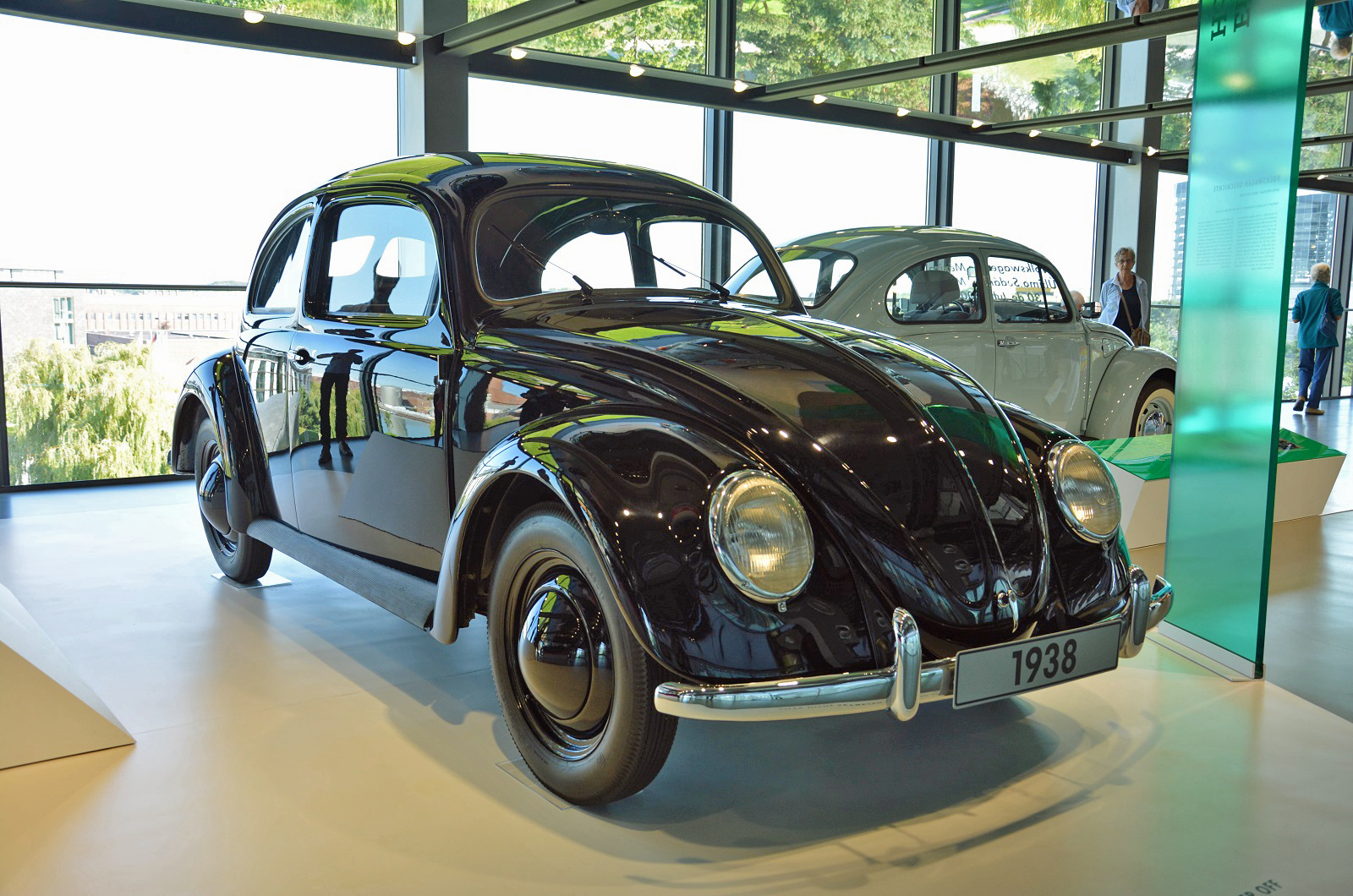
German officials considered outsourcing production of the Volkswagen to an established auto-maker but they ultimately decided to built it themselves in a state-owned factory. Testing began in 1936 and Porsche built the first pre-production prototypes of what would become the Beetle in 1938. Called type 60 internally, it was very close to the regular-production Beetle in nearly every aspect.
The Beetle during the war
Volkswagen workers built 210 examples of the Beetle by hand before World War II broke out.
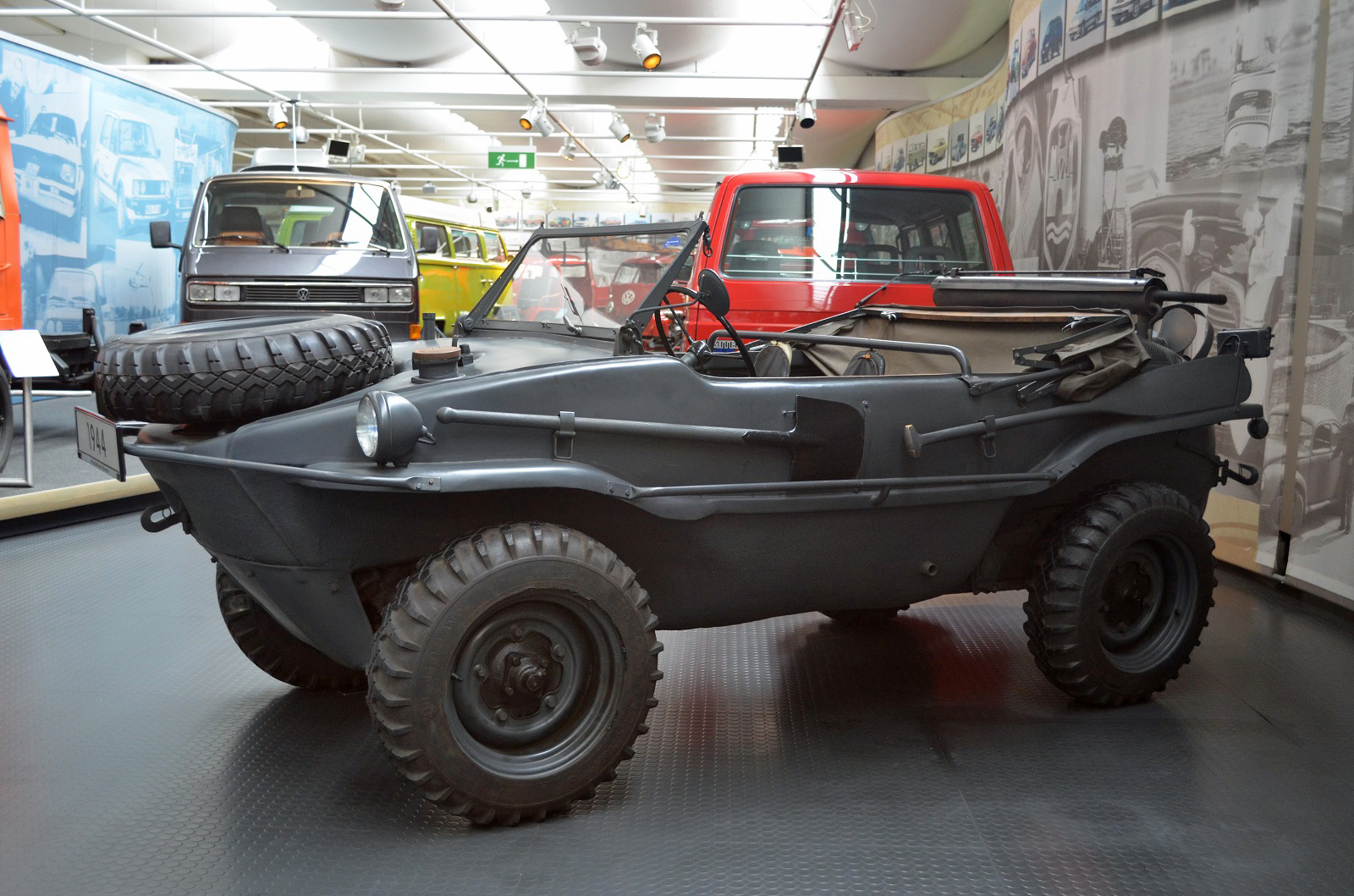
During the war, Porsche’s design office adapted the Beetle for military use by raising its ground clearance, adding four-wheel drive and fitting a more powerful engine. The basic chassis also spawned the Kubelwagen and the amphibious Schwimmwagen (pictured), which were sent to fight in Europe and in Africa as Germany’s home-brewed answer to the Jeep.
The Beetle nearly replaces the 2CV (1940)
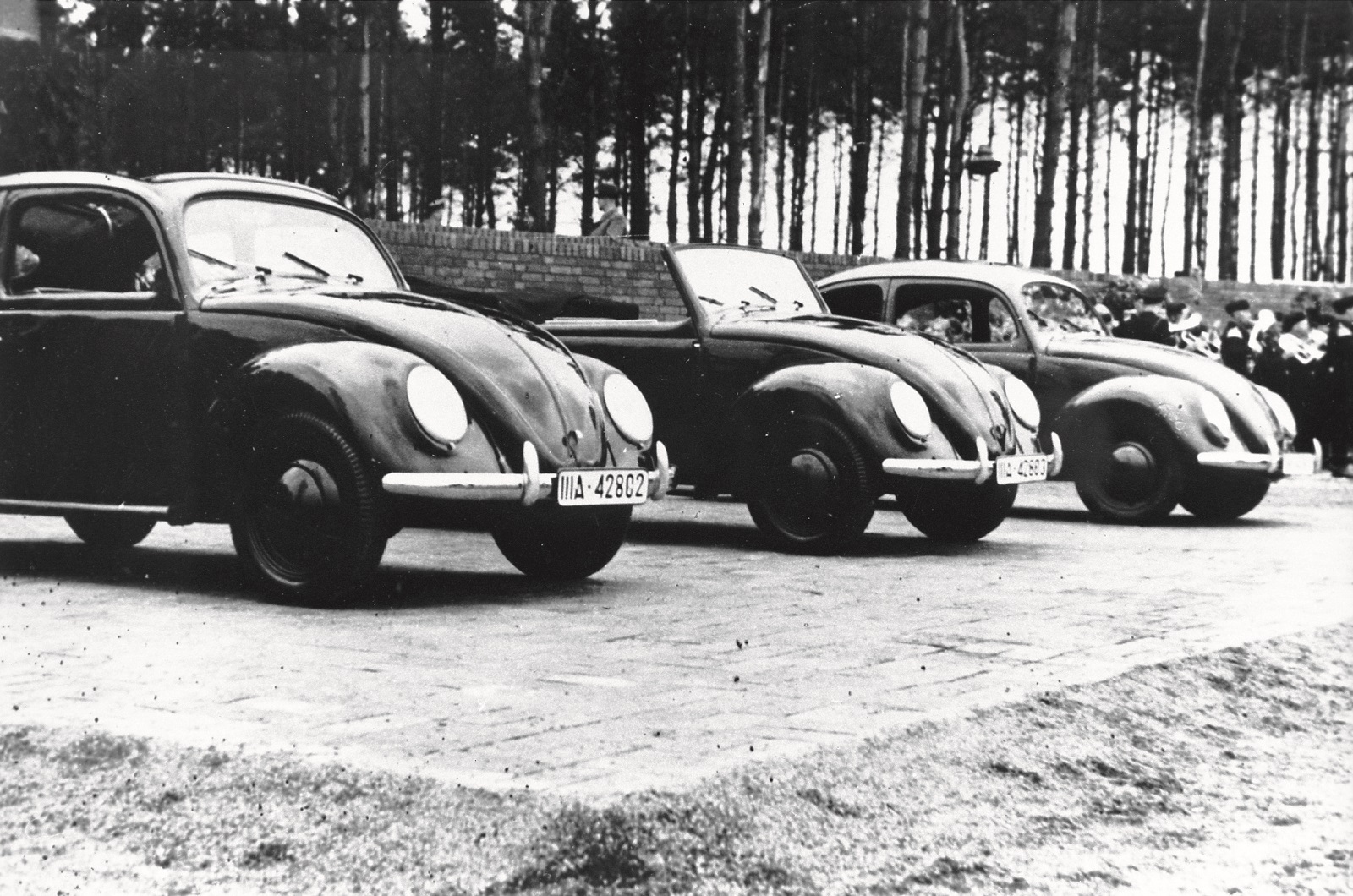
In July 1940, the German forces occupying France examined early Citroen 2CV prototypes sitting on the idle assembly line. They asked Citroen to hand over three cars -- which officials promised would only be shown to Hitler, not the company's rivals -- and offered to send a version of Germany's new people's car. Documents in Citroen's archives department don't mention the Beetle by name but they note Germany volunteered to send the car's creator, Ferdinand Porsche, to France to answer questions about it.
Citroen had no interest in building the Beetle. The Germans returned with the same offer six times; the French firm stood its ground. They brought a Beetle on their final visit. Citroen ordered its workers to immediately cover it with a tarp and ordered everyone present to ignore it. The firm never built a single Beetle. It notes the army's visits partially explained why it completely (and secretly) redesigned the 2CV during the war.
The postwar years
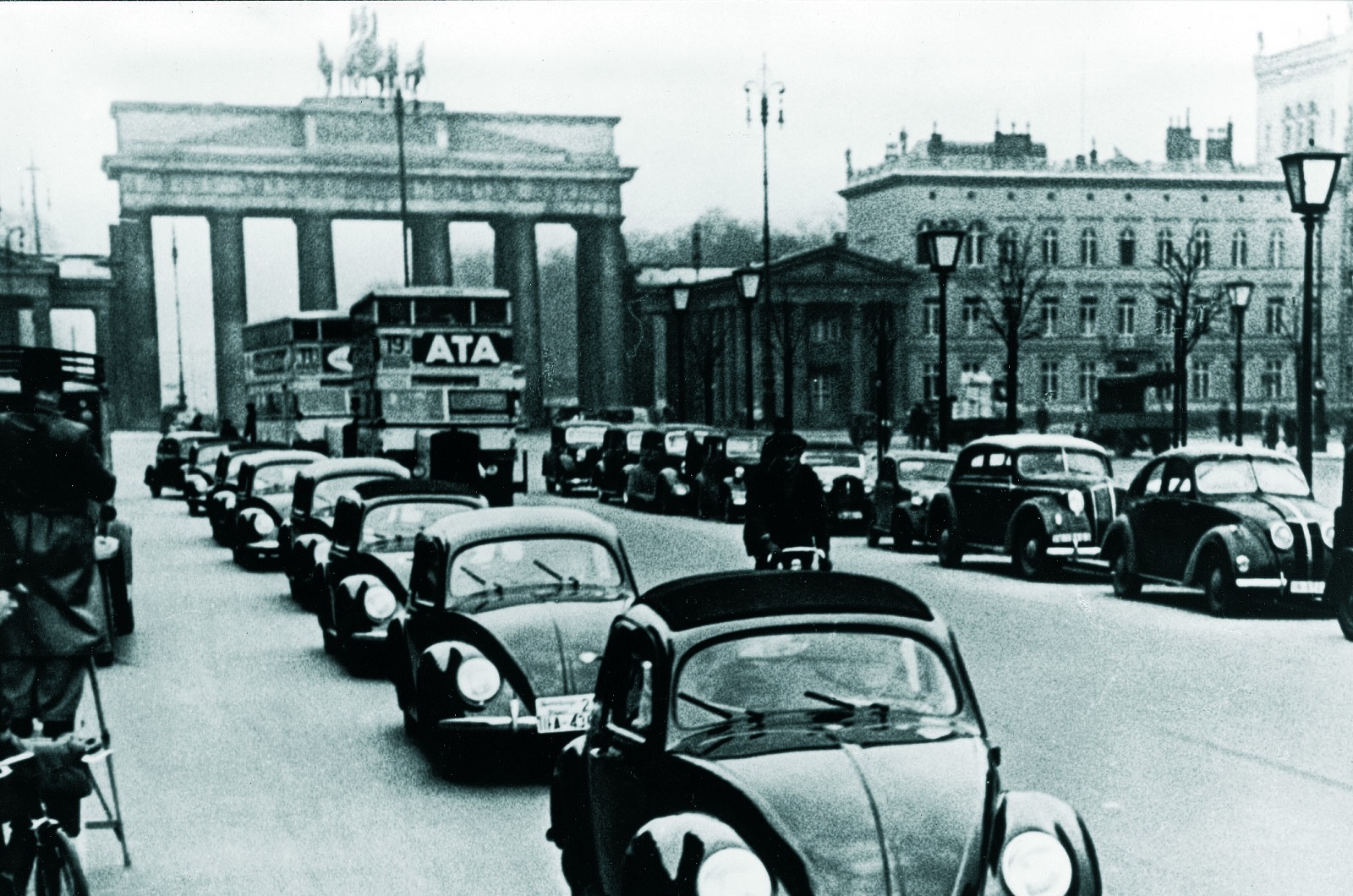
The Allied Forces bombed the Wolfsburg factory repeatedly. When peace returned, the facility could only produce cars on sunny days because air raids destroyed most of its roof. Workers nonetheless managed to make a small handful of Beetles by hand while stepping over debris and dodging falling bricks. In the postwar years, the factory was the only source of work in the area.
The plant ultimately fell into what was designated the British zone of Germany. The British military opened a repair shop in it to keep employees busy while exploring every available option to find a solution to the Wolfsburg problem.
The world’s most undesirable car
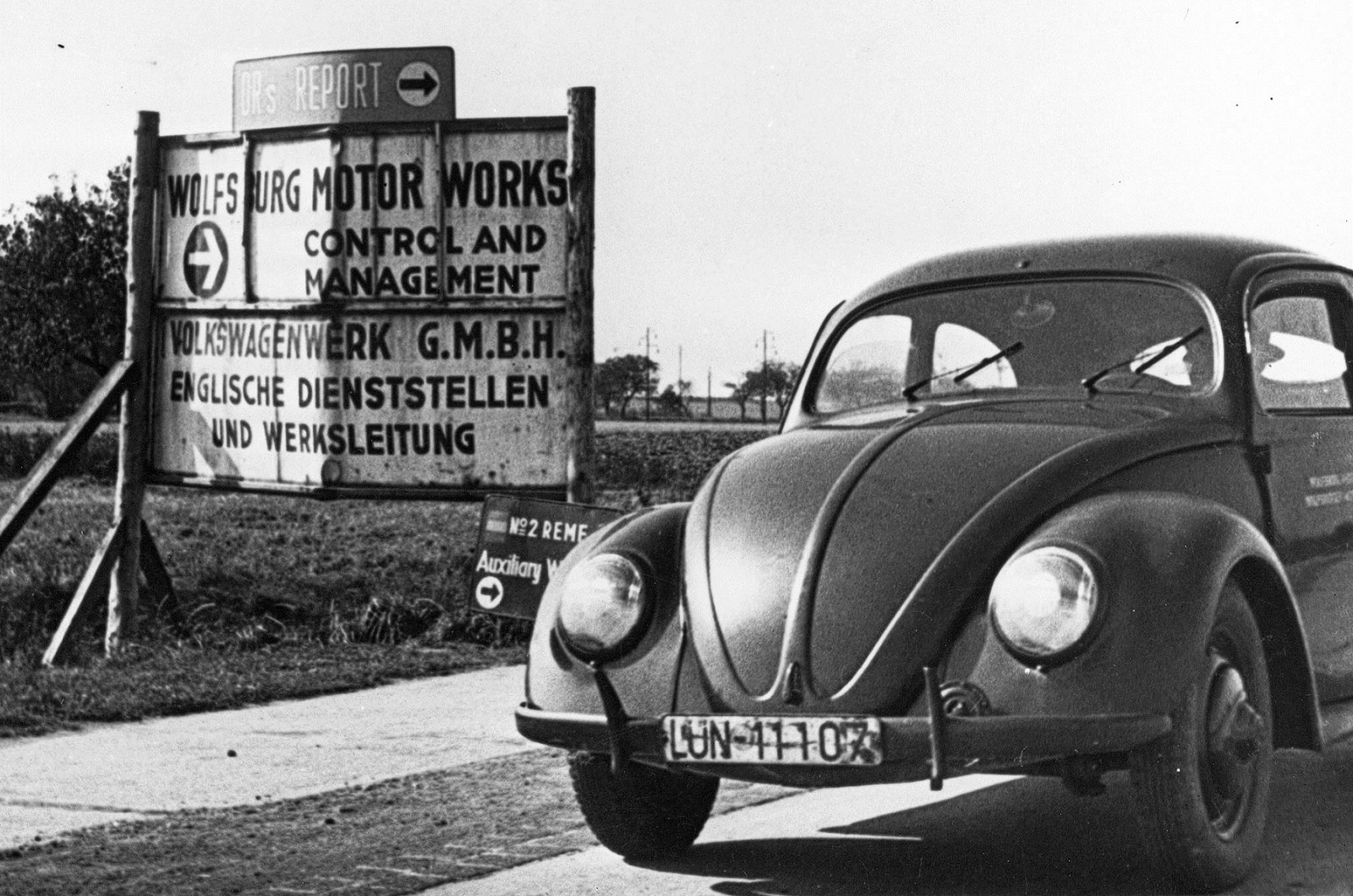
In 1945, a British commission headed by William Rootes visited the rubble and bluntly recommended knocking down the plant. Commission members didn’t want the Beetle, either. ‘The vehicle does not meet the fundamental technical requirements of a motorcar,’ Rootes concluded. He added the Beetle – which he called ugly and noisy – wouldn’t present a threat to British cars sold around the world if, after a magnificent stroke of luck, the factory somehow managed to mass-produce it.
In March 1948, a delegation including Henry Ford II traveled to Cologne, Germany, to negotiate the terms of a potential takeover. England was ready to give the Volkswagen factory to Ford for free in a last-ditch bid to get rid of it once and for all. Ernest Breech, the firm’s chairman of the board, urged Ford to turn down the offer.
He famously said ‘Mr. Ford, I don’t think what we are being offered here is worth a damn!'
The road to recovery
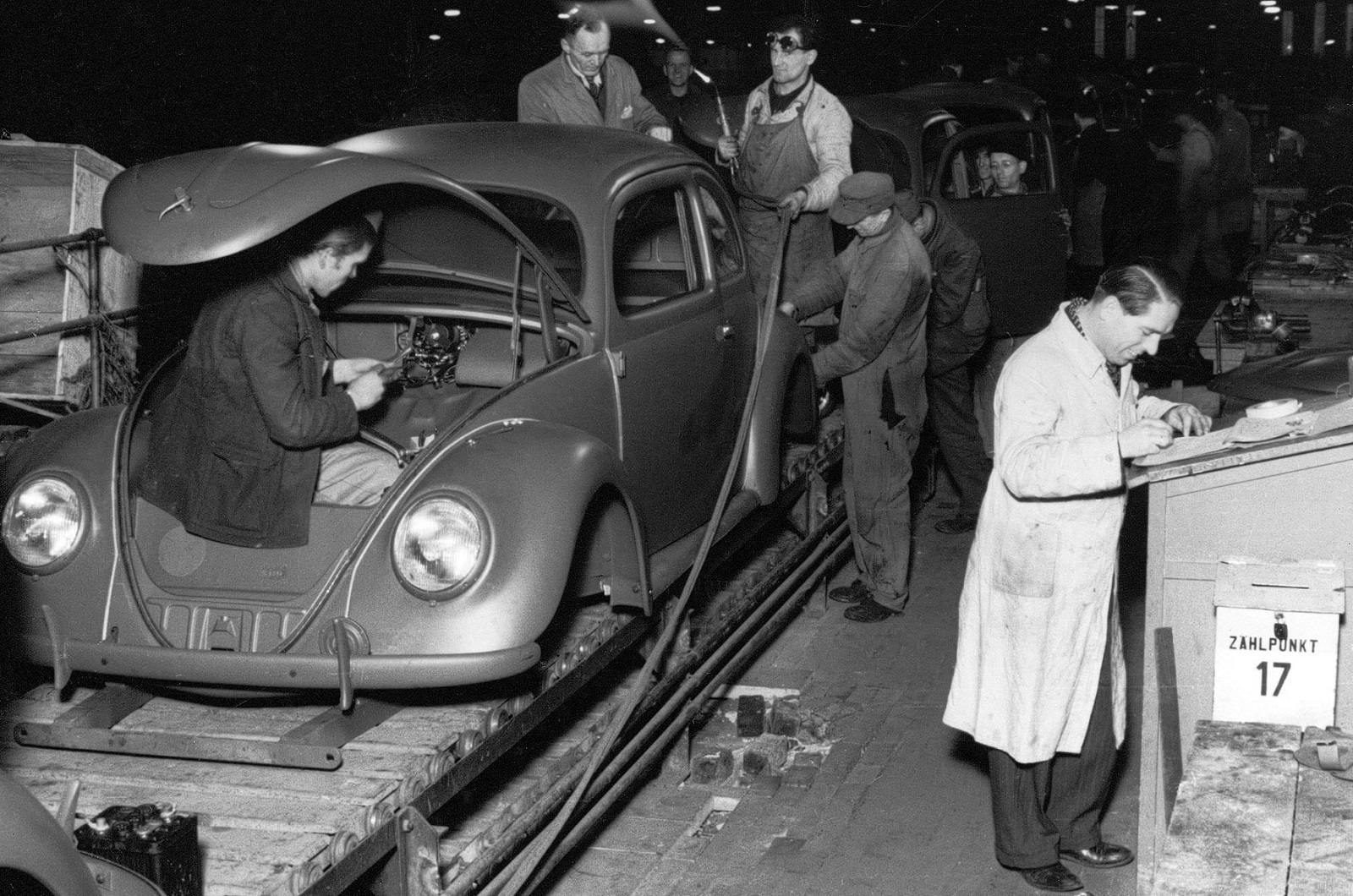
With the Americans out of the picture, the British later gave control of the Wolfsburg factory to the German state and placed a former General Motors executive named Heinz Nordhoff in charge of it. Quickly, he proved wrong the skeptics who doggedly insisted the Beetle would inspire record amounts of dislike among motorists and die in a few months' time.
Volkswagen built 10,200 examples of the Beetle in 1946. By October 1948, the factory made a car every three and a half minutes, a cadence that represented about 2154 units per month. Better yet, the company needed to fill 15,000 orders placed in Germany and 7000 orders from abroad. The future looked bright.
The Beetle arrives in America (1949)
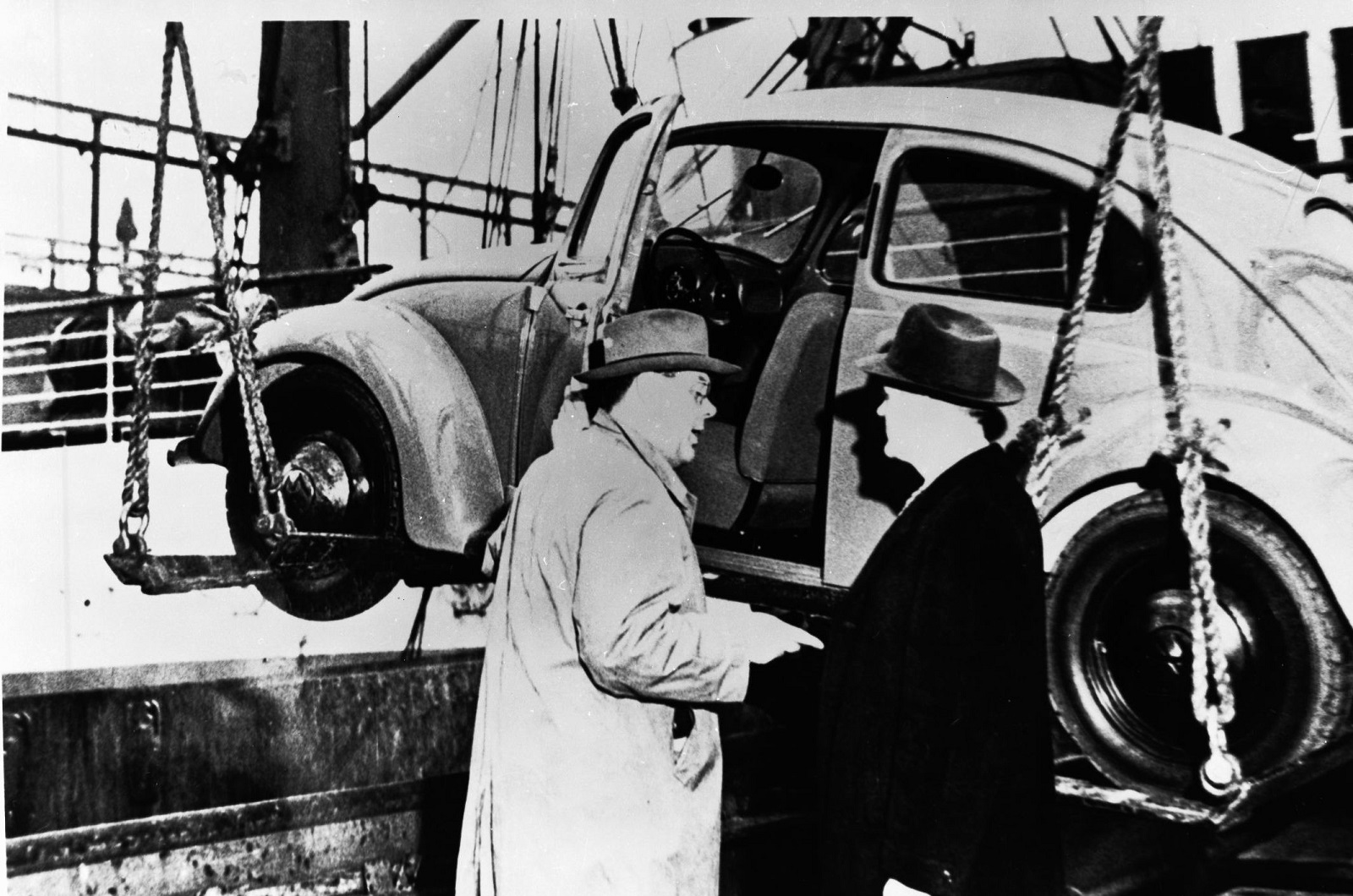
More than a few members of the American military likely left Germany with a Beetle in tow but these private imports were poorly documented. Dutch businessman Ben Pon became the first person to ship a Beetle to the US in order to sell it. The car disembarked in New York City in January 1949.
Pon had no trouble finding a buyer for the Beetle in spite of a prevalent anti-German sentiment. He returned to Holland and shipped another one back to America, which he also sold in record time. He later became America's first Volkswagen importer.
America’s first Beetle, by the numbers (1949)
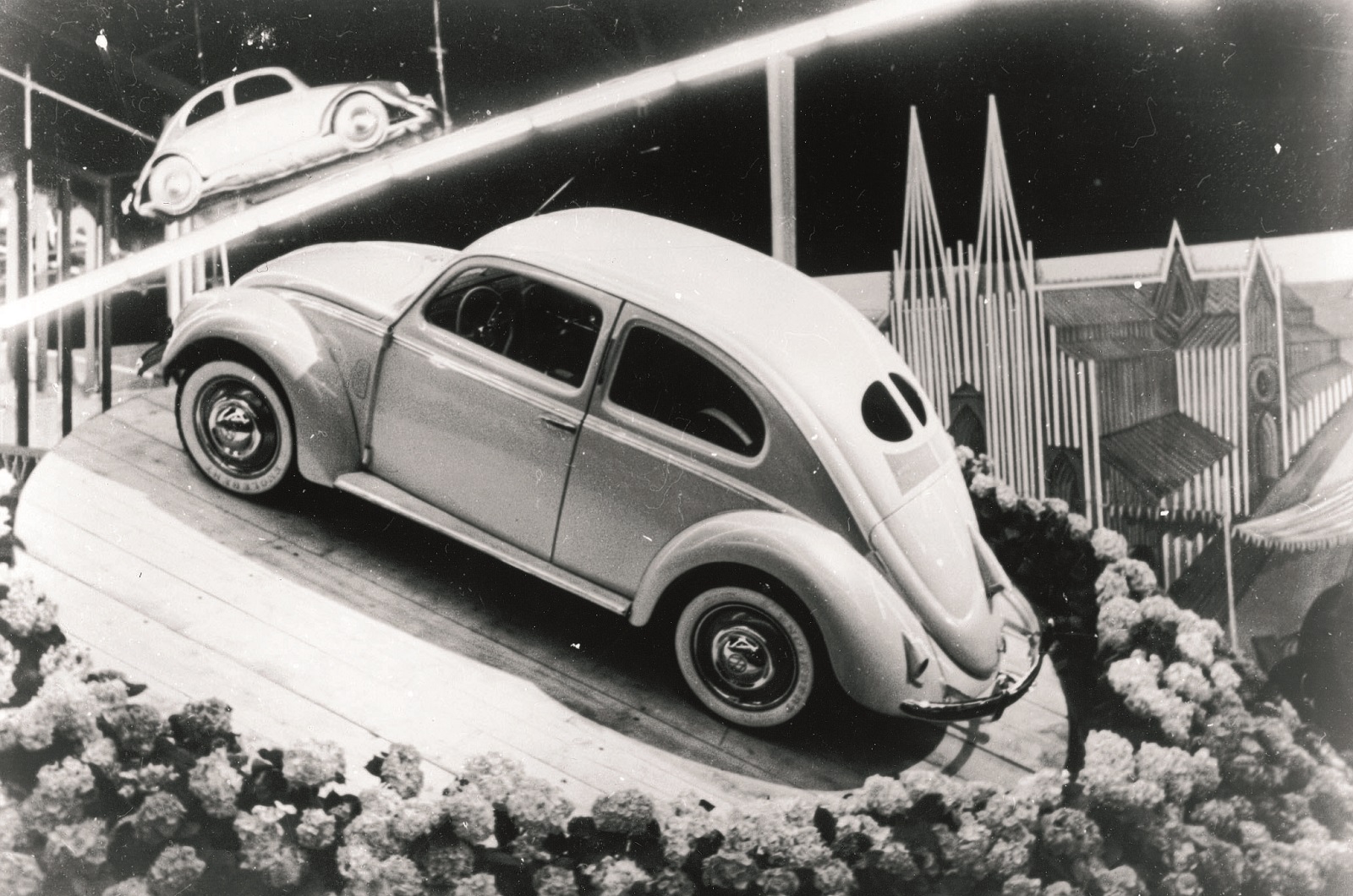
In 1949, the Beetle came with a 1.1-liter air-cooled flat-four engine rated at 30hp. It cost $1280, a figure which converts to approximately $13,000 today. Volkswagen sold merely two examples of the Beetle in America during 1949. Sales went up to 270 units in 1950.
The Beetle goes topless (1949)
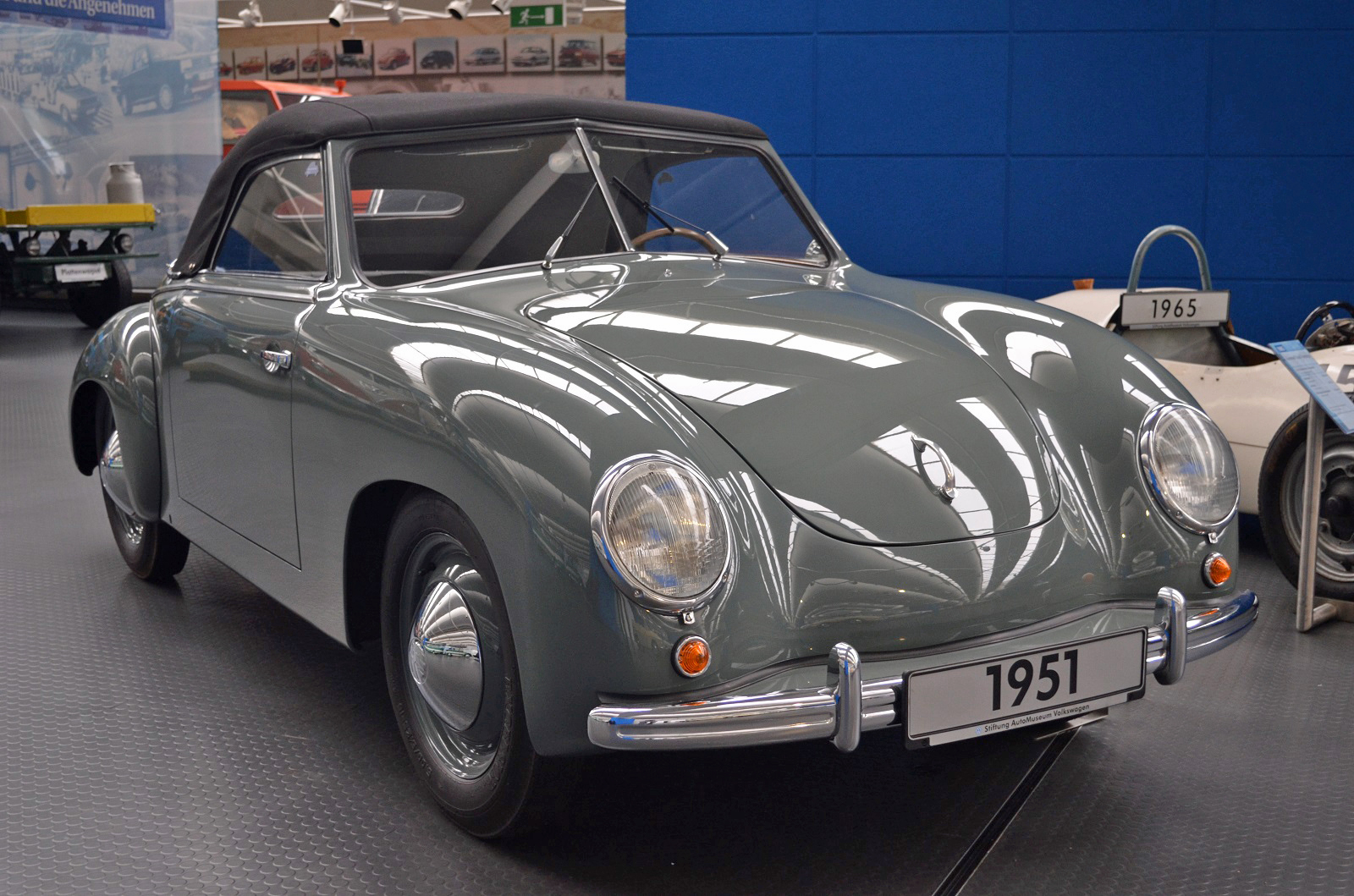
Stunningly simple, the Beetle was a coachbuilder’s dream. Karmann built the first civilian convertible Beetle in 1949 and other companies quickly took turns putting their own unique spin on Wolfsburg’s people’s car. The example pictured here wears a body made by Dannenhauer & Stauss of Stuttgart, Germany, and it’s equipped with an upgraded engine tuned by Oettinger to make 40hp.
The Beetle in the 1950s
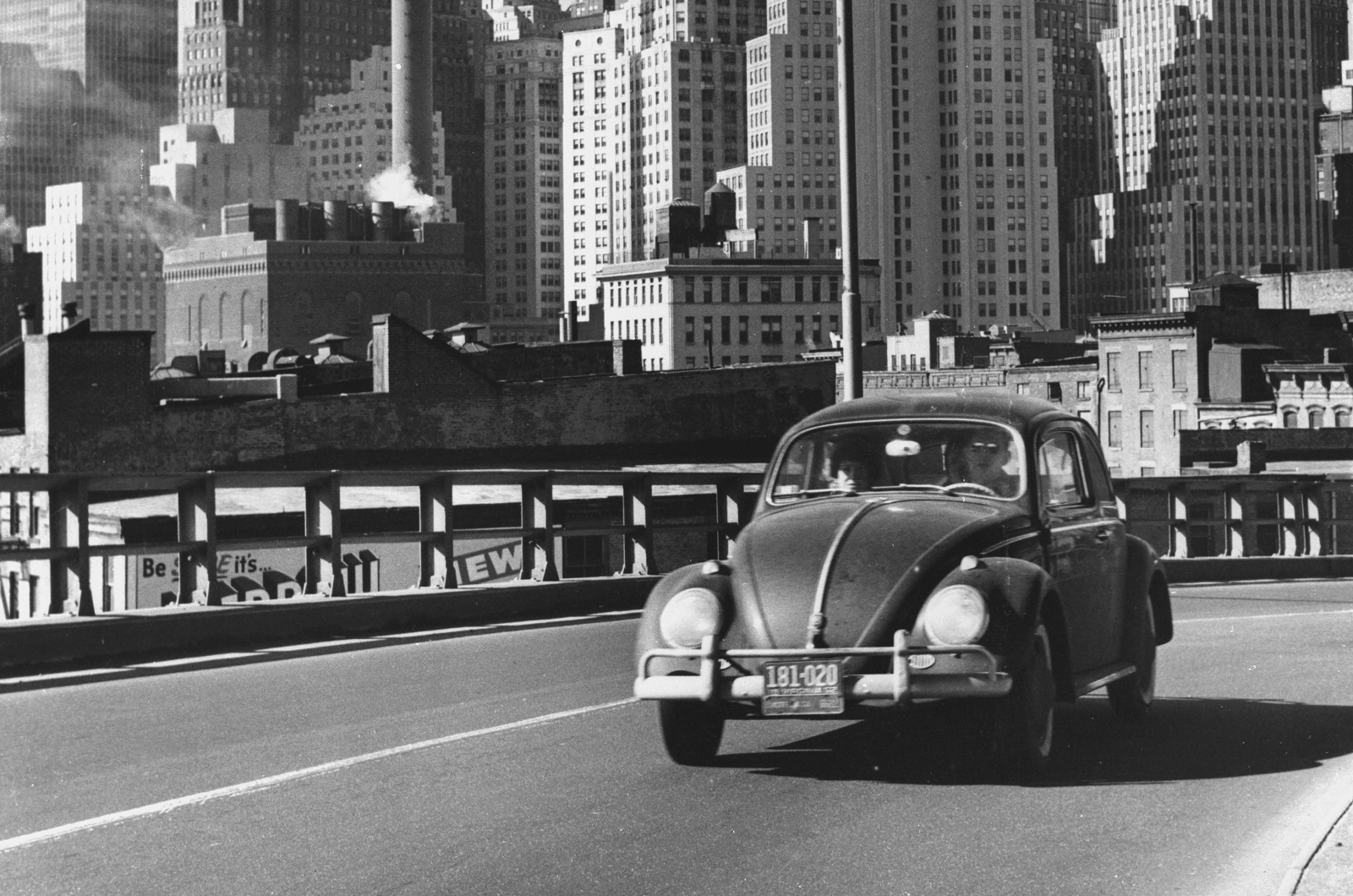
Beetle sales sky-rocketed during the 1950s as Volkswagen exported it to an increasing number of countries around the world. While the basic shape of the body stayed the same, the company made several small changes to the design including replacing the split rear window with a single oval unit in 1953 and fitting a new, more powerful engine a year later. Volkswagen manufactured the 500,000th Beetle in July 1953.
The four-door Beetle (1953)
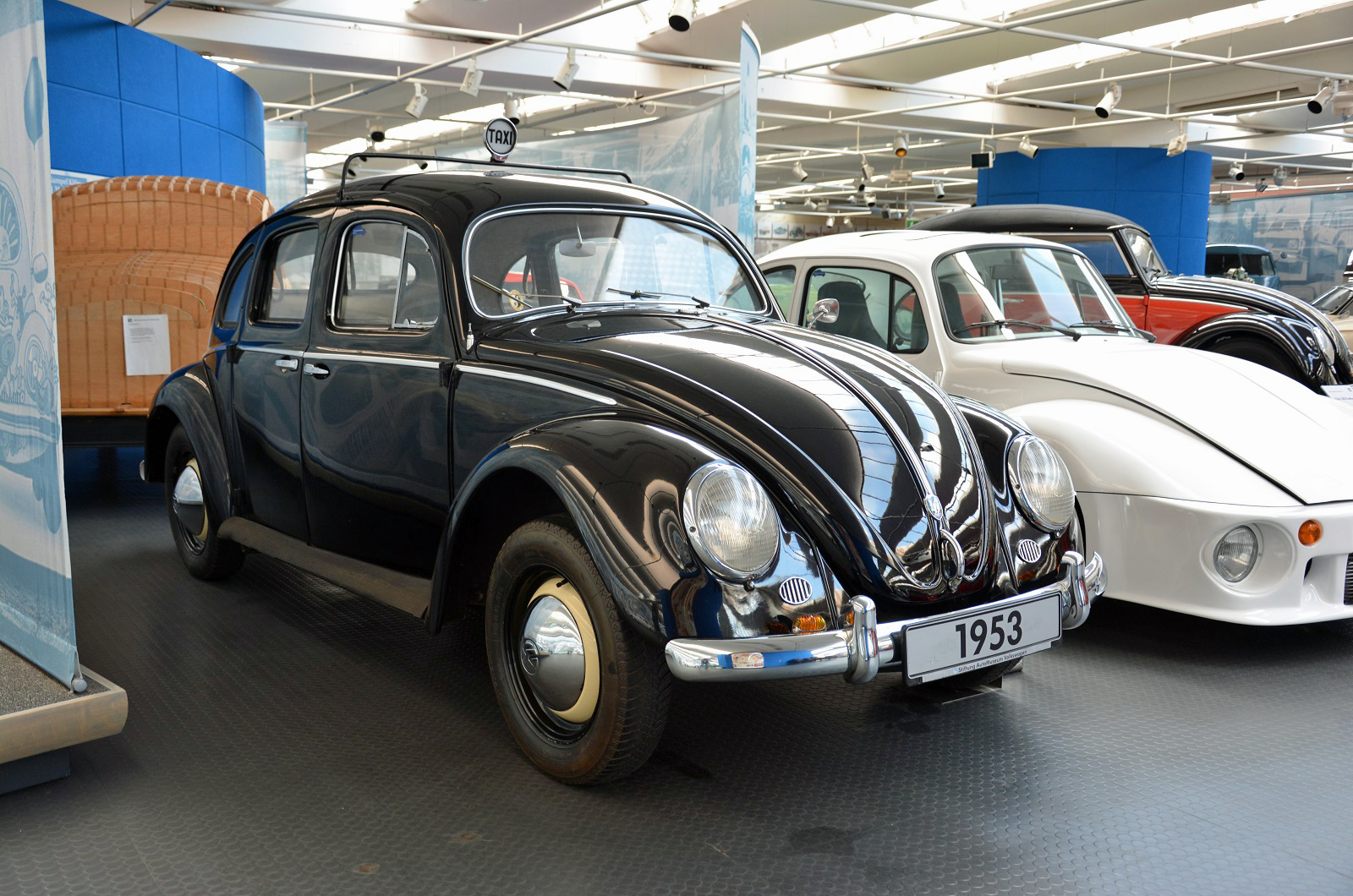
Berlin-based coachbuilder Rometsch wisely identified a market for a four-door version of the Beetle, a variant Volkswagen refused to build due largely to a lack of production capacity. It extended the wheelbase by 250mm and added a set of rear-hinged doors. Volkswagen’s records indicate about 50 examples were built. Taxi drivers seeking an extra dose of practicality scooped up most of the production run.
The one millionth Volkswagen (1955)
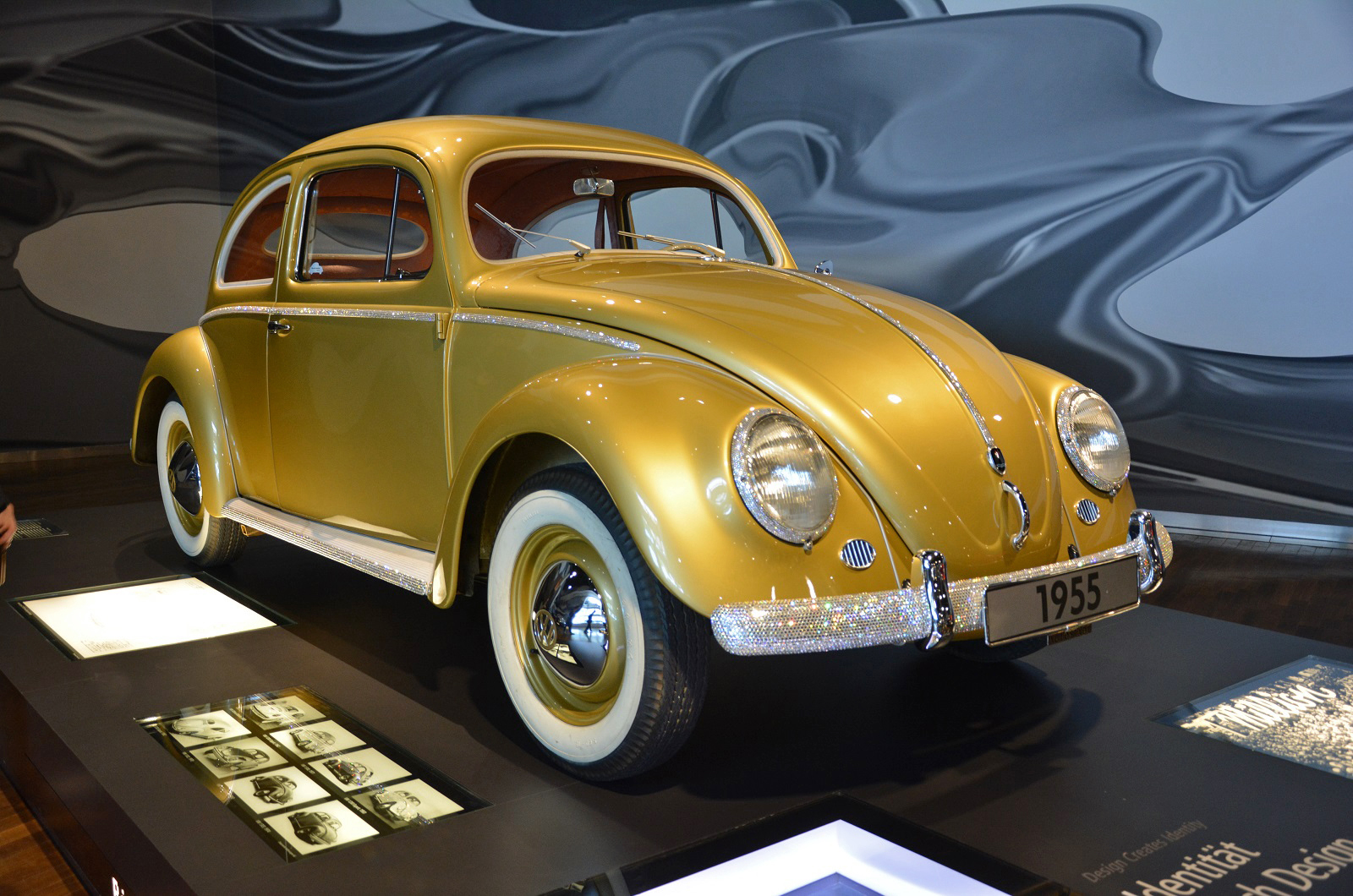
Volkswagen made its one-millionth car in August 1955. Still owned by the firm today, the milestone Beetle received a gold paint job with diamonds embedded into both bumpers, both running boards, the front headlight bezels and nearly every piece of trim. The seats wore commemorative pink upholstery.
The Beetle’s glory days (1960s)
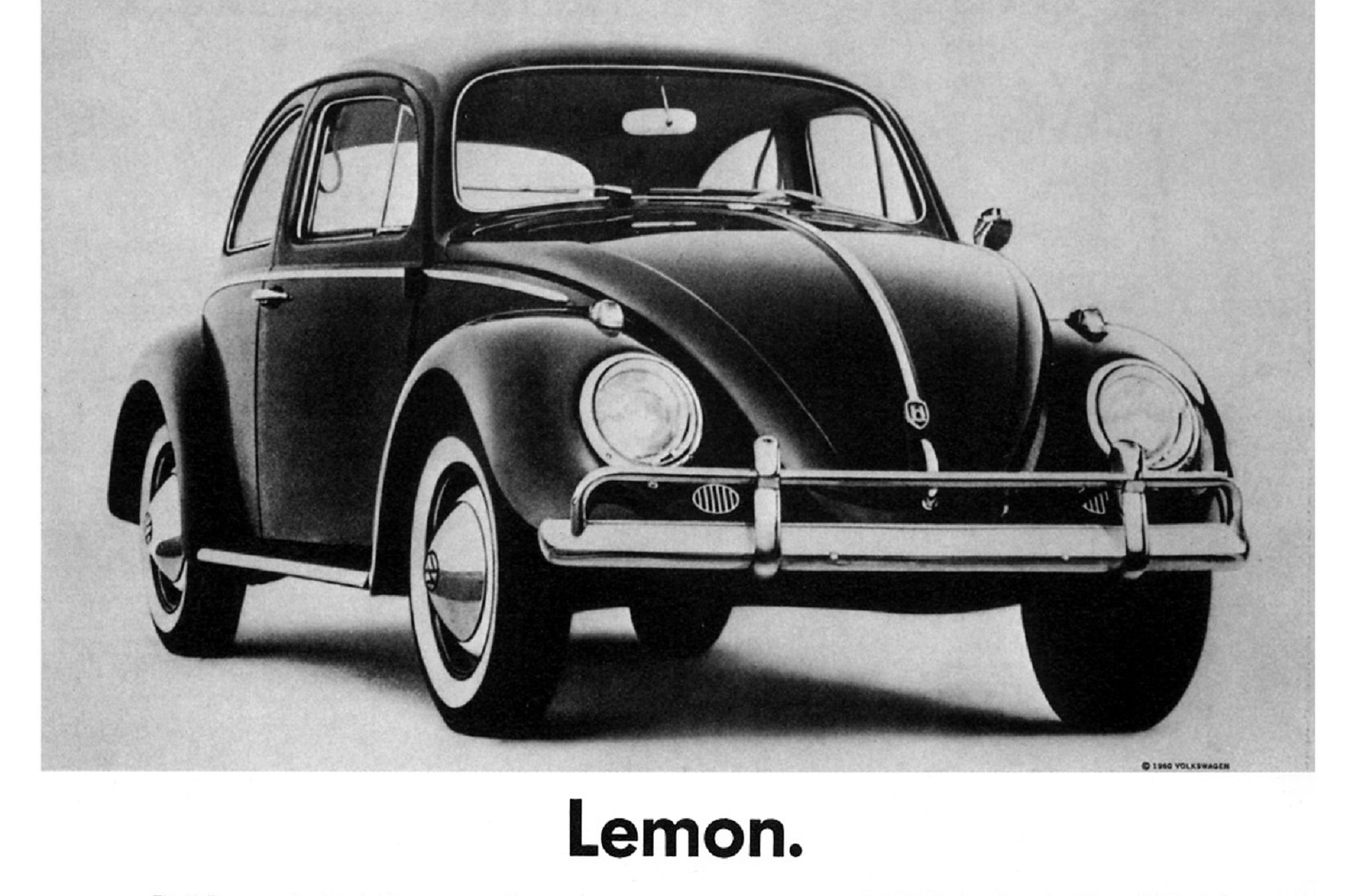
The Beetle's popularity swelled during the 1960s, especially in America thanks in part to a clever advertising campaign. Unlike rivals Renault and Fiat, Volkswagen kept large supplies of spare parts close to the American coasts so owners who needed a headlight, for example, could get one in a week instead of waiting a month for it to arrive by boat from Europe.
Cheap, cheerful and reliable, the Beetle became America’s favorite small car. Many Americans bought a Beetle as their first car out of college or as a second car for their family.
Volkswagen exported 423,008 Beetles to America in 1968 alone. In comparison, Volkswagen of America sold about 340,000 cars in 2017. By the 1970s, the Beetle and its various derivatives (including the Bus and the Karmann Ghia) gave Wolfsburg a 5.6-percent share of the new passenger car market in the US.
The Beetle in Antarctica (1963)
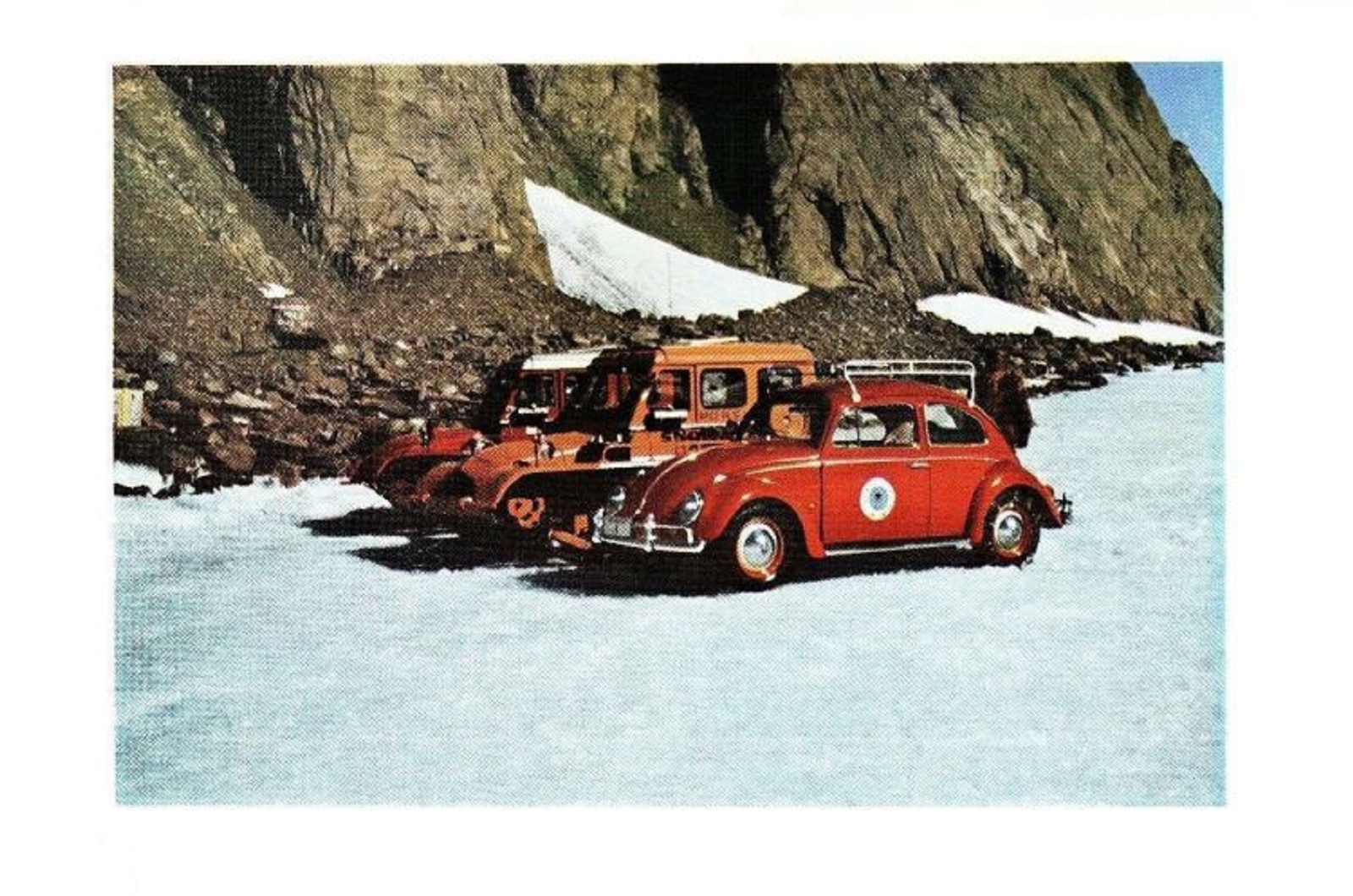
In the early 20th century, intrepid explorers (including Ernest Shackleton) occasionally brought cars on their missions to Antarctica in an optimistic attempt to cover more ground than on a sled while avoiding frostbite in relative comfort. Things didn’t work quite as planned, as was often the case in polar exploration. Some of the cars they enlisted didn’t have a roof; all of them suffered from a frozen cooling system, got stuck in the snow, or both.
In late 1962, the Australian National Antarctic Research Expedition (ANARE) asked Volkswagen’s Australian division for a locally-built Beetle to use during a year-long mission. The company agreed and provided the scientists with a car painted in Ruby Red. Nicknamed ‘Red Terror,’ it performed admirably in spite of the strong winds and the tantalizingly cold temperatures it encountered daily. The modifications required to tame Antarctica in an air-cooled Volkswagen included adding a second battery to help the flat-four start, fitting tire chains and filling the crankcase with thinner oil.
The Beetle returned to Australia in 1964, participated in (and won) the BP Round Australia Rally and promptly disappeared. Its whereabouts remain unknown today.
The Beetle swims (1964)
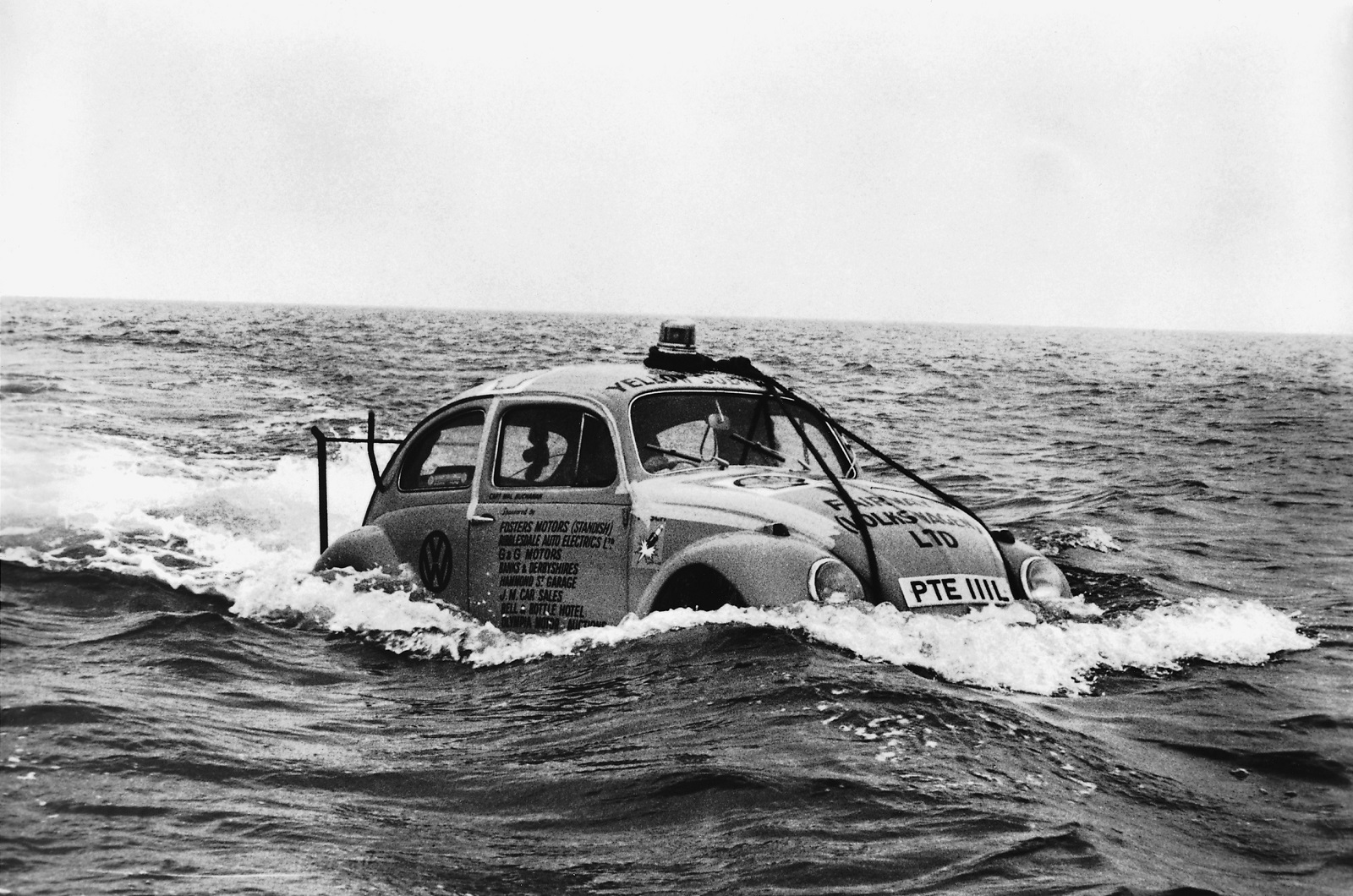
Sicilians have spent decades patiently waiting for a long-promised bridge over the Strait of Messina. In 1964, an Italian Beetle owner decided to take the matter into his own hands and drive across the two-mile stretch of Mediterranean that separates the island from the Italian mainland. He achieved this seemingly extraordinary feat by simply re-routing his Beetle’s intake and exhaust systems and bolting a propeller to engine’s crankshaft.
Oddly, this wasn’t the last time a Beetle would swim. Another Beetle (pictured) later crossed the Irish Sea between the Isle of Mann and the English County of Cumberland.
The Beetle gets a new face (1967)
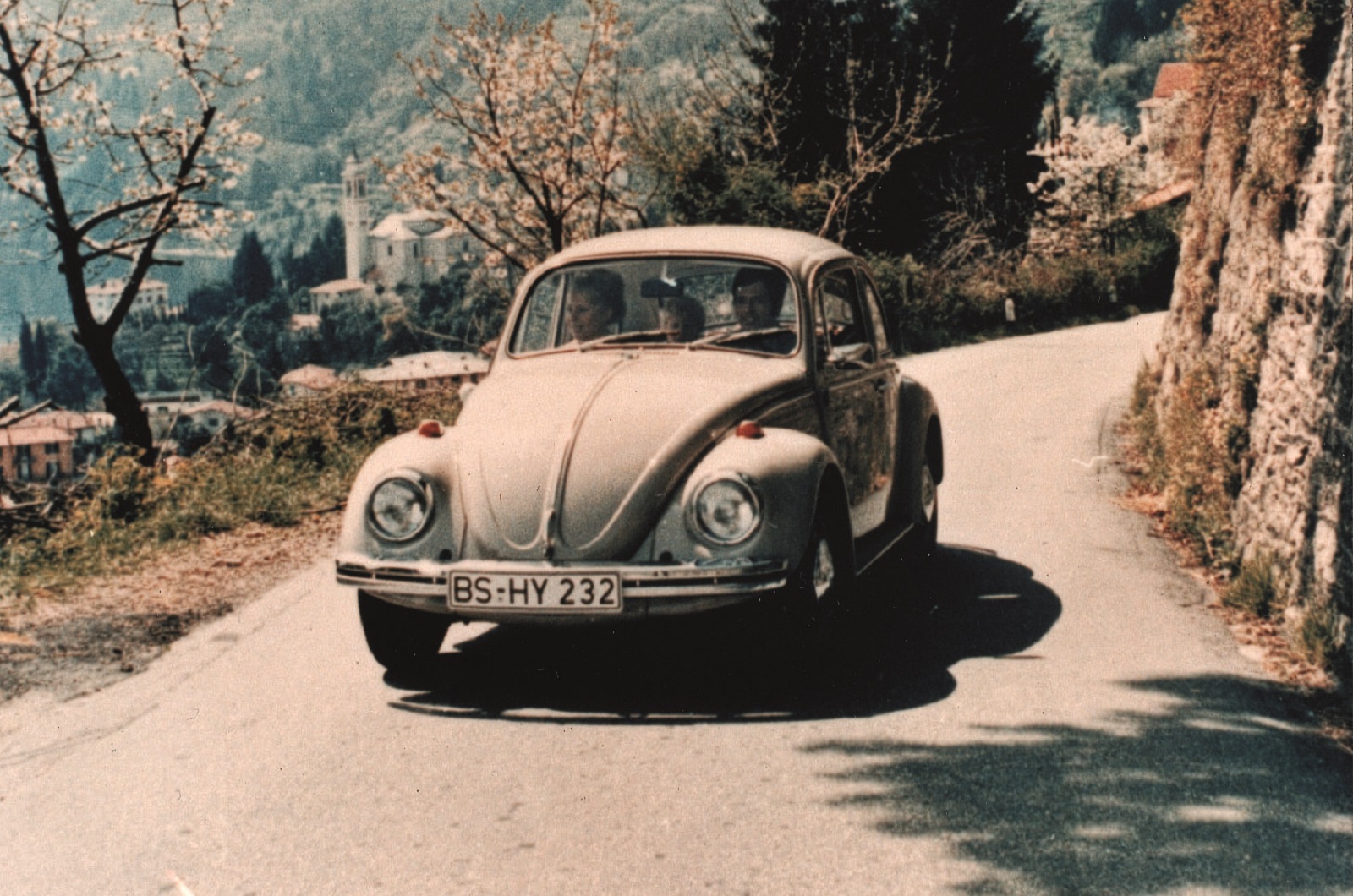
1967 brought the Beetle’s first major visual update. Volkswagen replaced the sloped headlights the car had worn since the 1930s with upright units and fitted larger rear lights with integrated reverse lights. The changes also included new bumpers on both ends, four-lug steel wheels and a redesigned dashboard. You can call it a mid-cycle update; it occured almost exactly halfway through the Beetle's unusually long production run.
Significantly, Volkswagen also added two-speed windshield wipers, a 12-volt electrical system and an upgraded brake system. A semi-automatic transmission aptly named Automatic Stick Shift (we won’t provide you with the acronym) joined the list of options a year later.
The Super Beetle (1970)
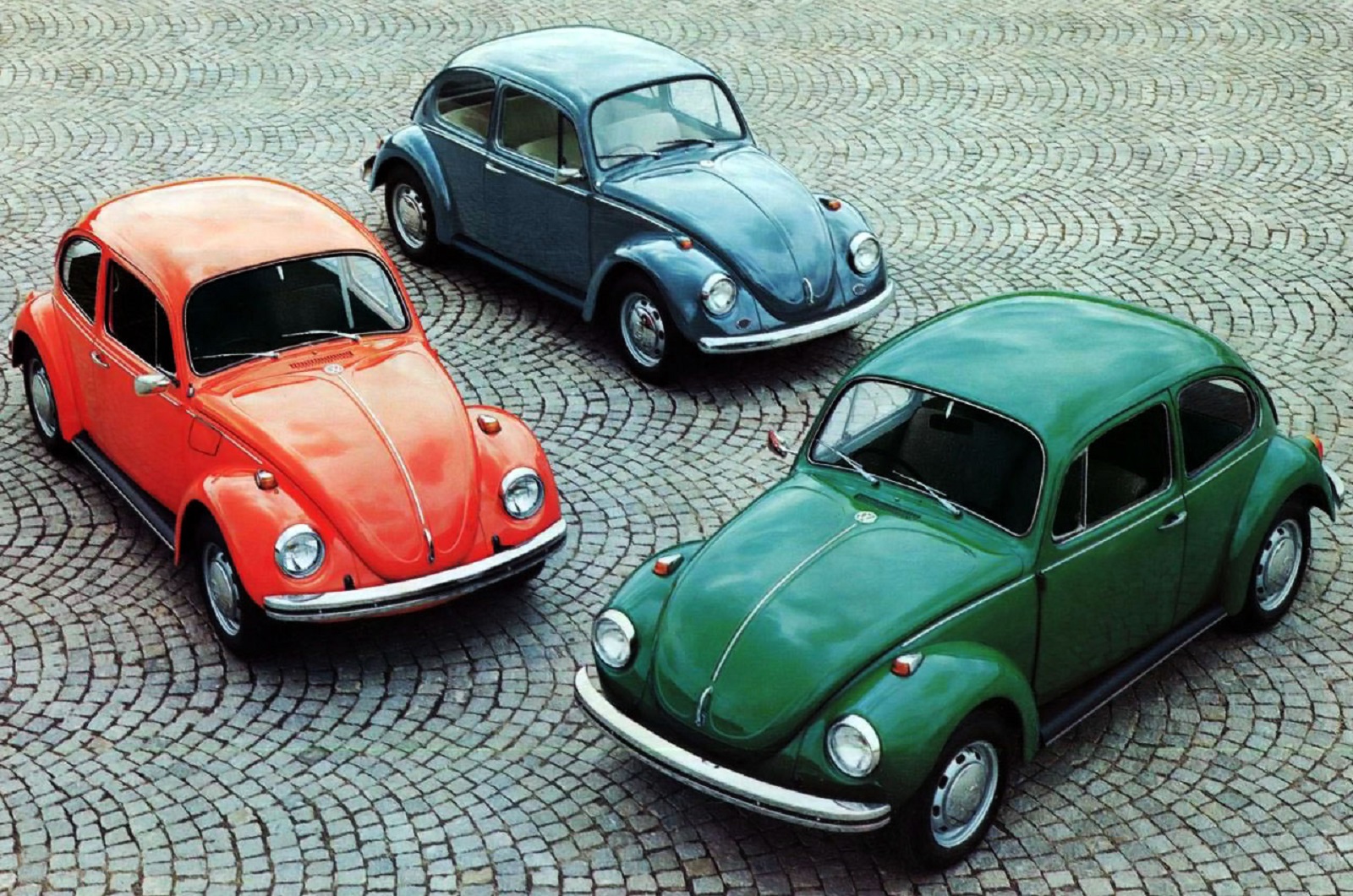
The next major change arrived in time for the 1971 model year, when Volkswagen introduced the Super Beetle (known as the 1302 in most global markets). McPherson struts replaced the torsion beam front suspension, allowing engineers to mount the spare tire horizontally and address one of the Beetle's biggest shortcomings by carving out a bigger trunk. All told, Volkswagen boasted it made 89 improvements to the Beetle to make it worthy of the Super prefix.
The brand displayed an unusually high level of foresight when it added a diagnostic port in the engine bay. It allowed technicians to monitor the rear lights, the condition of the charging circuit, the engine’s compression and the ignition timing.
The upgrades came at a slight cost. In 1972, the Super Beetle cost $1985 (about $11,824 today). The standard Beetle cost $1845 (roughly $10,990 today) that same year.
Volkswagen vs. Ford
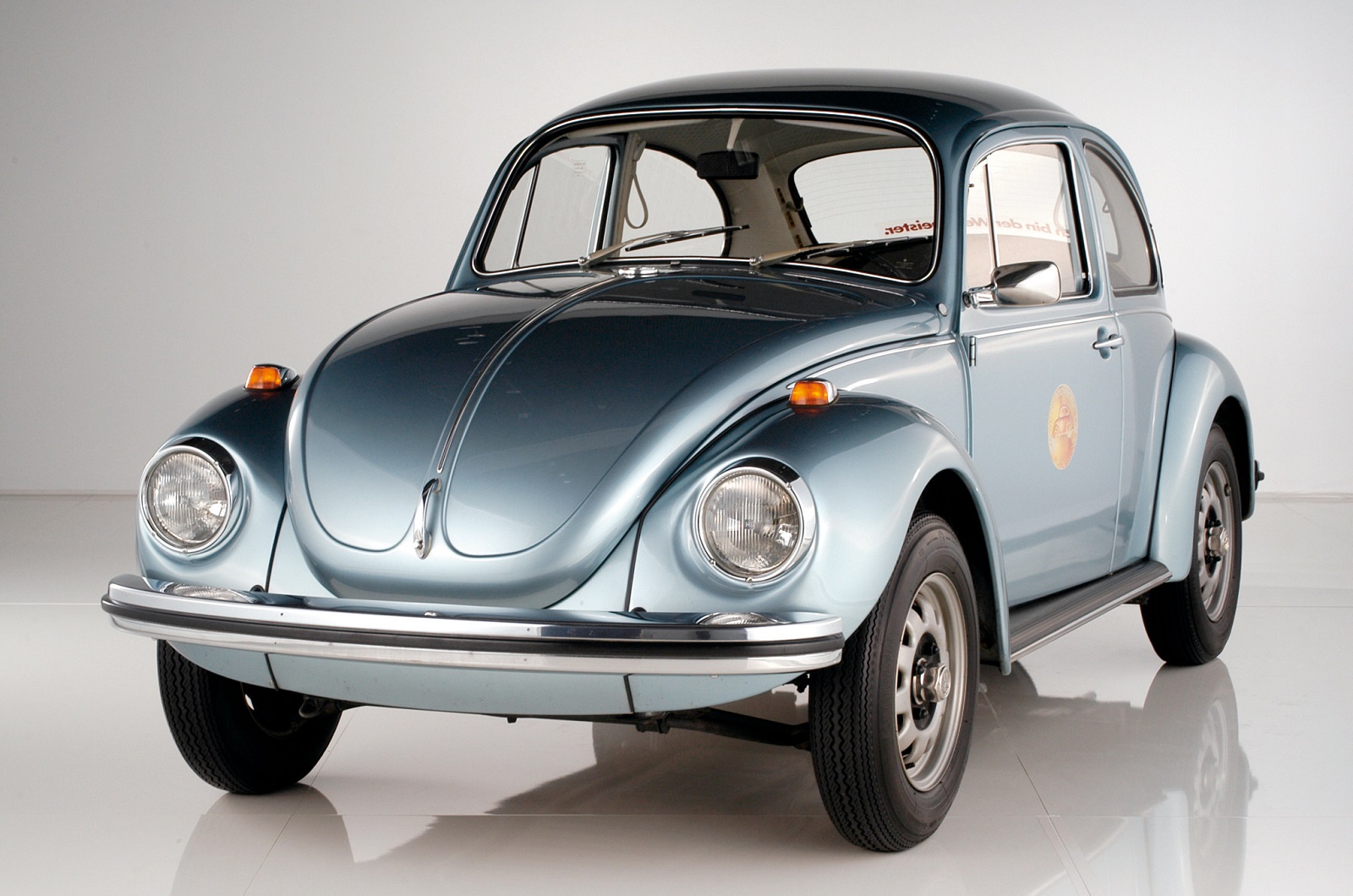
Volkswagen built the 15,007,034th Beetle in February 1972, a number not as random as it might initially seem. It meant the Beetle had passed the Ford Model T to become the best-selling car in history. Volkswagen celebrated the occasion with a special model named Weltmeister, a word that means ‘world champion’ in German. Based on the 1302 S, it stood out with metallic blue paint and special wheels.
The Beetle’s final evolution (1972)
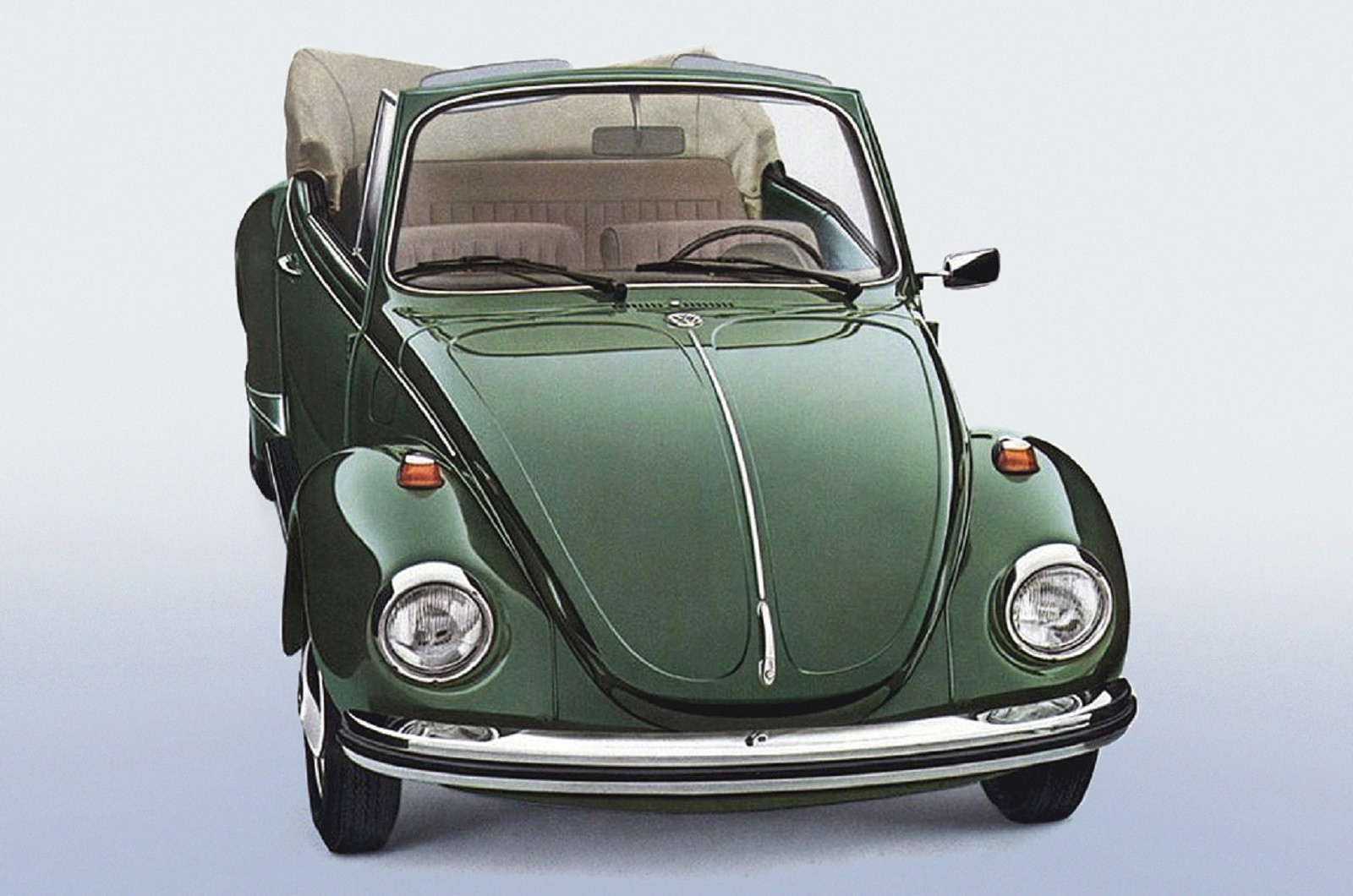
The 1303 arrived in August of 1972 as a 1973 model. It retained the Super Beetle designation in America. Volkswagen added a curved windshield for safety reasons; it reduced the risk of glass cutting the passengers during a front-end collision. The dashboard inevitably got bigger while the hood shrunk correspondingly.
Yellow black racer (1972)
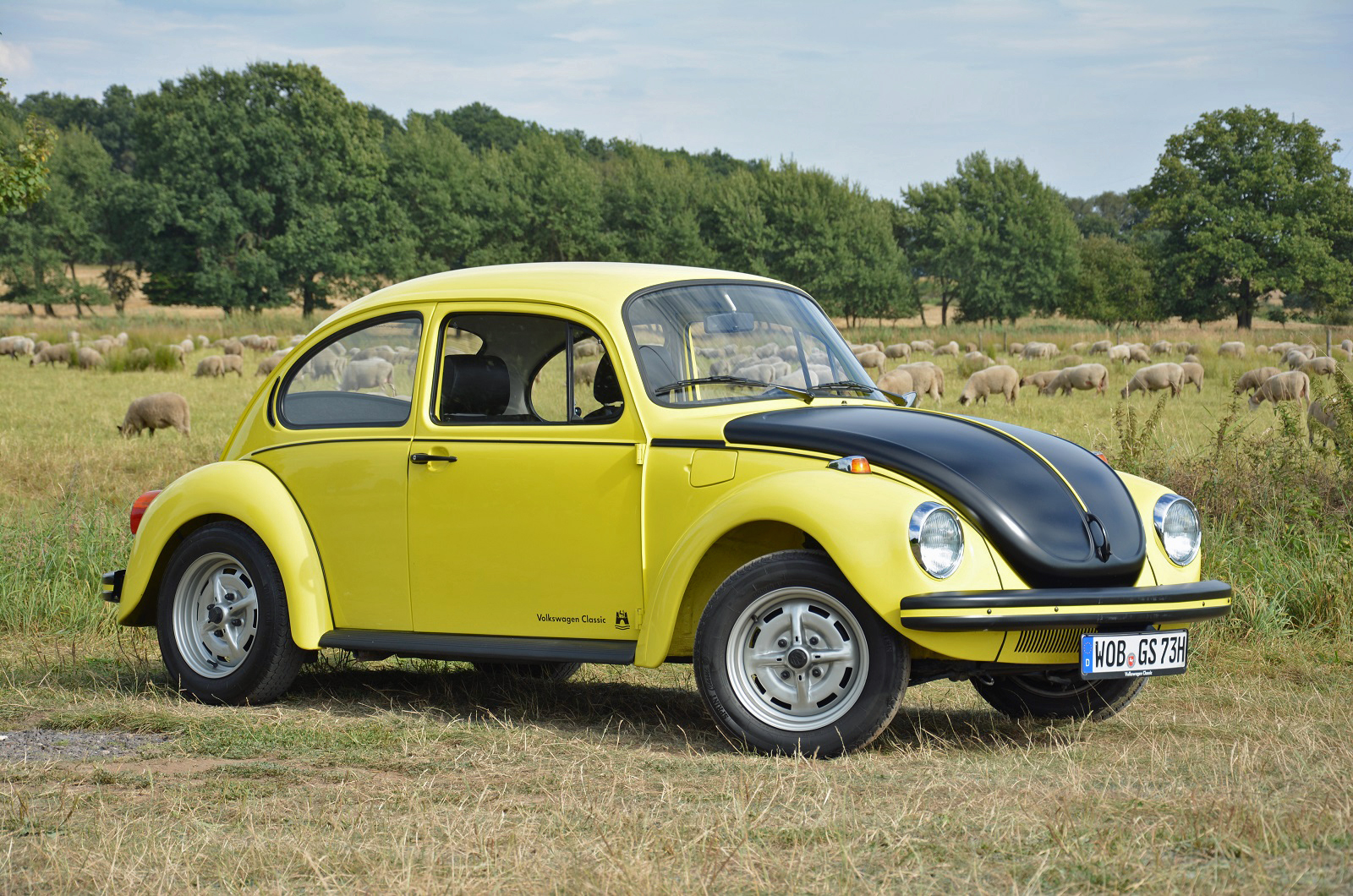
Enthusiasts raced the Beetle in a wide variety of motorsport events ranging from the Monte-Carlo Rally to the Baja 1000, though they rarely went racing with factory support. In 1972, Volkswagen finally answered to calls for a sportier model by releasing a limited-edition model named GSR, an acronym that stood for gelb schwarzer renner (‘yellow black racer’ in German). Though not exactly the GTI of the Beetle family, it looked the part with a flat black hood, wider steel wheels, a three-spoke steering wheel and sport seats for the front passengers.
Volkswagen made not the slightest modification to the engine. The GSR retained a 50-horsepower 1.6-liter flat-four from the stock 1303 S. However, every example came with a list of company-approved aftermarket tuners capable of extracting every last horse out of the four-cylinder. Most examples were tuned, raced and driven into the ground. Volkswagen estimates about 100 GSRs are left today out of a 3500-strong production run.
The Beetle runs out of breath
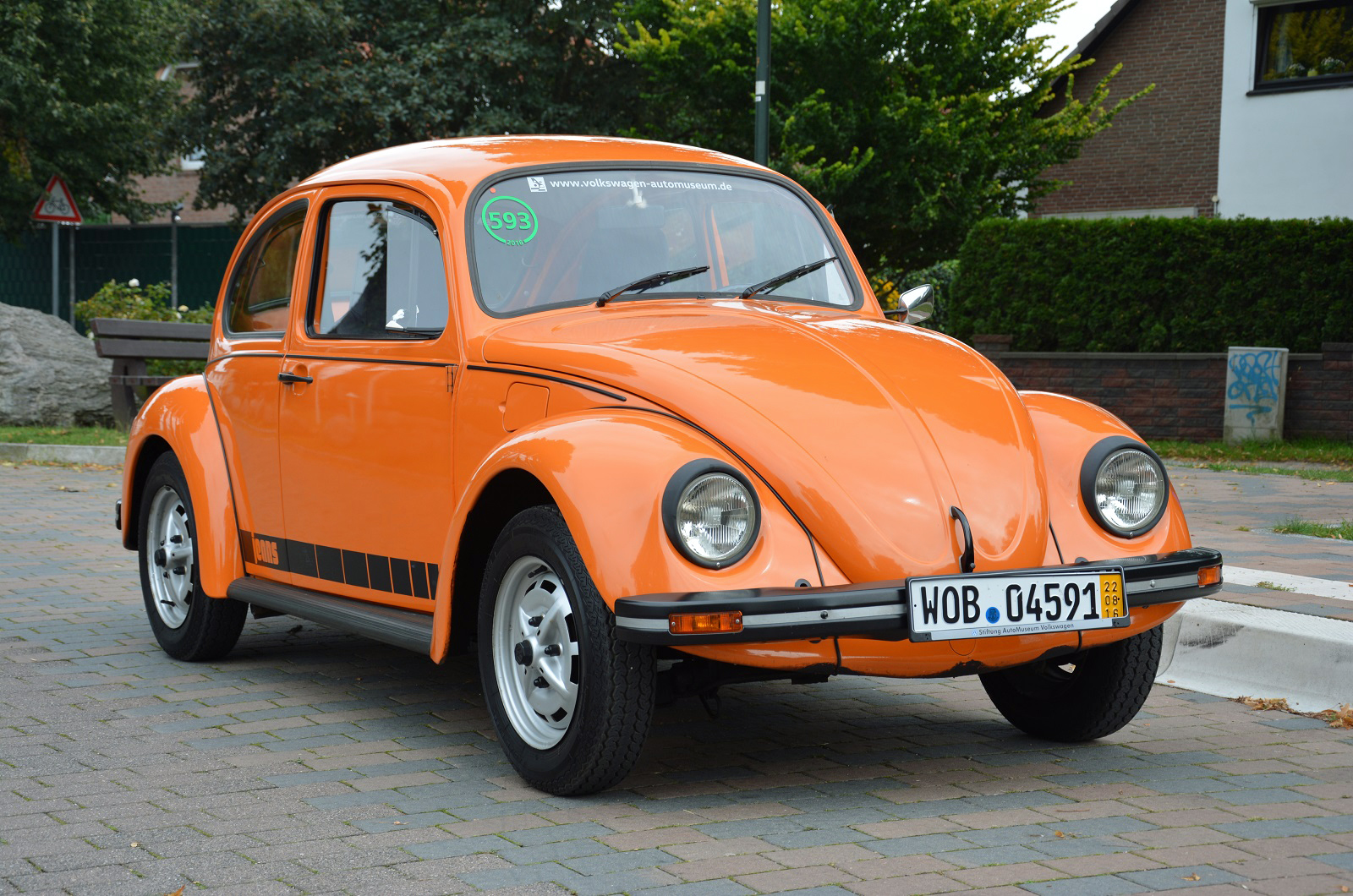
The Beetle’s strong resistance to change helped it conquer the world in the 1960s but it backfired during the 1970s. More modern competitors like Honda’s superb Civic and Volkswagen's own Golf used less gas, offered more space for both passengers and cargo and often cost less. Volkswagen attempted to breathe new life into the Beetle by launching an armada of limited-edition models in Europe and in America, like the Jeans pictured above.
The Beetle exits America (1979)
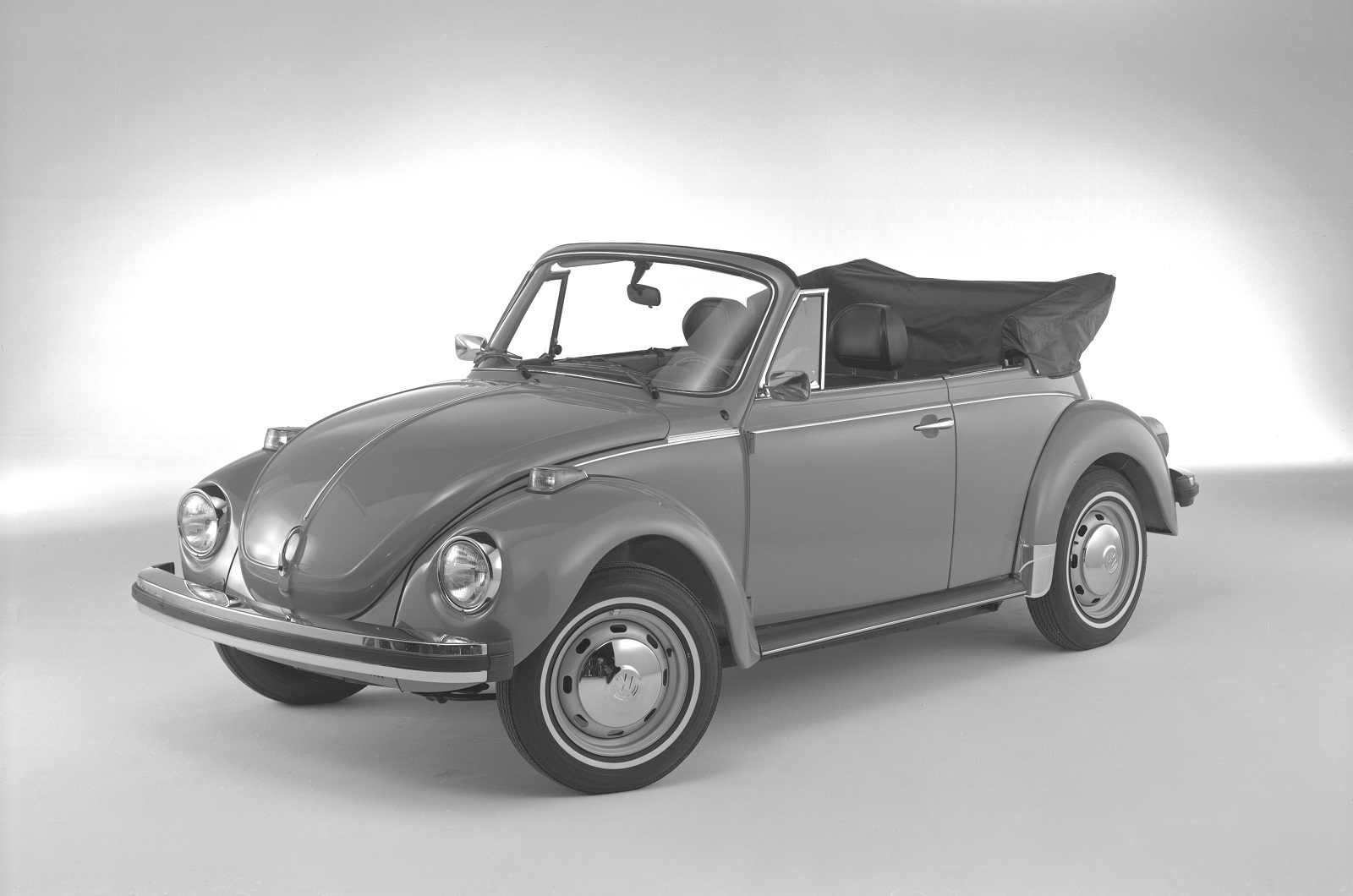
Volkswagen of America stopped selling the Beetle sedan at the end of 1976. The Convertible soldiered on through 1979. It couldn’t last much longer because it became increasingly difficult (and expensive) for Volkswagen to make it compliant with safety and emissions regulations in the US.
In its final year on the market, it came equipped with a 1.6-liter flat-four that relied on electronic fuel-injection to produce 48hp. Pricing started at $6800, which represents $23,300 today. In comparison, a 2018 Beetle Convertible starts at $25,440.
… but lives on elsewhere (1979)
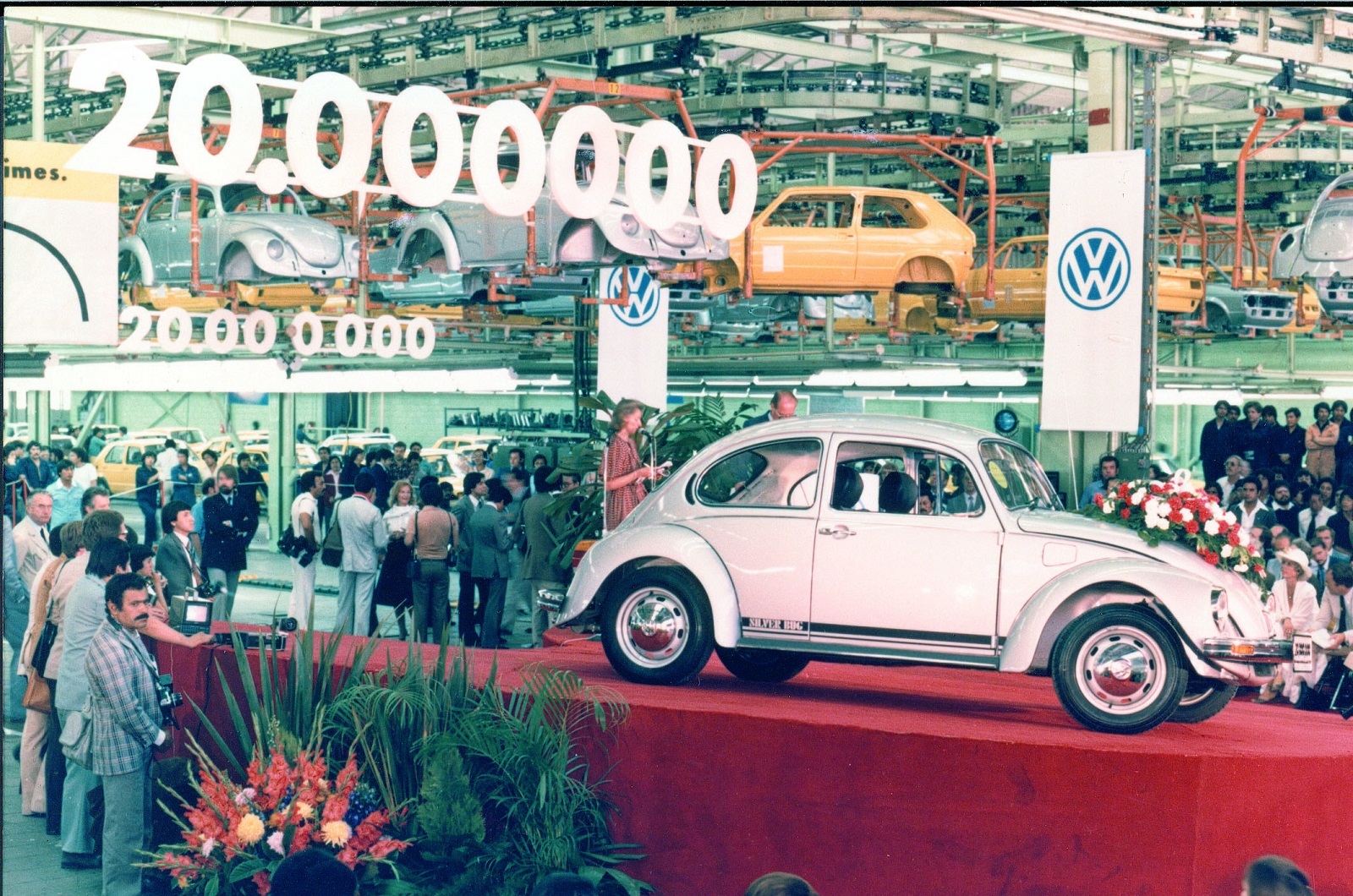
Though Wolfsburg no longer built the Beetle, it remained available as the brand’s entry-level model in several European markets until 1985. Production continued in several nations including Mexico, Brazil and South Africa. The Brazilian factory notably supplied complete knock-down kits to Nigeria.
The Beetle remained immensely popular in Mexico, where decision-makers elected it the official cab of Mexico City in 1972. They correctly argued the Beetle was more affordable to buy than big, V8-powered American cars and appreciably cheaper to operate.
The Beetle takes flight (1995)
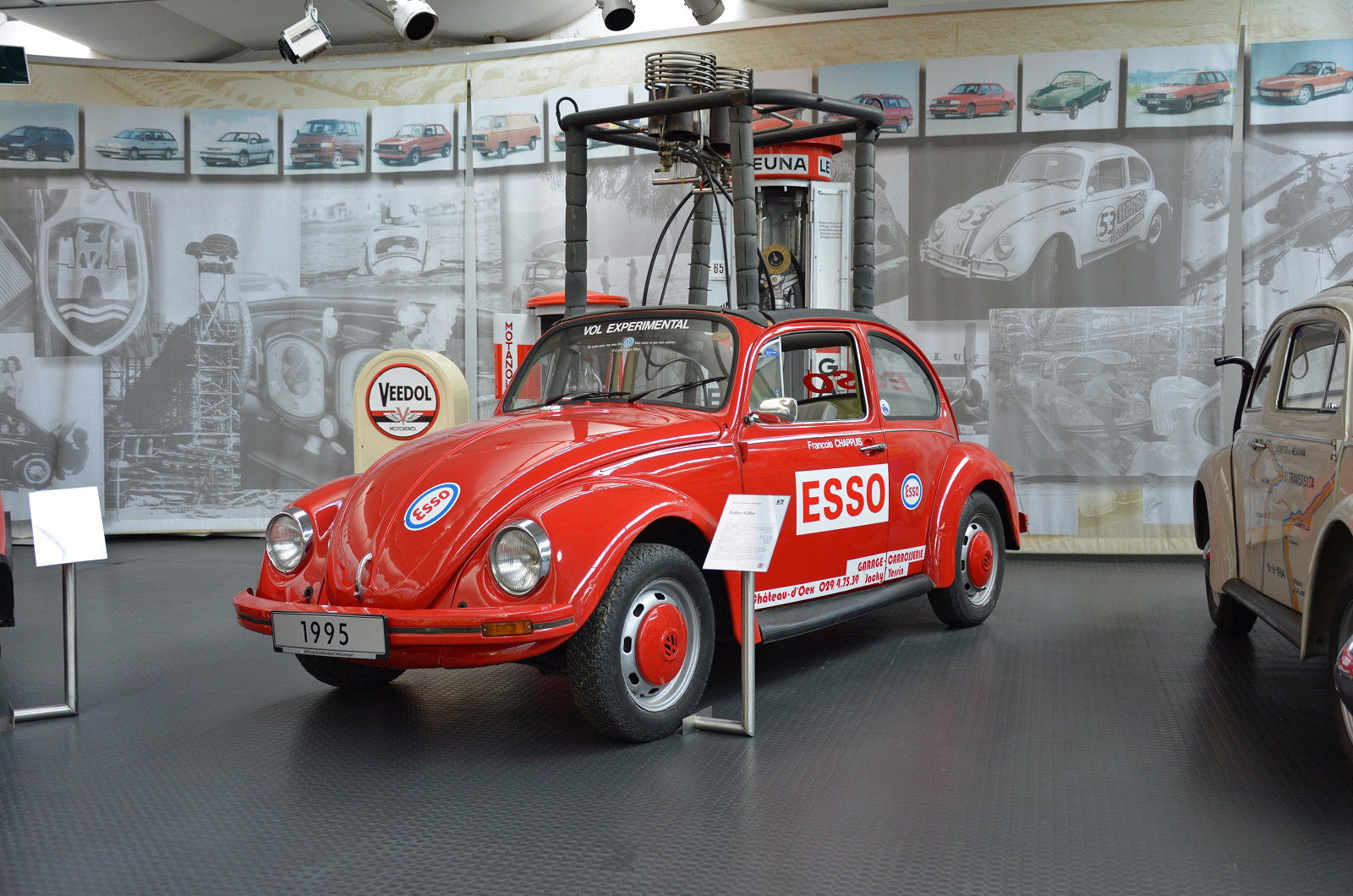
Every year, a small town in the Swiss Alps named Château-d'Œx hosts a hot-air balloon festival. The same town also organizes an annual Beetle gathering. Do you see where we’re going with this?
In 1995, participants threw logic to the wind and fused the two hobbies by building an unlikely Beetle-based balloon. They stripped the Beetle’s interior to shed as much weight as possible, fitted it with a burner and sent it into the clouds. It lived to tell the tale and somehow found (or floated) its way to the Volkswagen museum in Wolfsburg.
The last Beetle (2003)
At the turn of the millennium, it became evident the Mexican market couldn’t prop up the 62-year old Beetle on its own for much longer. Annual sales dropped from 41,600 in 2000 to about 23,000 in 2002. The final nail in its coffin came in 2002, when officials ruled every car operating as a taxi in Mexico City needed to have four doors for safety reasons. No one considered re-launching production of the Rometsch taxi from the 1950s; they simply steered taxi drivers towards the Nissan Tsuru.
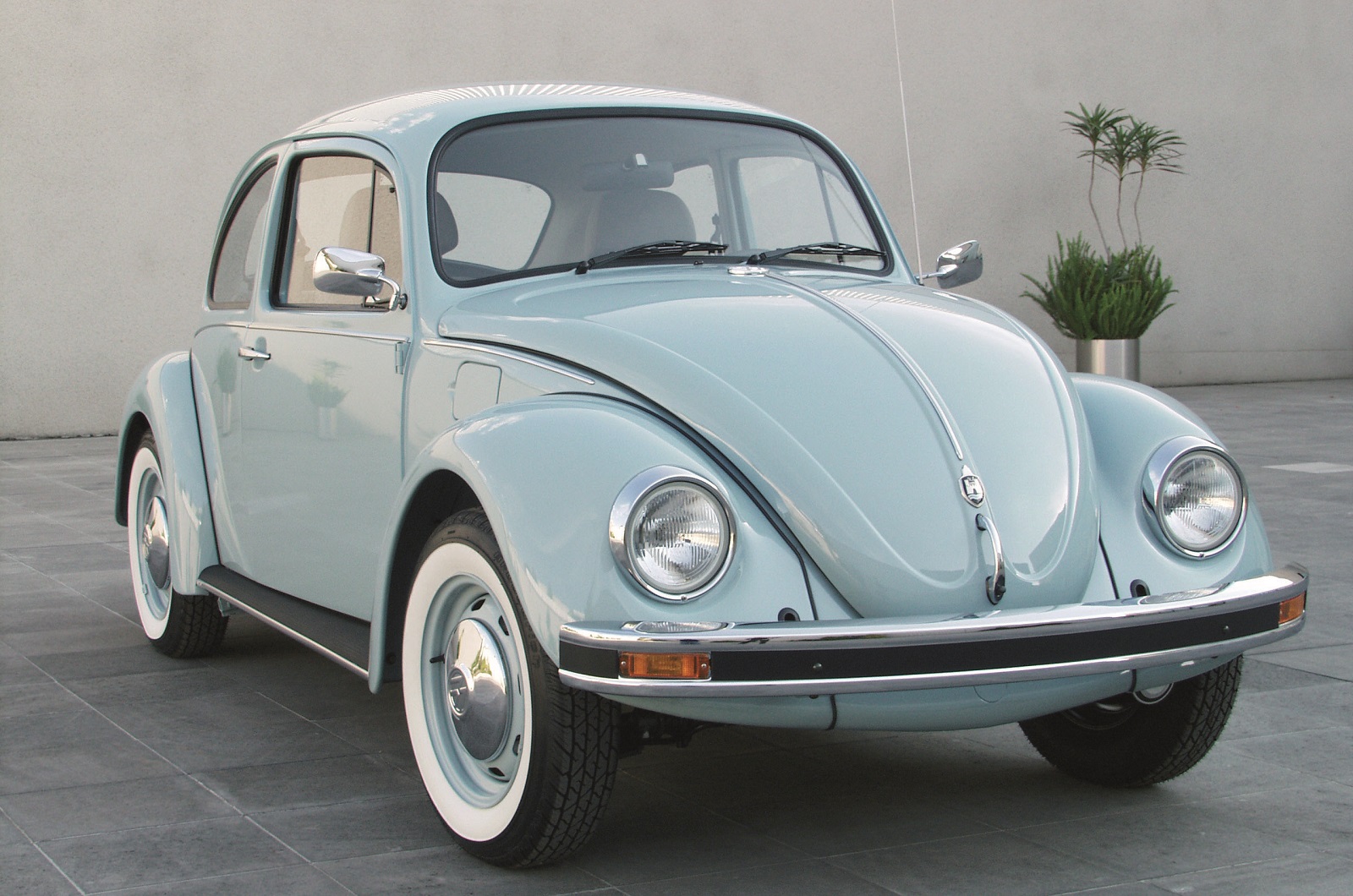
Volkswagen sent off the Beetle with a limited edition named Ultima Edicion available in blue or beige. Every Ultima Edicion came with retro-inspired add-ons like chromed trim, whitewall tires and an old-style Wolfsburg emblem on the bottom of the hood. The last Beetle rolled off the Puebla, Mexico, assembly line on 30 July 2003 and traveled straight to the Volkswagen museum in Wolfsburg. It marked the end of a 65-year old production run during which 21,529,464 cars were built.
The Beetle today
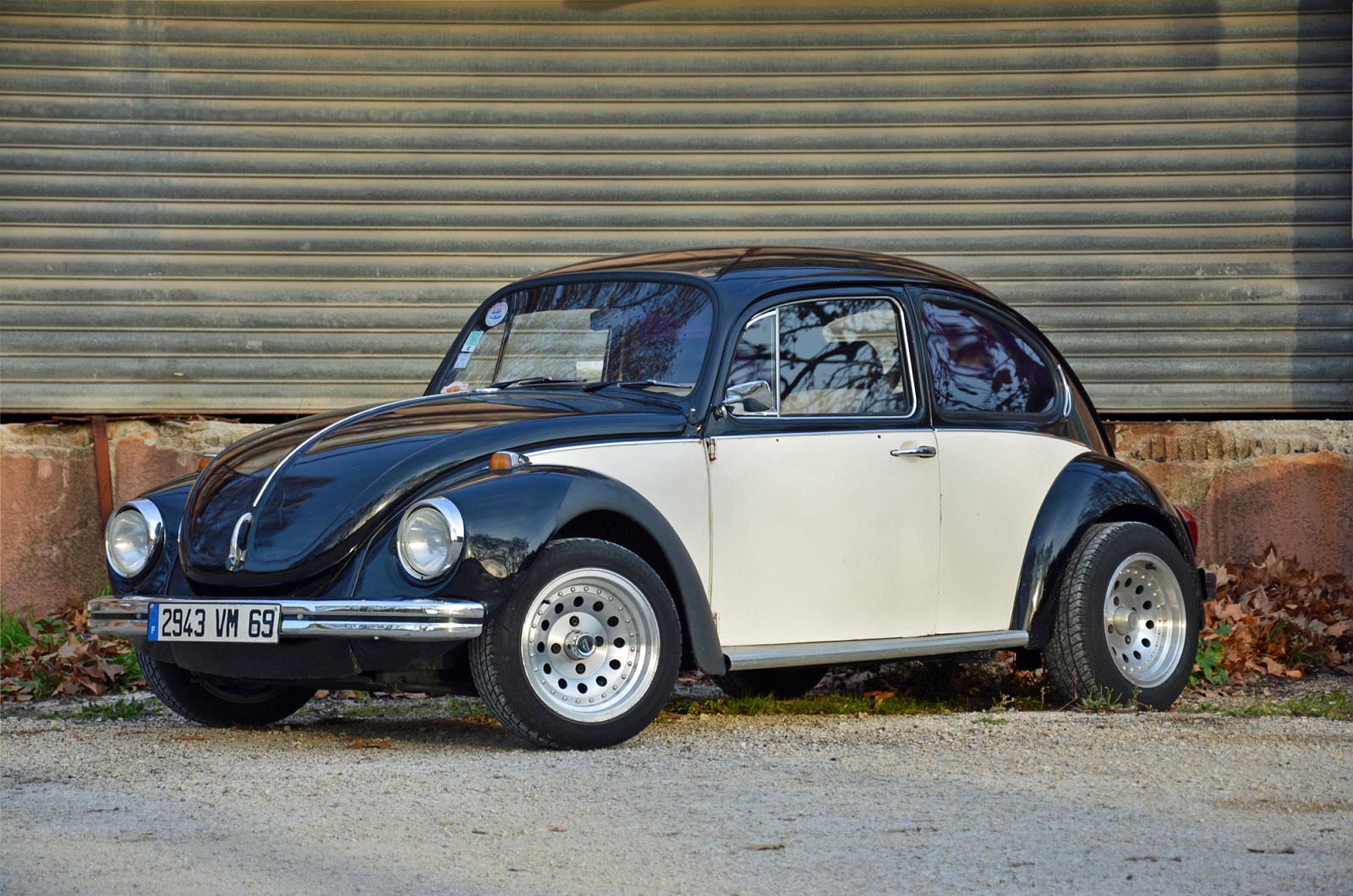
No longer a disposable used car, the Beetle has clawed back from the Death Valley of automotive depreciation to become a sought-after classic car. It’s more than just a machine to travel from A to B; it’s an emblem that has transcended generations with its friendly face and its humble demeanor.
In many countries a Beetle in tip-top shape costs more today than when it was new, a monstrously ironic feat considering its roots as an affordable people’s car.
Beetle gatherings
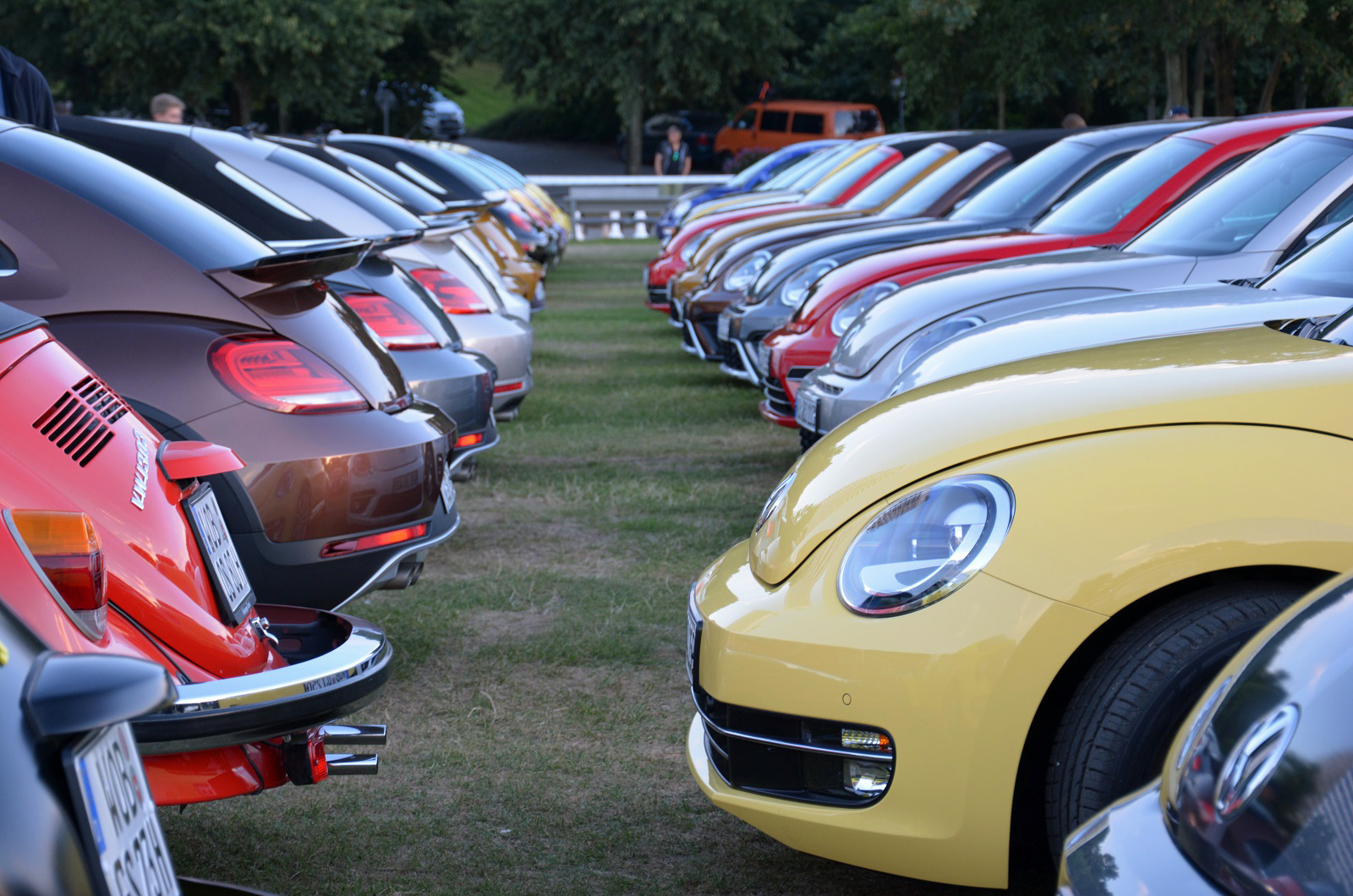
There are countless Beetle gatherings and owner’s club all over the world. One of the largest in Europe takes place annually in northern Germany. Called Beetle Sunshine Tour, it’s such a significant even that Volkswagen chose it as the venue to introduce the updated 2017 Beetle in 2016. It’s open to the classic air-cooled Beetle, the New Beetle and the modern-day Beetle.
Make it your own
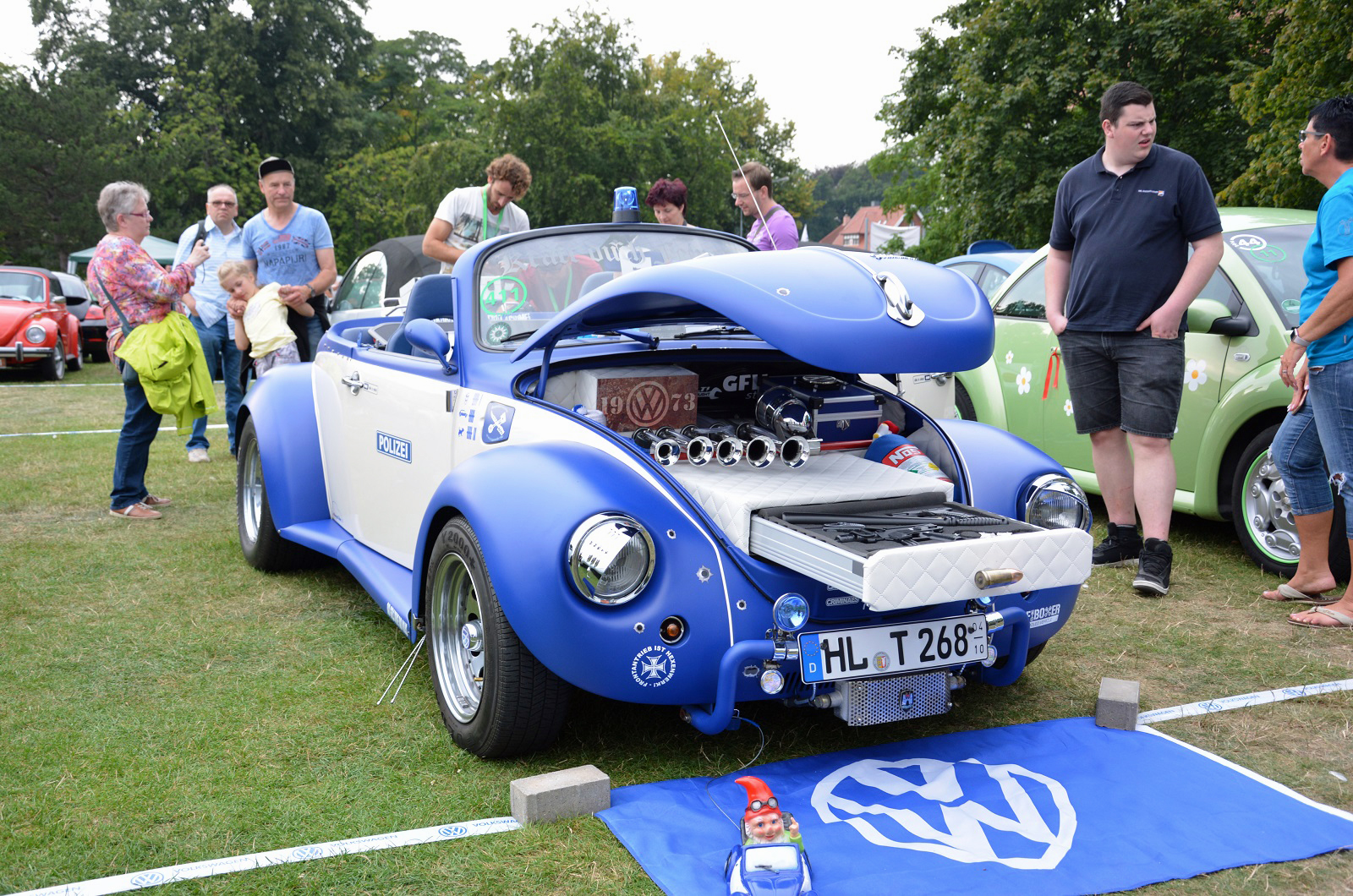
It’s nearly impossible to find two identical cars at the Beetle Sunshine Tour. Some remain stock, but a majority of the examples on display are wildly customized. This German-registered 1303 convertible showcases almost every modification documented in the encyclopedia of automotive tuning.
The unfortunate ones
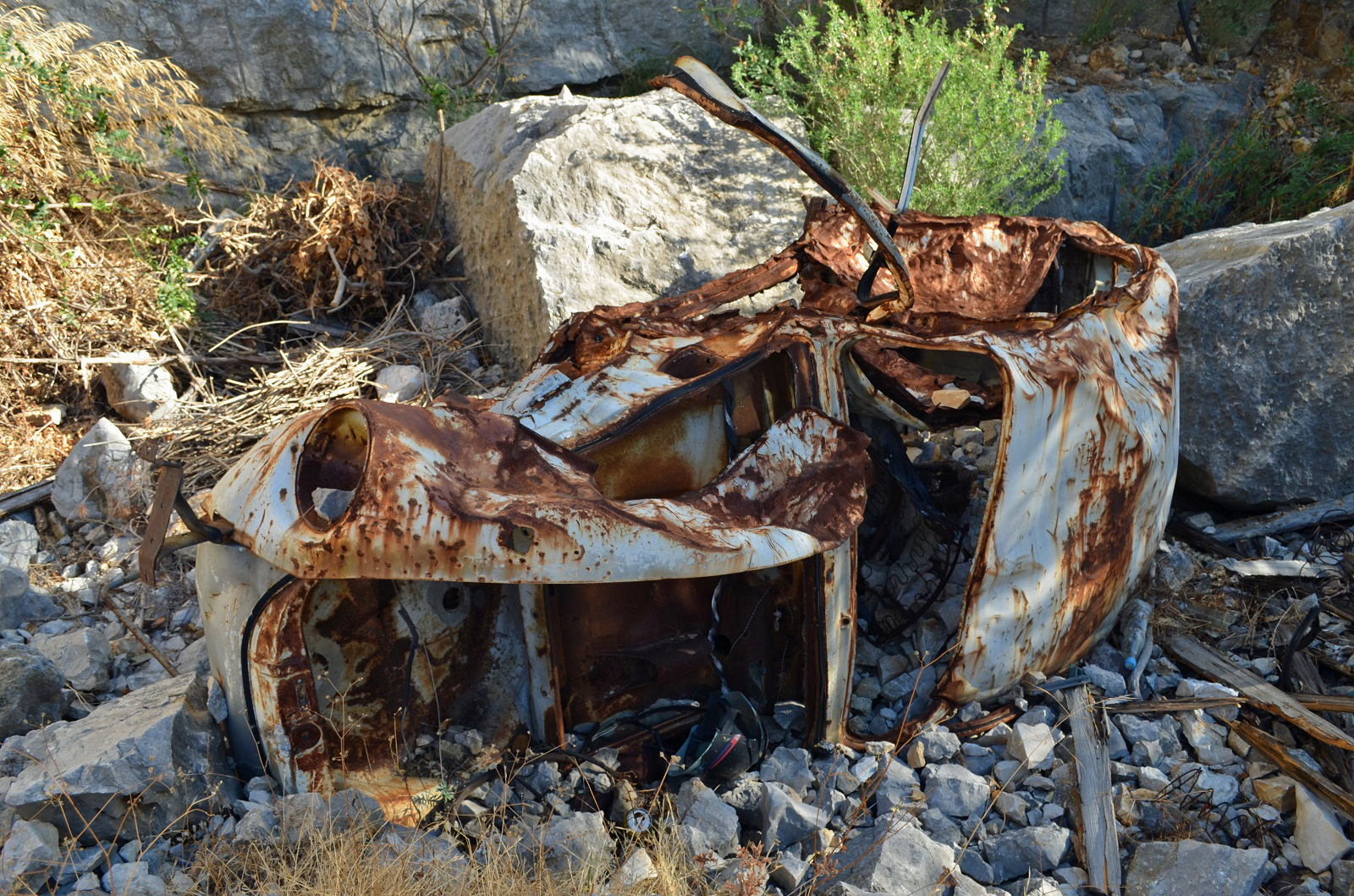
Even as values continue to rise, not every Beetle gets treated to a pan-off restoration before getting stuffed in a heated garage. Some are simply too far gone to save. This unfortunate example is ending its days at the bottom of an abandoned quarry in the south of France.