

Rezvani Dune Redefines the Off-Road Supercar with 800-HP V10 and Extreme Exclusivity

Overhyped Cars and Their Hidden Flaws: When Reputation Outpaces Reality
 Overrated is a strong word - we wouldn't want you to think any of these aren't much good, but they do have overlooked flaws
It’s not a lemon list, more a herd of sacred cows about which the world thinks of in one way yet the reality can be slightly different.
All – or, at least, most – of these cars have some mega plus-points, but they also have reputations that are a bit larger than life. We take a look at some, and explain why those reputations can be over the top:
Land Rover Series I (1948)
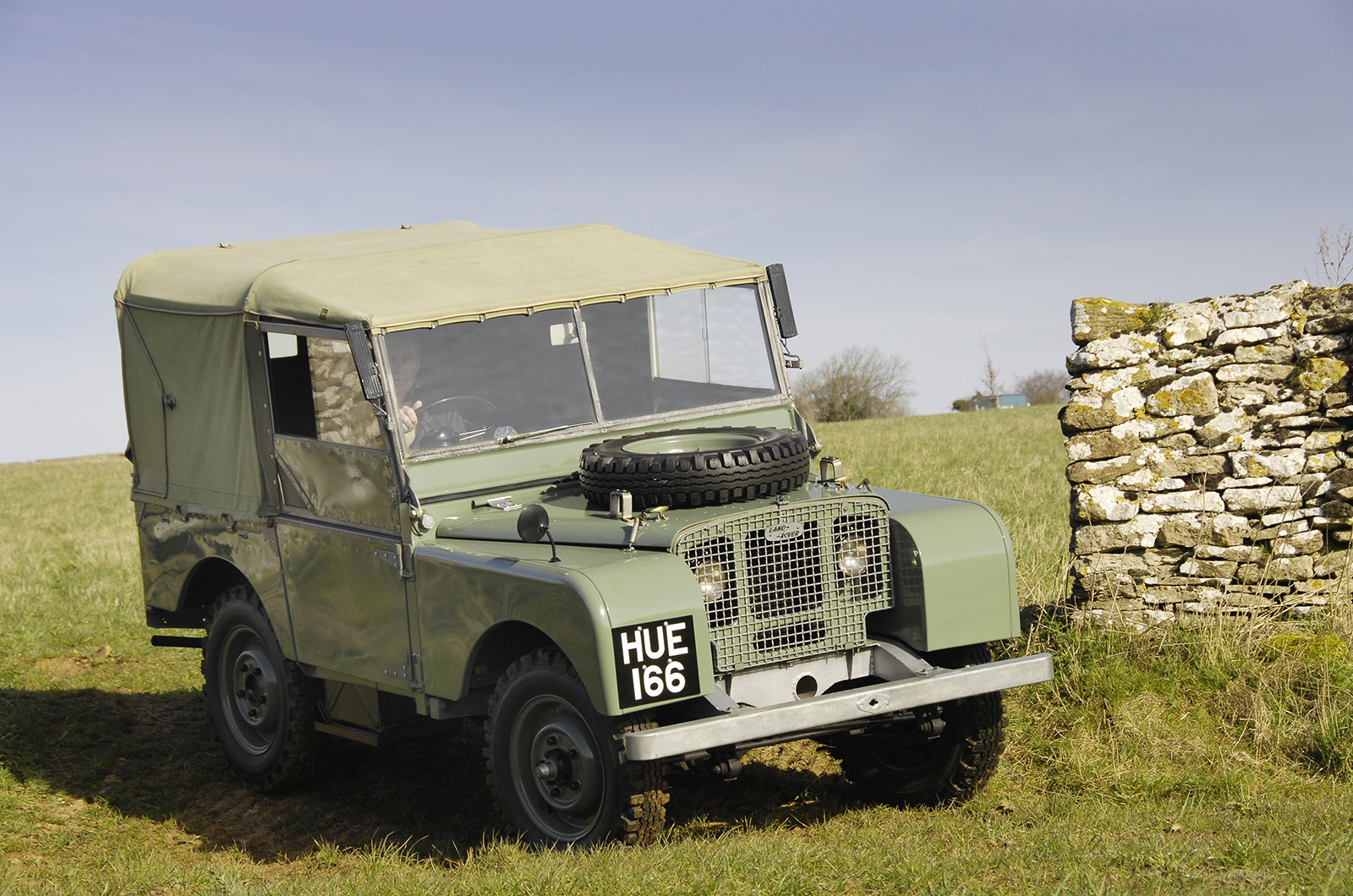
The lovable Land Rover is hailed, quite rightly, as the grandfather of all civilian off-roaders, and how these very early vehicles can still perform in the rough is impressive – were you to submit your Series I to some farm life. ‘Dual-purpose’ is where the concept falls down.
Land Rover Series I (1948)
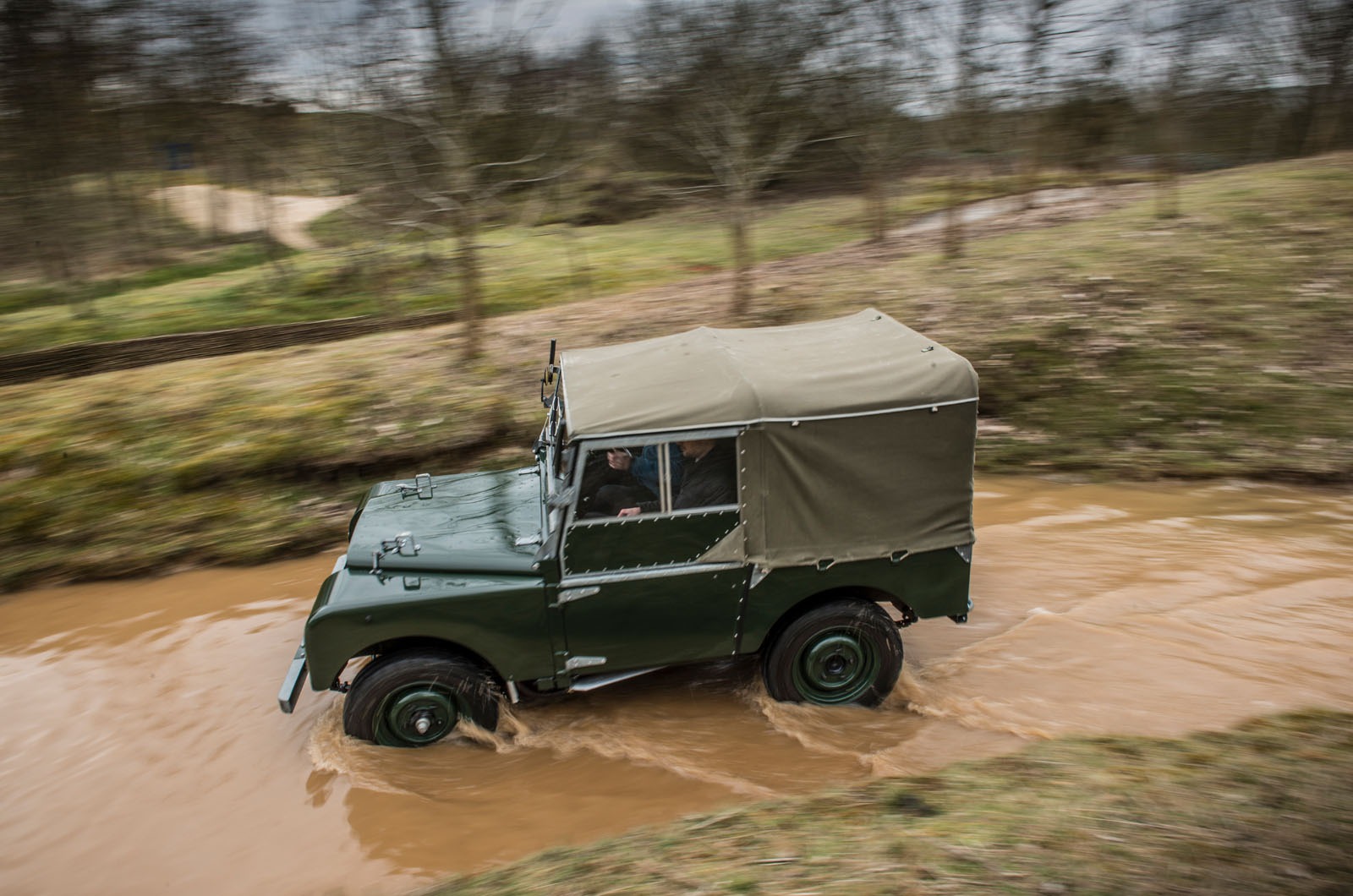
While there’s no disputing it can, legally, be driven on tarmac, the experience is one that should be kept as short as possible in the best interests of your spine, teeth, joints and nerves as the leaf springs, chassis girders and hefty, turning axles make their jarring progress. Think of it as not really a car, and keep to the fields, and you’ll be fine.
Volkswagen ‘Beetle’ (1950)
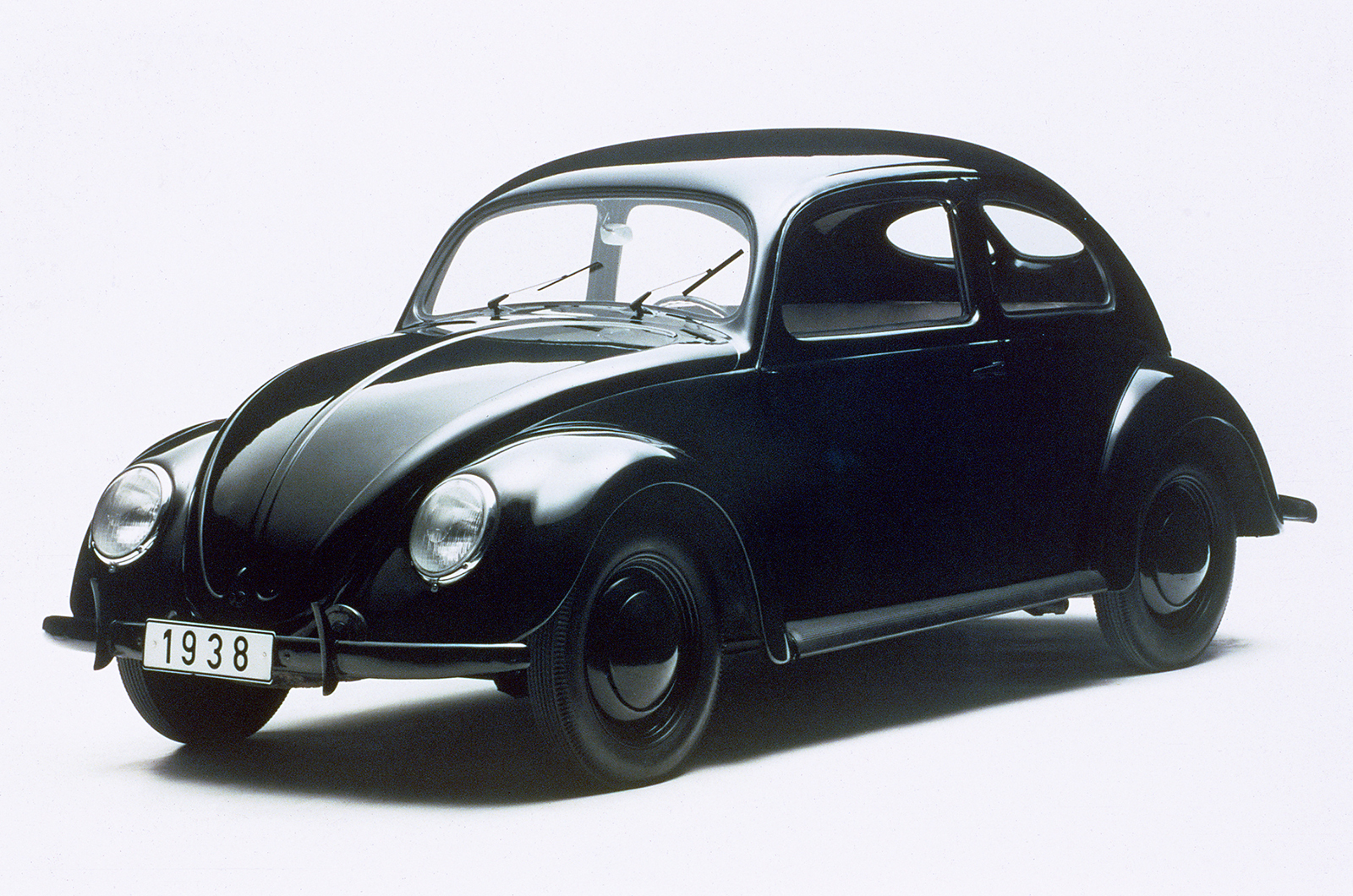
That a cheap, 1930s economy car design should survive on sale for some 60 years, and sell 21 million examples, is of course a phenomenon. It is, though, one celebrated today by people who would find a Beetle an appalling prospect, as it certainly did not set the pattern for the modern car. The rear-engined layout, and weight bias, is not the most forgiving.
Volkswagen ‘Beetle’ (1950)
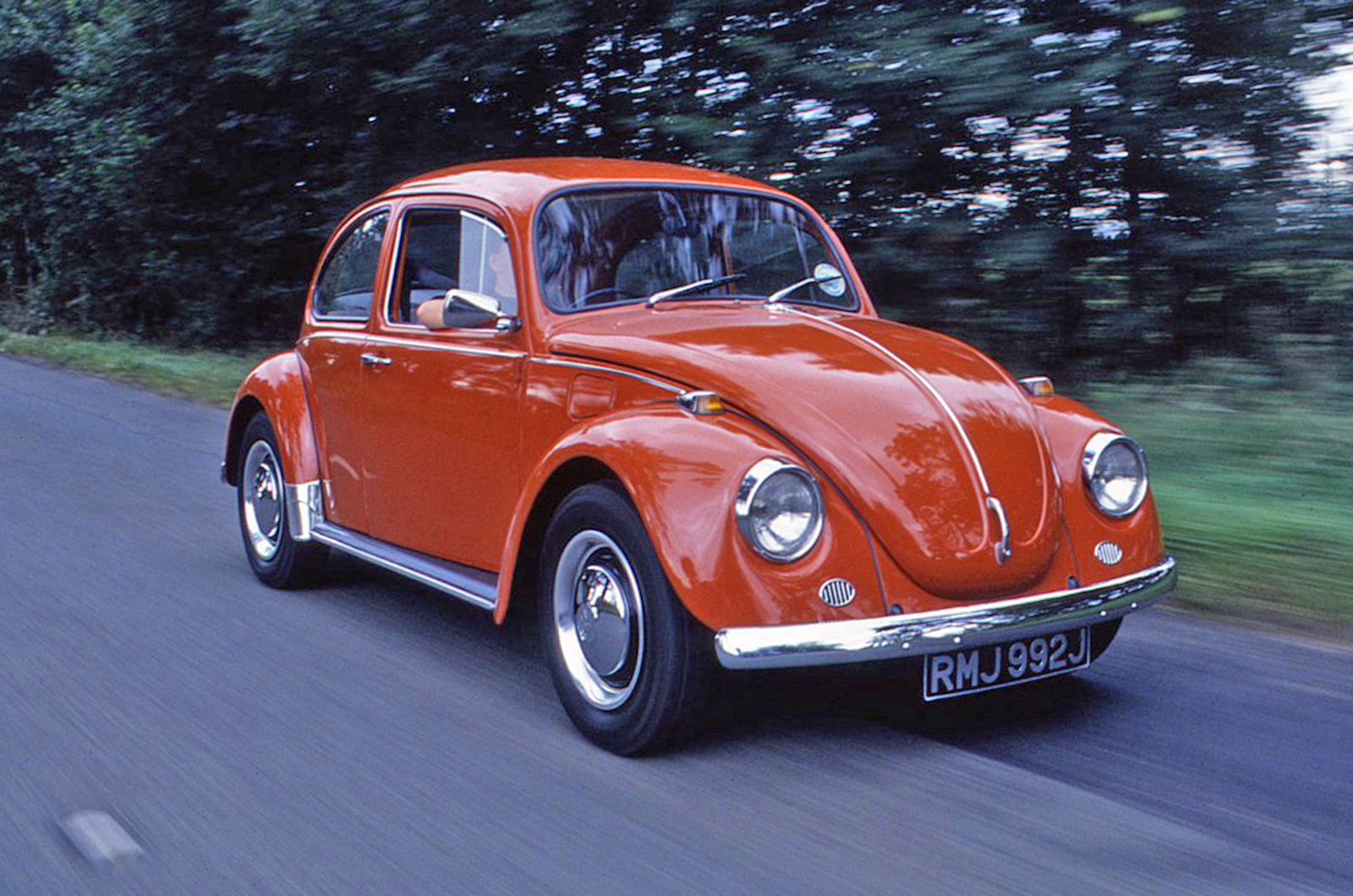
And by the mid 1960s – the Beetle’s heyday, especially in the US – the flimsy structure, complete absence of safety systems, and poor brakes was anachronistic in the extreme. “But it’s so reliable,” people said; or were they getting confused with the ease with which you could work on it? Yes, there’s charm, but the Golf couldn’t come along soon enough…
MGB (1962)
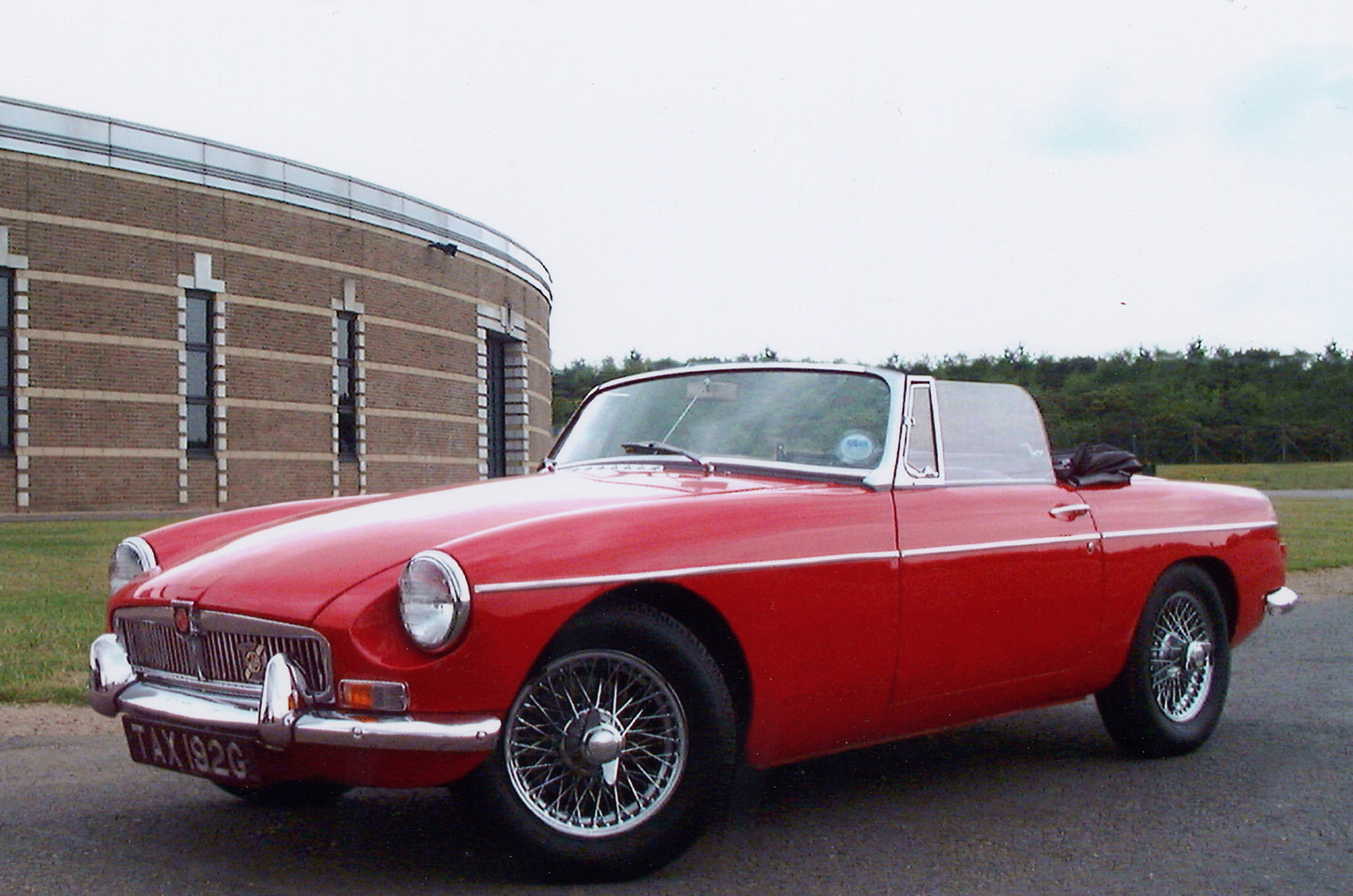
Here’s another car whose venerability, like the Beetle’s, has given it an aura that usually makes it immune to proper analysis. Introduced in 1962, it had monocoque construction and solid performance with all the inconveniences – sweaty cockpit, heavy steering, leaky hood, rust traps aplenty – that a sports car owner was expected to overlook.
MGB (1962)
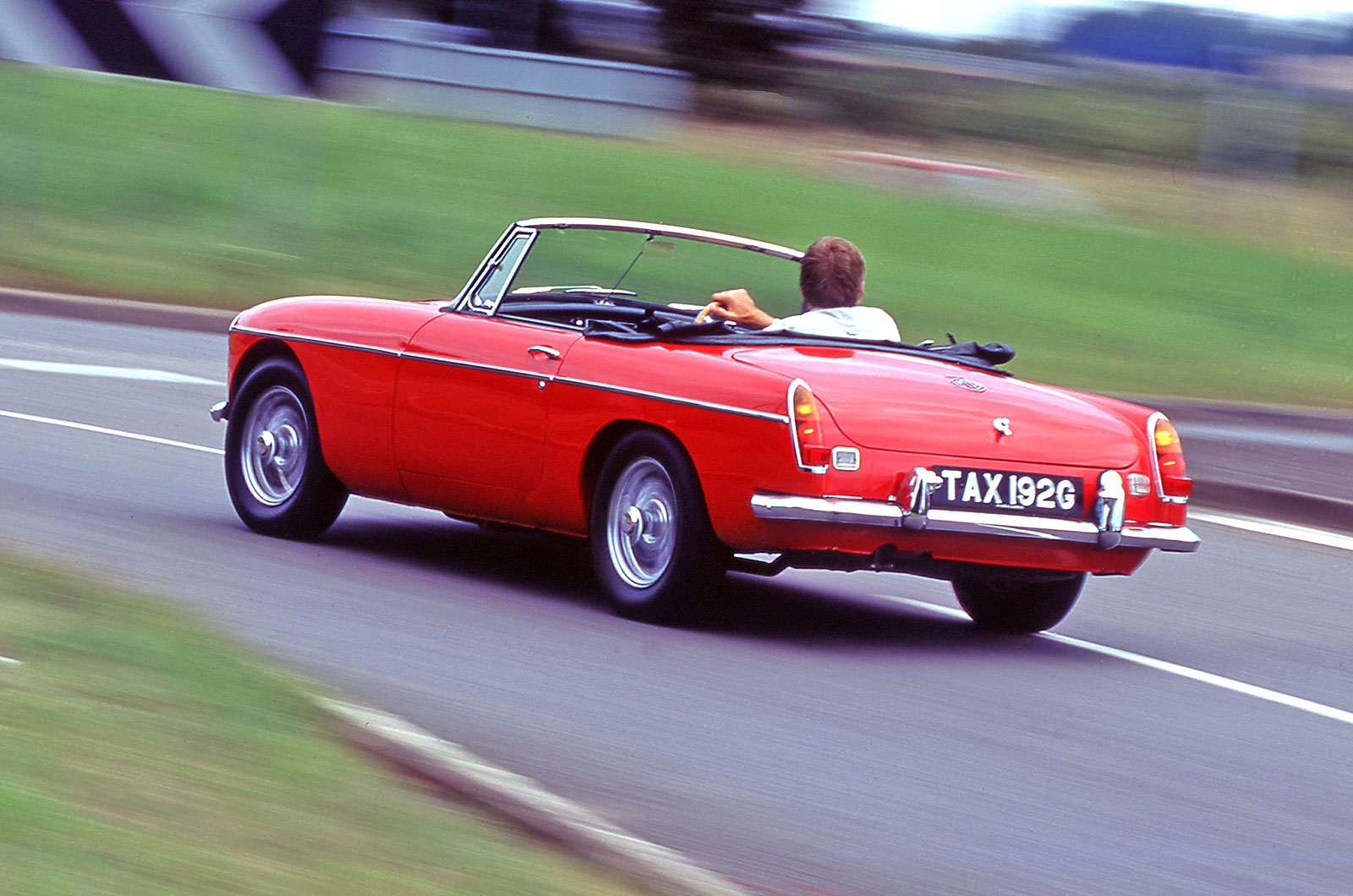
British Leyland decided not to bother replacing the car, especially as most of its rivals were discontinued so that by the B’s demise in 1980, this living antique was the default sports car option. That’s why it led the classic car boom, until the Mazda MX-5 came along and proved that, yes, wind-in-the-hair for two could actually be done really, really well…
Buick Riviera (1963)
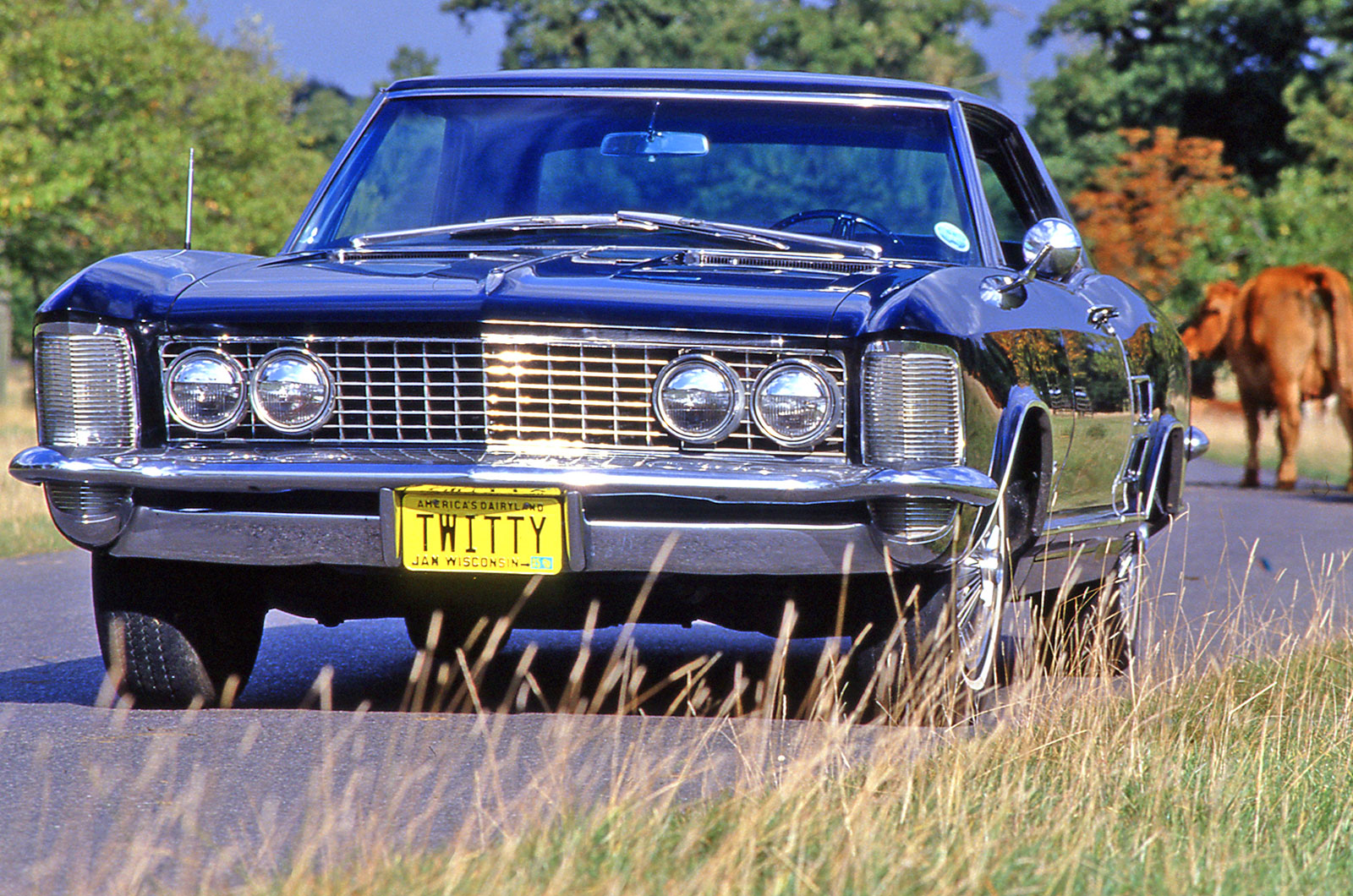
General Motors styling boss Bill Mitchell, like his predecessor Harley Earl, had this fixation that a home-grown roadster for the US highway should be something vast and imposing, while the late 1930s Lincoln Continental which evolved into the Continental II of 1956 had an enormity that no-one from Europe would consider remotely sporty.
Buick Riviera (1963)
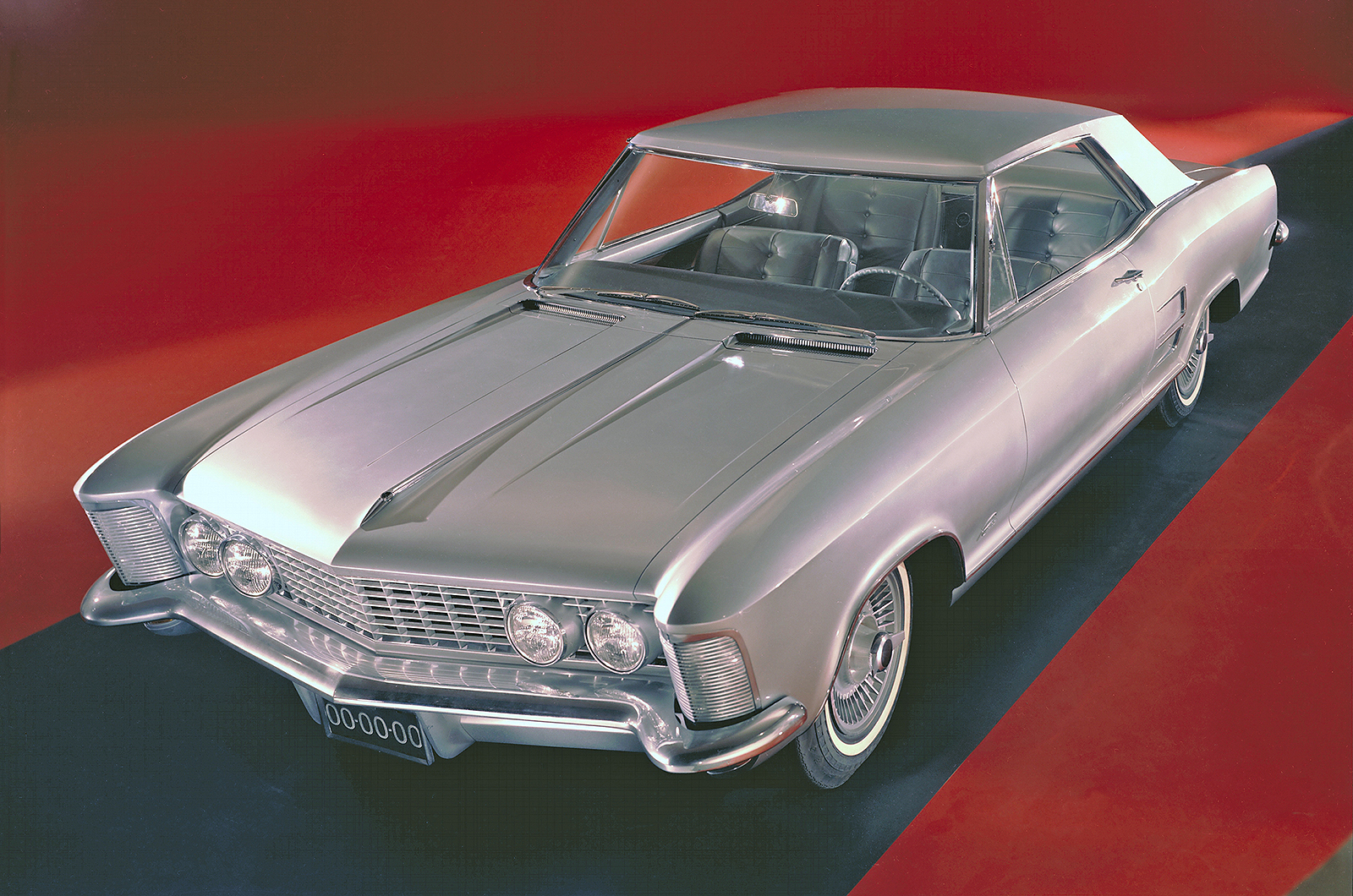
So when Mitchell conceived his “American Ferrari” in the 1963 Buick Riviera, it became a skyscraper to Italy’s bell tower. It was an enormous hardtop coupé with a 6.6-litre V8 engine, admittedly beautifully styled, but a turnpike cruiser and not a sports car. It wafted along like a bed at the Beverly Hills Hotel, with vague steering and even vaguer brakes. Rolling sculpture for sure, but no Ferrari.
Alfa Romeo Alfasud (1971)
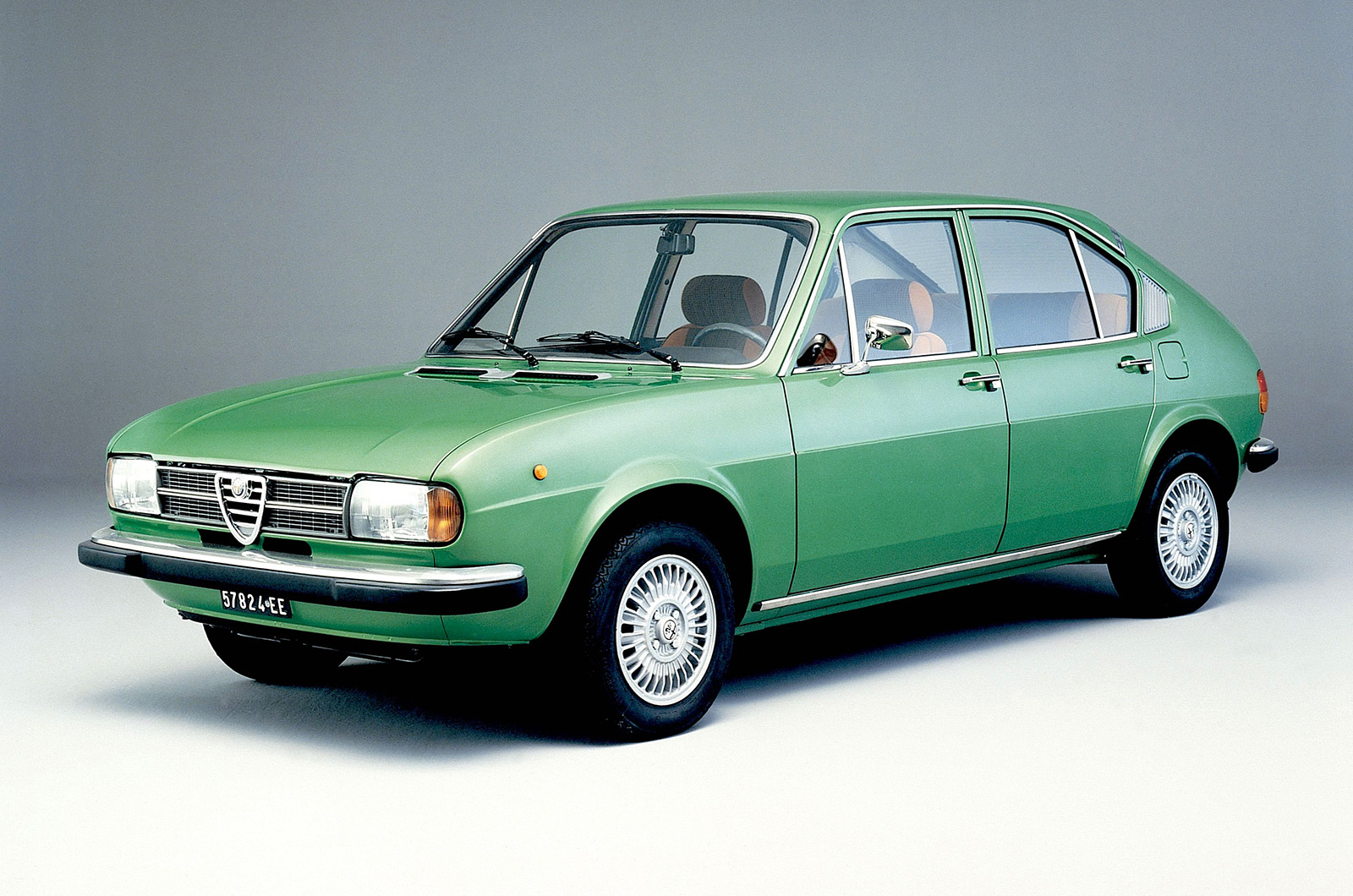
For about three years in the 1970s, the Alfasud Ti was the most exhilarating small car on the planet. Its grip, handling, verve and sheer joie de vivre wowed everybody who tried it. Then the Volkswagen Golf GTi arrived, and the Ti slunk into its shadow. The Ti, like all Alfasuds, is a classic case of a critically-acclaimed car that was often a disastrous prospect for actual ownership.
Alfa Romeo Alfasud (1971)
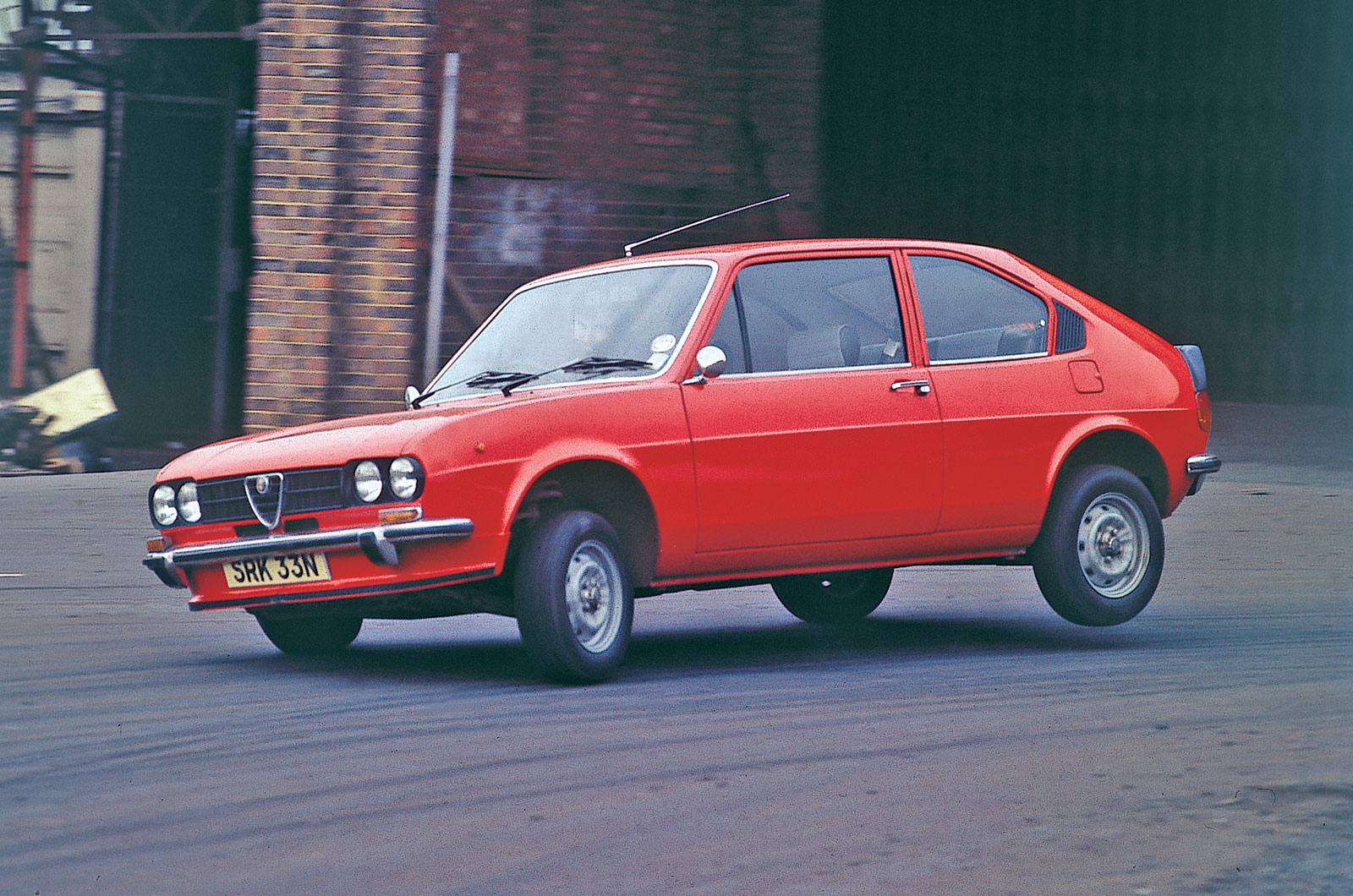
The magazine road-tester would have it for a week and then reluctantly hand it back, having raved about the way it drove. But then the beguiled buyer would watch the car disintegrate and corrode often mere months after taking delivery. You just didn’t get any of that with the Golf.
Bristol 412 (1976)
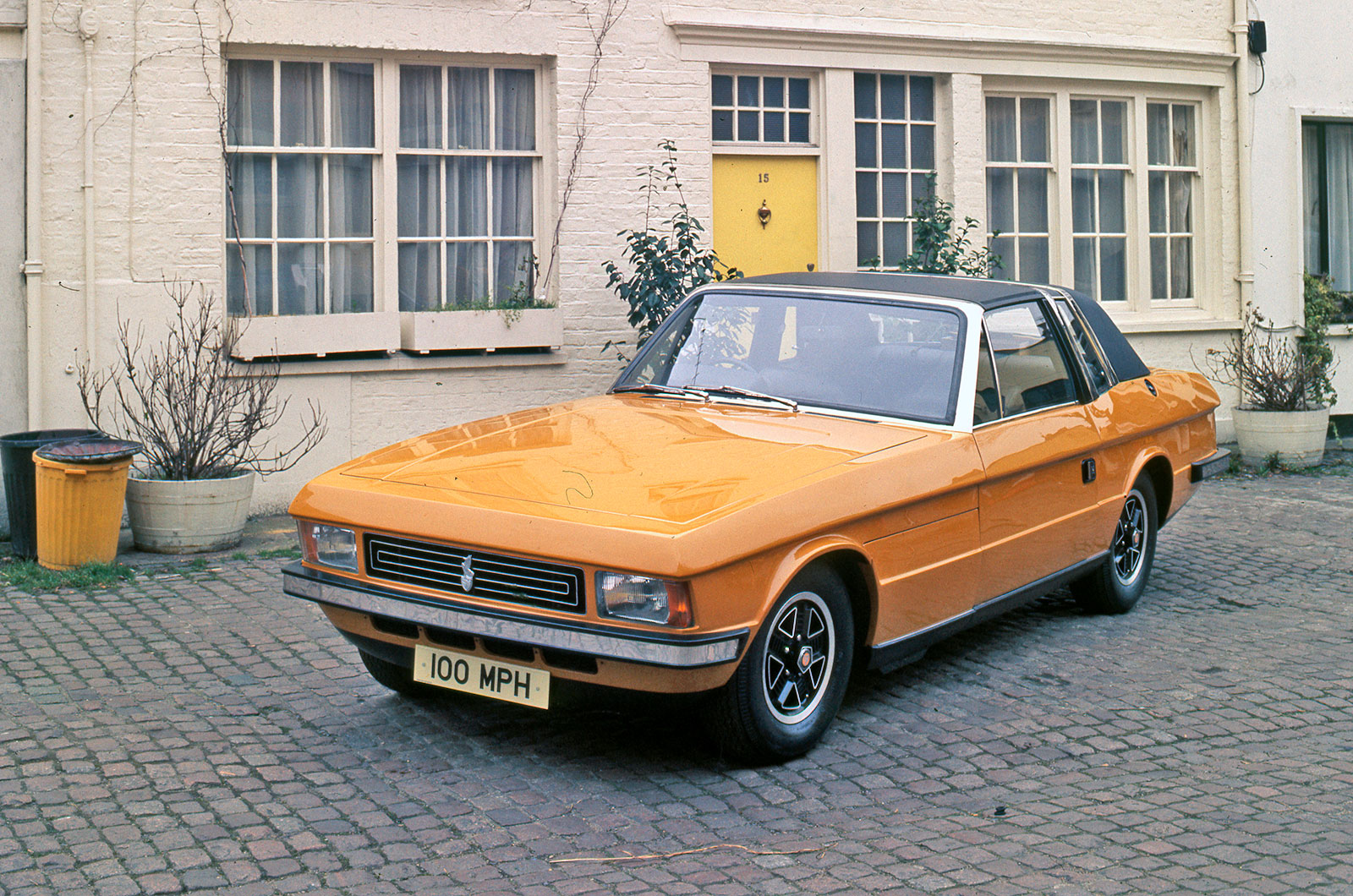
Rolls-Royce money was required to purchase this targa-topped Bristol in 1975, along with the turbocharged Beaufighter edition of five years later. The separate chassis traced its roots back to the 1940s, although no doubt the car was still pretty capable, being fast, riding well and having a perhaps unexpectedly competent level of road manners.
Bristol 412 (1976)
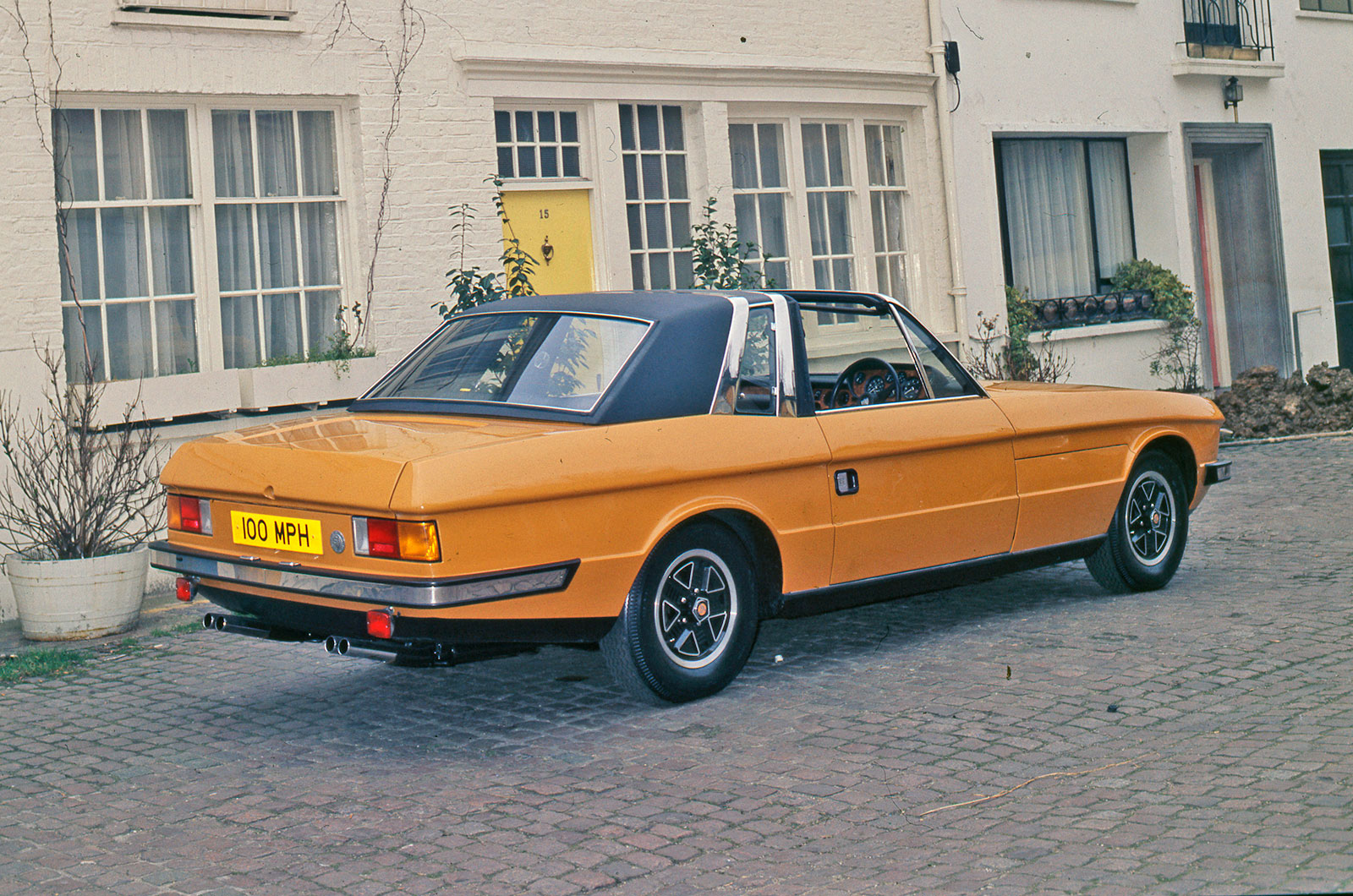
Unlike a Rolls, though, or even an Aston Martin, with their handbuilt engines, you were getting in the Bristol a V8 power unit from a Canadian truck and – apart from a gleaming walnut dashboard and plump leather seats – parts from other cars that were somehow thrown into the mix in a haphazard way. The eccentric coteries of Bristol owners loved them, but connoisseurs quite rightly tended to head off towards the Porsche 928.
Lancia Gamma (1976)
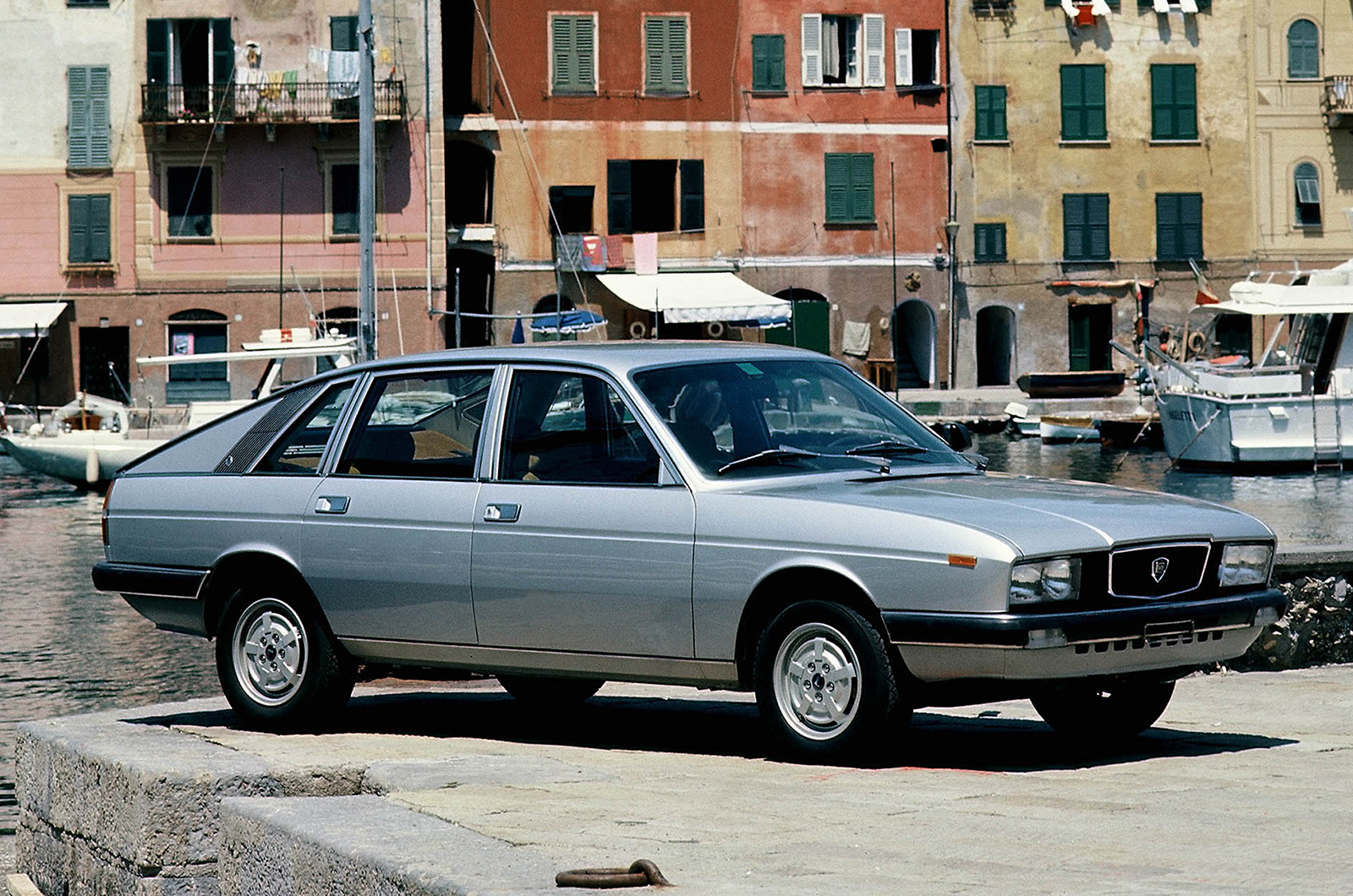
As one of Pininfarina’s most acclaimed production car designs, the Lancia Gamma Coupé is a familiar 1970s high spot on the car enthusiast’s timeline. Its saloon counterpart was and remains utterly overshadowed by it. Technically, it became an extension of the Lancia Flavia in using an all-aluminium, four-cylinder ‘boxer’ engine driving the front wheels.
At a time when six cylinders denoted cachet in this market sector, it was a perplexing choice to go for a large, 2.5-litre four.
Lancia Gamma (1976)
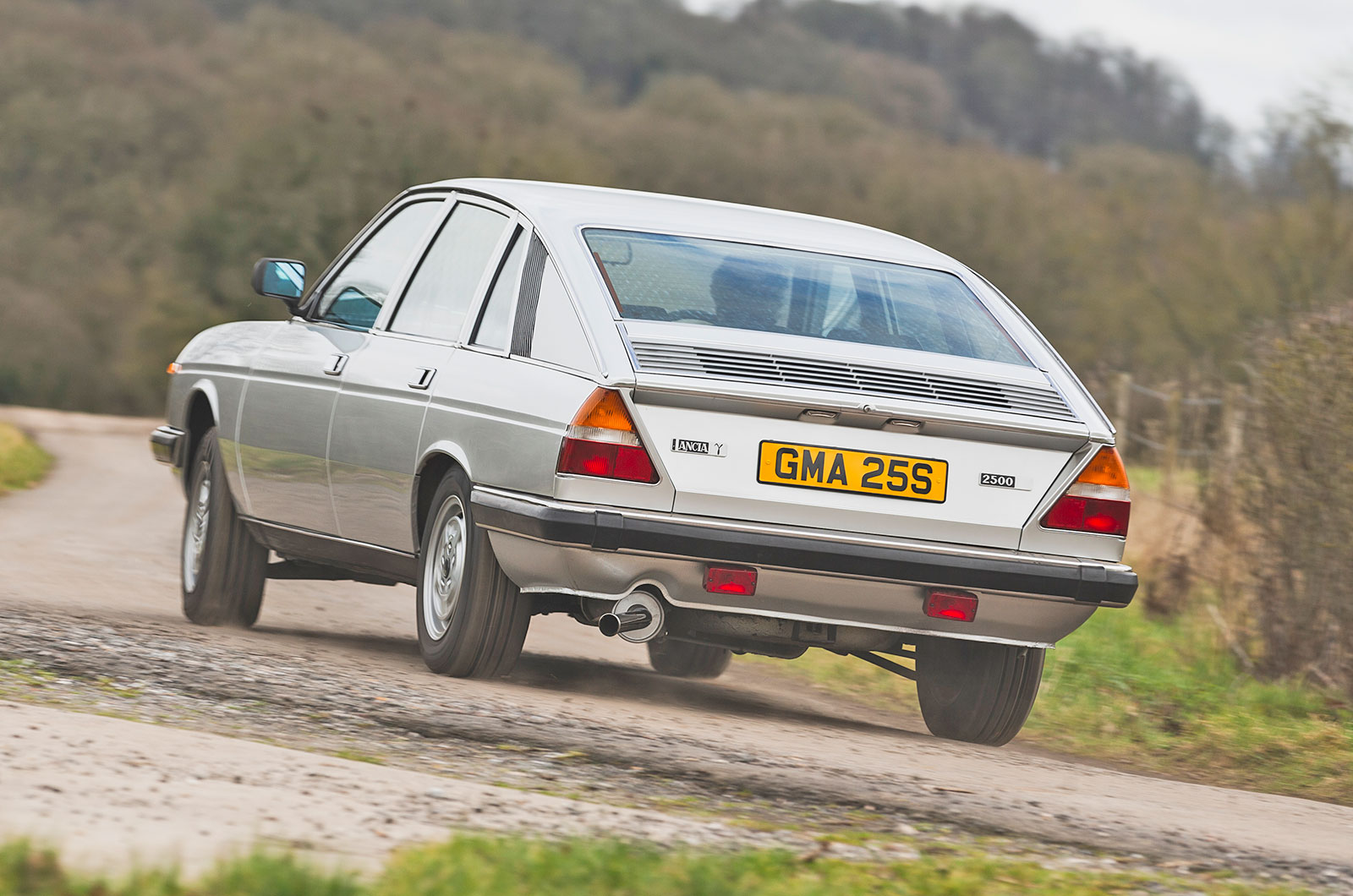
Buyers had to balance an excellent pure driving experience on every front, five-speed manual gearbox and terrific roadholding included, with design flaws that included engine cambelt issues and worrying vibrations, and grave concern at patchy quality. Executive car owners also liked automatics but Lancia refused to offer one until 1983… Potentially it was a great car, but a poor product.
Rover 3500 SD1 (1977)
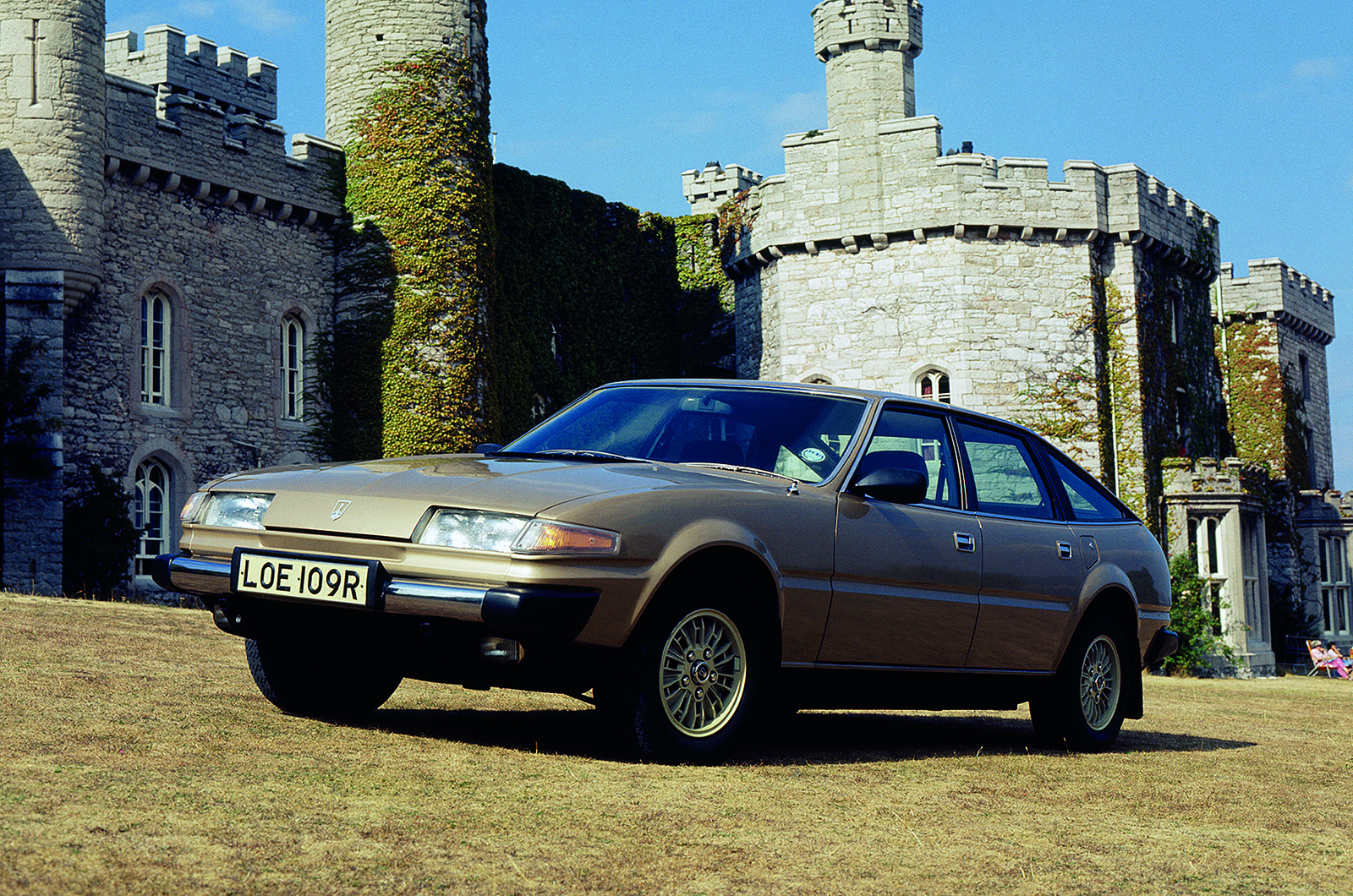
Every British car enthusiast loves the beefy, five-door Rover with its V8 engine and Ferrari Daytona nose. It could almost be the law that you have to. Yet in the race to perfect the luxury sports saloon, it was BMW, Mercedes-Benz, Audi and possibly even Saab that set the pace.
It wasn’t just that the SD1 swapped its P6 predecessor’s racecar-like rear suspension for an old-fashioned live axle.
Rover 3500 SD1 (1977)
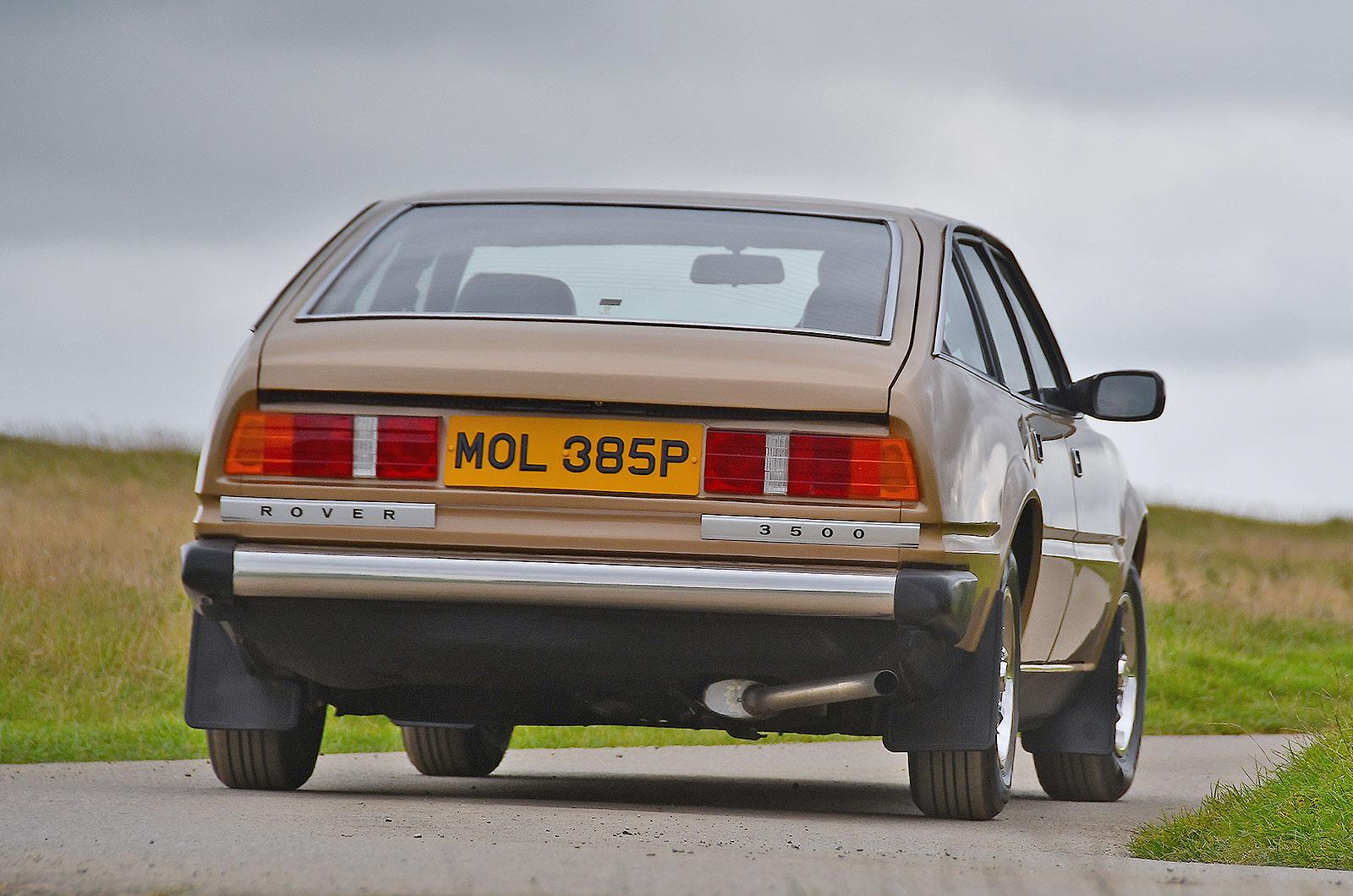
It was that Rover’s workers consistently failed to deliver a quality job to those company bosses and city lawyers who were rooting for the marque. The German models were better cars overall, and spent more time with their owners’ gravel than on the ramp in the workshop. Only the British police were forced to stick with it for reasons of patriotism.
Delorean (1981)
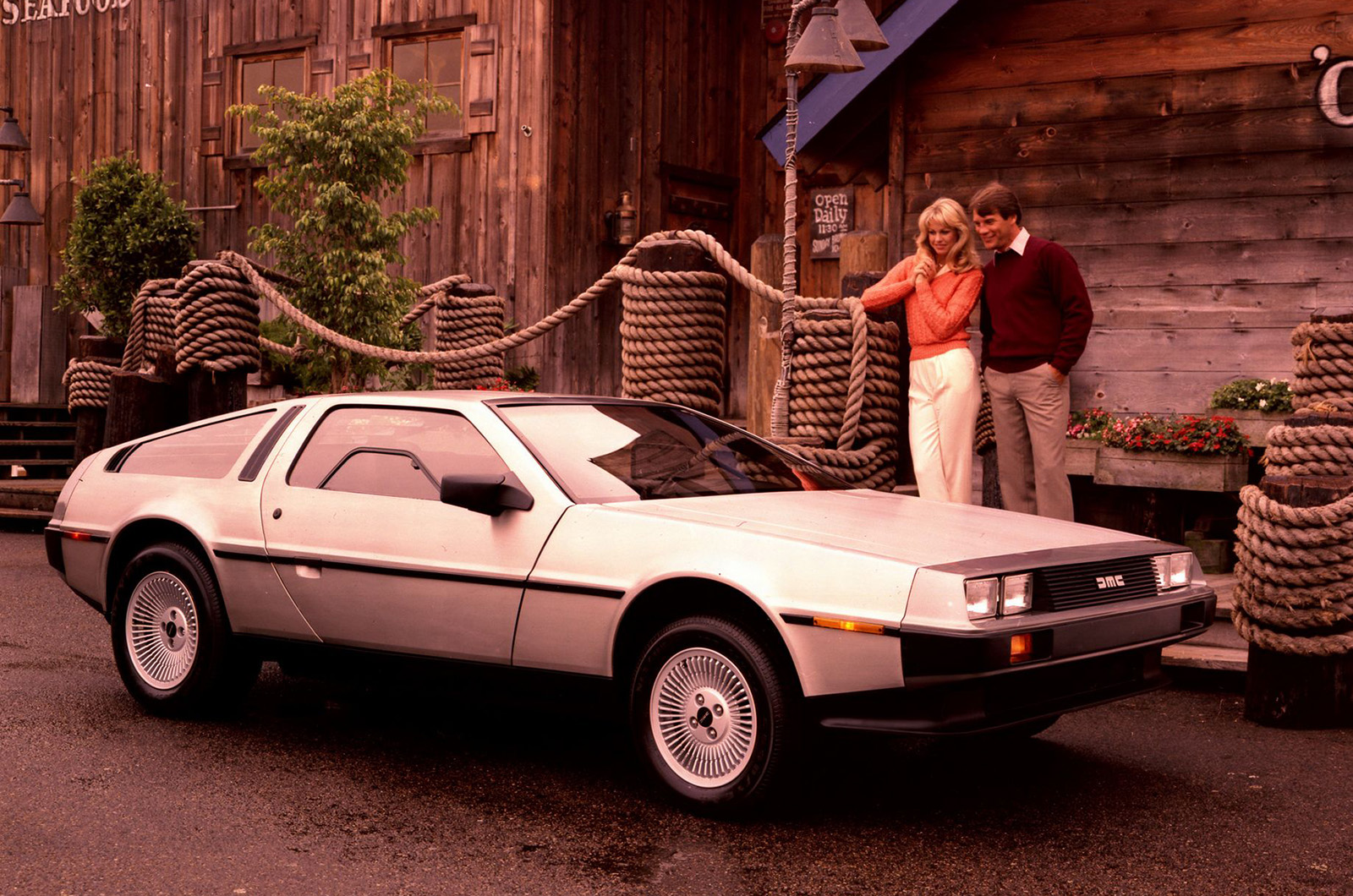
Is the Tesla Cybertruck going to be the Delorean of the 21st century? Quite apart from the fact that they both share hugely impractical stainless steel panels, seasoned industry watchers can sense a similar syndrome of pointless reinvention propelled by the hubris of an industry maverick. John Z De Lorean set out to teach the car industry a lesson by producing his idea of an ethical sports car, but it was a disaster.
Delorean (1981)
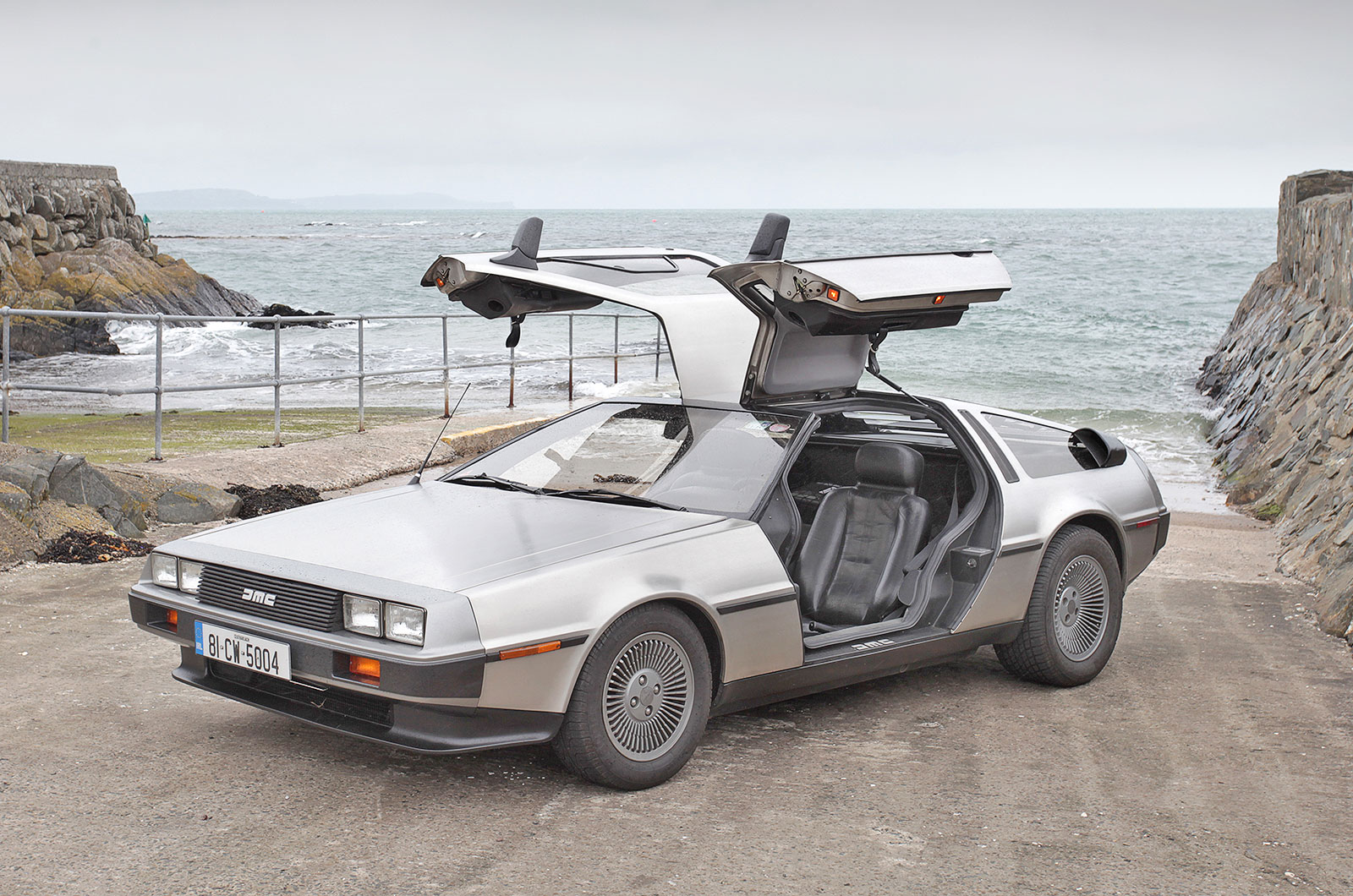
The car wove together a Lotus chassis, a Renault engine and gullwing doors that were not to be trusted; it had a short run of fame, and once it had sunk Porsche could get on and dominate the 1980s.
Ford Sierra (1982)
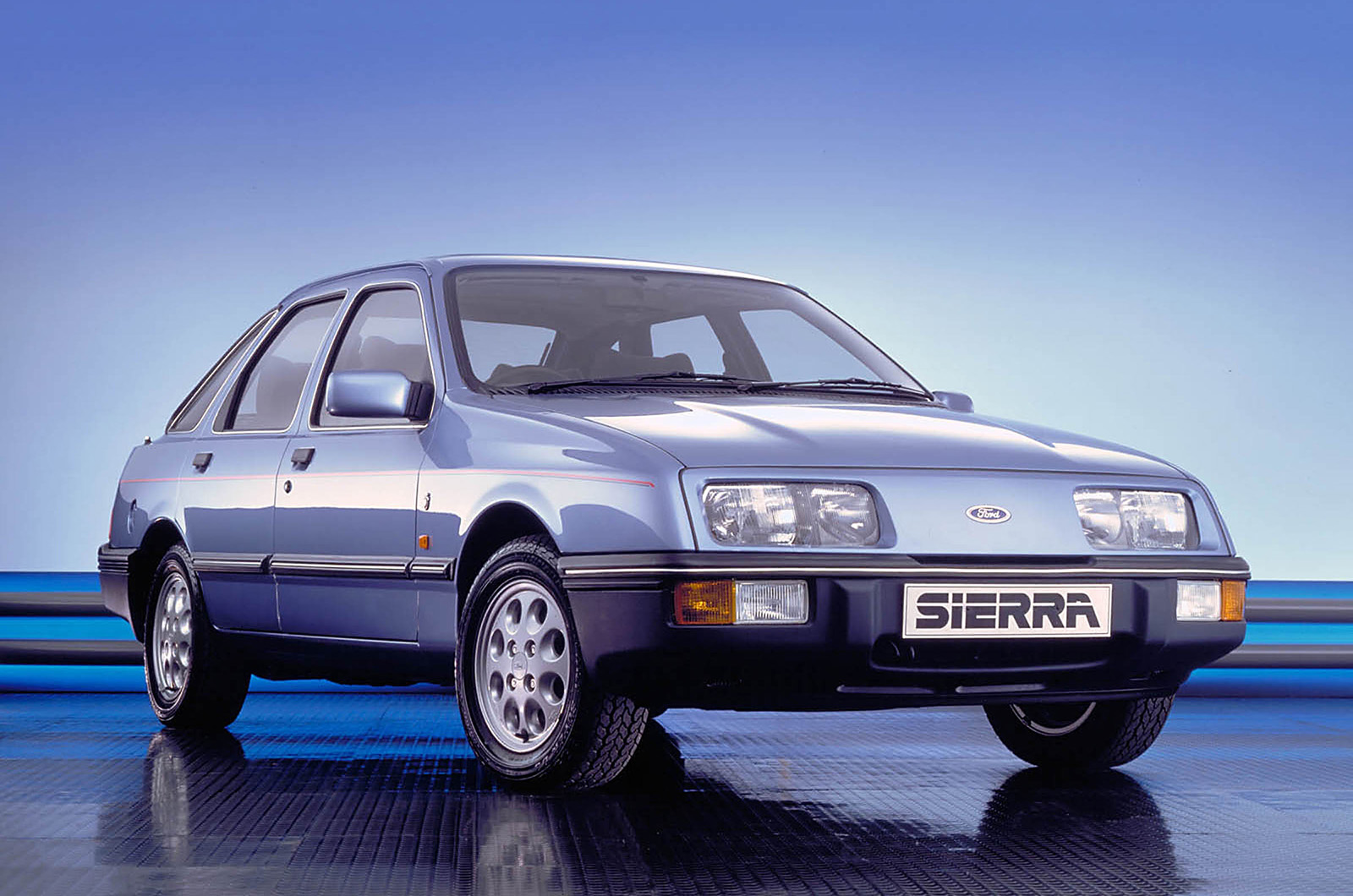
The car that replaced the Ford Cortina in 1982 among the then hugely important fleet buyers had quite a task on its hands: to offer radical modernity and dependable familiarity at the same time. So while a great big fuss was made of its aerodynamic lines, underneath it was all old-school rear-wheel drive and Cortina-style Pinto engines.
Ford Sierra (1982)
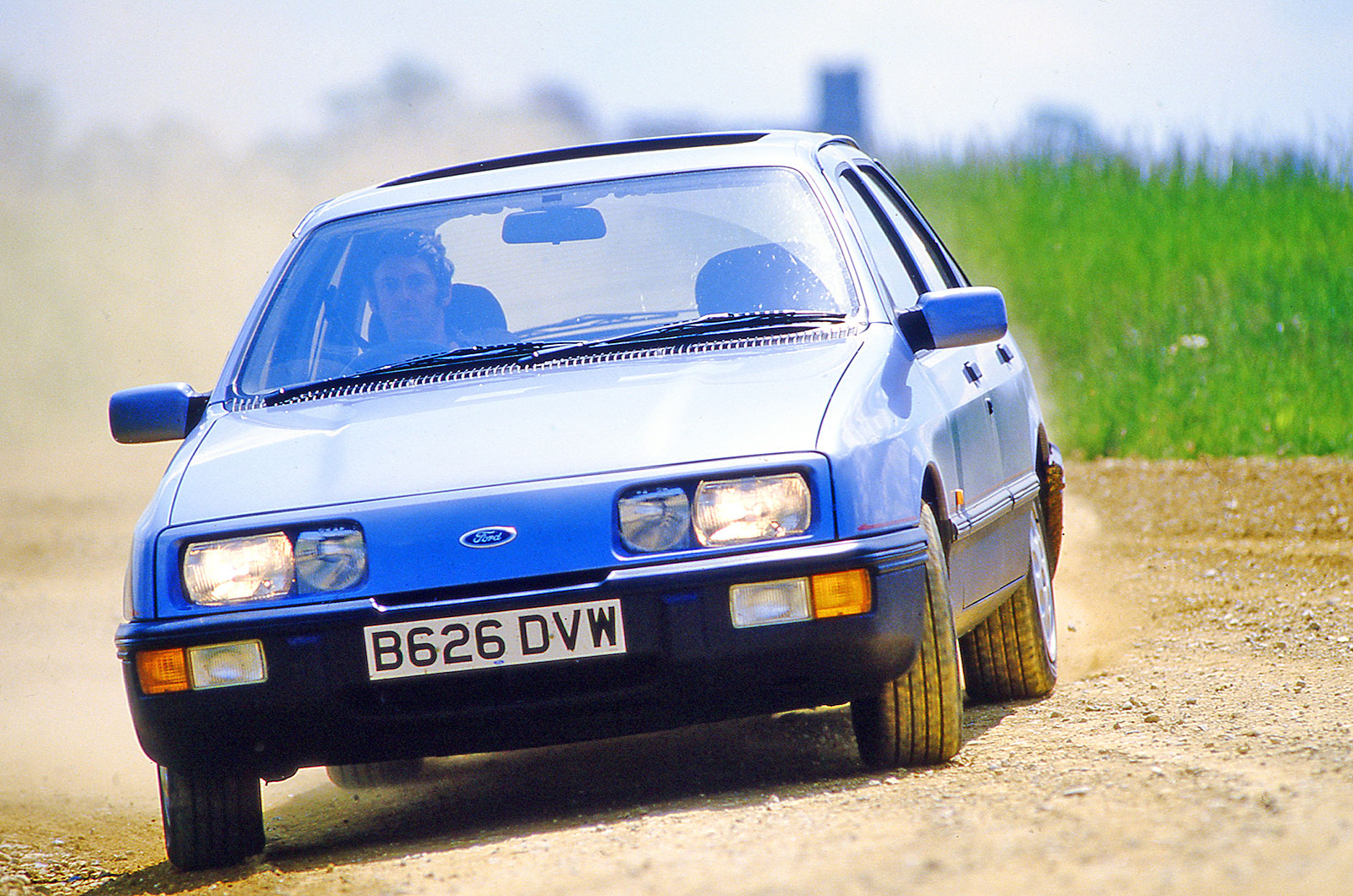
And while by no means awful to use, the Sierra hardly impressed, the later Cosworth-engined and turbocharged 4x4 excepted. Its new feature, a lift-back tailgate, also got a lukewarm reception, obliging Ford to add a four-door Sapphire to the range in 1987 that toned down the infamous “jelly-mould” profile. And while all this was going on, Vauxhall and Opel’s acclaimed, front-wheel drive Cavalier simply leapt ahead in the fleet sales charts.
Cadillac Allanté (1987)
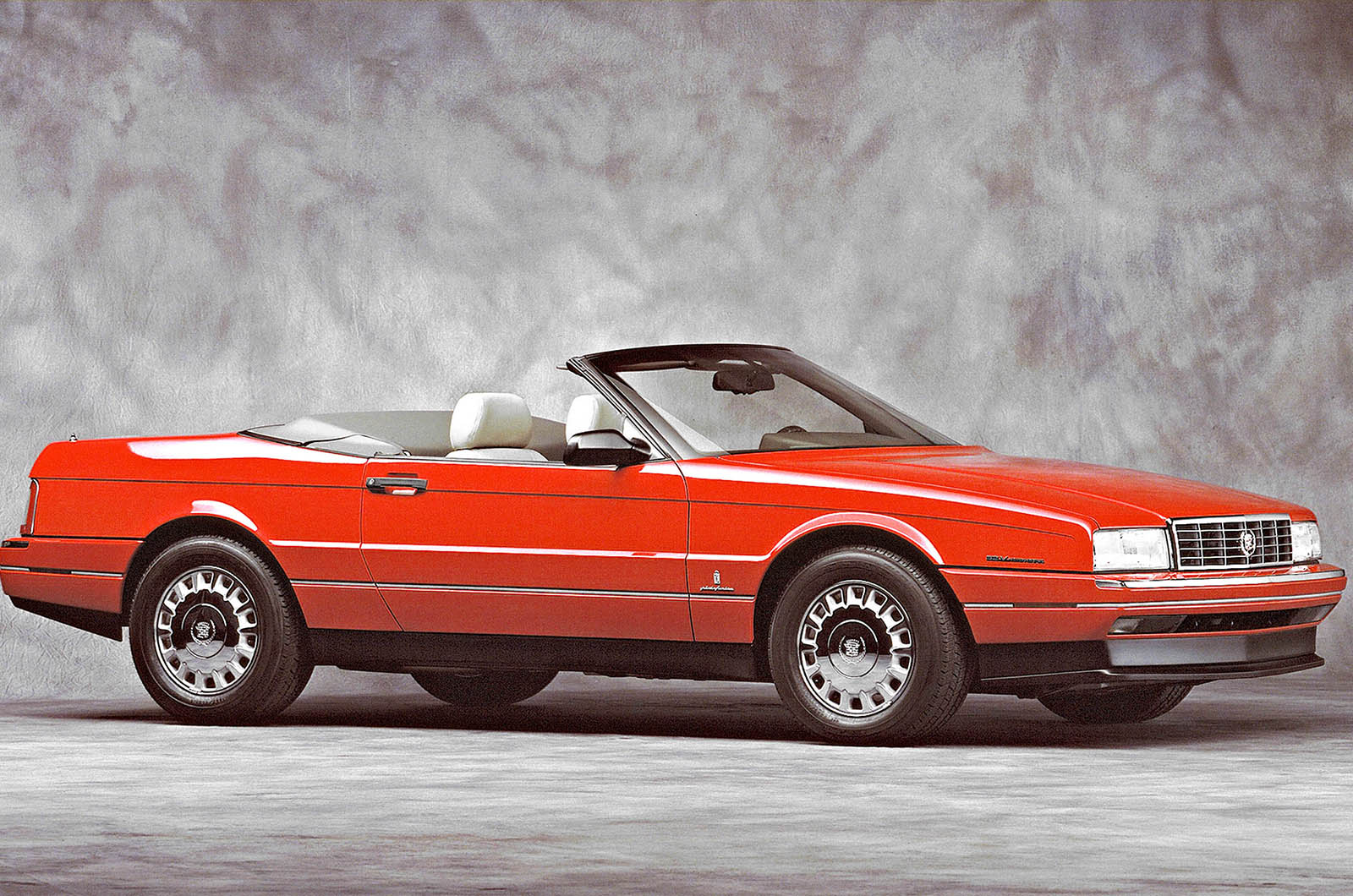
This two-seater Cadillac was the product, so they liked to boast, of ‘the longest production line in the world’. That meant that the bodies were constructed by Pininfarina in Italy and flown to the States for assembly in an ‘air-bridge’ operation in expensively-modified Boeings 747s – all of which was, really, of no tangible benefit to any buyer, and extremely costly.
Cadillac Allanté (1987)
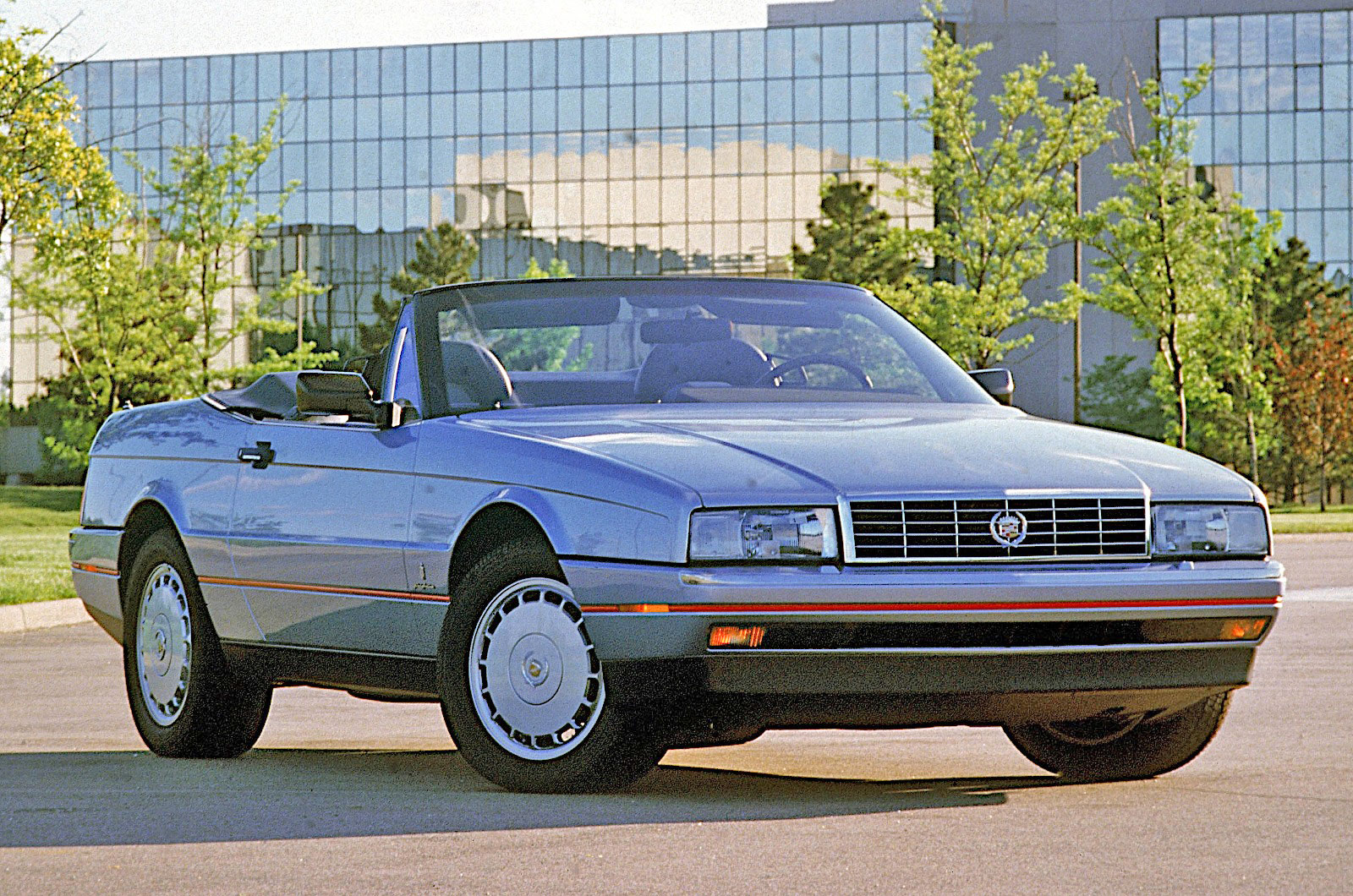
The two-seater styling was also by Pininfarina, but was pretty unmemorable, with none of the character of the open-top Merc SL or Jaguar XJS. Introduced in 1987, the final cars in 1993 at least came with Caddy’s excellent Northstar V8 engine.
Daihatsu Sportrak (1989)
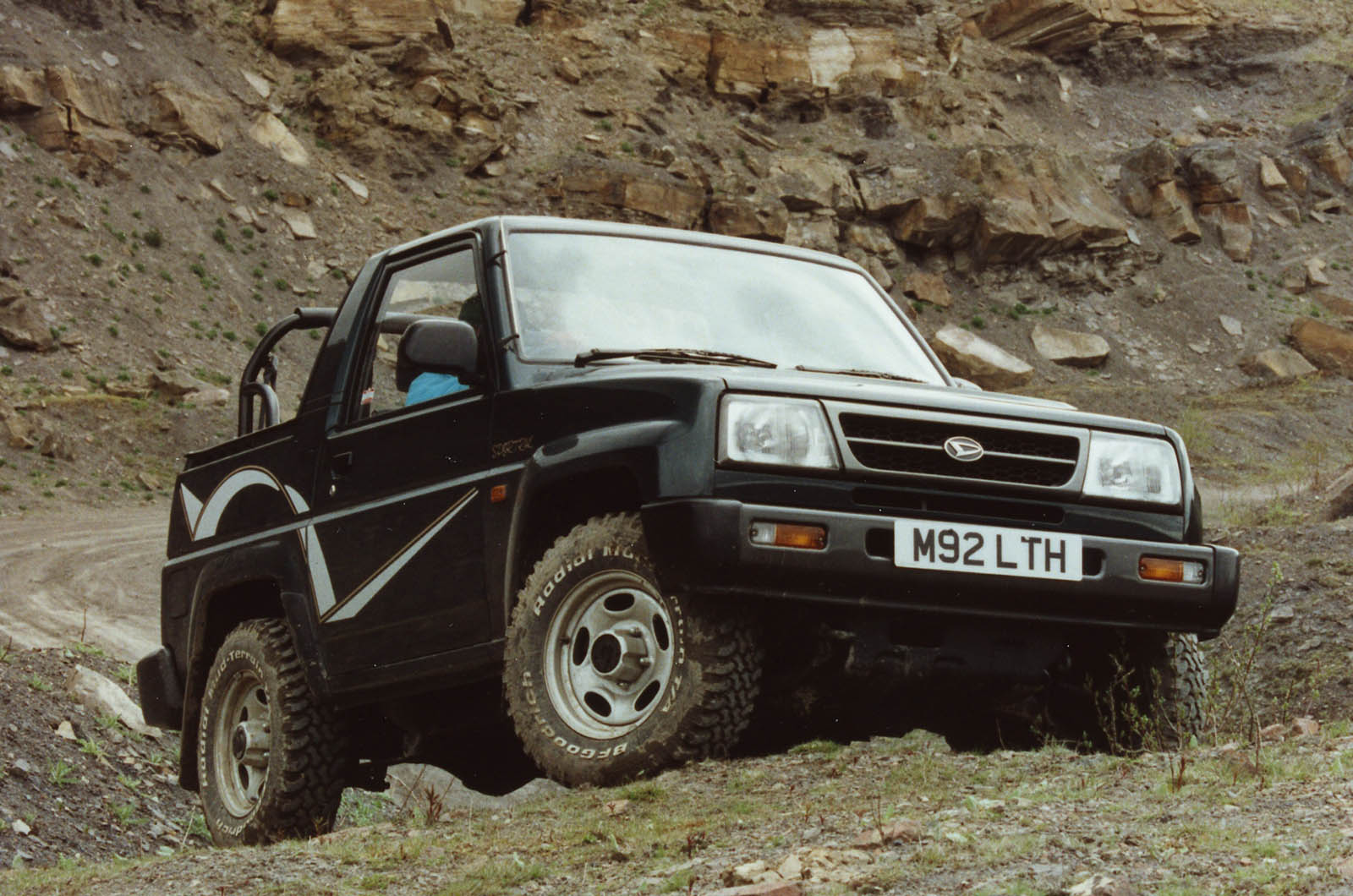
The Sportrak, or Feroza as it was alternatively known, was a very good choice for thrifty mud-plugging in the early 1990s – the sort of thing every country estate manager would want, with four-wheel drive and a reasonable 1.6-litre engine from the Daihatsu Applause which, while not able to make it go like the clappers, was perfectly adequate. Along with the contemporary Suzuki Vitara, the Sportrak was the first compact sport-utility vehicle.
Daihatsu Sportrak (1989)
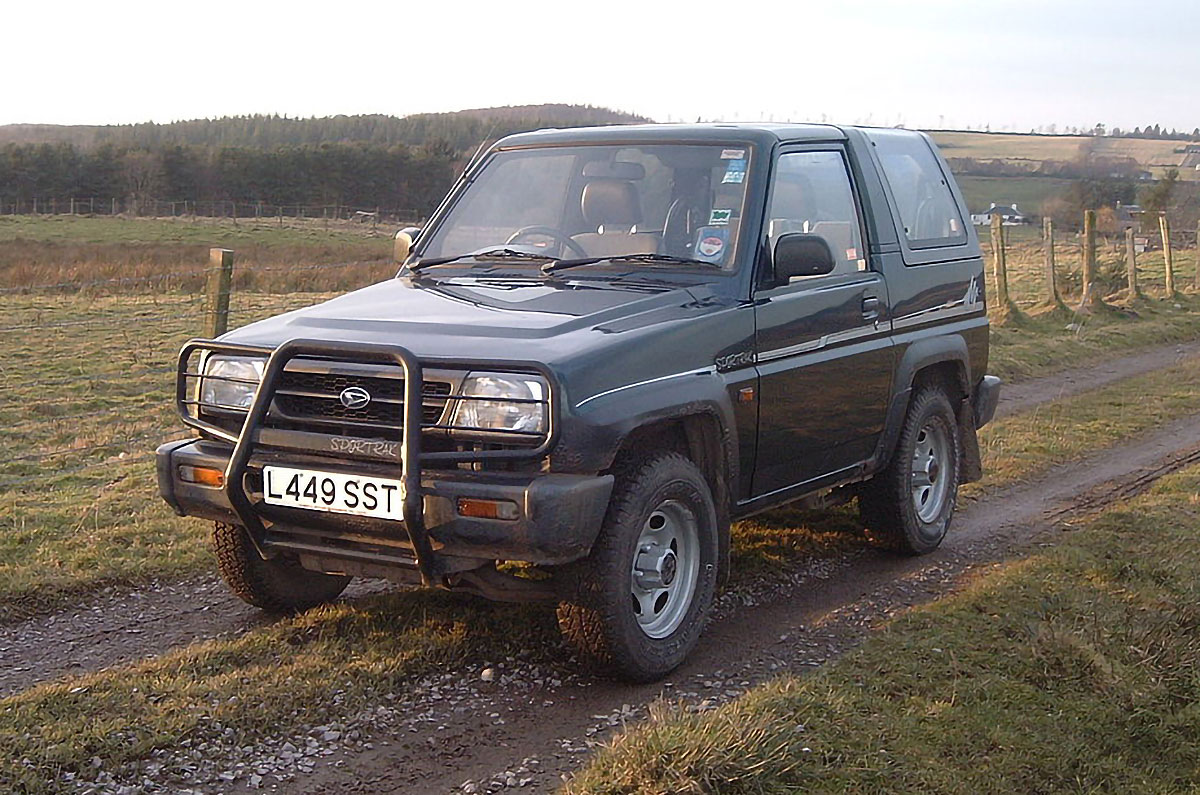
Yet history is sometimes unkind to pioneers. Just five years after the Sportrak’s launch, along came the Toyota RAV4 and re-set the benchmark. The key difference? The RAV4 had a monocoque structure and was genuinely as capable on-road as off it; the Sportrak had a ladder frame chassis that the Romans would have recognised, and so would always be tiresome on the open road.
Pontiac Le Mans (1988)
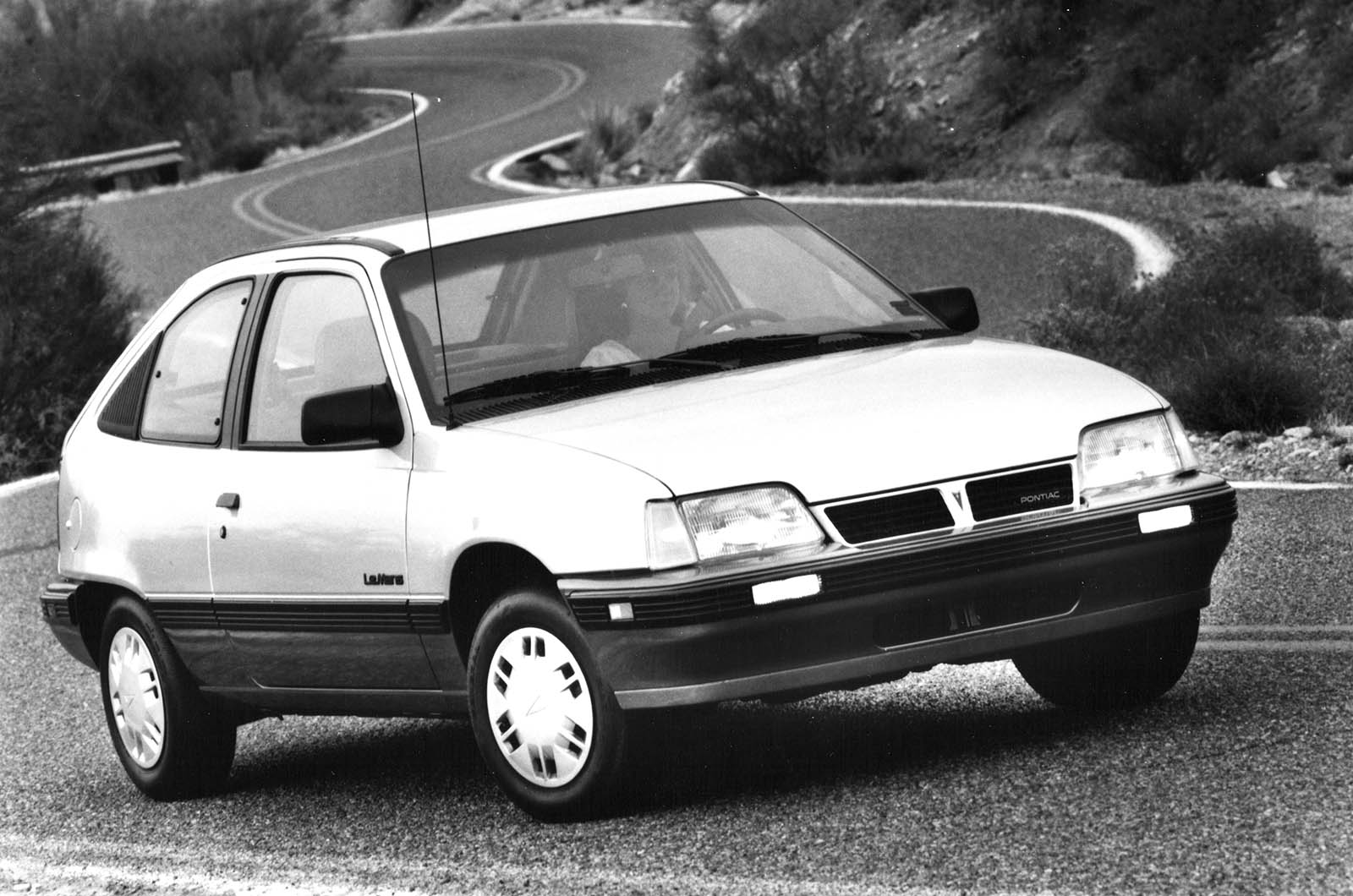
This nameplate gave the world some interesting muscle cars in the late ‘60s, but by 1988, not so much. If ever you were swayed to buy a car based on the allure of its name then this has to be the nadir; an ageing Opel/Vauxhall Astra, built for maximum cheapness in South Korea by Daewoo, and sold across the USA as an entry-level Pontiac.
Pontiac Le Mans (1988)
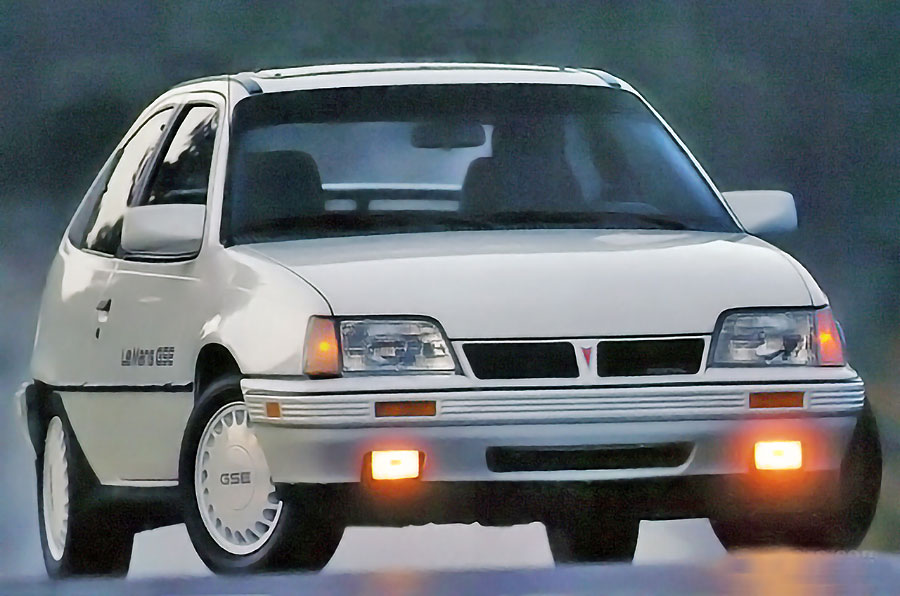
All the emphasis was on the bargain-basement nature of the offering, but any compact offering from Honda or Toyota would surely have been better, and a lot less plasticky.
Buick Park Avenue (1992)
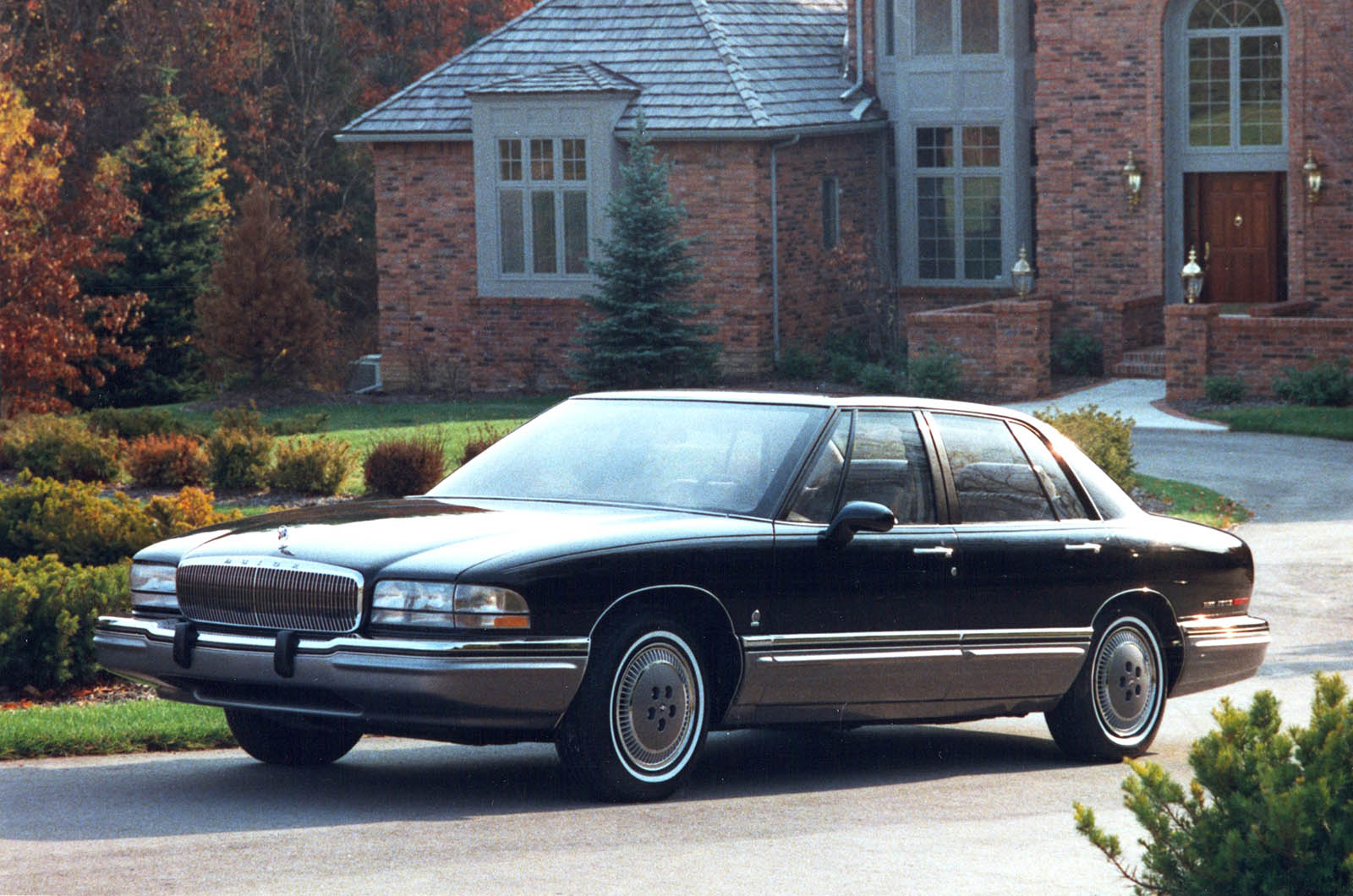
Something went quite awry between the unveiling of the 1989 Buick Park Avenue Essence concept car and the 1991 production Park Avenue. The former hinted at a dynamic new image for large US cars, but when the latter arrived it was little more than the usual softly-sprung sedan with its formerly rectilinear corners shaved off.
The 3.8-litre V6 engine wasn’t half-bad, especially in supercharged Ultra guise, but this was not a car to hurl around enthusiastically because its bench front seat was unsupportive and its ride soft and wallowy.
Buick Park Avenue (1992)
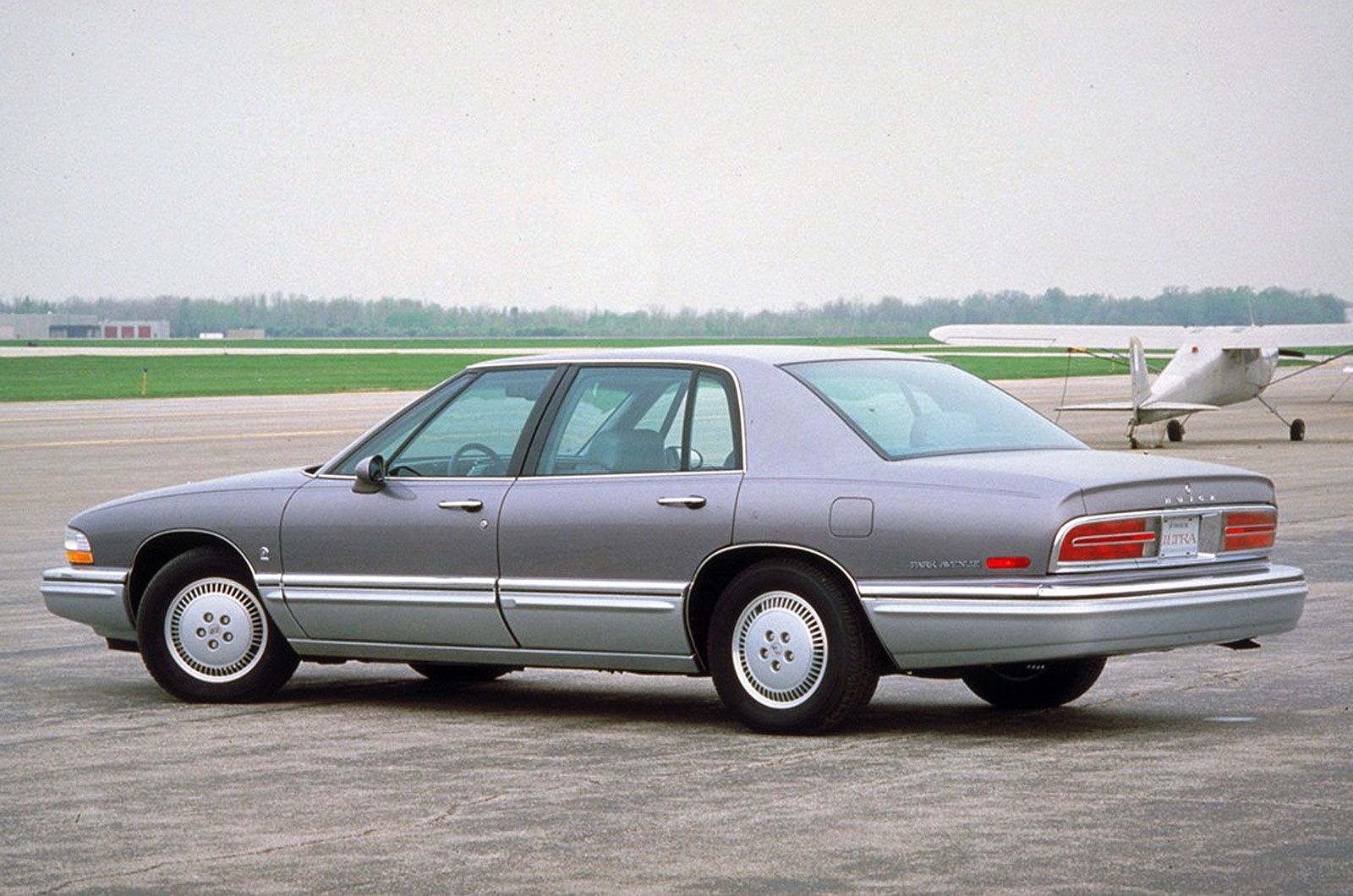
A column gearchange and mediocre refinement meant it fell well short of any BMW or Lexus standards, and yet this car was actually exported to Europe as some kind of totem of American prestige. Ultra-kitsch value today, mind, assuming you could dig one up.
Bristol Fighter T (2004)
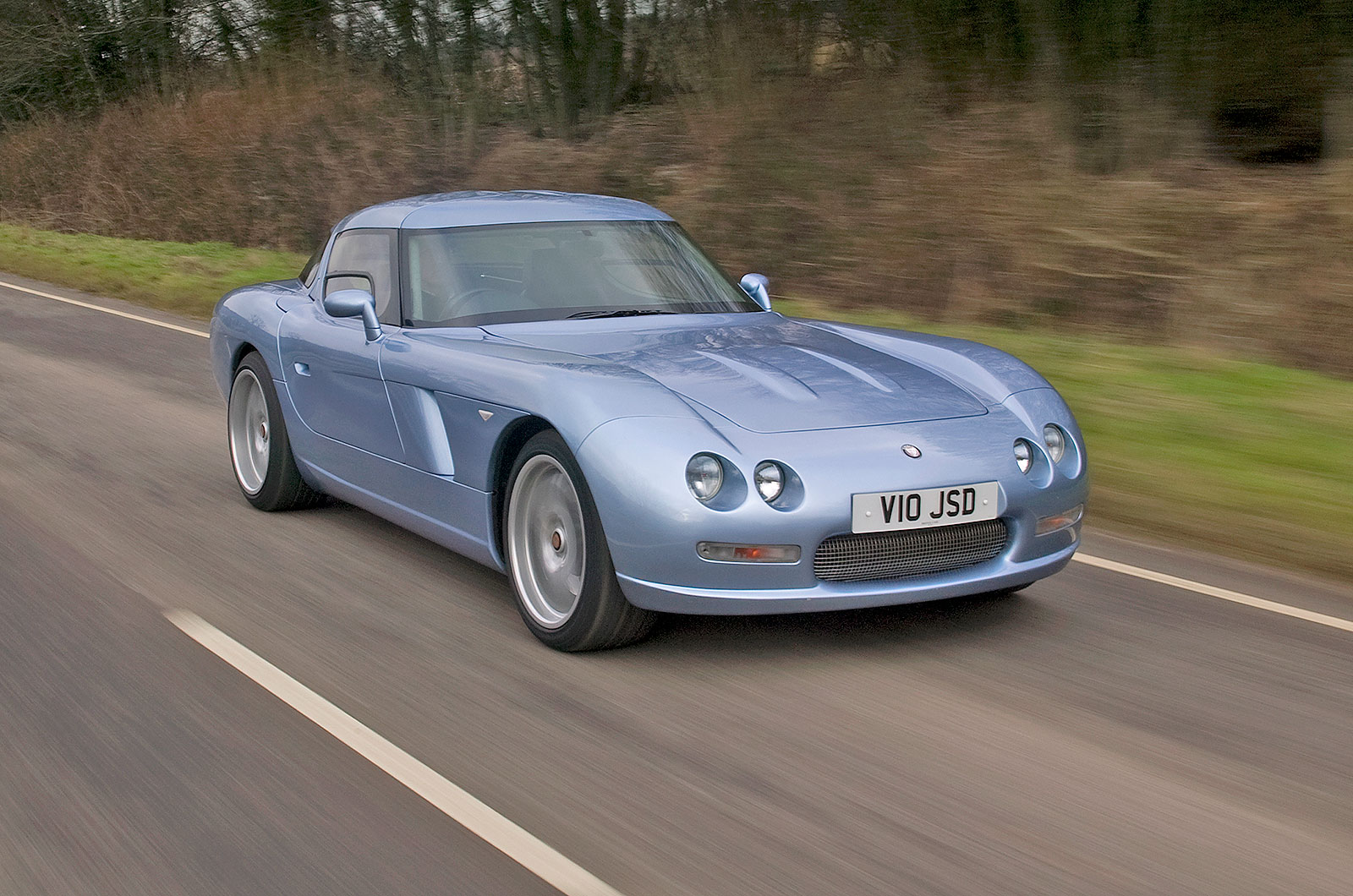
A car boasting some massive claims – such as 1012bhp in twin-turbo form, 225mph top speed, and a 0-60mph figure of 3.5sec – that seemed at definite odds with the world’s smallest and least well-capitalised ‘supercar’ maker.
Gullwing doors were another feature that you’d rather have, if at all, engineered by Mercedes-Benz rather than some bloke in a West of England shed.
Bristol Fighter T (2004)
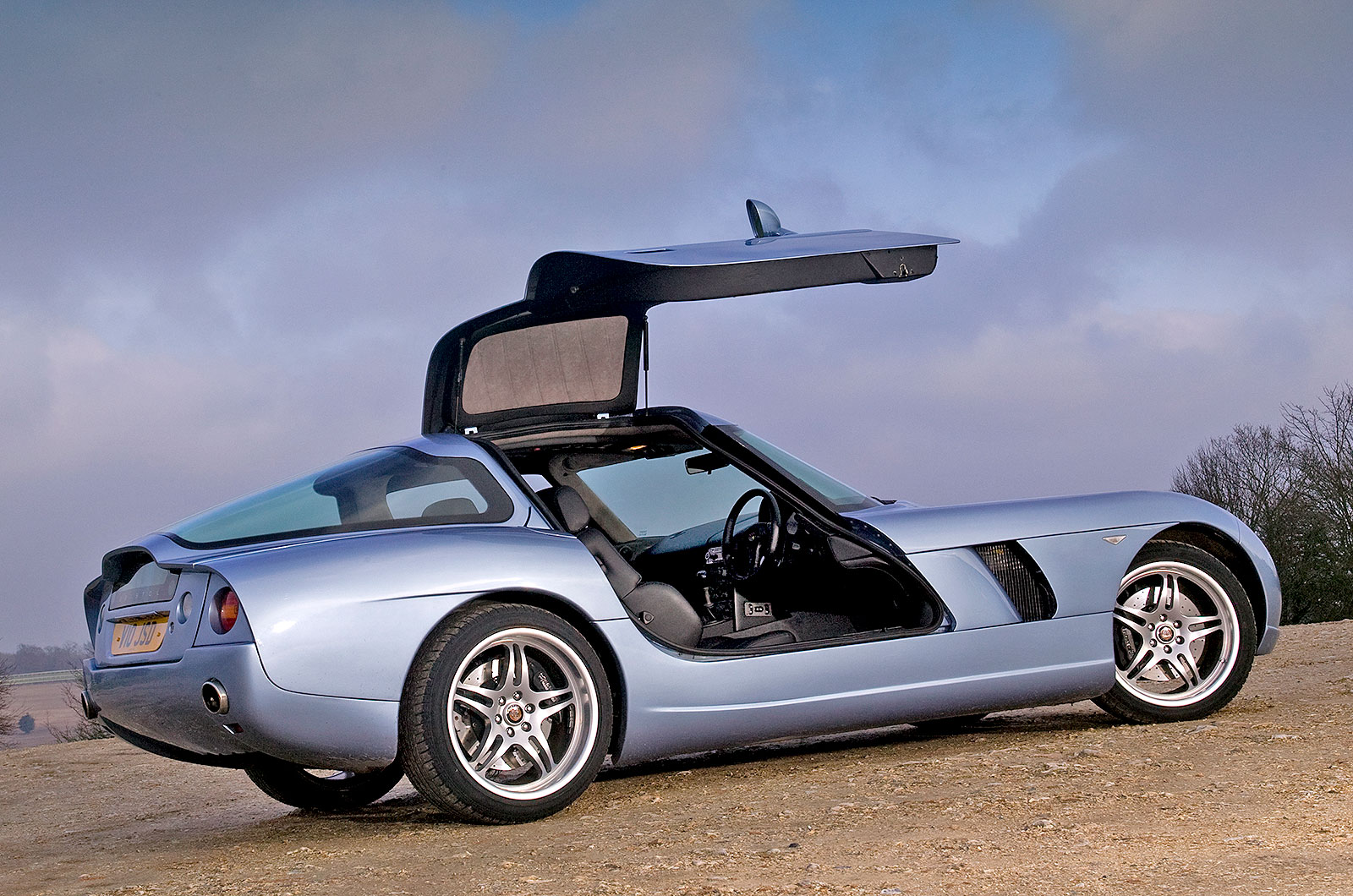
Actually, the Fighter T barely existed as a production car, although about a dozen standard Fighters were made, all with Dodge Viper V10 engines. And were the aerodynamics at all credible? Everything else so ridiculously rapid tends to need spoilers and air dams to tether them safely down, but maybe Bristol was taking its aircraft heritage seriously, and aiming high?
Honda S2000 (1999)
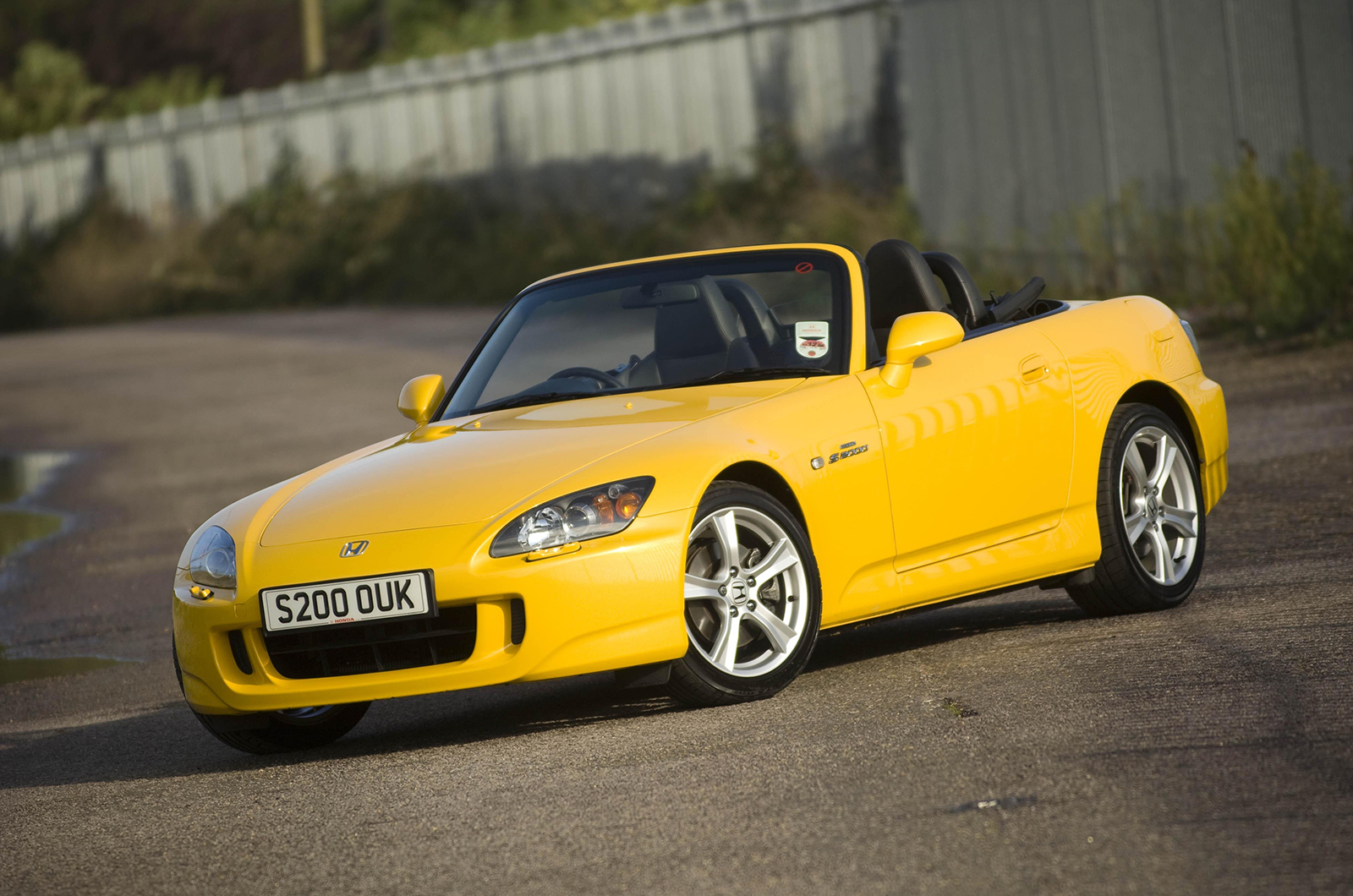
The 1990s and early 2000s was somewhat of a golden era for two-seater sports cars, and this Honda should have gleamed the brightest, especially with its 2.0-litre engine being one of the most powerful non-turbo units ever installed to a road car – a scarcely believable 240bhp dished out at a screaming 8300rpm.
Unfortunately, in the hands of the most experienced drivers, the overall recipe was deemed to be not quite right, despite all the attention on getting a 50:50 weight balance.
Honda S2000 (1999)
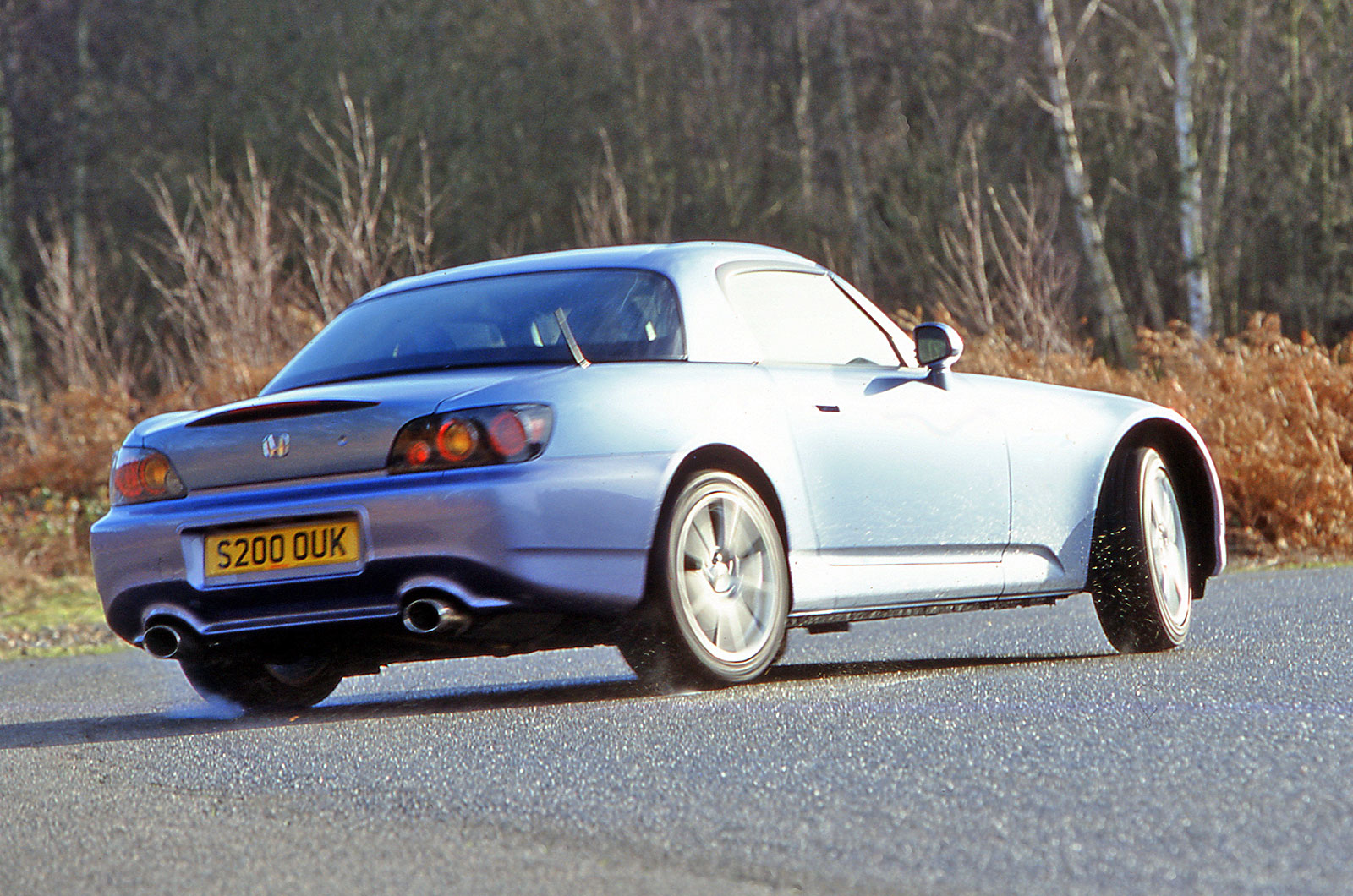
Flaws include unresponsive electric power steering, an awkward driving position, and a frightening tendency to snap oversteer that would catch you out alarmingly. In its favour are a fantastic six-speed gearbox, drop-dead gorgeous looks, and classic status today, but a lot more brilliance was expected from the home of the NSX.
Volkswagen Phaeton (2002)
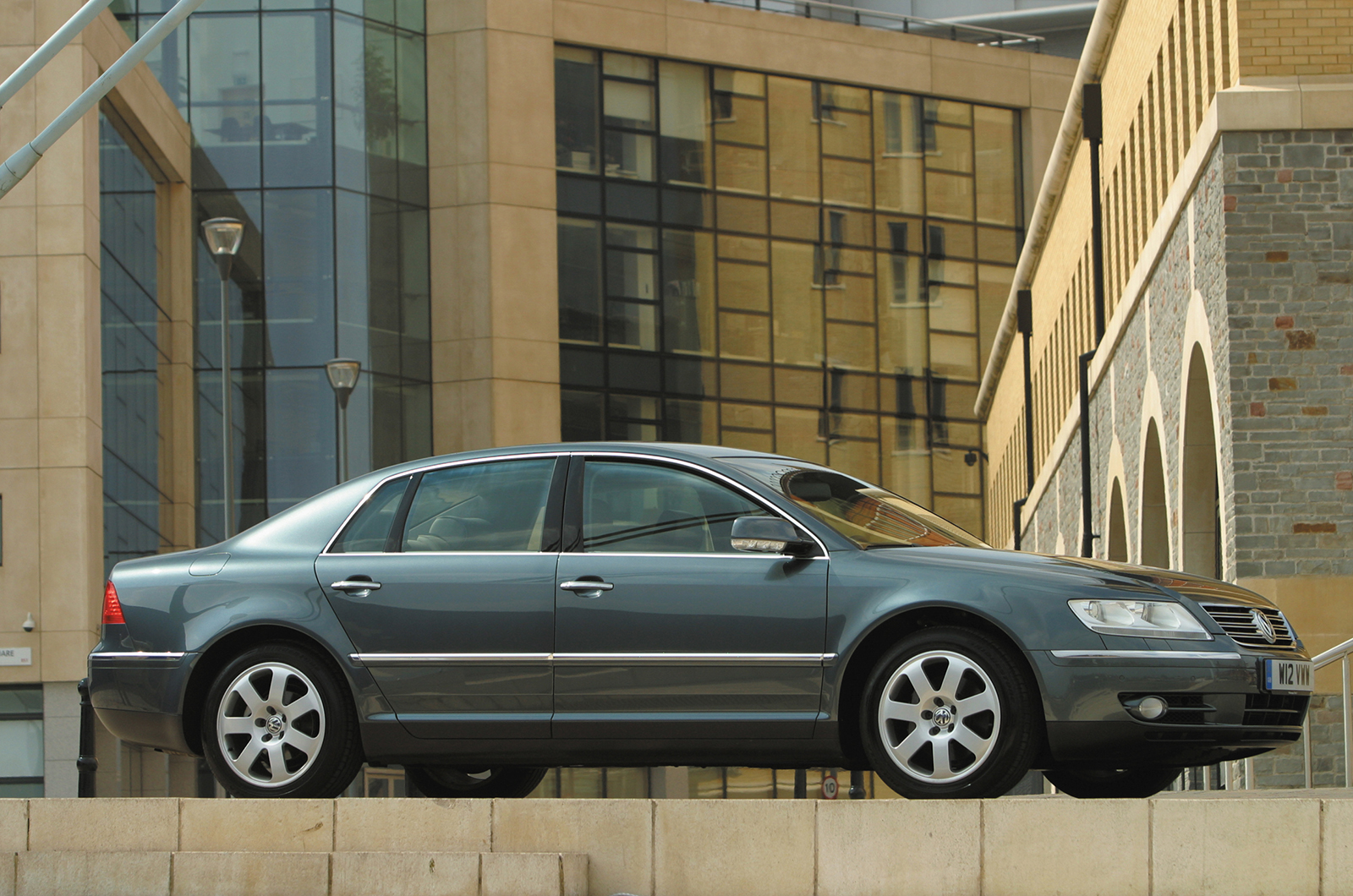
The Phaeton was intended as a limousine for the shy but rich individual who didn’t want to lord it in a Bentley, but in fact this car only came to life precisely because it shared its 6.0-litre W12 underpinnings with the Bentley Flying Spur.
The Phaeton itself was the pet project of VW’s scary chieftain Ferdinand Piëch, anxious to give Volkswagen the range-topper he felt it deserved – and it was said, to keep his Audi guys on their toes - but the reception for it was lukewarm.
Volkswagen Phaeton (2002)
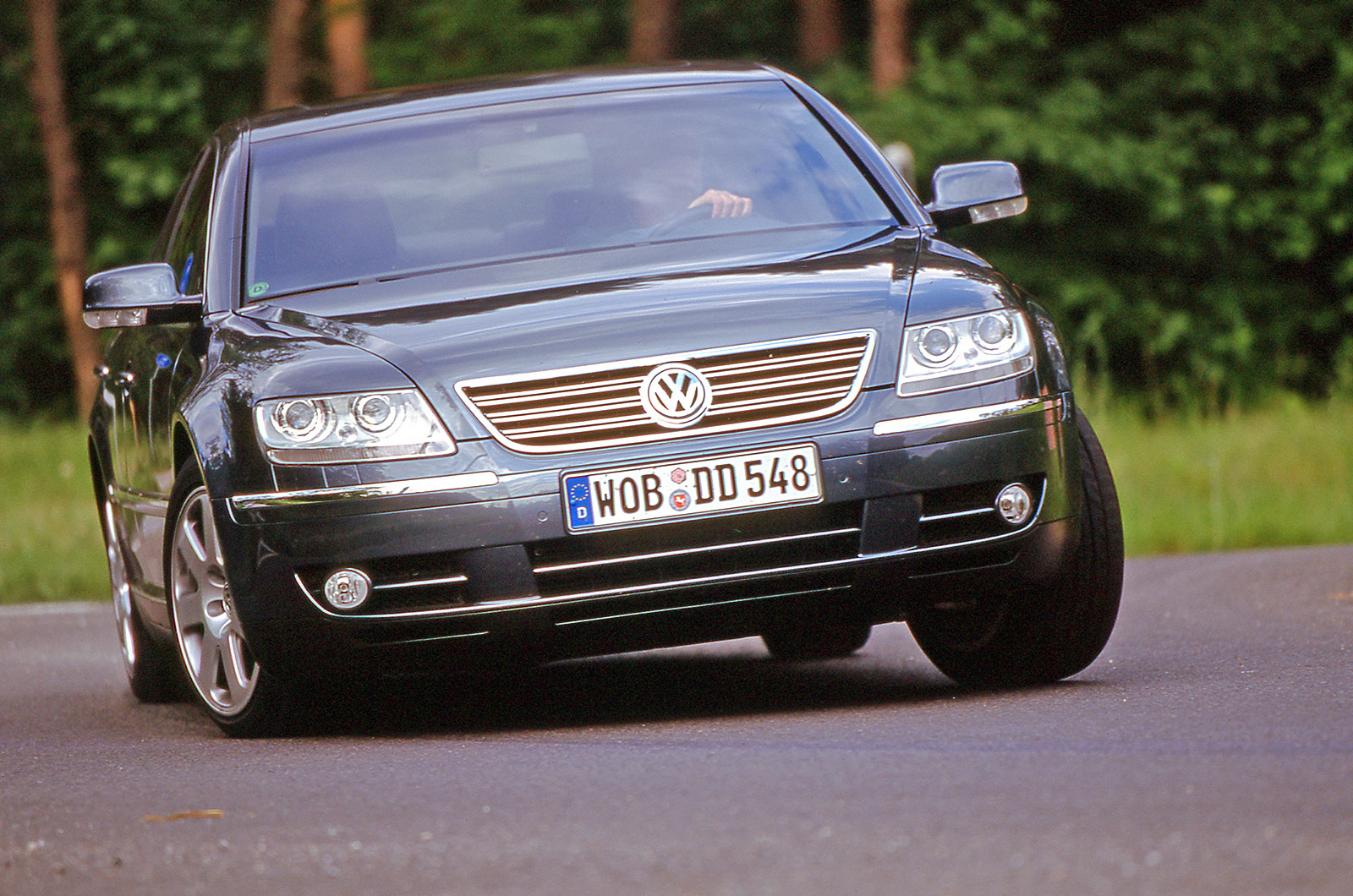
Fantastic machine, but overrated for its subtlety next to the Bentley, and very much unwanted today by comparison. If Angela Merkel had designed a luxury car, it would probably have turned out like this.
Bugatti Veyron (2005)
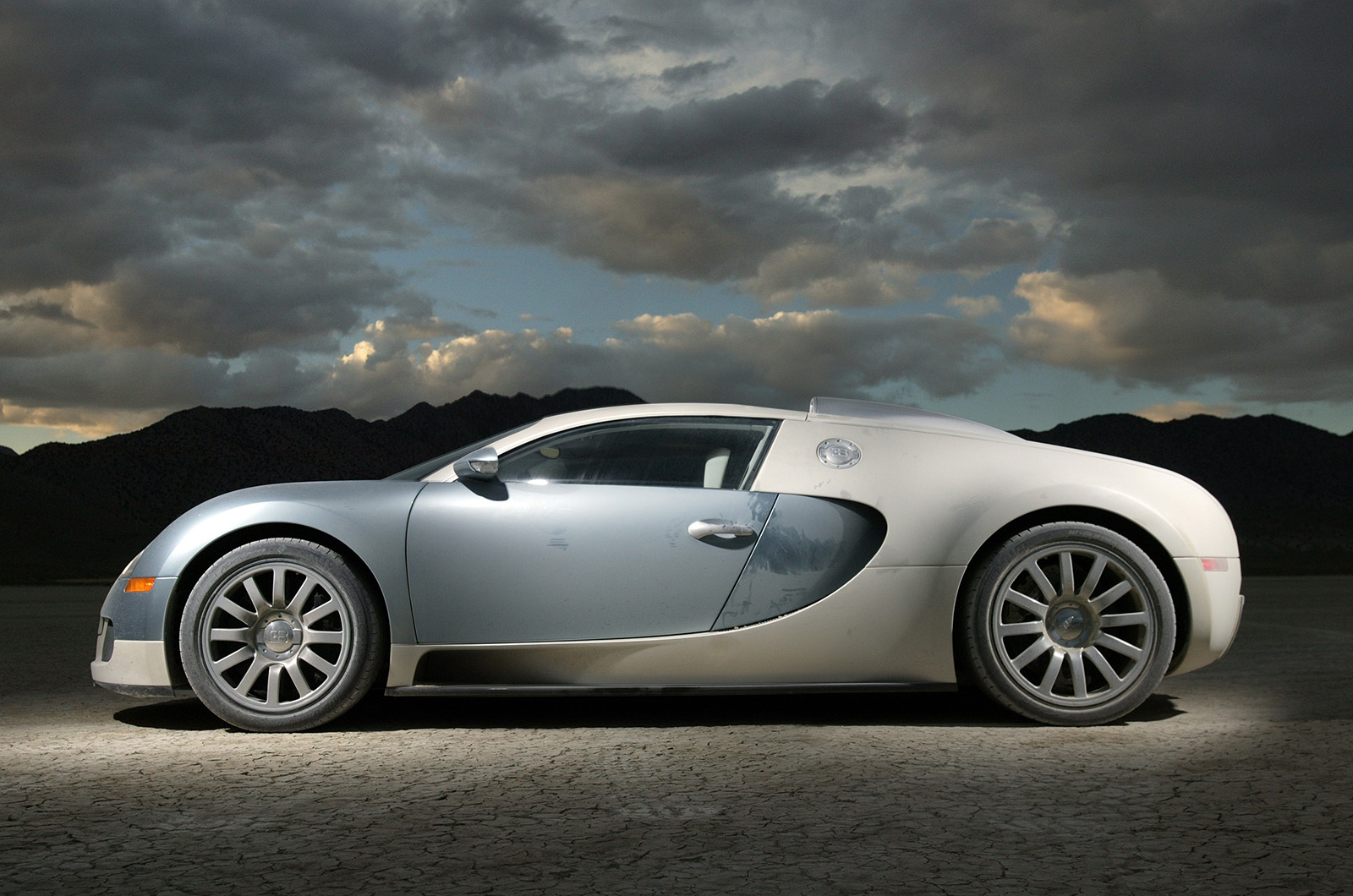
The top 10 most powerful cars on sale in the year the mid-engined French supercar was launched started at No10 with the 612bhp Porsche Carrera GT or Mercedes-Benz SL65 AMG and culminated at the No1 with the 987bhp Veyron. The Bugatti could also manage 253mph, making the quad-turbo, W16-engined two-seater the world’s fastest car.
Bugatti Veyron (2005)
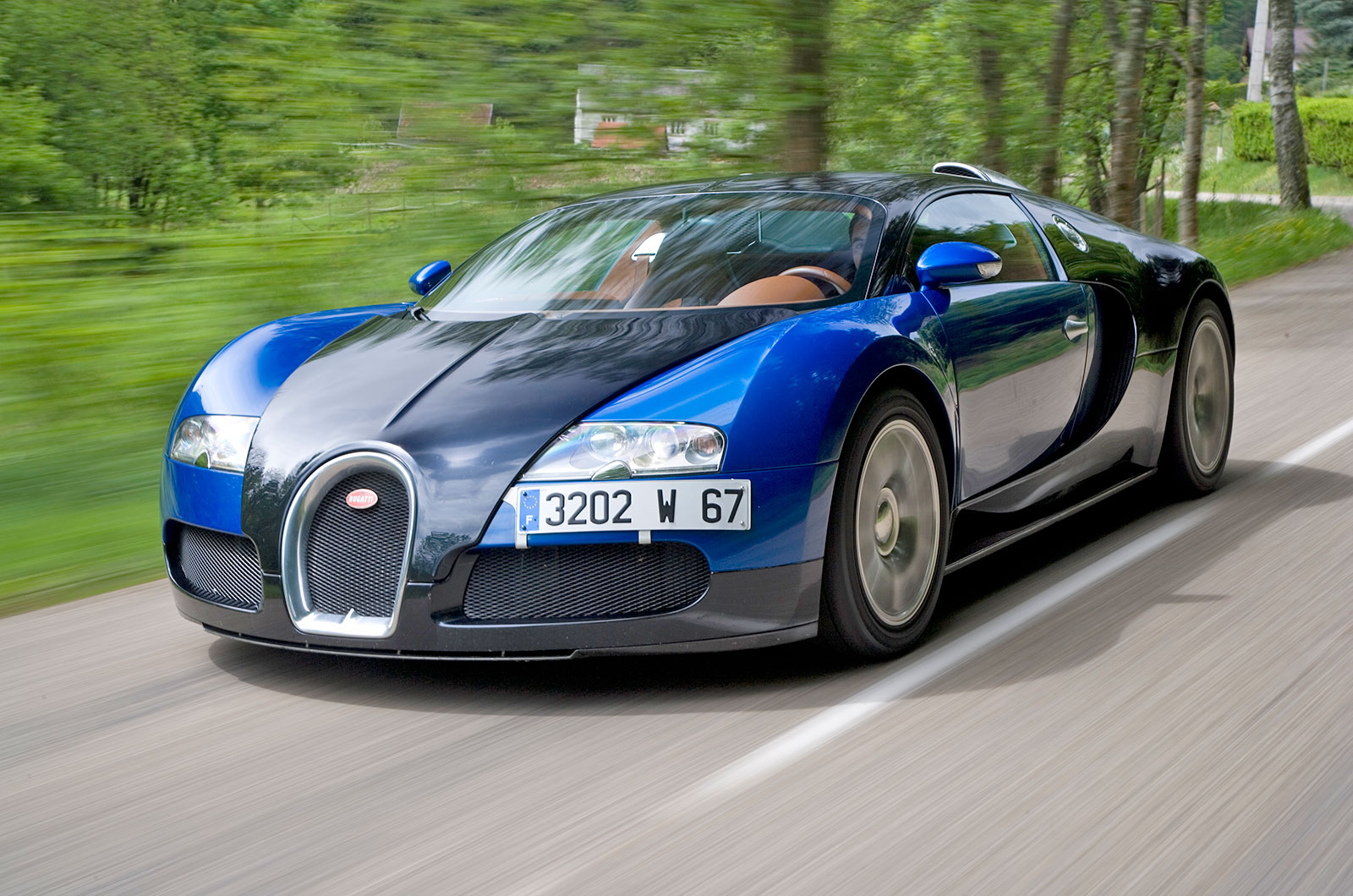
But was it really, really worth all the mountains of extra dosh for a car that – in the real world – had power and velocity that no-one could actually use? It was also 2.0 metres wide, making it one of the most cumbersome of city-drivers, and there were 10 radiators to keep topped up. And it was extremely expensive to both buy and operate.
Subaru Impreza STI WRX hatch (2008)
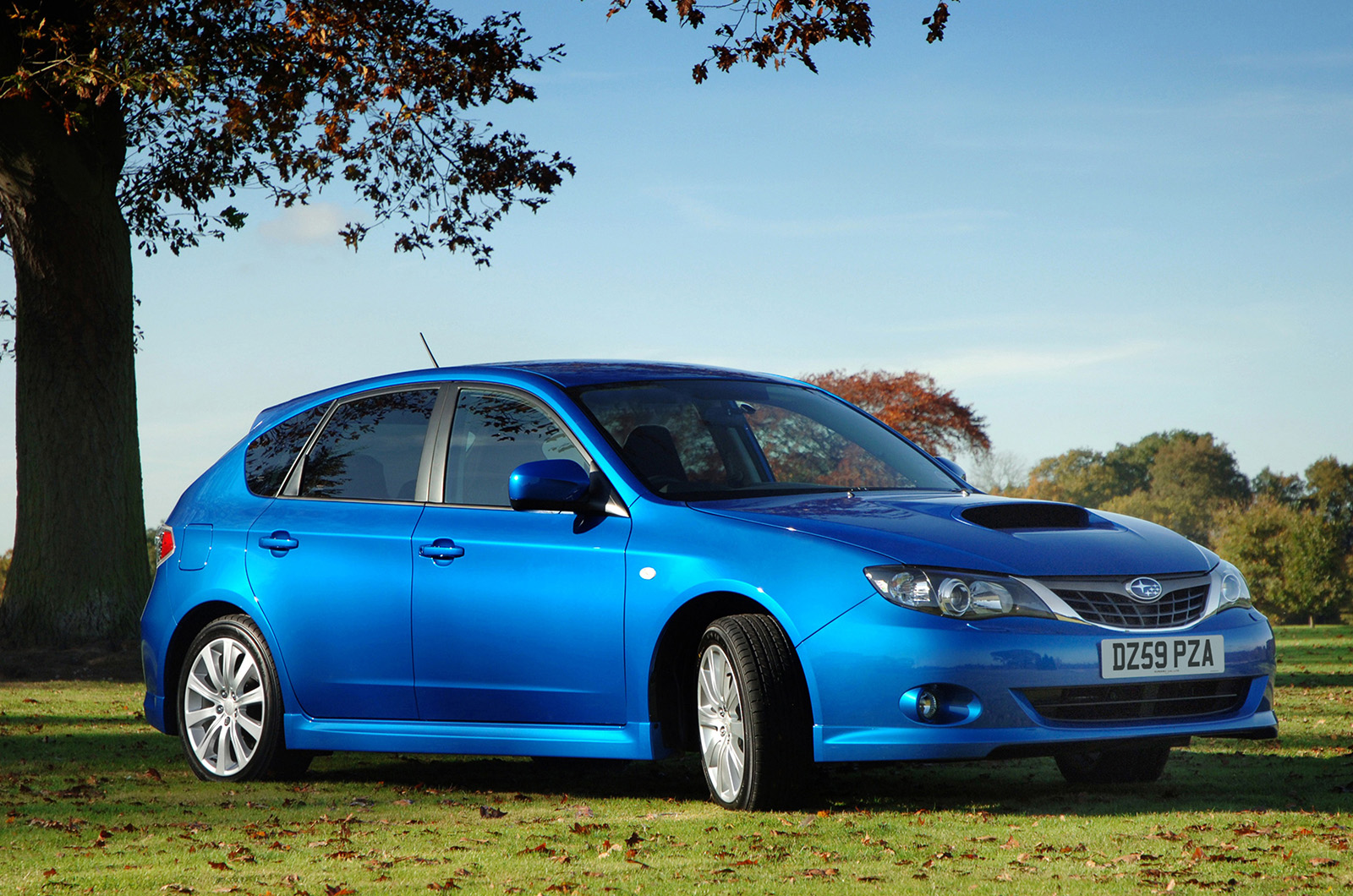
The raw performance largely remained from the old days, with 300bhp and prodigious, four-wheel drive grip as the 2.5-litre boxer engine rocketed the car to 60mph in 4.8sec. But no matter what the marketing and statistics relayed, the character had been lost in Subaru’s quest to broaden its hardcore Impreza’s appeal and align it with Germany’s performance best-sellers.
Subaru Impreza STI WRX hatch (2008)
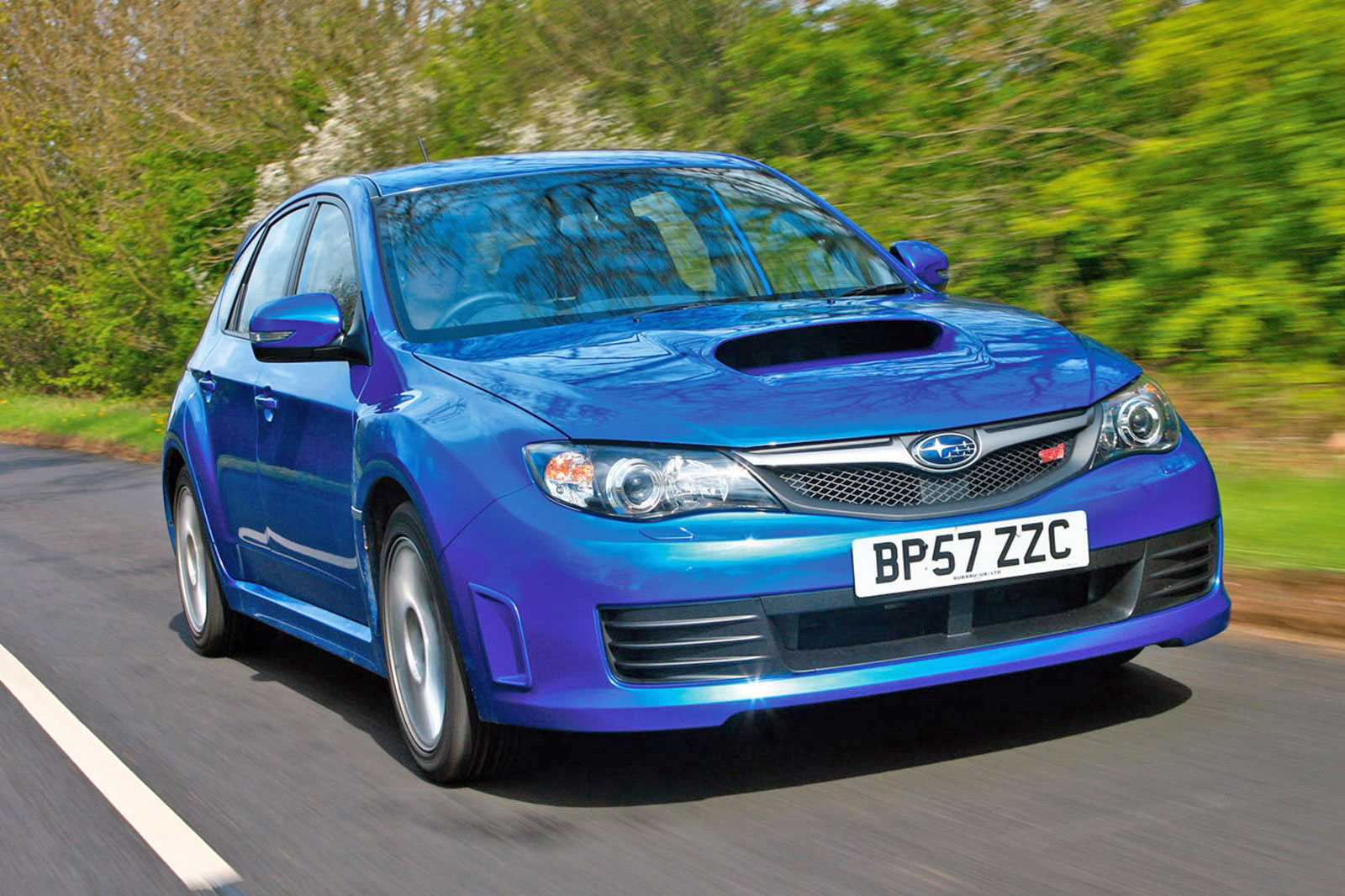
The familiar three-box shape, with its giant rear aerofoil, was gone, and in its place came a blander-than-bland five door hatchback. Then, Subaru’s cost-cutting team combed through the interior, making it as cheap and coarse as they could. It seemed like a shameful way to treat an icon…
Toyota GT86 (2012)
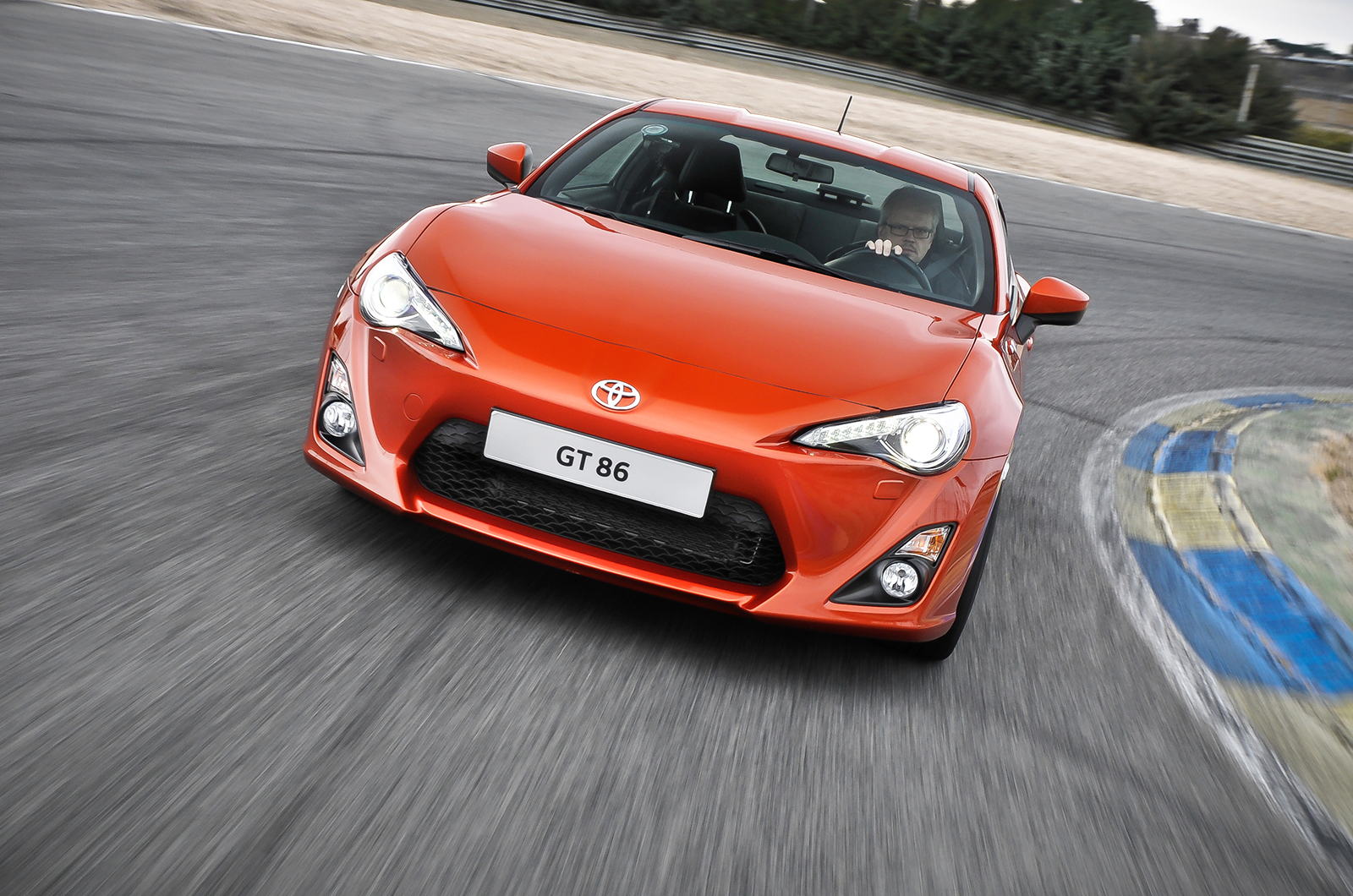
The 2.0-litre two-plus-two seater was designed to get back to basics with its rear-wheel drive and skinny tyres, and you did indeed get quite a basic car. And not necessarily in a good way: inside, it was claustrophobic and cheaply finished. Oversteer was the major characteristic of the handling – okay for some weekend drifting on a disused airfield, possibly a liability on rain-soaked public roads.
Toyota GT86 (2012)
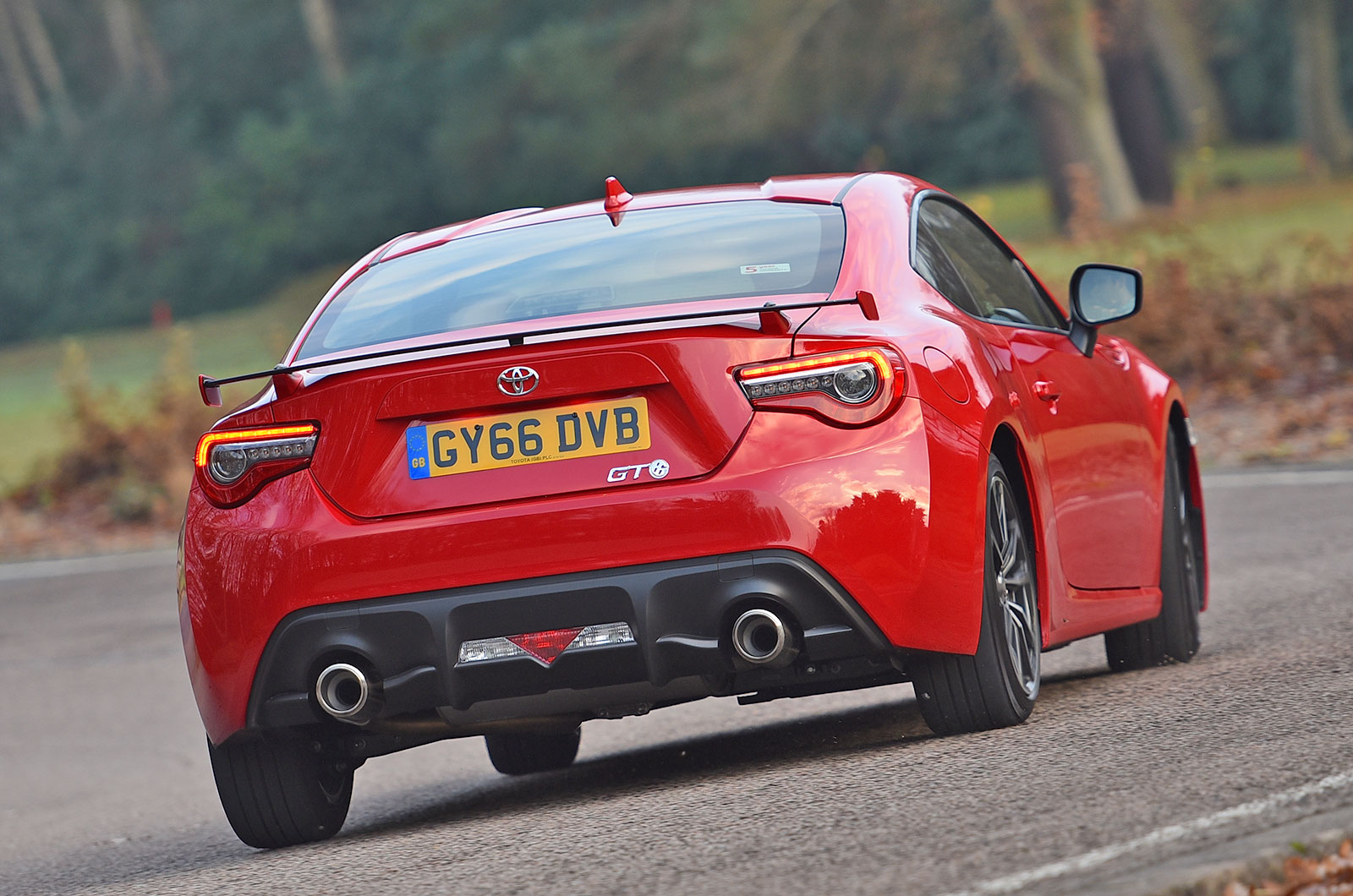
And there was a distinct lack of torque right in the middle of the rev range, which kind of put the kybosh on spirited everyday driving. None of it had to be this way, as Mazda’s all-round excellent MX-5 continued to demonstrate. The new GR86 takes the GT86 recipe and improves it.

Volkswagen Group Model Cuts Signal Strategic Retreat from Slow-Selling Sedans, Coupes, and EVs

Agency Model in Car Sales Why Persistence and Adaptation Are Separating Winners from Retreating...
 Volvo, Mercedes-Benz, Mini and Honda are among those to have cracked the difficult 'agency' formula
Have established car makers finally found the magic solution to sell direct to customers?
Volvo for one reckons it has, praising its system for boosting private sales (the most valuable sales) in the UK by 21% in the first six months of this year.
Direct sales were popularised by Tesla and eagerly rolled out by other brands starting around 2022, as manufacturers looked to cut their distribution costs and remove a crucial barrier to their customers. The original dealers were retained, but instead they acted as agents paid a fixed fee, with car makers officially selling the car.
But many, including Ford, the Volkswagen Group and Ineos, have abandoned or postponed the shift to the so-called agency model as increased competition exposed car makers’ unpreparedness to move into the selling game; most returned to the time-honoured system of wholesaling to dealers.
Most, but not all. Volvo, BMW (via Mini), Mercedes-Benz and Honda are persisting with a full or partial embrace of the agency model, showing that with perseverance this system may yet work.
“Ultimately, the model works because it aligns everyone's interests,” Nicole Melillo Shaw told Autocar in a statement. “Over the past three years we have learned a huge amount.”
Melillo Shaw cites the advantage to consumers, Volvo itself and even retailers, who have traditionally been most resistant.
The benefits for the car maker include a better insight into buying habits, which they get to see first-hand via online ordering systems. “We have much, much more data and insight about our customers and customer behaviour,” Hans De Jaeger, head of Honda in the region that includes Europe, told Autocar. “In the past, we didn't have that.”
Honda UK began on one model, the electric eNy:1 and last year rolled it out to all models. Now it’s considering rolling the model out across Europe, De Jaeger said.
Mini is also sticking with what BMW calls The New Retail, which was rolled out in the UK last year. It is providing a learning course for BMW, which has delayed its own version but says it is committed to adopting the model. “There is no way back,” BMW’s former CEO Oliver Zipse told investors in March. “We will introduce that step by step because individual mobility will be closely linked to understanding the customer individually. And that is something you can only do as a retailer and not as a wholesaler.”
Mercedes is another choosing to work its way through the issues. The company now sells 50% of its cars direct to customers in Europe, including in the UK. More markets in the region planned to make the switch, Mathias Geisen, head of sales and customer experience, told investors in February. The original goal, set in 2022, was to have 80% of Mercedes sales via agency by 2025.
Persistence can pay off, however. “Experience with Volvo UK and Mercedes in a number of markets suggests that such a fundamental change is difficult to get right from day one,” Steve Young, head of dealer-focus consultant ICDP, told Autocar. "But once the early wrinkles are sorted out, it can bring a win-win-win outcome for customers, dealers and manufacturers."
Switching is not easy. Dealers generally dislike agency because the fixed-fee system in genuine agency removes their ability to hustle more of the margin in each car for themselves. “They’re entrepreneurs,” David Allison, head of product and planning at MG in the UK, told Autocar. “If they’re good they can increase the amount of money they make on each car.”
That also helps the car makers, who found it easy to sell cars themselves when the market was constrained during the chip shortage but much harder when supply returned, quickly followed by hard-charging Chinese entrants.
“Maybe we were too early,” Markus Haupt, CEO of Seat/Cupra, told Autocar. Cupra made the switch to agency back in 2021, starting with the Born EV, but it has since reverted to wholesaling cars to dealers along with the wider VW Group. “We went back to the traditional business because it's what dealers and importers are used to,” Haupt said. Cupra will focus on reducing costs at the vehicle development end, rather than via its distribution model, he added.
Former VW Group UK boss Paul Willis has gone on the record saying he always opposed agency. “I was in the room in Ingolstadt when we started putting the whole agency thing together, he told Car Dealer Magazine. I’m afraid to say, from the very beginning I questioned it.”
The VW Group looked to agency to improve margins by reducing the amount given away to dealers, but it hadn’t considered how it impacted its sales network, Willis said. Willis now works for Dubai-based dealer group Al-Futtaim Automotive.
The switch was kneejerk, argued Hyundai CEO Xavier Martinet in an interview with Automotive News Europe. “The agency model was pushed so hard a few years ago, for two reasons,” Martinet said. "One, Tesla was doing it, and at that time everything Tesla did was considered to be game-changing. And two, when the chip shortage occurred, customer demand exceeded what automakers could supply, so everyone could use a pull model. A sales model, however, should work both in good times and bad.”
Adaptability is key. Honda, for example, uses what’s often called a ‘non-genuine’ agency model, which applies element of both direct and wholesales. Honda dealers have room to discount and have sales targets, recognising that it’s a strong motivational force to move metal. “Our current model is adapting more towards this dealer engagement, which we really want to have,” European head De Jaeger said.
Getting the dealers onside is crucial. “A key focus for us is ensuring our retailers are successful and profitable within the model,” Volvo’s Melillo Shaw said. “We haven't replaced or diminished their role; we've evolved it.”
Tesla has persisted by selling directly through its own network, but few of those that followed this pure direct sales route still do so. Polestar abandoned it and now sells through Volvo dealerships in Europe using the fixed-fee agency model. But in Switzerland it wholesales its cars to dealers, and it could eventually move that way elsewhere. “Obviously it has pros and cons,” Polestar CEO Michael Lohscheller told the recent Automotive News Europe Congress. "For the time being, we feel good with the current set-up, but it’s something we are exploring."
The cons for car makers of selling to dealers and letting them control the final sale remain the same: customers have to shop around or haggle to get the best price; dealers compete against each other for business for the same car; and car makers are stuck with an expensive and outdated system that leaves them out of the customer loop.
But it also works well enough. “Currently, we want a mature solution. We don't need to take that risk,” MG Europe CEO William Wang told Autocar. “But we do want to offer better technology, something really the customer can benefit from. We can move fast. If everyone moves the other way and if it works, we can quickly adapt.”

Ford Unifor Agreement Sets Precedent for Canadian Auto Labor Negotiations Amid Trade Uncertainty

Robotaxi Regulations Poised to Reshape Tesla’s Cybercab Strategy as NHTSA Considers Dropping Manual Control...

License Plate Readers on Trial as Air Force Engineer Challenges Mass Surveillance and Fourth...


Overrated Cars and the Myths That Sustain Them: Why Automotive Icons Often Fall Short...
 Overrated is a strong word - we wouldn't want you to think any of these aren't much good, but they do have overlooked flaws
It’s not a lemon list, more a herd of sacred cows about which the world thinks of in one way yet the reality can be slightly different.
All – or, at least, most – of these cars have some mega plus-points, but they also have reputations that are a bit larger than life. We take a look at some, and explain why those reputations can be over the top:
Land Rover Series I (1948)
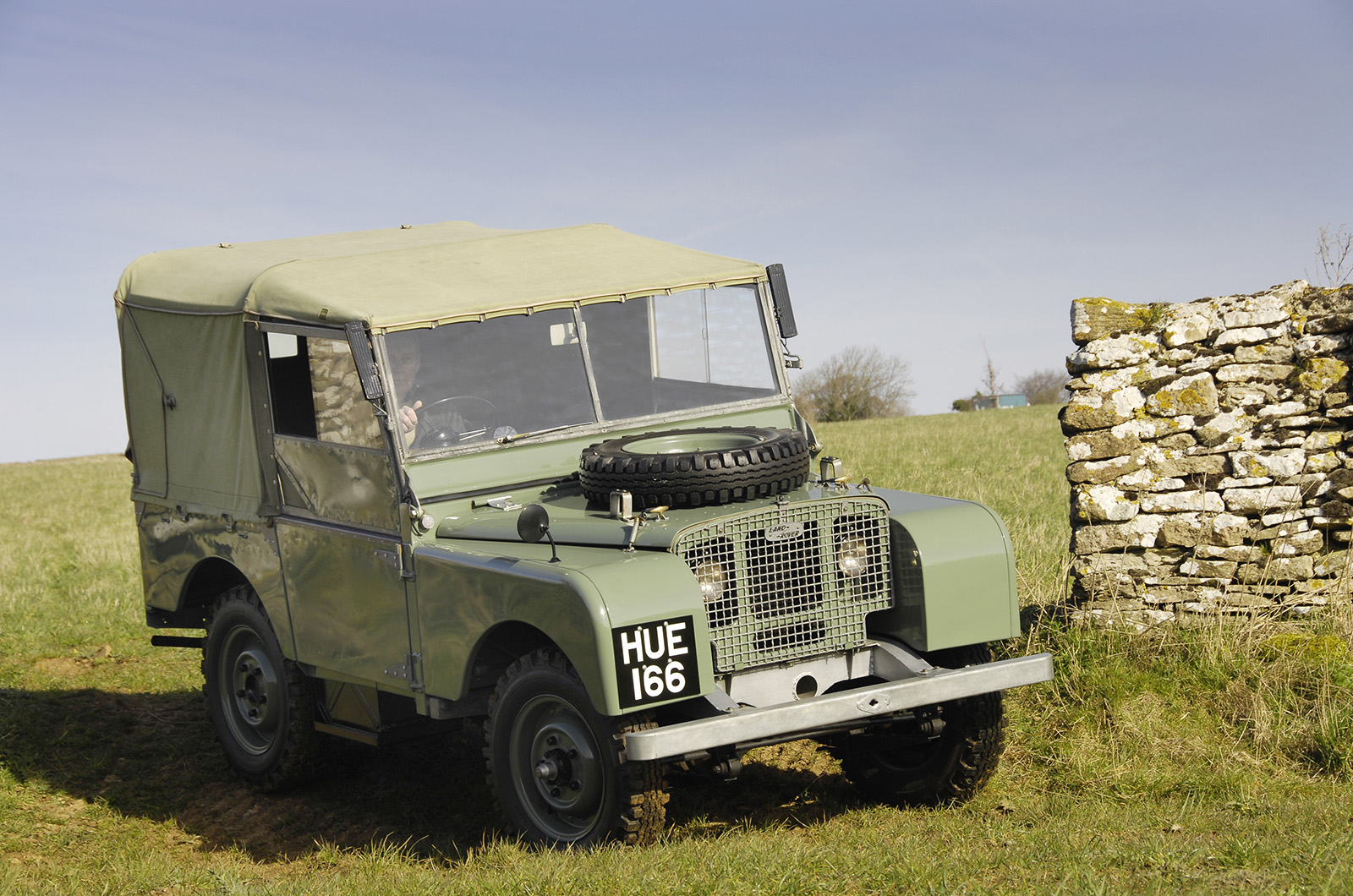
The lovable Land Rover is hailed, quite rightly, as the grandfather of all civilian off-roaders, and how these very early vehicles can still perform in the rough is impressive – were you to submit your Series I to some farm life. ‘Dual-purpose’ is where the concept falls down.
Land Rover Series I (1948)
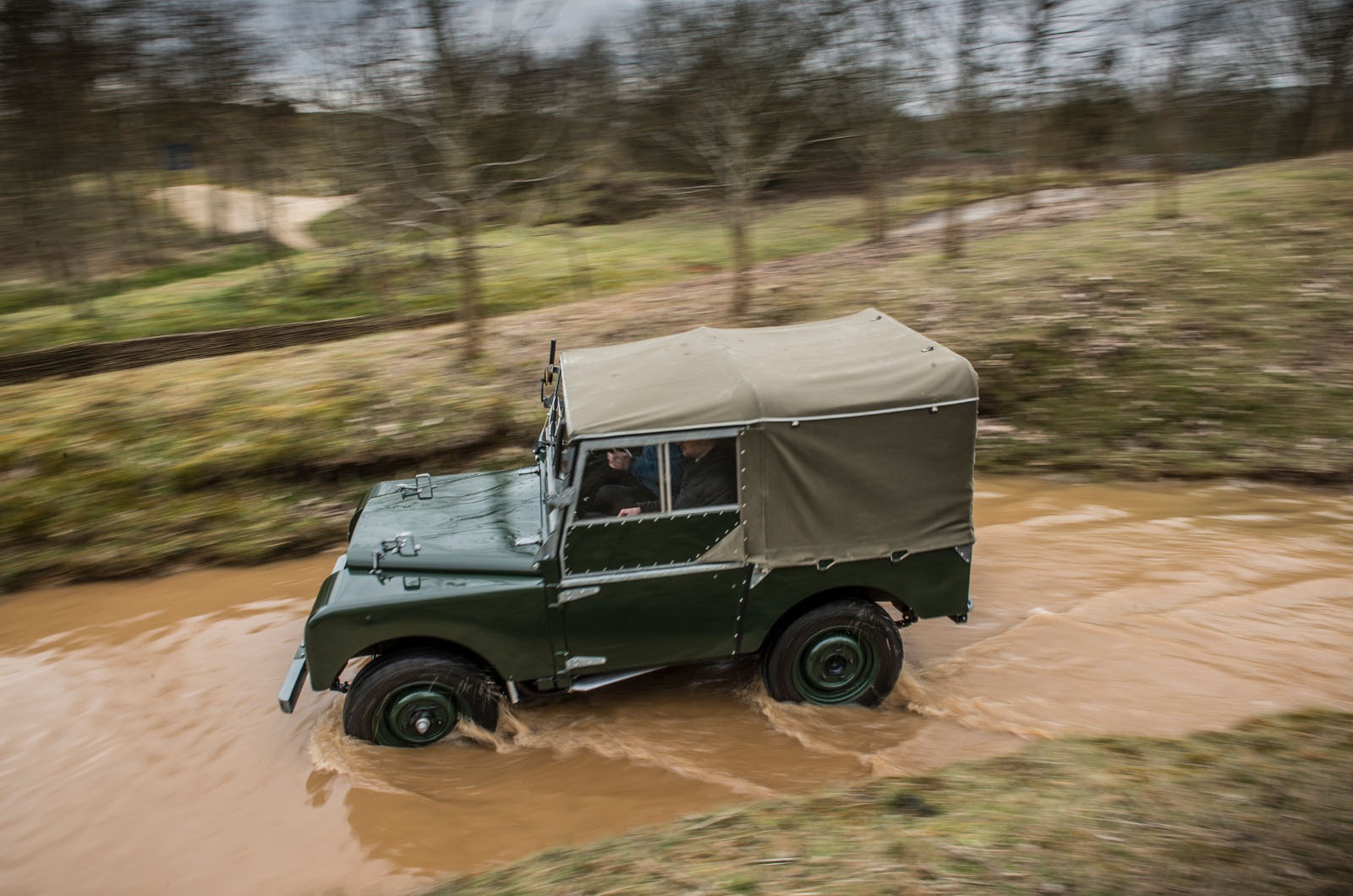
While there’s no disputing it can, legally, be driven on tarmac, the experience is one that should be kept as short as possible in the best interests of your spine, teeth, joints and nerves as the leaf springs, chassis girders and hefty, turning axles make their jarring progress. Think of it as not really a car, and keep to the fields, and you’ll be fine.
Volkswagen ‘Beetle’ (1950)
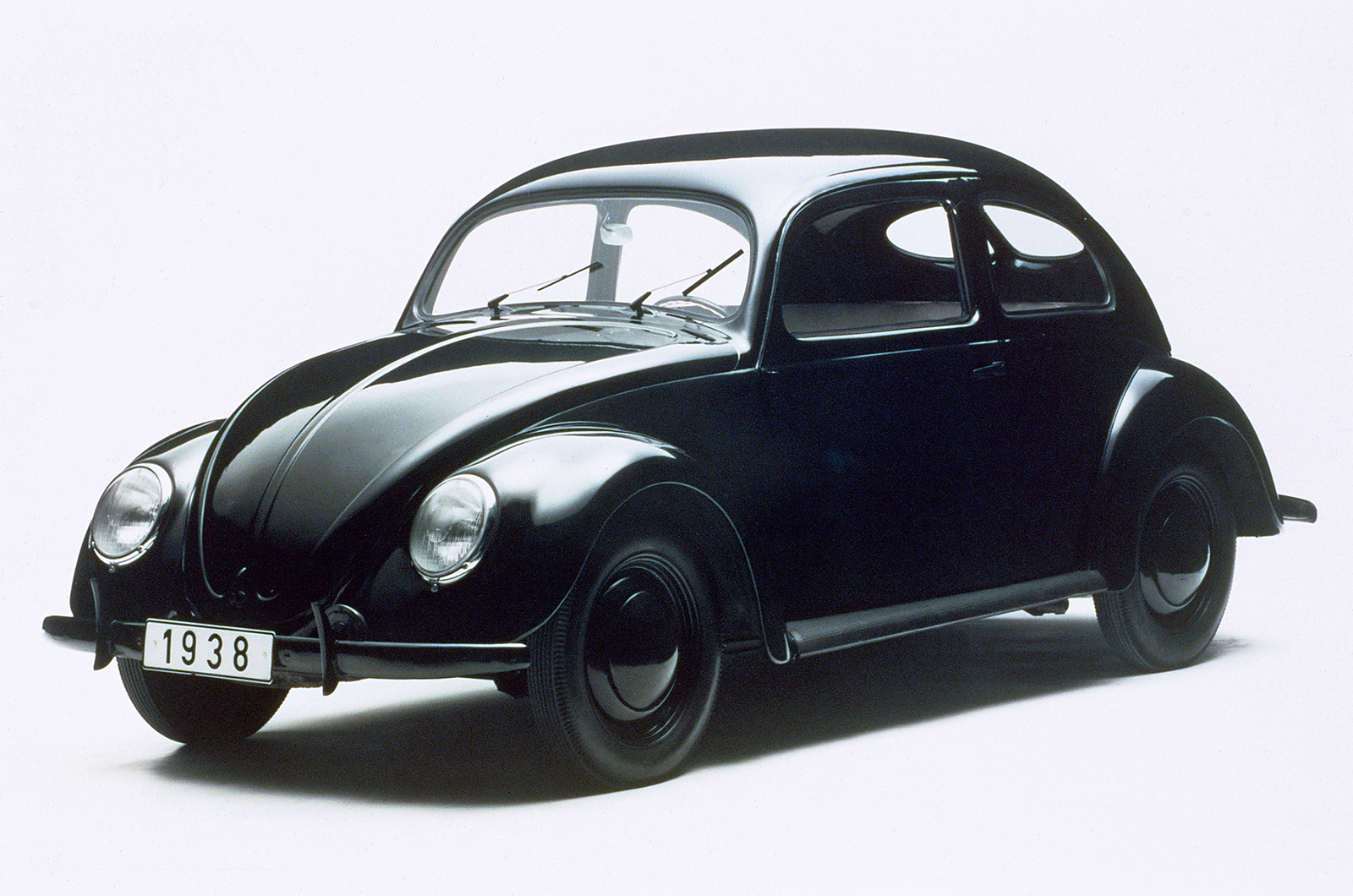
That a cheap, 1930s economy car design should survive on sale for some 60 years, and sell 21 million examples, is of course a phenomenon. It is, though, one celebrated today by people who would find a Beetle an appalling prospect, as it certainly did not set the pattern for the modern car. The rear-engined layout, and weight bias, is not the most forgiving.
Volkswagen ‘Beetle’ (1950)
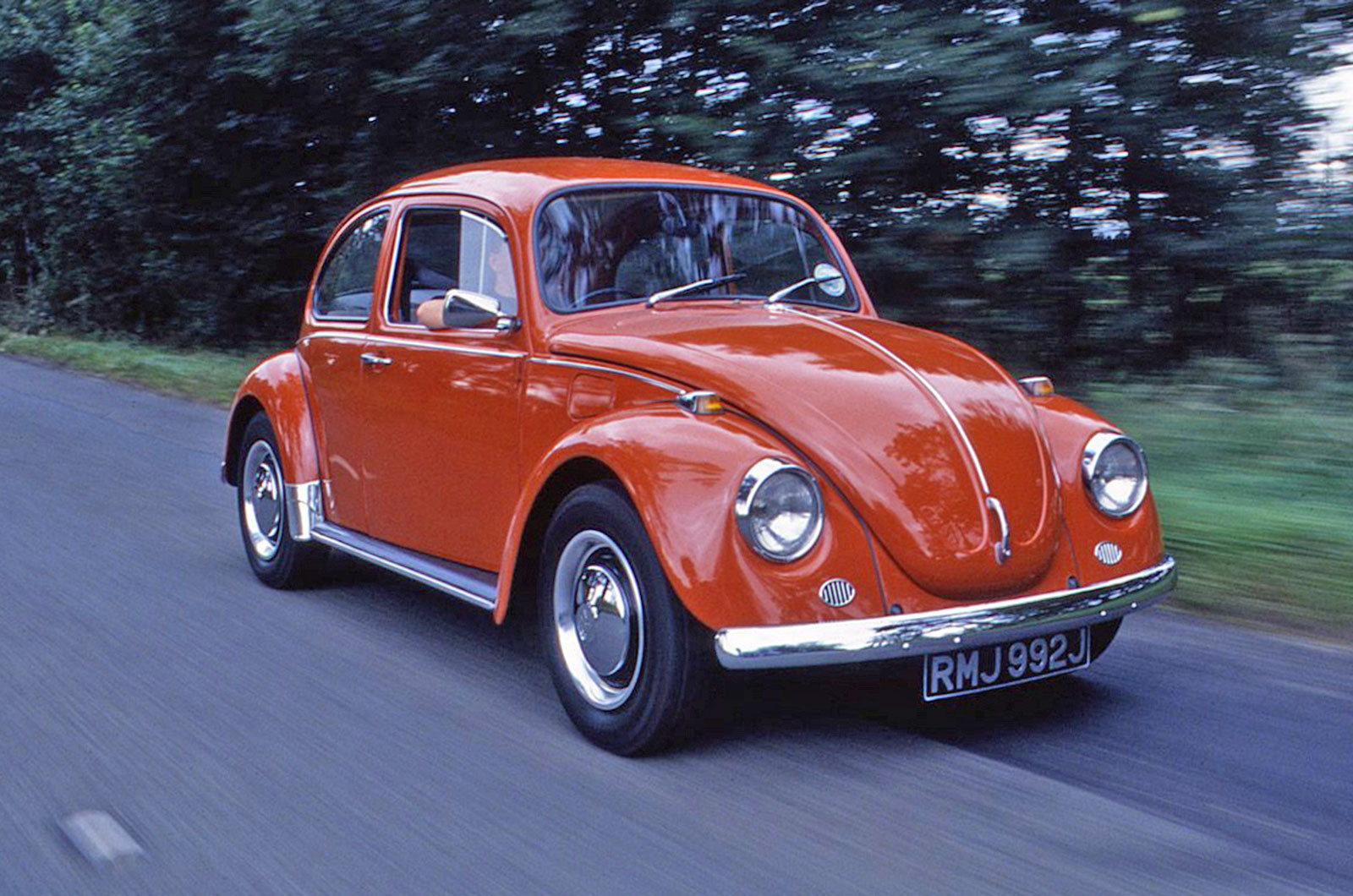
And by the mid 1960s – the Beetle’s heyday, especially in the US – the flimsy structure, complete absence of safety systems, and poor brakes was anachronistic in the extreme. “But it’s so reliable,” people said; or were they getting confused with the ease with which you could work on it? Yes, there’s charm, but the Golf couldn’t come along soon enough…
MGB (1962)
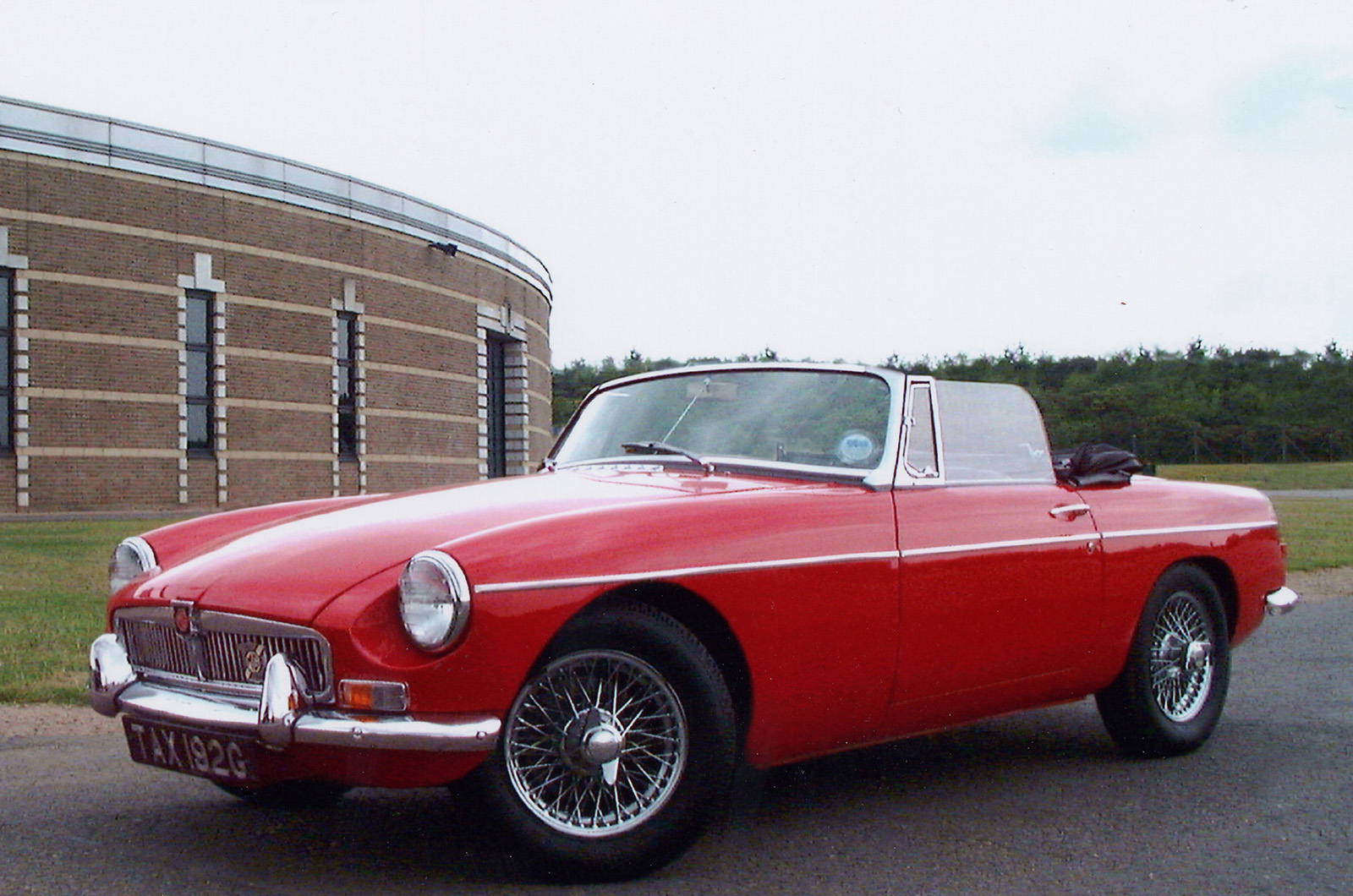
Here’s another car whose venerability, like the Beetle’s, has given it an aura that usually makes it immune to proper analysis. Introduced in 1962, it had monocoque construction and solid performance with all the inconveniences – sweaty cockpit, heavy steering, leaky hood, rust traps aplenty – that a sports car owner was expected to overlook.
MGB (1962)
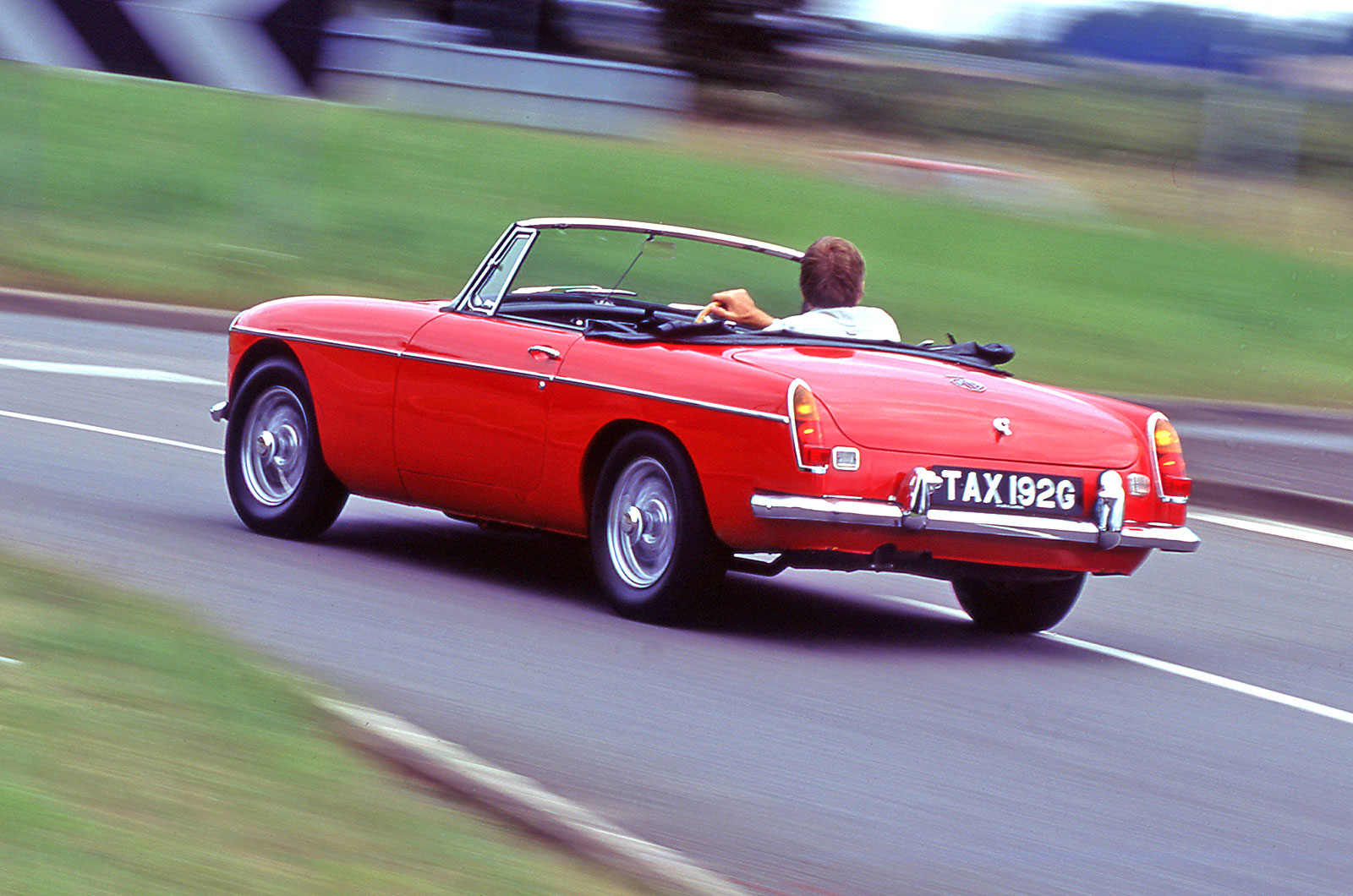
British Leyland decided not to bother replacing the car, especially as most of its rivals were discontinued so that by the B’s demise in 1980, this living antique was the default sports car option. That’s why it led the classic car boom, until the Mazda MX-5 came along and proved that, yes, wind-in-the-hair for two could actually be done really, really well…
Buick Riviera (1963)
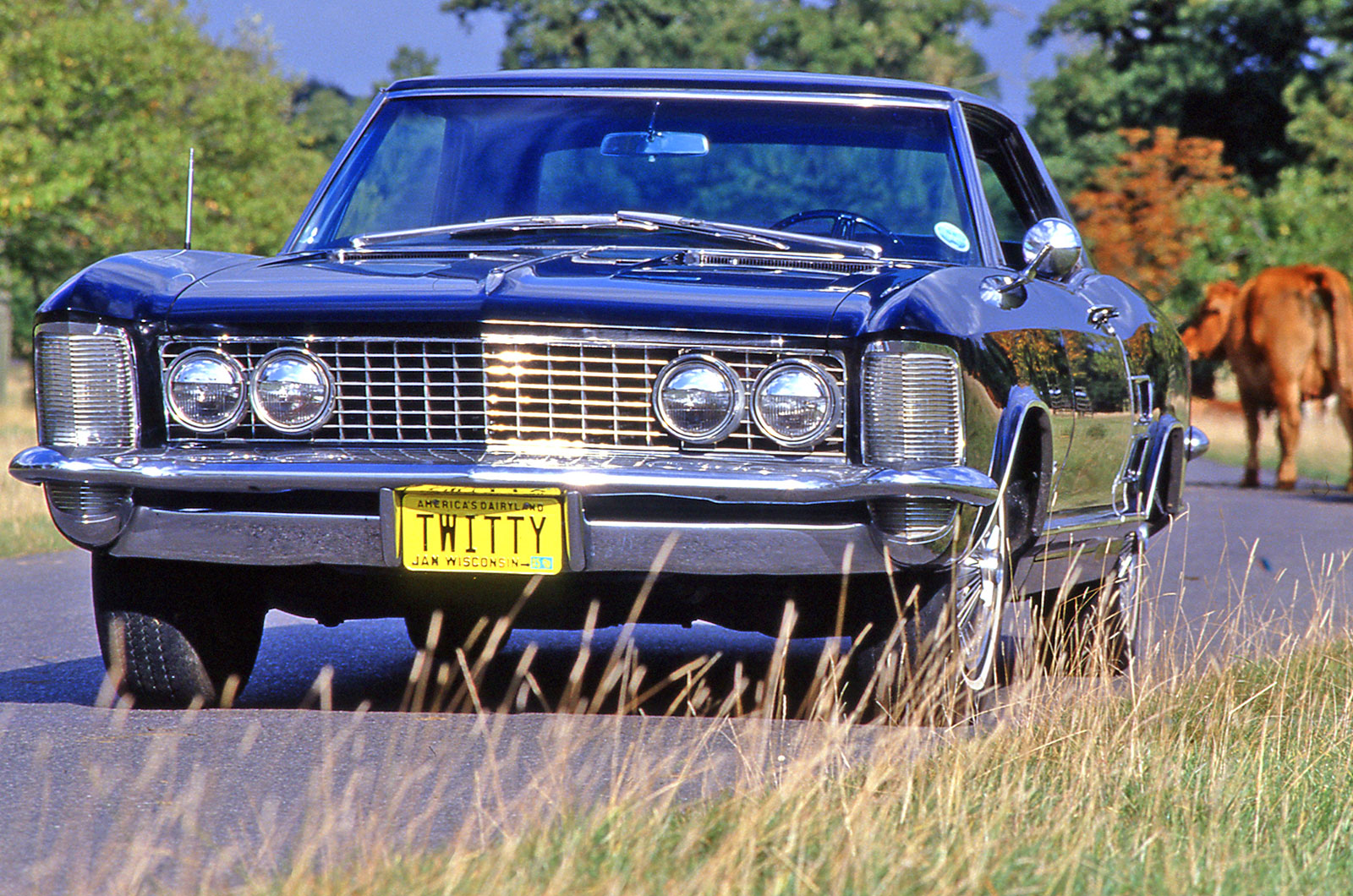
General Motors styling boss Bill Mitchell, like his predecessor Harley Earl, had this fixation that a home-grown roadster for the US highway should be something vast and imposing, while the late 1930s Lincoln Continental which evolved into the Continental II of 1956 had an enormity that no-one from Europe would consider remotely sporty.
Buick Riviera (1963)
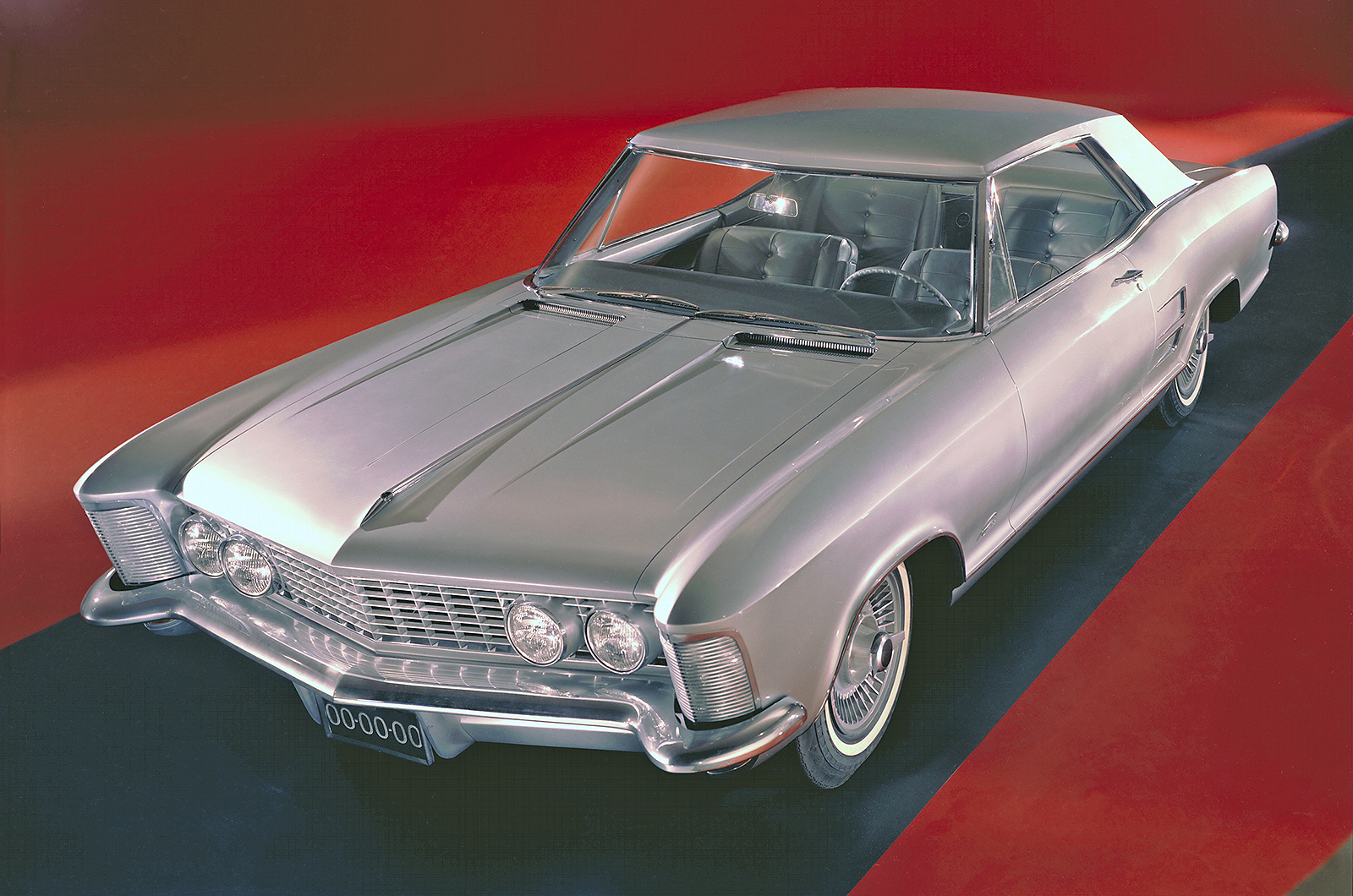
So when Mitchell conceived his “American Ferrari” in the 1963 Buick Riviera, it became a skyscraper to Italy’s bell tower. It was an enormous hardtop coupé with a 6.6-litre V8 engine, admittedly beautifully styled, but a turnpike cruiser and not a sports car. It wafted along like a bed at the Beverly Hills Hotel, with vague steering and even vaguer brakes. Rolling sculpture for sure, but no Ferrari.
Alfa Romeo Alfasud (1971)
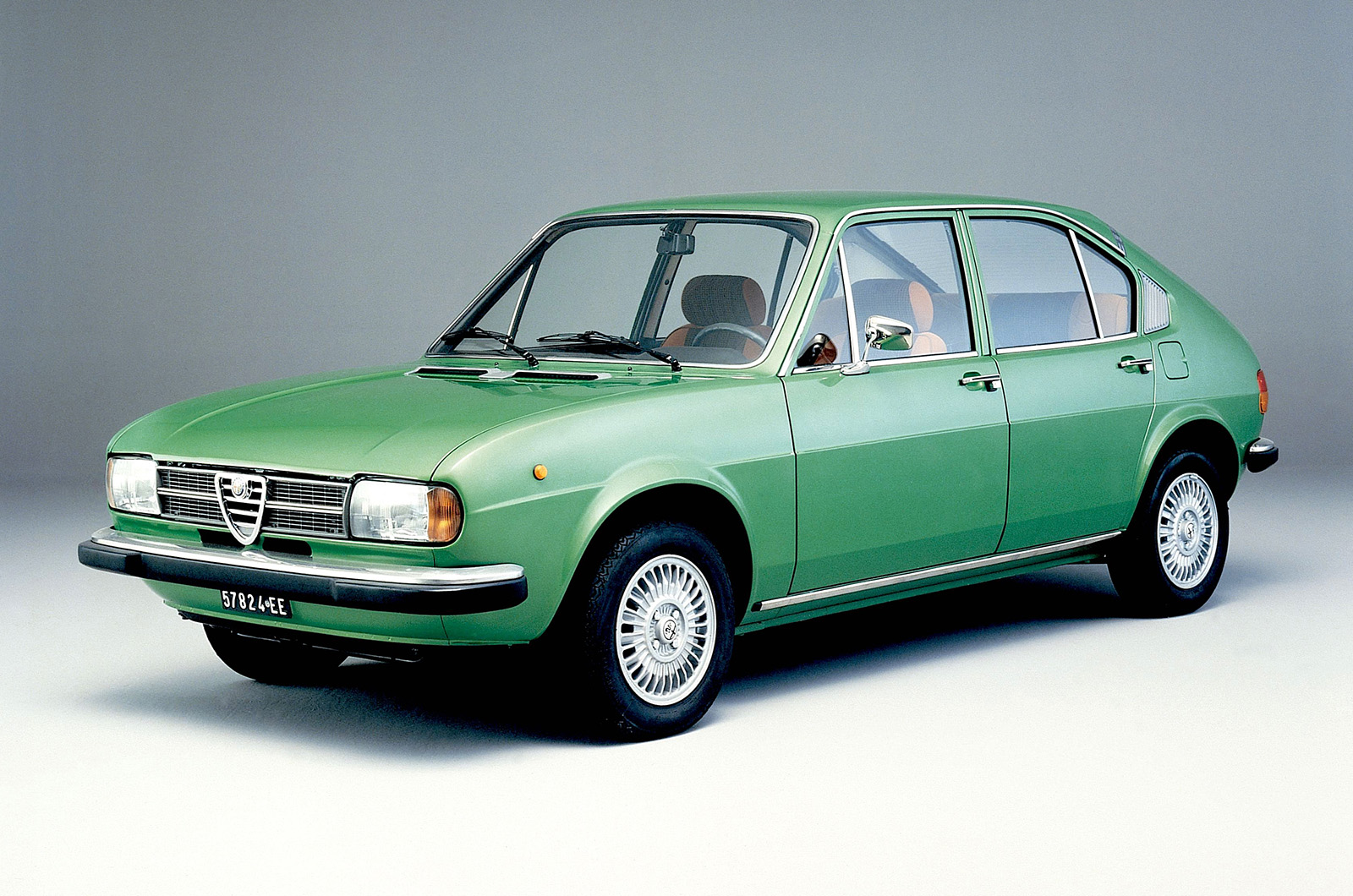
For about three years in the 1970s, the Alfasud Ti was the most exhilarating small car on the planet. Its grip, handling, verve and sheer joie de vivre wowed everybody who tried it. Then the Volkswagen Golf GTi arrived, and the Ti slunk into its shadow. The Ti, like all Alfasuds, is a classic case of a critically-acclaimed car that was often a disastrous prospect for actual ownership.
Alfa Romeo Alfasud (1971)
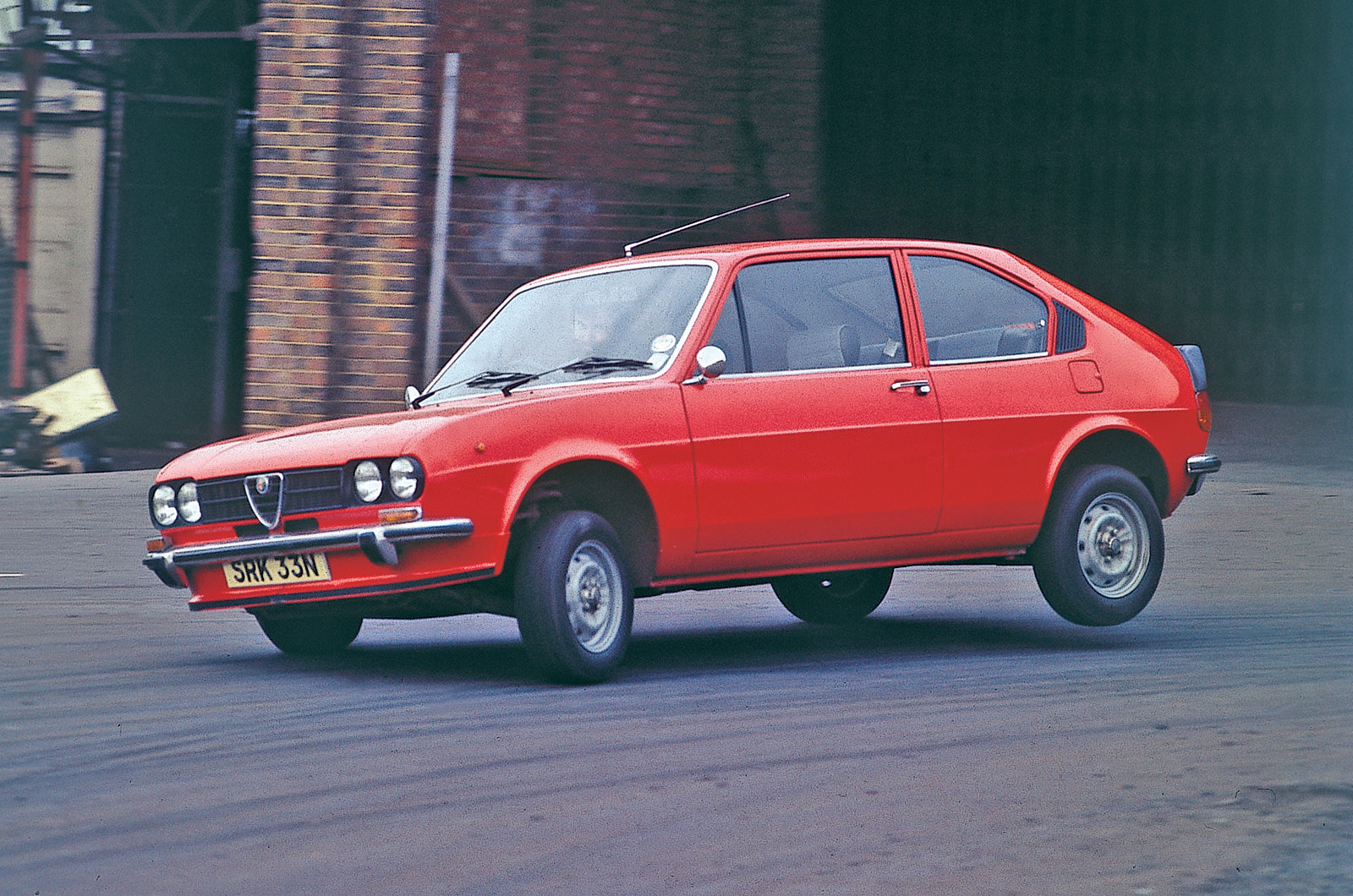
The magazine road-tester would have it for a week and then reluctantly hand it back, having raved about the way it drove. But then the beguiled buyer would watch the car disintegrate and corrode often mere months after taking delivery. You just didn’t get any of that with the Golf.
Bristol 412 (1976)
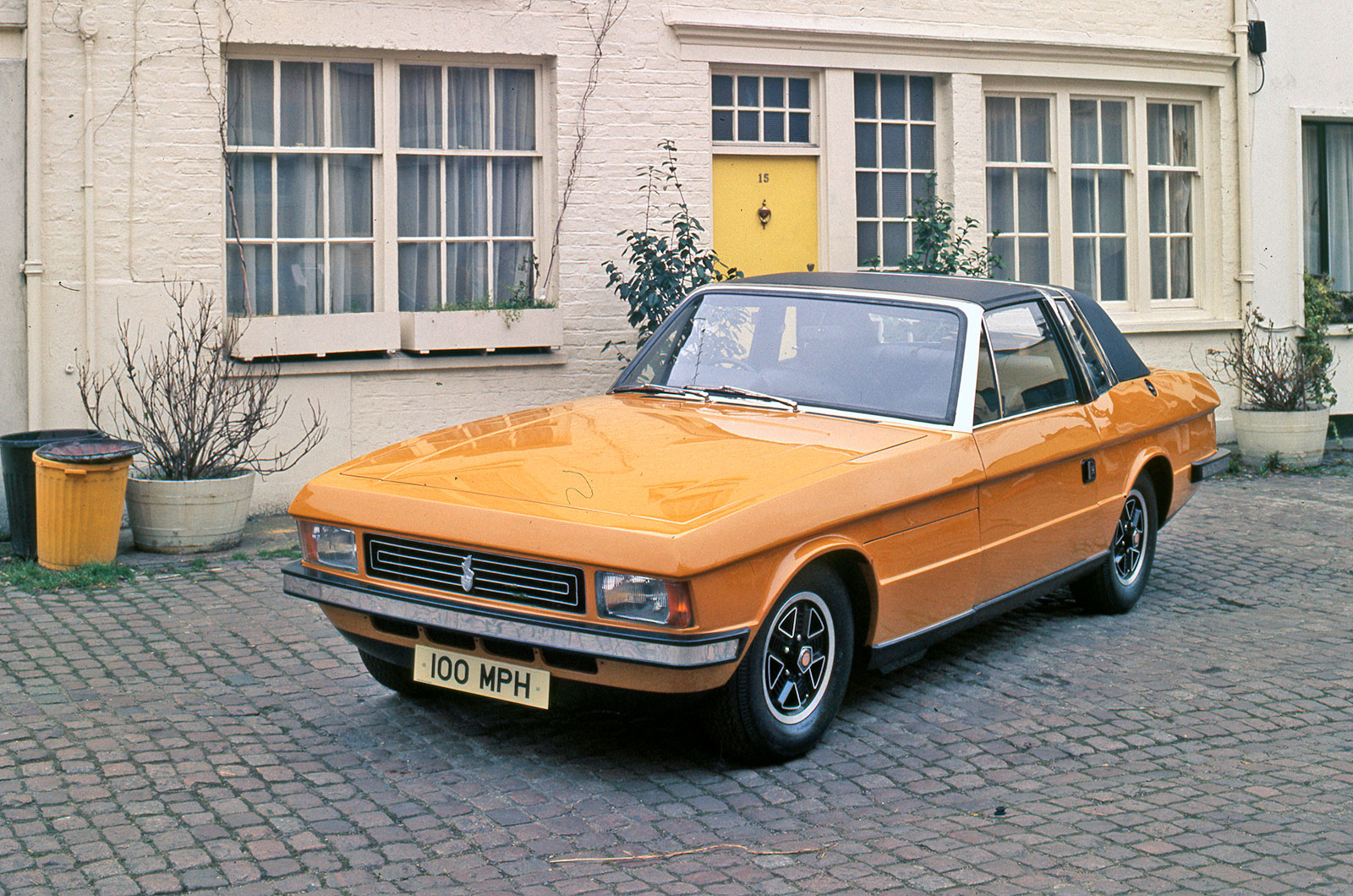
Rolls-Royce money was required to purchase this targa-topped Bristol in 1975, along with the turbocharged Beaufighter edition of five years later. The separate chassis traced its roots back to the 1940s, although no doubt the car was still pretty capable, being fast, riding well and having a perhaps unexpectedly competent level of road manners.
Bristol 412 (1976)
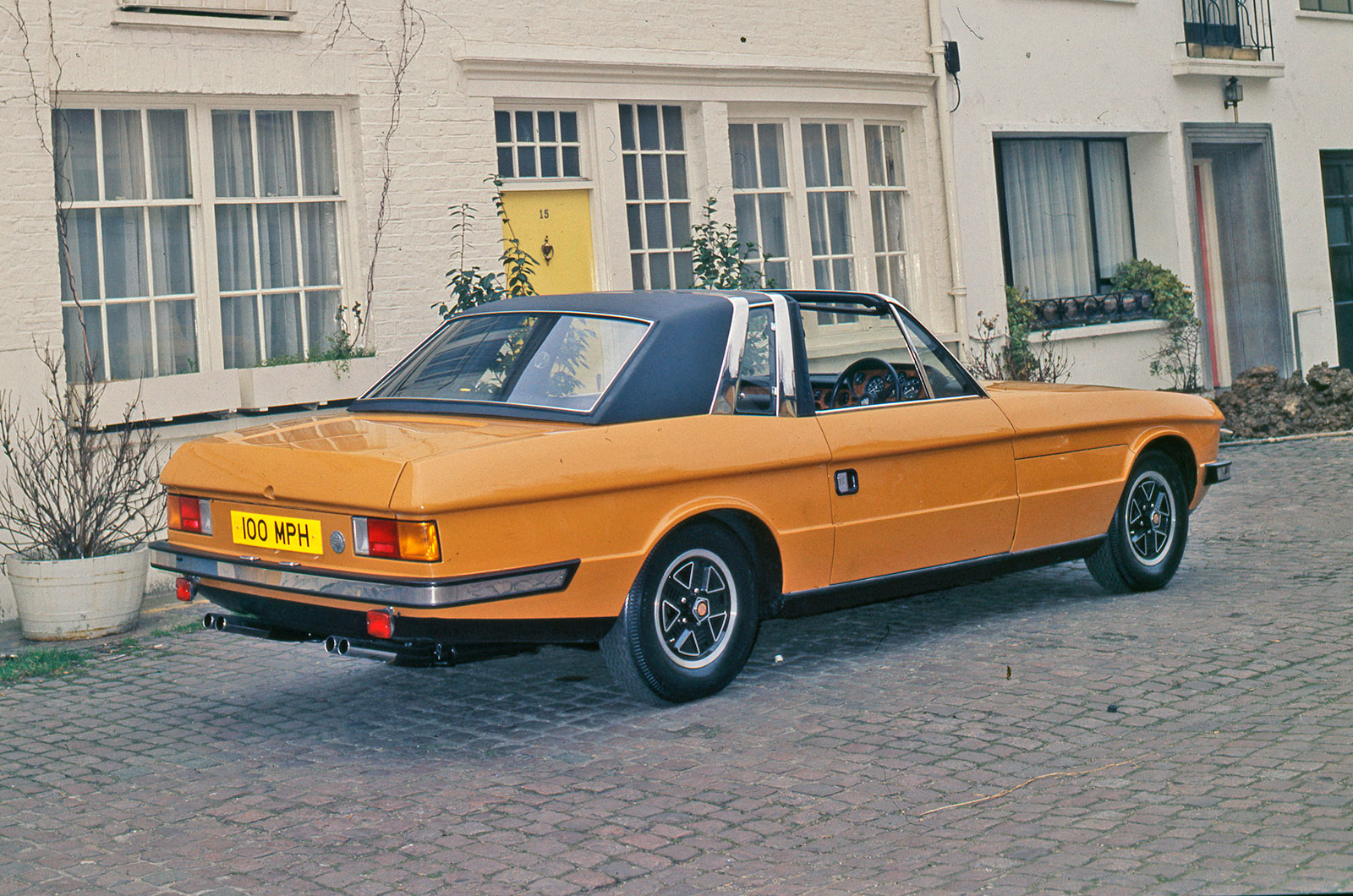
Unlike a Rolls, though, or even an Aston Martin, with their handbuilt engines, you were getting in the Bristol a V8 power unit from a Canadian truck and – apart from a gleaming walnut dashboard and plump leather seats – parts from other cars that were somehow thrown into the mix in a haphazard way. The eccentric coteries of Bristol owners loved them, but connoisseurs quite rightly tended to head off towards the Porsche 928.
Lancia Gamma (1976)
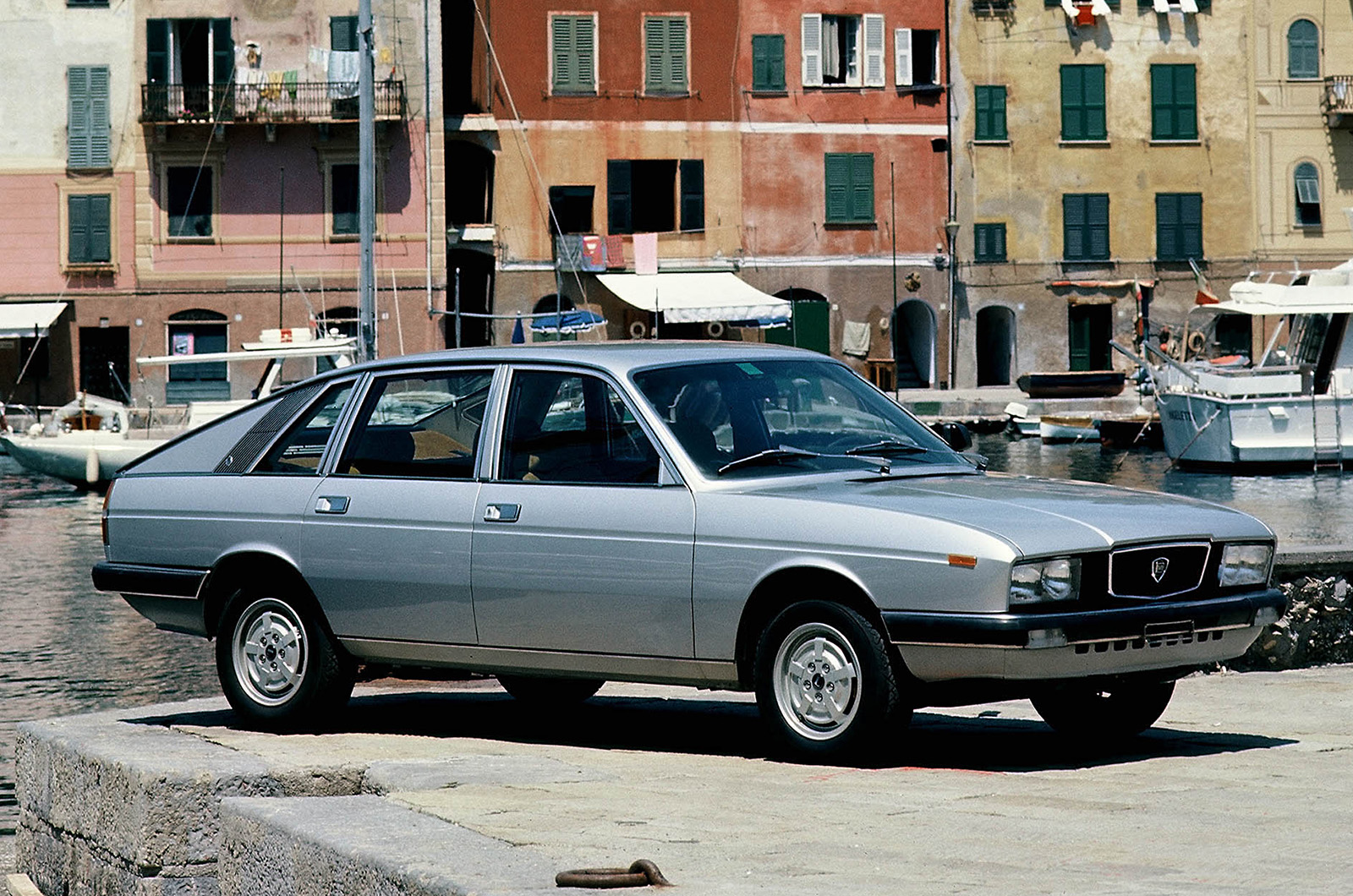
As one of Pininfarina’s most acclaimed production car designs, the Lancia Gamma Coupé is a familiar 1970s high spot on the car enthusiast’s timeline. Its saloon counterpart was and remains utterly overshadowed by it. Technically, it became an extension of the Lancia Flavia in using an all-aluminium, four-cylinder ‘boxer’ engine driving the front wheels.
At a time when six cylinders denoted cachet in this market sector, it was a perplexing choice to go for a large, 2.5-litre four.
Lancia Gamma (1976)
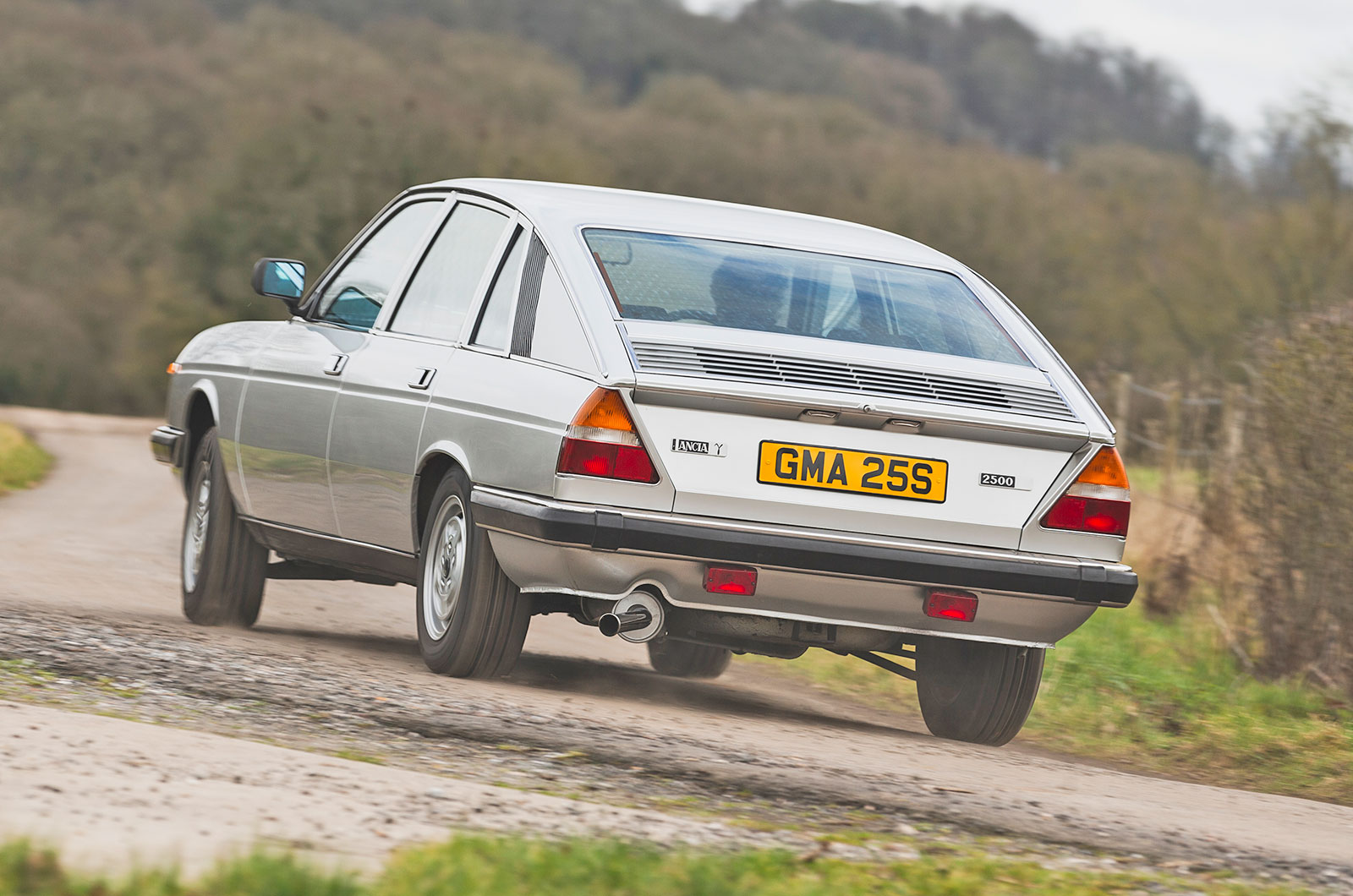
Buyers had to balance an excellent pure driving experience on every front, five-speed manual gearbox and terrific roadholding included, with design flaws that included engine cambelt issues and worrying vibrations, and grave concern at patchy quality. Executive car owners also liked automatics but Lancia refused to offer one until 1983… Potentially it was a great car, but a poor product.
Rover 3500 SD1 (1977)
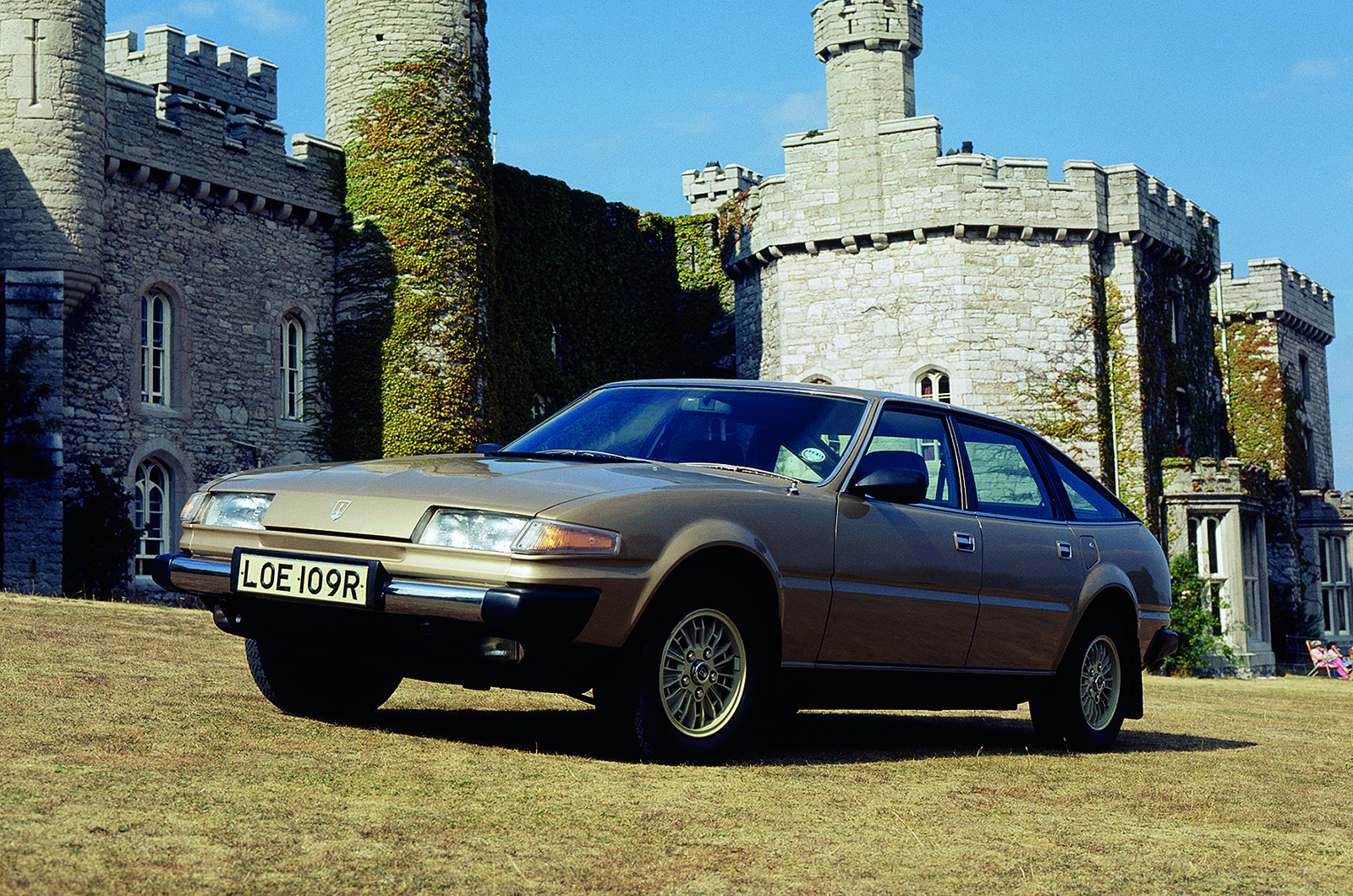
Every British car enthusiast loves the beefy, five-door Rover with its V8 engine and Ferrari Daytona nose. It could almost be the law that you have to. Yet in the race to perfect the luxury sports saloon, it was BMW, Mercedes-Benz, Audi and possibly even Saab that set the pace.
It wasn’t just that the SD1 swapped its P6 predecessor’s racecar-like rear suspension for an old-fashioned live axle.
Rover 3500 SD1 (1977)
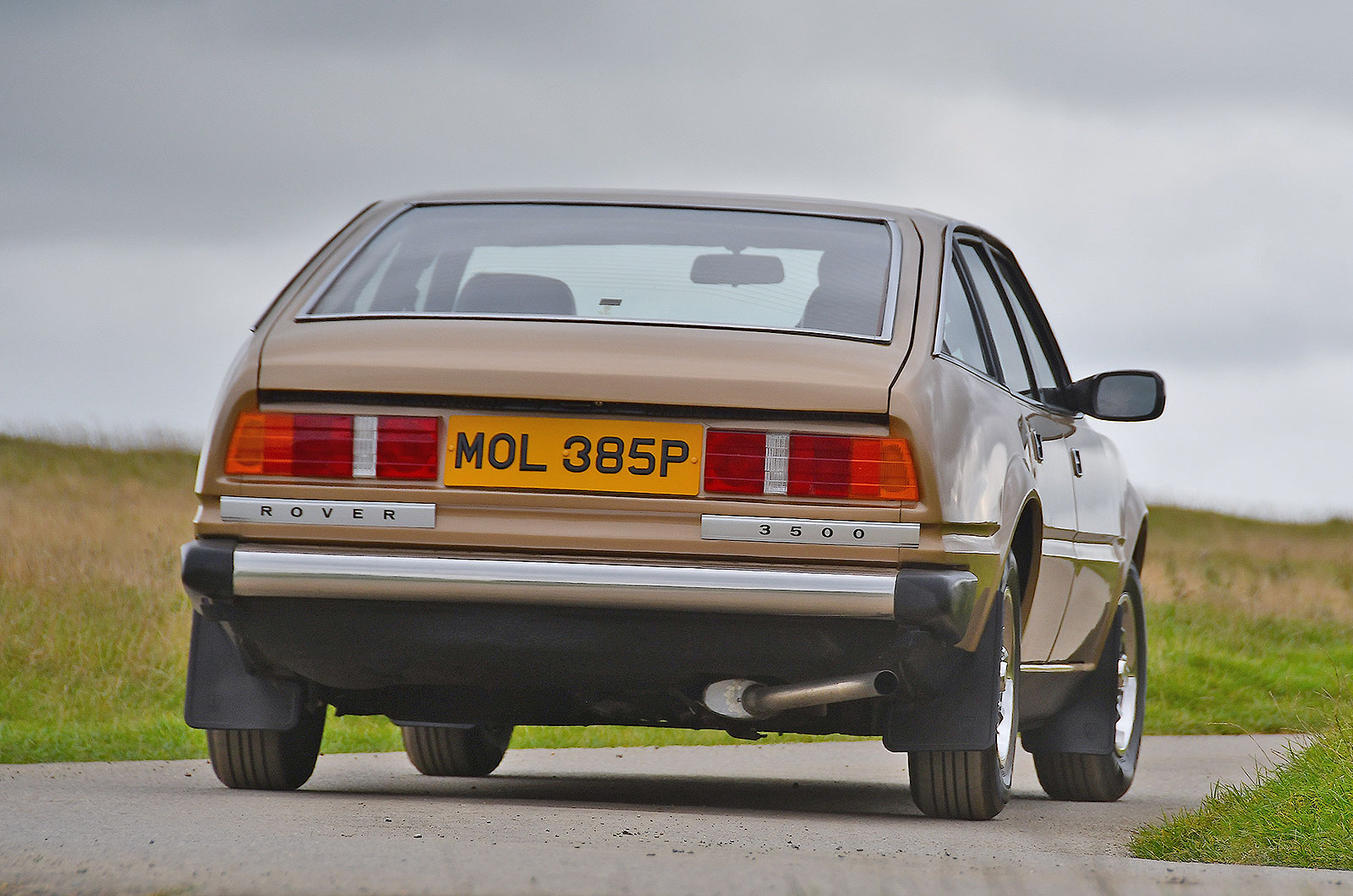
It was that Rover’s workers consistently failed to deliver a quality job to those company bosses and city lawyers who were rooting for the marque. The German models were better cars overall, and spent more time with their owners’ gravel than on the ramp in the workshop. Only the British police were forced to stick with it for reasons of patriotism.
Delorean (1981)
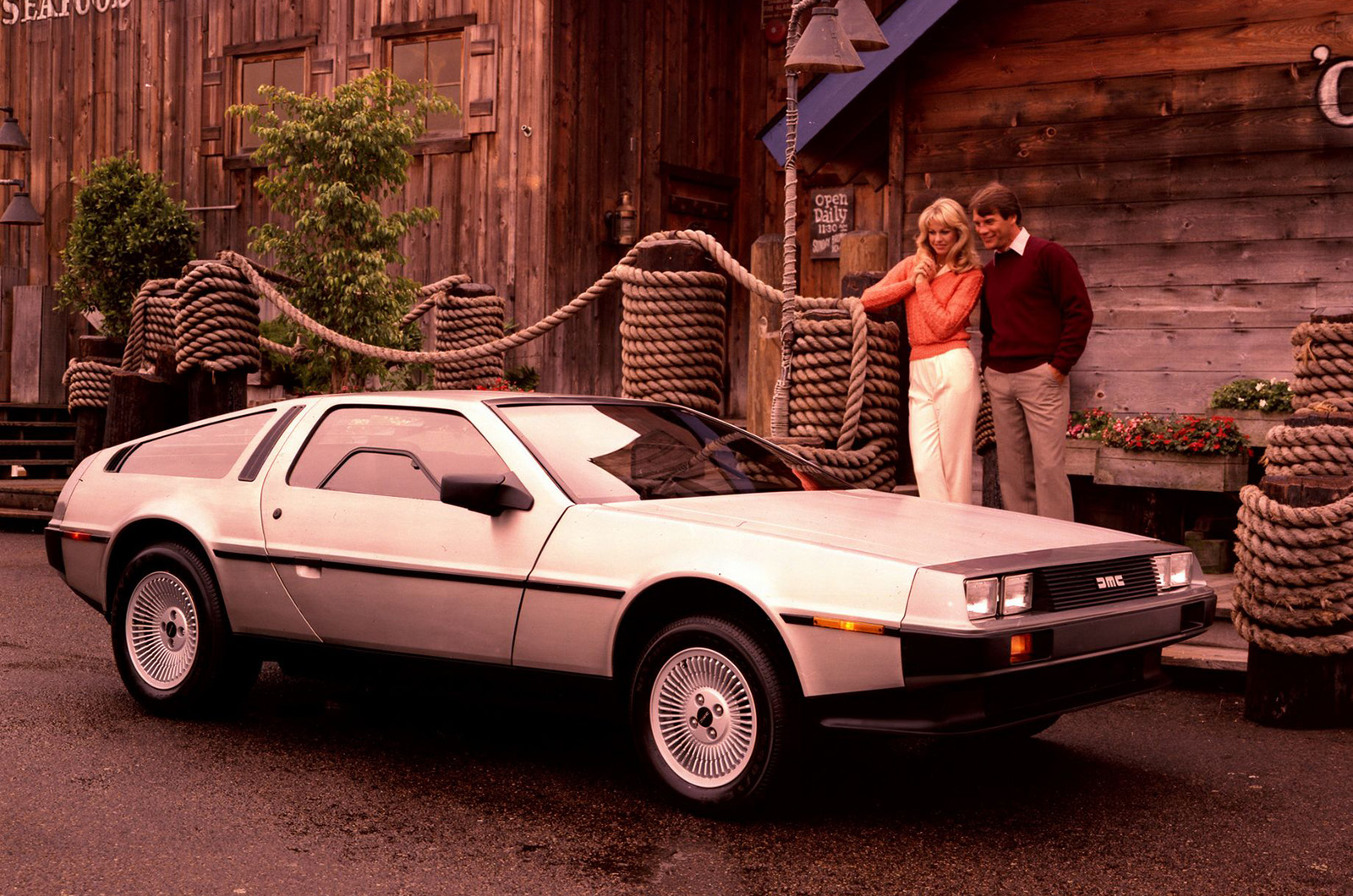
Is the Tesla Cybertruck going to be the Delorean of the 21st century? Quite apart from the fact that they both share hugely impractical stainless steel panels, seasoned industry watchers can sense a similar syndrome of pointless reinvention propelled by the hubris of an industry maverick. John Z De Lorean set out to teach the car industry a lesson by producing his idea of an ethical sports car, but it was a disaster.
Delorean (1981)
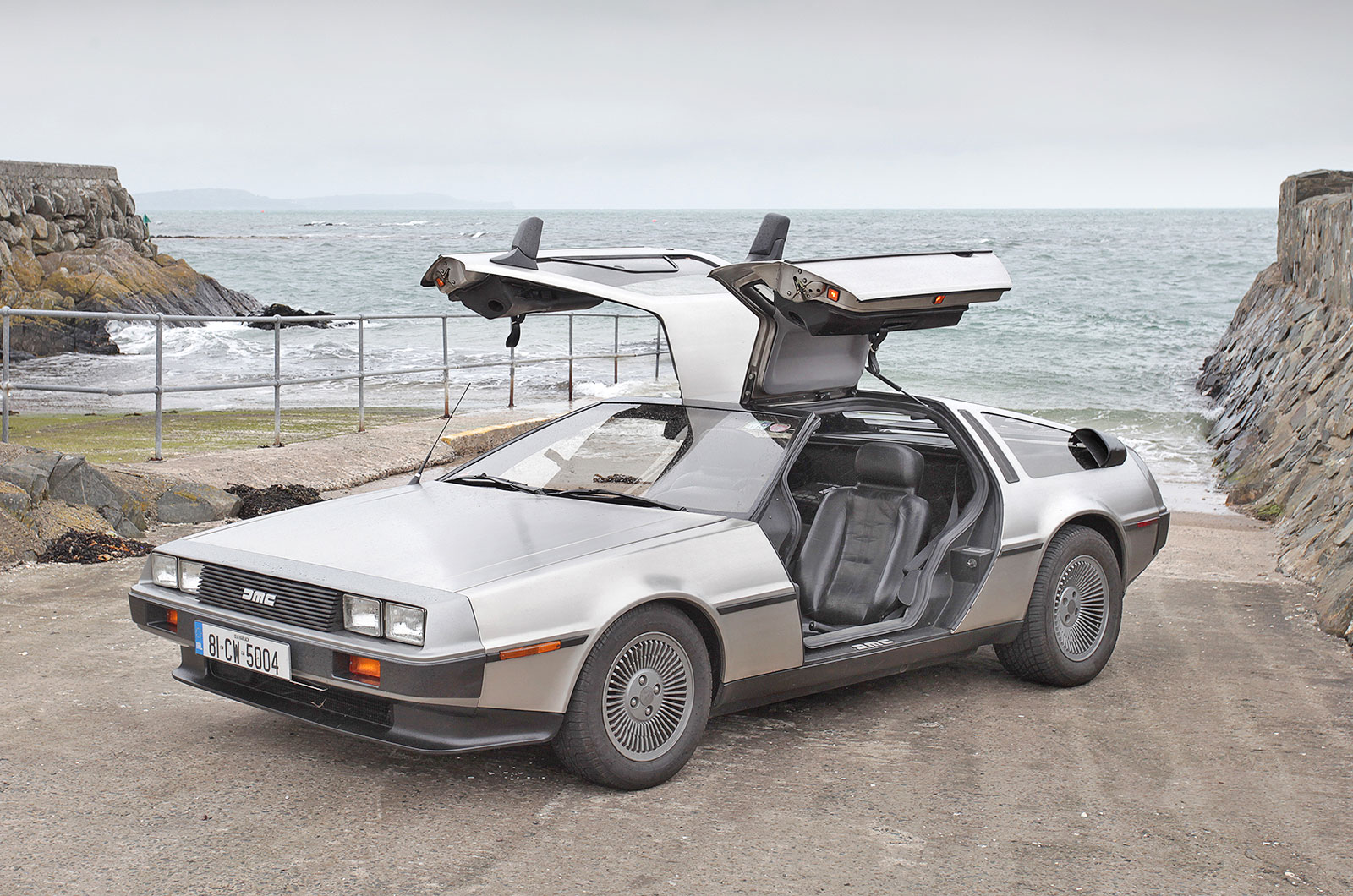
The car wove together a Lotus chassis, a Renault engine and gullwing doors that were not to be trusted; it had a short run of fame, and once it had sunk Porsche could get on and dominate the 1980s.
Ford Sierra (1982)
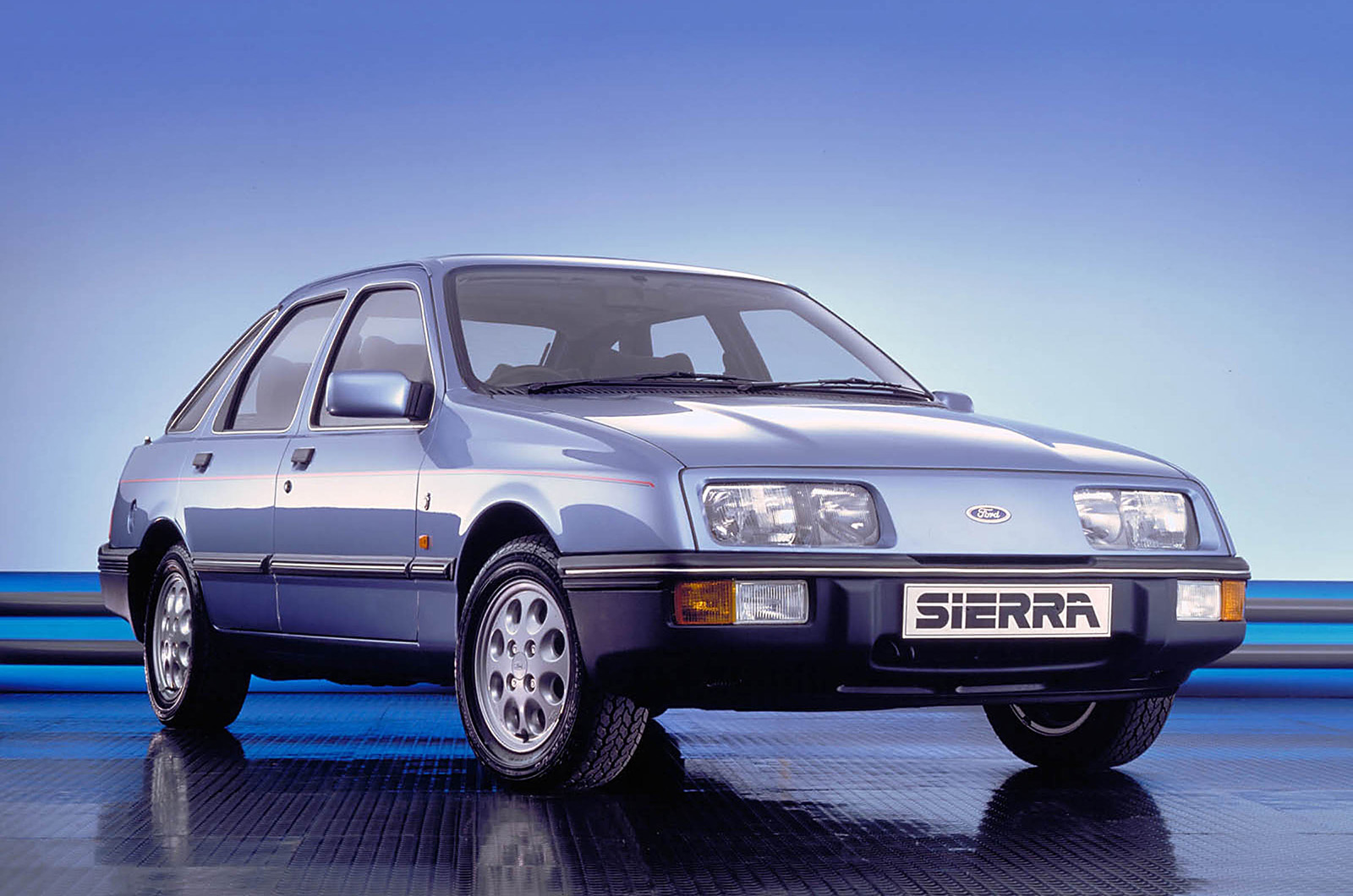
The car that replaced the Ford Cortina in 1982 among the then hugely important fleet buyers had quite a task on its hands: to offer radical modernity and dependable familiarity at the same time. So while a great big fuss was made of its aerodynamic lines, underneath it was all old-school rear-wheel drive and Cortina-style Pinto engines.
Ford Sierra (1982)
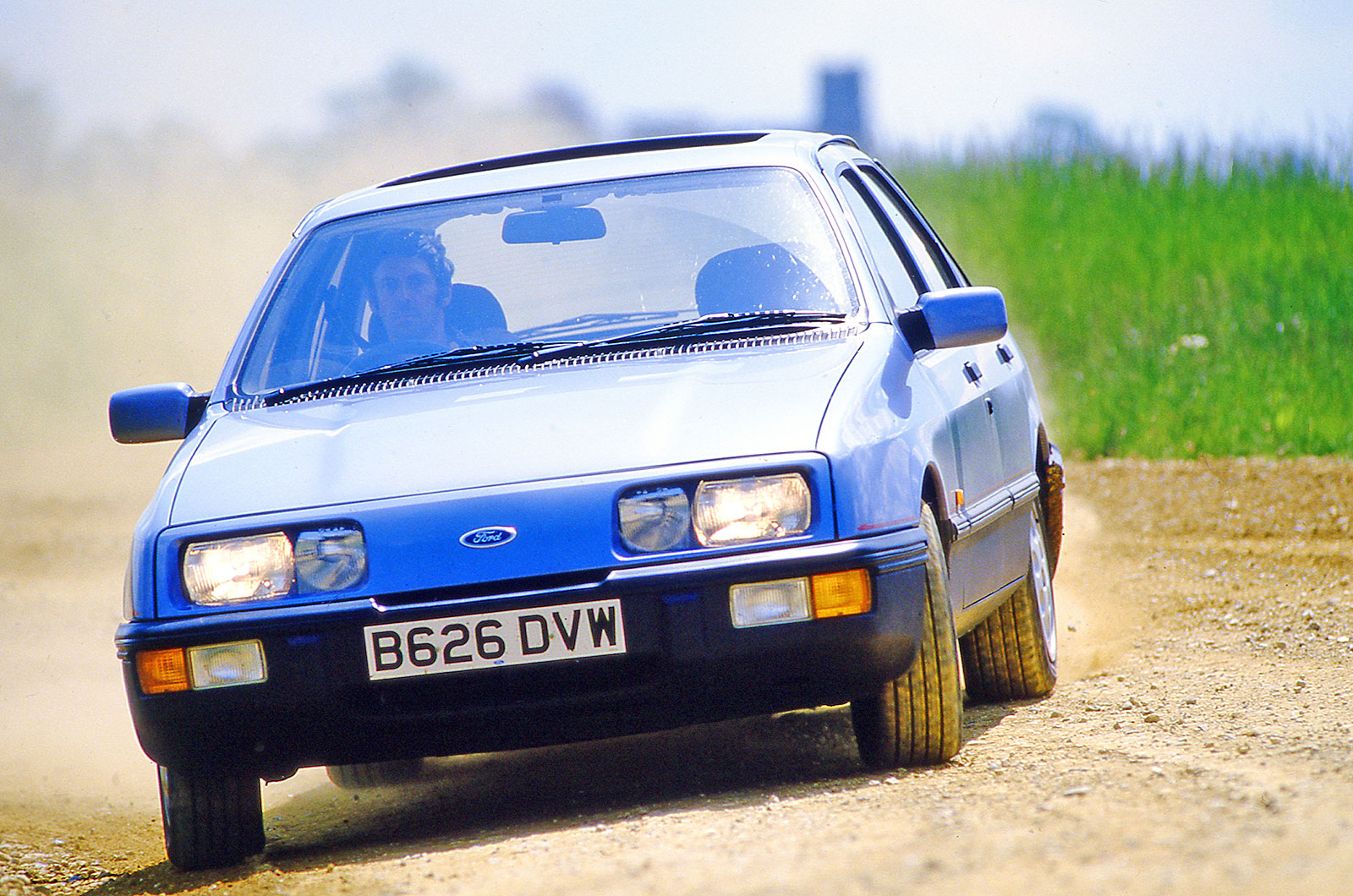
And while by no means awful to use, the Sierra hardly impressed, the later Cosworth-engined and turbocharged 4x4 excepted. Its new feature, a lift-back tailgate, also got a lukewarm reception, obliging Ford to add a four-door Sapphire to the range in 1987 that toned down the infamous “jelly-mould” profile. And while all this was going on, Vauxhall and Opel’s acclaimed, front-wheel drive Cavalier simply leapt ahead in the fleet sales charts.
Cadillac Allanté (1987)
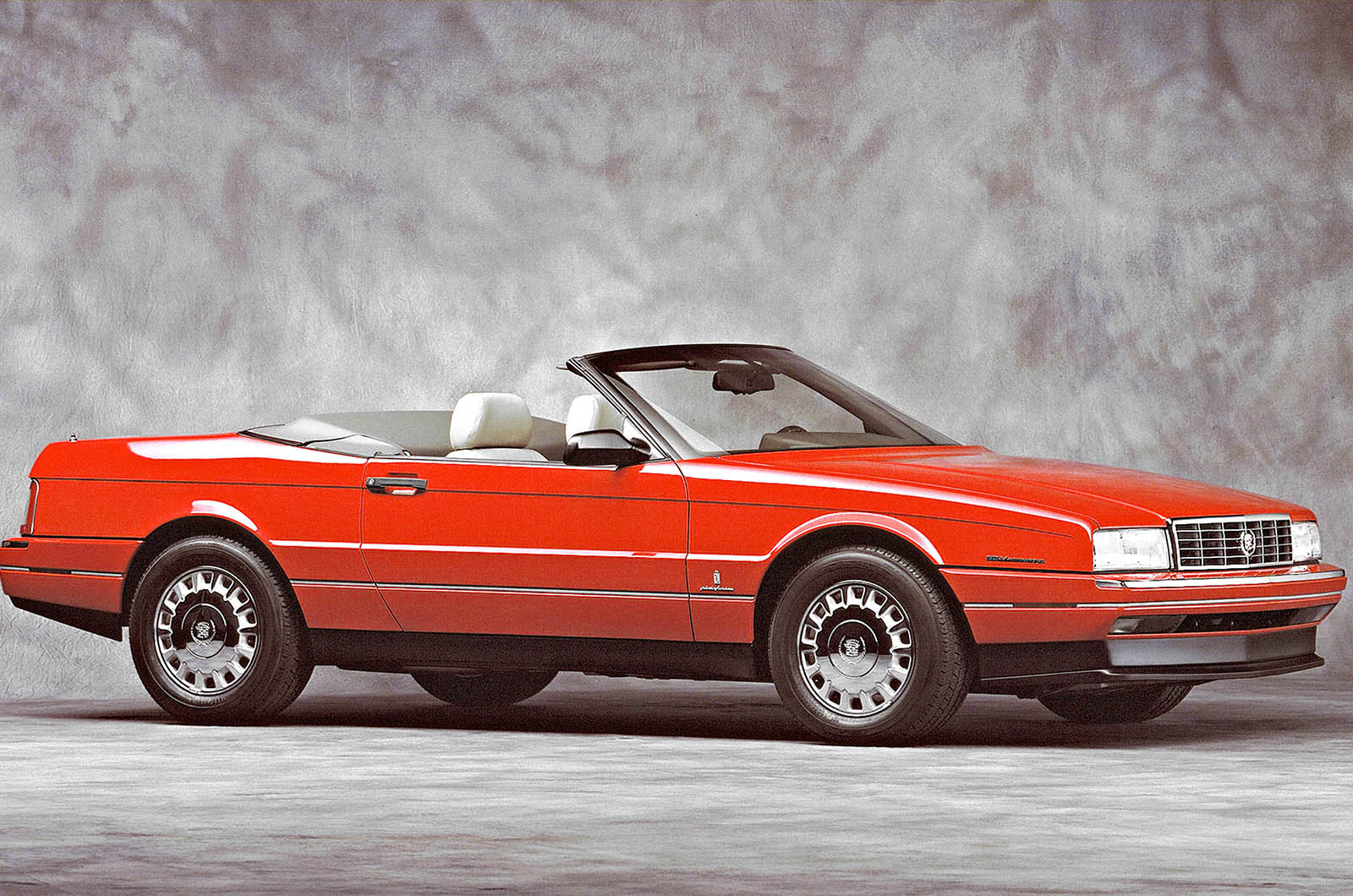
This two-seater Cadillac was the product, so they liked to boast, of ‘the longest production line in the world’. That meant that the bodies were constructed by Pininfarina in Italy and flown to the States for assembly in an ‘air-bridge’ operation in expensively-modified Boeings 747s – all of which was, really, of no tangible benefit to any buyer, and extremely costly.
Cadillac Allanté (1987)
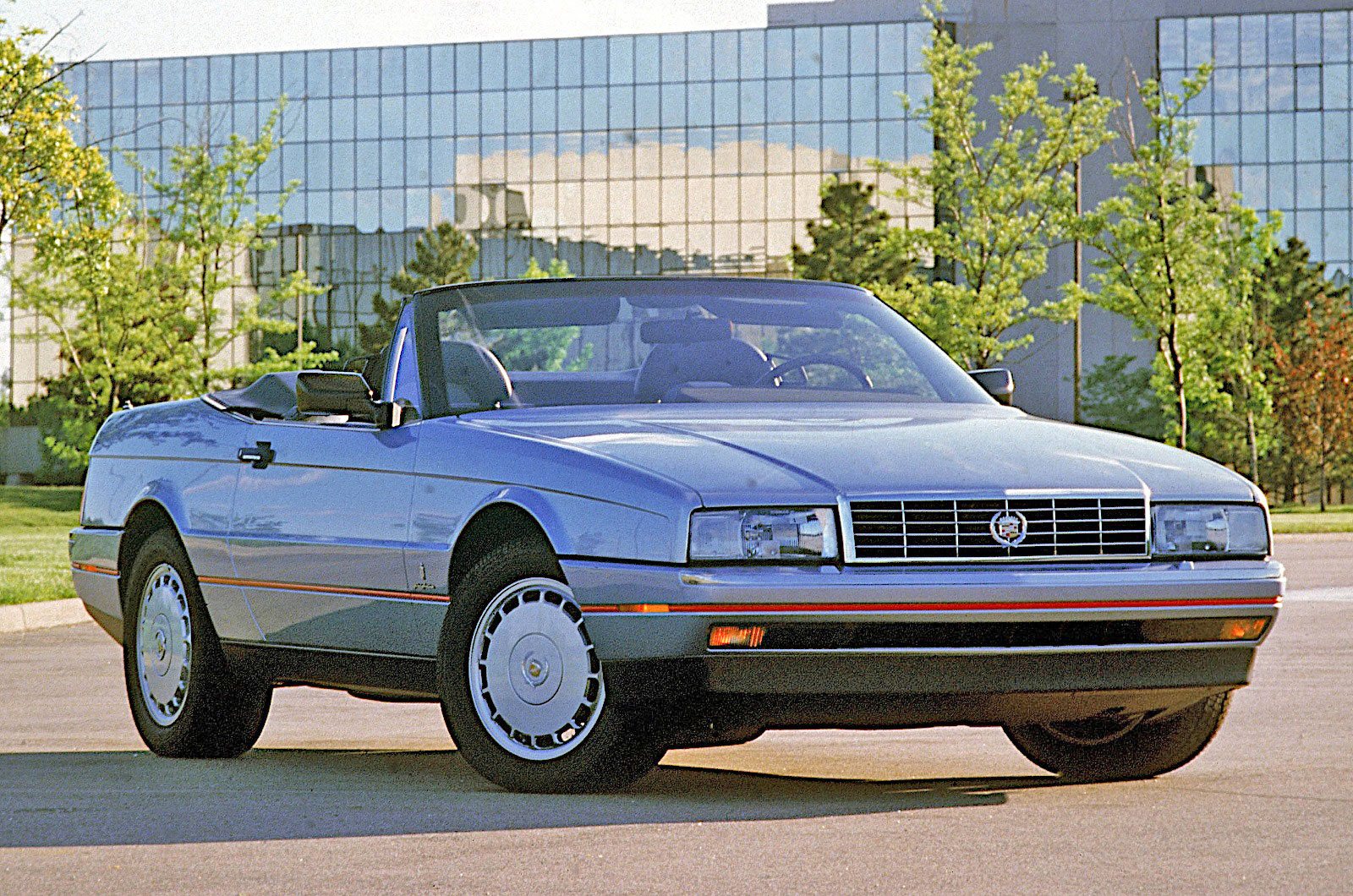
The two-seater styling was also by Pininfarina, but was pretty unmemorable, with none of the character of the open-top Merc SL or Jaguar XJS. Introduced in 1987, the final cars in 1993 at least came with Caddy’s excellent Northstar V8 engine.
Daihatsu Sportrak (1989)
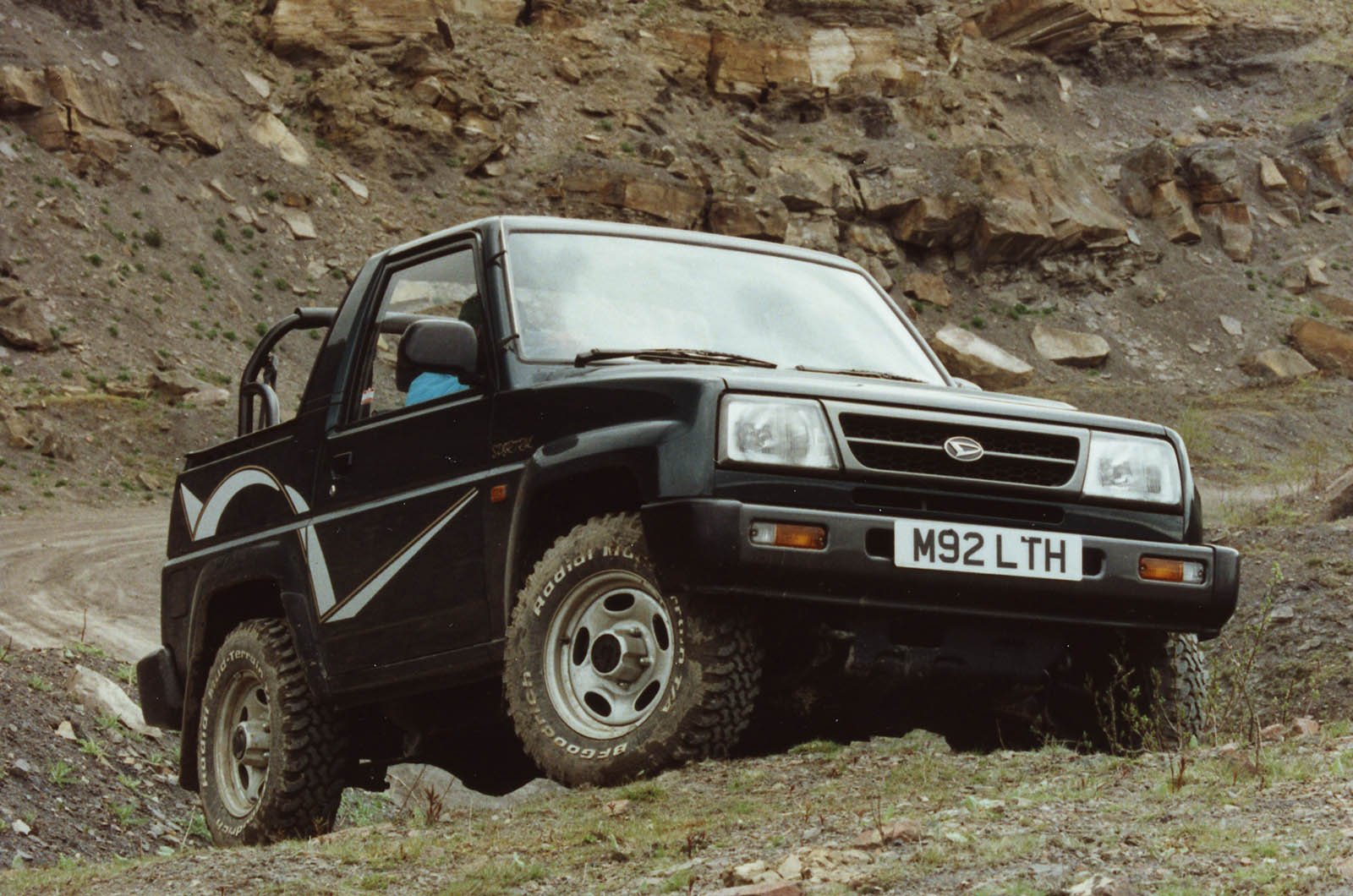
The Sportrak, or Feroza as it was alternatively known, was a very good choice for thrifty mud-plugging in the early 1990s – the sort of thing every country estate manager would want, with four-wheel drive and a reasonable 1.6-litre engine from the Daihatsu Applause which, while not able to make it go like the clappers, was perfectly adequate. Along with the contemporary Suzuki Vitara, the Sportrak was the first compact sport-utility vehicle.
Daihatsu Sportrak (1989)
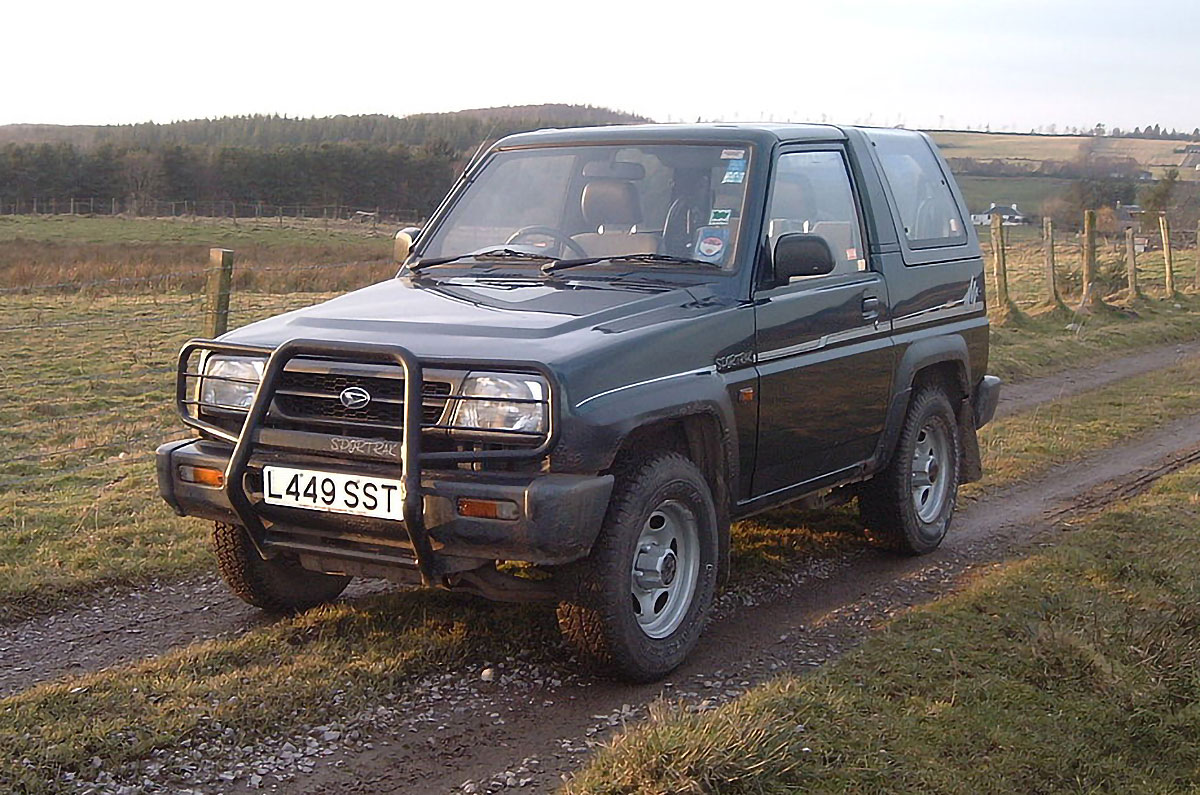
Yet history is sometimes unkind to pioneers. Just five years after the Sportrak’s launch, along came the Toyota RAV4 and re-set the benchmark. The key difference? The RAV4 had a monocoque structure and was genuinely as capable on-road as off it; the Sportrak had a ladder frame chassis that the Romans would have recognised, and so would always be tiresome on the open road.
Pontiac Le Mans (1988)
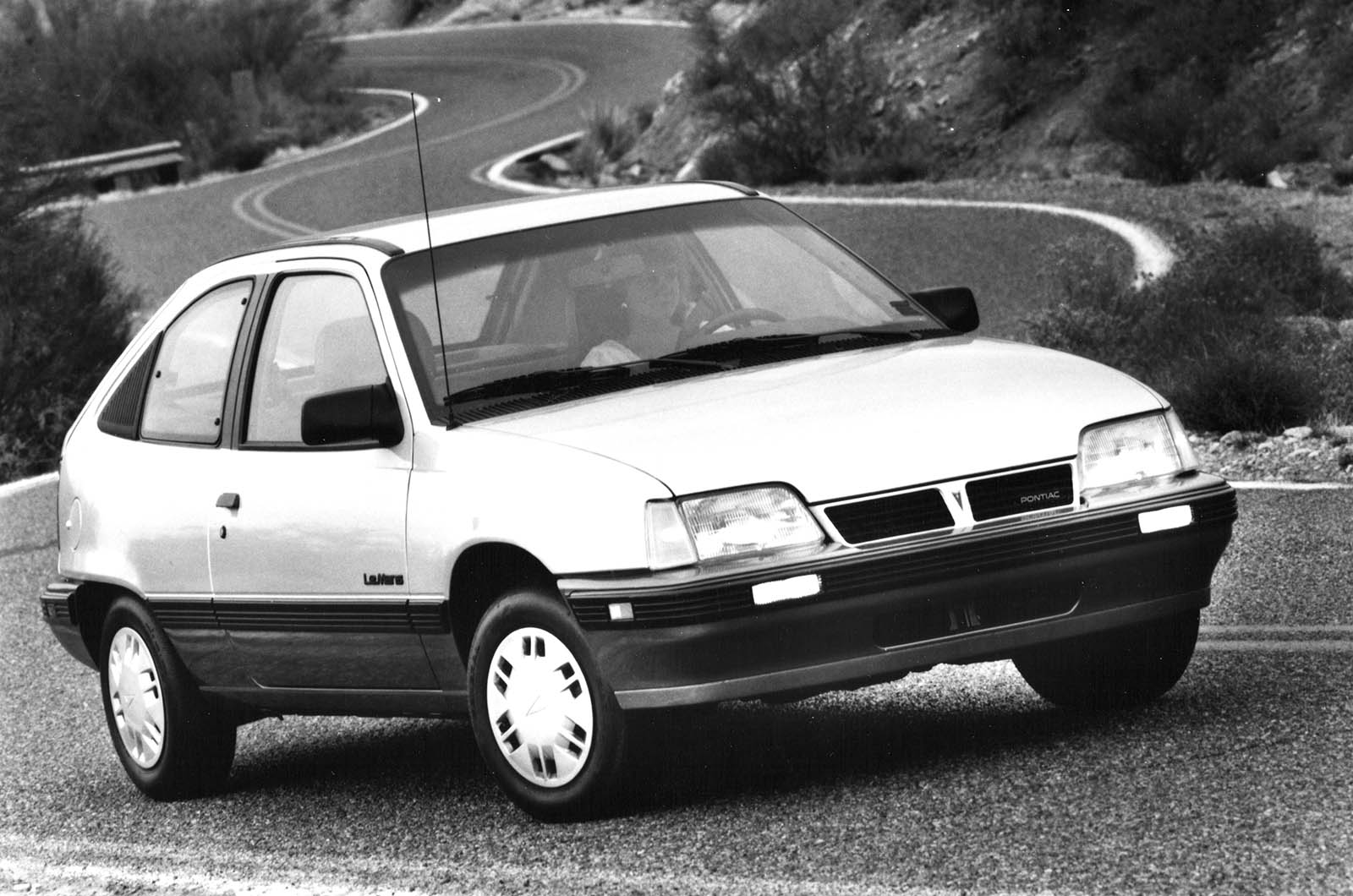
This nameplate gave the world some interesting muscle cars in the late ‘60s, but by 1988, not so much. If ever you were swayed to buy a car based on the allure of its name then this has to be the nadir; an ageing Opel/Vauxhall Astra, built for maximum cheapness in South Korea by Daewoo, and sold across the USA as an entry-level Pontiac.
Pontiac Le Mans (1988)
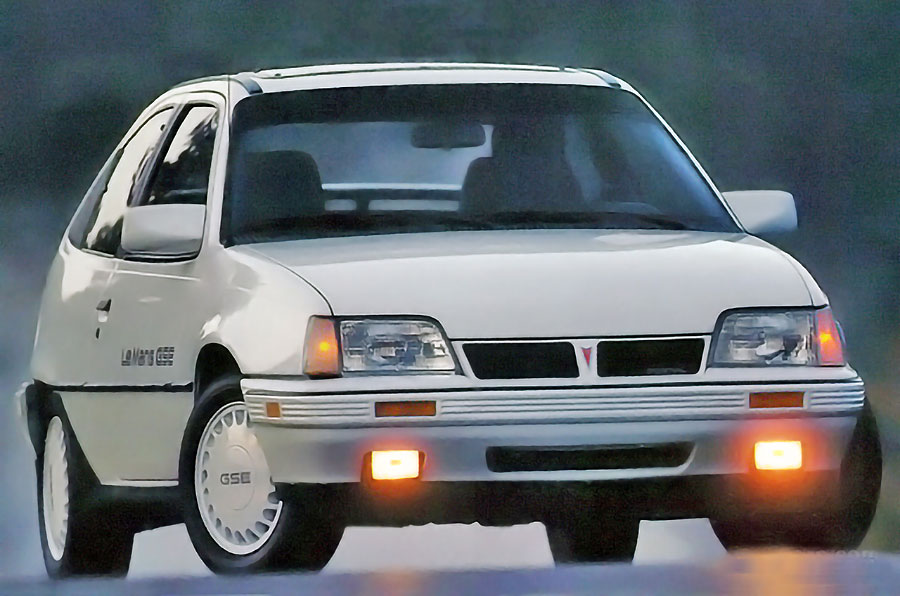
All the emphasis was on the bargain-basement nature of the offering, but any compact offering from Honda or Toyota would surely have been better, and a lot less plasticky.
Buick Park Avenue (1992)
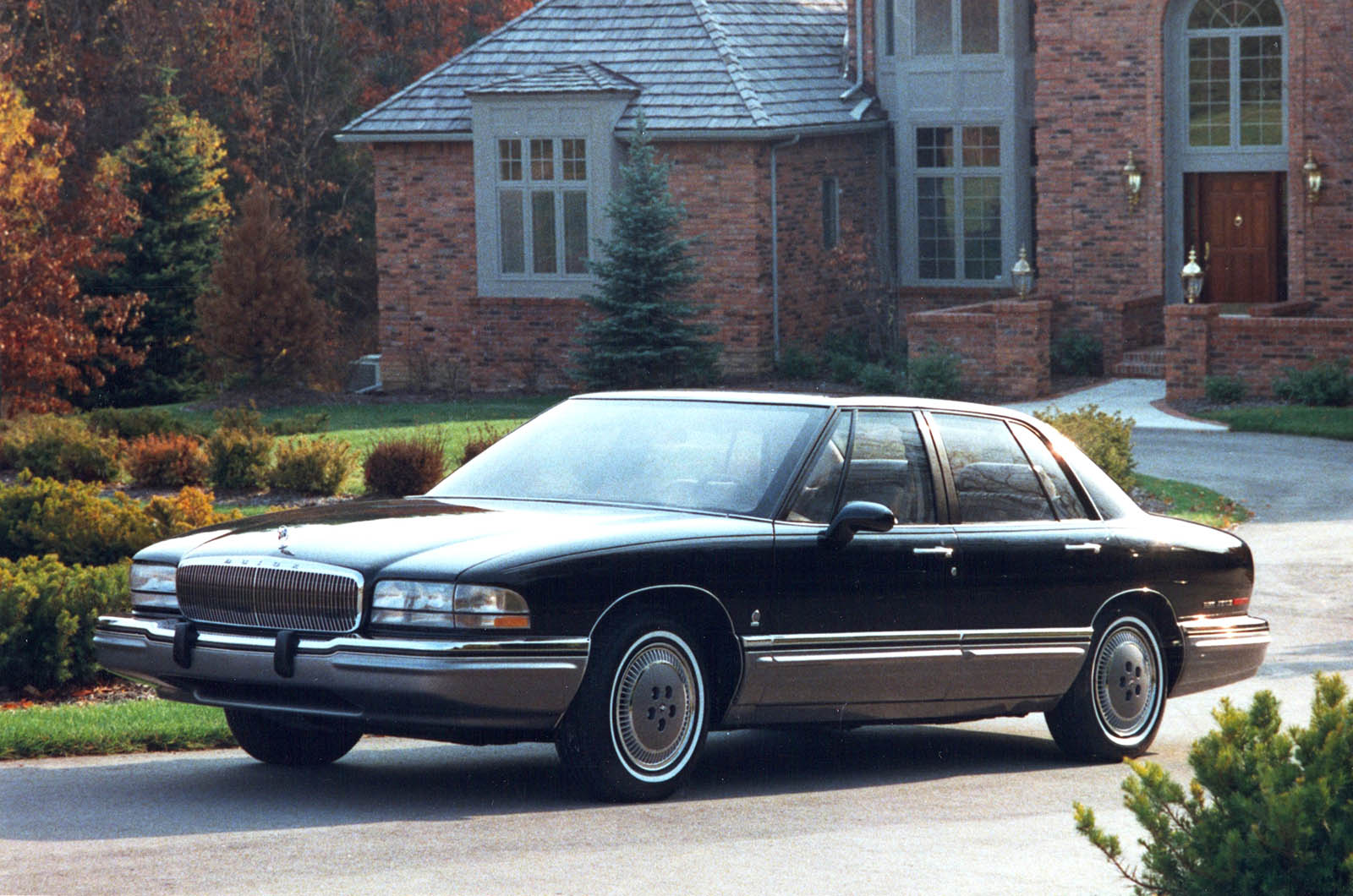
Something went quite awry between the unveiling of the 1989 Buick Park Avenue Essence concept car and the 1991 production Park Avenue. The former hinted at a dynamic new image for large US cars, but when the latter arrived it was little more than the usual softly-sprung sedan with its formerly rectilinear corners shaved off.
The 3.8-litre V6 engine wasn’t half-bad, especially in supercharged Ultra guise, but this was not a car to hurl around enthusiastically because its bench front seat was unsupportive and its ride soft and wallowy.
Buick Park Avenue (1992)
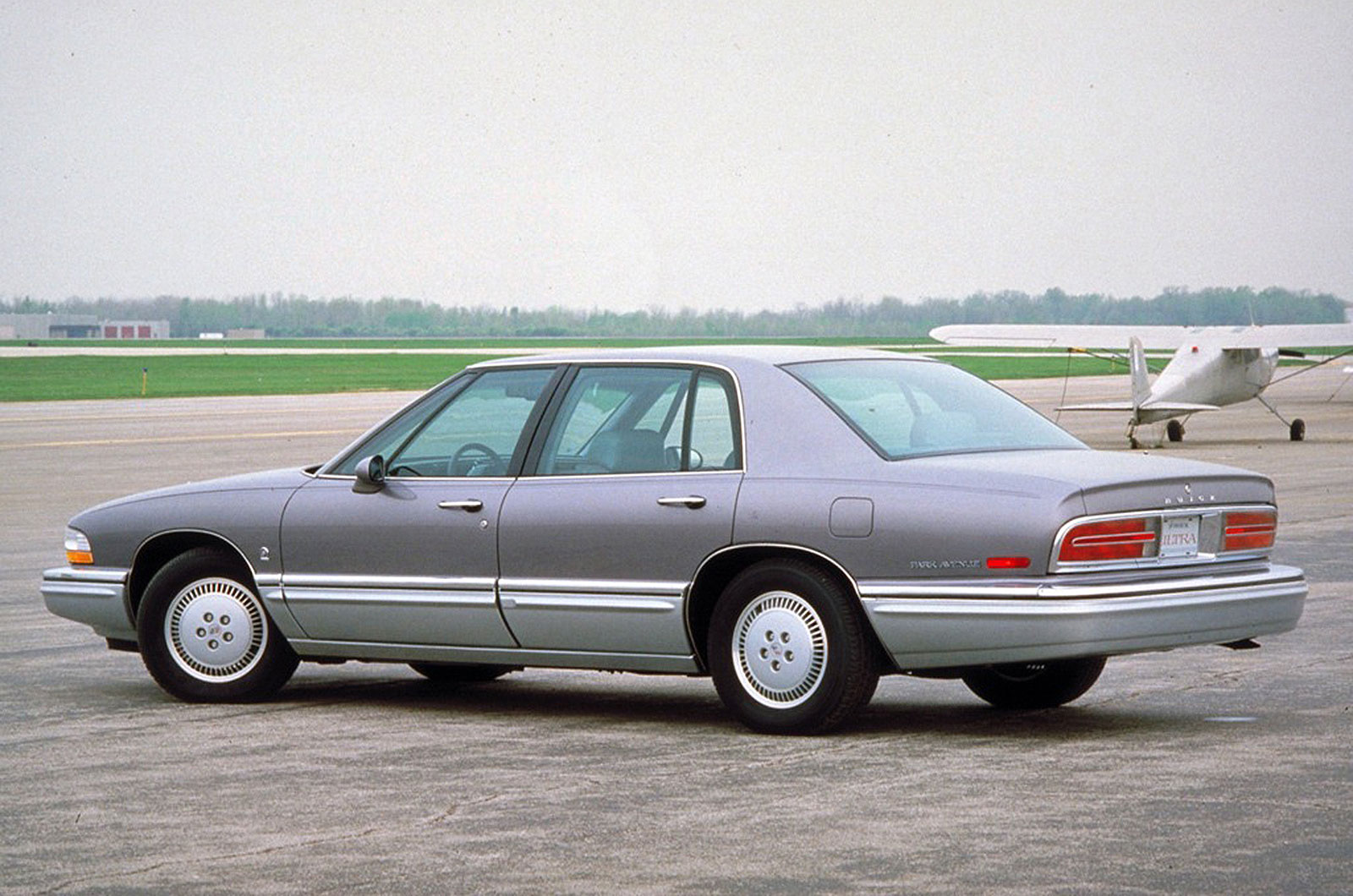
A column gearchange and mediocre refinement meant it fell well short of any BMW or Lexus standards, and yet this car was actually exported to Europe as some kind of totem of American prestige. Ultra-kitsch value today, mind, assuming you could dig one up.
Bristol Fighter T (2004)
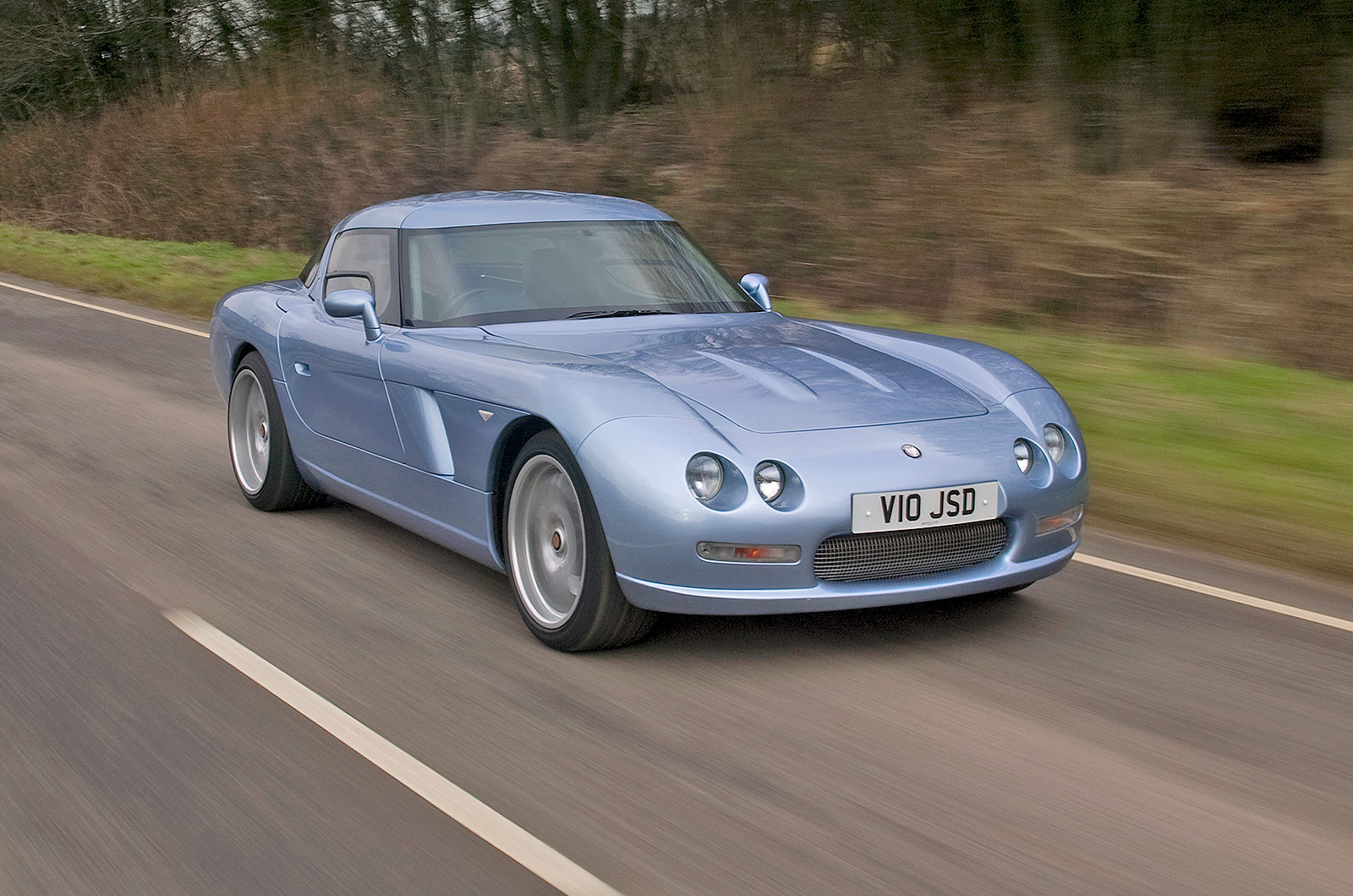
A car boasting some massive claims – such as 1012bhp in twin-turbo form, 225mph top speed, and a 0-60mph figure of 3.5sec – that seemed at definite odds with the world’s smallest and least well-capitalised ‘supercar’ maker.
Gullwing doors were another feature that you’d rather have, if at all, engineered by Mercedes-Benz rather than some bloke in a West of England shed.
Bristol Fighter T (2004)
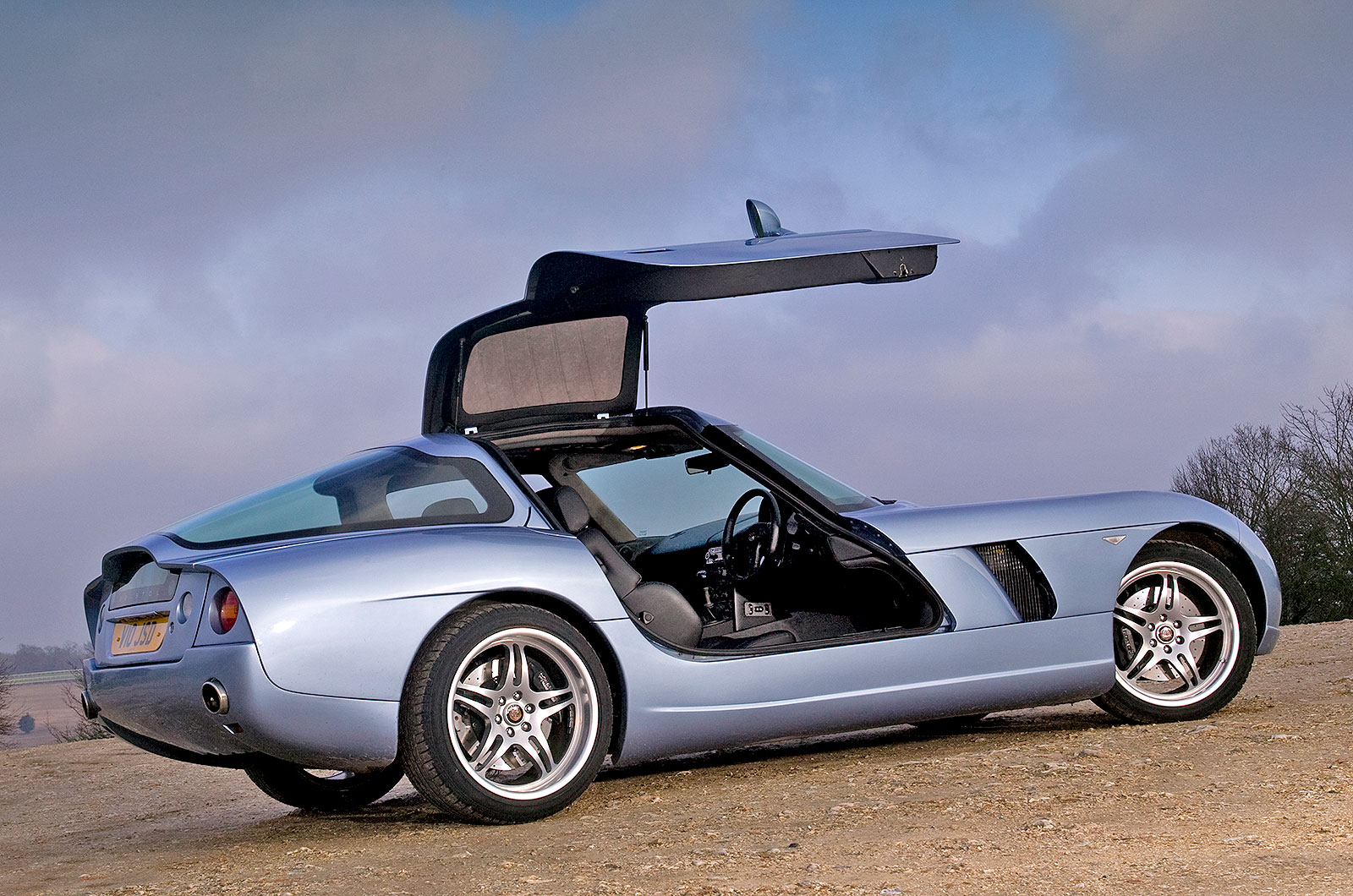
Actually, the Fighter T barely existed as a production car, although about a dozen standard Fighters were made, all with Dodge Viper V10 engines. And were the aerodynamics at all credible? Everything else so ridiculously rapid tends to need spoilers and air dams to tether them safely down, but maybe Bristol was taking its aircraft heritage seriously, and aiming high?
Honda S2000 (1999)
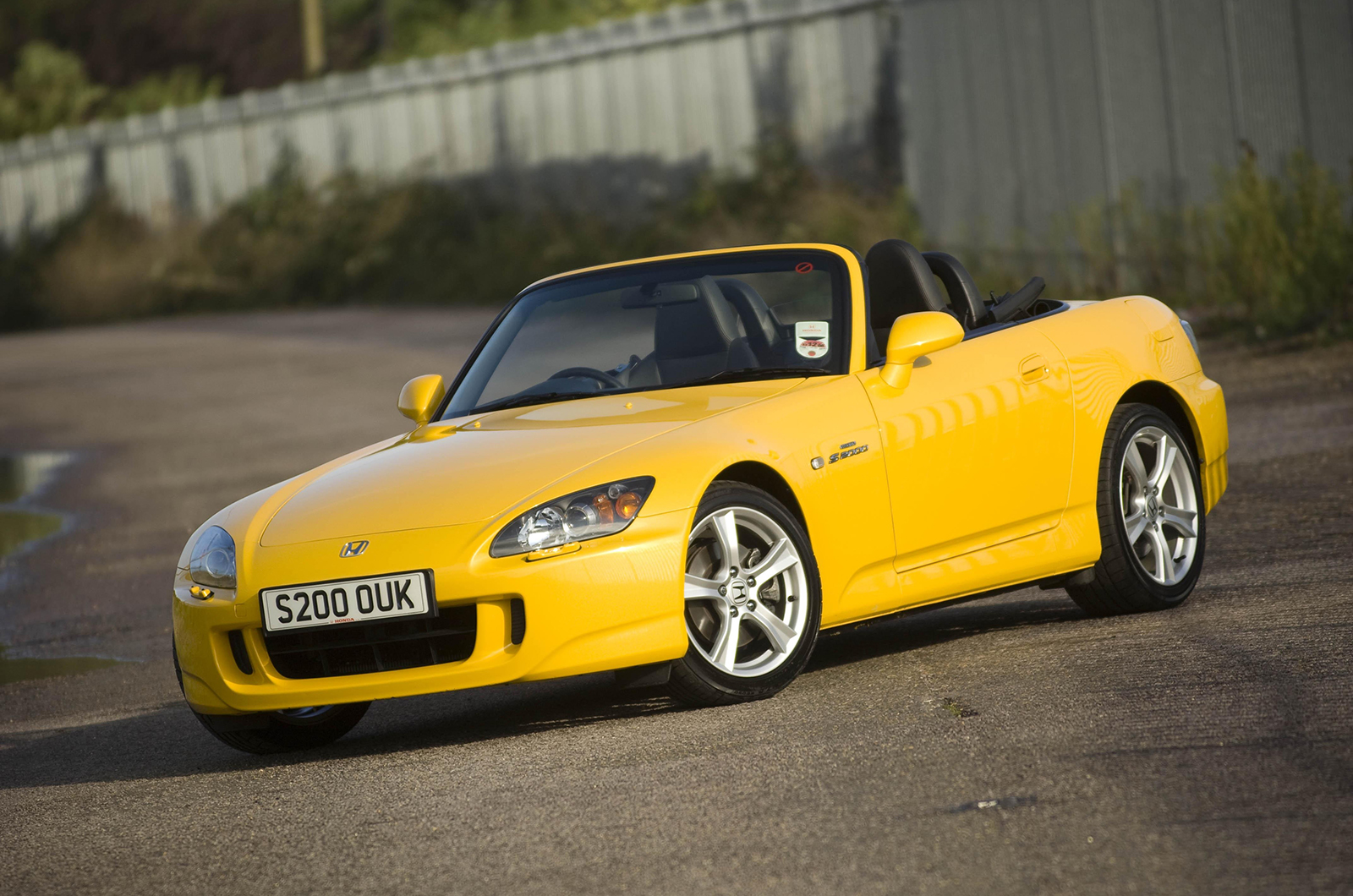
The 1990s and early 2000s was somewhat of a golden era for two-seater sports cars, and this Honda should have gleamed the brightest, especially with its 2.0-litre engine being one of the most powerful non-turbo units ever installed to a road car – a scarcely believable 240bhp dished out at a screaming 8300rpm.
Unfortunately, in the hands of the most experienced drivers, the overall recipe was deemed to be not quite right, despite all the attention on getting a 50:50 weight balance.
Honda S2000 (1999)
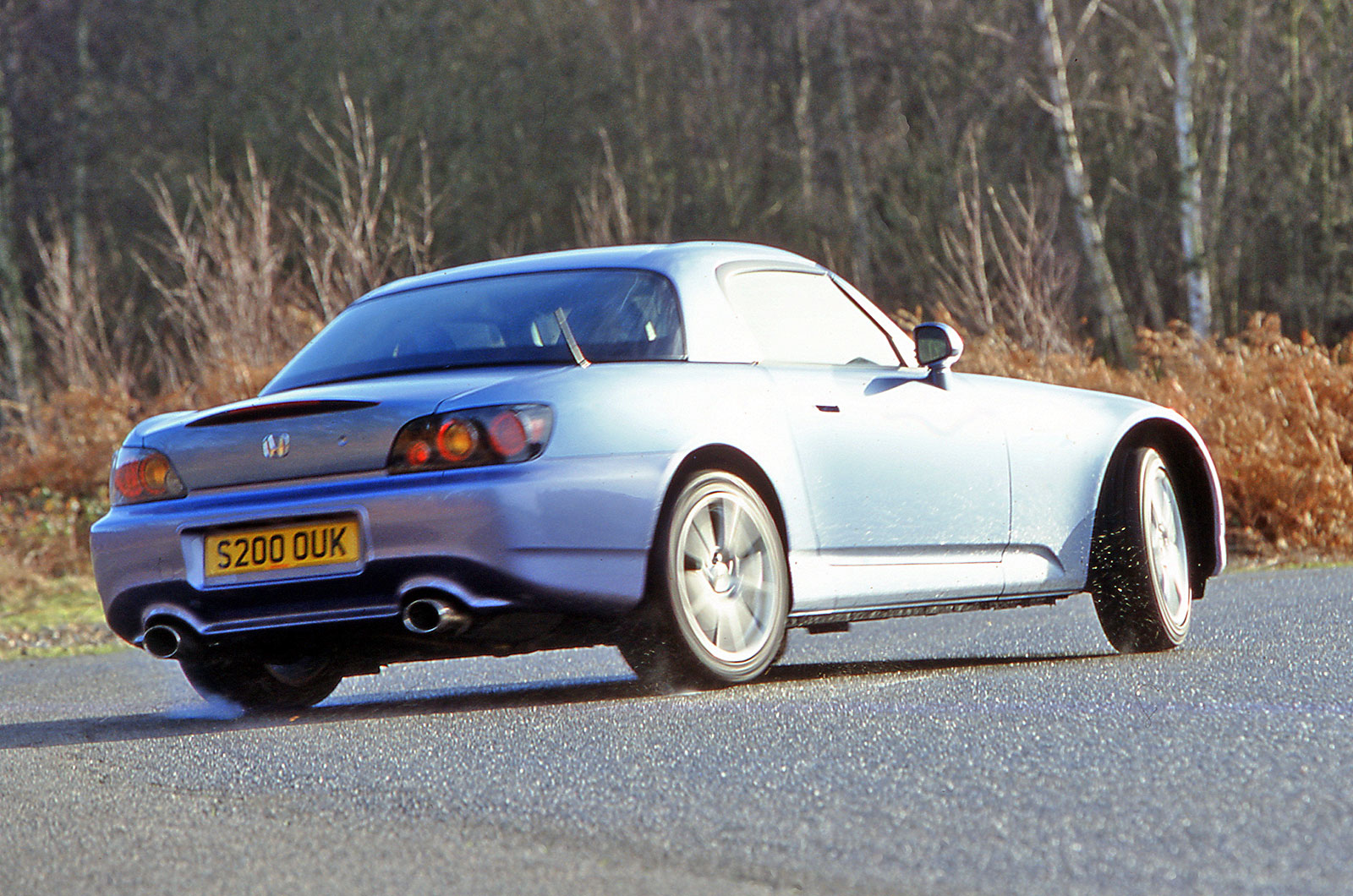
Flaws include unresponsive electric power steering, an awkward driving position, and a frightening tendency to snap oversteer that would catch you out alarmingly. In its favour are a fantastic six-speed gearbox, drop-dead gorgeous looks, and classic status today, but a lot more brilliance was expected from the home of the NSX.
Volkswagen Phaeton (2002)
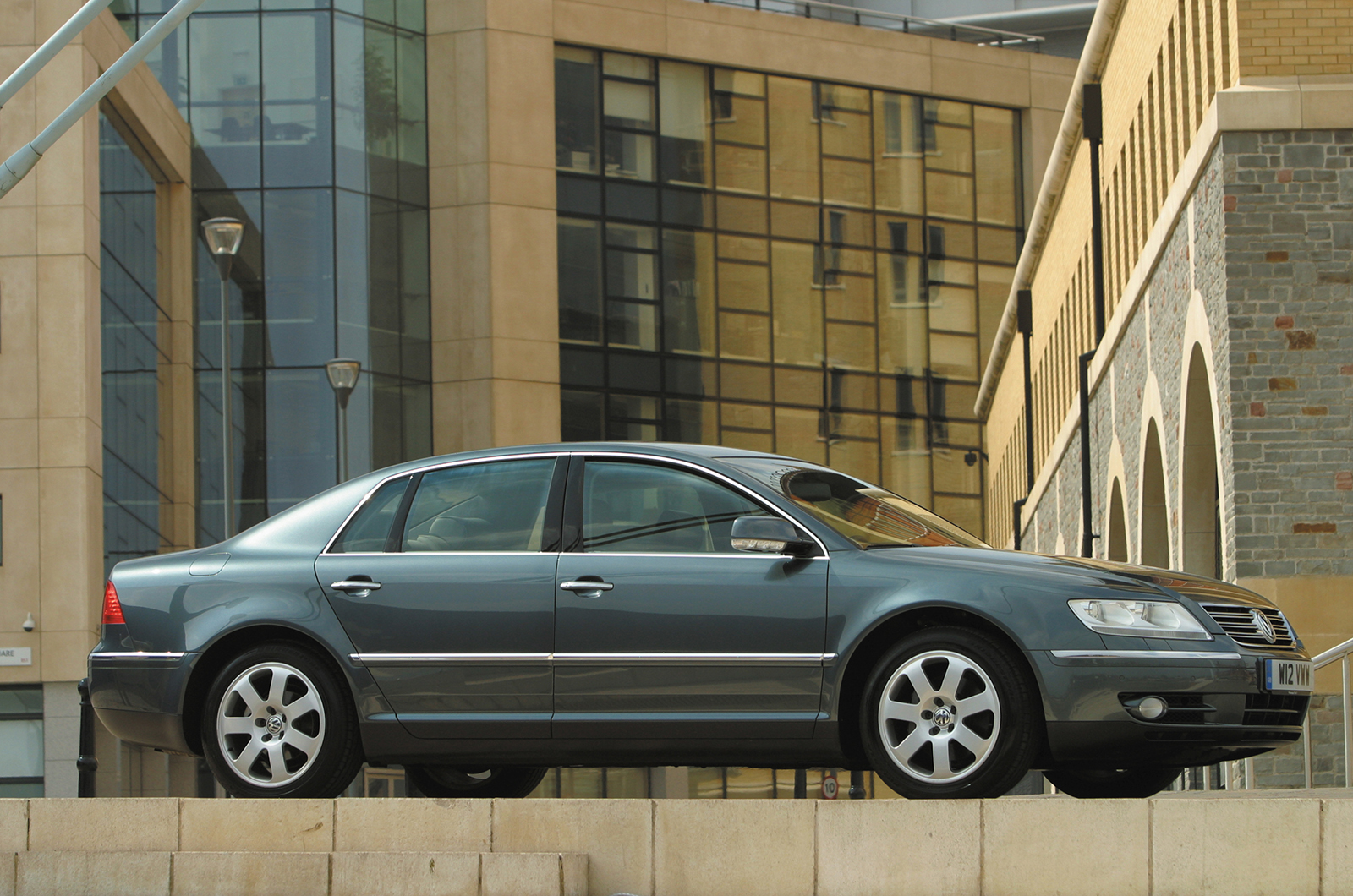
The Phaeton was intended as a limousine for the shy but rich individual who didn’t want to lord it in a Bentley, but in fact this car only came to life precisely because it shared its 6.0-litre W12 underpinnings with the Bentley Flying Spur.
The Phaeton itself was the pet project of VW’s scary chieftain Ferdinand Piëch, anxious to give Volkswagen the range-topper he felt it deserved – and it was said, to keep his Audi guys on their toes - but the reception for it was lukewarm.
Volkswagen Phaeton (2002)
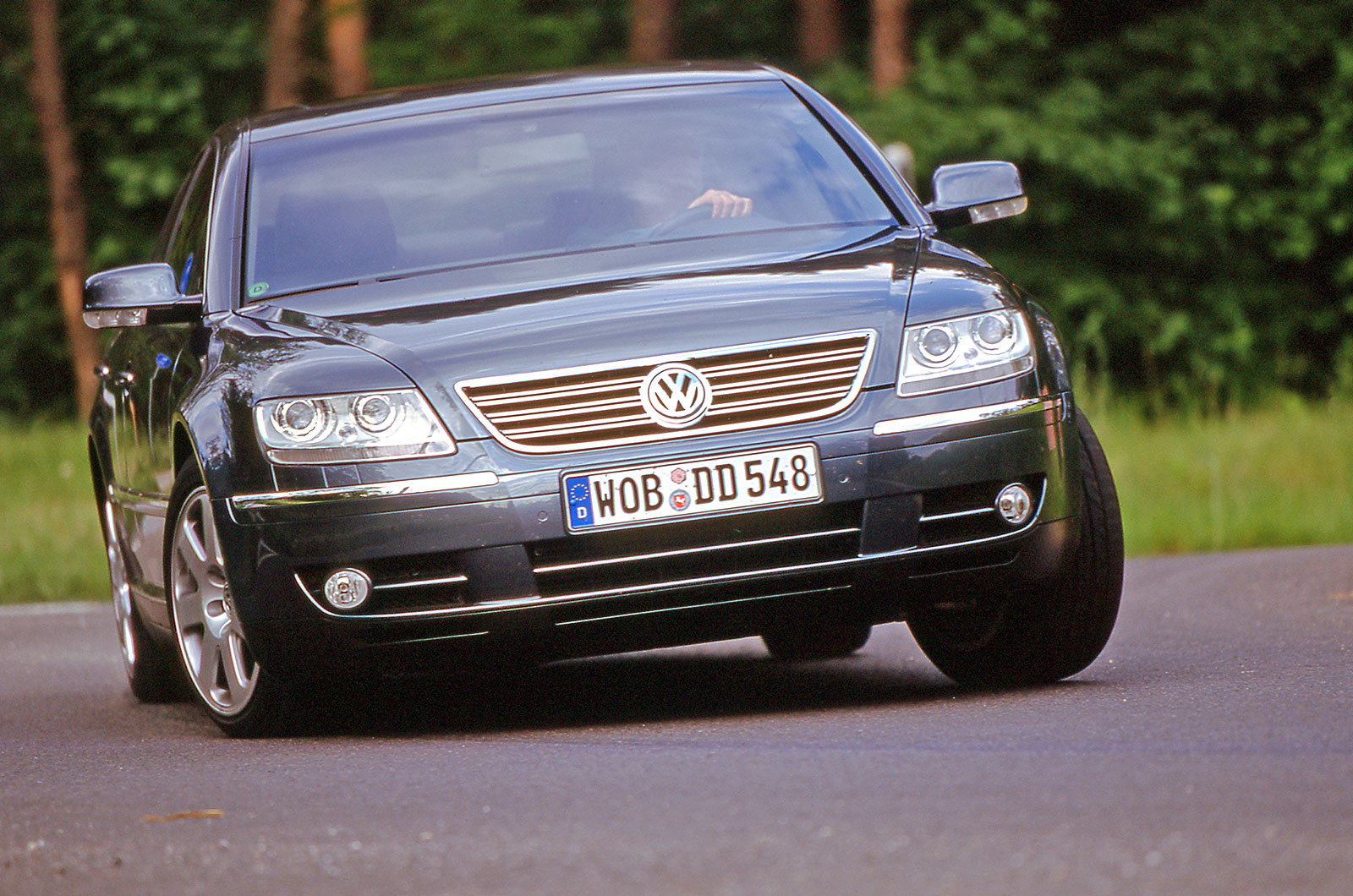
Fantastic machine, but overrated for its subtlety next to the Bentley, and very much unwanted today by comparison. If Angela Merkel had designed a luxury car, it would probably have turned out like this.
Bugatti Veyron (2005)
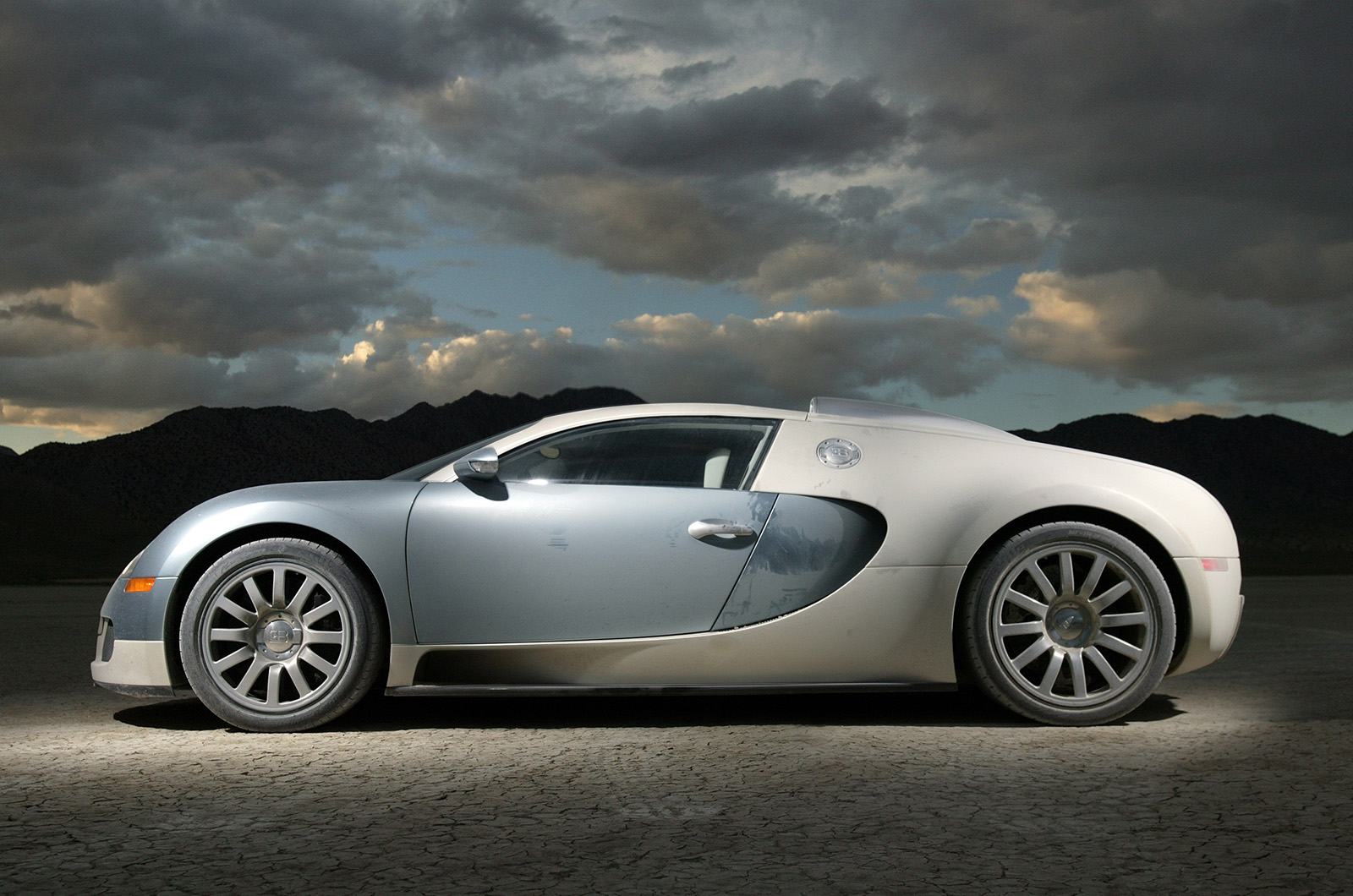
The top 10 most powerful cars on sale in the year the mid-engined French supercar was launched started at No10 with the 612bhp Porsche Carrera GT or Mercedes-Benz SL65 AMG and culminated at the No1 with the 987bhp Veyron. The Bugatti could also manage 253mph, making the quad-turbo, W16-engined two-seater the world’s fastest car.
Bugatti Veyron (2005)
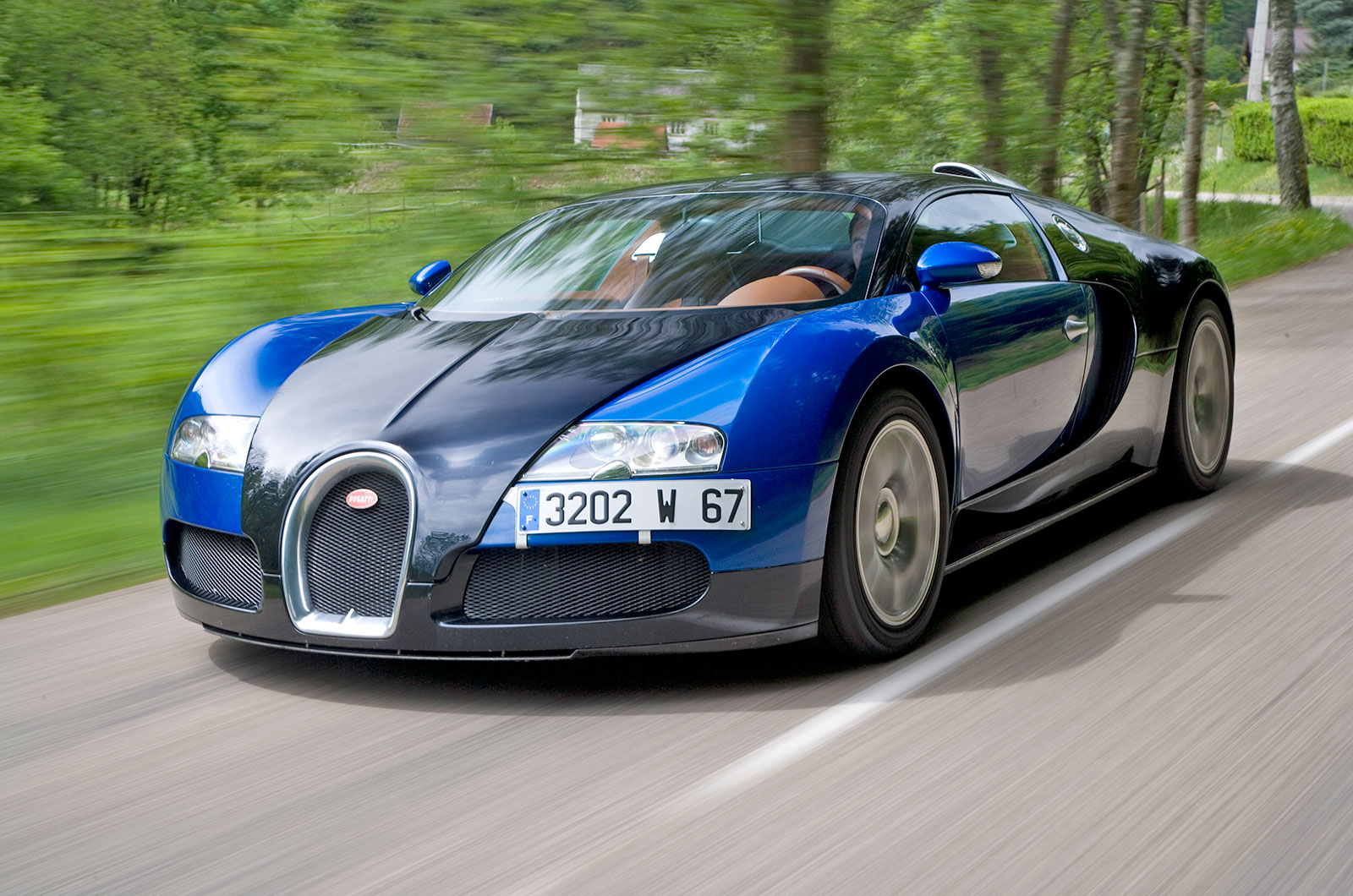
But was it really, really worth all the mountains of extra dosh for a car that – in the real world – had power and velocity that no-one could actually use? It was also 2.0 metres wide, making it one of the most cumbersome of city-drivers, and there were 10 radiators to keep topped up. And it was extremely expensive to both buy and operate.
Subaru Impreza STI WRX hatch (2008)
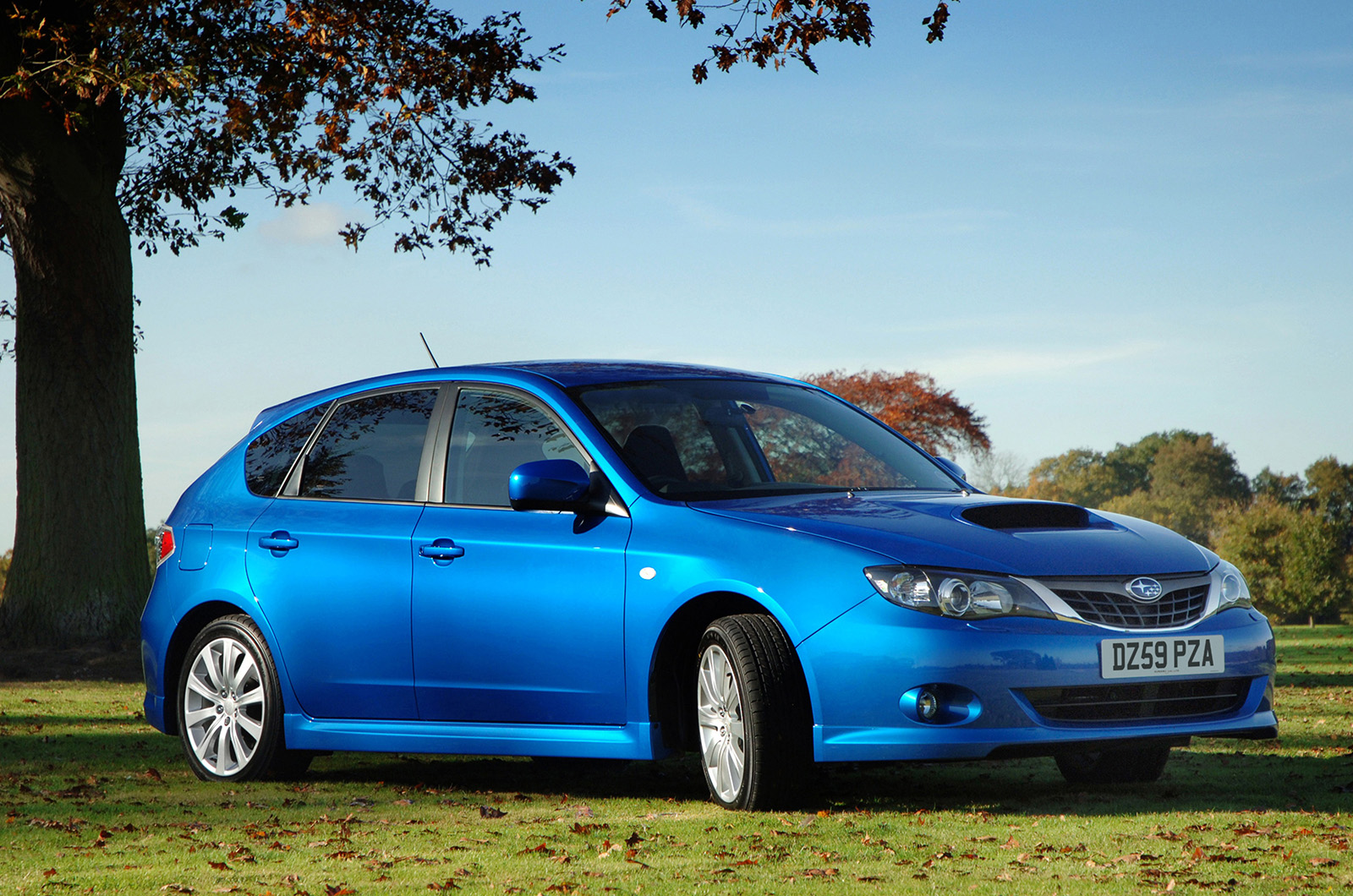
The raw performance largely remained from the old days, with 300bhp and prodigious, four-wheel drive grip as the 2.5-litre boxer engine rocketed the car to 60mph in 4.8sec. But no matter what the marketing and statistics relayed, the character had been lost in Subaru’s quest to broaden its hardcore Impreza’s appeal and align it with Germany’s performance best-sellers.
Subaru Impreza STI WRX hatch (2008)
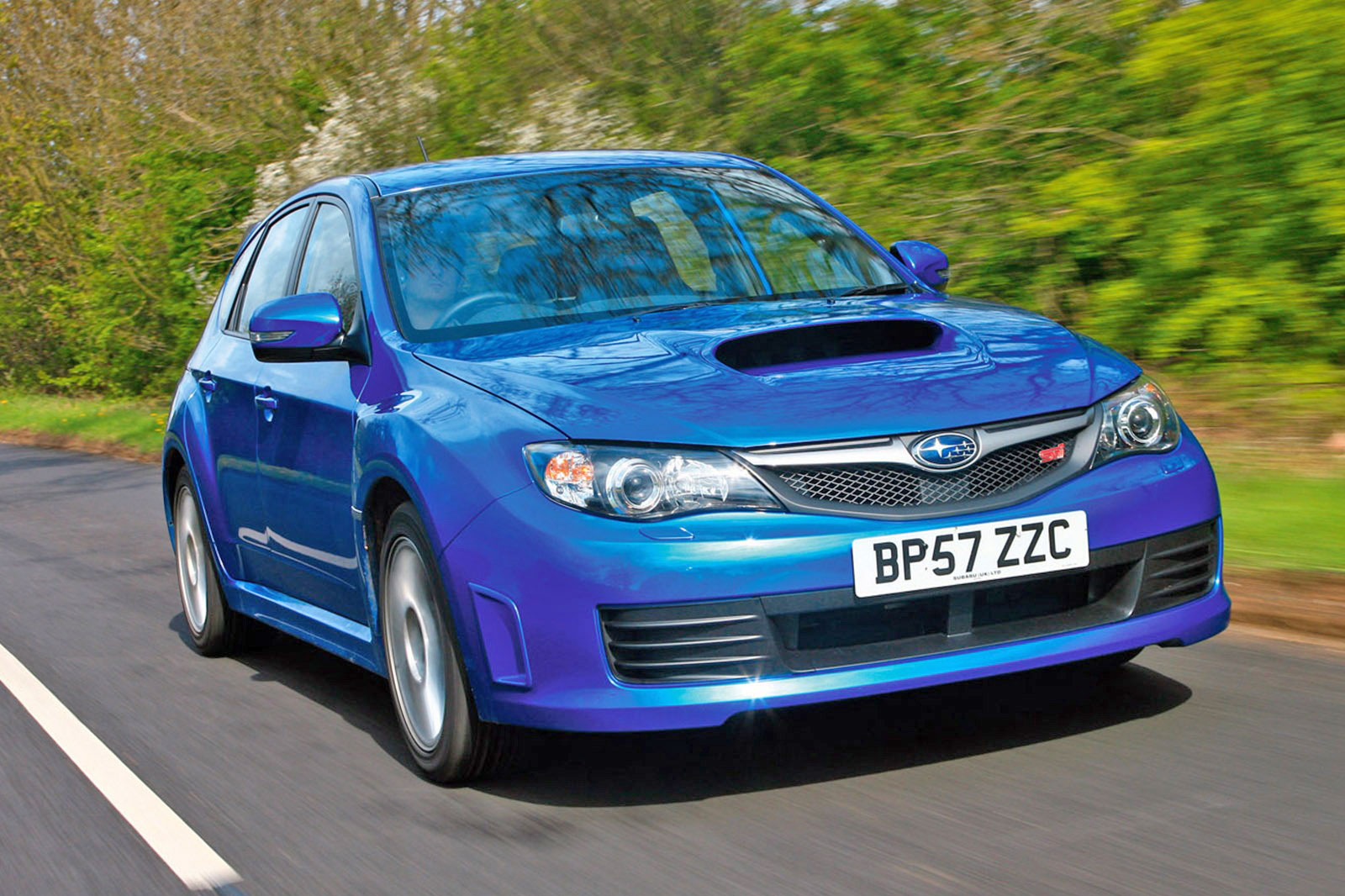
The familiar three-box shape, with its giant rear aerofoil, was gone, and in its place came a blander-than-bland five door hatchback. Then, Subaru’s cost-cutting team combed through the interior, making it as cheap and coarse as they could. It seemed like a shameful way to treat an icon…
Toyota GT86 (2012)
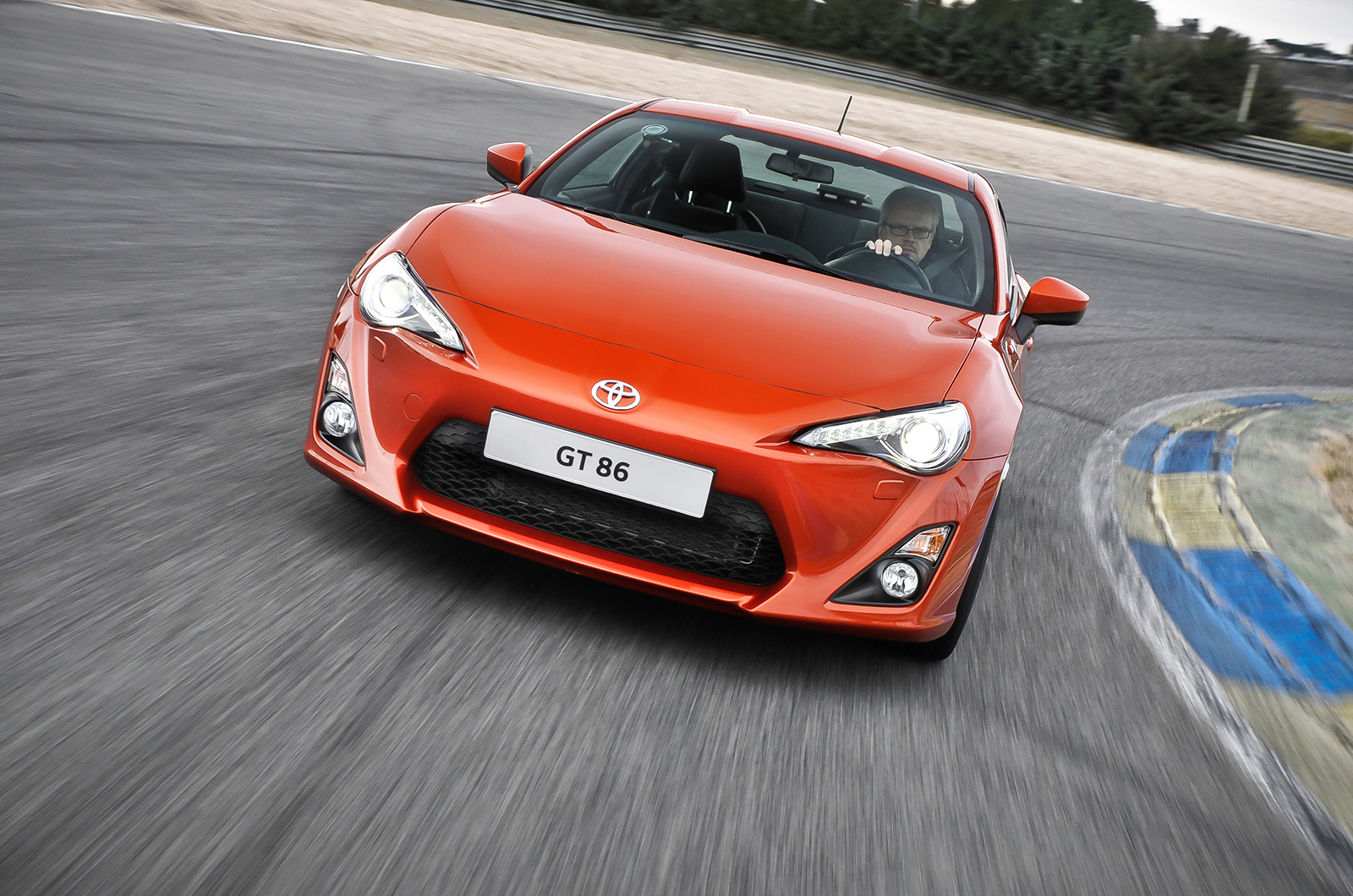
The 2.0-litre two-plus-two seater was designed to get back to basics with its rear-wheel drive and skinny tyres, and you did indeed get quite a basic car. And not necessarily in a good way: inside, it was claustrophobic and cheaply finished. Oversteer was the major characteristic of the handling – okay for some weekend drifting on a disused airfield, possibly a liability on rain-soaked public roads.
Toyota GT86 (2012)
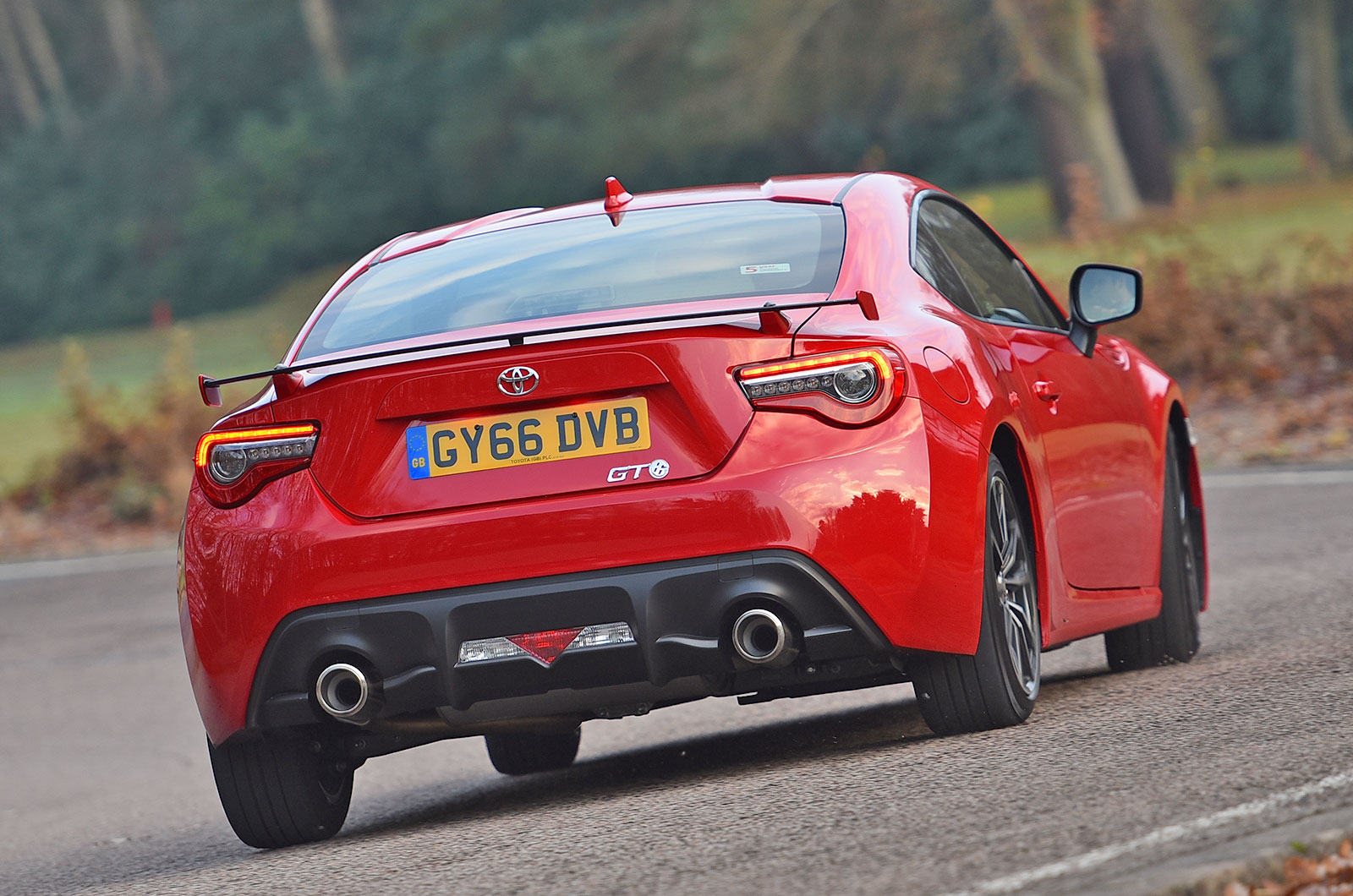
And there was a distinct lack of torque right in the middle of the rev range, which kind of put the kybosh on spirited everyday driving. None of it had to be this way, as Mazda’s all-round excellent MX-5 continued to demonstrate. The new GR86 takes the GT86 recipe and improves it.

Lotus Eletre Highlights Canada’s China EV Tariff Shift but Undercuts Hopes for Affordable Imports

Forgotten 1980s Cars Reveal Missed Innovations and Market Shifts Amid Economic Turmoil
 The 1980s bear similar parallels with today, so perhaps it's time for us to remember the cars everyone seems to have forgotten
Wars, high fuel prices and rampant inflation.
Ring any bells? Well there was also plenty of this in the 1980s as well, which is why in this feature we’re celebrating the cars from that decade – or cars from slightly earlier that made their name in the decade – that you may have completely forgotten:
Subaru BRAT (1977)
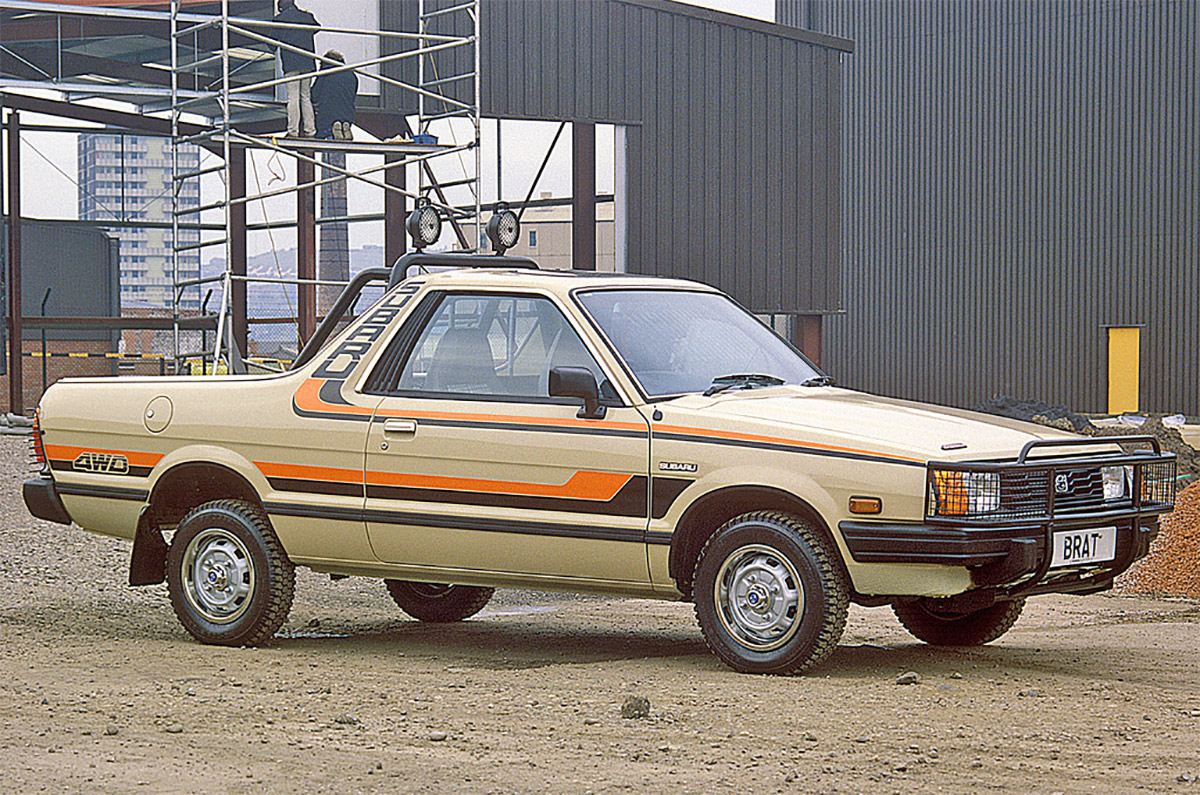
You might not have heard of it, but Ronald Reagan owned one for 20 years on his Californian ranch. This rugged, harebrained, poundshop Lancia-lookalike was sold by the Japanese giant from 1977-1994 and attracted clientele you’d expect to see in a Mercedes S-Class. With 100,000 examples sold over its life, the Brat was Marketed in America as ‘Fun on Wheels’. Later versions used a gutsy turbocharged 1.8 and proved so popular it cemented Subaru’s reputation for reliability and set the company up for major success in the US in the past couple of decades.
Plymouth Sapporo (1978)
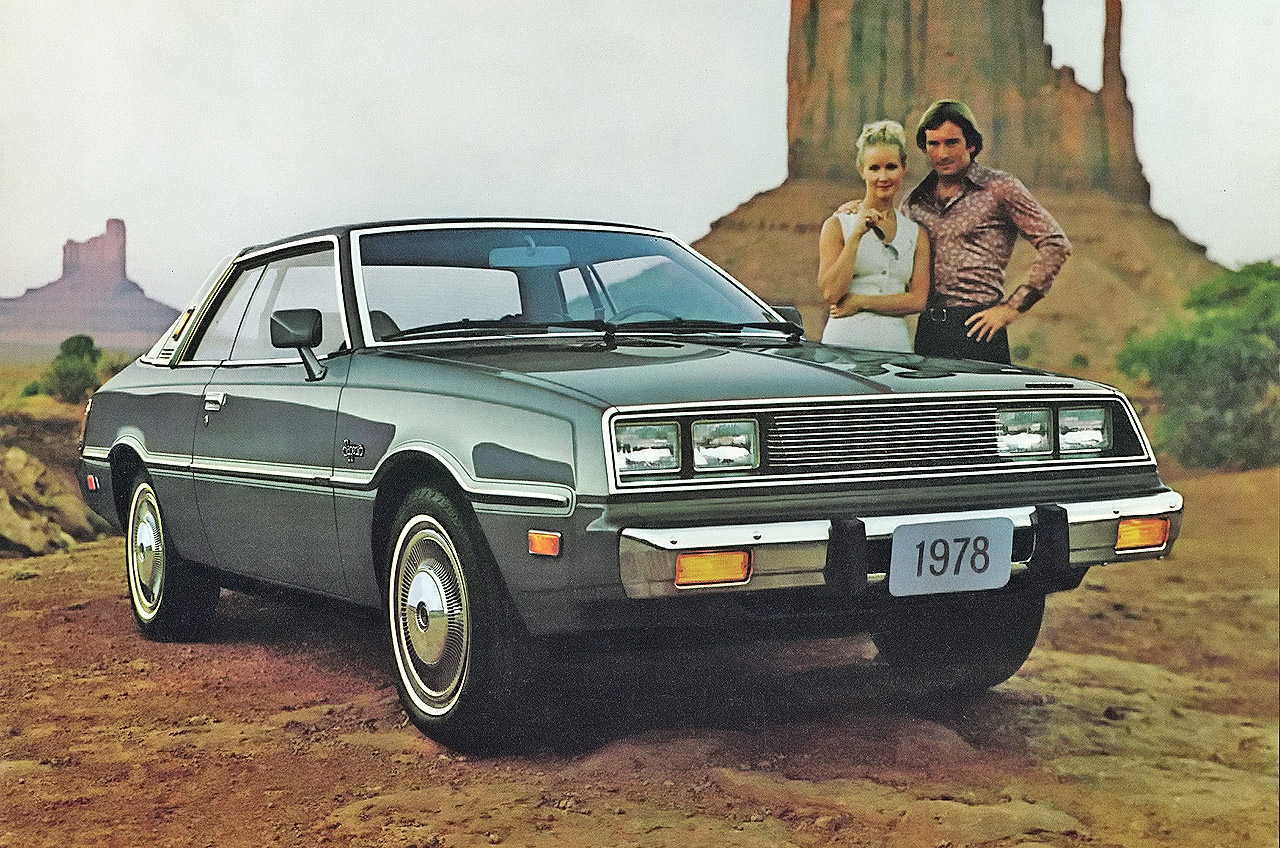
Business ventures constantly give customers an offer they can’t refuse. Mitsubishi’s contract with Chrysler birthed a car that appeared to offer it all, from extravagant options to economy that impresses by today’s standards. You got bucket seats with lumbar support, tinted glass and power-adjustable mirrors. Naming the others would simply take up too much room.
On top of the features, it promised a 40mpg thirst and performance to keep most of the 70,000 buyers entertained. Why, then, was it forgotten? The relationship between the two companies changed, and Mitsubishi began selling the Conquest; the new offer customers couldn’t refuse.
Midas Bronze (1978)
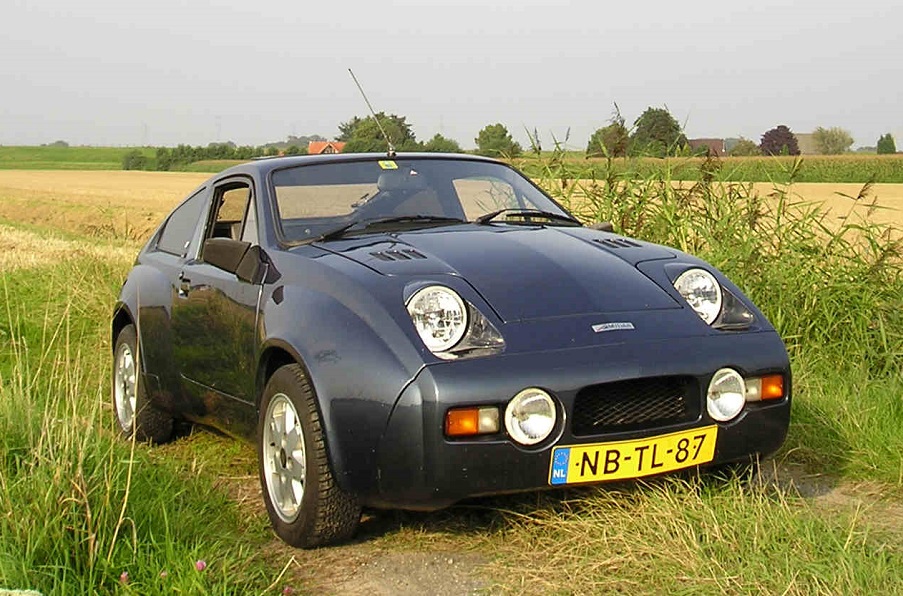
Harold Dermott’s Midas outfit could so easily have become a world-beater in the affordable sports car market. However, a devastating factory fire in 1989 put paid to that and the company folded shortly afterwards in 1989 despite huge acclaim for its compact cars.
The Bronze was launched in 1978 with a glassfibre monocoque body and was the first car with this construction to pass contemporary crash tests. With neat styling by Richard Oakes and aerodynamic design input from Gordon Murray, the later Gold was just getting into its sales stride when that fire destroyed all of the tooling. In all, 500 Bronze and Gold models were produced and they are slowly gaining recognition for their ground-breaking design.
Alfa Romeo Alfa 6 (1979)
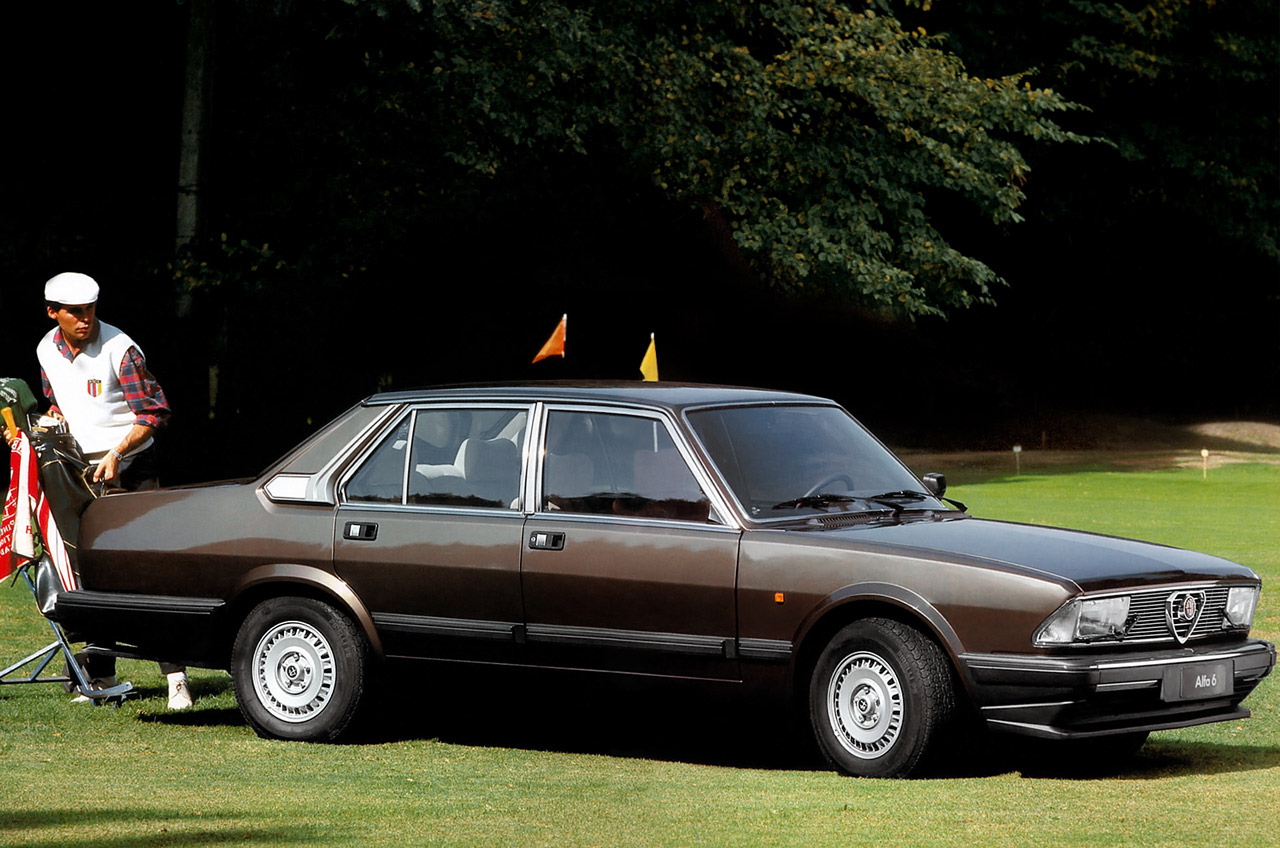
Alfa Romeo’s plans to introduce the 6 in 1973 derailed when the oil crisis made the idea of driving a big, fuel-thirsty sedan unpalatable to all but the wealthiest European motorists. Executives consigned the project to the automotive attic until the late 1970s, when the oil market had seemingly settled. Alfa Romeo made several changes before launching production but the first 6 that drove off the line already looked dated.
The carburetted, 2.5-liter V6 was a real gem of an engine but its high fuel consumption raised eyebrows even in 1979. 1983 brought styling revisions (pictured), Bosch fuel-injection and an available turbodiesel but the improvements were too little, too late. 6 production ended in 1987 after Alfa Romeo built approximately 12,000 units.
Buick Century Turbo Coupe (1979)
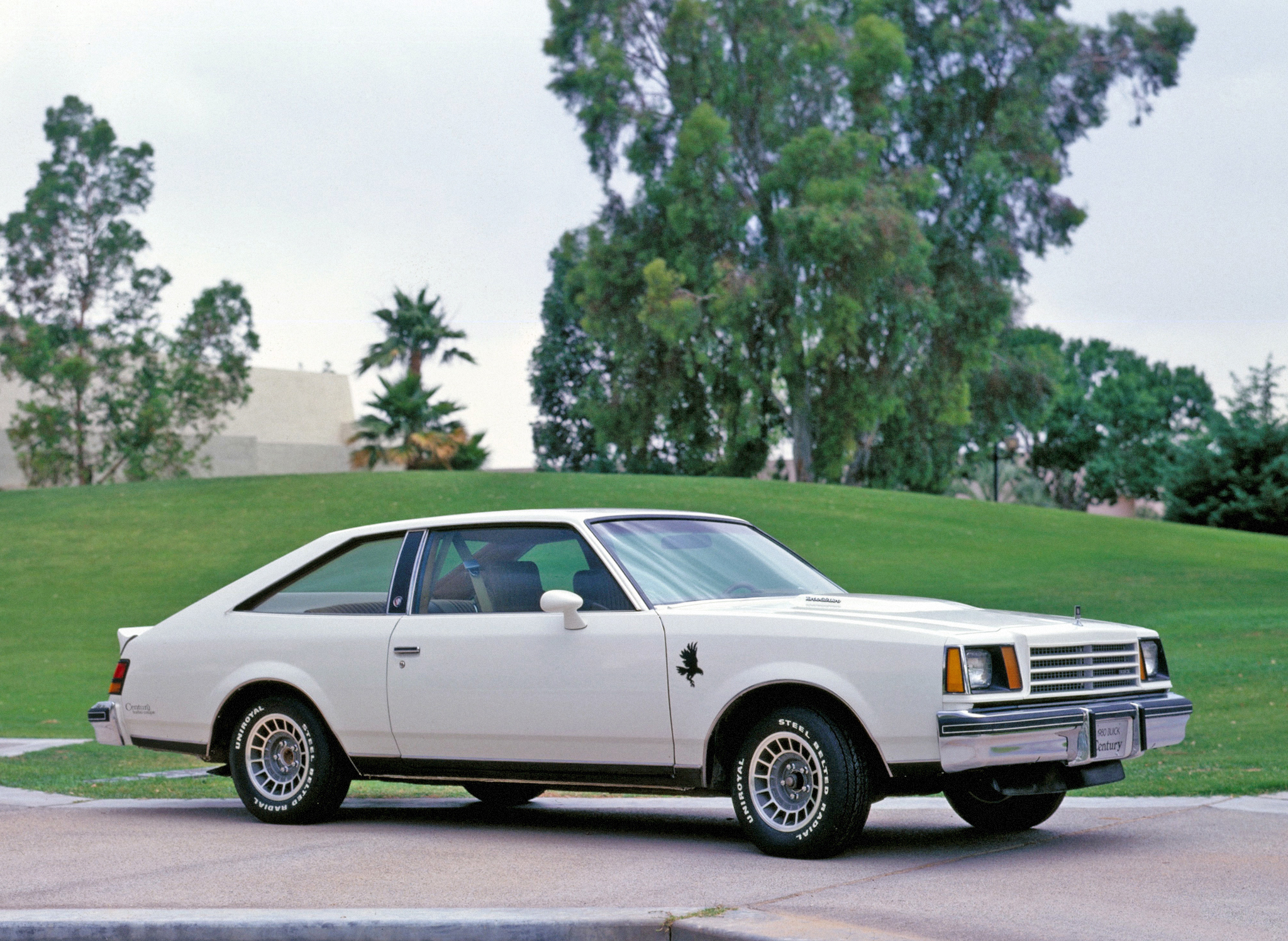
How do you attract young buyers? If a book existed detailing the answer, Buick read it cover to cover. Their Century Turbo was an impressive offering produced by the same company making the Indianapolis 500 pace car. Talk about motorsport pedigree. The Turbo Coupe used a 175bhp 2.8-litre turbocharged V6 which had around as much torque as the then Corvette. With looks not dissimilar to a Saab 900, Buick boasted ‘European-influenced’ styling. But it simply wasn’t enough to lure young buyers and after two years of production and less than 2000 sold, it was dropped.
Stevens Cipher (1980)
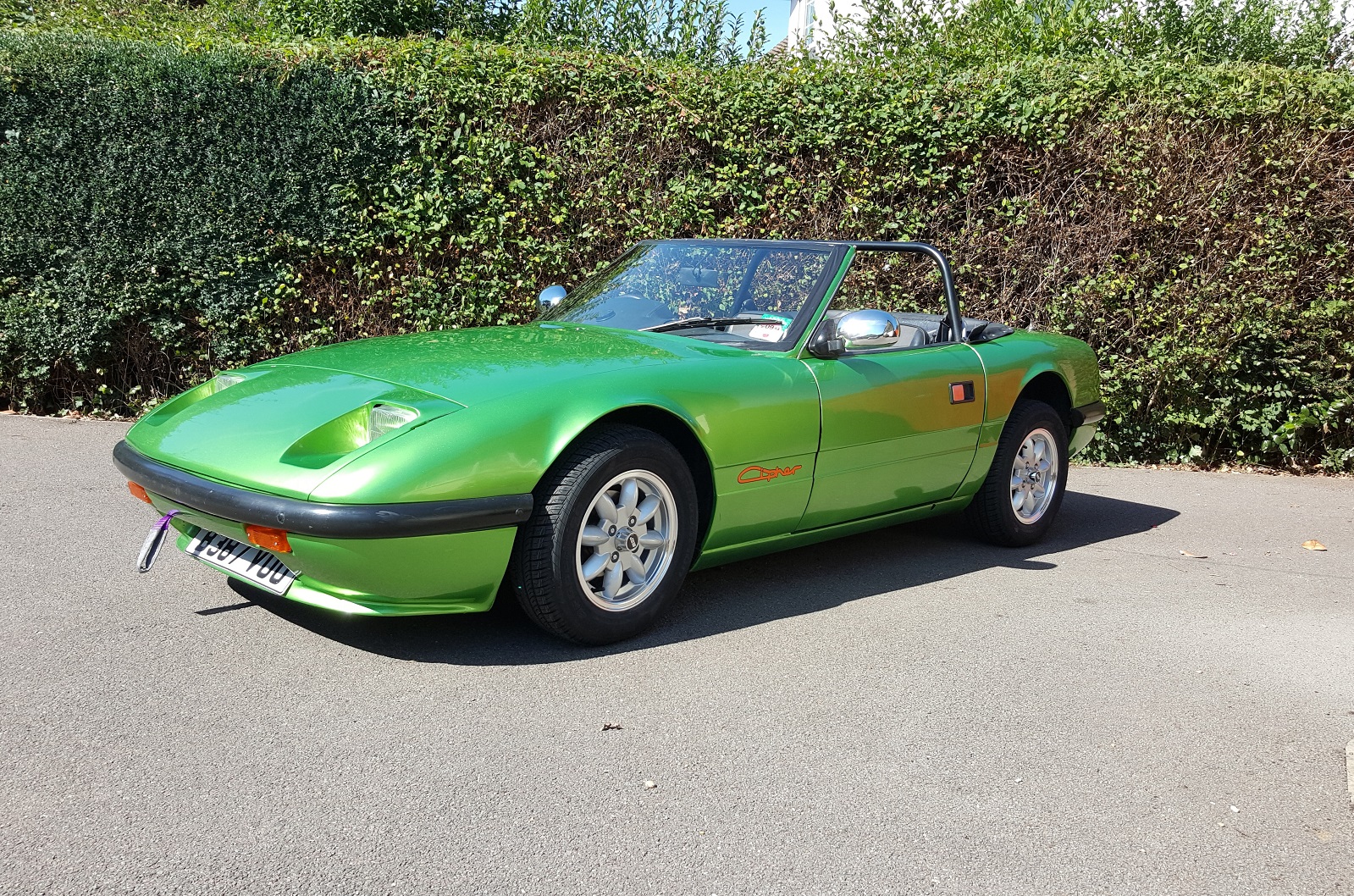
When almost everyone else was abandoning the sports car market amid fears the USA would legislate them out of existence, Professor Anthony Stevens came up with the superb Cipher. Light and compact, it used a simple chassis, glassfibre body and 850cc Reliant engine. Autocar’s Steve Cropley praised it when he drove one, and the Cipher helped inspire the Mazda MX-5.
Despite all of this, Stevens could not raise the funds to take the Cipher into production and only seven were ever completed. It’s the UK car industry’s loss the Cipher didn’t get the backing it deserved as was the right car at the right time.
Chevrolet Citation X-11 (1980)
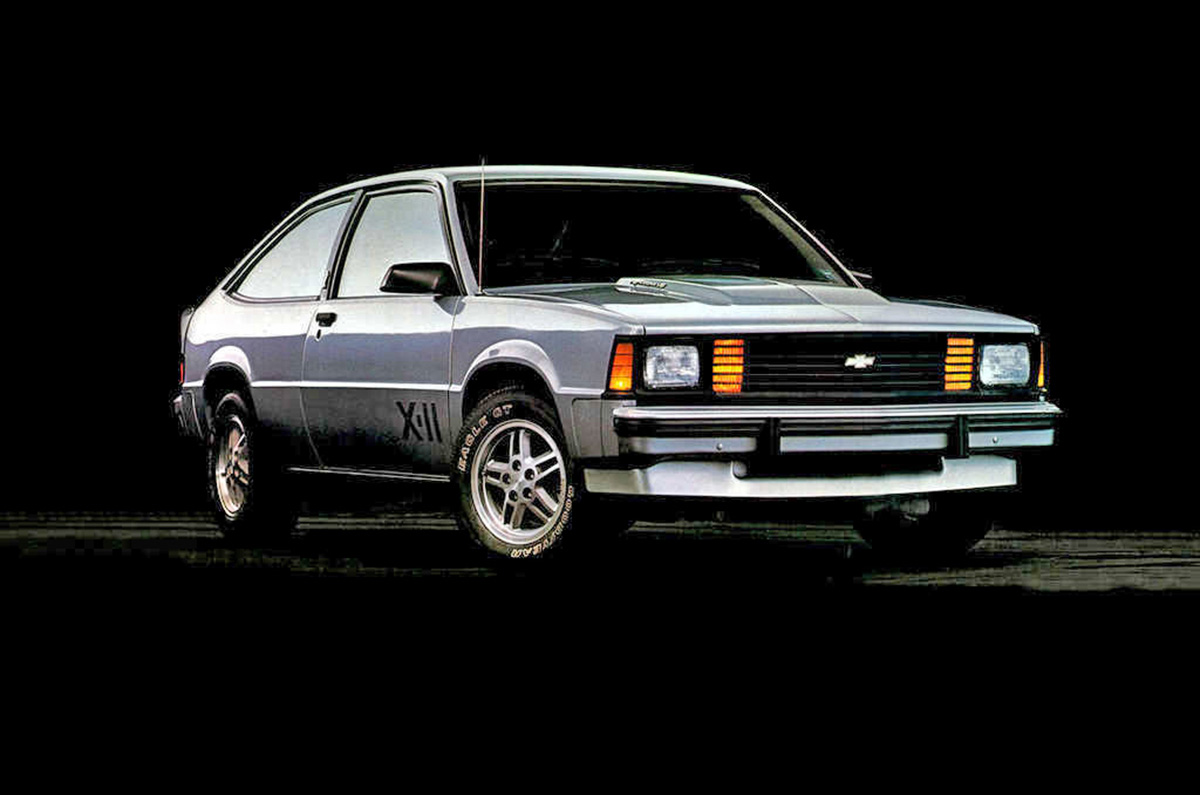
The X-11 was, to Chevrolet, what Polestar is to Volvo. It didn’t set out to become the ultra-rare brother of the ordinary Chevrolet Citation, but with 20,000 X-11’s sold out of 1.54 million ordinary Citation’s, that’s exactly what happened. The X-11 was a performance offering which featured a fizzy 2.8-litre V6 and a bulge in the bonnet to exercise its sporting credentials. As a result, the X-11 drove Chevrolet to racing championships in competitions held in 1982 and 1984.
Dodge Mirada (1980)
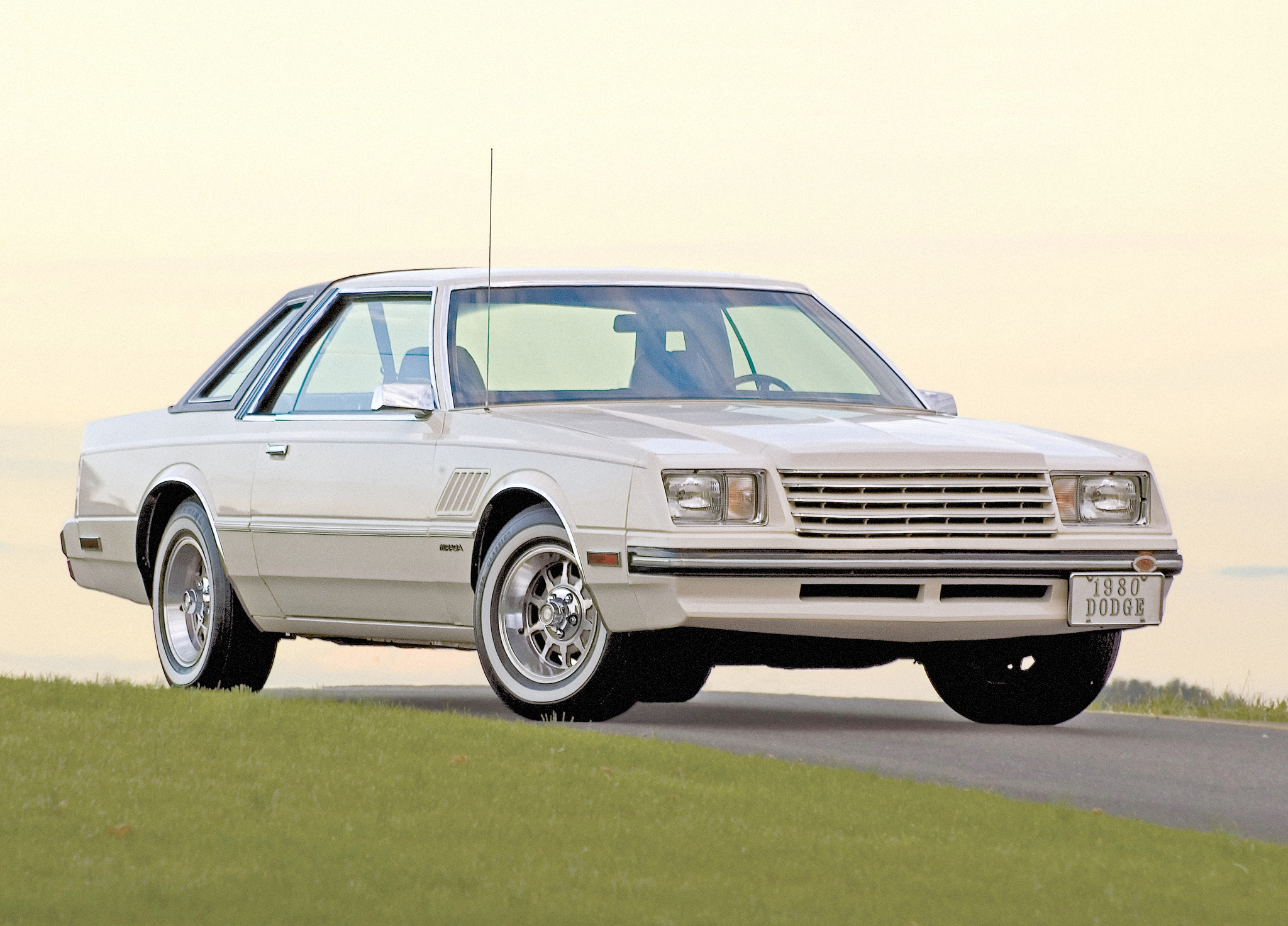
Nothing says 80s chic like the Mirada – born for the V8 engine and adorning whitewall tyres. This car was ideal as a comfortable motorway cruiser, but developed to have a sporting edge. This would become its main problem, with customers disappointed in its performance and poor driving manners for a vehicle with such sporting intentions. Just 52,000 were sold over three years, a piffling amount compared with rivals, and the car was dropped. Still, it lives on as a lesson in tasteful American motoring.
AMC Eagle Kammback (1981)
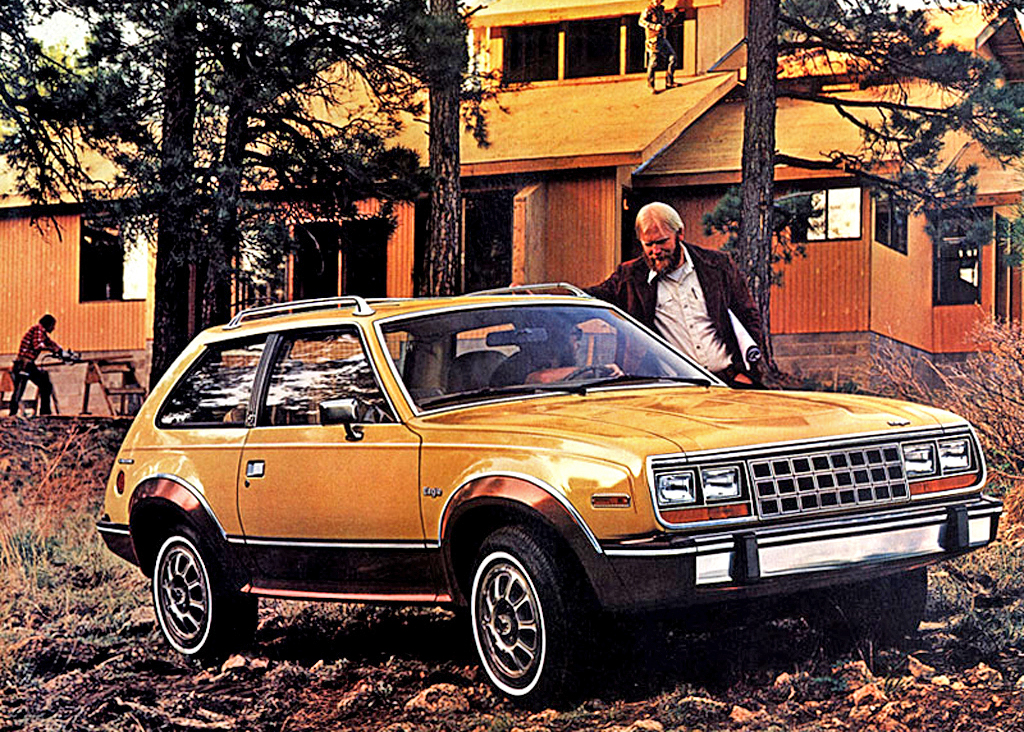
Automotive niches inspire some of the oddest creations. The Reliant Robin. The Mercedes R63. And in America, the AMC Eagle Kammback - a niche within a niche. It was a compact car with an interchangeable four-wheel drive system. The owner, typically a first-time buyer or a fleet driver, had to stop at the side of the road to switch between its four and rear wheel drive modes. These days, to get an interchangeable drivetrain you have to buy a BMW M5. However, it wasn’t enough and sales diminished after just one year, despite being 34,000 strong in year one. Like every other niche, it’s only interesting once it’s gone.
Jeep CJ-8 (1981)
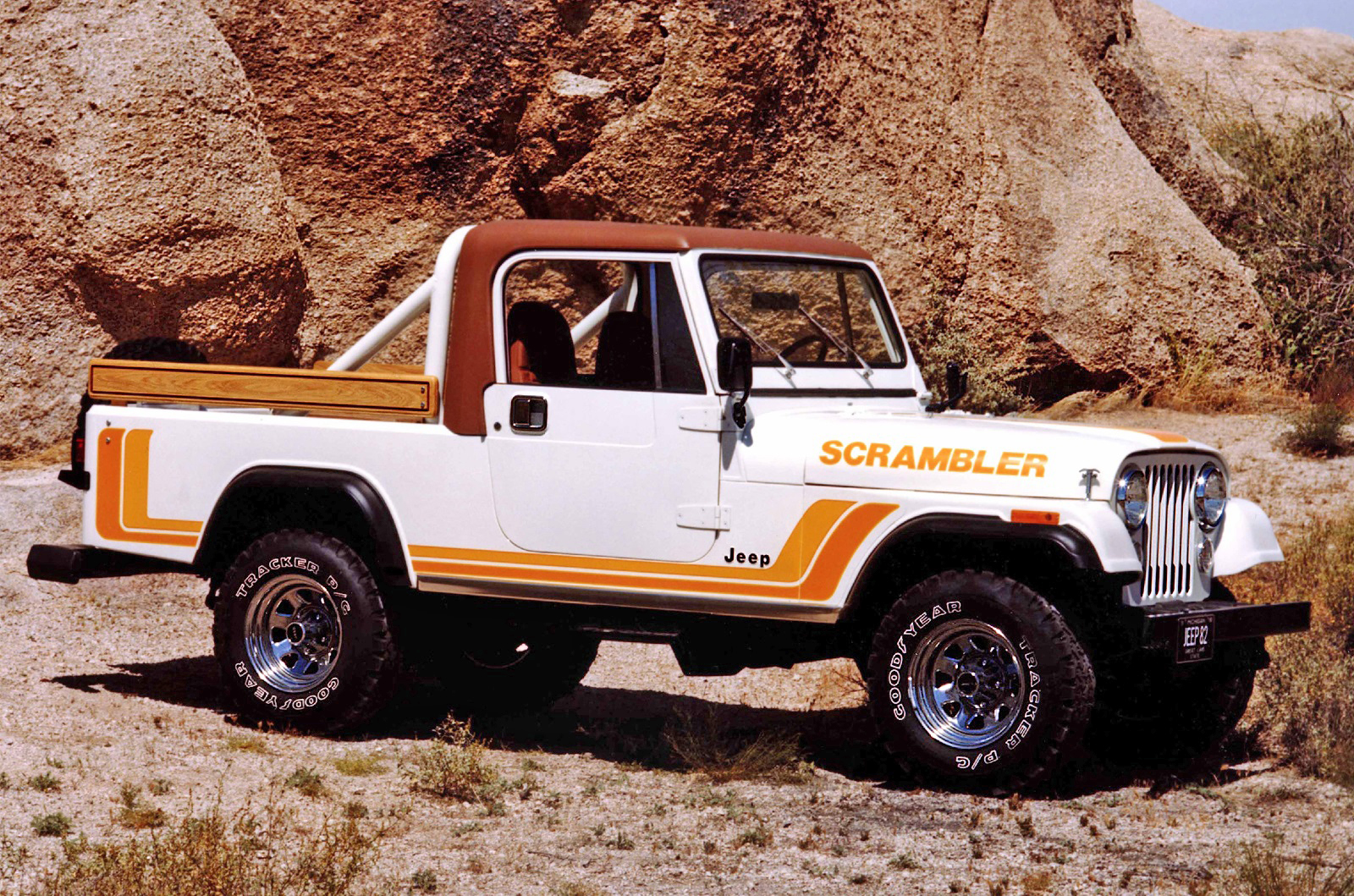
The Jeep CJ-8 was a CJ-7 with 10 additional inches of sheet metal between the axles. It retained the CJ-7’s legendary off-road capacity, but it was unique in its segment because it was more of a leisure-oriented model than a workhorse. Jeep didn’t replace the CJ-8 until it introduced the Unlimited variant of the TJ-series Wrangler in 2004, and it returned to the pickup class with the Wrangler-based Gladiator in 2019.
Ford EXP (1982)
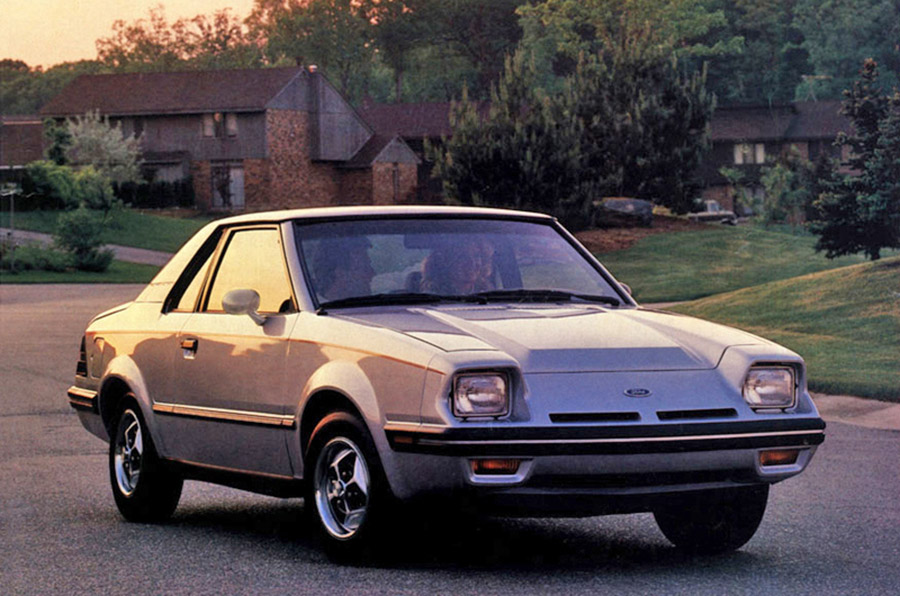
It was just about to be axed from production, but engineers stepped in to save its life. The Ford EXP was introduced in 1982 as a sportier alternative to the Escort, albeit with a more intricate design that seemed to be missing a front grille. Despite 225,000 being sold, the cult following from the EXP’s life wasn’t found on the road, but in the factory. At the end of the first version’s life, workers took a new Escort, restyled it and showed it to their approving boss. The resultant EXP lived on in the Escort family, saved by its human family.
Lincoln Continental Turbodiesel (1983)
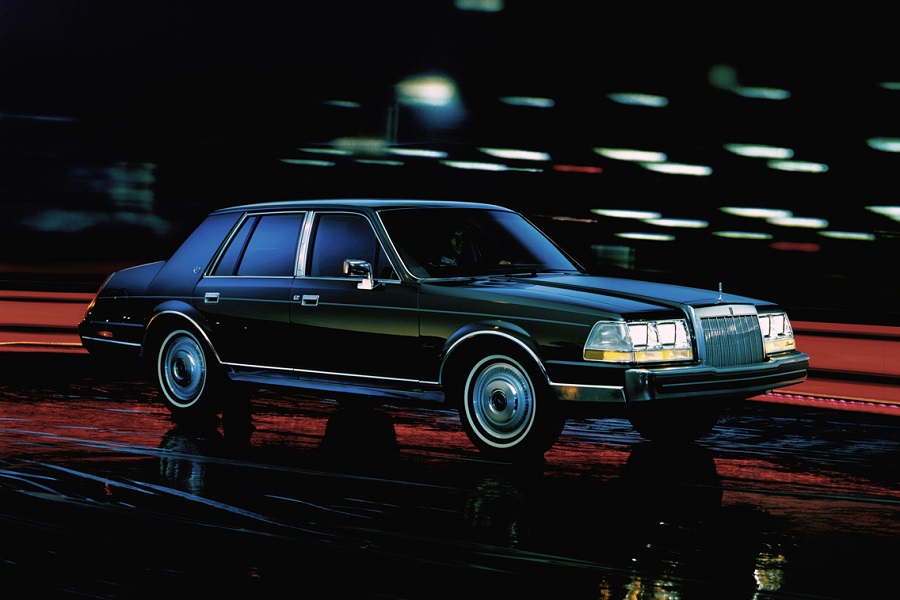
Although the Continental is one of Lincoln’s best-known models, the European-flavoured diesel-powered variant is remembered as an obscure footnote in the nameplate’s decades-long history. Mercedes-Benz sold every diesel it imported into the United States, much to Lincoln’s annoyance, and even some it didn’t bring – the grey market was booming in the early 1980s. Cadillac had jumped on the diesel bandwagon, too, though its models were not nearly as successful. Decision-makers decided the best way to keep customers in the fold was to offer the diesel engine they were leaving to find.
For the 1984 model year, Continental buyers could choose between a 4.9-litre, 140bhp V8 and a 2.4-liter turbodiesel straight-six built by BMW and tuned to 115bhp; it was the same unit that powered the 524td. Lincoln charged $1235 (around $3100 today) for the German engine. As it turned out, Mercedes-Benz buyers didn’t want a Lincoln and Lincoln buyers didn’t want a diesel. The option disappeared after 1985.
Isuzu Impulse (1983)
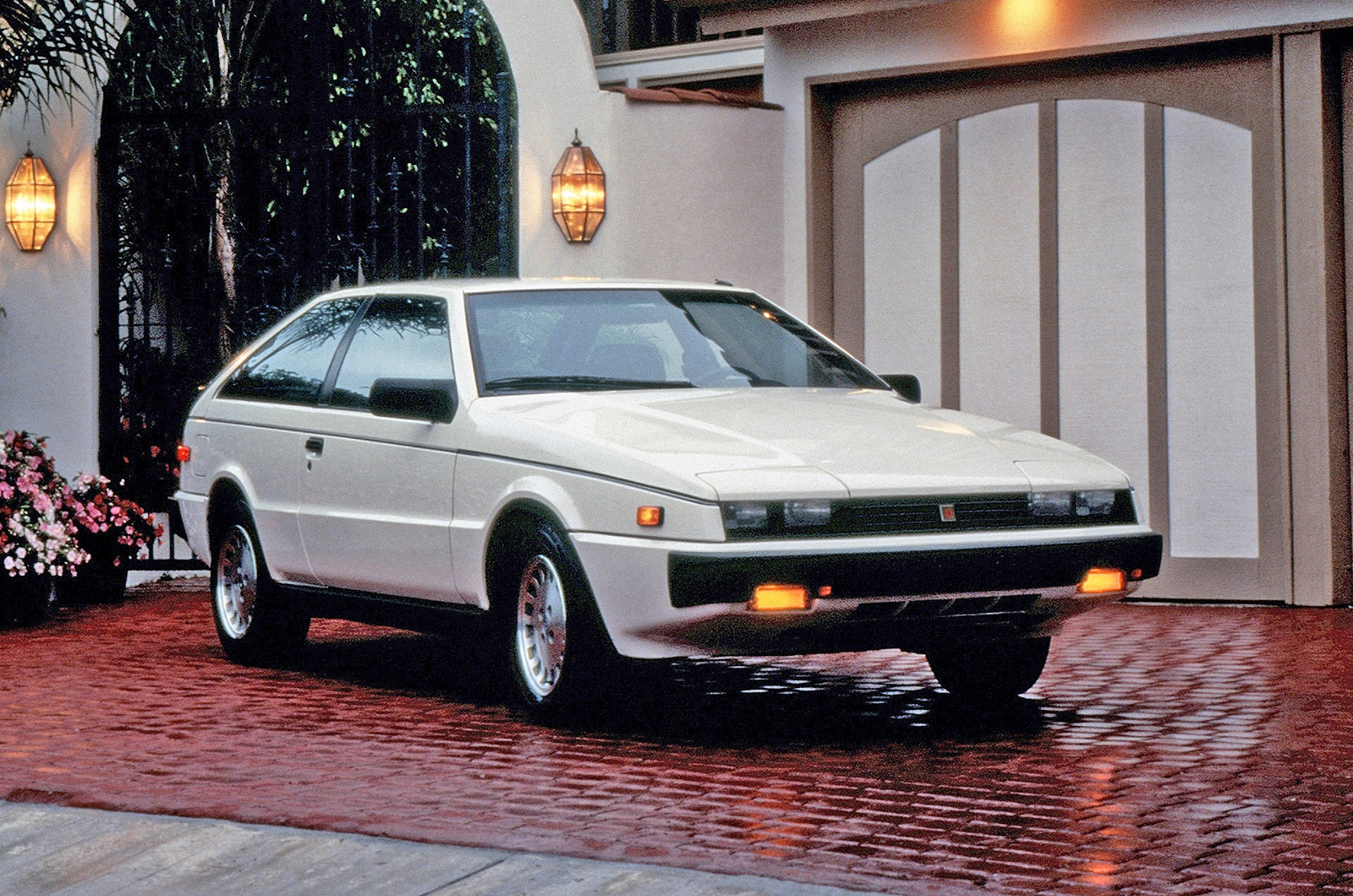
Cutesy but slender. Powerful but delicate. None of these are words anyone would associate with an Isuzu. But judging by the marketing campaign that read “It screams when you step on it” with a dark, moonlit background denoted something of menacing proportions. Styled by Giorgetto Giugiaro and bearing suspension developed by Lotus, the Suzuki was far ahead of its time.
Perhaps too ahead of its time, as those eye-catching looks and delicate personality weren’t enough to secure its success. Even in its best year, Isuzu only just managed to sell 40,000 and the Impulse was dropped after 6 years.
Marcos Mantula (1983)
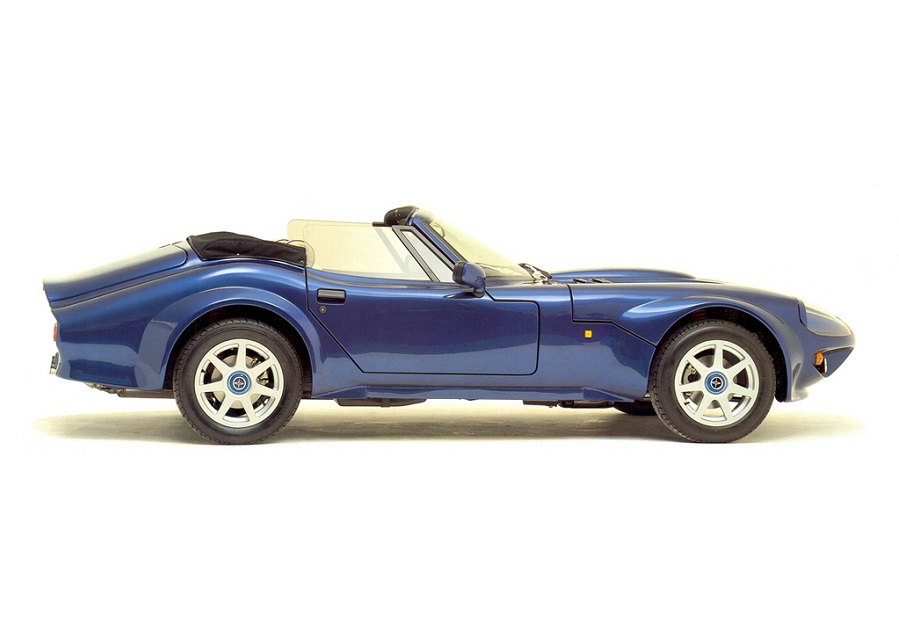
Every Marcos is a rare machine, but most have achieved a small but loyal and vocal following. However, the Mantula and its Mantara and Mantaray derivatives are too easily ignored. That’s a shame when they offer much of the thrills of contemporary TVRs, helped by using the same Rover V8 engine for propulsion. Offered in fully-built or kit form, the Mantula never quite shook off those kit car connotations for some potential buyers, even though the body, chassis and running gear were all very well made. Marcos made 289 Mantulas, so they do still appear for sale and deserve fair consideration for the performance and driving enjoyment they offer.
Zimmer Quicksilver (1984)
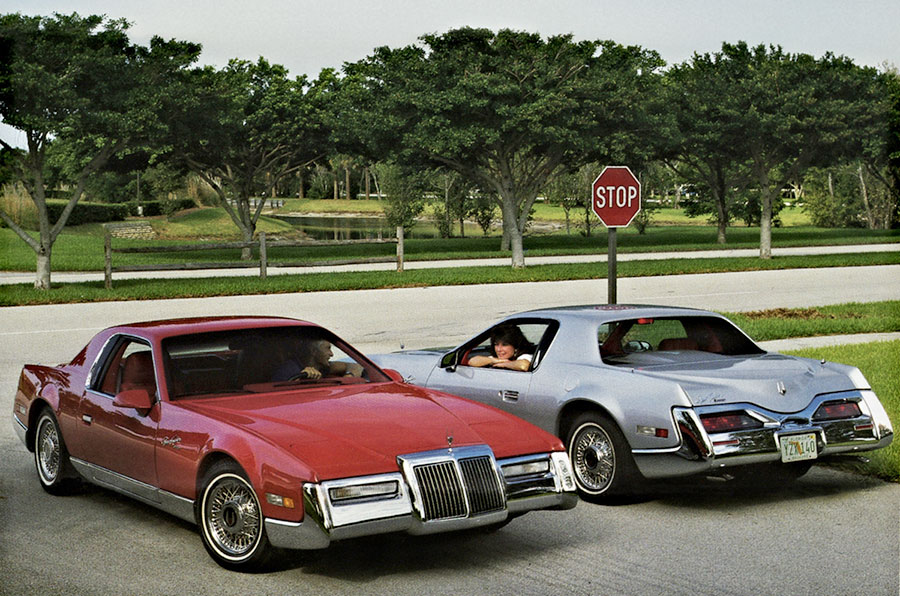
Paul Zimmer set up the Zimmer Motorcars Corporation in 1978, to build luxury cars. His first model was the neo-classic Golden Spirit, but in 1984 the Pontiac Fiero-based Quicksilver came along. Each second-hand Fiero chassis was stretched by 16 inches, on to which a glassfiber bodyshell was bolted, while the interior was spruced up with leather and wood. Production ran until 1988.
UMM Alter (1984)
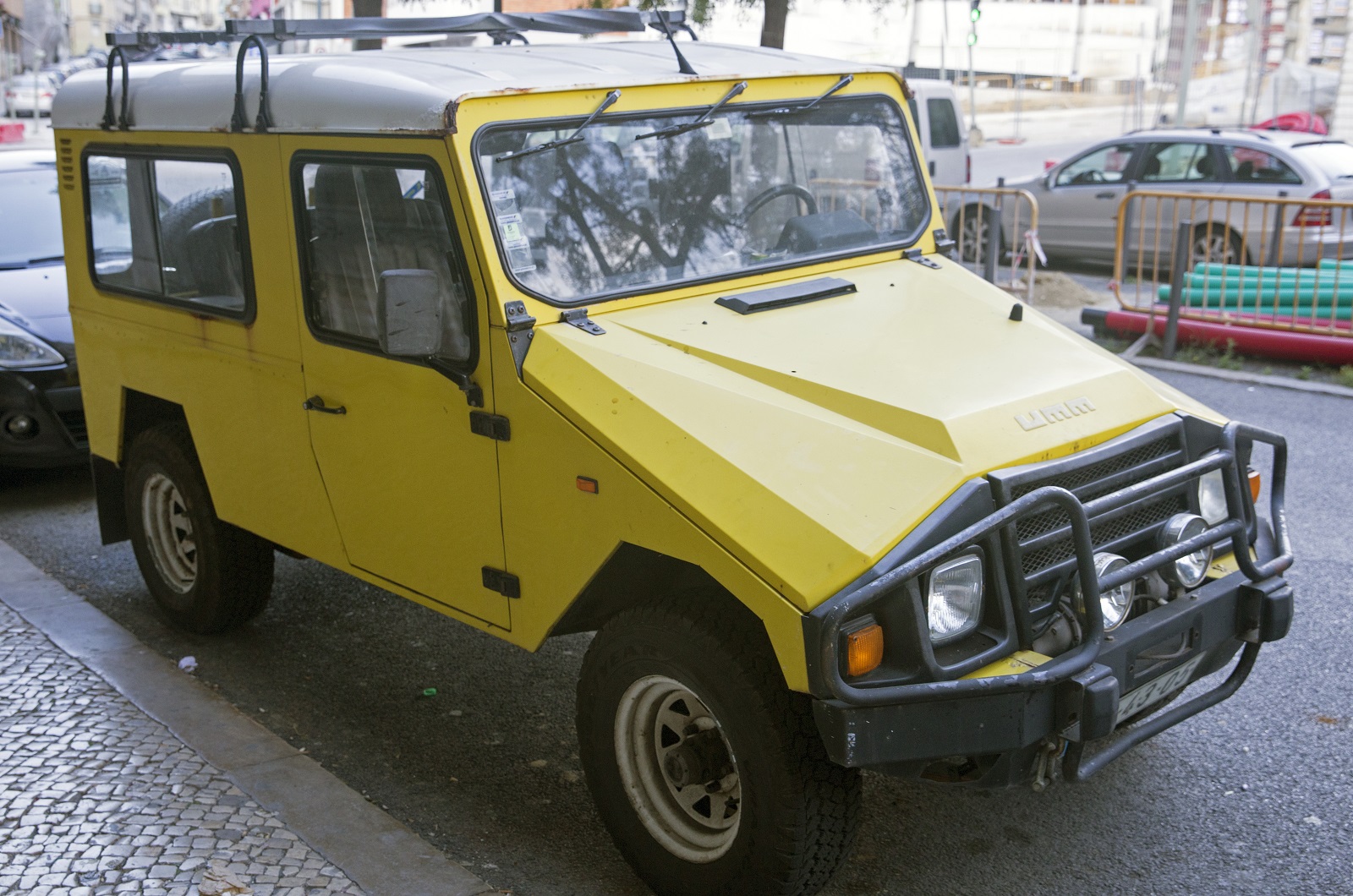
Two versions of this car would eventually come to market, in 1984 and 1986 respectively. Both variants of the Alter were near-perfect embodiments of function-over-form design, with drivers given as much space as possible. Durability, however, was the Alter II’s claim to fame, even finishing the 1989 Paris-Dakar rally. UMM also sold civilian-friendly variants of the Alter II (including some with bright, beach-friendly decals on both sides) but they remained too basic for their own good, even compared to a Lada Niva. Most examples consequently ended up in the hands of government agencies – one was even turned into a Popemobile when Pope John Paul II visited Portugal in 1992.
Pontiac Sunbird (1984)
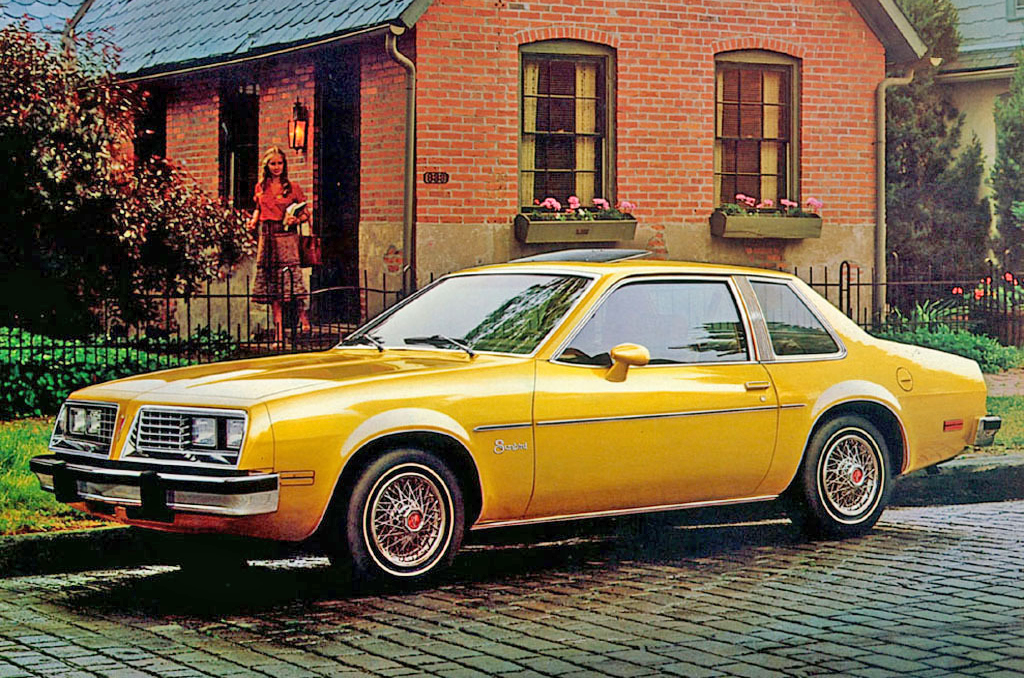
The story of the Sunbird is one of adaptation. The first generation car was dreary and sales weren’t much better. But when the Sunbird GT was introduced, all was transformed. It had a turbocharger and sporty styling cues worthy of the GT badge. Following the addition of a convertible, sales more than doubled in the first year. The final car even had a 3.0-litre V6. But the bestseller was a 165bhp 2.0-litre four cylinder, a formula that proved so successful it wasn’t changed for three years – a record for Pontiac’s laws of evolution.
Chrysler Laser (1984)
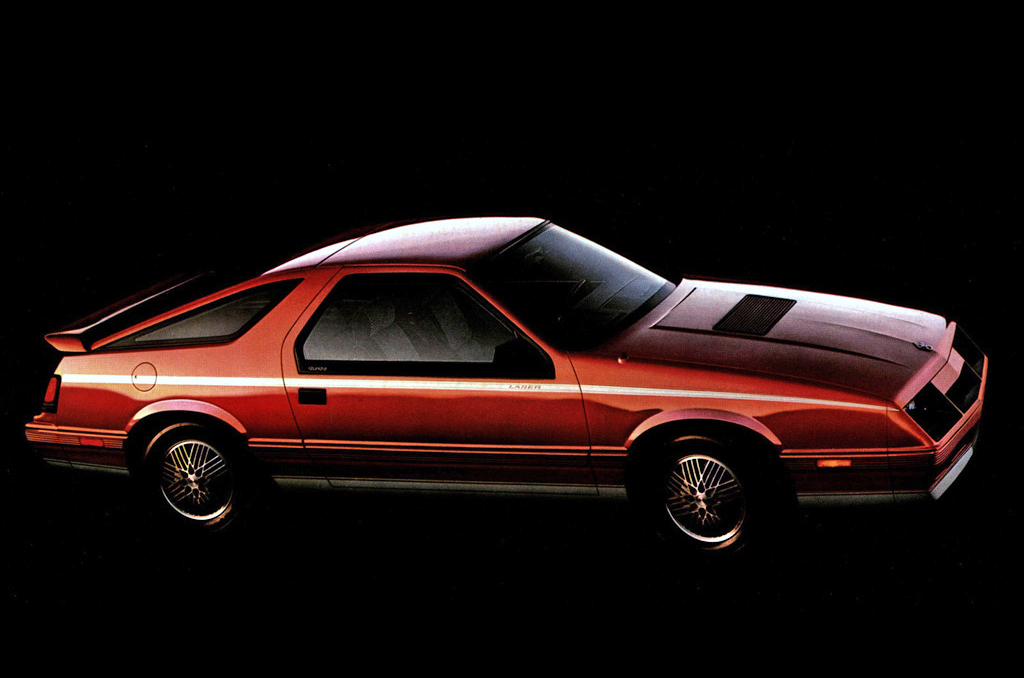
Did you love the 80s? If not, here’s some convincing. The Chrysler Laser was marketed with retro-purple sunsets and had digital dials that looked as wackily trapezoidal as its air vents. It was clearly a car that looked to the future for inspiration, and its competitors. Its 0-62 time matched the likes of Porsche’s 944 and Nissan’s 300ZX Turbo, all while delivering 35mpg. And if that wasn’t enough, the Laser used a turbo boost gauge so its 150,000-strong customer base could regulate its turbo pressures.
Dodge Omni GLH (1984)
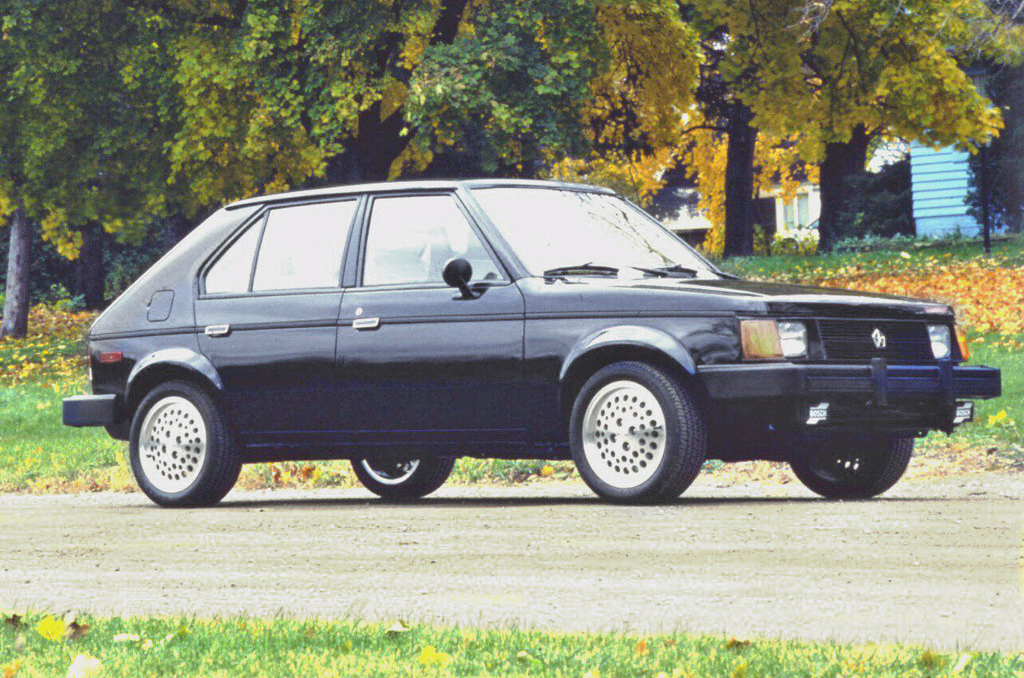
Believe it or not, ‘GLH’ doesn’t refer to this car’s mechanics, or its history. It simply means “Goes Like Hell”. With development overseen by Carol Shelby, this should come as no surprise. What does surprise is the fact that only 13,000 GLH’s were sold. The performance of these cars, particularly the Turbo variant, was impressive even by today’s standards. The Turbo managed 0-62 in 7.5 seconds, just one second slower than a new Volkswagen Golf GTI. And it wasn’t even the quickest one. The Omni GLHS was as quick as a new GTI, whose acronym aptly stood for “Goes Like Hell, Shelby”.
MVS Venturi (1984)
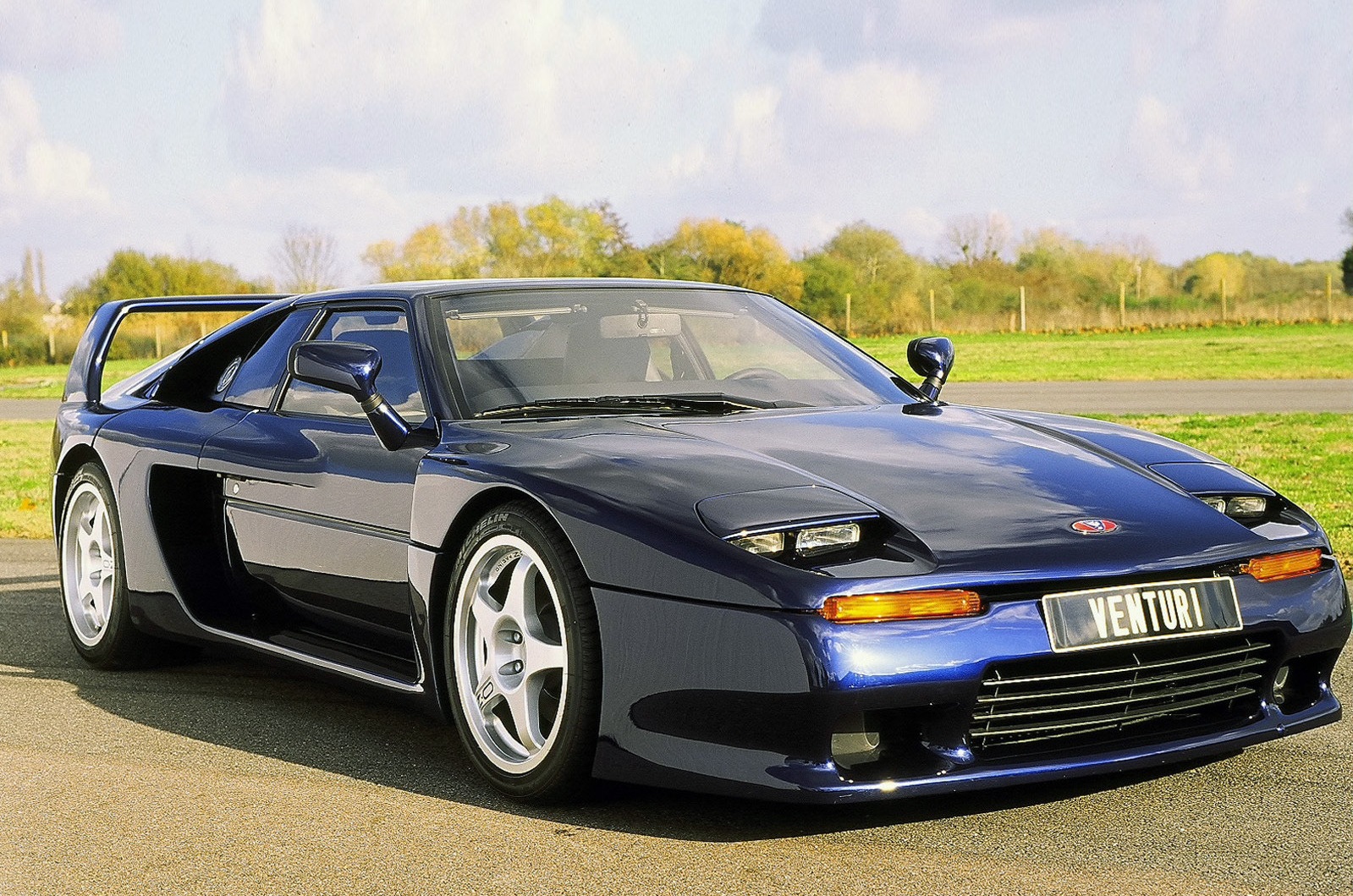
Although it looks similar to the Renault Alpine A610, the MVS 260 and its Atlantique 300 sister were entirely independent products. Built by Manufacture de Voitures de Sport, they did use the Renault V6 engine in 260- and 302 hp forms but the motor was mid-mounted in the MVS. Performance was strong, but the MVS never made the Ferrari-rivalling impact the firm hoped for, even in its native France. The 260 was made from 1984 to 1994, then superseded by the Atlantique that lasted until 2000. While quick, the handling wasn’t in the same league as that of a Porsche 911, which cost almost exactly the same as the MVS.
Pontiac Fiero (1984)
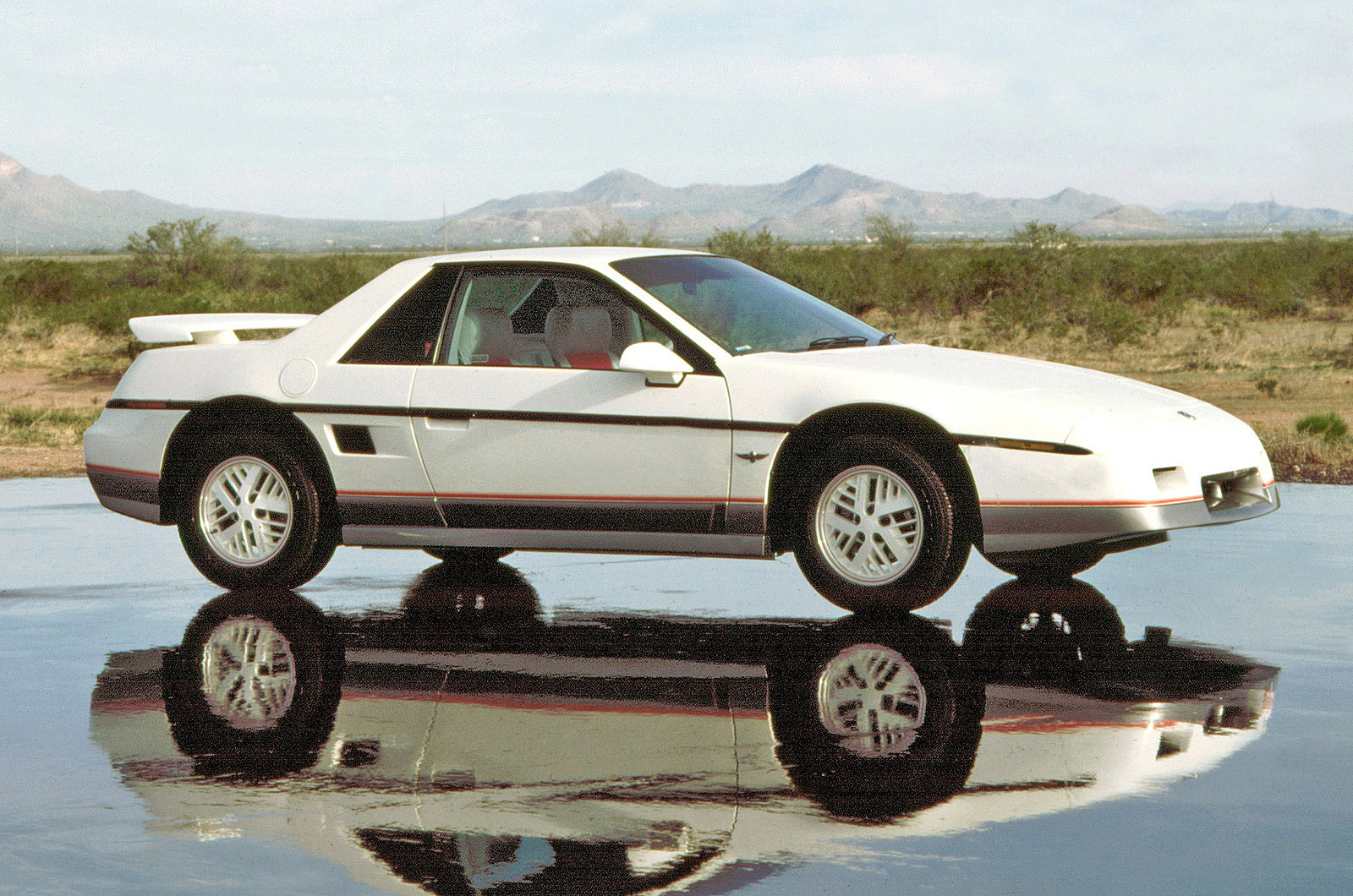
The Fiero was the most European of American sports cars. Under its rust-proof body law a mid-mounted 2.5-litre four-cylinder engine with drive sent to the back wheels. Unfortunately, the European similarities all but end there. Cost saving meant the Fiero didn’t drive as well as it could, and issues with oil leaking onto the exhaust manifold meant cars caught alight, prompting a recall.
Pontiac spent $30 million trying to save the Fiero for the second generation, but it was too late. Sales halved between 1986 and 1987, and the wannabe Lotus was axed after 370,000 units produced.
CXA CX (1985)
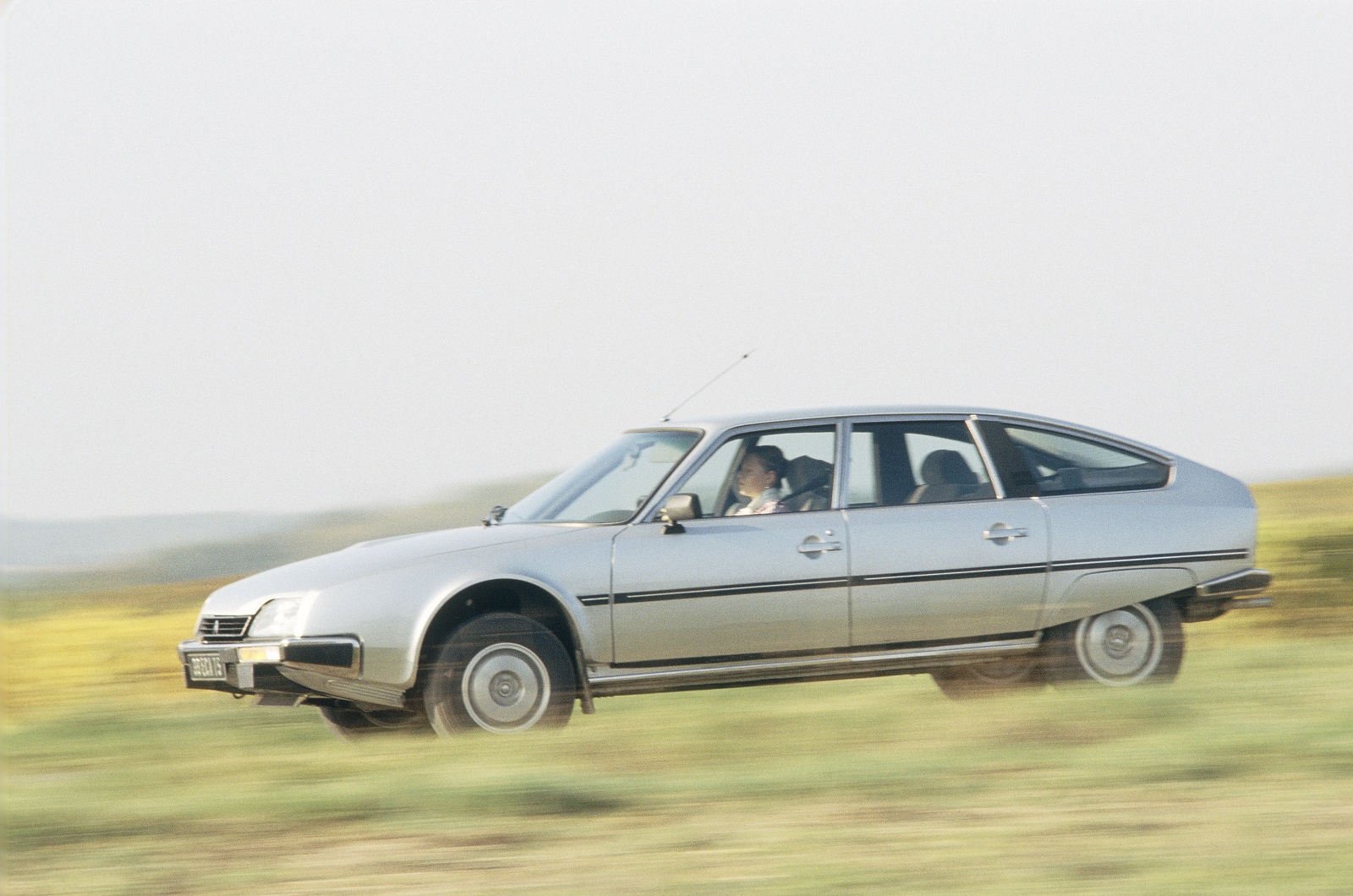
Citroën unceremoniously left the American market in 1974 and hasn’t returned since. Although the NHTSA regulated hydropneumatically-suspended cars like the CX (pictured) out of the United States, Dutch businessmen Andre Pol and Malcolm Langman gave the model a chance to shine when they formed CX Automotive (CXA) in the early 1980s. Their team carried out numerous modifications (like installing side-marker lights and sealed-beam headlights) to make Citroën’s flagship compliant with American regulations.
Upmarket features like real wood trim were sometimes added as well. The cost of buying a CX, modifying it and shipping it to America was extremely high so CXA charged about $30,000 (around $73,000 today) for a legal, homologated model in the United States. It sold a handful of examples and turned its attention to the XM when CX production finally ended in 1991.
Volvo 780 (1985)
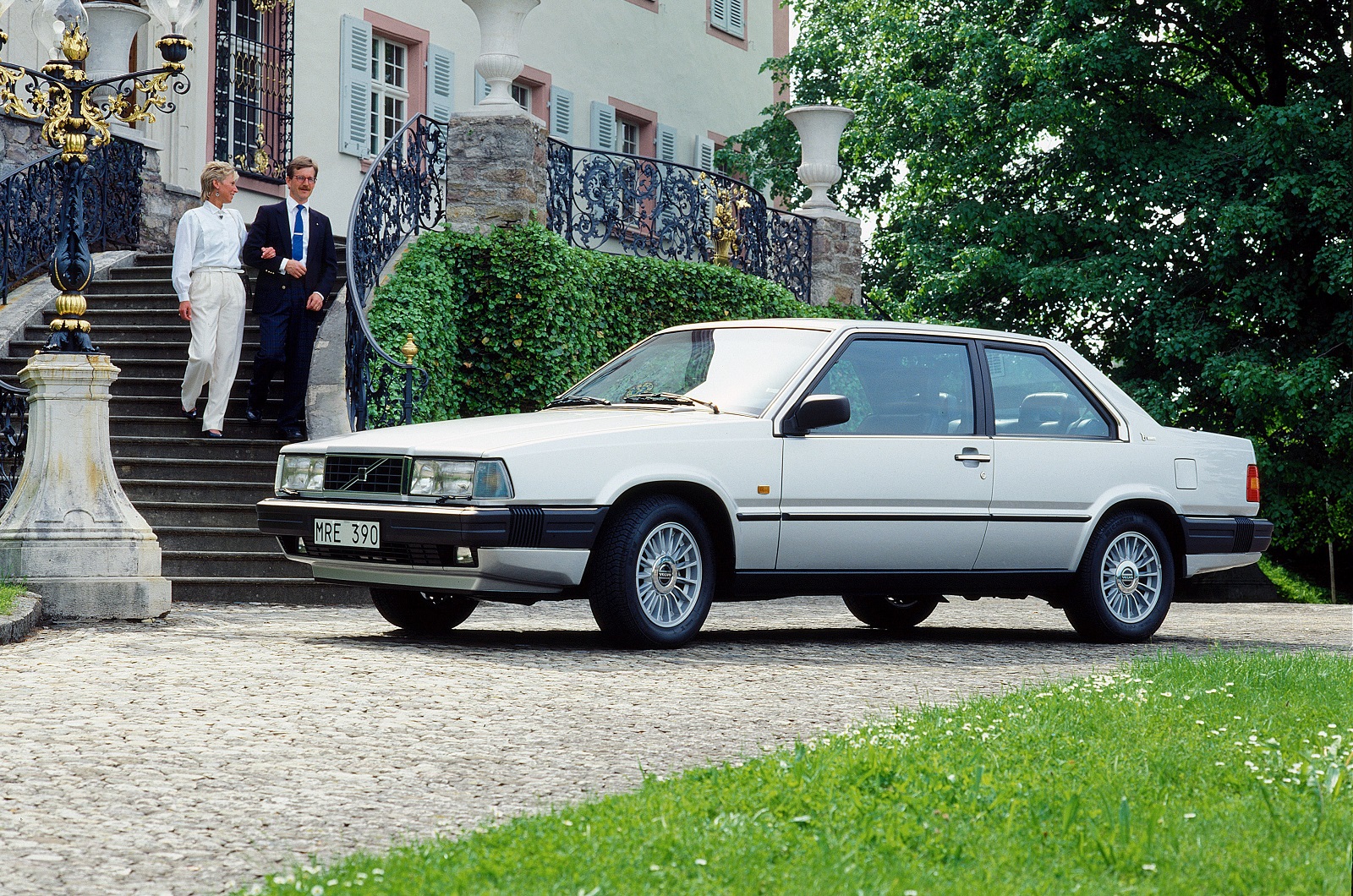
Volvo renewed its ties with Italian coachbuilder Bertone to transform the 760 into a coupe named 780. Unveiled at the 1985 Geneva motor show, its proportions were easier on the eyes than the 262C’s and it was not available with a vinyl top. It wore sharp, sporty lines that fit in well with the rest of the Volvo range and fell in line with what buyers expected in that era.
Inside, leather and wood trim helped it live up to its flagship positioning. It stood proud as one of the most exotic cars ever released by Volvo. Globally, engine options included a V6, a turbodiesel and a turbocharged four-cylinder. Historians disagree about the number of 780s built; Volvo pegs the total output at 8518 cars but some claim the accurate number lies in the vicinity of 10,000 units. Regardless, 780 production ended in 1990 and it wasn’t replaced until the first-generation C70 – which Bertone played no part in – arrived in 1996.
Naylor TF (1985)
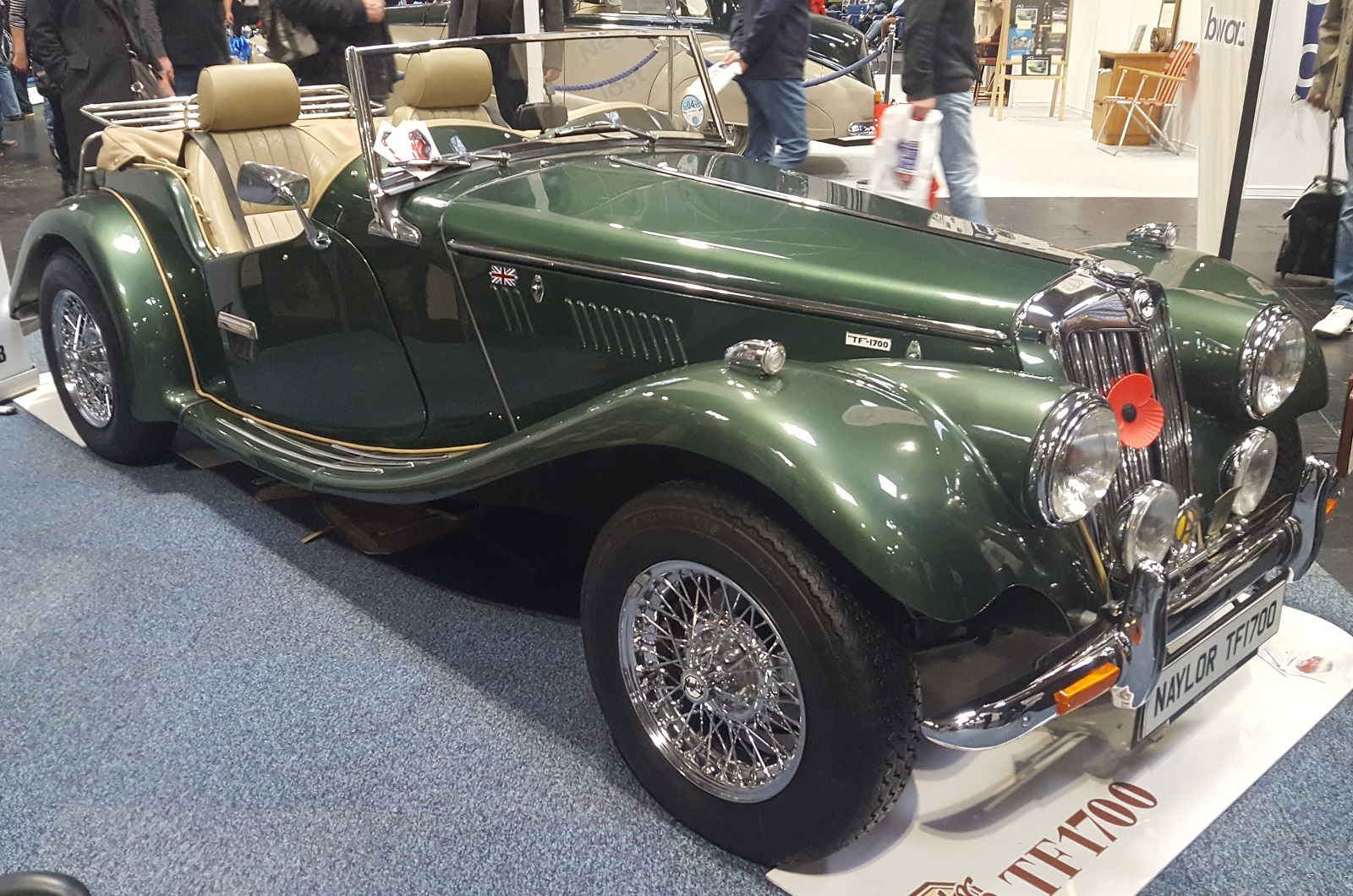
Naylor had built an enviable reputation for high quality restorations of classic MGs, so the idea of building its own MG TF with modern engine, gearbox and electrics seemed like a good idea. There was no faulting the high standards of the Naylor TF, though choosing a 78 hp British Leyland O-Series engine and four-speed manual gearbox didn’t inspire many buyers. The real problem for Naylor, however, was cost as the TF was offered for £14,950 when a Toyota MR2 was cheaper, better to drive and more practical. Not even a test drive from Prime Minister Margaret Thatcher could drum up enough patriotic support to boost sales beyond 100 cars in total.
Merkur XR4Ti (1985)
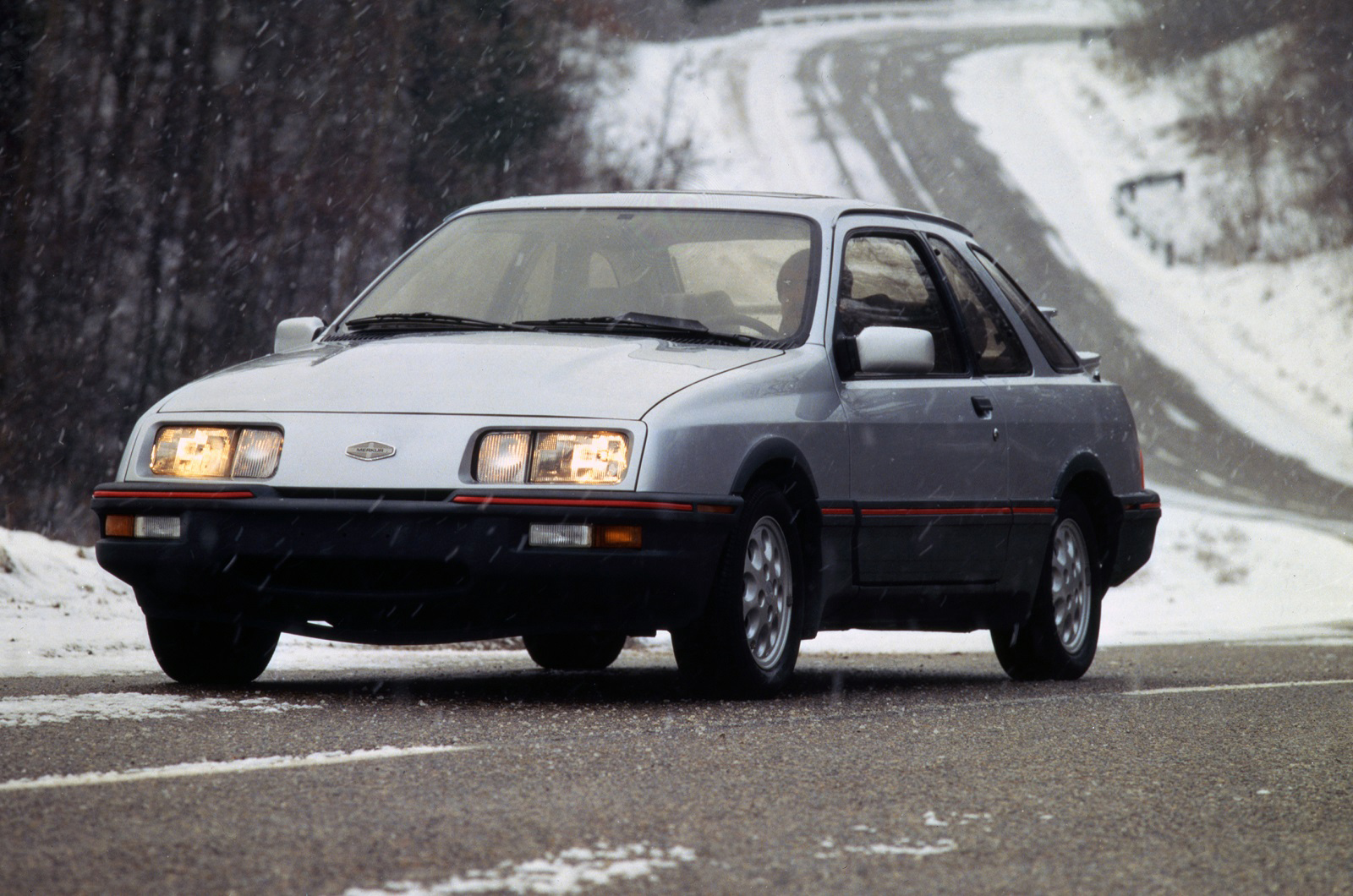
Ford believed selling the Sierra XR4i in America would help it fend off competition from brands like BMW, Mercedes-Benz and Audi. It chose to market the car under a new brand called Merkur, a name presumably chosen because it sounded more German. The US-spec model received a turbocharged 2.3-litre four-cylinder engine instead of a V6, which explains the “T” in its name. Too esoteric, the XR4Ti retired in in 1989 after Ford imported about 42,000 examples from Germany. The bigger Merkur Scorpio suffered the same fate.
Daihatsu Cuore Avanzato TR-XX R4 (1985)
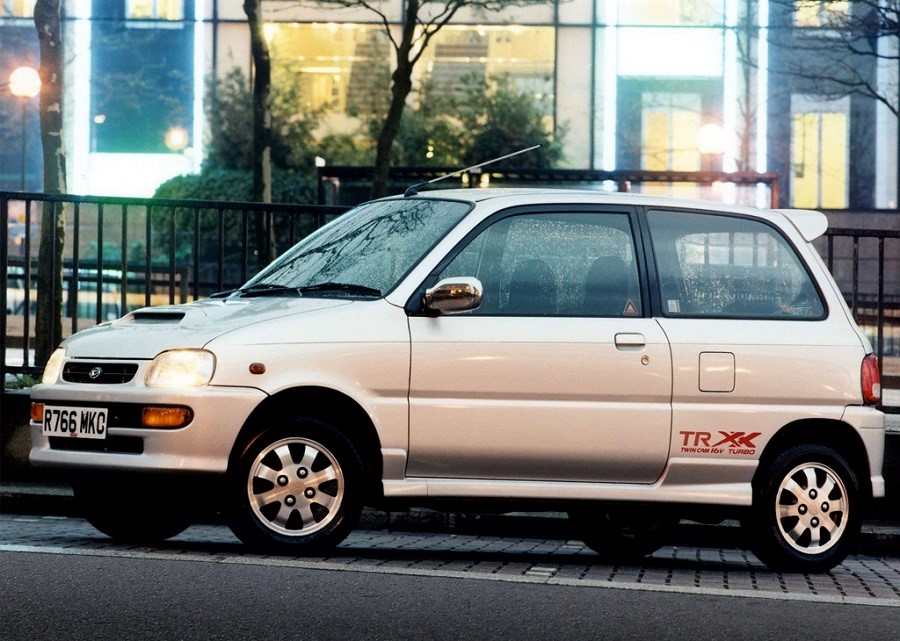
When the world was going crazy for roadgoing versions of World Rally Championship cars like the Mitsubishi Evo and Subaru Impreza, Daihatsu offered its take on the theme: the Cuore Avanzato TR-XX R4. However, it was more a product of the fertile Kei car market in Japan than stage victories in the WRC.
The tiny Cuore came with four-wheel drive and a turbocharged engine like its more illustrious compatriot, but with 659cc on hand it was somewhat less powerful. The four-cylinder engine corralled 64bhp to offer 0-60mph in 8.5 seconds and, if you were determined, it could hit 101mph. Doesn’t sound much but the way the Cuore had to be driven hard made it a surprisingly entertaining and unusual way to brighten any journey.
UVA F33 (1986)
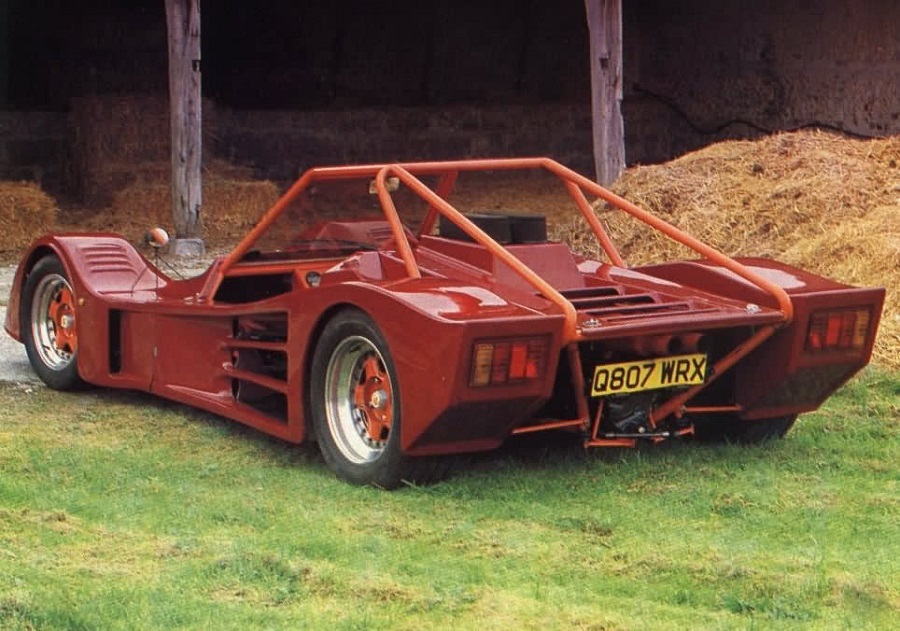
The UVA Fugitive F33 Can-Am was born out of the earlier F30 that set the template for this minimalist vehicle with mid-mounted Rover V8 engine. Pre-dating the likes of the Ariel Atom by more than a decade, the F33 had some bare bones bodywork over a chassis inspired by UVA’s off-road sand rail buggies. The result was supercar pace when it was unveiled in 1986. However, even the Ferrari Testarossa-style side intakes and rapid performance were not enough to convince more than 12 people to part with their cash for this slice of 1980s excess.
Suzuki Samurai (1986)
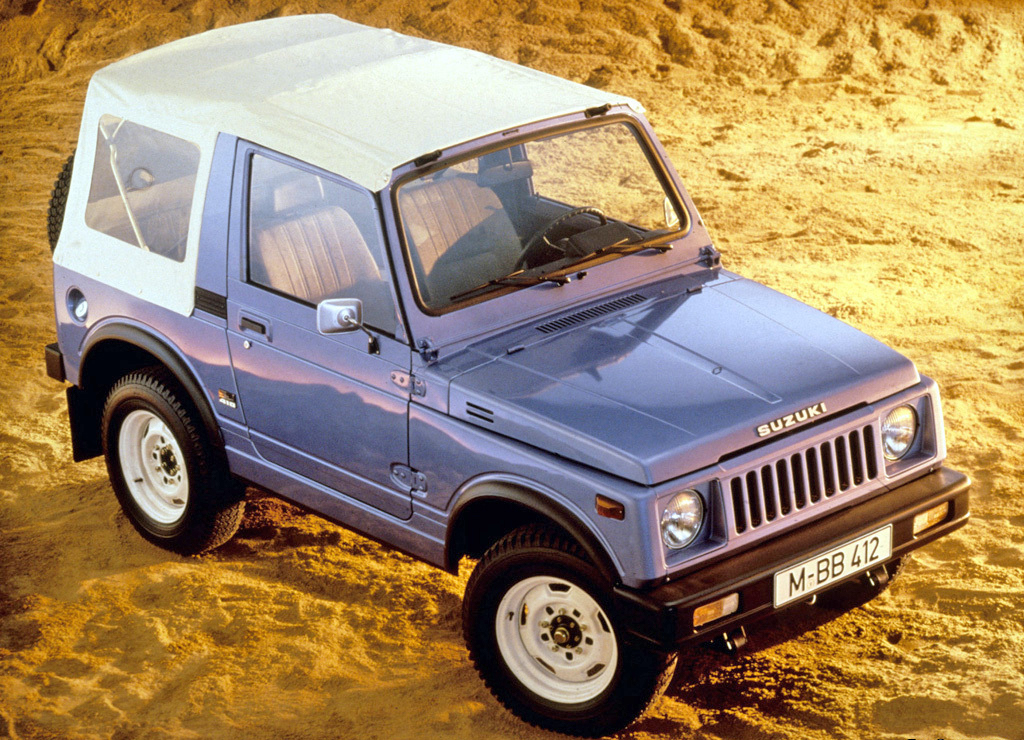
The idea that these cars were inherently unstable sits in the minds of everyone born after its launch. It’s so engrained it could actually be considered local legend. Unfortunately, it resulted in a turbulent lifespan for the Samurai in the United States. Sitting as a cheaper alternative to the Jeep Wrangler, the Samurai was designed to appeal to younger drivers who looked for fun and off-road competence. True enough, around 200,000 examples were sold over its life. However, after a lawsuit against the magazine who wrote about the car’s instability, sales became as allegedly unstable as the car.
BMW Z1 (1988)
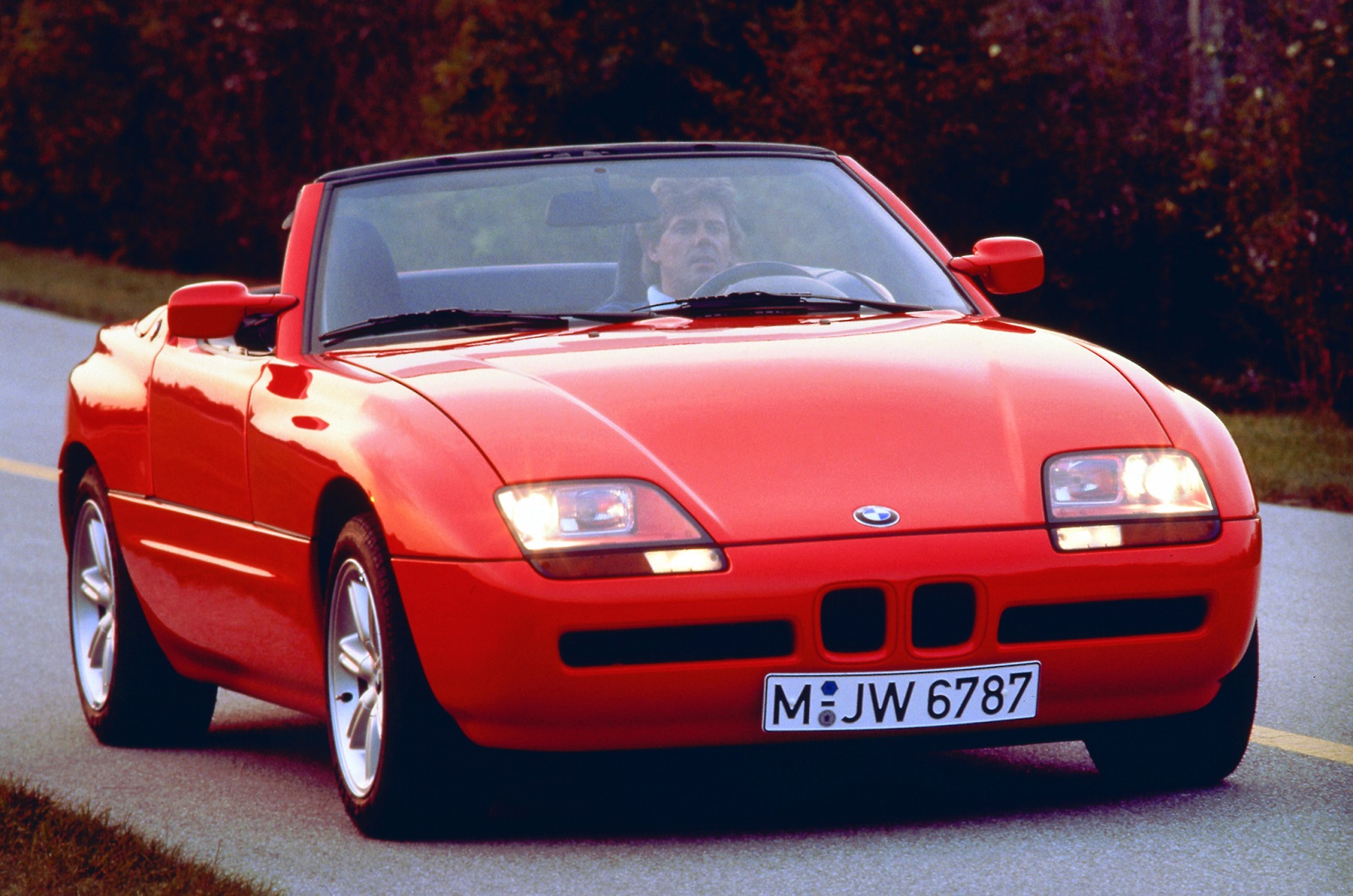
For a car that sold 8000 units in period, the BMW Z1 loiters in the shadows of BMW history. At its launch in 1988, it was expensive – more than twice the price of a contemporary 325i Sport on which it was based – but many were drawn in by its sleek looks and trademark drop-down doors. The intervening years have witnesses the Z1 being somewhat overshadowed by its Z3M and Z4M descendants, not helped by the Z1’s slightly unfair reputation for stodgy handling and mild performance. Even so, it has a small but dedicated following to compensate for its overlooked stature.
Chevrolet Beretta GTU (1988)
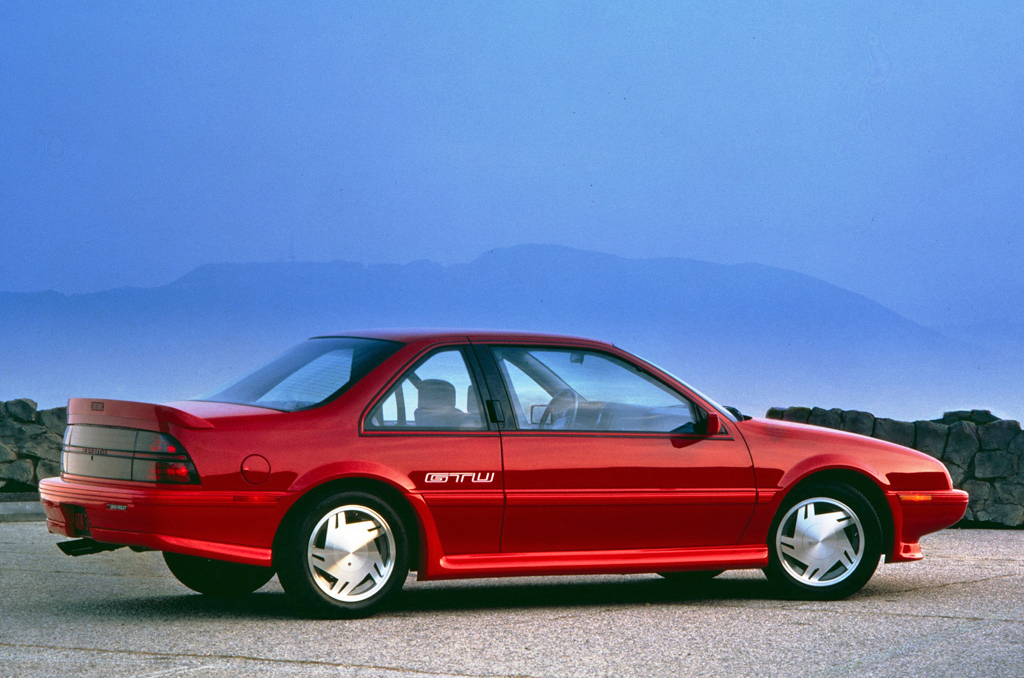
Ever wondered what an American version of the MK1 Golf GTI would be like? Wonder no further. The Beretta GTU was borne out of Chevrolet’s recent racing success, and used a 130bhp 2.8-litre V6 capable of reaching 60mph in 9.2 seconds, just two tenths of a second off a Golf GTI.
What set the Beretta apart was its departure from other sporty versions of normal cars. Chevrolet didn’t simply fit a bodykit, they fettled with the suspension and fitted performance tyres. What’s more, it was understated in the way it portrayed its GTU heritage. Much like the Golf GTI.
Buick Reatta (1988)
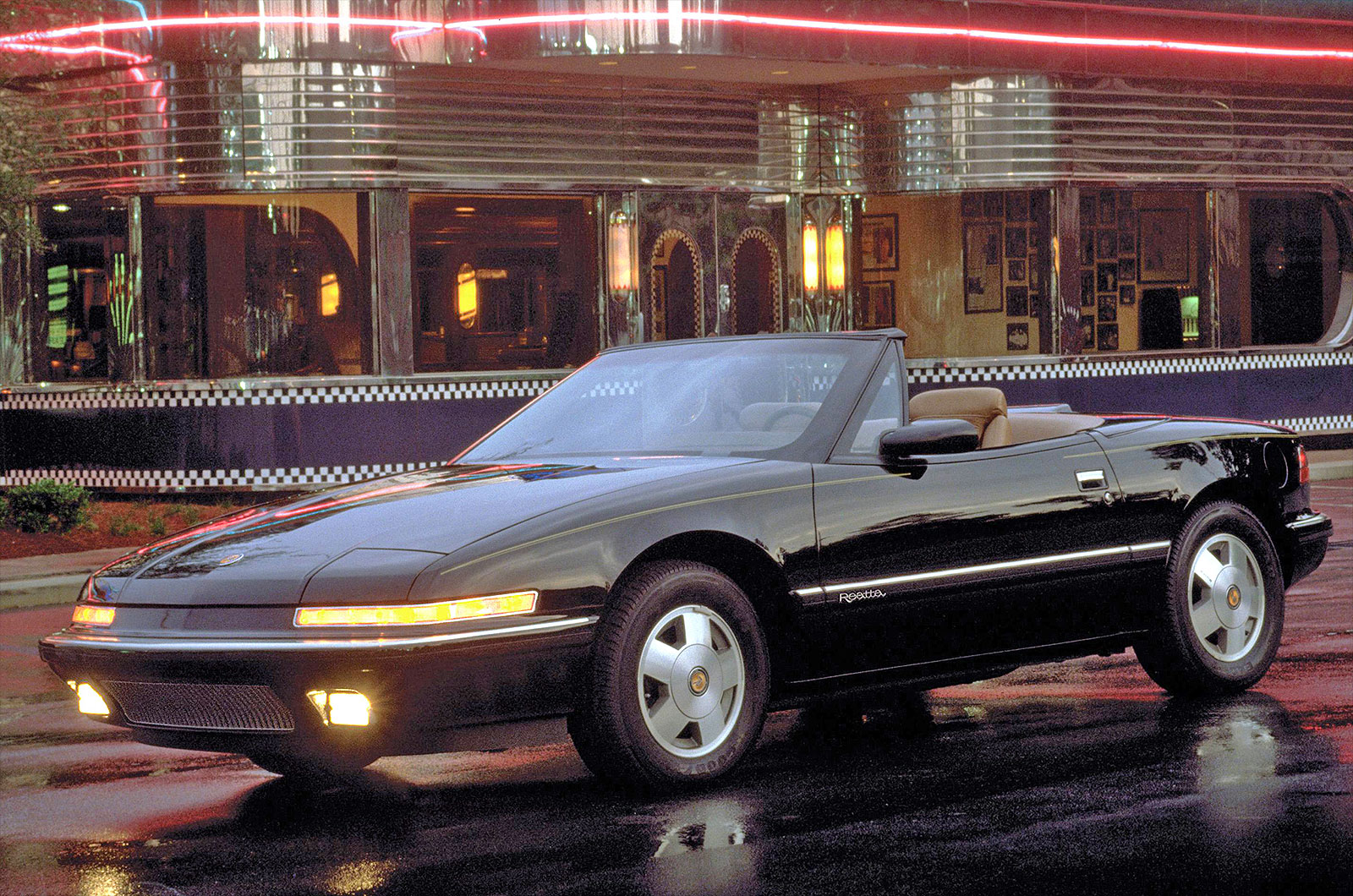
Offered as a coupe and as a convertible, the Reatta sat at the very top of the Buick lineup in the late 1980s. It was built largely by hand in a special facility located in Lansing, Michigan, and it was a relatively advanced car for its era. Buyers could order 16-way adjustable seats, automatic headlights and even a touch screen, though the forward-thinking feature was phased out before the end of production. Buick built nearly 22,000 examples of the Reatta between 1988 and 1991. It was hardly a success; executives predicted they could sell about 20,000 cars annually. Having learned its lesson, Buick hasn’t sold a two-seater model since.
Daihatsu Rocky (1988)
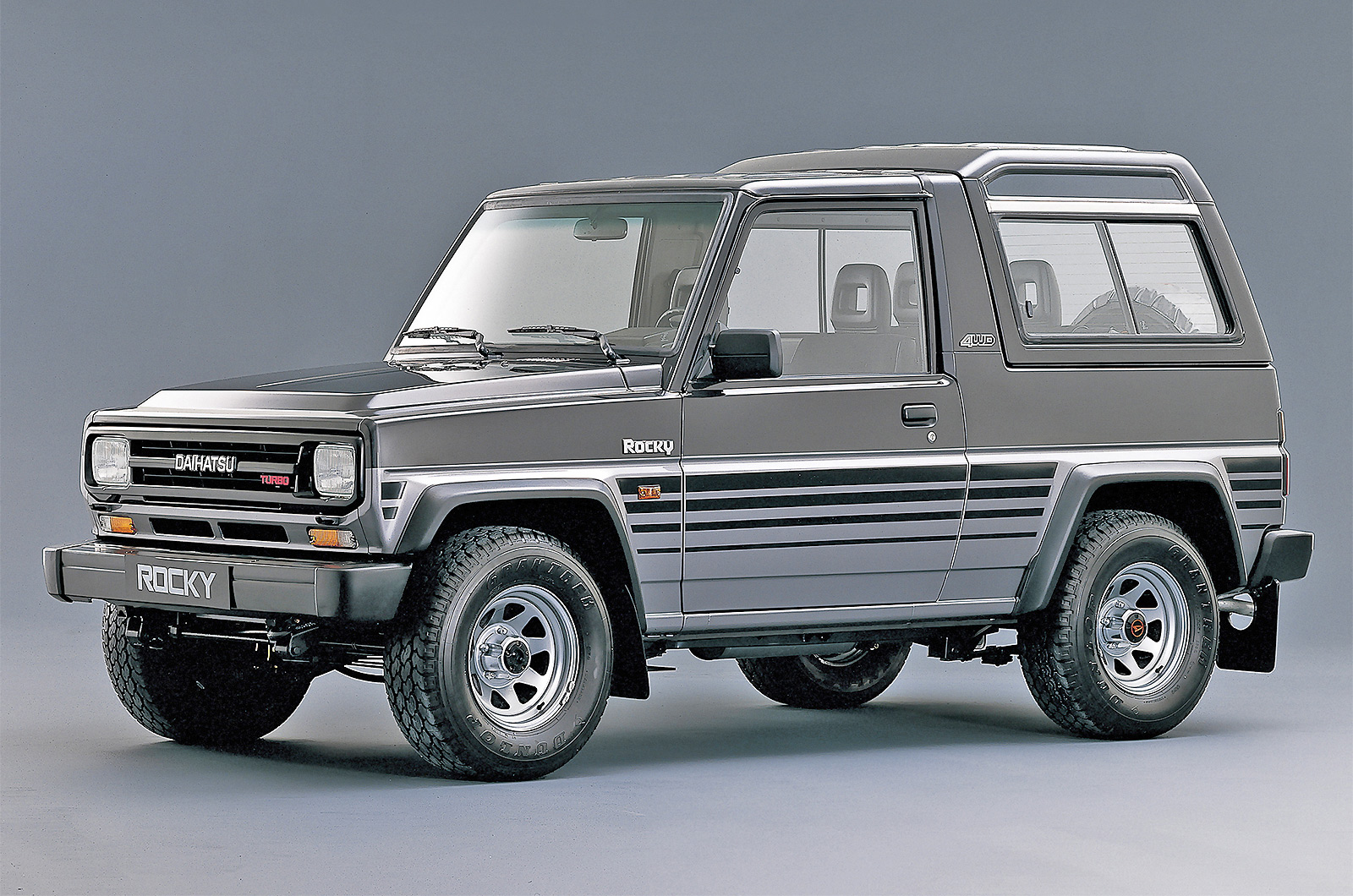
This compact SUV was also known as the Rugger in Japan and Fourtrack in the UK. While it worked reasonably well in its home market and UK, it was far too small for America where they expect their SUVs to be big boned. Nor did the engine line-up impress: four-cylinder engines that couldn’t quite crack 100bhp, delivering predictably lethargic performance. Handling was awful too, and generally did nothing for the company’s image stateside; it withdrew from the US altogether in 1992.
Chrysler TC by Maserati (1988)
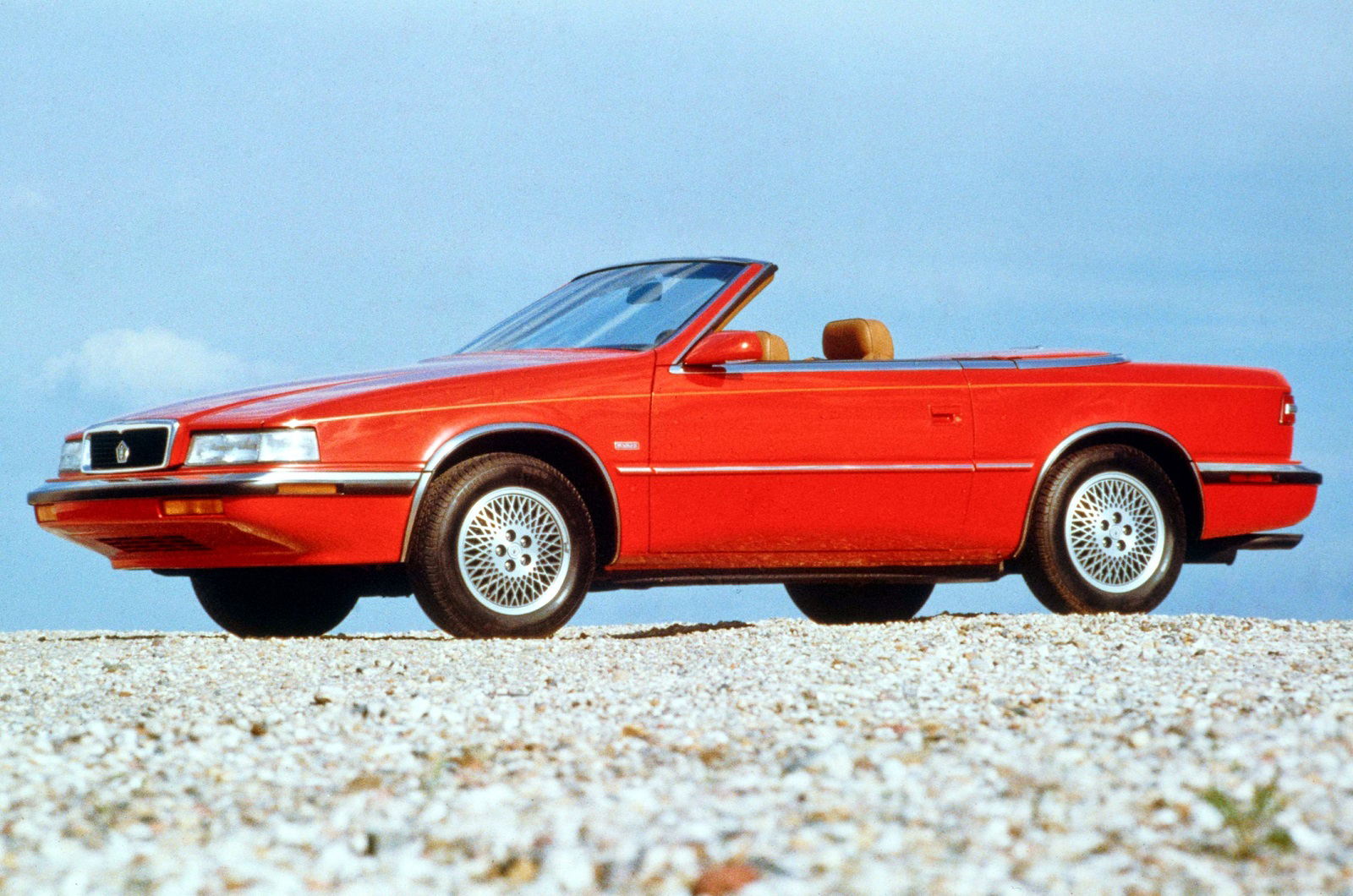
Chrysler and Maserati parent company De Tomaso agreed to jointly build a sports car in the mid-1980s. The idea was brilliant on paper: Chrysler would leverage the prestige associated with the Maserati name to build a flagship model capable of taking on some of the finest two-doors on the American market. Production was delayed as the TC would be assembled in Milan, however engine options included a 2.2-litre four-cylinder with a Cosworth-designed 16-valve head and a V6 from Mitsubishi. Chrysler pulled the plug on the project after importing about 7300 cars to America. In hindsight, using a true Maserati engine could have prolonged the TC’s life.
Lexus ES (first generation,1989)
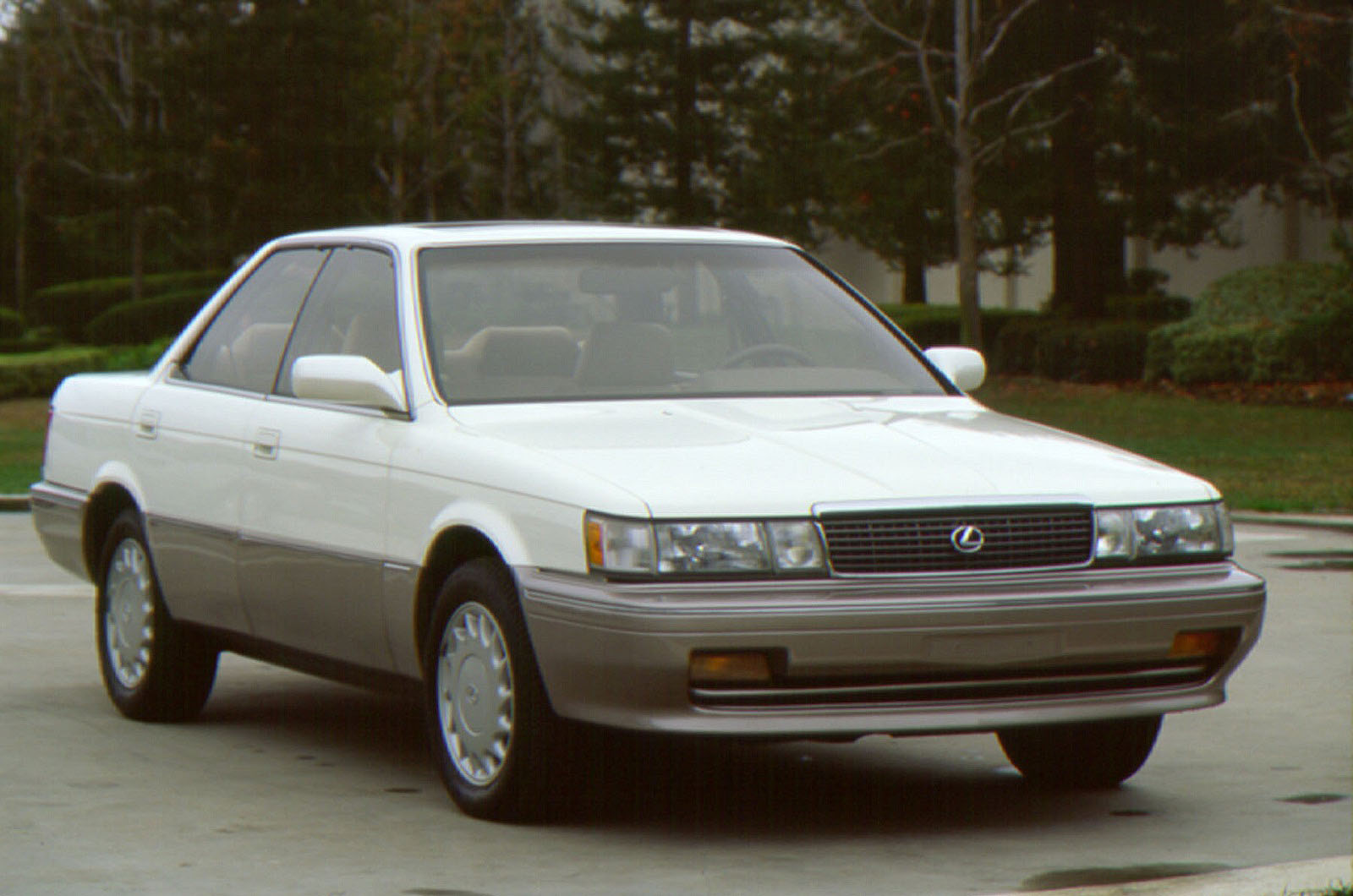
Toyota initially envisioned the original Lexus LS as its flagship model. Executives decided it deserved its own brand after looking at the results of market research, especially in the United States, but they didn’t want it to stand on its own so they Lexus-ified a Camry into the ES, and to give its dealers a larger sales volume. It made its debut alongside the LS at the 1989 Detroit motor show and it was positioned as a smaller, cheaper alternative to the LS. Lexus began selling the ES in September 1989, a month after it received the first 1000 examples of the LS. Both models were popular and the newly-minted firm had logged 16,000 sales by the end of 1989. The second-generation ES arrived in 1991 with a Lexus-specific design inside and out.
Bertone Freeclimber (1989)
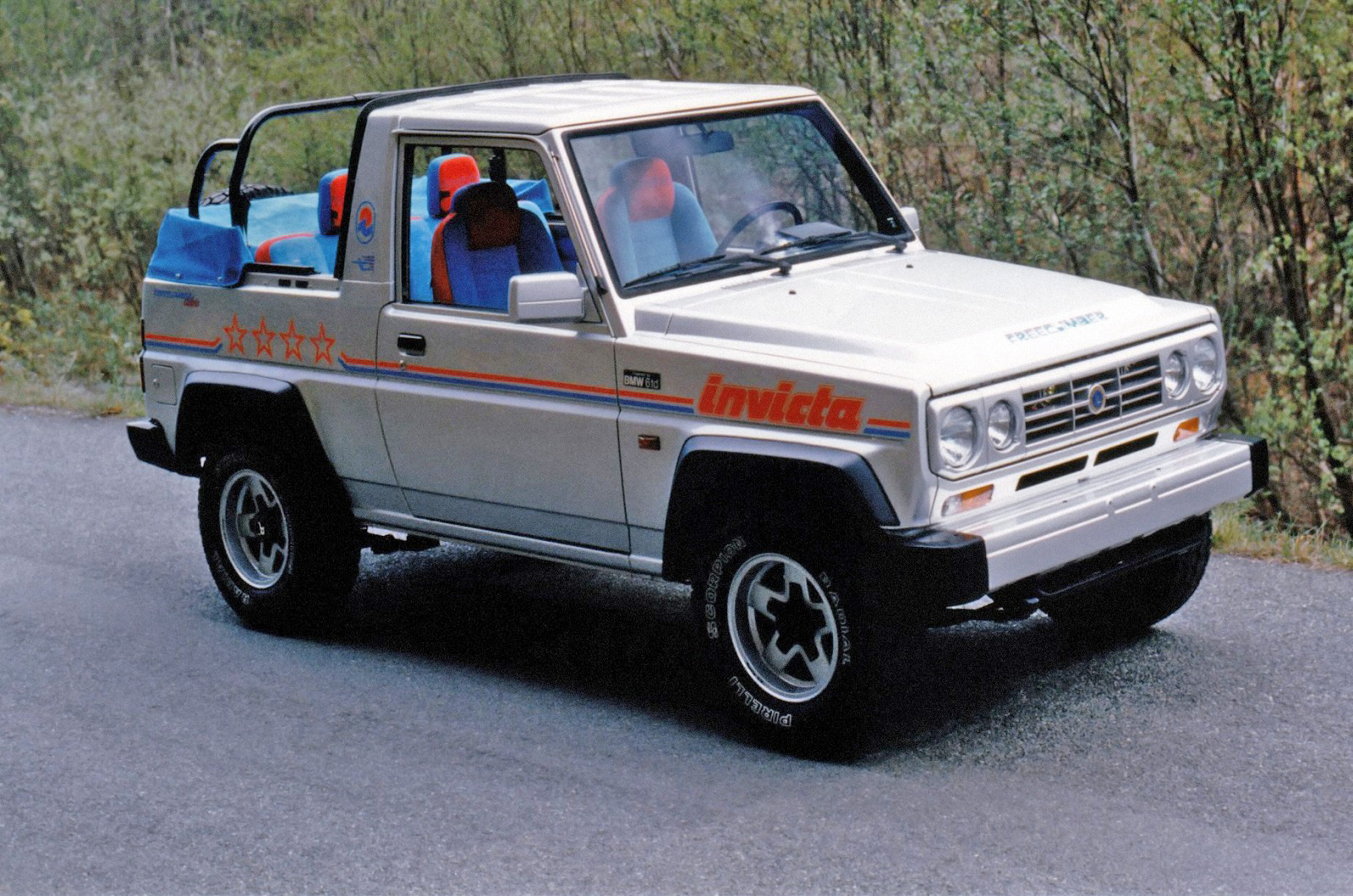
The 4x4 segment underwent a profound transformation during the 1980s. Models like the Jeep Grand Wagoneer and Land Rover’s Range Rover that were once purchased as tools had become a status symbol. Bertone saw this transformation as an opportunity.
It took a Daihatsu Rocky, gave it a much nicer interior, made a handful of design tweaks and, significantly, replaced the original engine with smoother, more powerful BMW units. It sold its creation as the Freeclimber starting in 1989. Bertone made about 2800 units of the original Freeclimber between 1989 and 1992. This number wasn’t stellar but it was high enough to warrant the development of a second-generation model based on the updated version of the Rocky. Sales of the Freeclimber II (pictured) started in 1992 and Bertone built an additional 2800 units until 1995, when it canceled the model to free up production capacity for other projects.
LaForza 5-litre (1989)
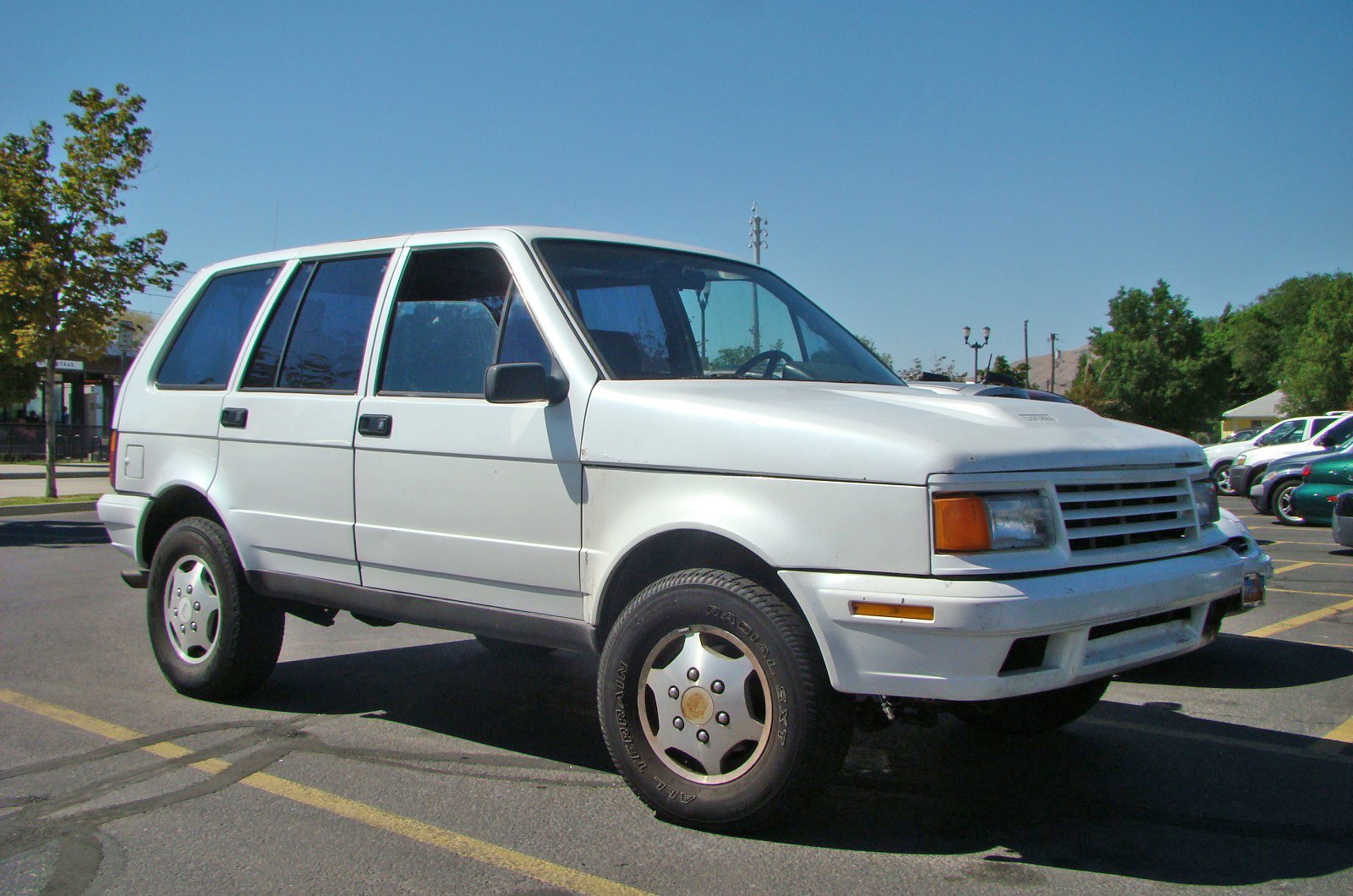
Introduced in 1989, the LaForza 5-litre looked familiar to anyone who had taken a trip to Italy in the late 1980s. It was based on the Rayton-Fissore Magnum built on Iveco bones for the Italian military, police and Carabinieri. Tom Tjaarda (1934-2017) designed the Magnum, which looked a little like a Fiat Uno on steroids, and was asked to turn it into a luxurious SUV positioned as an alternative to the Range Rover.
The 5-litre was powered by a 4.9-litre V8 provided by Ford and a four-speed automatic transmission that spun the four wheels. It offered a posh cabin with leather upholstery and real wood trim. It sold well at first, especially in California, but early cars were plagued by various problems that took their toll on the firm’s American division. It filed for bankruptcy in 1990 and made a comeback after Saudi Arabia-based Badrahn Enterprises purchased its assets (and started distributing the 5-litre in its home country).
Dodge Dakota Sport Convertible (1989)
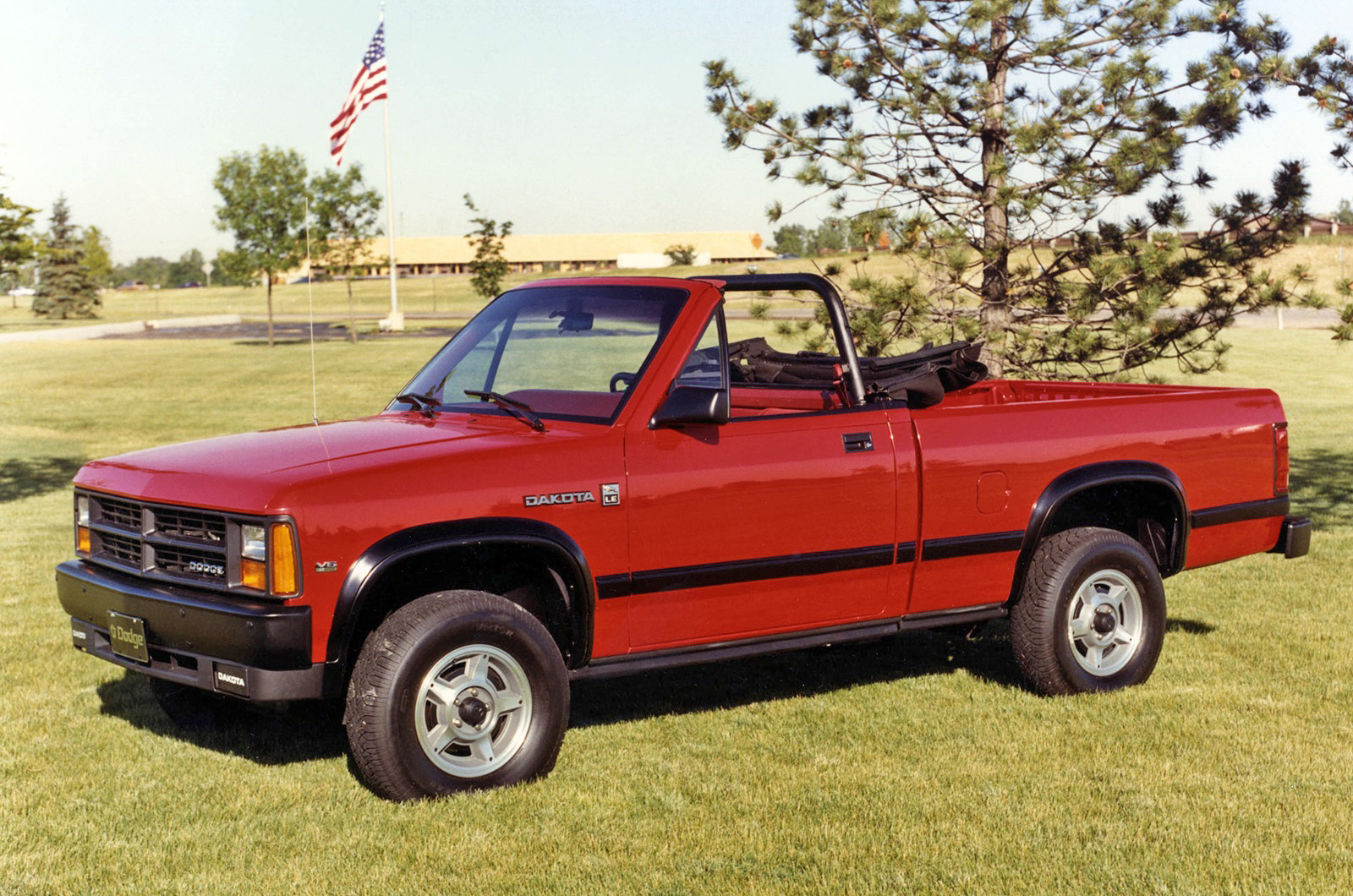
Buyers met the Dodge Dakota Sport Convertible with a collective “wait, what?” followed by a “why?” when it broke cover in 1989. As its name clearly implies, it was a Dakota trucklet with a manual soft top, though the “Sport” part of the moniker was highly debatable. It didn’t exist for long, and it never spawned competition from Ford or Chevrolet, but it remains one of the most unique pickups in the 1980s. Could this have been the predecessor to the Range Rover Evoque Convertible?
Vegantune Evante Mk2 (1990)
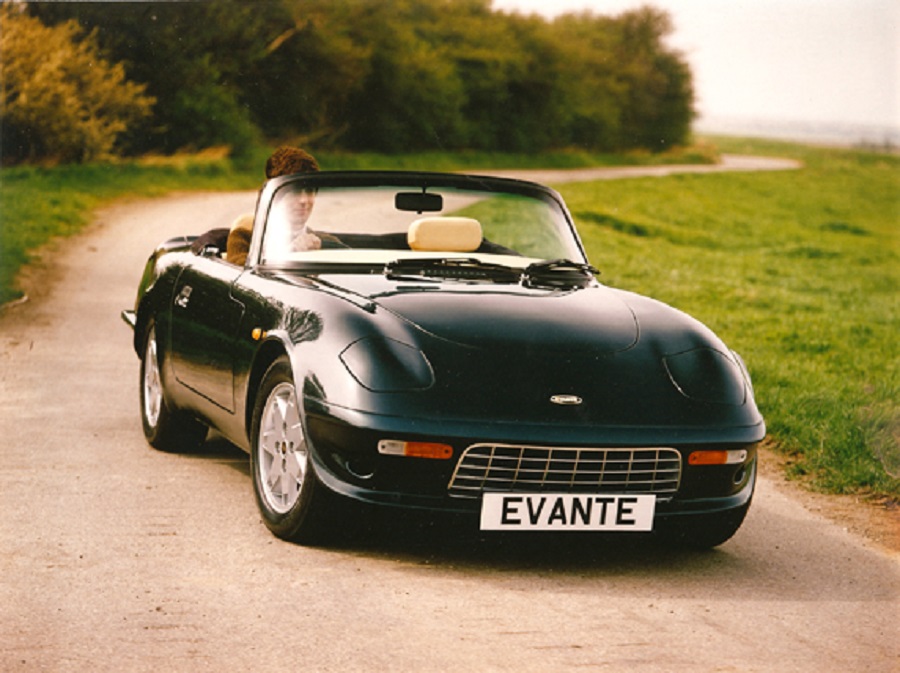
Updating the original 1960s Lotus Elan worked brilliantly for Mazda, but it proved a harder task for Vegantune boss George Robinson when he set up Evante. Based around a backbone chassis very similar to the Elan’s, the Evante Mk2 was powered by a Vegantune 1.7-litre engine built around a Ford block with 142bhp. Performance was better than the original Lotus’ and so was build quality. What did for the Evante was launching a pricey two-seater that looked like a classic Lotus at the height of the early ‘90s recession.
Few showed interest and even less coughed up the money, so Evante only ever produced six of these hand-built machines in Mk2 form; the company was sold to another firm called Fleur De Lys which then produced 12 further cars, powered by Ford Zetec engines. There is an active owners club for the car who are apparently in close touch.
Cadillac Cimarron (1982)
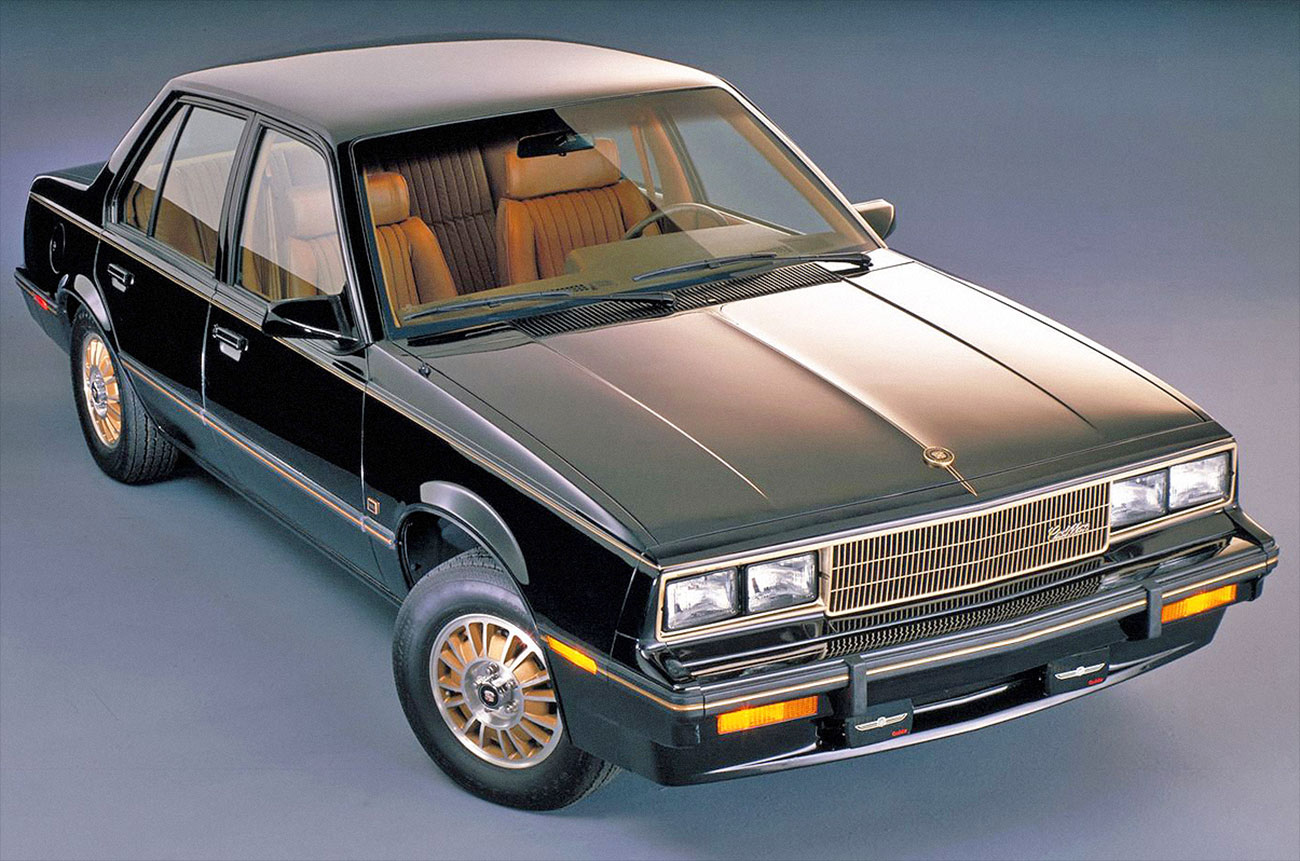
The tale of the Cimarron reads as one of half-heartedness. Introduced in 1982 it was a product of pressure. Cadillac, concerned about overseas manufacturers stealing sales, insisted GM give them a car to develop using an existing platform. The problem was, they had just one year to do it.
The solution was to fully spec-up the Chevrolet Cavalier, rebadge it, and market it as “The Cimarron by Cadillac” for a $4000 premium. Despite selling a steady 20,000 cars per year, customers saw through this poor disguise and sales of the Cimarron slowly burned to the ground after 6 years.
PICTURE: 1983 model