

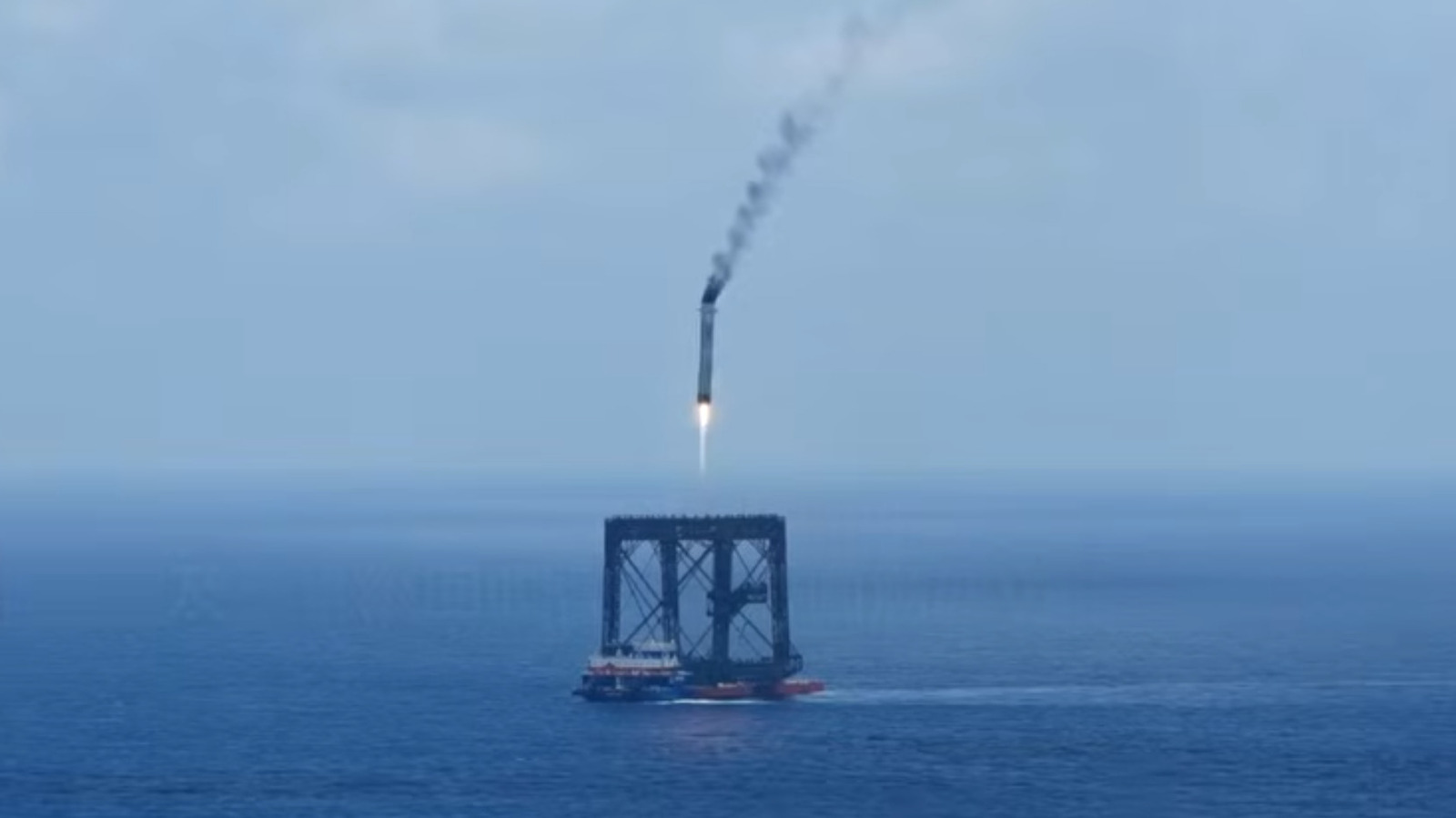
China Closes Space Launch Gap with Successful Reusable Rocket Landing

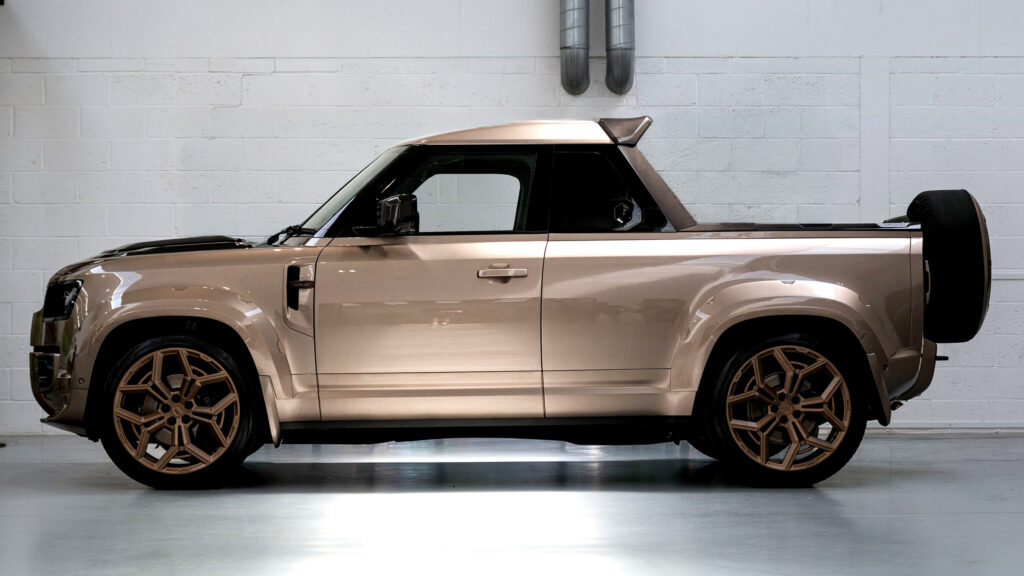
Defender Pickup Reimagined as Urban Avontur Fills Land Rover’s Utility Gap with Carbon Craftsmanship

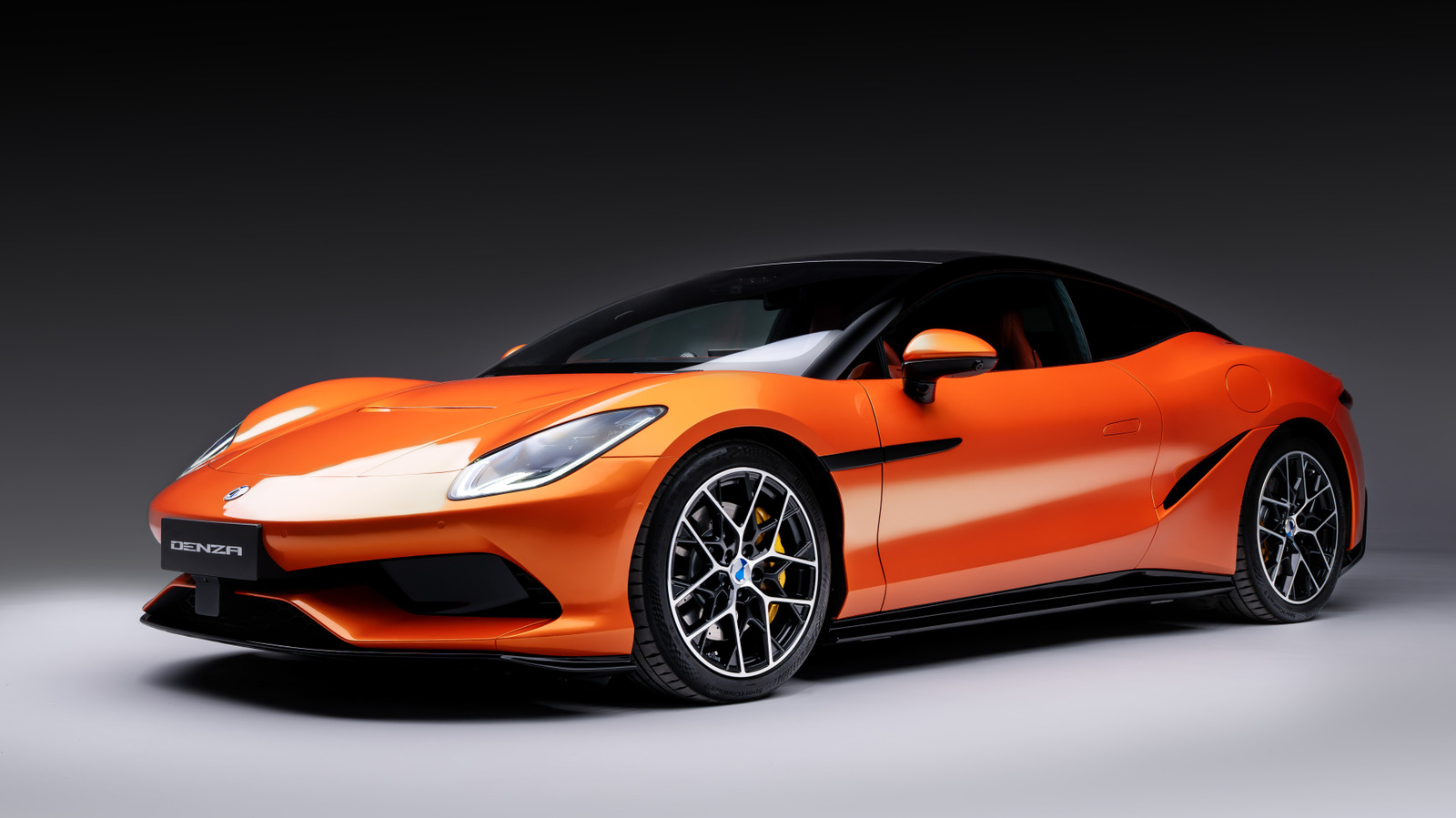
Denza Z Supercar Redefines Electric Performance with Sub-Two-Second Acceleration and Rapid Charging

One-Off Cars and the Art of Automotive Rarity: Why Manufacturers Still Build Unique Machines...
 Building one-off vehicles is a hugely expensive exercise, but car makers build more of them than you might realise
In the early days of the car, when they were hand-made and based on a separate chassis, it was easy to build one-offs.
But the advent of monocoque construction made it much harder to construct a unique car, which is why it's now such a costly business. But every so often a car maker will unveil a road-going machine that's unique, either as a customer commission, a marketing exercise or it could simply be as the basis for a production model which never sees the light of day. Sometimes it's a shame that only the one was made – but sometimes it's not such a bad thing:
Peugeot 404 (1966)
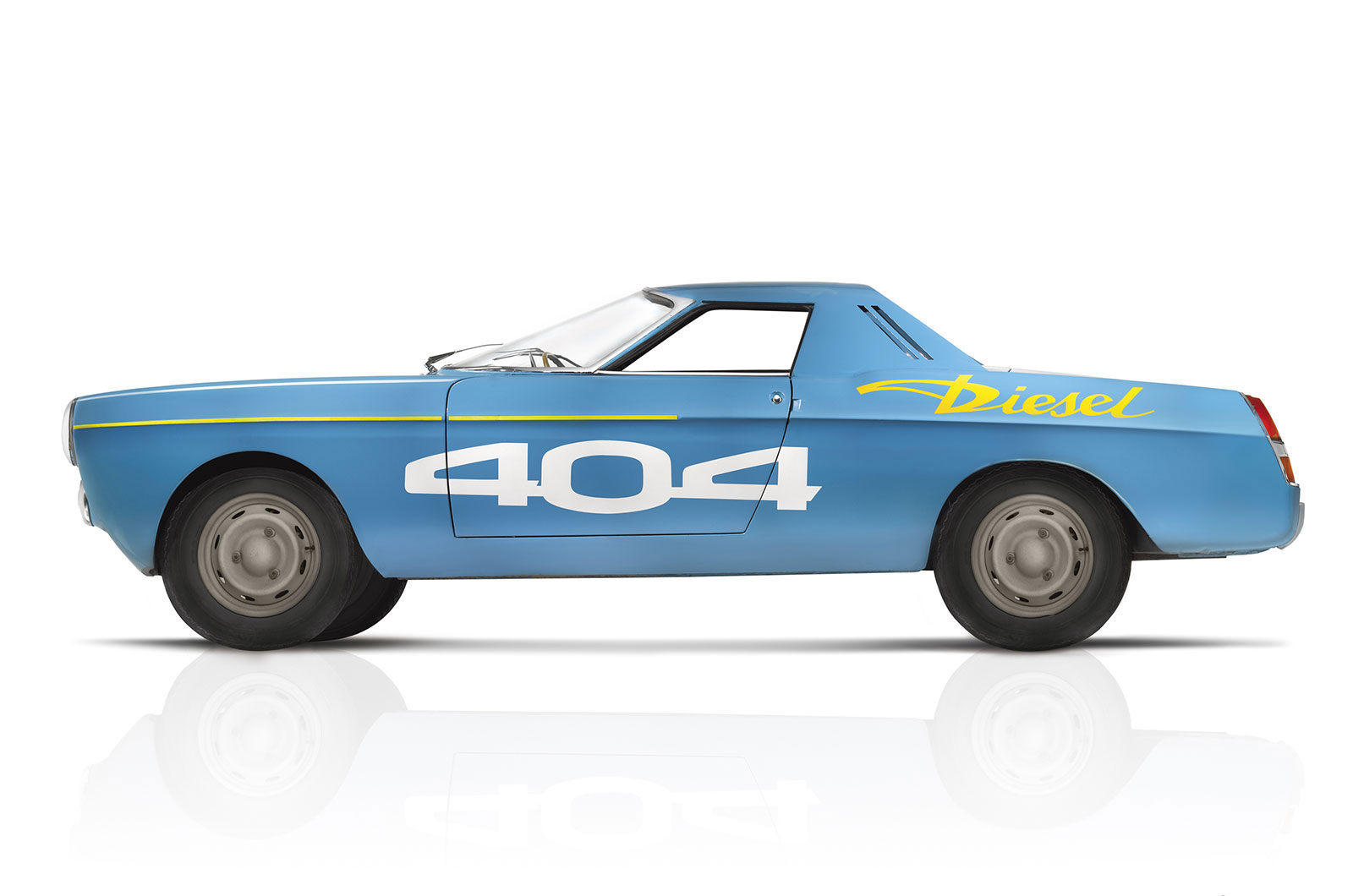
Starting out with a 404 cabriolet, Peugeot created a diesel-engined record breaker with a fixed narrow roof and just 69bhp. It ran for 72 hours at Montlhéry, breaking 22 speed records in the process, three of them all-new.
Ford Supervan 1 (1971)
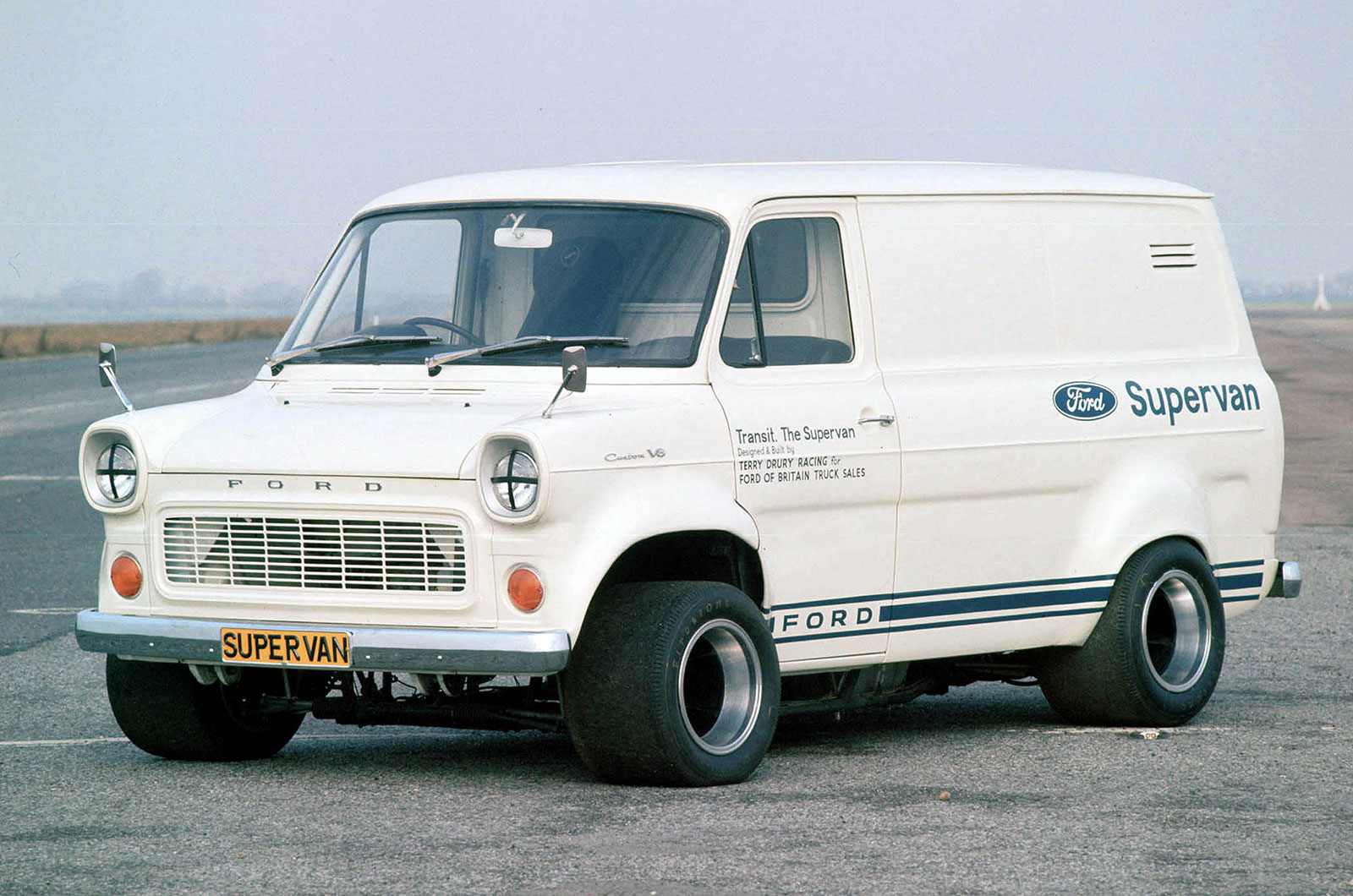
When the Transit Supervan made its public debut at the Easter race meeting at Thruxton in April 1971, Ford could never have predicted just what an icon this ludicrous machine would become. The bodyshell was a standard Transit Mk1, but it hid a rather barmy secret; this delivery van was based on the chassis of a Ford GT40, complete with mid-mounted 5.0-litre V8.
Ford Supervan 1 (1971)
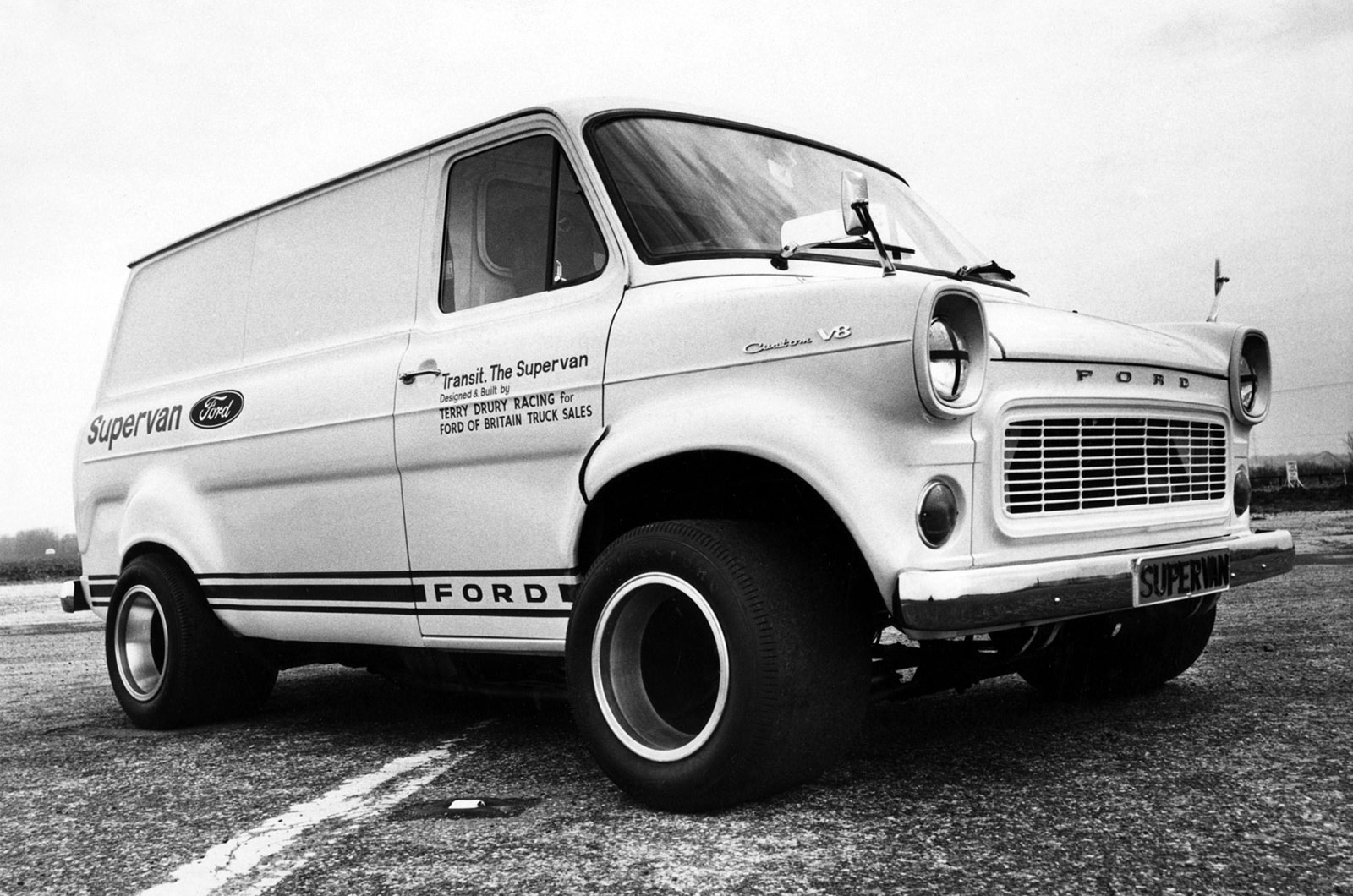
With 435bhp on tap, the Supervan's performance was shattering. We clocked a 0-100mph time of just 21.6 seconds when we drove it at Ford Motorsport's Boreham airfield. We also saw 102mph on the clock – in second gear! It was reckoned that the top speed was 168mph, but Supervan's aerodynamics were so poor that it would have been a frightening experience. Sadly, Supervan 1 was scrapped in the 1970s.
Fiat 130 Familiare (1971)
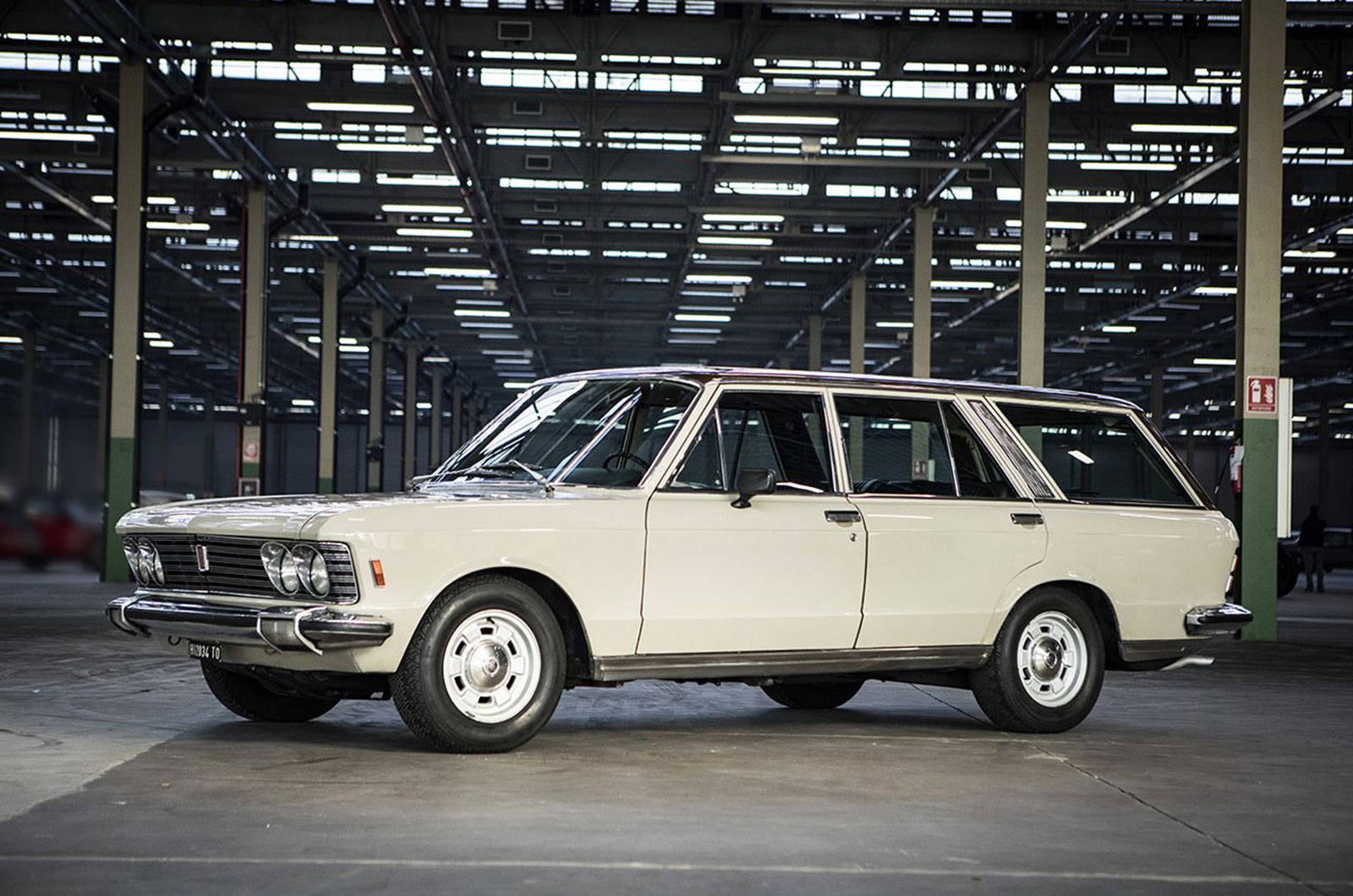
When business tycoon Gianni Agnelli (1921-2003) owned Fiat he could have whatever cars he wanted and a whole raft of one-offs were built for him. Among them was a five-door estate based on the ultra-luxurious Fiat 130 saloon, with its 3.2-litre six-cylinder engine rated at 165bhp.
Fiat 130 Familiare (1971)
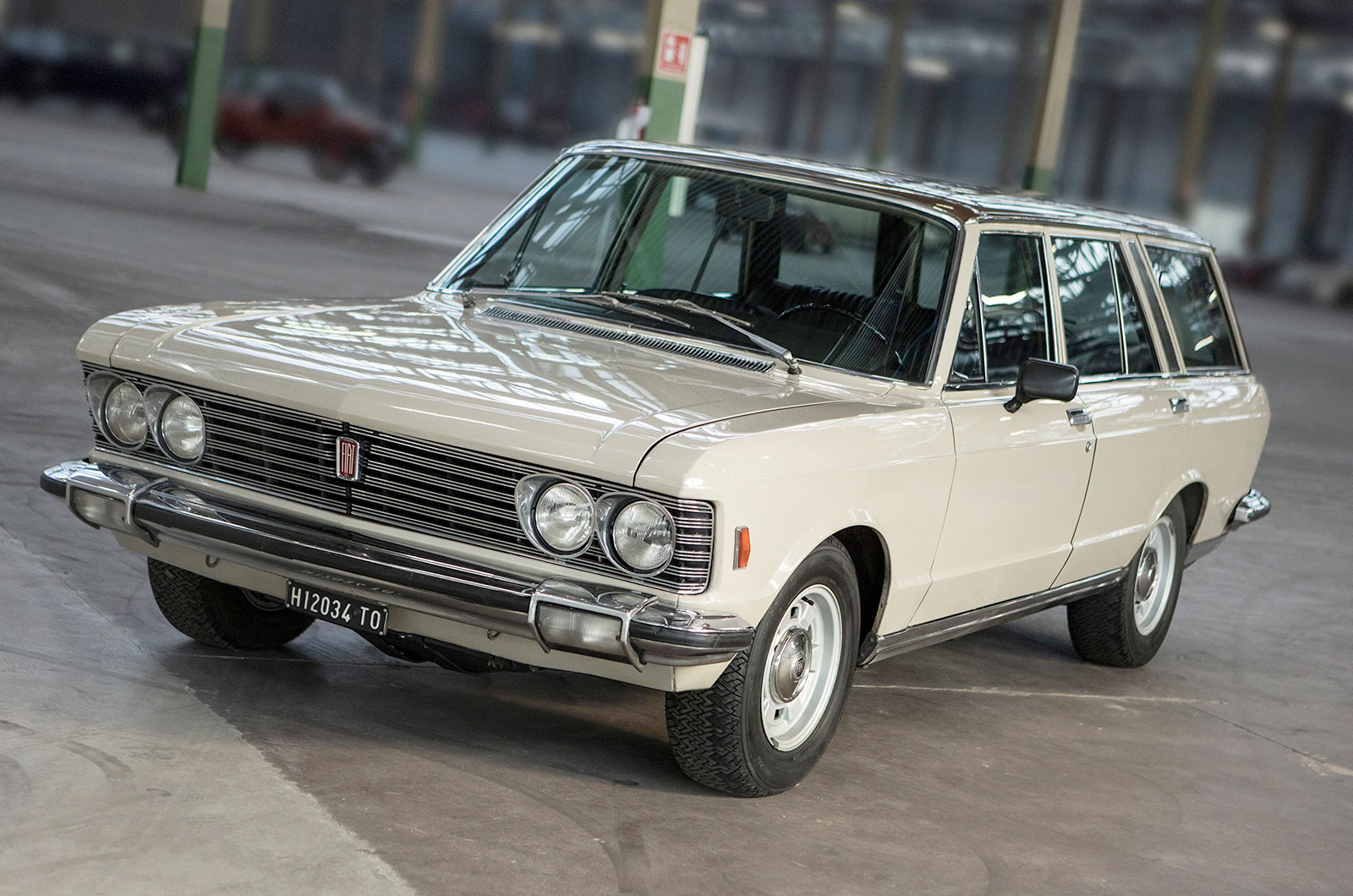
The Agnelli family actually had four of these ultra-practical estate cars made, each one differing in detail. The boss got one with a roof rack and wickerwork down the flanks; that car was known as the Villa d'Este and is now in private hands. The one shown here was originally owned by Umberto Agnelli (Gianni's younger brother) and is now owned by FCA; it's in the company's heritage collection in Italy.
Aston Martin Bulldog (1980)
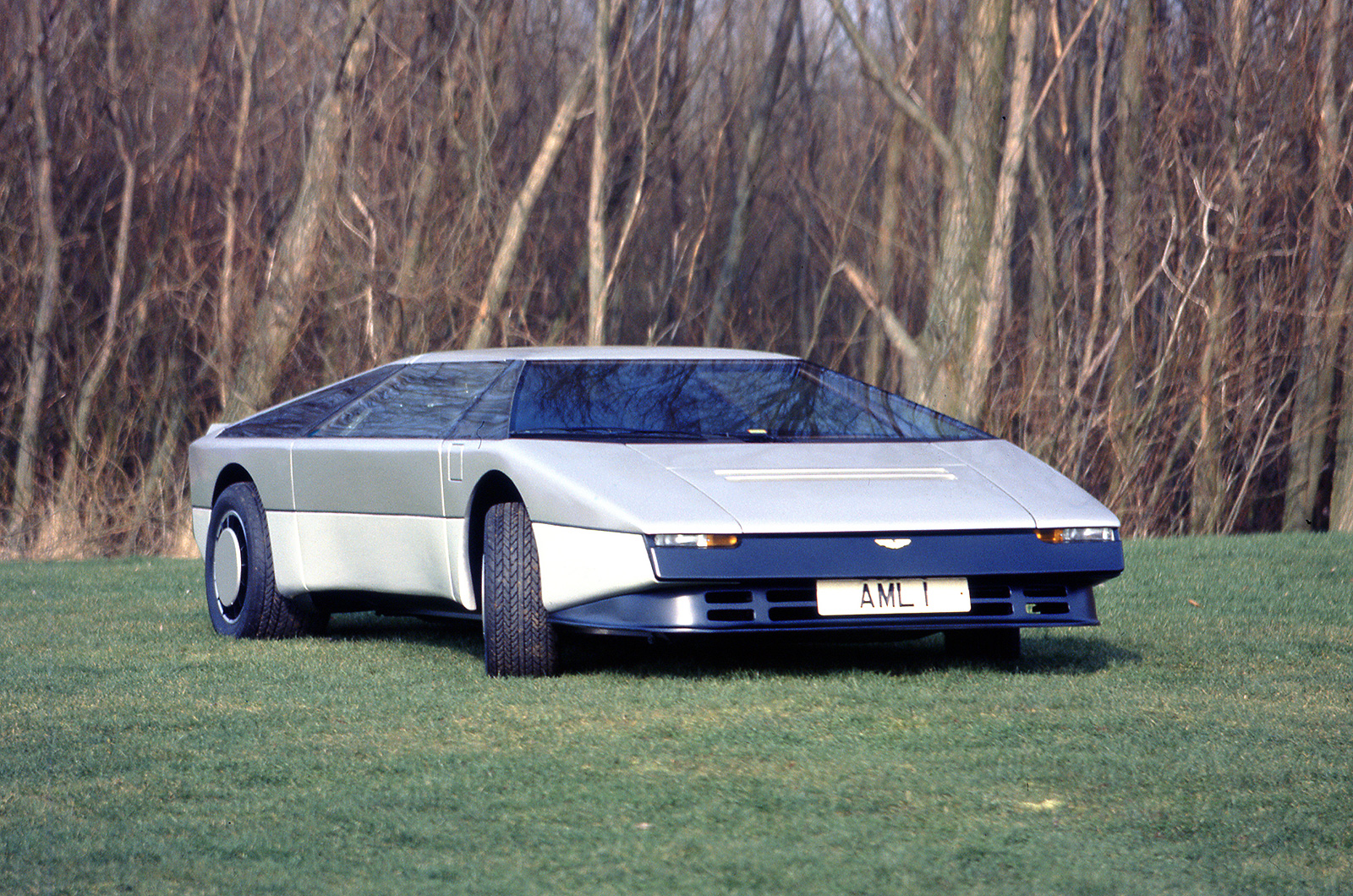
When Aston Martin developed the incredibly futuristic mid-engined Bulldog, there was talk of building up to 25 of the Williams Towns-designed machines. With electrically operated gullwing doors, a twin-turbo V8 cranking out 700bhp and the most dramatic proportions imaginable, it’s likely the necessary buyers could have been found.
Aston Martin Bulldog (1980)
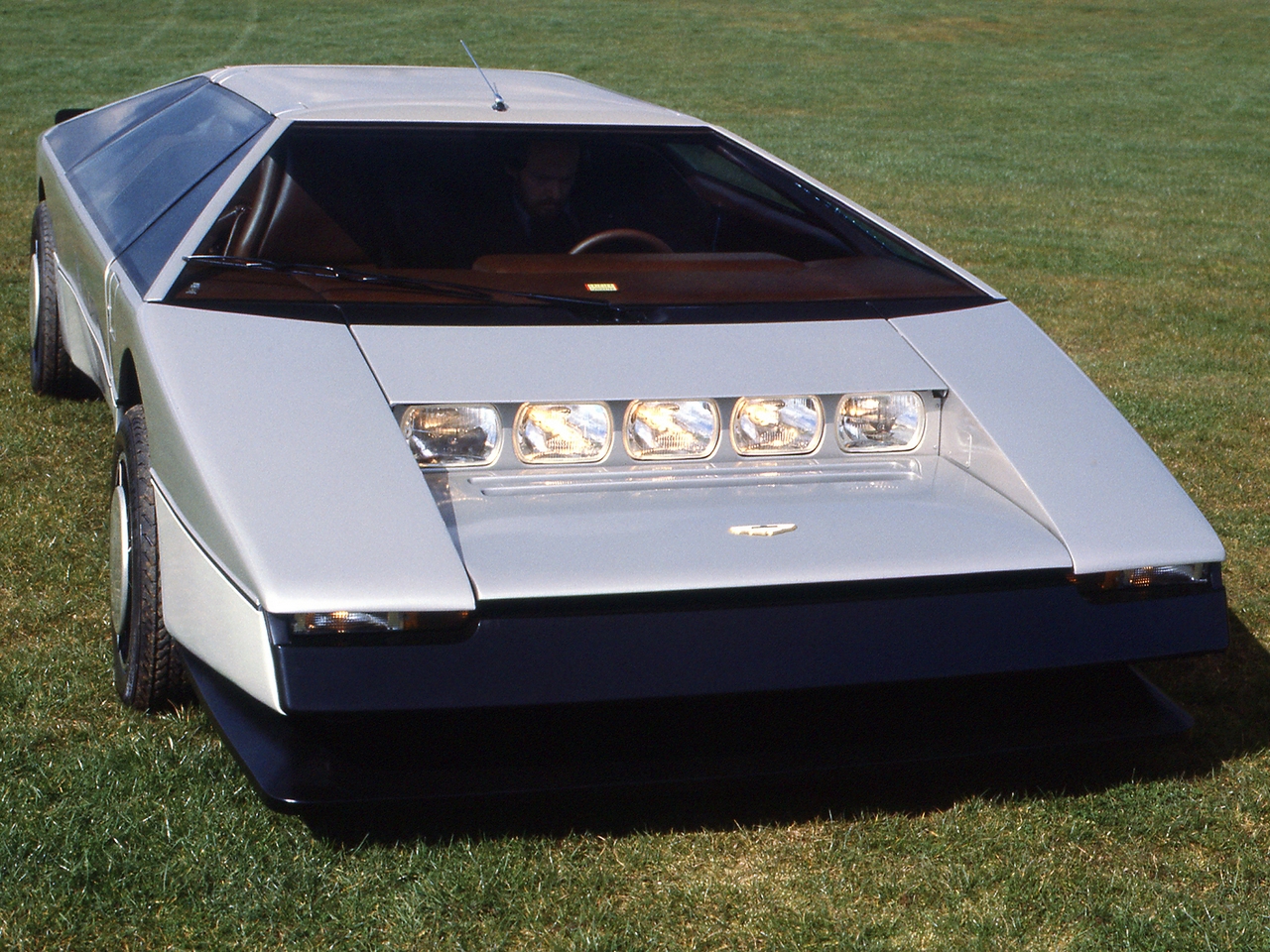
With a verified near-200mph top speed, this would have been the world’s fastest production road car without doubt. But with all of the development work done, Aston Martin changed hands and the new owners didn’t feel this was the way forward for a quintessentially English car maker. So the sole Bulldog built was sold instead; it still survives and has recently completed a total nut-and-bolt restoration.
With that under its belt, it finally cracked the 200mph barrier at a former airbase in Scotland in June 2023.
Twin-engined Volkswagen Scirocco (1983)
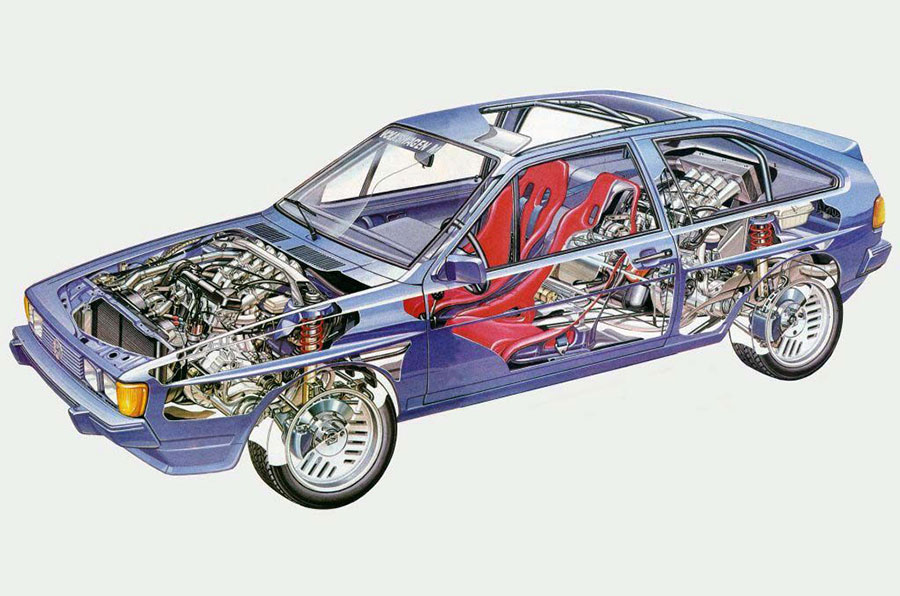
With Audi busy conquering rally stages the world over, with its incredible Quattro, Volkswagen wanted a piece of the four-wheel drive action so it came up with this – a Scirocco with a 1791cc four-pot engine at each end. Thus equipped there was a healthy 360bhp available to give a 180mph top speed and 0-62mph in just 4.5 seconds. VW built two of these Sciroccos; one for testing and one for show use.
Twin-engined Volkswagen Scirocco (1983)
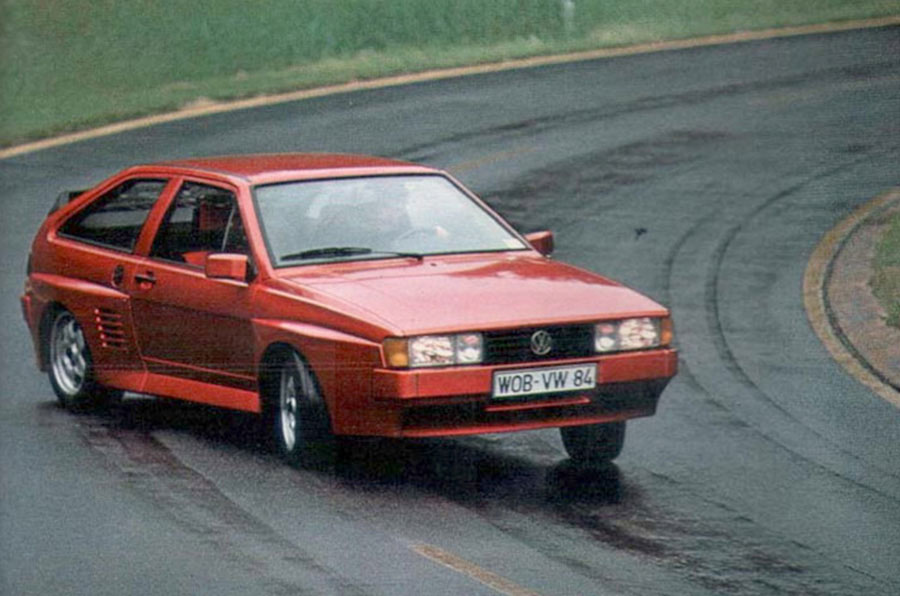
Having already created a twin-engined Scirocco earlier in the year, in late 1983 Volkswagen unveiled a sequel, with boxy wheelarches and a different mechanical spec. This time each engine displaced 1781cc and put out 141bhp, and instead of two manual gearboxes with a common linkage, there was a pair of three-speed automatic transmissions. VW developed the twin-engined Scirocco to a point where production could have been feasible, but just the one example was made.
Ford Supervan 2 (1984)
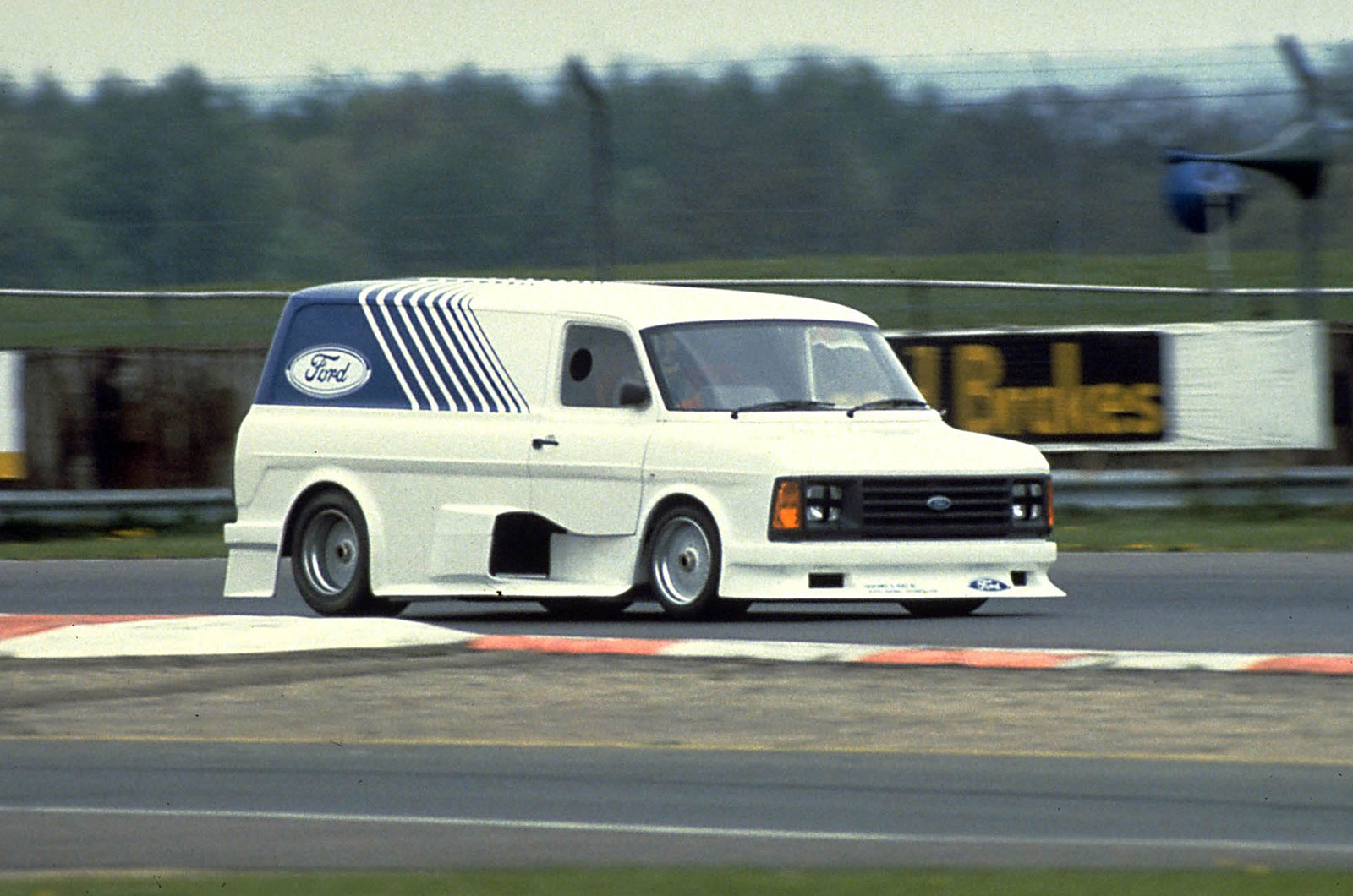
Whereas the original Supervan used a genuine steel Transit bodyshell, its successor featured a glassfibre shell that was seven tenths of the size of the production vehicle. This time the running gear was from Ford's still-born C100 endurance racer, which meant there was a 590bhp 3.9-litre Cosworth DFL V8, which was capable of taking Supervan 2 all the way up to 176mph, which it was timed doing at the Silverstone circuit.
Lancia Trevi Bimotore (1984)
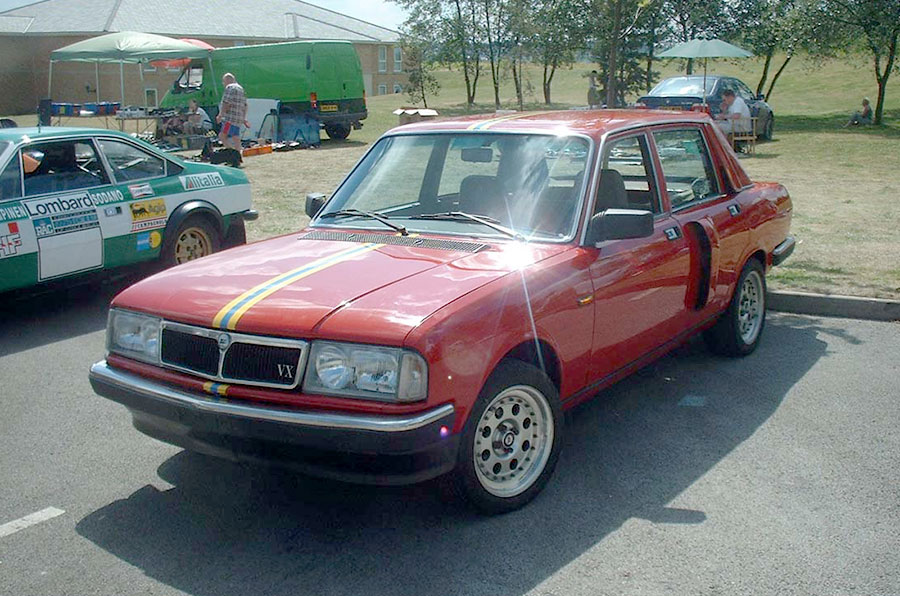
When Lancia needed to come up with a successor to its rally-winning 037 in 1984, it had to feature four-wheel drive if it was going to be competitive. Its initial (rather bizarre) solution was the Trevi BiMotore which was fitted with a pair of turbocharged 2.0-litre four-cylinder twin-cam engines. Although the car was fast and very effective, it was overweight due to having twice the mechanicals and the rear engine had a tendency to overheat.
Lancia Trevi Bimotore (1984)
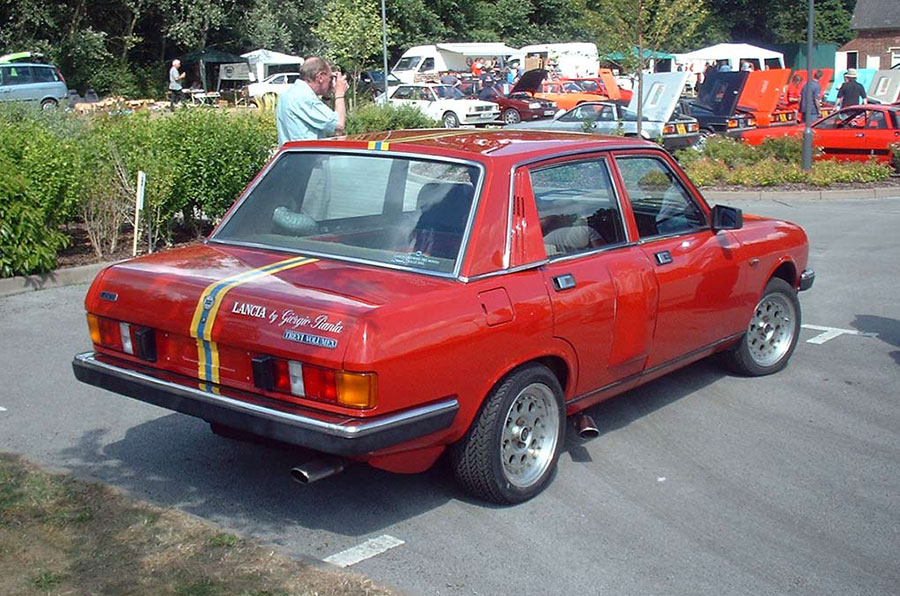
The two engines were not mechanically coupled, only the two gearboxes were connected so that they could be operated by a single lever, with just one pedal to activate the two clutches. The two accelerators were controlled by a rudimentary electronic system that determined the delay in supplying power to the rear axle. The dashboard had two rev counters, the second of which replaced the speedometer, and two central gauges indicated the water temperature and oil pressure of each engine.
Porsche 928-4 (1984)
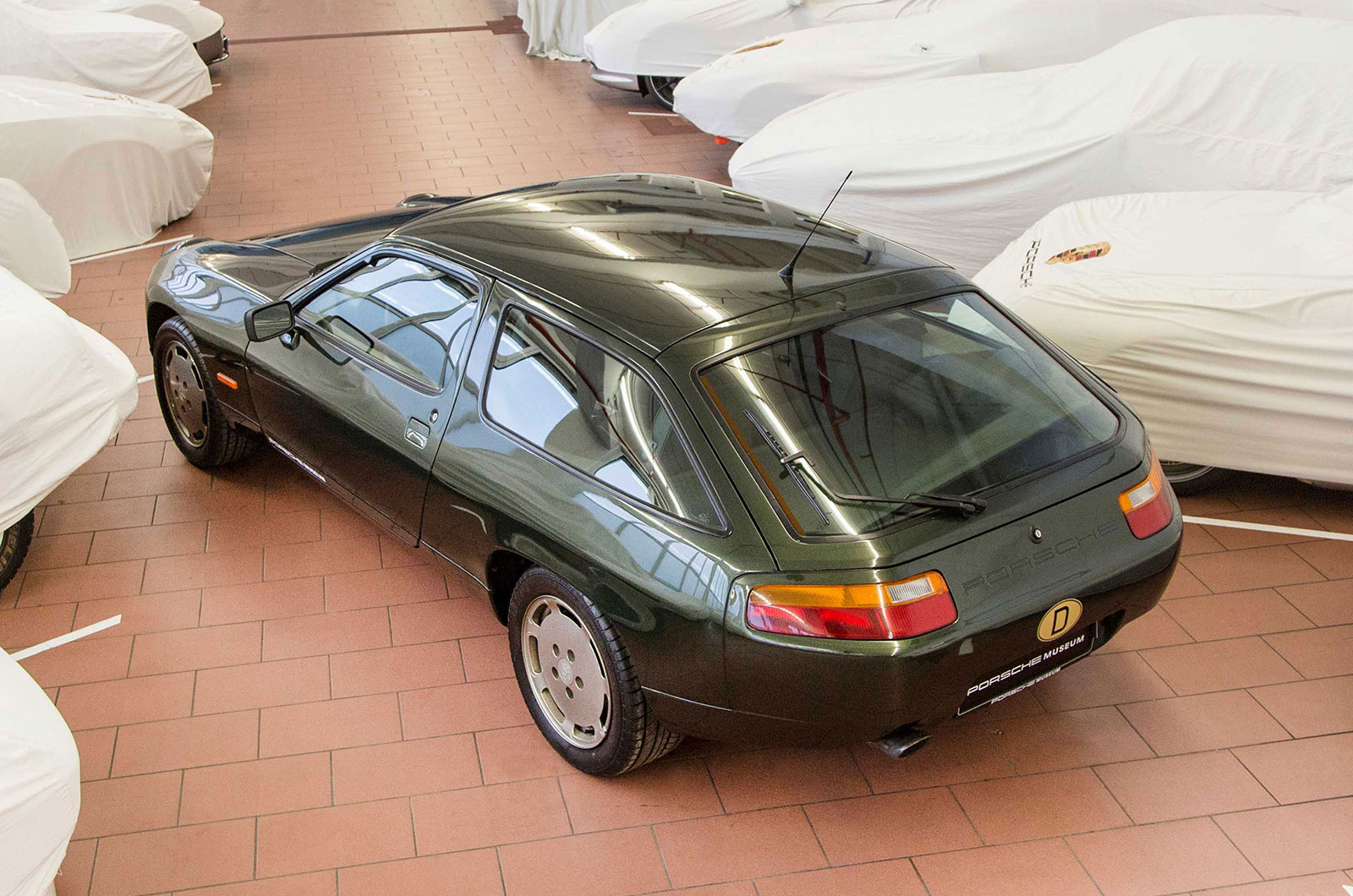
A direct ancestor to the Porsche Panamera Sport Turismo, the 928-4 was a regular Porsche 928 S from the B-pillars forward. But the back end of the car was completely replaced with a hatchback, and to give those in the second row some more leg room the wheelbase was also stretched by 250mm.
Porsche 928-4 (1984)
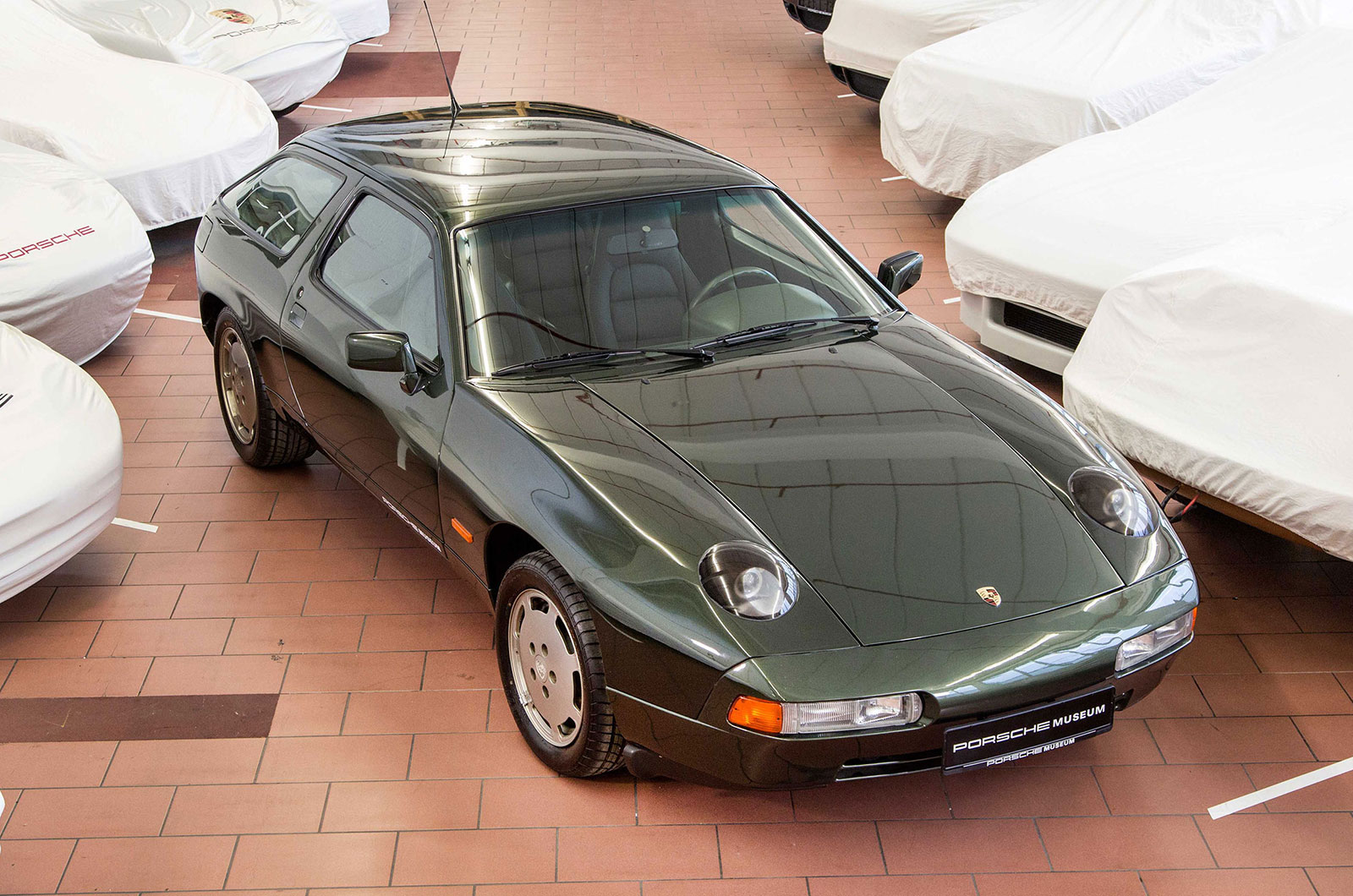
Presented to Ferry Porsche in September 1984, to mark his birthday, the 928-4 also featured projector headlights in place of the usual pop-up items, while there was also green-tinted glass and a unique leather interior finished in green. The car now sits in Porsche's museum in Stuttgart.
Porsche 928 H50 (1987)
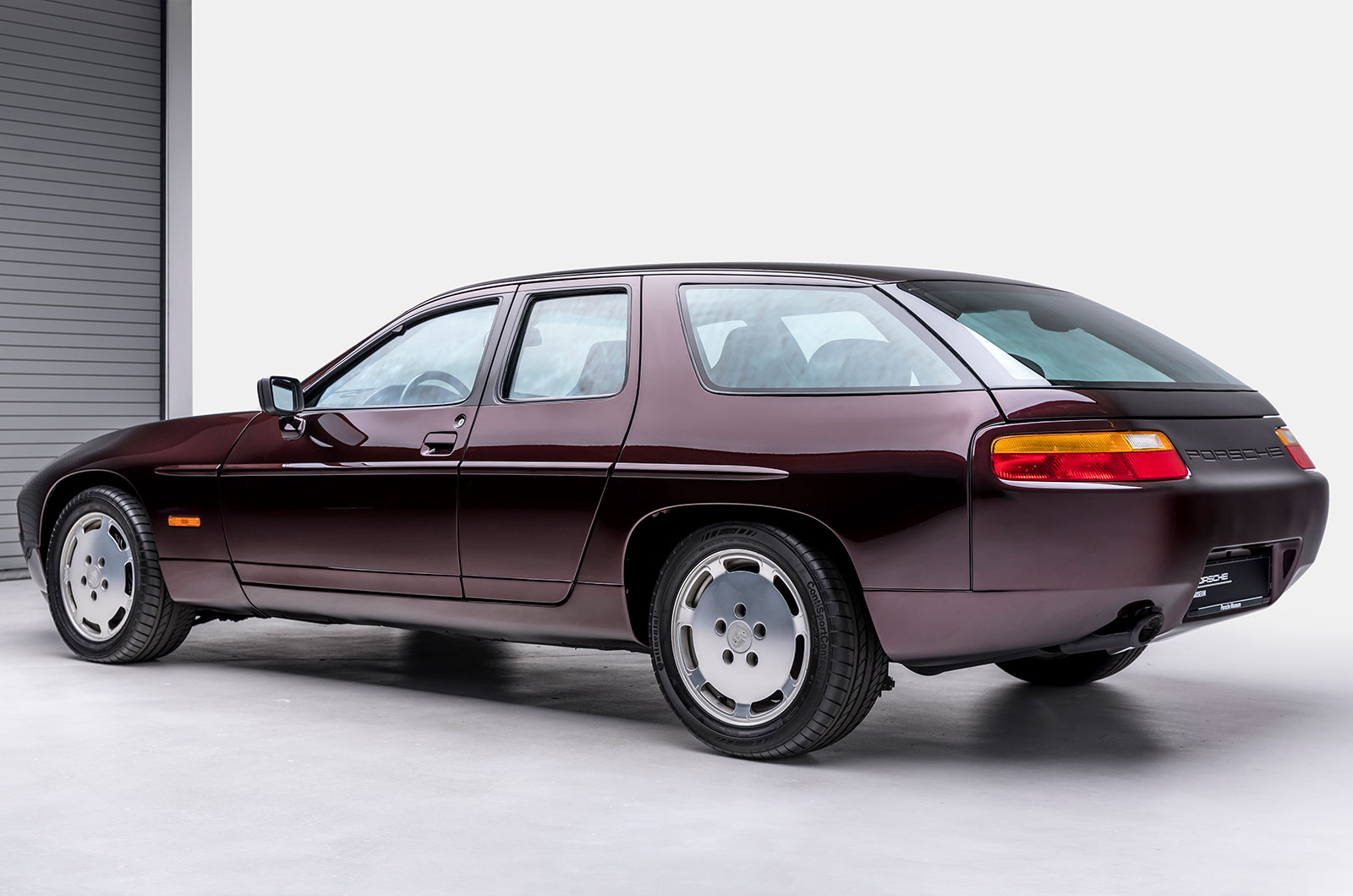
Three years after Porsche built its 928 shooting brake, it finished this five-door estate, although the rear doors were so small that they were classed as half doors. Which probably makes the car a four-door estate. Even though the car was finished in 1987, it wasn't seen publicly until the 2012 Pebble Beach Concours; the car was axed because Porsche couldn't make it rigid enough.
Porsche 928 H50 (1987)
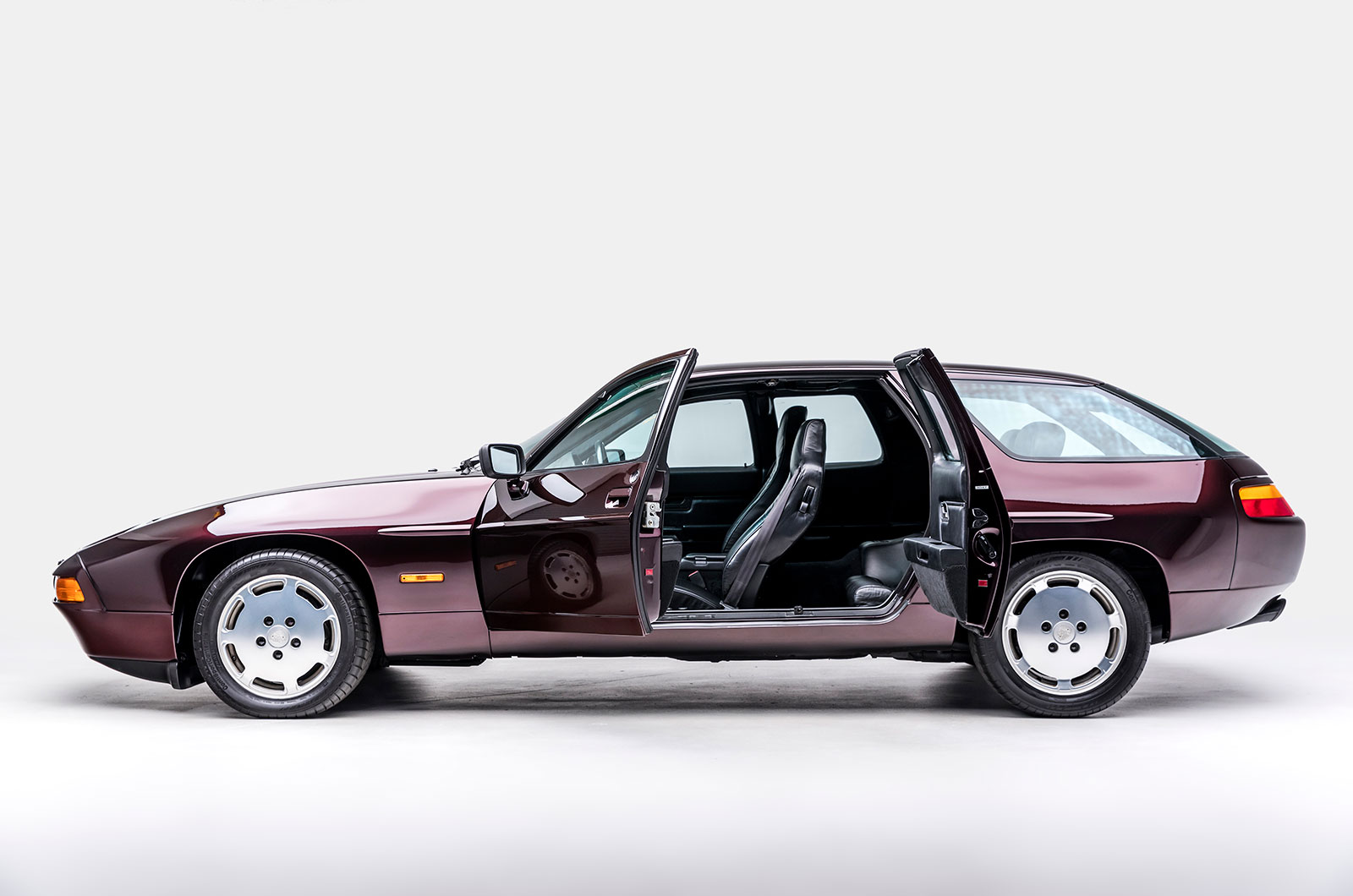
Whereas the shooting brake had been based on a Porsche 928 S, the H50 used the 928 S4 as its basis. That meant power came from a 5.0-litre V8 instead of the earlier 4.7-litre unit. Tuned to produce 330bhp the H50 would have been swift, but it would have handled poorly with that lack of stiffness.
Lotec C1000 (1991)
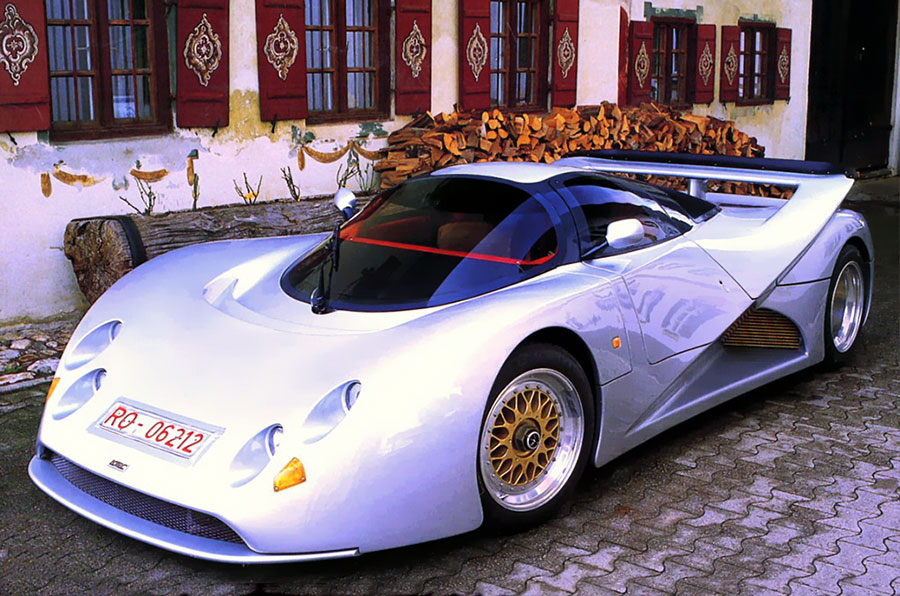
With a whole raft of supercars set to enter the market in the early 1990s, one oil sheikh decided he just had to own something nobody else could ever have, so he commissioned Mercedes to build a one-off hypercar. The German company in turn asked supercar specialist Lotec to come up with something suitably swift; the C1000 was the result.
Lotec C1000 (1991)
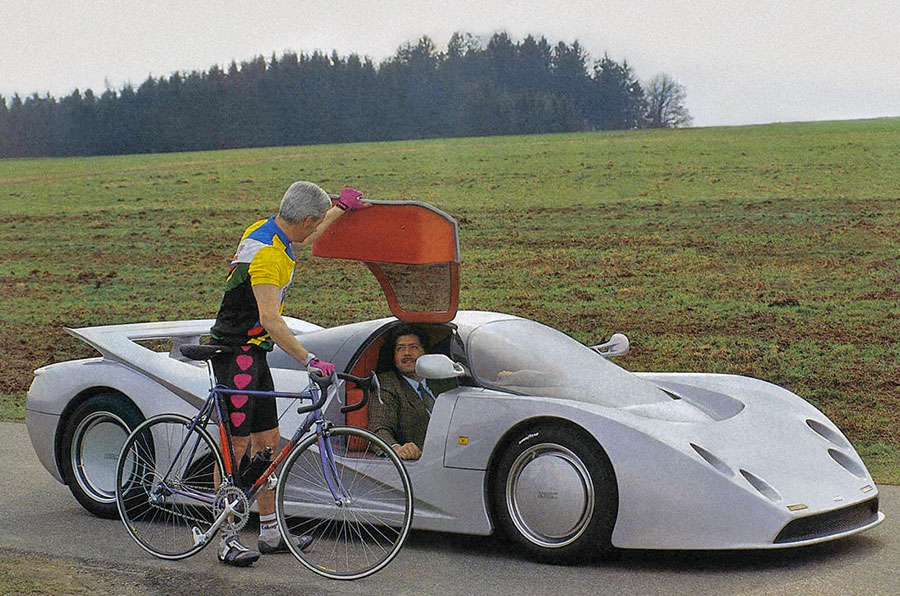
In the middle was a twin-turbo Mercedes 5.6-litre V8 developing a claimed 1000bhp – hence the car’s name. Top speed was allegedly 268mph, but this was never independently verified. However, with a race-spec chassis and carbon-fibre bodyshell, it was more high-tech than the name suggested.
Ford Supervan 3 (1995)
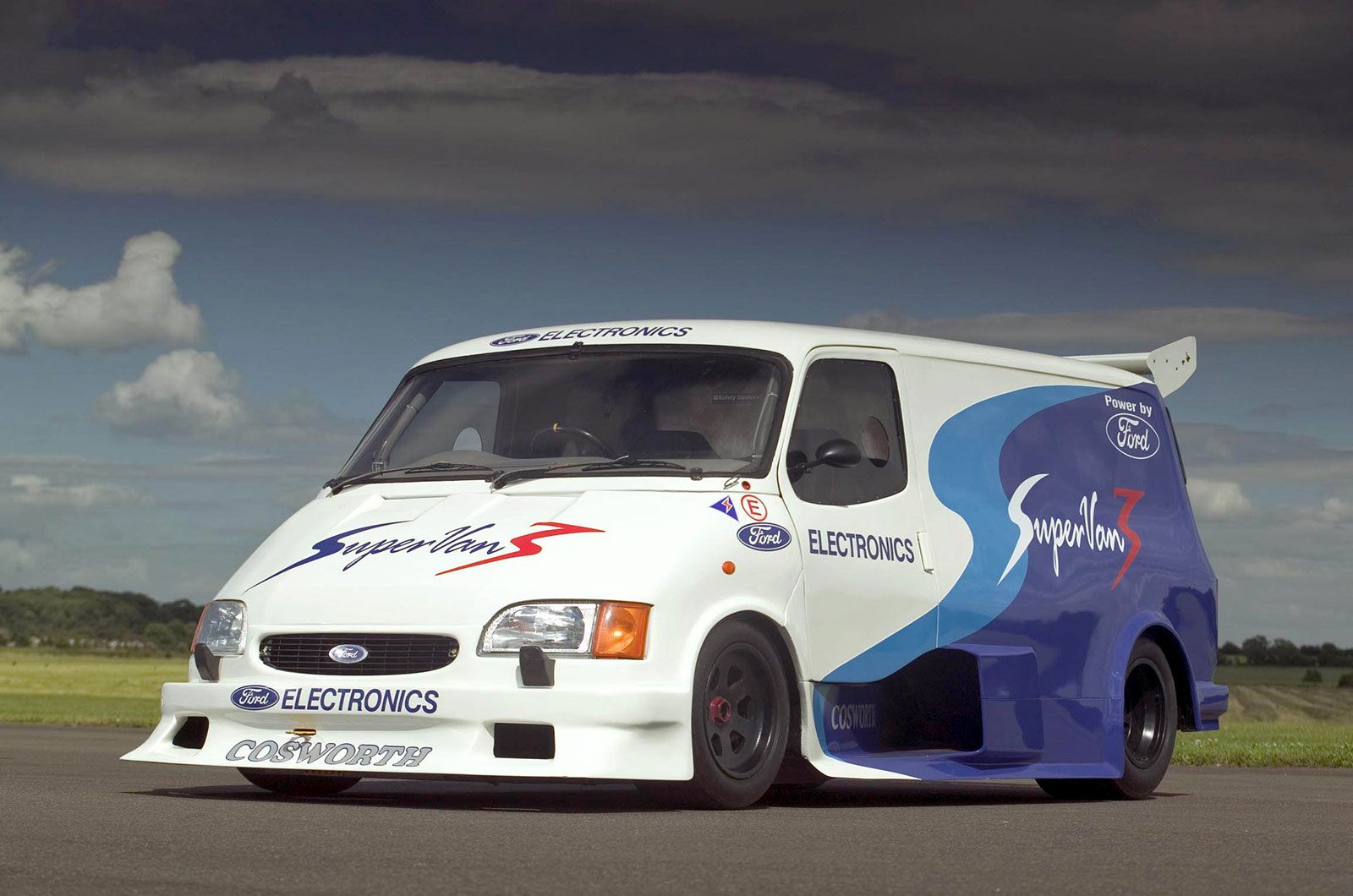
When Ford decided to build a third iteration of its Supervan it took Supervan 2 and converted it to the latest exterior design of the Transit. That meant a new nose, the latest doors and an all-new paint scheme. However, the previous engine was swapped for a Cosworth HB F1 V8 engine rated at 650bhp to give a top speed close to 200mph.
Ford Supervan 3 (1995)
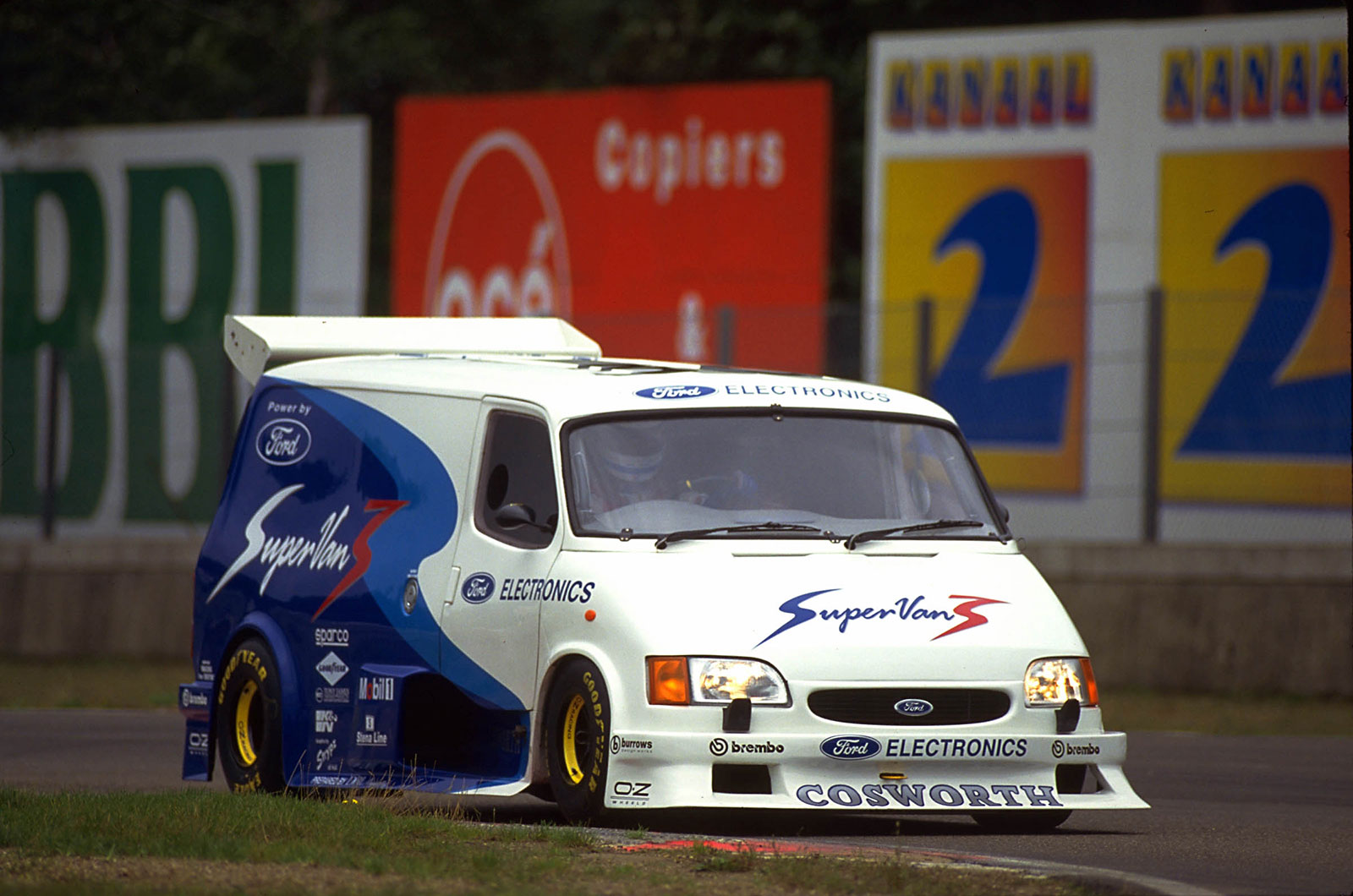
Supervan 3 is the only one of the three to have survived. The F1 V8 was ditched in the 1990s though, as it was too valuable and needed too much maintenance. The vehicle languished in a warehouse for years, then in 2004 it was brought out of storage to generate some publicity for Ford. The Cosworth-tuned 24-valve V6 that had been fitted years before was fitted with a supercharger for some extra grunt and since then Supervan 3 has been brought out regularly at events across the UK.
Renault Espace F1 (1995)
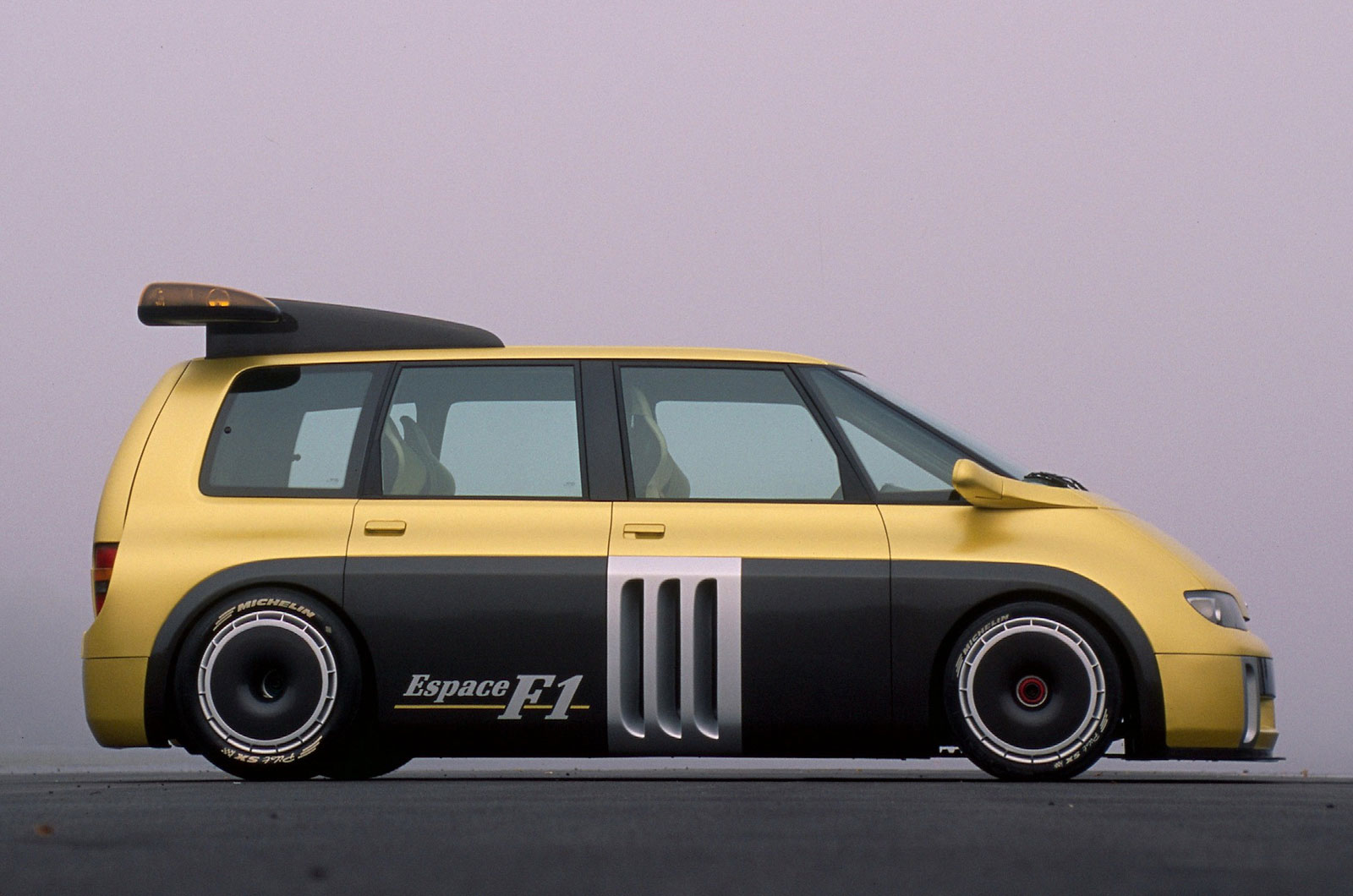
Taking a leaf out of Ford's book, to mark a decade of Espace production Renault mated one of its people-carriers with the chassis and running gear of a 1993 Williams-Renault FW15C F1 car. The result was an MPV that wasn't much good at carrying people (although there were still four seats), but it was pretty good at burning rubber. With around 800bhp available the F1 could do 0-120mph in 6.9 seconds and topped out at 194mph, so it was ideal for the school run.
TVR Speed 12 (1996)
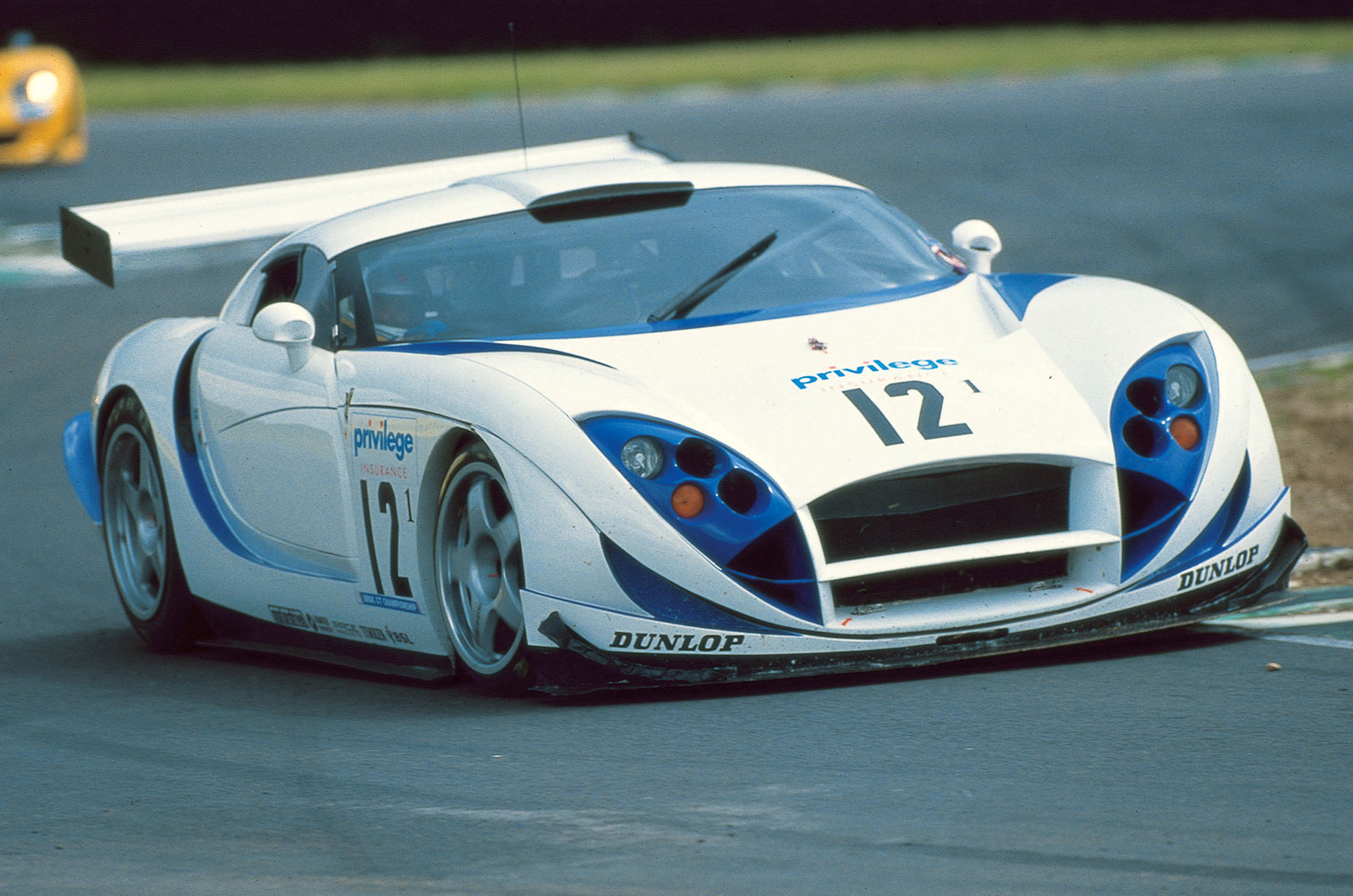
Shown as Project 7/12 at the 1996 Birmingham motor show, this mad TVR was intended to become the world’s fastest road car thanks to a 7.7-litre V12 pushing out anything up to a claimed 880bhp. Originally envisaged as a GT1 racer which could also be adapted for the road, the project was renamed the Speed 12 in 1998.
TVR Speed 12 (1996)
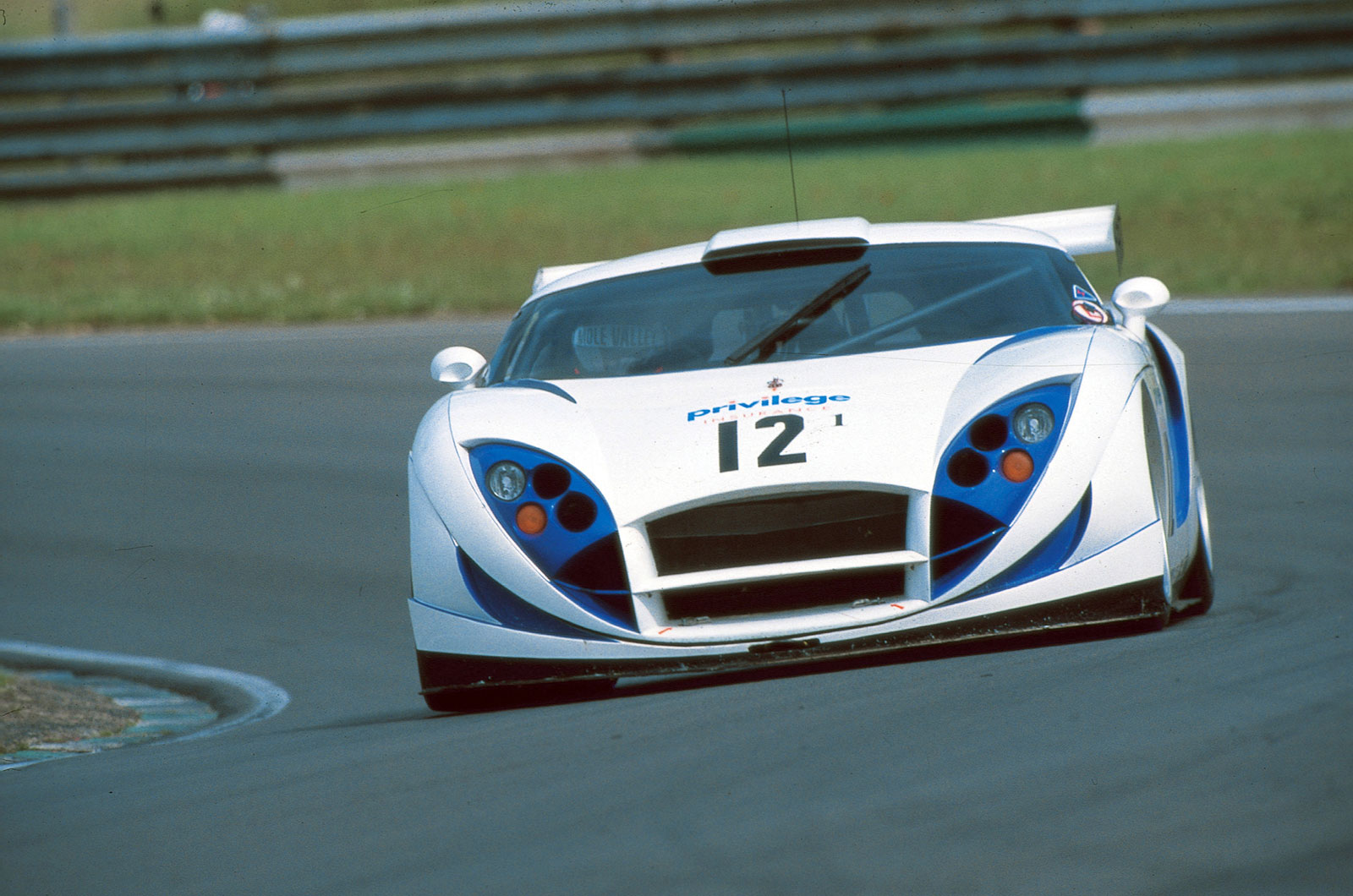
Race regulations shifted and TVR boss Peter Wheeler reckoned the car was simply too fast for the road. With a kerb weight of 1000kg and the right gearing, 240mph was supposedly possible; Wheeler didn’t want to sell such a beast to drivers who couldn’t handle the power, so the project bit the dust.
Rover 25 Art Car (2002)
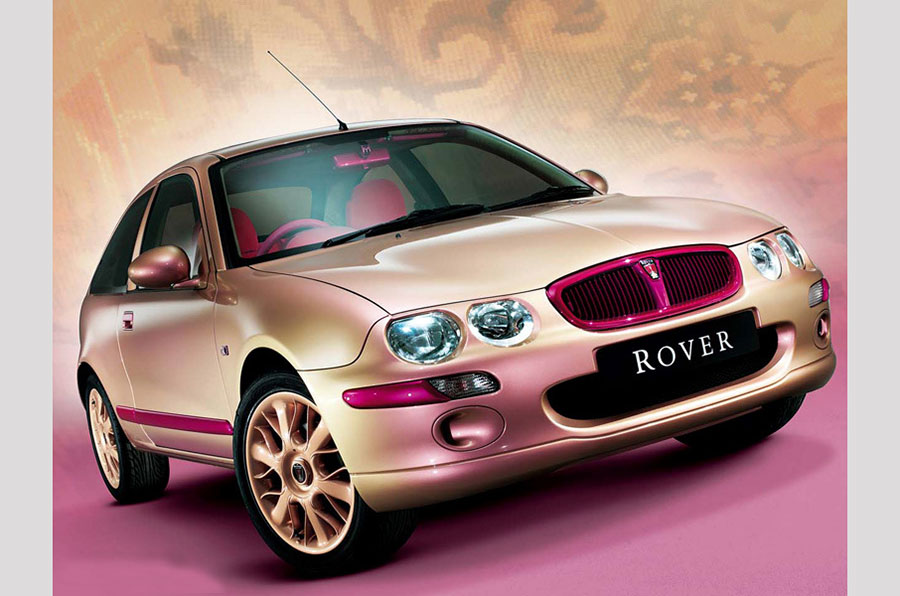
With MG Rover getting up to nonsense such as this. It's not hard to see why the company went to the wall. In 2002 the British car maker teamed up with young fashion designer Matthew Williamson to create a 25 with some pizzazz, to tie in with London Fashion Week. With its various shades of pink the car was certainly not for shrinking violets.
Rover 25 Art Car (2002)
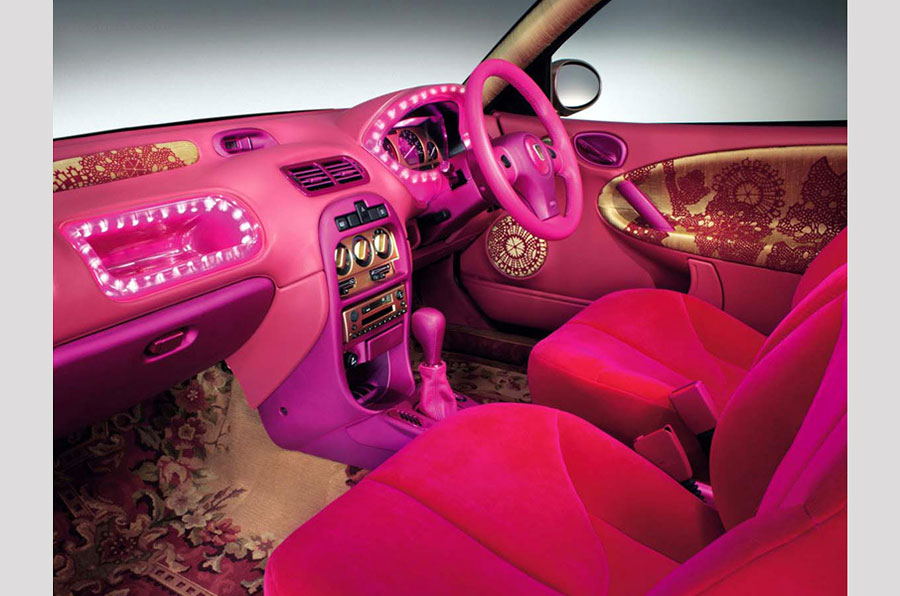
If the Rover 25's exterior was not especially easy on the eye, you'd probably need counselling after being exposed to the interior for too long. With its ornately patterned carpets and door trim inserts, plus lashings of neon pink, the 25's cabin would have overwhelmed Barbara Cartland, never mind the young women who MG Rover was trying to target at the time.
Maybach Exelero (2005)
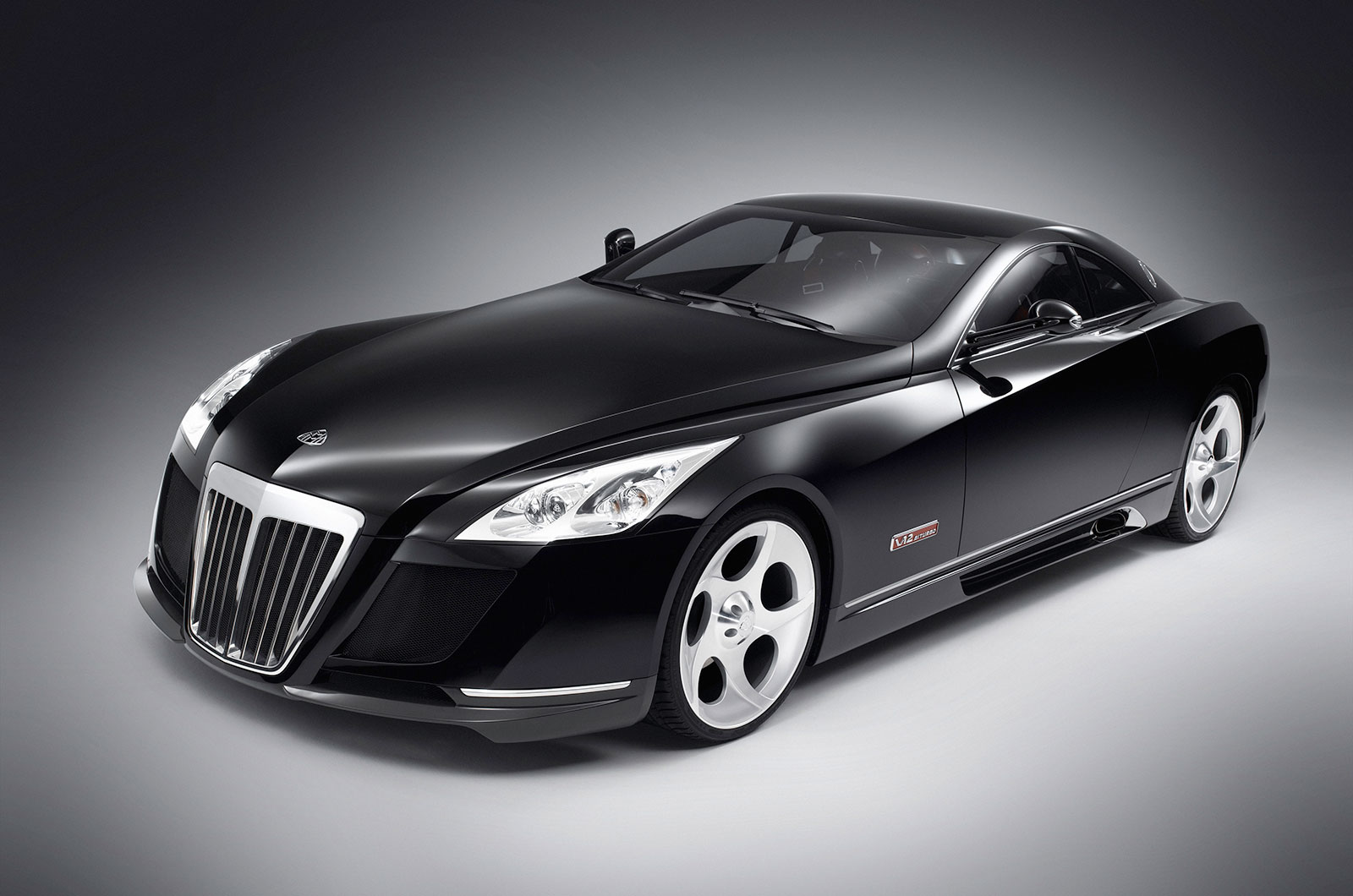
While it looks like a refugee from a Batman film, the Exelero was never designed for a starring role on the silver screen. Instead it was designed as a mobile test bed for high-speed tyres, bankrolled by German tyre maker Fulda and based on the platform of the Maybach 57 limousine.
Maybach Exelero (2005)
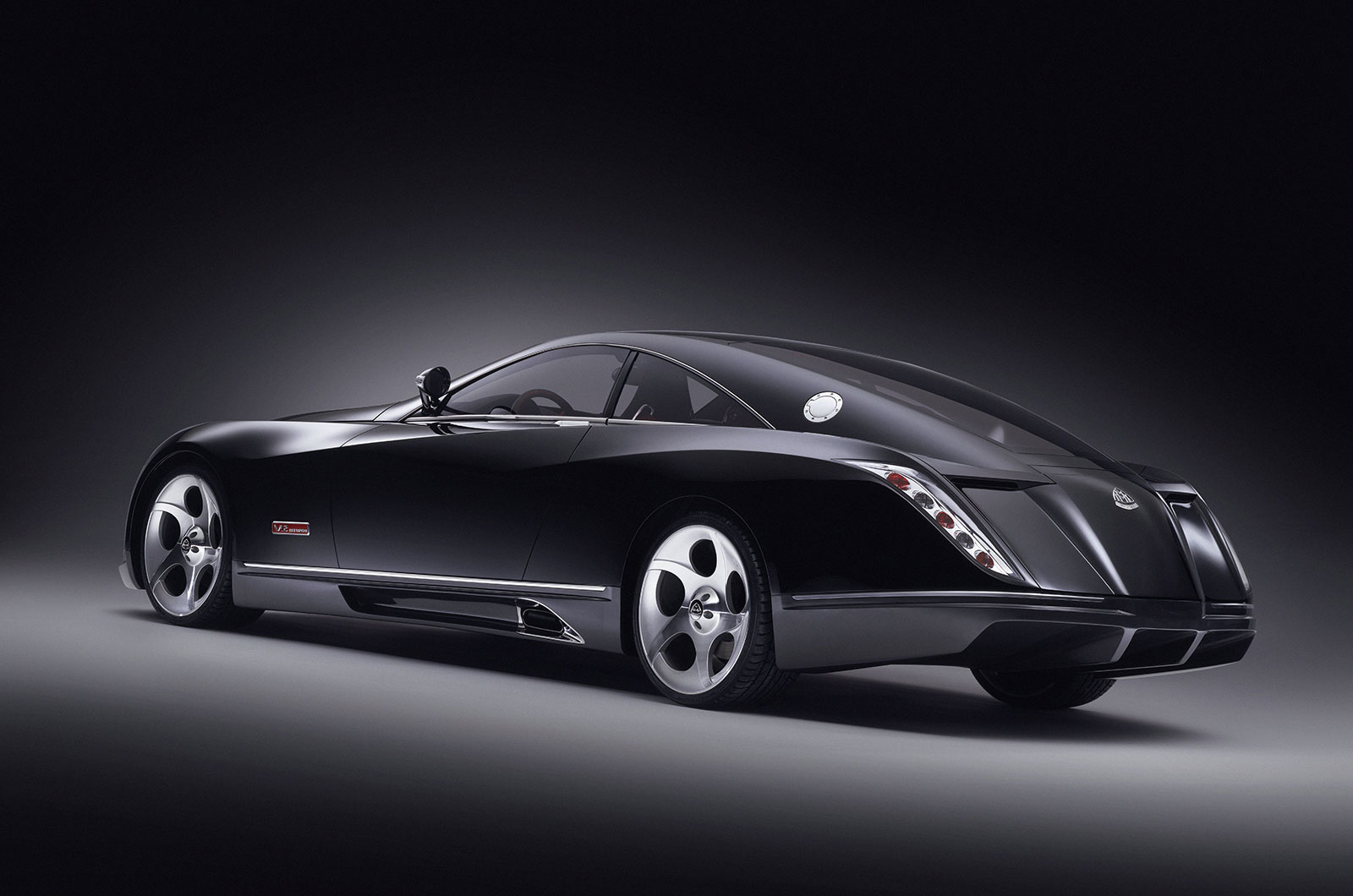
This wasn’t the first time that Fulda had teamed up with the Maybach marque, nor was it the first time that the tyre maker had built a vehicle specially for the purpose of demonstrating its tyres. Back in 1938, Fulda had paid for a one-off Maybach SW38, to enable high-speed tyre testing on Germany’s autobahns.
Volkswagen Golf GTi W12-650 (2007)
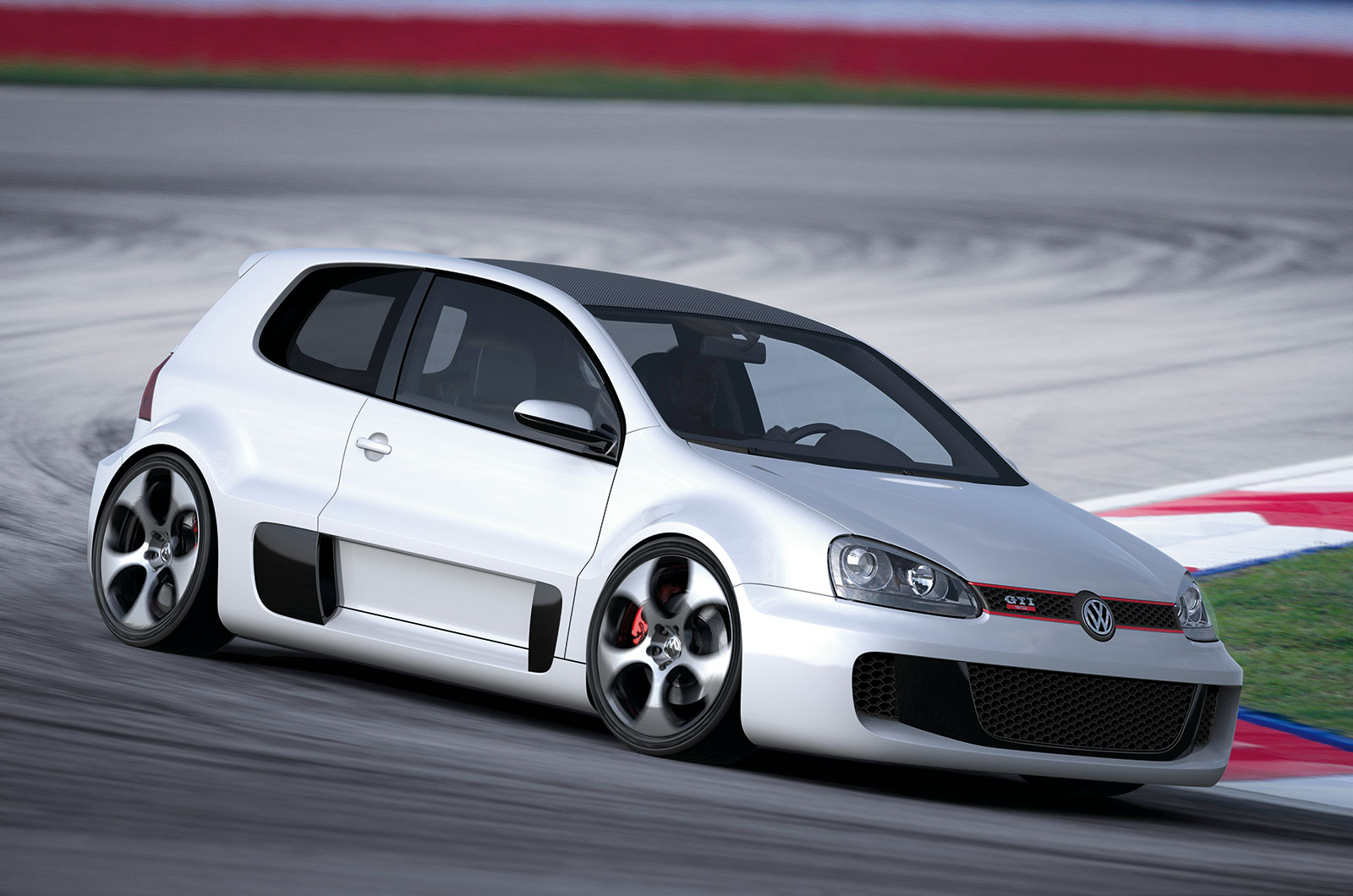
Once in a while Volkswagen does do something completely crazy, and for the 2007 Worthersee festival, the company slotted its largest engine into one of its smallest cars to come up with something utterly bonkers. Worthersee is the world’s largest annual celebration of the Golf GTi, so it was fitting that VW should use its then-current hot Golf as the basis for a show car that gave the punters a fresh perspective on this most staid of car makers.
Volkswagen Golf GTi W12-650 (2007)
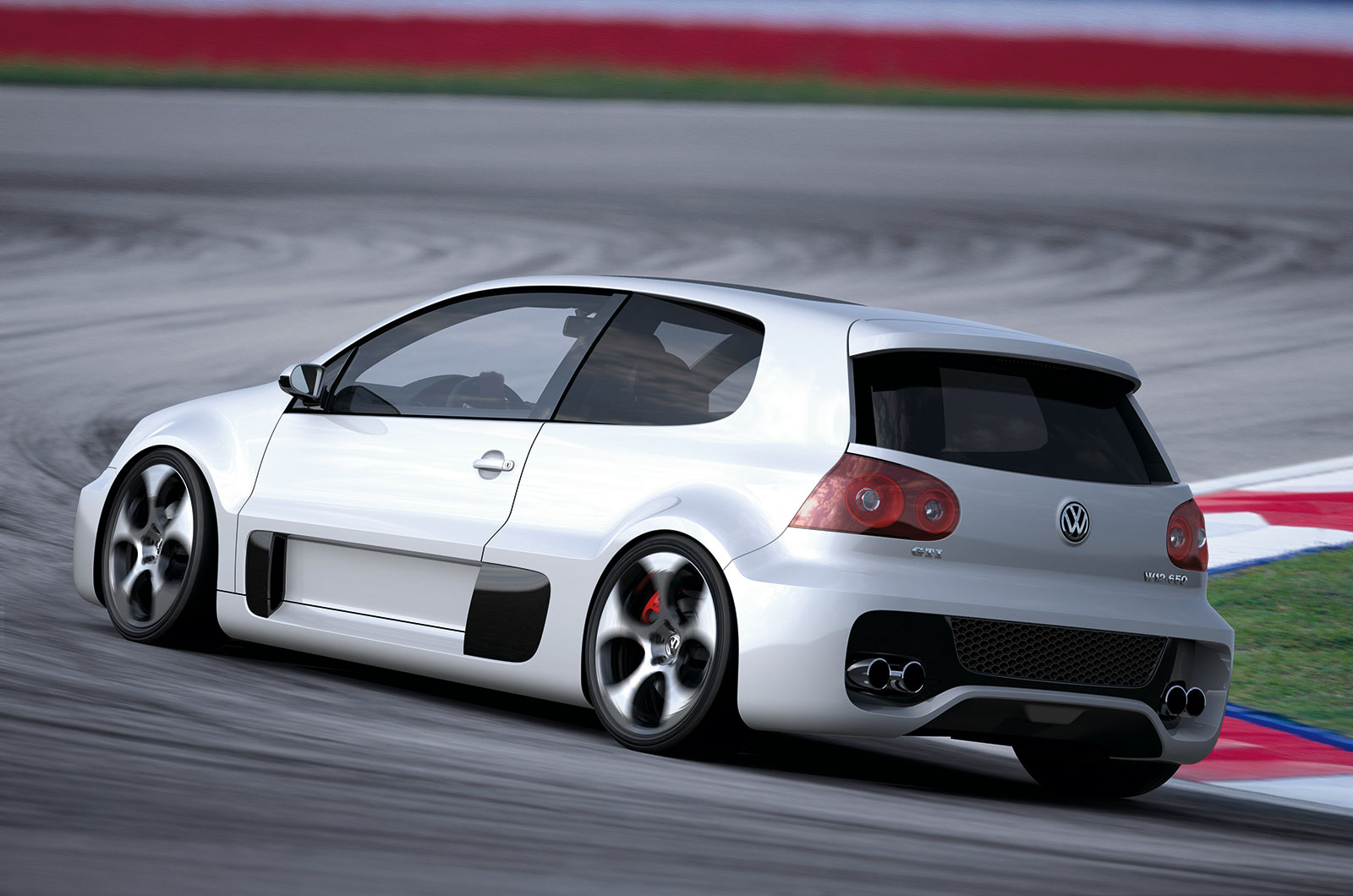
Mounted in the middle of the Golf GTi W12-650 was a 6.0-litre W12 engine with a couple of turbochargers strapped on to boost peak power to 641bhp. The bespoke drivetrain needed some accommodating, so VW widened the Golf by 160mm and fitted 19-inch alloys with 295-section tyres – which no doubt had their work cut out trying to harness the power. The car was claimed to be capable of 202mph along with 0-62mph in just 3.7 seconds.
Ferrari SP1 (2008)
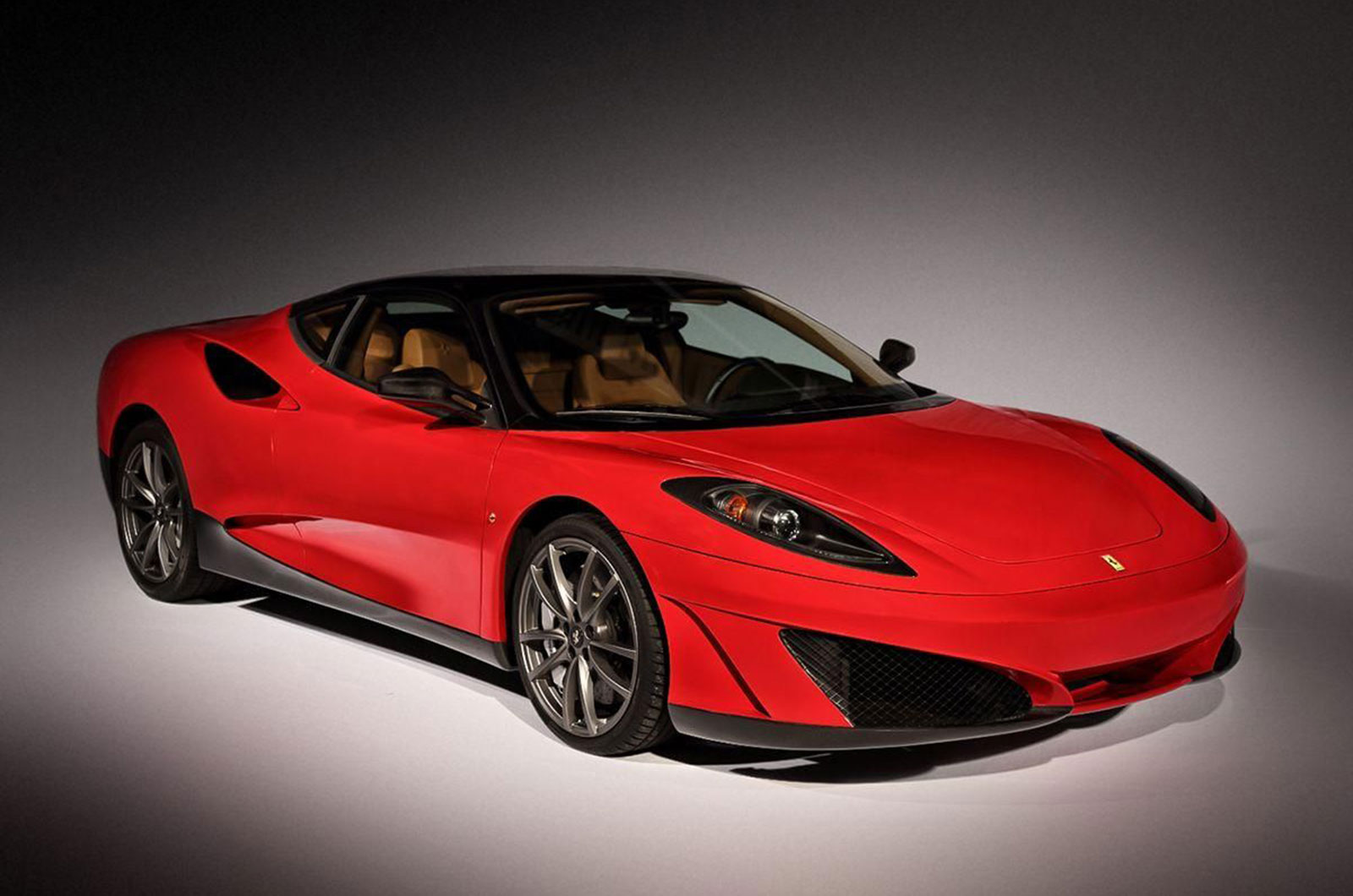
In 2008 Ferrari unveiled its first official unique car, from its Special Projects division. Called the SP1 (Special Project #1) and built for Japanese collector Junichiro Hiramatsu, the SP1 was based on the F430 and it carried that car's glasshouse and pillars over, but with all new panelling made of carbon fibre. The design was based on Leonardo Fioravanti's 1998 F100 concept; he designed the SP1 too.
Ferrari P540 Superfast Aperta (2009)
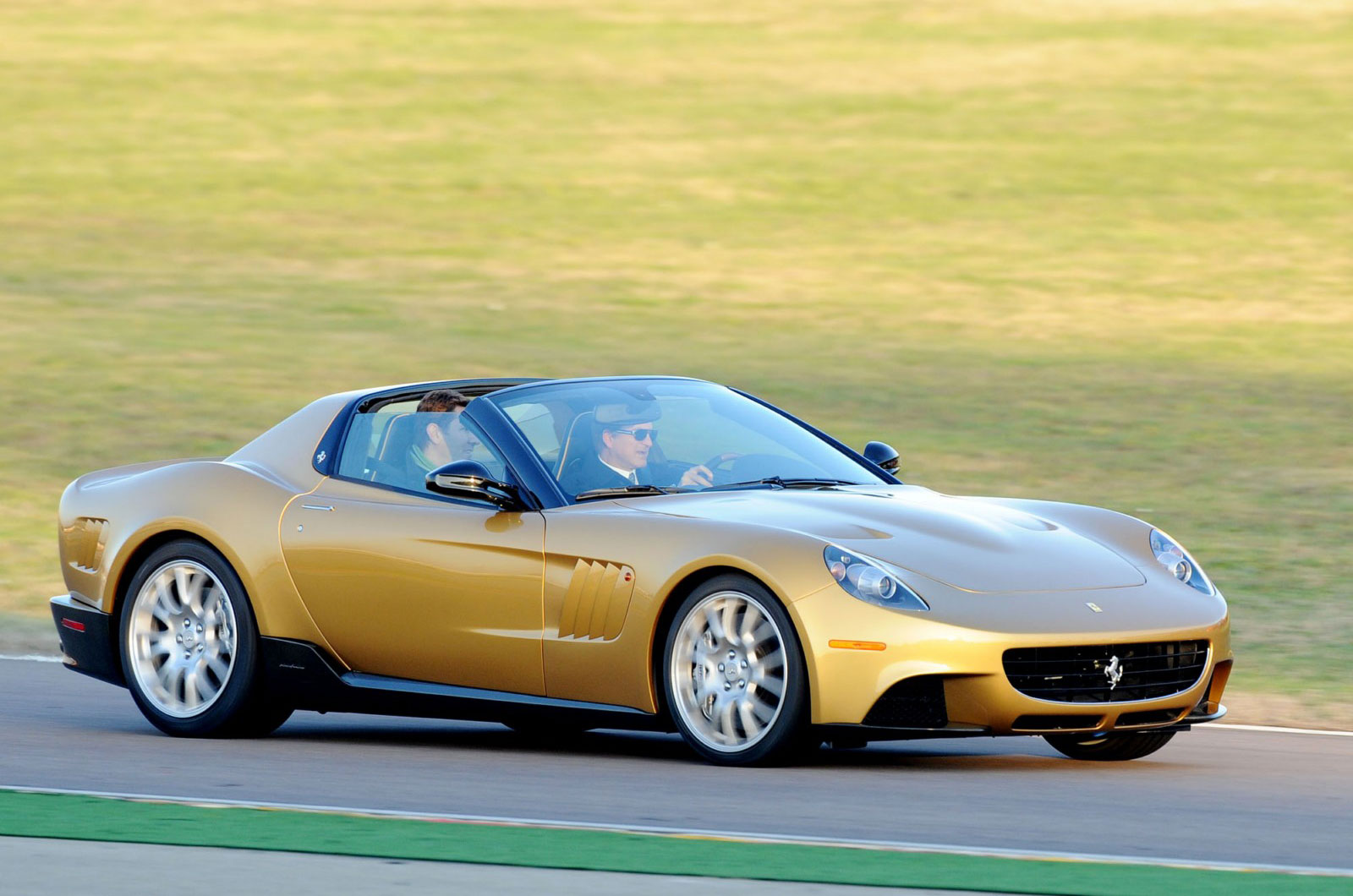
Just a year after the SP1 was unveiled, Ferrari unwrapped its next unique commission. This time it was based on the 599GTB, the lucky buyer was American Edward Walson and the inspiration came from the 1968 Ferrari-based Golden Roadster that starred in the 1968 cult film Histoires Extraordinaires.
Ferrari Superamerica 45 (2011)
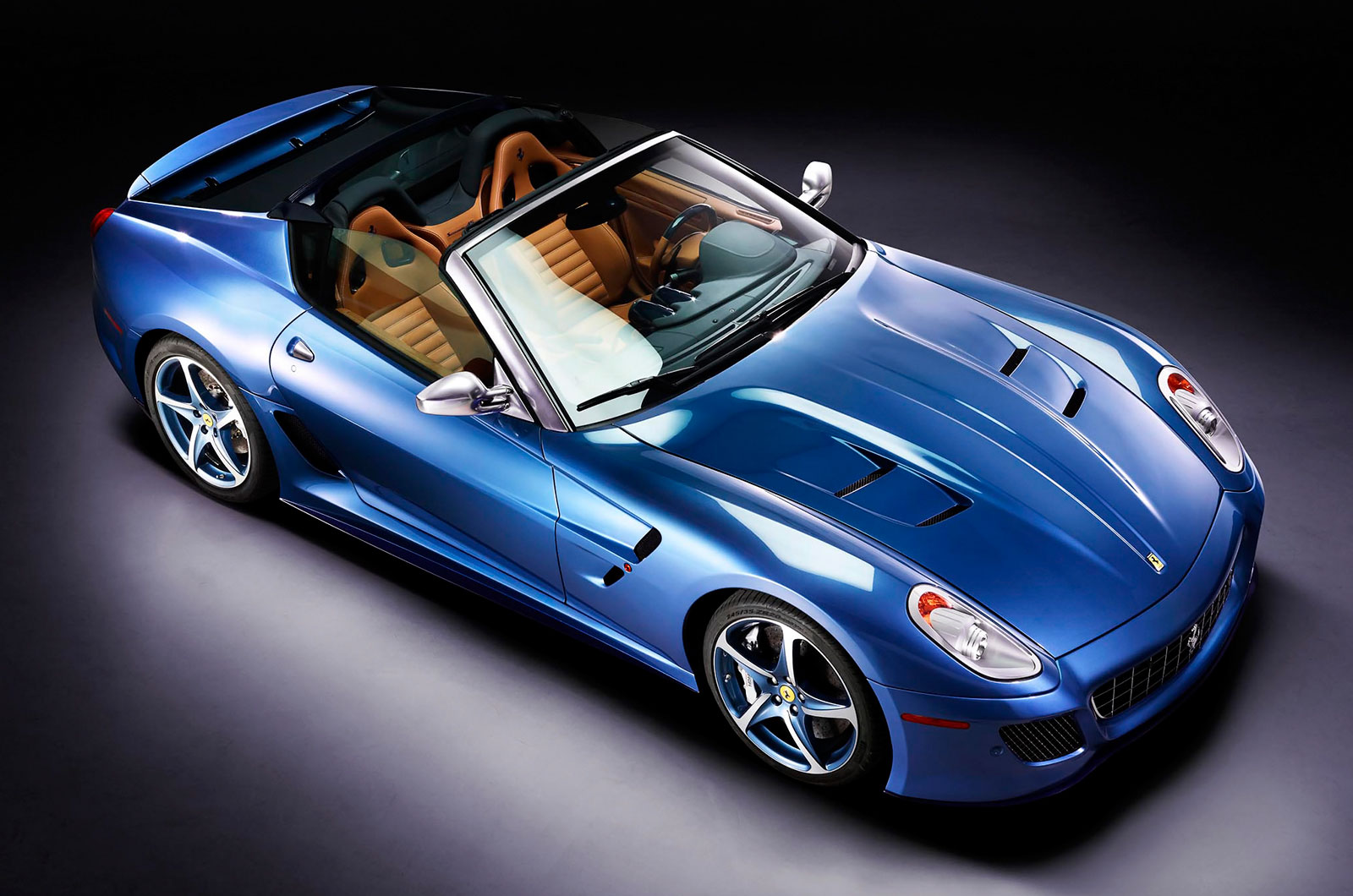
The third in Ferrari's Special Projects series, the Superamerica 45 was based on a 599GTB and commissioned by serial Ferrari owner Peter Kalikow. The car took its name from the fact that it was built to mark 45 years of Ferrari ownership for Kalikow; its most intriguing feature was a carbon fibre rotating hard top which incoporated the rear screen. The Superamerica was finished in Blu Antille paintwork, to go with Kalikow's 1961 400 Superamerica – the design of which inspired the new car.
McLaren X-1 (2012)
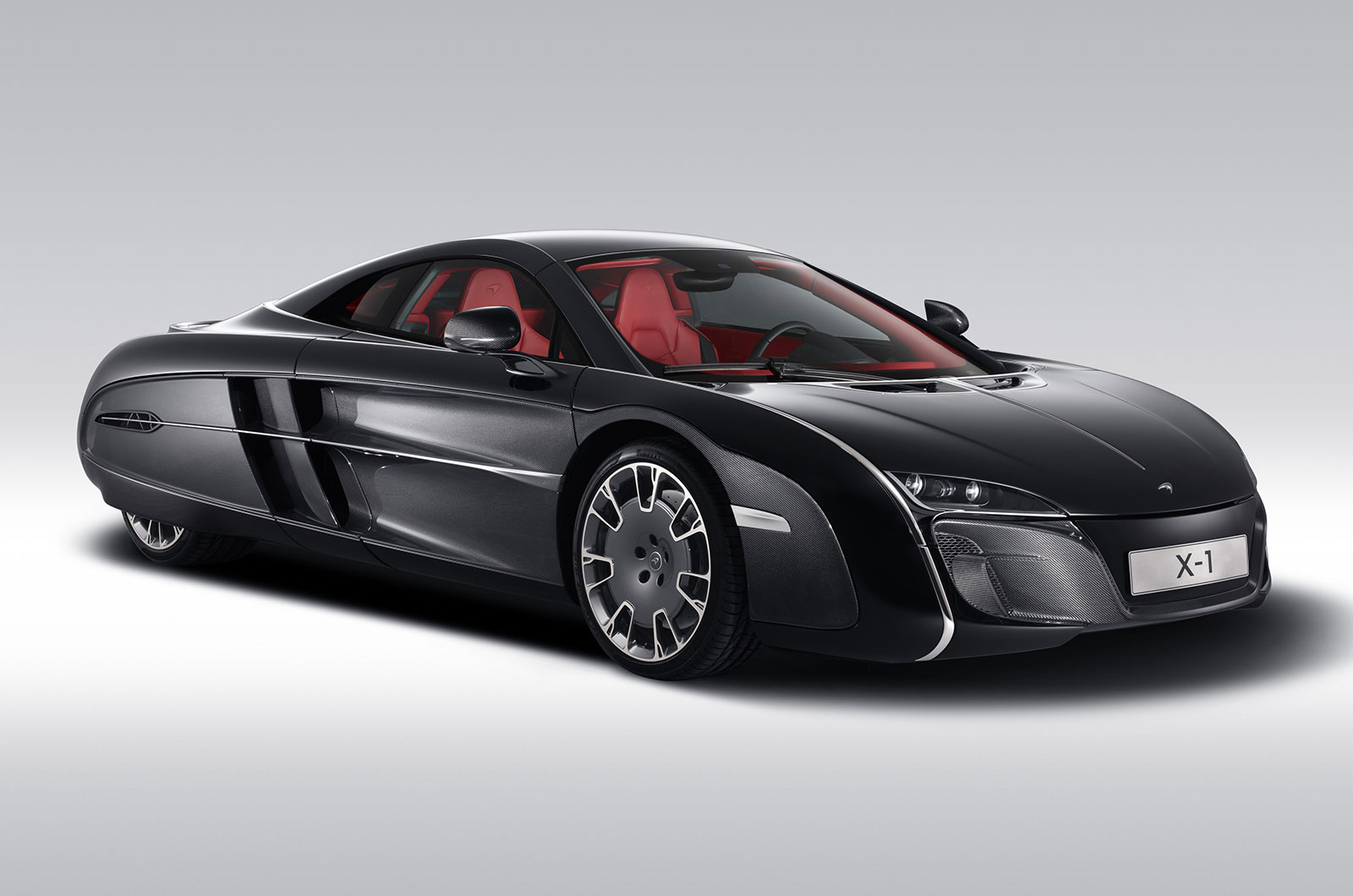
In 2012 McLaren unveiled a unique rebodied 12C at The Quail, part of the Monterey Historics week – and it's never been seen since. Mechanically identical to the car that sired it and using the 12C's monocoque, the X-1 featured entirely new outer panelling made of carbon fibre and aluminium, with even the lights and wheels made specially.
Lamborghini Aventador J (2012)
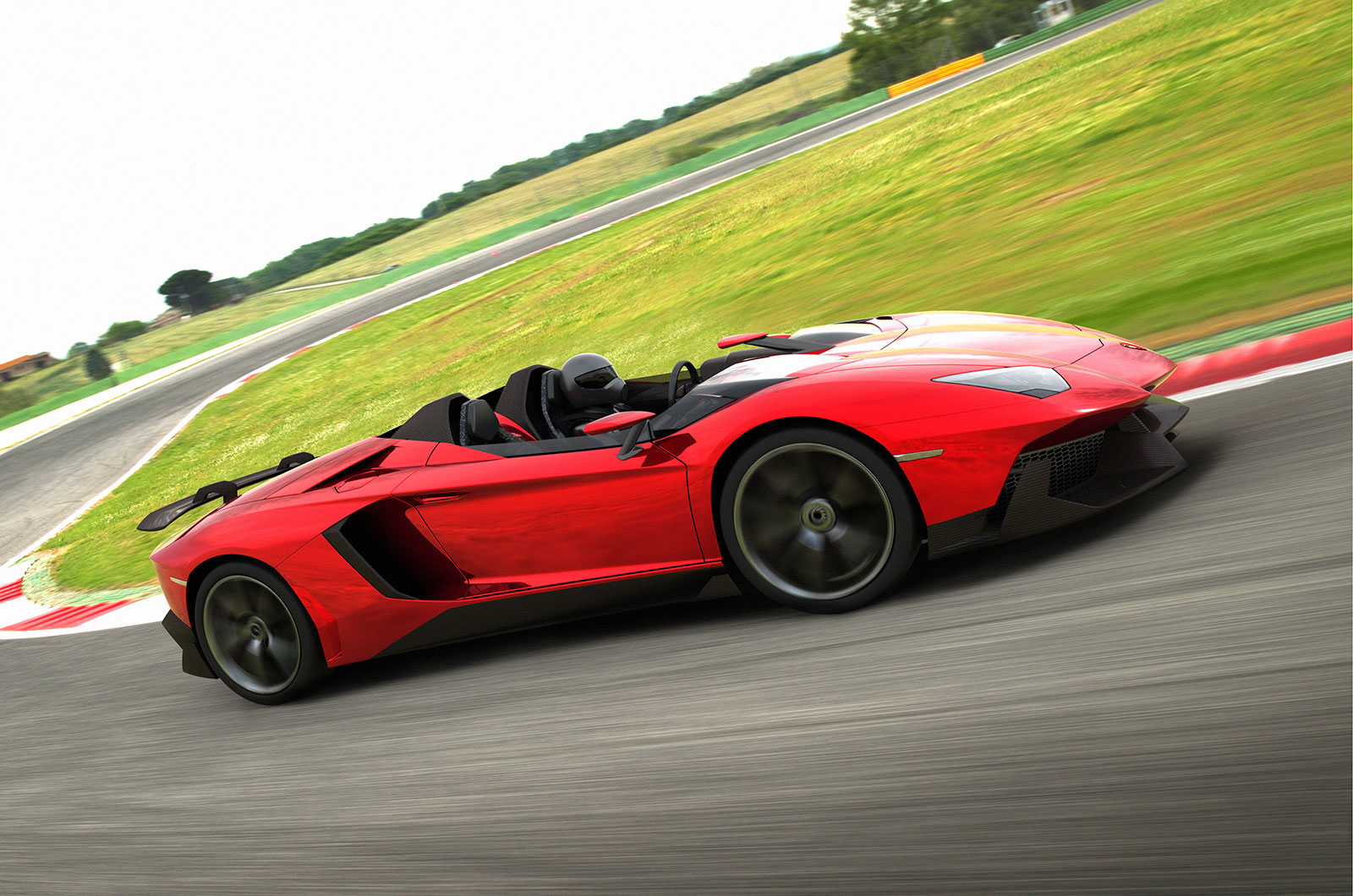
Commissioned by Lambo boss Stefan Winkelmann just six weeks before the opening of the Geneva motor show where it was making its debut, the Lamborghini Aventador J featured almost entirely new bodywork and was claimed to be the lowest car ever to leave the Sant’Agata factory. By the time the Aventador J was unveiled it had been sold to a prolific Lamborghini buyer, for more than €2m.
Ferrari SP12 EC (2012)
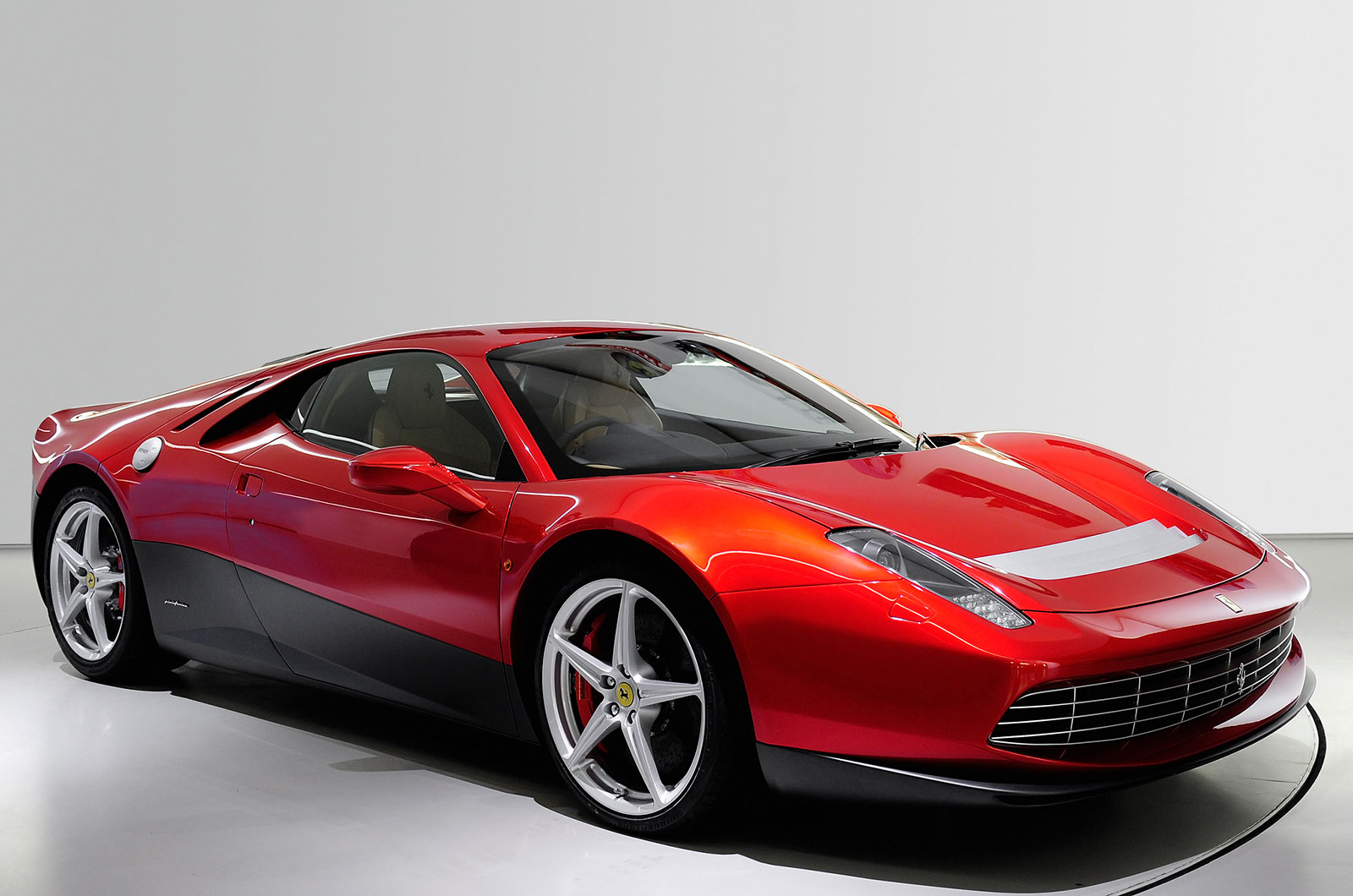
Perhaps the best-known of the various official one-off Ferraris, partly because of its celebrity owner, the rock star Eric Clapton, the SP12 EC's design was inspired by the 512 Boxer's. However, there were just eight cylinders rather than 12, as the SP12 was based on the 458 Italia.
Lamborghini Egoista (2013)
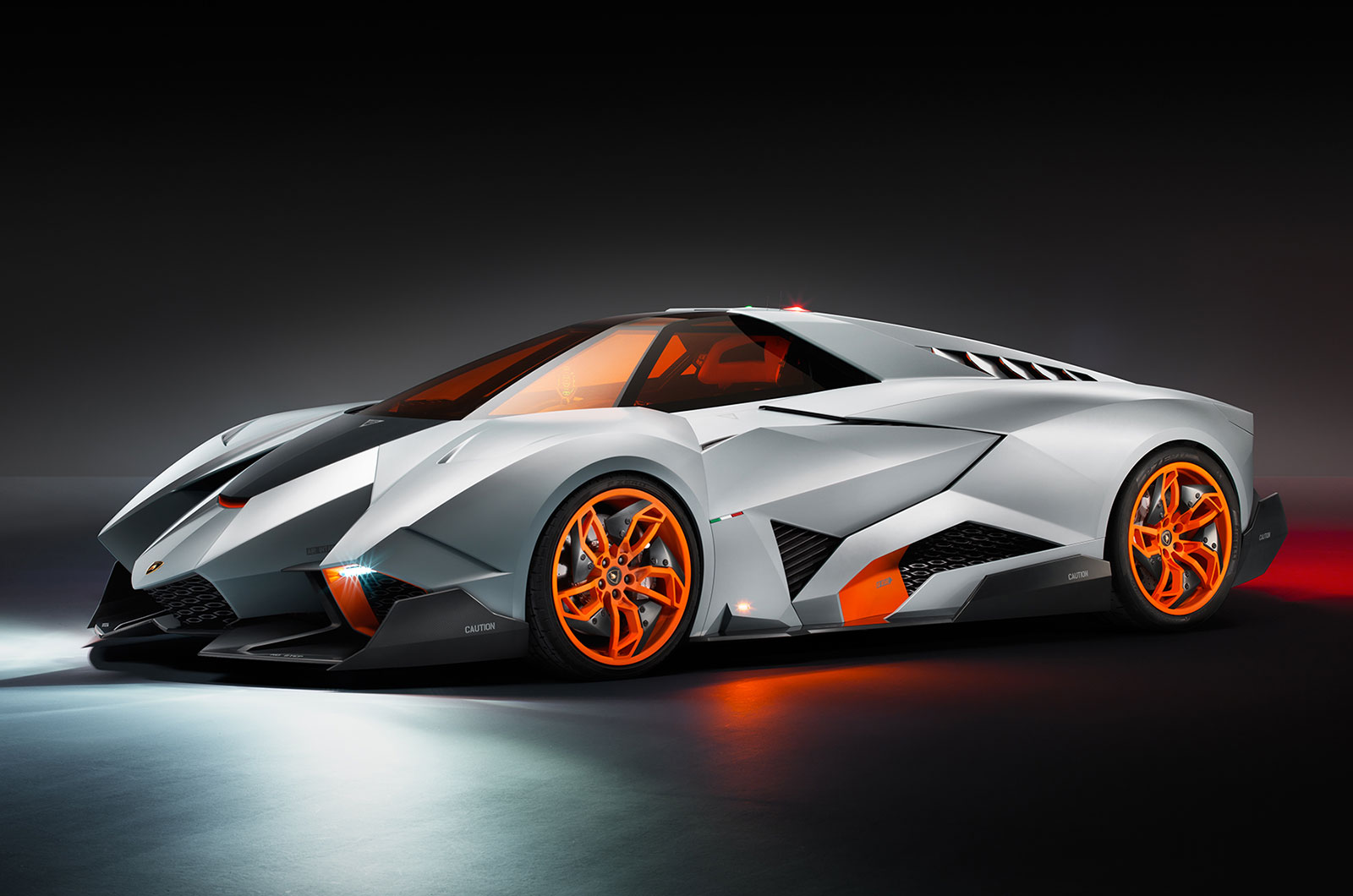
Lamborghini marked its 50th birthday by creating what was surely one of the most outrageously styled cars ever made. The Egoista (Italian for ‘selfish’) was a single-seater with a 592bhp 5.2-litre V10; much of its design (inside and out) was inspired by aviation design and construction. As a result, the cabin was more like the cockpit of a fighter jet, swathed in carbonfibre and aluminium. This car wasn't for a wealthy collector though; Lamborghini made the Egoista for its own museum.
Volkswagen Golf Design Vision GTi (2013)
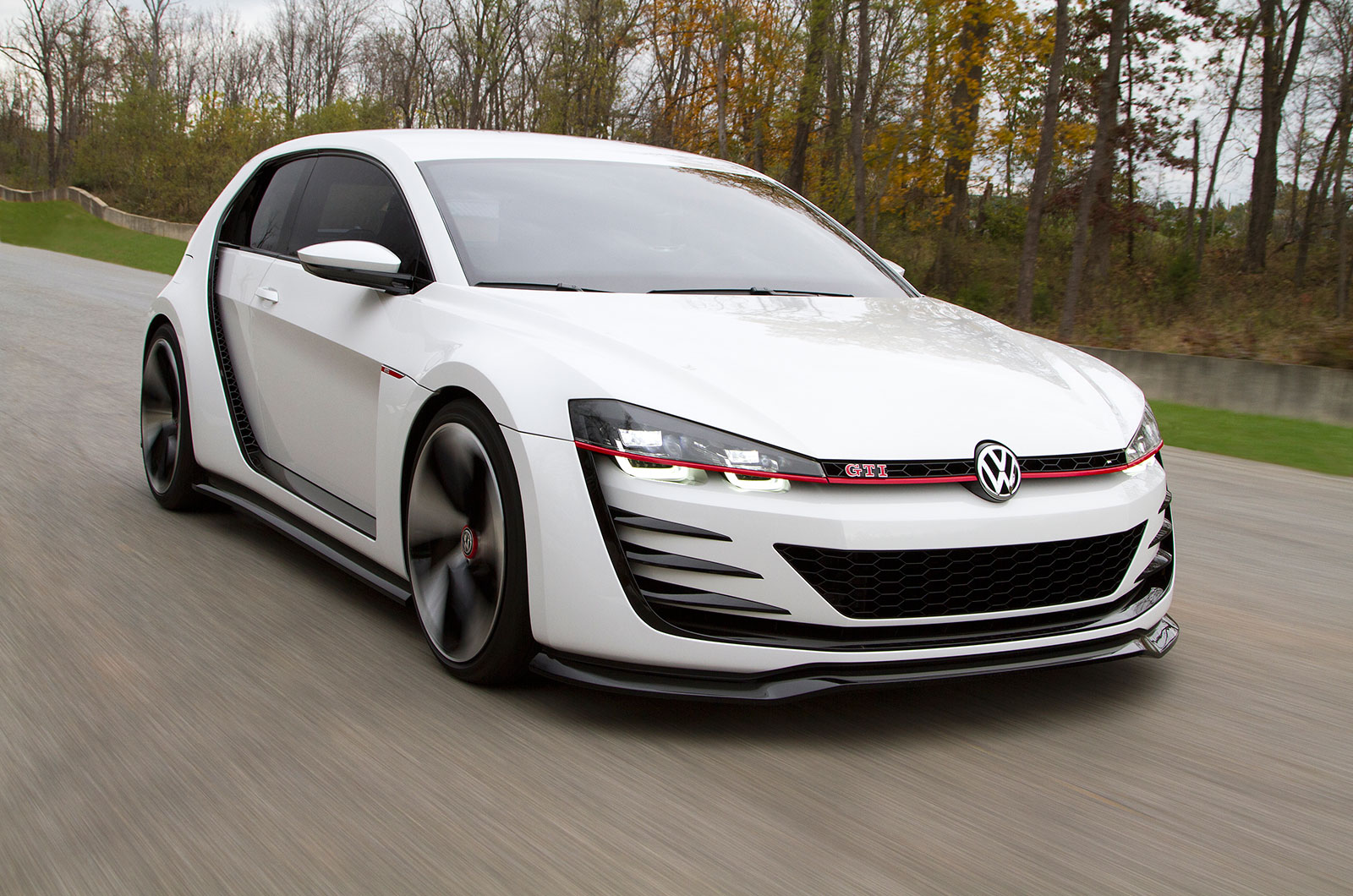
For the 2013 GTi Festival at Lake Worthersee, held in Austria, created a 496bhp Golf called the Design Vision GTi, 15mm shorter than the regular production GTi, but 57mm lower and a massive 71mm wider.
Volkswagen Golf Design Vision GTi (2013)
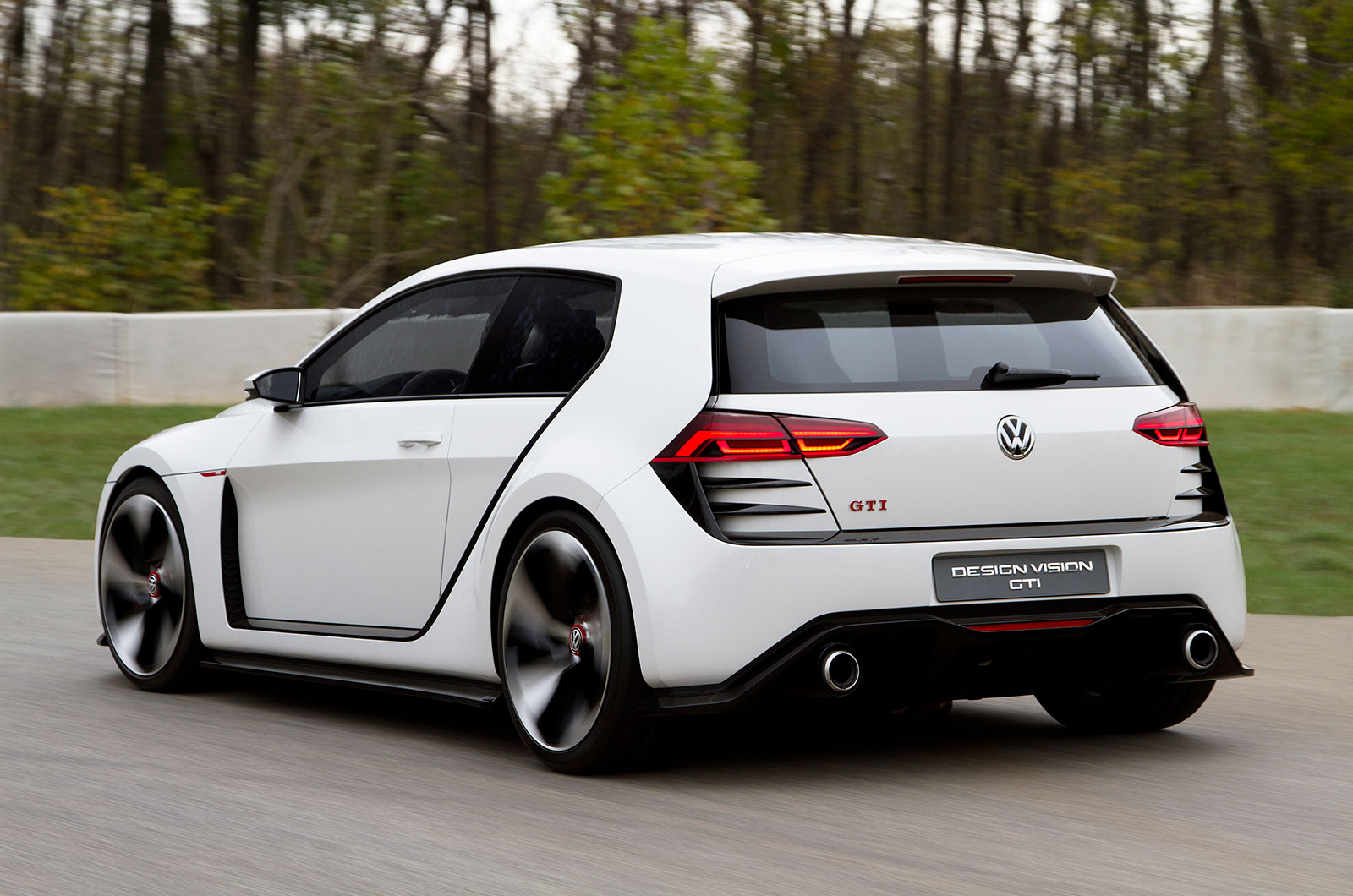
Fitted with ceramic brakes and unique 20-inch alloys, the styling was turned up to the max for that ultimate menacing look. The Design Vision GTi was no sheep in wolf’s clothing though, as in the nose there was a turbocharged 3.0 V6 TSI engine that could put out a stonking 413lb ft of torque, most of it from just 2000rpm. Channelled to all four wheels via a DSG transmission, the car could get to 62mph in just 3.9 seconds.
Ferrari F12 TRS (2014)
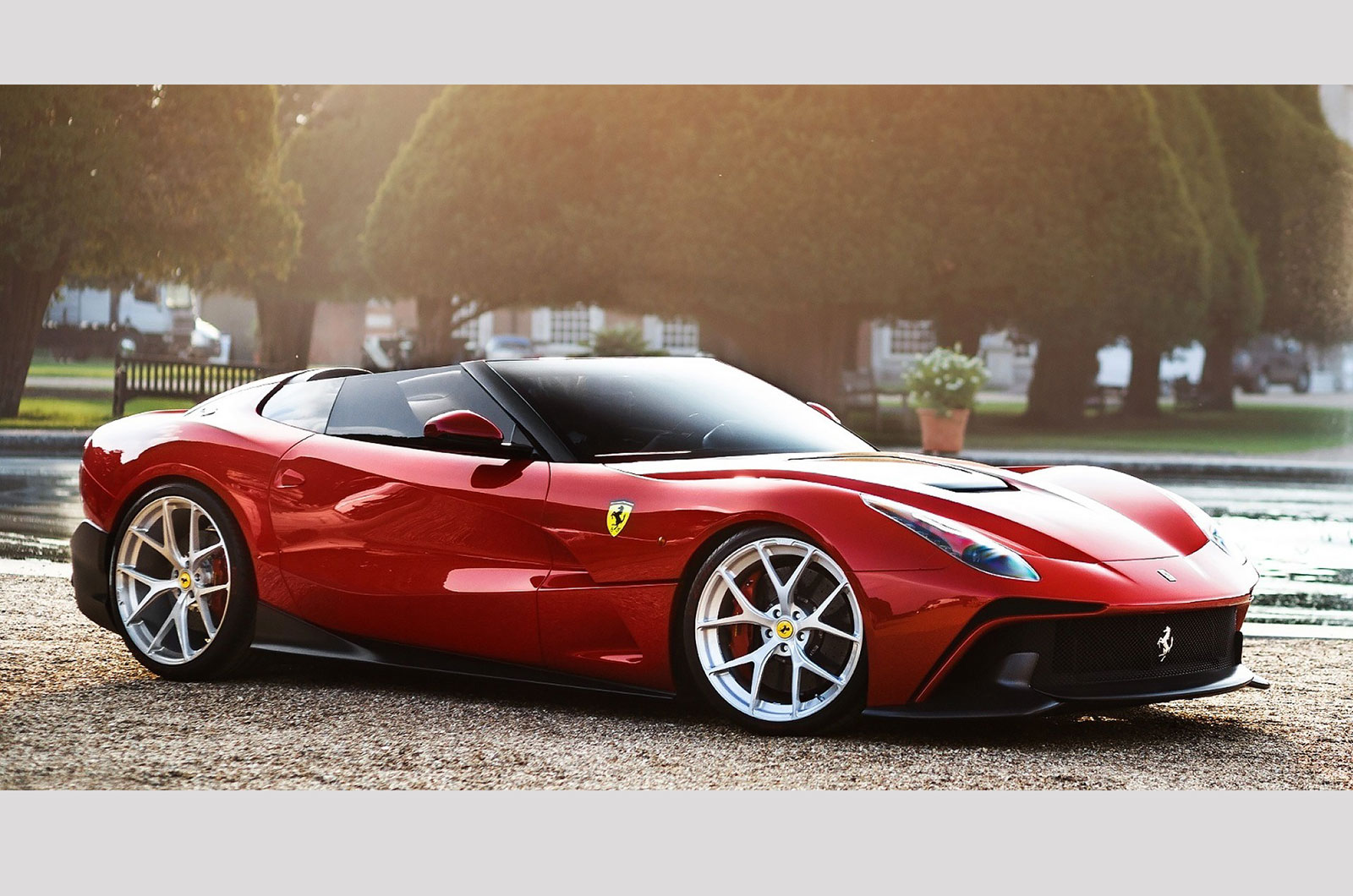
The F12 TRS was the first Ferrari Special Projects model to be based on the F12 Berlinetta, with completely bespoke bodywork inspired by the 1957 250 Testa Rossa. Strictly speaking this isn't a one-off though, as the person who commissioned it had a second one built, with modified styling and chrome paintwork. This second car features a different nose, rear diffuser and headlights.
Ferrari SP America (2014)
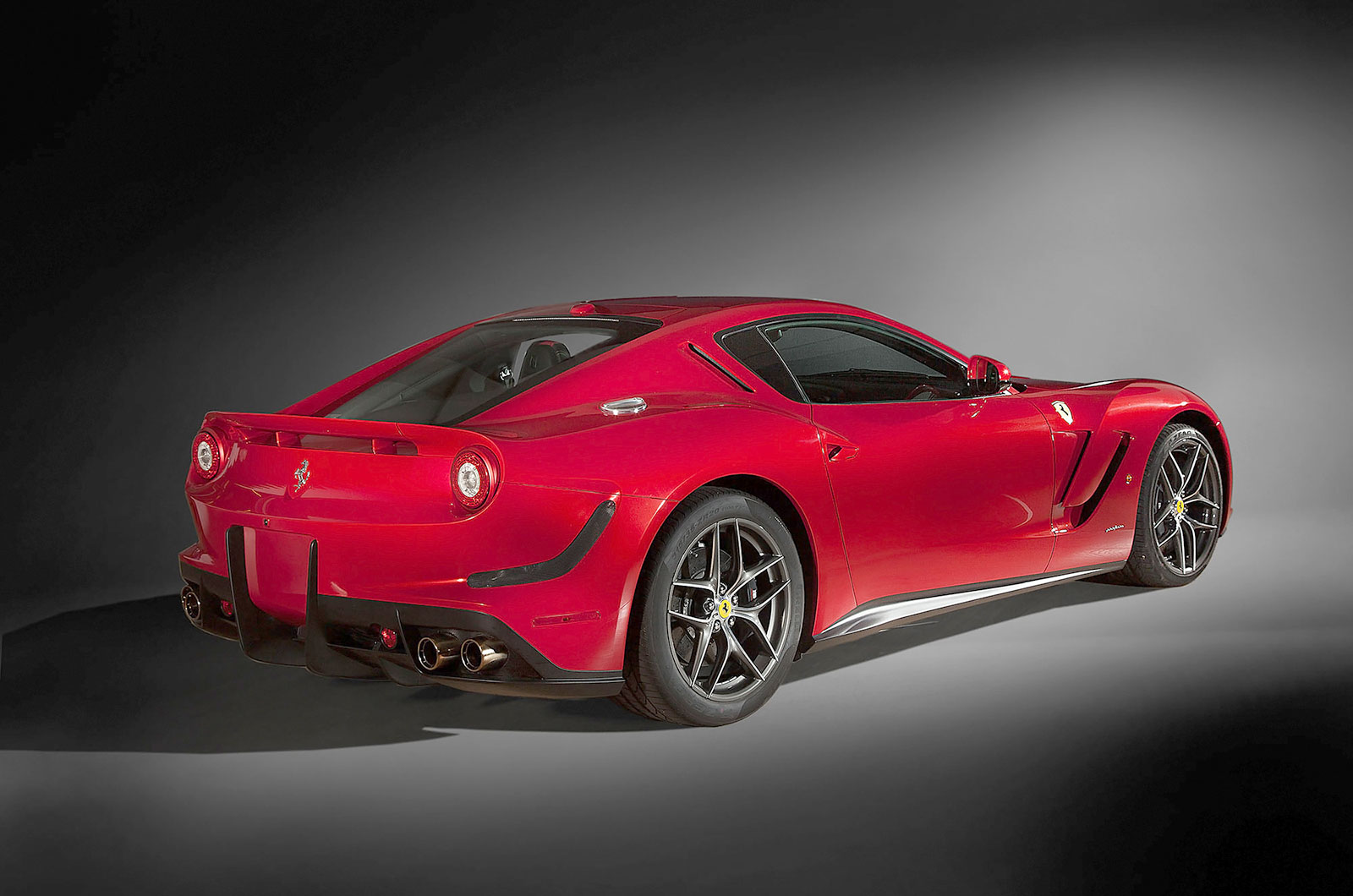
American Ferrari enthusiast Danny Wegman stumped up the necessary cash for this one, which was based on the Ferrari F12. With a design inspired by that of the ultra-collectible 250 GTO, the SP America got all-new bodywork with round tail lights. The mechanicals were left standard, which meant a 740bhp 6.3-litre V12 was in the nose.
Ferrari SP FFX (2014)
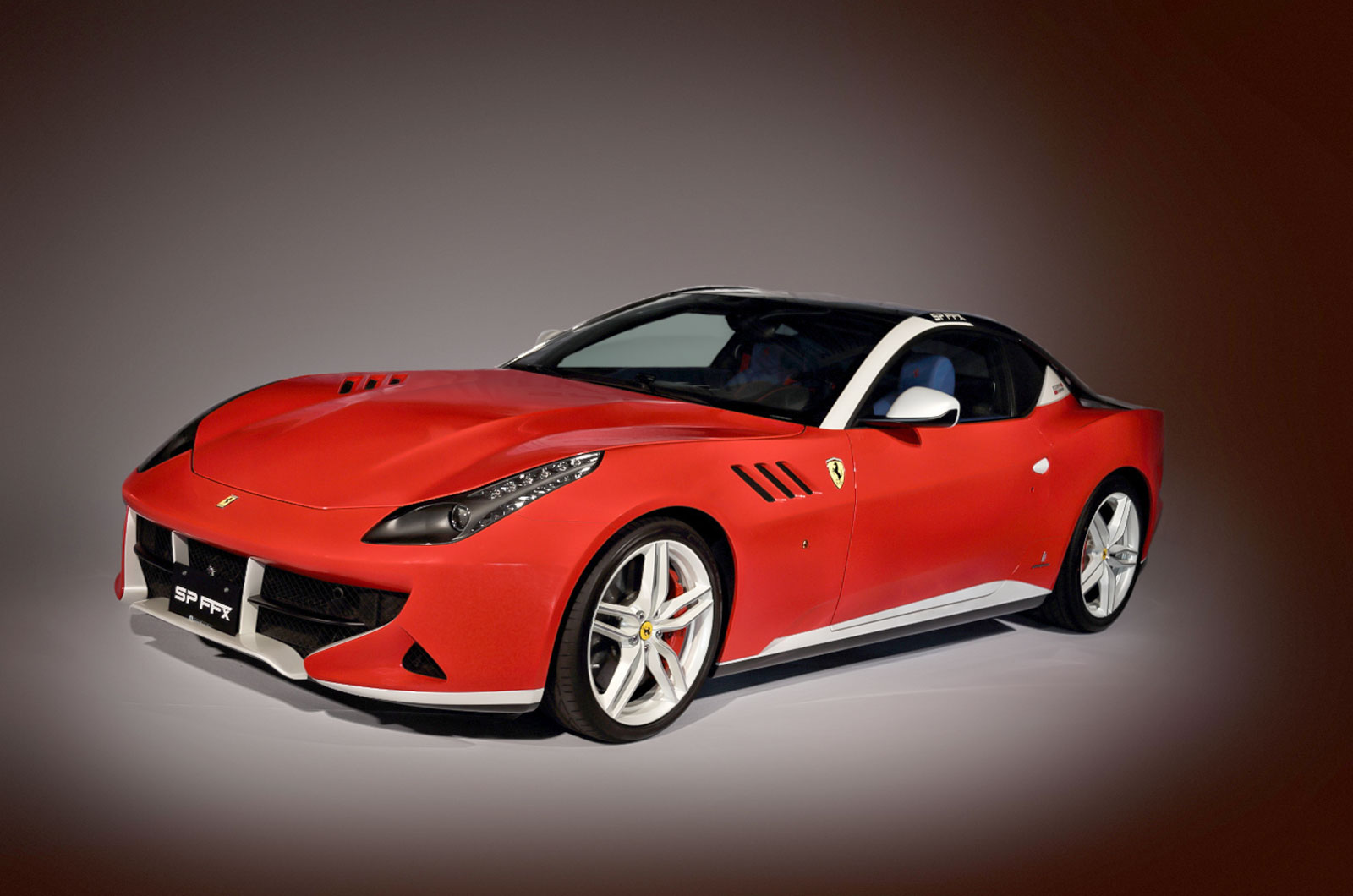
Ferrari Special Projects had a busy year in 2014, with no fewer than three unique cars being unveiled. The SP FFX was commissioned by Japanese collector Shin Okamato and while it was based on a Ferrari FF you would never guess, with the sharply cut away bodywork at the back so it looked more like a restyled F12 Berlinetta.
Ferrari SP 275 RW Competizione (2016)
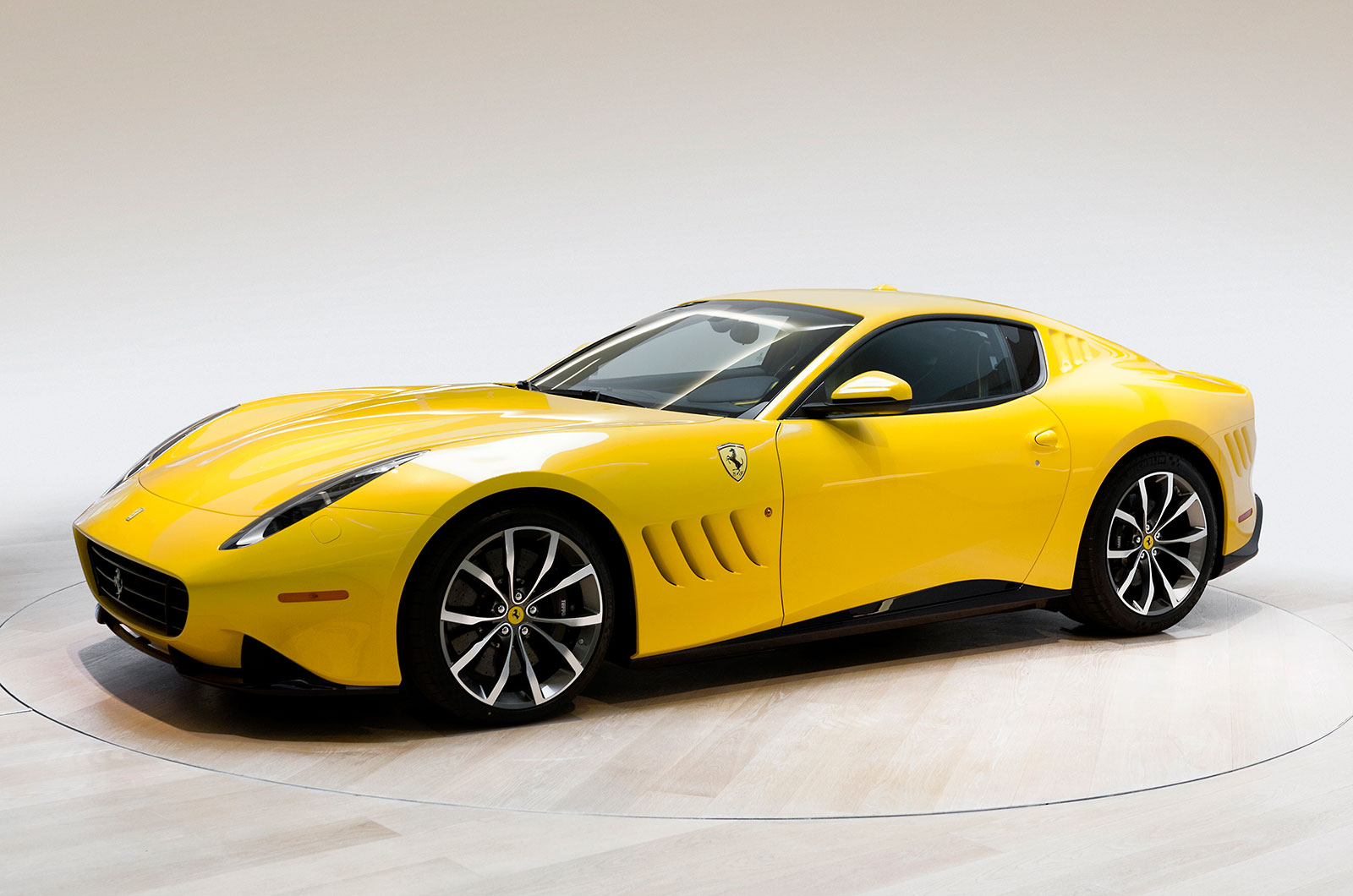
Yet another F12-based one-off, the SP 275 RW Competizione was commissioned by American dentist Rick Workman, who paid $3-4m to pay for his unique machine. Inspired by the 275 GTB/C Speciale that won its class at Le Mans in 1965, the SP 275 RW used the mechanicals of the F12tdf, which meant a rather handy 769bhp was on tap; the 20-inch wheels were unique to this car.
Ferrari 458 MM Speciale (2016)
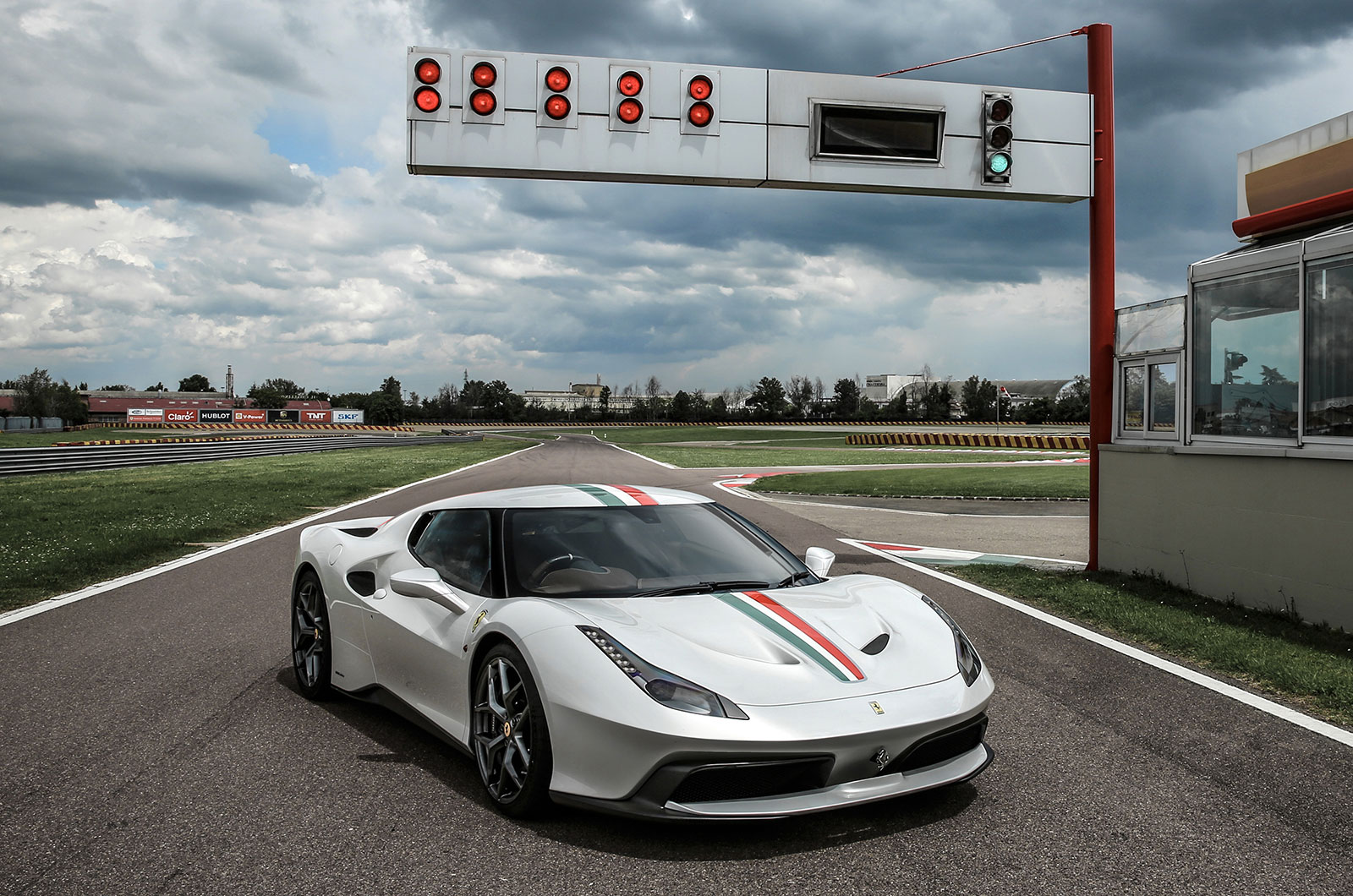
Not many official Ferrari one-offs were commissioned by British Prancing Horse fans, but the 458 MM Speciale was. Based on a 458 Speciale, a completely new set of panels were constructed of aluminium and carbon fibre. This one-off was inspired by the 288 GTO, with its wrap-around windscreen; the paintwork was pearlescent white while the interior was swathed in dark brown leather.
Kia Sorento Ski Gondola (2016)

The Specialty Equipment Market Association has been going since the early 1960s and in recent years it has become a must-see event for petrolheads the world over. Held every autumn in Las Vegas, car makers have embraced the annual SEMA bash with such enthusiasm that cars like the Kia Sorento Ski Gondola aren't the most outrageous confections on display.
Kia Sorento Ski Gondola (2016)

While the Ski Gondola was left standard from an engine and transmission perspective, the rest of the running gear was given a serious makeover, with self-levelling rubber tracks fitted for the Kia to cope with the most tricky arctic terrain imaginable.
Ferrari SP38 Deborah (2018)
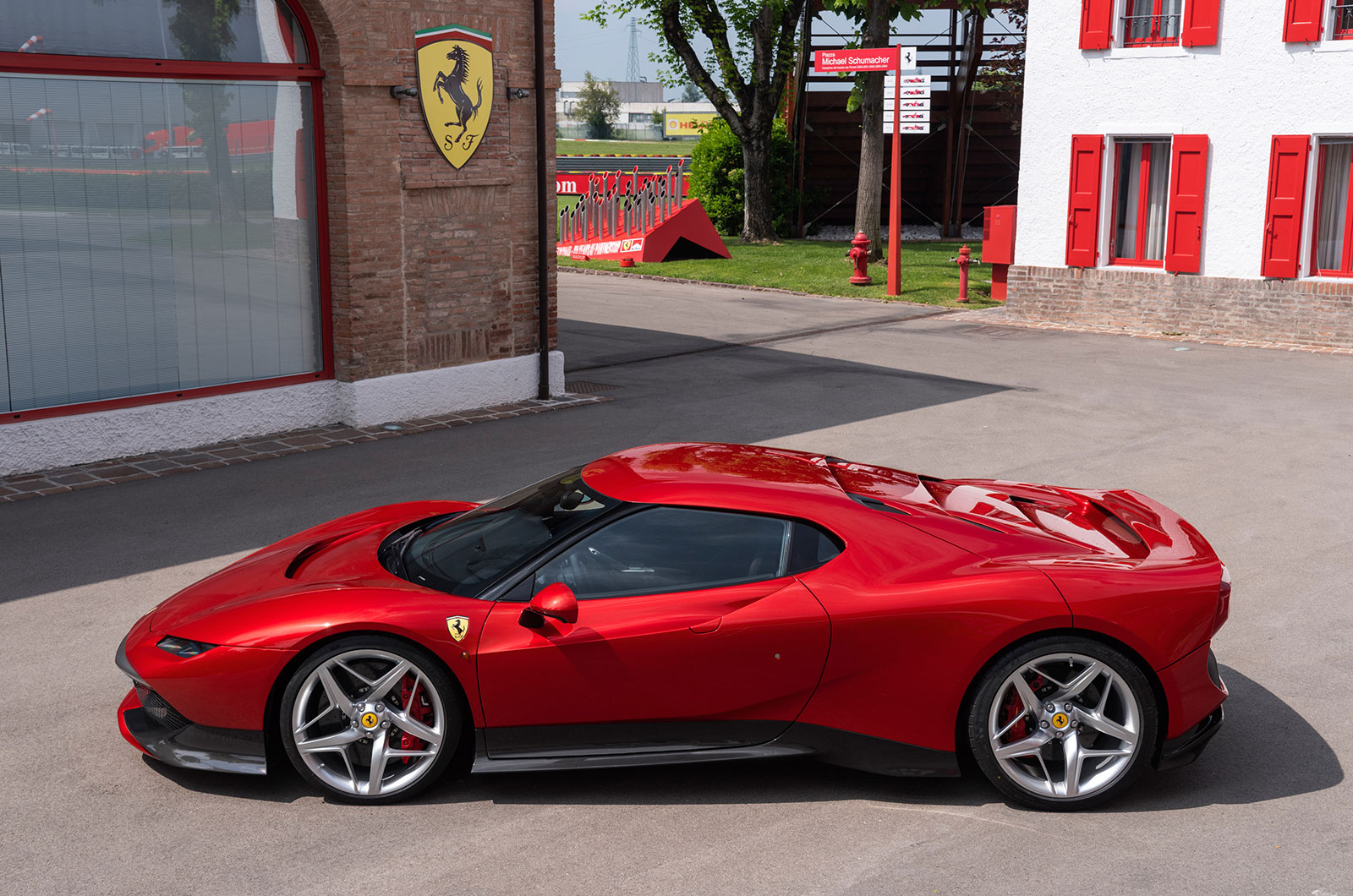
Revealed at Villa d’Este in 2018, the SP38 happened thanks to the cash and enthusiasm of Swiss collector Ronnie Kessel whose start point was a 488 GTB, reworked with a design inspired by the F40. The SP38 Deborah name apparently refers to the bespoke shade of red paintwork – although if you can work out the reference you're doing better than us.
Rolls-Royce Sweptail (2017)
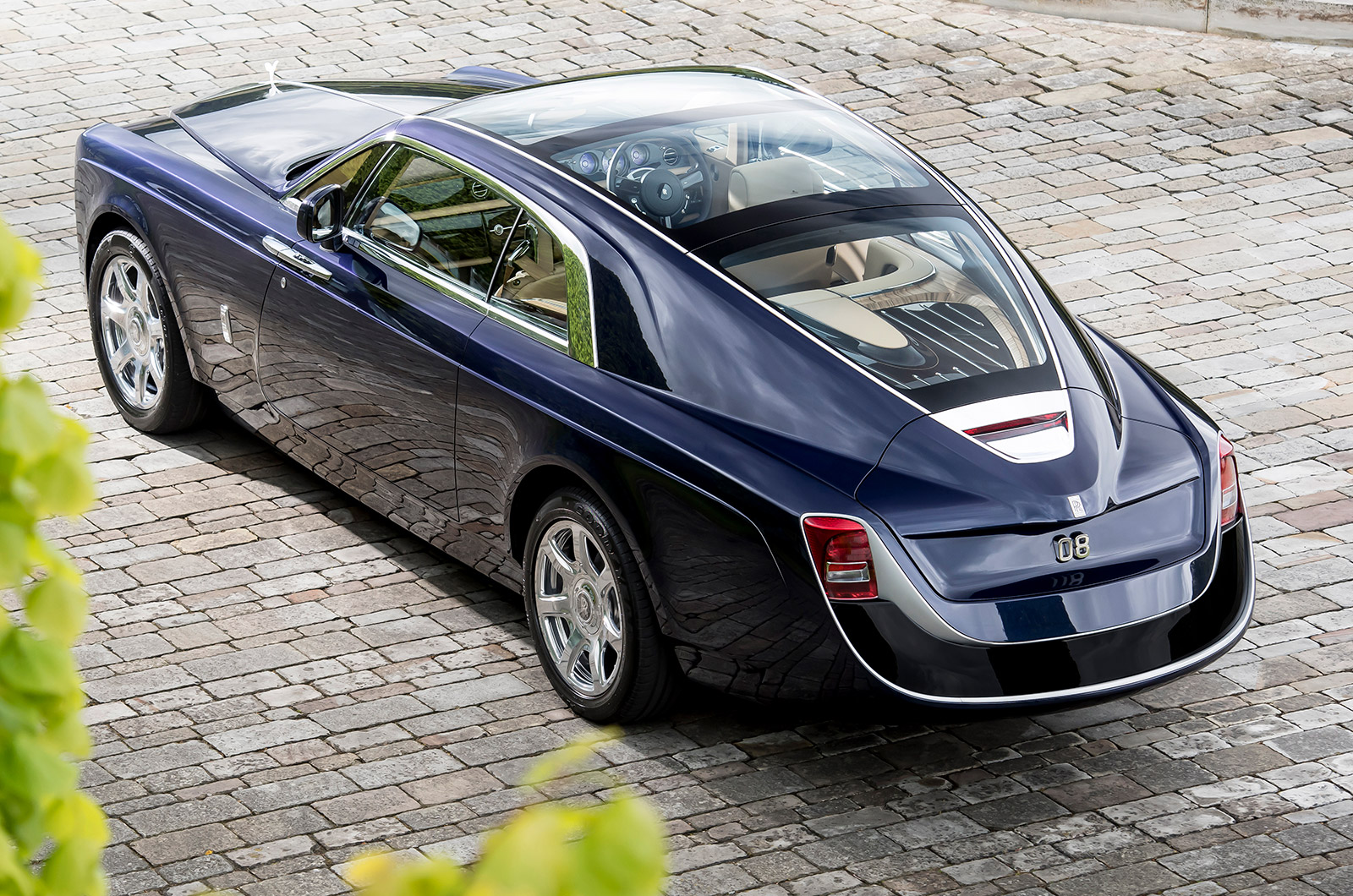
An unnamed owner paid many millions of pounds for this to be built, and when we introduced it to our readers the message boards went into overdrive with readers telling us how much they hated the design. But love it or loathe it, the Sweptail harks back to the glory days of coachbuilding, which is what Rolls-Royce should be all about.
Rolls-Royce Sweptail (2017)
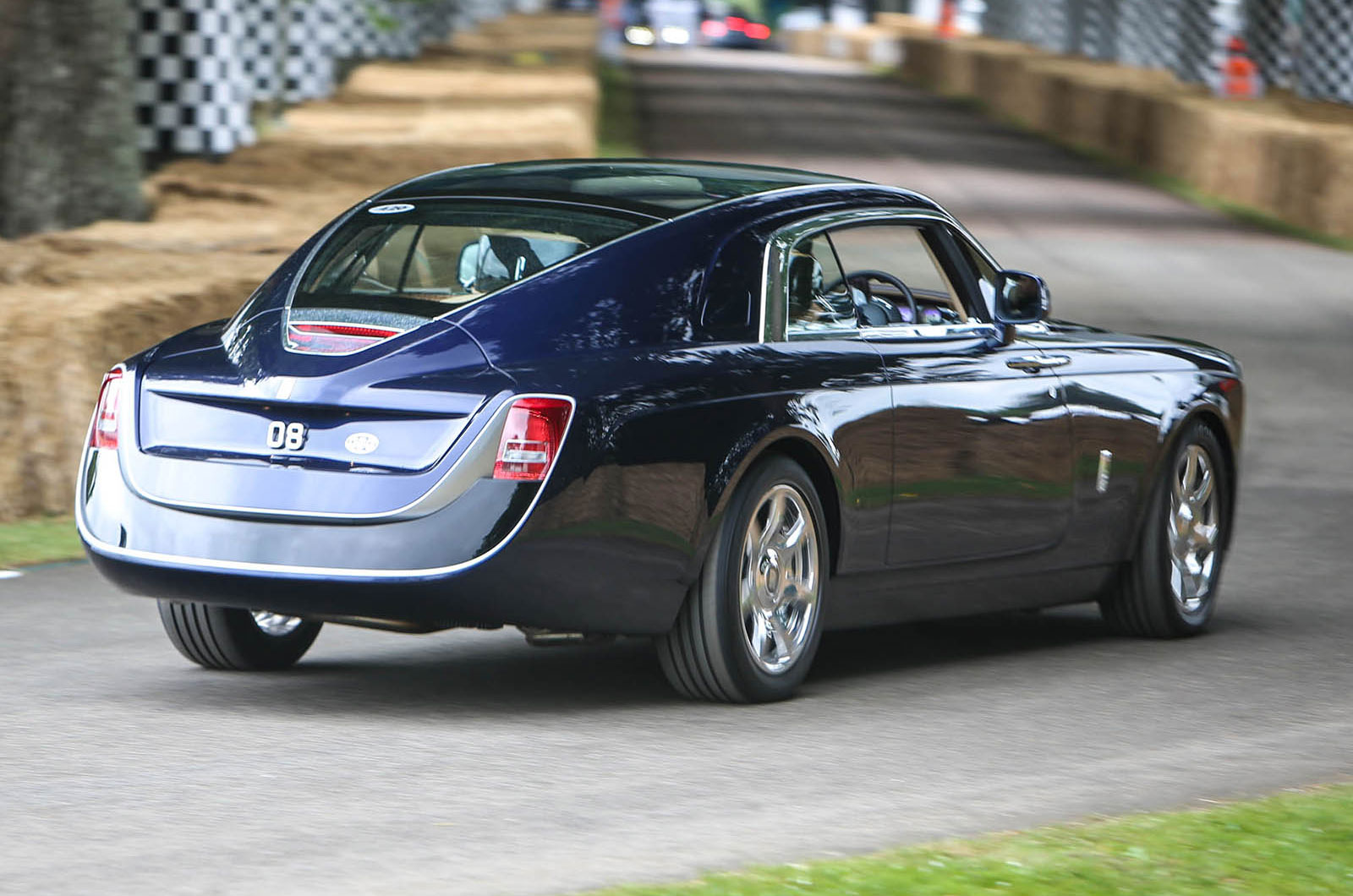
The Sweptail was based on the Rolls-Royce Phantom VII, complete with 6.75-litre V12 engine. The one-off car took four years to design and build, and it featured the largest ever iteration of Rolls-Royce's iconic Pantheon grille. Despite its generous proportions, the Sweptail was fitted with just two seats – and presumably had the boot space of a Luton van.
Bugatti La Voiture Noire (2019)
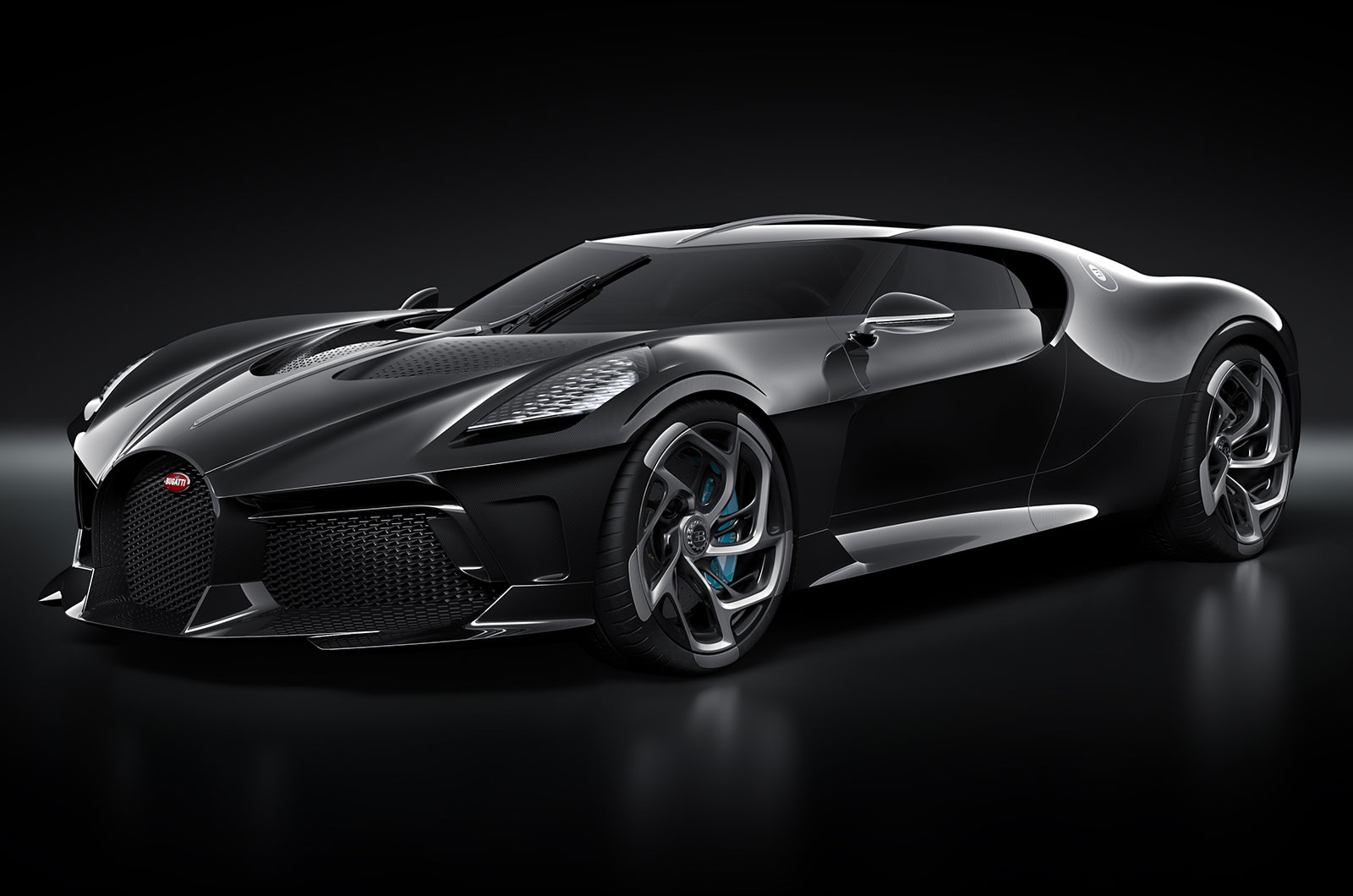
When Bugatti revealed its La Voiture Noire at the 2019 Geneva salon the company claimed that it was the world's most expensive new car, with a price tag of £12m. You couldn't buy it though; it was commissioned by an unnamed marque enthusiast with very deep pockets, at one time rumoured to be Portuguese soccer star Cristiano Ronaldo, though he has denied this.
Bugatti La Voiture Noire (2019)
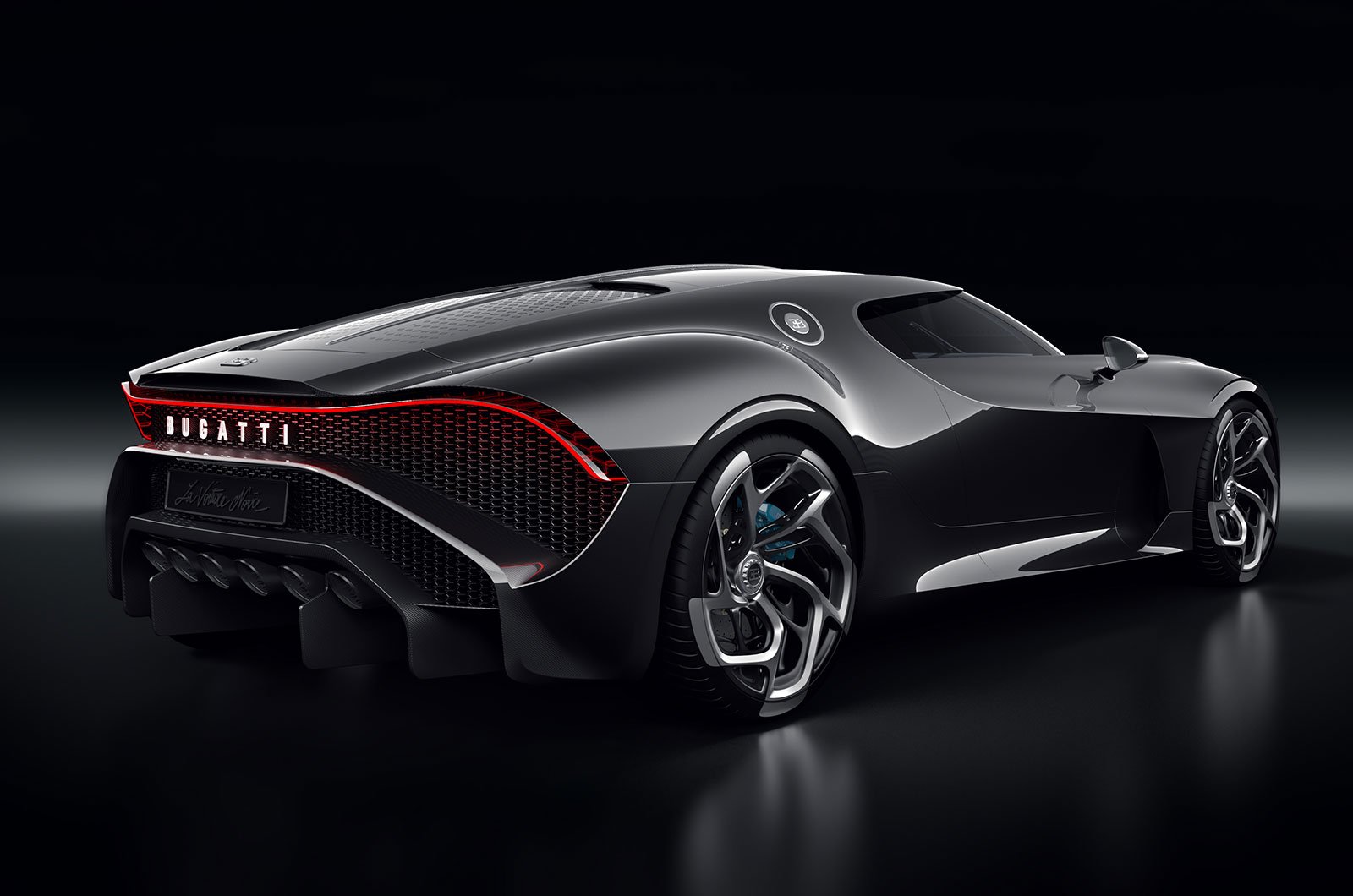
While it was the 1500bhp Chiron that provided the basis for La Voiture Noire, it was the Bugatti Type 57SC Atlantic that provided the inspiration – and specifically the car originally owned by Jean Bugatti. That car was lost during World War 2, never to be seen again; we suspect that now this car has been seen very publicly on one occasion, it won't get too many airings from now on.

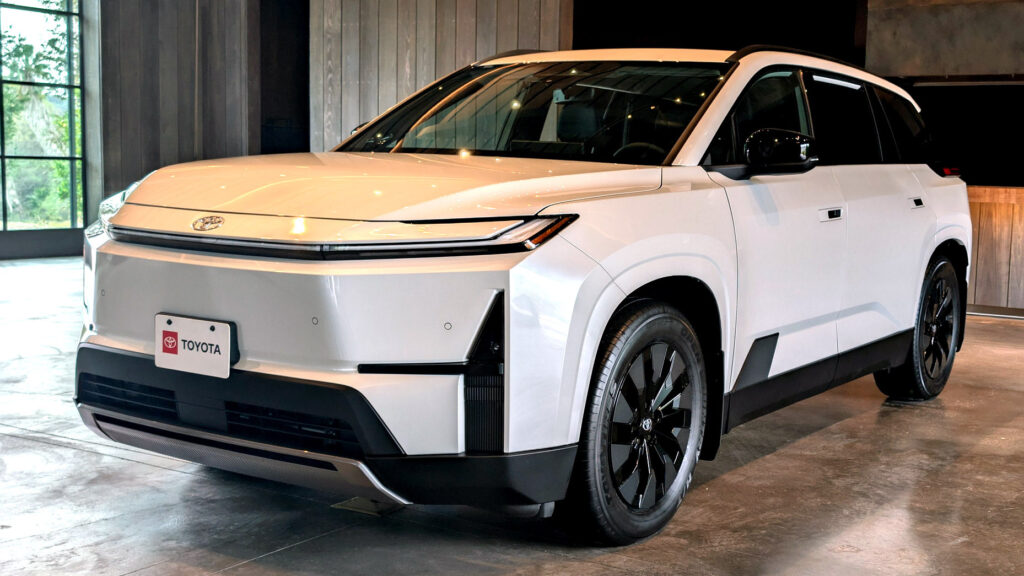
Toyota Highlander EV Delay Signals Cautious Shift Amid Ongoing Gas Model Profits

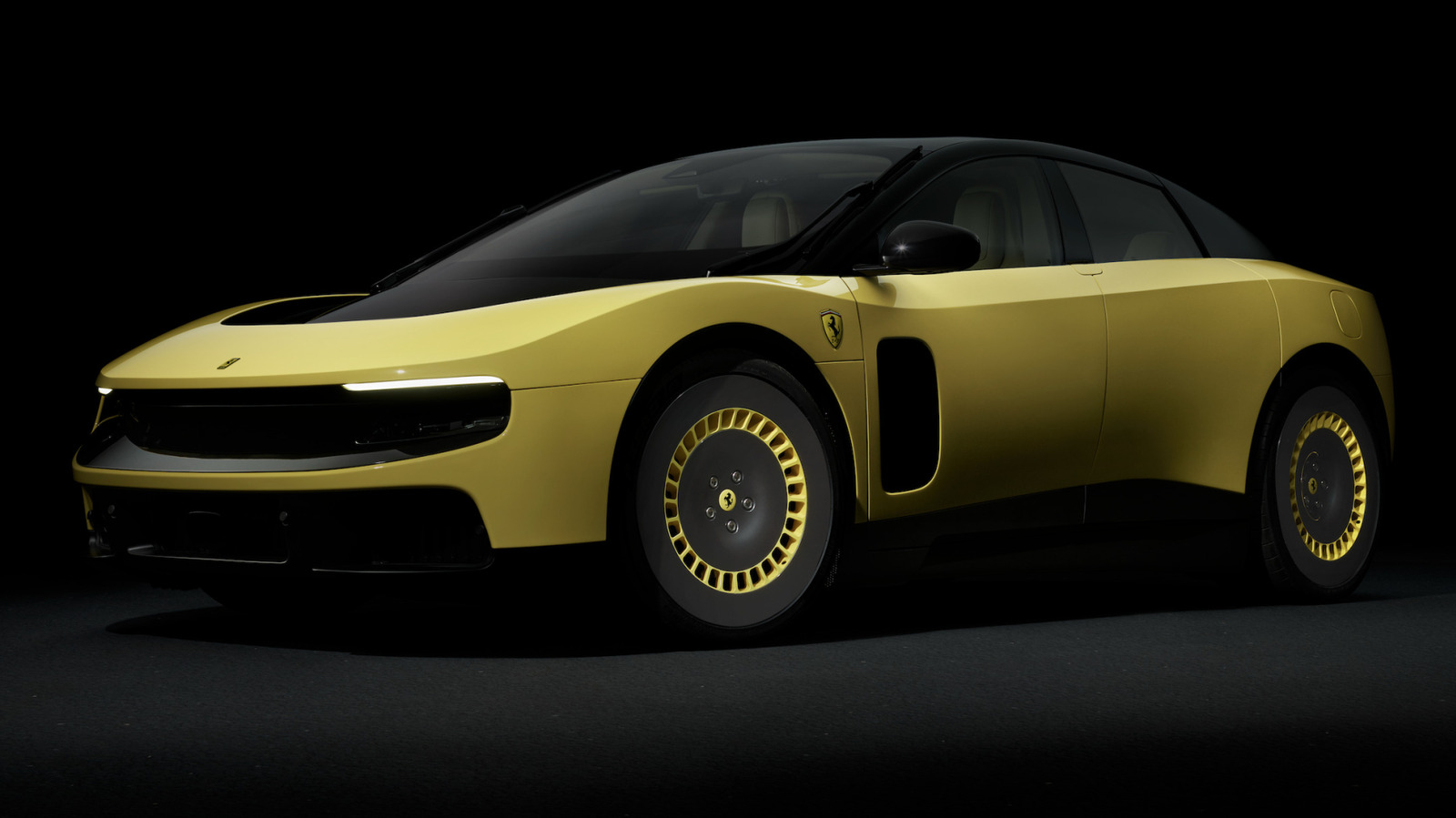
Ferrari Luce and the Challenge of Brand Identity in the Age of Electric Supercars

French Luxury Saloons and the Struggle for Prestige in a Shifting Automotive Landscape
 Looking back at France's greatest luxury saloon hits and misses
Before the second world war, French companies built many of the world’s most luxurious cars.
Prestigious names like Bugatti, Delage, Delahaye and Salmson thrived in their home country and abroad. Profitably making luxury saloons became much more difficult after the war.
Petrol was rationed, the French economy was slow and the government began collecting a stiff tax on what it classified as non-essential goods. The class didn’t experience a true revival until the 1960s.
From the lame to the great, join us as we look at the luxury saloons made b French carmakers between 1960 and around 2020:
Renault Rambler (1962)
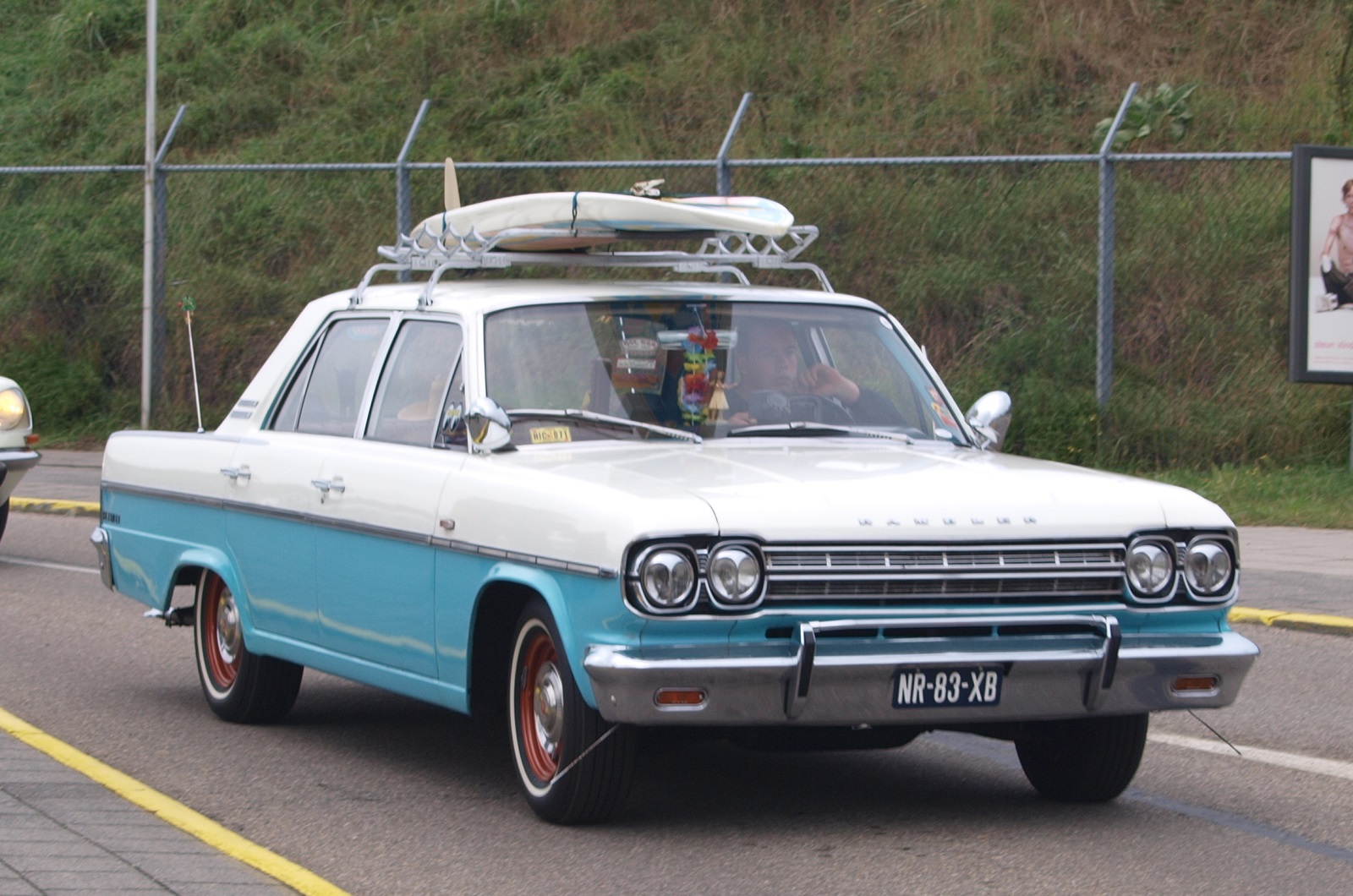
The Fregate occupied the top spot in the Renault range during much of the 1950s. Its ponton design made it considerably more modern-looking than the Citroen Traction Avant, one of its main rivals. The tables suddenly turned when the avant-garde DS made its global debut at the 1955 Paris motor show.
Renault had to fire back. Instead of developing an executive saloon from scratch, it did a deal with American Motors Corporation (AMC) to build and distribute the Rambler in Europe. The firm received the Rambler in kit form and assembled it in Haren, Belgium. The European-spec model came with a 3.2-litre straight-six engine that made 129bhp in its initial state of tune.
The Rambler sold poorly even in France, where it was generally too expensive to buy, register and run. And, in hindsight, many buyers never warmed up to its decidedly American design. President Charles de Gaulle allegedly turned down an armoured Rambler as his official car.
Renault 16 (1965)
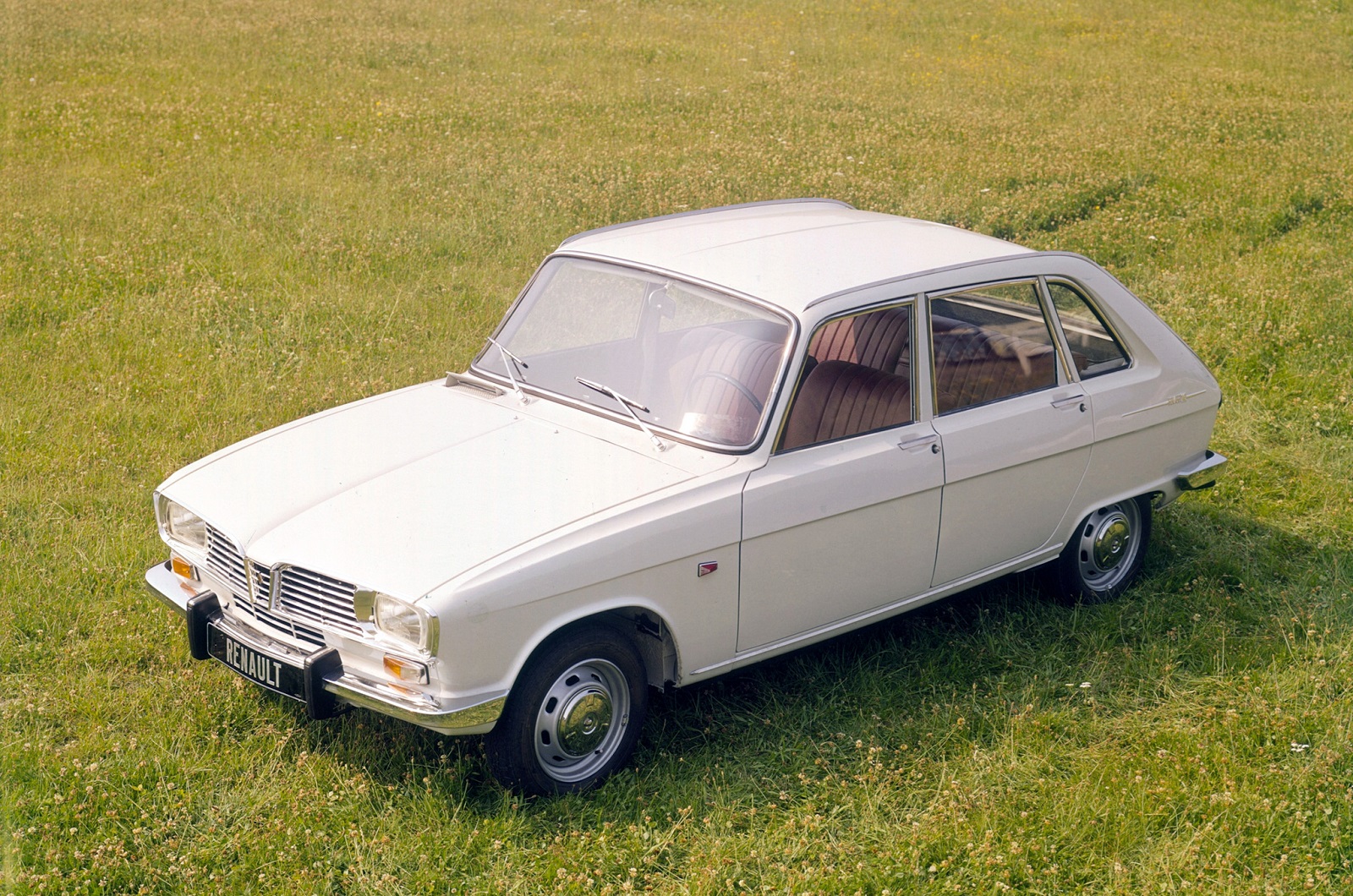
It didn’t take long for Renault to realise the Rambler wasn't going to succeed. Executives asked talented designer Gaston Juchet to draw a new luxury car whose design would resonate with buyers in Europe. He ditched the three-box silhouette and adopted a two-box look with a practical hatch in lieu of a flat boot lid. The sheet metal hid an innovative front-wheel drive layout already seen on Renault’s 3, 4 and Estafette models.
The coupe and saloon variants of the 16 designers experimented with in the early 1960s never made the transition to production. The model nonetheless received luxurious features like an automatic transmission, fuel injection plus power-operated door locks and front windows to cement its position at the top of the Renault range, especially after the Rambler was quietly dropped in 1967.
Renault hoped to replace the 16 with the 20 and position the 30 a notch above. Both models made their debut in 1975 but the 16 remained on sale until 1980. Over 1.8 million examples were built and the model was sold in dozens of countries, including the United States.
Monica 560 (1972)
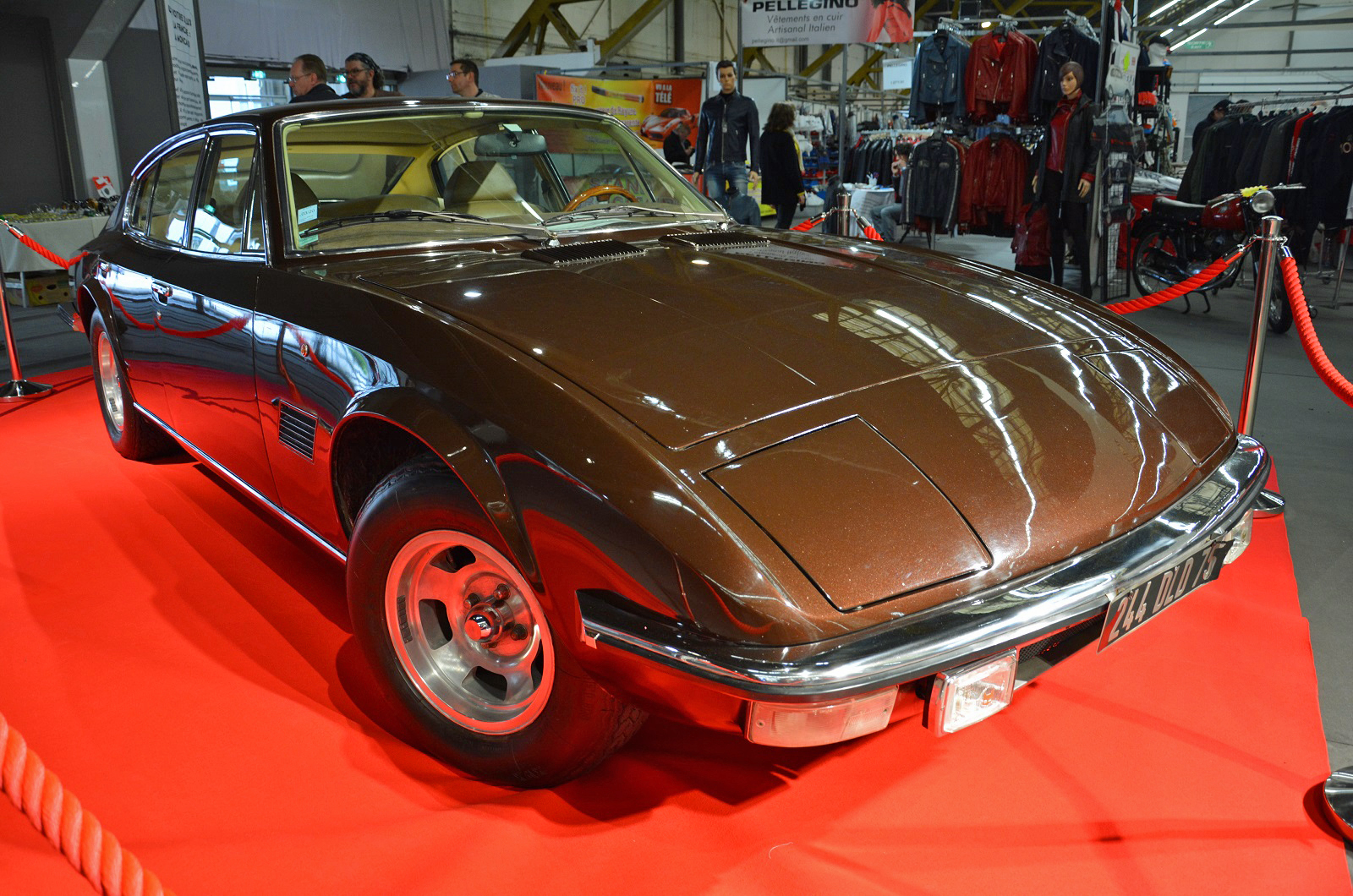
In the late 1960s, a few years after Facel Vega disappeared, a French industrialist named Jean Tastevin embarked on an endeavour to build an ultra-luxurious saloon capable of beating Jaguar, Maserati and Mercedes-Benz. Former Formula One driver Chris Lawrence helped design the car, which Tastevin ultimately named Monica after his wife Monique and 560 to denote the engine’s displacement.
The public first saw the Monica 560 during the 1972 Paris motor show and the production model made its debut a year later at the same event. Early prototypes looked like an overgrown Panhard CD and used a Ted Martin-designed V8. The production model received a contemporary-looking, wedge-shaped body and a 5.6-litre V8 from Chrysler.
The 560, like the Citroen SM, was born at the wrong time. The 1973 oil embargo caused demand for large, uneconomical saloons to collapse. The French government also announced and enforced strict speed limits that further discouraged motorists from buying a fast car. Tastevin nonetheless moved forward with the project and assertively priced the 560 in the same bracket as the Rolls-Royce Silver Shadow. Production started in 1974 and ended a year later. Most historians agree Tastevin built no more than 17 regular-production models, though some argue the real number is much lower.
Citroen SM Opera (1972)
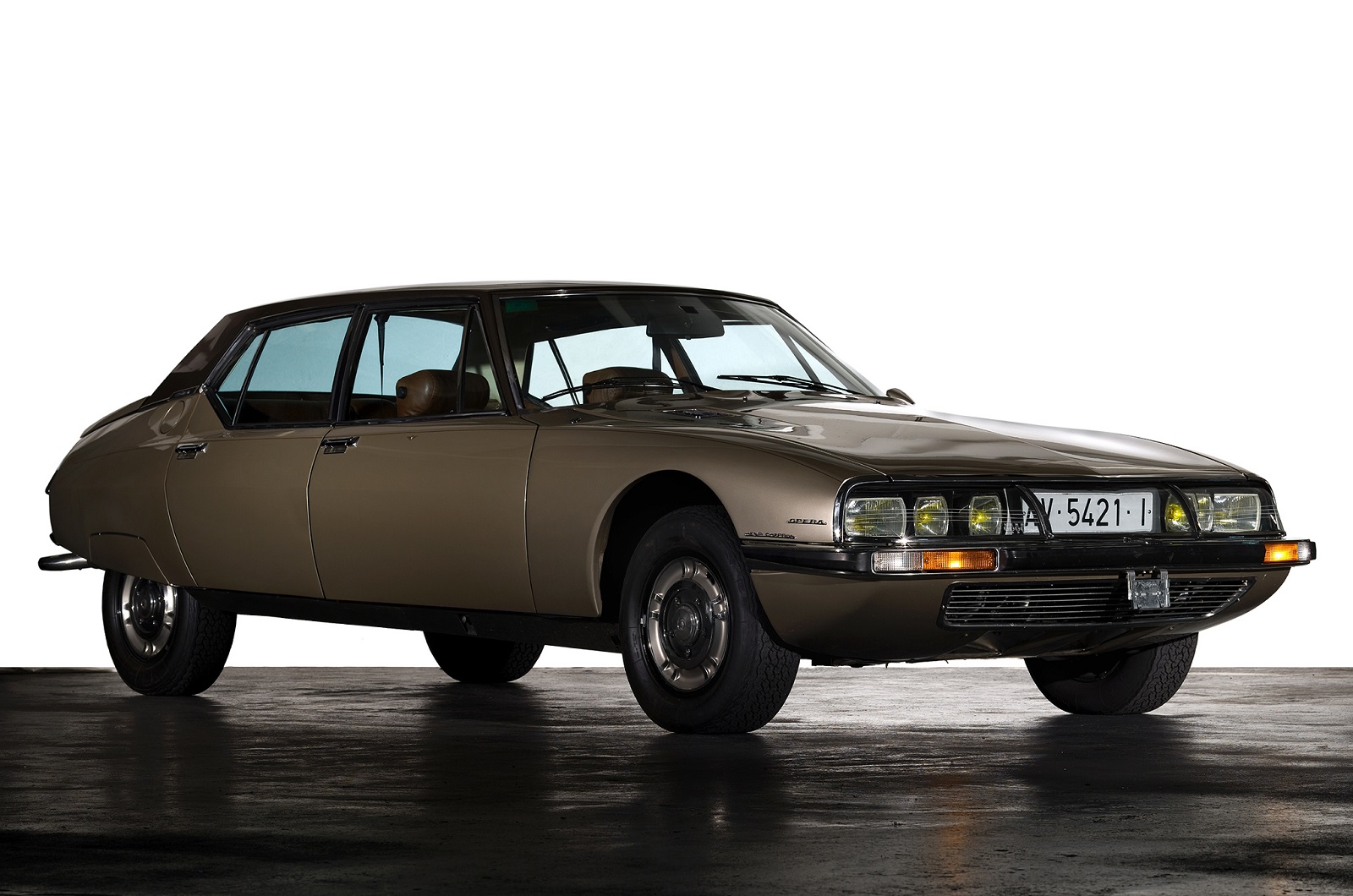
Monica wasn’t the only company ambitiously trying to propel France back to the ultra-luxury car segment. After making a pair of Citroen SM-based cabriolet limousines for the French government, coachbuilder Henri Chapron explored the possibility of building a four-door model with a closed roof. He presented the car – which he called SM Opera – at the 1972 Paris motor show.
The SM Opera found only eight buyers during its short production run, which ended shortly after Citroen stopped making the SM in 1975. The example pictured here traded hands at an auction in 2009 for nearly €200,000.
Citroen CX (1974)
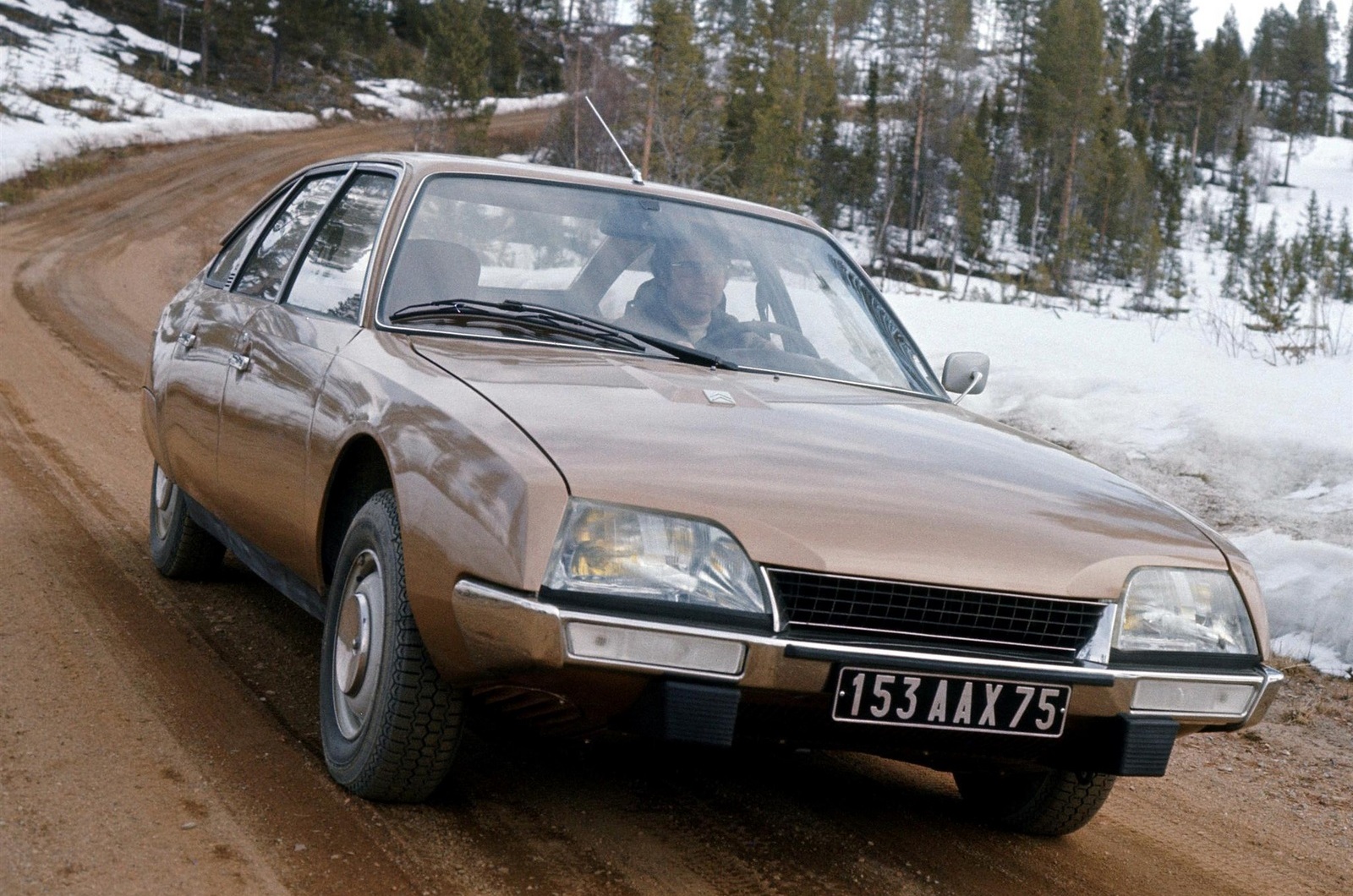
Citroen introduced the CX right before the DS celebrated its 20th birthday. It should have used a 160hp triple-rotor Wankel as its top engine but fuel economy and reliability concerns forced Citroen to cancel those plans at the last minute. The company had access to several V6 engines (including the one in the SM and, later, the Peugeot-Renault-Volvo unit) but the CX’s engine bay was too small for one.
The CX nonetheless enjoyed a long, illustrious career. It spawned several variants including a spacious estate, a long-wheelbase limousine with a cigarette lighter in each rear door panel and surprisingly sporty GTi-badged versions. Chinese officials nearly selected it as their large car of choice during the 1980s but they allegedly back-pedaled after examining the hydropneumatic suspension. The contract instead went to the Volkswagen Santana.
Renault 30 (1975)
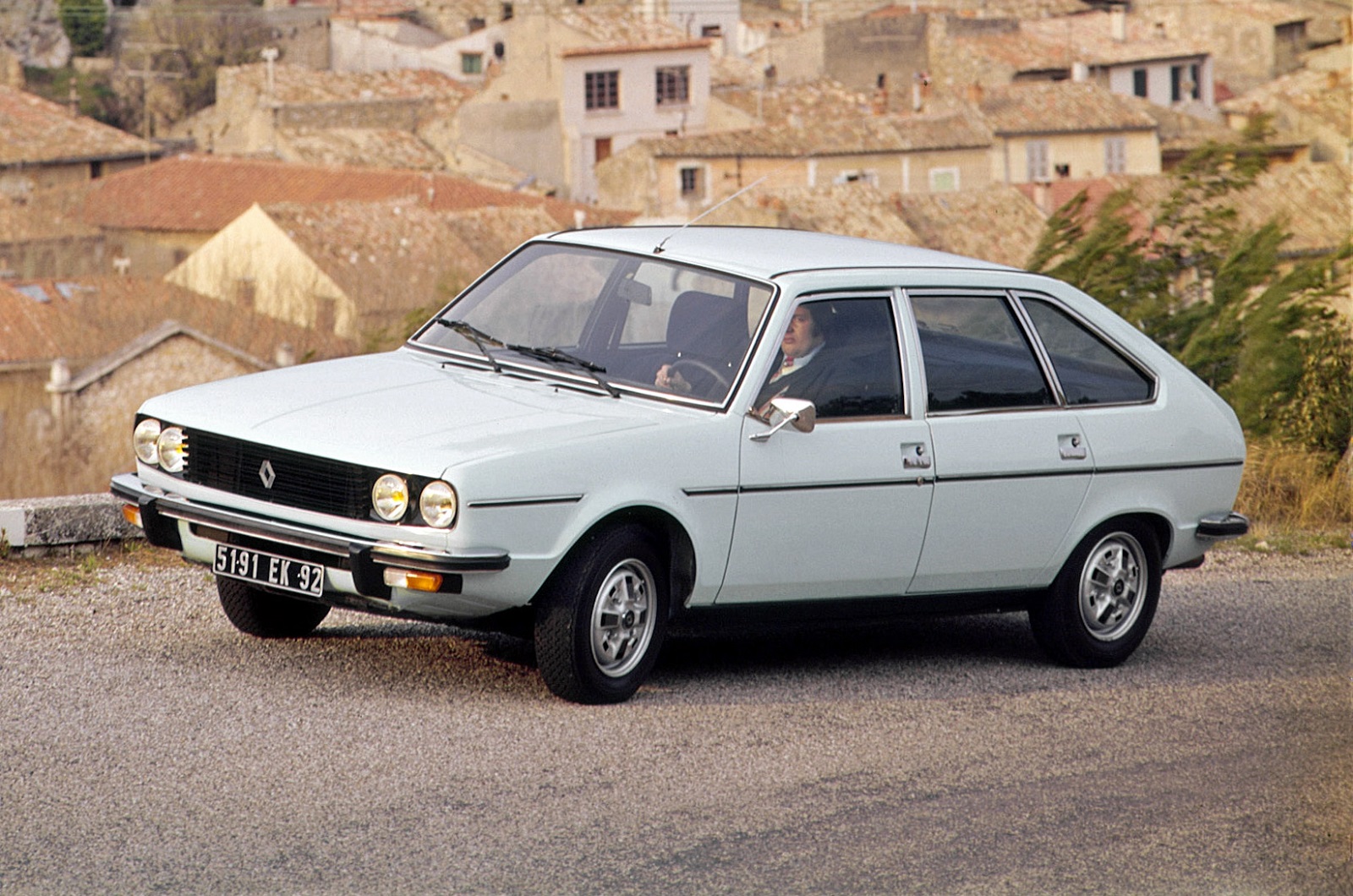
Renault, arch nemesis Peugeot and Volvo formed an unlikely alliance to develop a V8 engine in the early 1970s. In 1973, after the first oil crisis, they wisely decided launching a car with an eight-cylinder under the bonnet would steer them towards financial disaster and chopped off two cylinders to make a V6 instead.
The 30 introduced the PRV engine to the Renault family when it made its debut in 1975. Period road-testers criticized its excessive fuel consumption but praised its handling and its comfort. Visually, the 30 stood out from the 20 (which came with a four-cylinder engine) with its four round headlights instead of two rectangular units. Renault struggled to sell the 30 as well as it hoped. Some blamed the design. The 30 received a turbodiesel engine in 1982 and retired the following year.
Peugeot 604 (1975)
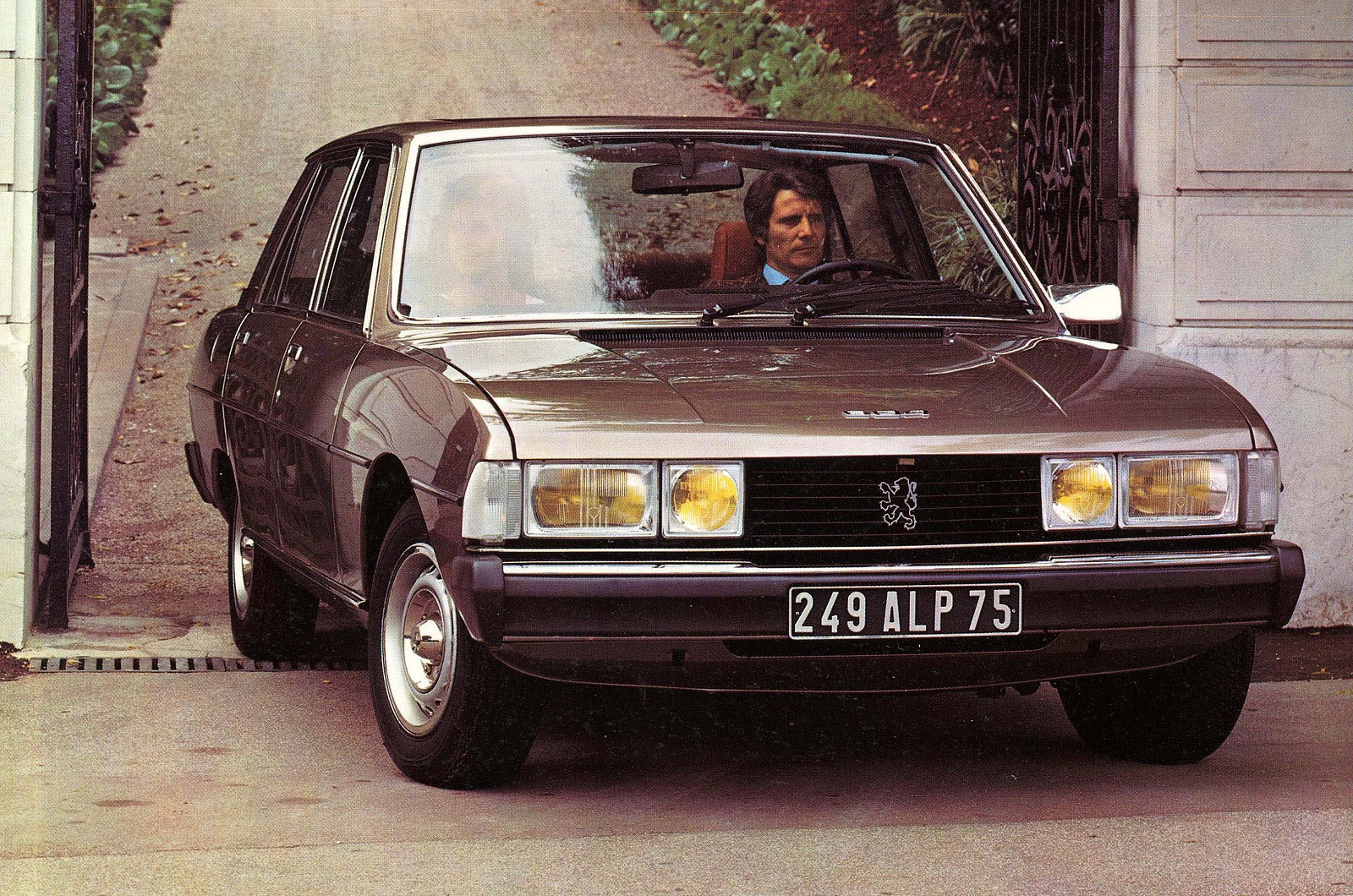
By launching the 604, Peugeot returned to a class it left when it phased out the 601 in 1935. The saloon shared its V6 engine with the Renault 30 and insiders say the two companies tacitly agreed not to step on each other’s toes. Gaston Juchet gave the 30 a two-box silhouette with a large hatch; Pininfarina penned an angular, three-box body for the 604, which Peugeot aimed at motorists stepping out of a Mercedes-Benz.
The 604 focused on comfort above all. Buyers seeking a fully-loaded model could spend extra on niceties like air conditioning, an automatic transmission and leather upholstery. Still, the 604 sold at a glacial pace. Peugeot stopped making it in November 1985, but dealers didn’t sell the last of the new cars they had in stock until July 1987.
Talbot Tagora (1980)
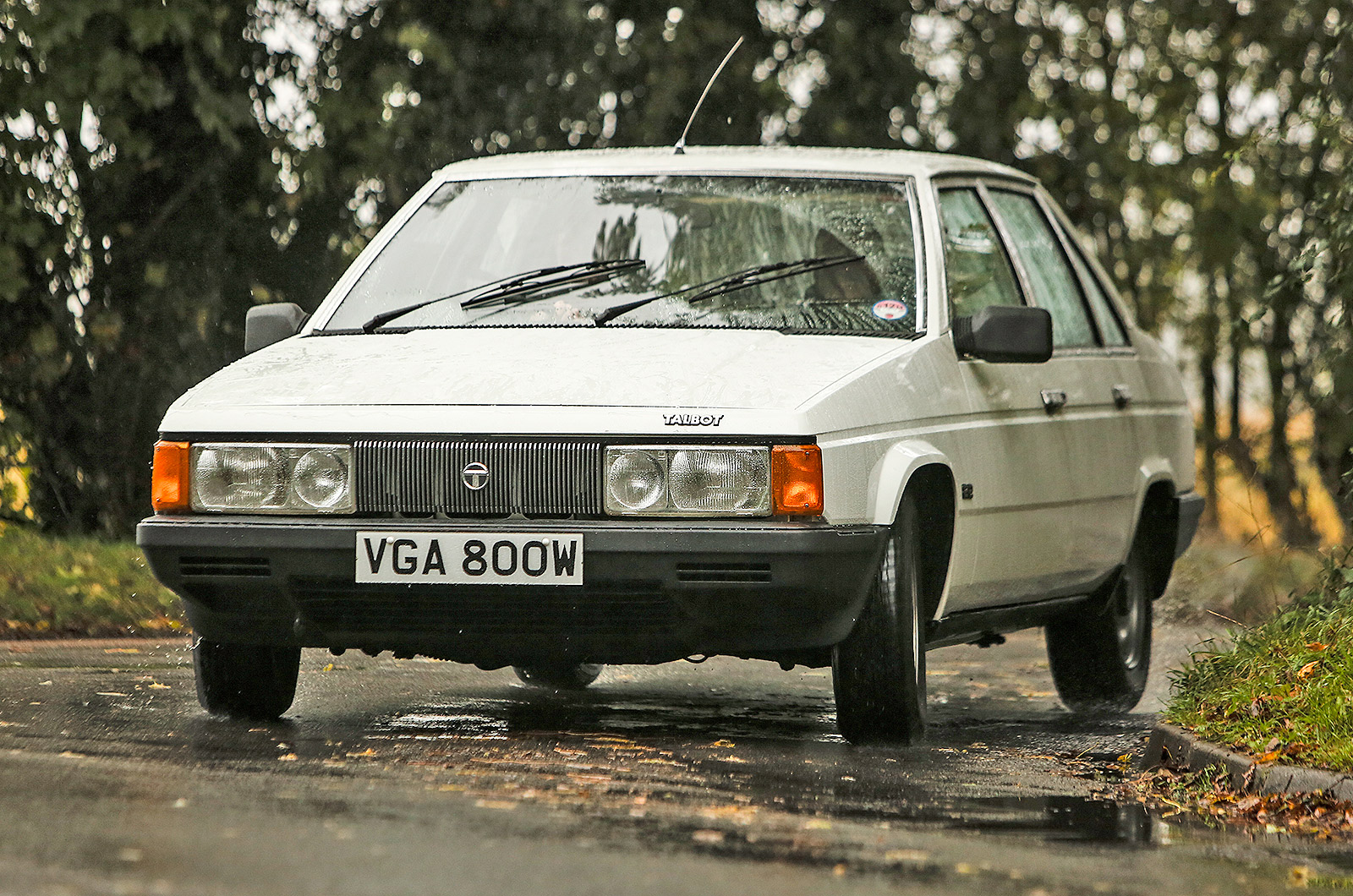
In 1976, Chrysler assigned its Rootes division the task of developing a range-topping saloon for the European market. The design brief called for a traditional three-box model with an engine bay big enough to swallow a straight-six. The model – called C9 internally – was nearly ready for production when Chrysler began showing signs of imminent collapse. It decided to sell its European division.
The French government pressured Peugeot into buying it to save Simca and the thousands of jobs at stake. Peugeot closed the deal in 1978, two years after reluctantly absorbing Citroen in similar conditions, and quickly resurrected the Talbot name to replace Simca. No one at Peugeot wanted the Tagora; executives understandably feared it would overlap with the 604. Decision-makers nonetheless chose to move forward with the project because it was nearly ready for production. Engineers fitted it with the 505’s running gear in a bid to reap the benefits of economies of scale.
Peugeot dealers had little desire to sell Talbot models and buyers had no idea what a Talbot was. Annual Tagora production dropped to 2624 examples in 1982 and Peugeot stopped making the model in 1983.
Renault 25 (1983)
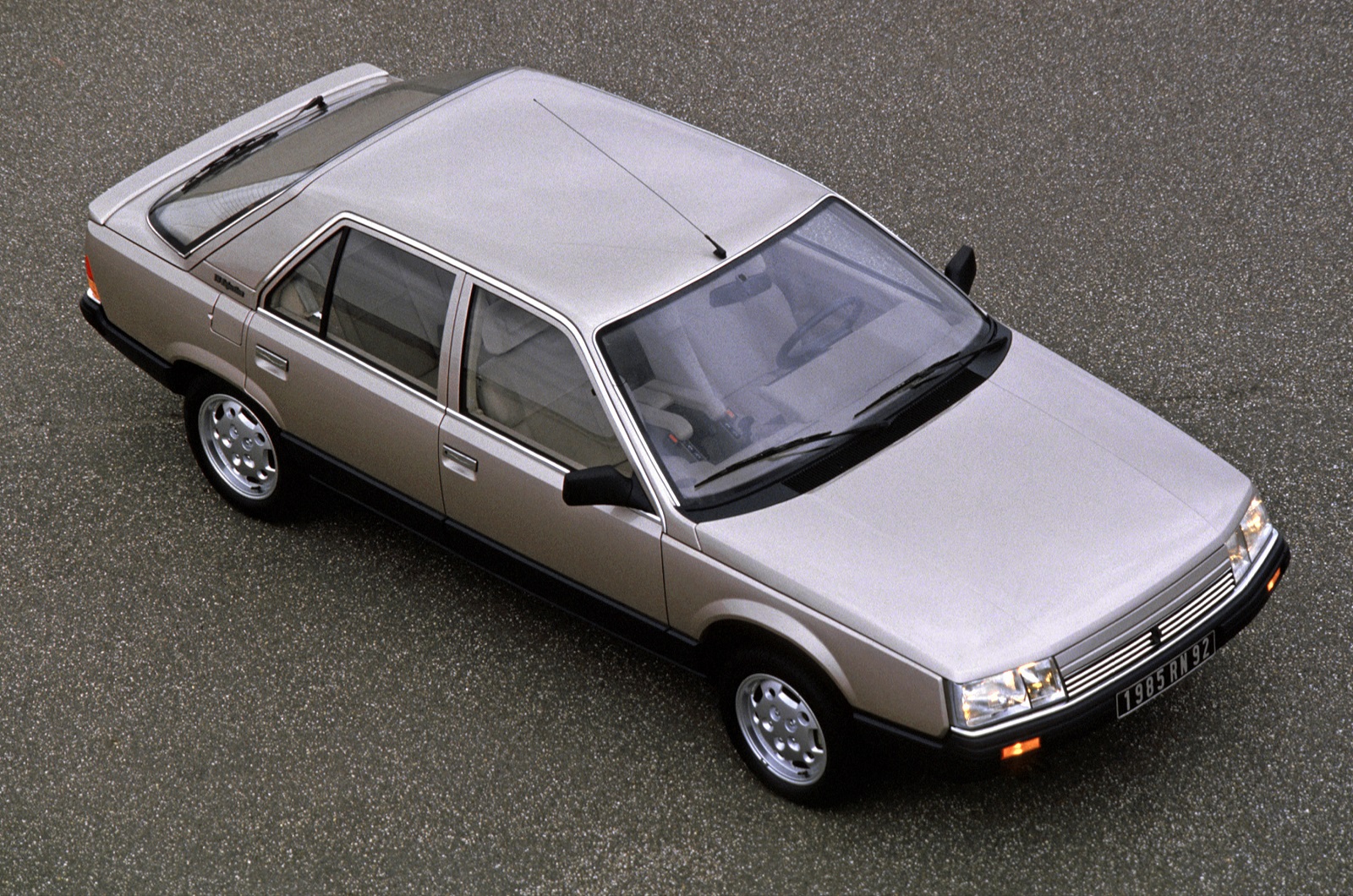
Renault executives envisioned the 25 as a world-class car that would propel the firm back into the luxury car segment. The 604 and the CX were getting old and the Germans were within reach; this was Renault’s chance to shine. Designers and engineers working on the project were given a generous budget to ensure they created a modern, safe car that drove at least as well as the competition.
It all came together nicely – on paper. In reality, cost-cutting measures created reliability problems that plagued early cars. Renault boss Raymond Levy did little to mute the chatter when he publicly revealed his personal 25 broke down on a monthly basis. Visual and mechanical improvements made in 1988 managed to salvage the car’s career.
Peugeot 605 (1989)
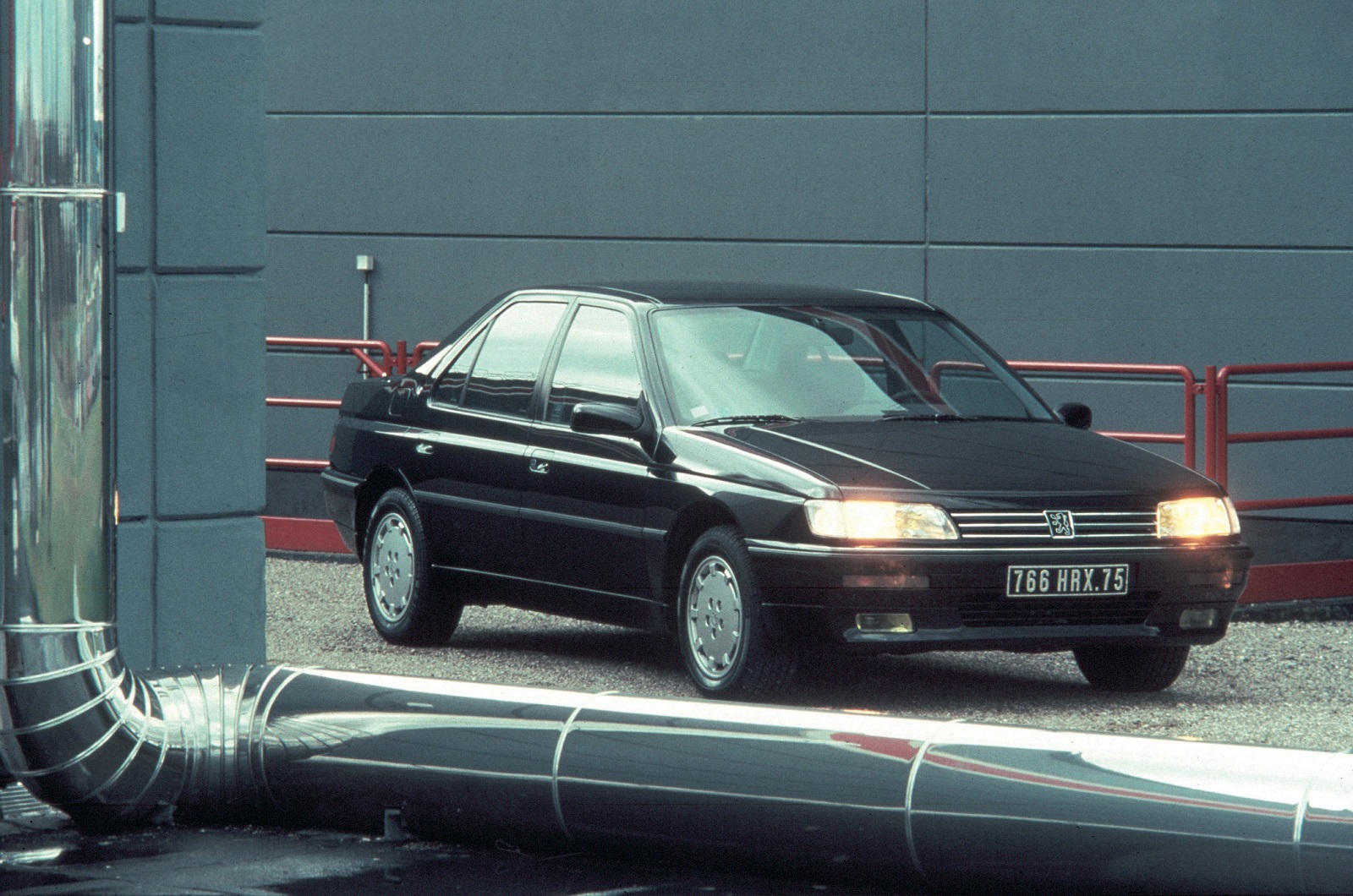
The 605 helped usher Peugeot into the era of in-car electronics. It was an expensive but essential move for a firm serious about competing against German brands like Audi, BMW and Mercedes-Benz. Peugeot initially offered the 605 with petrol-powered four- and six-cylinder engines. Period road testers praised its handling, its comfort and its luxurious interior. Buyers did, too, but the magic faded when they began experiencing issues with the car. Rushed to the market, the 605 suffered from a small galaxy of electrical problems that sent early cars back to the garage on a regular basis.
Peugeot issued several recalls and managed to fix the problems by the 1993 model year but the damage was done. Reliability woes had completely decimated the saloon’s reputation. Peugeot predicted it could sell 500,000 examples of the 605 over a 10-year period. It stopped making the car in 1999 after producing about 250,000 units.
Citroen XM (1989)
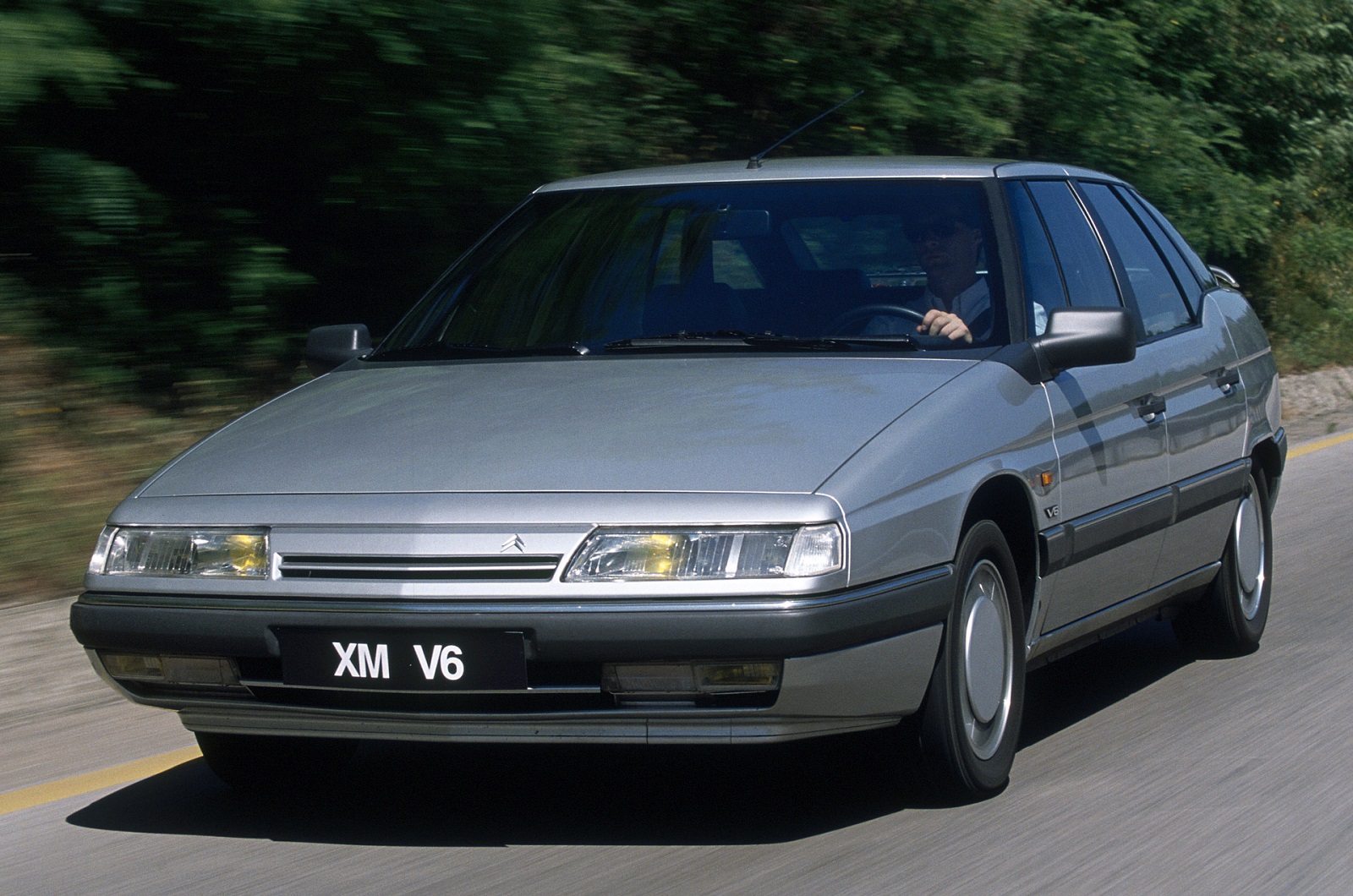
Flagship saloons from Citroen don’t come around very often. The brand introduced the all-new XM in 1989, a full 15 years after the CX made its debut. The Bertone-styled design made the XM one of the most futuristic-looking new cars in Europe when it arrived on the market. The sheet metal hid a new version of Citroen’s hydropneumatic suspension and a 13th window added to protect the occupants from wind when the hatch was open. The XM beat the Mercedes-Benz SL and the Ford Fiesta to win the coveted car of the year award in 1990.
The XM shared numerous components with the Peugeot 605 – and it suffered from the same electrical problems. Citroen tried cutting costs during the production process, components failed and early owners often found themselves with the suspension stuck in sport mode, without A/C, with broken windscreen wiper motors or with failing taillights.
Citroen made the XM appreciably more reliable starting in 1993 and fixed early cars for free but the model struggled to recover from the bad publicity. It nonetheless remained in production until 2000.
Renault Safrane (1992)
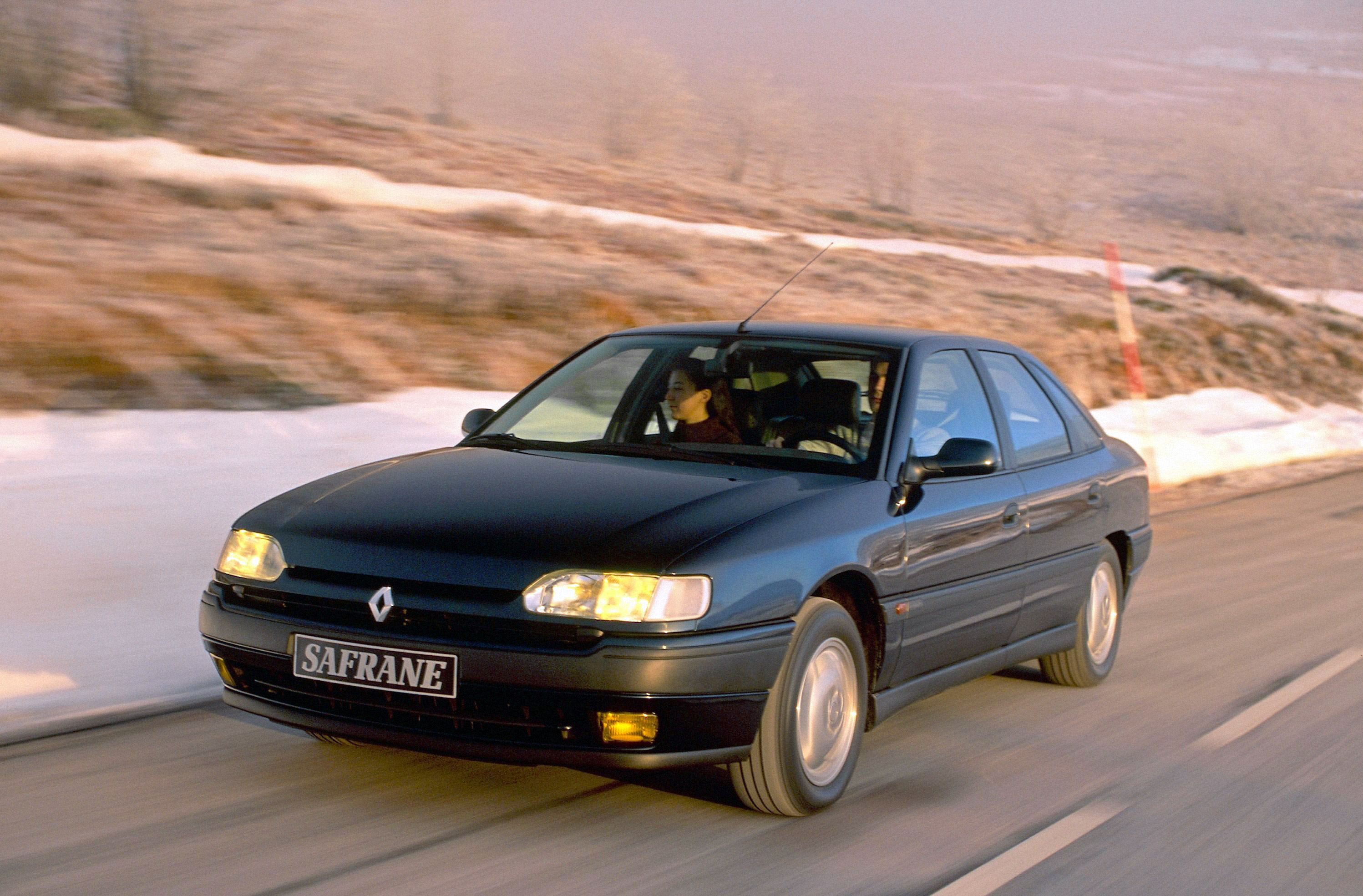
Rumours claiming Renault would hastily replace the 25 before the end of the 1980s allegedly motivated Peugeot and Citroen to rush the 605 and the XM to the market. They were false; the Safrane didn’t make its debut until 1992. Visually, it broke most ties with its predecessor inside and out.
Like its rivals, Renault wanted the Safrane to encroach on the Germans’ turf. To that end, it launched a range-topping model named Biturbo with a 3.0-litre, twin-turbocharged V6. It sent its 268bhp output to the four wheels through a five-speed manual transmission.
Renault phased out the Biturbo in 1996 after making about 800 examples. The Safrane remained at the top of the company’s range until 2002.
Peugeot 607 (1999)
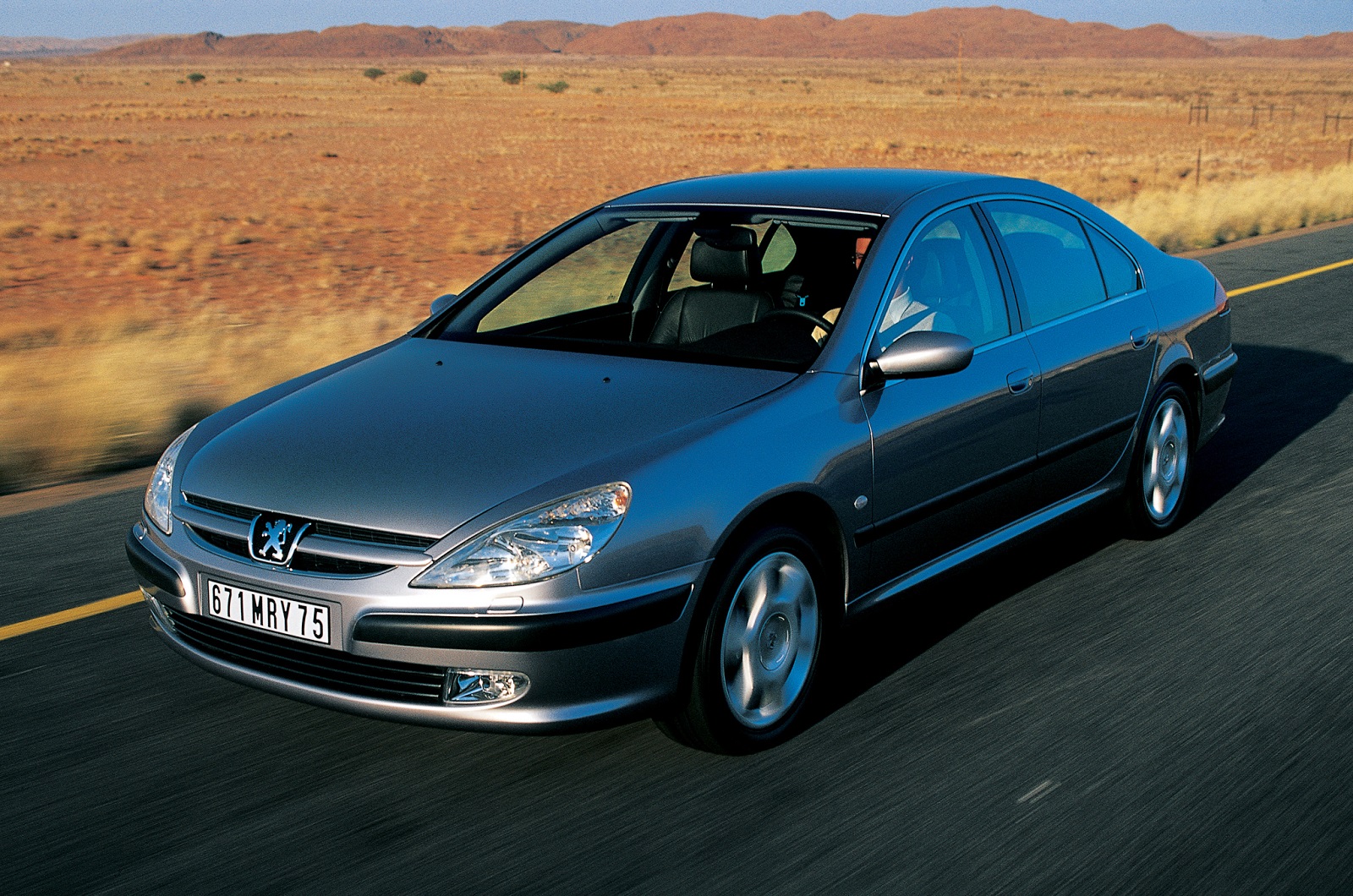
Peugeot built the 607 on an improved version of the 605’s platform. Introduced in 1999, its career almost got off to an atrocious start when French journalists driving pre-production models labelled its handling as catastrophic. Photos of a 607 going around a cone on two wheels started appearing on magazine covers across Europe. Peugeot averted a major crisis by making changes to the suspension and fitting different tyres to the car before the first examples reached showrooms.
Peugeot made 168,875 examples of the 607 between 2000 and 2010. It didn’t sell as well as the 605, of which about 250,000 examples were made, but it fared considerably better than the Citroen C6 and the Renault Vel Satis.
Renault Avantime (2001)
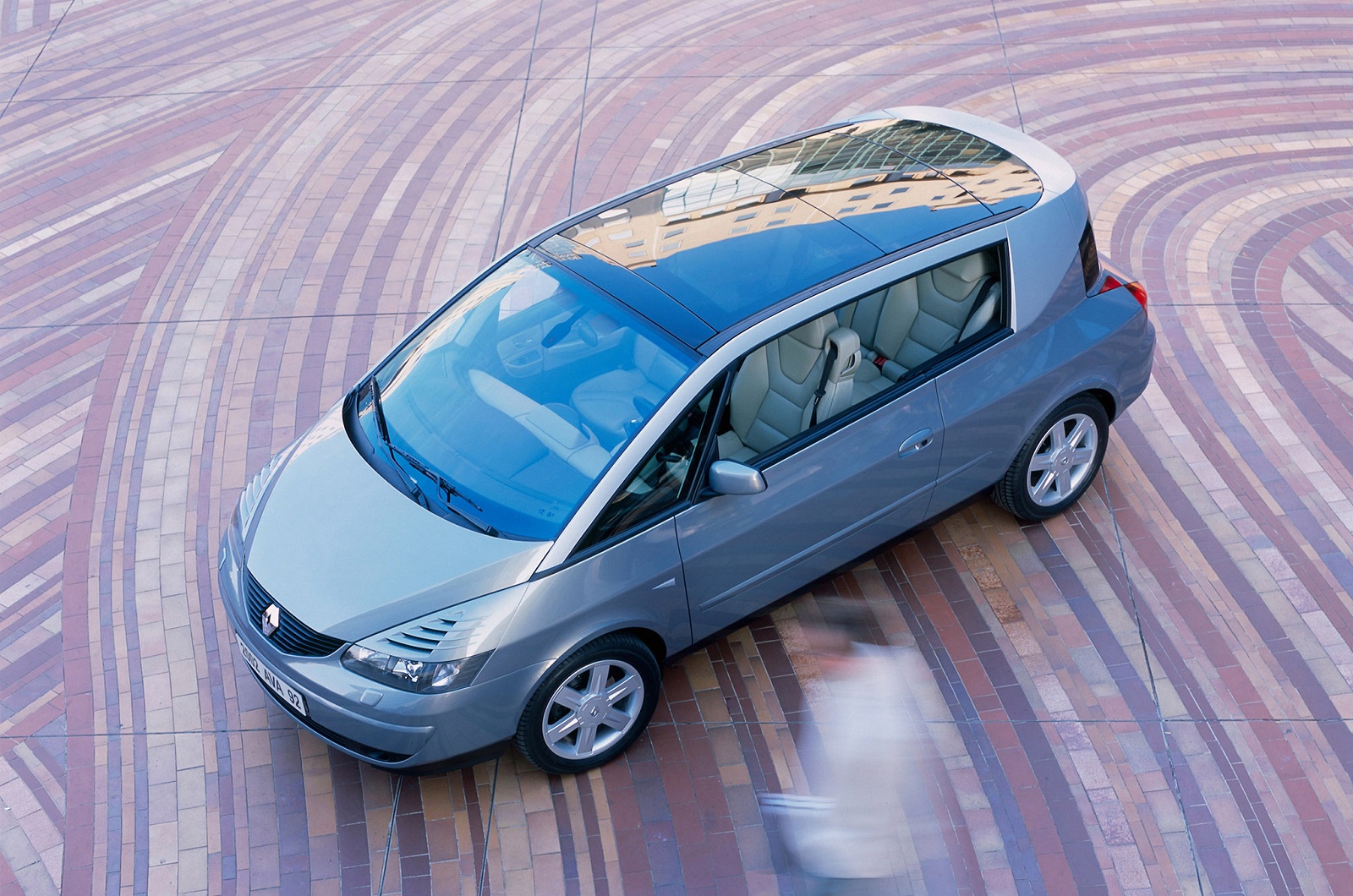
Renault surprised the public at the 1999 Geneva motor show with a segment-defying concept car named Avantime. Some speculated it merely previewed the fourth-generation Espace. It did, but it also signaled the arrival of a production model that made its debut at the 1999 Frankfurt motor show.
The opinion-splitting design set the Avantime apart from other luxury coupes. It wasn’t an autobahn stormer; it was a périphérique cruiser. Renault asked Matra to start production in early 2000 but pushed back the launch several times to solve problems that came up during the development process. Notably, its doors required dual hinges because they measured 140cm in length and weighed over 50kg.
Launched too late, too expensive and badly built, the Avantime stumbled and never got back up. Matra made the last of 8557 Avantimes in early 2003 after a production run that lasted only 16 months. It closed its factory shortly after, laying off 2500 workers, and hasn’t made a car since. The Avantime started its career with a botched launch and ended it with an industrial fiasco yet it has managed to make inroads into the collector car world today.
Renault Vel Satis (2002)
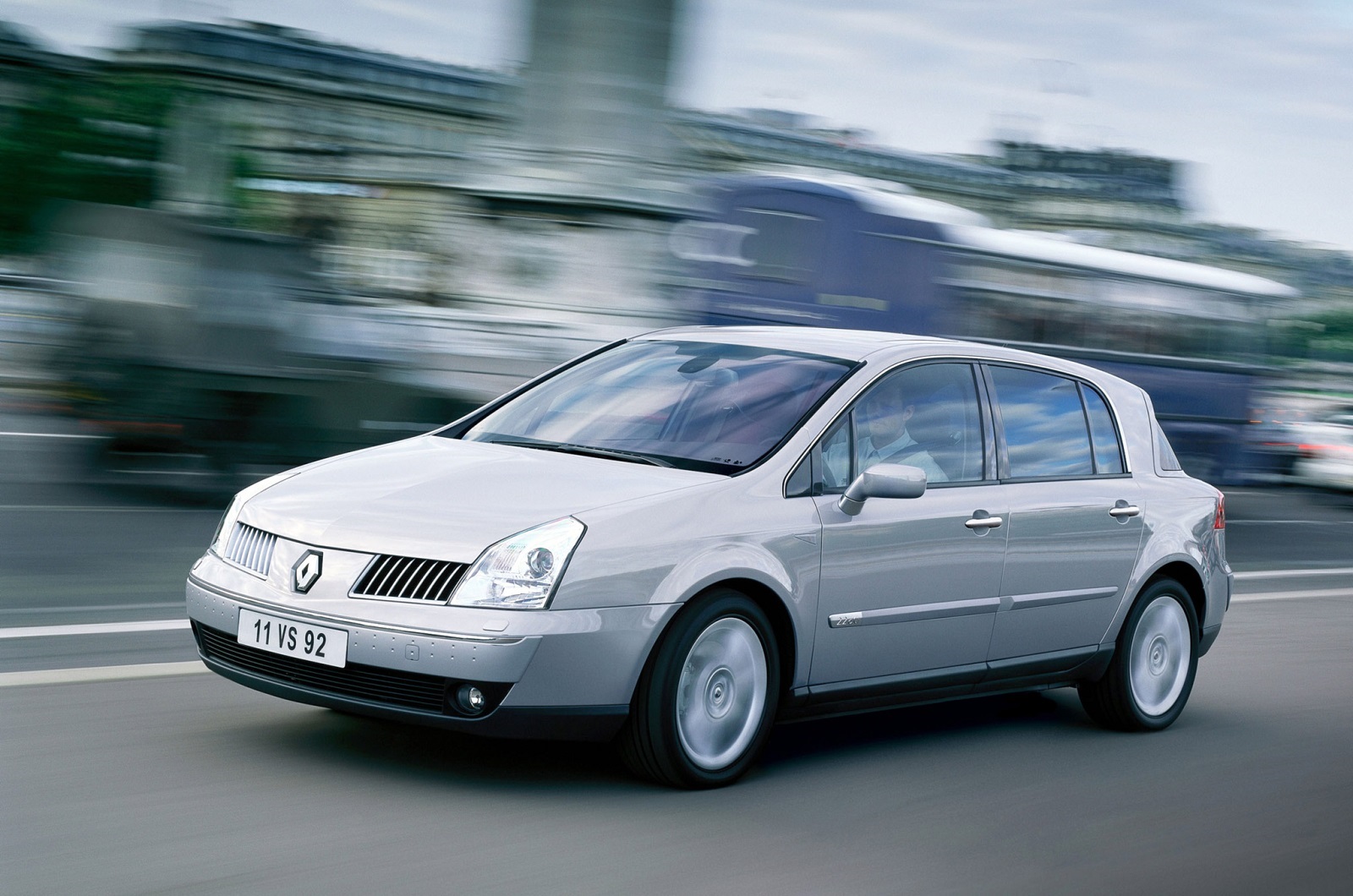
With the Vel Satis, Renault wanted to offer buyers a different alternative to a typical luxury saloon. It certainly didn’t look like one; it received a tall, almost people carrier-like silhouette and, for better or worse, it looked like nothing else on the road at the time. Well, almost.
Renault originally planned to release the Avantime about two years before the Vel Satis but as mentioned the project was delayed. The two cars therefore arrived on the market at almost the same time. Dealers reported prospective buyers didn’t understand which one was positioned as Renault’s true flagship. Renault wholly over-estimated the degree of design boldness motorists shopping in that class were willing to accept.
Vel Satis production ended in 2009 after Renault sold a little over 62,000 examples of the car. In comparison, the more conventional Safrane found around 310,000 buyers during a production run that only lasted a year longer.
Citroen C6 (2005)
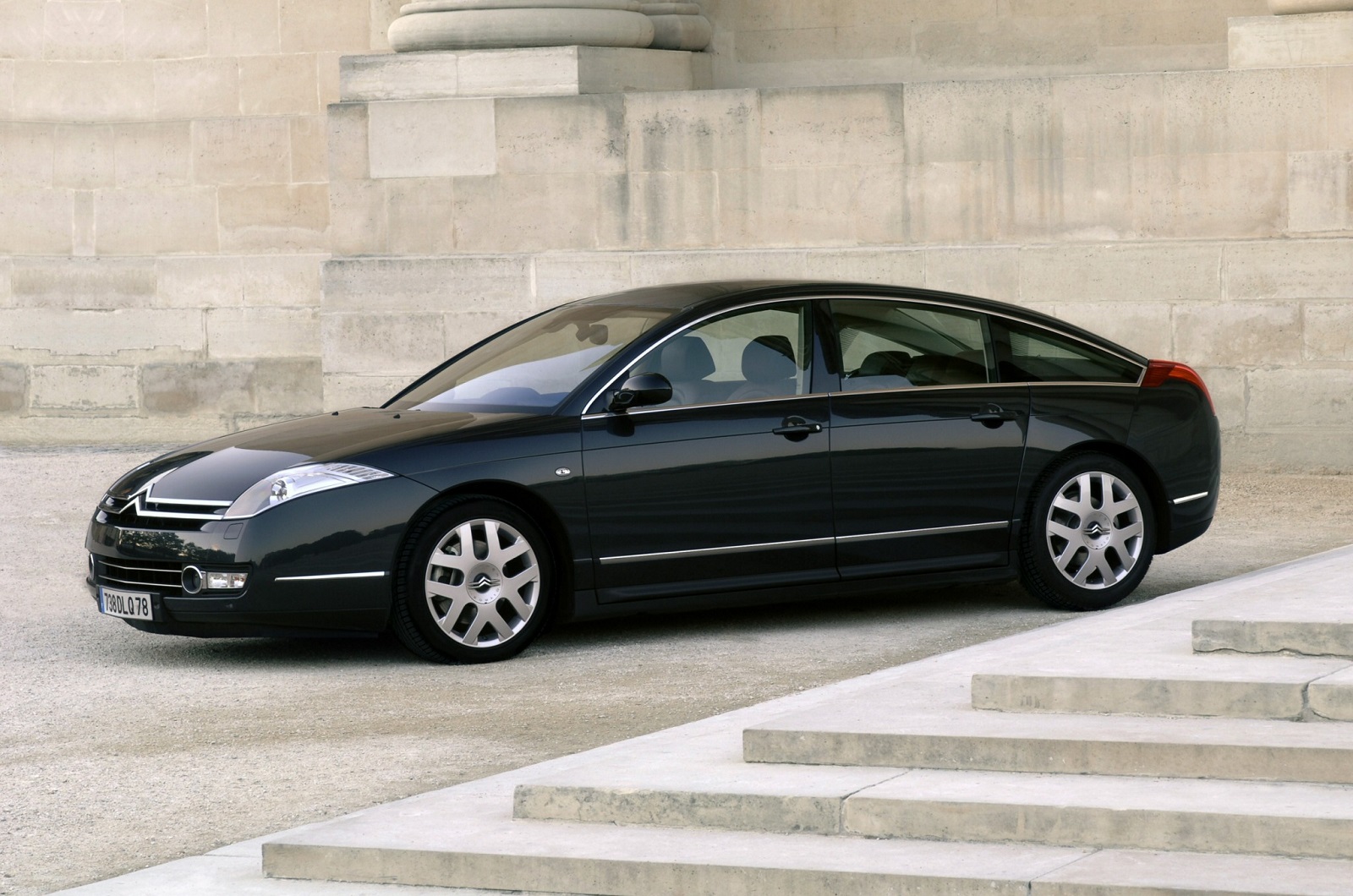
The XM died without an immediate successor. Many feared Citroen had thrown in the luxury-class towel until the C6 made its debut at the 2005 Geneva motor show. It borrowed many styling cues from the striking C6 Lignage concept introduced at the 1999 edition of the Geneva show and, consequently, paid tribute to the CX with its aerodynamic lines and concave rear window. Inside, it boasted a luxurious cabin with high-tech equipment like a head-up display and a lane-departure warning system.
Citroen hoped to sell approximately 30,000 examples of the C6 annually, a figure that, if attained, would have put the model about on par with the XM in terms of sales. Annual production peaked in 2007 at 7600 cars and Citroen quietly axed the model in 2012 after selling under 23,500 cars in total. The C6 died without an immediate successor, too.
Citroen DS5 (2011)
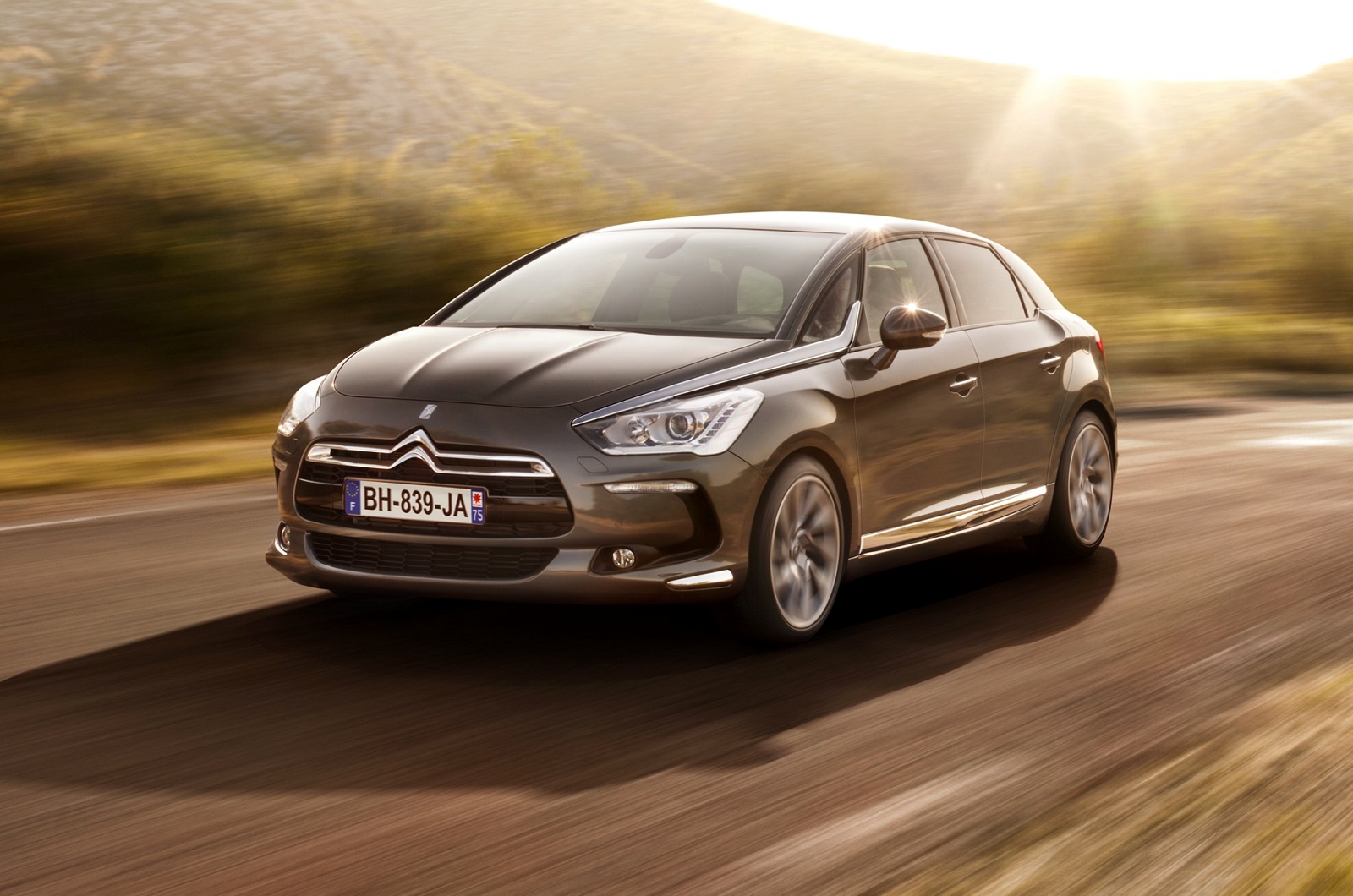
Citroen previewed the DS5 by showing a concept car named C-Sportlounge at the 2005 Frankfurt motor show. Its design evolved during the long transition from a concept to a production model but its overall proportions stayed roughly the same. The DS5 became Citroen’s flagship after the C6’s demise. It shared its platform with Peugeot’s 3008 and 5008 models, meaning it couldn’t receive a V6 engine. Citroen instead offered full-fat variants with a 200hp diesel-electric hybrid powertrain.
Like its smaller siblings, the DS5 turned in its Citroen emblems in 2015 when DS became a standalone brand. Aesthetic tweaks (including a redesigned grille) accompanied the new name. Though comfortable and practical, the DS5 never convinced luxury car buyers. Production ended in May 2018.
Renault Latitude (2010)
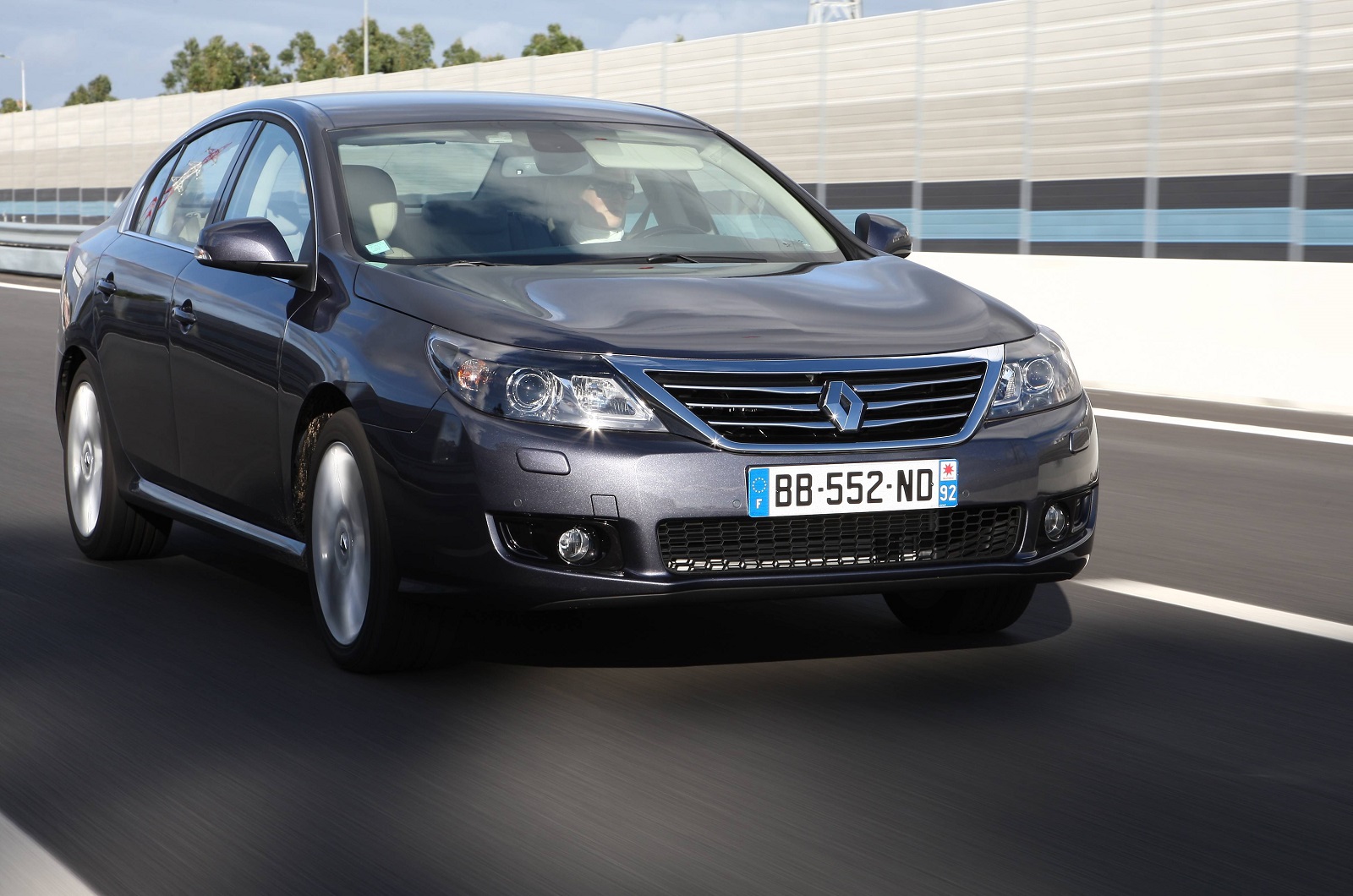
The Latitude emerged from the dubious same train of thought that created the Renault Rambler. Rather than replacing the Vel Satis with an in-house design, the firm affixed its emblem onto the SM5 built by South Korean partner Samsung, which had briefly entered the car business. The Latitude completely missed the mark in Europe, where its lacklustre design and uninspiring interior did little to lure buyers into showrooms.
Renault stopped selling the Latitude in 2015. We’re not sure anyone noticed.
Citroen C6 (2016)
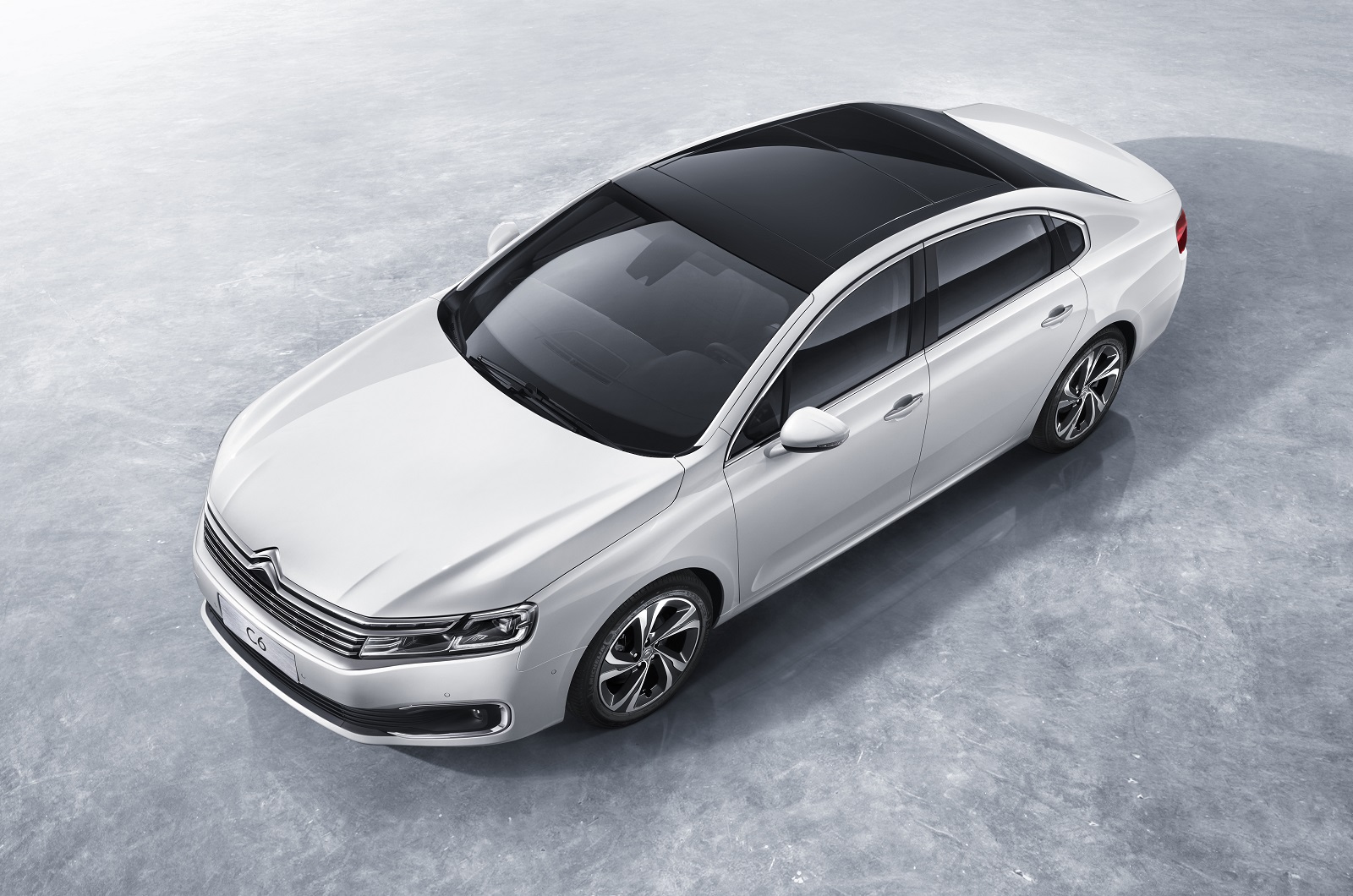
The C6 nameplate returned for the third time in 2016 on the boot lid of a large saloon made and sold exclusively in China. While stand-out style gave Citroen’s previous flagship models a generous dose of allure, this version of the C6 wears an anonymous design that, with a different front end, could pass as anything from a Peugeot to a Vauxhall to a Hyundai.
That’s because it wasn’t designed by Citroen - it was a badge-engineered version of the Dongfeng Fengshen A9.
If you enjoyed this story, please click the Follow button above to see more like it from Autocar
Photo Licence: https://creativecommons.org/licenses/by/4.0/deed.en

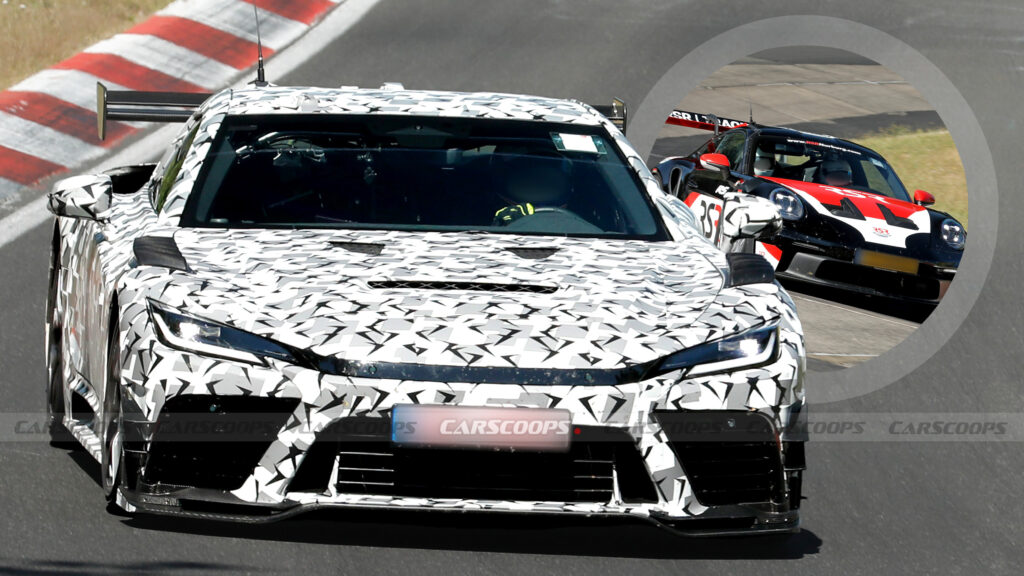
Toyota GR GT Prototype Signals Track-Focused Rivalry With Porsche 911 GT3 RS Ahead of...

Driverless Car Regulation Advances as BMW Dominates Luxury Market Amid Industry Upheaval

Goodwood Festival of Speed 2026 Showcases Electrification, Hybrid Power, and Design Shifts in Next-Generation...
 Join us for a tour of all the (very) hot new metal making its debut at Goodwood
The 2026 Goodwood Festival of Speed is under way (9-12 July), and it's an absolute bumper year for one of the highlights in the motoring calendar.
Some of the world’s most anticipated new cars have descended on West Sussex, offering a first chance to see them up close – and in action.
Among the highlights are the Toyota GR GT, the Alpine A110 Future – a test mule giving an initial glimpse at the sports car’s electric reinvention – and Gordon Murray's dramatic S1 LM, along with plenty of others.
Read on for our guide to all the highlights and new cars at this year’s Festival of Speed.
Alpine A110 Future
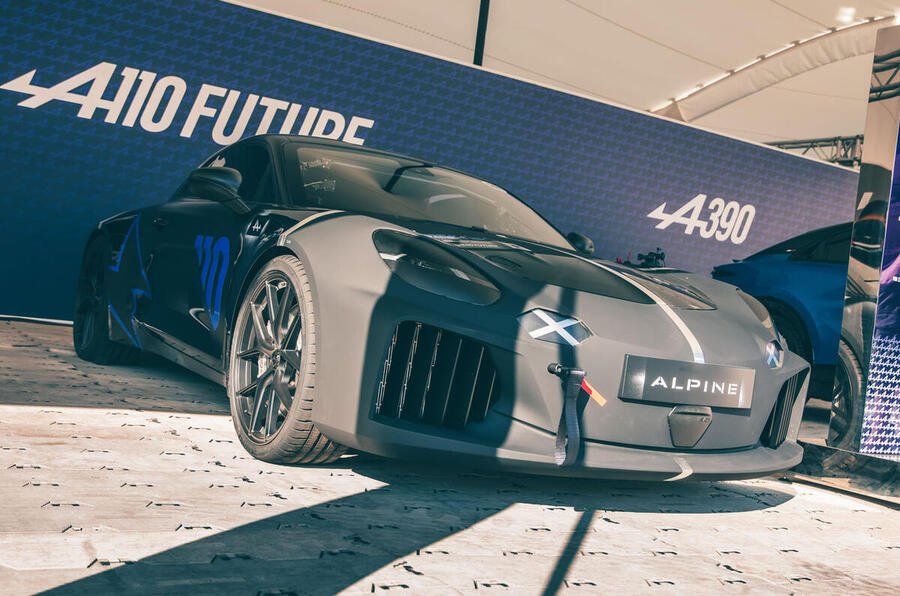
This is your first glimpse at the next-generation Alpine A110, which is making the landmark switch to electric power. Although it wears similar bodywork to the outgoing petrol A110, it's underpinned by the new EV’s platform, hinting at big changes. Just check out those wide wheel arches.
Everything you need to know about the Alpine A110 Future
Audi Nuvolari
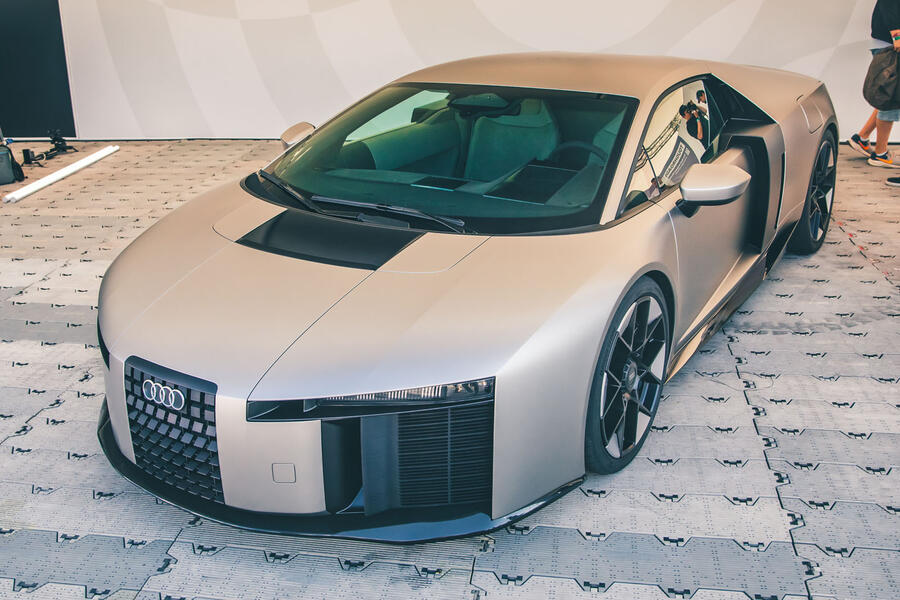
Audi's new flagship is a limited-run 987bhp hybrid supercar – and its striking design will influence the brand's less extreme models to come. It's powered by a twin-turbocharged 4.0-litre V8 and three electric motors, and it features active aerodynamics. Just 499 will be built.
Everything we know about the Audi Nuvolari
Auto Union Lucca
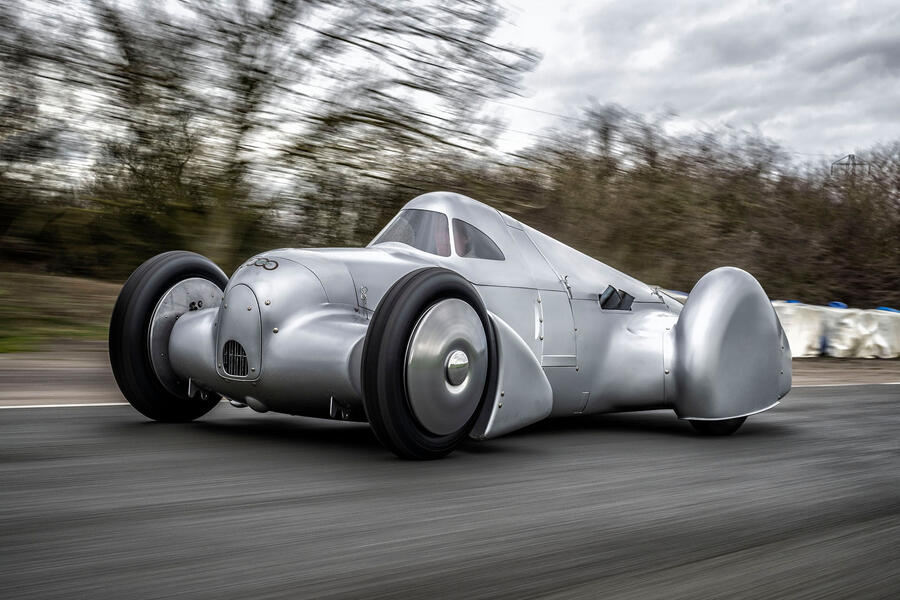
We’ll forgive you any confusion over this car’s inclusion among all the new metal here, but it is technically brand new. This is Audi Tradition’s faithful recreation of a racer built by Auto Union, its precursor. Back in 1935, it was the world’s fastest road car, managing 203mph on a section of the Italian Autostrada near the city of Lucca. Sure, it’s not quite the 301mph done by the Campbell-Railton Blue Bird in September 1935, but that was on the Bonneville salt flats, not a road. This is your chance to witness a slice of V16-powered history.
Bentley Flying Spur facelift
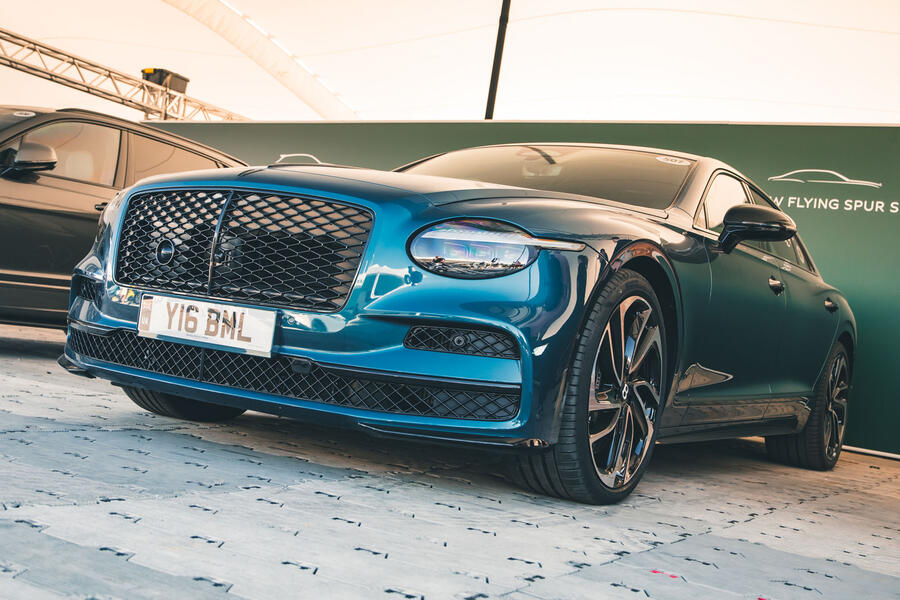
Bentley’s luxury limousine has a fresh face, moving away from the long-established quad-headlight design in favour of two lights. The high-performance S variant returns, powered by a twin-turbocharged 4.0-litre V8 and a single electric motor for 671bhp.
Everything you need to know about the new Bentley Flying Spur
Bentley Supersports
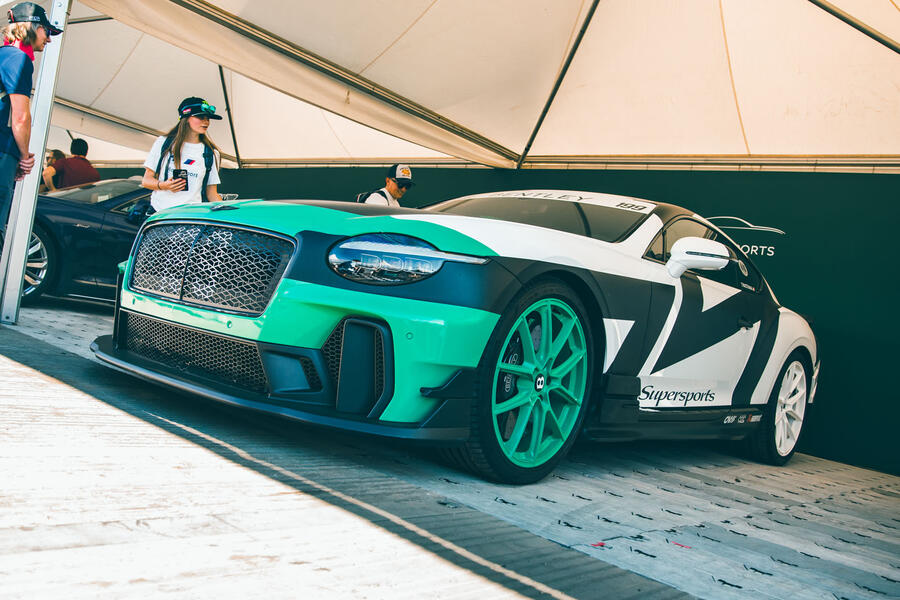
The manifestation of Bentley’s push to create what CEO Frank-Steffen Walliser calls “more extreme” cars, the Supersports is a dramatically modified version of the Continental GT. It's the first rear-driven Continental of the modern era, and it ditches the hybrid hardware found in other GTs in favour of an unassisted twin-turbocharged 4.0-litre V8. It puts out 657bhp and, at just under 2000kg, is the lightest Bentley since 1940.
Everything you need to know about the Bentley Supersports
BYD Shark
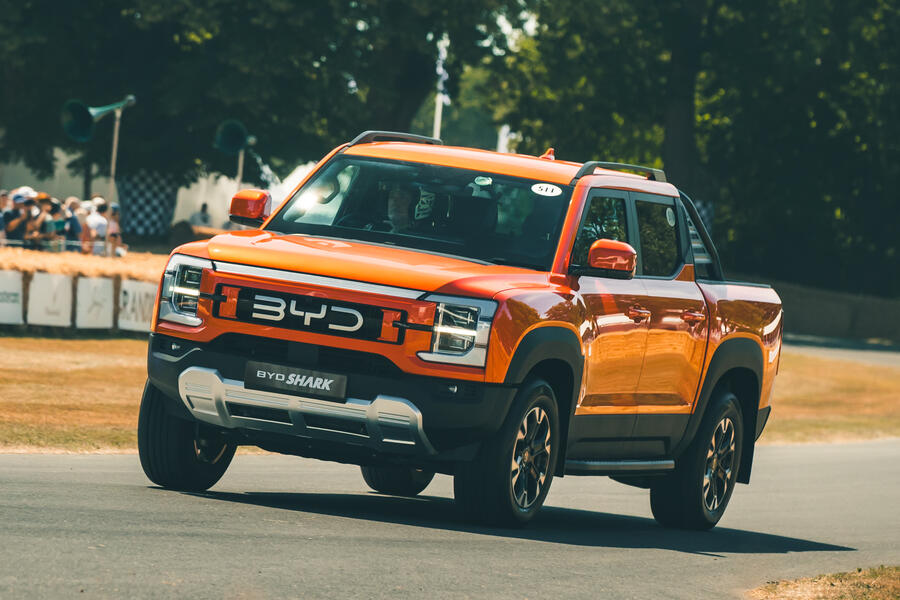
This new Ford Ranger rival is looking to take a bite out of the UK's pick-up market, offering a plug-in-hybrid powertrain with nearly 60 miles of electric-only range.
Everything we know about the BYD Shark
Denza Bao 5
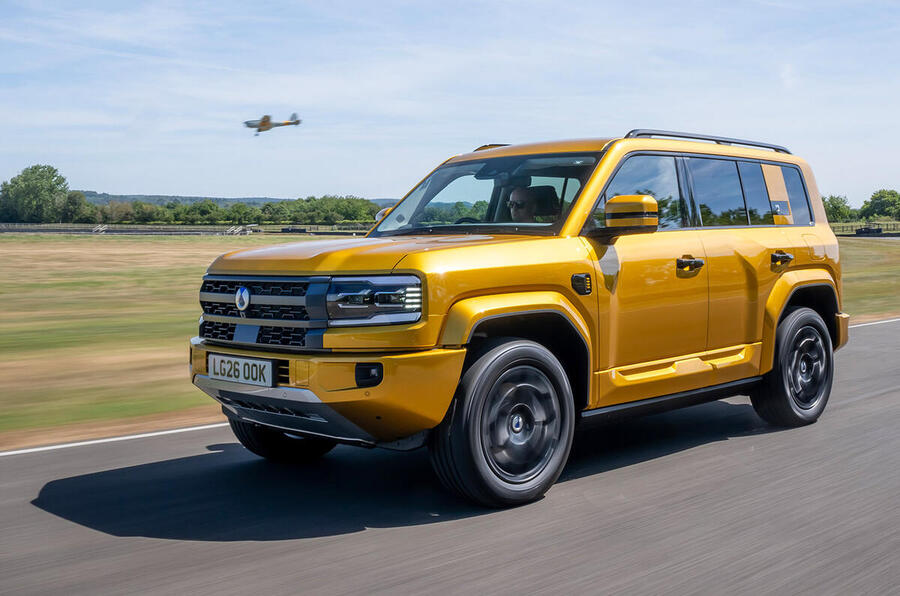
Denza's attempt to rival the Land Rover Defender melds classical body-on-frame construction with an advanced plug-in hybrid powertrain. It's due in the UK this year.
Denza Z
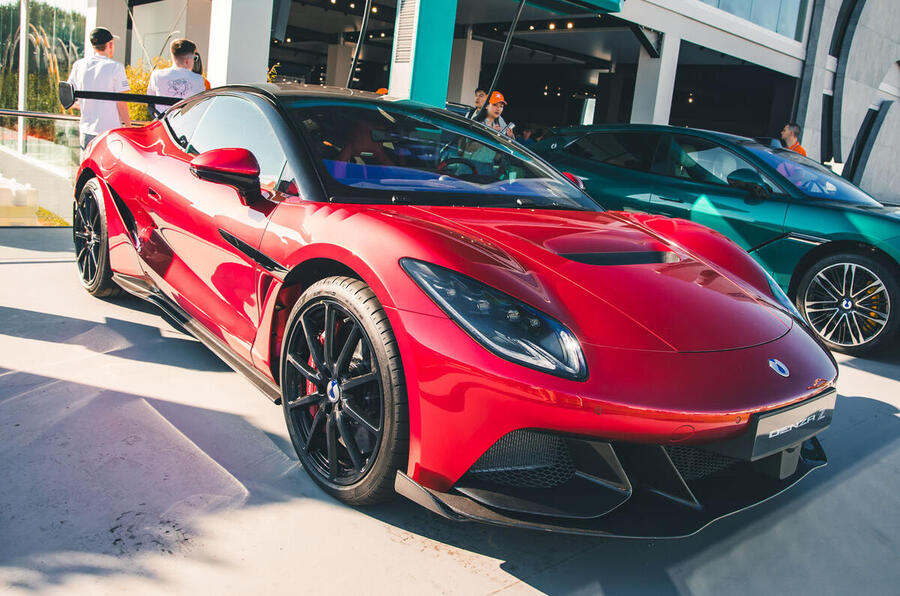
BYD’s first crack at a supercar – for its Denza premium brand – packs a huge 1582bhp. It's claimed to be capable of hitting 62mph in less than 2.0sec and brings new technologies such as steer-by-wire.
Everything you need to know about the Denza Z
Gordon Murray Automotive
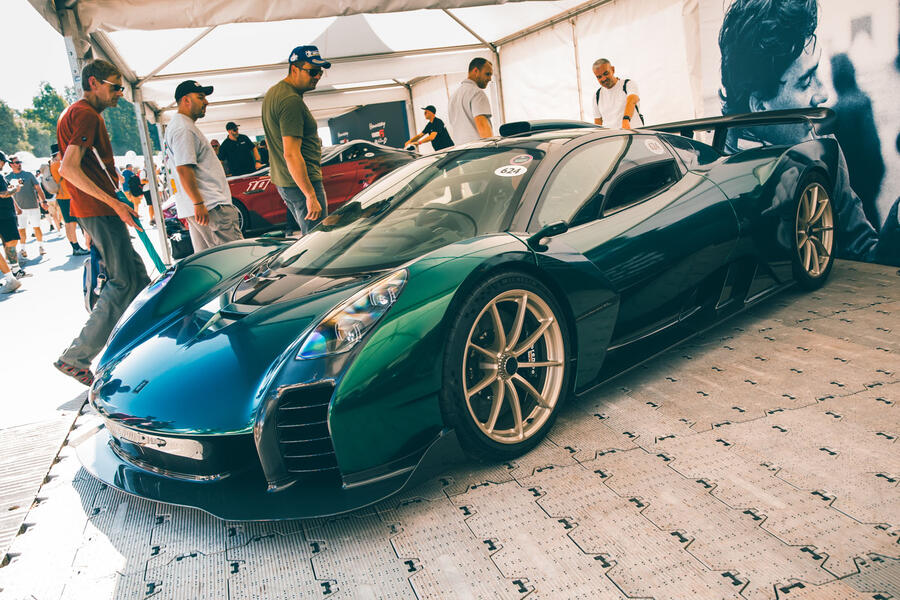
Gordon Murray’s eponymous supercar firm is hosting several debuts at the Festival of Speed. Headlining the group are the S1 LM and Le Mans GTR, a pair of dramatic limited-run models inspired by the McLaren F1 GTR. It is also showing a road-ready prototype of the T33 Spider and the track-focused T50.S Niki Lauda.
Gunther Werks F-26
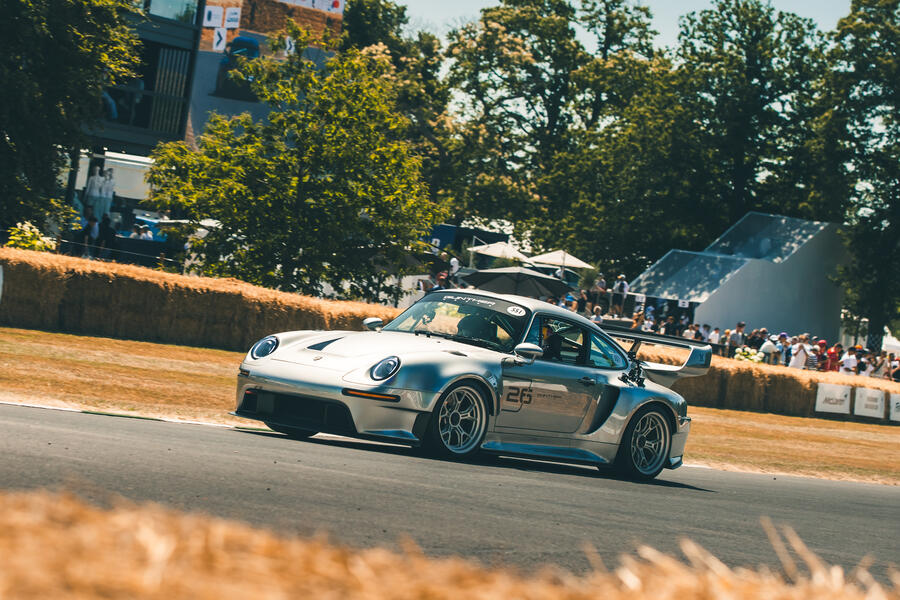
This reimagining of the Slantnose Porsche 911 will vie for class victory in the Goodwood hillclimb – and given that it has 1067bhp, we wouldn't bet against it.
Everything we know about the Gunther Werks F-26
Hennessey Venom F5-M
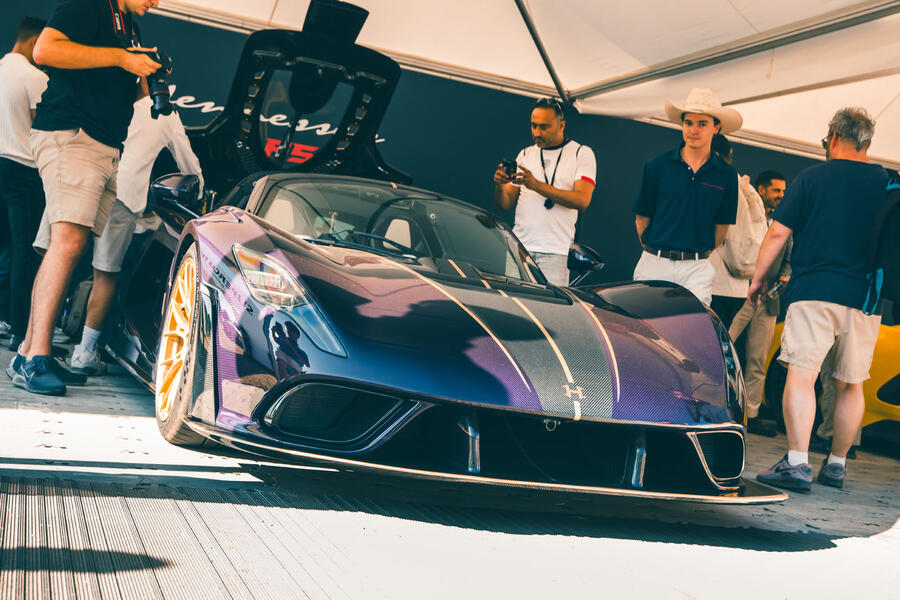
Texas-based Hennessey is showing the F5-M, claimed to be the world’s most powerful car with a manual gearbox. That bragging right is thanks to a 6.6-litre twin-turbocharged V8 kicking out a huge 2031bhp.
Honda Prelude HRC Concept
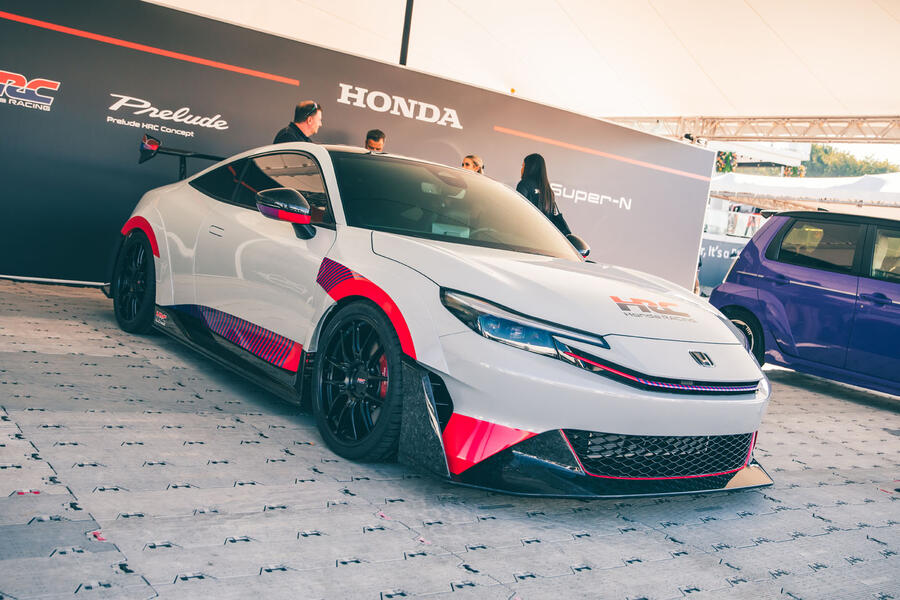
Honda’s new coupé has already snatched many headlines, but the question of whether it will be getting a more hardcore Type R variant looms large. The HRC (Honda Racing Corporation) Concept could be a first hint at such a development, with an aggressive aerodynamic package aimed at track use.
Hyundai Ioniq 3
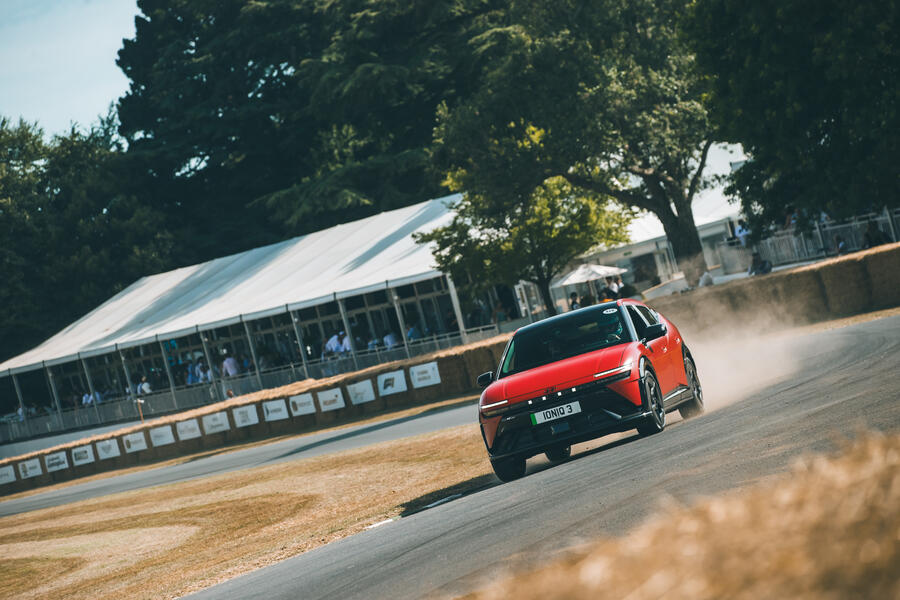
Hyundai says its new rival for the Renault 5 is not a hatchback but an 'aero-hatch' – sculpted to maximise its range without a big battery. It's certainly striking and, with prices to start in the mid-£20,000s, could be everywhere before long.
Everything we know about the Hyundai Ioniq 3
Jaguar Type 01
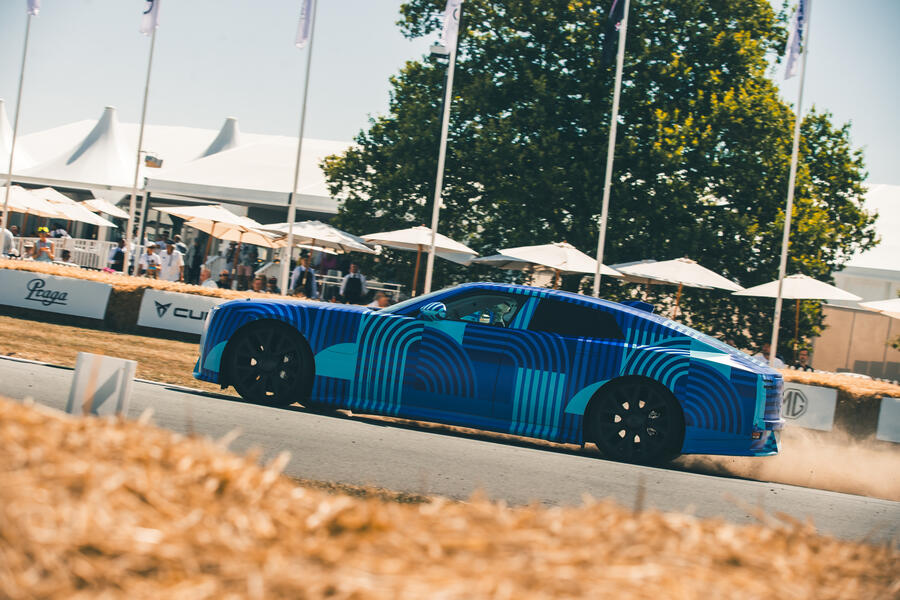
The one we're waiting for with bated breath. The Type 01 will be running up the Goodwood hillclimb in camouflaged form, leaving much – beyond its rakish silhouette – to the imagination. All will be revealed in October.
Everything we know about the Jaguar Type 01
Lamborghini Urus SE Performante
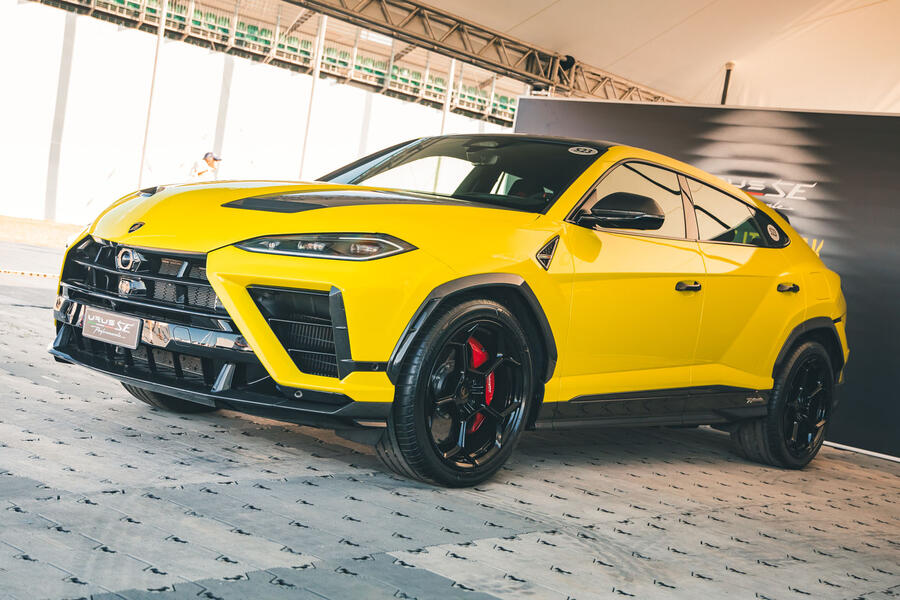
Lamborghini's hottest SUV yet, the Urus SE Performante packs 800bhp and 737lb ft – as well as an aerodynamic overhaul that gives it even wilder looks.
Everything we know about the Lamborghini Urus SE Performante
Land Rover Defender Vertex
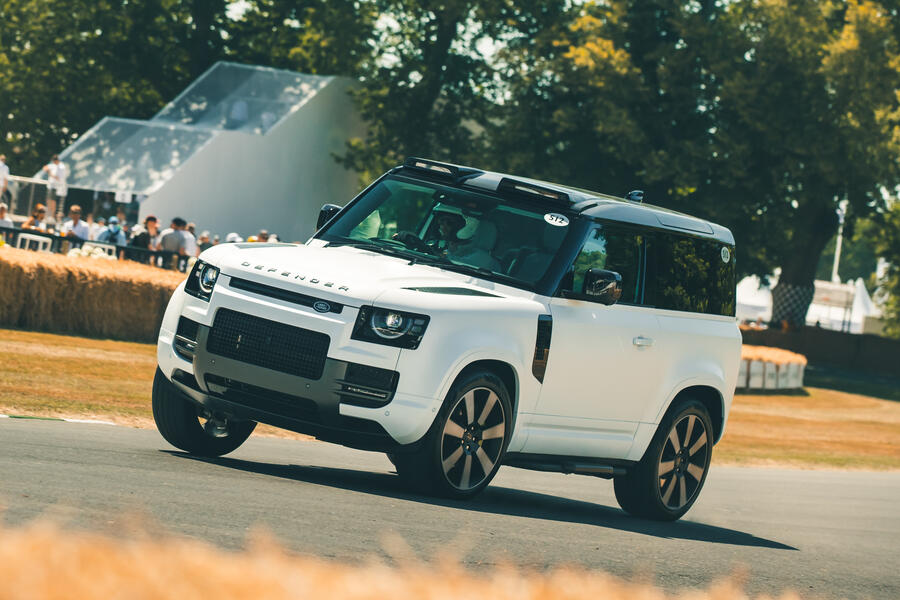
This new version of the Defender brings a slight twist on the retro-futuristic SUV's styling. It's pitched at the top end of the range and is said to be aimed at city-dwelling drivers.
Everything we know about the Land Rover Defender Vertex
Lexus LFA Concept
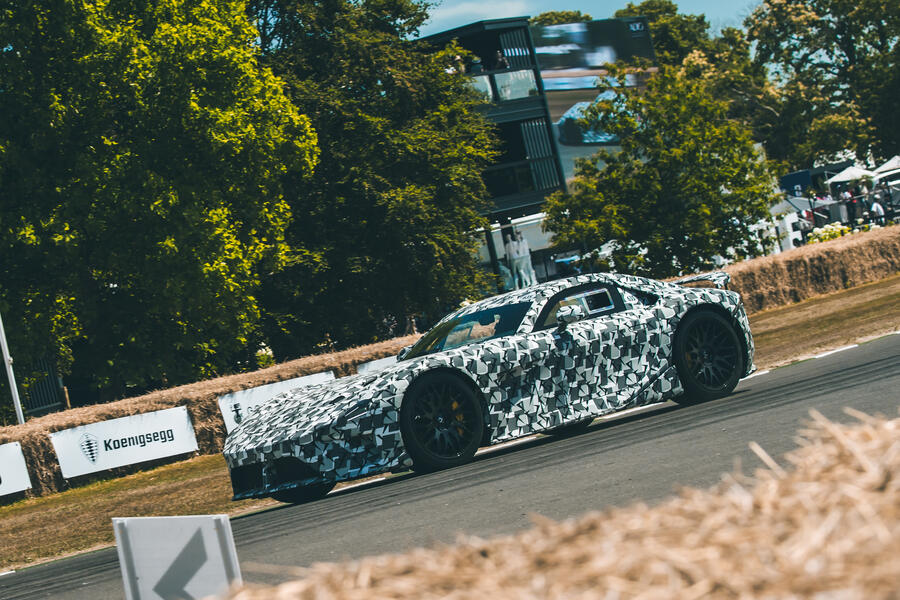
Lexus has reprised the name of its legendary supercar for this hint at a new halo car – and this time it will be electric. It's possible that a production version could be Toyota’s first car powered by a solid-state battery, given the firm has previously claimed the technology will be ready in around two years.
Everything you need to know about the Lexus LFA Concept
McLaren 788HS
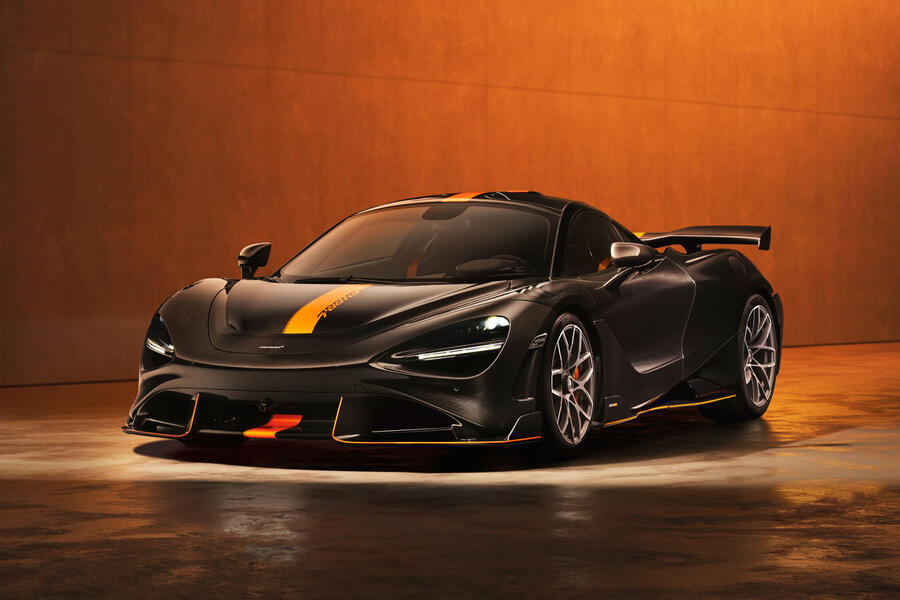
The time has come for McLaren's signature V8 supercar to enter retirement. The 788HS is the swansong for the family started with the 720S, bringing an aggressive aerodynamics package and 777bhp. Just 200 will be built – 100 coupés and 100 Spiders – meaning the Festival of Speed might just be your best chance to catch a glimpse of it in action.
Everything you need to know about the McLaren 788HSz
Mercedes-AMG CLA 45
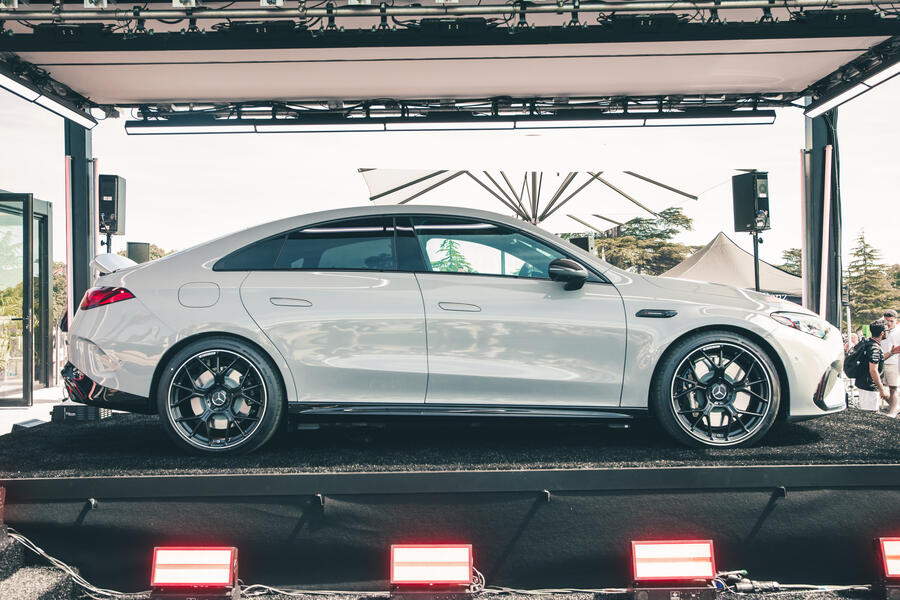
Mercedes-AMG is hoping its newest hot saloon will convince hot hatch buyers to make the switch to an EV. The CLA 45 packs 671bhp (thanks to three motors) and simulates the behaviour of the turbocharged four-cylinder engine in its predecessor – even popping and banging on the overrun.
Everything we know about the Mercedes-AMG CLA 45
MG Go concept
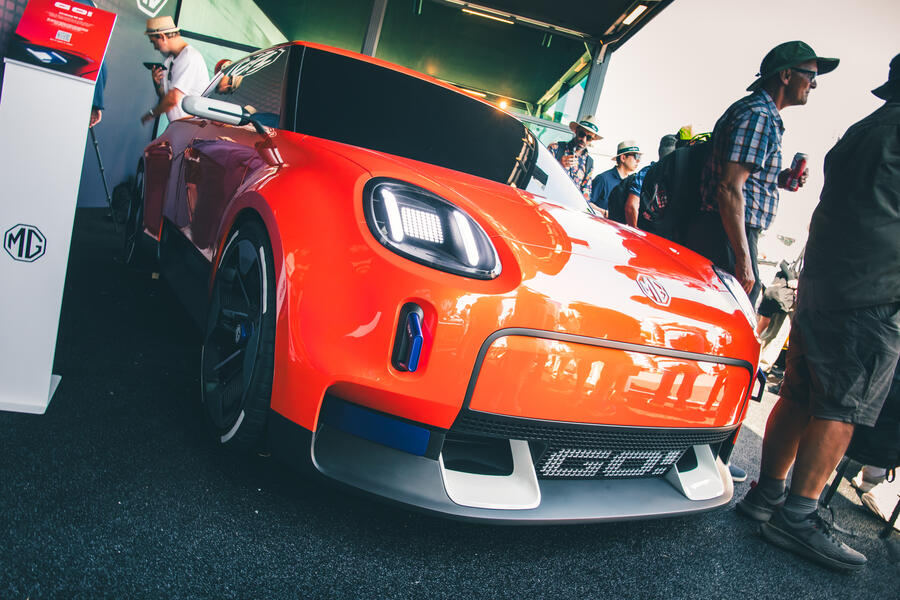
The Metro returns? The MG Go may look like a hot hatch, but it's actually our first look at the '2' EV coming next year to rival the Renault 5.
Everything we know about the MG Go
MG Cyber concept
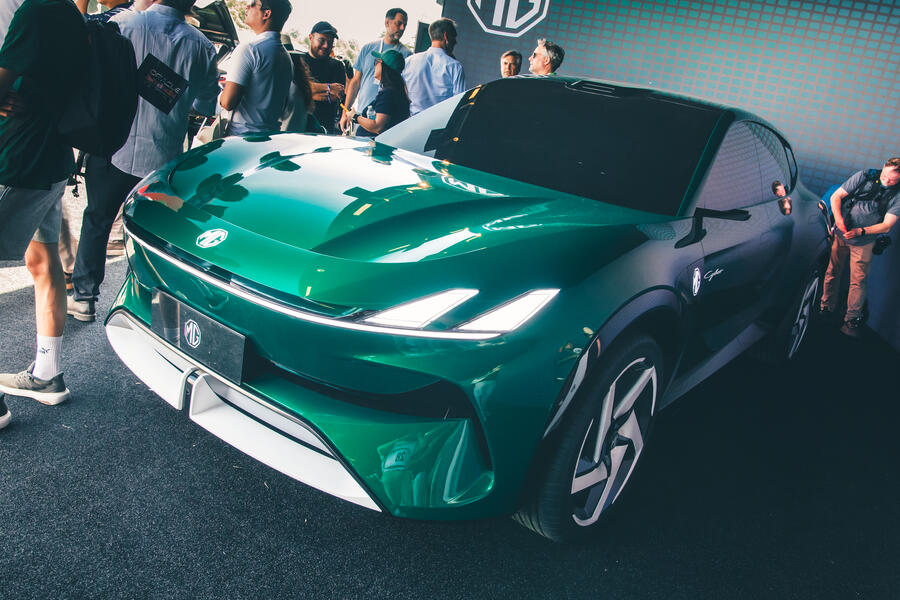
Squint, and this new SUV looks a little like a Ferrari Purosangue… The new Cyber concept points the way for MG's future design direction as the brand pushes further upmarket.
Everything we know about the MG Cyber concept
Mini x Vagabund Countryman

They might look a little frivolous, but these two festival-inspired show cars could hint at the look of a forthcoming off-road variant of the Countryman, with chunky arches, roof racks and lots of ground clearance.
Red Bull RB17
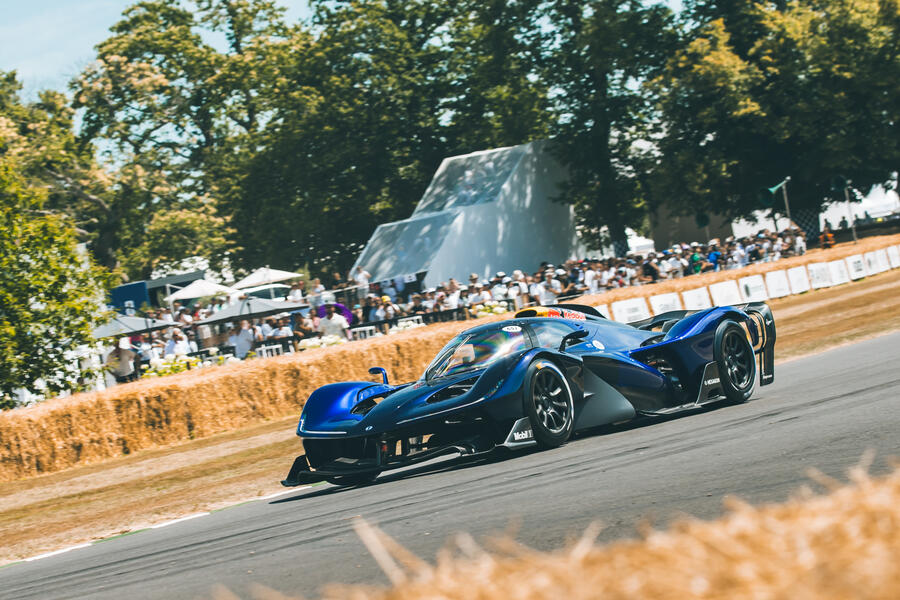
Red Bull's mad hypercar, designed by Adrian Newey, will take to the Goodwood hillclimb for the first time. With a Cosworth V10, you're likely to hear it well before you see it…
Everything we know about the Red Bull RB17
Renault 5 Turbo 3E
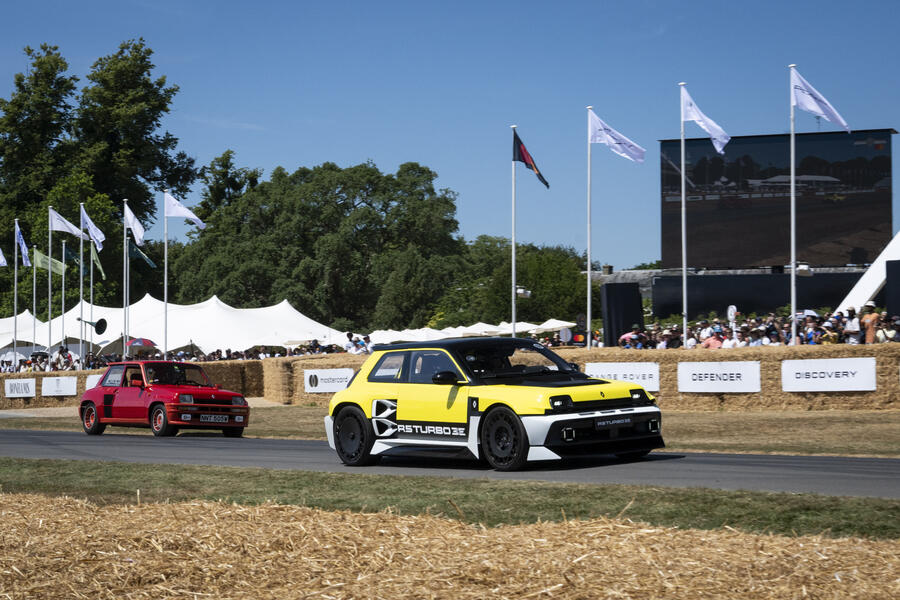
A legend returns, this time as one of the maddest EVs yet produced. The 5 Turbo 3E is inspired by the rally-bred 5 Turbo of the 1980s but has two in-wheel motors mounted on its rear axle for a combined 533bhp. Should that prove insufficient to ruin the tyres, there’s also a hydraulic handbrake. It will be running up the Goodwood hillclimb, presumably trailed by a plume of smoke.
Read our first ride report about the Renault 5 Turbo 3E
Ruf B8
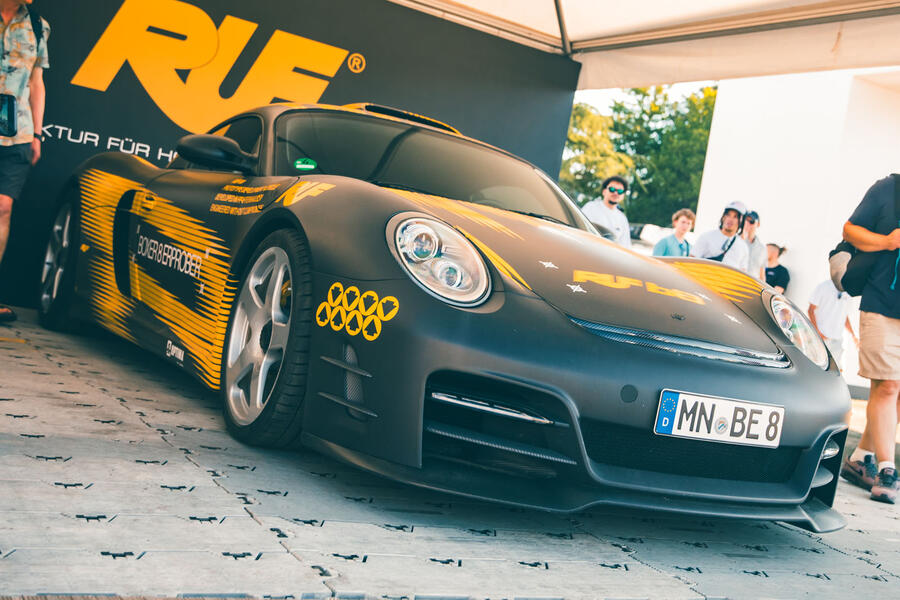
This wild new prototype is powered by a twin-turbocharged 4.8-litre flat eight, claimed to develop more than 986bhp and 737lb ft. Neither Ruf nor any other company has yet used such an engine for a performance car.
Everything we know about the Ruf B8
Toyota GR GT
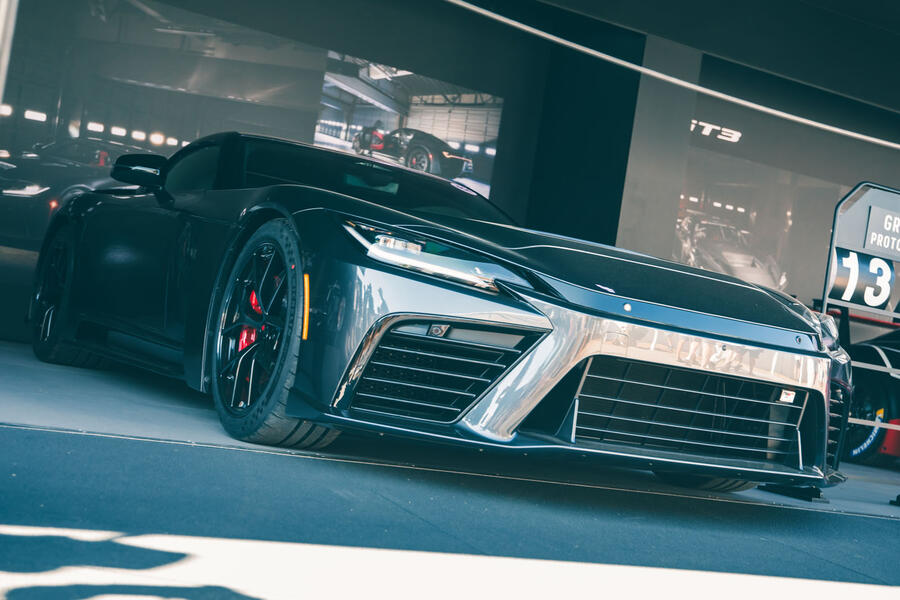
Toyota is chasing the likes of the Aston Martin Vantage and Mercedes-AMG GT with its own V8-powered, rear-driven supercar. The Festival of Speed is your first chance to see it in action on UK soil ahead of its market launch next year.
Everything we know about the Toyota GR GT
Zenvo Aurora
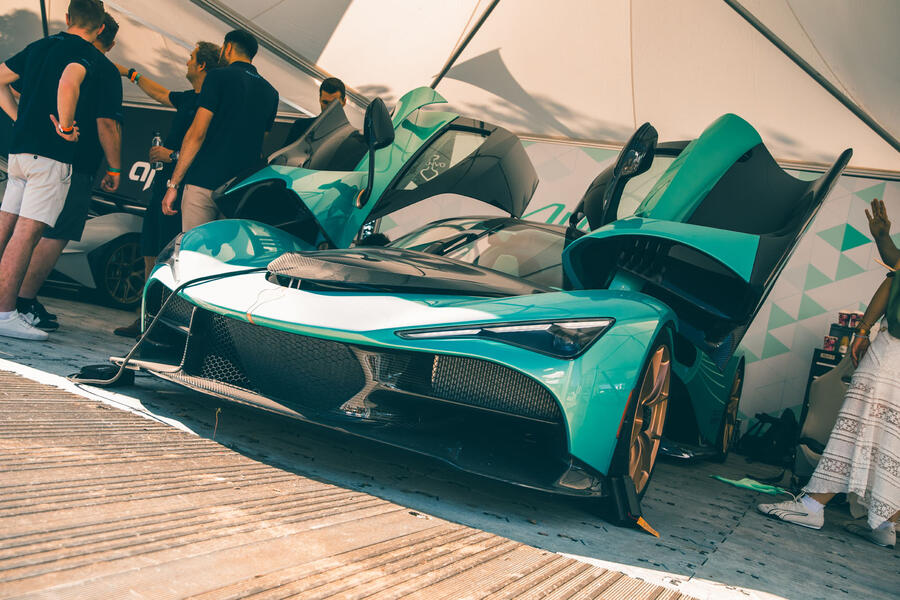
Here's your first look at the production-ready version of Danish firm Zenvo's mad new hypercar, propelled by a bespoke 6.6-litre V12 with four turbochargers. That's matched with an electric motor for a huge output of 1850bhp.