Dacia Striker Redefines Value in the Crossover Segment with Hybrid Power and Versatile Design
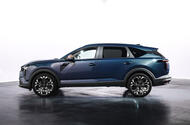 Rugged, high-riding Octavia rival promises to be the best-value option in its class
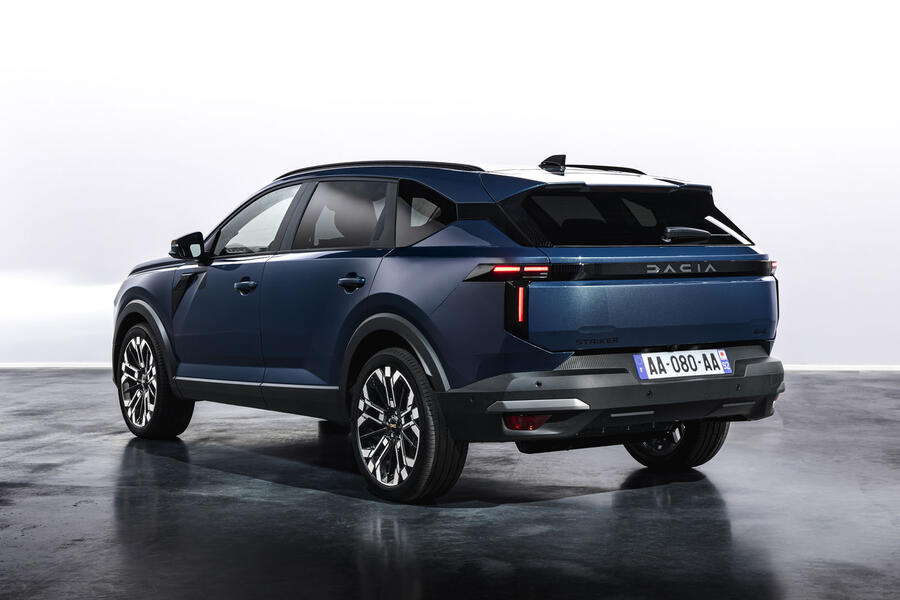
Dacia has fully revealed its new petrol-powered Striker crossover and said the Skoda Octavia rival will start from less than £25,000 when it hits the UK in the coming months.
The Striker is a high-riding, 4x4-influenced model that, says Dacia, combines “the qualities of an SUV, estate car and saloon”.
It is Dacia’s second C-segment model after the closely related Bigster SUV. It will be joined by a similarly sized third model – the shape of which has yet to be revealed – in 2027.
Its launch follows a highly successful first two years on sale for the Bigster, which became Europe’s best-selling C-segment SUV in the second half of 2025.
Dacia design director David Durand said the Striker, which has similar dimensions to the Bigster, will provide a “new and complementary response to current automotive expectations”.
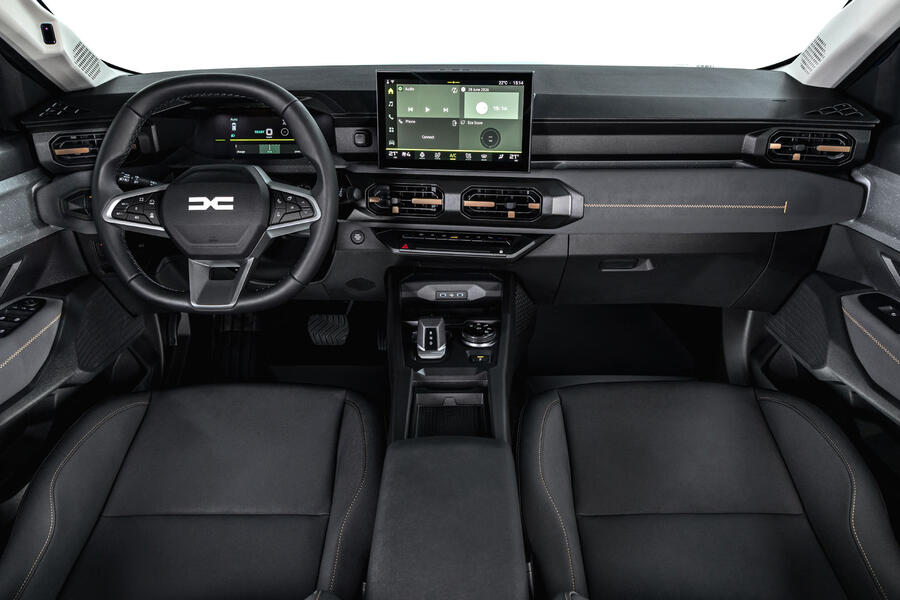
The 4.62m-long Striker will “deliver the best value for money in the segment”, said Dacia. Standard equipment on the sub-£25k entry car includes a 10.1in touchscreen, smartphone mirroring, digital gauges, a rearview camera and electric windows all round.
Mid-rung Expression, likely to be around £26k, adds alloy wheels, dual-zone air-con, auto-hold handbrake, electric wing mirrors and USB charging ports in the rear.
Two range-topping trims, Extreme and Journey, are expected to be priced from around £27k. Extreme trim is designed for “the great outdoors”, with washable upholstery and rubber mats. Journey trim targets families with kit such as auto bootlid opening, connected nav and six-speaker surround sound.
The Striker will be offered with two full-hybrid powertrains.
The entry-level Hybrid 155 uses a 1.8-litre four with an EV motor in the gearbox and a 48V starter-generator to send 153bhp to the front wheels.
The range-topping 150 Hybrid has a 1.2-litre engine driving the fronts and an EV motor at the rear to give a combined 148bhp and part-time four-wheel drive. Aiding its off-roading credentials are a suite of drive modes – including Snow, Mud, Sand and Off Road – and a dedicated hill descent control function.
Dacia will offer the Striker with a huge array of add-ons from its burgeoning accessories programme.

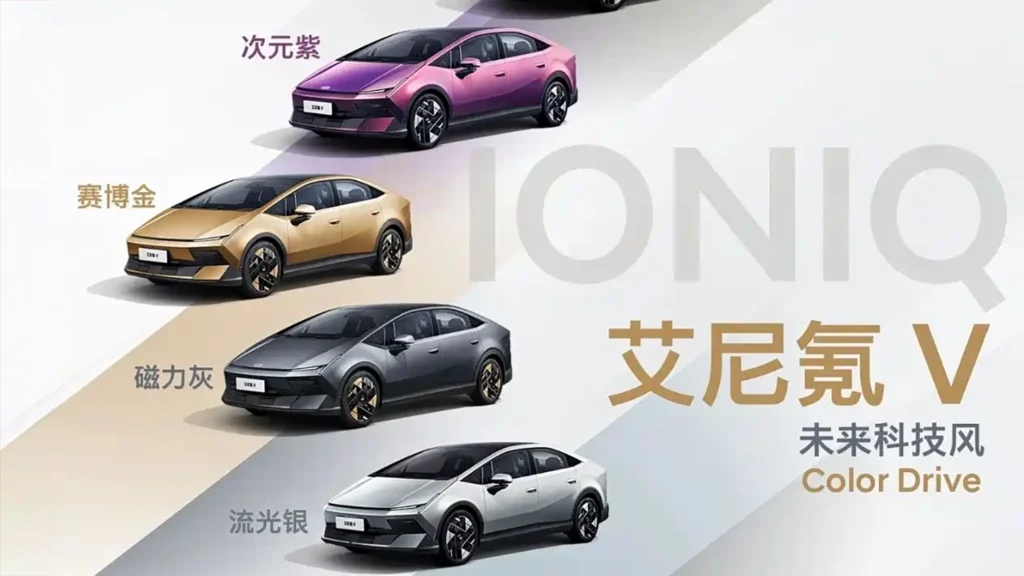
Hyundai Ioniq V Challenges EV Conventions With Daring Design and Striking Color Choices

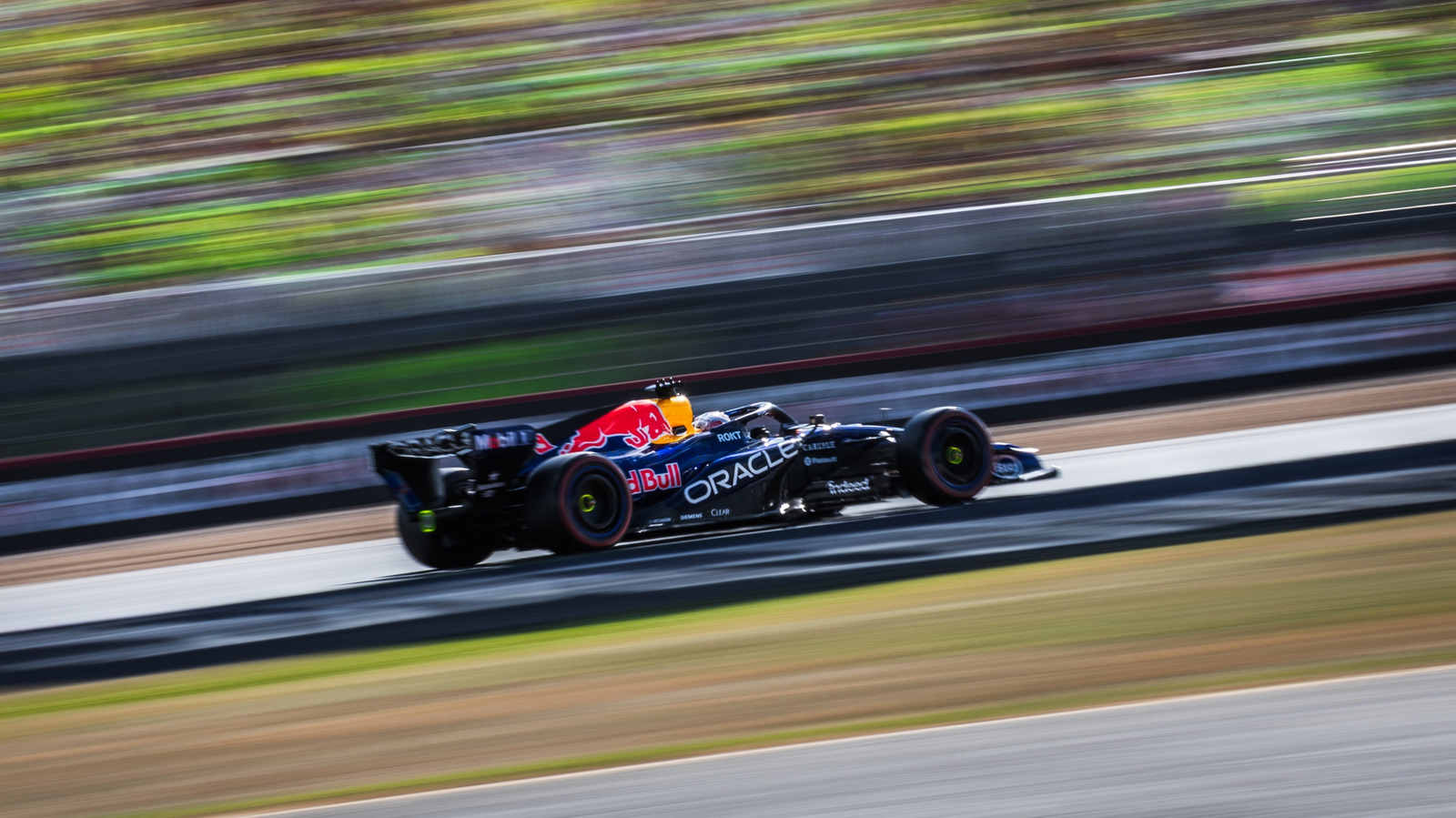
F1 Macarena Wing Designs Face Scrutiny Over Safety Risks in Ferrari and Red Bull...

KGM Musso EV Redefines Electric Pickups With SUV Comfort and Tax Efficiency but Limited...
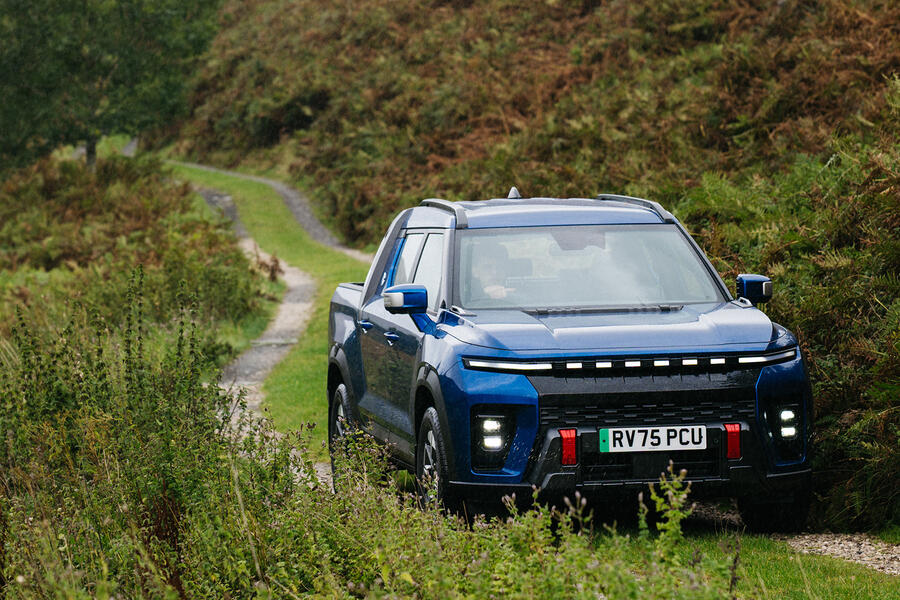
 Revitalised brand brings car-like refinement and tiny tax bills to the pick-up segment with new electric 4x4
While pitching its new Musso Rhino as a traditional workhorse, KGM is venturing into new territory with its all-new Musso EV, an electric four-wheel-drive pick-up truck.
This is a very niche segment: it has only the Maxus eTerron9 and Isuzu D-Max EV for company, although the pool of electric pick-ups is set to expand with the arrival of the Toyota Hilux Electric.
Unlike the Rhino, with its body-on-frame construction, the Musso EV borrows its platform from an electric car, the KGM Torres EVX.
Compared with the high-riding Rhino, then, the EV looks more SUV-like, with a noticeably lower ride height and longer wheelbase.
It has a sleeker, cab-back stance and its styling is more aligned with KGM's range of SUVs rather than the Rhino’s more rugged aesthetic.
The Musso EV is powered by a 80.6kWh lithium-iron-phosphate (LFP) battery that’s good enough for up to 236 miles of range.
On a very short drive around Oxfordshire, it returned 2.6mpkWh, which means it should cover more than 200 miles in real-world conditions.
While its real-world range isn’t outstanding, the Musso can still travel much further on a charge than the Hilux Electric (159 miles) and a D-Max (163 miles).
Hook the Musso EV up to a rapid charger and a 10-80% boost should take no longer than 36 minutes, or 10 hours if you plug it into an 11kW home wallbox charger.
Plus, like Kia EVs, the Musso features vehicle-to-load (V2L) technology, allowing you to turn the car into a giant charging station for small electrical appliances, such as a kettle.
The dual-motor powertrain makes 234bhp and 250lb ft of torque for a 0-62mph time of 8.0sec. While that sounds fairly sedate, it’s more sprightly than the diesel-engined Rhino.
And while performance tails off fairly quickly, it has more than enough pace for nipping into gaps in traffic and motorway slip roads.
The choppy ride that afflicts the Rhino isn’t present here either. The EV may feel more floaty, but it’s more comfortable – although the low-speed ride can be quite brittle.
The Musso EV has also inherited the interior design of its SUV siblings, and overall it’s more interesting and colourful than the Rhino’s durable cabin.
It feels modern and upmarket, with good use of soft-touch materials on the dash and doors, so you could argue that it's a more pleasant place to cover miles than the Rhino.
The copper trim on the dash and the ambient lightning certainly help give it a premium vibe.
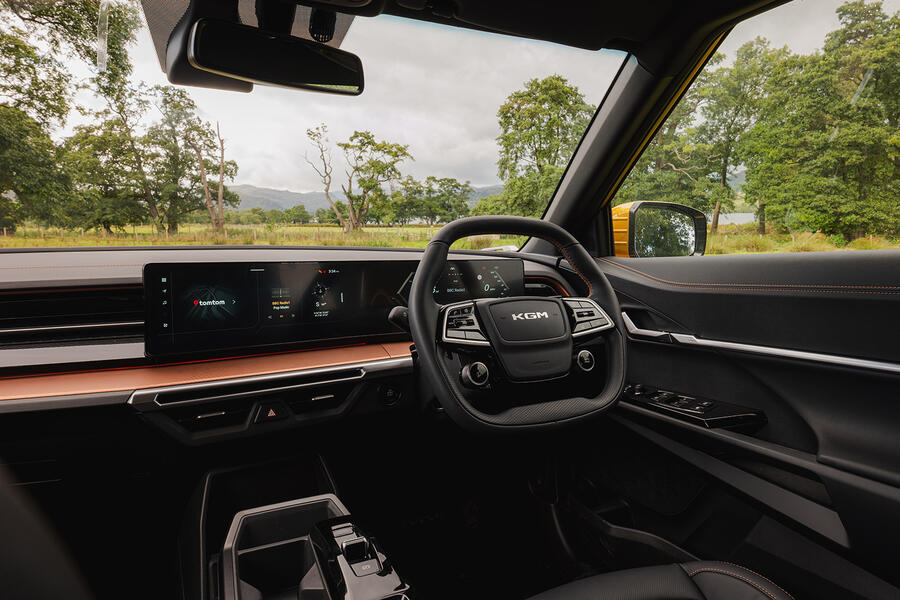
I didn’t get to play around with the 12.3in central touchscreen much, but I got the feeling that it suffered from the same latency issues at the Rhino. It’s easy enough to navigate around but not particularly sharp or responsive.
That said, it does come with wireless Apple CarPlay and Android Auto, which you will probably use more often than KGM's own software.
And, like in the Rhino, you can swipe down on the main touchscreen menu to access the shortcut buttons to turn off the overzealous ADAS.
Rear accommodation is more generous than in the diesel truck. Even though the bench is perched, head room is plentiful. Even with the seat fixed to my driving position, I had bucket loads of leg room back there.
I also preferred the Musso EV’s backrest, which was slightly more reclined than that in the Rhino, allowing me to find a more comfortable position.
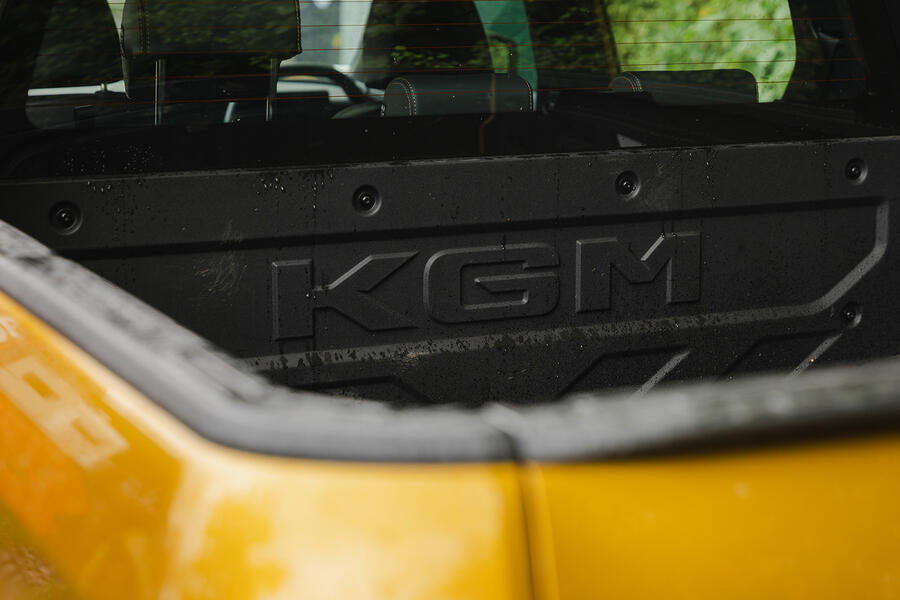
While it’s quicker and more comfortable than the Rhino, the EV doesn’t have the load-lugging credentials to make it a viable farmhand or workhorse. It can carry only up to 690kg on its back and, while it can tow up to 2300kg, it's some way off the 3500kg hauling ability of the diesel.
Given that ICE double-cab pick-ups have lost their BIK tax-busting benefits, the Musso EV presents itself as a tax-efficient alternative. With the BIK rate at 4%, you could pay as little as £30 a month to run it as a company car.
And because it qualifies for the government’s £5000 Plug-in Van Grant (PiVG), the Musso EV now costs from £39,995, making it substantially cheaper than the D-Max EV (£59,995) and eTerron9 (£54,696).
It may not be your archetypal cargo carrier, but the Musso EV is a credible alternative to an electric SUV.
It’s hard to pinpoint exactly who it's for but, considering that it can travel much further than rivals and costs less than the Maxus, adventurous, lifestyle-focused drivers might like the idea of an electric 4x4 with a usable load bed and a decent range.
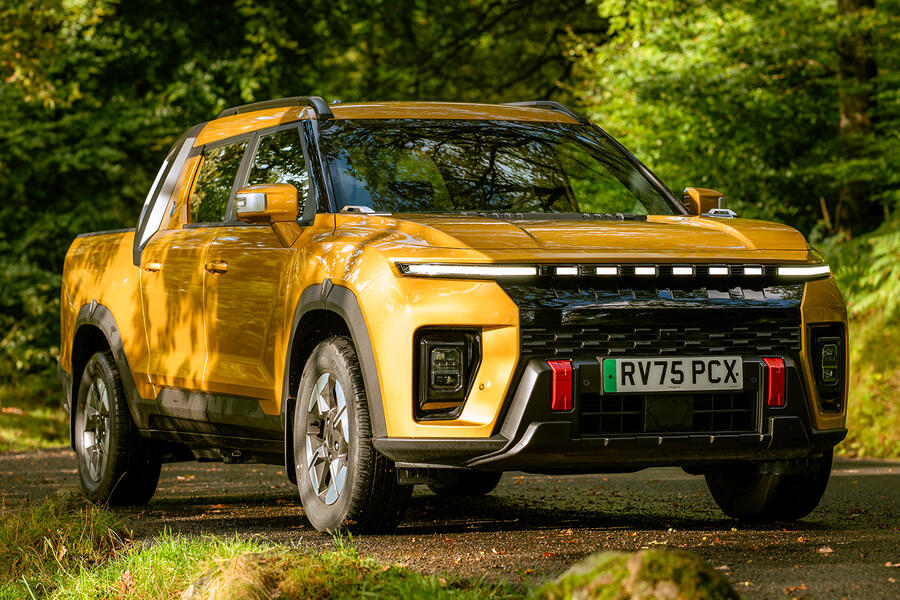
KGM Musso EV
Verdict: Comfortable, brisk and with tempting tax breaks, the Musso EV is a credible lifestyle truck, but compromised towing and carrying ability dents its appeal.
| Specification | Details |
|---|---|
| Price | £39,995 (ex VAT, including £5,000 Plug-in Van Grant) |
| Engine | Permanent magnet synchronous motor x2 |
| Power | 234bhp |
| Torque | 250 lb ft |
| Gearbox | 1-speed reduction gear, AWD |
| Kerb Weight | 2360 kg |
| 0-62mph | 8.0sec |
| Top Speed | 110mph |
| Battery | 80.6kWh |
| Range and economy | 236 miles, 2.5 mpkWh |
| CO2 and BIK tax band | 0g/km, 4% |
| Key rivals | Maxus eTerron 9, Isuzu D-Max EV |

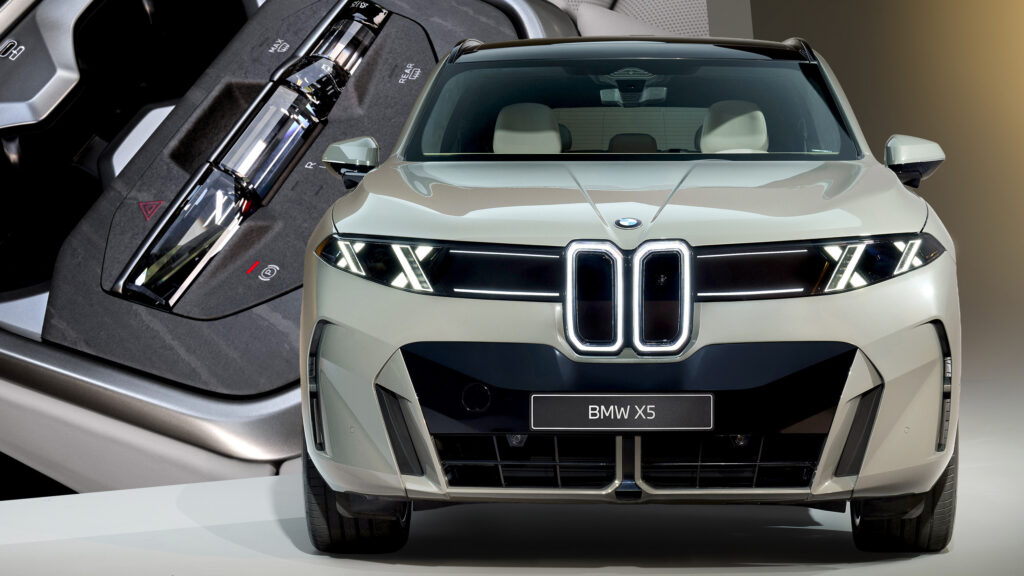
BMW X5 Mandates Costly Slate Trim in Bid for Luxury Differentiation, Stirring Buyer Backlash

Design Limitations Undermine Visual Appeal in Compact Car Proportions

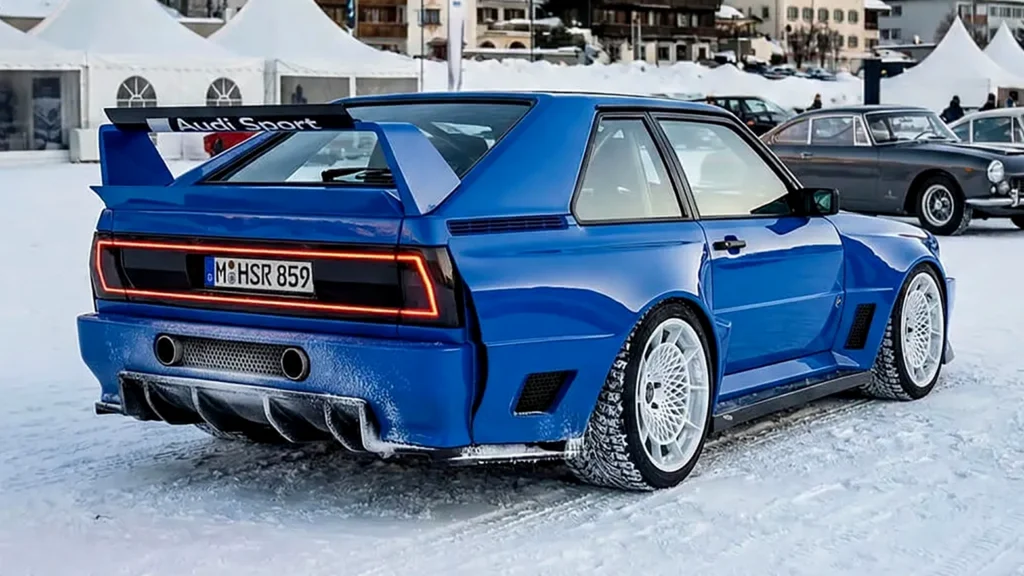
Sport Quattro Revival Reimagines Audi Heritage with Carbon Fiber Engineering and Modern RS3 Power

Wage Stagnation and the Growing Crisis of Basic Economic Insecurity in the United States


BYD Shark Redefines UK Pick-Up Market With High-Performance Hybrid Power and Extended Electric Range
 Ford Ranger PHEV rival brings Golf GTI performance, 4x4 credentials, long electric range - but not VAT relief
BYD is entering the UK commercial vehicle market with the Shark, a plug-in hybrid pick-up truck that has sports car performance and nearly 60 miles of electric-only range.
This will be the UK's second PHEV pick-up, following the petrol-electric version of the best-selling Ford Ranger - which it resoundingly beats in several key metrics on paper.
The Shark gets a combined 430bhp from its 'Super Hybrid' drivetrain, which features a four-cylinder petrol engine and an electric motor on each axle for four-wheel drive.
That's 153bhp more than the Ford and means the Chinese pick-up can outpace a Volkswagen Golf GTI from 0-62mph, completing the sprint in just 5.7sec.
Meanwhile, a substantial 32.2kWh underfloor battery supplies enough juice for a claimed 56 miles of EV range – more than double that of the Ranger – and can be fast-charged at speeds of up to 55kW.
Like BYD's PHEV cars, the Shark can run as either a parallel hybrid, with the engine and motors working in tandem to drive the car, or as a series hybrid, wherein the engine simply charges the battery.
BYD said the Shark's performance credentials are "far in advance of what can be achieved by traditional diesel pick-ups", highlighting its torque output of 479lb ft, WLTP-certified combined efficiency of nearly 81mpg, 2500kg towing capacity and 1200-litre load bay.
It also comes with vehicle-to-load charging functionality so can be used to run power tools and other site equipment.
As for off-road prowess, the Shark has approach and departure angles of 31deg and 19.3deg, four-wheel drive, hill descent control and a suite of driving modes including Sand, Mud, Snow and Gravel.
However, crucially, the Shark is rated to carry only 790kg in its bed, meaning it falls short of the 1000kg needed to officially qualify as a commercial vehicle, unlike the Ranger PHEV, so will not be eligible for VAT exemption for business buyers. BYD's prices start at £47,290, which is roughly in line with the Ford, but the latter would represent a 20% saving for business buyers on that basis.
The Shark will be launched in just one trim level, with faux leather seats (heated and ventilated in the front), a 10.25in digital instrument panel, a 15.6in touchscreen with smartphone mirroring, a wireless phone charger and a 360deg camera among the standard equipment.
Customer deliveries will start towards the end of the year.

Defender Redefines Performance and Utility with Power Cut, Rugged Vertex Trim, and Expanded Interior...