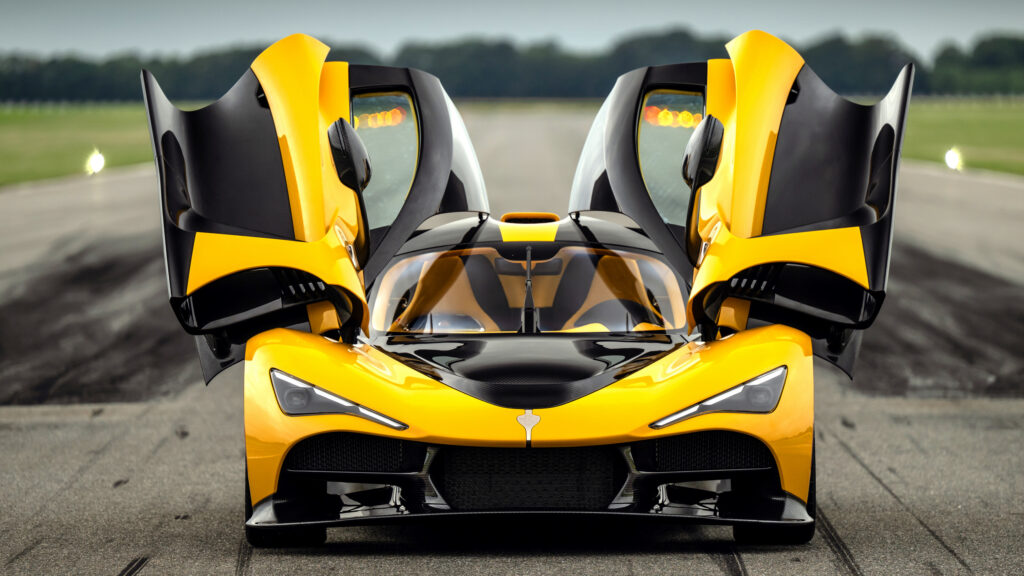
Zenvo Aurora Challenges Hypercar Realities With 1,850-HP Hybrid V12 and Goodwood Production Debut

Company Car, Cash Allowance, or Salary Sacrifice Assessing the Most Cost-Effective and Flexible Choice...
 If you need a car for your job, there are a few ways your employer can help. Which one is right for you?
Businesses have offered company cars to job-need drivers (and as a perk to retain staff) for decades. They are owned or leased by the employer, but also available for drivers to use outside work hours, just like a privately owned car.
What are the advantages of a company car?
You’re unlikely to get any unexpected bills. Employers pay for the car (or lease it), most of the running costs – so there’s no insurance, servicing or replacement to worry about, while company car tax is a predictable monthly outlay.
You’ll usually get a new car every three or four years and, provided it’s in good condition at the end of that contract, you can just hand it over without stumping up any extra cash.
It can also be an incredibly cheap way to drive a new car. Company car tax has incentivised low-CO2 vehicles for almost 25 years, and there are some ultra-low rates for vehicles emitting 50g/km or less, which covers most plug-in hybrid (PHEV) and all electric vehicles (EVs). If your lifestyle suits a plug-in, then your monthly tax bill will be significantly lower than the cost of buying or leasing the same vehicle privately.
What are the disadvantages of a company car?
As your employer is footing the bill, they’re in control. Company car choice lists are often banded by pay grade, with caps on list prices, CO2 emissions and in some cases restricted manufacturers and access to optional extras. That means you might not get the car you really want, or the features you really need.
Salary Sacrifice
Salary sacrifice schemes are a grey area between company cars and leasing privately. They enable you lease a car through your employer, typically including servicing, maintenance and breakdown cover. However, unlike a company car, they’ll deduct the cost of the monthly lease from your pre-tax salary.
What are the advantages of salary sacrifice?
Unlike a cash allowance, salary sacrifice lets you access your employee’s buying power and discounts, which can reduce the monthly outlay. Some suppliers are also offering a choice of used vehicles for drivers with lower budgets.
The savings are even bigger if you can live with an EV or PHEV. If you choose a car rated at 75g/km CO2 or less, you’ll pay Benefit-in-Kind on the vehicle’s ‘taxable value’ (an emissions-weighted share of its list price) instead of the cost of the monthly lease (which is typically a much larger amount). That’s usually less tax than you’d pay on the income you’re using to pay for the car.
Ultra-low BiK rates for vehicles under 51g/km CO2, and an influx of cheaper new EVs, have fuelled a renaissance in salary sacrifice recently. The UK’s combined fleet of salary sacrifice vehicles more than doubled in 2025 (to 226,000 vehicles), while 98% of new deliveries are EV (77%), PHEV (19%) or hybrid (2%), according to British Vehicle Rental and Leasing Association (BVRLA).
What are the disadvantages of salary sacrifice?
Although salary sacrifice extends some of the perks of a company car to employees who wouldn’t normally be eligible, you won’t get as much choice as you would buying or leasing privately.
Monthly payments can’t take your remaining salary below the national minimum wage, there’s no option to buy it outright at the end of the contract, and you’ll have to hand the car back if you leave the company.
The tax system also effectively works as a CO2 cap. If you opt for a car emitting more than 75g/km CO2 – and that covers everything you can’t plug in – you’ll either pay Benefit-in-Kind on either the taxable value, or the monthly lease costs, and it’s whichever of those is the higher figure. Even if your employer lets you select something thirsty (and plenty won’t), the tax costs could make it cheaper to buy or lease something privately.
Cash Allowances
Some employers will let drivers opt out of a company car scheme and take a cash allowance instead. It’s a salary top-up that you can use to buy or lease a car privately.
What are the advantages of cash allowances?
As a private buyer, you are not restricted by your company car policy. HMRC treats the money as extra wages, so you’ll pay income tax (typically at 20% or 40%) and national insurance contributions to receive it, but the car is yours. That means you can choose what you want, replace it whenever you like, and take it with you if you leave.
Cash allowances have found a niche among drivers with a job need for a vehicle that would be taxed heavily under the Benefit-in-Kind system – such as an MPV for large families, or a diesel for towing.
What are the disadvantages of cash allowances?
By opting out of the company car scheme, you are responsible for adequate work-use insurance, keeping it roadworthy and maintained properly and staying within mileage limits if it’s leased or financed.

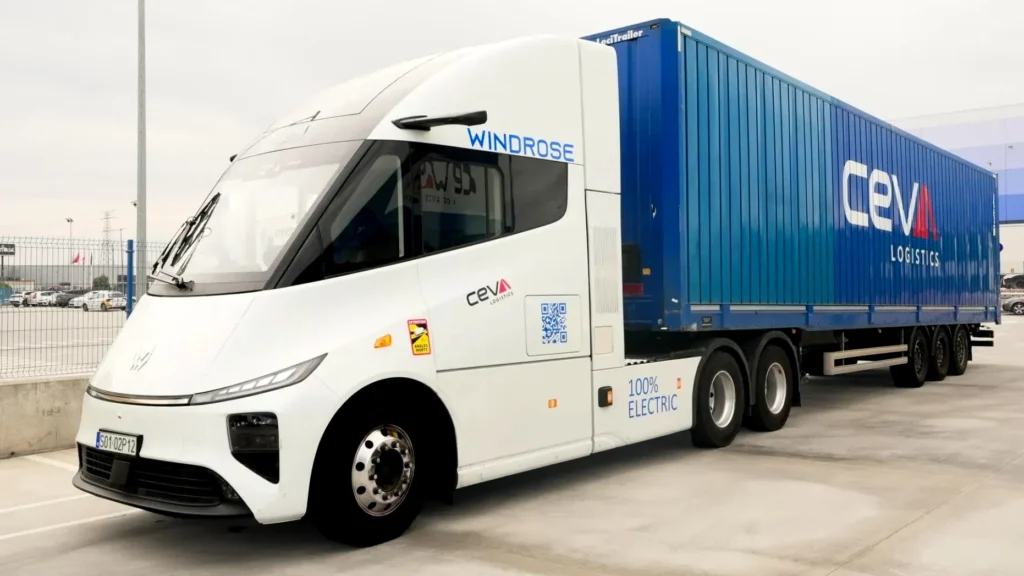
Windrose’s Electric Truck Ambitions Undermined by Payroll Disputes and Operational Setbacks

1980s Cars as Cultural Icons How Design and Engineering Shaped an Era’s Automotive Legends
 The 80s was a time of great music, quirky fashion and some downright brilliant cars - prepare for nostalgia
Big hair, shoulder pads, Ronnie & Maggie… and some amazing cars that often caught the zeitgeist.
Here’s the selection that we think firmly holds the hero car medal from the memorable decade that was the 1980s:
Porsche 944
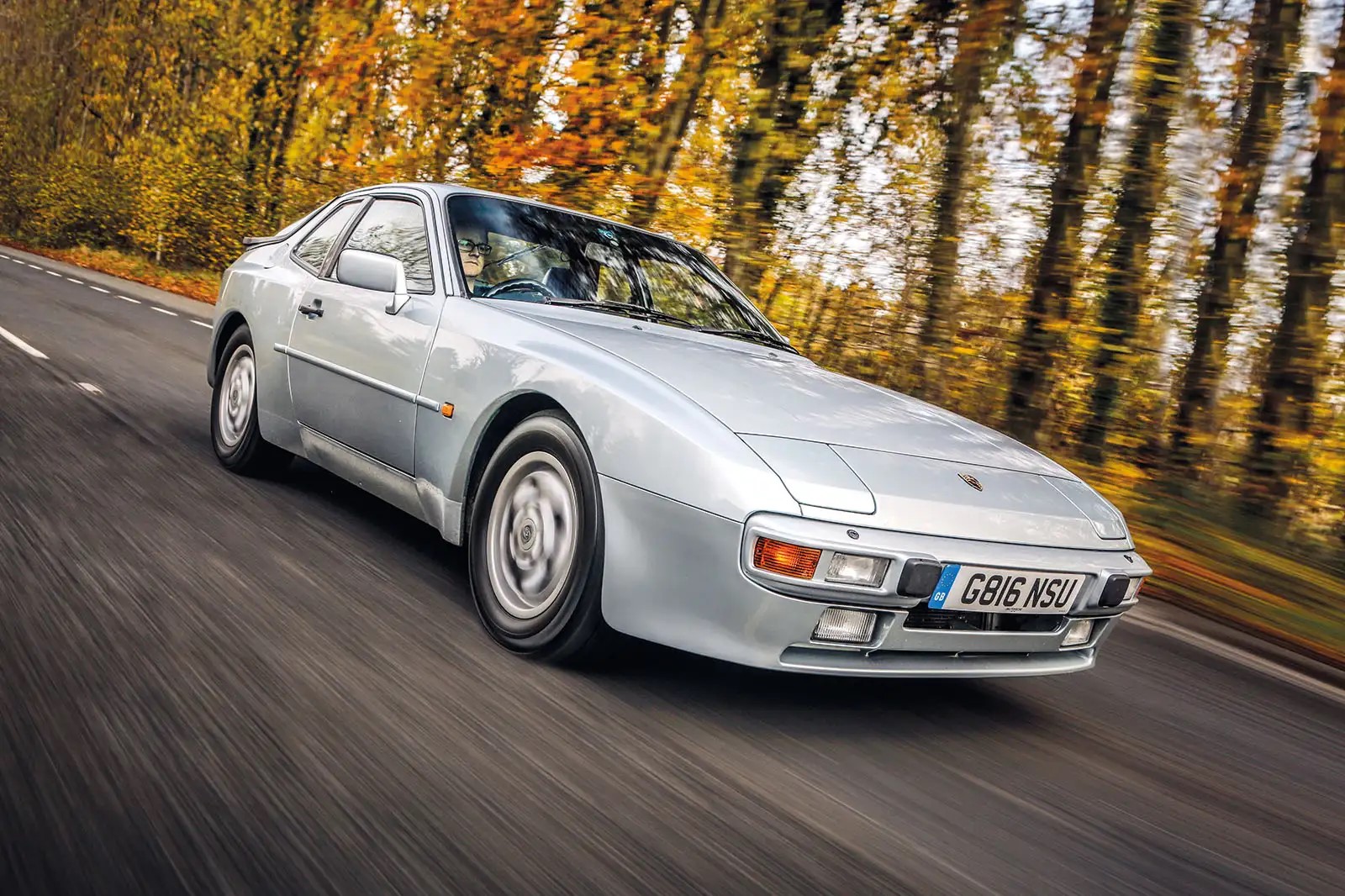
The 924 was an important car in Porsche’s yesteryear with the company selling over 150,000 cars between 1976 and 1986 - an admirable figure for what was a small firm at that time. It was well-built and an affordable way into Porsche ownership without having to fork out for the flagship 911. In 1982, Porsche’s fourth model came to the market, the 944, and although there were visual similarities to the 924, it had more business-like mannerisms and was a more driver-focused machine.
Porsche offered it in an array of guises such as the 944 2.5, 944 S, 944 2.7, 944 S2 and S2 cabriolet, and the range-topping Turbo. All cars got pop-up headlights, a rear glass lid with a black spoiler, body-coloured bumpers and a 2+2 layout. Throughout its production run between 1982 and 1991, Porsche trumped the 924’s sales figures by selling 173,238 944s.
BMW M3 E30
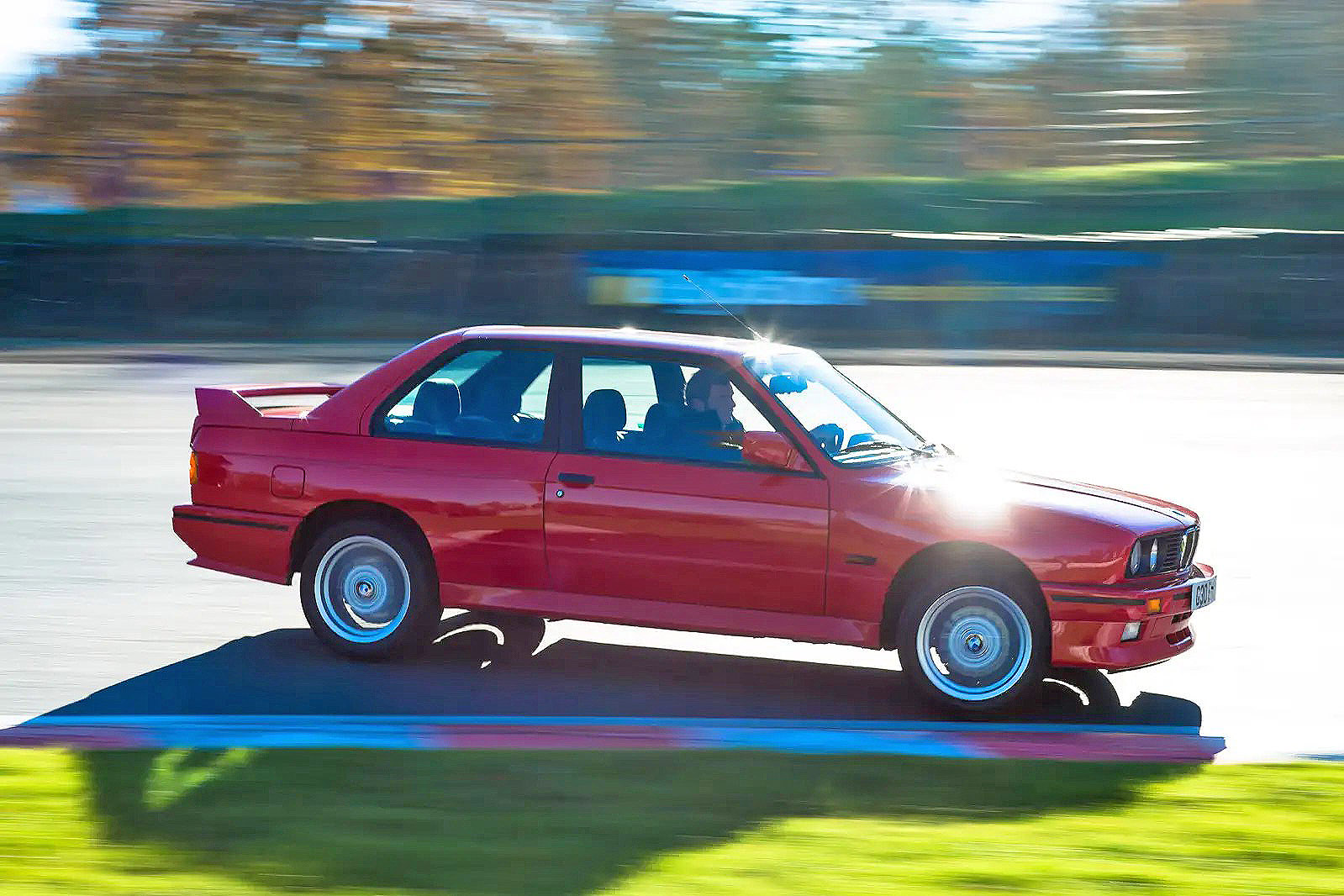
Before the times of twin-turbocharged six-cylinder cars with a superfluity of onboard tech, M3s of old were basic, but fast, 2+2 coupes. The E30 M3 had a 200bhp 2.3-litre four-cylinder tied to a dog-leg five-speed transmission that drove power to the rear wheels. And, while it isn’t considered fast by modern standards, it could crack the 0-62mph dash in 7.0sec and climb to 146mph; it also weighed just 1200kg which meant easy and fast cornering.
Setting it aside from its regular siblings, was the go faster M division bodywork. It was covered in M3 badging, muscular rear arches engulfed the 16in cross-spoke alloys and a prominent rear spoiler completed the racer look. The E30 M3 developed a large cult following with its design alone and remains on many petrolheads’ bucket lists today.
Audi Quattro
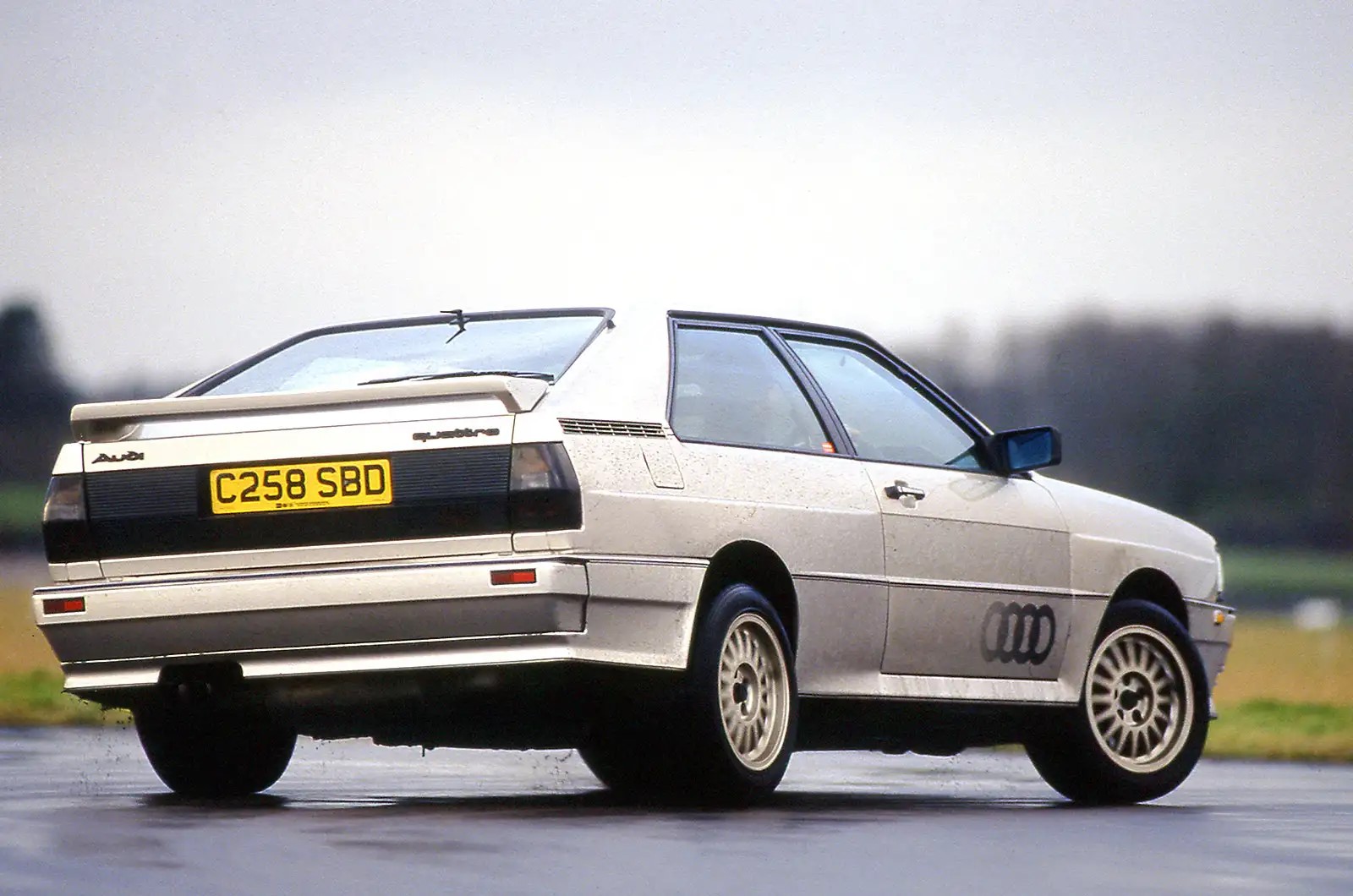
Like with many songs or movies, there are few words needed to identify some of the world’s most famous cars. In 1976, Audi engineers decided to stick a four-wheel drive layout in a family car, but the idea was met with resistance as most off-roaders were industrial and robust. The engineers, however, continued the Quattro project which became a Frankenstein between the body of an Audi 80 and the drivetrain from a Volkswagen Iltis 4x4 military vehicle.
This led to the famous mud-throwing Audi Quattro rally car winning 23 world championships, and the road-going Audi Quattro. While the sleek Ferrari 308GTB of the same era could achieve the 0-62mph sprint in 6.5sec, the boxy production Quattro was timed at just 6.3sec.
Peugeot 205 GTi
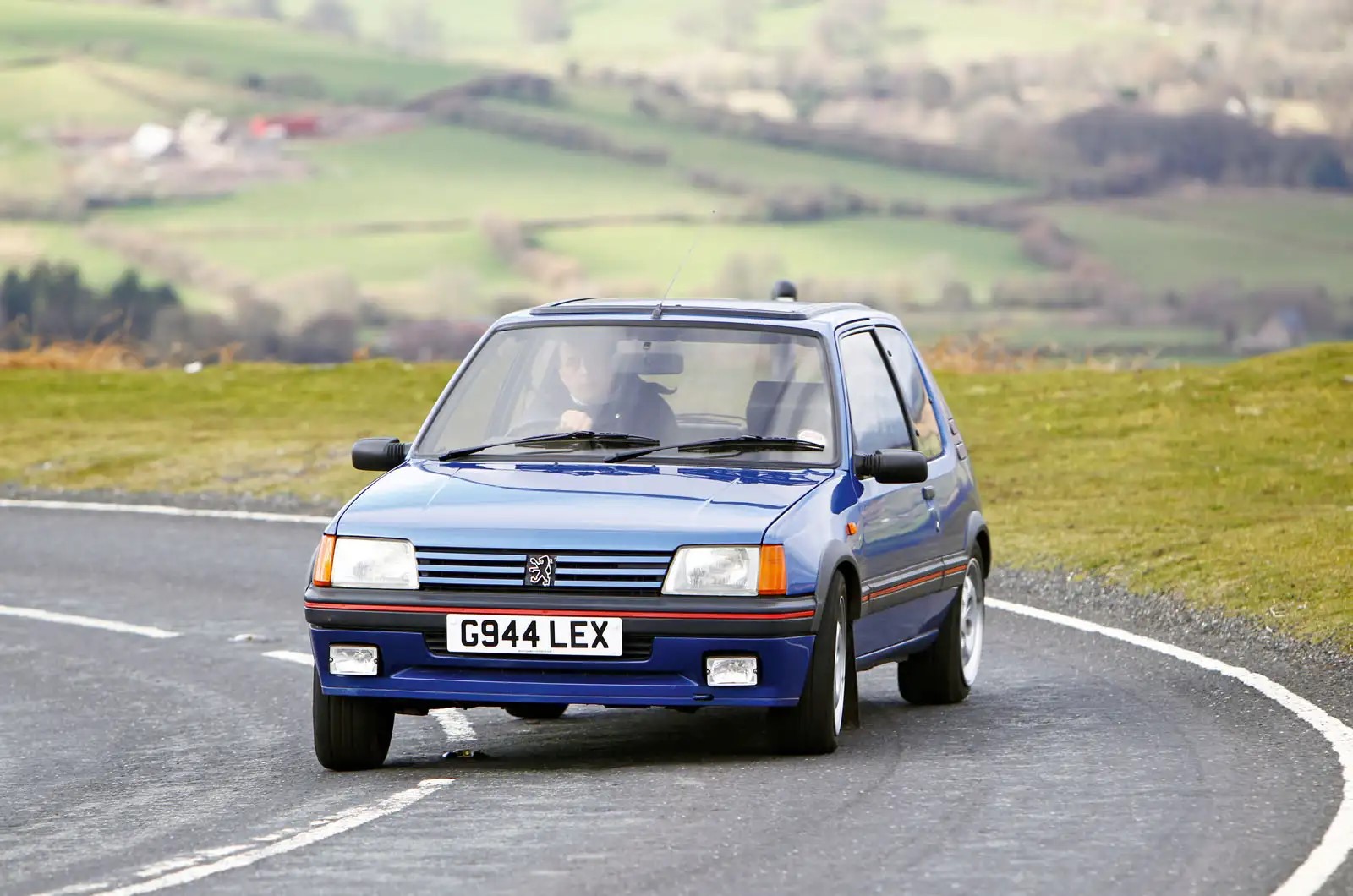
Amidst a generation of Porsche 928s and Jaguar XJR-S, the 205 GTi would still be classed by people today as one of the top cars of the 1980s. A tuned engine in a lightweight package with understated bodywork resulted in large success. In 1984, the 205 GTi was powered by a 1.6-litre 103bhp powerplant but just two years later in 1986, the 1.6-litre was revised and the power was upped to 113bhp.
In the same year, the winning 1.9-litre GTi was launched with a punchy 128bhp. Because of its 875kg weight, 0-62mph was dealt with in just under 8sec and 127mph was achievable. Its finely tuned chassis allowed it to duck and dive around corners and even entice lift-off oversteer on some occasions. The 205 GTi was a perfect reminder that you didn’t need a lot of visual aero to have fun, whichever side of the 1.6 v 1.9 debate you’re on.
Renault 5 GT Turbo
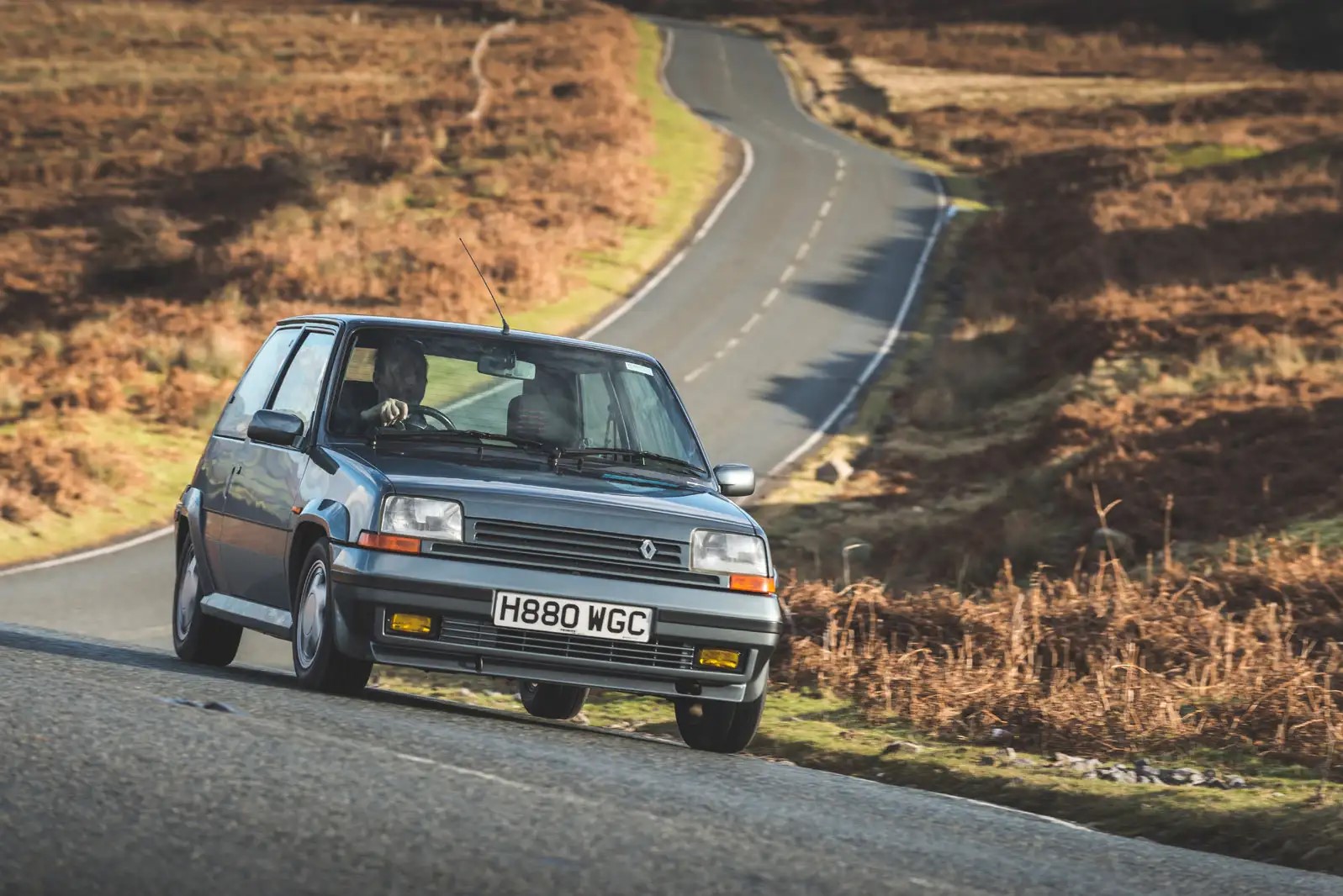
Amid the fame of the Mk1 Golf GTi and Peugeot 205 GTi, the GT Turbo was getting ready to strike. The 115bhp GT Turbo had the 205 GTi 1.6 outgunned, and with the amount of tunability on offer, a lot of cars ended up in the wrong hands and were written off. A 1986 TV ad showed Griff Rhys Jones barreling up the Santa Pad drag strip to show off its performance where it achieved 0-62mph in 7.5sec, which meant it also outperformed the 205 1.9GTi and the Mk2 Golf GTI 8v.
The price of a new Renault 5 GT Turbo in 1985 was £7000 (around £20,000 today), making it £1445 cheaper than the equivalent 205 GTi 1.9 that was released a year later.
Volkswagen Golf GTI
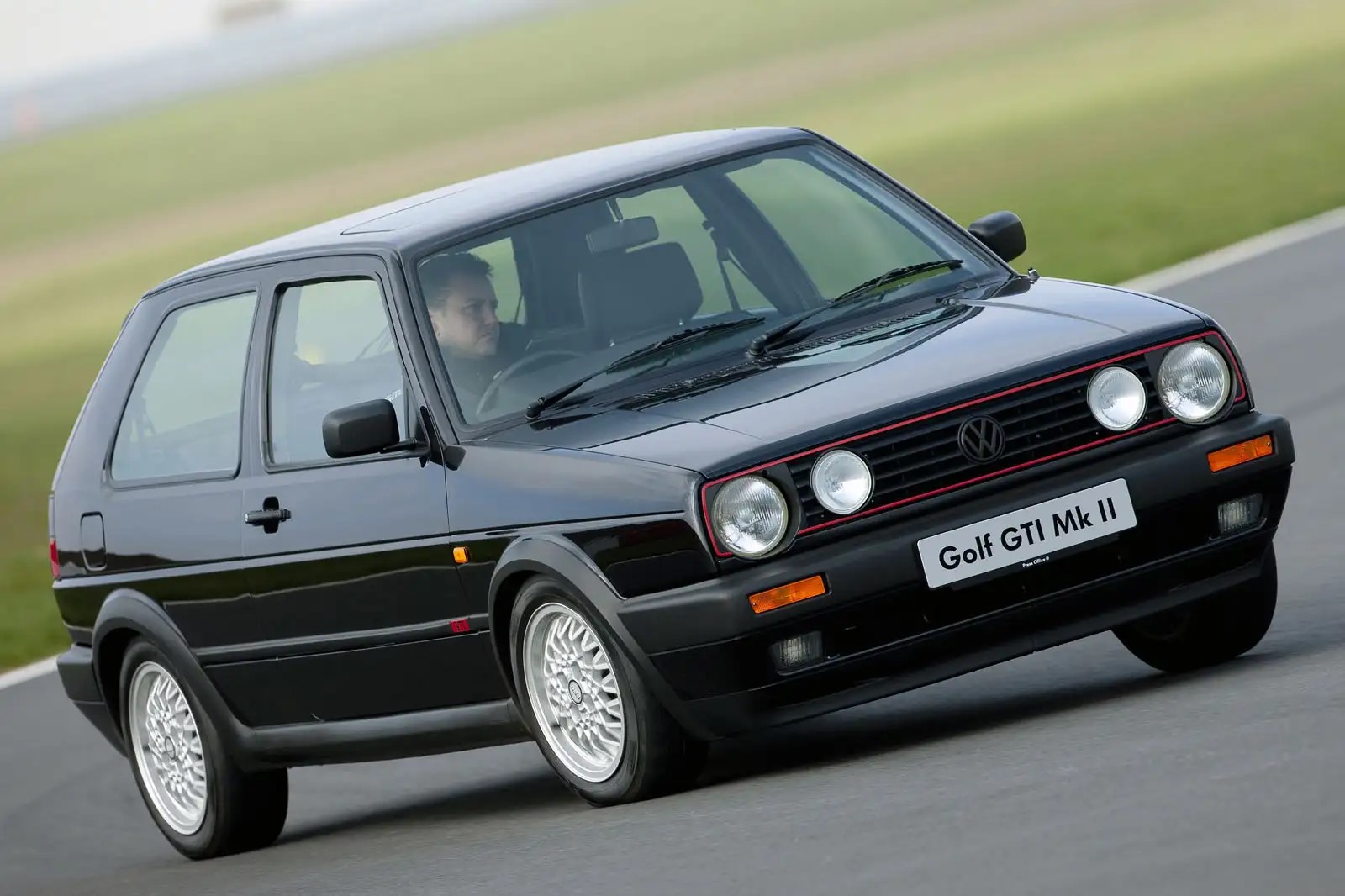
Our list of heroic cars wouldn’t be complete without the Golf GTI Mk2. Although there were faster and more appealing cars, the Golf GTI still had the small, fun hot hatchback heritage behind it. After the Mk1 GTI’s success, Volkswagen gave us the Mk2 GTI which retained the iconic twin-headlight look but it had more bulbous bodywork and a choice between a 1.8-litre 8v or 16v engine.
Although the Mk2 GTI was 10% heavier than the Mk1, the 112bhp from the 8v was enough to shove all of its 950kgs along smoothly. The introduction of the 139bhp 16v was Volkswagen’s answer to Ford and Vauxhall closing the gap in performance and it pushed the Mk2 into top-tier hot hatch territory.
Ford Escort RS Turbo
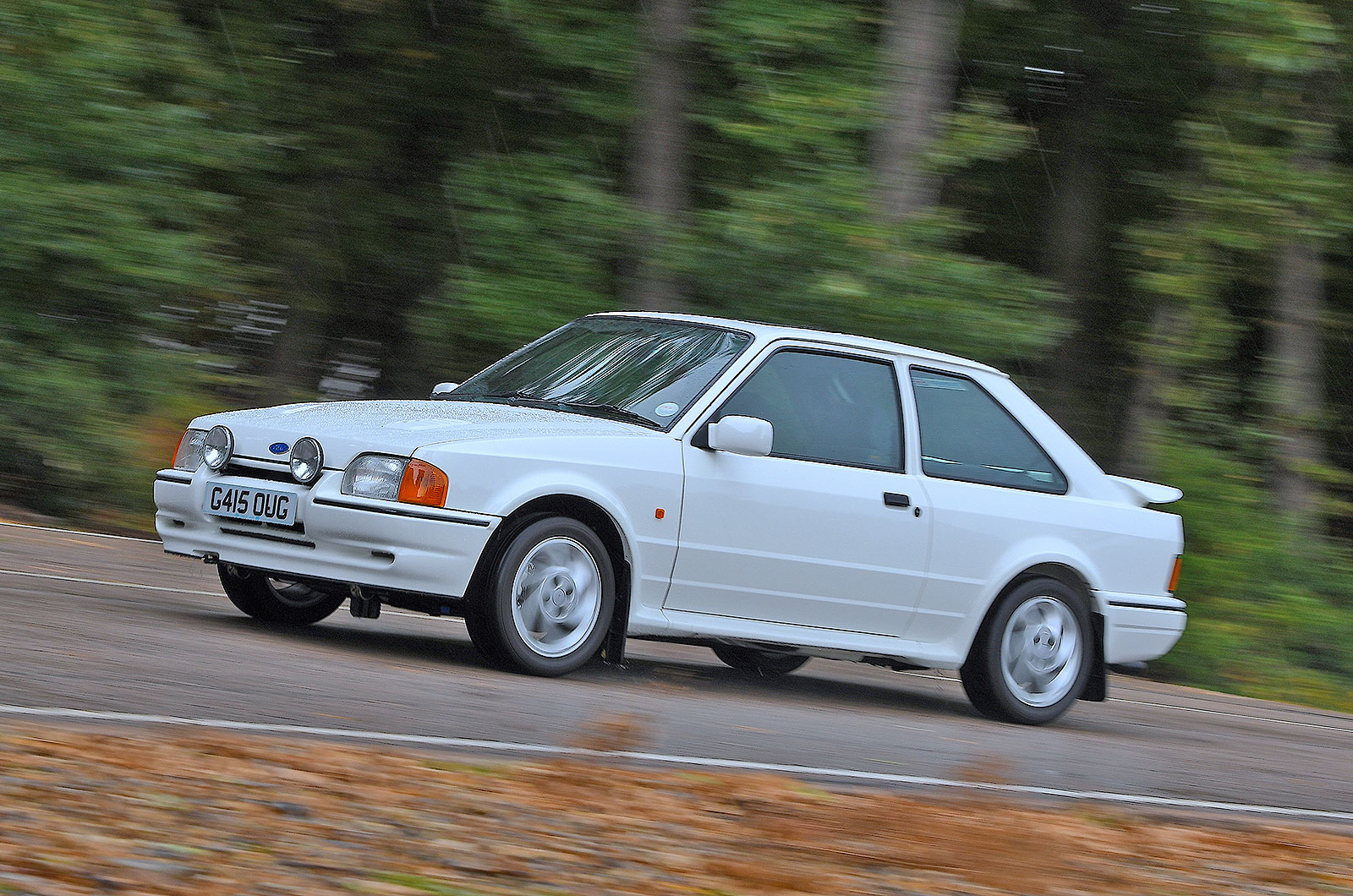
If a model was lucky enough to have Ford’s RS badging, it meant it had made it into the company’s most driver-focused road car range. The Escort RS Turbo was one of the quickest hot hatchbacks of its era thanks to the turbocharged 132bhp that lived under the bonnet, and it was the first front-wheel drive car to get a limited-slip differential.
Inside, there were front Recaro seats with blue stitching to match the RS decals on the outside. What then propelled the car’s popularity even more, was that Princess Diana obtained one; her car – the only one ever built in black - sold in 2022 for £722,500.
RUF CTR Yellow Bird
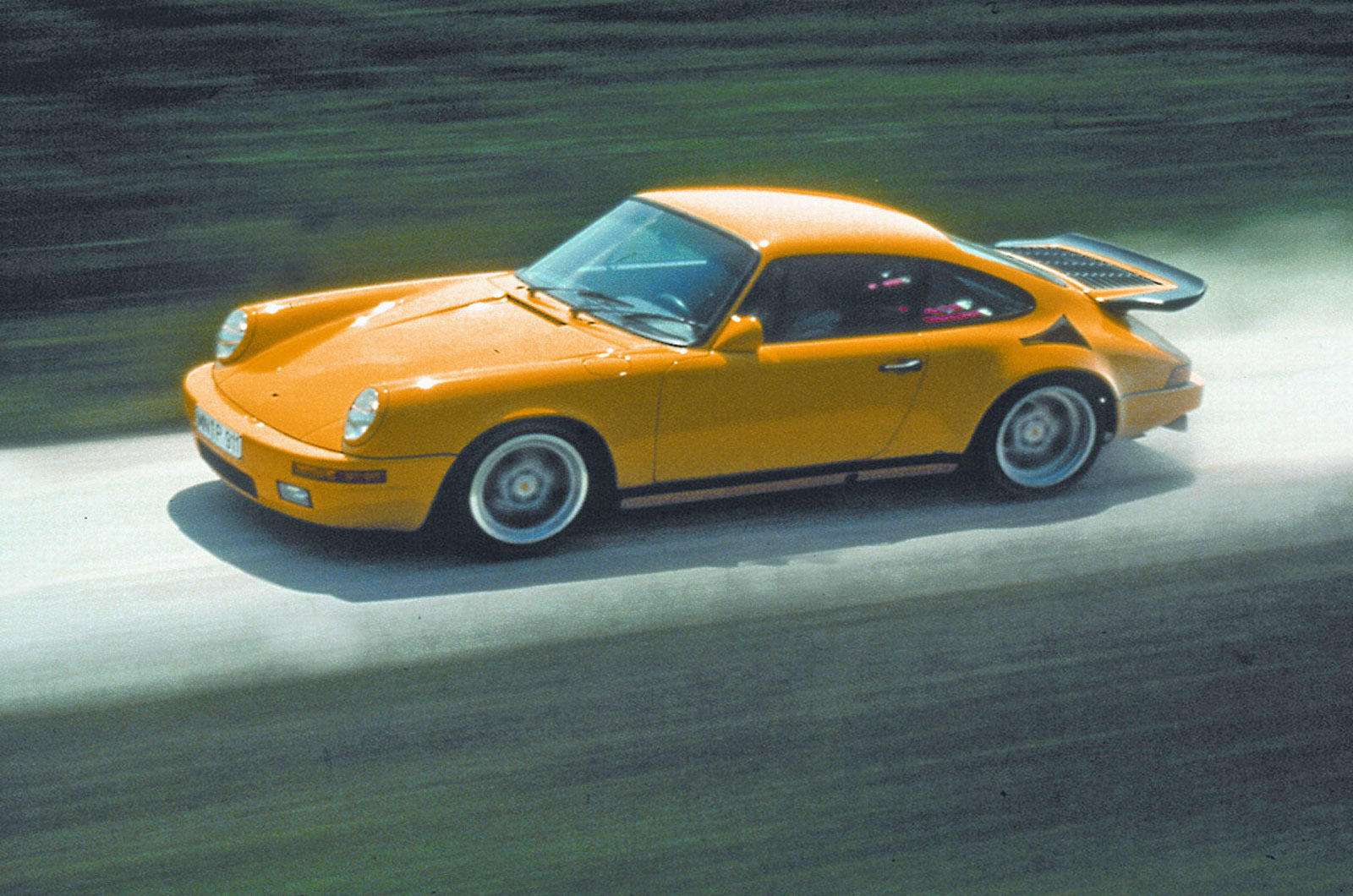
In 1987, Ruf released their promo video of a driver wearing no helmet, or gloves, in the new Ruf CTR Yellow Bird and lapping the Nurburgring in just 8.05mins. And, while cars like the Ferrari 288 GTO and Lamborghini Countach could both reach 190mph, the CTR Yellow Bird could sail past the Italians with its 211mph top speed.
These numbers were achieved due to the twin-turbo 3.4-litre that sat at the rear which produced 463bhp; this was also aided by its 1150kg weight. Only 29 cars were ever produced.
Ferrari F40
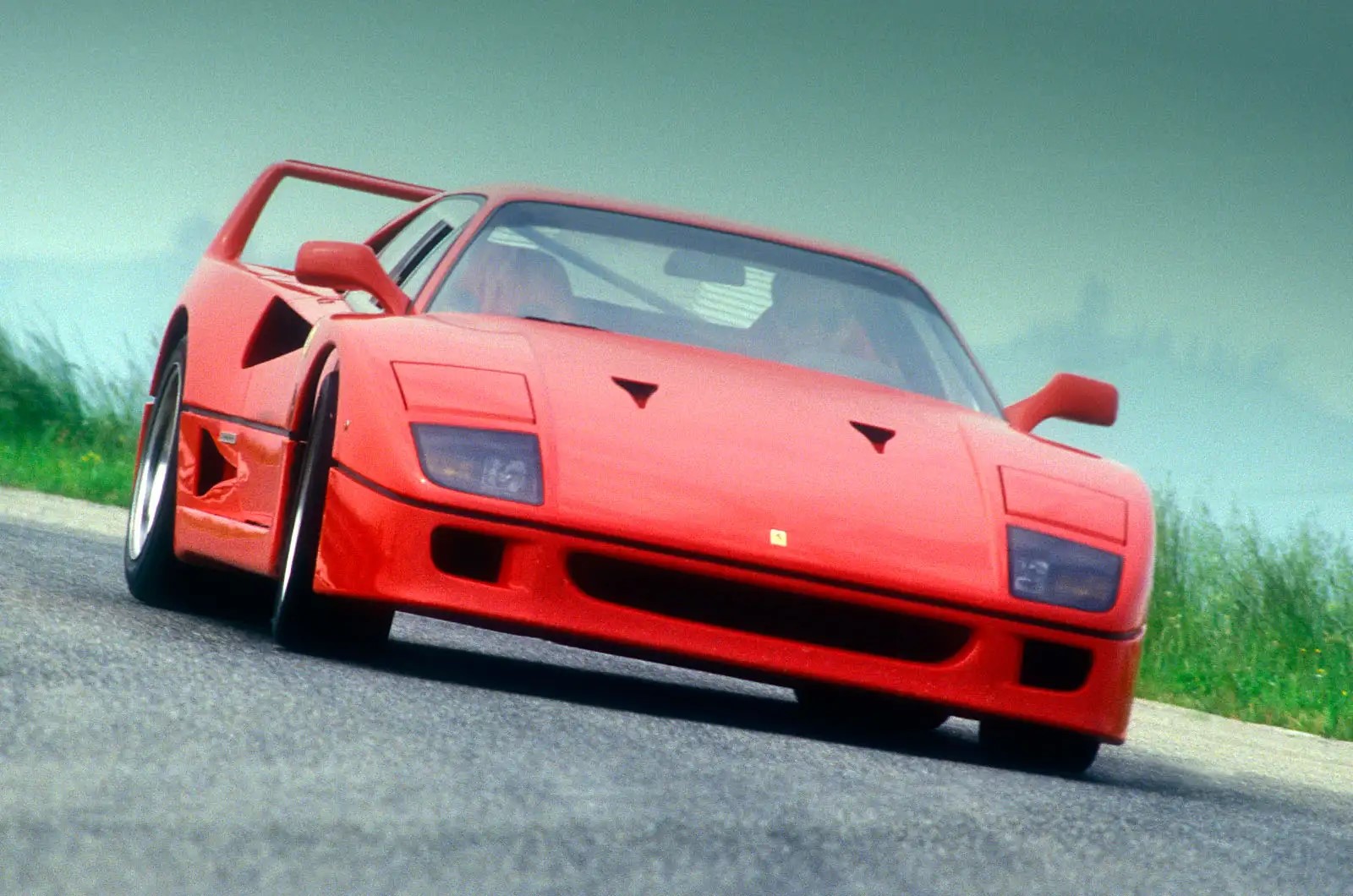
The F40 was built to celebrate the firm’s 40th anniversary, and out of all the Ferraris produced over the years, it still holds the gauntlet for one of the world’s most influential supercars. Power comes from a twin-turbocharged V8, positioned behind the front seats; it produces 478bhp at 7000rpm and the F40 weighed just a touch more than a hot hatchback from the same-era.
All 478bhp was fed through the rear wheels and a five-speed manual gearbox, allowing the F40 to propel itself to 62mph from a standstill in 4.1sec and onto 201mph if given enough room. F40s sold for £193,000 when released in 1987, today prices sit at around £1 million.
Porsche 959
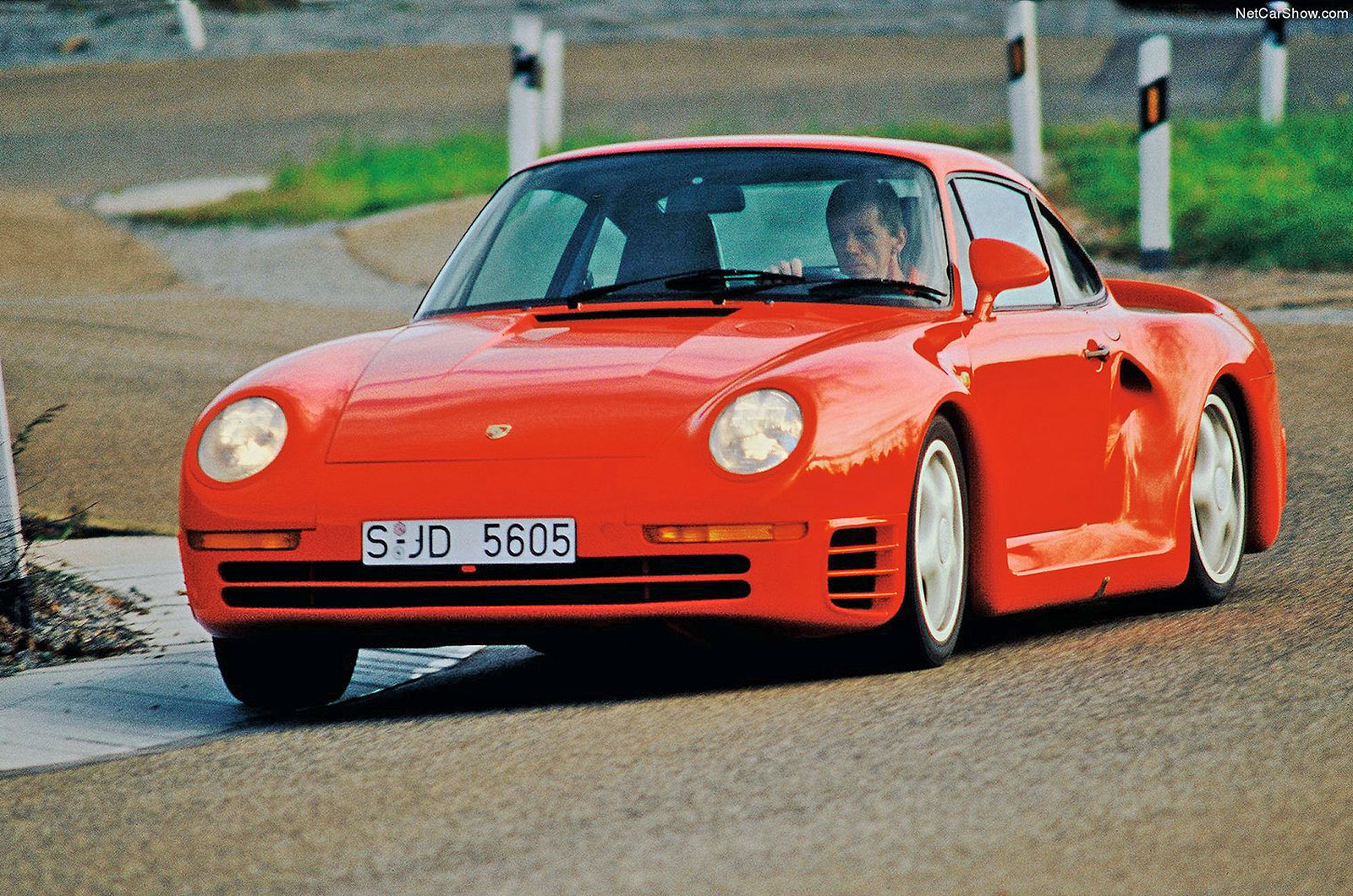
What once held the crown for the fastest production car in 1986 with its 190mph-plus top speed, is now an automotive icon. The 959 was ahead of its time with its four-wheel drive system, variable torque split and adaptive damping technology, combined with its use of space-age materials such as Nomex and Kevlar. Its 2.8-litre twin-turbo flat-six produced 444bhp and could smash the 0-62mph sprint in 3.7sec.
In its production run from 1987 to 1988, only 292 examples were made with one being written off on its way to auction where it still sold for £388,988 ($467,500). A well-cherished car that accrued 16,660 miles since 1987 sold for £1.1m in 2021 at auction.
Ford Sierra RS Cosworth
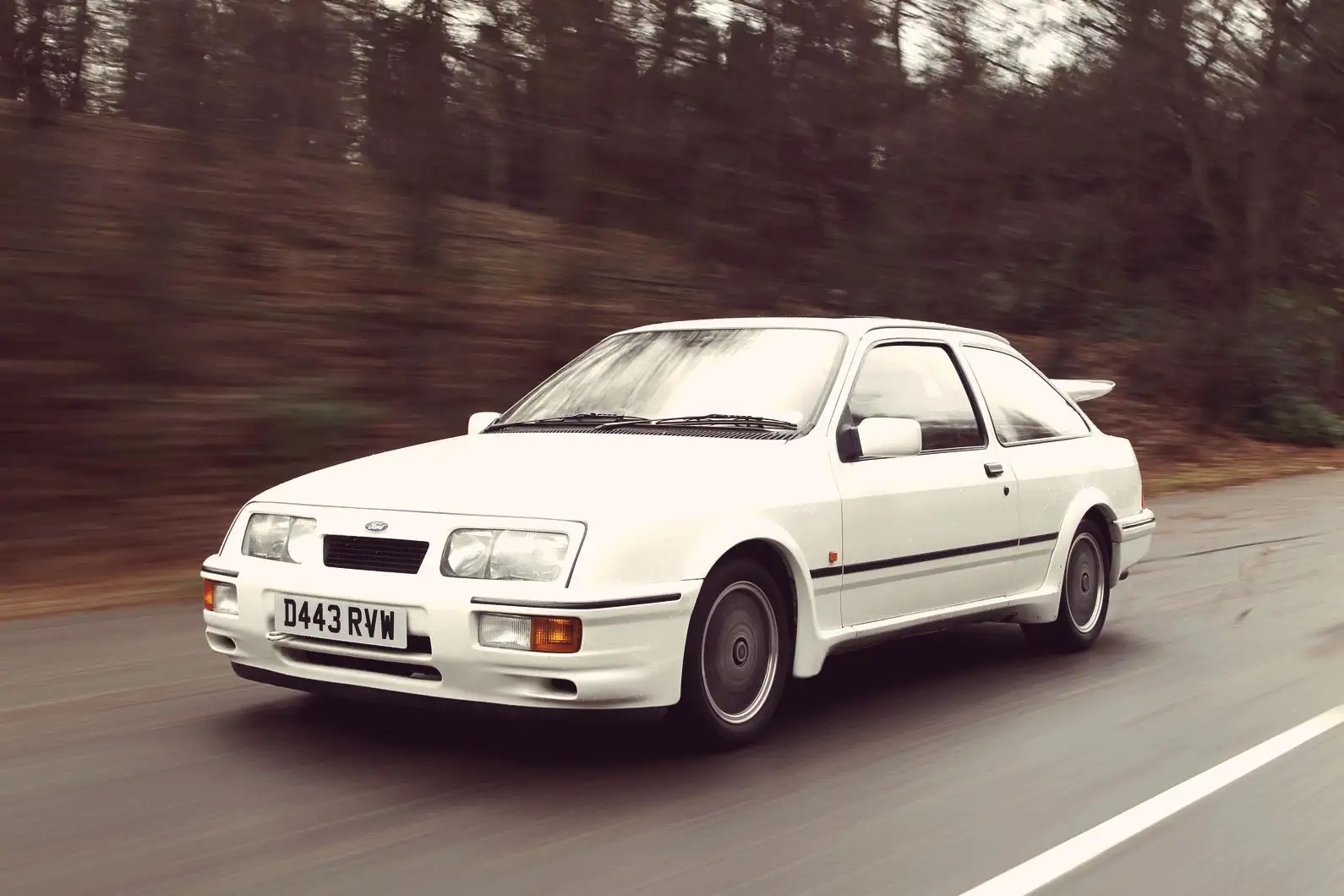
Although the Sierra RS Cosworth was produced to push Ford back to the front of the touring car racing championship, it ended up becoming homologated road car that would contend with some of the world’s finest supercars. A turbocharged 2.0-litre engine sat upfront and fed 204bhp through a limited-slip differential to the rear wheels which meant 0-62mph in 6.2sec and a 143mph top speed. The Sierra RS sat on 15in multi-spoke alloy wheels, it had a signature whale-tail spoiler, bloated bodywork and bonnet vents to disperse any warm air.
By 1987, Ford wanted to improve the Sierra RS and the rules around racing allowed for this, as long as 500 road cars were built; with this, Ford introduced the more powerful RS500. This was later followed by the more civilized Sapphire Cosworth, which was produced in Genk, Belgium.
Fiat Panda
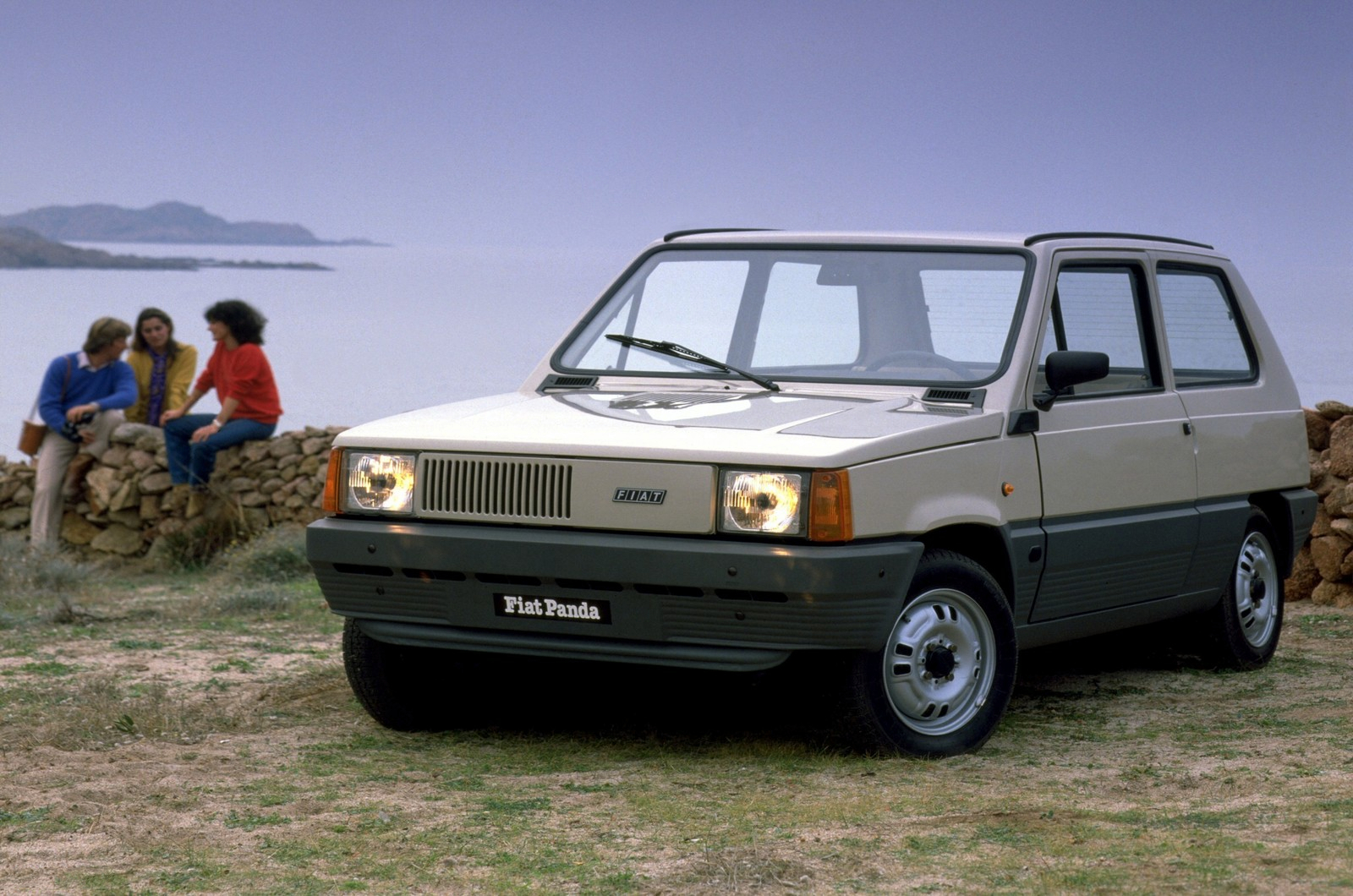
Fiat would see over 4.5 million Pandas produced in its 1980 to 2003 production stint. Originally, the Panda was meant to be nicknamed ‘Rustica’ but was called Panda in the 11th hour and it was intended to be a low-cost production car that was frugal for the public. Although it was originally supplied with a four-cylinder 903cc engine, the Panda range would grow as the years moved forward when various special editions became available such as the Panda Habitat and the Panda Italia 90 which was in celebration of the 1990 FIFA World Cup that Italy hosted.
Cars came equipped with four-speed manual transmissions, but these were changed to five-speeds in 1983. One trim level that had great public admiration was the 4x4 variant which was capable due to the Panda’s lightweight body.
Lancia Delta Integrale
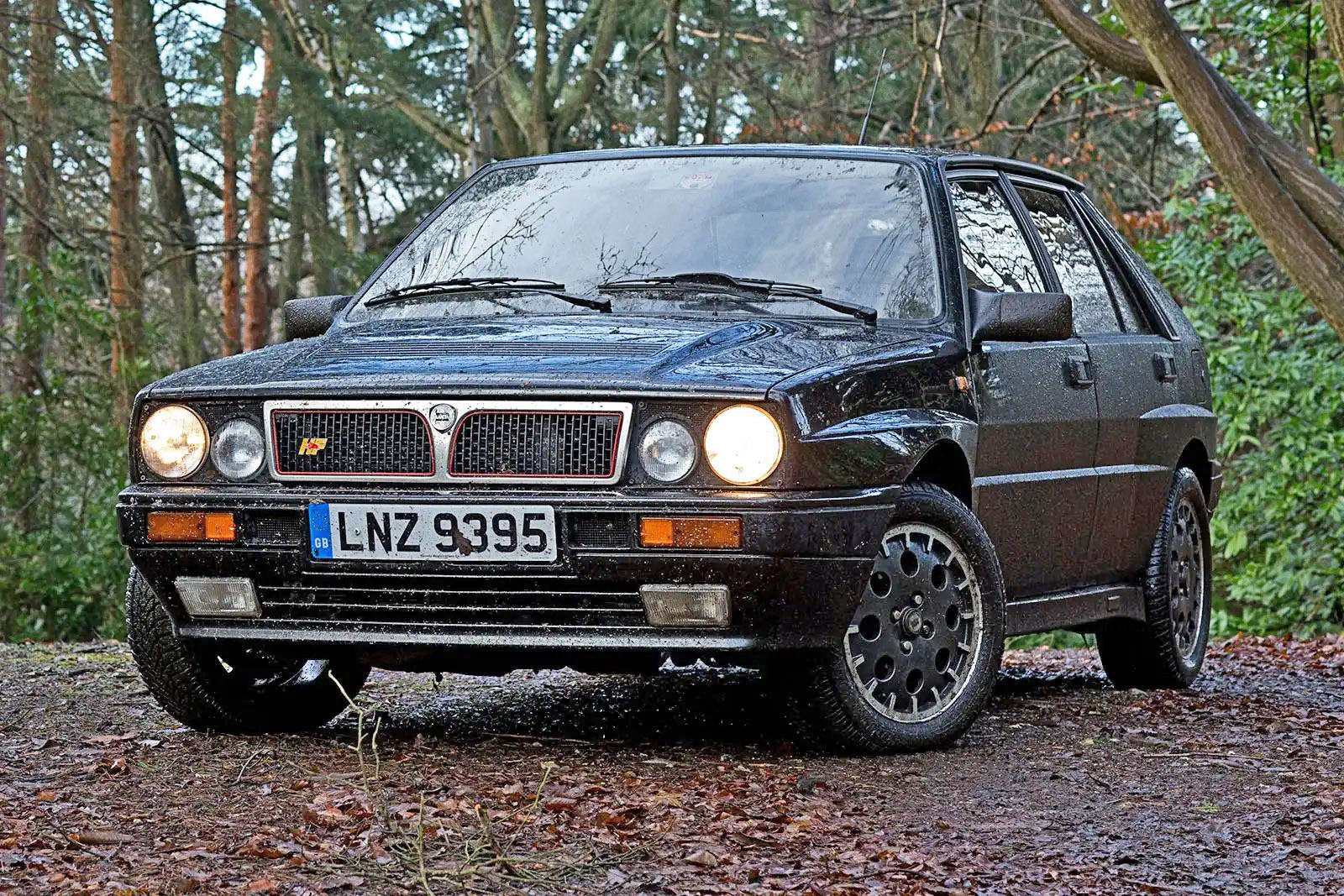
While the Delta Integrale could be driven daily, it would be a special event to drive. The interior had boxy plastic, its 2.0-litre turbocharged inline-four rumbled through the cabin and the eight-dial analogue dashboard showed everything from the revs to the turbo boost pressure. HF variants were originally released in 1983 and turbocharged HF four-wheel drive cars followed in 1986.
The early HF Integrale 8v had 182bhp, permanent four-wheel drive and a five-speed manual gearbox and while some cars made it to the UK, they were left-hand drive only. This later changed in 1989 when a newer 197bhp car was released with right-hand drive. In 1980, the Delta won European Car of the Year and from 1987-1992, the Delta 8v rally car brought six World Rally wins in a row.
Saab 900 Turbo
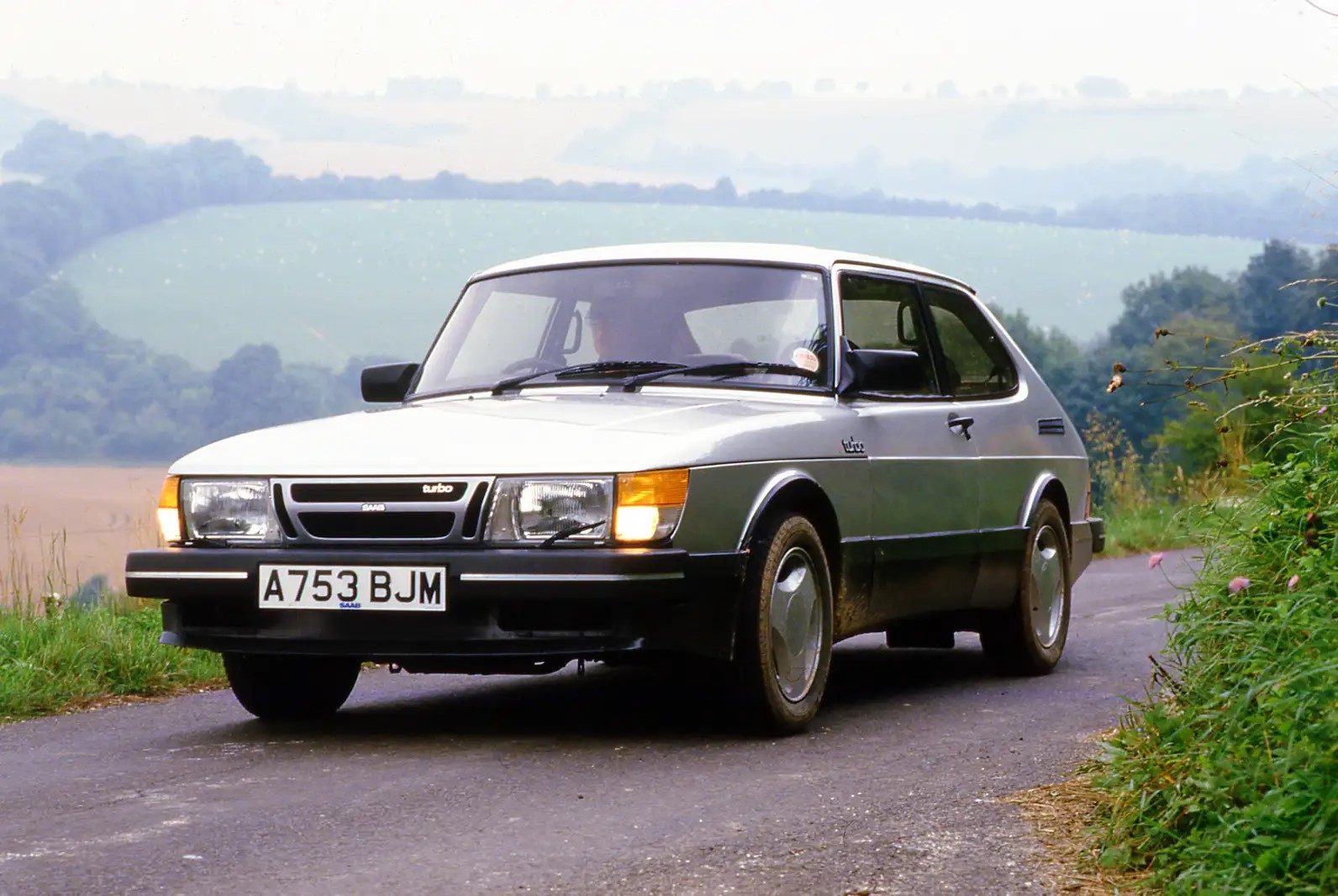
Back in the day, some cars might have had fuel injection or four-wheel drive badging, but there were few that had Turbo badges. The 900 Turbo was released in 1978 with sleek bodywork, a fastback appearance, 602 litres of boot space and 145bhp. This was then revised in 1985 with an improved 16v engine which offered 175bhp, allowing for a 0-62mph dash of just 6.9sec; even by today's standards this isn’t considered slow.
Cars from 1981 had a three-speed automatic transmission and later cars had Automatic Performance Control which allowed different fuel grades to be used without any engine damage. And, in 1983, Saab introduced asbestos-free brakes which was an industry first. In its 20-year production, 908,817 900s were manufactured, around a quarter of which were turbos.
Toyota MR2
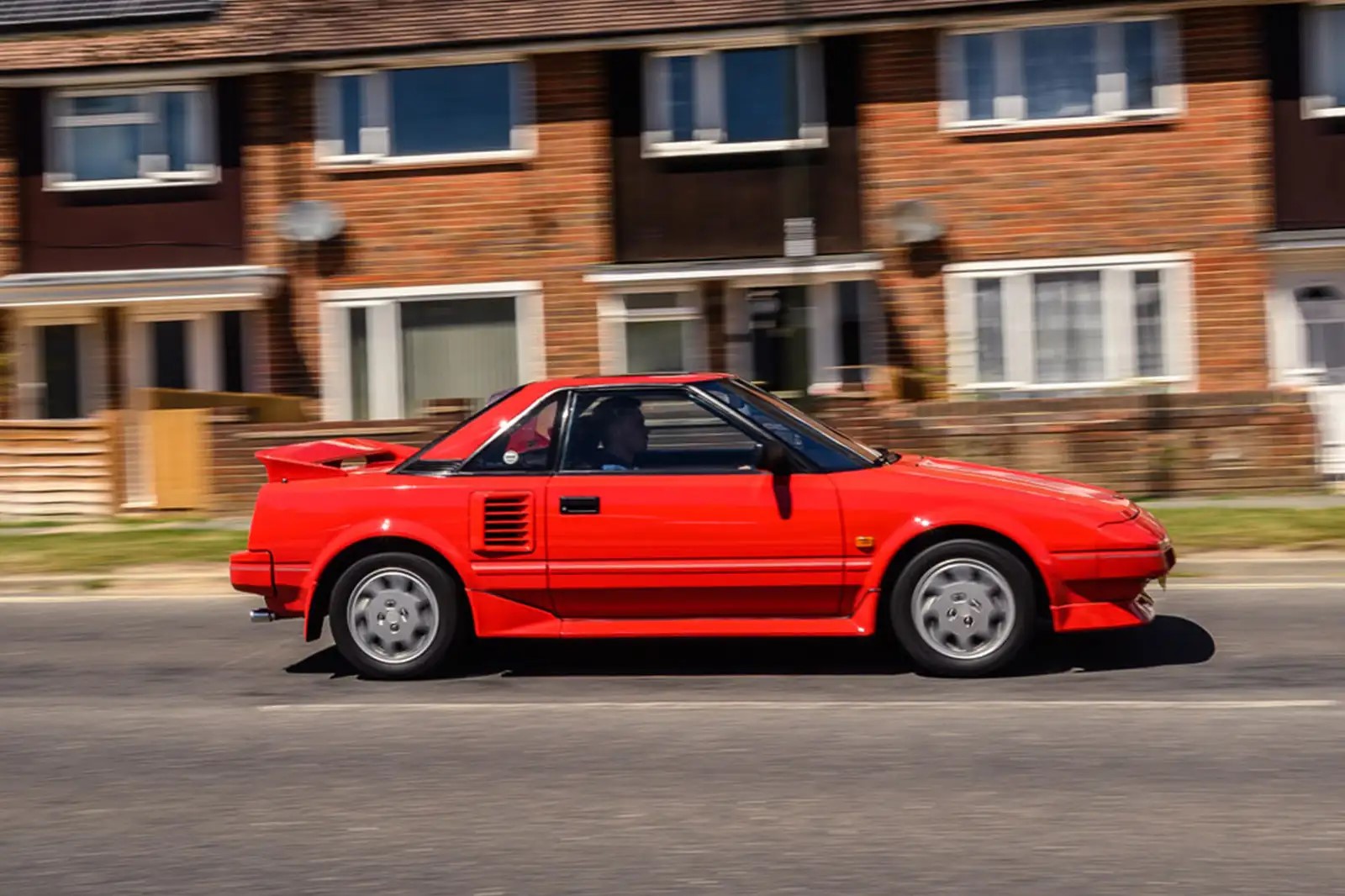
In 1989, Autocar attended a race track for the day and tested a plethora of fast cars in an attempt to find ‘Britain’s Best Handling Car’. Those on the list were the Ferrari 328 GTB, Lancia Delta Integrale, Porsche 944 S2, Mercedes-Benz 190E 2.3-16 and the Toyota MR2. And, while the Porsche 944 was crowned victorious, it had a difficult time shaking the MR2 to the chequered flag. Toyota had opted to build a fuel-sipping sportscar amid the 1970s oil crises – the Toyota MR2.
The Mk1 MR2 had a 122bhp 1.6-litre engine that would rev to 7600rpm, engine speeds that only Ferraris had seen. It had Toyota AE86-esque front-end styling with its pop-up headlights, and around the back were Ferrari-like C-Pillars and bonnet vents.
Lancia 037 Stradale
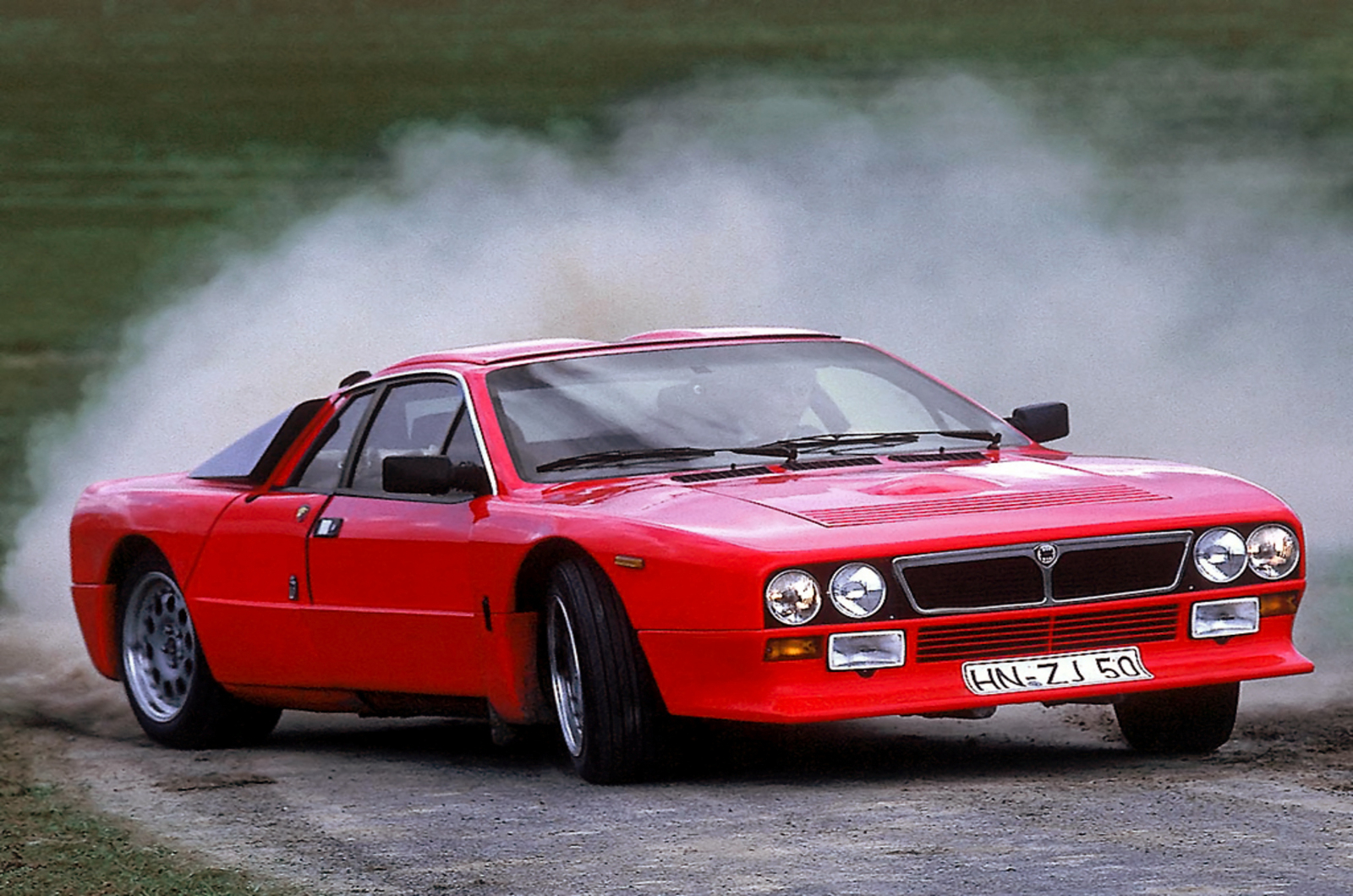
Audi’s Quattro was dominating the World Rally with Walter Rohrl at the wheel in 1982. But just one year later, Lancia would snatch back the title with a two-wheel drive car, famously known as the 037. Till this day, it remains the only two-wheel drive to hold the record of beating a four-wheel drive car in rally history.
Just 207 homologated examples were built using reinforced glassfibre kevlar, allowing the 037 to weigh just 1170kg. A mid-mounted supercharged 2.0-litre engine produced 255bhp while the rally variants were closer to 325bhp. In 2019, a 037 Group B rally car sold for just over £1m.
Lamborghini Jalpa
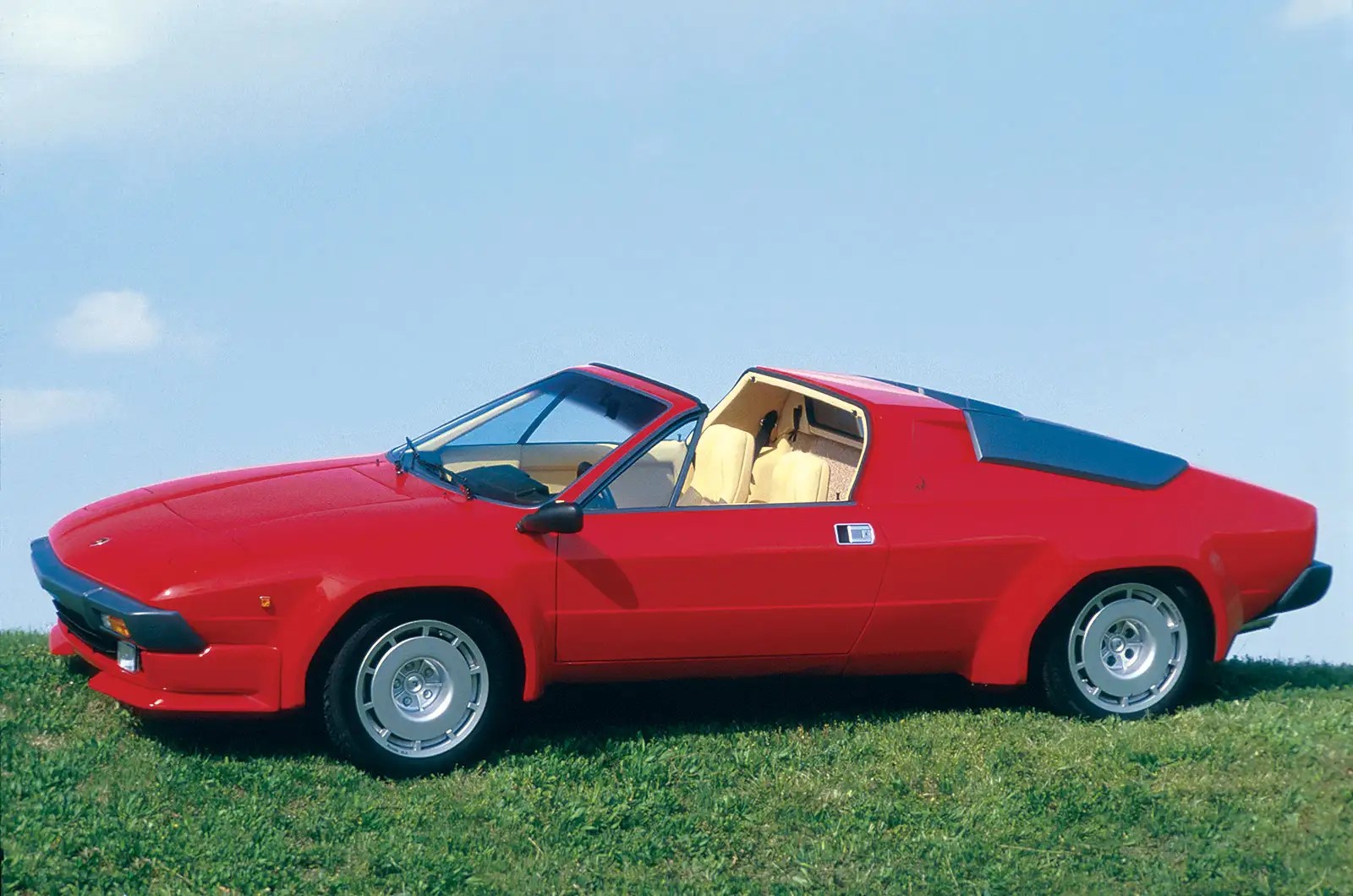
The Jalpa was Lamborghini’s entry-level car, competing against the Ferrari 308 and Porsche 911 SC and was based on Lamborghini’s Silhouette which flopped with only 53 units ever being sold. During the 70s Lamborghini tried and failed to win a supply contract with the US Army with its Cheetah military vehicle; things began to look unpromising for the firm. In the late 70s, the order to rework the Silhouette was then given, which would see the birth of the 1980’s Jalpa.
With over 400 Jalpas finding homes, Lamborghini was quickly saved from their financial crisis and the money was then used to update the Countach line. In 1988, Jalpa production was seized as Lamborghini wasn’t selling enough.
Honda CRX
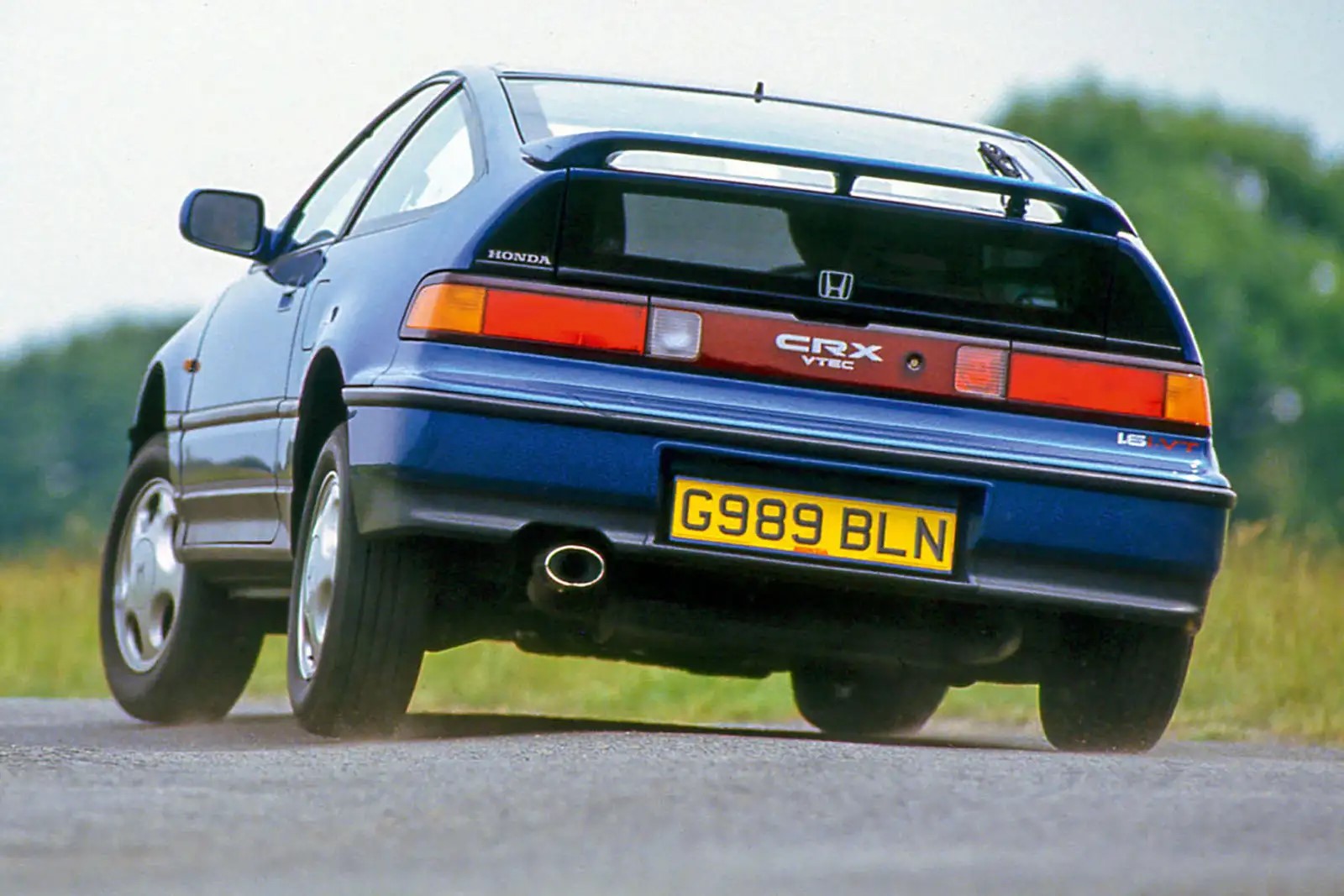
Although there were more aesthetically pleasing cars of the era, the CRX was Honda’s idea to give the consumer all they could need: a small minimalistic car with two seats and decent fuel economy. When released in 1984, it came with a 1.3-litre 58bhp engine in economy guise, a sportier 1.5-litre was also released with 76bhp and was available with both a five-speed manual or three-speed automatic. A 2+2 variant was later introduced in 1988 which also saw the introduction of the 148bhp 1.6-litre VTEC with its 8200rpm redline.
The 100bhp variant was praised for its mix of both performance and economy as it could deliver up to 50mpg, which was rather uncommon. Honda’s CRX would see three generations and gain a large cult following for years to come, ending with the Del Sol model with its interesting electric convertible roof in the 90s.
Lotus Elan M100
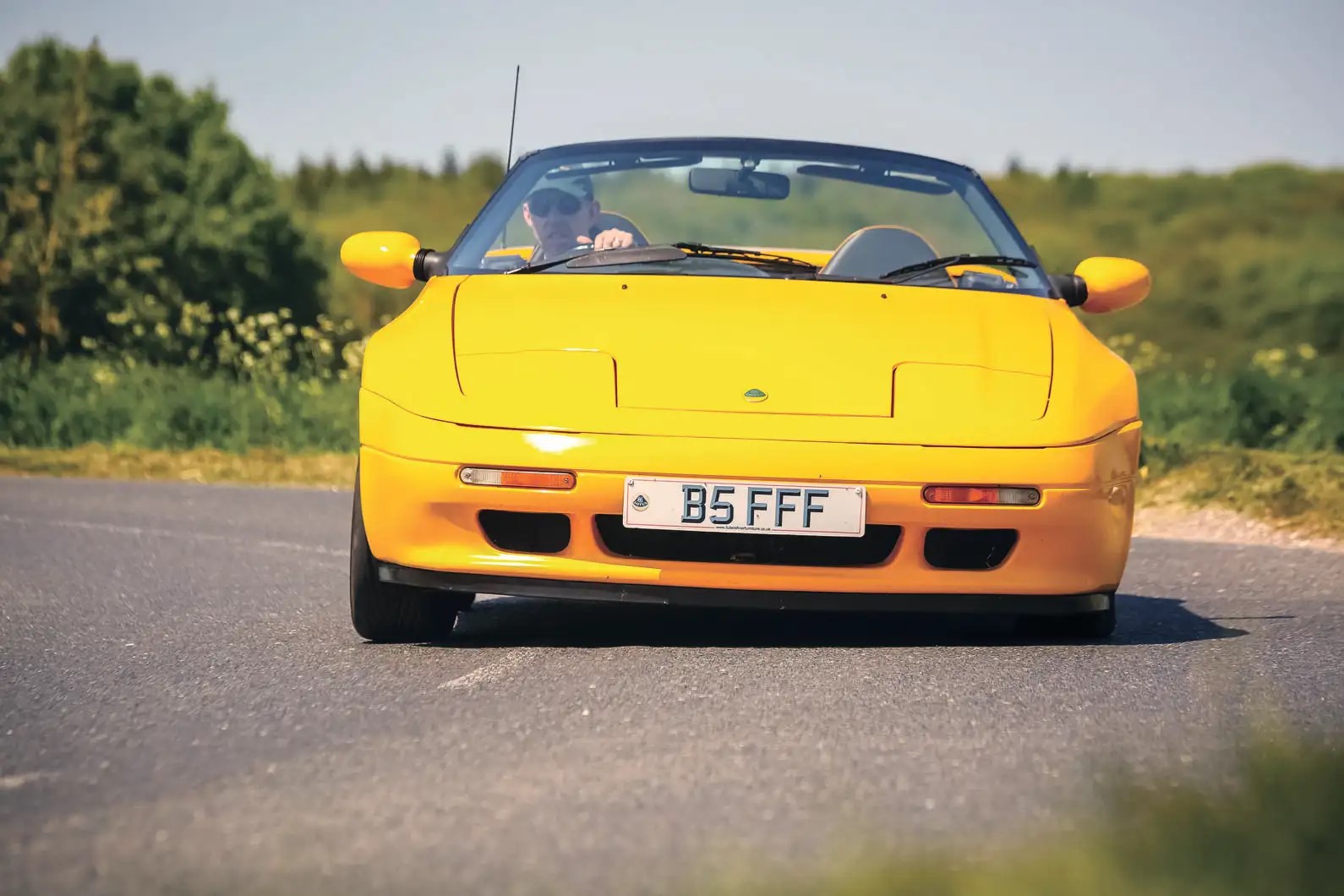
It’s a well-known fact that the Elise is Lotus’s most popular car, whilst the Esprit had James Bond at the helm which increased its popularity. The original Elan, however, was a well-balanced rear-wheel drive machine. When Britain's answer to Mazda’s MX-5 came along in 1989, the M100 Elan, people sniffed at its oddball styling and front-wheel drive layout and while the MX-5 sold over 400,000 units, Lotus only had a 4700 production volume for the Elan M100.
When previously tested by Autocar, it was said to be “the quickest point-to-point car available”, and thanks to its rigid chassis and minimal roll through the corners, it behaved more like a rear-wheel drive car, minus the unpredictability.
Ford RS200
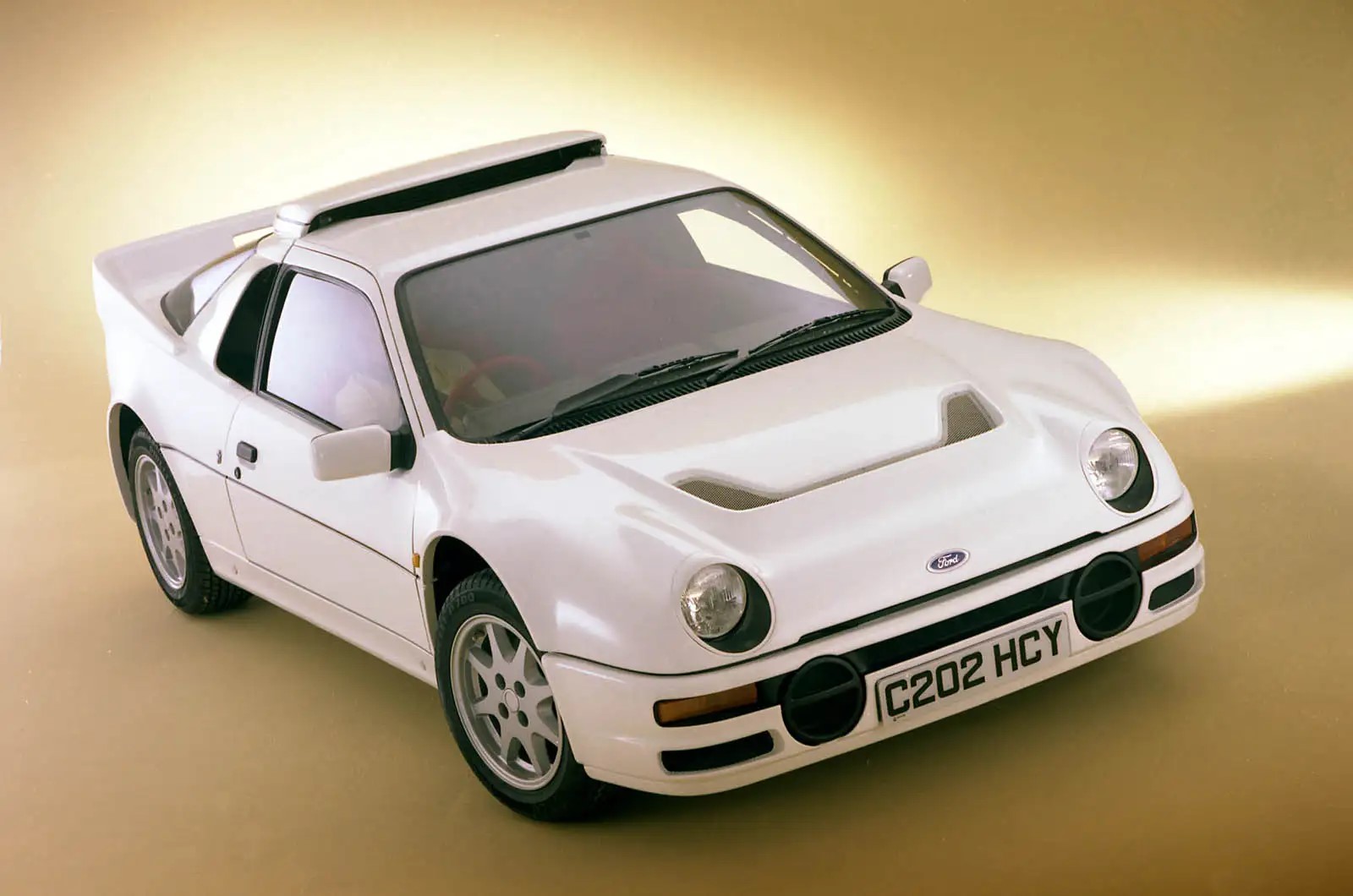
While the rally-bred RS200 fell short of success during the WRC, the road cars that Ford had built were looking near-identical to the rally versions. This meant that the large fog lights, air intakes, ducktail spoiler and mid-engine all remained.
Inside, the rally heritage continued with the deep bucket seats, raised transmission tunnel and a surplus of gauges. Road cars developed 246bhp from the turbocharged 1.8-litre engine which meant the RS200 could rocket to 62mph in just over 5sec; rally cars produced 444bhp. In 2019, a 1988 RS200 sold for £292,500 at Silverstone Auctions.
Toyota Supra Mk3
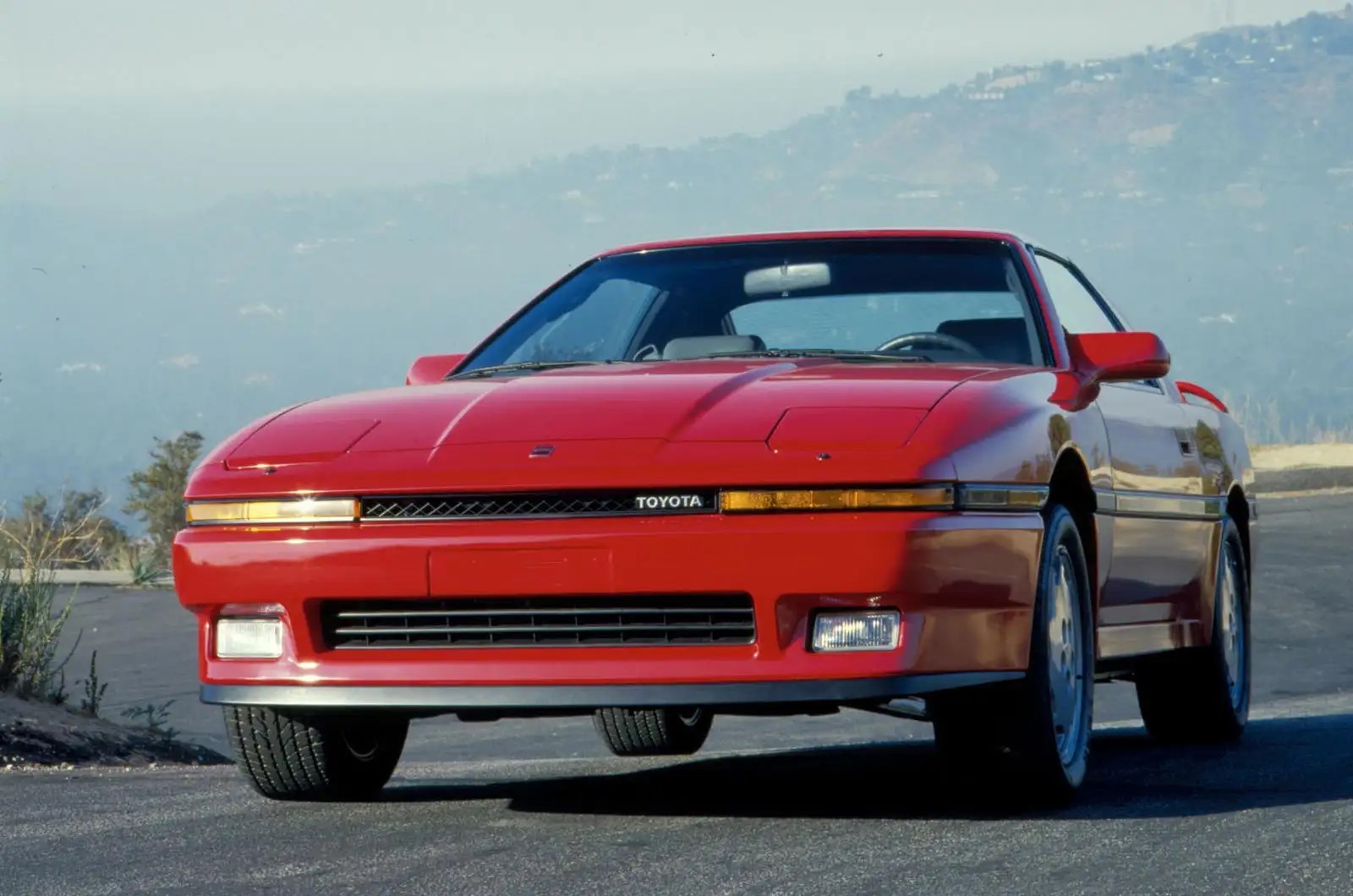
We’ve seen five generations of Supra so far - the MK4 being amidst the most popular cars to ever emerge from Japan, with the Mk3 hiding in its shadow. The rather advanced rear-wheel drive four-seat coupe was launched in 1986 and seized production in 1993.
Choices of engines were vast and included a 3.0-litre naturally aspirated and turbocharged variant which could get the Supra to 62mph from rest in just 6.1sec. Although Supras of old were based on the Celica, the Mk3 was the first Supra to break away from the Celica family tree and stand on its own two feet.
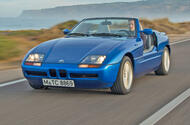
BMW Z1
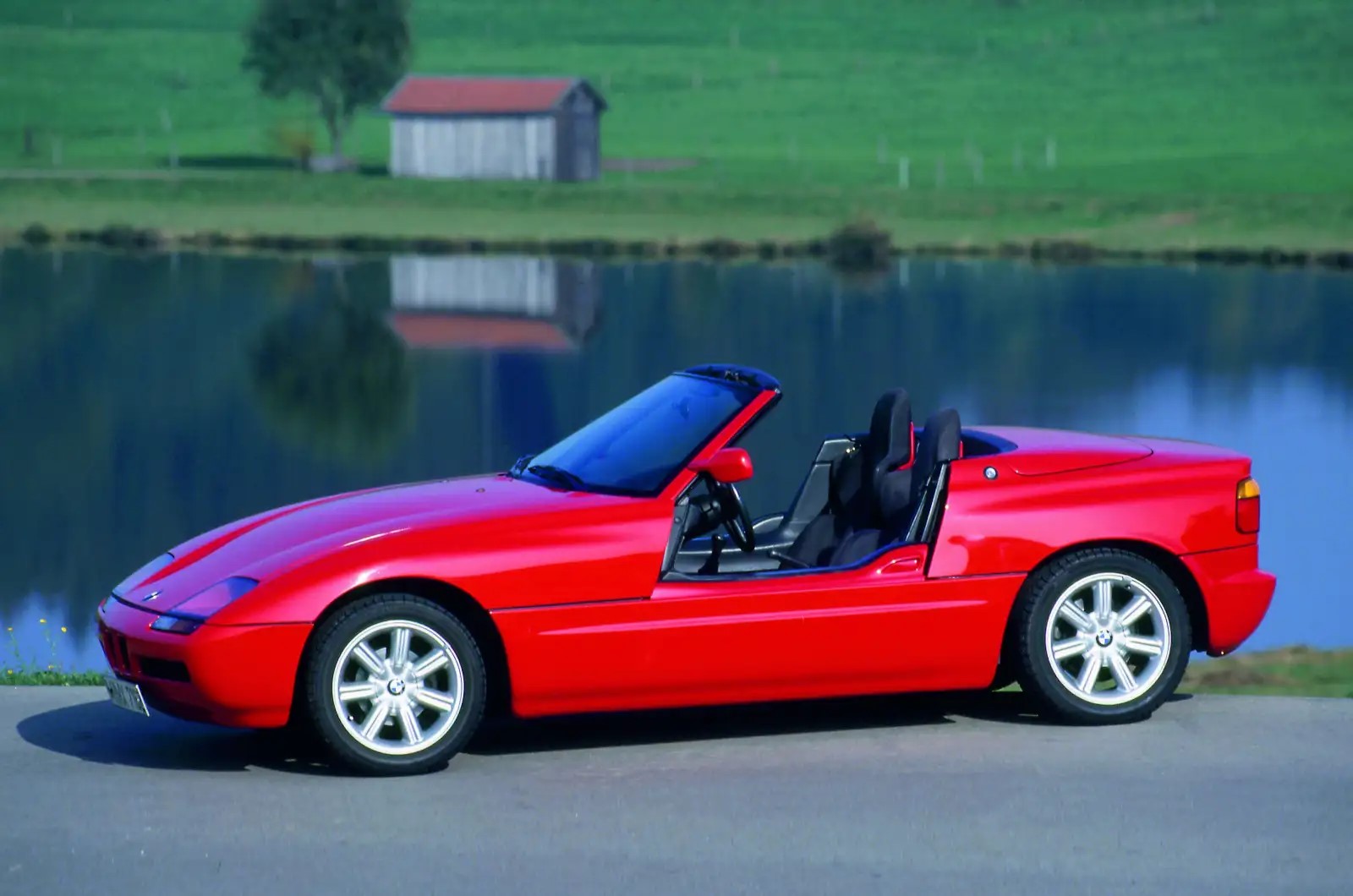
BMW’s Z series cars, the Z3, Z4 and Z8, all have a large following and both the Z3 and Z4 have been the go-to sports car for many. And, it all started with the Z1. Released in 1989, its praised innovative design meant that the doors retracted vertically down inside the car with the help of electric motors, and although illegal in some countries, it saw many people driving with the doors retracted.
The Z1’s bodywork could be undone by a few bolts and changed in just 40min if you had a change of heart concerning your original colour choice. Due to the manufacturing costs involved, the Z1 saw a small two-year production stint where only 8000 cars were produced.
Chevrolet Corvette
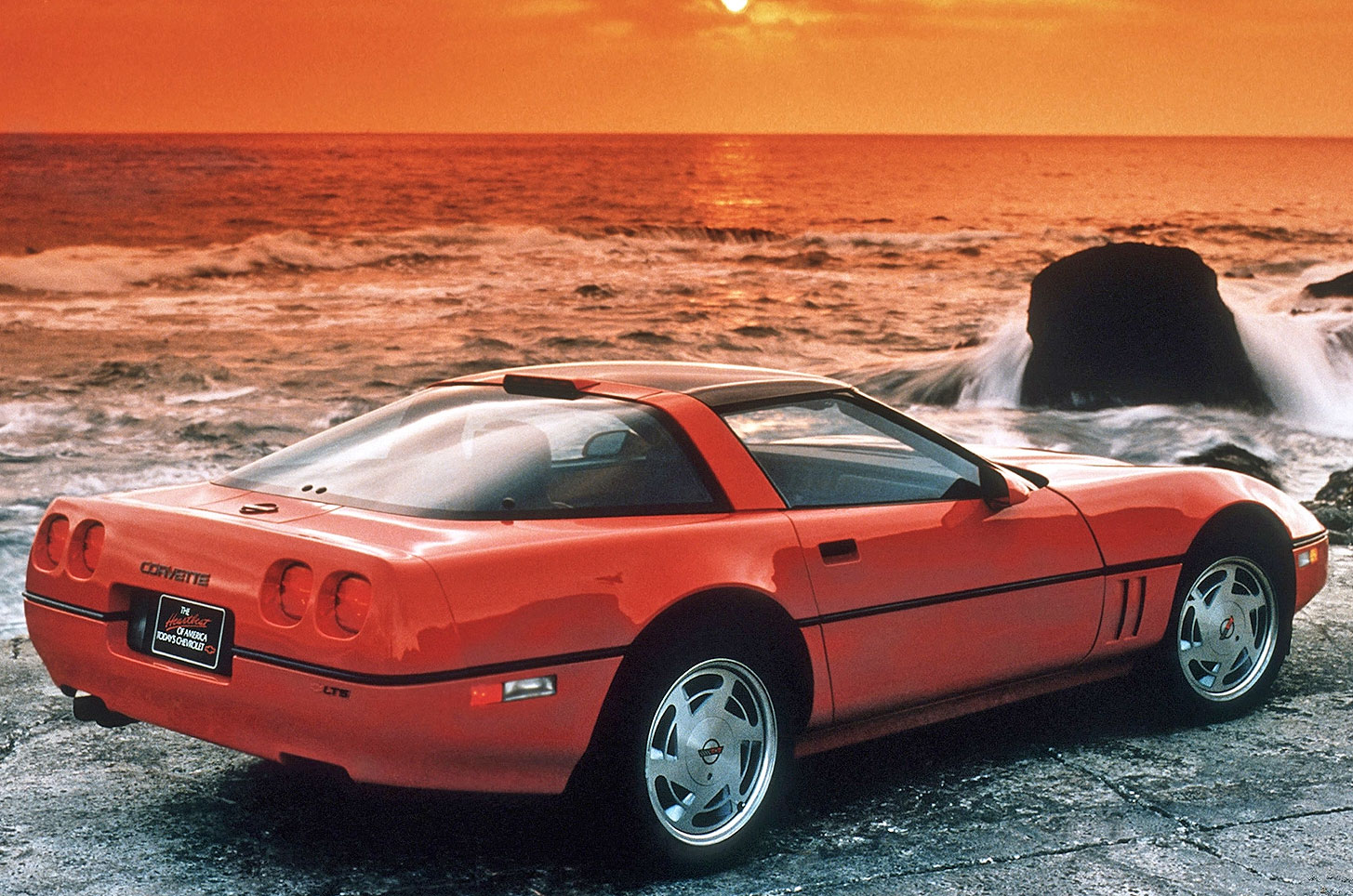
With the C3 Corvette having a more muscle car-like design, chunky tyres, long bonnet, and in some instances, a side-exit exhaust, the C4 was the first in the Corvette line-up to change the game and challenge the Porsche 928 in both performance and looks. When released in 1983, Chevrolet boldly claimed that the C4 Corvette could out-corner any European sportscar, generating 0.95g while cornering, thanks to its uni-directional tyres developed by Goodyear.
Initially, the C4 was launched with a 205bhp 5.7-litre powerplant, this was then updated in 1985 to produce between 230 and 250bhp and in 1990 the desired ZR-1 was released with 375bhp.
Ferrari 288 GTO
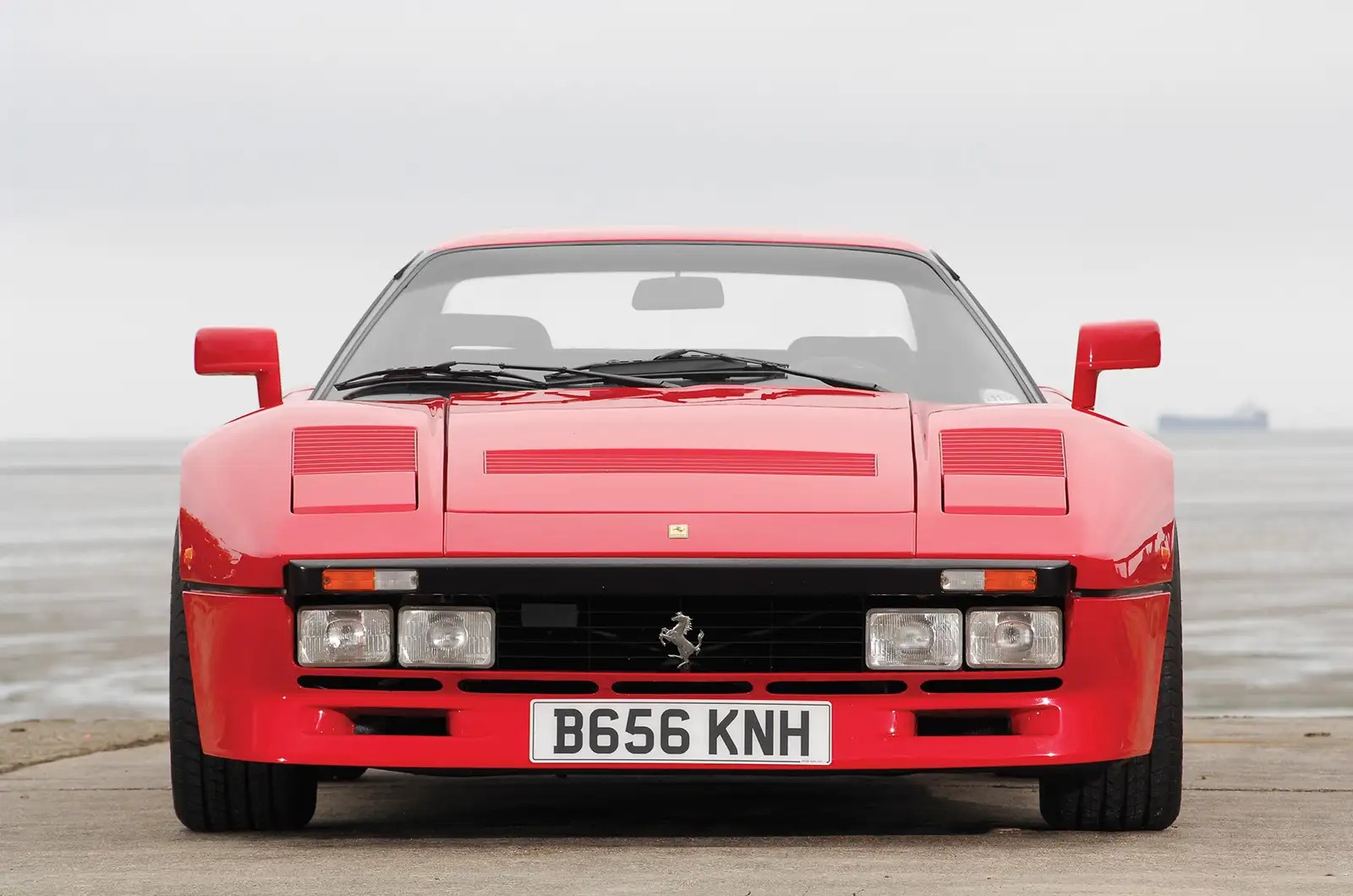
Those three letters, GTO, stand for Gran Turismo Omologato and have not only been seen on the 288 but also the 250 GTO – a car that was considered one of Ferrari’s greatest cars. The 288 GTO was designed as a homologation requirement for the Group B circuit racing series, which required 200 road variants of the car to be produced before it could enter.
But unfortunately, various driver deaths and accidents would cause the event’s popularity to plummet. Launched in 1984, the 288 GTO had a twin-turbocharged 2.8-litre V8 that produced 400bhp and would barrel on to 189mph. 272 Ferrari GTOs were ever built and one sold at auction in 2017 for £1.8m.
Toyota Corolla AE86
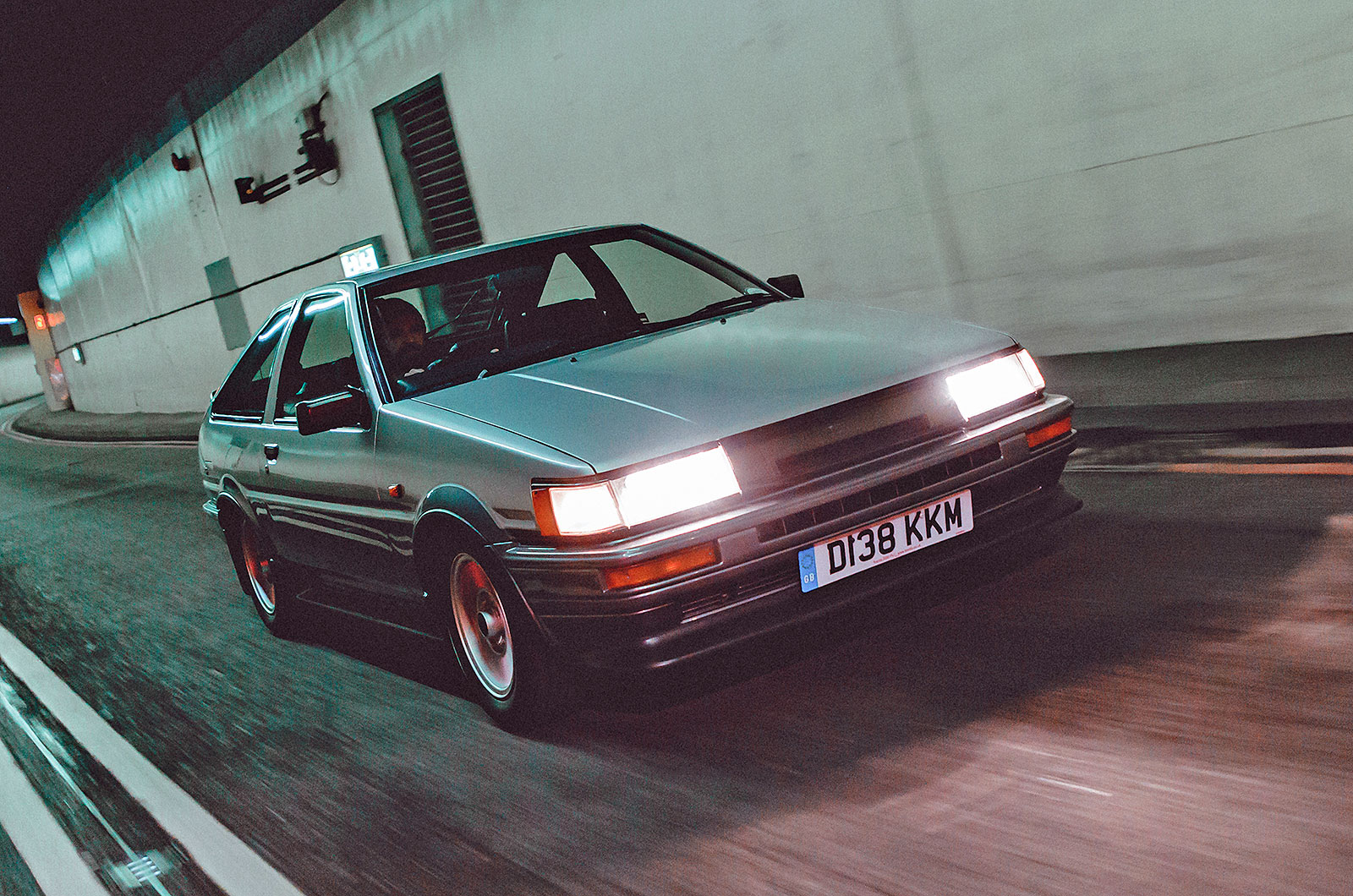
Today, the AE86 is massively popular with the drift community, thanks to its low weight (970kg), 50:50 weight distribution and the 125bhp from the naturally aspirated 7800rpm 1.6-litre twin-cam, which was enough to send it sideways.
Aside from drifting, the AE86 snapped the trophy from the hands of the Mercedes 190E Cosworth and BMW E30 M3 in the European Touring Car Championship and it later found success in the British Touring Car Championship. Cars today usually fetch over £20,000 in exemplary condition.
Nissan Skyline R32 GT-R
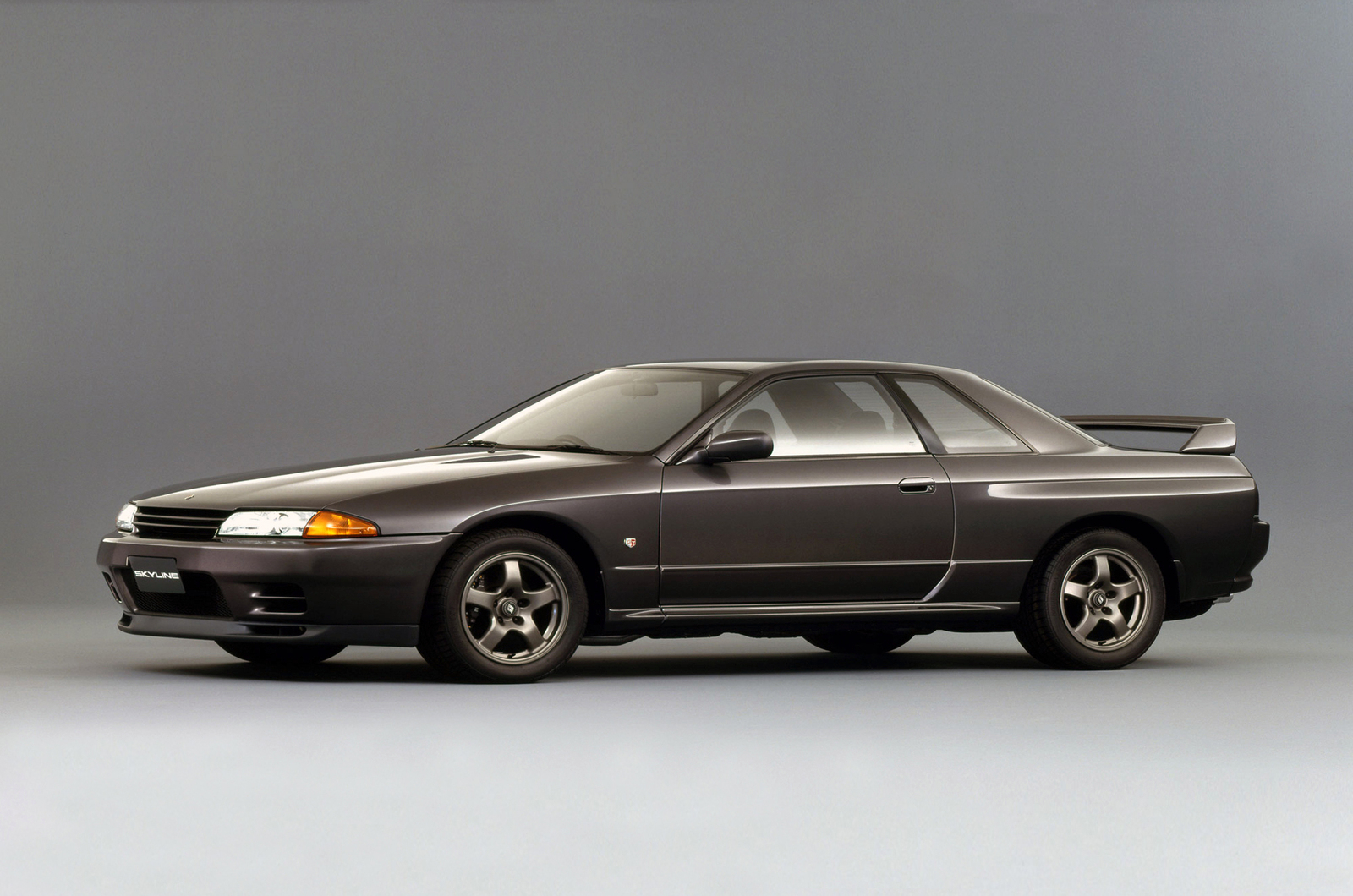
Quite commonly known as ‘Godzilla’, the R32 GT-R earned its title from the Australians after it dominated the national racing scene in Japan between 1989 and 1993, winning all of the 79 races it participated in. In celebration of its winnings, the GT-R was given a special V-Spec edition (V standing for victory) and cars were given 17in alloys, Brembo brakes and a refined four-wheel drive system.
The twin-turbocharged 2.6-litre straight-six produced 276bhp and became increasingly popular globally because of its 1000bhp – plus tuning potential. Throughout the years, the R32 GT-R cult following grew larger with the car being featured in videogames such as Gran Turismo alongside various popular Japanese automotive cartoons.
Ferrari Testarossa
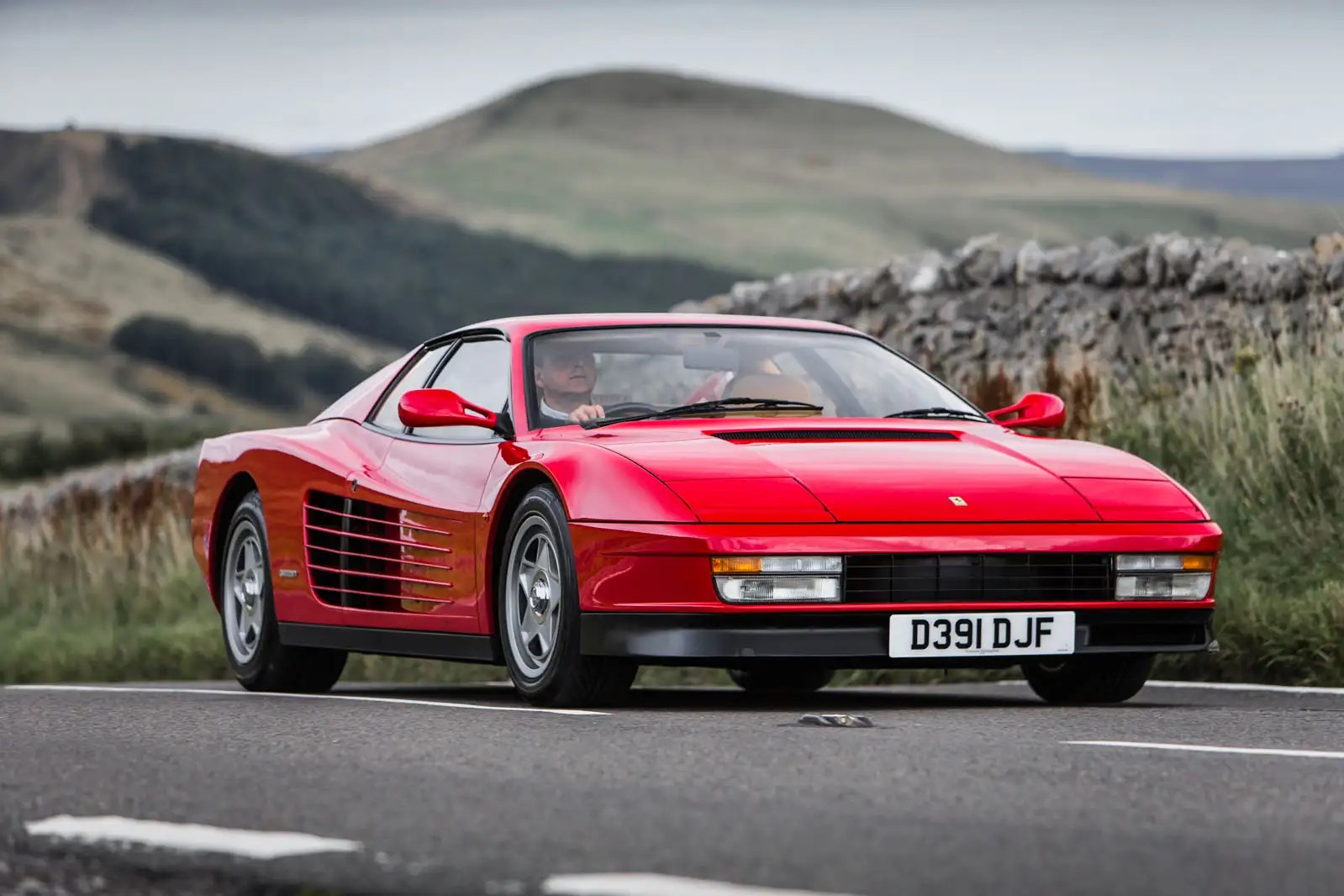
Battling the Countach for a spot on a child's bedroom wall in the 80s was the Testarossa. Released in 1984 with production ending in 1991, it saw two model revisions: the 512 TR, also available in a Spider form, and the F512 M. The original Testarossa was built not only to nip at the heels of Lamborghini but to provide Ferrari customers with a wider and bigger car than the Berlinetta Boxer supercars.
Underneath, it shared the same 4.9-litre flat-12 heart, which produced 390bhp, giving a 180mph top speed. From the pointed nose, fluted side intakes and the mismatched A pillar wing mirror, the Testarossa remains one of the world’s most attractive cars in automotive history.
Ford Capri
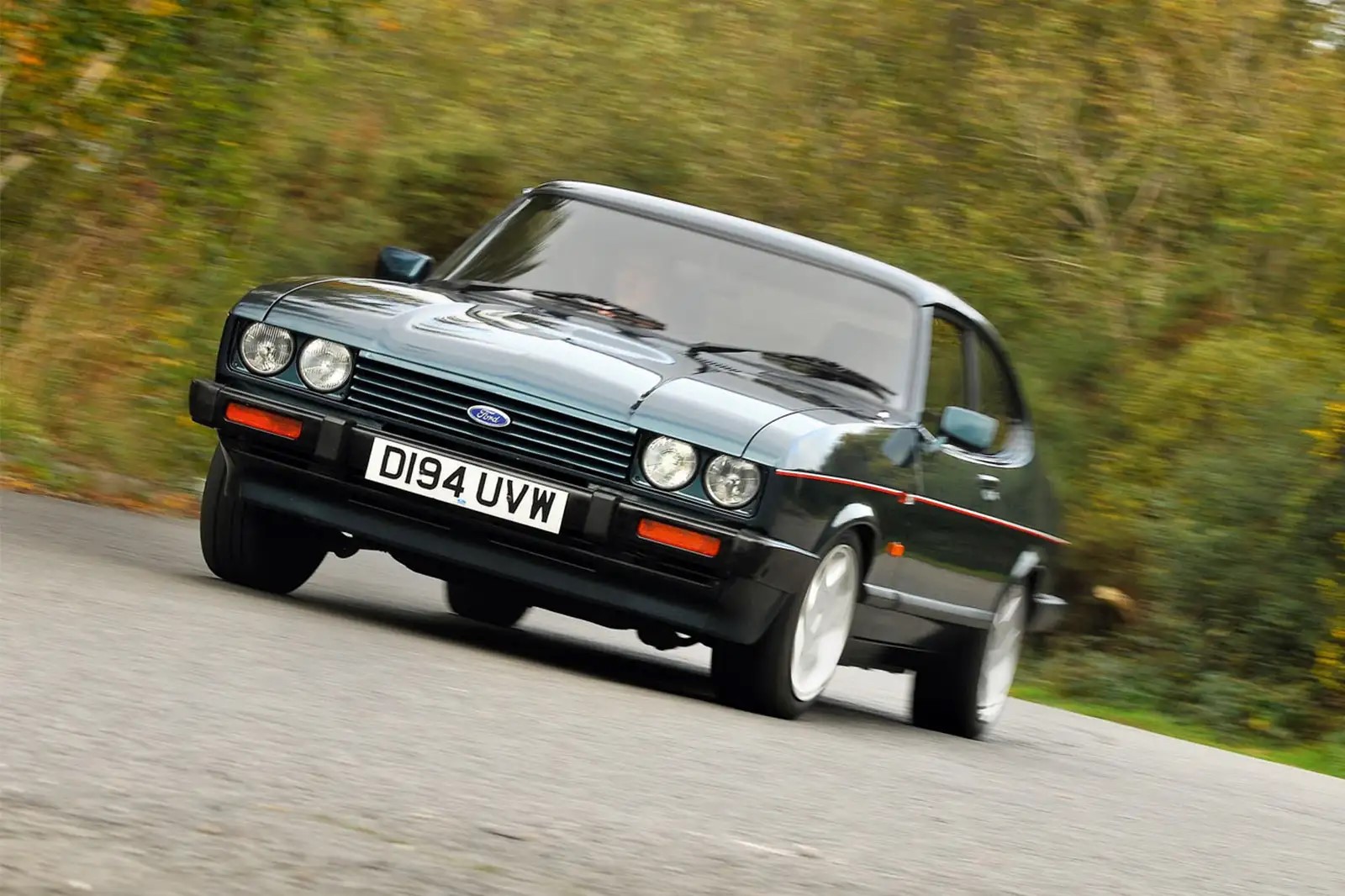
Today, the Ford Capri is one of the most sought-after classic cars with concourse examples fetching as high as £44,000. After the Mustang’s success in the US in 1964, the German and British Ford divisions wanted to create a smaller-but-similar car for Europe. The Capri project, known as Project Colt, began in 1965 where gubbins from the Cortina were used such as the floorpan and suspension. Over the years, the model range expanded with attractive guises and the Capri became an increasingly popular coupe, eventually branching out to South Africa, America and Australia.
By 1977, Ford began work on a Capri II update - cars received sleeker bodywork tracing back to its Mustang beginnings, and a choice of more powerful engines such as a 160bhp 2.8-litre and a flagship X-pack 185bhp 3.0-litre V6. The Capri would go on to sell nearly 1.9m units over its entire production run.
Mercedes-Benz 190E
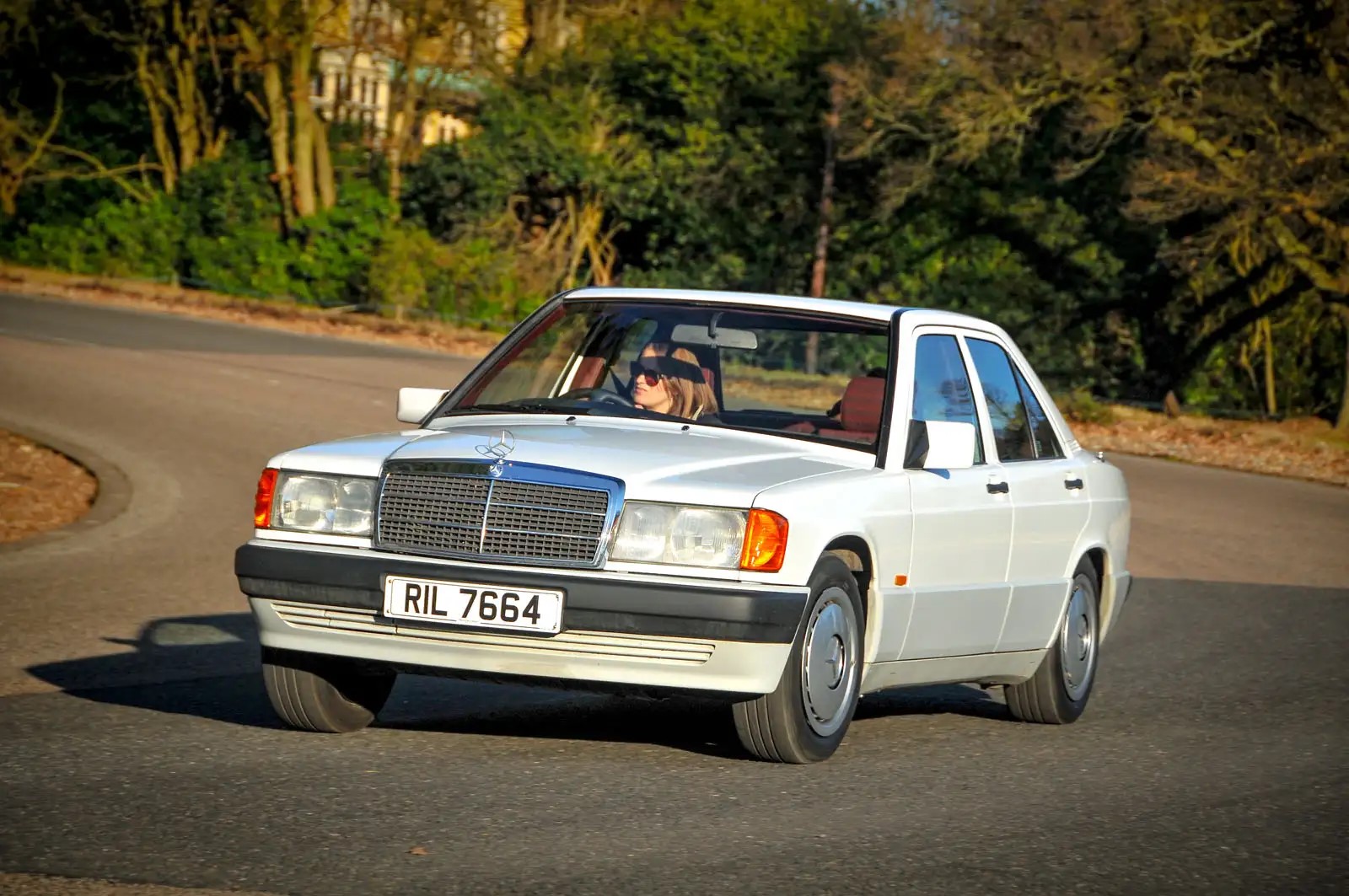
There are 2926 of Mercedes’ once vastly popular 190E still on Britain's roads today. During its 1982 to 1993 production run, almost 2 million cars were sold globally. When launched, there was a mix of both petrol and diesel engines available with the petrol variants starting with a naturally aspirated 90bhp 2.0-litre and stretching up to the more powerful 2.3 and 2.5-litre 16v Cosworth units; the E stood for Einspritzung (fuel injection).
In 1984, Ayrton Senna won the Nurburgring Race of Champions in the 235bhp 190E 2.3-16 Evolution against 19 other drivers.
BMW M5
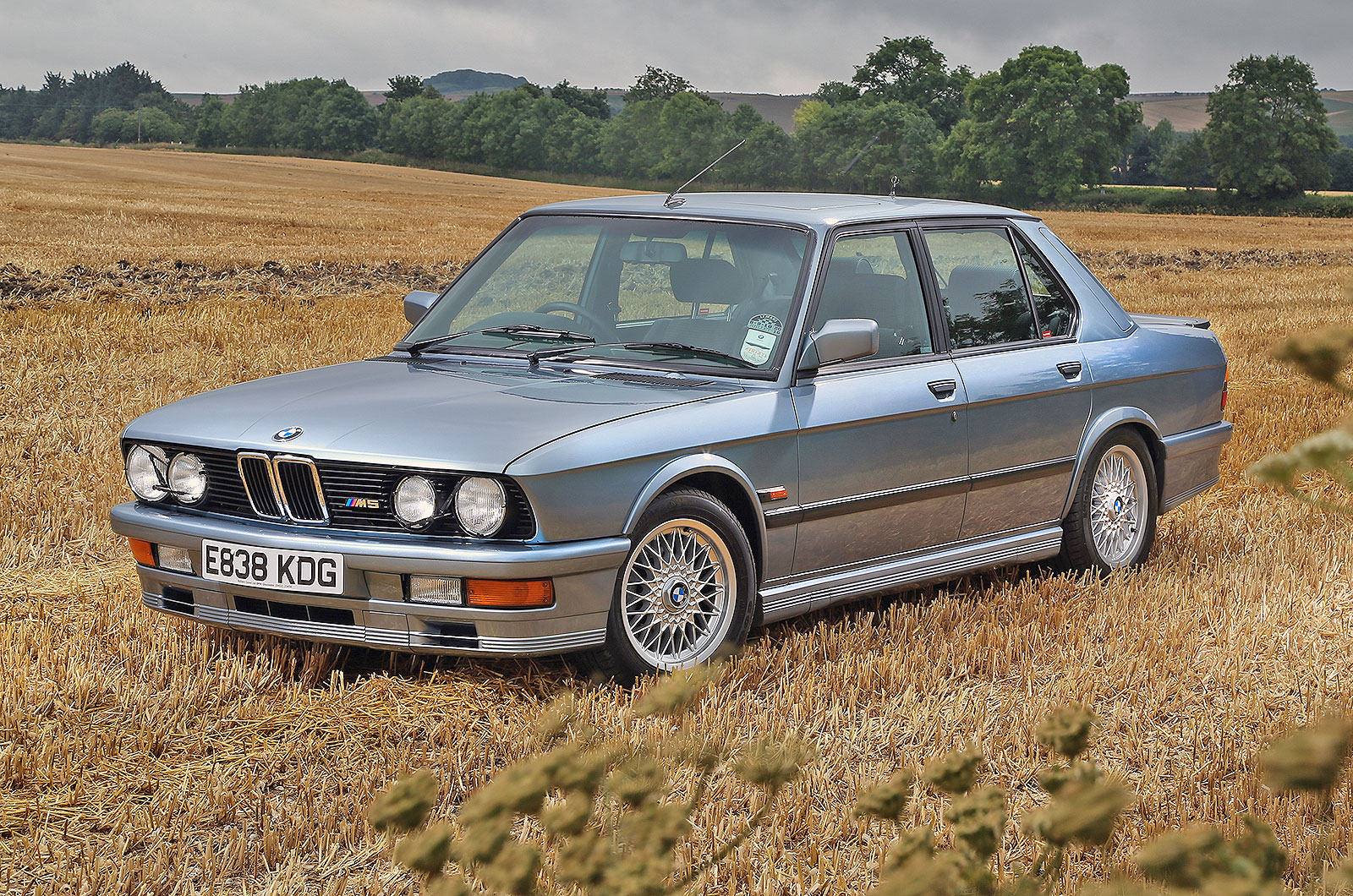
From 5.0-litre V10s to twin-turbo V8s, the M5 started in life as a redesigned E28 535i with various mechanical changes such as an updated engine that was once used in the M1 sports car. The E28 M5 never did snatch the headlines, but it placed a firm benchmark and gave us the super saloon M5 of today.
Launched in 1984, the M5’s 3.0-litre straight-six M88 powerplant produced 278bhp, which was more than an equivalent Ferrari 328 of the same era, allowing it to launch to 62mph in 6.2sec and if given enough space, it would see 151mph. Only 2191 M5s were produced from 1984 to 1988.
Alfa Romeo GTV6
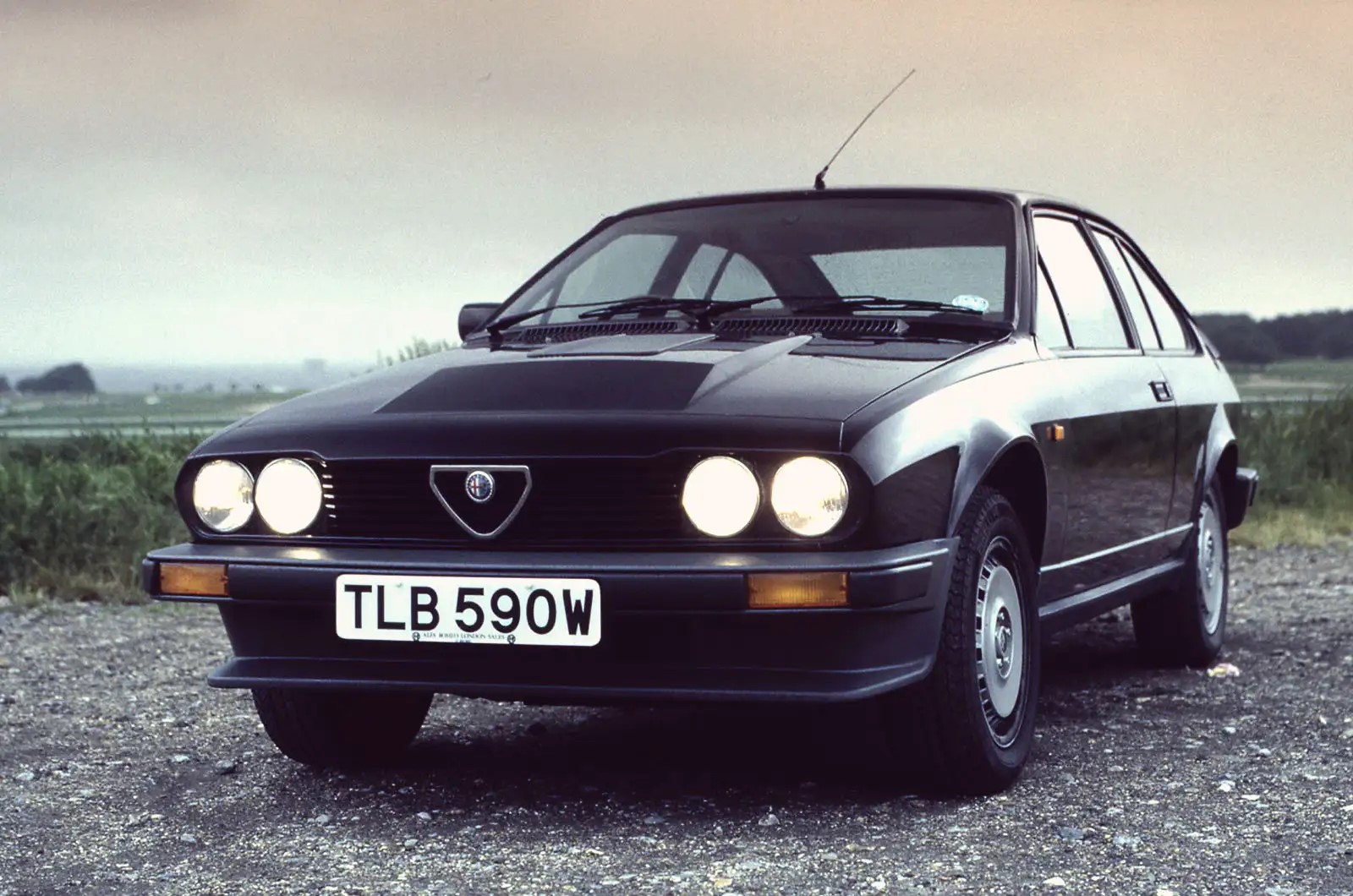
Alfa produced the first GTV in 1973, based on their Alfetta saloon, which would target the Ford Capri and Datsun 240Z. In the early 1980s, the GTV was gifted a facelift which saw Alfa shoehorn a 2.5-litre V6 from the 6 saloon shifting the opposition and firmly putting the Mazda RX-7 and Porsche 924 in its sights. In its short production life from just 1981 to 1987, Alfa made about 22,000 GTV-6s - about a third of the coupe’s sales, with less than 5000 making it overseas to the US.
What hastened its popularity was when James Bond drove one with vigor around the streets of rural Germany in 1983’s Octopussy.
Volvo 240
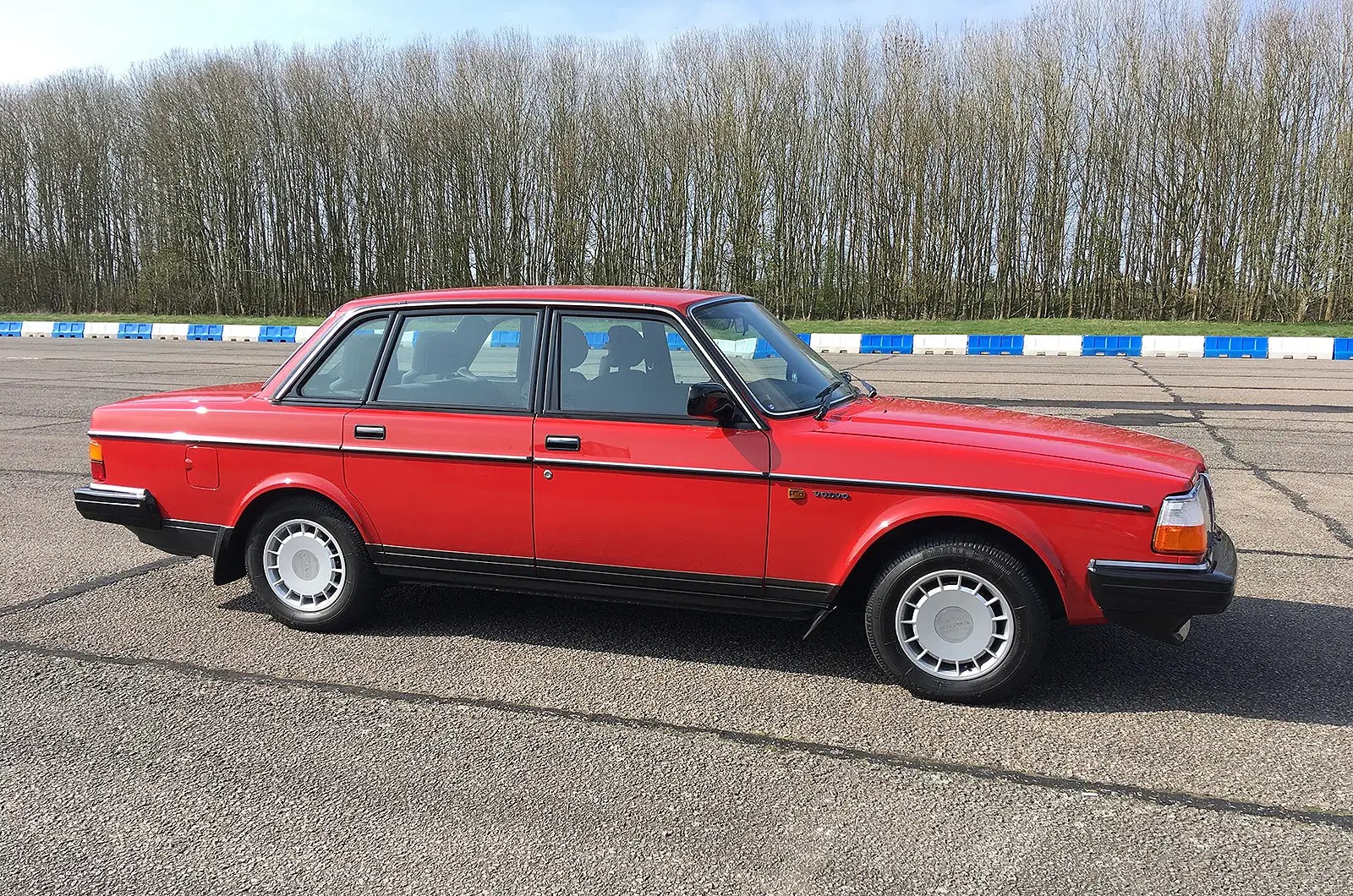
Volvo’s 240 wasn’t fast, nor did it excel at handling, but one thing they did well was survival. Its brick-like physique, large boot and solidity gave those who were looking at a Saab 900 food for thought. Cars that were marketed as the 144 had a four-cylinder engine whereas 164 variants had an extended frontend to accommodate a larger six-cylinder.
The 240 was the first car in the world to be fitted with a catalytic converter and an oxygen sensor. During its 19-year production, Volvo built over 2.8m 240s.
Bentley Turbo R
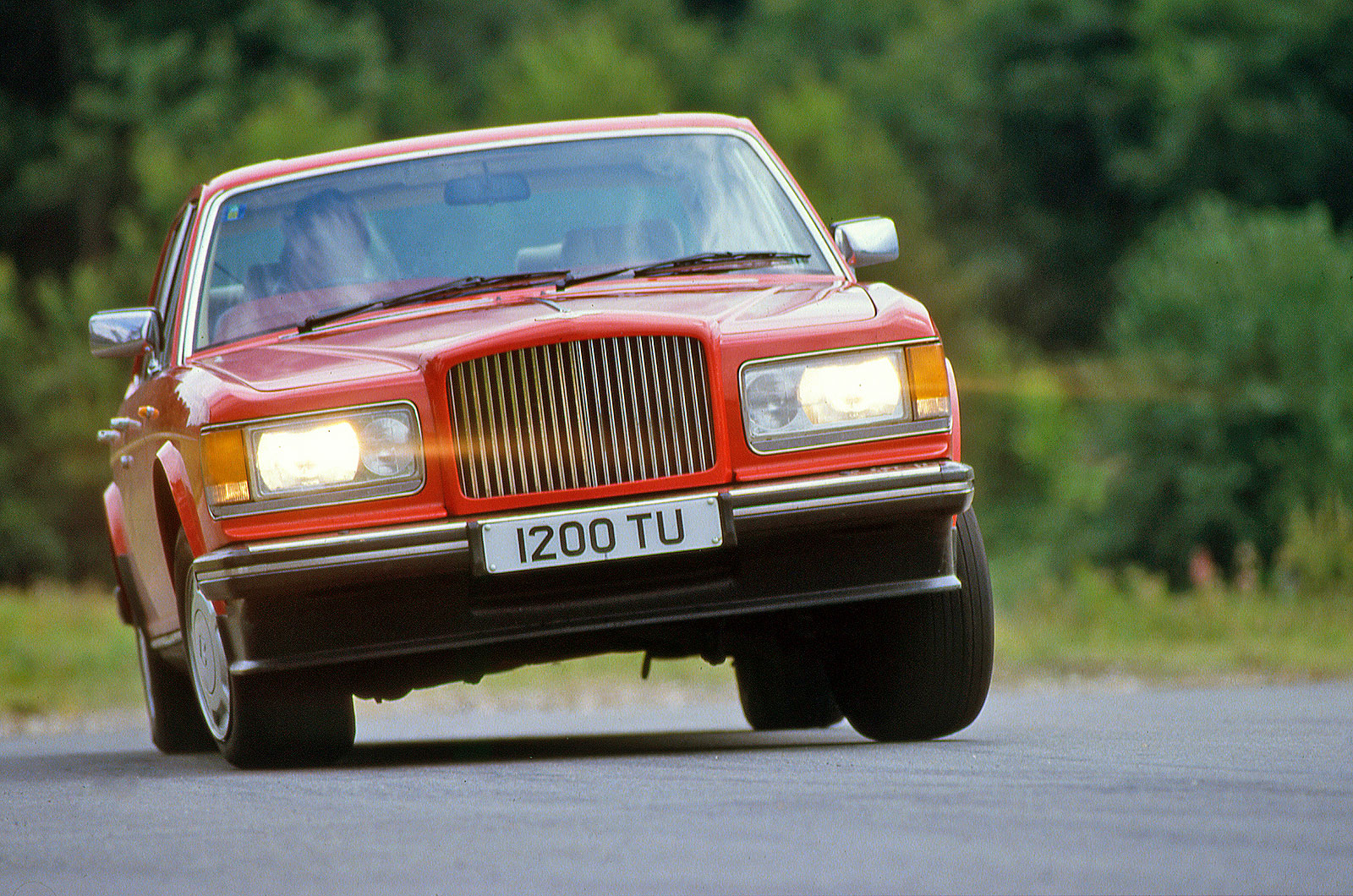
In the 80s, defence firm Vickers owned Bentley and they were ready to drop the marque as Rolls-Royce was more enticing. Bentley then released its “sporty” Mulsanne Turbo to put a good deal of distance between it and Rolls, featuring a 6.75-litre V8 and a Garrett T3 blower. And although it was released as a sporty alternative, it cornered rather poorly. Bentley then revised the car by reworking the suspension and gave it Turbo R badging (R standing for road-holding).
In 1988, it received a facelift and was given four circular headlamps which created a look that became famous. In 1982, Bentley had only contributed 1.6% to sales, but by 1990 the Turbo R had pushed the brand’s contribution to 50%.
Lamborghini Countach
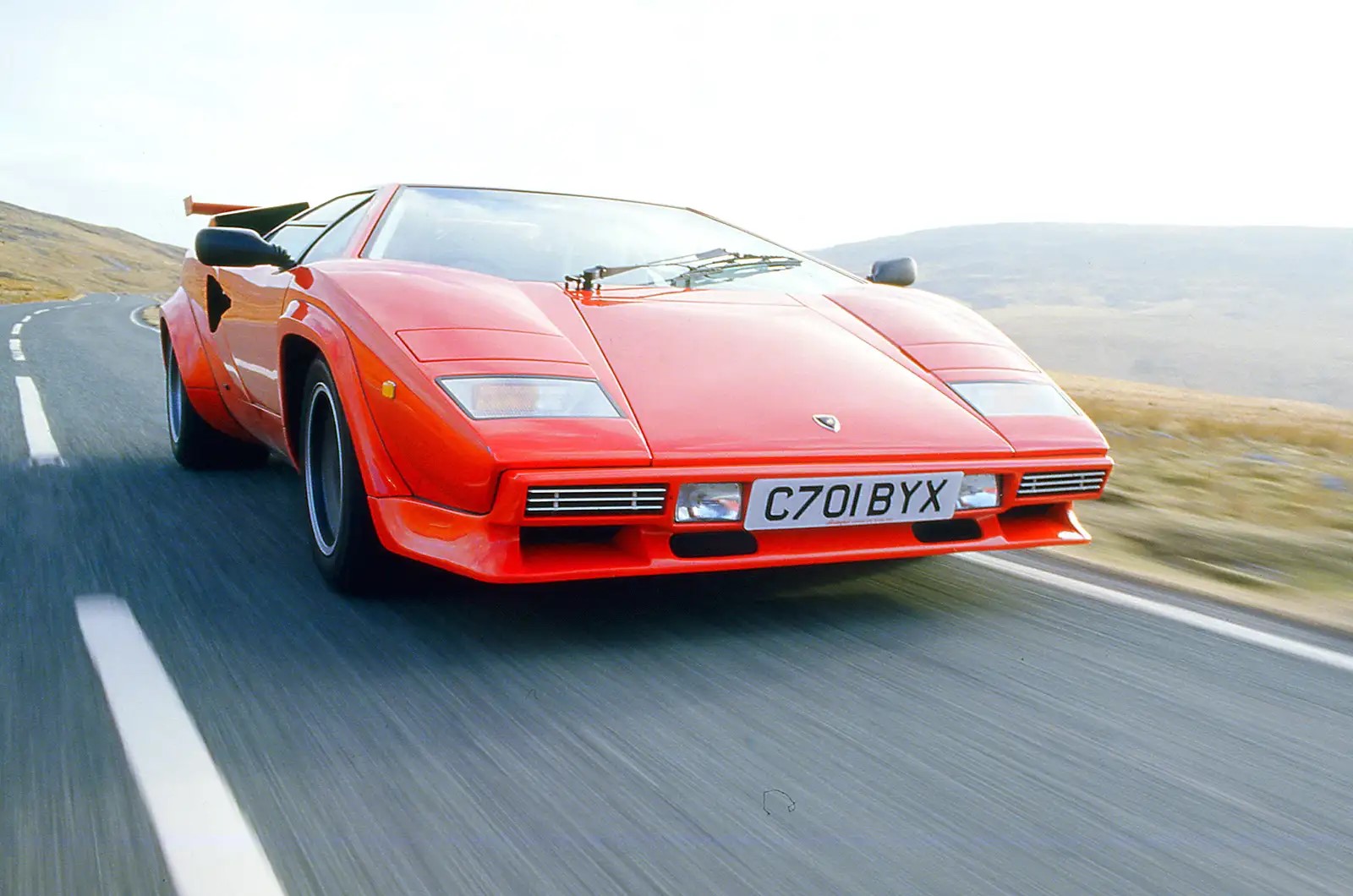
Revealed in 1971, the Countach would see five different forms with almost 2000 being built in a 16-year period, today Lamborghini’s dramatic supercar is just over 50 years old. The name Countach has no direct translation but is instead used as an exclamation of amazement. Although it was already striking, in 1978 it was time for a refresh and LP400S was released. It had a heavily modified chassis, better air-con and various aerodynamic tweaks.
When Ferrari astonished the world with the Testarossa, Lamborghini responded with the Countach QV which had 461bhp. By 1988, the Countach was given a final hurrah. The last iteration celebrated Lamborghini’s 25th birthday where buyers were given redesigned bumpers and rear scoops, extra cooling vents and the option of a large rear wing – only 657 examples were made.
Lexus LS400
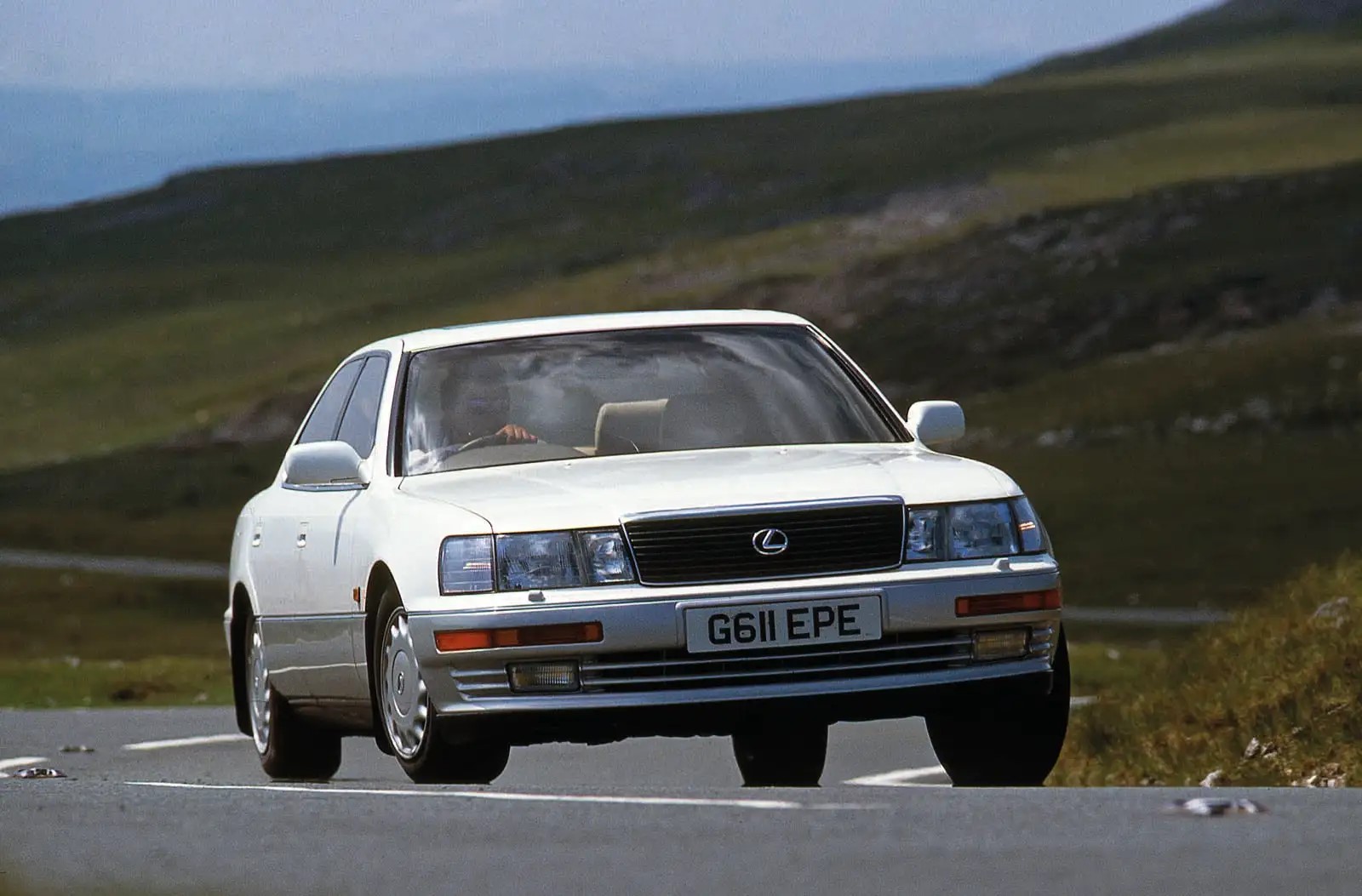
While the luxury car market lay in the hands of both Mercedes and BMW during the 80s, Japan hit the bullseye with their production start in 1989, the Lexus LS400, and although the brand was new, it was snug by having the backing of Toyota. Under the bonnet was a 4.0-litre V8, producing 241bhp, that fed power through the rear wheels and it was mated to a four-speed automatic gearbox.
The car was defined as “faultless” to many motoring magazines because of its calm ride quality, and Lexus put in the utmost effort to receive positive feedback; the prop shaft was designed to give zero vibration and the wipers could change their angle at higher speeds to reduce noise.
Overall, the LS400 boasted a 58dB reduction over its BMW 735i and Mercedes 420SE rivals. Its development involved 60 designers, 1400 engineers, 2300 technicians and 200 support staff to ensure their first flagship model succeeded.
Citroen BX
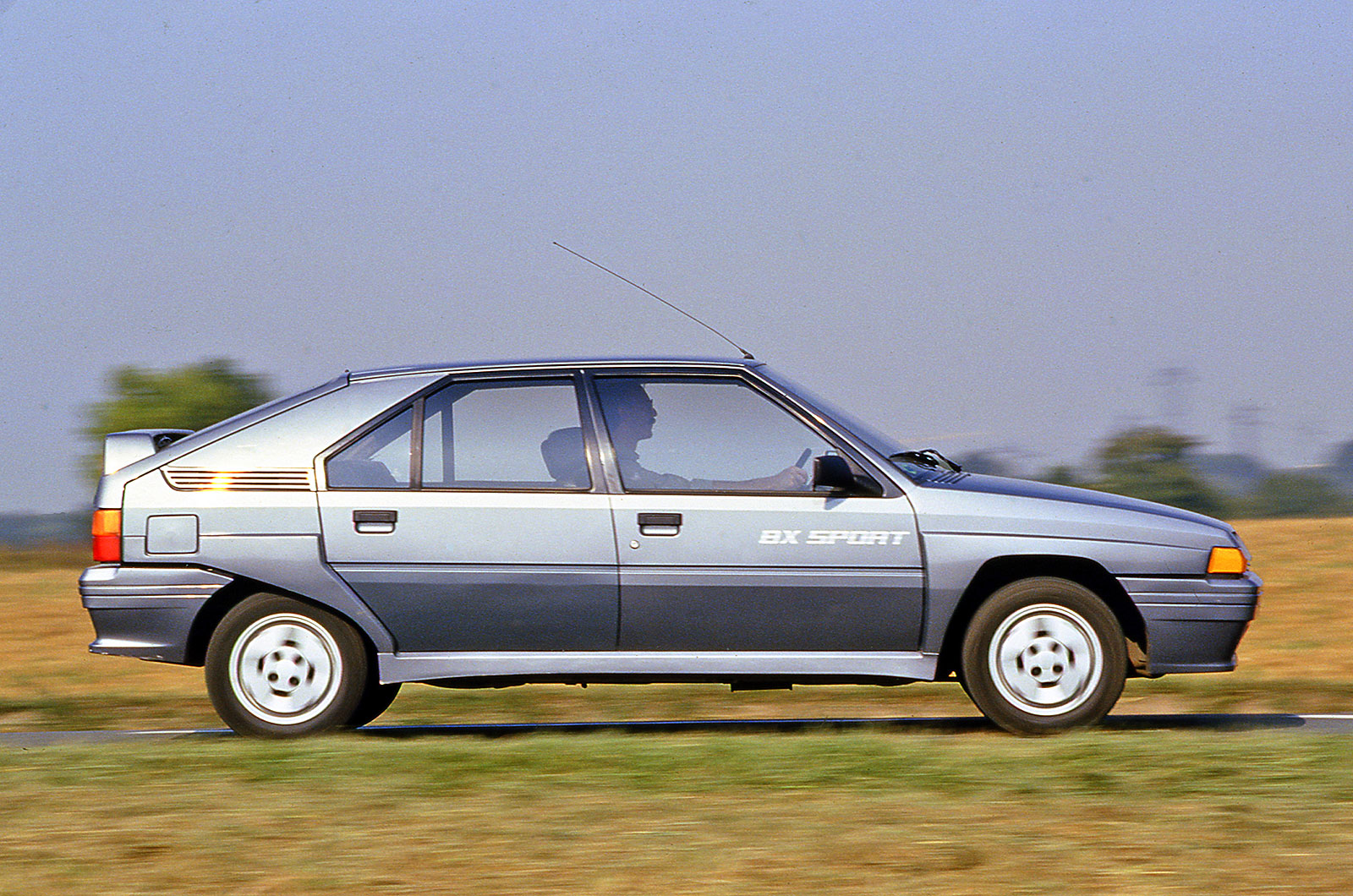
What was once Britain's best-selling diesel car for several years in a row, now has only 255 registered examples left in the UK today. Designed by Marcello Gandini of Bertone, the BX was regarded as the family car that saved Citroen from bankruptcy as it went on to sell 2.5m units worldwide. Officially launched in 1982, with a UK launch following the year after, the BX was sold with both a 1.4-litre or 1.6-litre engine.
It was praised for its economy and low running costs thanks to the lightweight plastic panels used for the bonnet, bumpers and boot lid. While earlier cars had a drum speedometer and a strip rev counter, these were swapped out in 1986 for more modern equipment.
Lotus Esprit Turbo
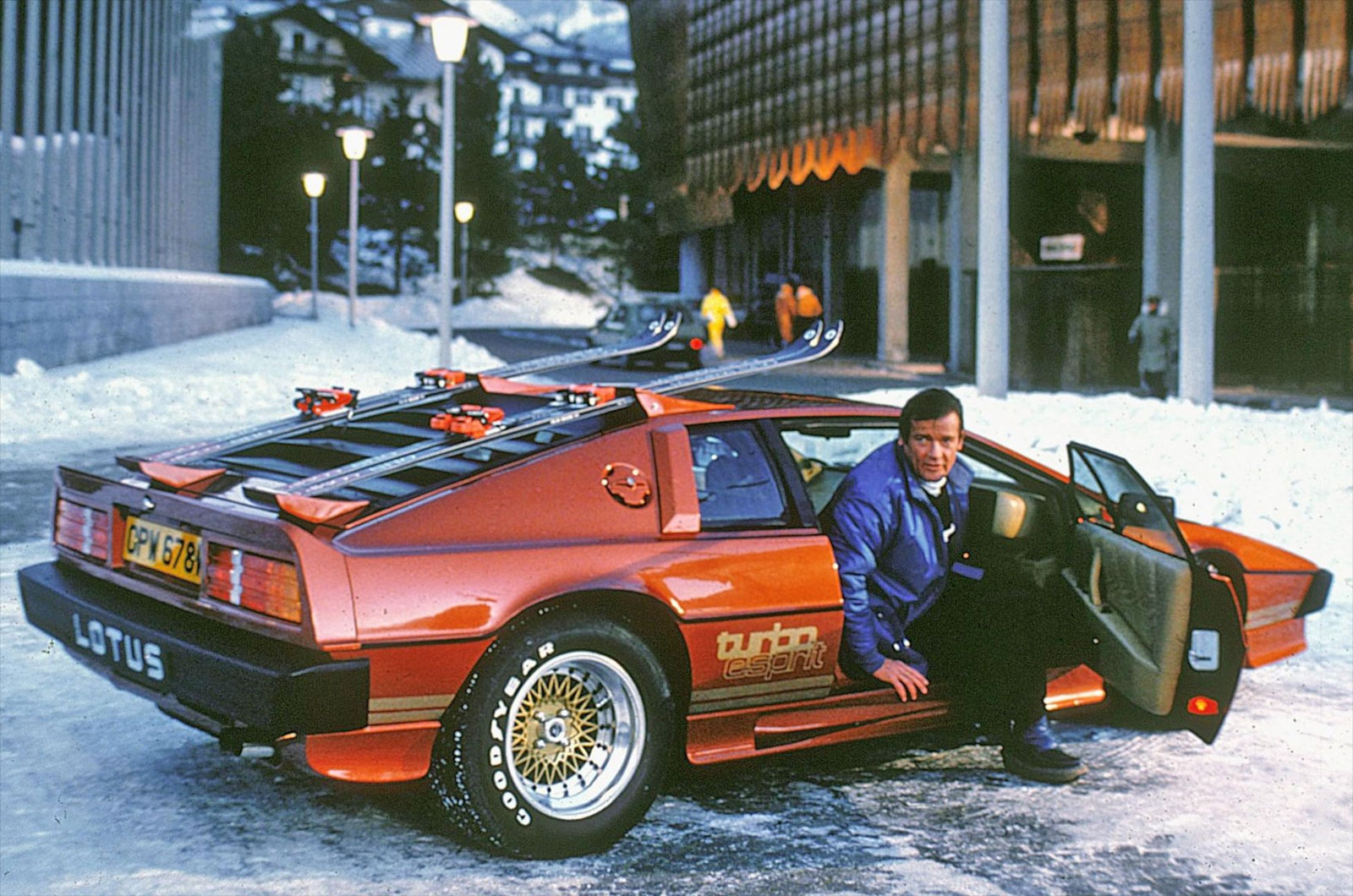
After the success of the submersible James Bond Esprit in 1977, Lotus was brought in once again to supply 007’s transportation for the 1981 film Your Eyes Only, in which it would see a pair of skis mounted to the back to complete the Cortina ski resort scene. While the Esprit Turbo had supercar-sculpted bodywork, the 2.2-litre engine produced a modest 215bhp which made it a bit lower than that of its rivals, the Porsche 944 Turbo and Ferrari 328.
Like a true Lotus, however, the car weighed just 1147kg; this allowed for, what was then, supercar performance with 0-62mph in sub-5sec and a 154mph top speed – if the conditions were right. Lotus made a total of 10,675 Esprits over a 28-year period, 2274 of those were Turbos.
Renault GTA Turbo
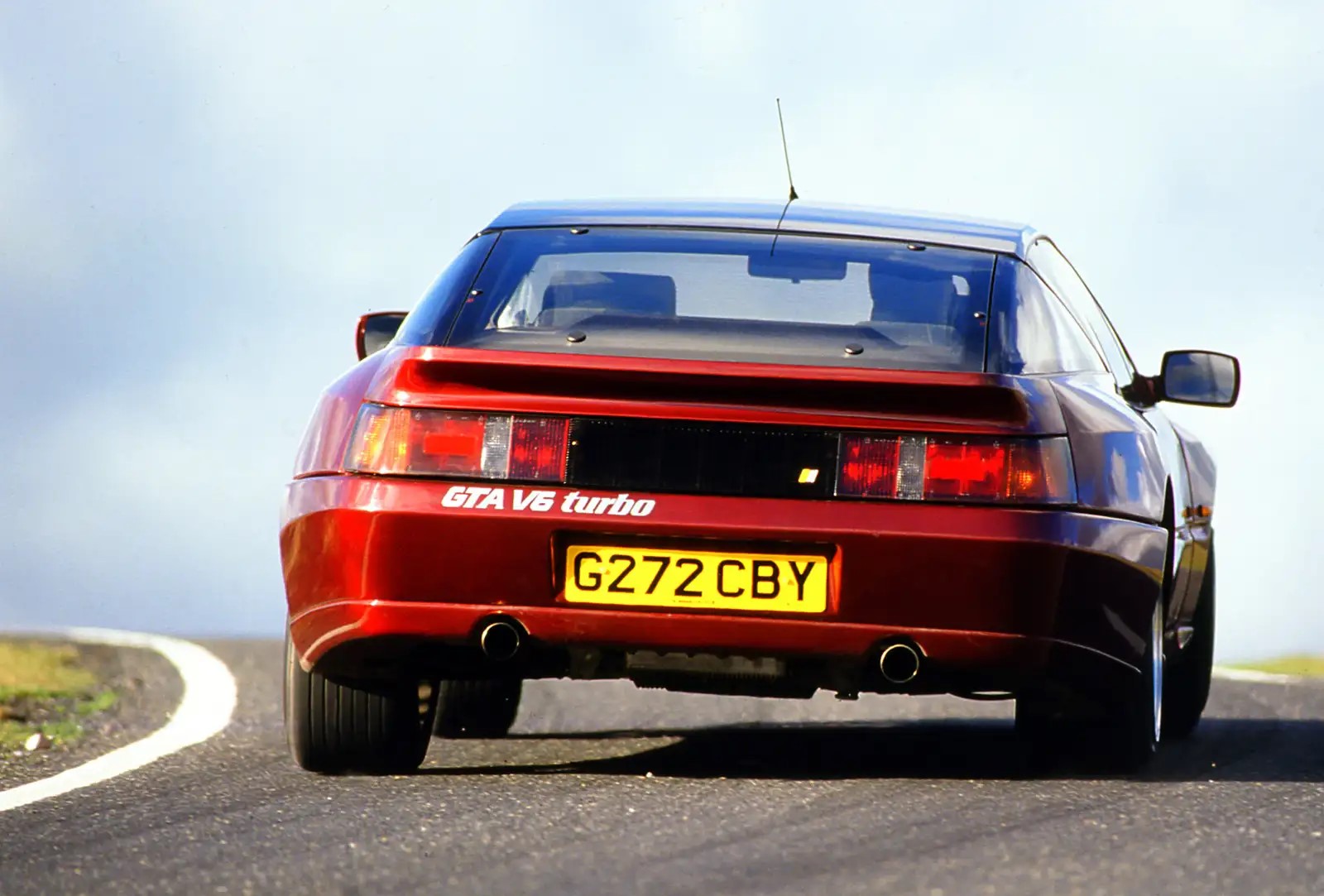
The GTA is the chisel-nosed supercar that time, somewhat, forgot. In France, the GTA was known as the Alpine A610, but this was changed for the UK market.
Under the sleek glassfibre bodywork was a steel backbone chassis which kept the car at 1140kg. Buyers could either have a 158bhp 2.9-litre or a 197bhp 2.5-litre Turbo, both of which were mounted at the rear – in 1991 a 247bhp 3.0-litre was released. Only 649 derivatives of the GTA were made between 1984 and 1991.
TVR Tasmin
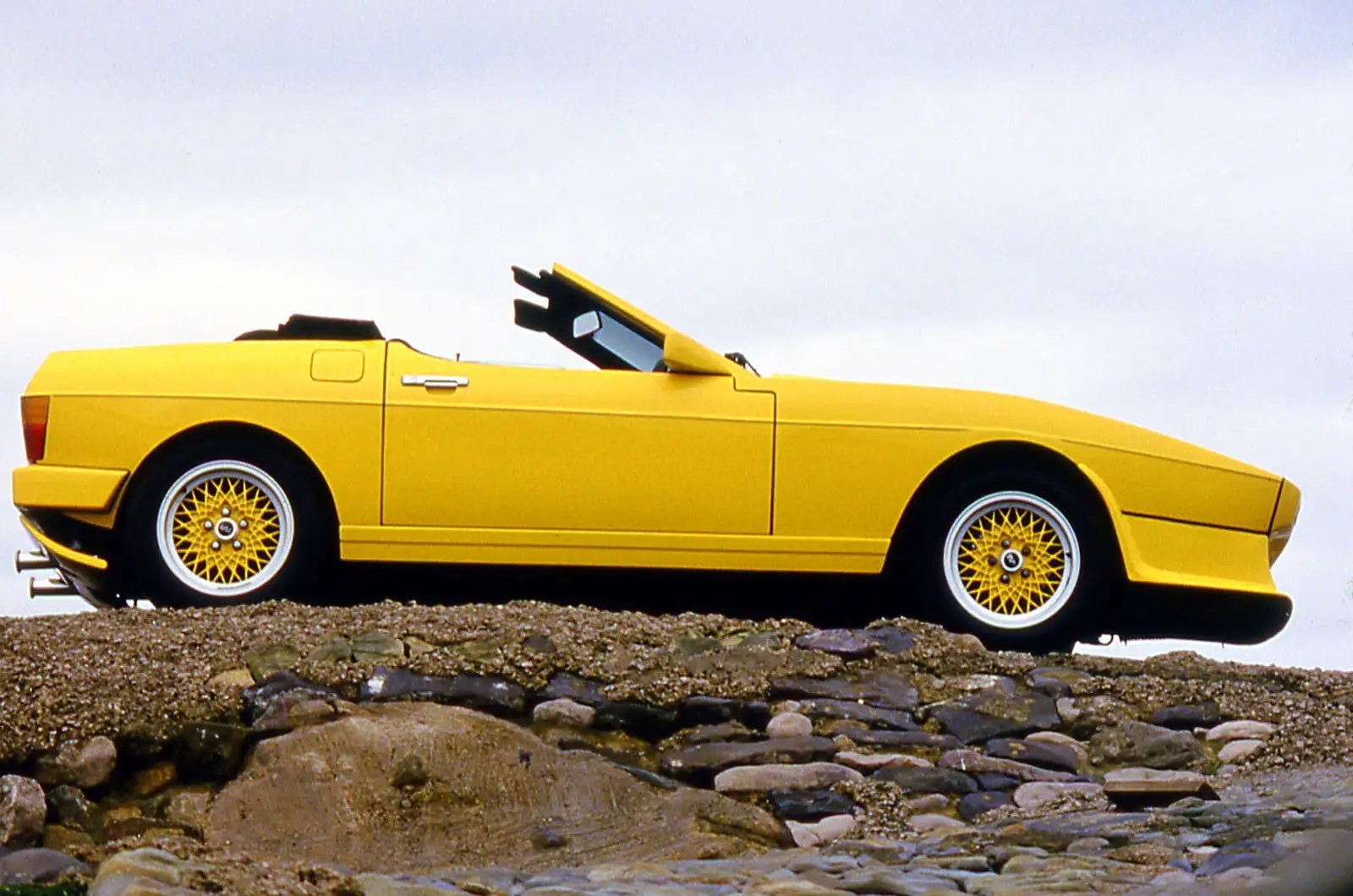
Also known to many in Britain as the TVR wedge, the Tasmin was released in 1980 and showcased just how TVR was performing. A 160bhp 2.8-litre V6 engine from the Capri hid under its iconic stooping bonnet which was enough to propel its 1074kg weight to 62mph from a standstill in 7.8sec. The Tasmin was the first TVR that was offered with an automatic transmission.
Its glassfibre body sat on top of a tubular space-frame chassis which was powdercoated in a bid to fight off corrosion. In 1983, the 350i V8 arrived which was followed by the 390SE in 1984 and the 420SE and SEAC in 1986. The 420SE produced 325bhp and was quickly named the ‘widowmaker’.
Vauxhall Carlton GSi 3000
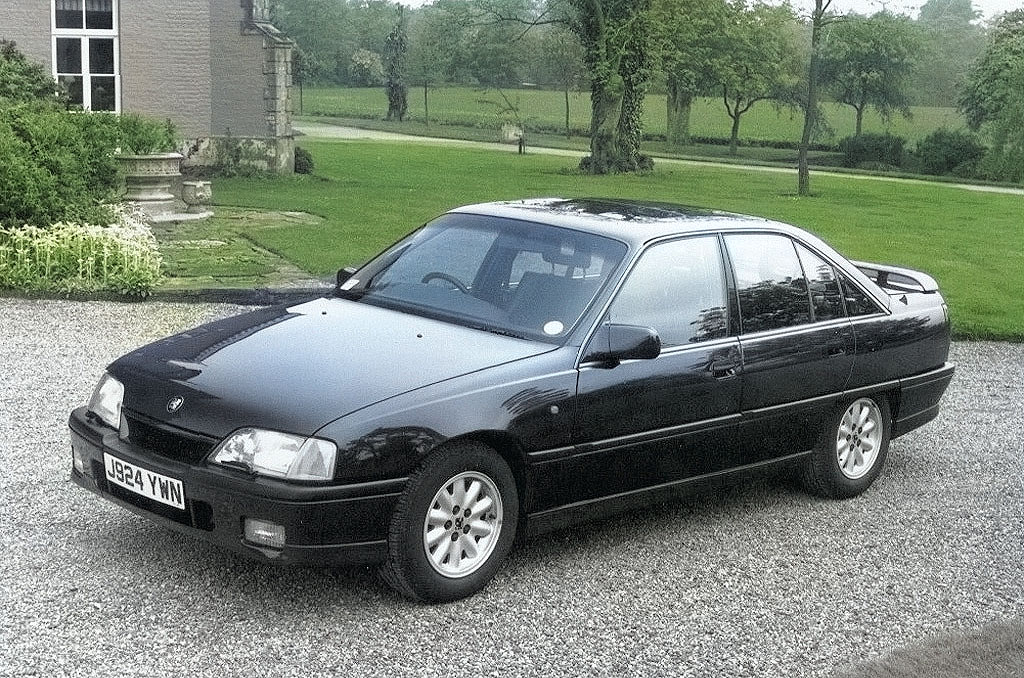
Before the Lotus Carlton, Vauxhall’s hero was the straight-edged Carlton 3000 GSi. While BMW and Mercedes owned the market for fast saloon cars, the Carlton was the car that showed those German marques that things didn’t stop with them.
The GSi had a 3.0-litre 12v straight-six that produced 177bhp allowing the rear-wheel drive to hit 62mph in 8sec; this wasn’t quite enough, so the car was revised in 1989 and was given a further 12 valves, pushing the new 24-valve GSi 3000 to just north of 200bhp.

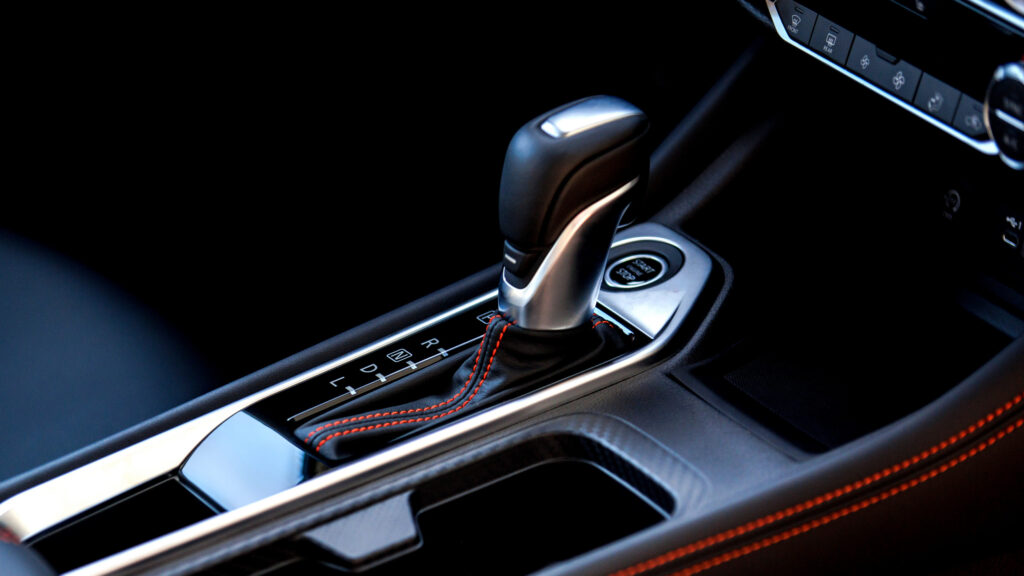
Nissan Recalls Highlight Manufacturing Flaws Behind Sentra Driveshaft and Rogue Transmission Risks

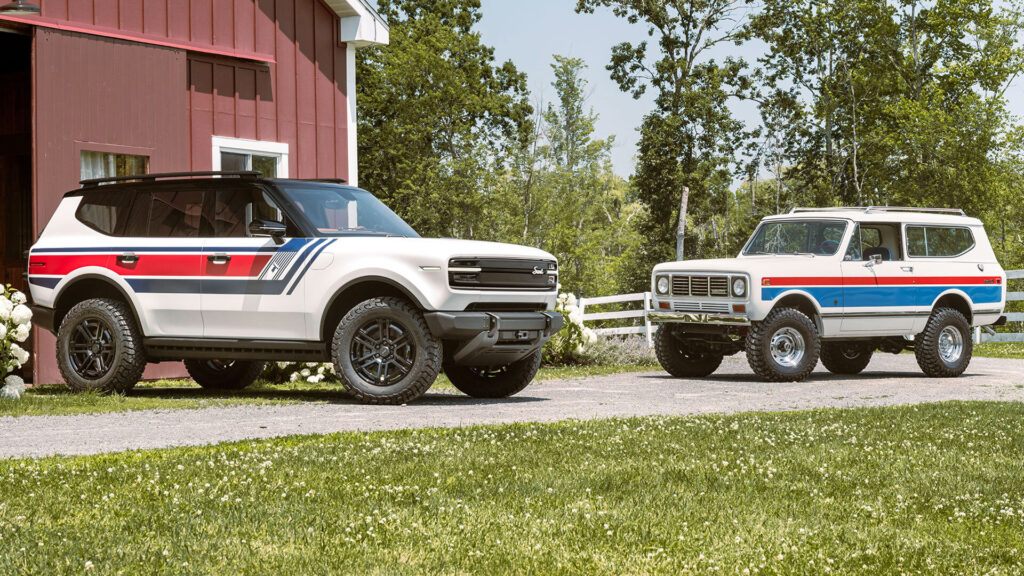
Scout Traveler Spirit of ’26 Reignites Heritage Amid Delayed Revival and Fading Enthusiasm

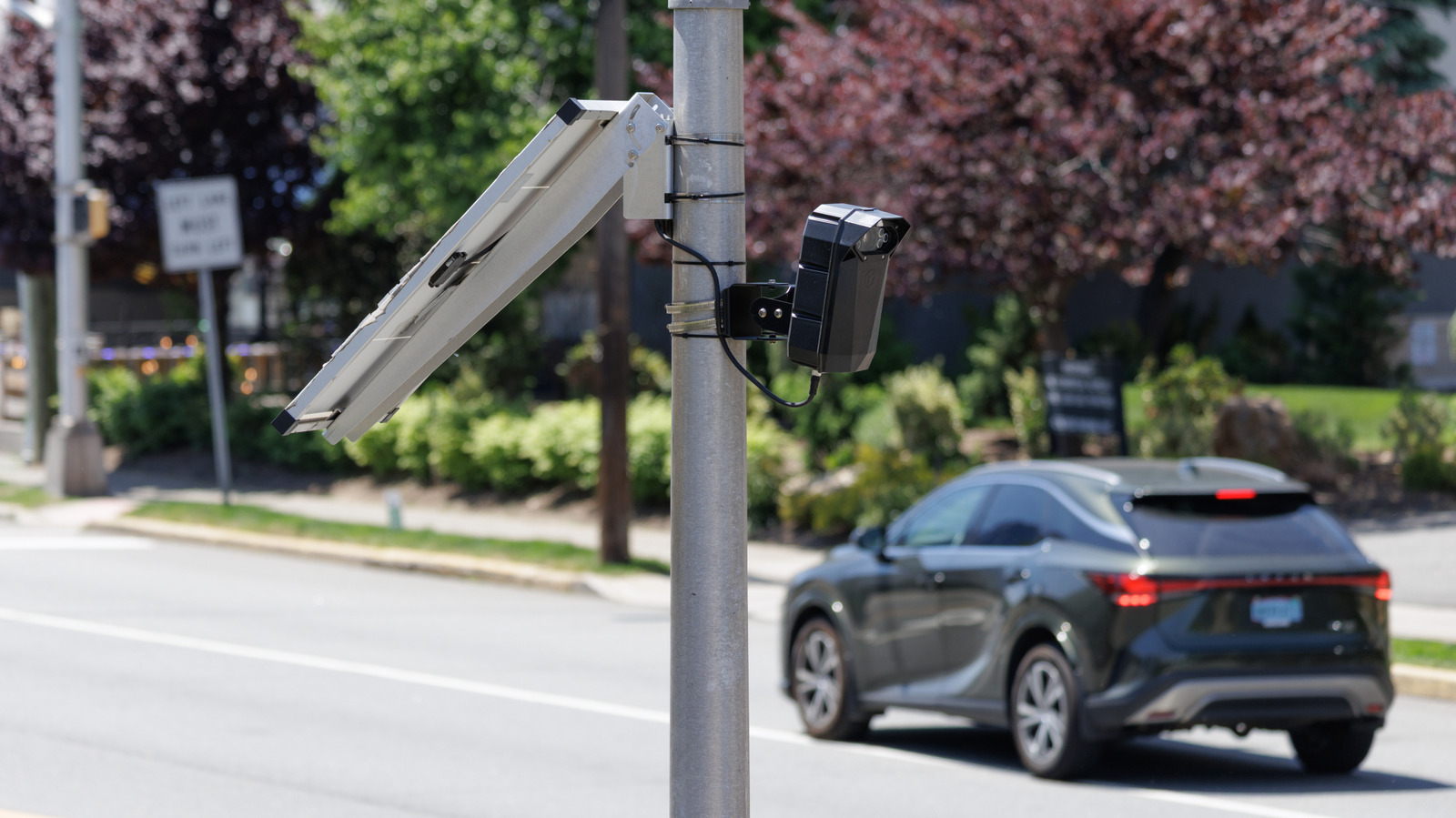
Catcalling and Surveillance: Examining the Escalation of Everyday Harassment into Digital Stalking

Mid-Engined Cars as Markers of Innovation and Accessibility in Automotive History
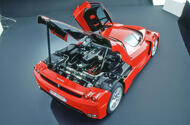 It's well over 60 years since the first mid-engined road car was made, so let's celebrate the best
It would have been all too easy to fill a gallery of mid-engined cars with Ferraris, Lamborghinis and other assorted exotica.
But mid-engined doesn't have to mean unattainable, so here we bring you some of the landmark mid-engined cars since they first arrived in the early 1960s. Sure, there are a few exotics in here, but you'll also find affordable sportsters, intriguing rarities, a few total duffers, and even one or two concepts to remind you of what might have been. Let's take a look:
Bonnet Djet (1961)
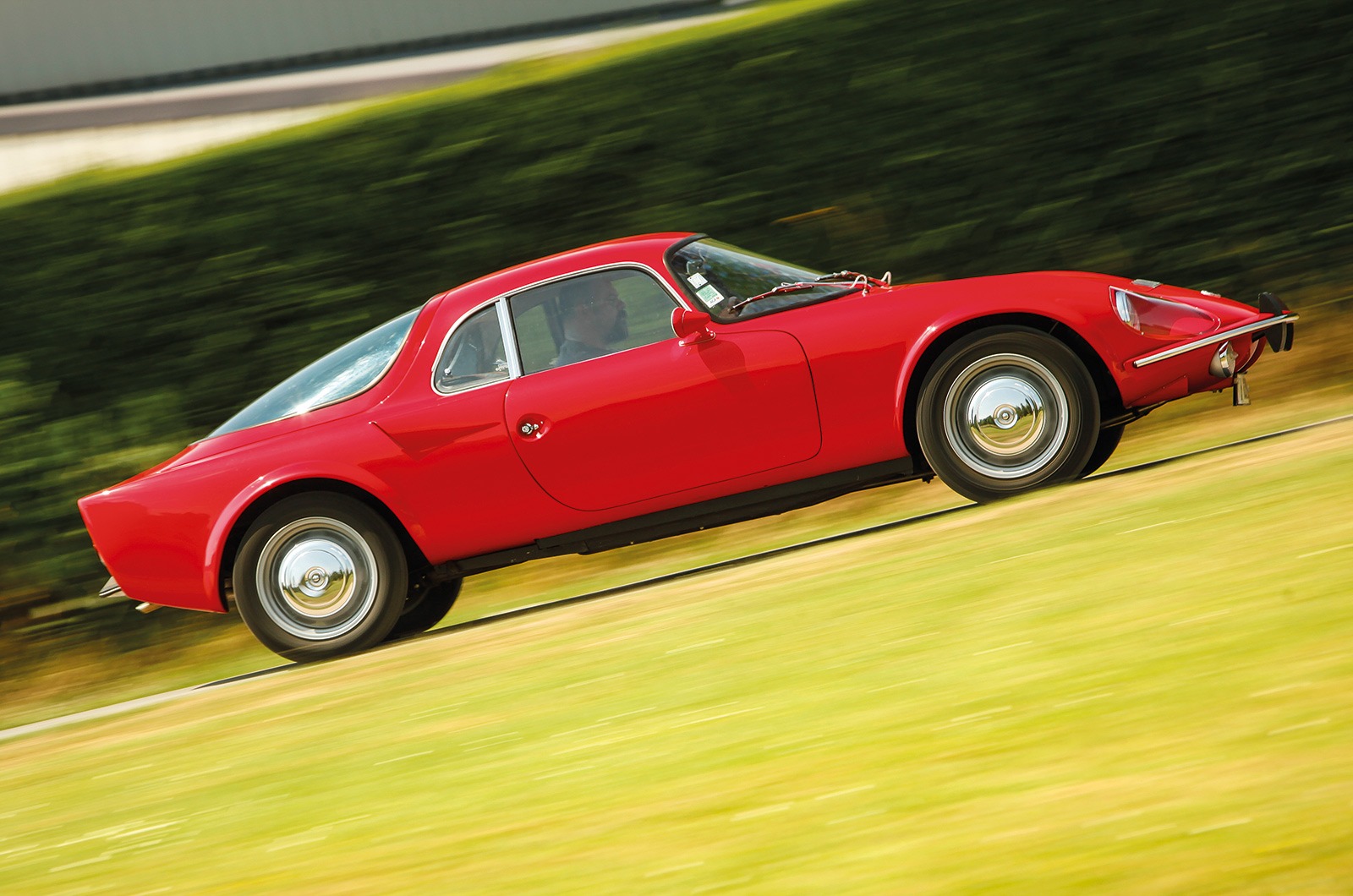
The one that started it all; the world's first ever mid-engined road car. It used Renault running gear and was made by Matra, which took over the project when Bonnet couldn't pay its bills.
De Tomaso Vallelunga (1964)
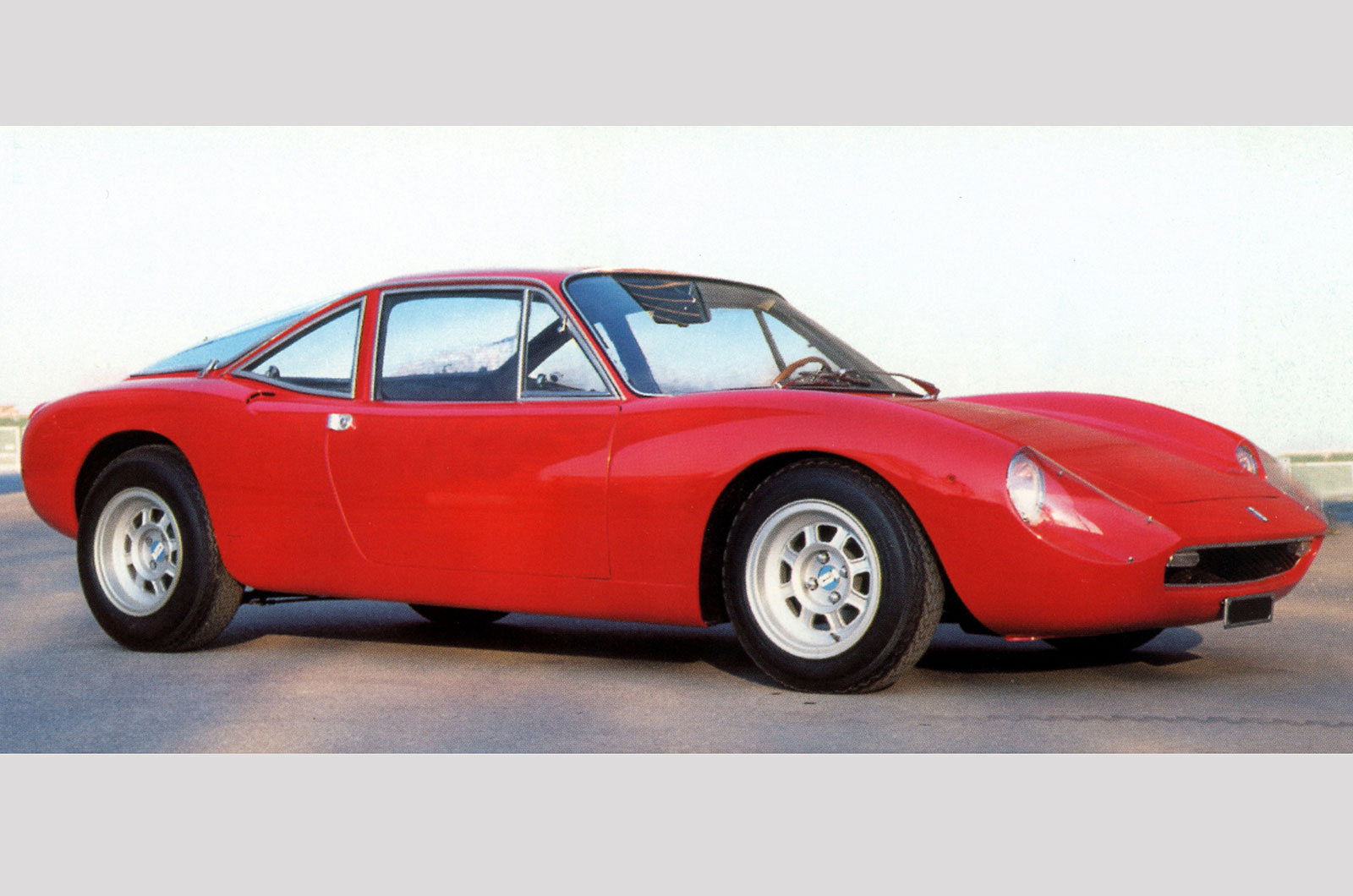
A mid-engined De Tomaso might sound exotic, but this 'supercar' packed nothing more pokey than a 1.5-litre Ford Cortina engine. The Vallelunga looked great but could manage just 112mph. Just 58 were made between 1965 and 1967.
Ford GT40 (1965)
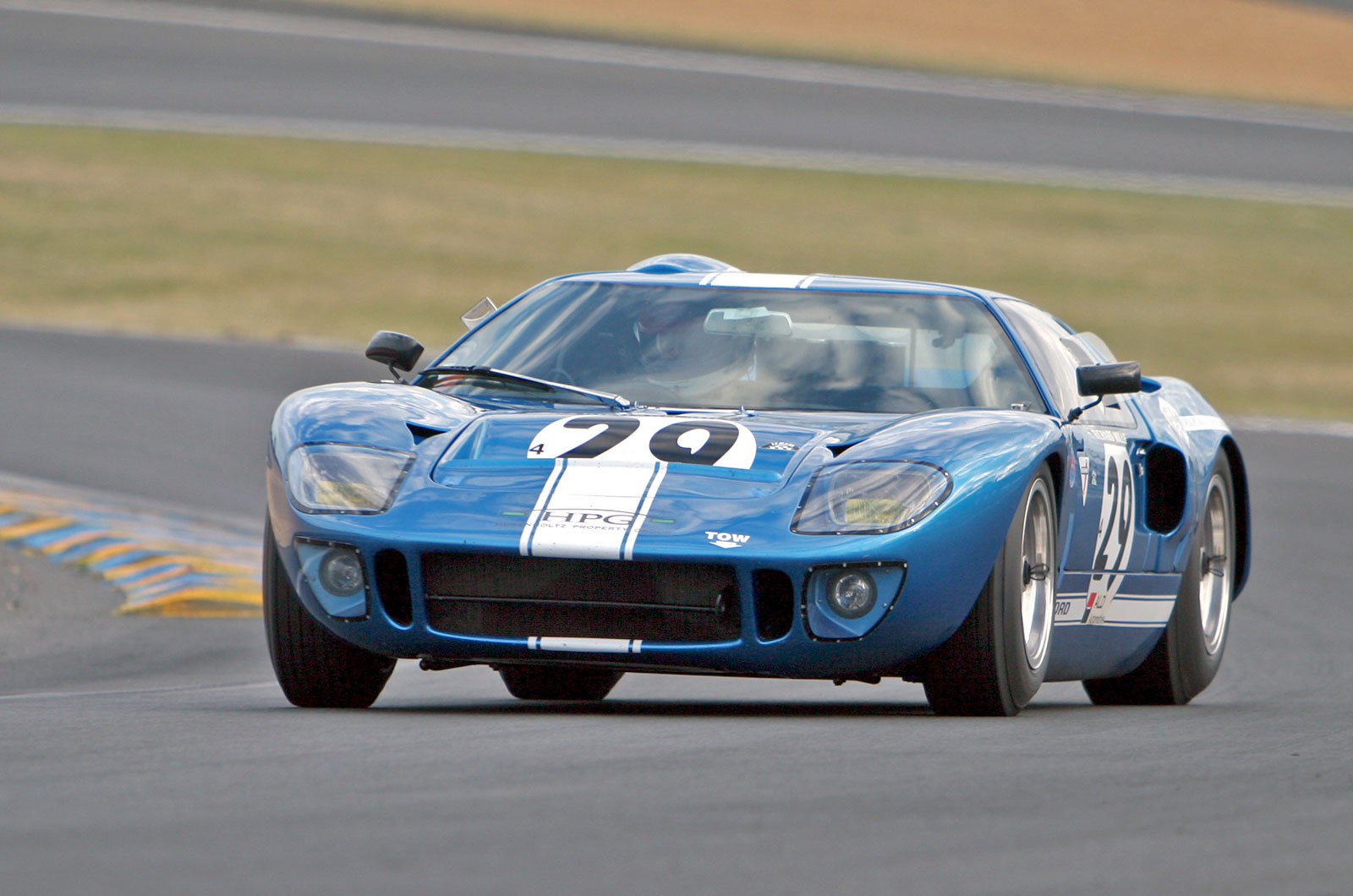
When Ford was thwarted in its attempt to buy Ferrari in 1963, it retaliated by creating a car that would thrash the Italian outfit at Le Mans – which the GT40 did no fewer than four times.
Lamborghini Miura (1966)
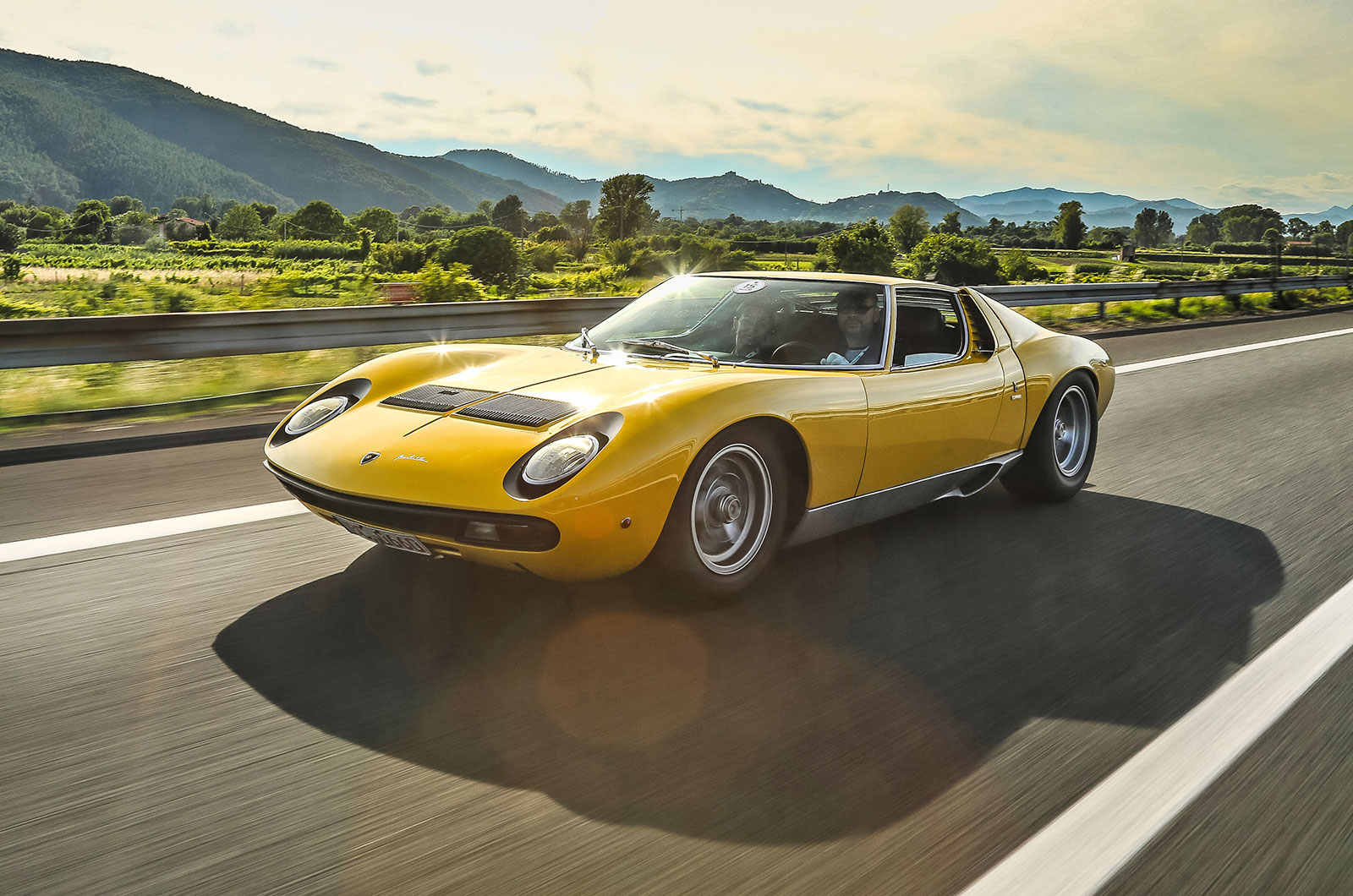
When the prototype was unveiled at the 1966 Geneva motor show, Lamborghini reckoned it could sell maybe 20 examples of its Miura. Seven years later, 763 examples had been built, each with a 3929cc V12 in the middle.
Unipower GT (1966)
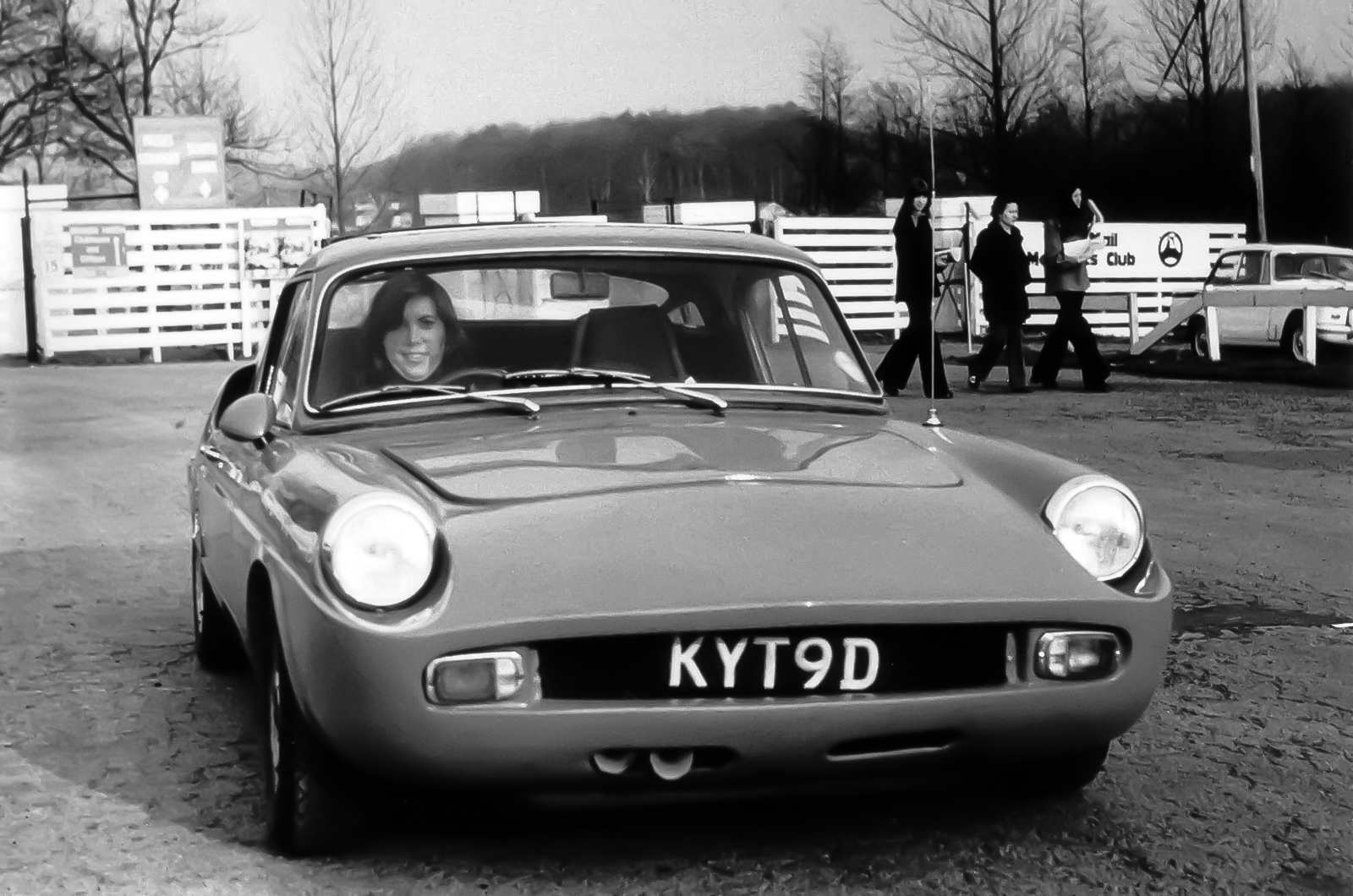
The first affordable British mid-engined sportster, the Unipower featured Mini mechanicals and was beautifully made, but it was too costly to survive and just 75 were produced in two years.
Porsche 914 (1969)
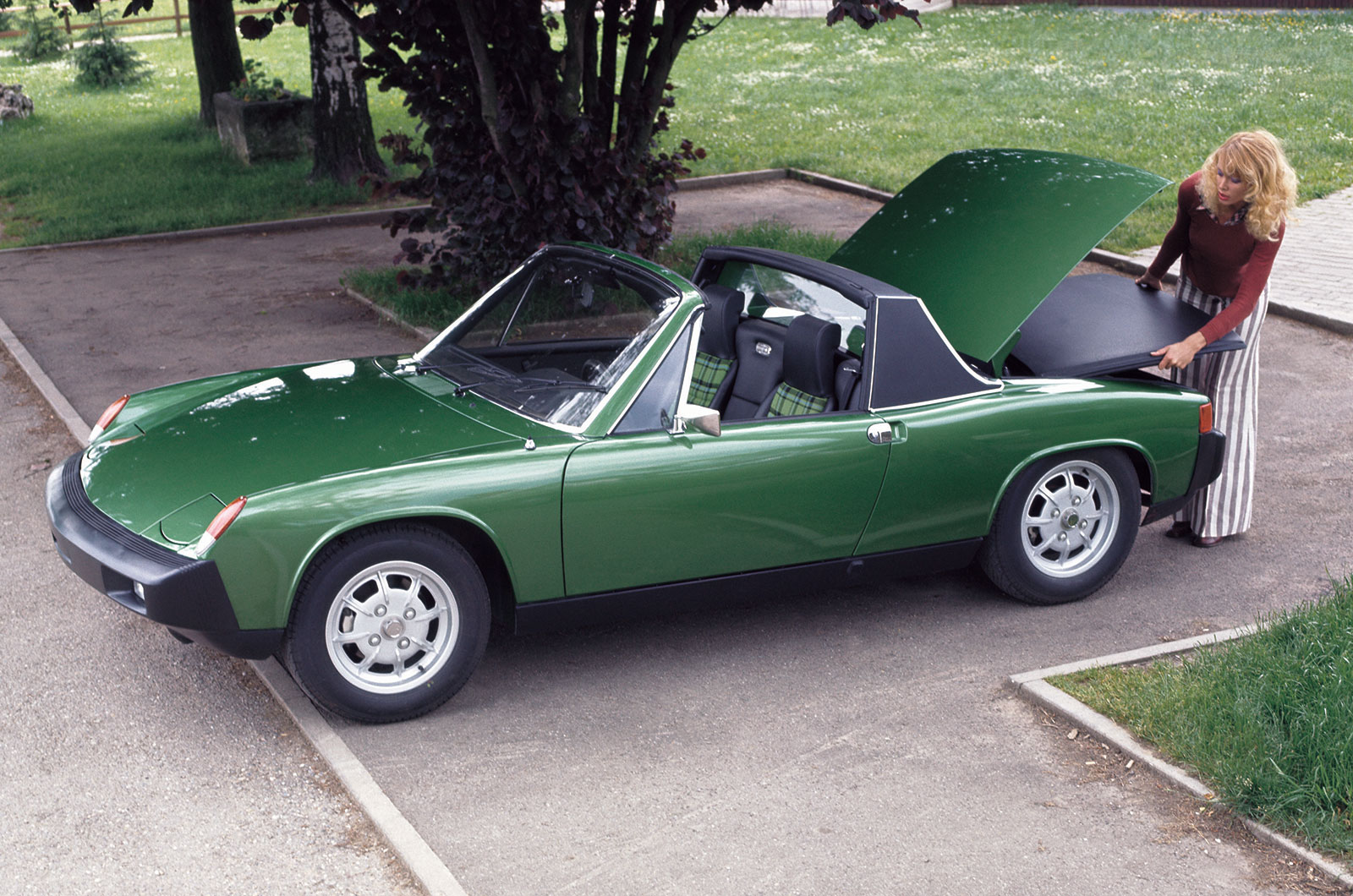
Despised by Porsche afficionados but great to drive and very costly when new, the 914 was fitted with a tuned VW 411 powerplant that displaced 1.7, 1.8 or 2.0 litres – a few were fitted with a 2.0-litre flat-six from the Porsche 912. Over 100,000 Porsche 914s were made.
Clan Crusader (1971)
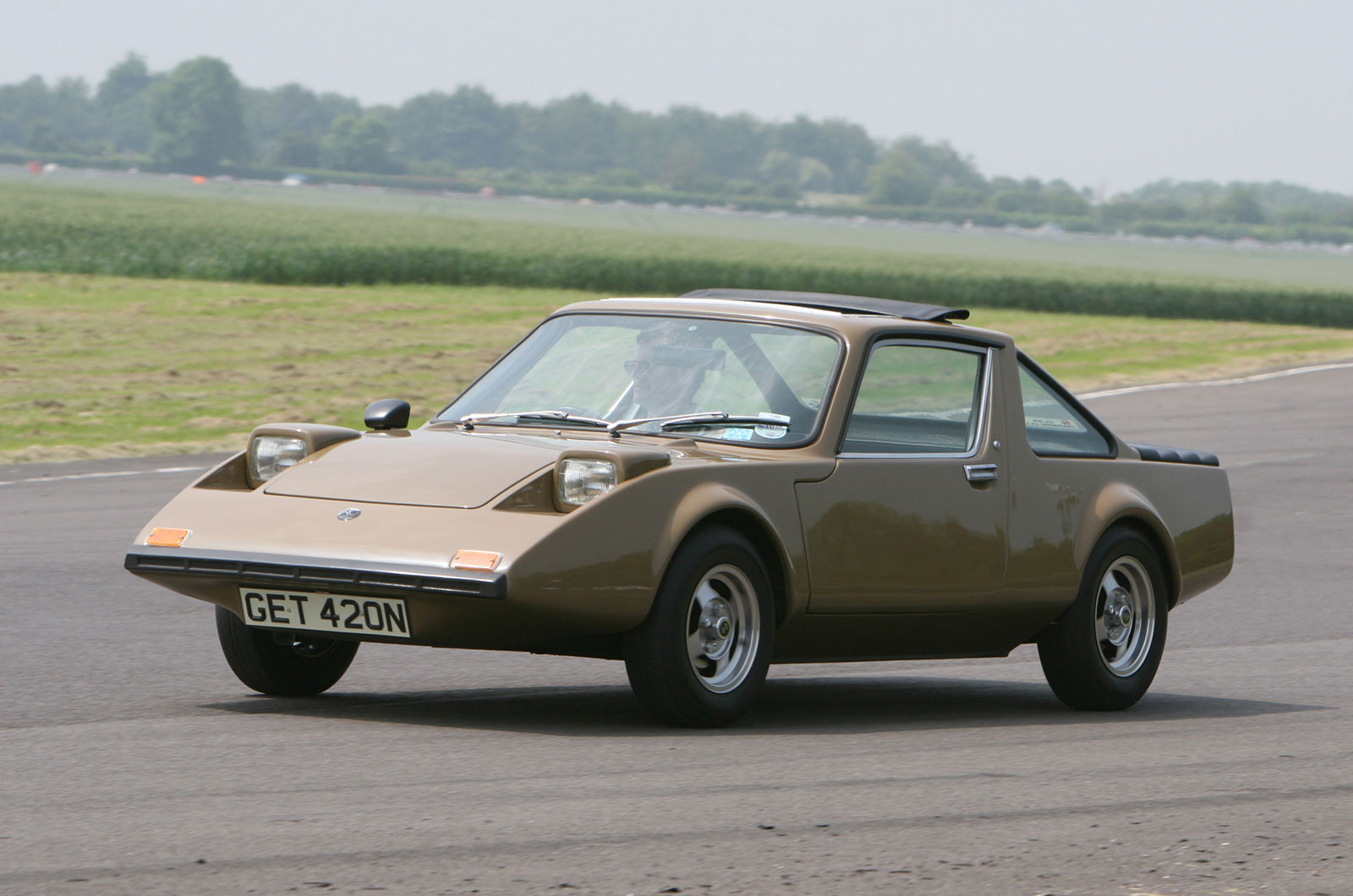
With its rev-happy Hillman Imp engine and lightweight glassfibre bodywork, the Crusader was fast and economical – but it also cost about 40% more than an MG Midget. Despite this, 315 were built before the company went belly up.
De Tomaso Pantera (1971)
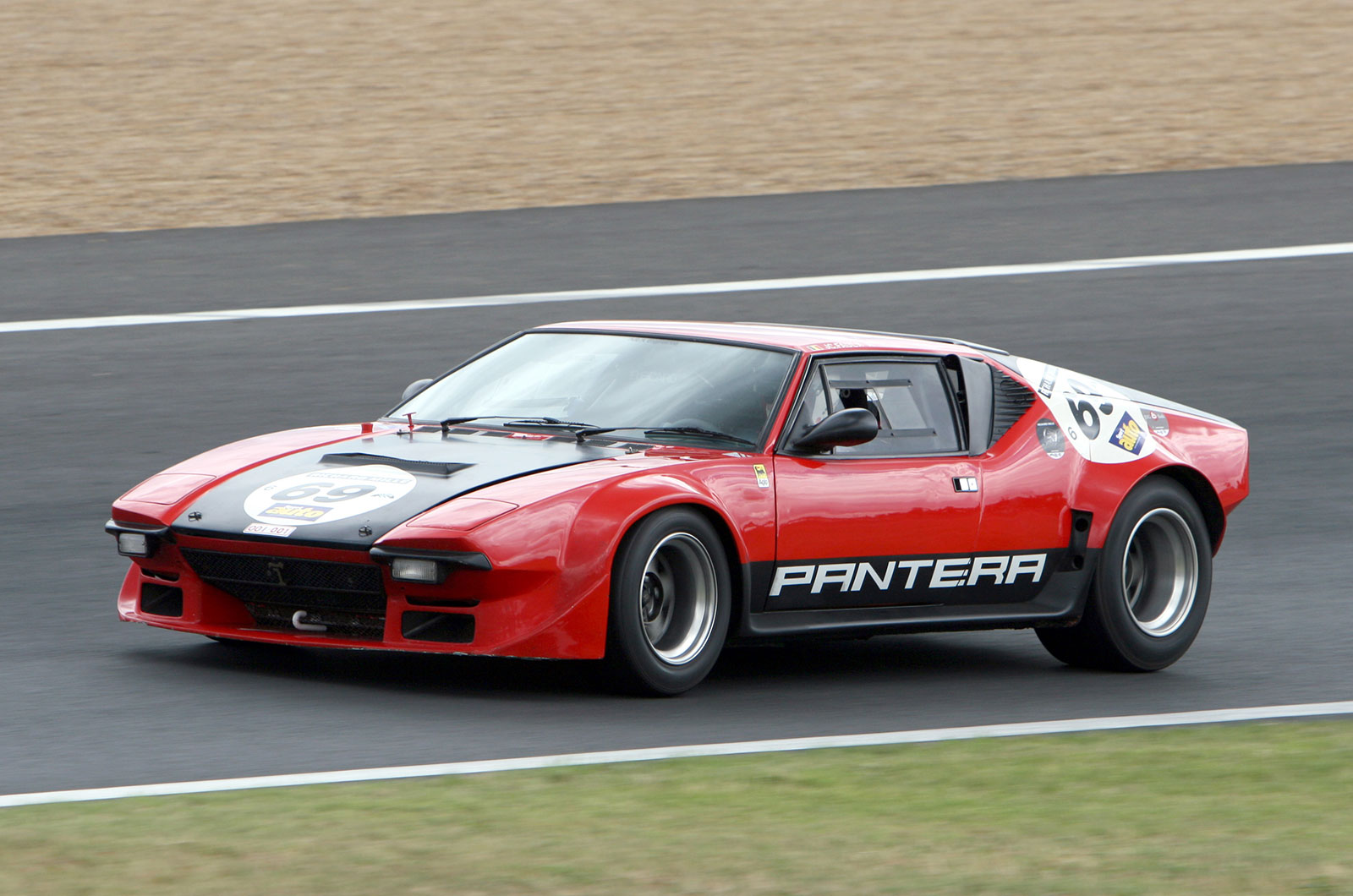
With its 5.8-litre Ford V8, this is the relatively affordable Italian supercar. But like most of its ilk, the Pantera (Italian for Panther) was shockingly badly built, although it still looks fabulous. More than 7000 were made in a 21-year production run.
Maserati Bora (1971)
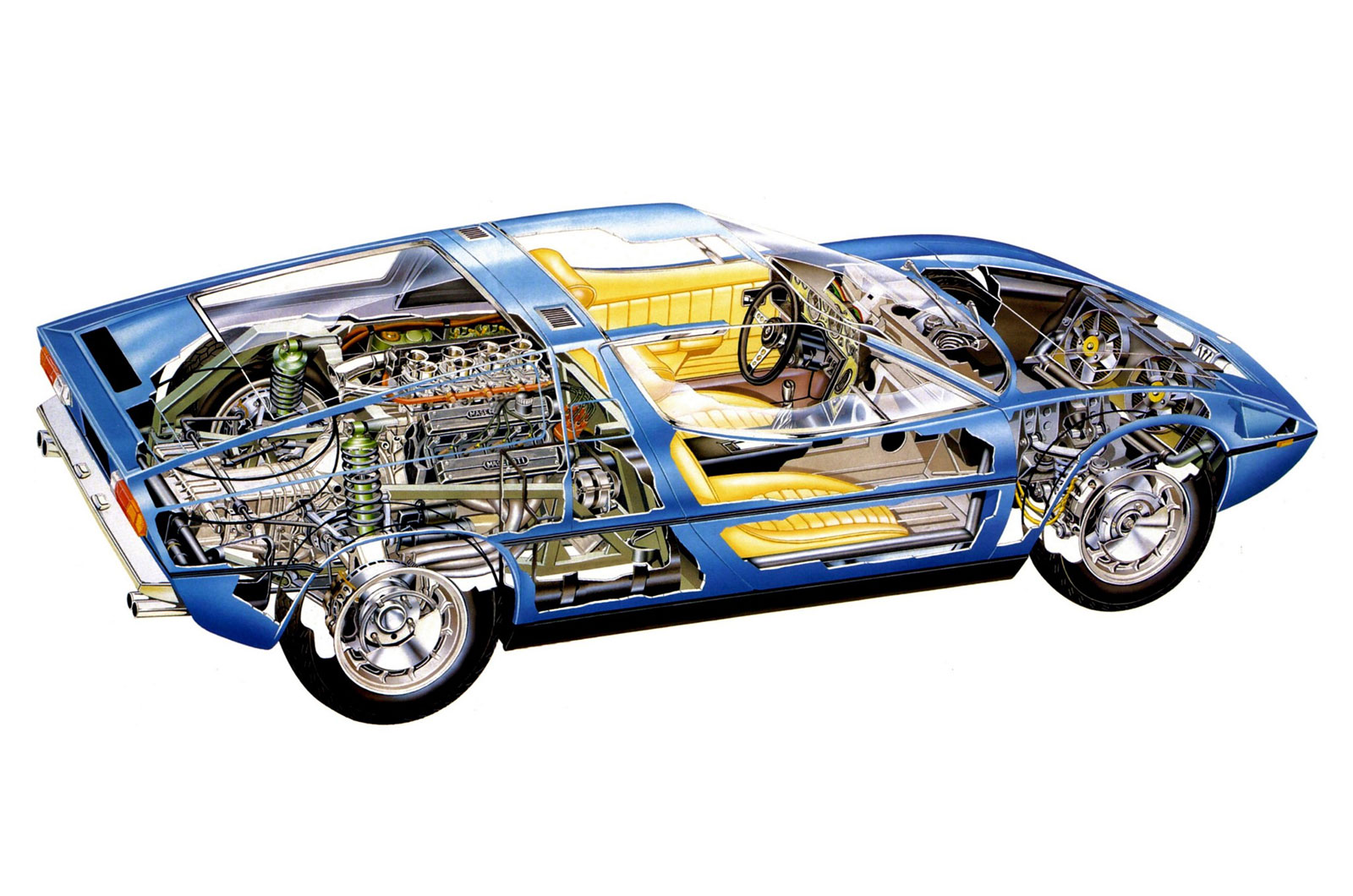
Designed and built at a time when Citroen owned Maserati, this was the company's first mid-engined car. Styled by Giorgetto Giugiaro, the car looked great but never sold especially well; between 1971 and 1978 just 571 were sold.
Fiat X1/9 (1972)
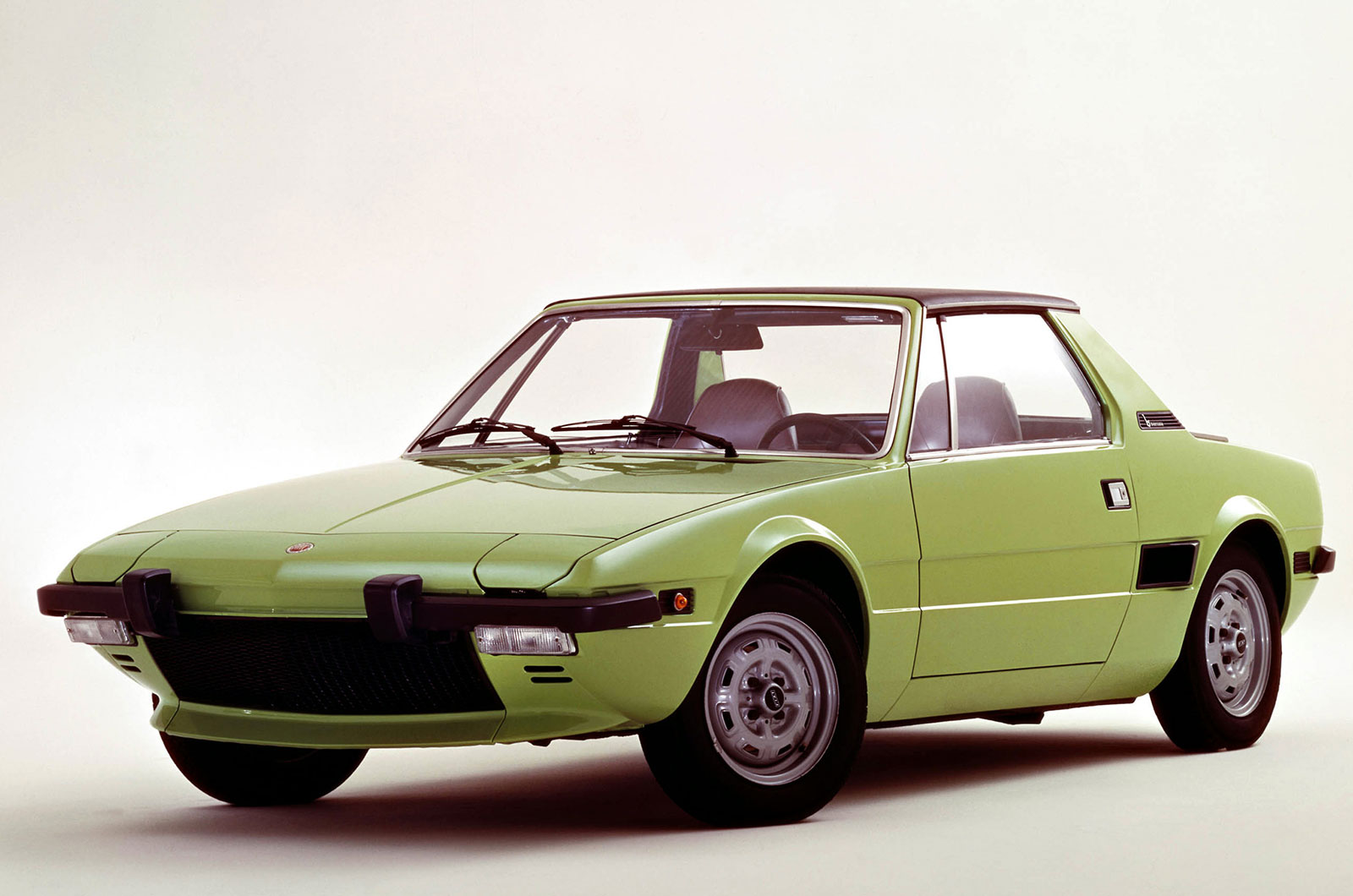
Arguably the first affordable mid-engined sportster, the X1/9 was designed by Bertone and used Fiat 128 running gear. That initially meant a 1.3-litre engine and a top speed of just 99mph; from 1978 a 1.5-litre unit was fitted.
Ferrari 365 GT4 BB (1973)
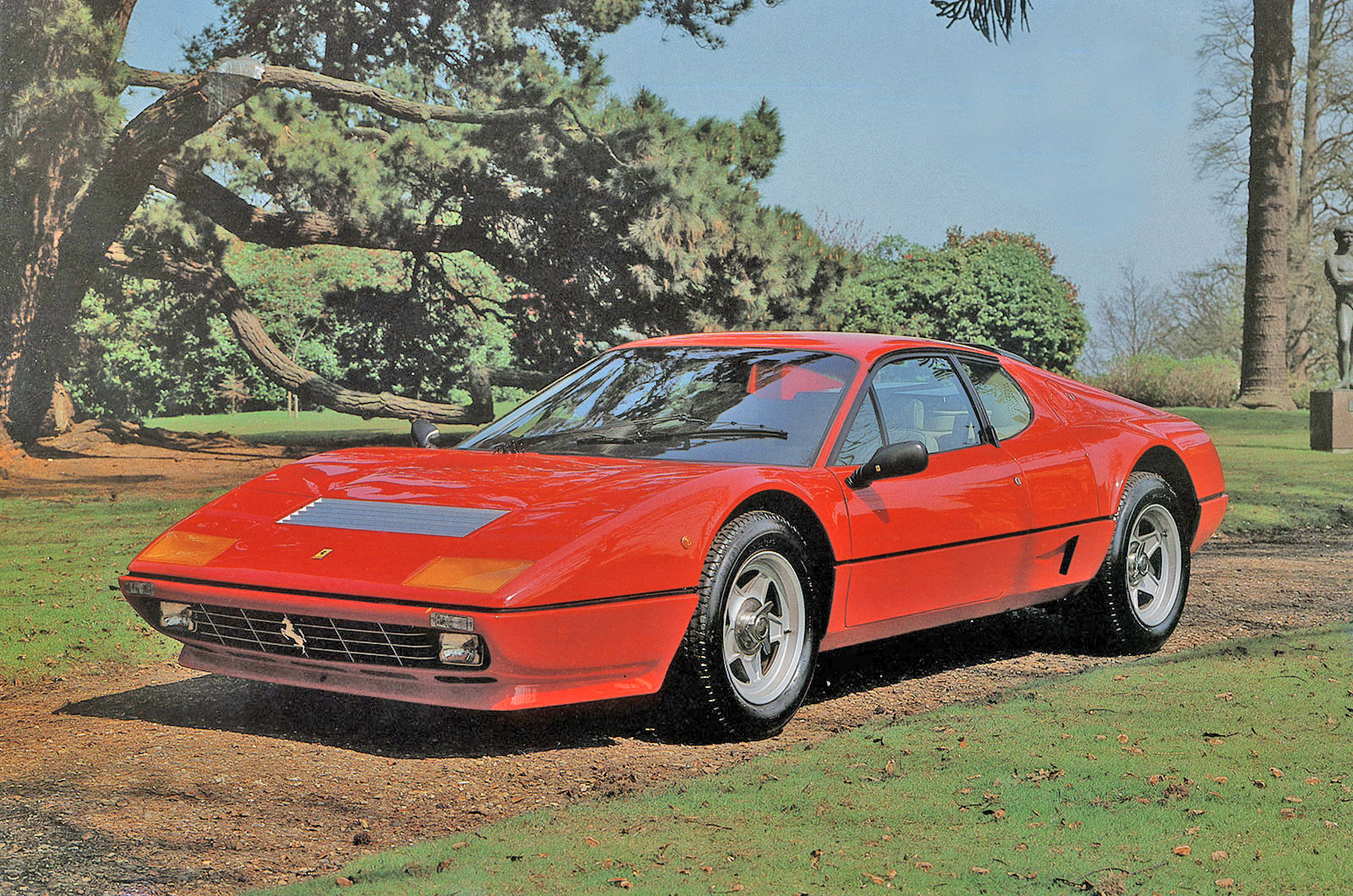
Stung by the phenomenal success of Lamborghini's Miura, Ferrari had to retaliate with this, its first mid-engined 12-pot. With a 4.4-litre flat-12, Ferrari claimed the 365 GT4 BB could do 170mph; from 1976 a 4.9-litre engine was fitted.
Lancia Stratos (1973)
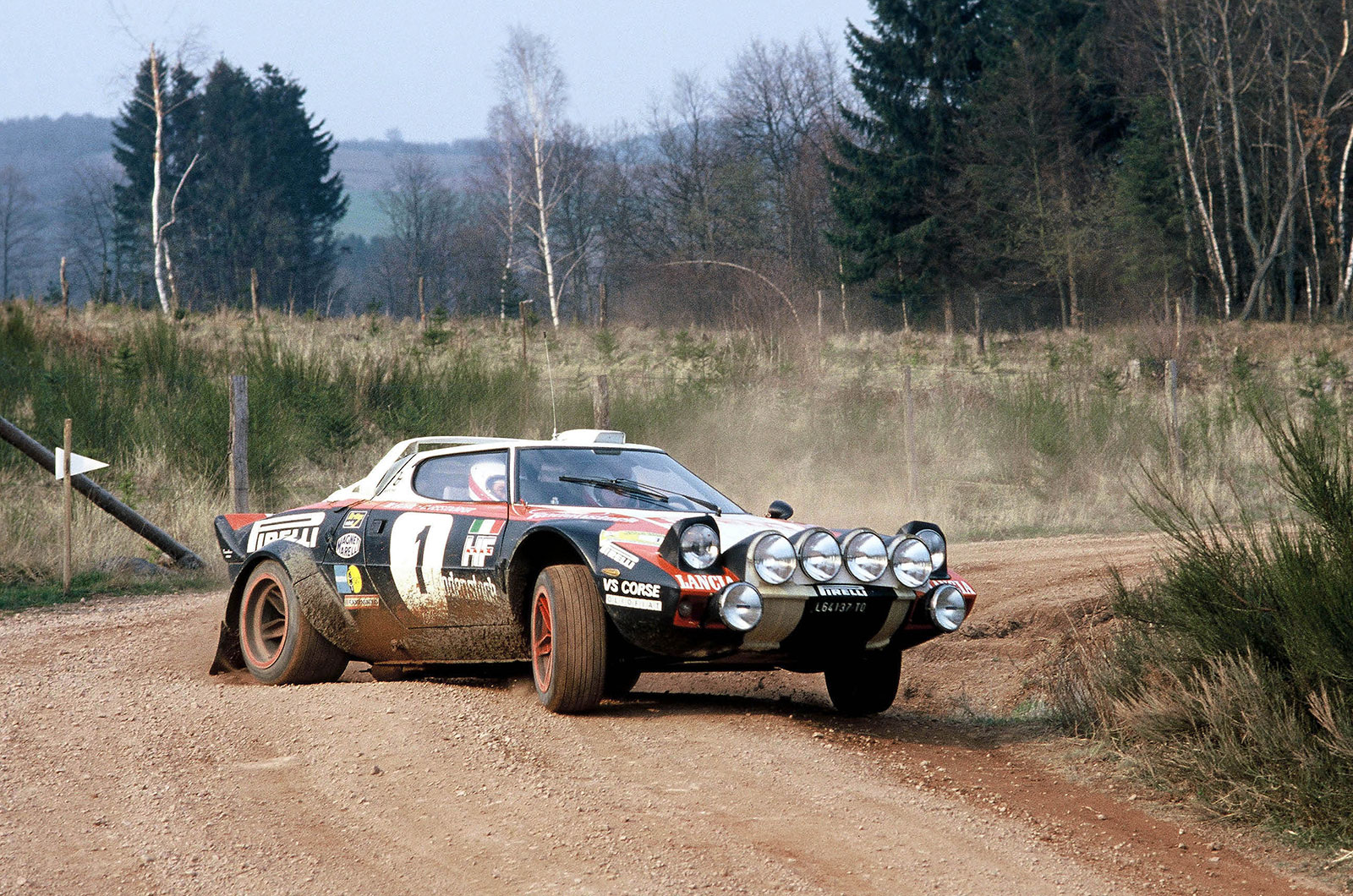
After Lancia's competition director Cesare Fiorio saw Bertone's wedge-shaped Stratos Zero concept at the 1970 Turin salon there was no turning back. This 2.4-litre V6-powered homologation special was the result and it proved massively successful in rallying.
Lamborghini Countach (1974)
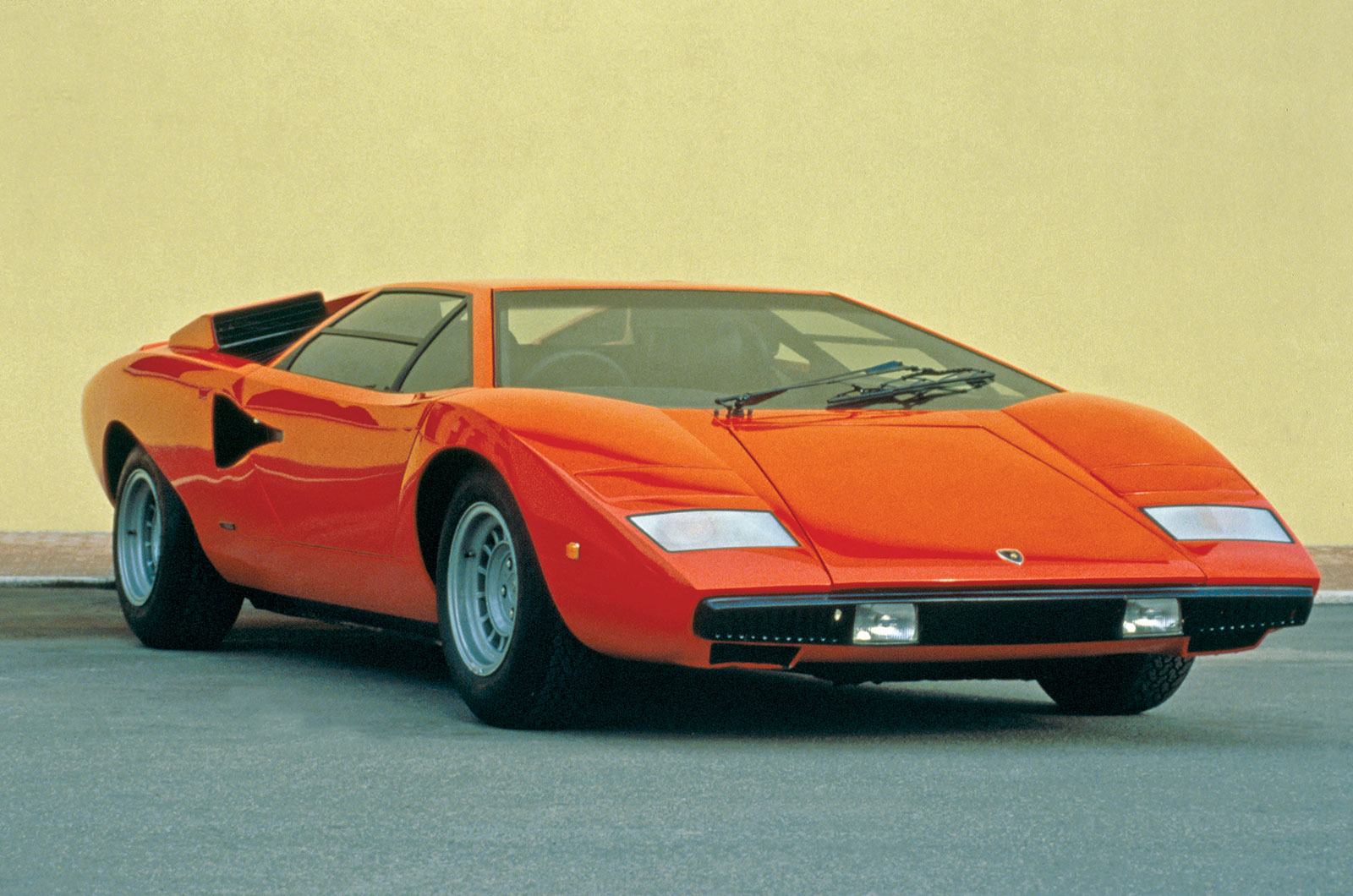
Has any supercar ever looked more dramatic than the Countach? Named after a Piedmontese exclamation, this V12-powered behemoth survived 16 years of production, with 1997 made.
Lancia Montecarlo (1975)
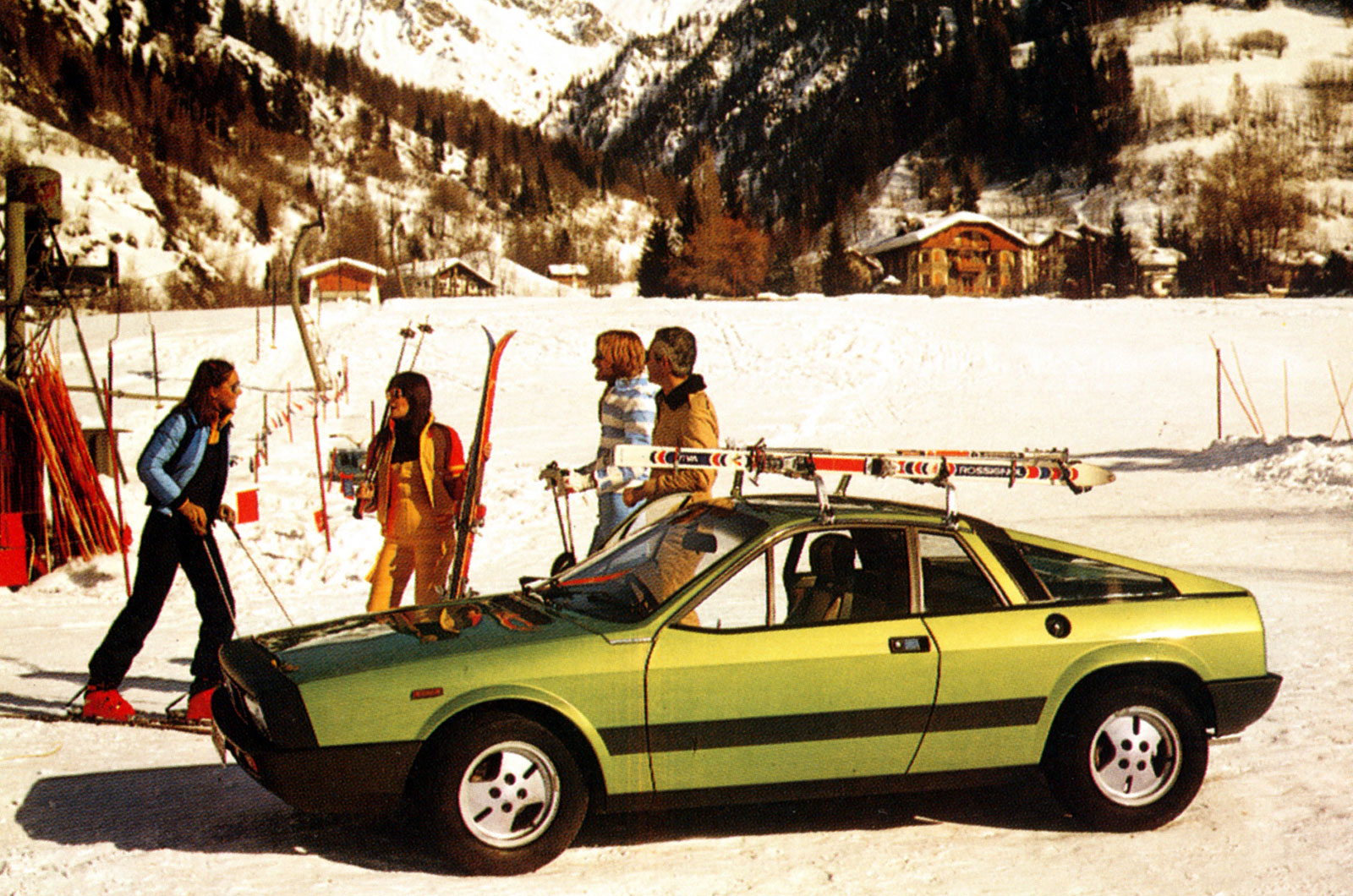
The Lancia Beta might not seem like the most promising start point for a mid-engined budget sports car, but the Montecarlo (it was called Scorpion in the US) was actually rather fun. With zesty 1.8 or 2.0-litre four-cylinder engines the Montecarlo was perky, handled well and looked neat. Both coupé and spyder editions were offered.
Lotus Esprit (1976)
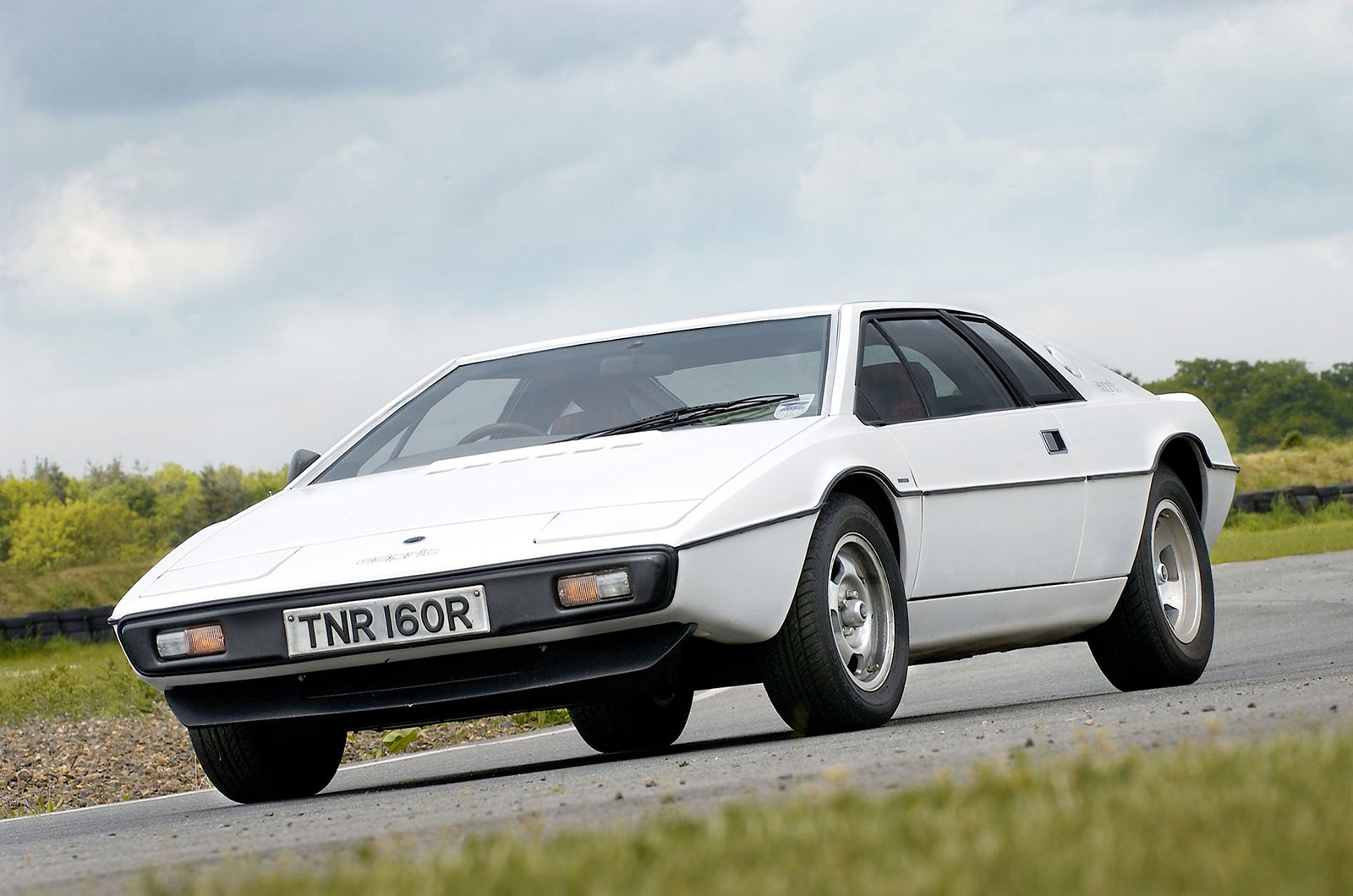
The second mid-engined Lotus (after the Europa), the Esprit would become an icon thanks to James Bond. Originally penned by Giugiaro, the Esprit was refreshed by Peter Stevens in 1987, with softer lines.
AC 3000ME (1978)
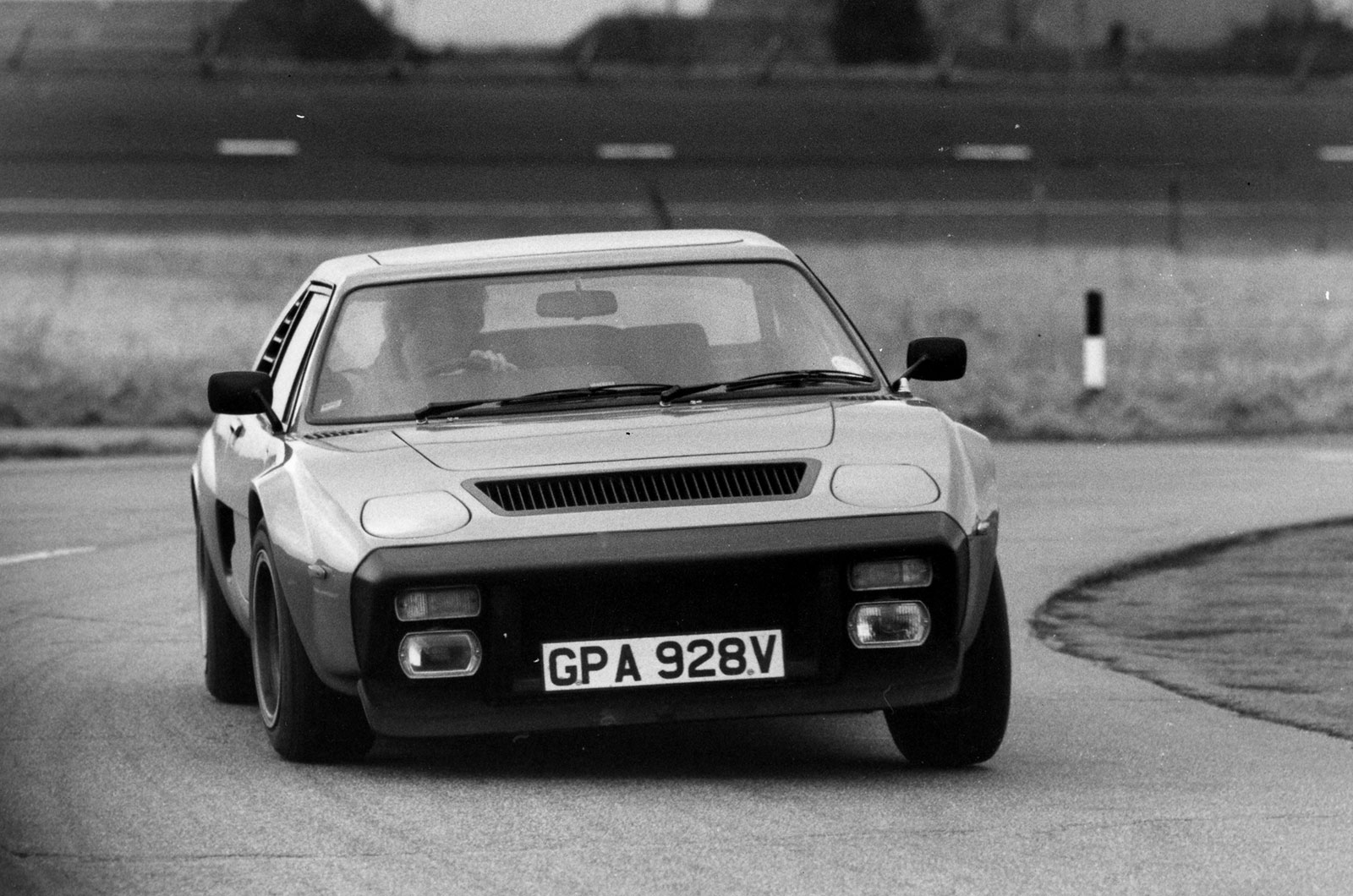
The ME stood for mid-engined – the first car in AC's history to feature such a configuration. But the gestation was protracted and the car was outdated by the time it arrived; it failed dismally with production running to just 100 or so examples.
BMW M1 (1979)
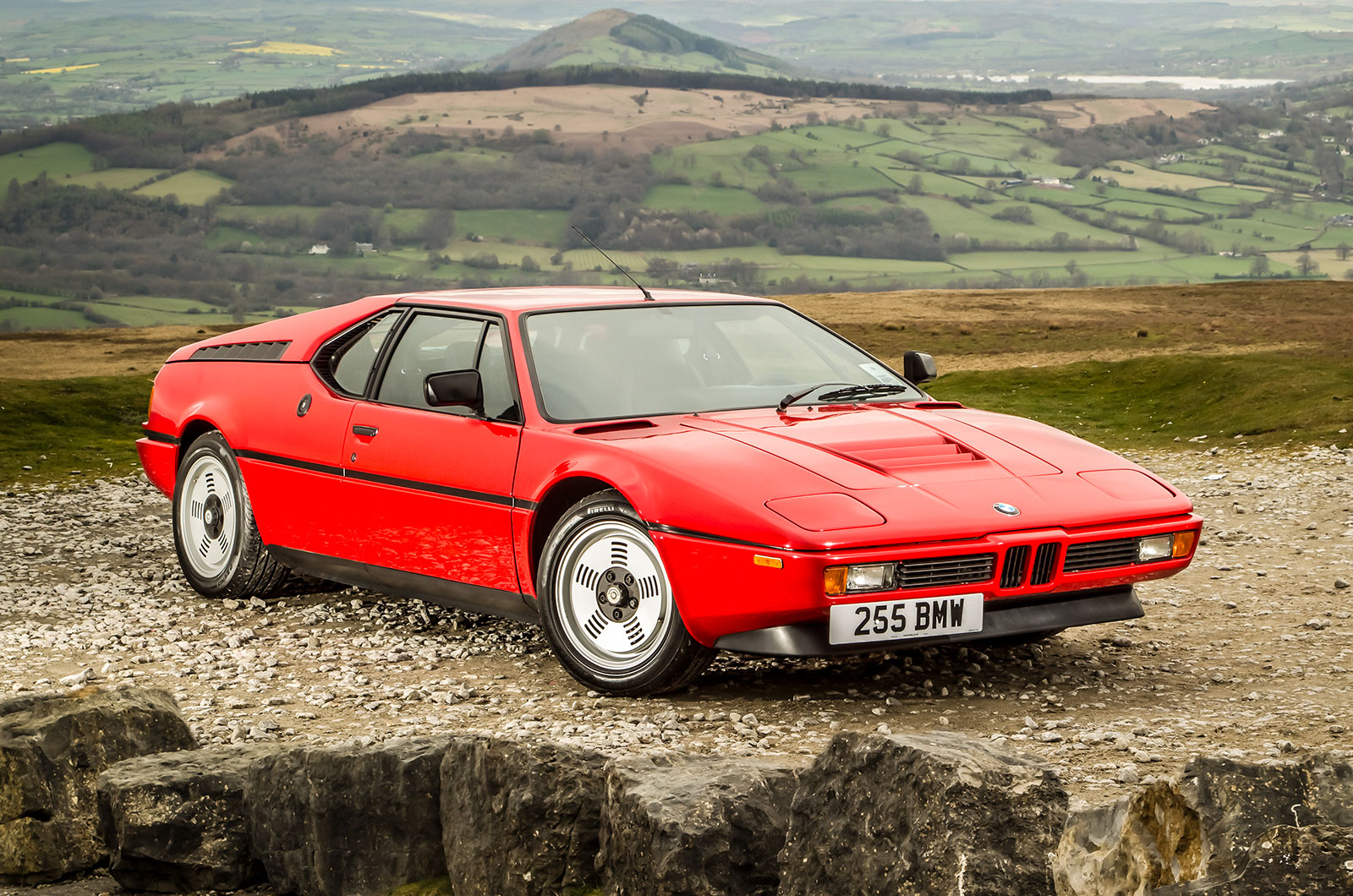
The first car to come from BMW's M Division and also the first mid-engined car ever to come out of BMW. Power was provided by BMW's classic 3453cc straight-six, pushing out 277bhp. Between 1979 and 1980 456 BMW M1s were built; now they're hugely sought after.
Matra Murena (1980)
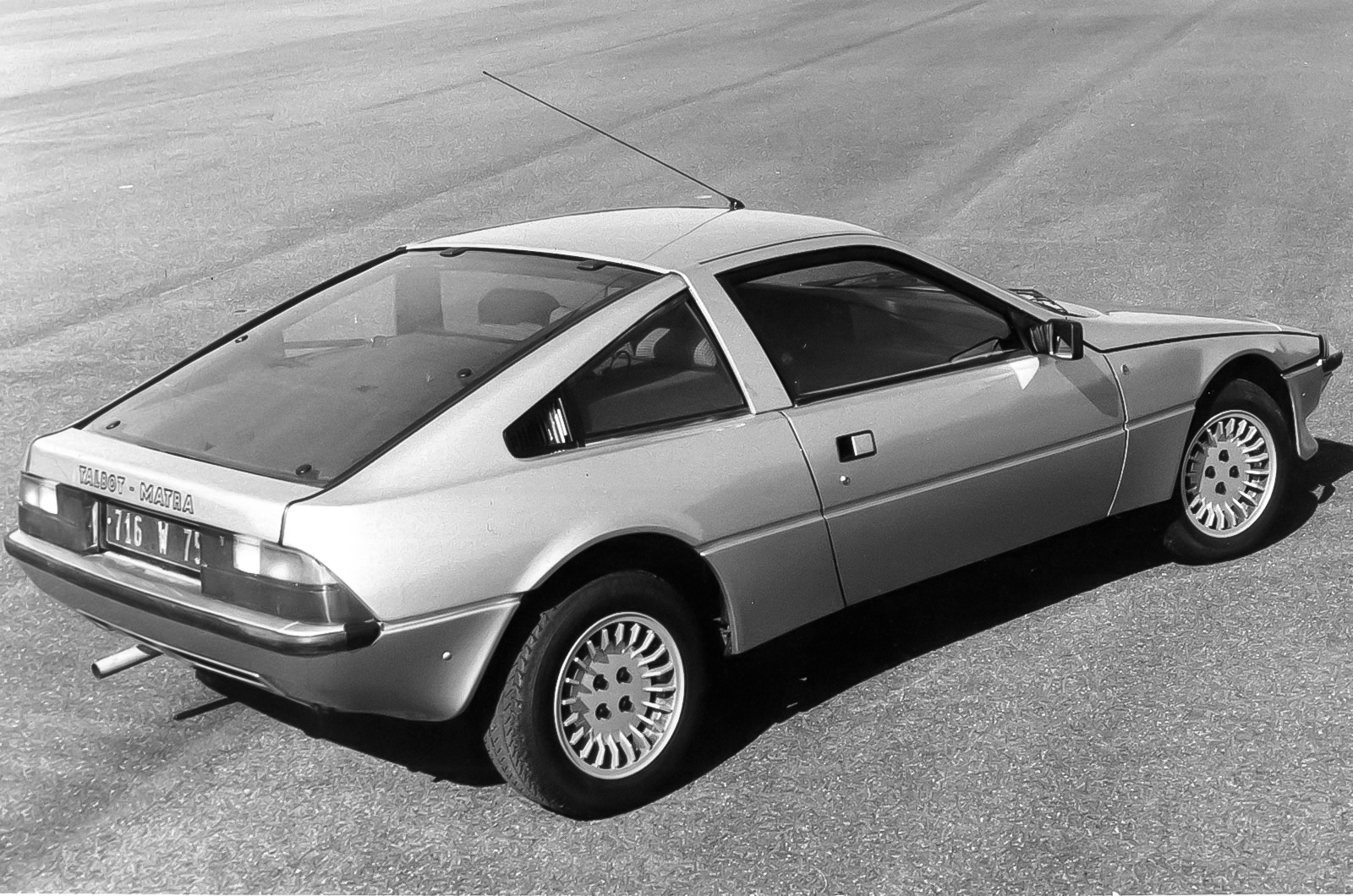
First came the Bagheera, then the Murena, which was effectively an update of the earlier car. Both featured an unusual three-abreast seating layout; Murena’s power was courtesy of Renault.
Renault 5 Turbo (1980)
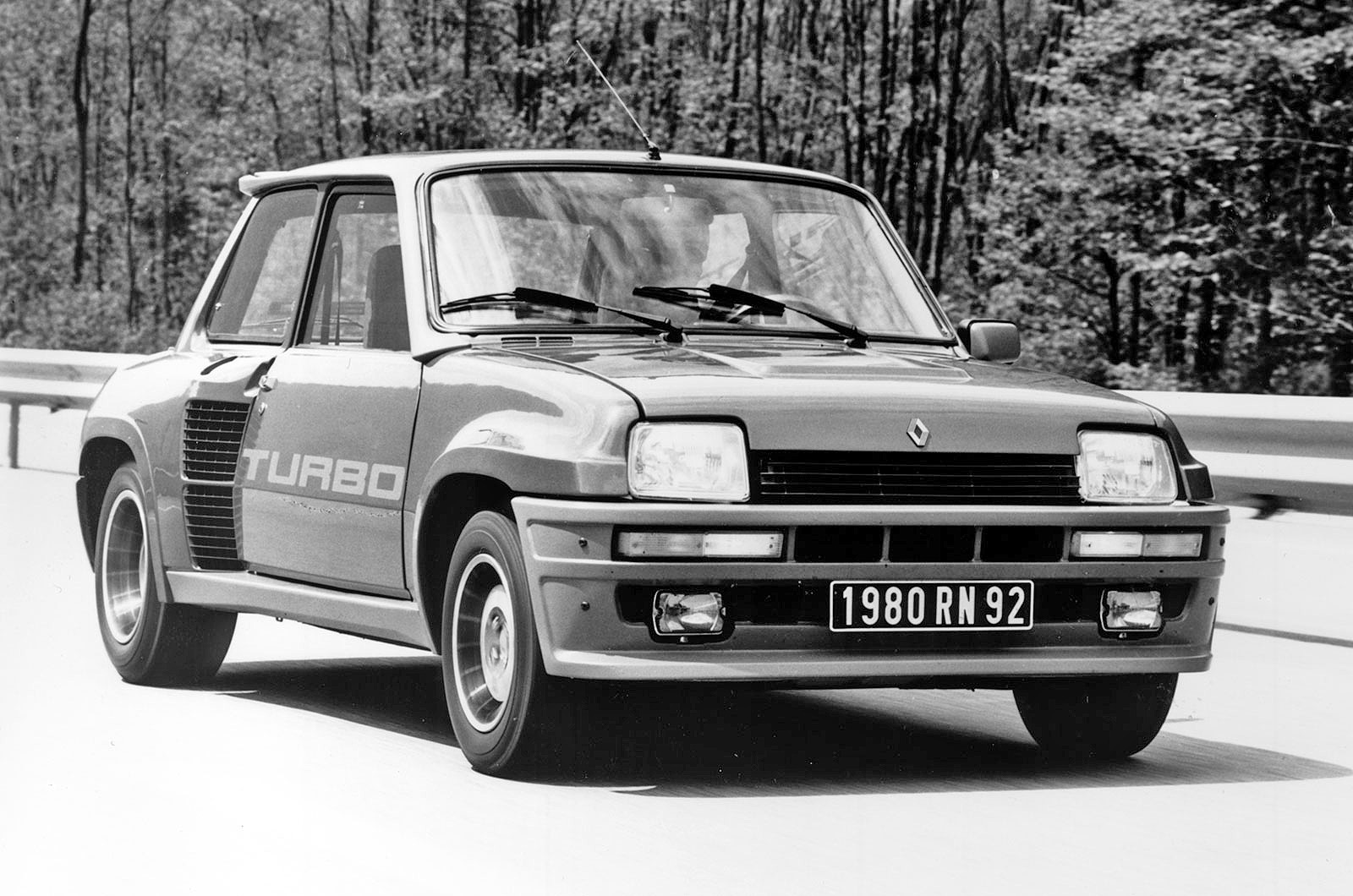
There would be a sequel in 1983, called the Turbo 2, but this is the original homologation special from 1980. Renault created the Turbo for rallying but road cars were made too; in all 1820 R5 Turbos left the factory, each powered by a 158bhp turbocharged 1397cc four-cylinder engine.
De Lorean (1981)
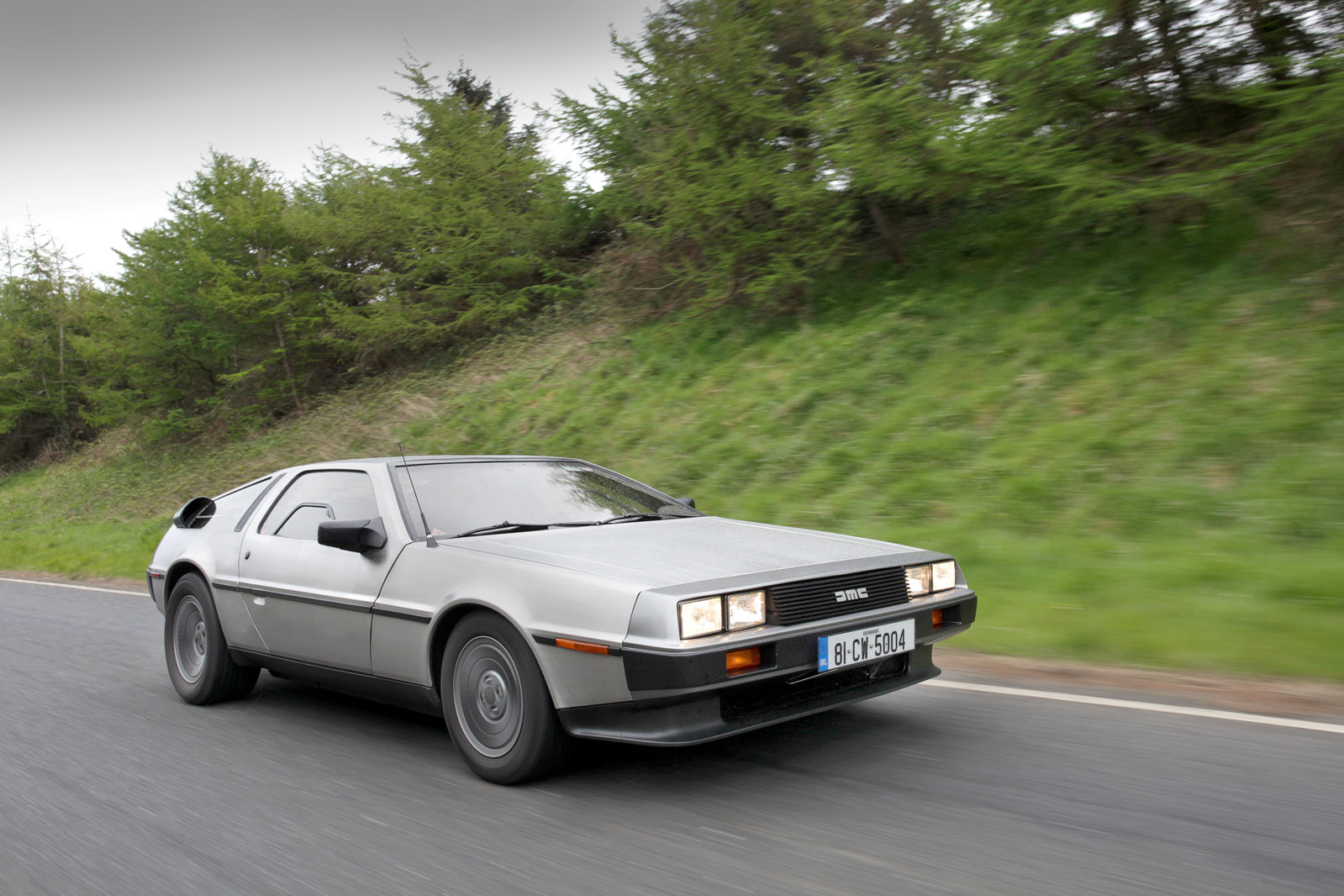
With its stainless steel bodywork, gull-wing doors and 2849cc Renault-sourced V6 engine, the De Lorean looked promising. But then the company and its founder was rocked by scandal and it was all over after just two years, with 8353 cars made.
Pontiac Fiero (1983)
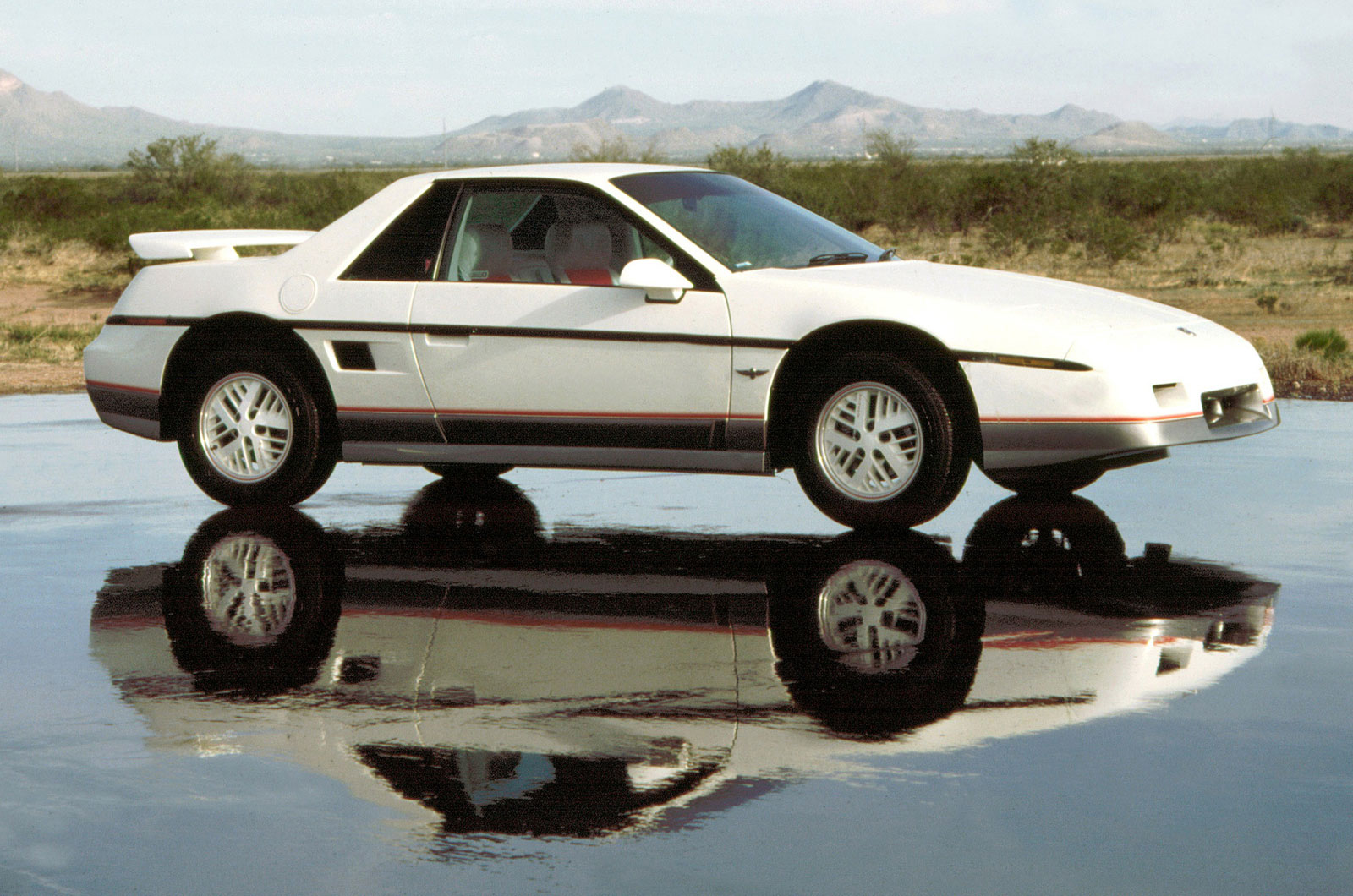
American companies have generally shied away from producing mid-engined cars, so the Pontiac Fiero was a big statement from the usually very conservative General Motors. Although 370,000 were made in a five-year production run, the car was heavily criticised in period for its poor dynamics, build quality and safety record.
Toyota MR2 (1984)
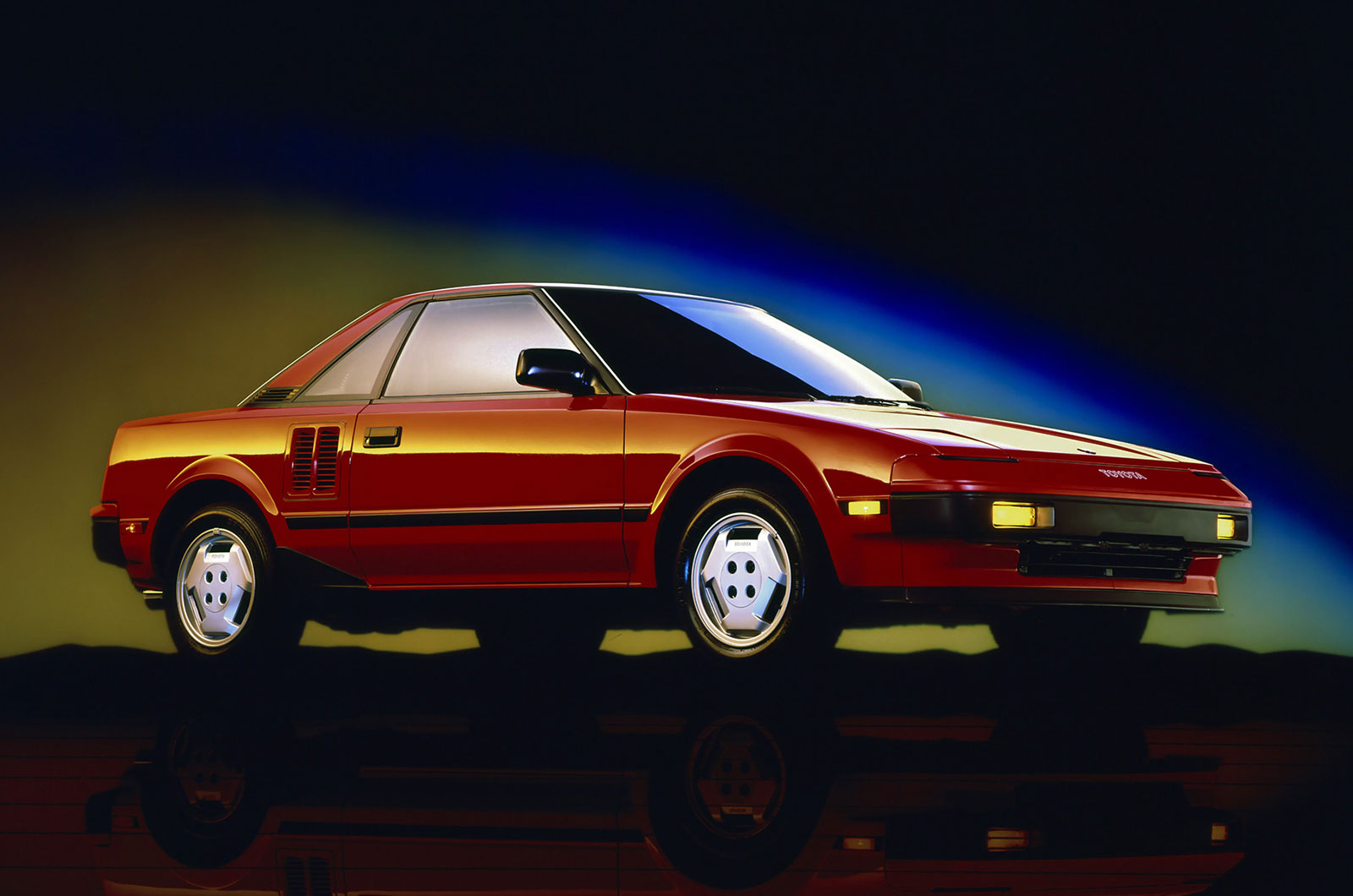
Once the MGB had died, Fiat had the affordable sportster market to itself with its X1/9. Then came the MR2, with its rev-happy 1.6-litre twin-cam engine, superb reliability and brilliant chassis. There would be three iterations of the MR2 between 1984 and 2005, with the original arguably the best.
Ford RS200 (1985)
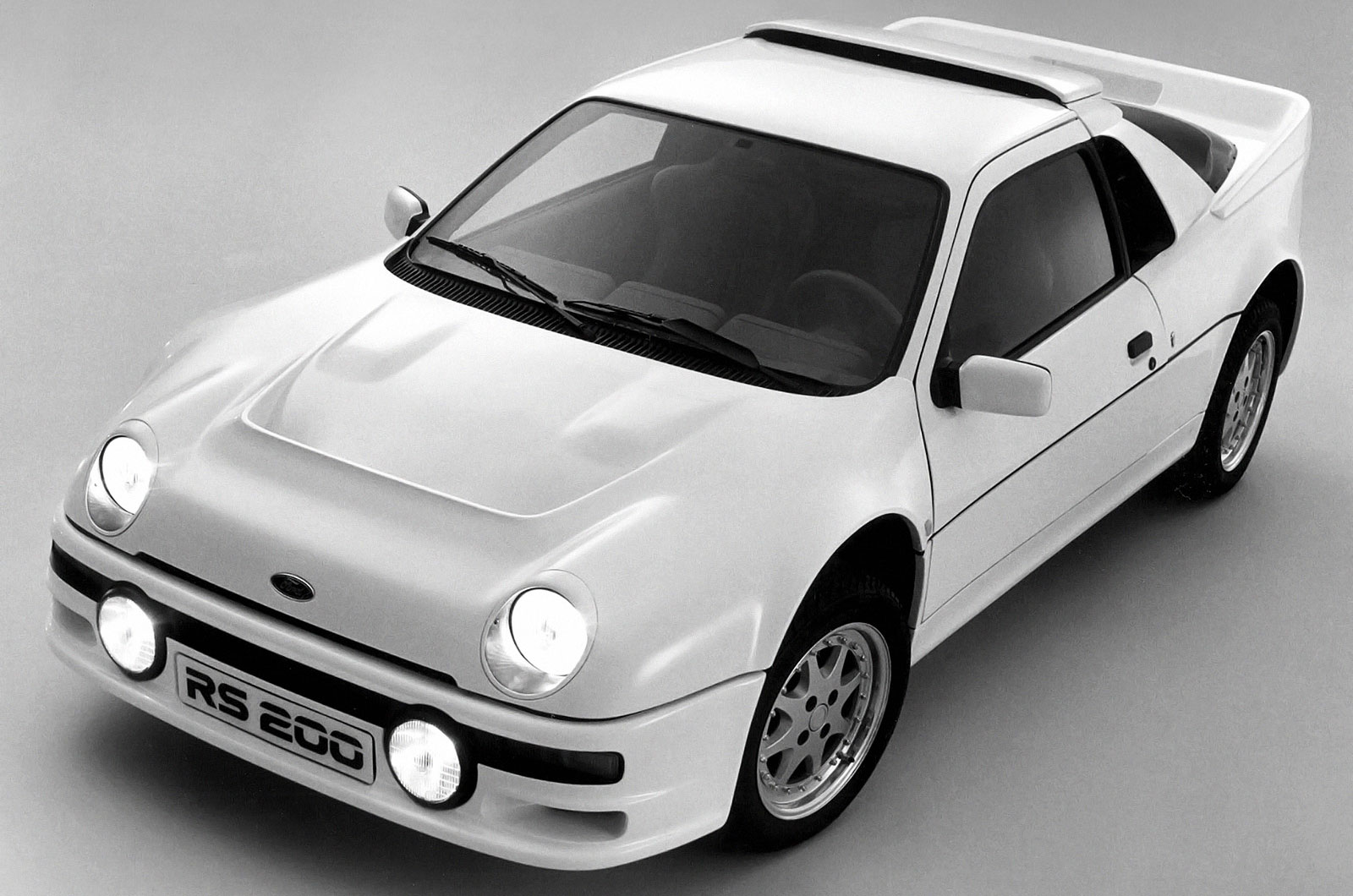
Powered by a turbocharged 1.8-litre BDT engine, the RS200 was a Group B special that came in roadgoing form with 250bhp, while competition versions boasted up to 650bhp. It could have shone on the rally stage, but the series was cancelled before the RS200 got into its stride.
Nissan Mid-4 (1985)
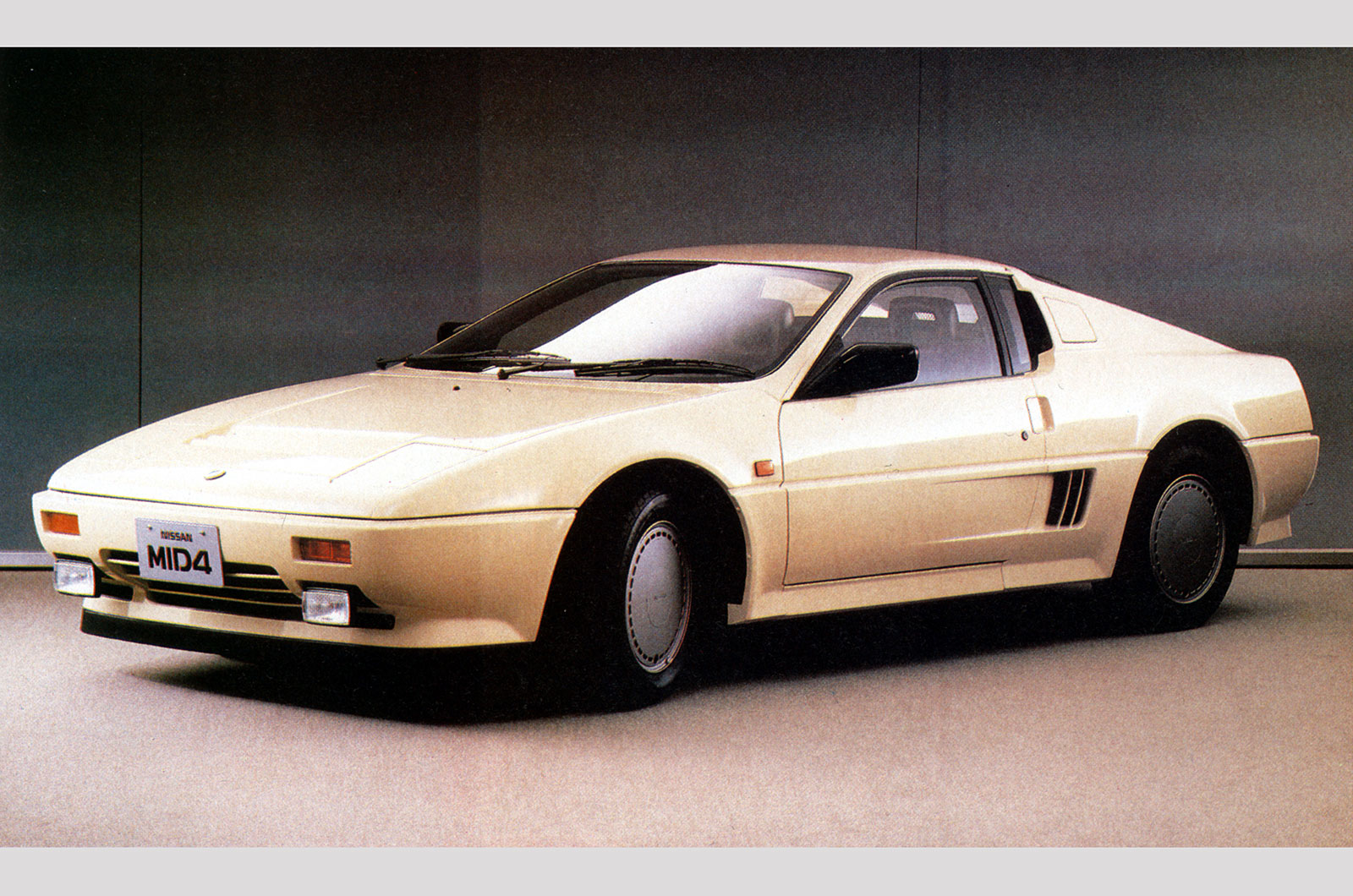
Nissan produced a mid-engined four-wheel drive supercar proposal in 1985, and then another in 1987, both with twin-turbo 3-litre V6 power. To complete the hat-trick a third iteration was produced with a 4.5-litre V8. Then came a recession, and that was the end of it…
MG Metro 6R4 (1986)
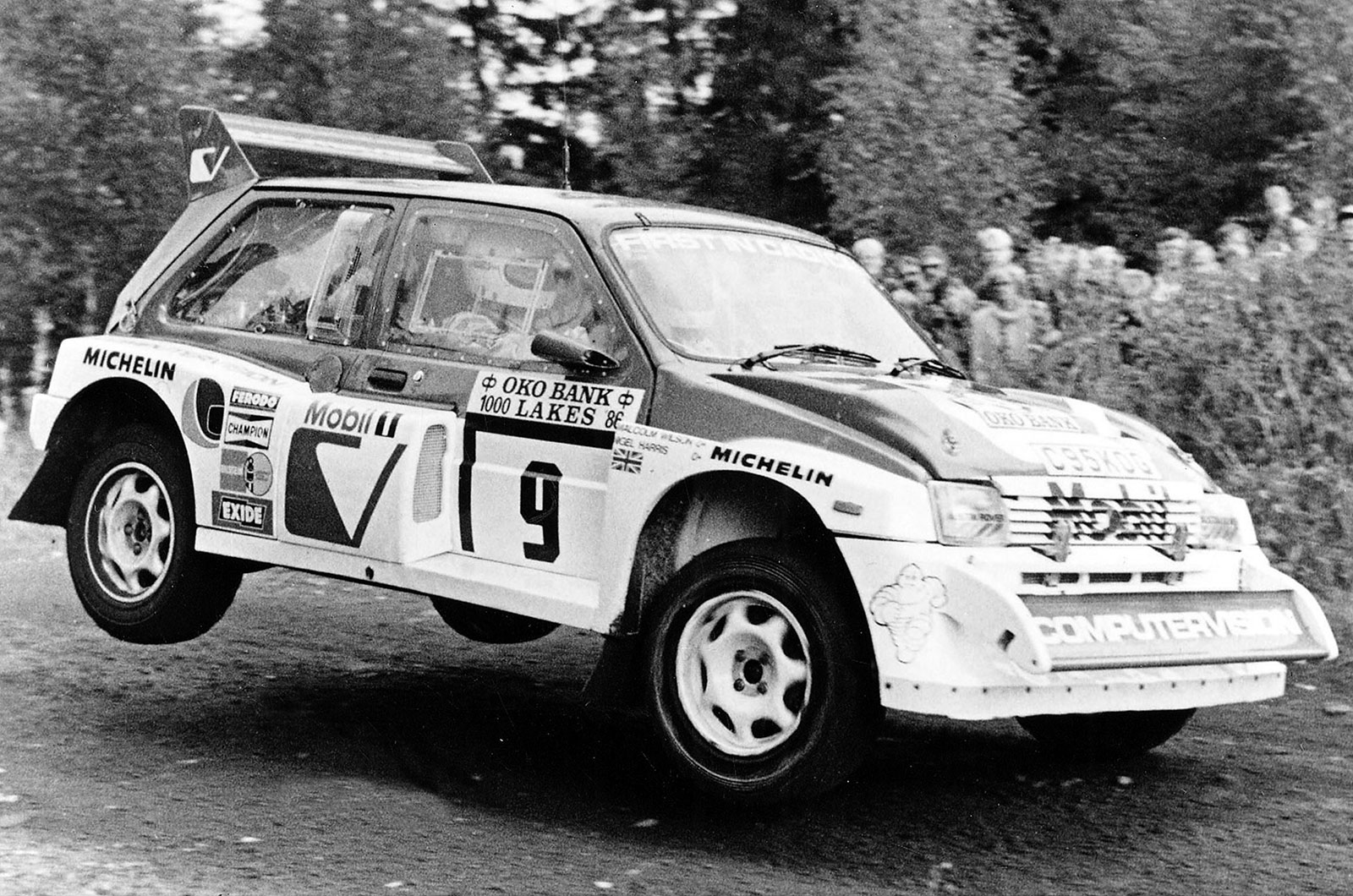
You'd struggle to find much Metro in there (just the headlights, dash and doors were carried over) but there was plenty of Group B rally car. Phenomenally fast, around 200 Metro 6R4s were built, some of which were 250bhp road cars; the racers got 380bhp.
Ferrari F40 (1987)
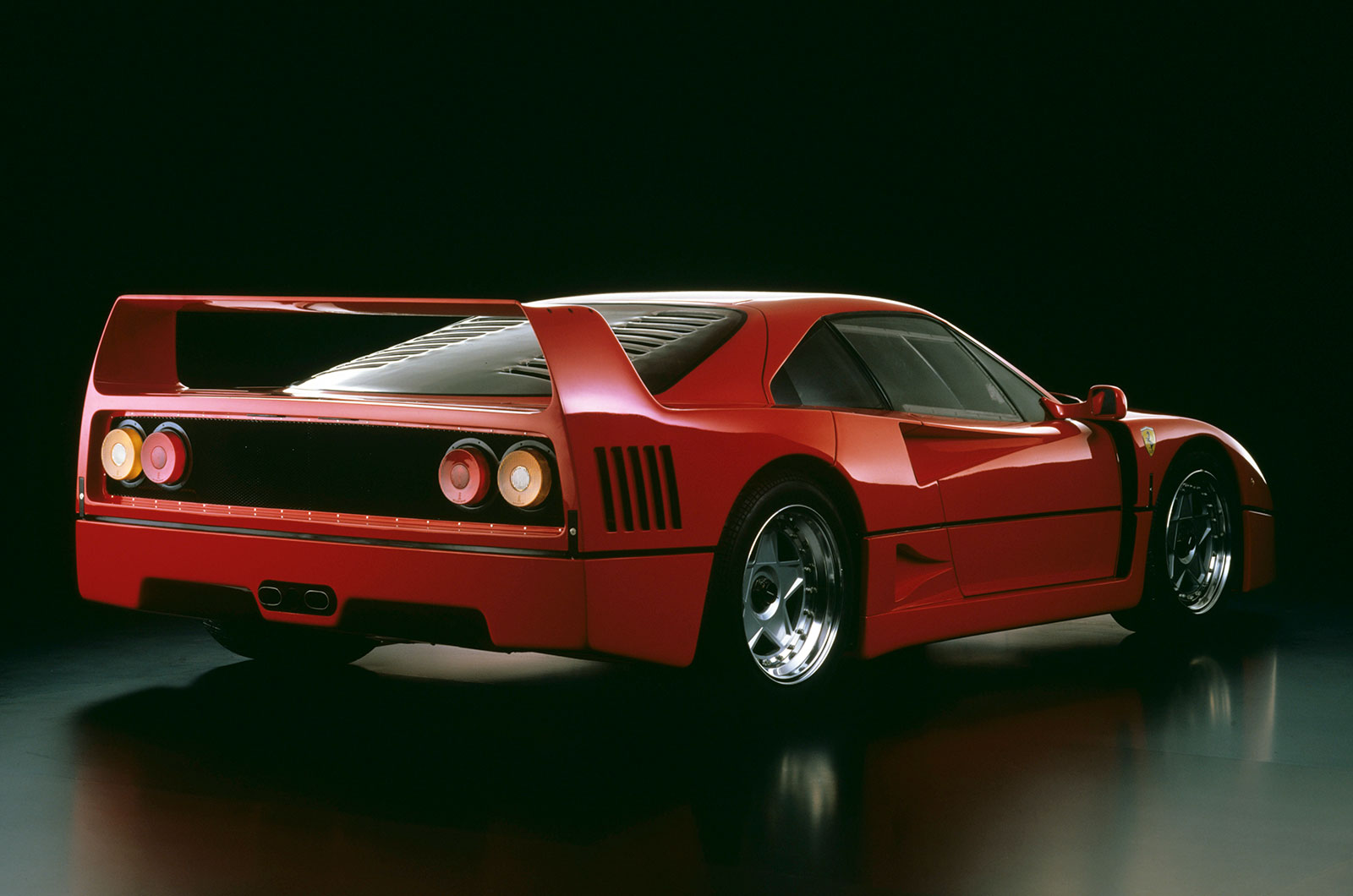
Possibly the greatest Ferrari ever and a seminal supercar, this was the last Maranello machine to be developed and unveiled before Enzo Ferrari died. It celebrated 40 years of the company and thanks to its 478bhp twin-turbo V8 it was the first Ferrari capable of cracking 200mph.
Ginetta G32 (1989)
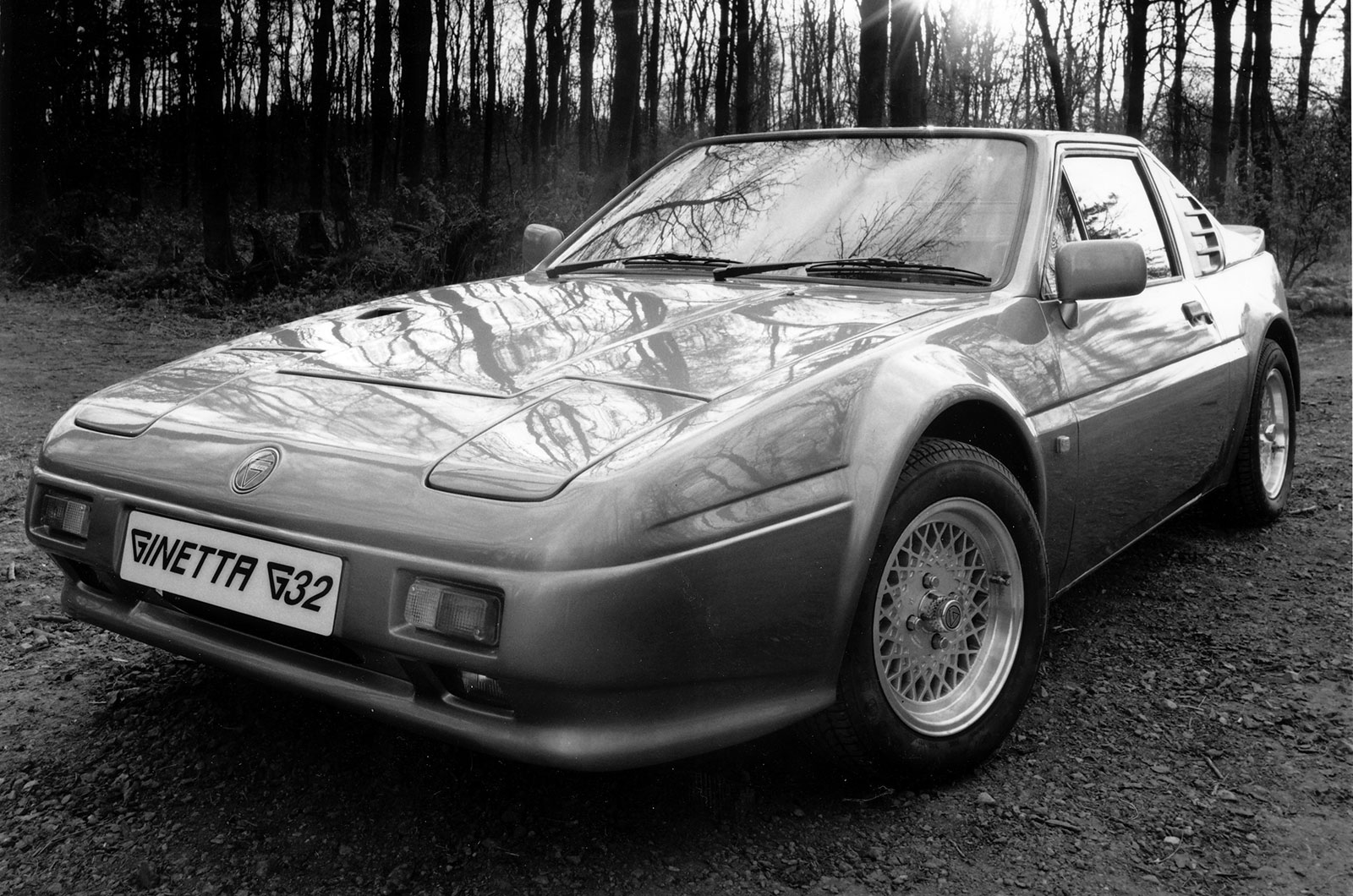
Ginetta had made rear-engined cars before, but this was the company's first stab at one with its powerplant in the middle. There was Ford 1.6 CVH power to give 120mph, while buyers could choose between coupé or convertible editions.
Panther Solo 2 (1989)
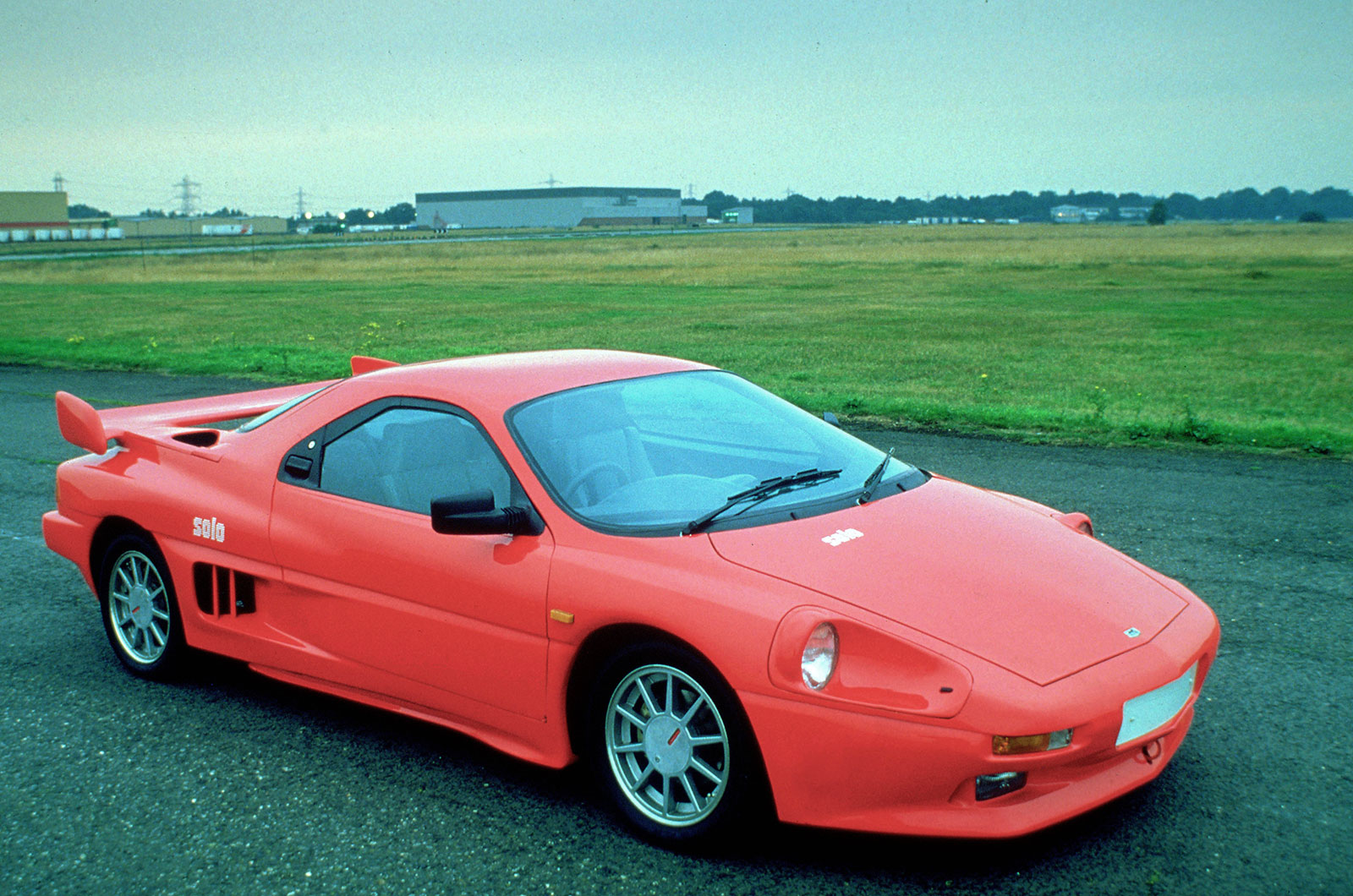
Panther's original plan with the Solo was to create an affordable mid-engined two-seater to launch around 1985. Then Toyota introduced the MR2, forcing Panther to move upmarket. It proved to be a bad move with just a dozen or so cars made before bankruptcy beckoned.
Vector W8 (1989)
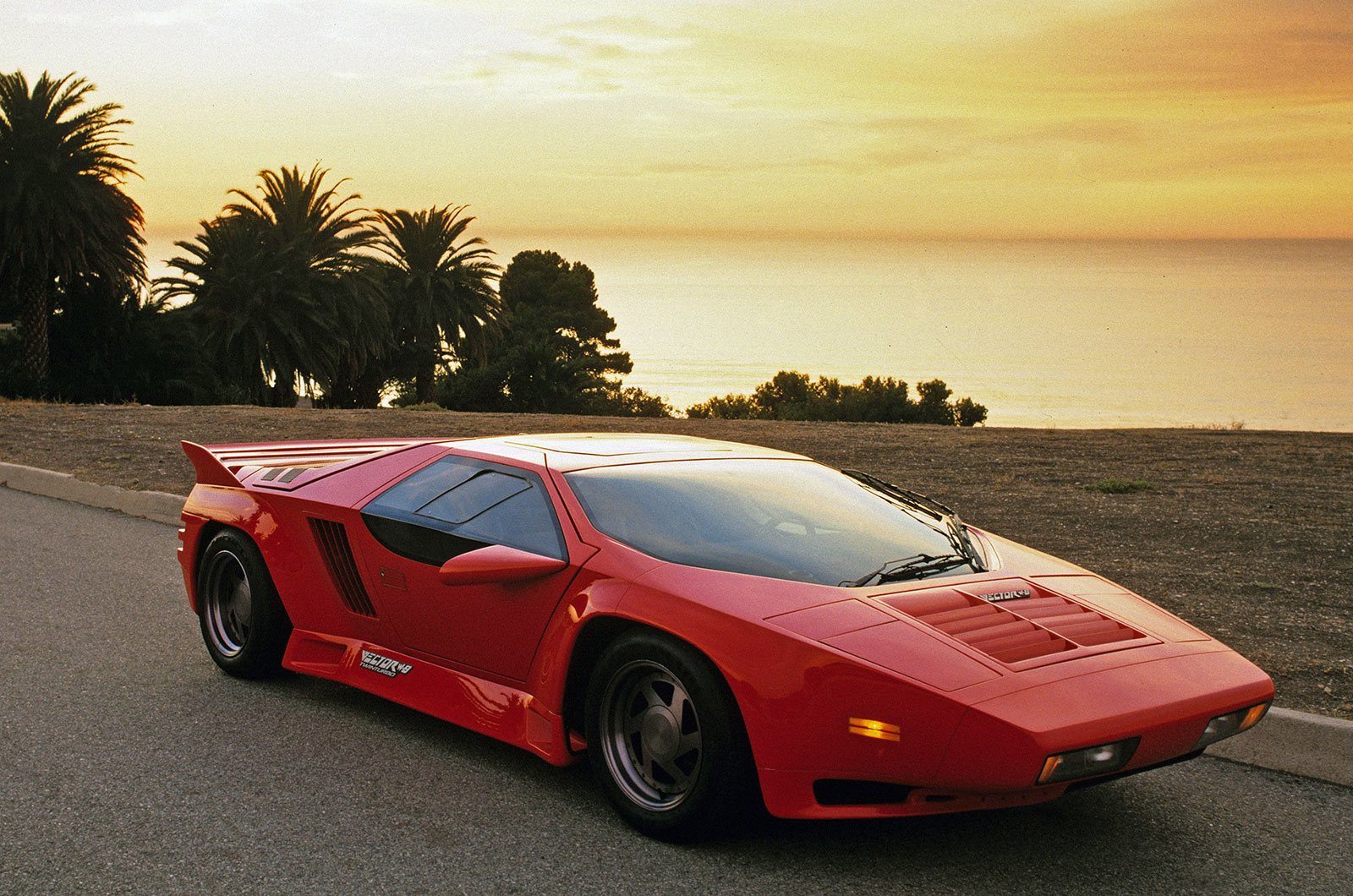
The story of Gerry Wiegert and his company Vector Aeromotive is worthy of a film. Founded in 1978, Vector built just 22 cars between 1989 and 1993. The company was sold soon after but Wiegert would go on to buy it back and is still working on a new hypercar with a claimed 1850bhp.
Honda NSX (1990)
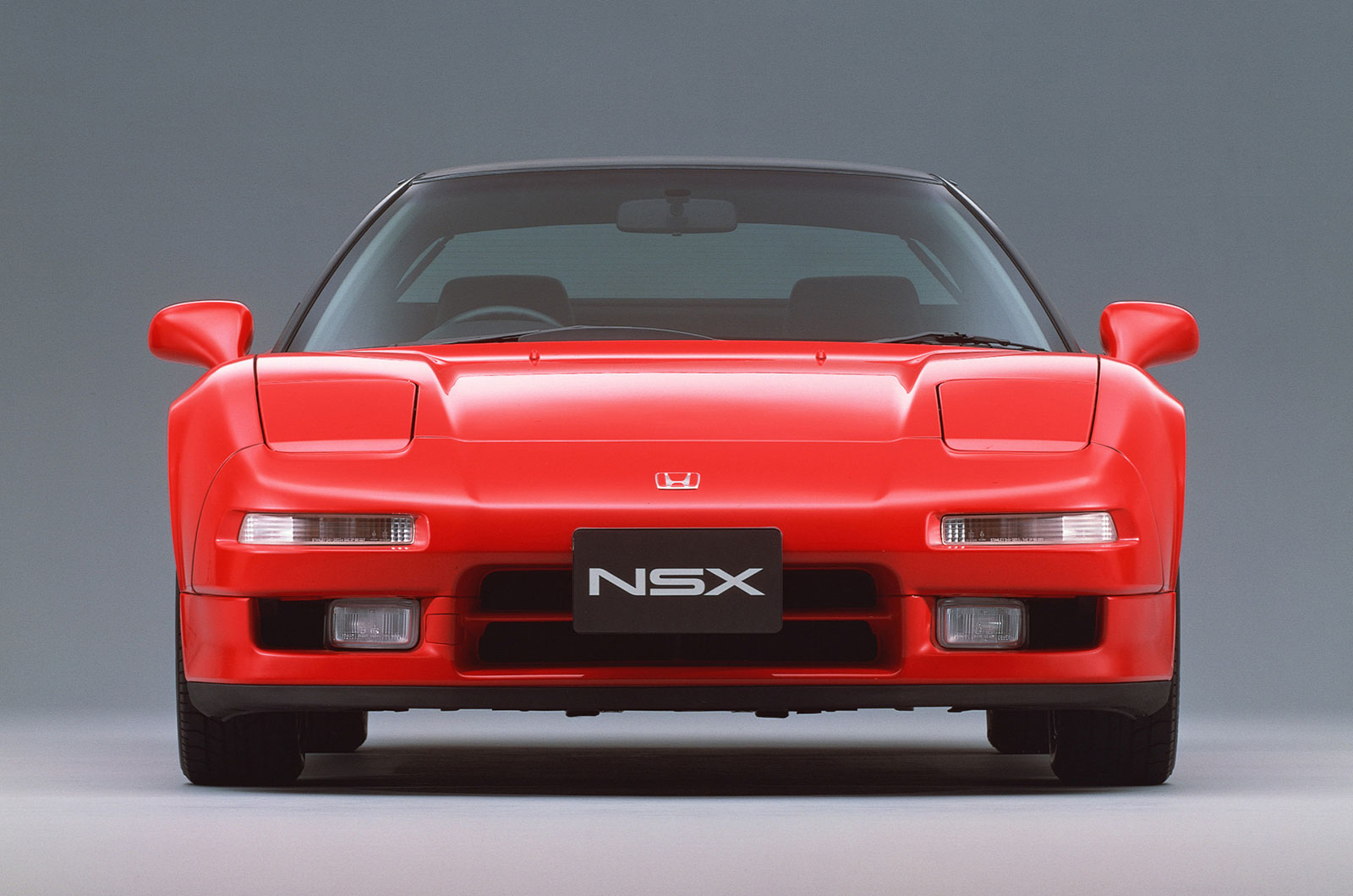
Honda took the mid-engined supercar concept and made it work, with a design that offered reliability, usability and amazing performance. Better to drive than the contemporary Ferrari 348, few NSXs were sold as buyers were put off by those Honda badges.
Bugatti EB110 (1991)
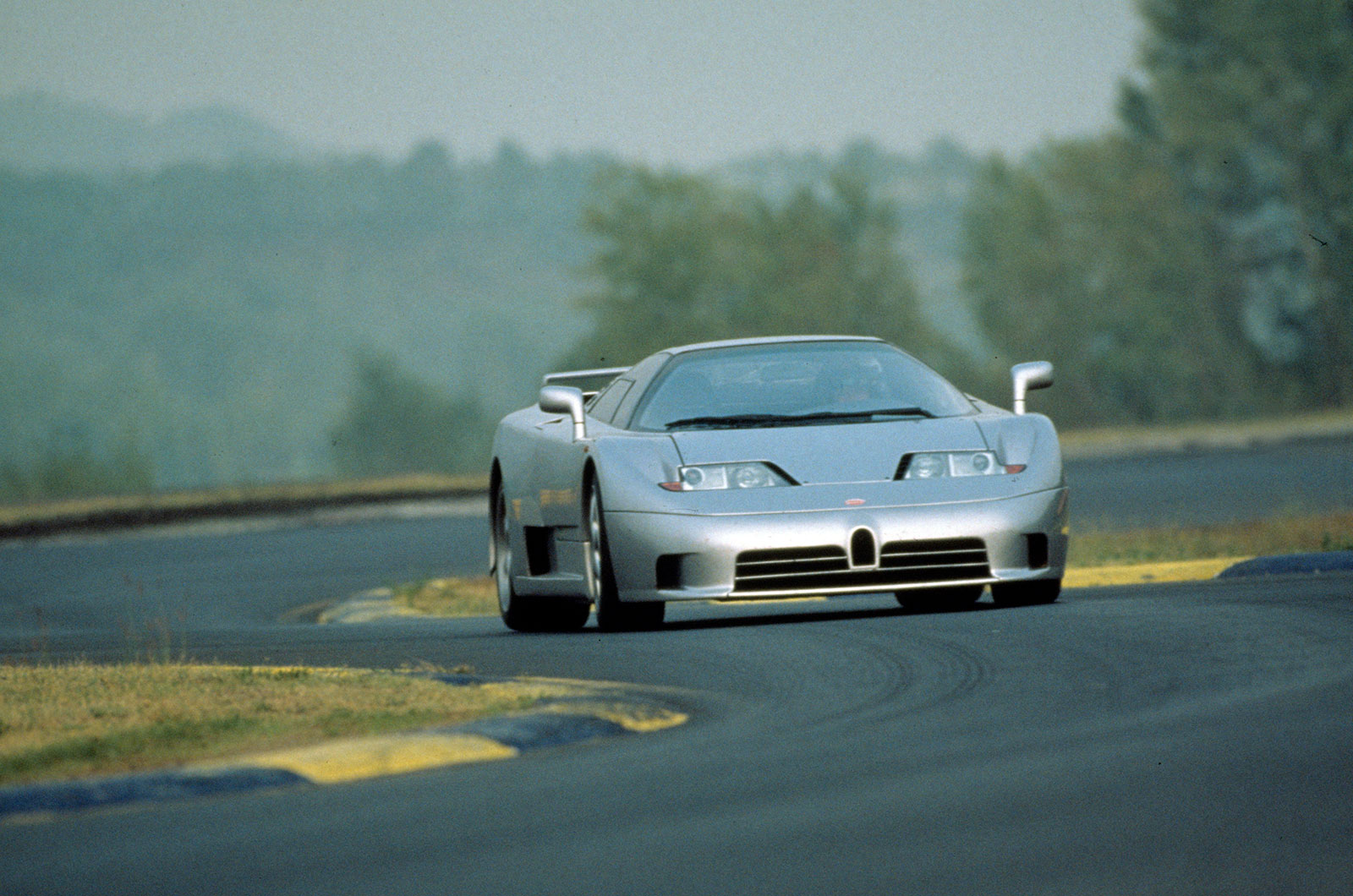
With a 60-valve, quad-turbo V12 powering all four wheels through a six-speed gearbox, this 542bhp monster was mind-blowing. But it was massively costly too, so just 139 were made before the company went out of business.
Honda Beat (1991)
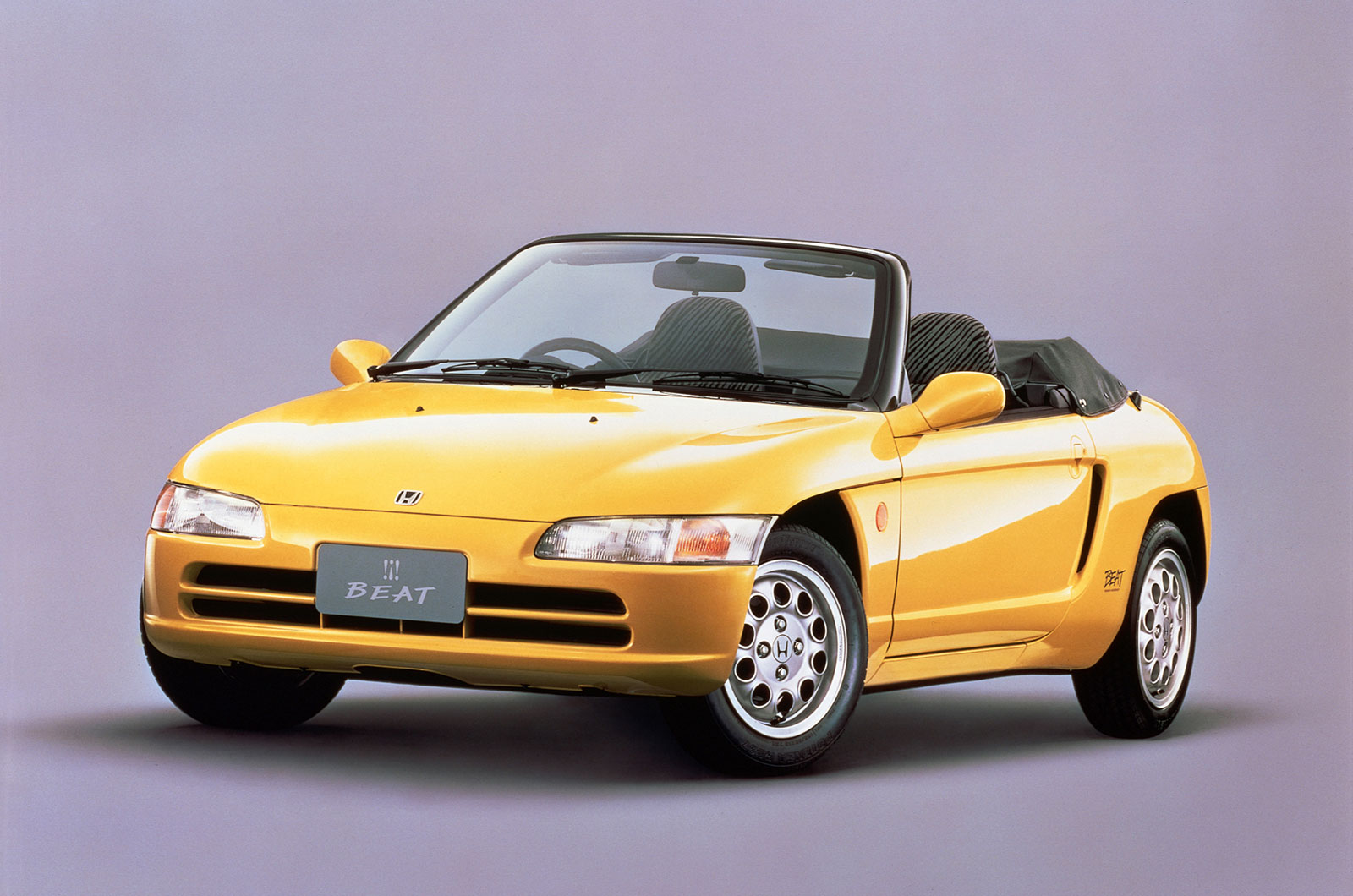
Proving that the best things can come in small packages, the Honda Beat was a kei car with a mid-mounted turbocharged 656cc three-cylinder engine. It was a hoot to drive, looked great and was affordable, and over five years of production more than 33,000 were made.
Autozam AZ-1 (1992)
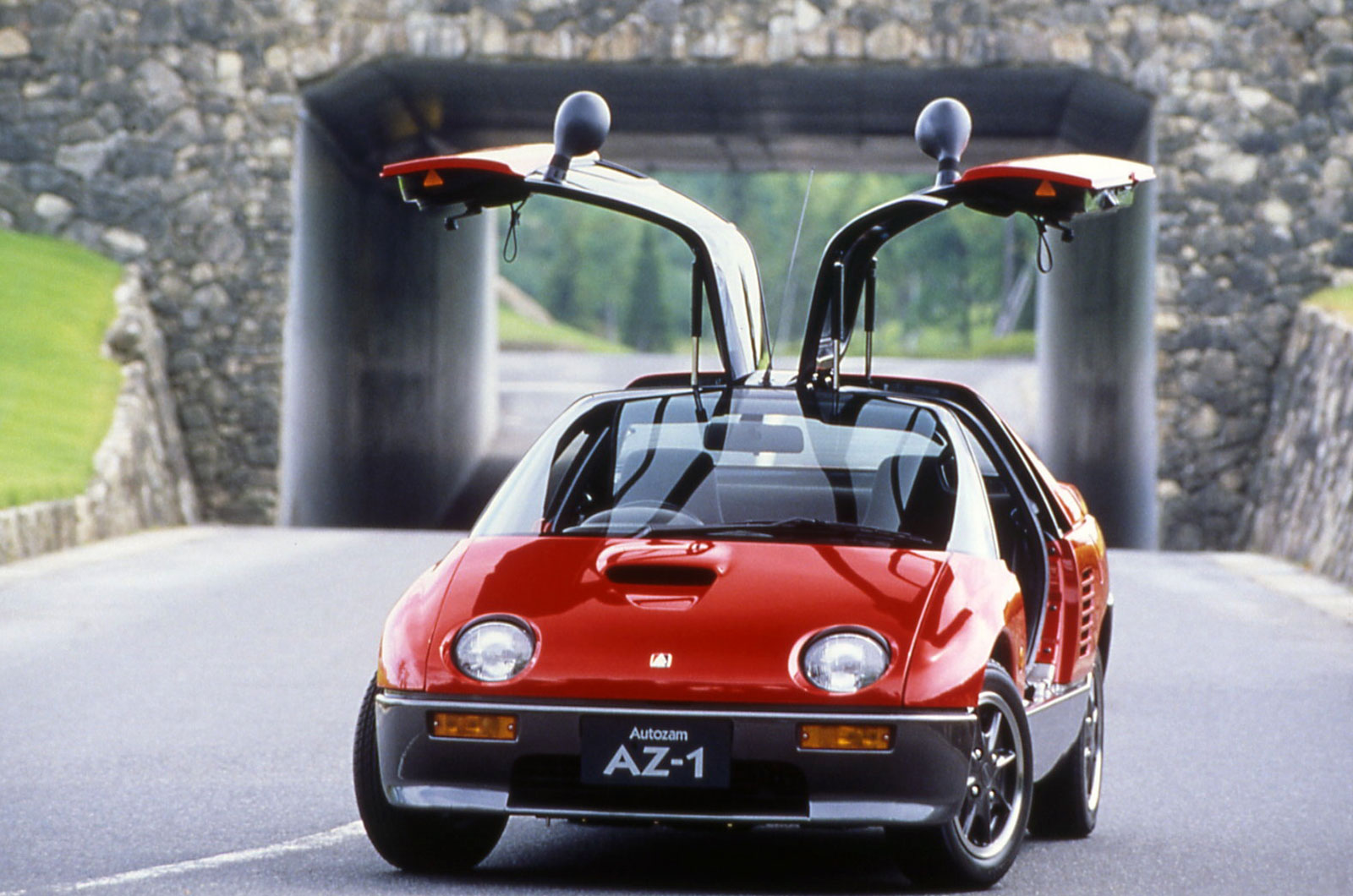
Another kei car, but unlike the open-topped Honda Beat the Autozam AZ-1 was a coupé with gull-wing doors. Autozam was a subsidiary of Mazda, which licensed the AZ-1 to Suzuki, which would then produce its own version called the Cara.
Jaguar XJ220 (1992)
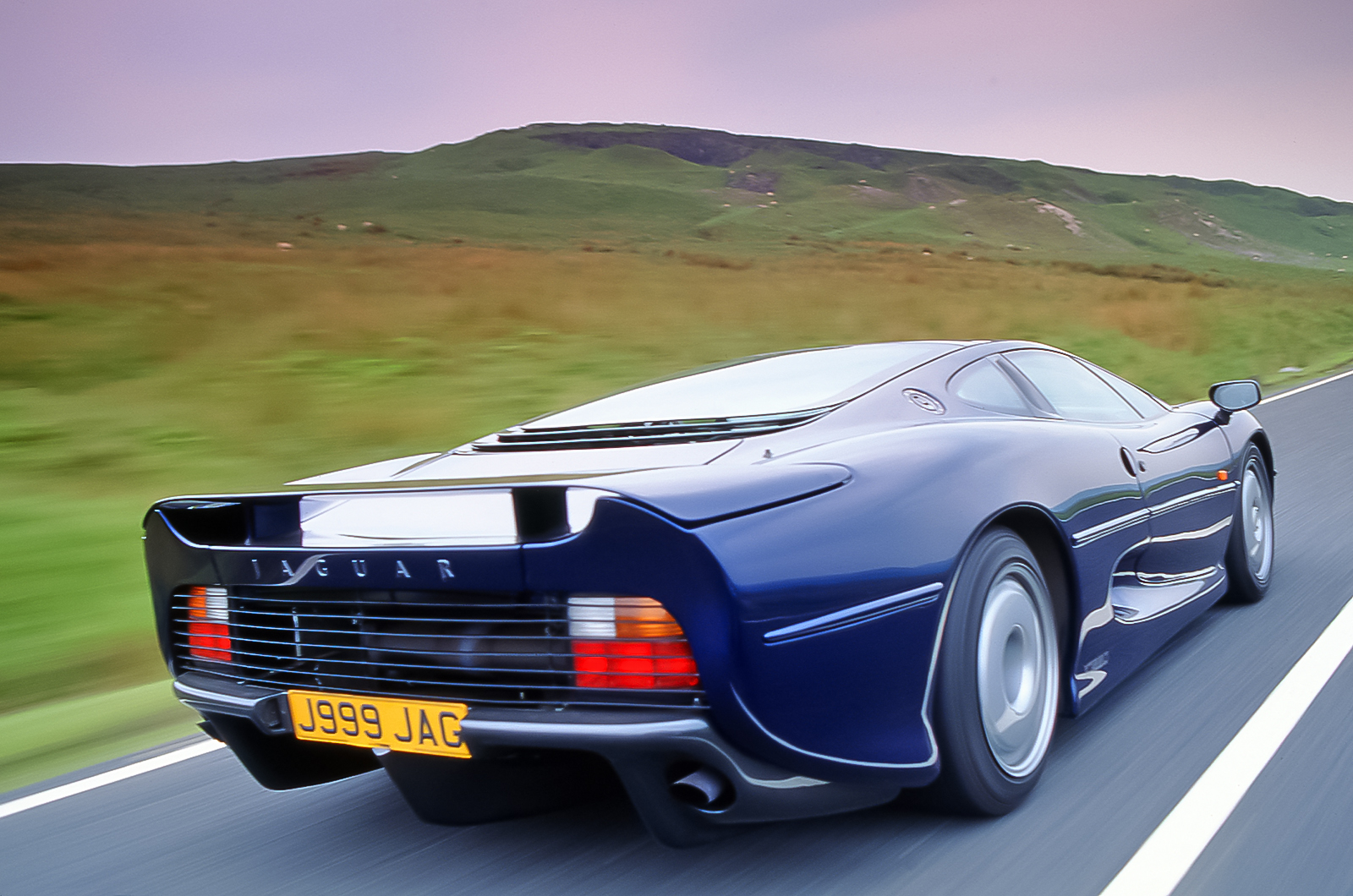
Originally unveiled as a V12-engined four-wheel drive concept, the production XJ220 featured a twin-turbo V6 and rear-wheel drive. It could still crack 210mph though, thanks to packing 542bhp, but just 274 were made.
McLaren F1 (1992)
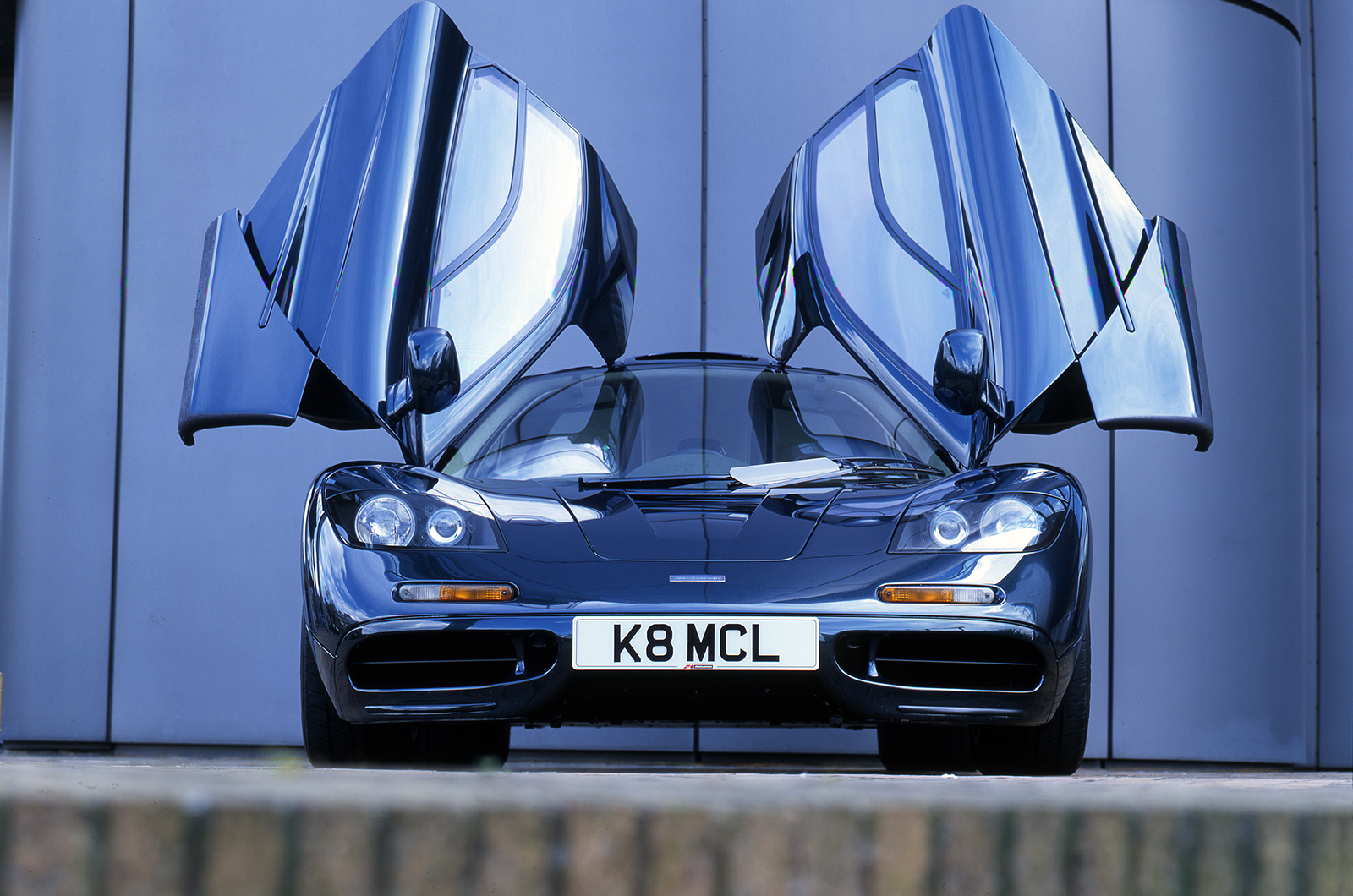
It seems like we'll never see its kind again; no road car has ever been less compromised than this. Just 106 examples of this 240mph 627bhp car were built, of which only 64 were road cars. Each was powered by a BMW-sourced naturally aspirated V12. They are all extremely valuable today.
MG F (1995)
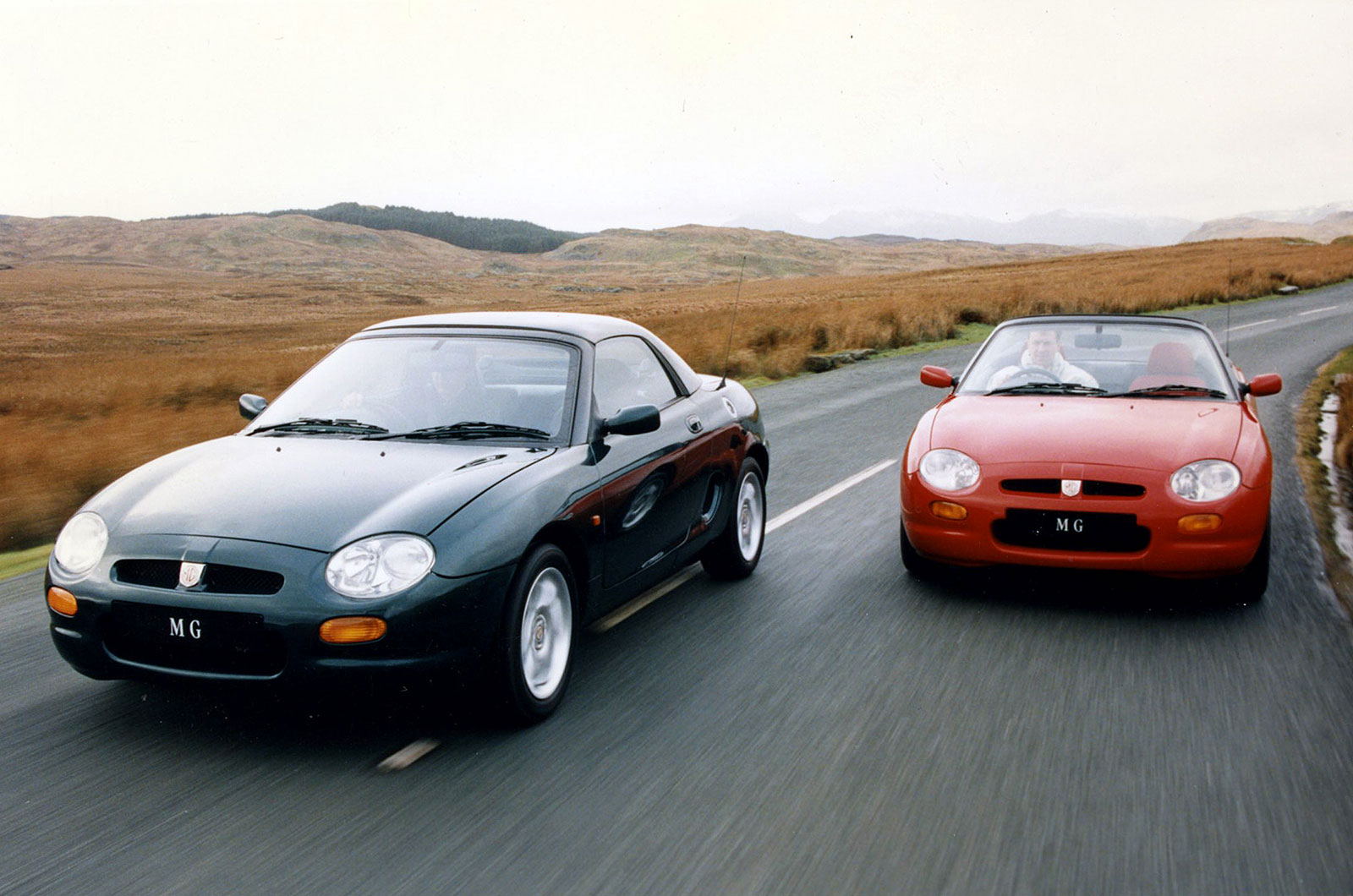
MG's first mid-engined road car, we got a preview of the F over a decade earlier in the EX-E concept. Perky and fun, the F proved affordable and even better when relaunched as the TF, with steel suspension in place of the original Hydragas.
Ariel Atom (1996)
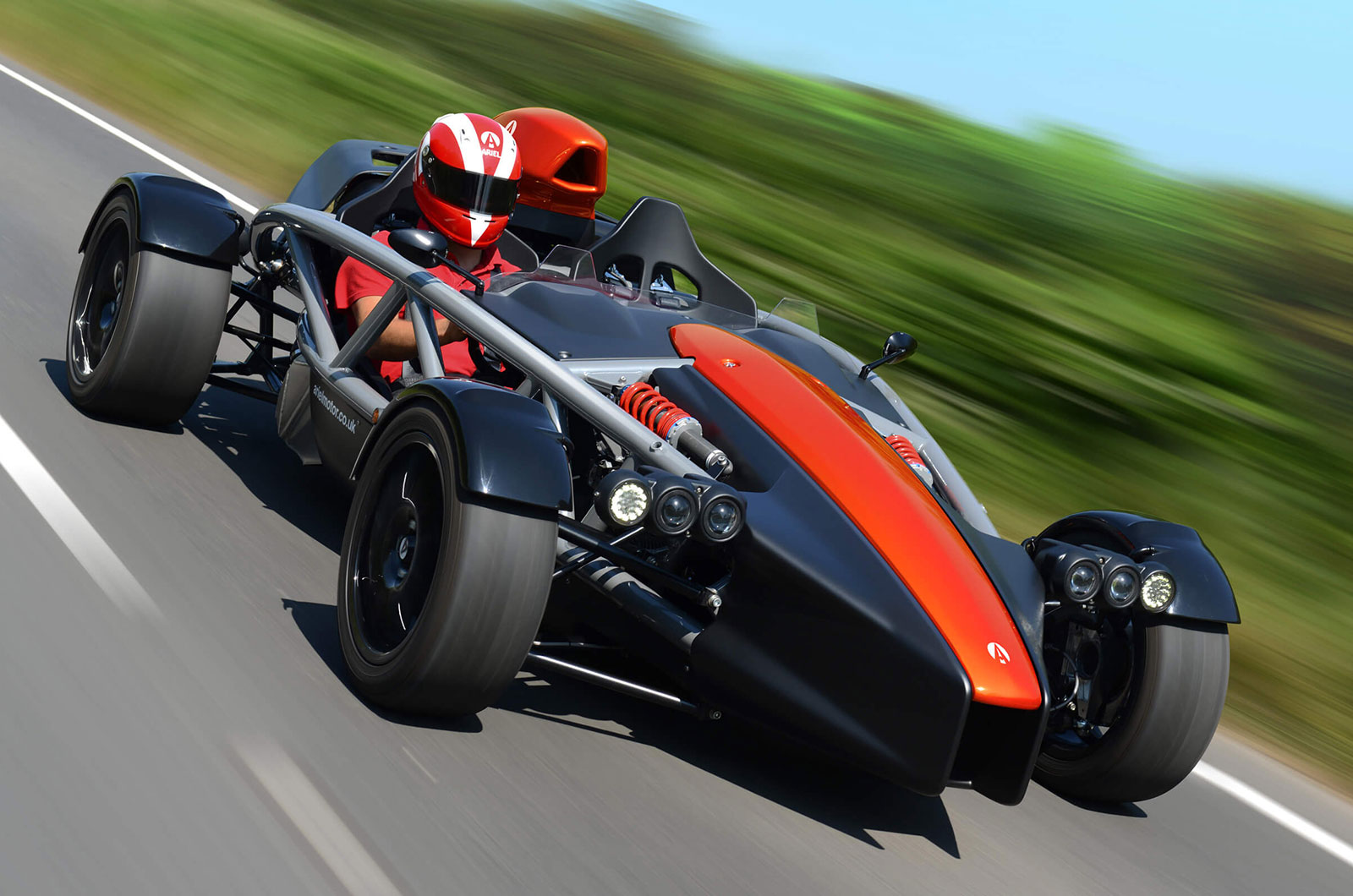
Very much created in the mould of the Lotus 7, the Ariel Atom is a no-holds-barred performance machine that puts driving fun ahead of all other considerations. The original Atom featured a naturally aspirated 2.0-litre four-cylinder engine; turbocharged and V8 units have appeared since then.
Lotus Elise (1996)
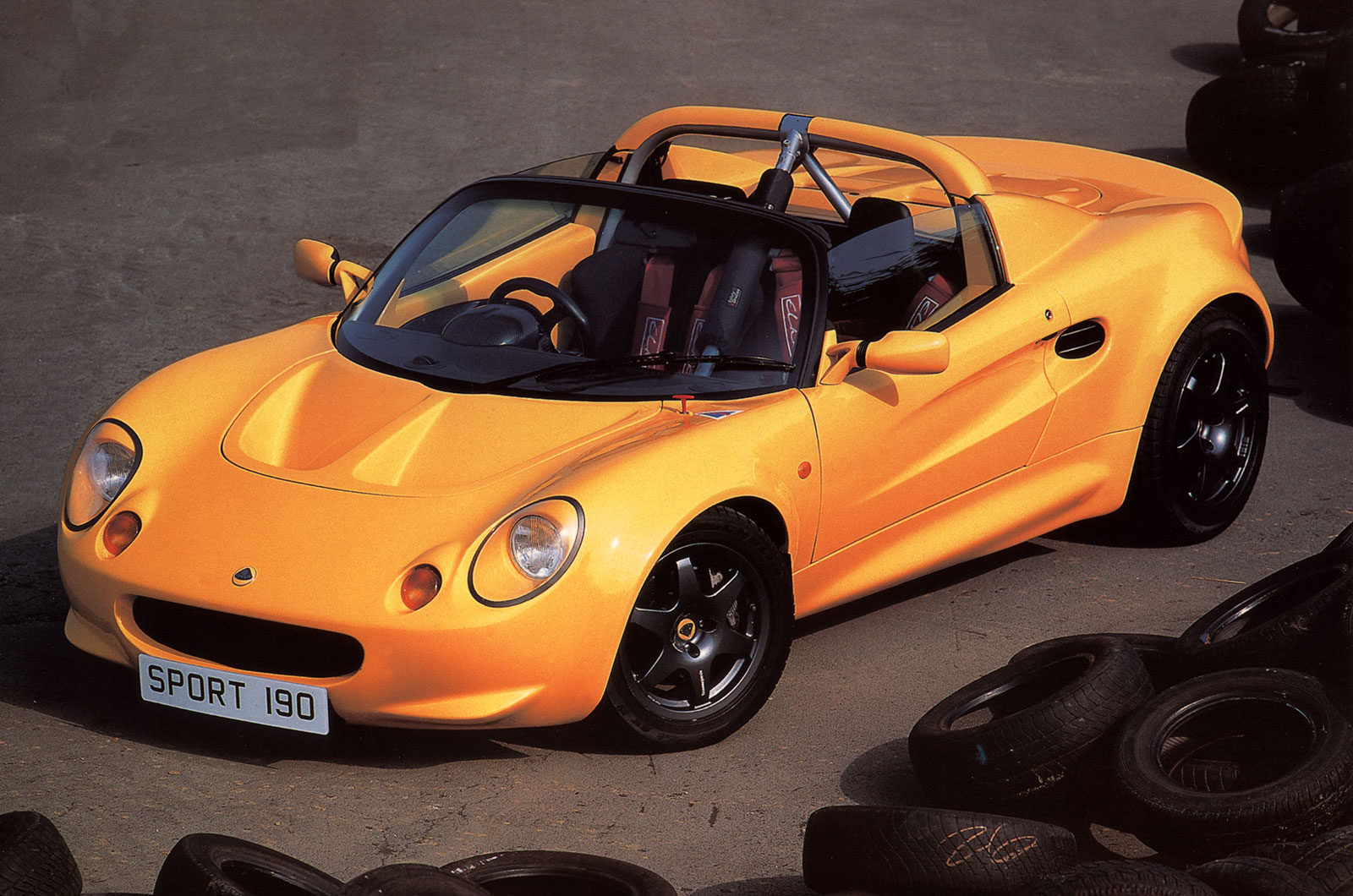
Lotus has long been a by-word for pin-sharp dynamics, and nowhere was this more evident than with the first-generation Elise. Fast, light, frugal and affordable, it's the perfect B-road blaster.
Porsche Boxster (1996)
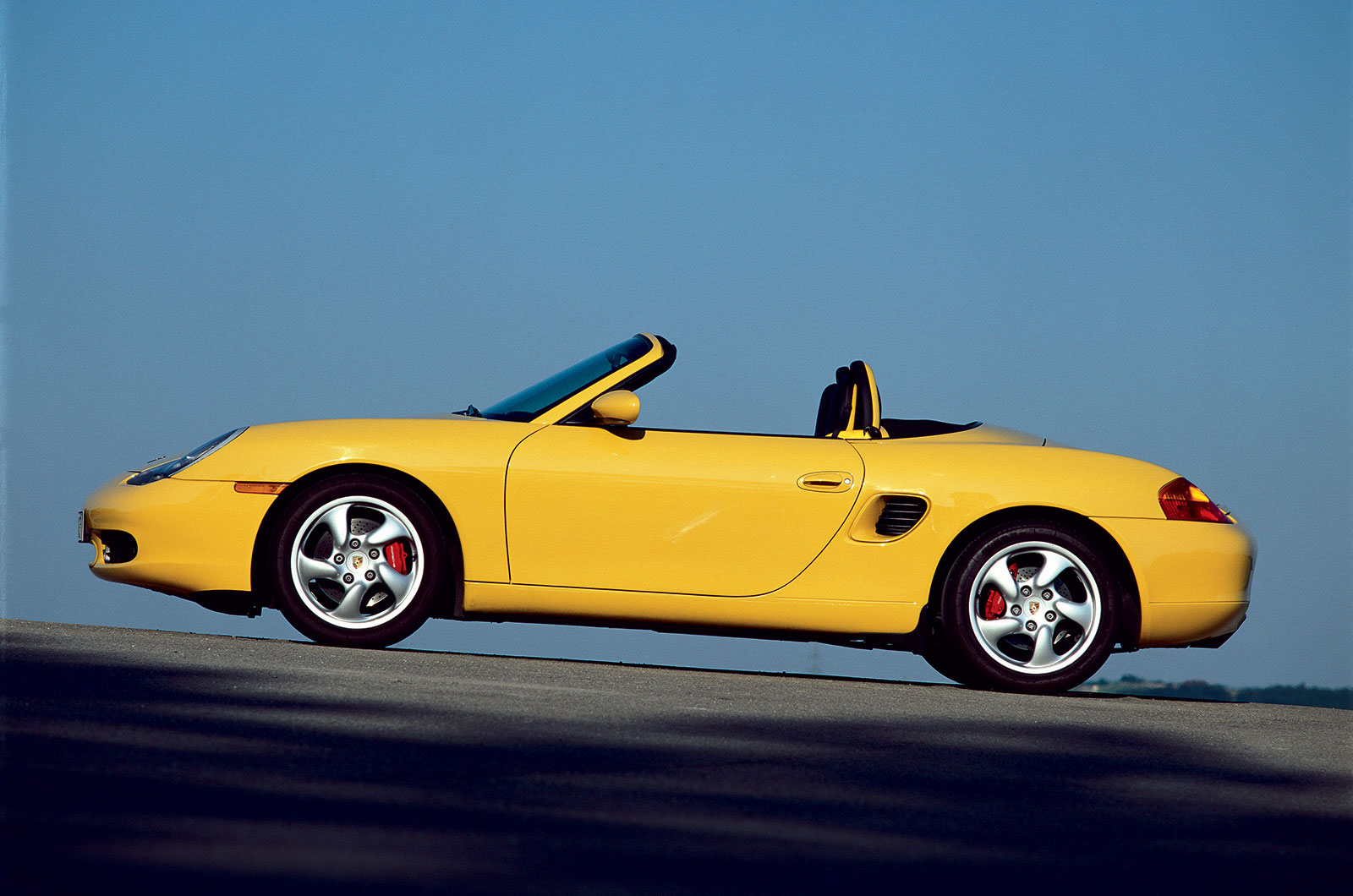
Porsche was on the verge of bankruptcy when it decided to move downmarket with a more affordable convertible. This car was the company's saviour, with its delicious poise and quality, along with its six-cylinder engines.
Renault Sport Spider (1996)
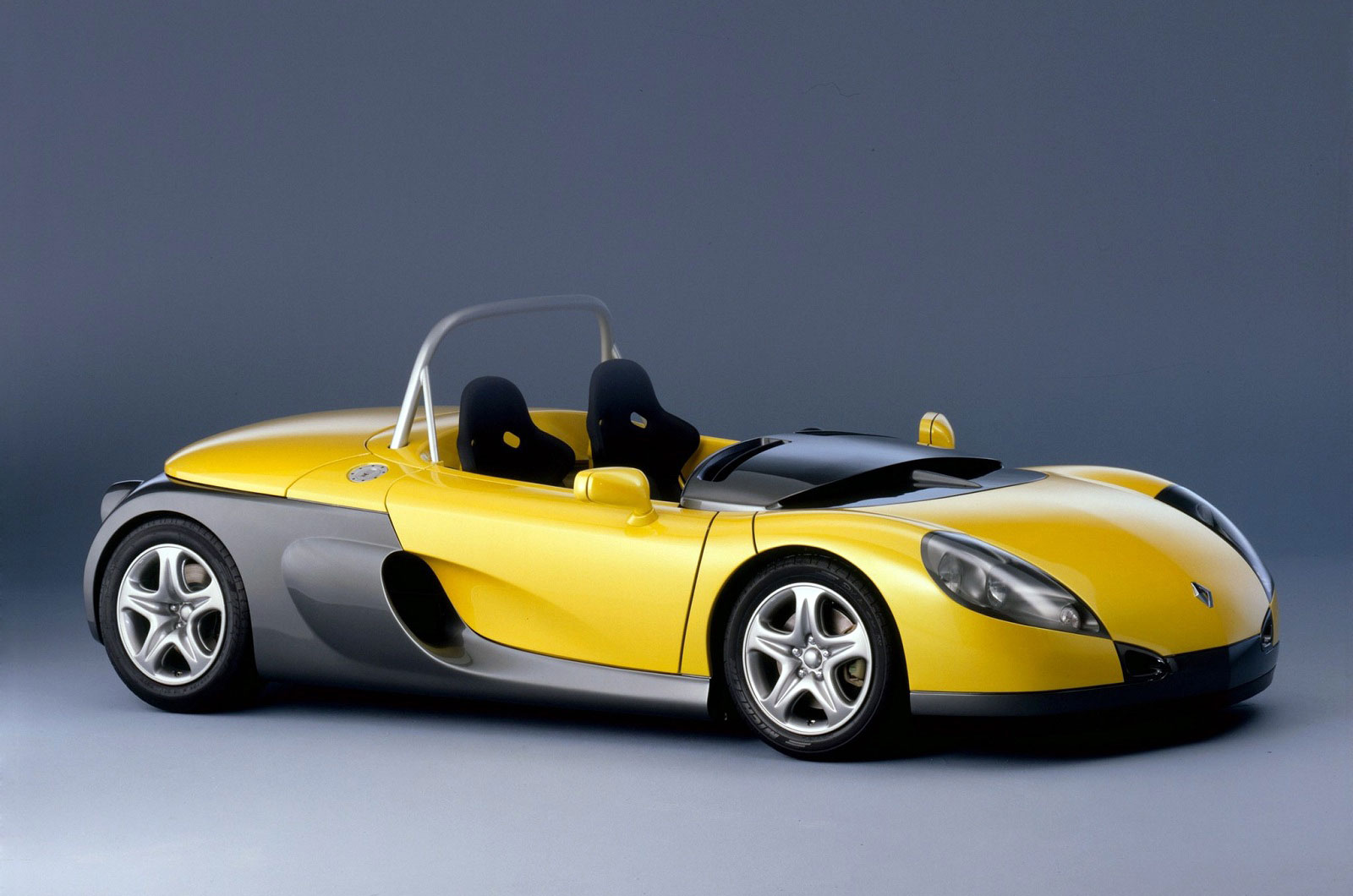
Renault needed something to give its image a boost in the 1990s, and this proved just the ticket with its great dynamics. But production lasted just 18 months, during which time a surprisingly healthy 1800 units were made.
Bentley Hunaudieres concept (1999)
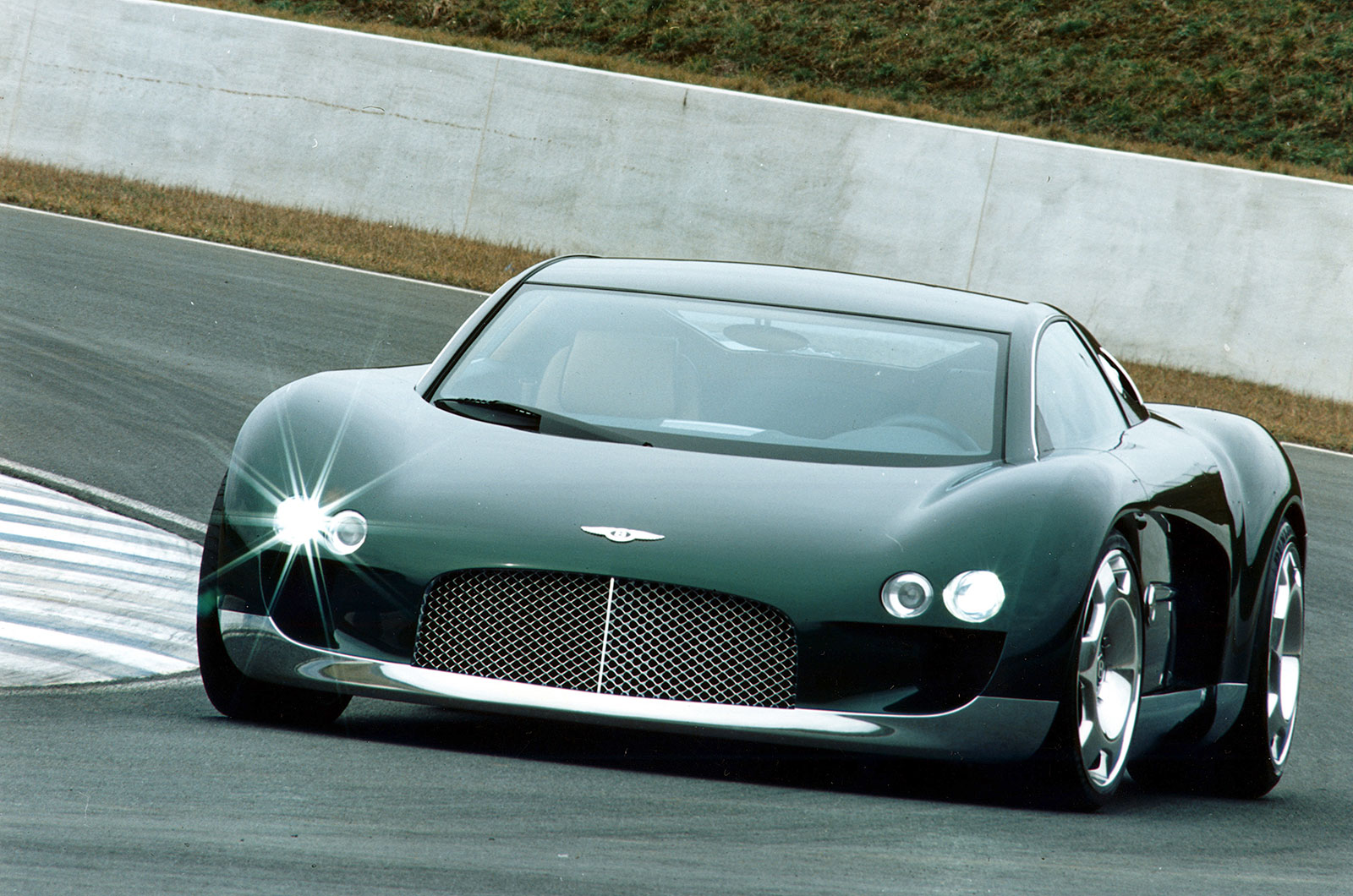
Unveiled at the 1999 Geneva motor show, this was Bentley's first ever mid-engined car. Power came from a 623bhp naturally aspirated 8.0-litre W16 engine to give a 220mph top speed. But with Volkswagen already developing the Bugatti Veyron, it made no sense to proceed with the Bentley.
Pagani Zonda (1999)
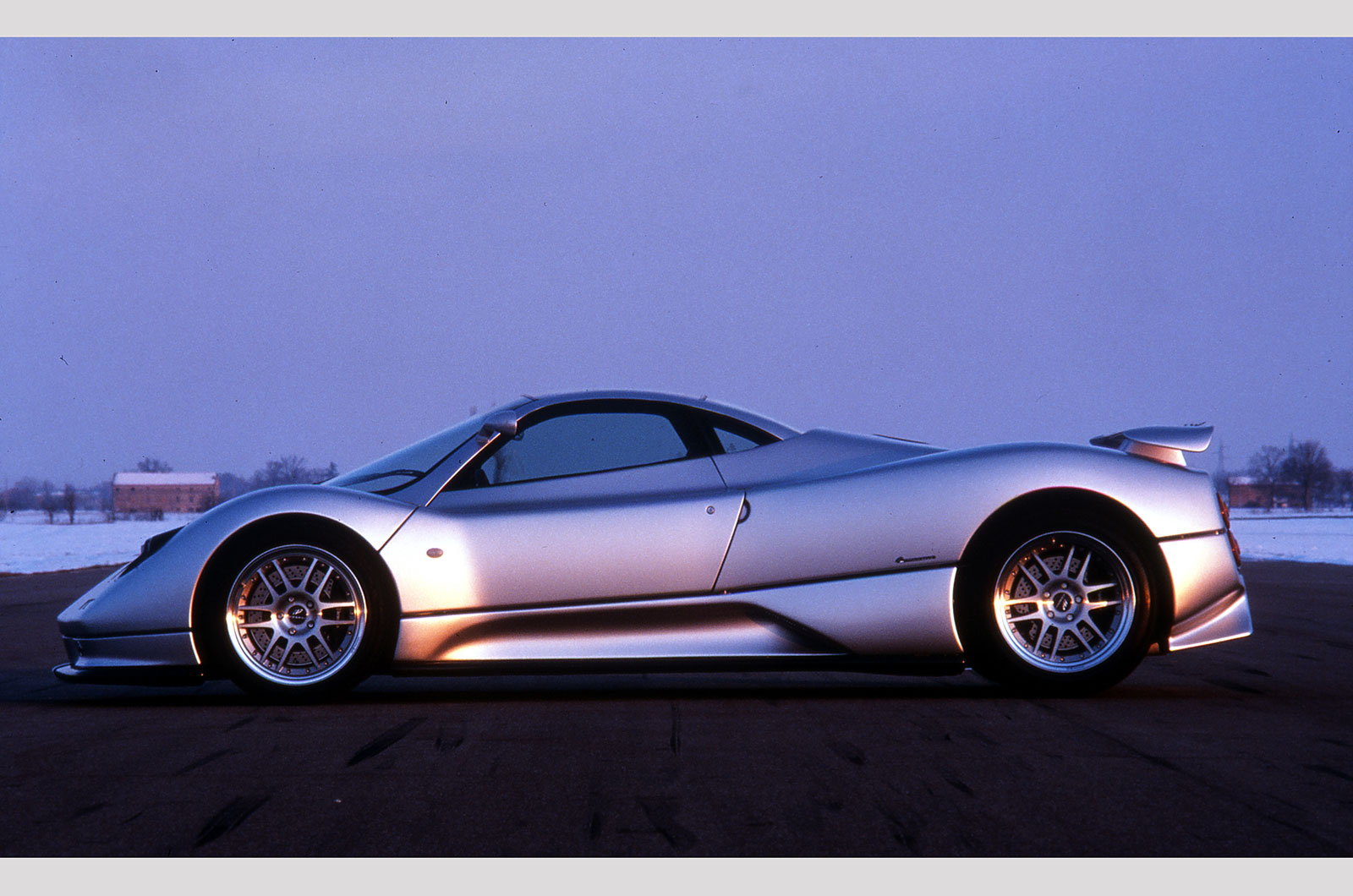
Horacio Pagani made his fortune producing carbon fibre for other people, so he began making his own cars, kicking off with the Zonda. Each featured a Mercedes-AMG V12, tuned to give anywhere between 444bhp and 789bhp depending on the edition.
Noble M12 (2000)
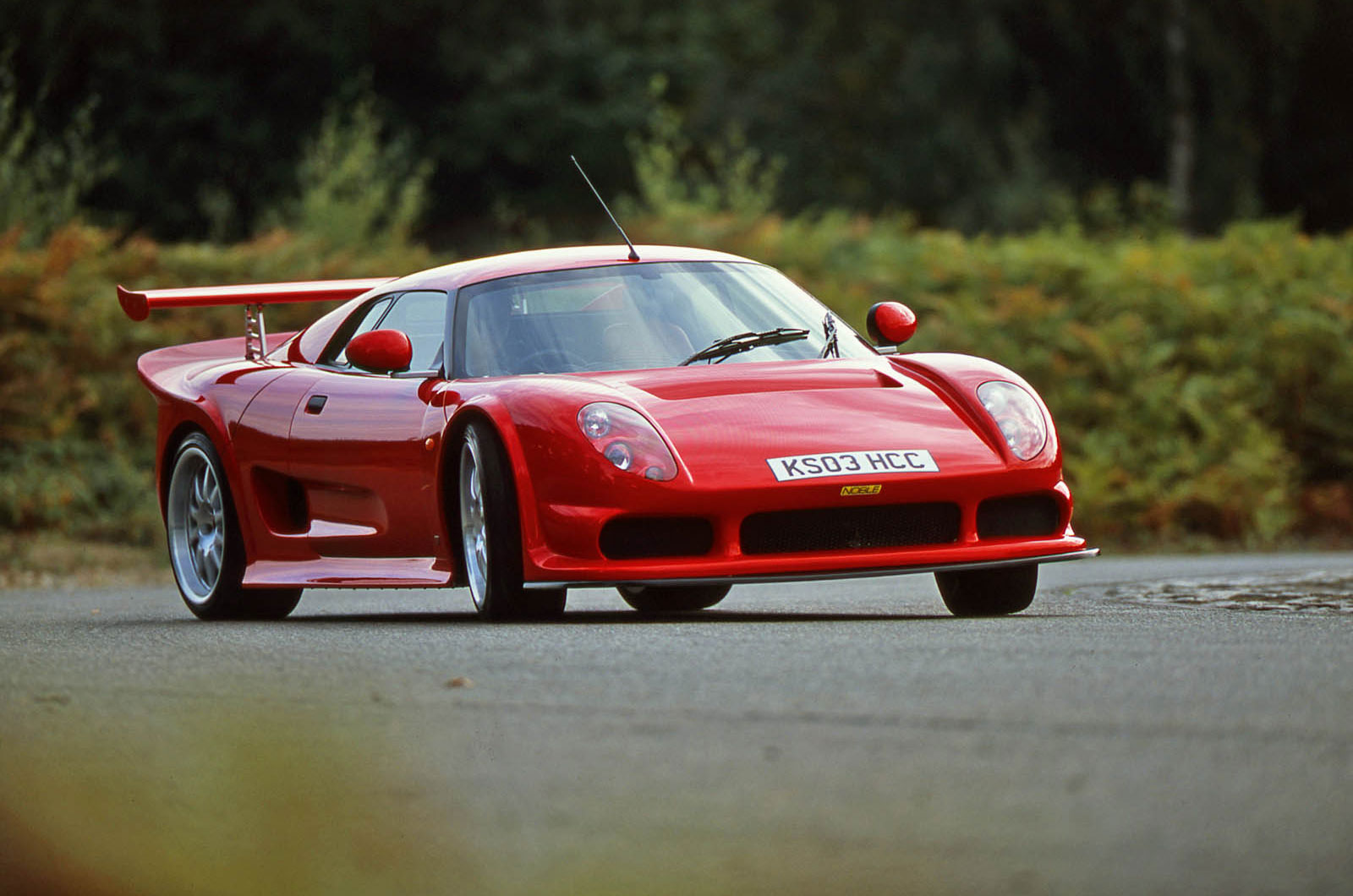
With its twin-turbo Ford Duratec engine producing anything from 310bhp upwards, this isn't a car for the faint-hearted. A proposed convertible never materialised, and since 2008 the GTO has been produced under licence by US company Rossion, as the Q1.
Saleen S7 (2000)
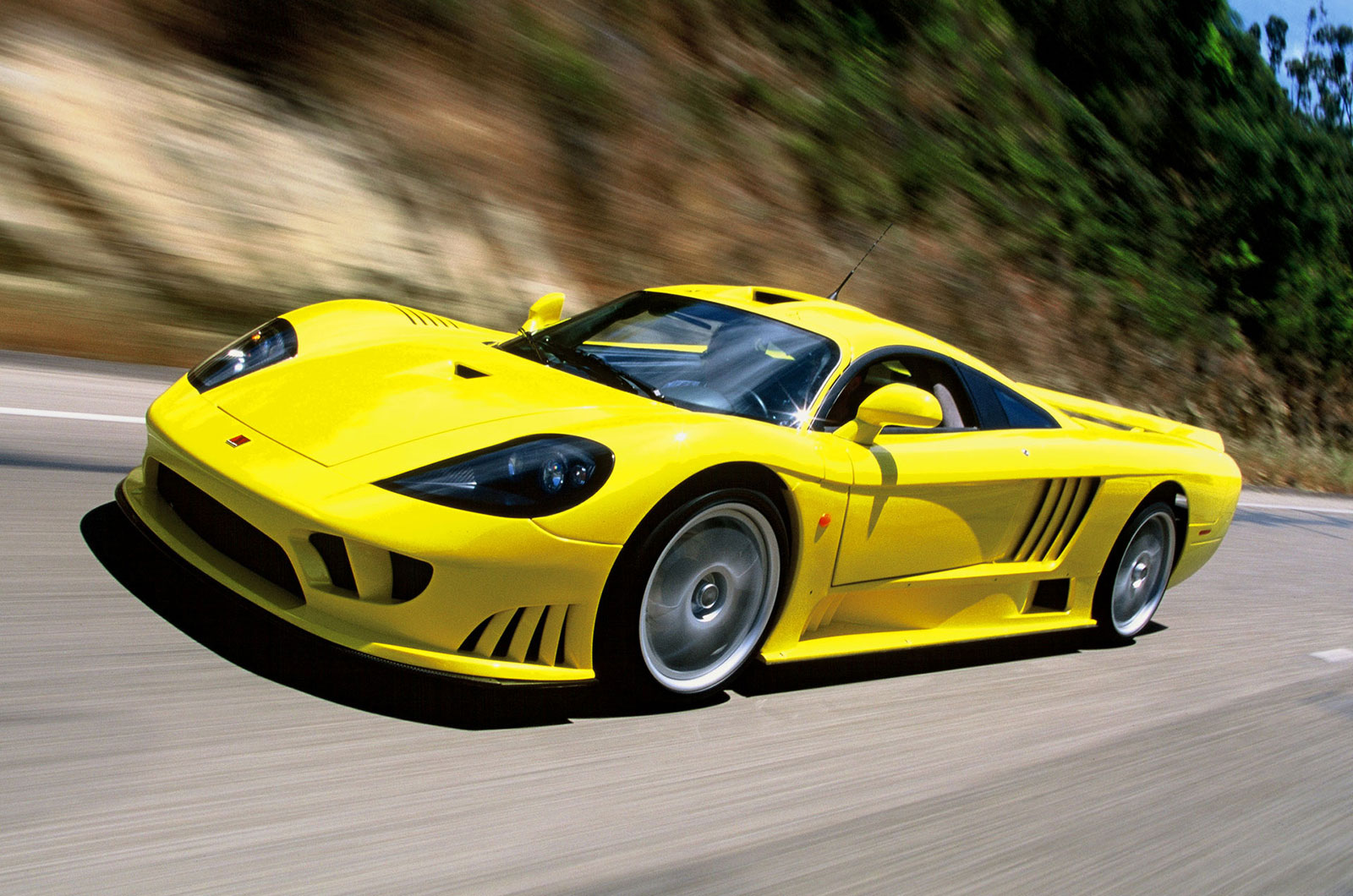
Developed by Ray Mallock in the UK, the Saleen S7 was a red-blooded American supercar. Initially featuring a 550bhp V8, in 2005 two turbos became standard, to increase power to 750bhp. Production ran until 2009.
Vauxhall VX220 (2000)
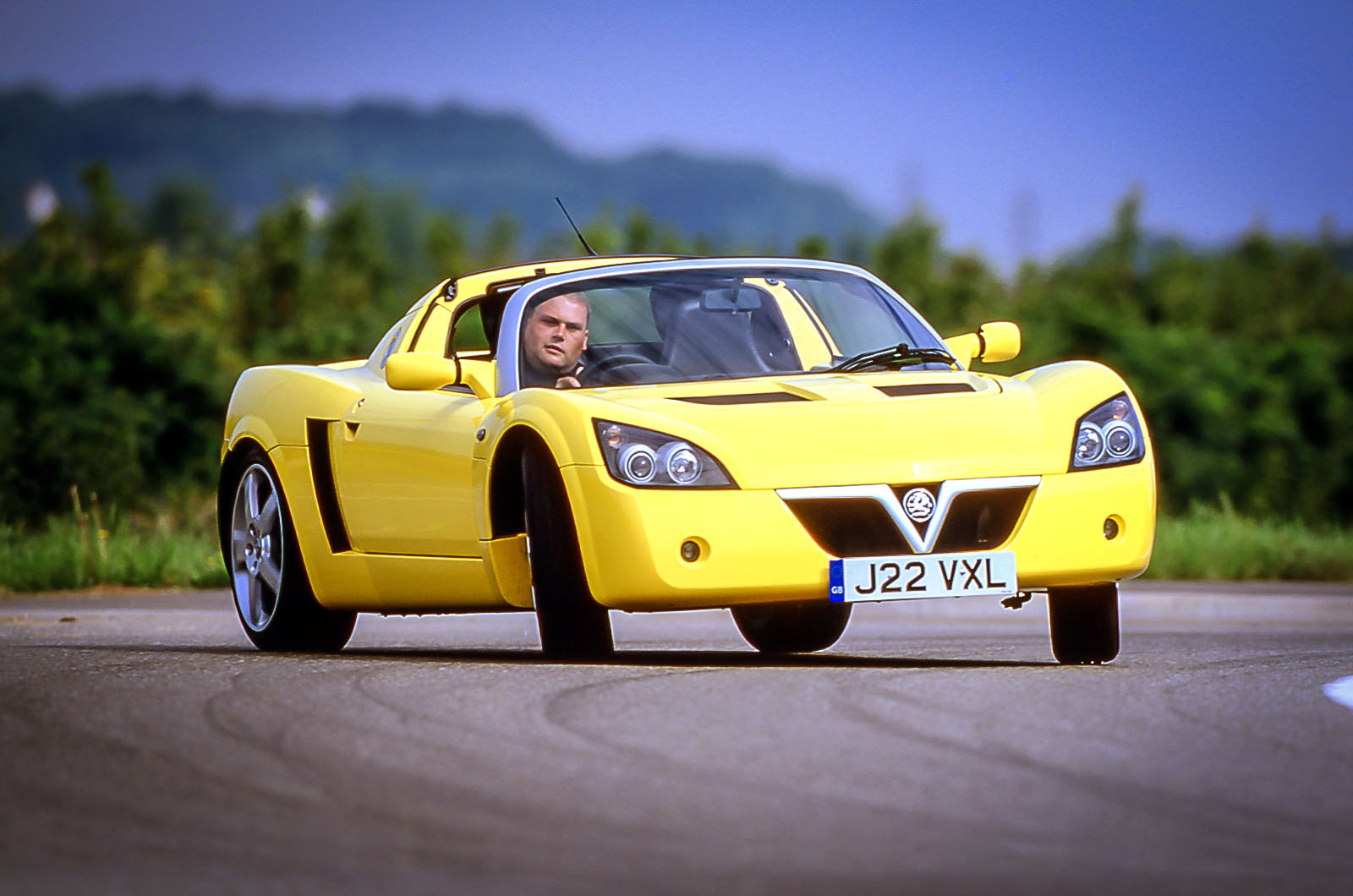
Related to the Lotus Elise and sold in Europe as the Opel Speedster, the VX220 was arguably the most exciting car ever released by Vauxhall. As if that wasn't enough, then came the Turbo which cut the 0-62mph dash from 5.6 seconds to just 4.7.
Renault Clio V6 (2001)
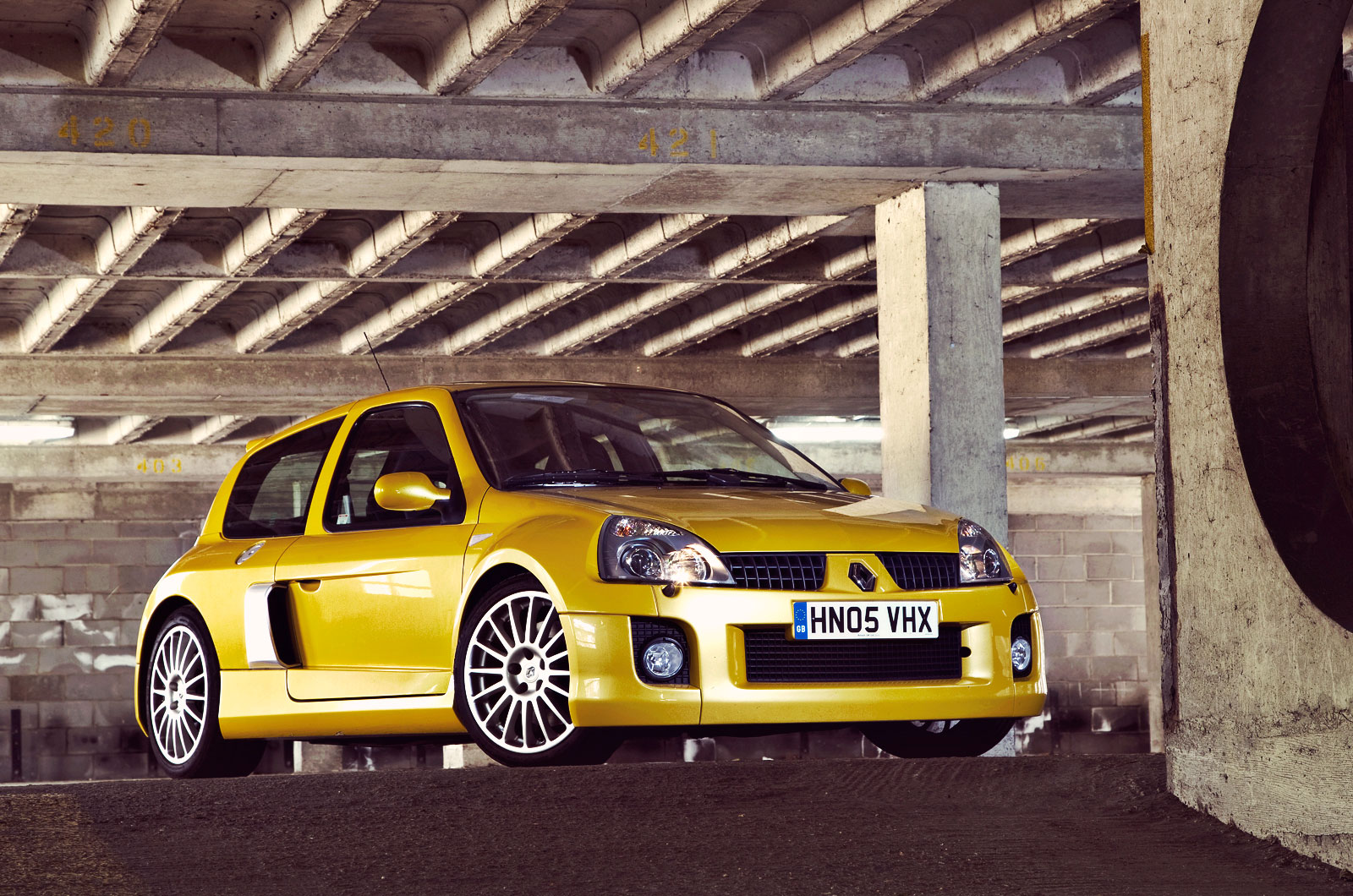
The original Clio V6 was a landmark car for all the wrong reasons. Launched in 2001 and developed by TWR, the Phase 1 was a real handful in bends, but the Phase 2 from 2003 was much more sorted and more powerful too, with 252bhp compared with the 222bhp of earlier models.
Ferrari Enzo (2002)
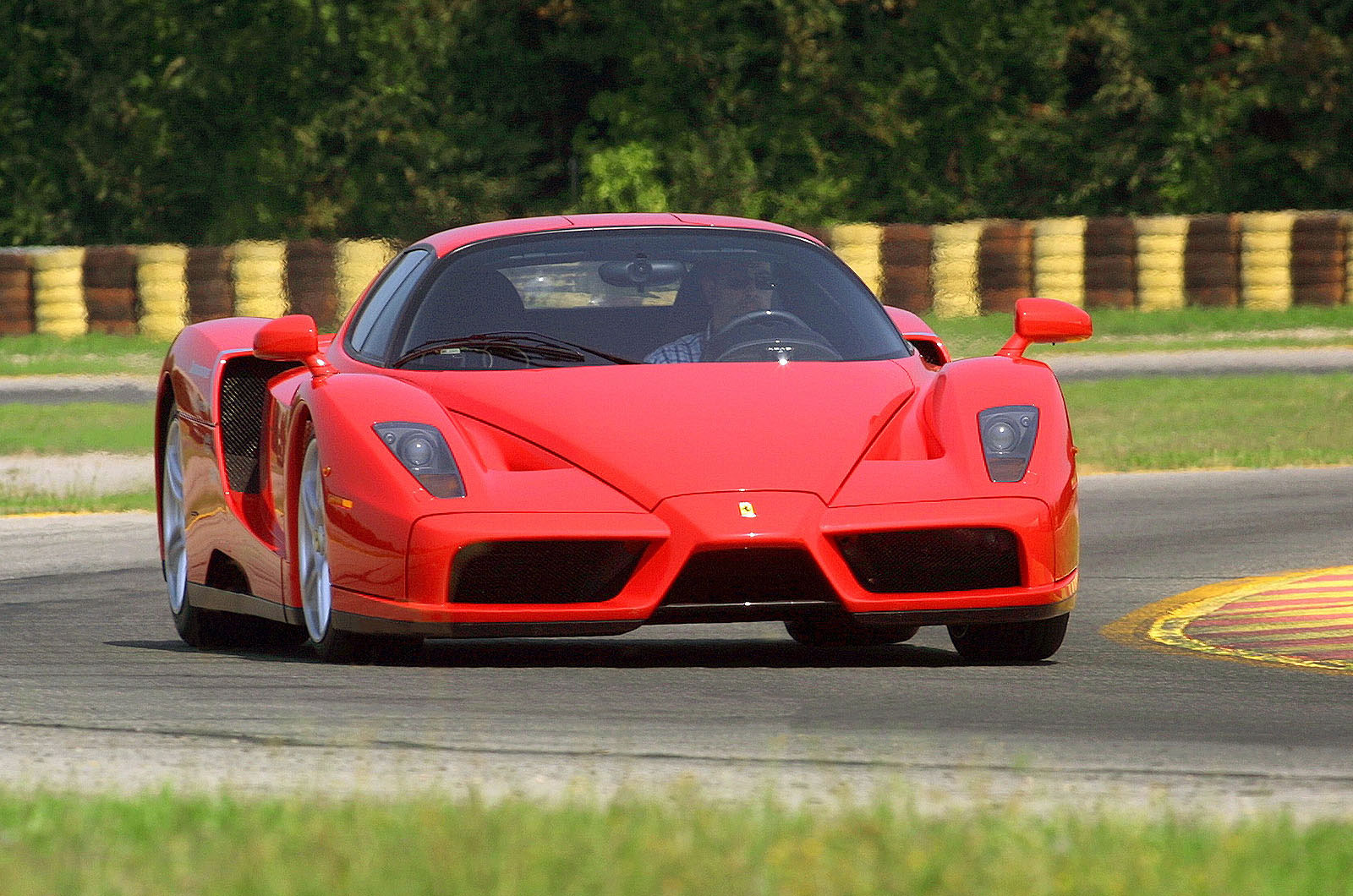
Everyone assumed it would be called F60, but when it arrived it carried the name of Ferrari's founder – and what a car it was. Packed with F1 tech the Enzo was an instant (costly) classic with a screaming 650bhp naturally aspirated 6.0-litre V12 at its heart.
Koenigsegg CC8S (2002)
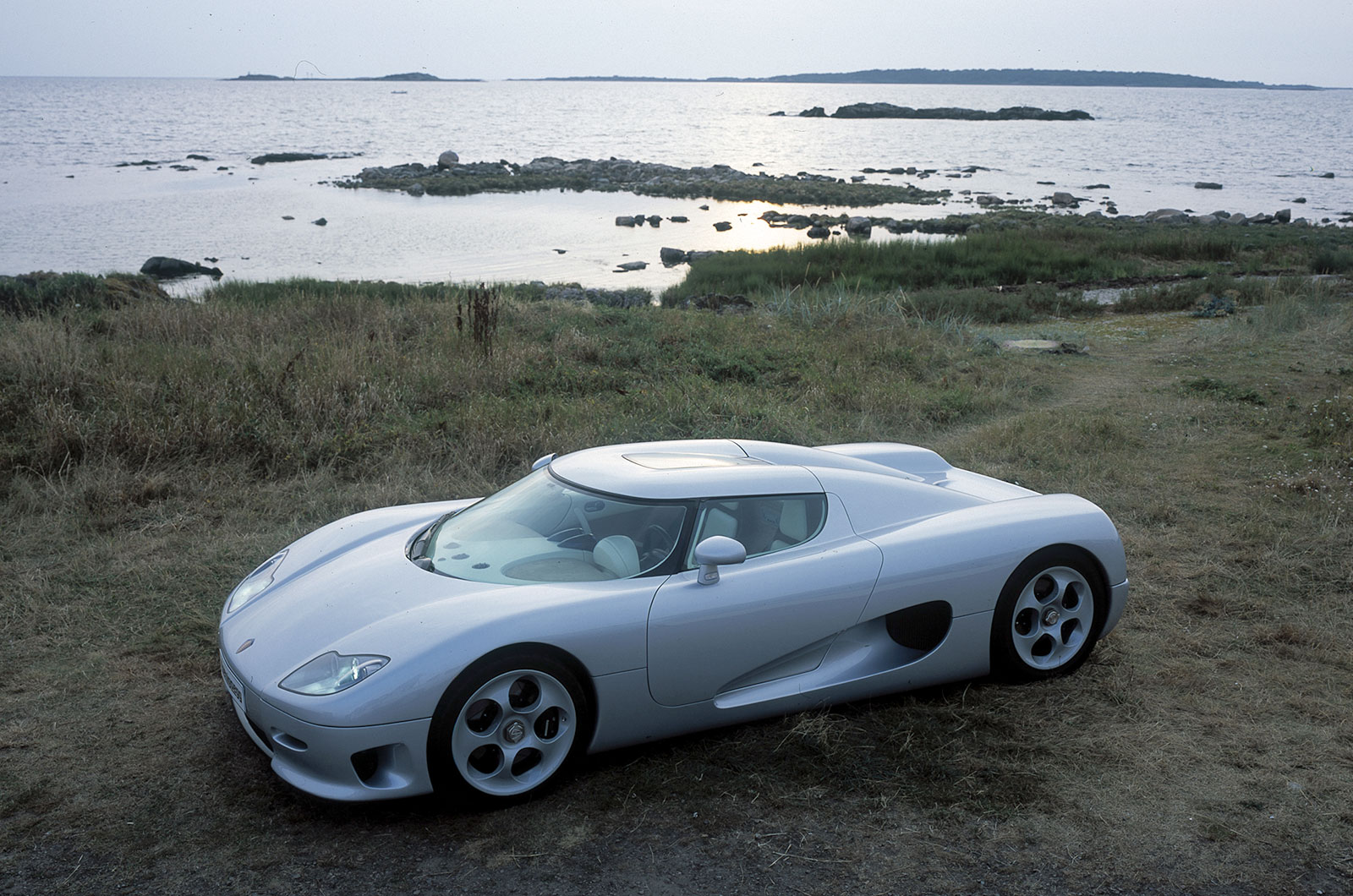
The car that started it all for this Swedish car maker, the CC8S was originally named the Sethera Falcon. The brief was to create a car that could beat the McLaren F1's 240mph, but while Koenigsegg claimed such a speed was possible, it was never independently verified.
Lamborghini Gallardo (2003)
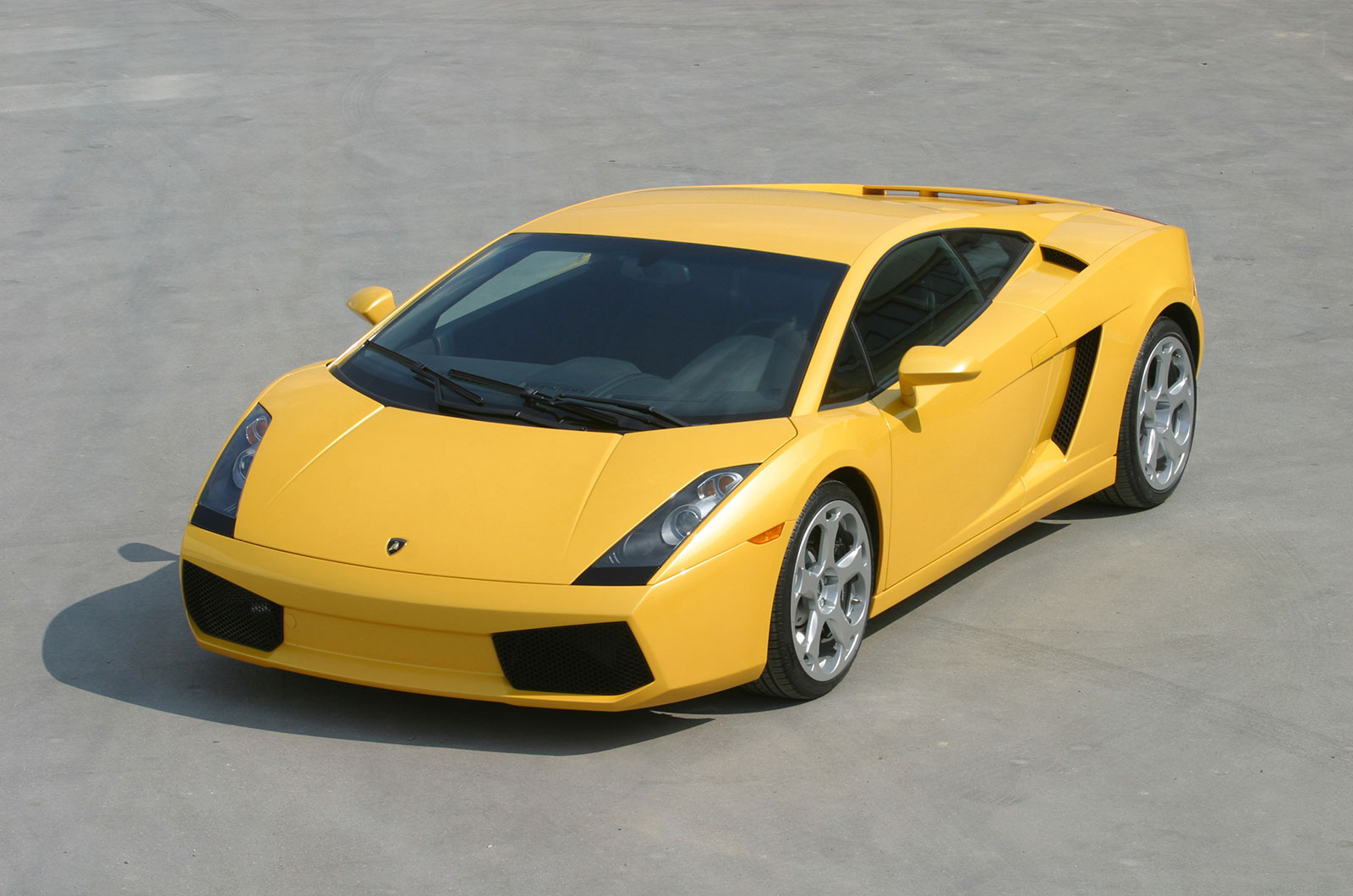
Lamborghini's first production car with a V10, the Gallardo marked the start of a new era for its maker. By the time it had gone out of production in 2014 it was easily Lamborghini's all-time best seller, with more than 14,000 rolling off the production lines in two- and four-wheel drive forms.
Chrysler ME412 (2004)
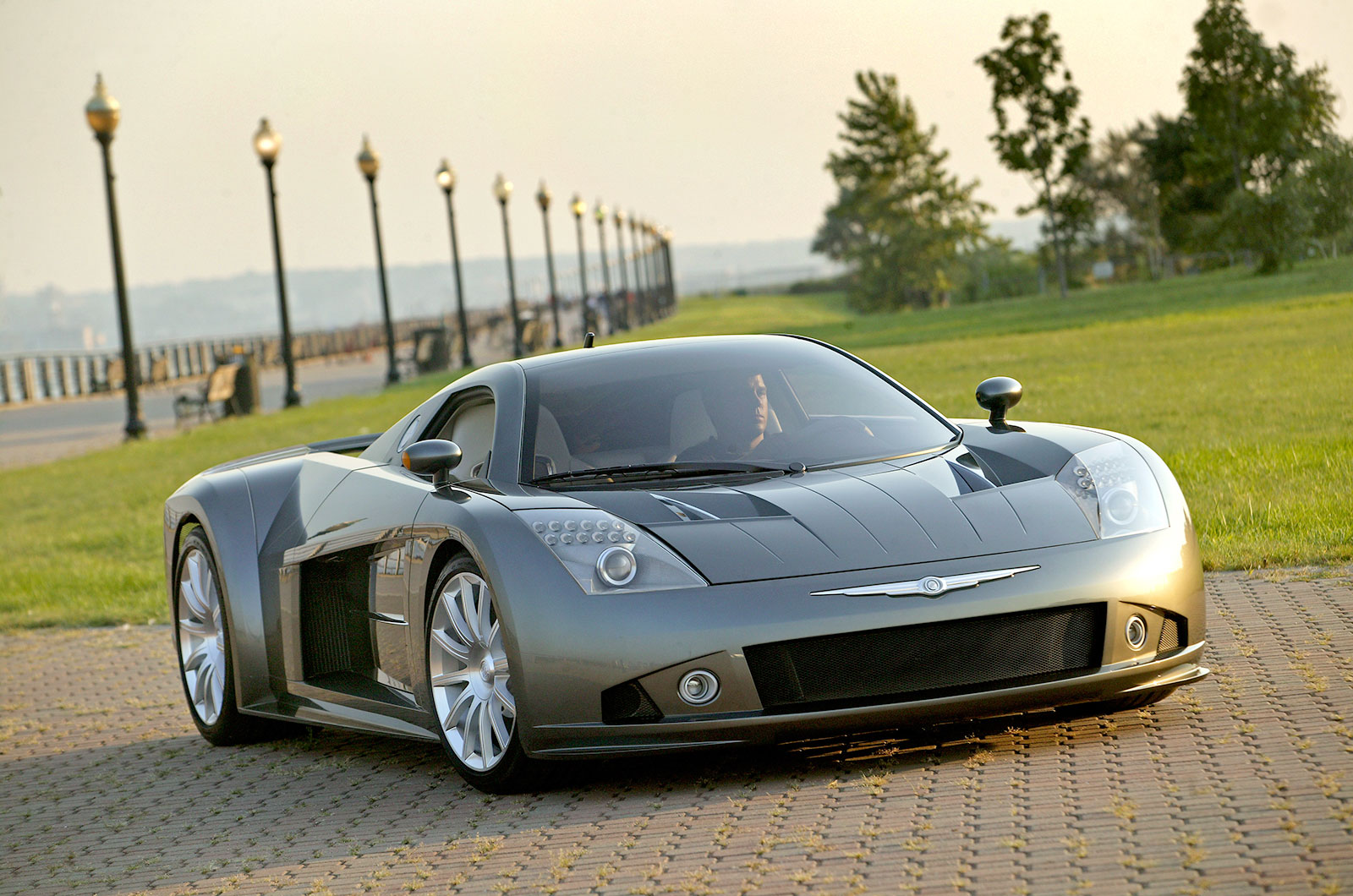
With its 6.0-litre 850bhp V12, Chrysler reckoned 250mph was in sight. You couldn't accuse Chrysler of a lack of ambition, but in truth a hypercar with a Chrysler badge would have been a total non-starter.
Porsche Carrera GT (2004)
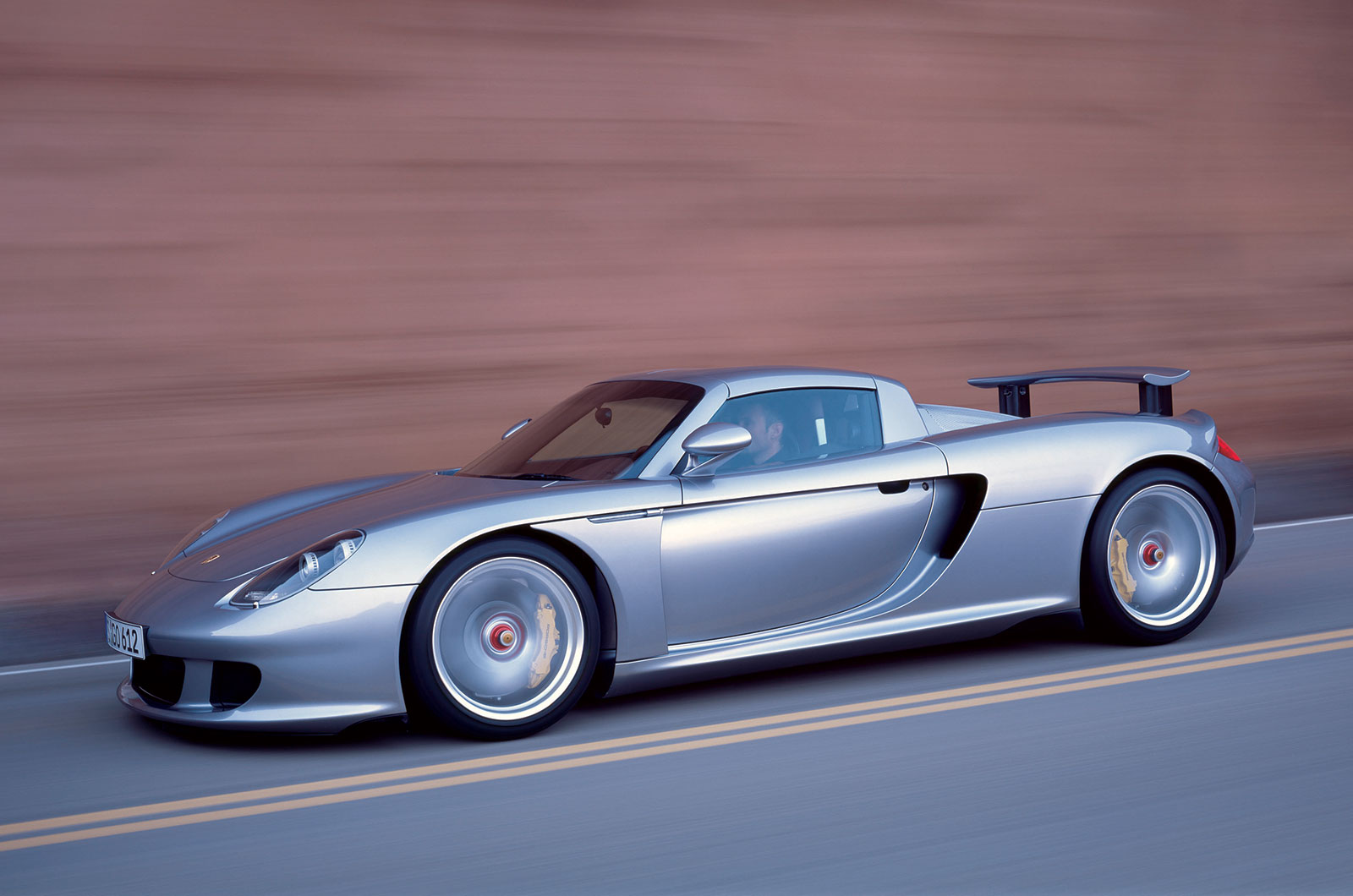
The Carrera GT was originally intended to feature a flat-six, but instead Porsche fitted the 5.7-litre V10 which it had developed for the Footwork F1 team in 1992. Just 1270 were made; 1500 had been planned.
Bugatti Veyron (2005)
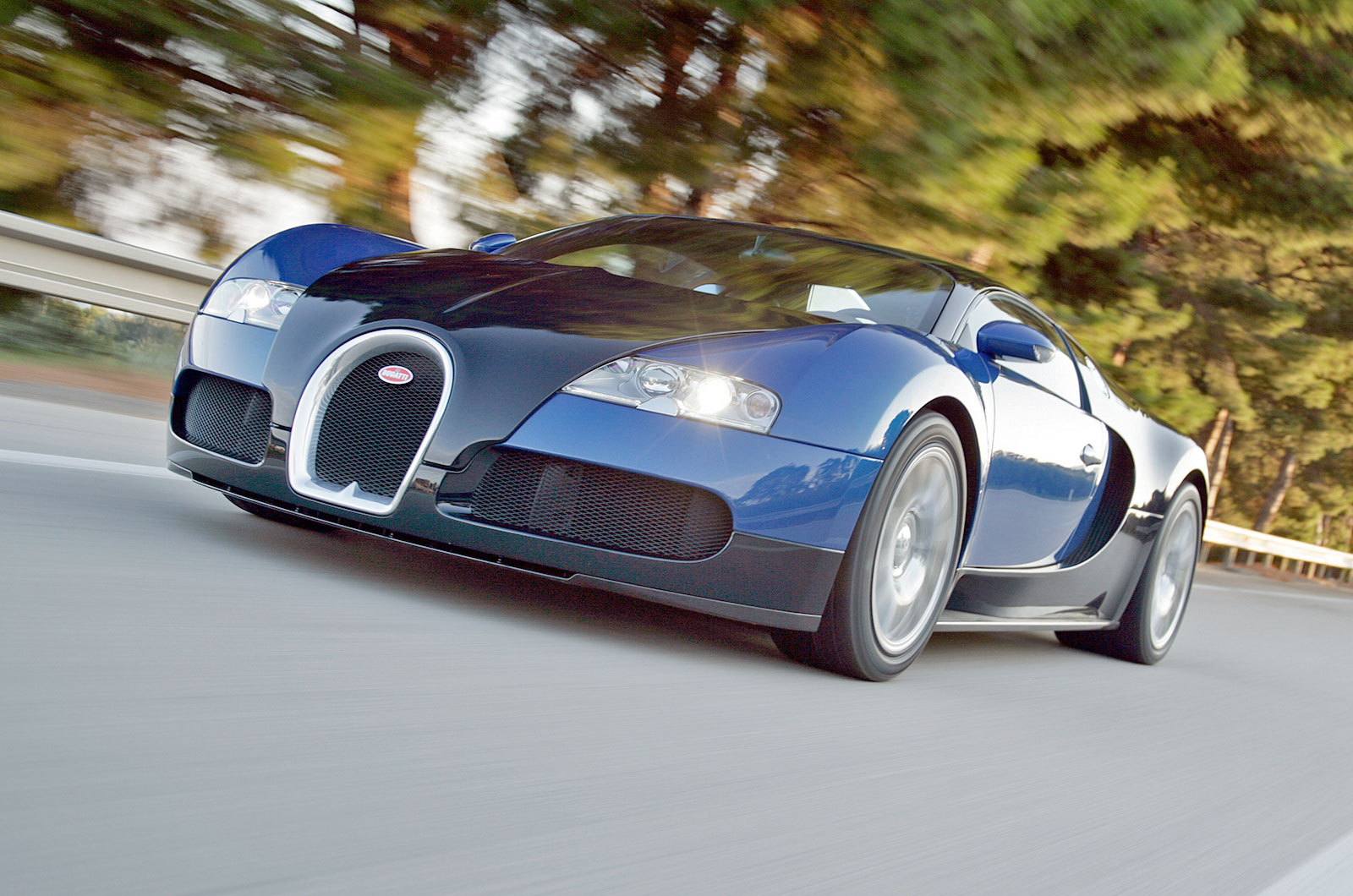
With a top speed of 252mph the Bugatti Veyron claimed the world record for the fastest production car ever made, until Shelby Supercars came along. So Bugatti upped the ante with an even faster Veyron, the Super Sport, capable of an amazing 268mph.
Gumpert Apollo (2005)
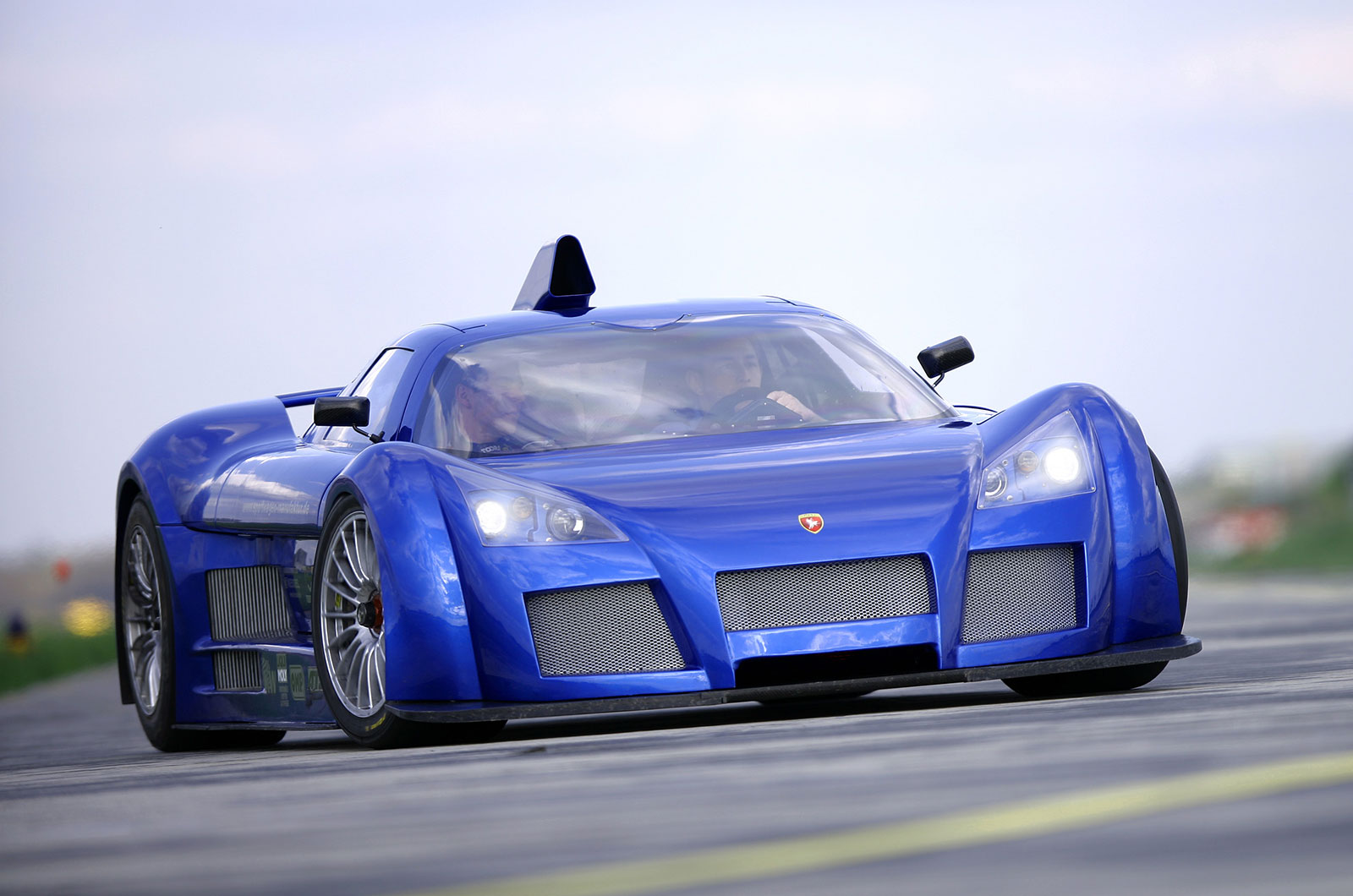
Ex-Audi engineer Roland Gumpert decided to take on established supercar marques with his gull-winged Apollo, which featured a twin-turbo Audi 4.2 V8 to give a claimed 220mph. Things ticked over until 2013 when Gumpert went bust; it resurfaced in 2016 renamed Apollo.
Audi R8 (2006)
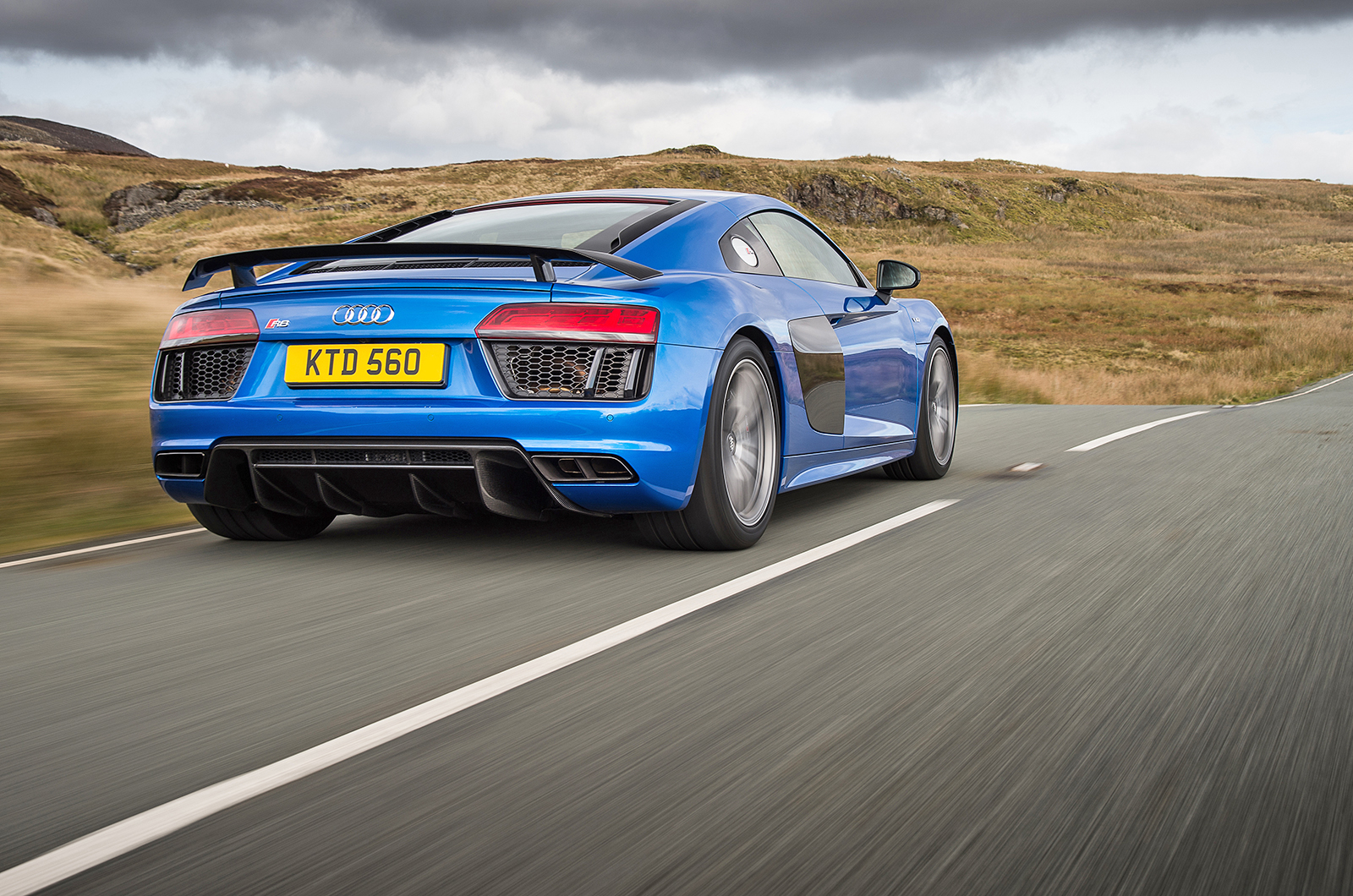
It started out as the Le Mans concept in 2003, but three years later came the V8 production car. One of the most usable supercars ever made, later would come V10 and Spyder versions, then an all-new R8 in 2015 (pictured). Production ended in 2024, after 45,289 examples of all versions were made.
SSC Ultimate Aero (2006)
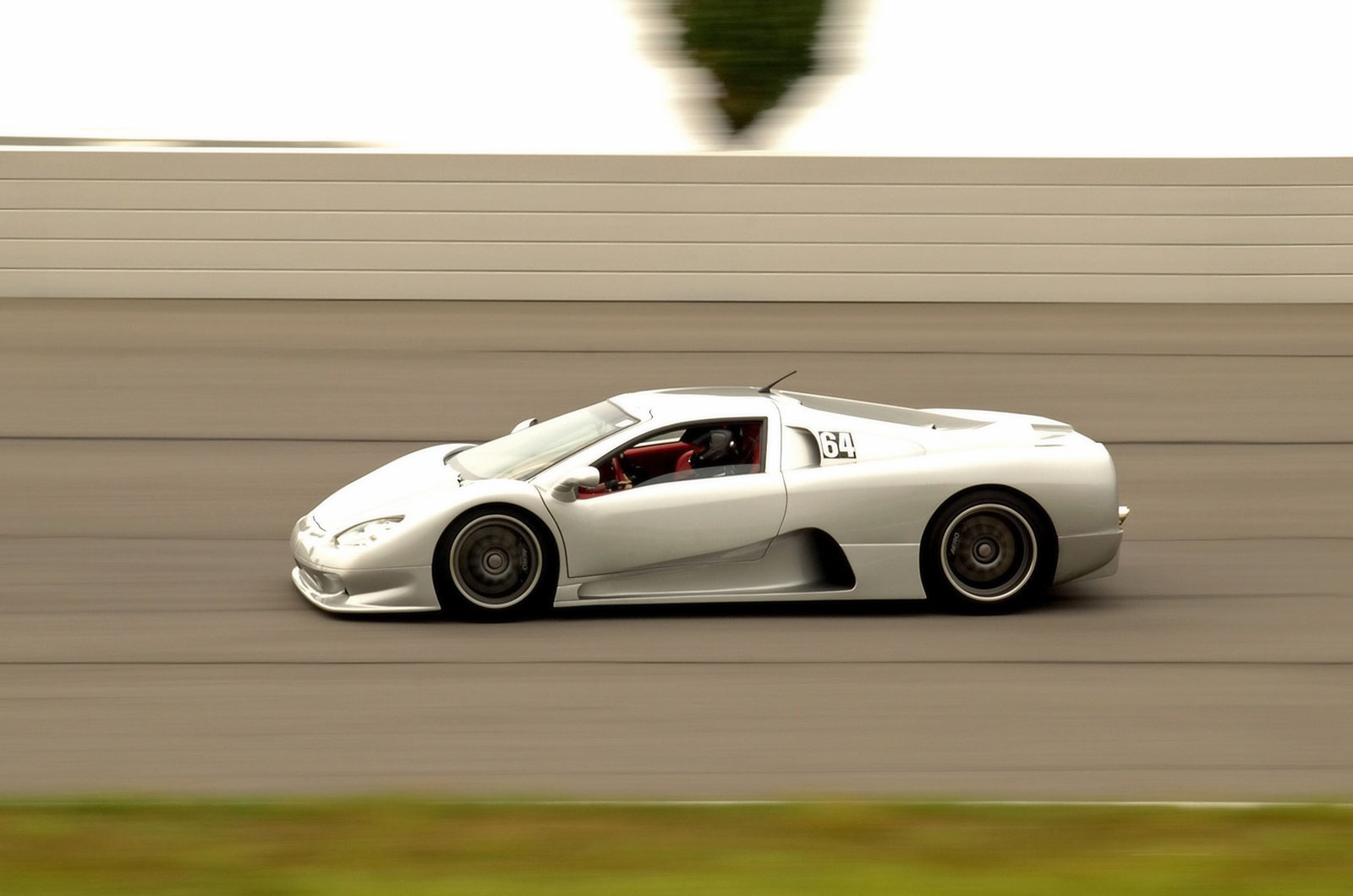
For a while this was officially the fastest production car in the world, thanks to its ability to top 257mph. With a twin-turbo V8 there was 1183bhp on tap, along with 1094lb ft of torque. Production ended in 2013.
Jaguar C-X75 (2010)
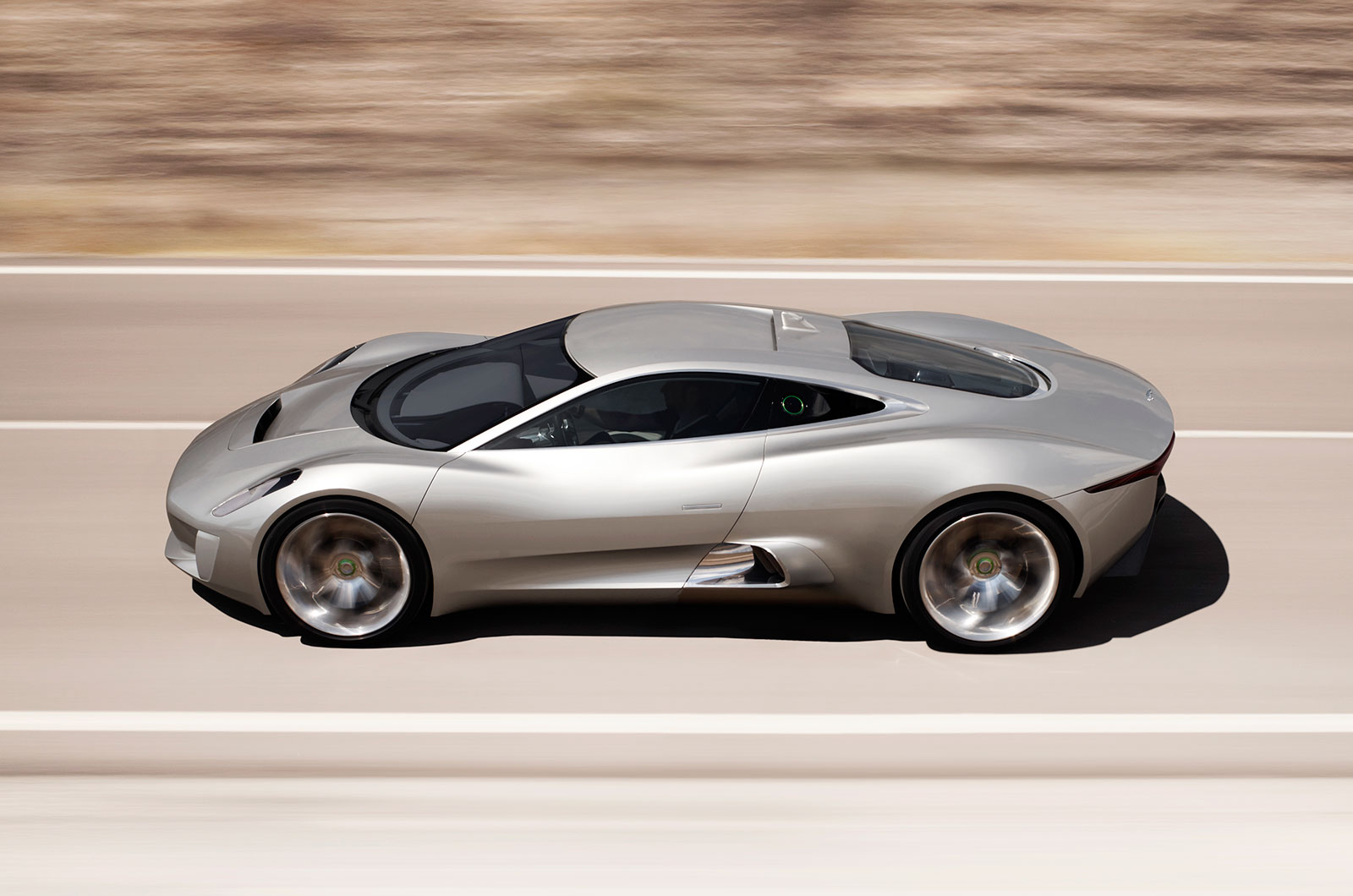
When Jaguar unveiled the C-X75 at the 2010 Geneva Salon there was a very real prospect of the car going into production, in conjunction with Williams F1. It was hoped that 250 examples would be built at a hefty price, but plans were cancelled in 2013 because of global economic uncertainty.
Ian Callum designed the car, and he later said the failure of the car to make production was one of his biggest regrets.
Pagani Huayra (2012)
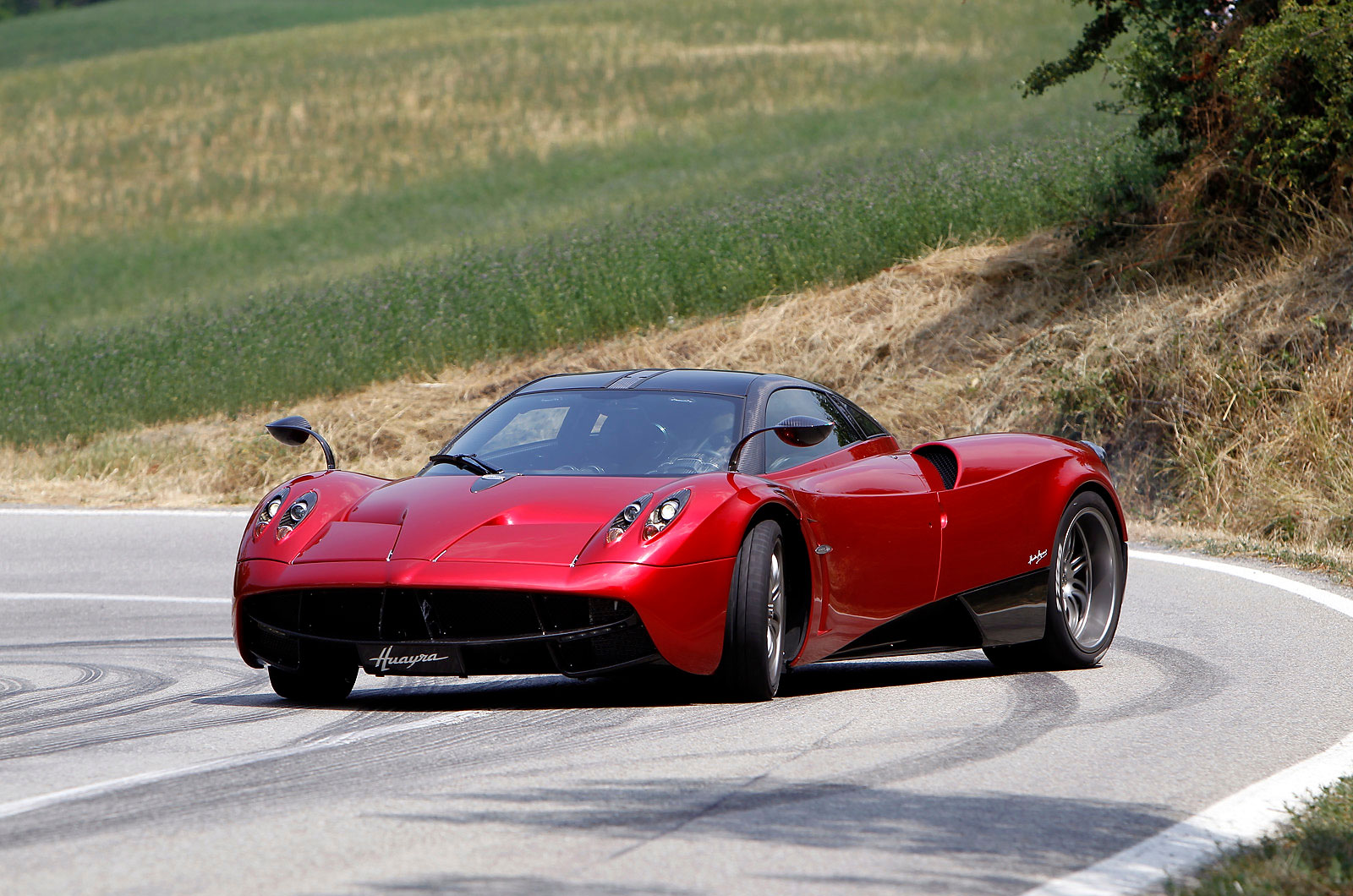
Coming up with a sequel to the Zonda was never going to be easy, but Pagani more than pulled it off with a car that looked fabulous from every angle, was even better to drive and even faster. Still fitted with a Mercedes-AMG twin-turbo V12, the Huayra could crack 238mph.
Alfa Romeo 4C (2013)
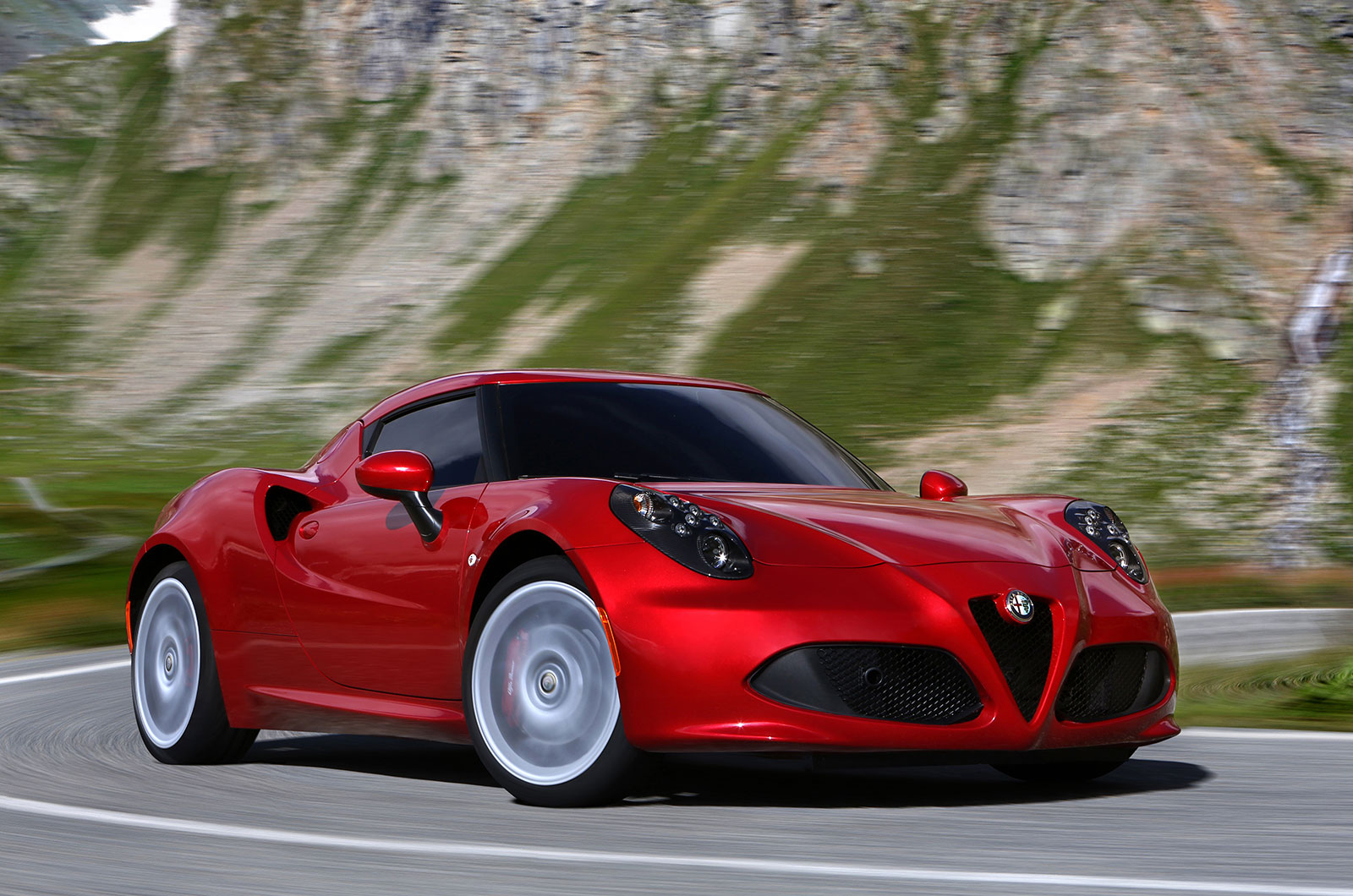
The 4C is exactly the sort of car that Alfa Romeo should be building. Made of carbon fibre and featuring a mid-mounted turbocharged 1750cc engine the 4C is Alfa's Elise, but sadly it's not as affordable, its handling isn't as exquisite and there's no manual gearbox option, which is why few were sold.
Ferrari LaFerrari (2013)
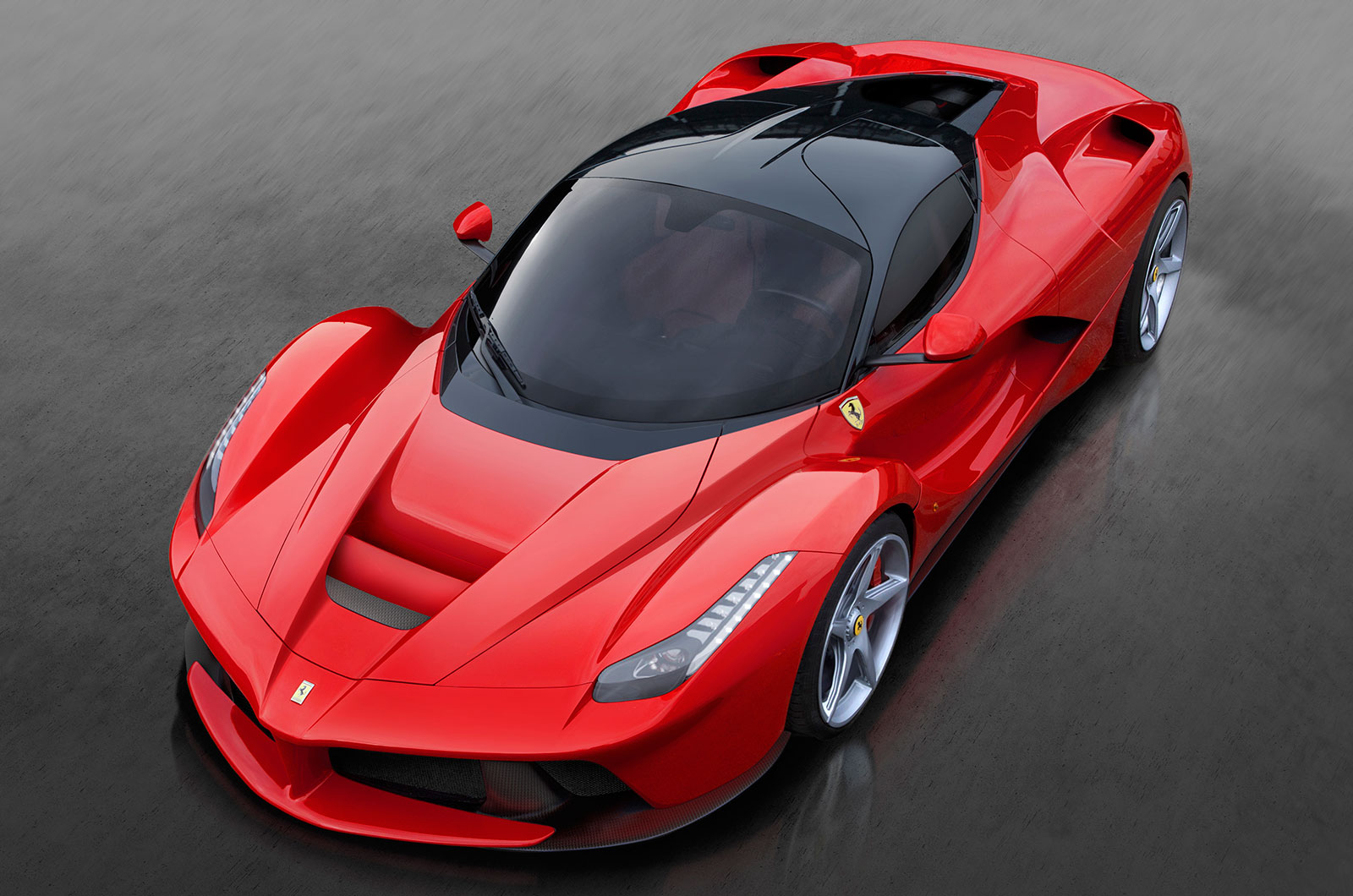
Following in the tyre tracks of the F40, F50 and Enzo, the LaFerrari was built in limited numbers (500 coupés and 210 convertibles), was outrageously fast and cost a fortune to buy, with some amazing stats: 950bhp, 0-186mph in 15 seconds and a vast price tag.
Lamborghini Veneno (2013)
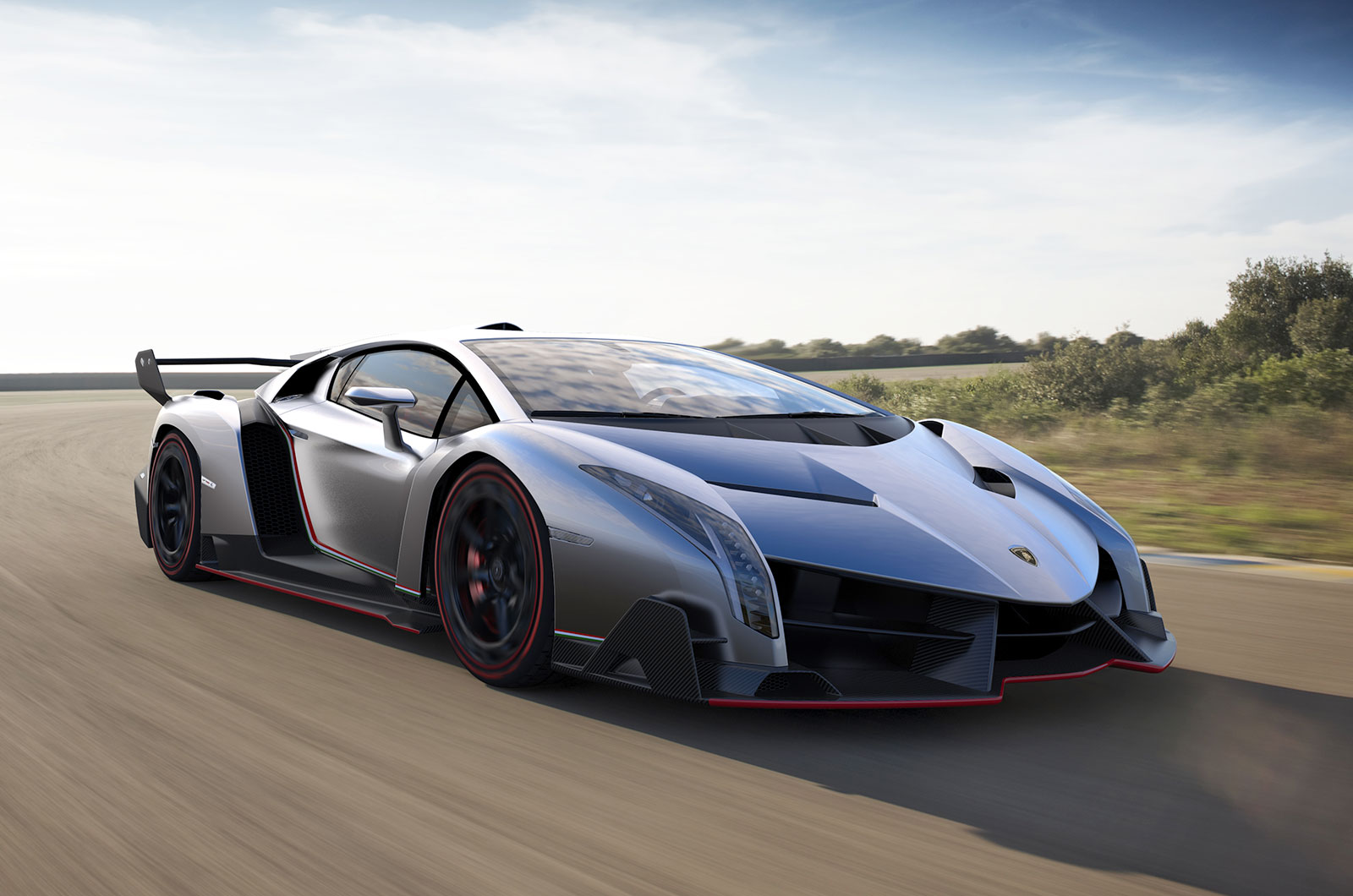
We could have filled this slot with any number of Lamborghinis, so why not pick on one of the most extreme models it’s made. Based on the Aventador, the 740bhp Veneno was built in coupé and roadster forms, with total production running to just 14 – each pre-sold at around €3m apiece.
McLaren P1 (2013)
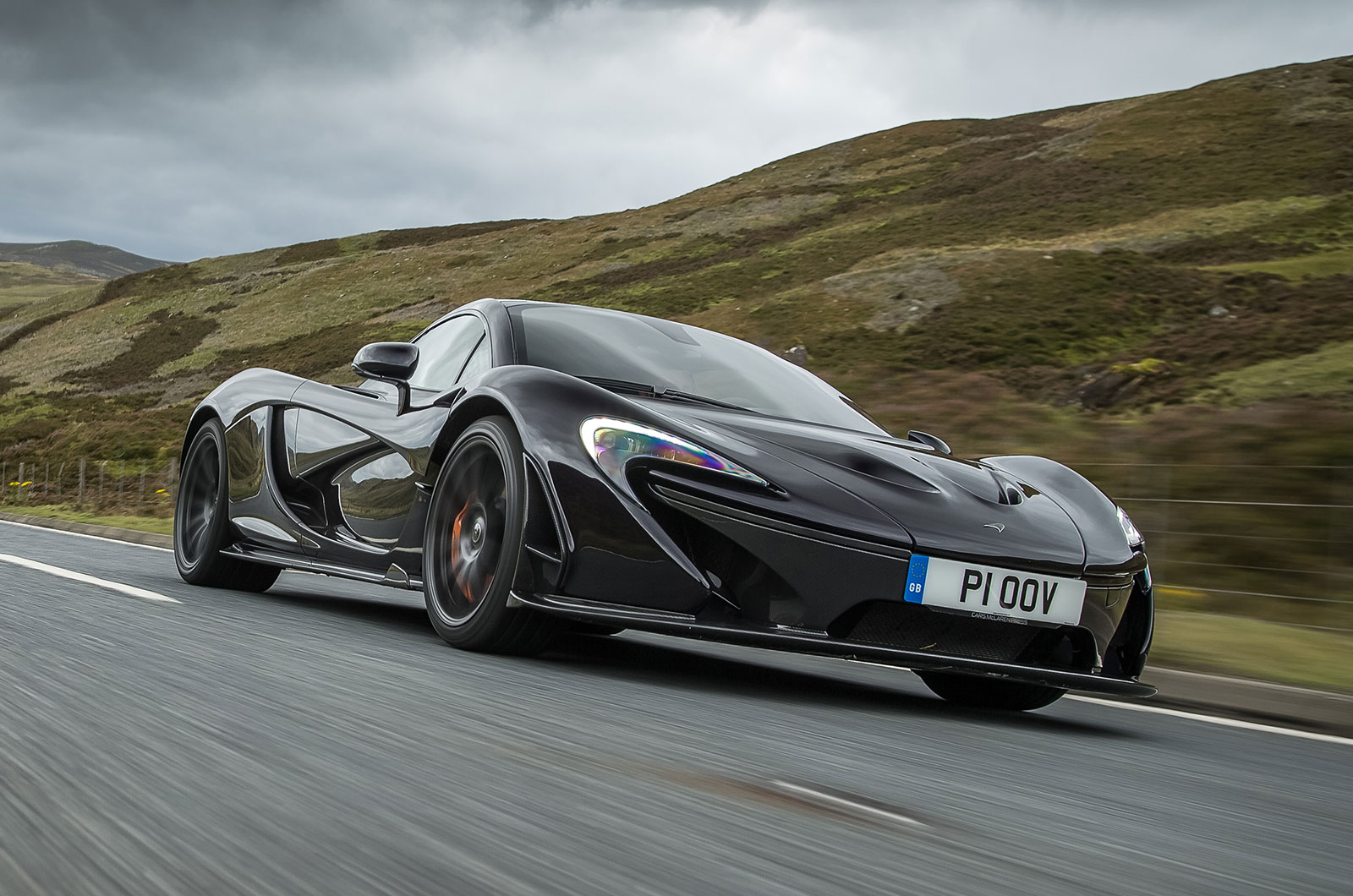
McLaren could never build another car with the purity and simplicity of the F1, but the P1 was a pretty good sequel. With its petrol/electric hybrid powertrain the 903bhp P1 could do 0-186mph in 16.5 seconds, yet was claimed to also be capable of 20mpg on a run.
Porsche 918 Spyder (2013)
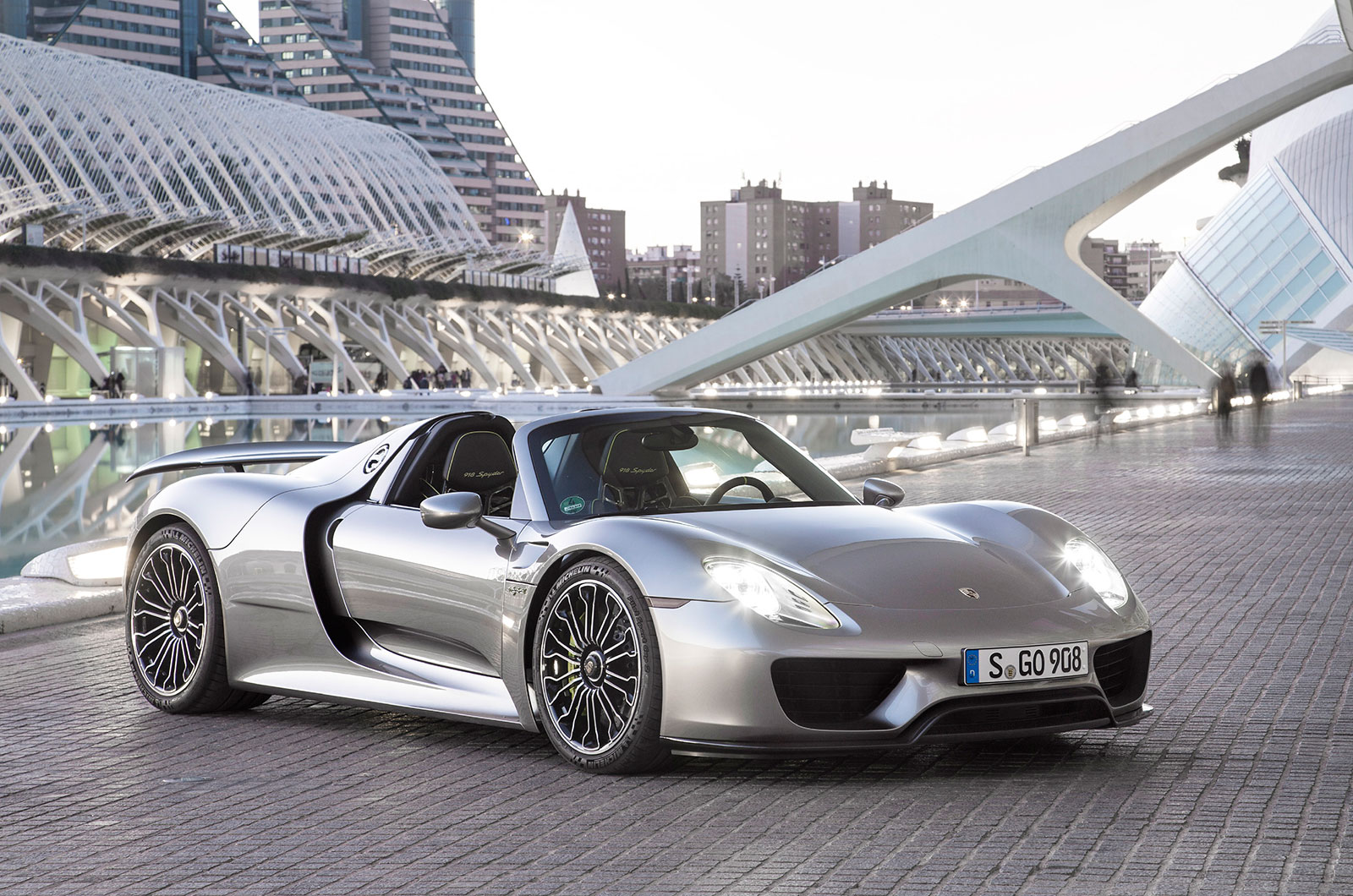
The third of the Holy Trinity, alongside the LaFerrari and P1, the Porsche 918 Spyder was – like its rivals – a very costly petrol/electric hypercar built in limited numbers. This one packed an 875bhp punch, could do 0-186mph in 19.9 seconds and it topped out at 214mph. With production totalling 918 units, these Porsches are much less rare than its rivals from Italy and the UK.
Bugatti Chiron (2016)
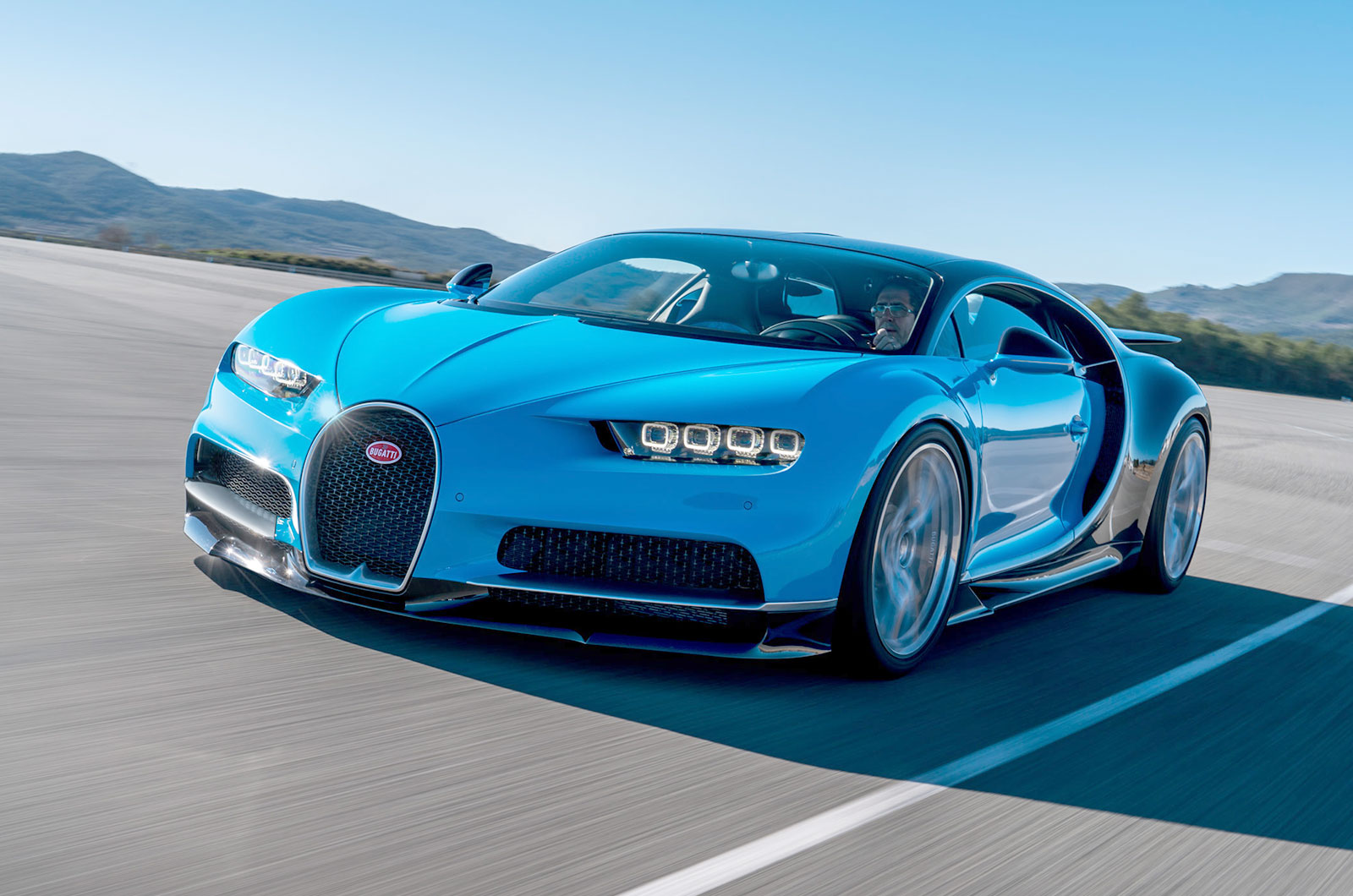
It was always going to take something pretty special to put the Veyron in the shade, but it's fair to say that pretty much sums up the Chiron. With a quad-turbo W16 engine rated at 1479bhp, the Chiron was limited to 261mph to save its tyres from disintegrating. Despite its €2.4m price tag, more than 200 Chirons were sold before the first car was even delivered. It ended production in 2024; 500 were made (all versions).
Ford GT (2017)
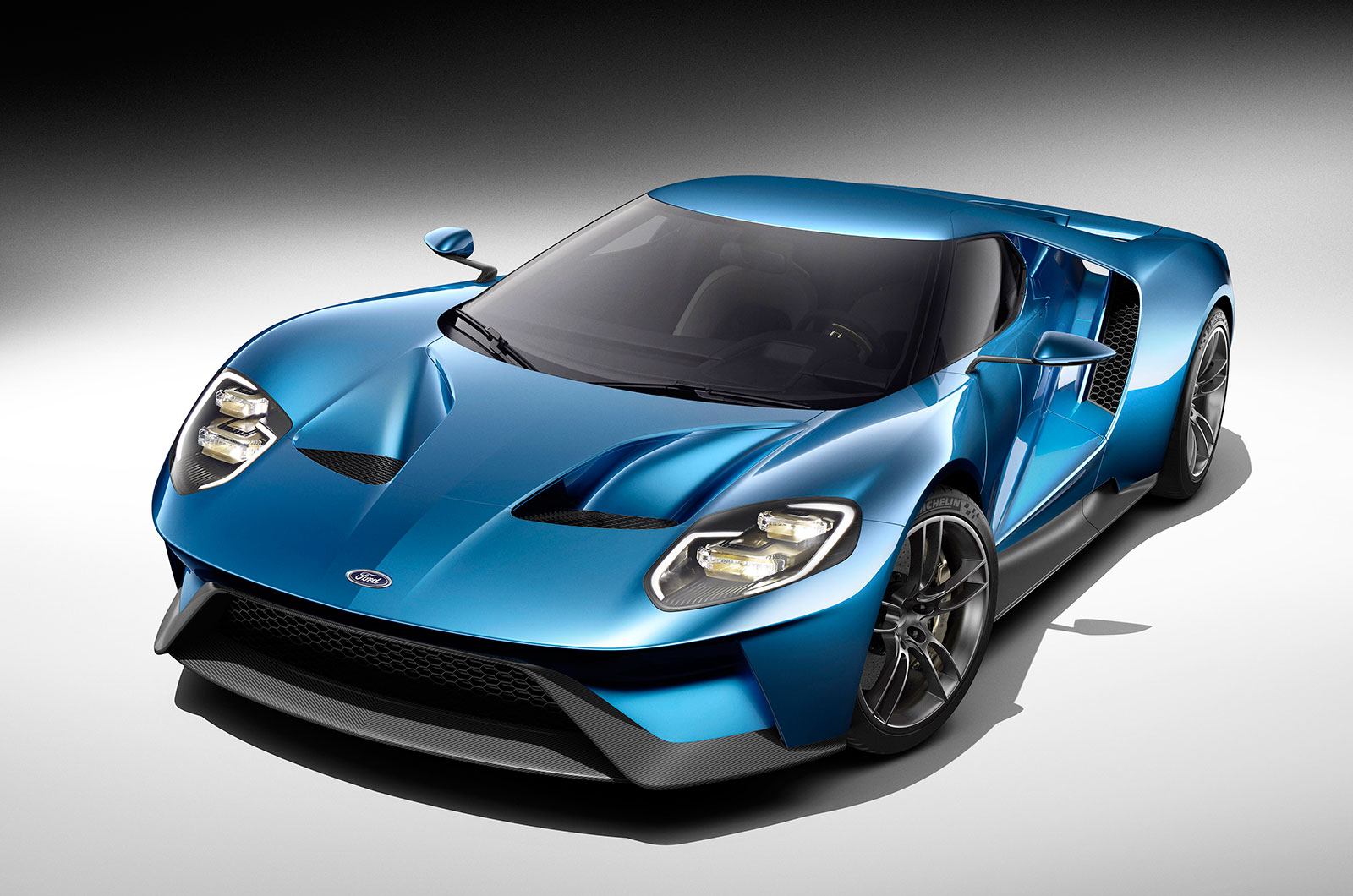
The Focus and Fiesta may be excellent cars but it's hard to believe that they're made by the same company that brought you this; a 647bhp twin-turbo V6 race car for the road. Made in strictly limited numbers, the second-generation GT (following on from the original of 2004-6), and it's likely to be as collectible as pretty much anything from Maranello.
Aston Martin Vanquish Vision concept (2019)
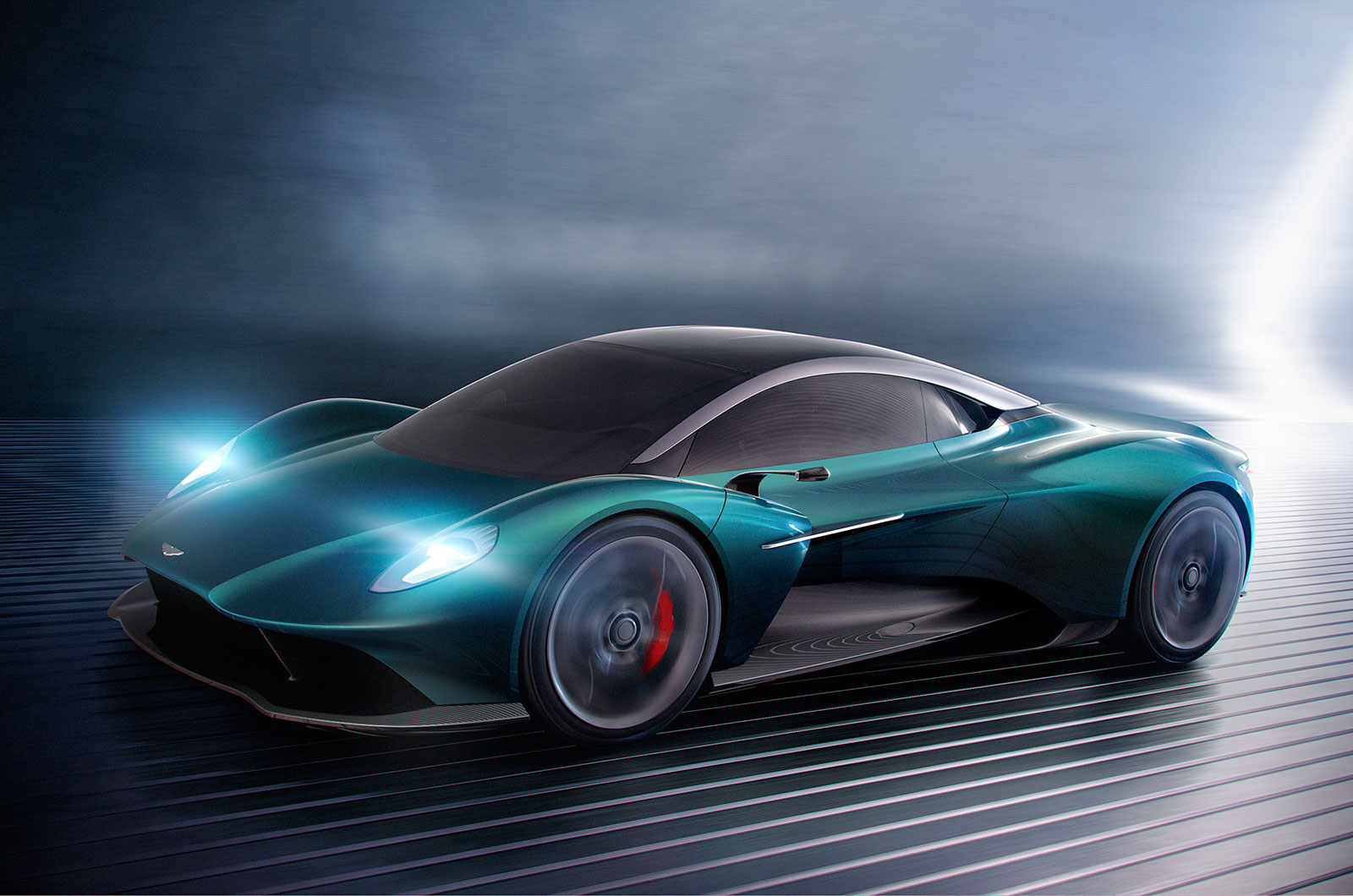
Aston Martin has never built a mid-engined production car, so when it showcased its Vanquish Vision concept at the 2019 Geneva Salon a few eyebrows were raised. Sadly this junior supercar never made production.
Chevrolet Corvette (2020)
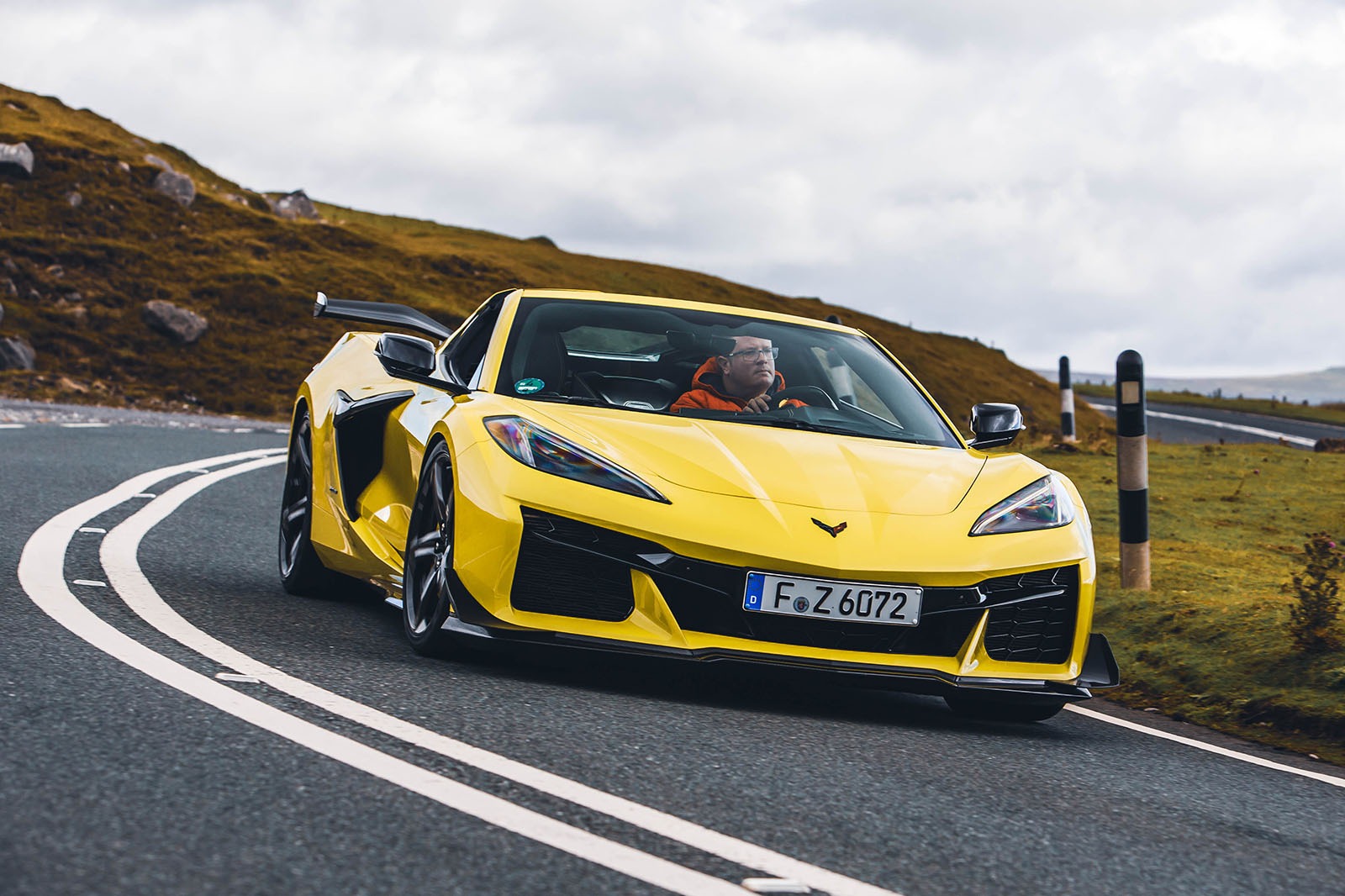
For its eighth generation, the Corvette finally joined the mid-engined club – and all in a surprisingly affordable package…
GMA T50 (2020)
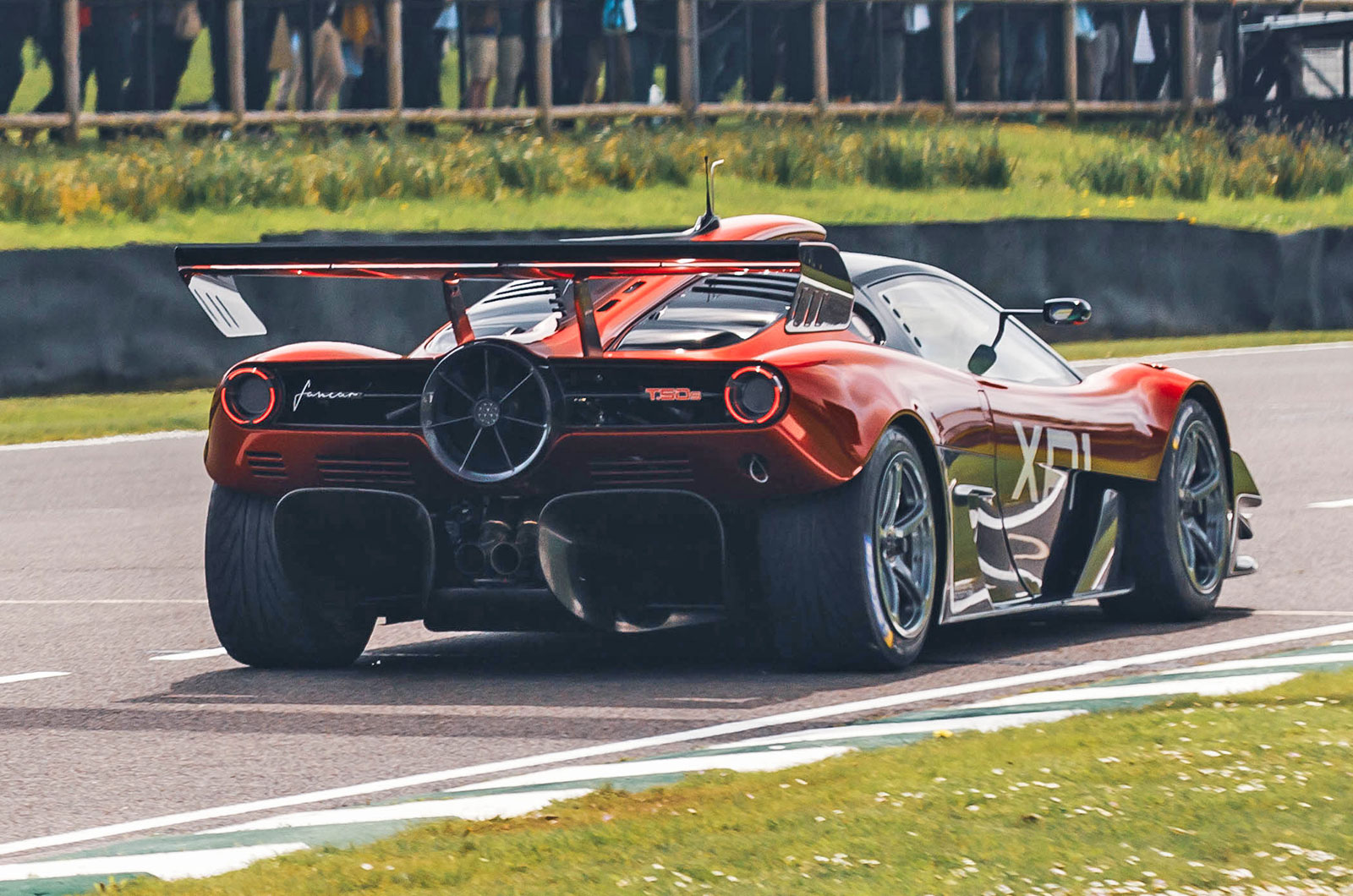
The T50 features a 650bhp 4.0-litre V12 which screams all the way to 12,100rpm – it has a 48-volt electric motor but it powers the fan at the back, not the wheels. Extraordinary…
If you enjoyed this story, please click the Follow button above to see more like it from Autocar

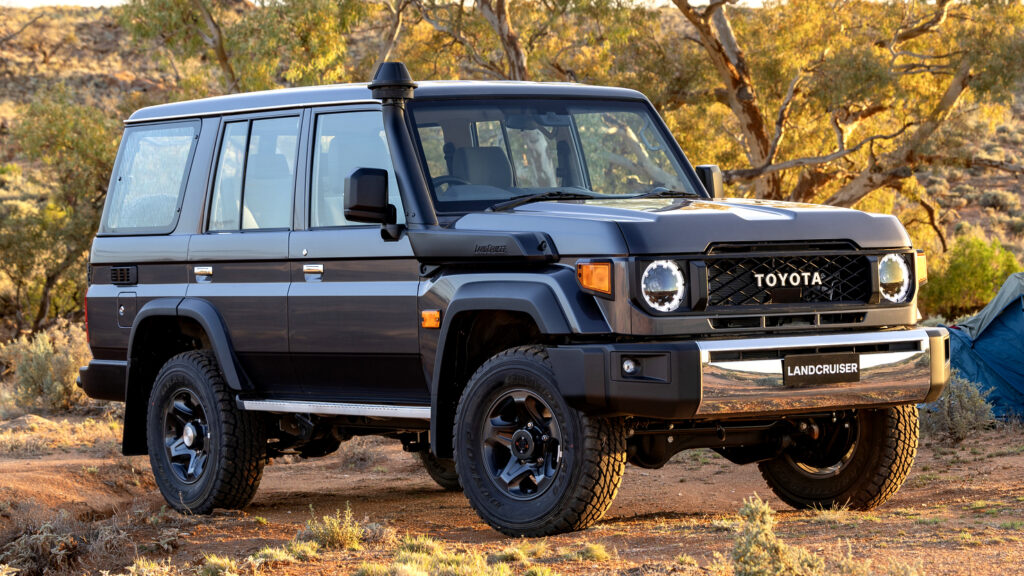
Land Cruiser 70 Returns to Australia as Toyota Adapts Iconic Off-Roader for Modern Emissions...

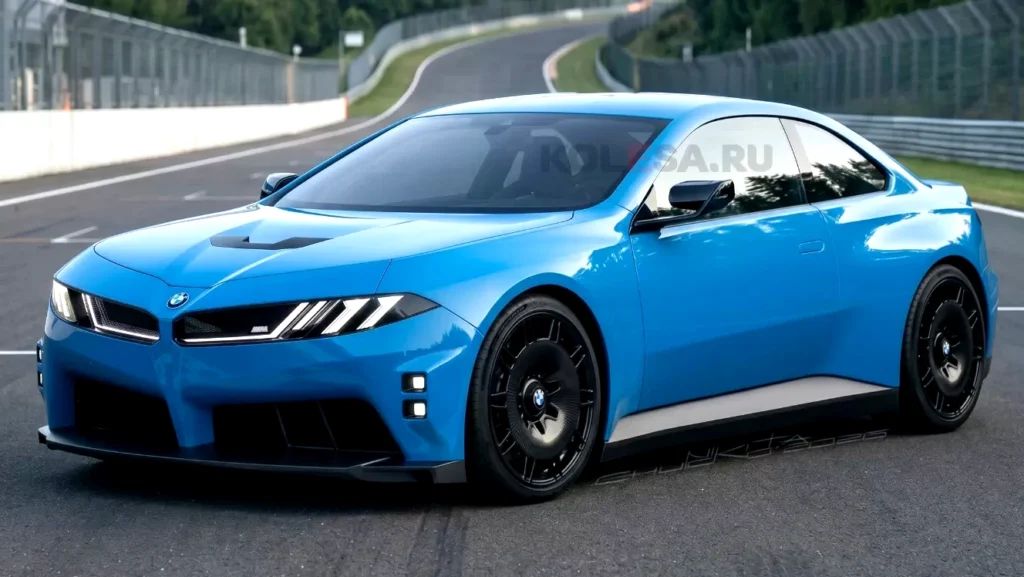
BMW M4 Electric Coupe Signals 1,000 HP Future While Preserving Twin-Turbo Heritage