

Affordable Car Leasing Options Offer Relief Amid Rising Purchase Prices

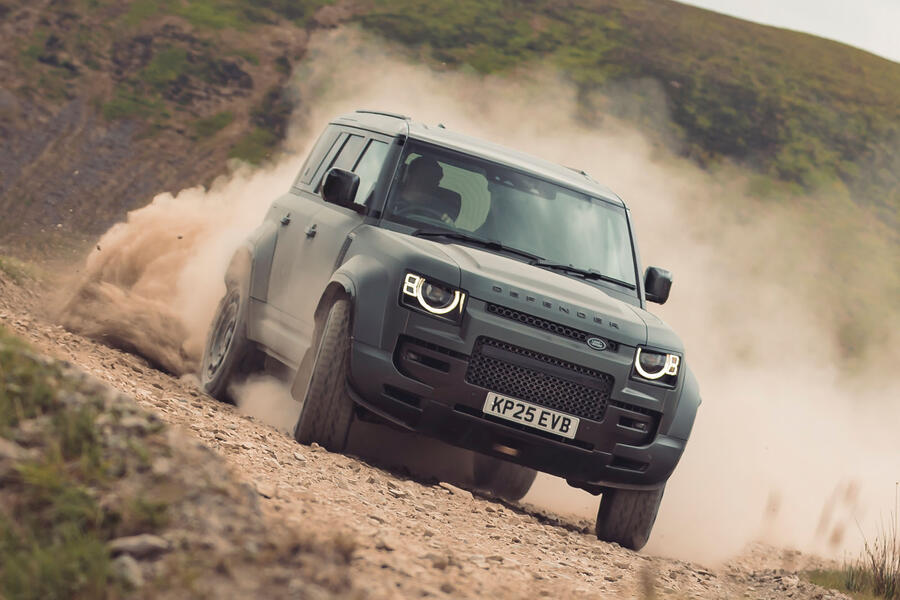
Defender Vertex Redefines Urban SUV Appeal as Land Rover Updates Engines and Interior Versatility
 City-slicking Defender Vertex brings a fresh look for the 4x4, as old 'AJ' V8 retires and hardcore Octa loses 93bhp
The Land Rover Defender has gained a new urban-focused specification as part of a wide-reaching mid-life update.
Named Defender Vertex, it is positioned alongside the second-from-top X trim and brings a fresh look for the six-year-old SUV.
It introduces a notably larger front grille, body-coloured skirts and cladding and a subtle roof spoiler – though the spoiler can be added to other Defender models through the optional Extender Exterior pack. It comes with 22in diamond-cut alloys as standard, but a 20in design will also be available.
Mark Cameron, brand director for Defender, said the trim brings "a new character that expands the appeal" of the model, in being more overtly focused on buyers who use it for daily life rather than strictly off-roading.
It is priced from £92,635 in short-wheelbase 90 form, £97,125 as a 110 and £104,440 as a 130.
Aside from the new trim, the Defender 110 has gained a six-seat interior configuration with three rows of two seats, including 'captain's' chairs in the second row that offer thicker bolstering and can be reclined.
The new set-up is claimed to provide greater leg room for passengers in the back, while the removal of the second row's middle-seat squab opens up extra luggage space between those seats.
Supercharged V8 gone; Octa loses 93bhp
JLR has overhauled the Defender's engine line-up, retiring the venerable 'AJ' supercharged petrol V8 and slashing the output of the Dakar-inspired Octa's 4.4-litre V8.
The Octa's BMW-supplied unit now puts out 533bhp, down from the previous 626bhp – though torque is unchanged at 553lb ft. This has lengthened its 0-60mph time from 3.8sec to 4.2sec. JLR told Autocar the engine has been reworked to meet the stricter Euro6e-bis emissions standard.
Although power is down, the firm promises greater sensory appeal thanks to a reworked exhaust manifold that is said to provide a "truer V8 sound".
Meanwhile, the P380 mild hybrid – a twin-turbocharged 3.0-litre petrol straight six – has been added to the Defender line-up. It makes 375bhp and 405lb ft.
The other engine options are unchanged, with a range of smaller petrol, diesel and plug-in hybrids on offer.

Hyundai Palisade Hybrid Black Ink Edition Redefines Flagship Luxury with Performance and Design Upgrades

Car Design Fatigue and the Emotional Impact of Ubiquitous Eyesores on the Road

French Luxury Saloons and the Struggle for Prestige in the Postwar Era
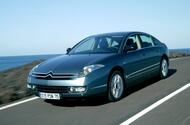 Looking back at France's greatest luxury saloon hits and misses
Before the second world war, French companies built many of the world’s most luxurious cars.
Prestigious names like Bugatti, Delage, Delahaye and Salmson thrived in their home country and abroad. Profitably making luxury saloons became much more difficult after the war.
Petrol was rationed, the French economy was slow and the government began collecting a stiff tax on what it classified as non-essential goods. The class didn’t experience a true revival until the 1960s.
From the lame to the great, join us as we look at the luxury saloons made b French carmakers between 1960 and around 2020:
Renault Rambler (1962)
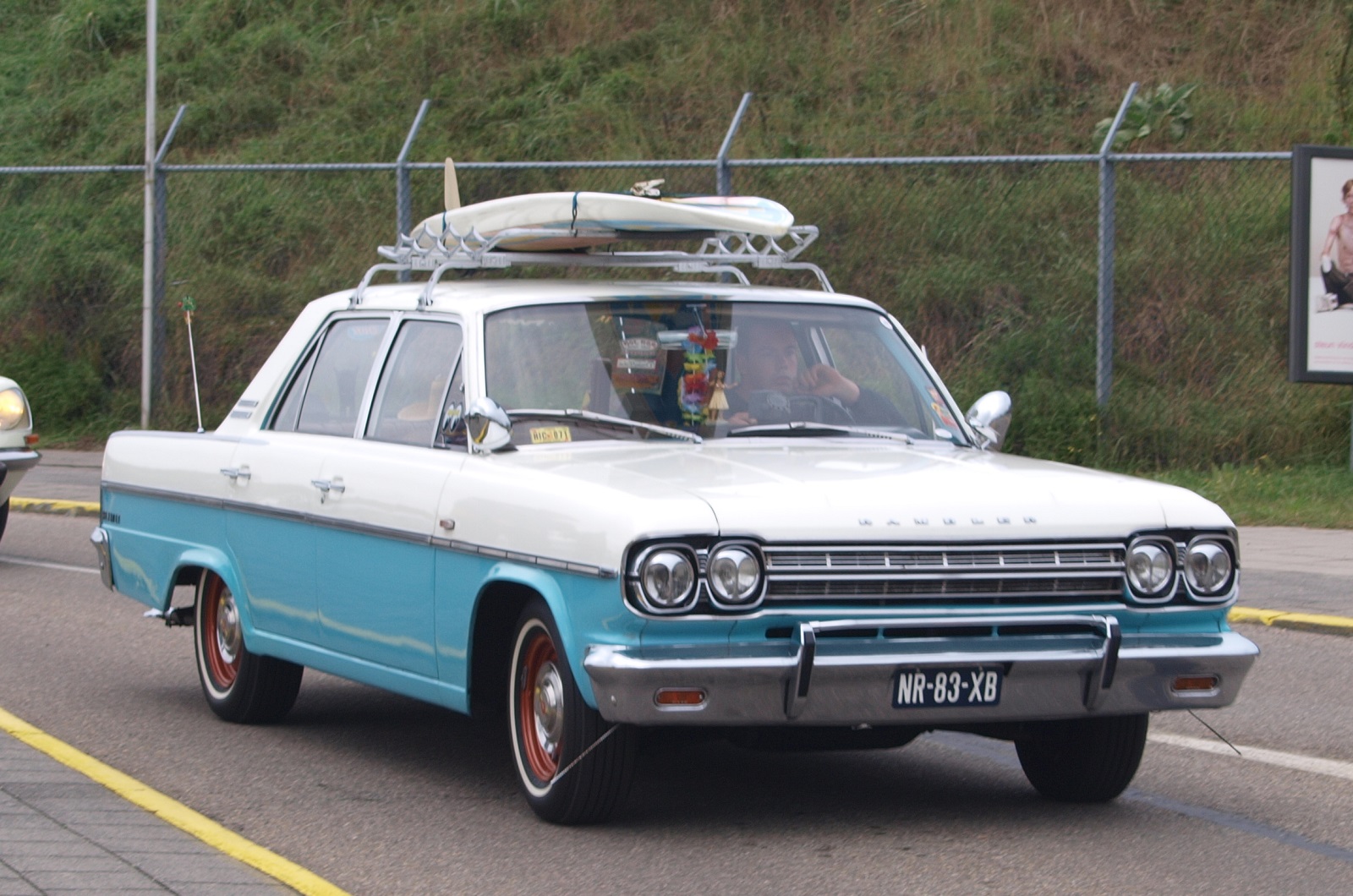
The Fregate occupied the top spot in the Renault range during much of the 1950s. Its ponton design made it considerably more modern-looking than the Citroen Traction Avant, one of its main rivals. The tables suddenly turned when the avant-garde DS made its global debut at the 1955 Paris motor show.
Renault had to fire back. Instead of developing an executive saloon from scratch, it did a deal with American Motors Corporation (AMC) to build and distribute the Rambler in Europe. The firm received the Rambler in kit form and assembled it in Haren, Belgium. The European-spec model came with a 3.2-litre straight-six engine that made 129bhp in its initial state of tune.
The Rambler sold poorly even in France, where it was generally too expensive to buy, register and run. And, in hindsight, many buyers never warmed up to its decidedly American design. President Charles de Gaulle allegedly turned down an armoured Rambler as his official car.
Renault 16 (1965)
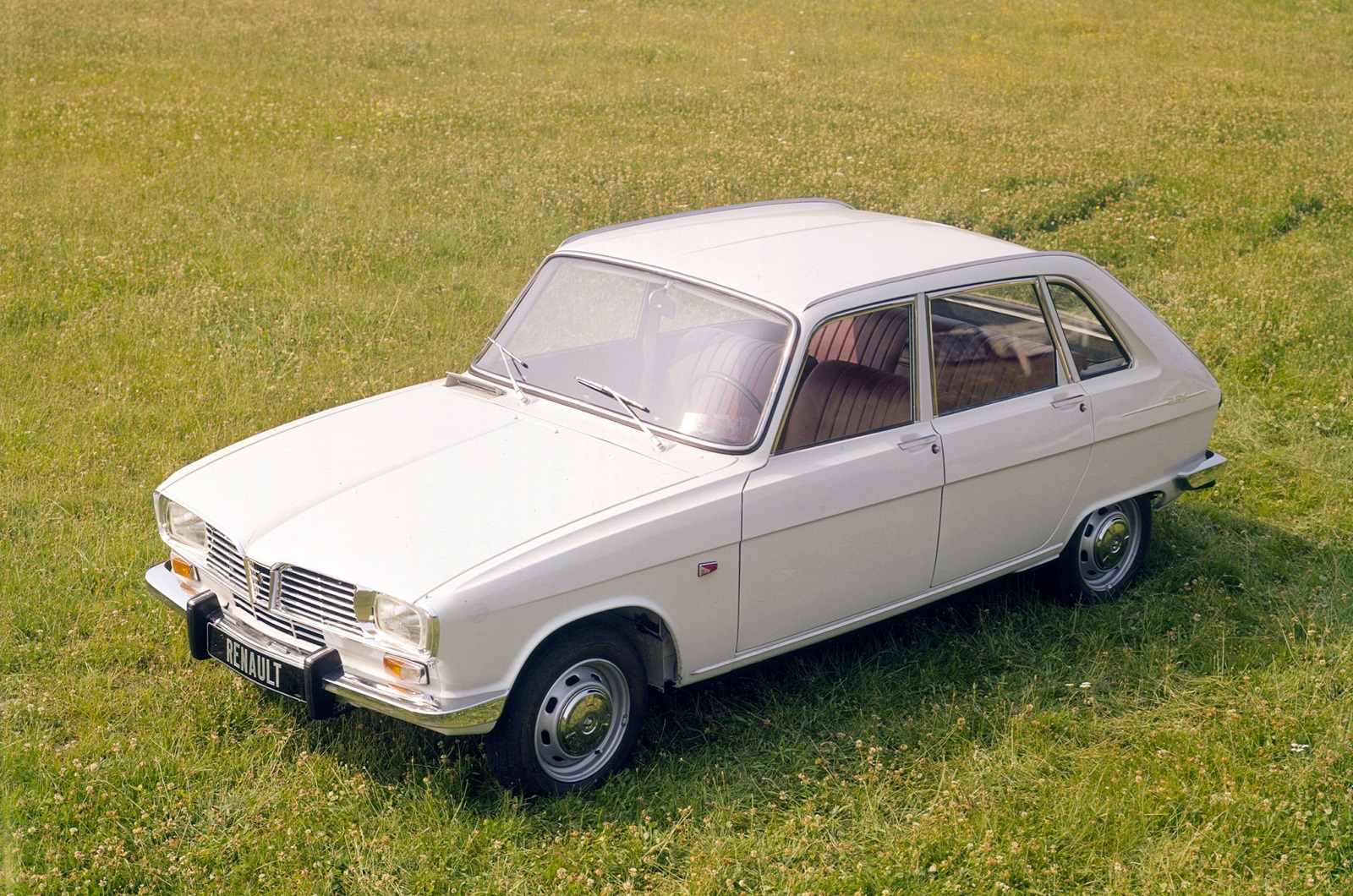
It didn’t take long for Renault to realise the Rambler wasn't going to succeed. Executives asked talented designer Gaston Juchet to draw a new luxury car whose design would resonate with buyers in Europe. He ditched the three-box silhouette and adopted a two-box look with a practical hatch in lieu of a flat boot lid. The sheet metal hid an innovative front-wheel drive layout already seen on Renault’s 3, 4 and Estafette models.
The coupe and saloon variants of the 16 designers experimented with in the early 1960s never made the transition to production. The model nonetheless received luxurious features like an automatic transmission, fuel injection plus power-operated door locks and front windows to cement its position at the top of the Renault range, especially after the Rambler was quietly dropped in 1967.
Renault hoped to replace the 16 with the 20 and position the 30 a notch above. Both models made their debut in 1975 but the 16 remained on sale until 1980. Over 1.8 million examples were built and the model was sold in dozens of countries, including the United States.
Monica 560 (1972)
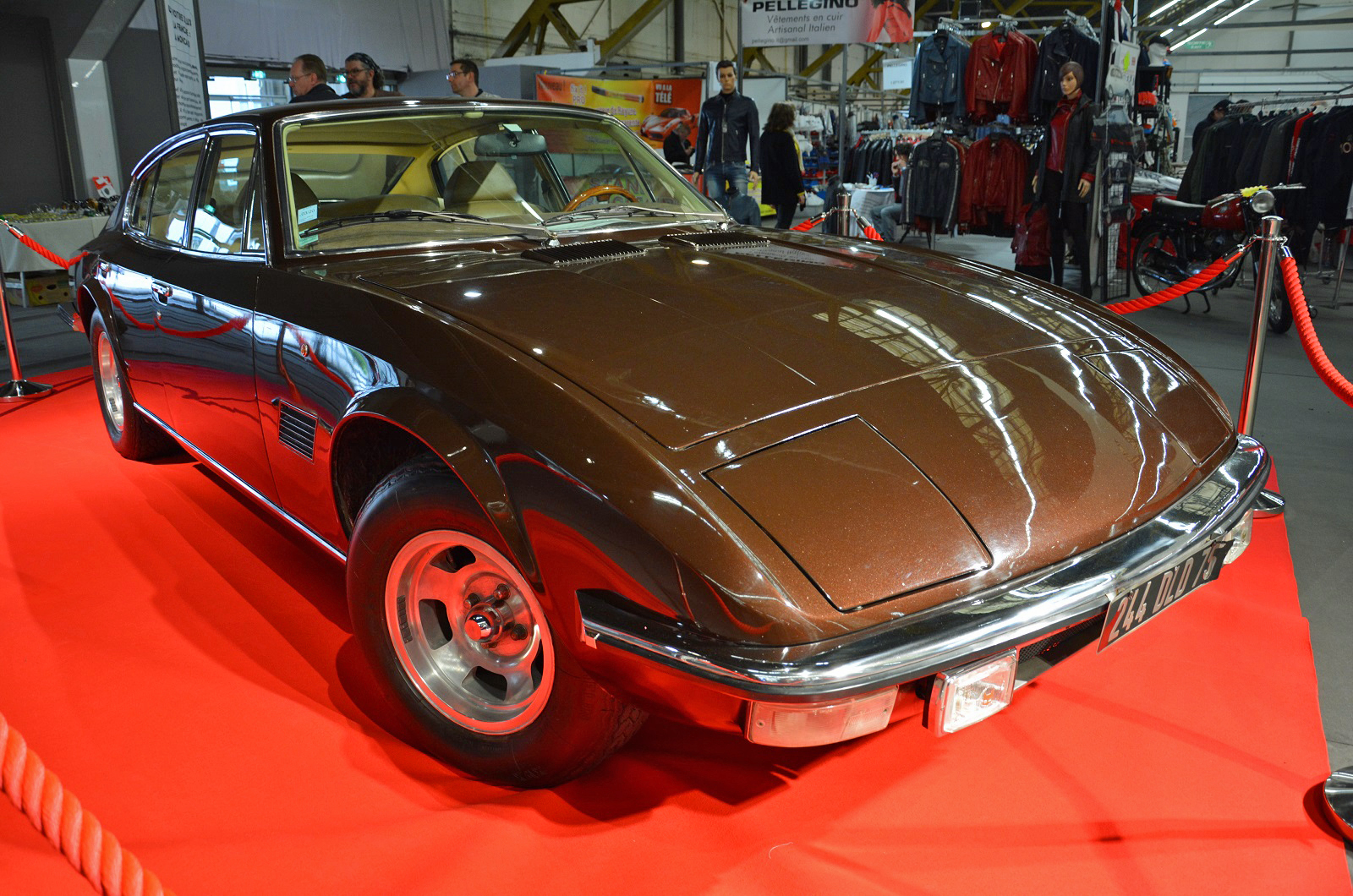
In the late 1960s, a few years after Facel Vega disappeared, a French industrialist named Jean Tastevin embarked on an endeavour to build an ultra-luxurious saloon capable of beating Jaguar, Maserati and Mercedes-Benz. Former Formula One driver Chris Lawrence helped design the car, which Tastevin ultimately named Monica after his wife Monique and 560 to denote the engine’s displacement.
The public first saw the Monica 560 during the 1972 Paris motor show and the production model made its debut a year later at the same event. Early prototypes looked like an overgrown Panhard CD and used a Ted Martin-designed V8. The production model received a contemporary-looking, wedge-shaped body and a 5.6-litre V8 from Chrysler.
The 560, like the Citroen SM, was born at the wrong time. The 1973 oil embargo caused demand for large, uneconomical saloons to collapse. The French government also announced and enforced strict speed limits that further discouraged motorists from buying a fast car. Tastevin nonetheless moved forward with the project and assertively priced the 560 in the same bracket as the Rolls-Royce Silver Shadow. Production started in 1974 and ended a year later. Most historians agree Tastevin built no more than 17 regular-production models, though some argue the real number is much lower.
Citroen SM Opera (1972)
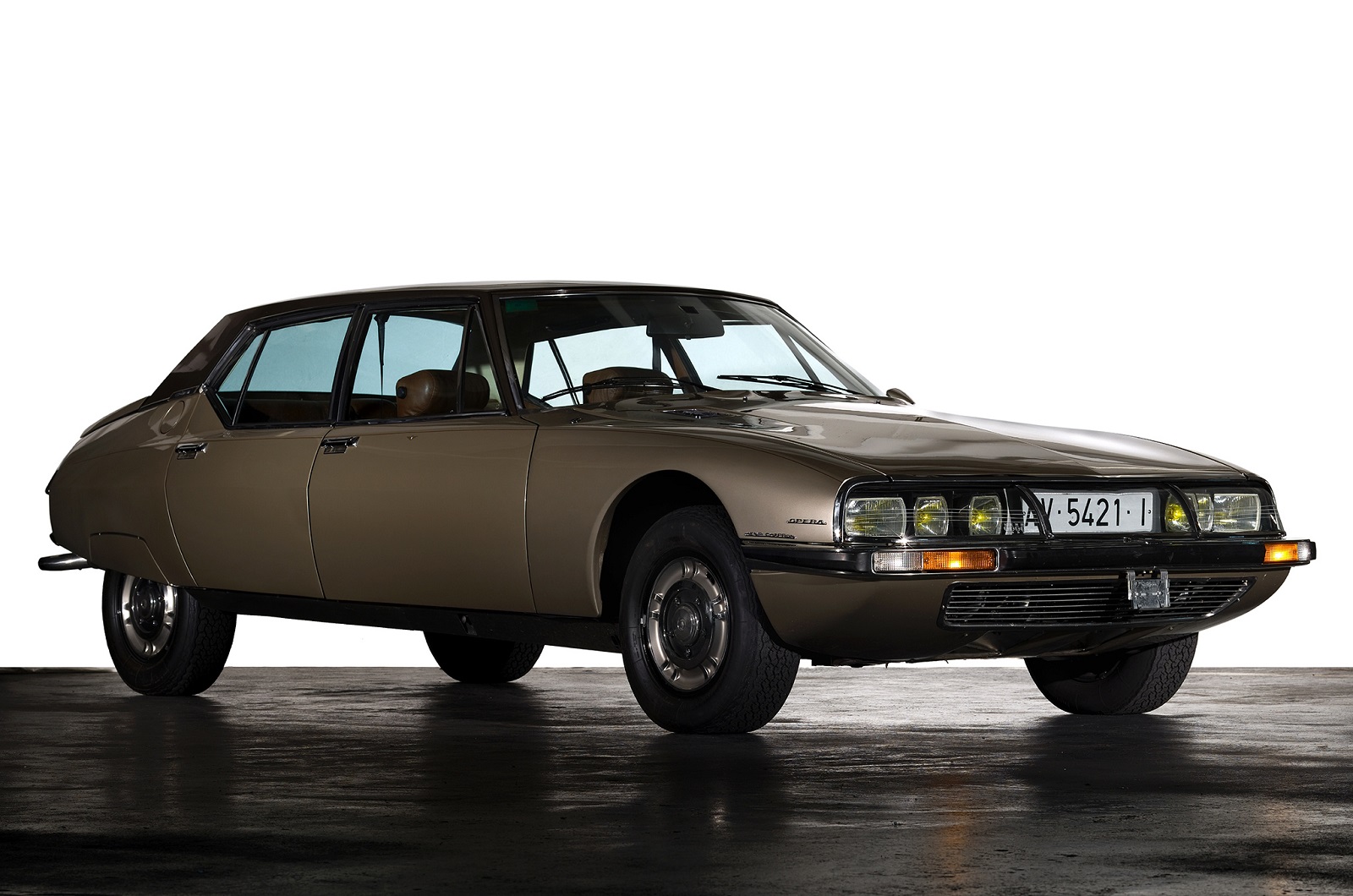
Monica wasn’t the only company ambitiously trying to propel France back to the ultra-luxury car segment. After making a pair of Citroen SM-based cabriolet limousines for the French government, coachbuilder Henri Chapron explored the possibility of building a four-door model with a closed roof. He presented the car – which he called SM Opera – at the 1972 Paris motor show.
The SM Opera found only eight buyers during its short production run, which ended shortly after Citroen stopped making the SM in 1975. The example pictured here traded hands at an auction in 2009 for nearly €200,000.
Citroen CX (1974)
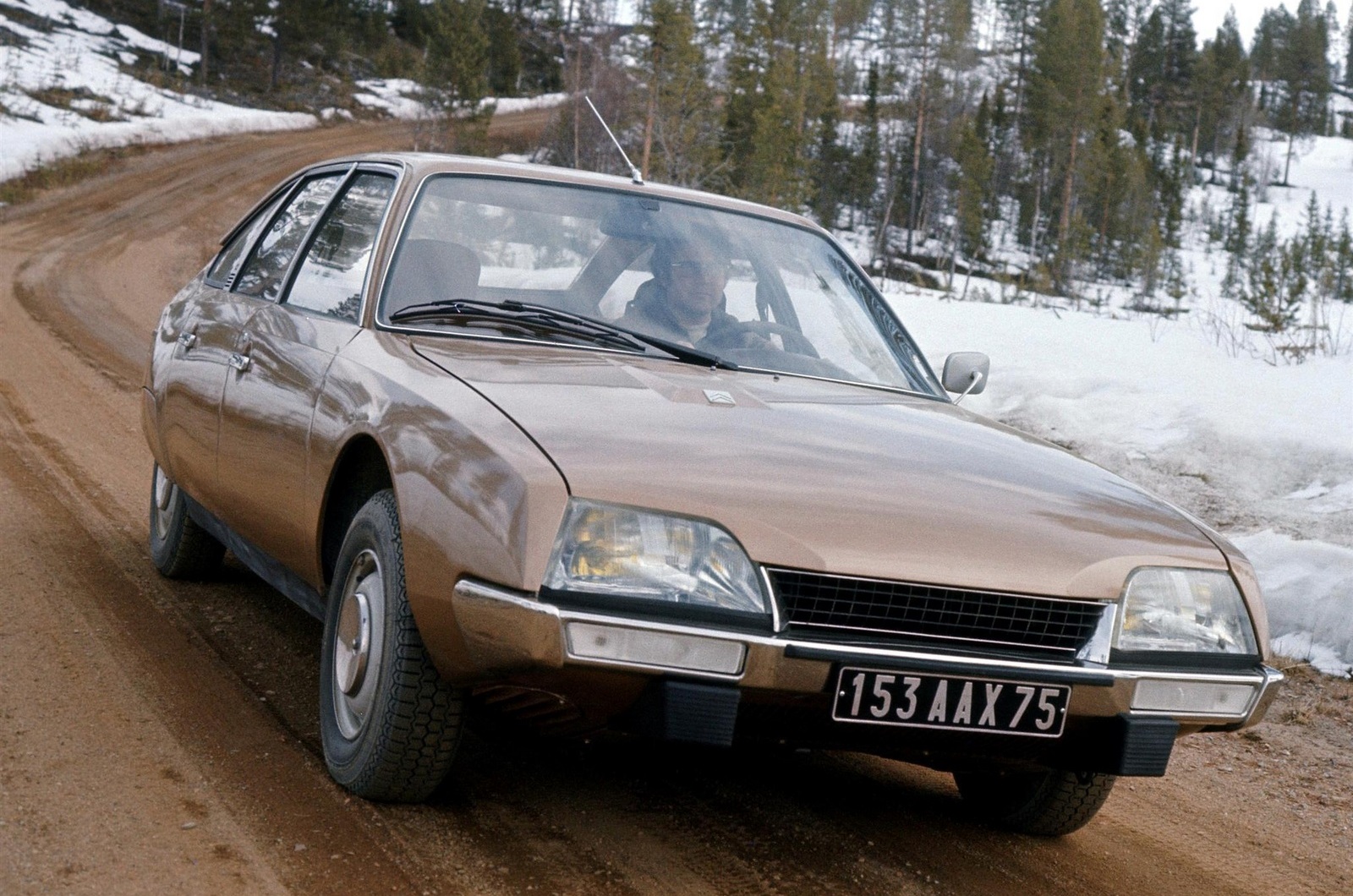
Citroen introduced the CX right before the DS celebrated its 20th birthday. It should have used a 160hp triple-rotor Wankel as its top engine but fuel economy and reliability concerns forced Citroen to cancel those plans at the last minute. The company had access to several V6 engines (including the one in the SM and, later, the Peugeot-Renault-Volvo unit) but the CX’s engine bay was too small for one.
The CX nonetheless enjoyed a long, illustrious career. It spawned several variants including a spacious estate, a long-wheelbase limousine with a cigarette lighter in each rear door panel and surprisingly sporty GTi-badged versions. Chinese officials nearly selected it as their large car of choice during the 1980s but they allegedly back-pedaled after examining the hydropneumatic suspension. The contract instead went to the Volkswagen Santana.
Renault 30 (1975)
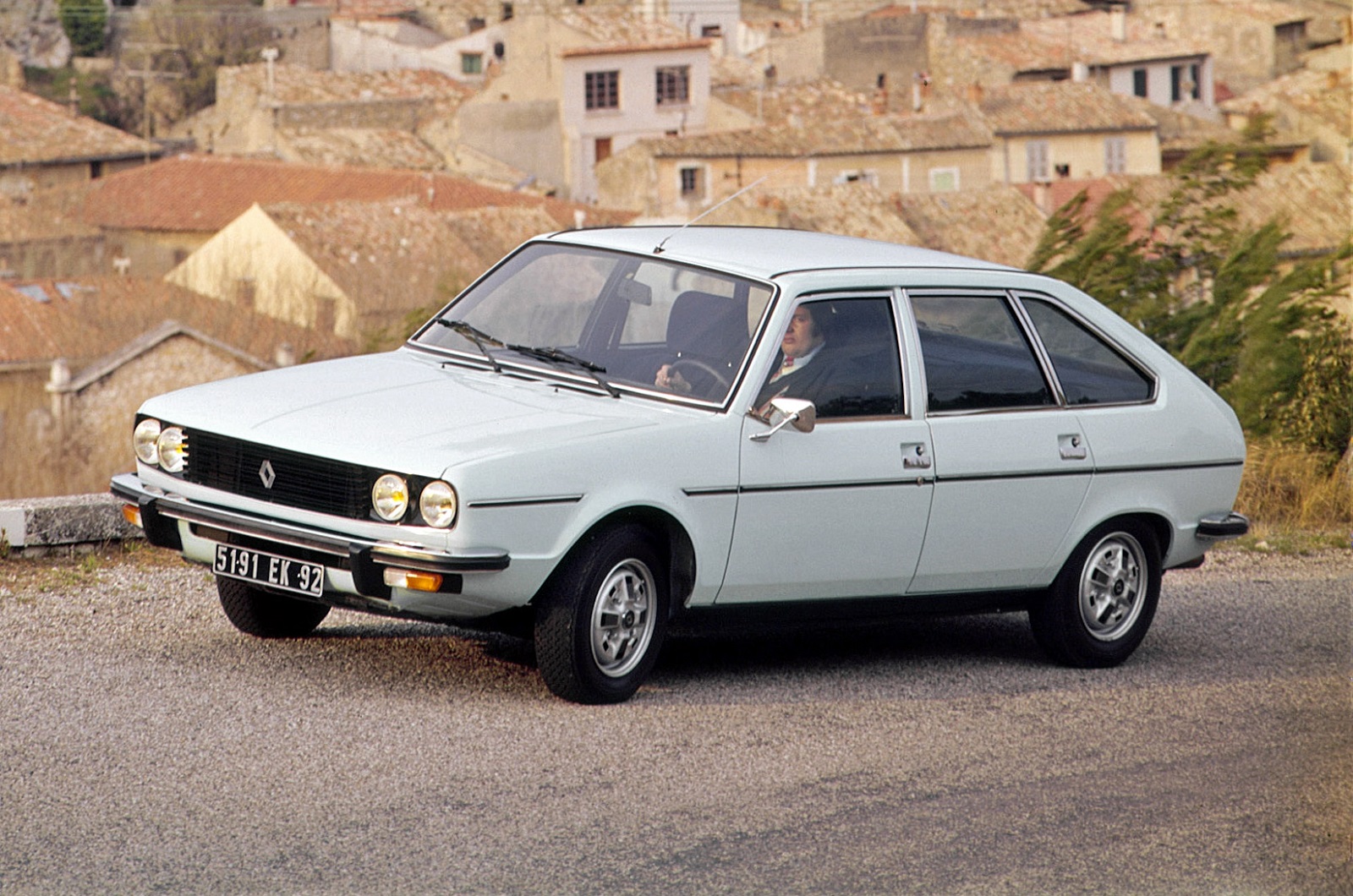
Renault, arch nemesis Peugeot and Volvo formed an unlikely alliance to develop a V8 engine in the early 1970s. In 1973, after the first oil crisis, they wisely decided launching a car with an eight-cylinder under the bonnet would steer them towards financial disaster and chopped off two cylinders to make a V6 instead.
The 30 introduced the PRV engine to the Renault family when it made its debut in 1975. Period road-testers criticized its excessive fuel consumption but praised its handling and its comfort. Visually, the 30 stood out from the 20 (which came with a four-cylinder engine) with its four round headlights instead of two rectangular units. Renault struggled to sell the 30 as well as it hoped. Some blamed the design. The 30 received a turbodiesel engine in 1982 and retired the following year.
Peugeot 604 (1975)
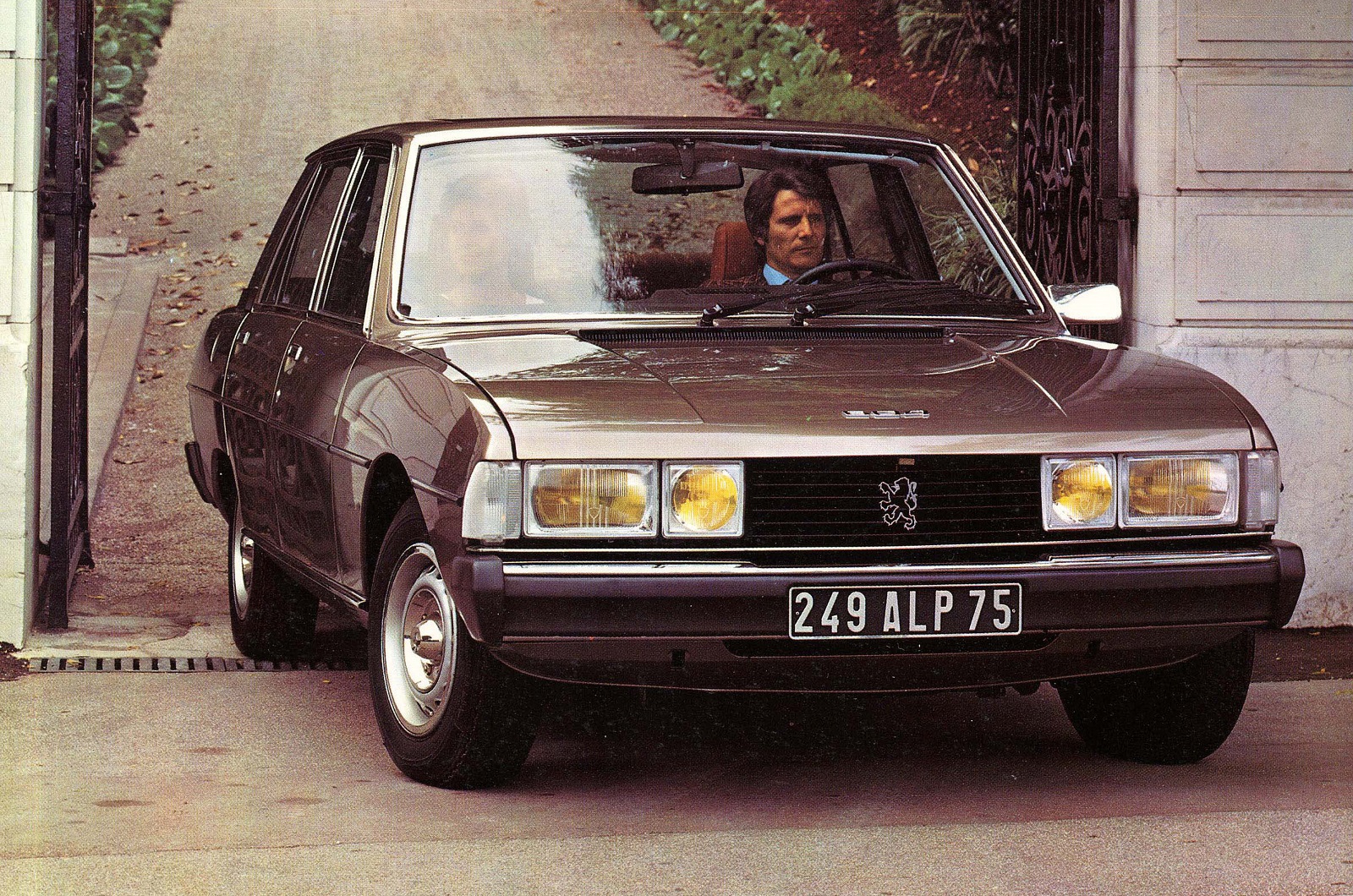
By launching the 604, Peugeot returned to a class it left when it phased out the 601 in 1935. The saloon shared its V6 engine with the Renault 30 and insiders say the two companies tacitly agreed not to step on each other’s toes. Gaston Juchet gave the 30 a two-box silhouette with a large hatch; Pininfarina penned an angular, three-box body for the 604, which Peugeot aimed at motorists stepping out of a Mercedes-Benz.
The 604 focused on comfort above all. Buyers seeking a fully-loaded model could spend extra on niceties like air conditioning, an automatic transmission and leather upholstery. Still, the 604 sold at a glacial pace. Peugeot stopped making it in November 1985, but dealers didn’t sell the last of the new cars they had in stock until July 1987.
Talbot Tagora (1980)
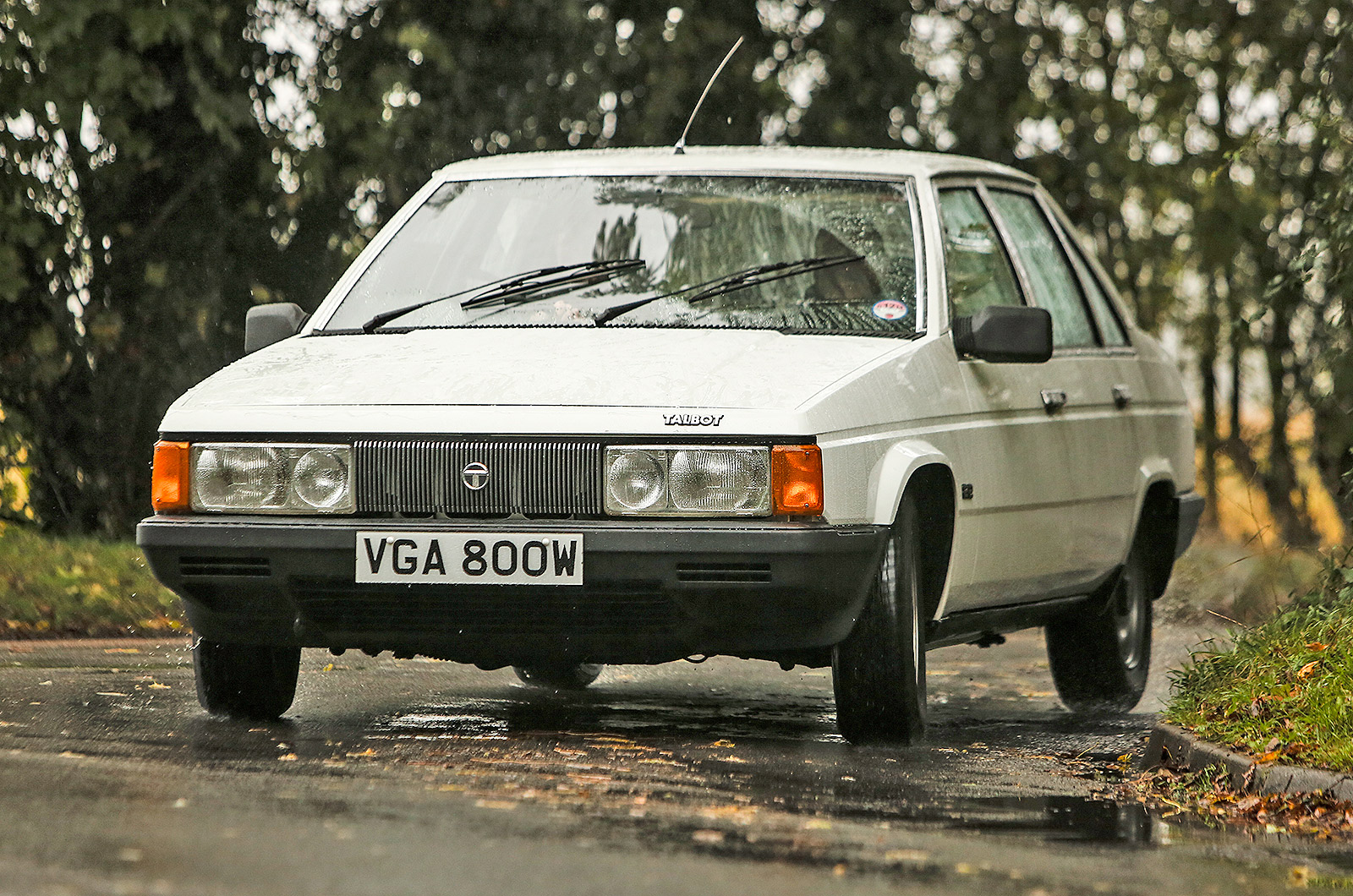
In 1976, Chrysler assigned its Rootes division the task of developing a range-topping saloon for the European market. The design brief called for a traditional three-box model with an engine bay big enough to swallow a straight-six. The model – called C9 internally – was nearly ready for production when Chrysler began showing signs of imminent collapse. It decided to sell its European division.
The French government pressured Peugeot into buying it to save Simca and the thousands of jobs at stake. Peugeot closed the deal in 1978, two years after reluctantly absorbing Citroen in similar conditions, and quickly resurrected the Talbot name to replace Simca. No one at Peugeot wanted the Tagora; executives understandably feared it would overlap with the 604. Decision-makers nonetheless chose to move forward with the project because it was nearly ready for production. Engineers fitted it with the 505’s running gear in a bid to reap the benefits of economies of scale.
Peugeot dealers had little desire to sell Talbot models and buyers had no idea what a Talbot was. Annual Tagora production dropped to 2624 examples in 1982 and Peugeot stopped making the model in 1983.
Renault 25 (1983)
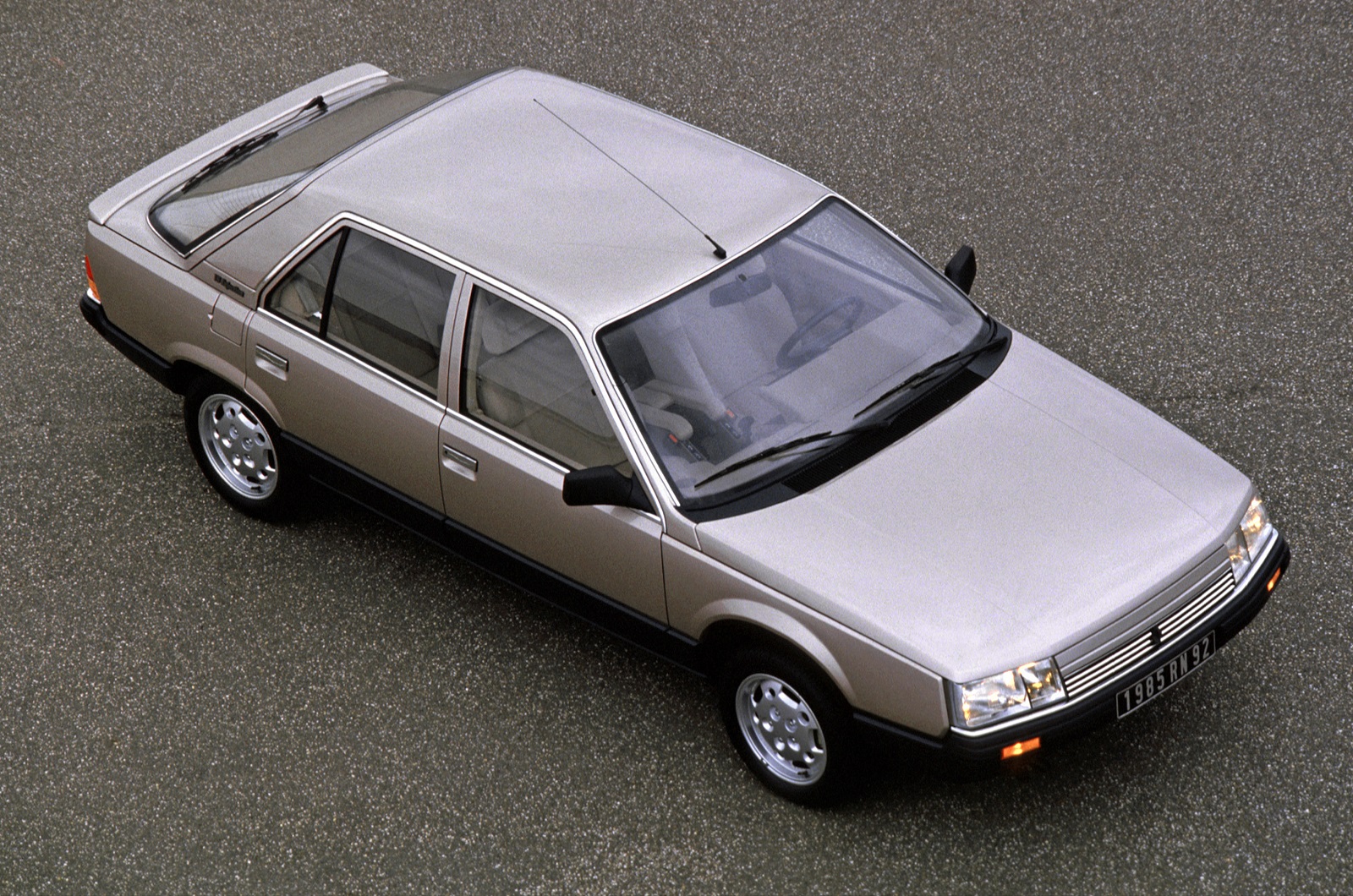
Renault executives envisioned the 25 as a world-class car that would propel the firm back into the luxury car segment. The 604 and the CX were getting old and the Germans were within reach; this was Renault’s chance to shine. Designers and engineers working on the project were given a generous budget to ensure they created a modern, safe car that drove at least as well as the competition.
It all came together nicely – on paper. In reality, cost-cutting measures created reliability problems that plagued early cars. Renault boss Raymond Levy did little to mute the chatter when he publicly revealed his personal 25 broke down on a monthly basis. Visual and mechanical improvements made in 1988 managed to salvage the car’s career.
Peugeot 605 (1989)
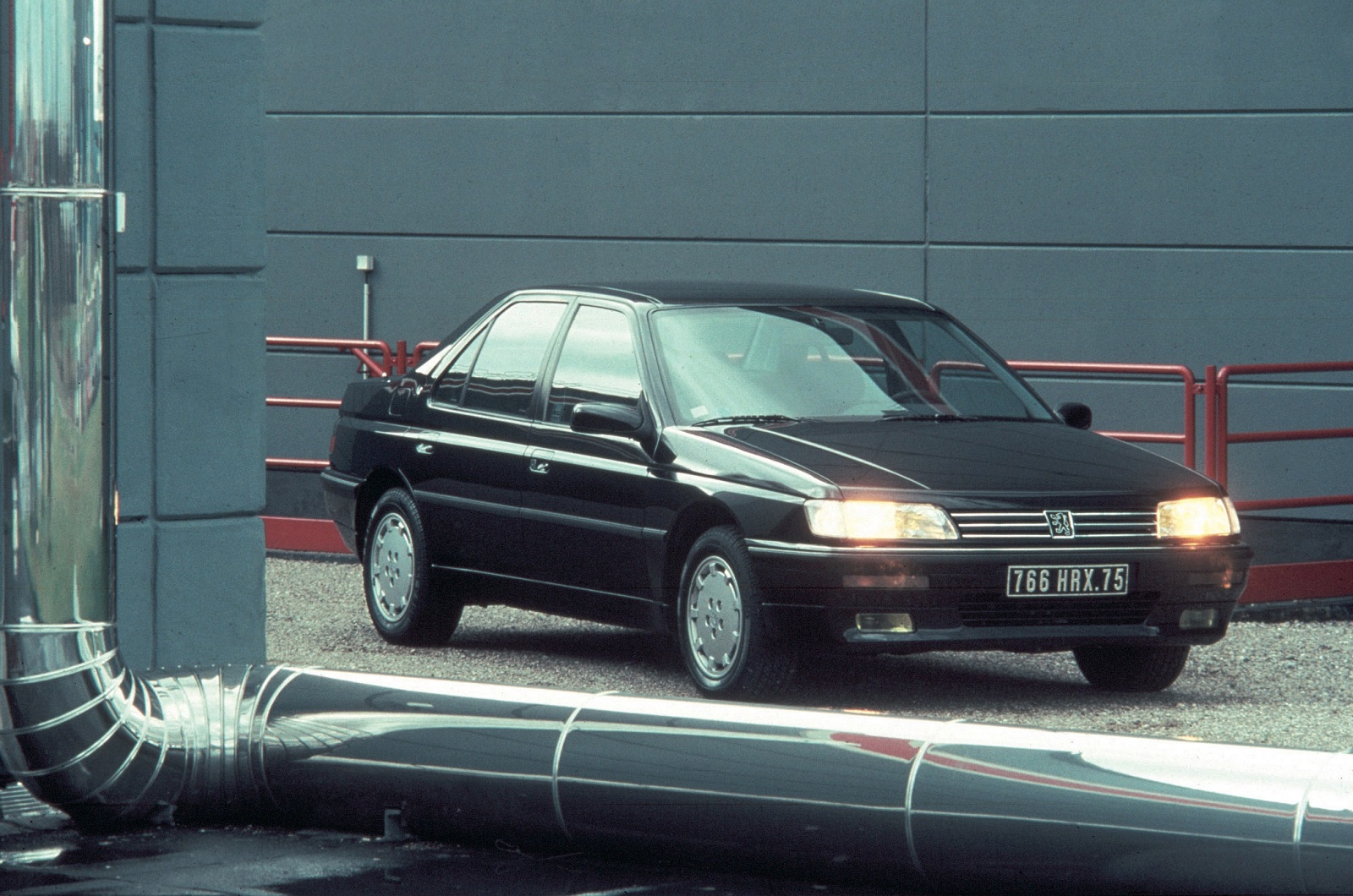
The 605 helped usher Peugeot into the era of in-car electronics. It was an expensive but essential move for a firm serious about competing against German brands like Audi, BMW and Mercedes-Benz. Peugeot initially offered the 605 with petrol-powered four- and six-cylinder engines. Period road testers praised its handling, its comfort and its luxurious interior. Buyers did, too, but the magic faded when they began experiencing issues with the car. Rushed to the market, the 605 suffered from a small galaxy of electrical problems that sent early cars back to the garage on a regular basis.
Peugeot issued several recalls and managed to fix the problems by the 1993 model year but the damage was done. Reliability woes had completely decimated the saloon’s reputation. Peugeot predicted it could sell 500,000 examples of the 605 over a 10-year period. It stopped making the car in 1999 after producing about 250,000 units.
Citroen XM (1989)
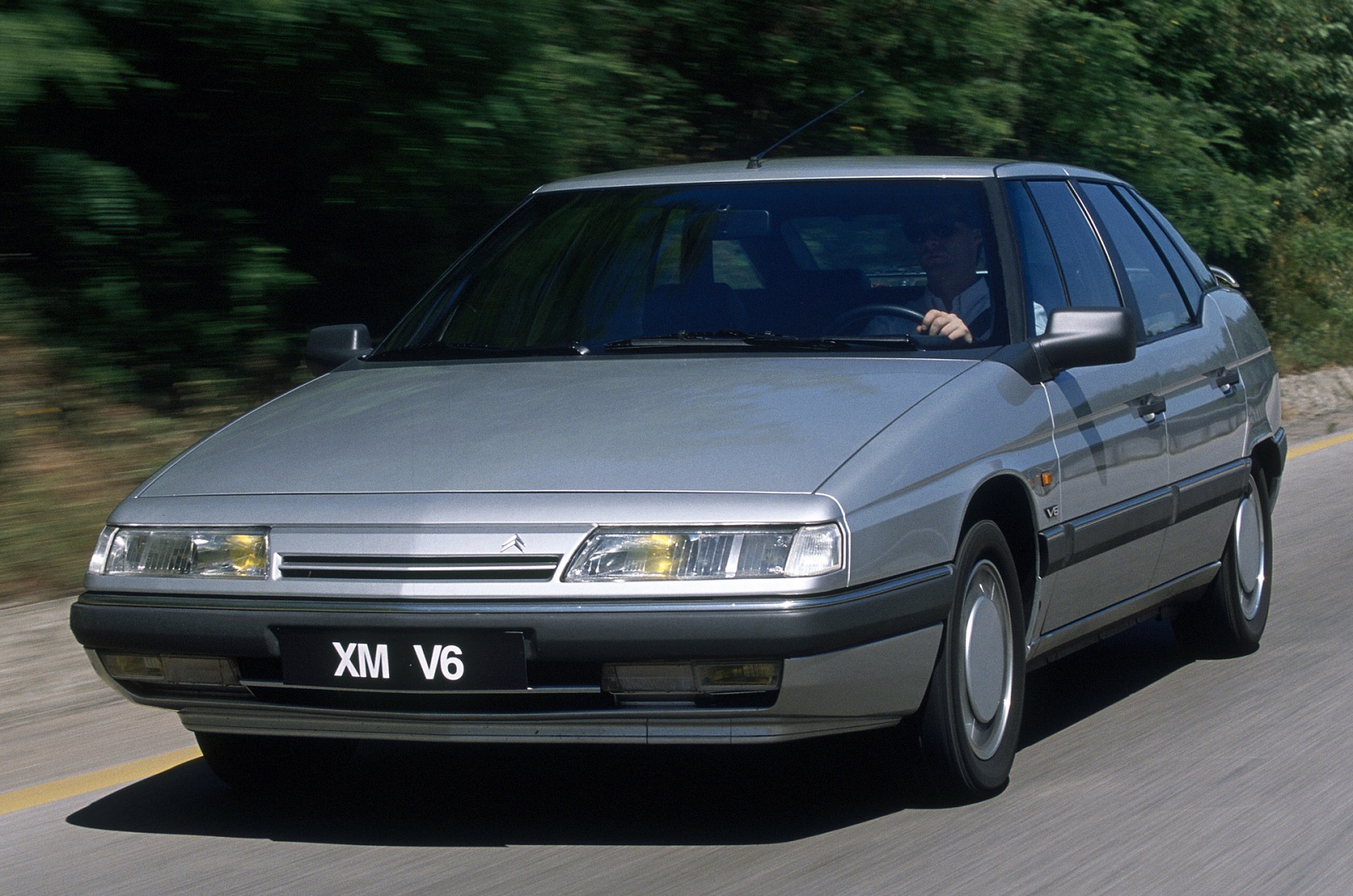
Flagship saloons from Citroen don’t come around very often. The brand introduced the all-new XM in 1989, a full 15 years after the CX made its debut. The Bertone-styled design made the XM one of the most futuristic-looking new cars in Europe when it arrived on the market. The sheet metal hid a new version of Citroen’s hydropneumatic suspension and a 13th window added to protect the occupants from wind when the hatch was open. The XM beat the Mercedes-Benz SL and the Ford Fiesta to win the coveted car of the year award in 1990.
The XM shared numerous components with the Peugeot 605 – and it suffered from the same electrical problems. Citroen tried cutting costs during the production process, components failed and early owners often found themselves with the suspension stuck in sport mode, without A/C, with broken windscreen wiper motors or with failing taillights.
Citroen made the XM appreciably more reliable starting in 1993 and fixed early cars for free but the model struggled to recover from the bad publicity. It nonetheless remained in production until 2000.
Renault Safrane (1992)
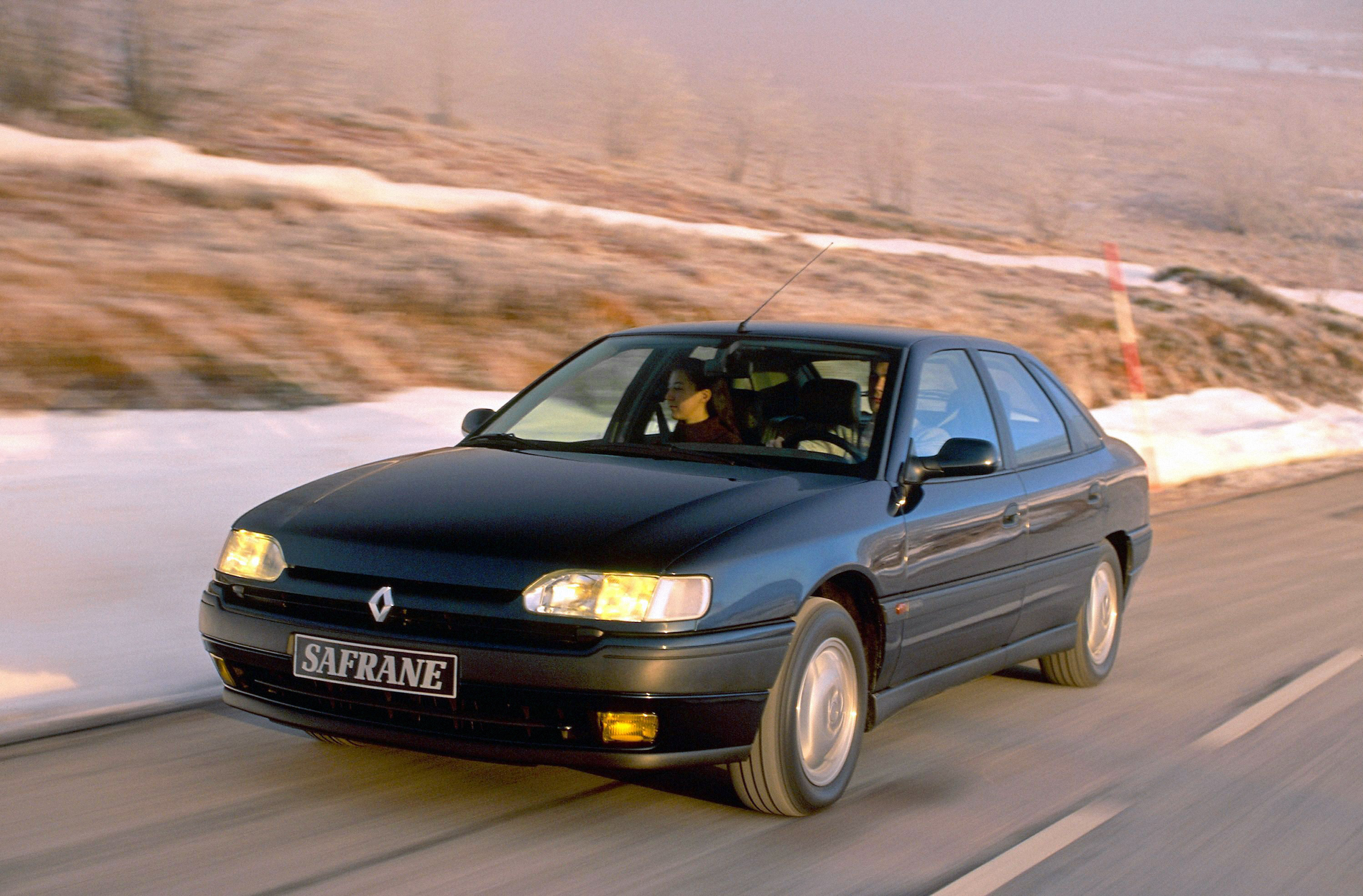
Rumours claiming Renault would hastily replace the 25 before the end of the 1980s allegedly motivated Peugeot and Citroen to rush the 605 and the XM to the market. They were false; the Safrane didn’t make its debut until 1992. Visually, it broke most ties with its predecessor inside and out.
Like its rivals, Renault wanted the Safrane to encroach on the Germans’ turf. To that end, it launched a range-topping model named Biturbo with a 3.0-litre, twin-turbocharged V6. It sent its 268bhp output to the four wheels through a five-speed manual transmission.
Renault phased out the Biturbo in 1996 after making about 800 examples. The Safrane remained at the top of the company’s range until 2002.
Peugeot 607 (1999)
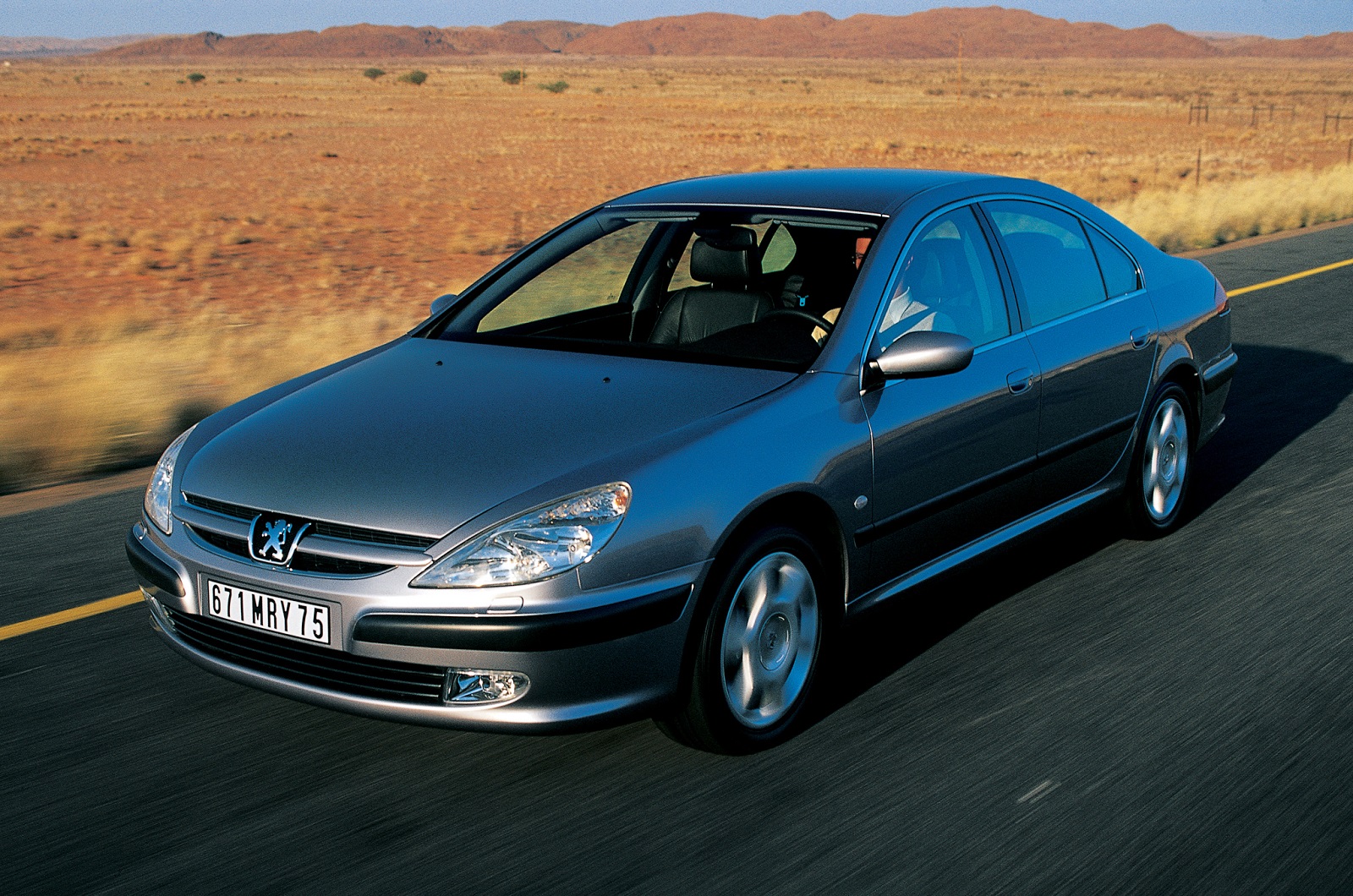
Peugeot built the 607 on an improved version of the 605’s platform. Introduced in 1999, its career almost got off to an atrocious start when French journalists driving pre-production models labelled its handling as catastrophic. Photos of a 607 going around a cone on two wheels started appearing on magazine covers across Europe. Peugeot averted a major crisis by making changes to the suspension and fitting different tyres to the car before the first examples reached showrooms.
Peugeot made 168,875 examples of the 607 between 2000 and 2010. It didn’t sell as well as the 605, of which about 250,000 examples were made, but it fared considerably better than the Citroen C6 and the Renault Vel Satis.
Renault Avantime (2001)
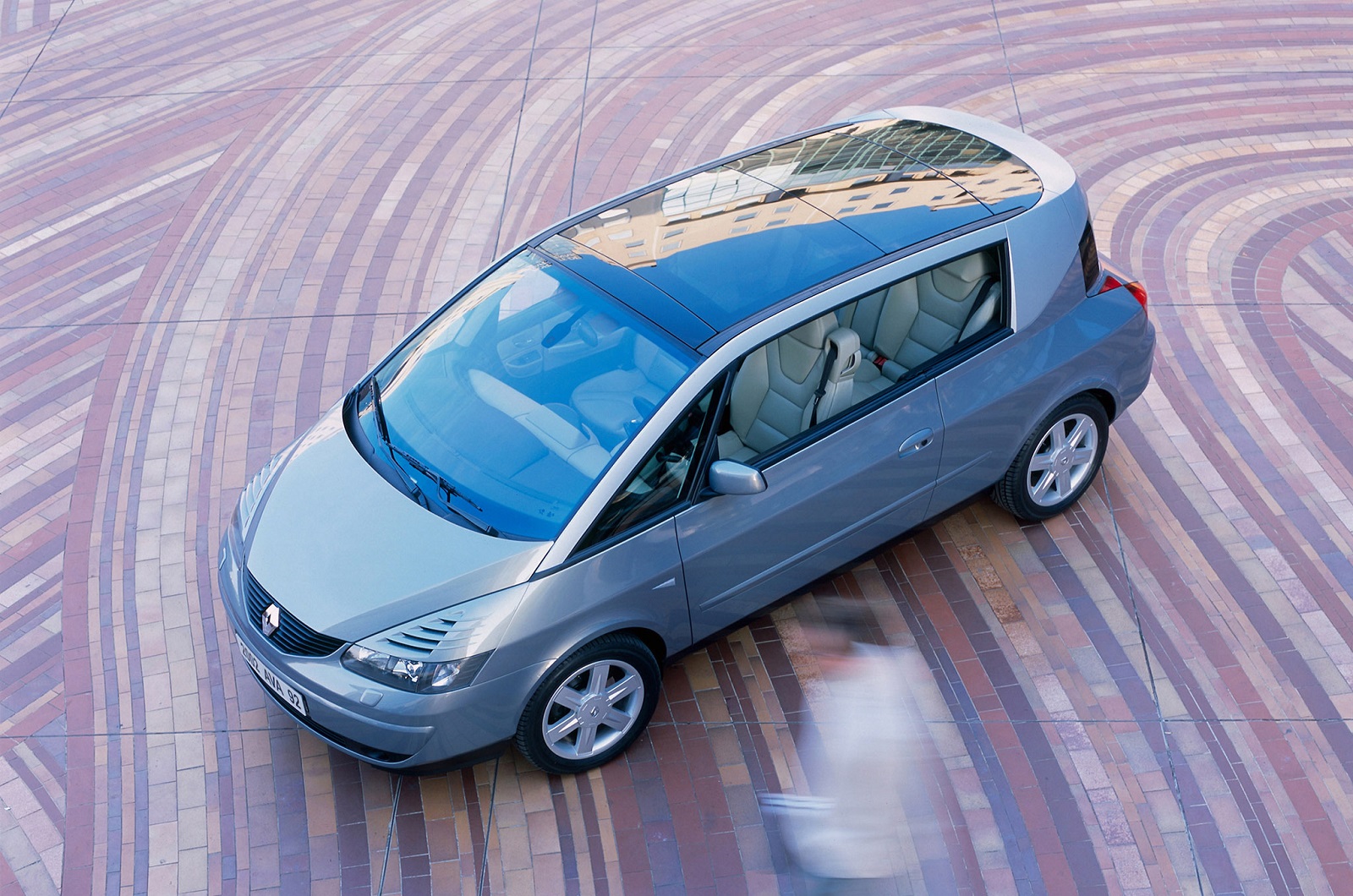
Renault surprised the public at the 1999 Geneva motor show with a segment-defying concept car named Avantime. Some speculated it merely previewed the fourth-generation Espace. It did, but it also signaled the arrival of a production model that made its debut at the 1999 Frankfurt motor show.
The opinion-splitting design set the Avantime apart from other luxury coupes. It wasn’t an autobahn stormer; it was a périphérique cruiser. Renault asked Matra to start production in early 2000 but pushed back the launch several times to solve problems that came up during the development process. Notably, its doors required dual hinges because they measured 140cm in length and weighed over 50kg.
Launched too late, too expensive and badly built, the Avantime stumbled and never got back up. Matra made the last of 8557 Avantimes in early 2003 after a production run that lasted only 16 months. It closed its factory shortly after, laying off 2500 workers, and hasn’t made a car since. The Avantime started its career with a botched launch and ended it with an industrial fiasco yet it has managed to make inroads into the collector car world today.
Renault Vel Satis (2002)
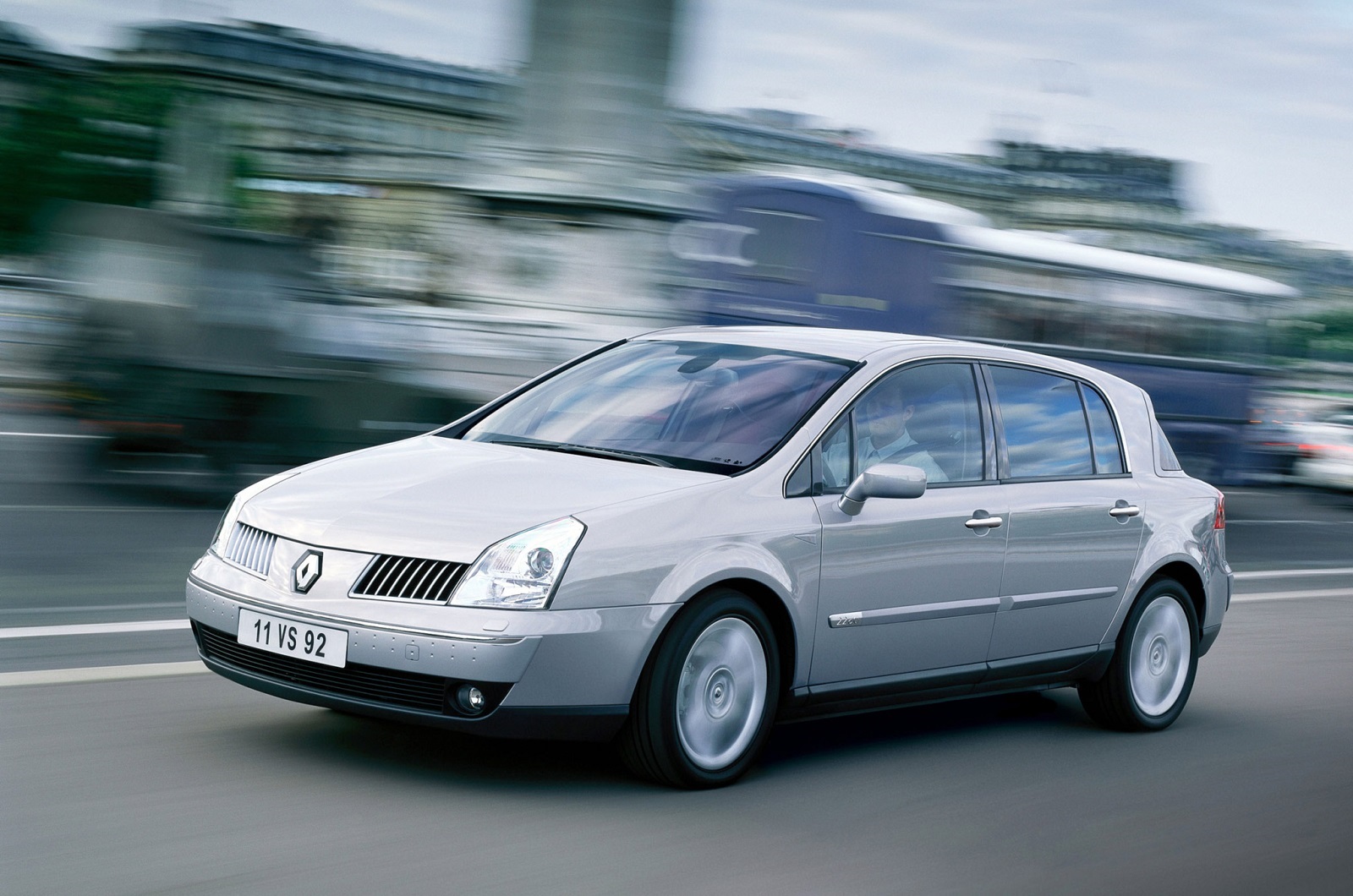
With the Vel Satis, Renault wanted to offer buyers a different alternative to a typical luxury saloon. It certainly didn’t look like one; it received a tall, almost people carrier-like silhouette and, for better or worse, it looked like nothing else on the road at the time. Well, almost.
Renault originally planned to release the Avantime about two years before the Vel Satis but as mentioned the project was delayed. The two cars therefore arrived on the market at almost the same time. Dealers reported prospective buyers didn’t understand which one was positioned as Renault’s true flagship. Renault wholly over-estimated the degree of design boldness motorists shopping in that class were willing to accept.
Vel Satis production ended in 2009 after Renault sold a little over 62,000 examples of the car. In comparison, the more conventional Safrane found around 310,000 buyers during a production run that only lasted a year longer.
Citroen C6 (2005)
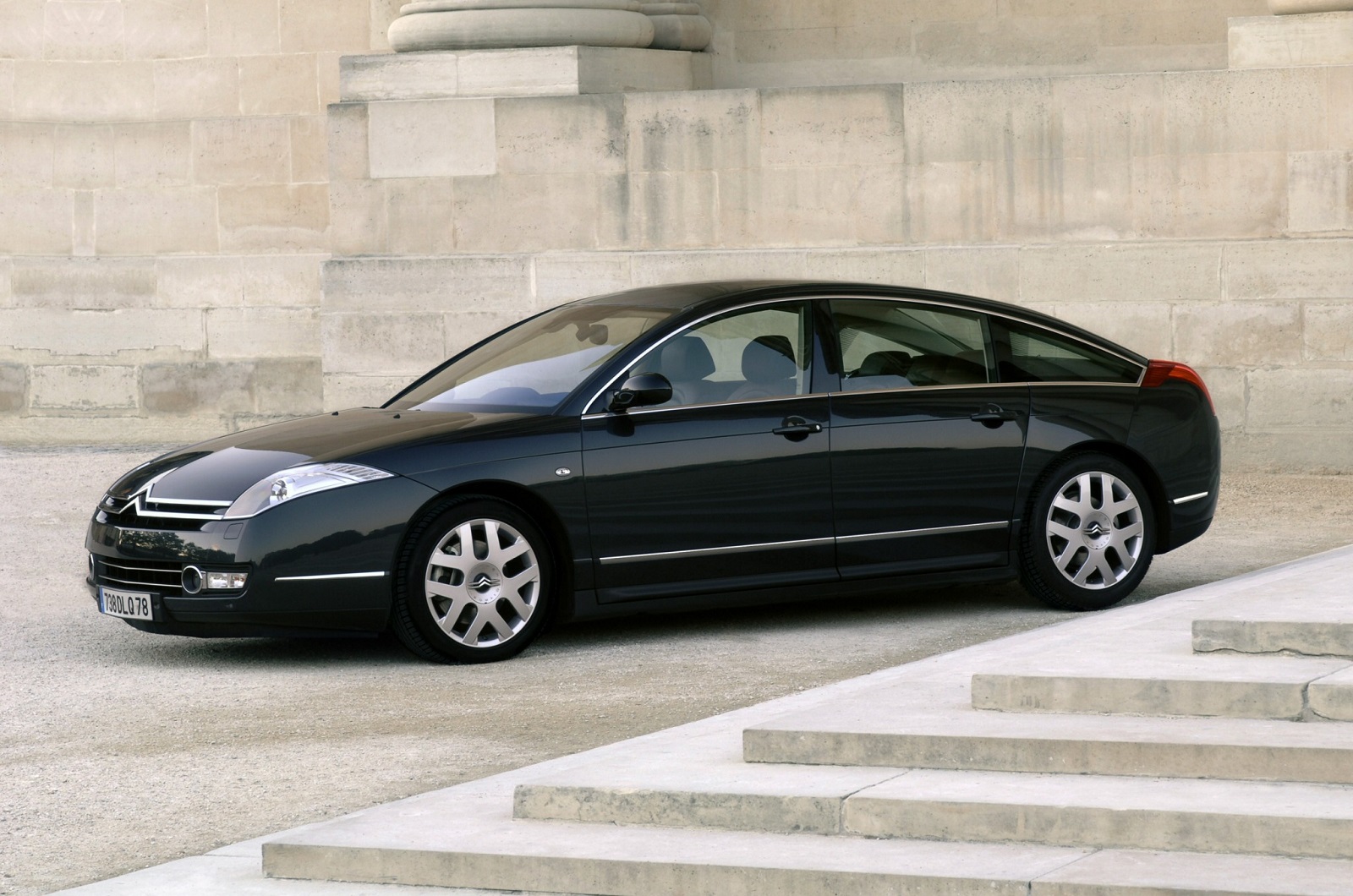
The XM died without an immediate successor. Many feared Citroen had thrown in the luxury-class towel until the C6 made its debut at the 2005 Geneva motor show. It borrowed many styling cues from the striking C6 Lignage concept introduced at the 1999 edition of the Geneva show and, consequently, paid tribute to the CX with its aerodynamic lines and concave rear window. Inside, it boasted a luxurious cabin with high-tech equipment like a head-up display and a lane-departure warning system.
Citroen hoped to sell approximately 30,000 examples of the C6 annually, a figure that, if attained, would have put the model about on par with the XM in terms of sales. Annual production peaked in 2007 at 7600 cars and Citroen quietly axed the model in 2012 after selling under 23,500 cars in total. The C6 died without an immediate successor, too.
Citroen DS5 (2011)
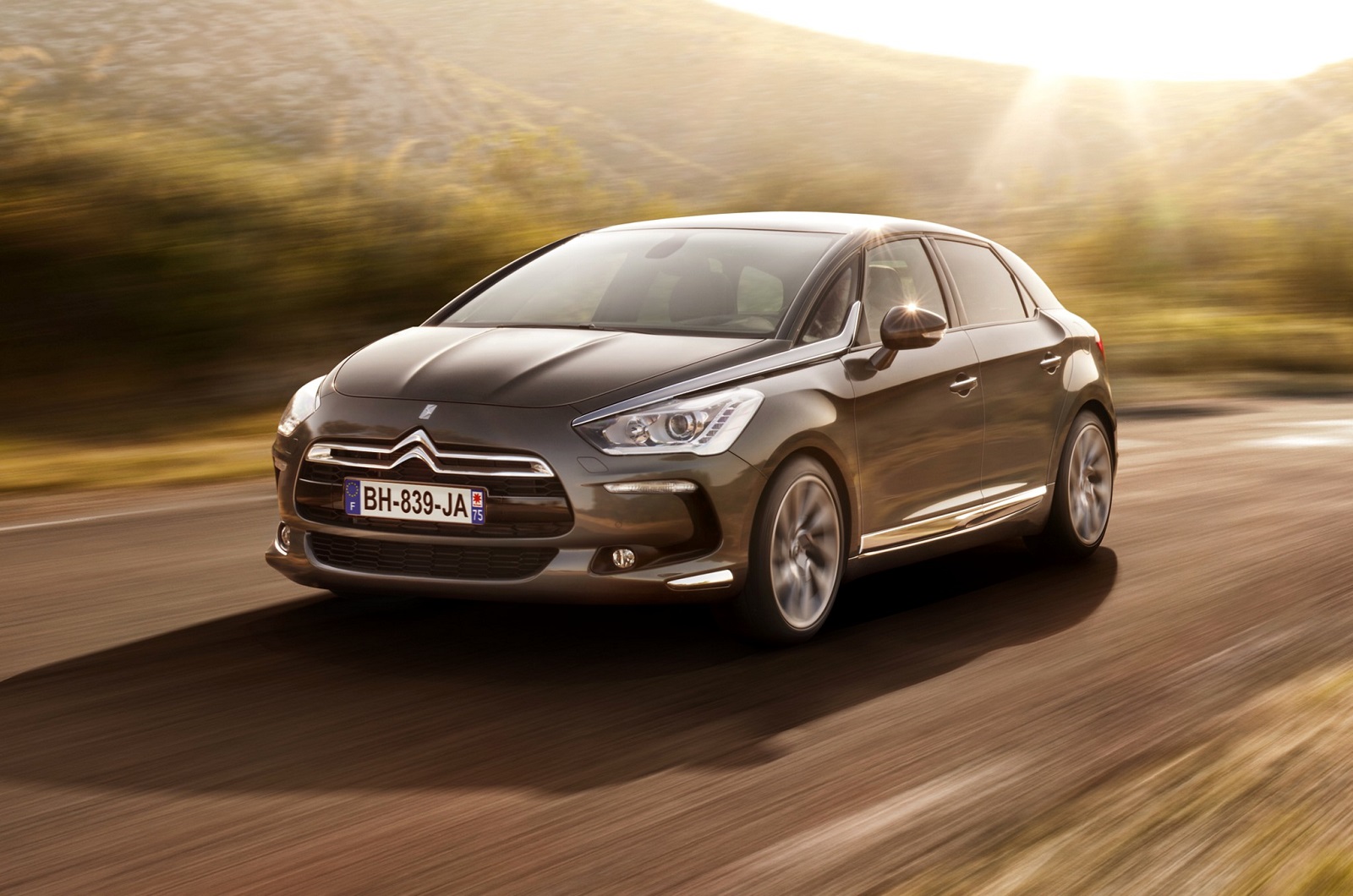
Citroen previewed the DS5 by showing a concept car named C-Sportlounge at the 2005 Frankfurt motor show. Its design evolved during the long transition from a concept to a production model but its overall proportions stayed roughly the same. The DS5 became Citroen’s flagship after the C6’s demise. It shared its platform with Peugeot’s 3008 and 5008 models, meaning it couldn’t receive a V6 engine. Citroen instead offered full-fat variants with a 200hp diesel-electric hybrid powertrain.
Like its smaller siblings, the DS5 turned in its Citroen emblems in 2015 when DS became a standalone brand. Aesthetic tweaks (including a redesigned grille) accompanied the new name. Though comfortable and practical, the DS5 never convinced luxury car buyers. Production ended in May 2018.
Renault Latitude (2010)
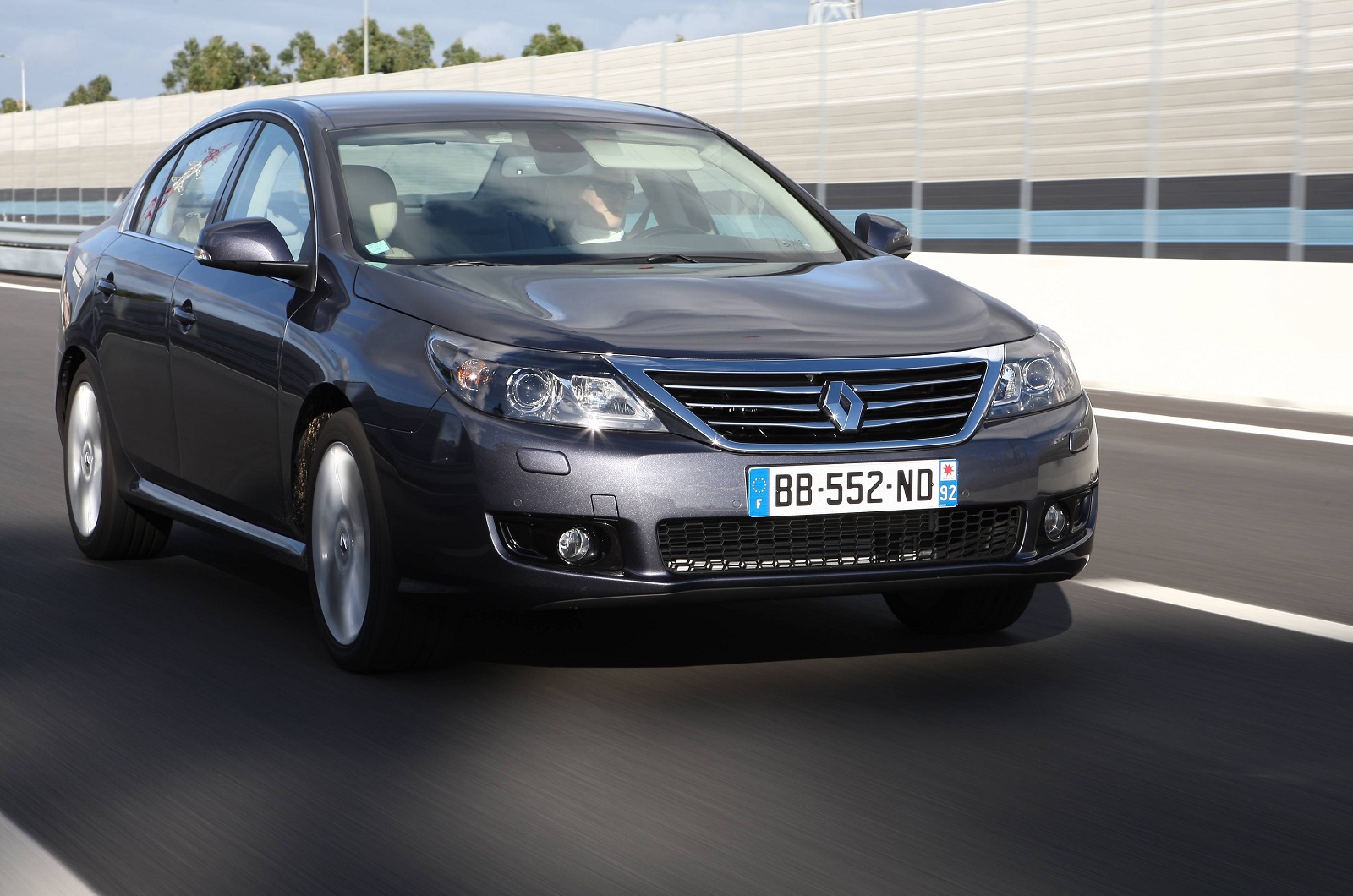
The Latitude emerged from the dubious same train of thought that created the Renault Rambler. Rather than replacing the Vel Satis with an in-house design, the firm affixed its emblem onto the SM5 built by South Korean partner Samsung, which had briefly entered the car business. The Latitude completely missed the mark in Europe, where its lacklustre design and uninspiring interior did little to lure buyers into showrooms.
Renault stopped selling the Latitude in 2015. We’re not sure anyone noticed.
Citroen C6 (2016)
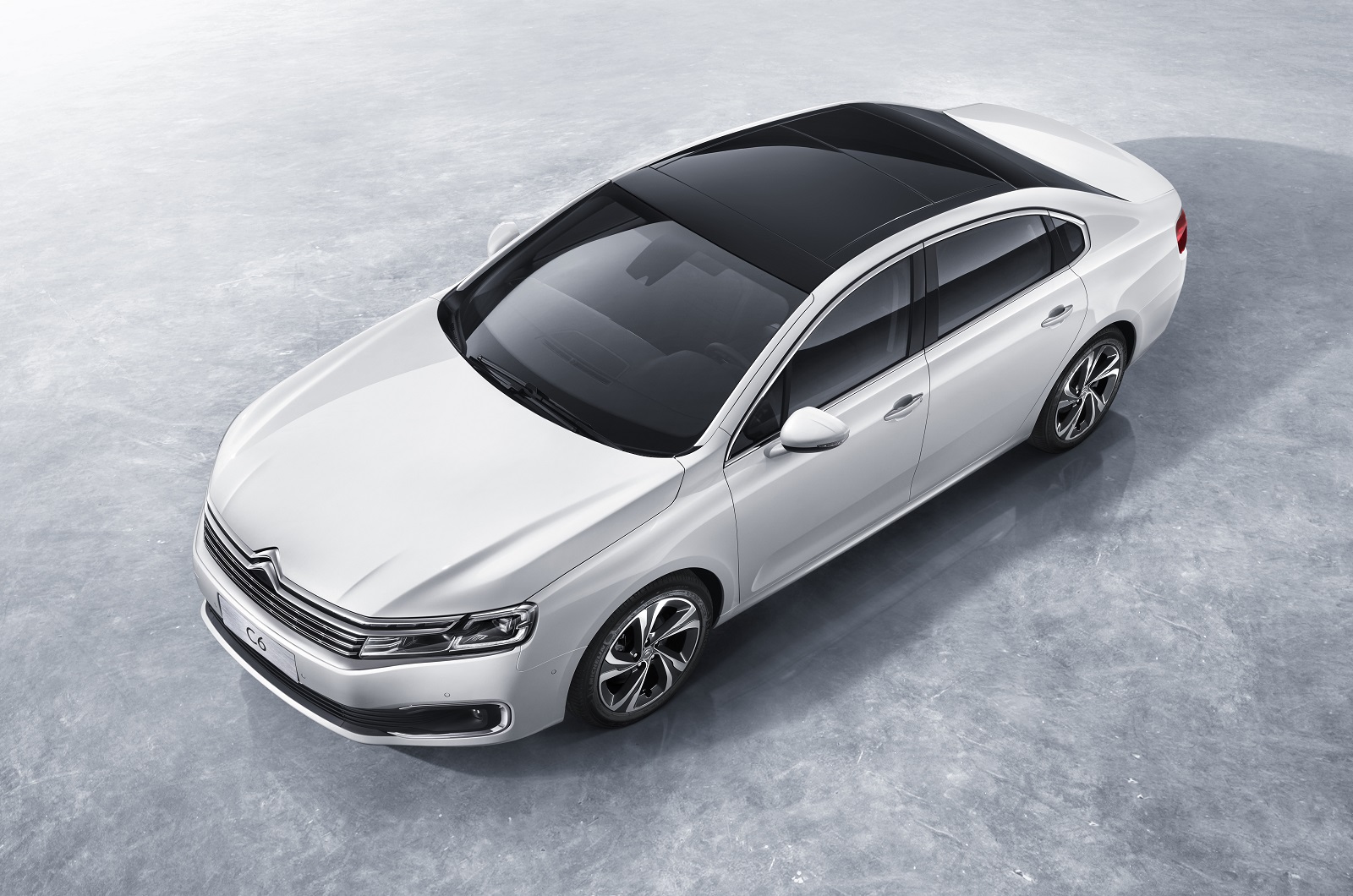
The C6 nameplate returned for the third time in 2016 on the boot lid of a large saloon made and sold exclusively in China. While stand-out style gave Citroen’s previous flagship models a generous dose of allure, this version of the C6 wears an anonymous design that, with a different front end, could pass as anything from a Peugeot to a Vauxhall to a Hyundai.
That’s because it wasn’t designed by Citroen - it was a badge-engineered version of the Dongfeng Fengshen A9.
If you enjoyed this story, please click the Follow button above to see more like it from Autocar
Photo Licence: https://creativecommons.org/licenses/by/4.0/deed.en

Mustang Recalls Expose Diverging Reliability Risks for Gas and Electric Models

Peugeot’s China-Focused Flagship EVs Redefine Brand Identity Beyond the European Market
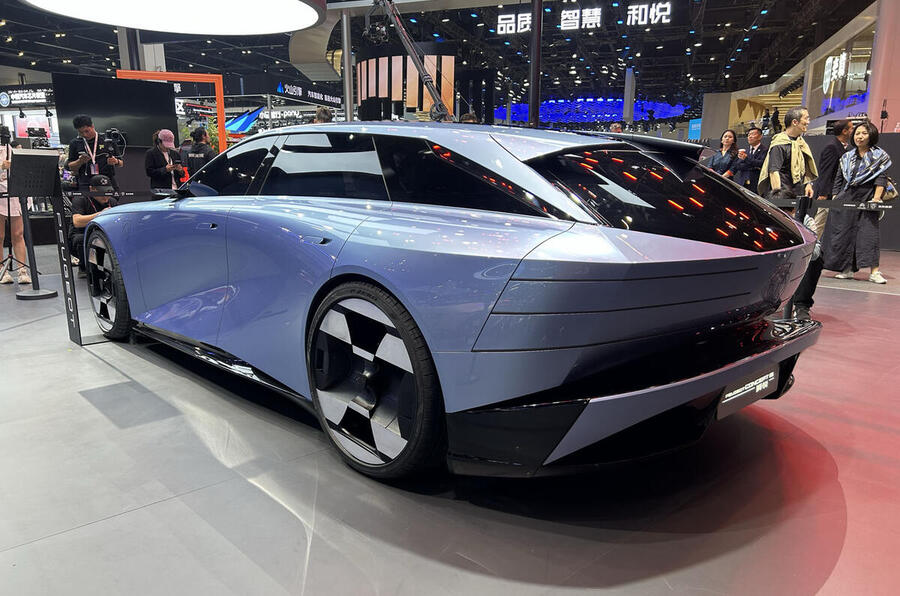
Rakish estate concept is thought to evolve into a 508 successorSharp estate and large SUV will be "100%" Peugeot designs but won't be sold in brand's home market
Peugeot will ensure its two new flagship EVs will feel like "real Peugeots", despite being based on a platform from Dongfeng - but the striking new D-segment duo will not be sold in Europe.
Peugeot unwrapped two new concept cars at the Beijing motor show earlier this year, previewing a pair of premium-oriented large EVs to be engineered in partnership with its joint venture partner Dongfeng and use the Chinese firm's architecture and drivetrains.
One was an estate in the vein of the retired 508, the other an SUV larger than any Peugeot currently sells in Europe.
The production versions are planned for sale in China and select export markets, but those won't include Europe, CEO Alain Favey has confirmed.
Asked by Autocar how Peugeot will ensure the Dongfeng-built EVs meet the standards and requirements of European buyers, Favey replied: "We are developing the cars with Dongfeng, which means it's a partnership. We are not rebadging Dongfeng cars."
He said the companies will work together to ensure the new flagships are "real Peugeots", with the French firm taking "100% responsibility" for the design inside and out.
"I think we will secure in this partnership that the cars are real Peugeots in terms of their design and their interior experience - and so they will be real Peugeots."
However, he added: "These cars are not planned to be launched in Europe - neither of the two. So as to whether it is going to be at the level of expectation of our customers in Europe, that question does not exist, because our customers in Europe will not be able to buy these cars."
Favey said Peugeot can "fulfil the expectations of Peugeot customers outside of Europe" with the new models but won't look to shake up the large EV market in its home region.
He explained that the two new models are bigger than anything in Peugeot's European model range because that makes them "spot on in the heart of the Chinese market".
With the two Dongfeng EVs written out of its strategy in Europe, Peugeot will focus on launching seven new models atop Stellantis architectures here by 2030, in line with its push to capture a higher share of the market.
They include a new-generation e-208 supermini, the next 308 hatchback and a trio of C-segment models built in France.

Ford Hybrid Recall Exposes Persistent Software Failures in Pedestrian Alert Systems

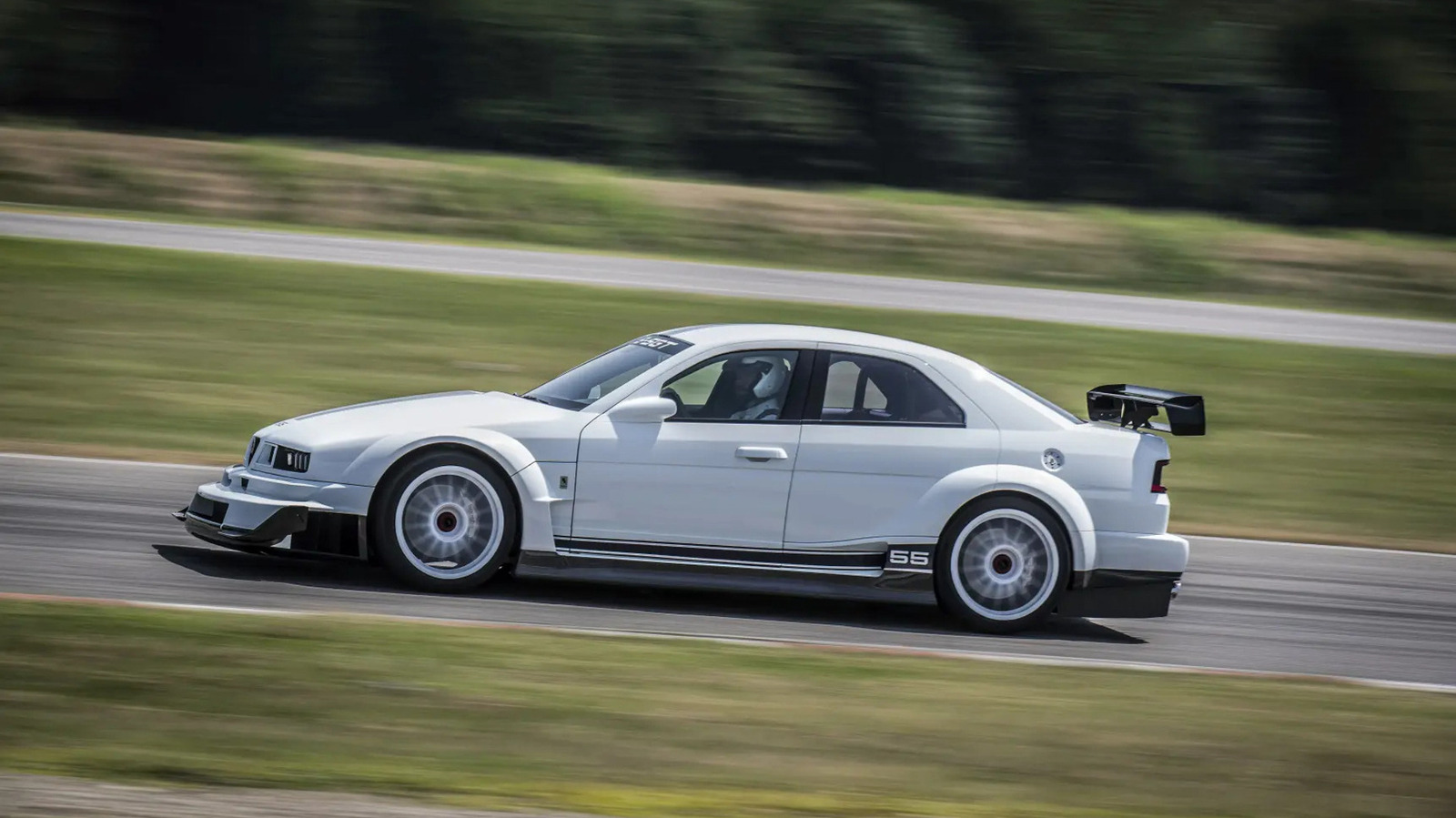
SGT Automobili 550 Reveals Alfa Romeo Giulia Roots Beneath DTM-Inspired Design

Goodwood Festival of Speed Showcases Electric Innovation and Supercar Power in 2026 Lineup
 From the electric Alpine A110 to Toyota's new V8 supercar, the West Sussex extravaganza will host huge debuts
The Goodwood Festival of Speed will return this Thursday (9-12 July), and it's shaping up to be one of the highlights in the motoring calendar.
A variety of the world’s most anticipated new cars will descend on West Sussex, offering a first chance to see them up close – and some of them in action too.
Among the highlights are the Toyota GR GT, the Alpine A110 Future – a test mule giving an initial glimpse at the sports car’s electric reinvention – and Gordon Murray's dramatic S1 LM, among plenty of others.
Read on for our guide to all the highlights and new cars at this year’s Festival of Speed.
Alpine A110 Future
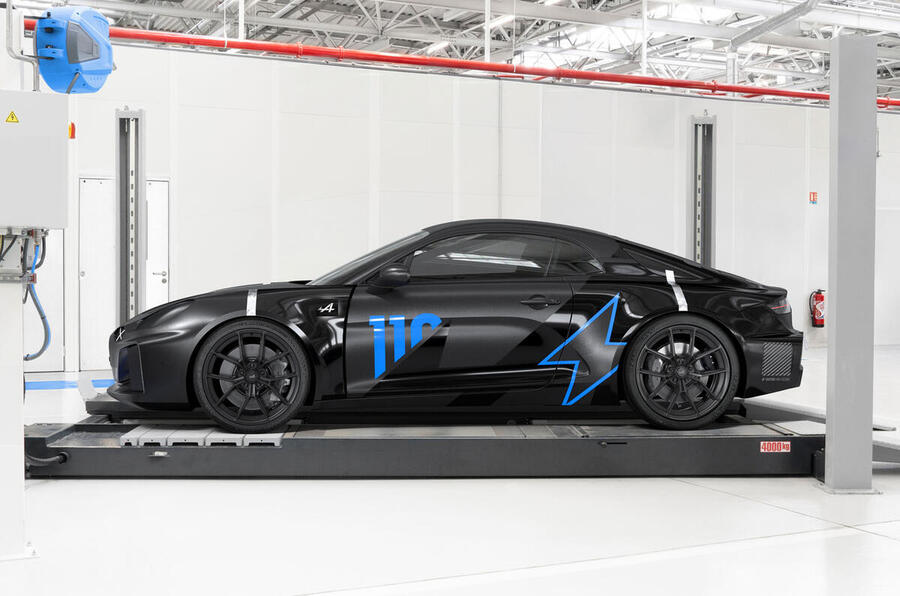
This is your first glimpse at the next-generation Alpine A110, which is making the landmark switch to electric power. Although it wears similar bodywork to the outgoing petrol A110, it's underpinned by the new EV’s platform, hinting at big changes. Just check out those wide wheel arches.
Everything you need to know about the Alpine A110 Future
Aston Martin ‘S’ cars
Aston Martin’s ‘S’ badge denotes more power, pace and angrier styling. Such versions of the DB12, DBX and Vantage will be running up the Goodwood hillclimb, demonstrating their dynamic overhauls.
Read our full road test of the Aston Martin Vantage S
Aston Martin Valhalla
The Valhalla is Aston Martin’s first crack at a series-production mid-engined car. It’s a plug-in hybrid with a 4.0-litre V8 at its heart and three electric motors for combined outputs of 1064bhp and 811lb ft. It will crack 62mph from rest in 2.5sec and go on to 217mph. Get one on your driveway for a whopping £850,000.
Read our Aston Martin Valhalla review
Auto Union Lucca
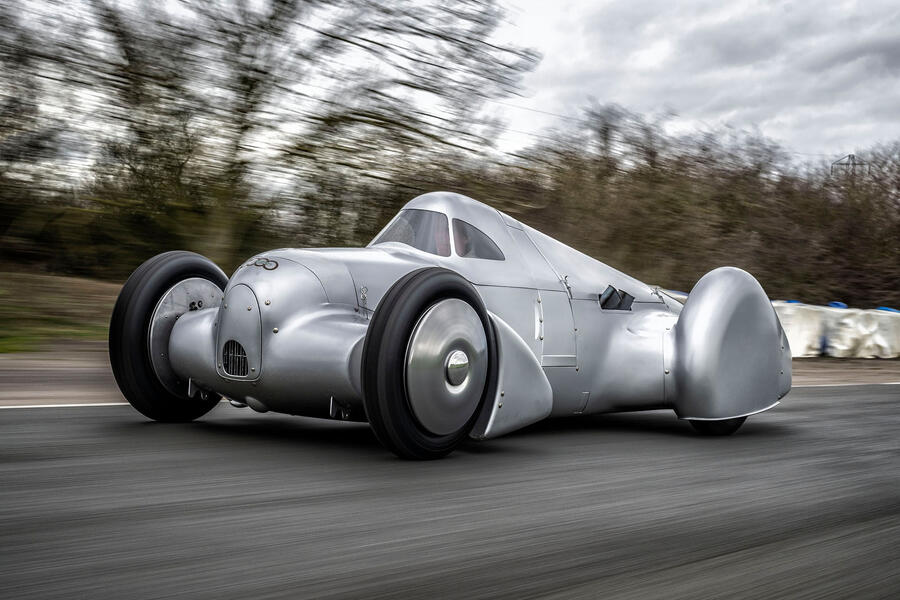
We’ll forgive you any confusion over this car’s inclusion among all the new metal here, but it is technically brand new. This is Audi Tradition’s faithful recreation of a racer built by Auto Union, its precursor. Back in 1935, it was the world’s fastest road car, managing 203mph on a section of the Italian Autostrada near the city of Lucca. Sure, it’s not quite the 301mph done by the Campbell-Railton Blue Bird in September 1935, but that was on the Bonneville salt flats, not a road. This is your chance to witness a slice of V16-powered history.
Bentley Flying Spur facelift
Bentley’s luxury limousine has a fresh face, moving away from the long-established quad-headlight design in favour of two lamps. The high-performance S variant returns, powered by a twin-turbocharged 4.0-litre V8 and a single electric motor for 671bhp.
Everything you need to know about the new Bentley Flying Spur
Bentley Supersports
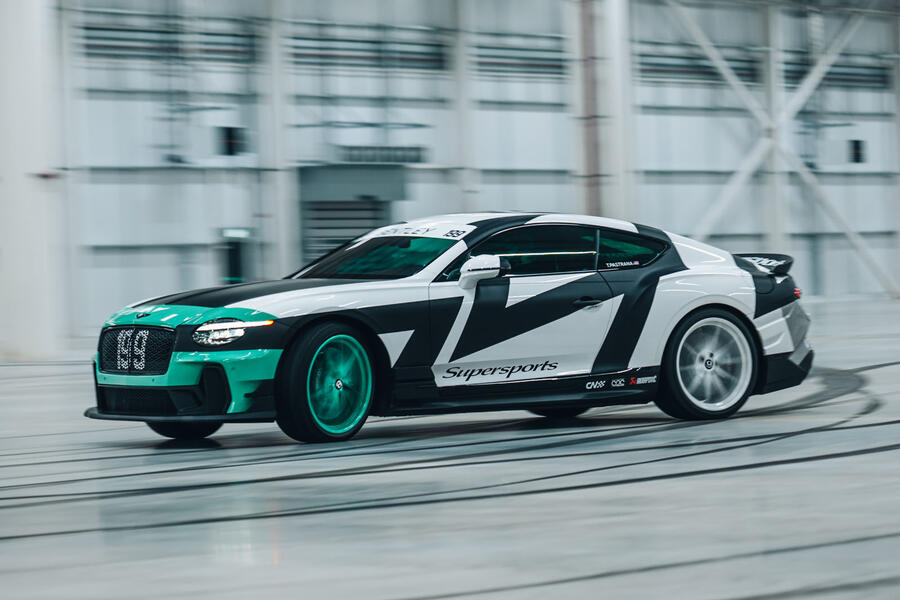
The manifestation of Bentley’s push to create what CEO Frank-Steffen Walliser calls “more extreme” cars, the Supersports is a dramatically modified version of the Continental GT. It's the first rear-driven Continental of the modern era and ditches the hybrid hardware found in other GTs in favour of an unassisted twin-turbocharged 4.0-litre V8. It puts out 657bhp and, at just under 2000kg, is the lightest Bentley since 1940.
Everything you need to know about the Bentley Supersports
BYD Dolphin G
BYD’s first car made in Europe, for Europe, is a plug-in hybrid hatchback to rival the Renault Clio. It packs up to 209bhp and an official electric-only range of up to 65 miles, and prices are expected to start in the low-to-mid-£20,000 range.
Cupra Raval
The Volkswagen Group is taking the fight to the Renault 5, with the new Cupra Raval spearheading a wave of small and more affordable electric cars. It will be priced from £23,785 and offer ranges of between 185 and 280 miles. The VZ variant will take on the Alpine A290 and the forthcoming Peugeot e-208 GTi, trading a hint of range for a 222bhp motor and electronic limited-slip differential.
Denza Z
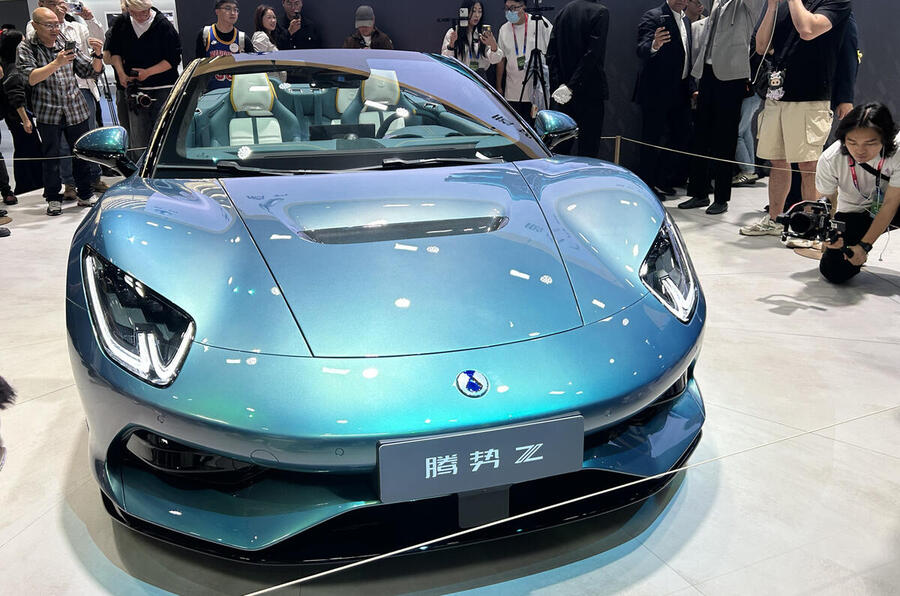
BYD’s first crack at a supercar – for its Denza premium brand – packs a huge 1582bhp. It's claimed to be capable of hitting 62mph in less than 2.0sec and brings new technologies such as steer-by-wire.
Everything you need to know about the Denza Z
Gordon Murray Automotive
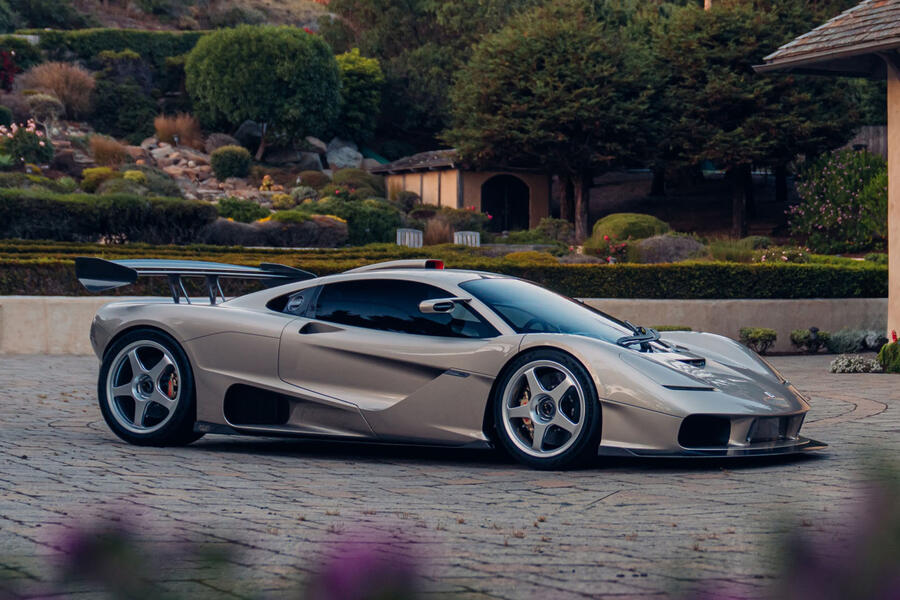
Gordon Murray’s eponymous supercar firm will host several debuts at the Festival of Speed. Headlining the group are the S1 LM and Le Mans GTR, a pair of dramatic limited-run models inspired by the McLaren F1 GTR. It will also be showing a road-ready prototype of the T33 Spider and the track-focused T50.S Niki Lauda.
Hennessey Venom F5-M
Texas-based Hennessey will showcase the F5-M, claimed to be the world’s most powerful car with a manual gearbox. That bragging right is thanks to a 6.6-litre twin-turbocharged V8 kicking out a huge 2031bhp.
Honda Prelude HRC Concept
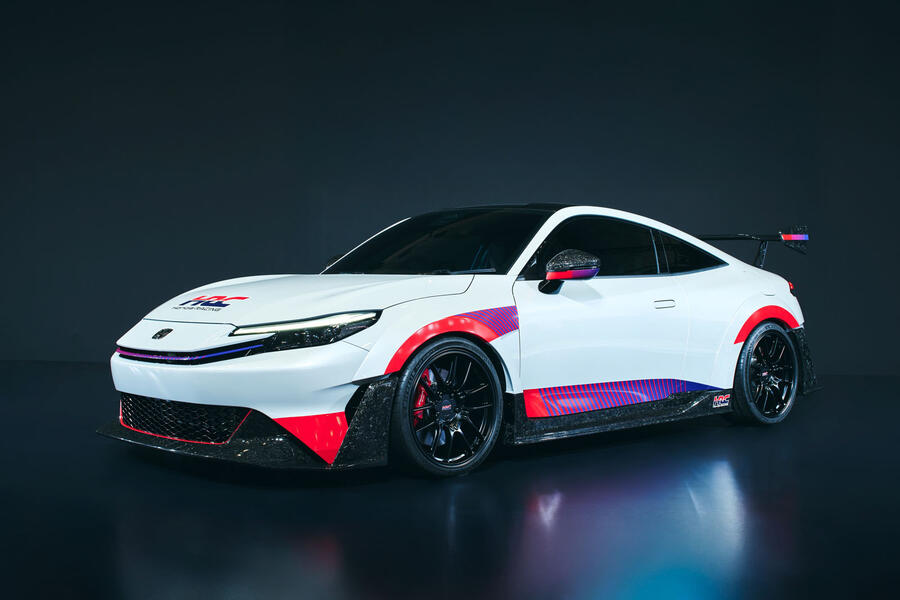
Honda’s new coupé has already snatched many headlines, but the question of whether it will be getting a more hardcore Type R variant looms large. The HRC (Honda Racing Corporation) Concept could be a first hint at such a development, with an aggressive aerodynamic package aimed at track use.
Lepas L8
Chinese giant Chery has already made a big impact in the UK, with its Jaecoo brand making a huge success of its 7 crossover. But now there’s another brand to join Omoda, Jaecoo and the eponymous Chery brand, and it’s called Lepas. Its first model, the L8 SUV, will be making its debut at the Festival of Speed.
Everything you need to know about the Lepas L8
Lexus LFA Concept
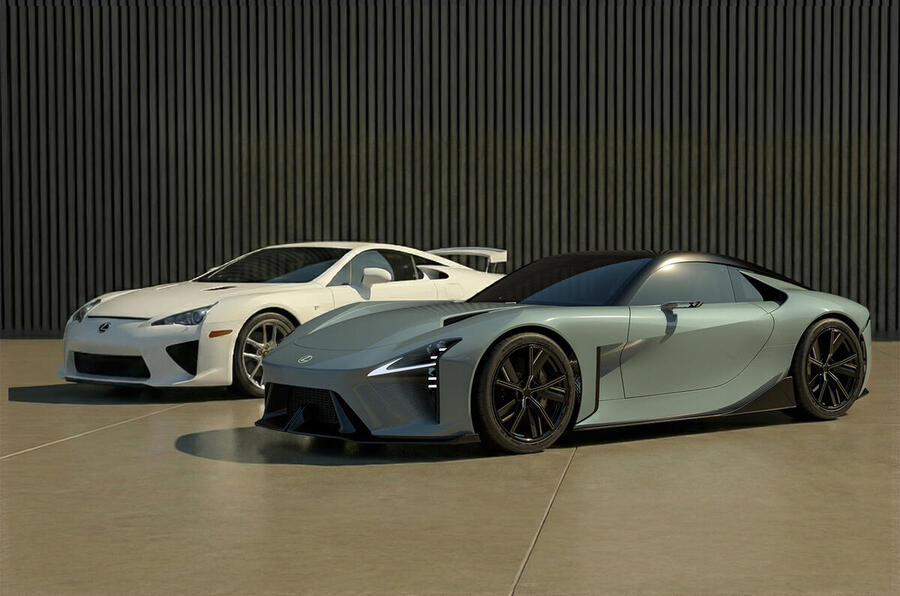
Lexus has reprised the name of its legendary supercar for this hint at a new halo car – and this time it will be electric. It's possible that a production version could be Toyota’s first car powered by a solid-state battery, given the firm has previously claimed the technology will be ready in around two years.
Everything you need to know about the Lexus LFA Concept
McLaren M6GT
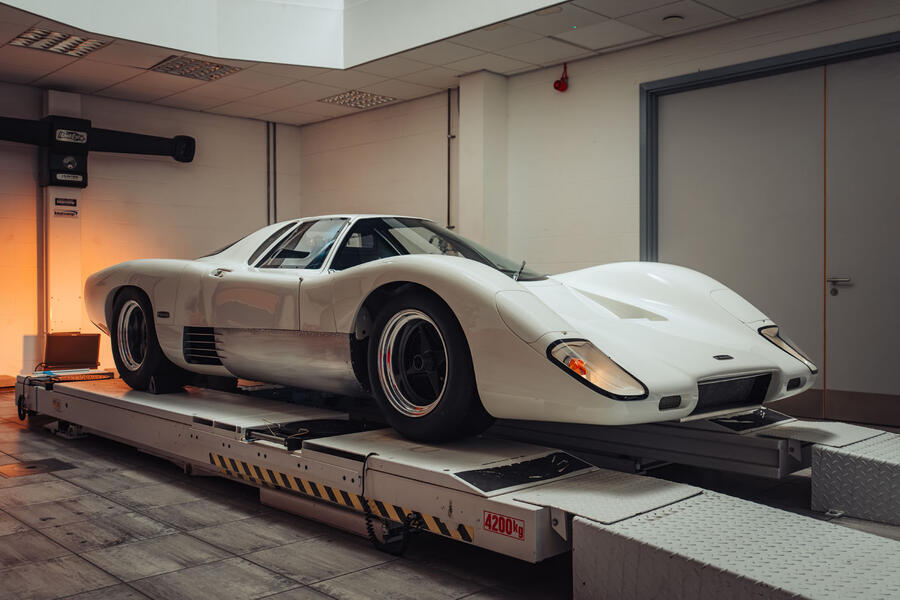
The original McLaren road car will return at the Festival of Speed, having been given a painstaking restoration by the company's Special Operations division.
McMurtry Spéirling Pure
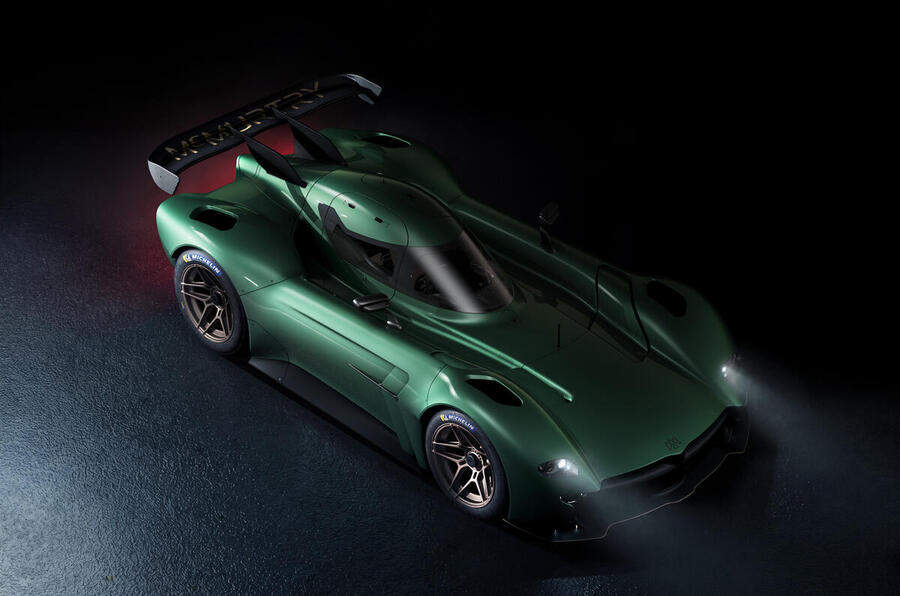
Described by its maker as the “craziest go-kart ever made”, this £1.2 million track toy is the production-ready version of the car that famously took the record at the Goodwood hillclimb back in 2022. It has a ground-sucking fan that can generate up to two tonnes of downforce from rest, and it can corner at 3g – if you’re hard enough.
Everything you need to know about the McMurtry Speirling Pure
MG '2' and ‘aspirational’ concept
MG is joining the electric supermini fray, and a new concept will be unveiled at the Festival of Speed to showcase its design. It will be joined by another “aspirational” concept car.
Everything we know about the MG concept cars
Renault 5 Turbo 3E
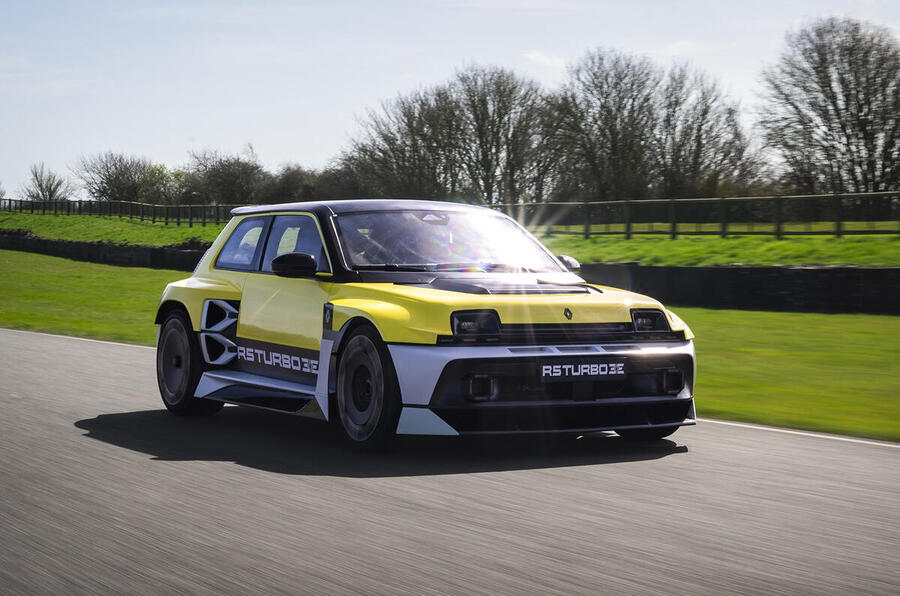
A legend returns, this time as one of the maddest EVs yet produced. The 5 Turbo 3E is inspired by the rally-bred 5 Turbo of the 1980s but has two in-wheel motors mounted on its rear axle for a combined 533bhp. Should that prove insufficient to light the tyres, there’s also a hydraulic handbrake. It will be running up the Goodwood hillclimb, presumably trailed by a plume of smoke.
Read our first ride report about the Renault 5 Turbo 3E
Toyota GR GT
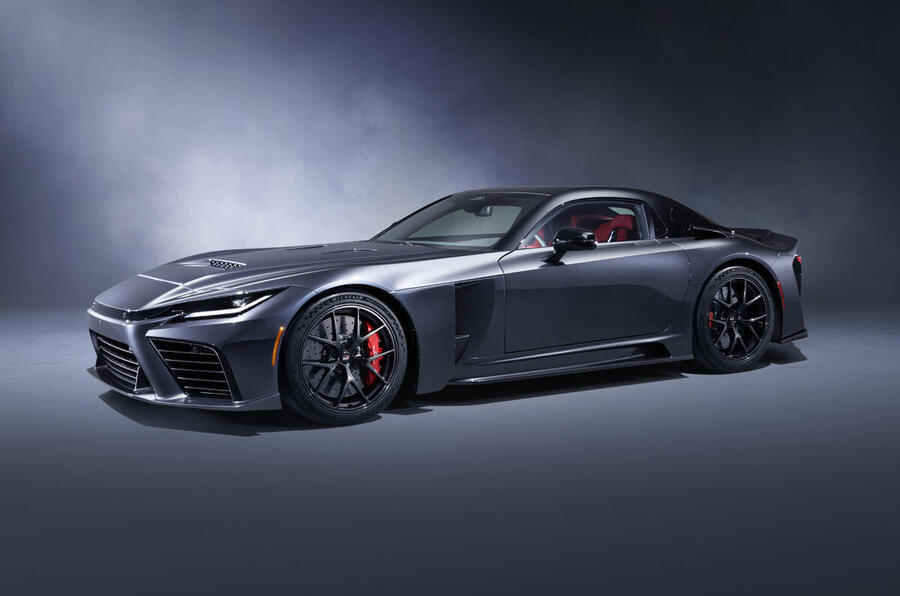
Toyota is chasing the likes of the Aston Martin Vantage and Mercedes-AMG GT with its own V8-powered, rear-driven supercar. The Festival of Speed will be your first chance to see it in action on UK soil ahead of its market launch next year.