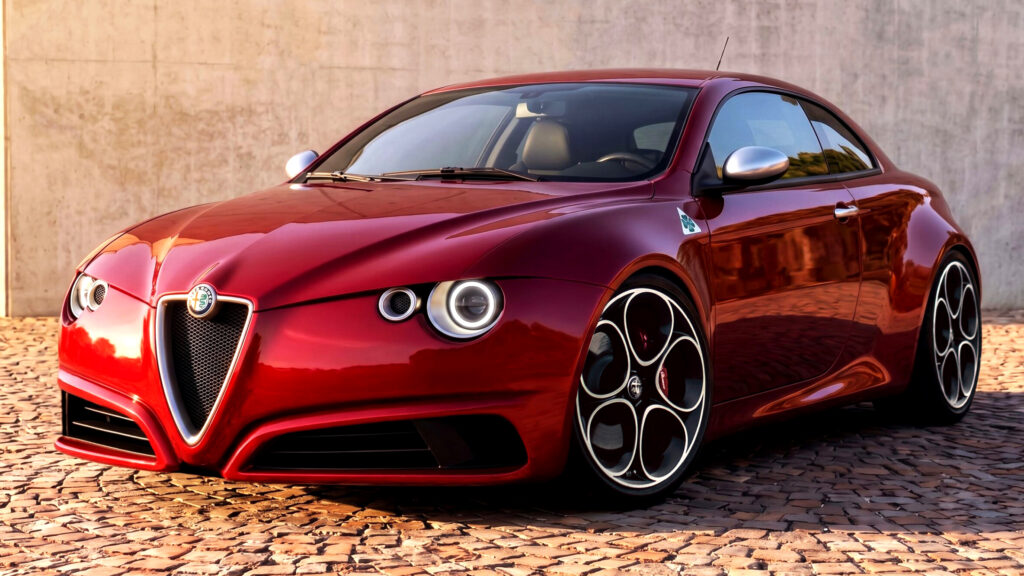
Alfa Romeo GT Restomod Challenges Purist Ideals With Retro Design and Modern Performance Upgrades

Automotive Design Icons Revealed: The Most Beautiful Model from Every Major Car Brand and...
 The shining star of every range
Every car firm has a star, looks-wise.
So we decided to choose the car we reckon represents every major car brand at its best. We know you won’t agree with every choice, but we do hope you enjoy the journey:
Alfa Romeo: 8C 2900 (1935)
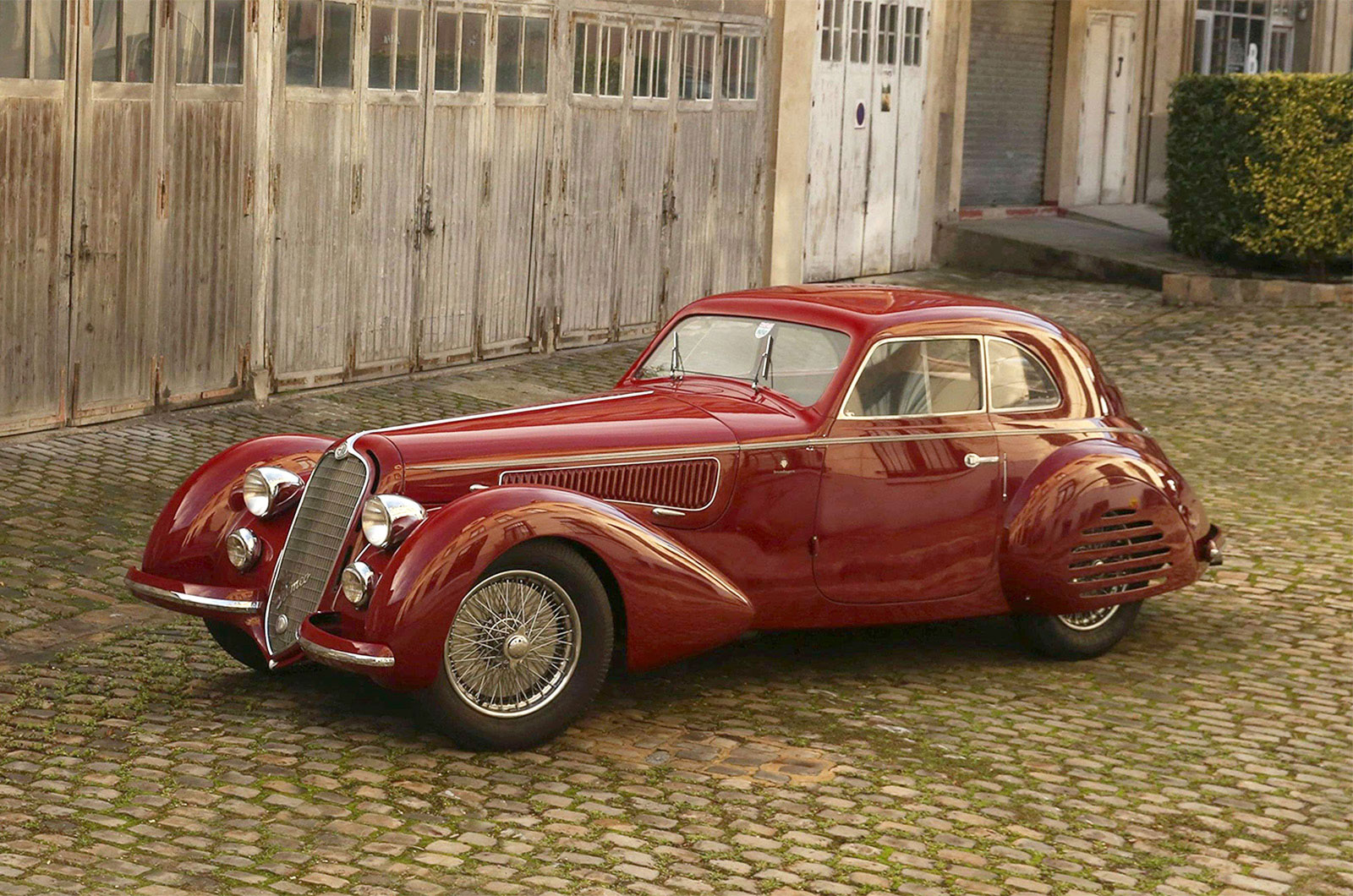
An almost preposterously long bonnet, voluptuous wheel fairings, a rakishly compact cockpit of a cabin – this was rapid transit, 1930s style. Rapid, indulgent transit from eight cylinders.
AC: Cobra 289 (1962)
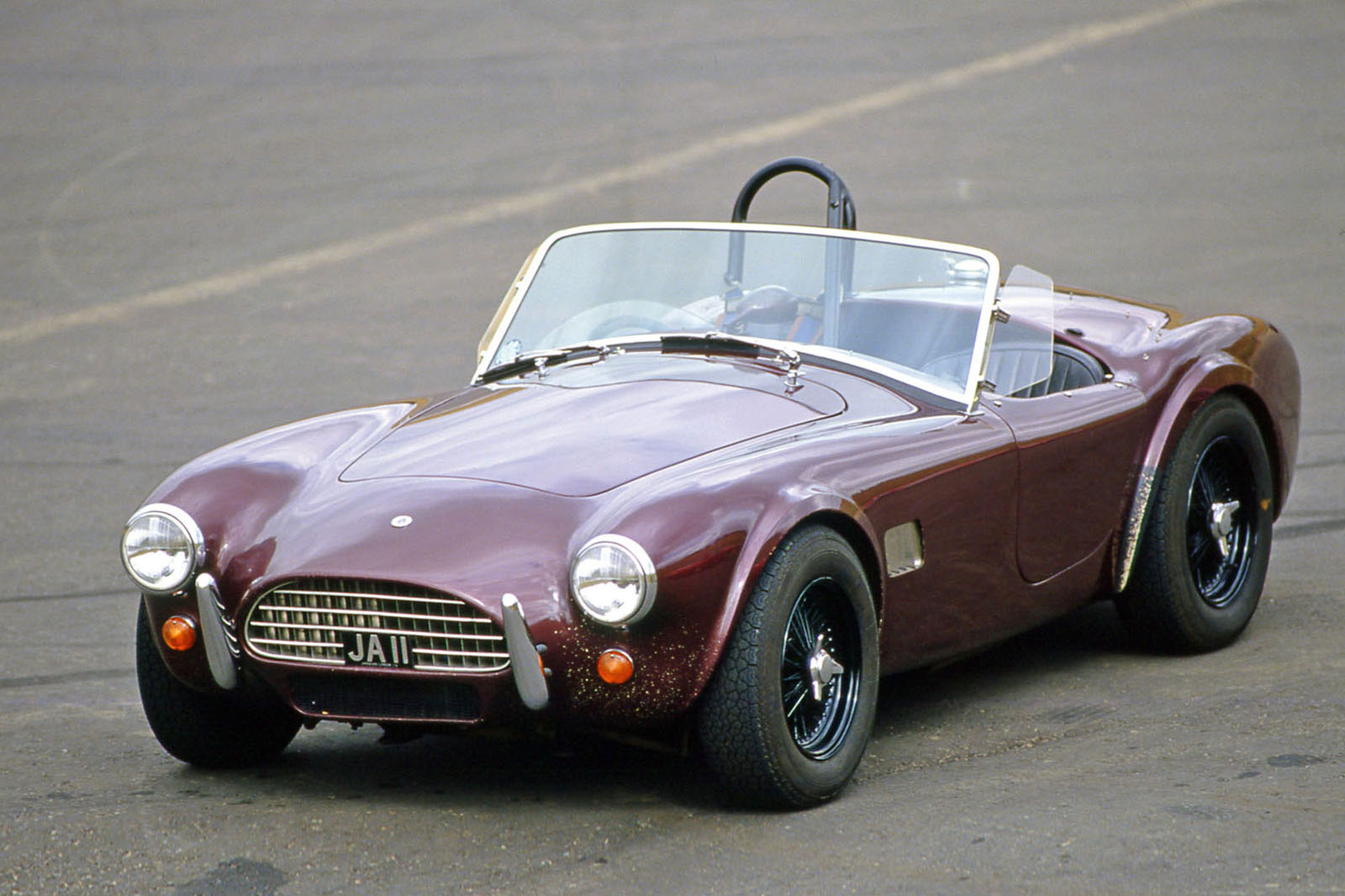
Brawn on wheels, the Cobra appears to be bursting with power and indeed, usually is. It’s because the AC Ace from which it swelled was so well-proportioned that the Cobra works.
Alpine: A110 (2017)
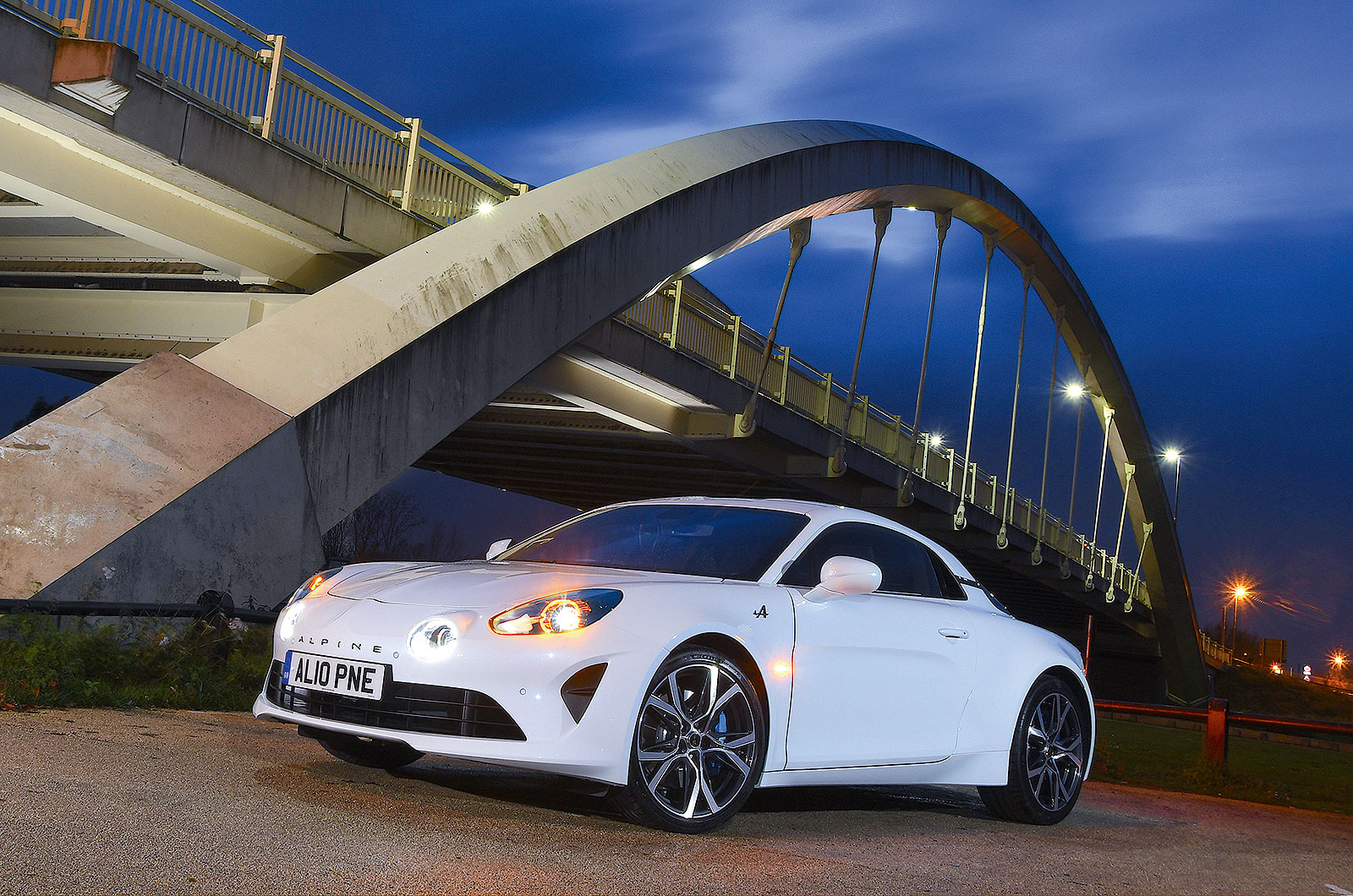
A perfect blend of Alpine’s A110 Berlinetta past and the design language of the present, the new A110’s pretty, trim and athletic alloy bodywork makes you want to step inside and drive.
Aston Martin: DB4 GT Zagato (1962)
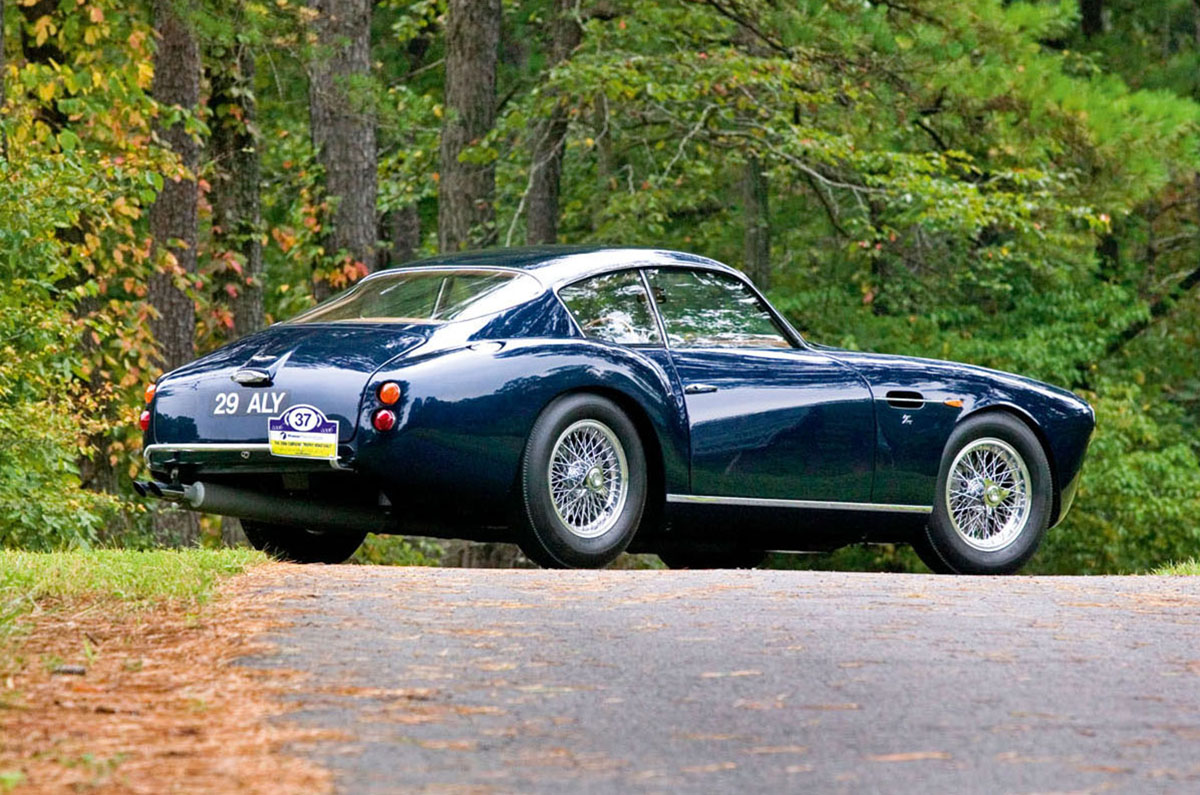
These were almost unsalable new, skewered by astronomical prices despite their lightweight beauty. Prices eventually hit the millions for the 19 originally made, prompting the 1990s build of four more utilizing unused chassis numbers.
Auburn: Boattail Speedster 851 (1934)
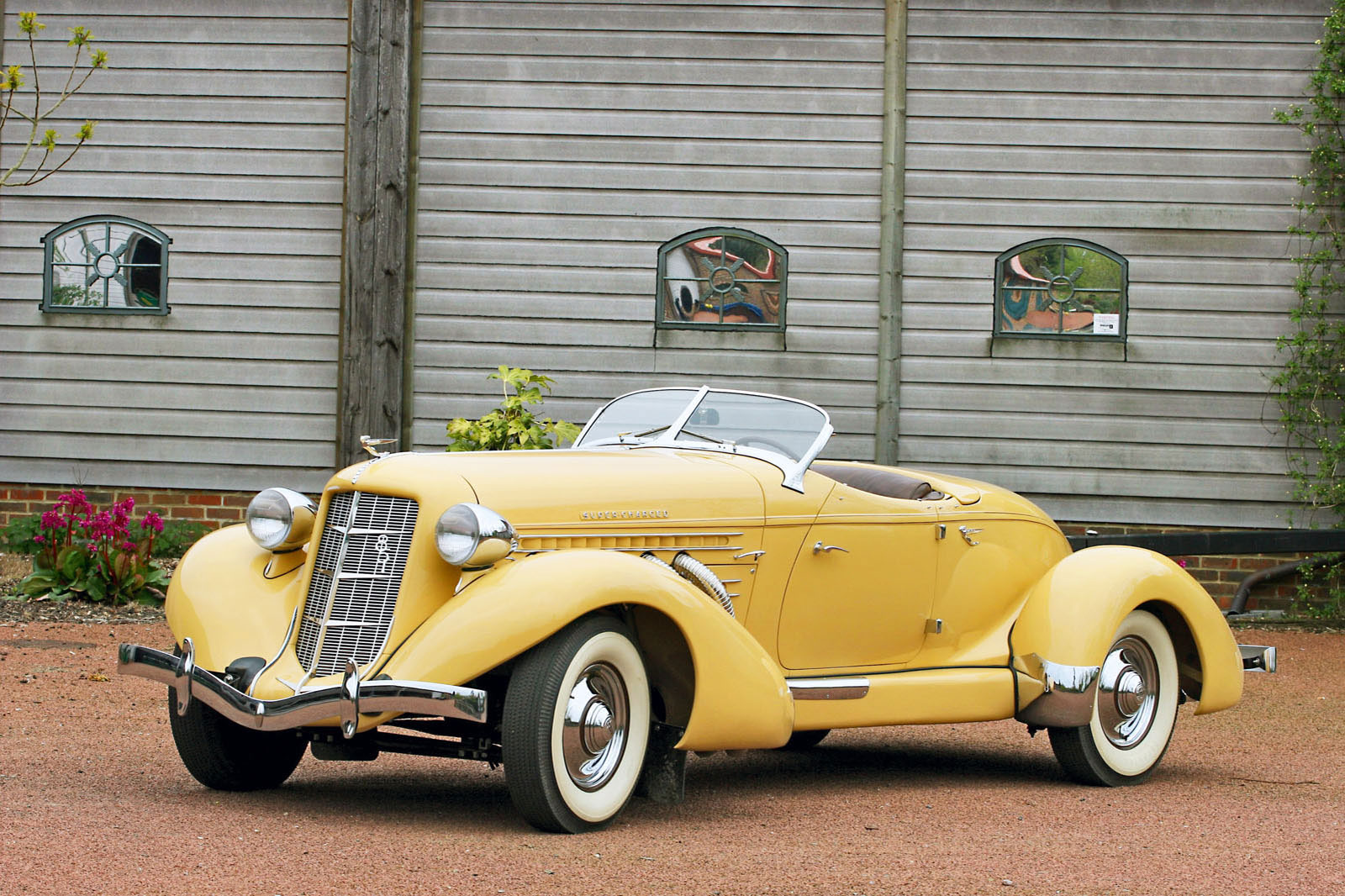
As glamorous as any pre-war Alfa Romeo, Hispano-Suiza or Mercedes, Auburn’s straight eight series reached its lofty design zenith for the 1935 model year. Despite this achievement, Auburn ceased manufacturing in 1937.
Audi: TT (1998)
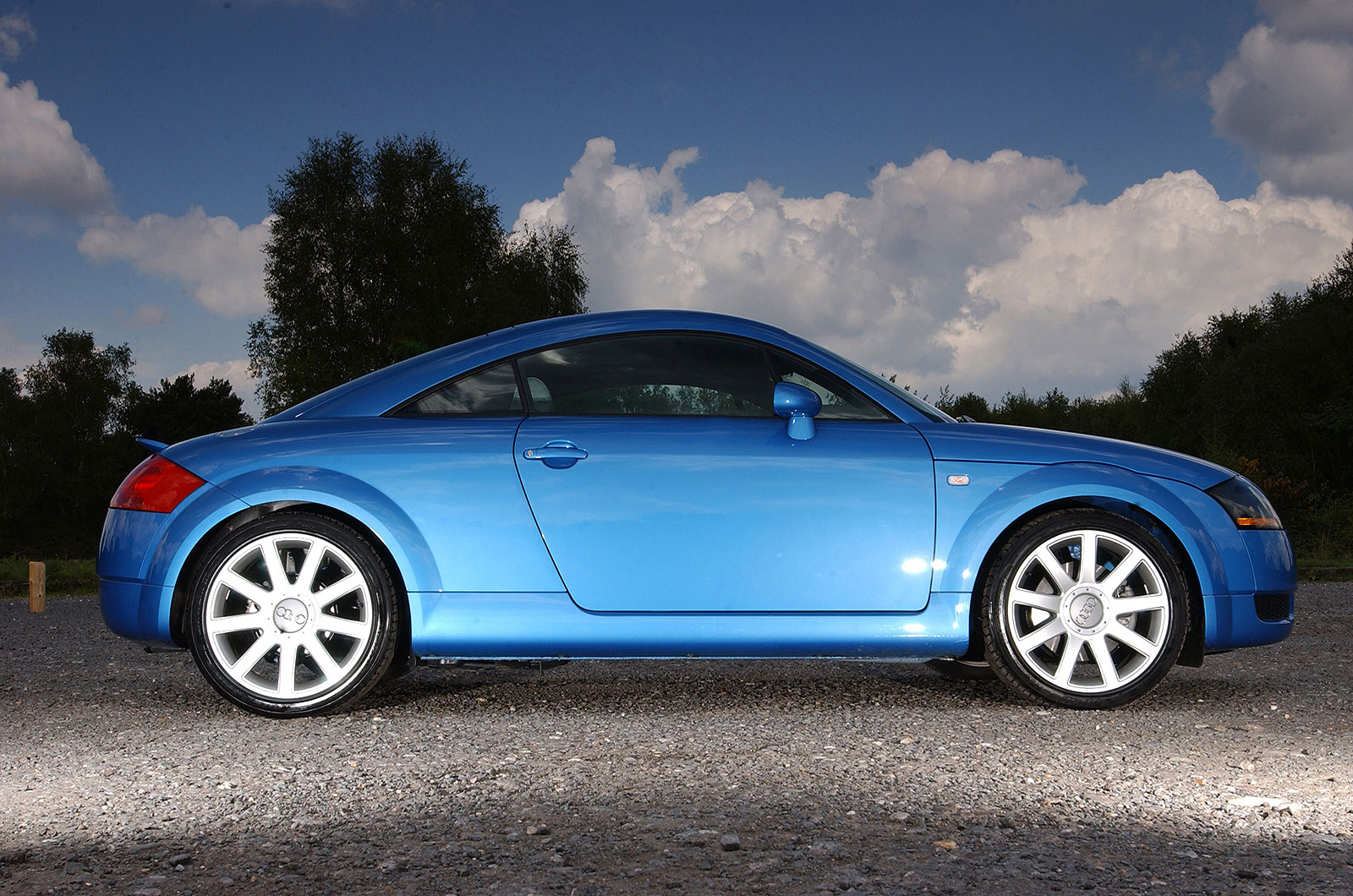
Clean-sculpted to the point of utilitarianism, the original TT combined modernity with an irresistible flavour of avant garde 1930s design, a theme abandoned in subsequent generations.
Austin-Healey: 100M (1955)
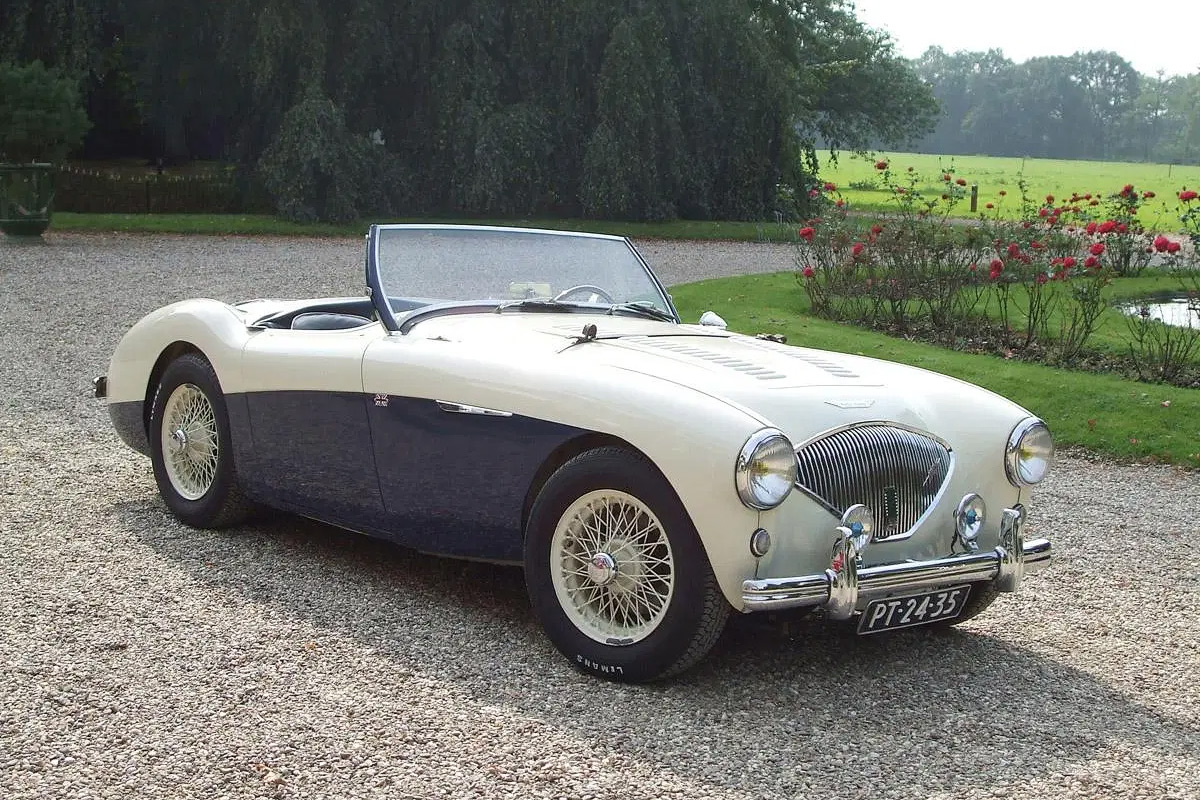
Still one of the most handsome two-seater sports cars ever, and purest in its early, folding windscreen form that turns it into a speedster. Crude mechanicals are part of the charm.
BAC: Mono (2011)
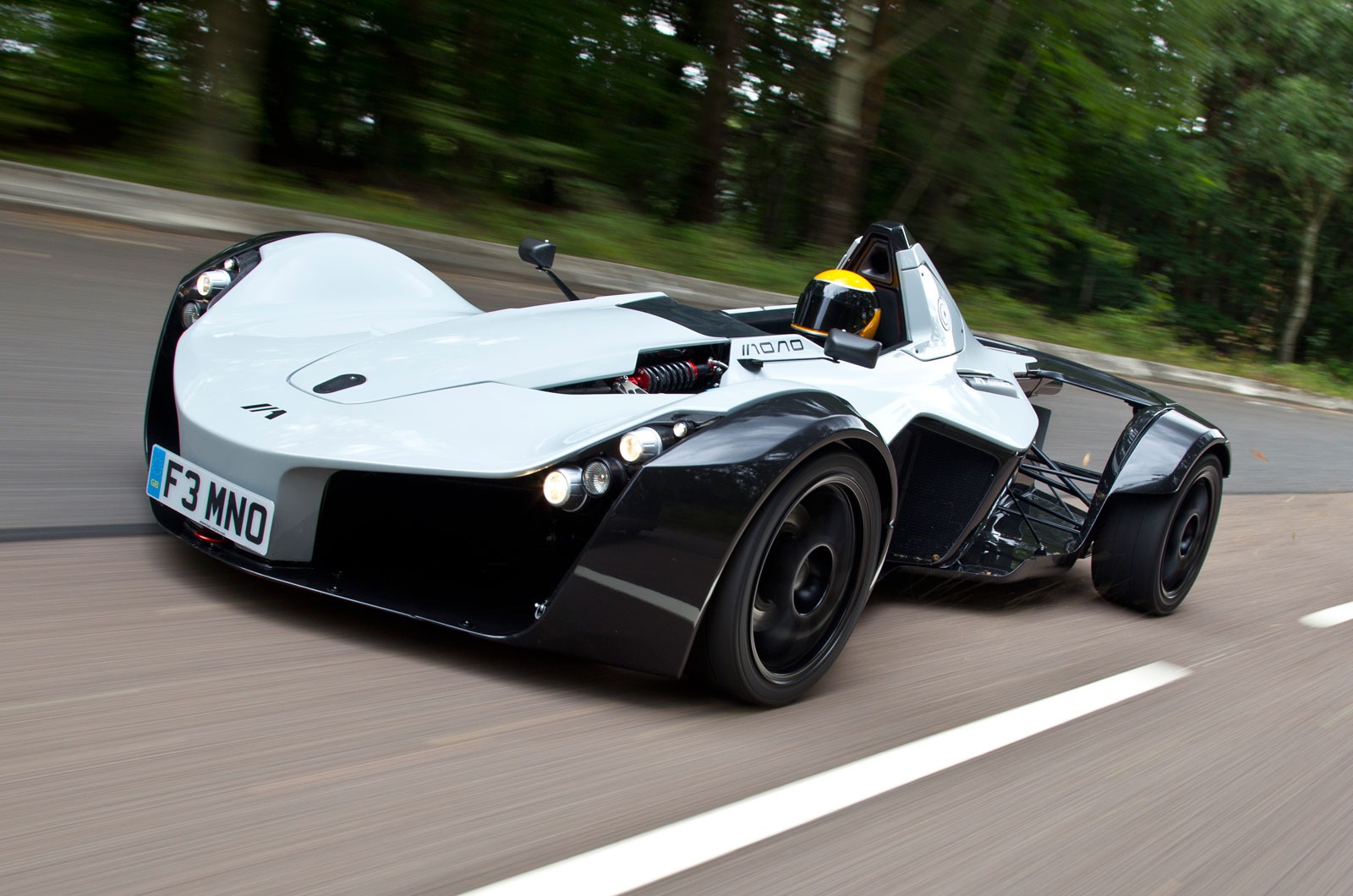
This is the spare look of your 21st century single seat roadster. There’s not much bodywork, but what there is turns compellingly shapely the more you stare.
Bentley: Continental GT (2003)
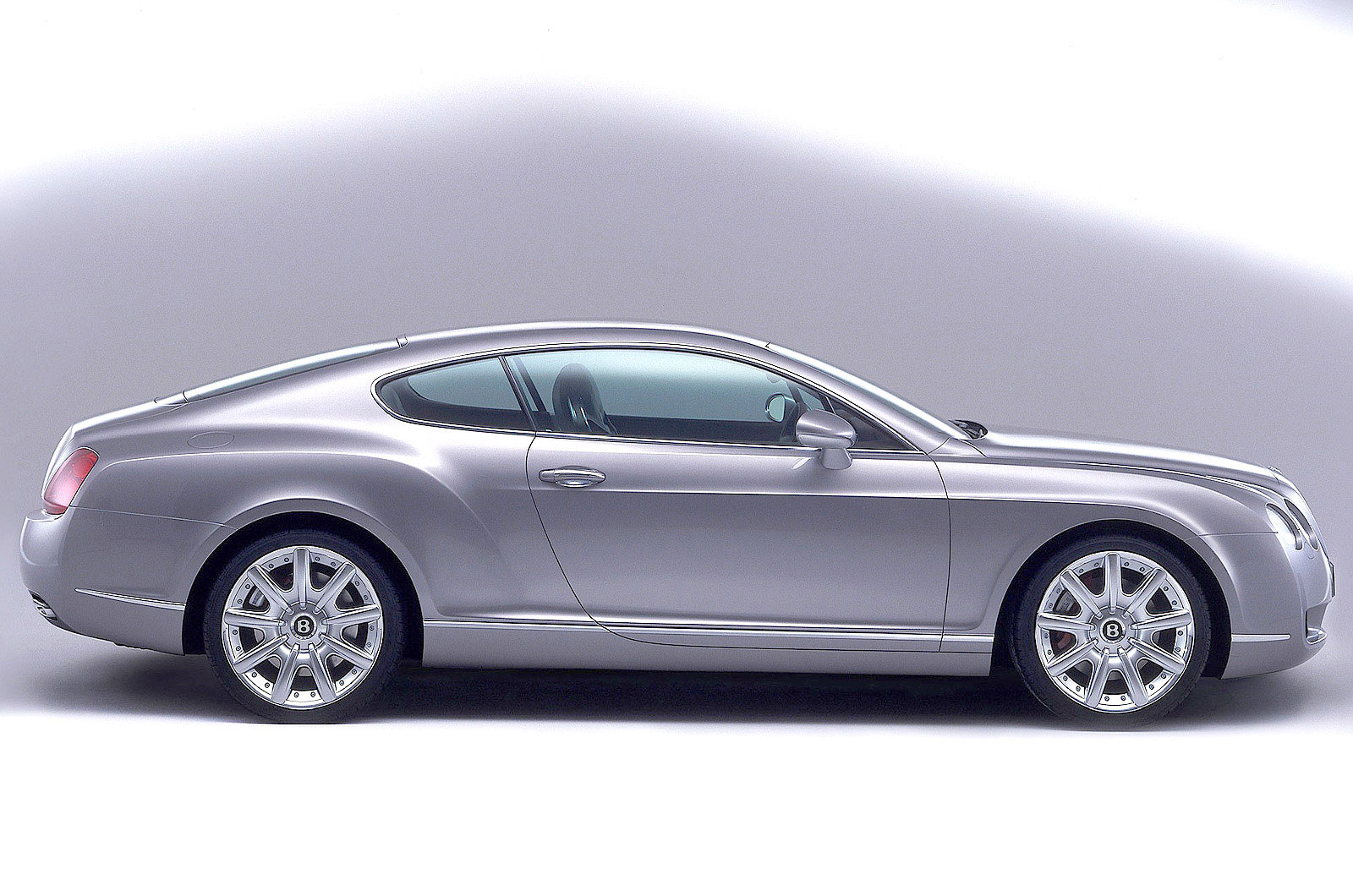
Among the most handsome Bentleys ever, and it shares a platform with a Volkswagen. It’s decidedly more handsome than a Phaeton however and though big, does not look as unnecessarily large as its current successor.
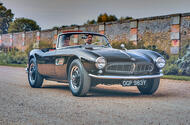
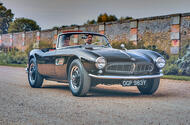
BMW: 507 (1956)
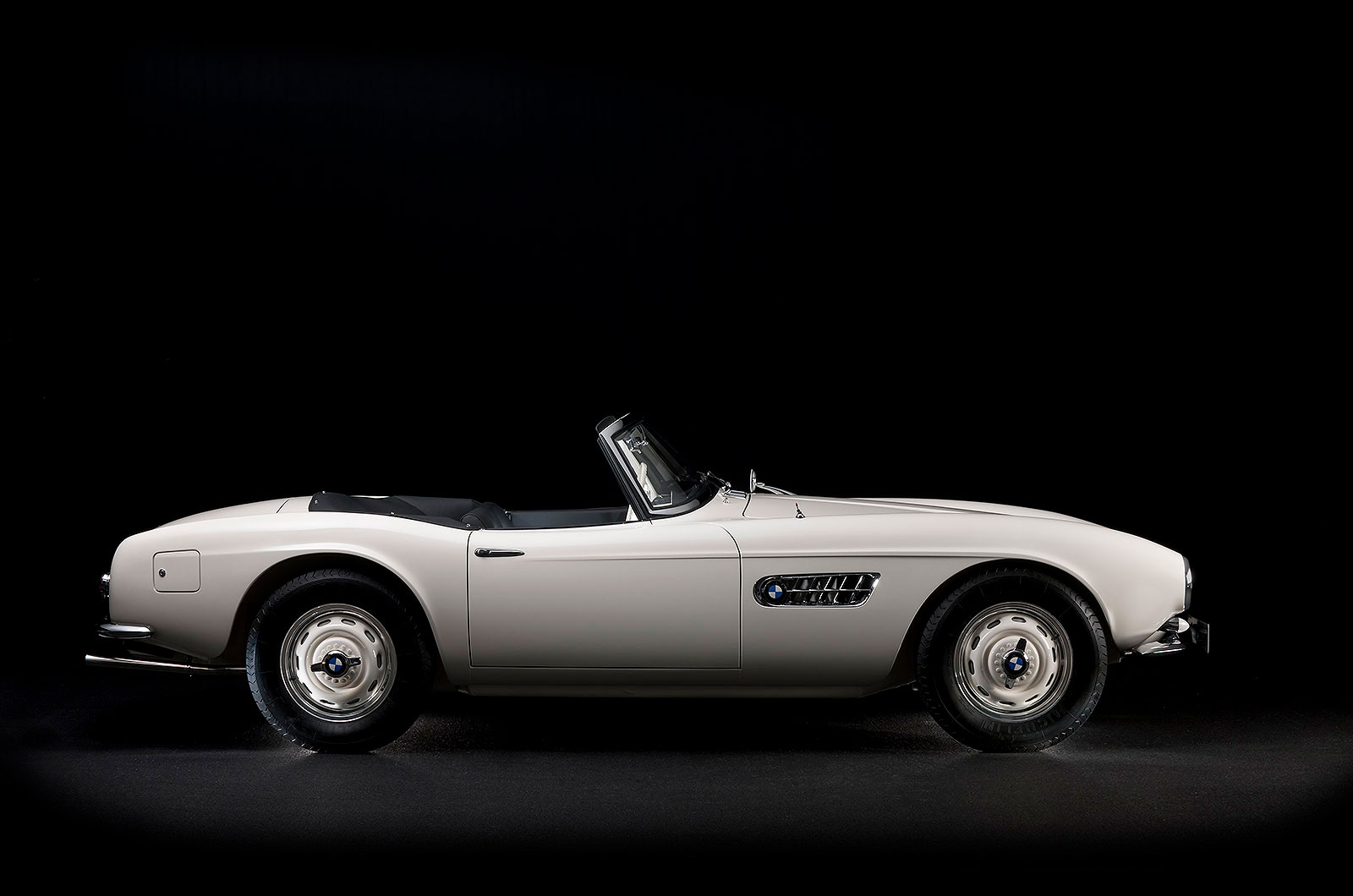
Albrecht von Goertz’s 1956 507 was as handsome as any contemporary Ferrari, but a costly build pushed its price too close to these exotics, killing the car after only 252 were built, and bankrupting BMW.
Bugatti: Type 57 Atlantic (1938)
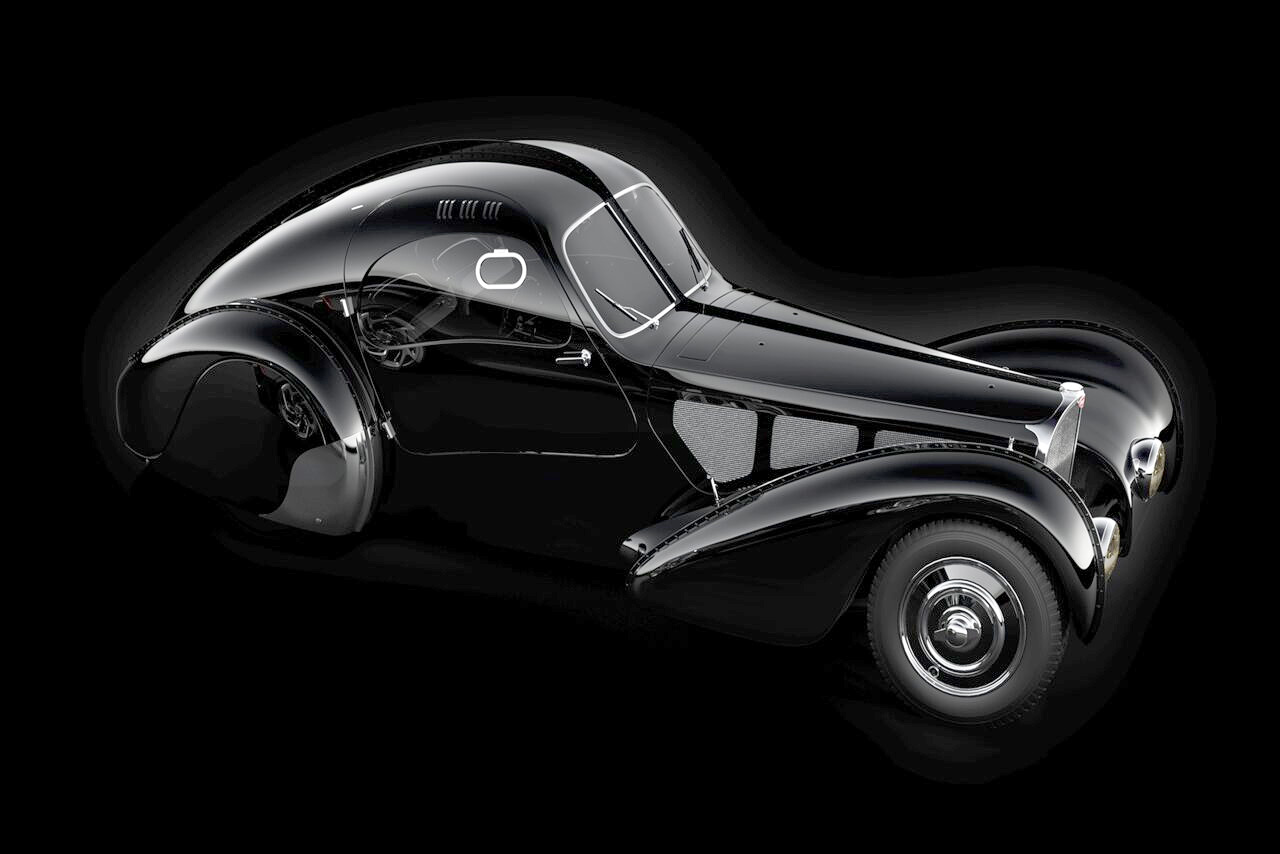
Extravagant, fantastical, sculptural and suggestive of exotic lives lived by the few, the Atlantic borders on the mythic. And the intrigue continues with the clamshell doors and the vertical fin continuing the split screen’s vee.
Buick: Riviera (1963)
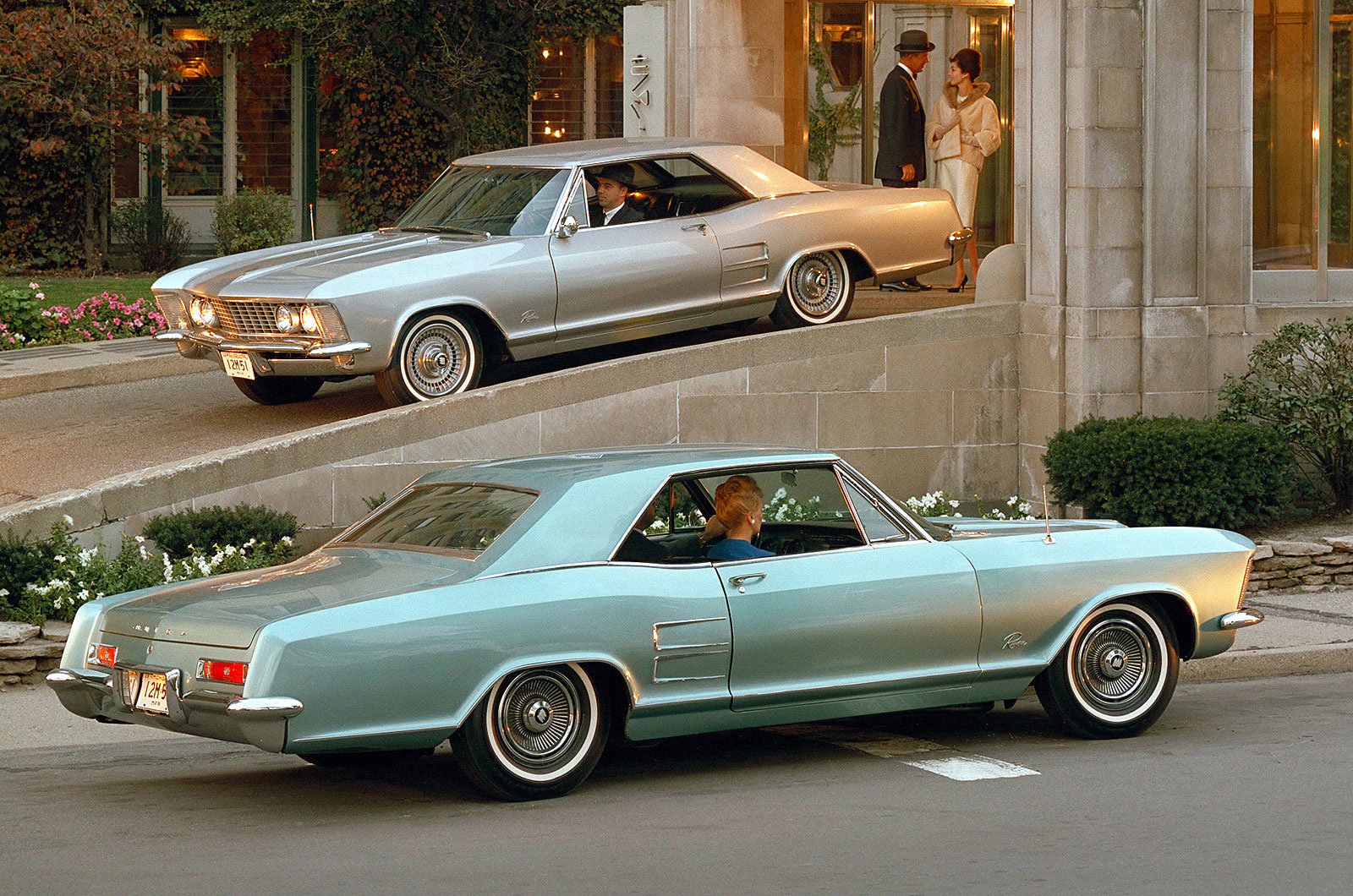
If the bearing of the Riviera seems heavy for a Buick, that’s because it was originally destined to be a Cadillac or even a revived LaSalle. But it ended up as a beauty, nonetheless.
Cadillac: 1959 Cadillac Eldorado Biarritz Convertible (1958)
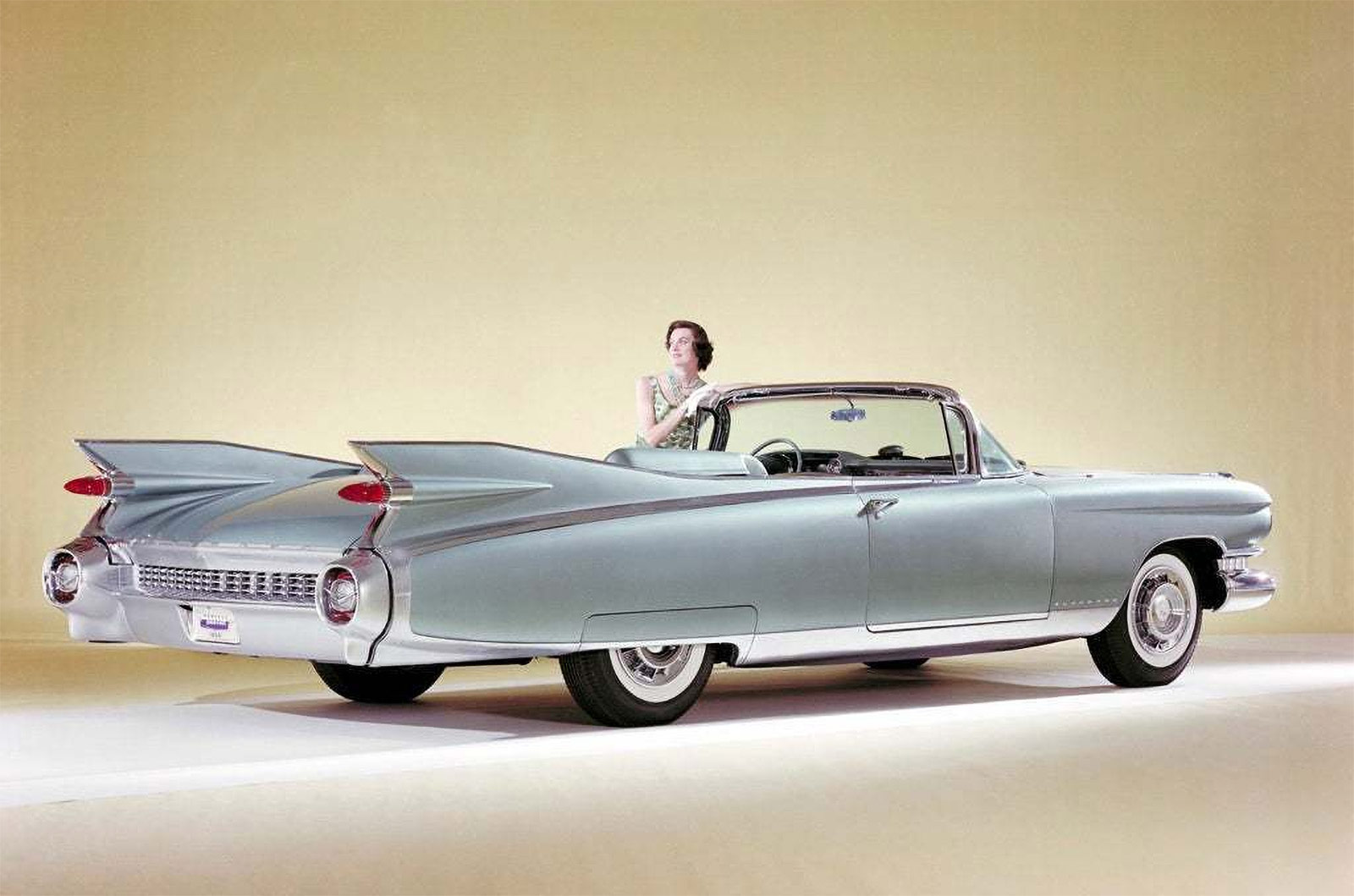
The fins were the highest they’d ever been, the bullet tail lights redolent of the rocket age, and an interior packed with luxury technology with power for everything. The ’59 represented Cadillac and parent General Motors at their heights of self- confidence – perhaps America itself too.
Chrysler: Town & Country Newport (1950)
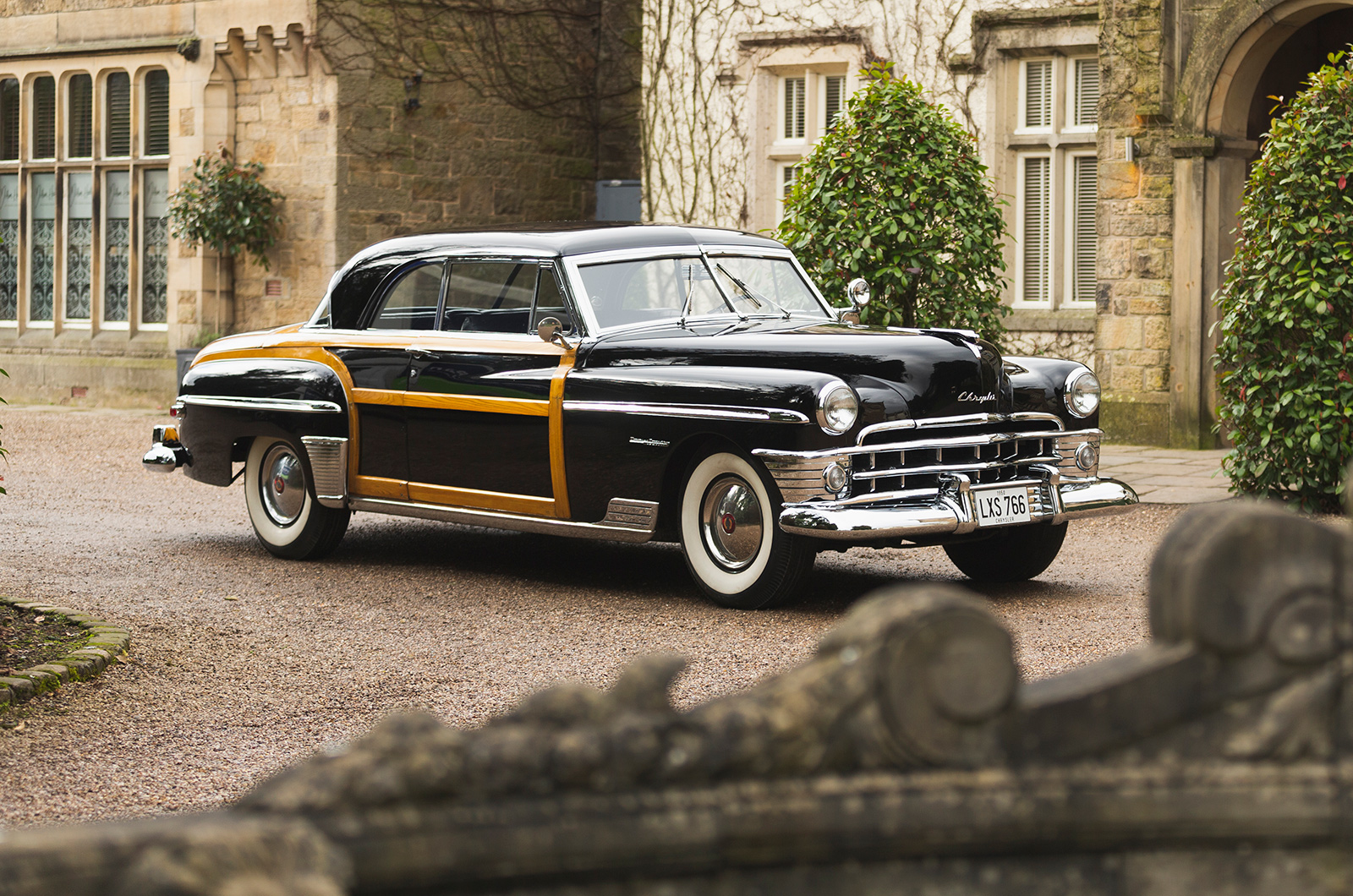
A brand mostly associated with mediocrity today, it’s easy to forget Chrysler once had an upmarket image and one that launched many innovations that became commonplace. And it had cars that had stature, shown most by this model, enhanced by its real wood and the majesty of its long hood, turning the necessity of housing a straight eight into virtue.
Chevrolet: Corvette Stingray (1963)
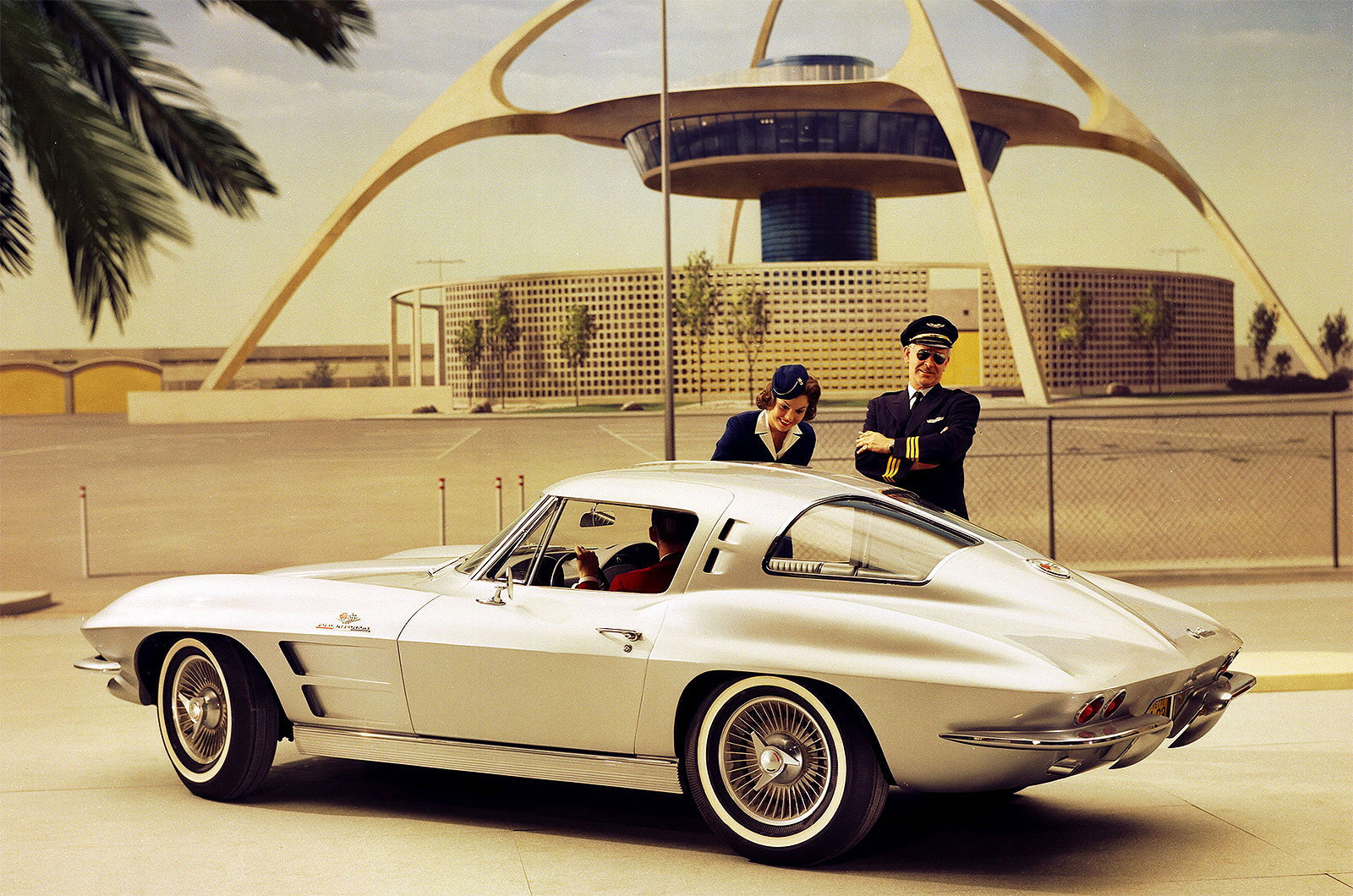
GM design chief Bill Mitchell’s ’59 Stingray concept car turned showroom eye magnet. Developed in secret because GM had banned racing, it saved the ‘Vette from early extinction.
Citroën: DS (1955)
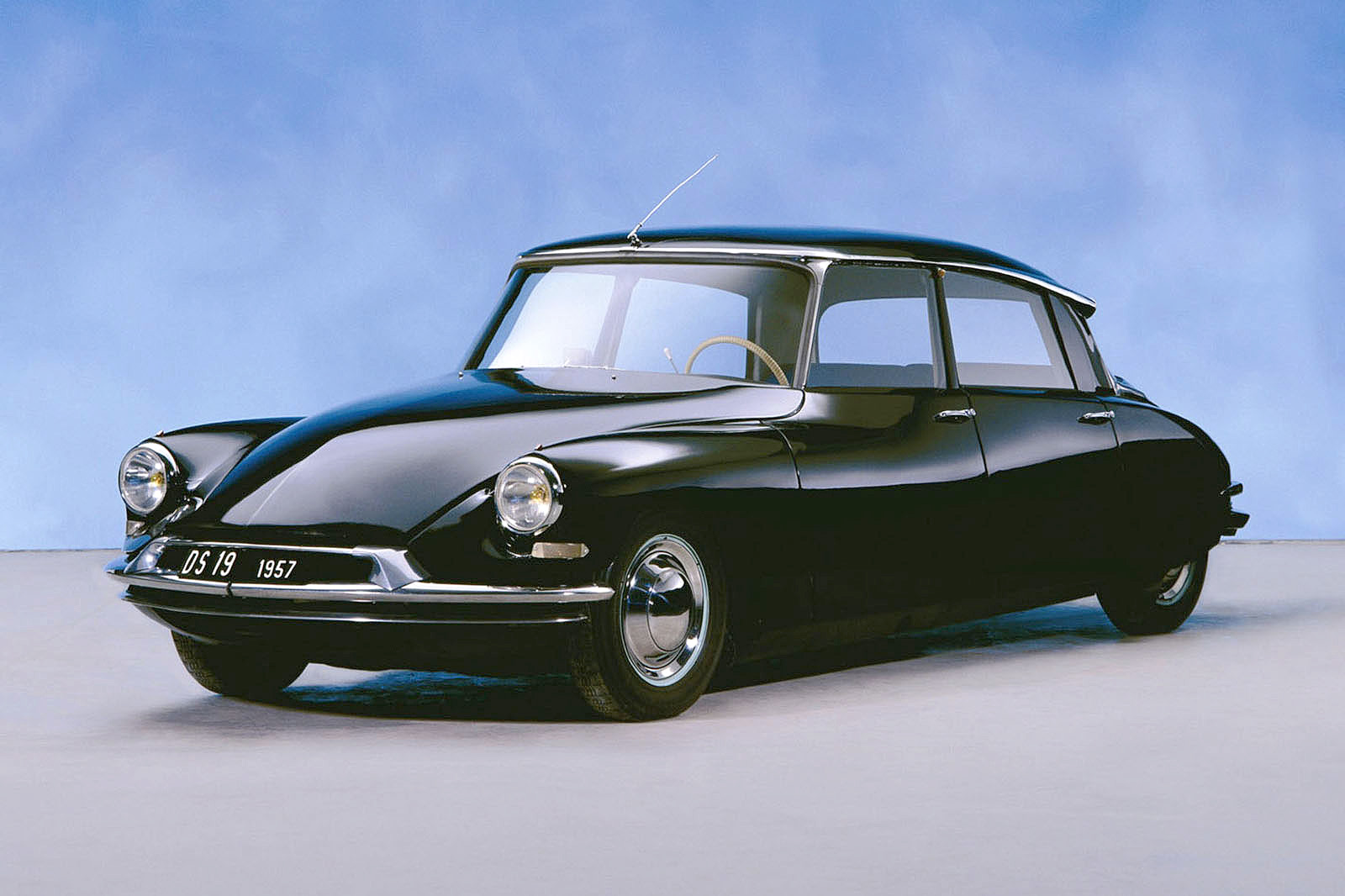
Much car design of the 1950s was American influenced. Not the DS, which was shaped by an Italian sculptor and the wind. It levitated as well, to the accompaniment of space age clicks and whirrs.
Cord: 812 (1937)
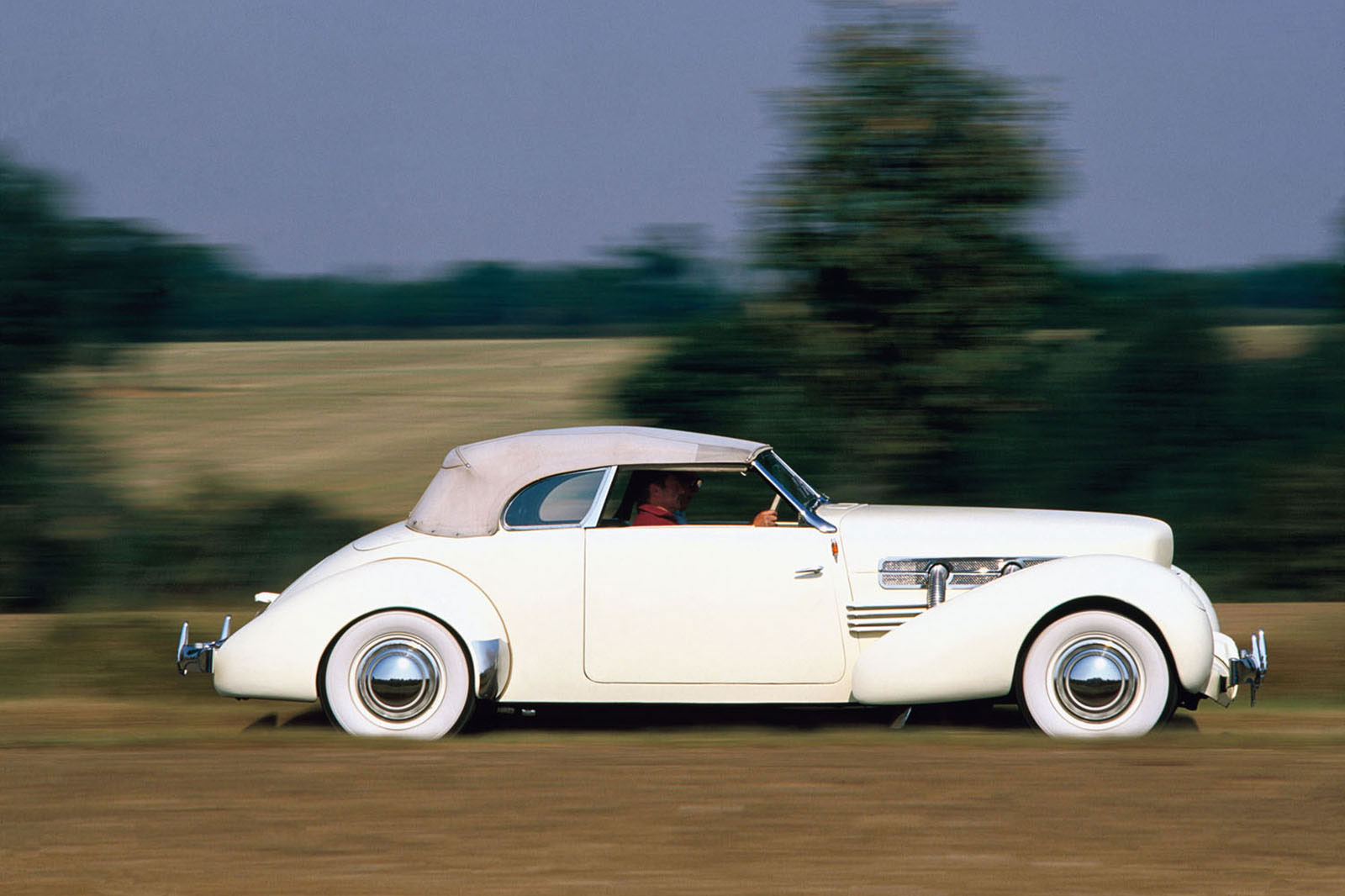
Front-wheel drive packaging allowed a floor low enough to eliminate running boards, the headlamps were hidden pop-ups and the Cord’s elegantly boxy prow produced a beautiful car of tomorrow. Unreliability killed it, but the shape was repeatedly revived by others.
Dodge: Charger R/T (1968)
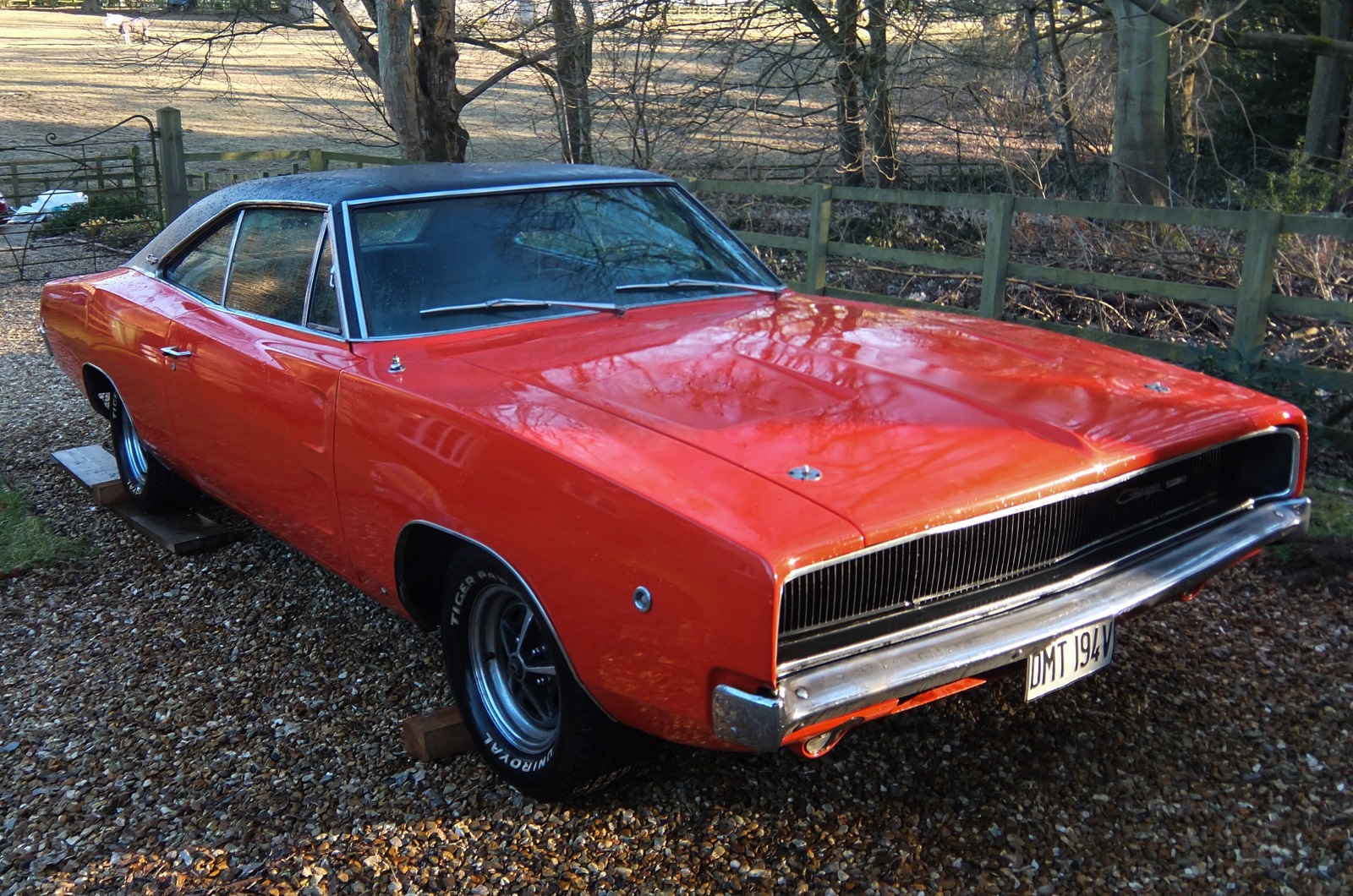
A quintessential ‘60s muscle car, but one of finesse, from the clean-flanked Coke bottle waist to the sleek, fat-pillared fastback and hidden headlamps, the Richard Sia-designed Charger is a handsome legend.
Duesenberg: Boattail Roadster (1932)
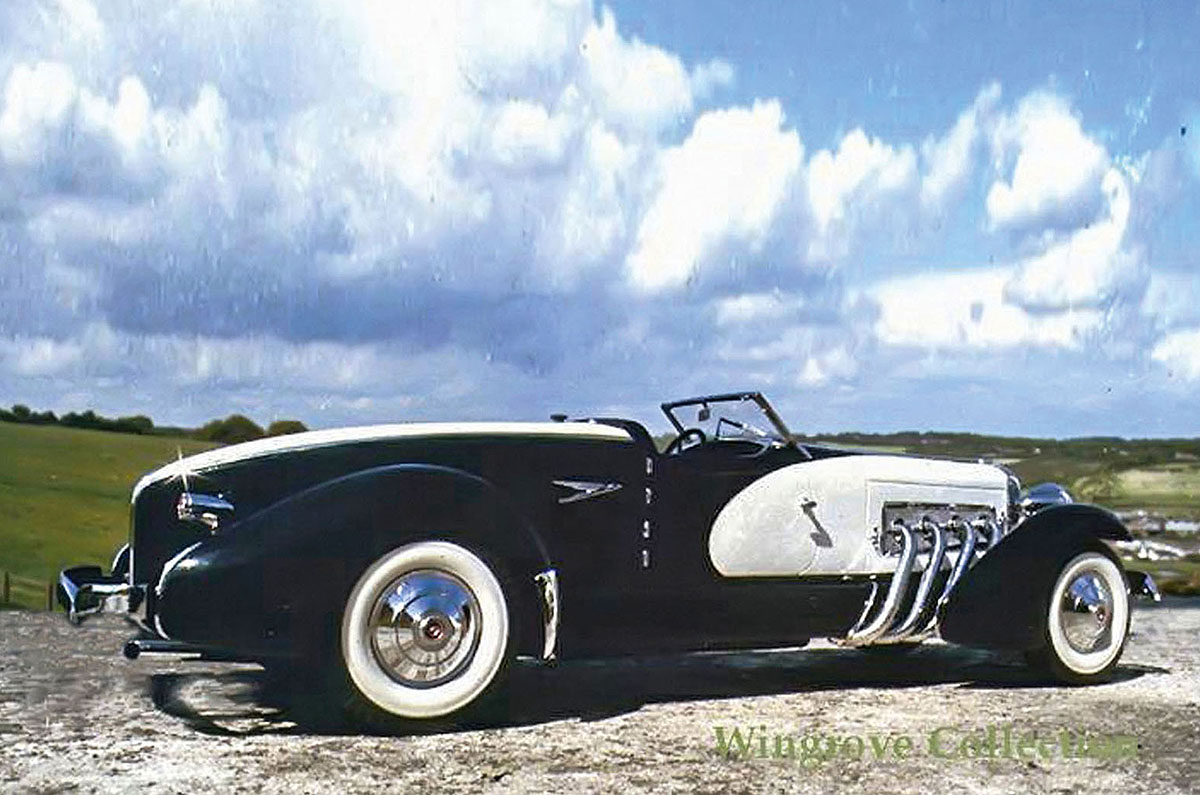
Duesenberg’s aristocratic Model J chassis was the basis for many extravagantly elegant pre-war American cars but only briefly, the model launched in 1928, shortly before the 1929 Wall Street Crash. Many celebrities bought them, but the marque folded in 1937.
Ferrari: 250 GTO SWB (1959)
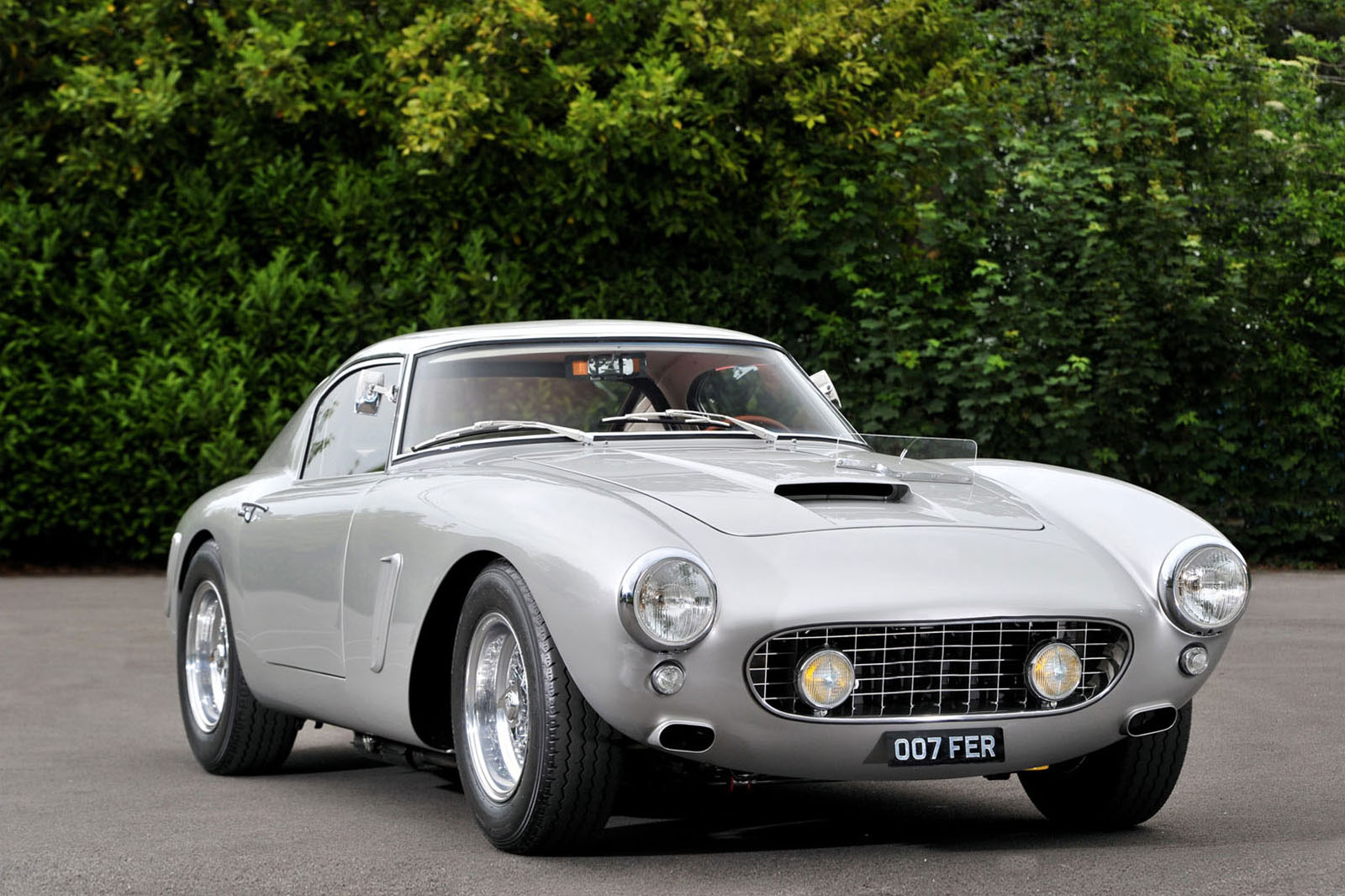
At first sight its lines seem simple, but the more you look, the more complex it becomes, from the fuselage front wings to the haunched rear, from slashed air extractors to delicate front quarter bumpers. Exquisite.
Fiat: 500 (2007)
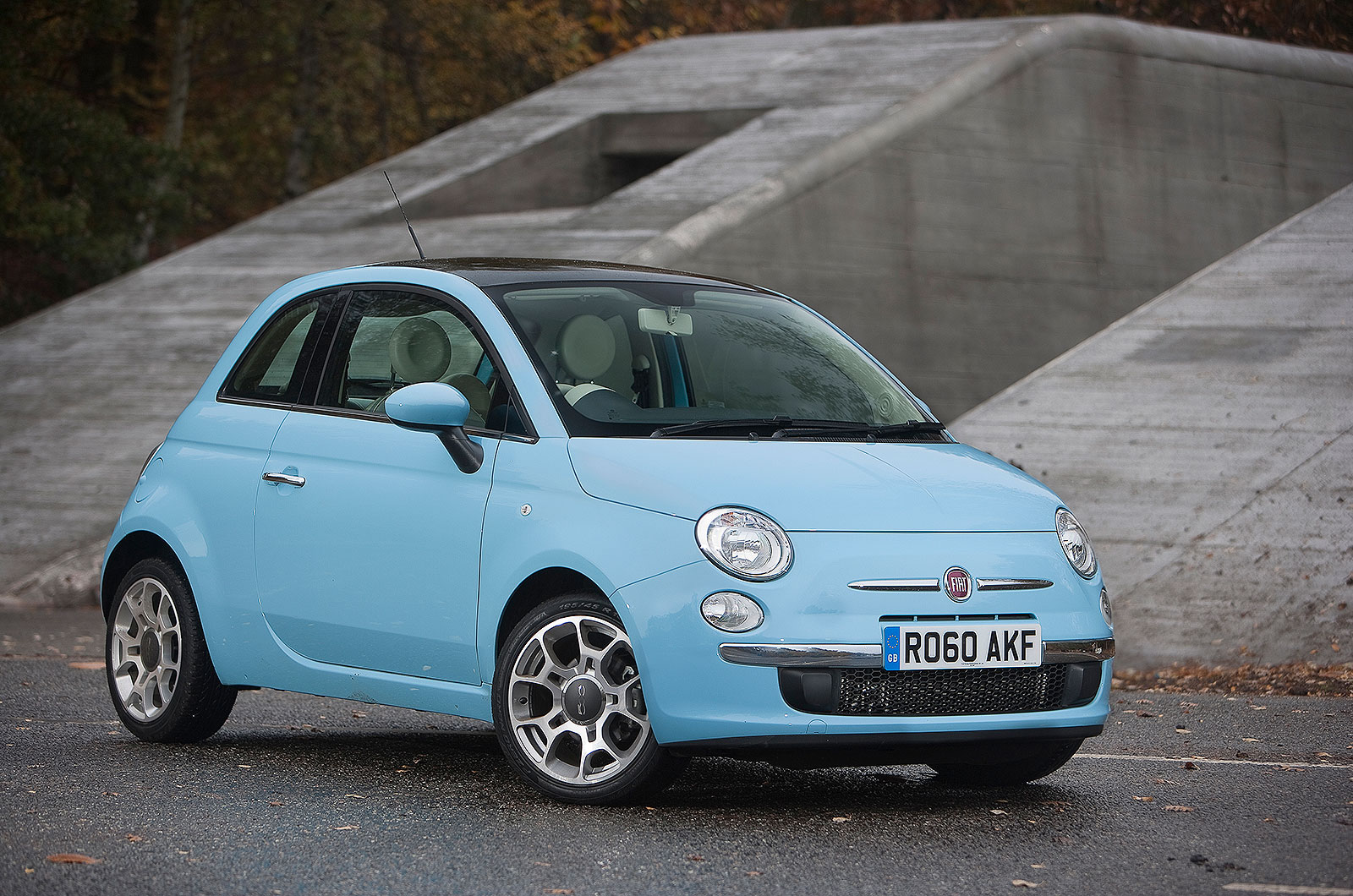
No-one can deny that retro doesn’t sell when the designers get it right, and they certainly did with this remake, which has lasted years. Cute, well detailed and hides the transposition of engine from rear to front painlessly.
Ford: GT40 (1966)
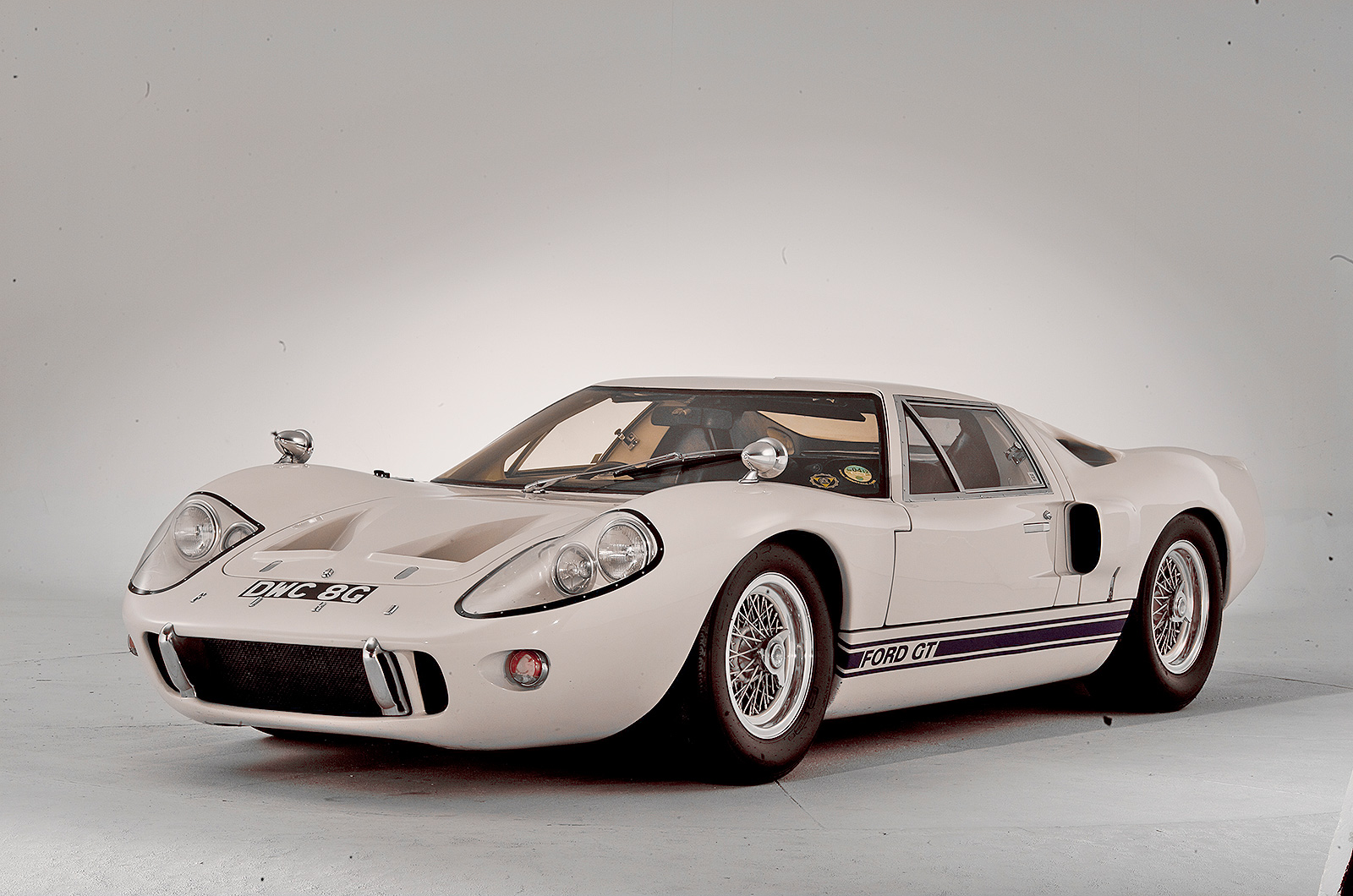
It might be low in height at 40inches, but it’s high in stature with its multiple Le Mans wins and like the Lamborghini Miura, this Ford shaped the direction of supercar development.
Honda: S360 (1962)
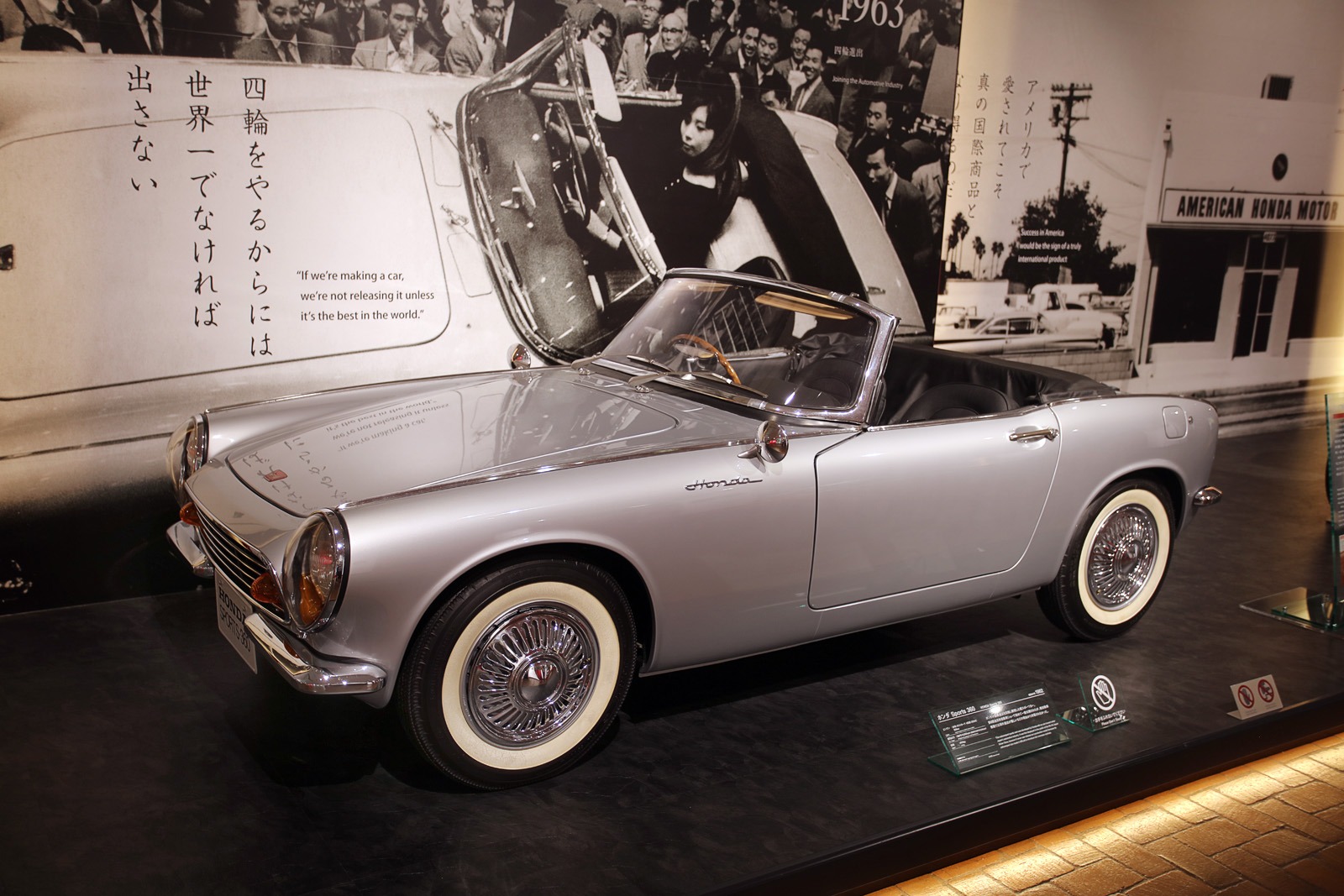
Strictly speaking this prototype shouldn’t make the cut but we’re going to cut a special deal for this impishly pretty little sports convertible that was Honda’s first car – and what an effort it was. It weighed just 510kg, which was probably fortunate as it just had a 356cc engine.
Hyundai: Sonata (2013)
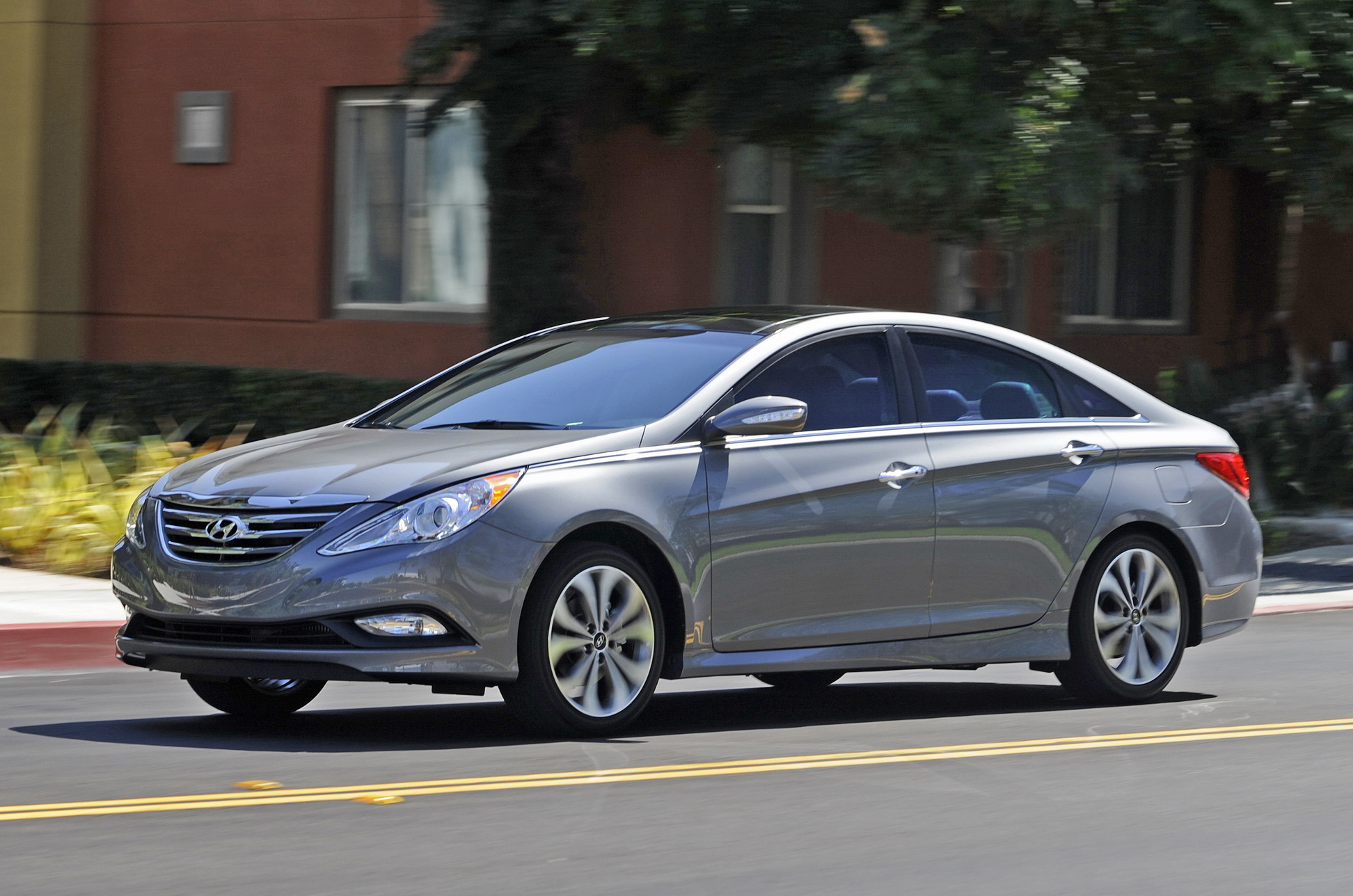
Truth be told, the words beauty and Hyundai are uneasy bedfellows, so in this case we’ll settle for ‘handsome,’ and we reckon this Sonata fits the bill. Flowing lines means it’s an easy look from any angle.
Infiniti: Q60 (2016)
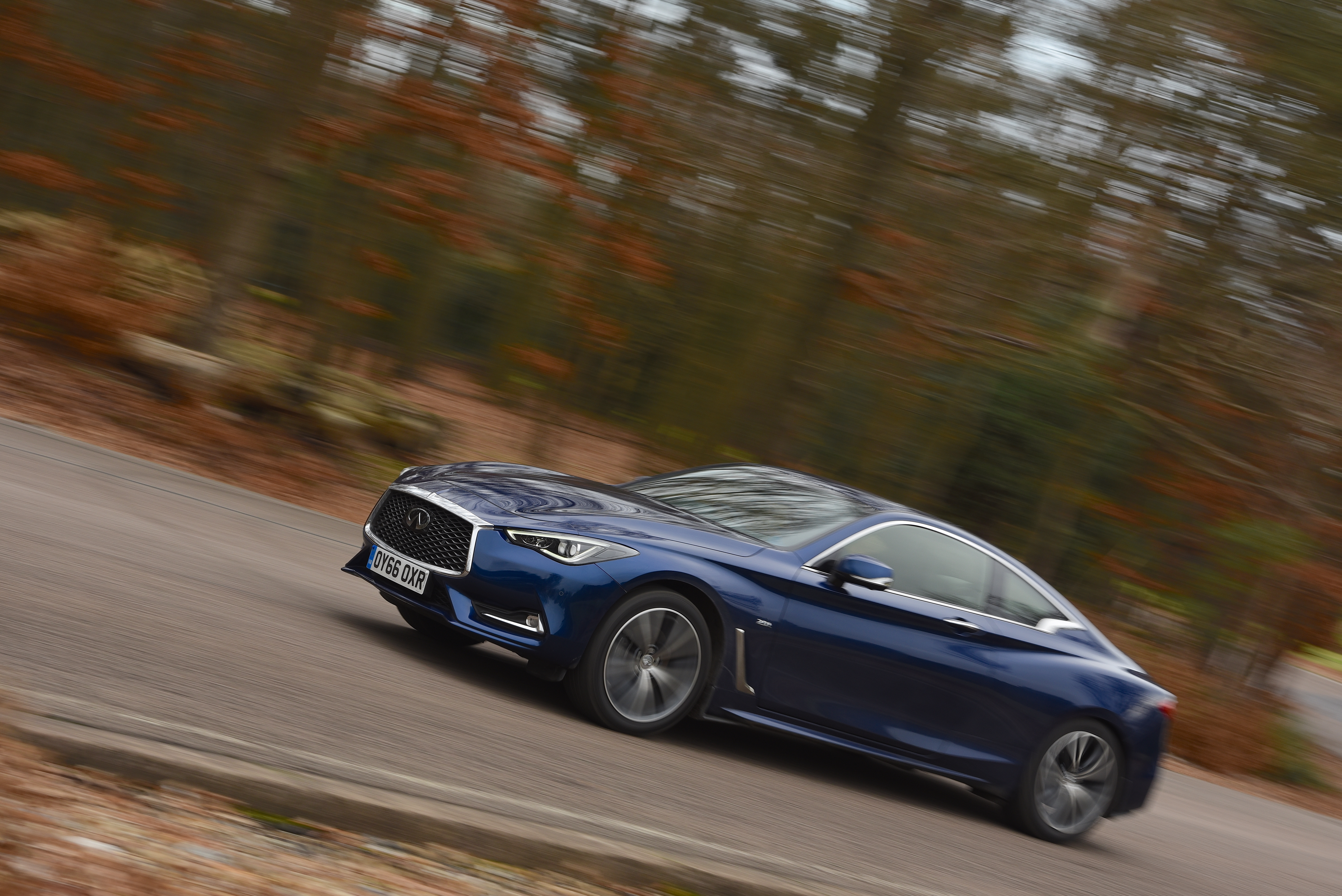
Infiniti’s designs haven’t always bothered automotive beauty parades, which is why the second generation Q60 stands out: bold and confident, it shows its muscles with delicacy.
Jaguar: E-Type Series 1 Coupe (1961)
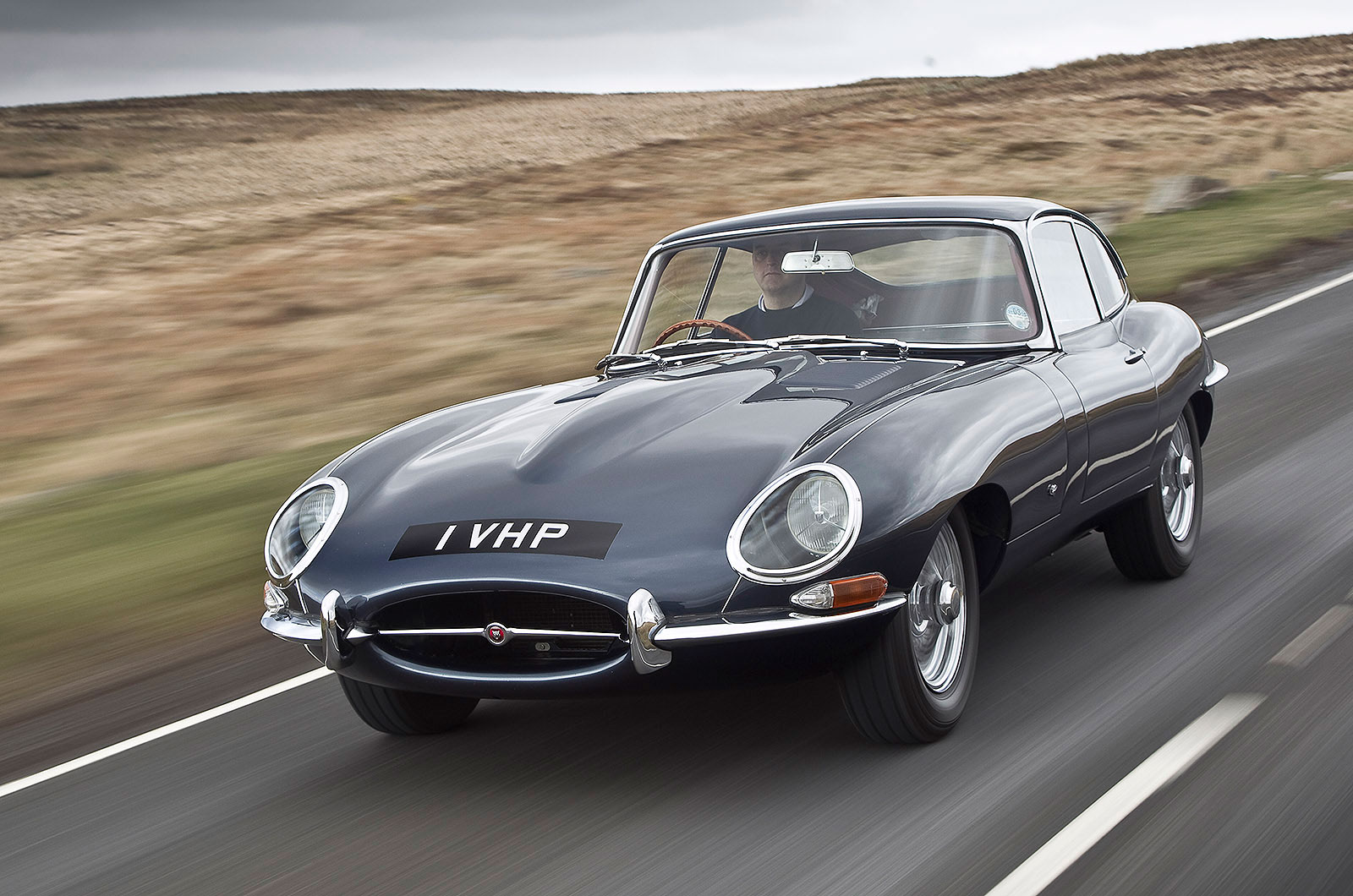
It’s over six decades since this car’s beauty robbed us of our breath, and still the E-Type is widely considered to be the most beautiful car ever. That it appeared roughly half-way through the evolution of the car to date perhaps begs questions of car design since.
Jaguar’s Malcolm Sayer takes much credit for the roadster’s shape, but it was metal craftsman Bob Blake, an American from North Dakota, who fabricated the coupe.
Jeep: Grand Wagoneer (2022)
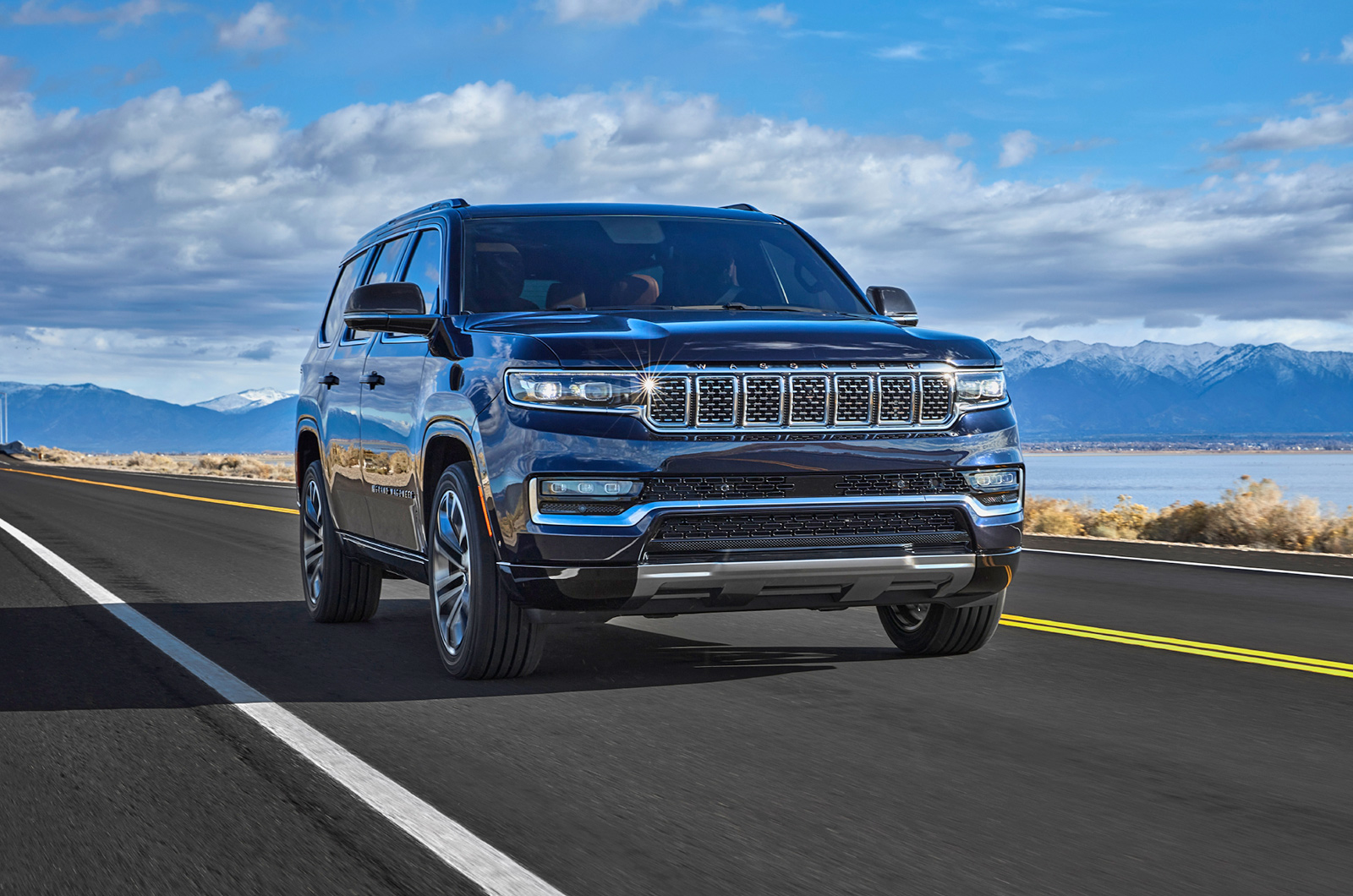
Can Jeeps ever be beautiful? Should they, even? This is another company where handsome is the place to aim for, and we reckon the current Grand Wagoneer has this to a tee. It has elegance, and none of the unpleasant overtones of aggression that blights so many in the luxury SUV class.
Kia: EV6 GT (2021)
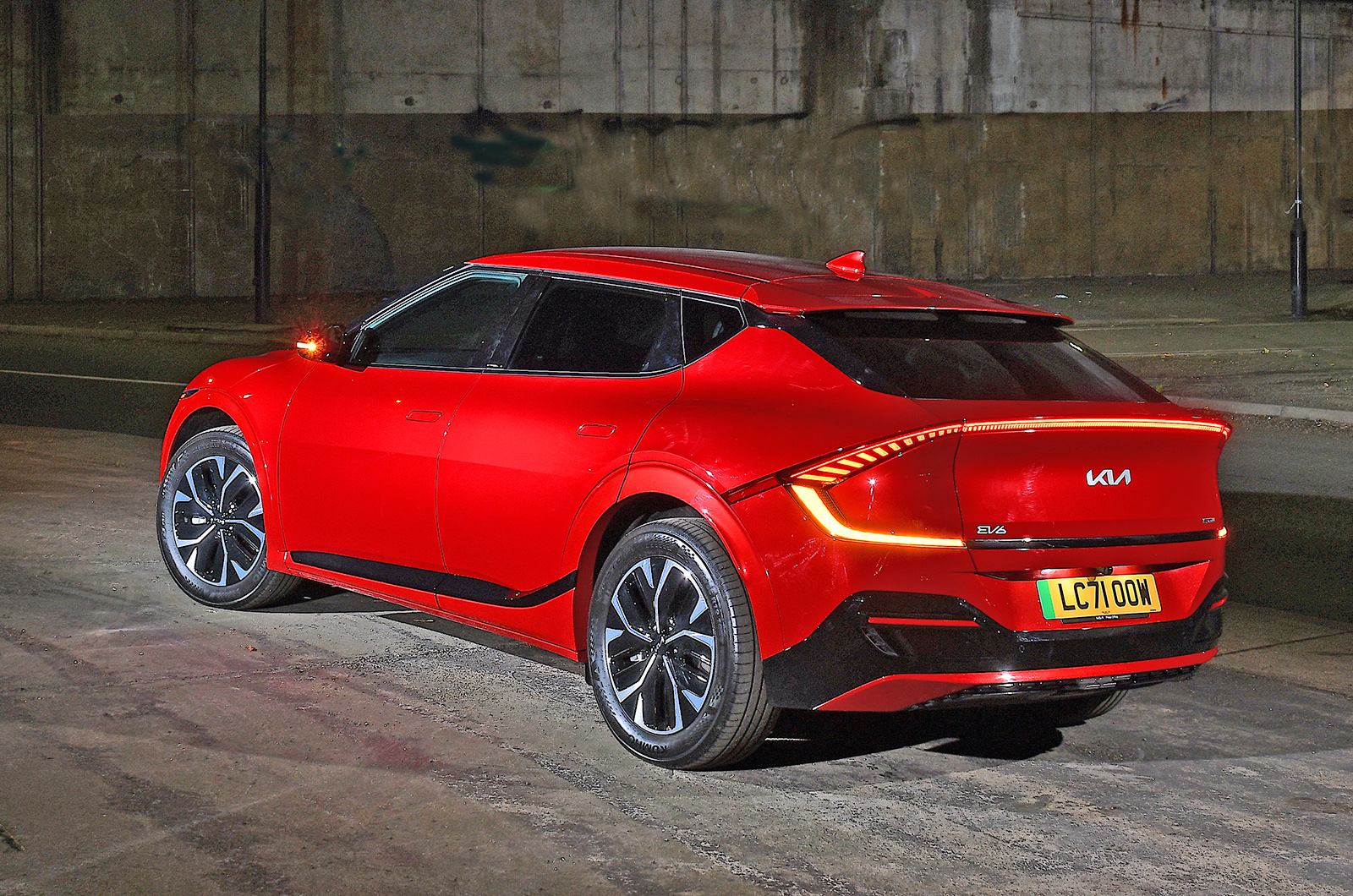
It only seemed the day before yesterday that owning a Kia could make you the target of jokes from your friends; no longer – it competes with BMW and sometimes beats it too. And one way it’s been doing this is by considerably upping its visual game in recent years, so we give no apologies in choosing a current model, in this case the EV6 GT which to our eyes is a triumph of the crossover class, looks-wise.
Lamborghini: Miura (1970)
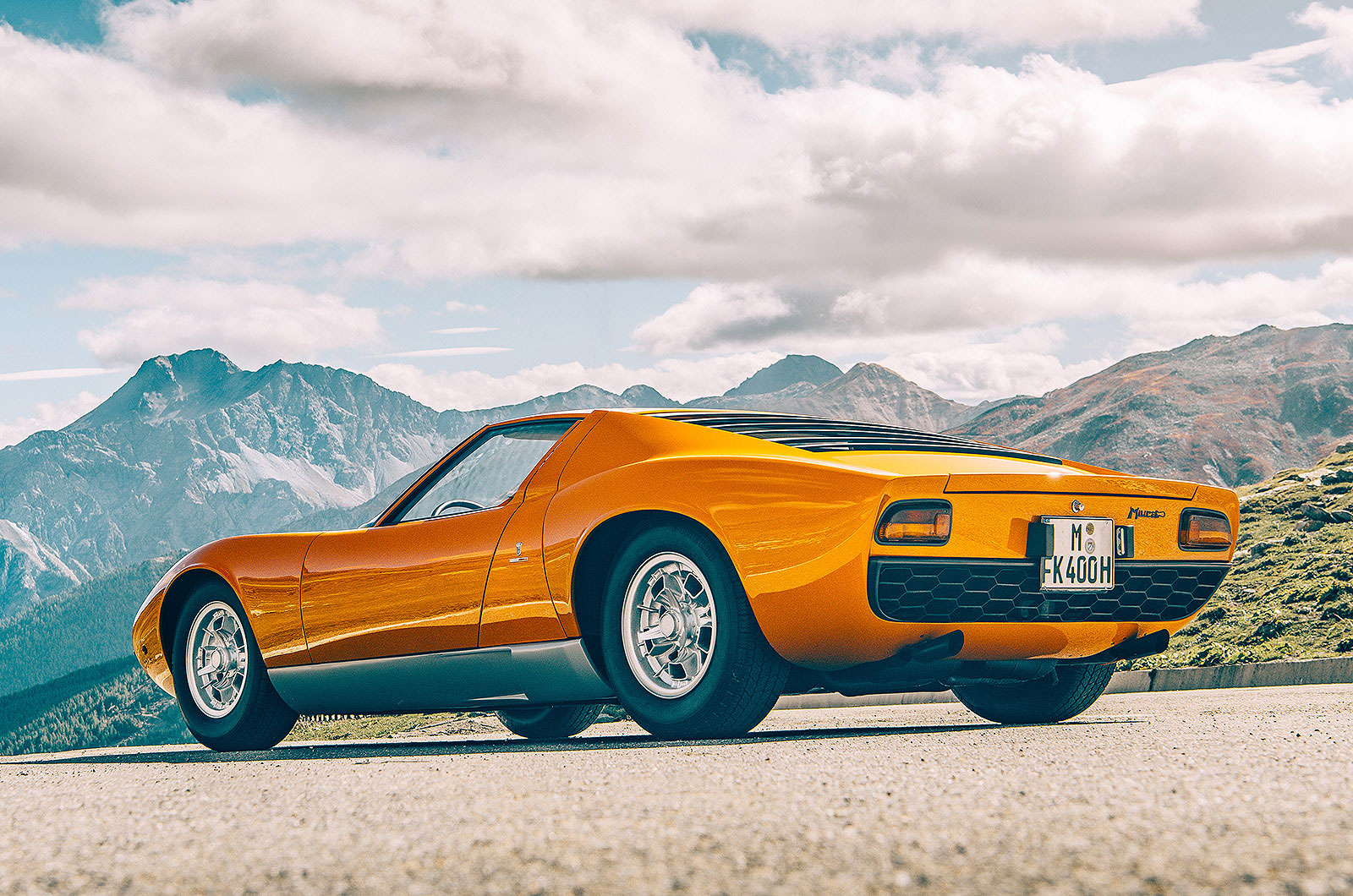
Not quite the first mid-engine road car, but the Miura fired the gun on a half-century’s supercar development. Few of this breed has since matched its voluptuous beauty, though unlike the Miura most remain glued to the ground at speed.
Land Rover: Range Rover (1970)
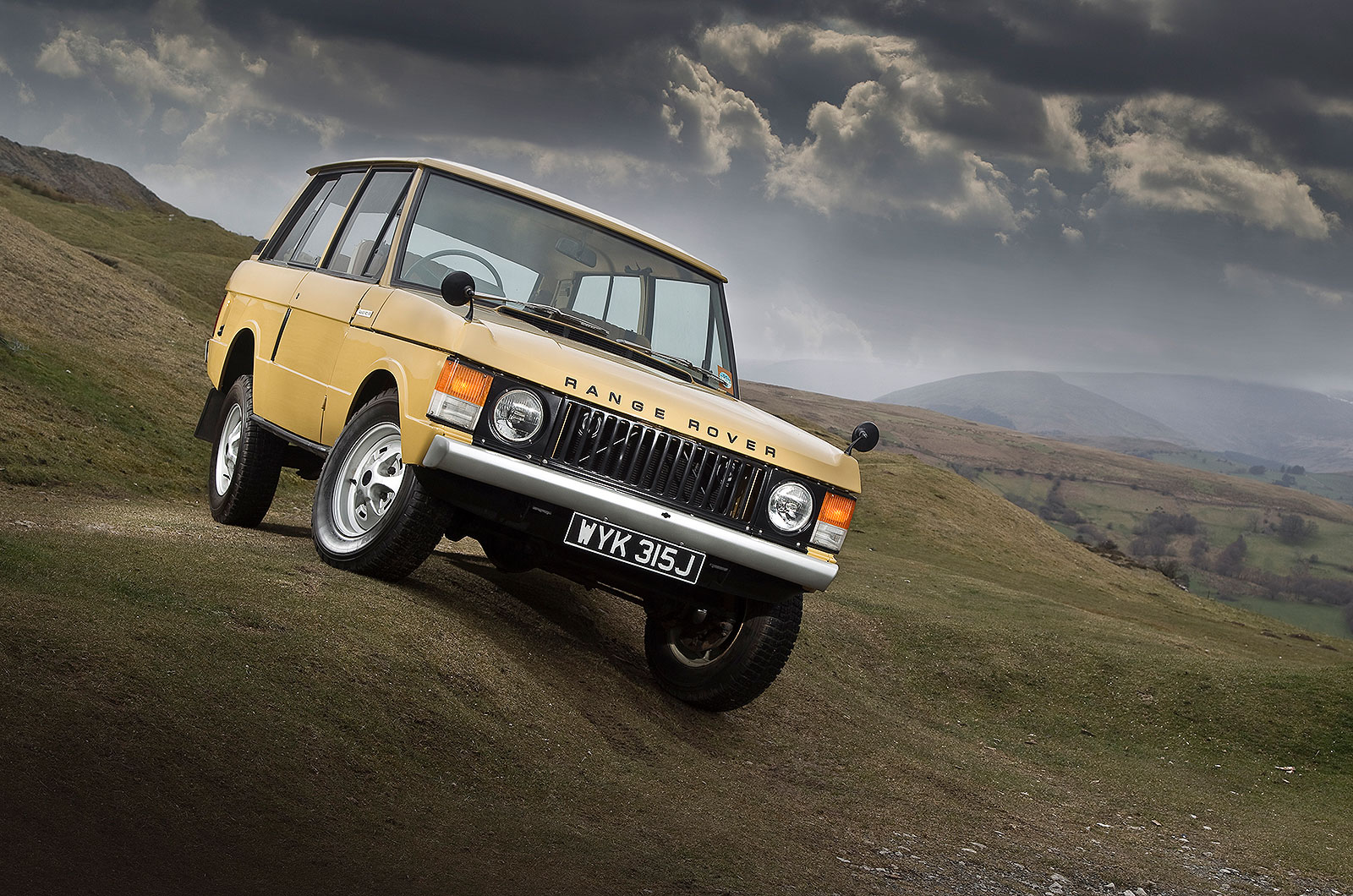
The beauty of functional form is clear to see in the original Range Rover. View the prototypes before and after the design process, and you’ll see that the finishing touches were applied with ground-breaking flair.
Lexus: LF-A (2011)
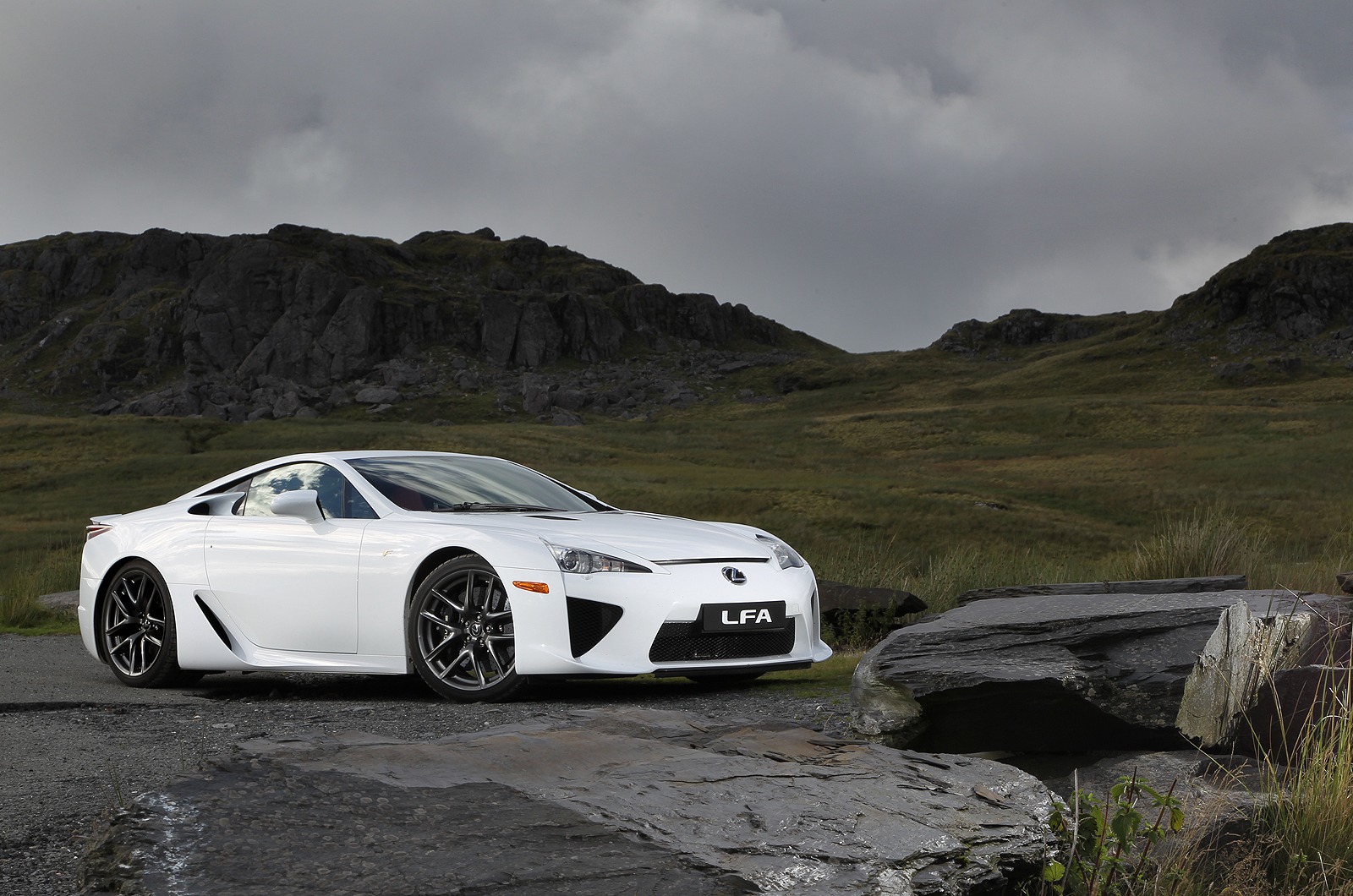
It remains amusingly absurd that the unbelievably dramatic LF-A is also perhaps the most un-Lexus model of them all – and that’s before you’ve turned it on to hear that screaming V-10 in full verve. And they say Toyota is dull…
Lincoln: Mark II (1956)
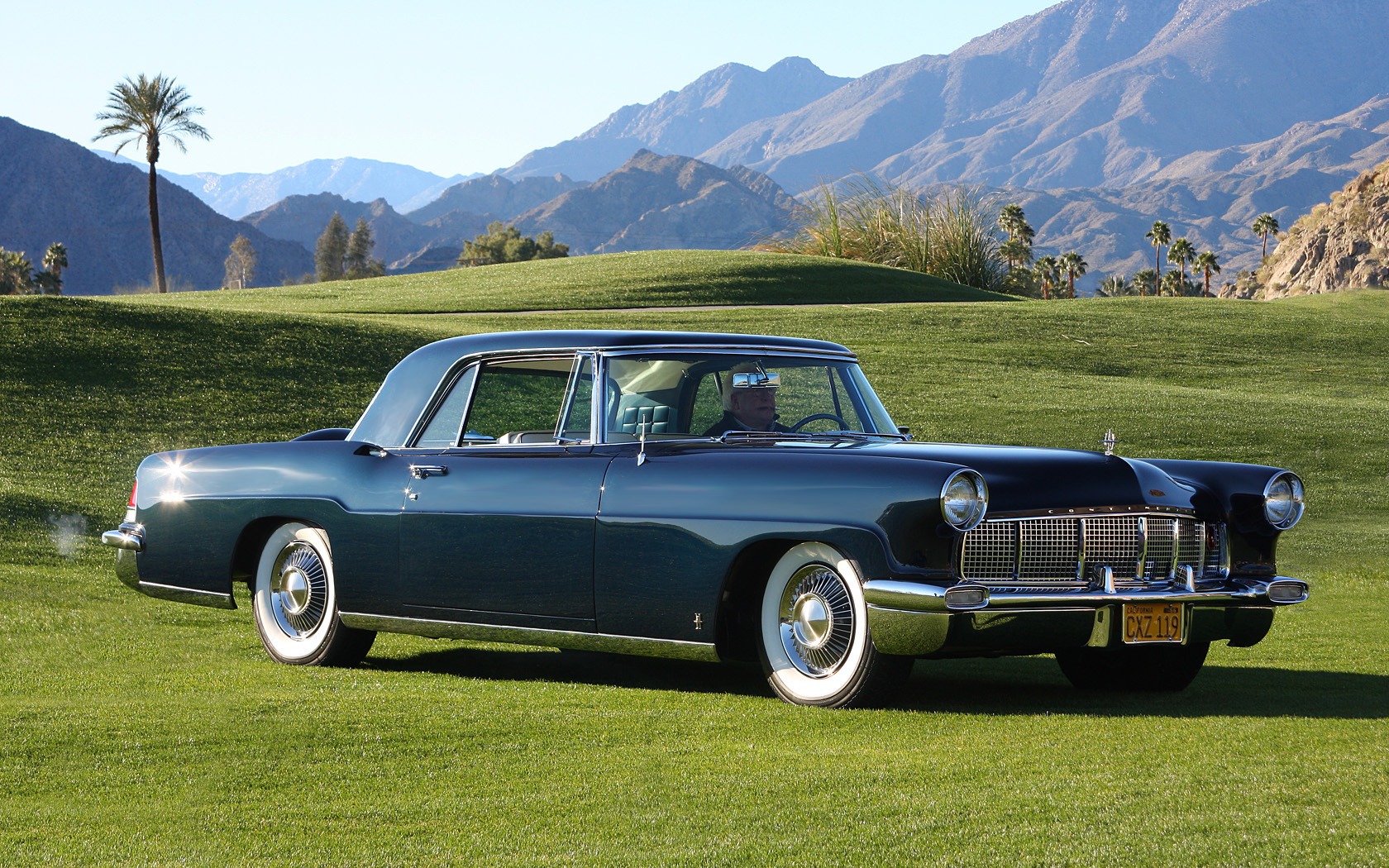
A marque that has spent too much of its 100+ year history in Cadillac’s shadow, Lincoln’s designs deserve to be better noted. We’re going for this 1956 Continental – and yes we know this is strictly speaking not a Lincoln, but it really is… We love the confident scale of this machine, its expansive hood going to a bold snout, and its criss-cross grille.
Lotus: Elan (1962)
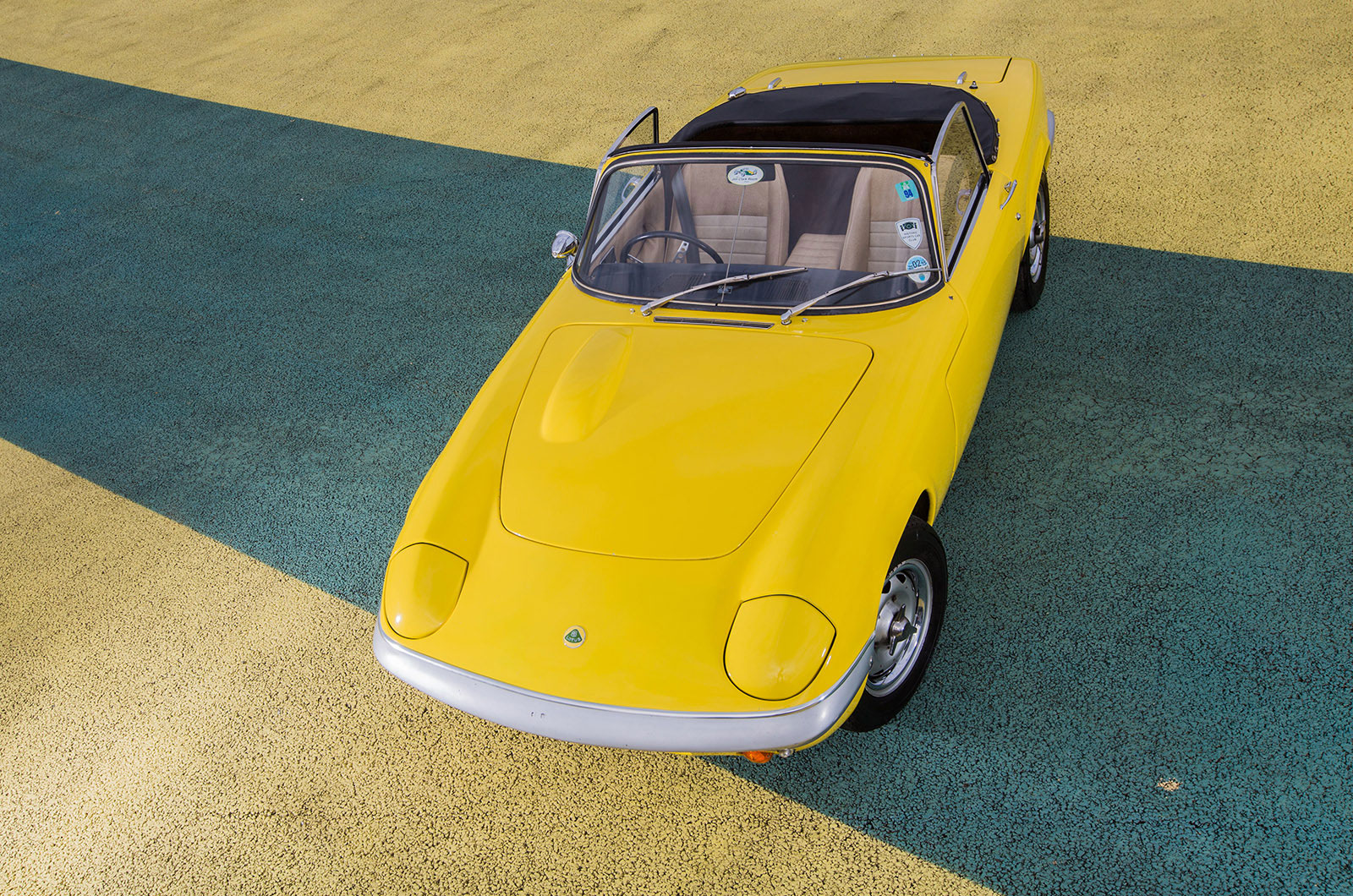
The “if it looks right, it is right” cliché surely applies to the first Elan, whose form and detail were perfect enough to heavily inspire Mazda’s MX-5.
Maserati: A6G CS Berlinetta (1953)
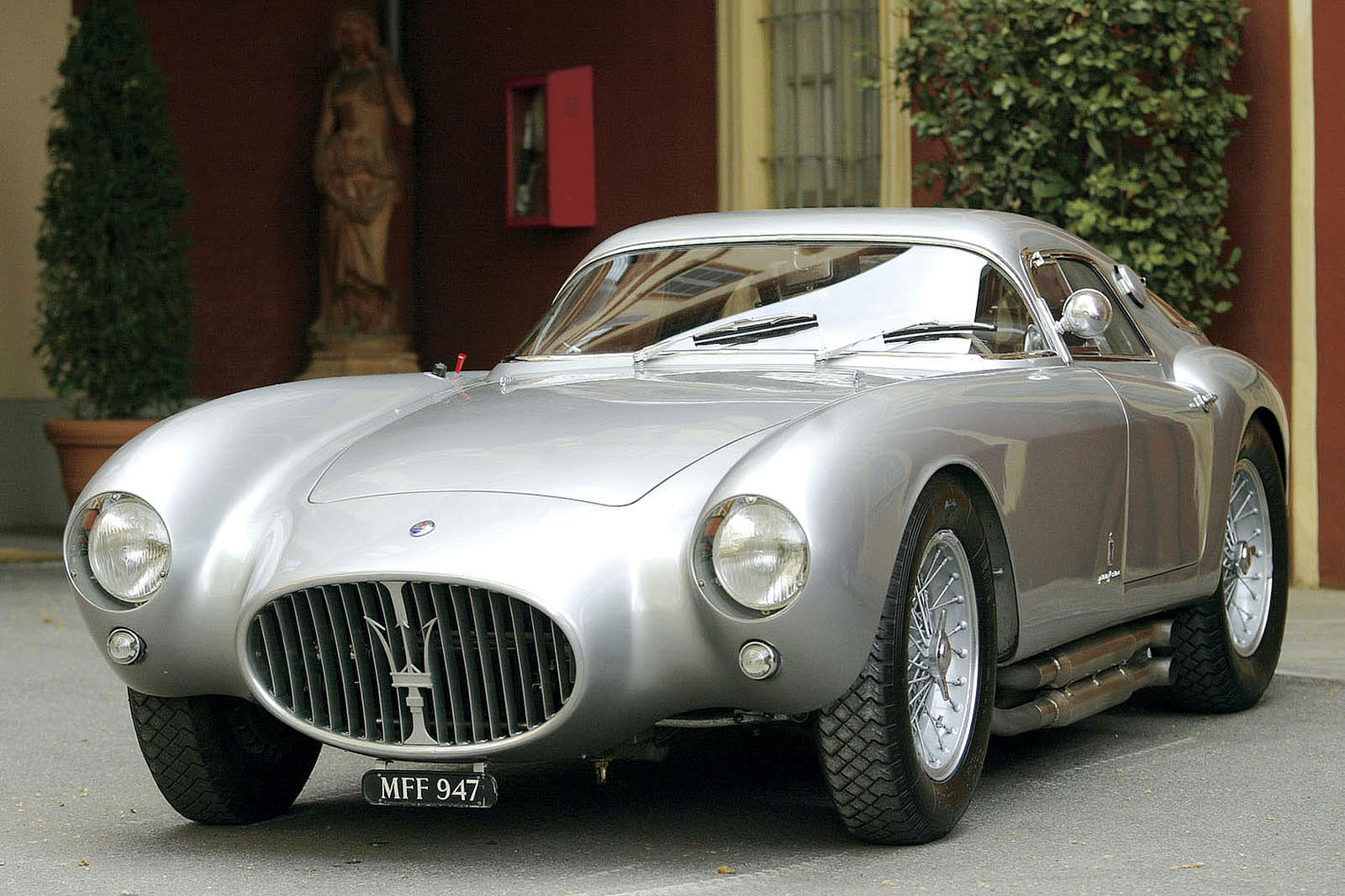
Maserati’s racer-turned-road-car A6G series yielded many desirable coachbuilt designs, among the best of them Pininfarina’s exquisite GCS coupe. Delicate of line, the power of its 2.0-litre six is confirmed by a dramatic pair of side exit exhausts.
Mazda: RX-7 Mk3 (1991)
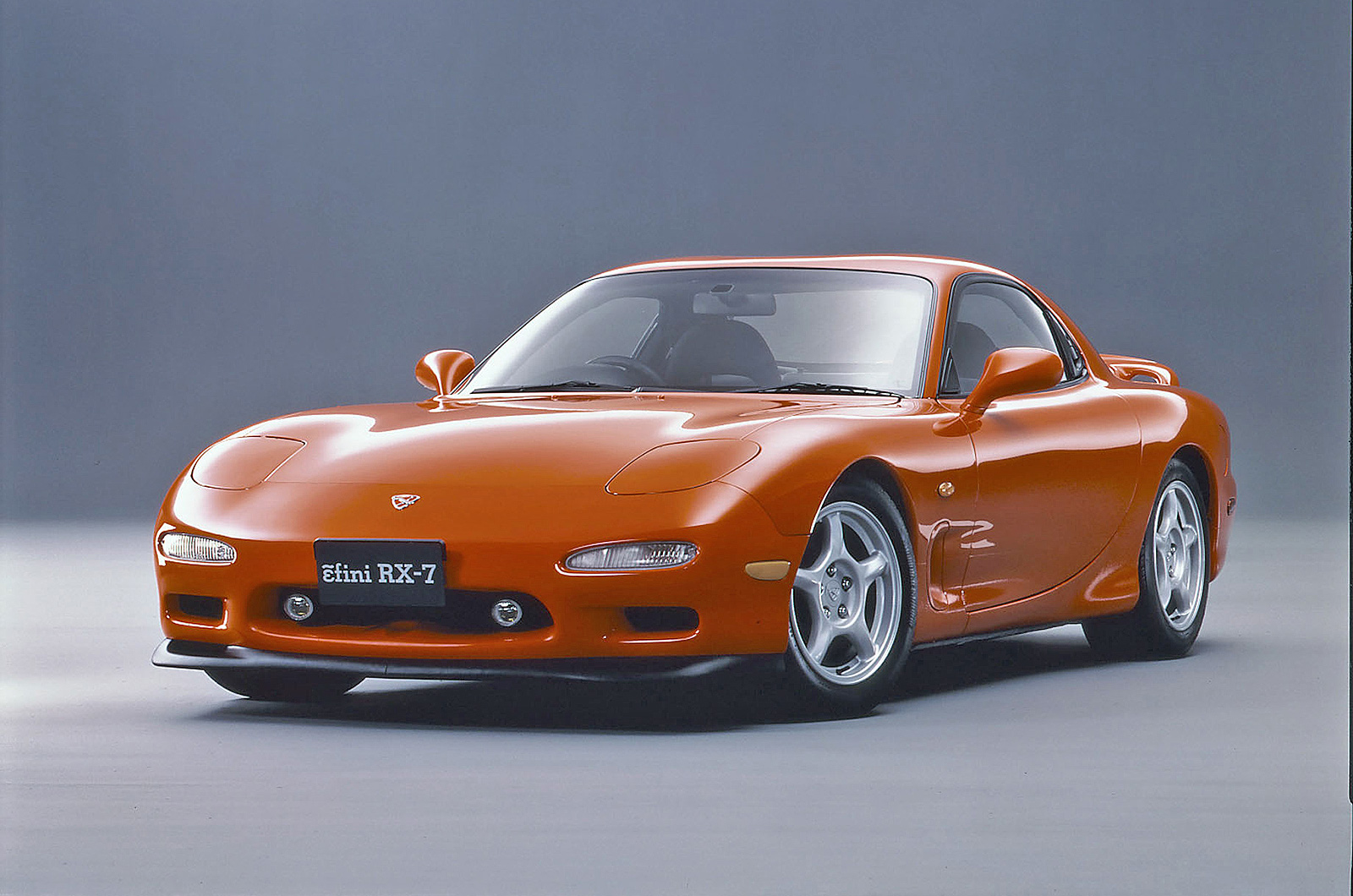
Mazda has long made cars that stand out compared to many other Japanese designs, and with the third RX-7 it succeeded effortlessly, with sensuous curves that are a rival for anything from Italy, then or now.
McLaren: F1 (1994)
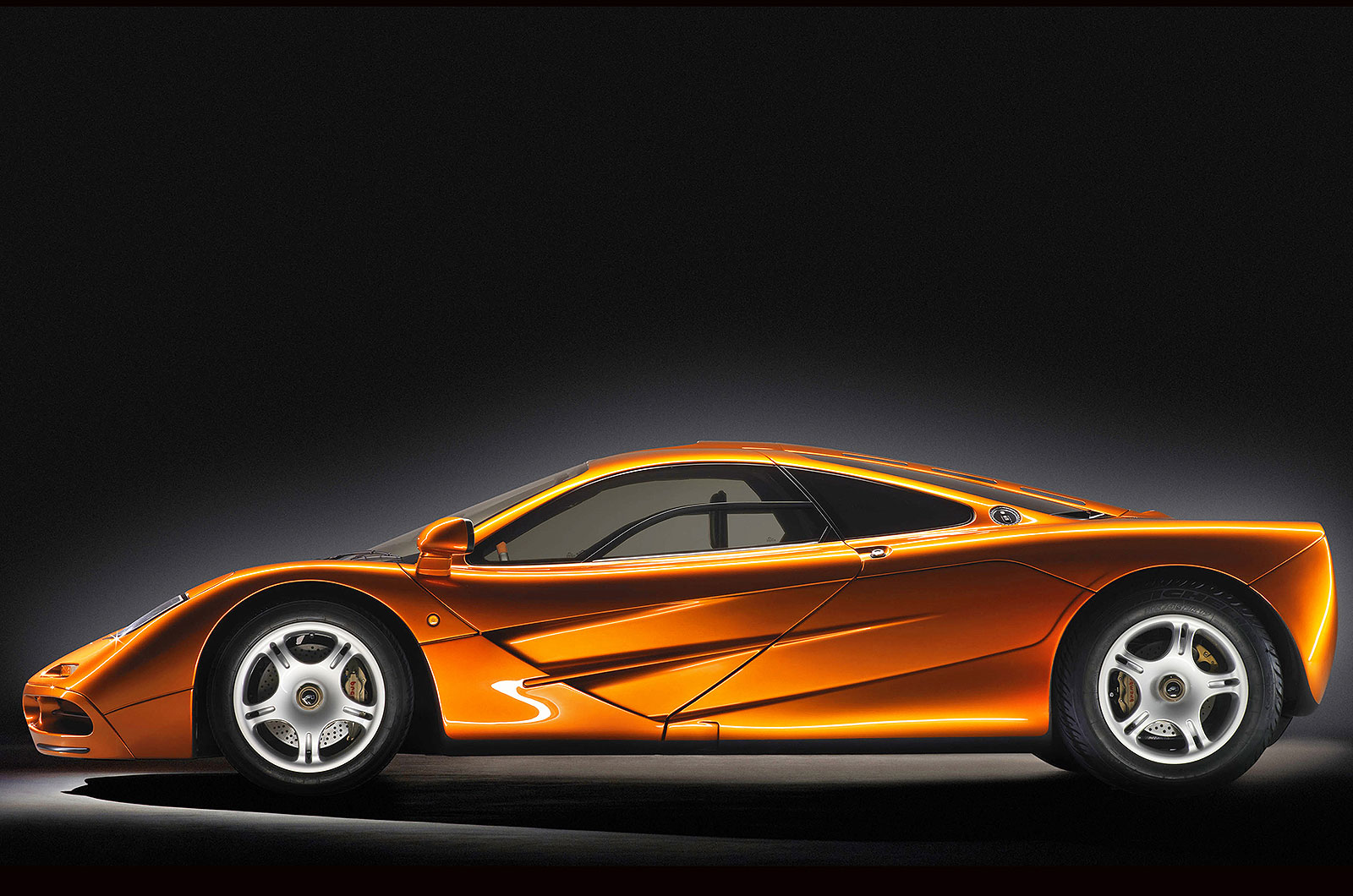
The odd detail apart the F1 still looks contemporary now, the subtle packaging of its aerodynamic features allowing it a calm fluency of lines missing from most modern supercars.
Mercedes-Benz: 300 SL Gullwing (1954)
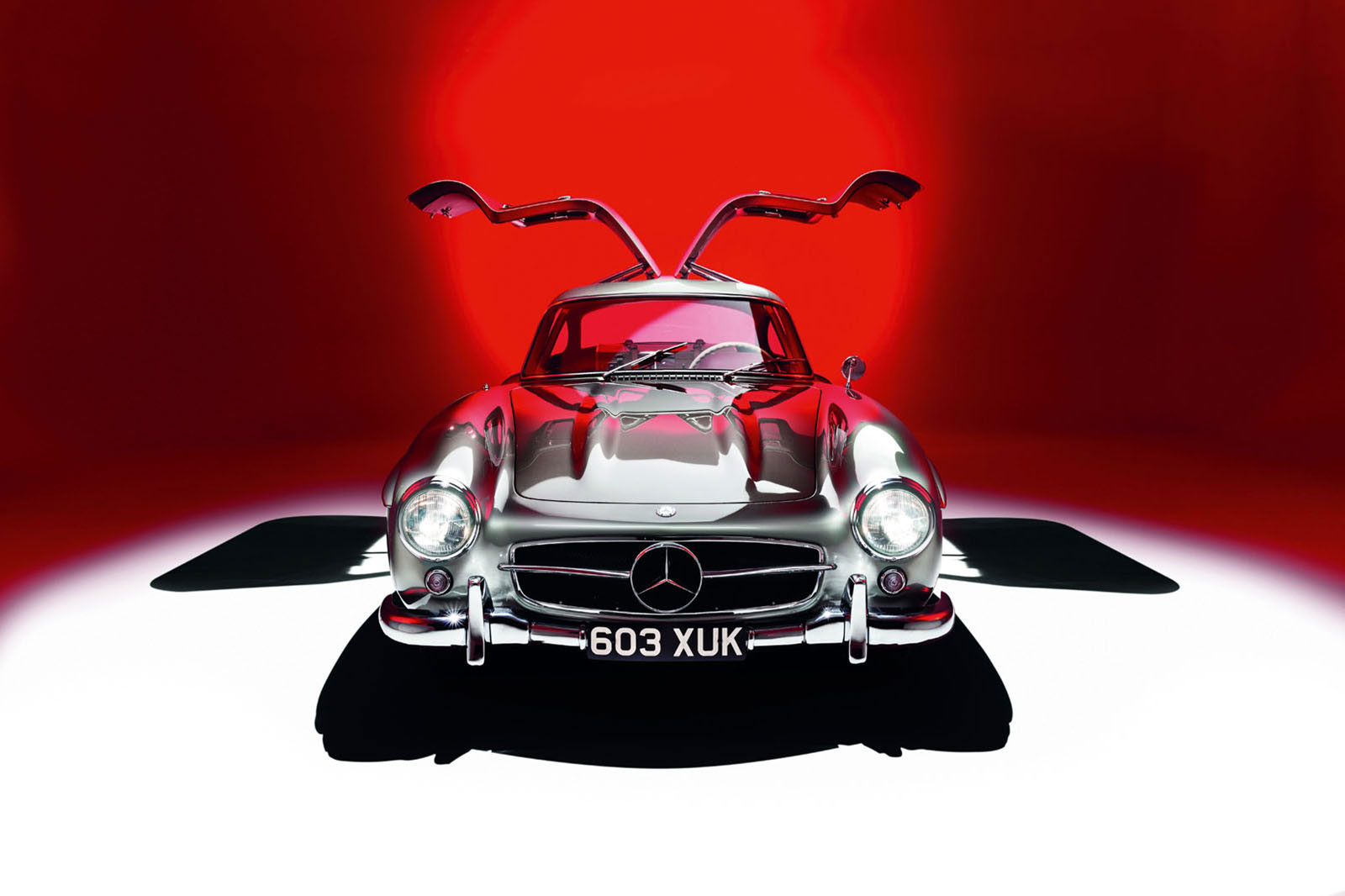
It isn’t only the doors. The slender blisters crowning each wheelarch, the fine metalwork of the grille, the air extractors in the front wings and above all, the low, long-bonnet proportions make an arresting beauty of this car.
MG: MGA (1955)
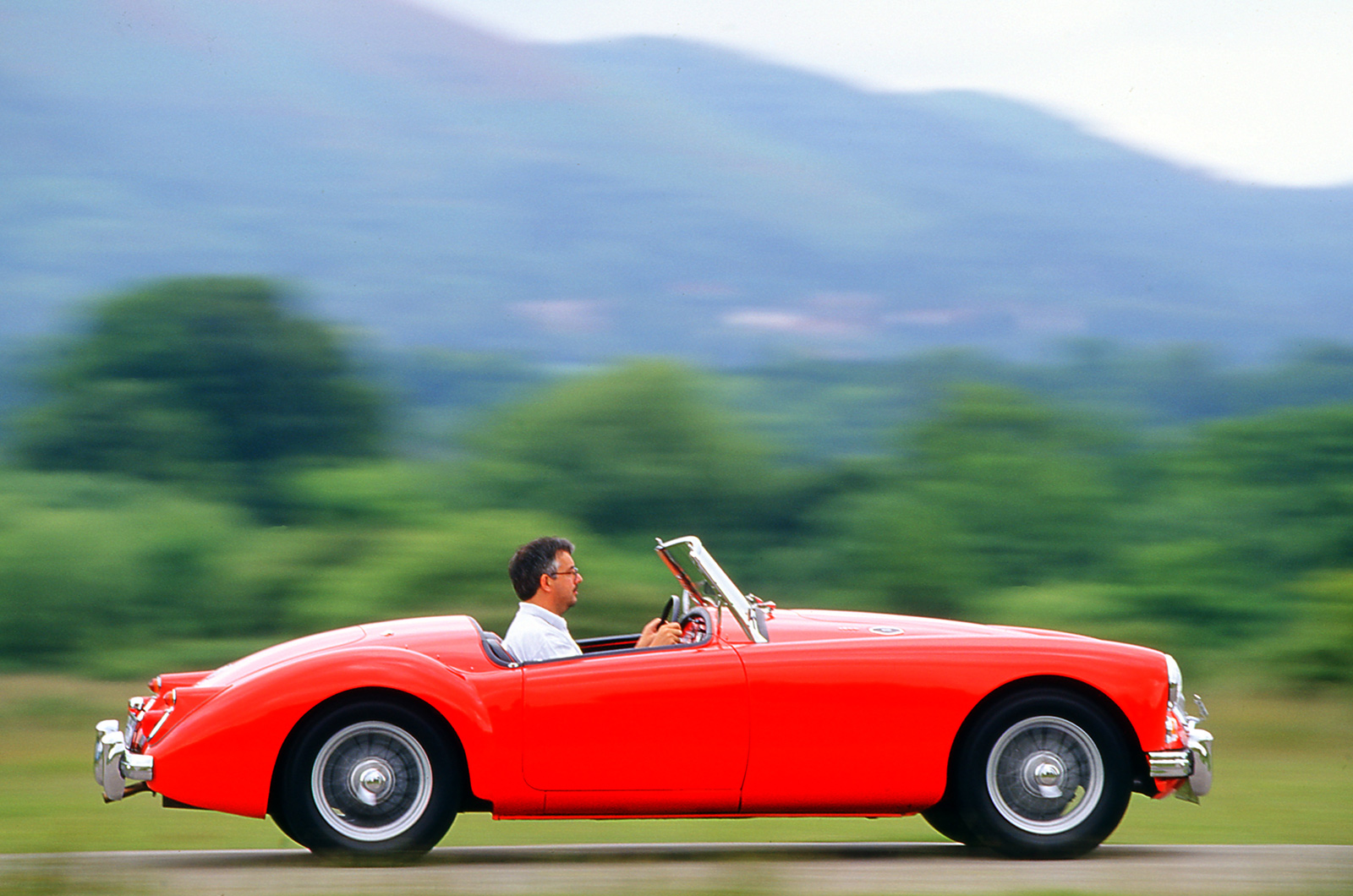
We reckon the MGA is the prettiest car to ever wear an MG badge. It’s also the car that made America fall for the small roadster in general and MG in particular – and no wonder.
Mini: Cooper S (2001)
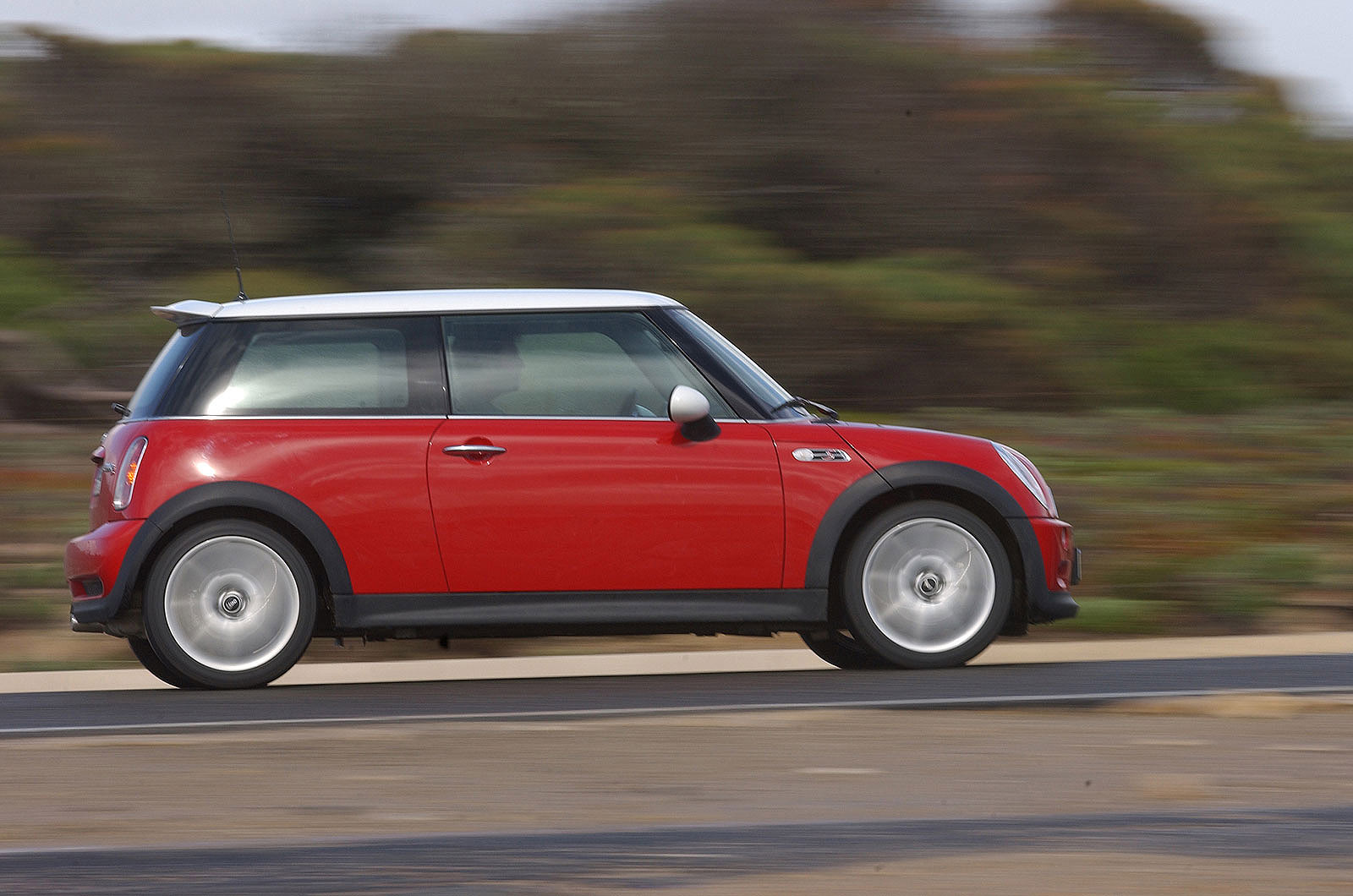
The older it gets, the more of a triumph this total rework of the 1959 original seems. It’s unmistakably redolent of its inspiration, yet entirely modern and like its forebear, perfectly proportioned.
Mitsubishi: 3000GT (1990)
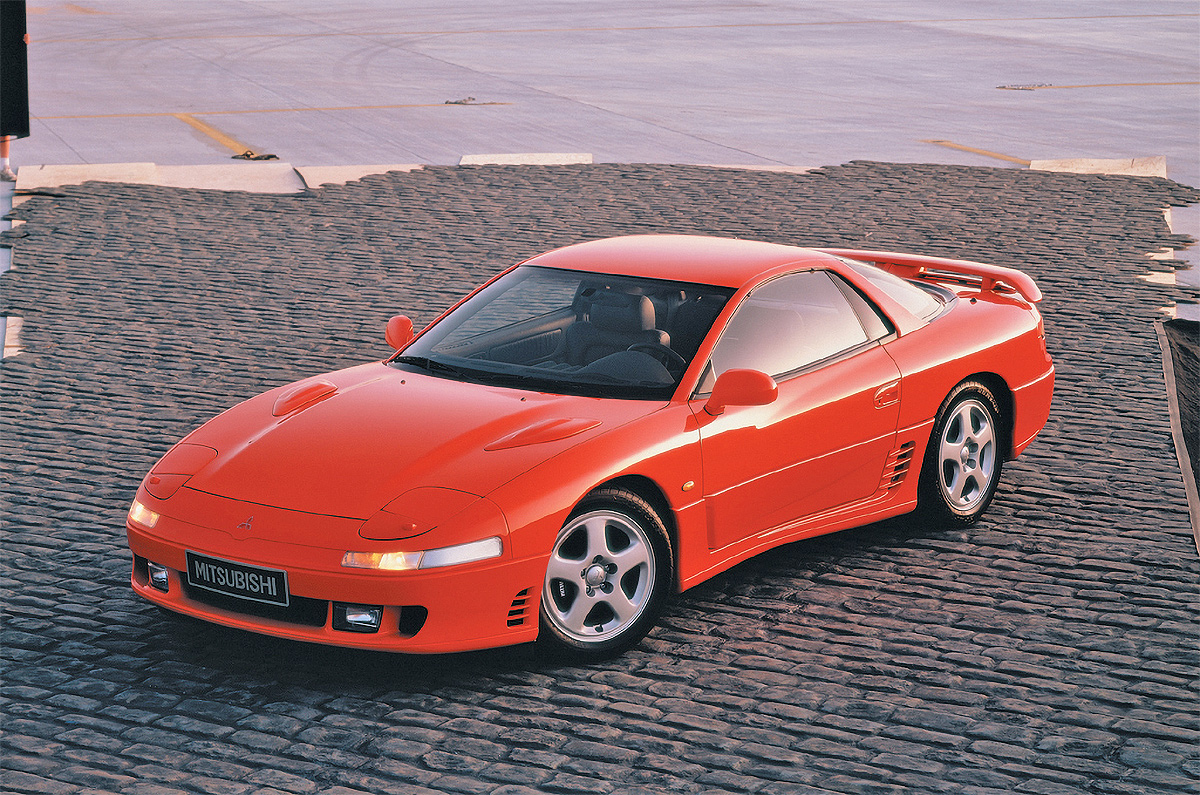
Mitsubishi decided it needed to change its image, and designed itself a junior Ferrari. Unfairly forgotten now, it’s one of the stand-out Japanese designs of the ‘90s.
Morgan: 3 Wheeler (2012)
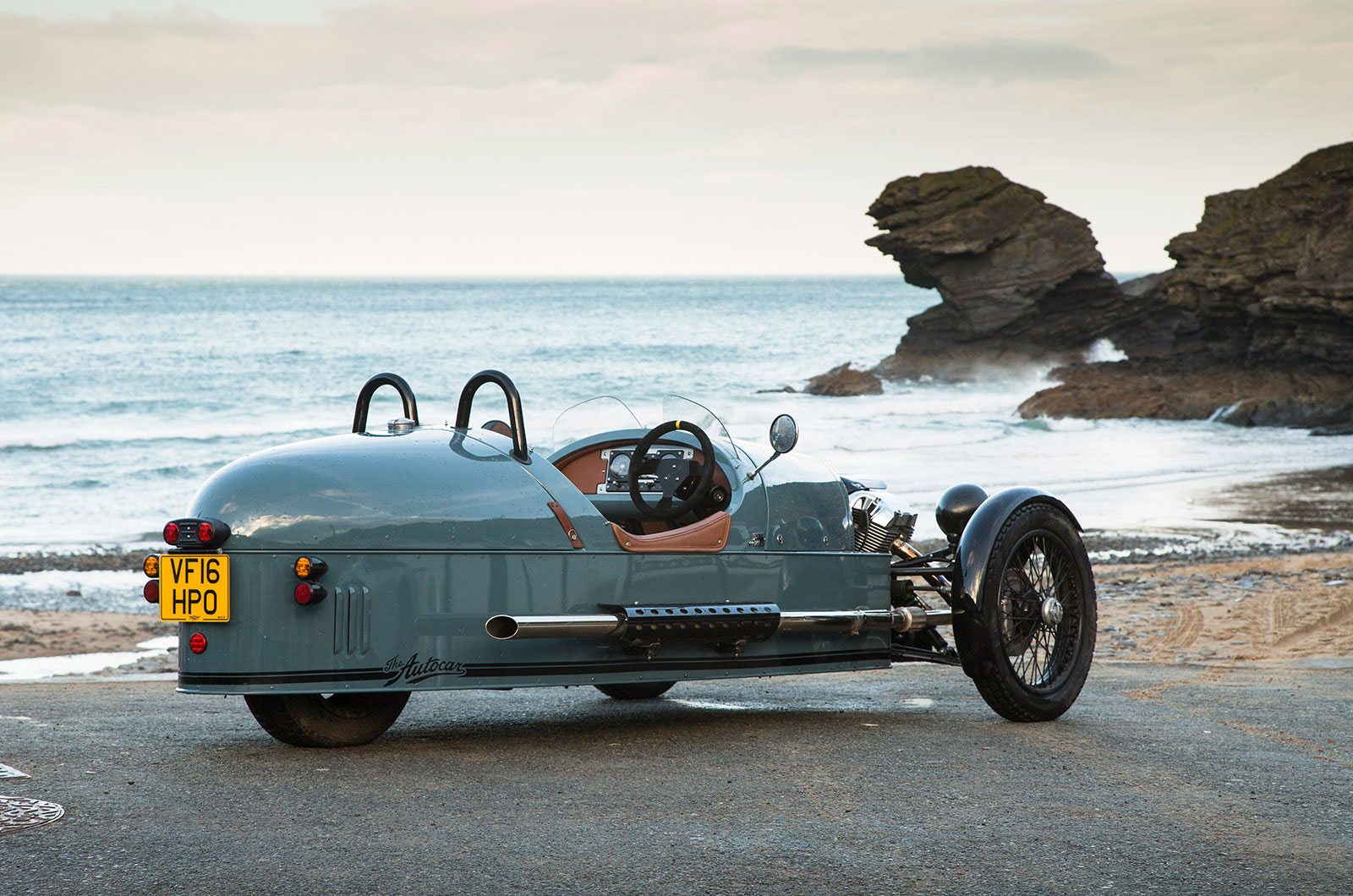
This is automotive allure of the alternative kind, and not only because of the wheel shortfall. The vintage engineering concept, fine detailing lend this upturned tub of a car an arrestingly functional beauty.
Nissan: R390 GT1 (1997)
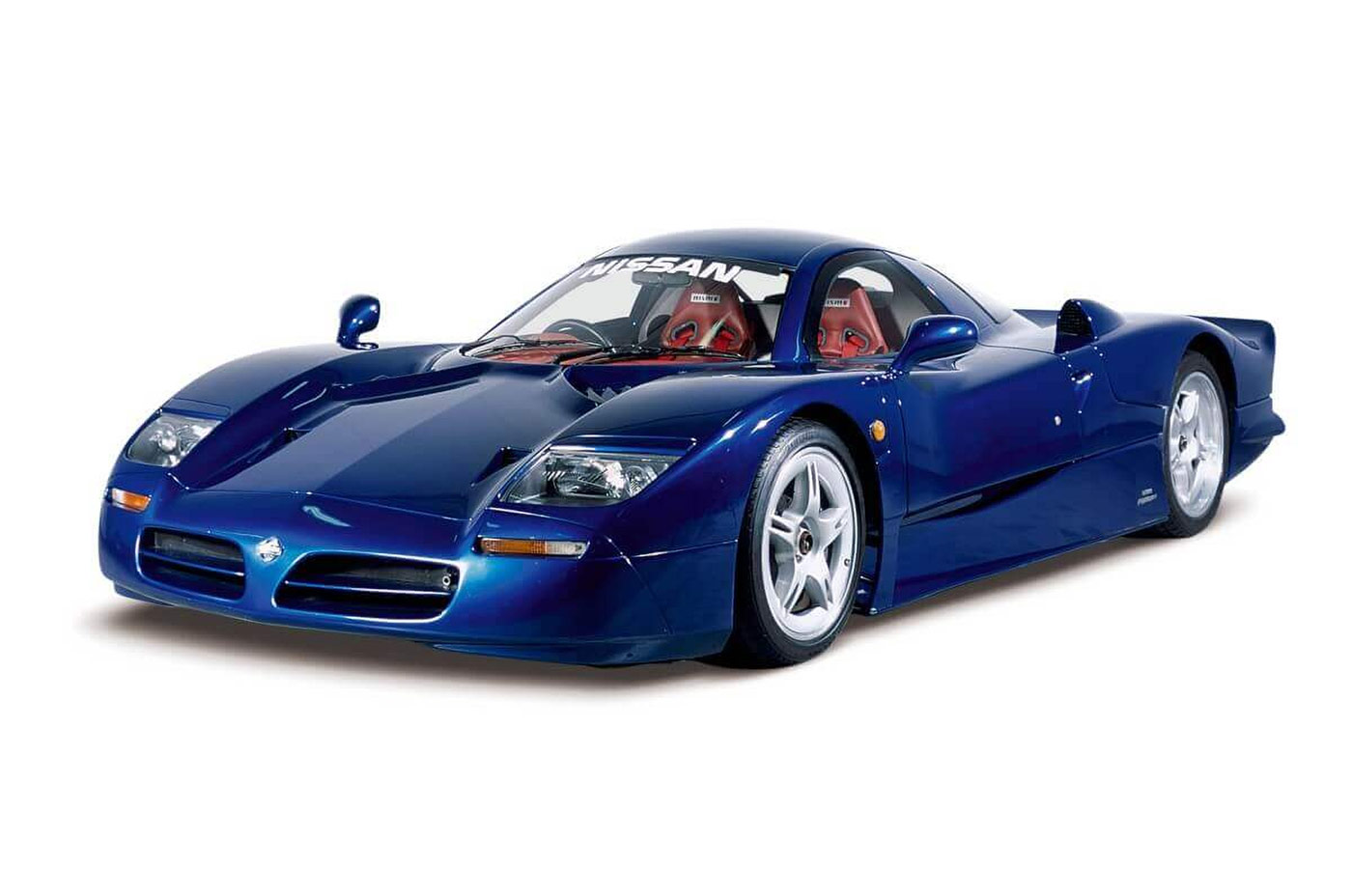
Beauty is not a word you always associate with Nissans of the past or present, but we reckon its R390 racer fits the bill, with its sensuous curves expressive of speed. Just one road car was made alongside several racers, and it was designed by the Britons Tony Southgate and Ian Callum, alongside Yutaka Hagiwara.
Oldsmobile: Toronado (1966)
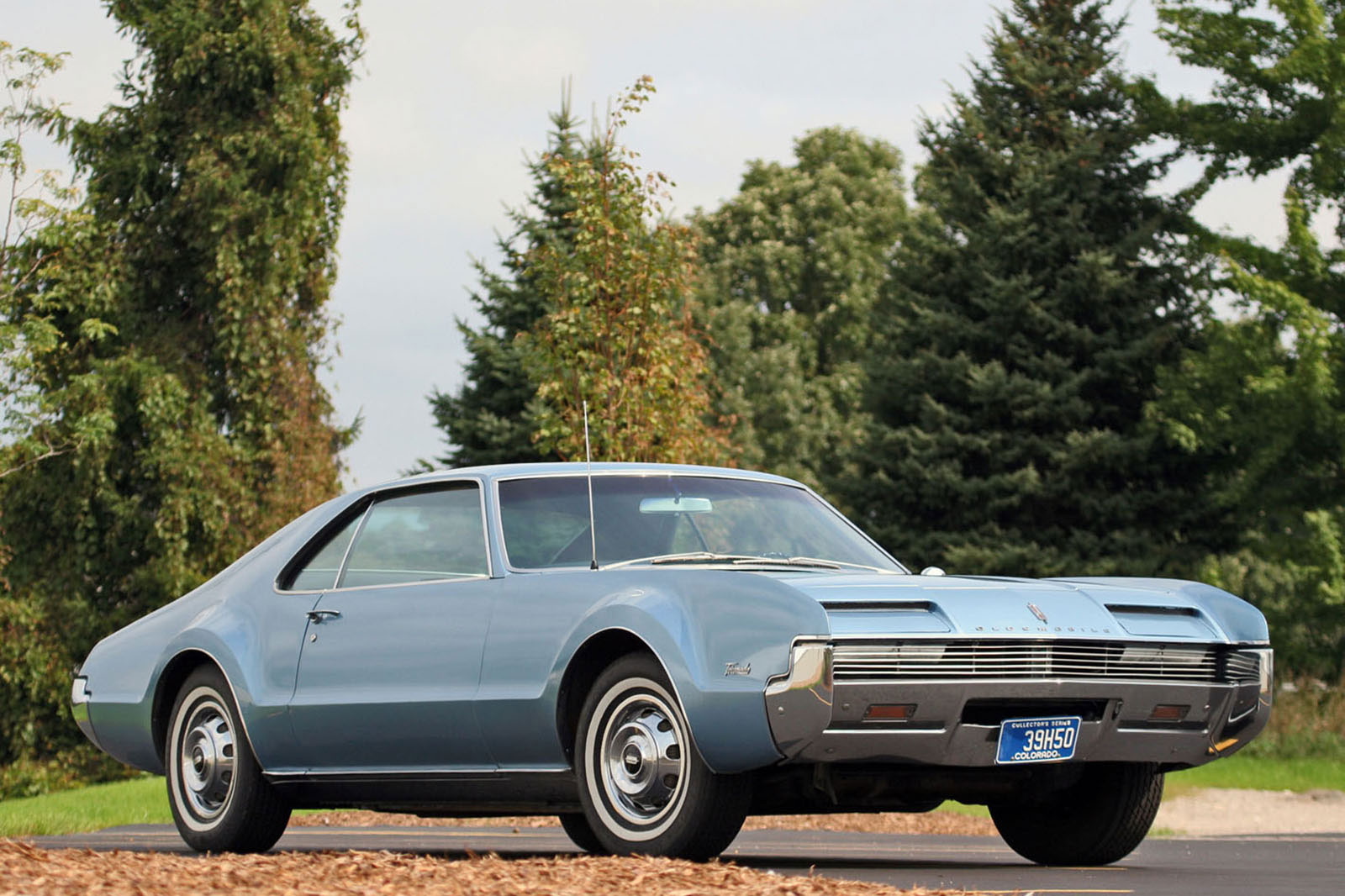
It’s big, huge even, and thus has presence, but size isn’t the Toronado’s only arresting feature. Exquisite proportions, pillarless elegance and spare detailing are as much a triumph as its front-drive powerpack.
Peugeot: 504 Cabriolet (1970)
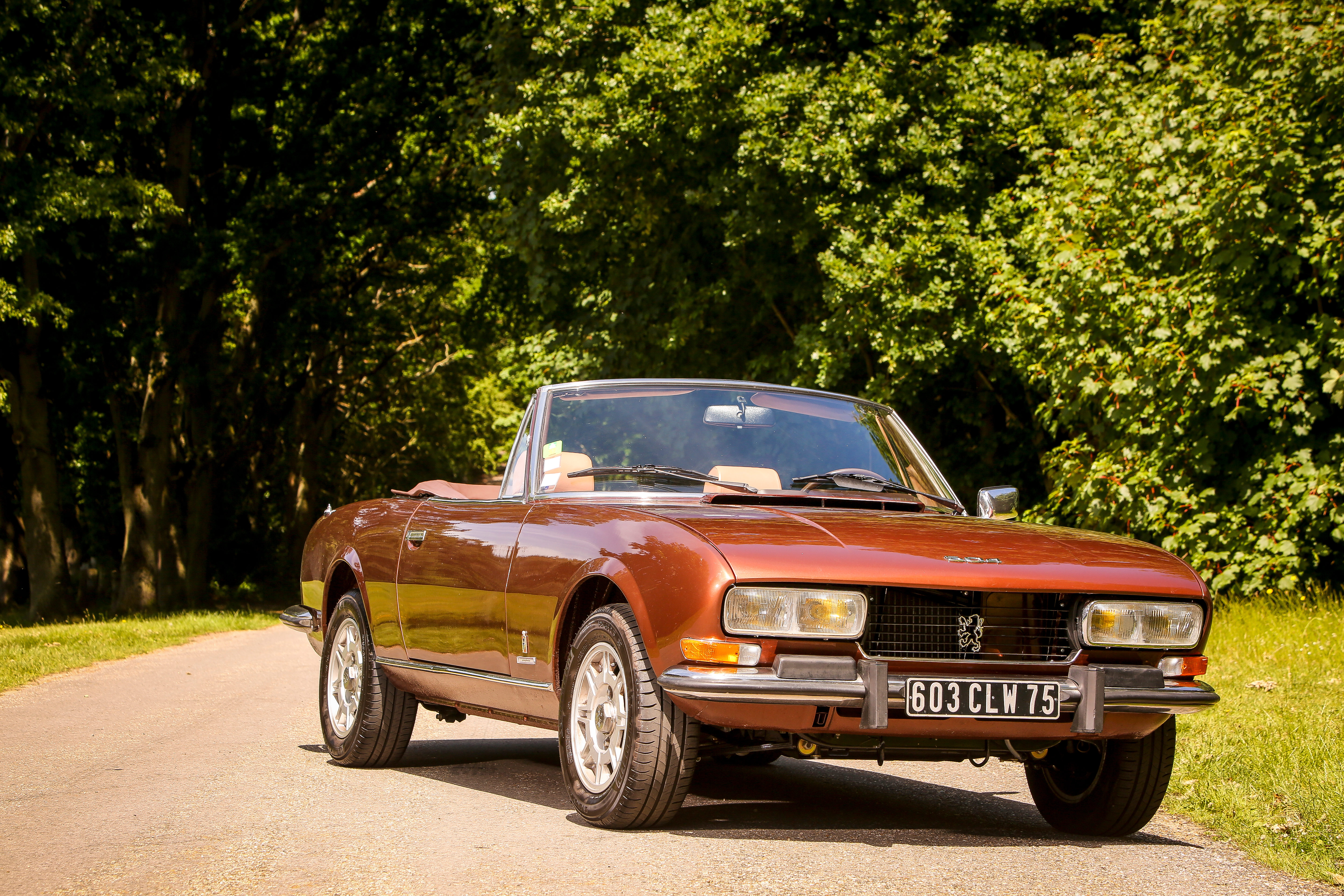
We reckon the 504 Cabriolet is the most beguilingly desirable Peugeot ever made, made more so by the fact that it so clearly outshines the rather dowdy other 504 models available. Still sensational today, it must have stopped the traffic in 1970.
Porsche: 911 (1963)
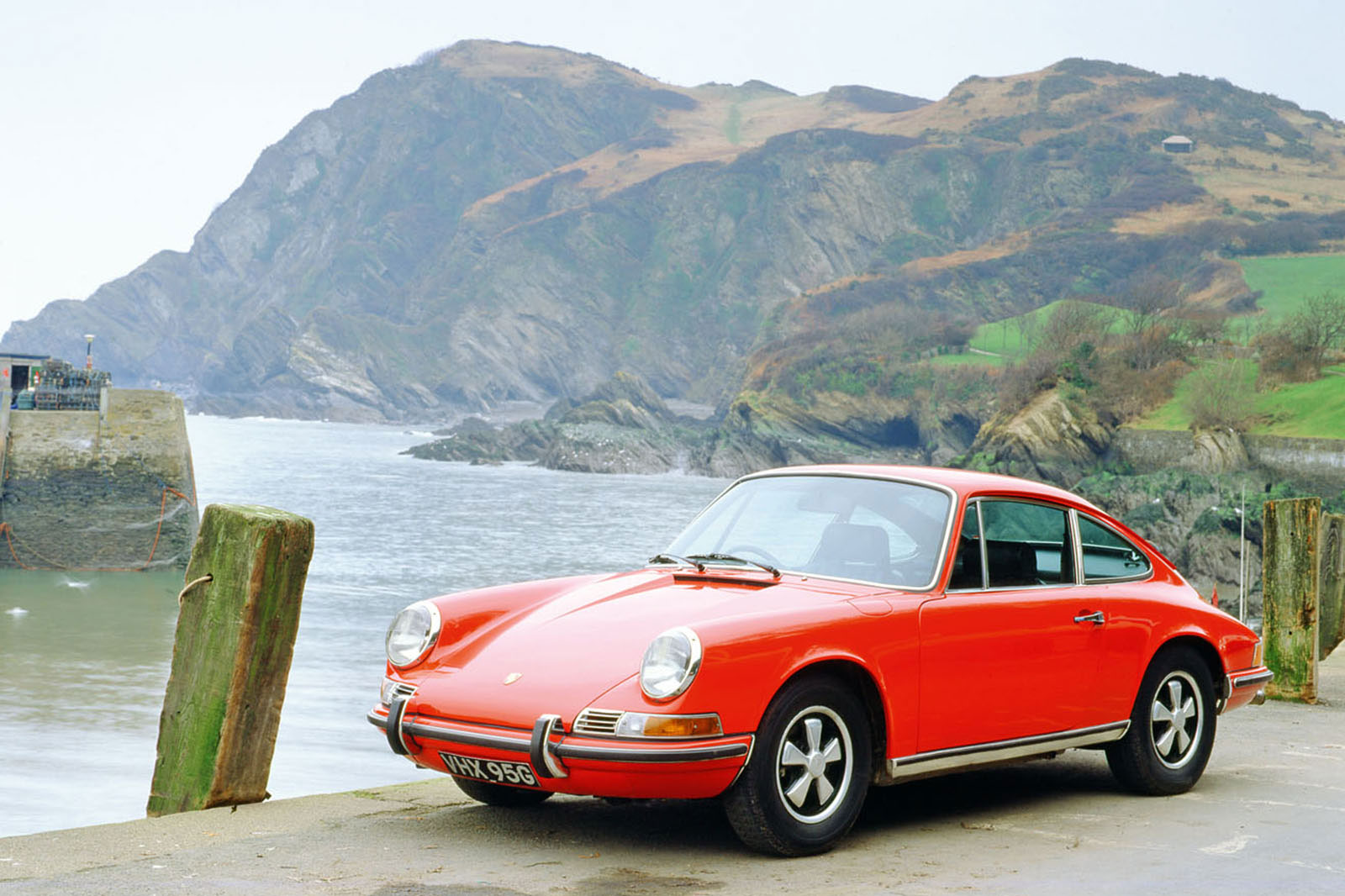
It gives pleasure from every angle you inspect, its delicacy of line ever more appealing in this age of perpetually enlarging cars. And that includes the 911.
Pontiac: GTO Judge (1969)
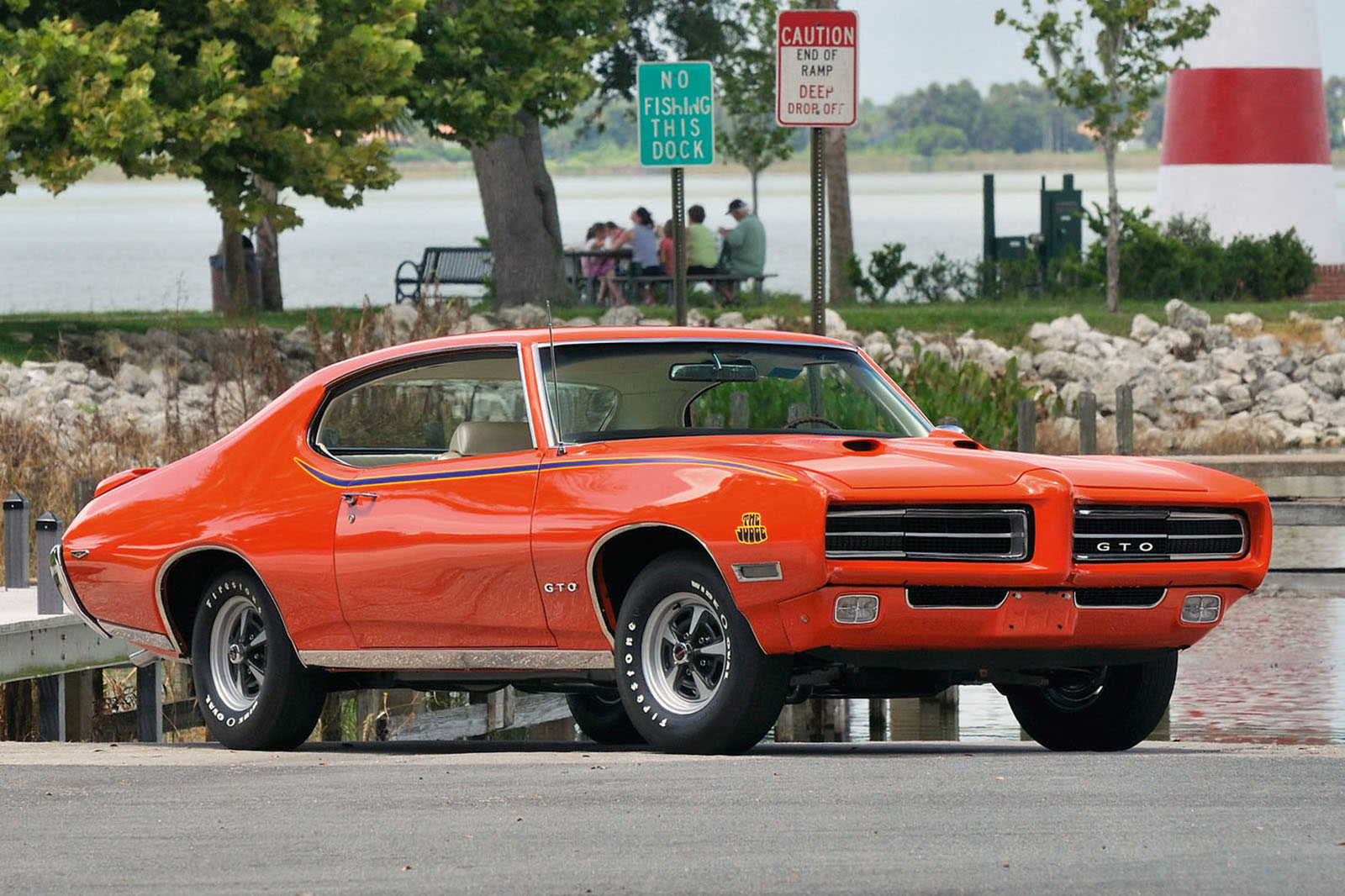
A look of broodingly curvaceous menace distinguished this special edition GTO, standard kit including a potent Ram Air V8, heavy duty suspension, a blacked out grille, a spoiler and (surprisingly subtle) stripes. A classy slice of muscle.
Renault: Caravelle (1958)
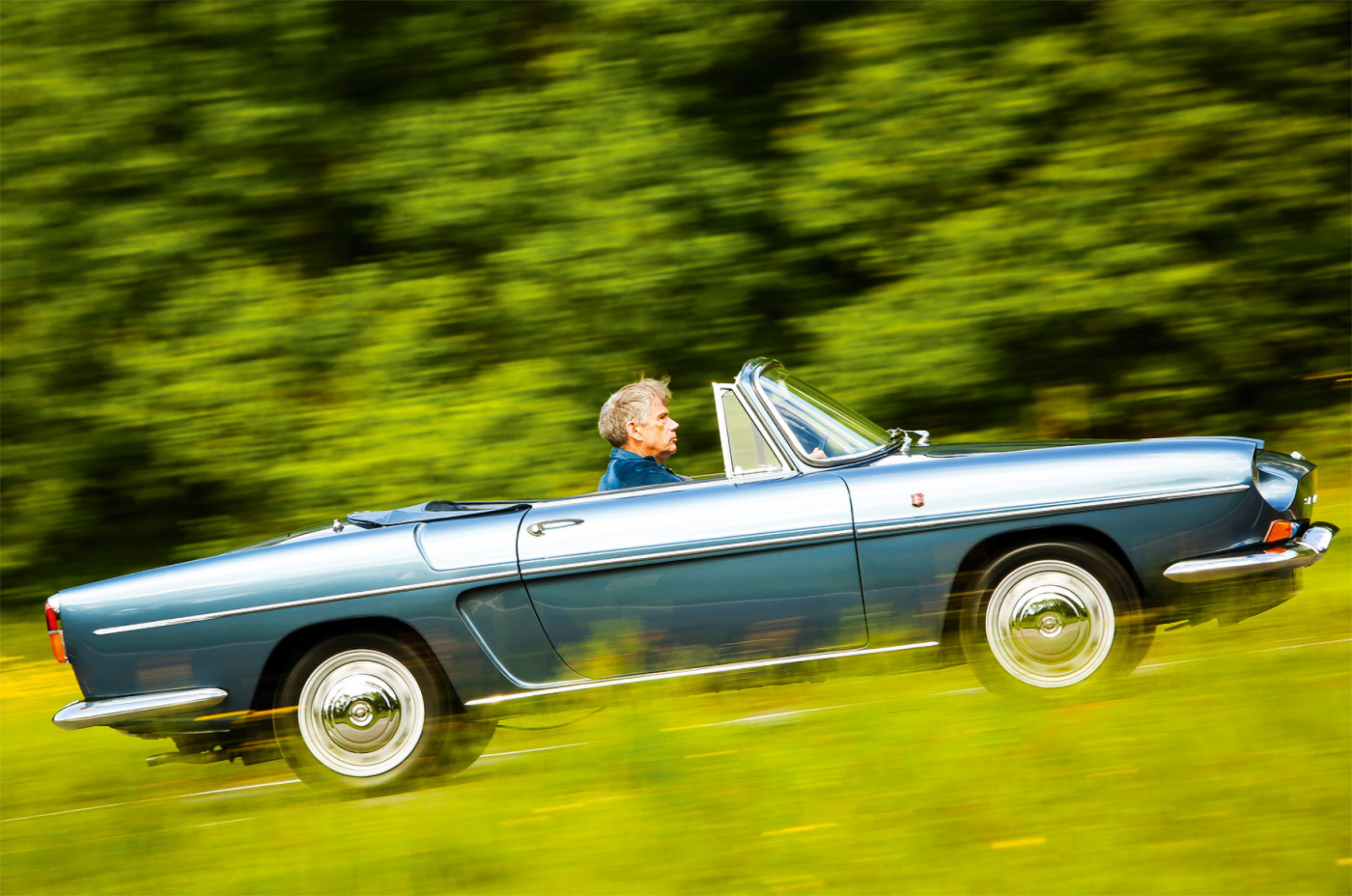
It may have only been modestly powerful, but the dainty lines of the Caravelle made it an enduring design that pleases to this day.
Rolls-Royce: Boat Tail (2021)
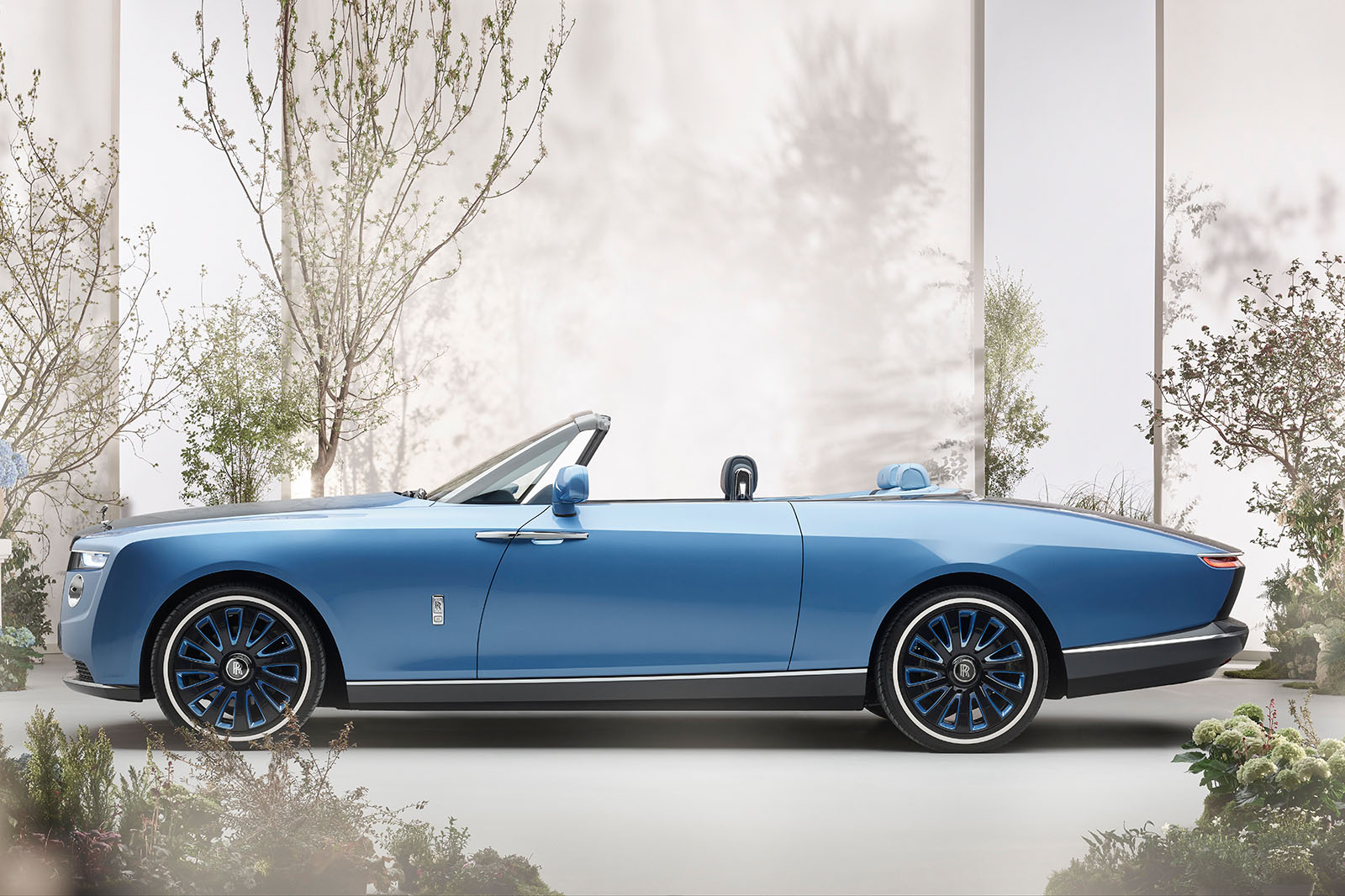
Sensuous dignity, luxuriant grace and arrestingly bold nautical detail distinguish the coachbuilt Boat Tail, the three individuals buying one contributing substantially to its essence.
Seat: 850 Sport Spider (1966)
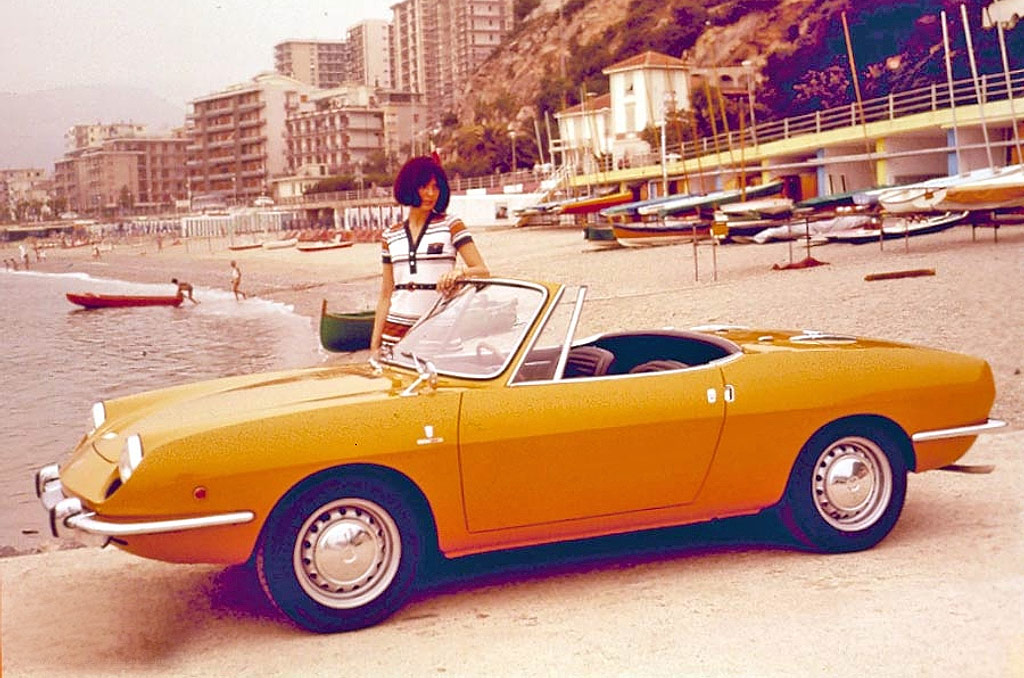
For a long time Seat was a company that produced modest everyday cars, so the arrival of this distinctly impractical sports car was a surprise – and a good looking one too.
Skoda: Felicia (1959)
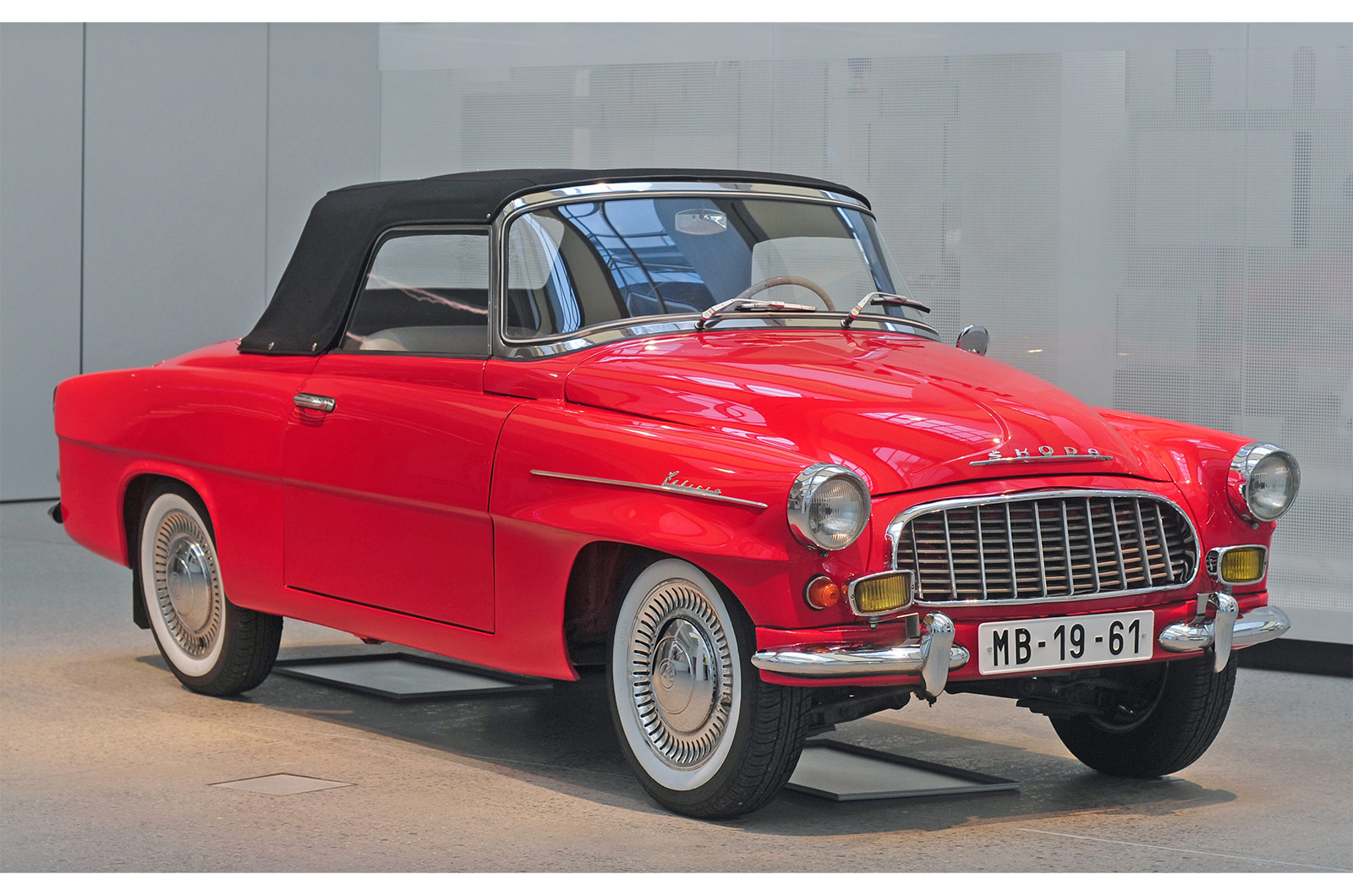
Communist-era cars weren’t supposed to be handsome – they could leave that to the West. So the Felicia’s delicate details are what delights here; certainly a car that could have come from France or Italy.
Subaru: 360 (1958)
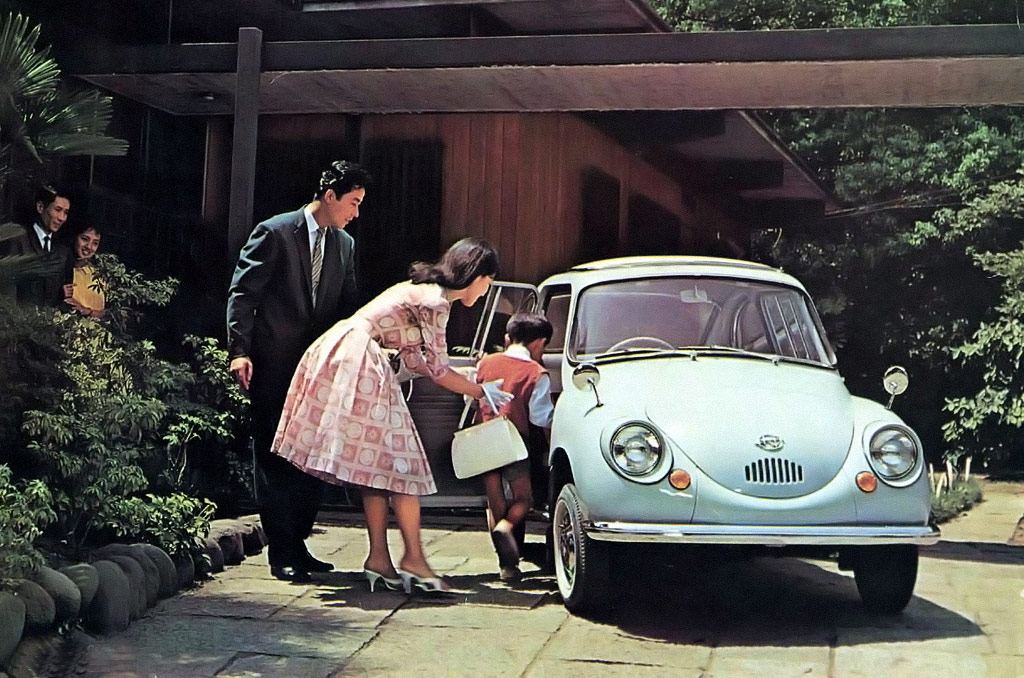
Subarus are more usually associated with practicality and speed, not looks, so it’s perhaps notable that its best looking car was also its first.
Suzuki: Cappucino (1991)
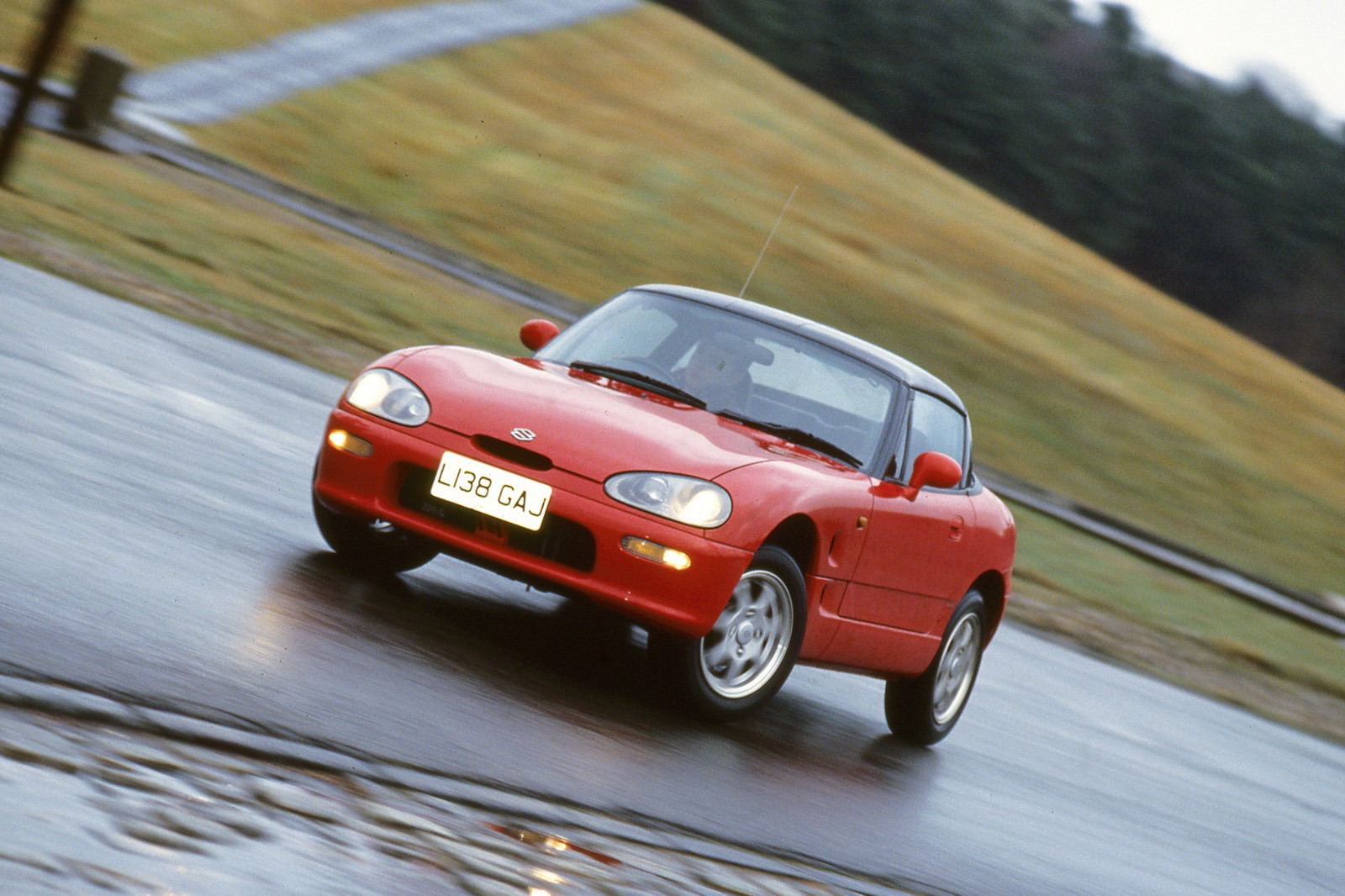
Making a credible sports car that fit the strict Kei car rules was not easy, but Suzuki pulled it off; nice to look at, it was a sizzling drive too.
Tesla: Model S (2012)
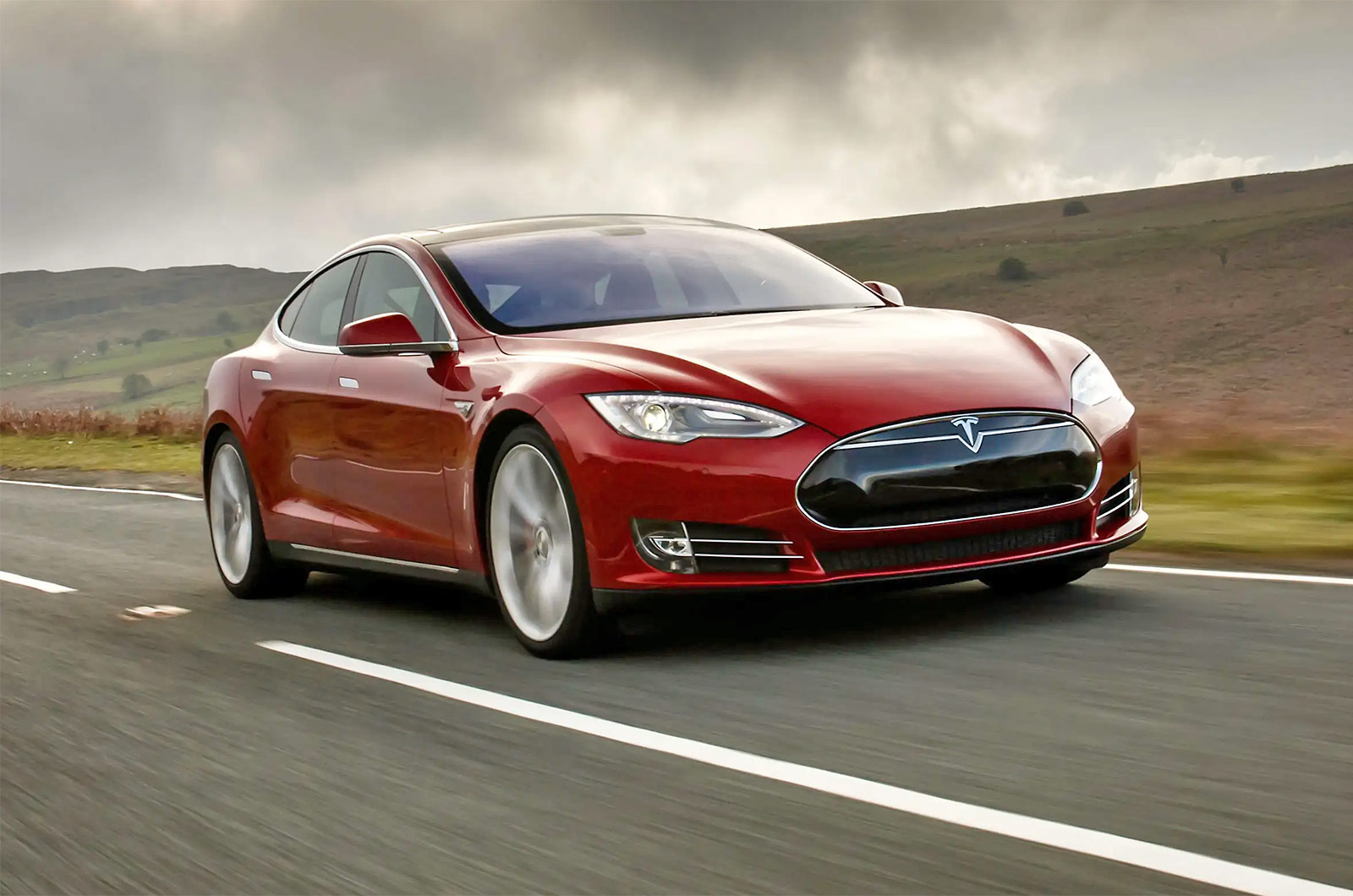
The Model S’s clean, sensuous lines have stood the test of time, and indeed it’s still more or less unchanged 12 years later. Oh, and by delivering a decent drive and range for the first time in an electric car, it changed the world too.
Toyota: 2000 GT (1967)
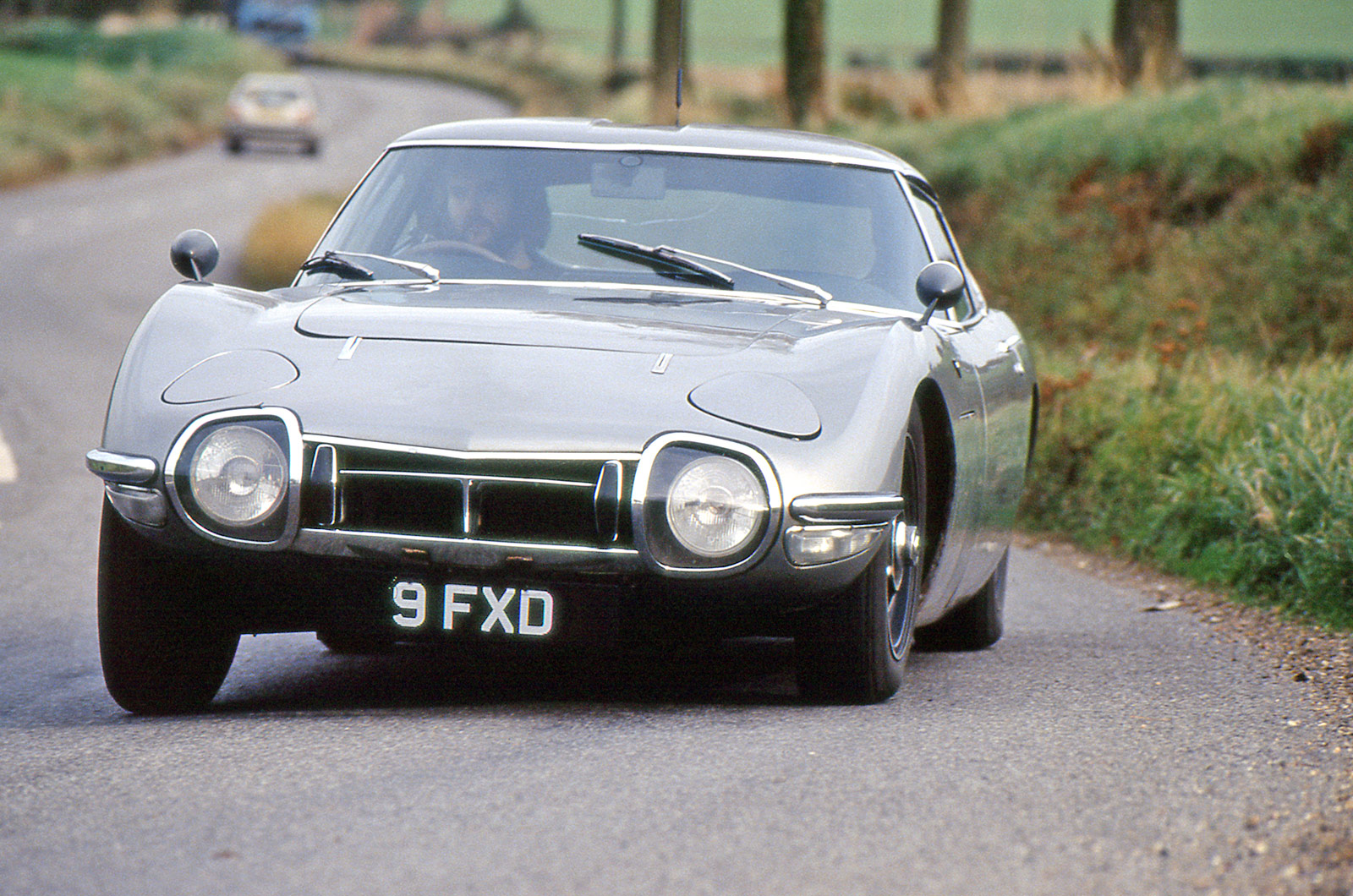
Just 351 examples of this straight-six powered machine were made, but enough to establish it as Japan’s first credible sports car – and a nice looking one too.
TVR: T350 (2002)
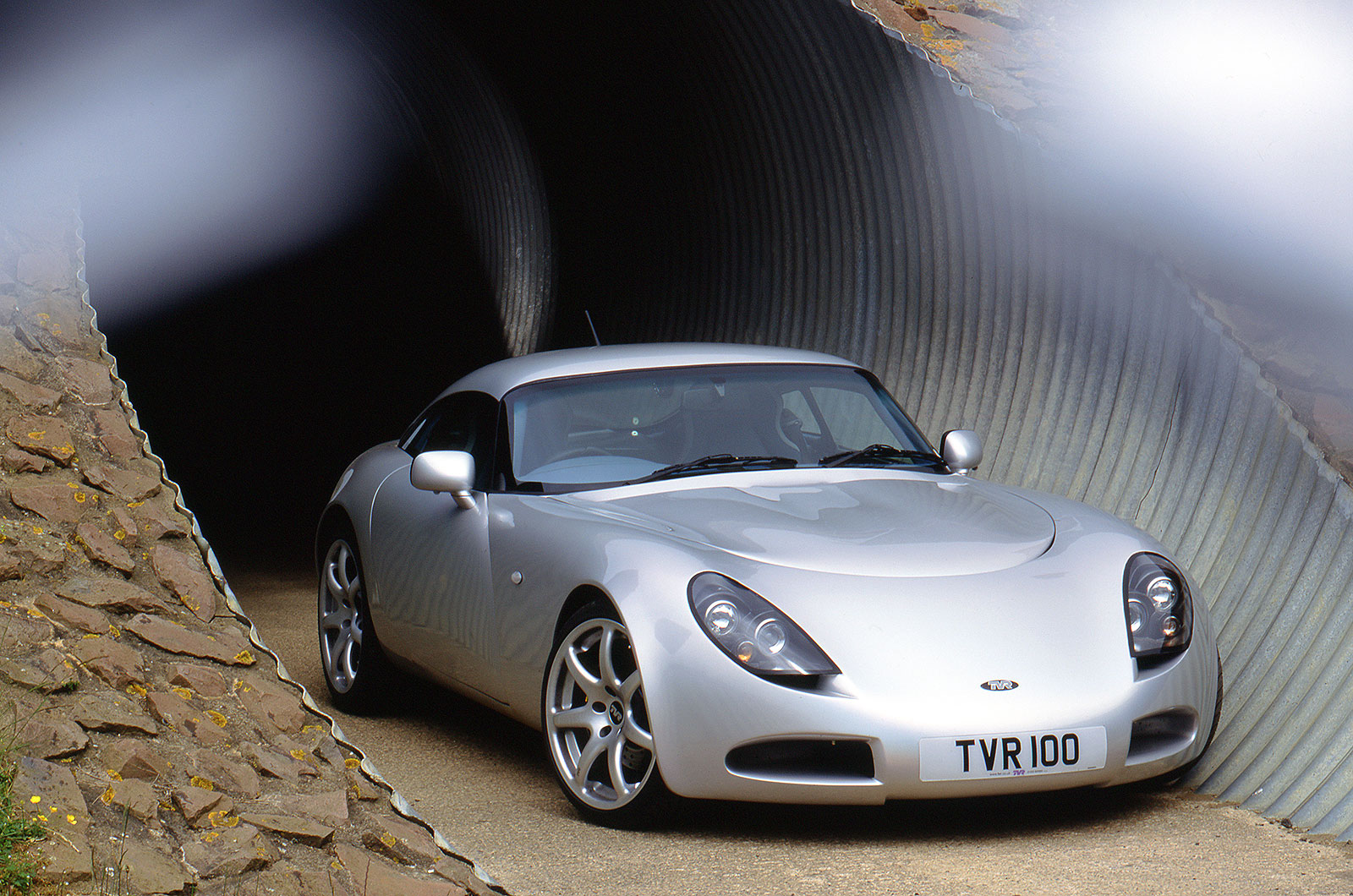
The TVRs of the Peter Wheeler years were singularly bold, flaunting almost willfully odd design details that often exposed the big boys for not thinking hard enough. And there was raw beauty to them, too.
Vauxhall: High Performance Firenza (1973)
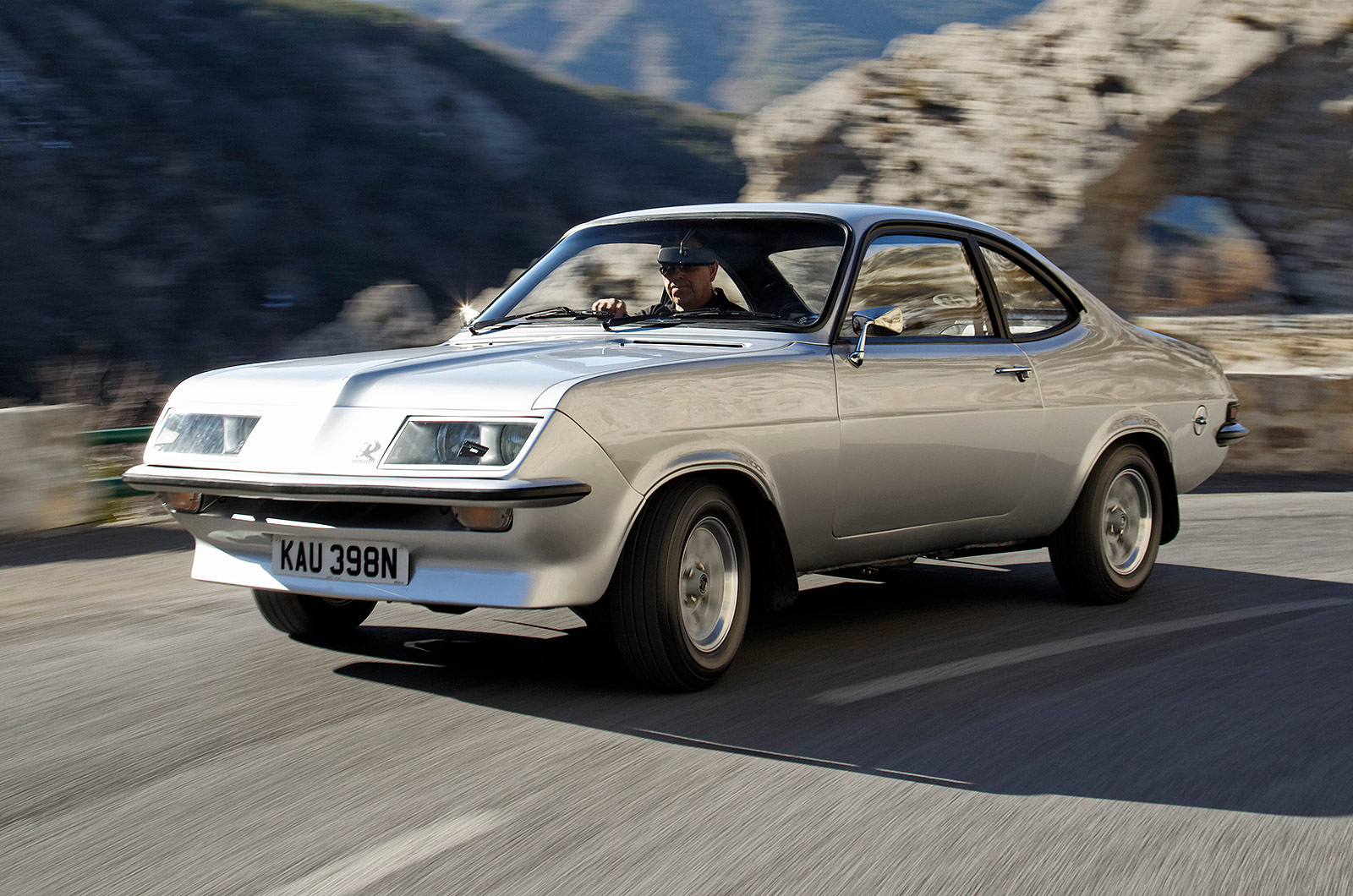
Yes indeed, Vauxhall could and did build an aggressive looking coupe once, and to our eyes a rather handsome one too.
Volkswagen: Karmann Ghia TC (1971)
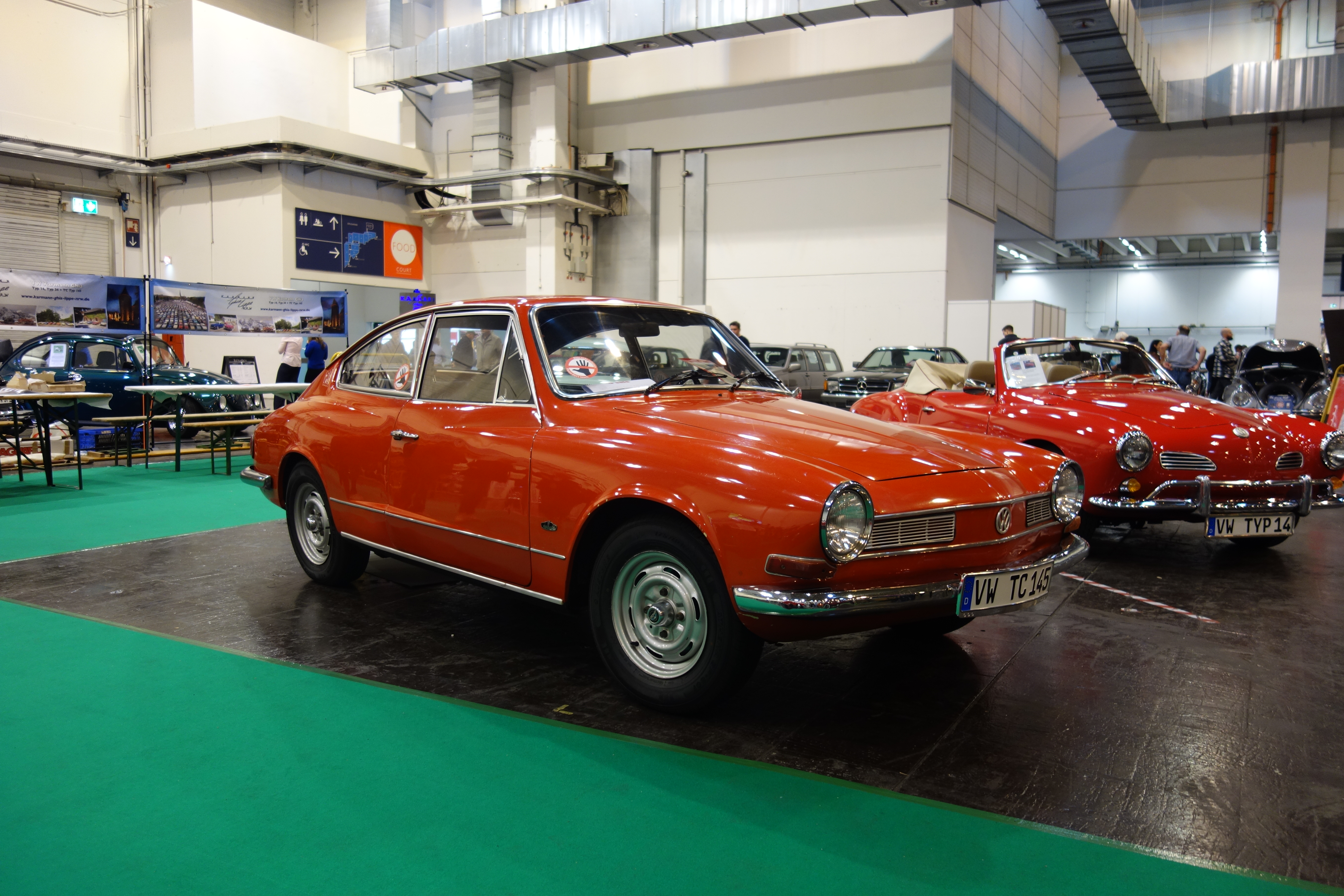
The Porsche-esque Karmann Ghia TC is a rare find in Europe. It was built in Brazil in the 1970s but was never officially exported from South America. Designed by Carrozzeria Ghia in Italy, the stylish coupé has a 1584cc flat-four engine slung behind the rear axle.
Volvo: P1800 (1961)
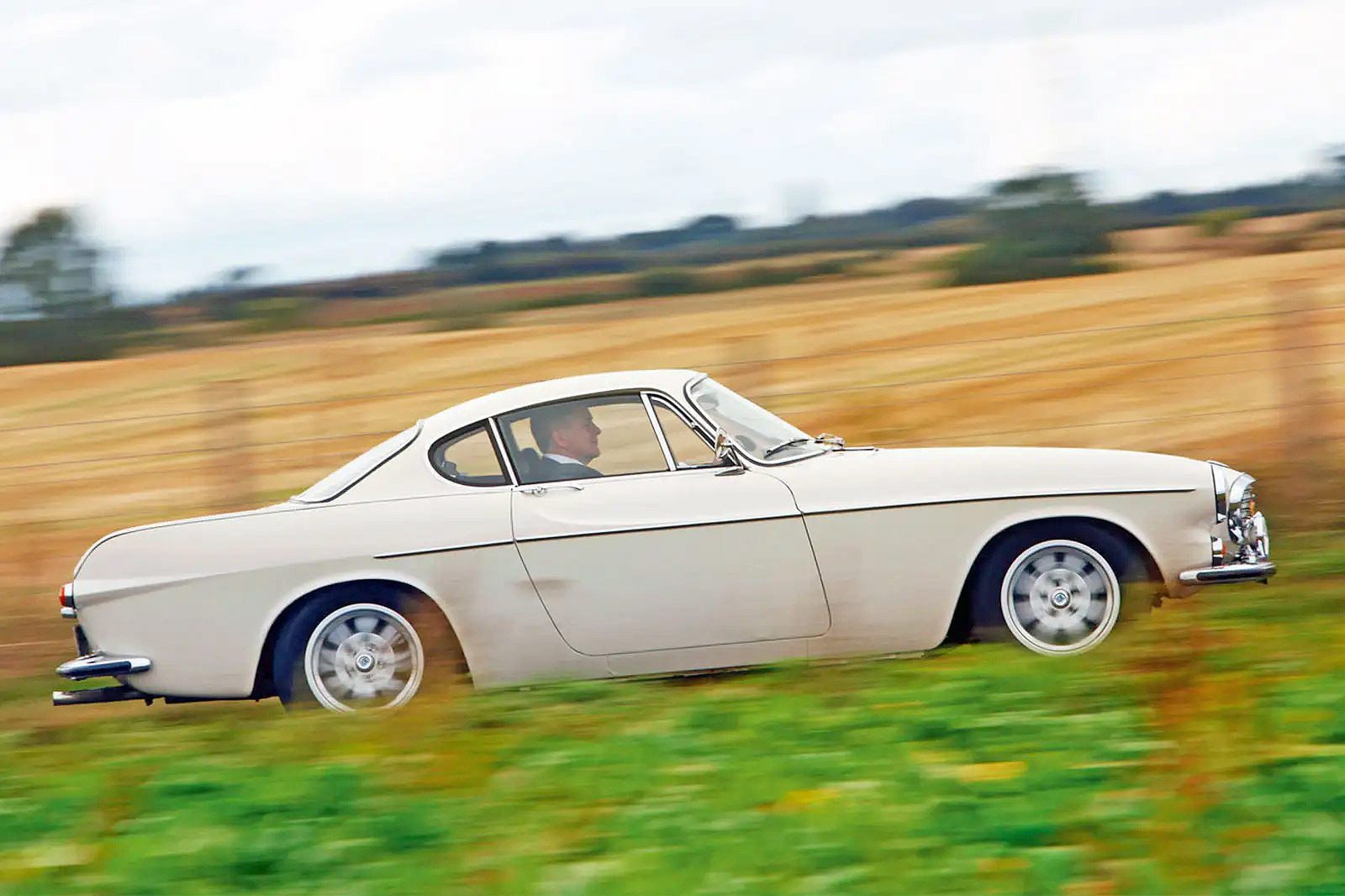
While it is tempting to give the Volvo award to one of its slab-sided, muscular station wagons, we have to give it to the wonderful P1800, as handsome today as when it was born.

Getaway Cars as Cultural Icons How Criminals and Cinema Shaped the Legend of the...
 Need to make a quick getaway? These are some of the greatest heist cars ever used - by fictional and real life criminals
The Auto Bandits.
The modern interpretation of a getaway car is thought to date back to France in 1911, when the notorious Bonnot Gang, also known as ‘The Auto Bandits’, fled the scene of an armed robbery in a stolen Delaunay-Belleville. It was the first of a series of robberies over the coming months.
Armed with little more than stockings over our faces, we’ve selected 20 of the best getaway cars stolen money can buy. Step on it.
Jaguar Mk2
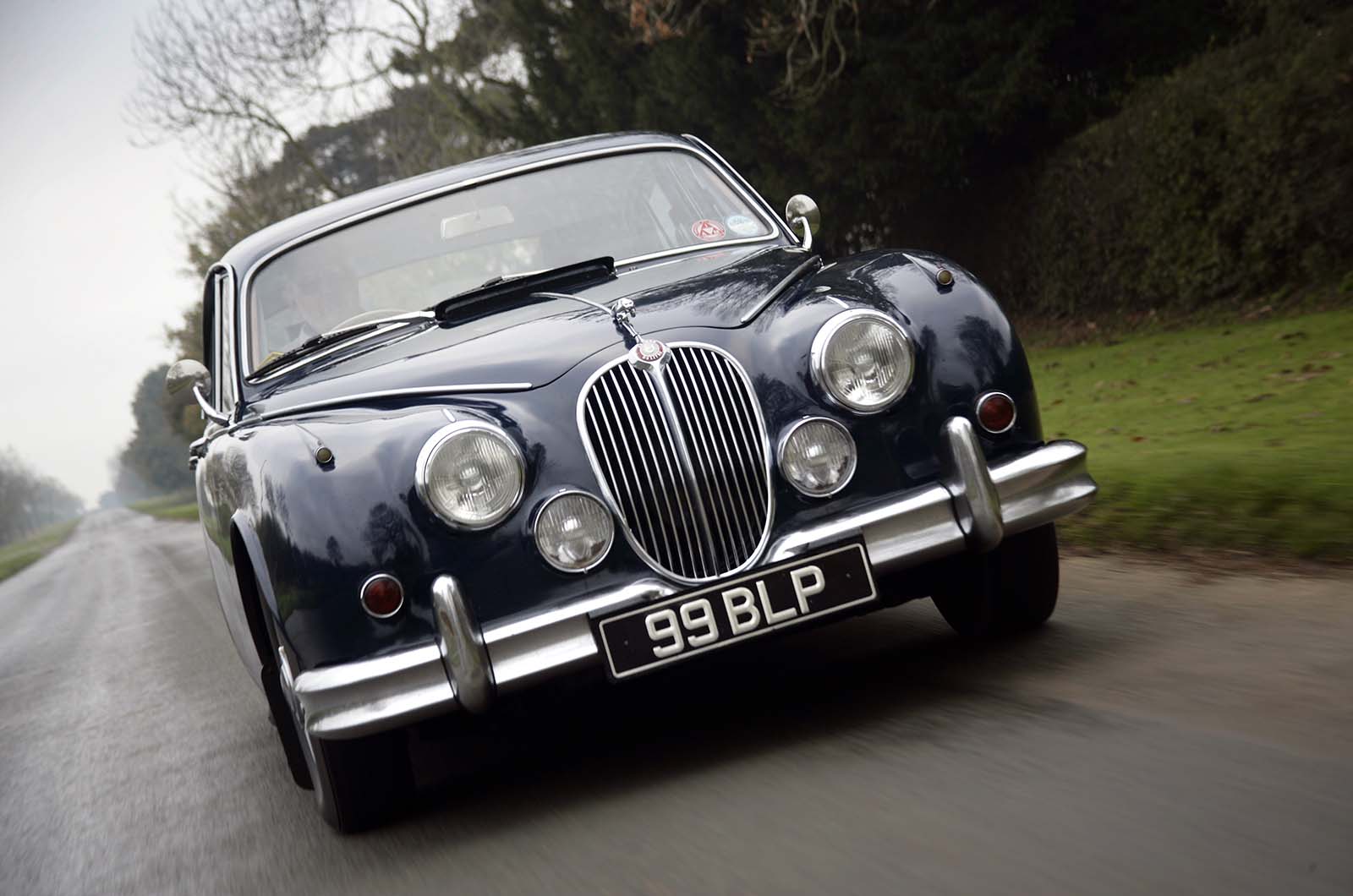
Launched in 1959, it wasn’t long before the Jaguar Mk2 became the car of choice for criminals in a hurry. Fast, nimble, space for four or five burly blokes, plus a boot for the loot, made the Mk2 ‘Jag’ the ideal getaway vehicle. The 3.8-litre version could hit a top speed of 125mph.
In danger of being left behind, the UK’s police forces soon turned to the Mk2 to act as the cops’ cat to the robbers’ mouse. The definitive getaway car? Probably.
Ford Sierra RS Cosworth
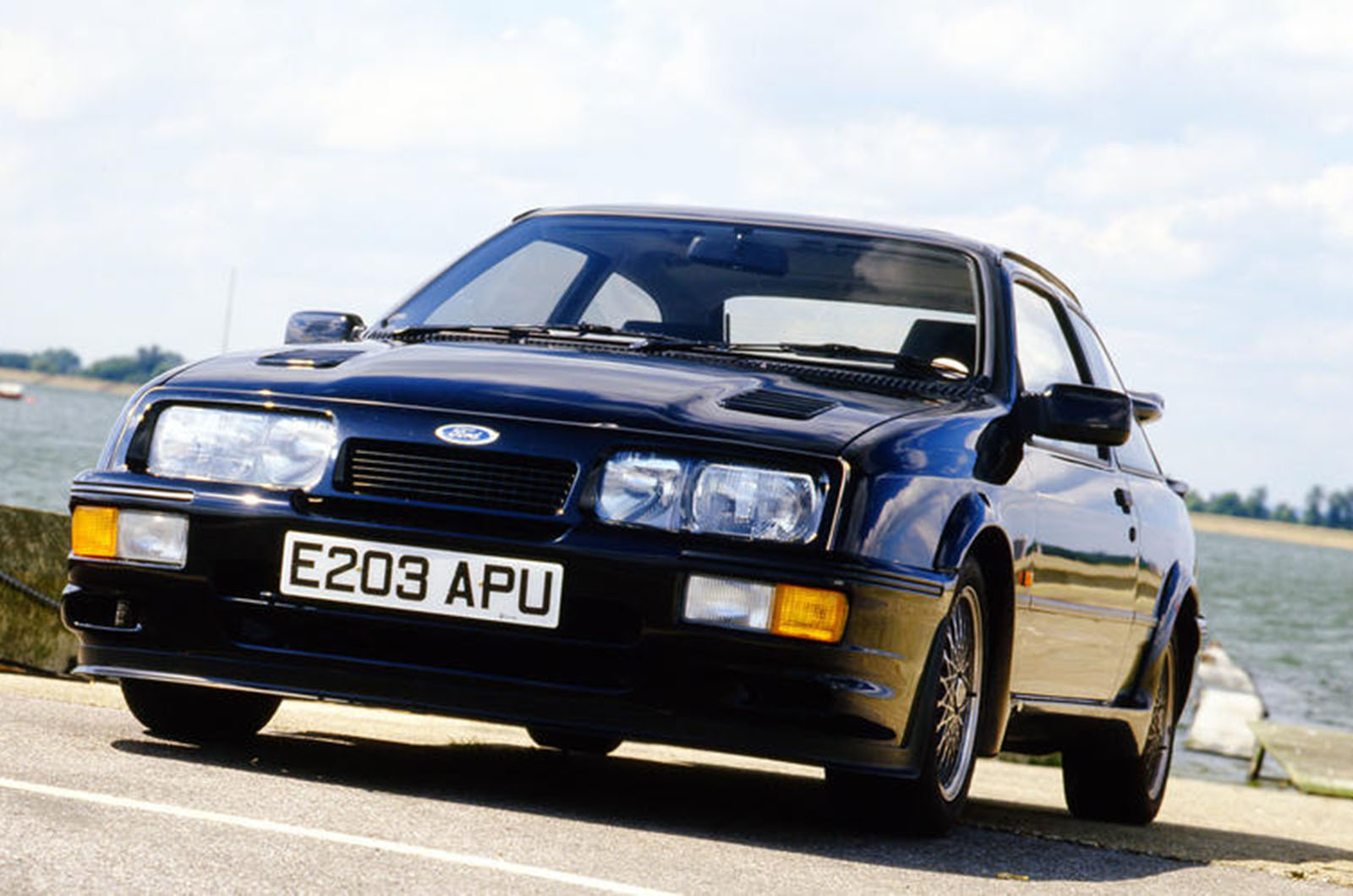
The Ford Sierra RS Cosworth was the Jaguar Mk2 for a new generation. Easy to steal, space for four or five men, a boot for stolen gear and enough pace to outrun even the fastest police car. The Rover SD1 and Vauxhall Senator 24-valve had the Cossie’s pace but not the handling.
Even as recently as the early noughties, the three-door Cosworth and the four-door Sapphire were being used as getaway cars following successful heists. Today, these cars are probably worth more than the proceeds of a robbery.
Range Rover
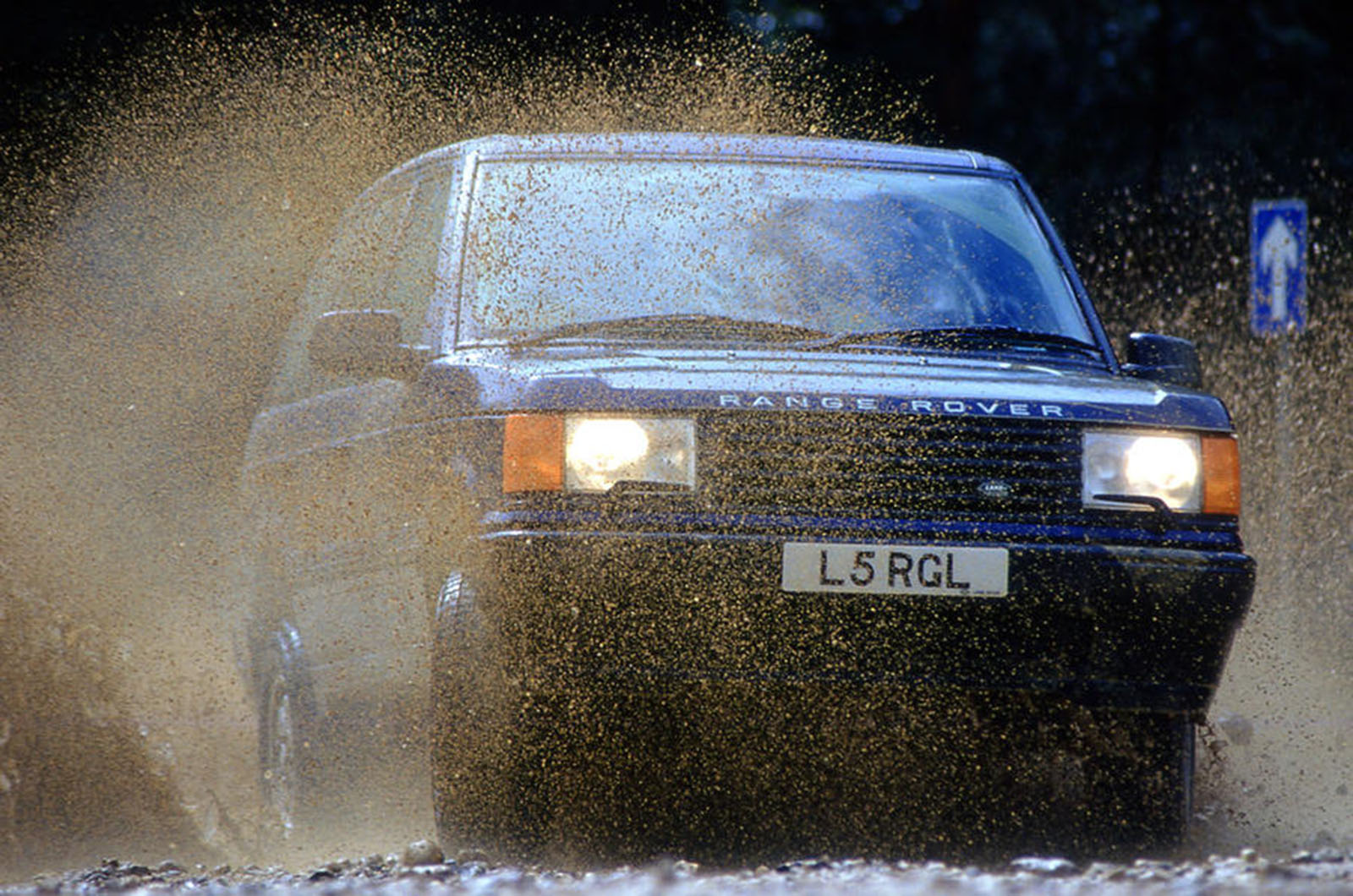
Another favourite of the nation’s traffic cops, the Range Rover is an excellent choice if your getaway route ventures off-road or you require a little more muscle. A yellow P38a 4.6 HSE in the spirit of Layer Cake would fit the bill.
Alternatively, the Nürburgring-conquering Range Rover Sport SVR would be ideal. You’ll be gone in, er… 8m14s.
Mini Cooper
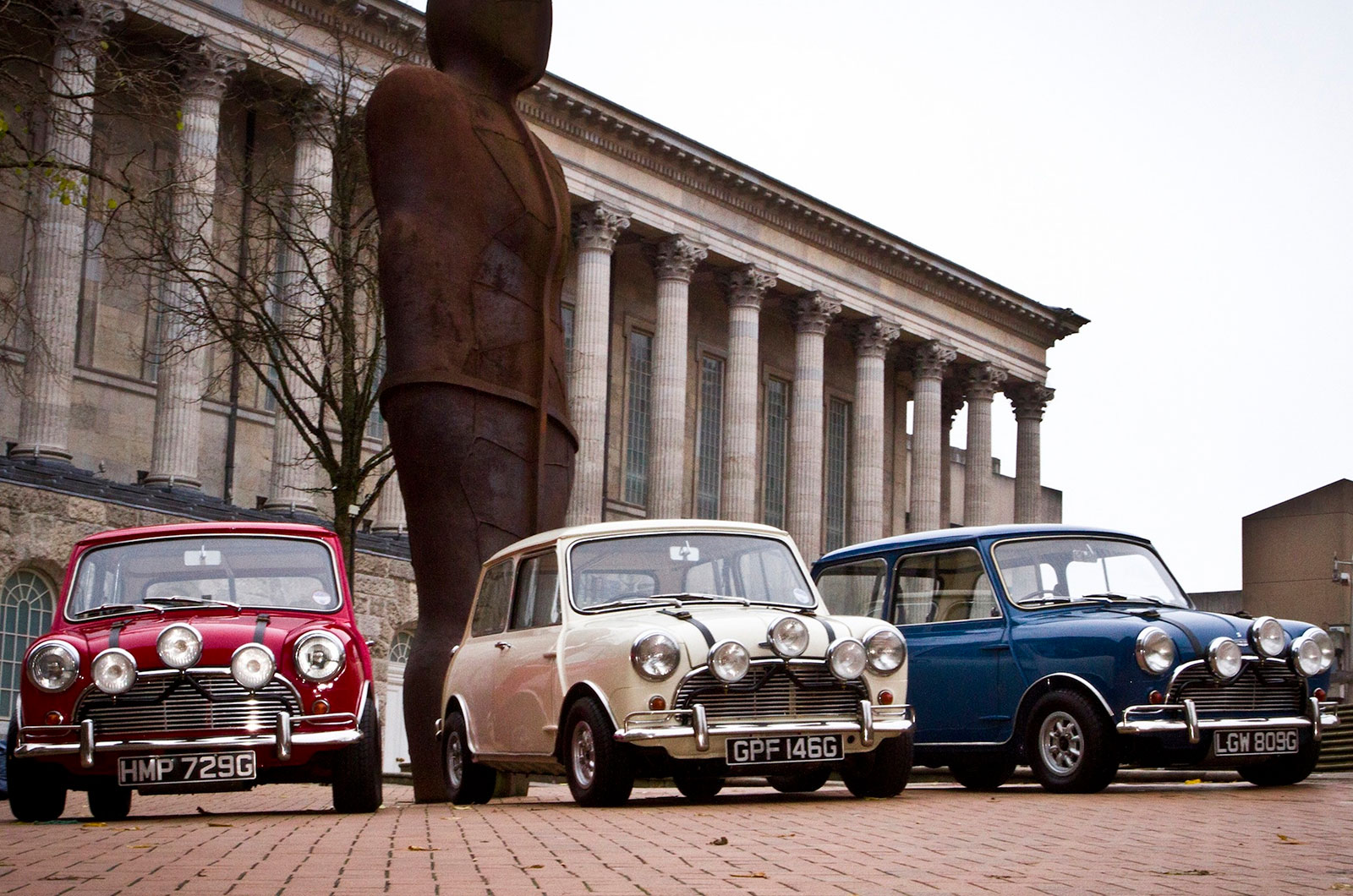
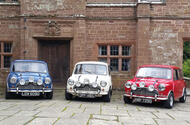
What do you require for a successful gold heist? A trio of Mini Coopers (in red, white and blue), a criminal mastermind, a traffic jam to end all traffic jams and Benny Hill. Just avoid mountain passes if you want to make it home.
The Italian Job was rebooted in 2003, with Mark Wahlberg, Charlize Theron and Jason Statham using a trio of modern Minis to execute a daring heist on the streets of Los Angeles. Statham said he received training from former F1 world champ Damon Hill, but the cast admitted that Theron was the best driver.
Ford Lotus Cortina
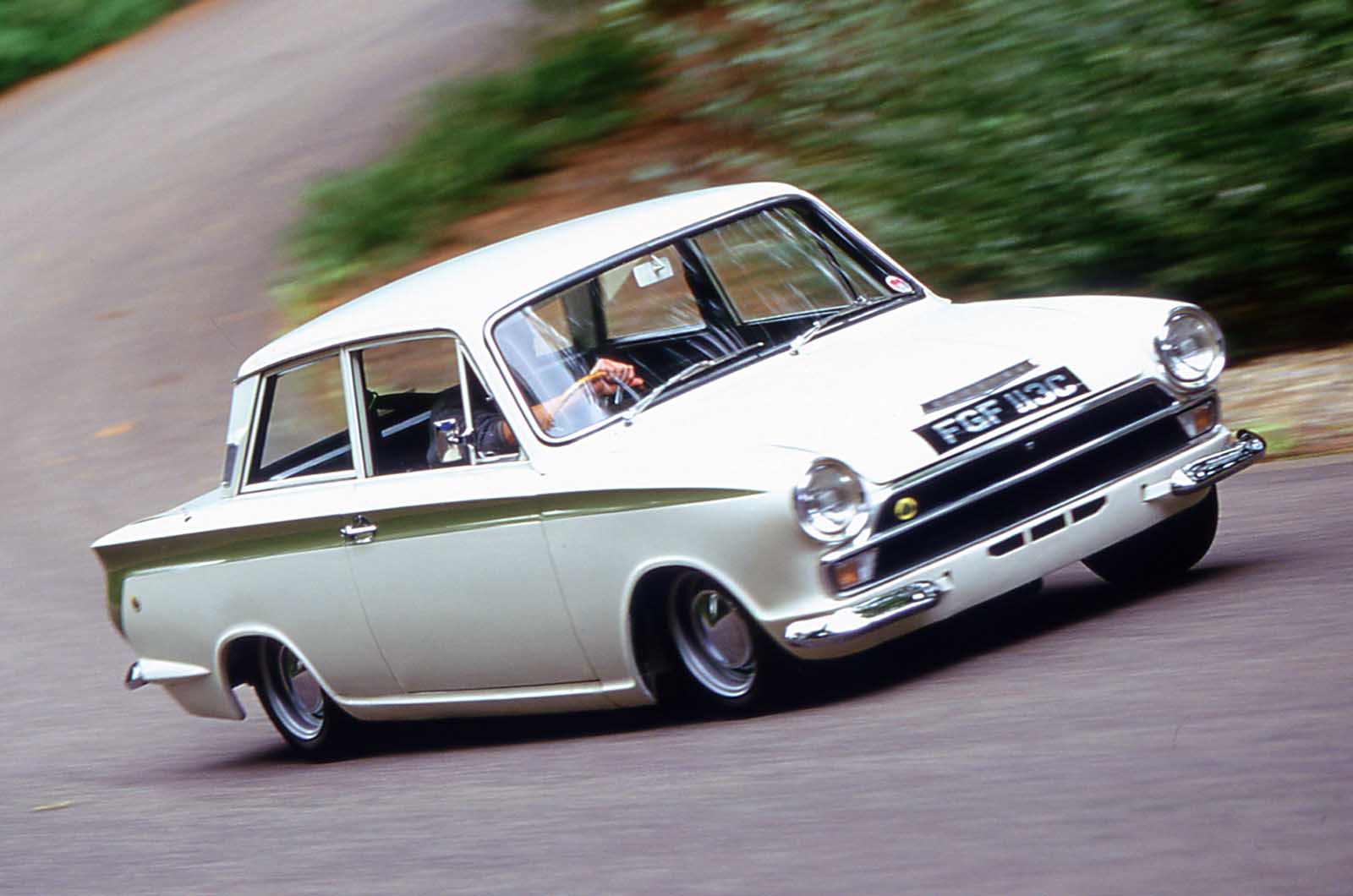
“Most people thought it was just a bog-standard Cortina,” Bruce Reynolds told the BBC in 2001. The mastermind of the 1963 Great Train Robbery was being reunited with ‘BMK 723A’, the Ford Lotus Cortina used during the largest crime the country has ever seen.
“I’d always be mindful of the old train robber Butch Cassidy and the Sundance Kid; he always espoused the thing that you always have the best horse flesh that you can. [The Ford Lotus Cortina] had the best horsepower that I could get at the time.” Reynolds bought the car specifically for the robbery.
Vauxhall Lotus Carlton
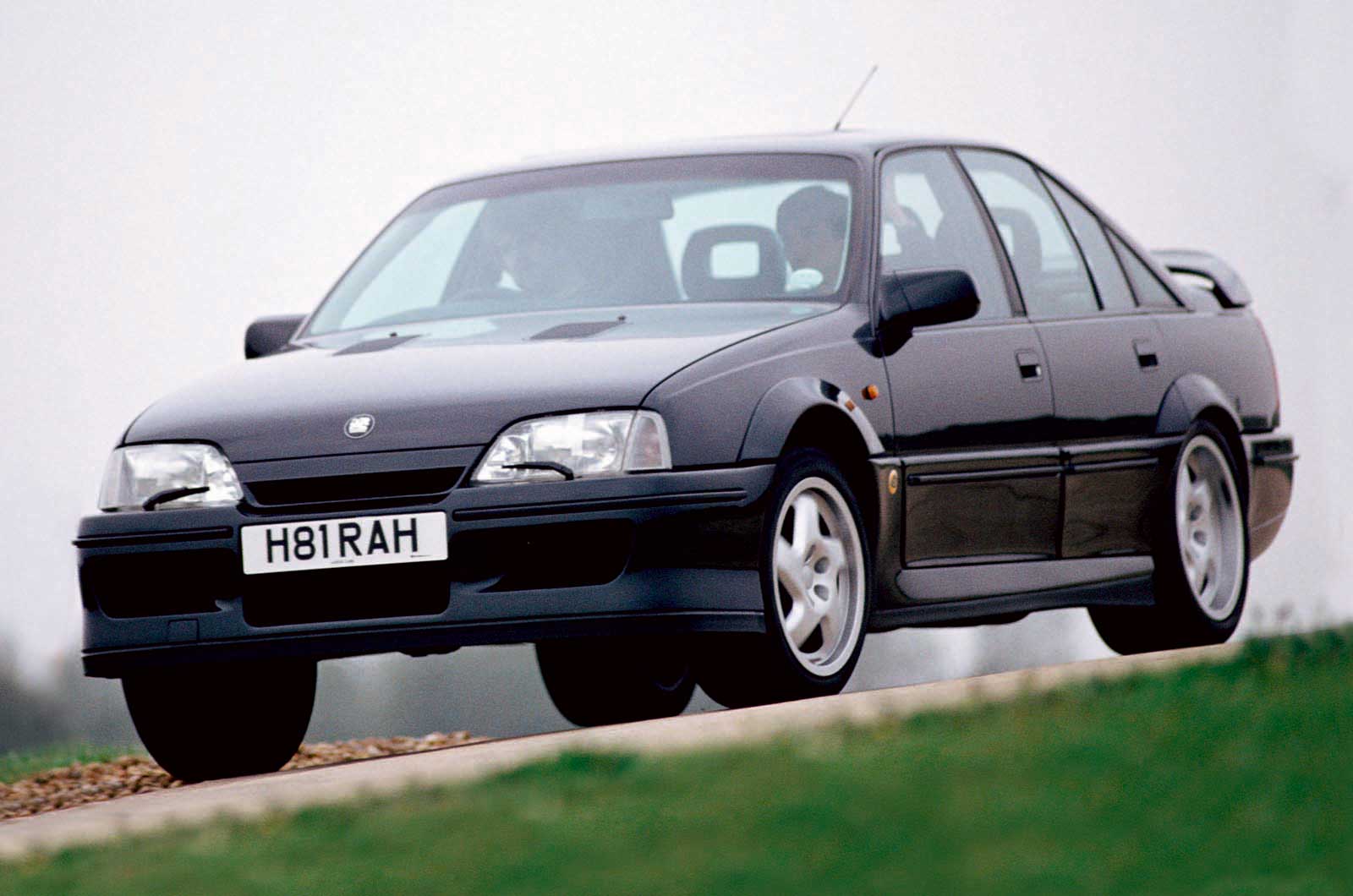
Given its links to the underworld, we’re surprised Lotus hasn’t been charged as an accessory to a crime. Not that you can blame Lotus for turning humdrum motors into humdingers. The Vauxhall Lotus Carlton could hit 176mph, so the police would need to break out the Top Trumps to identify a supercar fast enough to keep up.
The Lotus Carlton hit the headlines in 1994 when a gang of ram-raiders used a stolen example (registration 40 PA) for a series of attacks in the West Midlands. PC David Oliver said: “We simply haven’t been able to get the near the thing and it looks unlikely that we ever will. Our urban panda cars can only dot 90mph.”
Ford Transit
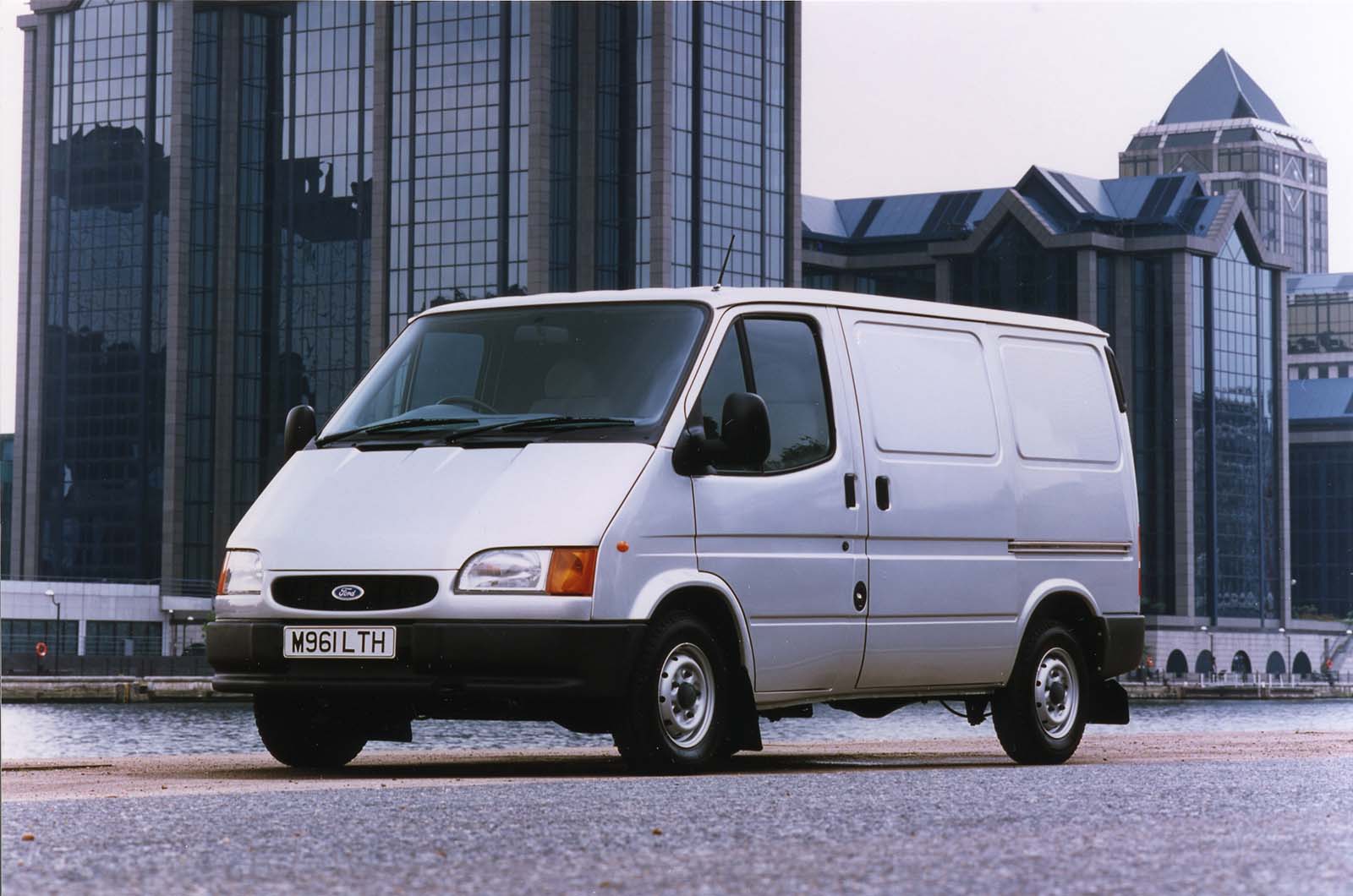
In 1972, the Metropolitan Police dubbed the Transit “Britain’s most wanted van”. It said: “Ford Transits are used in 95% of bank raids. With the performance of a car and space for 1.75 tons of loot, the Transit is proving to be the perfect getaway vehicle,” a spokesperson for the police said.
A blue Ford Transit was used in the Brink’s-Mat robbery in 1983. Having stolen £26 million worth of gold from a security warehouse at Heathrow, the gang’s Transit broke down on Earl’s Court Road, just 12 miles away. If only the police had noticed that the suspension was creaking the under the pressure of carrying three tonnes of gold.
Subaru Impreza WRX
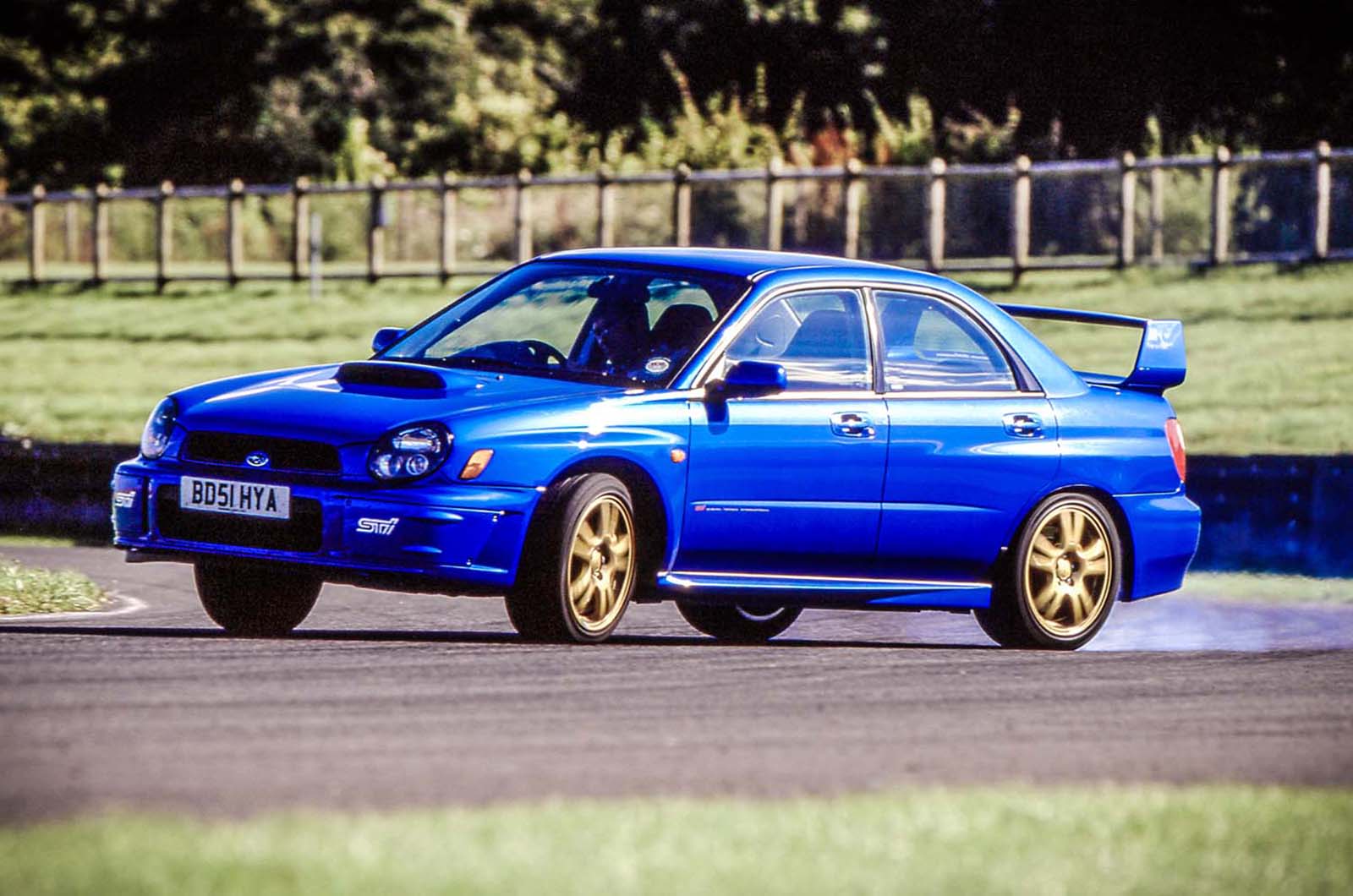
If you can’t beat ‘em, join ‘em. Fed up with being outrun by ram-raiding no-gooders in stolen Subaru Imprezas, police forces in Australia were quick to adopt the Japanese performance car as one their own. There were more than 100 pursuits involving Imprezas during one two-year period.
A red Subaru Impreza WRX starred in of one of the best opening scenes to a movie, when Edgar Wright selected it as the getaway vehicle at the beginning of Baby Driver. One of the cars used during filming was given to Ansel Elgort (Baby) for his birthday. “I just kept begging for them to let me have it”, he said in an interview.
Citroën DS
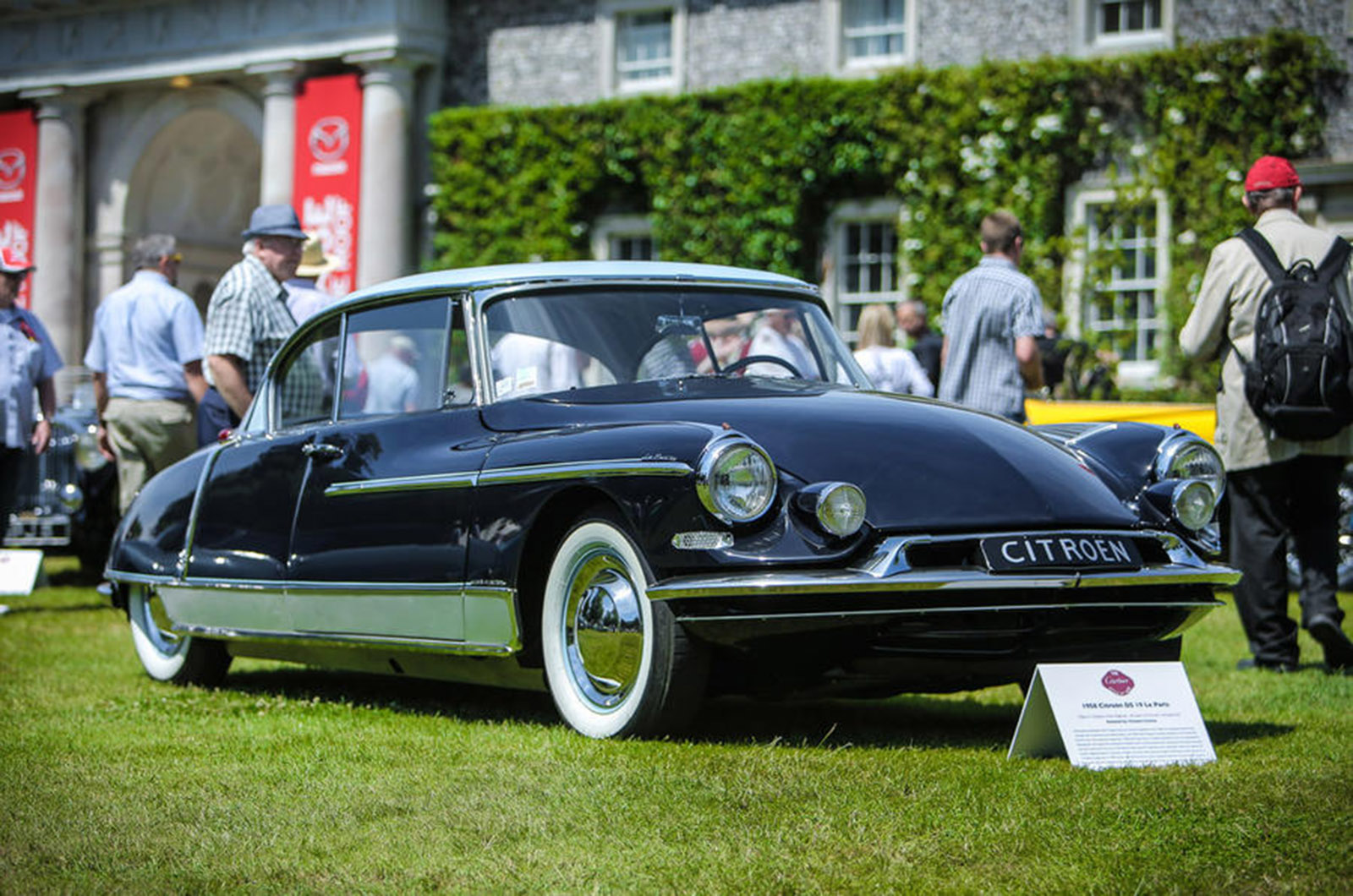
Using a Citroën DS as a getaway car could save your life. In 1962, a group called the OAS plotted an assassination attempt on the then President Charles de Gaulle. As he and his wife were travelling along the Avenue de la Liberation in Paris, 12 OAS gunmen opened fire on the car.
Two of the president’s motorcycle guards were killed, the car’s rear window was shattered, and all four tyres were punctured. The chauffeur controlled a skid and managed to drive the president and his wife out of harm’s way. De Gaulle owed his life to the driver and Citroën’s legendary suspension system.
Dodge Charger
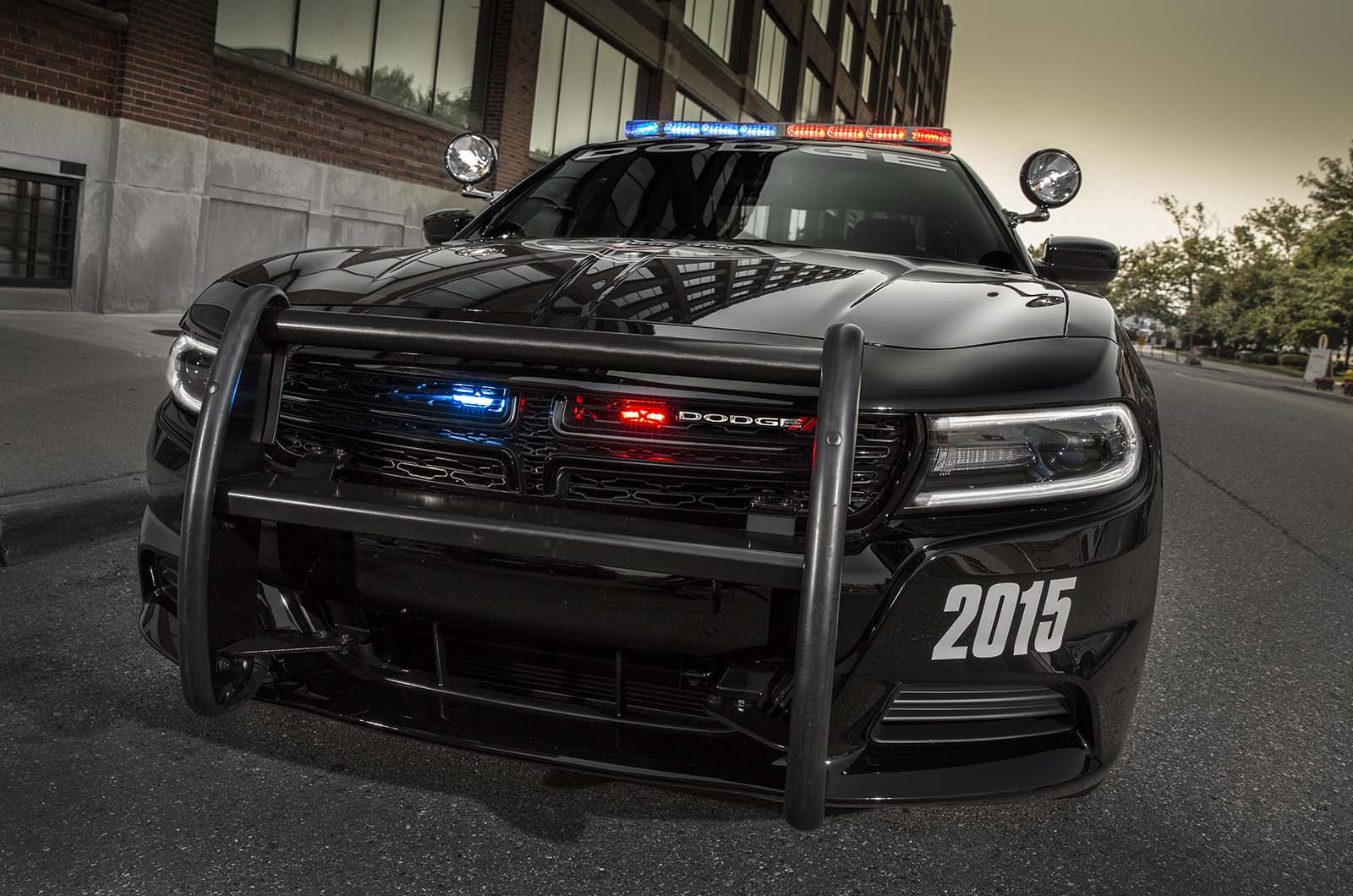
Whether it’s because of Bullitt or The Dukes of Hazzard, the Dodge Charger is known for being one of America’s greatest getaway cars. They’re big, powerful, accessible and they look great surrounded by tyre smoke.
Fancy being the cop rather than the robber? The Dodge Charger Pursuit package comprises a 3.6-litre V6 24-valve or 5.7-litre Hemi V8 engine, rear or all-wheel drive, ballistic door panels, secure park, steel safety frame construction, front and rear crumple zones and a lifetime supply of Krispy Kreme doughnuts.
Ford Bronco
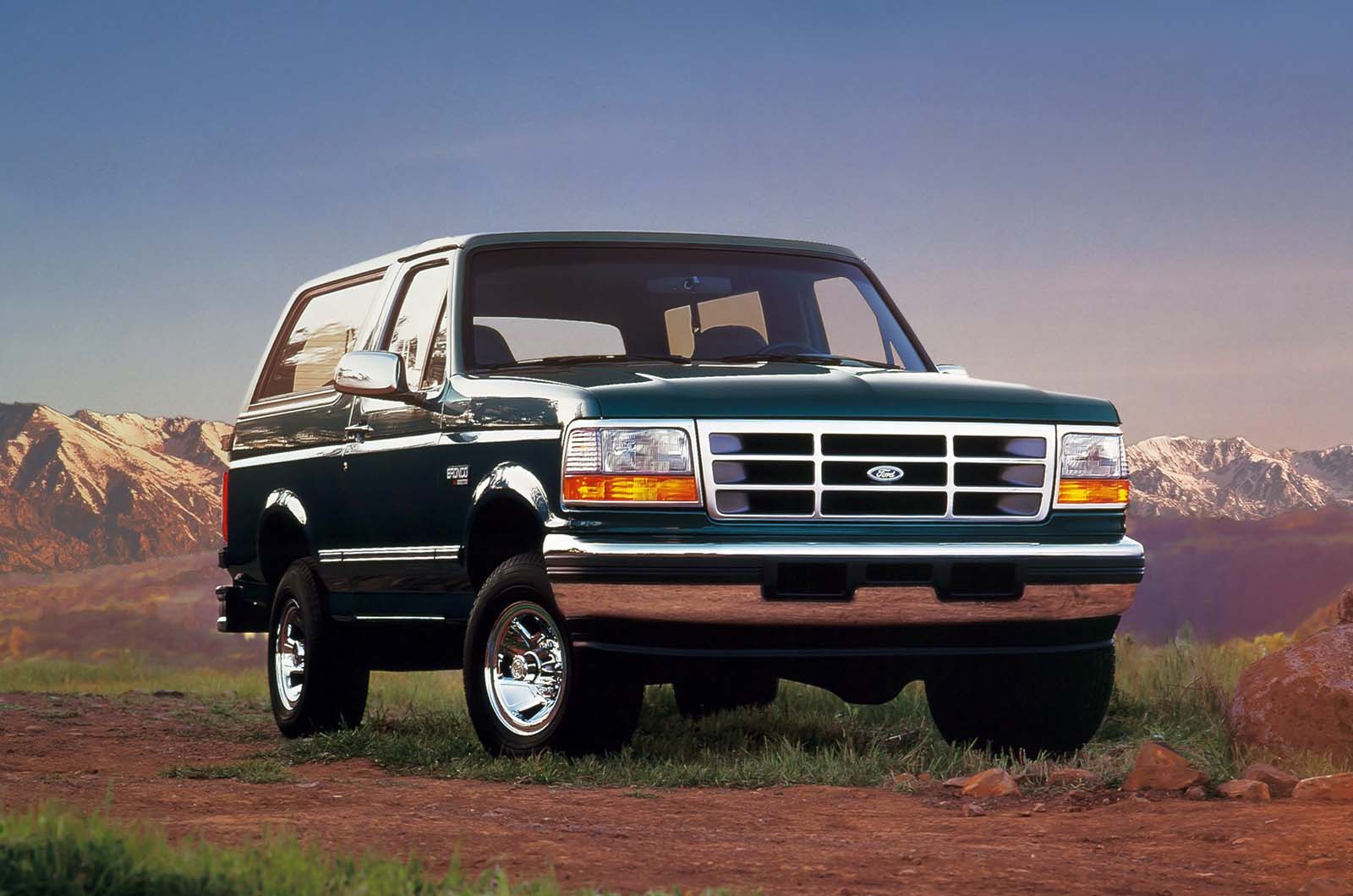
History.com has named it “the most infamous vehicle of the 20th century. On Friday June 17 1994, a white Ford Bronco driven by Al Cowlings, led police cars through 50 miles of Orange County, while helicopters circled overhead. In the back was former NFL star and actor OJ Simpson, highly agitated; his ex-wife Nicole and her friend Ron Goldman has been found murdered five days before.
Around 90 million people watched the footage on television, before Simpson surrendered outside his house. The white Bronco is now on display at the Alcatraz East Crime Museum in Tennessee.
The V8 van!
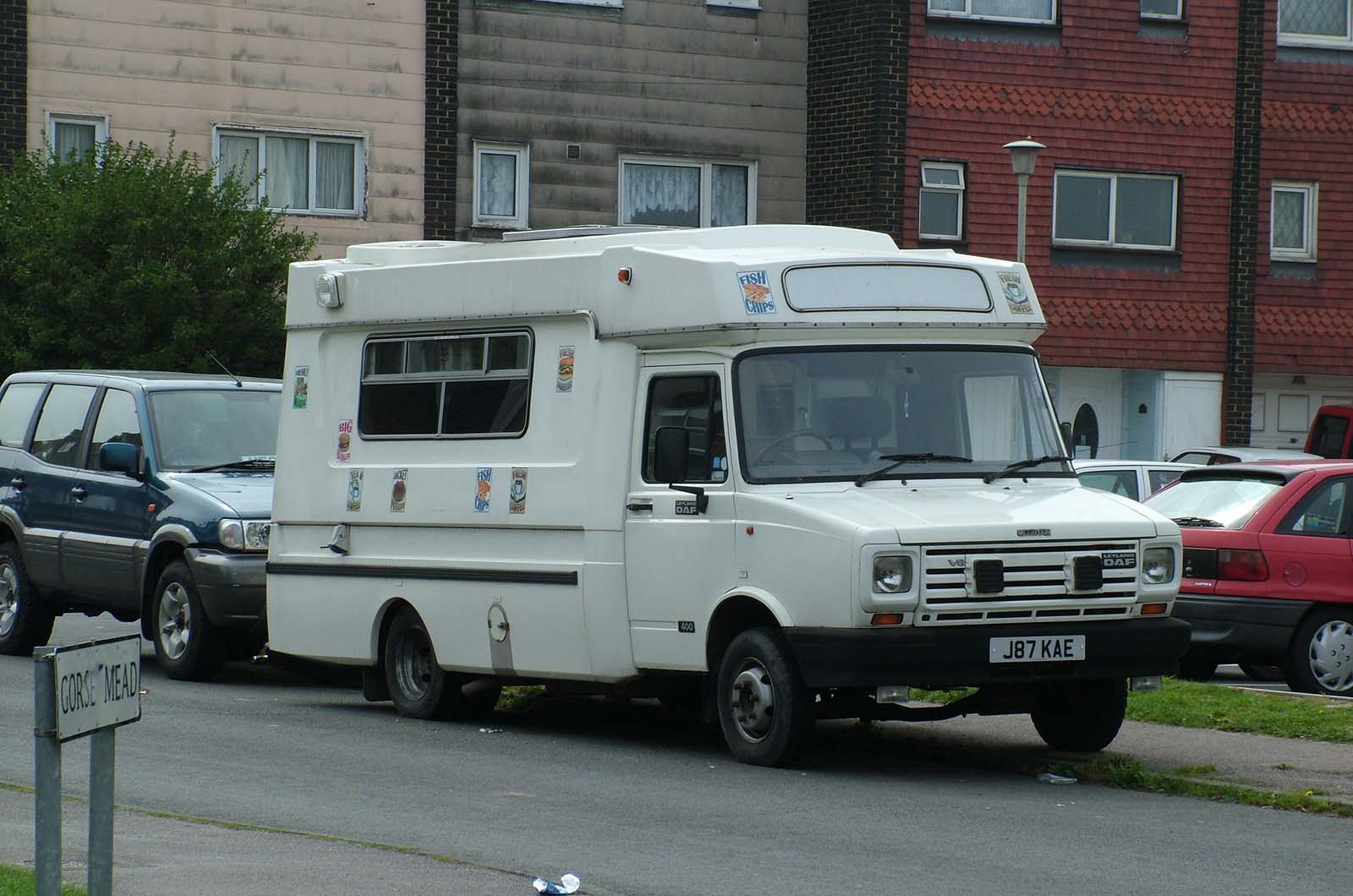
Freight Rover added the option of a 3.5-litre V8 engine to the 300 Series at the end of 1985. It continued to be available when the van became the Leyland DAF 400 Series and, later, the LDV Convoy.
Popular with the emergency services and express delivery firms, the large van would be a fantastic getaway vehicle. It’s amazing to think that the platform dates back to the Leyland Sherpa of 1974.
Pontiac Firebird Trans Am
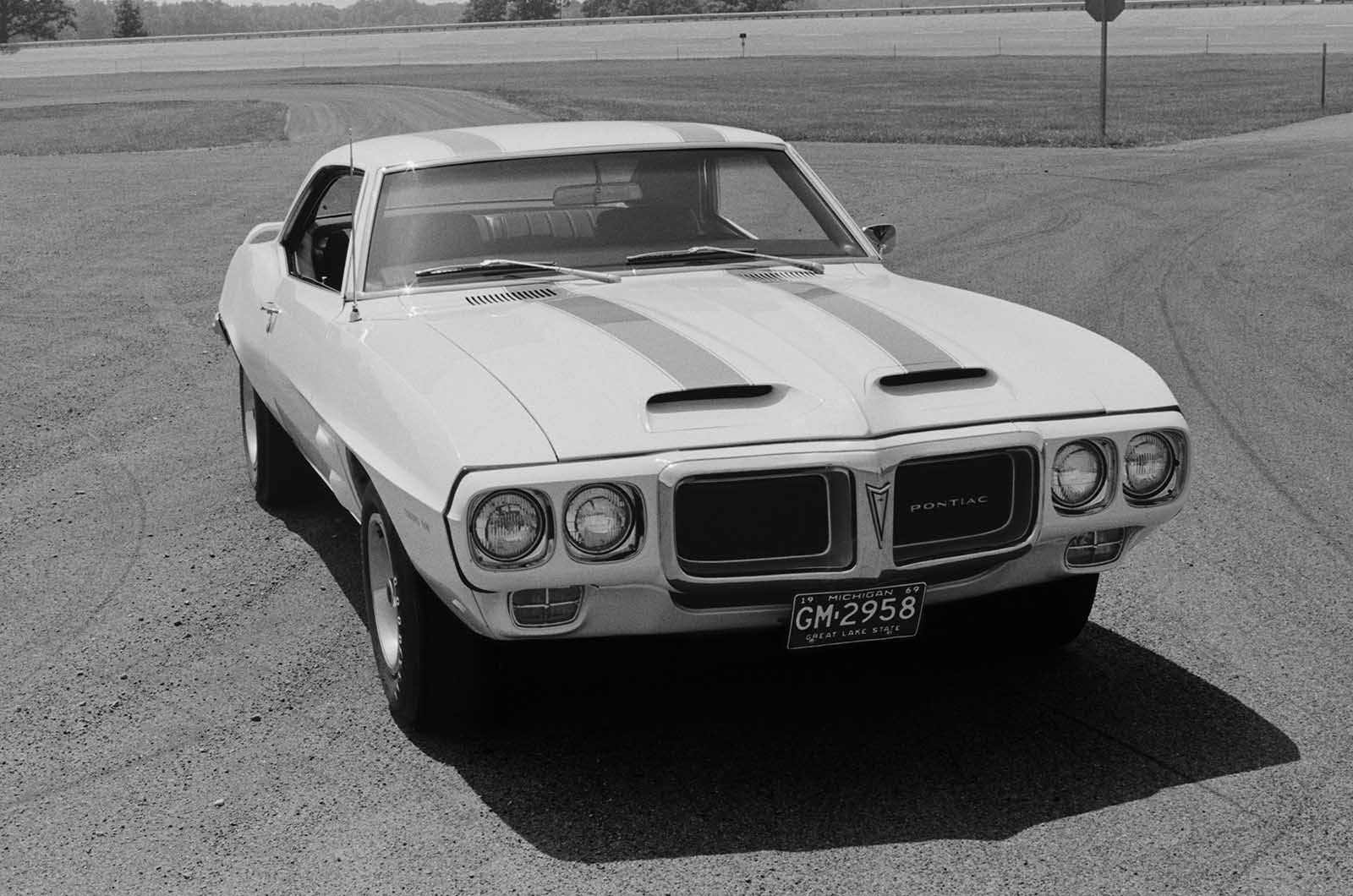
Star of countless American movies, the Pontiac Firebird Trans Am is perhaps best known for its appearances in the original Cannonball and Smokey and the Bandit films. The former is inspired by the illegal cross-country race, first organised as a competition in 1971. It was won by the racing driver Dan Gurney.
Not to be confused with the Cannonball films starring Burt Reynolds, the 1976 movie sees drivers participating in a Trans-America Grand Prix, with the Pontiac Firebird Trans Am taking a lead role.
Citroën Traction Avant
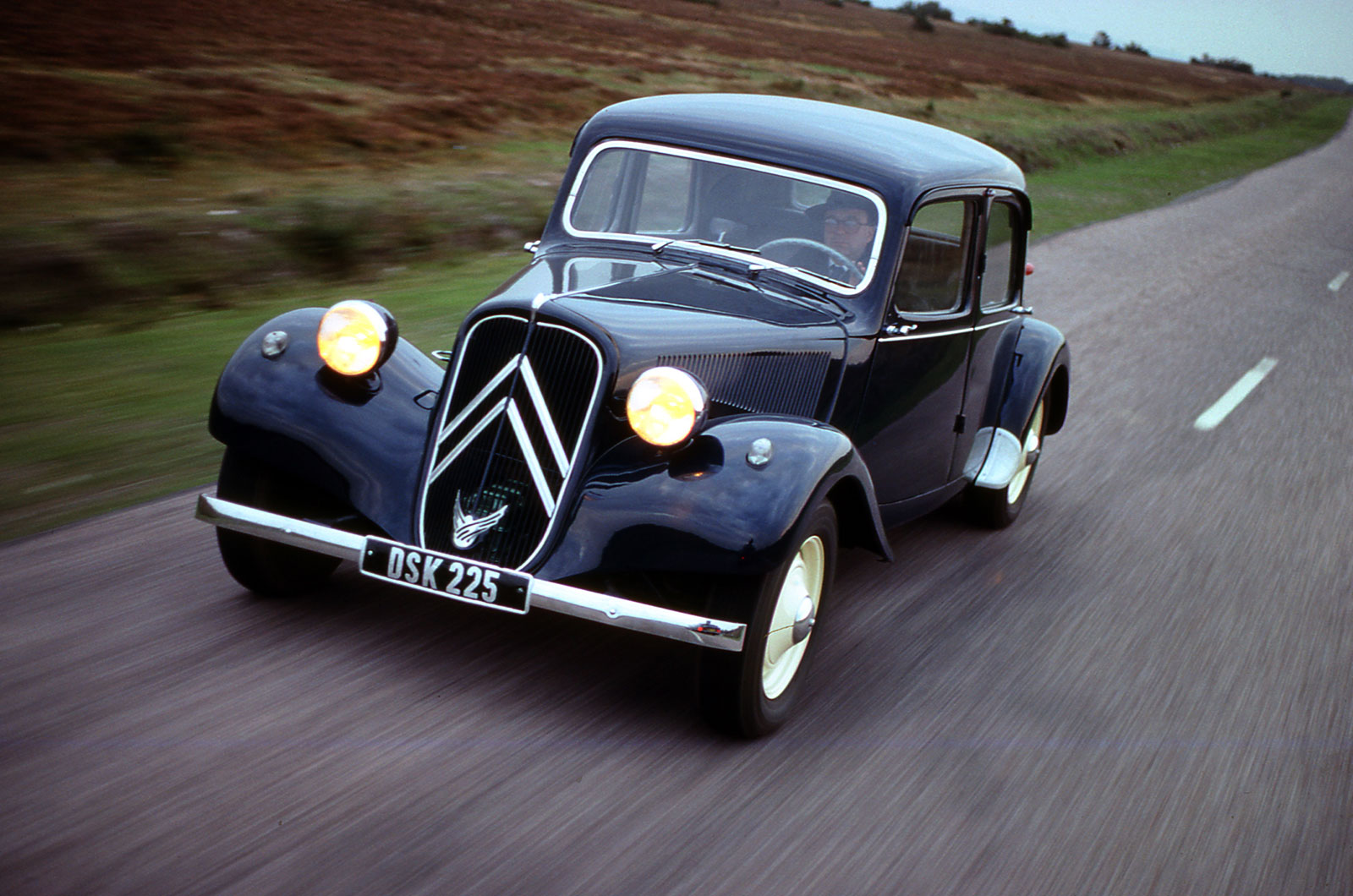
If cars with a Lotus connection were the getaway vehicles of choice in Britain, French crims tended to prefer Citroëns. In post-war Paris, a group known as Le Gang des Traction Avants used the famous Citroën in a series of violent raids.
Though the success was short-lived, the gang got away with stealing some 80 million francs, with the Traction Avant becoming synonymous with bank jobs and jewellery raids.
Audi S8
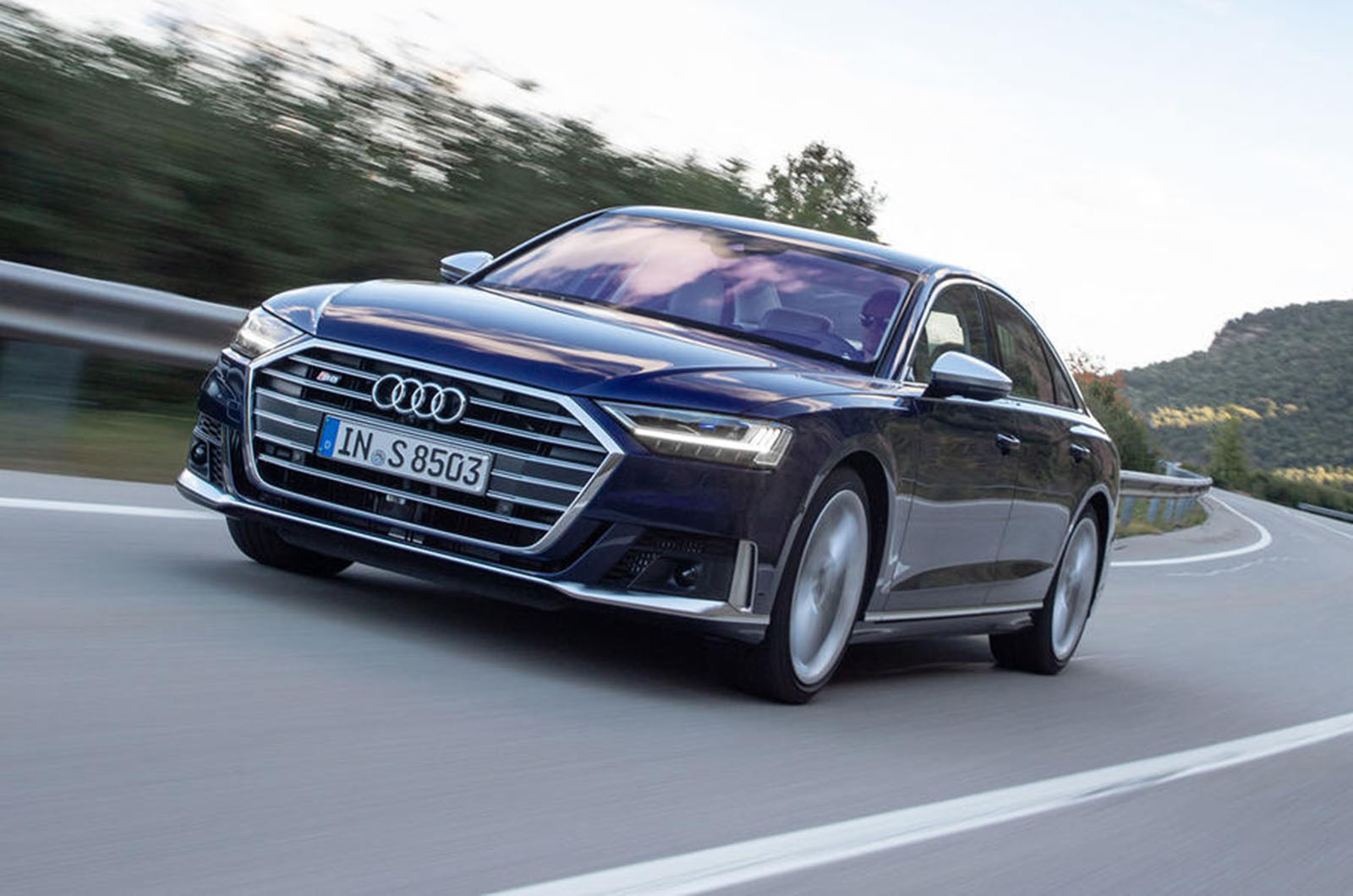
Ever since it starred in the 1998 film Ronin, the Audi S8 has developed a reputation for being a getaway car of some merit. Launched in 1996 with a 4.2-litre V8, the second-generation S8 featured a V10 engine it shared with the Lamborghini Gallardo.
Today’s S8 features a twin-turbocharged 4.0-litre V8 petrol engine, but it’s no slouch. It’ll accelerate from high street bank to 62mph in just 3.9sec, so the crims will be home in time for tea.
Alfa Romeo Alfetta
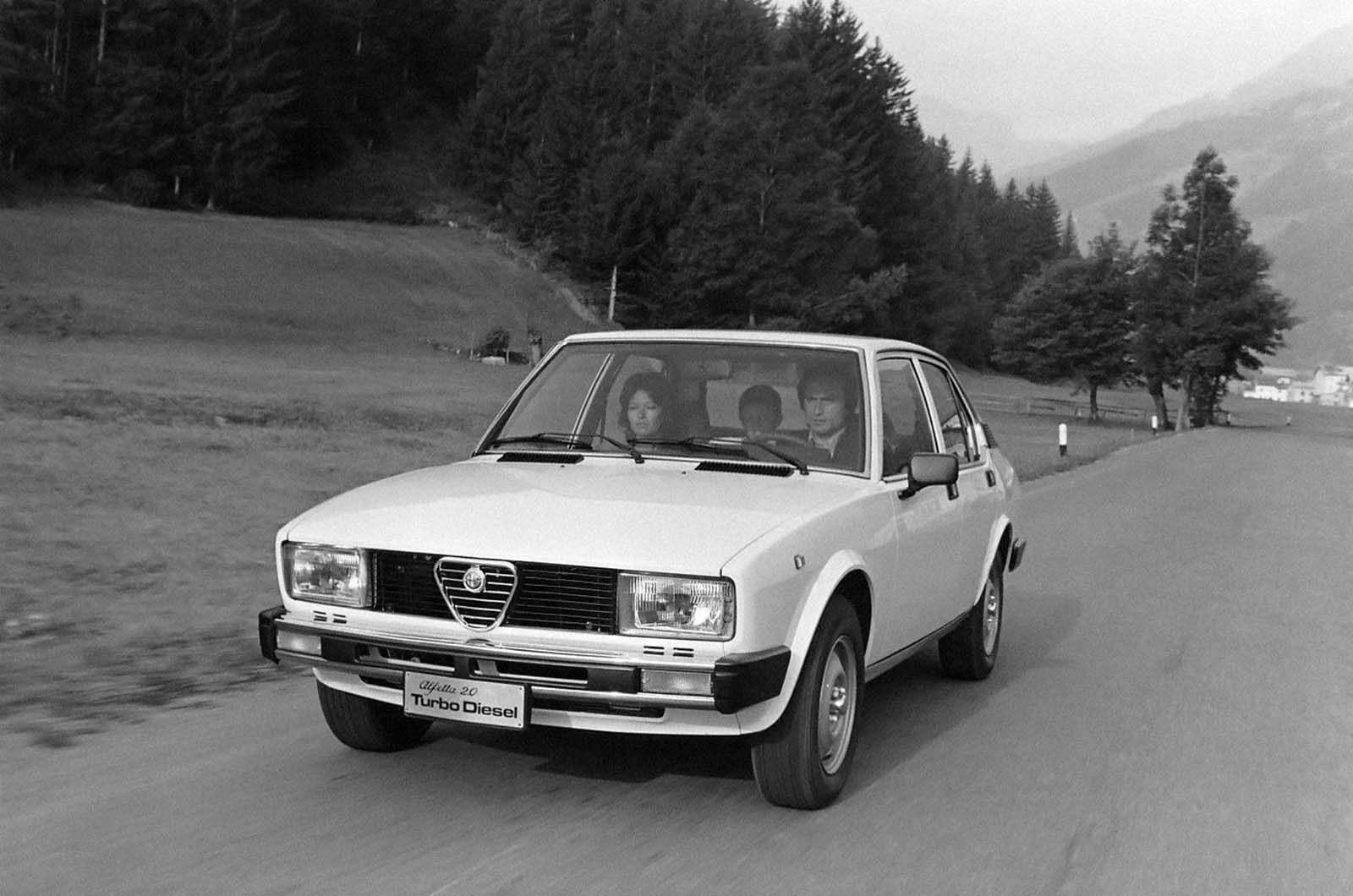
The original Alfa Romeo Alfetta (‘little Alfa’) arrived in 1972 and remained in production until 1984. To look at, you might question its getaway credentials. Indeed, the range of engines wouldn’t stir the imagination of many would-be bank robbers.
However, a 1980 Alfetta 2000 was the personal transport of Francesco Muto, a member of the Italian mafia. He equipped the Alfa with bulletproof panels, wheels, windows and door locks, and fitted an aftermarket telecommunications system. Quite how the 2.0-litre engine managed to cope with the extra weight is anyone’s guess.
Mercedes-Benz 450 SEL 6.9
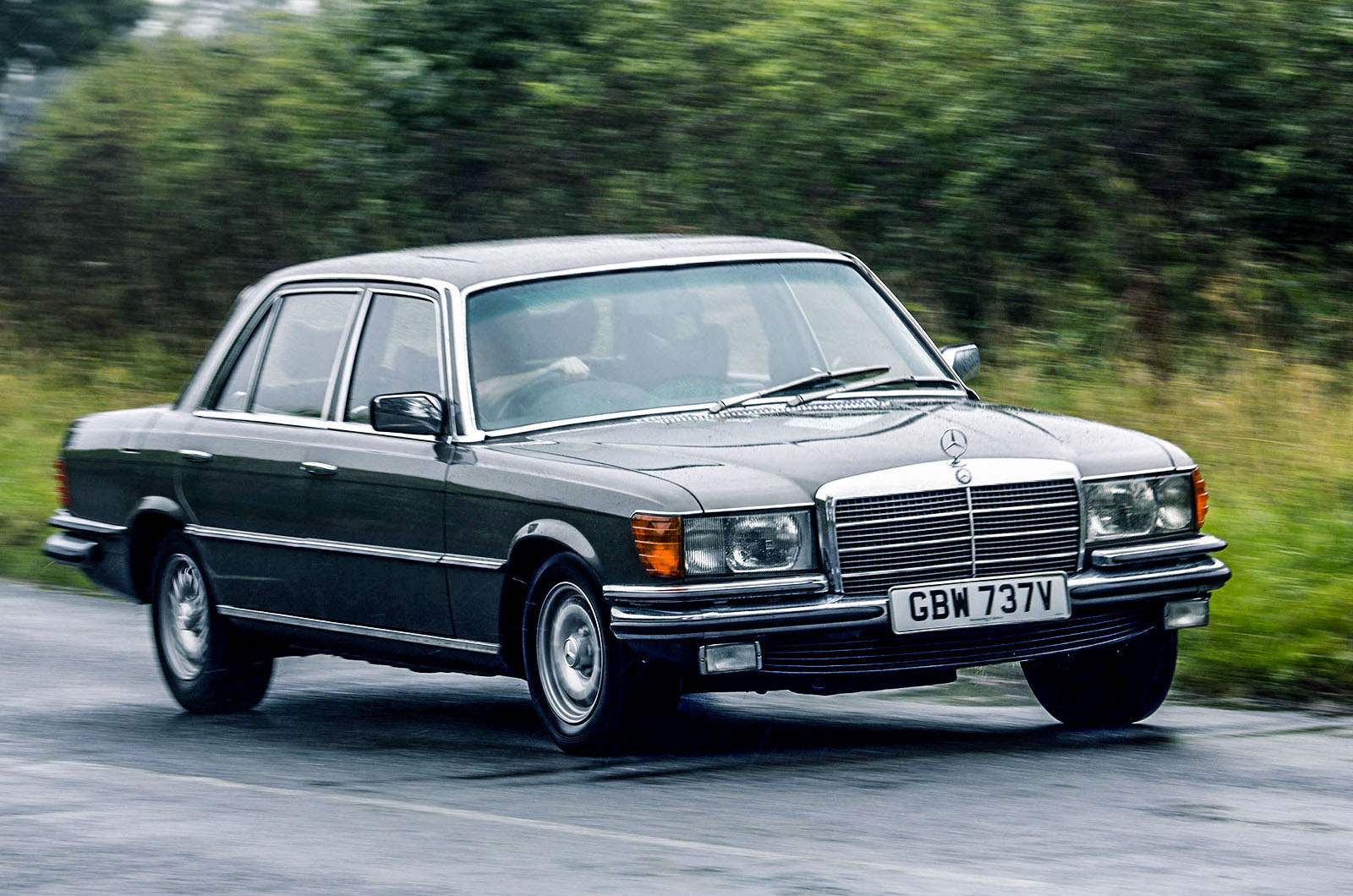
The formidable Mercedes-Benz 450 SEL 6.9 made its debut in 1975. It was, at the time, one of the world’s best cars and one of the fastest saloons you could buy. You’d need the proceeds of a bank job to buy one – and that’s before you think about its unquenching thirst for four-star.
It wasn’t just quick; the hydropneumatic suspension would do a fantastic job of keeping things balanced as you made your way back from the bank with a boot load of loot.
Lamborghini Countach
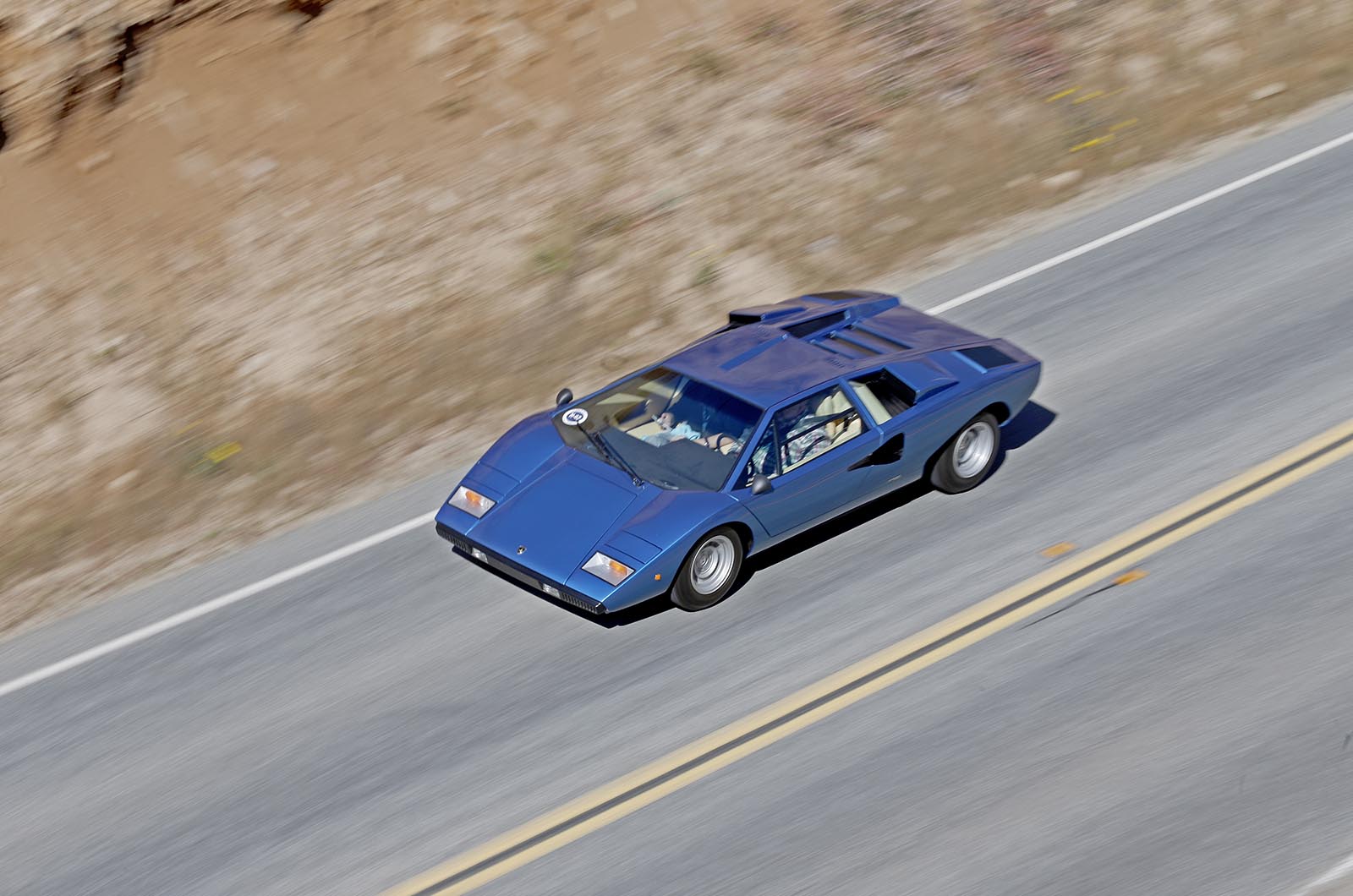
On the face of it, the Countach would be a terrible getaway car. Poor visibility, difficult to enter and exit, nowhere to stash the swag, and so on. And yet the Lamborghini went on to become one of the vehicles of choice for drug runners in the 1980s.
At the time, Countach drivers could be found on both sides of the criminal divide. Florida's police policy of using confiscated evidence to support law enforcement meant some 80s cops really did drive exotics, not just the ones seen on TV shows like Miami Vice.
Jaguar S-Type
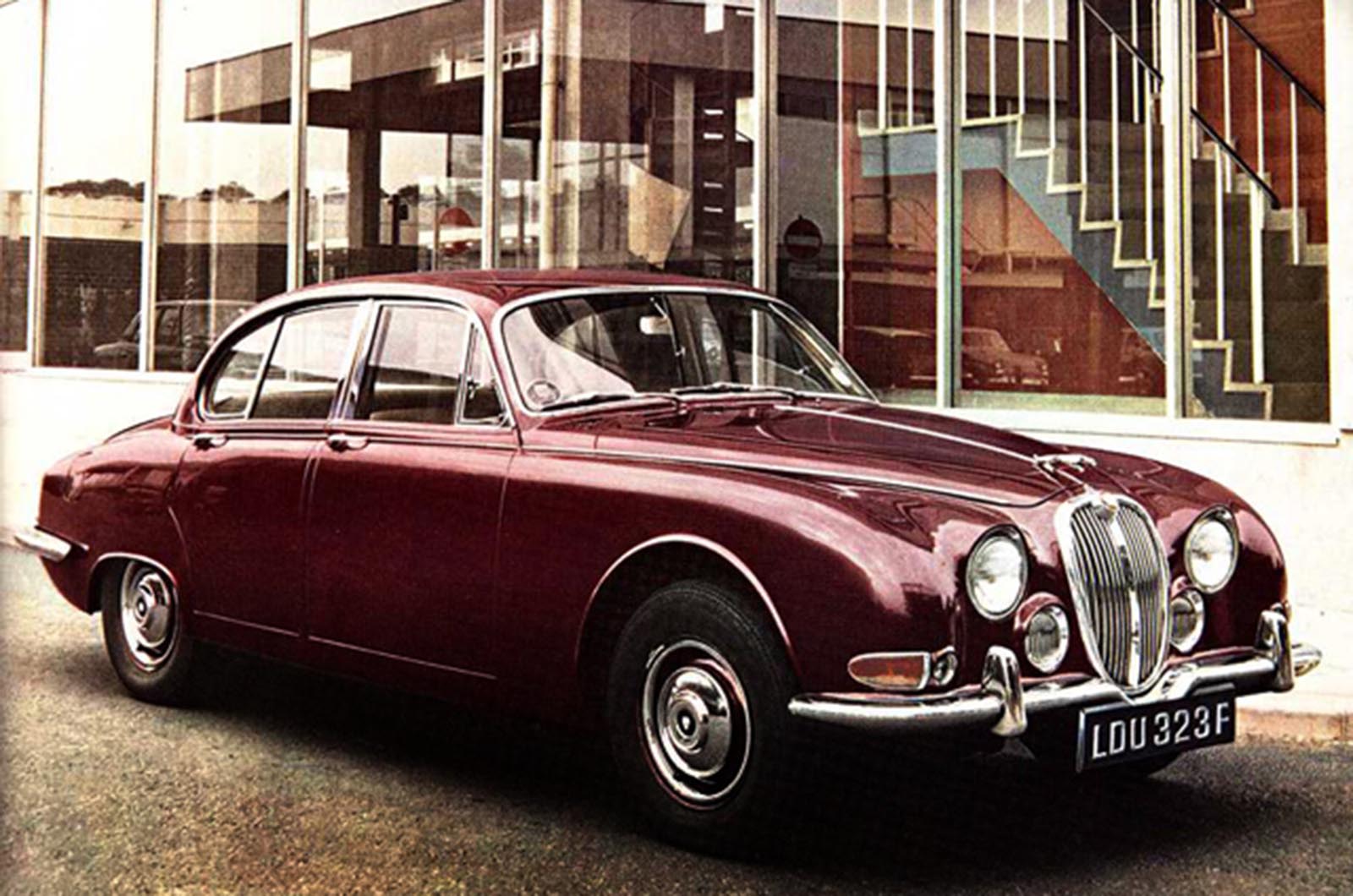
We had to end with another Jaguar. Launched in 1963, the S-Type occupied a place in the Jaguar range between the Mk2 and the Mk10. Usefully bigger than the Mark 2 but as nimble as a small saloon, it soon became the vehicle of choice for cops and robbers.
Power was sourced from 3.4 and 3.8-litre engines, the latter of which was used in The Sweeney. According to IMDb, the stunt drivers favoured them for their safety; the same cars could be repaired, repainted and used a number of times.

Automotive Design Icons How Each Major Car Brand Defined Its Visual Legacy
 The shining star of every range
Every car firm has a star, looks-wise.
So we decided to choose the car we reckon represents every major car brand at its best. We know you won’t agree with every choice, but we do hope you enjoy the journey:
Alfa Romeo: 8C 2900 (1935)
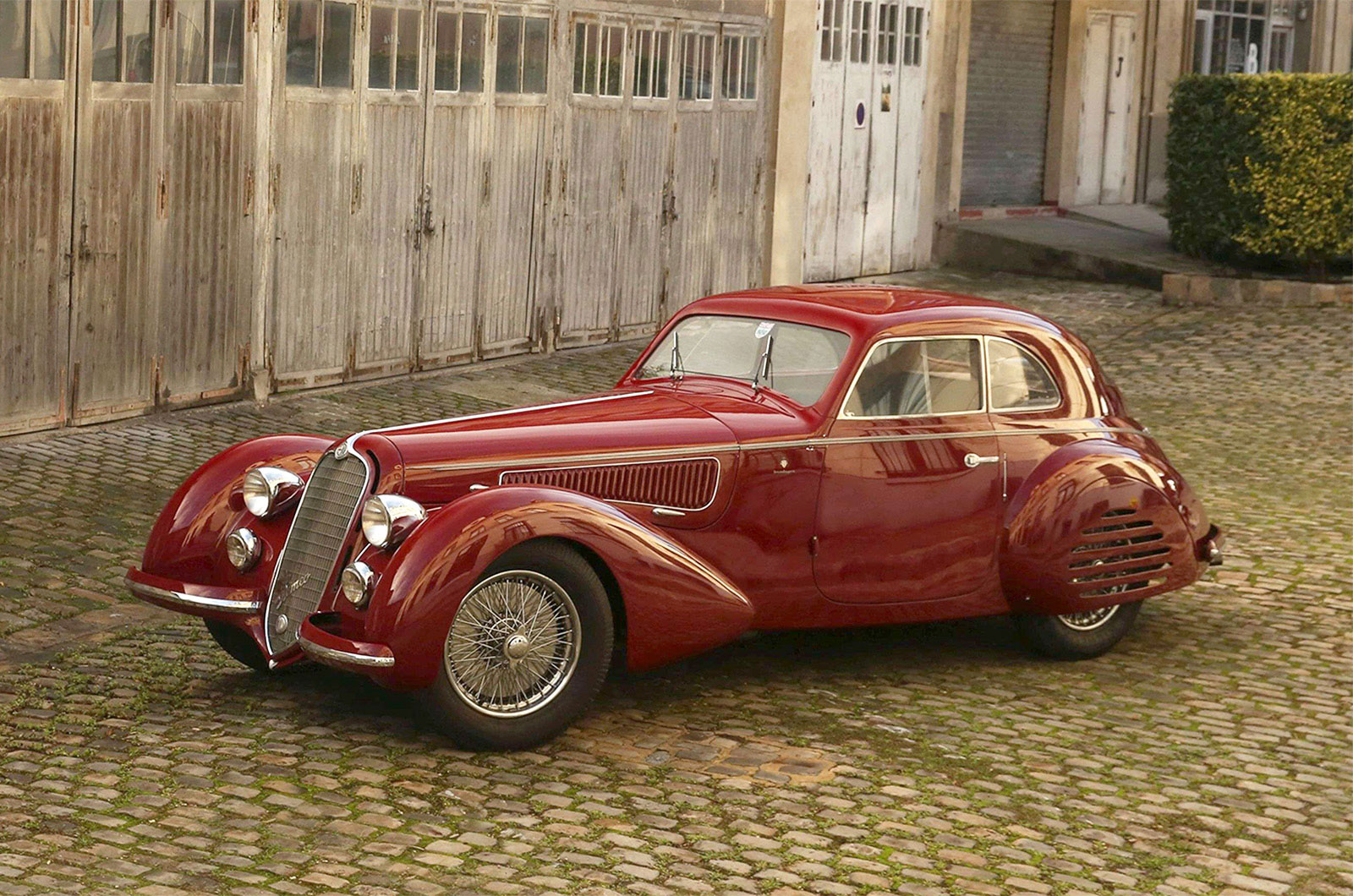
An almost preposterously long bonnet, voluptuous wheel fairings, a rakishly compact cockpit of a cabin – this was rapid transit, 1930s style. Rapid, indulgent transit from eight cylinders.
AC: Cobra 289 (1962)
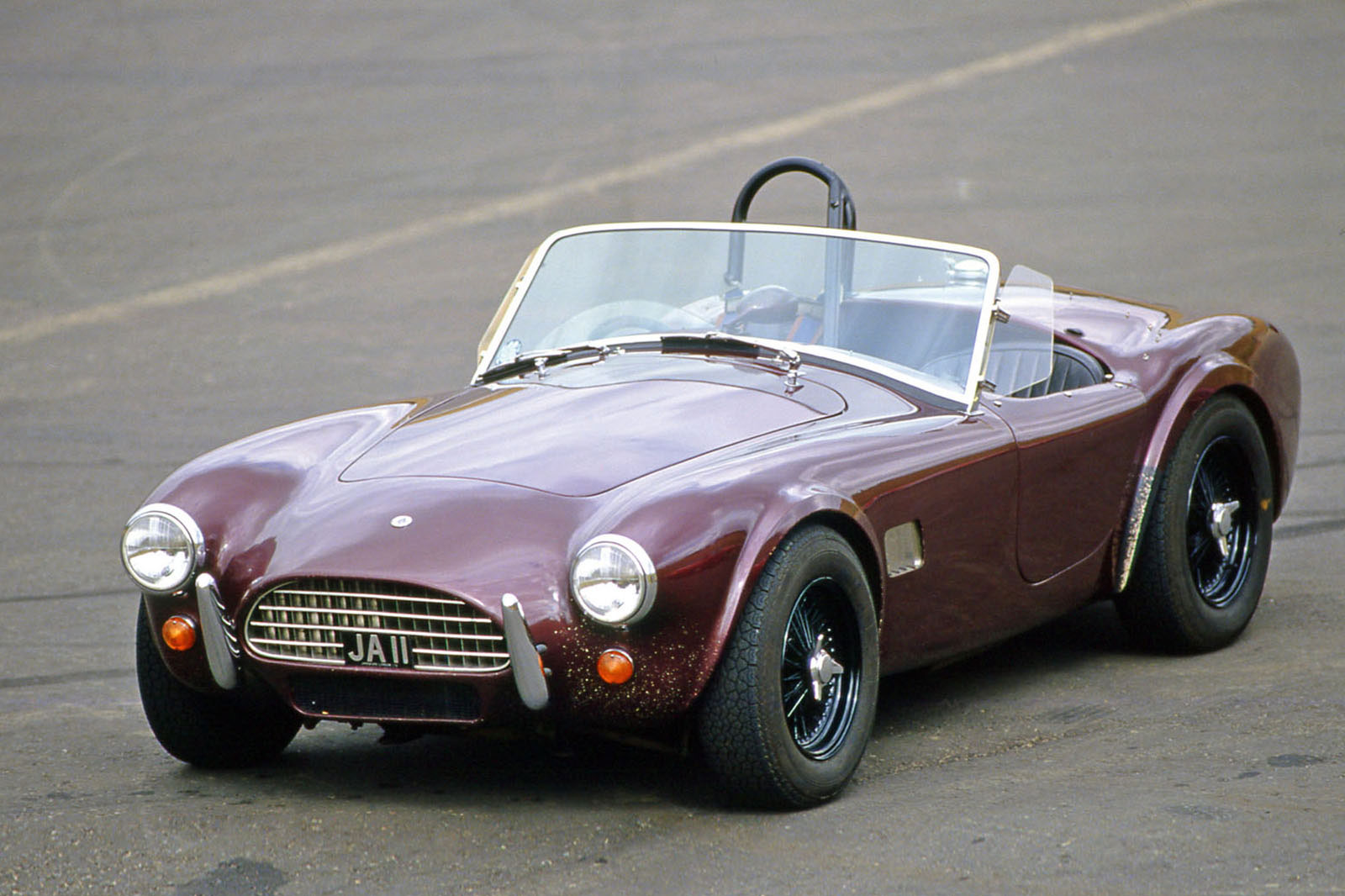
Brawn on wheels, the Cobra appears to be bursting with power and indeed, usually is. It’s because the AC Ace from which it swelled was so well-proportioned that the Cobra works.
Alpine: A110 (2017)
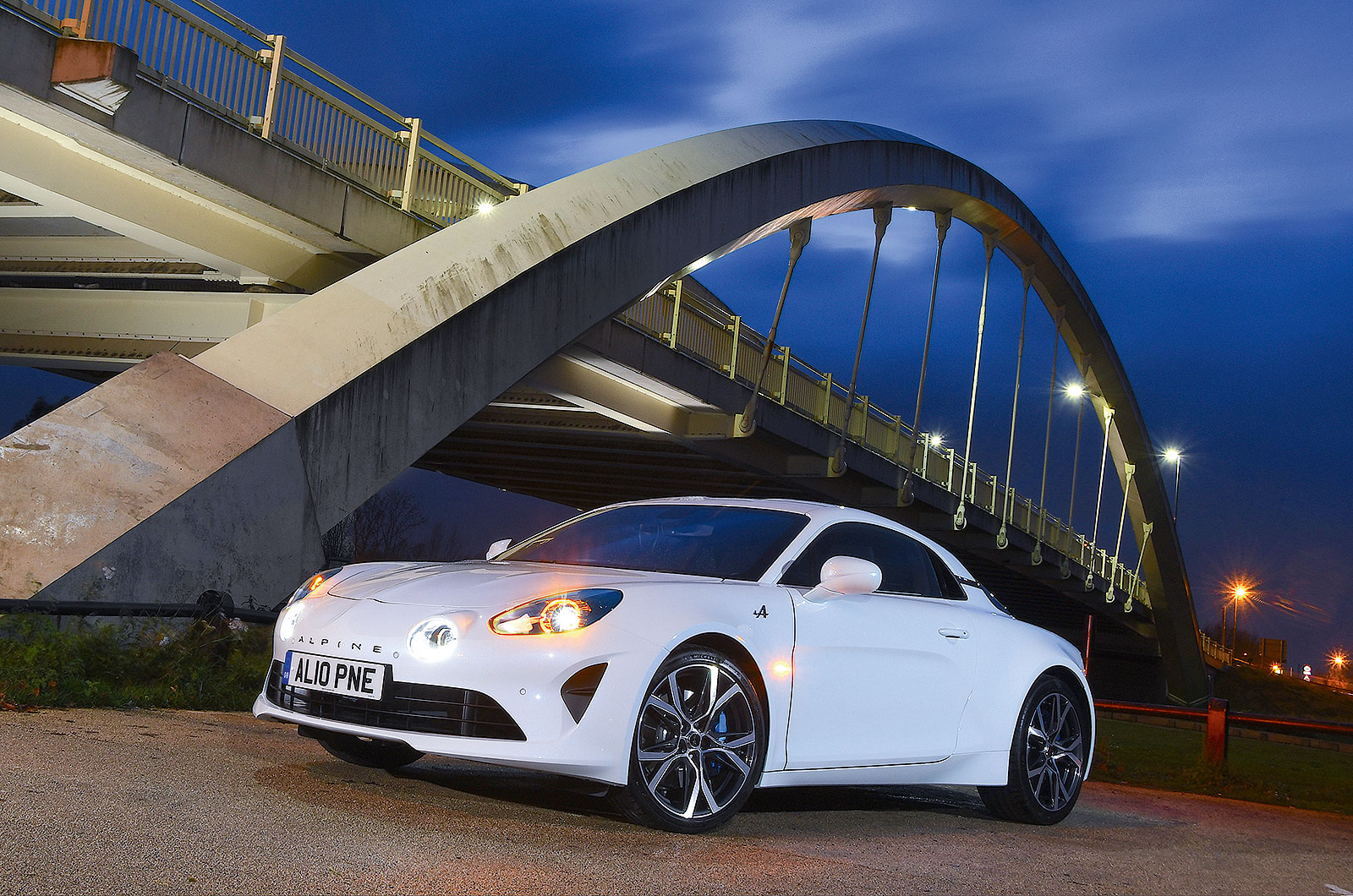
A perfect blend of Alpine’s A110 Berlinetta past and the design language of the present, the new A110’s pretty, trim and athletic alloy bodywork makes you want to step inside and drive.
Aston Martin: DB4 GT Zagato (1962)
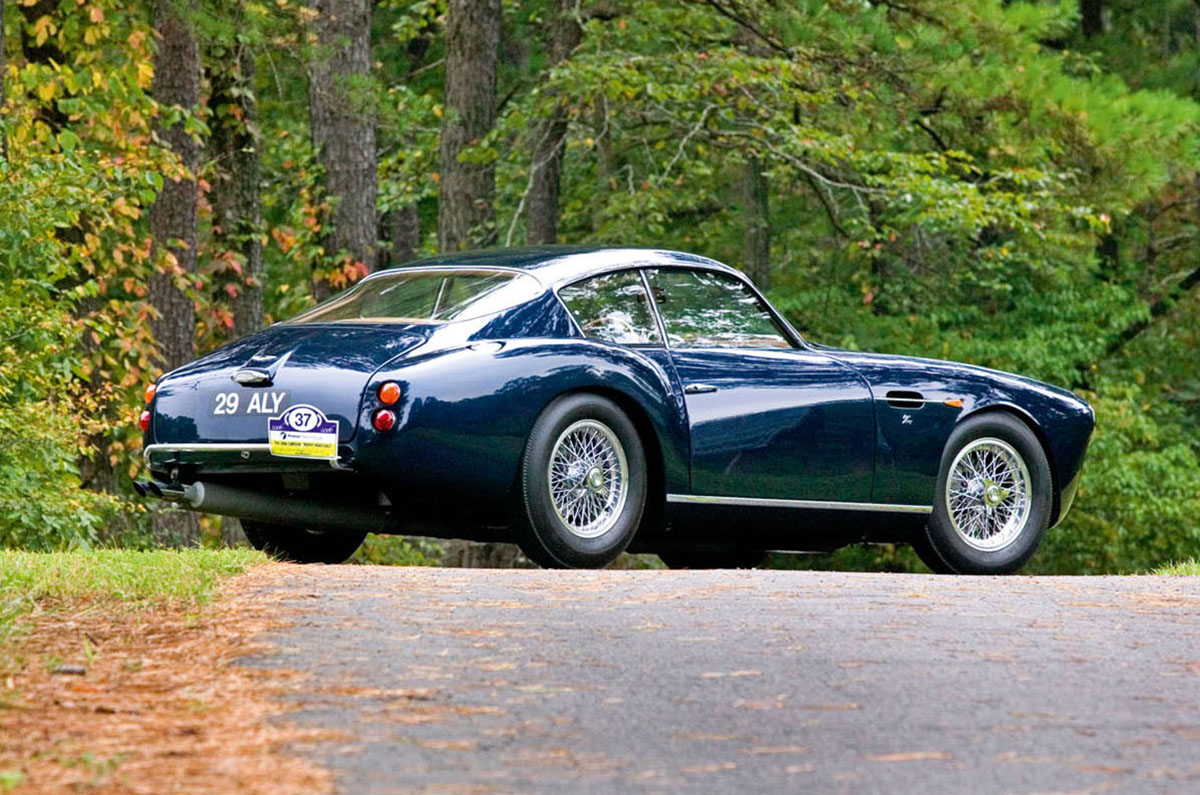
These were almost unsalable new, skewered by astronomical prices despite their lightweight beauty. Prices eventually hit the millions for the 19 originally made, prompting the 1990s build of four more utilizing unused chassis numbers.
Auburn: Boattail Speedster 851 (1934)
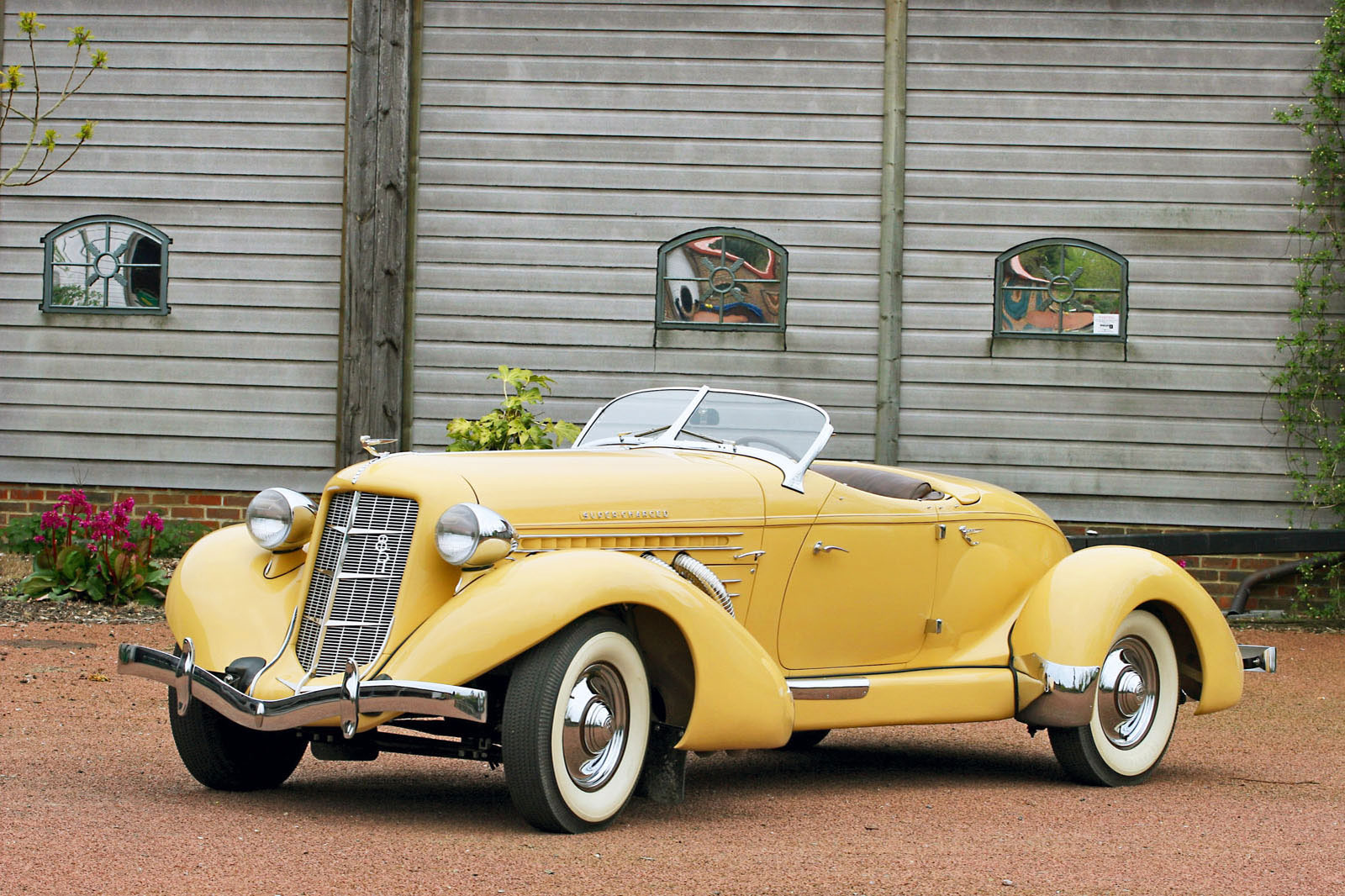
As glamorous as any pre-war Alfa Romeo, Hispano-Suiza or Mercedes, Auburn’s straight eight series reached its lofty design zenith for the 1935 model year. Despite this achievement, Auburn ceased manufacturing in 1937.
Audi: TT (1998)
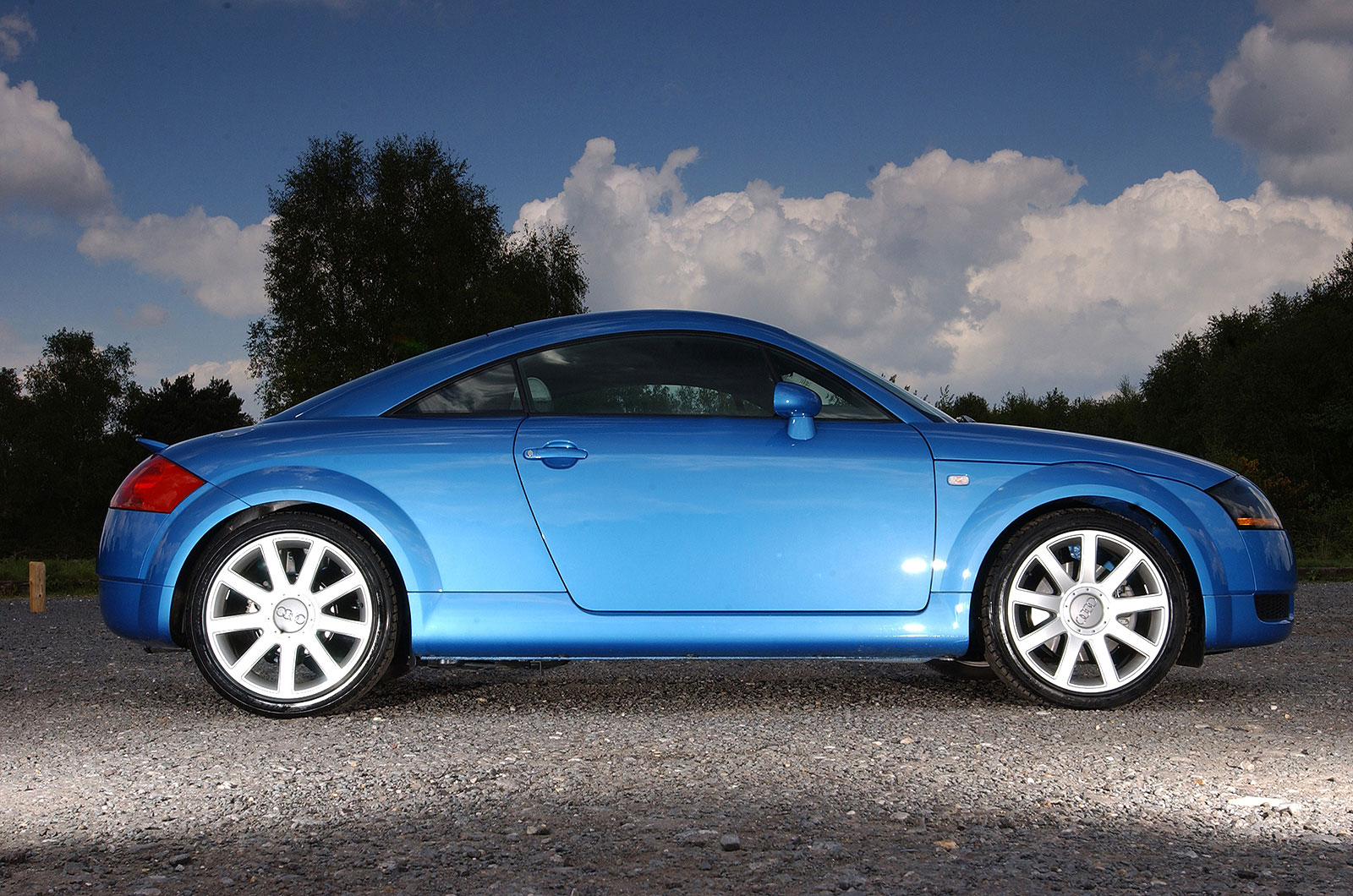
Clean-sculpted to the point of utilitarianism, the original TT combined modernity with an irresistible flavour of avant garde 1930s design, a theme abandoned in subsequent generations.
Austin-Healey: 100M (1955)
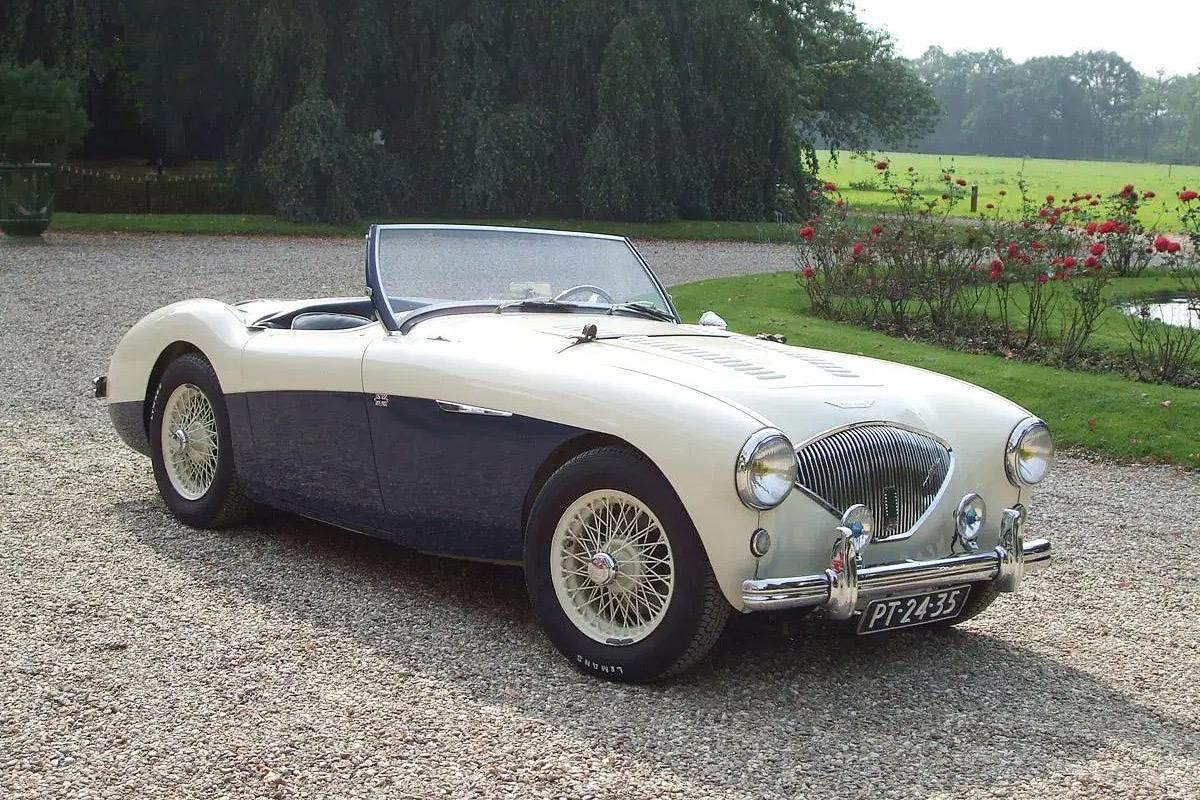
Still one of the most handsome two-seater sports cars ever, and purest in its early, folding windscreen form that turns it into a speedster. Crude mechanicals are part of the charm.
BAC: Mono (2011)
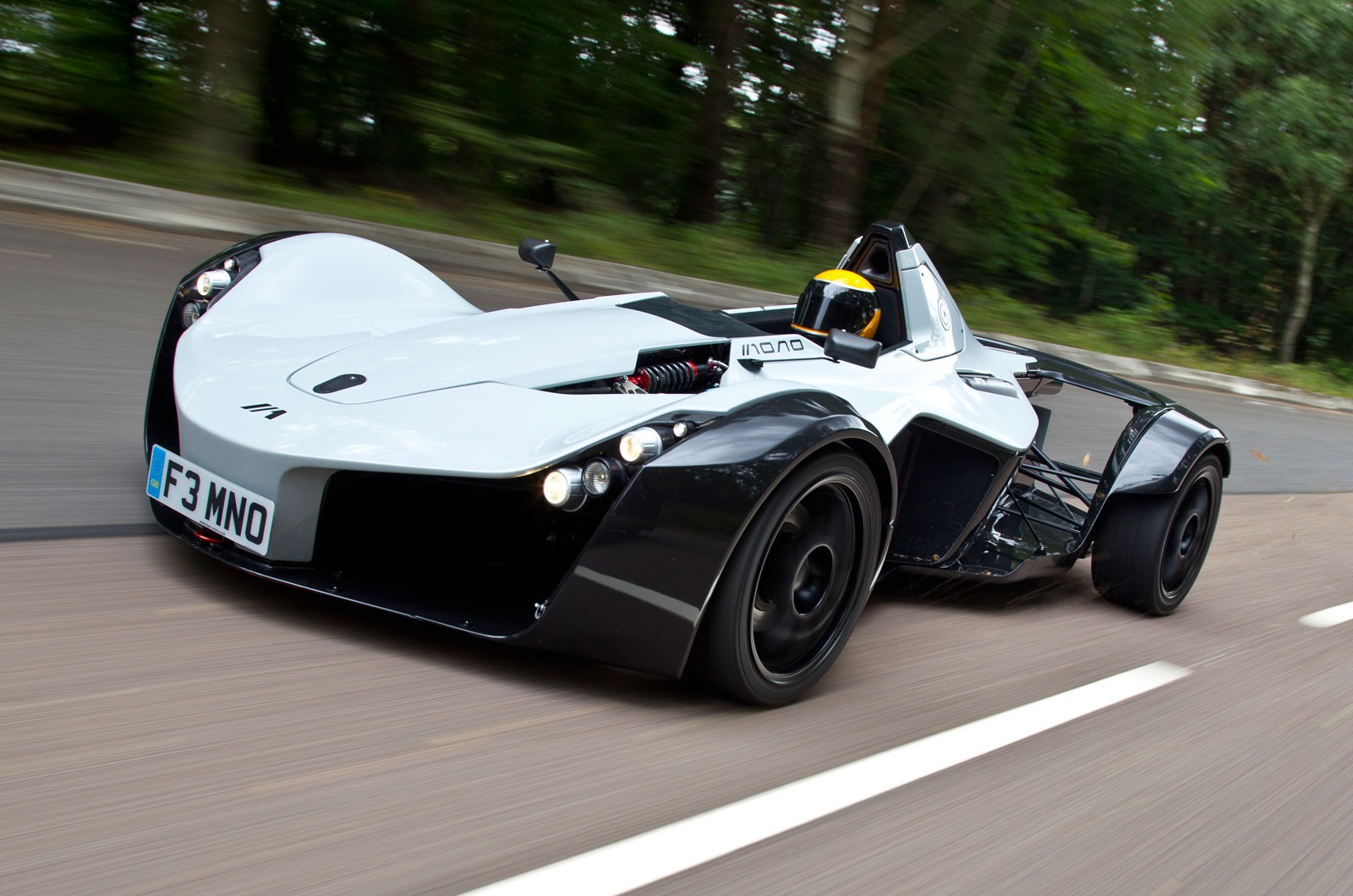
This is the spare look of your 21st century single seat roadster. There’s not much bodywork, but what there is turns compellingly shapely the more you stare.
Bentley: Continental GT (2003)
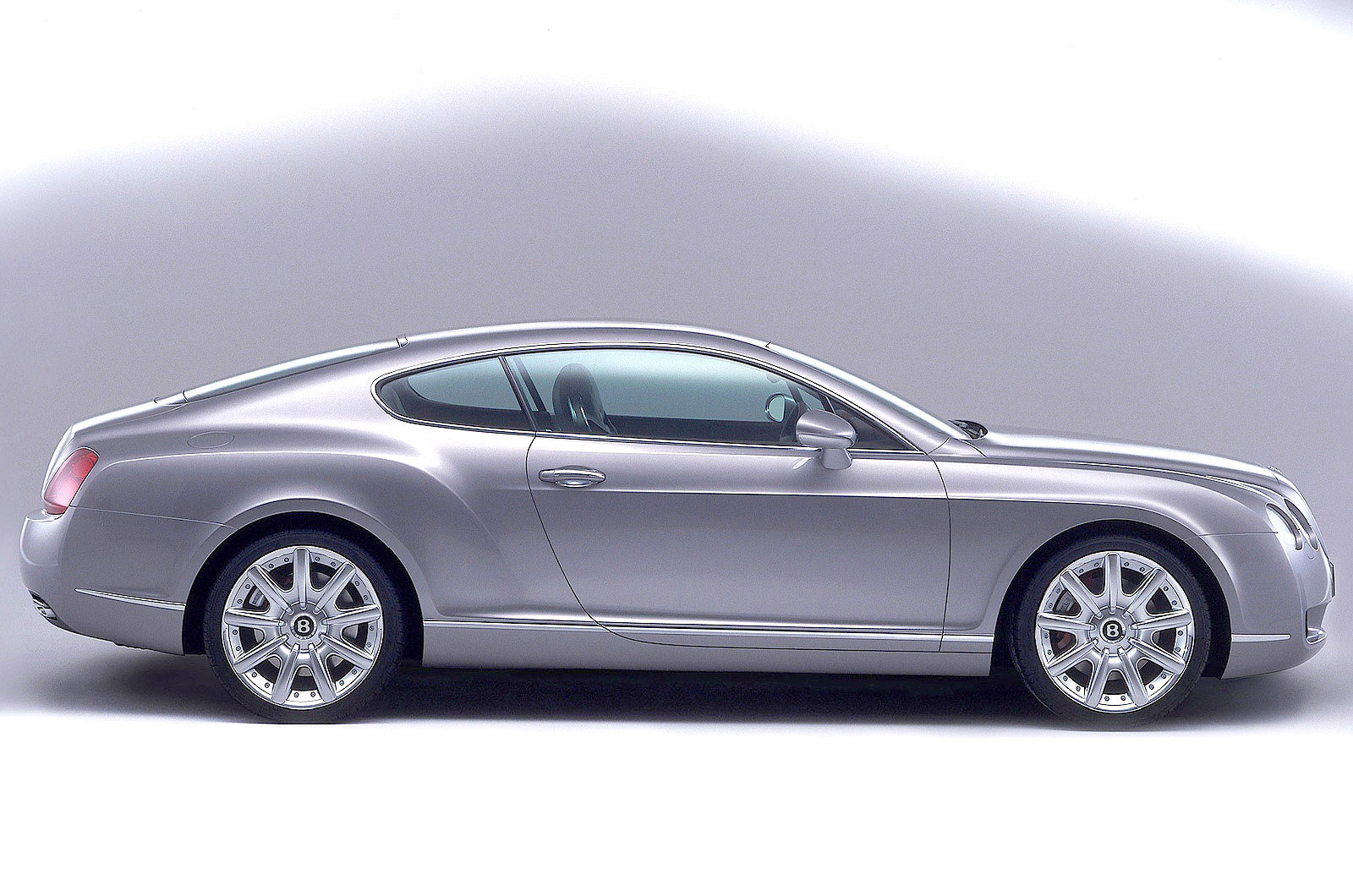
Among the most handsome Bentleys ever, and it shares a platform with a Volkswagen. It’s decidedly more handsome than a Phaeton however and though big, does not look as unnecessarily large as its current successor.
BMW: 507 (1956)
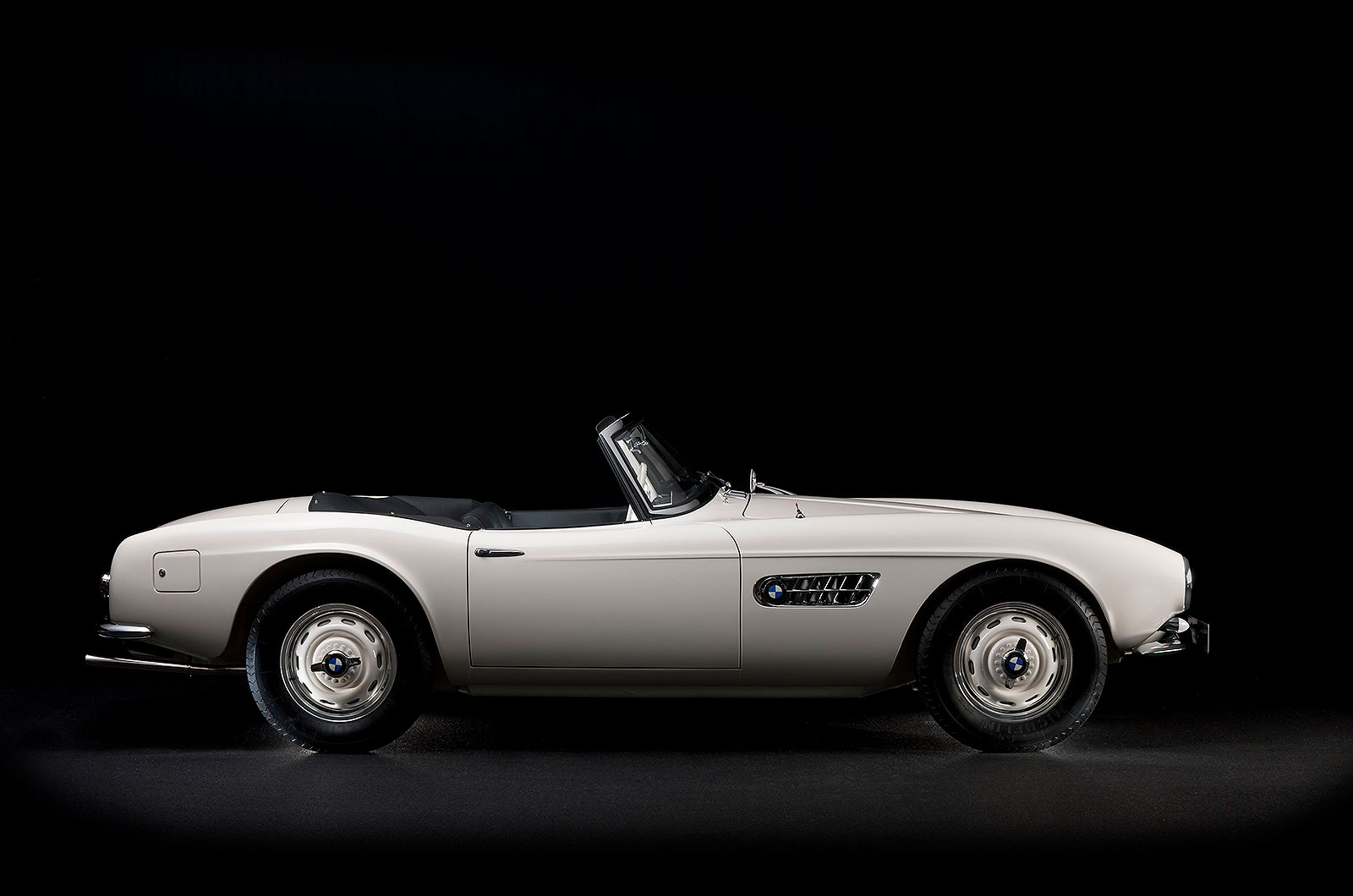
Albrecht von Goertz’s 1956 507 was as handsome as any contemporary Ferrari, but a costly build pushed its price too close to these exotics, killing the car after only 252 were built, and bankrupting BMW.
Bugatti: Type 57 Atlantic (1938)
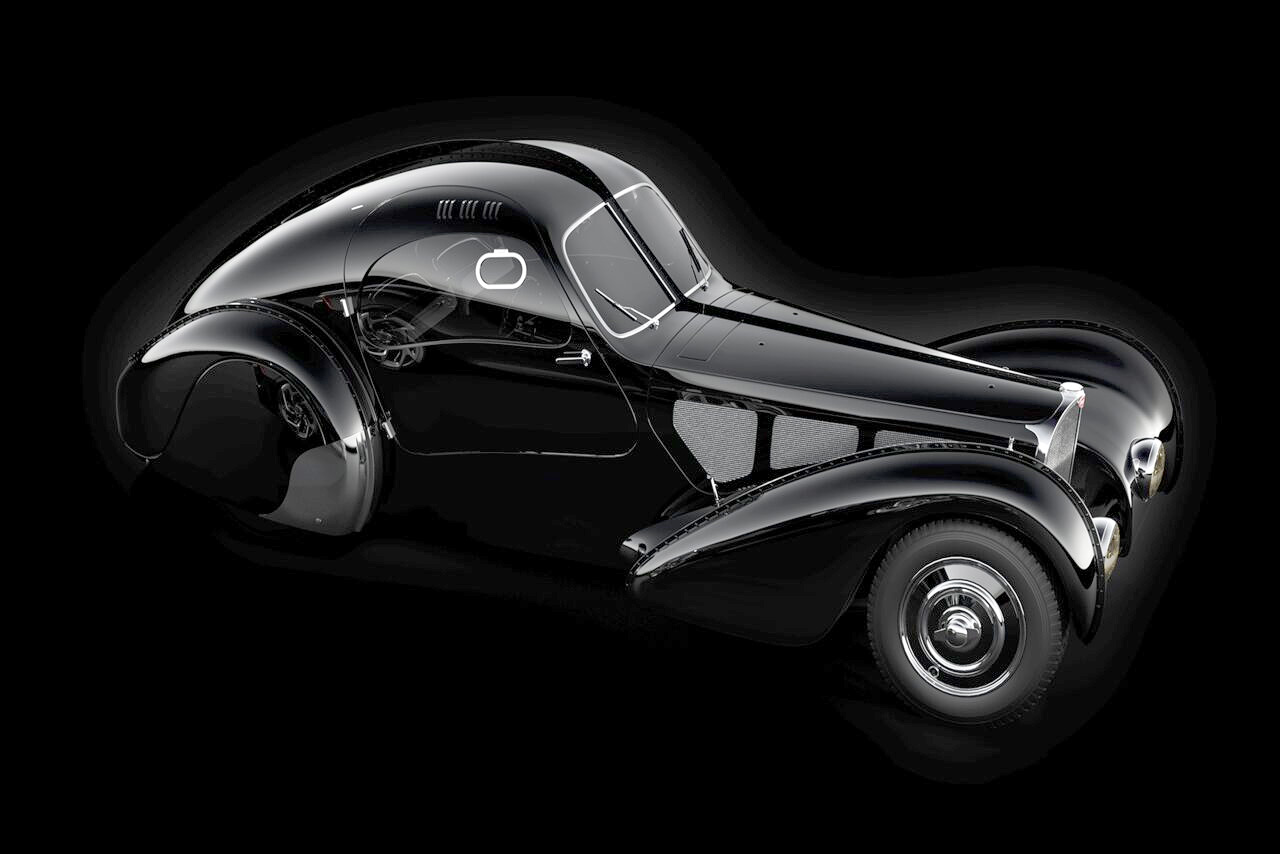
Extravagant, fantastical, sculptural and suggestive of exotic lives lived by the few, the Atlantic borders on the mythic. And the intrigue continues with the clamshell doors and the vertical fin continuing the split screen’s vee.
Buick: Riviera (1963)
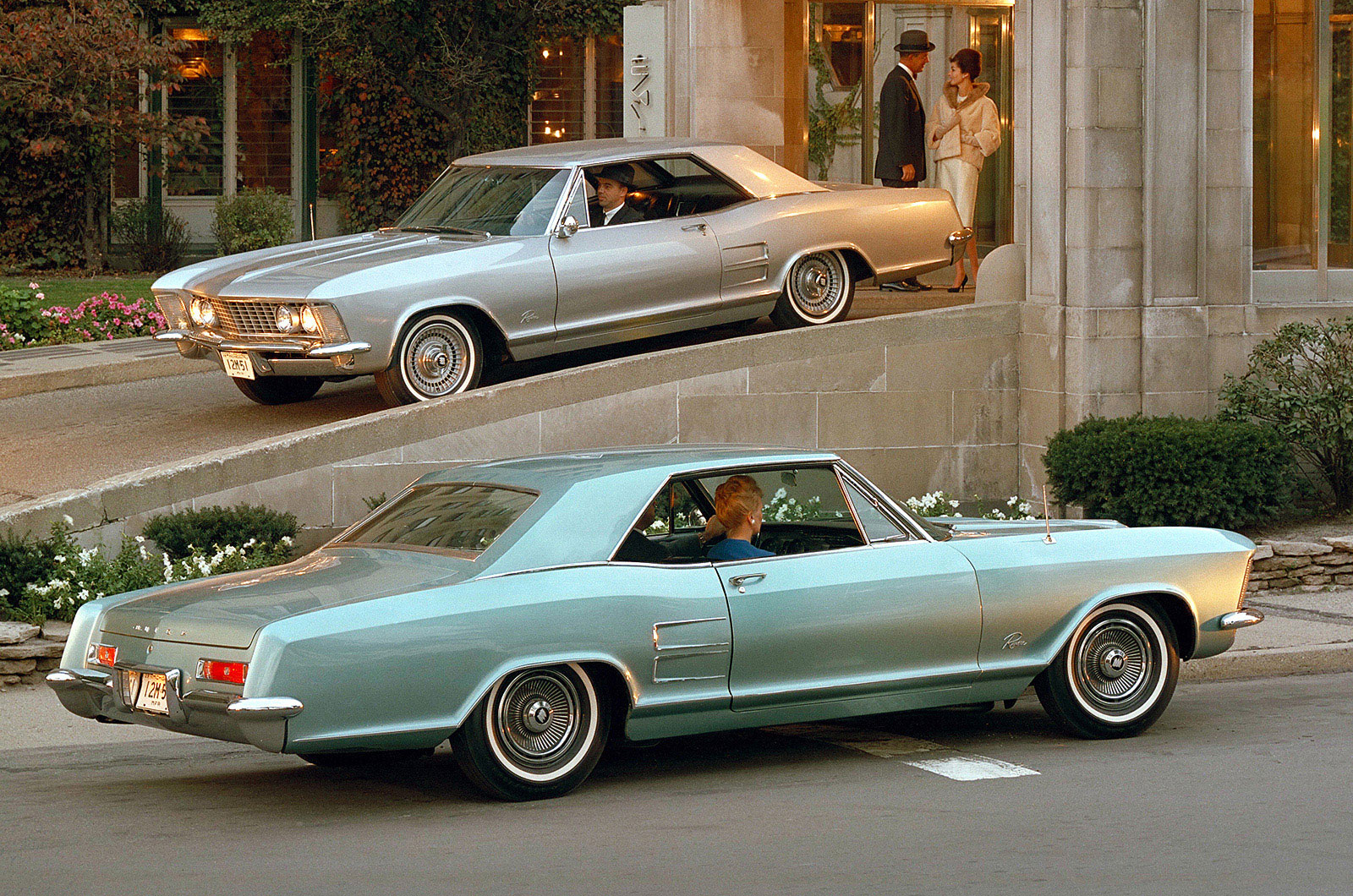
If the bearing of the Riviera seems heavy for a Buick, that’s because it was originally destined to be a Cadillac or even a revived LaSalle. But it ended up as a beauty, nonetheless.
Cadillac: 1959 Cadillac Eldorado Biarritz Convertible (1958)
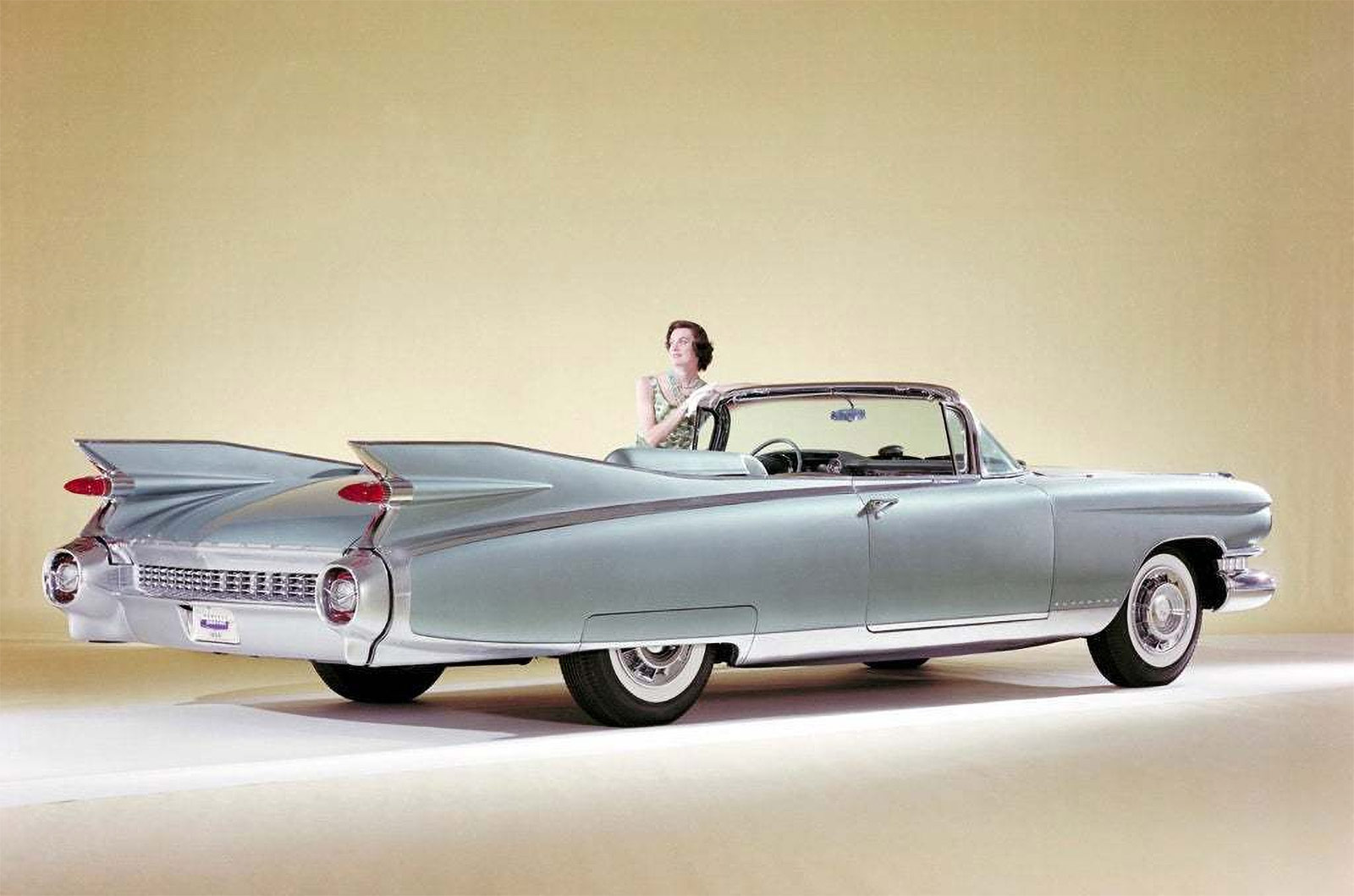
The fins were the highest they’d ever been, the bullet tail lights redolent of the rocket age, and an interior packed with luxury technology with power for everything. The ’59 represented Cadillac and parent General Motors at their heights of self- confidence – perhaps America itself too.
Chrysler: Town & Country Newport (1950)
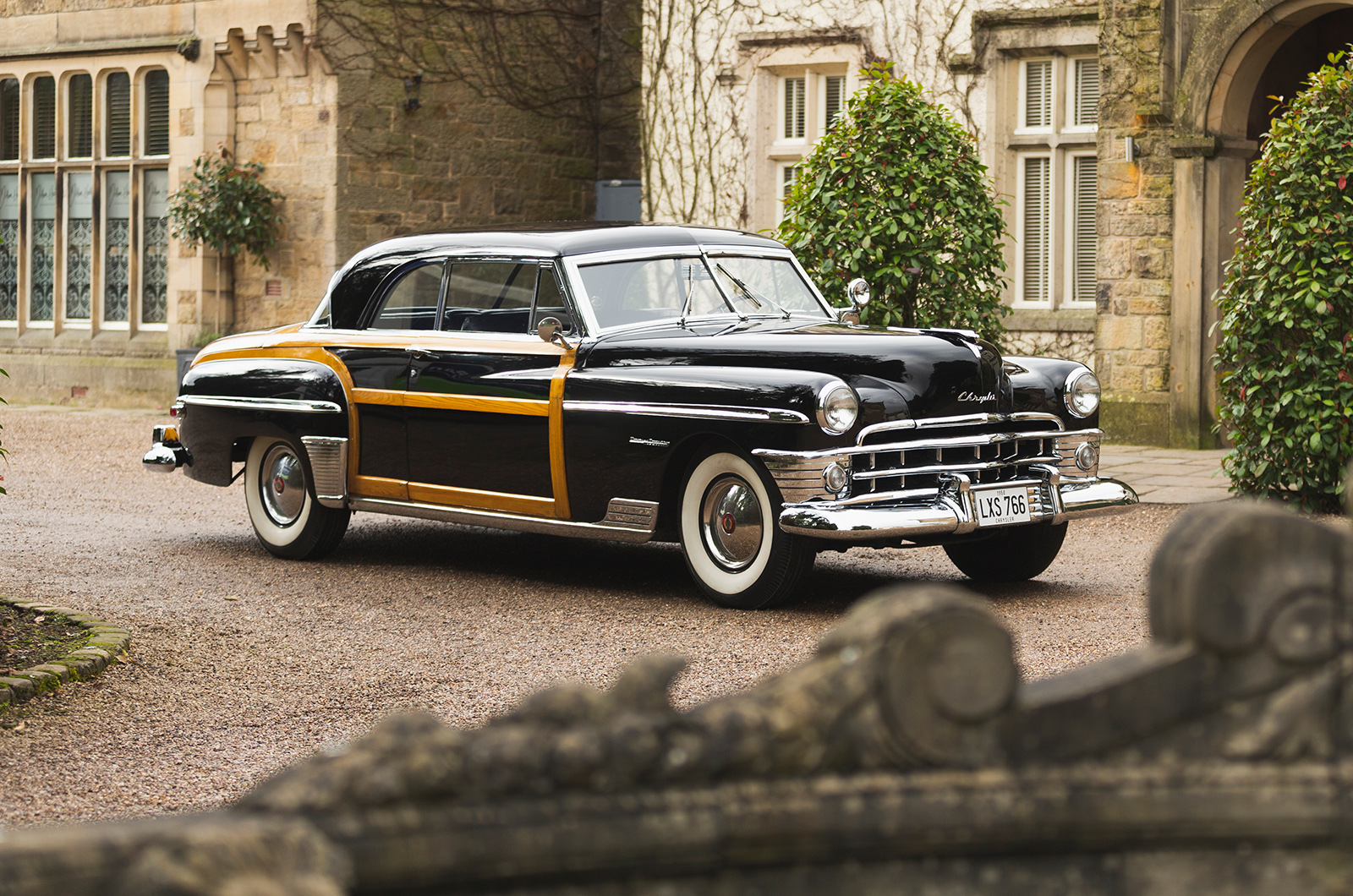
A brand mostly associated with mediocrity today, it’s easy to forget Chrysler once had an upmarket image and one that launched many innovations that became commonplace. And it had cars that had stature, shown most by this model, enhanced by its real wood and the majesty of its long hood, turning the necessity of housing a straight eight into virtue.
Chevrolet: Corvette Stingray (1963)
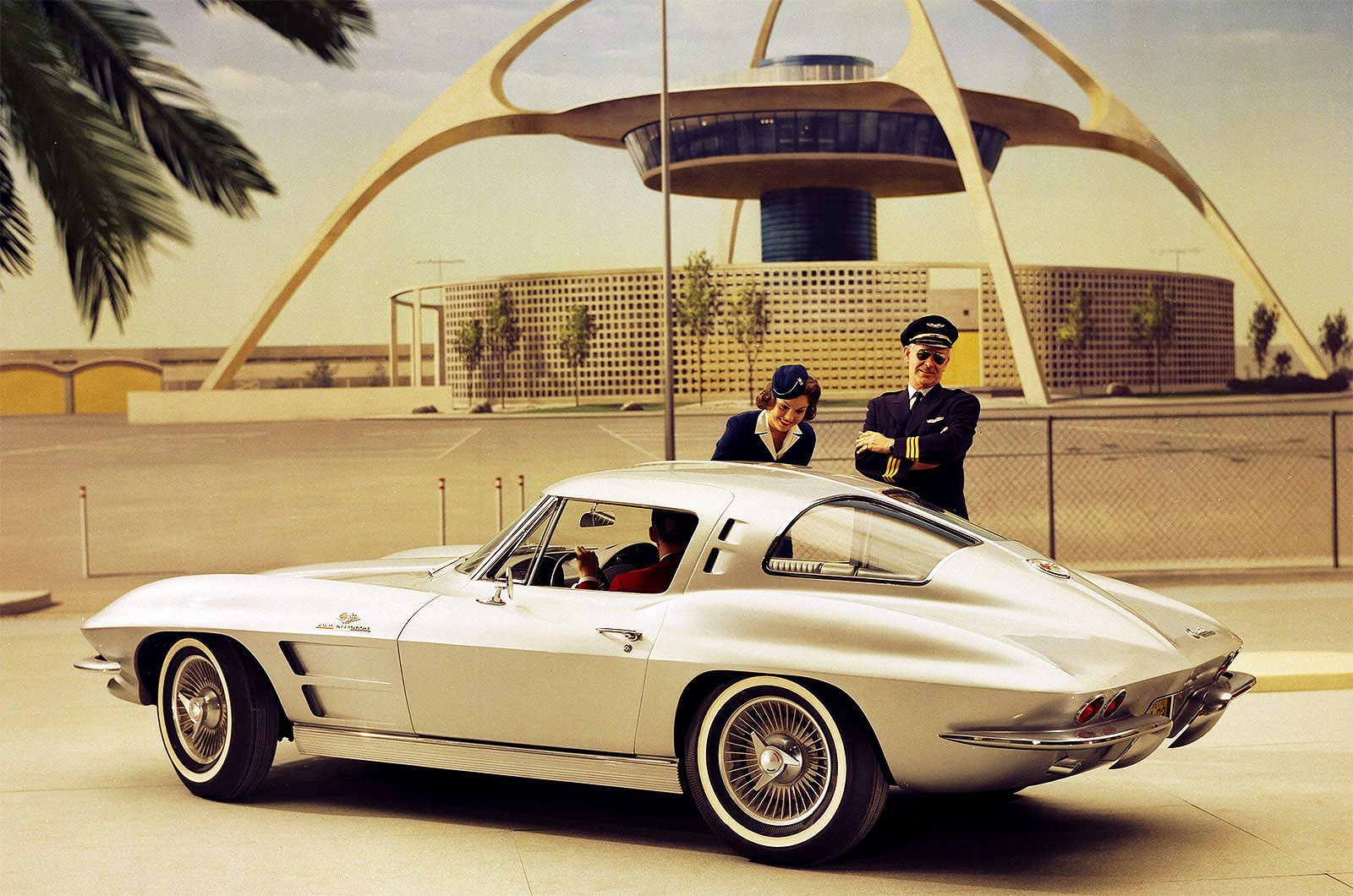
GM design chief Bill Mitchell’s ’59 Stingray concept car turned showroom eye magnet. Developed in secret because GM had banned racing, it saved the ‘Vette from early extinction.
Citroën: DS (1955)
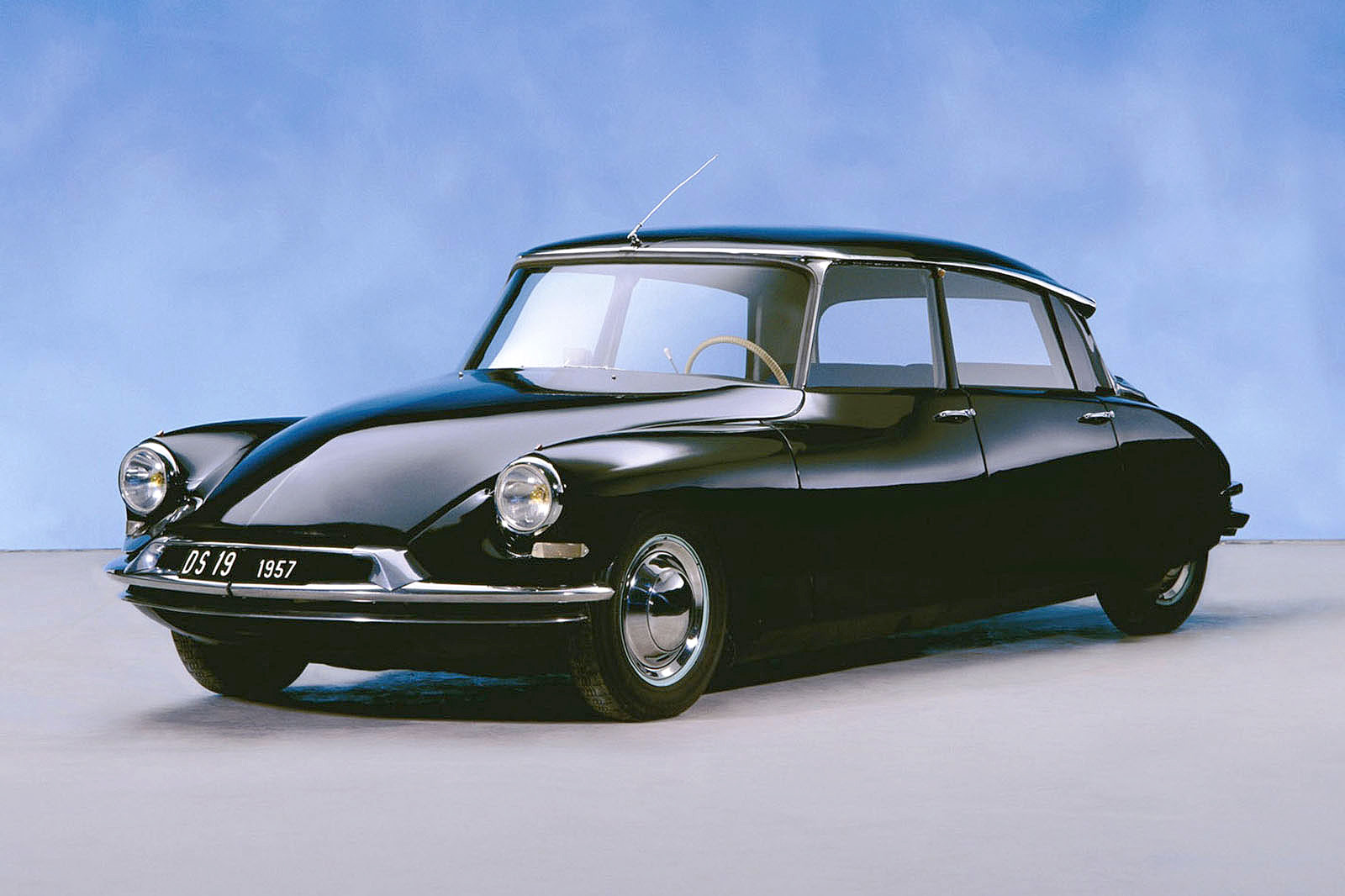
Much car design of the 1950s was American influenced. Not the DS, which was shaped by an Italian sculptor and the wind. It levitated as well, to the accompaniment of space age clicks and whirrs.
Cord: 812 (1937)
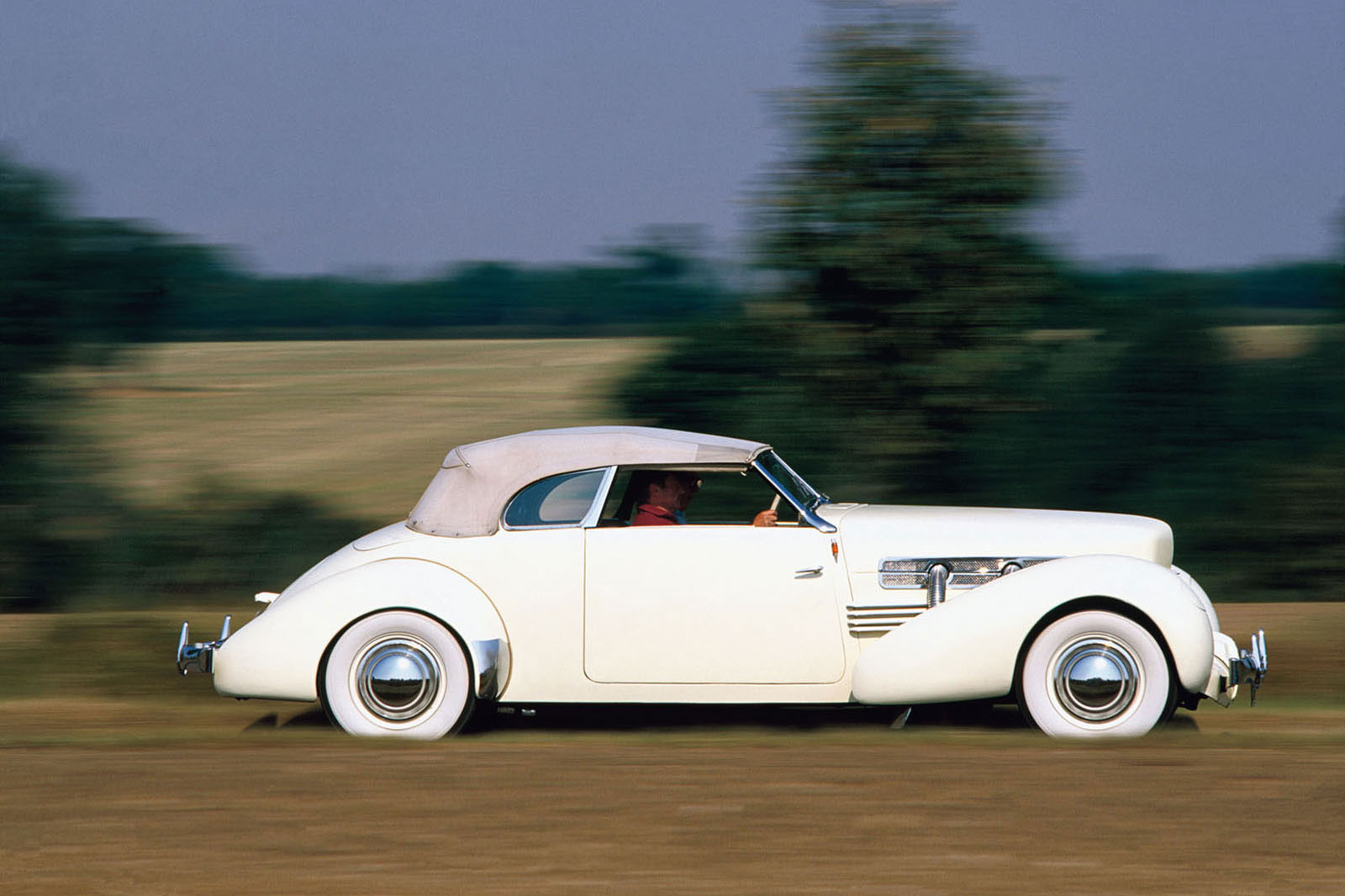
Front-wheel drive packaging allowed a floor low enough to eliminate running boards, the headlamps were hidden pop-ups and the Cord’s elegantly boxy prow produced a beautiful car of tomorrow. Unreliability killed it, but the shape was repeatedly revived by others.
Dodge: Charger R/T (1968)
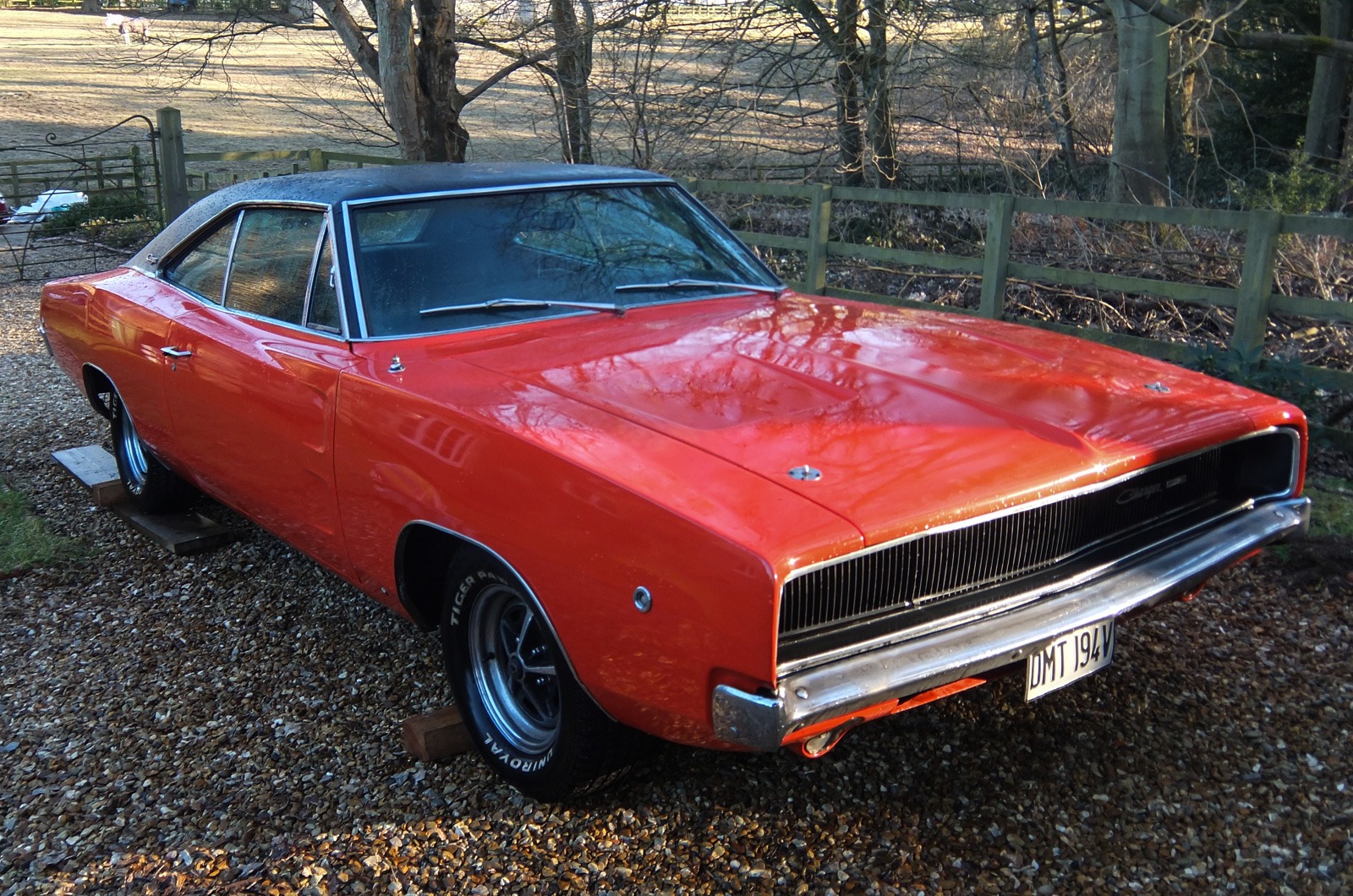
A quintessential ‘60s muscle car, but one of finesse, from the clean-flanked Coke bottle waist to the sleek, fat-pillared fastback and hidden headlamps, the Richard Sia-designed Charger is a handsome legend.
Duesenberg: Boattail Roadster (1932)
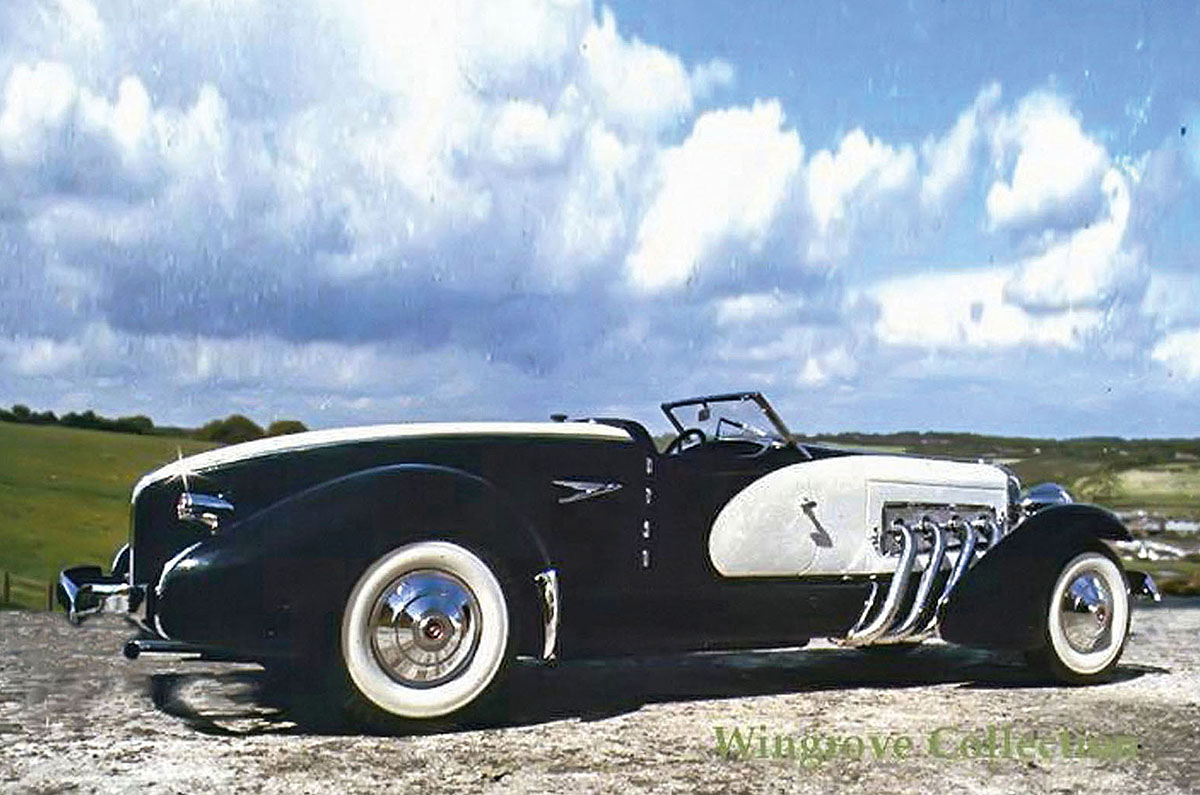
Duesenberg’s aristocratic Model J chassis was the basis for many extravagantly elegant pre-war American cars but only briefly, the model launched in 1928, shortly before the 1929 Wall Street Crash. Many celebrities bought them, but the marque folded in 1937.
Ferrari: 250 GTO SWB (1959)
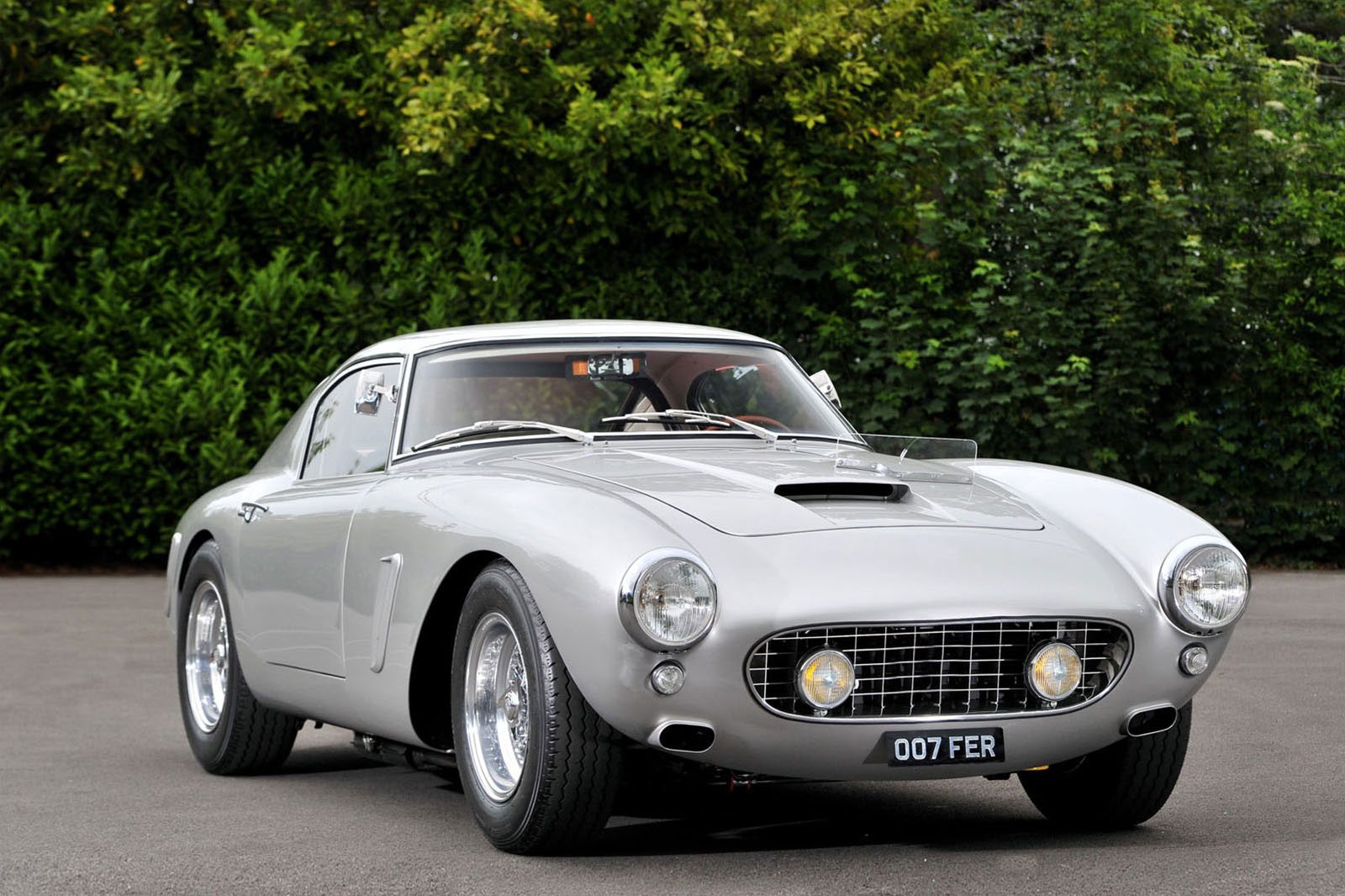
At first sight its lines seem simple, but the more you look, the more complex it becomes, from the fuselage front wings to the haunched rear, from slashed air extractors to delicate front quarter bumpers. Exquisite.
Fiat: 500 (2007)
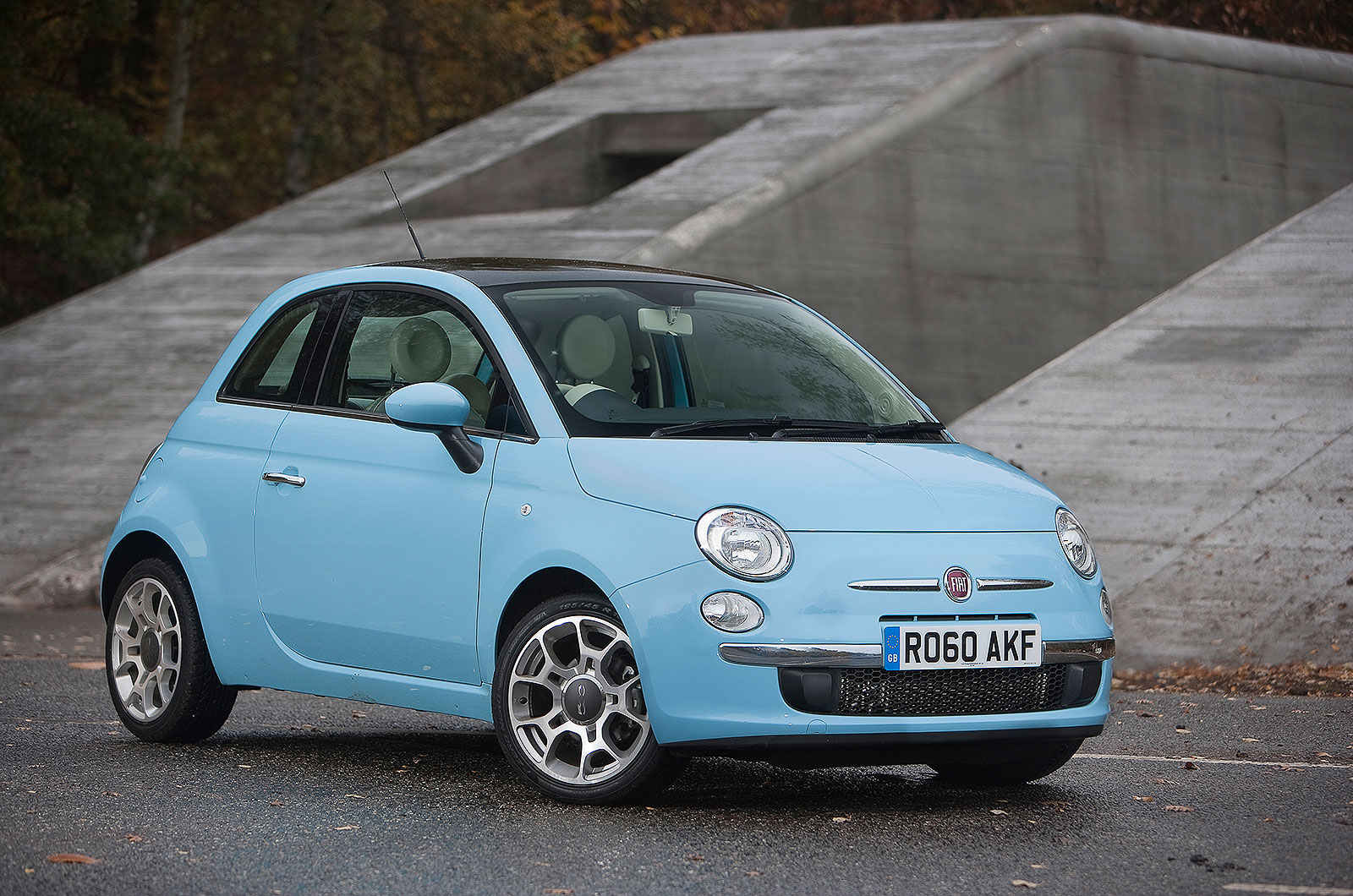
No-one can deny that retro doesn’t sell when the designers get it right, and they certainly did with this remake, which has lasted years. Cute, well detailed and hides the transposition of engine from rear to front painlessly.
Ford: GT40 (1966)
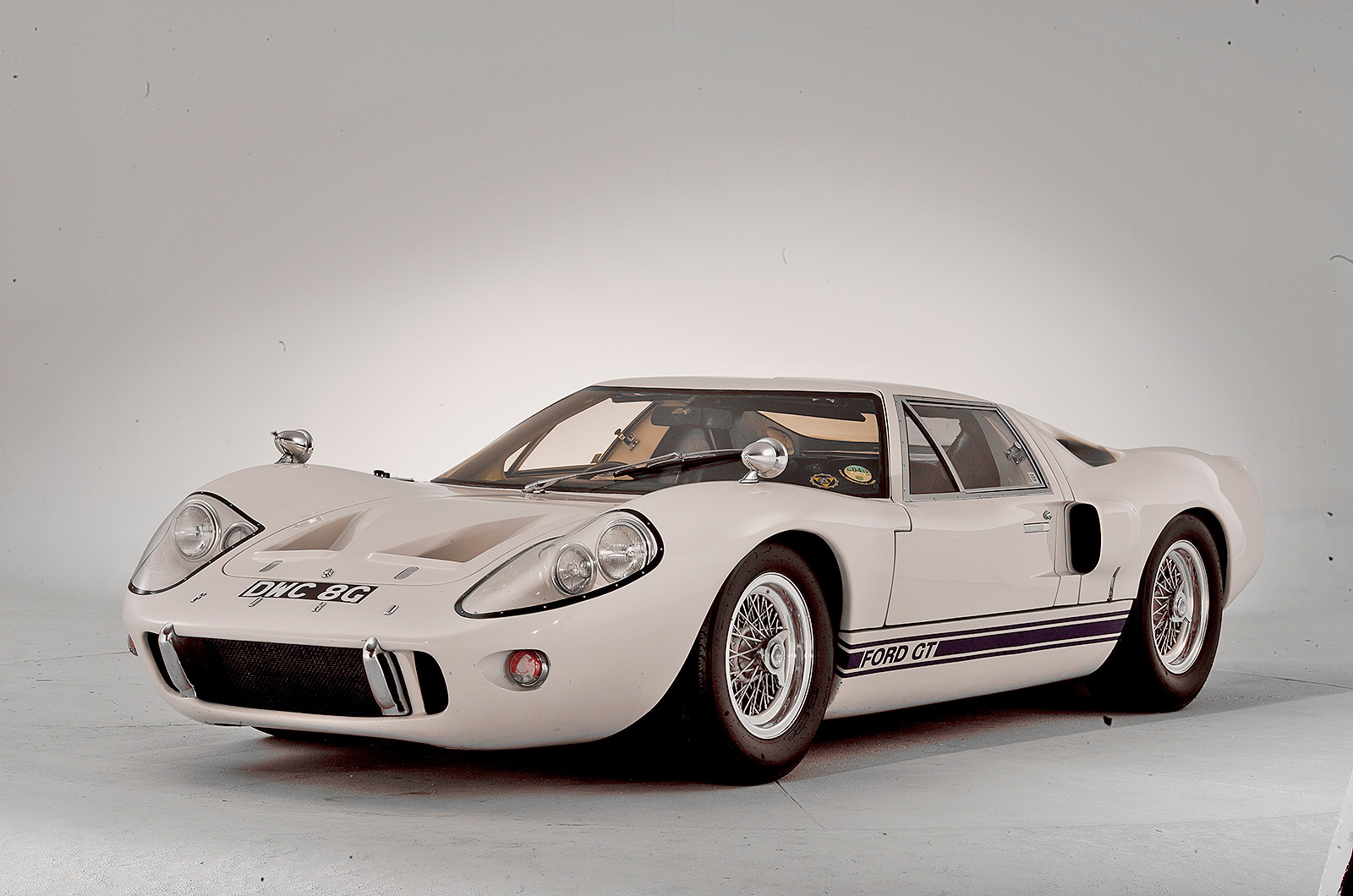
It might be low in height at 40inches, but it’s high in stature with its multiple Le Mans wins and like the Lamborghini Miura, this Ford shaped the direction of supercar development.
Honda: S360 (1962)
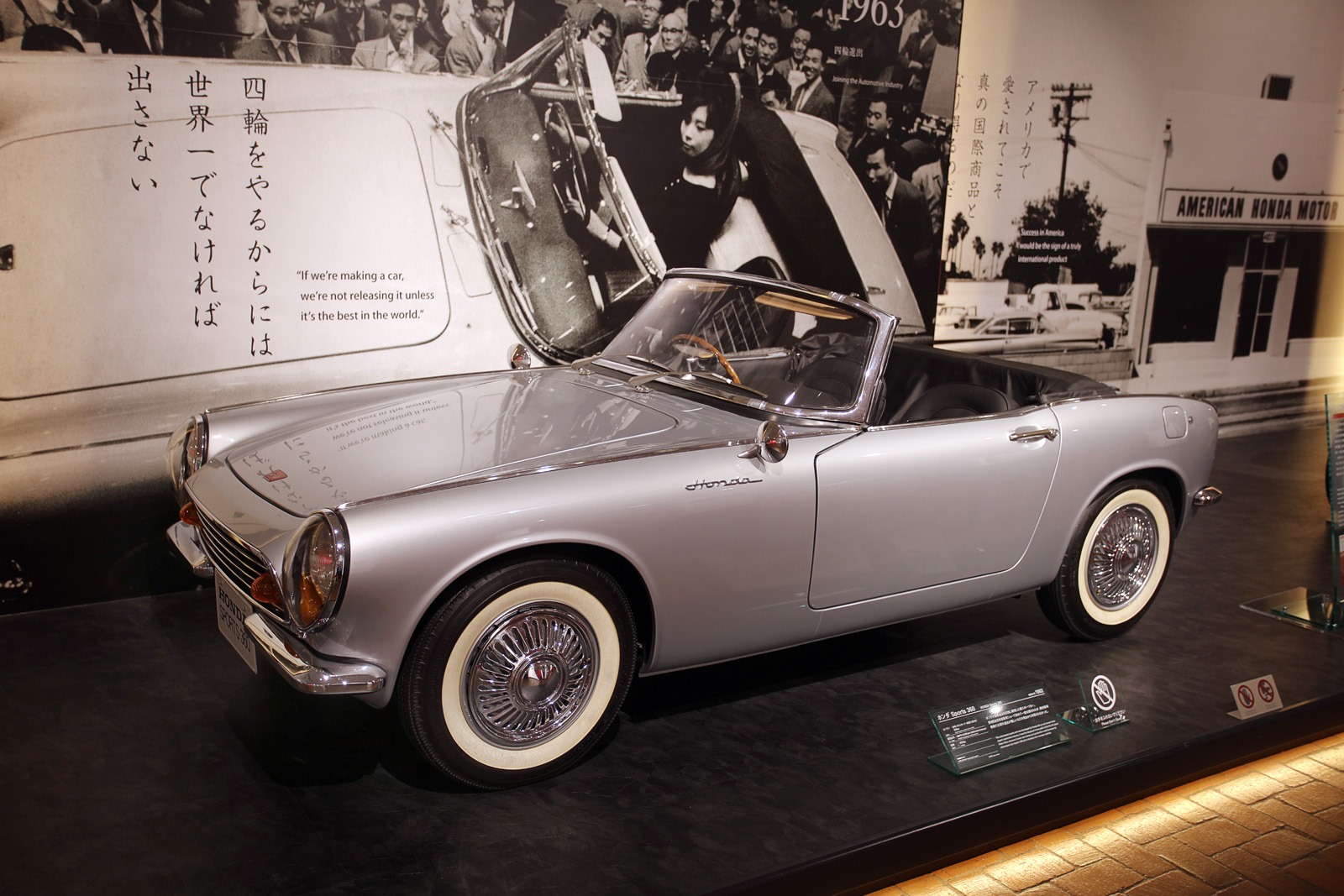
Strictly speaking this prototype shouldn’t make the cut but we’re going to cut a special deal for this impishly pretty little sports convertible that was Honda’s first car – and what an effort it was. It weighed just 510kg, which was probably fortunate as it just had a 356cc engine.
Hyundai: Sonata (2013)
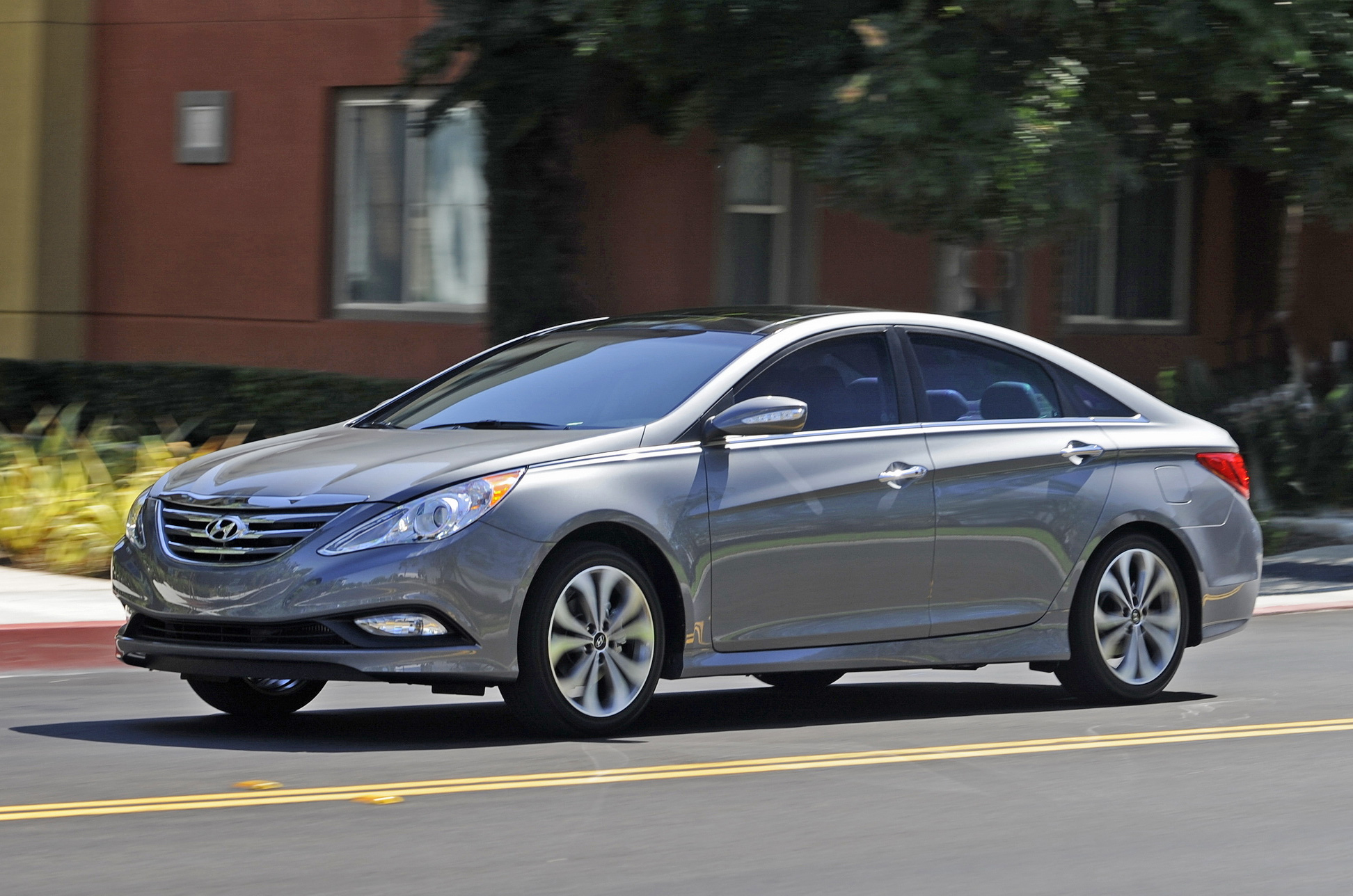
Truth be told, the words beauty and Hyundai are uneasy bedfellows, so in this case we’ll settle for ‘handsome,’ and we reckon this Sonata fits the bill. Flowing lines means it’s an easy look from any angle.
Infiniti: Q60 (2016)
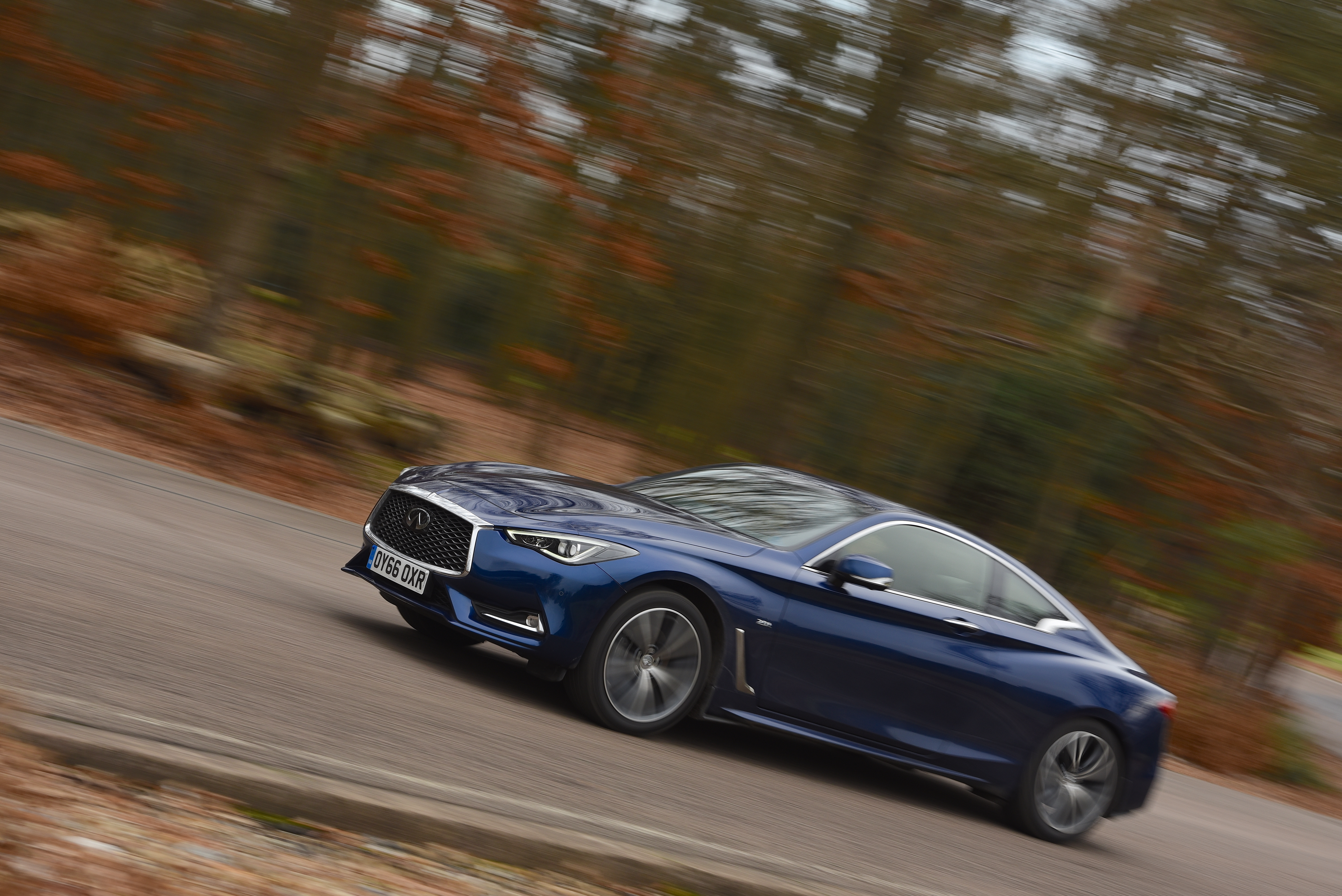
Infiniti’s designs haven’t always bothered automotive beauty parades, which is why the second generation Q60 stands out: bold and confident, it shows its muscles with delicacy.
Jaguar: E-Type Series 1 Coupe (1961)
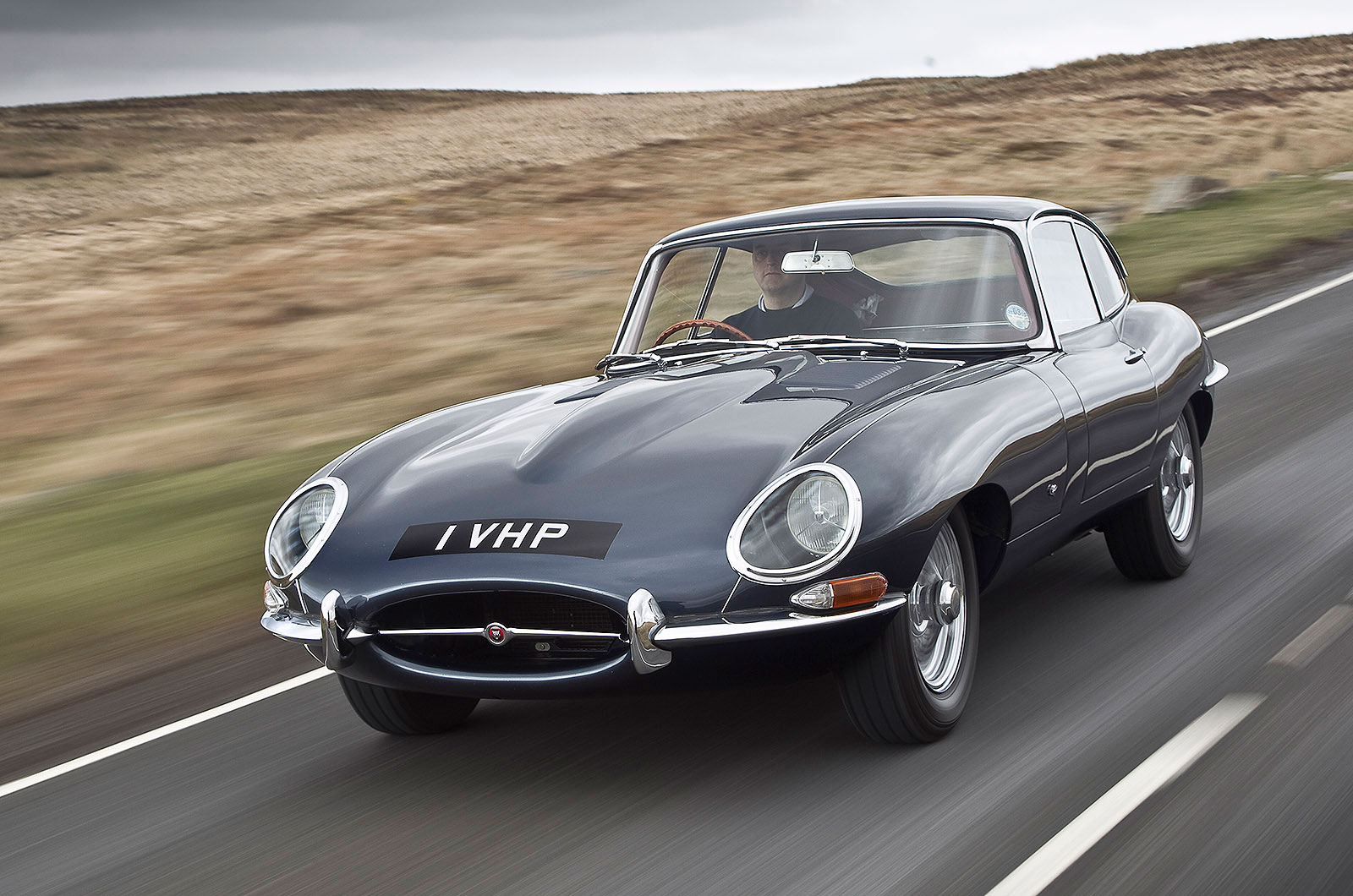
It’s over six decades since this car’s beauty robbed us of our breath, and still the E-Type is widely considered to be the most beautiful car ever. That it appeared roughly half-way through the evolution of the car to date perhaps begs questions of car design since.
Jaguar’s Malcolm Sayer takes much credit for the roadster’s shape, but it was metal craftsman Bob Blake, an American from North Dakota, who fabricated the coupe.
Jeep: Grand Wagoneer (2022)
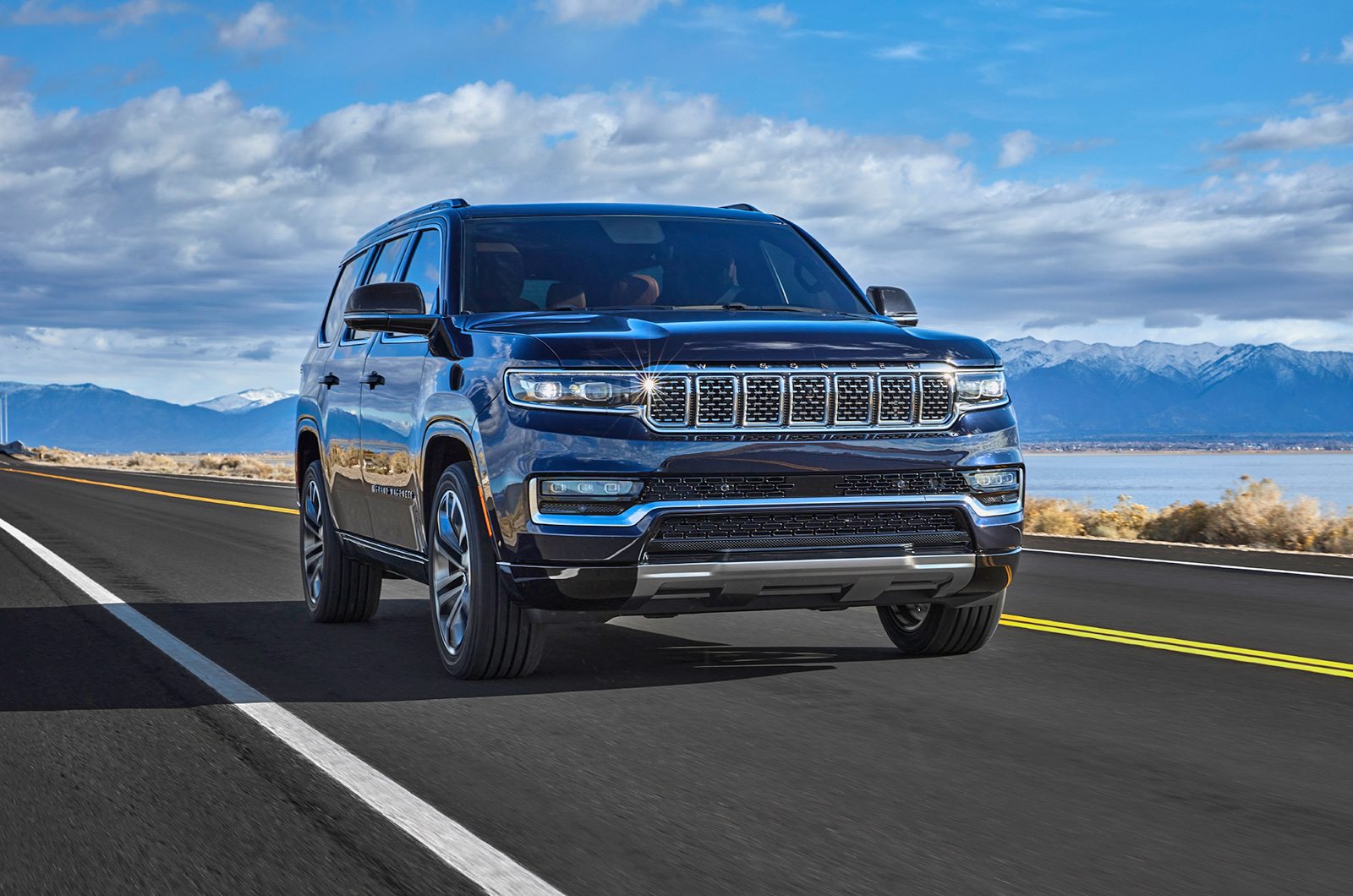
Can Jeeps ever be beautiful? Should they, even? This is another company where handsome is the place to aim for, and we reckon the current Grand Wagoneer has this to a tee. It has elegance, and none of the unpleasant overtones of aggression that blights so many in the luxury SUV class.
Kia: EV6 GT (2021)
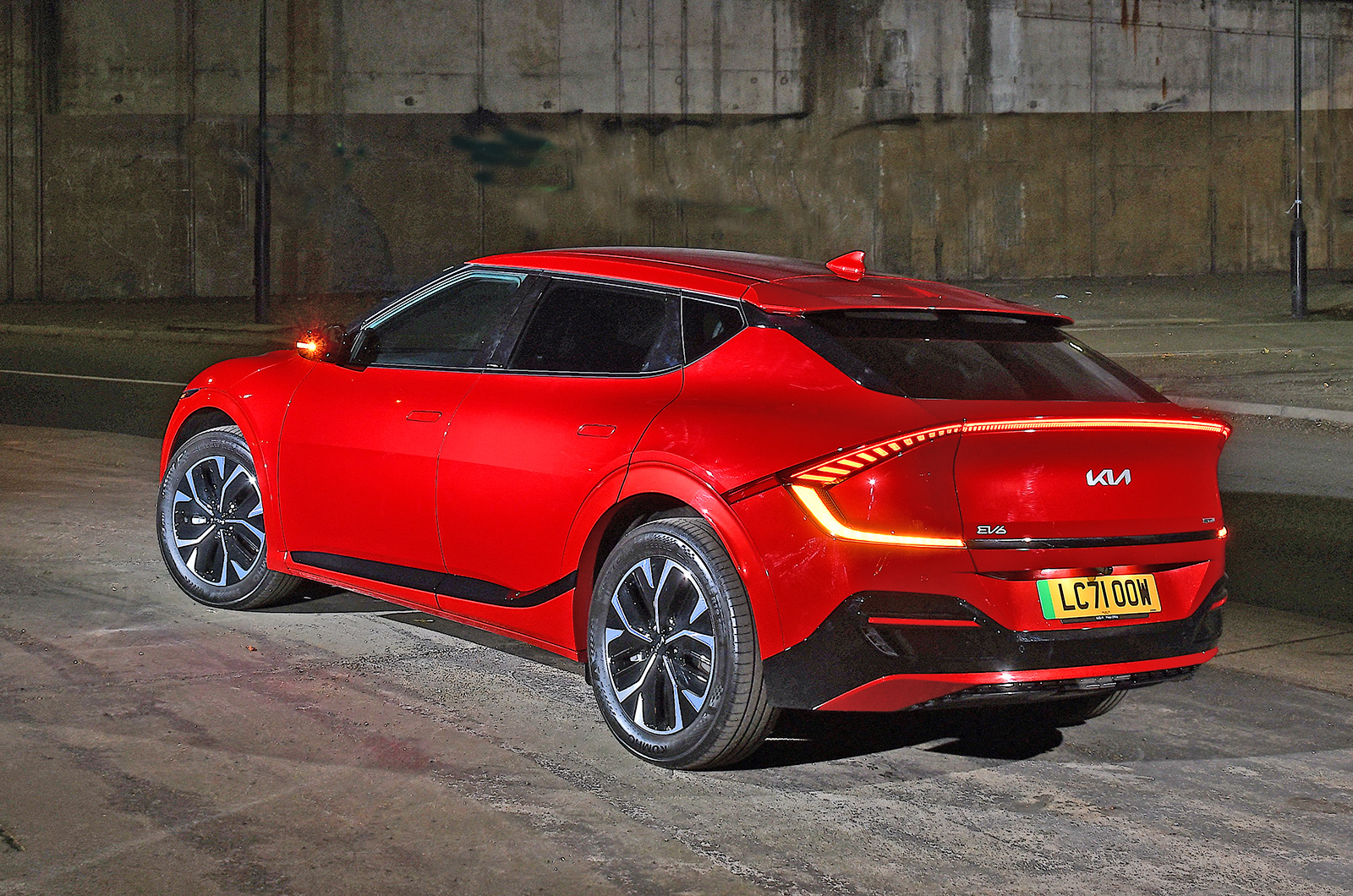
It only seemed the day before yesterday that owning a Kia could make you the target of jokes from your friends; no longer – it competes with BMW and sometimes beats it too. And one way it’s been doing this is by considerably upping its visual game in recent years, so we give no apologies in choosing a current model, in this case the EV6 GT which to our eyes is a triumph of the crossover class, looks-wise.
Lamborghini: Miura (1970)
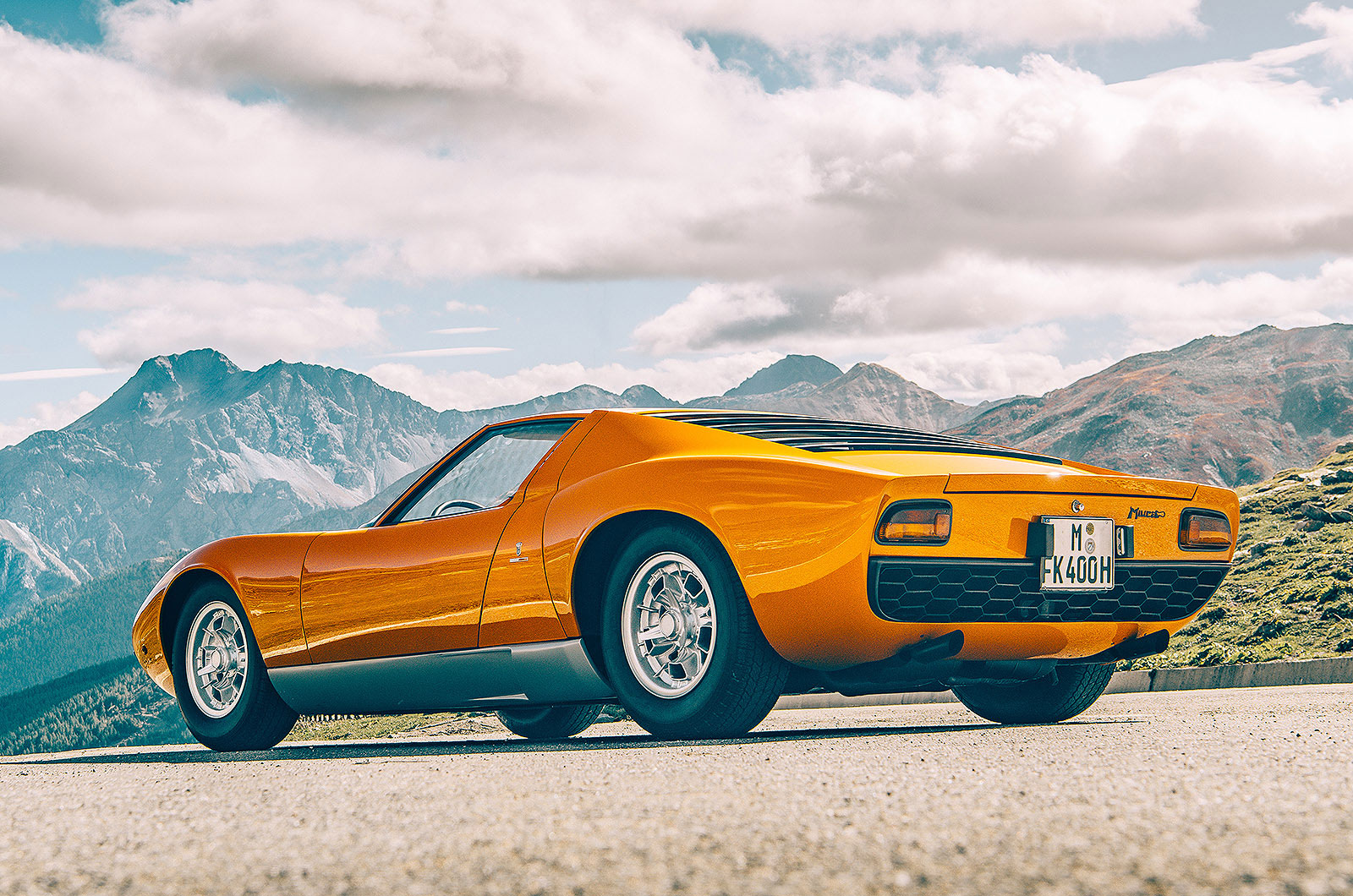
Not quite the first mid-engine road car, but the Miura fired the gun on a half-century’s supercar development. Few of this breed has since matched its voluptuous beauty, though unlike the Miura most remain glued to the ground at speed.
Land Rover: Range Rover (1970)
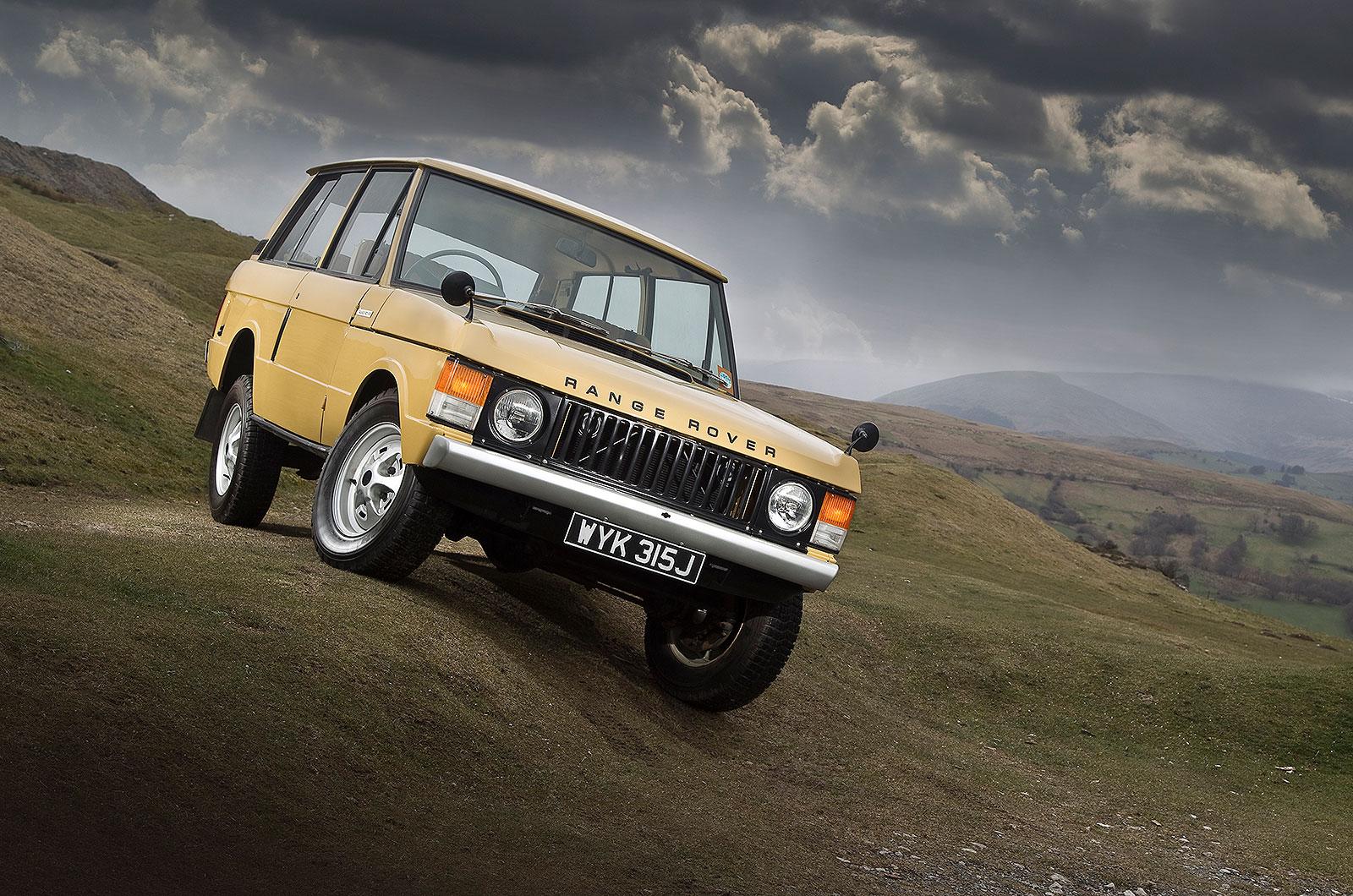
The beauty of functional form is clear to see in the original Range Rover. View the prototypes before and after the design process, and you’ll see that the finishing touches were applied with ground-breaking flair.
Lexus: LF-A (2011)
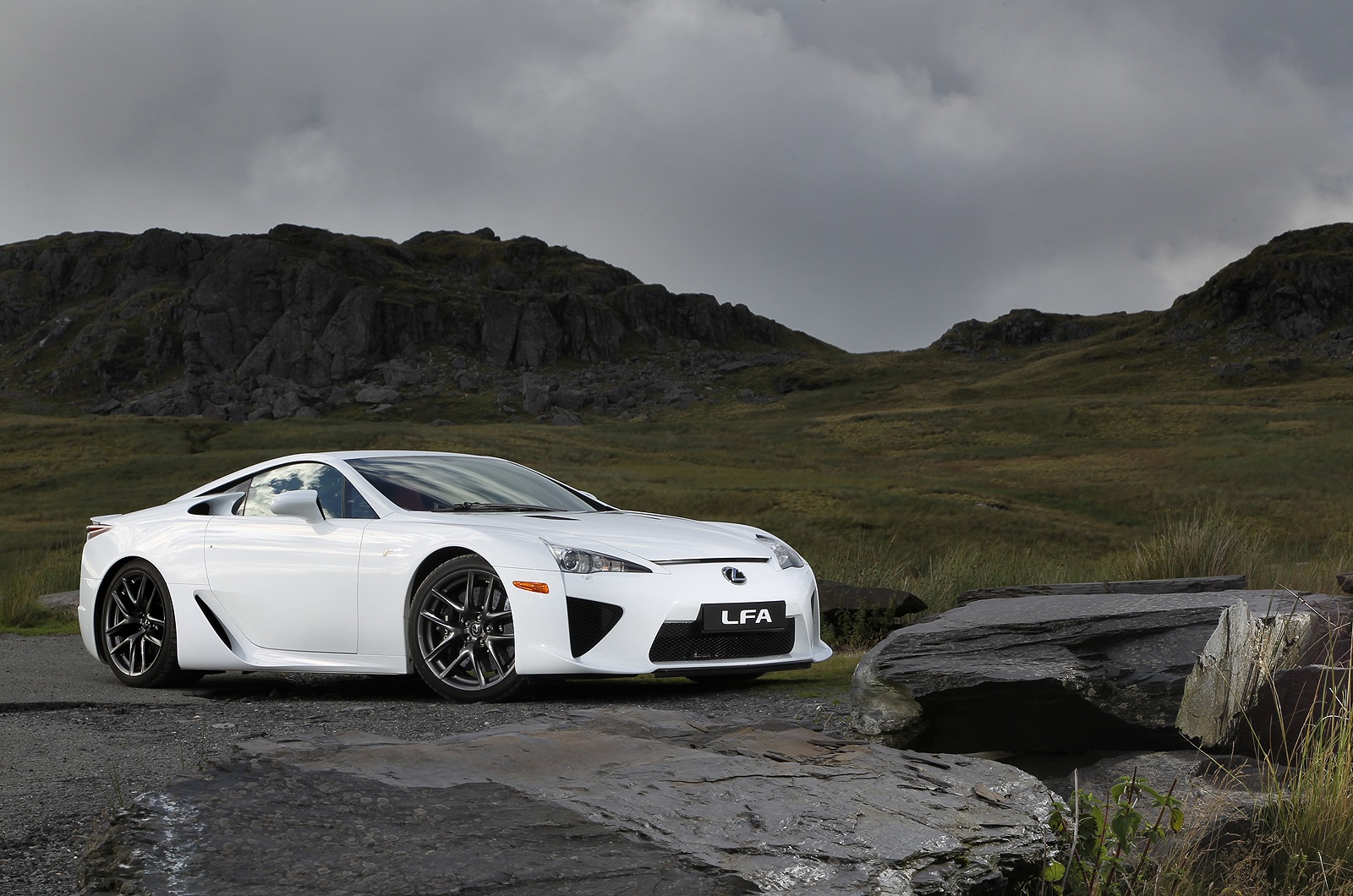
It remains amusingly absurd that the unbelievably dramatic LF-A is also perhaps the most un-Lexus model of them all – and that’s before you’ve turned it on to hear that screaming V-10 in full verve. And they say Toyota is dull…
Lincoln: Mark II (1956)
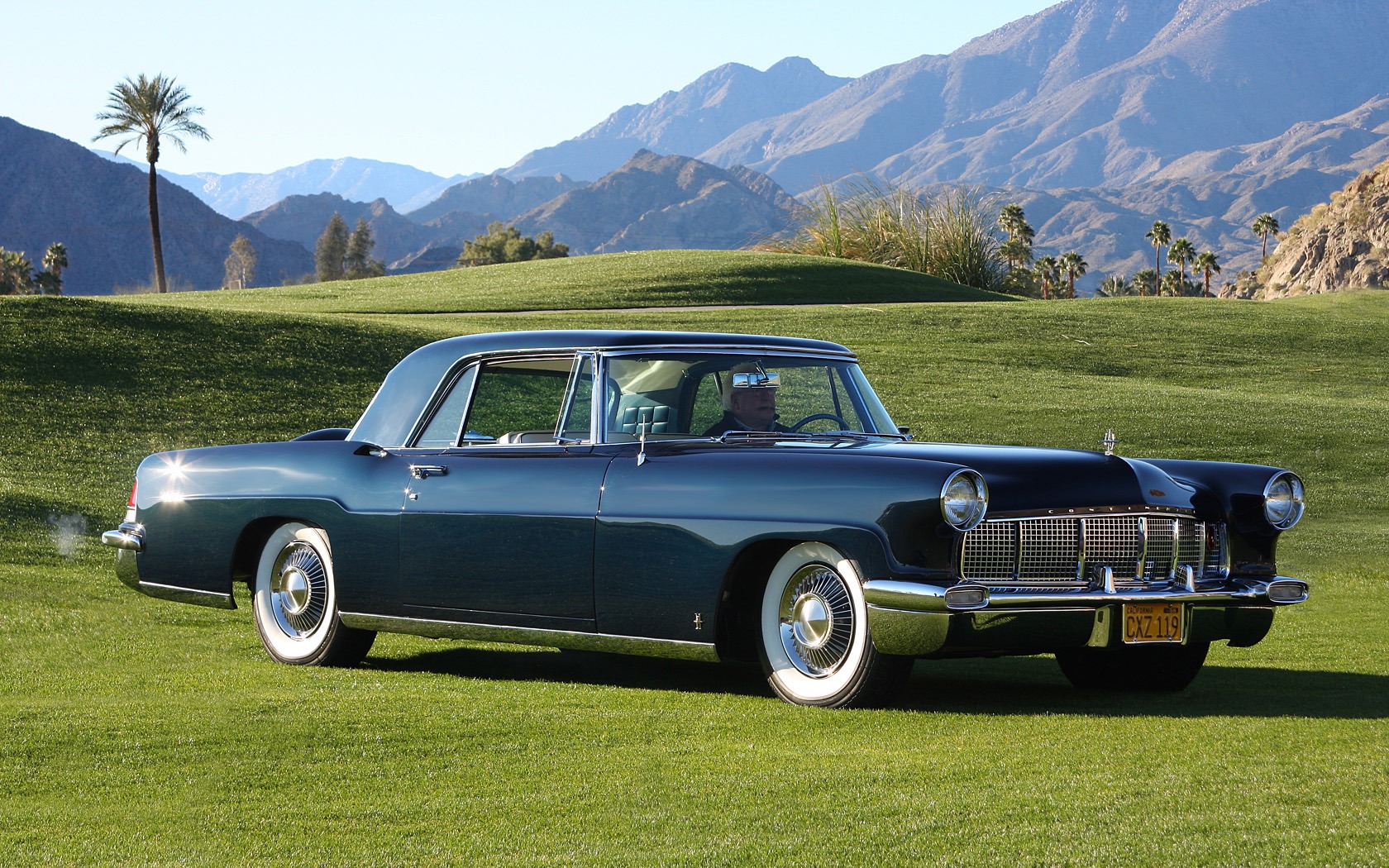
A marque that has spent too much of its 100+ year history in Cadillac’s shadow, Lincoln’s designs deserve to be better noted. We’re going for this 1956 Continental – and yes we know this is strictly speaking not a Lincoln, but it really is… We love the confident scale of this machine, its expansive hood going to a bold snout, and its criss-cross grille.
Lotus: Elan (1962)
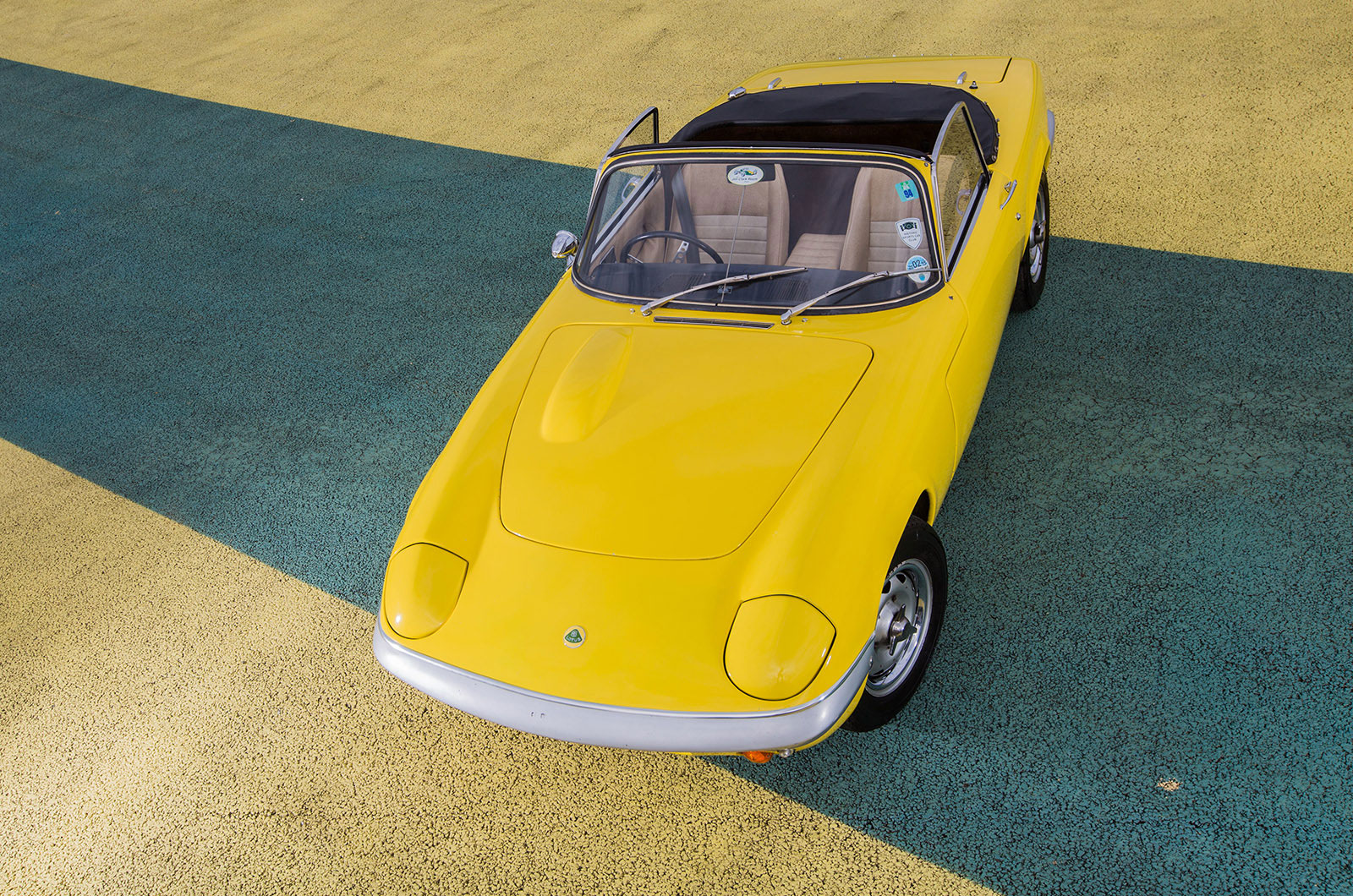
The “if it looks right, it is right” cliché surely applies to the first Elan, whose form and detail were perfect enough to heavily inspire Mazda’s MX-5.
Maserati: A6G CS Berlinetta (1953)
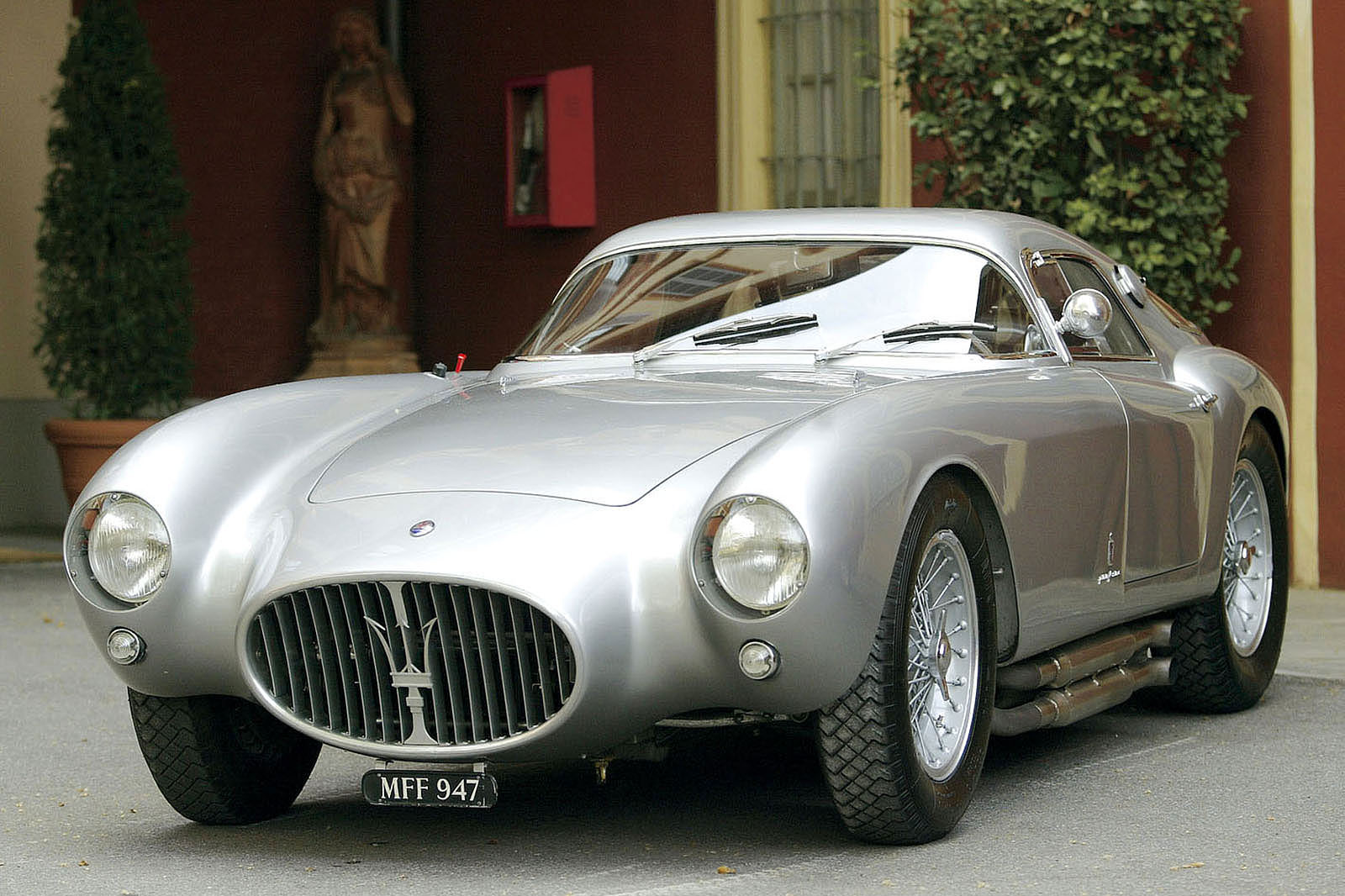
Maserati’s racer-turned-road-car A6G series yielded many desirable coachbuilt designs, among the best of them Pininfarina’s exquisite GCS coupe. Delicate of line, the power of its 2.0-litre six is confirmed by a dramatic pair of side exit exhausts.
Mazda: RX-7 Mk3 (1991)
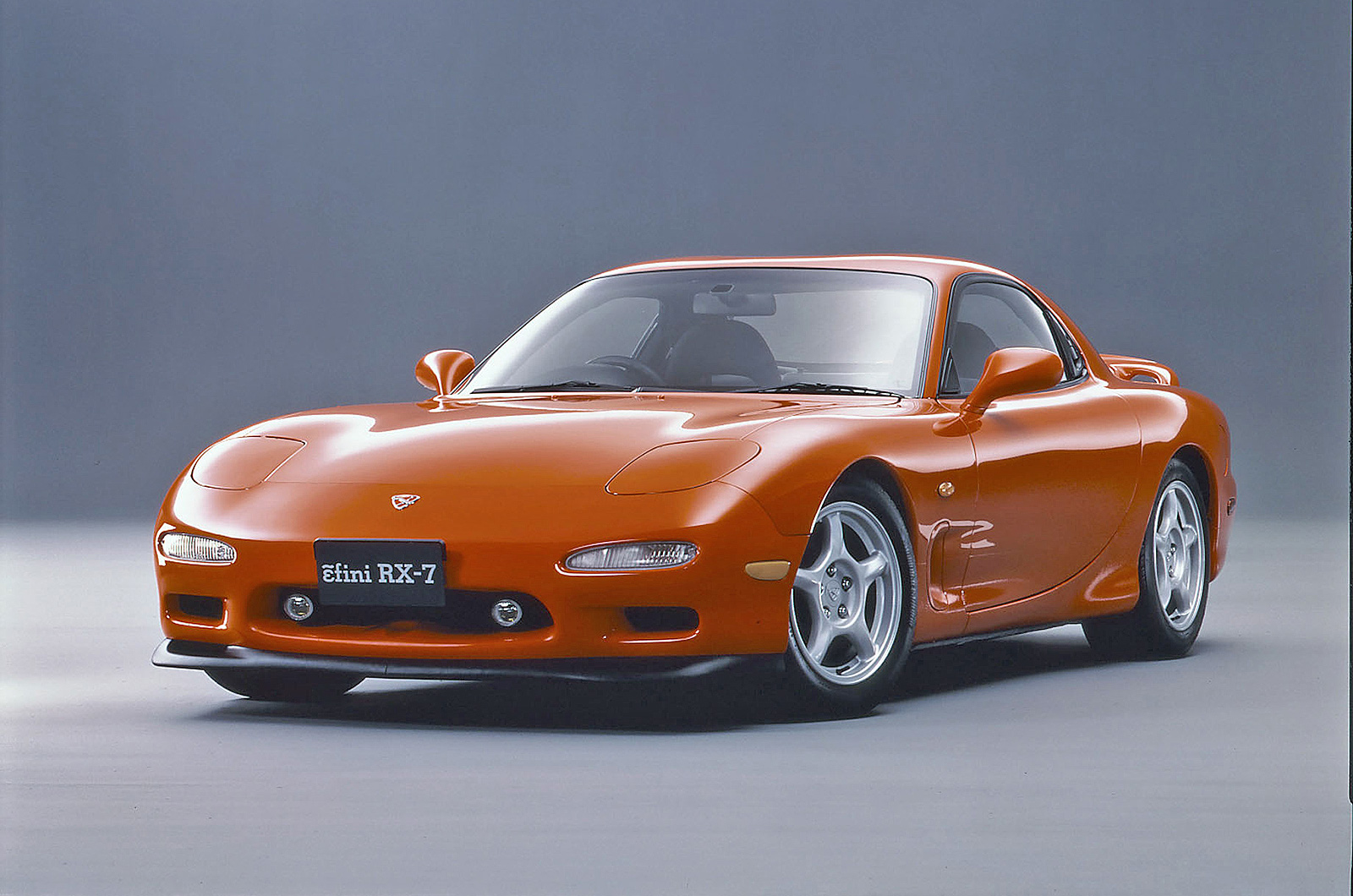
Mazda has long made cars that stand out compared to many other Japanese designs, and with the third RX-7 it succeeded effortlessly, with sensuous curves that are a rival for anything from Italy, then or now.
McLaren: F1 (1994)
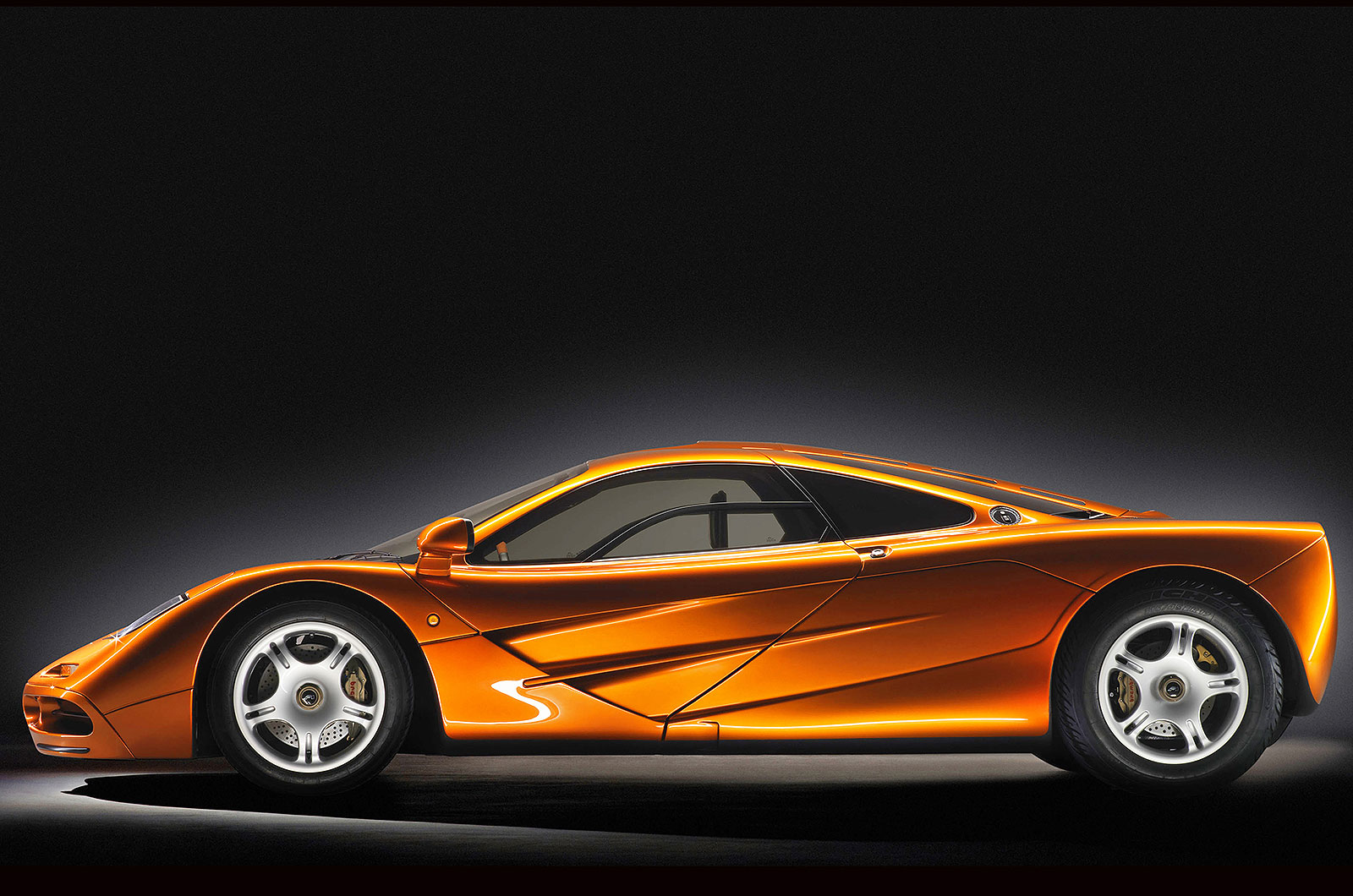
The odd detail apart the F1 still looks contemporary now, the subtle packaging of its aerodynamic features allowing it a calm fluency of lines missing from most modern supercars.
Mercedes-Benz: 300 SL Gullwing (1954)
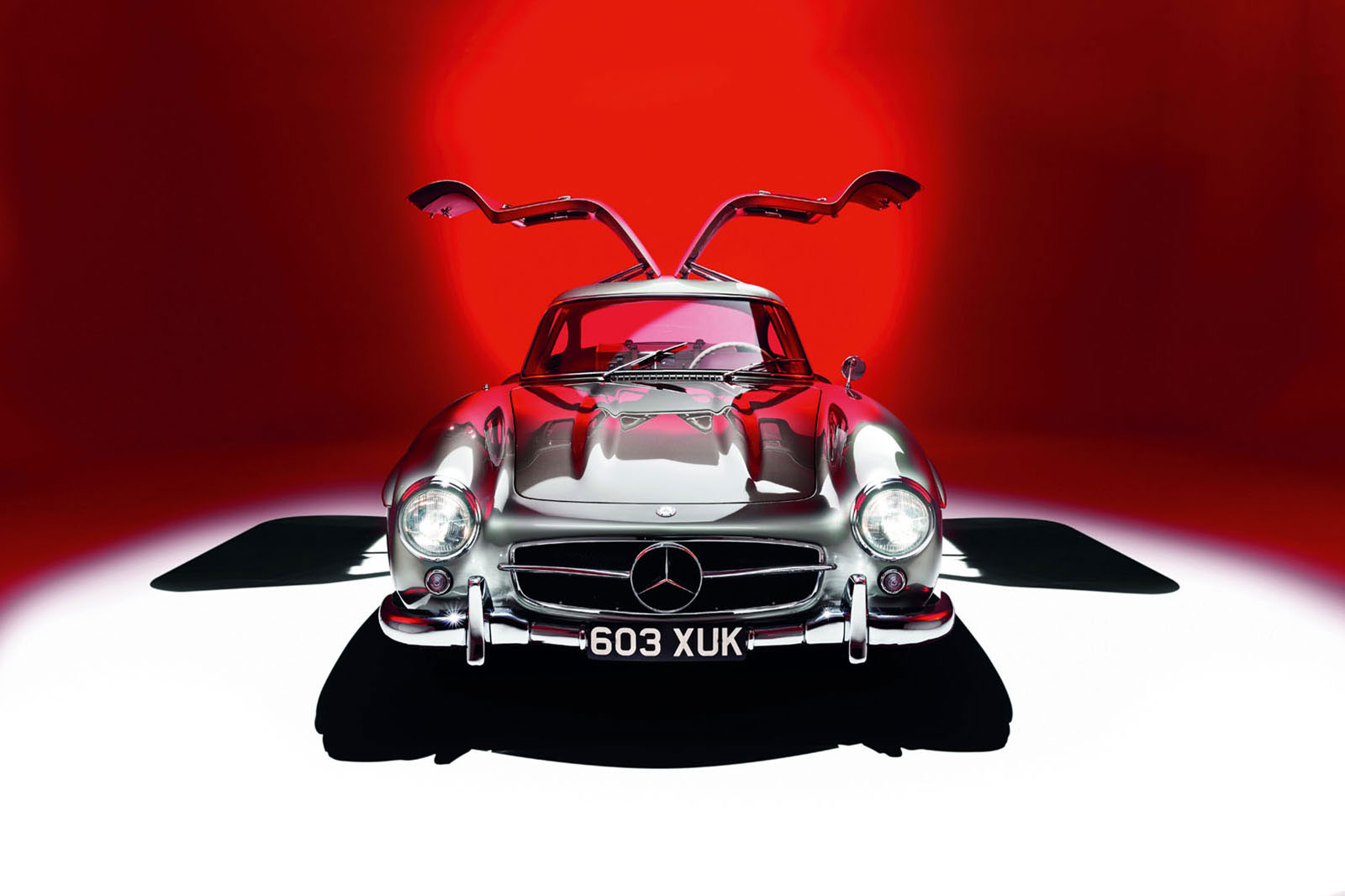
It isn’t only the doors. The slender blisters crowning each wheelarch, the fine metalwork of the grille, the air extractors in the front wings and above all, the low, long-bonnet proportions make an arresting beauty of this car.
MG: MGA (1955)
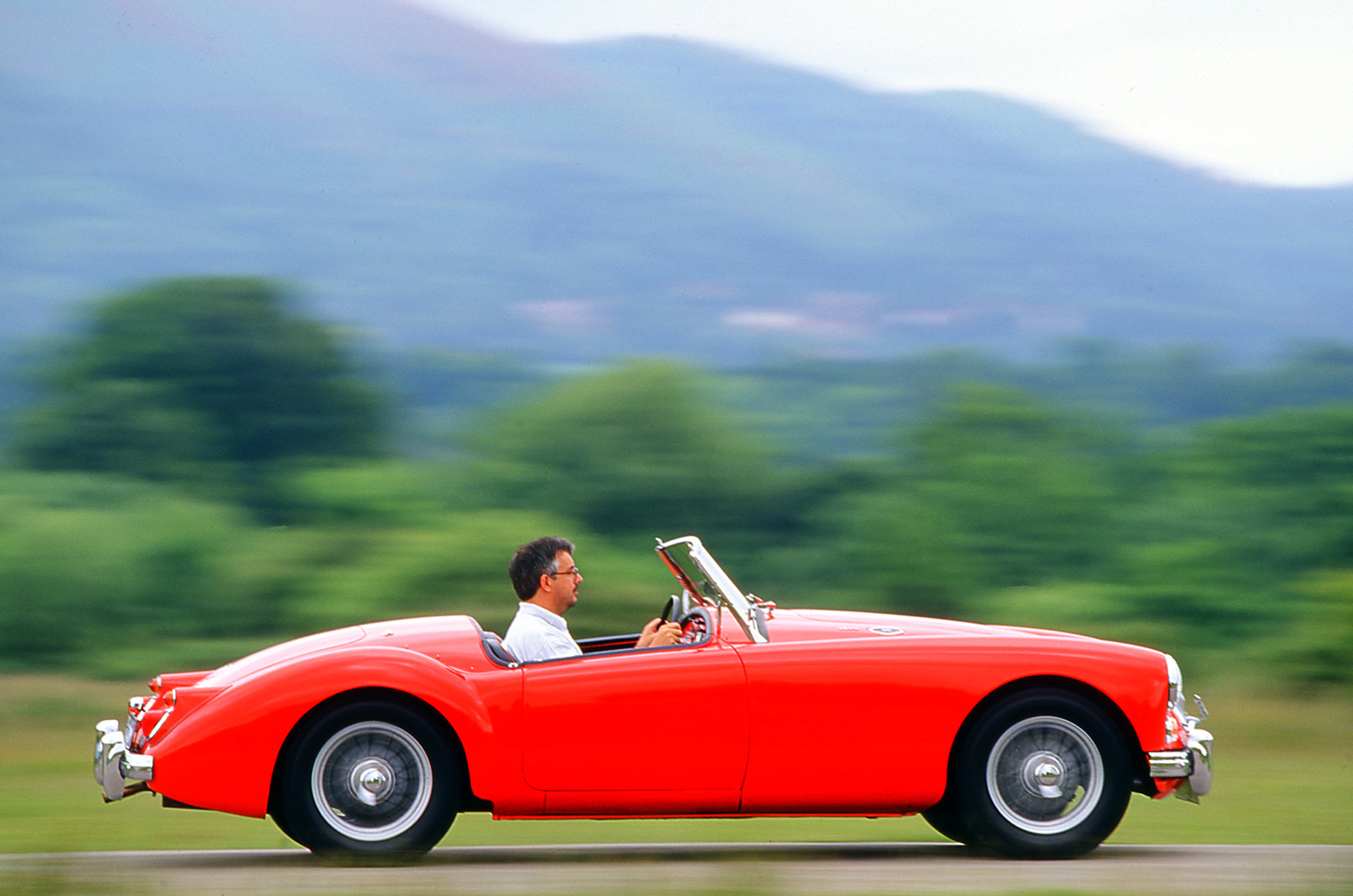
We reckon the MGA is the prettiest car to ever wear an MG badge. It’s also the car that made America fall for the small roadster in general and MG in particular – and no wonder.
Mini: Cooper S (2001)
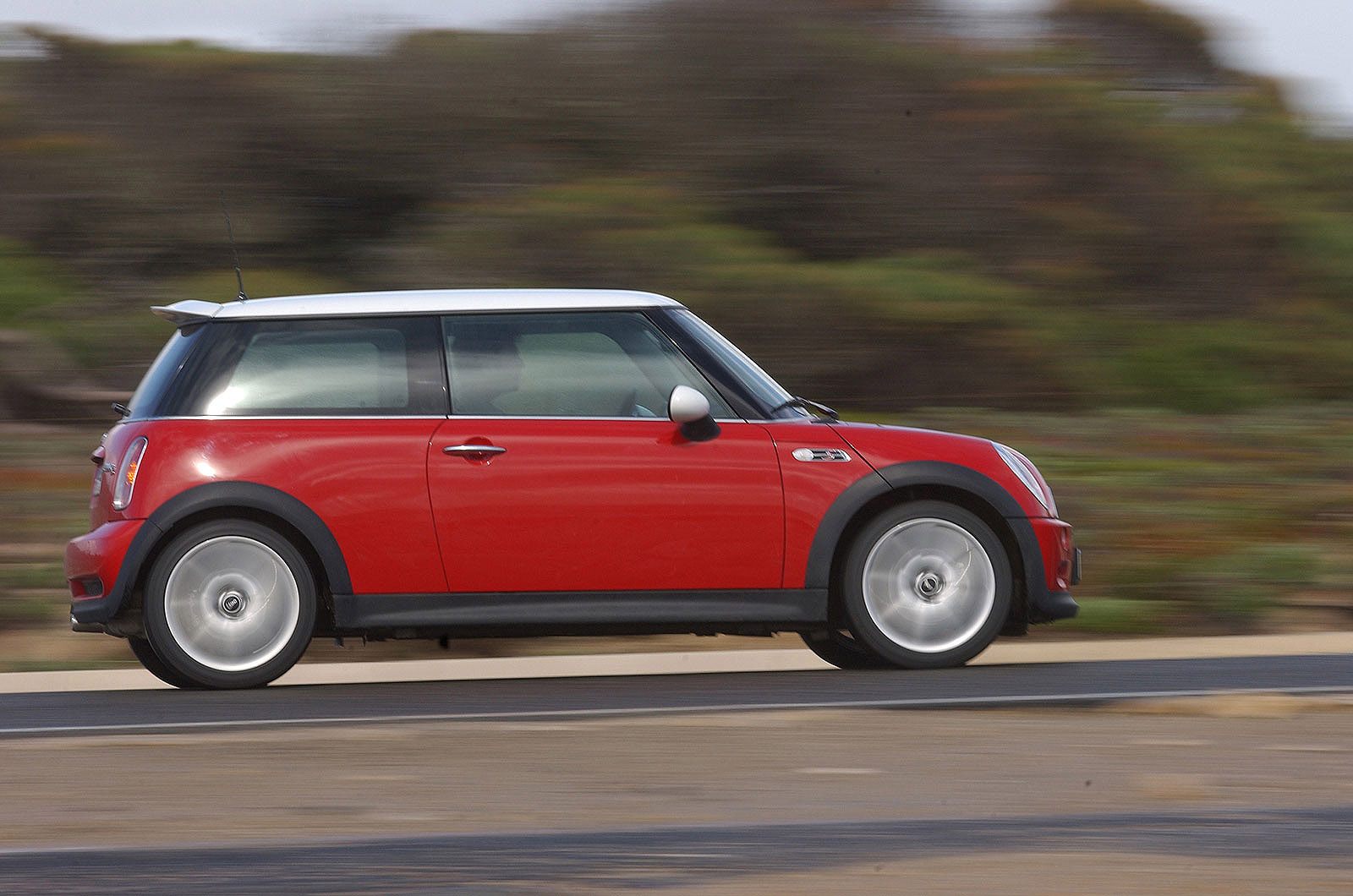
The older it gets, the more of a triumph this total rework of the 1959 original seems. It’s unmistakably redolent of its inspiration, yet entirely modern and like its forebear, perfectly proportioned.
Mitsubishi: 3000GT (1990)
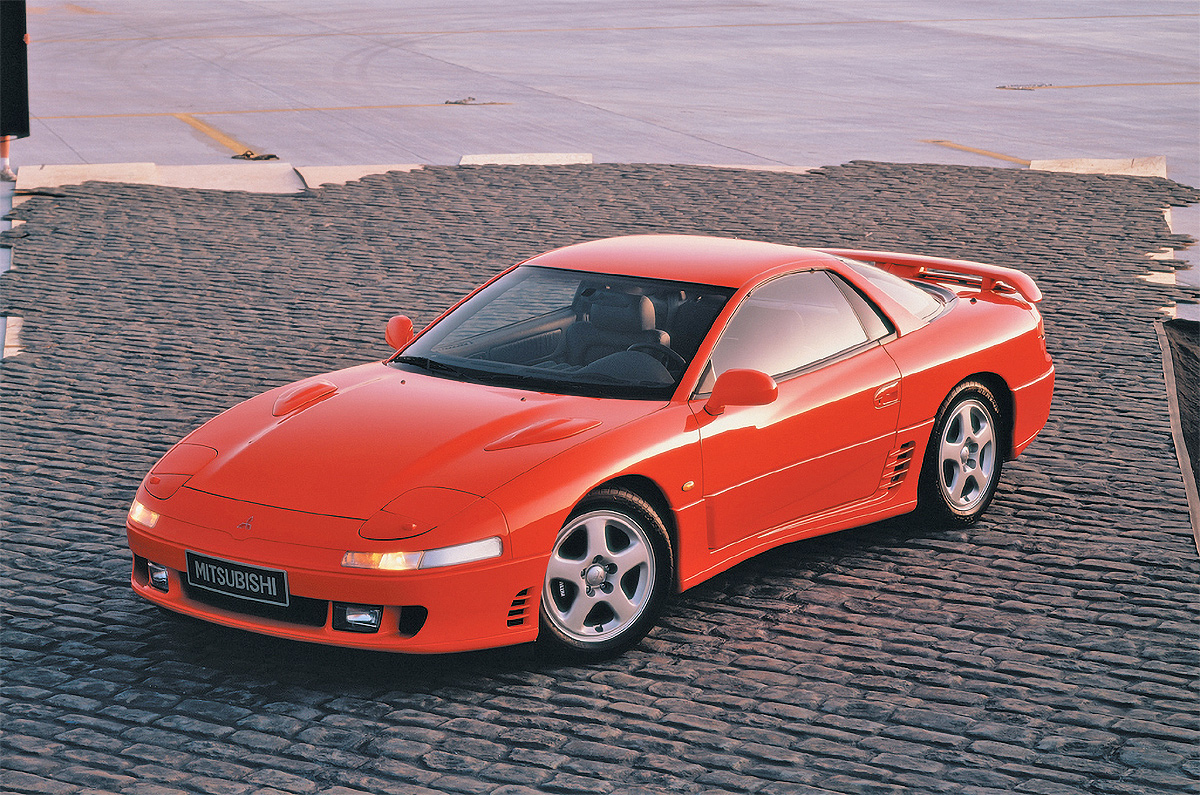
Mitsubishi decided it needed to change its image, and designed itself a junior Ferrari. Unfairly forgotten now, it’s one of the stand-out Japanese designs of the ‘90s.
Morgan: 3 Wheeler (2012)
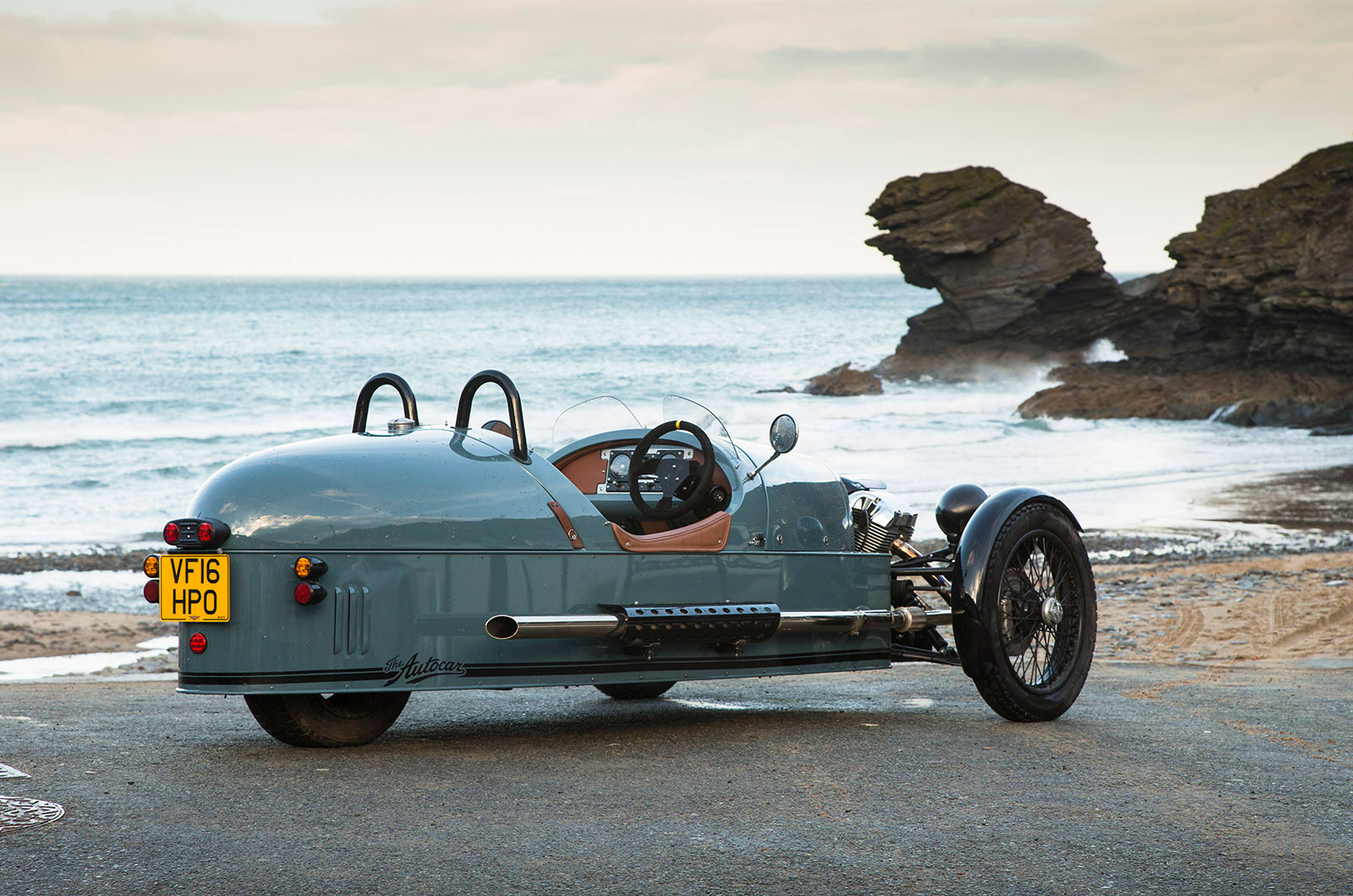
This is automotive allure of the alternative kind, and not only because of the wheel shortfall. The vintage engineering concept, fine detailing lend this upturned tub of a car an arrestingly functional beauty.
Nissan: R390 GT1 (1997)
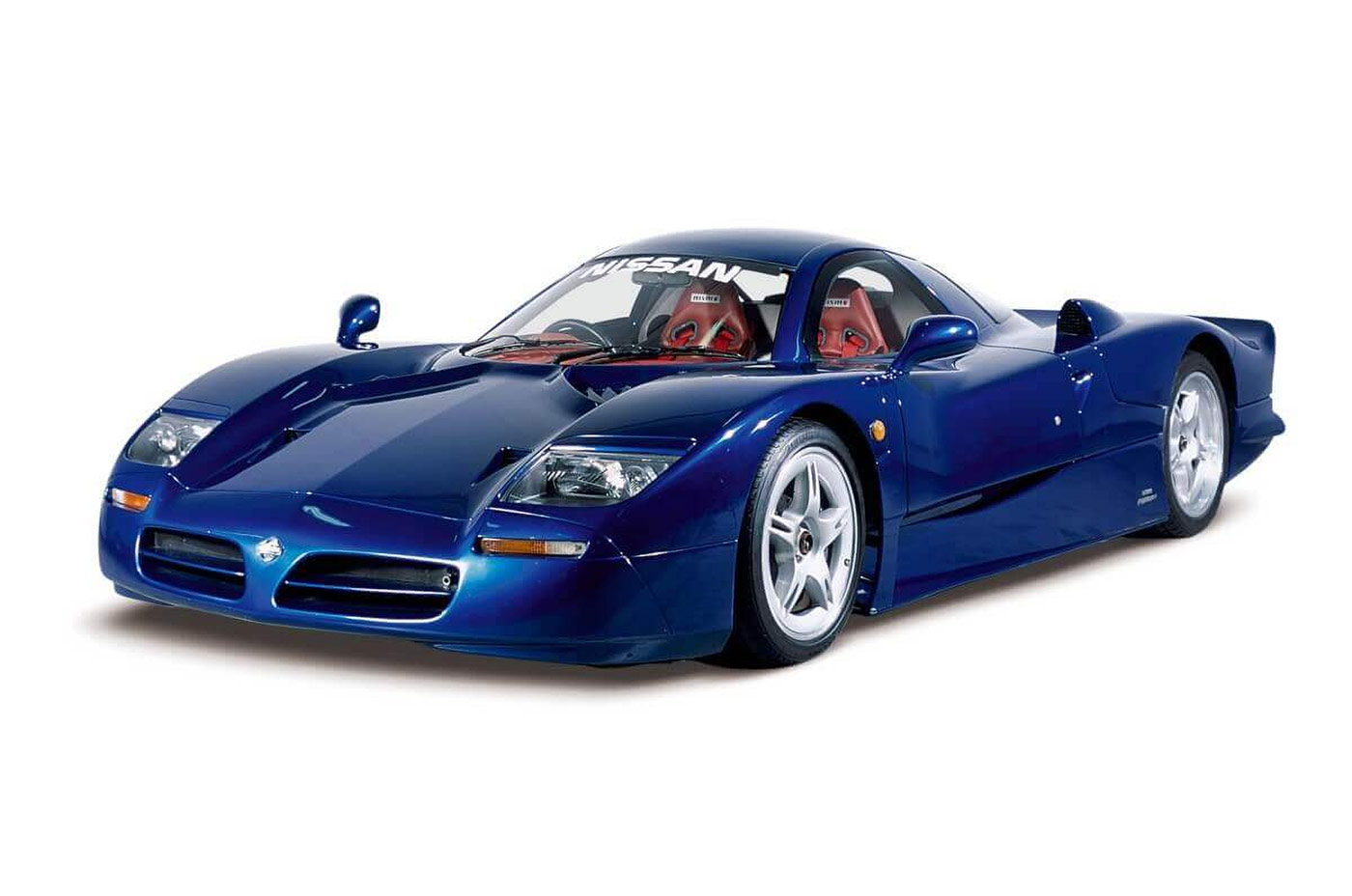
Beauty is not a word you always associate with Nissans of the past or present, but we reckon its R390 racer fits the bill, with its sensuous curves expressive of speed. Just one road car was made alongside several racers, and it was designed by the Britons Tony Southgate and Ian Callum, alongside Yutaka Hagiwara.
Oldsmobile: Toronado (1966)
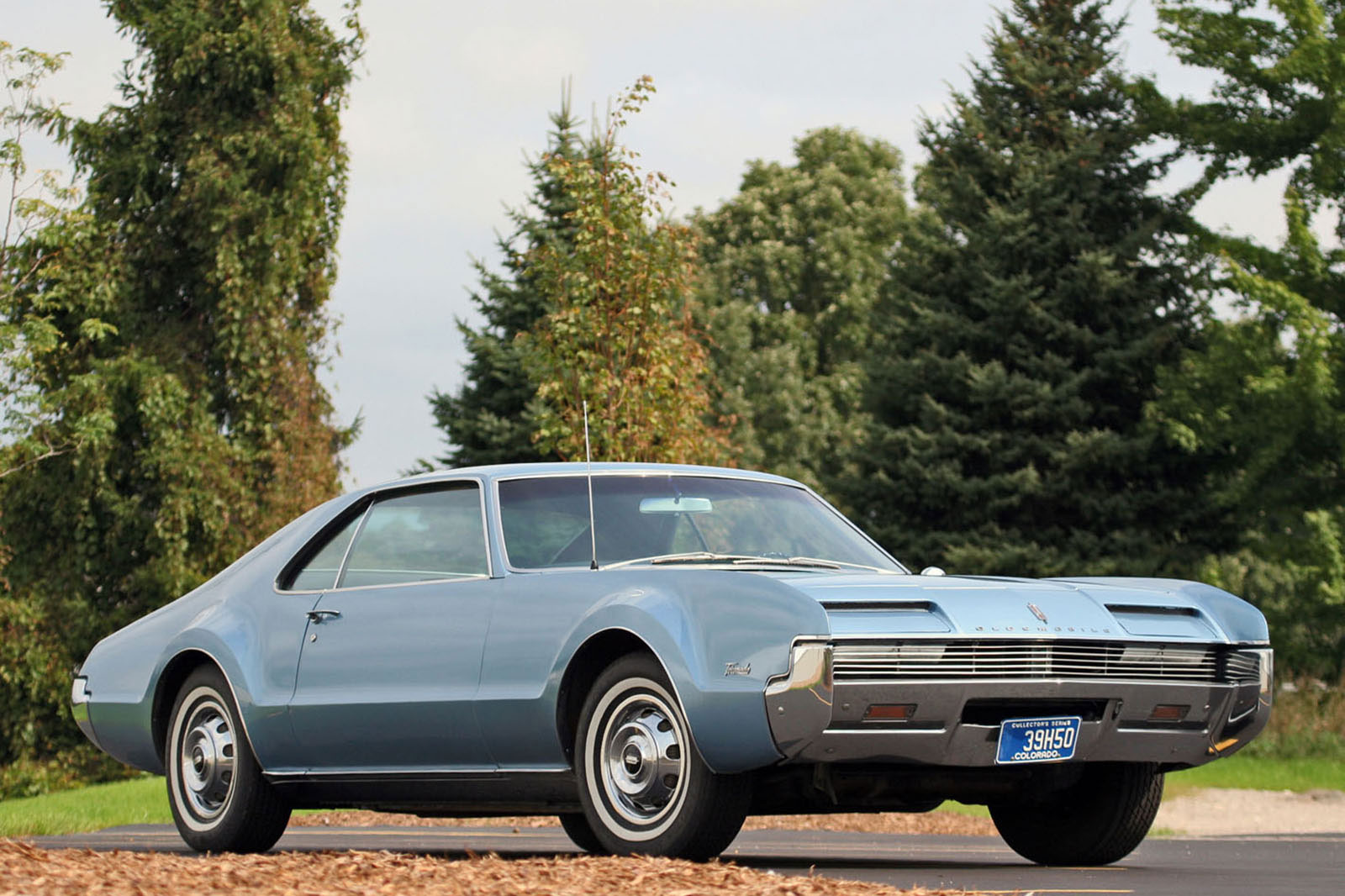
It’s big, huge even, and thus has presence, but size isn’t the Toronado’s only arresting feature. Exquisite proportions, pillarless elegance and spare detailing are as much a triumph as its front-drive powerpack.
Peugeot: 504 Cabriolet (1970)
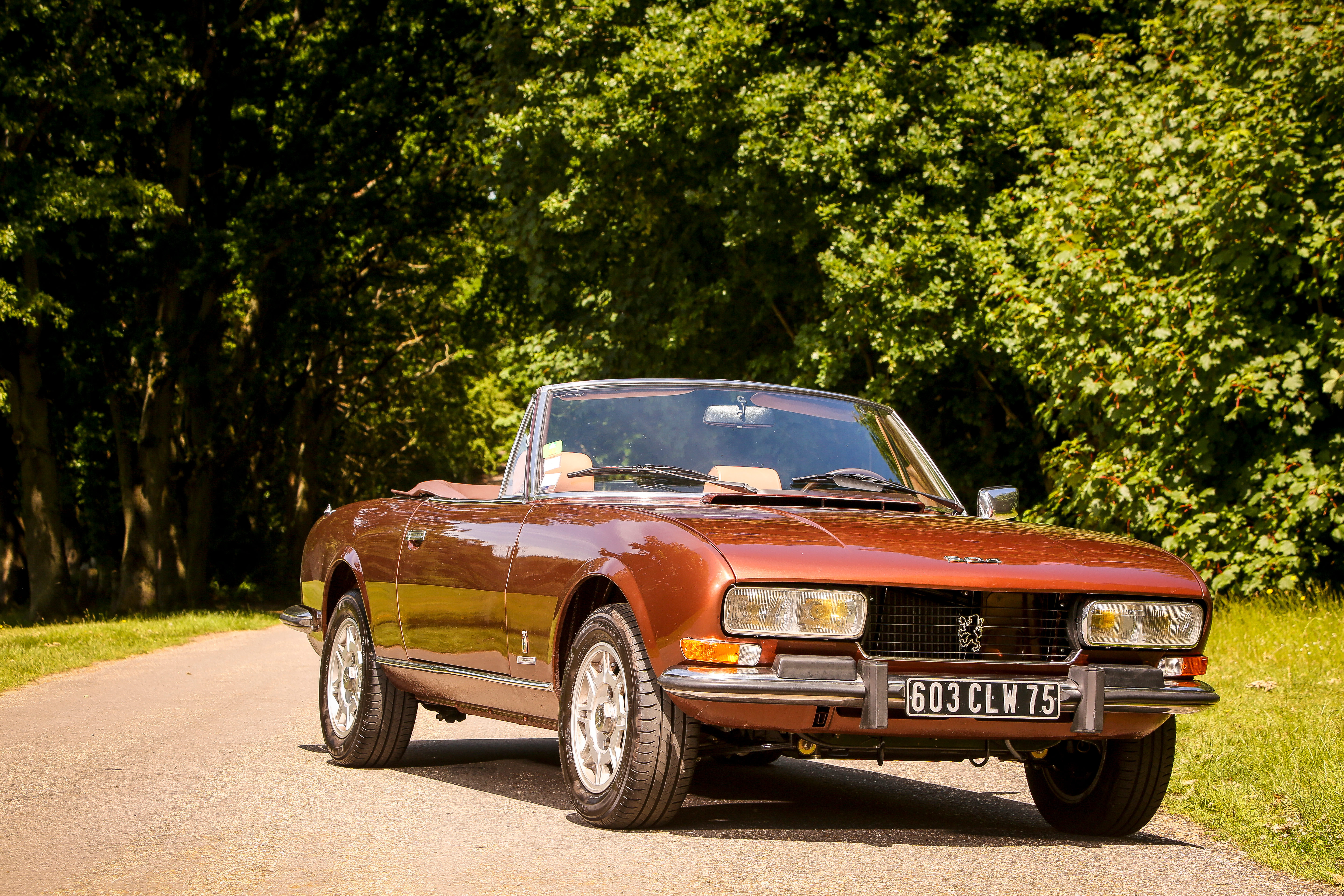
We reckon the 504 Cabriolet is the most beguilingly desirable Peugeot ever made, made more so by the fact that it so clearly outshines the rather dowdy other 504 models available. Still sensational today, it must have stopped the traffic in 1970.
Porsche: 911 (1963)
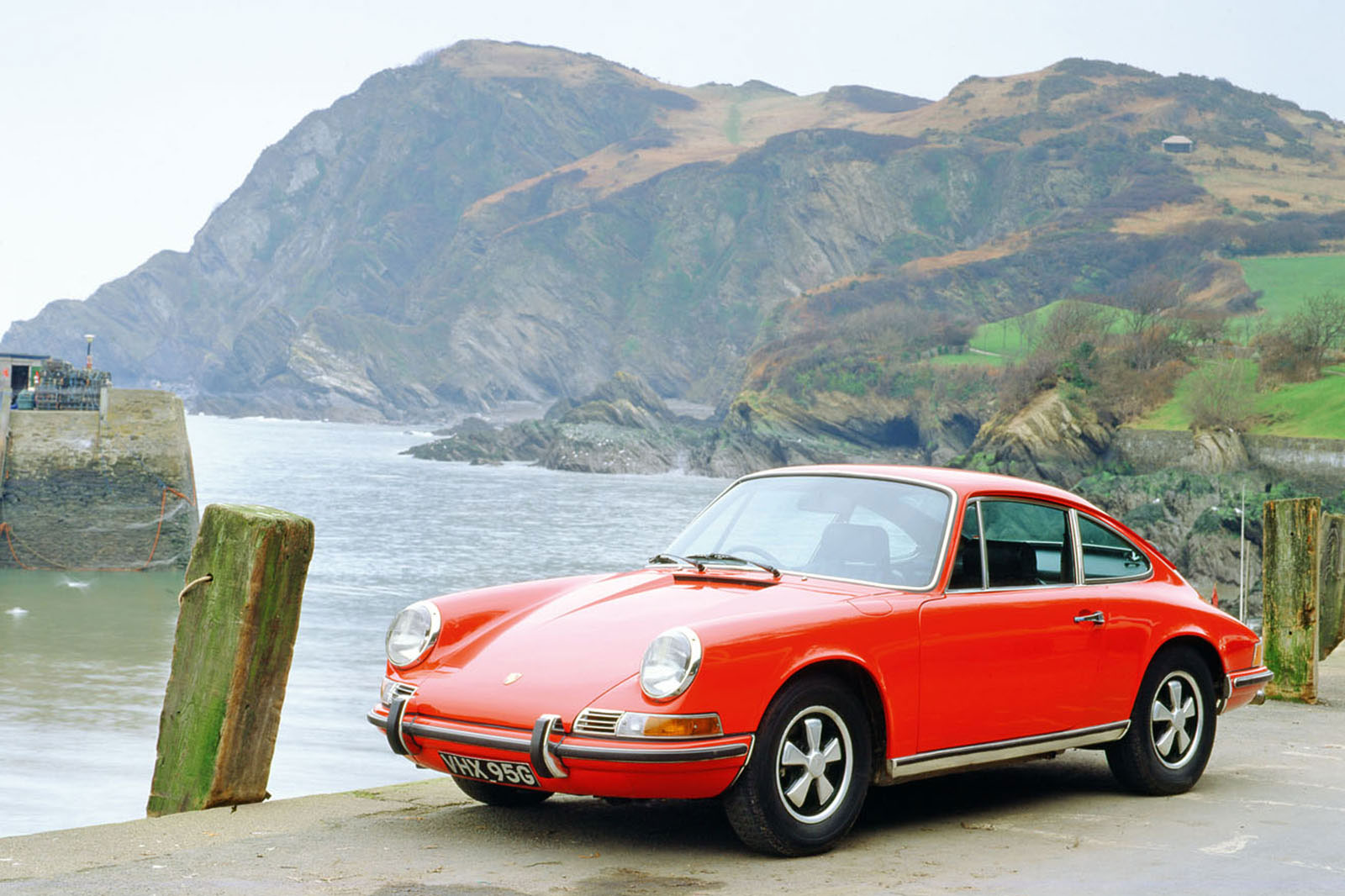
It gives pleasure from every angle you inspect, its delicacy of line ever more appealing in this age of perpetually enlarging cars. And that includes the 911.
Pontiac: GTO Judge (1969)
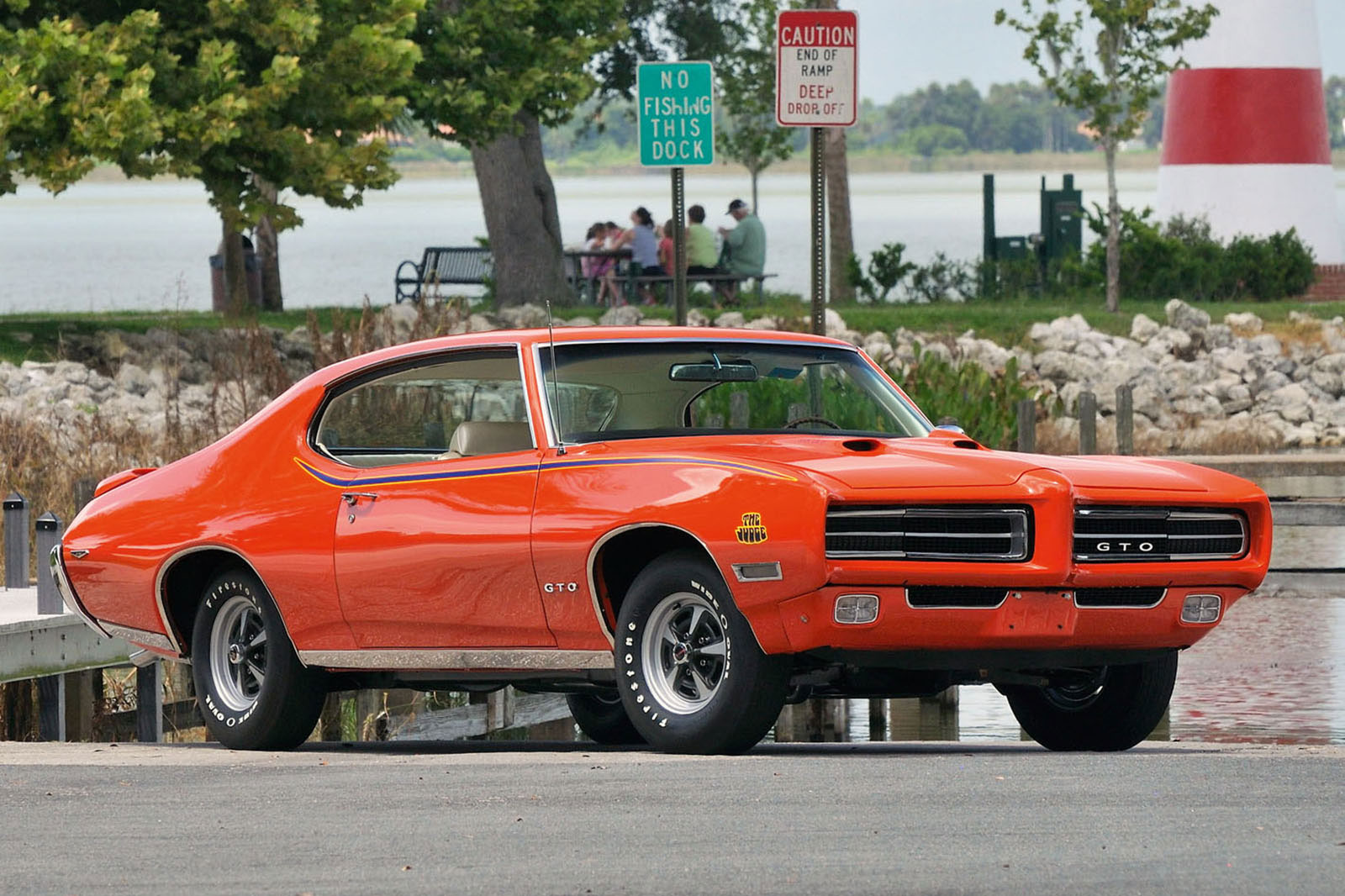
A look of broodingly curvaceous menace distinguished this special edition GTO, standard kit including a potent Ram Air V8, heavy duty suspension, a blacked out grille, a spoiler and (surprisingly subtle) stripes. A classy slice of muscle.
Renault: Caravelle (1958)
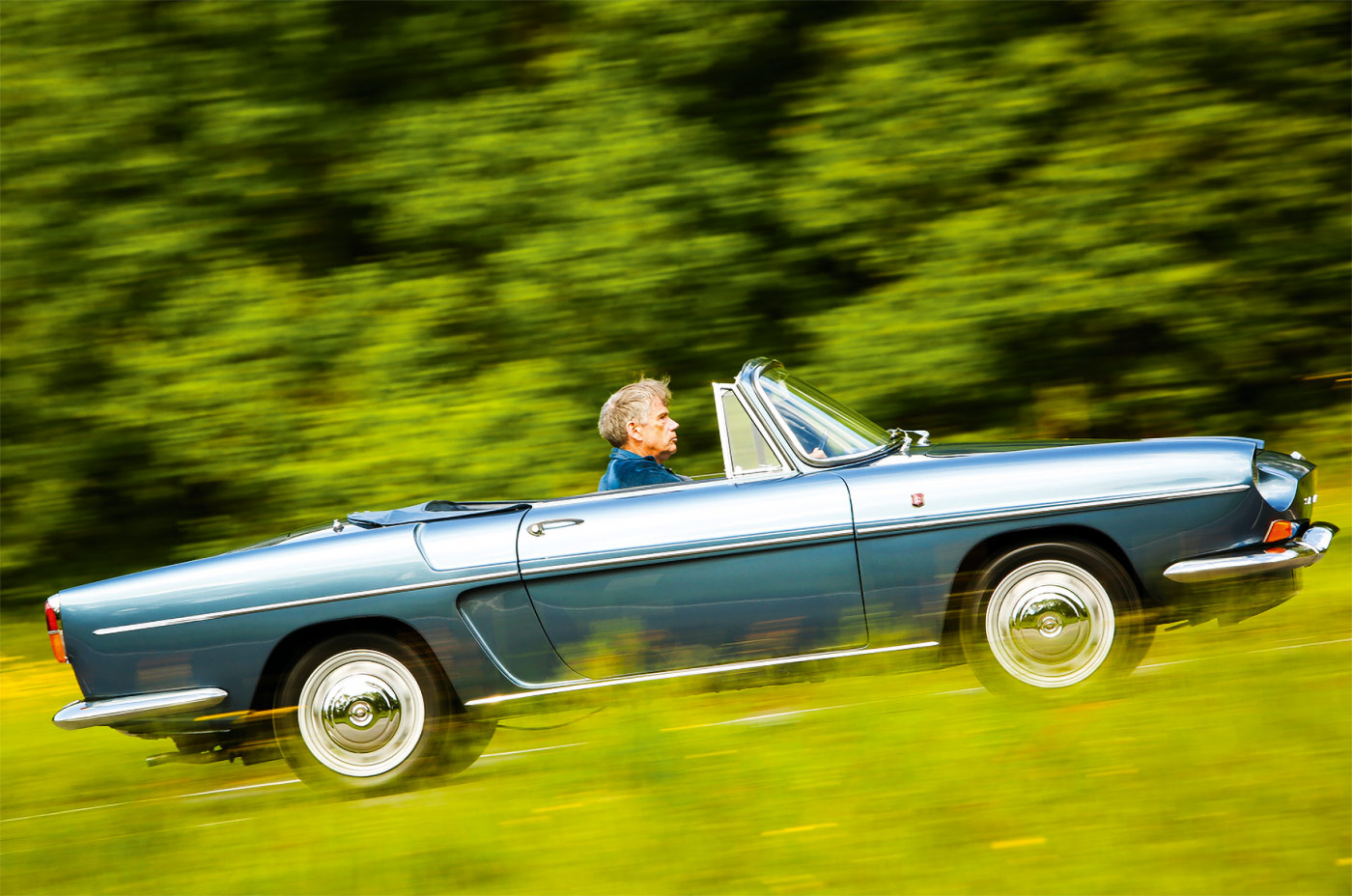
It may have only been modestly powerful, but the dainty lines of the Caravelle made it an enduring design that pleases to this day.
Rolls-Royce: Boat Tail (2021)
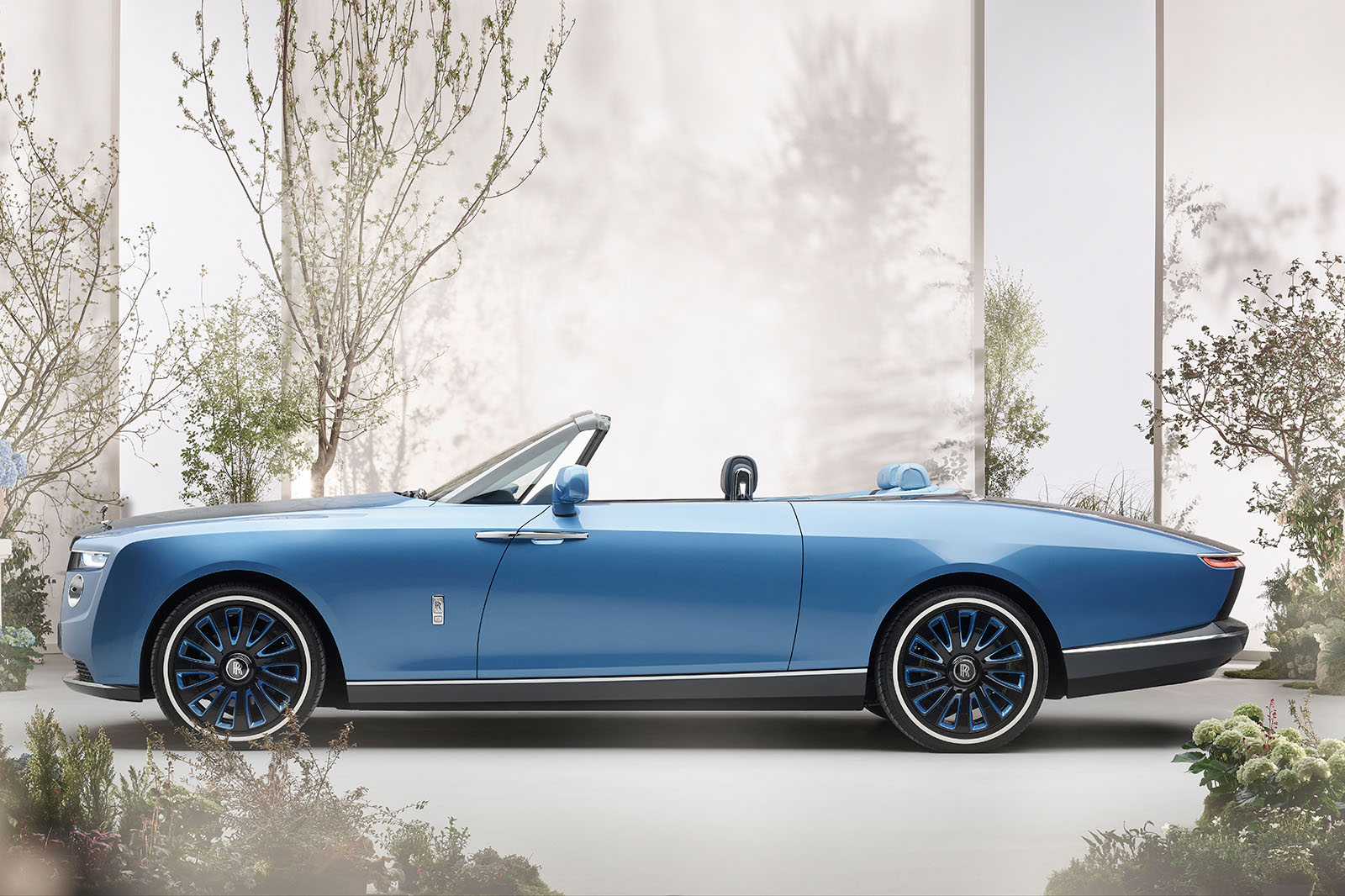
Sensuous dignity, luxuriant grace and arrestingly bold nautical detail distinguish the coachbuilt Boat Tail, the three individuals buying one contributing substantially to its essence.
Seat: 850 Sport Spider (1966)
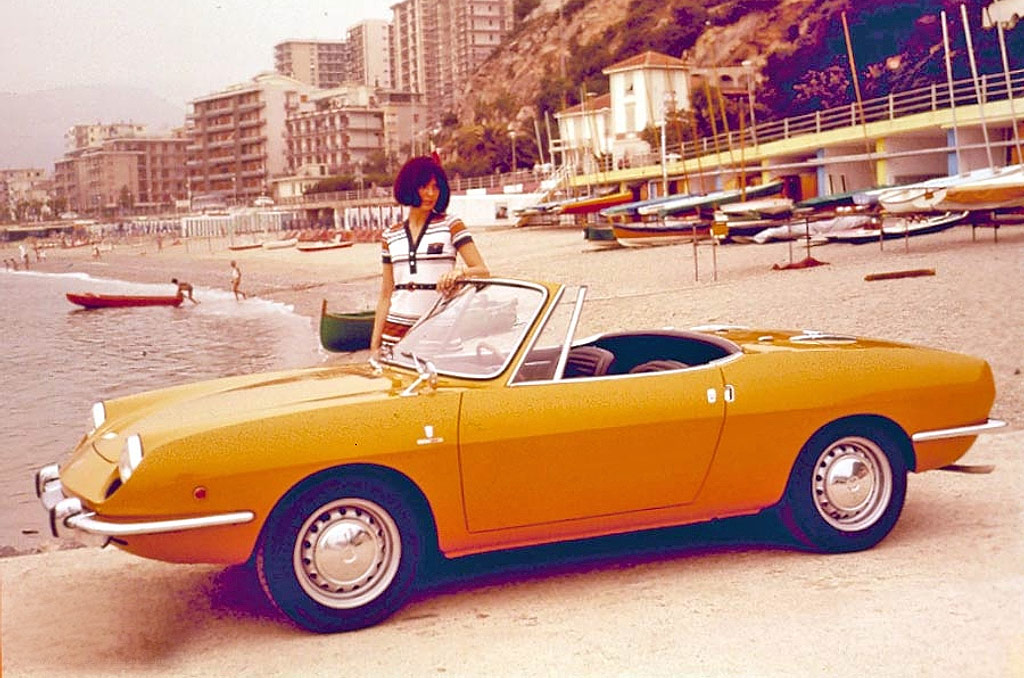
For a long time Seat was a company that produced modest everyday cars, so the arrival of this distinctly impractical sports car was a surprise – and a good looking one too.
Skoda: Felicia (1959)
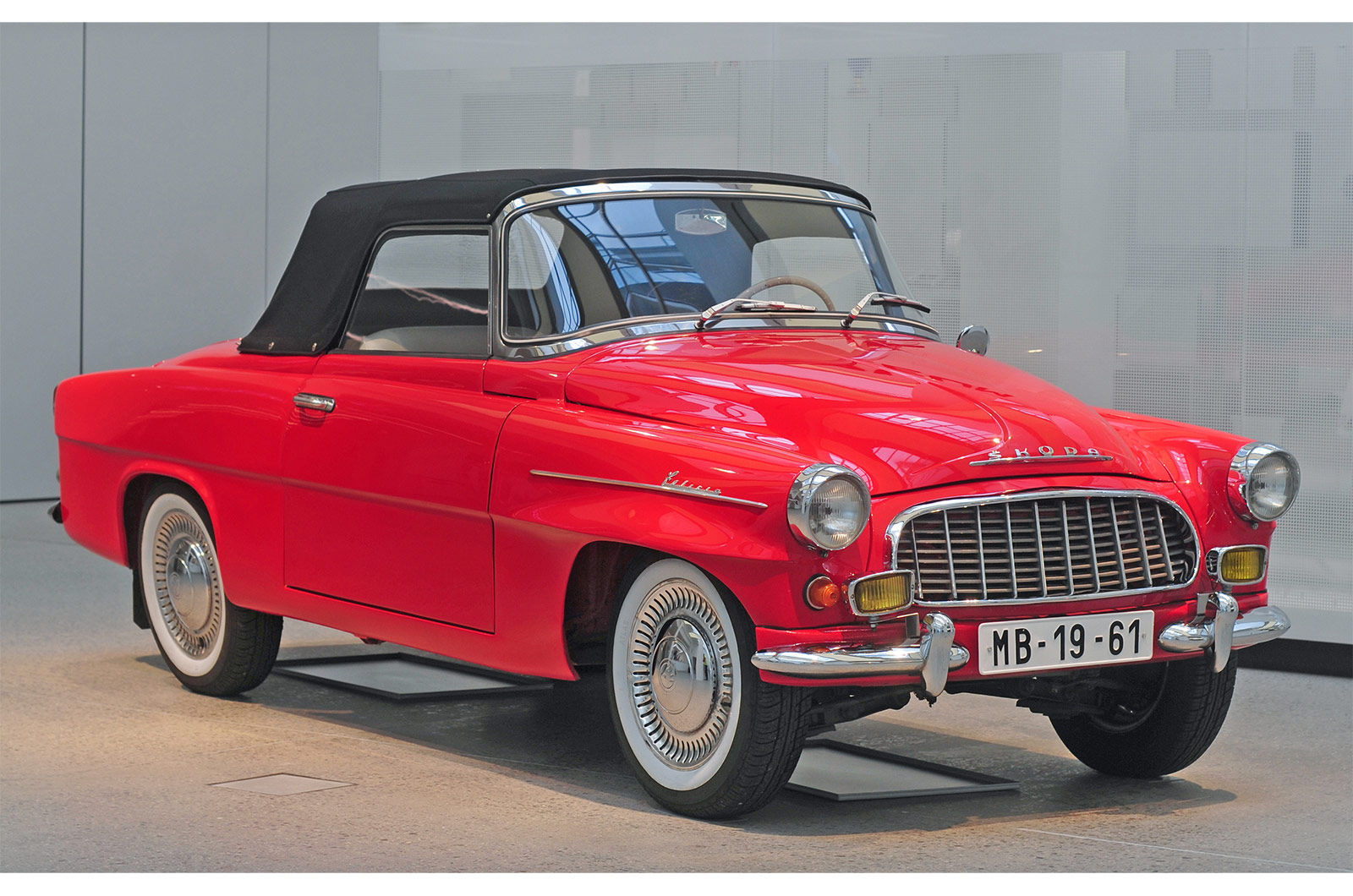
Communist-era cars weren’t supposed to be handsome – they could leave that to the West. So the Felicia’s delicate details are what delights here; certainly a car that could have come from France or Italy.
Subaru: 360 (1958)
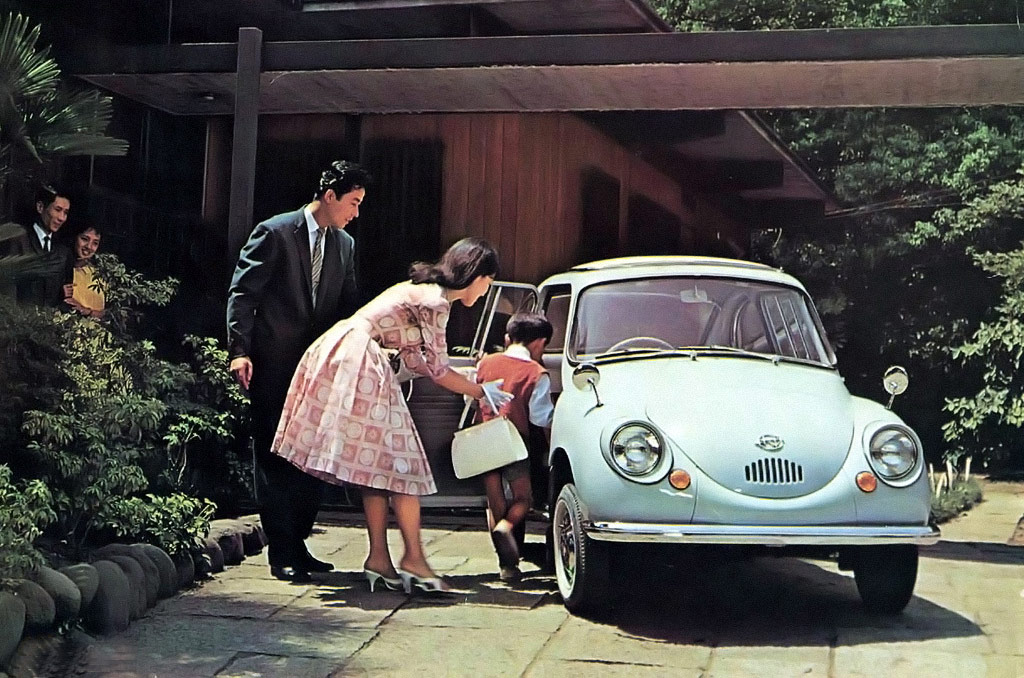
Subarus are more usually associated with practicality and speed, not looks, so it’s perhaps notable that its best looking car was also its first.
Suzuki: Cappucino (1991)
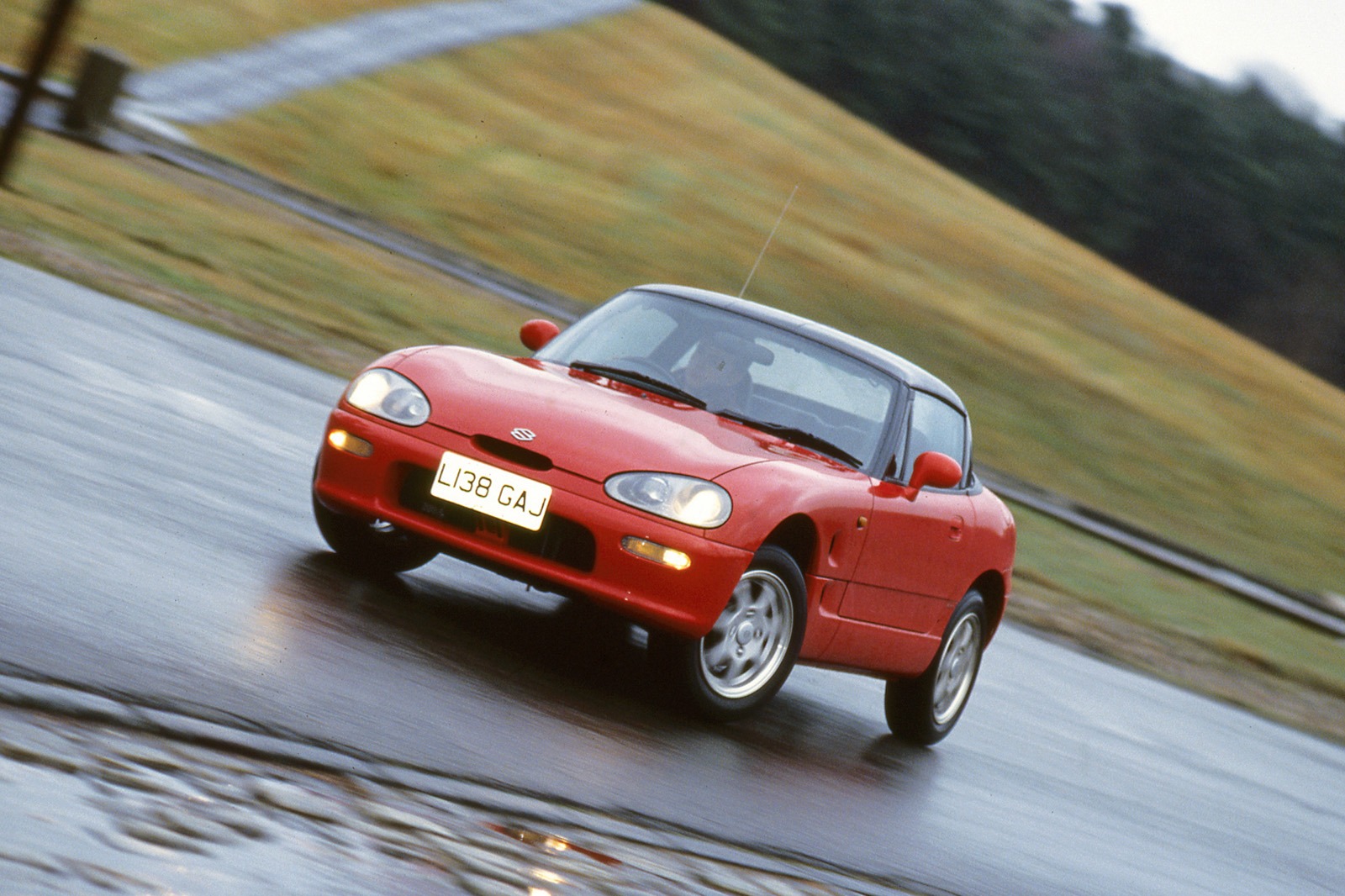
Making a credible sports car that fit the strict Kei car rules was not easy, but Suzuki pulled it off; nice to look at, it was a sizzling drive too.
Tesla: Model S (2012)
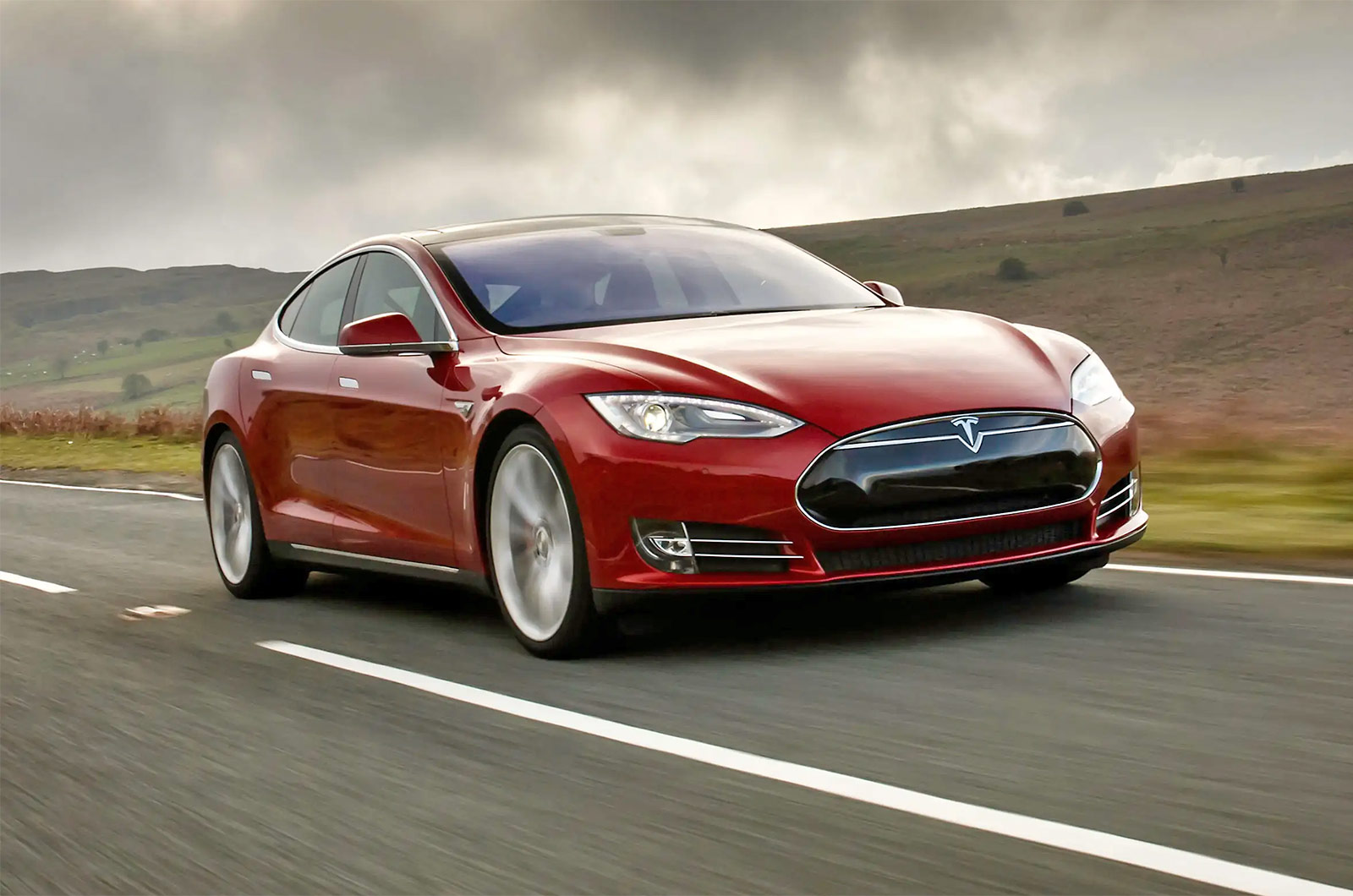
The Model S’s clean, sensuous lines have stood the test of time, and indeed it’s still more or less unchanged 12 years later. Oh, and by delivering a decent drive and range for the first time in an electric car, it changed the world too.
Toyota: 2000 GT (1967)
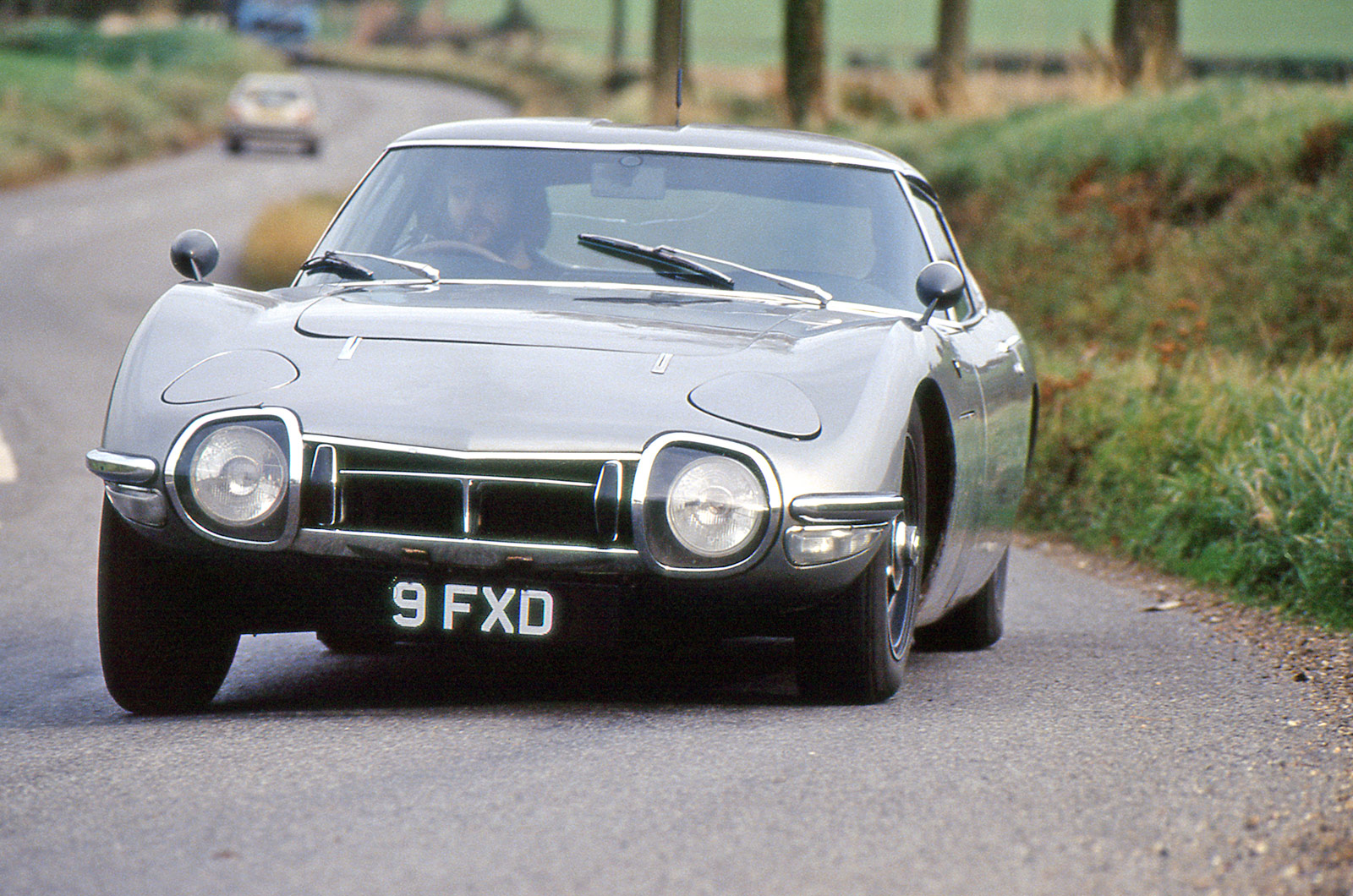
Just 351 examples of this straight-six powered machine were made, but enough to establish it as Japan’s first credible sports car – and a nice looking one too.
TVR: T350 (2002)
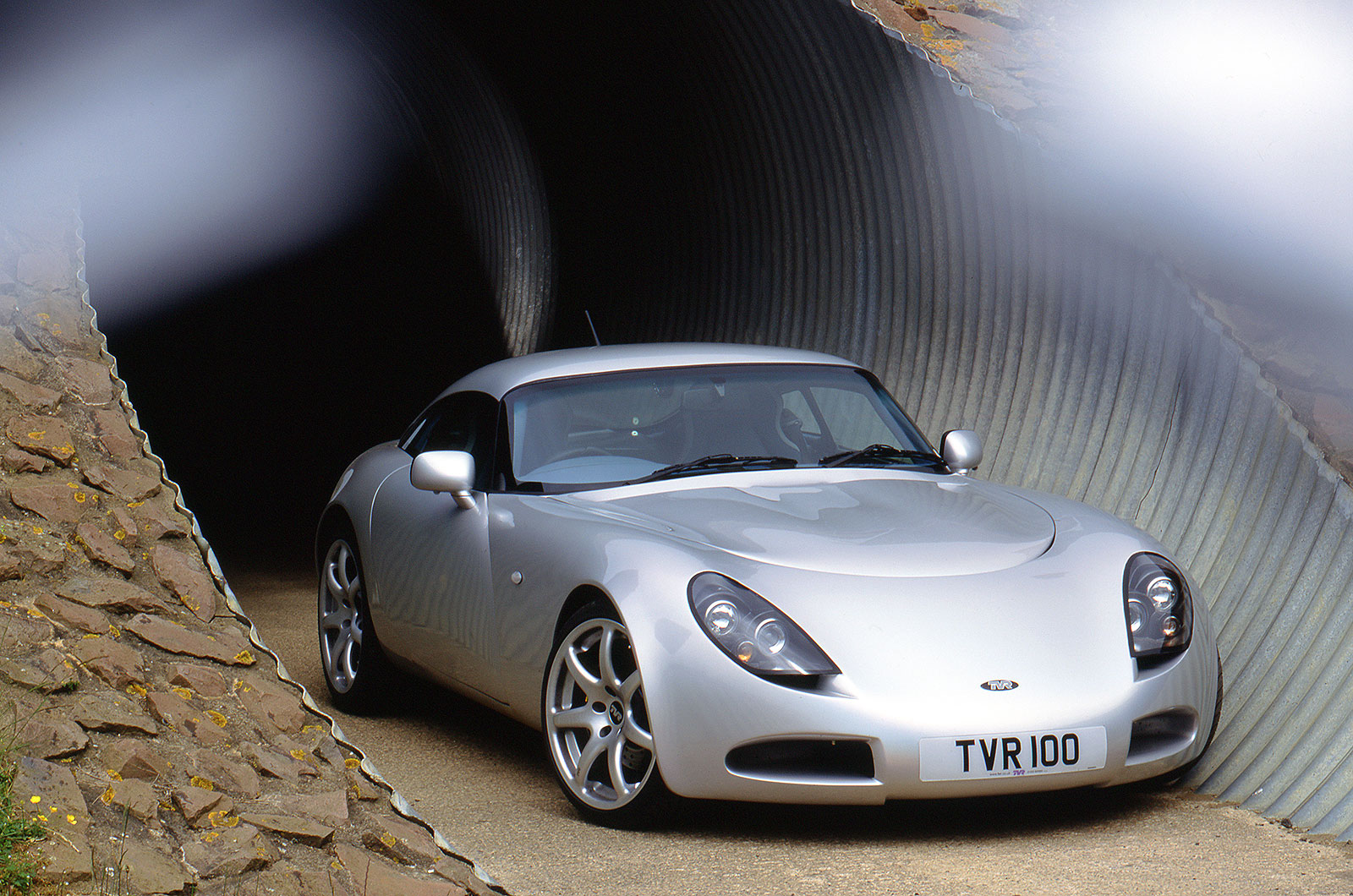
The TVRs of the Peter Wheeler years were singularly bold, flaunting almost willfully odd design details that often exposed the big boys for not thinking hard enough. And there was raw beauty to them, too.
Vauxhall: High Performance Firenza (1973)
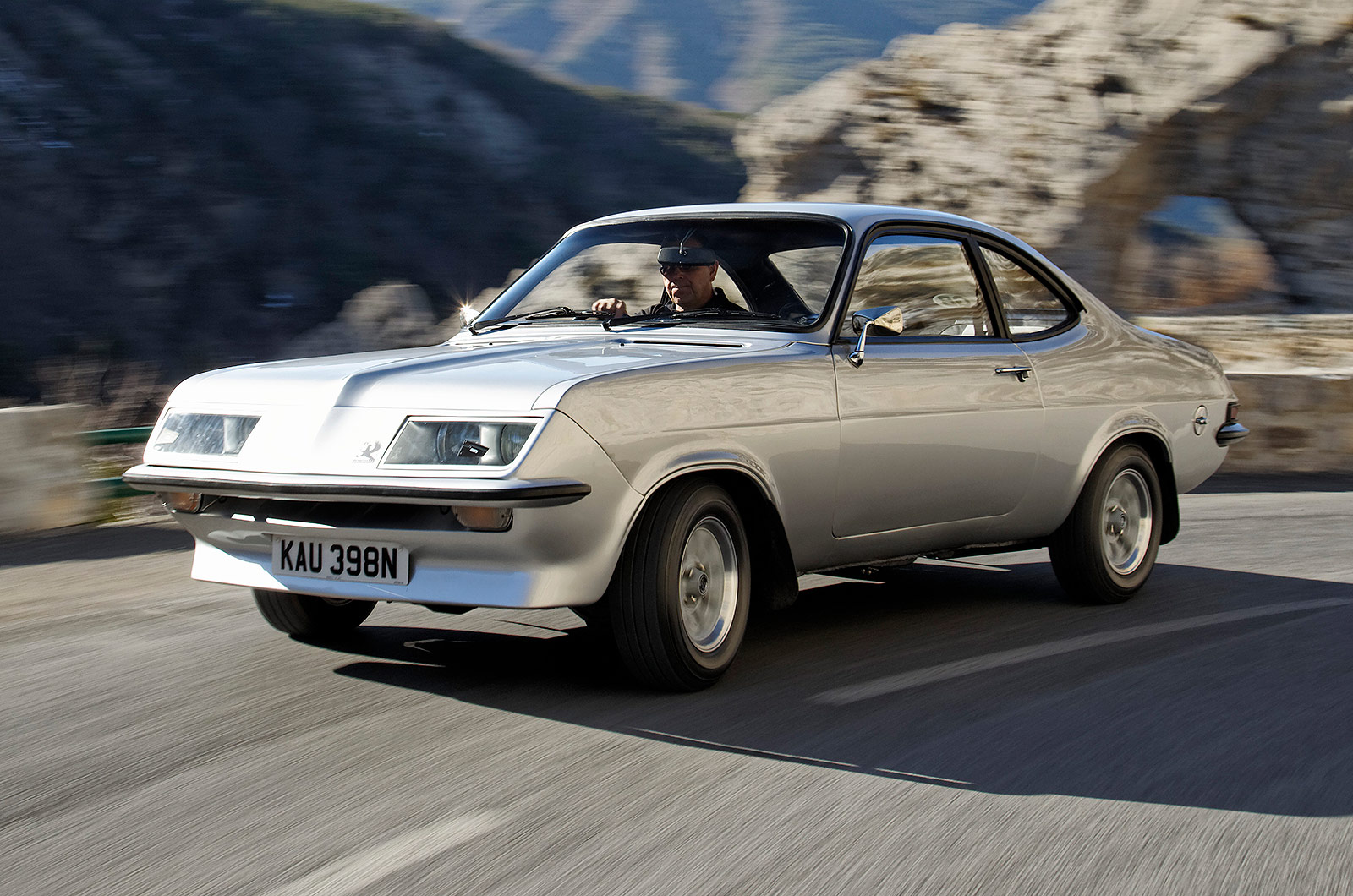
Yes indeed, Vauxhall could and did build an aggressive looking coupe once, and to our eyes a rather handsome one too.
Volkswagen: Karmann Ghia TC (1971)
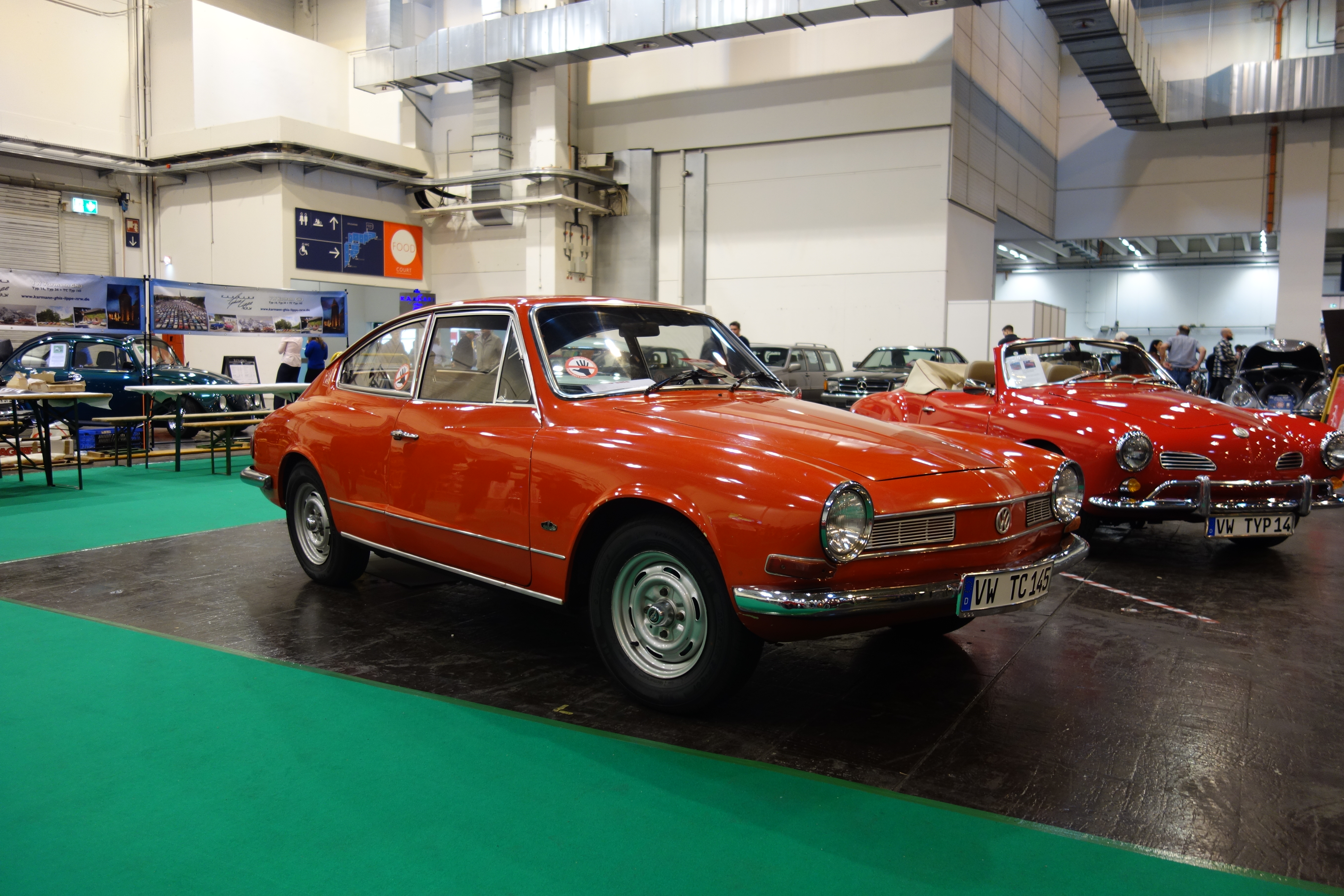
The Porsche-esque Karmann Ghia TC is a rare find in Europe. It was built in Brazil in the 1970s but was never officially exported from South America. Designed by Carrozzeria Ghia in Italy, the stylish coupé has a 1584cc flat-four engine slung behind the rear axle.
Volvo: P1800 (1961)
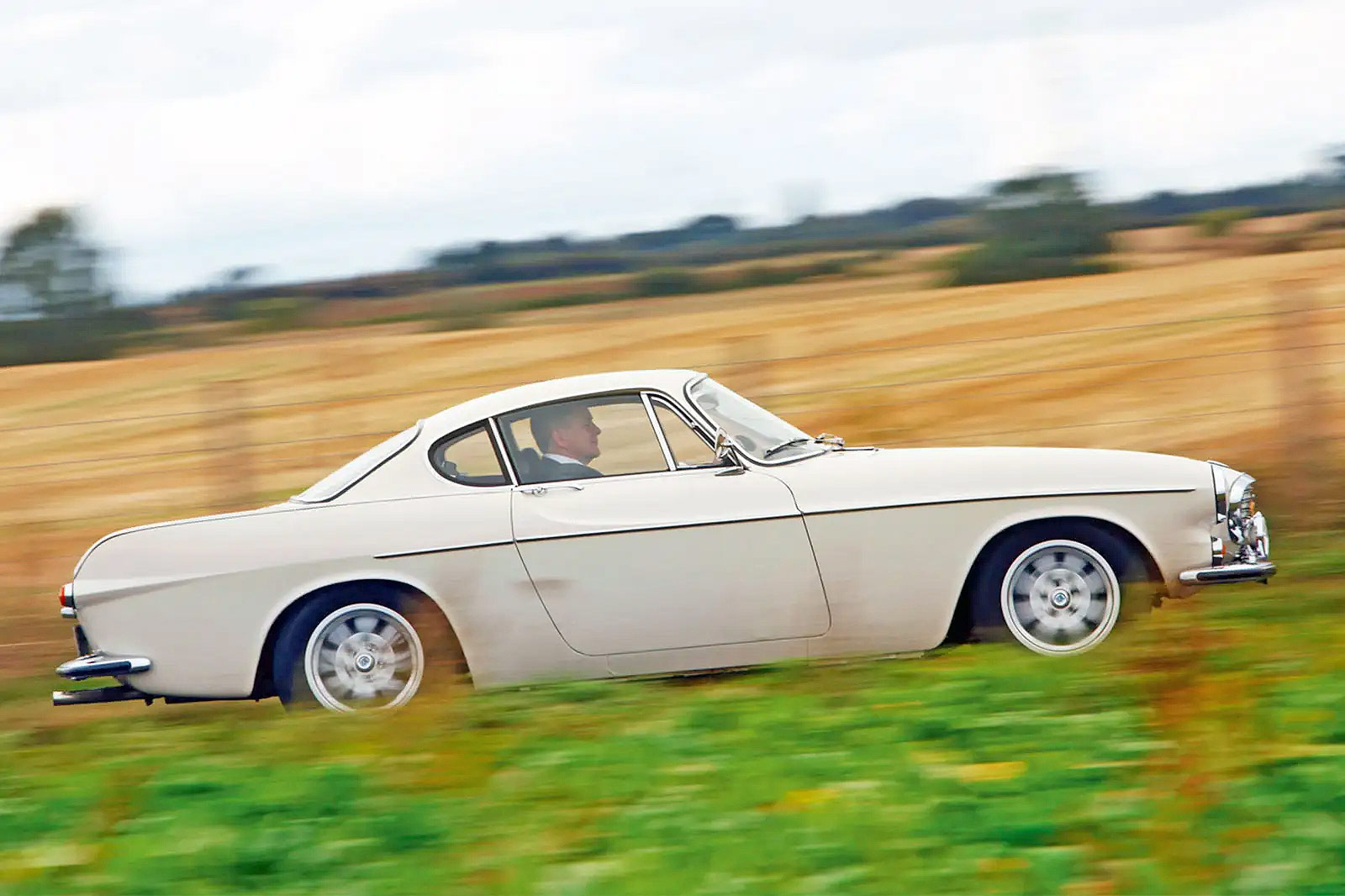
While it is tempting to give the Volvo award to one of its slab-sided, muscular station wagons, we have to give it to the wonderful P1800, as handsome today as when it was born.

Ferrari 355 GTS Manual as the Enthusiast’s Choice Balancing Usability, Character, and Classic Appeal
 Raj Sangha previously owned a 360 and a 430, but the older 355 is his favourite of all
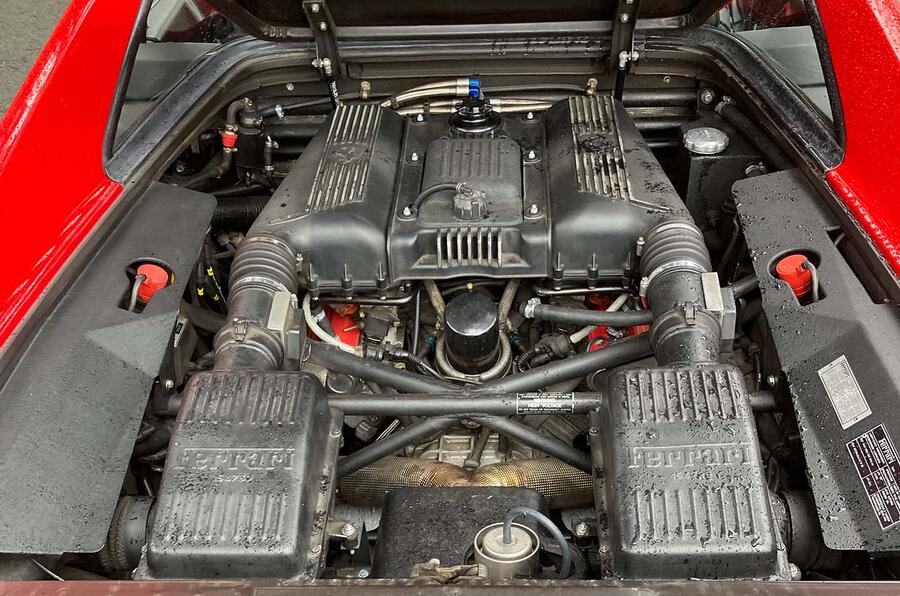
"When you're going for it, the sound of the engine in the Ferrari 360 is more of a shriek, while the 430 is a grunt," says Raj Sangha. "The 355 is the sweet spot."
He should know since he has owned all three. Raj's current car is a 355 GTS manual, but prior to that he owned a 355 F1 Berlinetta. The sound of his GTS is enhanced somewhat by the aftermarket exhaust system fitted to it. "There's a point at about 3500-4000rpm when the V8 sounds amazing even on a stock exhaust," he says. "But with the aftermarket system - Tubi manifold, Capristo back box and Larini cats - you can hear it throughout the rev range."
His GTS sounds good and, he says, looks good: "The GTS has the targa-style hard-top roof, so you have the best of both worlds - Spider convertible and Berlinetta coupé but at no cost to the car's looks. If I want to feel the wind in my hair on a nice day, I just remove the roof and put it behind the seats. When it's raining, like it is today, I clip it back in place."
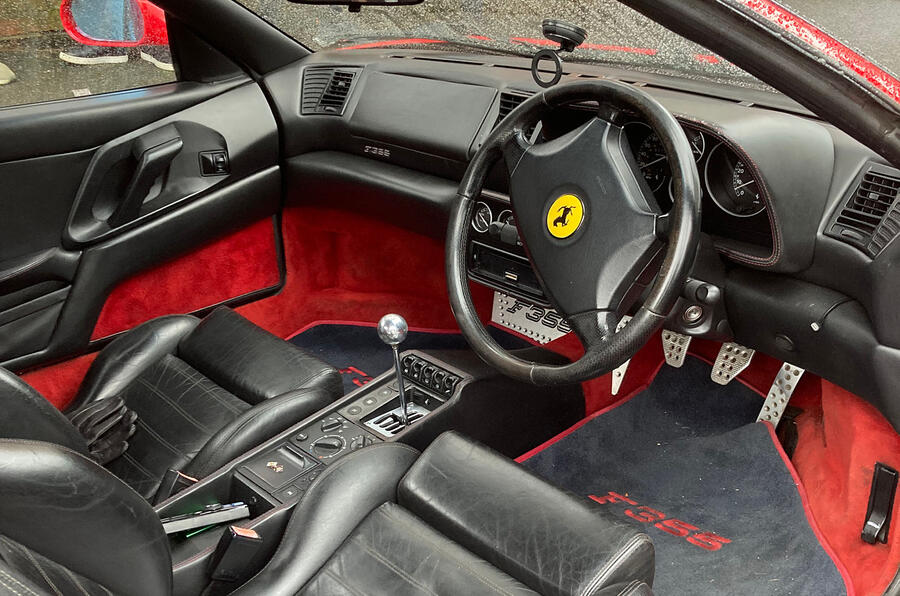
Raj bought his 355, registered in 1995 and with 57,000 miles on the clock, just 15 months ago. "I bought it from a friend," he explains. "It was a tired car that hadn't been used for a couple of years. It had a good service history, though. My friend bought it to refurbish. He bought all the parts but never got around to doing the work, so he offered it to me. I love that it's done a high mileage, for a Ferrari, and that it has a few marks. They make it usable and me less precious about it. I keep it in a garage, but it's not a garage queen. I'm driving it in the rain, aren't I?"
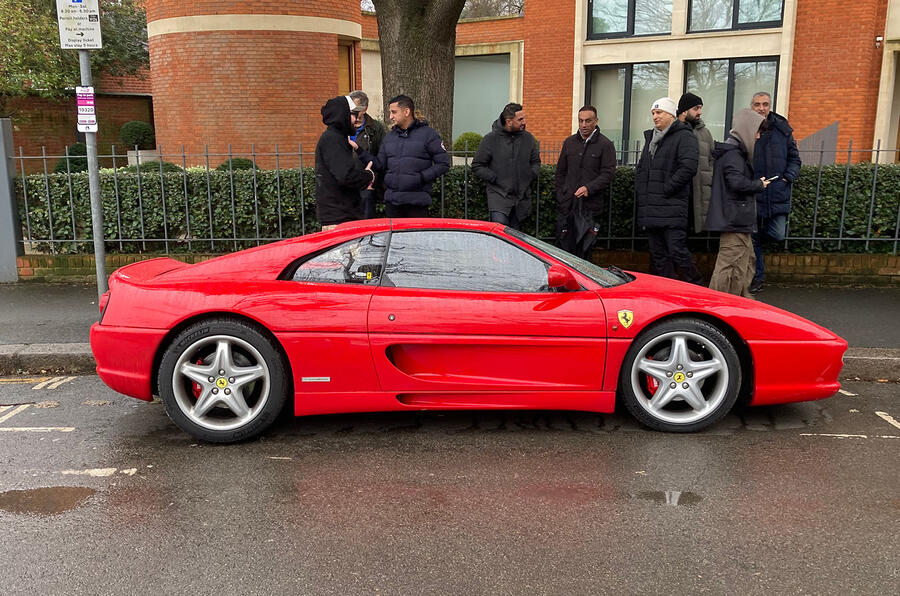
Raj will only say he paid "around £60,000" for his GTS and that recommissioning it, which took six months, cost him "at least another £10,000". It's a manual; he didn't really gel with the F1 gearbox in his old 355 Berlinetta. "I bought that car because it was the first with the F1 'box," he admits. "It was great to be able to tell people I had a Ferrari with a gearbox like Michael Schumacher's. However, it didn't drive like a Ferrari should."
Raj admits a 360 is slightly cheaper to maintain: "In the 360 and 430 you can get to the cambelts to change them through the bulkhead, but the engine has to come out in the 355. Servicing is expensive, but you have to accept cars like this come with a cost. The 355's dashboard trim can blister and come away, too. Fortunately, mine shows no signs of that, perhaps because it's been garaged. The switchgear gets sticky and the top layer can come off. My car has already been fixed."
It cost Raj £300 to insure his 355 on a classic car policy. "I won't exceed the annual 3000-mile limit," he says. "It's a weekend car for fun runs. It has only done 150 miles since I bought it, although in fairness it is still winter. It's a keeper - at least until I find a better one at the right price."

Used Car Prices Surge as Gas Costs and Tax Credit Changes Drive Regional and...

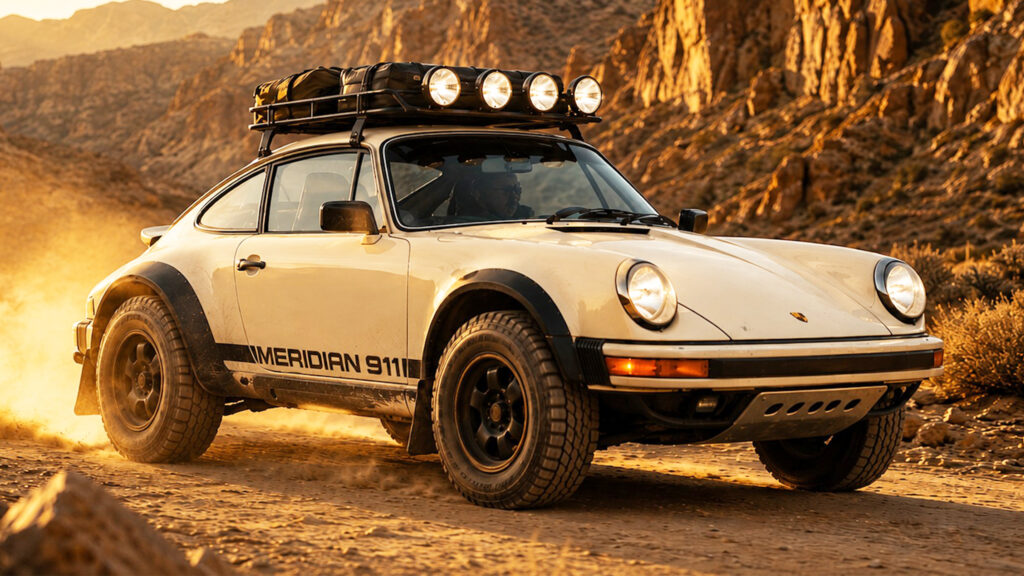
Meridian 911 Redefines Porsche Off-Roading With Modern Power and Bespoke Adventure Capability

Grayscale Car Colors and the Erosion of American Individualism


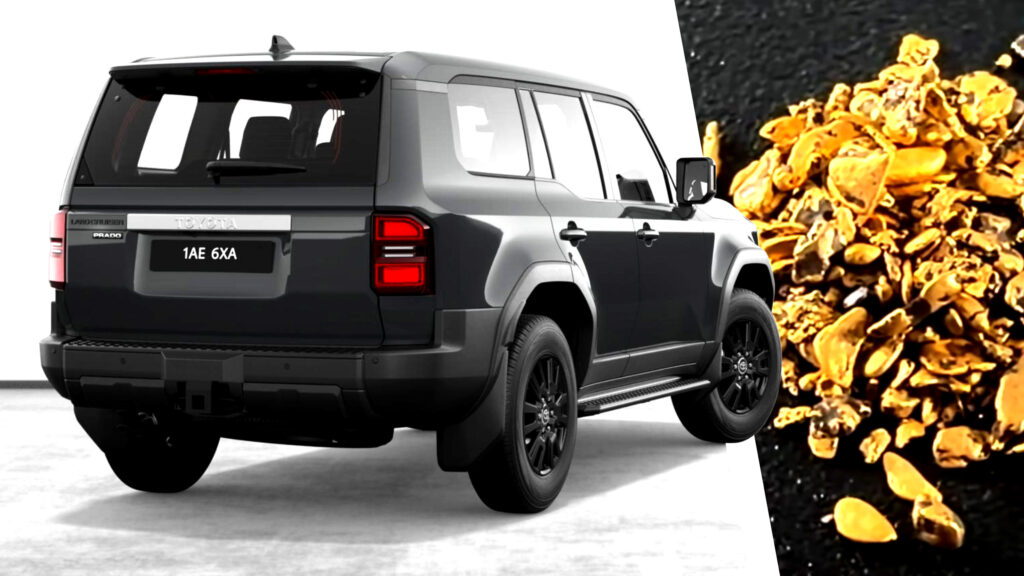
Land Cruiser Prado as a Gold Rush: How One Tasmanian’s Prospecting Challenge Tests Modern...

Ranger PHEV Challenges Portable Generators with Dramatic Emissions and Efficiency Gains