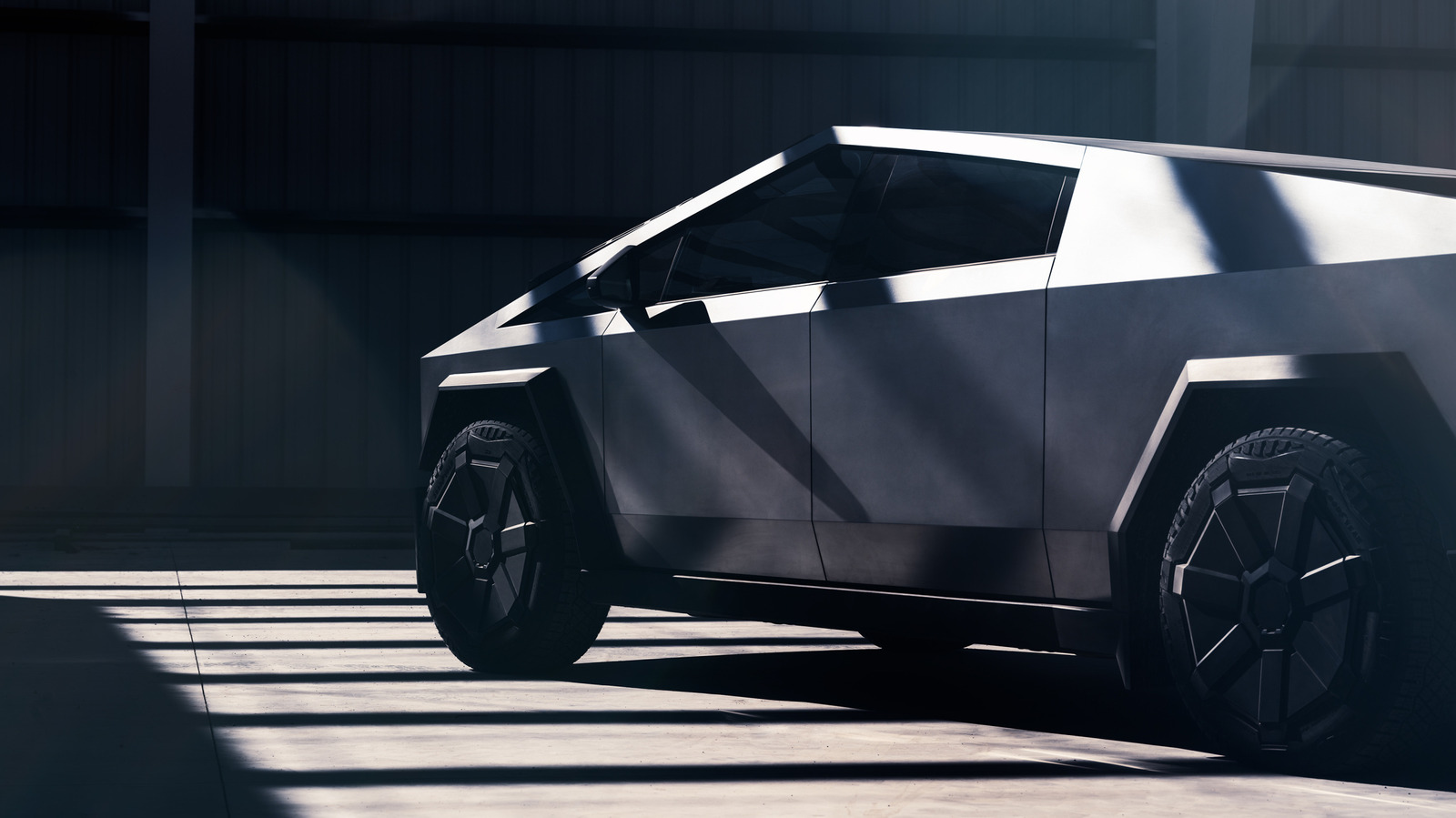
Automated License Plate Readers Ignite National Clash Over Crime Prevention and Civil Liberties
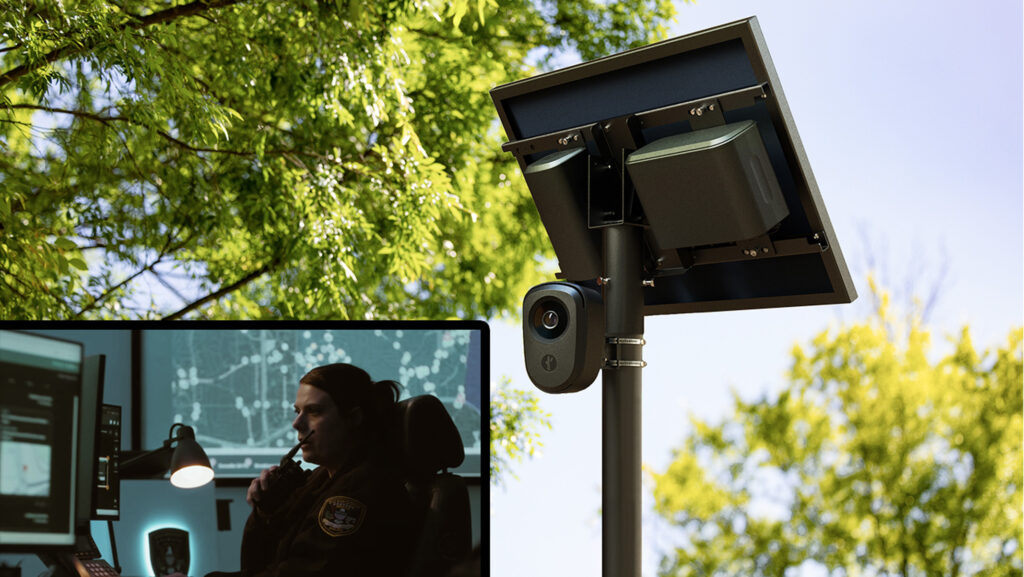

BMW X2 Facelift Signals Neue Klasse Design Shift but Leaves Rear Controversy Unresolved
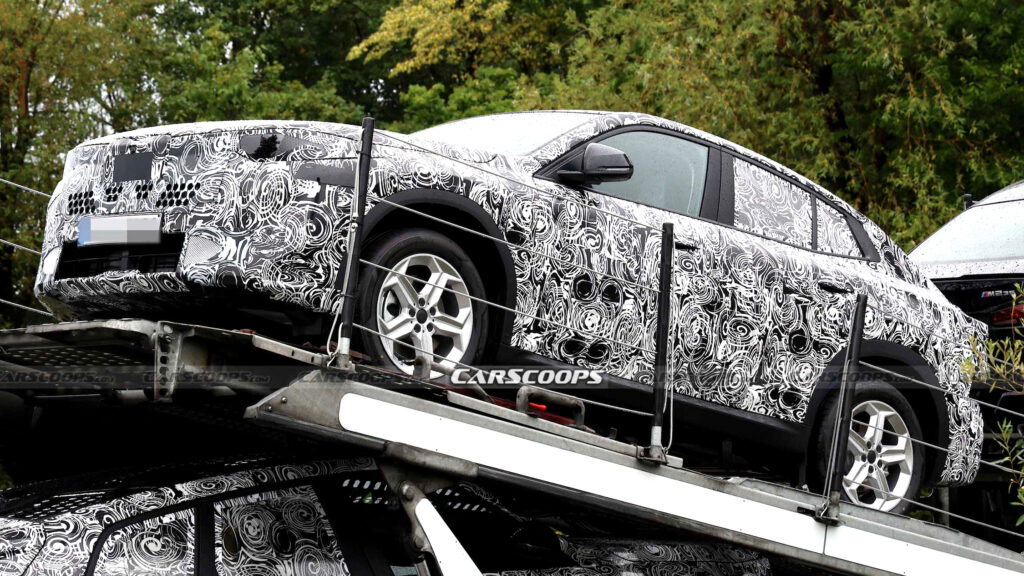

Toyota Century SUV Signals Shift in Japanese Statecraft Toward Security, Accessibility, and Electrification
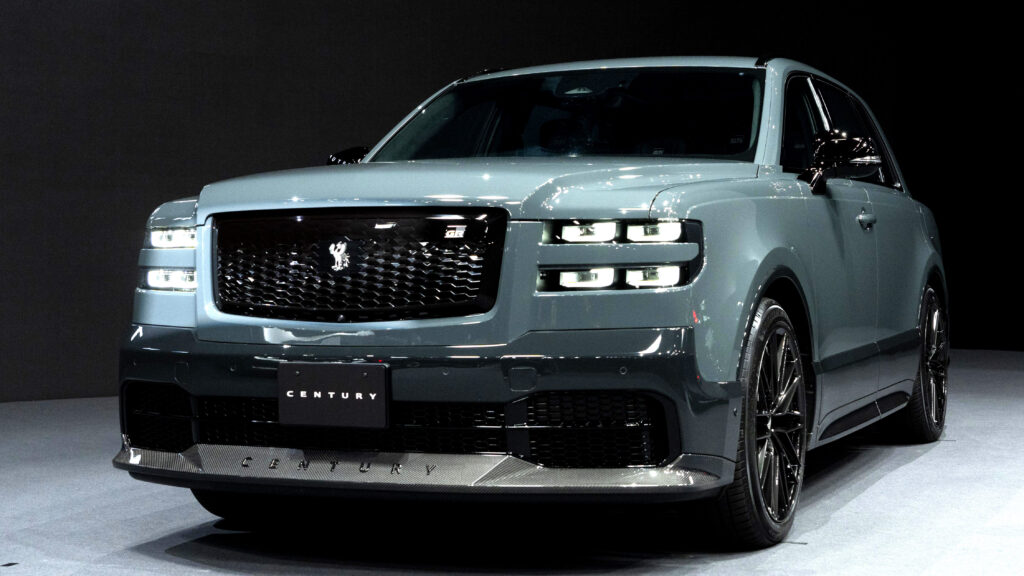

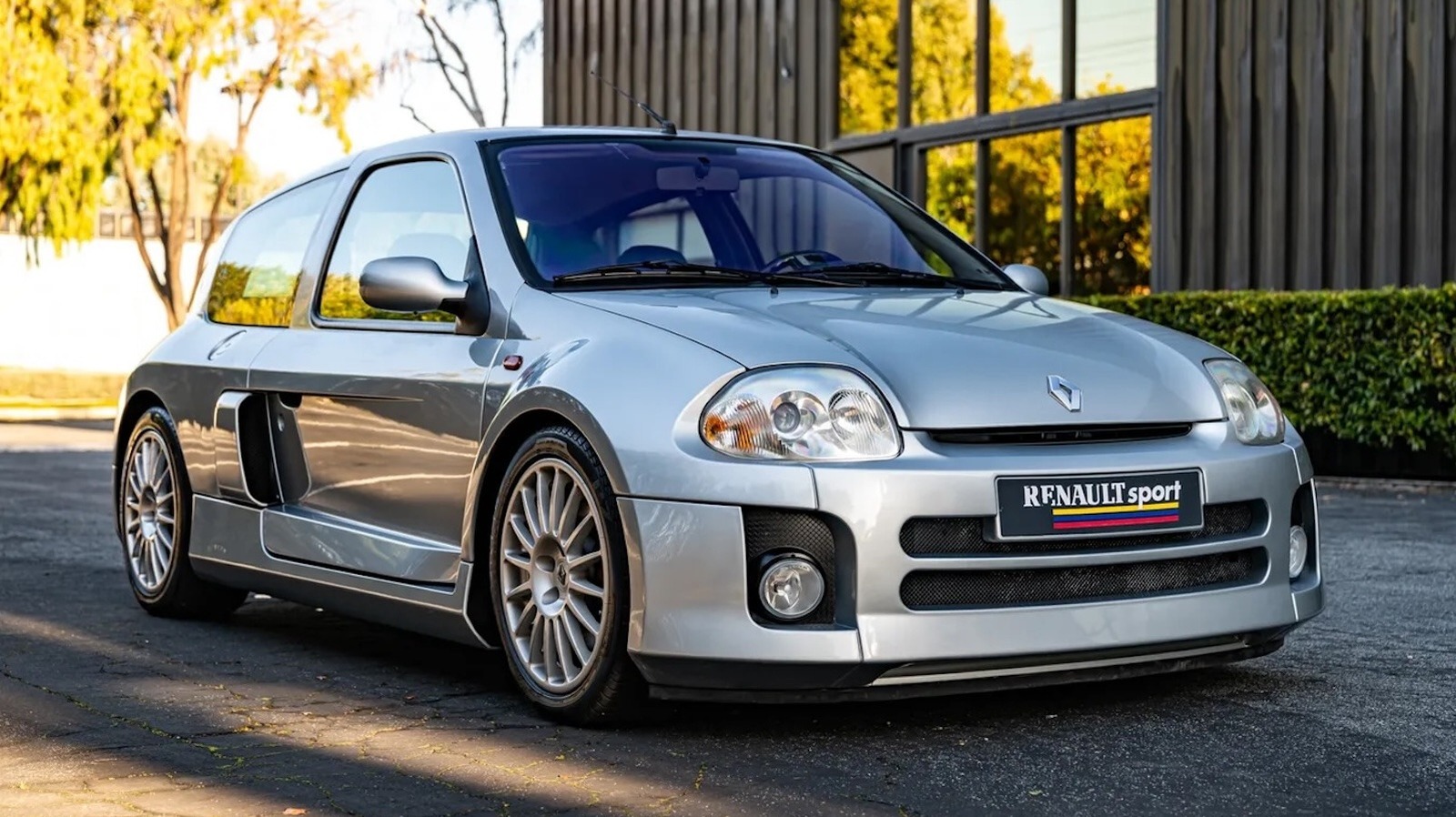
Renault Clio V6 Redefines Affordable Exotic Performance

World Cup Rally’s Grueling 1974 Sahara Ordeal and Its Lasting Influence on Endurance Motorsport
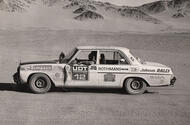
Image: Jim GavinAfter the inaugural World Cup Rally was a huge hit, the 1974 follow-up hit trouble in the Sahara desert
The 2026 World Cup is currently taking place across North America. You might have heard about it; apparently this football stuff is quite popular.
Anyway, Mexico is one of the three hosts of this year's tournament (alongside the US and Canada), making it the first country to stage the event on three occasions. The World Cup was first held in Mexico in 1970, four years after it took place in - and was won by - England. To celebrate, the RAC and Motor Sports Association dreamed up an ambitious event: the World Cup Rally.
Running for close to five weeks, the route spanned some 16,000 miles, including a boat crossing over the Atlantic plus another to sidestep the Darién Gap in Panama, from Wembley Stadium to Mexico City.
It was a huge success, attracting public interest due to the participation of Prince Michael of Kent and Jimmy Greaves, while Hannu Mikkola's famous win in an Escort RS1800 was the inspiration for the Escort Mexico.
But that event is so well known it barely needs recounting here: less well remembered is that four years later, when the World Cup was held in Germany, the organisers decided to run the rally again.
Because the RAC was organising the event, London was chosen as the start venue (although this time it began at the Royal Opera House, a venue not known for deep football links), and the finish was set for the Olympic Stadium in Munich. Given that the two cities are fewer than 600 miles apart, some imagination was required for a multi-week marathon rally.
And so the event, which ran from 5-25 May, covered some 12,000 miles via a looped route that went through France and Spain before crossing to Morocco in Africa. It then headed into the Sahara Desert, passing through Algeria, Niger, Nigeria, Libya and Tunisia, before returning to Europe through Turkey, Greece and Yugoslavia and then, finally, entering Germany.
Predictably, the stages in the Sahara proved pivotal for the rally - and dramatically so: only 19 of the 70 cars finished the event.
"The greatest credit is due to all these competitors," we wrote, with particular praise for James Ingleby and Robert Smith, who finished fifth in their Jeep CJ6, "for both are true amateurs with virtually no experience of rallying."
The tough course at least fostered "an almost unique spirit of helpfulness and cooperation" between crews, who helped tow each other out of sandbanks and shared notes on navigation: "Instead of the London-Sahara Munich, it might just as accurately be described as the London- Samaritan-Munich." A mistake in the notes meant several crews got lost in Algeria, and the attritional event put a focus on avoiding errors and minimising problems.
The rally was ultimately won by Australians Andre Welinski, Ken Tubman and James Reddiex in a Citroën DS23. It was Reddiex's experience of the DS23's hydraulic system – which we noted was "still very advanced (and complicated)" - that proved crucial. The crew set the car up 3cm higher than standard and fitted steel engine mounts, with the suspension generally in the mid-setting.
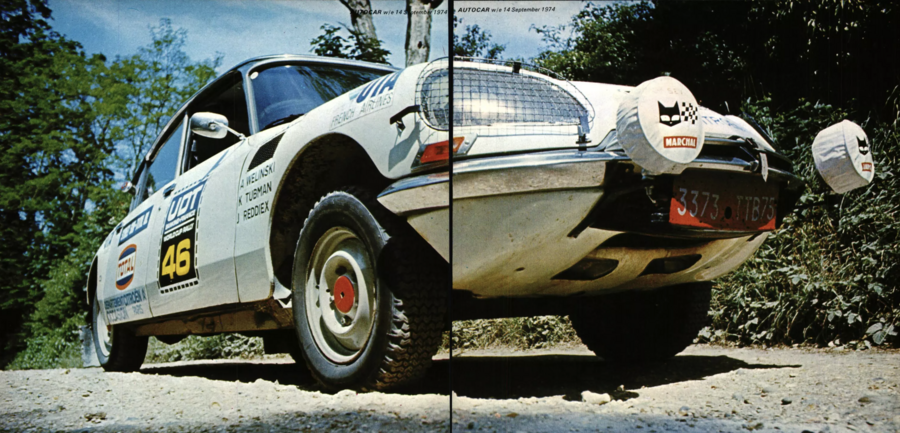
They weren't trouble-free. "They hit a small goat near Madoua and had a brush with a culvert on a corner," we reported, but ultimately they finished 28 hours ahead of the first of the three works Peugeot 504s that followed them home. Once penalties were added, the 19th and last finisher was some 18 days behind the winner.
Perhaps because it lacked the novelty of the original, or because the route was less inspiring, the 1974 event simply didn't capture the imagination of the 1970 rally. The event was announced late, the route kept changing and the ongoing fuel crisis made it hugely expensive. The manufacturers stayed away, leaving largely lower-profile privateers to take part.
Following the rally, we would describe it as "the secret adventure", while chastising the national newspapers for giving it few column inches. "We wonder whether the concept of a 10,000-mile-plus motoring marathon will survive the blow it has received this time," we wrote. "If there is to be another-and we hope that there is it may be that the tenuous link with football should be abandoned."
Time has been kinder to the World Cup Rally's legacy: the brutal event actually inspired the creation of the Dakar Rally, which continues to uphold the tradition of marathon rallies to this day. But in 1978, when the next World Cup was hosted in Argentina, the sporting drama remained firmly on the football pitch, not the stages.

Range Rover Sport PHEV Redefines Luxury SUV Versatility by Excelling at Balance, Not Specialization

VW Radar Sensor Thefts Expose Security Flaw and Costly Consequences for Owners

Mercedes 300 SL Gullwing and the Modern Mille Miglia How a Racing Icon Defines...
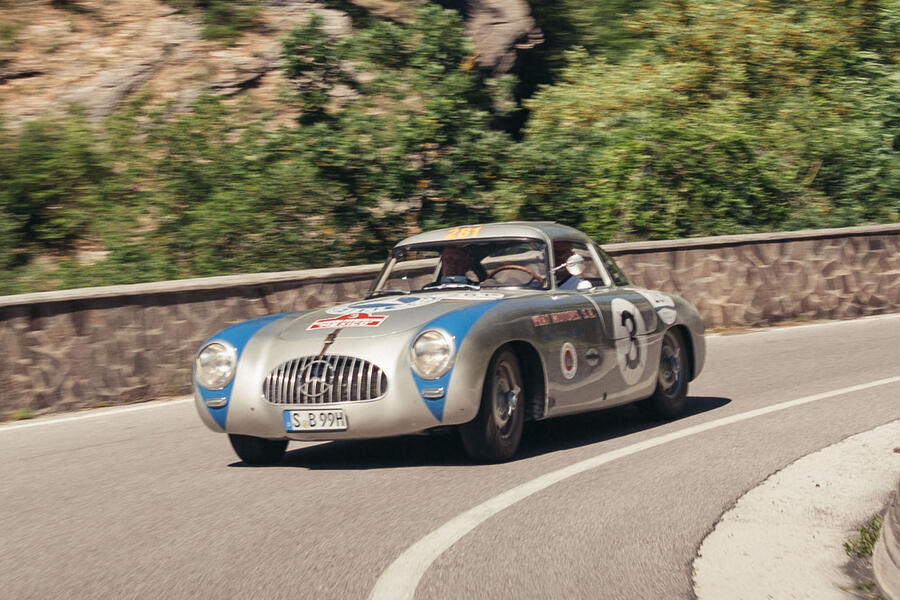
 The modern Mille Miglia is a event like no other, especially if you’re driving the W194 300 SL raced by Caracciola
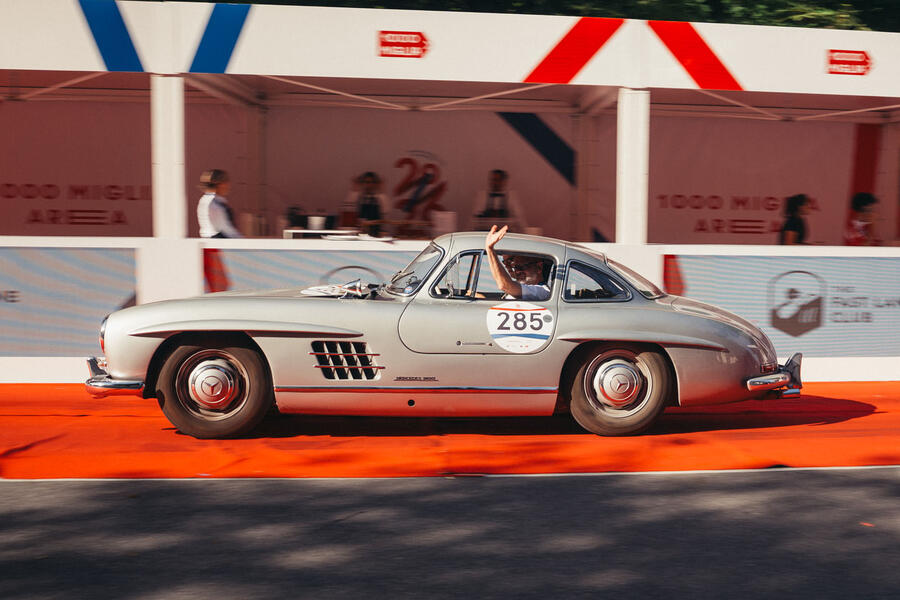
If you'd like to know how significant the Mercedes 300 SL is to an event like the Mille Miglia, you should know that on page 34 of a 63-page technical document for the modern event, the organisers use a silhouette of the SL to show competitors where they should mount their entry number stickers.
The car colloquially known as the Gullwing epitomises what, these days, is absolutely not a race. Not that sometimes you'd know it — which we'll come to later.
The 1000 Miglia was a proper race when it began, of course, of 1000 Roman miles or thereabouts on mixed Italian roads from Brescia to Rome and back. And it became such an incredibly dangerous race that it was scrapped twice, first having run from 1927 to 1938, at which point it was abolished because in that year's event, 11 spectators (but no competitors) were killed, creating such public outrage that Mussolini personally stopped it for 1939.
It was revived in 1940, albeit in peculiar circumstances, much shorter, and billed as the Grand Prix of Brescia in an effort to convince the public that things were carrying on as normal. There were, understandably, fewer overseas competitors. A BMW won it. It pays not to look too closely at some of the accompanying insignia.
The race was restarted proper in 1946 and ran until 1957, in which race two fatal crashes — one ending the life of a driver, the other two competitors and nine spectators, including five children — finished things completely.
Mercedes-Benz played a big part in the 1950s. The exact 'W194' 300 SL prototype you see here finished fourth in the 1952 race, driven by Rudolf Caracciola, as part of Mercedes' first return to motorsport since the war. Another SL finished second, driven by Karl Kling. Mercedes made only 11 W194s and it still owns four of them today.
Of the others, two have been scrapped (one was the only roadster), two are whereabouts unknown, and three are privately owned. One of them isn't strictly a straight W194, having been fitted with fuel injection and, more significantly, a transaxle gearbox: they know it as the 'carpenter's broom' at the museum. Imagine turning up one of the unknowns, one of which competed at Le Mans, the Nürburgring and in the Carrera Panamericana. It'd be worth looking for it.
The one here is the fifth, chassis number 194010 00005/52. And Mercedes has turned down informal offers of €25 million (£21.5m) for it. This original SL was, apparently, a little underpowered compared with some of its (predominantly Italian) rivals, making just 175bhp from its 3.0-litre straight-six engine, fed by two carburettors. It has a four-speed, H-pattern gearbox, is rear-wheel drive and its structure comprises a tubular steel chassis clad in a lightweight aluminium body.
All up, it weighs less than 900kg. The first examples had even higher door sills than this car, but the door was made bigger, and the sill lowered, to aid entry in the Le Mans-style sprint starts. That nod to practicality extends to luggage space too—a decent amount behind the occupants, plus a boot that holds a spare wheel and would have housed other tools at the time.
The interior is nicely finished for a nearly 75-year-old racing car. These were endurance racers, and driver centricity was, as it is today, at the heart of those. There's a tartan pattern on the seats, rough durable carpets, a chrome strip along the dash and even suede on the dashboard top. An overlap of materials on the transmission tunnel creates an envelope for storing timecards or race paperwork, just beneath the extended gearlever, which snakes backwards in an S from under the dashboard to where it more easily meets the driver's outstretched hand.
There's a large, wood-rimmed, removable steering wheel, which if you mount with spokes diagonal makes it easier to read the top two instruments — speed and revs — and the bottom four, most importantly today, given the amount of traffic about and the fact it's a 30deg C day in June, the water temperature gauge.
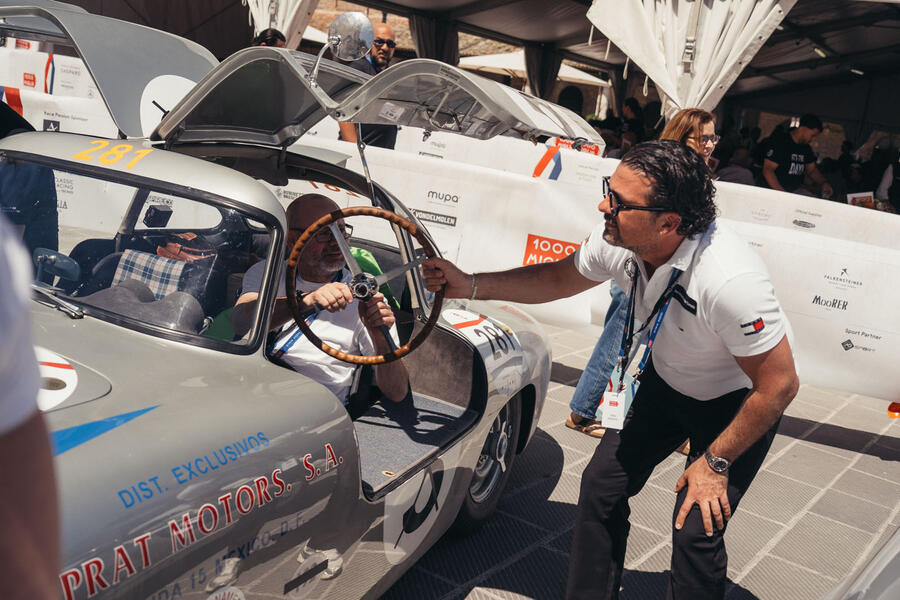
Water temperature gauges are, I suspect, one of the most important things in what is an unusual event today. I doubt any other dials are watched as much in Italy over the five days that the modern Mille Miglia takes place. Old cars, particularly old racing cars, were not meant to sit stationary in modern traffic, and modern Italy has an awful lot of stationary traffic.
As a result this road rally, which ostensibly takes place on open Italian roads still subject to normal Italian road laws, becomes a little more anarchic. That's exacerbated again by the local plod, who accompany the event and will run traffic control at roundabouts and junctions, holding up regular traffic so that competitors can pass unimpeded as often as possible. They also act as motorcycle or car outriders for small convoys, giving these classics an easier run through roadworks or into town centres, where they'd otherwise risk expiring in clouds of steam.
This sets — let's be euphemistic — an enthusiastic precedent. Say two enviably stylish motorcycle coppers turn on the blues and those rather charming Italian twos and head down the outside of a queue of traffic to a set of temporary traffic lights, initially Simple tailed by a couple of Alfas that they've beckoned in behind them. By the time they reach those lights, they'll be being followed by about 20 classic cars, a few support cars, and an Audi TT who's trying it on.
This goes down fine with some road users — and all spectators, for the Mille Miglia is an impossibly popular event, with tens of thousands of people lining the route to cheer on these old supercars. Nowhere else beyond video games can you drive through historic towns and piazzas that would normally be closed to vehicles.
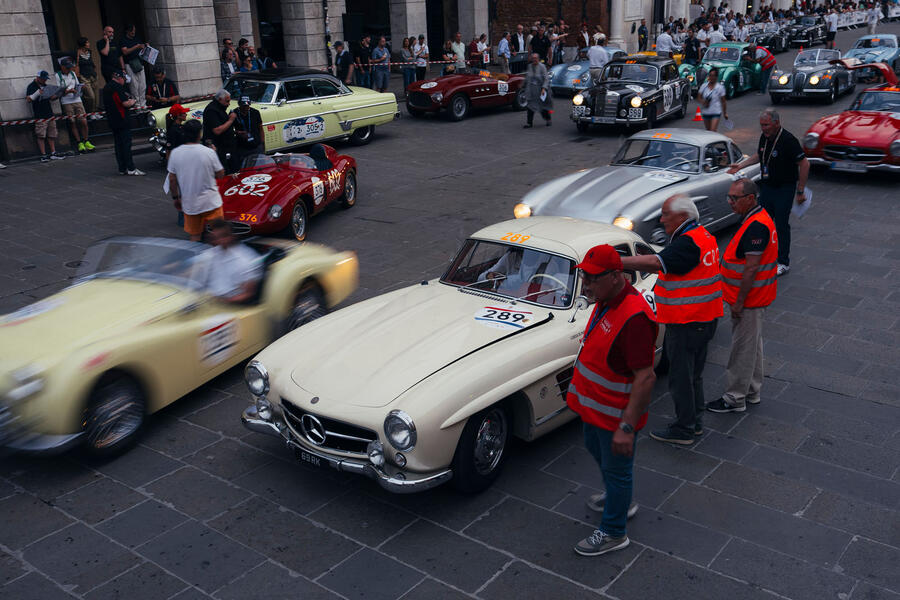
But it is not universally popular behaviour, which is understandable. If one is pootling home in a Fiat Punto and, as one rounds a corner, is greeted by a Porsche 356 driven by a Swiss dentist and his companion — that surely must be his daughter, right? Right? - careering towards said Punto on the wrong side of the road at 60mph, and who thinks that it's the Punto's duty to dive onto the verge to avoid a collision, I can imagine that it would cheese one off mightily. On video since the event, I've seen a Porsche turn sideways into a passing police motorcyclist, a car upside down in a ditch (saw that one live too) and an old Alfa understeer off a mountain hairpin into the side of an oncoming saloon car.
Today, then, the 1000 Miglia is not universally loved. When you see an oncoming driver hooting and gesticulating wildly out of the window, it can be a sign of great enthusiasm, or very much not so. It's surprising how you come to know which at a glance.
Into this melee, then, Mercedes-Benz, which is running three of its own museum cars and seven cars on behalf of customers, has felt secure enough to hand me the keys to a priceless 300 SL. Frankly, bonkers. Plus it has trusted me not to crash the head of Mercedes-Benz Classic, my companion Marcus Breitschwerdt, formerly a chief of Mercedes-Benz UK, who was headed for a quiet retirement until CEO Ola Källenius convinced him that running MB Classic might be a good way to postpone his dotage.
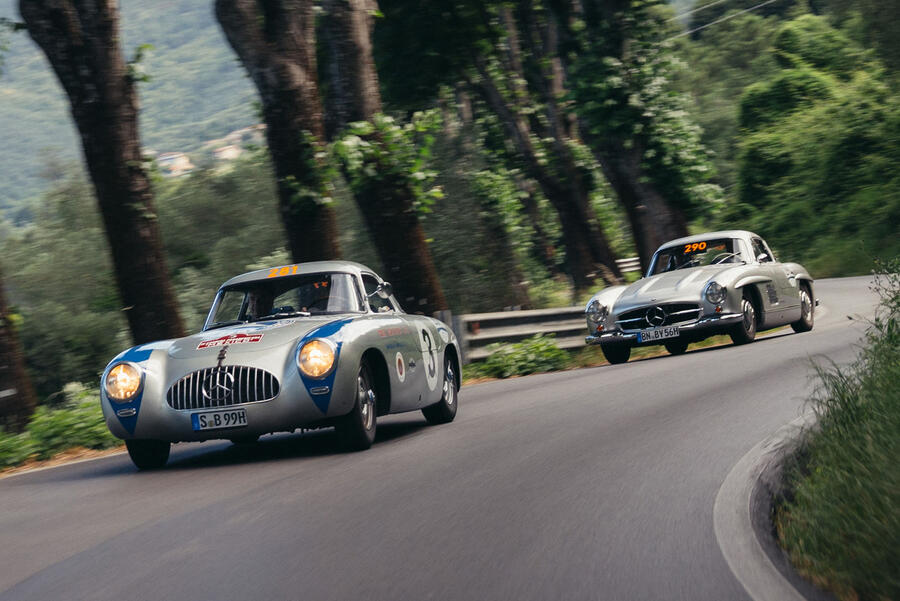
It isn't chaotic everywhere. In some hills and on good country roads, Breitschwerdt notes that regularity sections have been inserted just at the place things might get out of hand to slow competitors down and spread them out a bit. A typical trial will consist of, say, half a dozen short sections that have to be driven at a precise speed — something like 22.9kph for 20 seconds. It's meant to calm the field. And usually it works. Whether slow or more enthusiastically, this car is magnificent.
How does a 74-year-old Mercedes feel so good? When they put these things together, they were not messing about. With a thumb on the start button and a couple of foot stabs on the throttle, the straight six coughs into life. The clutch is heavy, positive. The gearshift long throw, a little notchy, but surely impossible to mis-shift. There's an umbrella-handle fly-off handbrake on the dash — drilled for lightness of course — and with the clutch pedal eased out and the weighty throttle pressed, away it eases.
The gears are so widely spaced and the torque band so broad that you can hook second as soon as you're rolling and only need to shift to first at a standstill or crawling uphill. The noise is gruff, basic, loud and exhaust focused — which pokes out of the right-hand bodywork, and there's no window there, so as the car passes mountain hedgerows and village walls, the cacophony rebounds into your delicate eardrums.
You can rev it towards 6000rpm — though I feel Breitschwerdt would rather I didn't too hard — but it doesn't necessarily sound like a big six. Those are legendarily smooth but this sounds a bit less so. It's not blisteringly fast outright, but in making so much torque, and with such little weight, it's plenty quick enough for modern traffic. Hot hatchback performative.
The steering, a bit vague around straight ahead and with a bit of flex in the wheel rim too, weights up incredibly quickly and very heavily in corners. The weight will be on the front more than the back and the Dunlop SP Sport 185 VR15 Radial tyres on their knock-off 15in rims feed back to the driver ample messages.
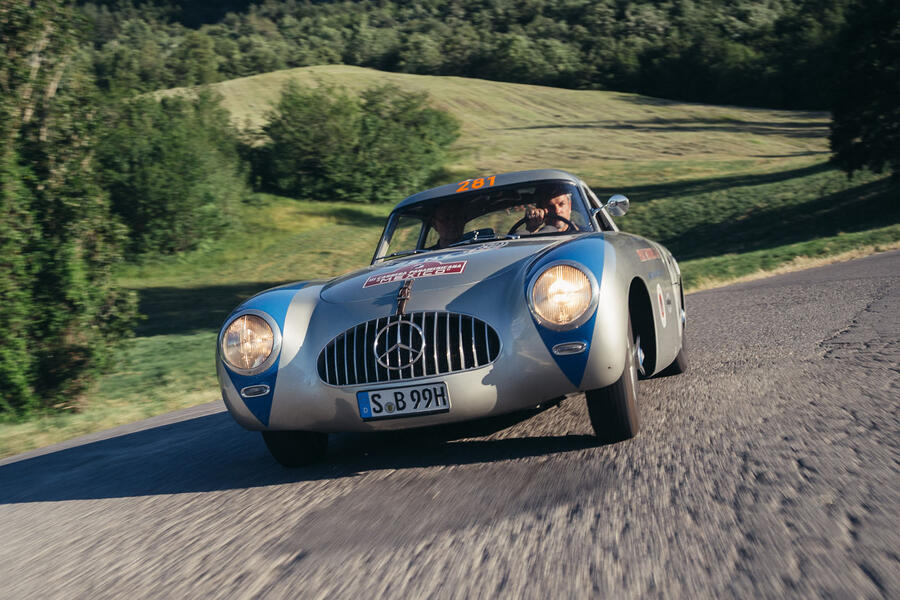
Handling balance? I'm not that inclined to find out, but the front feels heavier and the weakest point is probably the swing arm rear suspension that even in mildly spirited road driving suggests it could become lively. Everything is unassisted and deliberate and slow, so I wouldn't want to have to try and catch it. There's a modern GT vibe to the SL, and on loose surfaces — much more common in the '50s — one can imagine it skidding about gaily, steered on the throttle by a hero as it soaks up lumps and shocks with the kind of solidity and durability that it still exudes today.
And it did rather well, the W194. Between those few production cars, it won at Le Mans, it won the Carrera Panamericana even while collecting a vulture through the windscreen and it finished in the top four positions at a Nürburgring race. But it was the attention it garnered in the US that really put Mercedes back on the sports car map.
Max Hoffman, a Jewish Austrian, had fled to America in 1941 and by 1952 was the American importer of Mercedes-Benz. He told the factory they should make a road-going variant of the 300 SL for sale in America, where the jet age was arriving and prosperity was high. Mercedes told him they would, but only if he promised to order 1000 of them. So he did, and they did. The Mercedes-Benz 300 SL Gullwing (W198) you see below is the result.
It has all that was good about the competition W194 but glammed up, styled, and arriving as one of the world's first super-sports cars. Even lined up right next to a W194, it looks bigger, and it is a bit but that's deceptive — most of it is down to the chromed bumpers. It retains a 3.0-litre six and H-pattern box, plus the rest of the layout, although there is fuel injection rather than carbs and the road car made rather more power than the race car — around 240bhp at 6000rpm.
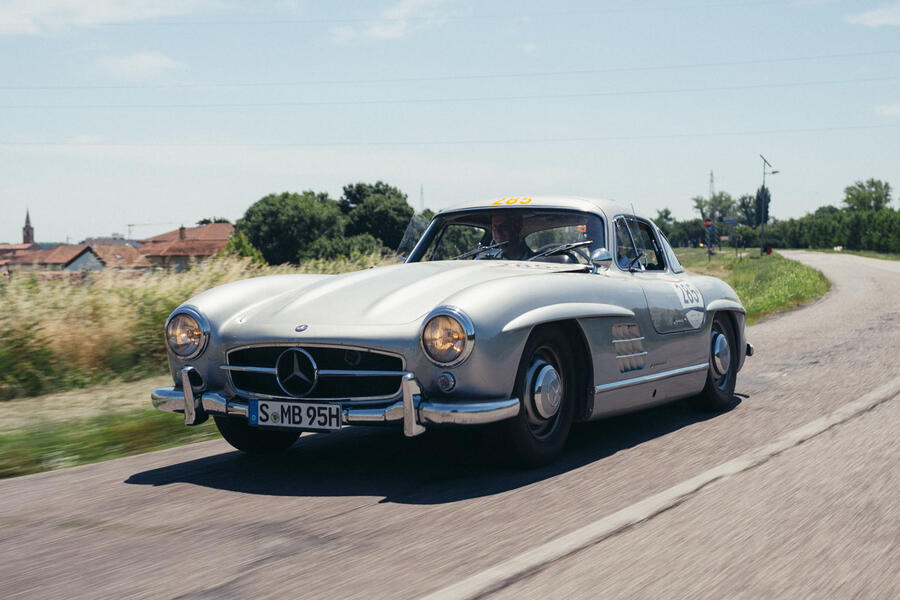
Entry to it is still a little challenging, beneath the overhanging door, and the steering wheel hinges out of the way rather than being completely removable. (The squared-off wheels of today were, thankfully, not even a twinkle in the eye.) The gearlever comes out of the transmission tunnel where it ought to, and the inside is finished more pleasingly and luxuriously than the race car—albeit you still know, really, the origin of what you're in.
Then there are the contradictions. With a rear-exit exhaust, it's quieter than the racing car, but makes a more appealing, cultured, six-cylinderish noise — my co-driver from the museum suggests he'd marry the shift from second to third at 4500rpm. And it rides better too, with real deftness and control and yet still this feeling of tremendous integrity.
It's only worth the two million or so, of course. But if you do own one, asking Mercedes to look after you and it during today's Mille Miglia, at a cost of around £20,000 for the week (they have three shifts of mechanics for 24-hour care) is perhaps not so prohibitive.
This year's route was actually around 1200 miles. I don't know how many 70-plus-year-old cars would look after themselves and their drivers quite so well as one of these. I'm told John Surtees used a 300 SL as his daily driver, and I can totally understand why. I would too.
In and around the 1000 Miglia, though? Hmm. Amazing event. But on that front, I'm not so sure.

Affordability Crisis in New Cars Reflects Industry Shift Away from Budget Models, Not Just...

Why Oversized SUVs Dominate Roads Despite Growing Public Frustration