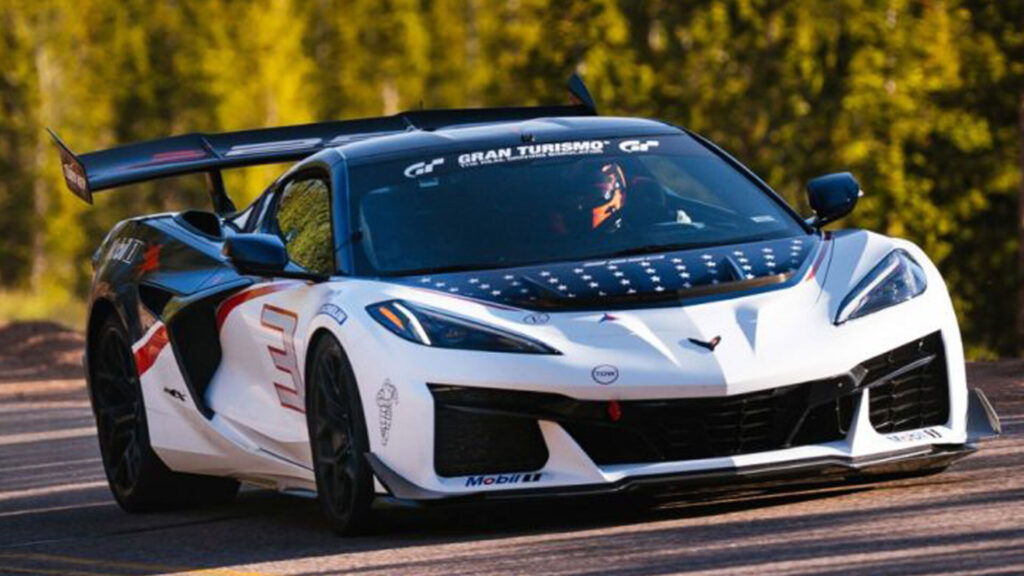
Wrong-Way Driving Prevention in Massachusetts Signals a Shift Toward Proactive Road Design and Real-Time...


Silverado 1500 Production Shift Signals Uncertain Future for Canadian Auto Manufacturing
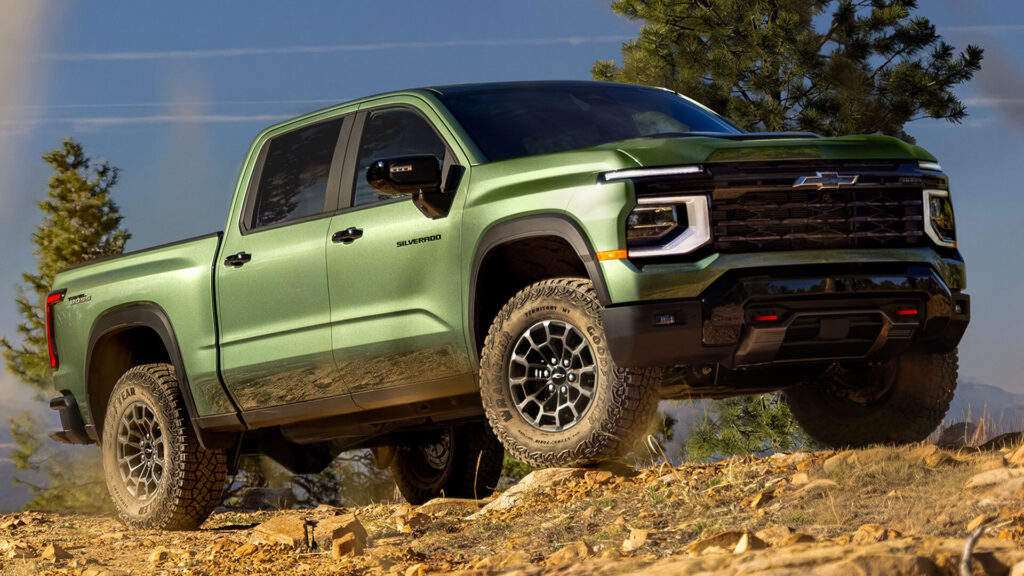

Mercedes S-Class Longevity Weighed Against the Real Costs of Aging Luxury
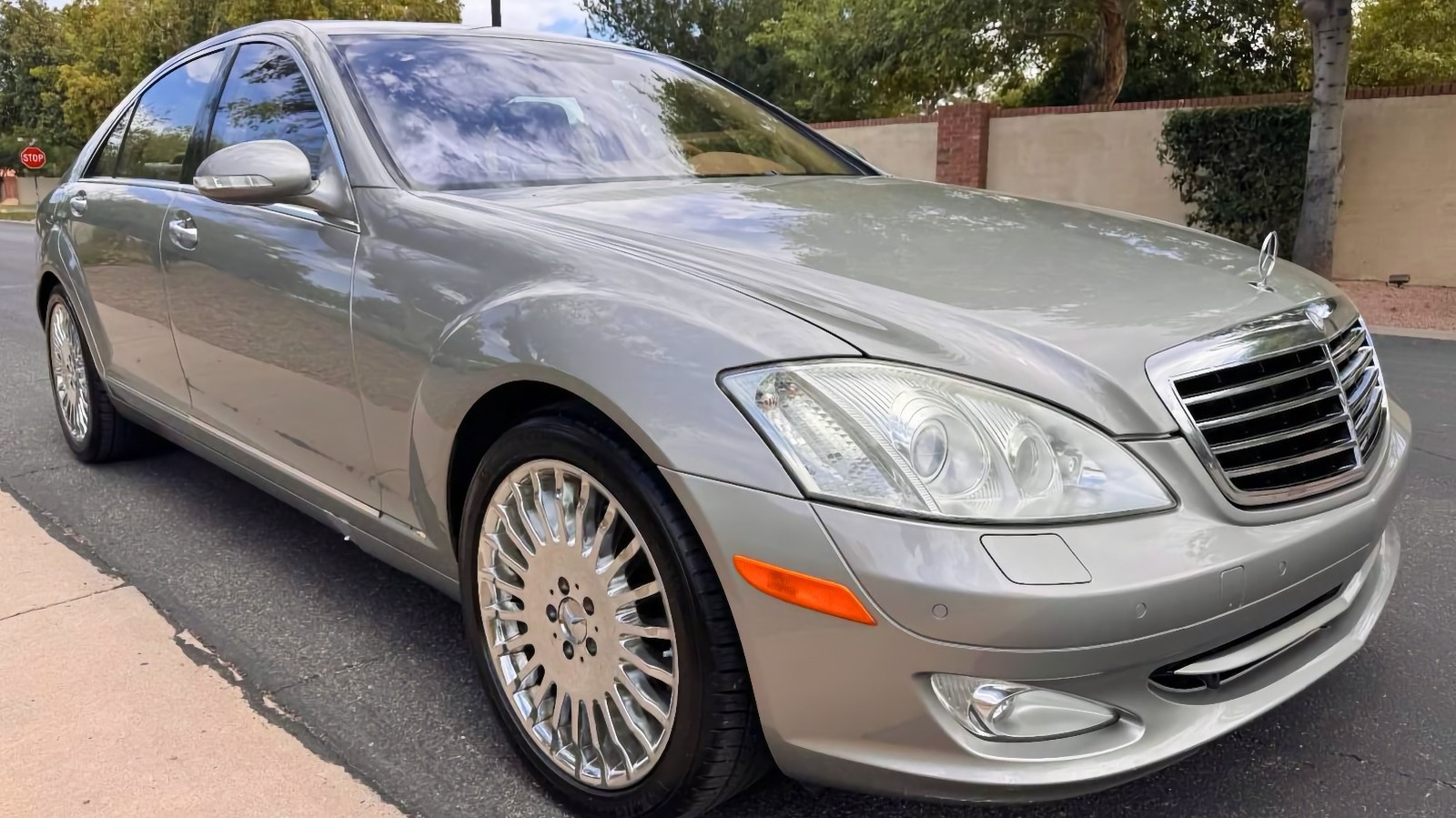

Unifor Auto Talks Confront Detroit Automakers’ Canadian Retrenchment Amid Trade and Production Turmoil

Google Earth Flight Simulator Mode Offers Accessible Virtual Aviation Without Technical Barriers


Nissan Patrol Y62’s V8 Legacy Ends as Australia Prepares for Turbocharged Successor

Ford Recalls Underscore Persistent Quality Control Failures and Mounting Consumer Risks

PACES Platform Redefines Low-Volume EV Manufacturing Through Modular Flexibility and Cost Efficiency
 In 2012, Cornwall-based WEVC predicted the need for a versatile platform for low-volume EVs
Nothing governs the size and shape of a car, its character and even its soul, more directly than the platform on which it rides. Spaceframe or ladder, skateboard or monocoque, it's the platform that governs how well a car's suspension and powertrain will work and even how its wheels will turn.
Which is why car makers spend hundreds of millions on new platforms, especially in this burgeoning electrification era, when so many inner components of cars are new. According to mass-production convention, platforms have to be made in tens of thousands to defray the cost of the stamping plants and the production lines that go with them. It's why one structure is often used across many models and even marques.
But where does that leave the special, characterful, low-volume vehicles that innovators in this country have been so expert at producing over the years? What, especially, of those whose need for low prices means they can't be supported by super-expensive, slow-to-manufacture carbonfibre structures like top-end designs?
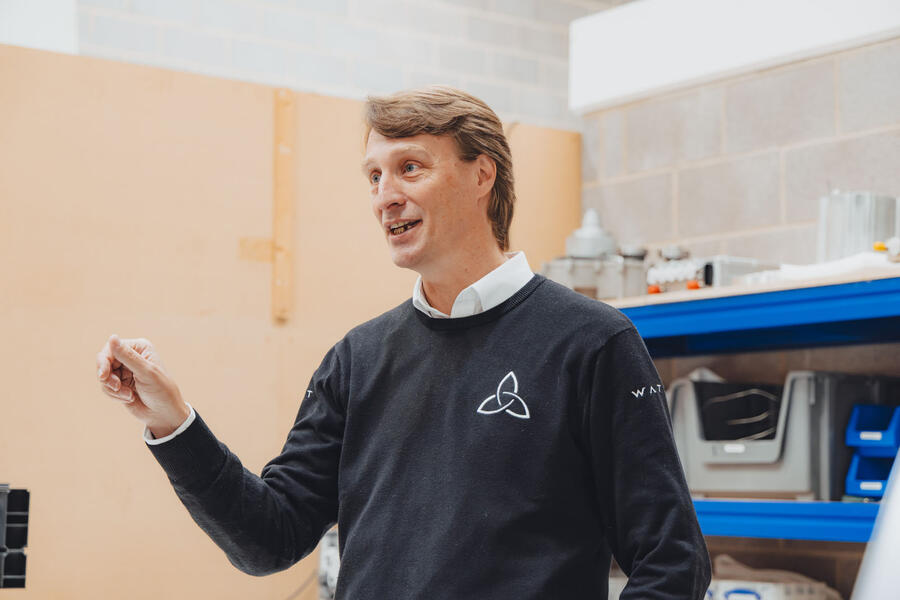
Cornwall-based Neil Yates and his small but expert team at Watt Electric Vehicle Company (WEVC), long-time specialists in low-volume car manufacture, recognised as early as 2012 that a huge transformation was coming. They put half a dozen years into devising (and patenting) a modular, low-volume construction system that would provide the manufacturing flexibility, versatility and affordability they knew small-scale operations would need to survive. Implicit in this was light weight: Yates refers often to "an inspired bloke in Norfolk called Colin" who demonstrated the huge circular advantages of light weight for cars, at first with Lotus badges on their nose.
Yates' invention - for which he and his inspired team scoop up this year's Autocar Award for Innovation - is the PACES (for Passenger And Commercial EV Skateboard) platform, whose key secrets are the use of specially designed, thin-wall aluminium extrusions that use cleverly designed corner pieces to lock a structure together with the extreme accuracy and rigidity needed for, say, a hypercar, yet manage it without the need for special pressings or complex jigs. Saving on those is the key to keeping costs under control, says Yates, and making low-volume vehicle production ("from one item to single-digit thousands") a viable activity. It also means new PACES vehicles can be brought to market much faster than would be possible with conventional designs.
PACES is already in use around the world. It has been employed in regional municipal vehicles like pick-up trucks and road sweepers, in at least one traditional British sports roadster, and in various secret applications in the US and Europe, more of which are planned. WEVC also has its own "white label" van project in prospect.
One unexpected outlet for the PACES platform, says Yates, is that tier-one and tier-two businesses specialising in software, brake parts or ADAS features are buying them to use as demonstrators for their own products, in preference to laboriously buying and stripping complete vehicles for the same purpose.
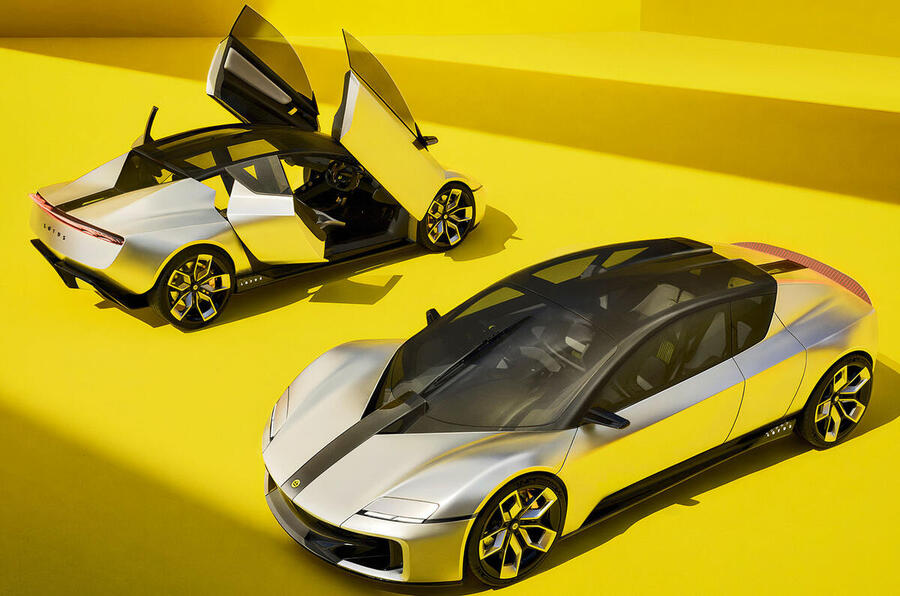
Autocar has had its own involvement with PACES. It was proposed late last year as the basis for a co-operative sports car project between WEVC and Warwick-based Avant Design - with Autocar as the commissioning client.
The partners proposed a Lotus 2+2 EV that could be built alongside the existing two-seat Emira at the famous but problematic Hethel manufacturing plant in Norfolk, keeping it alive. The project, called Elite S4, won wide acclaim everywhere but in the boardrooms of Lotus.
Another more recent example of PACES' versatility was its debut in January this year at the CES tech event in Las Vegas, where as well as making its own case, it was used as an experimental platform to show off new-design in-wheel electric motors and a new solid-state battery process, both devised by Donut Lab, a Finnish company with strong UK roots.
Yates and chief technical officer Bob Mustard are convinced they have so far only scratched the surface. One very promising avenue, they reckon, is linked to current changes in the geopolitical situation: companies that once exported vehicles worldwide from massive assembly plants are finding that market protection measures are requiring them to build products nearer where they sell them. PACES, with its limited need for big-scale manufacturing, is starting to play a role here.
In uncertain times, Yates remains bullish about the UK's potential for world-beating progress. As well as recognising its ready supply of "fantastic innovators", he credits semi-government funding providers like Innovate UK and the Advanced Propulsion Centre for their invaluable achievements.
"Every country is different," he says, "but we at Watt have quite a few foreign connections nowadays and we don't see anything like those UK investment providers in other places. The US is a great place for start-up funding, but even over there they don't have the innovation support we do. It makes a massive difference."
Yates hopes PACES will play a part in encouraging future innovators in parallel fields. "Today's engineers are starting to investigate how you can introduce an emotive element into EVs," he says, "and that's especially pleasing to someone like me who has always loved cars for their character and involvement. I'm excited for the future."

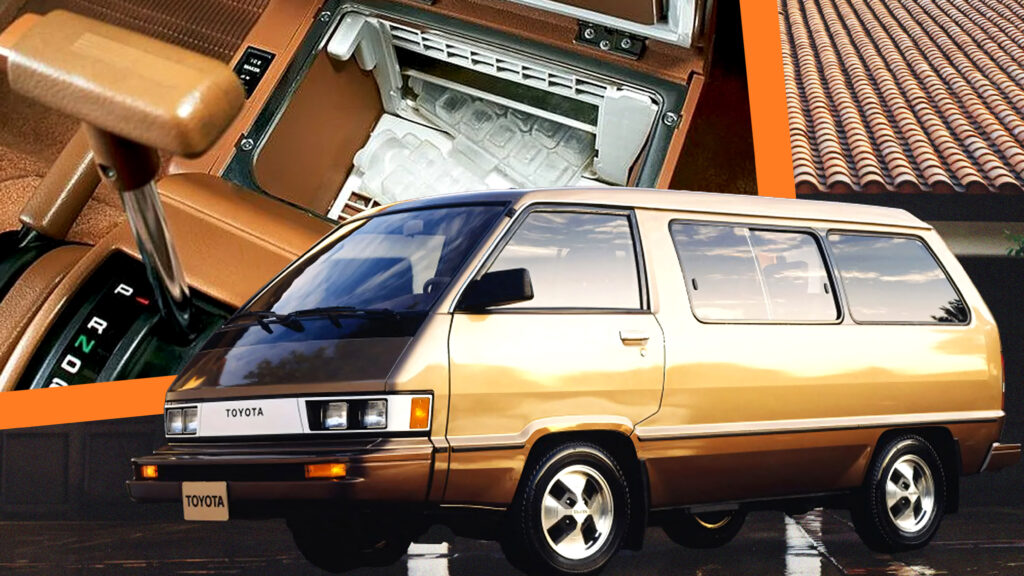
Toyota’s Forgotten Minivan Ice Maker and the Limits of Practical Innovation

Corvette ZR1X Targets Pikes Peak Production Record With 1,250 HP Hybrid Power