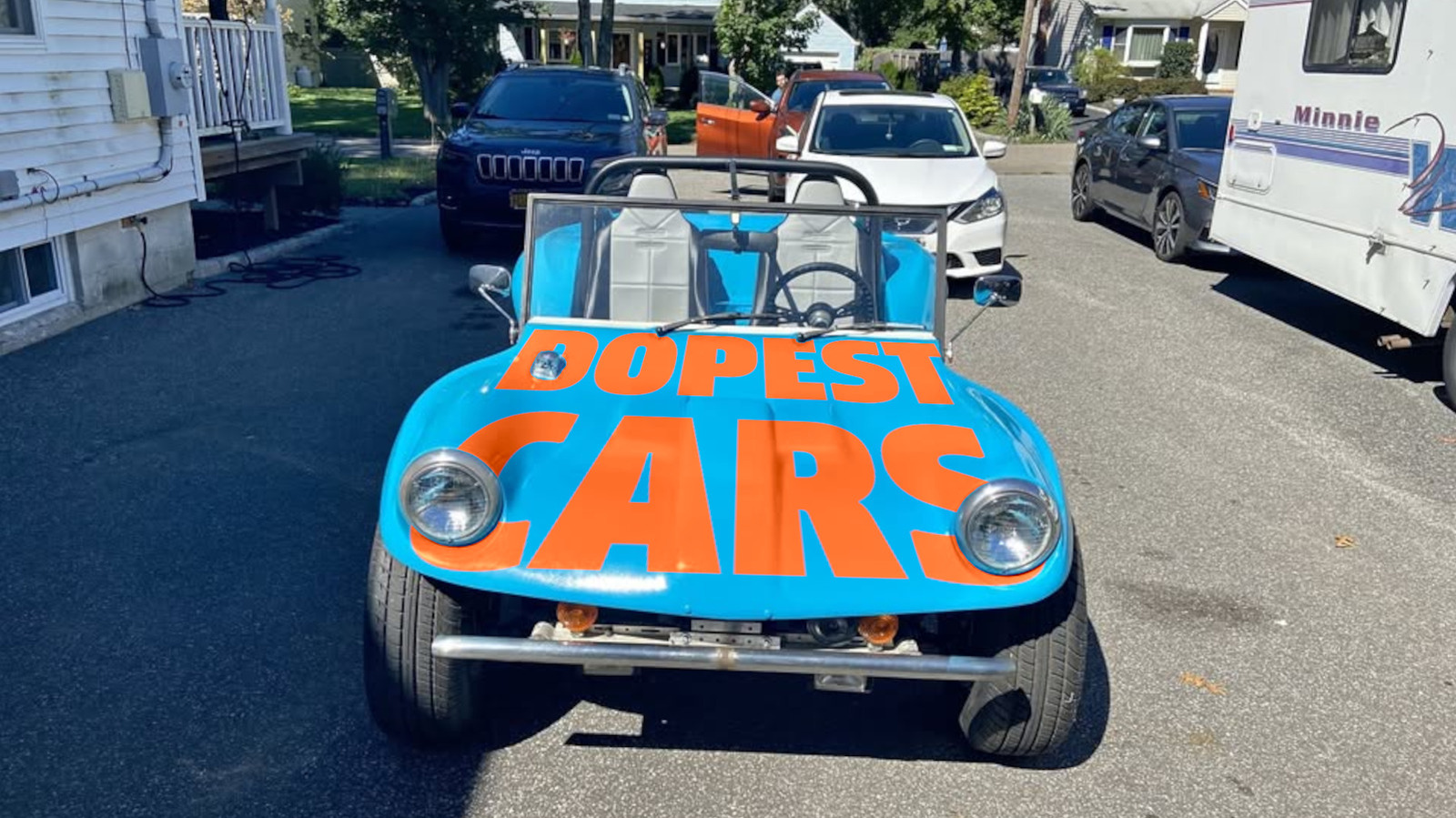
Knicks Championship Inspires Blue and Orange Car Showcase Reflecting Team Spirit

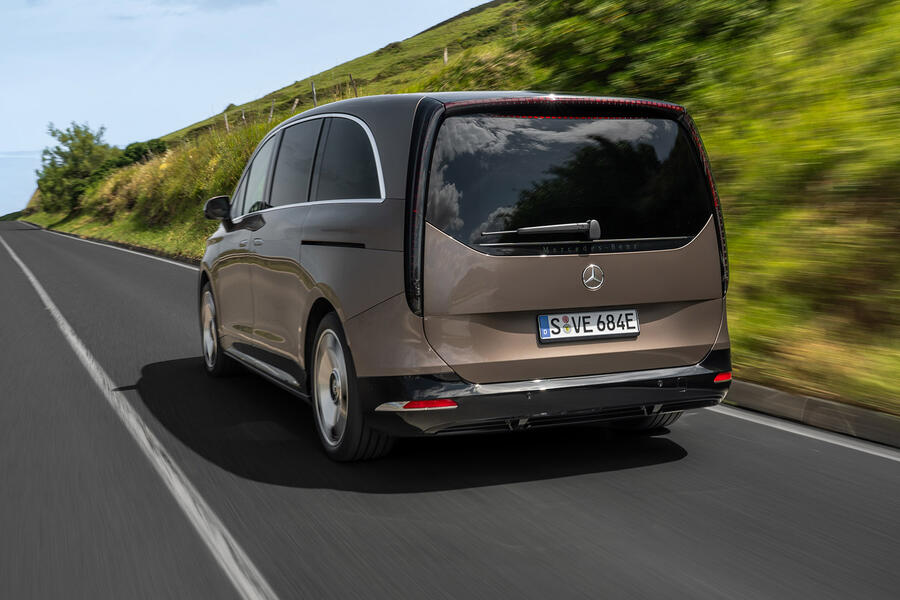
Mercedes VLE Redefines Electric MPVs With Luxury, Refinement, and Versatility Beyond the EQV
 New platform and sharper luxury focus for heir to EQV people carrier
The outgoing Mercedes EQV was an impressive people carrier that brought electric power to a segment long dominated by diesel and offered a credible alternative to the Volkswagen’s ID Buzz. But despite its strengths, it never entirely escaped its origins. it always felt like a well-executed electric version of a van.
The new Mercedes VLE is based on Mercedes’ new Van Electric Architecture (VAN.EA) that will support not only electric but also petrol and diesel models. It sits at the centre of a new family of electric MPVs that will stretch from the next-gen Vito commercial vehicle to the luxurious Mercedes-Maybach VLS unveiled earlier this year.
The scale of progress over the EQV is immediately evident. The VLE will be offered in standard-wheelbase form measuring 5309mm long with a 3342mm wheelbase, alongside a 5484mm version on a 3517mm wheelbase when UK sales begin later this year.
The range opens with the front-drive VLE 300, powered by a 272bhp front-mounted permanent magnet synchronous motor. Drawing from a 115kWh battery, it is said to cover 414 miles on a charge, and it can hit 62mph in 9.5sec. Above it sits the dual-motor VLE 400 4Matic, with 416bhp. Mercedes claims 0-62mph in 6.5sec and a range of “more than” 391 miles. Both receive the same 115kWh nickel-manganese-cobalt battery and 800V architecture, and DC charging is rated at 300kW.
Mercedes plans to broaden the line-up next year with two additional models using a 80kWh lithium-iron-phosphate battery.
The VLE seats between four and eight, depending on configuration, and offers a wide variety of layouts. A new ‘Roll and Go’ function allows seats to manually slide, fold and be removed, while electrically adjustable versions can be repositioned remotely via the infotainment or an app.
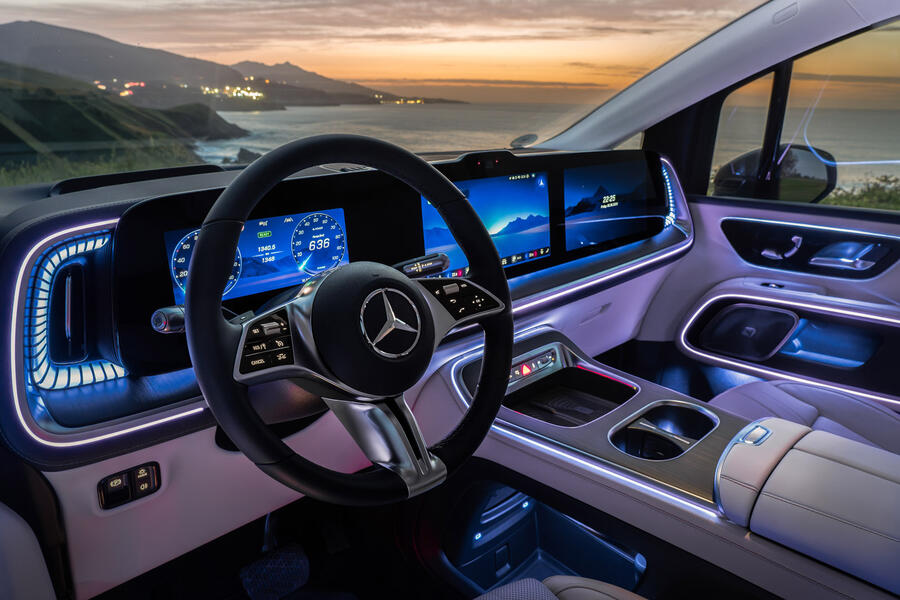
Material quality is markedly improved, with richer materials and a more contemporary feel than in the EQV. An optional MBUX Superscreen spans the dash, while a panoramic roof, ambient lighting and an optional 31.3in retractable rear display bring the cabin in line with Mercedes’ passenger cars.
Behind the wheel, the driving position is noticeably more car-like than before. This is attributed largely to a lower seating position and a reduced steering wheel angle that matches the GLE and GLS. The result is far less of the upright, van-like feel that characterised the EQV.
Visibility remains generally good, although the thicker A-pillars needed to satisfy US crash regulations can obscure the view at tight junctions. But once on the open road, a large glasshouse and mirrors plus a full sensor system provide excellent awareness of the VLE’s surroundings.
Rear-wheel steering gives the VLE outstanding manoeuvrability. Mercedes claims a turning circle of 10.9m, comparable to that of a CLA, and the effect is immediately apparent in city driving.
Refinement is a leap forward, too. Despite its size, wind noise is exceptionally well suppressed and road noise remains subdued. Mercedes credits a stiffer structure, extensive sound insulation and a decoupled drivetrain. Whatever the reason, the VLE has a composure that is much closer to the company’s passenger car range than any previous van-based MPV.
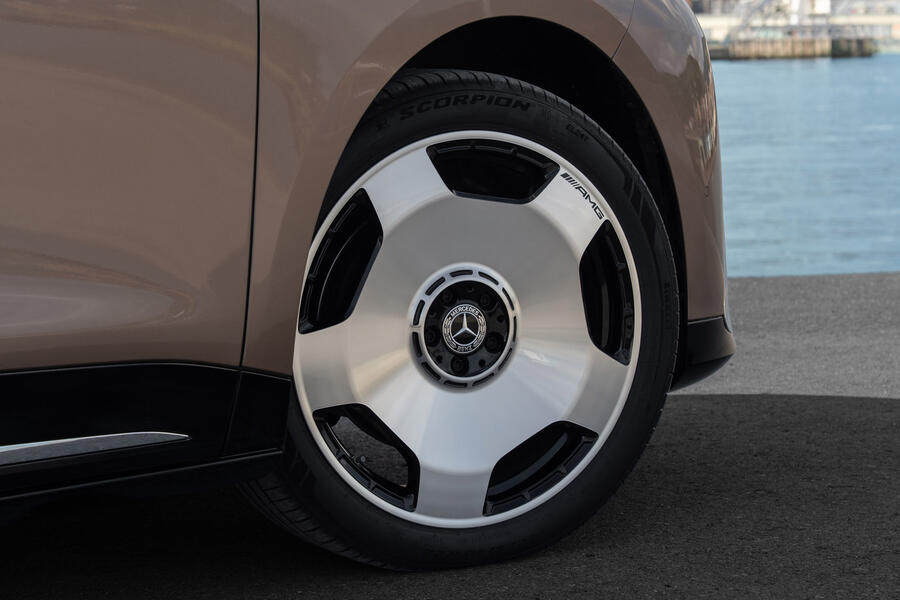
Optional Airmatic suspension reinforces that impression, with an excellent ride and disciplined body control, and there is little of the float often associated with large MPVs. On the downside, the brake pedal has a somewhat vague bite point, but its regen system, adjustable via steering wheel paddles, ranges from near coasting to one-pedal driving in town.
Performance is entirely fit for purpose. The single-motor, front-drive VLE 300 delivers strong low-speed response and effortless overtaking performance, although hard acceleration can occasionally provoke a trace of torque steer. The dual-motor, four-wheel-drive VLE 400 4Matic is more resolved, deploying its power cleanly and providing excellent traction.
What stays with you is the sense of effortlessness. The VLE shrinks around you in town, cruises with impressive refinement and combines comfort with genuine practicality and versatility.
The forthcoming Maybach VLS may ultimately become the headline act in Mercedes-Benz's new electric van family when it is launched in the UK next year. But it is the VLE that will carry the weight of the company's ambitions. Bolder in appearance, more spacious and significantly more refined than the EQV, it broadens the appeal of the large, van-based MPV considerably.
Mercedes-Benz VLE 300Refined and sophisticated, with outstanding manoeuvrability, long-distance comfort, efficiency and versatility
Price £75,000 (est) Engine Permanent magnet synchronous motor Power 272bhp Torque 279lb ft Gearbox 1-spd reduction gear, FWD Kerb weight 3500kg 0-62mph 9.5sec Top speed 112mph Battery 115kWh (usable) Range, economy 414 miles, 3.1mpkWh CO2, tax band 0g/km, 4% Rivals VW ID Buzz LWB, Peugeot E-Traveller, Ford E-Tourneo Custom, Kia PV5 Traveller
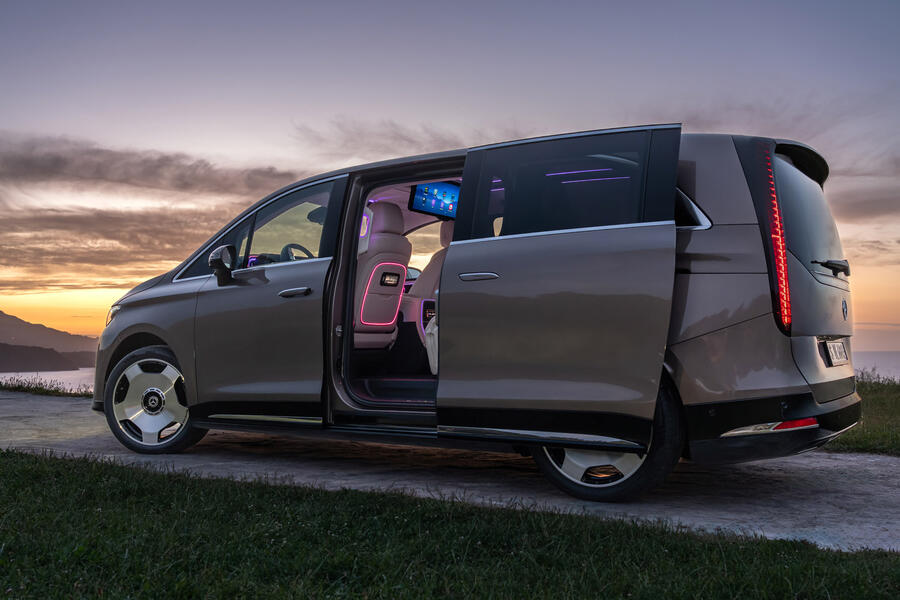

Kei Truck Efficiency Challenges American Pickup Culture as Fuel Prices Rise

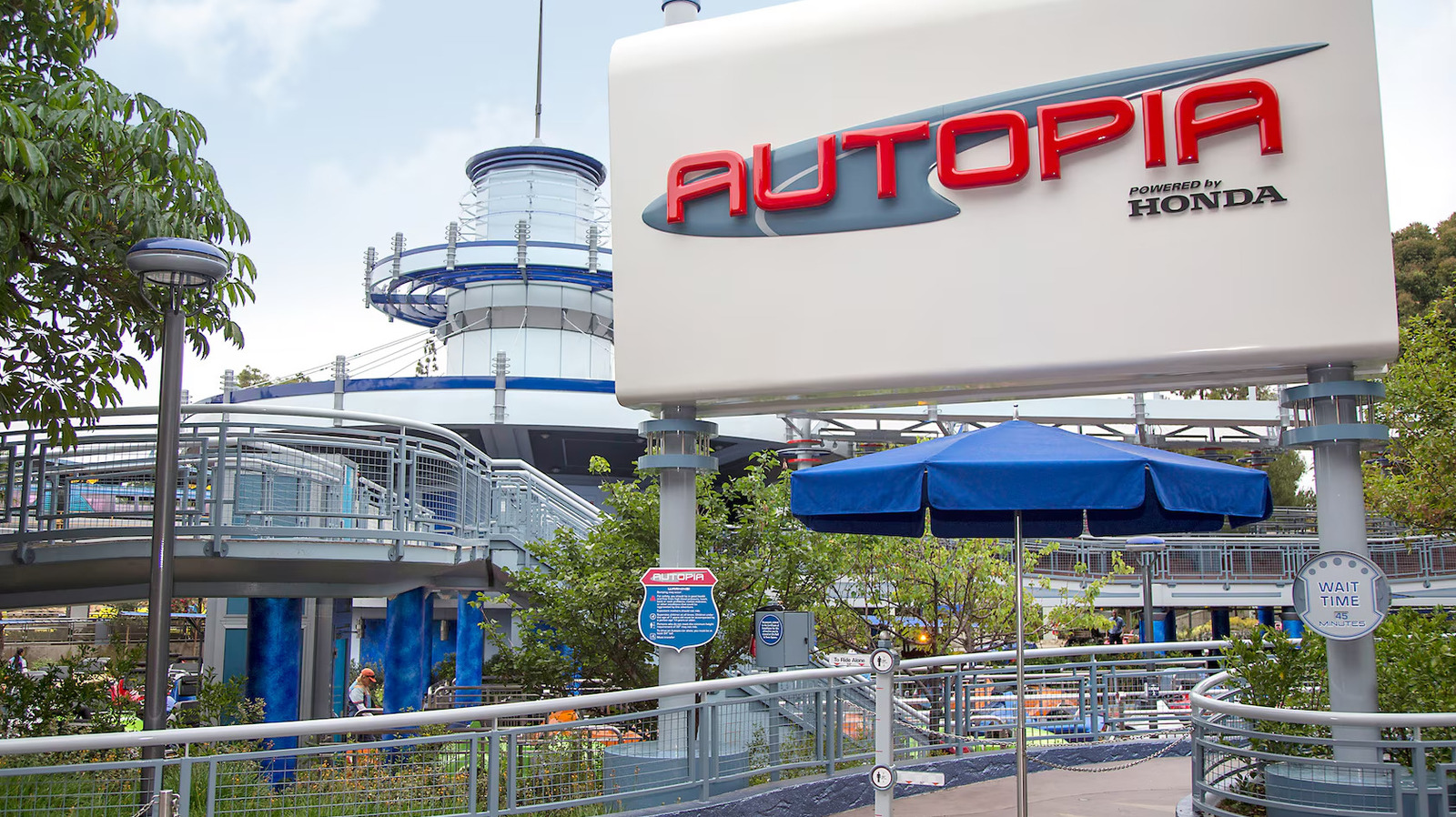
Disneyland’s Autopia Electric Conversion Stalled by Emissions Scandal

Four-Valve Cylinder Heads Redefine Classic Porsche 911 Performance With 12000rpm Engineering Breakthrough
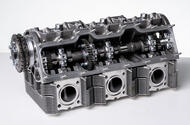 Four-valve cylinder heads allow for more fuel/air mix and gives higher revs
Back in 2023 Swindon Powertrain announced its four-valve cylinder head kits to fit the Porsche 911 964 and 993 M64 engine.
The company reached a milestone recently when it supplied its 100th kit, which is designed for use by specialist engine builders and requires the rest of the engine to be modified to withstand the extra power and revs. The standard M64 engine has two valves per cylinder, but the new heads open up the engine's breathing to raise a 993's redline from 6900rpm to as high as 12,000rpm.
Gloucester-based modification and restoration specialist Thornley Kelham is using the kit on its limited-edition 911 European RS, of which only 15 will be built with a choice of two engines. The capacity of the first is the standard 3.6-litre, making more than 380bhp and up to 290lb ft and revving to 10,000rpm. The second is a 4.0-litre producing 425bhp and 325lb ft with a slightly lower rev limit of 9000rpm.
Four-valve-per-cylinder engines date back to the early 20th century, with the 1910 Benz 21/80hp being one of the earliest. Rolls-Royce Merlin aero engines had them in WW2, Ford caused a stir with the rally homologation Escort RS 1600's 16-valve BDA engine in 1970, and the Triumph Dolomite Sprint appeared in 1973, with its 2.0-litre four-valve unit recognised as one of the first mass-produced, four-cylinder multi-valve engines.
So while four-valve heads aren't new, Porsche didn't use them for its air-cooled engines (apart from watercooled four-valve heads on the otherwise air-cooled 935 racer in the 1970s and the 959 in the 1980s).
Multi-valve heads are a way of drawing more air into a cylinder and burning proportionately more fuel, in turn releasing more energy. Four-stroke engines with two valves per cylinder have a single inlet valve and smaller exhaust valve per cylinder. Valves (very) roughly resemble a plate on a stick: as the valve is opened by the camshaft, it lifts off its seat in the cylinder head to reveal - to open - the inlet port. As it does so, the circumference of the valve describes a sleeve or tube known as the 'curtain area', and on the inlet side the size of this area has a lot to do with how much air and fuel can be drawn into the cylinder.
The combined curtain area of two inlet valves is greater than one (unless a single valve were opened an unfeasible amount), allowing more fuel/air mix into the engine. Peak flow into the cylinder of a 993 engine is thus increased by 40% over the twovalve original. Smaller, lighter valves and springs reduce inertia at high revs, too. Swindon's kit adds to this key benefit with valves made from superlightweight titanium, and correspondingly lighter springs overcome another critical barrier to safely achieving high revs.

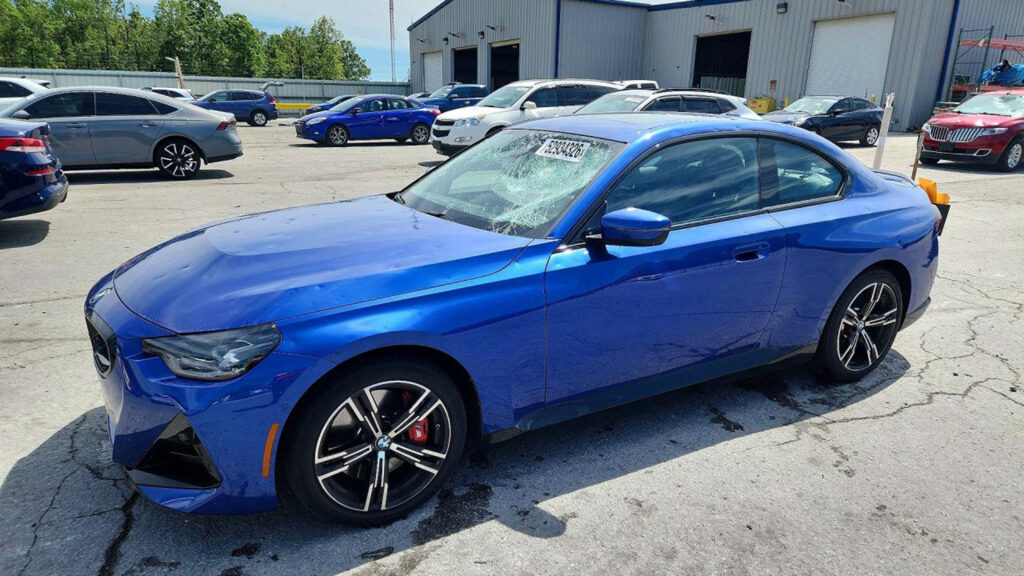
Title washing exposes systemic gaps as dealer charged with forging documents to resell hail-damaged...

Alpine A110 Prototype Debuts at Goodwood as Lightweight EV Redefines Sports Car Architecture
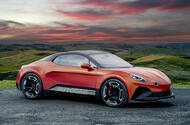
Autocar render shows what the new A110 might look likeTest mule for crucial next A110 will be displayed as part of an 'Alpine moment'
The next-generation Alpine A110 will make its debut at the Goodwood Festival of Speed – in prototype form.
A test mule for the new electric sports car will be displayed as part of an ‘Alpine moment’, alongside several variants of the outgoing petrol model.
It remains to be seen what disguise the test car will wear. It is unlikely to use production-ready bodywork, given Alpine has yet to provide little more than a hint of the finished car’s design. It may instead look more like the outgoing petrol A110.
The next A110 will be underpinned by the new Alpine Performance Platform (APP). This has been developed with weight reduction as a priority, with aluminium construction and 800V electricals. Notably, it features two battery packs, rather than one larger unit as is conventional for high-performance EVs. The two batteries are positioned over the front and rear axles, giving a 40:60 weight distribution. That is slightly further rear-biased than the petrol A110, which is split 44:56.
Alpine CEO Philippe Krief previously said the split-pack design was chosen so the electric A110 could sit as low as the outgoing car, while also bringing more than 340 miles of range. He added that it has been conceived to complete three laps of the Nürburgring Nordschleife without the battery derating – losing performance due to heat.
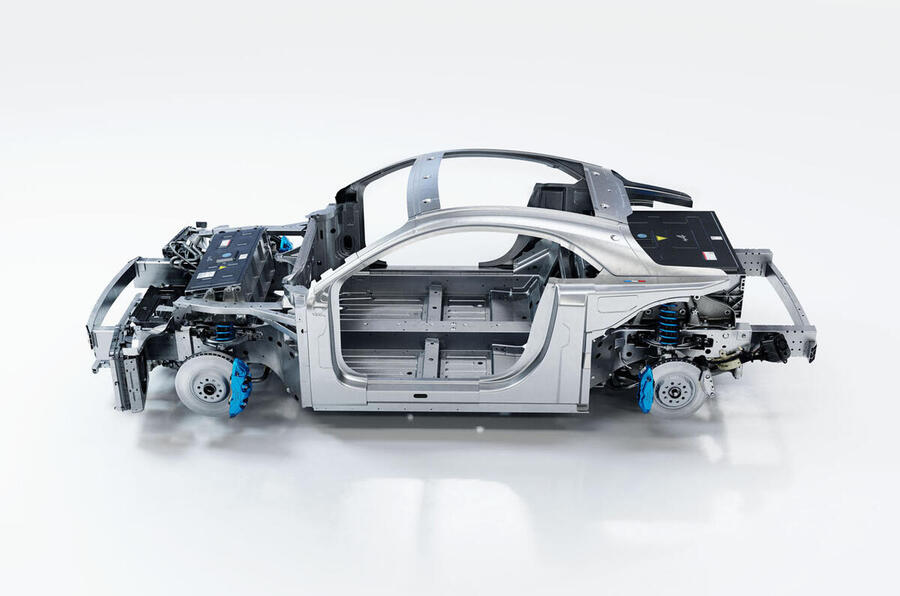
The positioning of the rear battery approximately where the petrol engine sits in today’s A110 also presents “an opportunity” to convert the EV to combustion power if needed, said Krief. But he added that this capability has not been included at the cost of the car’s potential as an EV. “If the answer would have been that, it would make the electric car worse," he said. "There’s no way we’d have done it.”
Krief also told Autocar that the new A110 will have a kerb weight on a par with its combustion-engined rivals today, suggesting it will be around 1500kg. Although that is significantly heavier than the current A110, which is at around 1100kg, Alpine has previously touted the potential of torque-vectoring technology to make EVs feel as agile as ICE equivalents.
It remains to be seen how the A110 EV will be powered but the Renault 5 Turbo 3E is also based on the APP, hinting at one direction the sporting brand could take. The wide-arched hot hatch has two in-wheel motors mounted on its rear end, giving a combined output of 533bhp for a 0-62mph time of 3.5sec.
Although it is rare for car makers to present test mules – particularly on a stage as large as the Festival of Speed – Alpine’s decision to do so represents a significant step towards the launch of the electric A110. It is currently expected to be revealed in full next year.

Illinois Drops Age-Based Driving Tests as Data Shows Seniors Are Safest Drivers

Favorite Driving Styles Reflect a Shift Toward Responsibility Over Recklessness

Toyota and Nissan Quality Warnings Expose Tensions Over US-Built Vehicle Standards in Japan