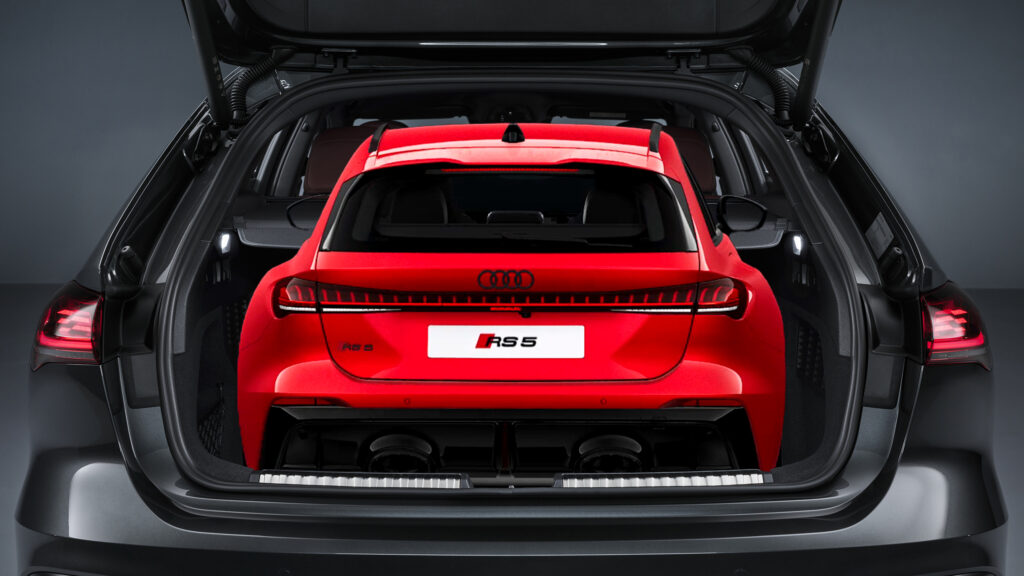
Audi Wagons Target Niche US Demand as Enthusiast Alternatives to SUVs

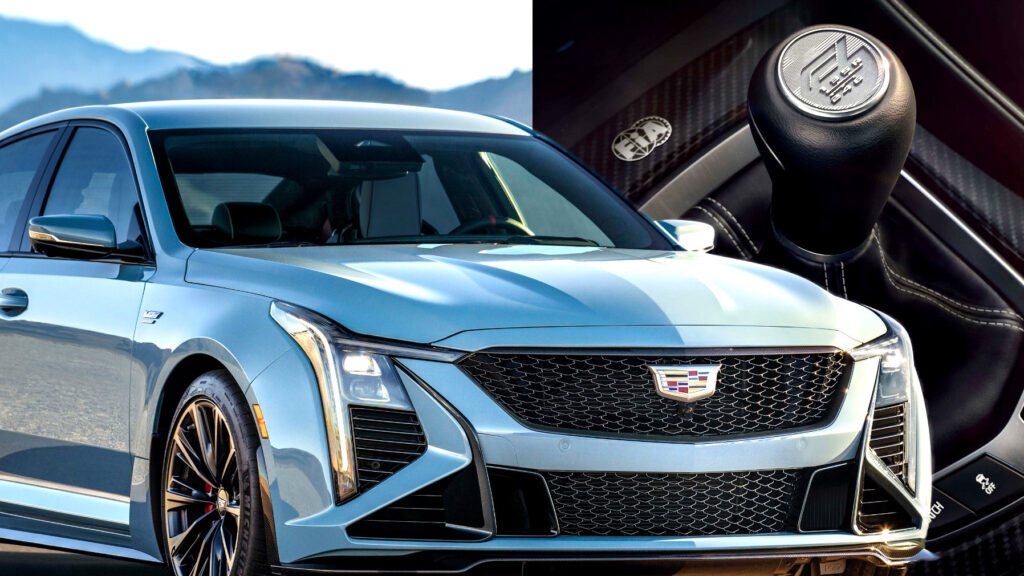
Cadillac CT5-V Blackwing and the Disappearing Manual V8 Sedan in America

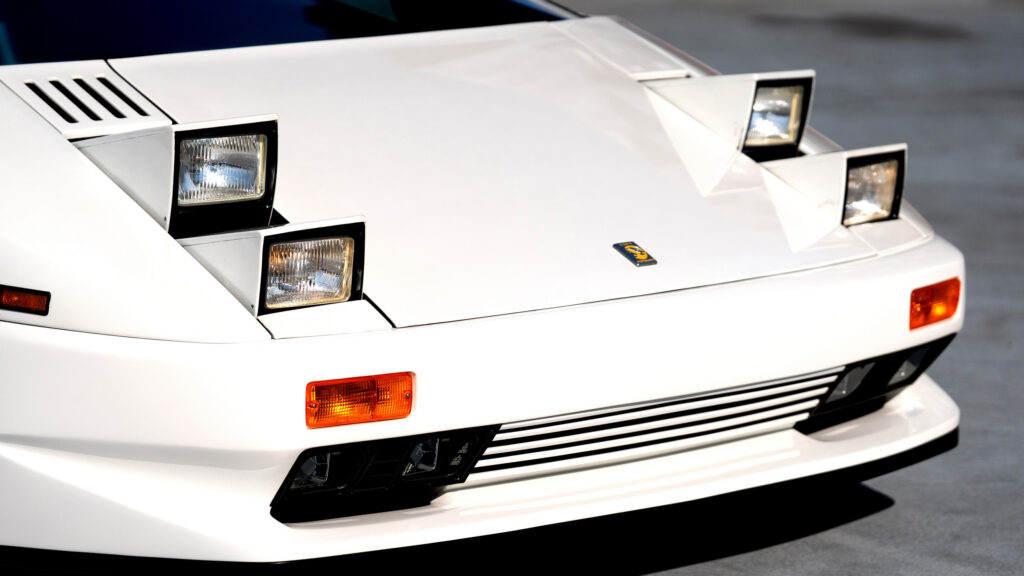
Cizeta-Moroder V16T Prototype Reveals How Rejection Shaped a Forgotten Supercar Icon

Racing Liveries and the Decline of Distinctive Motorsport Design
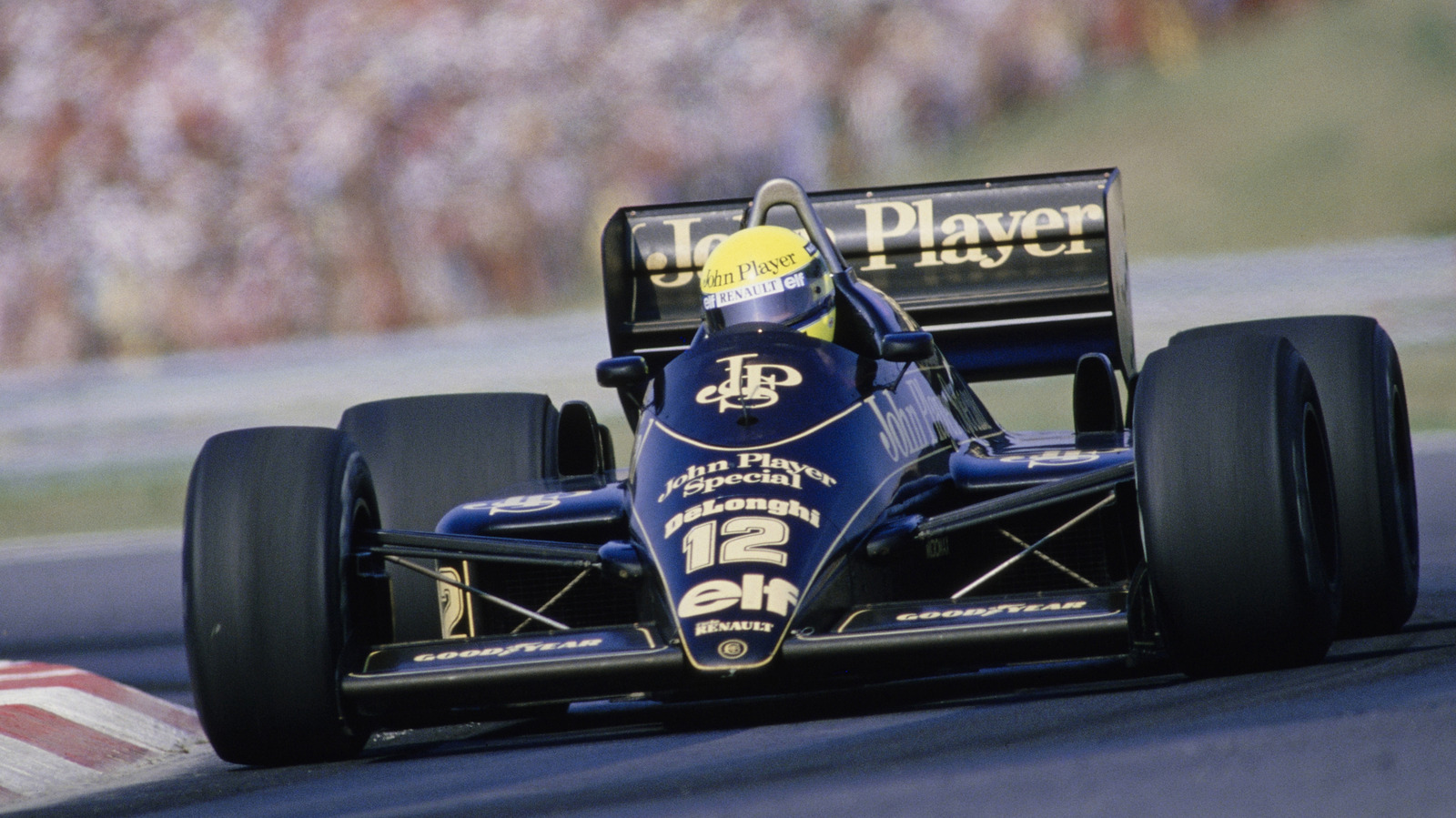

Nissan Interstar-e Camper Reimagines Off-Grid Travel With Battery-Powered Comfort and Quiet

Mercedes A-Class Redefines the Premium Hatchback with Sporty Dynamics and Accessible Pricing
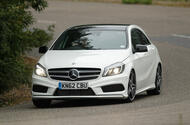 Merc's third-gen hatch hit the ground running as a premium Golf rival - now it's available from £2000
The A-Class was a case of third time lucky for Mercedes - at least in terms of making a profit.
The groundbreaking first-gen A-Class was safe and extremely space-efficient. We called it "easily the most innovative front-wheel-drive car since the Mini", yet frumpy styling played a role in it becoming a €2.5 billion failure. Merc's second effort addressed notorious handling quirks but was no less ungainly.
The Mk3, however, was bang on the mark: Mercedes straightened its tie, pushed its glasses up, reopened the rulebook and built the most Volkswagen Golf-like hatchback it could, rather than a segment-bending innovation showcase. It was a roaring success.
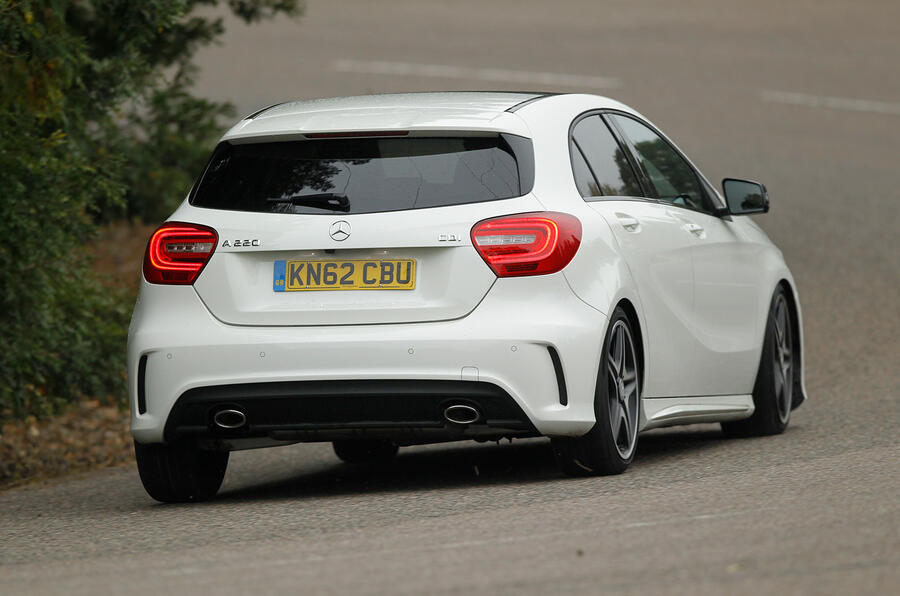
It's still a good-looking car today, with neat creases, balanced proportions and a subtly sporting aura. Residuals remain strong, but you can now grab a well-looked-after example with reasonable mileage for less than £5000.
At 4.3 metres long and with a range of four-cylinder petrol and diesel engines driving the front wheels, the A-Class was engineered and specified to rival VW's benchmark and its trendsetting premium relation, the Audi A3.
You slide down into a W176 A-Class's heavily bucketed seats: the low roof and small door openings make it feel more like getting into a sports car than a posh family hatch. That was the point: Merc was trying to entice a younger and more dynamically inclined buyer.
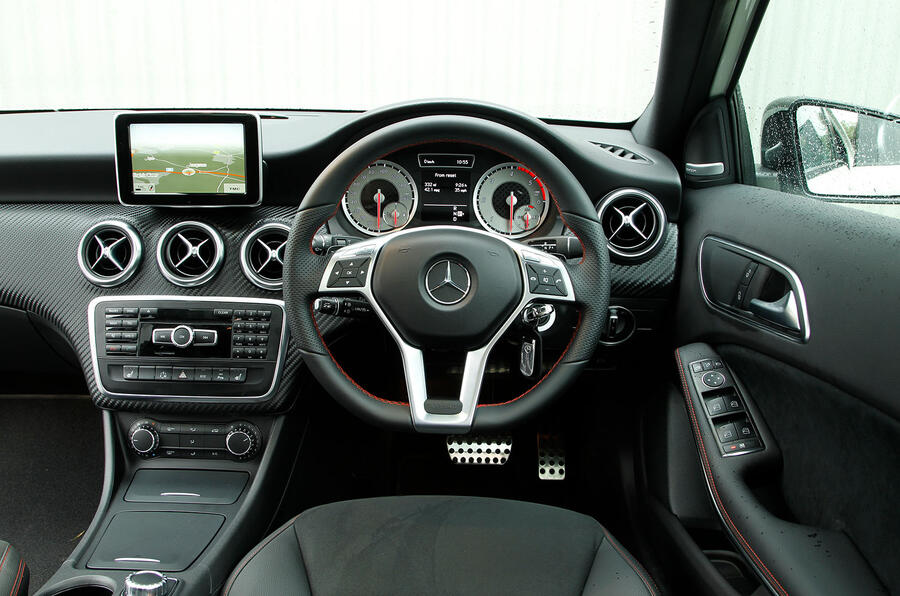
It all feels luxurious and nicely finished without being exuberant. Good-quality plastics and premium switches are plentiful, and the 7in (8in with the 2015 facelift) infotainment system is right-sized, as is the smaller display between the sporty analogue dials.
The driving position is great, but the rear space is more compromised: the bulky seats and low roof make it quite claustrophobic, and the middle seat is for occasional use only.
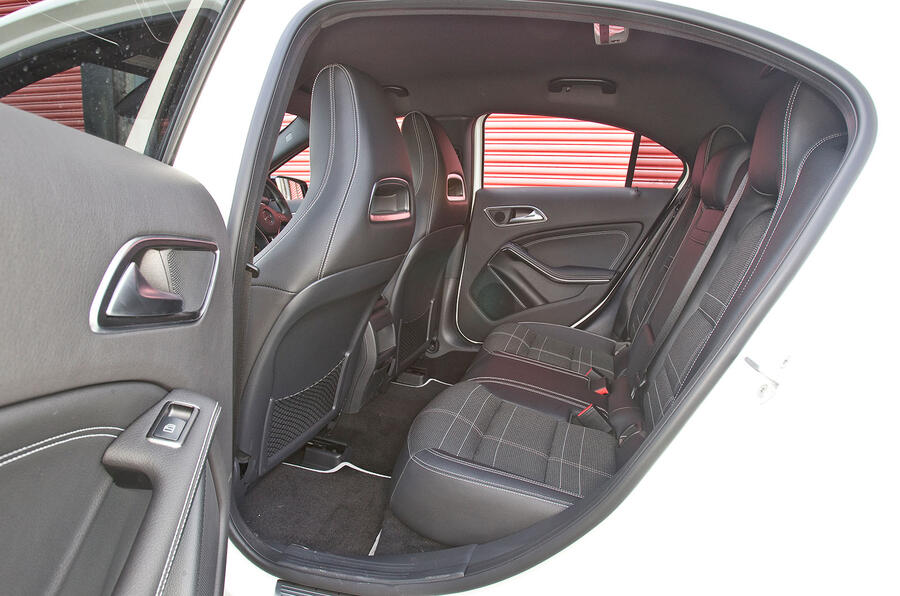
The boot is also a touch small, at 341 litres, but the flip side of the reduced practicality is the compact feel on the road. The dynamics are excellent, and few would have expected Mercedes to release one of the best-handling hatchbacks of its day. The A-Class is immediate and direct, darting into corners and holding its line with tenacity. A BMW 1 Series seems stodgy by comparison and an A3 almost insipid. It's genuinely good fun to hustle down a B-road.
For those few readers who aren't keen drivers, you might lament the uncompromising stiff ride and poor sound insulation (improved with the 2015 facelift), which lets too much road and engine noise inside. SE and Sport models are firm, but AMG-lite trims can be uncomfortable on all but smooth roads. Adaptive dampers (available post-facelift) go only so far at taking the edge off the ride.
Another A-Class miss was the engine selection: none of the petrols or diesels stand out. That said, the 1.6-litre 156bhp A200 petrol gives a nice balance between economy and performance, and the 2.1-litre diesel became better refined post the 2015 facelift. The 134bhp A200d is efficient and punchy. Both engines are at their best when paired with the standard six- speed manual, although the seven- speed dual-clutch auto isn't bad. Worth hunting down is the rare A250. With 208bhp (215bhp in the facelift), it has Golf GTI pace with an unforgiving chassis that gives great agility when pushing on. It's a forgotten but worthy hot hatch.
What to look out for
Interior: Check for rattles, possibly emanating from the centre console or, on early models, from the front seatbelt height adjusters, which were modified on later versions. Build quality was generally much better on facelifts, and additional sound deadening was welcomed.
Engines: Mostly reliable apart from typical particulate filter issues on the diesels. The 1.6 and 2.0-litre petrols and 1.8-litre (pre-facelift only) and 2.1 diesels are Merc units, while the 1.5-litre diesel is from Renault. It's a little underpowered (108bhp) but economical, reliable and no less refined than the bigger units.
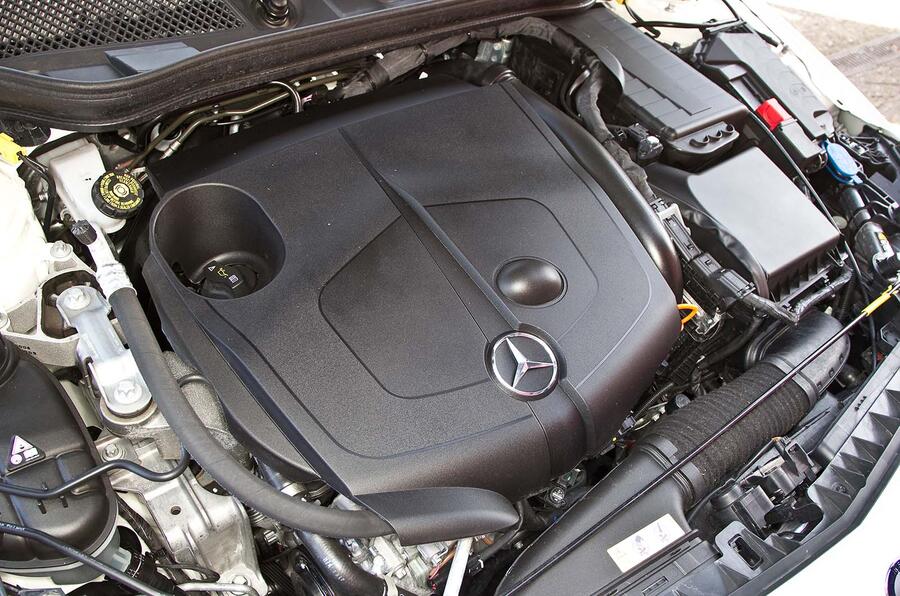
Servicing: A noisy clatter on any engine indicates it's time for a new timing chain - it's normally due at 124,000 miles but often needs doing sooner. The A-Class requires servicing every year or 15,000 miles, whichever is first. The big service should be every four years. It's worth factoring this into the price if a change is due.
Gearbox: Jerky or delayed gearshifts could mean an issue with the automatic 'box - a seven-speed dual-clutch auto across the range. A service or replacement control unit should fix things.
Low-emission zones: All petrols are LEZ compliant, as are 2.1-litre diesels, from as early as 2013. The 1.8-litre diesel is not compliant, and neither is the 1.5-litre in the pre-facelift car (tell it apart by a '180 CDI badge', rather than '180d').
Also worth knowing
Trims range from SE to AMG Sport (AMG Line in the facelift) with Sport in the middle. Sport adds cruise control, auto wipers and 17in alloys to the standard electric mirrors, air-con and auto lights. AMG versions have a sportier bodykit and carbonfibre bits inside. Lots of features (LED lights, leather heated seats, a panoramic sunroof) are wrapped up in the two option packs, Premium and Premium Plus.
The 2015 facelift brought Dynamic Select, with a range of driving and suspension modes: Eco, Comfort, Sport and Individual. It also has the improved 'NTG 5.1' infotainment system that includes both Apple CarPlay and Android Auto hardware support - but not all models have it enabled.
Earlier models with NTG 4.5 can have it (expensively) upgraded, while later ones may just need a software update and cable.
Insurance groups range from 13 to 33. Vehicle excise duty is as little as £20 for the diesels, while the petrols are around £200.
How much to spend
£2000-£4999 Neglected and high-mileage cars, probably not worth the risk.
£5000-£8999 Good-condition, reasonable-mileage pre-facelifts, plus a few later cars in less desirable SE trim.
£9000-£14,999 Massive selection of facelift cars, the majority being automatic diesels. AMG Line commands a significant premium over Sport.
£15,000-£25,000 Late, low-mileage cars and a selection of bonkers A45s - a future classic in the making?
An owner's view
Sioban Hall: "I love my 2017 A-Class. It's an A220d with the AMG Line bodykit. The only downsides are that it can feel quite stiff and noisy, but otherwise I like that it feels low and powerful like a sports car. So far it has been reliable and economical - I get almost 50mpg - and is the perfect car for my motorway commute."

Campervan Rivalry Redefined as Citroën Holidays Challenges Volkswagen California’s Reign
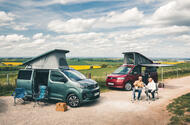 The new Citroen Holidays is here to challenge an Autocar favourite for campsite supremacy
Few cars unite the writers of this magazine—or loom so large in many of our money-no-object garages—as a 2.4-tonne, diesel-powered cuboid. One that takes more than 12 seconds to hit 62mph and most likely laps Anglesey in the time it takes to brew a strong cup of tea via its on-board kitchenette. The Volkswagen California is an essential pillar in any rounded car collection, fantasy or otherwise, and it's one that justifies its tortoise-like straight-line performance with the hare-like speed with which it transforms from civilised minibus to rolling four-person villa.
It has occupied a class of its own for more than 75 years now, tracing its roots back to the iconic Type 2 camper van of 1950. The now familiar California badge had its debut in 2004, and Volkswagen has sold in excess of 200,000 examples in the two decades since. All right, there is plenty of capable competition from the third-party camper conversion market, while the Mercedes-Benz Marco Polo lifts things up a notch with its plusher trim and optional air suspension. But the California has always been the factory-made camper for common folks, even if this T7-generation Cali now starts at almost £65,000 and accrues a further £10,000 with the trim and options that truly make it feel like a home from home.
But at last! Coming over the hill, its arrival trumpeted by distinctly commercial turbo diesel tones, is some welcome competition and a car that competes with the aftermarket on price while wearing a glossy showroom sheen. The Citroën Holidays notably undercuts the Cali with its £56,000 entry point and some inevitably rougher edges. The VW now places its seating and sleeping for four firmly on the MQB car platform of the Multivan rather than the underbelly of a Transporter, helping it ride and handle with a fresh finesse. The Holidays, though, is unmistakably a double chevron-badged van with its shorts and flip-flops on—or cagoule and hiking boots, assuming you're deploying it on a Great British break...
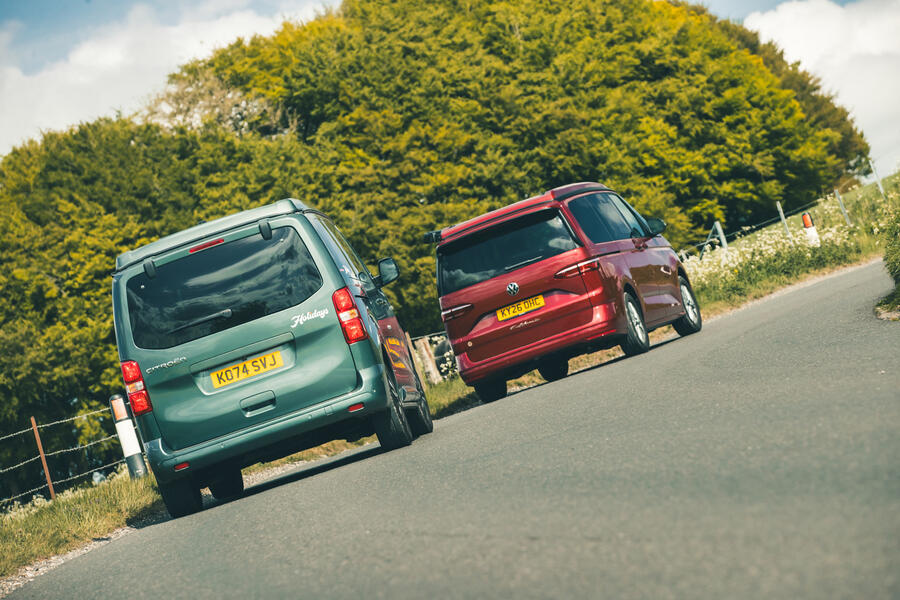
The Holidays' name, and the font displaying it, certainly borders on the twee, but it channels a whimsy similar to the Mazda Bongo Friendee, a true cult icon of the used camper van scene. It's the knowing acknowledgement of a vehicle that is both fun and functional without much compromise in either camp. And camp we shall, because how else might we appraise the newcomer's nous against the class MVP?
The Holidays starts life as a Citroën Spacetourer bus, built as normal in Hordain, north-east France, before being sent to Slovenia for its conversion. The payload is bolstered over stock and, unlike the VW, there's one, simple spec to choose from. A 2.2-litre diesel is now standard, although the older 2.0-litre on test delivers an almost identical set of numbers. There's heating, a twin-hob cooker, fridge and (cold) shower, plus the capacity to sleep two downstairs and two inside its gas-strutted, manually extendable roof. Those beds are snug, however, measuring the 1.9 metres by 1.2 metres of a UK queen-size or 'small double' bed rather than a full double. The front seats swivel to face the rears, and a temporary table can be installed between for a proper dining experience.
The California mirrors much of that set-up, but its roof is electrically operated from this mid-range Coast upwards and incorporates a hatch to slide shut to separate the two floors. It trades one cooker hob and the Citroën's unlikely commode toilet for larger water tanks, an integrated side awning and its own foldable chairs, which slot with beautiful tactility into the bootlid. Both vans, it's worth adding, have enormous tailgates that demand care when opening.
The VW's build process takes place in Hanover across two different facilities, and it hits the configurator with three spec levels and powertrains, supplementing its core diesel with a 201bhp 2.0-litre petrol and 242bhp 1.5-litre eHybrid 4Motion. The latter offers around 50 miles of silent running—useful for keeping the peace at the campsite—and represents your only shot at four-wheel drive in this pairing, although we have opted for the diesel here to ensure a civilised squabble. While dynamics may appear less crucial here than in almost any other test in the Autocar archive, no one wants their trip to start on a sour note. And yet, despite its distinctly commercial vehicle beginnings, the Holidays won't subject that upon you.
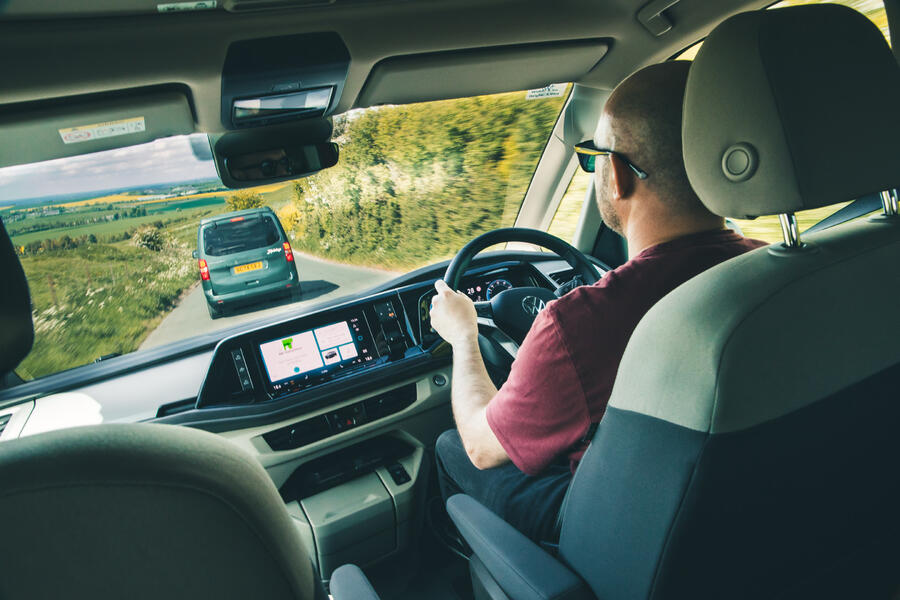
Its additional 29bhp over the California provides livelier acceleration, and its standard auto 'box makes progress simple. You can manually shift gears with its steering wheel paddles, but there's rarely any need beyond hushing its engine on a consistent incline. Its steering is slower and more laborious than the Cali's, commanding a swish of your forearms rather than a flick of your wrists in corners, and the Volkswagen can't help flexing its more sophisticated platform in this company.
The Cali is quieter on a cruise and nimbler in corners, and it exhibits more quality damping on rougher roads to help justify its larger asking price with more polished manners. An unlikely highlight among it all is Travel Assist, a smart piece of semi-autonomous tech that can predictively brake and steer the car on narrow lanes for safer navigation of unknown roads. While we're not ready to cede full control of our cars just yet, it feels like an adept background safety feature for drivers lost or flustered on a family trip. It's a modest option at £480.
The VW is unequivocally techier, then. It's more immediately habitable too, however much the climate control sliders of its protruding infotainment screen frustrate beside the Citroën's humbler row of buttons and toggles. Front quarterlights aid the Cali's forward visibility, and you can see more through its rear screen, which helps offset its pert side mirrors. While picture editor Ben Summerell-Youde and I agree that its beige interior tones look a bit naff, in truth they lighten the cabin nicely as you drive, and one would assume the trim is hard-wearing and easily cleaned. It would otherwise be a clanging own goal beside the darker-trimmed Holidays.
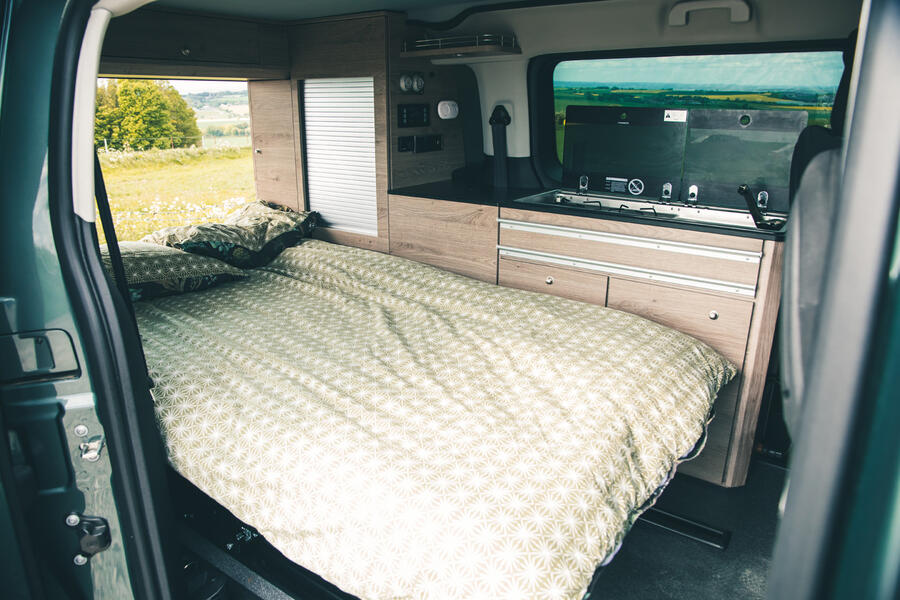
The Citroën's rough edges show themselves most viscerally inside, with its tacked-on smoke detector, visible bolts and cabling and—perhaps a clincher for some buyers—the modest level of physical fitness and ingenuity required for its transformation from four-seat shuttle to two-tier hotel room. Sliding and folding the rear seats into a double bed is a right old kerfuffle, while unlatching (and more pertinently re-latching) the roof might cause some bruised knuckles on your first several attempts. You would get used to it all, I'm sure, but alongside the near-effortless Volkswagen, it is the most sizeable sacrifice made in the name of value. You should badger your dealer for a proper demonstration before you lay down a deposit.
Each of the levers and pulleys needed to activate bedtime in the California exudes the decades of experience VW has in the game, although whether operating its heating via a touchscreen (or bespoke phone app) is preferable to the simpler knobs and dials of the Holidays falls into the realms of personal taste. Or, indeed, age. A more objective demerit for the VW is its more frequent fuel stops. We averaged 37mpg in both vans across similar usage, but the Holidays' larger tank (70 litres versus 58 litres) easily yields more than 500 miles between fills; the Cali is likely to illuminate its fuel light 100 miles earlier.
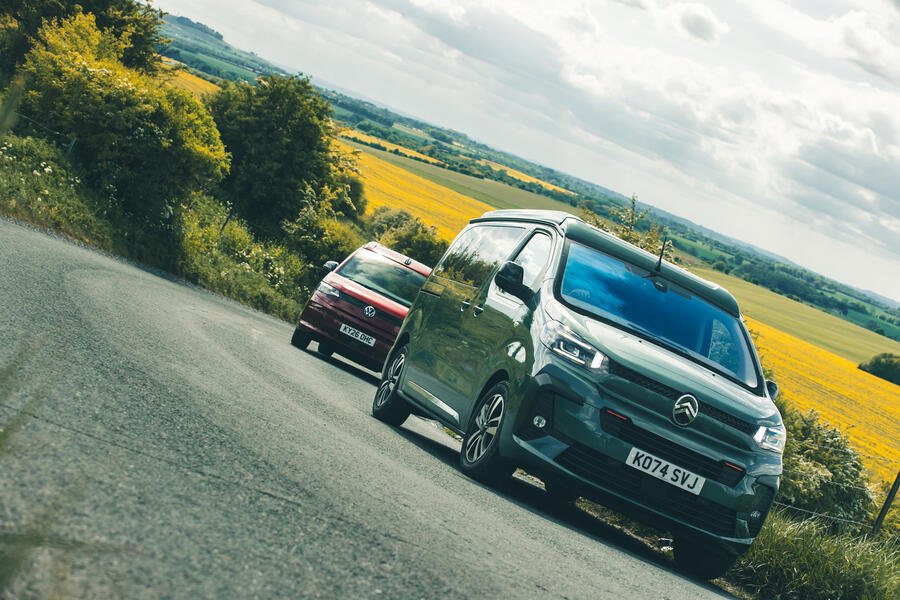
The Volkswagen is otherwise the better car here against any parameter bar list price. Even then, its frankly preposterous ability to retain value ensures you can lease one from a mite over £300 per month, while the Citroën (currently) asks considerably more. And yet each of these devices transcends the usual formalities of four-wheeled transport to stand a very good chance of becoming a beloved member of the family.
The purer, simpler Holidays is more honest, right down to its brazen name. It feels far more economy class in its ambience, but the upshot is you'll harbour less fear of getting it dirty or scuffed. It's much less precious about the life that's going to be thrown at it—which in turn might encourage a more enthusiastic attitude from its owners in what they do with it. As the newcomer to the scene it ought to sit proudly on camp amid a row of Vee-Dubs, too. Yet however much it charms, it can't elbow the California from our dream garage.

Porsche Cayman Stunt in Singapore Highlights Legal Limits of Parental Judgment and Road Safety


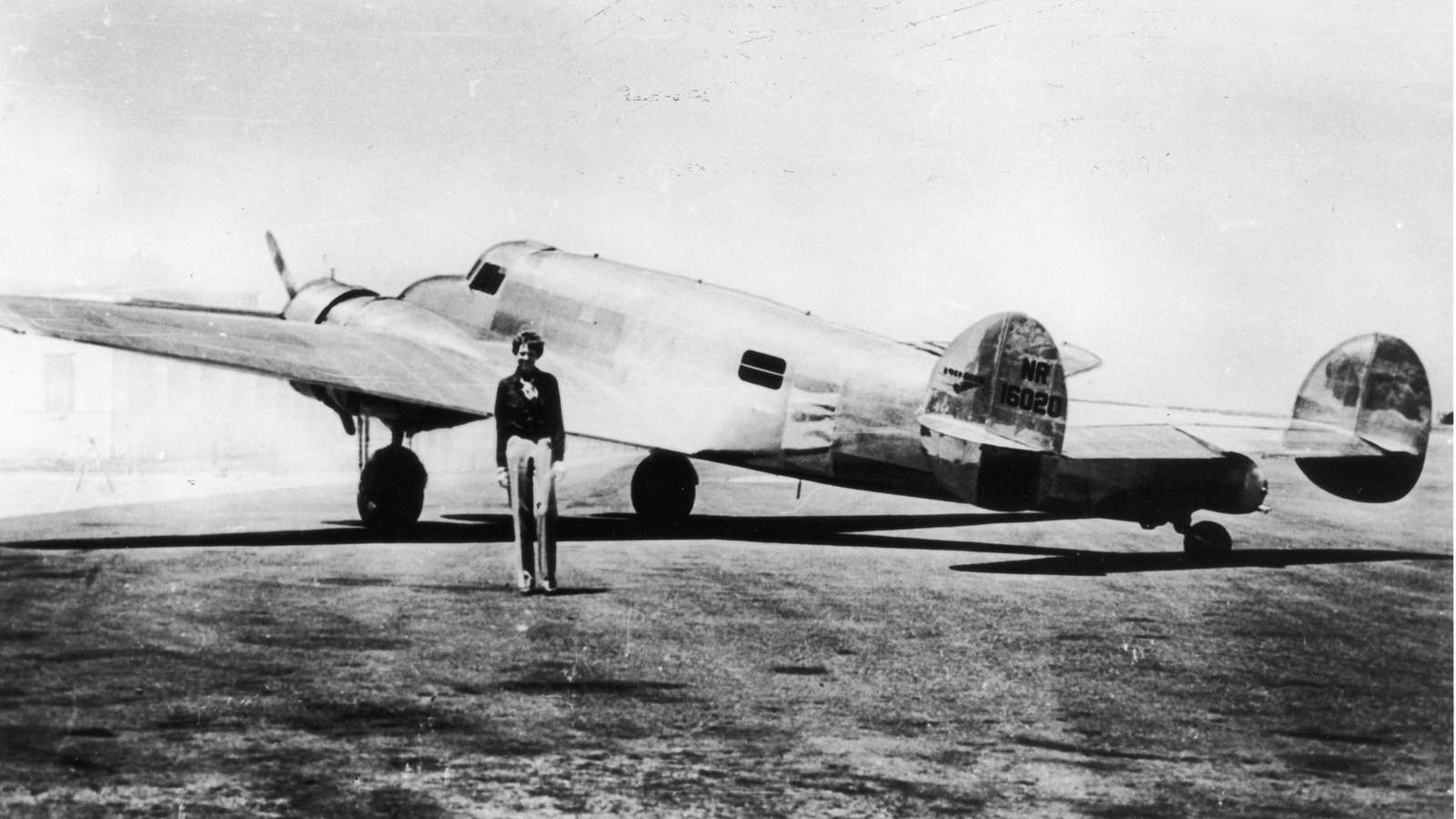
Amelia Earhart’s Disappearance Revisited as Satellite Imagery Revives Debate Over Island Wreckage

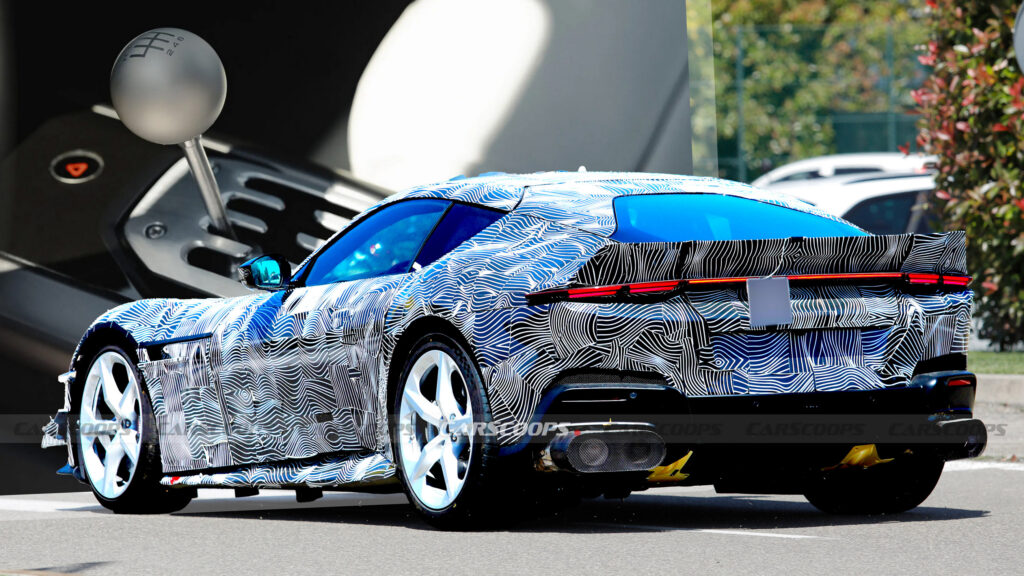
Ferrari 12Cilindri Evolves with More Power, Aggressive Aero, and a Simulated Manual for Purists