FTC Crackdown on Dealer Pricing Spurs Industry-Wide Shift Toward Transparent Car Listings

Nuvolari Supercar Redefines Audi’s Design Language with a High-Revving V8

Three-Wheeled Cars as Innovation Engines: How Unconventional Design Shaped Automotive History
 Believe it or not, the three-wheeler class was quite an important one - meet some of its most notable members
The first cars sported just three wheels, and since then more than 1200 different models of three-wheeler have been produced.
But how many can you name? Morgan and Messerschmitt are the go-to brands, but after that most car fans will struggle to name many. So read on and prepare to be enlightened on some of the most bizarre vehicles ever created:
Morgan (1909)
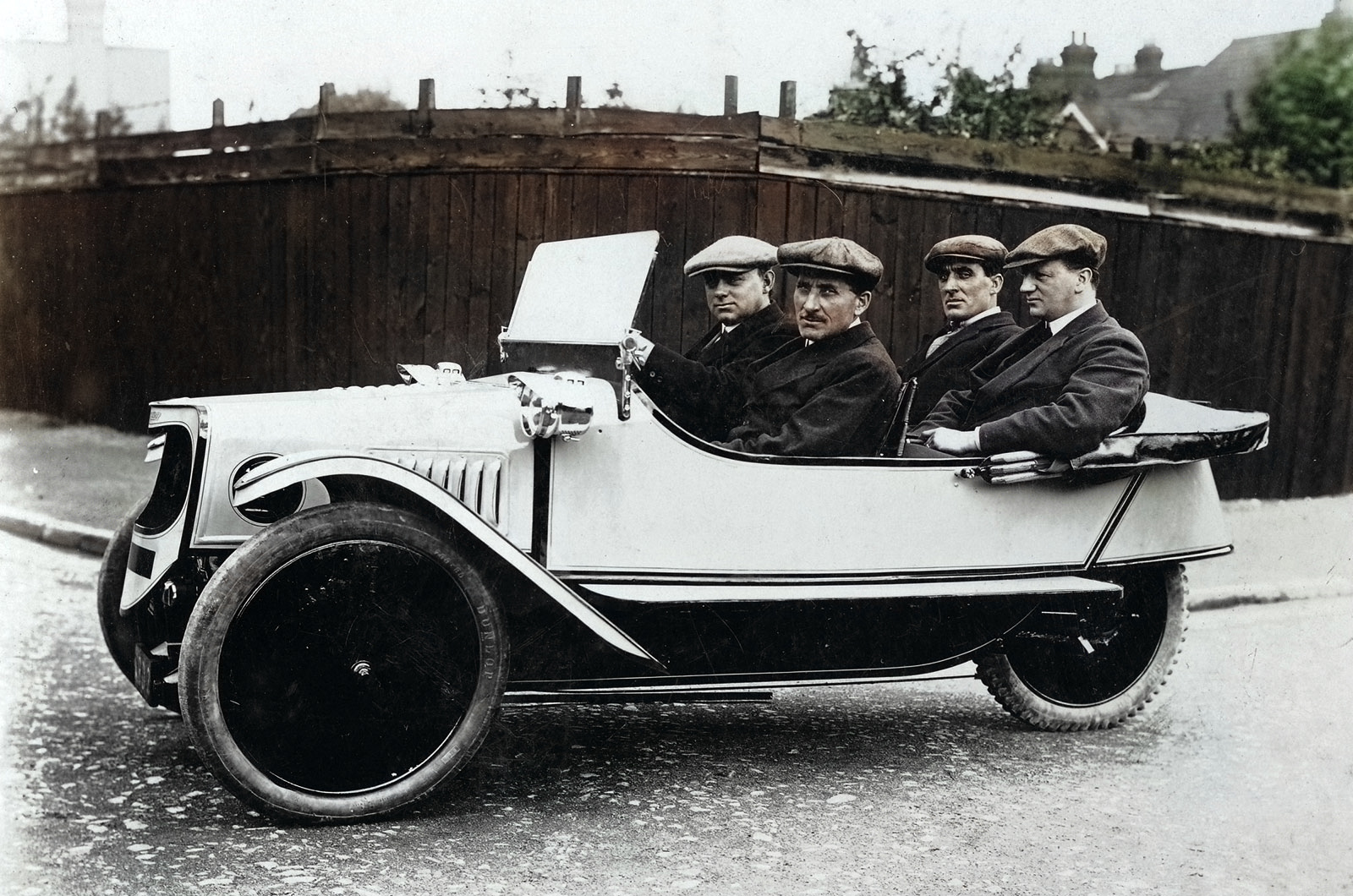
We might as well start with the company best known for producing cars with one wheel missing. Morgan started out in 1909 and soon built up a following for its cars which were successful in trialling as well as racing. As you can see, despite the diminutive proportions and slightly low wheel count, there was still enough room for adults to travel in luxury. There was even a roof.
Morgan Supersports (1933)
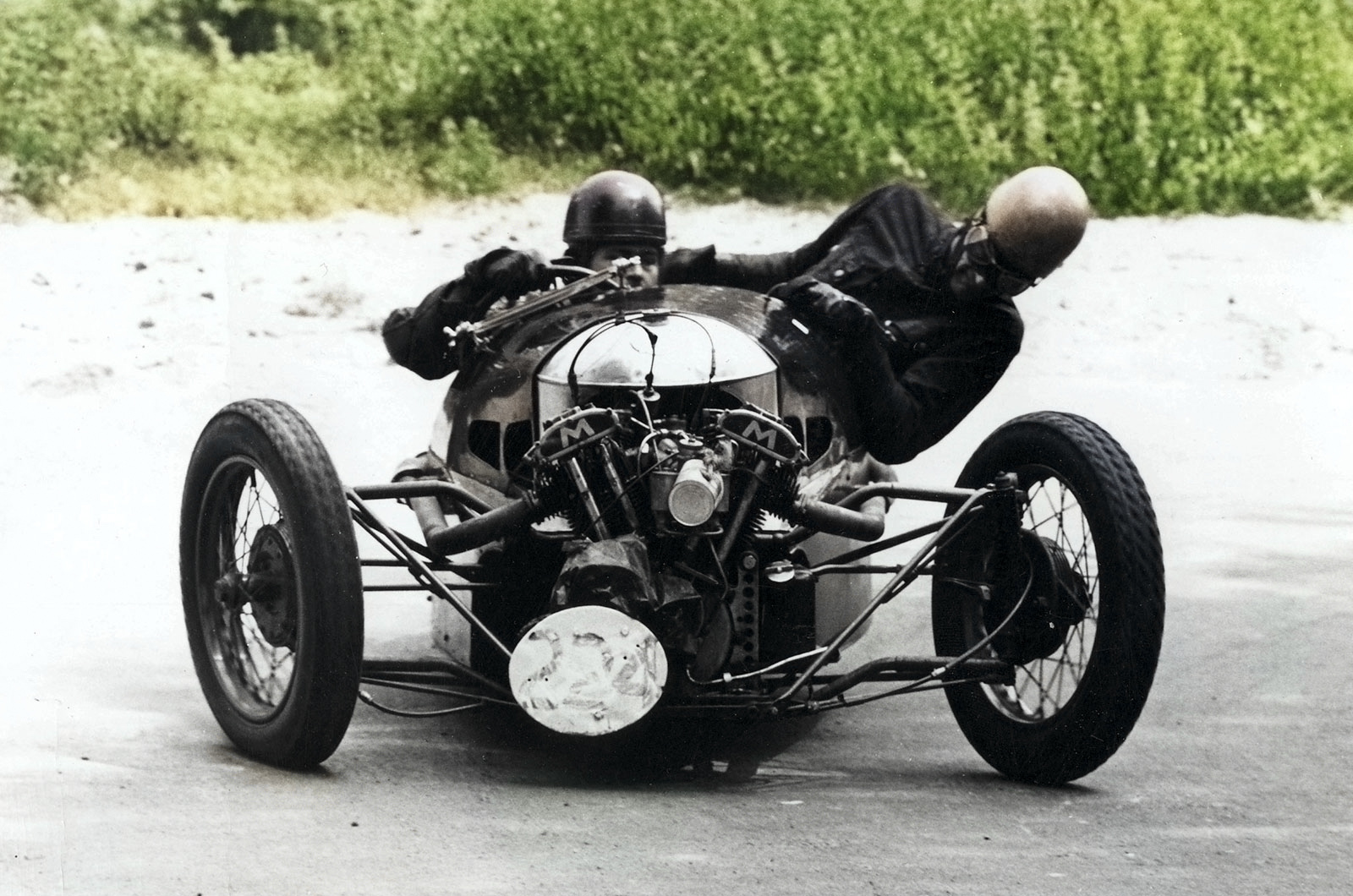
In the pre-war years Morgan hogged the three-wheeler limelight and, as the quintessential three-wheeler we had to include the Supersports. Capable of over 80mph, these cars were far more rugged than you’d expect.
Brogan (1946)
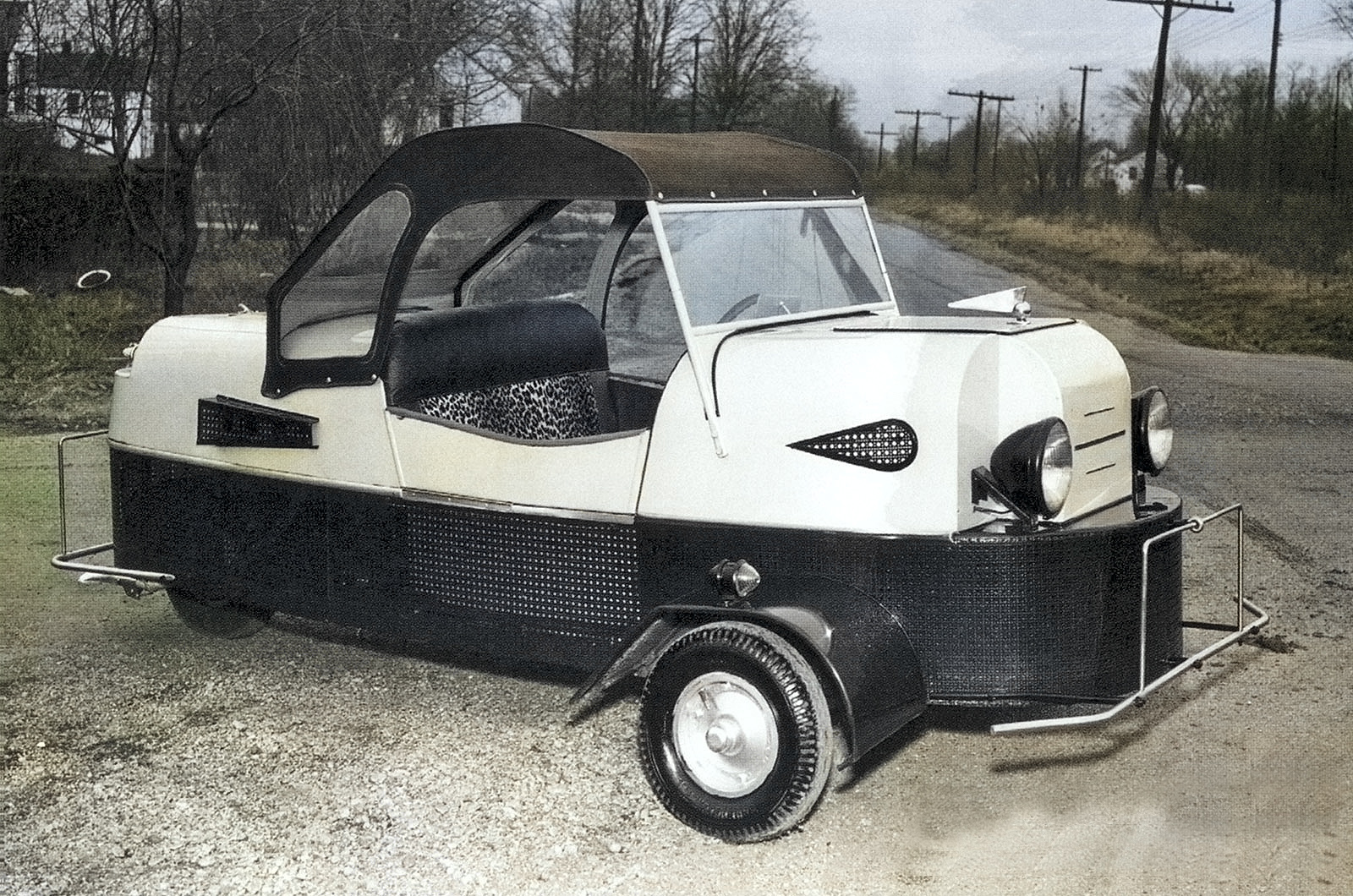
Ohio-based Frank Brogan set up a new company in 1946 to build a utilitarian three-wheeler named after himself – and why wouldn’t you want to name a car after yourself when it looks this good? This is actually his second three-wheeler; the first featured its single wheel at the front and an air-cooled 10bhp single-cylinder engine. This later car switched the single wheel to the back. Brogan built about 30 cars in all.
Davis Divan (1947)
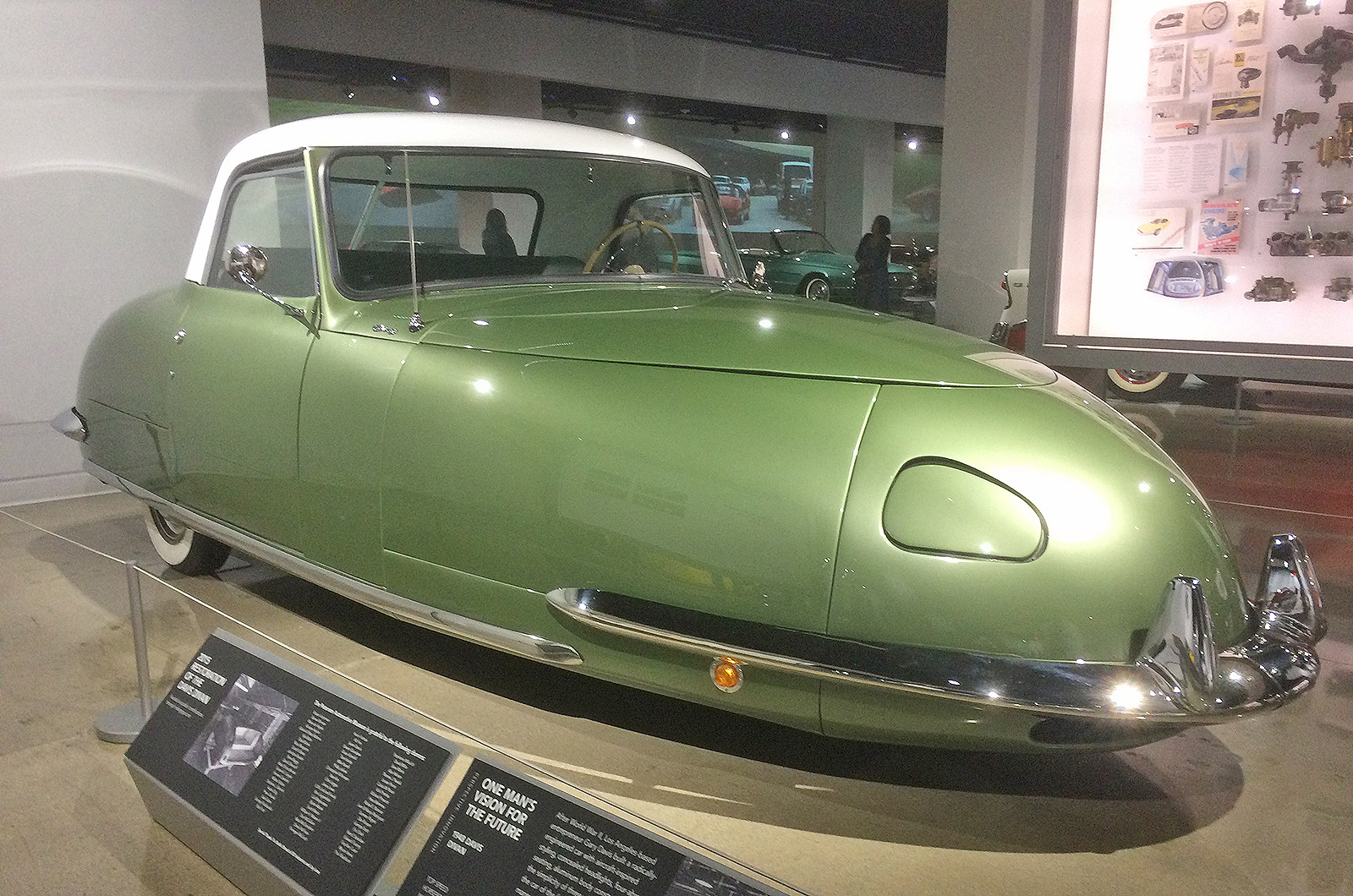
Not all three-wheelers have to be tiny; the Davis Divan was 4.7 metres long, weighed 1111kg and was powered by a 2.2-litre engine. It could also seat four abreast on its single bench seat so it was a tad unstable, which is why no production cars were built – but 17 prototypes were. One of them can be seen at the Petersen Automotive Museum in Los Angeles (pictured).
Invacar (1947)
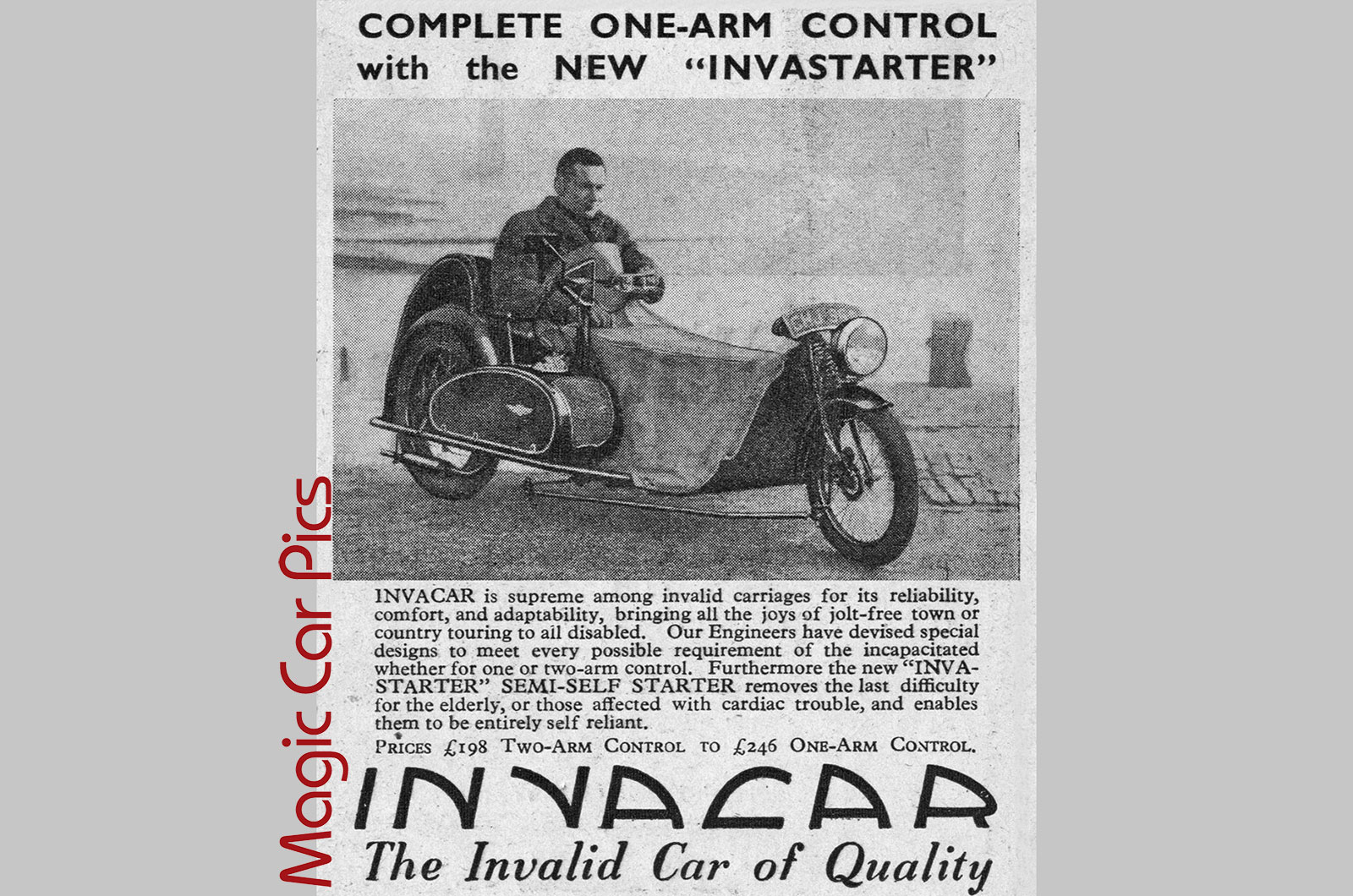
If you were a disabled driver in the post-war years, this was what you could look forward to driving. It was almost worth losing an arm – except that you’d have to pay 25% more. There were six iterations of the Invacar in five years, then in 1952 came the Mk8 (there was no Mk7) which was seriously upmarket as it featured some rudimentary weather protection.
Bond Minicar (1948)
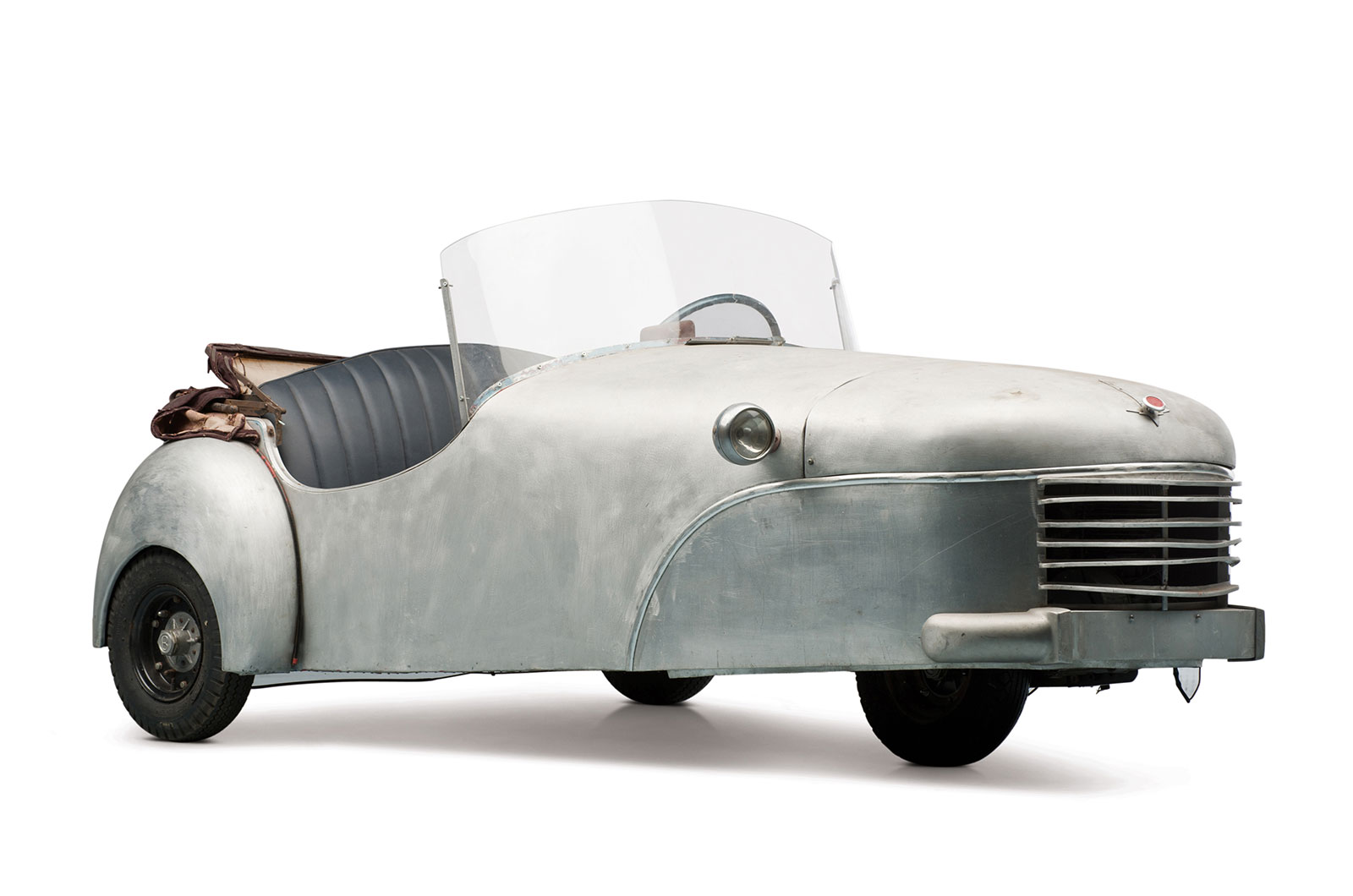
Lawrie Bond (1907-1974) offered the only British-made three-wheeler in 1948, apart from Morgan. Built for ultimate economy there was no rear suspension, no doors, a plastic windscreen, no front brakes and a 6bhp 122cc engine. The car was very cheap to buy and run, and it sold well, leading Bond to add a Deluxe model with a 8bhp 197cc single-cylinder engine.
Fend Flitzer (1949)
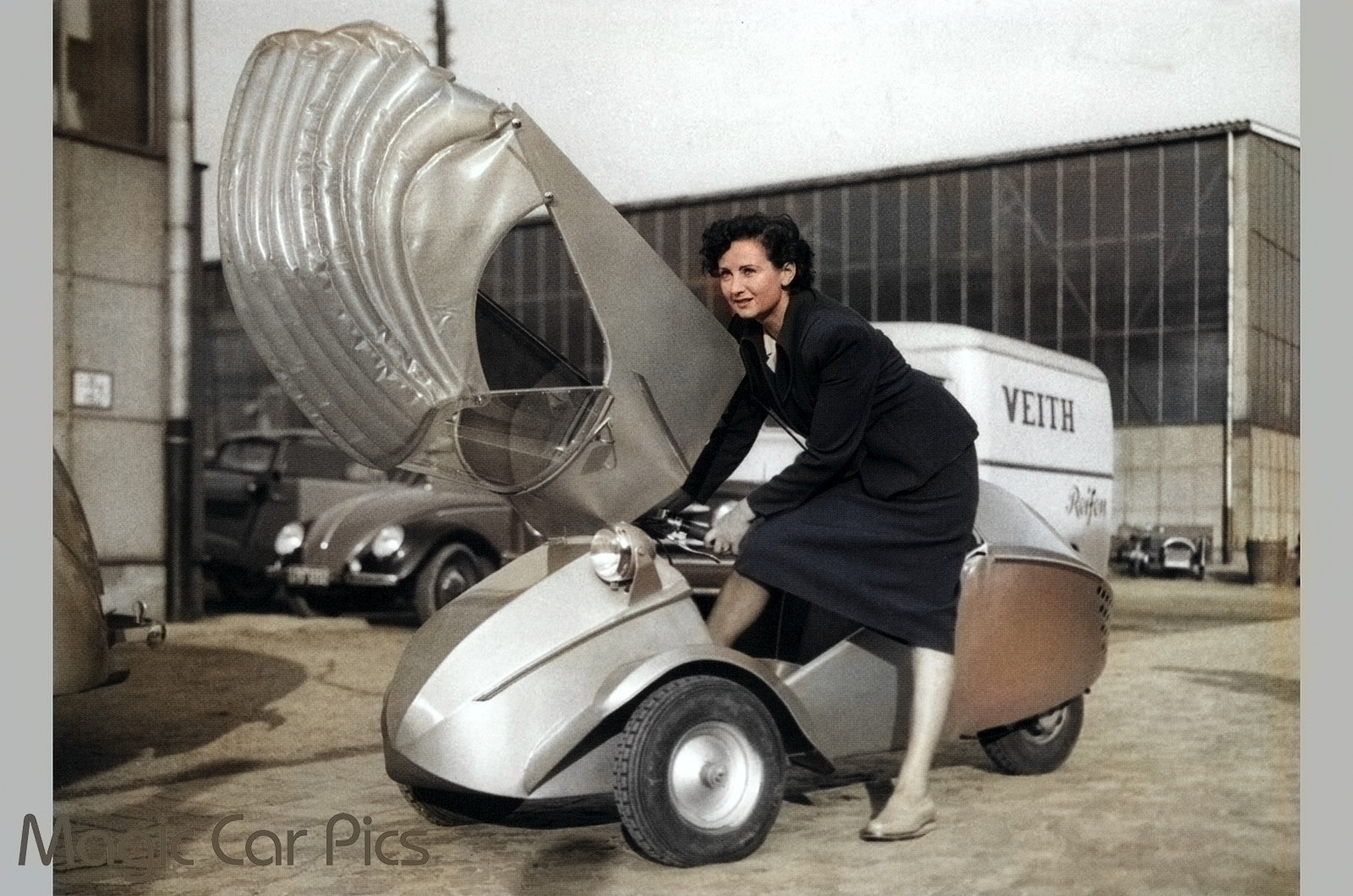
Fritz Fend worked for Messerschmitt during the second world war. When the war ended he decided to start building pedal-powered three-wheelers for injured soldiers. The first cars were sold in 1948 but a year later this more sophisticated Mk2 version entered production with a 2.5bhp 98cc engine that could whisk the Flitzer up to 38mph. The most bizarre feature was the inflatable ribbed roof; the Flitzer Mk2 was enticing enough to part 252 people from their money.
Velorex (1950)
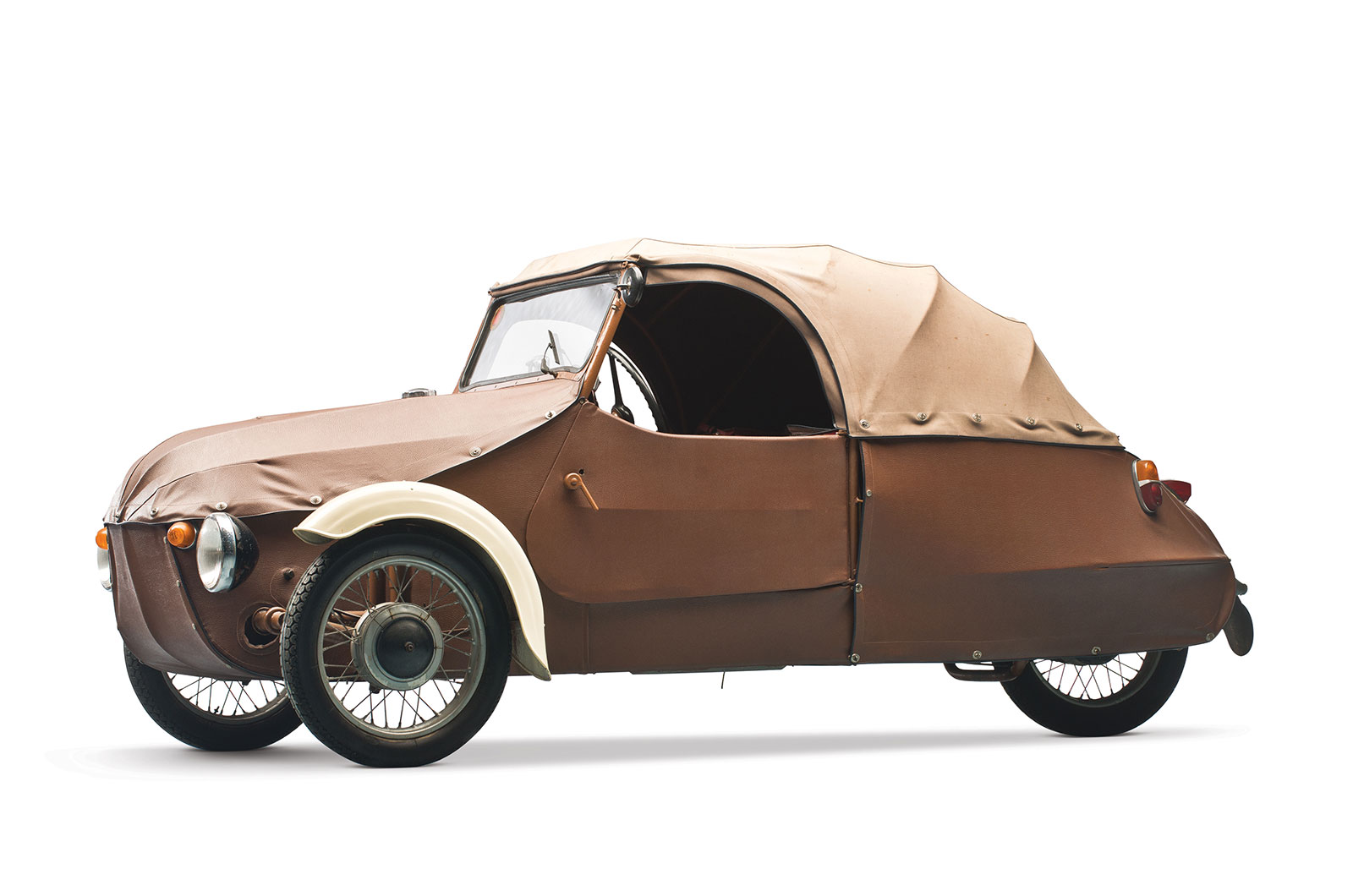
Based in Czechoslovakia, the Stransky brothers built their first Velorex prototype in 1943 but production didn’t start until 1950. A steel-tube spaceframe housed a 175cc engine (later 250cc then 350cc), over which were clipped canvas sheets to keep out the elements. It was light, frugal and surprisingly quick, and more than 15,000 had been sold by the time production ended in 1971.
Fuldamobil N-2 (1952)
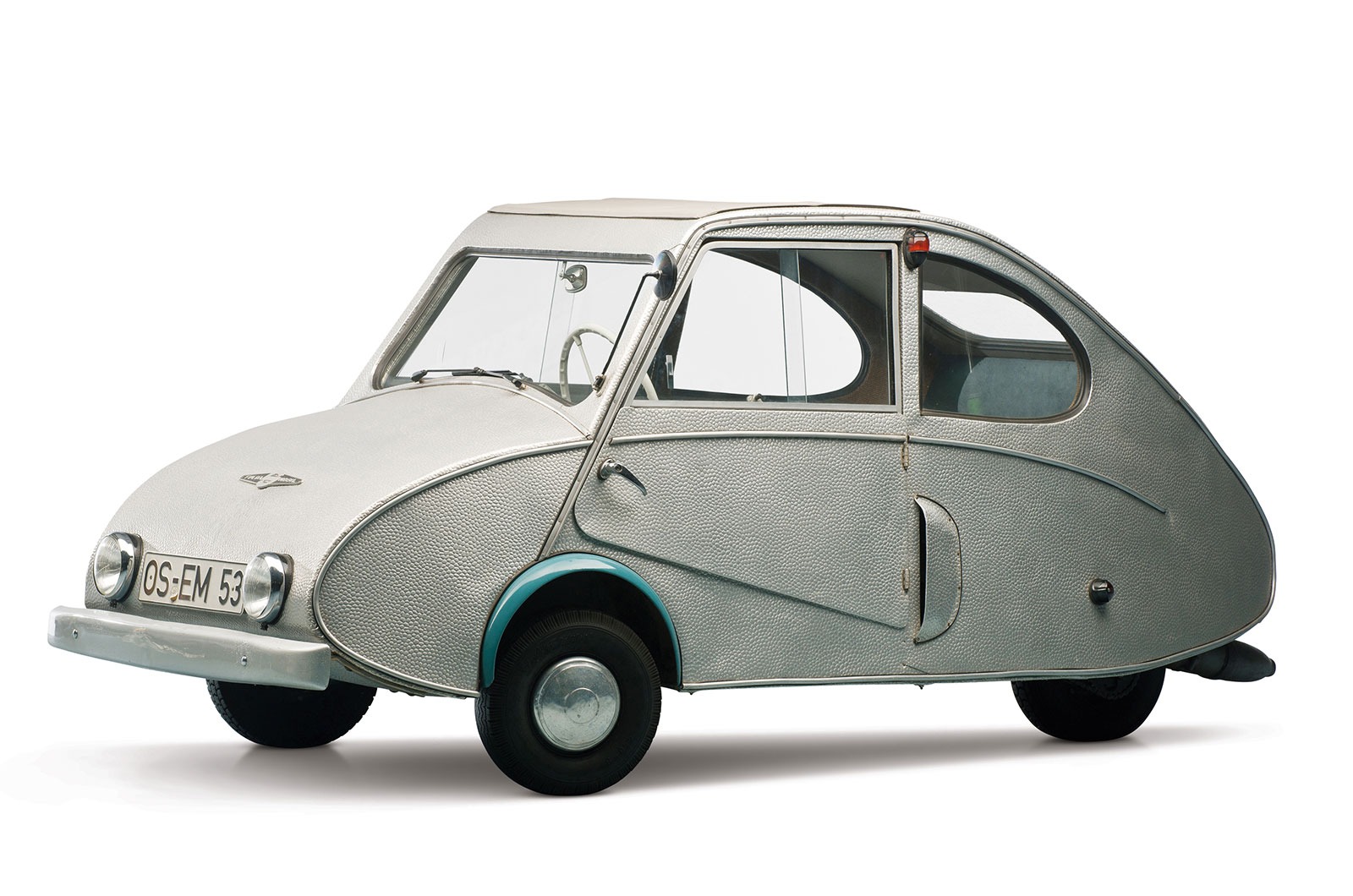
The original Fuldamobil of 1950 used the same manufacturing techniques as contemporary caravans. Things improved with the N-1 of 1951 and by the time the N-2 arrived a year later, this super-sleek 2+2 was positively stylish. It was quite fast too, with a 9.5bhp 359cc single-cylinder engine.
Daihatsu Bee (1951)
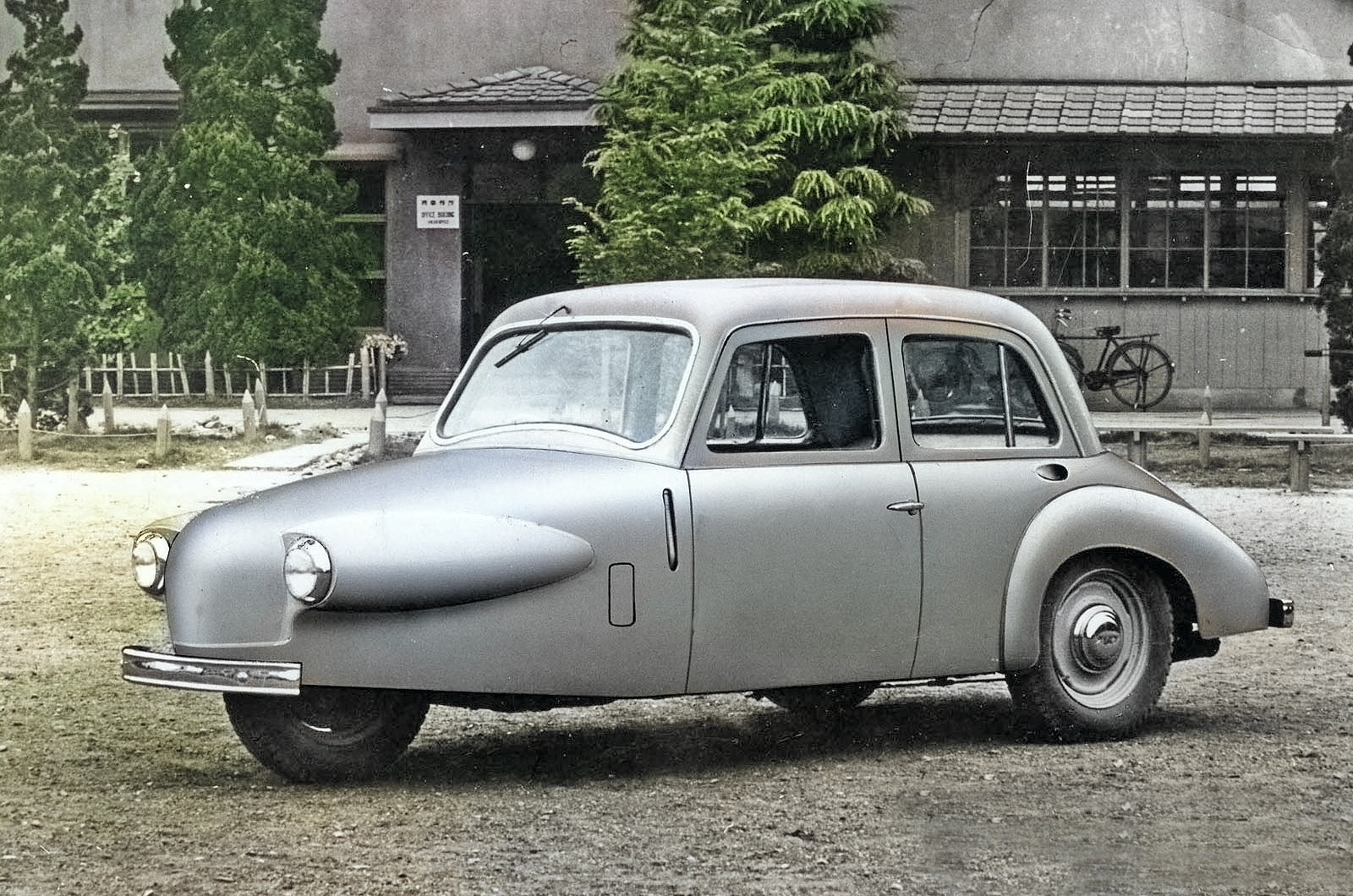
Most Japanese car makers started small; Daihatsu’s first passenger car was this three-wheeler that was powered by a rear-mounted 804cc air-cooled flat-twin. So it probably drove just like a shrunken 911. At over four metres long it was a big car for such a tichy engine which is why it topped out at just 49mph. About 300 were made; do any survive?
Bond Minicar (1952)
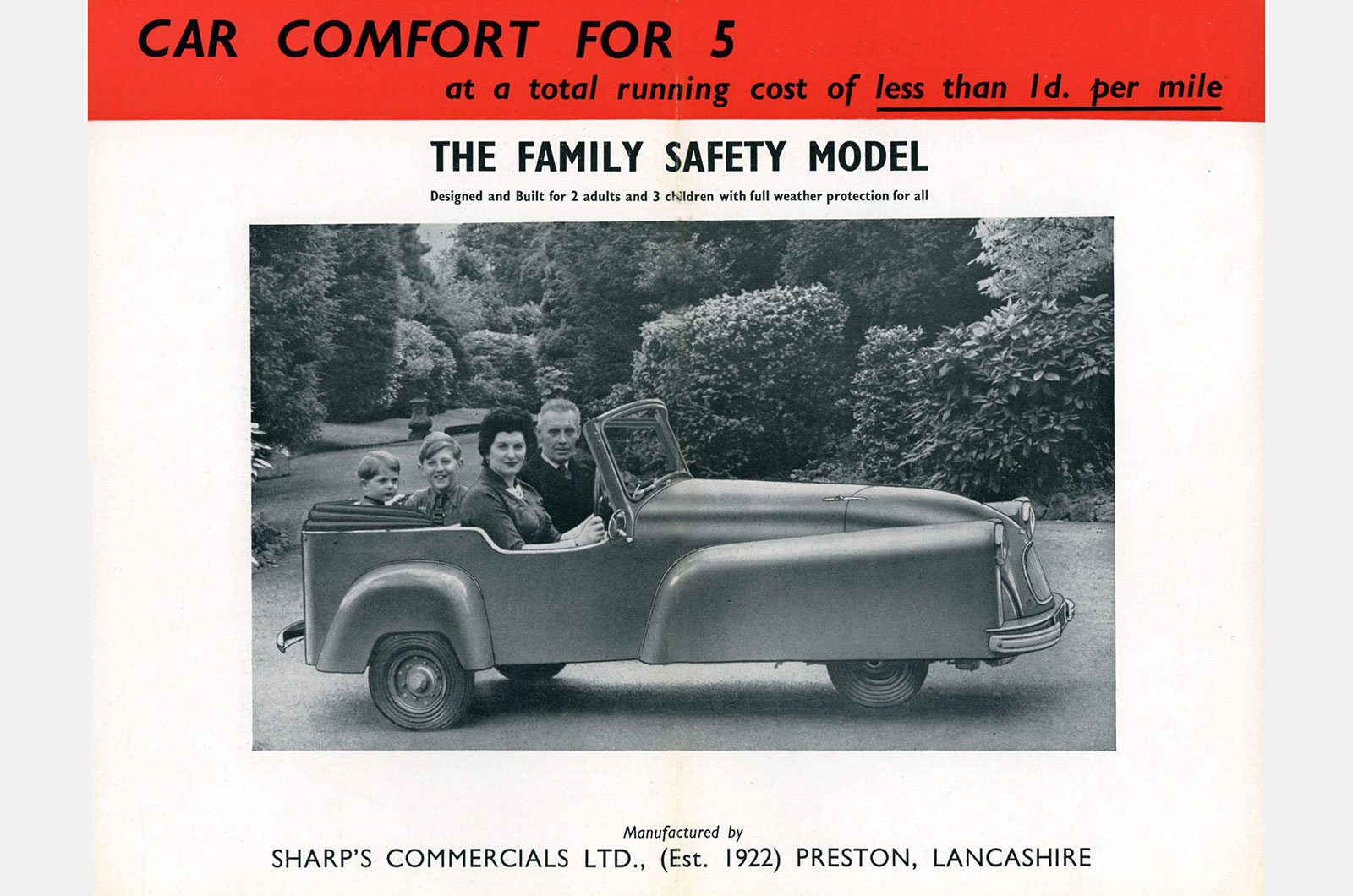
Having sold almost 3500 copies of his previous design, Lawrie Bond came up with this car, the far more upmarket Minicar MkC. There was now a door (just the one though, for the passenger), front brakes and full-width styling, so from the front the Bond looked like a proper car. Onlookers weren’t fooled for long though.
AC Petite (1952)
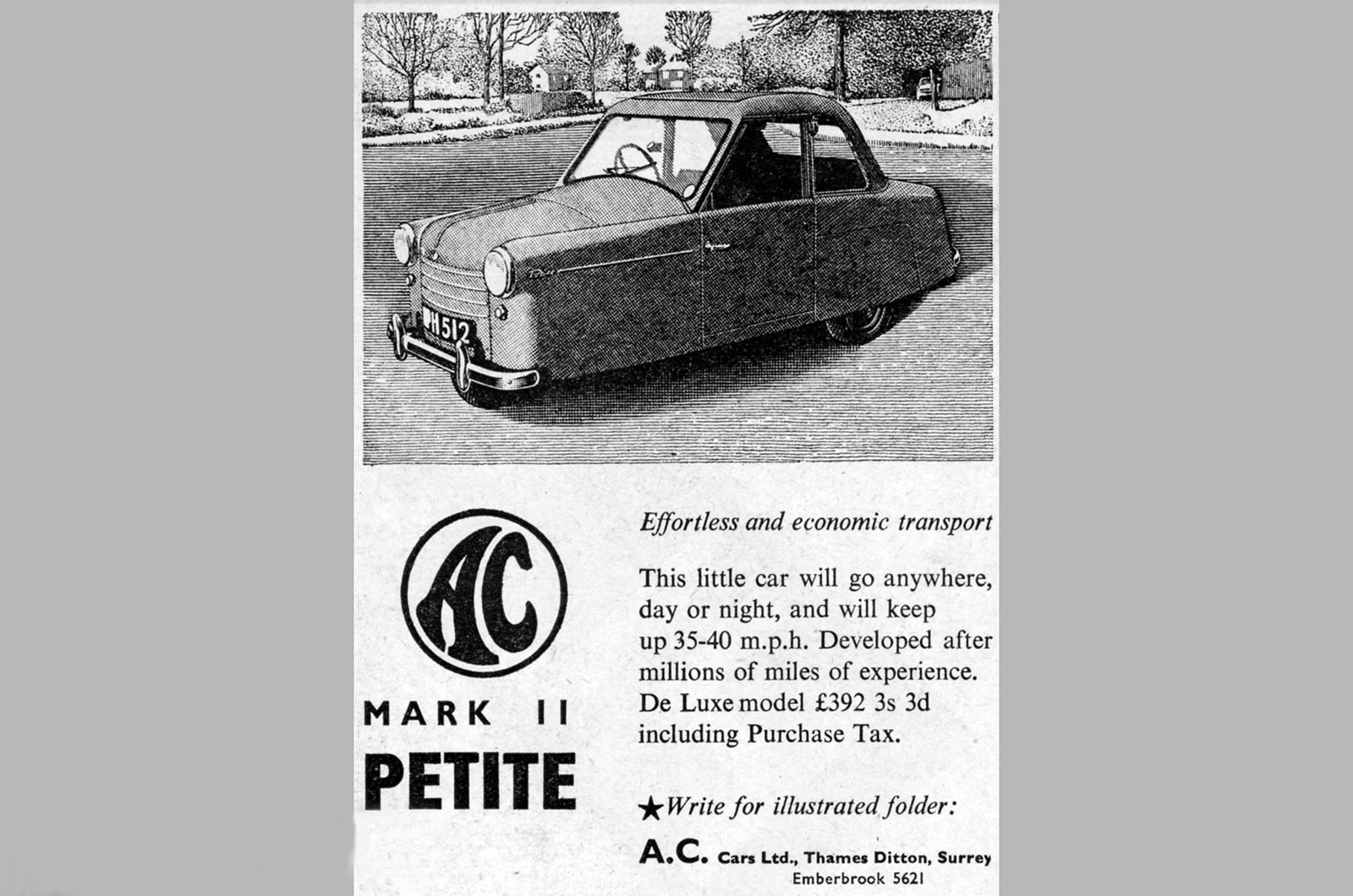
It seems incredible that the company that brought us the thundering Cobra 427 also built this 40mph contraption. While the Petite was made of steel, the later Model 70 was made of plastic; that’s the blue invalid car that was so prevalent on UK roads in the 1970s. The Model 70 was so unsafe that it was banned from production in 1978 – and from the roads altogether in 2003.
Allard Clipper (1953)
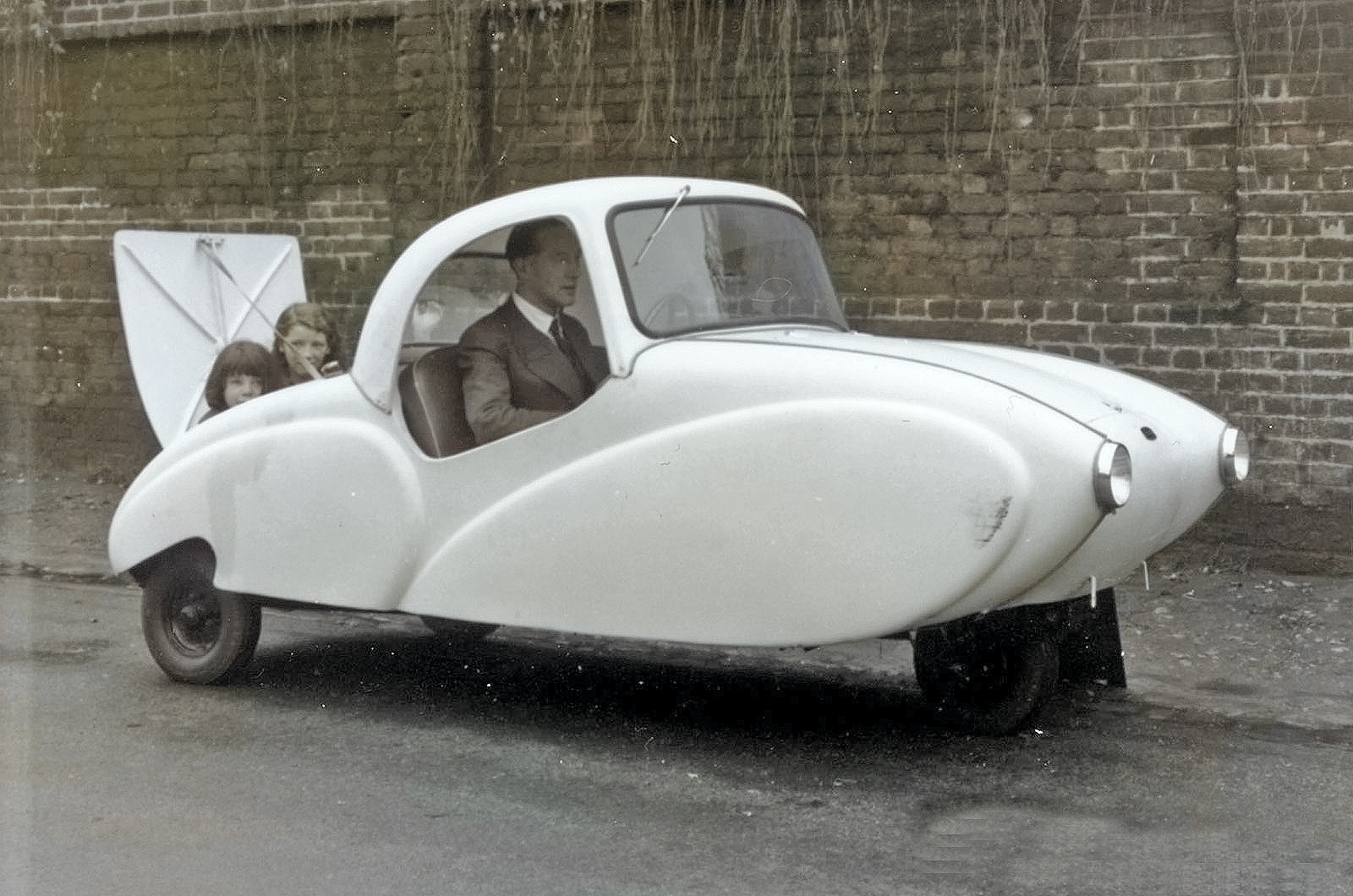
Just like AC, Allard was a company that built sports cars powered by huge American V8s, so the Clipper was something of a departure. One of the first cars ever to be made of glassfibre. A 346cc engine knocked out all of 8bhp but the Clipper was hideously unreliable, which is why hardly any were made.
SNCAN Inter (1953)
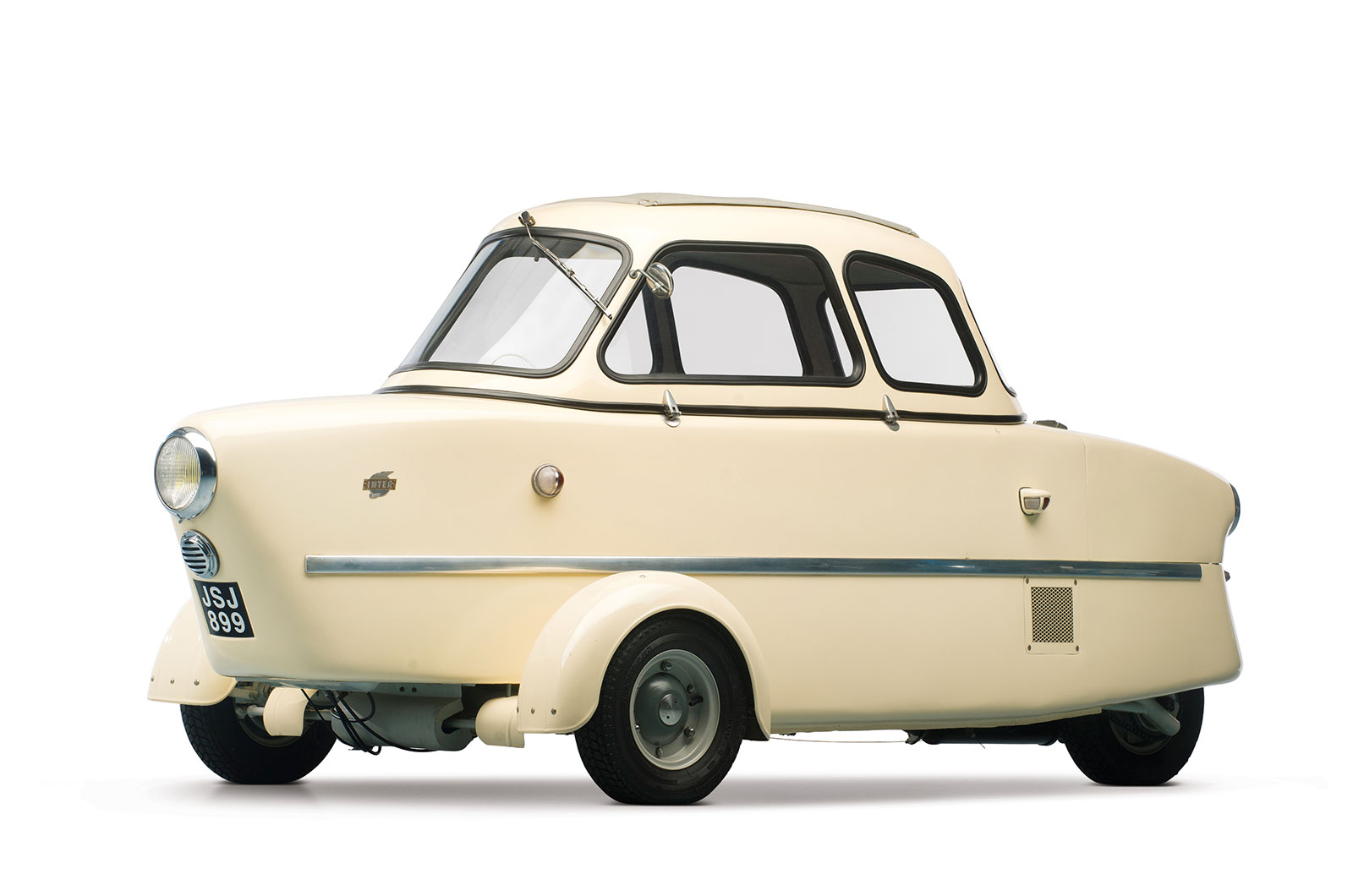
SNCAN was an aircraft builder that switched its attention to making cars. Just like the Messerschmitt, the Inter seated two in tandem and was powered by a 175cc engine. Early examples featured front wheels that could be folded in so the car could be pulled through a standard front doorway, enabling it to be stored inside.
Brutsch Spatz (1954)
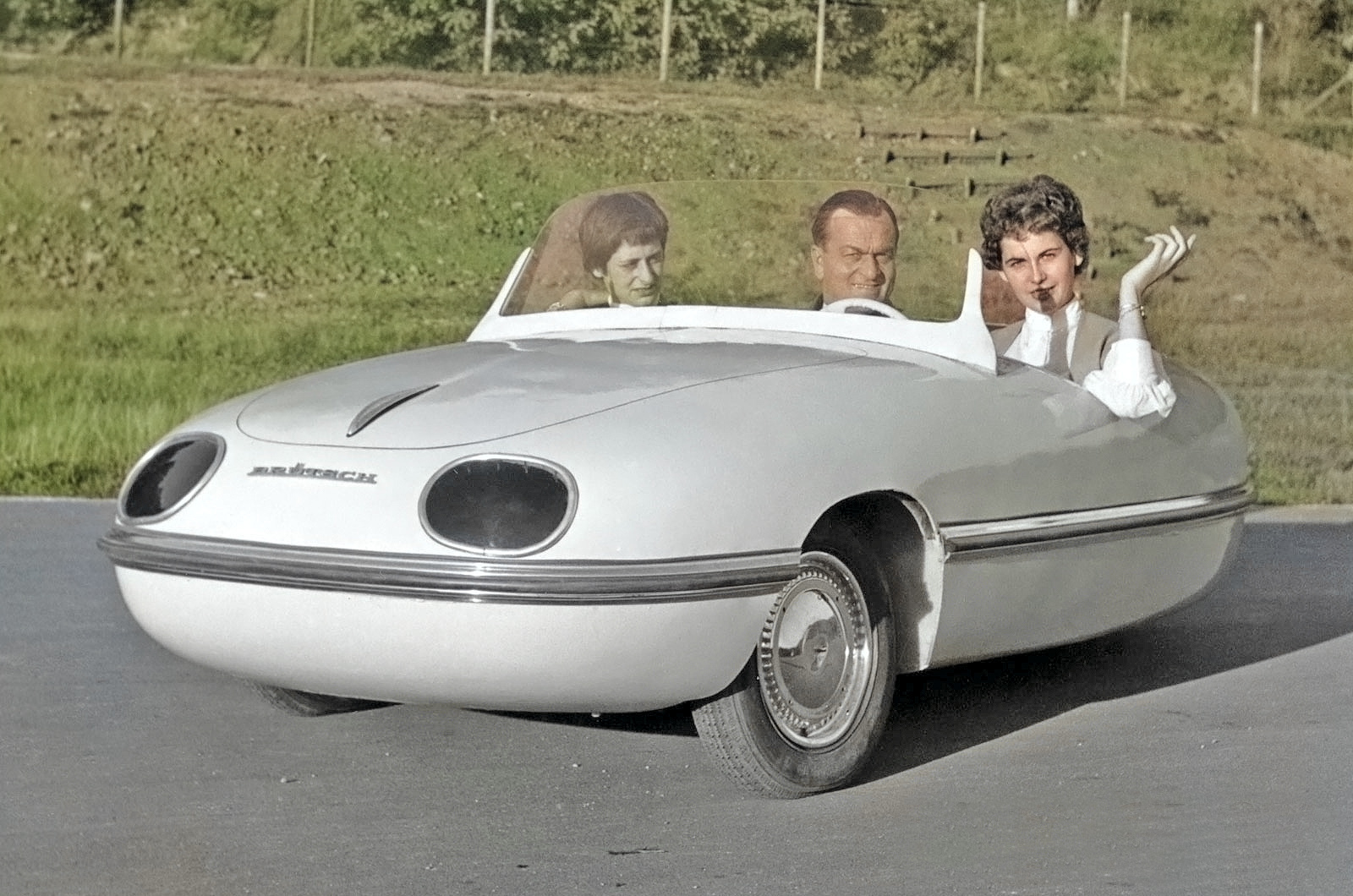
Egon Brutsch (1904-1988) was one of the most prolific microcar designers of the 1950s, but he didn’t enjoy much commercial success. His first car was the Spatz, with a 191cc single-cylinder engine. Instead of a chassis the Spatz featured a glassfibre monocoque – which fell apart because it was too weak. This led to the car being banned in Germany, which proved something of a setback.
Gordon (1954)
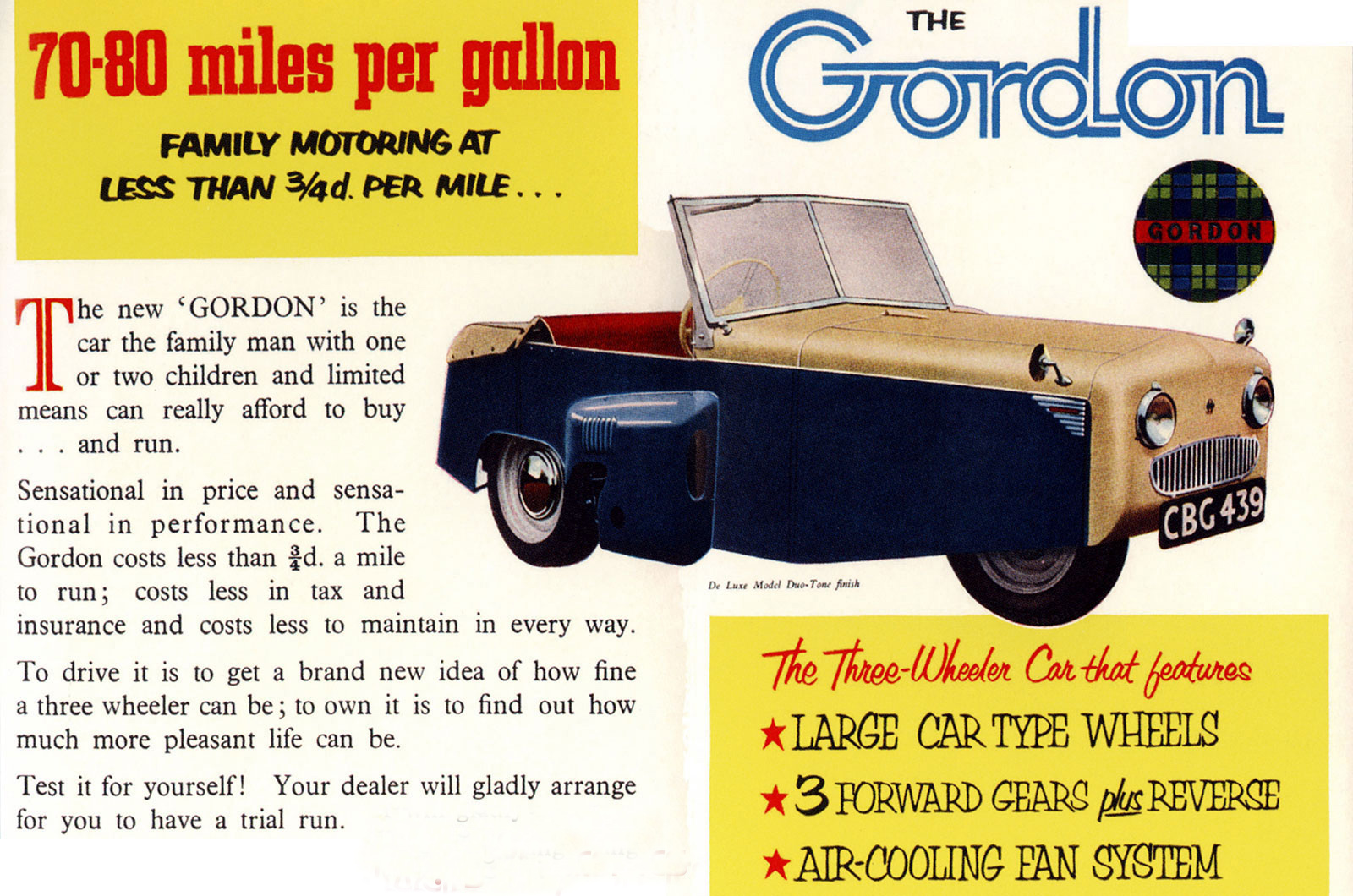
Vernon Industries was the company behind the football pools – the company that made some lucky people very wealthy overnight. It also made this abomination, which presumably no pools winner ever rushed out to buy. The 197cc engine sat outside the bodywork on the driver’s side and this provided a 45mph top speed.
Despite this, Vernons claimed the Gordon was “Britain’s finest three-wheeler family car”. We beg to differ.
Avolette (1955)
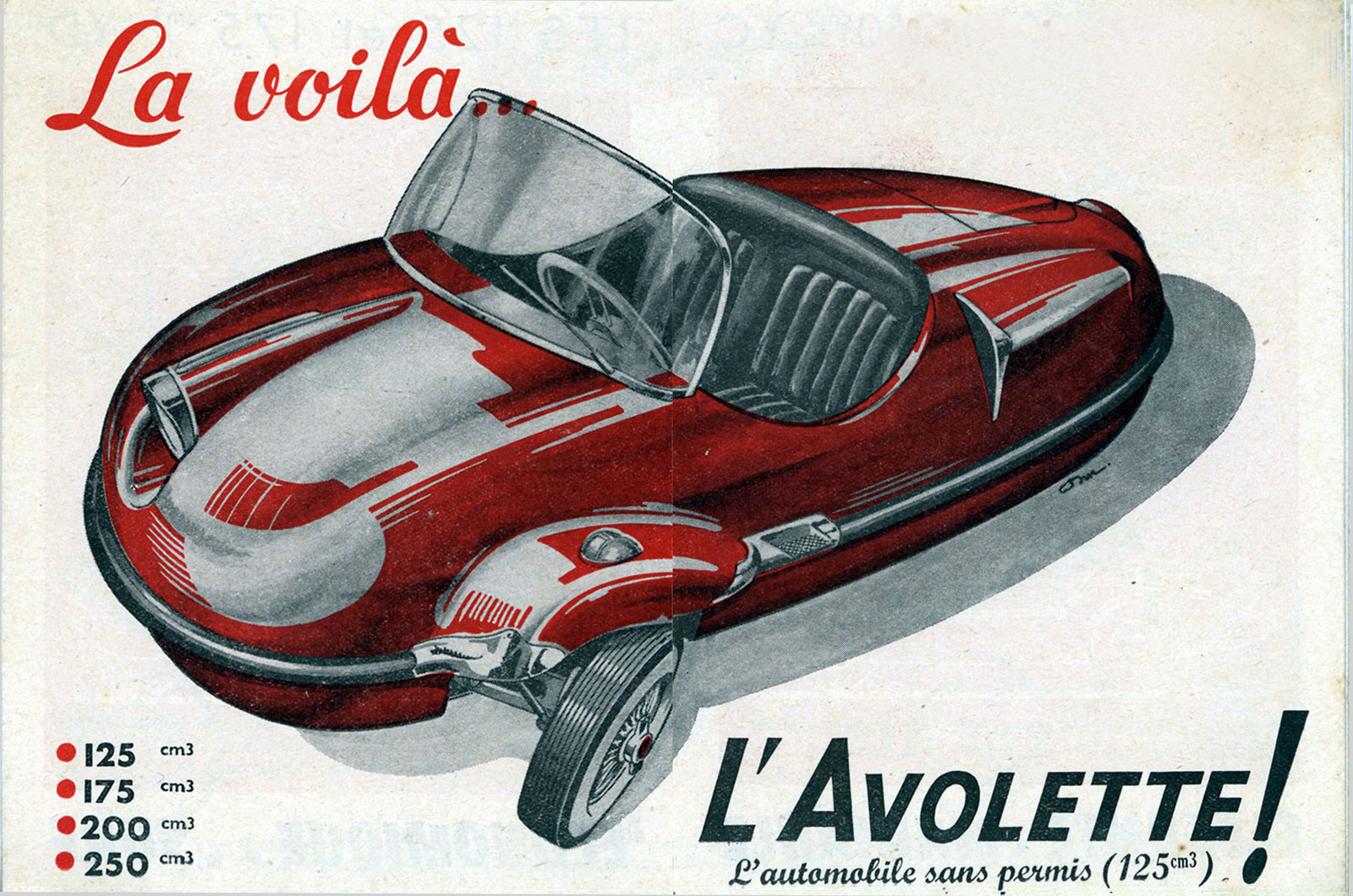
Another Brutsch creation, the Avolette was licensed by French company Air Tourist, which improved the styling to make the car more appealing, as is evident from this picture. The standard powerplant was a 175cc single-cylinder unit, but for those who craved performance a 250cc engine was optional.
Messerschmitt KR200/201 (1955)
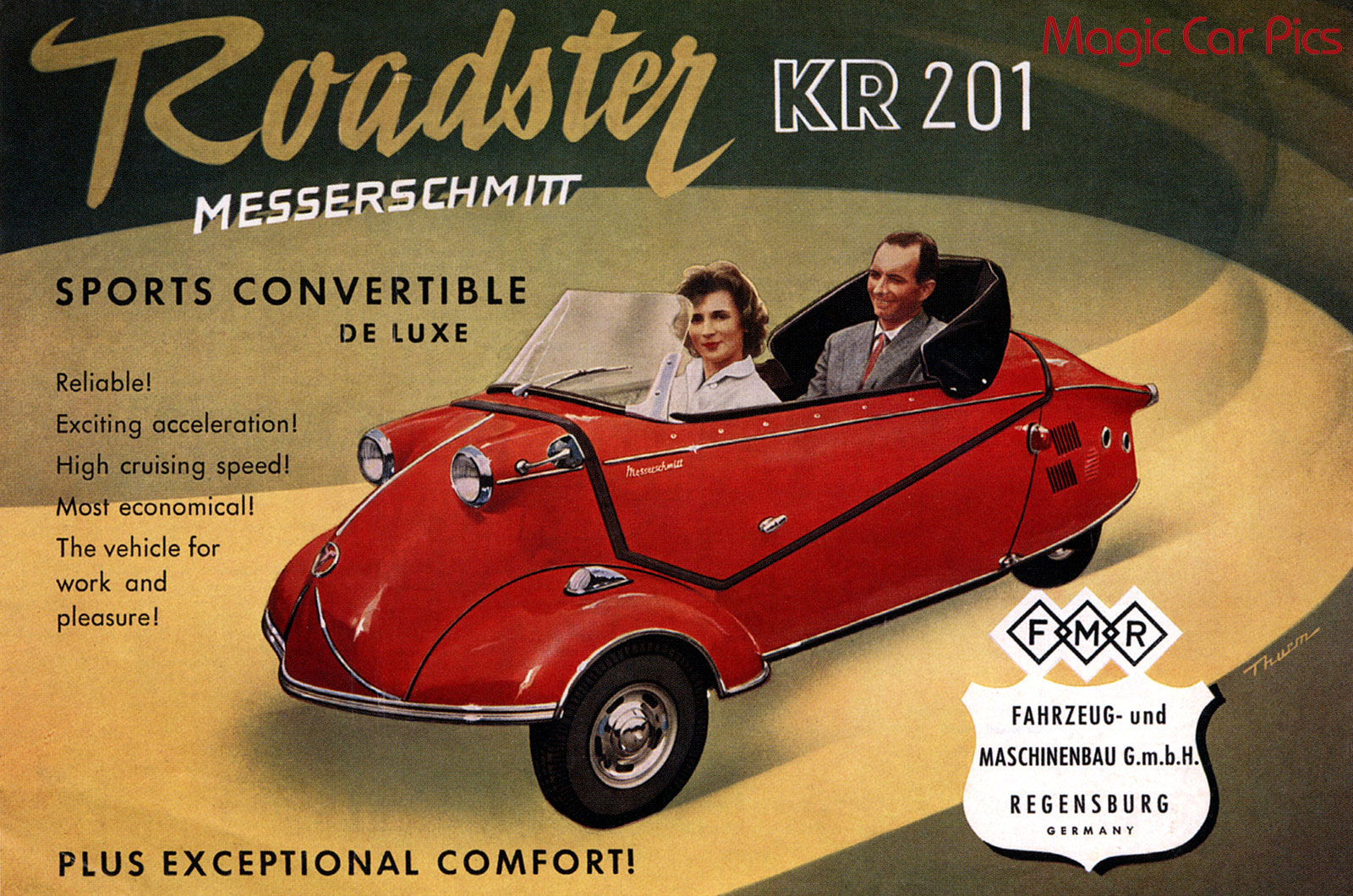
When Willy Messerschmitt (1898-1978) was banned from making aircraft at the end of the second world war, he moved into car manufacturing. His first creation was the 1953 KR175; nearly 20,000 were made, and its successor the KR200 appeared in 1955. This featured a 191cc engine and tandem seating for two.
About 30,000 of these were sold by the time production ended in 1964, and the company returned to the aircraft industry.
Brutsch Mopetta (1956)
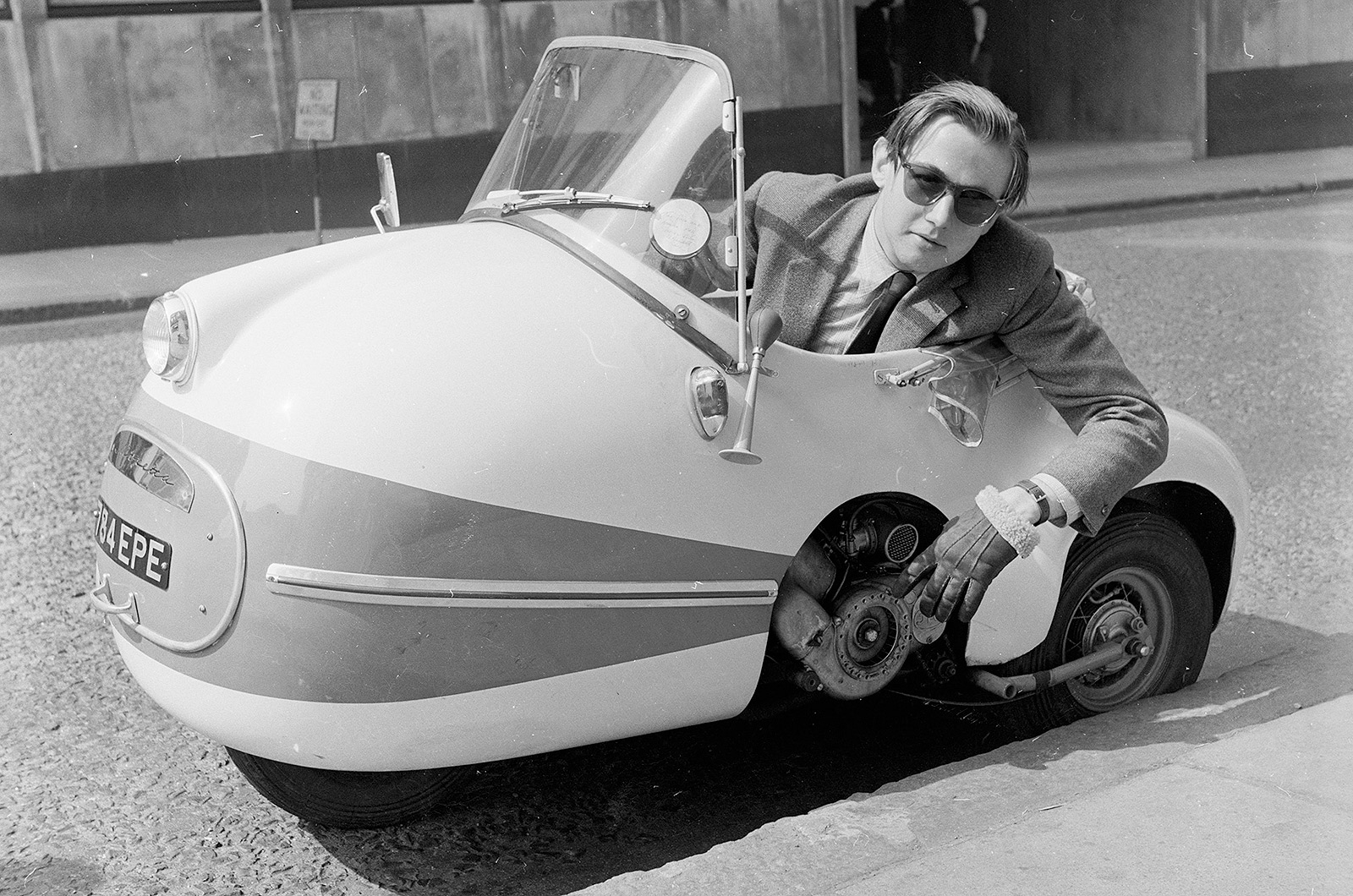
Perfect for the person with a death wish who was in no hurry, the Mopetta packed a 49cc engine and could speed all the way to 27mph. Just 1.7 metres long and all of 88cm wide, for some reason the Mopetta wasn’t a strong seller, with just 14 made.
Heinkel Kabine (1956)
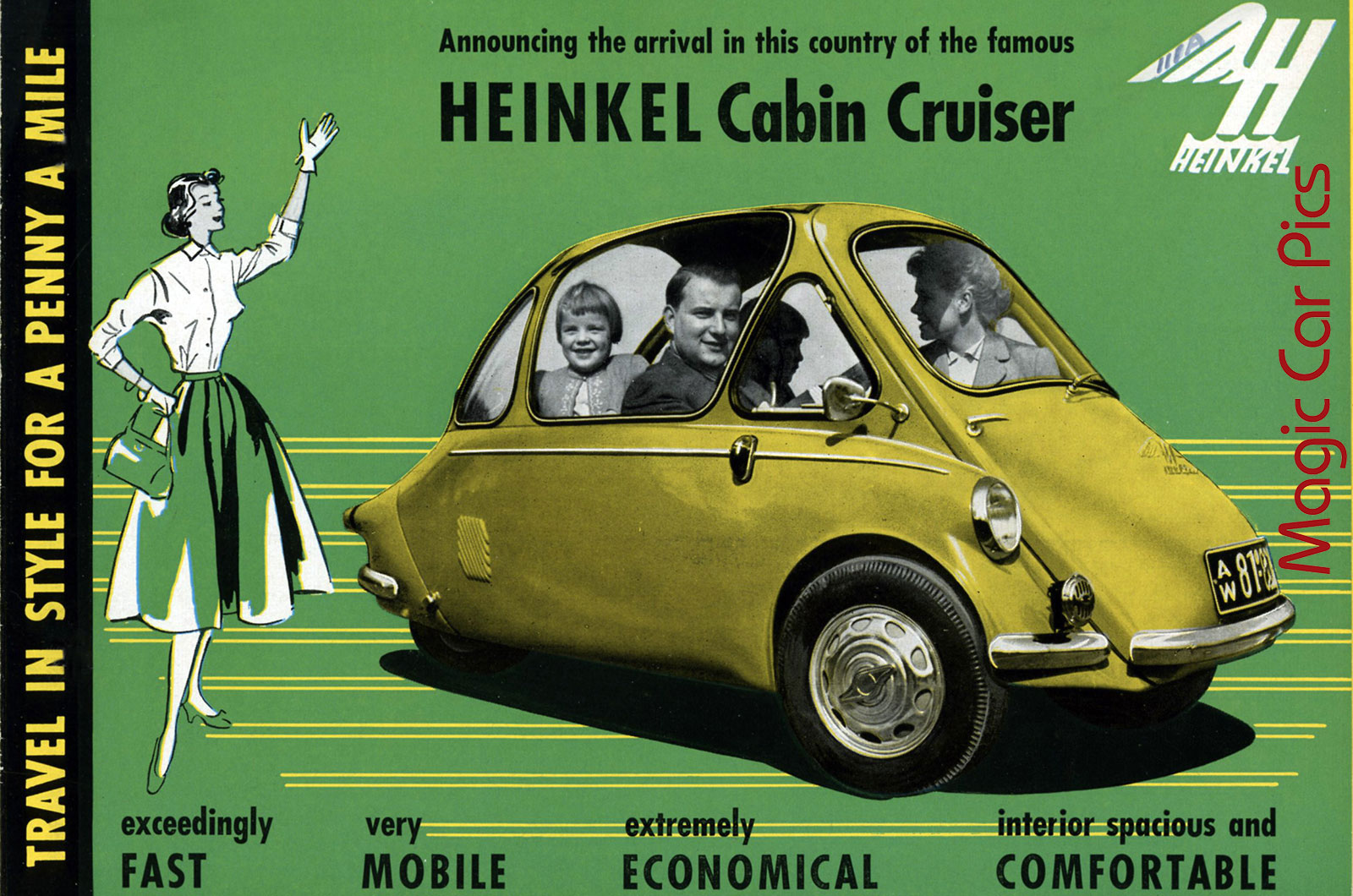
As the advert says, the Heinkel was exceedingly fast and came with a spacious and comfortable interior; no wonder the family inside this one look so happy. One of the most famous and popular of all bubble cars, the Heinkel was also sold in the UK as the Trojan, with around 30,000 examples made in all.
Tourette (1956)
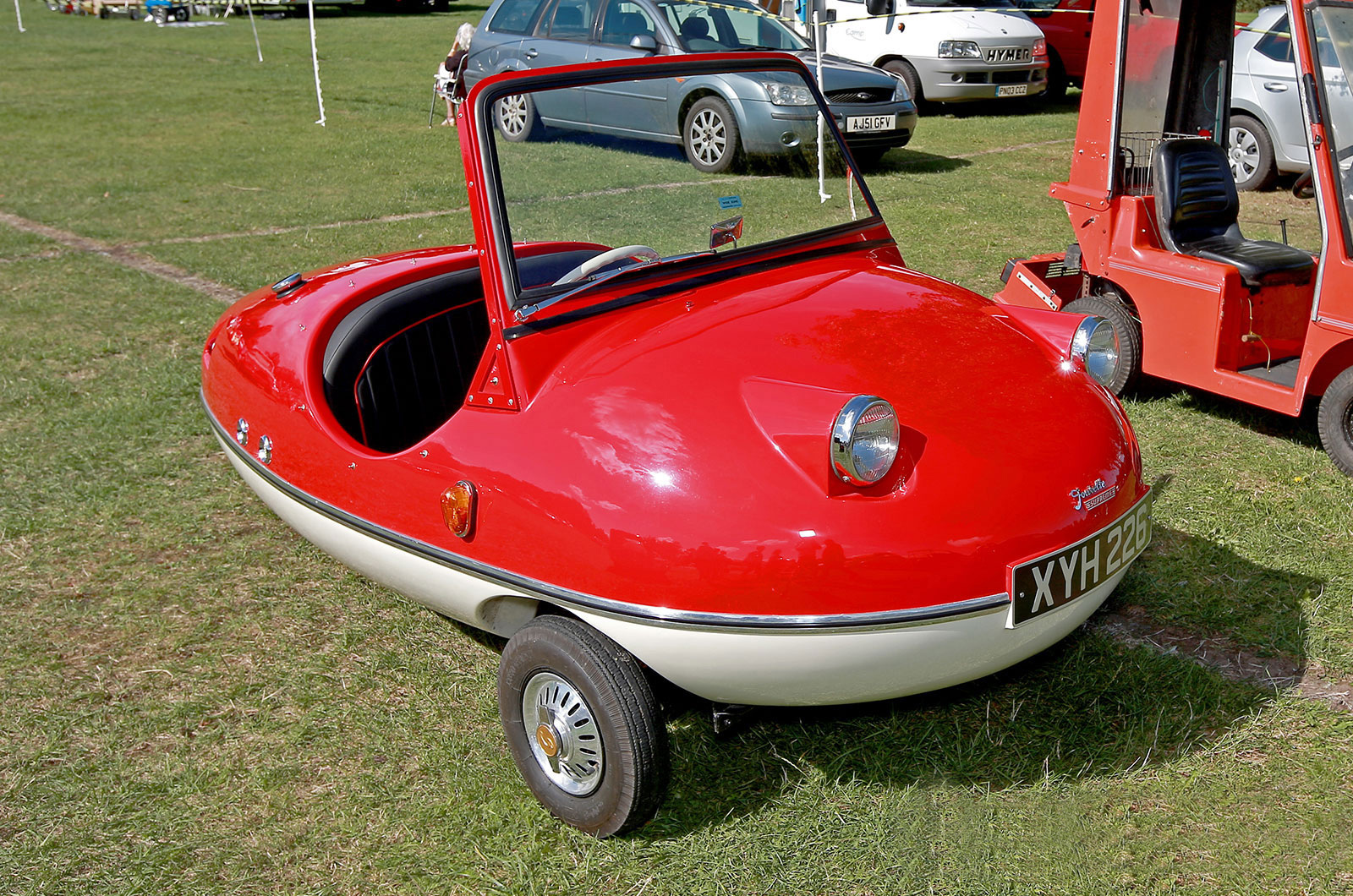
So many jokes, so little space... Built by the Surrey-based Progress Supreme Company, the Tourette was tiny but could supposedly seat three abreast. With all of 7.6bhp available from the 197cc engine the 195kg car was reputedly capable of 55mph. Presumably on a very steep downhill gradient. Just 35 were made in 1956-1957.
Rollera (1956)
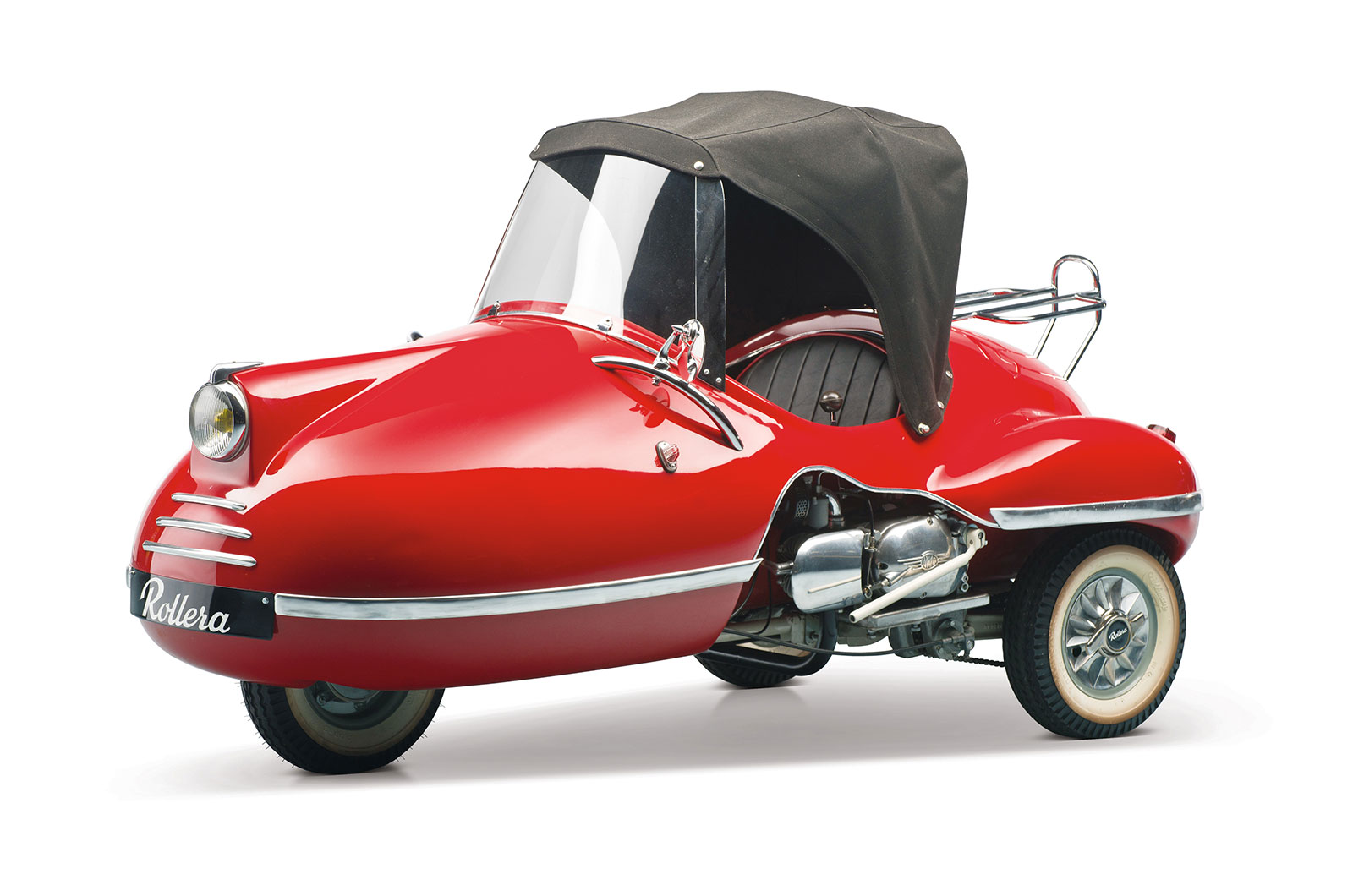
If the Mopetta was a washout in terms of its popularity it was nothing compared with the Rollera, of which just eight were sold. It was effectively a longer and wider two-seater version of the Mopetta, and once production ended, the Rollera was licensed to Sté Rollera Francaise which built a few more.
These cars have become hugely collectible with the car pictured sold by RM Sothebys in 2013 for $63,250; a Mopetta was sold in the same auction for $66,125.
Bond Minicar (1957)
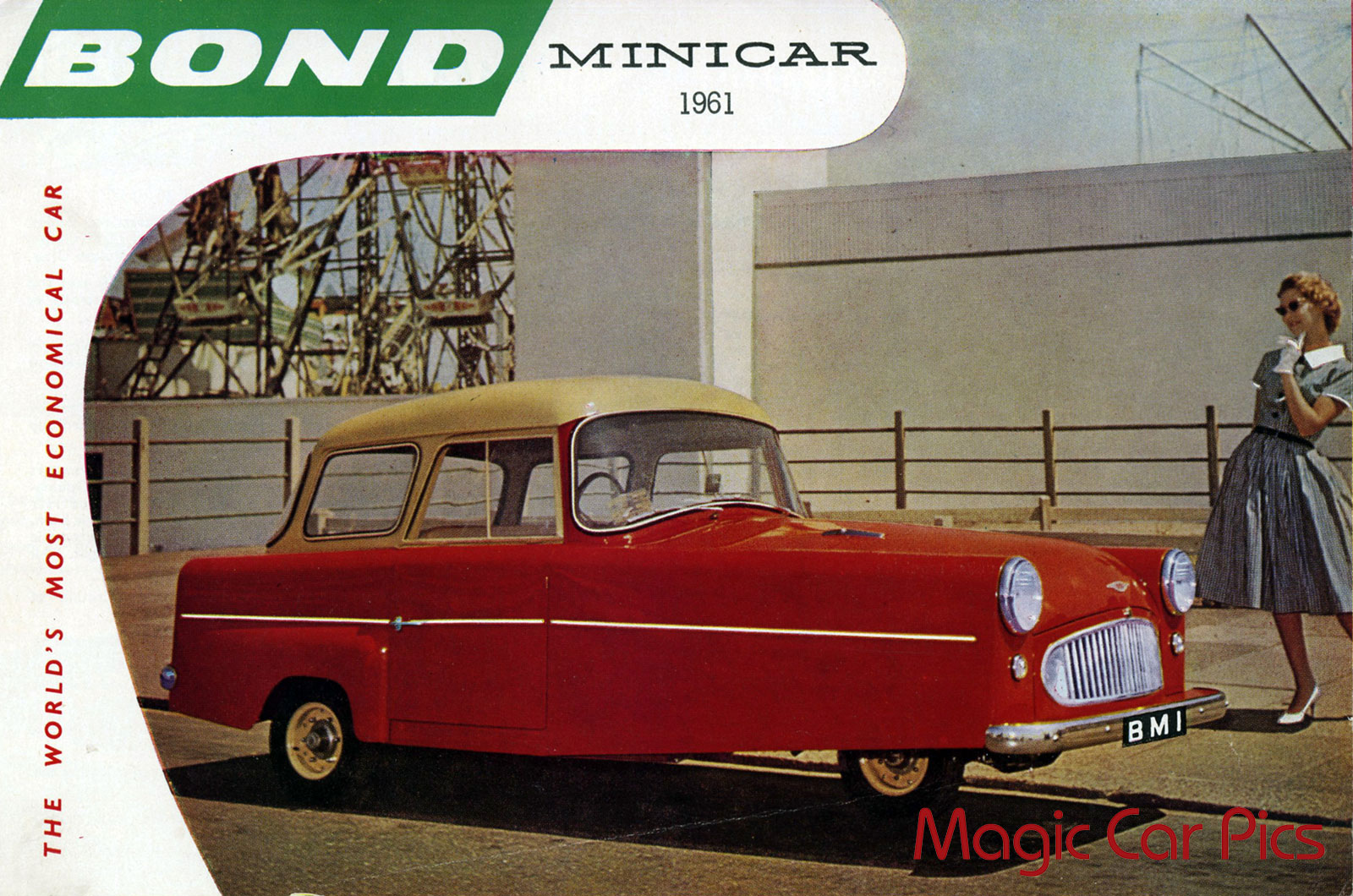
Less than a decade after he introduced his Minicar, Lawrie Bond had sold almost 14,000 of them; that’s austerity for you. The final design appeared in 1957, offered in saloon, convertible and estate forms during its nine-year lifespan. Bond had finally discovered true luxury; this Minicar had a door on each side, a throbbing 246cc engine and even wind-up windows on later cars.
Fuji Cabin (1957)
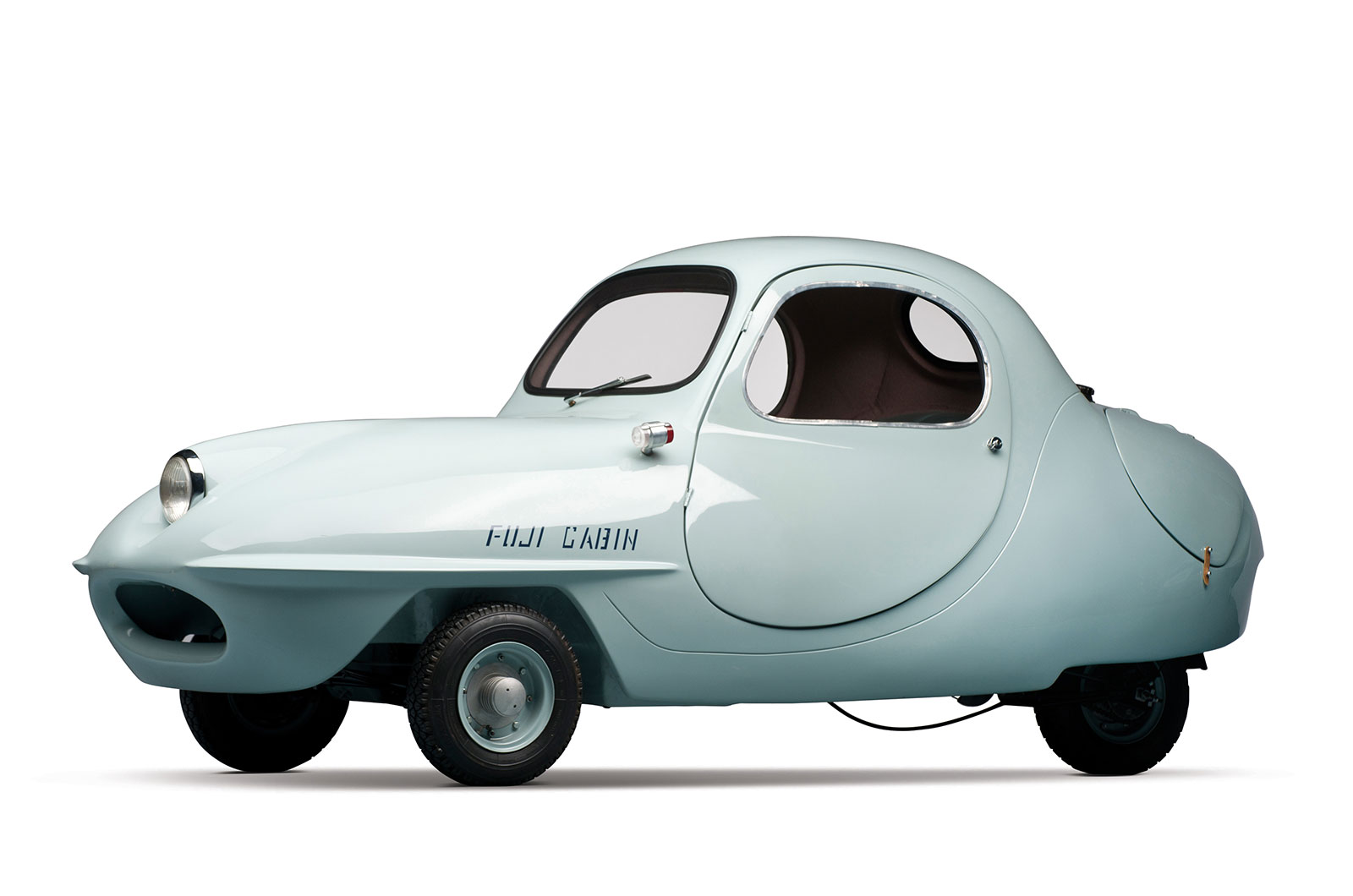
Built by Tokyo-based Fuji Toshuda Motors, the Cabin was one of Japan’s most successful microcars – which isn’t saying much as only 85 were made. The 5.5bhp 123cc two-stroke single-cylinder engine gave a top speed of 37mph; the car pictured was sold by RM Sothebys in 2013 for a whopping $126,500.
Coronet (1957)
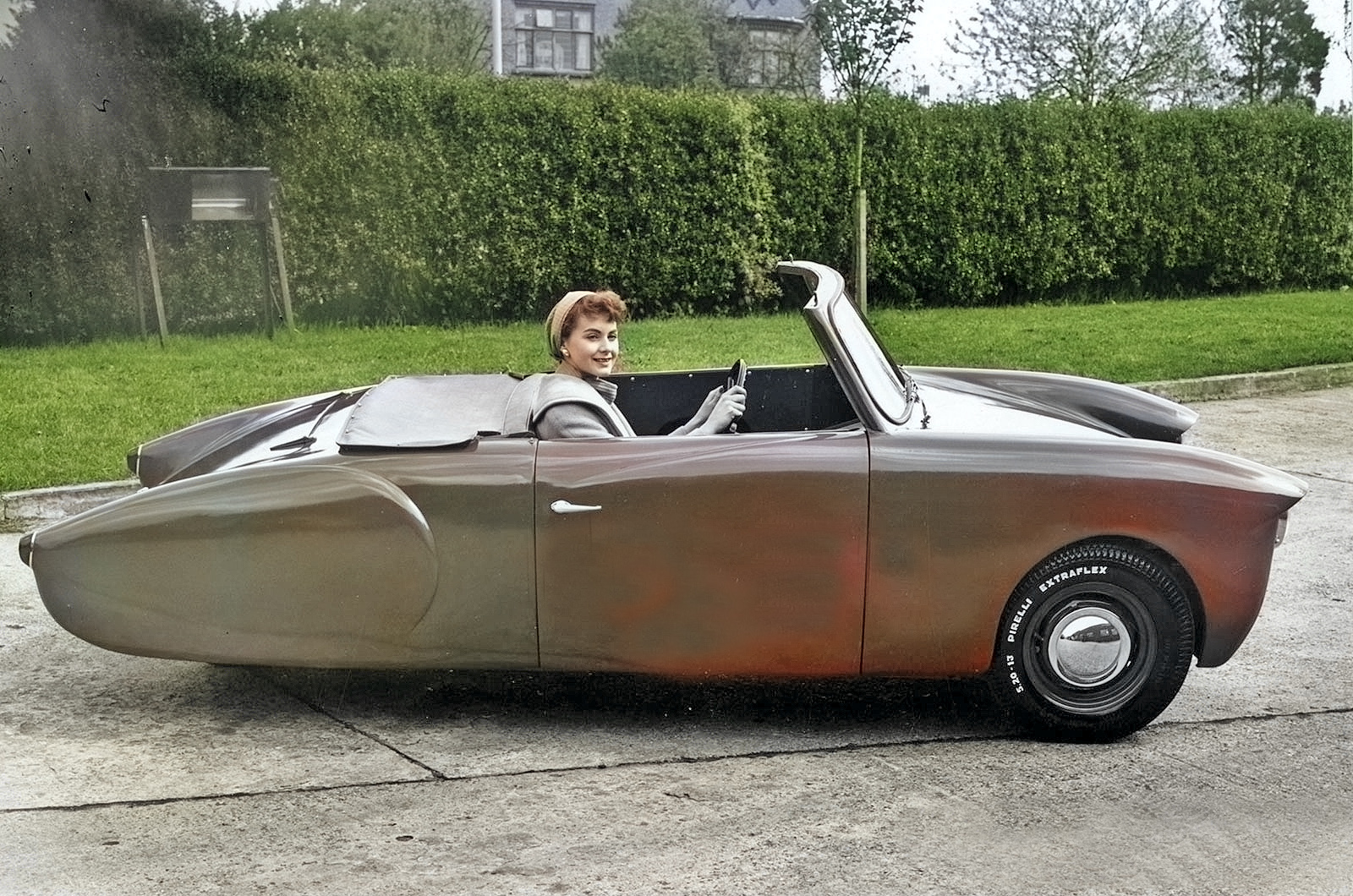
The Coronet was an attempt at producing a microcar with big-car styling and comfort, which is why it was advertised as “the world’s best three-wheeler”. And who are we to argue? The 328cc engine could take this three-seater up to 57mph and despite the high price when it was launched, around 250 were made between 1957 and 1960.
Scootacar (1958)
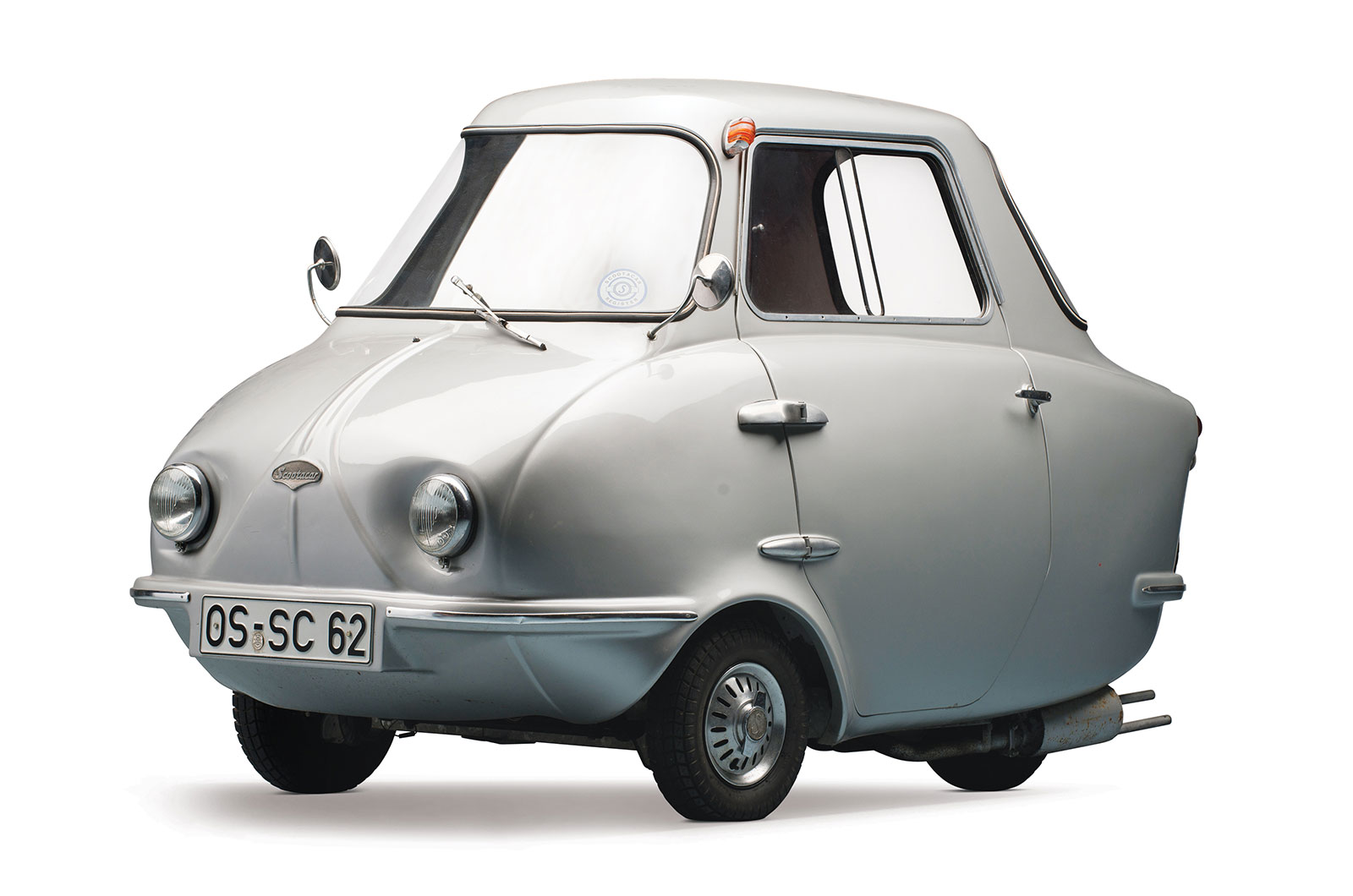
As bubble cars became big news in mainland Europe, Scootacar put this confection into production. There were three iterations, all basically the same but the first two got a 197cc engine which ballooned to a 324cc unit for the final version. Around 1000 Scootacars were built between 1958 and 1965.
Berkeley T60 (1959)
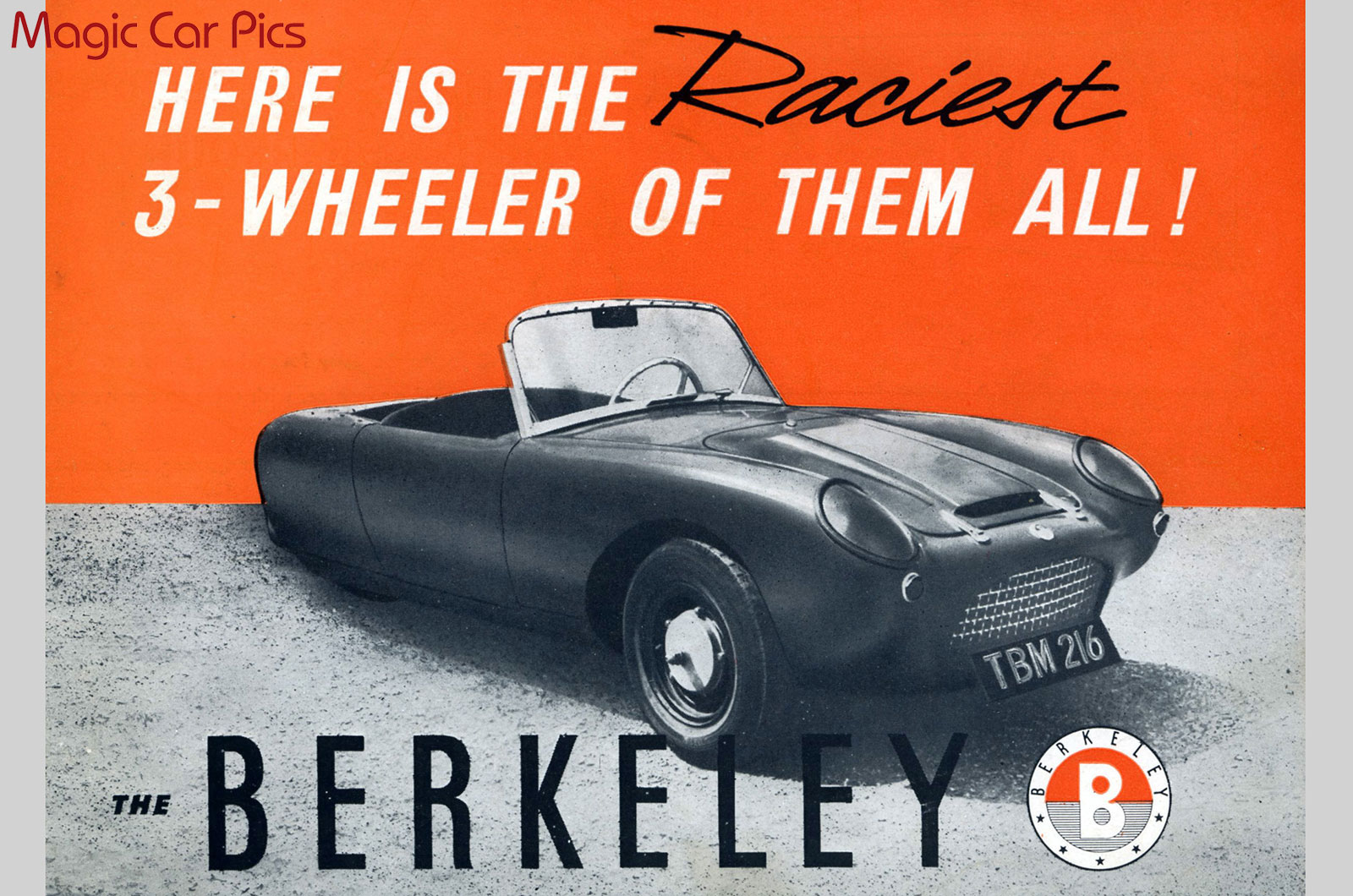
We’ve already encountered the delights of Lawrie Bond. In 1955 he approached caravan maker Berkeley with a view to collaborating on a pint-sized sports car. The result was the four-wheeled B65 which four years later became the three-wheeled T60.
Very nippy and enormous fun to drive, the T60 proved a smash hit with 1750 sold in the first year. But Berkeley went bust in 1960 when its caravan sales slumped, and it was all over.
Reliant MkVI (1960)
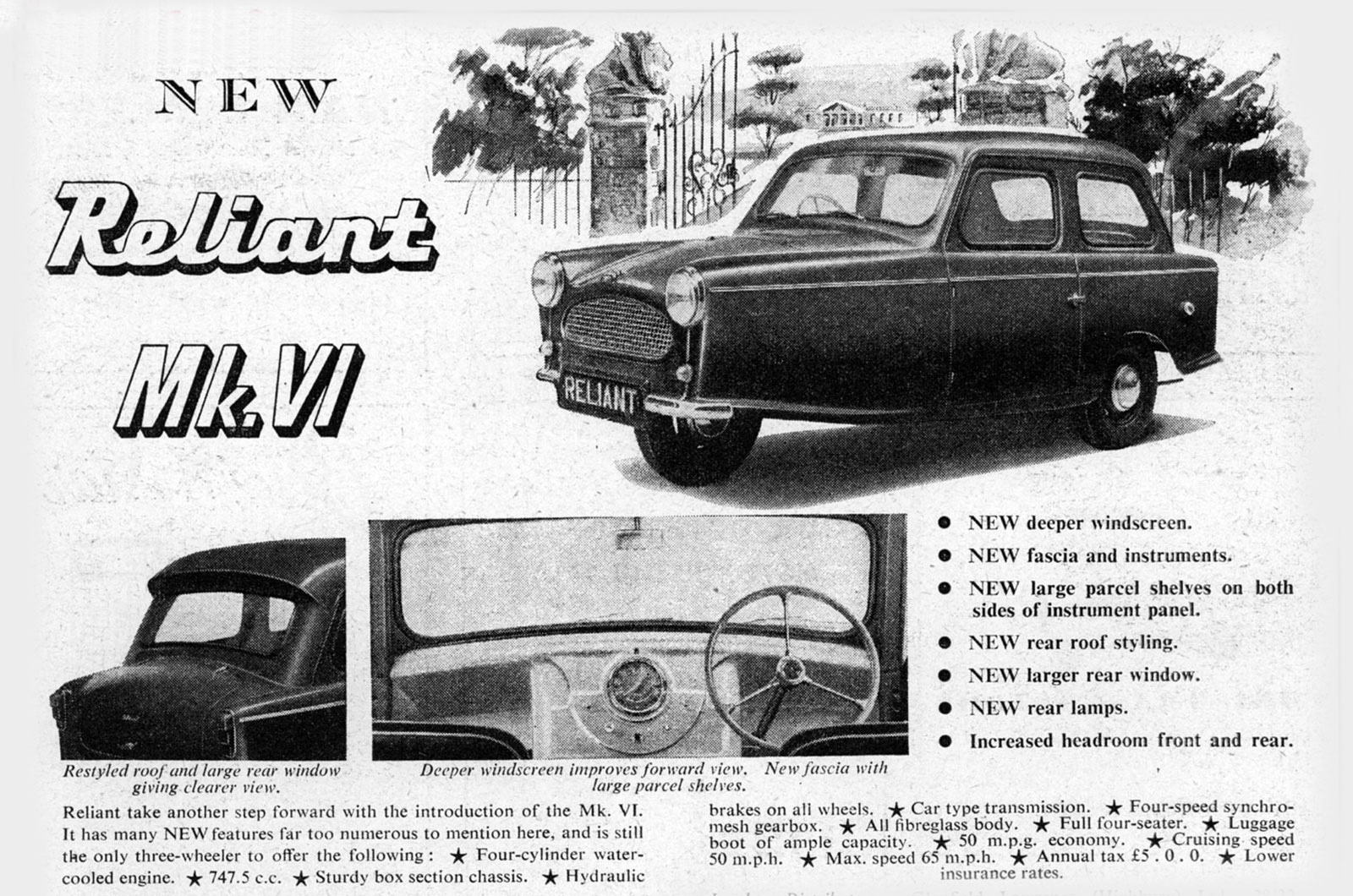
If ever there was a company renowned for its three-wheelers, it’s Reliant – largely because it built almost 200,000 of them over a 65-year production run. The first passenger cars came in 1952 and they were pretty basic, but by 1960 the factory was churning out this sporty little number. Sleek and stylish, the MkVI was a big success, with 8478 built by the time production ended in 1962.
Nobel 200 (1959)
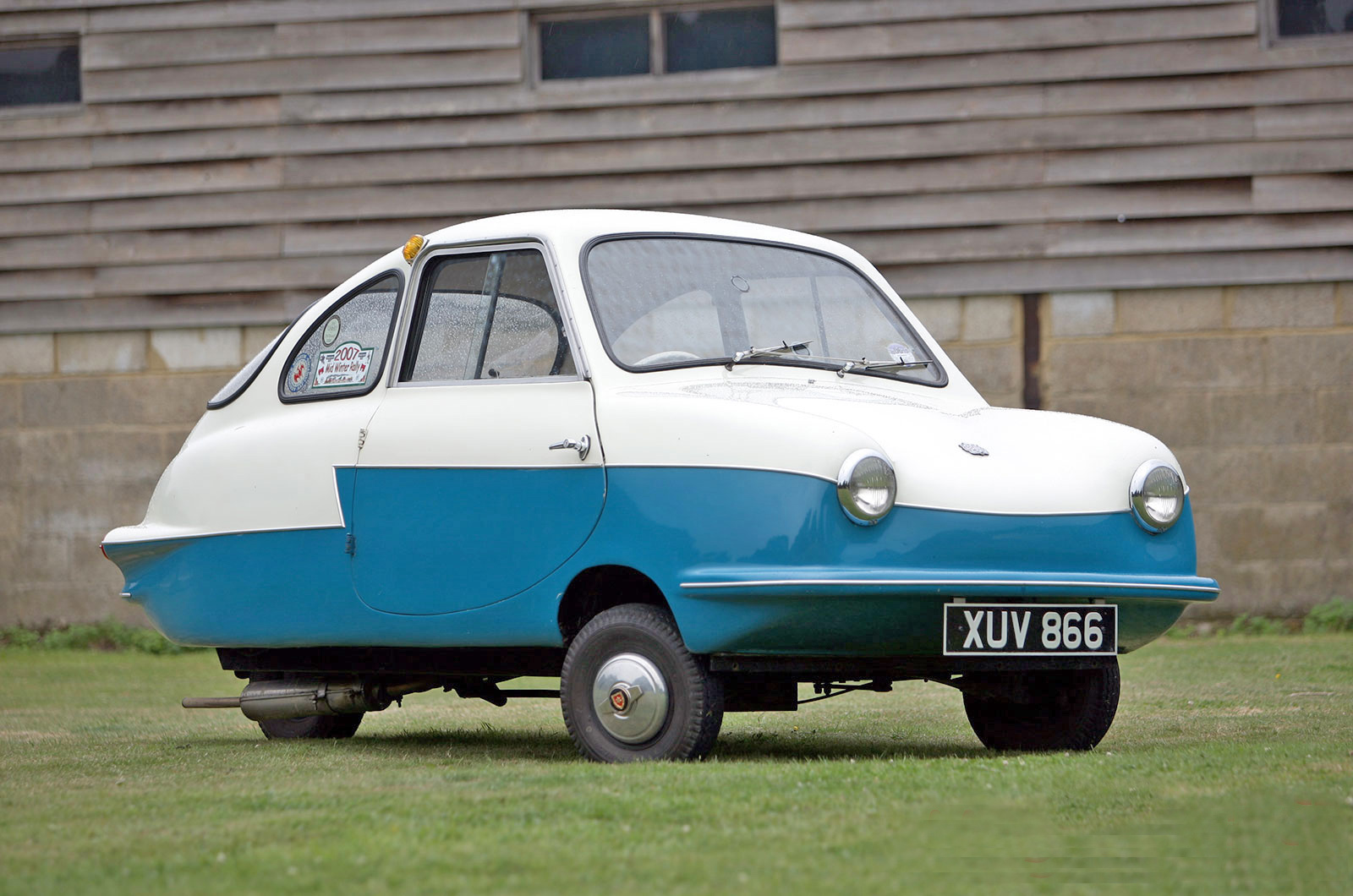
What started out as the German-built Fuldamobil S-7 became the British-made Nobel 200 in 1959. Offered with three wheels or four, the Nobel featured a glassfibre bodyshell made by the Bristol Aircraft Company. Available in kit or fully-built forms, around 1000 Nobels were made before the plug was pulled in 1962.
Peel P50 (1962)
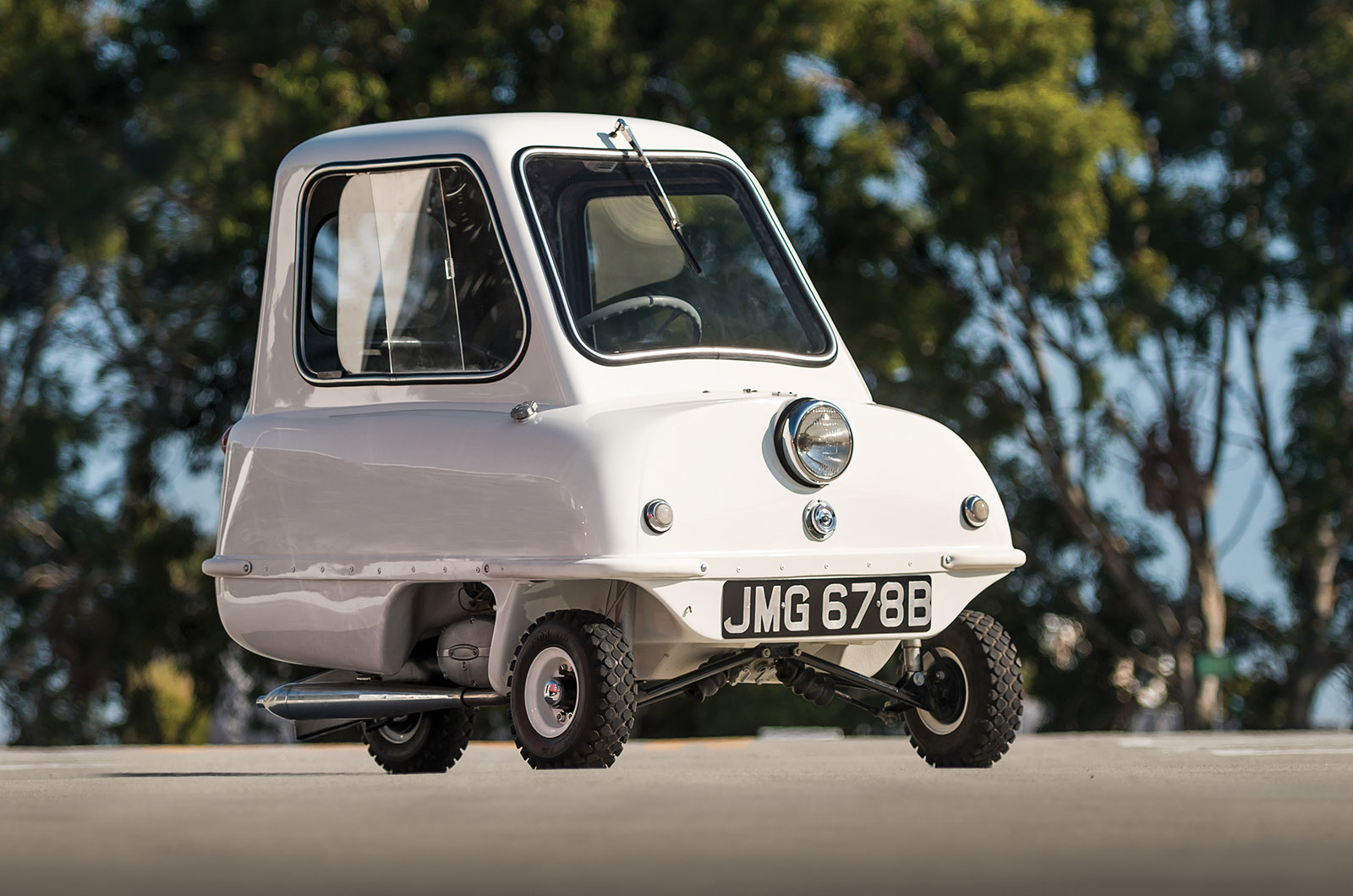
Marginally more high-tech than a skateboard, the Peel P50 is still listed as the world’s smallest passenger car by the Guinness Book of Records. Capable of seating one in discomfort, a 49cc engine buzzed away under the driver; it could take the Peel all the way to 30mph.
Original P50s are very highly prized but the car is back in production once more – now powered by electricity. Suddenly the Reva G-Whiz looks sophisticated.
GM Runabout (1964)
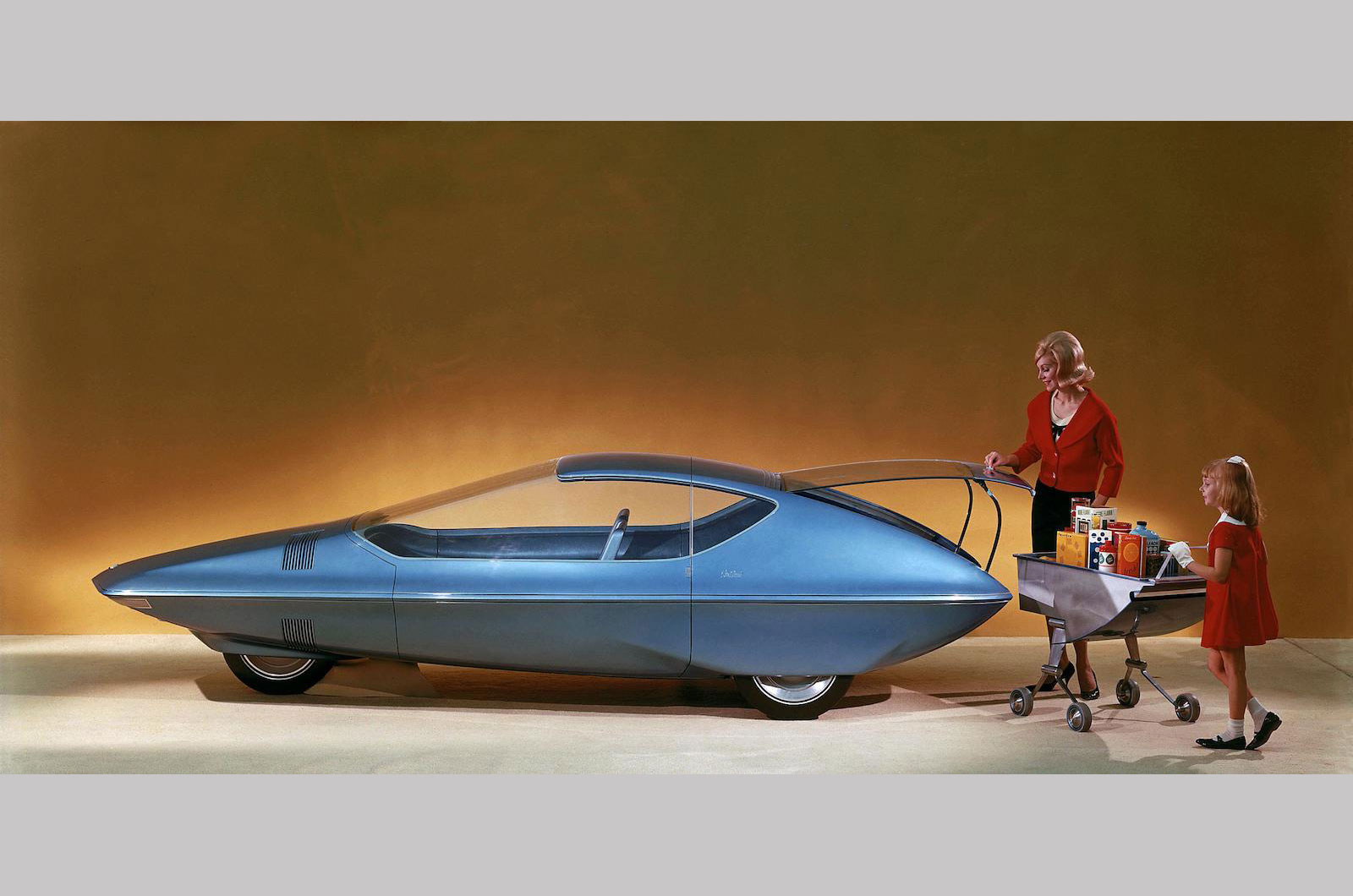
Most three-wheelers of the 1960s were cheap, functional cars but GM showed that the genre could also be sleek and appealing with this concept. Shown at the 1964 World Fair, the Runabout’s single front wheel could be turned through 180 degrees so the car could turn in its own length. The back of the car also incorporated a removable shopping trolley.
Peel Trident (1965)
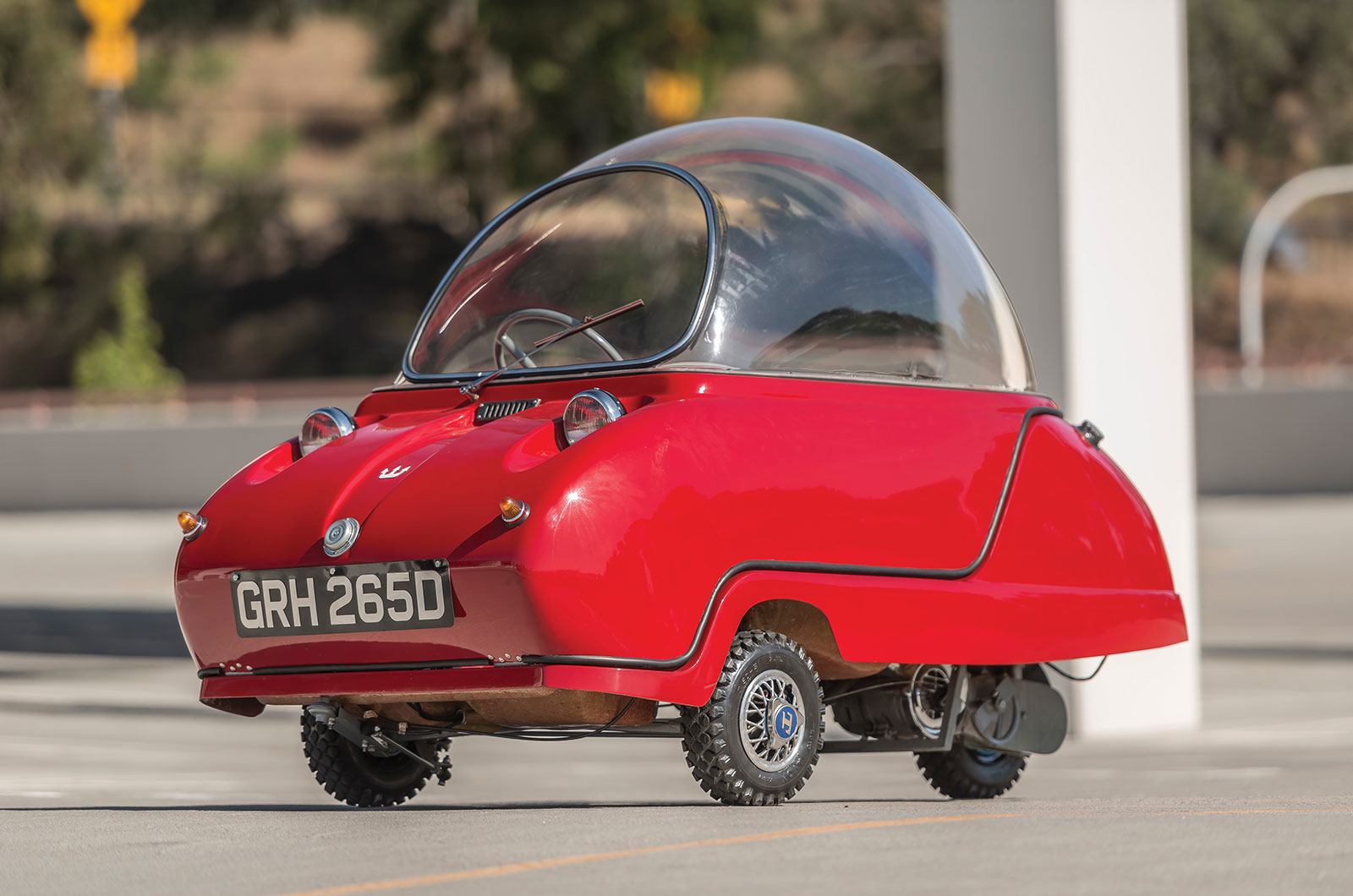
Buoyed by the success of the P50, Peel’s encore was the Trident. Looking like it had driven straight out of the Jetsons, the Trident could seat two side by side, with power still supplied by a 49cc engine. Once again, the Trident went back into production in 2010, and as with the P50, motive power was supplied by an electric motor rather than a petrol engine.
ABC Trimini/Tricar (1968)
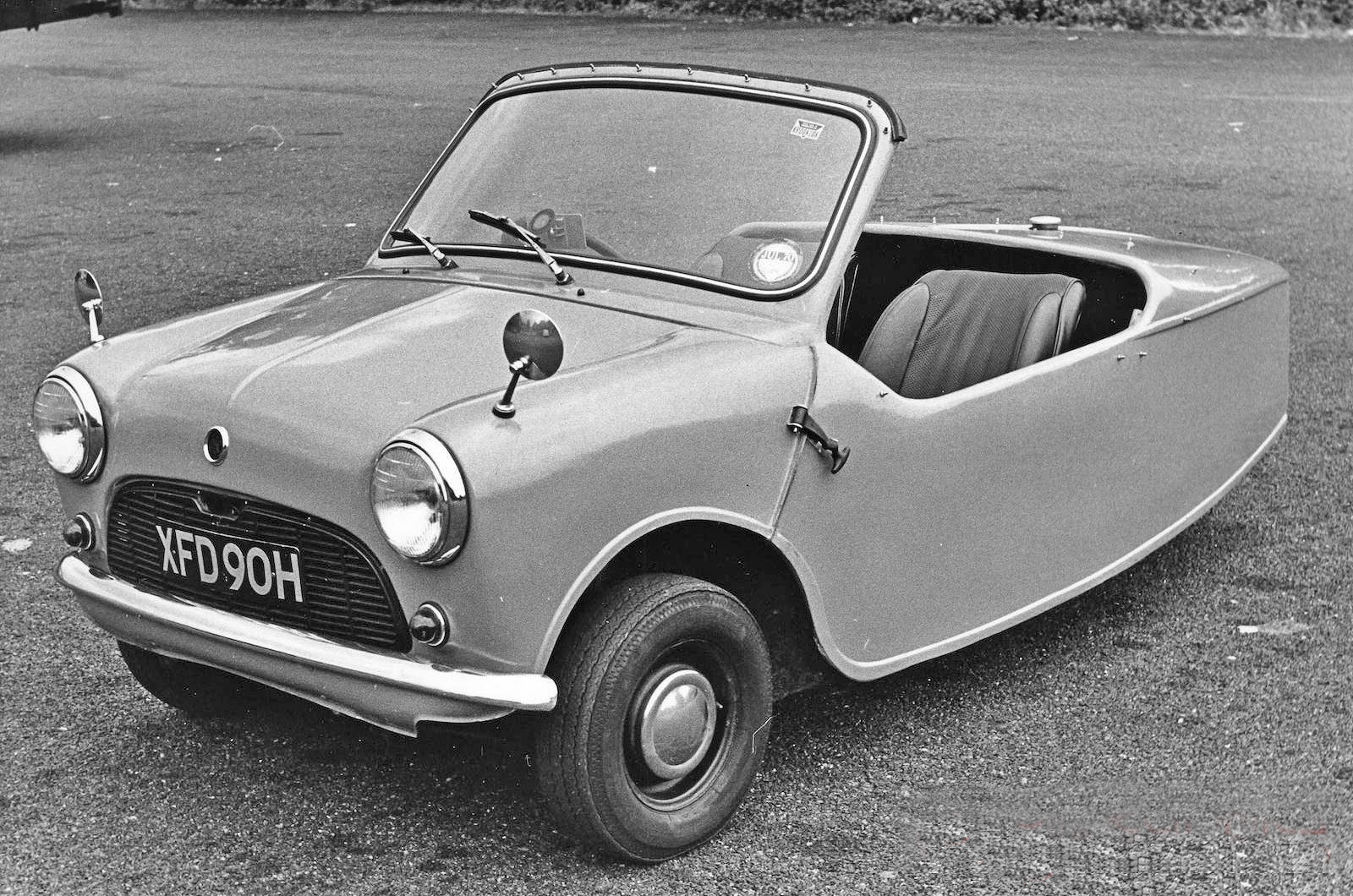
If you’ve always thought that the Mini has one wheel too many, the Trimini was just the thing. Created by Auto Body Craft in the West Midlands, the Mini’s entire front end was retained and half of a Mini rear subframe was grafted onto the back end along with a new glassfibre body tub. Weighing 205kg less than a regular Mini, the Trimini was fast and 25 examples were sold.
Bond Bug (1970)
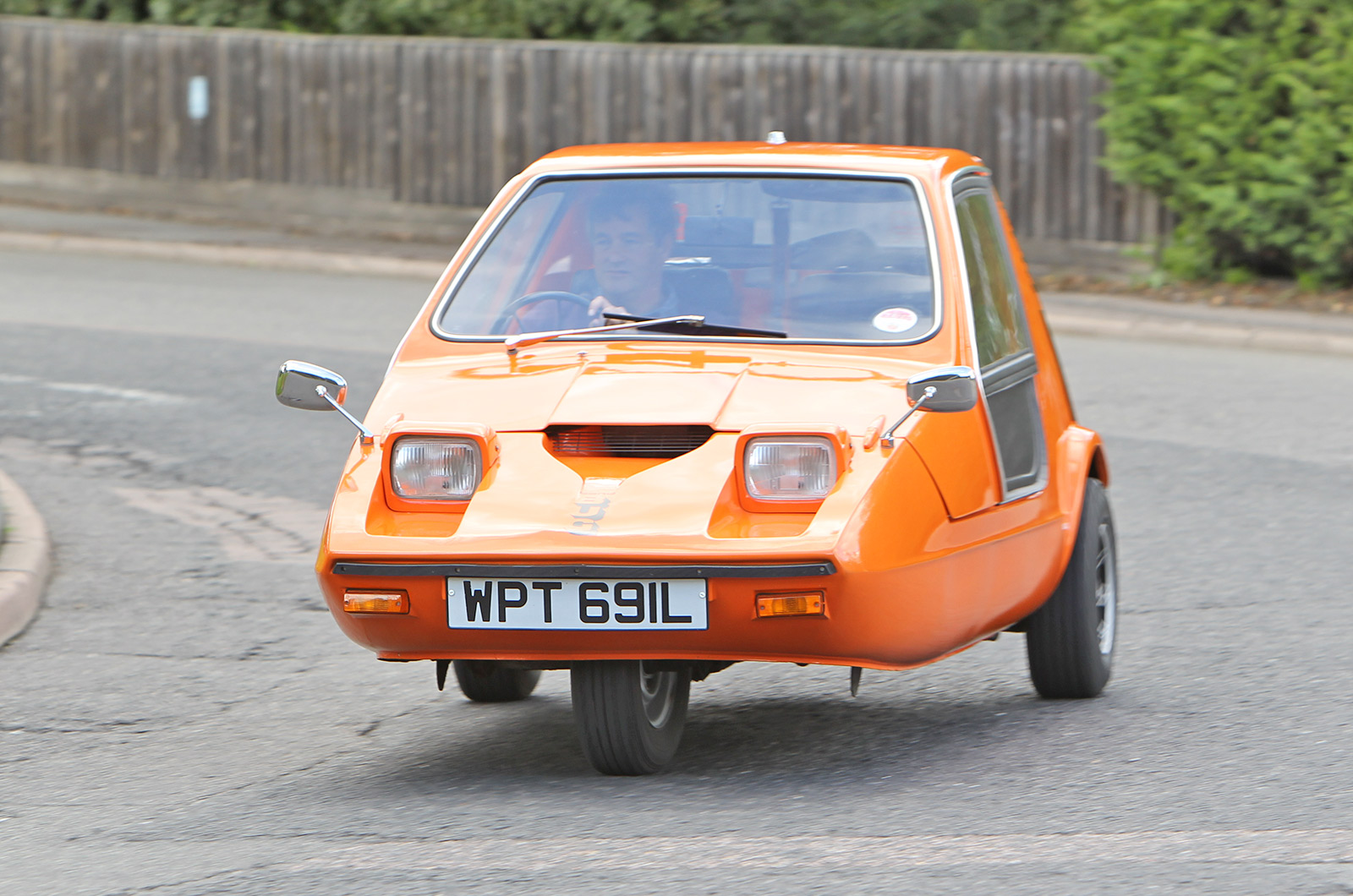
Reliant’s designer Tom Karen (1926-2022) had long wanted the company to build something a bit far out, and when it bought microcar maker Bond, it was the perfect opportunity. It sold reasonably well with 2269 being built up to 1973, each one powered by a 700cc four-cylinder engine.
Reliant Robin (1973)
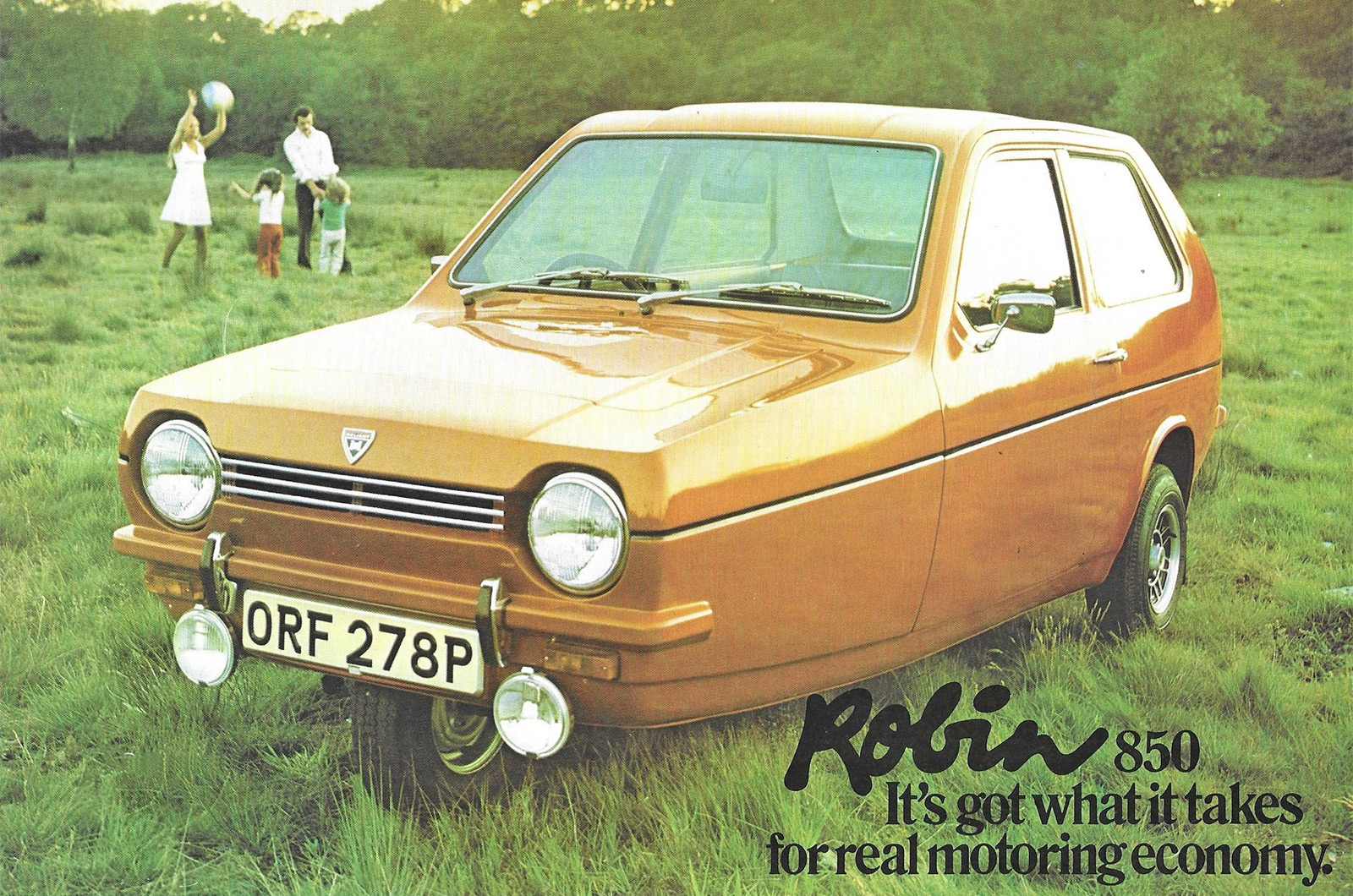
The butt of endless jokes, the Robin was powered by a 748cc engine, enlarged to 848cc in 1975. The Rialto replaced the Robin in 1981 but the latter was revived in 1989 and it would stay in production until Reliant faded away in 2001.
Stimson Scorcher (1976)
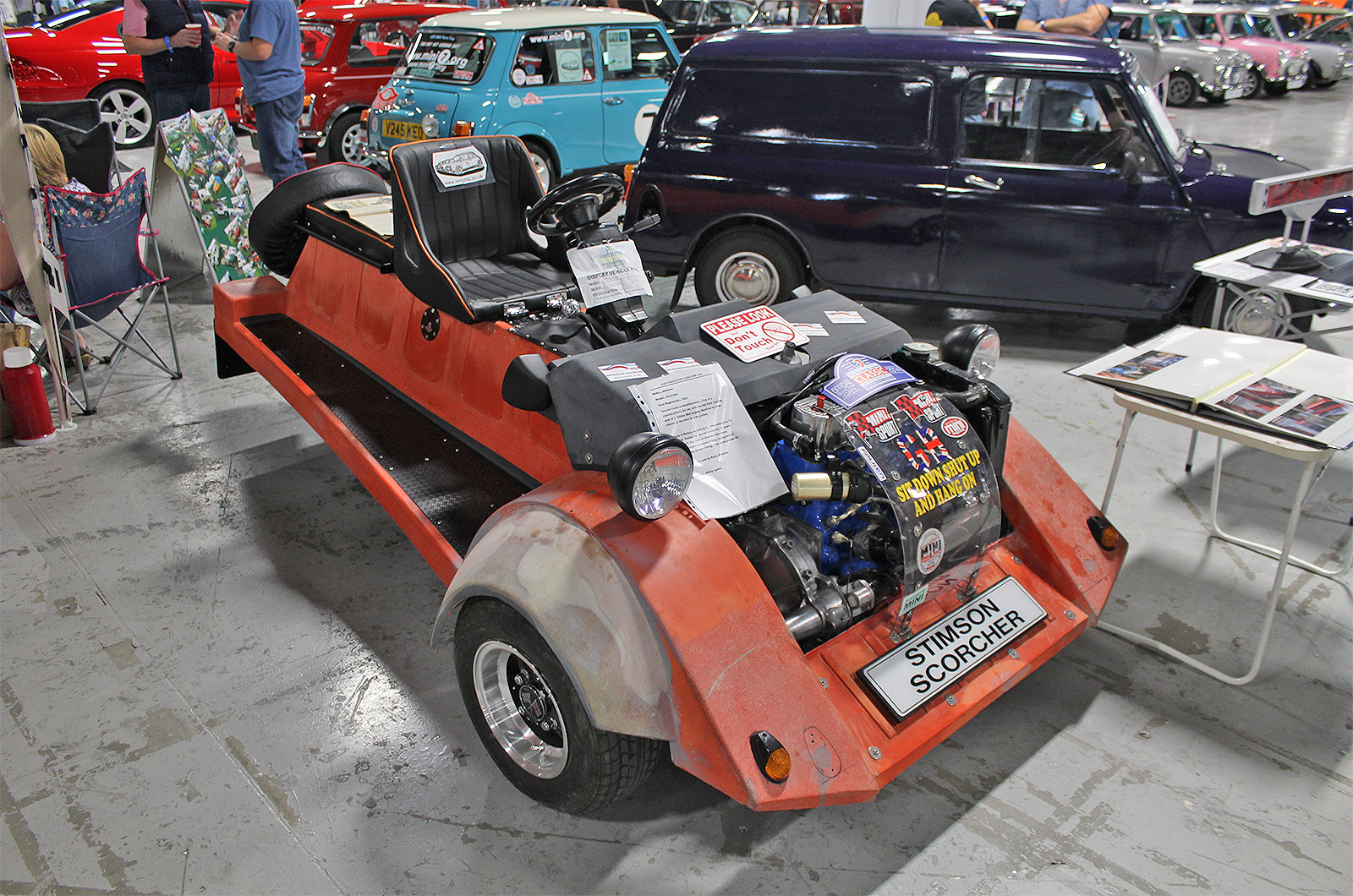
With three wheels, a 254kg kerb weight and a top speed of around 100mph, the Stimson Scorcher was capable of providing thrills galore. The brainchild of Barry Stimson (1940-2022), around 30 of these wacky machines were built, each one powered by a 998cc Mini engine. They’ve become very collectible, so if you happen to see one at the right price...
Badsey Bullet (1981)
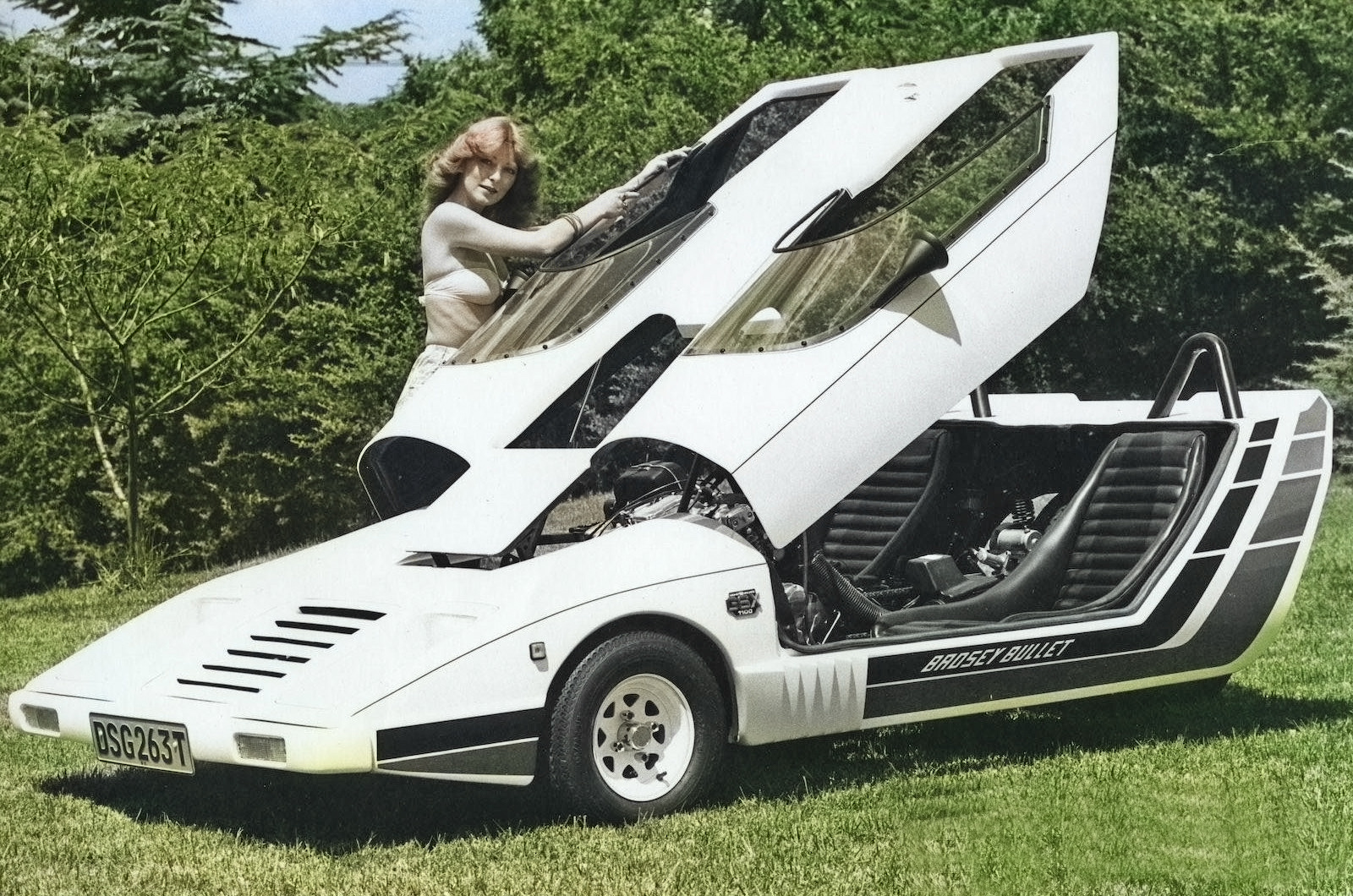
Bill Badsey (1940-2001) was an ambitious South African who claimed that his Bullet was capable of 200mph – 150mph was probably nearer the truth. Powered by a Yamaha V4 motorcycle engine, the Bullet was supposed to be officially imported to the UK from 1982, but it doesn’t seem that any cars ever actually travelled to the country.
Ghia Cockpit (1981)
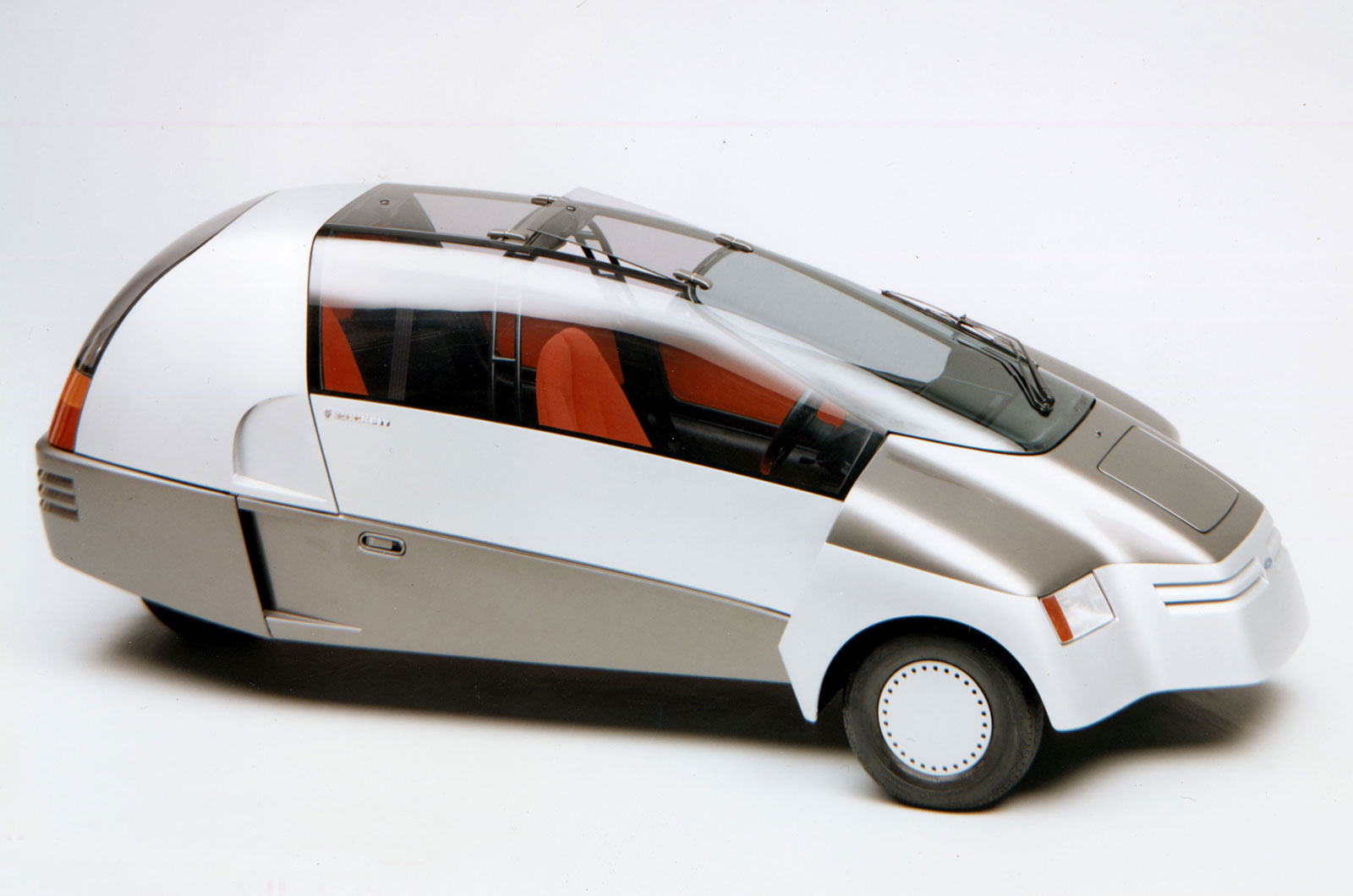
The Cockpit represented the future of urban commuting when it was unveiled at the 1981 Geneva motor show. Capable of seating two adults in tandem, at the back was a 12bhp 200cc single-cylinder engine capable of giving great economy. Just the one show car was made though, sadly.
Reliant Rialto (1981)
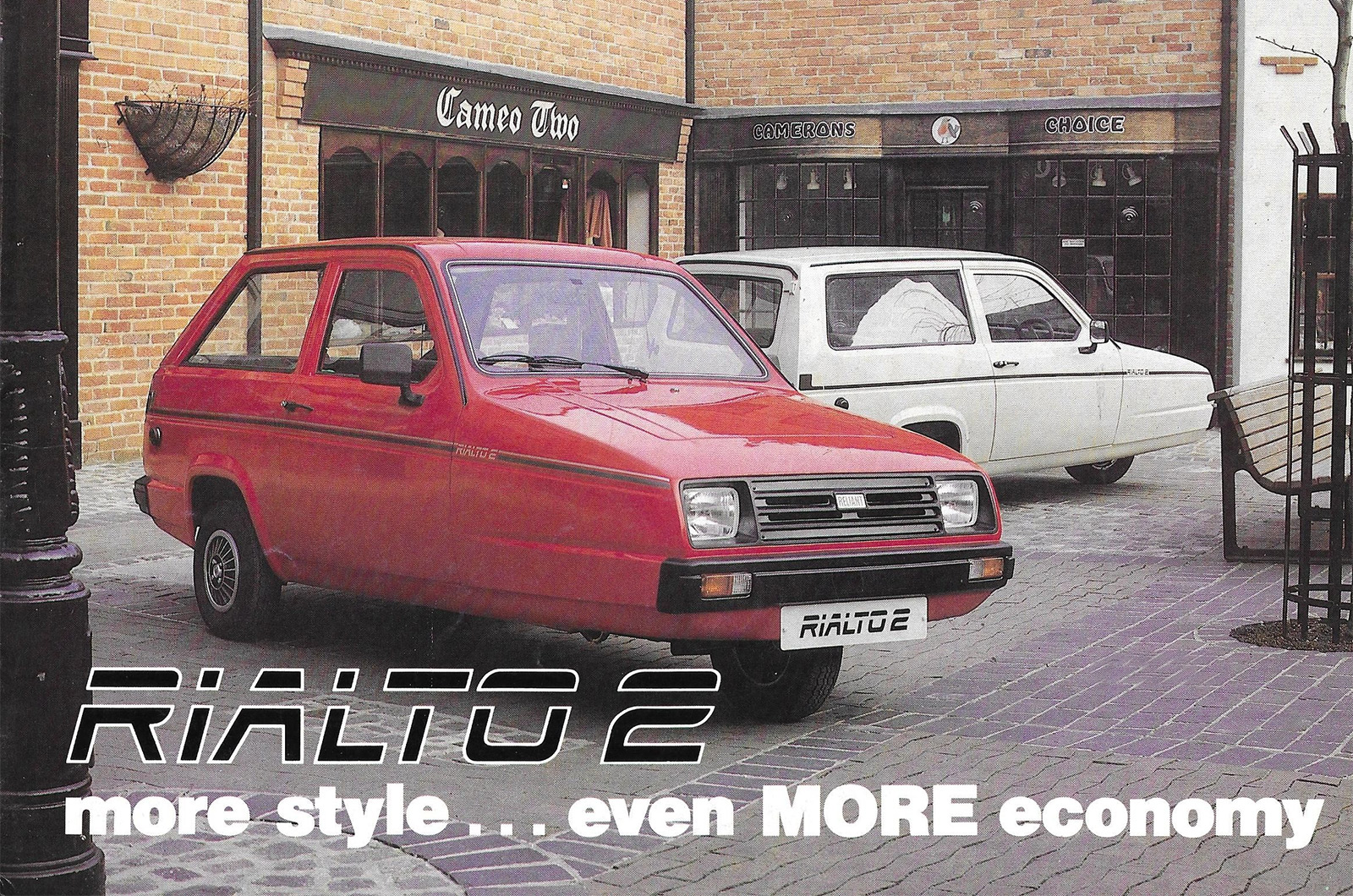
By the early 1980s the Robin was looking dated, so Reliant brought in the IAD design consultancy with a difficult mission: come up with a stylish three-wheeler. It’s fair to say that IAD succeeded, with a car that was quite sleek.
Lomax 223 (1983)
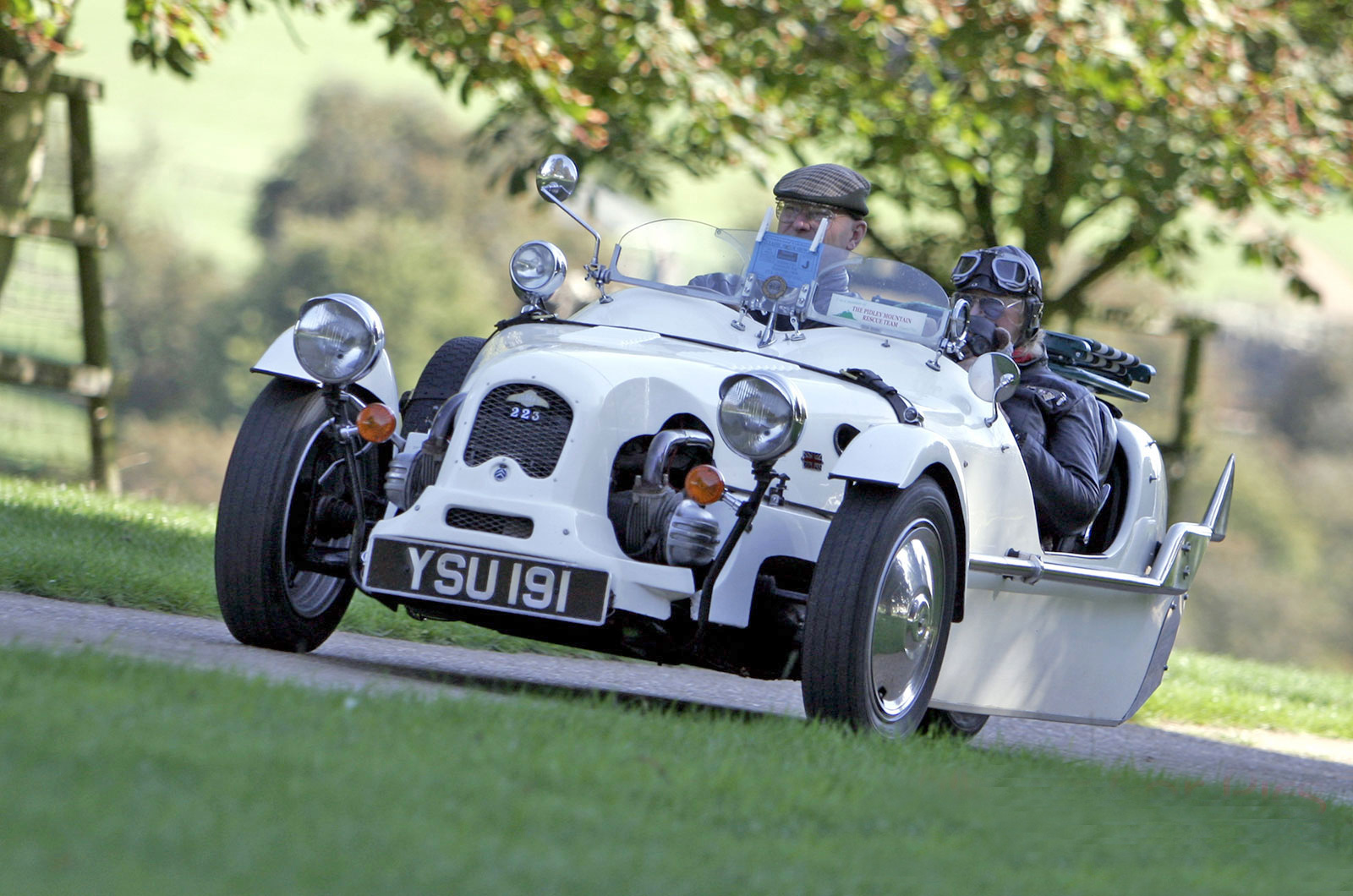
When Nigel Whall created the Lomax from a redundant Citroen 2CV he probably didn’t realise that his Lomax would become one of the most popular kit cars ever, with more than 3500 sold. A 2CV floorpan was mated to a glassfibre bodyshell with no doors or roof. The car weighed just 400 kg, with its 31bhp 602 cm3 flat-twin engine giving ample performance.
Sinclair C5 (1984)
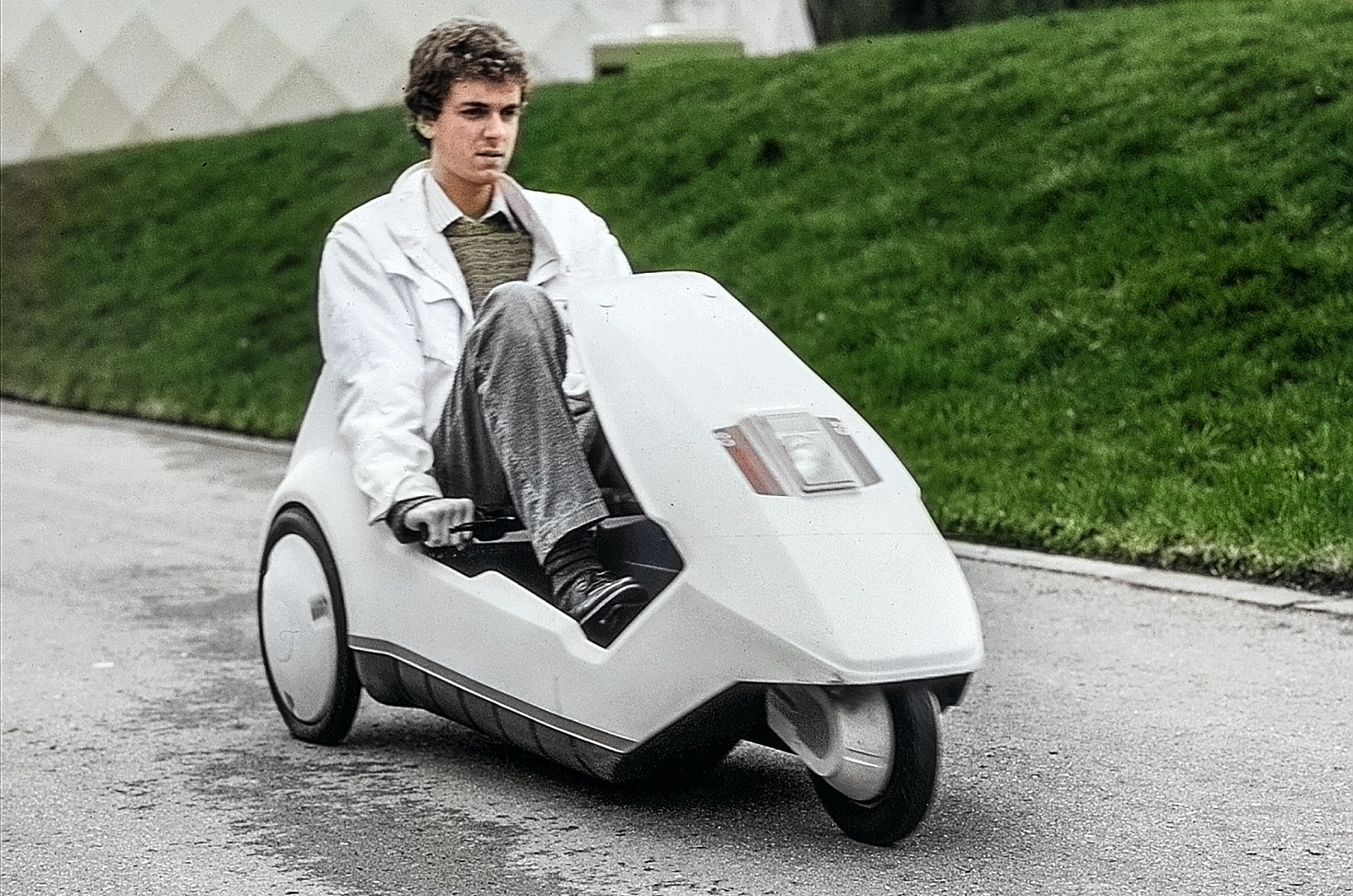
New regulations from August 1983 allowed electrically powered cycles of fewer than four wheels, under 60kg in weight and powered by a motor of up to 250W, to be used on the road under powered control at a maximum of 15mph. No tax disc, licence, insurance, helmet or MOT was required, and anyone aged 14 or over could drive one.
Sir Clive Sinclair (1940-2021) seized an opportunity that wasn’t there with a vehicle that was impractical and overpriced. Despite a high profile launch that saw the car featured on the TV news, it was a sales disaster, leading to the company going bust in 1985.
Replicar Cursor (1985)
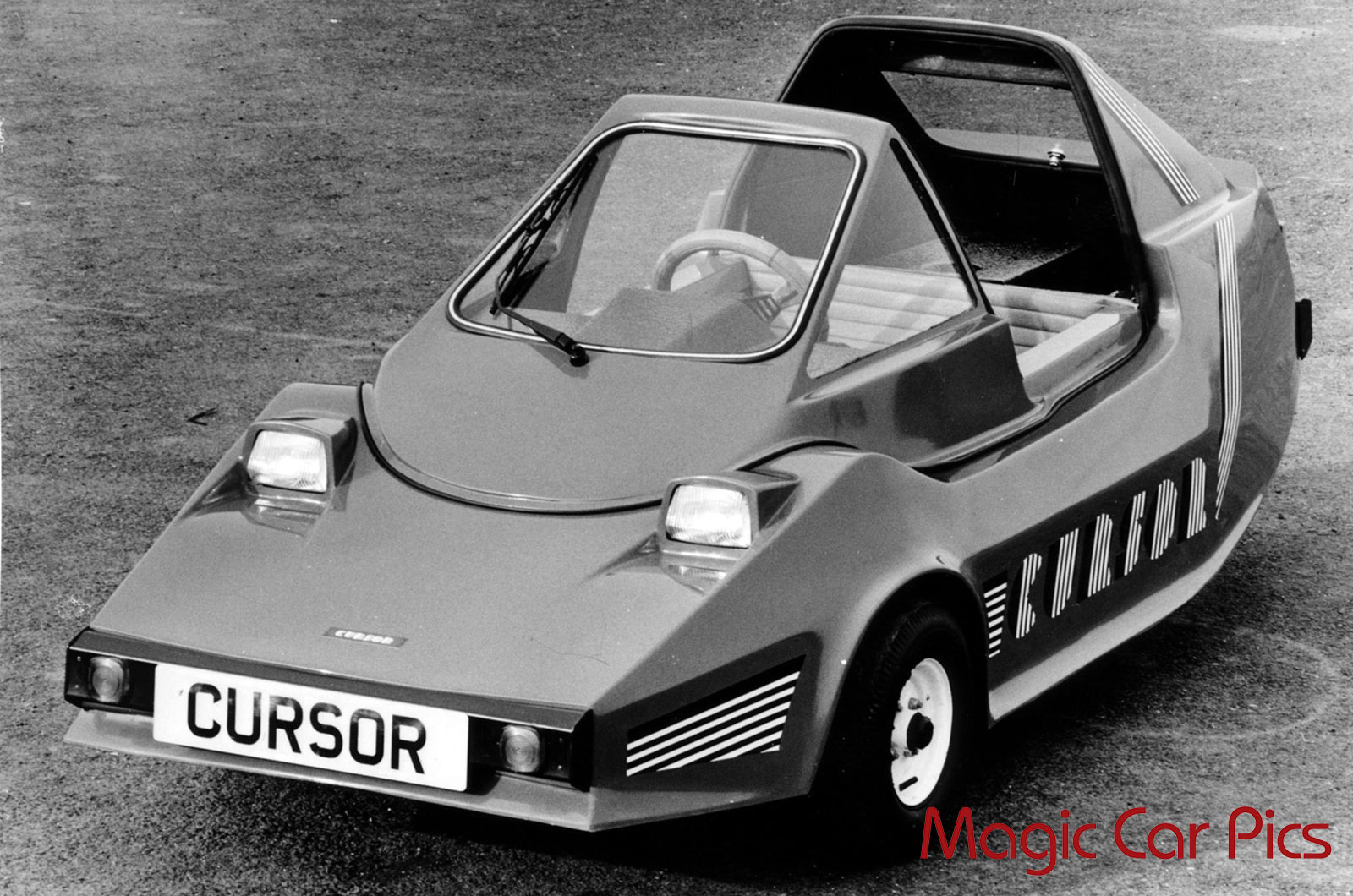
Alan Hatswell formed Replicar in 1981 to build Bugatti, Ferrari and Jaguar-inspired kit cars. Then he came up with the Cursor – a single-seat three-wheeler powered by a Suzuki 49cc moped engine. With a 30mph top speed the Cursor could legally be driven by 16-year olds. About 100 Cursors were built between 1985 and 1987, with a few later cars being two-seaters.
Volkswagen Scooter (1986)
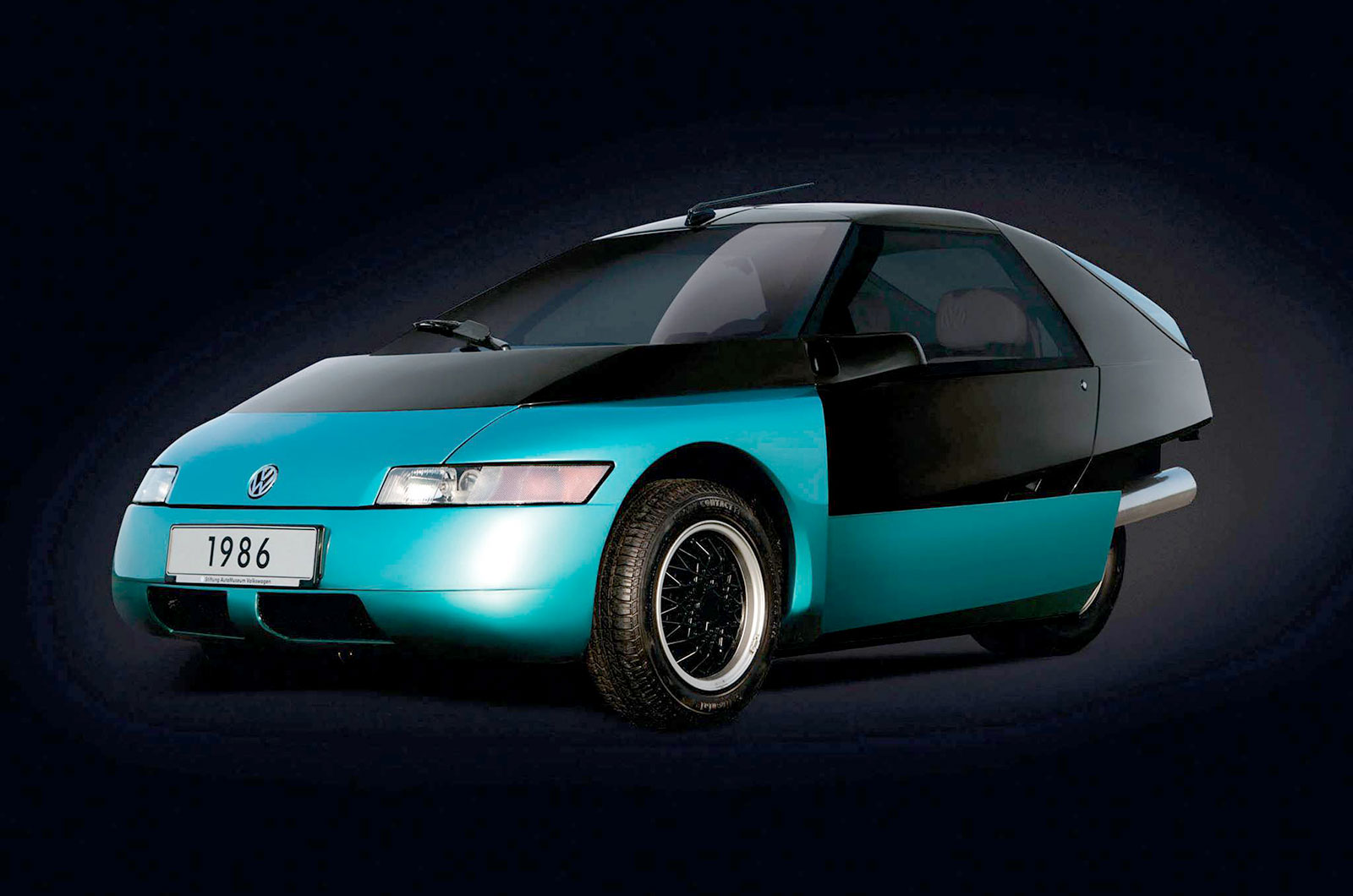
The Scooter was a refreshing take on the urban commuter car. Powered by a 1043cc Polo engine that could take it all the way to 125mph, the Scooter featured gull-wing doors that could be removed altogether to create a sort of convertible.
Grinnall Scorpion III (1992)
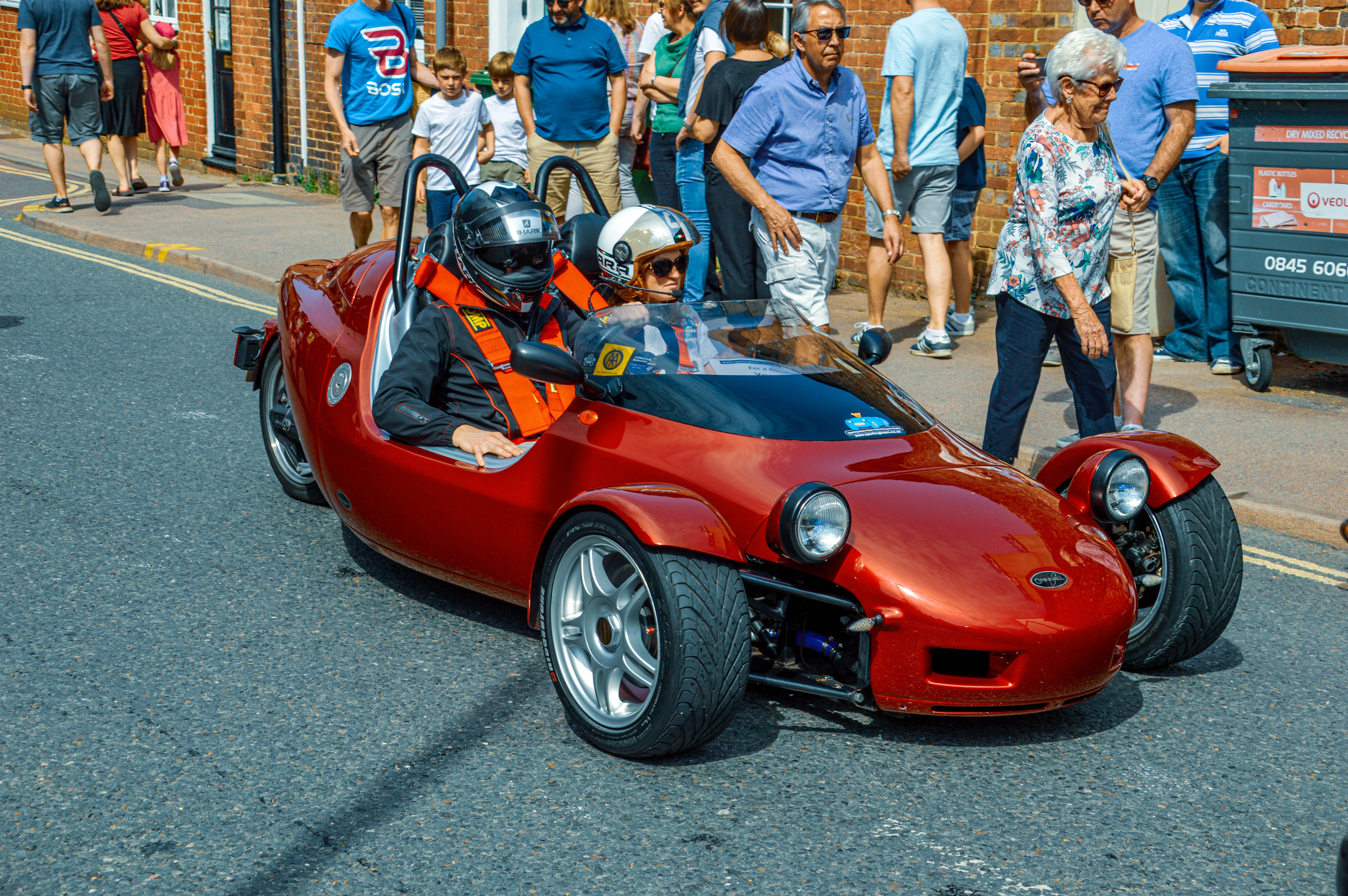
This car featured a square-tube steel chassis, uses Ford front suspension, with power coming from a BMW motorbike engine. Well made and enormous fun to drive, it was easy to see the car’s appeal.
Corbin Sparrow (1996)
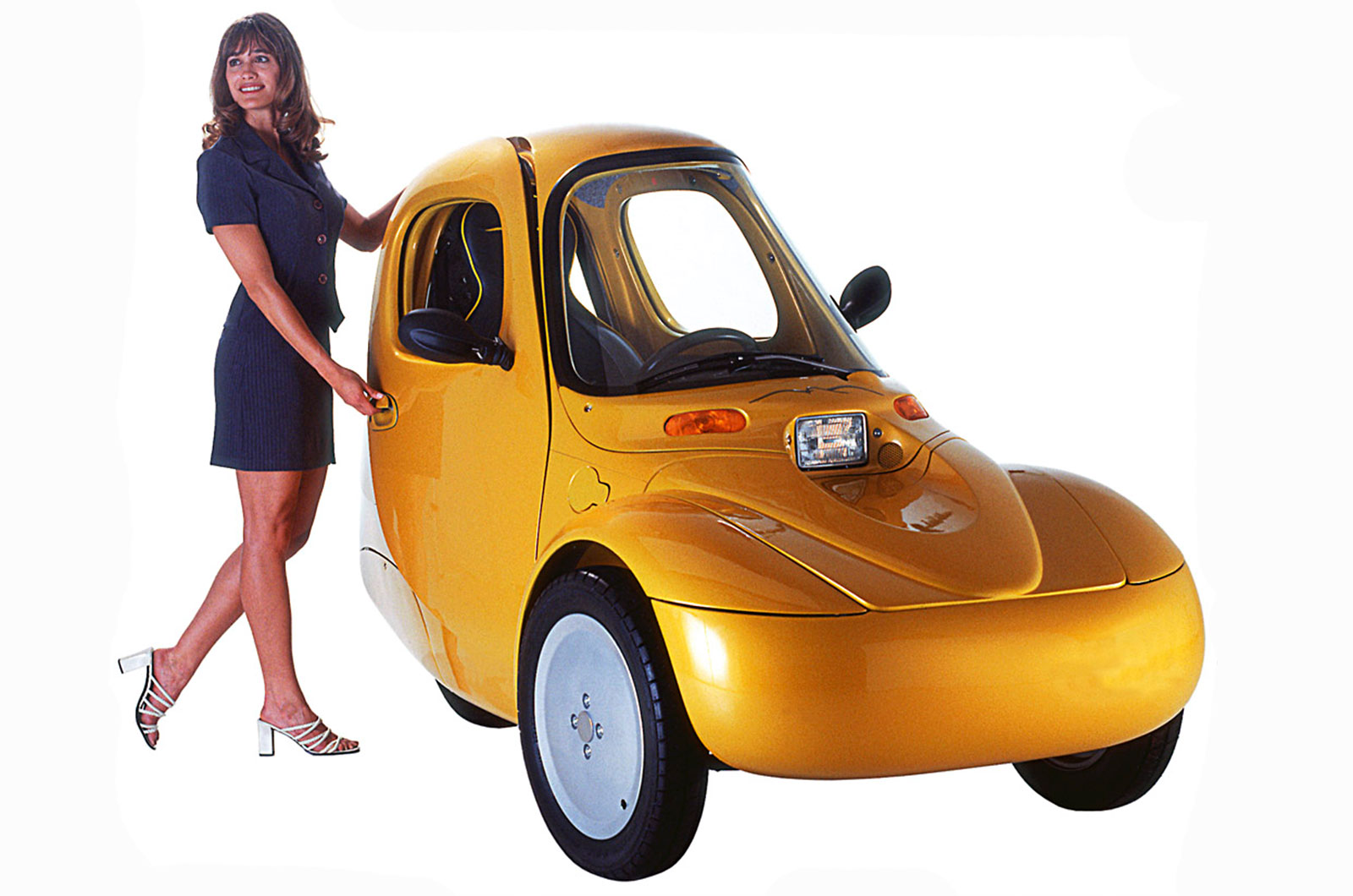
When Mike and Tom Corbin launched their Sparrow in 1996 it was one of the few electric cars on the market. Around 350 of these single-seater commuter cars were built up to 2003. By that point the company had also introduced the petrol-engined Merlin three-wheeler, but just a dozen of these were made before Corbin went out of business.
Carver One (1997)
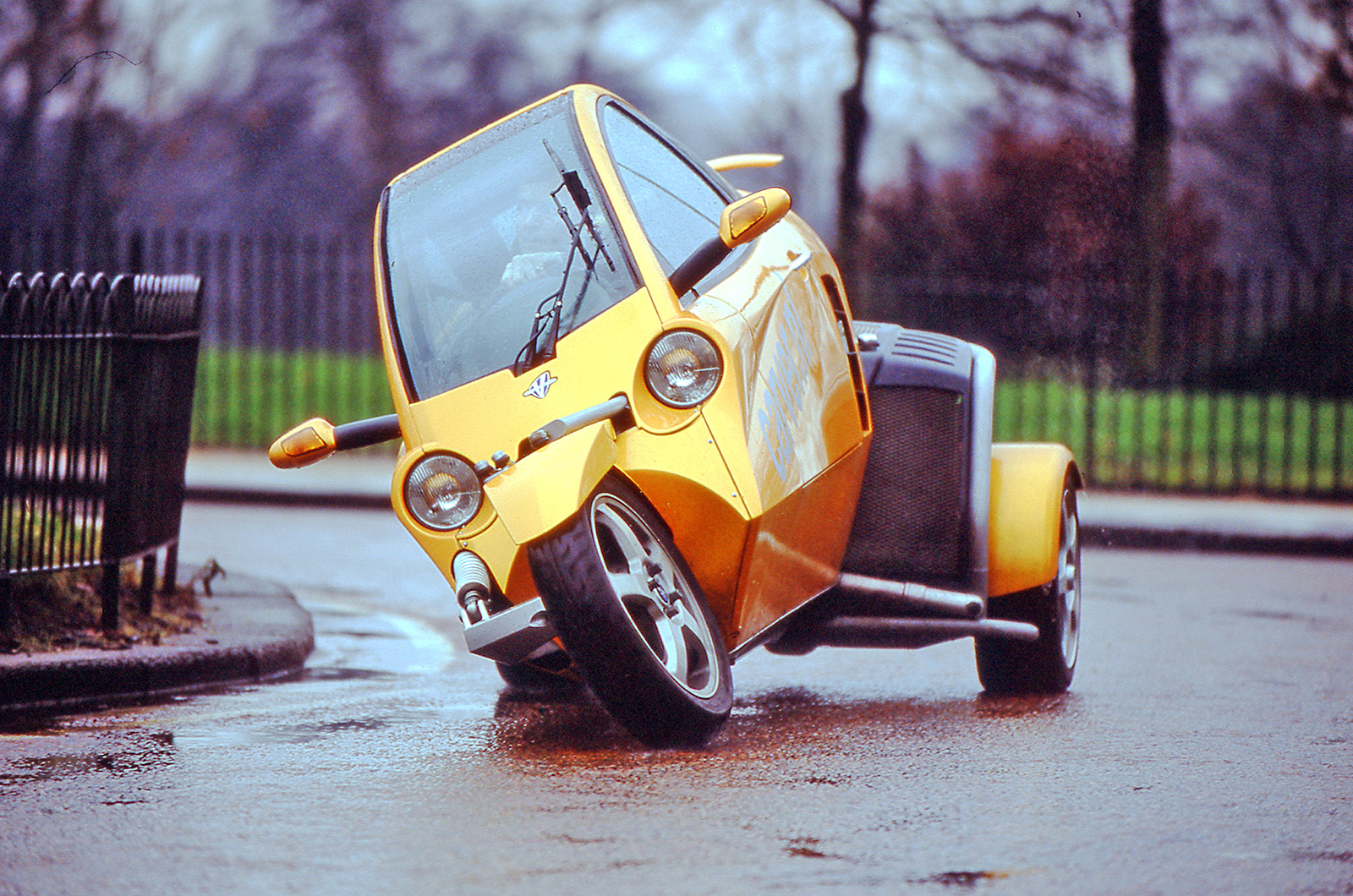
Three-wheelers tend to be a bit crazy but the Carver took things to the next level, with a body that leaned into corners so it constantly looked like it was tipping over. About 200 cars were made before the company went out of business in 2009.
Mercedes F300 Lifejet (1997)
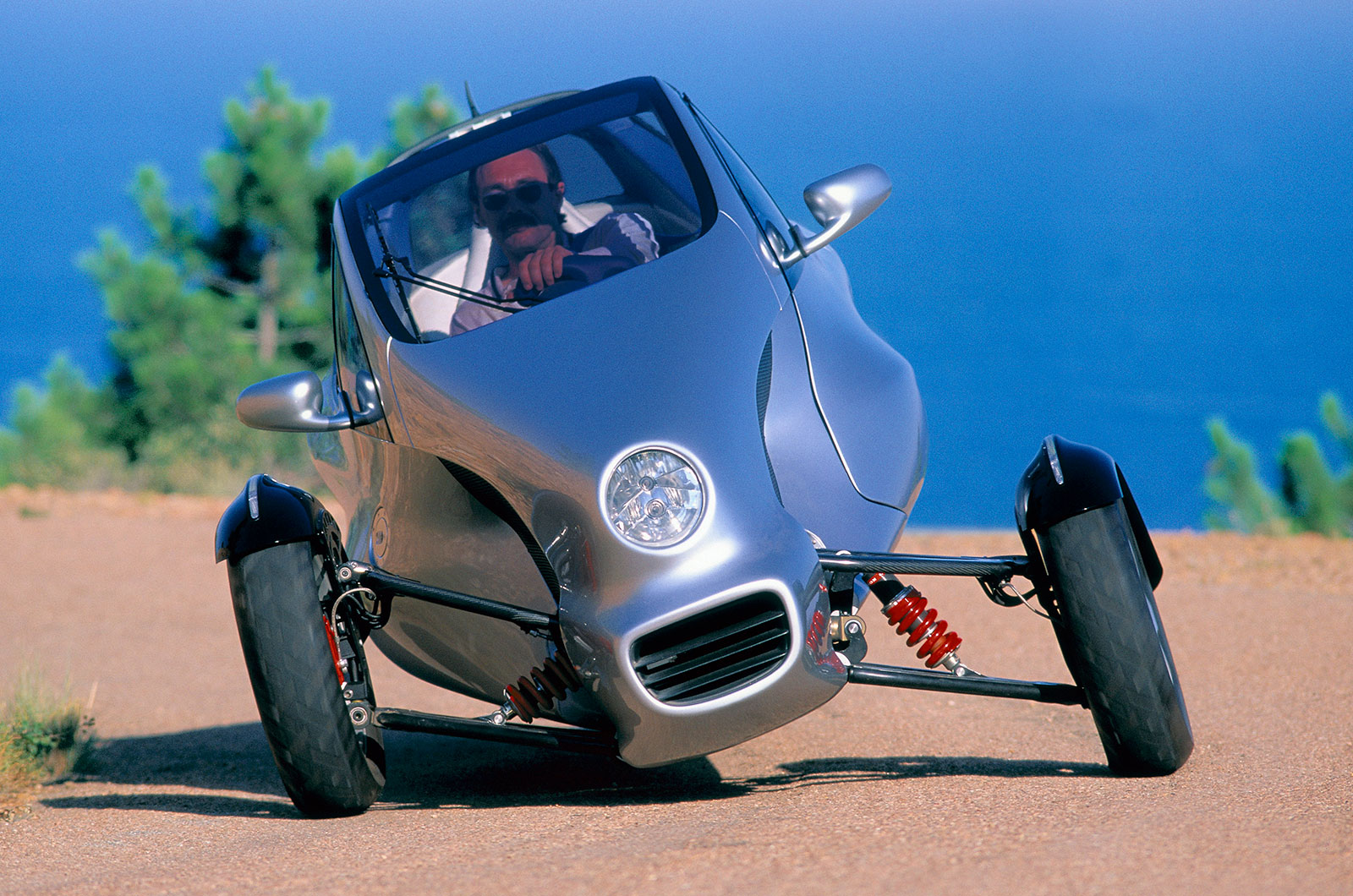
Mercedes might be a very conservative company, but that doesn’t stop it letting its designers have some fun when it comes to concept cars. They were certainly let off the leash for this one; a two-seater three-wheeler with a 1.6-litre engine that could do 130mph.
A computer allowed the cornering angle to be controlled, with the body able to tilt by up to 30 degrees, presumably ensuring that any occupants will feel sick by the time they get out.
PAL-V (2004)
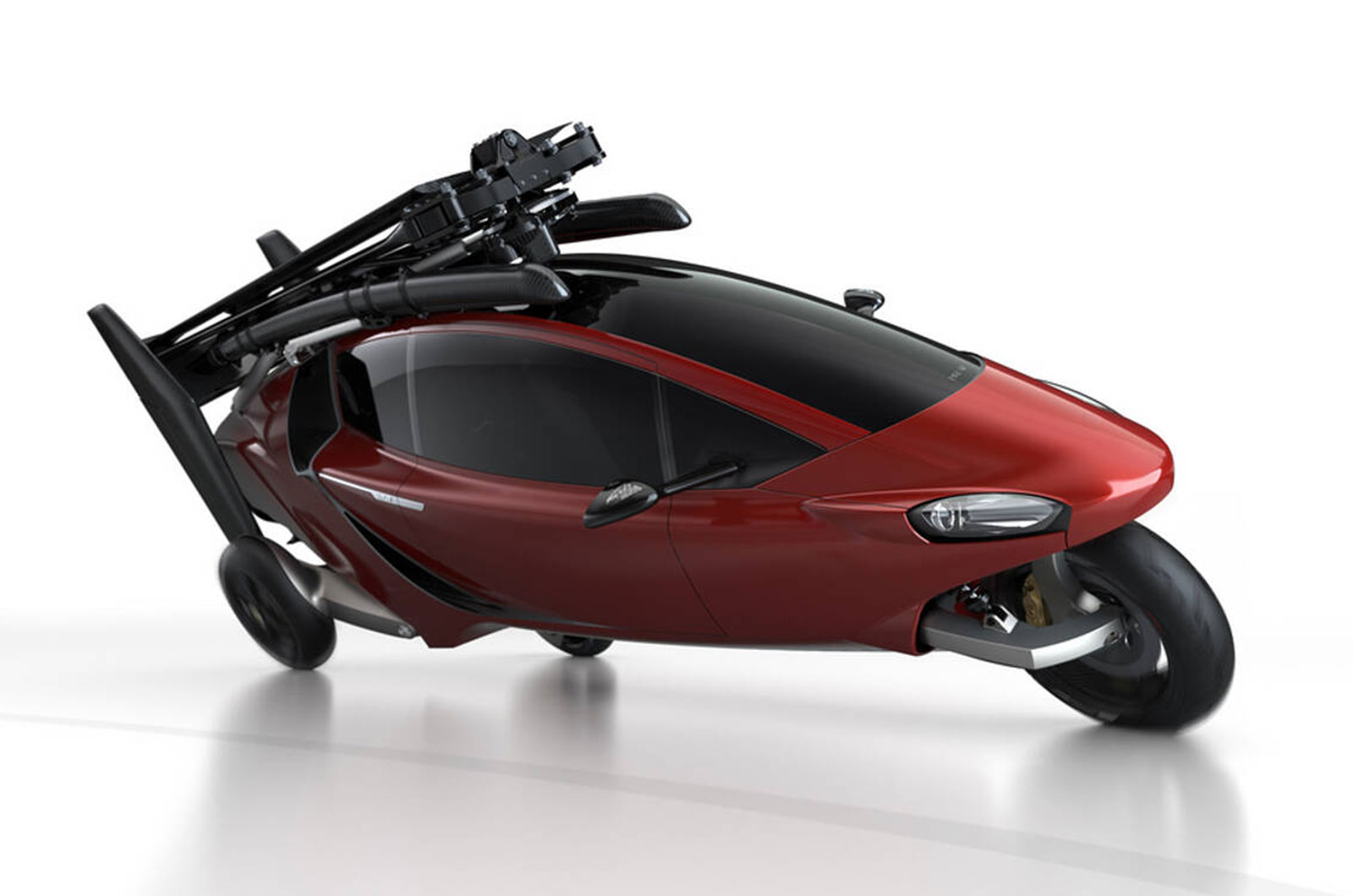
The PAL-V is essentially a gyrocopter based on the Carver One that we saw earlier, a 100bhp petrol engine in drive mode gives a top speed of 100mph on the road. When flying the engine’s power output doubles to 200bhp and the top speed increases to 112mph. However, consumer sales have been repeatedly delayed.
Peugeot 20Cup (2005)
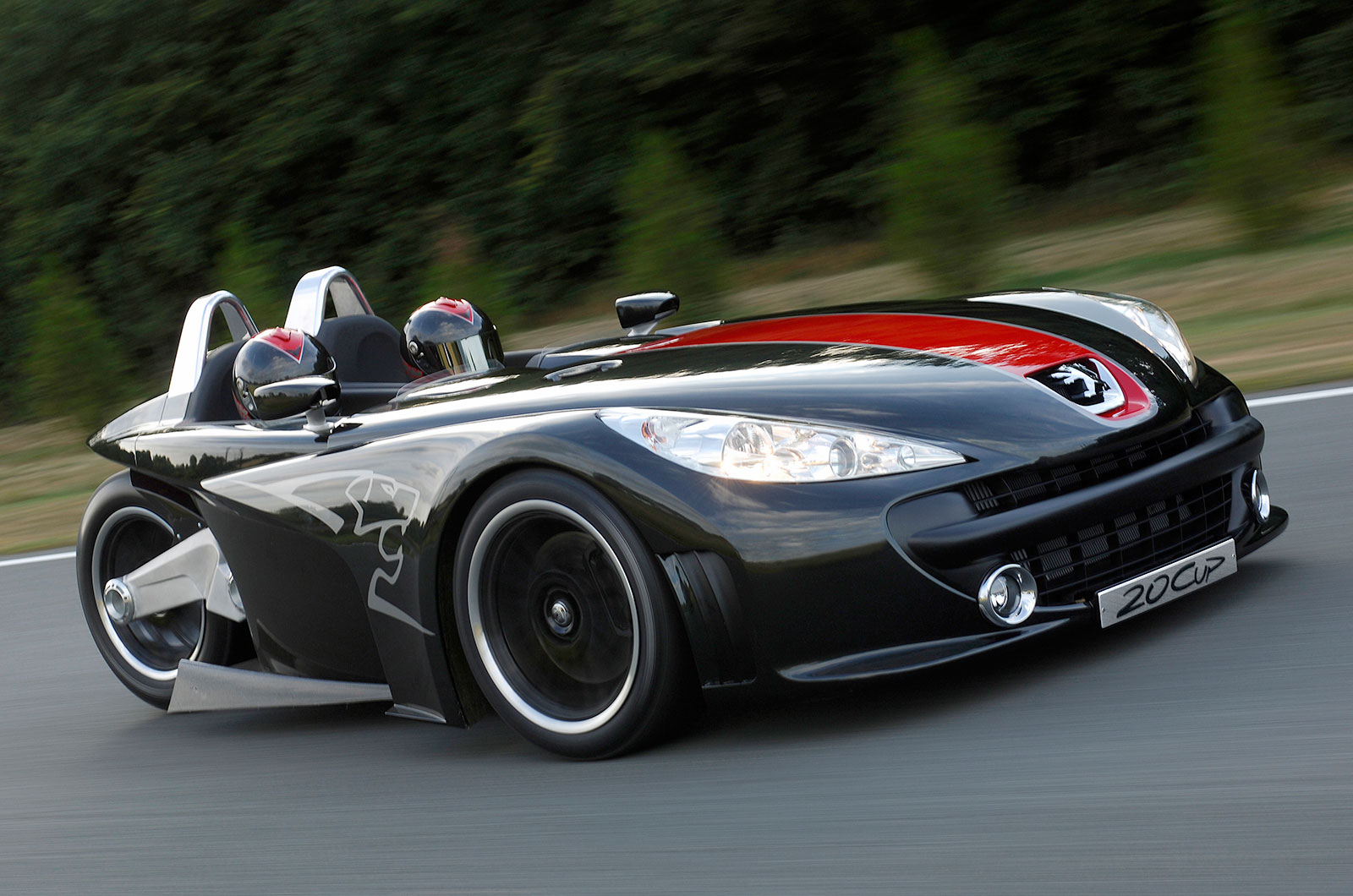
Offering a brief diversion from reality, Peugeot whisked the covers off the 20Cup in 2005 to show what a three-wheeler with a Peugeot face would look like. It looked pretty appealing, and with a kerb weight of under 500kg along with a 168bhp turbocharged 1.6-litre petrol engine it would have been a hoot to drive.
Volkswagen GX-3 (2006)
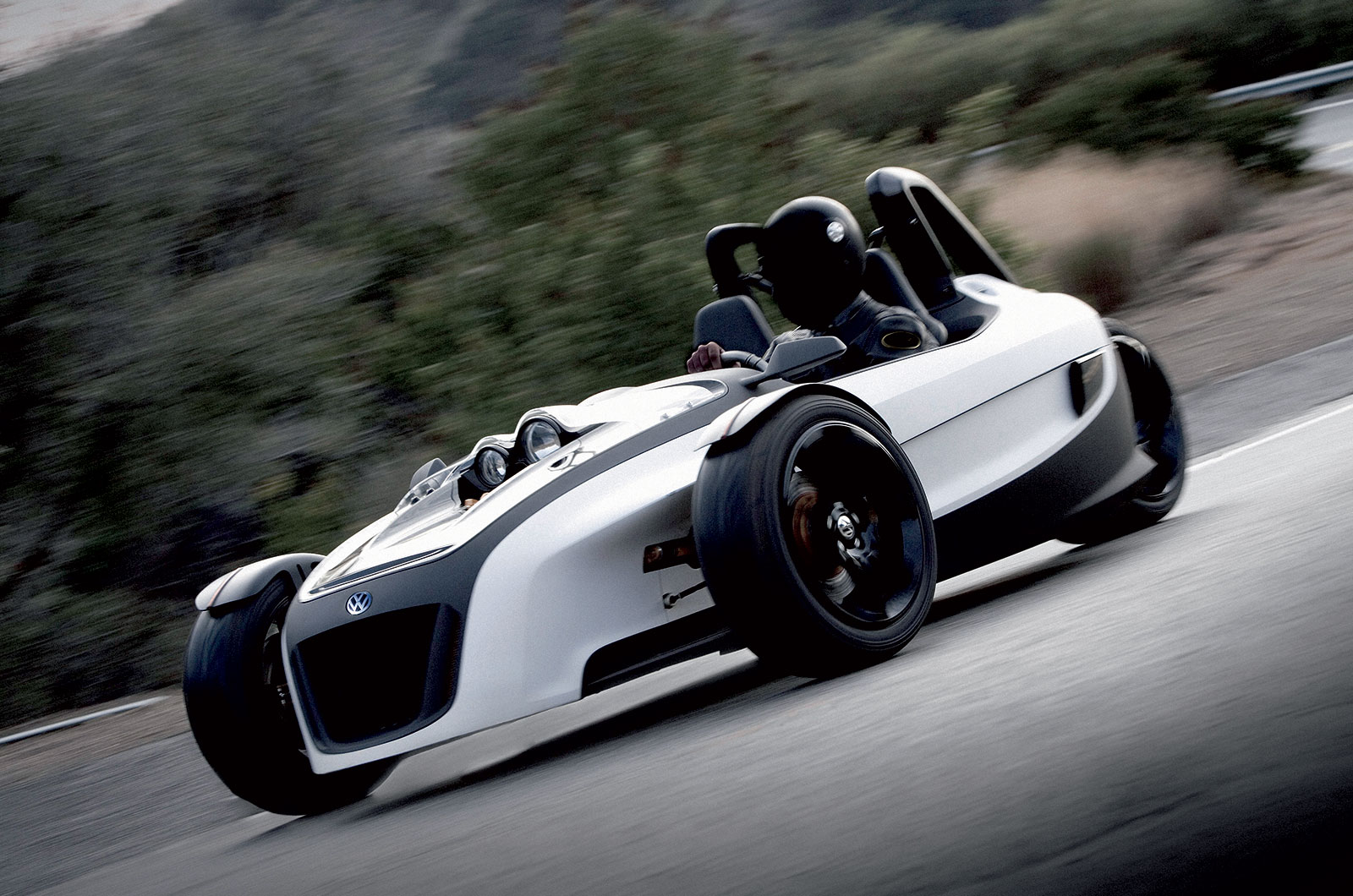
When VW unveiled the GX-3 at the 2006 Los Angeles Auto Show the assumption was that this was merely a show car, but the ultra-conservative company looked seriously into putting the car into production. A 1.6-litre Lupo GTi engine gave 0-62mph in 5.7 seconds and a 125mph top speed, but litigation concerns put paid to the project.
Morgan Three-Wheeler (2012)
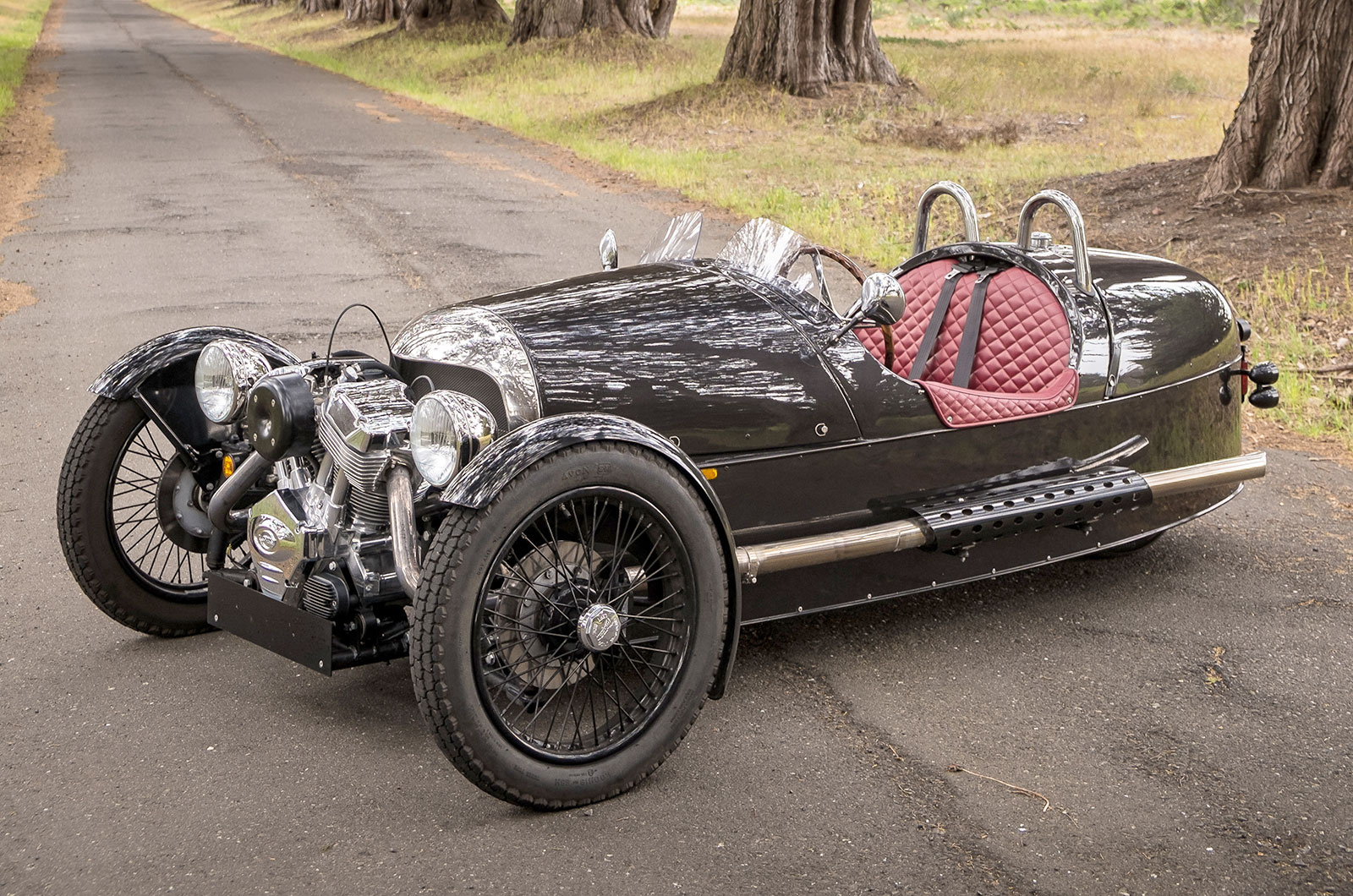
We’re going to (almost) finish where we started; with the car that has come to sum up the three-wheeler market in the 21st century. A brilliant recreation of the original, the modern-day Morgan is unfeasibly fun to drive; it’ll put a smile on your face – and those around you – like no hypercar ever could.
Morgan EV3 (2018)
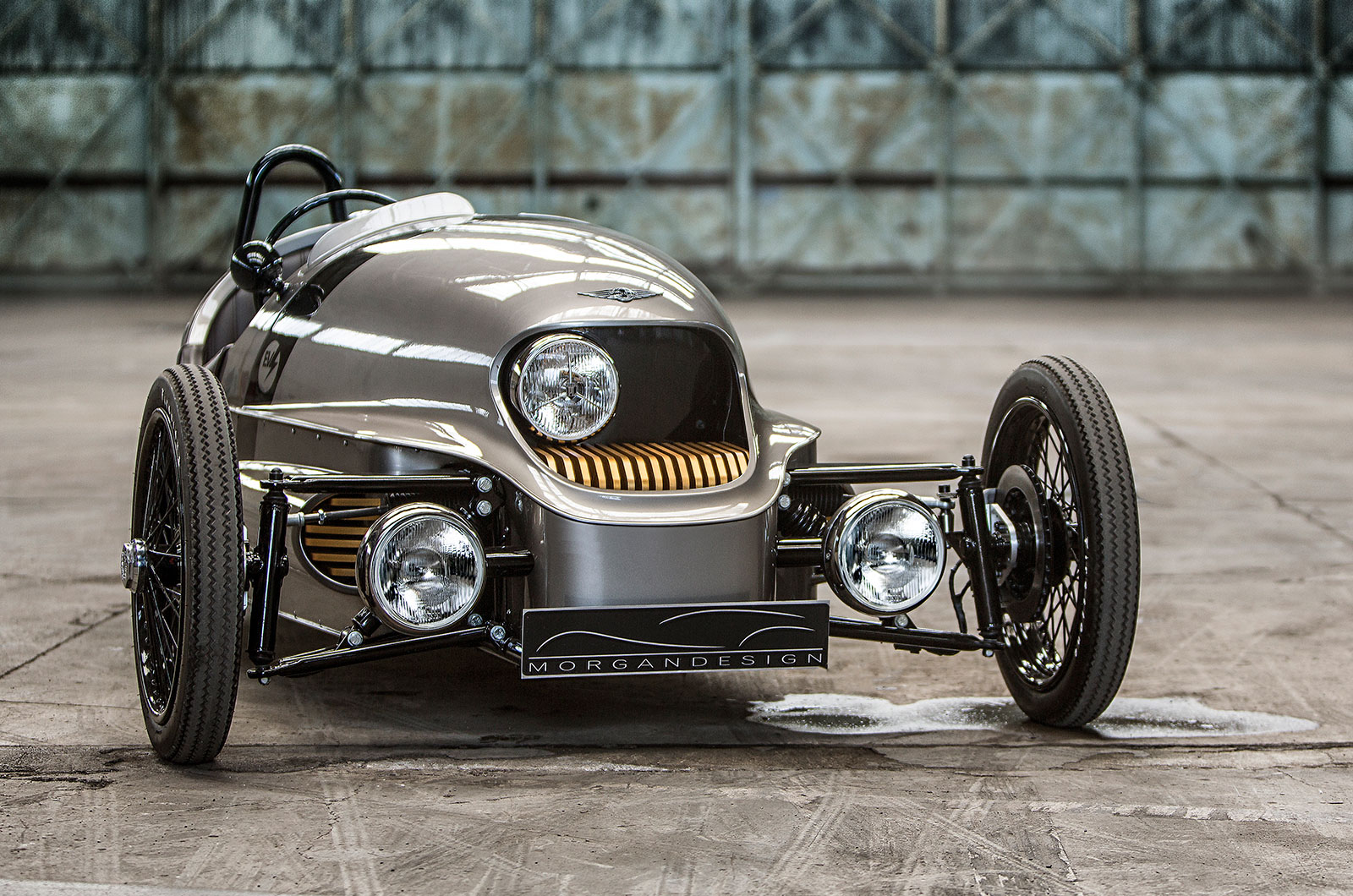
This was the electric Morgan Three-Wheeler, but it never made it to market. First unveiled at the Geneva motor show in 2016, several prototypes were made but it was being developed with partner company Frazer-Nash Energy Systems and it seems this deal came to an end, taking the project with it.
If you enjoyed this story, please click the Follow button above to see more like it from Autocar
Photo Licence: https://creativecommons.org/licenses/by/4.0/deed.en

Mini’s Sneaker-Inspired Product Drops Signal a Strategic Shift to Revive Declining Sales

Diesel Spill on National Mall Highlights Vulnerability of Urban Irrigation Systems to Sabotage

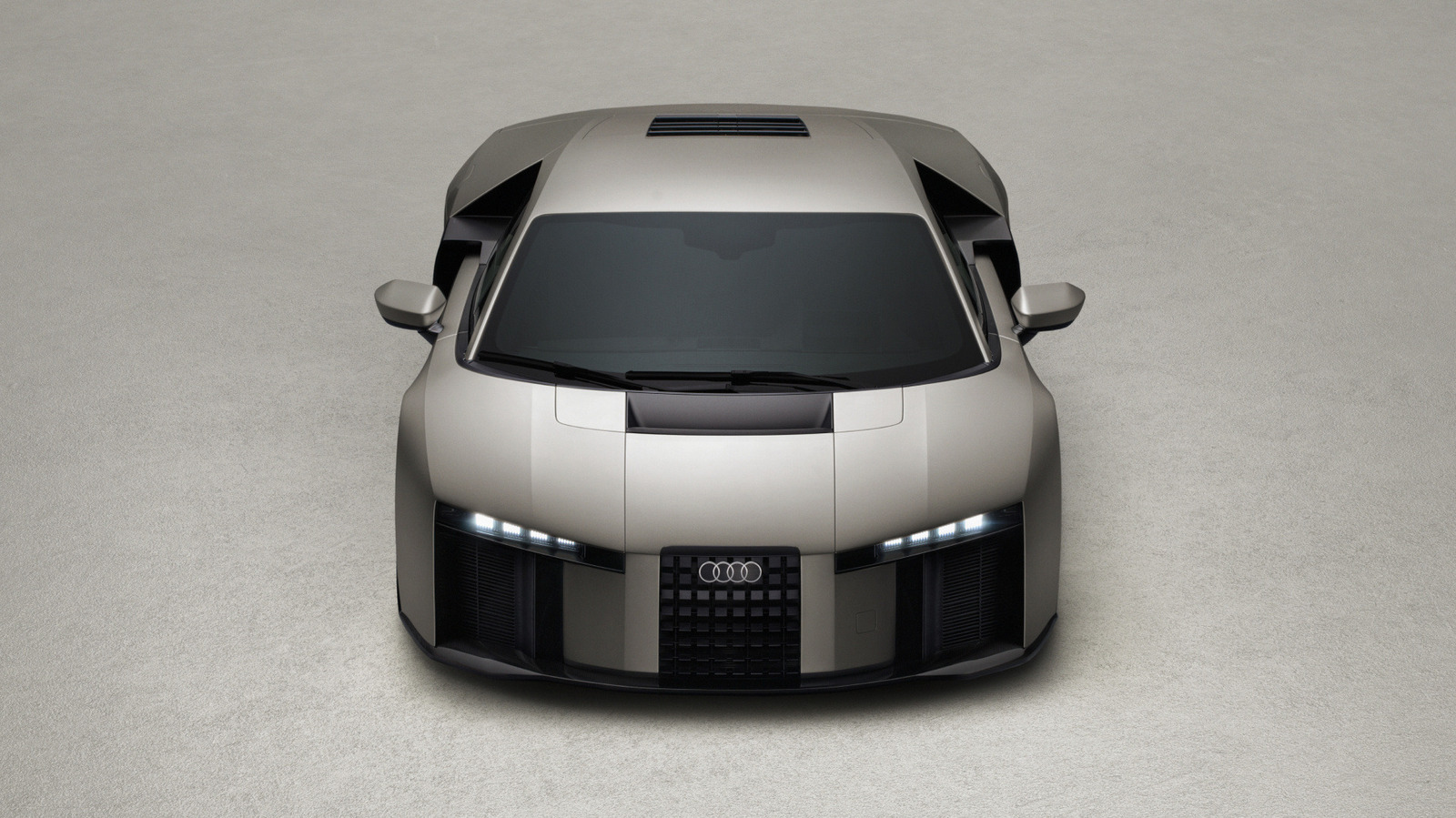
Audi Nuvolari Redefines Hybrid Supercar Performance with F1 Technology and New Design Language
 Ultra-exclusive Lambo Temerario twin gets nearly 1000bhp from hybrid V8 – and introduces new design language
The new Audi Nuvolari is a limited-run 987bhp V8 hybrid supercar that serves as a new flagship more exclusive than the R8 – and, according to boss Gernot Döllner, serves as “a statement for the future” of the brand.
Powered by a twin-turbocharged 4.0-litre engine aided by three electric motors, the mid-engined Nuvolari is the fastest and most powerful production car the German firm has ever produced.
It features Formula 1-inspired technology including active aerodynamics, a carbonfibre body and a torque vectoring four-wheel drive system.
Due to arrive early next year and limited to 499 units, the Nuvolari is the first car that will go into production showcasing Audi’s new design language, first previewed by last year’s Concept C.
Revealed in near-production form, Audi claims that the Nuvolari is the "next tangible evidence" of its renewal after the Concept C.
Döllner added that the supercar “brings together outstanding design and a new speed of innovation with a lot of technical content”.
Serving as the flagship of Audi’s new-era line-up, the Nuvolari is pitched above the R8 that it effectively succeeds in terms of both pricing and ethos.
Similarly to how the two generations of its predecessor (which went out of production in 2024) shared their technical underpinnings with the Lamborghini Gallardo and Hurácan, the Nuvolari shares its powertrain technology with the fellow Volkswagen Group brand’s new Temarario.
Rather than reviving the R8 title, it moves away from Audi’s traditional alphanumeric badging convention and takes it name from Tazio Nuvolari, one of the most successful pre-war grand prix racers, who latterly drove for Audi predecessor Auto Union.
Powertrain and performance
The Nuvolari was developed in around 14 months after being given the green light in March 2025, with that timeline set so that it could be launched in Audi’s first season competing in F1.
Audi’s new technical boss, Rouven Mohr (who joined the brand from Lamborghini, where he oversaw development of the Temarario), said that “our entire team has once again demonstrated its technical expertise, innovative strength and dedication” in making the car.
Mohr told Autocar that the Nuvolari was developed by a “cross-brand team” involving engineers from Audi, its F1 team and Lamborghini.
Mohr added: “The Concept C was the visualisation of the new design language, but 'Radical Next' can be more than design, it can be product and technology.”
The powertrain is based around the same 4.0-litre V8 used in the Temarario, which on its own offers 789bhp and 538lb ft of torque and can rev up to 10,000rpm.
That is supplemented by three axial flux electric motors, each of which produces 148bhp.
Two of the motors are oil-cooled and mounted on the front axle, delivering up to 1586lb ft. The third motor is mounted between the mid-mounted V8 and the transmission. The motors draw power from a 7.3kWh battery, compared with a 3.8kWh unit in the Temarario.
Total system output is 987bhp, which is notably 80bhp more than the Temerario, despite the individual maximum output of the engine and motors being the same. The increase is due to a bespoke torque map and software and the larger battery.
It’s enough to power the Nuvolari from 0-62mph in 2.6sec – 0.1sec quicker than the Temarario – and onto 124mph in 6.8sec. Its top speed is more than 217mph.
Mohr said: “The character of the two cars is completely different. If you would drive the car, you would not know that there is a similarity of the powertrain, you would never come on the idea, because this car really drives more from the Audi perspective. It gives you a very direct feeling on being relaxed and fast, but you can be fast like hell. An Audi always has to be stuck on the performance daily-user capability and a very high precision.”
The hybrid powertrain features an advanced torque-vectoring system that is branded as Quattro Predictive Ride. Audi refers to it as the “next generation of all-wheel-drive”.
It essentially takes data from various sensors, measuring steering angle, acceleration, yaw rate and grip to distribute torque to the wheels as needed. It does this by controlling the front motors and can also utilise the brakes as needed and adjust the active aerodynamics to reduce slip.
There are various drive modes, selected via a steering wheel-mounted dial: E-Hybrid, Balanced, Dynamic, Dynamic+ and Track.
The Nuvolari's energy management system can adapt to driving conditions, grip levels and "driver intent", blending coasting and brake recuperation to optimise energy recovery.
The front motors are responsible for a significant portion of the braking energy on the front axle, and in total up to 0.3g of deceleration can be generated by the electric system alone.
The launch control function also makes used of the stored electric energy to offer maximum acceleration.
The Nuvolari sits on 21in wheels, with Bridgestone Potenza race tyres measuring 255/35 at the front and 325/30 at the rear.
The brake-by-wire system with carbon-ceramic discs has been designed to blend with the energy recovery functions. There are ten-piston fixed callipers with 420x40mm discs on the front axle and four-piston 410x32mm discs on the rear.
Audi claims the cooling system increases heat dissipation by up to 21% compared with normal carbon-ceramic systems and claims the system can handle deceleration loads on par with an F1 car.
Chassis and aerodynamics
The Nuvolari is built around a spaceframe body and is the first production Audi to feature a carbonfibre exterior, with most components made from carbonfibre reinforced polymer (CFRP), similar to an F1 car.
The various parts are pre-shaped and then cured at high pressure and temperature, a process that is claimed to maximise structural performance while minimising weight.
Certain parts of the car that are exposed to high temperatures use heat-resistant materials.
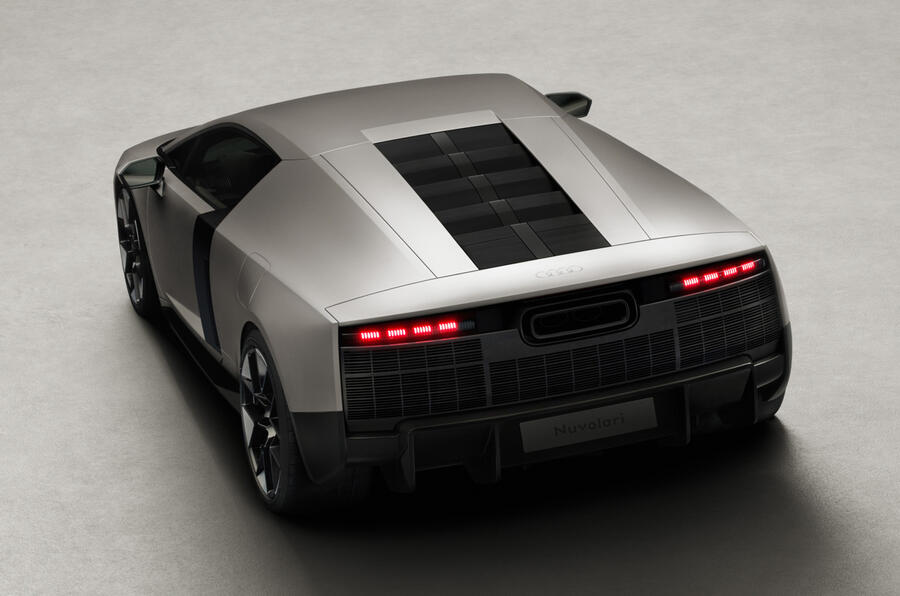
The exterior bodywork has been honed for aerodynamic performance and includes a front splitter and dramatic rear diffuser.
Audi F1 drivers Gabriel Bortoleto and Nico Hülkenberg are said to have produced feedback to fine-tune the aerodynamic development.
Also derived from F1 are the Nuvolari's active aerodynamics, which can balance downforce, drag and aerodynamic balance. The active rear wing has three settings: Closed, Low Downforce (LD) and High Downforce (HD).
There are large front air intakes to aid the cooling of the brakes and boost thermal management of the motors, plus an S-duct (technology previously seen in F1) that adds downforce at high speeds and provides extra cooling for the powertrain.
In Dynamic, Dynamic+ and Track modes, the rear wing operates automatically and will shift to the LD position on straights to boost top speed. There's a manually selectable drag reduction system (DRS) that further lowers the wing. Under braking, the wing will then automatically adjust to HD position; in this mode, the Nuvolari can generate more than 400kg of downforce.
Audi wouldn’t be drawn on the weight of the Nuvolari but, with its carbonfibre body and aluminium frame, it's expected to tip the scales lighter than the 1690kg (dry) Temerario.
Design
Thanks to its short 14-month development time, the Nuvolari will be the first production Audi to feature the new design language being introduced by new styling chief Massimo Frascella.
It therefore gives strong clues as to what to expect from the next generation of the firm's more mainstream models.
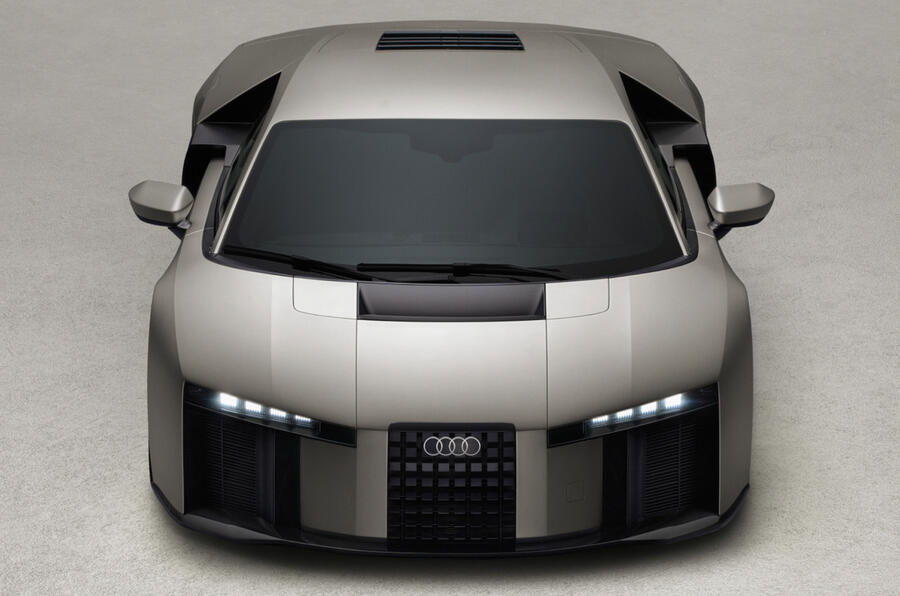
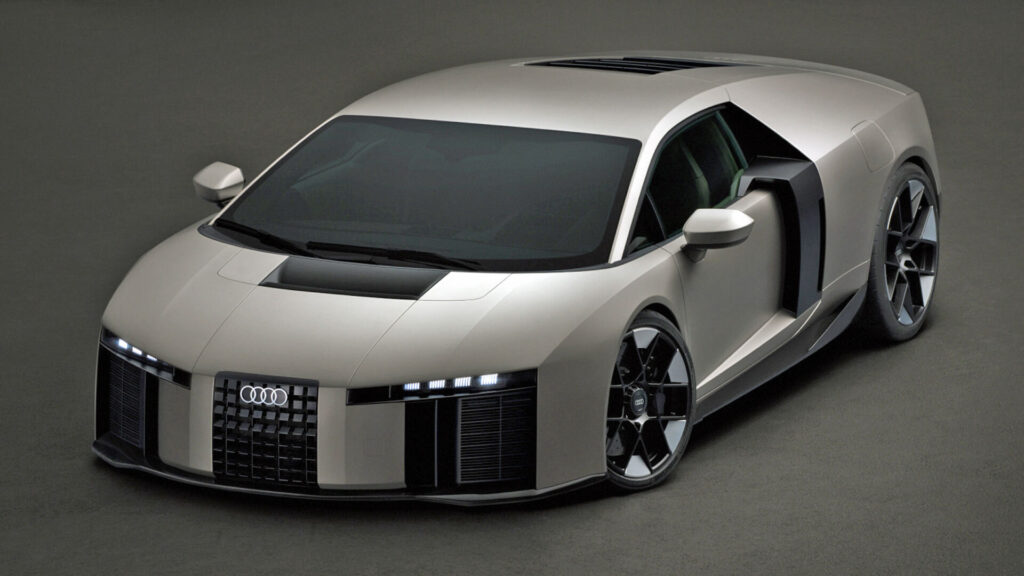
The exterior is largely shaped by the aerodynamics, with an interpretation of the reduced, vertically oriented 'Singleframe' grille previewed by the Concept C - which will be a feature of the next-generation of Audi models.
The square grille on the Nuvolari is reminiscent of the one featured on the Concept C but features a number of small square elements, which are angled to optimise aerodynamics.
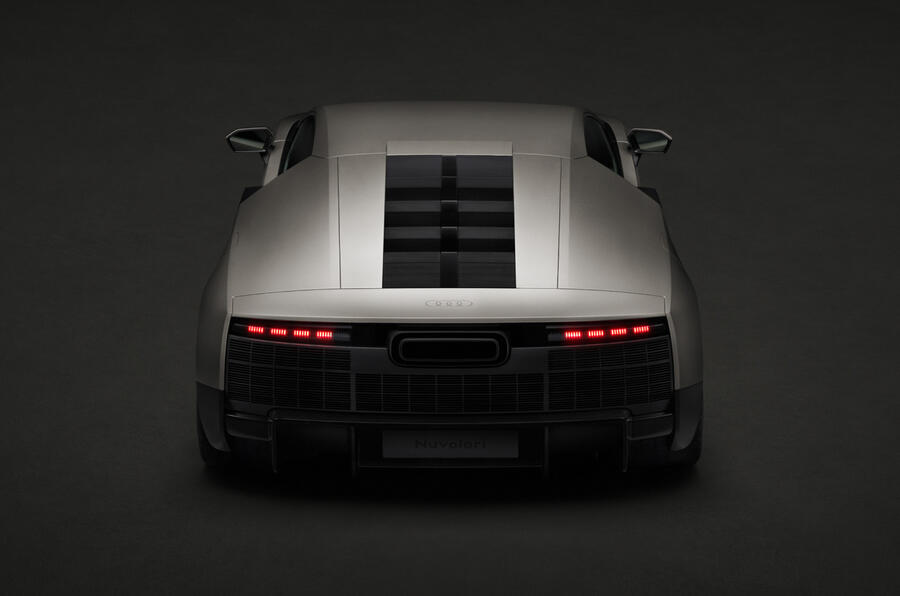
The version of the Nuvolari shown at the launch event was finished in Titanium, Audi's new signature colour, as already seen on its F1 cars and the Concept C.
Notably, at the rear of the car the Audi rings found on the top of the adjustable rear wing are milled from aluminium and then set flush inside the carbonfibre bodywork.
The interior also showcases the brand’s renewed focus on simplicity, with what it claims is a “driver-centric approach”. The key functions are all placed within the driver’s field of vision.
The colour accents used for various controls are inspired by the Auto Union Type C racer campaigned by Nuvolari in the late 1930s.
The cabin also uses colour to split the cabin into two zones. The front section is finished in darker tones, claimed to aid concentration, while the rear of the interior is finished in a lighter tone called Shadow Dune.
Pricing details for the Nuvolari haven't been made public, but it is expected to start from around £500,000. Deliveries of the 499 examples are due to begin in the first half of next year.

Audi Nuvolari Redefines Hybrid Supercars With 987 HP and Predictive Quattro Dynamics

Fiat-Based Compact Cars Signal Chrysler’s Strategic Shift Toward Affordability

Mustang Restomod Redefines Classic Performance with Carbon Fiber and 900 Horsepower Ambition

Republican Energy Policy Reshapes the EV Market by Ending Subsidies and Backing Fossil Fuels