Japanese Cars Redefined Global Standards Through Innovation, Performance, and Everyday Usability
 We select the machines we reckon are the most important and finest examples from the Land of the Rising Sun
Japan has a long tradition of engineering excellence.
That has helped the country produce many of the world’s most interesting and entertaining cars. And as the home of roadside drinks machines selling hot coffee in a can - amongst other exotica - there's no surprise it's produced its fair share of oddities as well. Here’s our list of the best car from Japan, in alphabetical order.
Autozam AZ-1
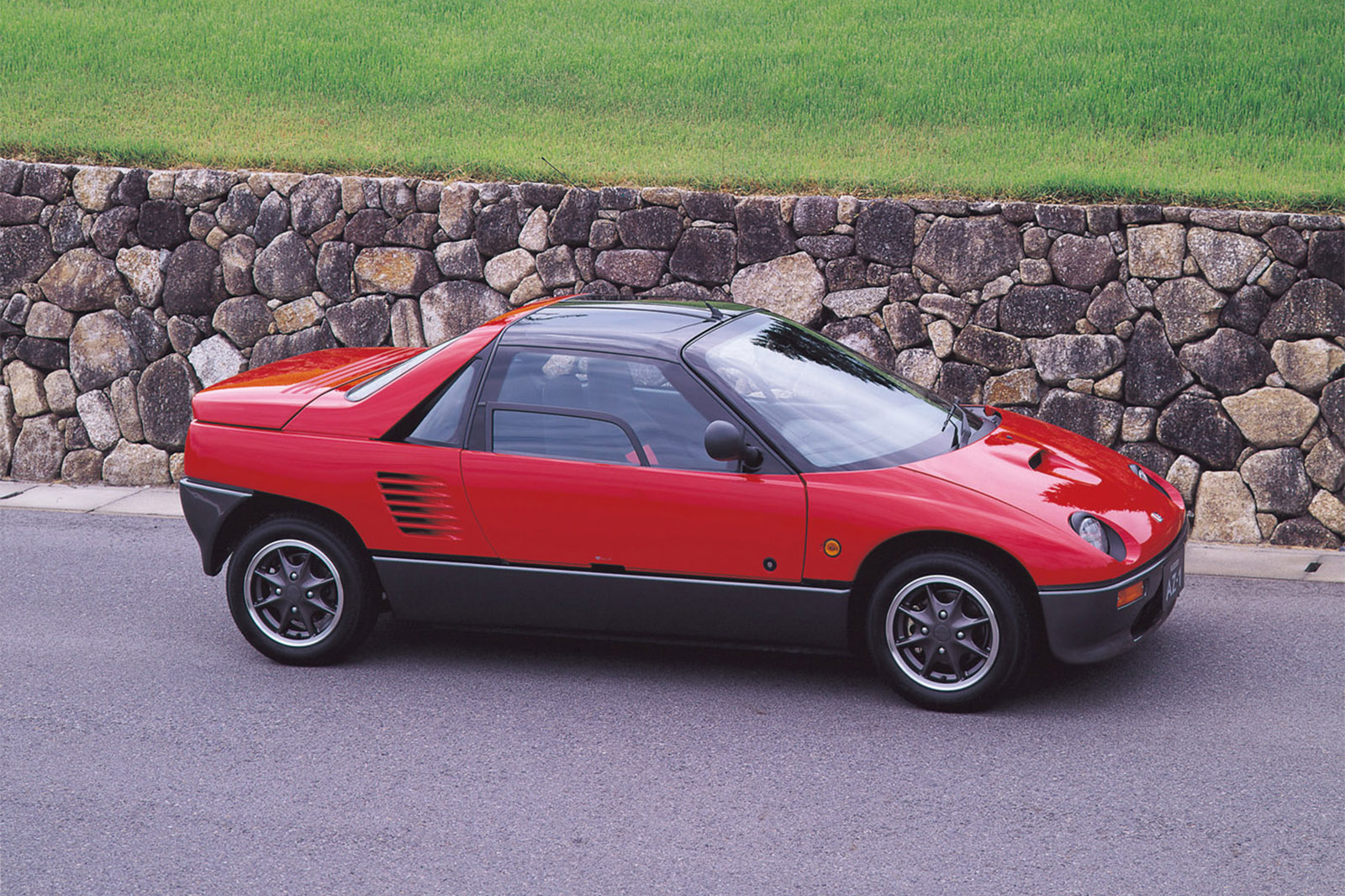
Miniaturisation is a Japanese art and the Autozam AZ-1 is a fine example of this. Built by Mazda, the AZ-1 met the strict kei car regulations yet also managed to be hugely desirable thanks to its mini supercar looks. The mid-mounted 657cc turbocharged three-cylinder engine developed only 63 hp, but it revved happily to 7000 RPM. Weighing only 720kg (1584lb), this was enough power to see the AZ-1 from 0-60mph in 8.0 seconds.
Mazda also offered uprated Mazdaspeed parts such as a bodykit, wheels, suspension and even a limited slip differential. There was also a Suzuki version called the Cara, which managed 531 sales, while the AZ-1 notched up 4392 to make it a rare and collectible car today.
Daihatsu Charade GTti
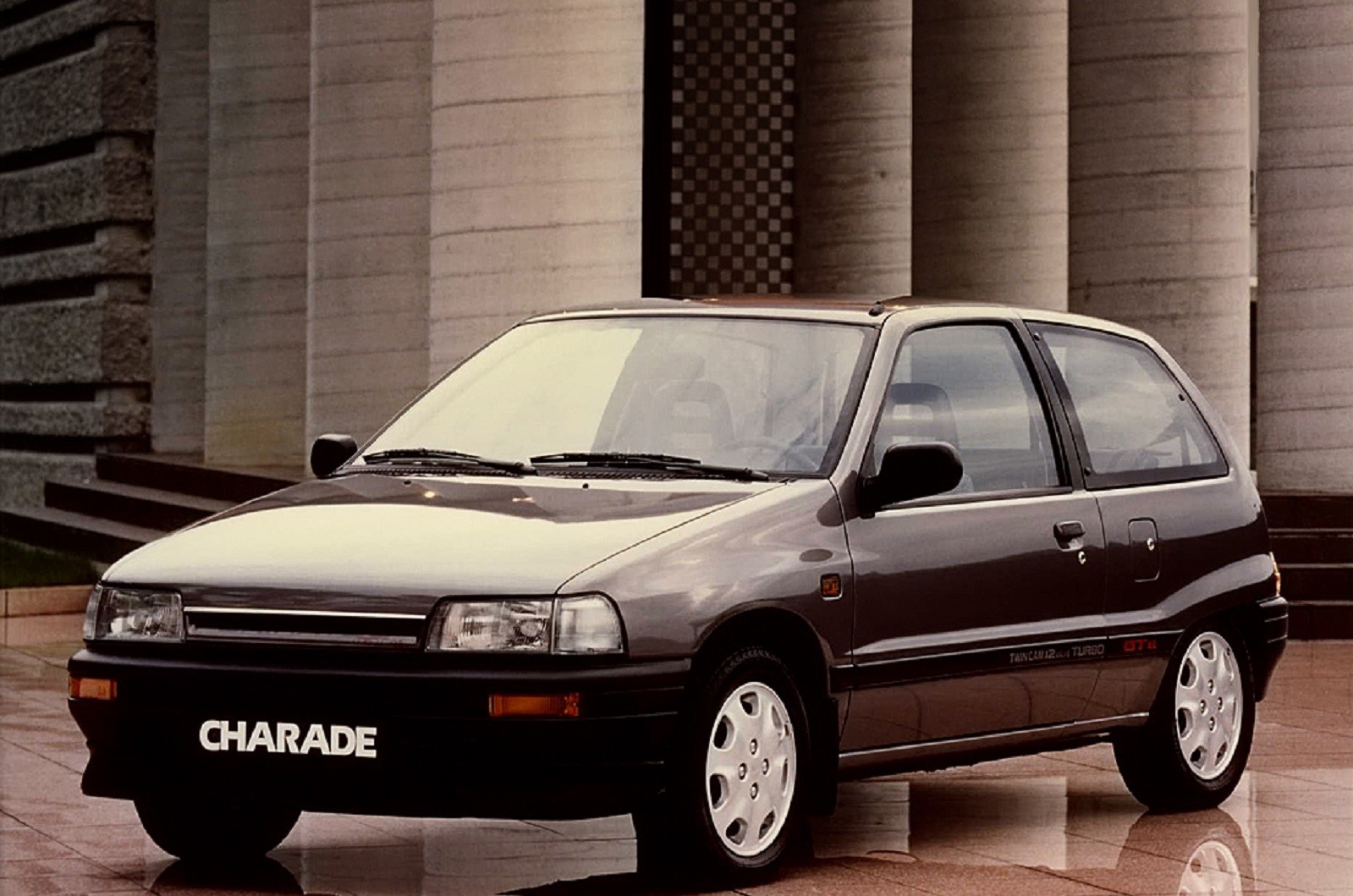
One hundred brake horsepower-per-liter was the stuff of race cars in the late 1990s, yet Daihatsu squeezed this much from the Charade’s 993cc three-pot motor. Turbocharging helped achieve this magic figure and the rev-hungry engine helped the lightweight hot hatch from rest to 60mph in 7.7 seconds.
Fizzing performance wasn’t the Charade GTti’s only party trick as it handled well too, matching the taut looks. The GTi that replaced the GTti in 1993 was fun, but not a patch on the original that also proved to be a surprisingly able rally car with success in events as diverse as the Lombard RAC and Safari rallies.
Datsun 240Z
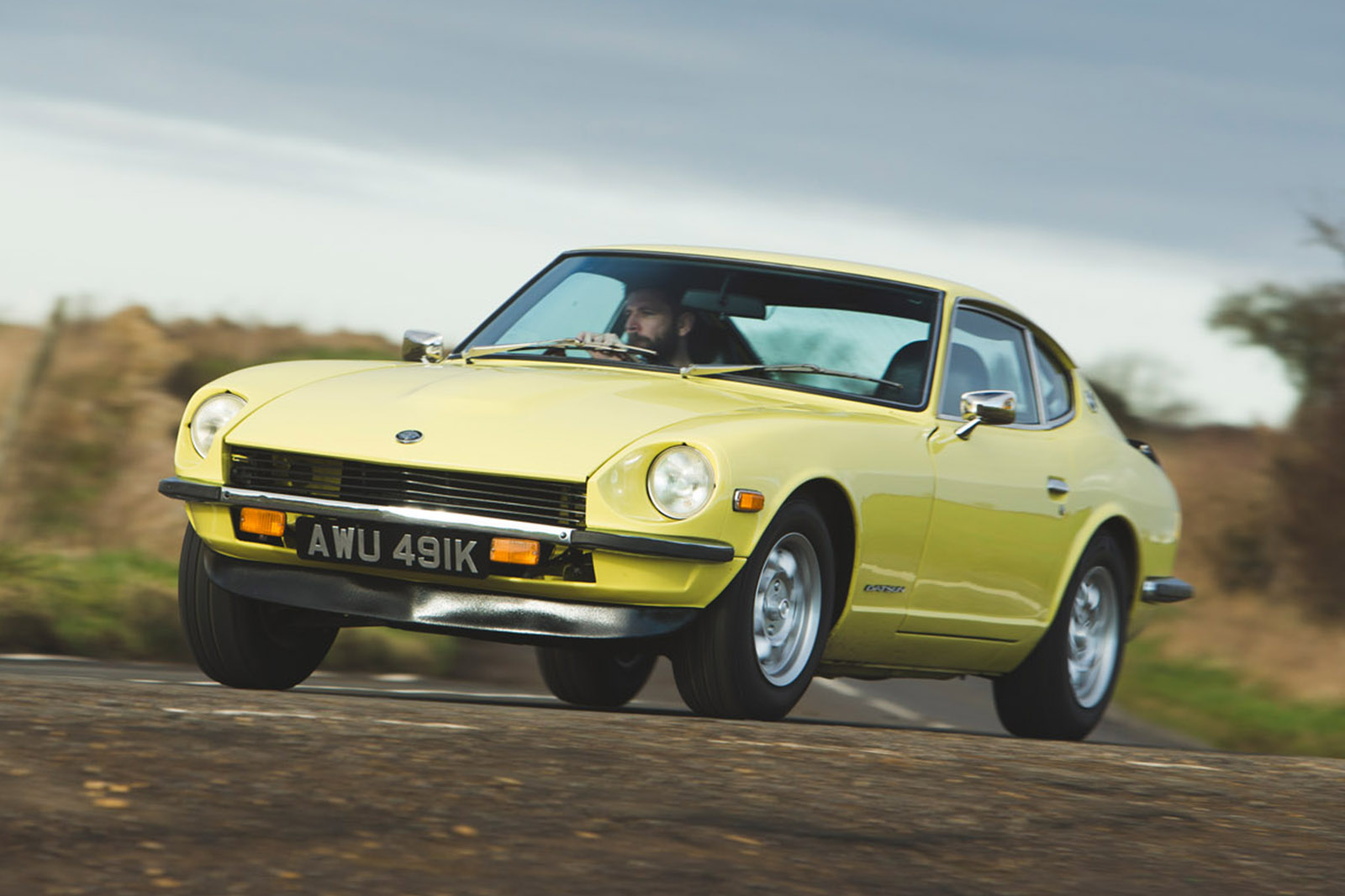
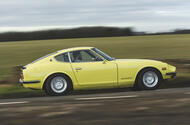
As Japan was revolutionising the motorcycle world with affordable, reliable machines in the late 1960s, the Datsun 240Z did the same for sports cars. Launched in 1969, the 240Z outdid the MGB thanks to a six-cylinder engine with 151 hp, good enough for 0-60mph in 8.1 seconds. There was no drop-top model, but that didn’t stop buyers snapping up 622,649 Zs if you include the 260 model that followed in 1974. It was a particular hit in the US.
It’s easy to see why the Datsun was so successful with its Albrecht Goertz-penned sleek coupe shape. It also handled superbly and didn’t need the constant mechanical attention of the rivals from Europe.
Honda Civic
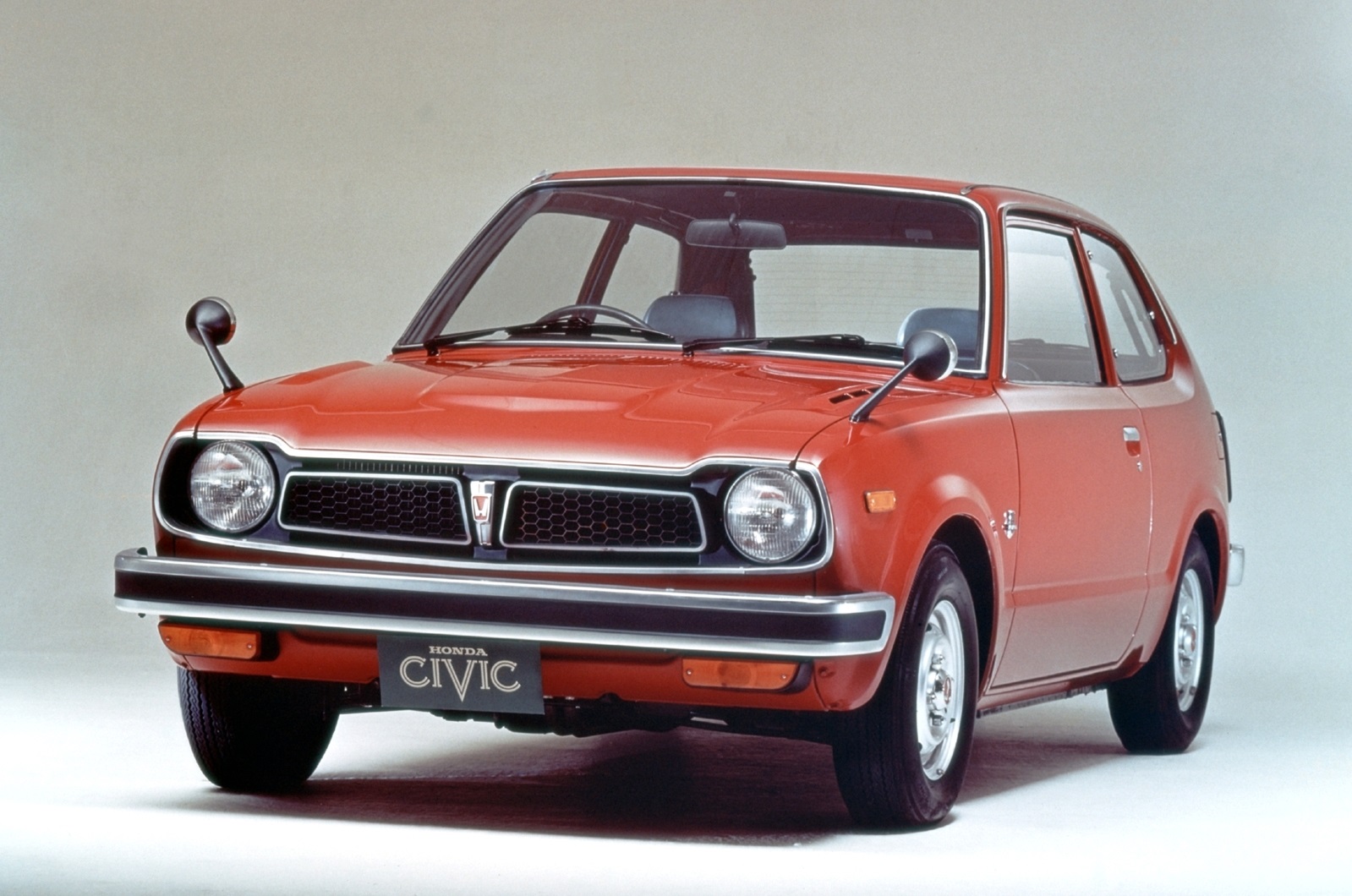
One of the longest running dynasties in Japanese automotive manufacturing, the Honda Civic arrived in 1973 and the name is still going strong. In that time, the Civic has grown in size and ambition, as well as broadening to include coupe, hot hatch and hybrid models. As a barometer for the motoring world, few are more in tune than the Civic.
The Civic also helped the Triumph name soldier on into the 1980s with the Acclaim model that was based on the second generation of Honda’s small hatch. Rover also based its 200 and 400 models on the Civic. To date, more than 28 million Civics of all generations have been sold.
Honda NSX
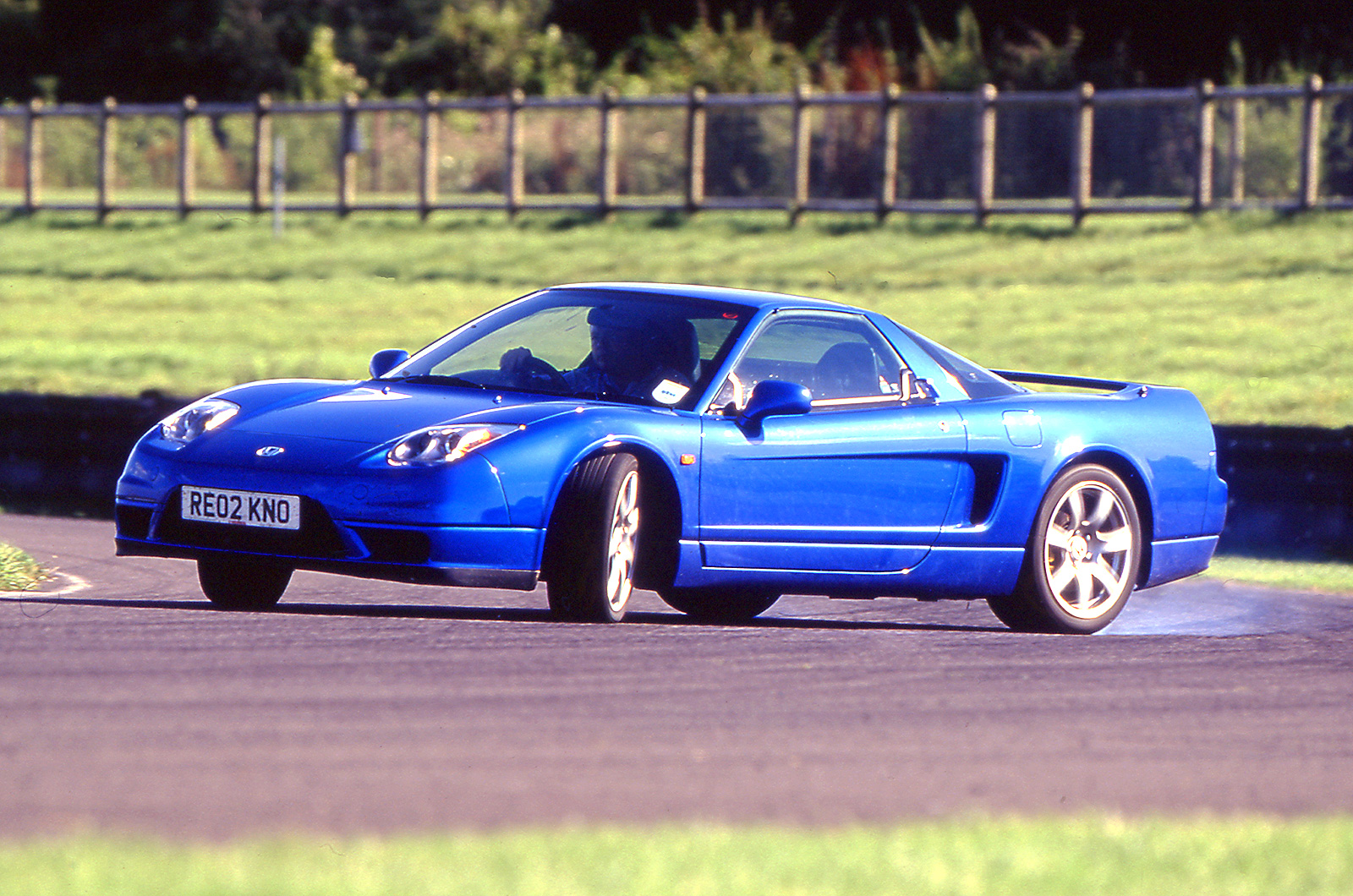
When Honda set its mind to creating the best supercar, the result was the 1990 NSX. Everything about it was created from scratch, including the 2977cc V6 engine. It might have shared the same bore and stroke as the Legend saloon’s V6 motor, but every casting and detail was different such was Honda’s determination to perfect the NSX. Even Ayrton Senna helped develop the all-aluminium chassis’ dynamics.
The NSX could hit 157mph, cover 0-60mph in 5.3 seconds and was everyday usable. Later improvements made it even quicker, yet Honda rarely sold more than 1000 NSXs per year between 1990 and 2005 due to badge snobbery. Those snobs missed out on a car that was properly special.
Honda S2000
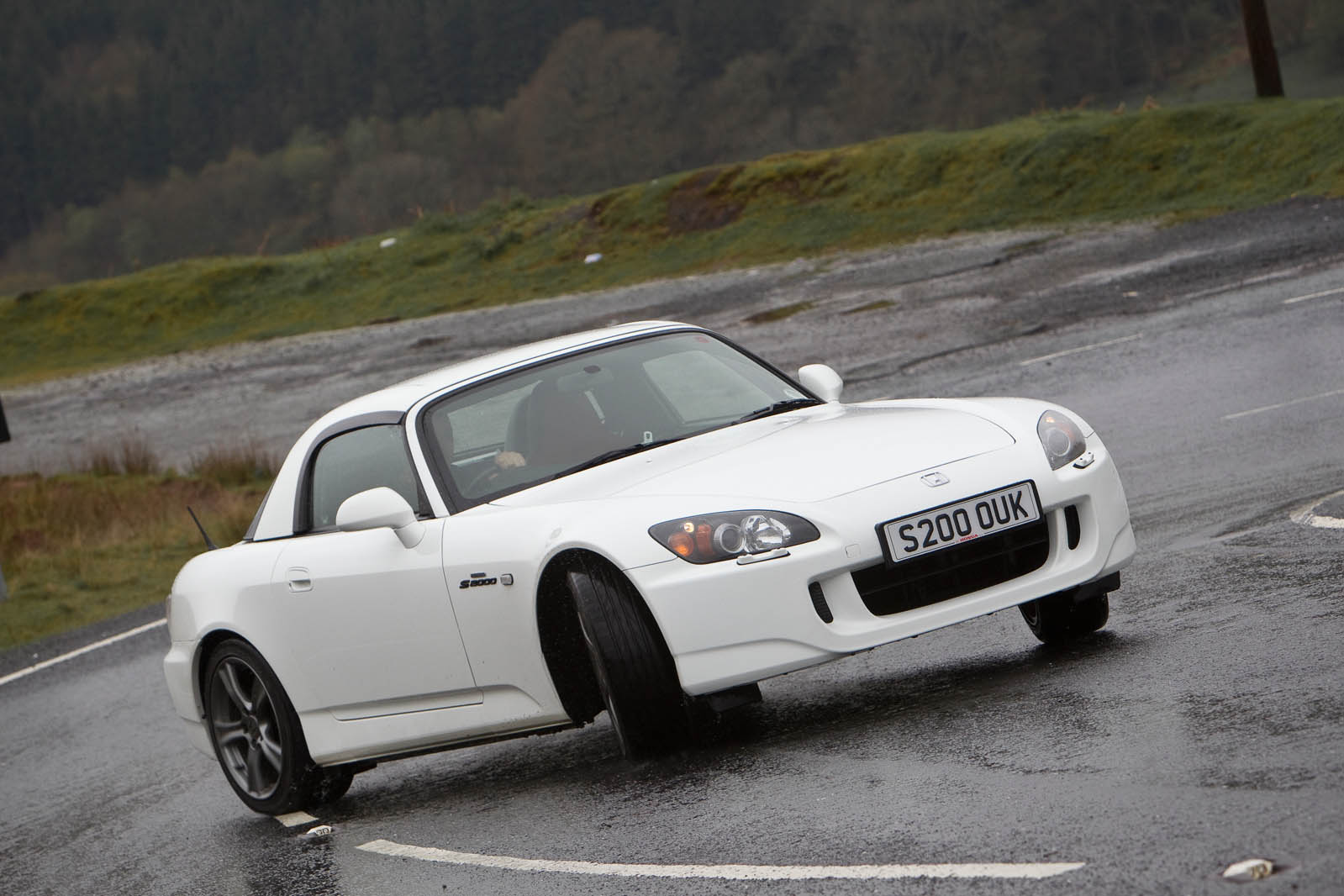
As birthday presents go, Honda did a lot better than a book token and pair of socks with the S2000. To mark its 50th year, Honda came up with an edgy two-seater sports car with a deliciously rev-hungry 2.0-liter engine. The all-aluminium motor used V-TEC variable valve timing to deliver 243 hp, making it the most powerful engine-per-litre at its 1999 launch.
More than 100,000 bought Honda’s sports car gift to the world during a 10-year production life. Even then, the S2000 still cut a dash against the likes of the BMW Z4 and Porsche Boxster to underline just how special it was and still remains to this day.
Isuzu Trooper
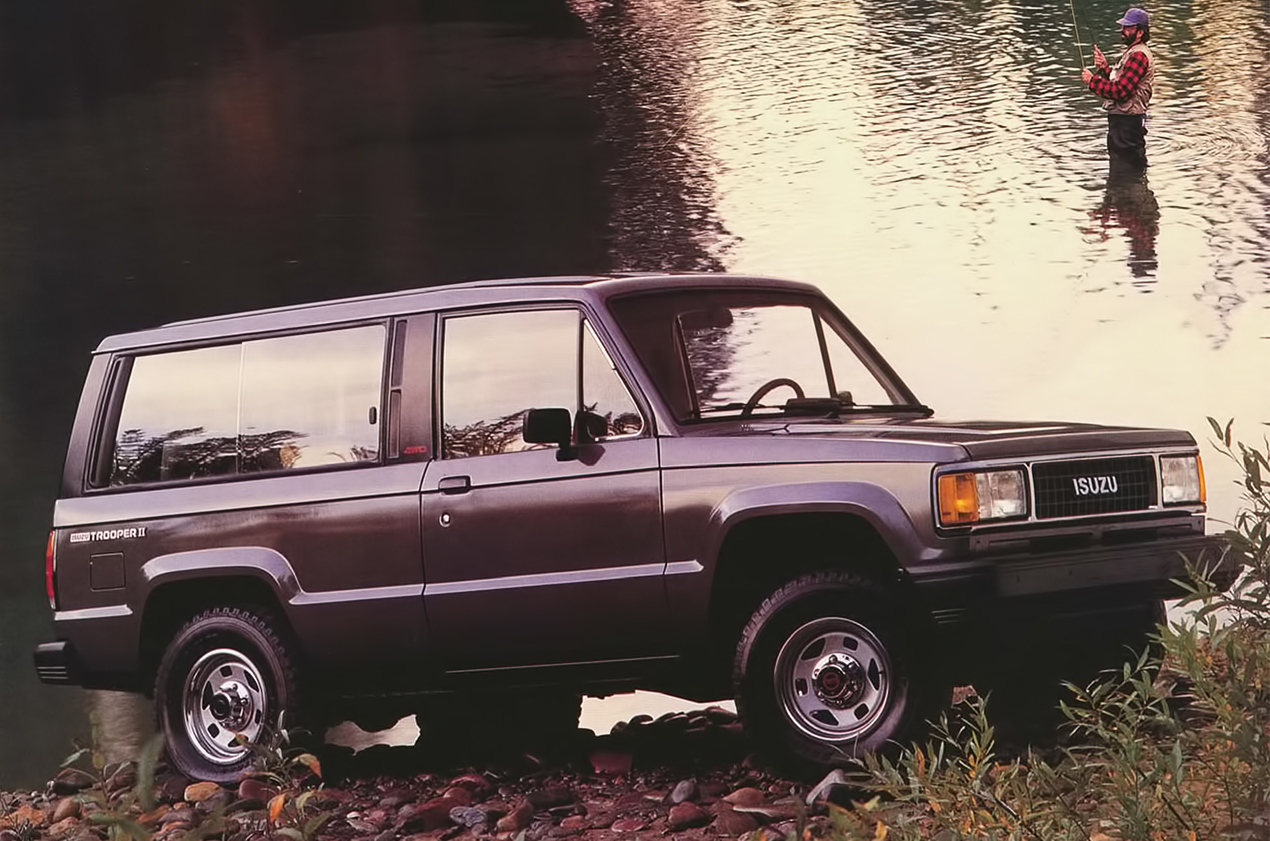
The first generation of Isuzu Trooper made its debut in 1981, though it didn’t arrive in most parts of Europe until 1987. When it did, it was an instant threat to the Land Rover Defender and the Toyota Land Cruiser. Here was a serious off-roader that could also be used on the motorway, especially when larger gasoline and diesel engines arrived in 1988.
A second generation of Trooper arrived in 1991 just in time to do battle with the Land Rover Discovery. Not as innovative as the Discovery in its design, the Trooper still found plenty of buyers to add to the more than half a million first gen cars sold. The original Trooper ended up being sold under 14 different names.
Lexus LFA
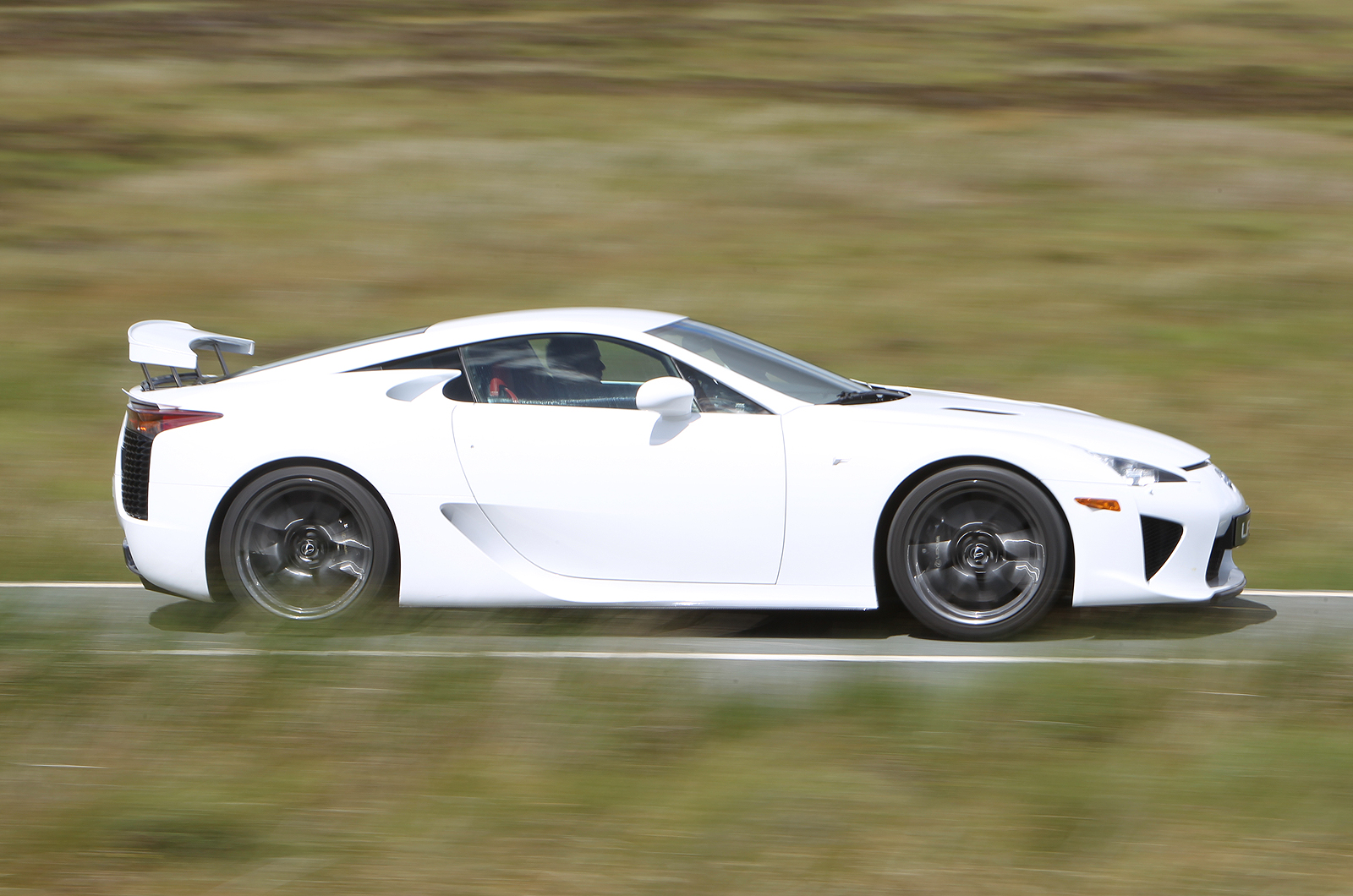
More than most countries, Japan likes to throw up bespoke models every now again simply to let the world know what great engineers it has. The Lexus LFA was only ever intended for a 500-car production run, yet it also recalibrated how supercars were built. Almost all of the LFA’s structure is carbonfibre, while the 4.8-liter V10 engine revved so quickly Lexus had to design a digital rev counter to keep up with it.
Lexus knew it was on to a winner and, to prevent speculators cashing in on it, US buyers could only sell their car back to the dealer for market value or the original list price depending on which was lower. The LFA left a lasting impression and its styling can still be seen in the influence it has had on today’s Toyota Supra.
Lexus LS
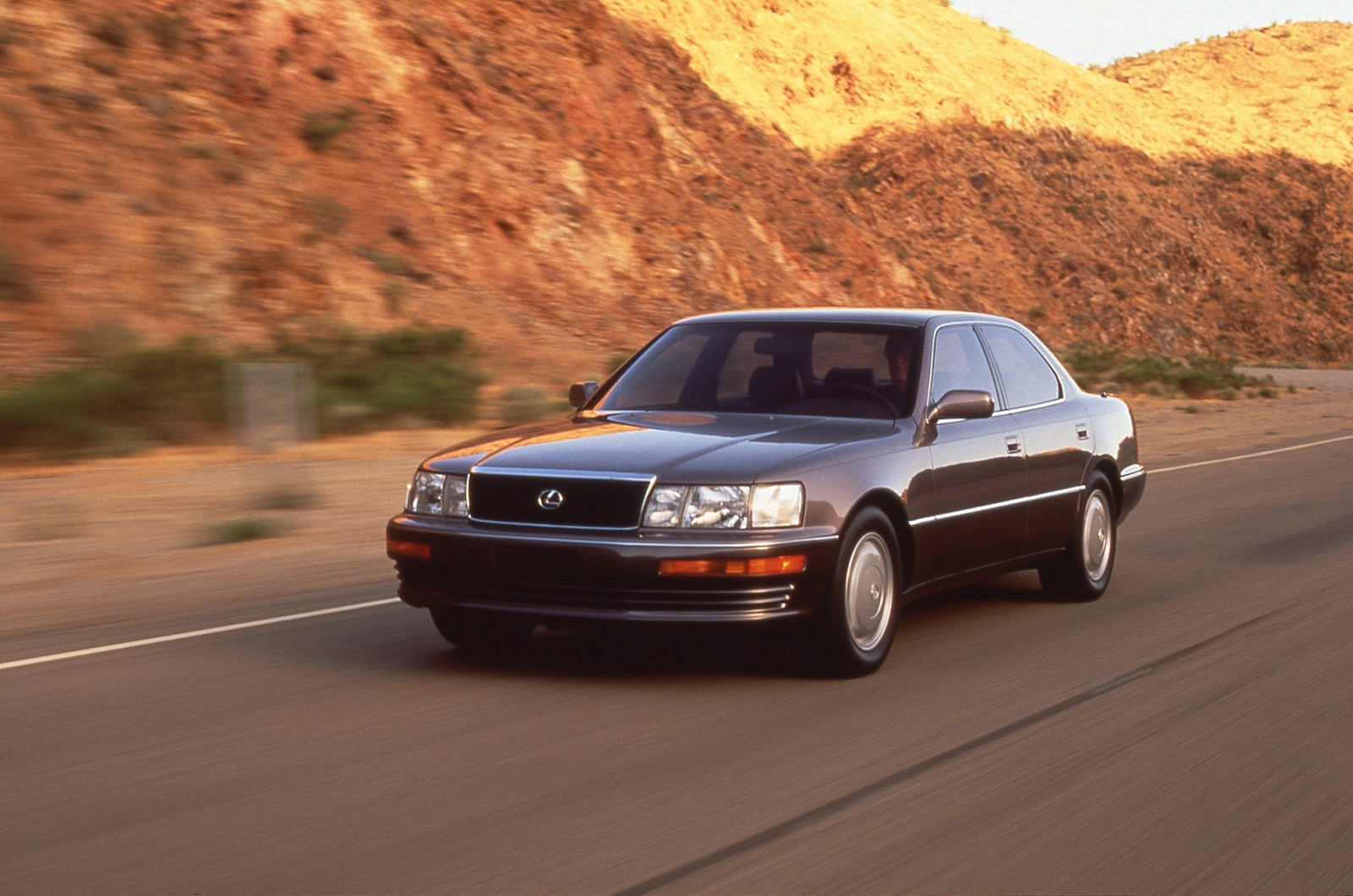
Everything about the Lexus LS was new when it was unveiled in 1989, even the company. It may have been a luxury division of Toyota, but Lexus was very much a standalone brand that aimed to take on and beat the high-end establishment from Europe and the US. To do that, Lexus figured it had to be better in every respect, and it was.
The LS’s 4.0-liter V8 was eerily smooth and quiet, the ride sumptuously smooth, and the equipment made a Mercedes S-Class look bleak by comparison. Attention to detail is what set the LS apart, and it was the first car to offer 0.5-degree increments for its digitally controlled air conditioning. The clinical precision wasn’t to all executive buyers’ tastes – and in most places the brand image still isn’t what it could be compared to older rivals - but the LS rattled its rivals into improving their game substantially; they started by buying LSs and dismantling them to discover their secrets.
Mazda MX-5
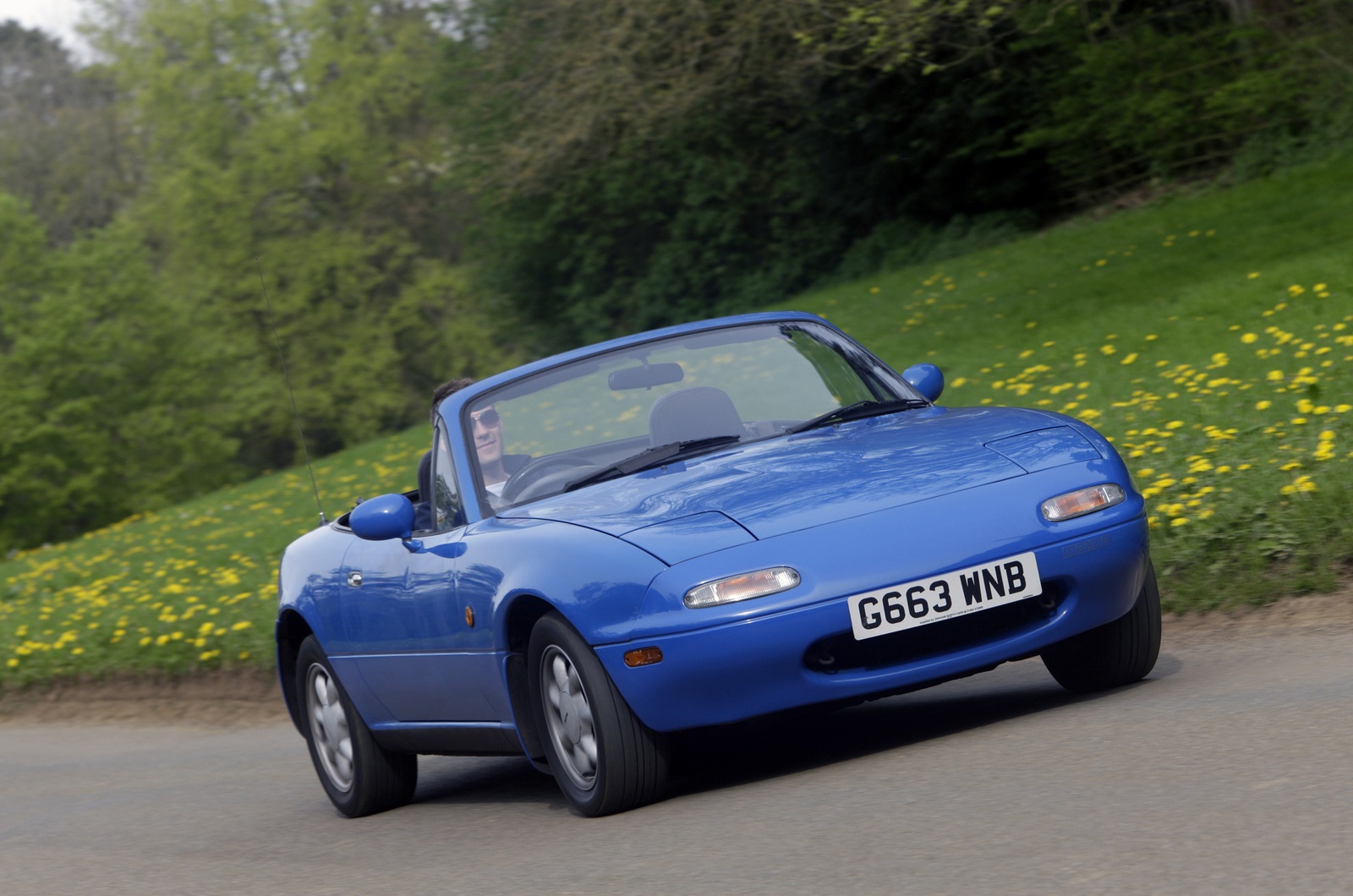
On so many levels, the Mazda MX-5 is possibly the most significant car ever to come from Japan. It saved the open-top two seat sports car class from oblivion, has swelled Mazda’s coffers for more than three decades, and has allowed millions of drivers to enjoy the pleasure of a simple roadster. The fact that more than a million MX-5s across four generations have been built says it all.
Despite this, the MX-5 has never rested on its considerable laurels and Mazda has steadily updated and improved the MX-5 throughout its life. Even then, Mazda has been careful not to just throw more power at the car, instead maintaining the right balance of performance, grip and rear-drive handling.
Mazda RX-7
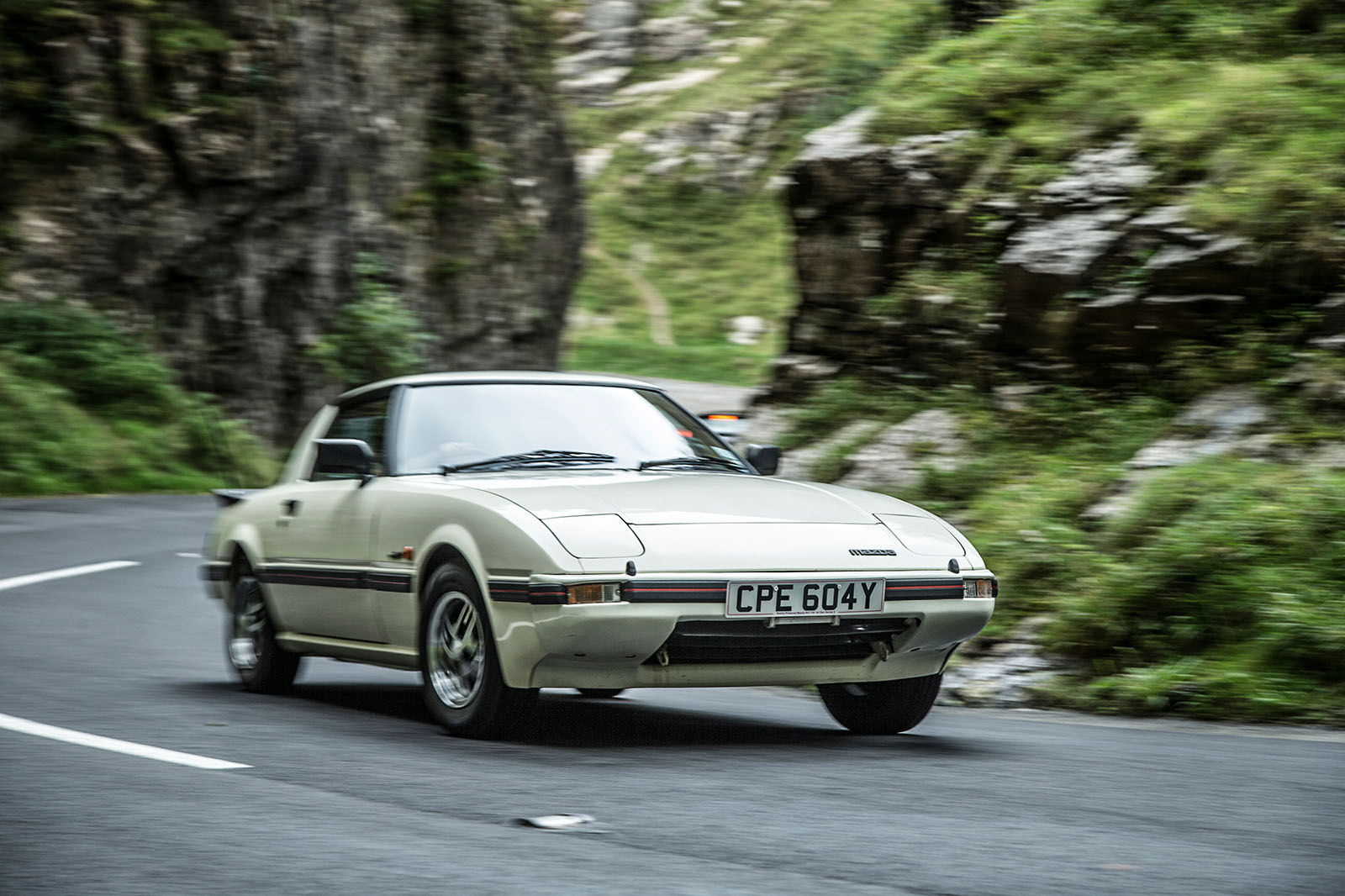
Mazda’s commitment to the rotary engine is as laudable as it is baffling to some. The RX-7 wasn’t the first Mazda to use this smooth, revvy motor but it was its natural home as a stylish sports car. In its first generation, the RX-7 was a clear swipe at the Porsche 924, but later RX-7s moved further into the German’s heartland territory with more power and performance.
In each case, the RX-7 revelled in being different and those who bought into it loved it all more because of that engine and approach. You also had to be resigned to steep running costs, but the rewards were worth it as the compact engine was mounted low in the chassis to deliver superb handling. Sadly, later RX-7 models were unable to replicate the success of the first car that scored nearly half a million sales.
Mitsubishi Lancer Evolution
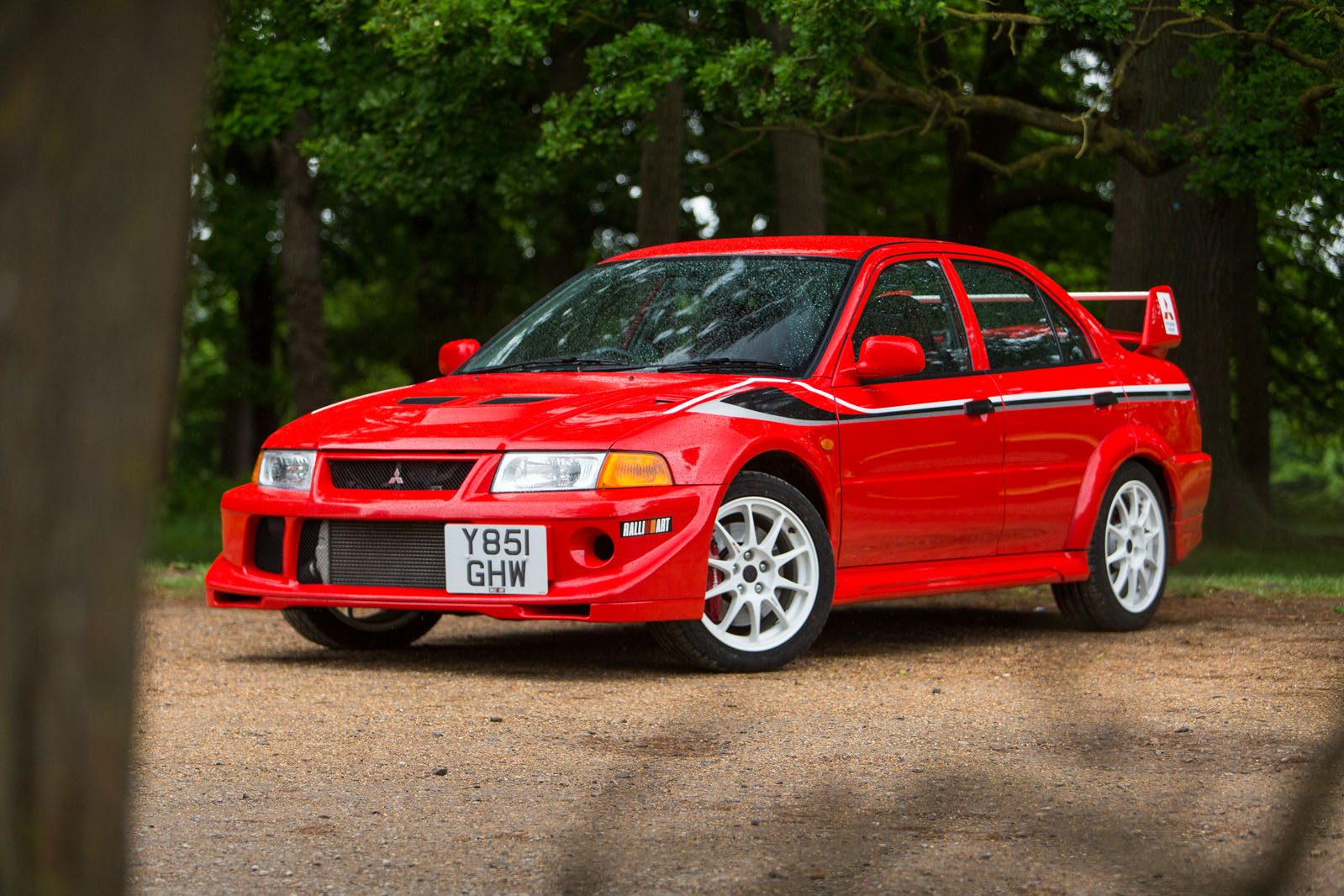
The Mitsubishi Lancer Evolution, or Evo as it quickly became known, started life as a pared back machine. It even has steel wheels to save weight, while the 247 hp four-cylinder engine drove all four wheels to homologate the car for rallying.
It proved a successful formula and several generations followed using the same recipe, notably the Evo VI thanks to Tommi Mäkinen’s title wins in the World Rally Championship. However, even four WRC titles were not enough to convince many buyers to choose the ungainly Evolution Wagon estate, with only 2924 built.
Mitsubishi Shogun
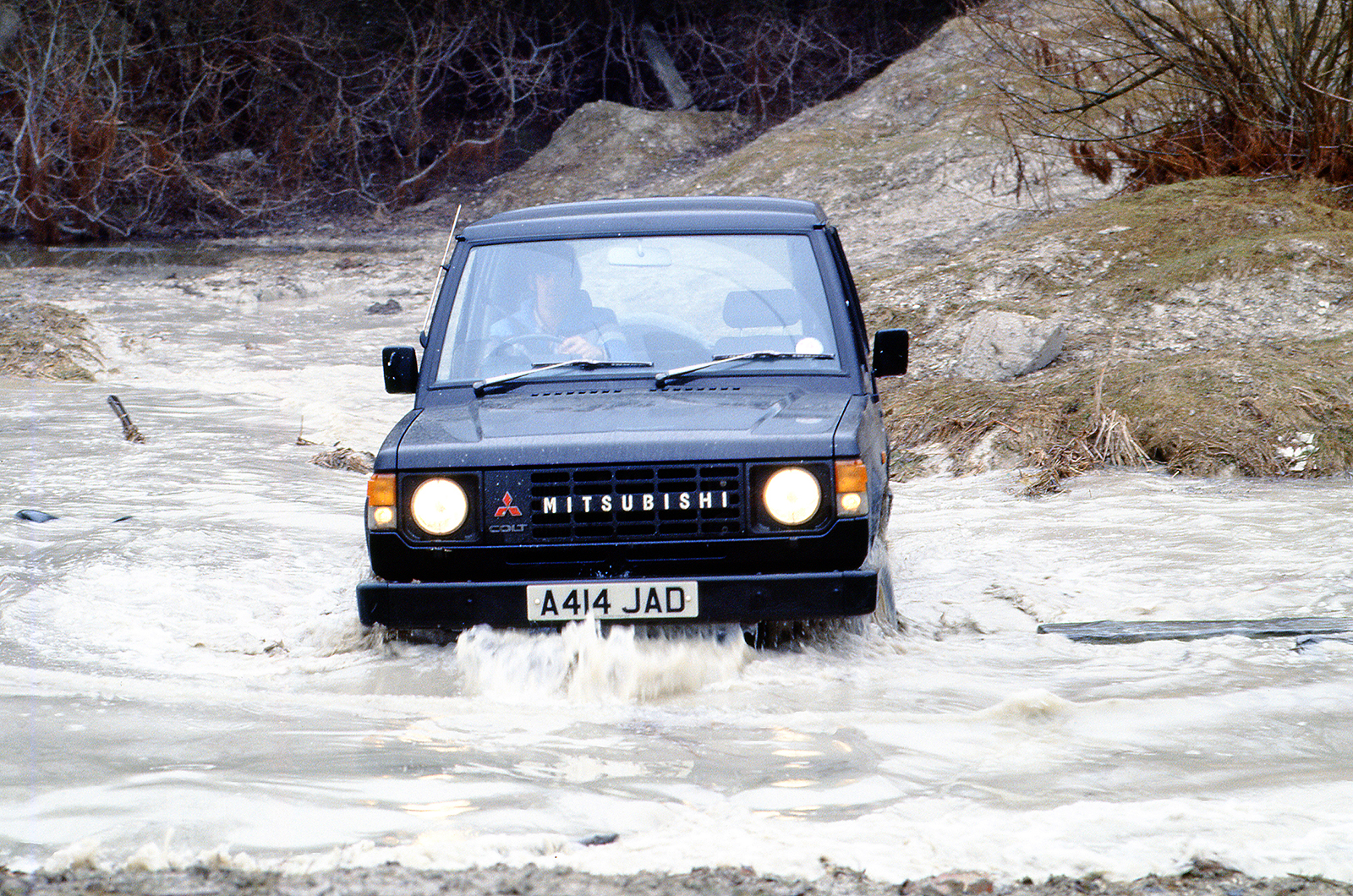
The Mitsubishi Shogun, or Pajero as it was known in most parts of the world or Montero in Spain, arrived in 1981. It fitted neatly into a gap between the Land Rover Defender and Range Rover, offering the former’s size and off-road ability with plenty of the latter’s creature comforts. Buyers loved it and a long-wheelbase model arrived in 1983. Engines were tough petrol and diesels, while a smooth 3.0-liter V6 joined the range. It was also used in the second-generation Shogun with smoothed out styling that was a direct and serious rival to the Land Rover Discovery.
Mitsubishi proved the Shogun’s worth by entering the Paris-Dakar endurance race, winning the Cars Class 12 times between 1984 and 2007. It also notched up 150 stage wins in that time to be the most successful manufacturer in the event’s history.
Nissan 200SX
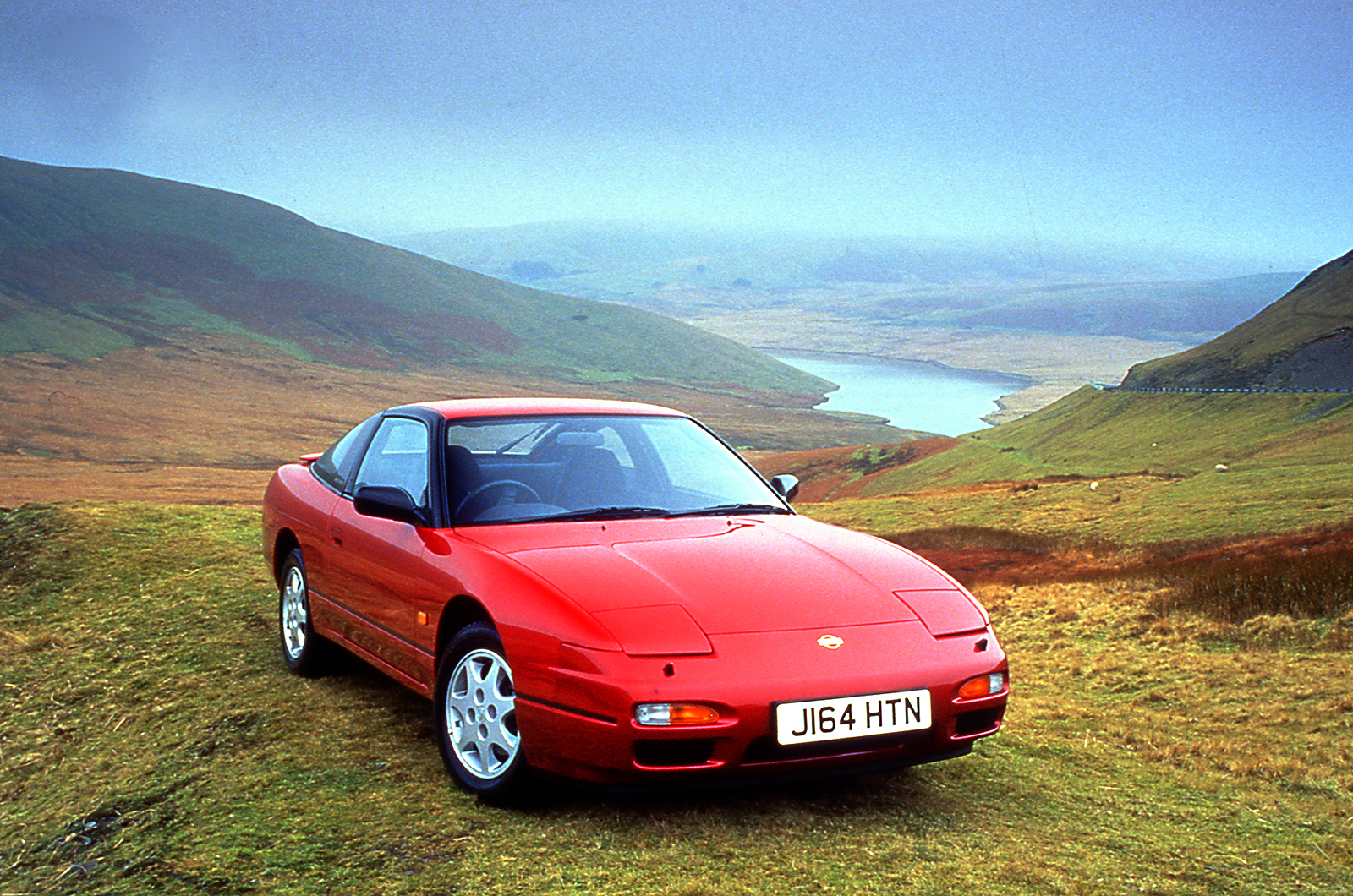
Nissan wasn’t shy about launching sports cars in 1989. That year saw the 300ZX and Skyline GT-R arrive, but it’s the 200SX that was the big seller. It achieved more than 1 million sales in just four years up to its replacement in 1993 by its successor. The 1989 S13 model’s clean lines were complimented by a turbocharged 1.8-liter engine, with 166 hp and later 173 hp, and excellent rear-wheel drive dynamics.
Called Silvia in most markets, this line of sports cars first arrived in 1975 and lasted across six generations until 2002. There was also a 180SX version of the S13 model that Nissan continued to offer in some markets alongside the new S14, but not in Europe. Now regarded as one of the best sports coupes to come out of Japan, the 200SX is rightly in the sights of collectors.
Nissan GT-R
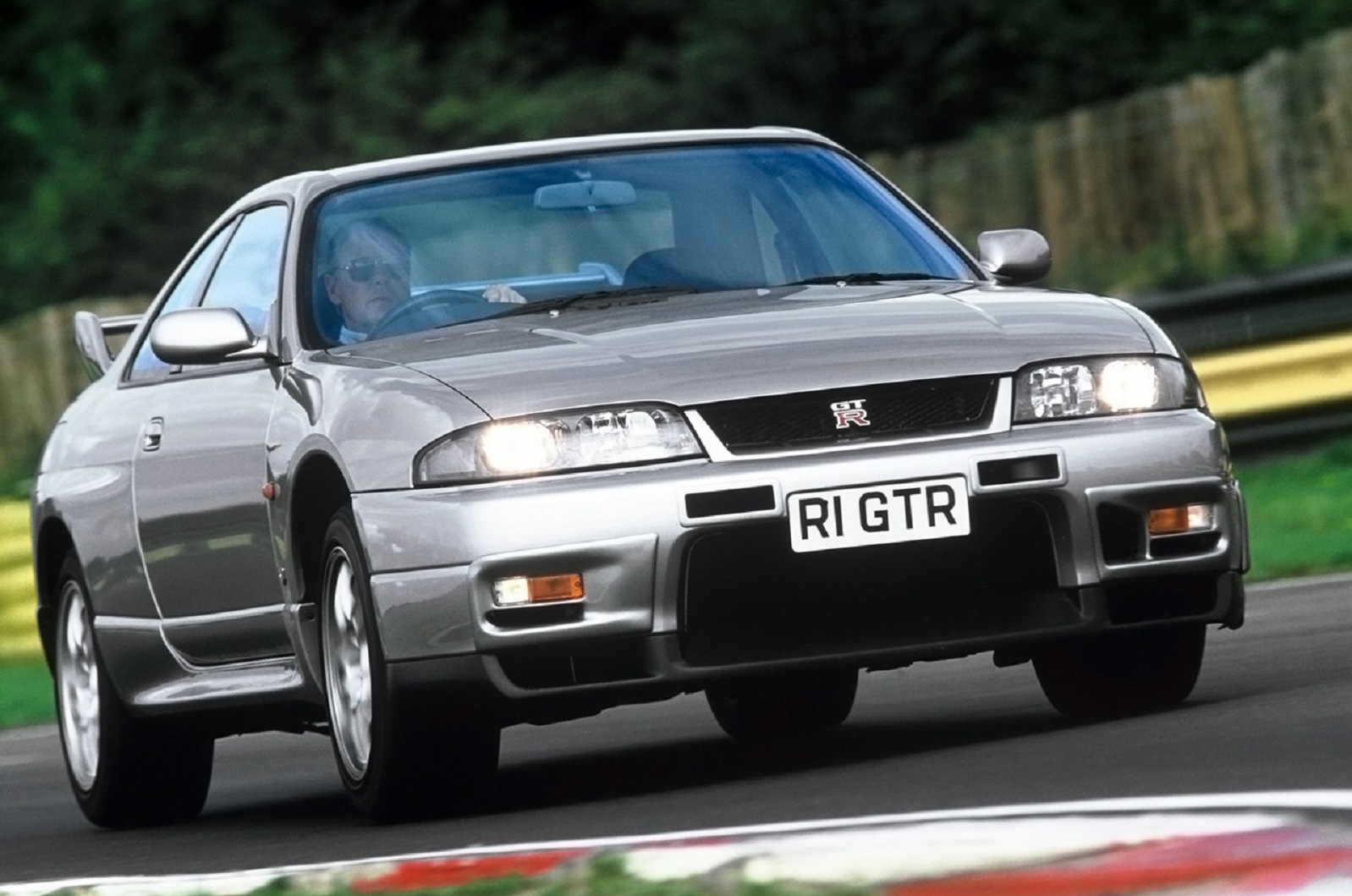
The GT-R badge has a history stretching back to 1969, but it’s the later models that are the definitive versions for most Nissan aficionados. These models got rolling with the 1989 R32 that went on to enjoy huge motorsport success, dominating Japanese and Australian touring car series. The R33 that followed in 1995 was an instant hit. Nissan followed up with the R34 in 1998, while the present GT-R pitched up in late 2007.
What all of these cars share is an uncanny ability to make shattering acceleration, grip and handling all very accessible in a car also capable of carrying four people and meandering to the supermarket. The only problem with the earlier models now is finding one that hasn’t been modified or drifted to within an inch of its life.
Subaru Forester
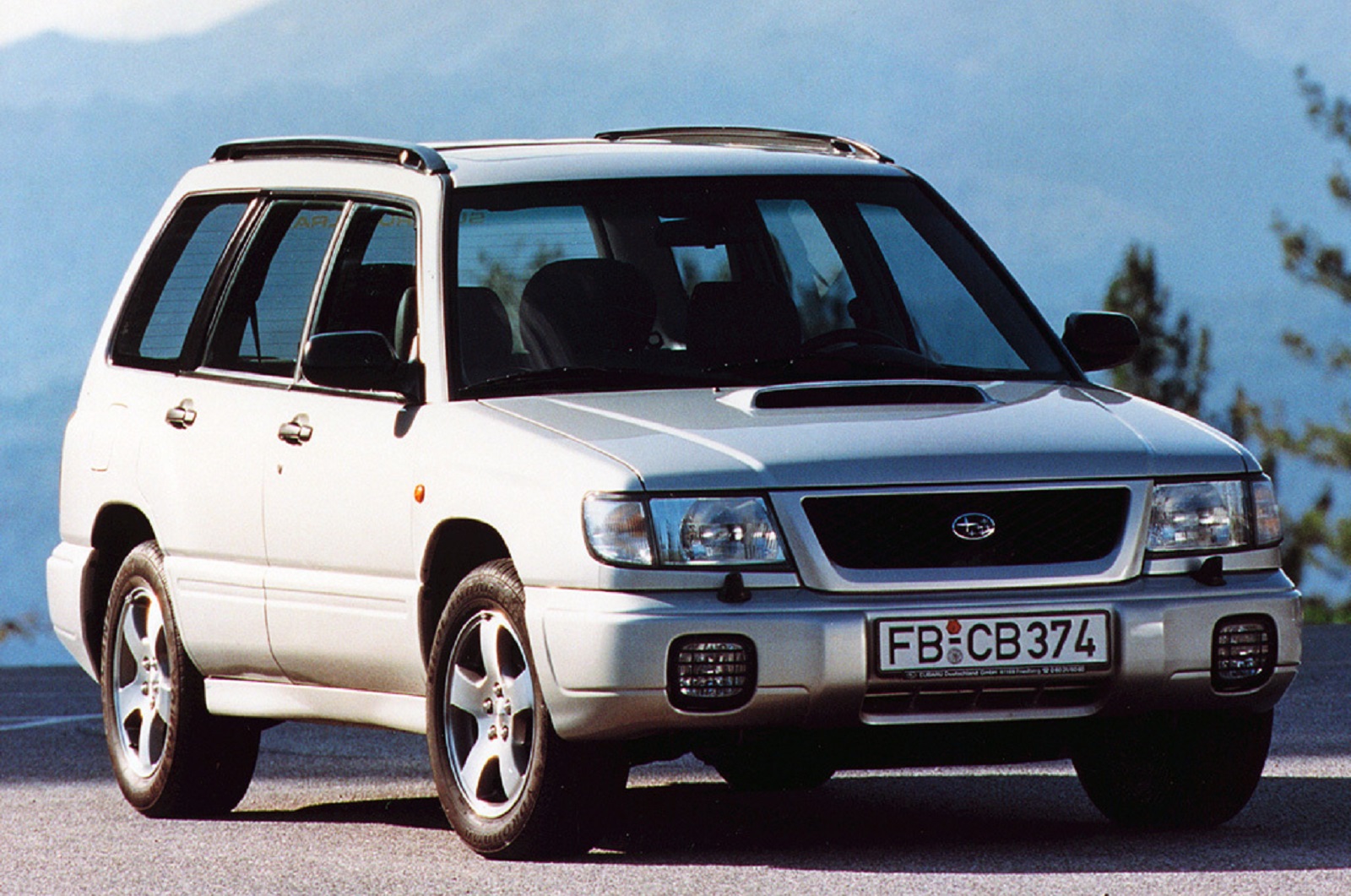
Subaru was among the first to spot that SUV buyers wanted a car more suited to on-road use than one for plugging away through mud. The Forester was the result of this thinking, based on the Impreza floorpan but with more ride height and four-wheel drive as standard. Taller than the Impreza wagon, the Forester was brilliantly practical and soon gained a cult following.
That keen customer base was later rewarded with the Turbo S model that had a 172 hp version of the Impreza’s flat-four motor. It was still quick across country roads, and if you wanted more pace there were STi versions available to import from Japan with 265 hp.
Subaru Impreza
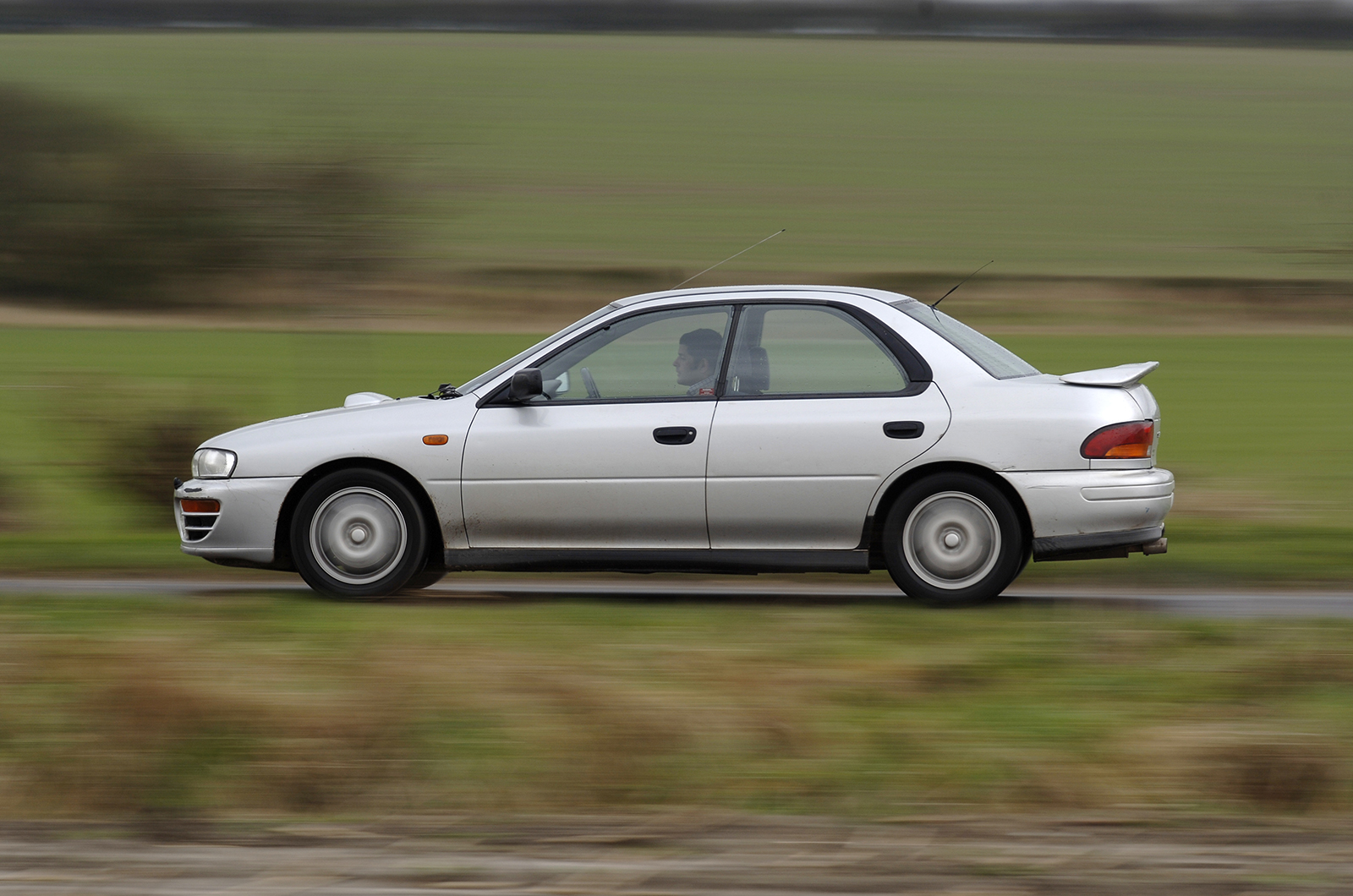
The standard Subaru Impreza was a decent car but, let’s be honest, it’s the Turbo 2000 and its derivatives that elevated this saloon and estate range to greatness. The Turbo started life with a modest 211 hp, but it gave Subaru the base for its new World Rally Championship car that quickly went on to be the car to beat and won Colin McRae his 1995 world title.
Later versions of quick Imprezas gained more power, less weight, and even fewer doors in the case of the two-door 22B. However, it was always the sensational balance of the fast Imprezas that gave them such a huge reputation and explains why they remain in big demand now.
Suzuki Vitara
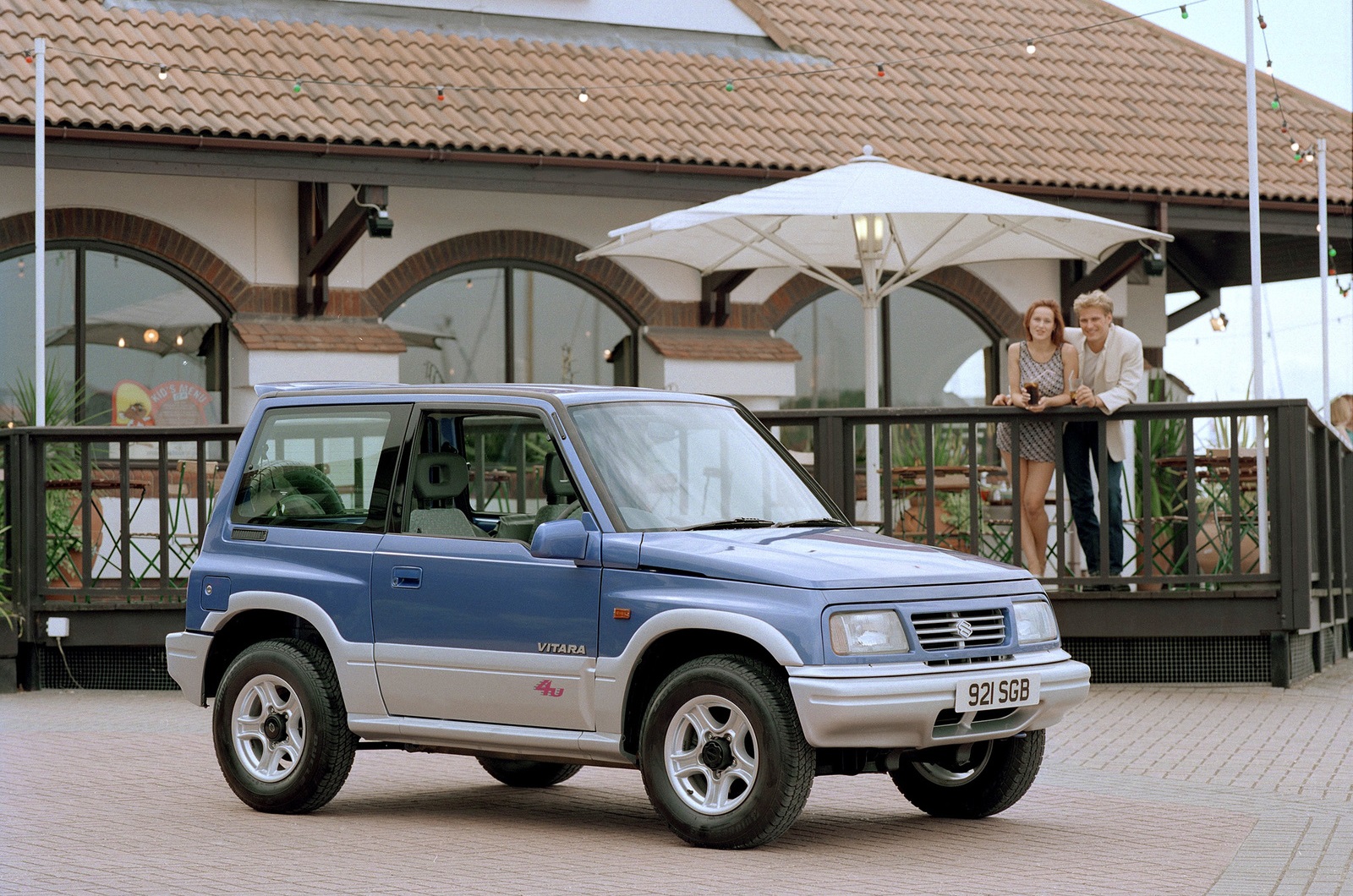
Suzuki has made many intriguing cars, but the 1988 Vitara stands out as arguably the very first lifestyle SUV. Its launch nipped in ahead of the Land Rover Discovery, which was a much larger machine, so the Vitara also had affordability on its side. Another factor in the Vitara’s favour was rapidly climbing insurance premiums for hot hatches which made drivers look for alternatives.
The Vitara fitted that bill perfectly as many were modified and personalised with wide wheels and tyres, bull bars, and graphics. Again, Suzuki got in there long before BMW made personalisation popular with its Mini. At its core, the Vitara was a simple, rugged car that worked as a family runabout.
Toyota Corolla
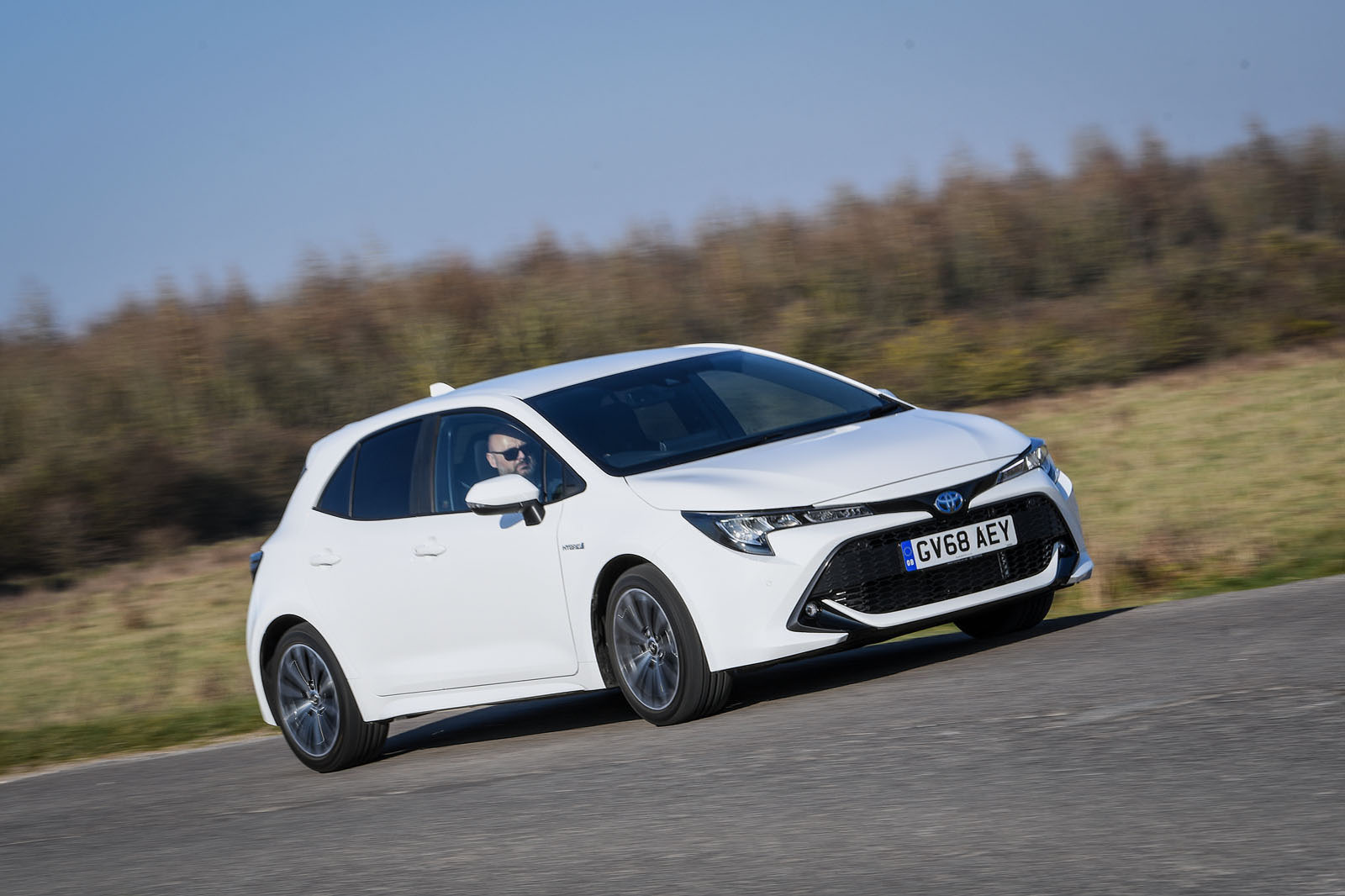
The world’s best-selling car if you go by badge, the Toyota Corolla has been a constant since 1966. Over the course of 12 generations to date, it has racked up sales of around 50 million, putting the likes of the Ford Model T and Volkswagen Beetle in the sales shade. While rarely exciting, the Corolla earns its place among the best cars from Japan because it appeals to so many buyers.
The Corolla is also a car that has developed in sympathy with customer demands, so it has evolved continually throughout its life. This has seen it adopt hybrid technology before most rivals did, and Toyota keeps the sales going by offering the Corolla in a huge number of markets.
Toyota Land Cruiser
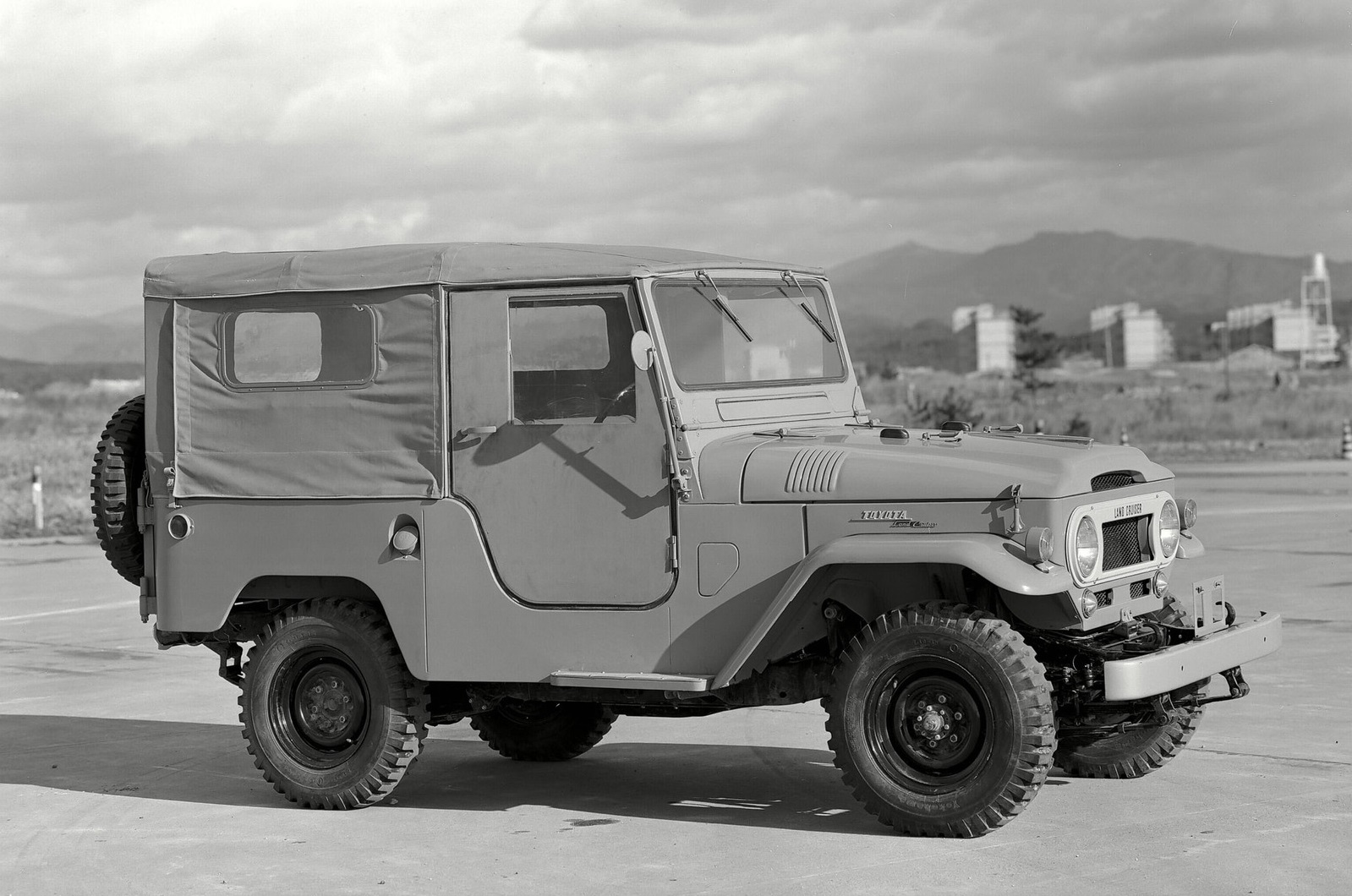
Starting life as a go-anywhere vehicle for Japan’s National Police Reserve, the Toyota Land Cruiser has been in production in all its many guises since 1951. More than 11 million of the 4x4s have been built since then, all following the same principle of takings its occupants wherever they want to go regardless of the terrain.
The original Land Cruiser’s inspiration was clearly the Willys Jeep, but it found its own style with the 1960 40 Series. The J70 Land Cruiser launched in 1983 is still available in some locations such as Africa and Australia, but elsewhere, the Land Cruiser has developed into a more luxurious but no less able SUV that is widely regarded as the first choice for any off-road expedition.
Toyota MR2
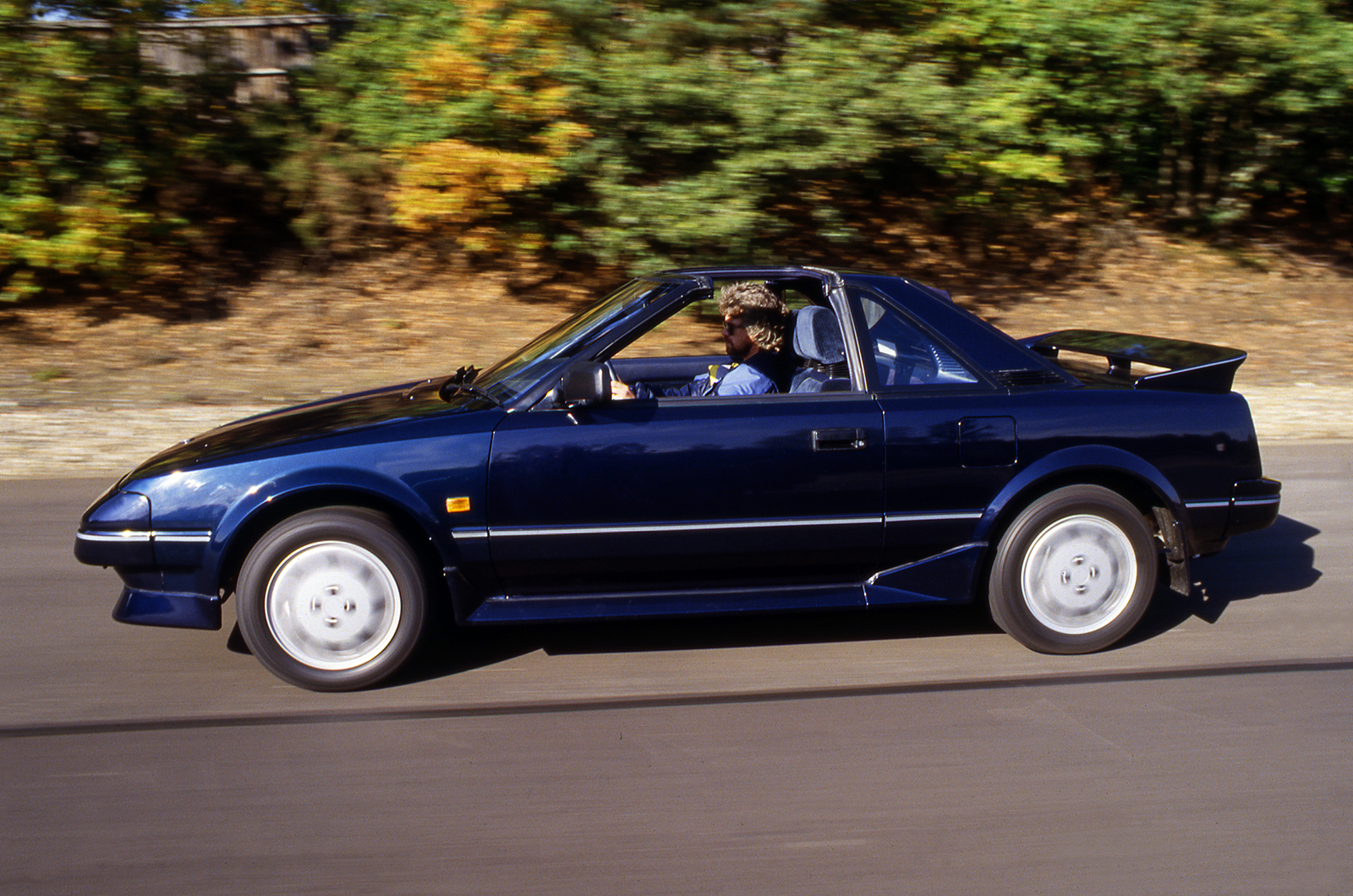
The Toyota MR2 was the first mid-engined production car to come out of Japan, for which it deserves credit. What elevates the MR2 to sit among the greats from its home country is the way this affordable sports car went and handled. Only four years after the demise of the MGB, the MR2 was a revelation with its frisky engine and lively dynamics.
Two subsequent generations of MR2 developed the theme while retaining the Toyota’s everyman appeal. It also demanded concentration to get the very best from it, so it was a much more involving car than many gave it credit for in all three generations.
Toyota GR Yaris
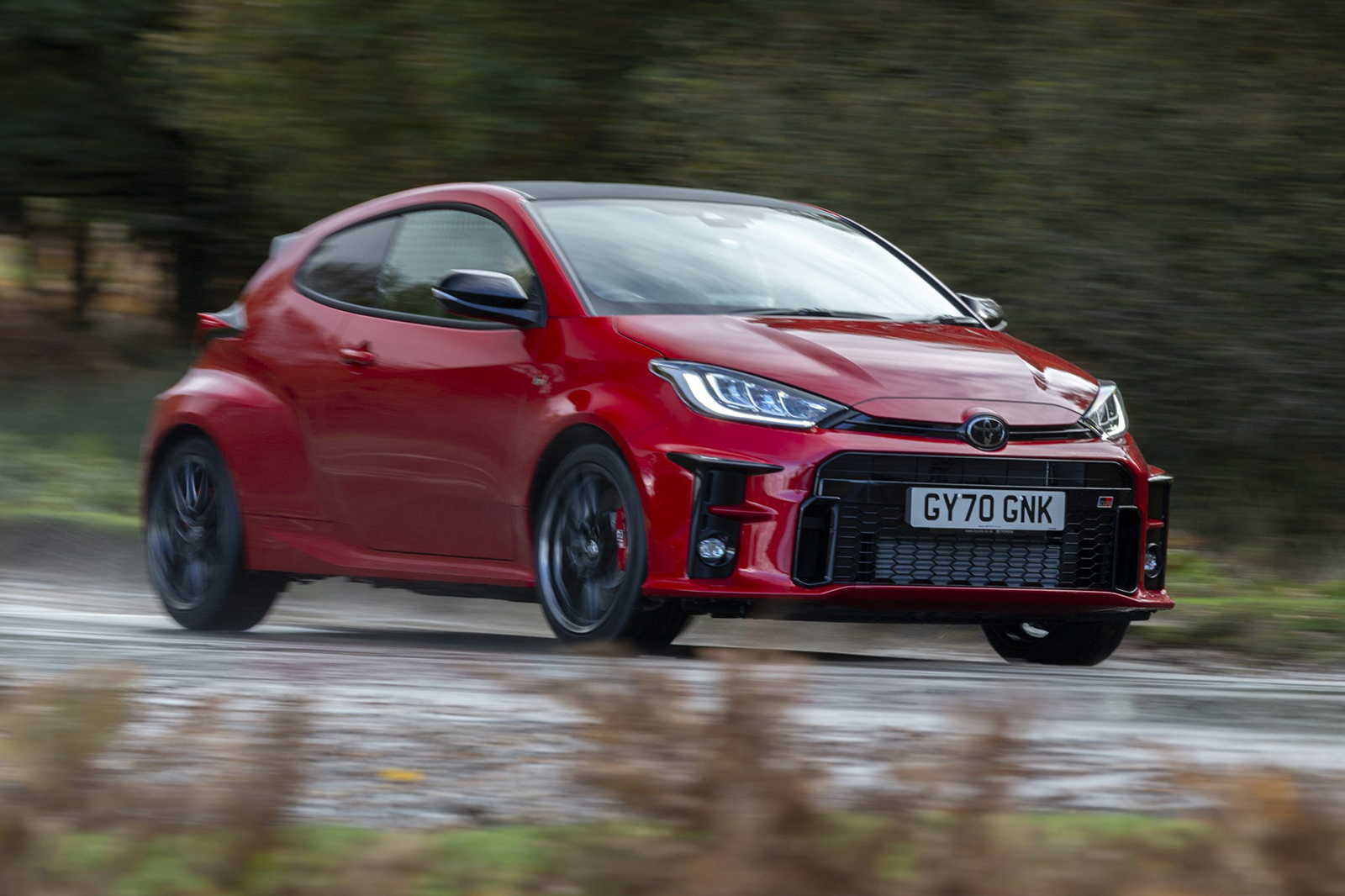
Proof that a car doesn’t need the perspective of years to sit among the best comes in the shape of the Toyota GR Yaris. From the moment we sat behind the wheel of this bespokely built hot hatch, we knew it was special. Yes, the spec sheet tells you it should be, but it’s only when you drive the GR Yaris does it reveal the full extent of its brilliance.
Like so many of the best fast cars, this Toyota is a homologation special, created to qualify the Yaris for the World Rally Championship. This brings four-wheel drive, a 262 hp turbocharged three-cylinder 1.6-liter engine, and 0-62mph in 5.5 seconds. It’s most telling that owners of top drawer supercars are also adding this terrific Japanese car to their garages. Except in America; sorry folks, but the car is deemed too small to succeed in that market.
Toyota Previa
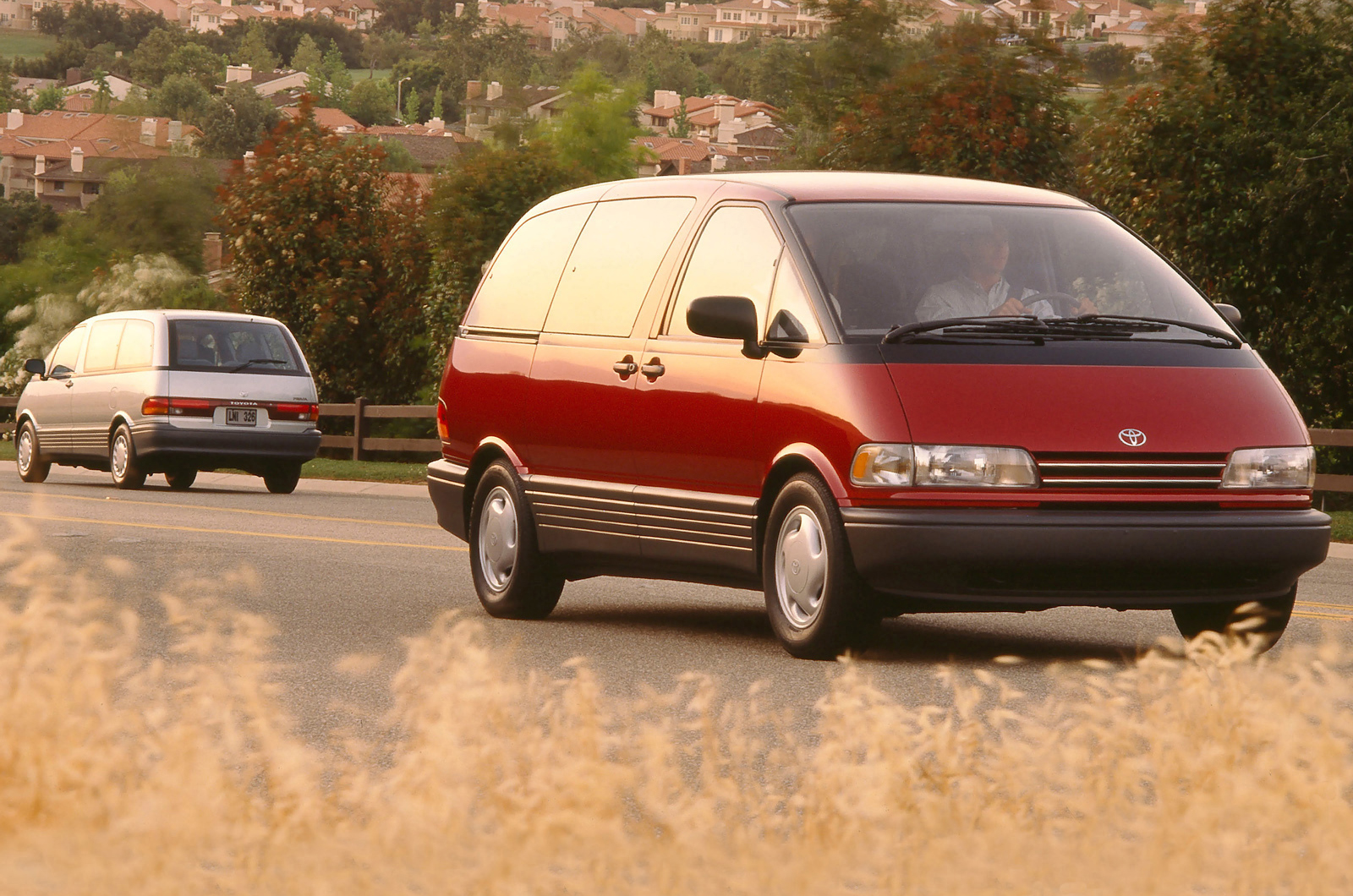
Toyota’s Previa wasn’t the first seven- or eight-seat people carrier. It wasn’t even the first to market, but what it did manage was to show this type of car could be good to drive. Toyota did this by mounting the engine at a 75-degree angle to lie almost flat between the front seats. It gave the Previa a low centre of gravity to counter the tall-sided styling, so handled with some panache.
A 2.2-liter supercharged version of this first-generation Previa was offered in some markets, giving 160 hp to the standard 2.4-liter gas engine's 137 hp. Subsequent generations were not as daring technically but offered even greater practicality.
Toyota Prius
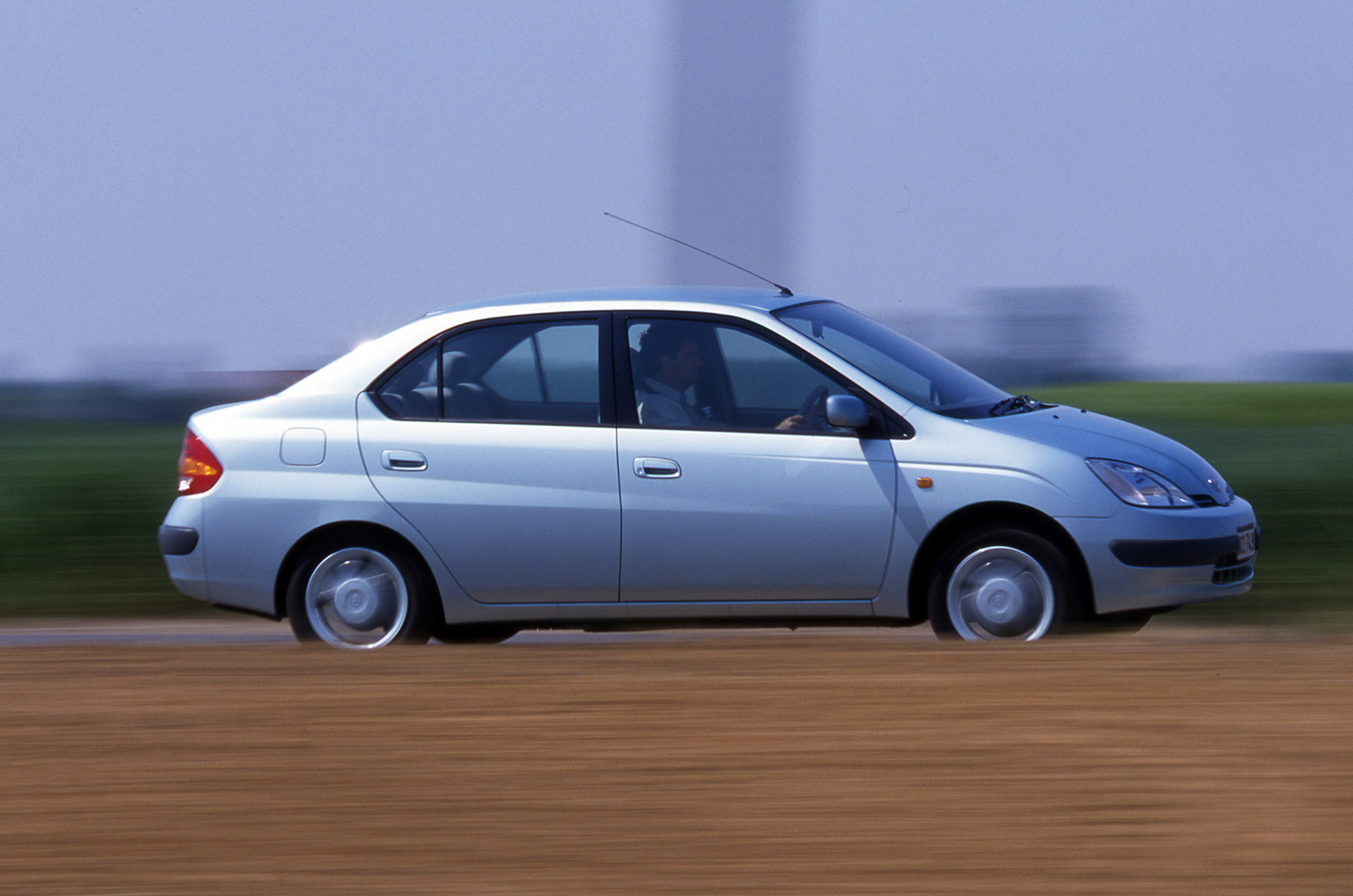
The Toyota Prius is not just significant as a Japanese car, it has a social and cultural importance that goes way beyond the automotive world. This is down to Toyota almost single-handedly pioneering and promoting hybrid technology in the car long before the EV revolution took hold, and at a time when arch-rival Volkswagen was heading down the diesel dead-end.
Launched in 1997, the Prius’ gasoline-electric power delivered low CO2 emissions for the time of 114g/km and 48 MPG combined economy. All this and it was still a practical small hatch. Little wonder Toyota sold more than 123,000 first-generation Prius in six years, which is impressive for such a trail-blazing machine.
If you enjoyed this story, please click the Follow button above to see more like it from Autocar

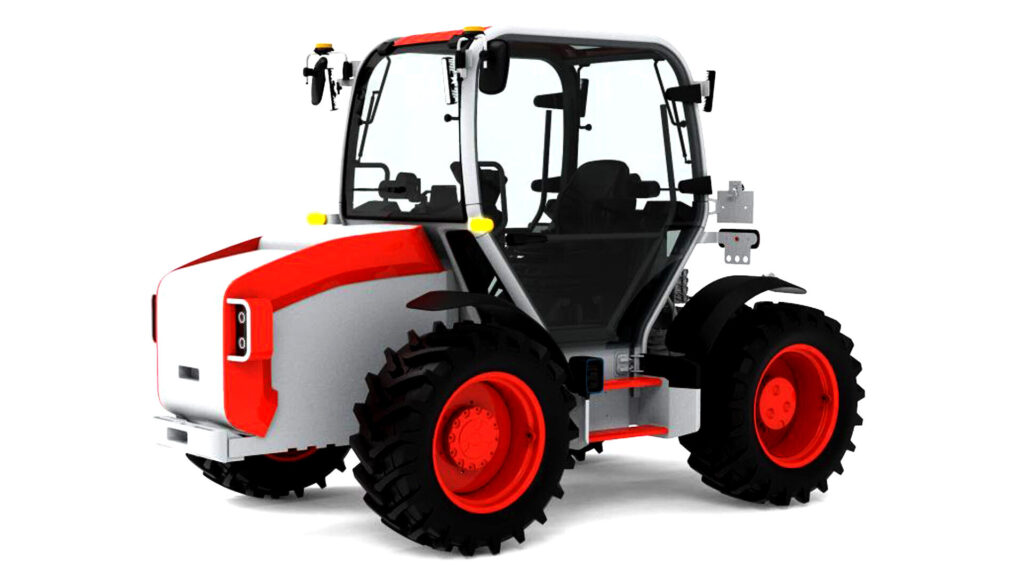
Electric Tractors as Disruption: Herbert Diess Bets on Affordable, Swappable-Battery Farming for 2027

Toyota Retreats from Next-Generation EV Ambitions as Swedish Tesla Strike Winds Down

License Plate Readers in Retail Parking Lots Spark Connecticut Inquiry Into Data Privacy and...

Fake Temporary License Plates Fuel Multi-State Toll Evasion Scheme Exposing Regulatory Gaps

Used Sports Cars with Rising Value: Identifying Underappreciated Models Poised for Appreciation
 Get a great car AND make some money too? It's possible - we drill down the finest
You should never buy a car in the hope that you’ll make money on it. The key is to buy what you like and if it rises in value to offset the running costs – well that’s just a bonus.
Values of most classic cars have shot up over the past few years, but there are some that the market has either overlooked, or have the potential to rise significantly further.
If you want to join us in the crystal ball gazing, tell us what you’d have added to the list – we’re sure there are more classics out there that deserve a higher profile. We include guide pricing, and we start with the cheapest and work our way up:
Alfa Romeo 75 (1987-1989)
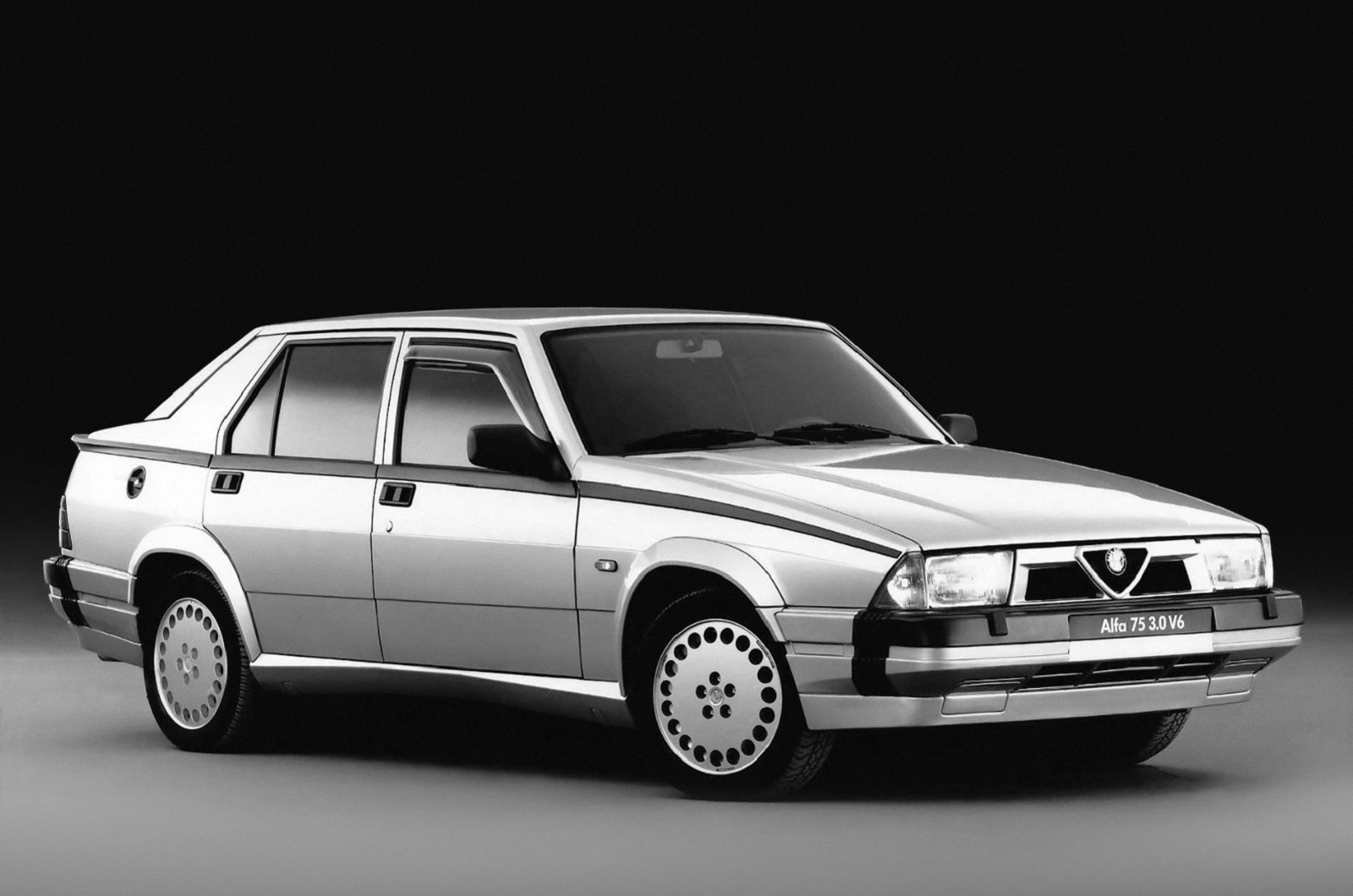
The 75 was the last Alfa Romeo designed before Fiat adopted the brand and neutered it. The Verde V6 model turned the performance dial up a notch with a 3.0-litre that sounded better than Pavarotti. It was quick, and it offered a near-perfect weight distribution thanks to a transaxle.
Good ones are increasingly difficult to come by, and prices start at about £10,000.
Audi TT (mk1, 1998-2006)
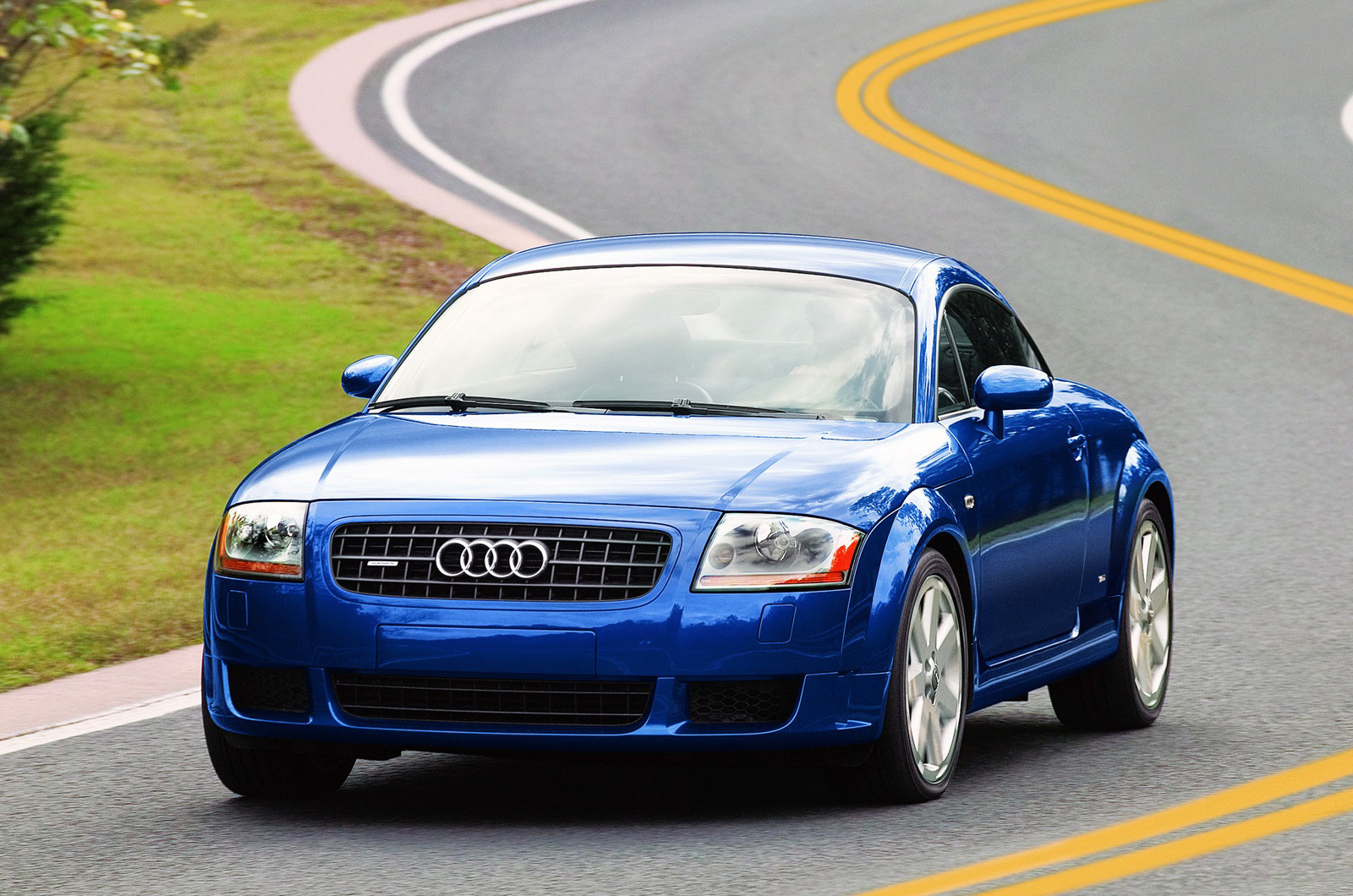
Even non-enthusiasts gravitate towards the original Audi TT. The more affordable variants didn’t pack a lot of power but they didn’t need to. It was the kind of head-turning car Audi could sell on looks alone, especially when fitted with the optional (and now rare) baseball glove leather upholstery. Well-preserved ones without an intergalactic figure on the odometer start at £2000 in the UK.
BMW E24 6 Series (1976-1989)
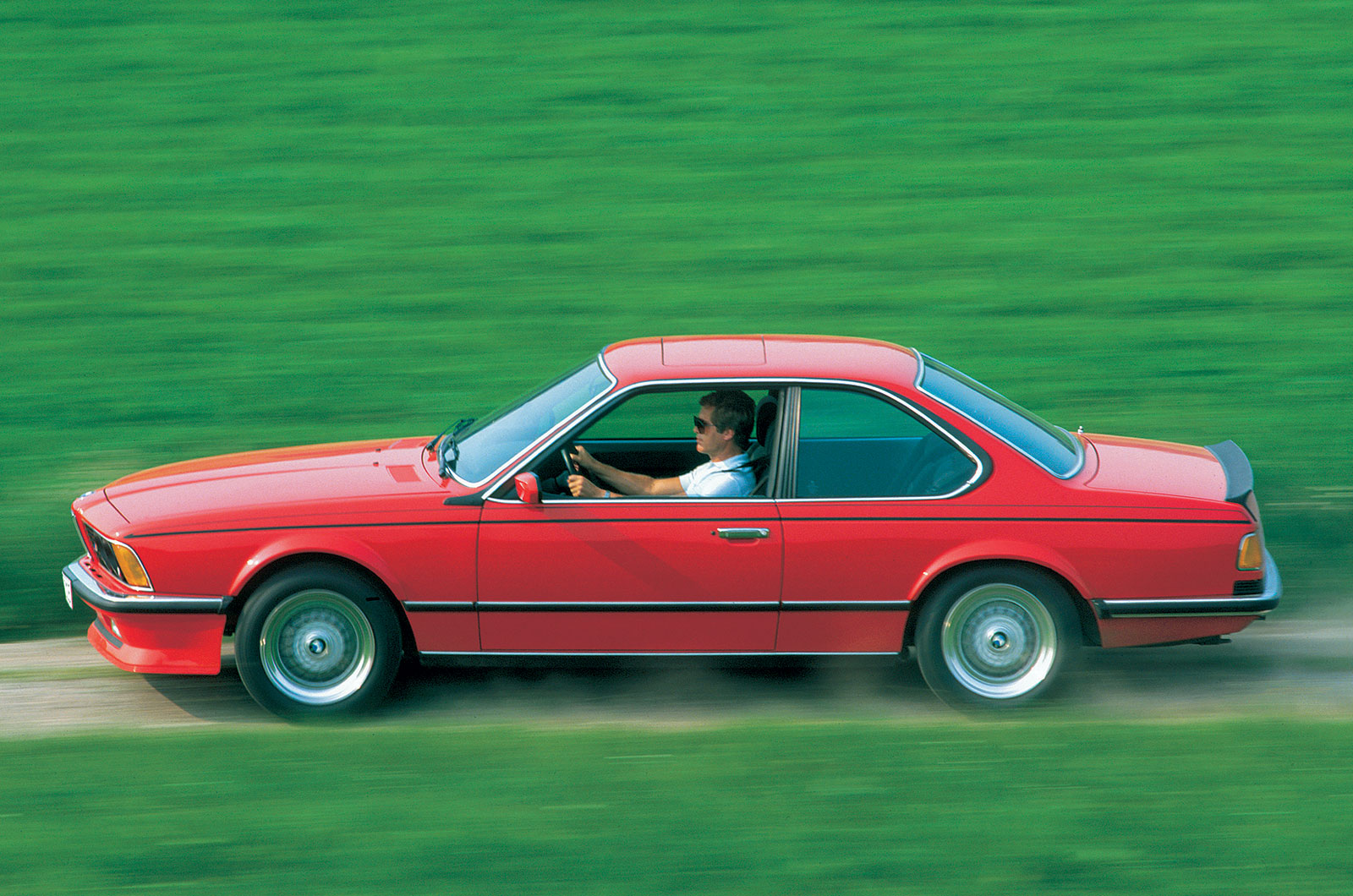
Stylish and very usable, the original 6 Series came with a selection of six-cylinder engines. Brilliant to drive, superbly built and capable of swallowing vast distances, it’s only the 635 CSi editions that are especially desirable, with the ultra-rare M edition already worth a big premium. From £23,000.
Mazda RX-8 (2003-2012)
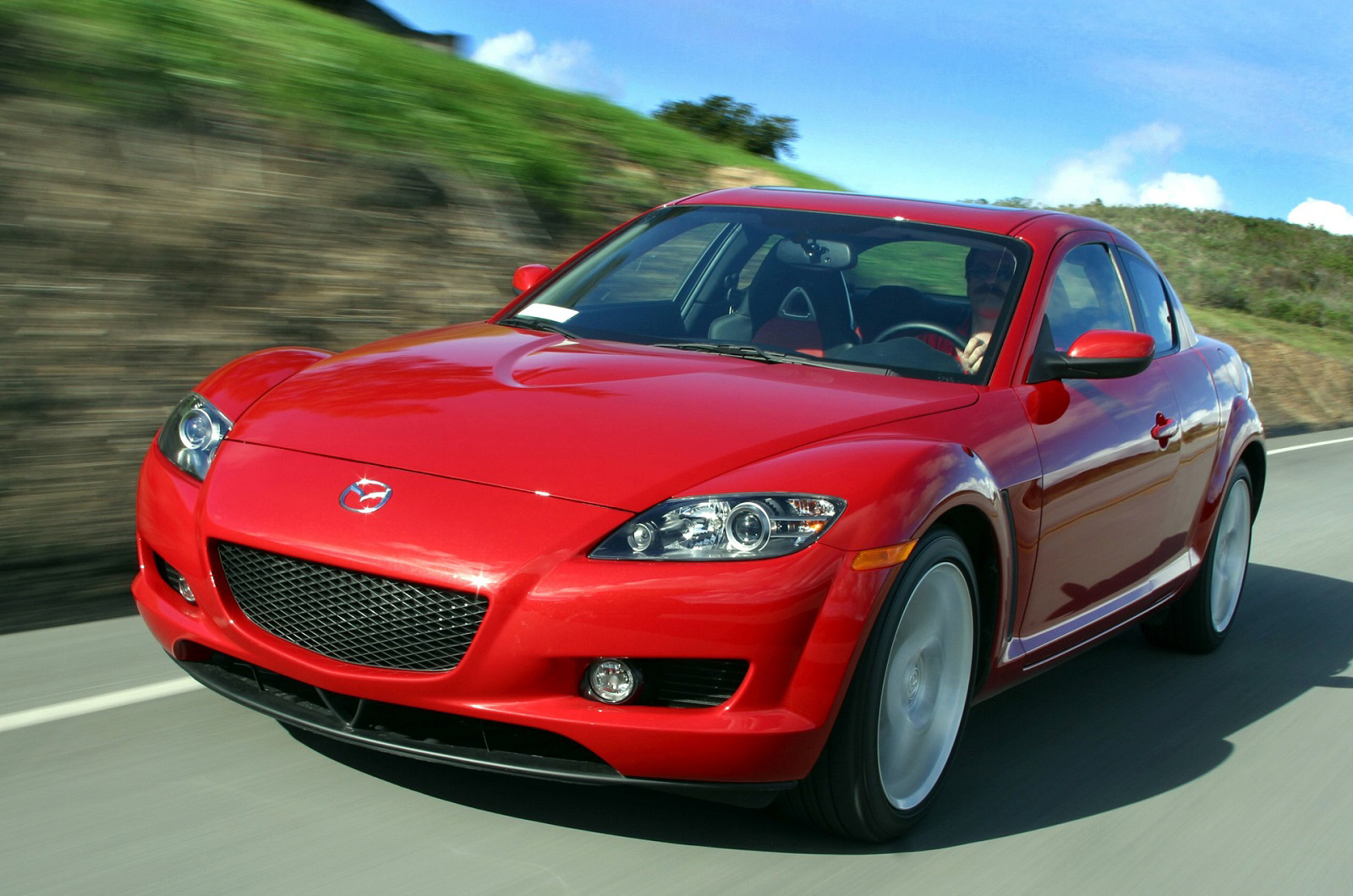
The Mazda RX-8 is the type of coupe enthusiasts lust after when it’s new and sell as soon as an even newer model comes out. However, Mazda threw a spanner in the depreciation machine by announcing it hasn’t even started developing its next rotary-engined, RX-badged coupe in 2012.
Executives admit it could be years before we see an RX-9, and there’s a good chance it will arrive with advanced driving aids and some form of electrification. The RX-8 has neither, so it’s the last of a breed. Prices start at £2300 in the UK, and prices are heading gently up.
Jaguar XK8 (1996-2006)
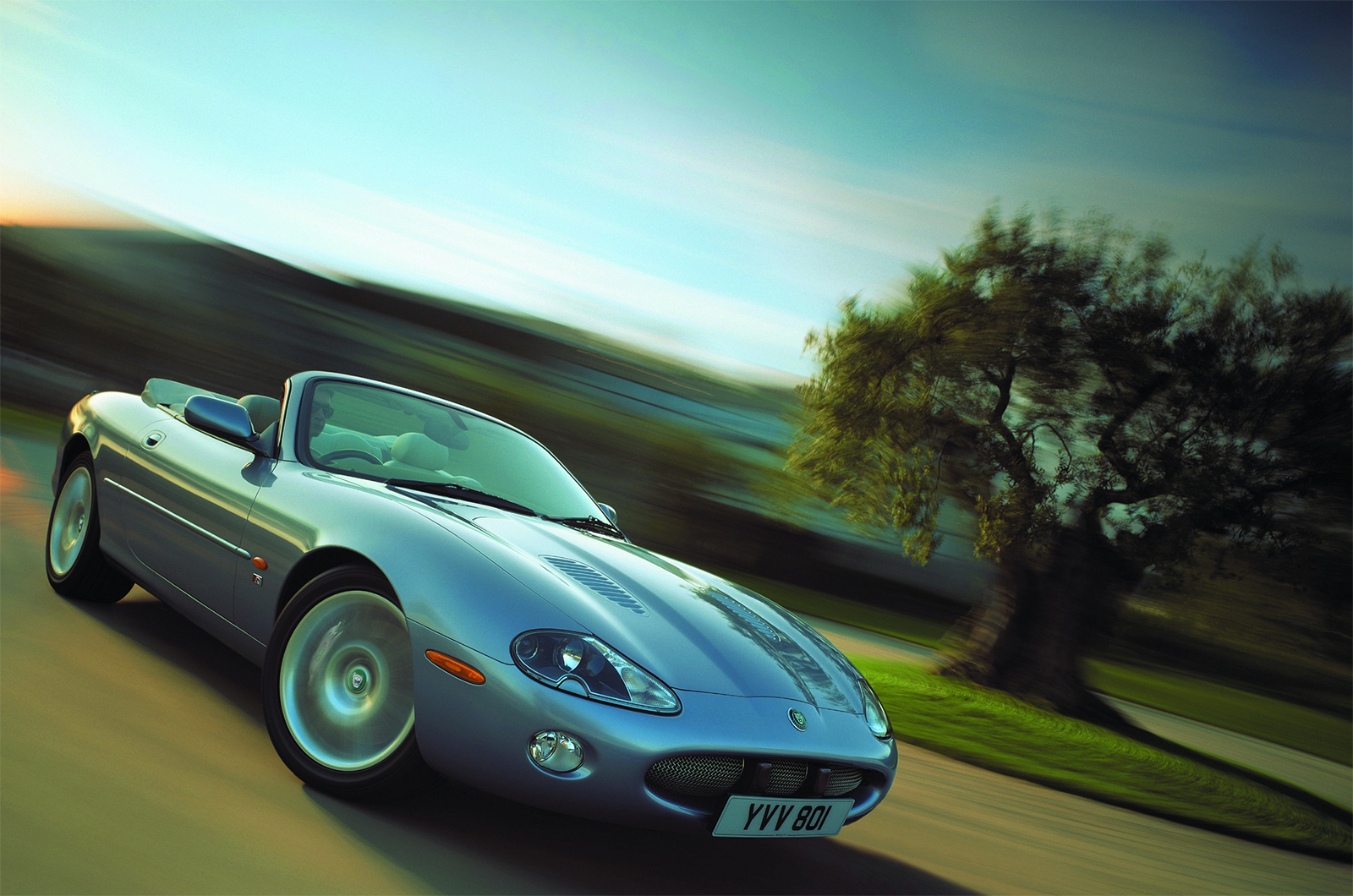
The all-aluminium XK that came in 2006 is a better car than the XK8 thanks to its superior cabin and a sharper driving experience. But it’s also still depreciating whereas the XK8 has hit rock bottom and is starting to climb again. The supercharged XKR is what everyone wants, especially in convertible form, but any car that’s in good condition with plenty of service history will prove a good buy. From £3,500.
BMW M3 E46 (2000-2006)
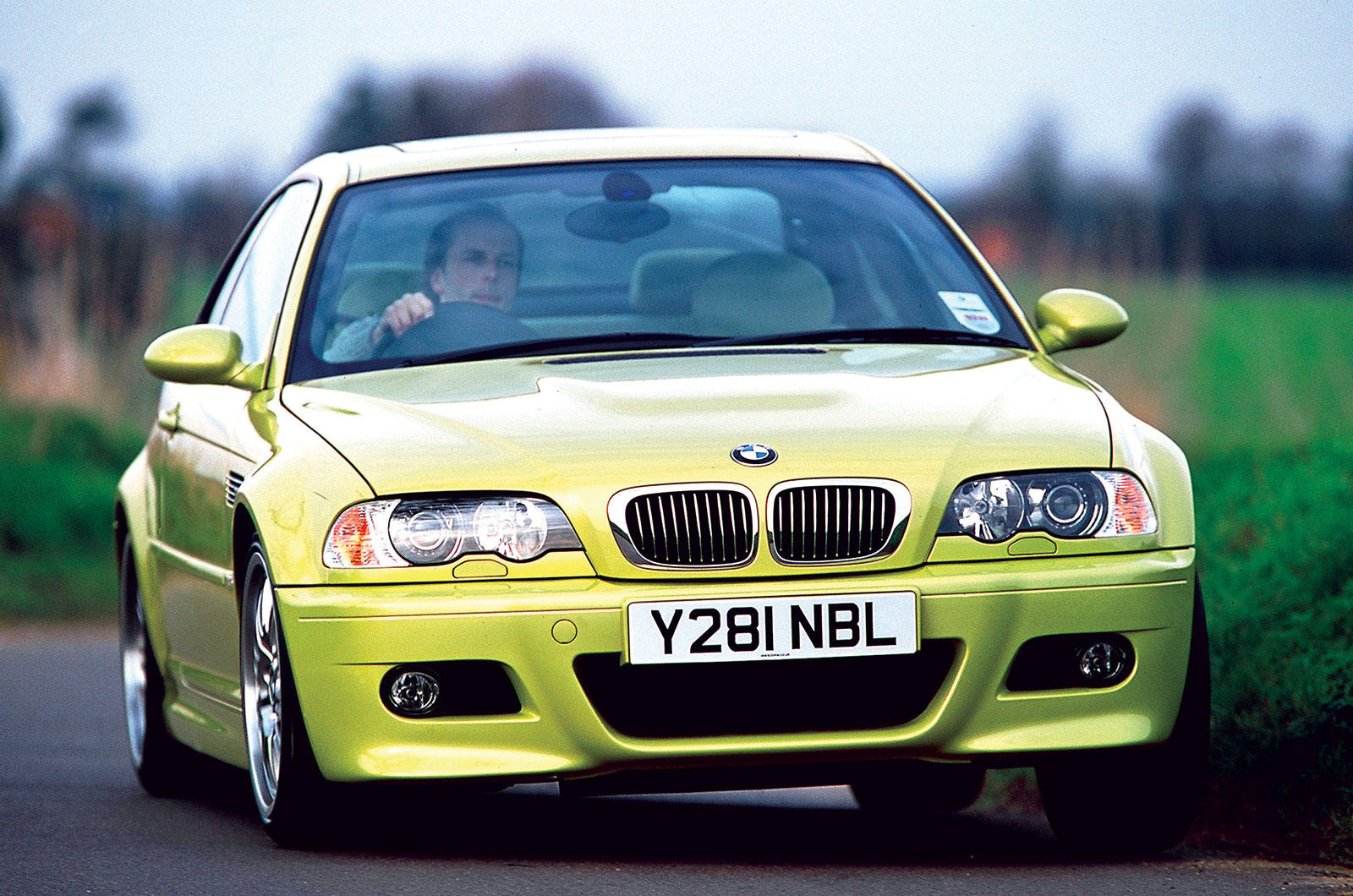
It’s a guaranteed cycle. M3 goes out of production, values go down to the point where the cars get ragged because they’re worthless, everybody realises few good cars are left, values increase. From £12,000, with prices heading north.
Mercedes-Benz SL R129 (1989-2002)
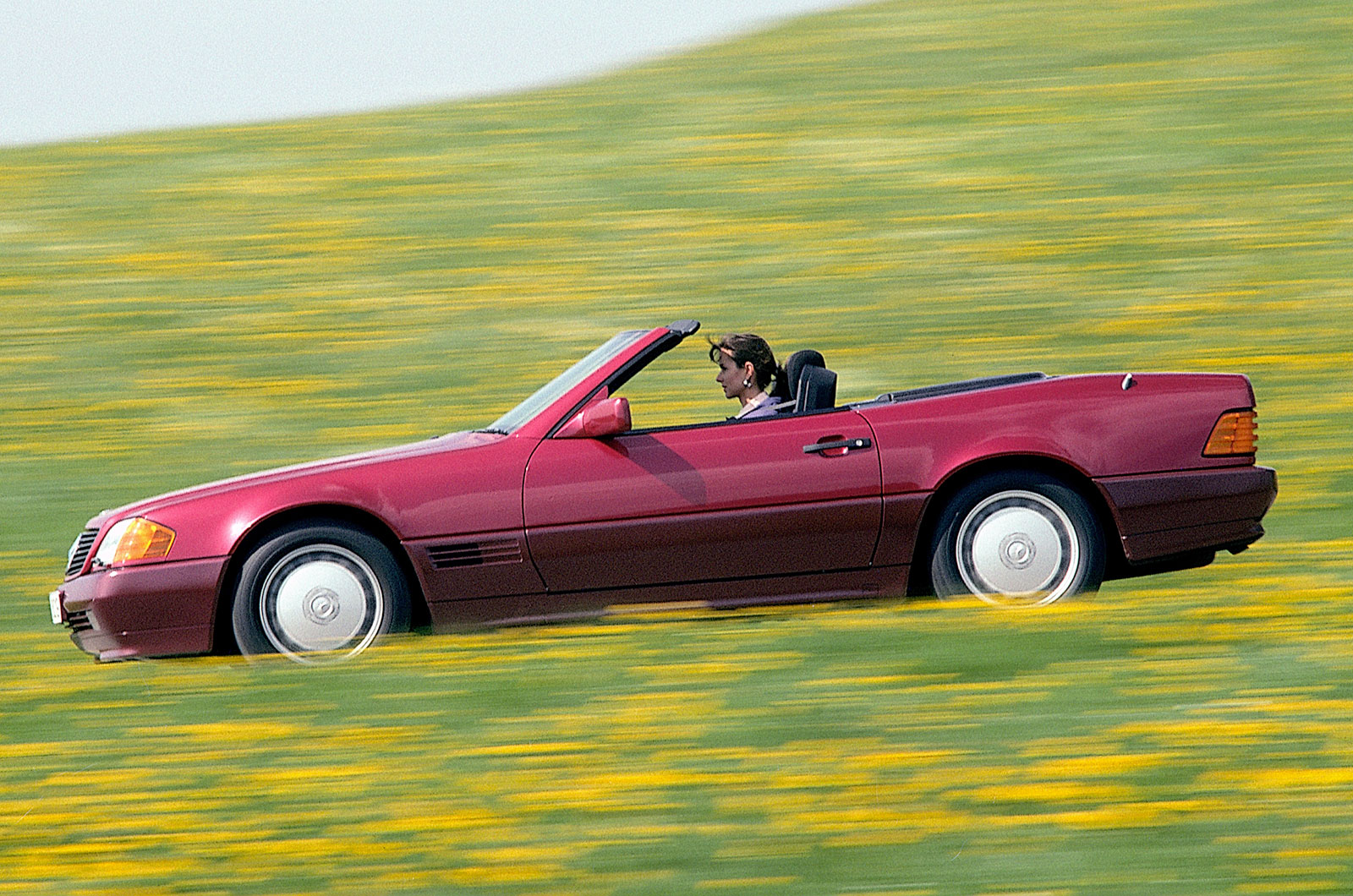
The R129 SL is another one of those cars that’s already started to climb and we could all see it coming because that’s exactly what its predecessors did. First the W113 (Pagoda) went ballistic then the R107 followed. Superb R129s have already doubled in value over the past five years – but they’ve still got further to go. Decent examples are from £6000.
Alfa Romeo Spider (1966-1982)
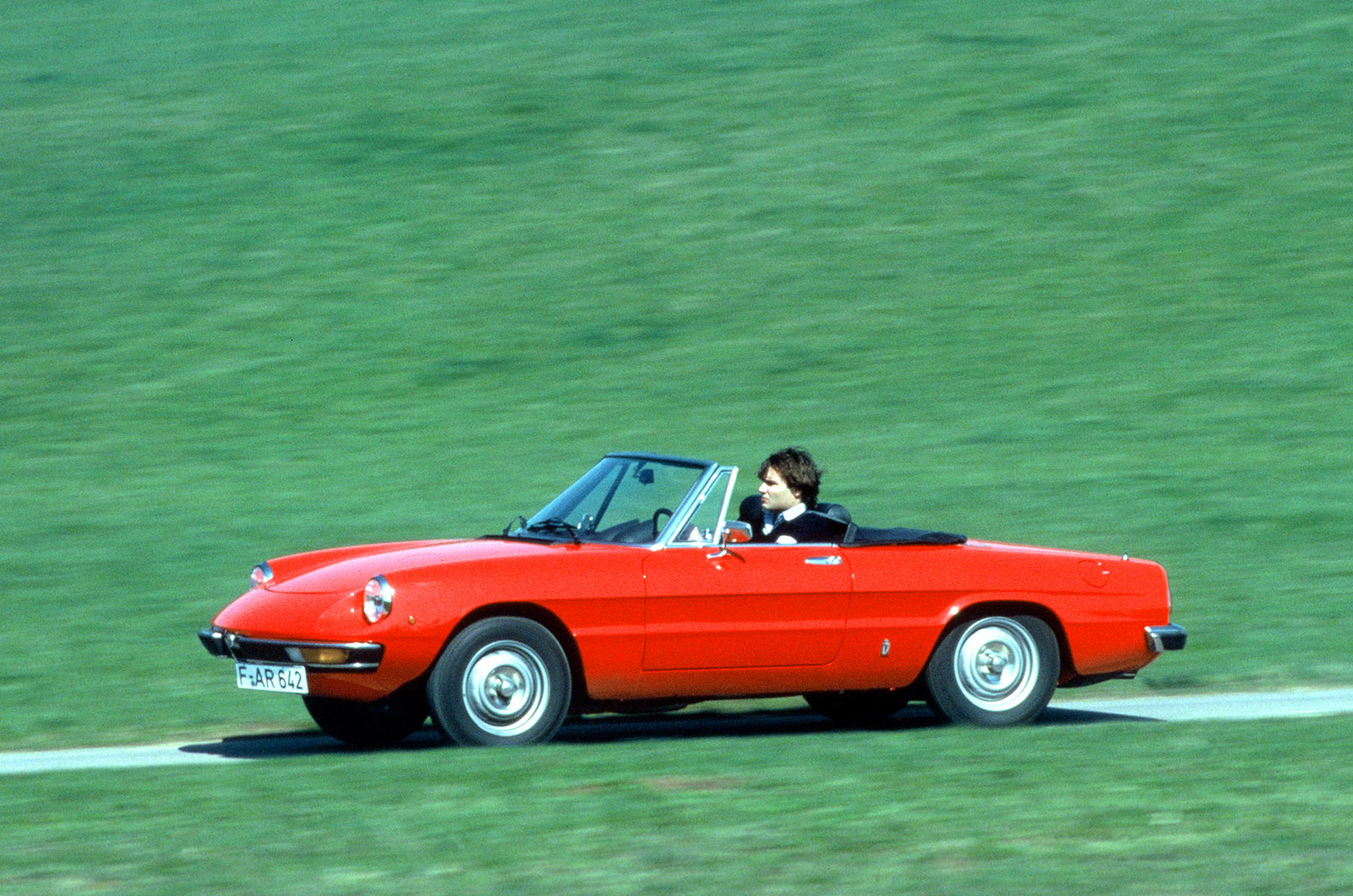
While its predecessor the Giulia and Giulietta have started to be worth plenty, the Spider that is now 54 years old is much more affordable. Duettos already fetch a premium but the later Kamm-tailed cars are much more attainable. Prices are from £12,500.
Porsche Boxster (986-series, 1996-2004)
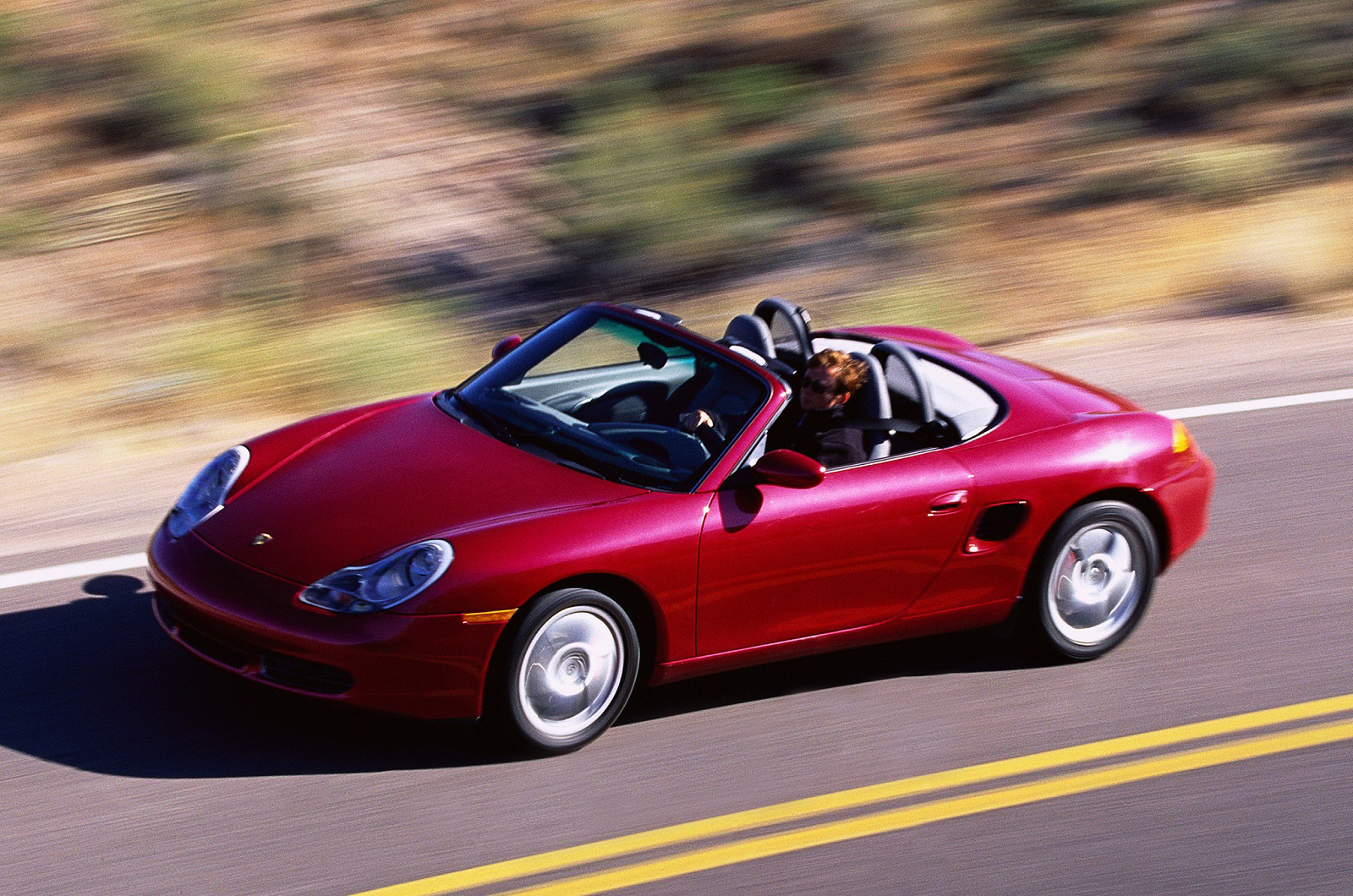
The original Boxster is a slap in the face to anyone who claims there’s no such thing as an inexpensive Porsche. Loosely inspired by the 550 Spyder, the Boxster almost single-handedly saved the brand from bankruptcy by giving buyers a cheaper alternative to the 911. That’s still the case today, and it remains the most affordable way to own a Porsche with a flat-six engine.
Prices in the UK start at about £4,000. It’s worth paying extra to get a well-maintained car whose IMS bearing issue has been fixed by a professional. Don’t wait too long; a look at current 914 values suggest the Boxster won’t stay cheap forever.
BMW Z3M Roadster (1998-2002)
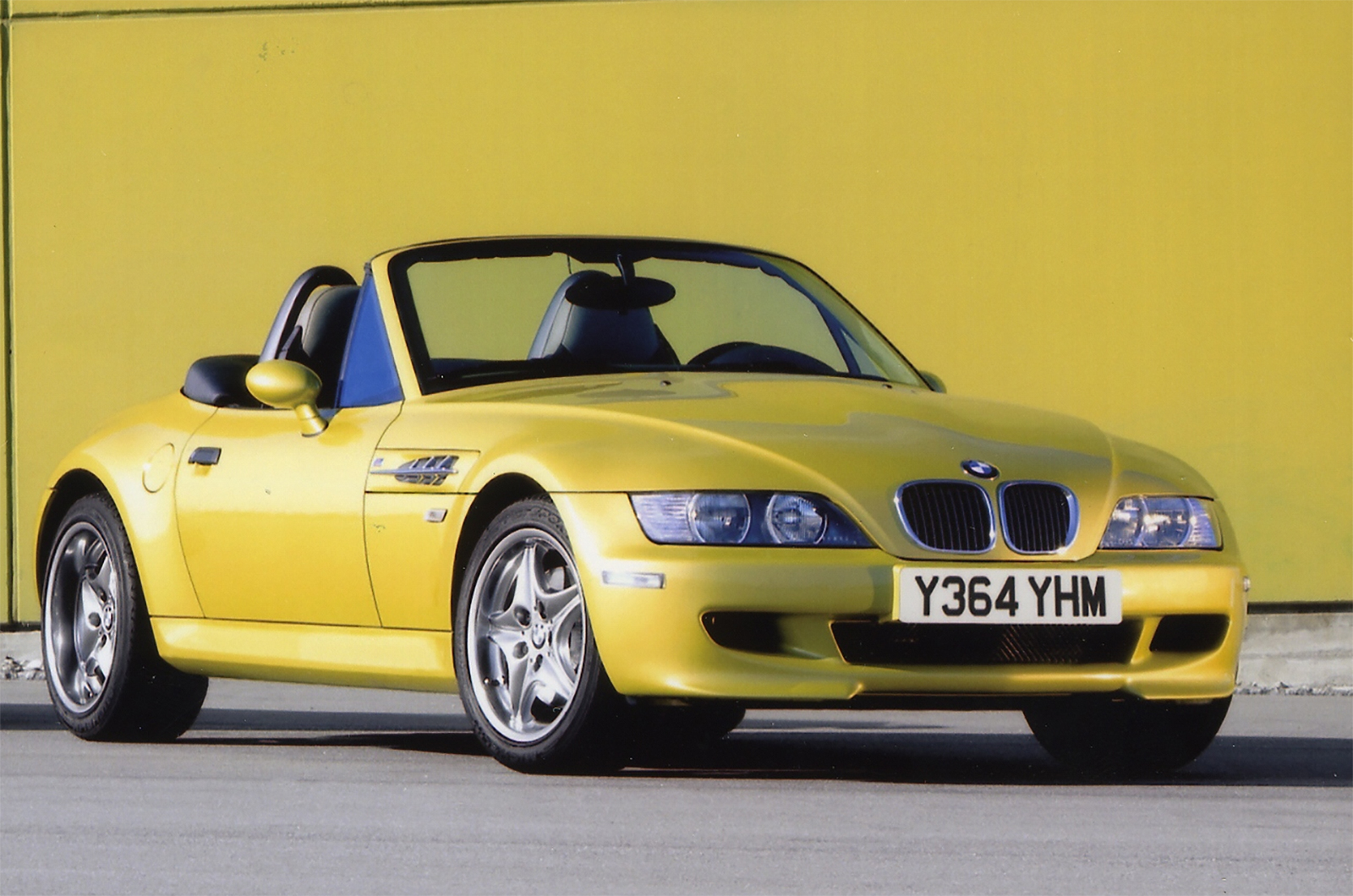
While the regular Z3 was a bit disappointing, by the time BMW had come up with an M edition things were a lot more appealing. The suspension was overhauled, an E36 M3 3.2-litre straight-six engine was slotted into the nose and the bodywork looked a lot more purposeful. Low production volumes have ensured this is a car that’s already on the rise. From £16,000.
Jaguar XJS (1975-1996)
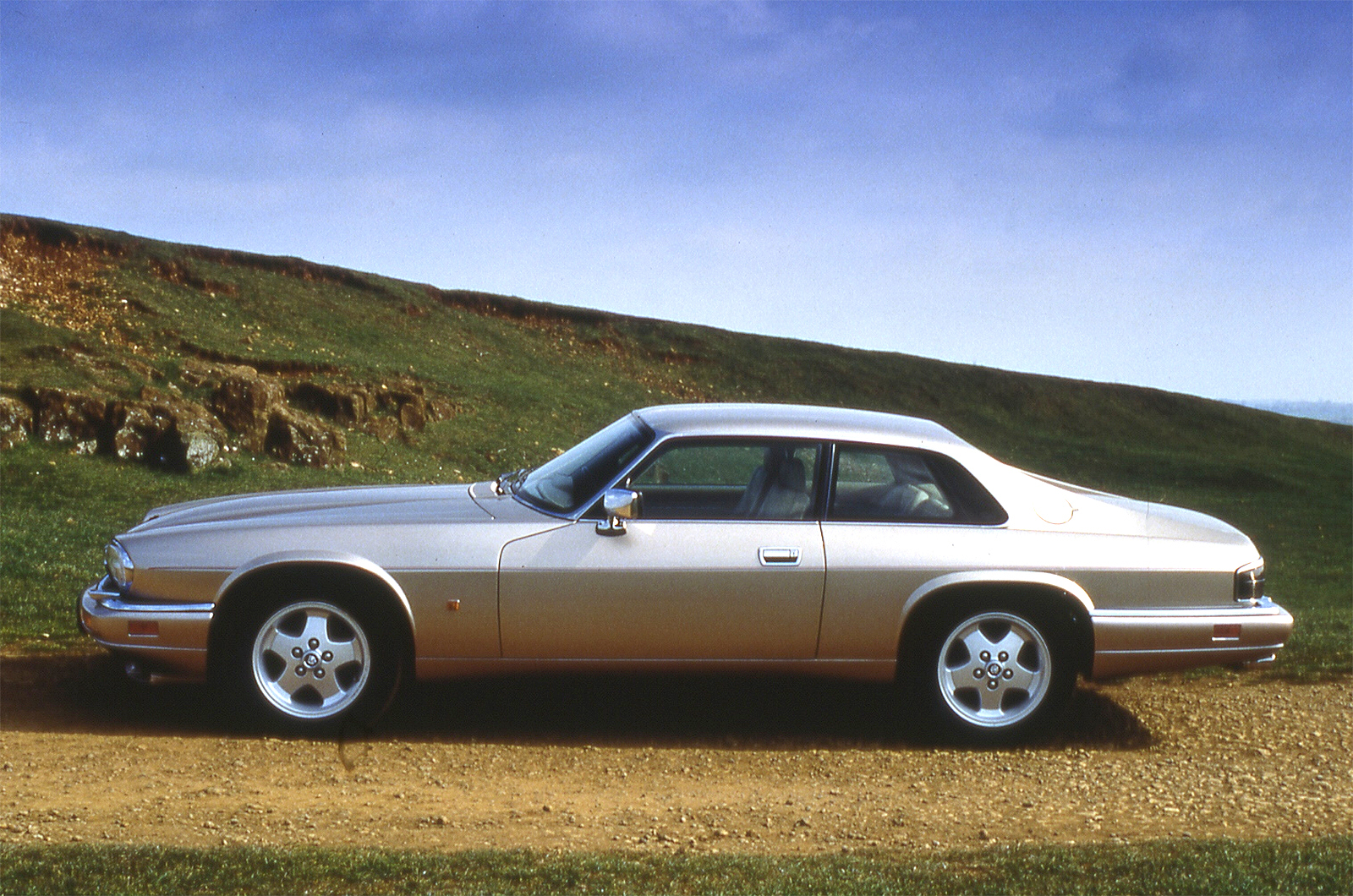
The XJS was never meant to replace the E-Type, but a lot of people didn’t get that; comparisons were made and the XJS was always going to come second best. Now that the XJS’s 50th birthday is nearly upon us the market has latched on to the fact that actually this is a very desirable grand tourer, in coupé or convertible form with straight-six or V12 power. Decent ones can be found from £8000, and values are heading up.
Honda/Acura Integra Type R (1996-2000)
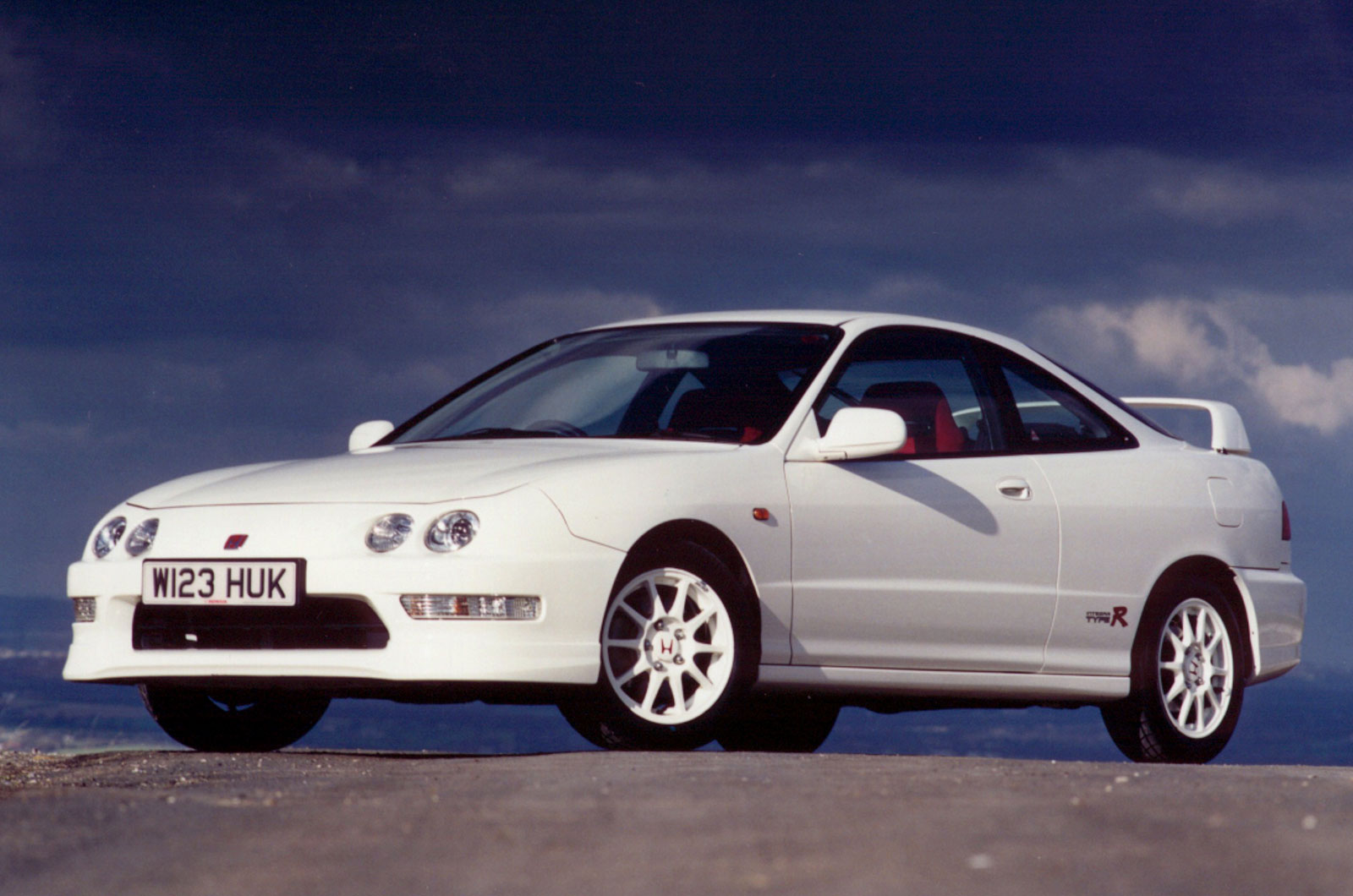
Many reckon the DC2 Integra Type R to be the finest-handling front-wheel drive car ever made. Fitted with a 1.8-litre VTEC engine that’ll rev to almost 9000rpm, the Integra weighed just 1080kg thanks to being put on a strict diet. Few good cars are left as most have been abused and/or modified, but there are superb examples waiting to be found... From £10,000.
Porsche 968 (1992-1995)
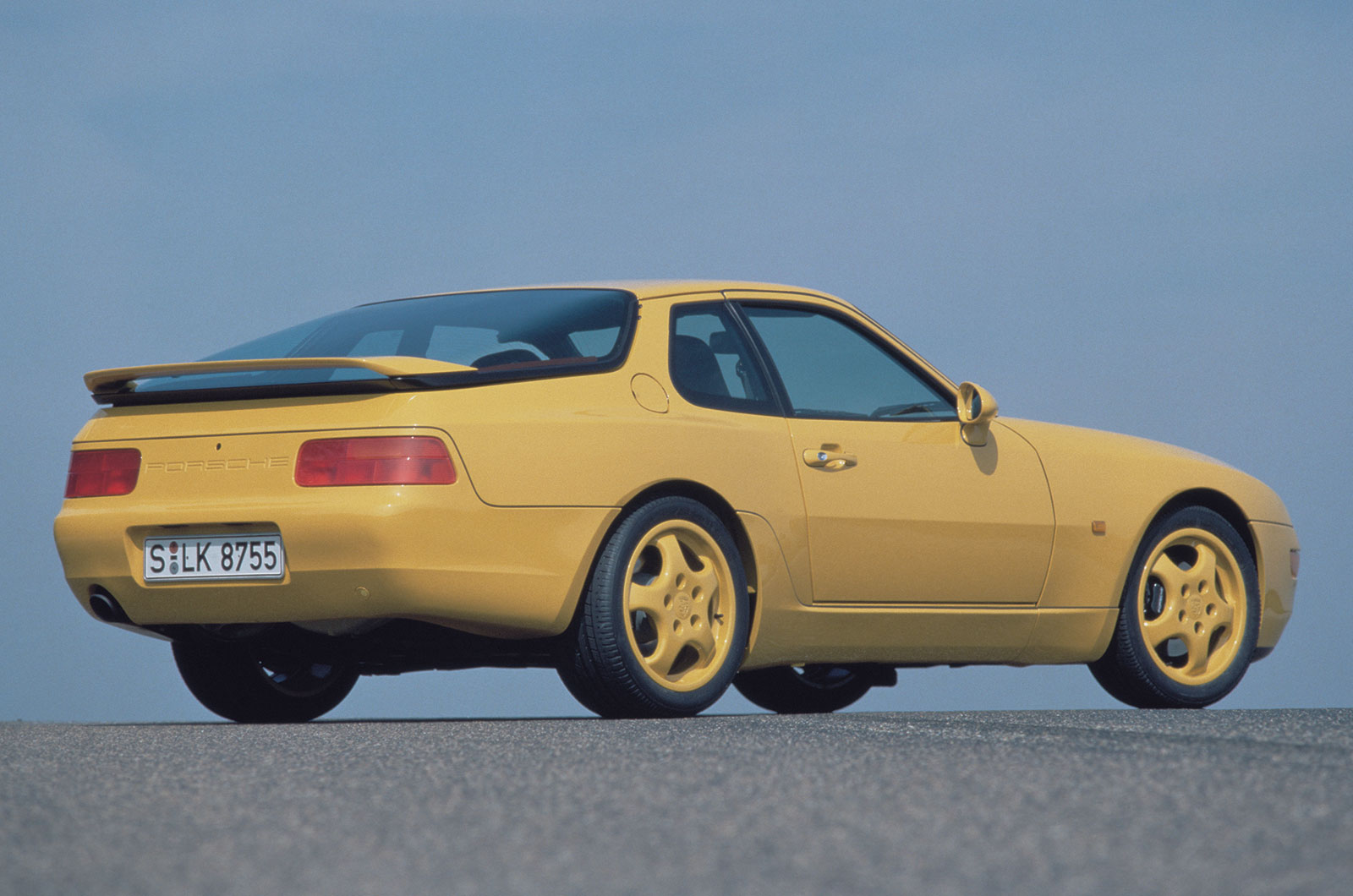
While the 968’s low spot might not be as low as some of its rivals, it appears to have hit it and values are starting to climb – gradually. At some point that rate of increase is likely to increase though, which is why we’d suggest you get ahead of the curve. The Club Sport is the obvious one to go for – but any unmolested 968 is worth a look. Prices from £15,000.
Honda S2000 (1999-2009)
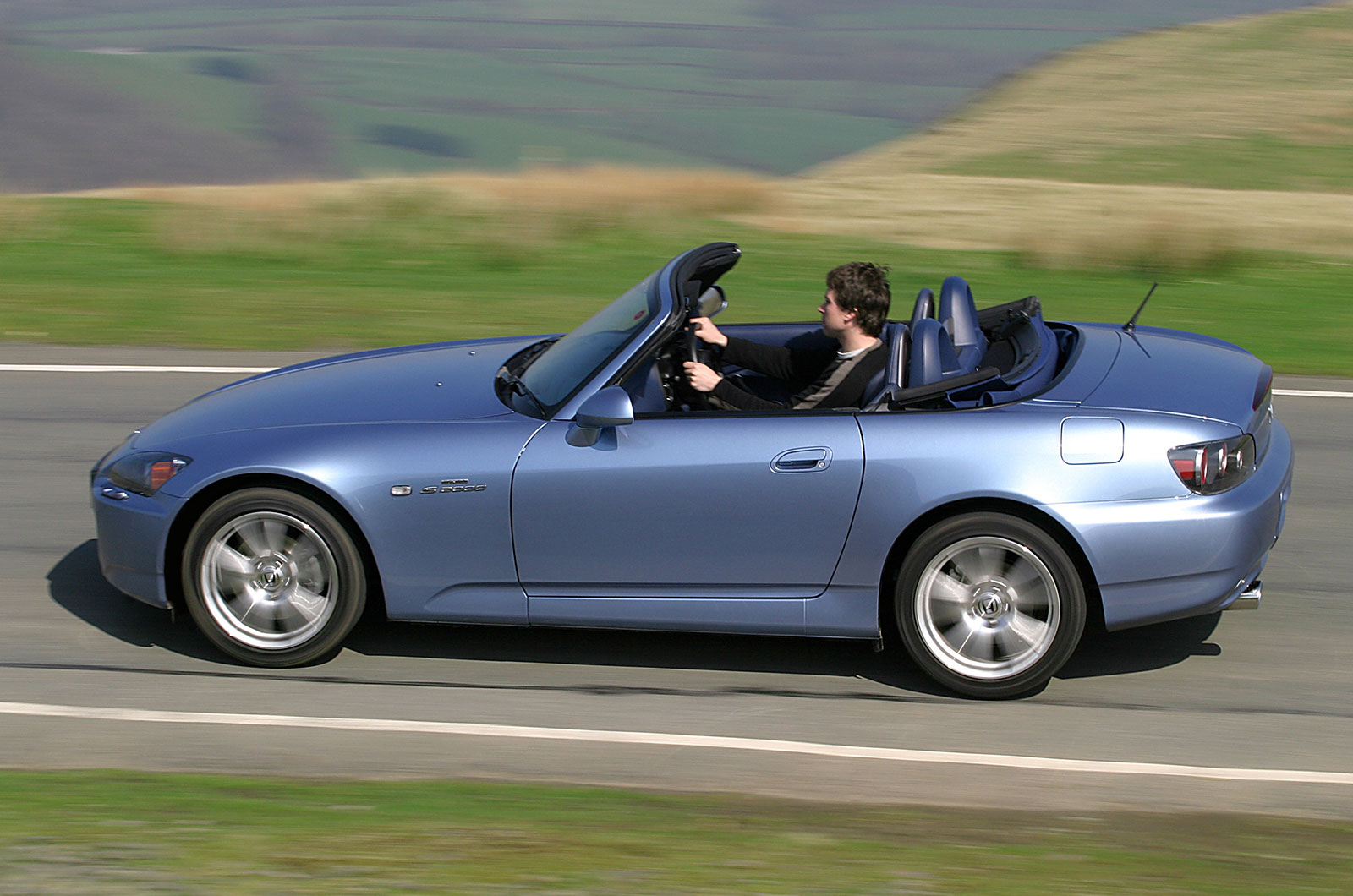
Honda didn’t hold back when it developed a two-seater VTEC-powered roadster to mark its 50th birthday. It was so thorough with the S2000’s development that the car wasn’t ready in time and it was unveiled a year late – which only made it all the more worth waiting for. With 237bhp it’ll do 150mph and 0-60mph in just 6.1 seconds – but too many have been crashed or badly modified. Respectable examples from £8,500.
Lotus Elan M100 (1989-1994)
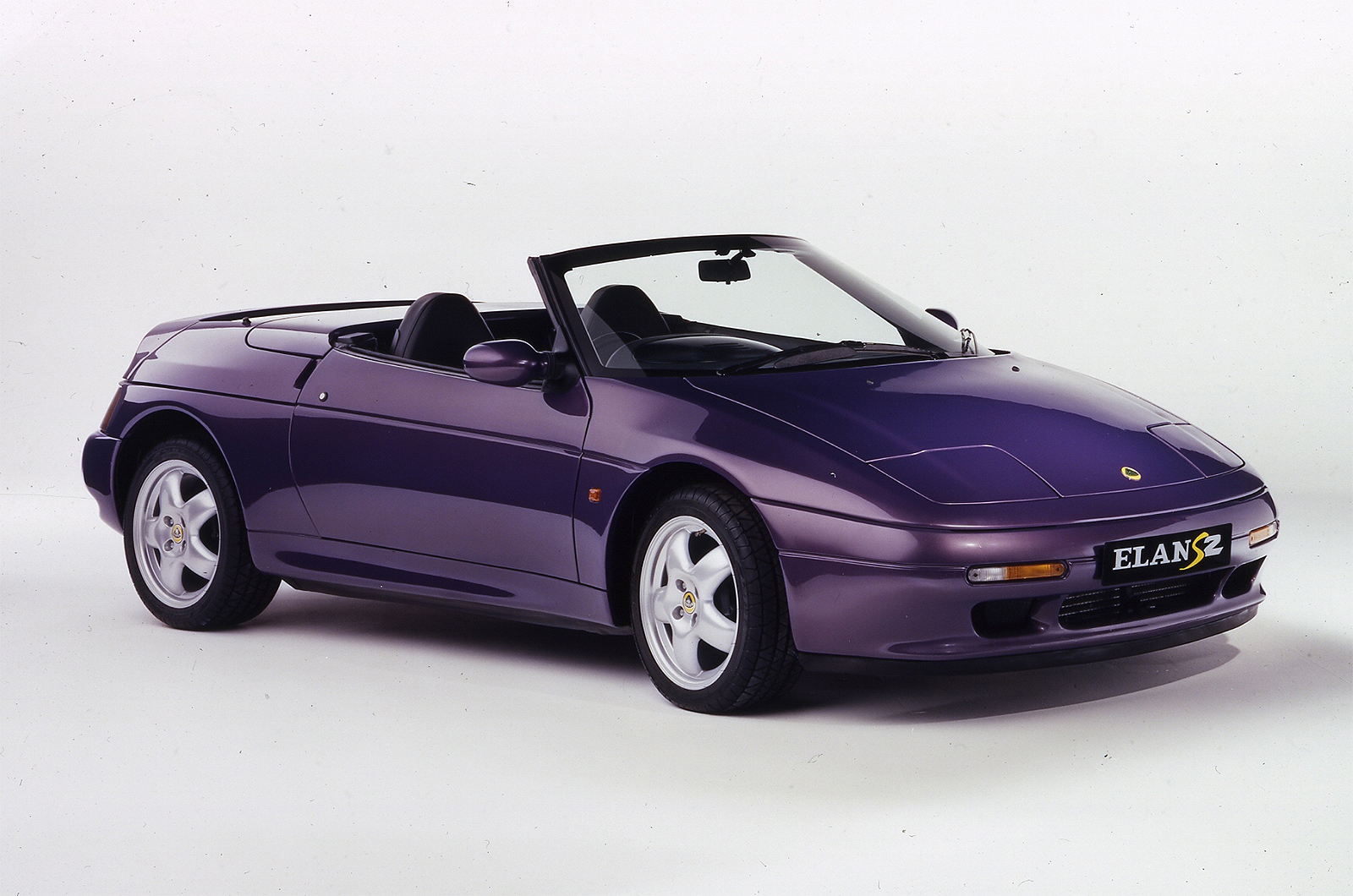
It took a long time for the original Elan’s values to catch up with what it was really worth, and that was a landmark car. In some ways this front-wheel drive edition is an automotive high point too, and while it’ll never reach the dizzy heights of the sixties model, we reckon the Elan M100 is a safe long-term bet. From £6000.
Mercedes-Benz SLK32 AMG (2001-2004)
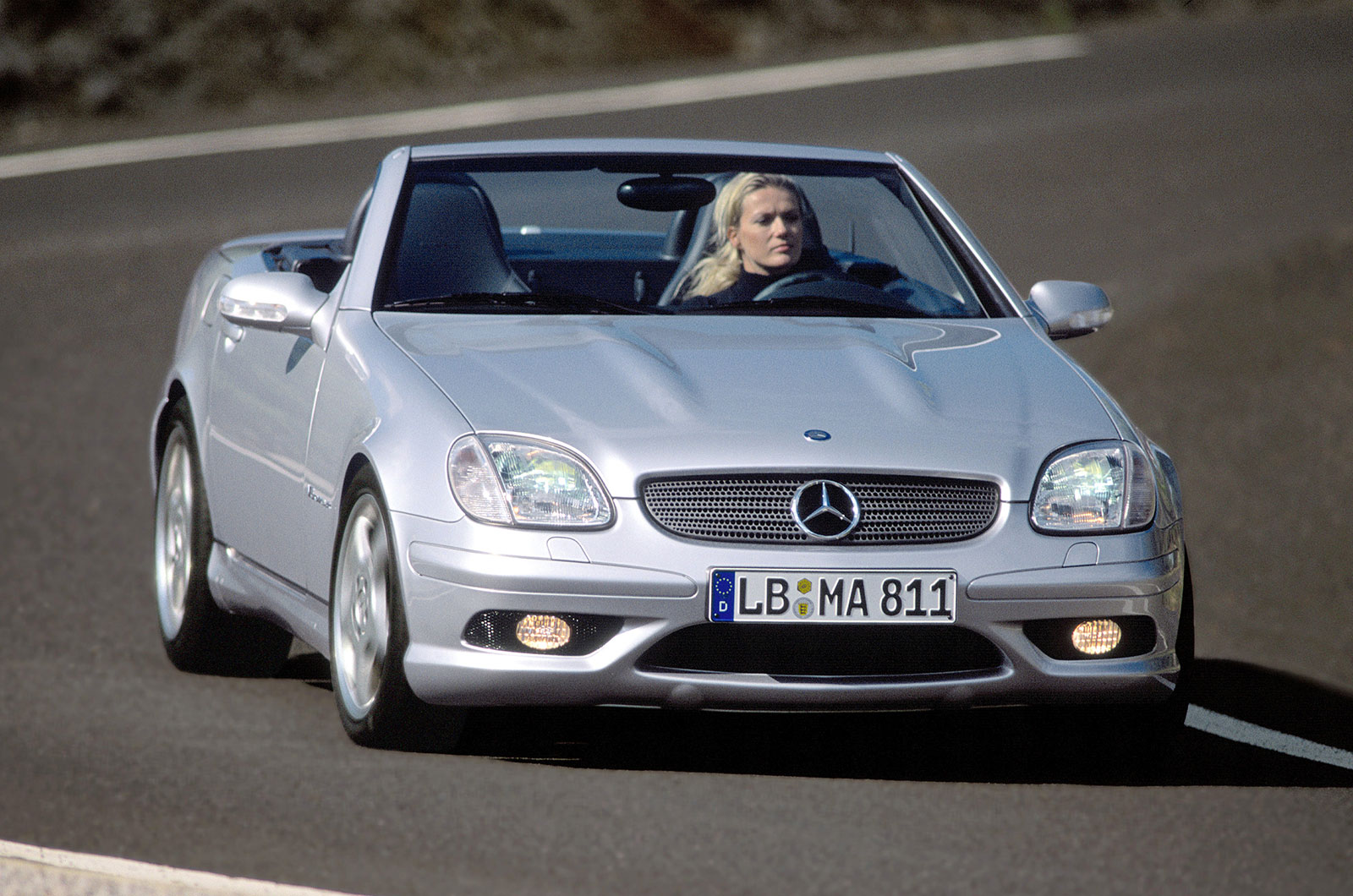
Mercedes built well over 300,000 examples of the original SLK, but only a few of the 354bhp supercharged V6 AMG model were made. As the halo model this is the variation on the theme that’ll become sought after. From £7700.
Ford F-150 SVT Lightning (1999-2001)
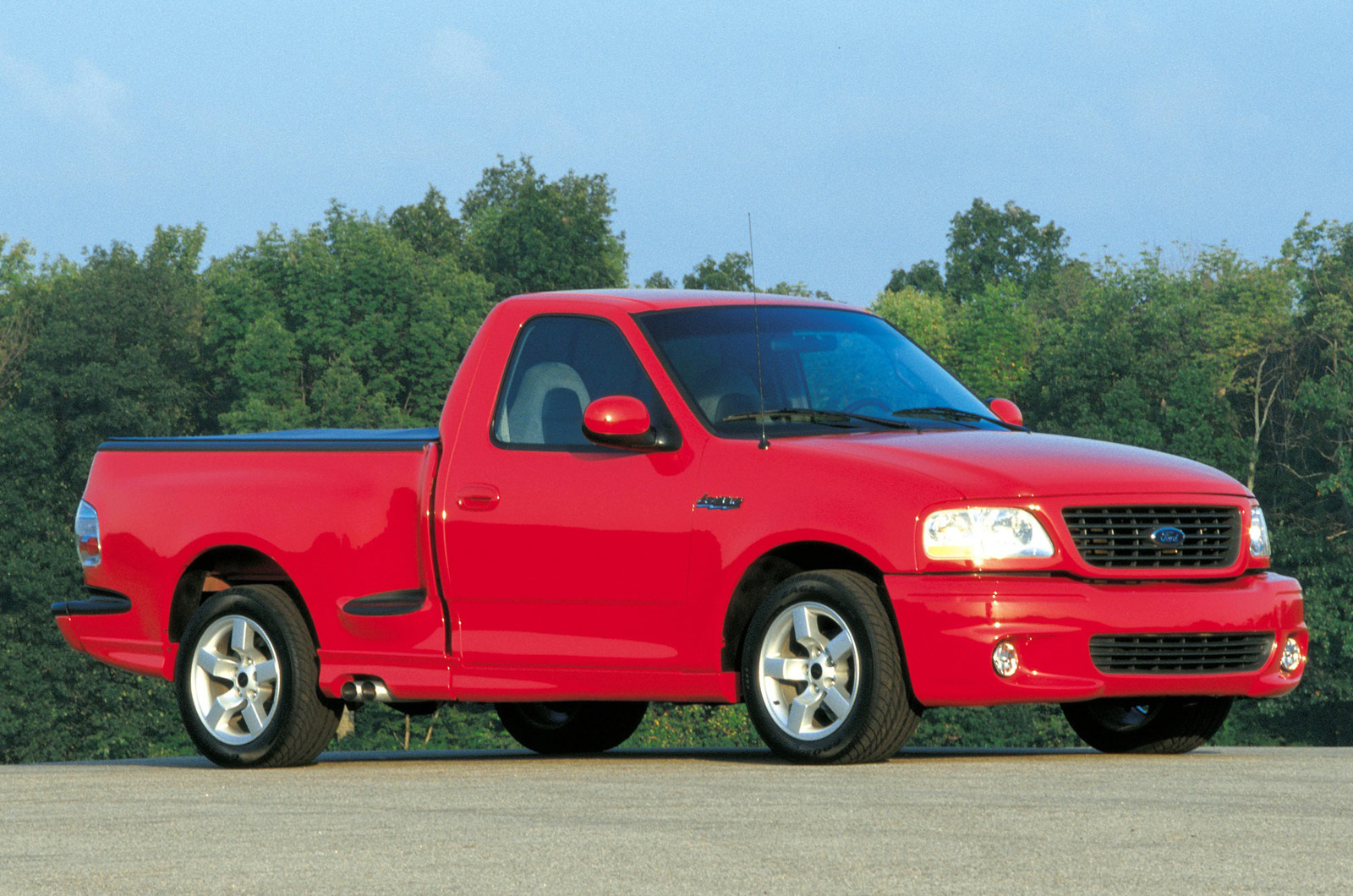
While most pickup trucks rely on powerful engines to tow or haul, the Ford SVT Lightning summoned its generous displacement to go fast. Starting with an F-150, Ford’s Special Vehicle Team (SVT) made suspension tweaks to improve handling and dropped a supercharged, 354bhp 5.4-litre V8 in the engine bay. The second-generation Lightning instantly became the Mustang of the truck segment.
Production stopped in 2004. The F-150 Raptor occupies its spot in the Ford lineup today, but it’s a completely different beast that puts an emphasis on off-roading rather than drag racing. The Lightning already has a cult following in America, maybe the UK is next; from £22,000, and extreme rarity should help preserve and grow values.
Datsun 240Z (1969-1974)
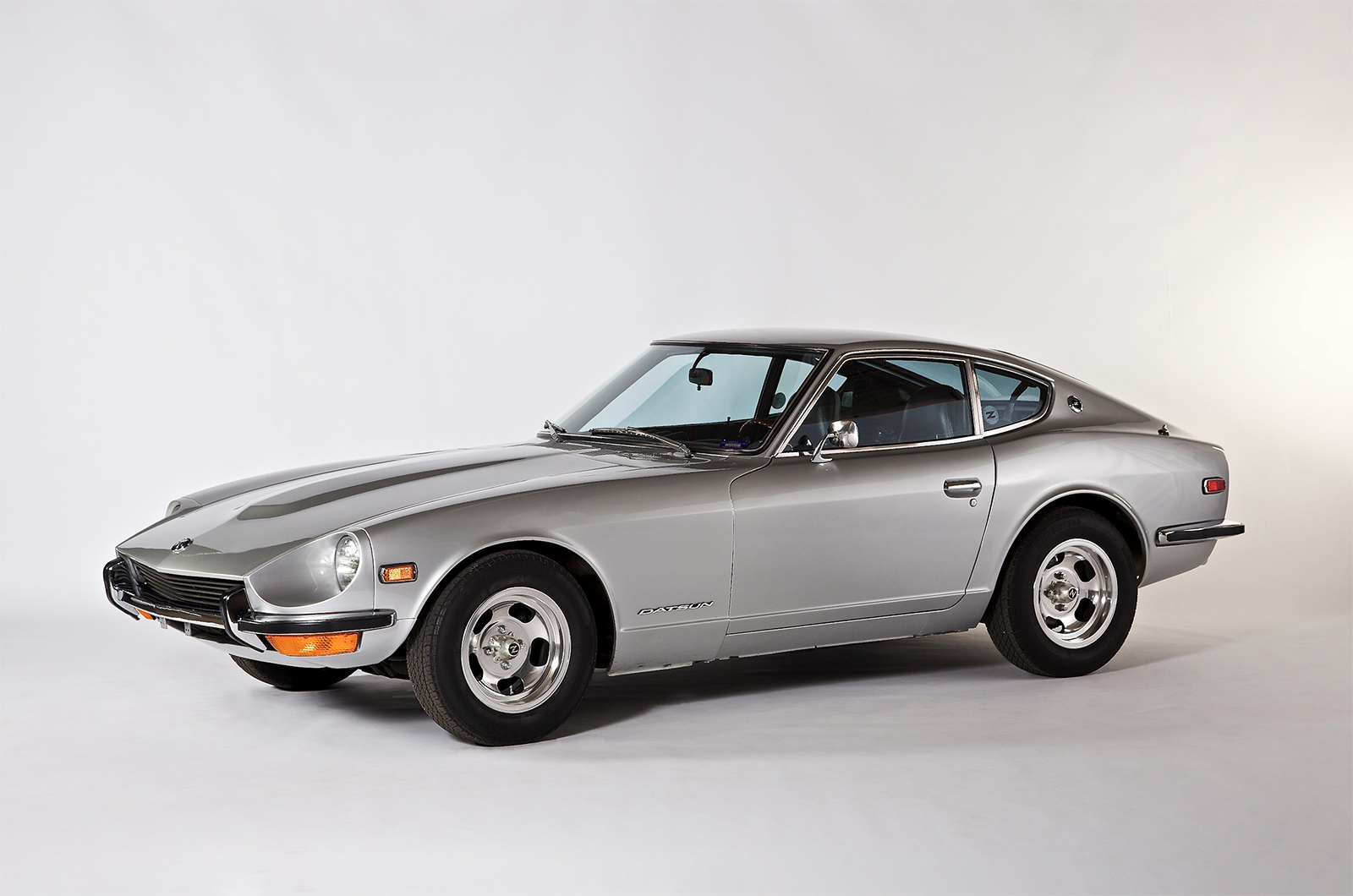
For a car that first appeared almost half a century ago you’d think the 240Z might be worth more than it is. After all, this is the car that (for most people) launched the Z-car revolution, yet values remain resolutely affordable. Too many Zs are tatty or modified but if you encounter a good, original and rust-free car snap it up; from £25,000, with prices heading firmly up.
Triumph Stag (1970-1977)
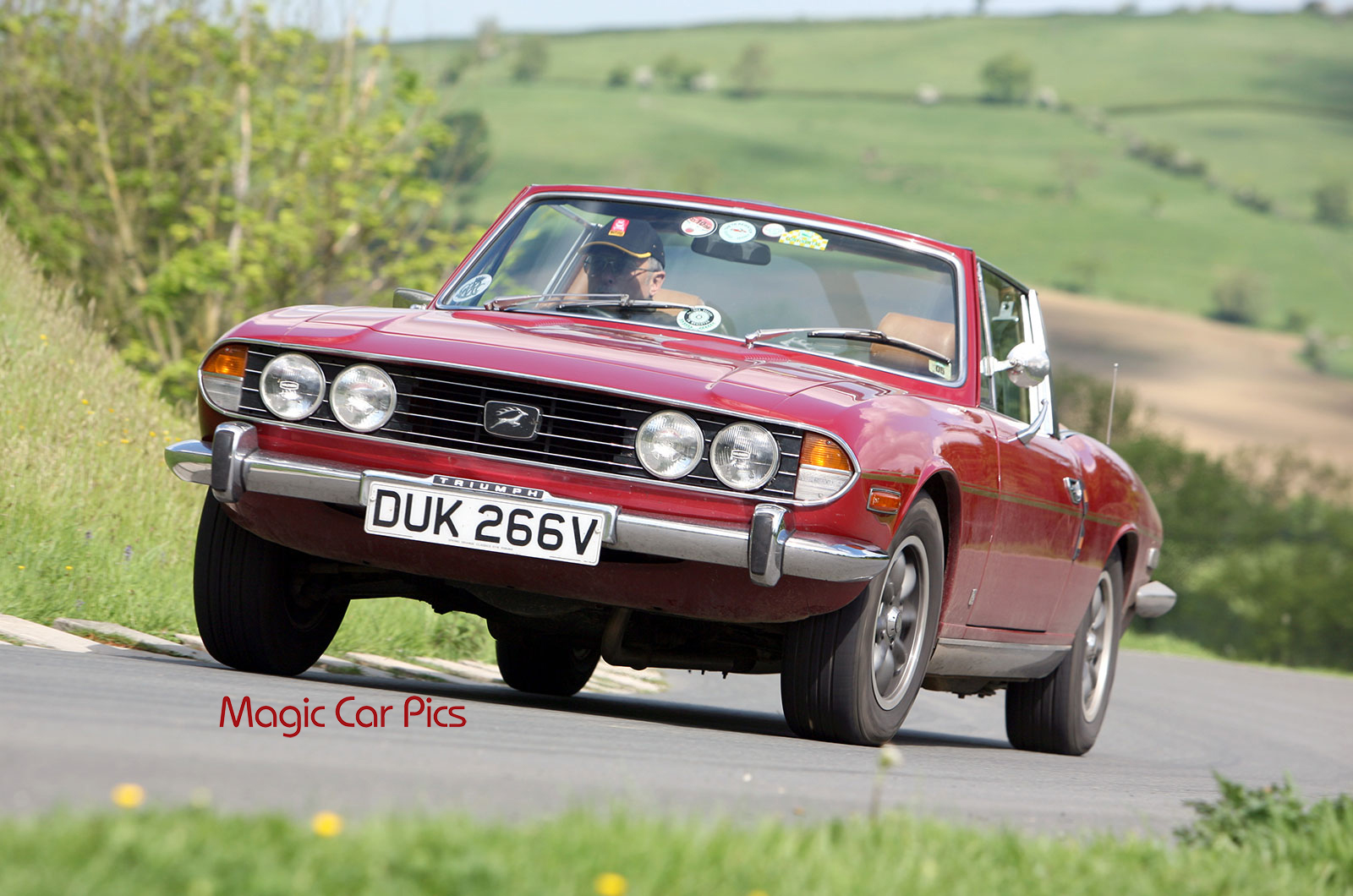
Nicknamed the Snag in period and saddled with an appalling reputation for unreliability, fewer than 26,000 Stags were built during a seven-year production run. Glitches can now be ironed out and for the the price of a city car you could have a V8-powered four-seater convertible that’s dependable and we feel sure is bound to increase in value. From £13,000 for a decent one.
Mazda RX-7 Mk3 (1992-2002)
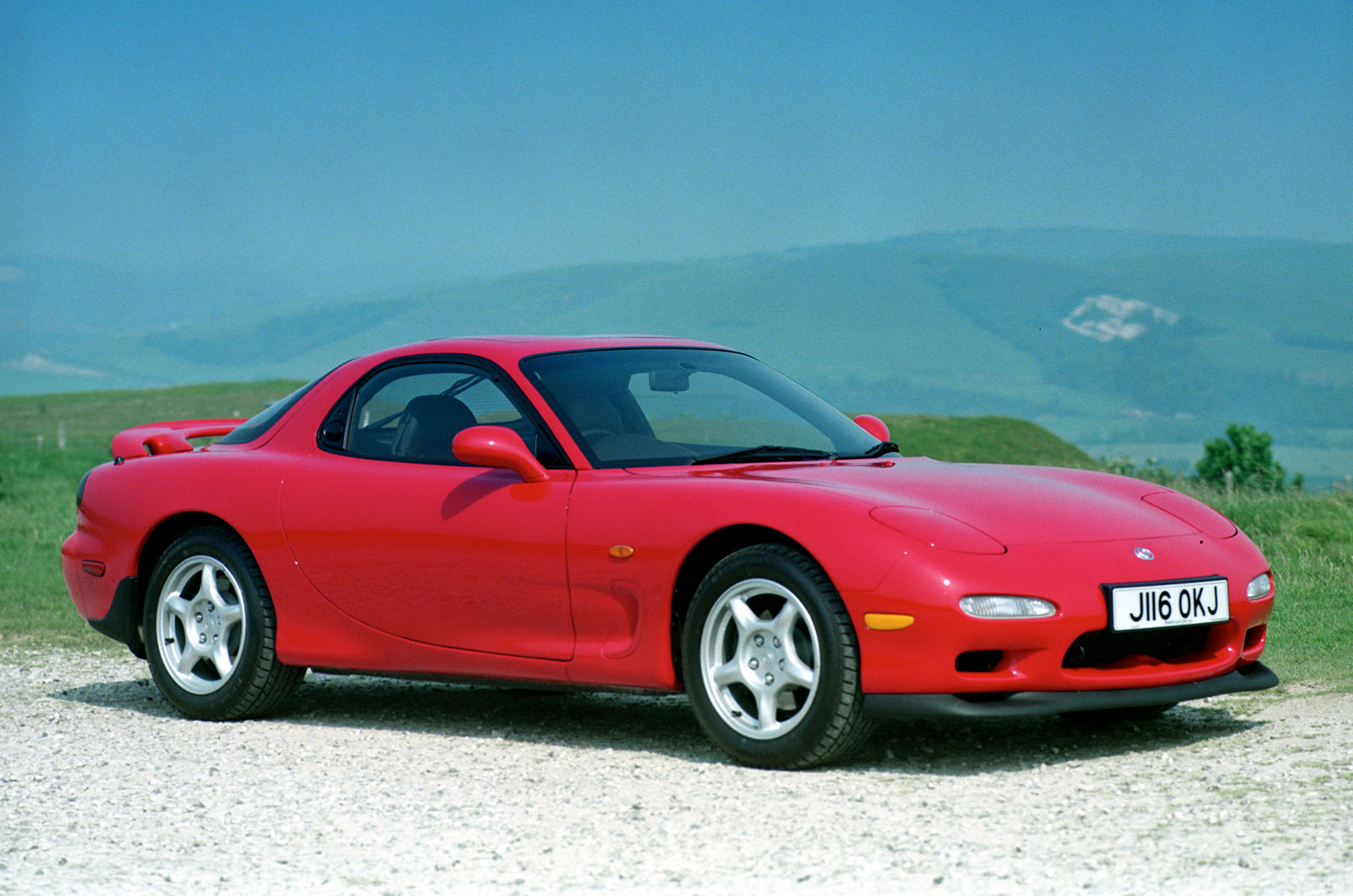
The first two generations of RX-7 were nice enough, but for the third take Mazda got serious with a 252bhp twin-turbo model that could do 0-60mph in 5.4 seconds on its way to a 153mph top speed. As good to drive as it is to look at, few unmolested RX-7s remain, but if you can find one snap it up, as the market is heading up. Prices from £22,000.
BMW 8 Series (1990-1999)
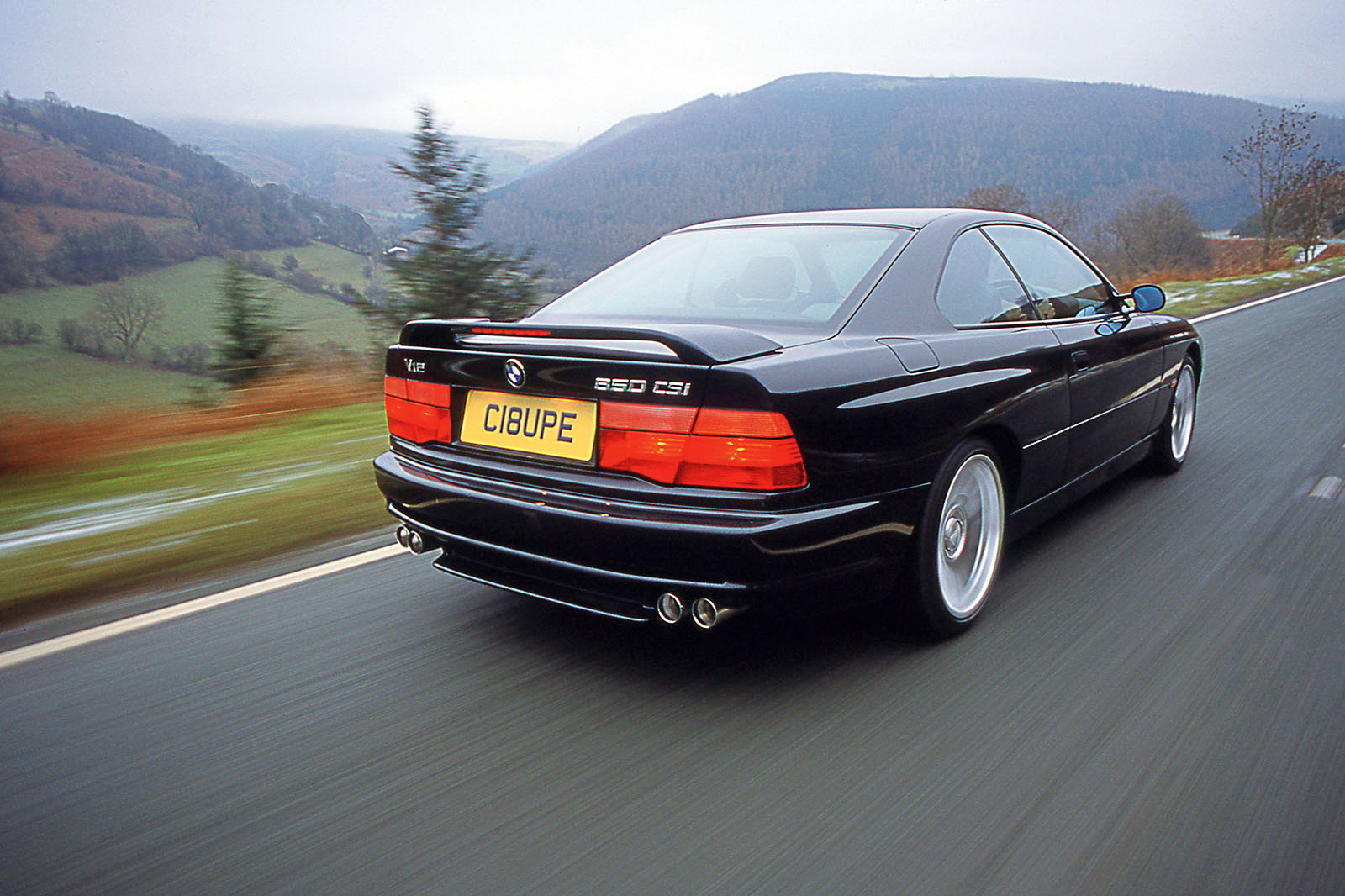
Until recently the E31 8-Series was largely forgotten, but it’s starting to get more coverage. That’s partly down to BMW launching a new 8 Series; suddenly the stylish 90s coupé is back in the limelight. Madly expensive when new, values have already started to climb but we reckon there’s still a fair way to go. From £14,000.
Mercedes-Benz E63 AMG (W211, 2007-2009)
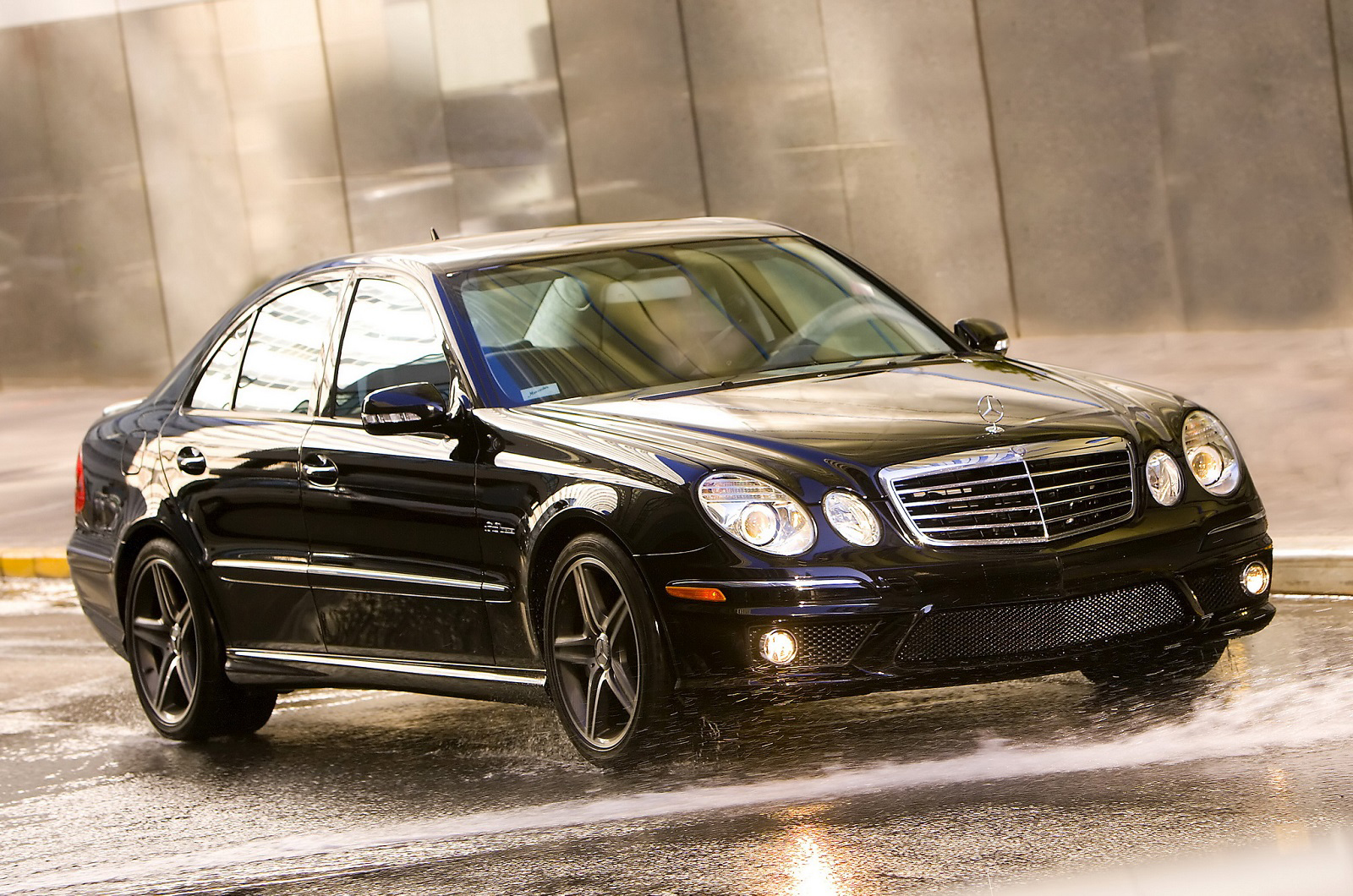
A naturally aspirated 514bhp V8 made the Mercedes-Benz E63 AMG one of the quickest executive sedans in the world, and a luxurious interior made it a delightful place to travel in. Buyers got a lot of car for the money.
Today, a W211-generation E63 sets you back roughly £11,500 in the UK. The biggest hurdle is finding one that’s been properly maintained rather than refitted into a contender for Fast and Furious 17.
Dodge Ram SRT-10 (2004-2006)
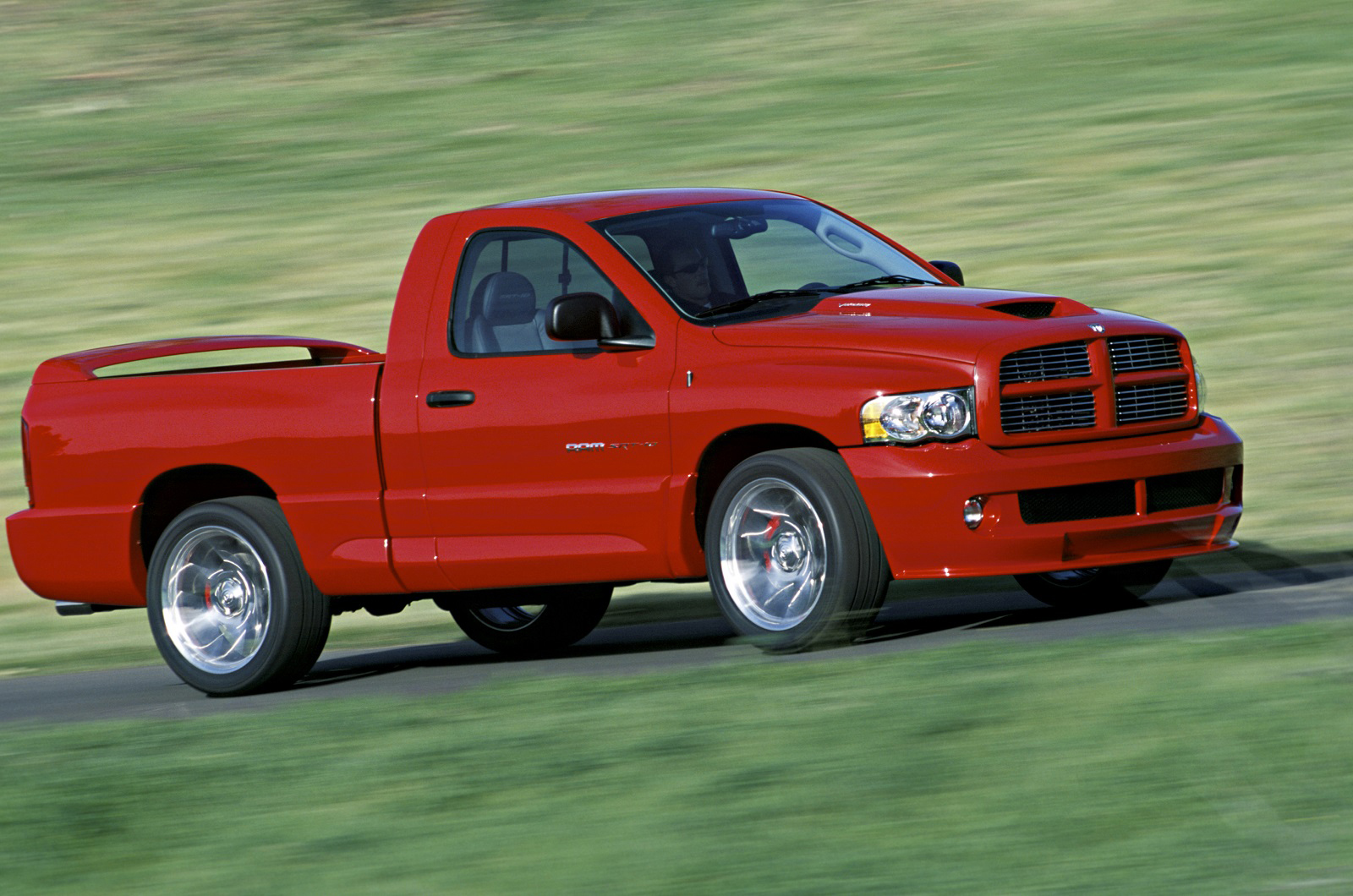
Dodge executives muttered “anything you can do, we can do better” when they saw Ford’s F-150 Lightning. It took them a few years, but they shoehorned an 8.3-litre V10 taken from the Viper under the hood of a 1500 pickup truck. Transmission options included a six-speed manual and a four-speed automatic. Engineers made numerous suspension modifications to keep the 10-cylinder’s 500bhp output in check.
The mechanical upgrades were accompanied by a model-specific body kit, including a spoiler which rendered the pickup box all but useless, and diehard Viper fans could order racing stripes. Dodge euthanized the Viper earlier this year, so we’re unlikely to see another V10-powered Ram anytime soon. UK prices start around £26,000.
Chevrolet Corvette (C5, 1996-2004)
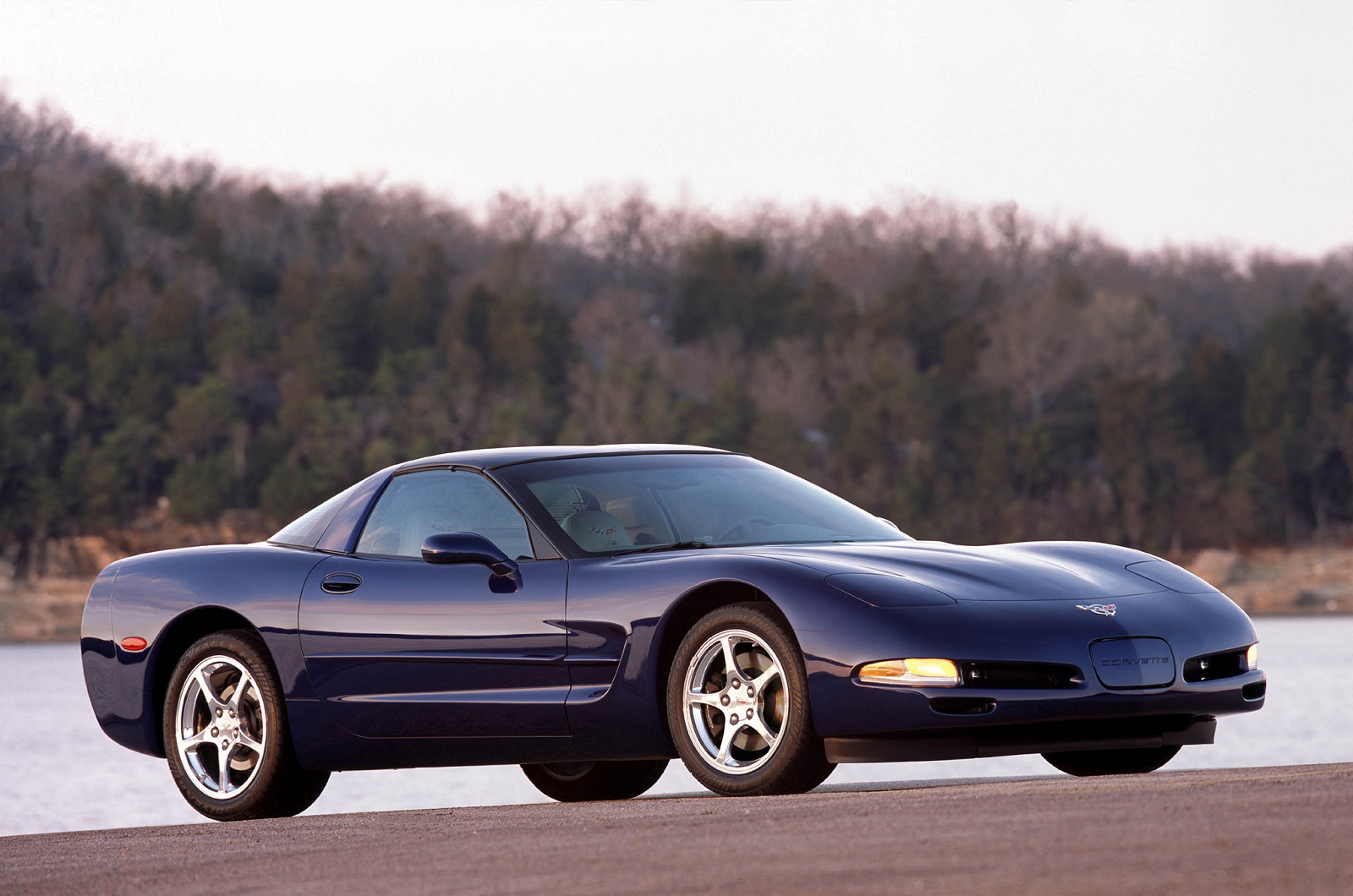
Every Chevrolet Corvette goes through a phase where it becomes the sports car for those who can’t afford one. That’s where the C5-generation ‘Vette stands right now. It’s good news for enthusiasts on a tight budget because the C5 blends performance with daily drivability and a surprising amount of tech. Notably, it was offered with a head-up display and variable-assist steering.
Prices could drop even more in the coming years, but sooner or later the C5 will fetch big bucks at big-name auctions. Never formally sold in Britain, UK prices for unofficial imports start around £15,000.
Porsche 911 (996-series, 1997-2005)
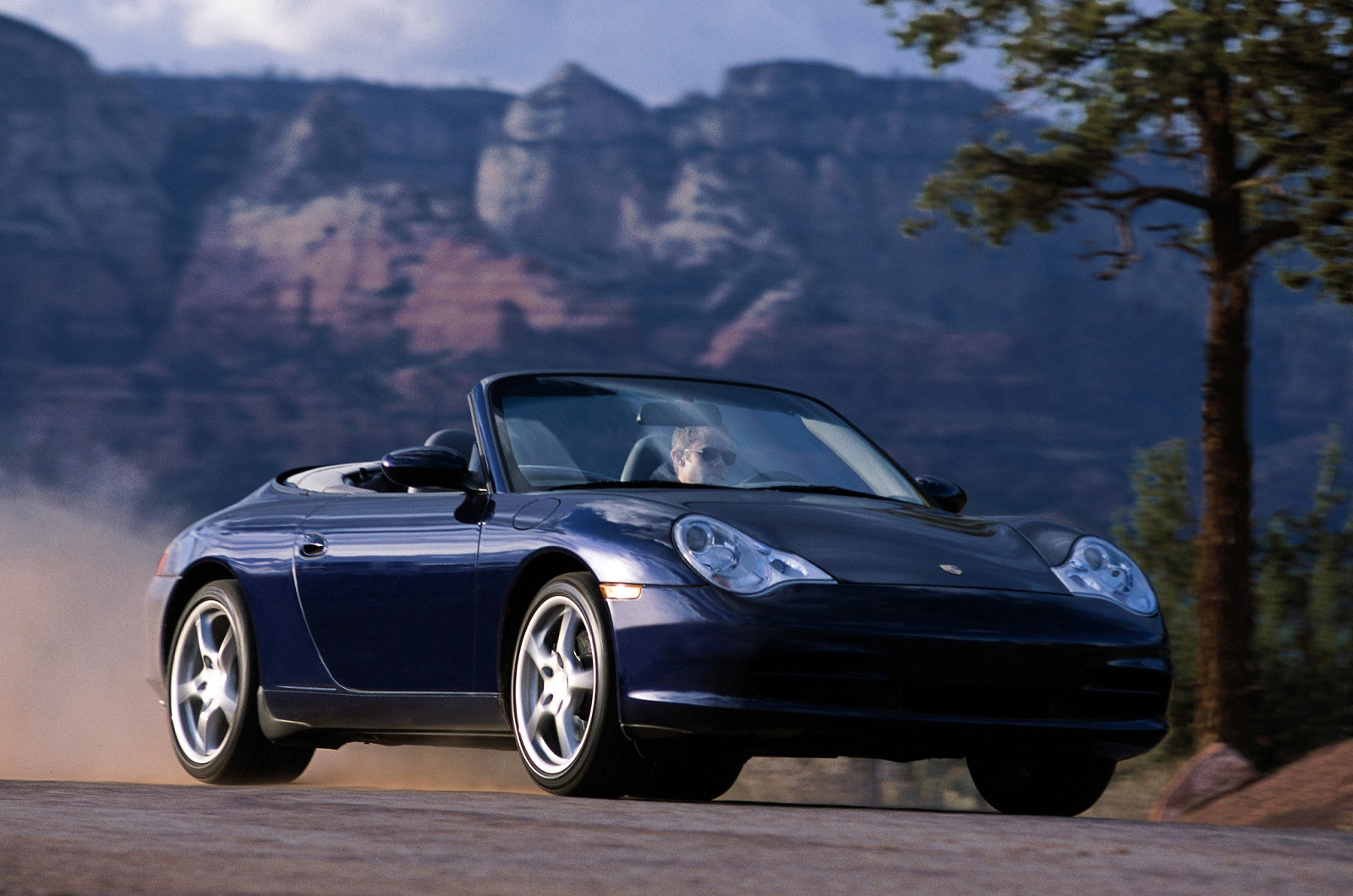
With a new platform and a water-cooled flat-six, the 996-series Porsche 911 marked a new beginning for the emblematic rear-engined sports car. Brand purists weren’t on board; they decried the styling and longed for the old air-cooled six. The ugly duckling reputation still sticks with the 996 as it enters the collector car market, and the model’s expensive appetite for IMS bearings doesn’t help its popularity.
Here’s what naysayers forget: it’s still a 911. It’s better to drive than many sports cars built in the same era, it simply puts a different spin on the original car’s character. 996 values are heading north. Prices start at £13,000 range for a clean, rear-wheel drive example. Buy one before the self-proclaimed purists realise they can no longer afford an air-cooled model.
Nissan Skyline GT-R R32 (1989-1994)
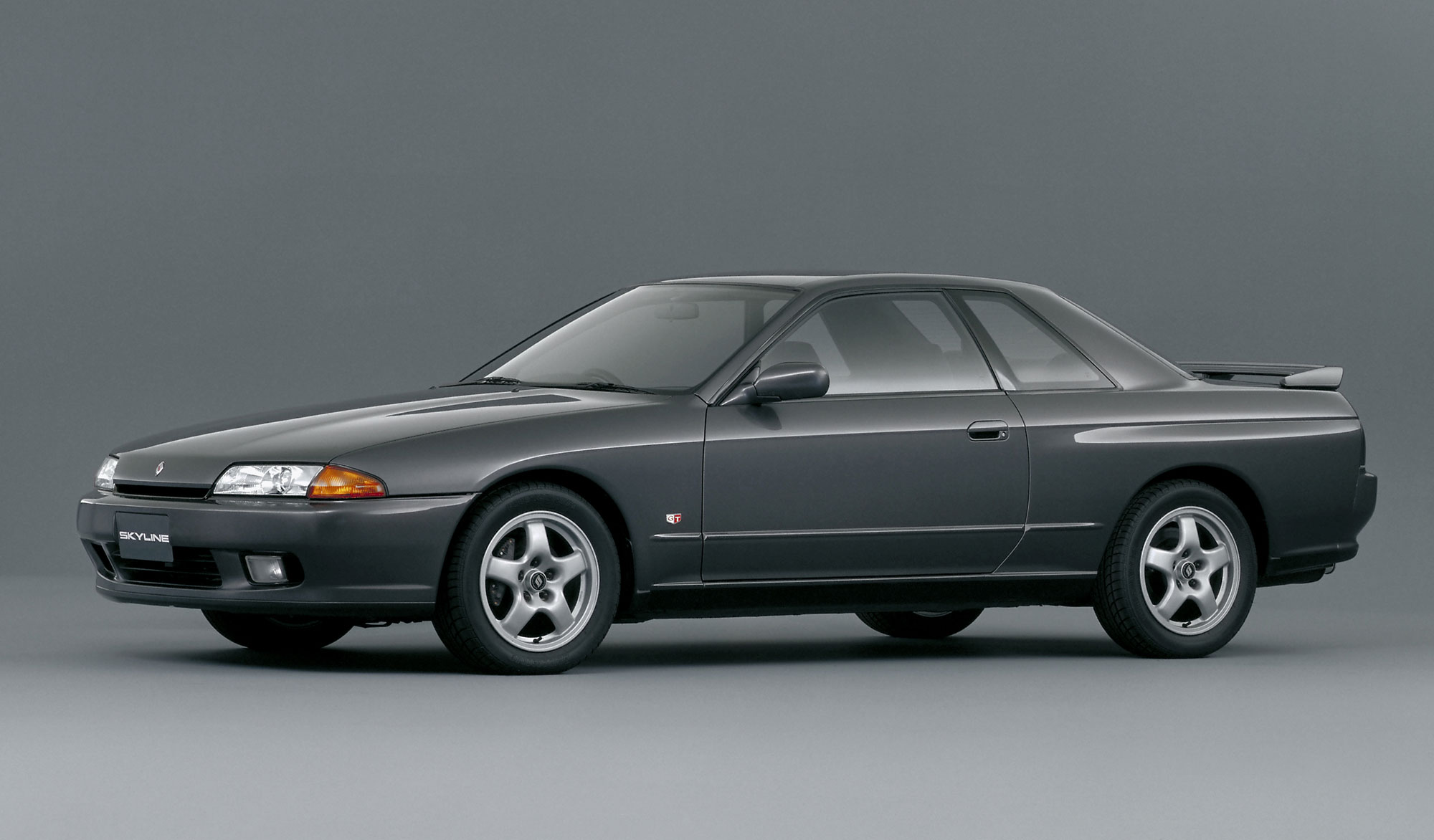
The Skyline brand goes all the way back to 1955 but it wasn’t until the GT-R R32 of 1989 that things got serious. This was the first mega-tech Skyline; the four-wheel drive system featured sensors galore that sampled 100 times each second, there was four-wheel steering and a twin-turbo 2.6-litre twin-cam straight-six rated at 276bhp – but which can be tuned to give over 1000bhp. Most are modified but that’s fine – if it’s done well and tastefully. From £44,000, and heading up.
DeLorean DMC-12 (1981-1982)
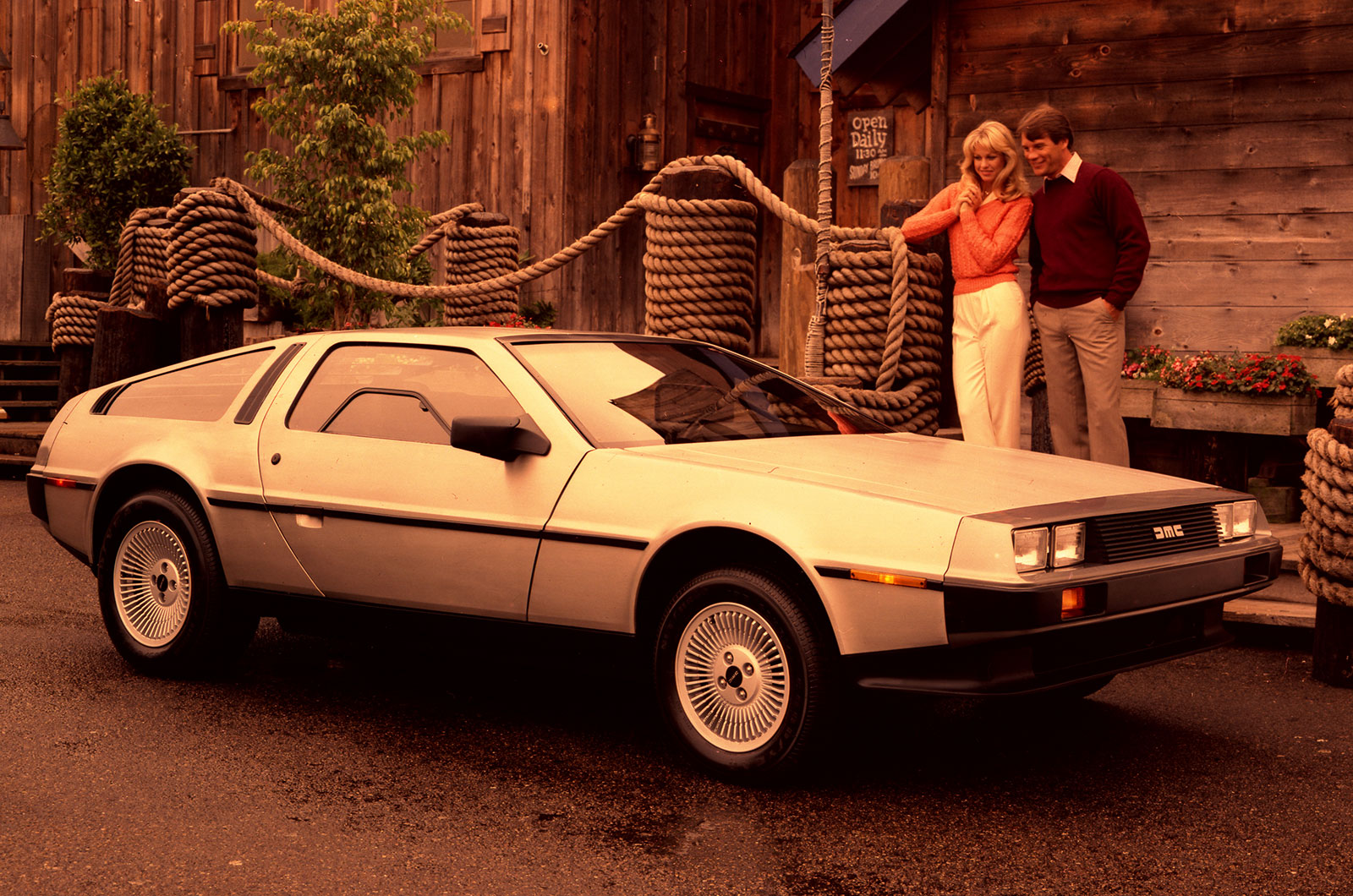
It was a sales disaster, the build quality was dubious and it wasn’t that great to drive. But sales volumes were low and the DeLorean’s leading role in the Back to the Future franchise ensures it remains in the public eye and is perceived as desirable – and hype is all you need for values to just keep climbing - just ask Bitcoin speculators. And at least with this you get to show it off and drive it. From £35,000, with values firming.
Lotus Esprit (1987-2001)
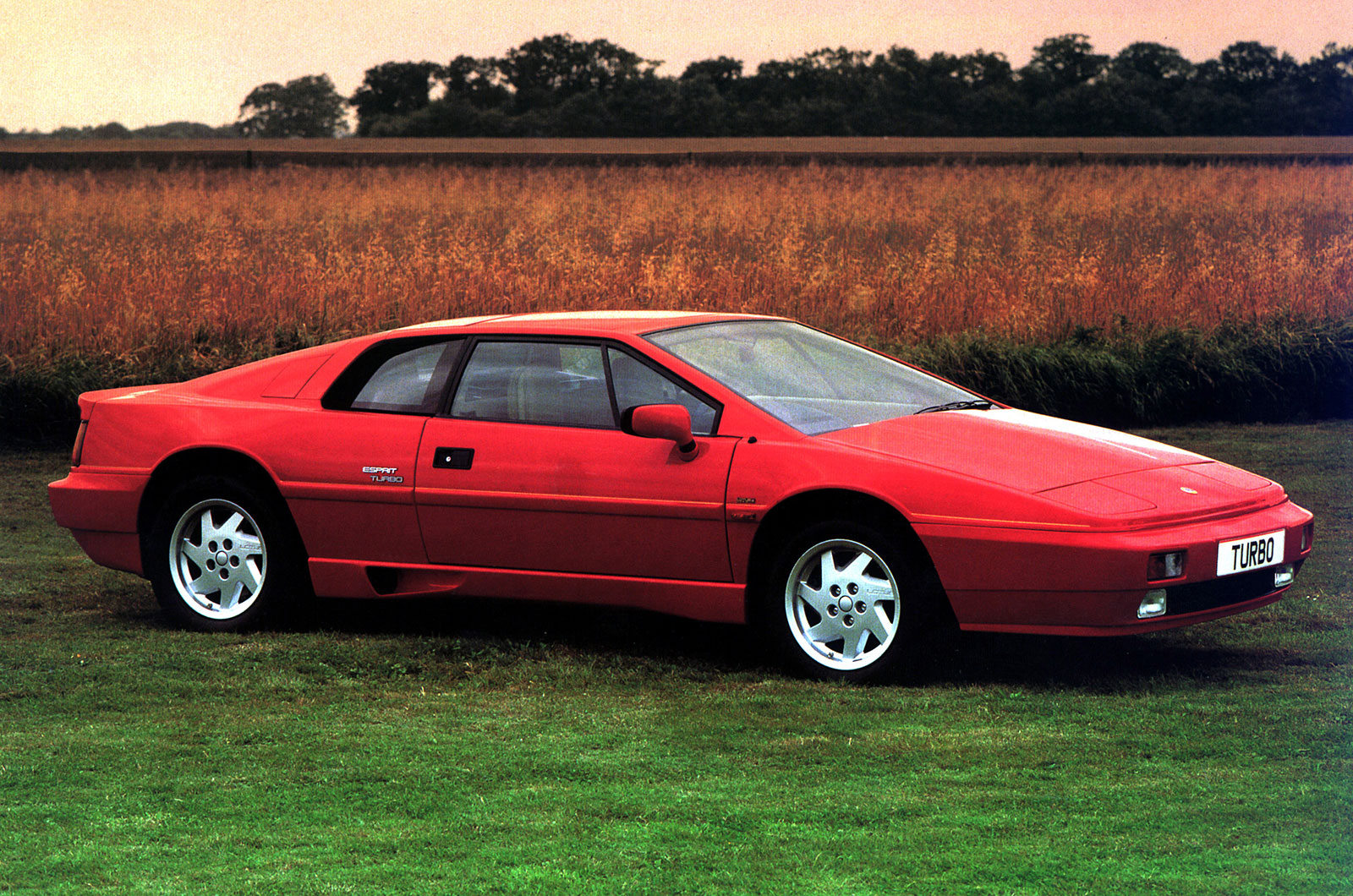
Examples of the original Giugiaro-designed Esprit have started to be collected and values reflect that. The later Peter Stevens-designed models haven’t taken off in the same way yet, although values have started to harden. So if you’ve fancied an Esprit V8 for a while we’d suggest you buy soon, before they’re out of reach. From £33,000.
Lotus Elise S2 (2001 on)
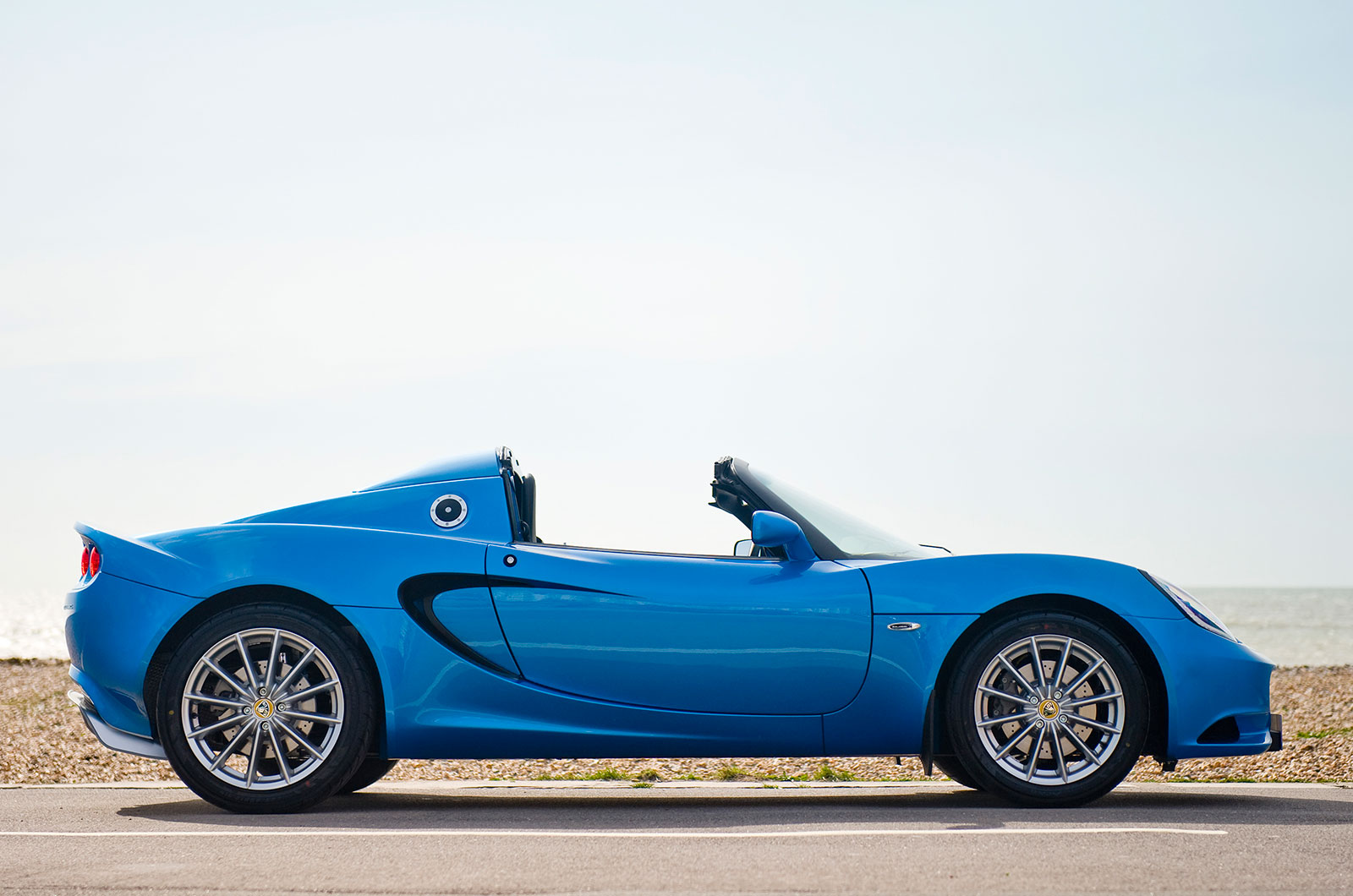
Prices for the original Lotus Elan have climbed sharply and the original Elise (1996-2001) has started to go the same way. But the second-generation Elise hasn’t proved as sought after – yet. Offering all of the qualities of the Series 1 but with greater usability thanks to a slightly bigger bodyshell, the later Elise will surely be a collector’s item in years to come. From £18,000.
Aston Martin DB7 (1993-2003)
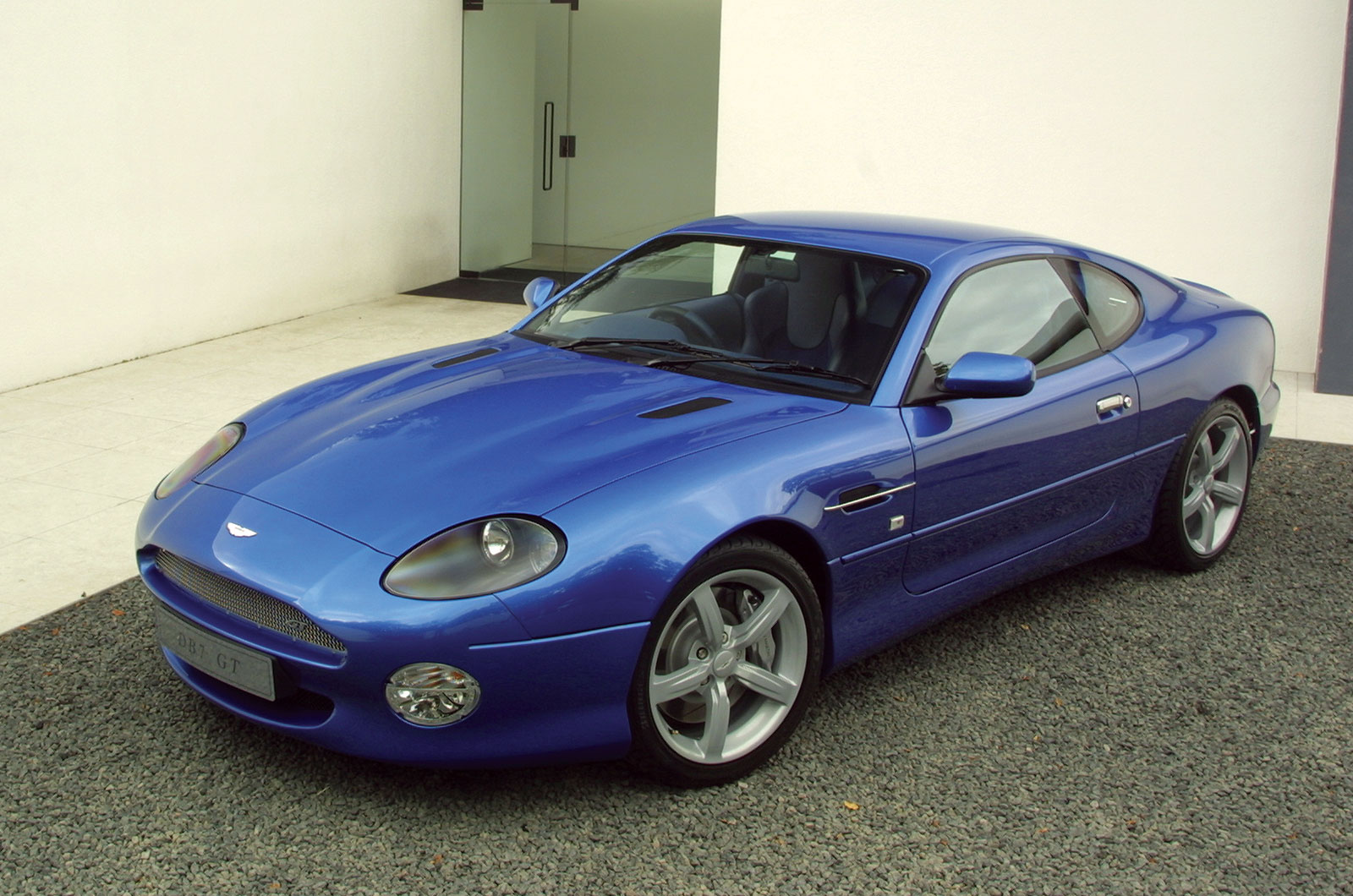
It was the car that saved Aston Martin and with more than 7000 built it’s a car that’s currently a lot more attainable than you might think. The most collectible will always be the run-out GT edition (pictured) with its 435bhp V12 mated to a six-speed manual gearbox. Lowlier DB7s are from £15,000.
Dodge Viper SRT-10 (2003-2006)
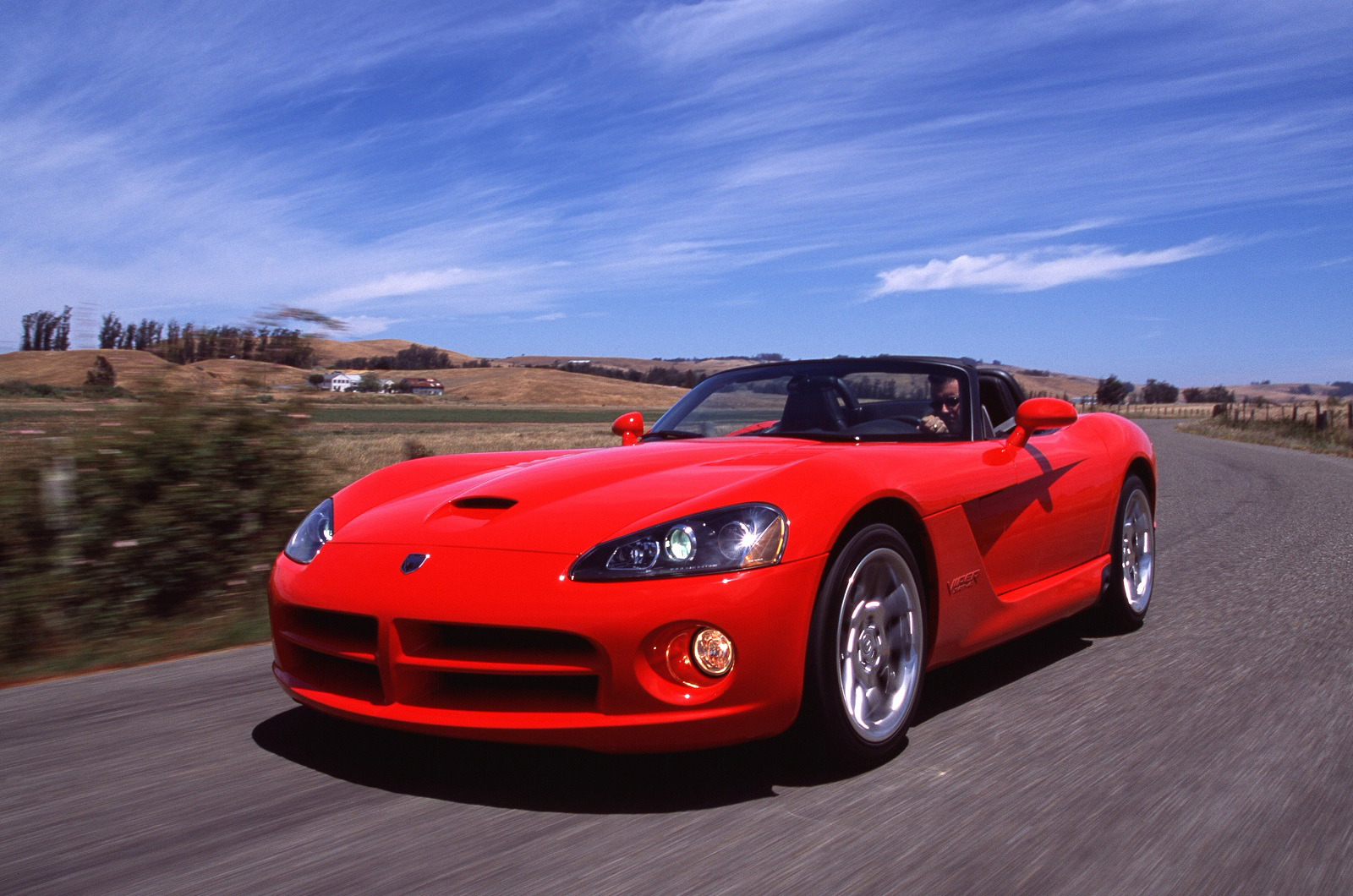
The Dodge Viper returned for a third generation in 2003. Its styling evolved according to the design trends of the early 2000s, but it still looked like a member of the Viper family. It still sounded like one, too. The third-generation snake used an 8.3-litre V10 tuned to produce a minimum of 500bhp.
The handful of privately imported into the UK sometimes trade hands in the £65,000 range. Its entry into the world of high-profile, high-dollar classic cars seems secure because Dodge ended Viper production once and for all in 2017.
Jensen Interceptor (1966-1976)
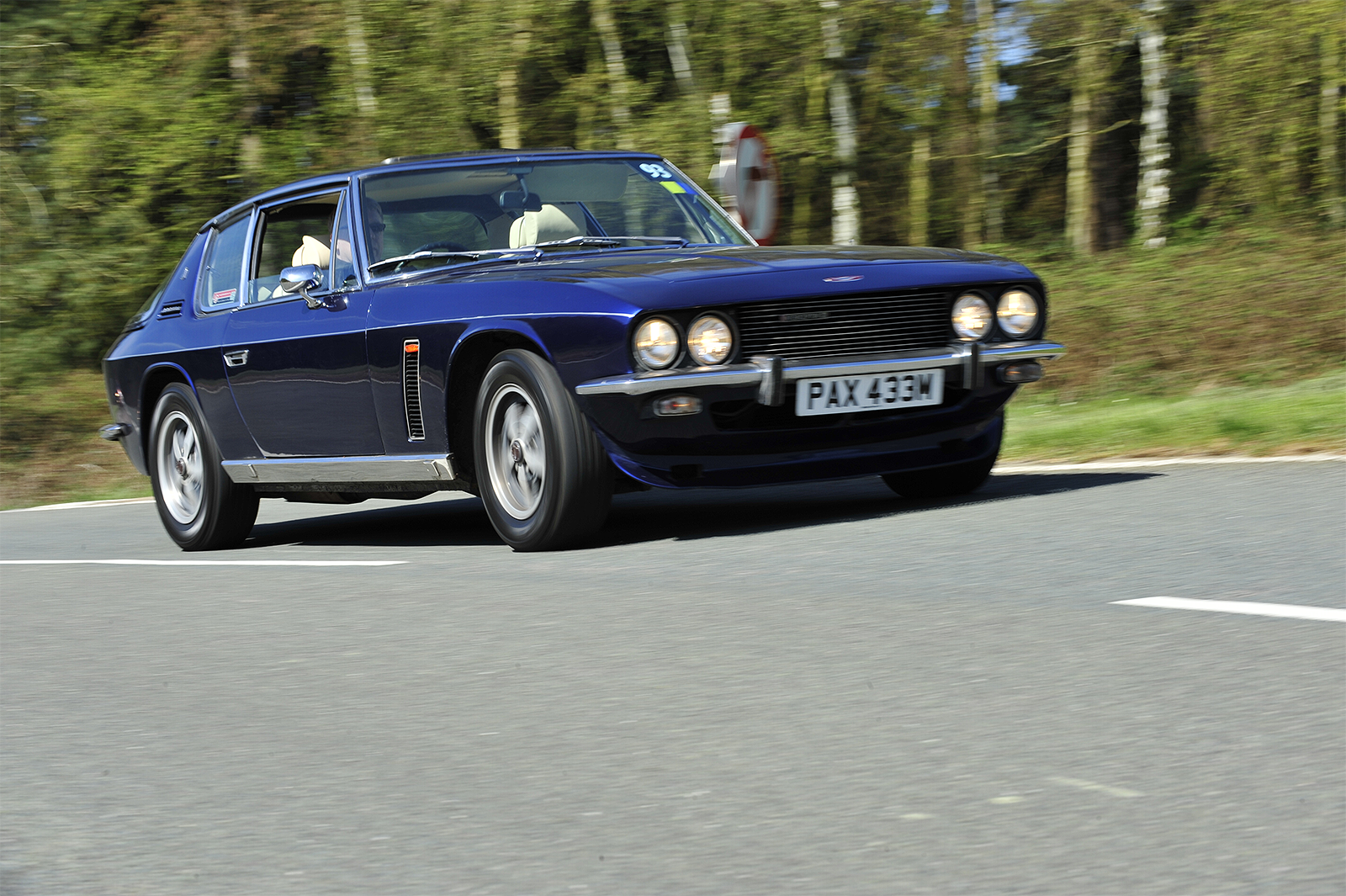
A British-built grand tourer with Italian styling and American V8 power sounds like a world beater, right? Yet the Interceptor has been worth peanuts for decades and only now are prices starting to increase. But they’ve still got a long way to go before the Jensen is correctly valued. Prices are from £50,000.
Lancia Delta HF Integrale (1987-1994)
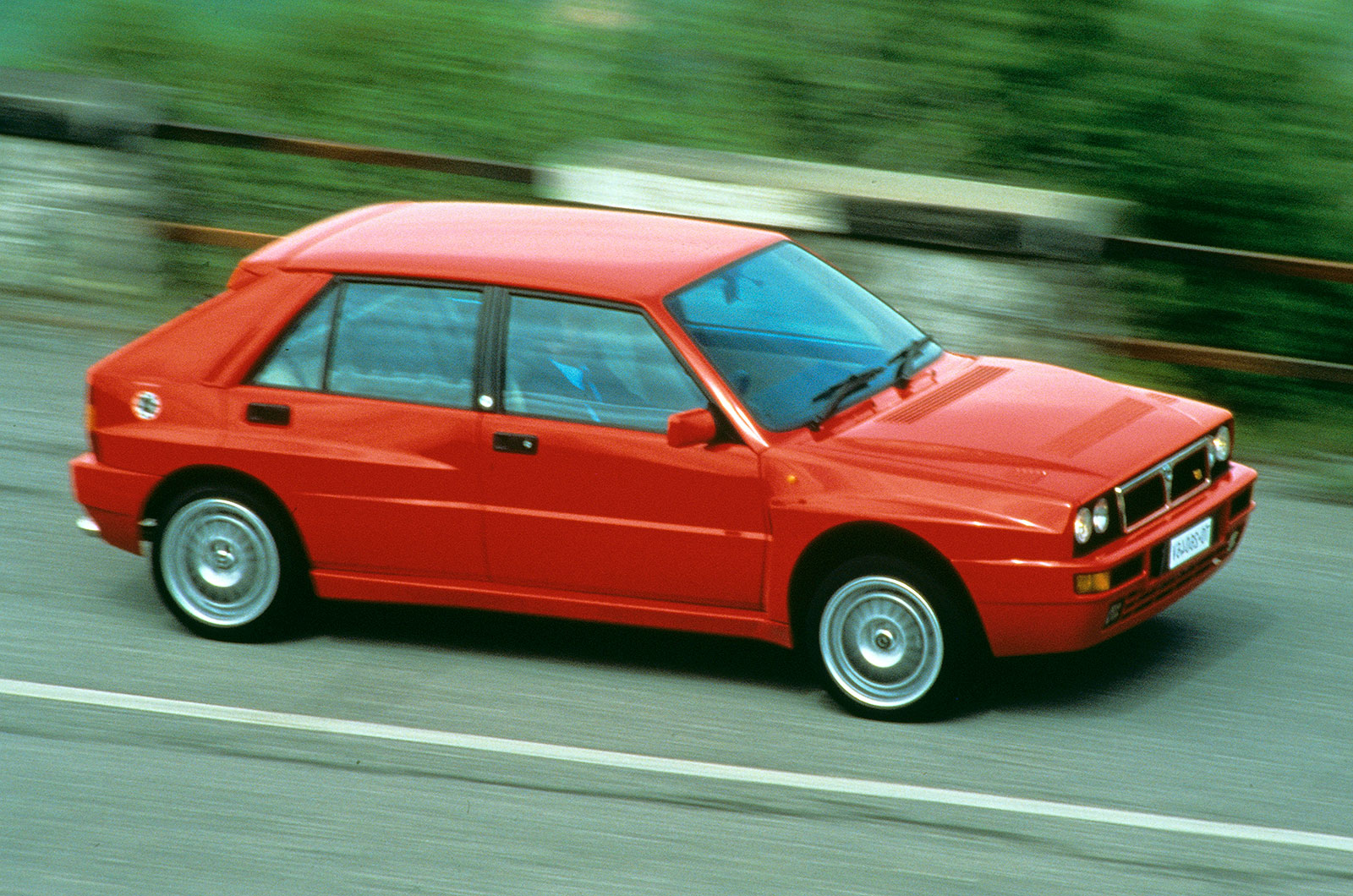
Lancia won the World Rally Championship six years in a row thanks to the Integrale, so just like the Audi Quattro that pre-dated it, classic and collectible status were guaranteed. The later (Evo) models are by far the most collectible but earlier editions are much more affordable. From £29,995.
Citroen SM (1970-1975)
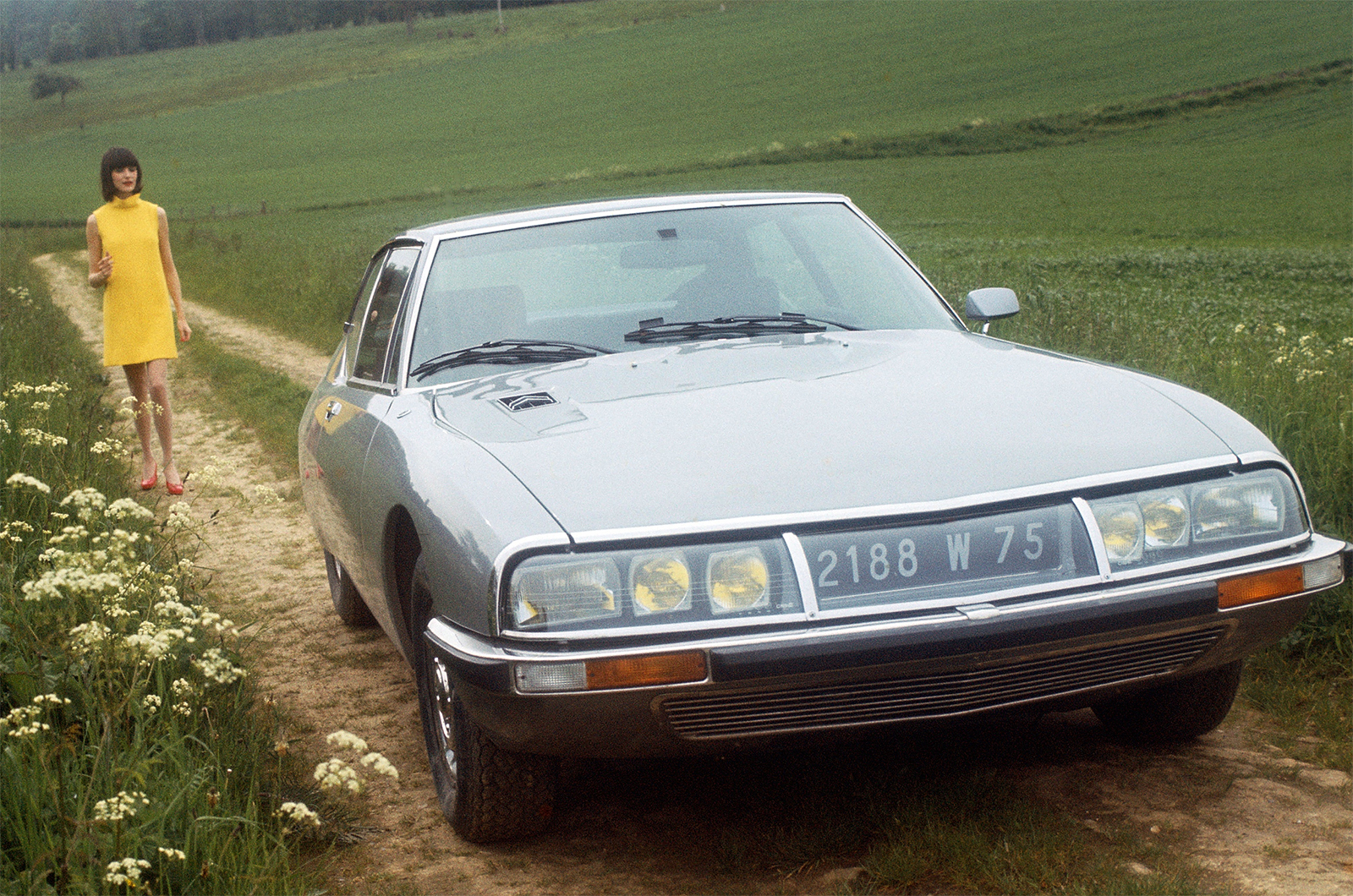
Okay, so this one is a bit of a wild card, but there are worse ways of spending money. Combine Citroen hydro-pneumatic suspension with a Maserati V6, way-out styling and limited build numbers and you’ve got a sure-fire recipe for collectability. Decent ones are avilable from £42,000.
Chevrolet SS (2014-2017)
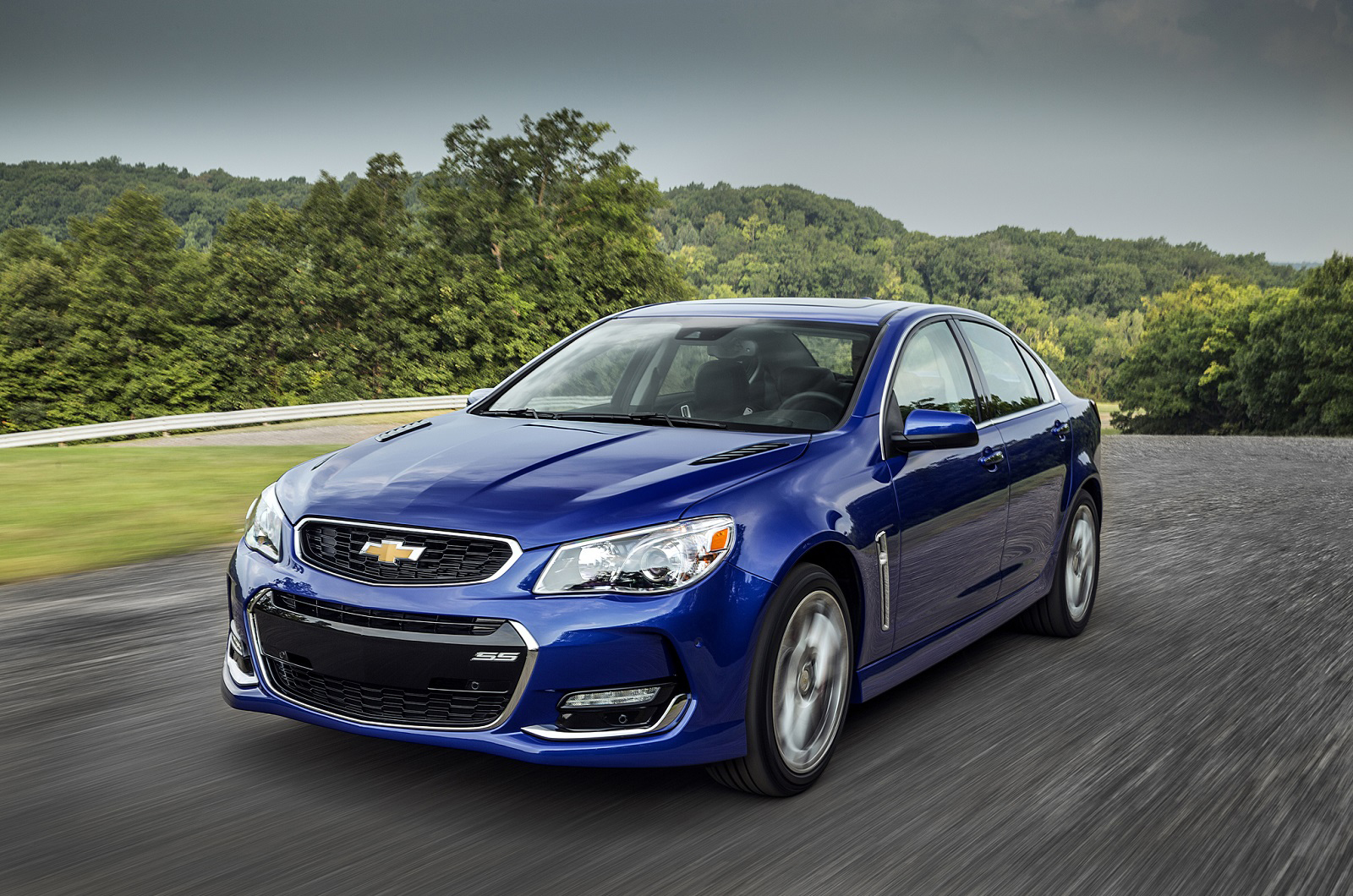
Much more than a BMW M5 for boot-wearing Texans, the SS was Chevrolet’s first V8-powered, rear-wheel drive saloon since the 1990s. It was an attempt at putting the extra production capacity at Holden’s Australian factory to good use while giving American muscle car fans a four-door option.
Holden built just under 13,000 examples of the SS, so finding a good one is going to get tough in a few years’ time. It’s likely Chevrolet’s last rear-drive V8 saloon, at least in the foreseeable future, since Holden’s factory closed down in 2017. It was never sold in the UK but there are the odd imports around, though it’s related to the Vauxhall VXR8 GTS, which cost from £28,000.
Dodge Challenger SRT Hellcat (2015-)
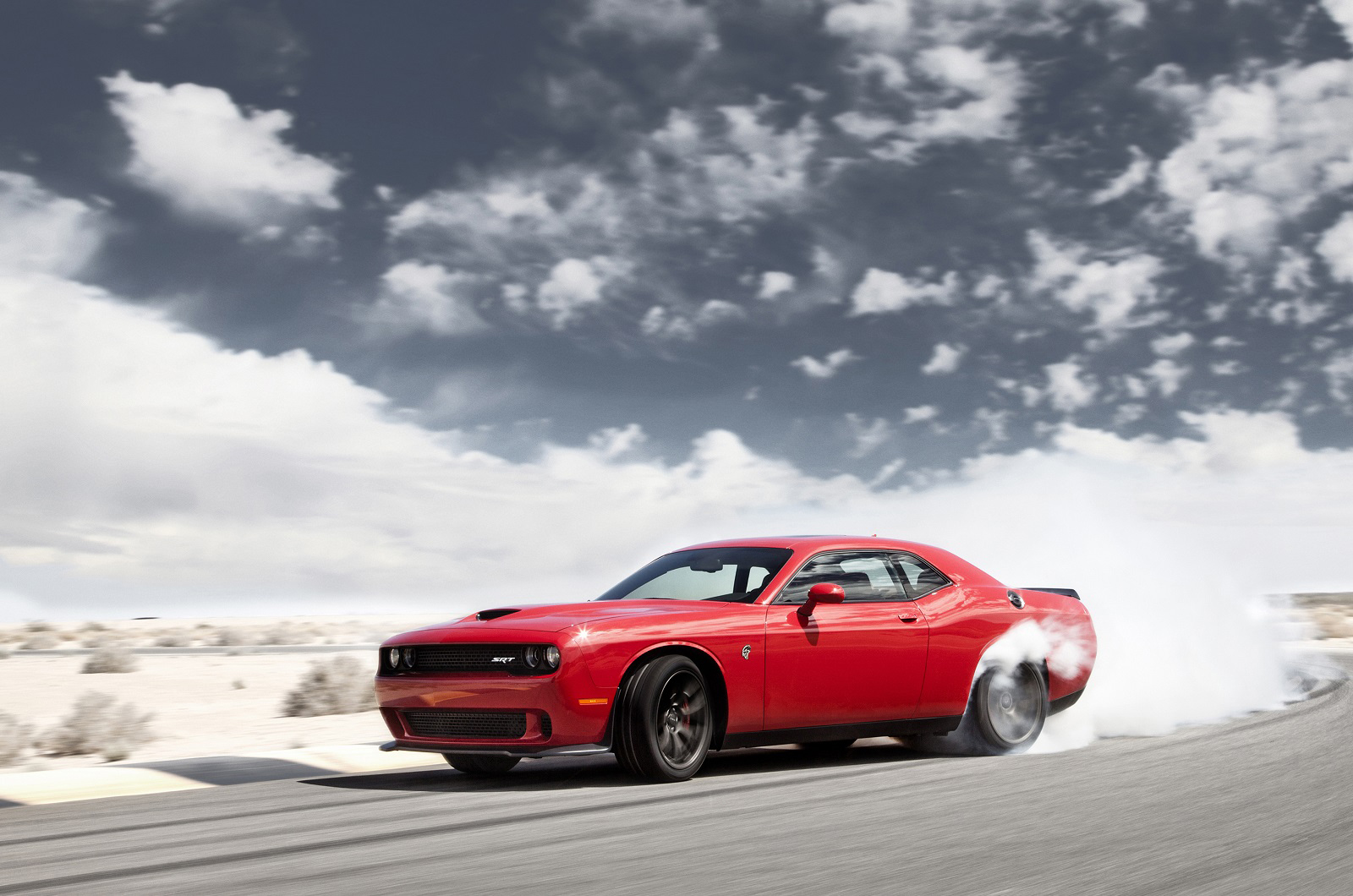
Drive a Dodge Challenger in the US and people will stop jogging, mowing, driving, or eating to ask if it’s a Hellcat. This 700bhp monster has already gone down in popular culture as one of the most extraordinary muscle cars ever built. It’s a niche model by definition, and an excellent one at that, so expect it to become sought-after in a couple of decades. There are a few in the UK from £51,500.
Dodge Viper RT/10 (1992-1995)
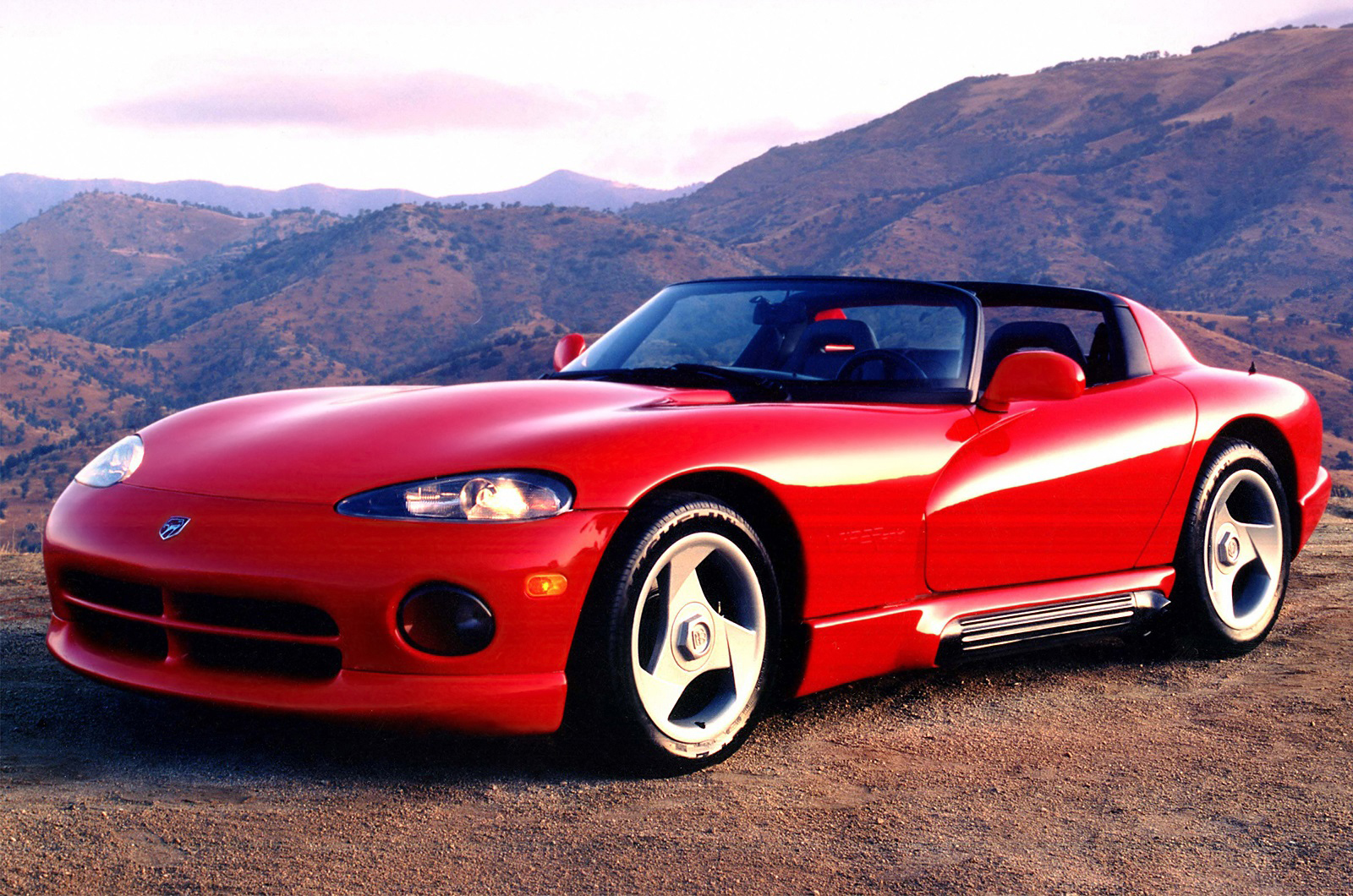
The Viper left racing fans speechless when it broke cover during the 1991 Indianapolis 500 with Carroll Shelby behind the wheel. Presented as a modern-day Cobra, it received a 395bhp V10 engine designed by Lamborghini, which Chrysler owned at the time. It became the group’s halo model, and the hero car of the American auto industry. The Viper made the Chevrolet Corvette look soft.
Extremely rare on British roads, prices start around £52,000 and are on the up.
Honda NSX (1990-1997)
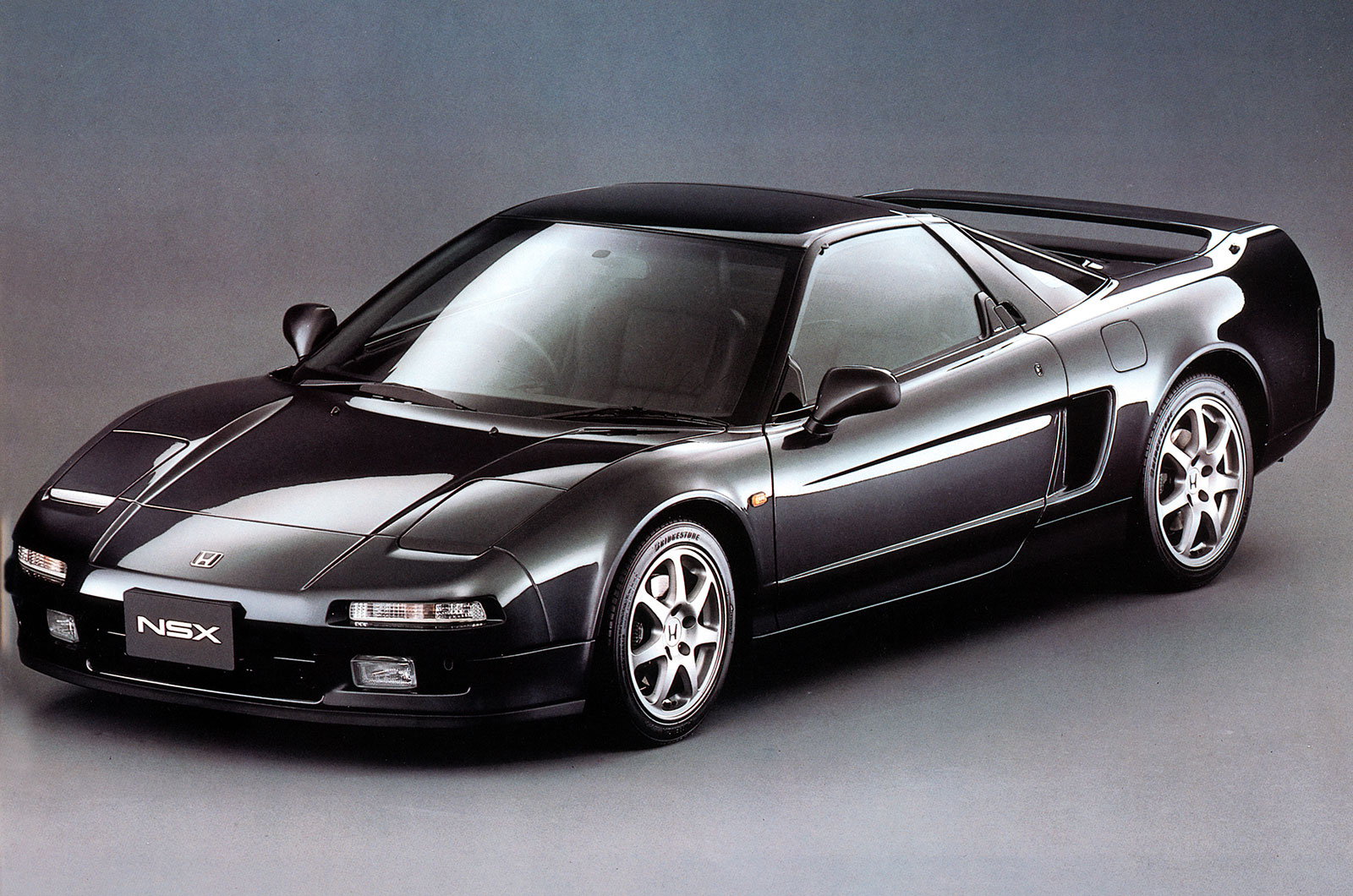
Now there’s an all-new NSX the original is being noticed a lot more. The world’s first everyday supercar, the Honda’s aluminium bodyshell guaranteed lightness, its high-revving V6 offered performance and the Honda badge represented absolute reliability. But sales were tiny; now the NSX is becoming highly prized and values heading one way only. Prices from £75,000.
Reliant Scimitar GTE (1968-1975)
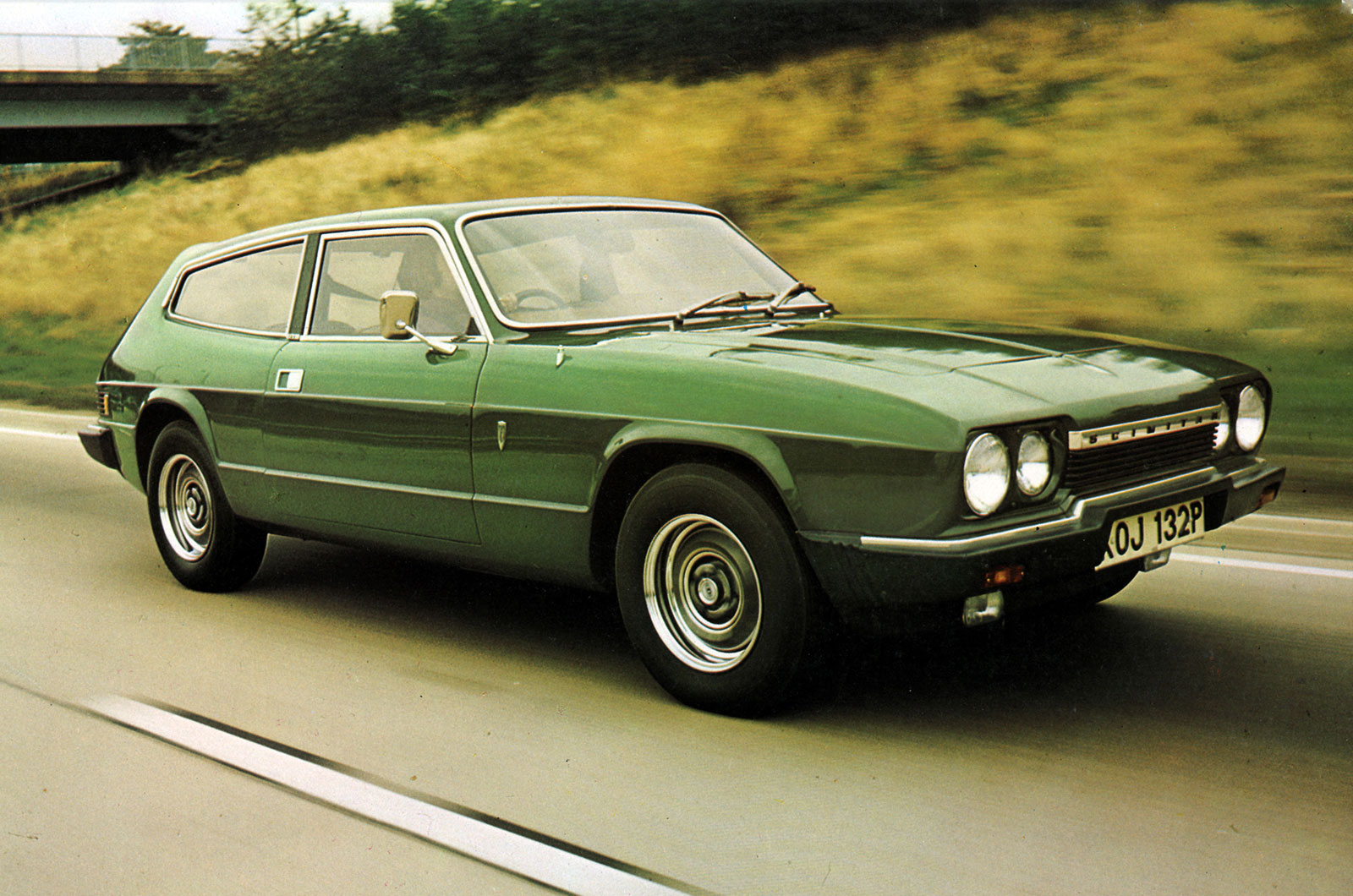
One of the most practical sporting classics ever made, the GTE features a Ford V6 (either 3.0-litre or 2.8), tough plastic bodywork and it handles well, yet values have started to climb only recently, and even then, not by that much. Prices from £7000 in the UK.
Alpine GTA & A610 (1984-1995)
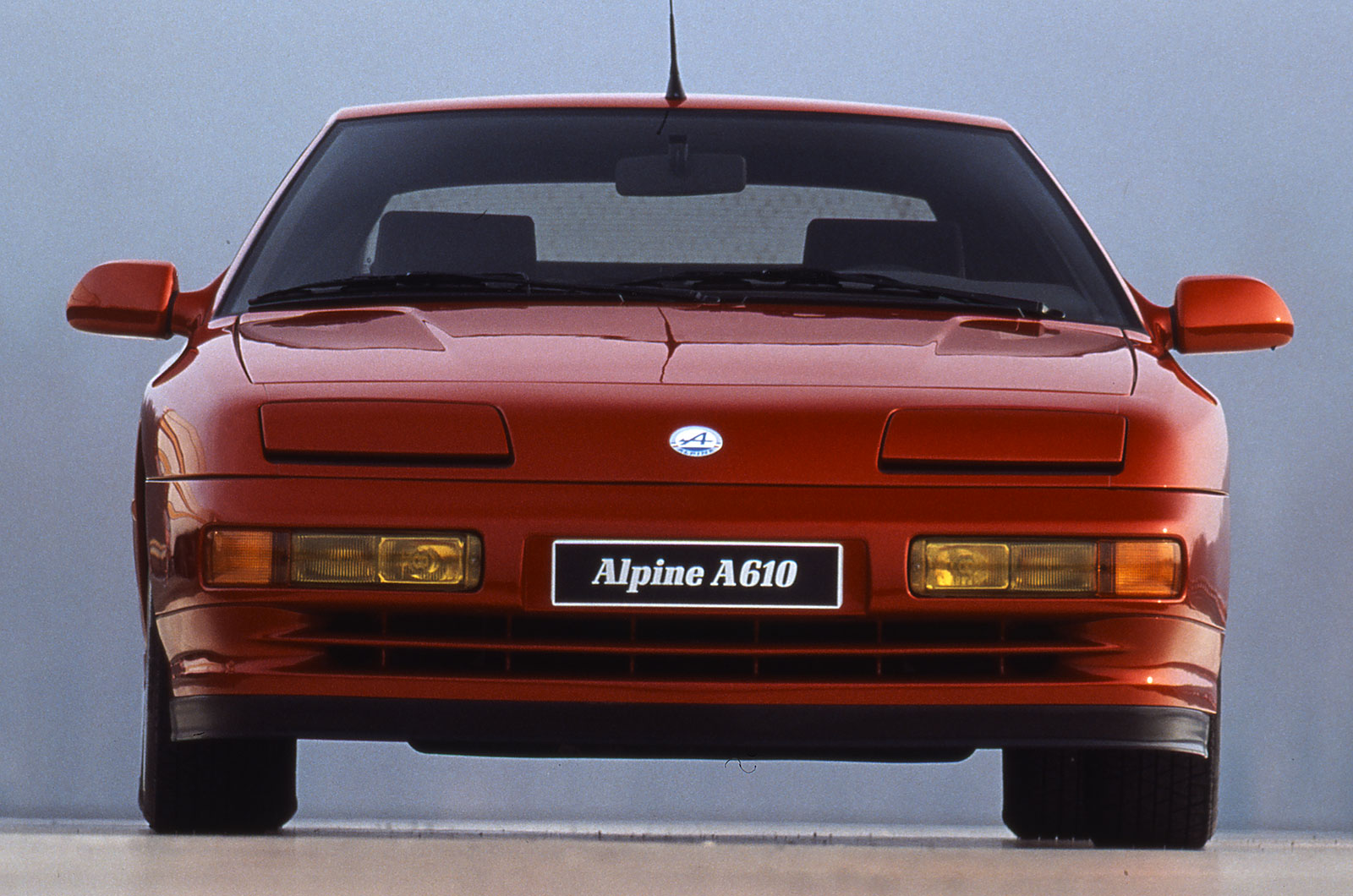
Before Renault's Alpine closed down in 1995 it produced some cracking sports cars, but most have yet to start fetching serious money. While the A110 and A310 have become very collectible, the GTA and A610 that came later are still under-valued. With the brand now returned with the excellent A110, prices are very much on the up, from £10,995 in the UK.
TVR Griffith (1991-2002)
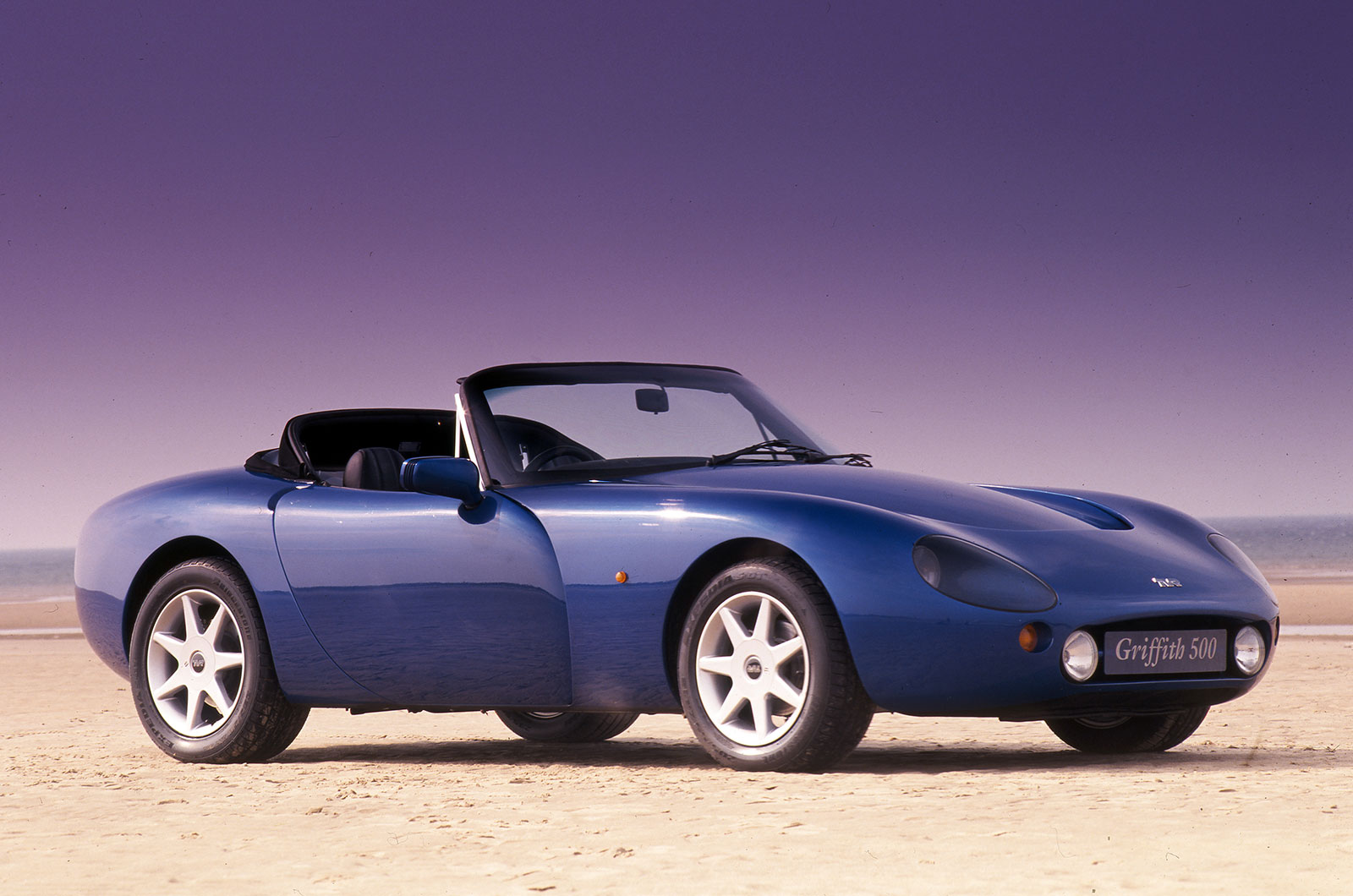
With a new Griffith on the way it’s sure to increase interest in the 1990s edition, which has already seen a steady rise in prices in recent years. Values are dictated by mileage, spec and condition and these cars are rarer than you might think, so be prepared to search to find a car worth keeping. Griffiths are to be had from £16,500 in the UK.
Fiat Coupe (1993-2000)
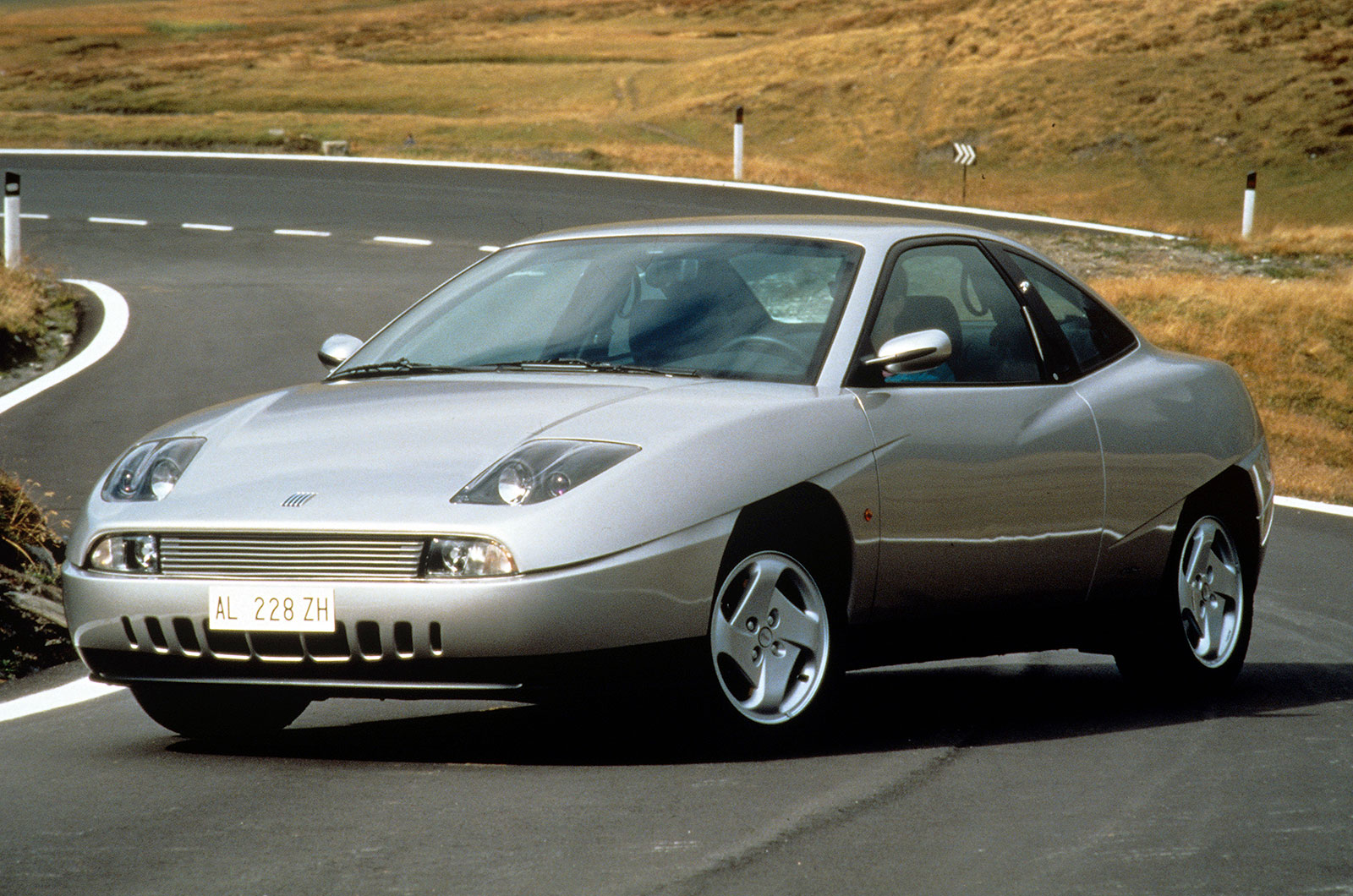
We doubt that mint examples of the Fiat Coupé will ever be worth a fortune, but the chances are that they will go up from where they are now, bearing in mind that’s on the floor. With a 155mph top speed the 20v Turbo edition was the world’s fastest front-wheel drive car when it was new – now you can buy one for buttons. A decent Turbo can be had for £4200 in the UK.
MG RV8 (1993-1995)
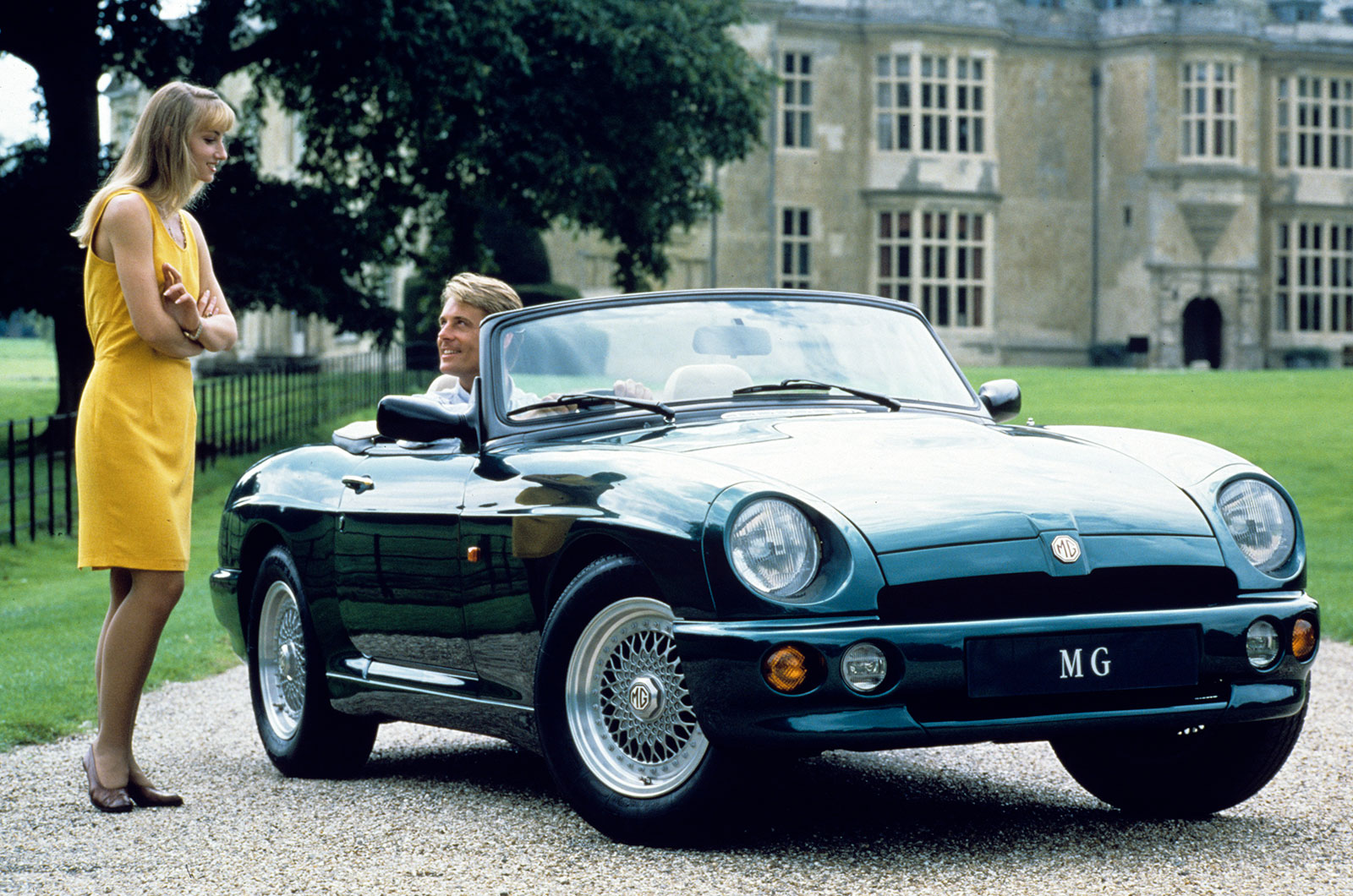
With just under 2,000 examples built, a luxurious interior, classic MG looks and a Rover V8 under the bonnet, there’s plenty to love about the RV8. When you consider that you can easily spend the same sort of money on a MGB V8 roadster conversion as on a RV8, it’s easy to see why the latter should be more highly valued. UK examples are to be had from £20,000, and it doesn't look like they're going lower.
Ford Racing Puma (2000-2001)
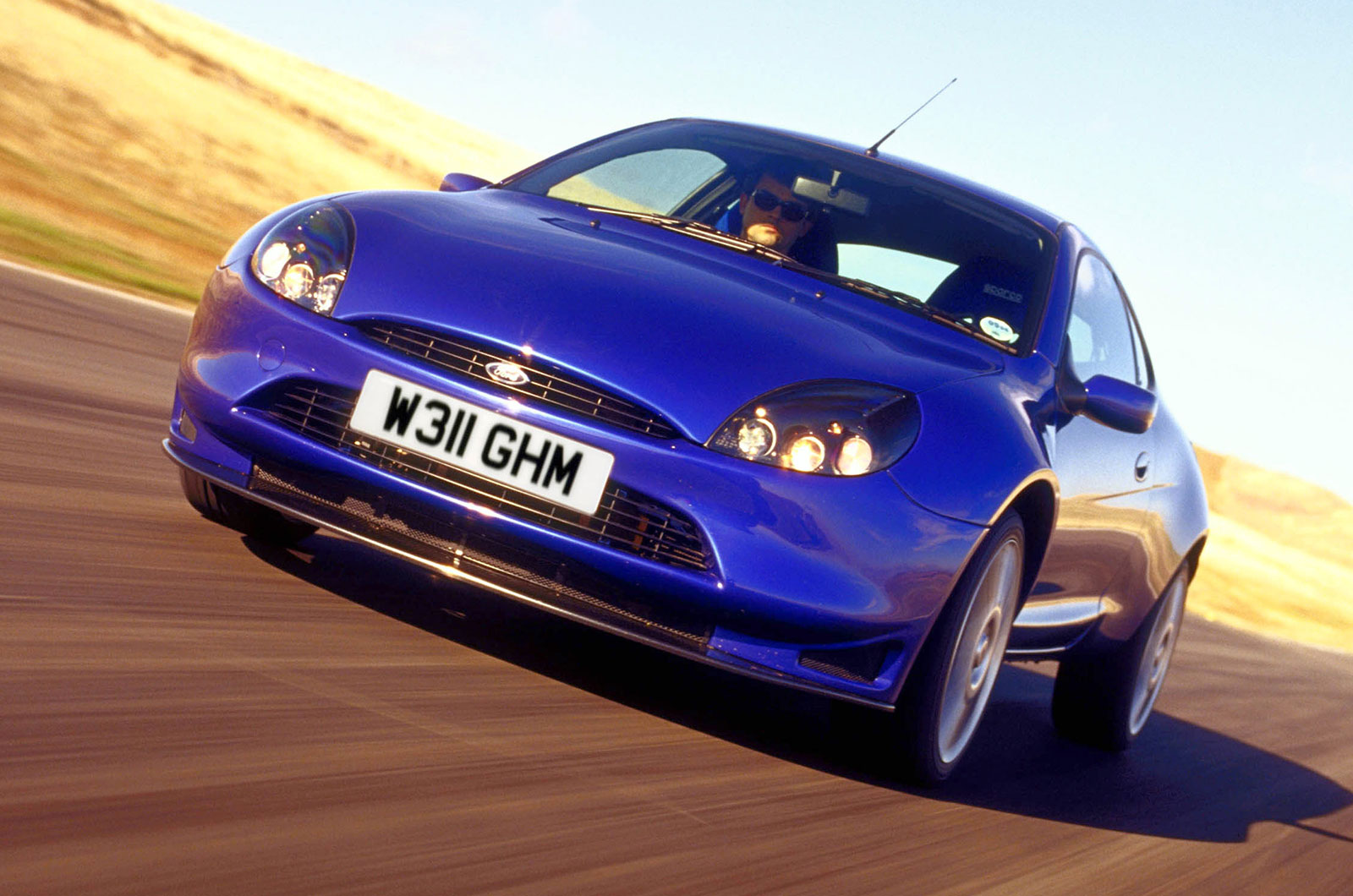
Fast Ford prices have gone berserk in the UK in recent years but there is one that remains eminently affordable – the Ford Racing Puma. With just 500 made – by Tickford no less – exclusivity is guaranteed. It’s not all that quick and the ride is rock-hard, but it looks fabulous and it’s a fast Ford, so surely it’s a dead cert for an investment? From £10,000 in the UK.
Vauxhall VX220 (2000-2005)
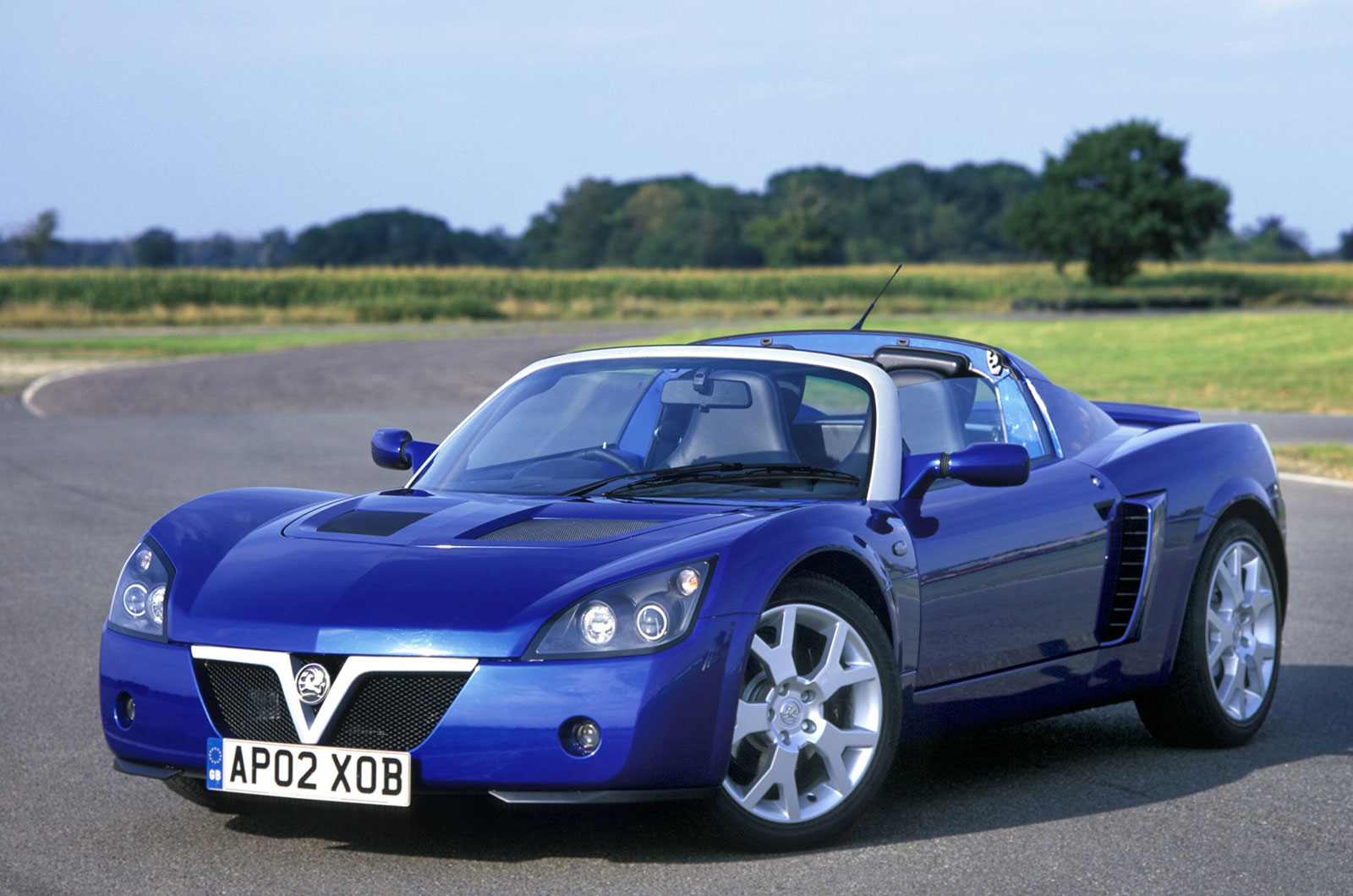
Built by Lotus on the same production line as the Elise, the VX220 is far rarer and in Turbo form it’s a complete animal with its 197bhp four-cylinder engine. The ultimate is the run-out VXR220 but just 65 of those were made, so be prepared to wait for one of those. Values for all models are already on the up. Prices from £14,000 in the UK, with Turbos from £15,000.

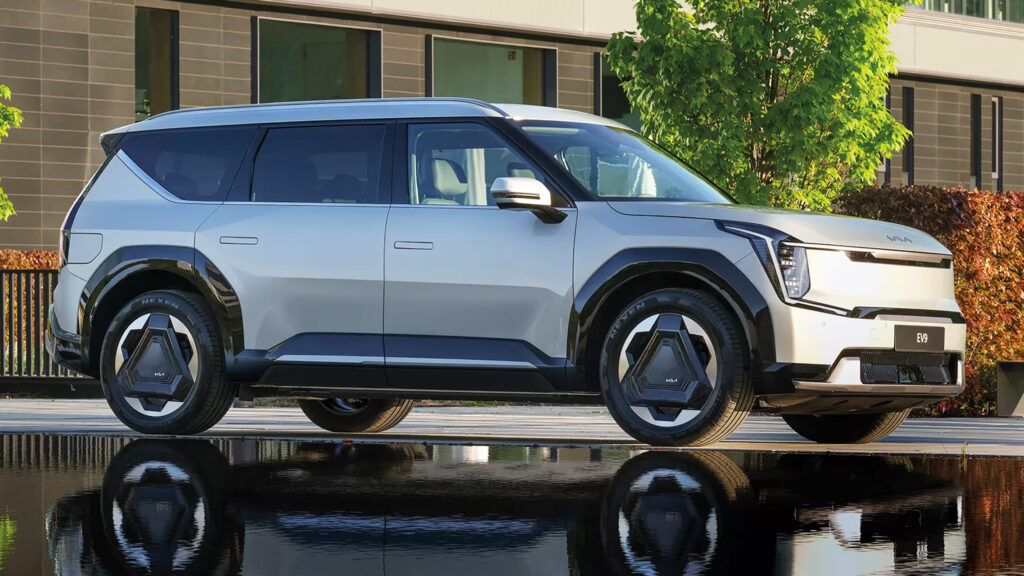
Kia EV9 Battery Failures Expose Broader Reliability Risks and Response Challenges for Hyundai’s Electric...

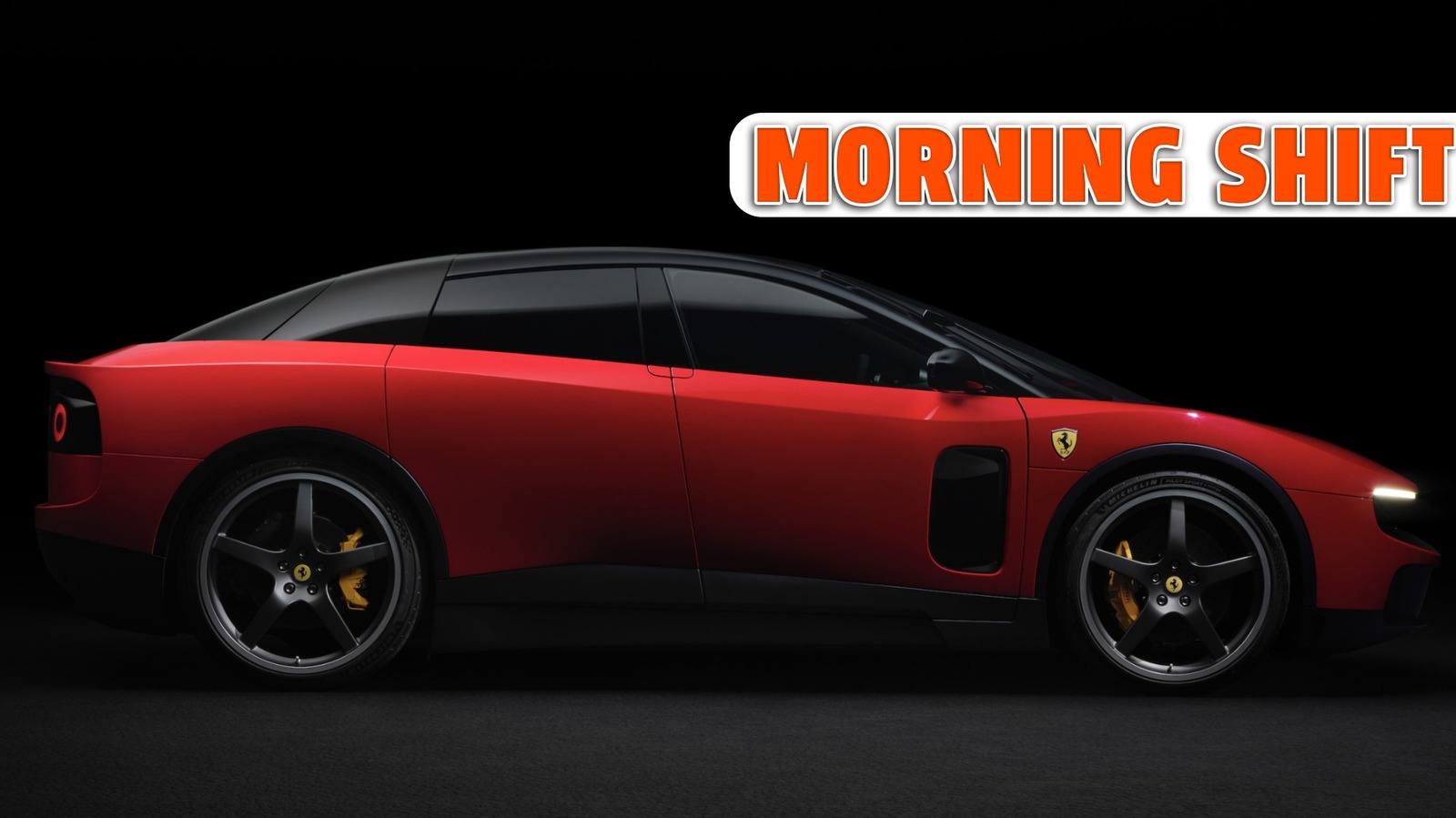
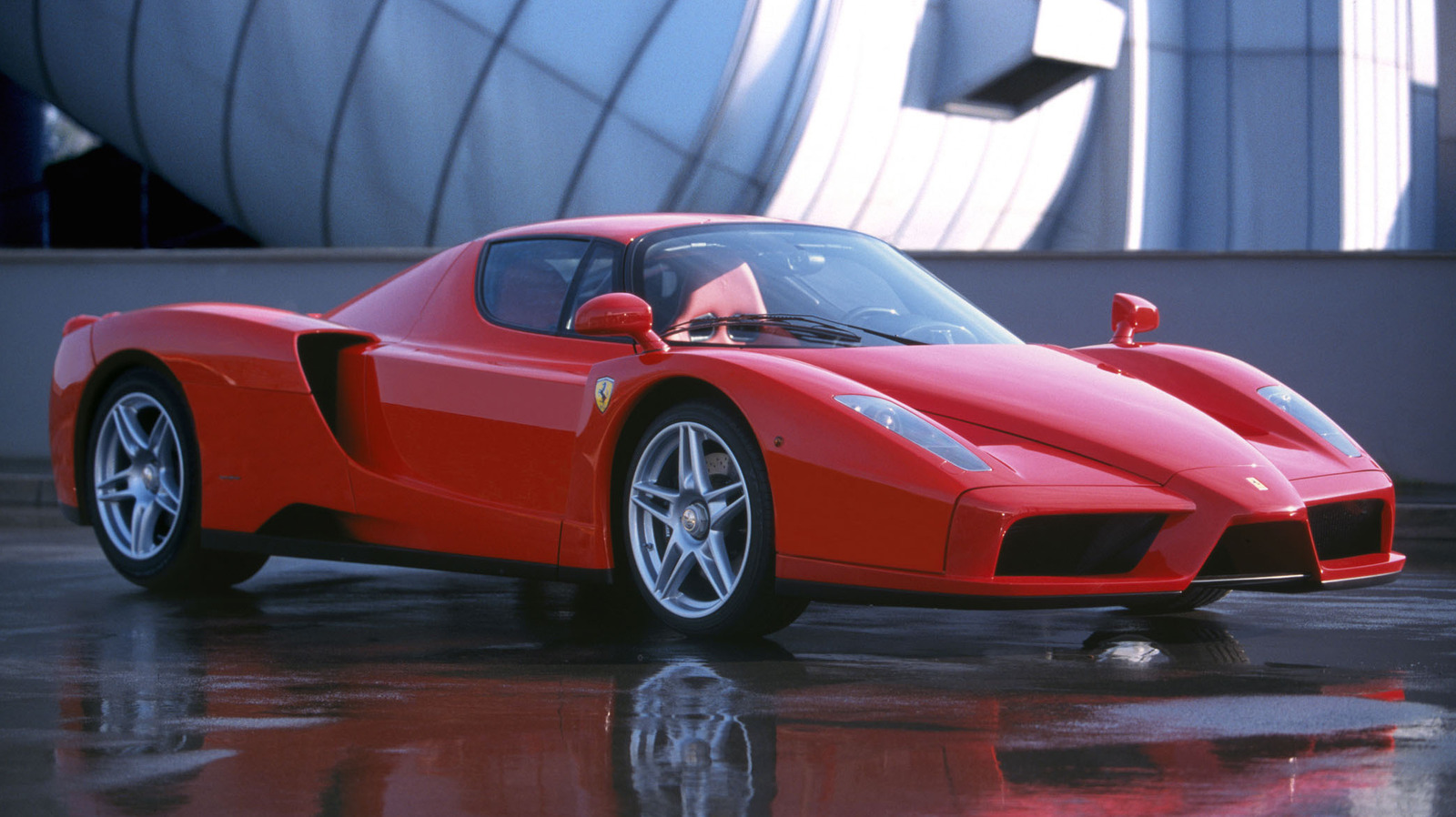
Ferrari Design and the Enduring Appeal of Automotive Aesthetics

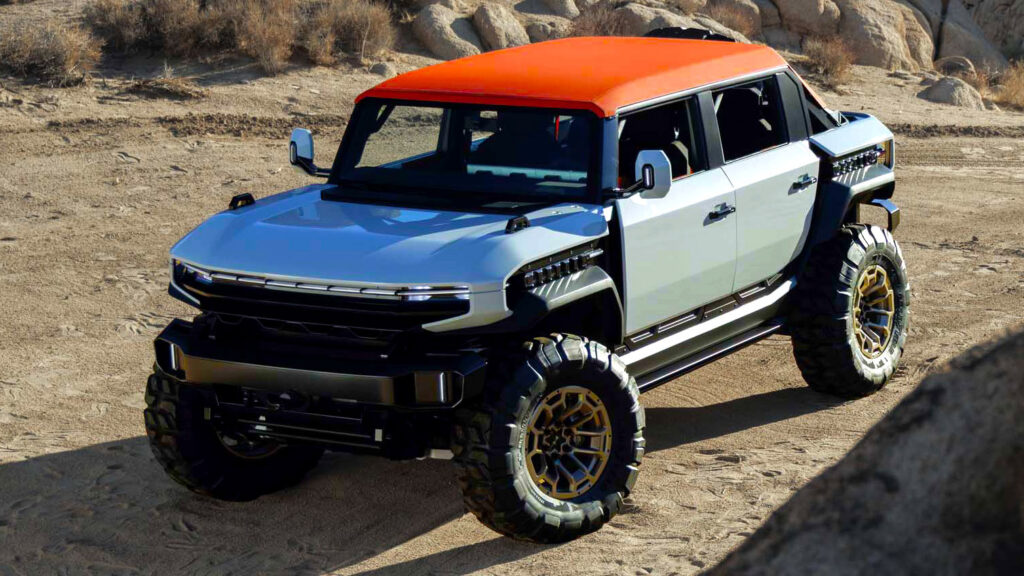
Hummer Concepts Signal GM’s Shift Toward Smaller, More Attainable Off-Road EVs

Baby Birds Depart Ford F-250 Nest Highlighting Unexpected Wildlife Encounters in Industrial Spaces