

Porsche 911 Carrera S Track Experience at Laguna Seca Transforms Driver Skill and Confidence

Range Rover Pursues Ultra-Luxury Status Through Bespoke Models and Limitless Personalization
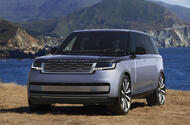
Asilomar Edition is the most expensive factory-made Range Rover yetBrand will focus on the "big business" of high-value commissions, mirroring luxury rivals
JLR has said "the sky is the limit" for Range Rover pricing, as it looks to increase its bespoke offerings and move firmly into luxury car territory.
Range Rover managing director Martin Limpert said: "We don't want to show up as a car company, we want to show up as a modern luxury company".
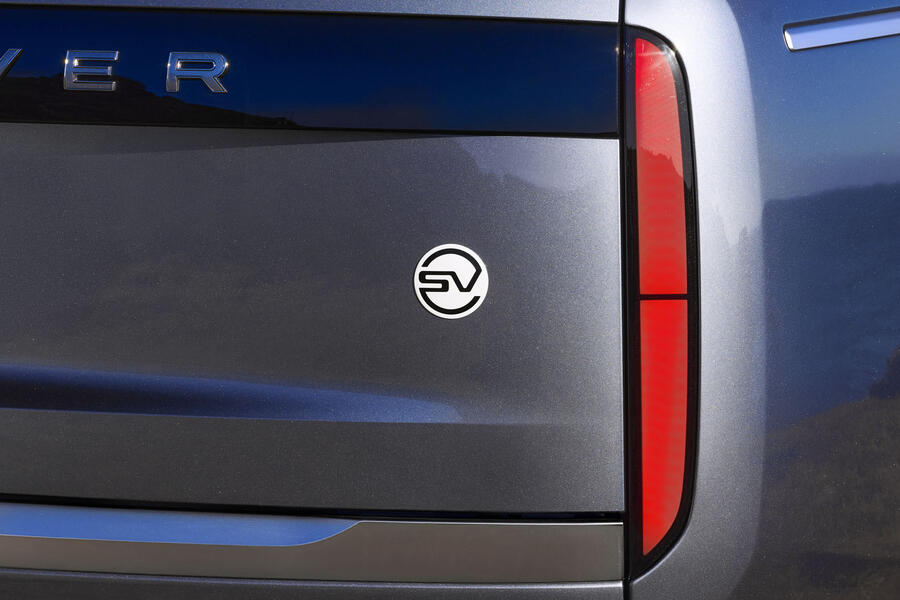
Last year the brand sold its first factory-supplied car for almost £500,000: the SV Asilomar edition, which was presented during Monterey Car Week.
Limpert told Autocar that it could and will go further: "I think the sky is the limit. We want to further evolve that business area.
"Bespoke is a really big business area for us. We curated for a US customer the SV Asilomar edition, which was sold for $550,000 [£410,230], roughly double the price of the Range Rover SV. But after elevating and curating it with the personal requirements, that's where we ended up."
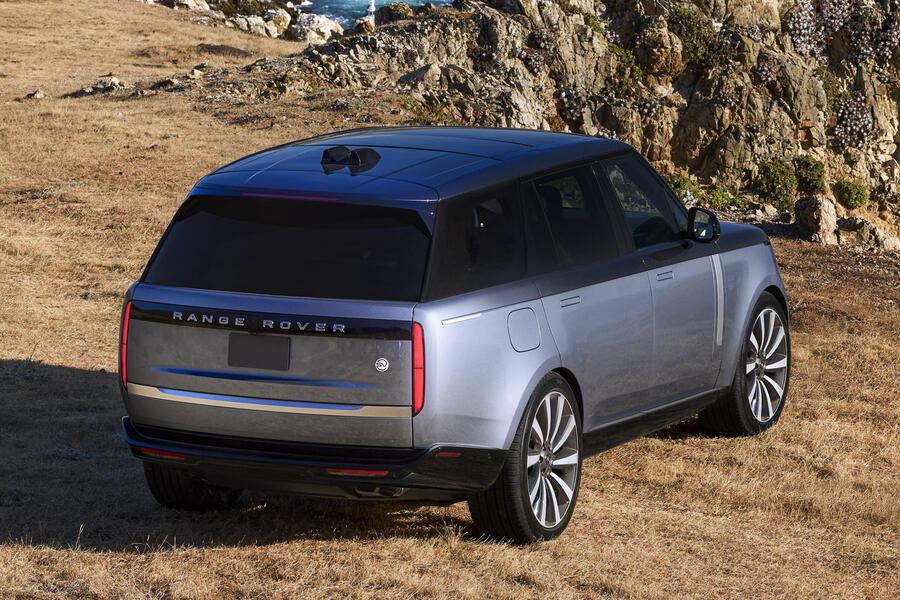
Developing its bespoke offerings would put Range Rover firmly into the sphere of Bentley and towards Rolls-Royce.
Steve Cropley's view: Can Range Rover really rival Rolls-Royce? History says yes
Within the next year it plans on opening another 12 commissioning suites for its bespoke programme, so-called 'Range Rover Houses', which it said "offer clients a sanctuary to immerse themselves in luxury experiences and to be among the first in the world to see and drive some of Range Rover's most exclusive models".
Asked just how expensive a Range Rover could be, Limpert replied: "I don't see a limit. Honestly, I think it depends on the value that we generate for the customer. It really depends on the levels of personalisation capabilities, where we're really trying to push the boundaries - from paint jobs, to stitching, to embroidery, to getting a family crest or your family name on different places of the veneers and so on.
"In the future, can we use materials that are not currently part of our offering but that the customer wants to be included because they have a historical relationship to it, or something like this.
"It really depends ultimately on what value do we generate for our customers?"
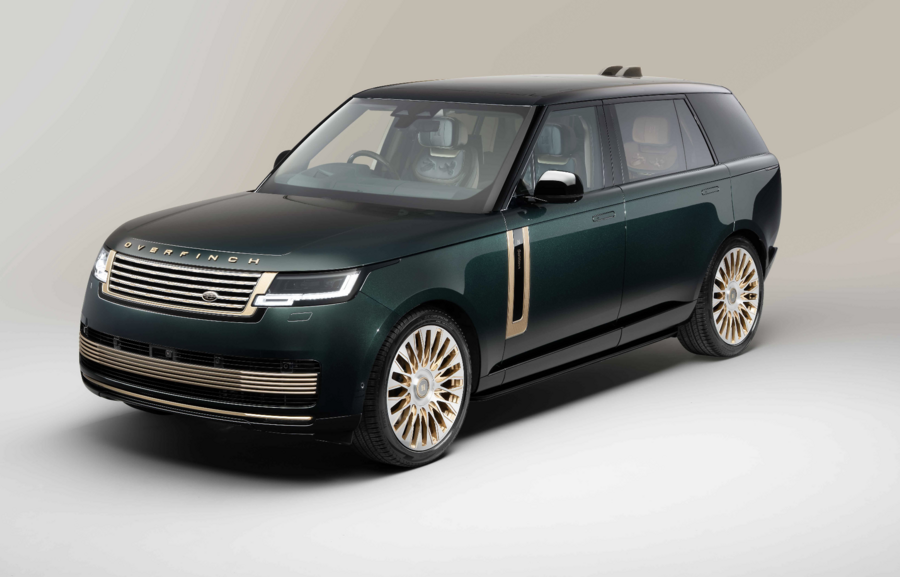
As if to illustrate the point, Range Rover tuner Overfinch recently announced its 25-off Holland & Holland edition (below), one of which cost its owner £1 million, as testament to the amount buyers are willing to pay to make their Range Rover as bespoke as possible.
Despite the push upmarket, Limpert said the incoming GT will be a complementary fifth model in the Range Rover line-up rather than a replacement for either of its least expensive models, the Evoque and Velar.
"It's not replacing anything," he said, although those two models are eight and nine years old respectively and thought to be up for retirement soon. That would leave the entry point for a Range Rover with the GT, with a predicted starting price around £70,000.
Rival premium car manufacturers have shown it's possible to keep both very expensive and value models in the range: buyers can spend around £30,000 or well into six figures on cars from BMW, Audi and Mercedes-Benz.
But JLR aims to create bigger spaces between its three SUV marques: Defender, Discovery and Range Rover.
"That's the whole idea of setting up the House of Brands," said Limpert of JLR's move to reframe its three SUV brands, with Land Rover used only as a 'trust mark' on the SUVs and 4x4s.
"Speaking for my brand in that case," Limpert added, "the equity is already there: customers recognise it more as a Range Rover [than a Land Rover] already.
Defining the difference between the three brands, Limpert said: "Defender is all about rugged off-road capabilities - really about pure adventure. This is for those people that really want to go anywhere and do anything."
Discovery, meanwhile, "is all about versatility, family, togetherness. It's more about where the journey is the destination."
New models and the rebranding, Limpert said, were meant "really to give each their space and their room to define and grow their personalities." He added: "Not that we want to tell customers which brand to buy."
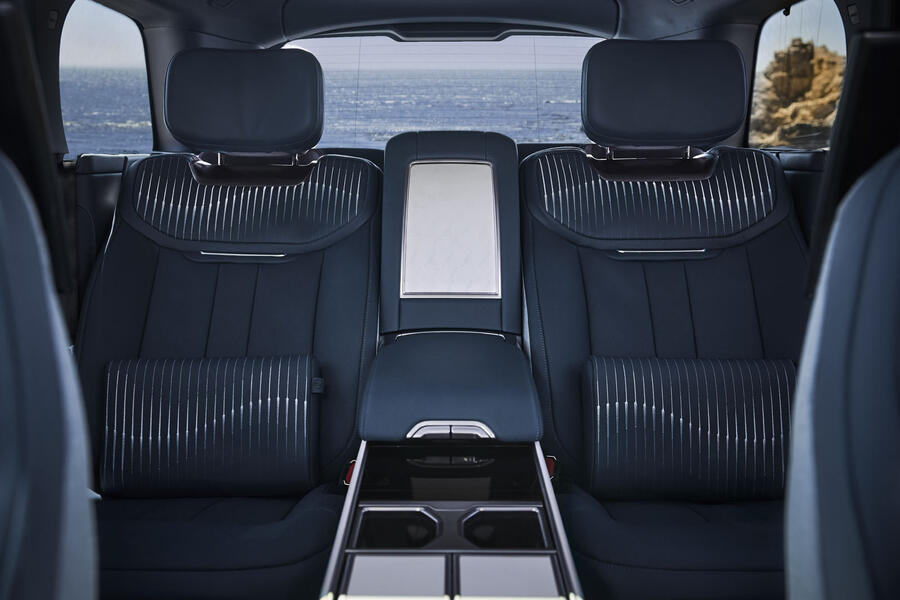
Inside the £410k Asilomar Edition
Unique look
Two-tone paint is inspired by the underwater landscapes of Monterey Bay, where the car was revealed. Special badges, colour-coded wheels and branded treadplates amp up uniqueness.
VIP cabin
Bespoke blue leather seats and accompanying cushions feature custom embroidery. An electronic wooden drinks table rises and folds out from between the fully reclining rear seats.
Extra goodies
The purchase price included a $5000 (£3730) donation to an ocean conservation fund and a fully customised, tailored set of golf clubs.

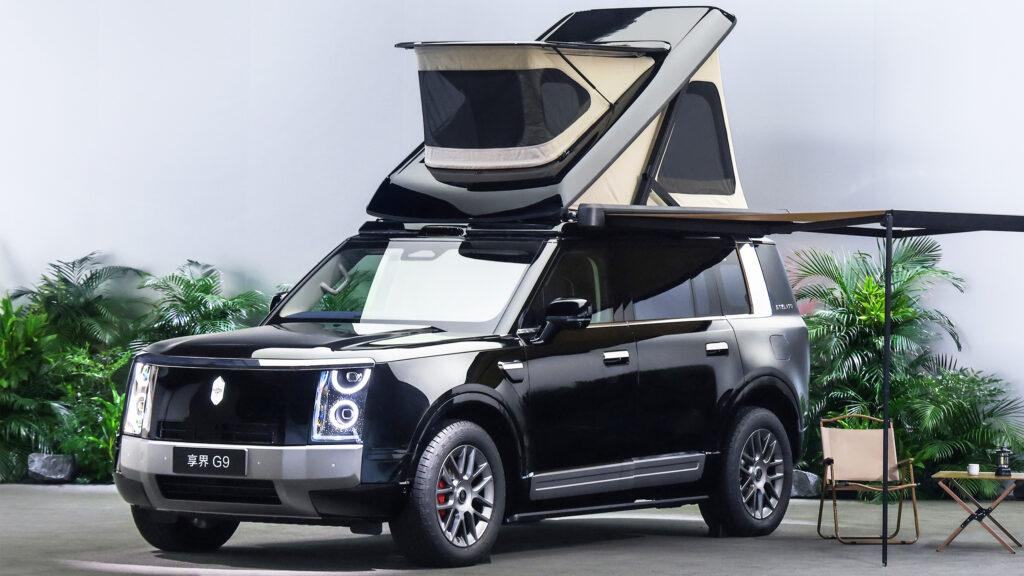
Stelato G9 Redefines Chinese Luxury SUV With Extended Range and Tech-Driven Adventure Appeal

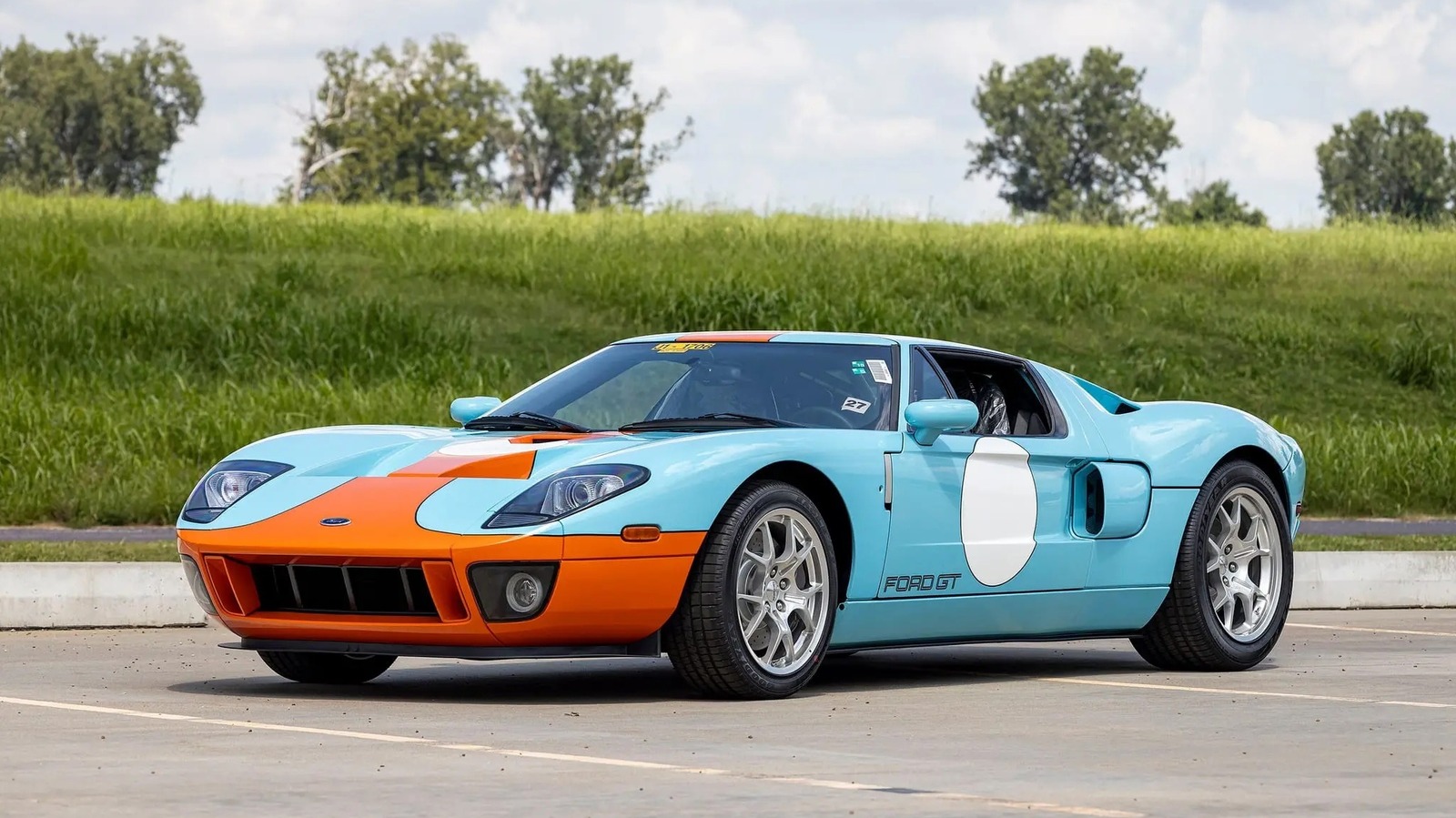
Ford GT Auction Price Surges as Collector Demand Far Outpaces Original Value

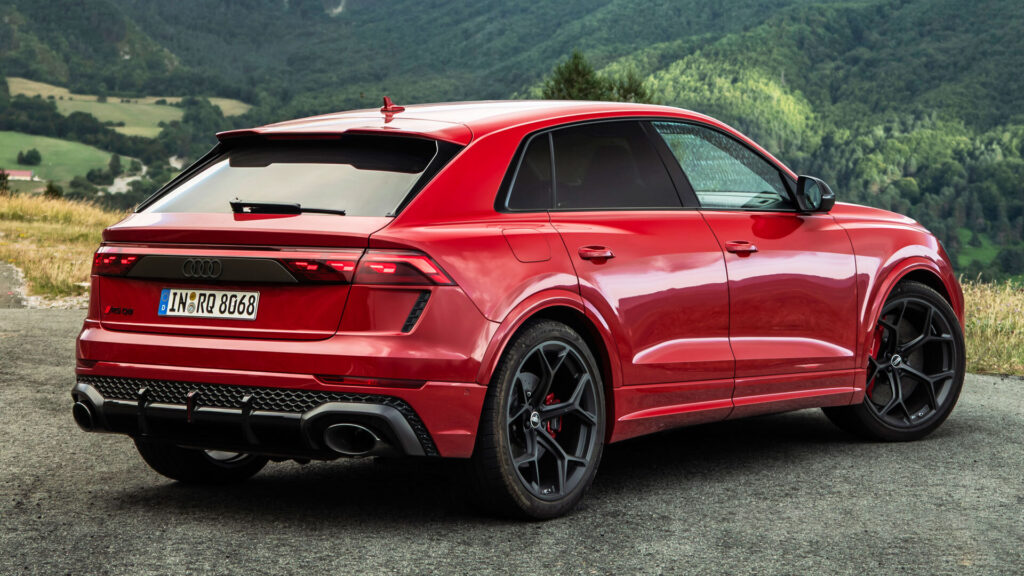
Audi Q8 Secures Its Future as CEO Confirms Next Generation Amid Industry Cutbacks

Porsche’s Electric 718 Signals a Defining Shift in Performance EVs


Mazda MX-5 Pursuit in Sydney Highlights Risks and Limits of High-Speed Police Chases

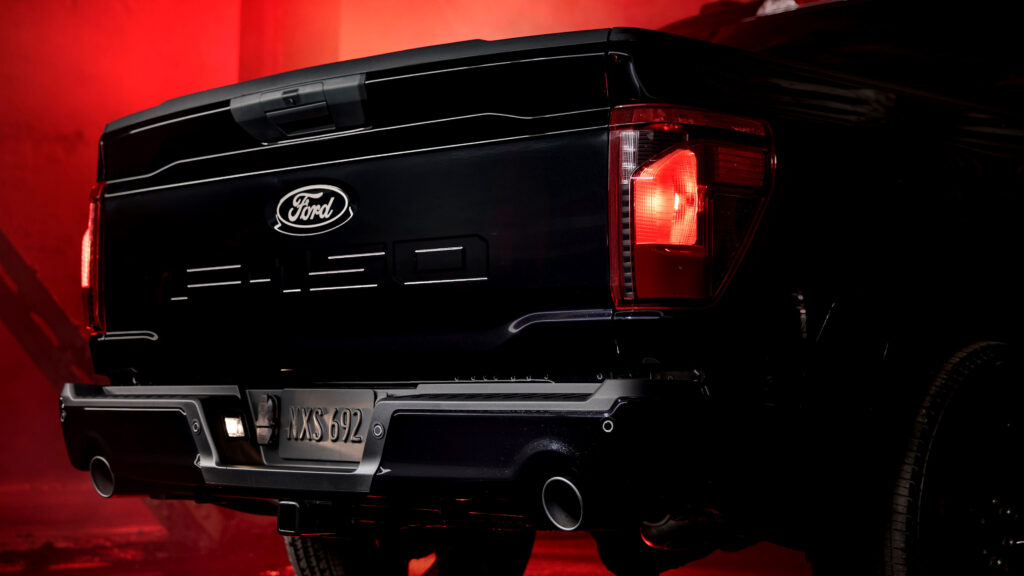
F-150 Redefines Its Base With Larger Engine and Leaner Trims in 2027 Refresh

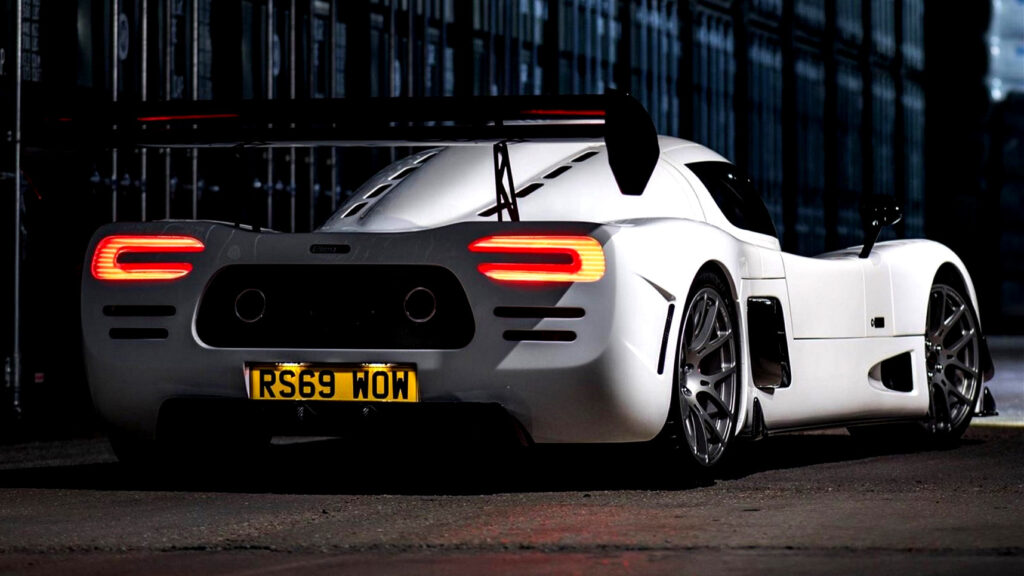
Peregryn GT-R Redefines American Supercars With Lightweight V8 Performance and Kit-Car Roots

Used EV Battery Repair Initiatives Aim to Stabilize Residual Values and Boost Buyer Confidence...
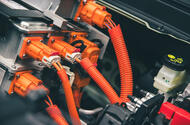 New BCA scheme aims to raise confidence in ex-fleet used EVs and make them more attractive to buyers
BCA has opened an industry-first facility offering cost-effective battery repairs for de-fleeted electric and hybrid vehicles, aimed at helping them find homes with second-hand buyers.
The site in Doncaster is managed by BCA Fleet Solutions and offers diagnostics, repairs and replacements for high-voltage components including the battery, inverter, drive motor and on-board charging system, with work carried out to OEM standards.
The facility is equipped to work on all makes and models, focused on vehicles with an expired or invalidated warranty. BCA says it will use “green” (used) parts where available.
The used electric car market is breaking records for volume each quarter as it receives the influx of three- to five-year-old ex-fleet cars, many of which were leased to company car and salary sacrifice schemes following the introduction of ultra-low tax rates in April 2020.
At 86,943 units, EVs accounted for 4.3% of all used car sales in the first quarter of this year, according to the Society of Motor Manufacturers and Traders (SMMT), and that supply is increasing.
The latest data from HM Revenue & Customs shows 51% of company car drivers (467,000 of them) were in electric cars in 2024/25. That’s a sizeable jump from the 7% share (52,000 drivers) in 2020/21.
However, with supply surging, comparatively few incentives available for second-hand buyers and sizeable discounts on new cars, the leasing sector is claiming large losses as companies face “cliff-edge” residual values when those vehicles are auctioned at the end of what’s typically a three-year contract.
Used vehicle leasing is rising in popularity, which helps spread depreciation over a longer period, but companies have warned they could need to inflate monthly rentals on new cars to cover the risk of further losses – and that would make them more expensive for both fleets and private customers.
Industry body the British Vehicle Rental and Leasing Association (BVRLA), whose members operate 750,000 EVs (more than a third of the two million on UK roads), has called for standardised battery health certificates to give buyers more confidence and make vehicles easier to sell.
With more than 1000 EVs going through its auctions each week, BCA has launched several services to support demand, claiming vehicles are selling quickly and at higher prices than the residual value guides have forecast.
In 2024, the company introduced a battery service report working with specialist firm Aviloo, which produces a health score out of 100 and issues condition grades from A to E, then supplies a full report to winning bidders that they can pass on to customers.
Within a year, BCA claimed the 22,000 vehicles auctioned with battery health reports averaged a 1.4% improvement over the guide price and a 2.7-day reduction in time-to-sale, showing higher confidence among dealers that they could sell them on.
This builds on the EV/Hybrid Assured Report, introduced in 2019, which includes diagnostics and drive tests, and assesses the condition of vehicles’ charging ports, cables and inverter coolant levels.
Paul Bromley, managing director of BCA Fleet Solutions, said: “Rather than simply replacing expensive batteries, we investigate the cause and repair or replace components, delivering a cost-effective and timely solution that means EVs and hybrid vehicles can be repaired and offered for sale without undue delay.
“This helps to foster a circular economy, driving environmental, social and governance (ESG) goals and ensuring these vehicles reach the market in the best possible condition to attract buyers.”