Bentley Torcal Redefines Electric Luxury SUV with Concept-Inspired Design and Everyday Usability
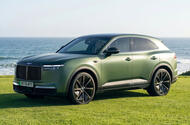
Autocar rendering showcases how Torcal will draw on the EXP 15 conceptBentley's second SUV is an EV with Porsche Cayenne underpinnings and radical concept car looks
Bentley's first electric car, the Torcal, will be revealed in the coming weeks as a luxury SUV that majors on "everyday usability". It will also introduce a radical new design language that sets the tone for the Crewe firm's future models.
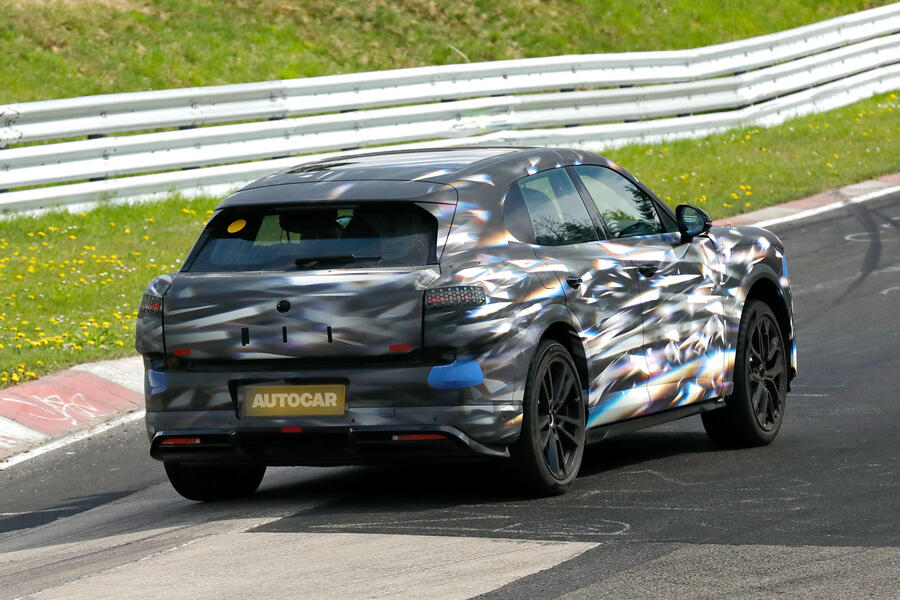
The new model, which is in the final stages of testing ahead of its unveiling on 23 September in London, will effectively be a production-ready interpretation of the EXP 15 concept that Bentley revealed last year as a showcase of its new-era design language.
Like the Bentayga, Bacalar and Batur, the Torcal is named after a natural landmark, in this case El Torcal de Antequera, a limestone rock landscape in Andalusia, Spain. The moniker is also a nod to the Latin verb 'torquere', which means to twist and is the origin of the word 'torque'.
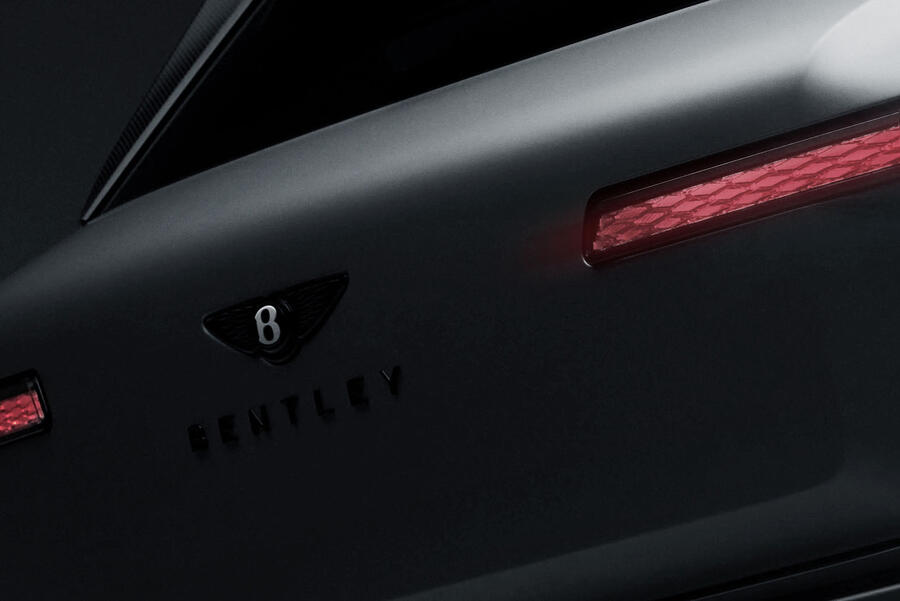
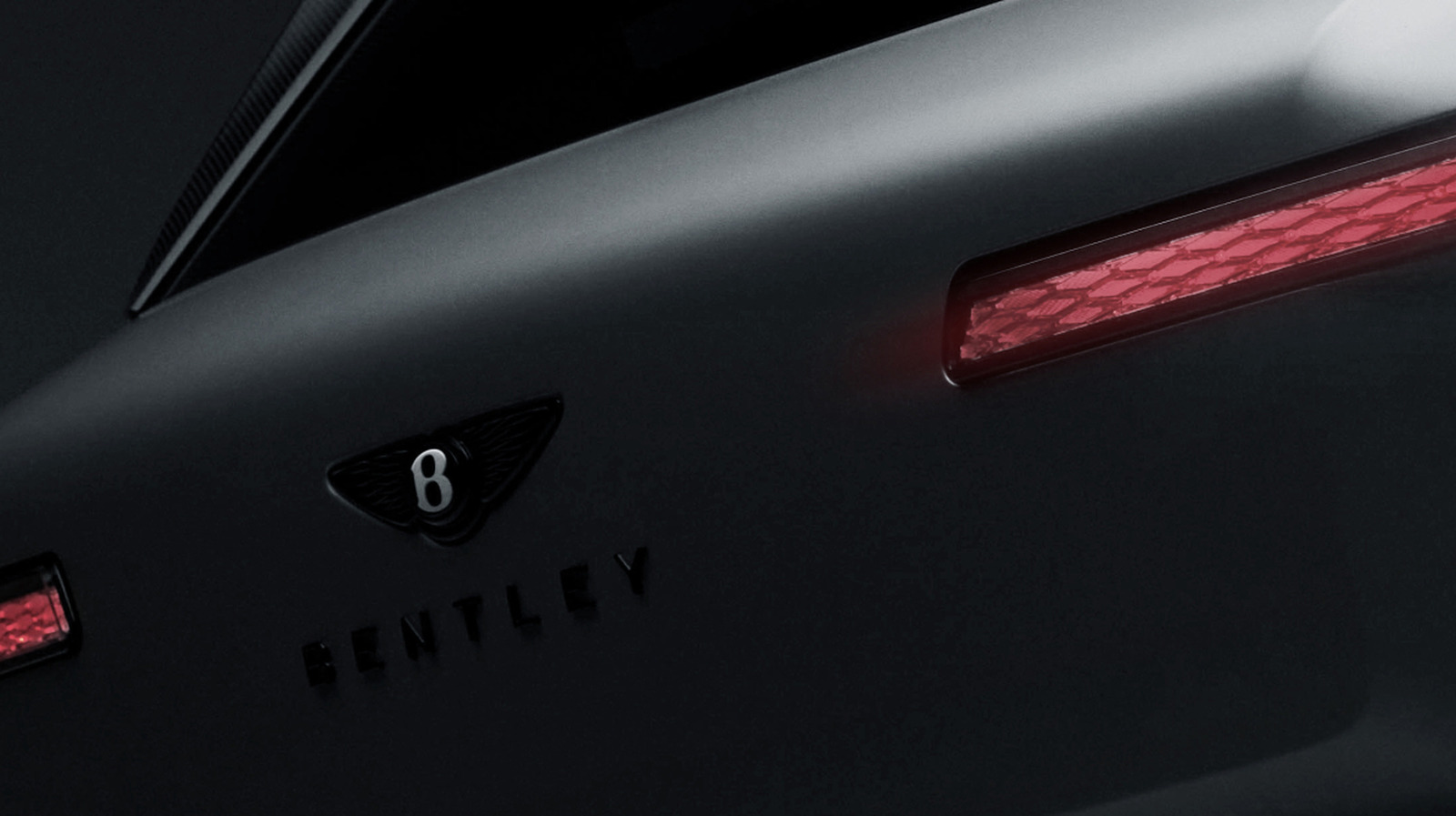
The 5m-long SUV will sit below the Bentayga in Bentley's line-up. Defining features that were previewed on the earlier show car include a striking illuminated grille panel, new-look vertical LED quad headlights and - as the first official preview image reveals – the so-called "prestigious shield" at the rear, which is modelled on the luggage carriers fitted to vintage Bentley tourers.
While it's similar in silhouette to Bentley's existing SUV and not significantly smaller, the Torcal is wholly distinct in its design. It is not intended as a replacement for the V8-powered Bentayga, which will remain on sale and gain a new combustion-powered generation in 2028, in line with Bentley's strategy of offering a multi-powertrain offering globally.
The Torcal was originally scheduled to make its market debut last year but was pushed back in light of weak demand for electric luxury cars. The other EVs that were due to follow it have been similarly delayed, with Bentley scrapping its earlier plan to go all-electric by 2030.
The firm will now instead launch a new plug-in hybrid or pure-electric model each year until 2035. Rival brands including Aston Martin, Porsche, Lotus and Lamborghini have also slowed their EV transition plans and now Bentley will be first to market with an EV in this price bracket.
The Torcal is expected to go on sale from around £170,000 - roughly halfway between the likes of premium propositions including the BMW iX and Volvo EX90, and full-blown ultra-luxury models like the Rolls-Royce Spectre and Ferrari Luce. Its closest rival will be the new electric Range Rover. Bentley believes now is the right time to launch its first electric car, despite the market uncertainty. It claims the new SUV will be "the right car in the right environment more of the time", touting day-to-day practicality as one of its defining attributes.
Bentley has confirmed it will offer a range of "more than 300 miles". Bentley director of design Robin Page previously told Autocar the Torcal will not chase any outright range records. "We're finding that there's a sweet spot in terms of range. Our customers are basically telling us that 300-350 miles is that sweet spot. Beyond that, they'll use the private jet," he said.
Underneath, the Torcal will be closely related to the Porsche Cayenne Electric, mirroring the relationship between the Bentayga and petrol-powered Cayenne.
Based on the same PPE electric architecture as its German cousin, the Bentley is set to take its power from a 113kWh battery capable of charging at up to 390kW, which in the Porsche allows for a 10-80% top-up in fewer than 16 minutes. Like the Porsche, the Bentley is expected to be dual-motor as standard, but Bentley has not yet indicated whether it plans to match the heady output of the flagship Cayenne Turbo, which has 1140bhp and 1106lb ft. The 657bhp of the mid-rung Cayenne S would seem more in keeping with the Torcal's refined remit.
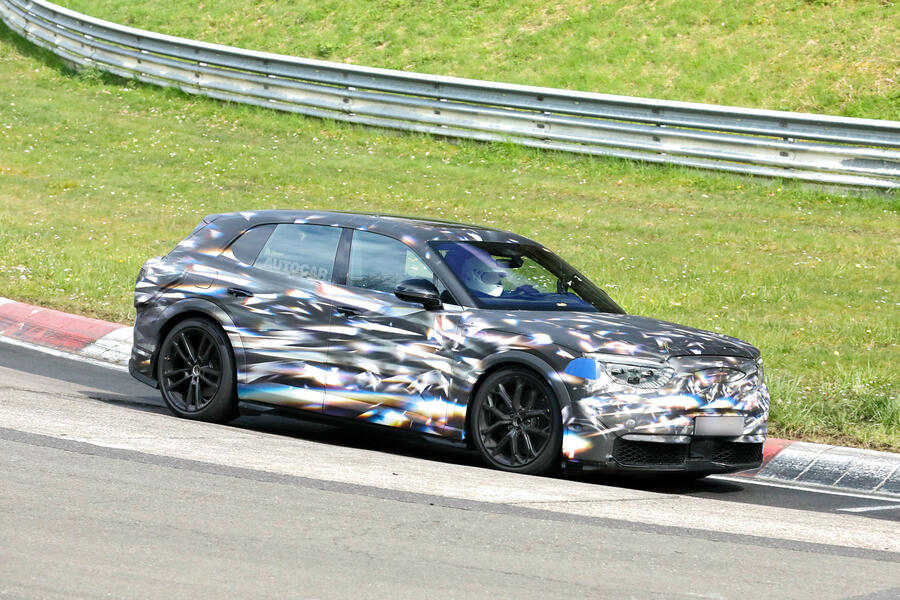
Bentley has still to preview the cabin of its new model, but recent spy shots reveal it will feature the same curved central touchscreen as the Cayenne, portrait-oriented and split into two sections: infotainment at the top and climate control settings below. However, while this will be the largest screen yet fitted in a Bentley at 14.25in - it is unlikely to herald an all-out focus on digital controls.
The future-looking EXP 15 concept's cabin placed a renewed emphasis on physical controls to cater to the modern luxury buyer's analogue preferences. "What we're finding, especially at our end of the market, is that people are a bit bored with full-digital screens," said Page earlier, suggesting that Bentley may not offer a secondary passenger touchscreen, as Porsche does. "What makes us premium is to keep a good level of mechanical detailing that the others can't do."
Bentley will reveal further details in the run-up to the Torcal's debut in September, which will be around the time the electric Range Rover is officially revealed and just a few weeks before Jaguar takes the wraps off the long-awaited Type 01 GT - making it a landmark moment for the UK's automotive industry and taking the country's series-production EV count from two to five.
What will it sound like?
Bentley has long been synonymous with guttural V8 and barking W12 engines, and it remains to be seen how or whether it will fill the silence of an EV powertrain. However, CEO Frank-Steffan Walliser hinted at plans to synthesise some sort of powertrain noise in his acknowledgement that one of the defining traits of a Bentley is "a soundtrack with soul" and his pledge that the new EV will set "extraordinary benchmarks in every area that matters".
Other performance firms - including Hyundai's N brand, Mercedes-AMG and Porsche - have created artificial engine notes for their EVs to boost driver engagement, but that approach is unlikely to tally with Bentley's emphasis on authenticity. Another option could be the Ferrari approach: the Luce uses amplifiers and speakers to magnify the frequencies from its EV motors to give a powertrain soundtrack that's completely unsynthesised.

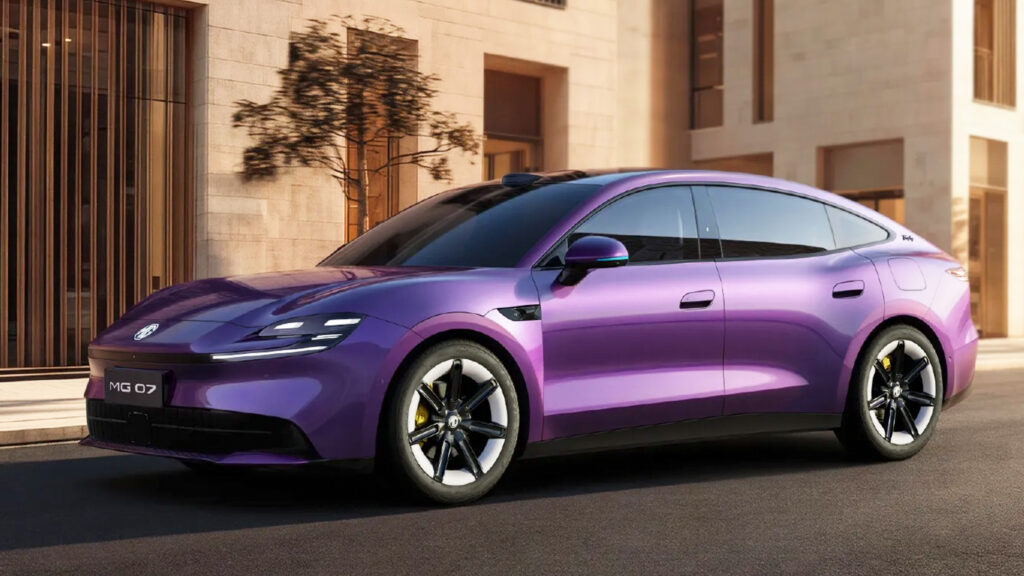
MG07 Design Controversy Highlights the Challenge of Originality in an Era of Aerodynamic Convergence

Bentley’s Torcal EV Blends Spanish Heritage with Modern Branding Challenges

UK Electric Vehicle Sales Surge but Still Fall Short of Ambitious Government Targets
 Busiest June for UK car dealers since Covid pandemic, but bumper EV sales still lag behind ZEV mandate targets
Last month was the busiest June for UK car dealers since the pandemic, partly because electric car sales skyrocketed - but manufacturers are still selling far too few EVs to hit the government's targets.
The Society of Motor Manufacturers and Traders (SMMT) reported a significant 11.4% uptick in registrations in June, with 213,166 cars leaving forecourts - the most in the month since 2019.
The SMMT said the increase was "driven entirely by electrified vehicles", pointing to the rapidly increasing choice of low- and zero-emission cars on sale and the ever-growing number of brands selling them.
Plug-in hybrids took a 12.5% market share over the month – up from 11.2% in June 2025 – with sales up nearly 25% at just over 21,000.
Hybrid sales were up by around 25% too, for a slightly higher market share - but the biggest increase was for electric cars, the market share of which grew from 24.8% to 30%.
That's the highest EV market share so far this year and nearly the highest yet recorded in the UK, which the SMMT attributed partly to higher petrol and diesel prices in recent months inflating interest in plug-in powertrains.
Indeed, the prior month Renault had reported a "seismic shift" in its own customer demands off the back of increased fossil fuel prices arising from the Iran war.
The French manufacturer reported a 42% uplift in EV enquiries through its website through April, when EVs accounted for just under half of its overall registrations.
Overall, EVs have taken 25% of the market so far this year - which is their highest share yet but still some way short of the 33% mix imposed by the government's ZEV mandate for 2026.
To achieve that result by the end of December, the SMMT said, EVs would need to make up more than 40% of sales every month - the prospects of which are dented by the fact that ICE powertrains still make up three quarters of the market.
The SMMT said flexibilities within the ZEV mandate scheme are helping manufacturers to comply, but "their value is diminishing as natural EV demand fails to grow at the pace expected".
Despite the growing choice of EVs on sale and the increasing number of sub-£40,000 cars that qualify for a discount under the government's Electric Car Grant, "uptake is still not rising fast enough, damaging profitability, diverting investment and weakening residual values".
The market share of EVs is under especially intense scrutiny as the government begins to consult with car makers over the viability of its yearly ZEV mandate targets, which currently impose an 80% EV mix in 2030.
To achieve that, manufacturers would need to increase their EV mix by 220% in the space of just four years - a feat that 100% of industry leaders deem unachievable, according to the SMMT.
It was recently widely reported that the government was set to relax its 2030 target to a 50% EV mix, which would be closer in line with the natural growth curve for EV sales, but the subsequent resignation of prime minister Keir Starmer has cast uncertainty on what changes could be made and when.
The SMMT repeated once again its call for "urgent reform of the mandate", highlighting the "unsustainable cost" imposed upon manufacturers who are having to significantly discount EVs to boost their mix, and arguing that markets with "less restrictive regulations" are emerging as more attractive investment opportunities for manufacturers.
SMMT boss Mike Hawes said: “June’s performance is very strong, showing EV uptake is growing, with battery-electric cars reaching their highest market share this year and more than half of buyers choosing electrified models. But even these record levels are still not enough to meet mandated targets.
"Manufacturers are investing billions developing and bringing the vehicles to market and spending billions more to sell them, yet the market is still not moving fast enough.
"Reforming the mandate now is essential not just to keep the transition on track but [also] to protect the UK’s competitiveness, attract investment and safeguard jobs.”

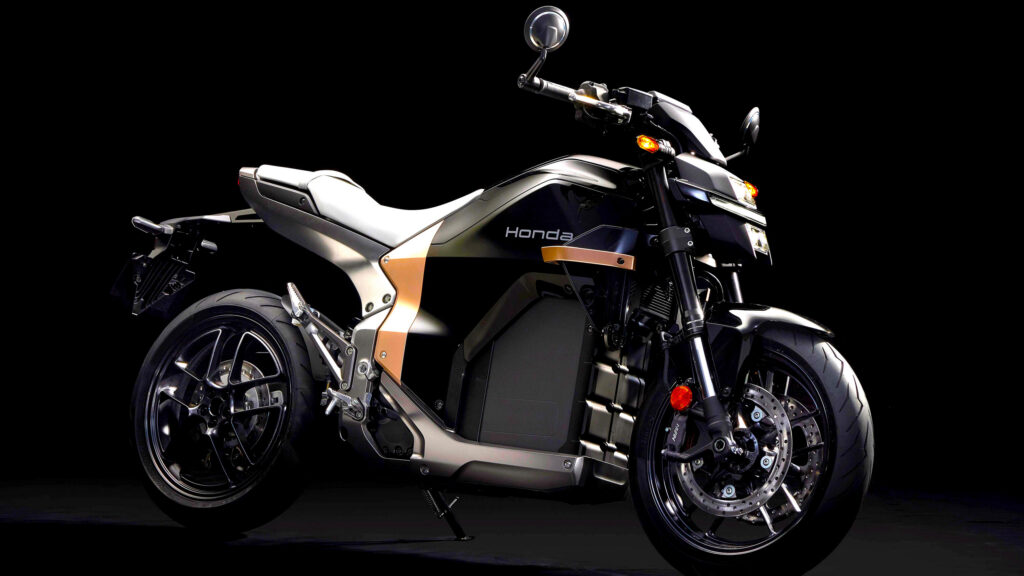
Honda WN7 Signals Strategic Shift as Electric Motorcycles Enter the Mainstream European Market

Company Car Tax Strategies as Policy Shifts Drive Electric and Hybrid Incentives
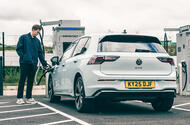 No one likes paying tax, but with a few canny moves you can hand over less of it on your company car – here’s how
To mangle an old saying, only two things are certain in this world: death and company car tax. You can't avoid the first, and however hard you try to dodge the second, you'll always end up paying something.
Company cars are quite the cash cow for the Treasury. There were 840,000 Brits paying company car tax in 2023/24, according to the latest figures from His Majesty’s Revenue & Customs, raking in a combined £3.27 billion for the Treasury.
However, to misappropriate another phrase, the times they are a-changin'. The UK is on course to phase out all but zero-emission vehicles within a decade, and company car tax is an important lever in that process.
In fact, the rates for plug-in hybrid (PHEV) and electric vehicles (EVs) have become so favourable that uptake has increased by 120,000 people since the system was overhauled in April 2020.
Although the incentives have softened a bit, and the goalposts will continue to move over the next few years, it’s still a great time to opt into a company car if your employer offers you one. But there are a few additional hacks that can help keep your bills as low as possible.
How does company car tax work?
It’s worth understanding this as a baseline. If your employer issues you with a car as part of your job, and you’re able to use it outside work hours (and, yes, that includes commuting) then it’s classed as a ‘Benefit-in-Kind’ and you’ll pay tax for that privilege.
Effectively, HMRC treats company cars as a form of additional income, with a slightly convoluted way of calculating their equivalent cash value. Each vehicle is assigned what’s called a ‘taxable value’ – which is a percentage of its list price (or P11d) banded based on its CO2 emissions and (for most PHEVs) the electric range.
As a driver, you’ll then pay Benefit-in-Kind tax on that value at the same as your salary (usually 20%, 40% or 45%, unless you’re in Scotland). The resulting tax bill is usually much lower than the cost of financing the same car privately, as shown by the following example:
P11D value of the car: £30,000CO2 emissions: 95g/kmFuel type: Petrol HybridCar's BIK rate: 25%User's income tax band: 20%Car's BIK value (P11d x BIK rate): £7,500Tax charge (BIK value x income tax band): £1,500 a year or £125 per month
How can I reduce my company car tax bill?
Choose an EV
If you’re looking to make the biggest impact on your tax bill, then there’s no substitute for going electric.
HMRC has spent almost 25 years using company tax to incentivise low-CO2 cars, and EVs (which are rated at 0g/km) are currently taxed at just 4% of their list price. With even the most efficient petrol cars coming in at 25%, going electric can shave around 80% off your tax costs.
Coupled with longer ranges and faster charging times, it’s hardly surprising that drivers have flocked to go electric since the ultra-low rates came into effect in April 2020. In 2020/21, only 52,000 drivers (7% of the total) were in an EV, but that had grown to 342,000 (a massive 41% of all company cars) in 2023/24.
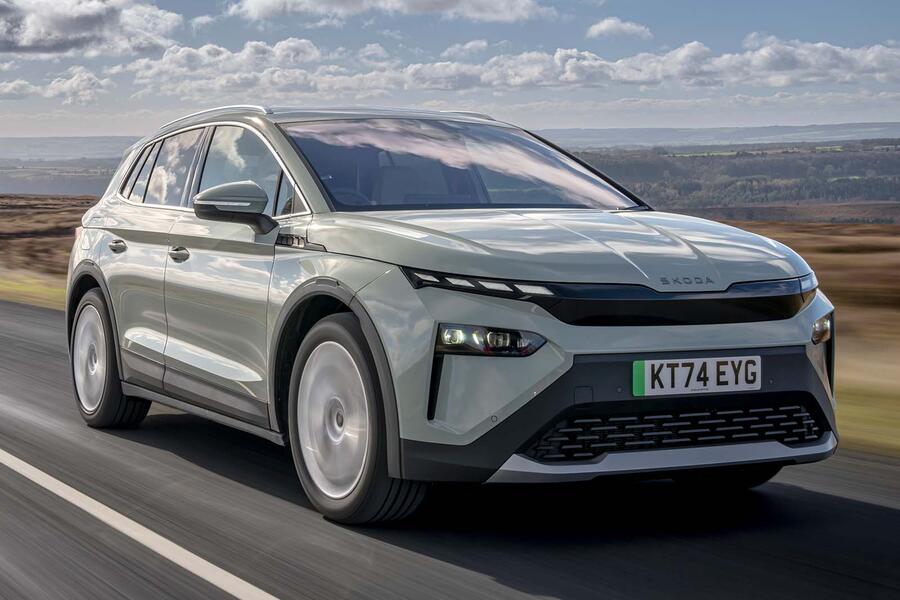
However, that popularity hasn’t gone unnoticed. Despite the 120,000 additional company car drivers in 2023/24, the total tax take had fallen from £4.62 billion to £3.27 billion over that period. That’s why EVs will get some of the steepest rises in company car tax between now and the end of the decade, though you’ll still be paying less than anything with a combustion engine by that point.
Or choose a hybrid
If you are not ready to ditch combustion engines completely, the BiK rates also heavily incentivise PHEVs with the longest electric range heavily enough to offset their higher list price.
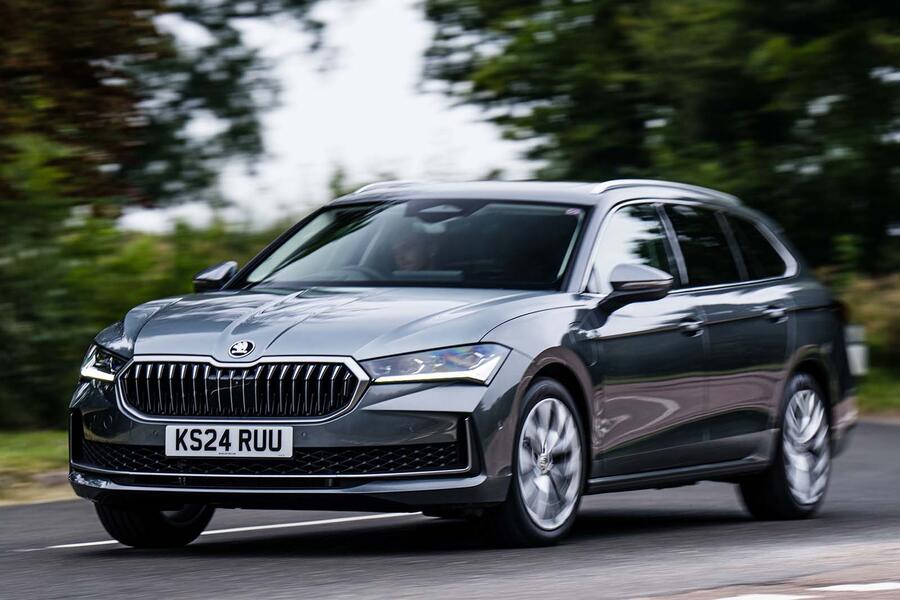
For example, with an electric range of 70 miles, the Skoda Superb SE Technology PHEV falls into the 7% BiK band, whereas the equivalent diesel is taxed at 32% of its list price. Despite the hybrid’s £3,280 price disadvantage, it would cost a 40% income taxpayer £97 per month, compared to £407 for the TDI.
Again, those incentives are being wound down. From April 2028, PHEVs emitting 50g/km or less will be lumped into a single 18% tax band. That’s enough to nudge the Skoda from £110 to £248 per month, but it’s still a lot lower than the diesel at £419.
Be selective with options
In 2017, Europe’s automotive industry switched to a new fuel efficiency test, catchily known as the worldwide harmonised light vehicles test procedure, or WLTP.
Alongside tougher test conditions, it produces more granular data, including recognising differences between trim levels and the effects of optional equipment on efficiency. It’s worth double-checking that the larger wheels or panoramic sunroof you’ve just selected don’t push the car into a higher tax band.
That’s especially true for PHEVs, where a single tax band can have a proportionately large effect on your tax bill. Upgrading the Mercedes-Benz E300de from AMG Line Premium to AMG Line Premium Plus trim robs just one mile of its electric range, but it takes it from the 7% to 10% tax band. Coupled with the higher list price, the result is an additional £2,817 tax bill over the next three years.
Look out for fleet trims
Fleets and leasing companies have enough buying power to negotiate discounts on new cars that wouldn’t be available to private buyers. Unfortunately, this isn’t reflected in the list price, so those discounts won’t result in lower Benefit-in-Kind for drivers.
Instead, to help pass those savings on, some manufacturers offer fleet-focused trim levels that add essential kit but effectively build those discounts into the list price instead of offering discounts. This offers reduced benefit-in-kind payments compared to an equivalent retail-focused version.
Be open-minded
Company car drivers have never had more options. There are nearly 60 different brands available in the UK, a fifth of which weren’t sold here five years ago, so it pays to shop around if your choice list allows you to.
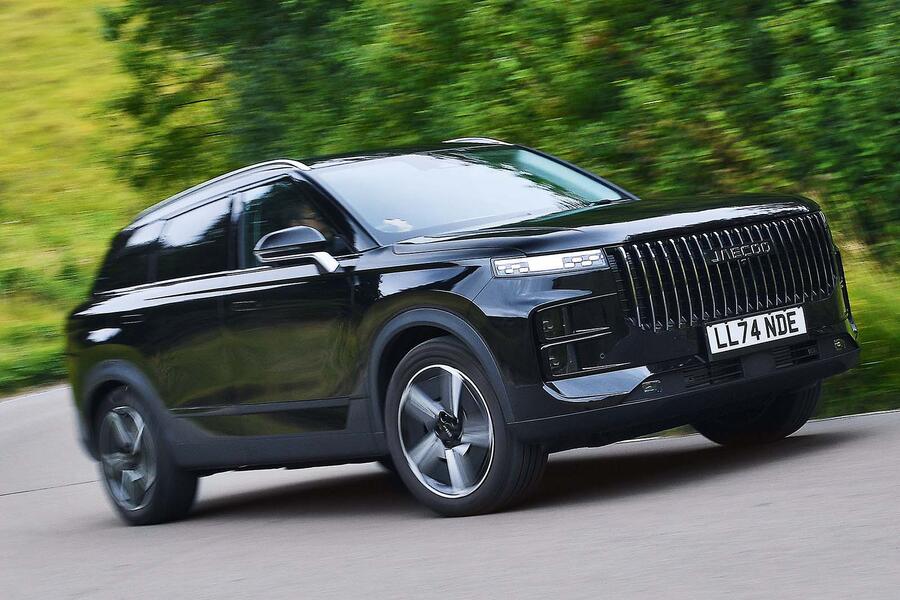
Prolific newcomer the Jaecoo 7 SHS PHEV, for example, has a list price of £36,335 and 56-mile EV range in flagship Black Luxury trim. Fleet stalwart the Kia Sportage GT-Line PHEV falls into the same 10% BiK bracket, but its higher P11d price (£40,570) would cost a 40% income taxpayer an extra £660 over three years.

Supersonic Flight Reconsidered as FAA Shifts Focus from Speed to Sonic Boom Impact


Suzuki Alto Works and the Enduring Appeal of Japan’s Kei Hot Hatch Revolution

Range Rover Reinvents the Velar as a Sleek Electric Crossover to Challenge German Rivals...
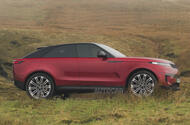
Autocar rendering showcases the Velar replacement's segment-straddling shapeVelar will be reborn as a rakish crossover to rival BMW iX3 and Mercedes-Benz GLC
Range Rover is poised to unwrap one of its most crucial models in years as it looks to take on the BMW iX3, Mercedes-Benz GLC and Volvo EX60 with a sleek new electric SUV that will replace the Velar and the brand has confirmed a combustion version will follow.
The upcoming crossover is at an advanced stage of testing and is tipped for a debut within the next six months.
It will arrive as part of a wave of models that will end a long period of new-product drought for JLR, which has not launched an all-new model since the Range Rover Sport in 2022.
The company's focus for now is on the long-awaited Range Rover Electric and Jaguar Type 01 flagships, both of which will be revealed by the end of the year.
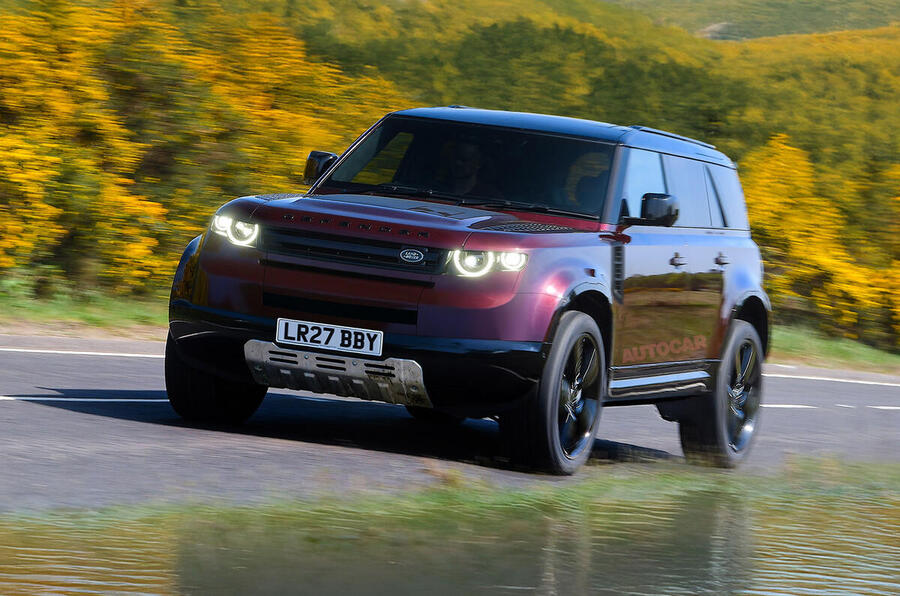
JLR will then move to introduce more volume-oriented electric models, including the rakish new iX3-rivalling crossover and a chunky entry-level 4x4 known as Defender Sport (pictured in Autocar's artist impression, below).
They will be the first models based on JLR's new EMA platform, which had been planned as an electric-only architecture.
However, it has since been confirmed that it will also be compatible with hybrid powertrains as part of an effort to offer more choice across the JLR portfolio.
The company said last week that while future Jaguars will be all-electric and the full-size Range Rover models will offer the choice of ICE and electric power, the first EMA car - confirmed as the smaller Range Rover crossover - "is planned to provide flexibility in the future through a full hybrid electric vehicle propulsion offering".
The hybrid powertrain is said to be a "unique new addition to JLR's propulsion portfolio", suggesting it will be unrelated to the ICE powerplants it currently offers across its range.
The Range Rover crossover will be followed by a "new model from the Defender family". This will be the long-awaited Defender Sport, which will also offer hybrid and electric power.
JLR said the move recognises that global demand still exists for combustion engine-based drivetrains, and it marks a return to an earlier plan to offer the EMA as a multi-fuel platform.
It remains to be seen if the firm will offer the smaller cars with a range-extender system, as had originally been mooted.
Range Rover goes saloon
The crossover is among the last of the models to be shaped under the stewardship of former JLR design boss Gerry McGovern.
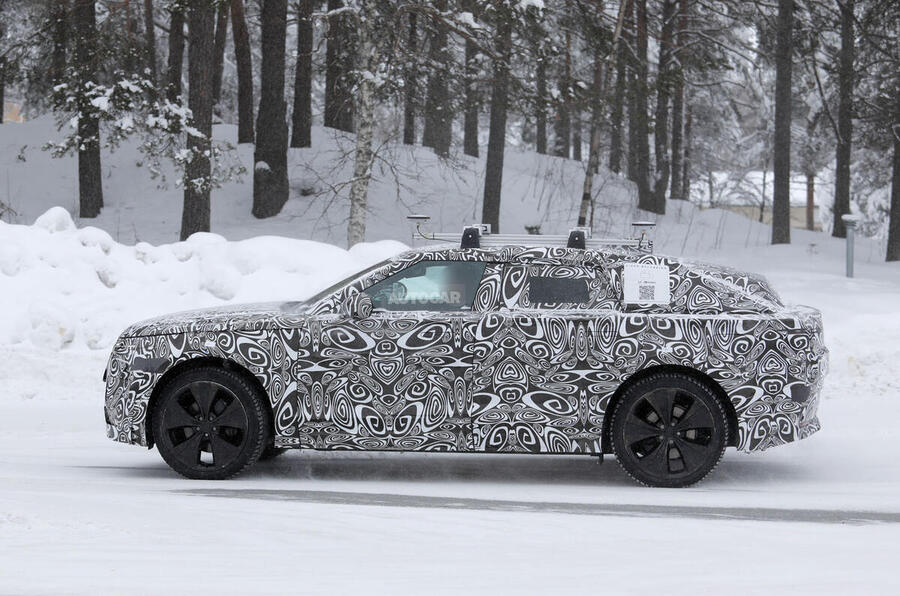
It will represent a dramatic break from Land Rover and Range Rover by eschewing a traditional high-riding, two-box SUV silhouette. Instead, it adopts a sleeker and more rakish look that appears to ride closer to the ground and has the air of a saloon car - similar to the Polestar 4 and DS N°8 in profile.
Its roofline is sharply angled down to the rear, where a small, saloon-style deck extends out of the back and around the sides to give a muscular look to the rear haunches.
Prototypes seen testing have had their rear decks camouflaged, suggesting the new SUV will forgo a traditional rear screen in favour of a digital rear-view camera, like the Jaguar Type 01.
The arrangement boosts rear-seat head room because it does away with the bulky header rail that's needed with a glass pane. JLR has yet to comment on the design of its new model, but the bold shape will help to distinguish it from its range-mates.
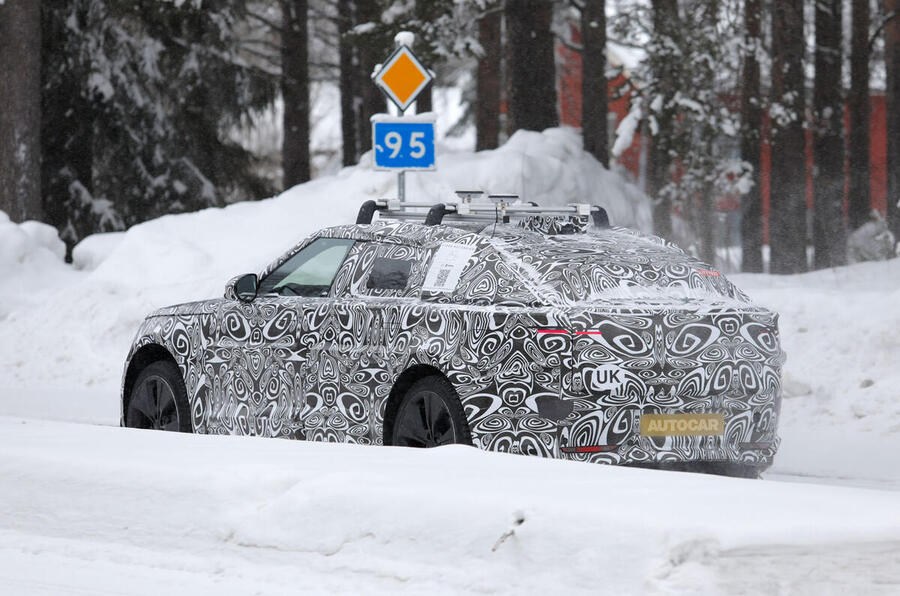
This is in line with the company's push to segregate more categorically its various model families, in this case by emphasising a greater focus on long-distance refinement than outright utility or off-road capability.
The move to a 'segment-straddling' bodystyle could also help the model compete more effectively in a segment in which many rivals field a technically identical saloon and SUV, such as the BMW i3 and iX3, the Mercedes GLC and C-Class EVs and the Audi A6 and Q6 E-tron.
Despite having a silhouette and footprint that are similar to the current Velar's, however, it is not yet confirmed whether the new model will use that name, as has been widely speculated.
JLR is working to build its best-performing and longest-standing nameplates - Discovery, Range Rover, Defender and Jaguar - into brands in their own right, and it will begin to introduce distinct, stand-alone model lines under each of those four banners.
It is not yet clear, however, how 'Velar', which has only been used for a production car since 2018, fits into that strategy.
How it can win
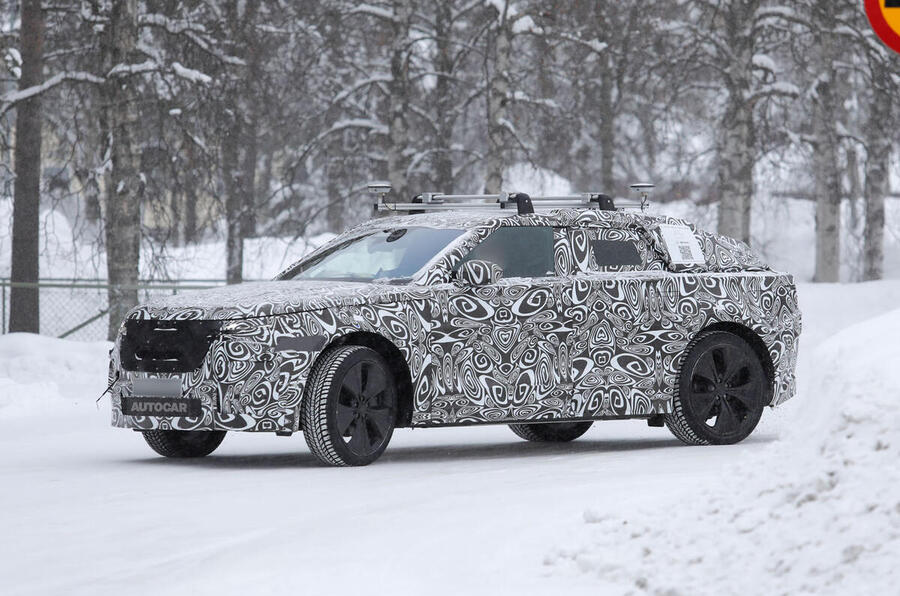
The new mid-sized Range Rover crossover is set to become one of JLR's best-sellers and certainly one of its most popular EVs in the medium terrm, along with the smaller and possibly cheaper Defender Sport. But it will need to be suitably technically equipped if it is to compete with its German and Swedish rivals.
The BMW, Volvo and Mercedes each offer a maximum range of around 500 miles in their longest-legged forms, and they are capable of charging at well over 300kW, which significantly enhances their appeal as long-distance executive models.
JLR has not yet released the specifications of any of its EMA-based models, but it is likely to equip the EV architecture with the same 800V hardware that is said to allow the larger electric Range Rover to top up as quickly as the fastest-charging EVs on sale.
It is not yet known if the smaller Range Rover EV, which is thought to be roughly as long as the current combustion Velar, at 4.8m, could take the same substantial 118kWh battery pack as its bigger sibling.
However, the EMA is understood to have been engineered as an 'electric-first' architecture.
So while the full-fat Range Rover's MLA platform was designed to be multi-fuel from the beginning, with provision for an ICE drivetrain in the chassis, it's possible that more cells could fit into a smaller wheelbase on an EMA-based model. For reference, the iX3 and EX60 both pack more than 110kWh of capacity in their longest-range forms.
It is unclear if JLR, which is synonymous with 4x4 drivetrains, will equip this road-focused model with a cheaper and more efficient single-motor arrangement.
The firm has sold two-wheel-drive options since 2010, but only on the entry-level Freelander and Evoque models.
Production plan
The EV's batteries will come from the £4 billion Somerset battery factory currently being built by Tata-owned Agratas and which will produce units for JLR and other customers.
The facility is due to open next year, following a series of delays, and has a targeted outright capacity equivalent to 500,000 EV batteries per year. It will supply JLR's production lines in Solihull, where the firm will build the Range Rover and Jaguar EVs, and Halewood, where the new mid-sized SUV is due to be built.
The Merseyside site currently produces the Discovery Sport and Evoque, but it is undergoing a £500 million makeover so it can manufacture EVs.
The Velar-sized SUV and Defender Sport are due to be the first, and they could in time replace the petrol-engined crossovers, which are seven and eight years old respectively.
However, JLR has already said Halewood will remain capable of building pure-combustion and hybrid models alongside their electric counterparts.
So the latest announcement that the EMA can accommodate hybrids suggests that EV and HEV versions of the new 'Velar and Defender Sport will be built in sequence there.
The business case
JLR's incoming rakish SUV will be the first all-new model released under the stewardship of PB Balaji, whose appointment as JLR CEO last year was seen as an attempt by parent company Tata-where he had previously been finance boss - to take a tighter grip on the reins of its highly profitable British subsidiary.
Automotive industry newcomer Balaji faces a tough task in steering JLR through the innumerable global headwinds currently battering the automotive Industry.
The company is recovering from the crippling cyber attack that knocked out all of its production lines for several weeks last year, and JLR is still grappling with the challenges of import tariffs in the crucial US market, intense competition in China and the forthcoming imposition of new 'Made in Europe' rules that could threaten the viability of UK-built cars in the EU.
Introducing a new car with higher volume potential than the upmarket Range Rover and Defender models will be pivotal in helping the firm to preserve its market share while navigating these choppy waters. But it will be just as important in boosting JLR's electric vehicle mix in a market that so far has been lukewarm to full-blown electric luxury cars.
The electric version of the Velar-sized SUV will arrive around the same time as the electric Range Rover and Range Rover Sport, as well as Jaguar's long-awaited Type 01 GT.
But while those three will be priced above £100k and pitched into the luxury sector, this smaller new entrant has a crucial role to play in stealing sales from the likes of the BMW IX3, Volvo EX60 and Mercedes GLC Electric.
Unlike those rivals, JLR's new mid-sized SUV does not have to take the role of playing the electric alternative to a combustion-powered best-seller: the current Velar outsold only the ageing Discovery and Discovery Sport last year in Land Rover showrooms, but the model will be vital in maintaining the brand's footprint in a key segment as it transitions to electric power.
Faltering demand for electric luxury models worldwide has prompted many marques- including Aston Martin, Bentley, Lotus and Porsche - to delay or scale back their plans to electrify their line-ups fully in recent years.
JLR itself is bringing its flagship Jaguar and Range Rover EVs to market later than planned partly, it is understood, in anticipation of the market picking up.
Electric powertrains are, however, proving far more popular lower down the pricing scale in the premium sector, where large-capacity engines and thrilling exhaust notes have traditionally been less central to a car's appeal.
Indeed, BMW has already added a second shift at the IX3 factory in Hungary to cater to soaring demand: the EV notched up just over 10,000 sales in its first two months.
Volvo, meanwhile, also boosted output following strong demand for the EX60, and Mercedes took more GLC orders in the first three months of production than for any of its previous EVs.

GPS Tracking Transforms Car Theft Policing as Stolen Dodge Durango Leads to Swift Arrest...