BMW M2 Track Kit Redefines Performance Benchmark by Outpacing M2 CS at Nürburgring Without...

BMW Z3 Roadster Reimagined in Bold Pink Highlights Customization’s Role in Automotive Identity

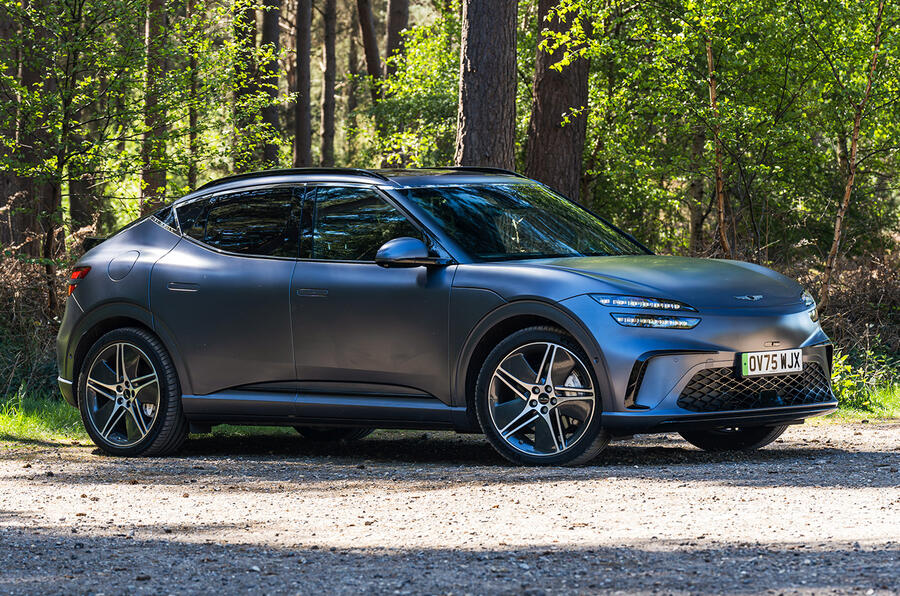
Genesis GV60 Redefines the Executive EV with Luxury, Range, and Cost Efficiency for Fleet...
 This compact luxury SUV should be at the top of your company car or salary sacrifice shortlist – here's why
Part tool of the trade, part workplace perk, choosing a company car or salary sacrifice vehicle is a head and heart decision for drivers, and the Genesis GV60 wins on both counts.
Combining athletic styling and exhilarating performance with a plush, technology rich interior and some of the fastest charging speeds on the market, it’s the Korean luxury brand’s best-selling model in the UK. Following a comprehensive update last year it’s become an even more compelling choice for company car and salary sacrifice drivers, and an even better business case for fleet managers too.
The refreshed GV60 is available in three generously appointed trim levels offering up to 348 miles of range with advanced technology that makes driving safer, more comfortable and more enjoyable – and that’s just the start.
Here, we’ve picked out the top five reasons why it should be at the very top of your executive company car or salary sacrifice shopping list.
Learn more about Genesis GV60
#1 A luxurious interior, built for the long haul
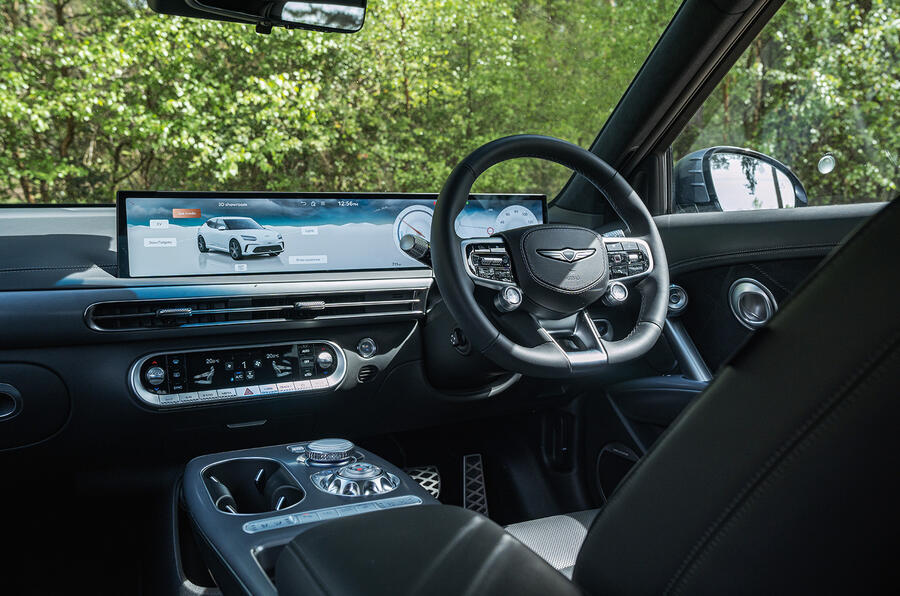
From commuting to client visits, fleet drivers spend more time on the road than most UK drivers. Therefore, it’s crucial that your office on wheels is a place you’ll be happy to spend all that time. And that’s exactly where the GV60 excels.
Step inside and you’ll find an exquisite mix of plush materials, wonderfully tactile buttons and a suite of advanced next-generation technology. The result is a luxurious and calming environment for those long-distance drives – and one you’d expect of cars several classes above it.
Built on a dedicated EV platform, with the battery packaged neatly under the cabin, the GV60 is uncluttered by a transmission tunnel and has an unusually open footwell between the driver and passenger, allowing for an airy, spacious feel that’s more akin to a luxury airport lounge than a conventional car cabin.
But it’s also logically laid out, with easy-to-reach physical buttons for frequently used features, an intuitive multi-function three-spoke steering wheel and an intricately crafted ‘Crystal Sphere’ gear selector that rotates out of the floating centre console.
The underlying sense of opulence extends further when you take a closer look at the choice of materials, with soft leatherette trim accented with brushed aluminium and heated, power-adjustable seats on all versions. Nappa leather is optional (but fitted as standard to the top-spec Performance model), offering four different colour options and suede across the doors and roof lining. Add the Convenience Pack and the front seats recline fully while parked or charging, while the ‘Ergo Motion’ driver’s seat has seven built-in air pockets that can correct posture, provide extra bolstering in Sport ode and even give a back massage.
However, the centrepiece of the new GV60 is its 27.0-inch Integrated Cockpit, which merges the central infotainment touchscreen and digital driver display into one enormous panoramic screen across the top of the dashboard. It responds to a simple “Hey Genesis”, so you can keep your eyes on the road and hands on the wheel, and will even stream content from Netflix, Disney+ and Bloomberg. Enhanced by an optional 17-speaker Bang & Olufsen audio system with Dolby Atmos, it’s an ideal distraction if you’re parked up waiting for a charge. Those stops, however, might not be as long as you’d expect…
#2 Ultra-fast charging and impressive range
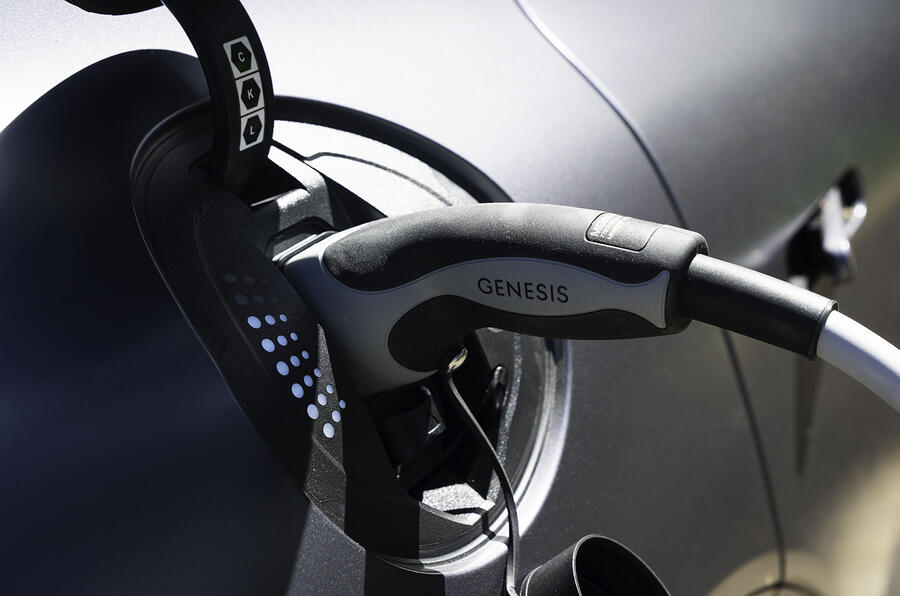
The GV60 was the first Genesis engineered from the get-go as an electric car, and last year’s update capitalises on one of the fastest charging curves on the market by offering an impressive improvement in range across the line-up.
Beneath the efficiency-stretching, aerodynamically re-profiled bodywork, all versions are now equipped with an 84kWh battery pack. That’s around 9% more energy capacity than the launch models, and enough to take the rear-wheel drive GV60 Pure up to 348 miles on a full charge.
As four-wheel drive versions can disconnect the front drive motor to save energy, they’re not far behind. The GV60 Sport comes in at up to 318 miles, while even the flagship 483bhp GV60 Performance can cover up to 311 miles – that’s enough to get from Birmingham to Edinburgh non-stop, with a few miles in reserve.
However, the platform’s standout feature is 800-volt charging, compared to the 400-volt systems used by most of its rivals. Plug the GV60 into one of the UK’s near-13,000 350kW rapid chargers (according to Zap-Map), and it’ll charge from 10% to 80% in 18 minutes – that’s an additional 244 miles of range for rear-wheel drive versions.
Or, put it another way, you’d get at least another 100 miles in less time than it takes to grab a mid-journey coffee and comfort break. Plot a route to a charging point in the built-in navigation system, and it’ll automatically pre-warm the battery cells to the perfect temperature for the fastest possible top-up. Clever stuff.
There’s plenty of technology that can help wring extra miles out of a full charge, too. The GV60 uses an energy-efficient heat pump system to warm the cabin and can be equipped with digital side ‘mirrors’ that use cameras relayed to screens inside the doors, offering a more streamlined shape. Drivers also get Genesis Connected Services as standard, enabling them to check charging status, pre-warm their car and de-ice their windows while it’s still plugged into the mains, conserving your battery range for the journey ahead.
#3 A perfect blend of performance and refinement
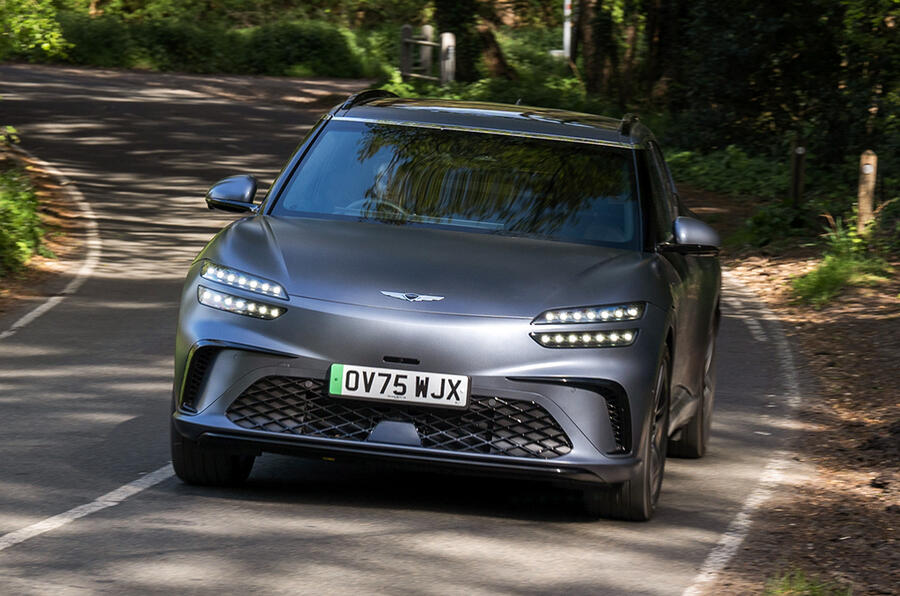
Electric vehicles have raised the bar for fleet drivers by putting previously unimaginable power and comfort within reach. The new GV60 includes a few clever new features that really enhance that experience, no matter where your journey takes you.
For office bragging rights, look no further than the GV60 Performance, which produces a massive 483bhp and can reach 62mph in a supercar-worrying 4.0 seconds from rest once you press the thumb-activated Boost Mode button on the steering wheel. But if you’re taking the long route home, the update added on-demand simulated gearshifts (using paddles on the steering wheel) with a choice of three artificial engine notes to dial in some interactivity. Dual-motor, all-wheel drive traction means it’s delivered without drama.
However, the alternatives won’t leave you feeling short-changed. The GV60 Sport produces 314bhp and reaches 62mph in a not-too-shabby 5.5 seconds, while even the entry level GV60 Pure reaches that benchmark in 7.8 seconds. All versions now feature high performance four-piston front brakes with intelligent regenerative braking from the motor. That’s either wound on in steps using paddles on the steering wheel, or set to automatically adjust itself based on traffic flow, navigation data and driver behaviour. In its most efficient setting, the GV60 can be driven on a single pedal.
However, it’s just as cosseting on a busy motorway stretch, with revised suspension settings, acoustic glass and specially developed tyres with foam inserts to reduce road roar. The GV60 can even be equipped with technology that intelligently cancels out fatigue-inducing wind and road noises by using the speakers to emit opposing frequencies, and suspension that automatically adapts its damping for speed bumps and potholes.
#4 Clever features that enhance practicality and usability
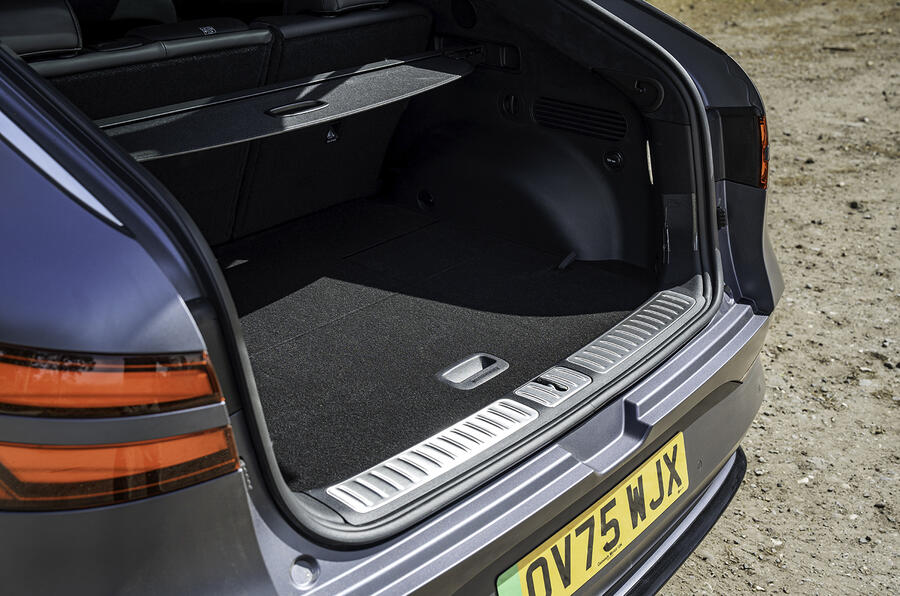
Fleet vehicles have a broad remit, needing to function as both a mobile office during the week, and a versatile family-mover at the weekends. Luckily, the GV60 packs impressive practicality into its coupé-SUV silhouette, with features that make life a little easier for drivers.
The bespoke EV-specific platform helps. With no need to allow space for versions with bulky engines, Genesis has pushed the wheels out to all four corners to extend the wheelbase, offering an exceptionally large cabin in a compact footprint.
There’s a generous 432 litres of cargo space beneath its rear hatchback, or 680 when it stacked to the roof liner, plus an additional 53 litres under the bonnet (rear-wheel drive version only) – ideal for carrying the charging cable. The tailgate is electrically powered as standard, with options that include automatic opening if you’re stood nearby for three seconds, and rear-view mirror that can relay images from an external camera if the rear screen is blocked.
Genesis is also re-thinking how drivers use their cars. With the standard Smart Key, there’s no need to reach into pockets or bags, the GV60 unlocks and pops out its door handles as you approach then locks itself as you walk away. Add the Innovation Pack Plus, and it gains the ability to open and start using a smartphone as a key, which can be shared with up to three people, and biometric access using facial recognition and a thumb print scanner. It’ll even set on-board preferences to your tastes as you get behind the wheel.
And with a suite of advance assistance features, it’s also there to help take some of the effort out of long days at the wheel. All versions include Highway Driving Assist, which intelligently monitors adjusts the car’s speed and lane position, while automatic lane change assistance is available as an upgrade. Add the Remote Smart Parking Assist 2 function, and the GV60 can manoeuvre in and out of tight parallel, perpendicular and diagonal parking spaces with nobody at the wheel. A high-tech way to avoid those end-of-contract damage charges.
Add in a 1600kg maximum towing capacity and optional vehicle-to-load capability for powering electronic appliances, and it’s well equipped for the full gamut of fleet life.
#5 Low running costs for drivers, and for fleets too
Backed by long-term tax breaks, electric vehicles make great business sense, and fleets are spearheading the UK market. Almost half (48%) of business contract hire (BCH) and 77% of salary sacrifice orders are battery-electric, according to the latest figures from the British Vehicle Rental and Leasing Association, and the GV60 can appeal to both drivers and fleet managers alike.
All versions fall into the lowest 4% company car tax band in 2026/27, rising to 5% and then 6% in the following two financial years. That’s significantly lower than even the longest-range plug-in hybrids available today, delivering ultra-low Benefit-in-Kind (BiK) payments for drivers, alongside low Class 1A National Insurance Contributions for employers. Businesses can also deduct 100% of the lease or purchase costs from their gross profits, and install home chargepoints without drivers incurring any Benefit-in-Kind cost.
Salary sacrifice sweetens the deal further. Because payments are taken from your gross salary before tax and National Insurance contributions are deducted, drivers can make significant savings versus a traditional personal lease – bringing a premium electric car like GV60 within easier financial reach on a predictable monthly budget.
Tax breaks are only one cost-saving aspect. Charged at home, the GV60 uses as little as 8p of electricity per mile, based on the latest Ofgem price cap data, falling to 2p for drivers on a tariff with cheaper overnight energy rates. Even at the higher of those two rates, it’s costing half as much as a typical 2.0-litre diesel car.
Fleet managers get peace of mind, too. The GV60 includes a full suite of more than 20 passive and active safety features to protect drivers, including an interior camera that ensures they’re alert and watching the road at all times, adaptive cruise control that keeps drivers a safe distance from the car ahead, forward collision avoidance, rear cross-traffic alert and even remote smart parking which allows the driver to control slow-speed forward and reverse manoeuvres from the key fob. The result of all this is a full five stars from Euro NCAP.
Finally, the GV60’s clever, always-online technology allows for seamless over-the-air software updates for safety, infotainment and connectivity features, meaning every GV60 is always optimised and ready to perform at its very best.
For head or heart, driver or fleet manager, it’s a great option for your company car or salary sacrifice shortlist.
Learn more about Genesis GV60

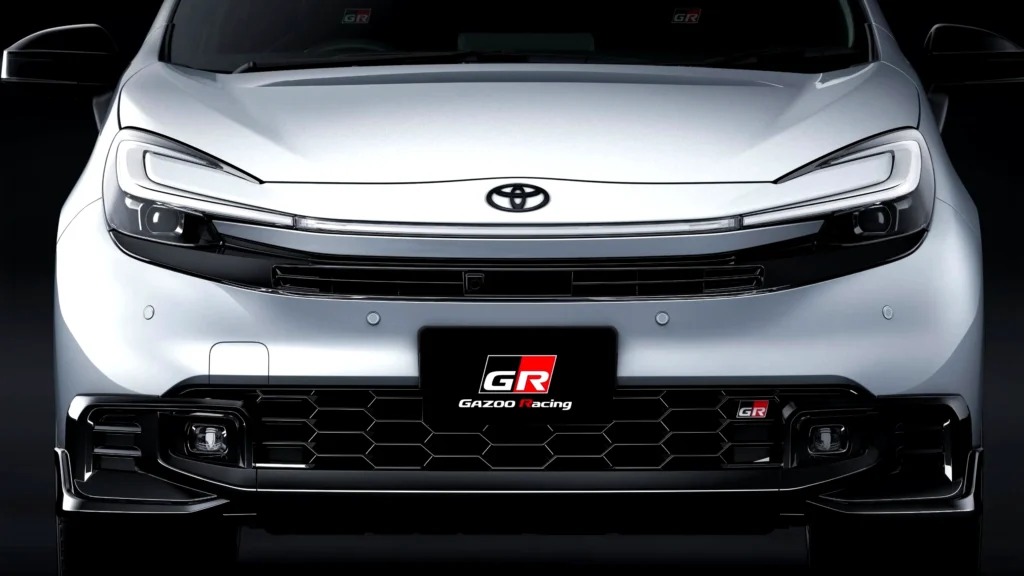
Toyota Aqua GR Sport Sharpens Hybrid Hatchback’s Appeal with Chassis Upgrades, Not Power

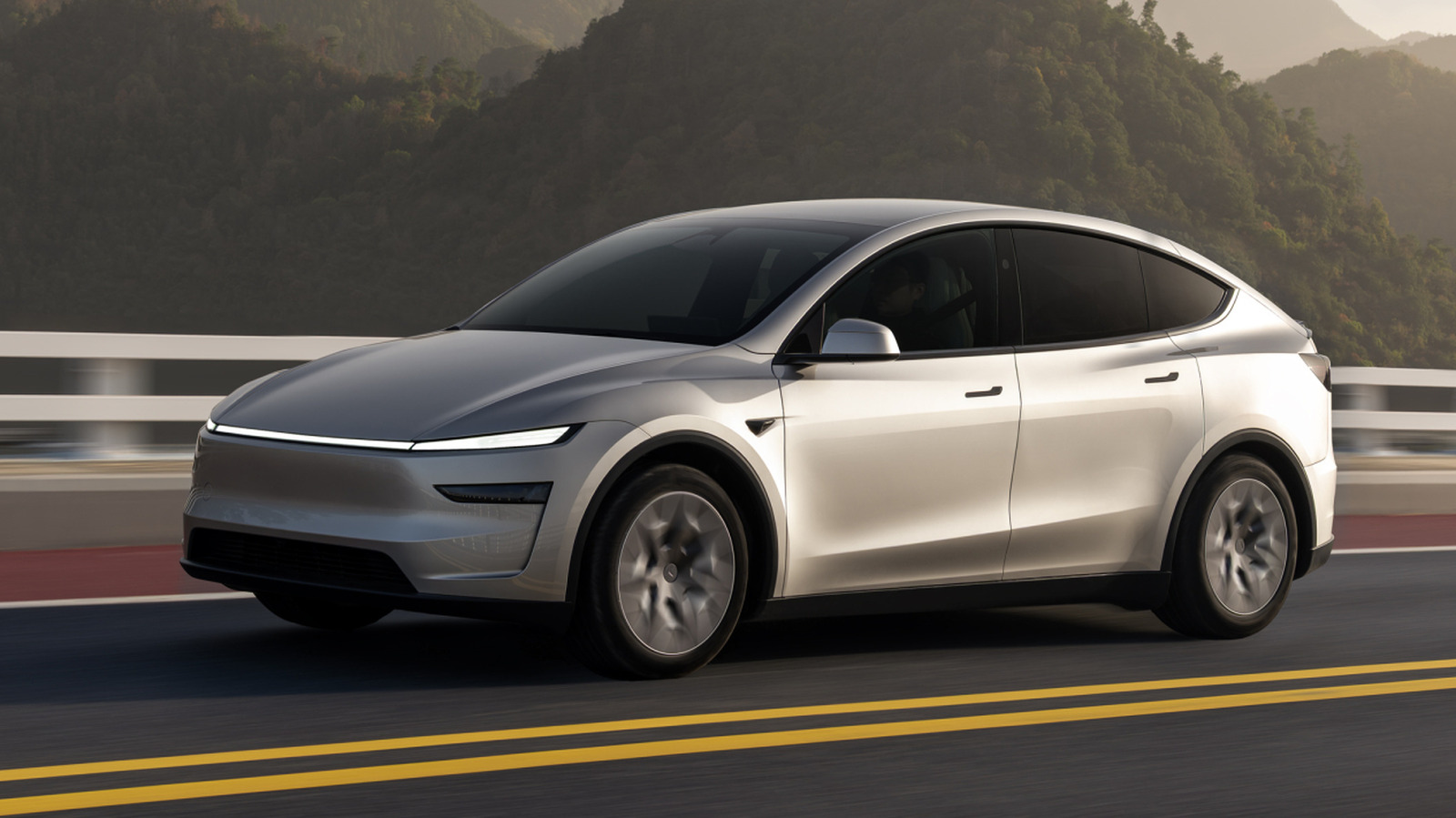
Tesla Model Y L Highlights Stark US-China Price Gap and Raises Questions on Market...

Range Rover’s Evolution from Utility 4×4 to Global Luxury Benchmark
 From its origins as the humble 'Station Wagon' to the long-wheelbase LSE and beyond, this is the history of Land Rover's luxury icon
2020 marks 50 years of the Range Rover.
Land Rover’s seminal 4x4 arrived in 1970 and would go on to define the premium off-road class. But where did the story start, and how did three engineers working out of hours create the outline of what would become the Rover Company’s all-new model?
1965 - Origins of the lifestyle Land Rover
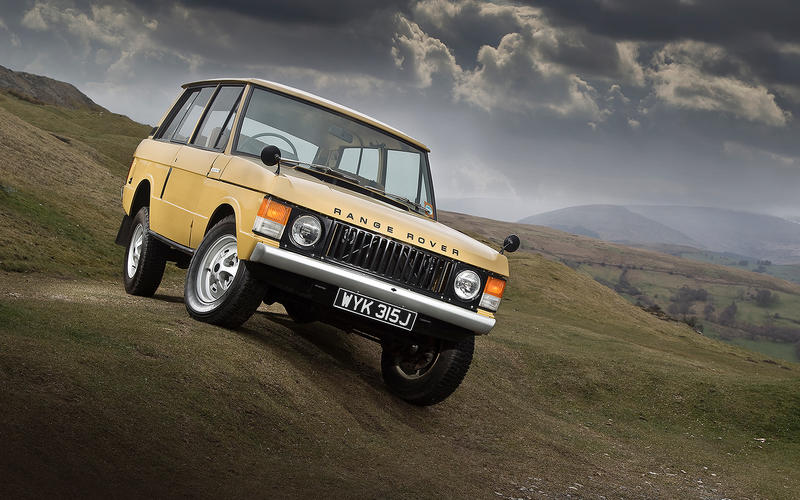
The Range Rover story begins in 1965, when the concept of a lifestyle Land Rover was first mooted. The company had recently begun producing Land Rovers designed for the road in the form of the imaginatively named Road Rovers; however, it would be another few years before anything recognisably Range Rover-like would emerge from the Gaydon pipeline.
1967 - Concept becomes prototype
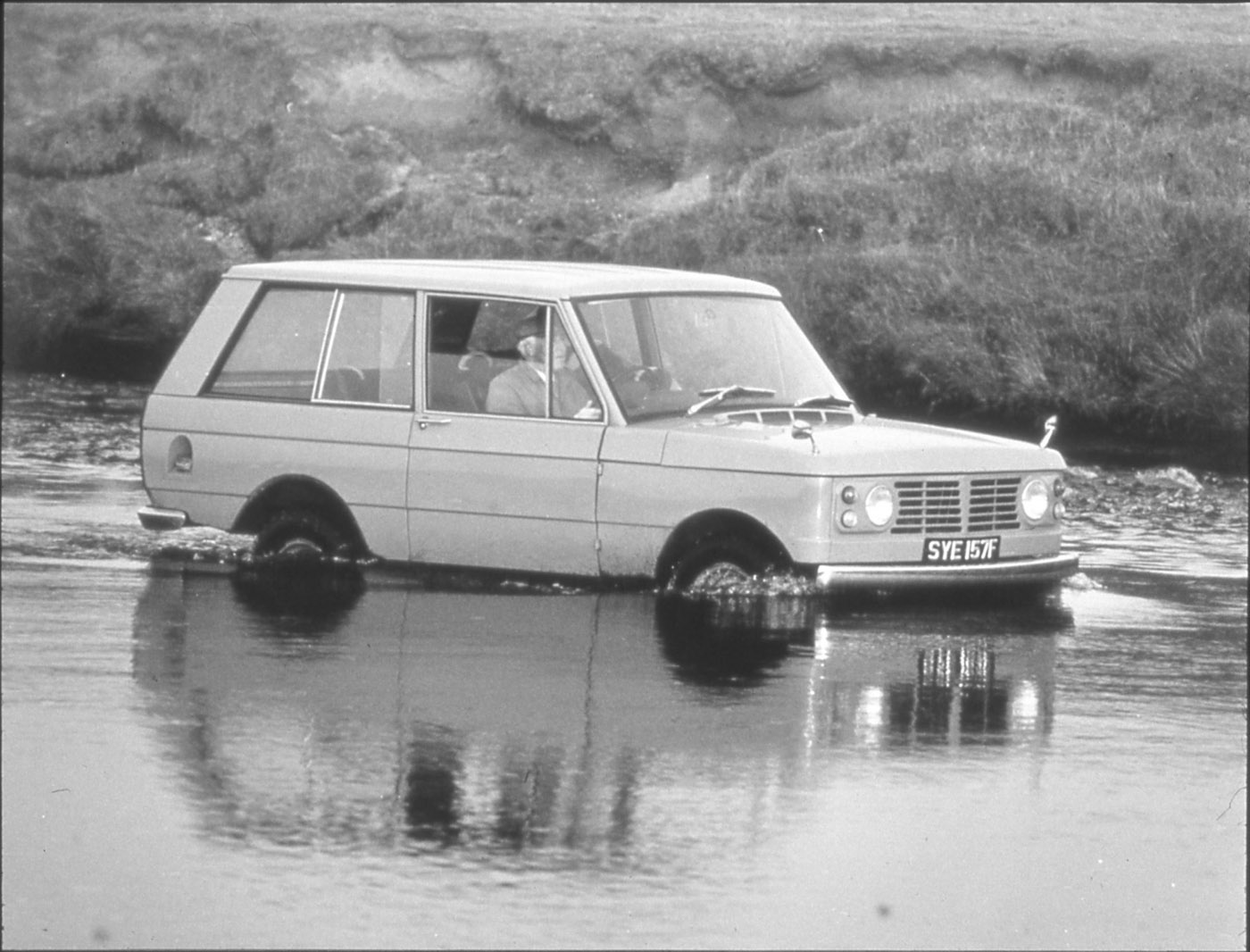
The first real forerunner to the modern Range Rover was designed in 1966 and brought to fruition within two years. It’s name - variously ‘Alternative Station Wagon’, ‘100-inch Station Wagon’ and ‘Concept Oyster’ - wasn’t the catchiest of things. Thank goodness, they settled on Range Rover.
The first prototype emerged in 1967. Although it’s outline was recognisably Range Rovery, the inside consisted mostly of Land Rover hardware such as axles, selectable four-wheel drive and drum brakes all cribbed from the extant 4x4.
That all changed with the second prototype, however. This car featured prototype full-time four-wheel drive and a Boge Hydromat self-levelling strut to maintain ride height at the back, all of which would be transferred into future production cars.
1970 - Mk1 Range Rover is launched
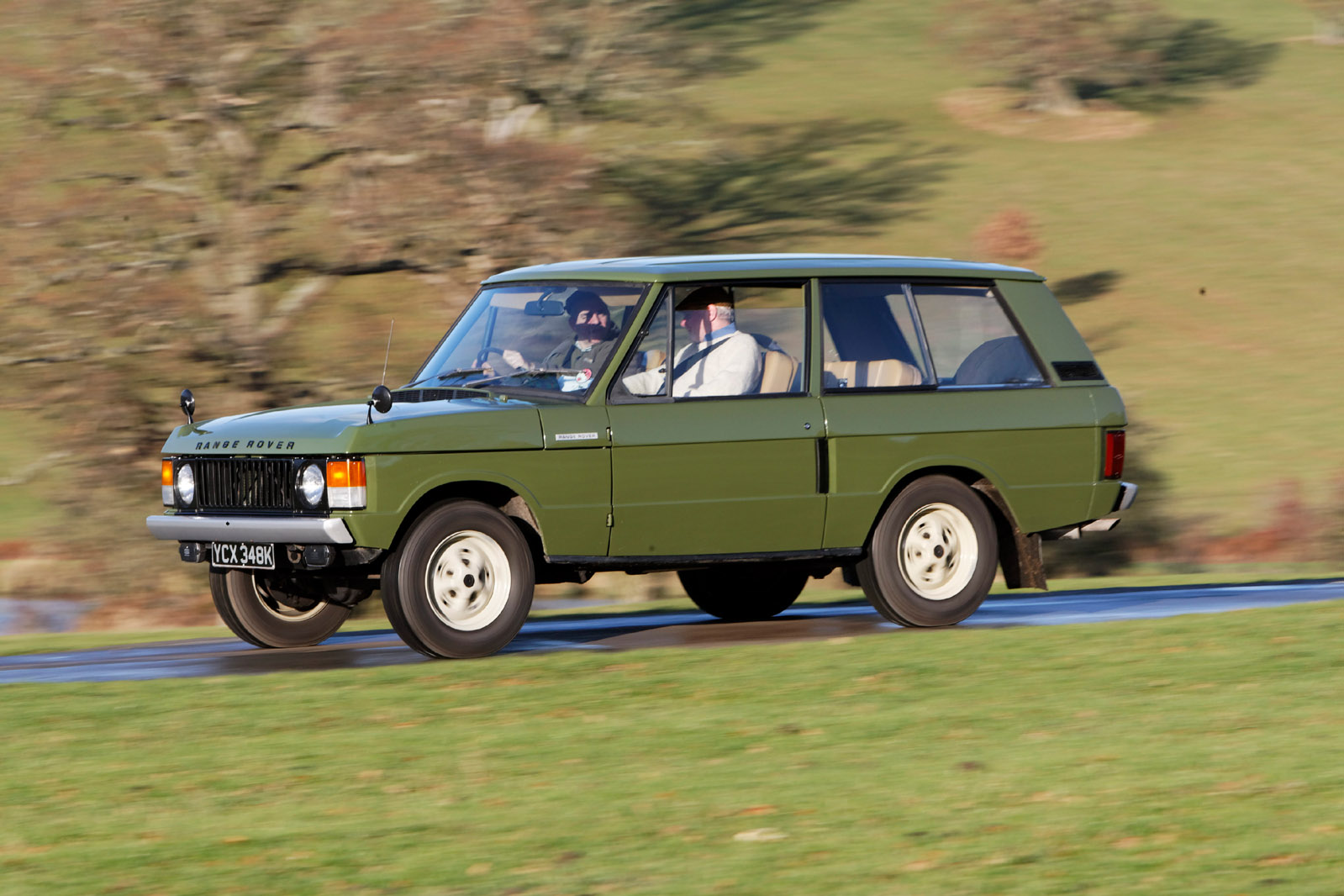
The first generation Range Rover was launched to the world in 1970, and the world loved it. It was a truly modern, airy design, while at the same time respectful of its humbler ancestor, and exuded self-confidence. It was fitted with a 130bhp engine, and featured a body-on-frame design with box-section chassis.
When Autocar first tested it, we said that we were “tremendously impressed by the Range Rover, and feel it is even more deserving of resounding success than the Land-Rover.”
It was not designed as a luxury car – just one that was more comfortable and had better road-manners than the Land Rover. It featured vinyl seats and plastic floors, designed so that they could easily be hosed out. The luxuriousness that Range Rover is famous for today would arrive incrementally, triggered by customer demand.
1973 - Power steering made driving a Range Rover that bit easier
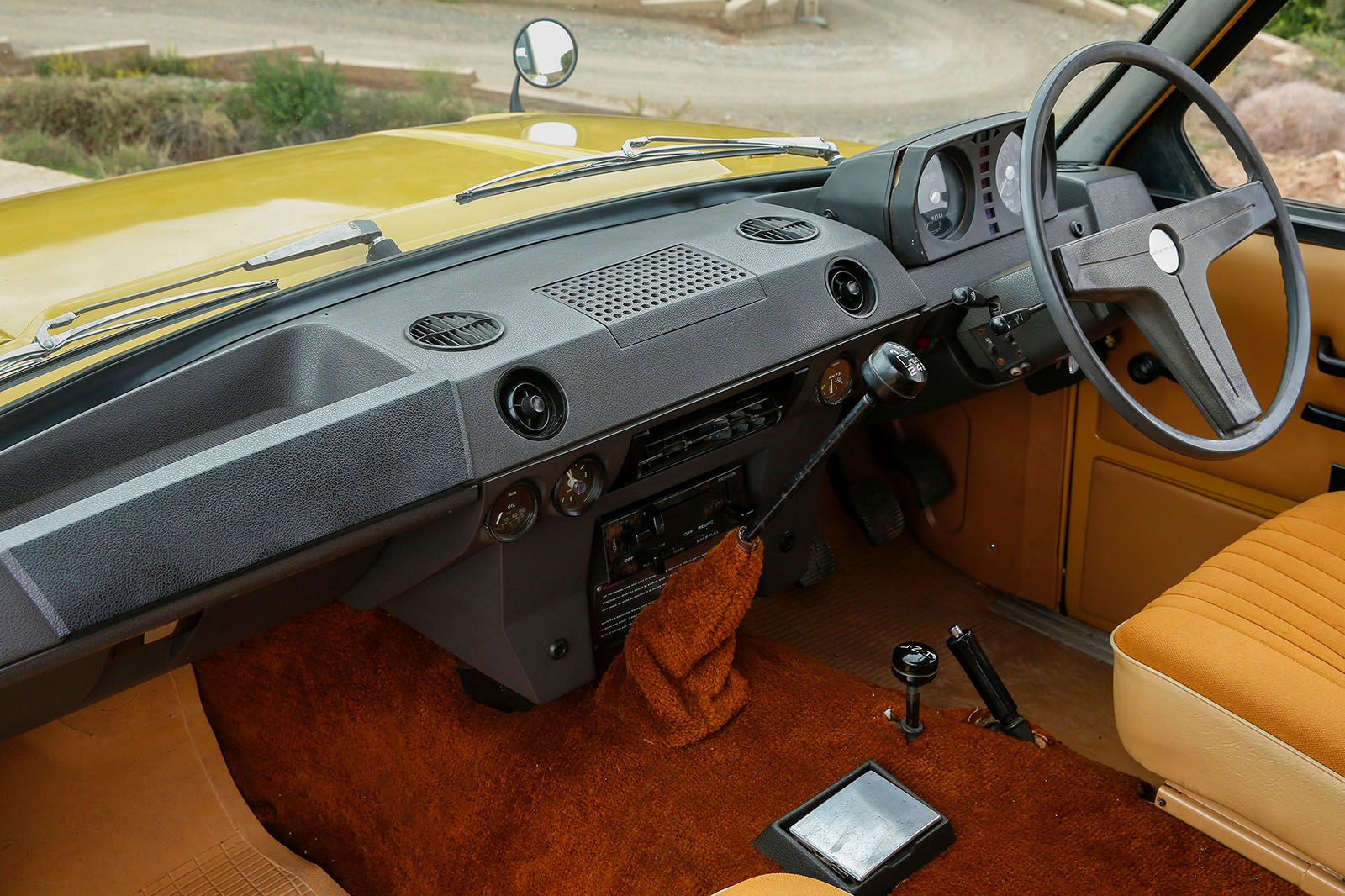
In 1973, the Range Rover gained hydraulic power steering, enhancing drivability considerably and taking Land Rover’s soon-to-be flagship car to another level.
1981 - Land Rover breaks out on its own
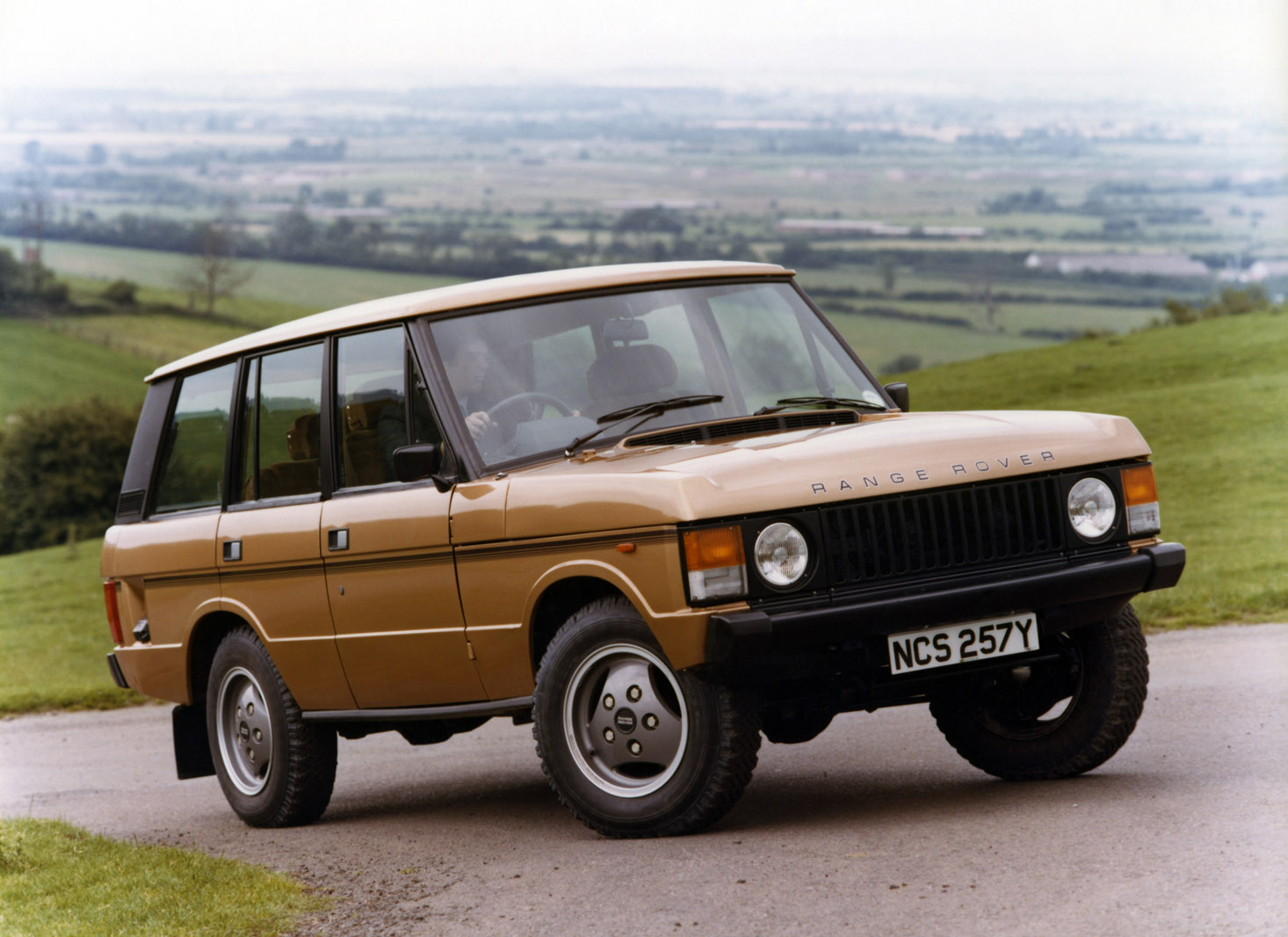
In 1980, British Leyland was now under new management and it made Land Rover a stand-alone entity within the wider group. This gave it more freedom to exploit opportunities, as shown by the new four-door Range Rover of 1981.
In the same year, Land Rover emphasised the Range Rover’s credentials as a luxury vehicle by launching a limited edition ‘In Vogue’ version. The name isn’t coincidental, for the In Vogue Rangie debuted in Vogue magazine, claiming an 8-page spread in the March 1981 issue of the famous fashion mag. The Range Rover was moving up in the world.
1982 - The Range Rover goes automatic for the first time
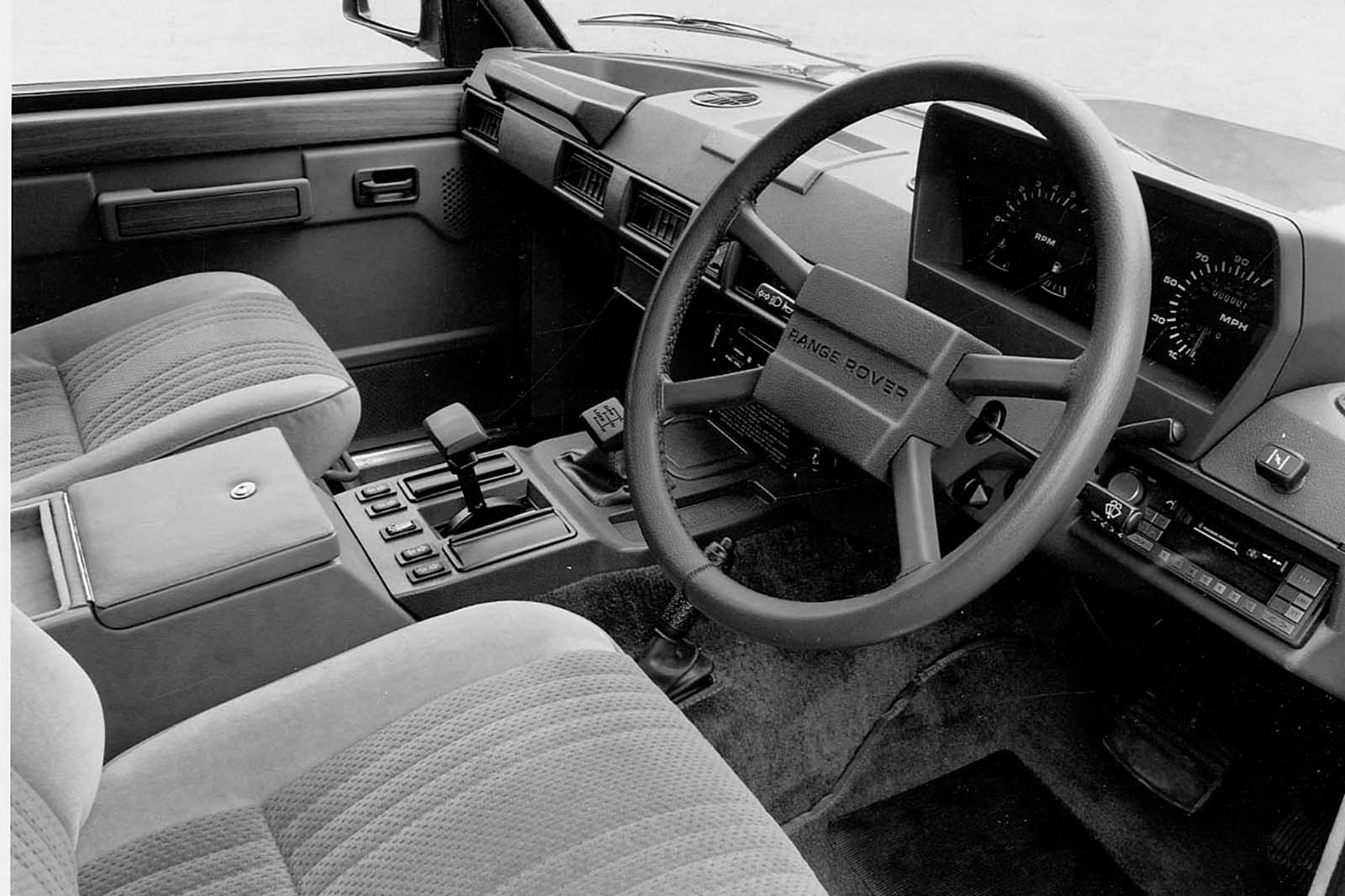
A Range Rover with a manual gearbox was only ever going to get so far in the luxury space, so the arrival of an automatic transmission option in 1982 quickly helped sales.
1985 - More power, courtesy of fuel injection
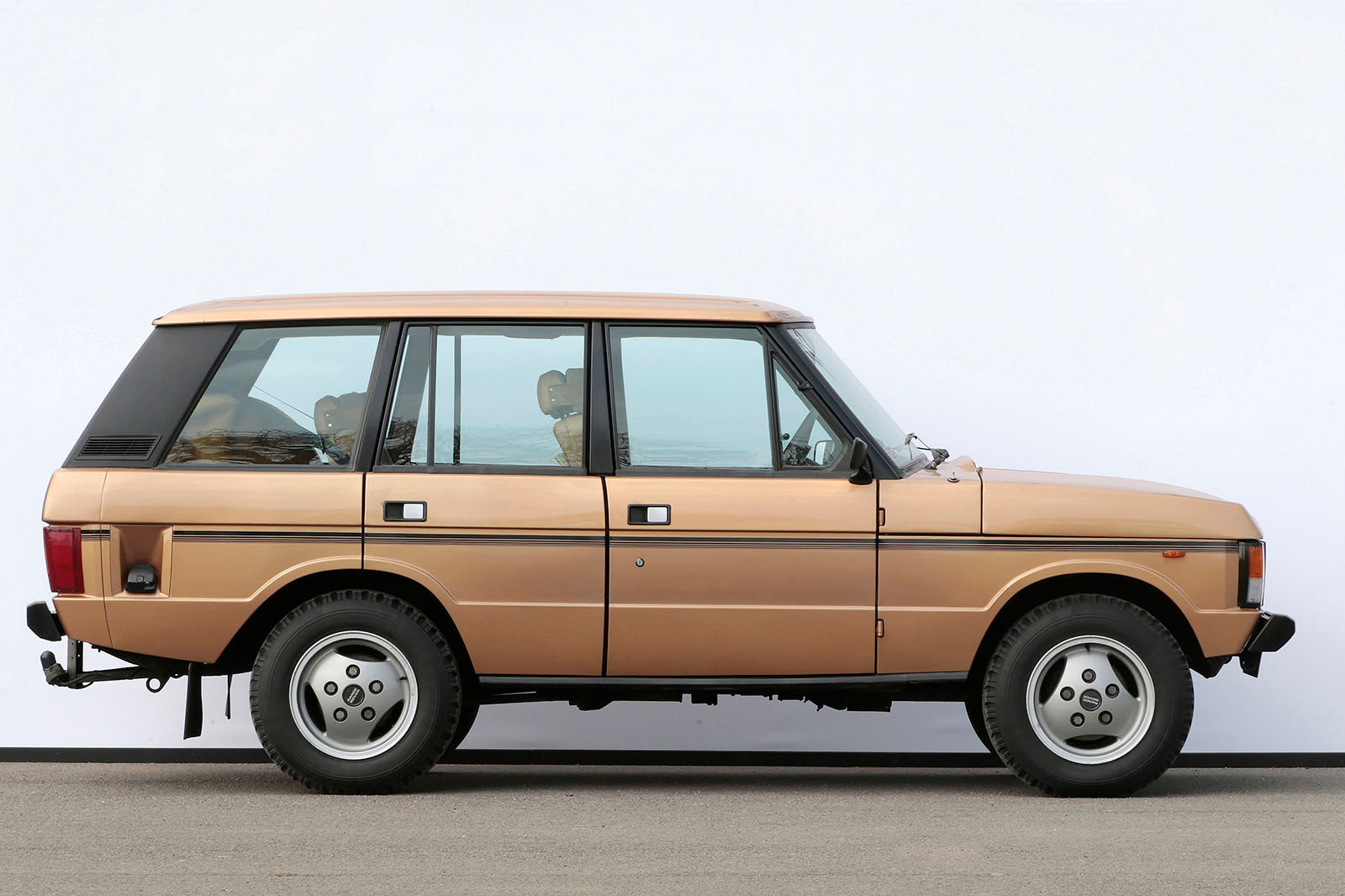
The addition of fuel injection would see the Range Rover’s power output skyrocket to 155bhp, giving the luxury workhorse a significant amount of extra pace. By way of comparison, it was the same number of horses as the LG4 powerplant used in the Pontiac Firebird that same year.
1986 - The first Range Rover to drink from the black pump
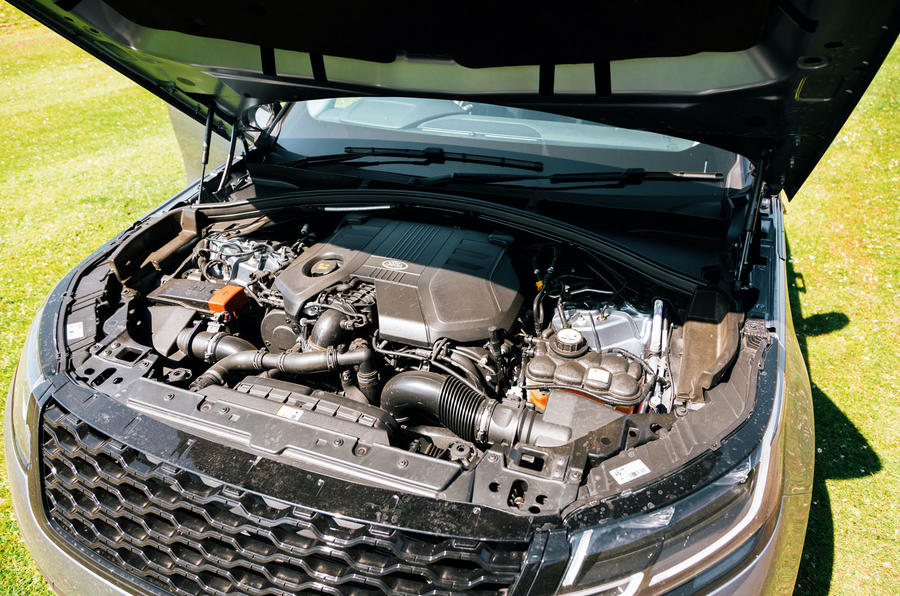
The Range Rover Turbo D began rolling off the production line in the autumn of 1986, although Land Rover prioritised sales on the continent ahead of the UK, so the first cars were left-hand drive.
Prior to coming to market, the new diesel powertrain was tested in a gruelling drive from John O’Groats to Land’s End to showcase its improved fuel economy. It managed an incredible total consumption of 53mpg.
1987 - Land Rover crosses the Atlantic
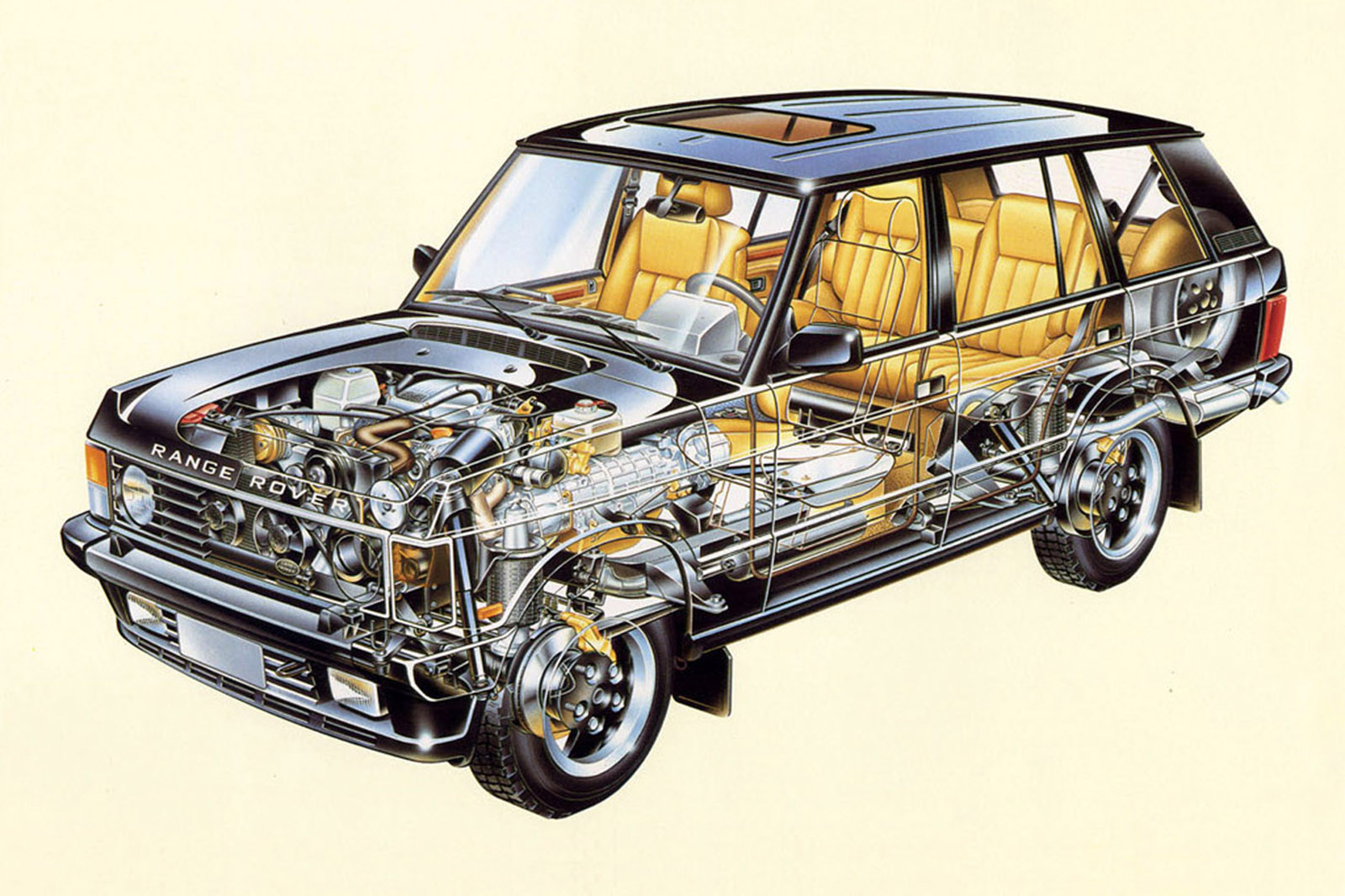
Despite being inspired by American vehicles, the Range Rover did not go on sale in that market until 1987. A total of 2,586 Land Rover cars were sold in America that first year, those numbers would grow substantially over time. By 2019, Land Rover would see annual sales of 125,787 cars.
1989 - Upgrades push the Range Rover further upmarket
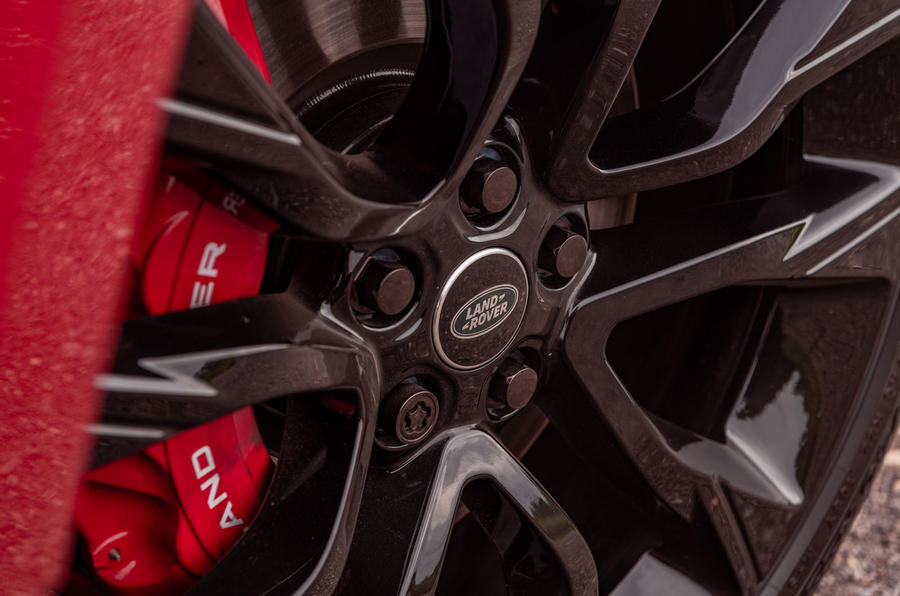
By the late 1980s, the Range Rover faced difficulties. Land Rover gave its luxury 4x4 a 3.9-litre V8 and anti-lock brakes to help ward off the challenge of newer cars like the Mitsubishi Shogun, sold in other markets as the Montero and Pajero.
1992 - Long wheelbase Range Rover arrives
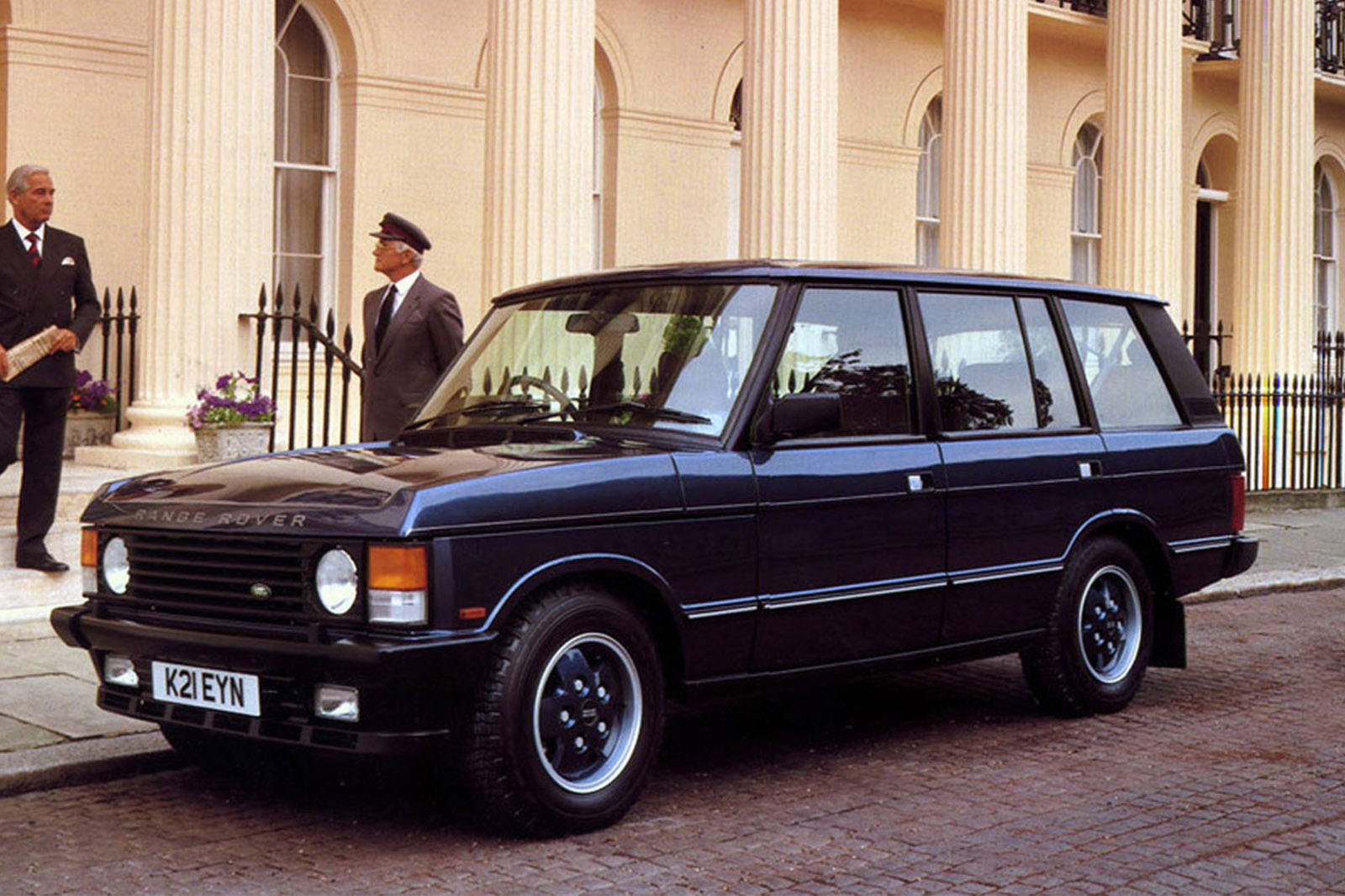
The ‘LSE’ Range Rover introduced electronically controlled air suspension and traction control to the Range Rover brand. The longer wheelbase increased rear-passenger legroom compared to previous, 100-inch wheelbase models, thus providing more luxury.
1993 - Autobiography customisation delivers more luxury
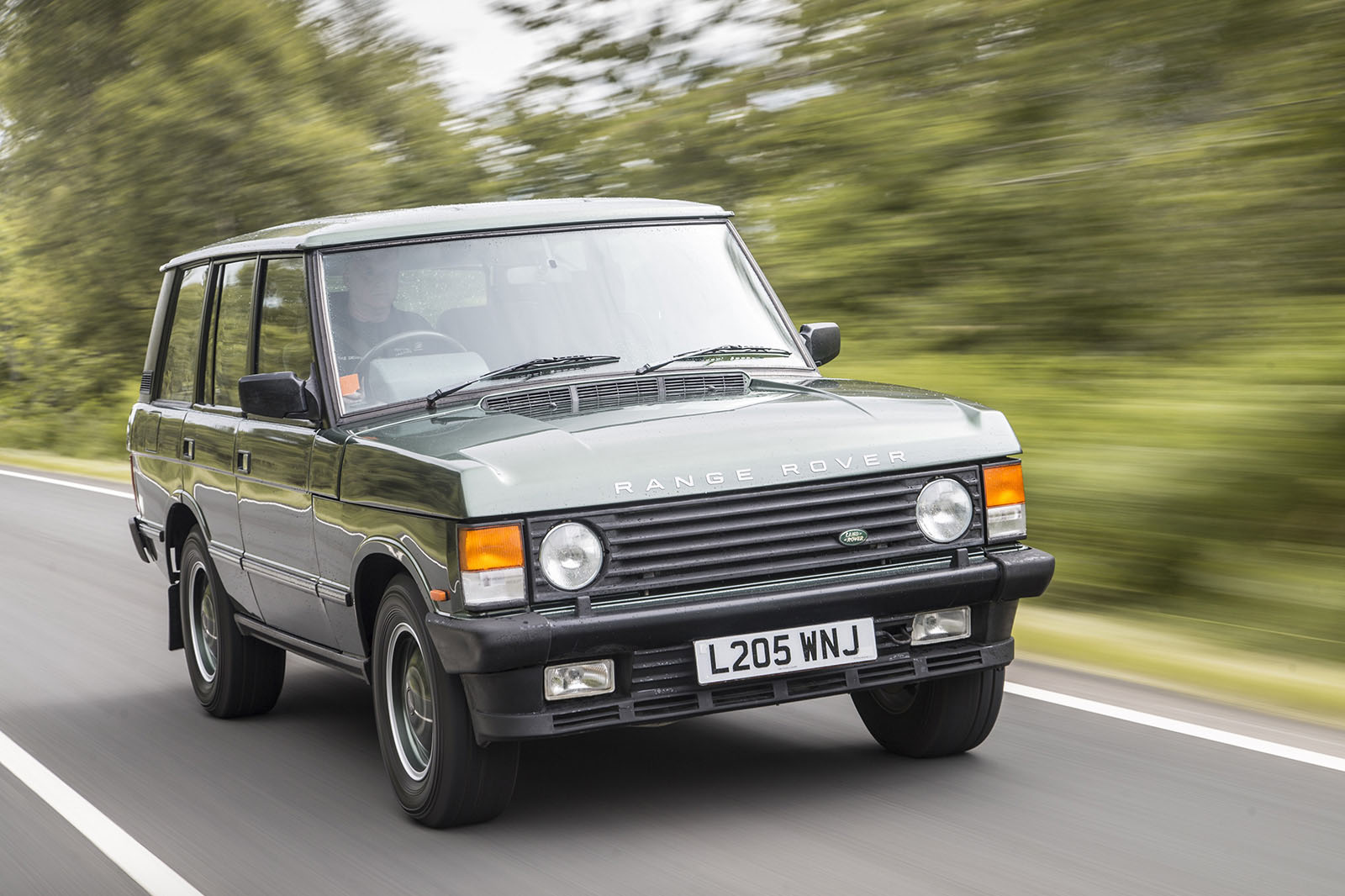
Alongside a 4.2-litre V8 petrol engine, Land Rover’s now signature ‘Autobiography’ customisation was the next big change to happen to the Range Rover line. Early cars were entirely bespoke, with demand proving so high that the company would eventually adopt the trim level as a regular edition of the car.
Autobiography cars remain Land Rover’s range-toppers today, with the British marque’s Special Vehicle Operations arm personally preparing all such examples. An Autobiography model was recently made for Anthony Joshua, the British heavyweight boxing champion.
1994 - BMW power arrives for the first time
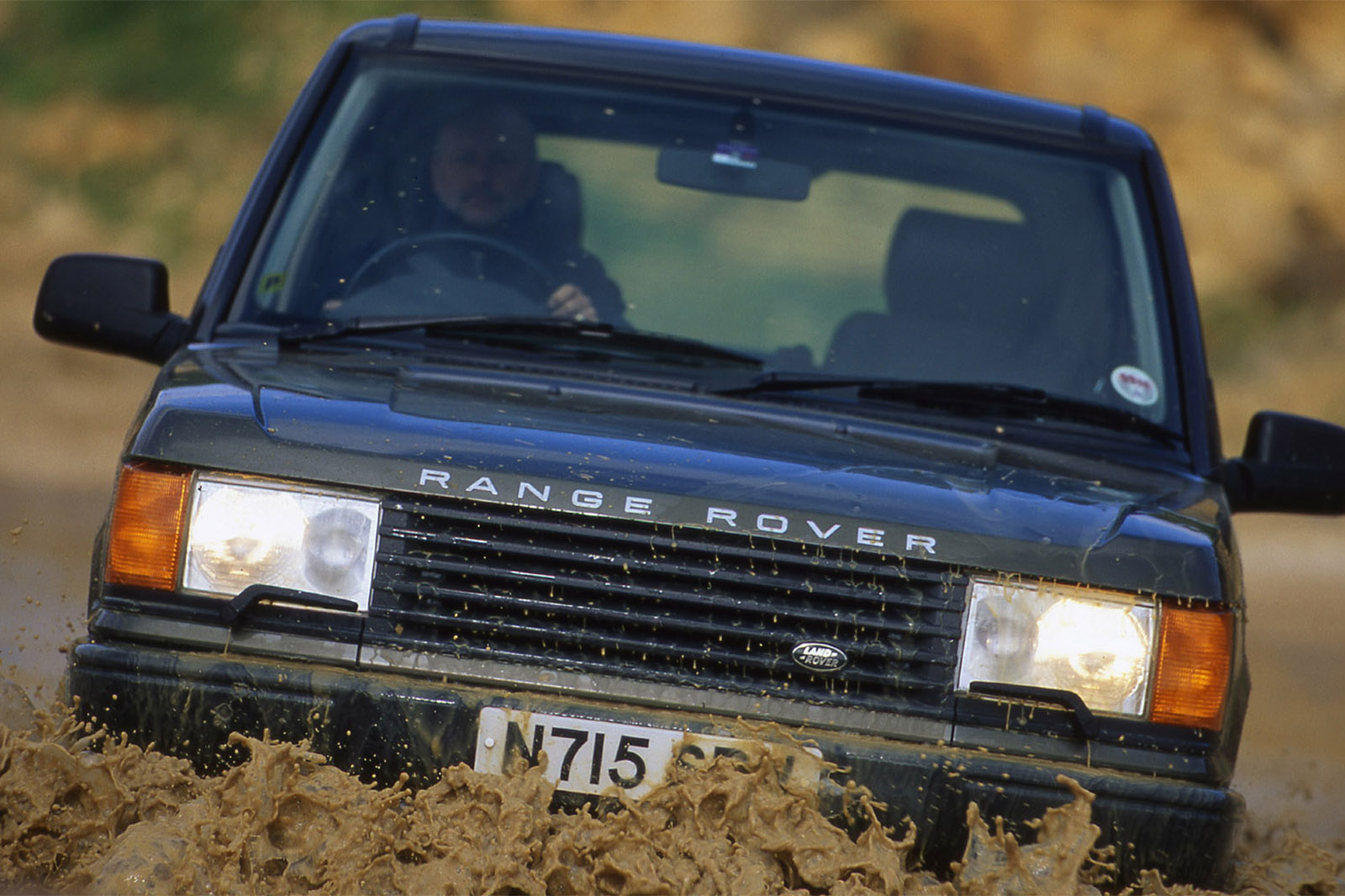
The P38A Range Rover saw the introduction of the design accents that characterise current Range Rovers, such as angular headlights, while a 108.1in wheelbase ensured excellent passenger legroom. Perhaps the biggest shift, however, was under the bonnet.
The Rover Group was acquired by BMW in 1994, which meant the possibility of using BMW-sourced powertrains for the first time. As well as an updated Rover V8, the Range Rover was then sold with an optional BMW-built six-cylinder turbo-diesel.
1999 - The most expensive Range Rover yet
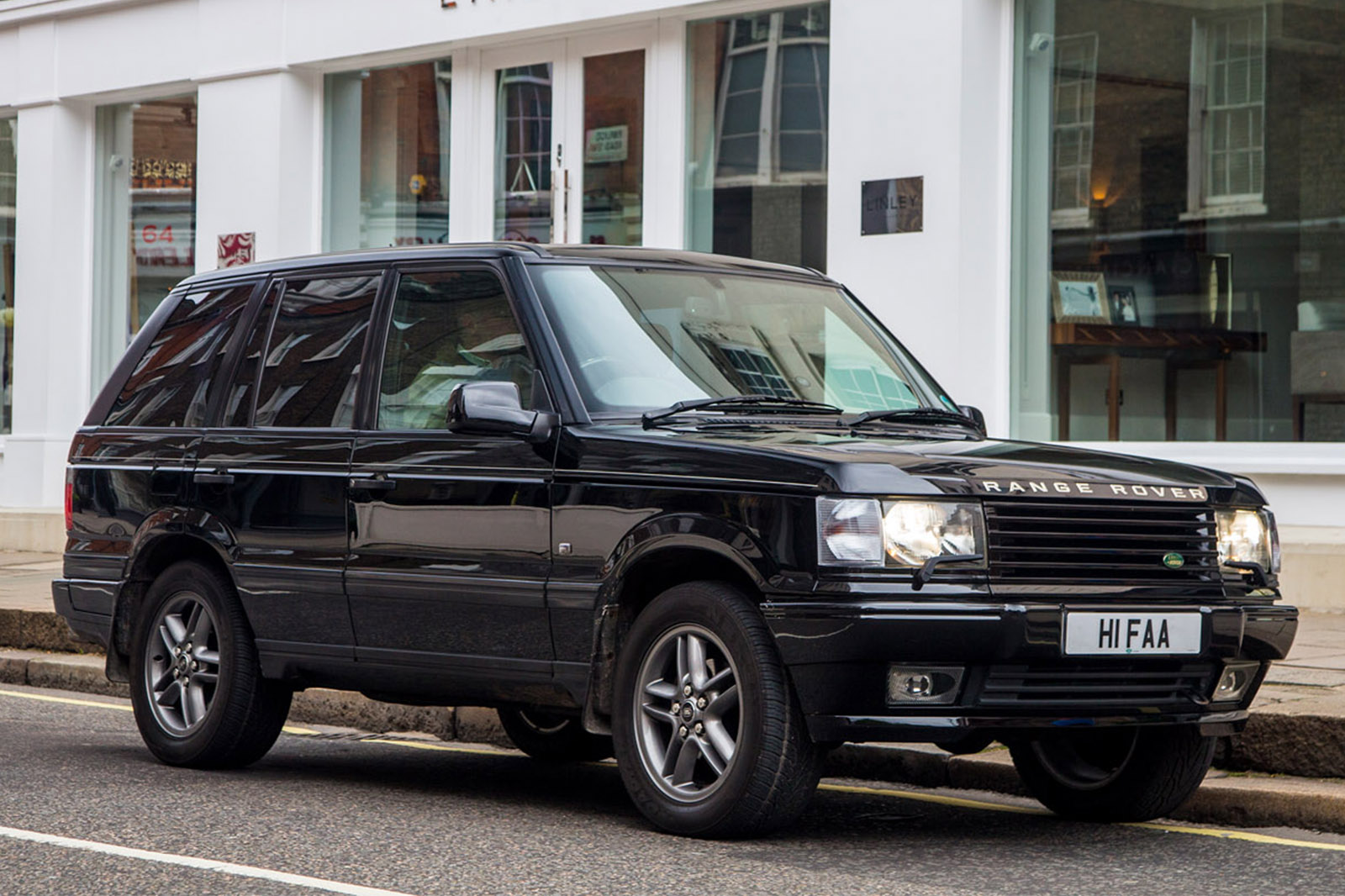
£100,000 ultra-luxurious ‘Linley’ edition arrives with sat-nav, TV and VCR. Though it has since been supplanted, the Linley was the most exclusive Range Rover to date and the first with a 6-figure price tag. Lord Lindley designed elements of the car’s outside and interior and also gave the SUV its name.
2000 - Land Rover changes hands
Ford assumed ownership of Land Rover from BMW in March 2000, seeing the American giant expand its stable of brands that at the time included Jaguar, Volvo and Aston Martin.
The purchase would cost Ford £1.85 billion to secure, and completed the break-up of the Rover company.
2002 - P38A generation ushers in a new era
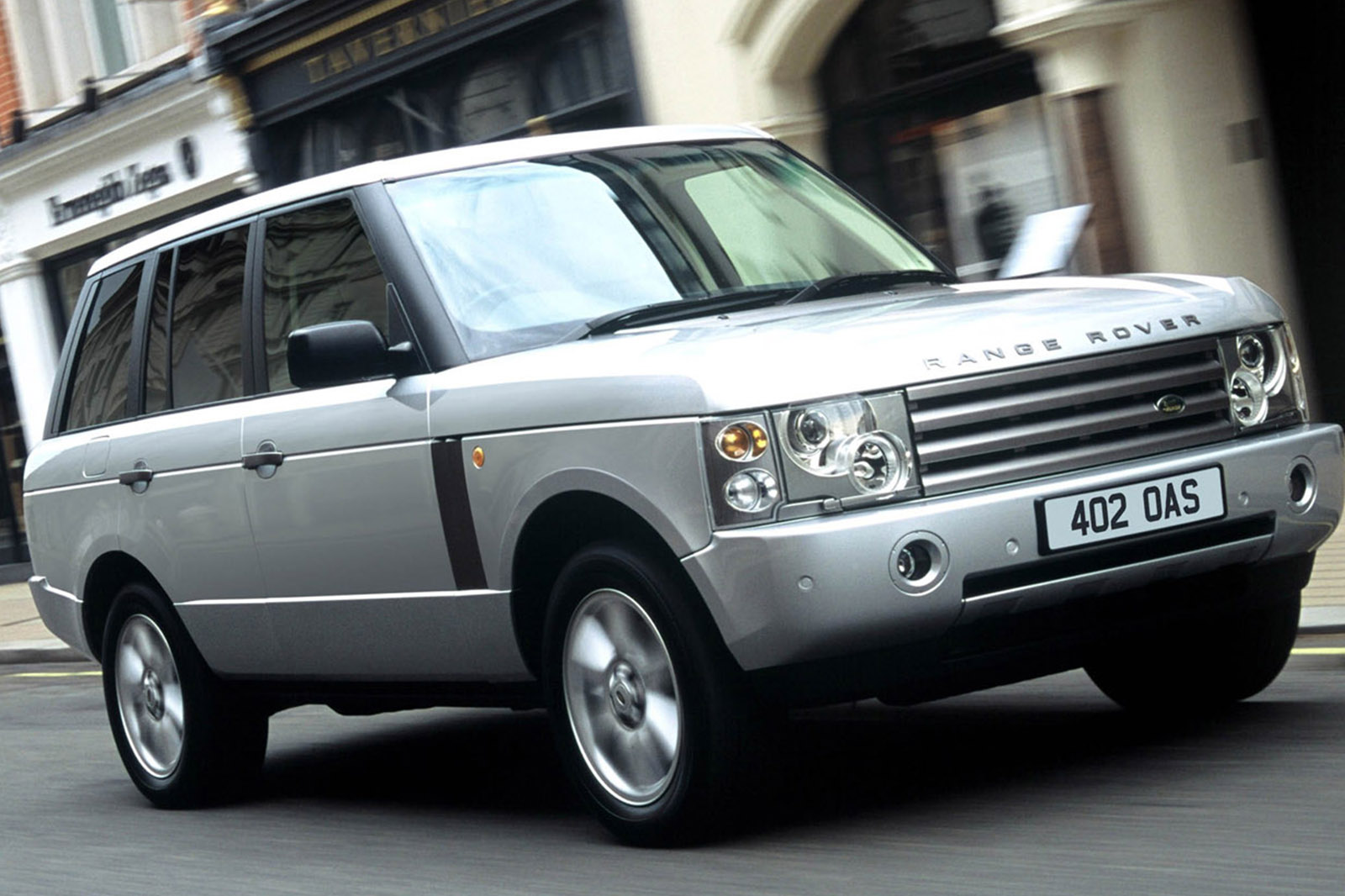
BMW was not impressed by the P38A Mk2 Range Rover it inherited in 1994, and had started work on its replacement before the brand was sold. The resulting L322 version was launched in 2002 and was so important that then-British prime minister Tony Blair came to its launch. Though largely BMW-developed and funded, Ford (and later Tata) would reap the benefits from sales of this far superior car.
It initially featured powerful and refined BMW engines, which were later replaced by Jaguar and Ford units, and featured much-enhanced electronics and equipment from the contemporary E39-generation BMW 5 Series.
Comfort and luxury levels were far higher than on any previous Land Rover, cementing the status of the Range Rover as a premium car and as an increasingly fierce competitor for traditional saloons like the Mercedes-Benz S-Class, BMW 7 Series and Audi A8. In America, the Range Rover has outsold both 7 Series and A8 since 2013, and even got close to the sales of the S-Class in 2016.
2002 was also the year that Land Rover produced its 500,000th Range Rover.
2005 - Supercharging grants the Range Rover true pace
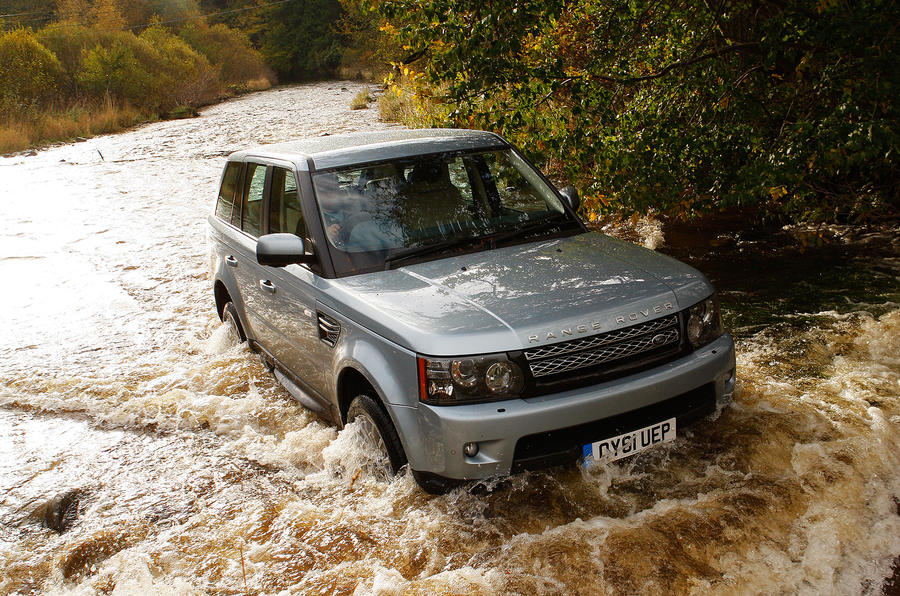
The Range Rover Supercharged gave the Range Rover the engine it always deserved. Generating an almighty 400bhp, this 4.2-litre V8 created 420lb ft of torque to improve off-road capability. Autocar called this “the most complete Range Rover yet”.
2006 - Diesel V8 power arrives

At last, the Range Rover was graced with a diesel V8 powertrain. The TDV8 drew strong praise from Autocar, which commended it as the engine that the Range Rover ‘has always needed’. Performance was transformed. Power climbed by 54 per cent over the outgoing TD6, from 174bhp to 268bhp, and torque swelled by an even more spectacular 64 per cent, from 287lb ft to 472. 0-60mph dropped from 12.7 to 8.5sec.
The other big improvement for this Range Rover was Terrain Response. Transferred from the Land Rover Discovery, this system offered five modes and was standard on all Range Rovers, adding yet another feather to their off-roading caps.
2008 - Land Rover changes hands again

After a complicated deal, Tata bought Jaguar Land Rover from Ford for £1.2 billion in 2008. The Indian giant promised to keep the “identities” of Jaguar and Land Rover “intact” and we reckon that promise has surely been fulfilled.
2009 - Range Rover gets its most powerful engine yet
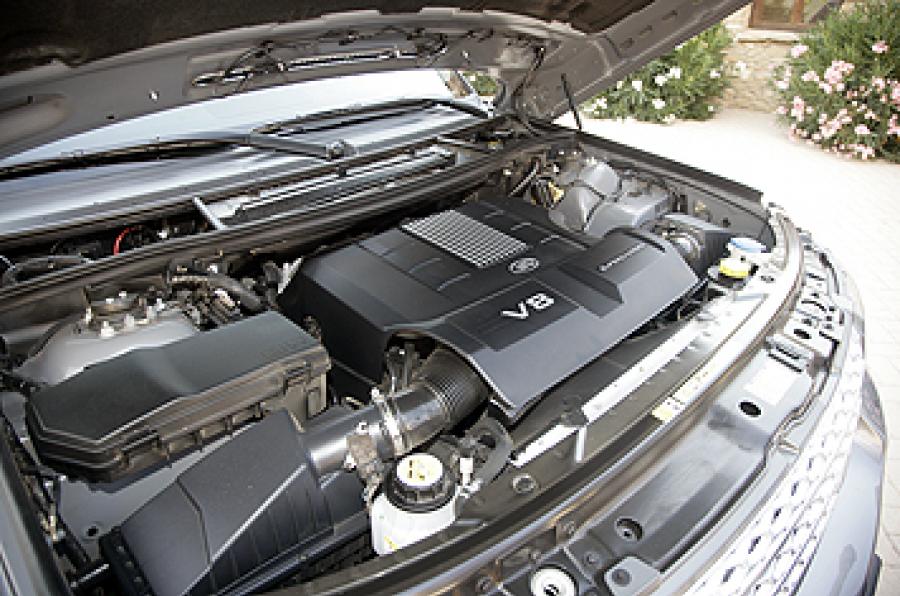
The quickest Range Rover received a new, supercharged 5.0-litre petrol V8 engine for the 2010 model year. This gave the luxury SUV 503bhp and Steve Cropley one more reason to wax lyrical in his first drive review.
2012 - Another new generation improves the formula
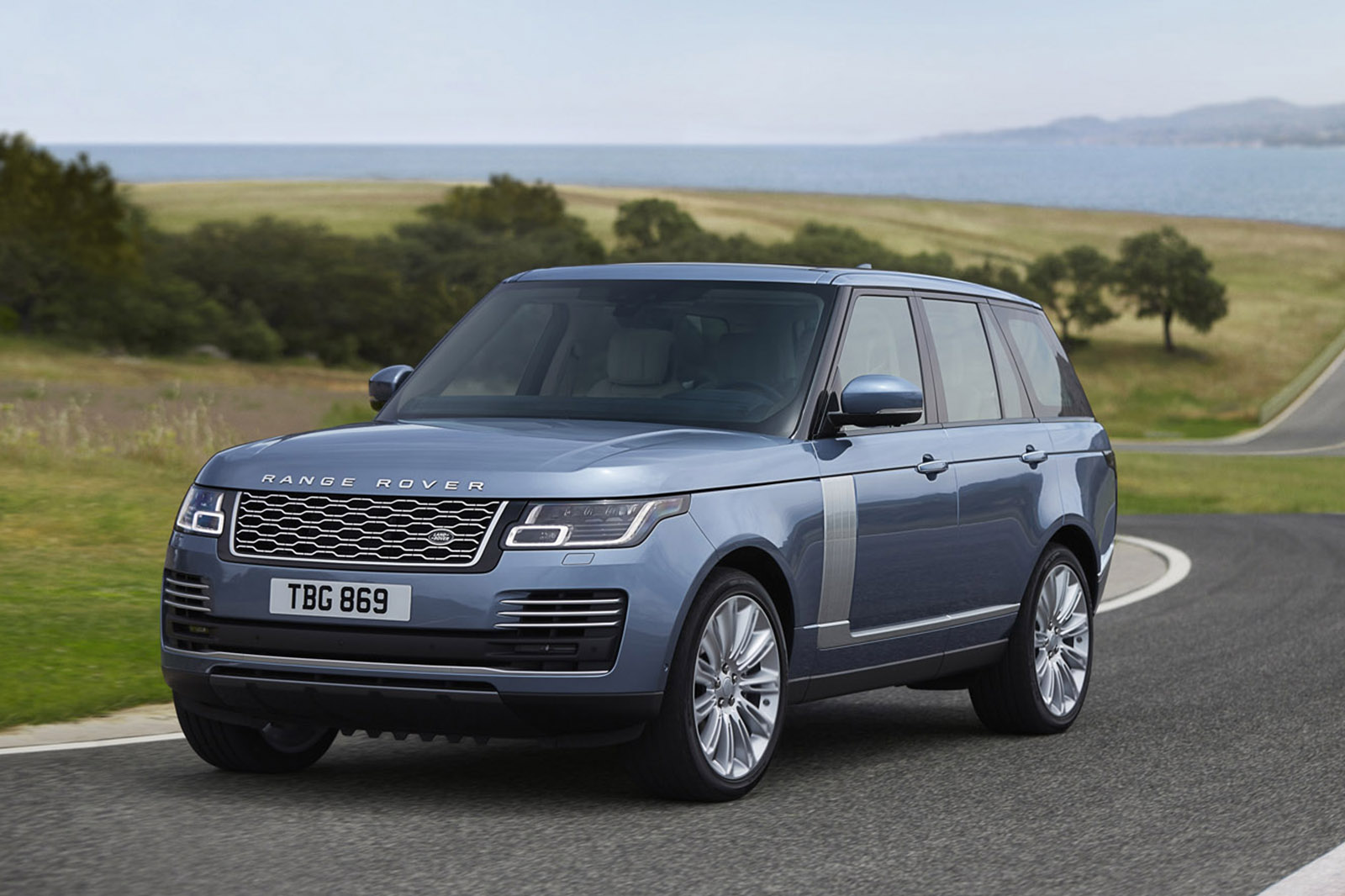
The latest Range Rover was codenamed L405 when it arrived in 2012. Autocar called it as “revolutionary as at any time in the iconic 4x4’s history”. Key upgrades included an increased wheelbase (now a princely 115.0in), all-aluminium bonded chassis, 5.0-litre V8, TDV6 and SDV8 engines, updated Terrain Response, electrically assisted power steering and active roll control, among other goodies.
2013 - Longer wheelbase makes a return
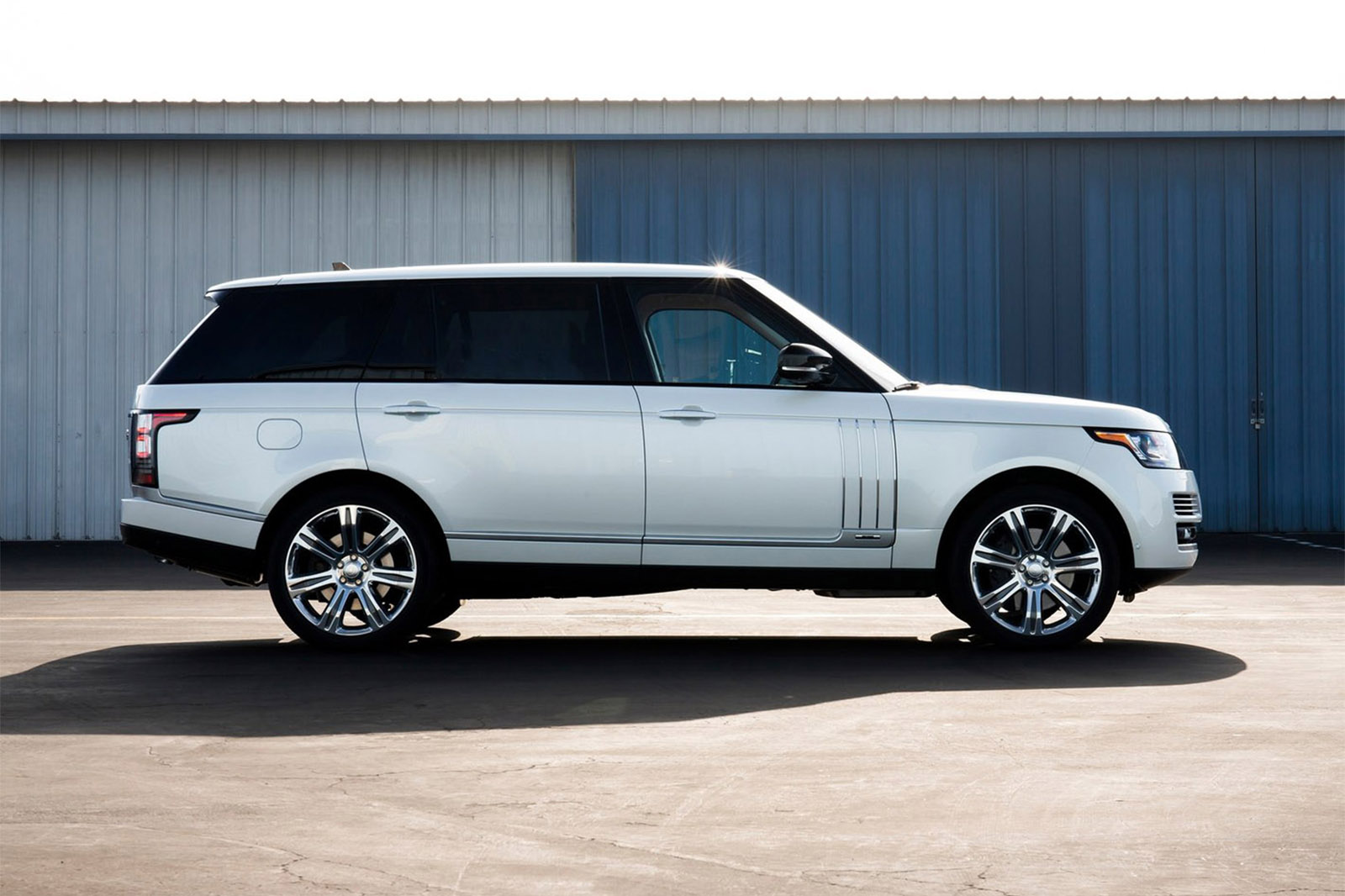
A further wheelbase extension was introduced in 2013, giving the Range Rover a whopping 122.8in and further bolstering its luxury credentials for rear passengers.
2014 - Hybrid power arrives
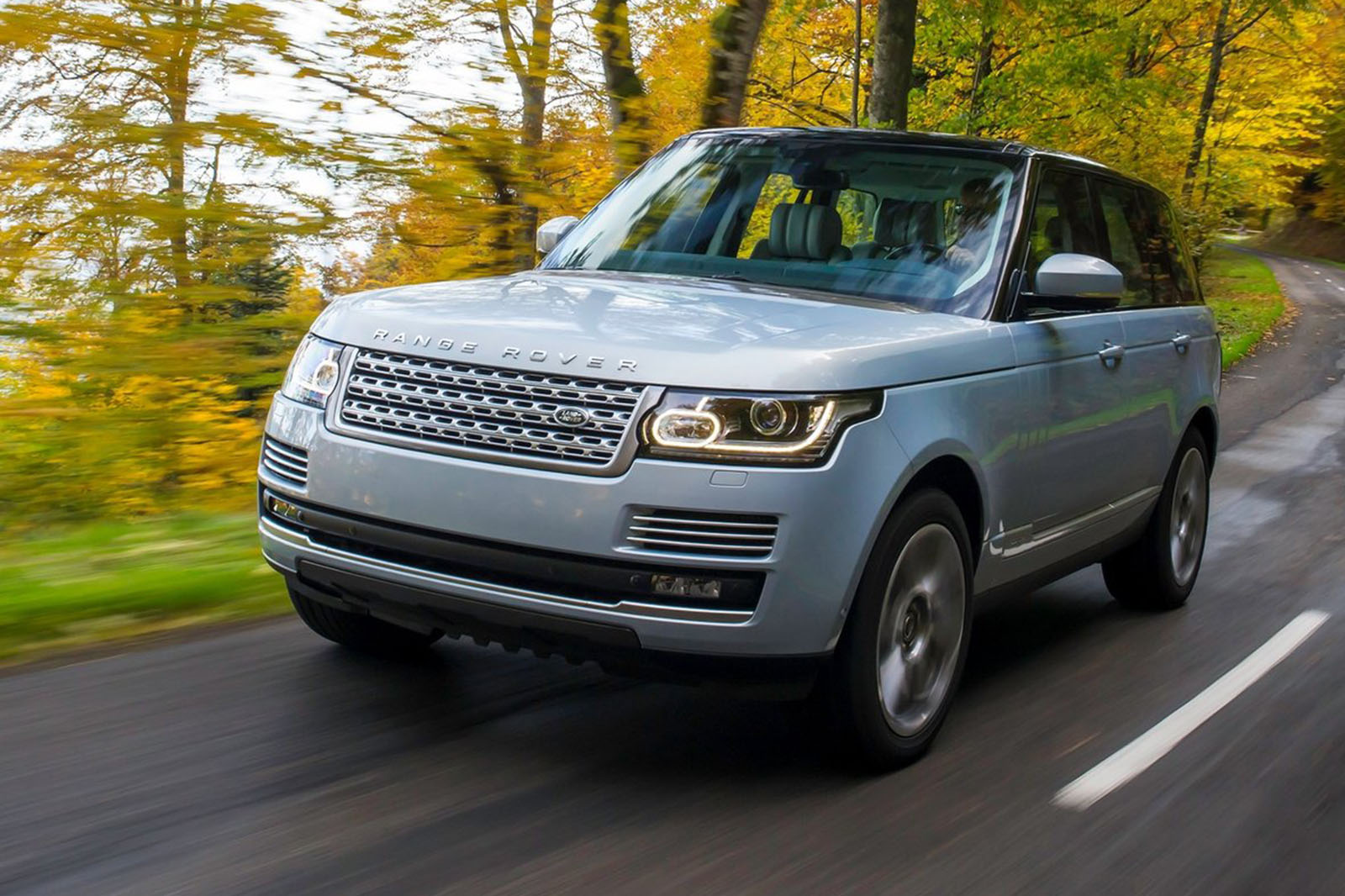
With the environmental impact of our cars becoming an increasing concern, it was only a matter of time before Land Rover’s flagship luxury car got the electric treatment. The first hybrid Range Rover appeared in 2014, blending improved efficiency and, of course, lower emissions, with the off-road prowess and durability of the standard Rover.
2017 - Entering a new era of electrification
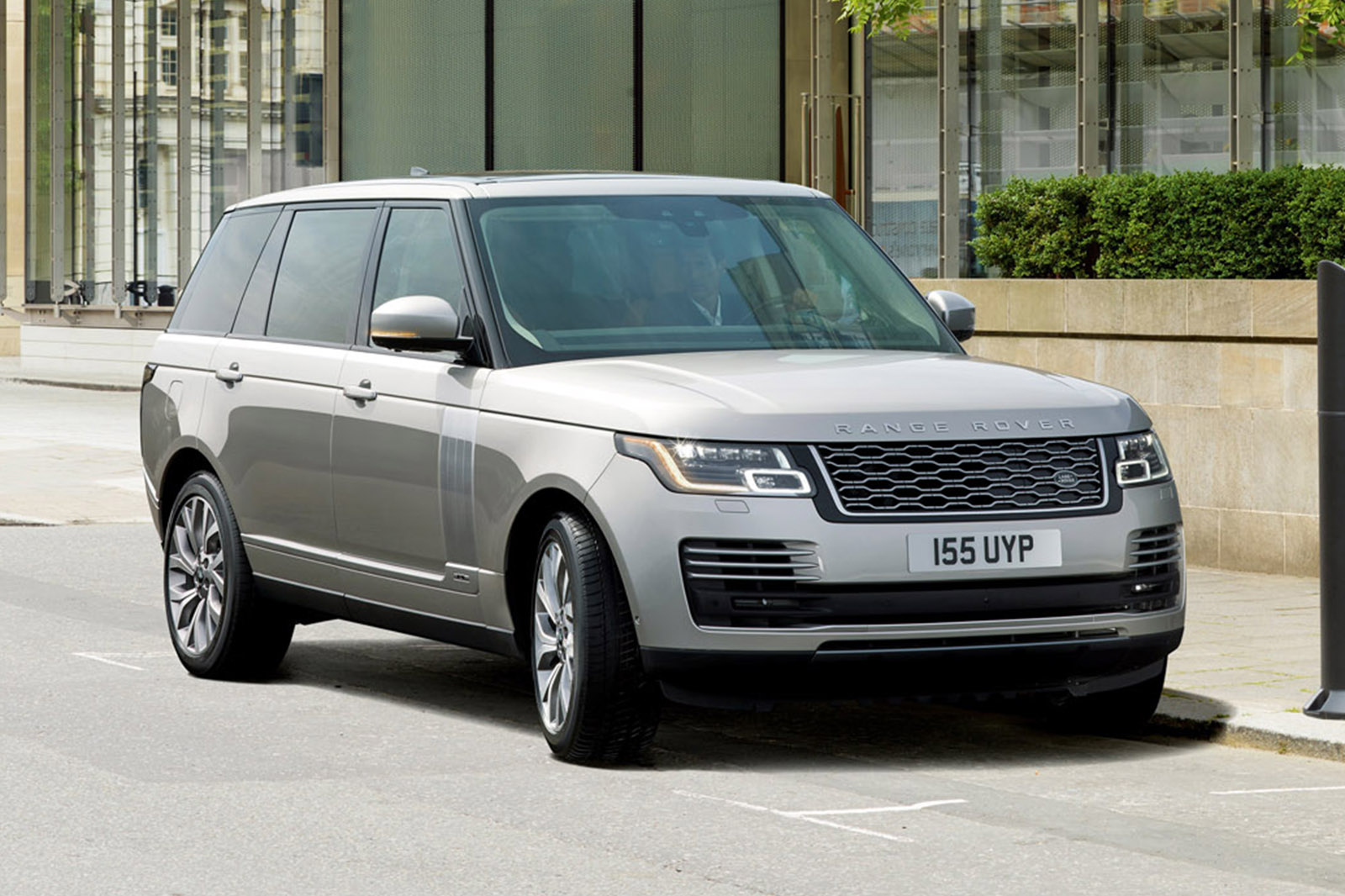
A plug-in hybrid Range Rover followed in 2017. The P400e PHEV combined a 296bhp 2.0-litre four-cylinder Ingenium petrol unit with a 114bhp electric motor, offering a total output of 398bhp. More importantly, it emitted just 64g/km of CO2 on a combined cycle.
2019 and beyond

From its roots in the humble ‘100-inch Station Wagon’, Land Rover has now built 1.19 million Range Rovers to date and sold them in countries all over the world. The Range Rover is a 4x4 icon.

WRX Sales Surge as Price Cuts and Entry-Level Return Reverse Decline for Subaru’s Performance...

Skywell’s UK Setback Highlights Investment Hurdles Facing New Chinese EV Brands
 Innovation Automotive closes due to high level of investment required to compete in UK market
Skywell importer Innovation Automotive has abruptly closed its doors.
Skywell launched in the UK with the BE11 SUV in late 2024, but failed to generate significant demand. June 2026 was its most successful month yet, with 64 registrations – one more than it had managed throughout 2024 (six registrations), 2025 (31) and from January-May 2026 (26) combined.
A spokesperson for Innovation Automotive, which also sells vans from the DFSK brand in the UK, told Autocar the closure is “in no way a reflection upon Skywell”. Autocar understands the Chinese brand is actively looking for a new partner to continue selling cars in the UK.
All 16 Skywell dealers across England and Wales have been notified of the closure, said the spokesperson. They attributed Innovation Automotive’s closure to its owners’ inability to provide the investment required to compete in the UK market. Its owner will refocus its efforts on the Middle East.
It remains to be seen what will come of warranties and parts supply for Skywell and DFSK vehicles. The spokesperson said there is a “significant” supply of spares for Skywells that the firm hopes to sell to a new owner in the coming weeks, which should allow warranty support to continue. A deal has yet to be finalised, however.
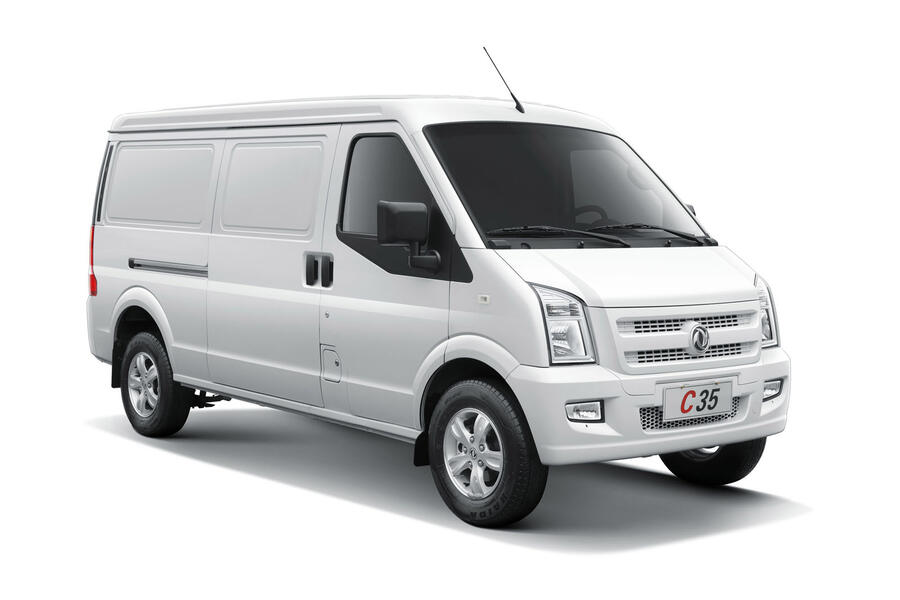
They added that there is a “limited” stock of parts for DFSKs which will be “relocated”, but its future is in greater doubt. Warranties for the EC35 electric van will “no longer be available”, said the spokesperson. Autocar understands individuals from the former Innovation Automotive business are working independently for a better outcome for DFSK owners.
All of Innovation Automotive’s staff were given notice of redundancy and left on 30 June – including the spokesperson with whom Autocar spoke.
The closure of Innovation Automotive is a significant moment: should Skywell be unable to find a new importer, it will be the first domino to fall in the new wave of Chinese brands. Although some have found success – most notably Chery with the Jaecoo 7 – others, such as Great Wall Motor, have also struggled to generate traction.

Toyota RAV4 Sales Plunge Highlights Supply Chain Strains Amid Persistent Consumer Demand

Mad Max Apocalypse Vehicles and the Psychology of Survival on the Road