Darién Gap Crossings Reveal the Limits and Legends of Automotive Endurance
 Beyond the end of the road in Panama looms one of the world's least hospitable environments
"In a few years, you yourself may be driving through the Darién at high speed on a smooth and skilfully aligned surface. Your wife may lean out of the car window and say: What a lovely jungle."
So wrote Richard Bevir in Autocar in 1961, having himself crossed the wilderness separating North and South America, in the expectation that the Pan-American Highway project would soon be completed.
Yet even today the mountainous jungle of the Darién Gap is an image frequently invoked when someone wishes to exaggerate the abilities of the very toughest off-road vehicles.
Bevir, a former SAS soldier, was accompanied by Aussie outback mechanic Terence Whitfield in his 88in Series 2 Land Rover, and by Panamanian anthropologists Amado and Reina Araůz in a Jeep owned by a committee existing to research how the Pan-American Highway could be completed.
After 13 months of planning, in December 1959 they assembled at the end of the road, in Panama, beyond which loomed one of the world's least hospitable environments, populated only by isolated tribes.
"It was 134 days later when the expedition emerged into the sunshine of Colombia," Bevir wrote in Autocar. "The intercontinental link had at last been forged. But we'd had to blaze 310 miles of twisting trail, build 125 palm log bridges, ford 180 rivers and creeks, build three rafts, combat malaria, dysentery and jungle exhaustion, and treat festering sores and raw feet. We became reduced to a diet of rice, bananas, monkey and lizard. In the rainy season we stayed wet for six weeks, and at night we lay in our hammocks with our sodden boots on, while mosquitoes whined in our ears and the incessant downpour of tropical storms prevented much-needed sleep."
Temperatures often exceeded 43deg C in open grassland areas, and although it fell to 34 beneath the dense rainforest canopy, the humidity was then nearly 100%.
It was a hugely impressive feat - yet not as impressive as that of the American cohort who replicated it shortly after, because they drove unmodified, RWD saloons (albeit with 4WD support trucks in tow) and they were young newspaper reporters and dealership staff, not hardened outdoorsmen. Quite the way to promote an affordable new saloon to picket-fence Americans.
It almost beggars belief, but they were helped by the rear-engined, rear-driven layout of the all-new Chevrolet Corvair putting a great deal of the weight over the rear axle and thus generating excellent initial traction-and lots of winching from the supporting Suburbans. Their 244-mile adventure took 107 days – and, best of all, they filmed it in colour, resulting in a fascinating 17-minute film, its narration laden with that '60s optimism, which you can now watch for free.
The Darién Gap wouldn't successfully be traversed again until 1972, when British Leyland sent two of its new Range Rovers on a mission from Alaska all the way down to Tierra del Fuego, undertaken by a large British Army contingent commanded by John Blashford-Snell and Gavin Thompson. Before them ran 'Pathfinder', a locally purchased old Series Land Rover, which "motored almost non-stop, giving no trouble whatsoever".
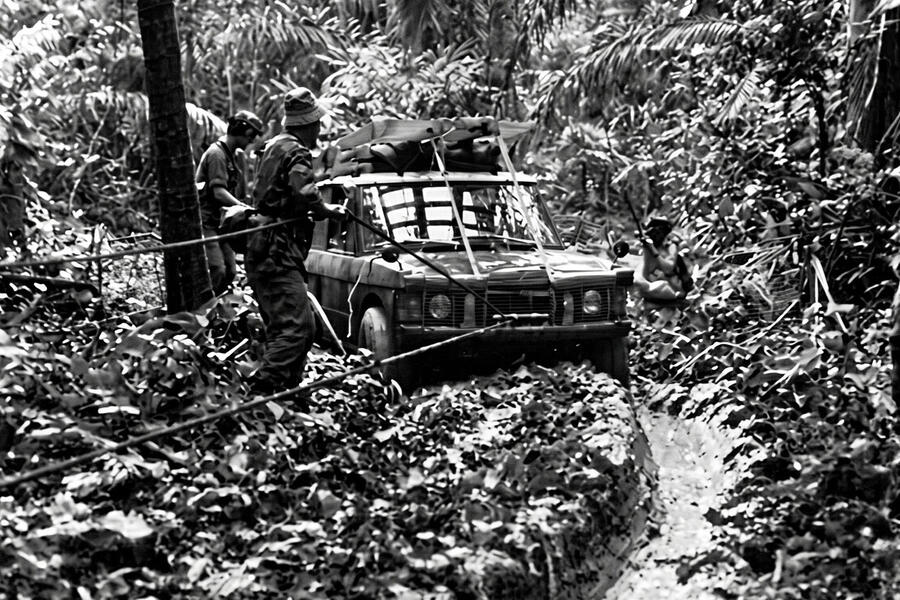
"What with the ladders, raft, and all the gear of the Royal Engineers accompanying them, each car was carrying a good deal more weight in the early stages, and a lot of that was on the roof," we reported. "Very nearly all of it went on the rear axle. You can lock the centre differential but not the axle diffs; inevitably a lot of wheelspin was indulged in. "Another factor making life difficult for the transmission was the use of swamp tyres - 'Bog trotters', Rover calls them - which are much bigger and therefore heavier than standard tyres."
Environmental and cultural concerns ultimately prevented the completion of the Pan-American Highway, and now the Darién Gap is even more dangerous, used as a hideout by criminal groups and a major route for human smuggling. So it's possible that 1980s crossings by Jeep CJs will forever be the last.
The honour for the first crossing has changed, however: a Brazilian historian recently repopularised the tale of three young men who left Rio in Ford Model Ts in 1928 and arrived in New York a full decade later. Now that's a book that needs translating.

Ferrari Manuale Reimagines the Gated Shifter with By-Wire Technology and Uncompromised V12 Performance

Grand Prix Racing Transforms the 1940 World’s Fair into a Public Road Circuit


Ferrari 12Cilindri Manuale Reimagines the Manual Gearbox with Innovative By-Wire Engagement
 New 12Cilindri Manuale is the first Ferrari with a clutch pedal since the California
Ferrari is set to offer the thrill of a manual gearbox again after a 14-year hiatus.
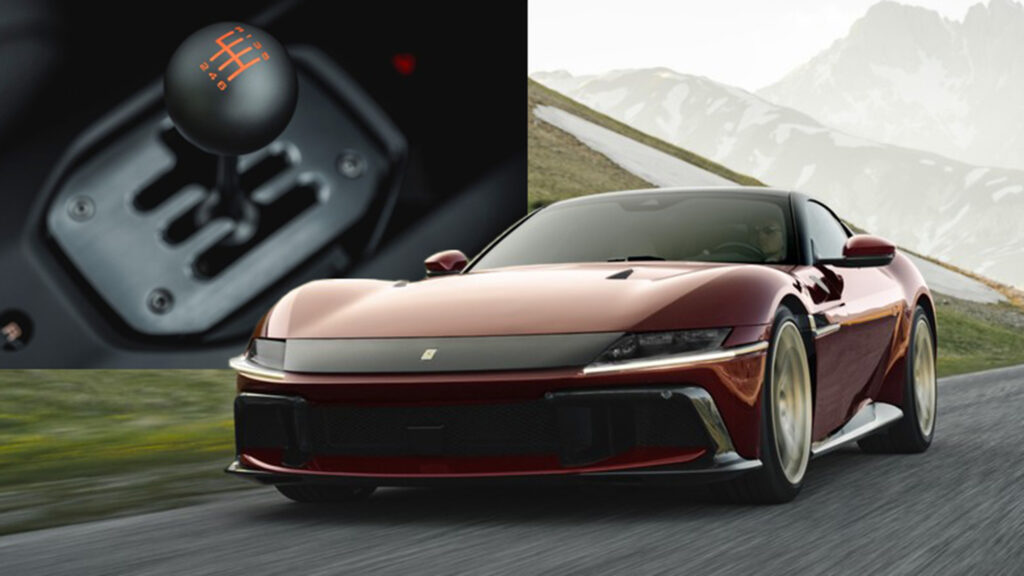
The 12Cilindri Manuale is the first Ferrari fitted with a clutch pedal – as well as the famous ‘canceletto’ open-gate shifter – since the California and is the first manual V12 from Maranello since the 599 GTB.
It will be limited to 1499 examples and, at €590,000 (£508k), costs 50% more than the regular 12Cilindri.
Departing Ferrari commercial chief Enrico Galliera said a manual gearbox has been the number one request from the firm’s client base in recent years.
Describing the Manuale as a car that “brings incredible performance and incredible emotion”, he said Ferrari had waited until it could offer something not just rewarding but also innovative and “without compromise”.
The innovation refers to the most unconventional element of the new Manuale: it has no linkage between the gearlever and the gearbox slung across the back axle. Indeed, the car is homologated as an automatic.
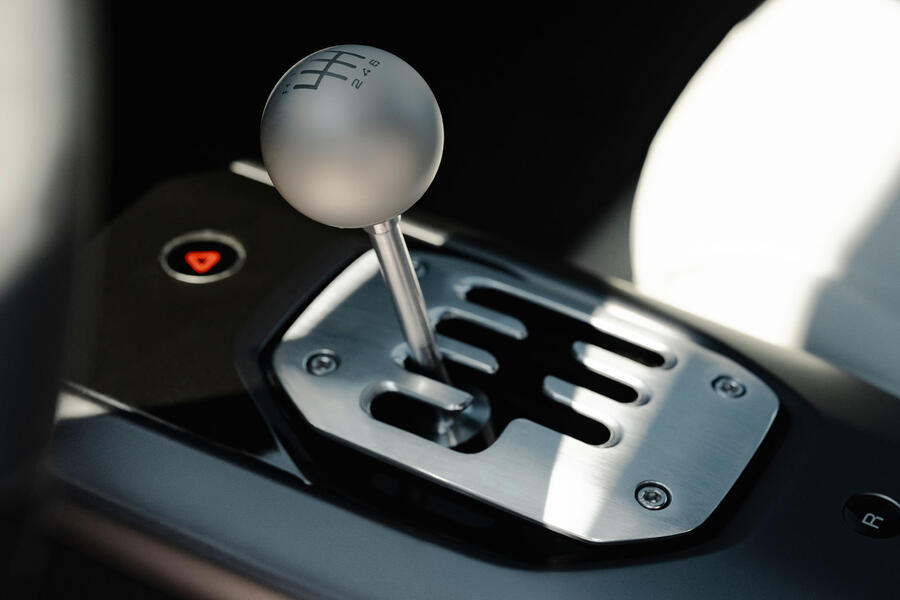
But while the eight-speed dual-clutch ’box (DCT) of the regular 12Cilindri is retained, here it can be controlled by-wire through inputs the driver makes with the clutch pedal and gearlever.
The potential genius of the system is that the position of the clutch pedal informs the level of engagement of the clutch packs in the gearbox. It means the system is able to replicate everything from languid clutch-riding, if you are babying the 819bhp 12Cilindri Manuale off the mark, to brutal clutch-kicking to initiate slides.
It is even possible to stall the car, though authenticity is not pursued to the extent that the system will accept an errant downshift – the driver cannot send valvetrain shards to the heavens by inadvertently slotting first instead of third.
“The DCT remains but we have built up on top a new layer of interaction for the driver, to bring back the legacy experience,” said project lead Valentin Marguet. “Whatever goes through your hand on the lever or your foot on the clutch is built on mechanics. There is no artifice and the electronics are there only to communicate to the car.”
It means the Manuale can also be driven in full-automatic mode, which Ferrari expects many owners to revert to in stop-start traffic.
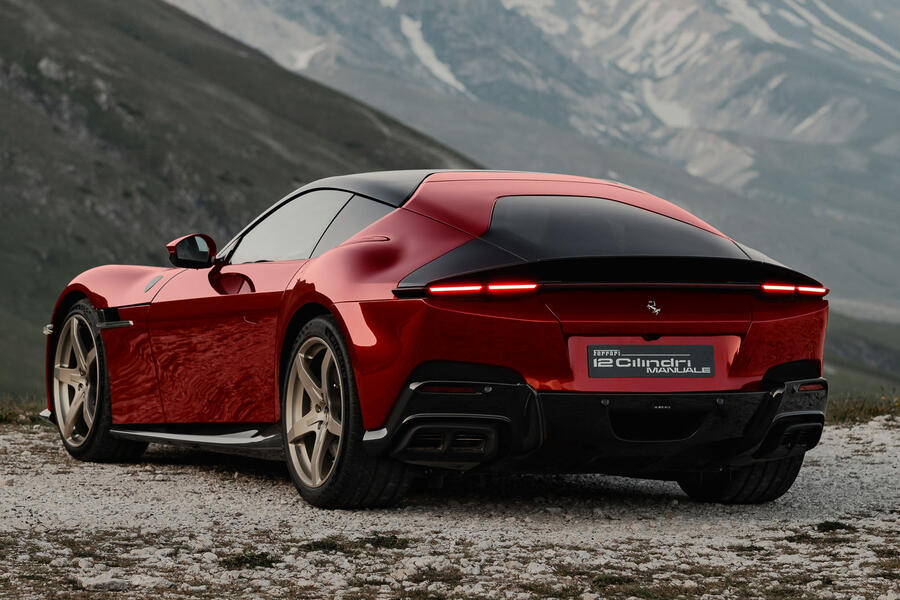
Because the manual element has only six speeds, to preserve the aesthetics of the open gate, the powertrain needs to revert to automatic mode to reach the car’s highest speeds in seventh and eighth gears, and also to hit its claimed 2.9sec 0-62mph time with the help of launch control.
However, the removal of the standard paddle shifters puts the onus on manual mode, which can be initiated below 60mph simply by depressing the clutch and selecting a gear.
The action of the clutch pedal is the result of an intricate series of rollers, rockers and bearings working with a stout spring. This mechanism defines the all-important feel of the pedal action and has been the subject of painstaking development.
There is then a separate link that connects the arm of the pedal to a sensor that relays its position, in turn informing the engagement of the clutch packs inside the gearbox proper, all in an instant and with millimetric precision.
As a result, a clean upshift or deftly rev-matched downshift should reward the driver and clumsy use of the system will do the opposite. Ferrari says it is not possible for the driver to damage the gearbox.
The entire system weighs only 5kg. Gas nitriding on steel is used in places in the mechanism where wear resistance is critical in retaining a tight feel and minimal play throughout the car’s life, and aluminium is employed elsewhere.
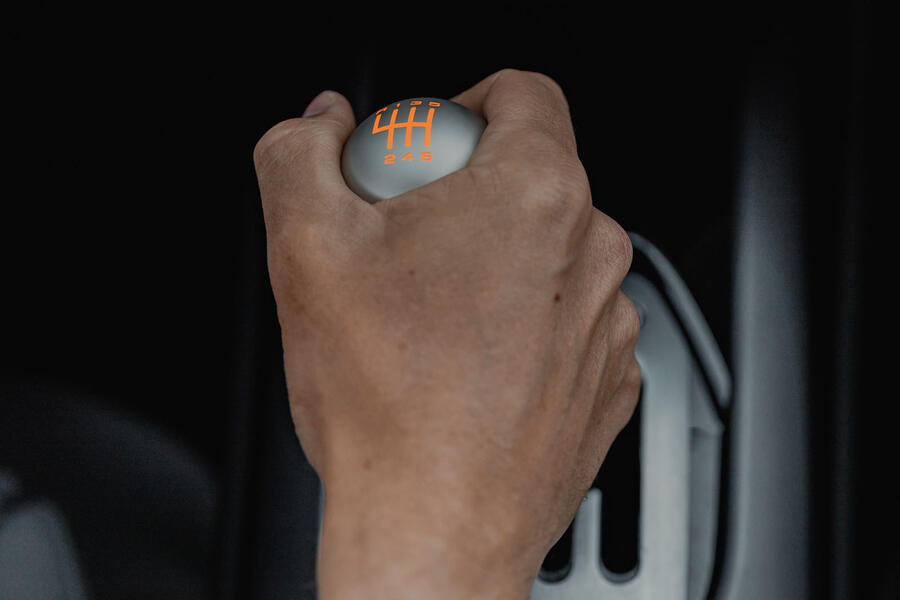
The centre console has also been redesigned, with minimalistic buttons for automatic operation and a subtle floating effect for the aluminium gates. The ball gearknob shows the traditional shift pattern, only backlit in white or orange, depending on mode.
Conceptual work for the system began in 2022, with the development team using a rig to perfect the ergonomics of the pedal box and the nature of the shift, which is broadly modelled on a 599 GTB’s.
As well as the new transmission, every Manuale will come with silver Scuderia shields, a model designation on the flanks, and faint, Daytona-style pinstripes across the nose and on the active aero winglets on the rear deck.
All examples will also be offered as part of Ferrari’s Tailor Made programme, with special paint and upholstery colours available.
Deliveries will begin in early 2027, with Galliera conceding the Manuale is effectively already sold out.
How does it feel?
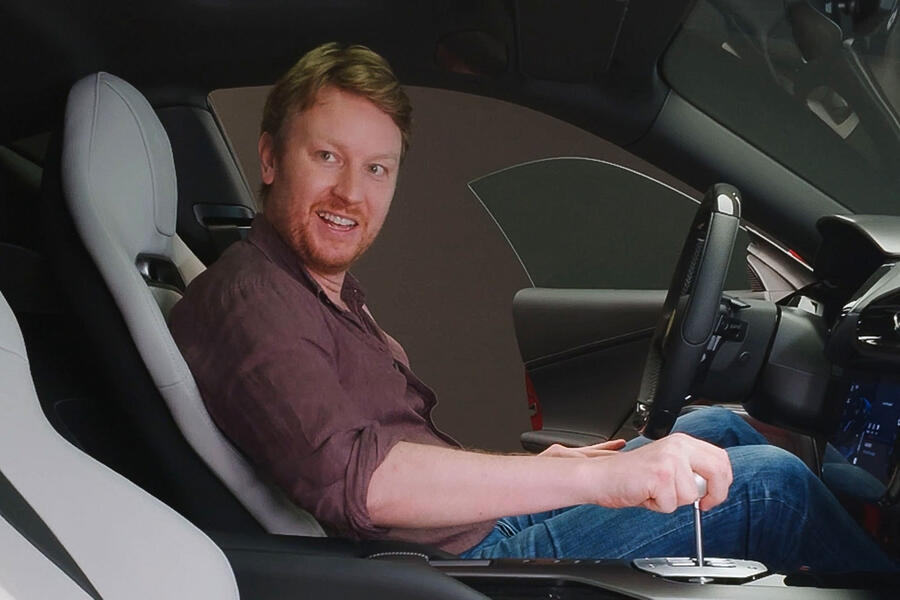
Only when we drive the Manuale will the success or otherwise of Ferrari’s unusual approach become clear. For now, we’ve had to make do with a rummage of the controls in a static car.
There’s no question that the anodised gearknob, into which the illuminated gate pattern is seamlessly sunk, feels evocative in the palm. The varying, mechanically generated resistance and elasticity of the throw are also convincing, weight building and ebbing away as you would expect thanks to the system rockers, springs and a solenoid that exists below.
The throw itself is also accompanied with a metallic ‘zing’ more pronounced than it ever was in period. Perhaps the throw is a touch more economical than it was the last time a V12 Ferrari came with a manual ’box, but this will better suit the 12Cilindri’s throttle response and immediate steering. It’s unlikely to make the driving experience feel baggy or anachronistic.
In the footwell, the clutch action is lighter than it is in the manual V12s of yore but only marginally. It still needs 10-15kg of force and has a smooth, linear motion.
Ferrari says it hasn’t accounted for the effects of warming fluids after a cold start, so the system won’t convey the almost ‘living’ feel of the old manual cars. Engineers say accounting for this kind of variable would have introduced unnecessary complexity at the expense of consistency.

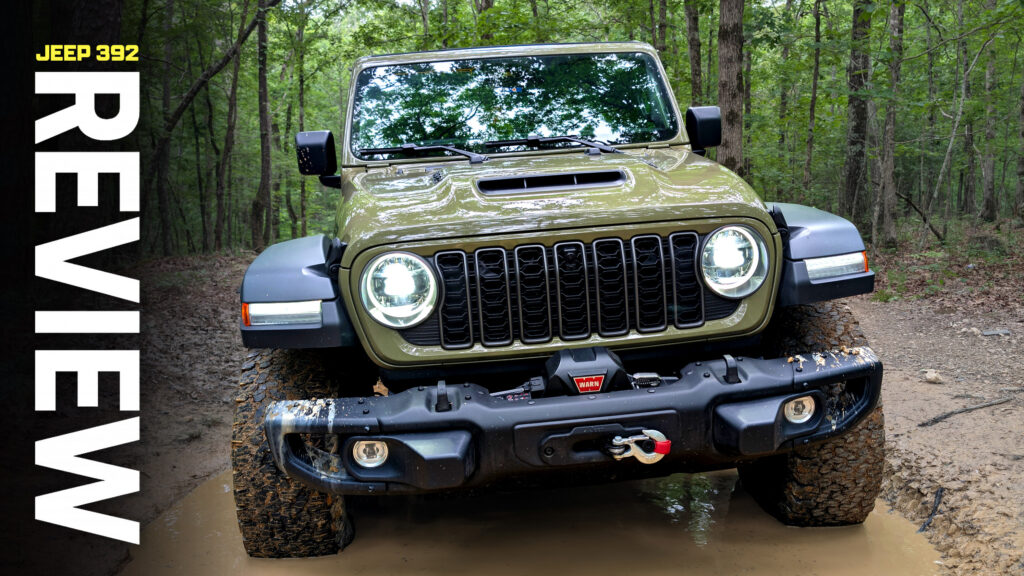
Wrangler Moab 392 Persists as an Emotional Outlier in a Rational SUV Market

EV Home Charging Costs Demand Careful Tariff Selection Amid Hidden Fees and Variable Savings
 Standard variable tariffs have changed; some suppliers are looking to poach EV drivers, but read the small print
Following this month’s increase in the energy price cap, energy suppliers are competing to attract EV drivers with a range of cheaper tariffs – but behind the headline prices lurk hidden costs and conditions that mean drivers need to do their homework before signing up.
On 1 July, the average standard variable tariff (SVT) charged on a unit of electricity rose by 5.8% – from 24.67p per kWh to 26.11p per kWh. According to Ofgem, around 60% of customers are on a SVT, which means millions are now paying more for their electricity.
In comparison, customers on a one-year fix, where the unit rate is lower and locked in for an agreed term of typically 12 months, are paying around 22p per kWh.
The difference in the two tariffs means that a customer who drives an EV capable of around around 4mpkWh, such as a Skoda Enyaq, and who drives 8000 miles a year, will pay a total of £522 on the current average SVT or £440 – £82 less – on the current cheapest one-year fix.
These figures assume charging takes place exclusively at home (according to the government’s EV Tracker Report, 76% of EV drivers can charge at home) and not at a public fast charger, where the average unit cost is 54p per kWh.
Saving money on EV charging with a fixed tariff is relatively straightforward, but it should be at least 10% less than the SVT, while it pays to check the length of the contact term, which type of customer the deal applies to (new or existing), how much the standing charge is (some are higher than average) and whether an exit fee – typically £50 – is imposed by the supplier.
For those who are wary of being locked into a higher tariff should the cap fall in future, British Gas offers Fix & Fall, a tariff that fixes the energy price for two years but falls after one year if the price cap falls. However, the reduction is capped at £50 and the exit fees for gas and electricity are £75 each.
Meanwhile, increasing numbers of EV drivers are turning to a growing number of so-called EV tariffs that offer even cheaper charging: around 9p per kWh during off-peak times. Although called EV tariffs, generally speaking any appliance can take advantage of them. Most EV tariffs operate between midnight and 5am which, charging at 7.4kW, is sufficient to supply 37kWh of energy.
Charging an Enyaq for one year and 8000 miles on an EV tariff would cost around £180 – significantly less than on the cheapest fixed-rate tariff, let alone the SVT. However, given the shorter charging window, more expensive peak and public charging might at times be necessary.
Some suppliers also offer lower tariffs during the day on Sundays, when demand is lower than weekdays. These include PeakSave Sundays from British Gas, which offers half-price electricity from 11am to 4pm.
Octopus Energy is one supplier that takes advantage of fluctuations in wholesale energy prices throughout the day and night, with its Intelligent Octopus Go tariff of 8p per kWh. It passes on some of the savings to customers who leave their EVs plugged into a compatible charger, such as the Ohme Home Pro, telling it when they want their car charged.
Scottish Power’s EV Optimise is even cheaper, at 6p per kWh when bundled with one of its preferred chargers.
However, standing charges and peak tariffs may be higher so, as with all energy deals, it pays to look beyond the headline charges and to remember to consider gas tariffs, too, which may or may not increase with a change of supplier.

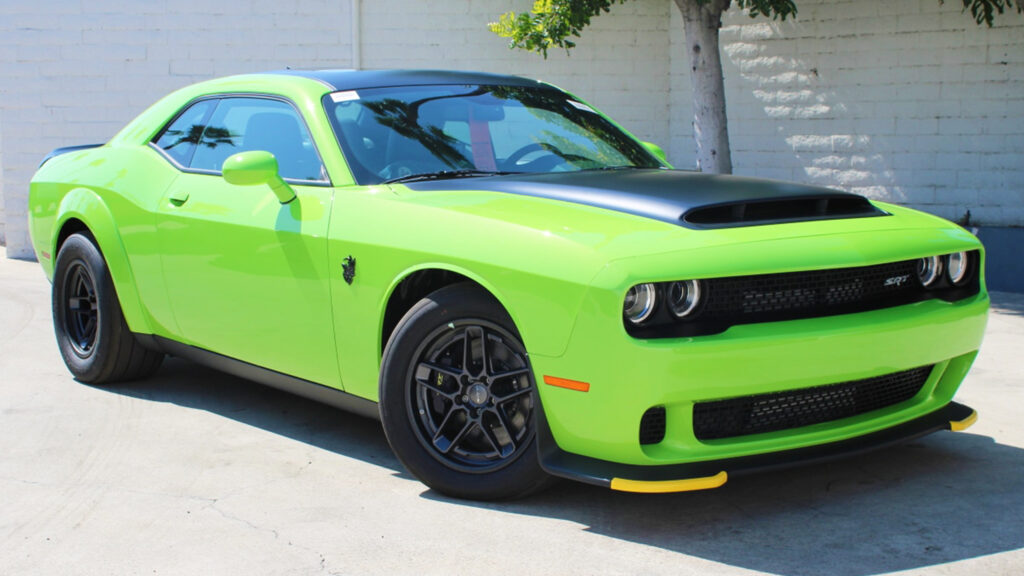
Dodge Demon Market Defies Time as Rare Models Command Premiums Years After Launch

Driving Enjoyment and Risk Where Thrilling Roads Become Testing Grounds for Cars and Nerves

AI Road Safety Cameras Could Fix Motorway Lane Discipline and Improve Traffic Flow
 Middle lane hoggers, speeders, constantly jostling lorries - the policing opportunities are endless
Our correspondent John Evans updated us recently on the UK government's plan to use AI-powered road safety cameras and the wider application of penalty points to enforce better compliance on our roads for things like seatbelt wearing, vehicle tax and insurance.
I'm uneasy with the idea of even more surveillance, yet I find myself in favour. You thought road testers were all libertarian speed freaks, right? Don't we deliberately go where the cameras aren't and where traffic is light to get to grips with the latest performance cars?
Of course we do. But those roads where we know we can do our jobs easily are very valuable to us. Experience teaches us not to treat them like race tracks, to advertise their whereabouts too loudly or raise the enmity of their local communities while we're on them. Before we know it we will be back, after all.
In the end, we all just want better driving and roads that work, don't we? Those of us who spend more time on them than the average bear, for whatever reason, all the more so.
Before going any further, an admission: I was recently 'awarded' another three points. It was a fair cop: I was doing 59mph on an A-road local to my home that was, until a few years ago, under the national speed limit. I probably needed a punitive reminder. And, sure enough, it has made me more aware of how fast I'm going and whether I've disabled the speed warning buzzer of the car I'm driving (as I've got into the apparently costly habit of doing).
It's easy to see how preoccupied with speed the UK's system of camera-based enforcement is, however. If the government is seriously considering extending its reach, shouldn't it be part of a bigger rethink about speed limits, motorway regulations and lane discipline? And if the current speed-centred system hasn't significantly reduced mortality for the past 15 years, isn't it time it focused its gaze elsewhere?
The UK has long had different speed limits and lane permissions for lorries, bigger vans and heavier pick-up trucks than for cars, for example. But these pretty plainly aren't enforced by our current motorway cameras - which, it seems to me, is really feeding the biggest problem we have at the moment: poor lane discipline.
We've been talking about higher motorway speed limits on and off for decades. But what would be the point, given the likelihood of a Ford Transit or Mercedes Sprinter blocking the outside lane?
So, come the revolution, I would start by restricting lorries and coaches to lane one on both two- and three-lane dual carriageways, or lanes one and two where there's a fourth lane. That way we won't get those interminable, 56mph motorway truck races that bottle everything up.
Next, I would limit smaller commercial vehicles (vans, minibuses and pick-ups of all sizes) to lanes one and two but extend the 60mph dual-carriageway limit that applies to some of them in some places to 70mph for all of them.
And finally, I would let cars and motorbikes travel at up to 80mph and have exclusive use of lane three, as well as shared access to lanes one and two, but find dependable ways to penalise their drivers for not 'keeping left' when they patently could.
I'm not sure that AI cameras could fairly or safely police a fixed penalty for middle-lane hogging, so that would have to be left to the patrol bobbies.
Otherwise, and as suggested, it wouldn't be a huge change to the status quo, would it? We might have to introduce a minimum following distance limit for lorries and coaches, so as to leave space for everyone else to make their motorway exit, but that could be enforced by camera quite easily.
Wouldn't traffic ultimately flow better that way? Wouldn't we all get to where we're going that bit easier? Surely the AI cameras that the government is talking about here are capable of helping to clear up the mess made of our motorways by their various predecessors?
If they could, they might not be such an unwelcome addition.

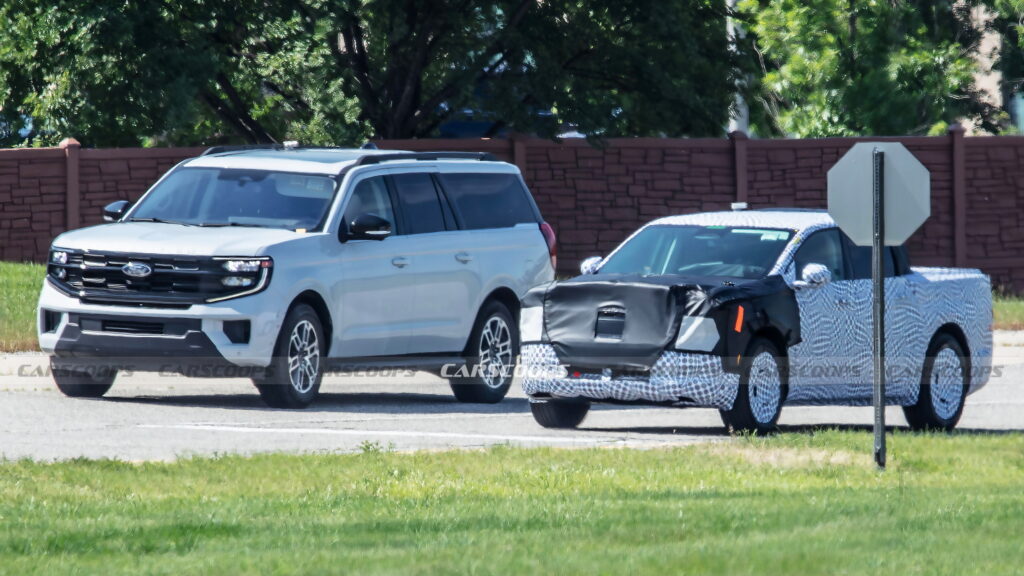
Ford’s $30K Electric Truck Redefines Compact Utility Through Aerodynamic Efficiency and Radical Cost Engineering