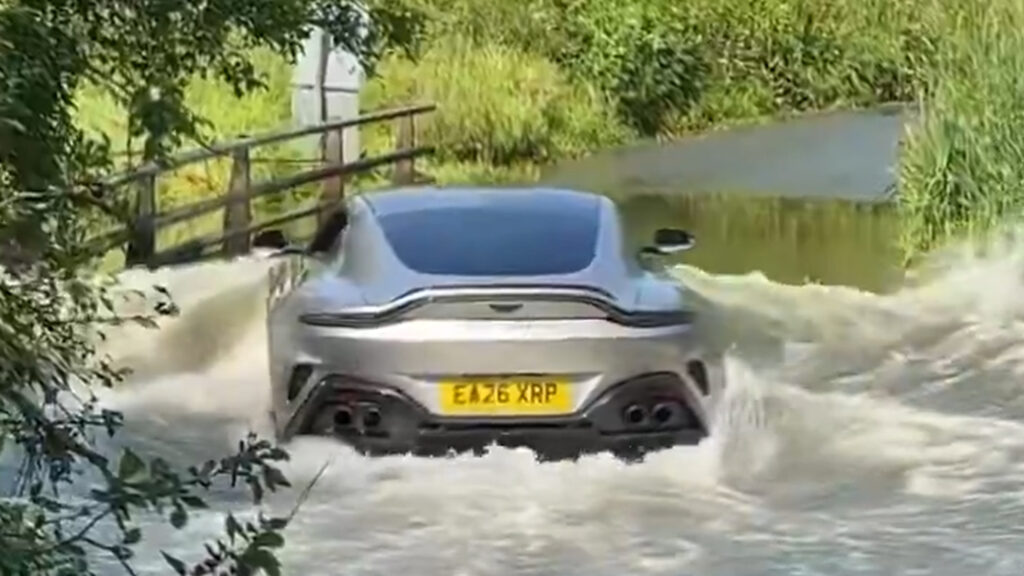
Bugatti W16 Mistral Redefines Hypercar Luxury with Porcelain Craftsmanship and Digital Design Transparency
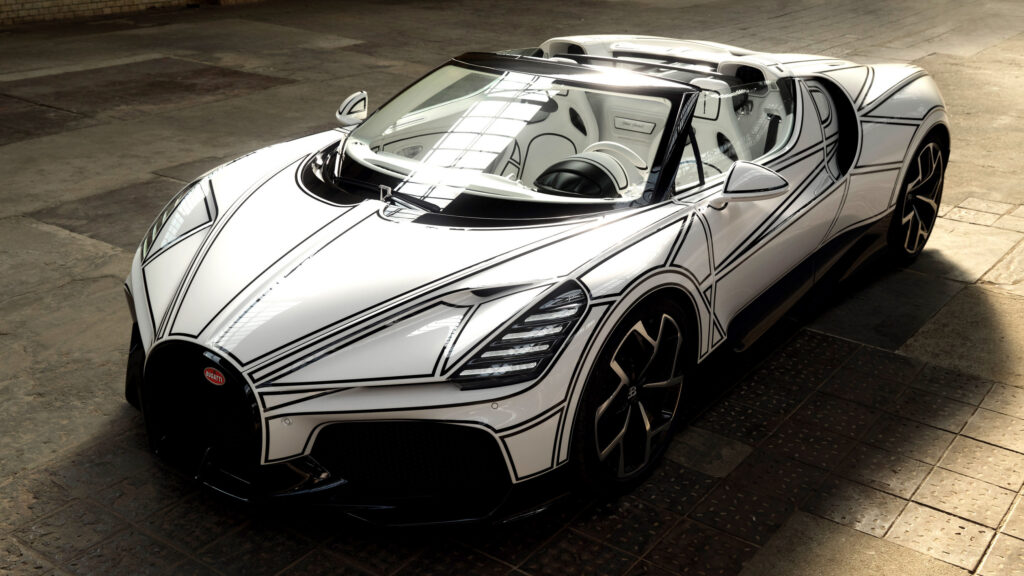

SGT Automobili Reimagines Alfa Romeo 155 DTM Legacy with High-Performance Giulia-Based 5S-SGT
 SGT Automobili's debut model pays reverence to legendary race car using Giulia Quadrifoglio underpinnings
New firm SGT Automobili has revealed its debut model as a tribute to the Alfa Romeo 155 that won the DTM racing series in 1993.
Based on the current Giulia Quadrifoglio, the 5S-SGT has a carbonfibre body that faithfully recreates the famed race car – but remains road-legal.
SGT claimed the car is “neither a replica nor a restomod”, but instead its vision of what the wild super-saloon would look like if it were built today.
Sitting at its heart is the Quadrifoglio’s 2.9-litre twin-turbocharged V6, fettled to boost its output from the standard 513bhp to either 612bhp in Stradale guise, or 740bhp in the track-focused Trofeo trim. It is fitted with a new exhaust system that is valved so it can be more muted in normal use or uncorked for track use.
Power is sent through all four wheels via the Quadrifoglio’s eight-speed automatic gearbox, which has been reinforced to cope with the additional grunt. It can also be switched to send 100% of its power to the rear wheels, if so desired.
The chassis, meanwhile, has been overhauled so that it has 25% greater torsional rigidity than the Giulia Quadrifoglio.
Inside, it has been stripped out to save weight, swapping rear seats for a roll-cage and fire extinguisher. Carbonfibre bucket seats are fitted up front, and there is a new switchgear panel on the centre console that provides control over features such as the stiffness of the electromagnetic dampers, the differential and the aggressiveness of the engine map.
In total, the 5S-SGT weighs 1590kg in road-focused Stradale trim or 1490kg as a Trofeo.

Dodge Charger Marks 60 Years by Reviving Bold Color Heritage With Limited Purple Haze...
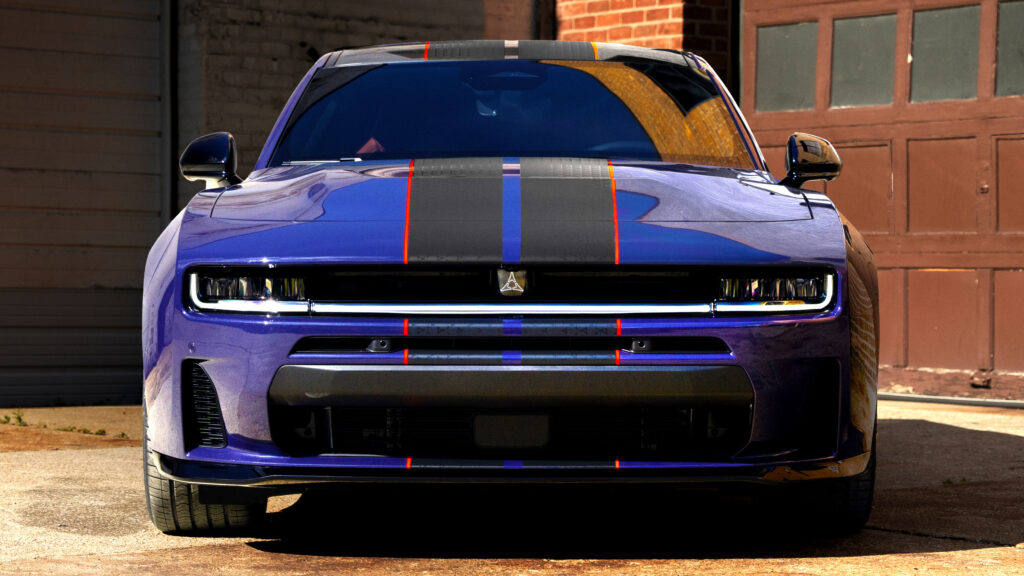

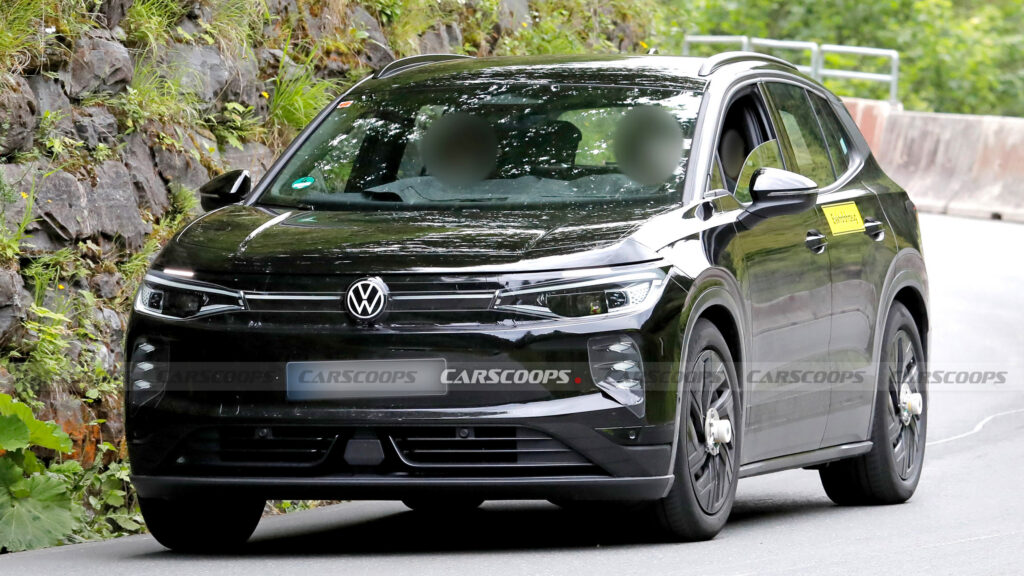
ID. Tiguan Redefines Volkswagen’s Electric SUV Strategy with Major Redesign and MEB+ Platform Shift

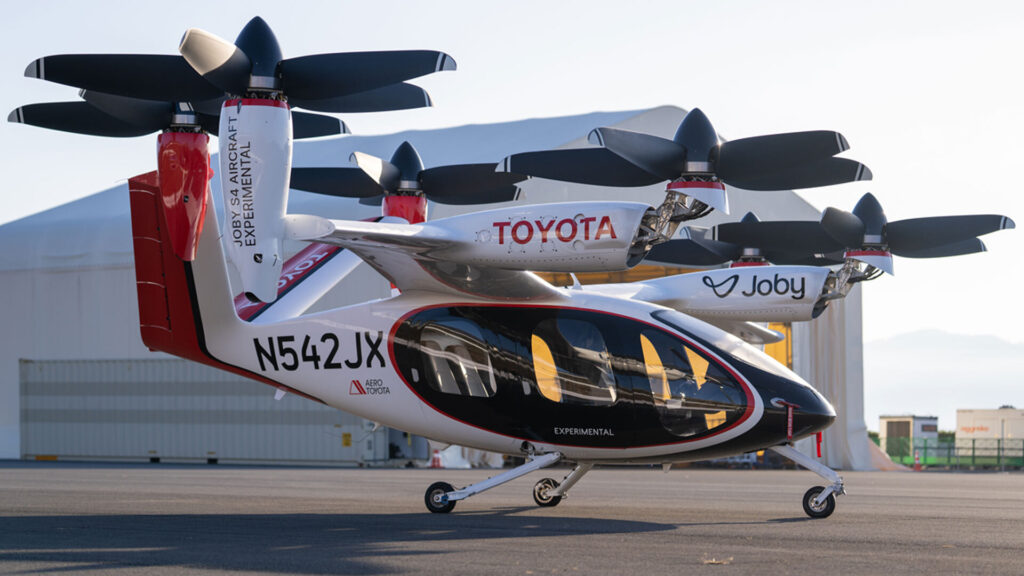
Electric Air Taxis Take Flight as Toyota and Joby Forge Scalable Production Partnership

Vespisti Converge in Rome to Celebrate Eight Decades of Vespa’s Cultural Legacy


Diesel’s Retreat from the Mainstream as Volkswagen Ends Golf Diesel and Electric Rivals Advance
 Golf was a diesel frontrunner for decades, but the fuel's market share has all but evaporated
The diesel car has moved one step closer to extinction with the announcement that Volkswagen has taken the diesel Golf off sale in the UK.
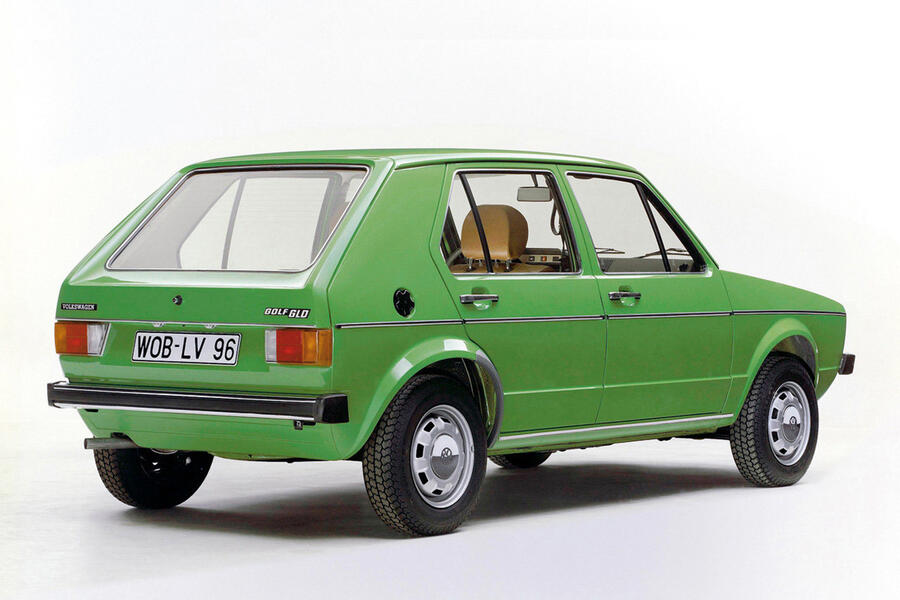
The Golf was one of the first mainstream cars available with a diesel engine. It was initially offered as a powertrain option in 1976, just two years after the model's launch. For many in the UK, the Golf was the car in which they had their first experience of this initially clattery but undeniably frugal choice of engine.
The Golf was regularly crowned Britain's best-selling diesel. It was a mainstay of the fleet market, where its economy credentials, tax-friendly low CO2 output and (more latterly) punchy performance figures were a hit. More than eight out of 10 new Golfs handed to company car drivers in 2015 were so-called oil-burners.
But now the model is gone for good, its maker told Autocar in a statement. "Volkswagen UK continually evaluates customer demand and in this case has chosen to focus on increased petrol and upcoming hybrid powertrains for the ever-popular Golf model," it said.
Volkswagen arguably sparked the decline of diesel when the emissions-cheating scandal blew up in late 2015, but the wider Volkswagen Group has never relinquished its diesel lead, accounting for four out of every 10 diesels sold across Europe this year.
The UK, however, was quicker to wave goodbye to diesel than other European countries such as Germany and Italy. Diesels accounted for just 4.8% of UK sales from January to May, dropping another 7% year on year at 44,449 units, according to figures from the SMMT.
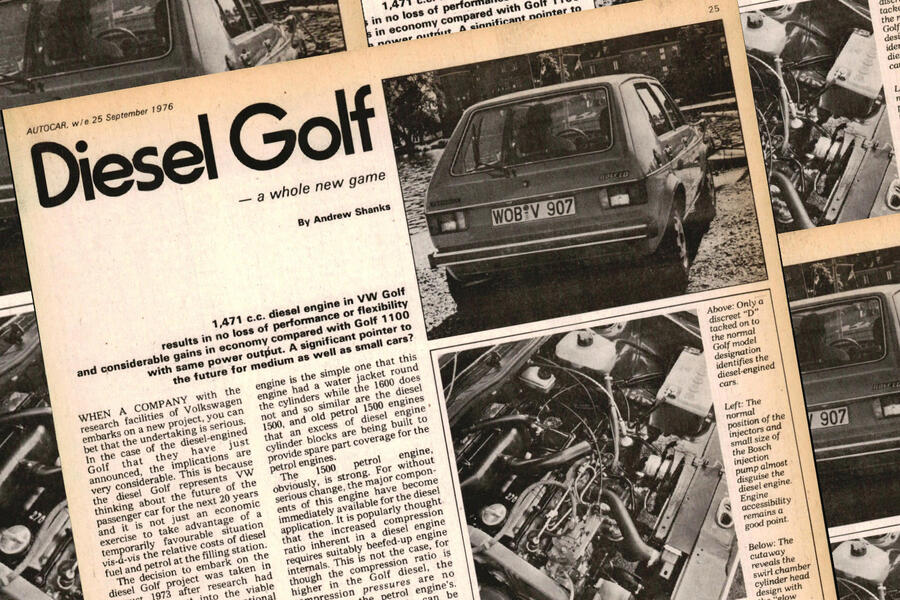
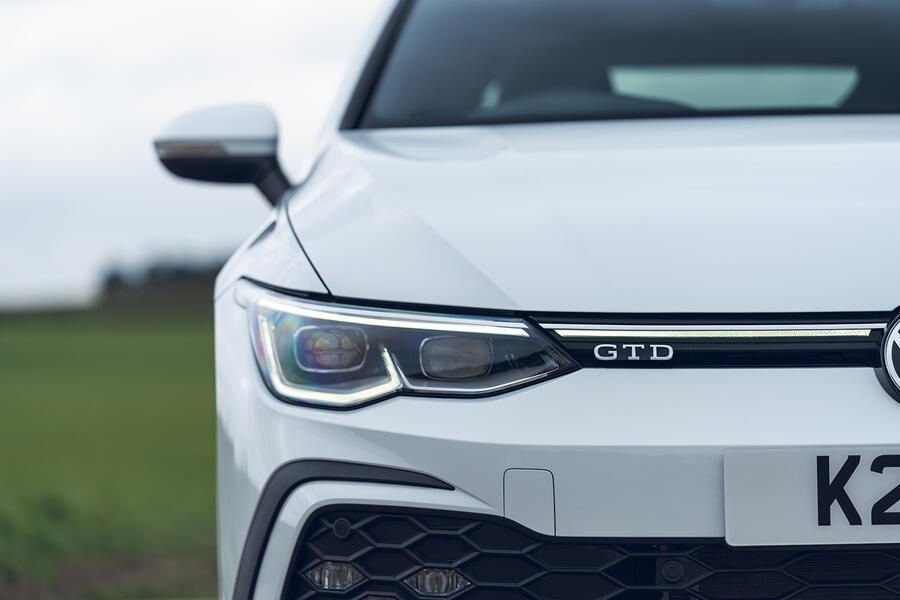
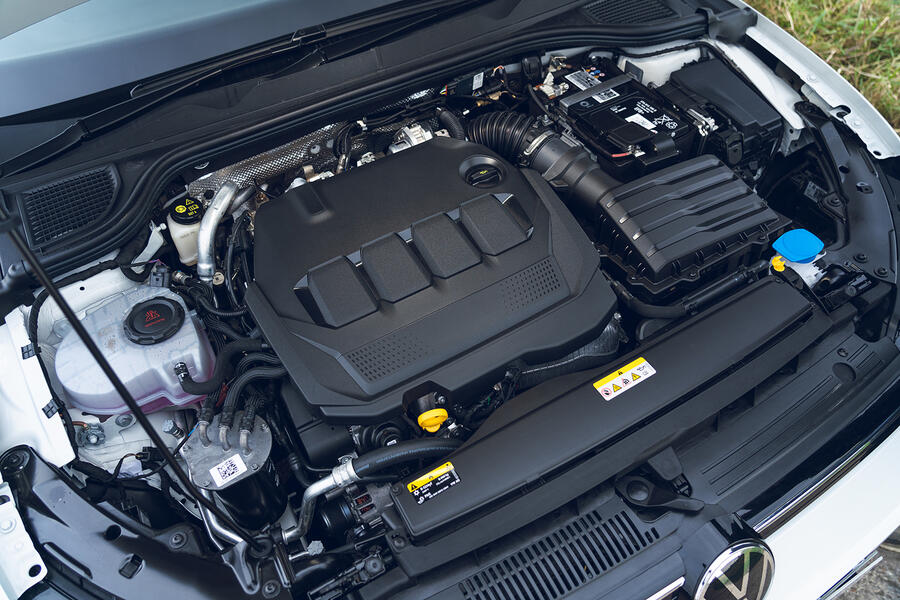
The diesel Golf, once the corporate driver's favourite, has accounted for just 5.5% of the model's overall sales in the UK so far this year. As Volkswagen mentioned in its statement, electrified drivetrains have taken diesel's place. The new full-hybrid Golf will arrive in winter to sit alongside mild-hybrid, plug-in hybrid and petrol models.
Diesel has been cast aside, even though the engine will still be available on the continent, where it remains particularly popular with autobahn-storming German buyers.
So what is propping up the diesel market in the UK? The answer is Land Rover. The company now dominates diesel sales here, accounting for 43% of the total in the first five months, according to the SMMT, and taking the top six diesel positions.
Buyers don't have a lot of choice when it comes to the Defender. The cheapest model is a straight-six diesel with good range and decent economy. The plug-in hybrid has more power on paper, but once the smallish 19.2kWh battery runs out of charge, officially after 30 miles, the two-litre petrol engine is doing all the work. Small wonder that Defender PHEV sales are minuscule in comparison, at just 625 units.
Speaking to Autocar, Berlin-based auto analyst Matthias Schmidt said: "PHEVs should theoretically be very large in this sector, but presumably consumers are cottoning on to the fact that for long journeys diesel still leads the way, with real-world ranges well in excess of 1000km [620 miles] possible without plugging in or topping up with traditional fuel, and not just on paper."
PHEVS are improving, though: once JLR upgrades the Defender PHEV, perhaps with the 38kWh battery from the Range Rover and Range Rover Sport, diesel sales are likely to go down. UK sales of the Range Rover Sport PHEV, for example, far outweigh those of the diesel, at 3937 versus 2353 to the end of May.
Better electric technology with long ranges and fast fill-ups will increasingly convert diesel holdouts at the top end. Later this year, for example, Land Rover will launch the Range Rover and Range Rover Sport electric models with a 118kWh battery. The new BMW iX5, meanwhile, comes with a whopping 140kWh battery, which lines it up as a viable mile-munching alternative to the old straight-six diesel. A range approaching 400 miles and beyond coupled with sub-15-minute fast charging will be a "game-changer for corporate drivers", said Schmidt.
Diesel is increasingly moving into the rear mirror, hastened by high taxation and the recent jump in fuel prices sparked by the US-Iran conflict that pushed diesel to £1.80 per litre and beyond before easing in recent weeks.
The amount of diesel cars left on the road is still high, at 9.6 million as of the end of 2025, according to government figures. But the numbers are falling: they dropped below 10 million for the first time since 2013 in the first quarter of last year and now account for a 29% share of the total UK car parc, against 38% in 2015.
Diesels are not dead yet, with premium marques including JLR committing to offering the drivetrain in new models. They also live on in passenger vans, which is another tough bodystyle to electrify.
But with the Golf out of the game, diesel is no longer a mainstream choice. It now resides in the niches and will remain there until electric can prove it can take over long-haul duties.

Accord at 15 Million Sales Reveals How Honda’s Unassuming Sedan Reshaped the American Auto...

Land Rover Discovery Landmark Marks End of an Era as JLR Prepares Bold Repositioning
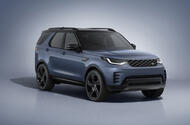 Uniquely specified Discovery Landmark reprises a name used by previous run-out models
Land Rover has revealed a high-spec new edition of the Discovery – which could be the final version of the nine-year-old seven-seater before it comes in for a dramatic reinvention.
The new Landmark model reprises a name previously used for run-out editions of the Discovery 2, 3 and 4 in their final months of production – suggesting that the end could finally be near for the fifth iteration.
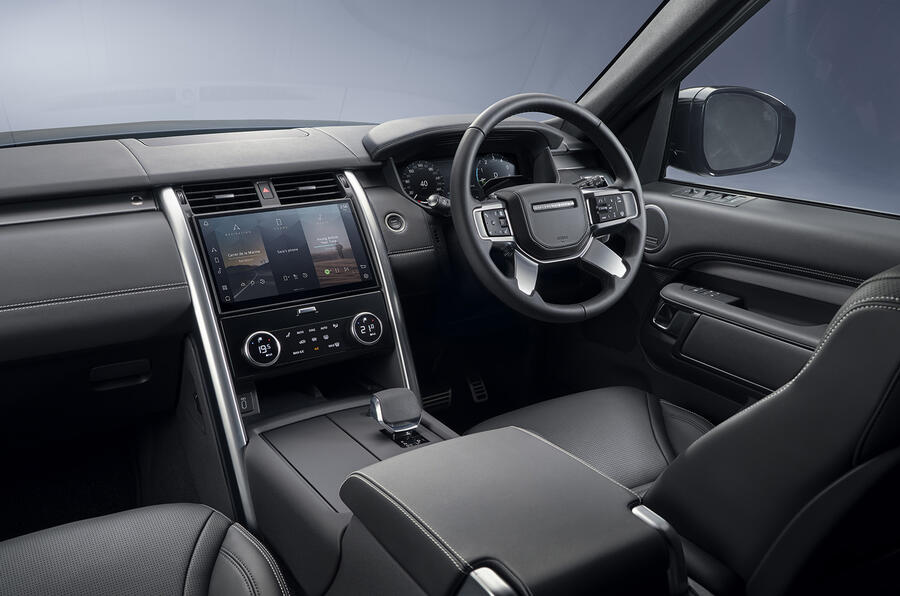
The new £76k Landmark – sitting between entry-level S (£70k) and top-link Tempest (£84k) trims – comes in a bespoke shade of Tasman Blue paint that nods to the original Disco 1's Clearwater blue, and is marked out from its range-mates with a raft of bespoke styling cues inside and out.
Standard kit on the Landmark includes a sliding panoramic sunroof and a fridge in the centre console.
All versions come exclusively with the D350 straight-six diesel, the Discovery having dropped all petrol and PHEV powertrain options.
Having been launched in the UK in February 2017, the Discovery is not just JLR's oldest model but also one of the longest-running cars currently on sale in the UK.
Autocar approached JLR for confirmation that the Landmark was a swansong for the current-generation car, but a spokesperson declined to comment on future product plans.
The Discovery 5 was briefly offered in a Landmark trim from 2019-2020, to celebrate the SUV's 30th anniversary.
Details of the nameplate's future remain unconfirmed – with JLR focusing for now on the launch of the upcoming Range Rover Electric, Defender Sport and Velar successor – but the company has hinted at plans to dramatically reposition its big family hauler to differentiate it from the vastly more popular Defender.
Mark Cameron, who leads the Defender and Discovery brands, previously told Autocar: "If you look from a product perspective, Defender came in and sat quite squarely on top of Discovery and cannibalised a lot of that business."
He said JLR was working on "recreating what Discovery stands for", and said the priority was to "make sure it sits in a really unique territory".
A successor model would be likely to use the similarly sized Range Rover's MLA architecture, which can accommodate electric, combustion and hybrid drivetrains – in keeping with JLR's renewed commitment to preserving a multi-powertrain offering across its model lines for the medium term.

Aston Martin Vantage Hydrolock Highlights Costly Risks of Misjudging Flooded Roads