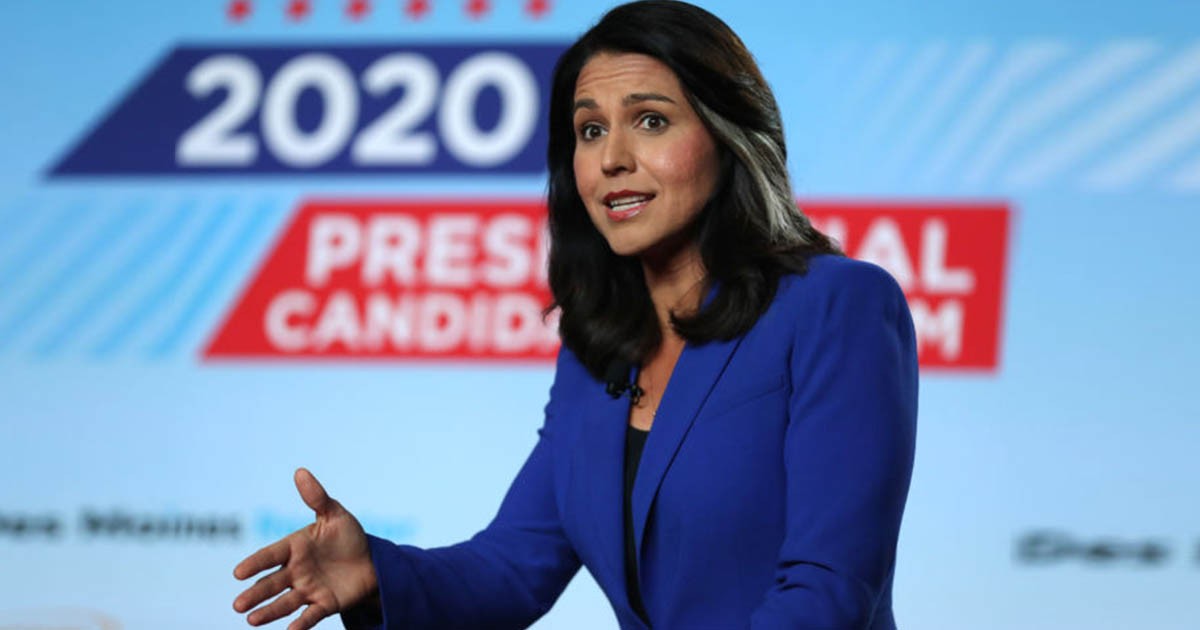
Tulsi Gabbard resigned as President Donald Trump’s director of national intelligence on Friday, saying she needed to leave office as her husband battles cancer. She is the fourth Cabinet member to depart during Trump’s second term, all of them women.
In her resignation letter, which she posted on social media, Gabbard said she told Trump she would leave her job overseeing the coordination of 18 intelligence agencies on June 30. She said her husband had recently been diagnosed with a rare form of bone cancer and “faces major challenges in the coming weeks and months.”
“At this time, I must step away from public service to be by his side and fully support him through this battle,” she wrote in the letter, which was reported earlier by Fox News.
Trump, in his own social media post, said “Tulsi has done an incredible job, and we will miss her.” He said her principal deputy, Aaron Lukas, will serve as acting director of national intelligence.
While Gabbard says her departure is for personal reasons, the juxtaposition between her long-held, anti-interventionism stance and Trump’s series of overseas military operations had seemed to put them on a collision course.
Iran put Gabbard and Trump at odds
There had been rumblings that Gabbard would split with Trump after the president’s decision to strike Iran, which caused some division within his administration. Joe Kent, director of the National Counterterrorism Center, announced his resignation in March and said he “cannot in good conscience” back the war.
Gabbard, a veteran and former Democratic congresswoman from Hawaii, built her political name on her opposition to foreign wars. This put her in an awkward position when the U.S. joined Israel in launching attacks on Iran on Feb. 28.
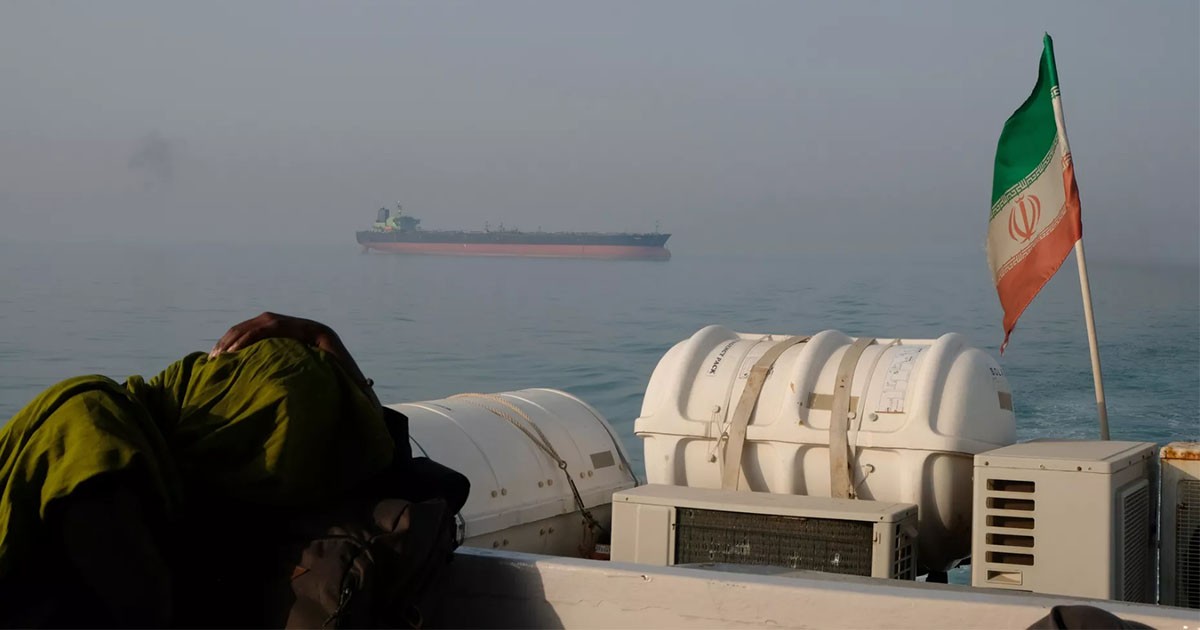
During a congressional hearing in March, her measured comments were notable for their careful non-endorsement of the Iran war. She repeatedly dodged questions about whether the White House had been warned of potential fallout from the conflict, including Iran’s effective closure of the Strait of Hormuz, a waterway crucial for global oil shipments.
Gabbard said in written remarks to the Senate Intelligence Committee that there had been no effort by Iran to rebuild its nuclear capability after U.S. attacks last year “obliterated” its nuclear program. That statement contradicted Trump, who has repeatedly asserted that the war was necessary to head off an imminent threat from the Islamic Republic.
This created several awkward exchanges with lawmakers who asked Gabbard for her opinion on the threat posed by Iran as the nation’s top intelligence official. She repeatedly said it was Trump’s decision to strike, not hers.
“It is not the intelligence community’s responsibility to determine what is and is not an imminent threat,” she said.