Iran ‘s stranglehold on the Strait of Hormuz may be easing — and its own oil problems now seem to be mounting.
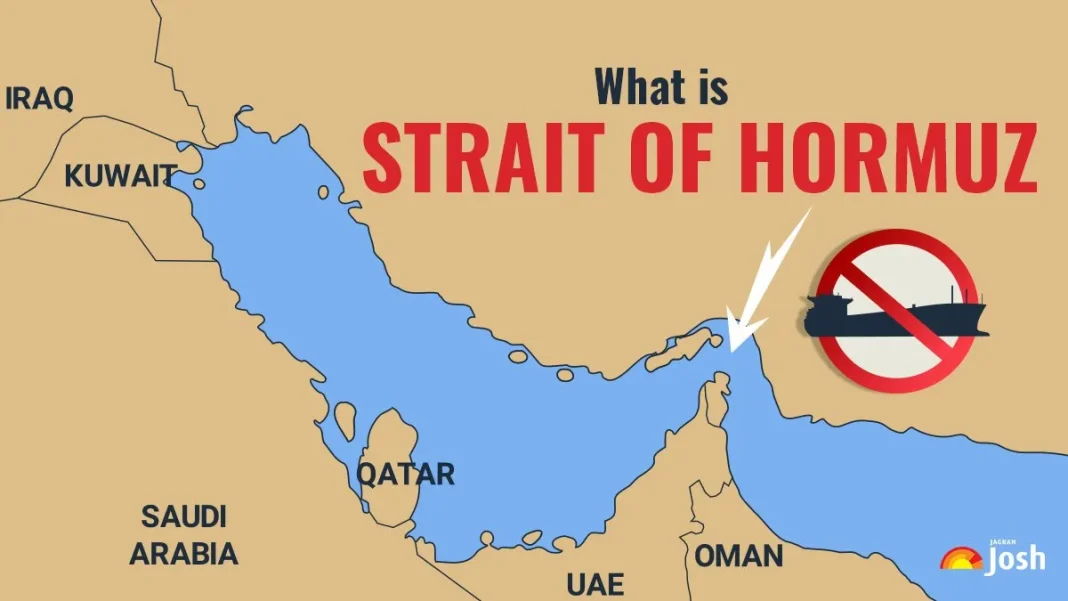
The crucial strait at the mouth of the Persian Gulf, through which a fifth of the world’s oil and natural gas supplies once passed, has been effectively shut by Iran’s attacks on shipping since the start of the war in February. Even with much of its navy sunk, just Iran’s threat to attack made shippers and insurers hesitant to send vessels through the strait. The resulting energy crunch has fueled global inflation, including in the U.S.
The situation, however, appears to be shifting. Analysts say more oil from Gulf Arab states appears to be getting out to market, with the help of the U.S. military. U.S. President Donald Trump says a “secret mission” to provide overwatch for ships got more than 100 million barrels of crude oil out. Meanwhile, American forces imposing a blockade have repeatedly shot at or stopped ships associated with Iran’s sanctioned oil trade, affecting the country’s ability to get the hard currency it needs.
The flow of oil remains below the 15 million barrels a day that once came through the strait. So it won’t satiate the global energy market, especially as nations draw down their reserves. which have been used to somewhat cushion the blow to world supplies.
But if the flow can be sustained or ramped up, it could change the calculus of the crisis. Iran’s ability to hurt the world economy with its grip on the strait has been its greatest advantage, giving it confidence it can outlast the U.S. even as the war and American blockade wreaked heavy damage on its economy.
Iran increasingly is feeling the pressure. “We are currently under sanctions, and our routes have been blocked. We face a difficult test,” President Masoud Pezeshkian said in a live address on state television Wednesday. “Governing the country is not an easy task under the current circumstances, given the shortages we face, the unrest we have experienced and the problems that remain.”
Still, the course of the conflict remains highly uncertain. This week saw days of intense fire between Iran, Israel and the United States. Trump on Thursday threatened to seize the oil export terminal of Kharg Island and bomb the Islamic Republic even more intensely, then suddenly pulled back and once again claimed a breakthrough in negotiations to end the war.
A ‘secret mission’ goes public
Getting the strait open and oil flowing has been a key priority for Trump — though he has seemed at times to flail for ways to make it happen. After initially telling allied nations that the strait wasn’t America’s concern and to ” go get your own oil,” Trump turned to threatening to do everything up to the destruction of ” a whole civilization ” to get tankers out through the waterway again.
It appears that in recent weeks, rising confidence in U.S. military support and the growing need for supplies convinced shippers to hazard the risk of running the strait, using stealthy methods.
Most likely, the ships have gone through by going “dark,” meaning they’ve turned off their tracking systems. TankerTrackers.com, a website tracking the oil trade at sea, said it had also seen ship-to-ship transfers by Gulf Arab states this past weekend, trying to obscure the source of their crude and run through the strait without being detected by Iran. That’s likely with the support of the American military.