

Honda Civic Si and Manual Acura Integra Face Temporary Discontinuation Amid Shifting Market Demand

A-1 Auto Salvage and the Fate of America’s Classic Cars in a Vanishing Roswell...
With well over 500 classic cars and trucks , A-1 Auto Salvage of Roswell, New Mexico was one of the best yards we had ever had the pleasure of exploring.
But sadly we’ll never be going back. Within a few years of our visit the place closed down, after the owner decided he wanted to do something else with the land. However, rather than simply cube everything (which is so often the case in these instances) he held a no-reserve auction, with anything not finding a buyer being fed to the crusher. Unfortunately we have no way of knowing whether the vehicles featured here survived. Let's take a look:
Diamond T 1940s
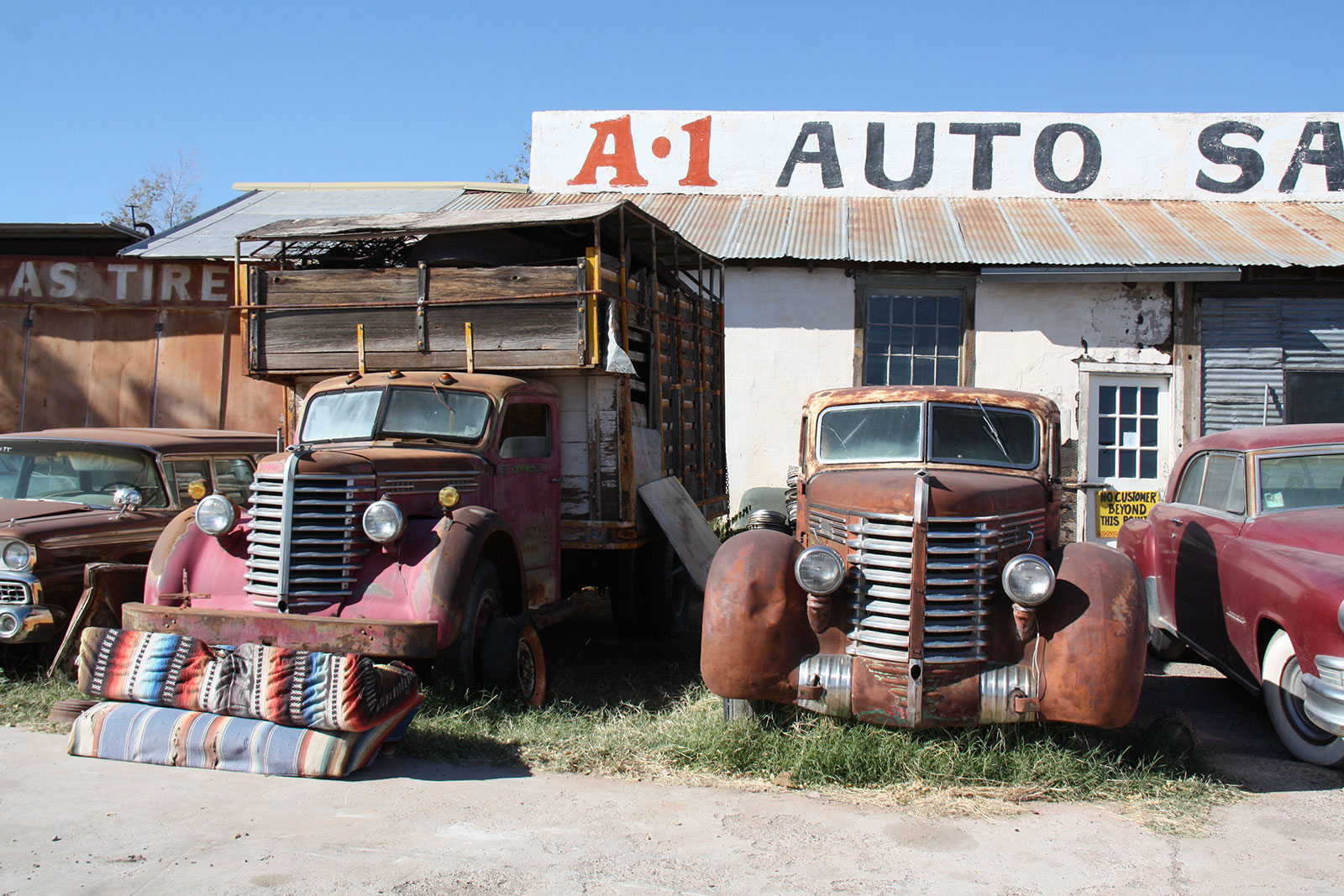
This is the tantalising sight that greeted us when we arrived at Roswell’s A-1 Auto Salvage. They’re both Diamond Ts, and the yard employee who accompanied us throughout the visit, reckoned the late 1940s one on the left belonged to Peter Hurd, a famous local artist.
Hurd whose work concentrated on the people and landscapes of New Mexico, was born in Roswell in 1904, and died in the town 80 years later. Chicago-based Diamond operated between 1905 and 1967.
The Lineup
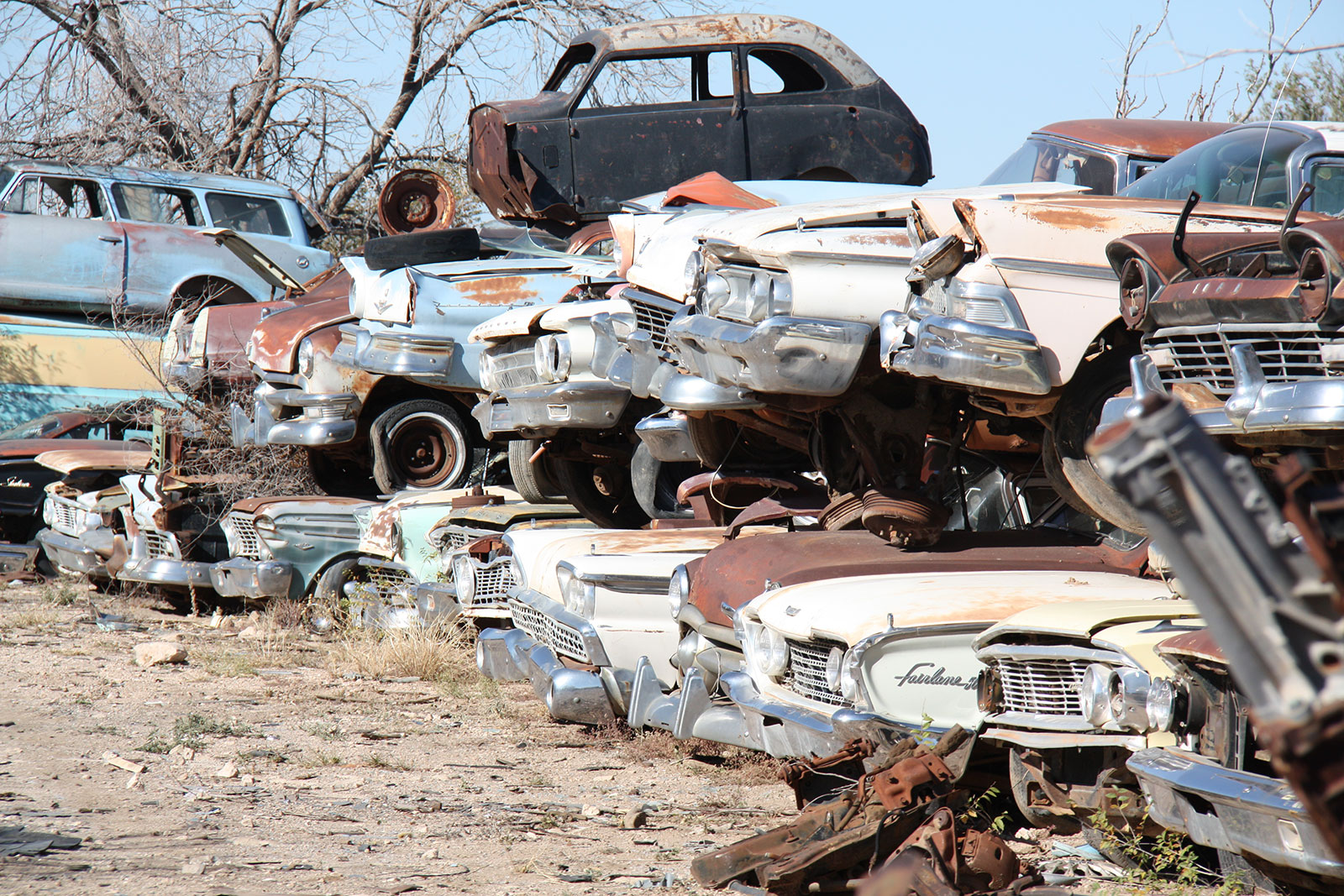
The view inside the 20-acre yard was just as enticing. The stock dated from the 1930s to the 1990s, but the vast majority hailed from the 1950s and 1960s. See anything you like in this line-up? Check out the rare Crosley, perched on the top of the pile. The company sold 84,000 of its subcompact cars between 1939 and 1952.
Chevrolet 1941
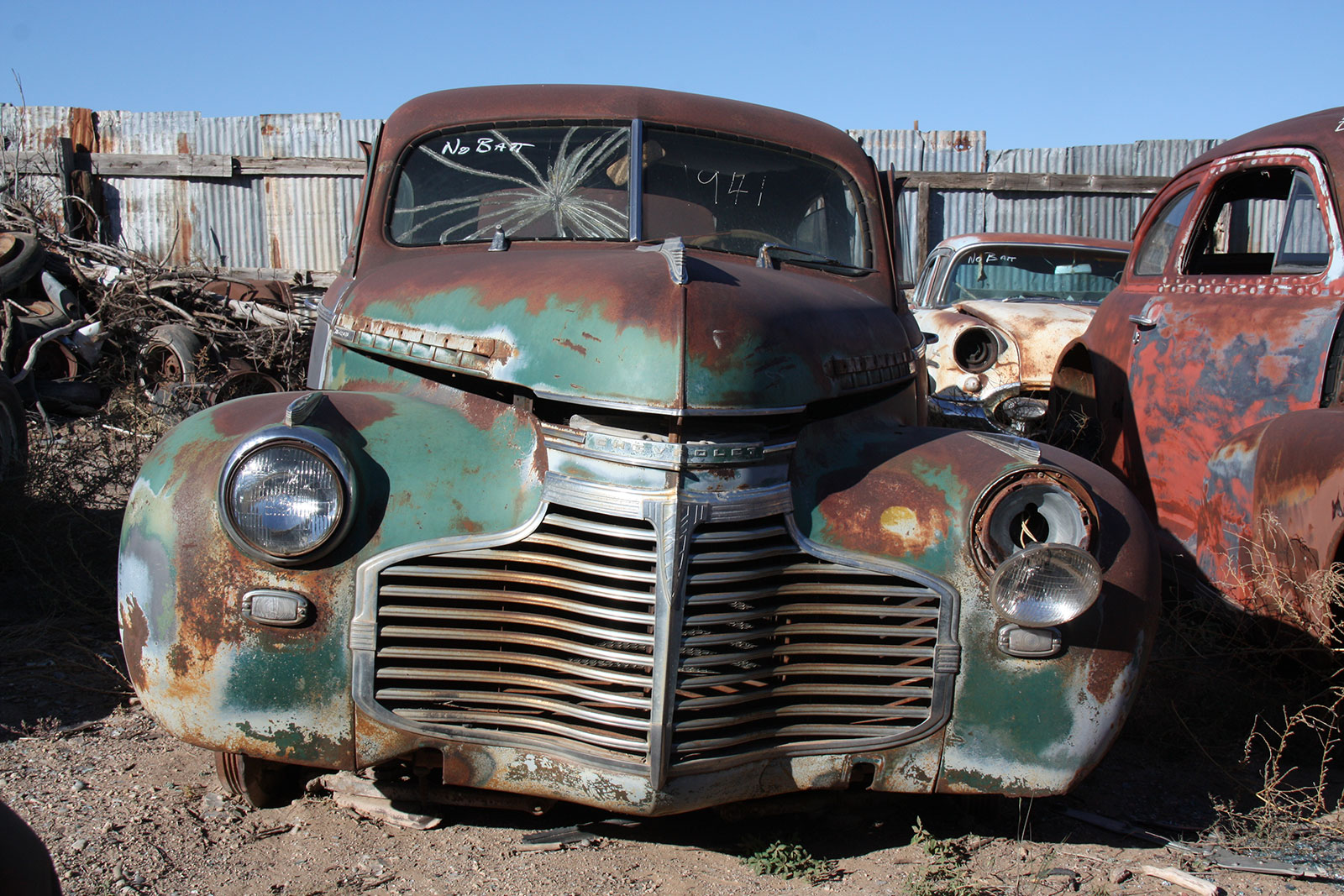
A-1 Salvage of Roswell, New Mexico was founded in 1941, which coincidentally is the same year that this Chevrolet rolled off the production line. That’s six years before an unidentified flying object allegedly crash-landed on a nearby ranch, sparking 75 years of conspiracy theories, and catapulting Roswell onto the tourist map and its name globally famous.
Ford 1947
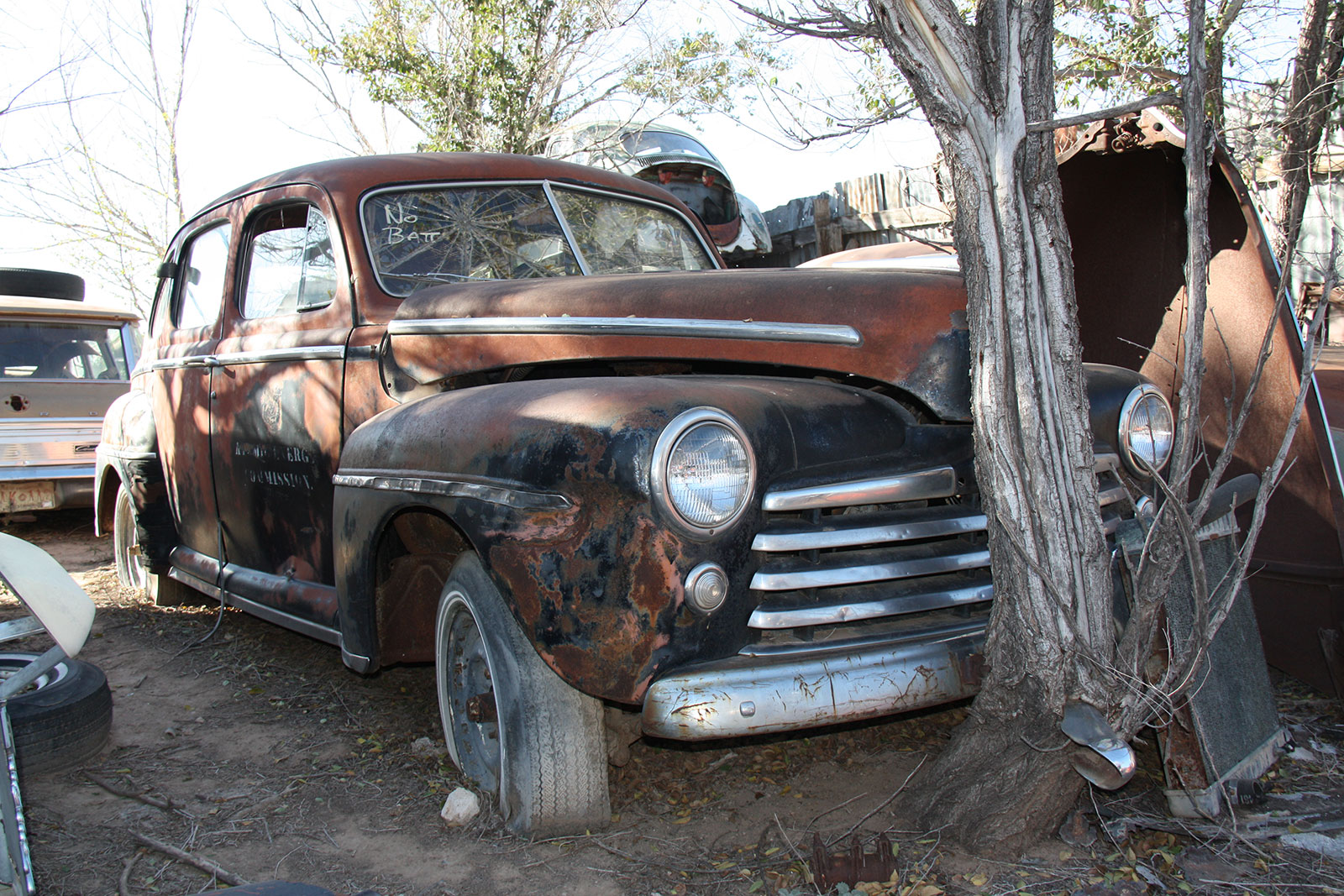
Our guide reckoned this 1947 Ford glows in the dark. He was referring to the car’s former owner – The Atomic Energy Commission. You can just make out the words painted on the door. It was a government agency formed after World War II to control the peacetime development of atomic science and technology. Note the chrome overrider embedded into the tree trunk.
Desotos 1950s
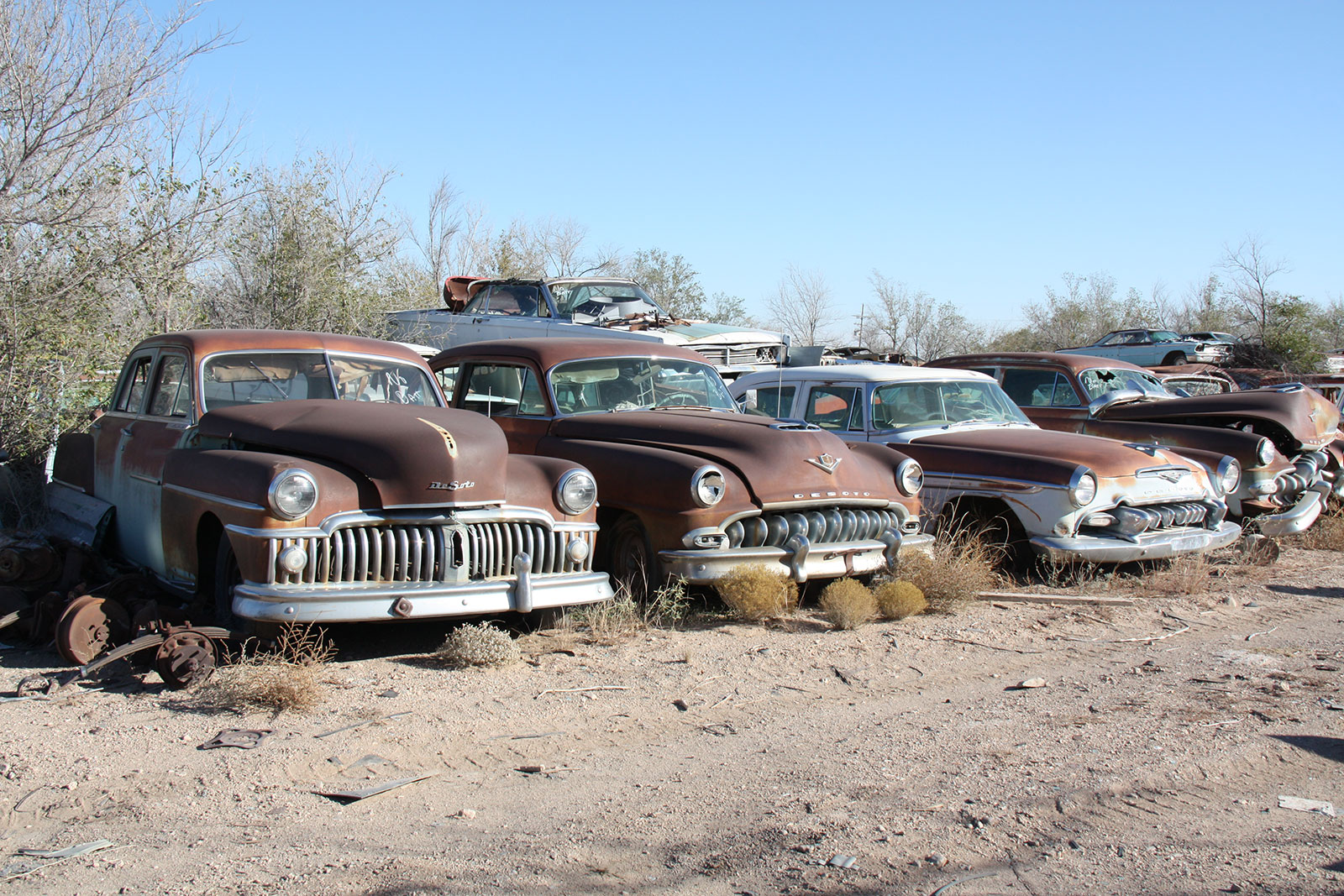
A-1 Auto Salvage once specialised in DeSoto and Studebaker, and both marques were still well represented when we visited. From left to right these DeSotos, all in reasonably good condition for their age, are dated 1950, 1953, 1955 and 1953 respectively. We hope some of them survived the auction.
Ford Mustang 1970s
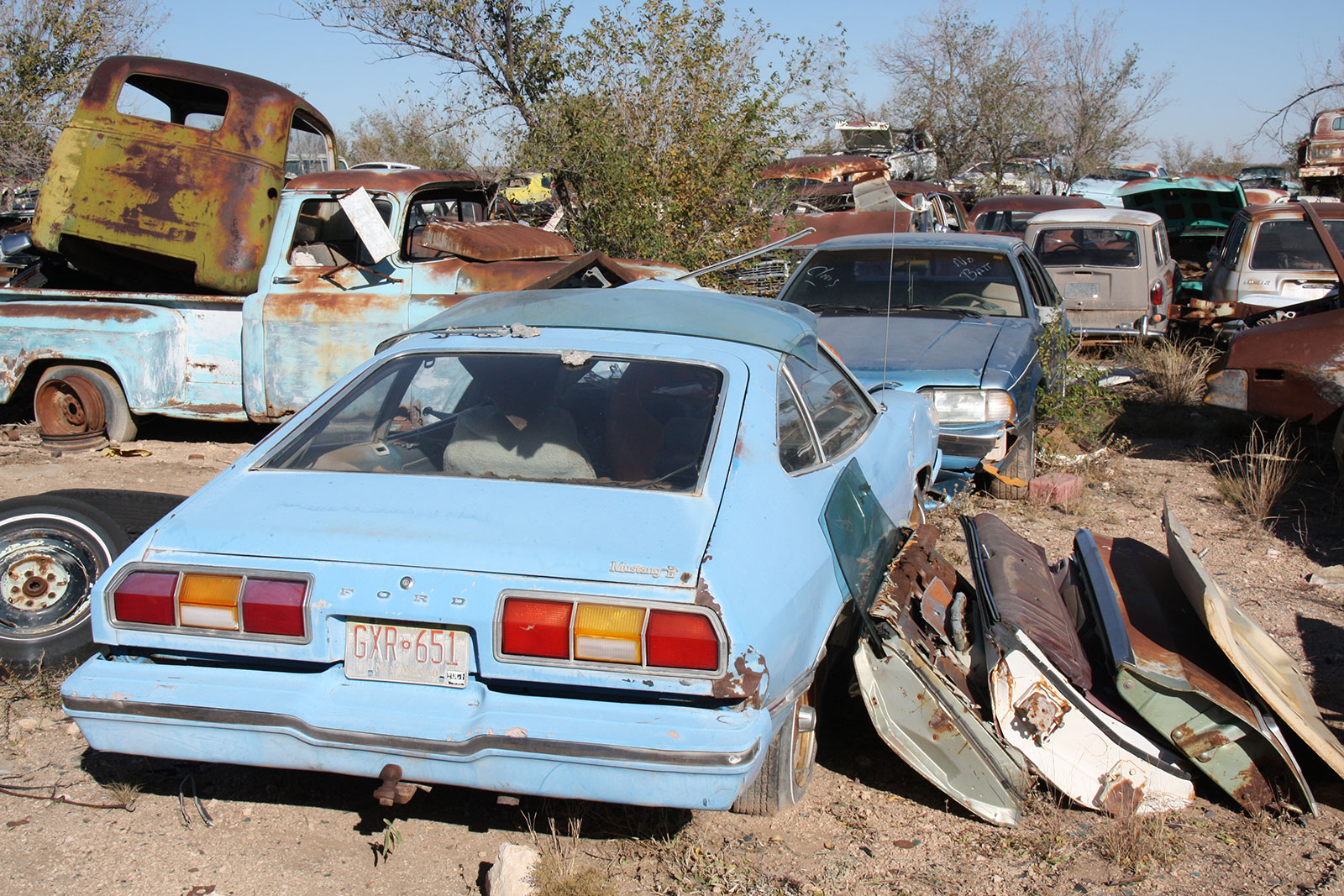
This mid-1970s Ford Mustang II hadn’t turned a wheel since 1986, which was the year it arrived in A-1 Auto Salvage. Although most of the yard’s stock ranged in age from the 1930s to the late 1970s, as you can see from the newer Mustang in the background, there were a few exceptions. And check out those Volkswagens behind it.
Ford 1963
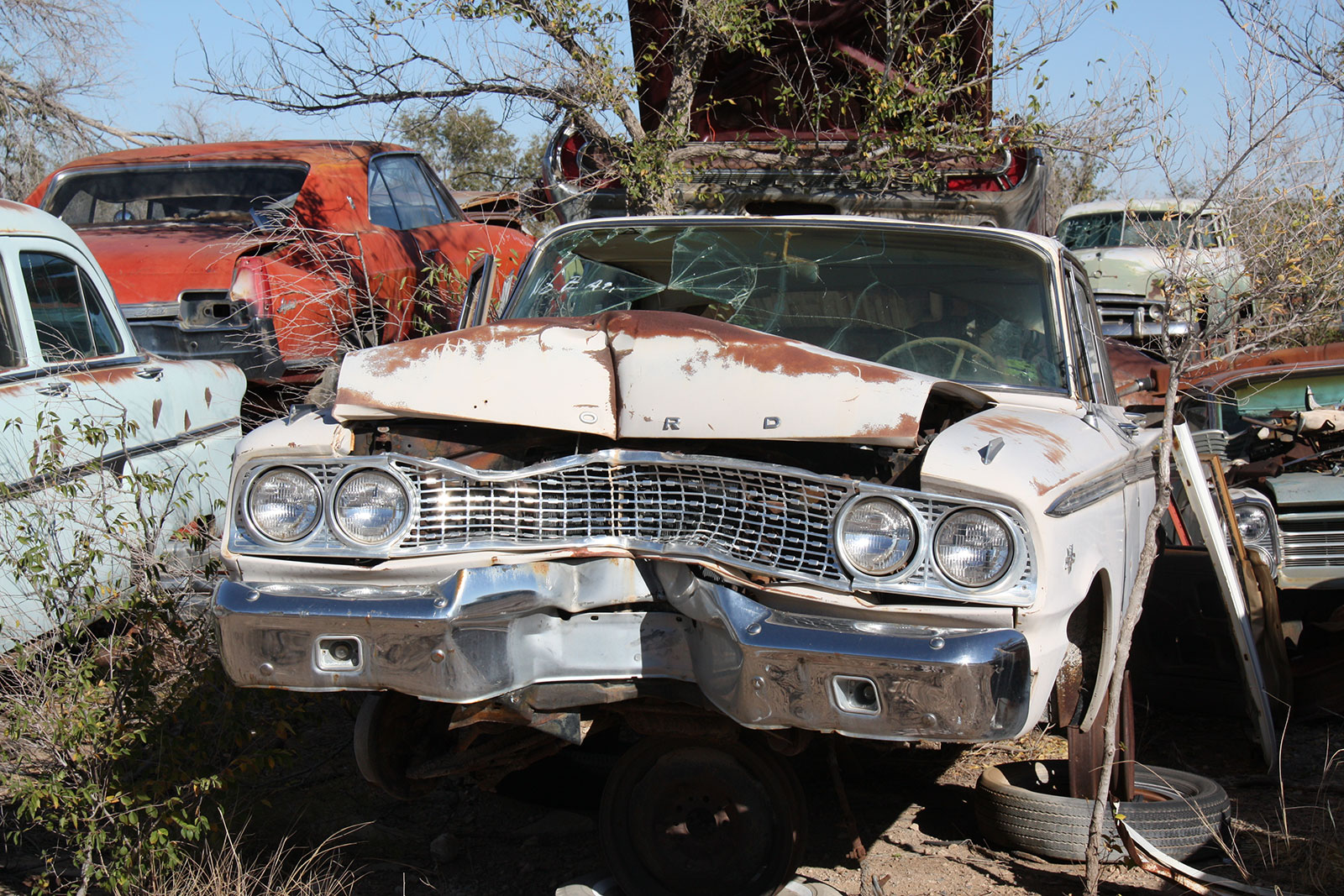
Presumably this 1963 Ford ended up in the yard after colliding with a tree. You've got to be travelling at quite some speed to do that much damage to a solid car like this; let's hope the occupants fared better than the metalwork.
Chrysler 1947
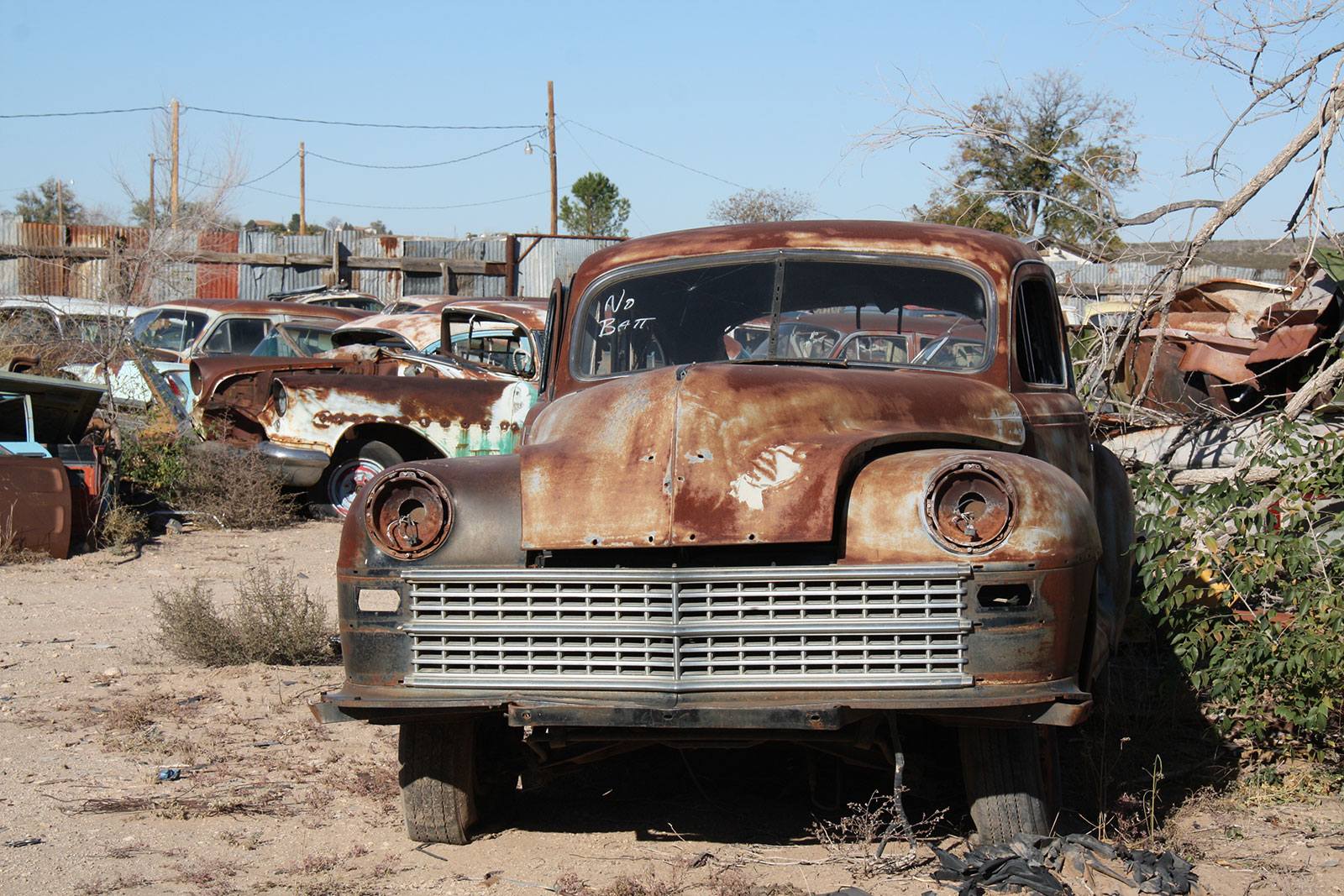
Although this wonderful ‘47 Chrysler was sitting dangerously close to the yard’s crusher, we were pleased to hear that it was to be saved. It had been purchased by an out-of-state car enthusiast, and was awaiting collection. Has it since been restored?
The crushing pile
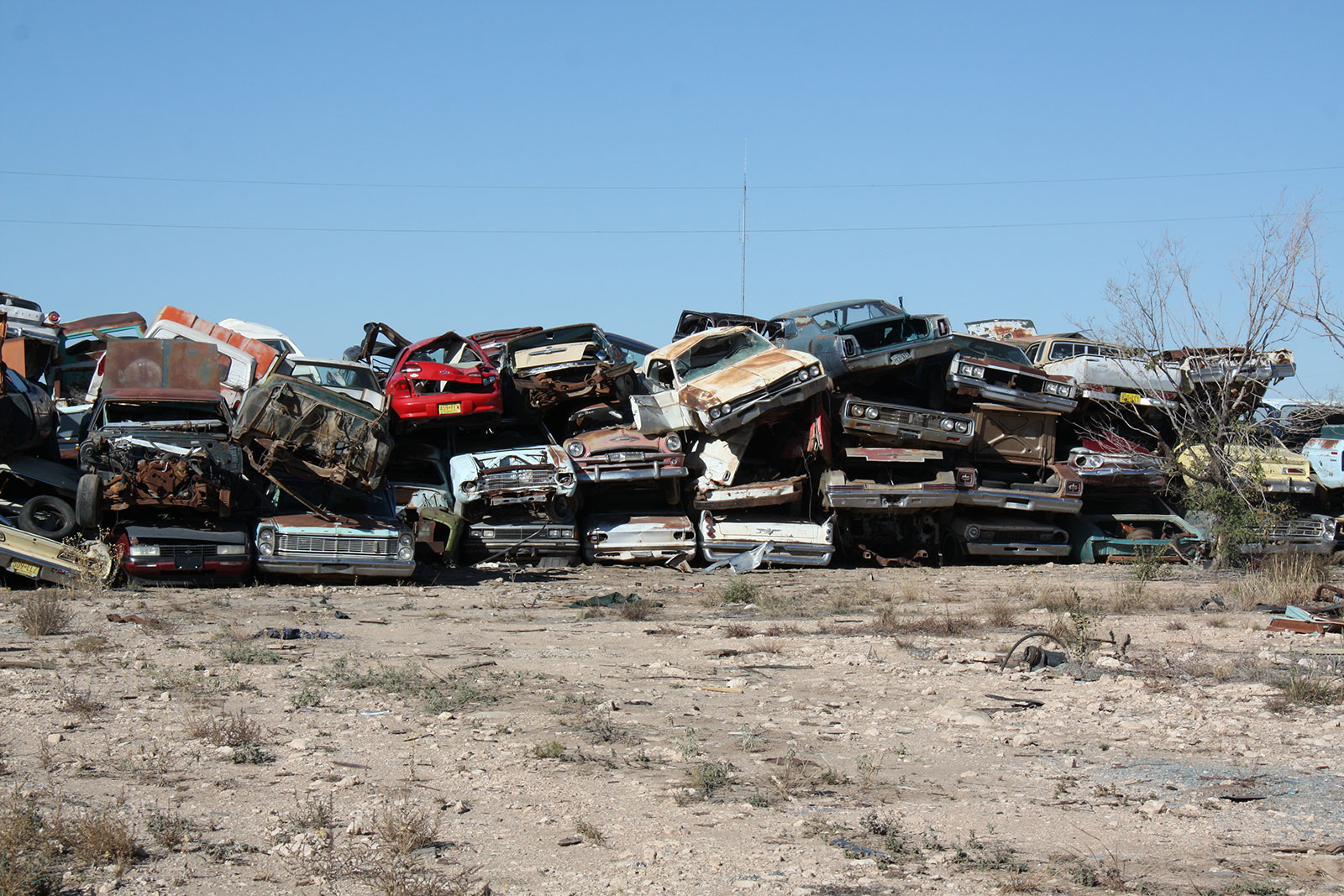
This is enough to bring tears to one’s eyes, because this entire pile was about to be crushed. If you could save one of them, which would it be? Even yards that specialize in classics have to be ruthless sometimes. Less desirable cars might sit around for decades without yielding a single part, taking up valuable space. And with the price of scrap metal being so high, they’re often worth a lot more dead than alive.
Studebaker convertible 1948
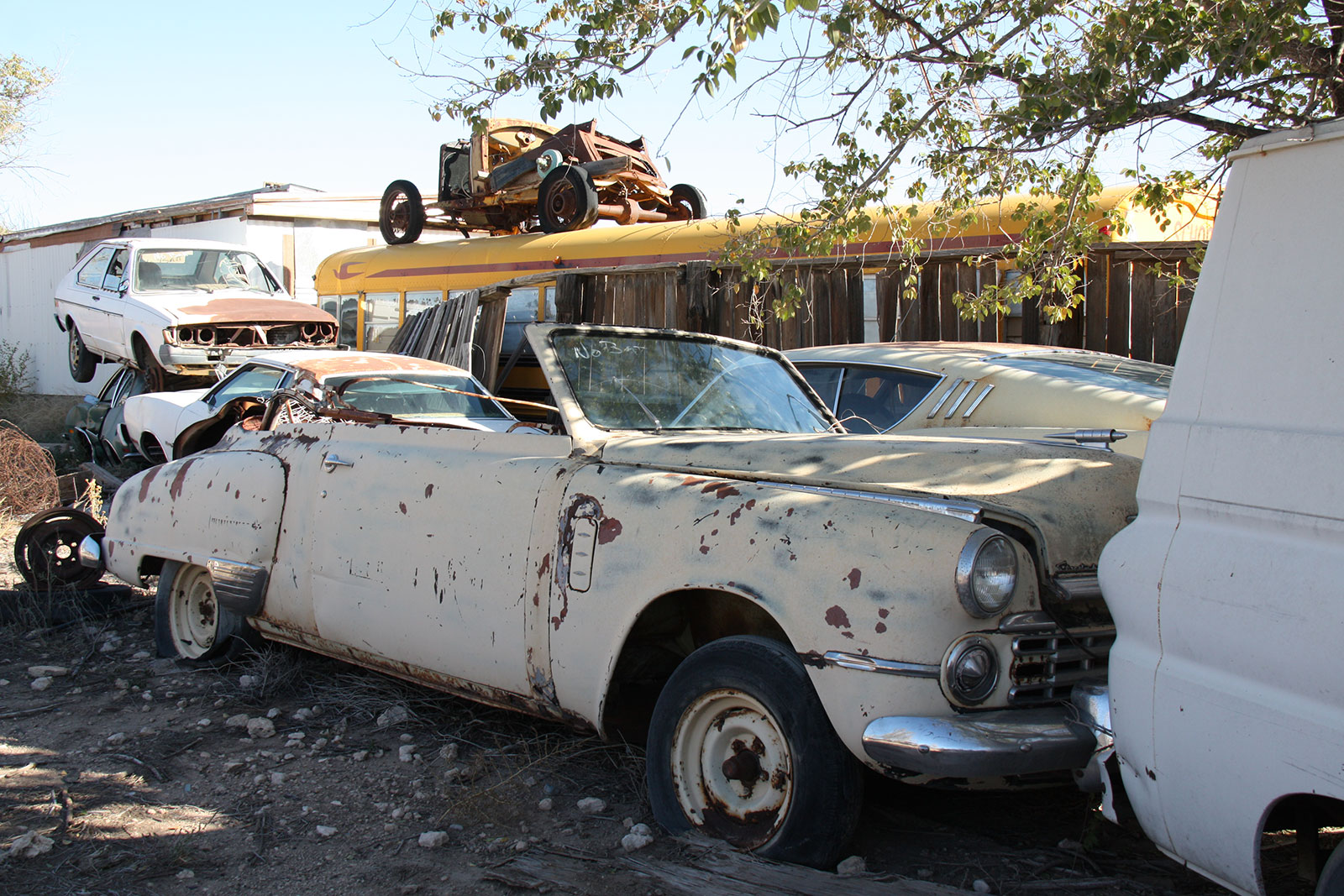
We assume this 1948 Studebaker to be a genuine convertible, making it something of a rarity. Only 8000 were ever made, and few will have survived. Whilst the interior had long since rotted away, the bodywork was still relatively rust-free, thanks to the favorable New Mexico climate.
Buick Wildcat 1964
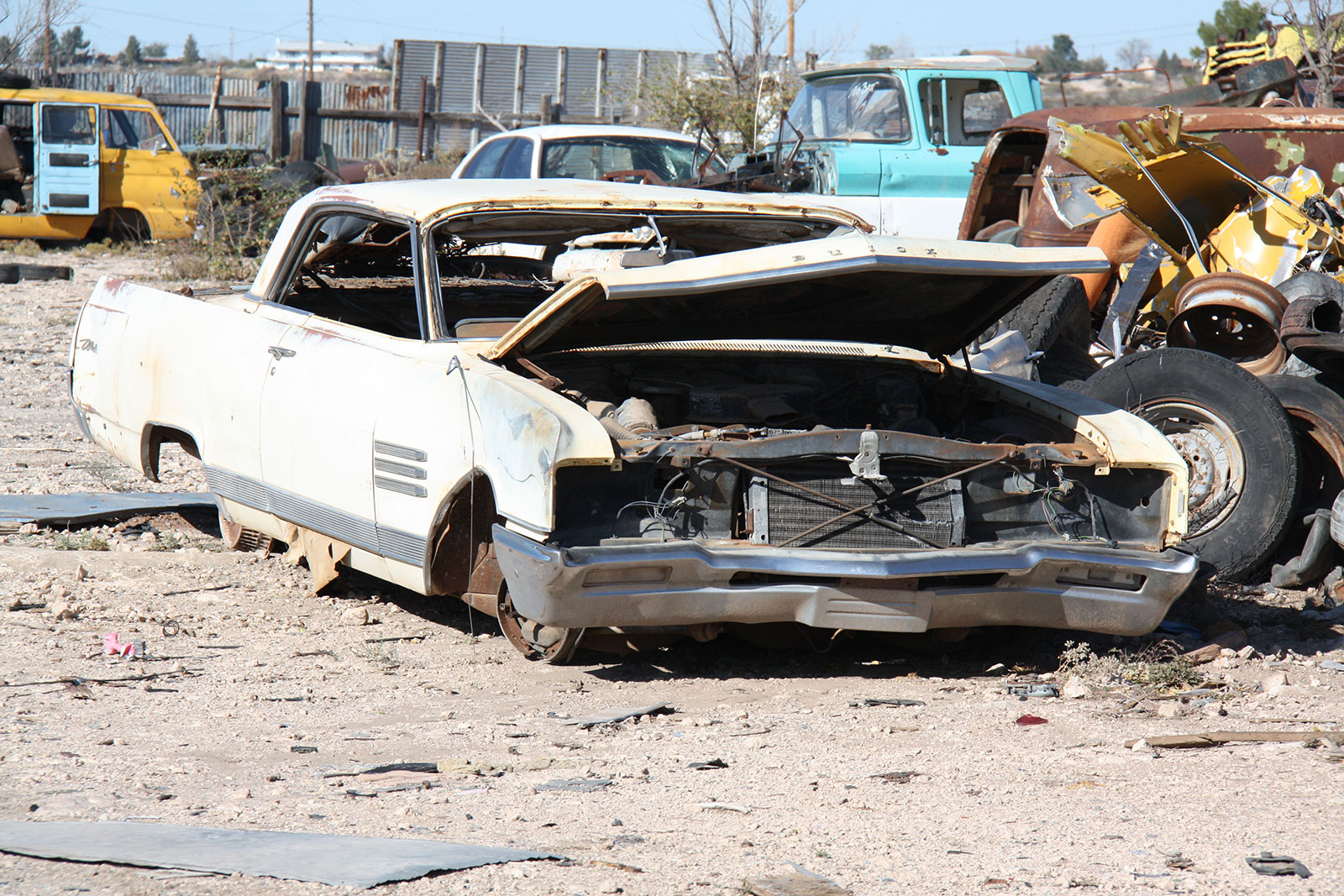
1964 Wildcats didn't have Buick's usual ventiports, but instead had chrome hash marks gracing their fenders. This one had apparently been stripped of all its useful parts, and was about to be fed to the jaws of the ever-hungry crusher.
Chevrolet Styleline tree
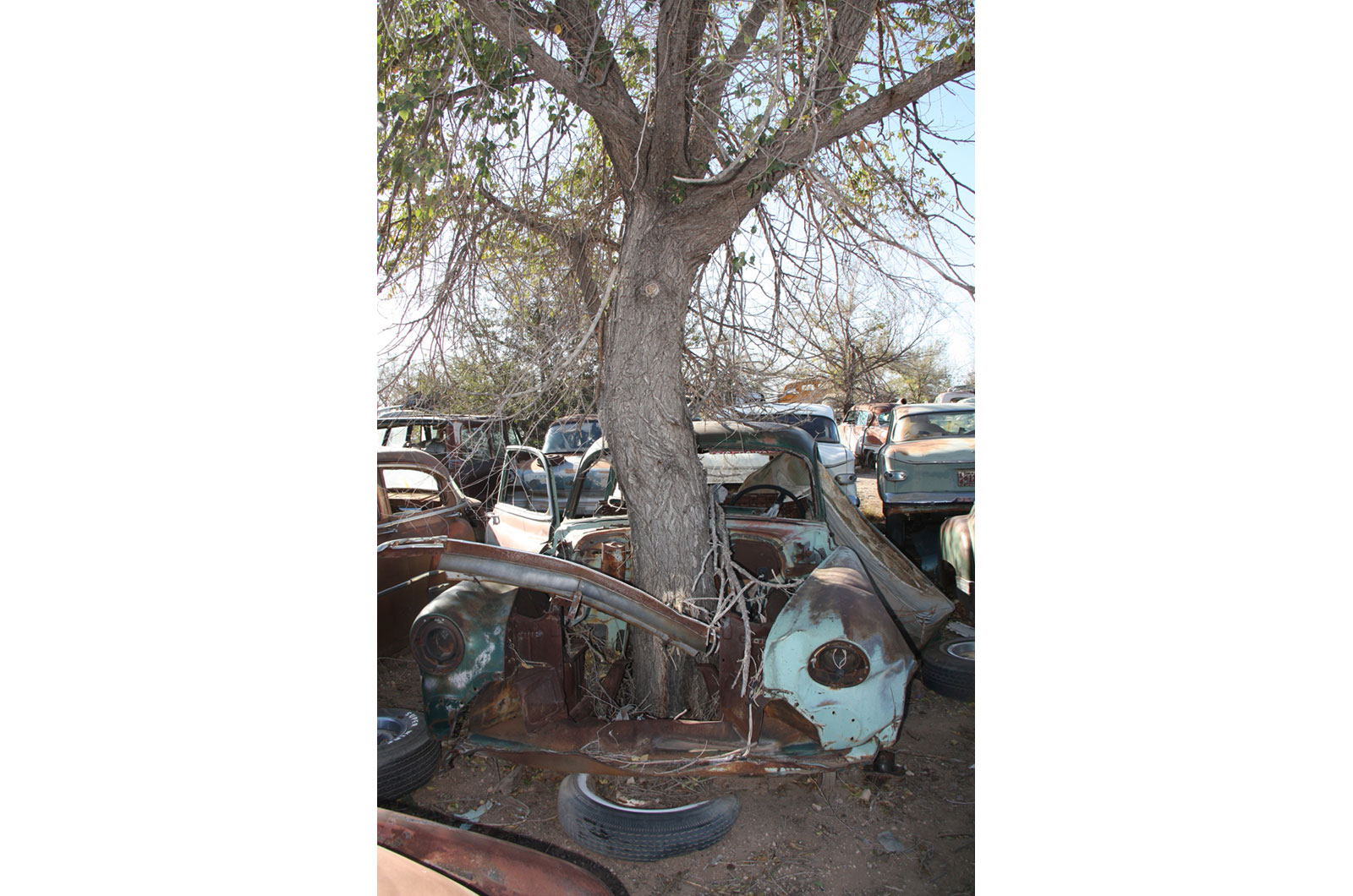
You wouldn't want to stand under this tree during a storm, just in case you got hit on the head by the engine that's perched on the top branch! It’s a 1952 Chevrolet Styleline Deluxe two-door sedan, and judging by the size of the tree growing through its engine bay, it must have sat in this same spot for at least 40 years.
Henry J
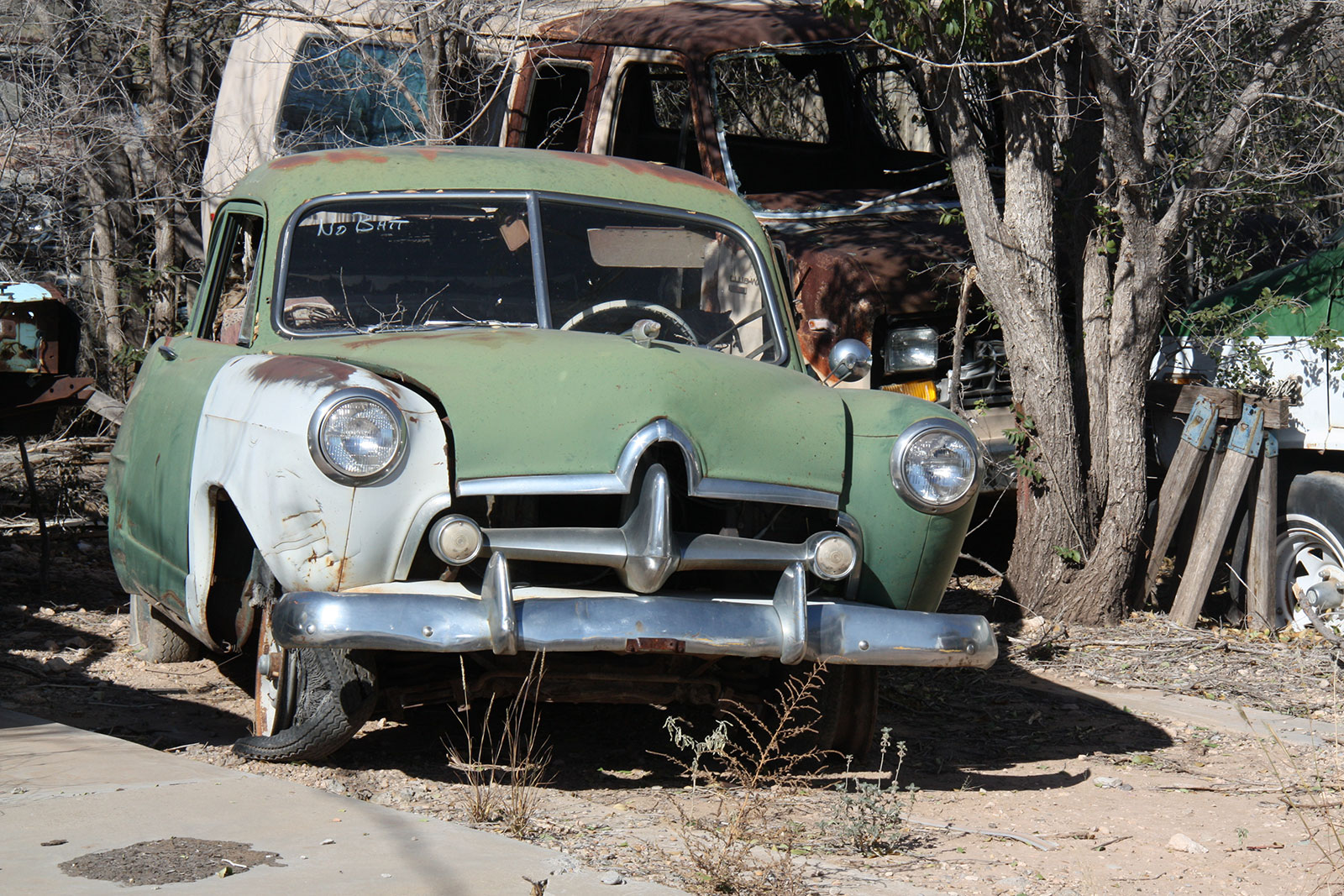
It's unusual to find a Henry J inside a salvage yard, as they’re normally perched on a pole by the highway, where they act as an advertisement to passing motorists. The Henry J, the brainchild of Henry J Kaiser, was designed to be affordable to the average American, rather like the Model T was a few decades earlier. In order to reduce costs, body parts were kept to a minimum, and early examples didn't even have an opening trunk lid. They were in production between 1950 and 1954.
AMC Marlin 1967
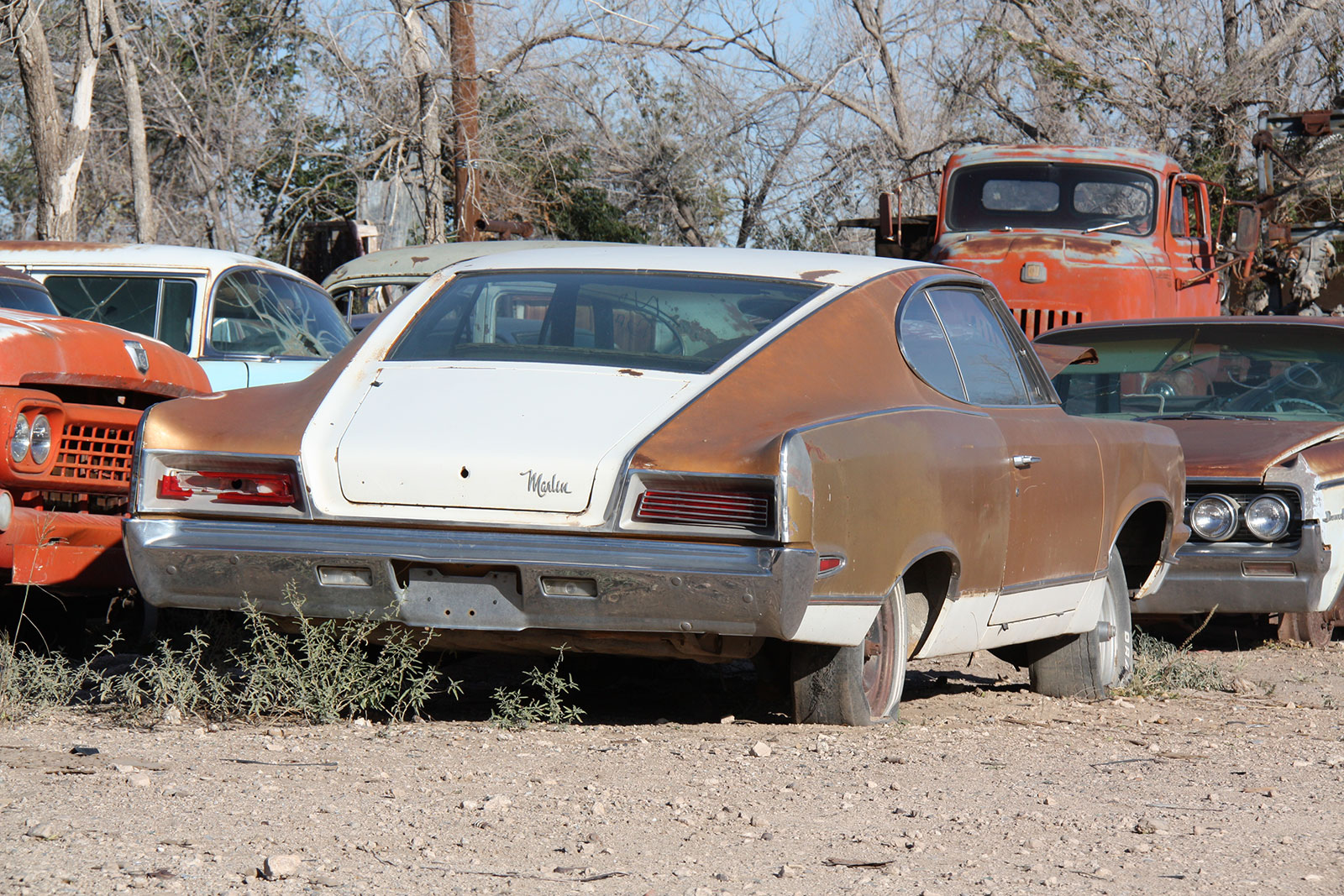
There were some real gems crammed into the 20-acre site, including this ultra-rare AMC Marlin. Just 2545 people bought one of these distinctively-styled two-door fastbacks in 1967, which convinced AMC that it was time to confine this automotive flop to the history books.
Cadillac 1951
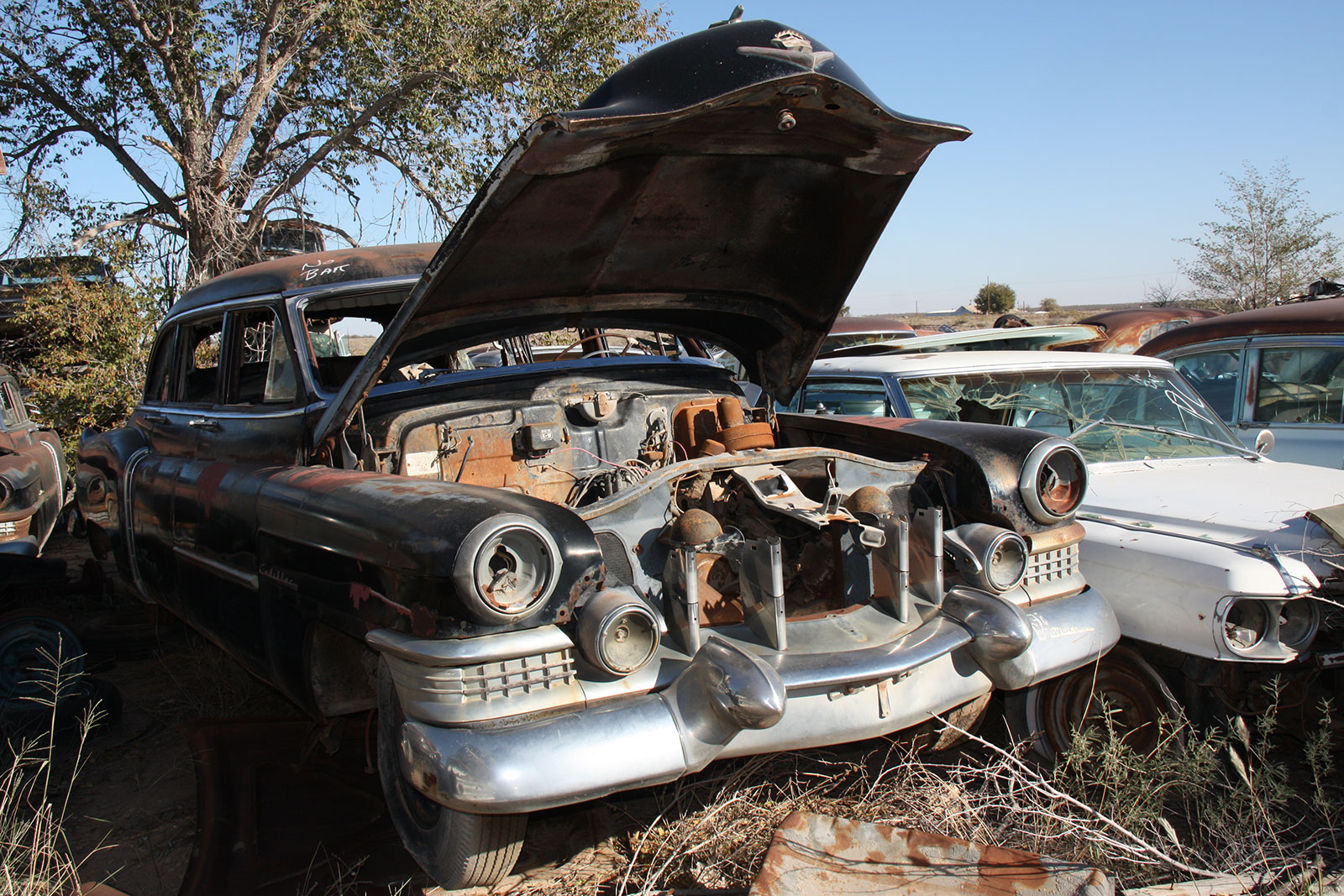
Apparently this 1951 Cadillac was used as a tour bus by a local band in the early 1980s. What a stylish way to arrive at gigs. There aren’t too many cars that are capable of carrying a band and all of their equipment, but then there aren’t too many cars that are 224.5in long! The hood was jammed in the open position, and the yard owner was reluctant to force it from fear of causing damage.
Cadillac SedanDeVille 1956
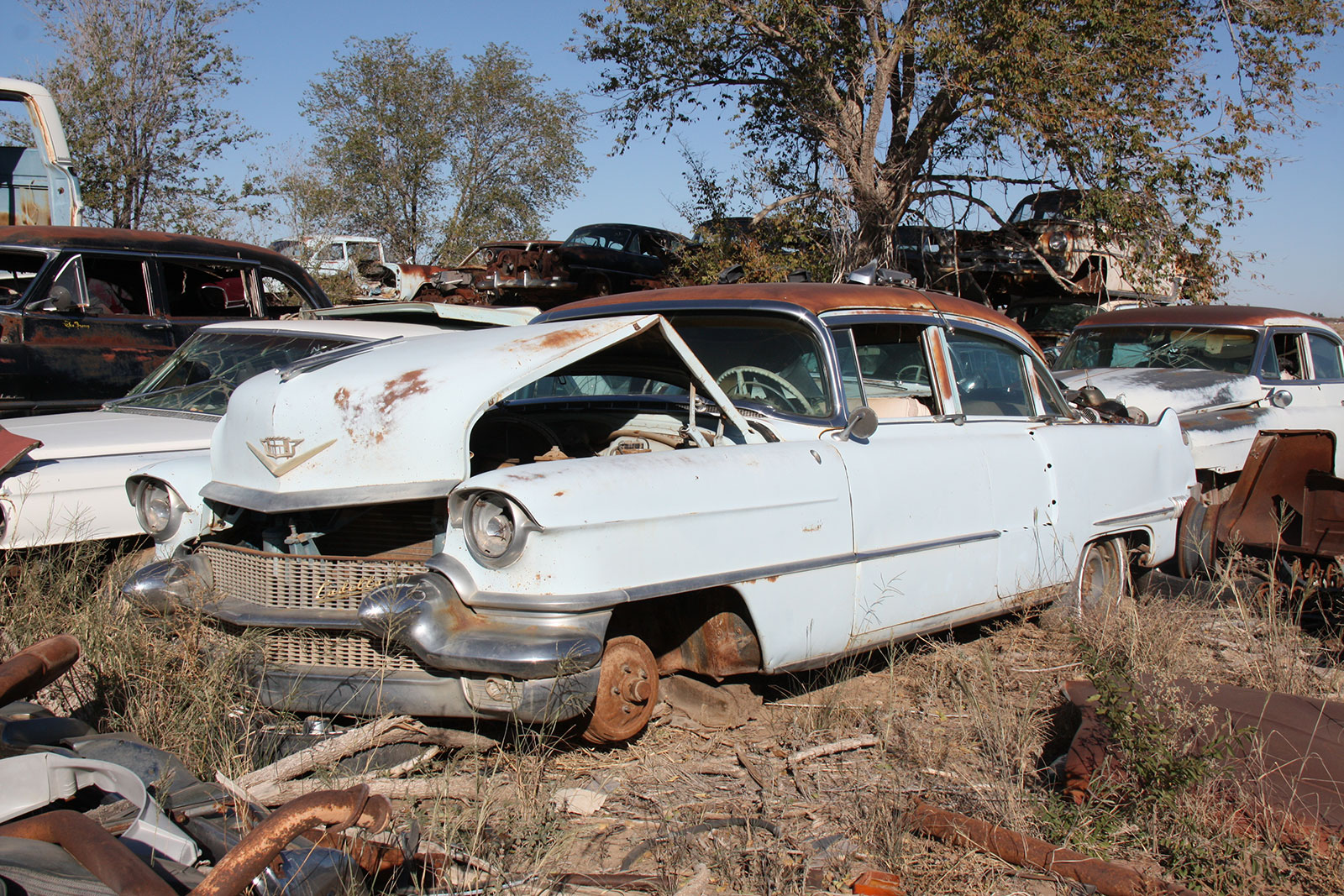
And here's another Cadillac, but with rather more serious hood issues. We wonder how it ended up in this state, as the car doesn’t appear to have any accident damage. Unfortunately it’s a big enough gap for the V8 to have escaped through! More than 41,000 of these Harley Earl-designed 1956 Cadillac Sedan de Villes rolled off the line.
Chevrolet stationwagon 1956
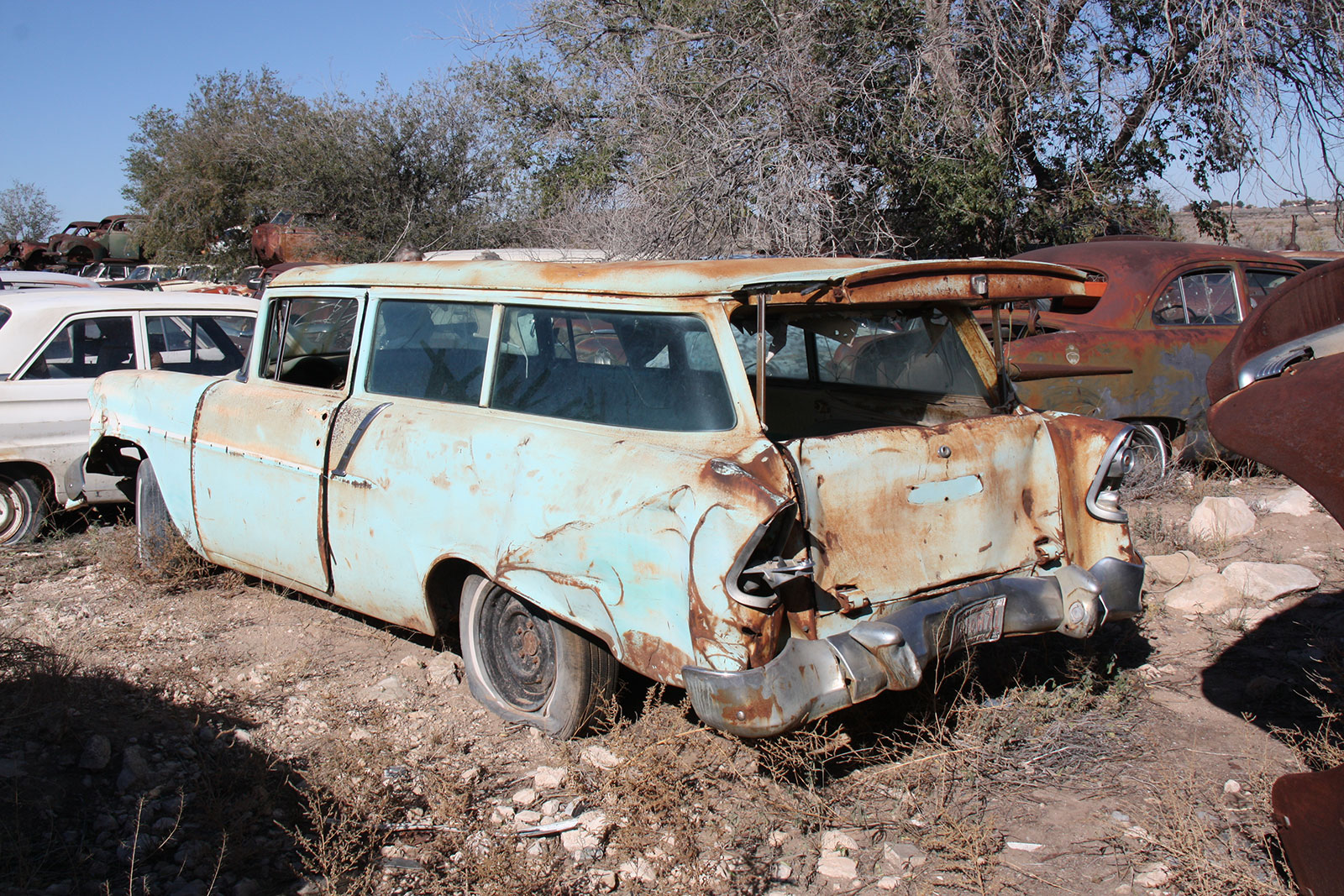
Unfortunately the driver's door was the only straight panel on this 1956 Chevy two-door wagon. Chevrolet was riding high in the 1950s, and for eight out of 10 years took the top sales spot, with Ford only getting a look in during 1954 and 1957.
Ford 1942
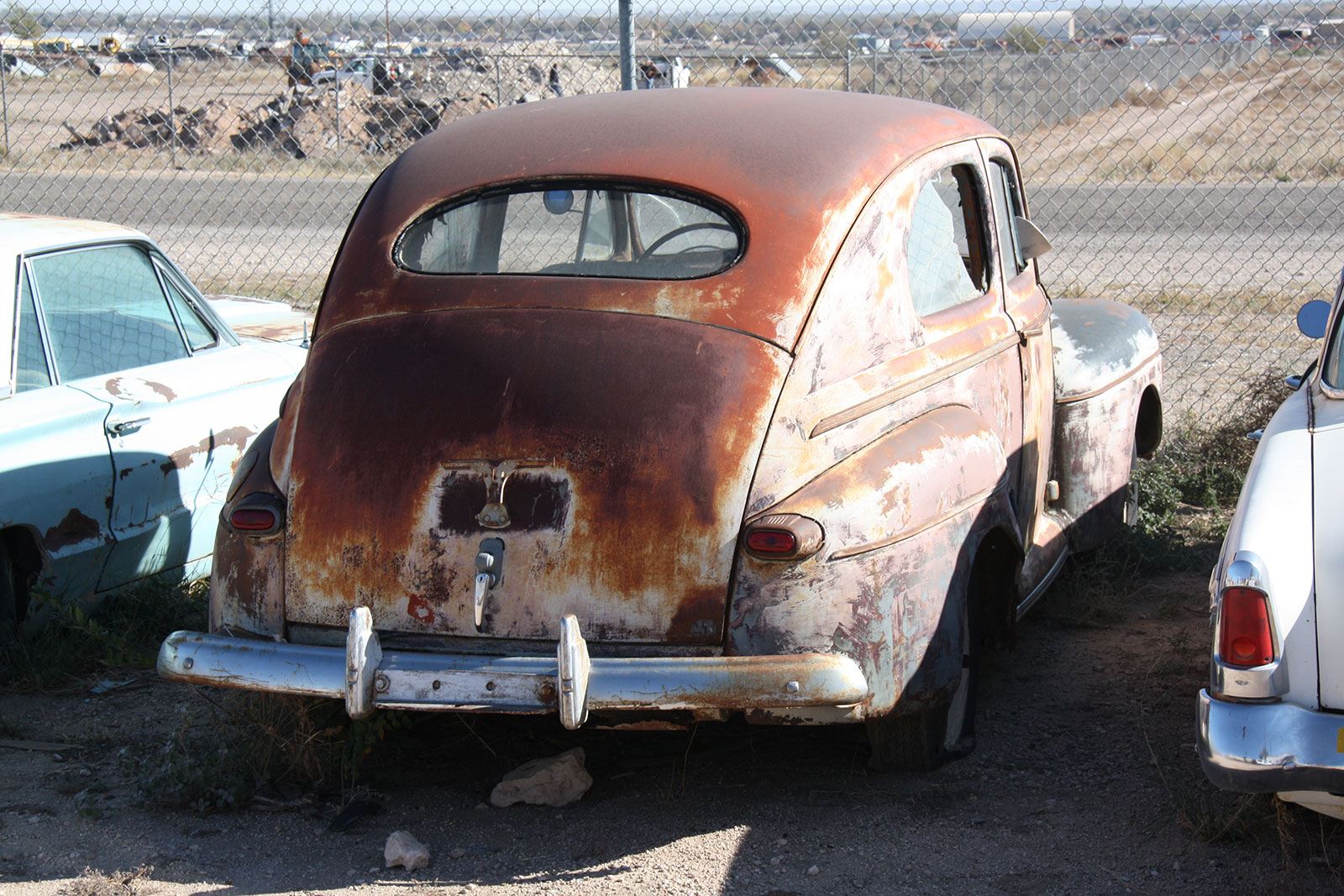
Now here's something you don’t see every day – a 1942 Ford. Production of the 1942 models was halted in February of that year to make way for war production. Just 160,000 cars were built up to that point, making 1942 the lowest production year for the company since 1910. This was one of several project cars lined up along the yard’s perimeter fence. Surely it found a new owner before the big cull occurred.
Ford Consul
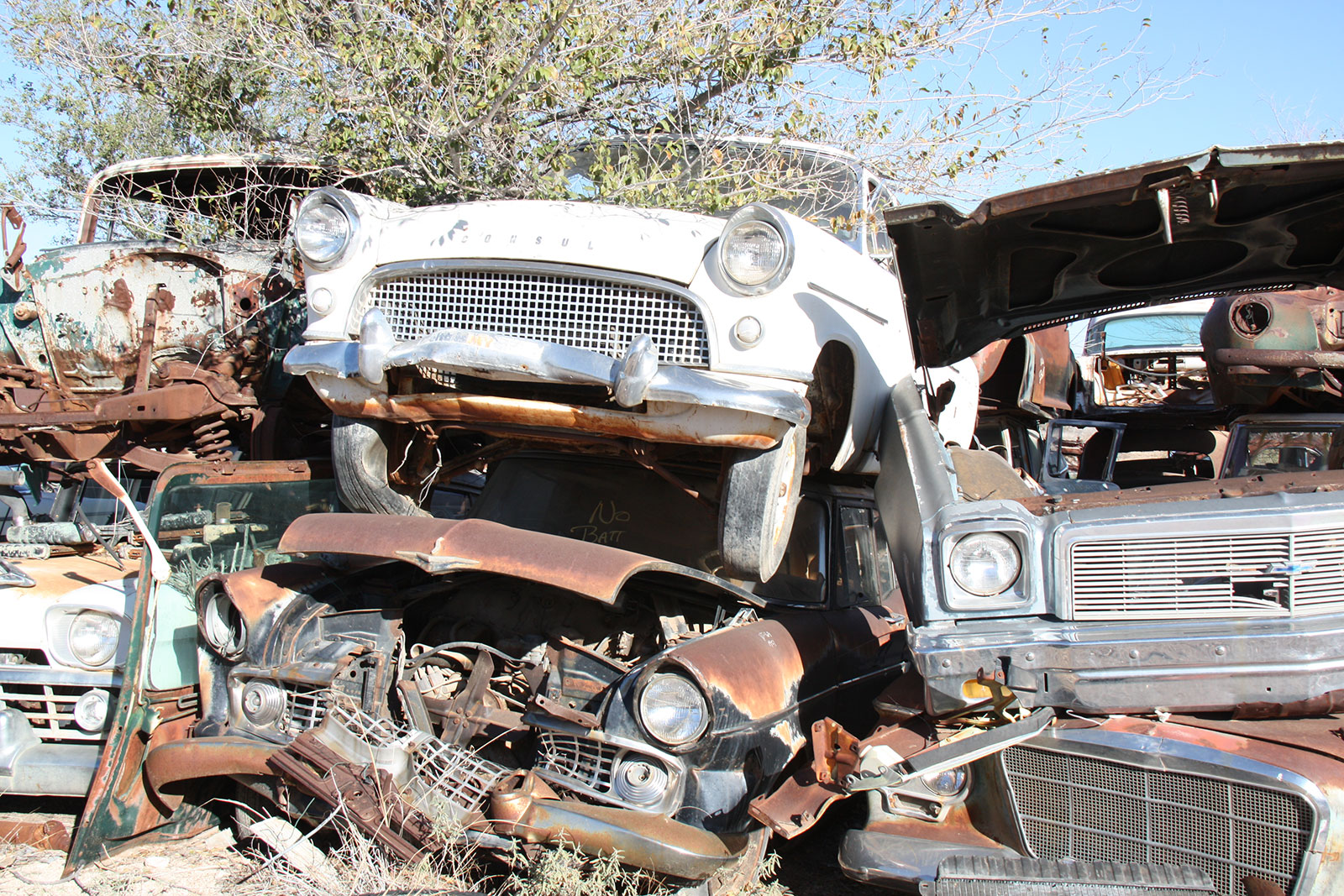
In the 1950s European car designers did their best to replicate American designs, albeit with compact dimensions. And once they’d mastered that, naturally they tried to export them to the USA. However, as many found out, this was almost as challenging as selling ice to the Inuits…
On the top we have a British-built and designed Ford Consul MkII (1956-1962), which resembled a 1955/1956 American Ford. These did reasonably well, with their four-cylinder engines appealing to economy-minded motorists. However the French-built Simca Vadette Beaulieu beneath it sank without trace.
Plymouths and Dodges 1950s
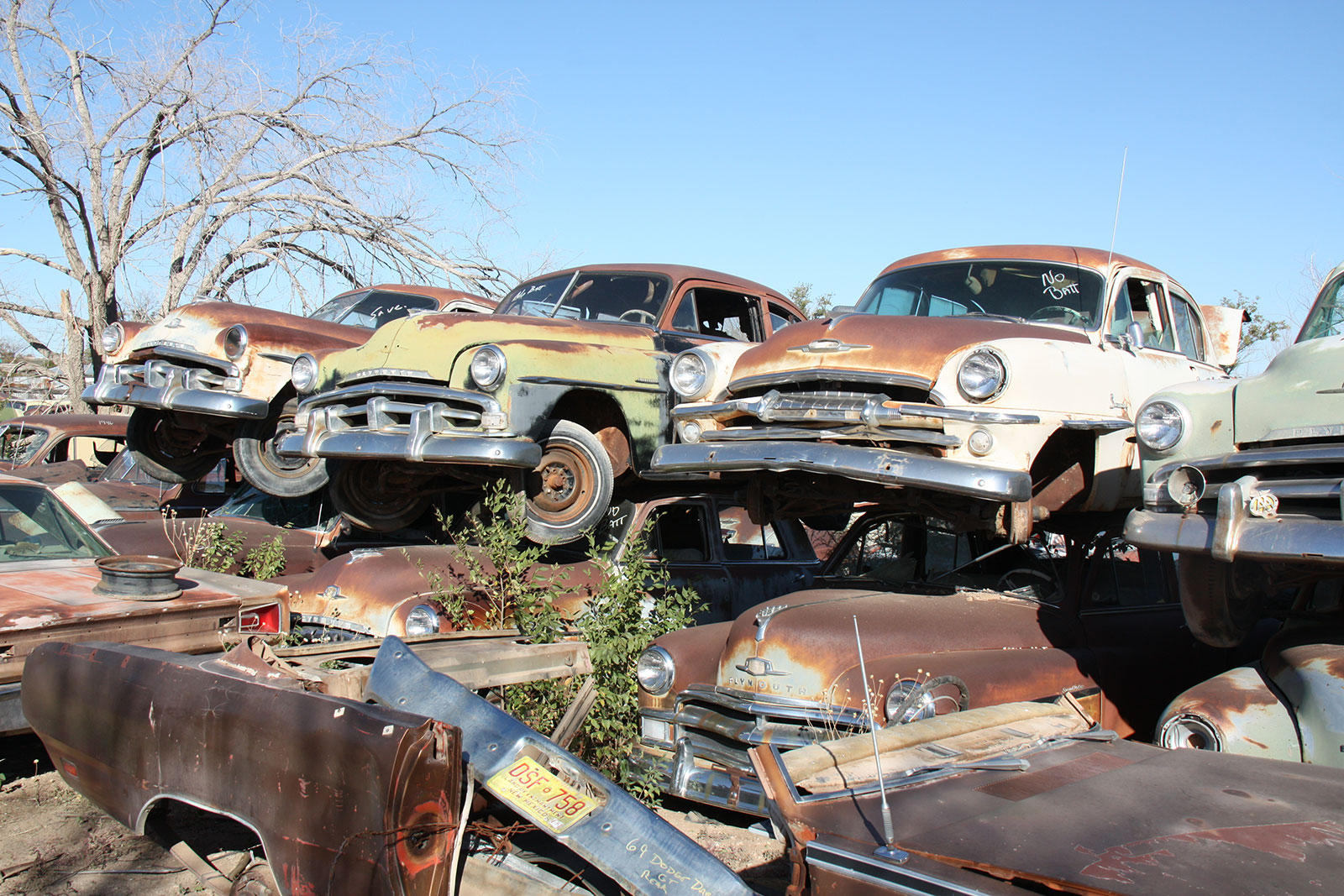
When we visited A-1 Auto Salvage, it had recently been sold to a new owner. Although at the time he intended to keep the yard as a classic car specialist, he wasted little time in crushing the least desirable cars. Our tour guide explained that early 1950s Plymouths and Dodges, like these, fall into that category. He said they have a small following, so often sit around for decades without yielding a single part. In other words they are worth more cubed.
Ford Galaxie Sunliner 1962
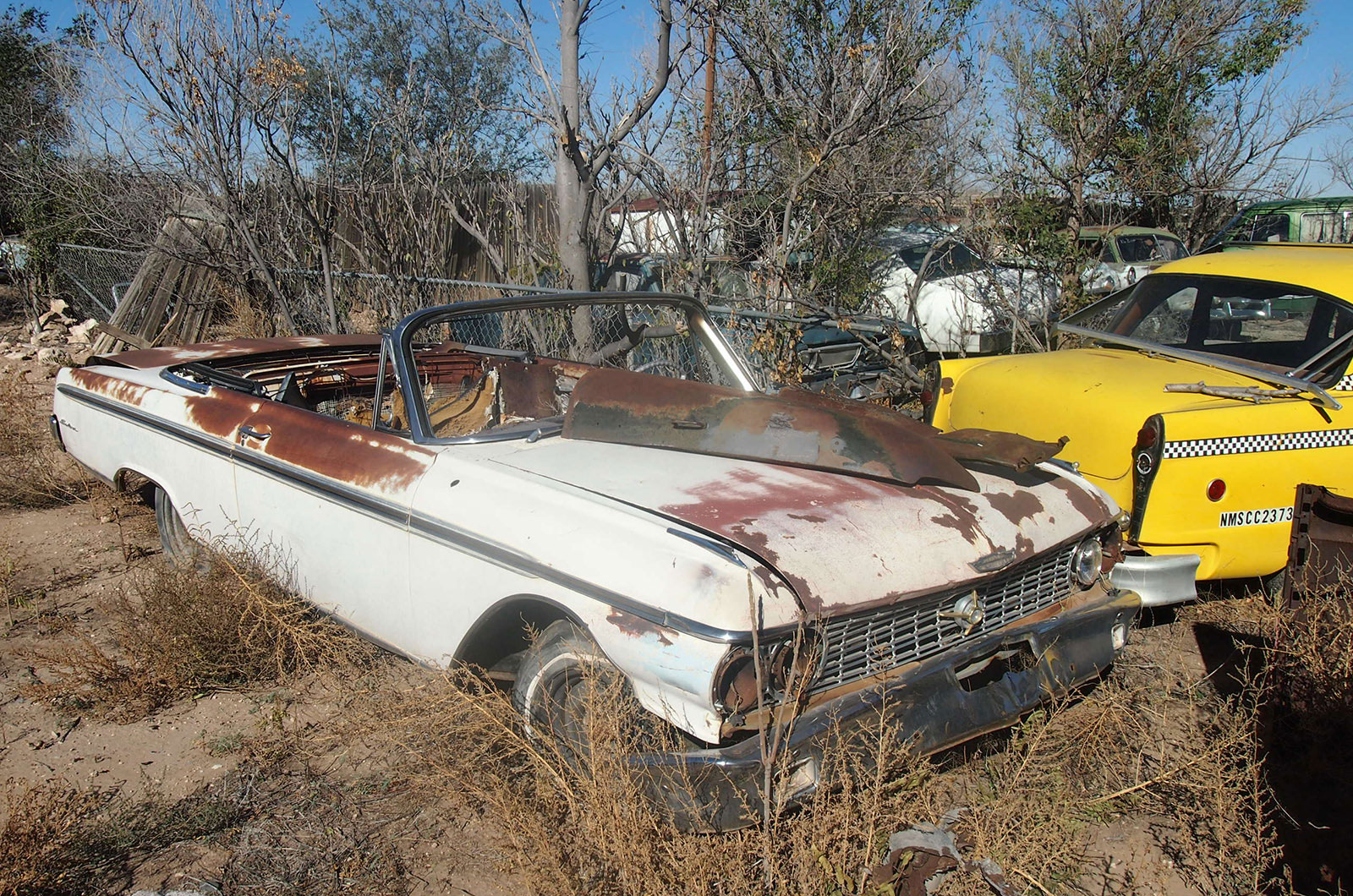
In pristine condition, a 1962 Ford Galaxie Sunliner will cost you a small fortune, but when we saw this sorry-looking example it had a $2000 price tag. Back in the day, this car would have managed 60mph in just under 14 seconds, continuing to a top speed of 101mph. A total of 55,829 were built.
Plymouth Duster 1975
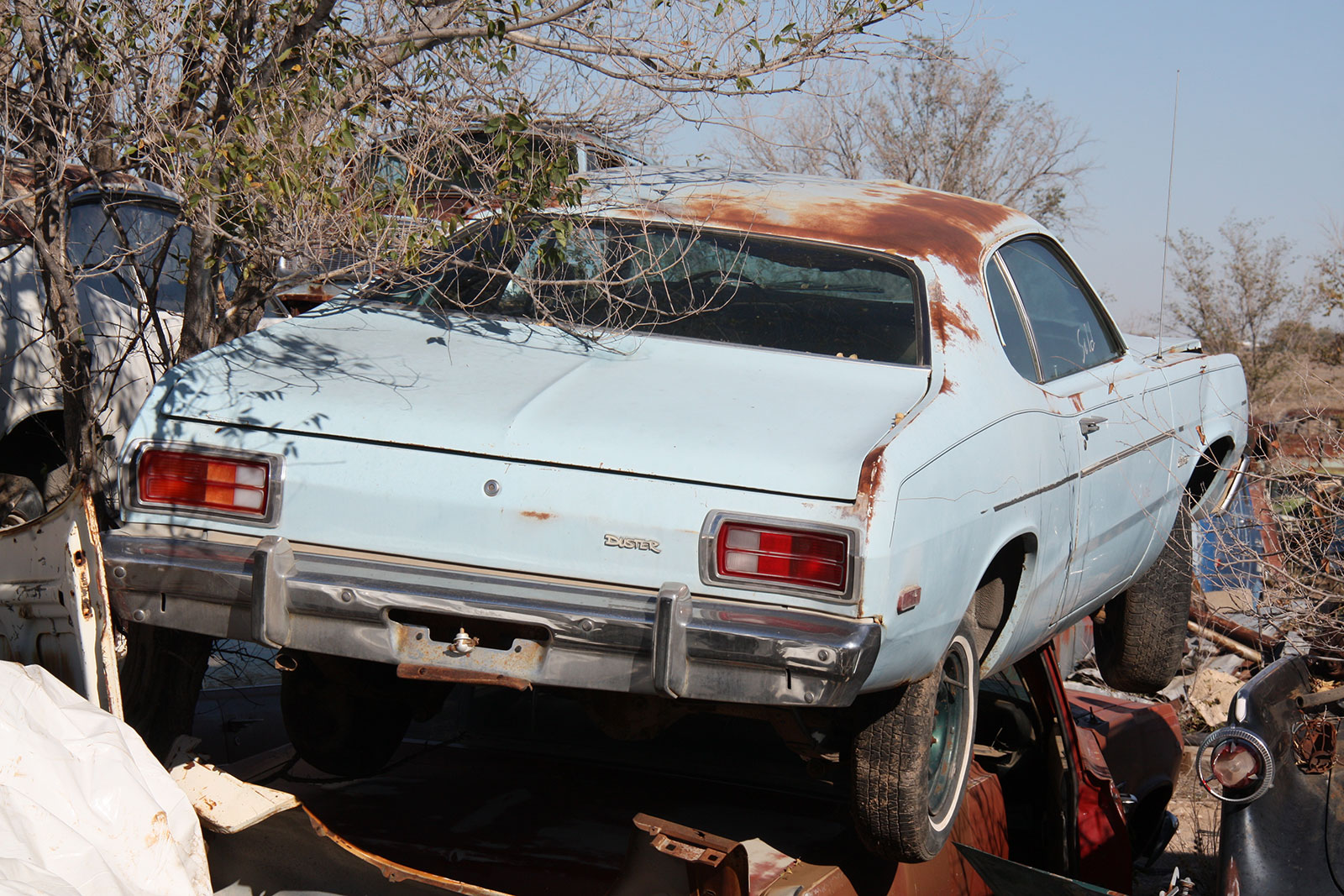
Someone has scribbled “75” and “sold” on this Plymouth Duster’s windows, so presumably it’s a 1975 model, and has hopefully survived. Built between 1970 and 1976, the Duster was a semi-fastback version of the Plymouth Valiant. The car’s main domestic rivals were the Chevy Nova, Ford Maverick and the AMC Hornet.
Reo Speedwagon 1940s
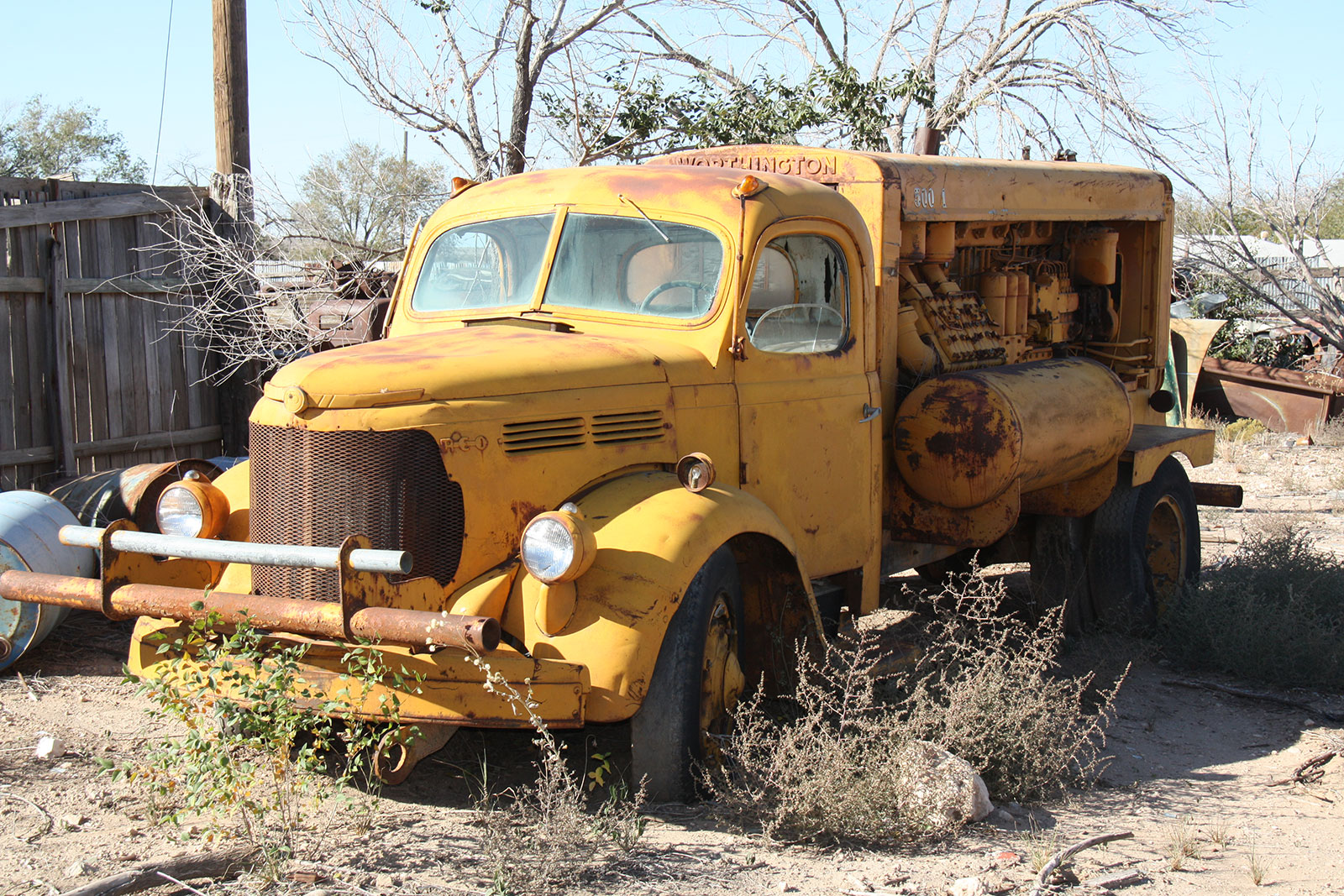
In addition to forming Oldsmobile, automotive pioneer Ransom Eli Olds also gave his name to the Reo truck brand. Based in Lansing, Michigan, it would produce cars and trucks from 1905 to 1975.
This late 1940s Reo Speedwagon was carrying a Worthington compressor on its back. Worthington Compressor Services, which was already 100 years old when this truck was built, supplied the steam pump engines used to power the hydraulic elevator used during the erection of the Paris’s Eiffel Tower. The famous rockband from Illinois took its name from a 1915 example of this model.
Nash Rambler Airflyte 1952
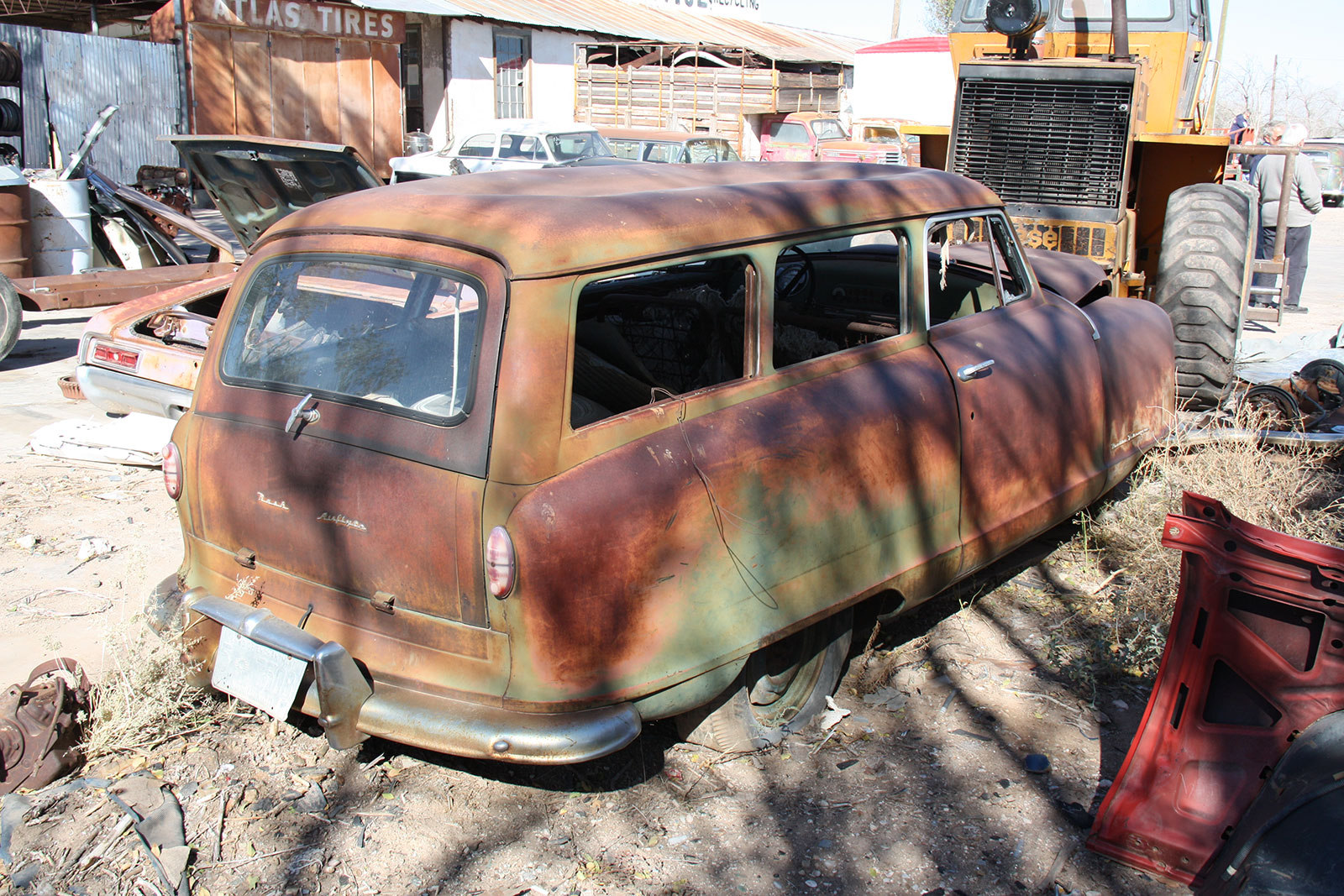
Considering that the Nash Rambler Airflyte station wagon must have looked like something from another planet when it was first launched, Roswell was the perfect location for this one… These two-door wagons first appeared in 1951, and this example was built in the second year of production.
Packard Cavalier 1953
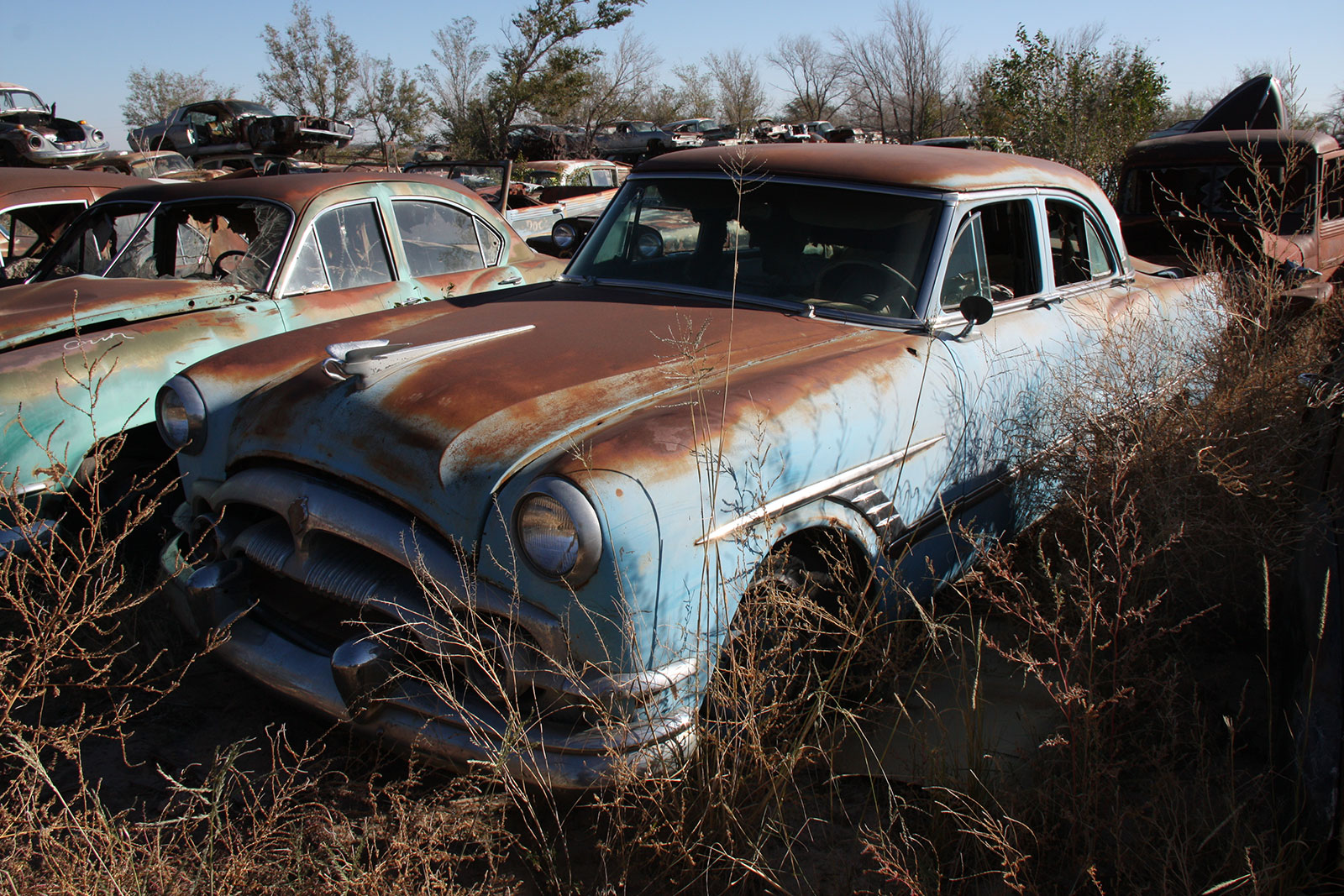
The Packard Cavalier was a replacement for the 300 model. These four-door sedans, which had a $3234 asking price, were only in production for two years (1952-1953). This example, which was on sale as a project car when we visited the yard, was built in 1953 and was one of only 10,779 manufactured.
Studebaker Commander coupe 1953
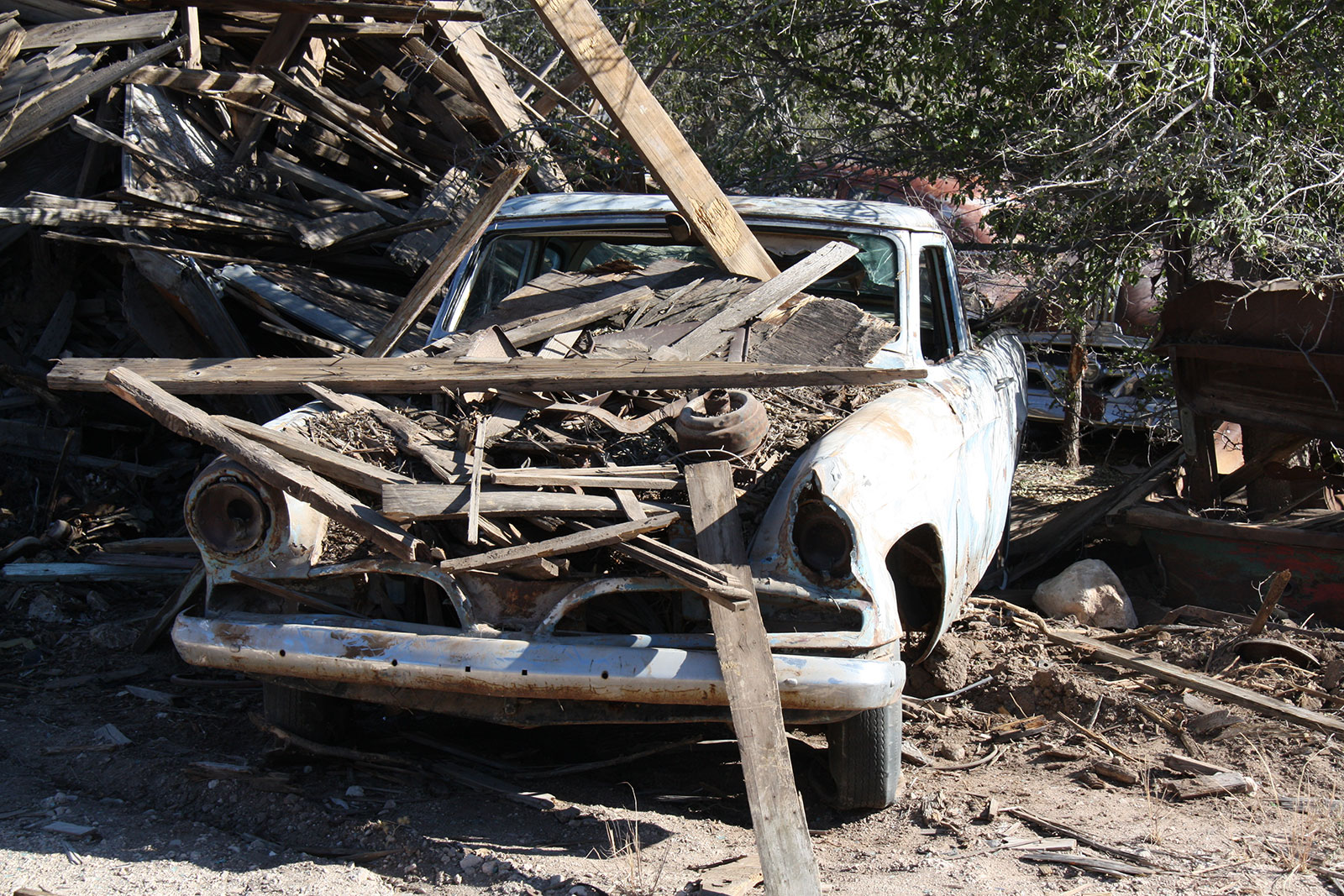
Barn finds are all the rage amongst classic car enthusiasts, however we aren’t sure whether this 1953 Studebaker Commander coupe actually qualifies as one. You see it wasn’t so much in the barn, as under it, following its collapse on top of the car. Although it wasn’t in great shape prior to the accident, at least it had a windshield.
AMC Rambler Americans
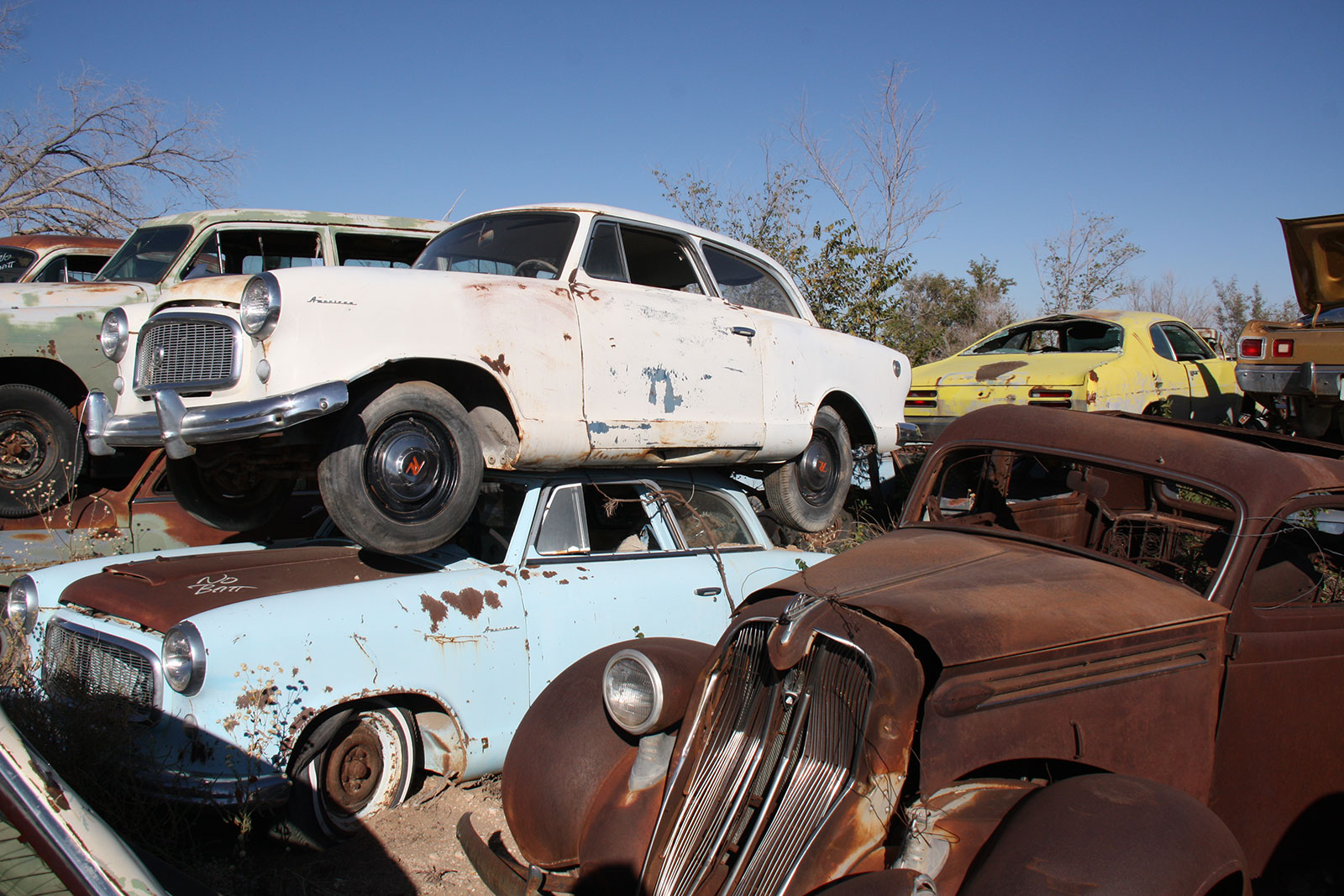
This pair of AMC Rambler Americans, were in reasonable condition, with the white one being particularly complete. Incredibly it has even retained its original wheel trims. But sadly these cars don’t have much of a following, meaning cost-effective restorations would have been out of the question.
With this in mind we’d be very surprised if either have survived. Check out the 1936 Plymouth on the right. We wonder whether the front accident damage was the reason why it entered the yard many decades ago.
AMC Gremlin
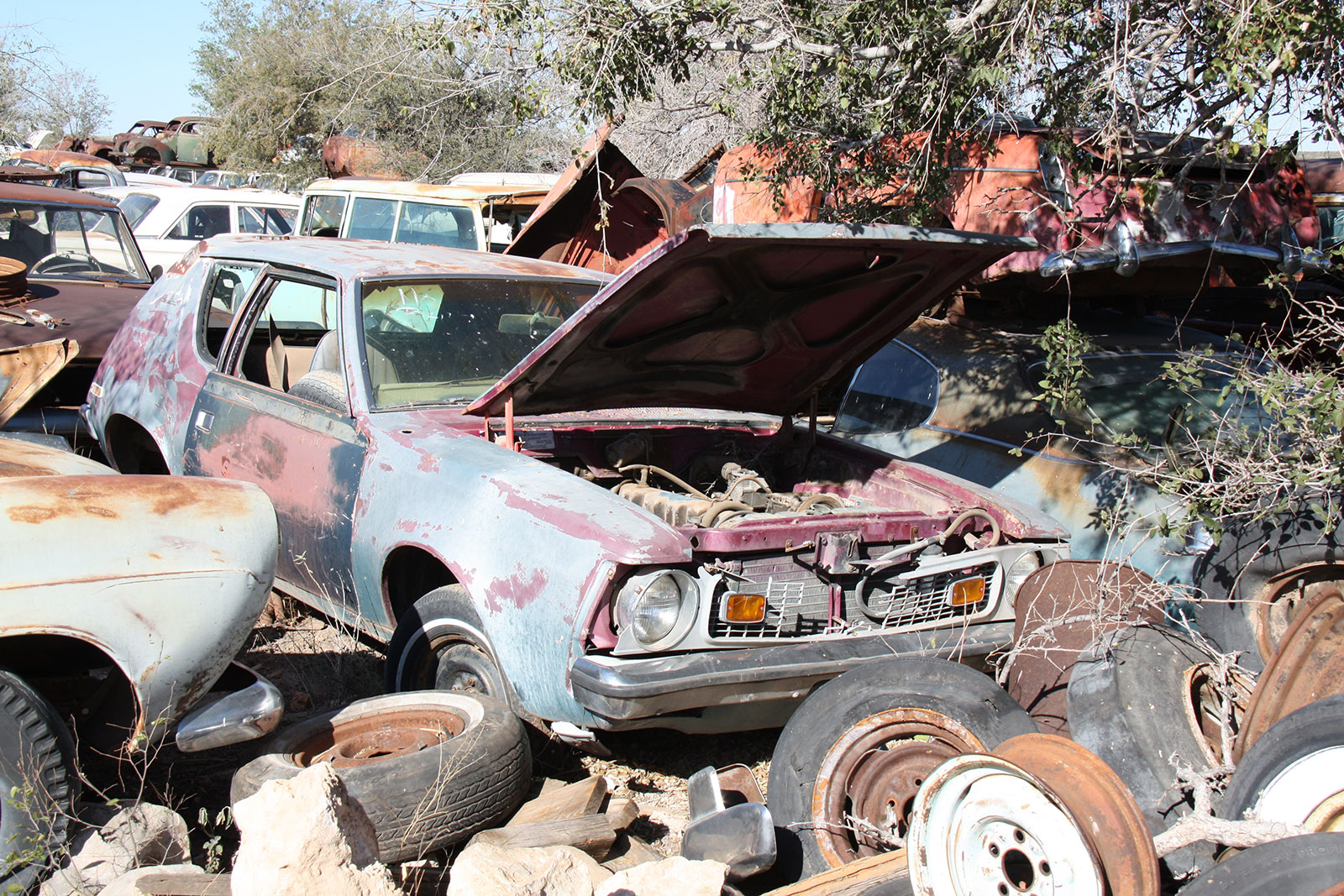
Like their Pacer siblings, AMC Gremlins have developed something of a cult following in recent years, and are starting to command decent money. That said, this one is worth little more than its scrap value, and is unlikely to have survived. Gremlins have appeared in numerous films and TV shows over the years, but perhaps the car’s most significant starring role was at the start of the 1984 movie Gremlins.
Checker Marathon 1970s
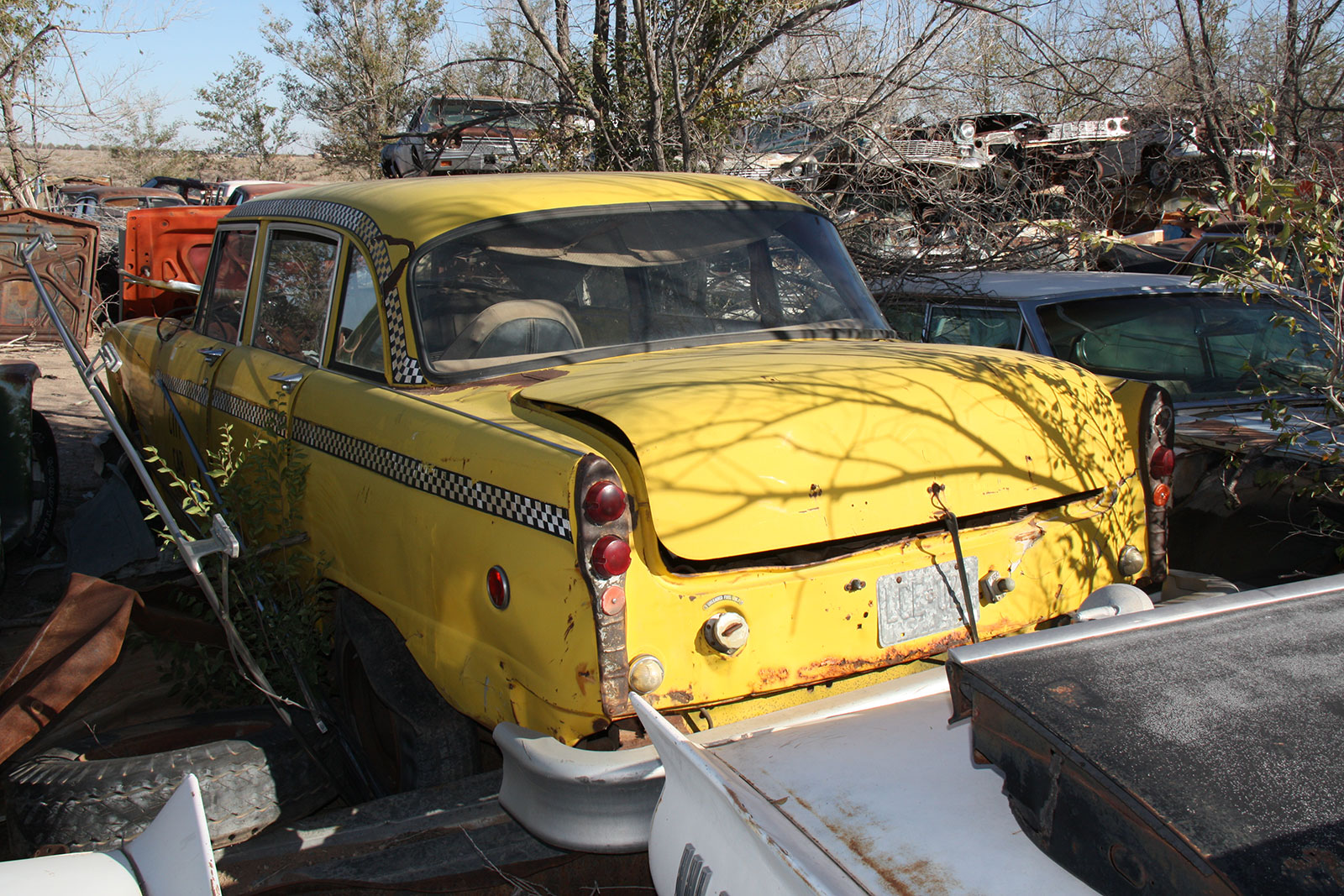
Checker Motors Corporation of Kalamazoo, Michigan, manufactured the iconic American taxicab. The design barely changed over the decades, so it’s hard to date this one, but our best guess is the late 1970s. The Marathon was in production from 1961 to 1982, when car production ceased. The last New York City Checker cab was retired in 1999, with 750,000 miles on its clock.
Checker Superba
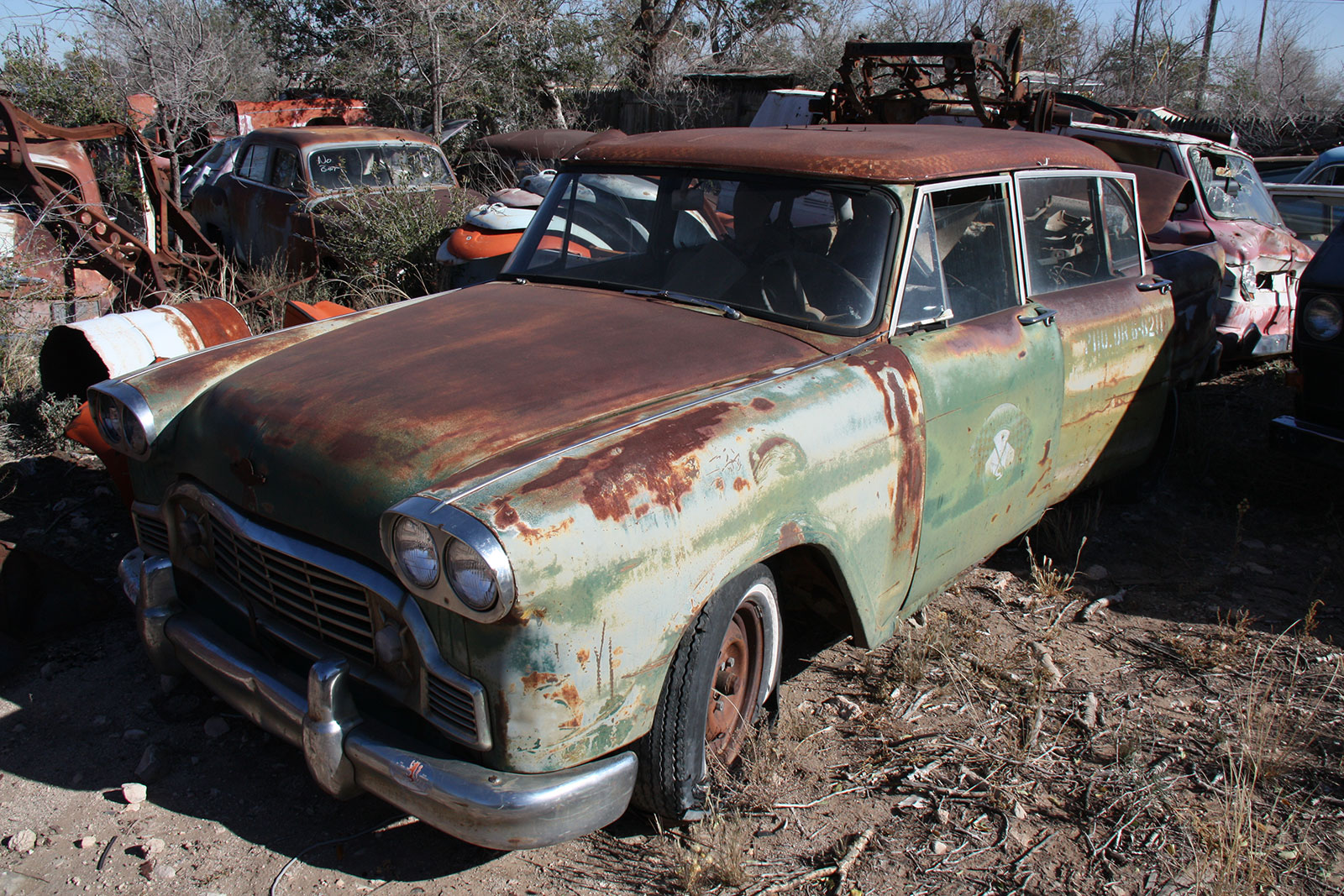
We initially assumed this to be a Checker Marathon, but a closer inspection revealed that it was in fact a considerably rarer Checker Superba. Predating the Marathon, just 1,050 were built in 1959, its first year on sale. It would remain in production until 1963.
Imperial 1960
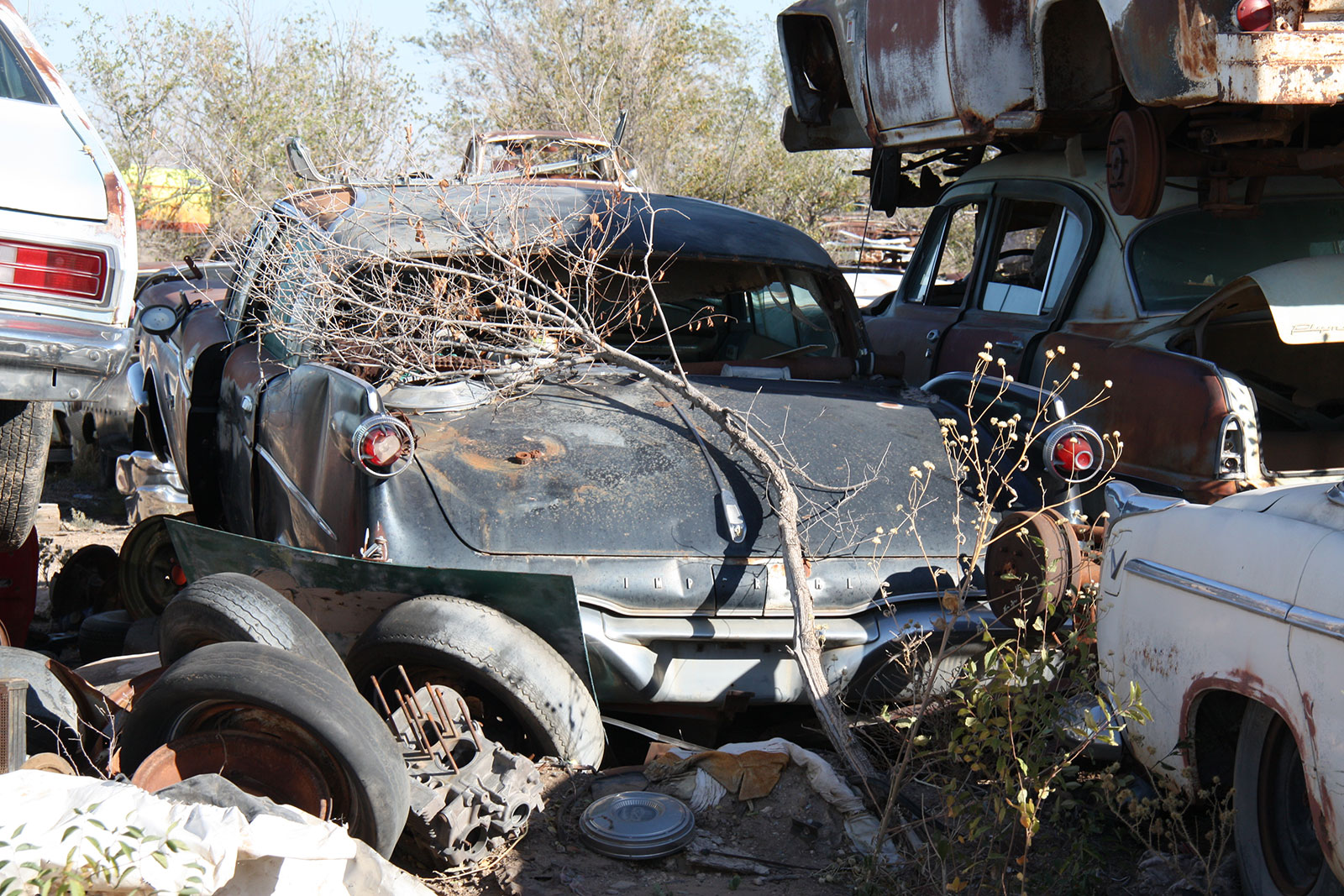
Seeing as less than 18,000 1960 Imperials were built, this was one of the yard’s more unusual residents. "America's most carefully built car," as it was billed, would have been subjected to 32 different quality control stations before leaving the factory. One of these involved drenching it with water, to the equivalent of 252in per hour of rainfall - it certainly wouldn’t pass that test today…
Willys Overland Jeepster
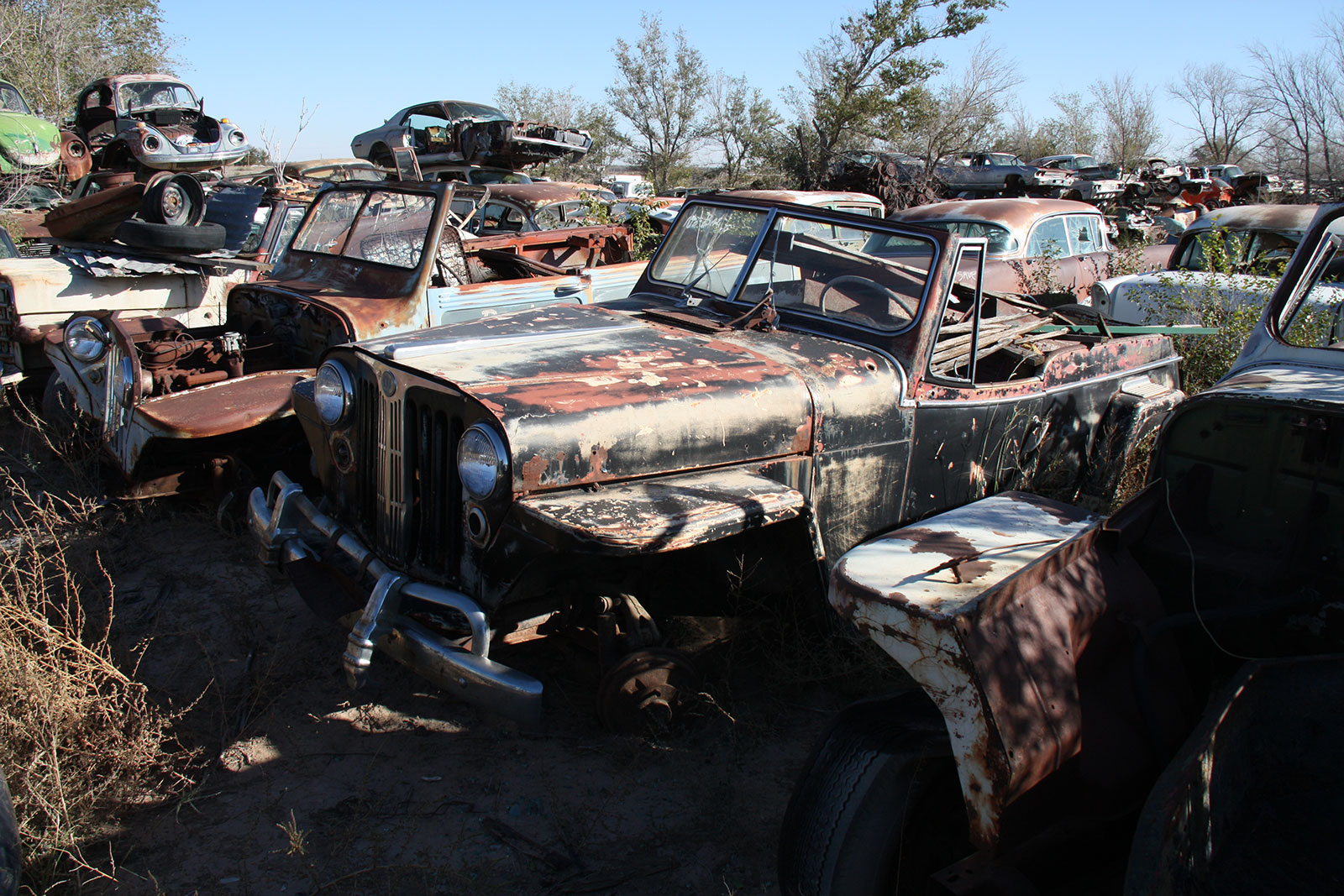
Only 19,132 Willys-Overland Jeepsters were manufactured during the three-year production run (1948 - 1950), and they are few and far between today. We have only ever spotted six of them in junkyards, and four of those were at A-1 Auto Salvage. This was the manufacturer’s attempt to branch out into the passenger car market.
Clipper Custom 1956
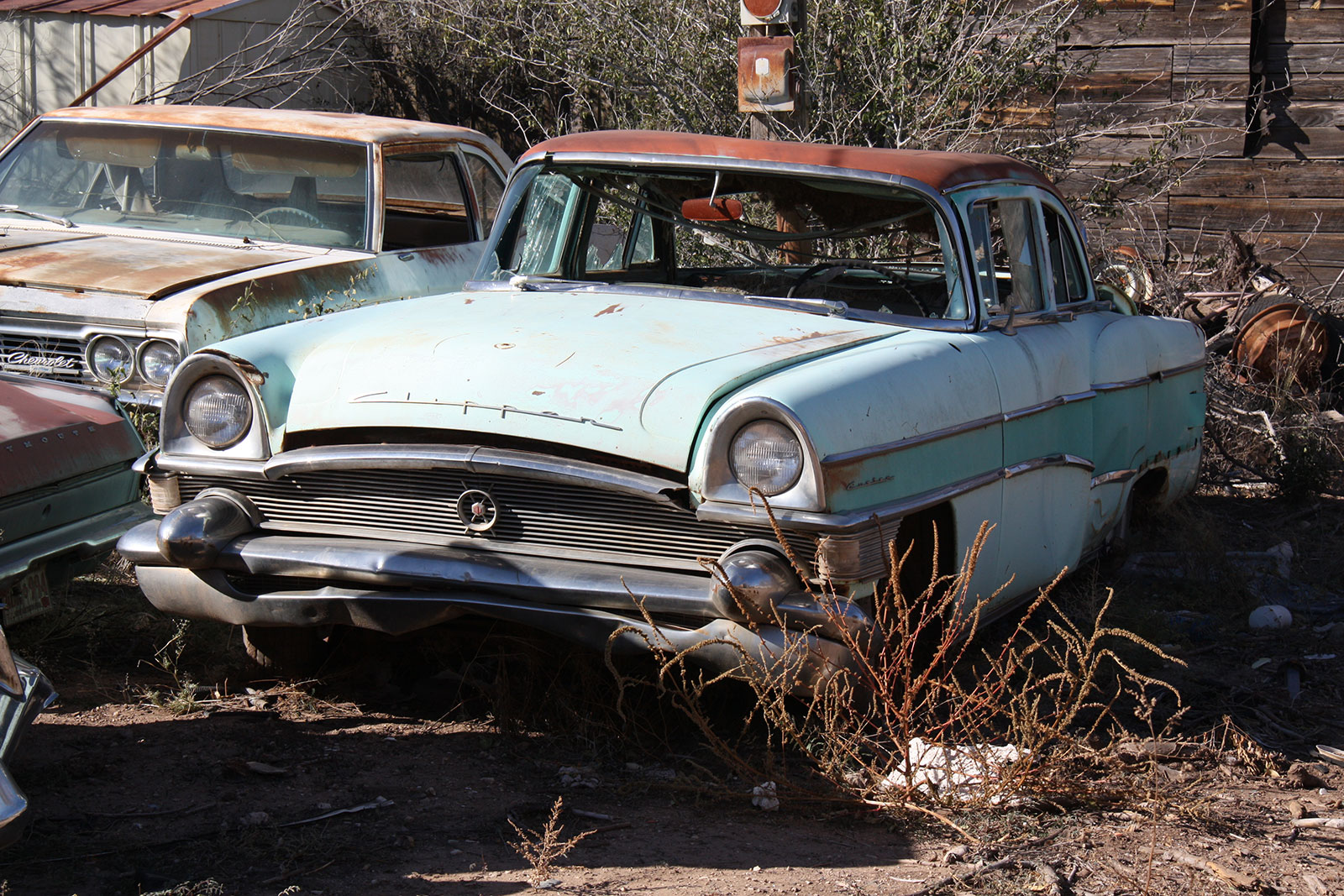
You’ll be looking for a long time to find another one of these in a salvage yard. It’s a Clipper, which for 1956 only, ceased being a Packard and became a marque in its own right. This was a conscious decision to prevent the entry-level car from damaging Packard’s image as a luxury car brand.
But the plug was pulled at the end of the year when Packard’s Detroit factory closed. In 1958 the manufacturer disappeared completely, ending 59 years of car production. This four-door Custom model, is one of only 8708 built.
Chevrolet Truck Tree 1940s
Salvage yards are closing at a phenomenal rate, so to discover that A-1 Auto Salvage is no longer in business came as little surprise to us. While on this occasion the owner wanted to use the land for a different purpose, other common reasons for closures include the high price of scrap metal, encroaching urban sprawl (and new neighbours who don’t like the idea of living next to a junkyard), and increasing environmental pressure.
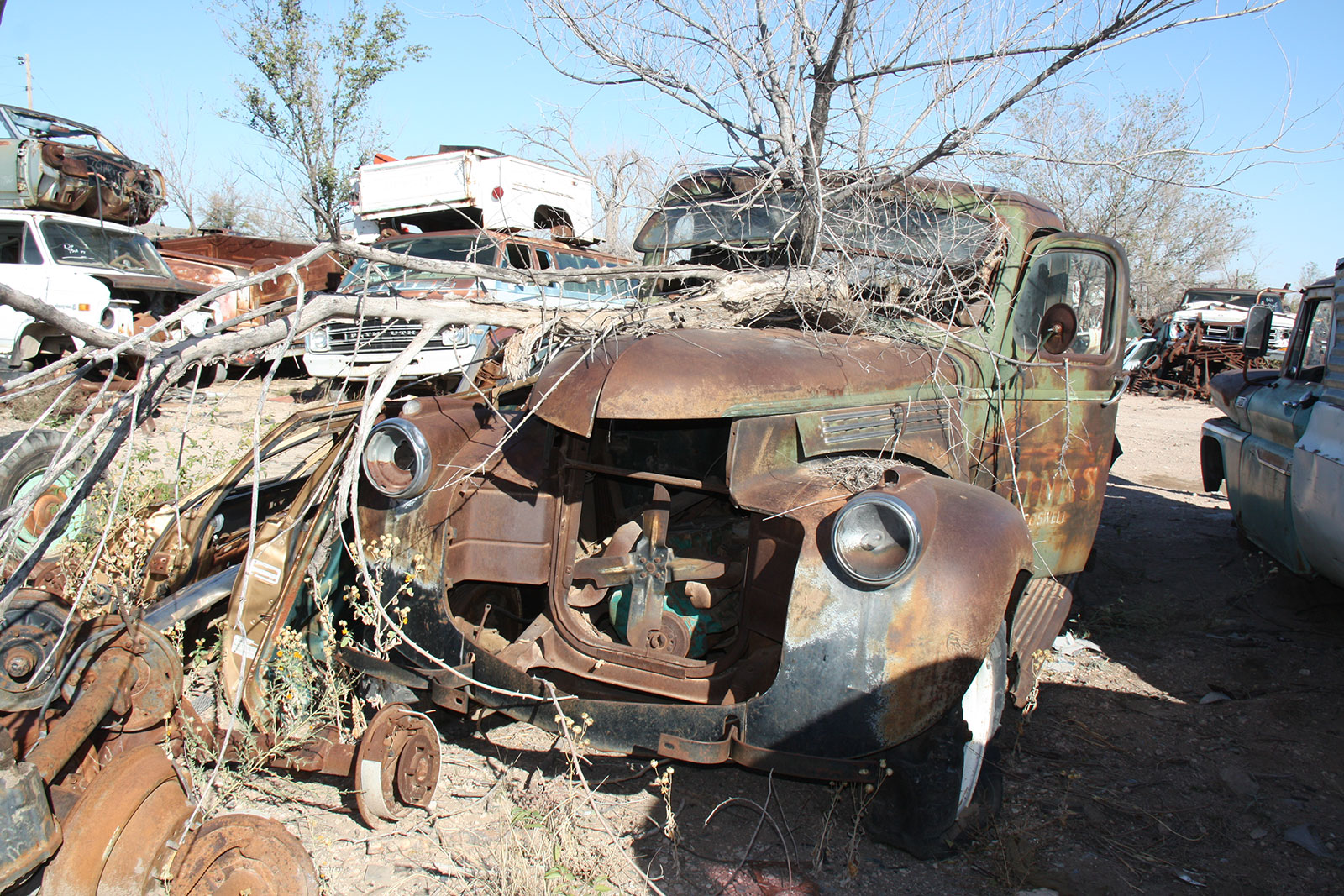
On the subject of the latter, during our visits to salvage yards, we have found the flora and fauna to flourish around junk cars. Just check out this tree, which has grown through a Chevy truck’s rotten floor, wrapped itself around the steering wheel, and pushed open the windshield. These trucks were built between 1941 and 1946.
Lincoln Continental 1964
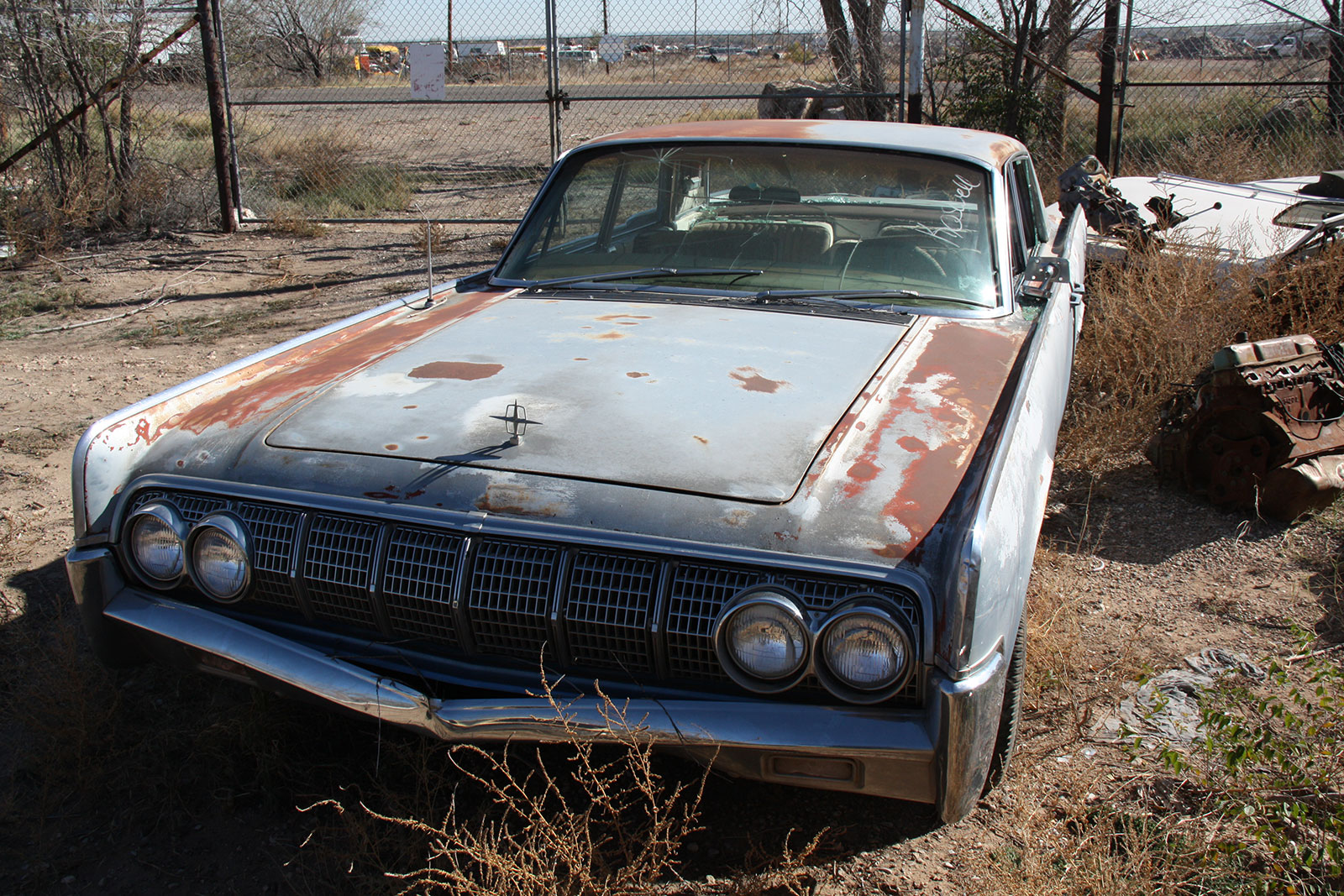
Fourth generation Lincoln Continentals were equipped with “door ajar” warning lights, a necessary safety precaution to reduce the risk of rear passengers being sucked out of the reversed-doors. This one, complete with its convex electric shaver front grille, is one of 36,000 to find a buyer in 1964.
Kaiser Special 1951
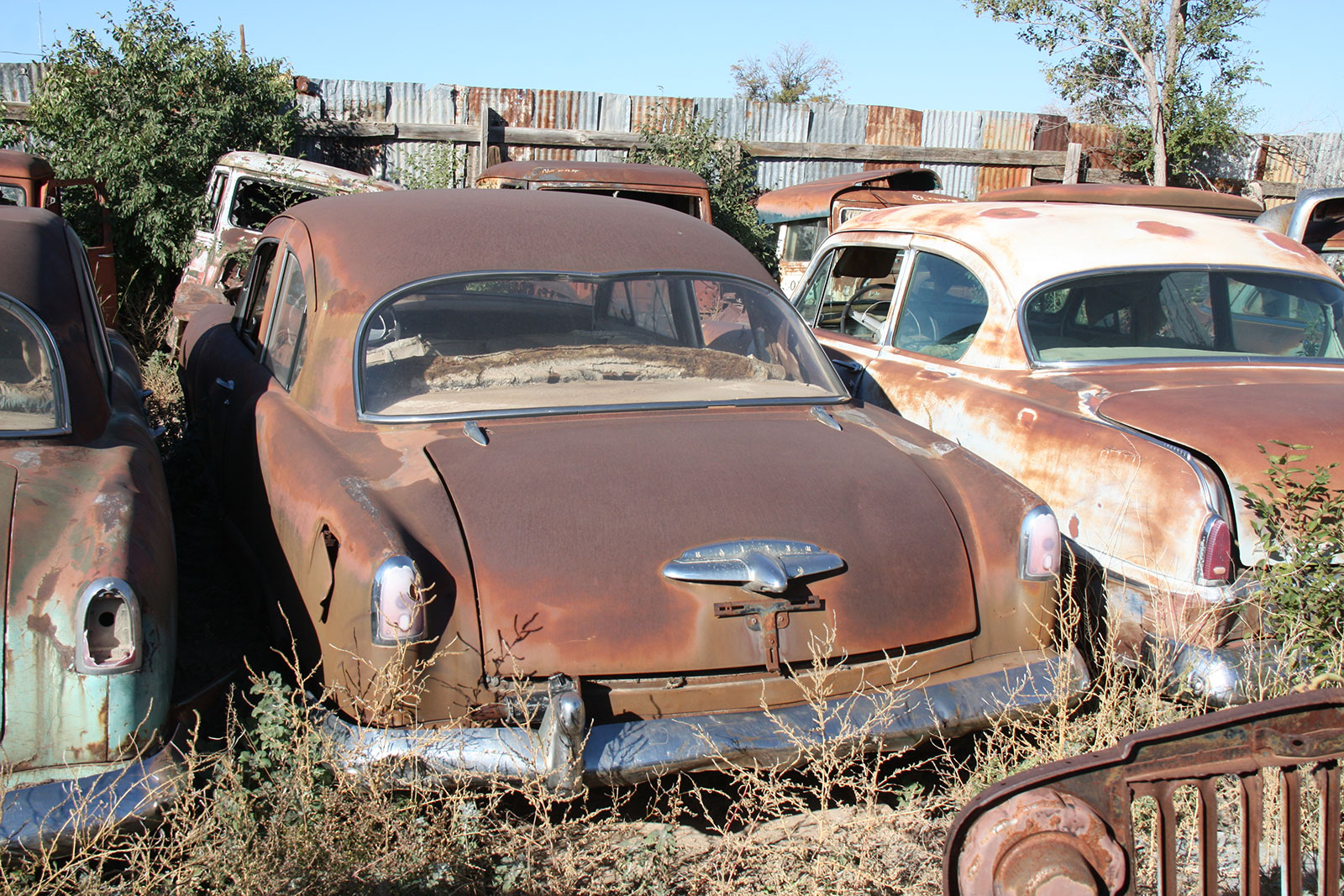
The Kaiser-Frazer Corporation was formed in 1945, as a joint venture between the Henry J Kaiser Company and Graham-Paige Motors. While sales were initially strong, it didn’t have the resources to take on the Big Three. The last Frazer was built in 1951, while Kaiser-branded cars survived for a further four years.
Considering the relatively short production run, it’s definitely unusual to find one in a salvage yard. In fact A-1 Auto Salvage had no less than three of them. This one appears to be a 1951 Special, built in 1951, Kaiser’s most successful year ever.
Cadillac CoupeDeVille 1961
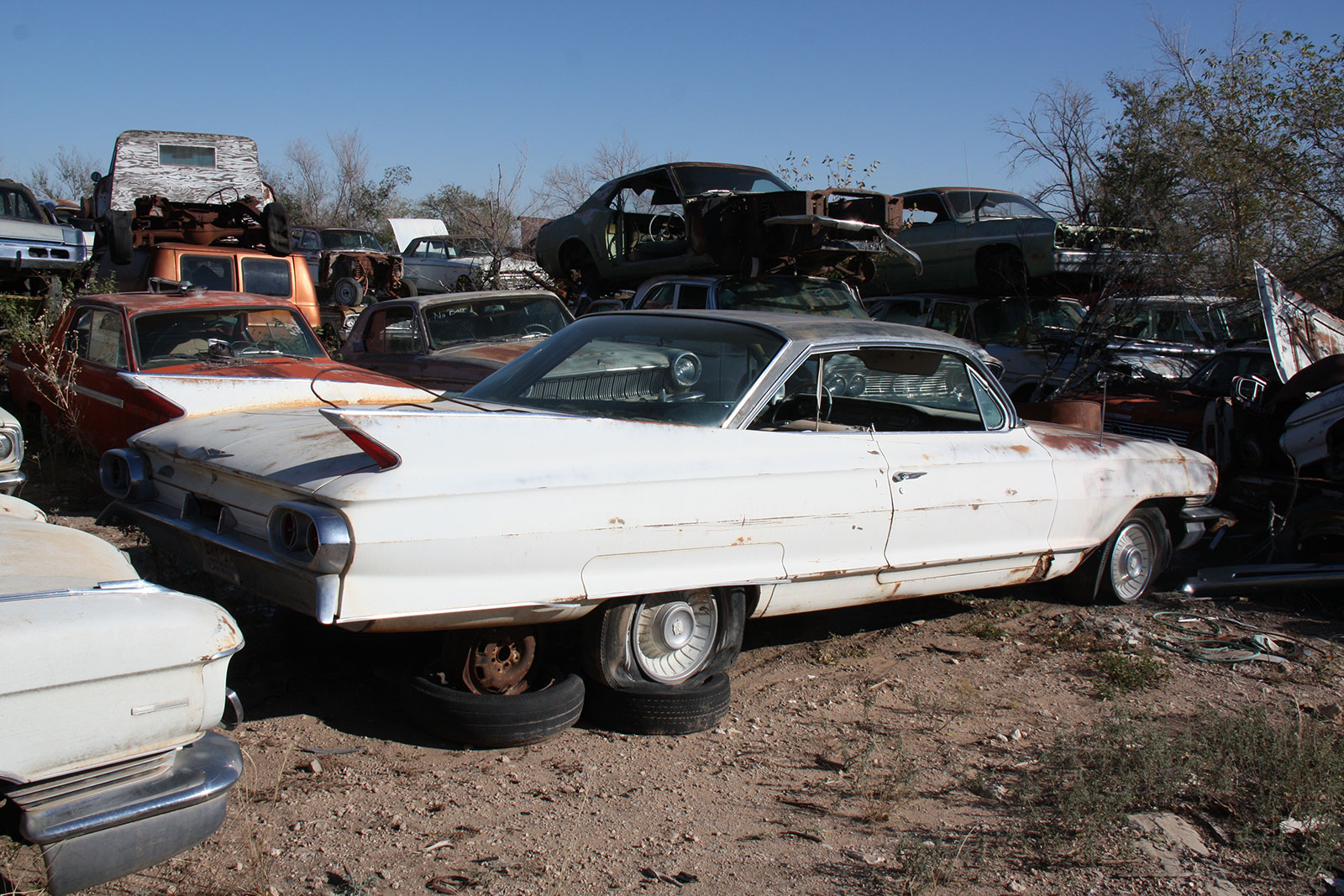
Cadillac designed some incredibly flamboyant tailfins in the late 1950s, culminating in the rocket-inspired creations that adorned the 1959 cars. From 1960 onwards they began to shrink, becoming somewhat more subtle, and dare we say tasteful?
This 1961 Coupe de Ville, which is far too good to have ended up at A-1 Auto Salvage, sports a clean and crisply designed pair, neatly integrated into the design, and starting at the rear doors rather than looking like an add-on.
Ford Thunderbird 1960
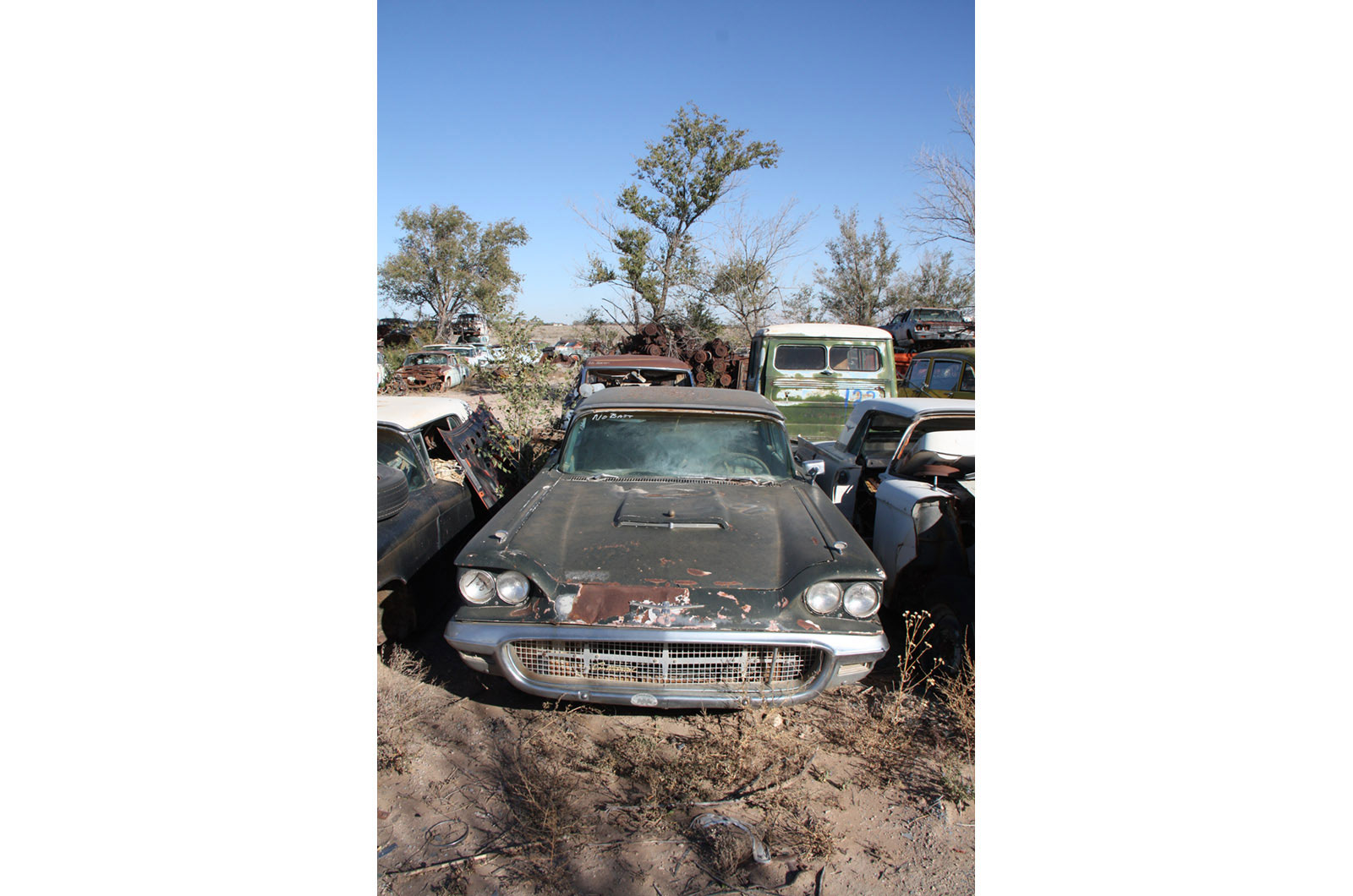
It says “No batt’ on the windshield of this 1960 Ford Thunderbird, but we reckon the lack of a battery is the least of its worries. More importantly, was it desirable enough to attract any bids at A-1 Auto Salvage’s closing-down sale auction, or was it crushed, melted down and turned into a new kitchen appliance? With 93,000 sales, 1960 was a record year for the T-Bird.
Studebaker Transtar 1956
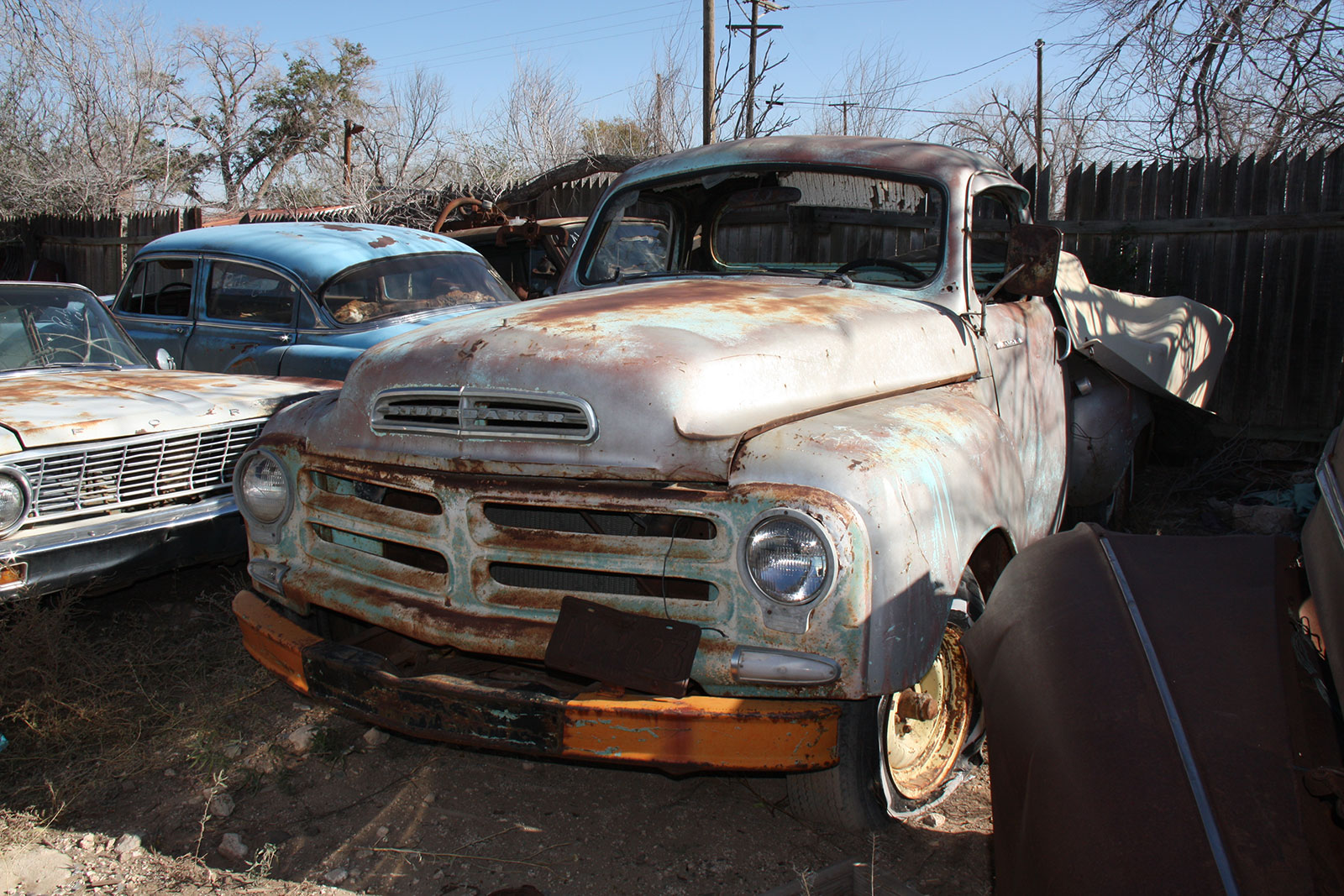
Surely this 1956 Studebaker Transtar half-ton pickup was saved, as it’s far too desirable to have been crushed. The Transtar name was used by Studebaker from 1956 to 1958, and again from 1960 to 1963. Studebaker was founded in 1852, so was already 104 years old when this rolled off the line. It would continue manufacturing vehicles until 1966.
Chevrolet Sedan Delivery 1951
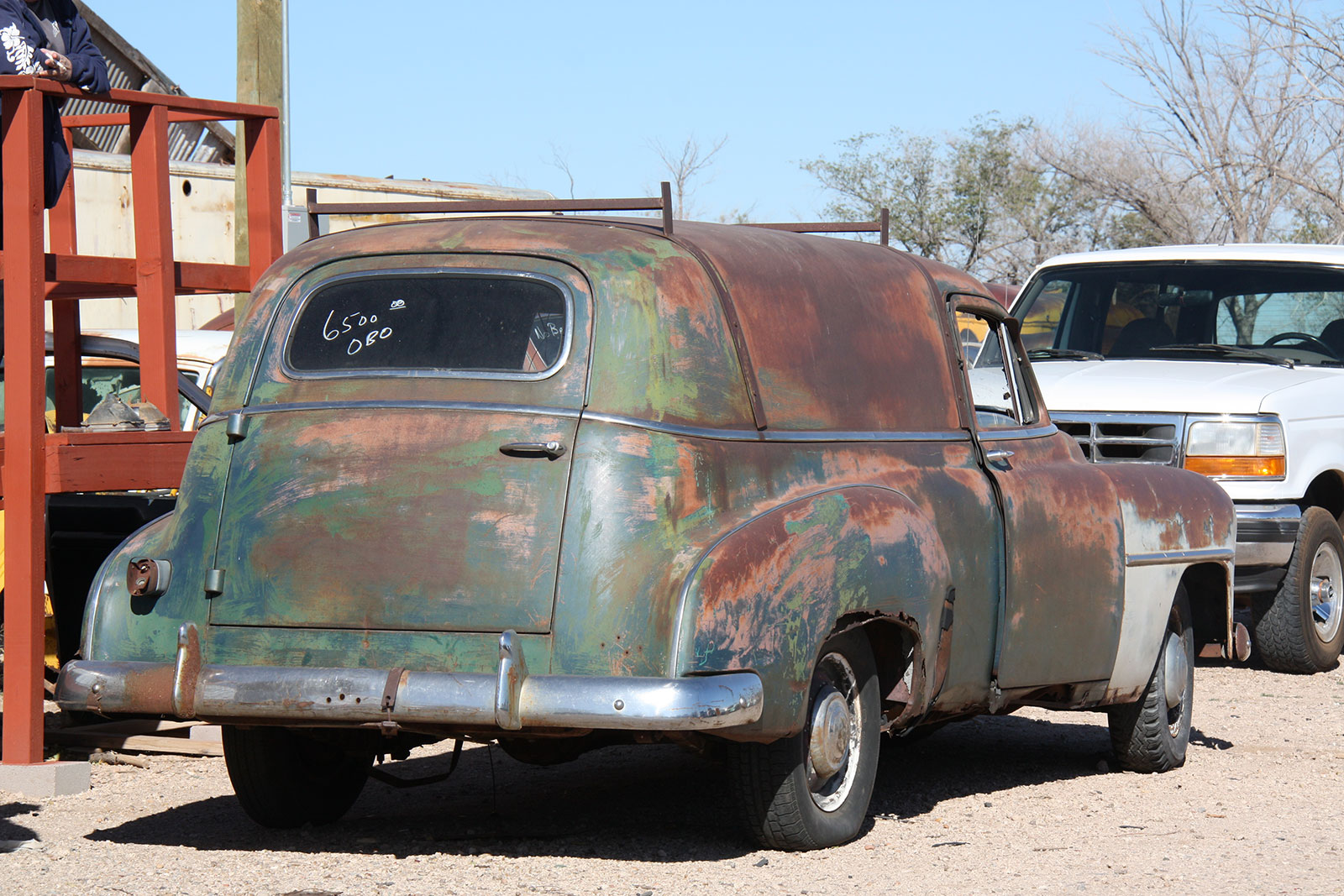
There’s no doubting that this 1951 Chevrolet Sedan Delivery is a desirable vehicle, however we can’t help but feel that the $6500 (or best offer) asking price was a tad optimistic. Based on the two-door station wagon, these light commercials sold reasonably well, with 20,817 finding buyers in 1951. However, unlike the passenger-carrying siblings, they were far more likely to be abused, so had a considerably worse survival rate.
About the author
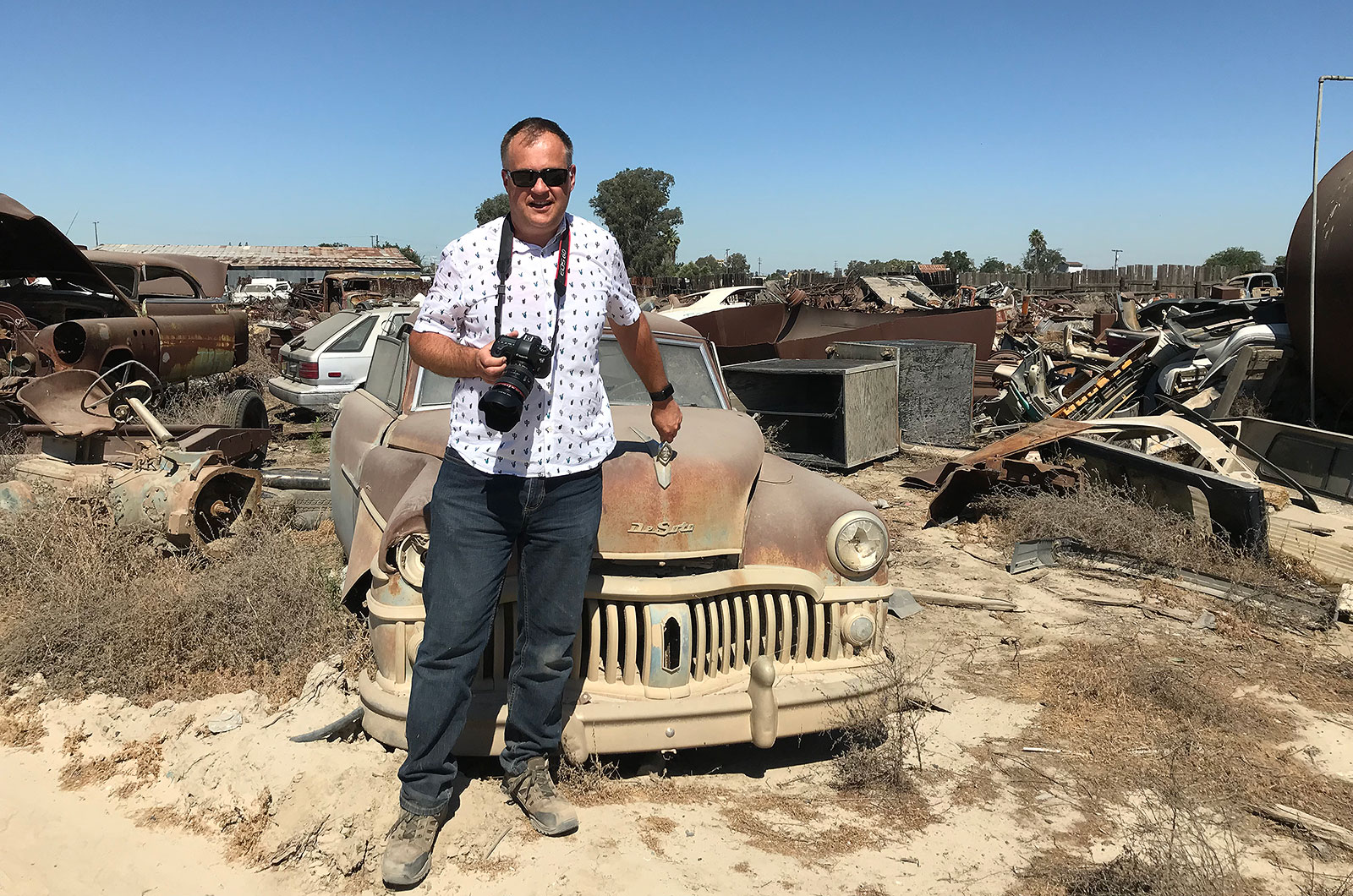
British automotive journalist Will Shiers has been photographing abandoned American cars for 35 years. He has visited all 50 states on his tin-hunting trips, exploring barns, fields, deserts, ghost towns and salvage yards, while searching for hidden treasures. Will has been contributing to car magazines for three decades, and is the author of the book Roadside Relics - America’s Abandoned Automobiles.

Genesis Pickup Weighs Luxury Ambitions Against Market Realities in a Segment Few Premium Brands...

Choosing the Optimal Vehicle for High-Volume Pizza Delivery Challenges Conventional Wisdom

Sporty Car Design and the Illusion of Speed Why Striking Looks Often Mask Underwhelming...
 We take a look at the cars whose looks wrote cheques their engines couldn’t always cash
Sharp styling, large spoilers and sculpted air dams will occasionally trick us into thinking a meatier engine lies underneath.
Looks can be deceiving and don't always mean great acceleration or top speed. Here are some cars that we think look more meteoric than they are:
Toyota Celica
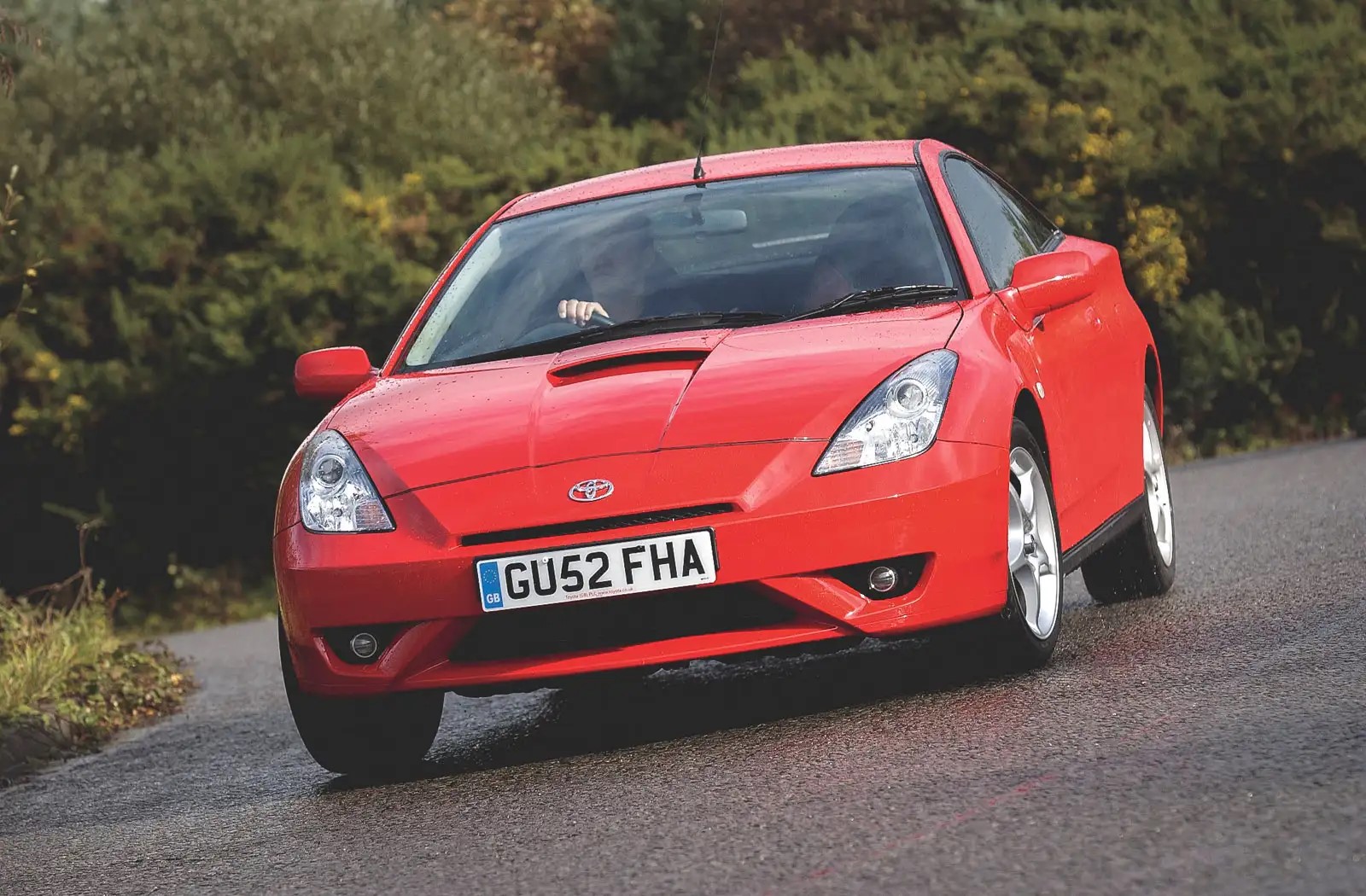
With its low-slung stance, small bonnet scoop and carved lines, the Celica started off in life with just 143bhp from its Yamaha-derived 1.8-litre VVT-I unit. It took 9 seconds to get to 62mph from rest, though would eventually make 127mph when possible. While it wasn’t a drag racer, the Celica handled well and was even considered the best-handling front-wheel drive car on sale in 1999.
Mazda RX-8
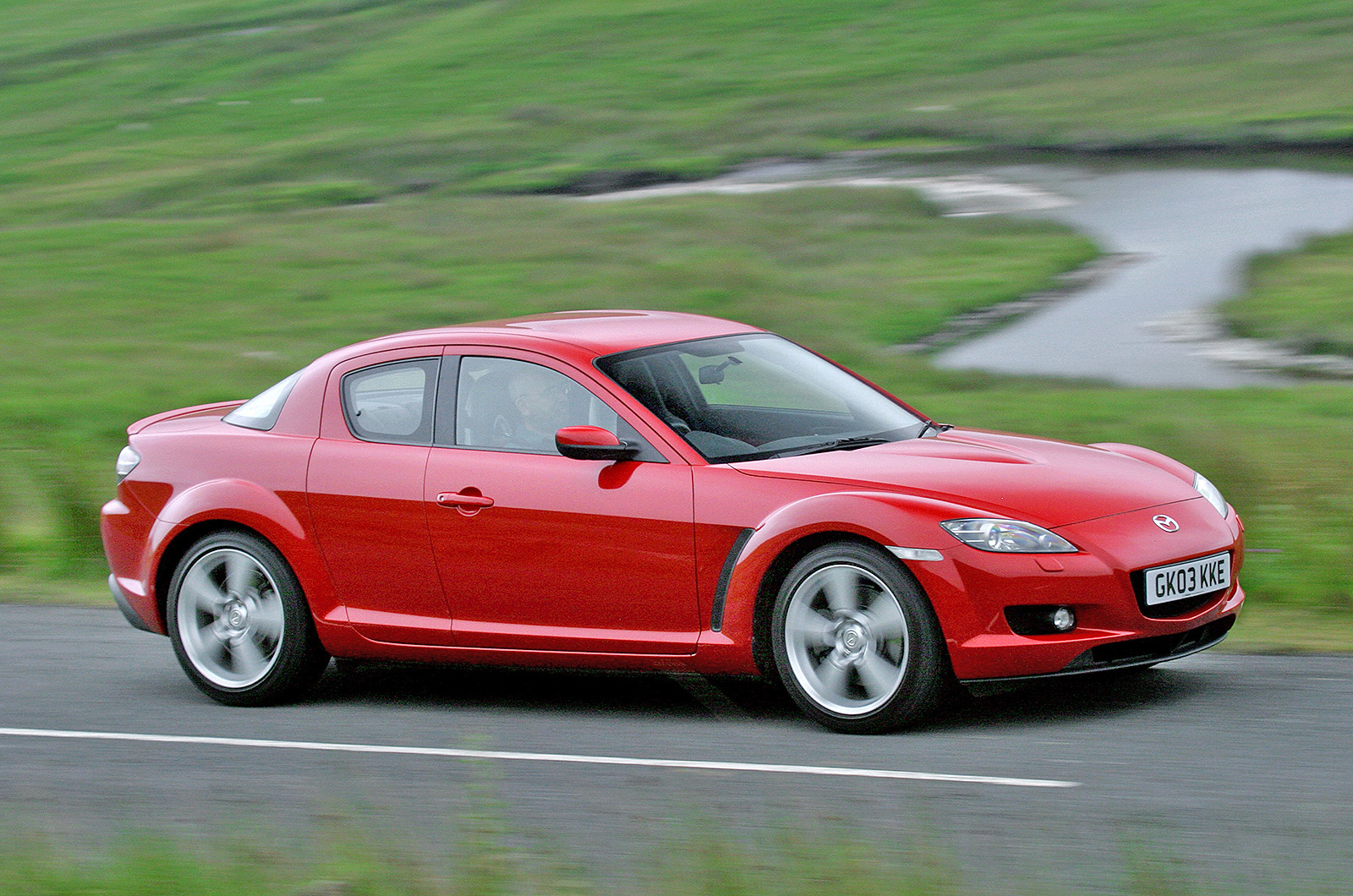
Many people often expected the RX-8 to be a speed machine with its funky 2+2 layout, sporty bodywork and a special naturally aspirated high-revving 1.3-litre Wankel rotor engine - an evolution of the RX-7's twin-turbocharged unit. The RX-8 landed with 189bhp but little torque - a characteristic of most rotaries - at 162lb ft, due to the lack of turbos, which meant 0-62mph in 7.5sec and a quarter-mile time of around 17sec.
Toyota GT86
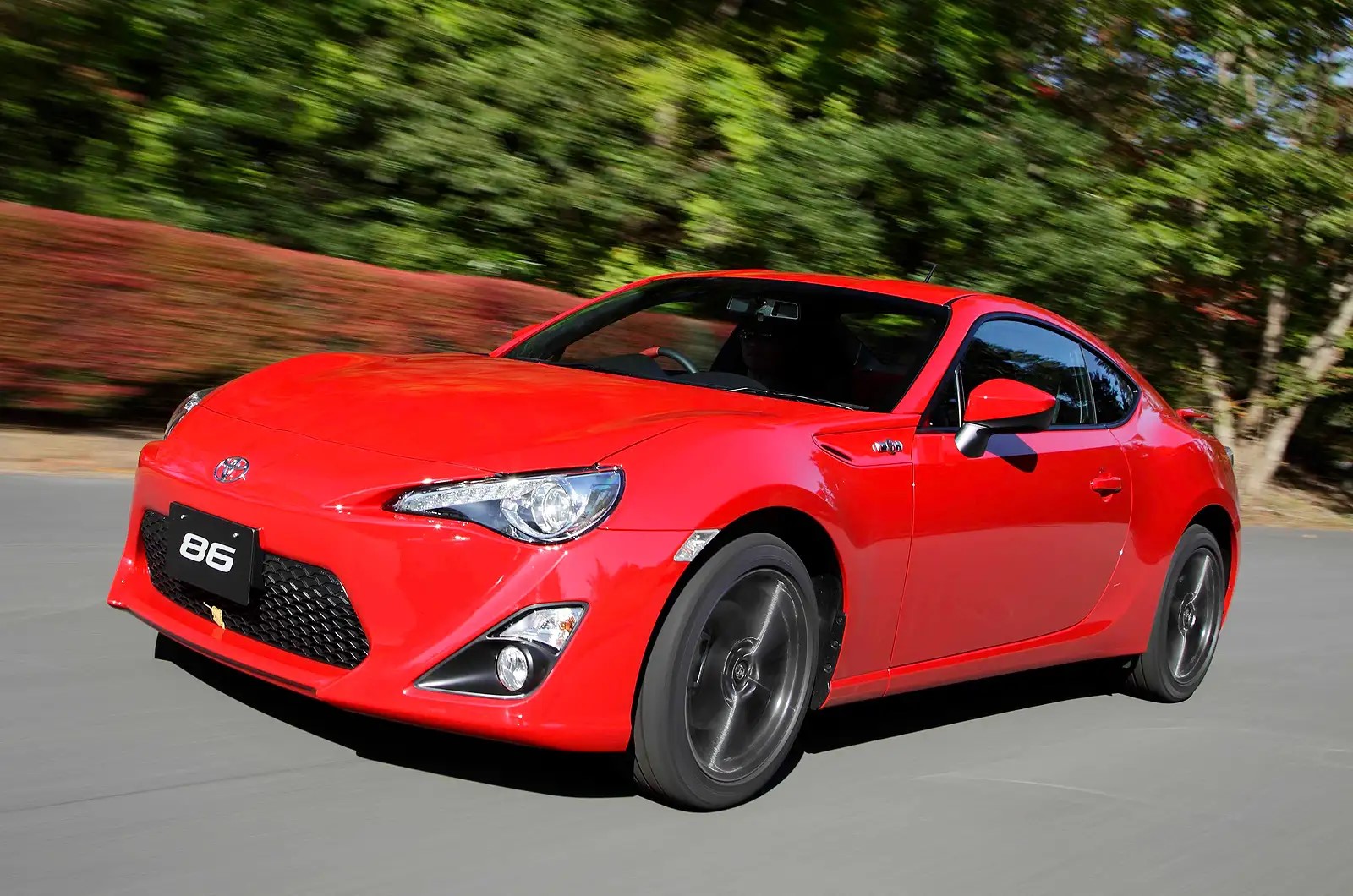
When it arrived in 2012, the GT86 was praised for its lightweight body, rear-wheel drive and 50:50 weight distribution. It looked like a bona fide sports car with its aggressive front-led headlights, ground-hugging stance and swooping roofline. The 2.0-litre Boxer engine produced 197bhp, and 151lb ft, which had just 1239kg (2731lbs) to shove along but the GT86 would hit 62mph from rest in 7.7sec and top out at 137mph. However, those who opted for the automatic version would have to put up with a frankly pedestrian 0-62mph time of only 8.2sec.
Fisker Karma
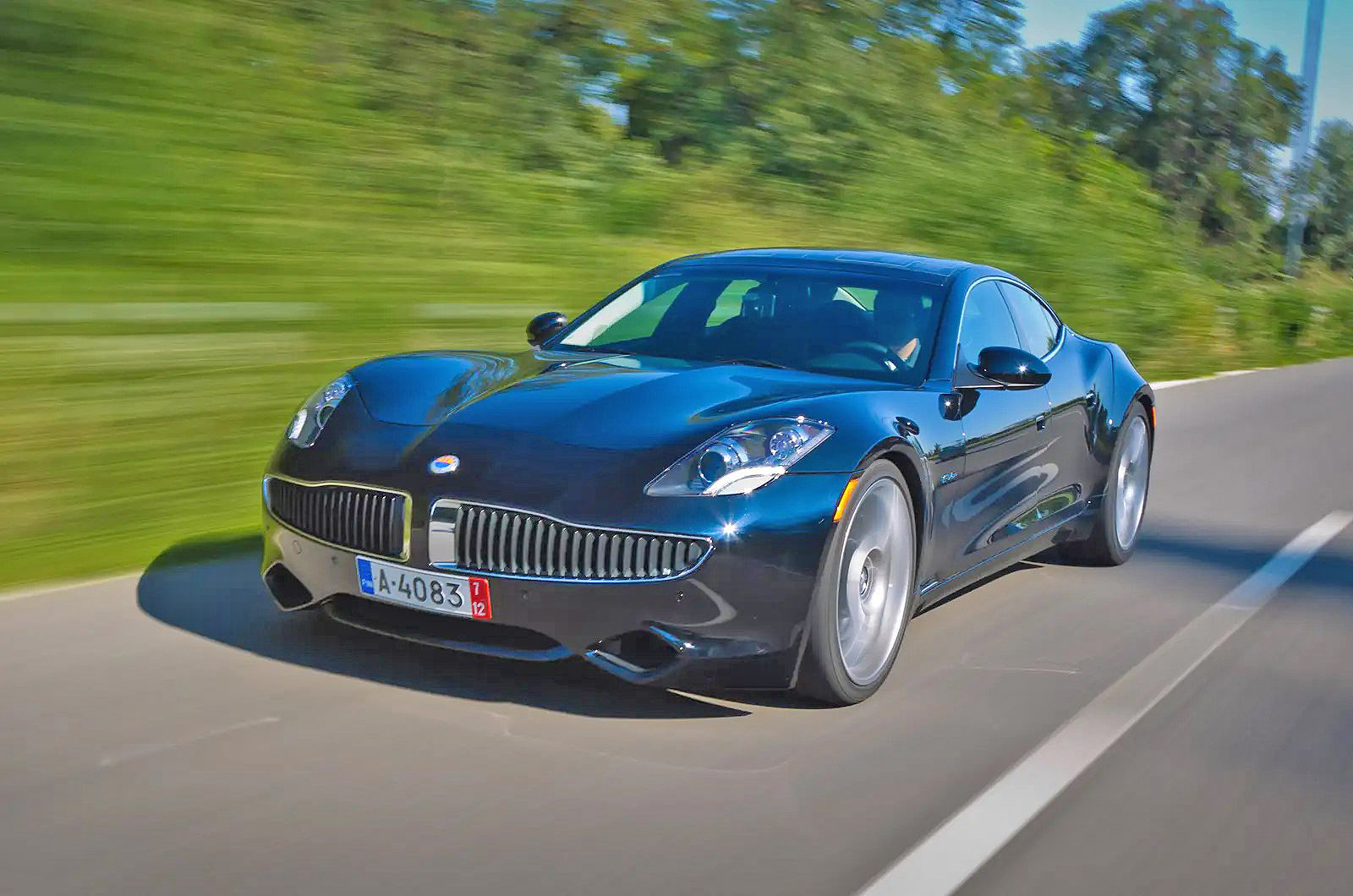
The man who designed the BMW Z8 and Aston Martin Vantage, Henrik Fisker, gave us the striking Fisker Karma in 2011. Its bonnet was long, it was wider than a Ferrari 360 and its bodywork was sculpted like that of an Aston Martin Rapide, as though it was to fire on to 170mph-plus. However, underneath the makeup was a 260bhp 2.0-litre powerplant and two 201bhp electric motors powering the rear wheels. This meant, on battery power alone, the Karma would scuttle to 62mph in 8.0sec.
Ferrari Mondial
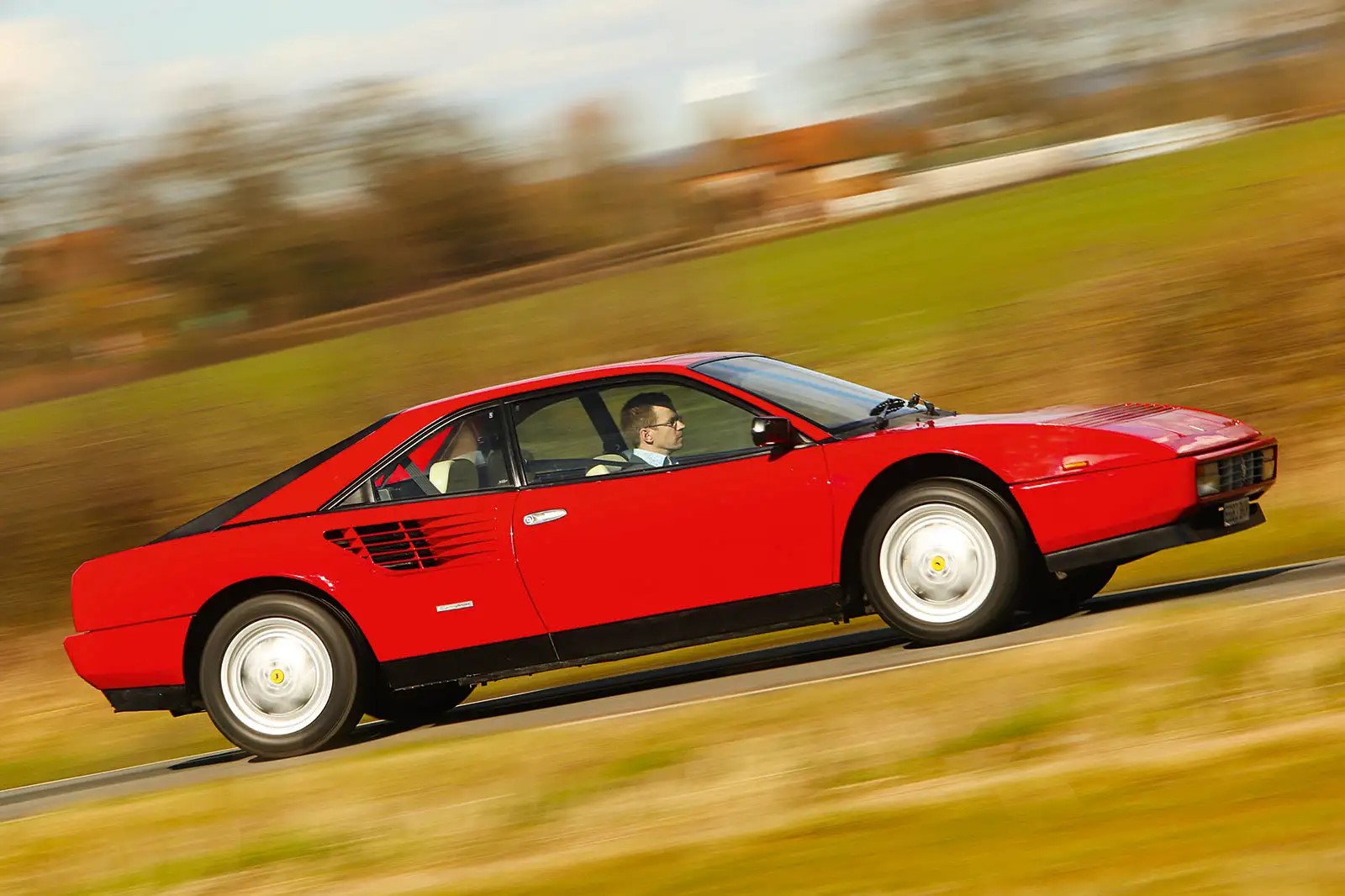
In the 1980s, the world was gifted the legendary Ferrari Testarossa and the F40. The Mondial, launched in Geneva in 1980, did have all the Ferrari looks such as an iconic sloped front end, vents to cool the mid-mounted V8 and a supercar presence. Upon its release, 3.0-litre V8 produced just 214bhp (205bhp in US spec), which meant the Mondial slugged its way to 62mph from rest in 8.2sec, although some claims are closer to 10sec. Given enough room, it would hit 140mph, eventually...
DeLorean DMC-12
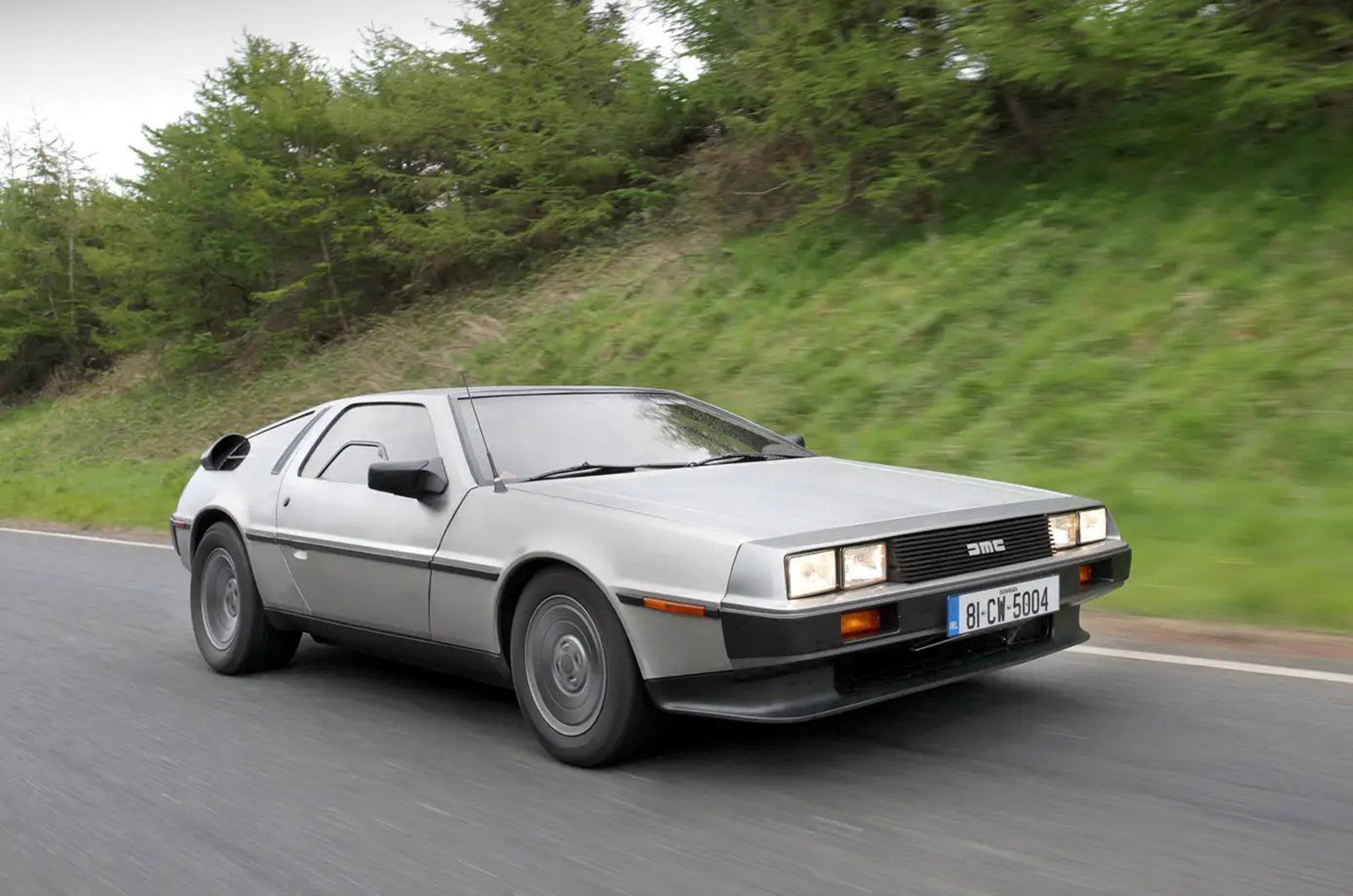
DMC-12 was intended to be lighter and a lot more powerful than the production version ended up being, as the firm had a difficult time finding a suitable engine. The prototype had a Ford Cologne V6 but was later swapped for a four-cylinder Citroen engine that was to be turbocharged.
Unfortunately, Citroen didn’t like the idea and asked DeLorean to go elsewhere, and they eventually settled on a 2.85-litre Peugeot V6. It looked like a supercar with its sleek bodywork and gullwing doors, but with a poor 130bhp, and it tipping the scales at 1230kg (2712lbs), the DMC-12 took a tedious 10.5sec to reach 62mph. The top speed was 130mph although other sources claimed only 105mph was achievable.
Honda CR-Z
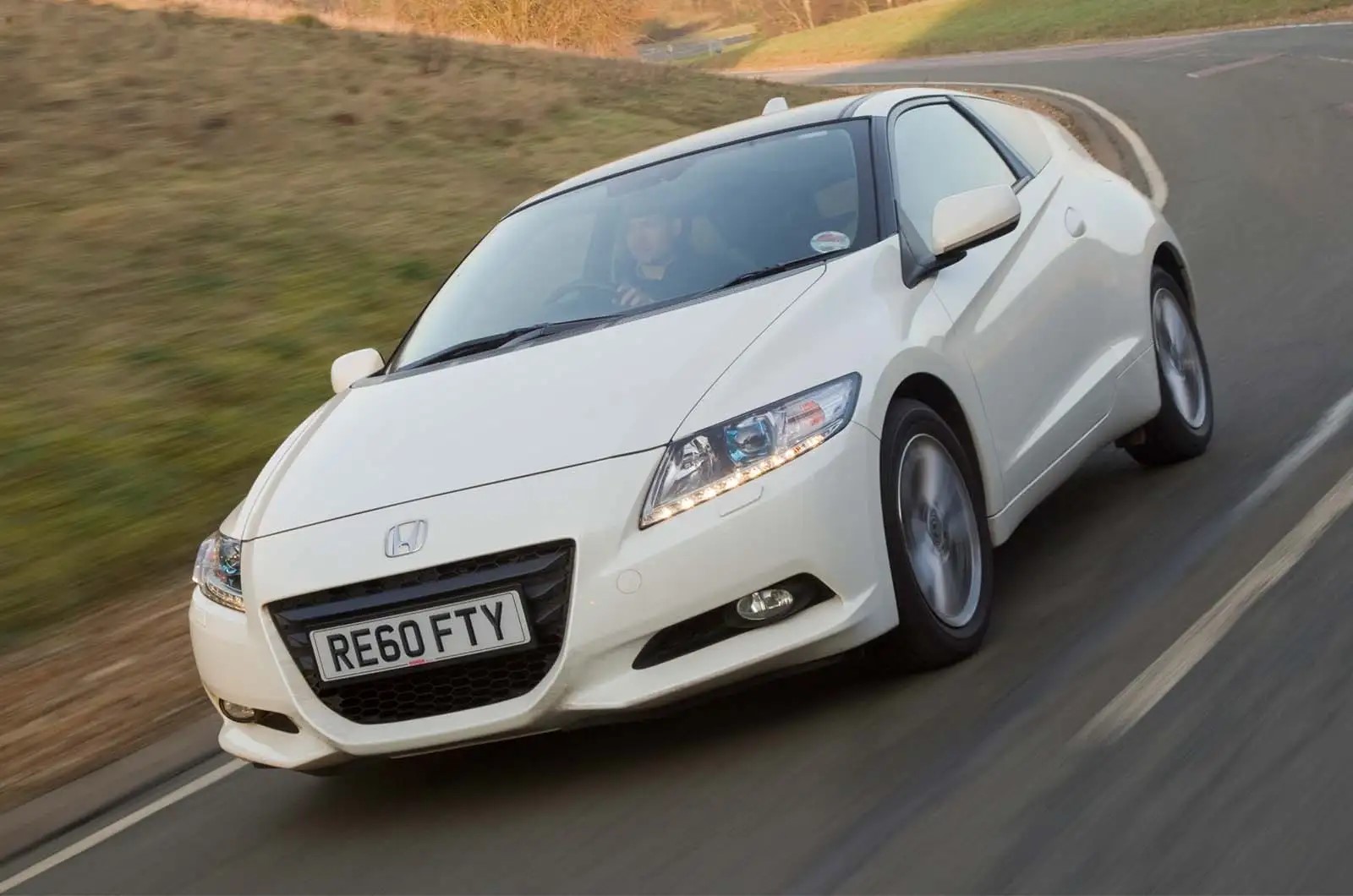
When Honda teased the CR-Z, it looked like the possibility of a classic CRX revival was on the cards. The sloped roof line, wide appearance and low centre of gravity were there, but unlike the CRX’s 1.6-litre 8000rpm 160bhp VTEC engine, a 1.4-litre hybrid powertrain with a mere 122bhp was used for the CR-Z. While the CR-Z never offered straight-line thrills, Honda had given it a stiffer front-strut and rear torsion-beam suspension which made it more pleasurable on a B-road. 0-62mph arrived in a lethargic 10.0sec and it would crawl on to 118mph.
Hyundai Coupe
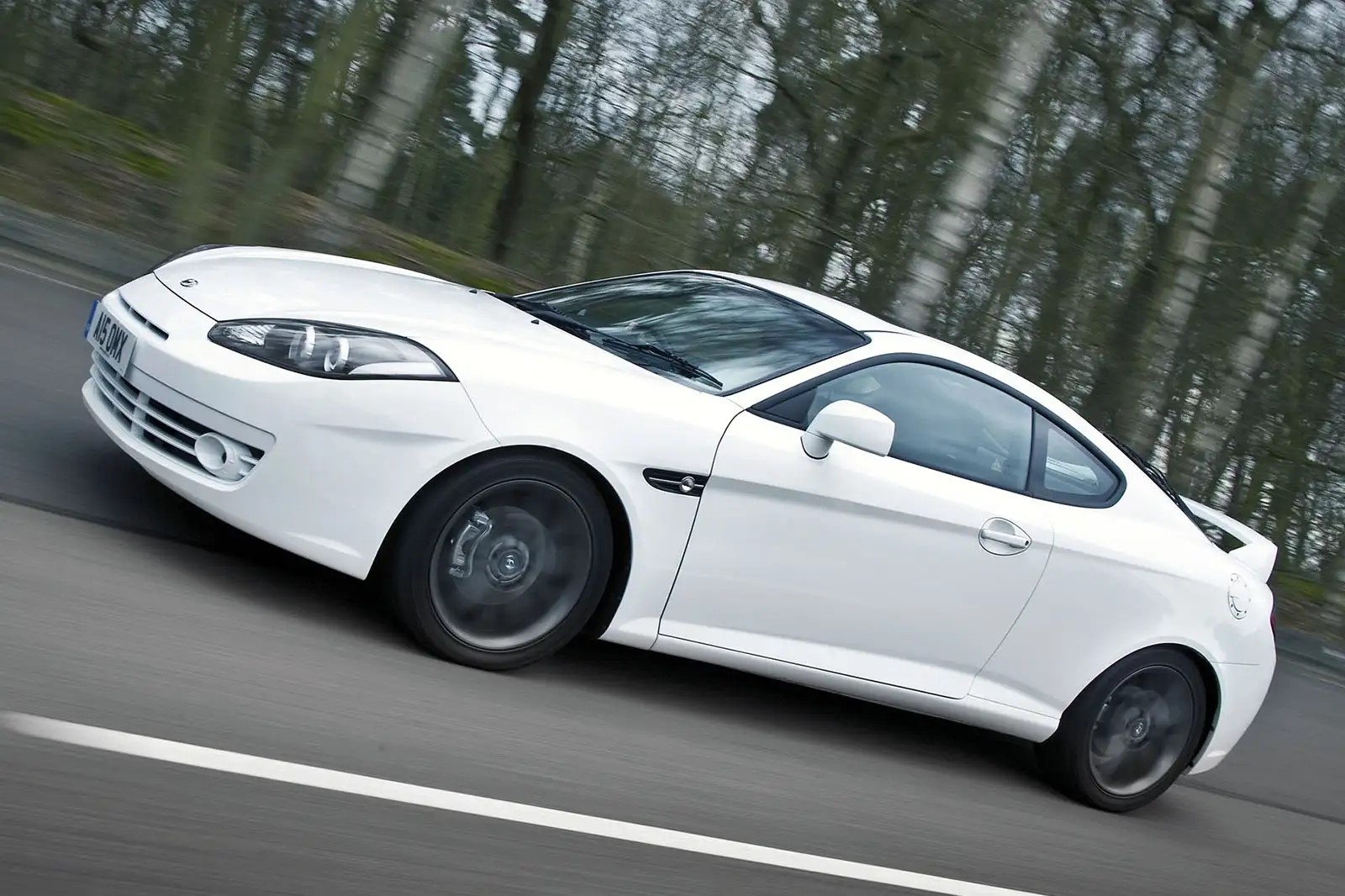
The Coupe was handsome with its sleek and sporty profile and it became popular in 2005 when it received a facelift which saw new lights and tweaked bodywork. In base guise, Hyundai was targeting the younger market who perhaps wanted an attractive car without the large insurance premium but the 1.6-litre produced a trivial 103bhp which meant 0-62mph in 11.5sec and it would top out at a risible 115mph.
Ford Mustang King Cobra
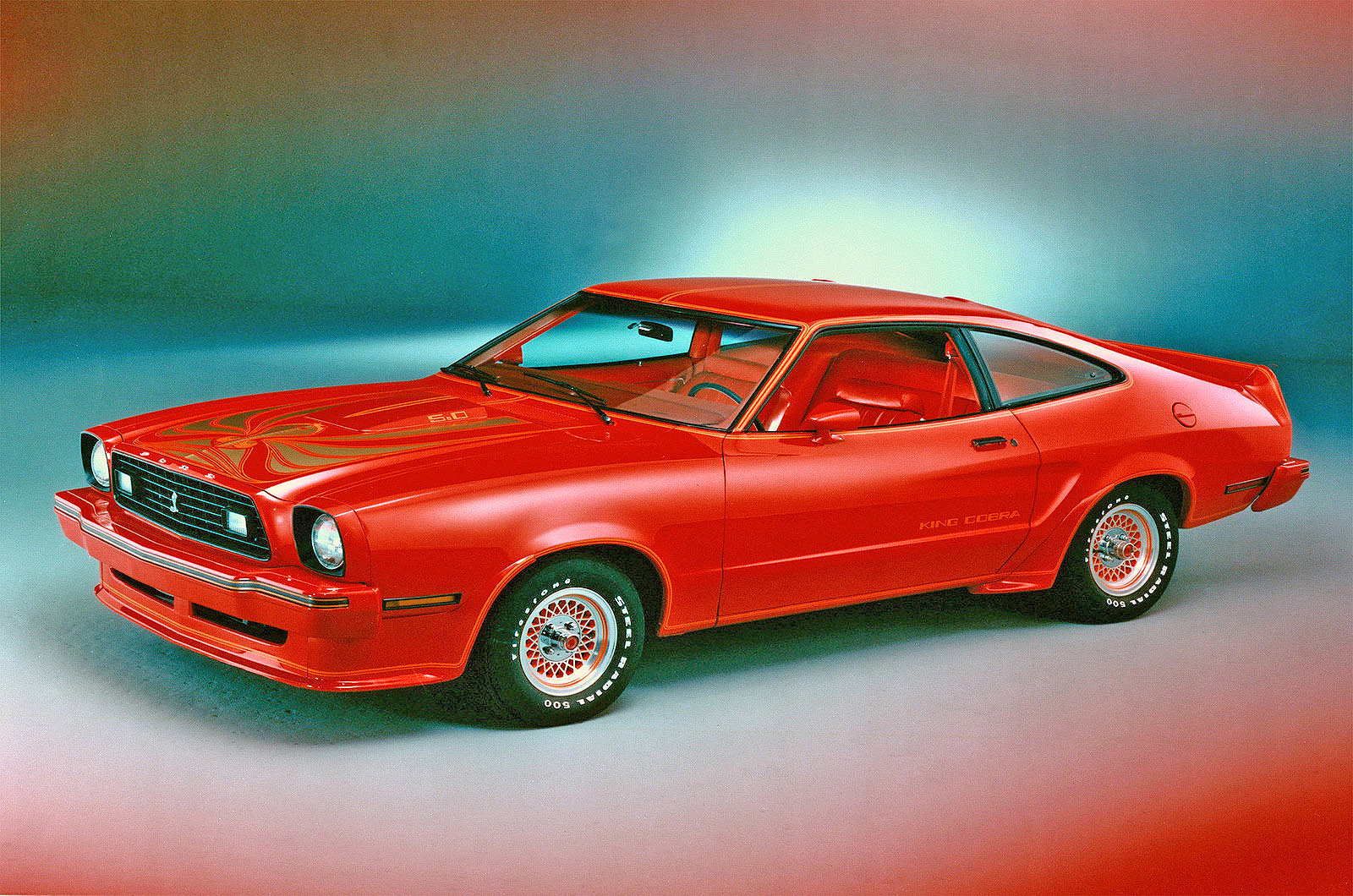
At the end of the fuel crisis in 1974, Ford decided to introduce a new Mustang that could balance both fuel economy and offer great drivability while keeping the traditional Mustang shape. This led to disappointing figures and owners could either buy it with an 88bhp 2.3-litre four-cylinder or a 105bhp 2.8-litre V6, rather than the 5.0-litre V8s of old. The V6 option meant that 0-60mph would arrive in a Peugeot 504-rivalling 13sec and it could barely hit 100mph.
Chevrolet Camaro
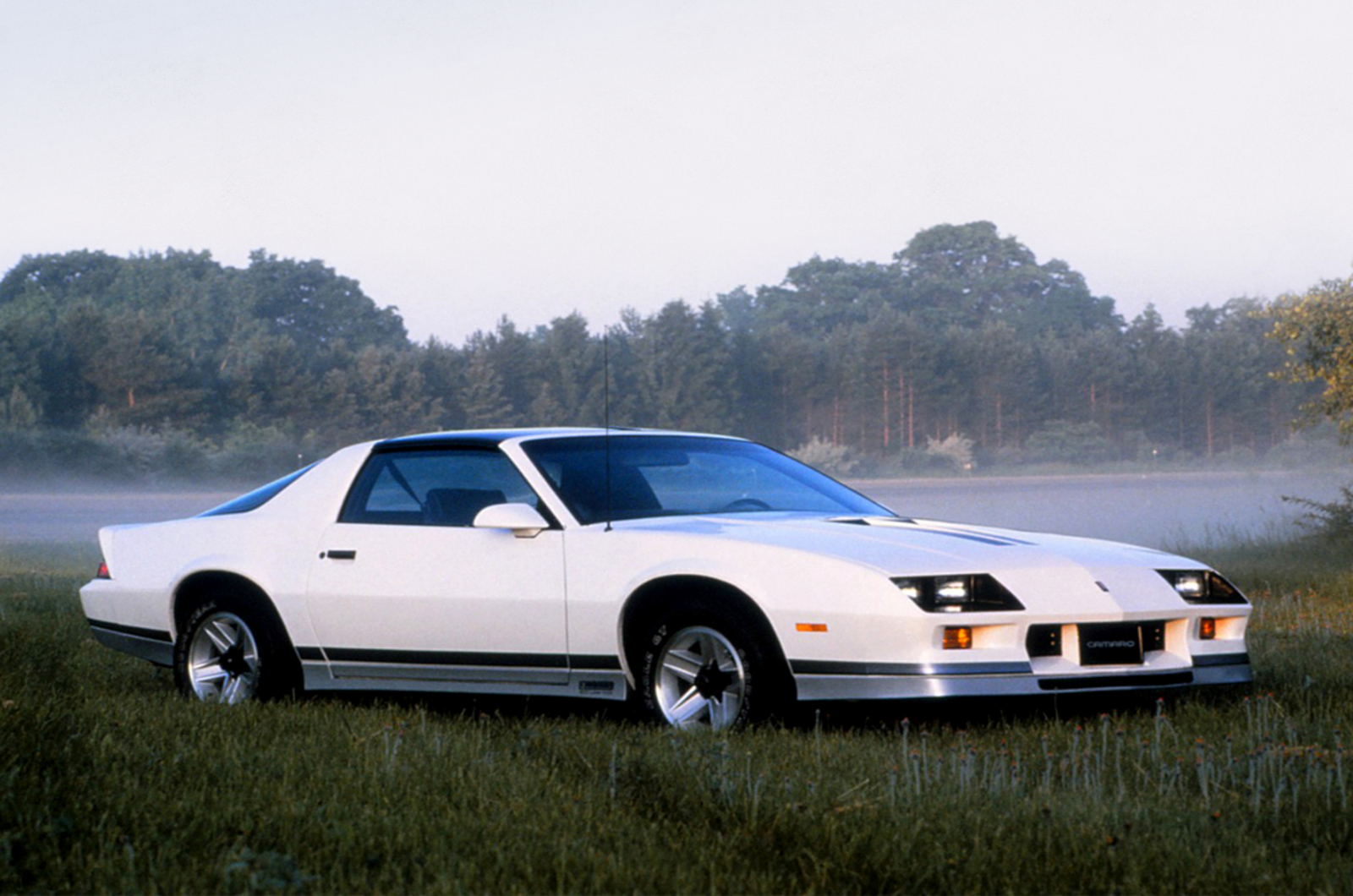
Previously, the Camaro was offered in either an inline-six or V6, alongside its V8 counterparts. When the third generation came in 1982, it received a 2.5-litre V6. These had supercar-inspired aerodynamic lines and wide muscle car bodywork, but with just 89bhp and 132lb ft from its 2.5-litre V6 engine, the Camaro walked to 62mph in 13.8sec. Top speed was just 106mph.
Hyundai Veloster
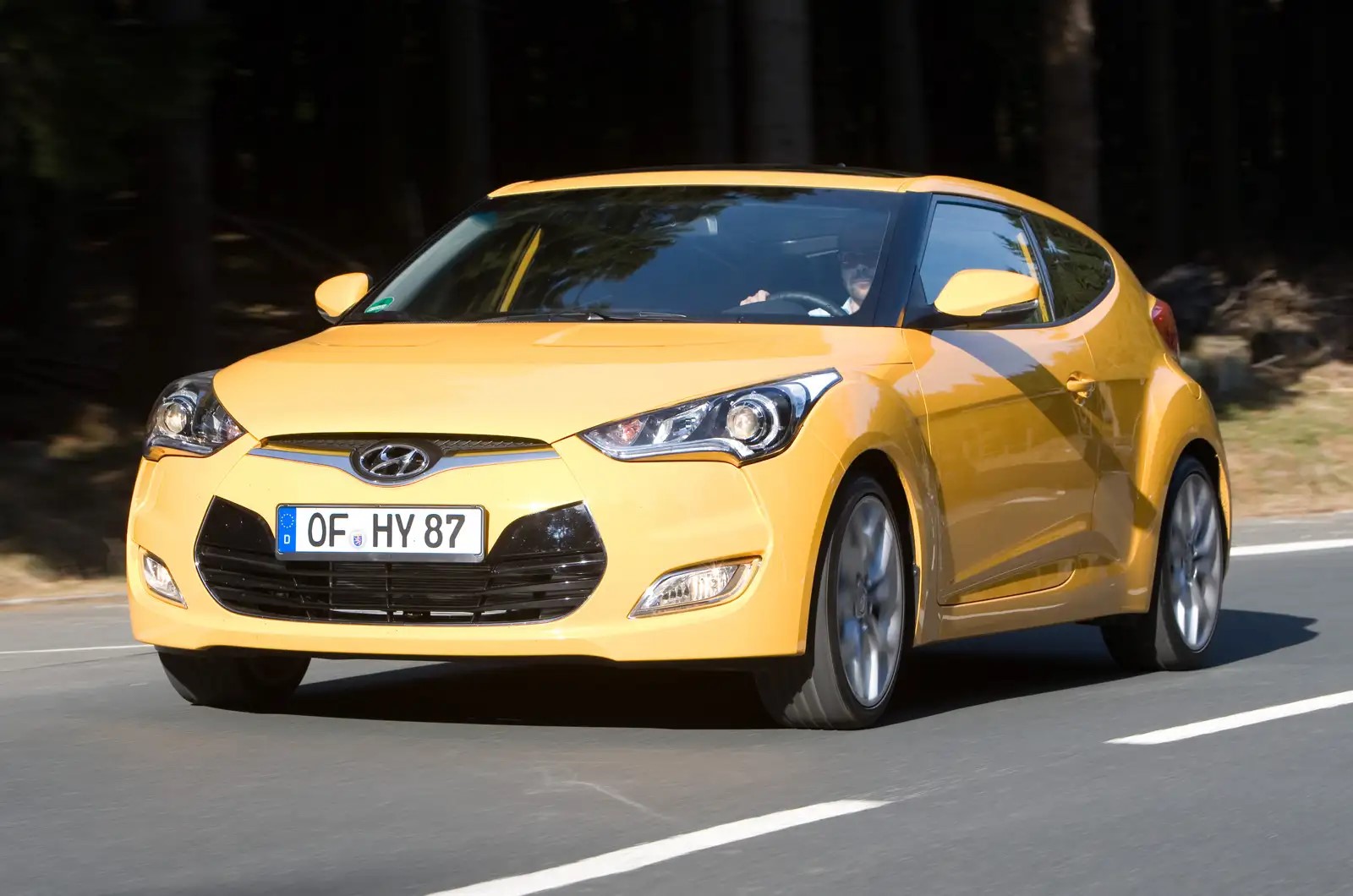
Hyundai released the Veloster in 2012 to compete with the popular Volkswagen Scirocco. It had a quirky sloping coupe design with a three-door layout. And while the Veloster had very little body roll, a large amount of grip and great handling, this was ruined by the 1.6-litre which only fed 138bhp through the front wheels, seeing 62mph arrive in a lengthy 10sec from rest. Hyundai later released a more powerful turbo guise to make up for the base car's poor performance.
Mitsubishi Eclipse Spider GS
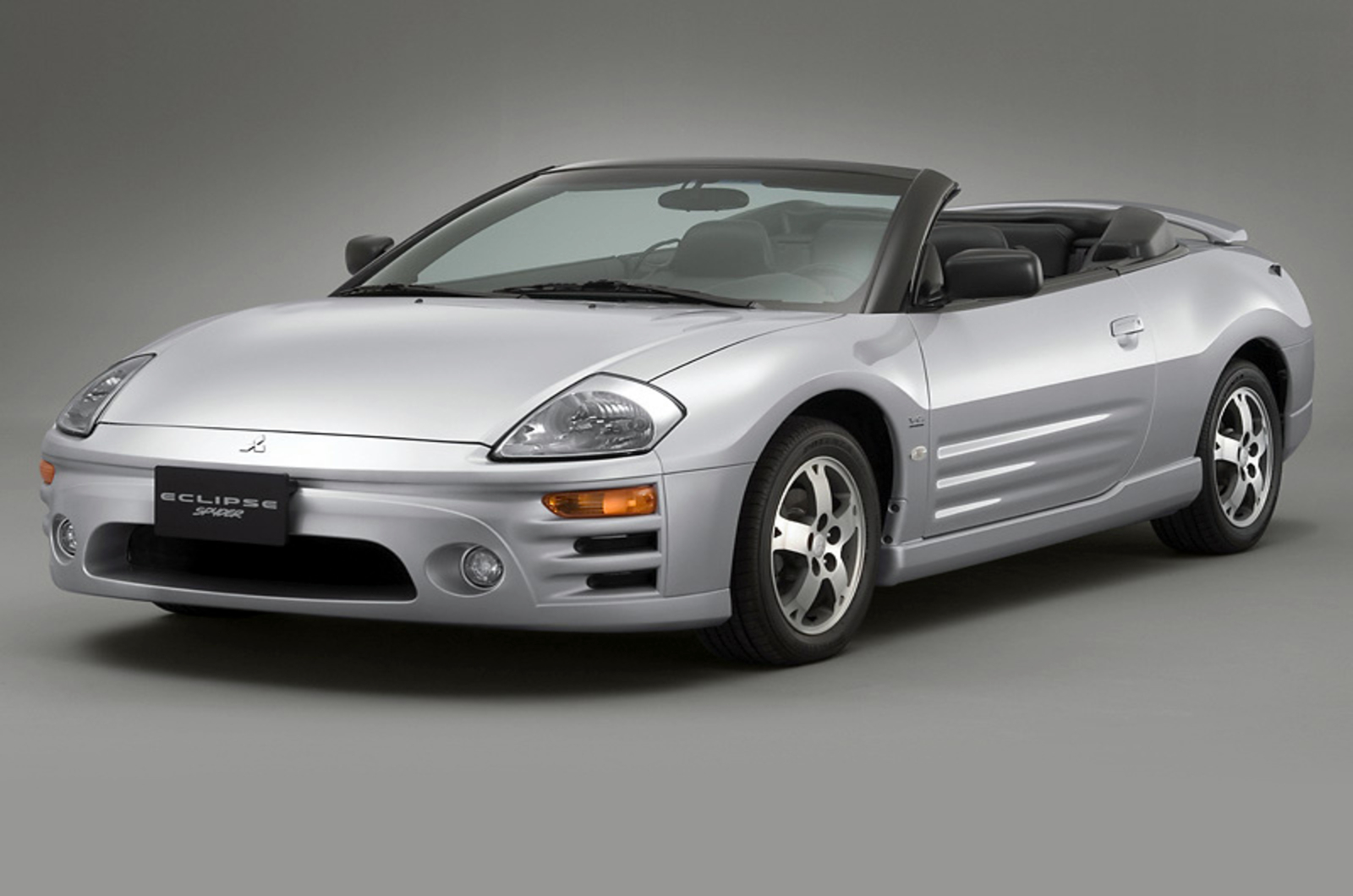
The Eclipse Spider wasn’t as fast as its aerodynamic bodywork or low and wide stance suggested and being a convertible meant it had additional weight at 1589kg (3505lbs). This meant that the mere 147bhp that the 2.4-litre produced could only manage 0-62mph in 8.9sec and cover the quarter mile in 17sec. Those who opted for the automatic gearbox had to endure an even worse 10.4sec to 62mph.
Audi 100 Coupe S
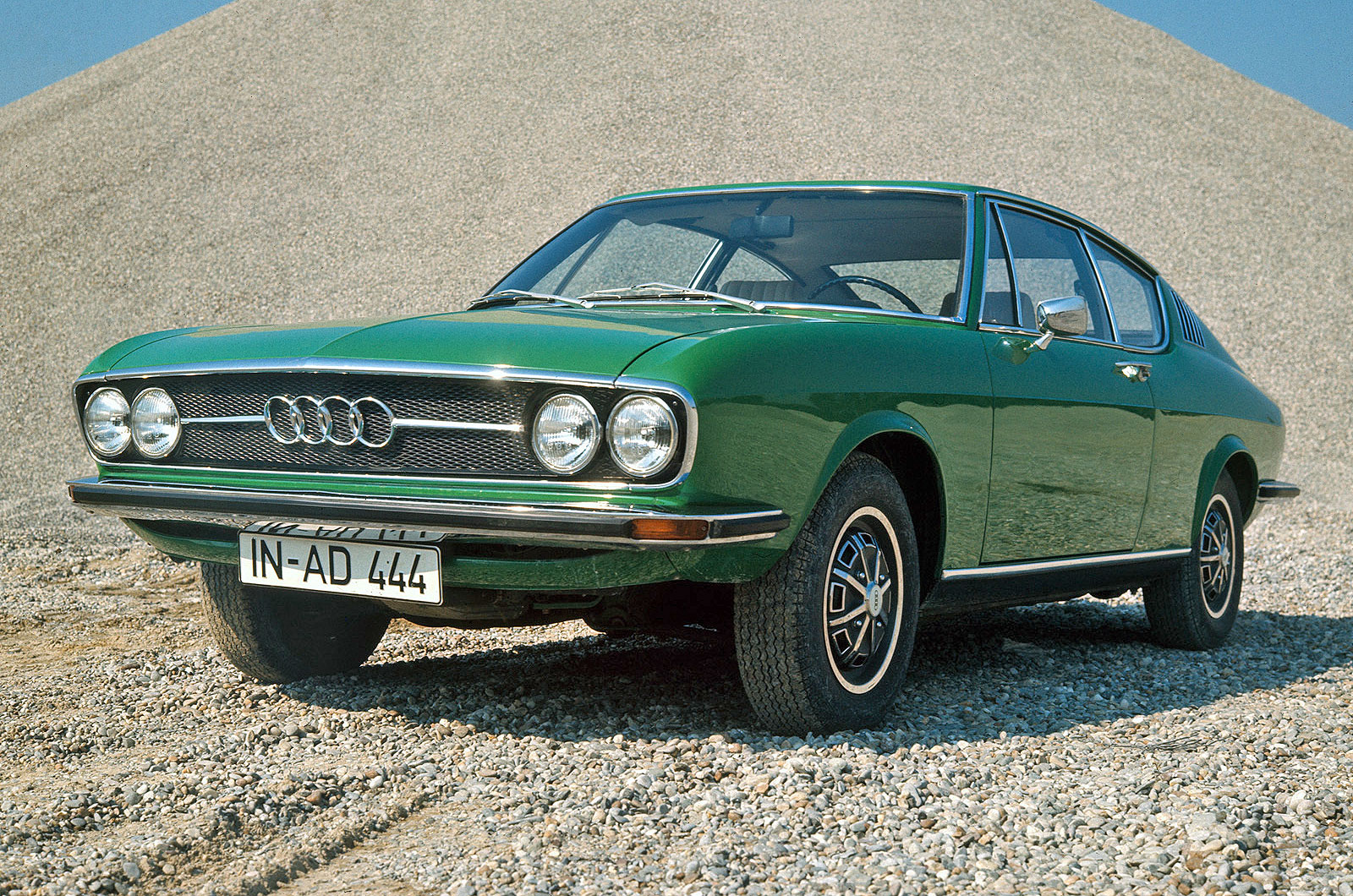
While it was elegant and its fastback-like design was attractive, the 100 Coupe S was powered by a 110bhp 1.9-litre four-cylinder that fed all power through the front wheels via a three-speed automatic gearbox. The 100 Coupe S looked prestige and more expensive than it really was with its sporty silhouette, four headlights, long bonnet and chrome trim. 0-62mph arrived in a leisurely 12.2sec while it would eventually reach 114mph.
Pontiac Fiero
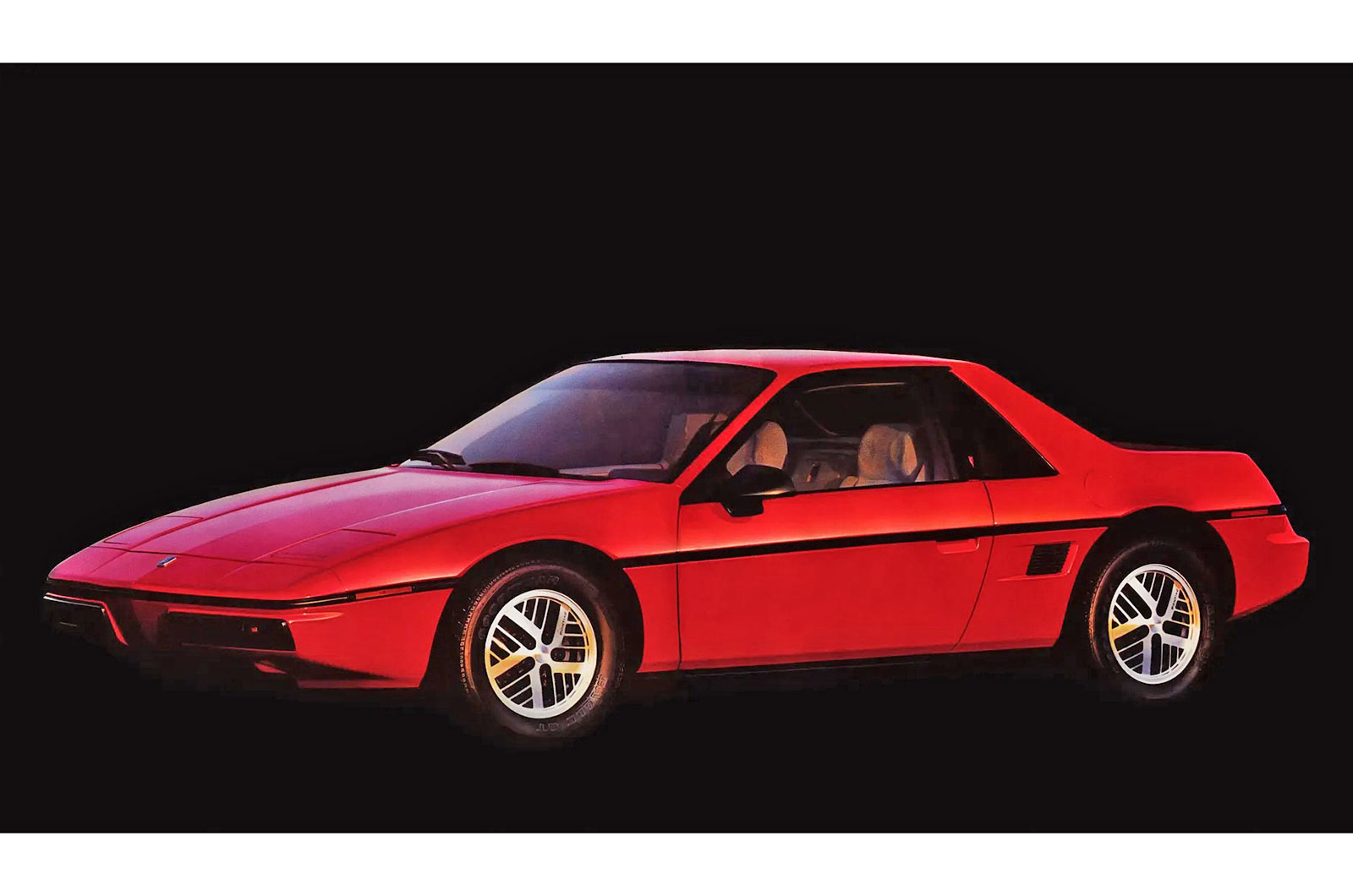
Its bodywork was Toyota MR-2-sharp and on paper the Fiero was considered fast; it was small, light and entertaining to drive with its mid-engined layout. Cars were also meant to get a high-revving 1.8-litre engine but due to costs, GM opted for a cheaper 93bhp 2.5-litre unit which gave it a high 11.0sec 0-60mph time and a top speed of 105mph.
Buyers could have the more muscular-sounding 2.8-litre V6 GT variant although this produced just 142bhp and still gave a disappointing 0-62mph time of 8.3sec.
Mazda MX-30
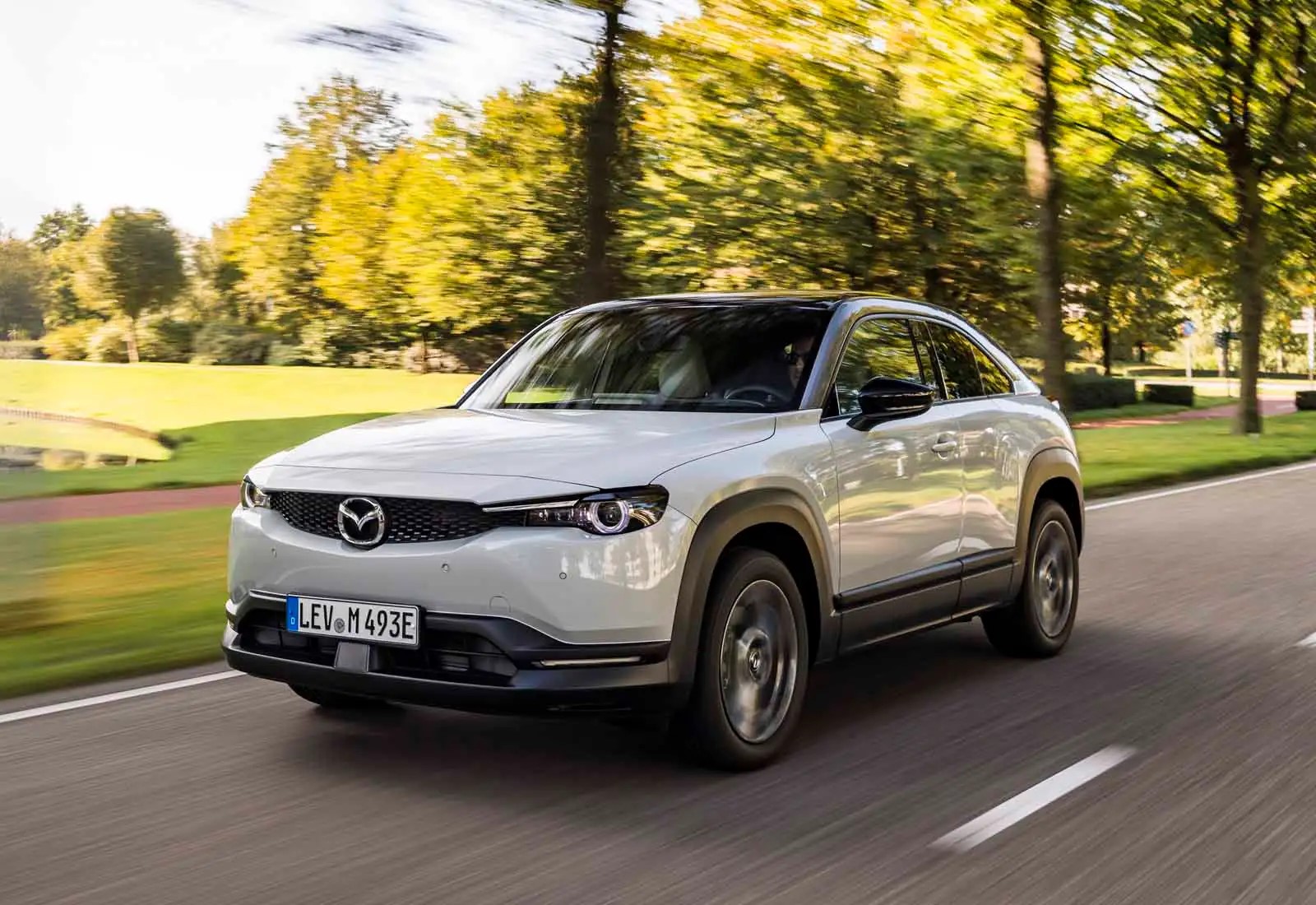
Electric cars usually offer a large dollop of torque in one go and give impressive acceleration. The MX-30 looked the part with its pushed-back cabin, low roofline and aggressive lights and grille, but the power output was a modest 143bhp and 199lb ft. In a car that weighs 1,645kg (3626lbs), this meant 0-62mph took an extensive 10.0sec, top speed was rather dull at 87mph, while range was just 124 miles.
Mazda MX-5
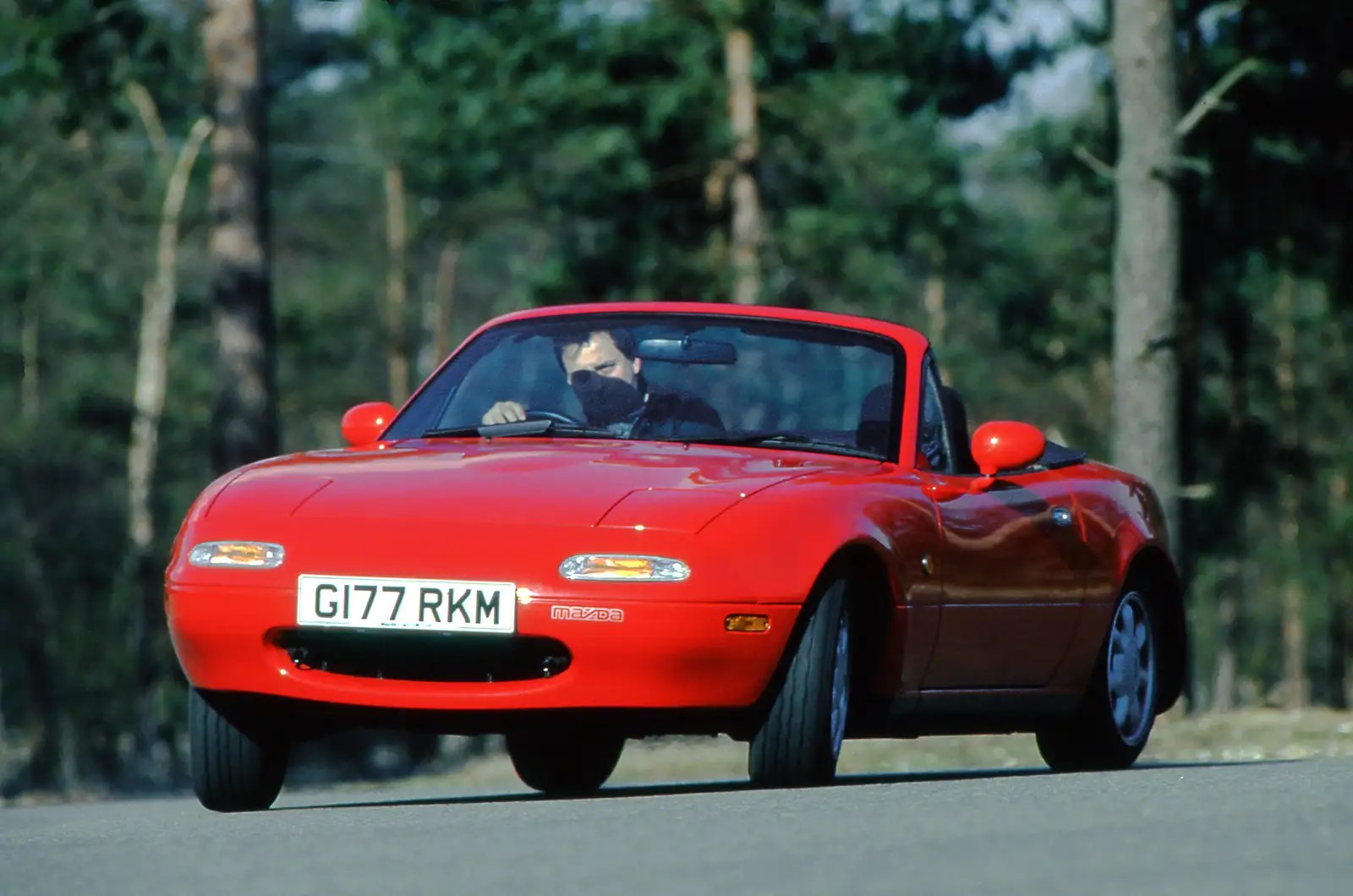
It’s a choice for many when it comes to a budget sports car or a track day because of its superb handling, thanks to its 50:50 weight distribution, and sharp steering. Cars were, unfortunately, introduced with a naturally aspirated 114bhp which meant 62mph arrived in 9.4sec and Mazda released a 1.8-litre with just 14bhp more. 1.8-litre cars were favoured while 1.6-litre owners have been known to either supercharge or turbocharge their cars in a bid to combat the disappointing straight-line performance.
Volkswagen SP2
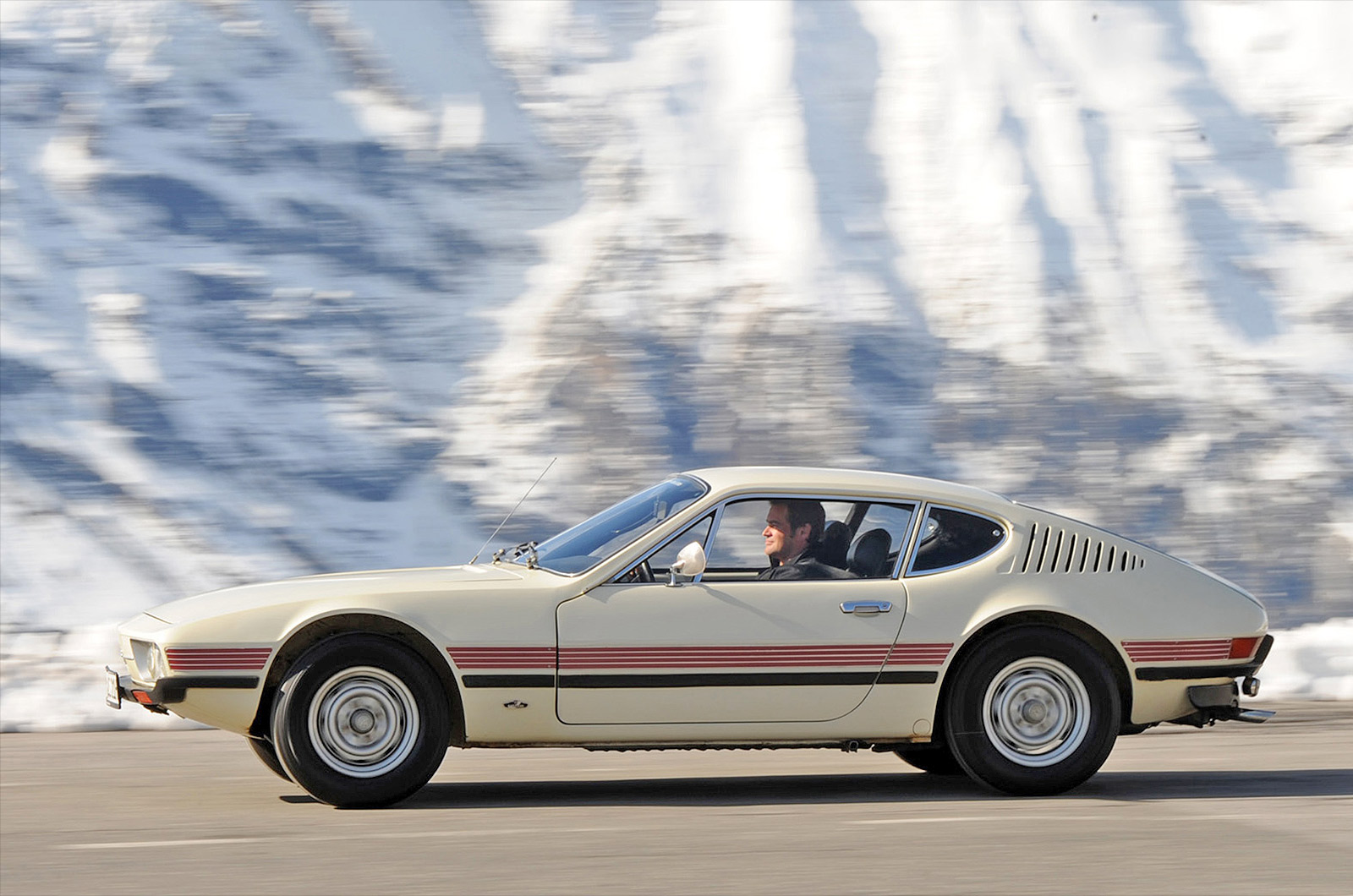
Brazil was starved of sports cars due to high import taxes and the country had its own called the Puma, based on a Beetle. Volkswagen then developed the SP2 in-house via their Brazilian division to give Brazil another sports car. Inside, it had leather seats and a low driving position, outside was a sleek steel body with cut-out rear vents and a long bonnet.
Although it weighed just 890kg (1962lbs), the SP2 was heavier than the Puma and was powered by a 1.7-litre with a miniscule 75bhp. This resulted in a 95mph top speed and a slothful 0-62mph time of 17sec.
Mitsubishi FTO
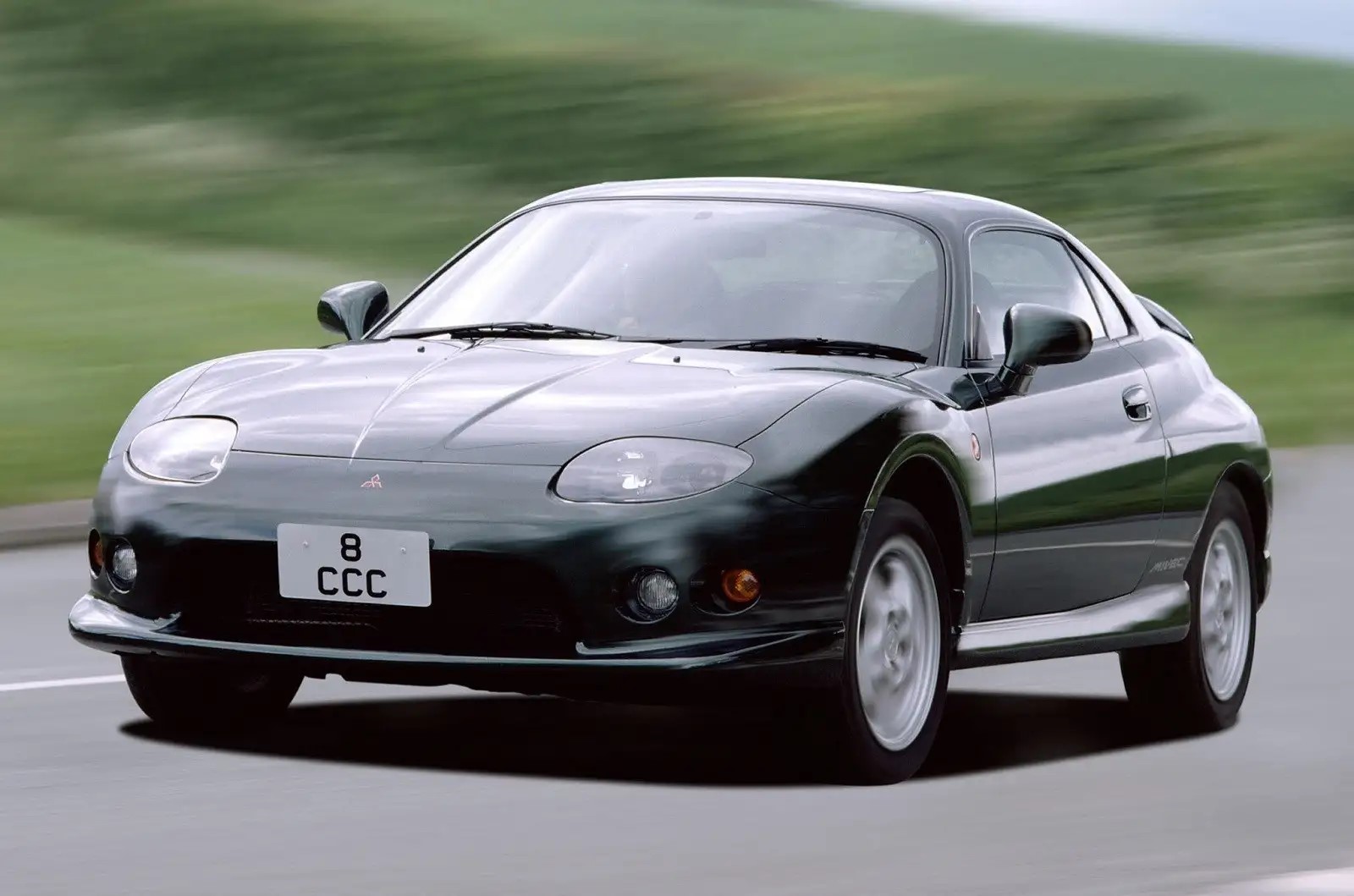
Unlike the desirable 197bhp 2.0-litre V6, the standard FTO’s 1.8-litre produced just 125bhp. Outside, the FTO had all the features of a sports car: large 3000GT-like front lights, aerodynamic bodywork and a nifty spoiler. However, 0-60mph arrived in a lengthy 10.0sec and it would only see 125mph; the similarly priced Fiat Coupe 1.8-litre with 128bhp, although still slow, could manage the 0-62mph dash in just under 10sec and would go onto 128mph.
Porsche 924
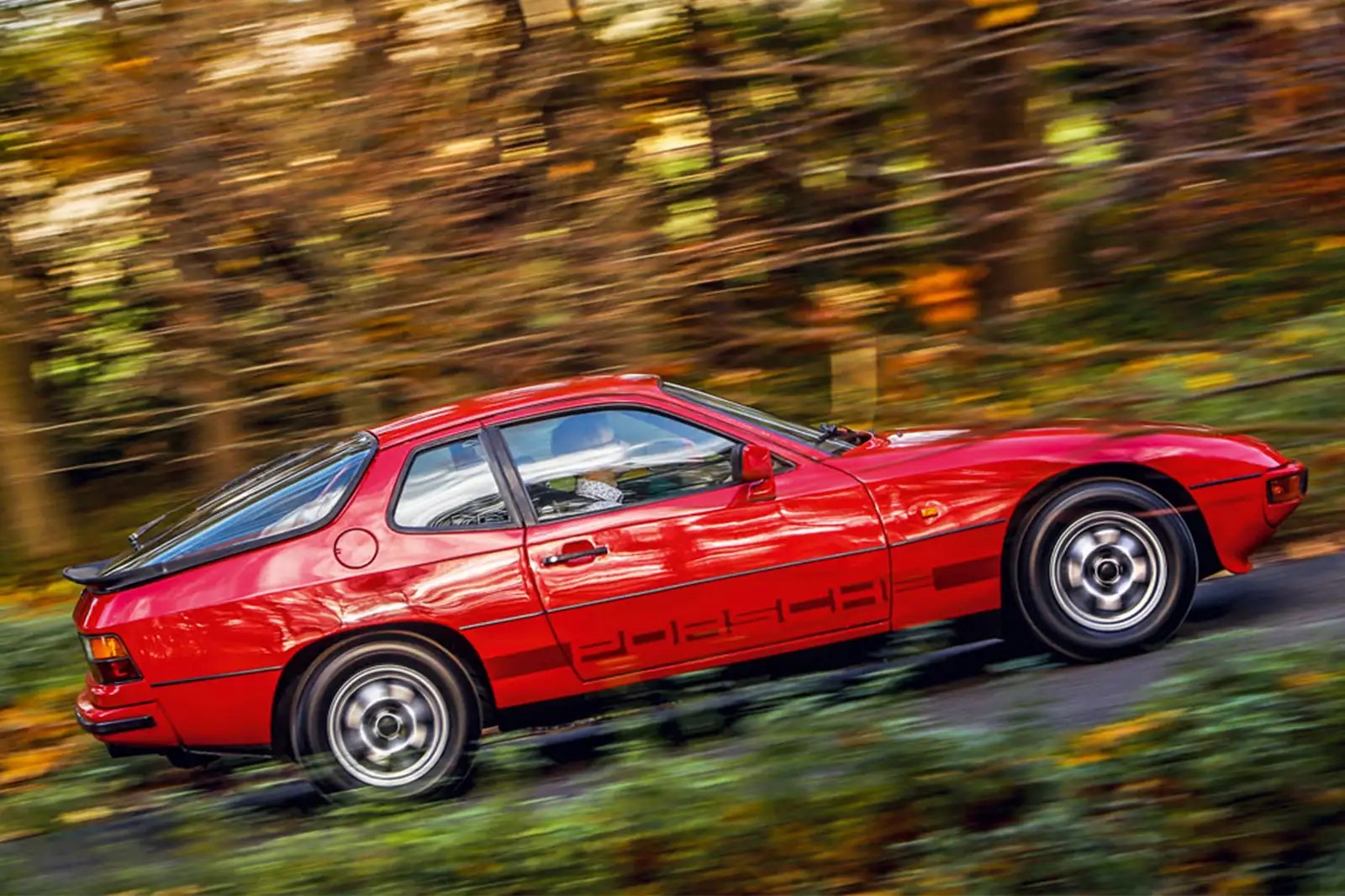
Amongst the 944 and 968, the 924 was never meant to be a Porsche but was instead intended to be sold as either an Audi or a Volkswagen but Volkswagen killed the project. So, Porsche bought the rights. For some reason, the 924 was equipped with Volkswagen’s 123bhp 2.0-litre van-derived unit which meant a lazy real-world 0-62mph time of 11.0sec and it would eventually hit 124mph if given enough room.
Lancia Scorpion
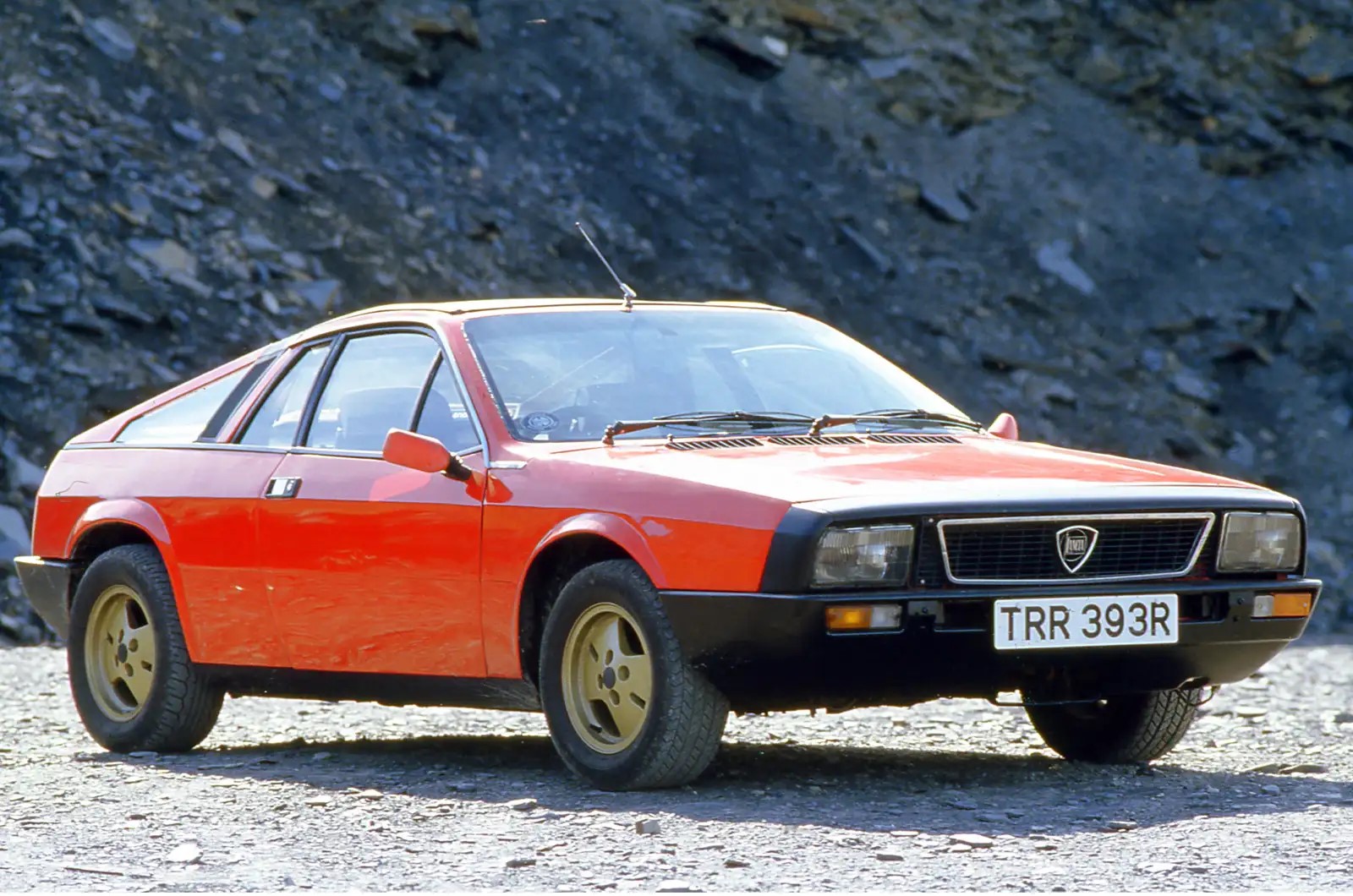
What was originally designed for Fiat, ended up with Lancia. The Montecarlo was for Europe and received a punchy 120bhp variant while the US was given the Scorpion which had a 1.8-litre with just 81bhp due to emission laws. The European car would still struggle to scamper to 62mph in under 9sec while the US car took an even lengthier 13.4sec. Its front was attractive with a long bonnet and aggressive lights, while X1/9 hints were at the rear – the Scorpion was designated originally as an X1/8.
Smart Roadster
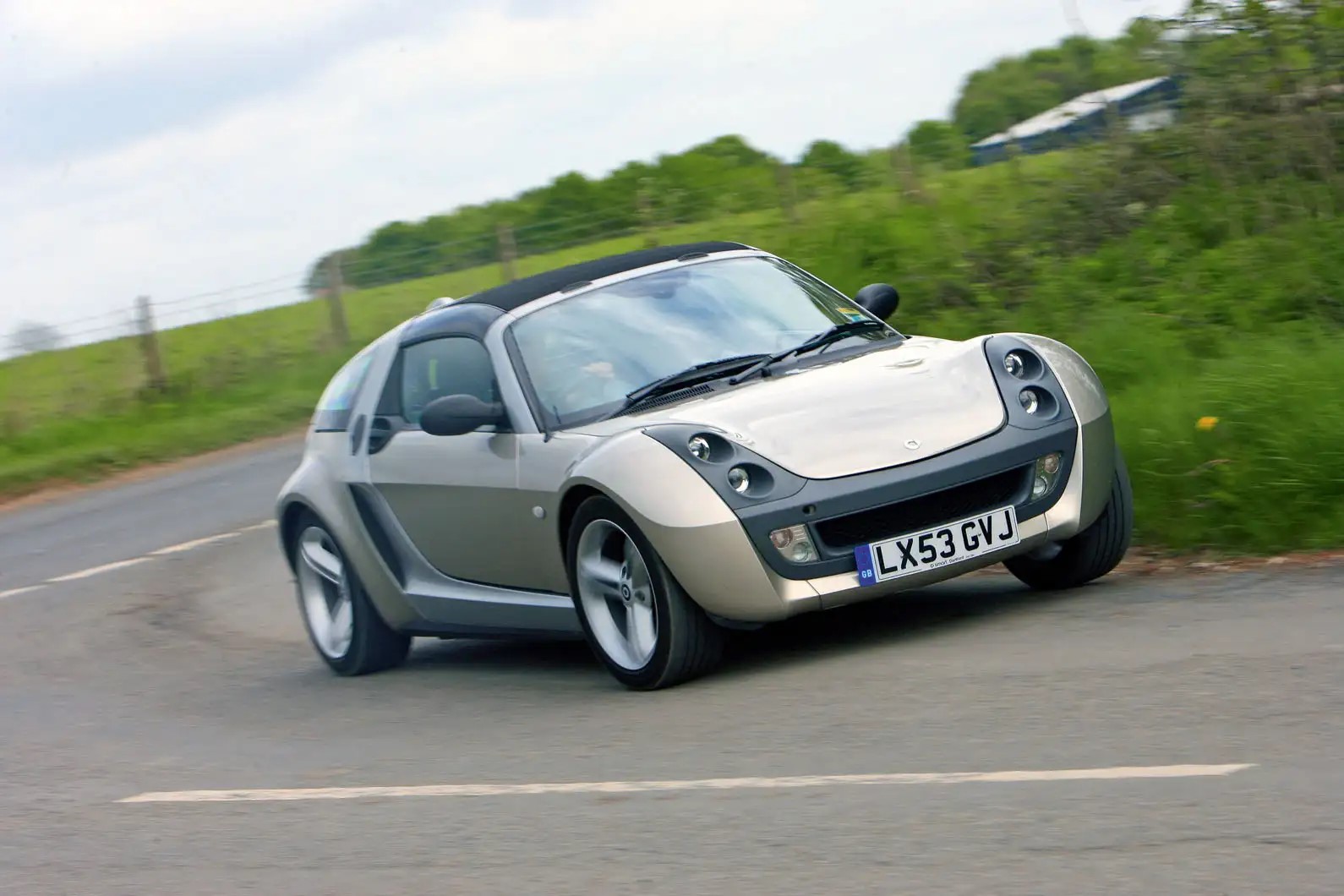
Smart isn’t known to build sports cars, but being under Mercedes’ umbrella, they have been known to release Brabus variants of their for-two and for-four models. In 2003, the quirky 790kg (1741lbs) Coupe hit the streets with its rear glass panel, low-slung driving position and 698cc turbocharged engine.
While the Coupe was chuckable, the 80bhp engine was tied to a lazy three-speed semi-automatic gearbox which meant a 0-62mph time of just over 11sec. A Brabus variant was later introduced which upped the power to 101bhp, but with no manual gearbox available, it was still slow with its 10sec 0-62mph time.
Fiat X1/9
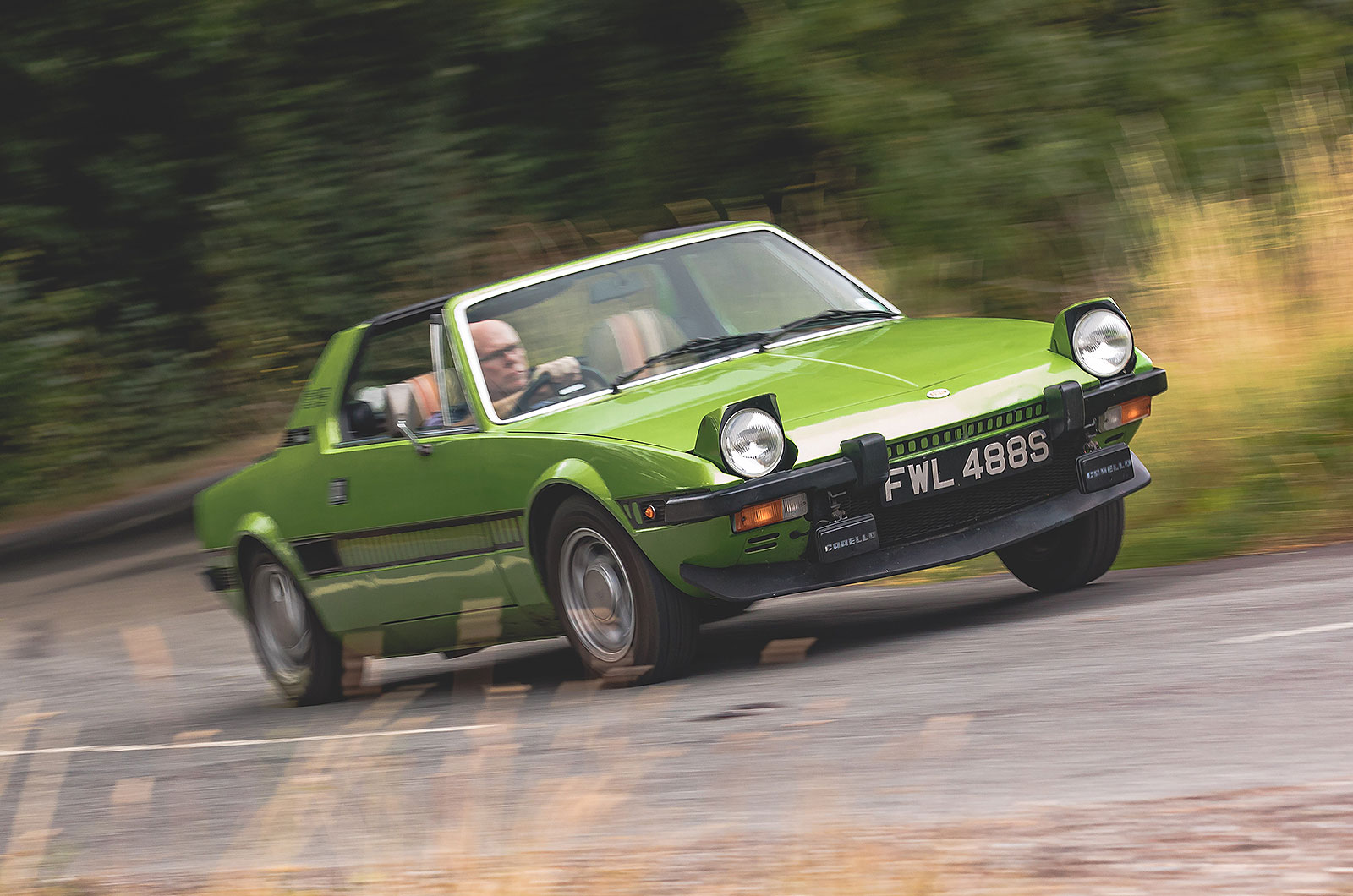
The X1/9 looked quick with its flat Ferrari-like boot lid, carved front end and side-mounted engine ducts but underneath was a 1.3-litre four-cylinder with a puny 75bhp which pushed the 880kg (1940lbs) X1/9 to 62mph in a torpid 12.8sec. Fiat later revisited the X1/9 and equipped it with a more powerful 84bhp 1.5-litre but this didn’t massively improve its performance as 0-62mph took 11.5sec and gave a top speed of just 112mph.
Porsche 914
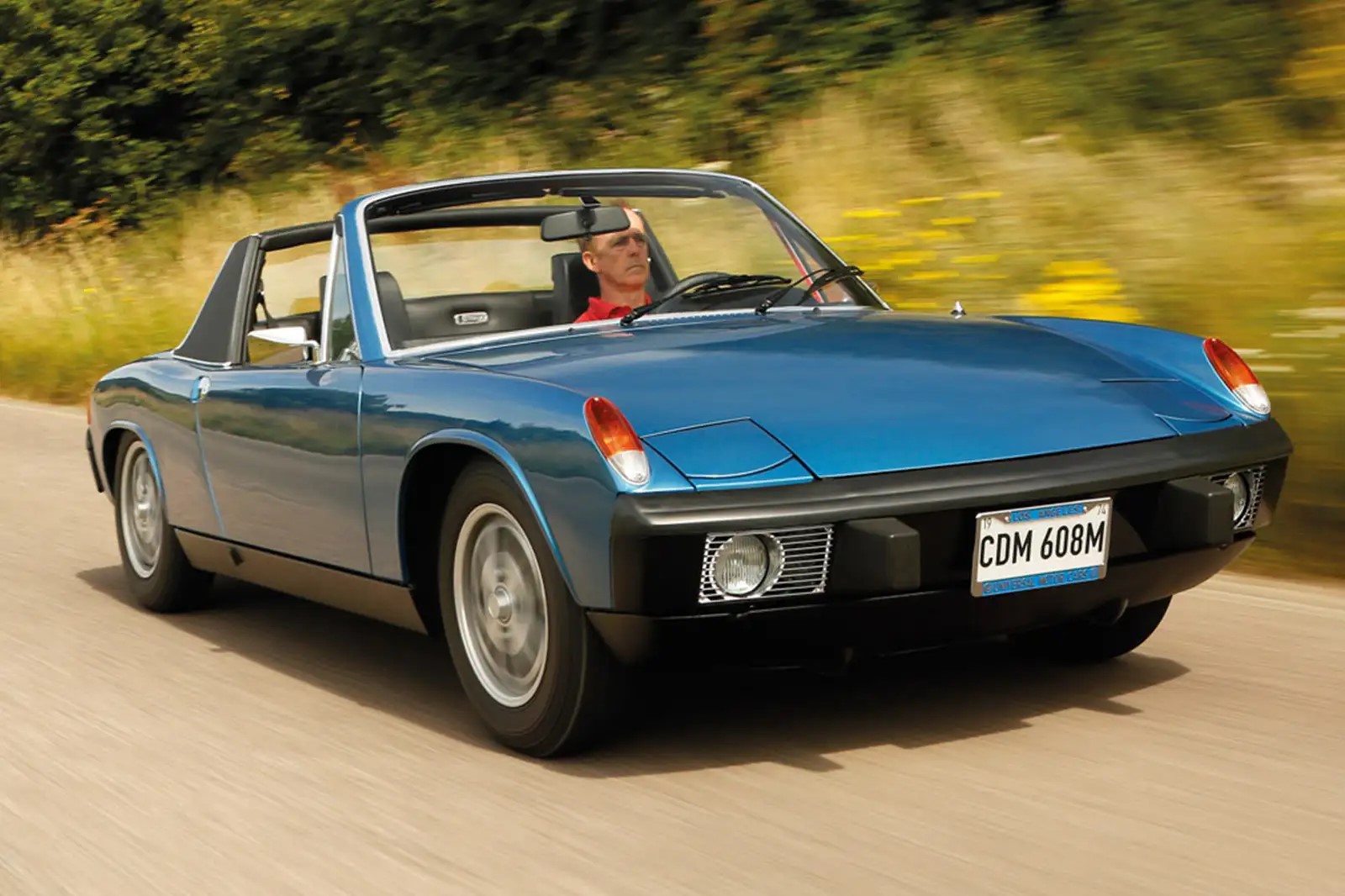
Volkswagen wanted to build a halo car and Porsche needed a car to replace its 912, and in a joint venture, the 914 was conceived. Its design looked aerodynamic with its pop-up headlights, raised wheel arches and ground-hugging suspension. Behind the driver sat a 1.7-litre Volkswagen-derived powerplant with a mere 80bhp, shoving the 914 to 62mph in an unenergetic 13.3sec and it would even struggle to reach its 115mph top speed.
Renault Caravelle
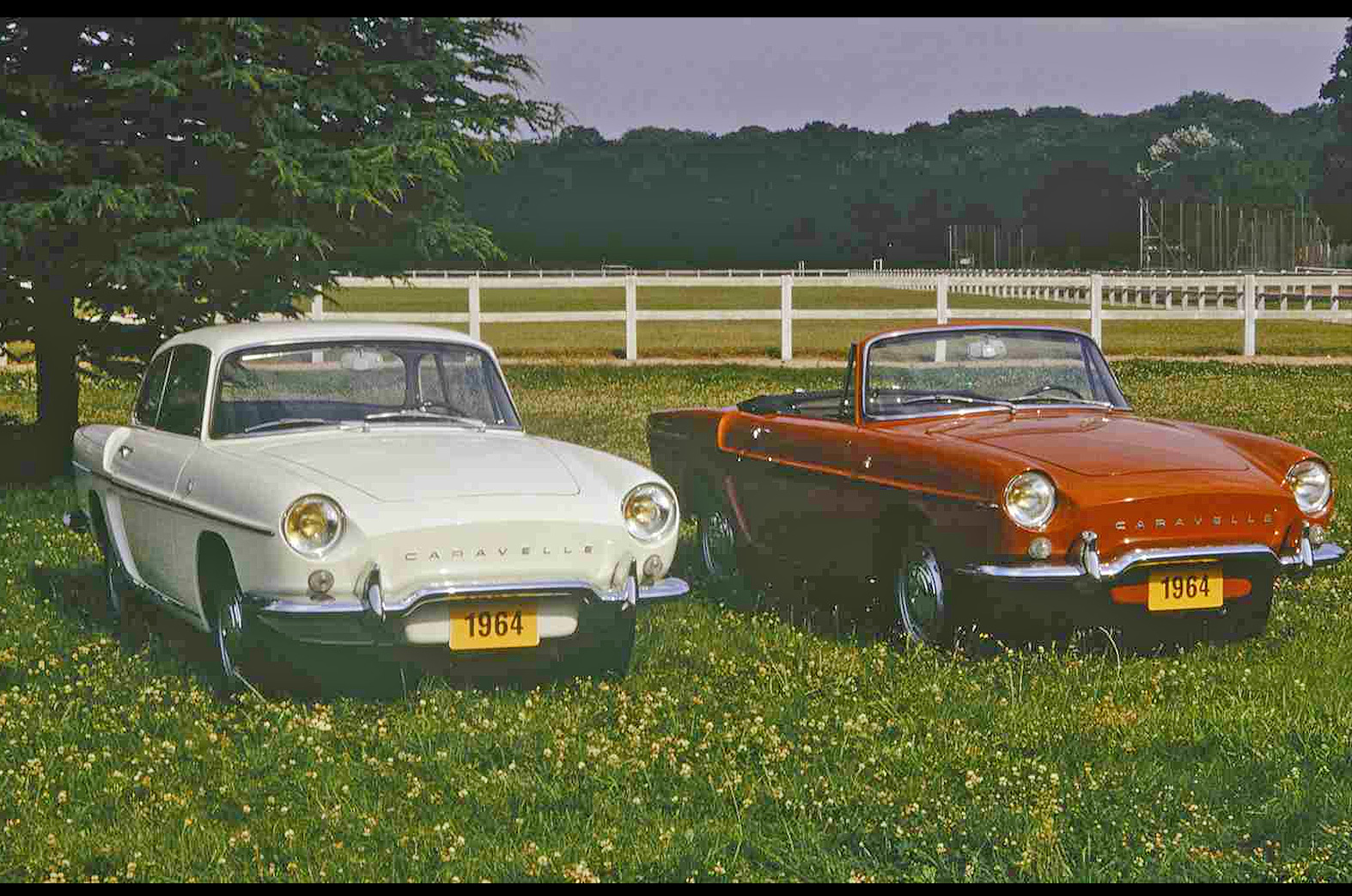
The Caravelle was the late-‘50s response by Renault to try and seize on two apparent opportunities: ape the success of the Volkswagen Beetle (and its associate, the Karmann Ghia) in the American market, and also get a slug of the sales then captured by mostly British-built roadsters in the same market. The low slung and reasonably slinky Caravelle was the response.
With a design by Ghia and based on the floorplan of the rear-engined Dauphine, it never had the motor to deliver on especially the latter objective; its 845cc engine was only good for 37bhp, while even the performance version only put out 40bhp. Even the latter took over 22 seconds to get to 60mph, while 78mph was its top speed. This did nothing for its appeal to American motorists, used to much more powerful cars, at a time when rival Volkswagens were regularly introducing more powerful engines.
Volkswagen Karmann Ghia (1955)
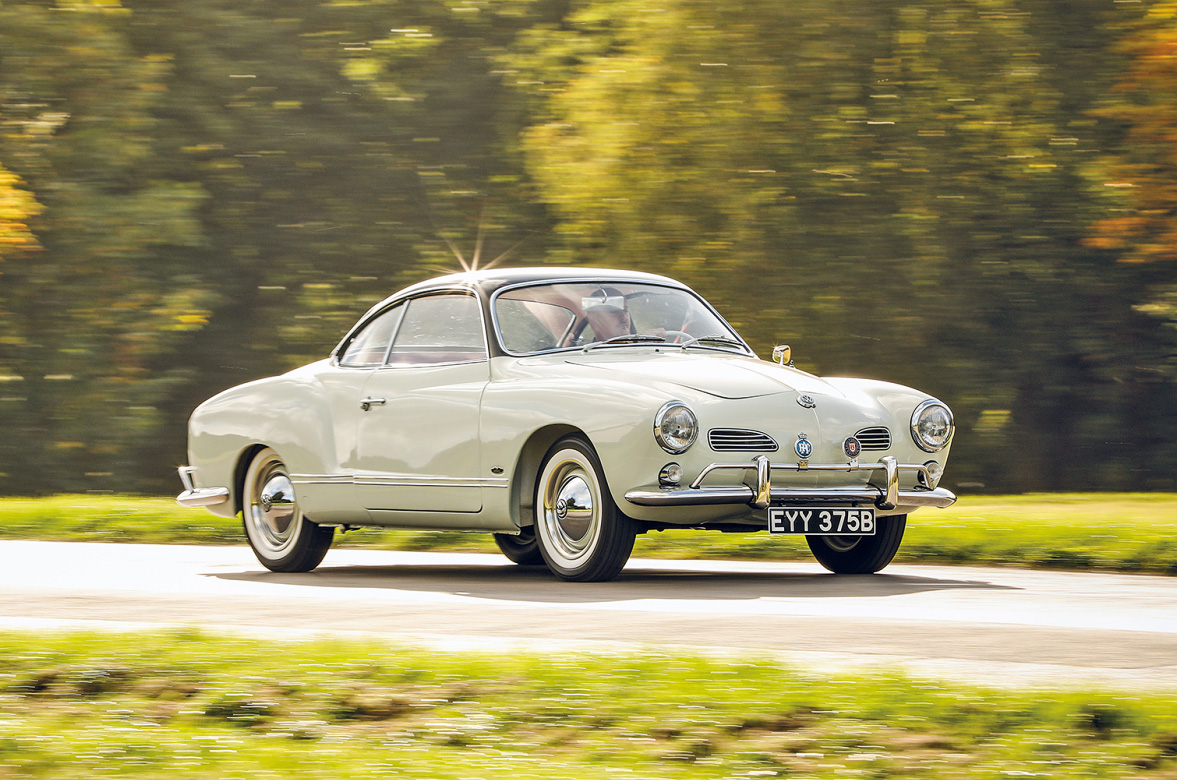
With the Beetle selling like hot cakes, VW finally had the resources to do more than just survive – but also to thrive at all. With incomes rising after the austerity of the war and immediate post-war years, people had money to spend on cars that were more just mere tools. The Karmann Ghia was a result, with sporty and modern styling from Ghia.
However, deep down it was a Beetle, and that means sharing that car’s often rather lethargic engines; initially that meant an air-cooled 1.2-litre flat-four good for just 34bhp and a 0-60mph time of a cool 30 seconds. Still it looked great, acquired a cult status that stands today, and VW sold them by the bucketload – there were 445,000 sales over a 19 year period, 81% of which were couples, the remained being convertibles.
Volvo P1800 (1961)
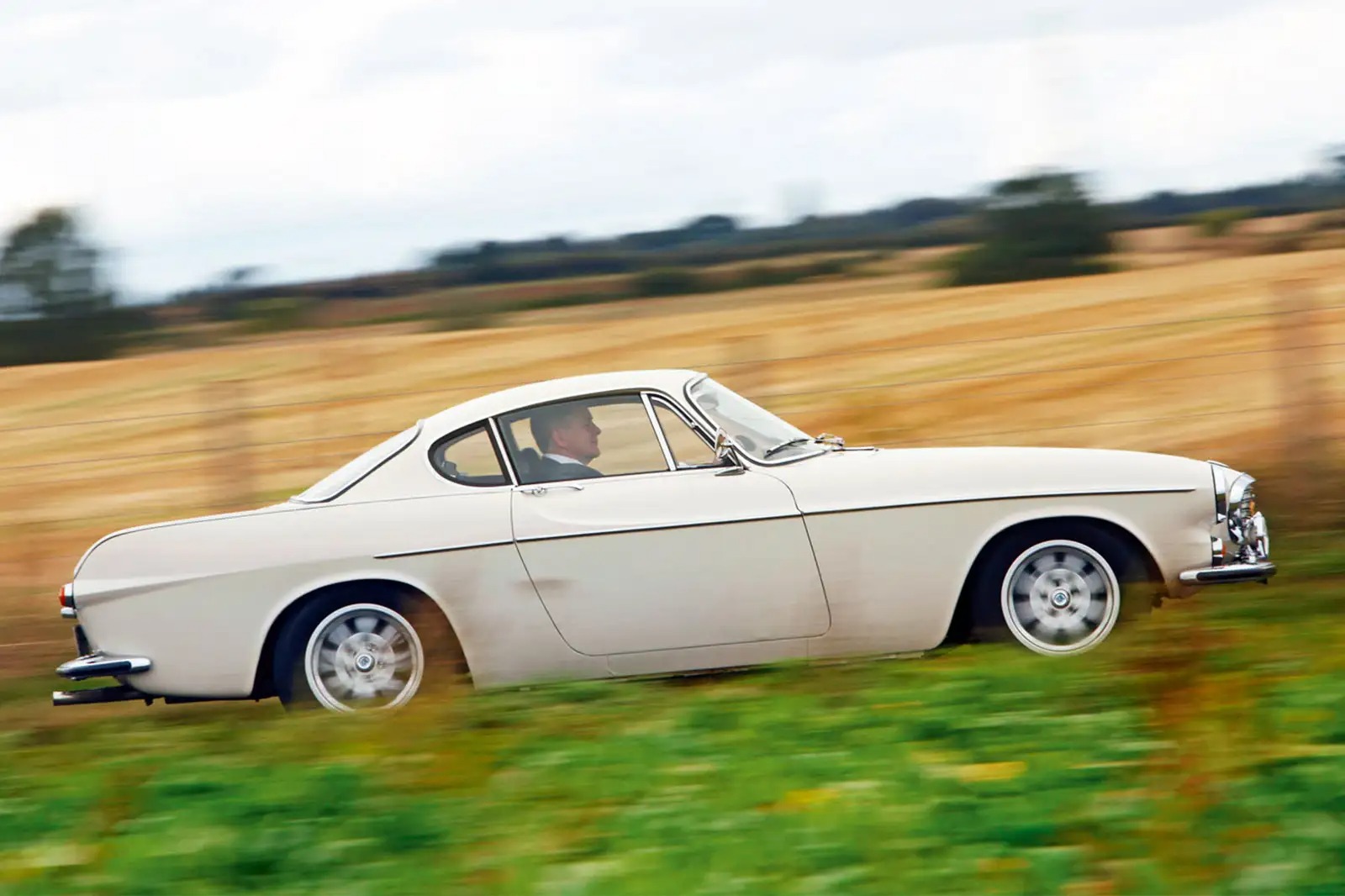
It wasn’t just the likes of Renault who wanted a piece of the compact sports car market – even stodgy old Volvo wanted a piece of the action, and the sensuously beautiful P1800 was the result. But it received a four-cylinder engine more usually at home in the Swedish firm’s staid saloons and station wagons, and good initially for only 100bhp, a 0-60mph time of 13 seconds and a 105mph top speed. It did later receive more powerful engines – and also got small-screen stardom as the wheels of Simon Templar in The Saint, as portrayed by Roger Moore, later a James Bond.
Nova
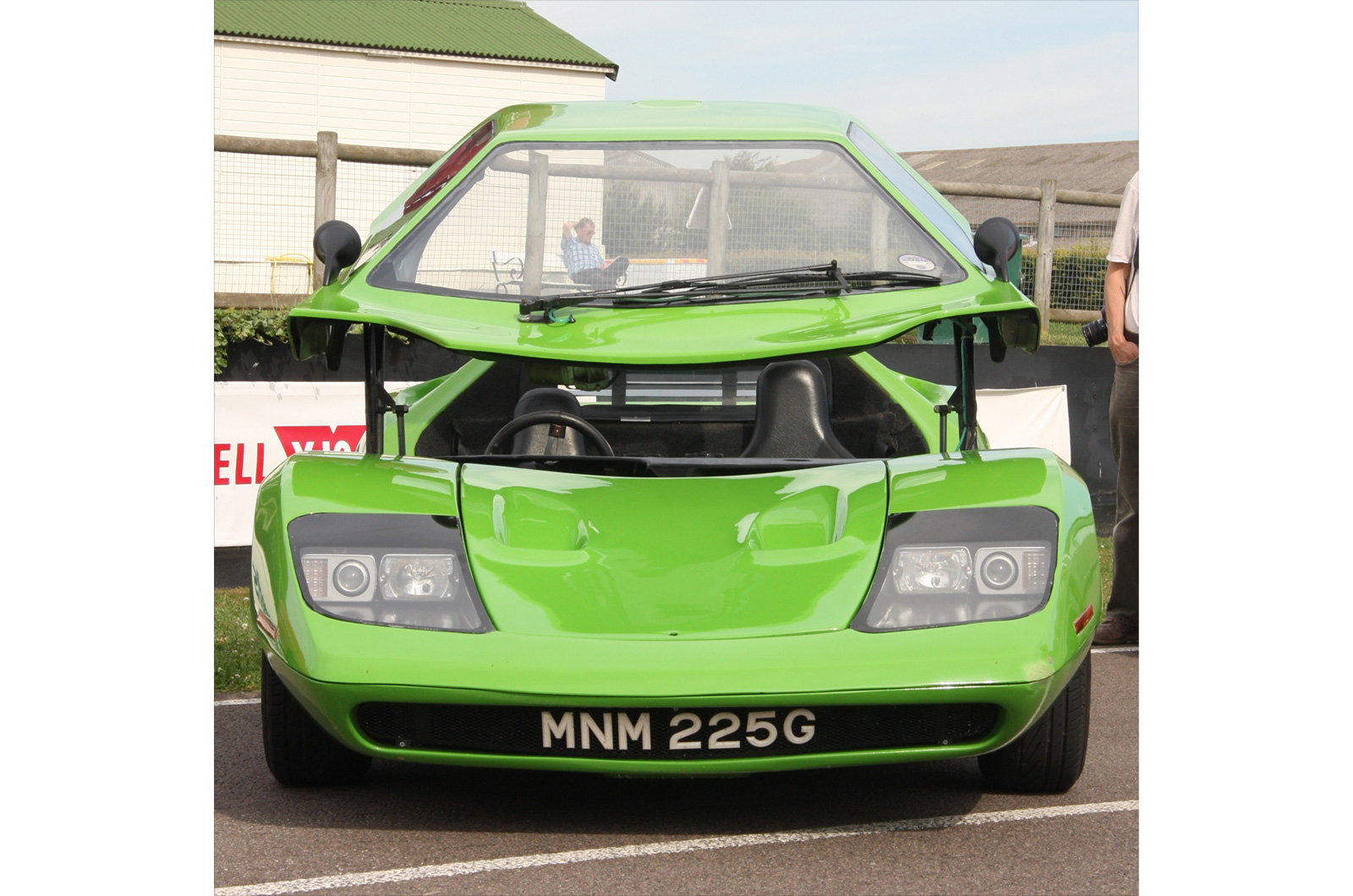
The Nova was a stunning-looking machine that rather astonishingly was firstly built largely by its owners – there were various tax breaks in the Nova's 70s heyday for ‘kit cars’ in the UK – and secondly was essentially a rather more pedestrian VW Beetle underneath. Its canopy opened dramatically (via a hydraulic pump), combining roof and doors in one – and the uninitiated might have thought you were looking at a Ferrari-rival.
Although lighter than its donor, it still featured its engines and usually delivered decidedly Beetle-like performance – complete with treacherous handling inherent from placing a relatively heavy engine right at the back of a lightweight plastic-bodyworked and low slung car.

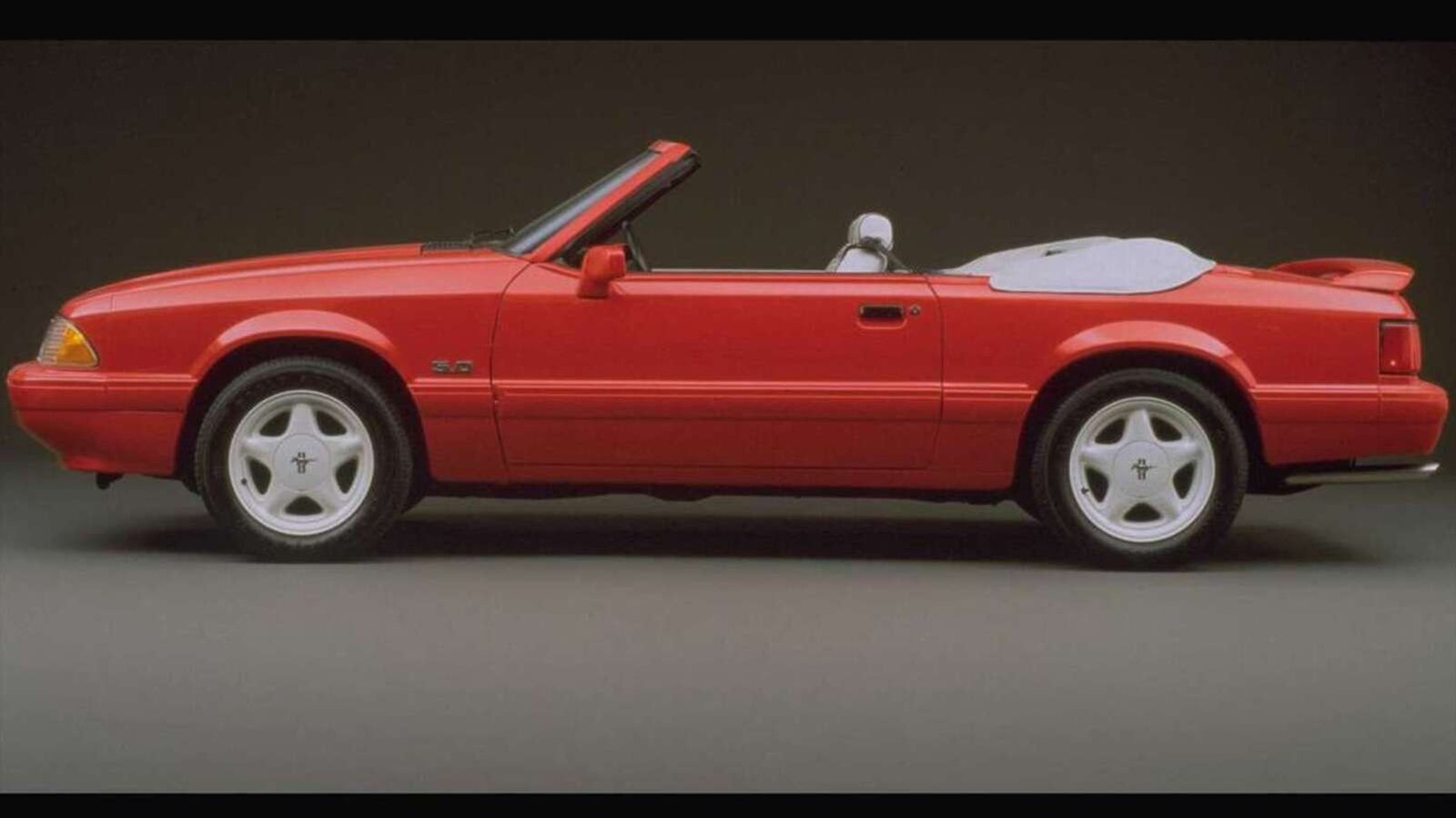
VW ID. Buzz Struggles Spur Shift to Flexible Space Platform as Electric Van Demand...
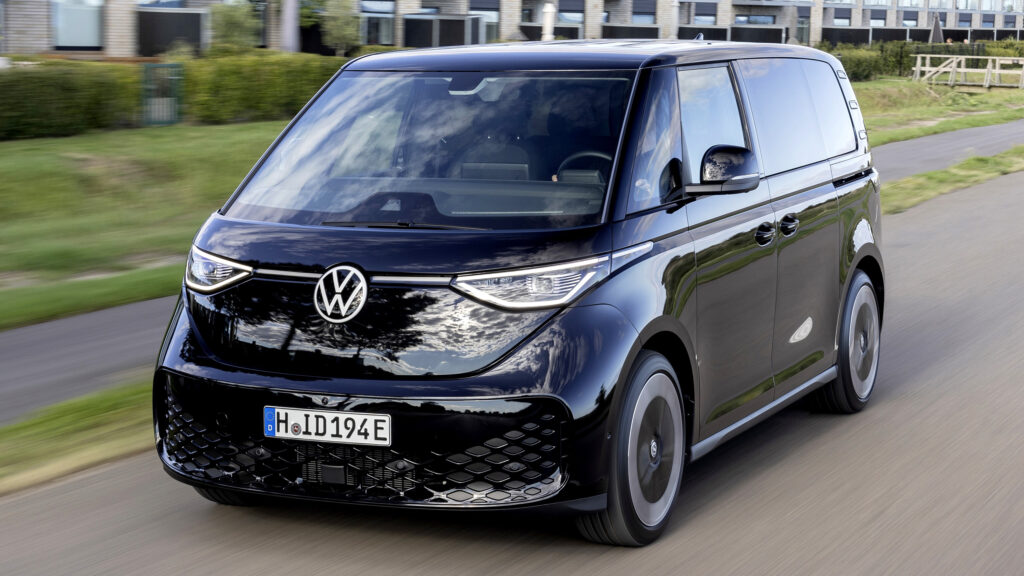

Affordable Modern Alternatives to the Classic Mustang Convertible for Comfort-Focused Drivers

VW Group Streamlines Model Range to Boost Profitability and Reduce Internal Competition
VW Group's five 'core' brands each sell a Golf - but firm wants to remove complexityCompany will remove derivatives and cut equipment options by 75% as it gives each brand a clearer line-up
The VW Group aims to improve the quality and profitability of its cars by cutting up to half the models it sells, as part of a strategy to dramatically cut costs and complexity.
The firm posted a dramatic drop in profits in the first half of 2026, returning a margin of just 3.8%, which it says highlights the urgent need for a radical restructuring of the entire company.
It plans to significantly cut its overheads by trimming up to 100,000 jobs globally, and reducing the amount of cross-over and complexity in its vehicle line-up is another fundamental strand of its strategy to grow margins.
Giving more details of the plan, which was announced earlier this month, company CEO Oliver Blume told journalists that the company is preparing “a major reduction of up to 50% of our product” in a bid to reduce manufacturing and development costs, while clarifying and strengthening the market positioning of its models.
“We want to focus our expenditures on clear-focused products - to improve innovations, to improve technologies, to improve equipment, and to improve the quality of the single products - then to achieve higher volumes with more focused products.”
“To achieve a higher profit margin per product - that’s the intention.”
He added that the company knows it has “substitutions in some segments between the brands”, referring to the significant degree of internal competition between equivalent models from the volume brands Volkswagen, Audi, Skoda, Seat and Cupra.
The Volkswagen Golf, for example, provides the basis for four other technically identical C-segment family hatchbacks from each of those sibling brands - with little variation in pricing, performance or equipment. It’s the same story for the Polo supermini, T-Roc crossover and Tiguan SUV - and each of the VW Group’s electric cars has at least one direct equivalent at a sibling brand, like the Porsche Macan Electric and Audi Q6, for example.
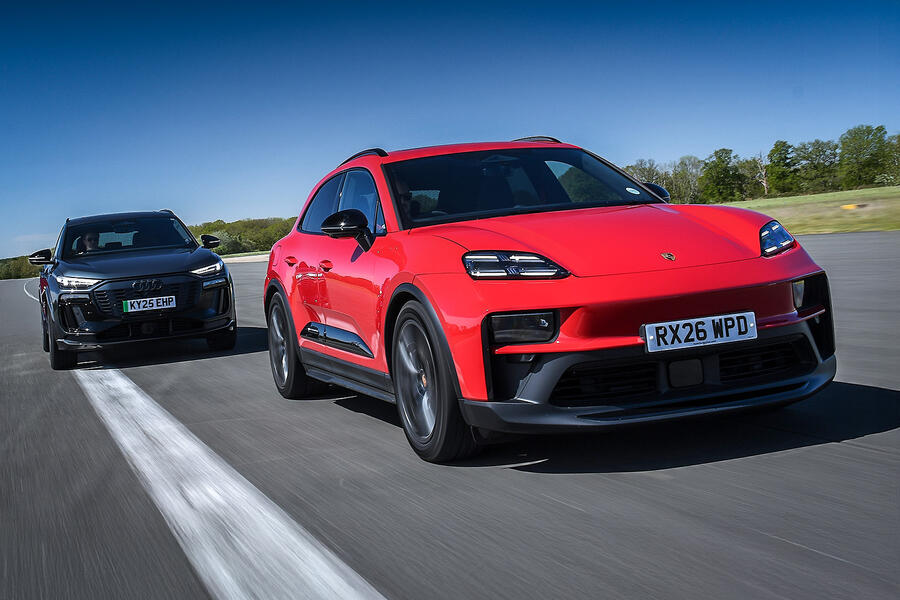
The impending rationalisation, then, will seek to alleviate some of this intra-brand competition by “cleaning it up and reducing complexity”, Blume said.
He said the firm will start by cutting its “high number of derivatives”, referring to individual trim levels and equipment packages, which will account for the bulk of the cuts. Blume added that while the amount of cars left in the resulting line-up “will still be far higher than what we see in the competition,” it will nonetheless amount to a halving of the VW Group’s portfolio.
“Every remaining model shall lead its segment in driving and technology experience,” he vowed.
The firm has evaluated its parts and supply chains and determined that it could “reduce the number of available equipment options by up to 75% without compromising product substance”, Blume explained, adding that increased sharing of parts like seats and wind screens will cut component complexity by up to 90%.
“The customer will continue to have a meaningful choice,” he pledged. “We are cutting what is not ordered, and will scale what the customer demands.”
When it comes to axing entire model lines, he said that will be a “longer programme because we have our current portfolio currently in production and in the market”; taking a car off sale before its scheduled retirement – and without a replacement – is an expensive process and leaves production lines out of action.
“Step by step, we will clean it up and reduce complexity,” he said, without acknowledging recent reports that models including the Porsche Taycan, Skoda Fabia and US-market Volkswagen Jetta could be among those headed for retirement.

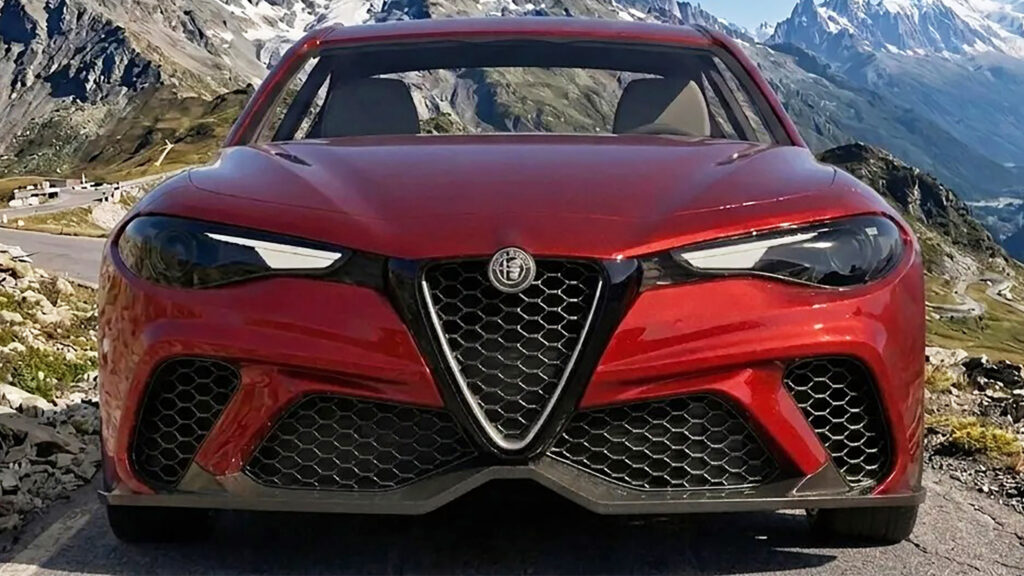
Alfa Romeo Giulia Hawk Edition Signals Tuner-Led Revitalization for Aging Sedan

International Engine of the Year Awards Reveal Two Decades of Powertrain Innovation and Shifting...
 From a frugal 1.0-litre to a mighty 3.9-litre V8, here’s a list of the overall winners of the International Engine of the Year trophy
Start your engines.
In 2021, Autocar picked 50 of our favourite road-going engines, including the Ford small-block V8, Lotus twin-cam and Porsche air-cooled flat-six. In truth, we could have selected twice as many, but we had to draw the line somewhere. Here, we’re looking at the best engines of the past two decades, according to the judges of the annual International Engine of the Year awards. Let’s take a look:
Toyota 1.0-litre (1999)
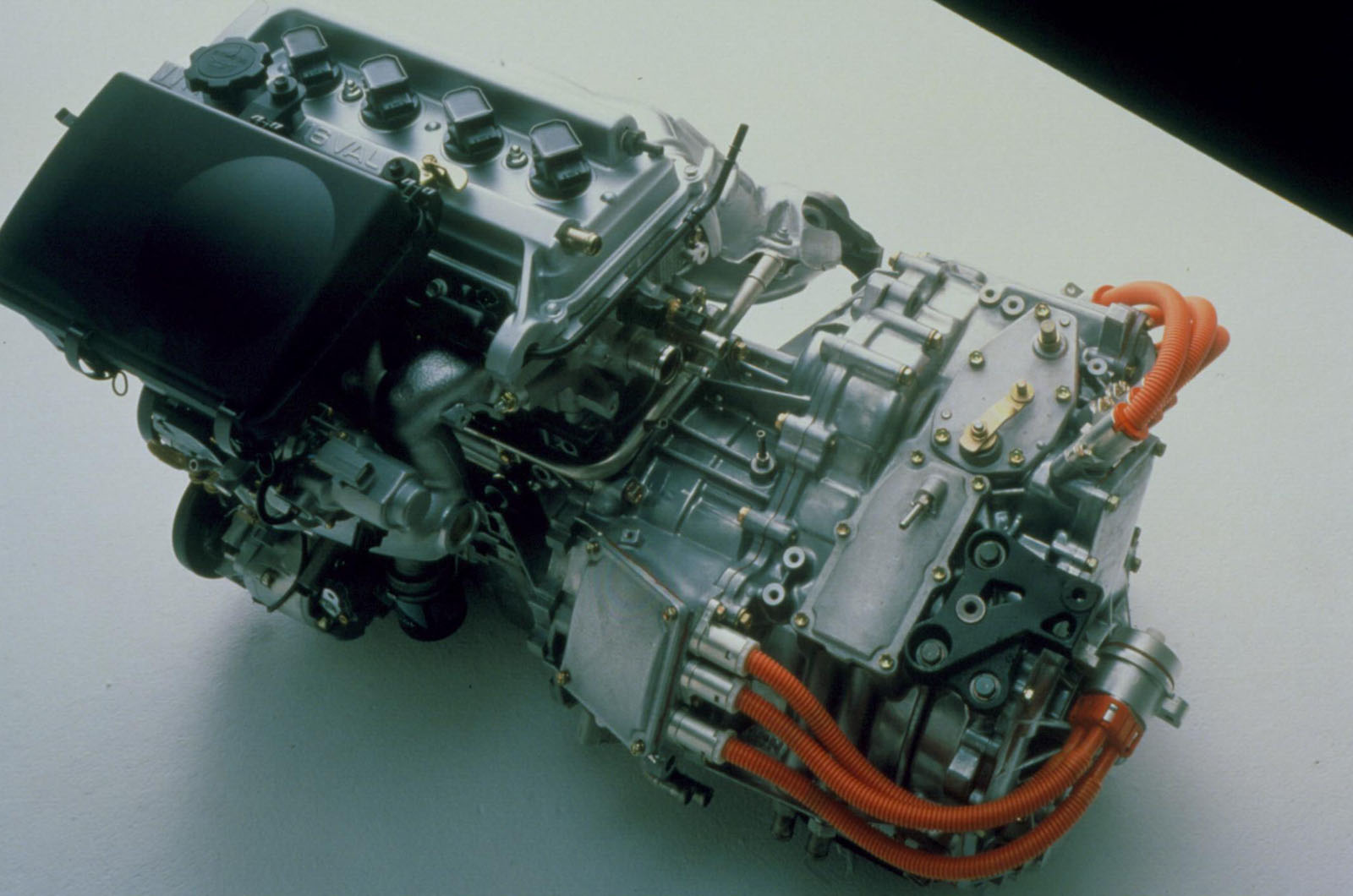
Toyota’s ‘Mighty Atom’ 1.0-litre unit reigned supreme at the inaugural International Engine of the Year awards, winning the overall prize and the ‘Sub 1.0-litre’ category. The 998cc, 67bhp Yaris engine was praised for its 50mpg fuel economy and performance. One judge said it ‘performs like a far larger engine but is incredibly efficient.’ A 1.3-litre version of the engine arrived in October 1999.
Honda 1.0-litre IMA (2000)
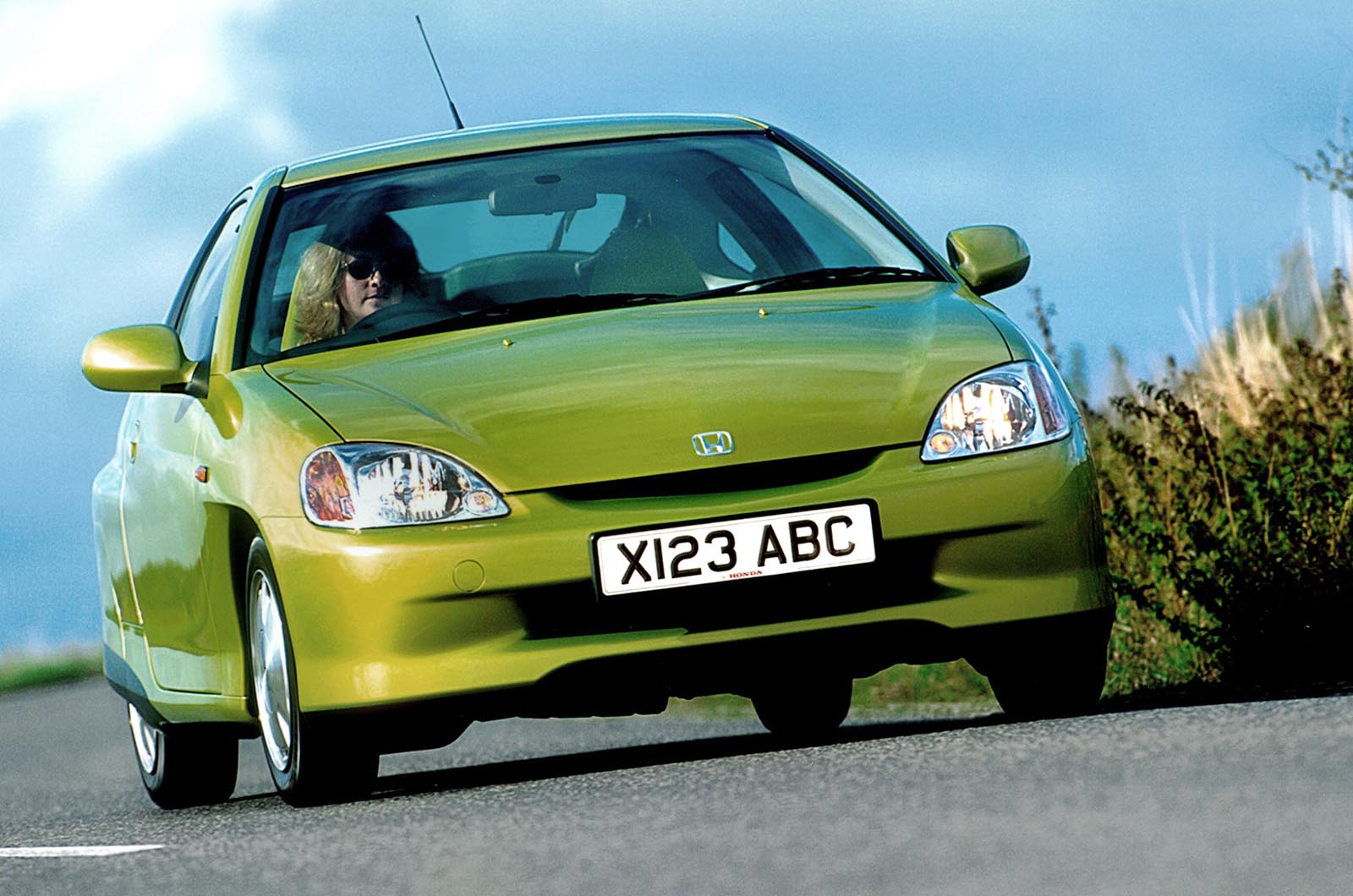
The Honda Insight 1.0-litre IMA (Integrated Motor Assist) hybrid engine finished ahead of Ferrari’s 5.5-litre V12, Alfa Romeo’s 2.5-litre V6, and BMW’s 3.0-litre six-cylinder and 4.0-litre V8 diesels to grab victory in 2000. One of the judges, our very own Steve Cropley, called it “an elegant solution that ordinary people can afford.” With a light right foot, the 995cc three-cylinder engine could deliver up to 100mpg.
BMW 3.2-litre straight-six (2001)
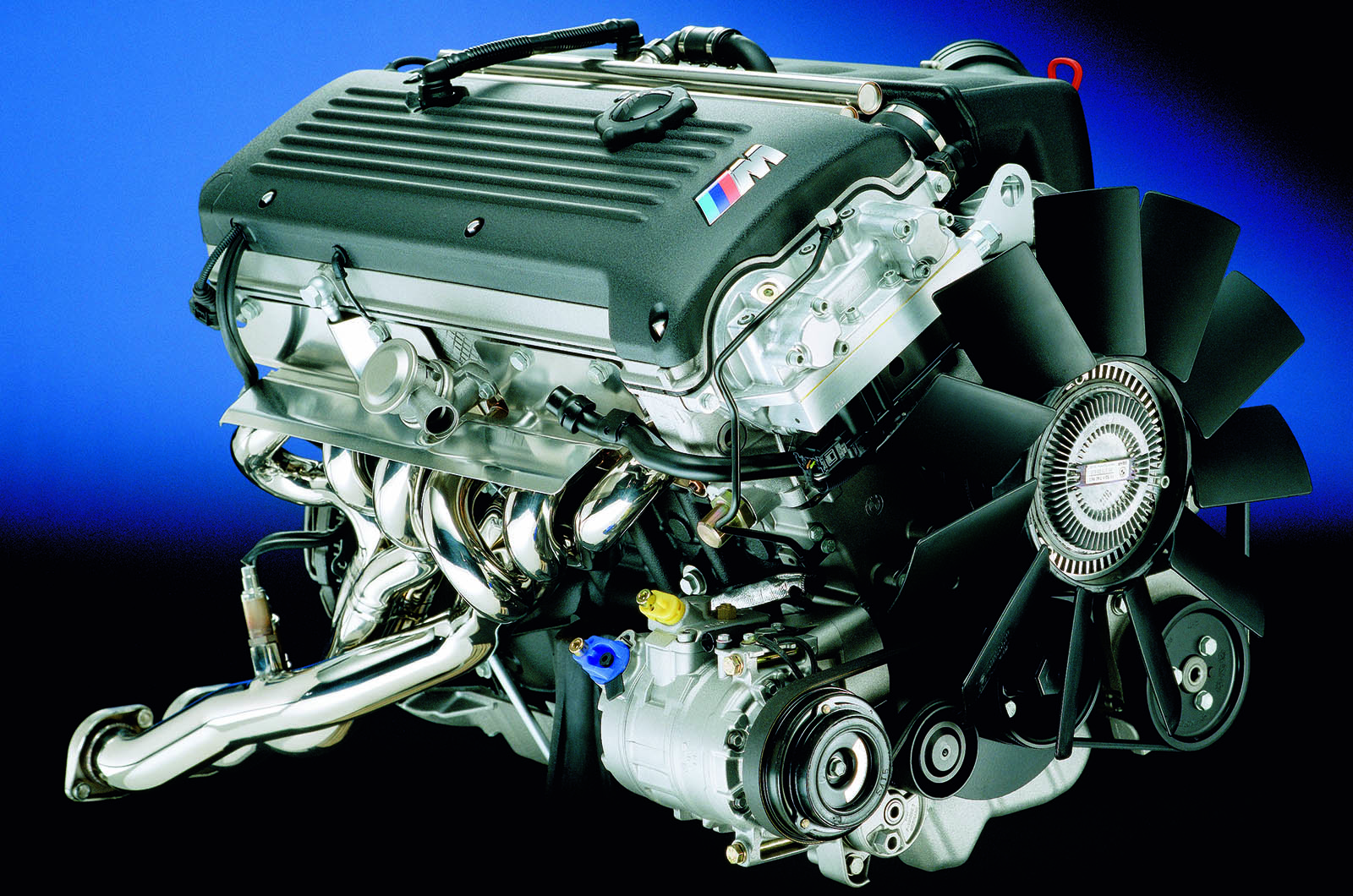
Japan’s stranglehold of the top International Engine of the Year award was broken (for now) by Germany, with BMW’s brilliant 3.2-litre straight-six unit taking the honours. Very much at home in the E46 M3, the engine developed 343bhp at 7900rpm and 296lb ft of torque at 4900rpm, with a top speed limited to 155mph. We said: “The grunty rumble from the quad exhausts at idle gives way to a serrated wail as the straight-six climbs to its redline.’
BMW 4.4-litre V8 (2002)
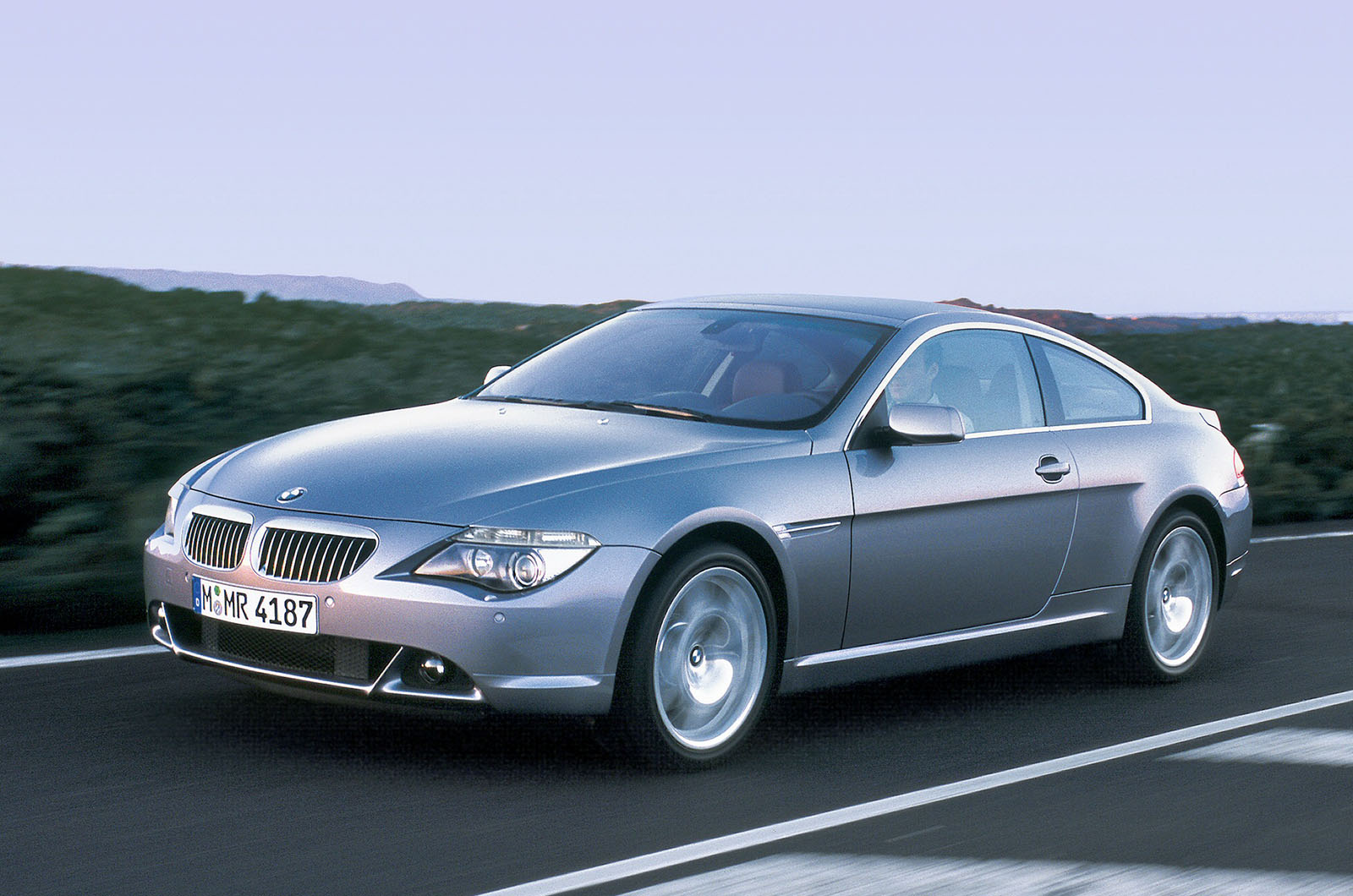
BMW secured another victory in 2002, this time for its N62 4.4-litre V8. The all-aluminium, normally aspirated, 90-degree V8 featured many technological advances, including the Valvetronic variable valve lift system. Applications included BMW’s 745i, X5 4.4i Sport, 545i and 645Ci (pictured) models. Commenting on its use in the X5 4.4i Sport, Andrew Frankel said the engine offered “compelling performance”. The N62 4.4 was developed into a 4.8 and made its way into the Wiesmann GT and Morgan Aero 8.
Mazda 1.3-litre Renesis (2003)
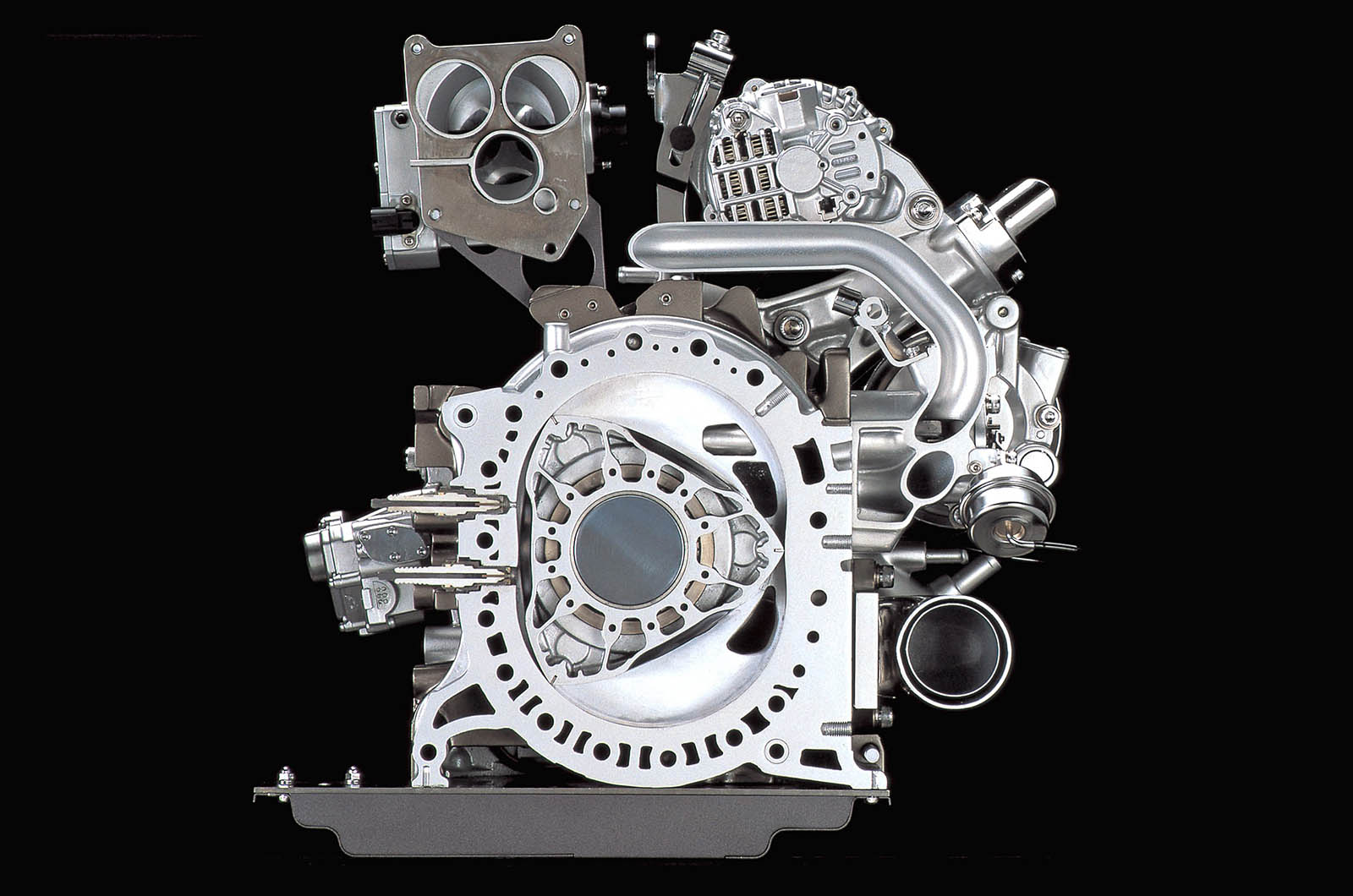
In our Mazda RX-8 used car guide, we said the rotary engine will be “expensive to maintain, even if it’s in good nick, and its impressive ability to get through a tank of petrol is secondary only to its unquenchable thirst for oil”. Without the benefit of a crystal ball, the judges praised Mazda for, ‘its sheer bravery in pursuing the Wankel format and making it work’, calling it, ‘smooth and strong, clean and compact.’
Toyota 1.5-litre (2004)
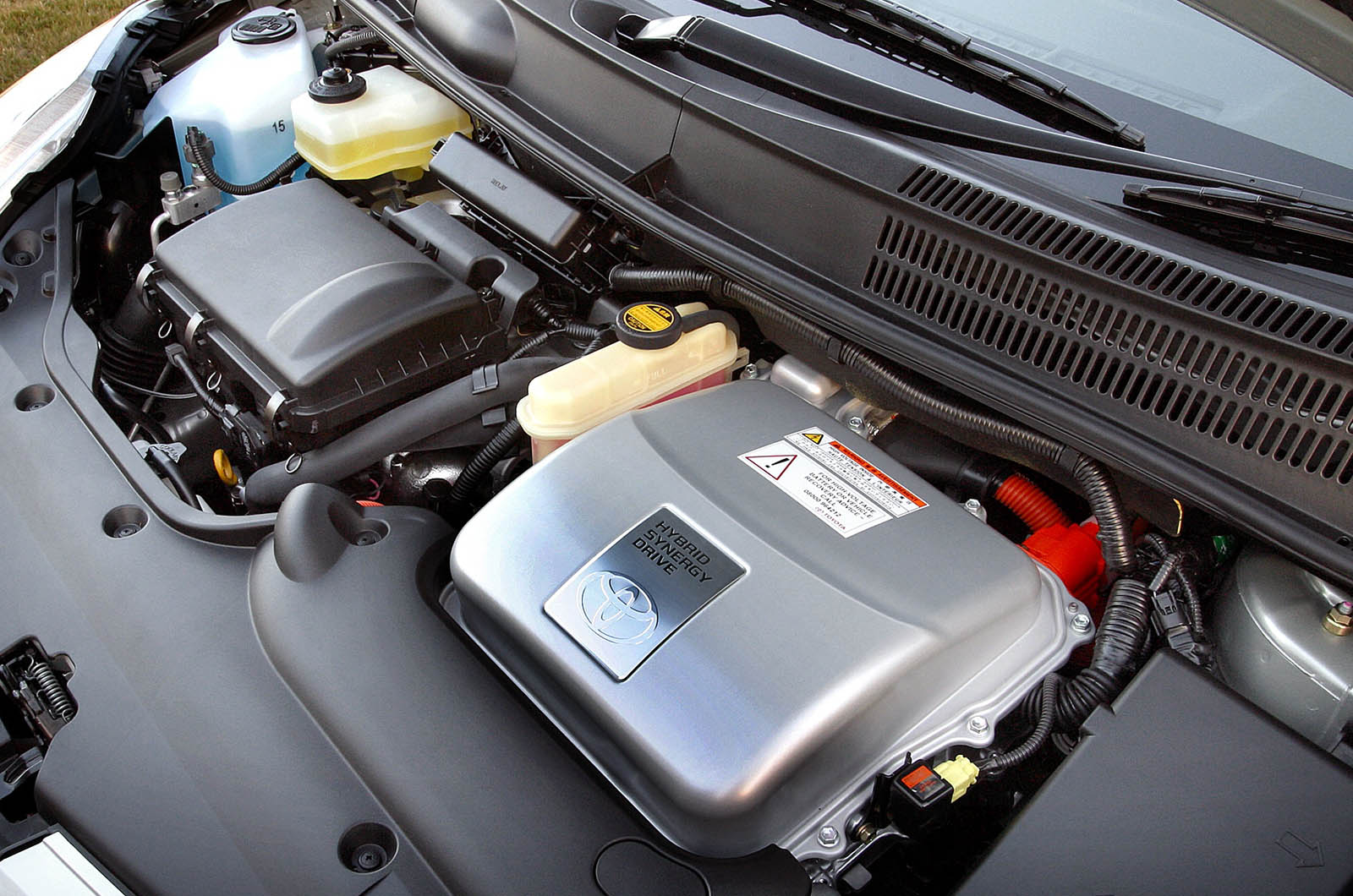
The International Engine of the Year award stayed in Japan, with the hybrid system used in the Toyota Prius winning the overall title and three different categories. In December 2004, the Prius was named 2005 European Car of the Year at the Autocar Awards, securing the most comprehensive win since the first-generation Ford Focus waltzed to a mammoth 172-point victory over the Vauxhall Astra in 1999. Of the 58 jury members, 37 gave the Prius top spot.
BMW 5.0-litre V10 (2005)
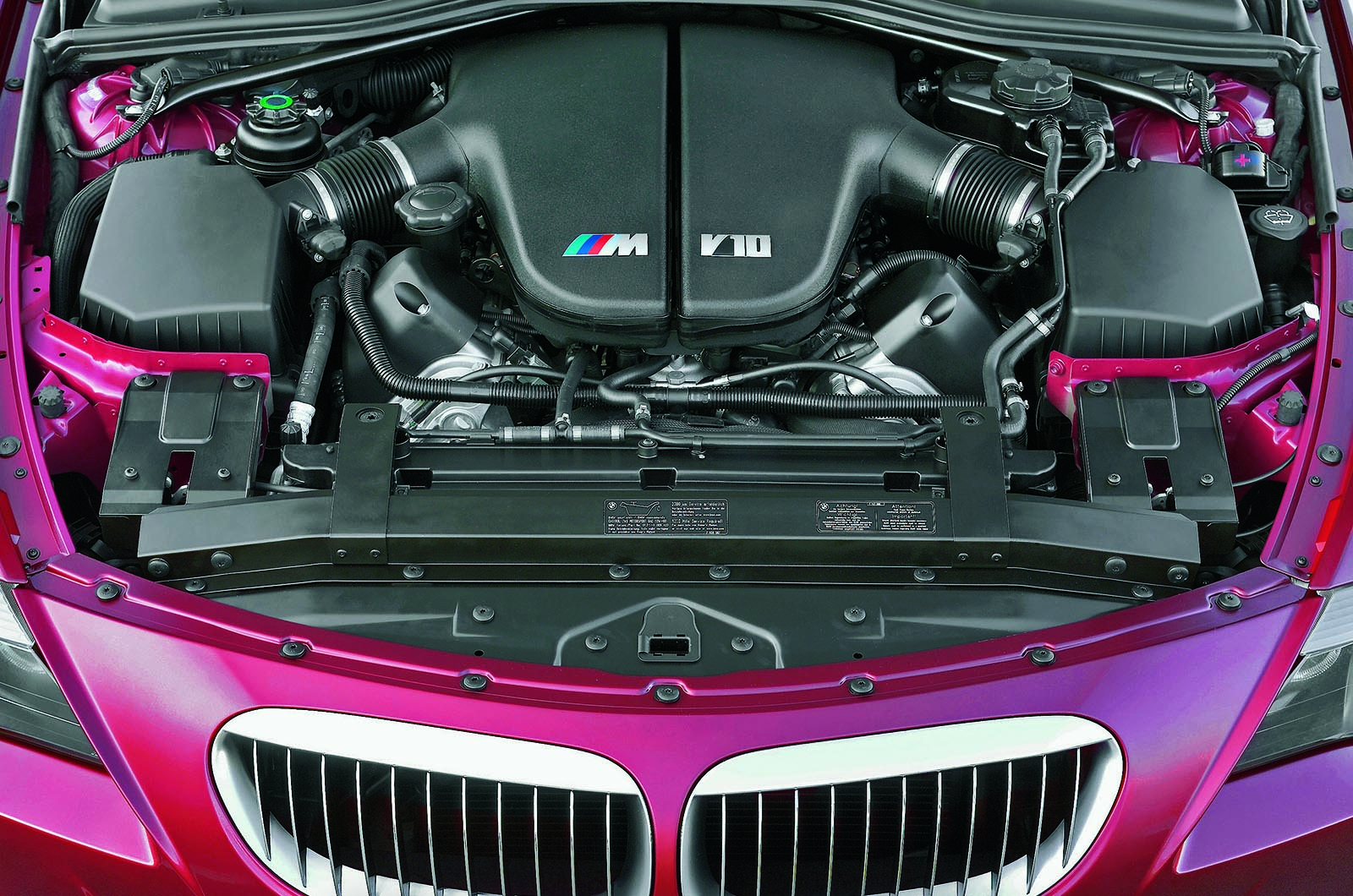
BMW has won 62 overall and category trophies since the first International Engine of the Year awards in 1999, with victory in 2005 kickstarting four years of dominance. The F1-inspired 5.0-litre V10 is one of the greatest engines of all time, developing 394bhp in ‘normal’ mode, or 500bhp when you press the ‘M’ button. This was the last BMW M5 to be powered by a normally aspirated engine, and a way to go out in riotous, characterful style.
BMW 5.0-litre V10 (2006)
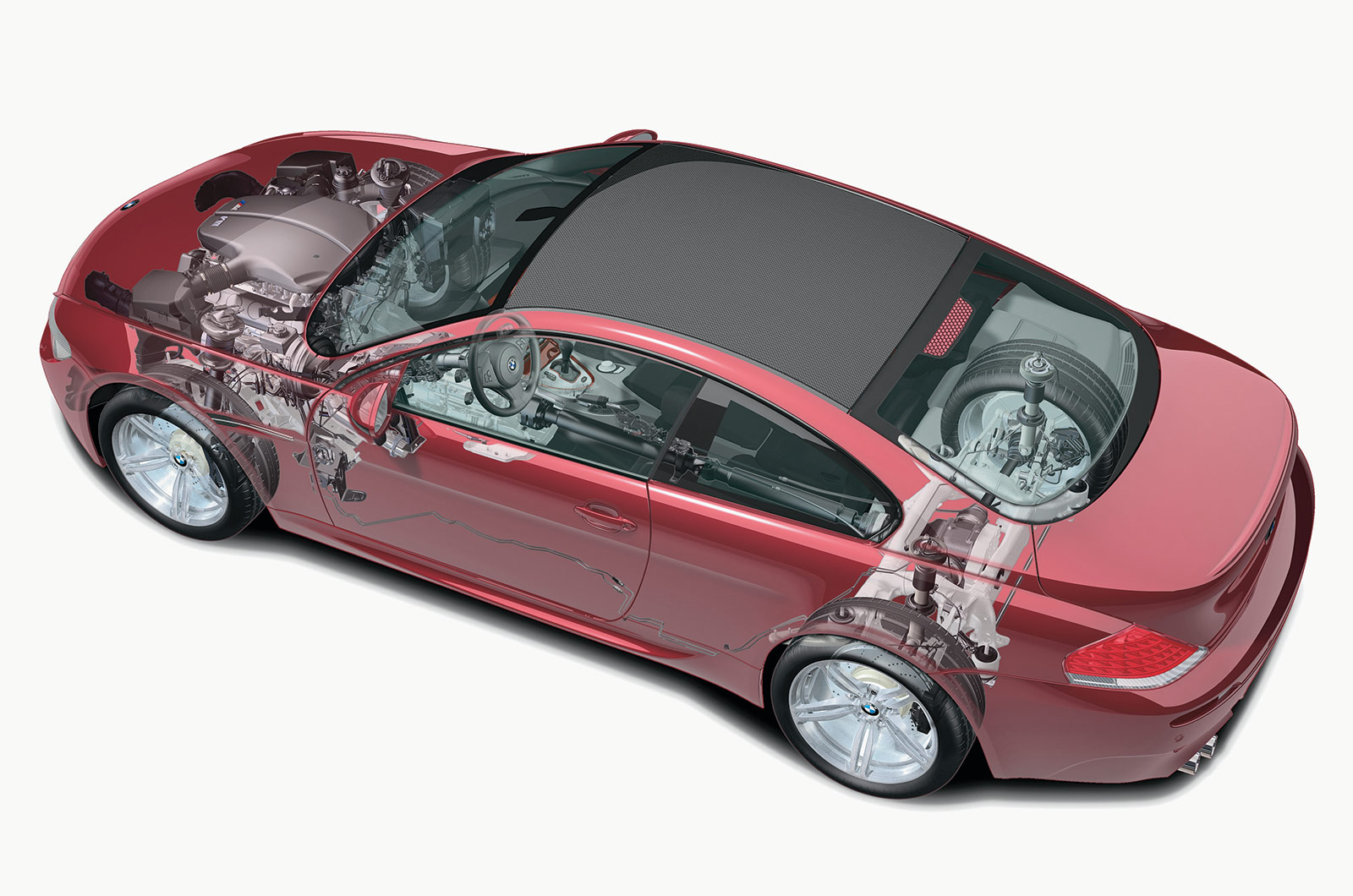
The 5.0-litre V10 was good enough to grab another title in 2006. We said: “The V10 just chews through gears and the 8200rpm limiter seems very pessimistic. Mechanical refinement is superb and that’s the key to the car’s everyday potential. Despite the claimed 4.7sec 0-62mph run, the faintly ridiculous 15sec 0-124mph time, and the fact that were it not limited to 155mph it would stroll on to 205mph, this car is entirely docile and has a chassis better suited to exploiting that breadth of ability than its predecessor.”
BMW 3.0-litre Twin Turbo (2007)
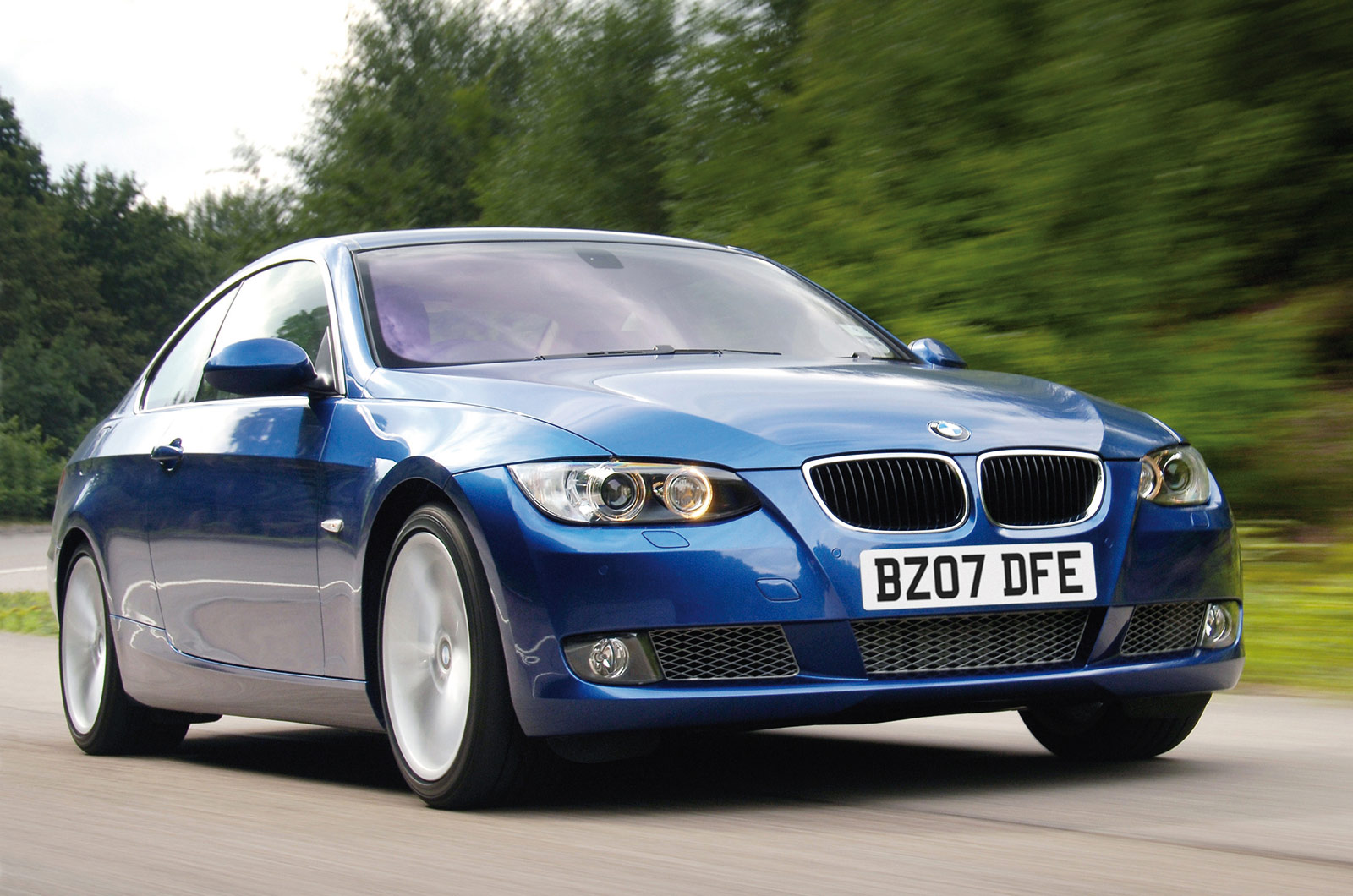
This was a good year for BMW, with its 3.0-litre twin-turbo crowned overall winner, along with category awards for its 2.5-litre straight-six (Best New Engine) and 5.0-litre V10 (Best Performance). Reviewing the engine in the BMW 335i, we said: “Most of the time [it’s] really quite exceptional. If you didn’t know, it would be all but impossible to tell that the engine was turbocharged.”
BMW 3.0-litre Twin Turbo (2008)
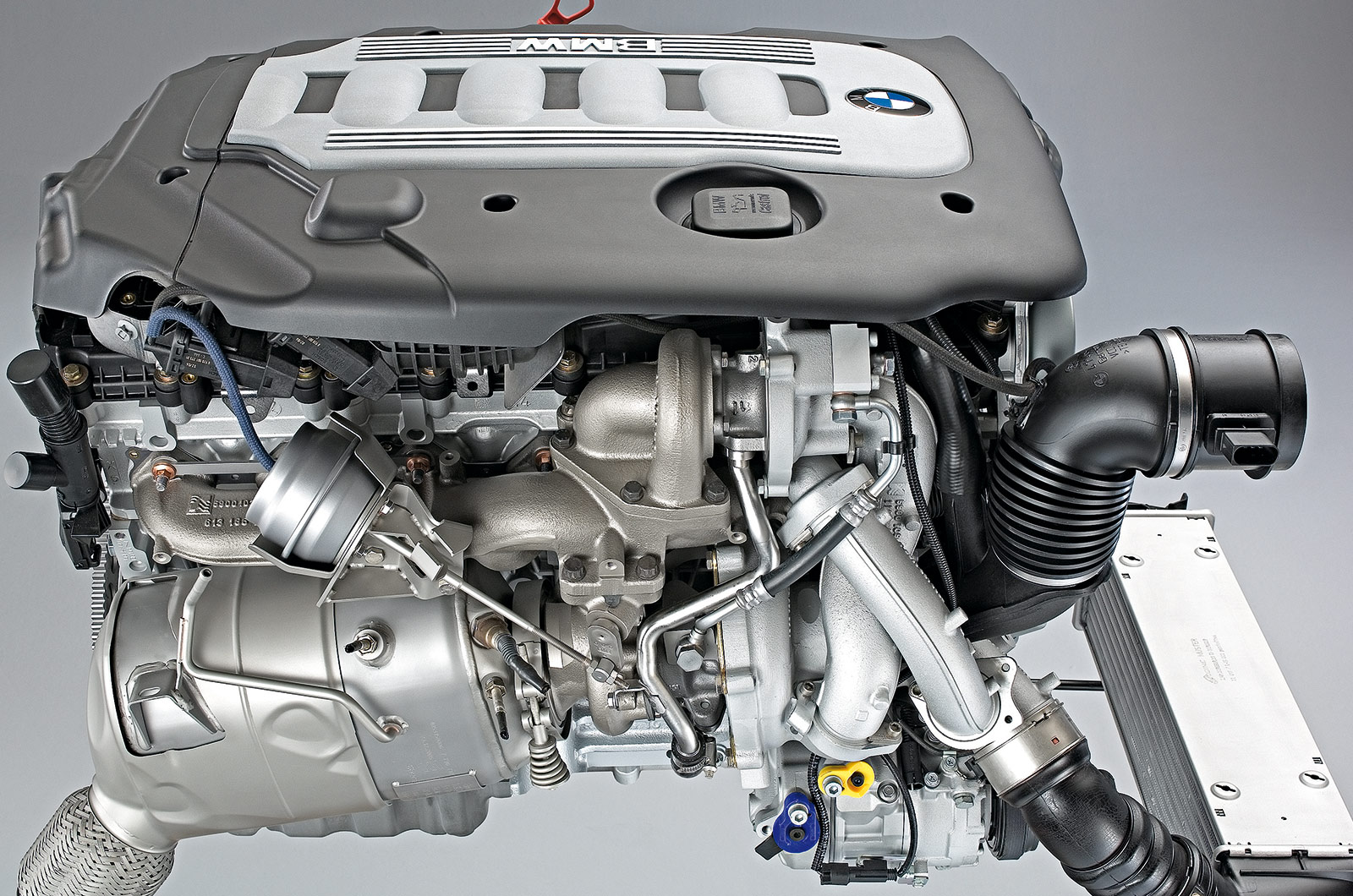
Another good year for BMW, with the 3.0-litre twin-turbo straight-six grabbing top spot for the second consecutive year. There were also category wins for BMW’s 4.0-litre V8 (3.0-litre to 4.0-litre), 5.0-litre V10 (above 4.0-litre), 2.0-litre twin-turbo diesel (Best New Engine) and the BMW-PSA 1.6-litre engine (1.4-litre to 1.8-litre). At the time, the German-French unit was used in the Mini Cooper S and Clubman, and Peugeot 207 and 308.
Volkswagen 1.4-litre TSI (2009)
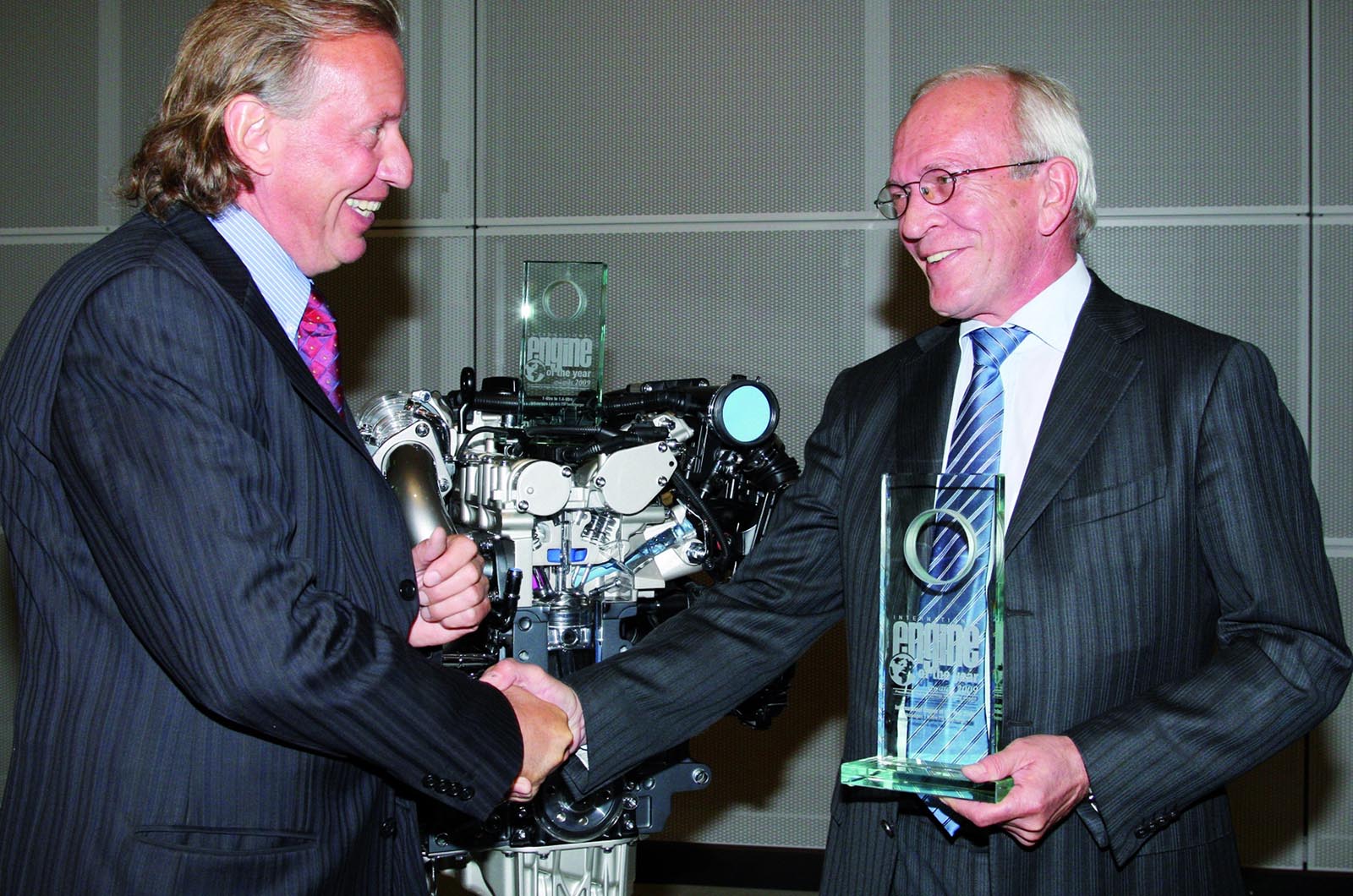
BMW’s dominance ends with Volkswagen’s 1.4-litre TSI taking the honours at the 2009 International Engine of the Year awards. As well as overall victory, the supercharged and turbocharged engine was named Best Green Engine and Best Engine in the 1.0-litre to 1.4-litre category. The photo shows Dr Ruediger Szengel, head of petrol engine development at Volkswagen Group, receiving the award.
Volkswagen 1.4-litre TSI (2010)
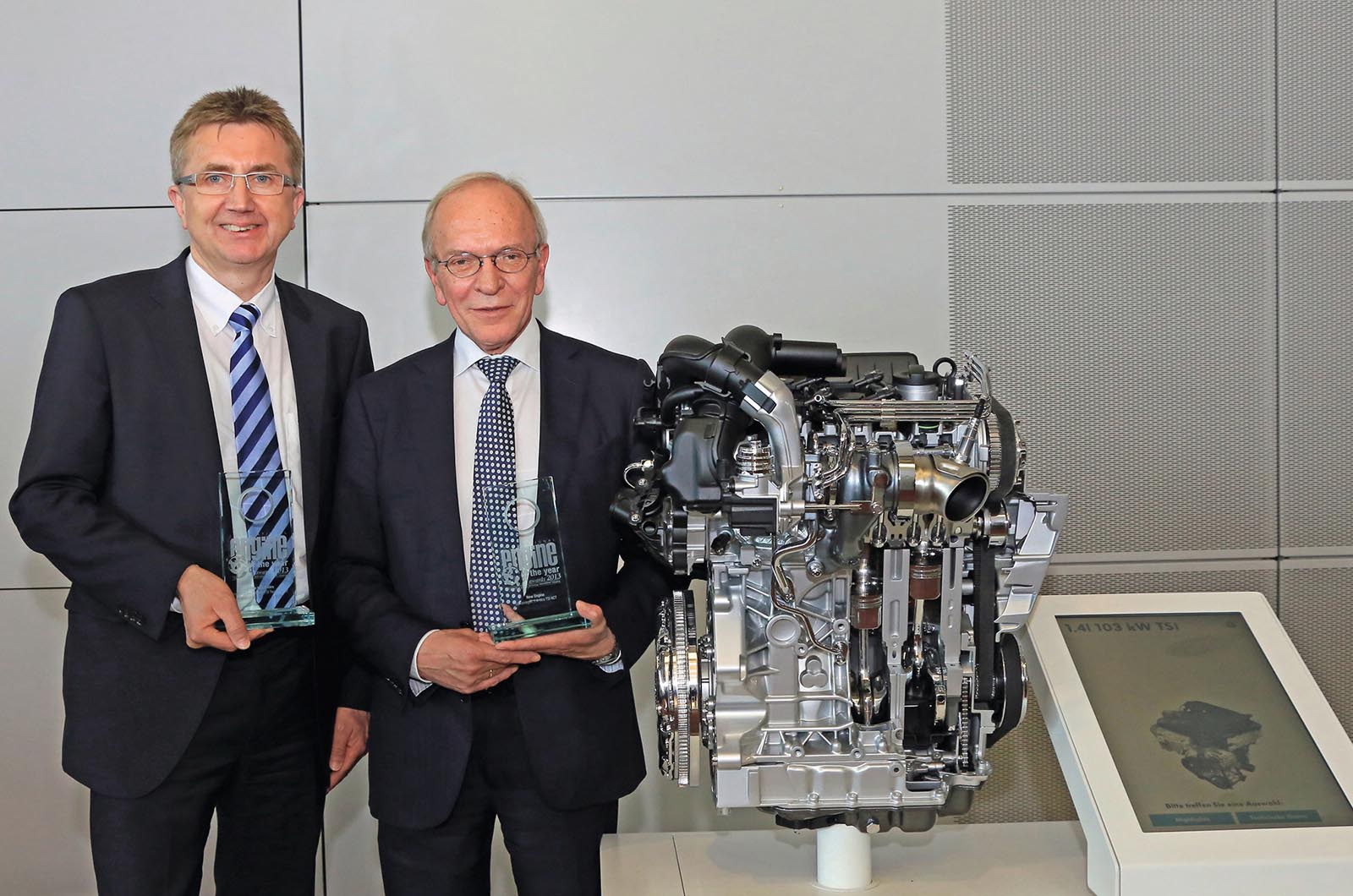
Volkswagen’s twin-charger unit won again in 2010. The use of a supercharger and a turbocharger avoids the usual peaks and troughs in power delivery to give the engine the feel of a powerful normally aspirated engine. At the time, the unit was used to power the likes of the Seat Ibiza FR and Cupra, VW Polo GTI and Skoda Fabia vRS. Fiat’s 1.4-litre MultiAir was named New Engine of the Year.
Fiat 875cc TwinAir (2011)
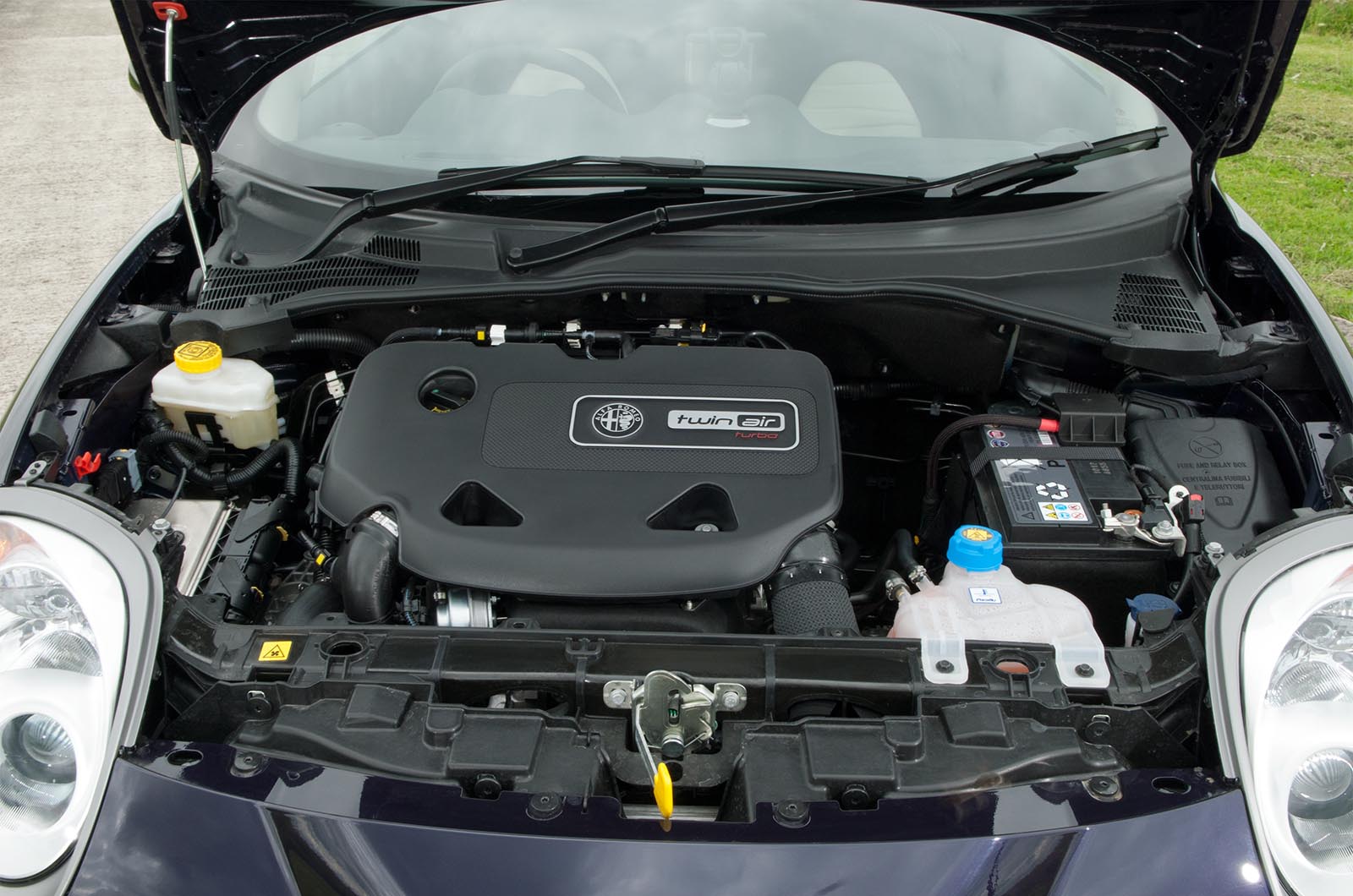
Fiat’s 0.9-litre TwinAir engine was a deserved winner at the 2011 International Engine of the Year awards. The all-new, vertical-turbo twin-cylinder engine produced a strong 84bhp and 107lb ft of torque from as little as 1900rpm to deliver lively performance accompanied by a burbling soundtrack. There was one problem: fuel economy. Fiat claimed an optimistic 70mpg, but a lot of owners struggled to achieve half that.
Ford 1.0-litre EcoBoost (2012)
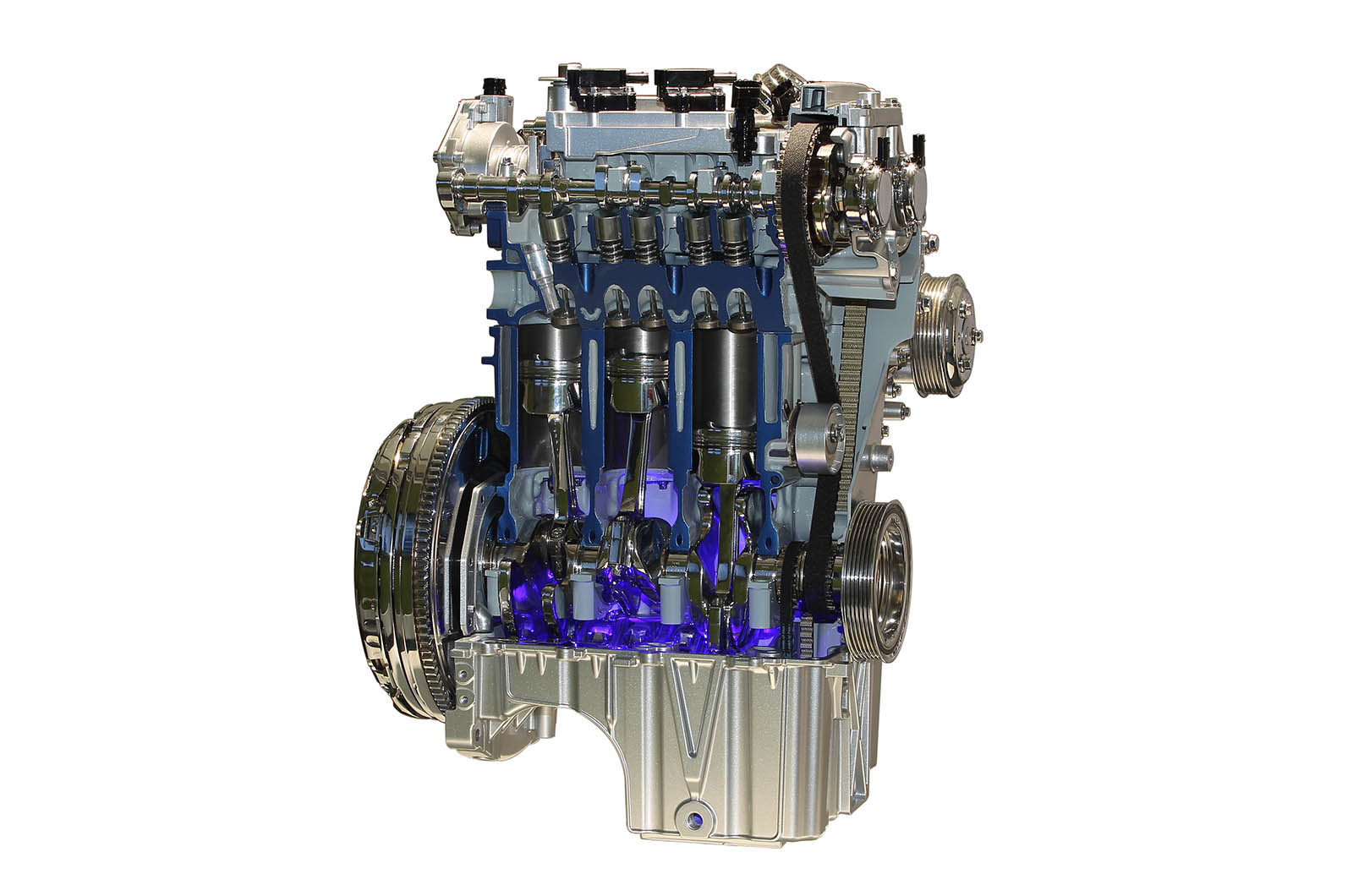
‘No one has ever built a three-cylinder engine quite like this. It’s one of the most technically advanced and efficient engines we’ve ever designed,’ Joe Bakaj, Ford’s global powertrain engineering chief said in 2012. ‘The new engine introduces many new technologies that could be part of the DNA of future Ford engines.’ The B-Max was the first car to get Ford’s smallest ever engine.
Ford 1.0-litre EcoBoost (2013)
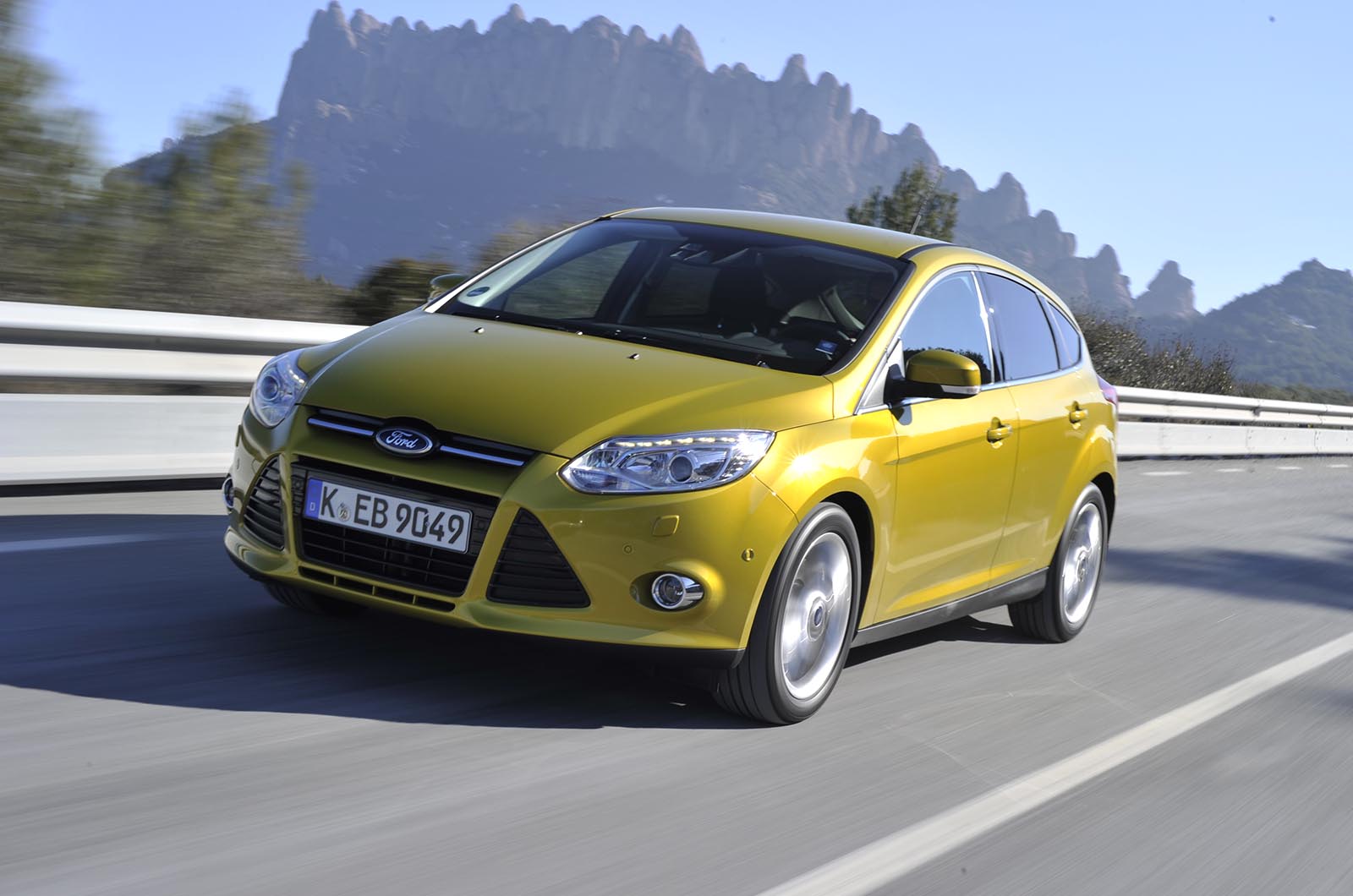
Ford’s EcoBoost engine won again in 2013. The 1.0-litre three-cylinder petrol engine, which was designed and engineered in the UK, achieved the highest score in the history of the International Engine of the Year awards. At the time, Ford said it was set to double production of the engine to keep up with demand. We called it a “game-changer” as it showed how much life remains in the petrol engine.
Ford 1.0-litre EcoBoost (2014)
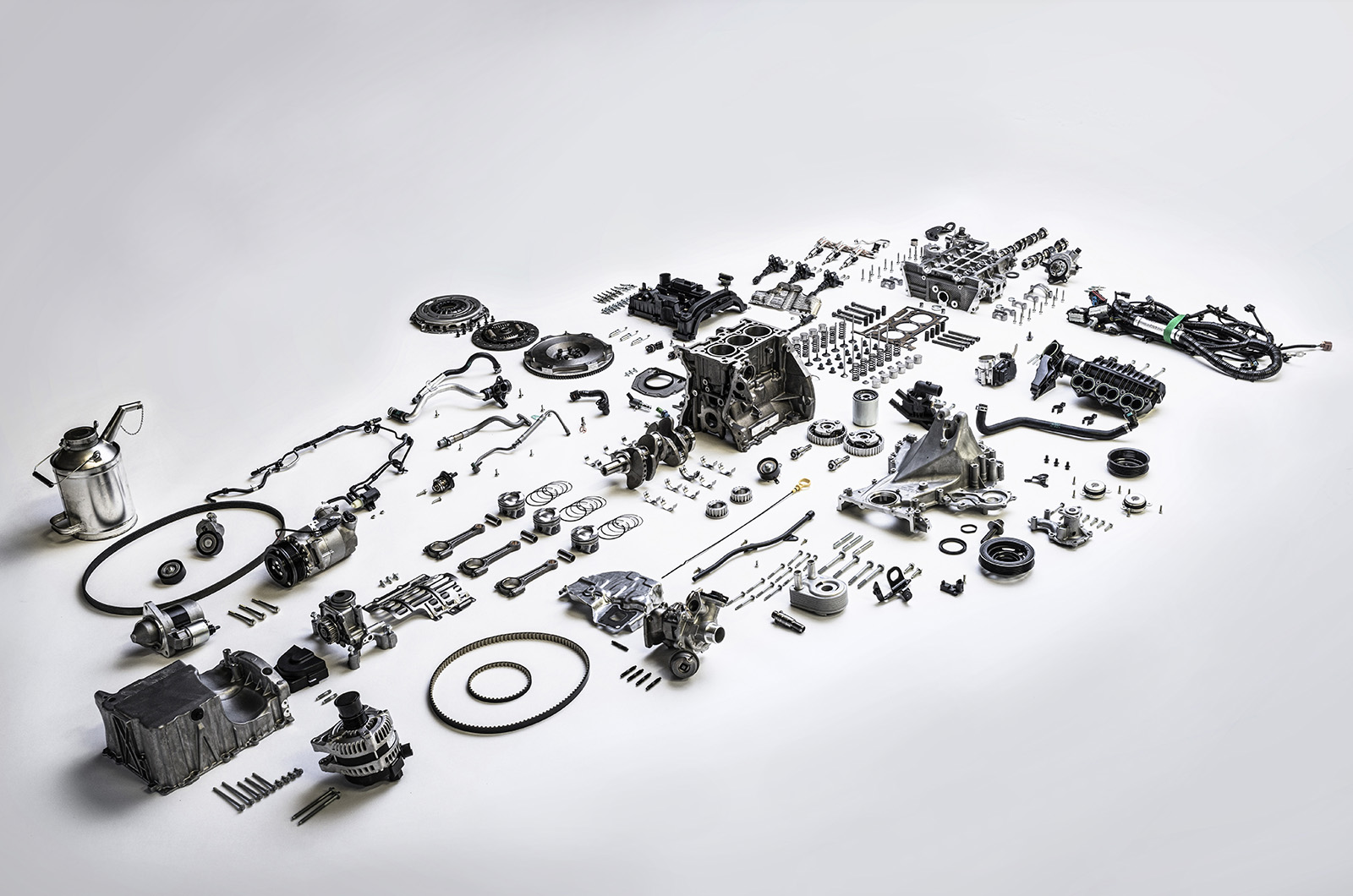
Ford won again in 2014, with Dean Slavnich, co-chairman of the International Engine of the Year awards, saying: ‘The 1.0-litre EcoBoost engine is one of the finest examples of powertrain engineering.’ Years later, Ford was giving full refunds to thousands of customers affected by sudden failures of the EcoBoost engines. This followed a BBC investigation, which found that hundreds of engines had overheated.
BMW 1.5-litre three-cylinder (2015)
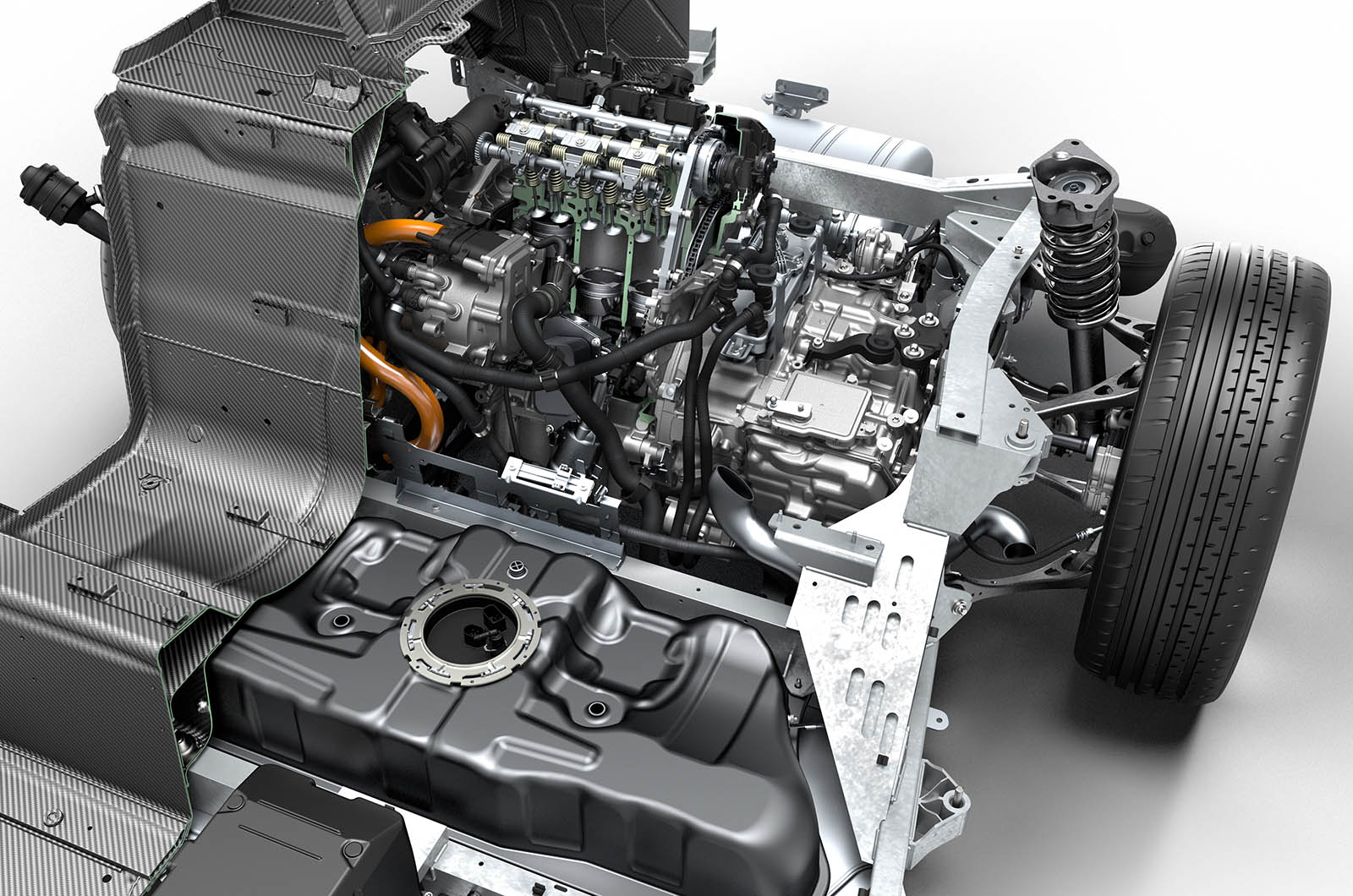
BMW was back on the scene in 2015, when its TwinPower Turbo three-cylinder was named overall winner at the annual awards. The 1.5-litre three-cylinder hybrid unit was also named Best New Engine and a class winner in the 1.4-litre to 1.8-litre category. There were also class wins for Mercedes-AMG, Tesla, Ferrari and McLaren, while Ford’s EcoBoost won the 1.0-litre category.
Ferrari 3.9-litre V8 (2016)
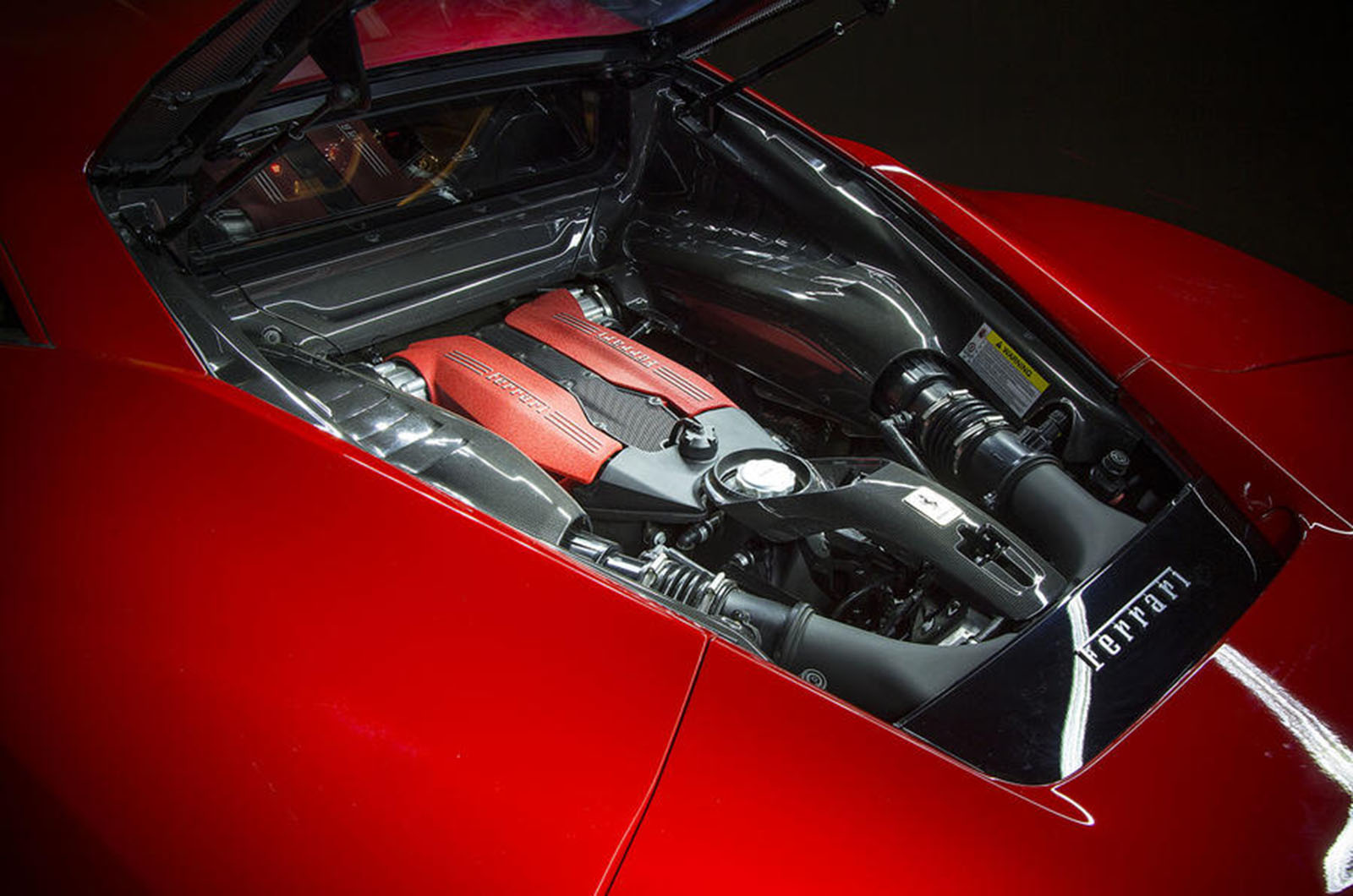
Get ready for a Ferrari lock-in, with 2016 marking the first of four consecutive victories for its 3.9-litre twin-turbocharged V8 engine. There were four wins, including awards for Performance Engine, New Engine, the 3.0-litre to 4.0-litre category, and the overall prize. Graham Johnson, co-chairman of the awards, said: ‘It’s a giant leap forward for turbocharged engines in terms of efficiency, performance and flexibility.’
Ferrari 3.9-litre V8 (2017)
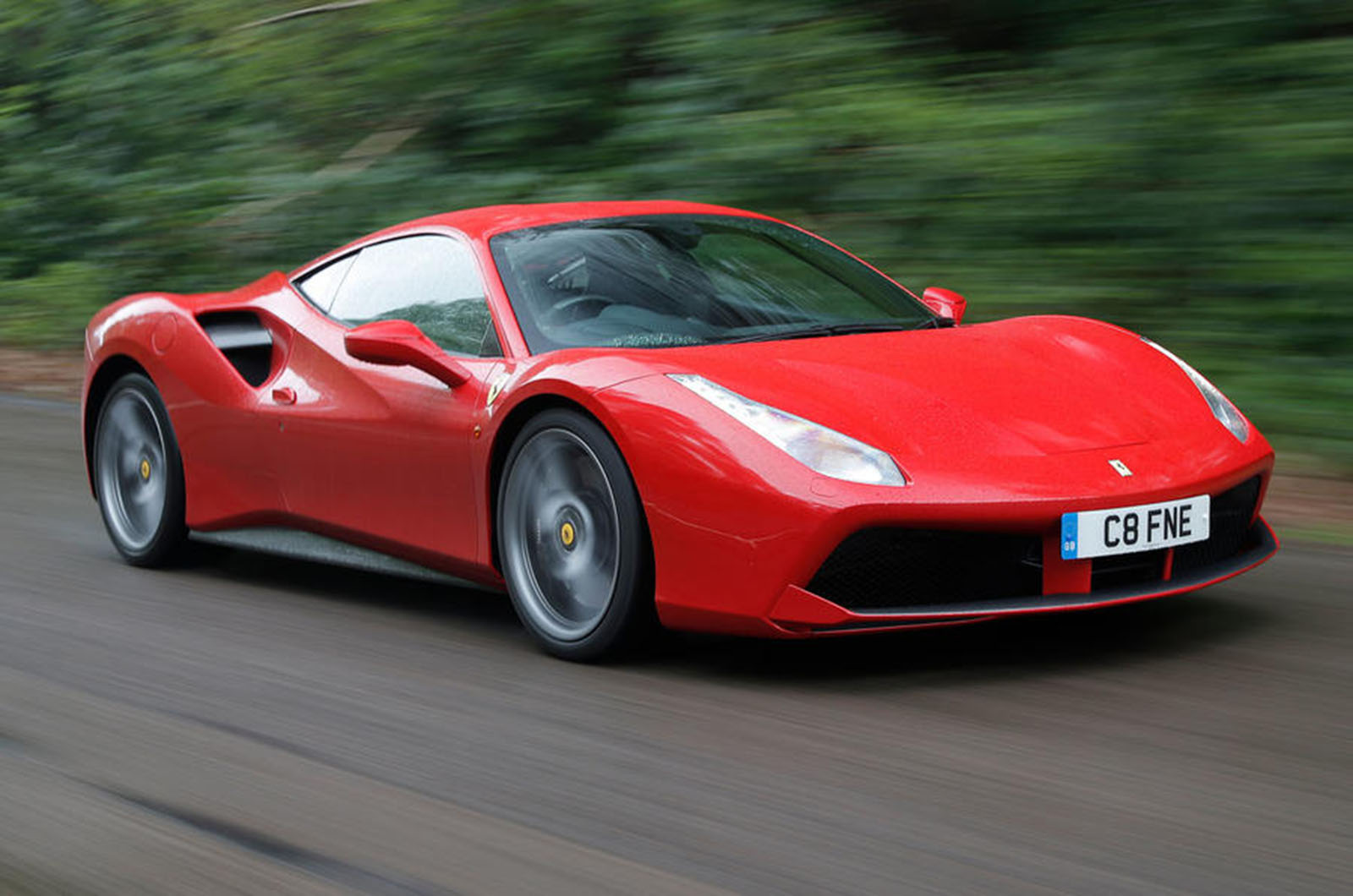
‘It truly is the best engine in production today and will forever be remembered as one of the all-time greats,’ Johnson continued. We praised the engine for having no detectable lag and a rev-hungry nature – a trait normally reserved for normally aspirated units. The engine produces 661bhp yet could manage an official combined fuel efficiency figure of 24.8mpg.
Ferrari 3.9-litre V8 (2018)
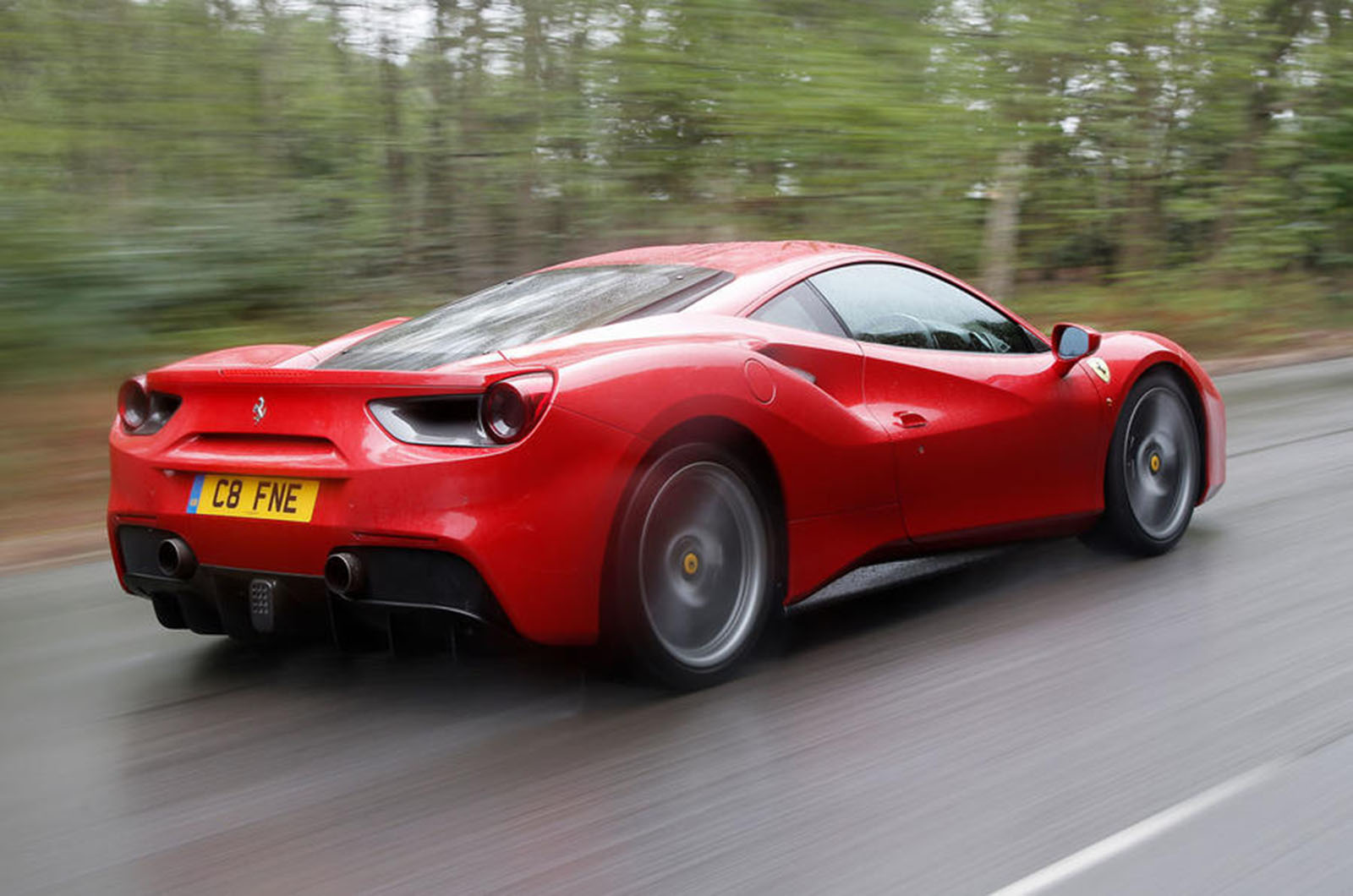
An engine such as this deserves greater detail. The F154 CB in the 488 GTB is a 3.9-litre V8 with a 90deg bank angle, flat-plane crankshaft, oversquare cylinder design and two IHI twin-scroll turbochargers, one for each cylinder bank. It produces 661bhp from 6200rpm to 8000rpm, with up to 561lb ft at as little as 3000rpm. The 0-60mph time is polished off in 3.0sec dead, with 150mph blitzed in just 13.3sec.
Ferrari 3.9-litre V8 (2019)
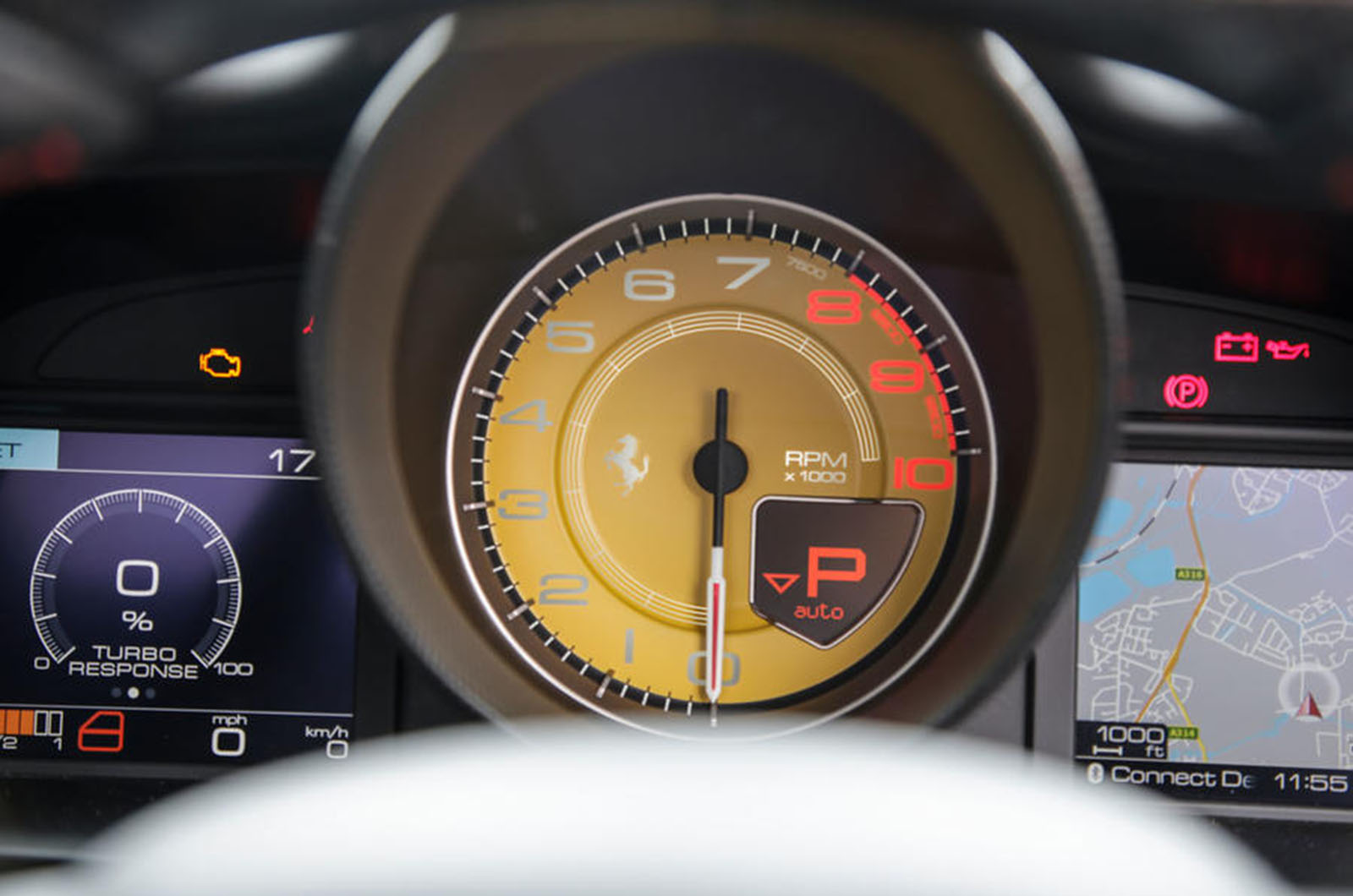
We said: “Ferrari’s greater achievement is to make the 488 GTB the finest turbocharged engine in production. Several manufacturers have moved from natural aspiration to turbocharging recently, but among them, the 488’s engine is remarkable for how little lag there is and how convincingly speed builds towards the top end, as it rattles into the 8000rpm limiter, when it feels like it’s barely out of the mid-range.”