

Skoda Kylaq Weighs European Entry as Affordable City Cars Disappear from Market
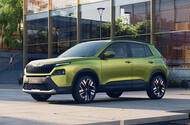 Electric replacement for Citigo remains years away, but Indian-market Kylaq could come to Europe
Skoda is evaluating how it can add cheaper combustion-engined and electric models to its European line-up.
The European city car market has all but evaporated in recent years as petrol models such as the Ford Ka, Peugeot 108 and Skoda's Citigo have been axed.
The lack of replacements has left customers at the most affordable end of the market unserved, forcing them to consider larger superminis such as the Skoda Fabia.
But Skoda is now weighing up an entry into the electric city car class, and it could bolster its ICE offering with the Indian-market Kylaq crossover.
"We have a project where we are looking at putting components together from various very cost-efficient sources," said Skoda CEO Klaus Zellmer.
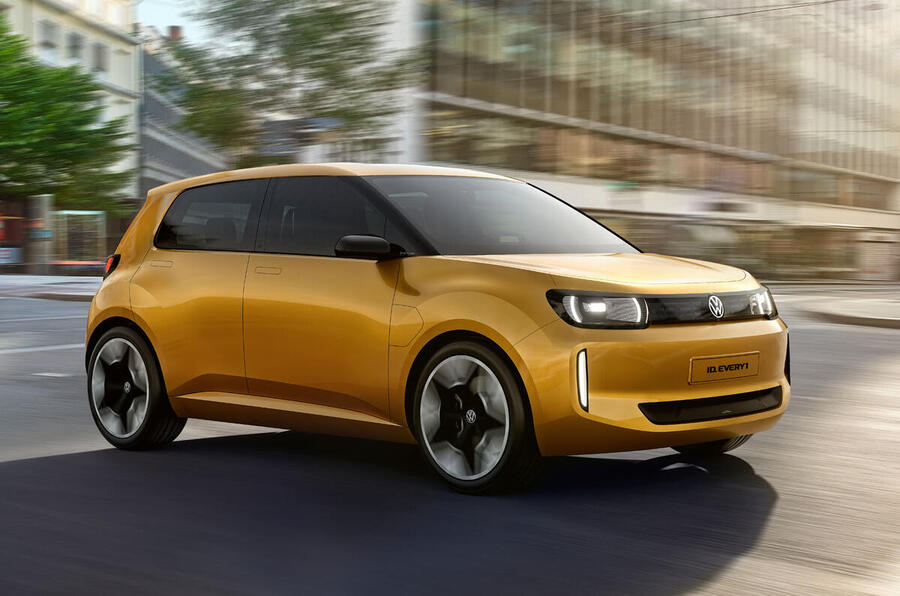
He said that Skoda was initially involved in the development of sibling company Volkswagen's ID Every1 concept (pictured below), which will evolve into a replacement for the Up next year, but soon left the project.
Zellmer explained: "With the [slower than expected growth] speed of battery-electric vehicles in the market, Skoda is in a better spot to stay with [the petrol) Fabia, Scala and Kamiq, where we have reasonable margins, production capacity and engineering very well accepted in the market.
"Within the bigger Volkswagen Group, we have our colleagues from VW to fish in the [city EV] market that is currently developing. It's not very present and the margins are thin."
To that end, a new entry-level Skoda EV is "nothing that you will have this. decade", said Zellmer, but he did suggest that there's still potential for a model priced below the Fabia, which starts at £21,000.
Zellmer highlighted the Kylaq, which is shorter than the Fabia and costs the equivalent of just £6000 in India, as one potential candidate for European import.
He said: "If you look at the design and technology, fit and finish, we don't know, but that is something we could look into [raising to European standards].
"If you look at the Fabia, if you squeeze everything out to get below €20,000, and if you look at the price of a Kylaq in India, there's a massive gap. There's a business rationale that you can challenge and see whether that makes sense."
The Kylaq is based on an adapted version of the Volkswagen Group's MQB A0 platform for small cars (a cross-brand asset for which Skoda was given responsibility in 2021), which it shares with the slightly larger Kushaq crossover and Slavia saloon in Indian dealerships.

CATL Technology Reshapes Ford’s US Battery Strategy Amid Political and Market Shifts

Audi Abandons the Global Car to Accelerate Market-Specific Innovation

Legendary Cars That Define the Ultimate Driving Experience
 Andrew Frankel picks 50 legendary cars, from the humble to the exotic, he thinks you simply must drive at least once
Every petrolhead has their ‘list’ of cars they want to drive.
Whether it comprises Porsches or Ferraris, Jaguars or Fords, everyone has their reasons.
Here, Andrew Frankel counts down his list of cars he believes everyone should drive at least once:
50: BMW M3 (E46)
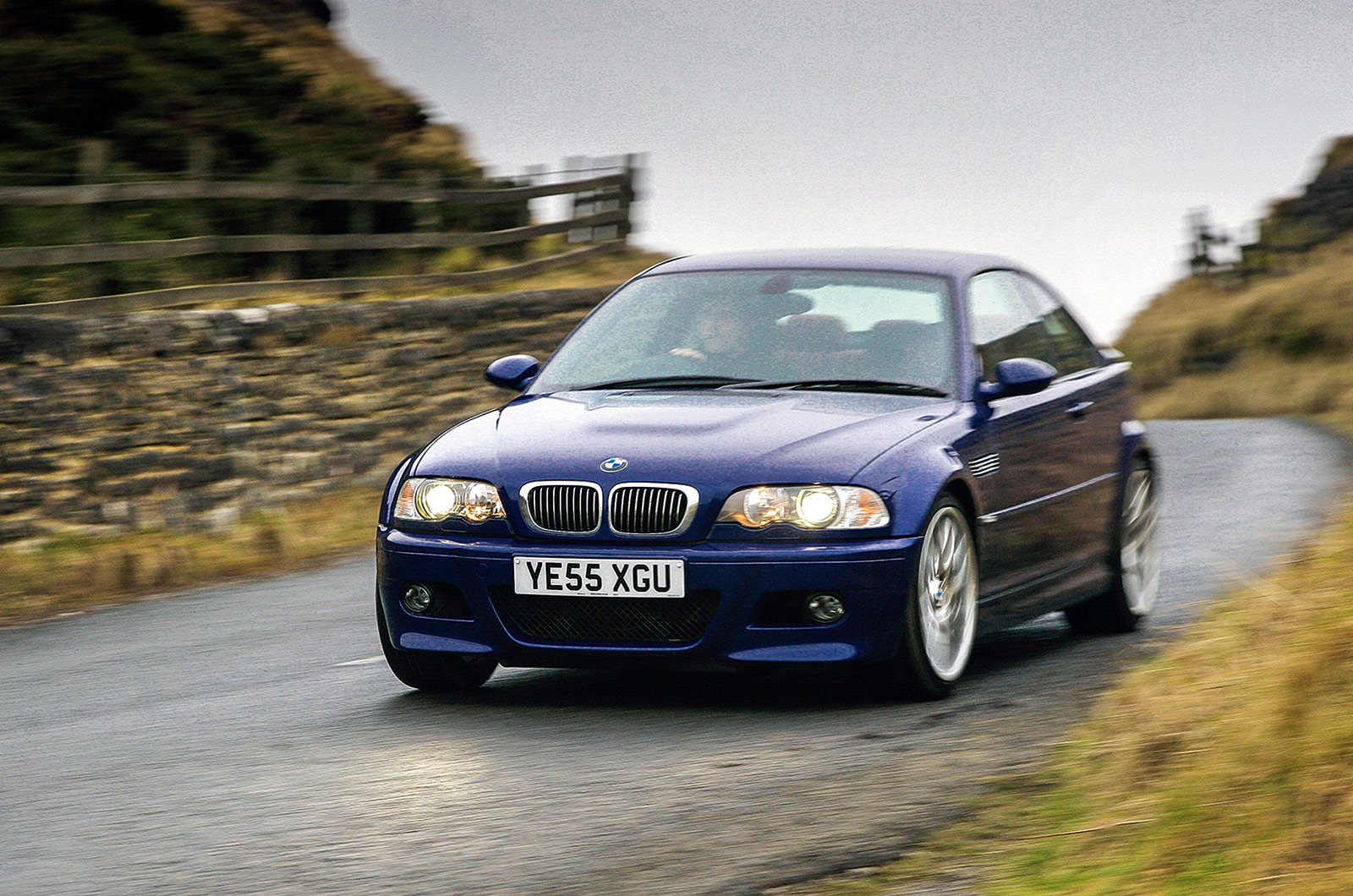
Not quite the best M car perhaps, but almost certainly the best M car bargain out there.
The last such car to be powered by a normally aspirated straight-six motor, many might argue the sound of the 3.2-litre engine was grounds enough to make it onto this list, but it also came with one of the best balanced chassis in the business.
49: Ford Model T
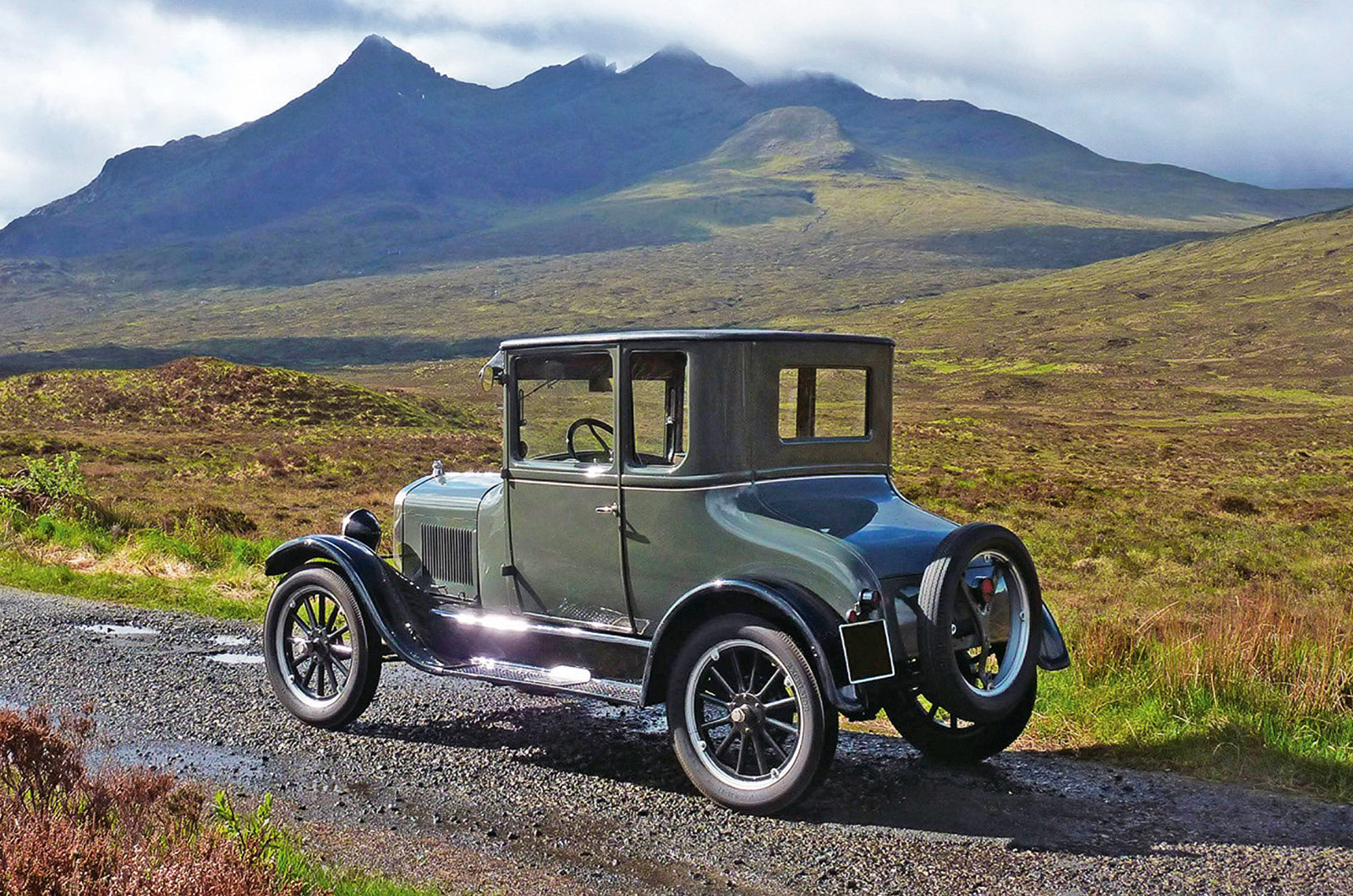
Here not because it’s fast or brilliant to drive (in fact, it’s a nightmare), but because it’s almost certainly the most important car ever produced, bringing motoring to the masses like none before it, changing the way the world thought about cars.
48: Bentley Turbo R
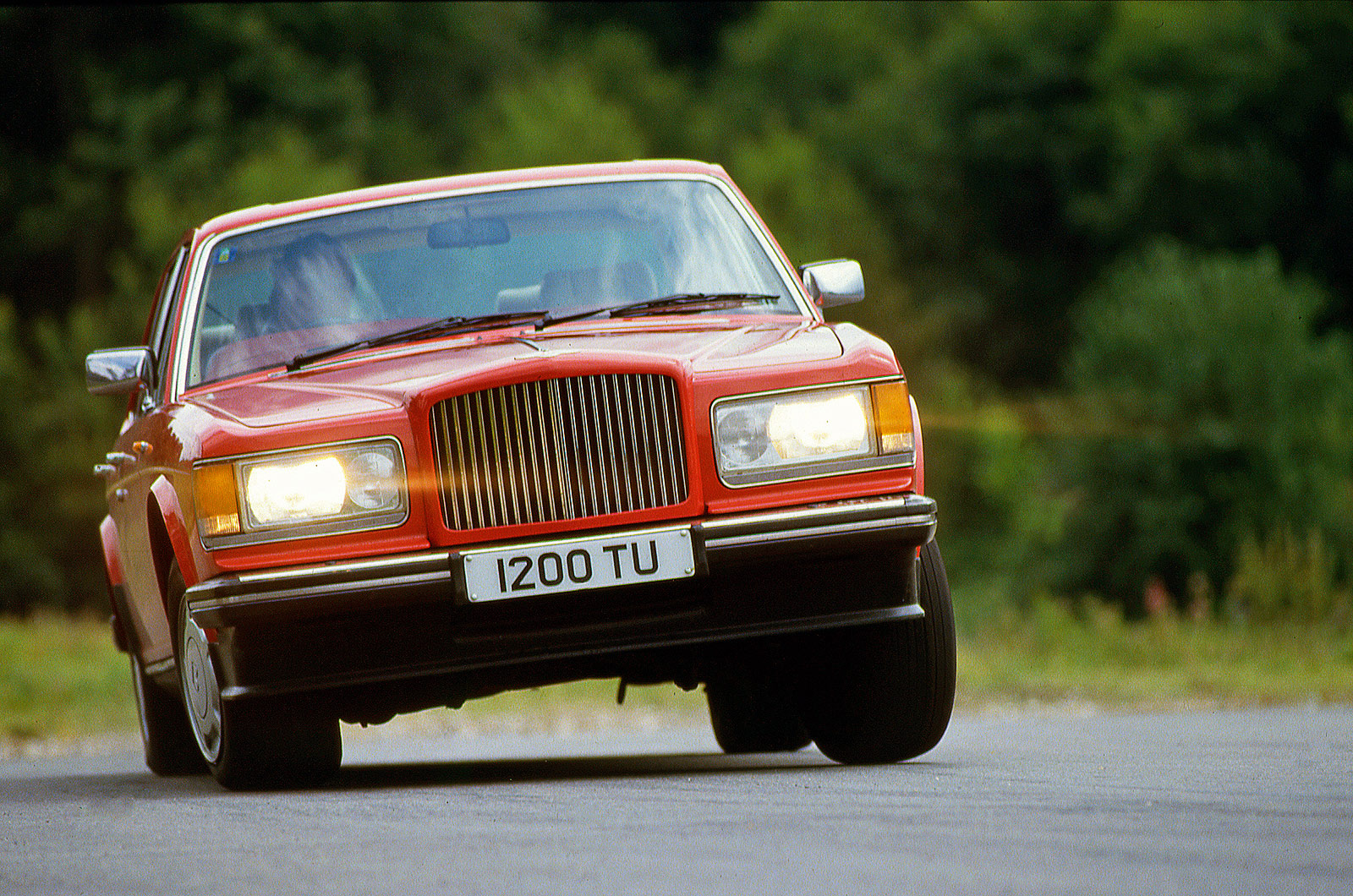
Technically not exactly brilliant, but what does that matter in a car as charming and characterful as this? Once described as ‘a tidal wave on wheels’, the Turbo R gave self-respect back to Bentley and set it on course for its high-flying position today.
47: Renault Clio Williams
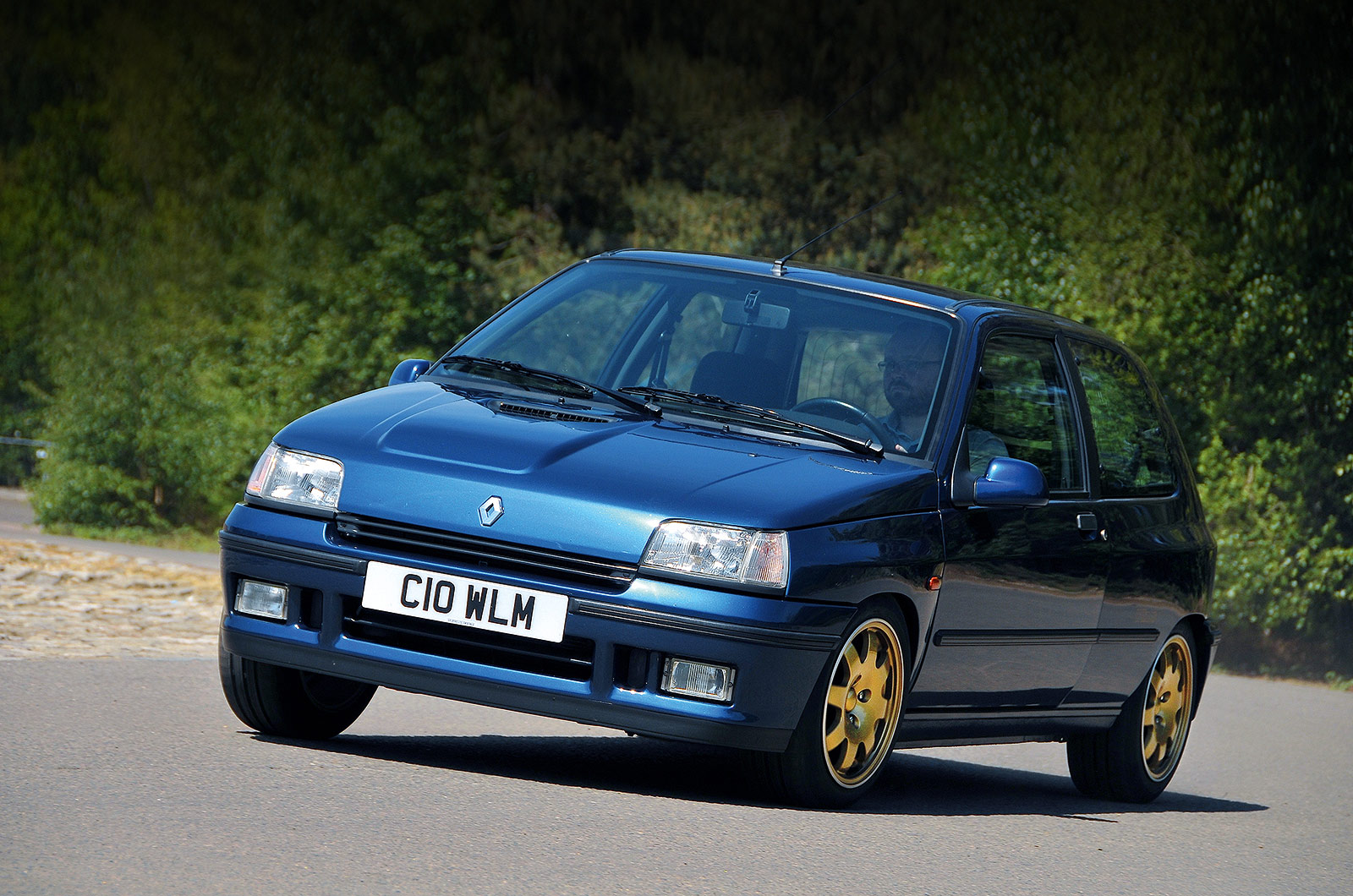
Not the fastest of hot hatches, even in its day, but even now still one of the most entertaining ways of getting from one place to the next within the format. Light, poised and superbly communicative, it’s probably the best hot hatch from probably the world’s greatest creator of hot hatches.
46: Audi Quattro
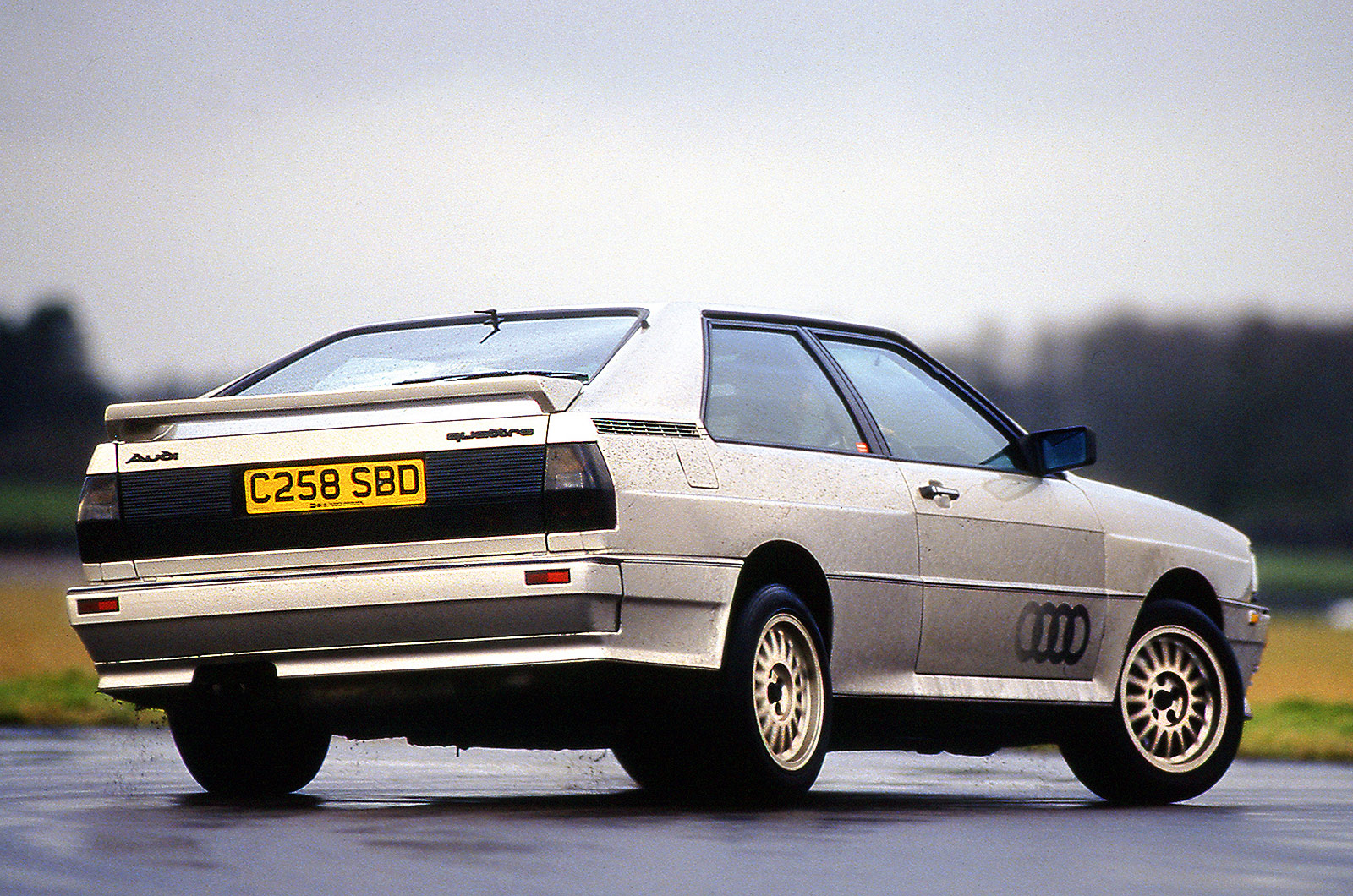
To those who weren’t around at the time, it’s hard to explain the impact of this car – not least because it came from Audi, a company with no track record of producing seminal driving machines. But it was: permanent four-wheel drive and a 200bhp five-pot motor provided one of the most memorable driving experiences of the 1980s.
45: Alfa Romeo GTA
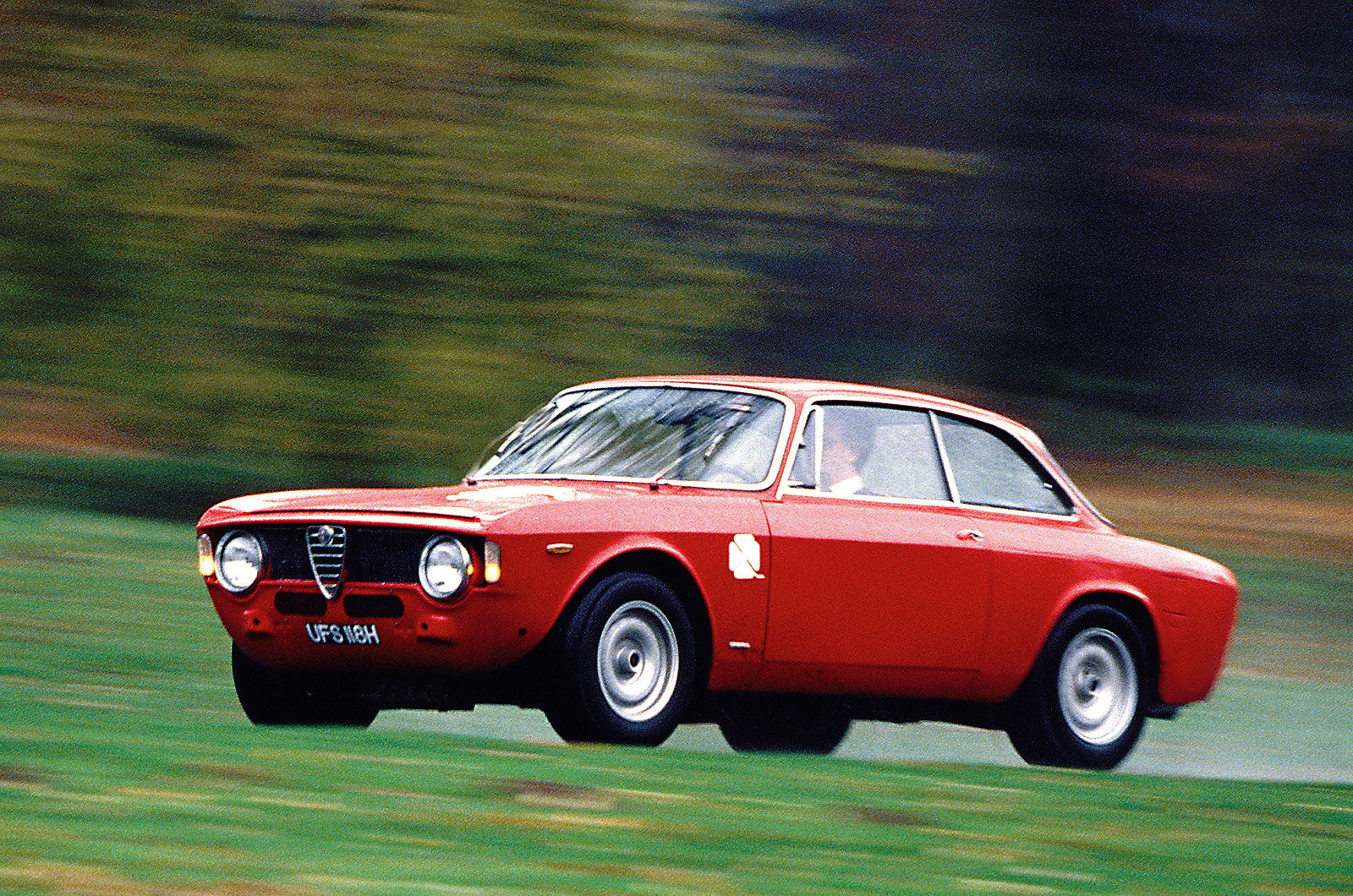
Only 500 were built as pure homologation specials, with jewel-like twin-plug, twin-cam 1.6-litre engines, alloy bodies and a dry mass of less than 750kg. Utterly dominant in racing, but simply exquisite in ‘Stradale’ road trim, this is the best Alfa Romeo of the post-war generation.
44: Ford Focus RS (Mk 1)
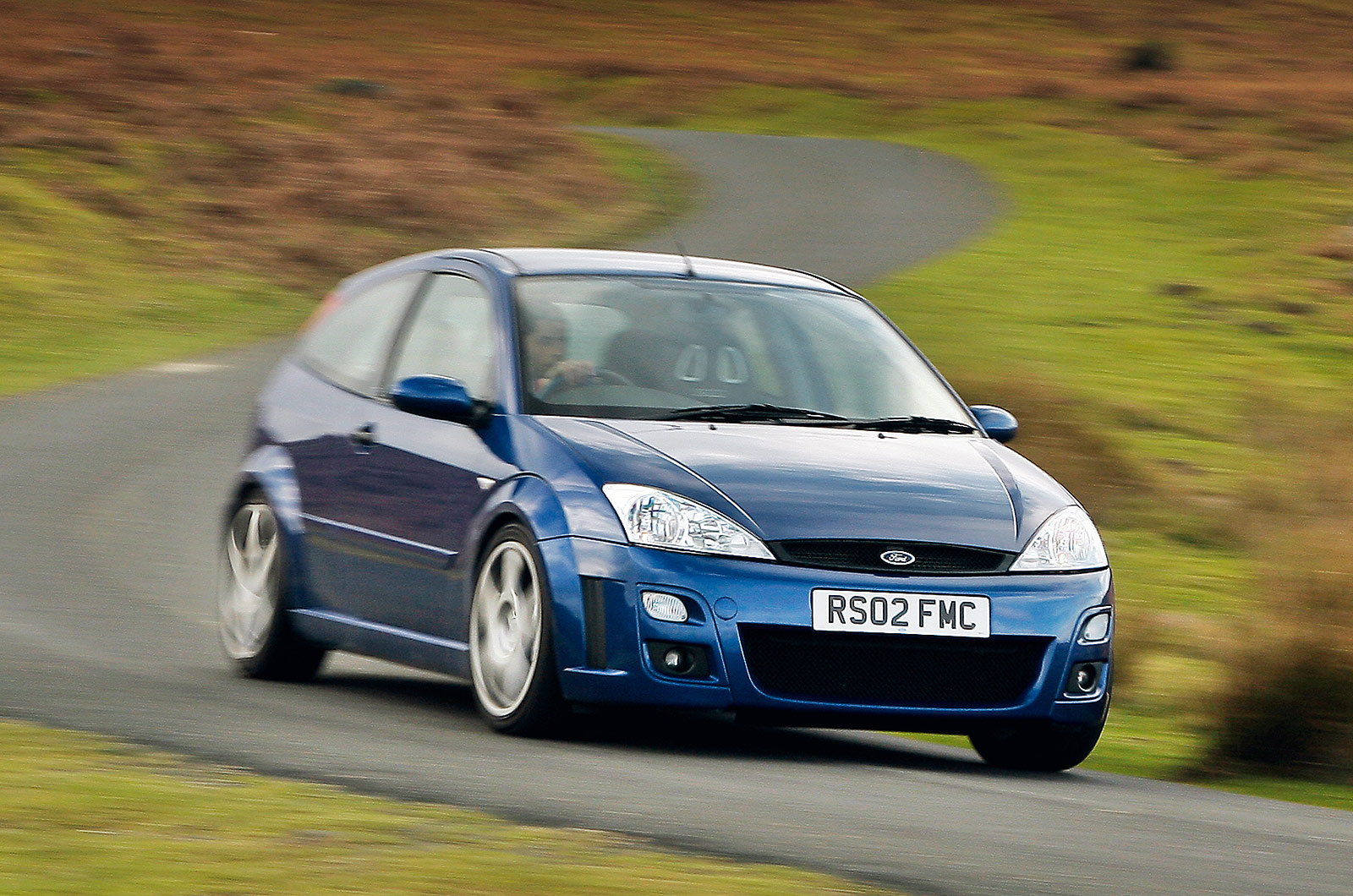
The original Focus RS was an astonishingly well-judged synthesis of necessary practicality, strong power and simply epic handling. As rapid across country as any number of purpose-built supercars and, if you can find a good one, perhaps the best-value fast Ford you can buy today.
43: Jaguar MkII
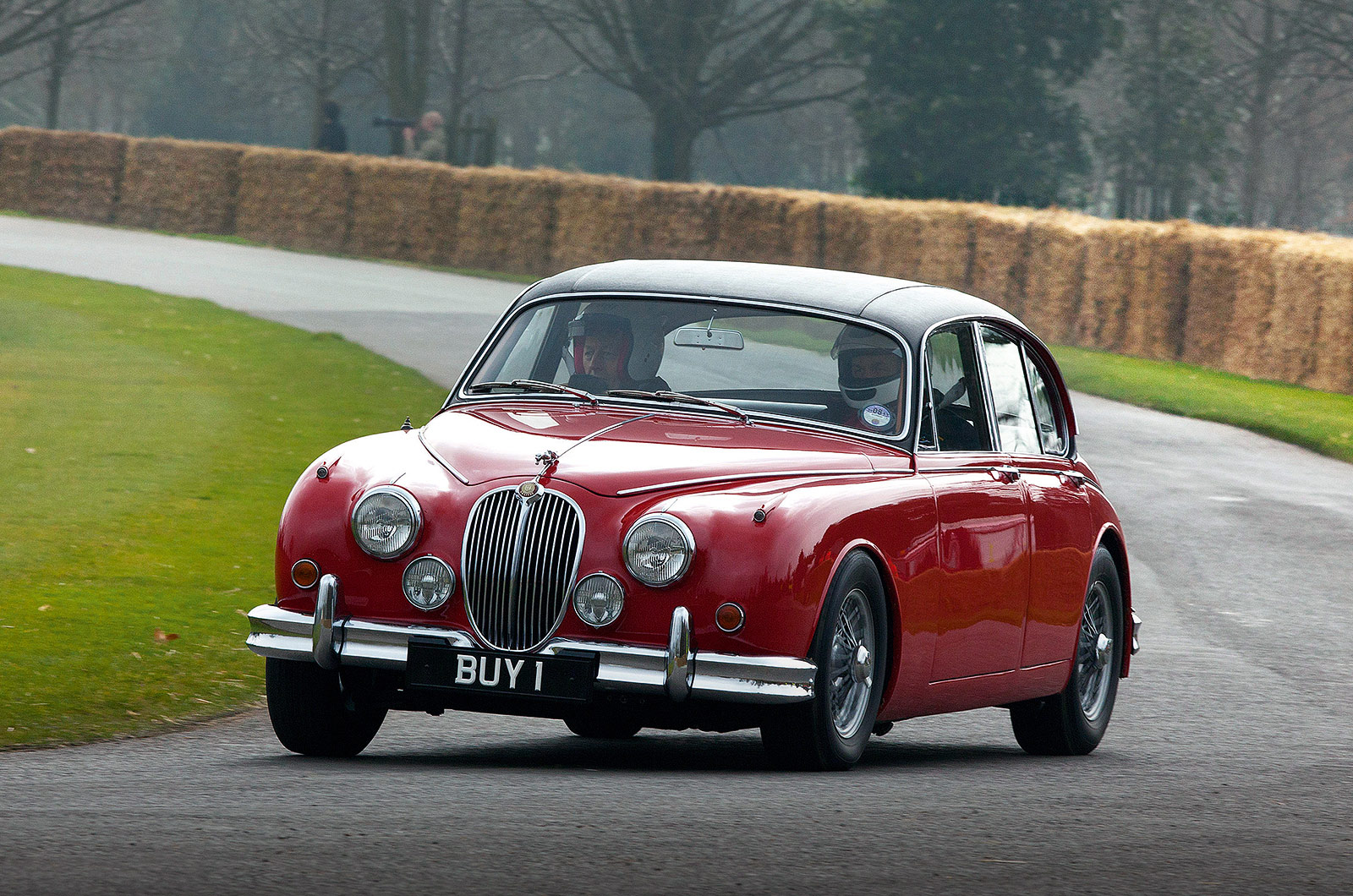
People associate these with Inspector Morse bumbling around Oxford, but they deserve so much more. The 3.8-litre version offered exceptional power and poise for 60 years ago, one reason they were the weapon au choix of everyone from saloon car racers to getaway drivers.
42: Willys MB
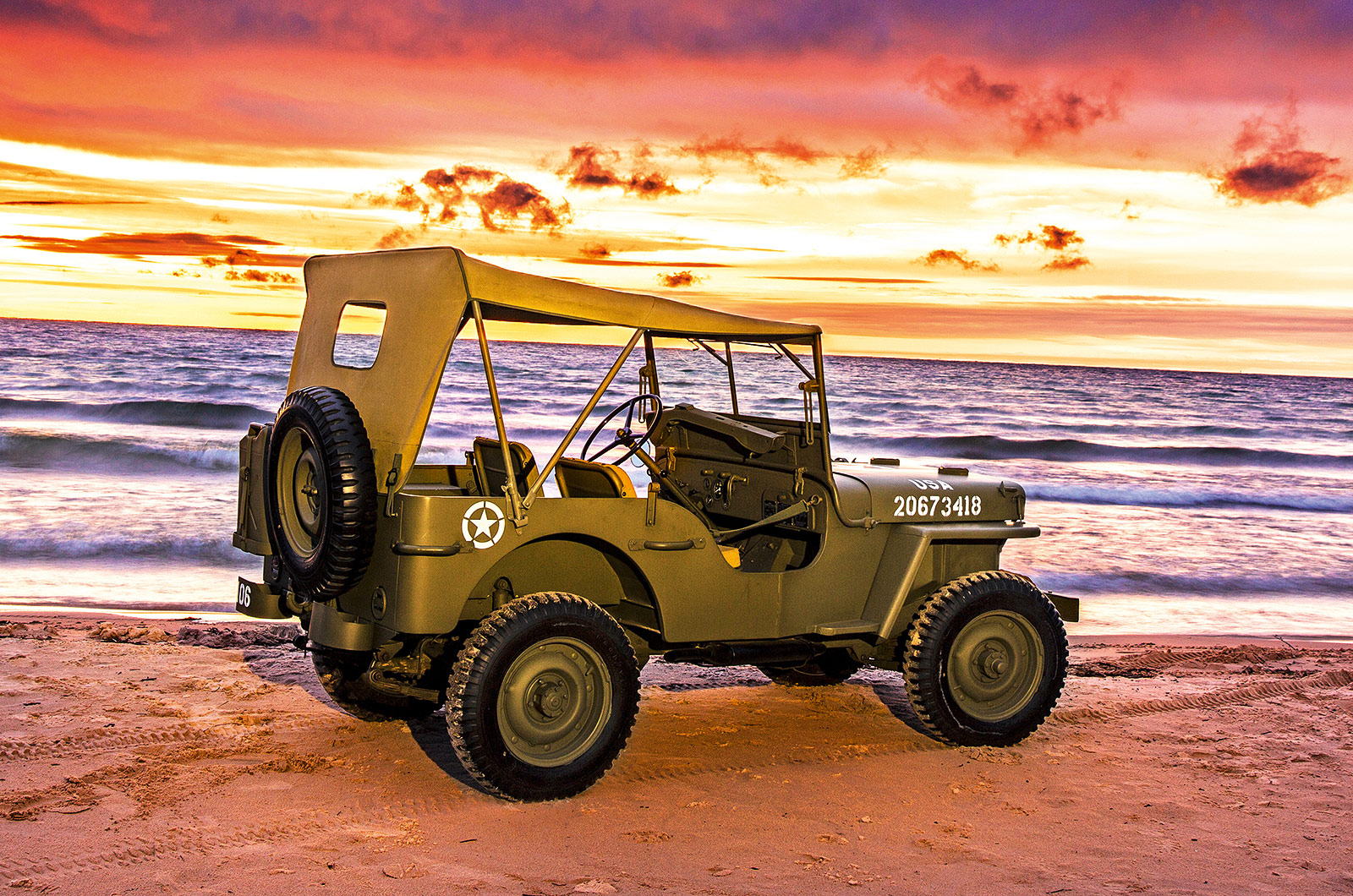
Better known as the Jeep, it famously won the war alongside the Dakota and the landing craft, at least from Eisenhower’s perhaps somewhat partial perspective. Even so, if you ever wondered how your SUV got that way, it all started here with a name whose origins are argued about to this day. Slow, uncomfortable, indestructible.
41: Lexus LS400
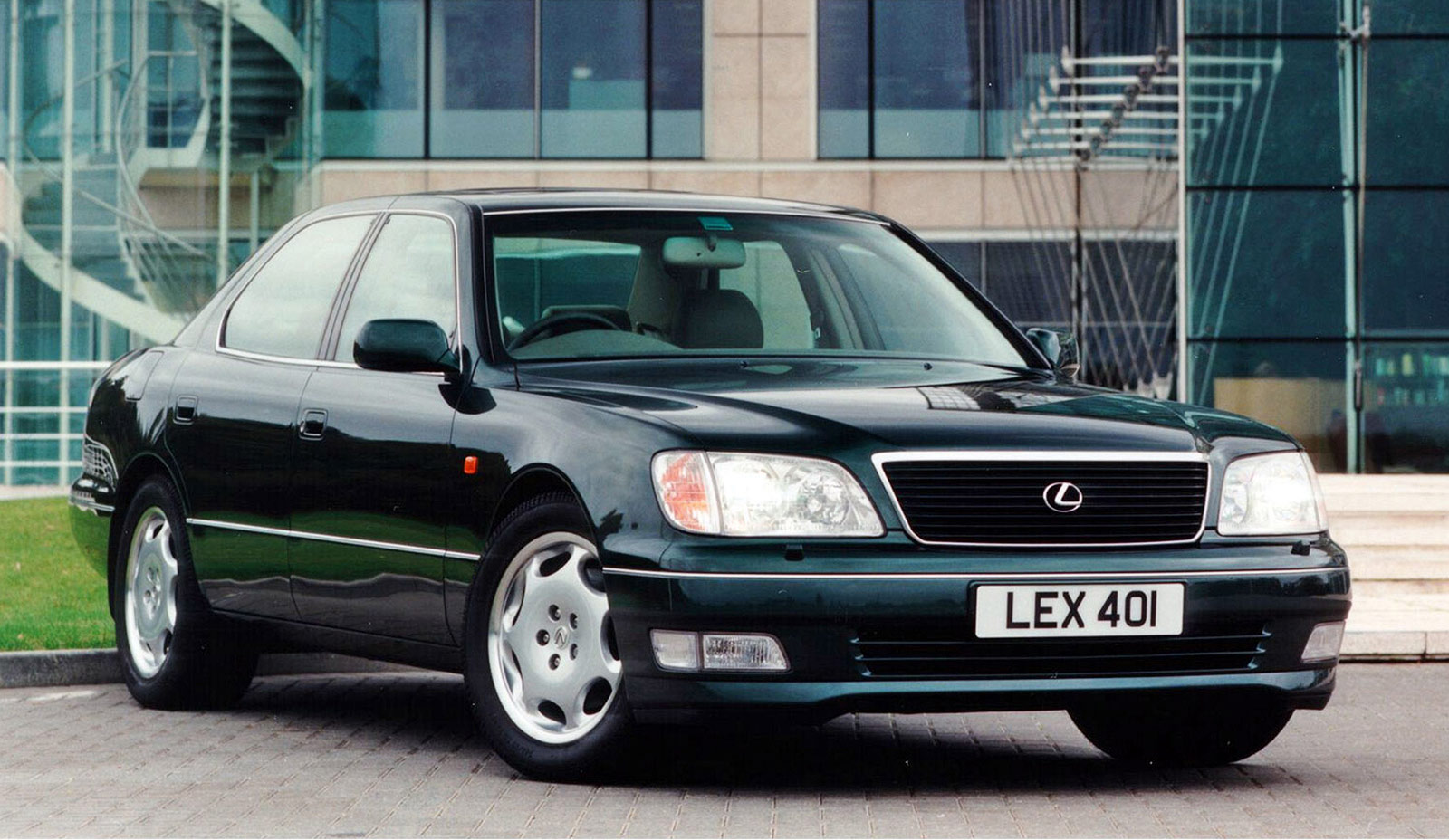
We couldn’t believe it. A Toyota that rode (much) better than a Rolls-Royce, with an engine so quiet at idle you needed to look at the rev counter to know it was turning. The most remarkable luxury car of its era and still, in a way, the standout Lexus.
40: Honda Integra Type R
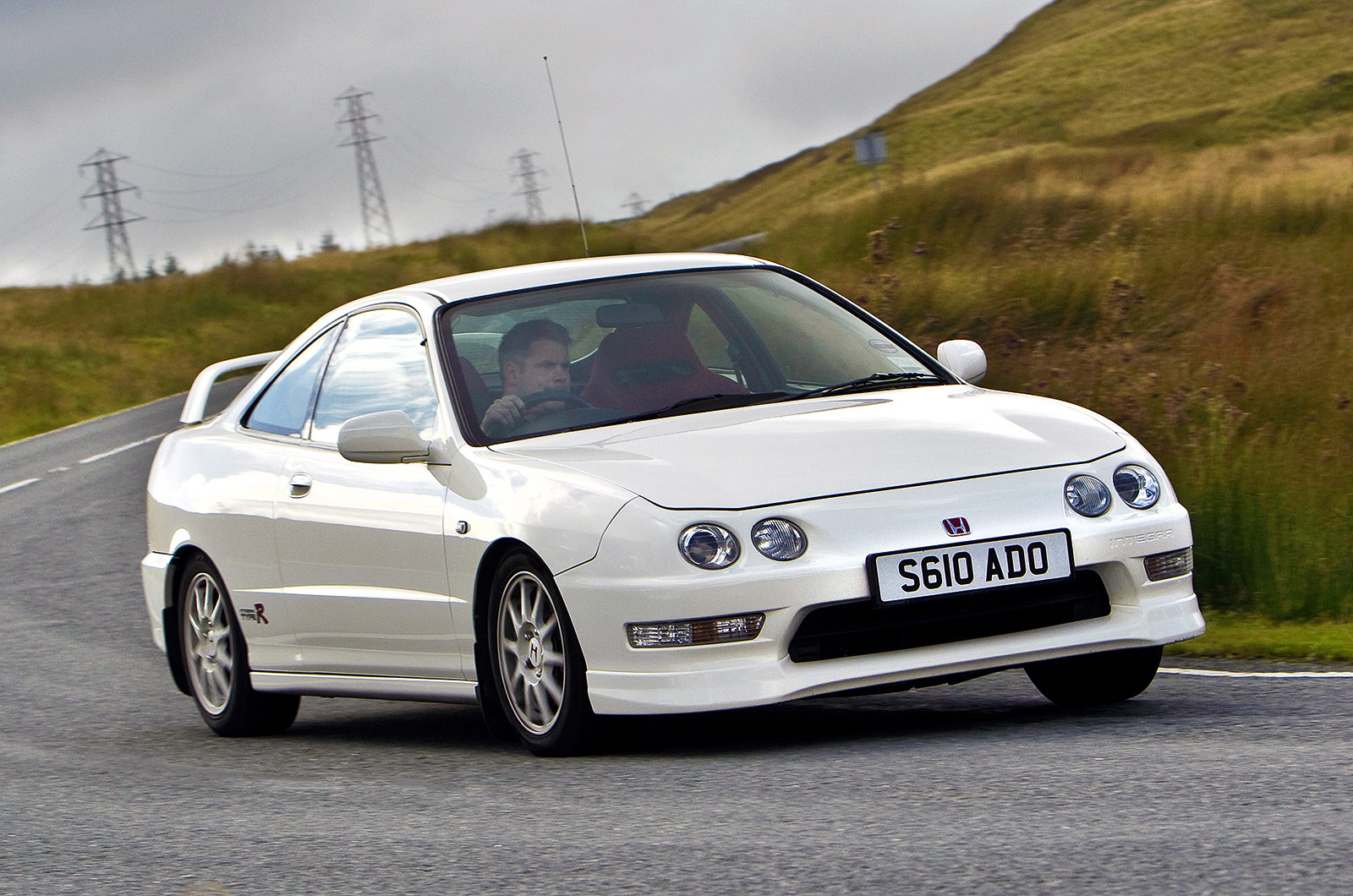
It is incredible to see the cult following this little coupé has earned itself. But this was Honda at the height of its engineering powers and the Integra was the greatest expression of its talent for producing brilliant driver’s cars. Some even say it’s the best front-drive machine of them all.
39: Austin 7
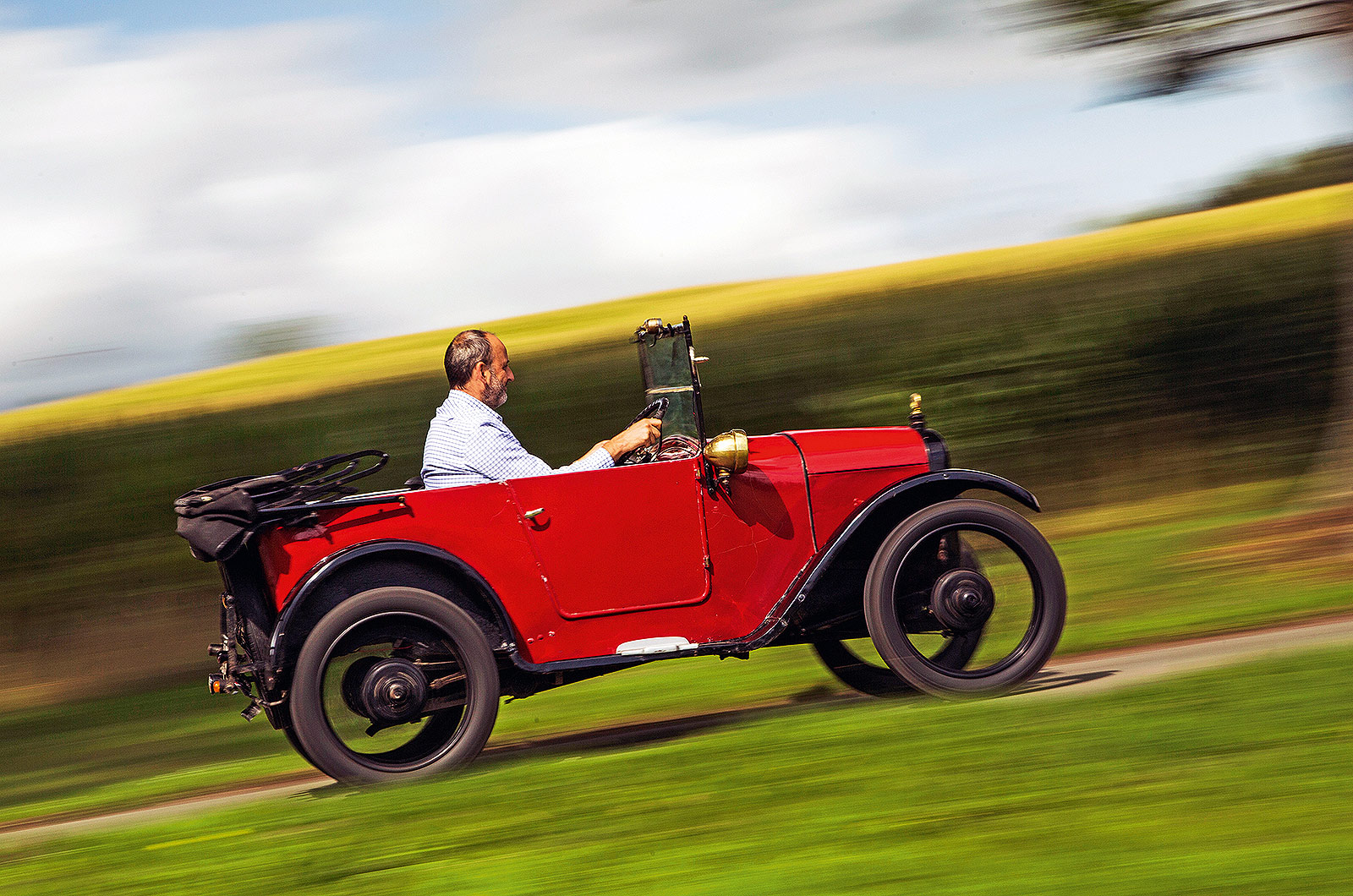
Our answer to the Ford Model T, the car that more than any put Britain on the road. Simple but beautifully realised, slow but still fun to drive, look at one today and see how hard it is not to smile. Drive one and your grin will stretch from ear to ear.
38: Jaguar I-Pace
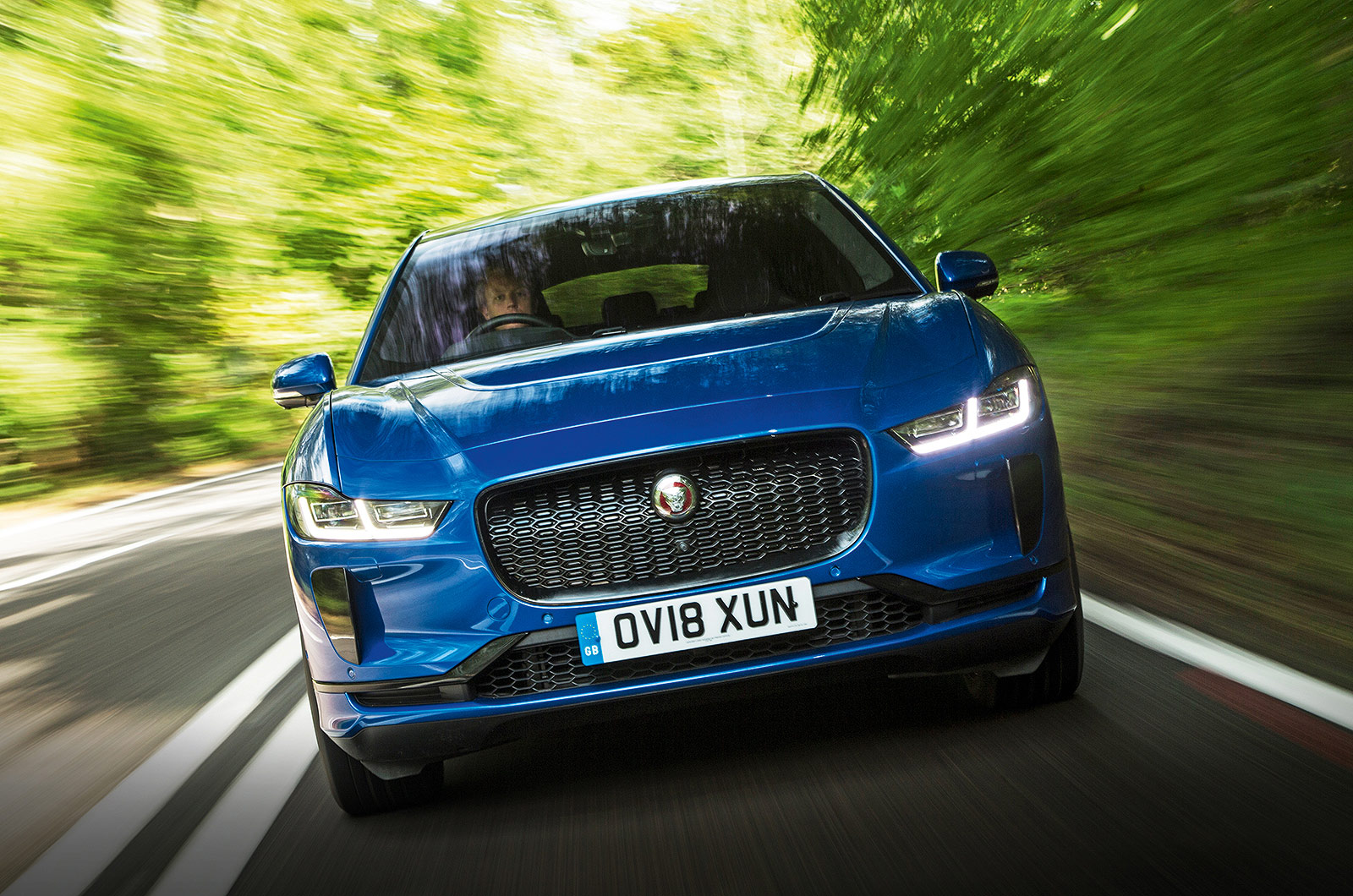
Not just included here for what it is, which is a damn fine electric car but for what it represents: Jaguar doing things its way. For too long, Jaguar has followed the lead of (mainly German) others. Yet it was always at its best setting the trend, not following it, and you only have to look at the XK120, E-Type and original XJ6 to know it. The I-Pace is a return to that mindset. Long may it last.
37: Land Rover Series 1
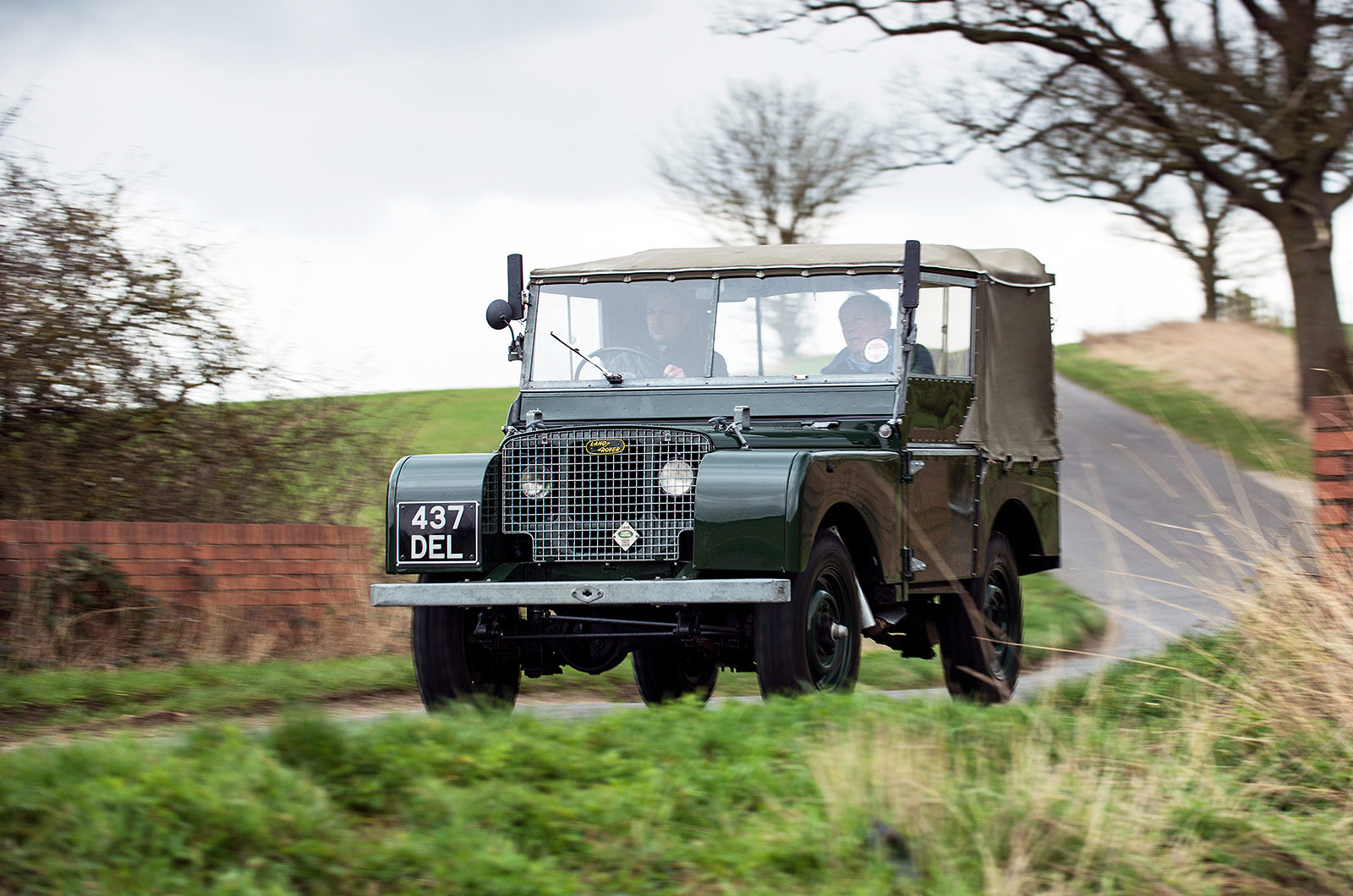
No, it’s not the first SUV but it is undoubtedly the most influential. How funny for a car designed with straight edges and built from scrap aluminium left over from the war because it was intended as a stopgap and that was the cheapest way of making them.
36: Porsche Cayman GT4
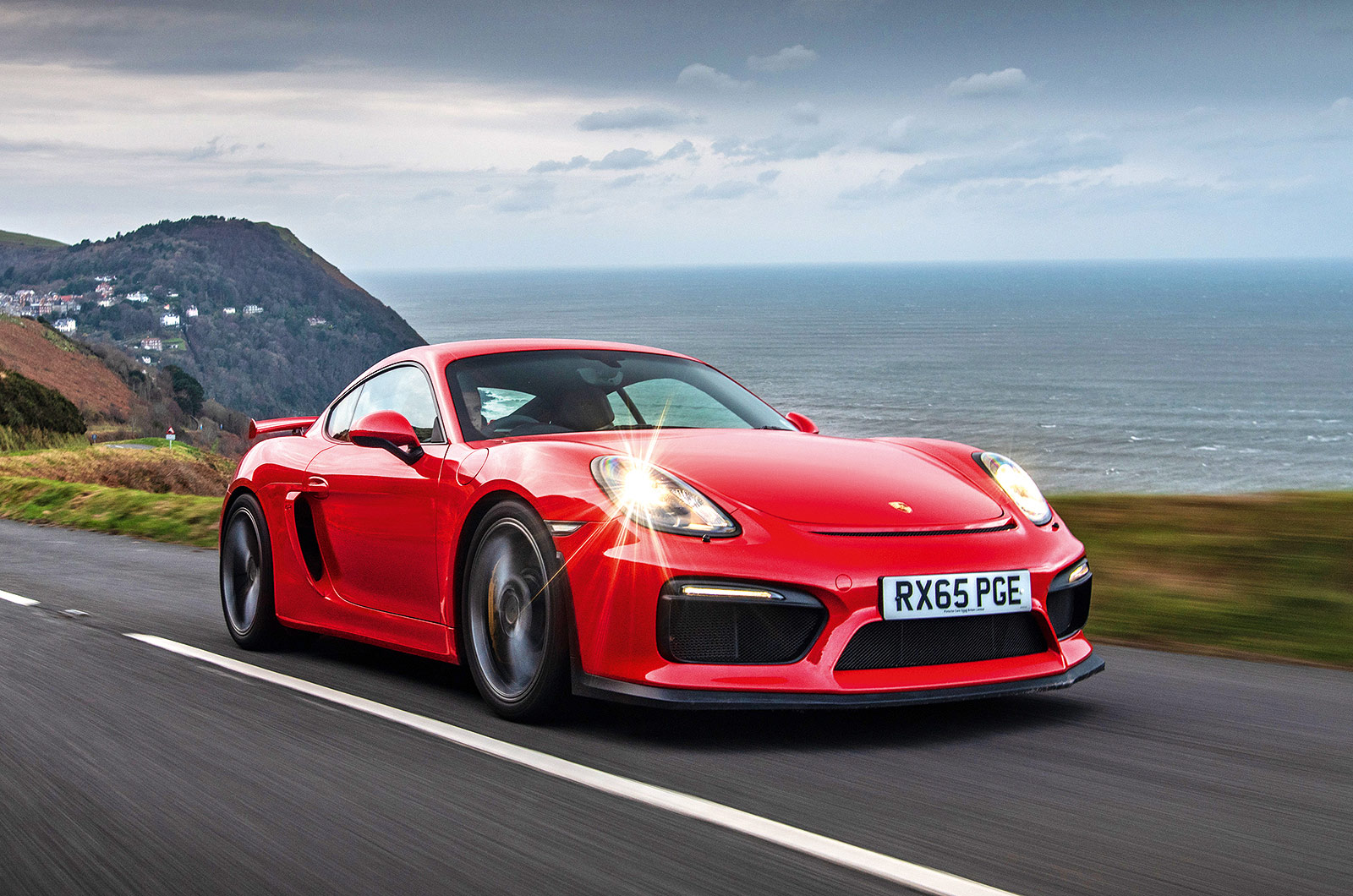
Either generation will do, but in this case we mean the first. Much of the power deficit to the vaunted GT3 was offset by better weight distribution and lower overall mass. An outstanding driver’s car for a fraction of the price of the 911 equivalent.
35: Mitsubishi Evo VI Tommi Mäkinen
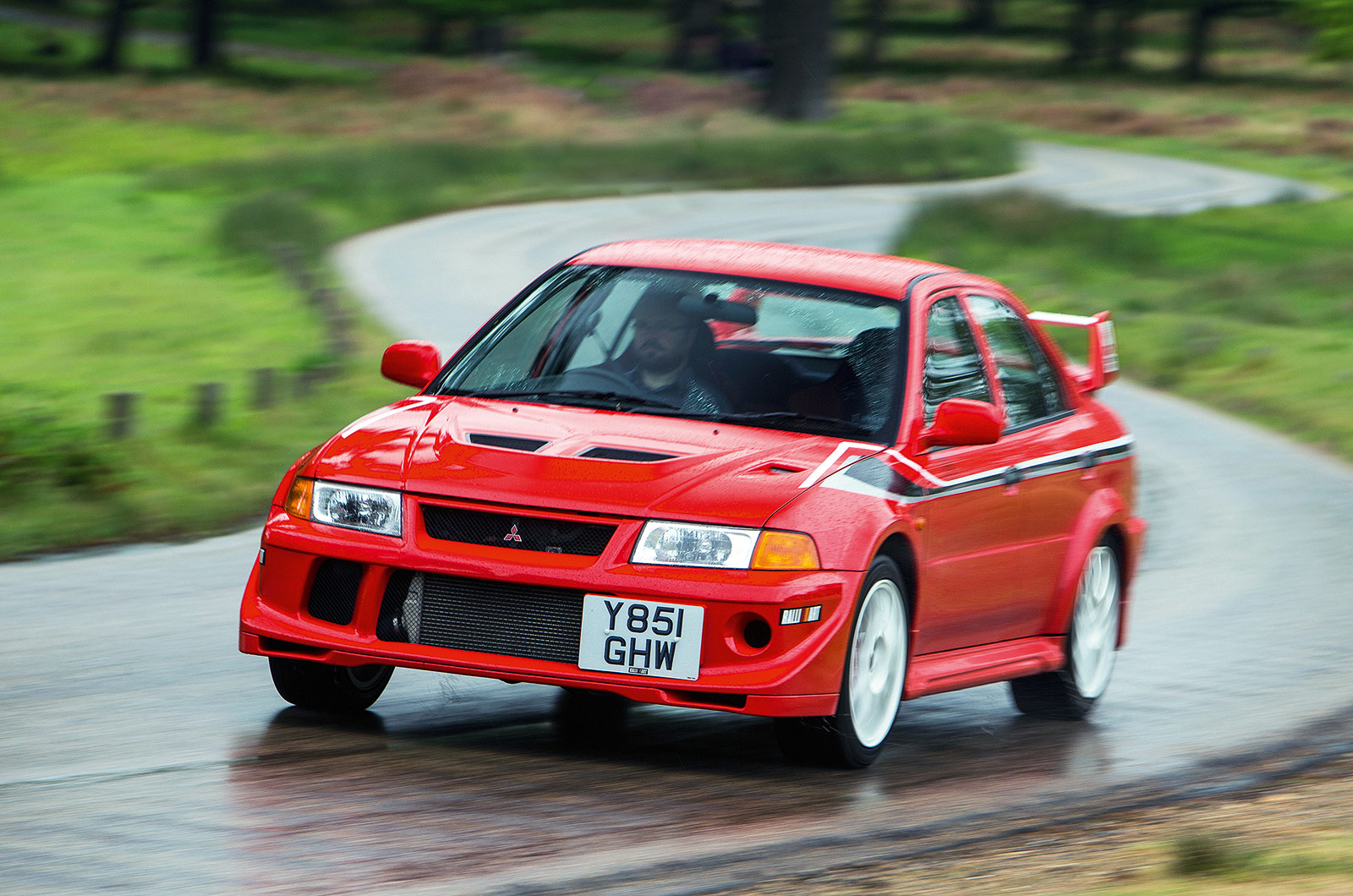
It’s a shame cars like this are no longer fashionable – few made their driver feel more of a hero. Immense power just set the scene: it was the balance and agility that made you feel like a WRC winner. Any Evo is good, but this was the best.
34: Porsche 968 Clubsport
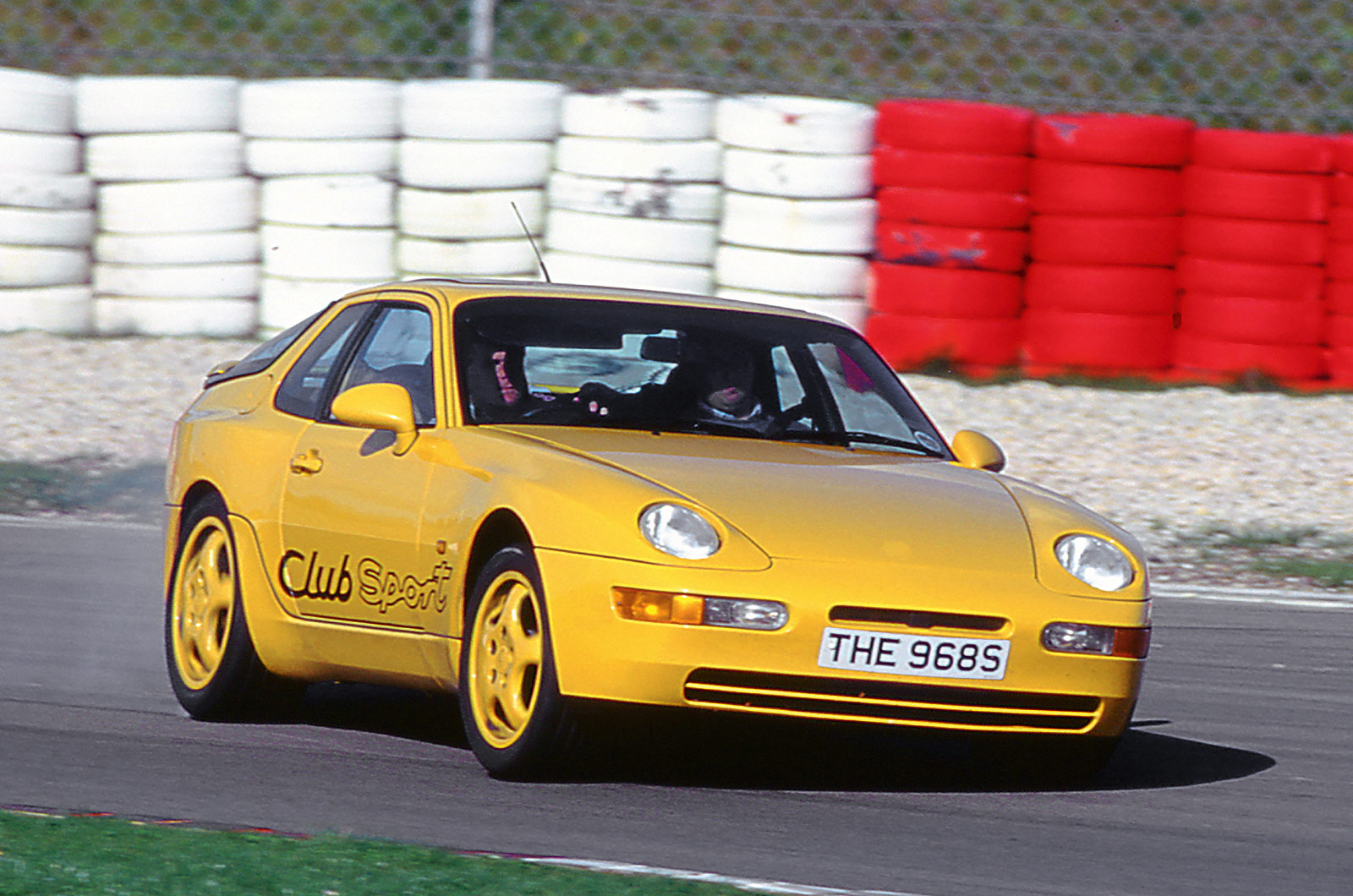
In pure handling terms, probably still the best balanced Porsche. The lightweight Clubbie came from a time when Porsche actually charged less and not more for removing equipment, making this 968 not just a superlative driving machine but a surprisingly affordable one too.
33: Mercedes-BenzS-Class(W140)
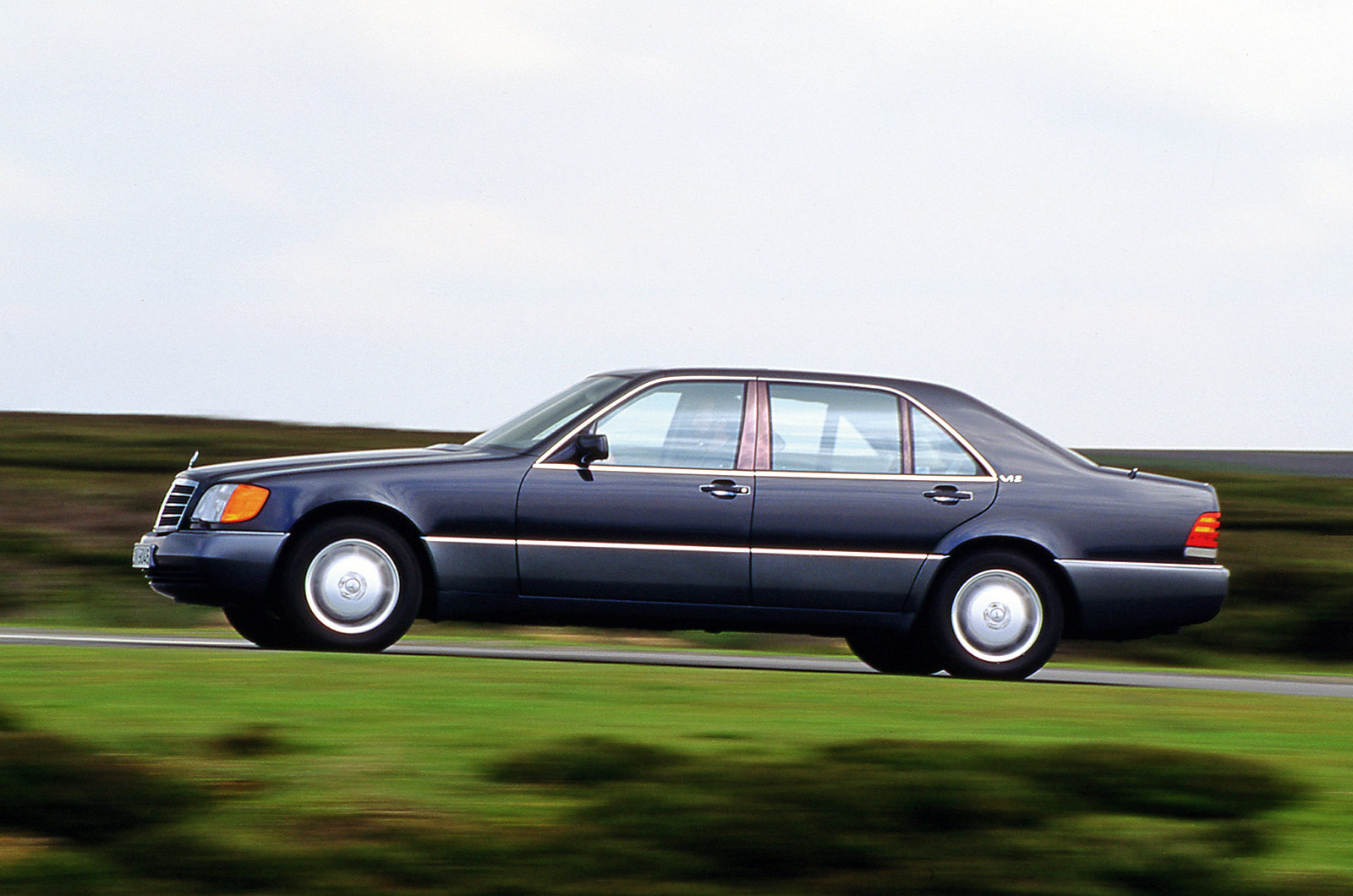
The S-Class of S-Classes, the most massively constructed, locked-in vault Benz of them all, dating from a time when Mercedes wilfully overengineered its cars, just because it could. The S500 with its punchy V8 was the best, and was an implausibly effective driving machine too.
32: Mazda MX-5
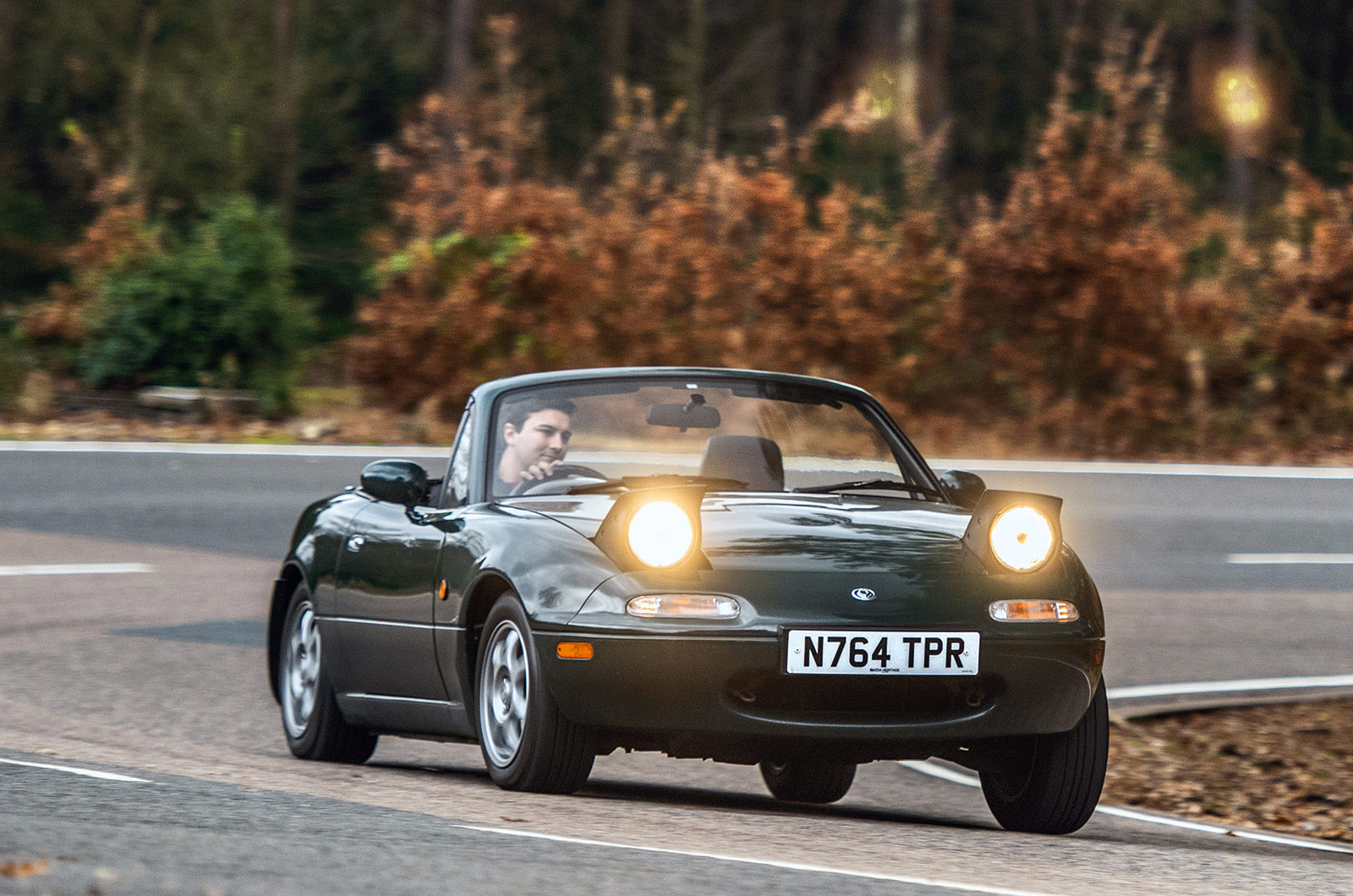
Thirty years. That’s how long it’s been since Mazda launched its gorgeous little roadster on the road and that’s how long we’ve spent waiting for someone, anyone, to manage to better it. Some have tried, all have failed. Drive it and you’ll see why.
31: Lotus Esprit Sport 300
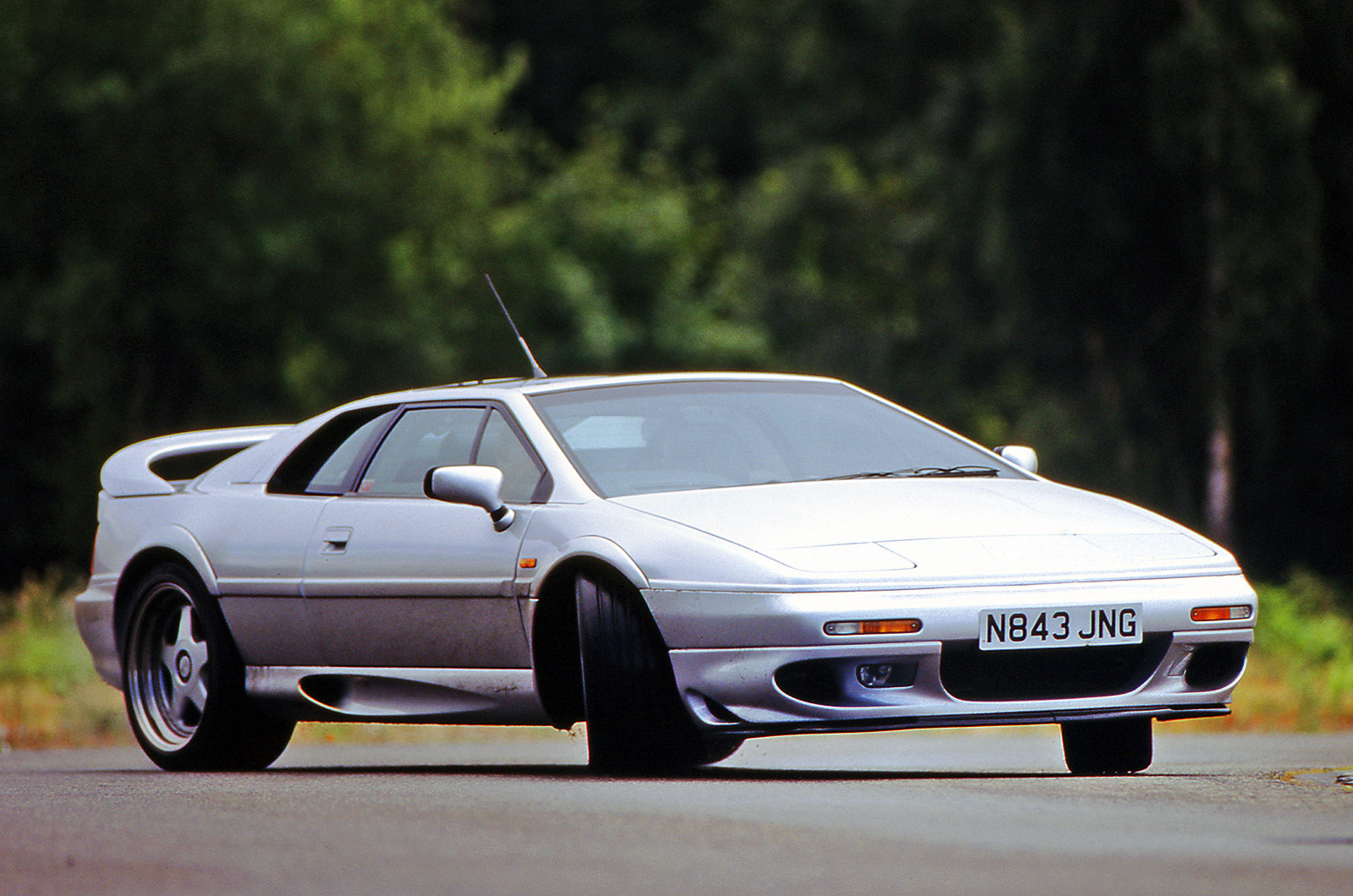
The Elise is a far more important car, but this is the best Lotus road car I’ve driven, with real power from its old 2.2-litre engine making the most of the best chassis then in the business. Perhaps the most lucid and vice-less mid-engined supercar that has been created.
30: Dodge Charger 440R/T
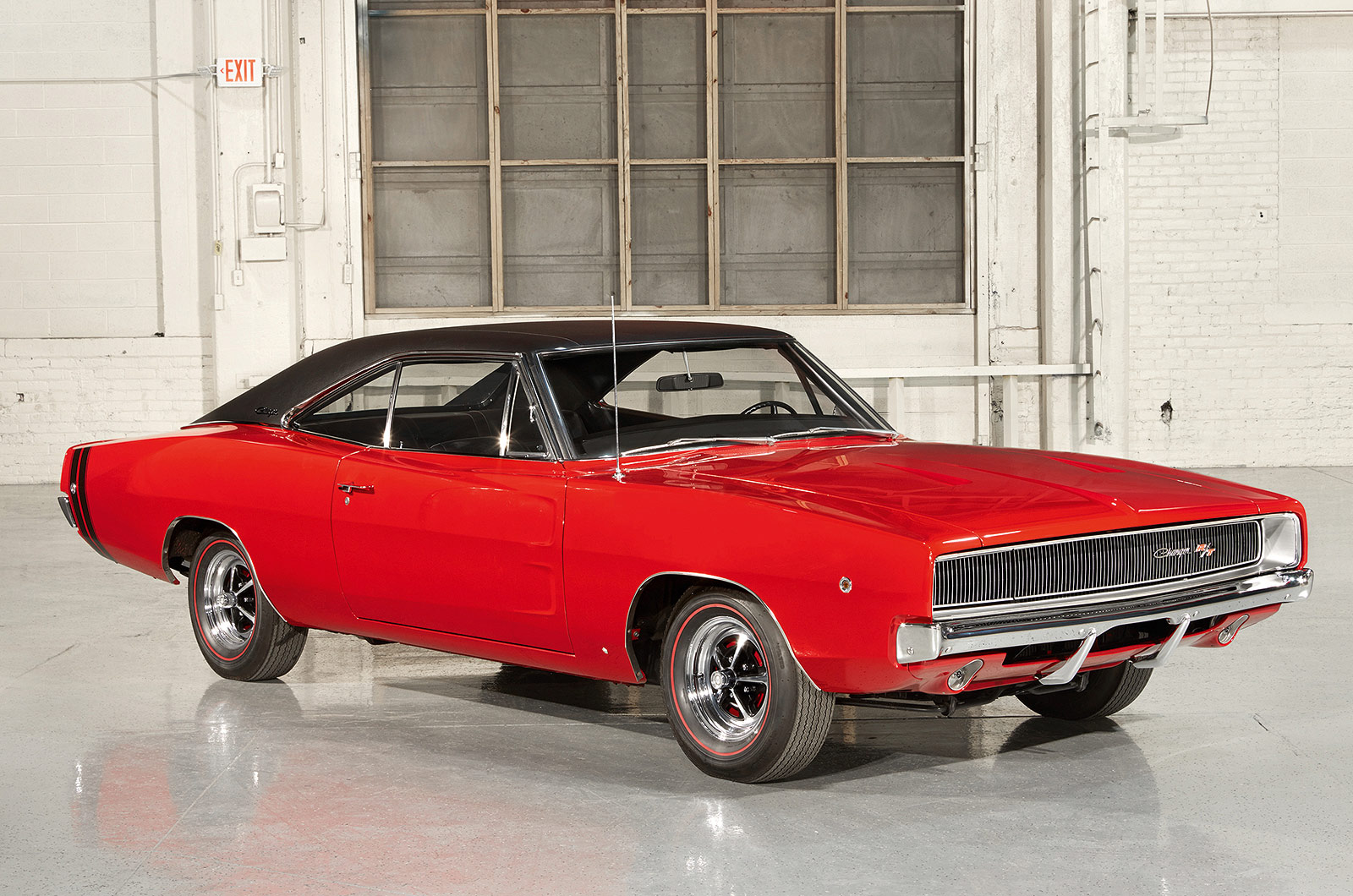
There’s a good reason they chose this for The Dukes of Hazzard TV show in the 1980s, for it symbolises all that was good about America’s greatest muscle car era. The 1968 spec cars look best, and the enormous 440-cubic-inch motor is a legend in its own right.
29: Bentley 4 1/2 Litre
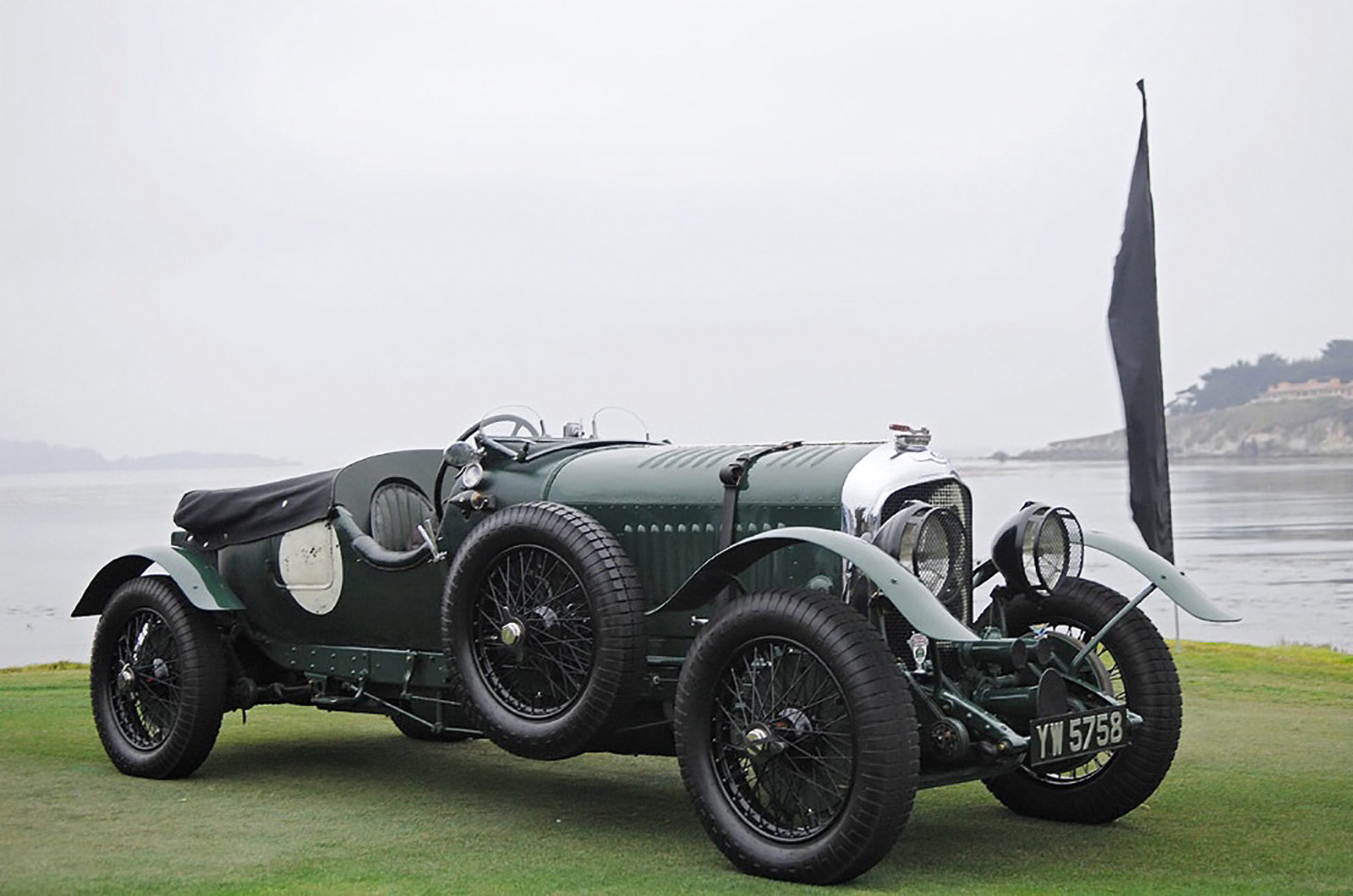
The epitome of the vintage Bentley, all bonnet straps, Union flags and a cockpit that looks like that of a WW1 biplane. Difficult to drive owing to reversed pedals and a non-syncro ’box, but get it right and there are still few more pleasurable driving experiences out there today.
28: Aston Martin DBS Superleggera
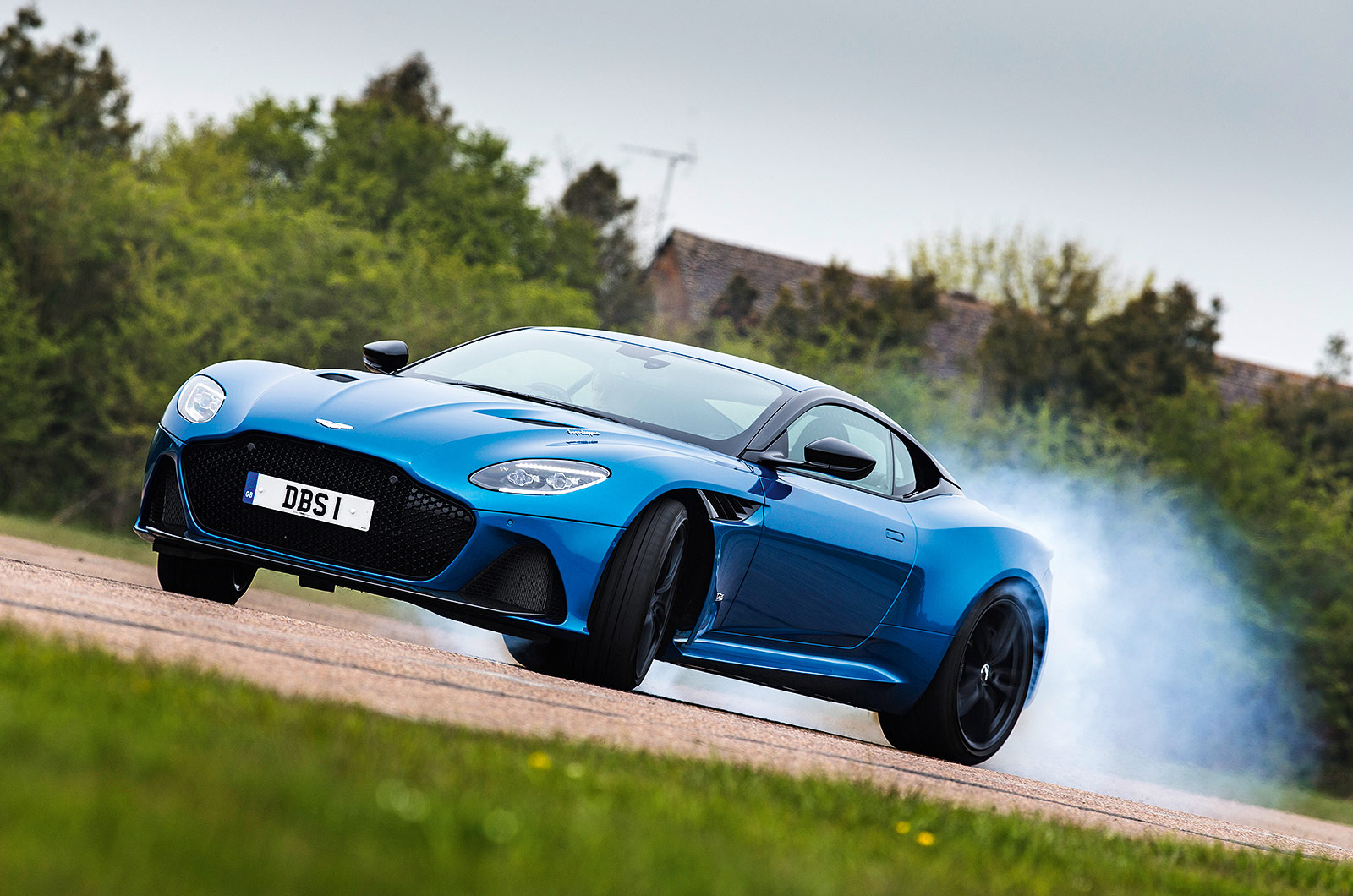
All that a modern Aston Martin should be: gorgeous, stupendously fast , superb to drive and with just a hint of cad about it . A modern-day DB5, and praise comes little higher than that.
27: Lotus Elise
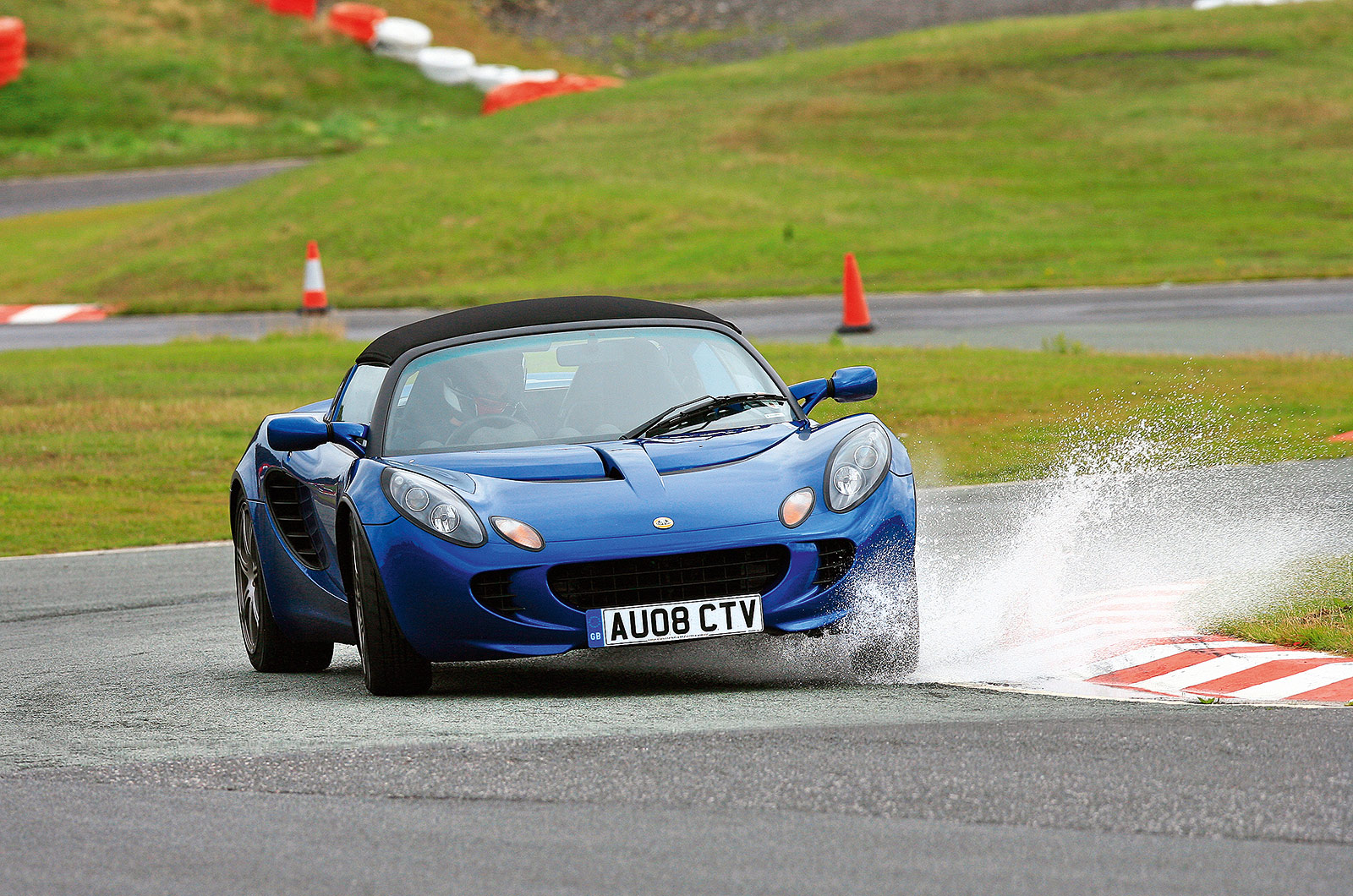
The car that saved the company. By going back to its roots and building something advanced but simple, fast but affordable, Lotus found its sweet spot and has been cashing in on it ever since. A landmark in the history of one of the most important and enigmatic brands.
26: McLaren 720S
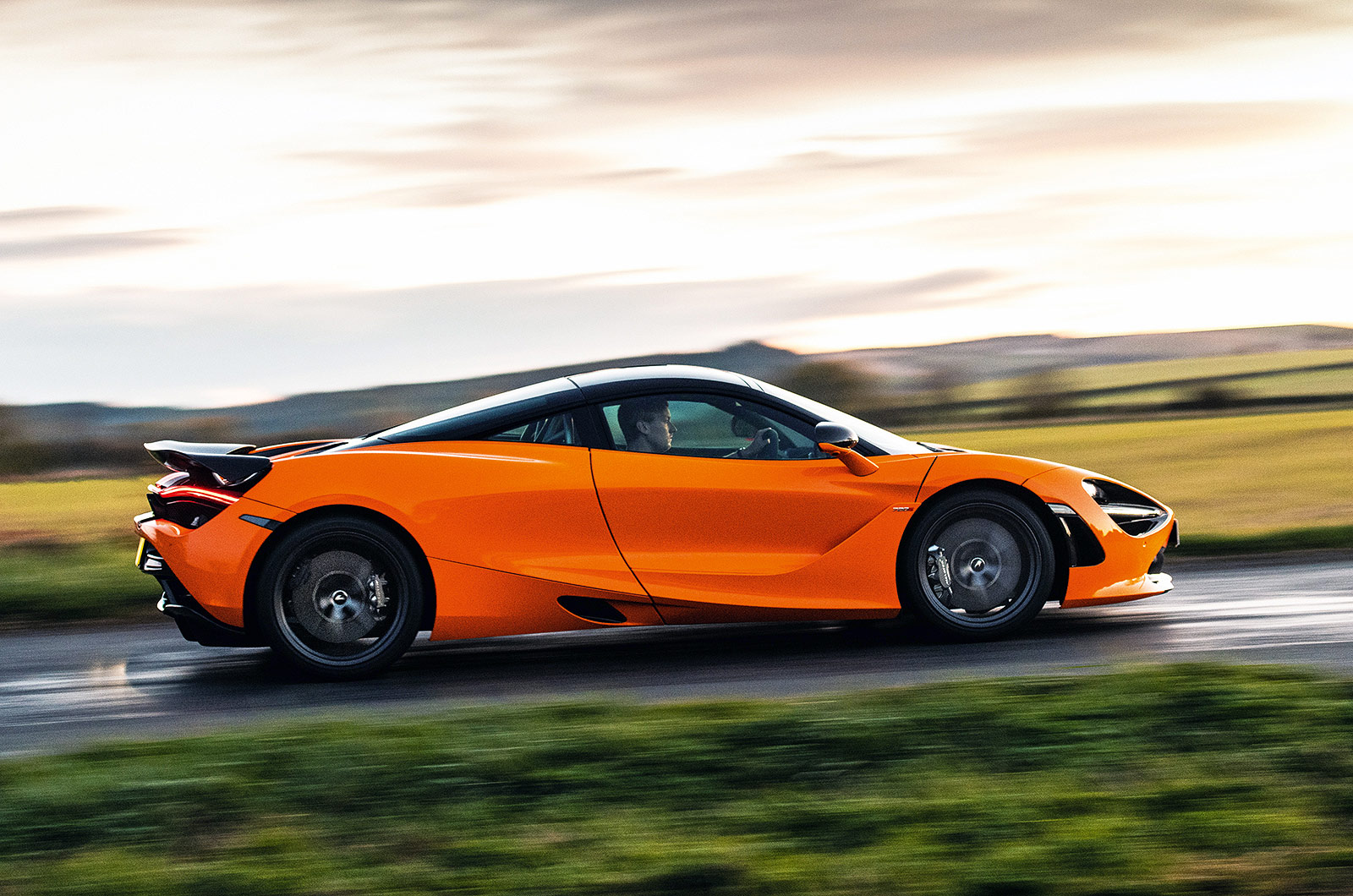
Could have had any number of McLarens here, but the 720S is what it does best: a quiet, comfortable and spacious long-distance cruiser – then an axe-wielding maniac at the press of a pedal. Wonderful en route to the mountains, insane when you arrive. The most broadly defined supercar.
25: Mercedes-Benz 300SL
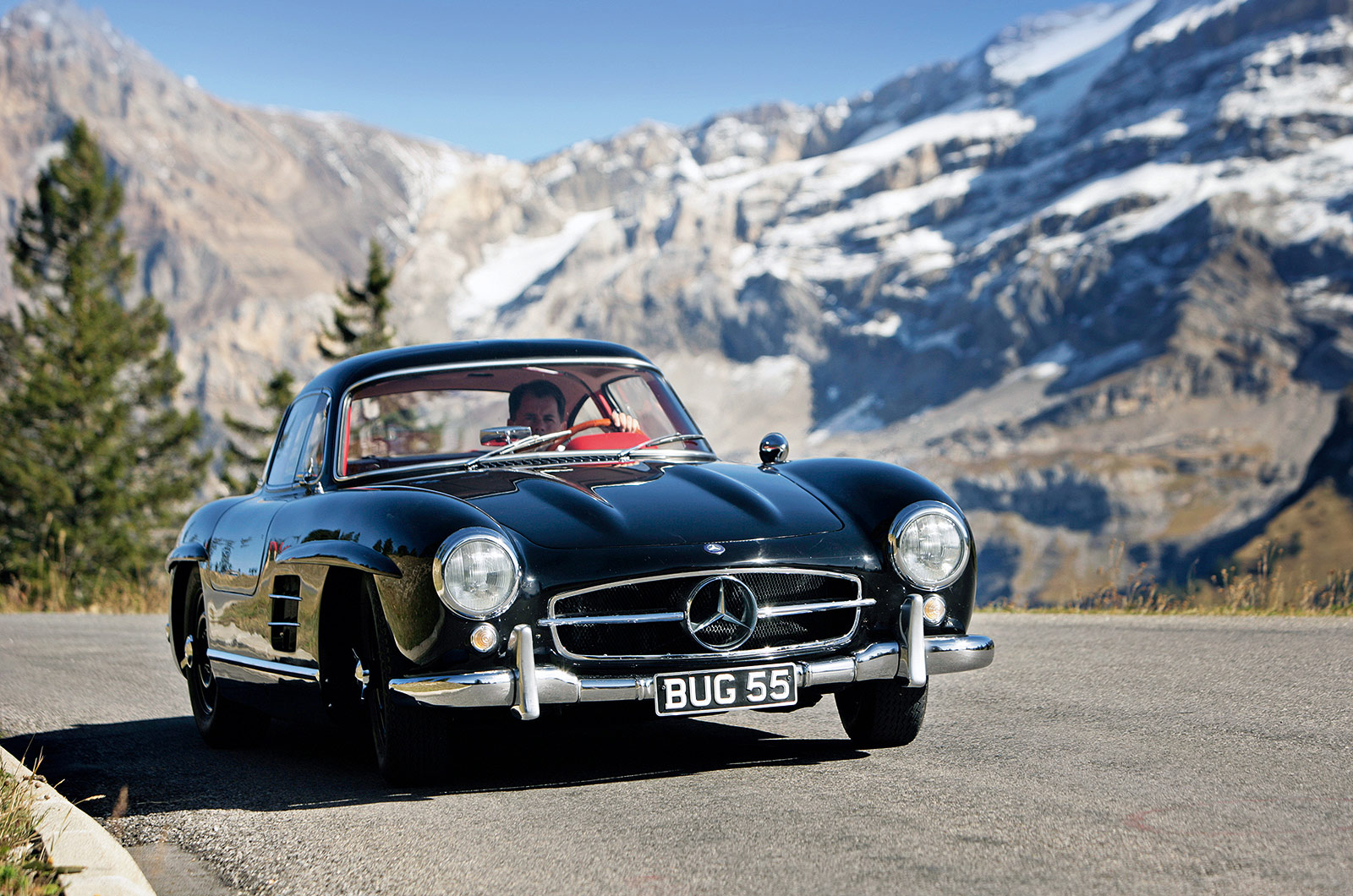
It’s not just about the doors, though those gullwings are quite some calling card. What it is, in fact, is the first car with a credible claim to the title ‘supercar’ and one whose combination of performance and civility in 1954 made everything else on the road seem instantly obsolete.
24: Citroën 2CV ‘AZ’
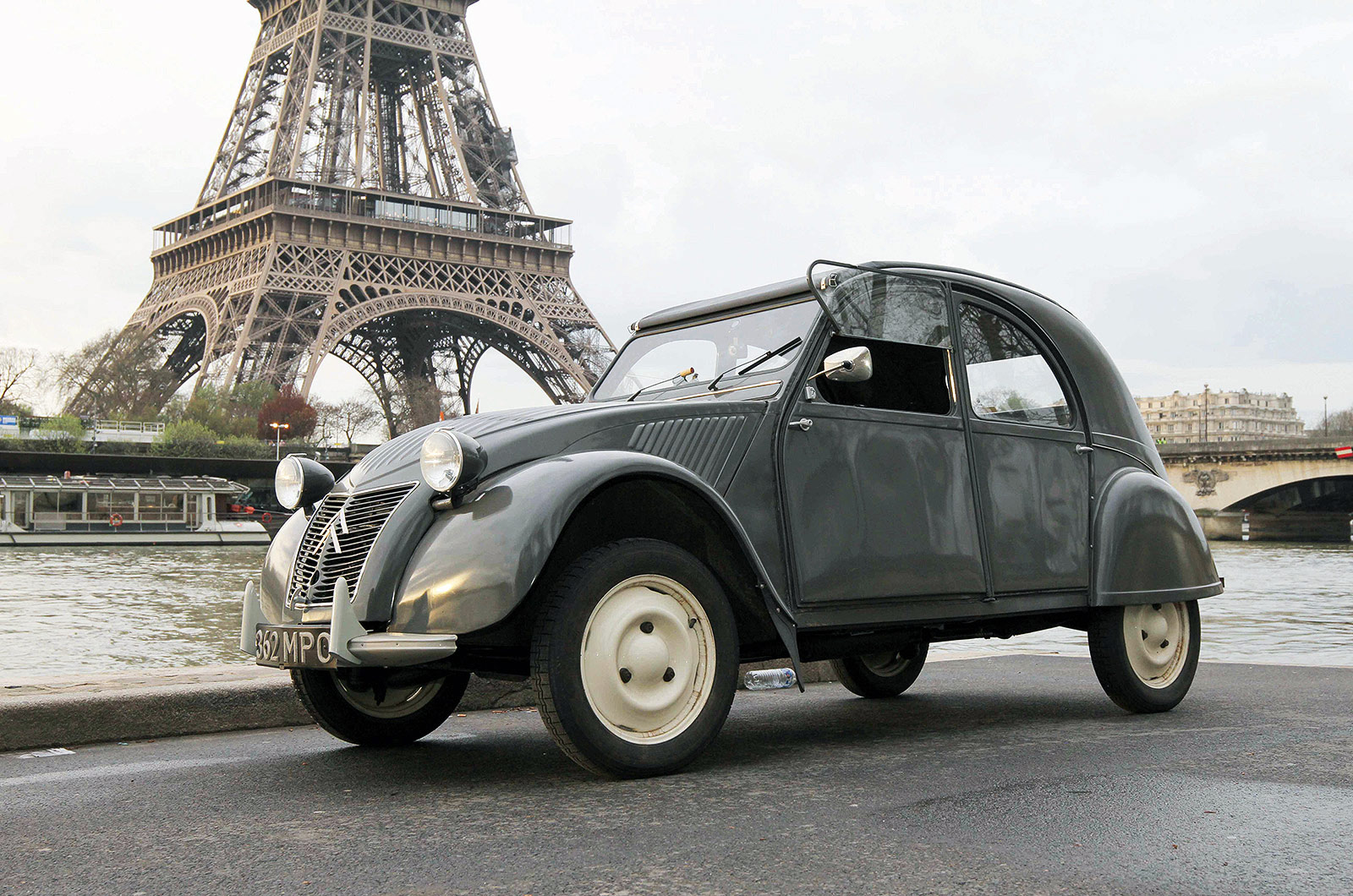
An AZ is an early car from the 1950s, with a ripple bonnet and a 425cc engine, close to the inspired original and pre-war vision for the car. One of the slowest cars on the road owing to just 12bhp, but one of the most charming too. Being unhappy and on board at the same time is not possible.
23: Ariel Atom
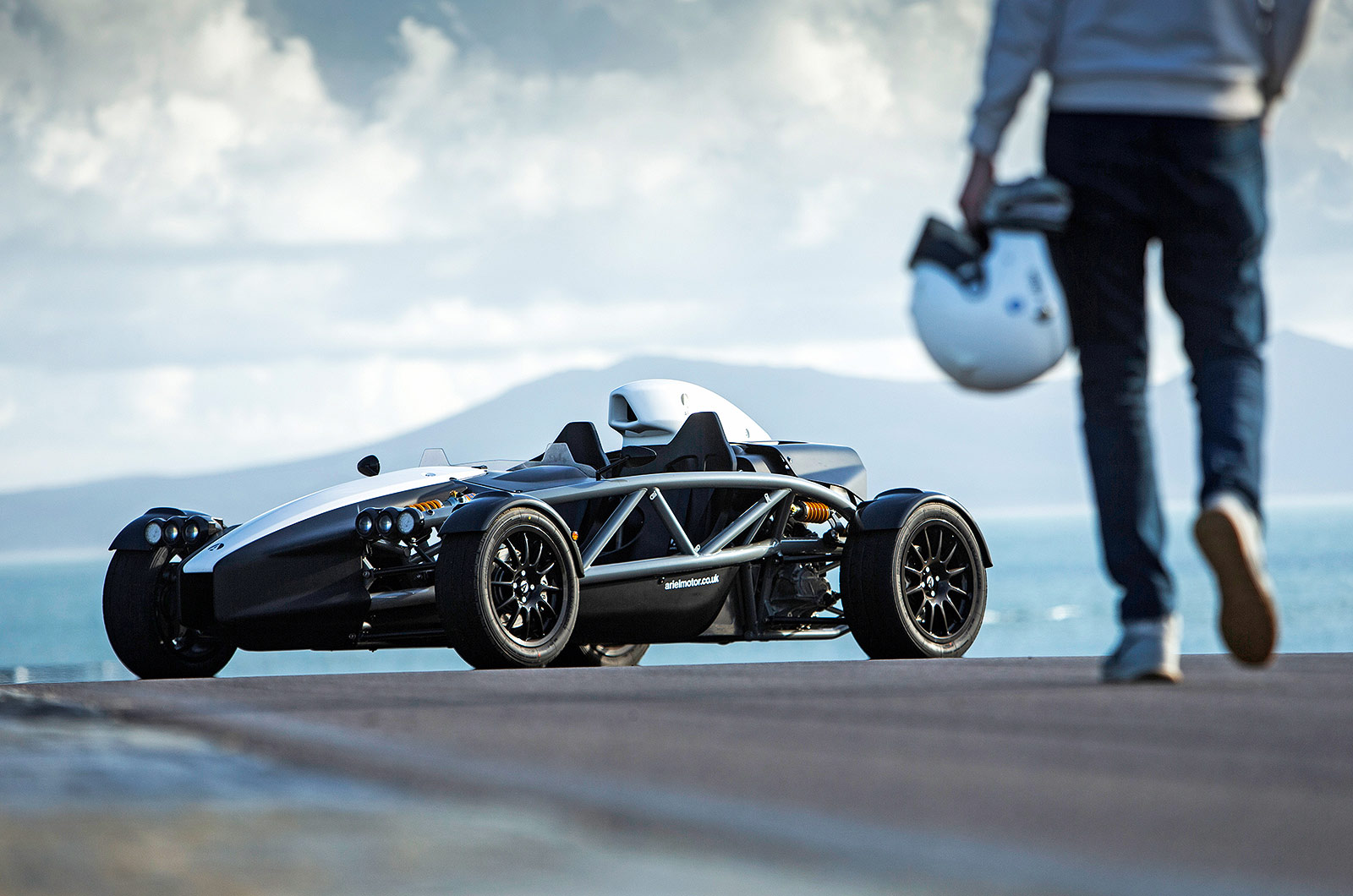
Any will do, though the later the better. The slowest will stir your soul, the quicker will fry your brain. The most intense driving experience a five-figure sum will buy. Our choice: the 3.5R with its sorted handling and maniac supercharged engine.
22: AC Cobra
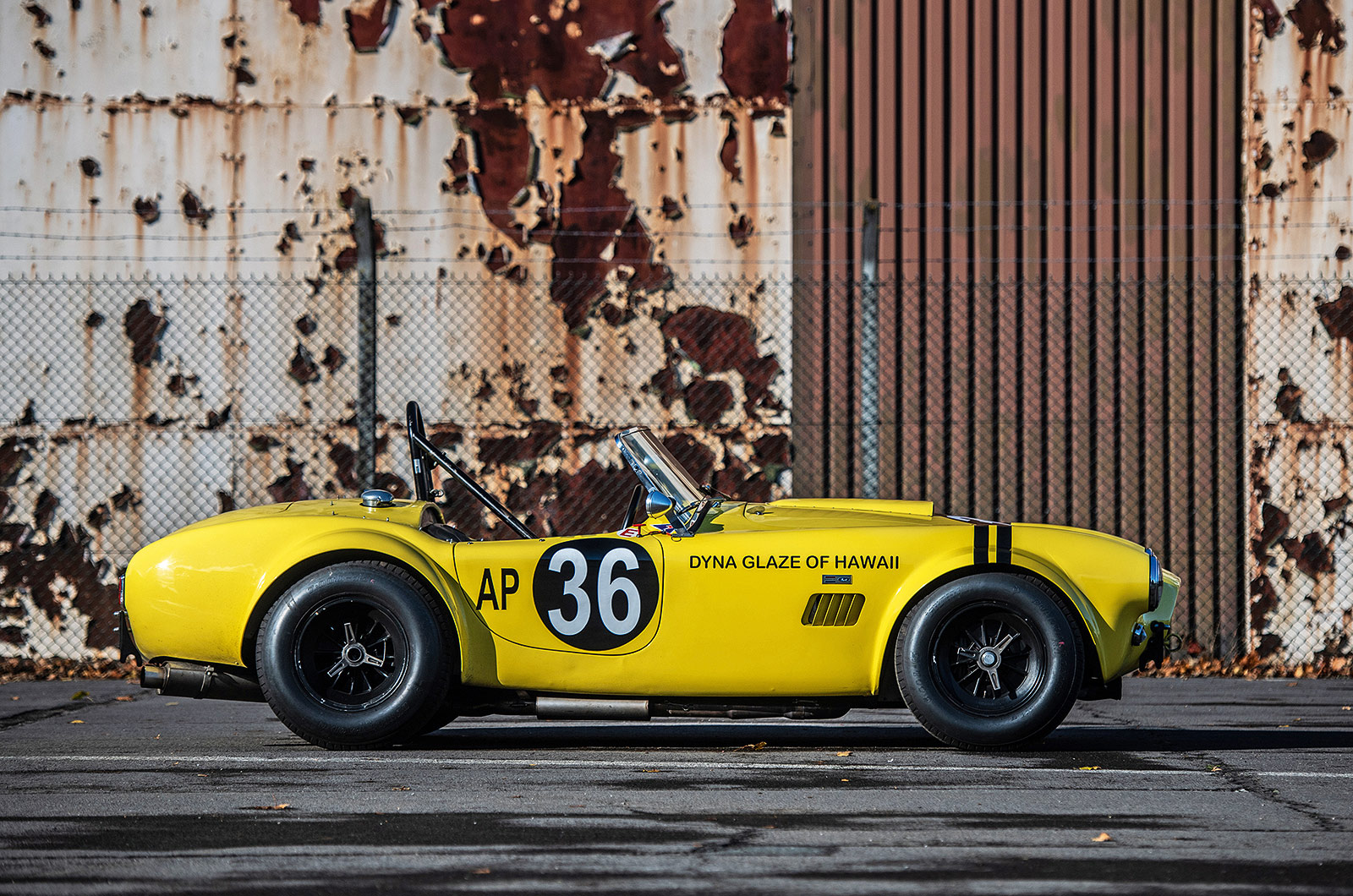
Originals have strange steering and primitive chassis, even for their age, and far too much power for their own good. Occasionally frustrating and frequently frightening, but these Anglo-American icons are also always heart-stoppingly exciting.
21: Porsche 911 (992)
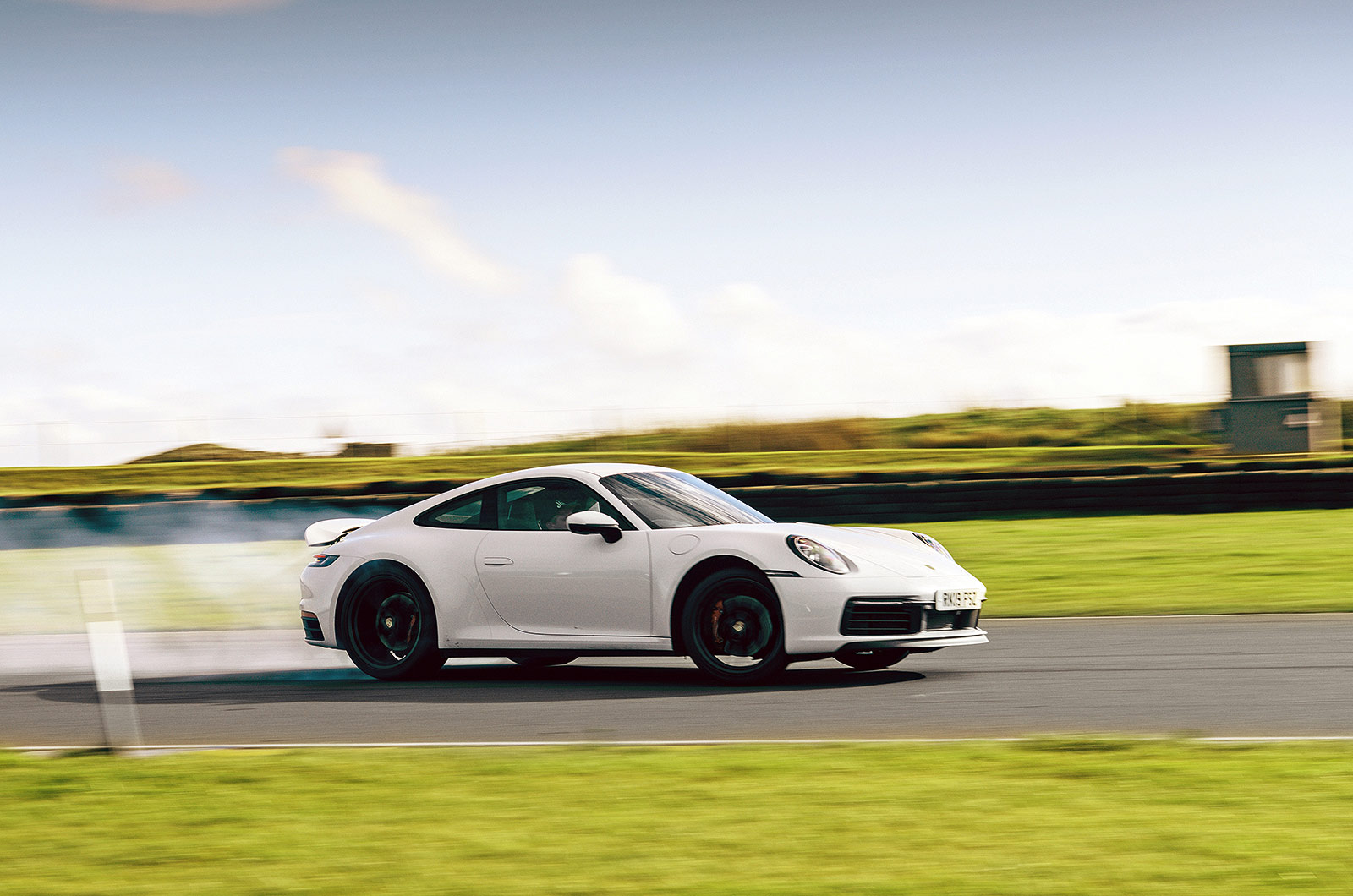
Someone considerably richer than me once said your motoring education was incomplete until you’d driven a 911 hard. But he was right, and it’s the same today. For 55 years others have tried to better it and for 55 years they have failed. Now as then it's the default choice for anyone looking to drive a true sports car every day.
20: Original Range Rover
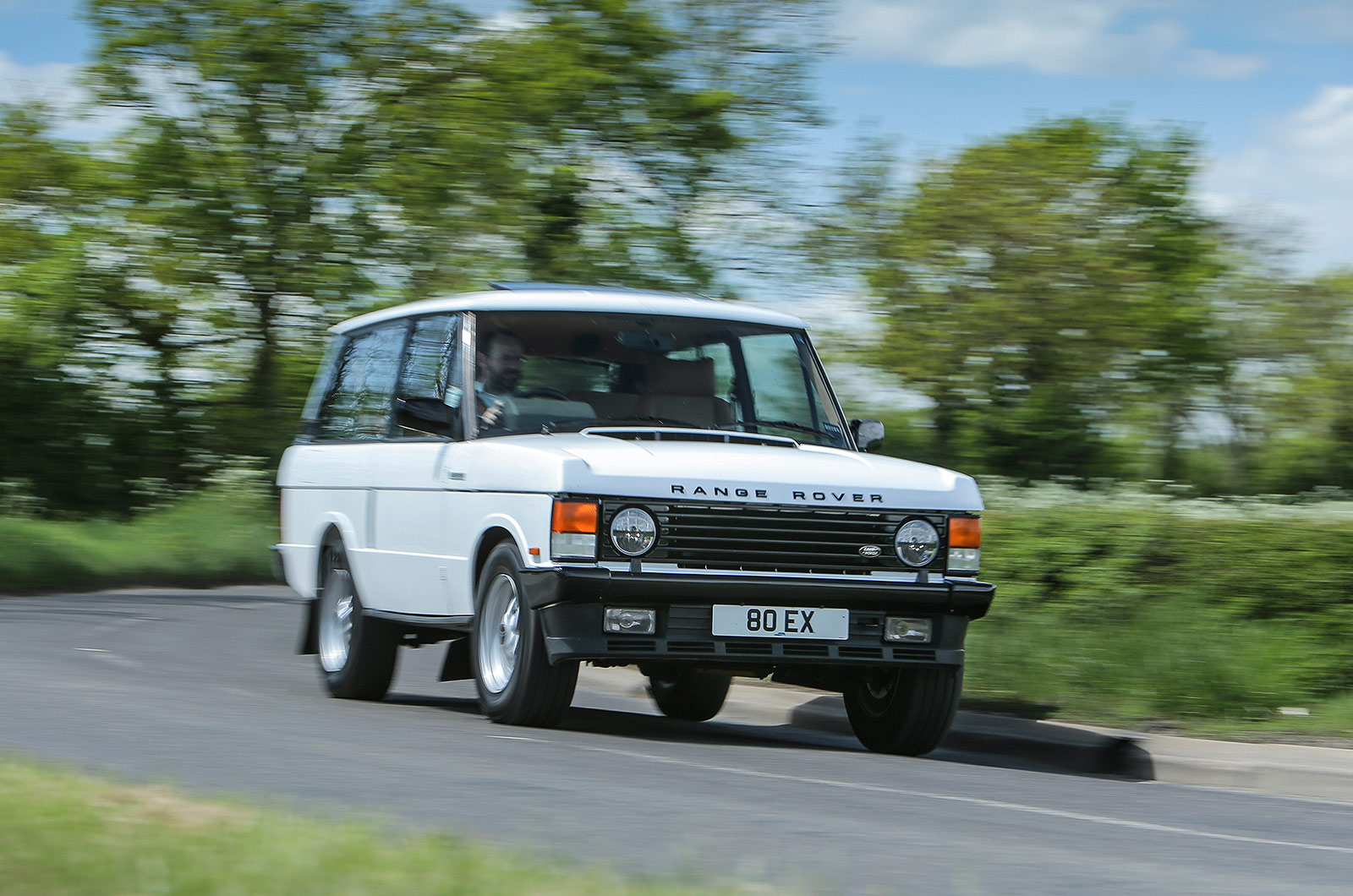
Not the first luxury SUV (Jeep Grand Wagoneer, take a bow) but the gen redefining best. Look at all those new SUVs from Bentley, Lamborghini, Rolls-Royce, Maserati and, shortly, both Aston Martin and Ferrari. Their journeys all started here.
19: Ford Sierra Cosworth
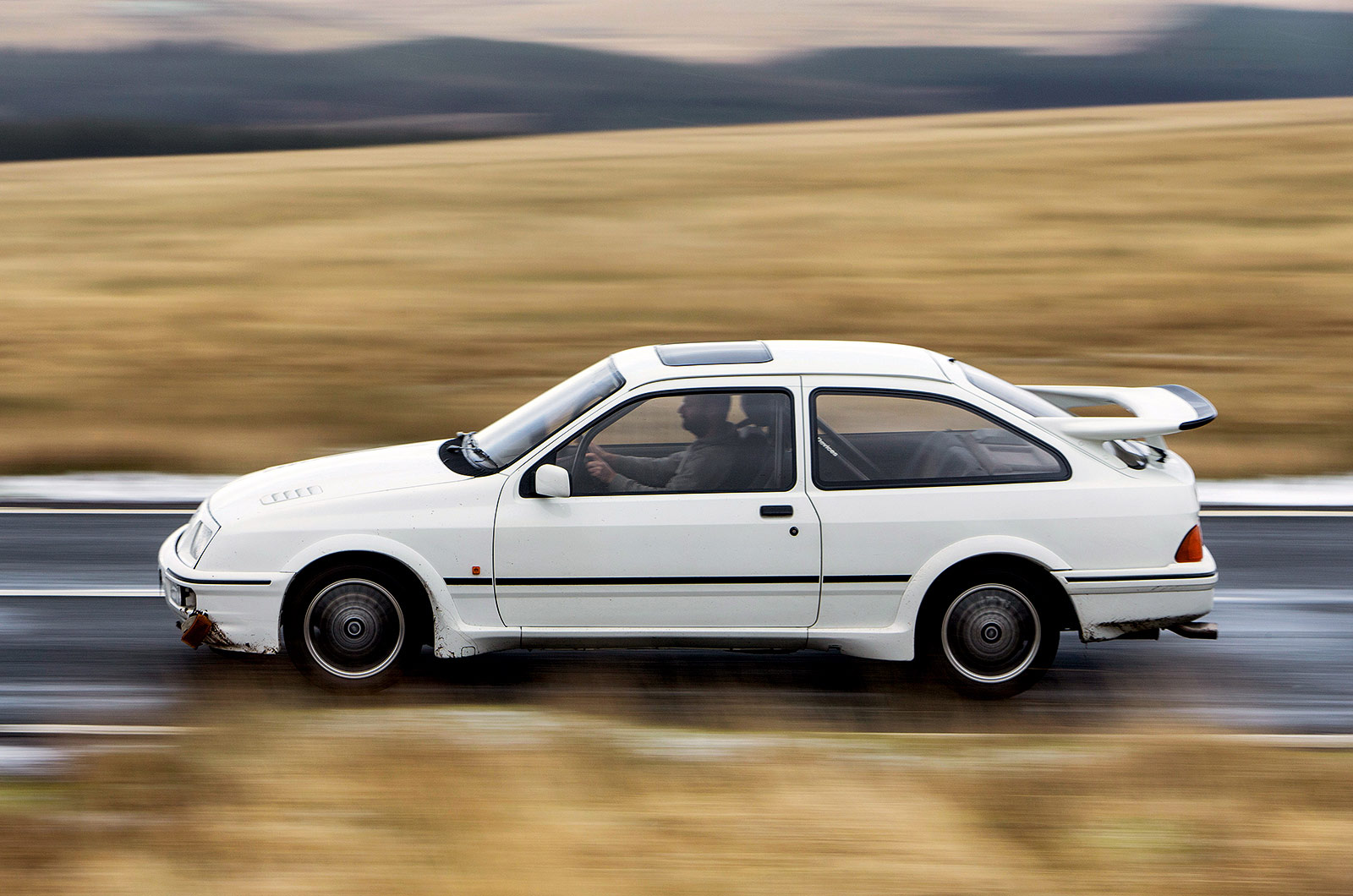
A rear-drive Sapphire Cosworth is actually a fraction nicer to drive but loses the cartoonish presence of the big winged Sierra hatch. A racing car for the road in the truest sense, and as good to drive as such billing suggests.
18: Aston Martin DB4 GT
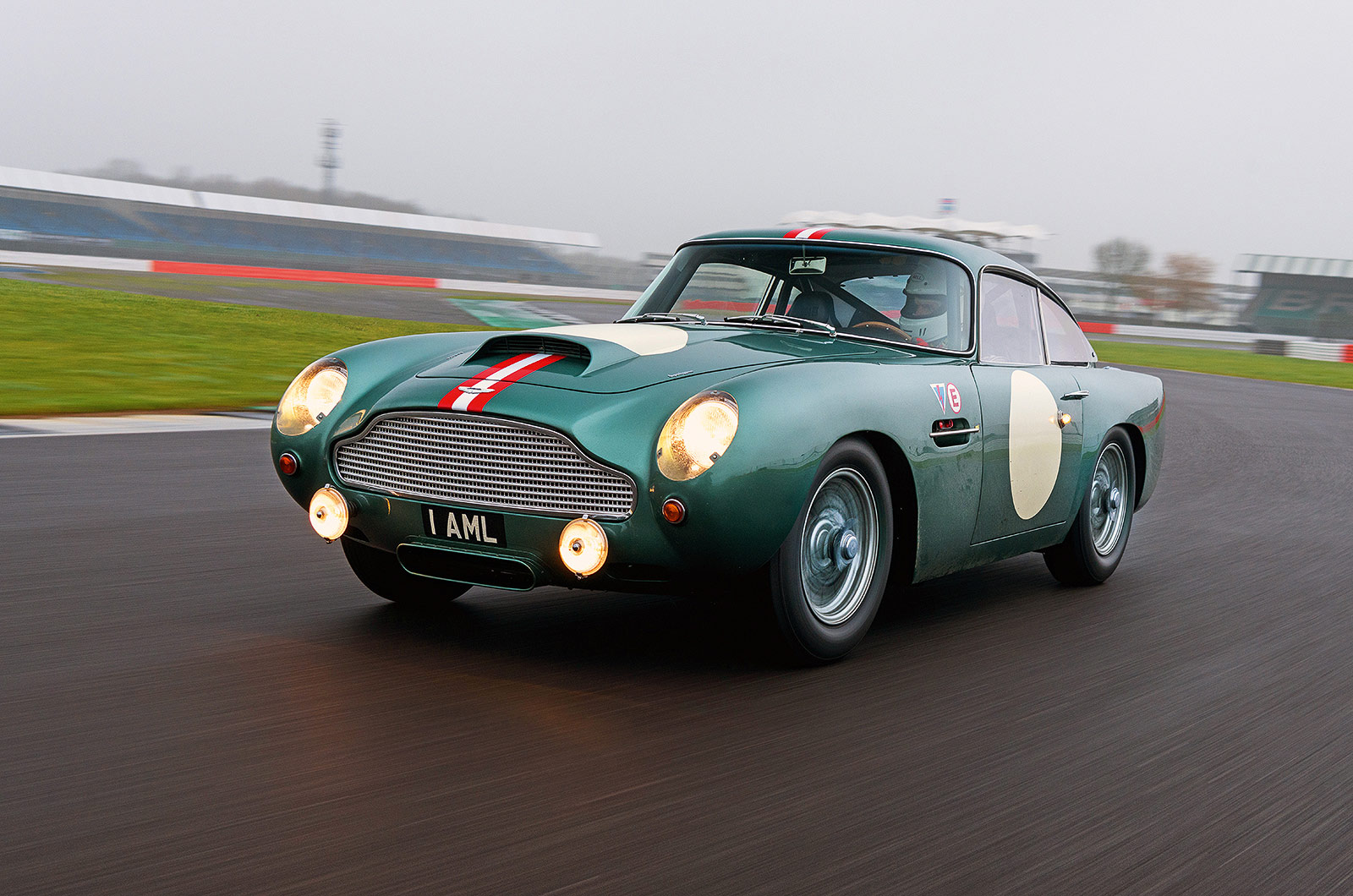
A posher homologation special than the Sierra and the last Aston road car built specifically with racing in mind. With the James Bond looks came monster power, little weight and cornering to remind you what your side windows are for.
17: Lancia Stratos
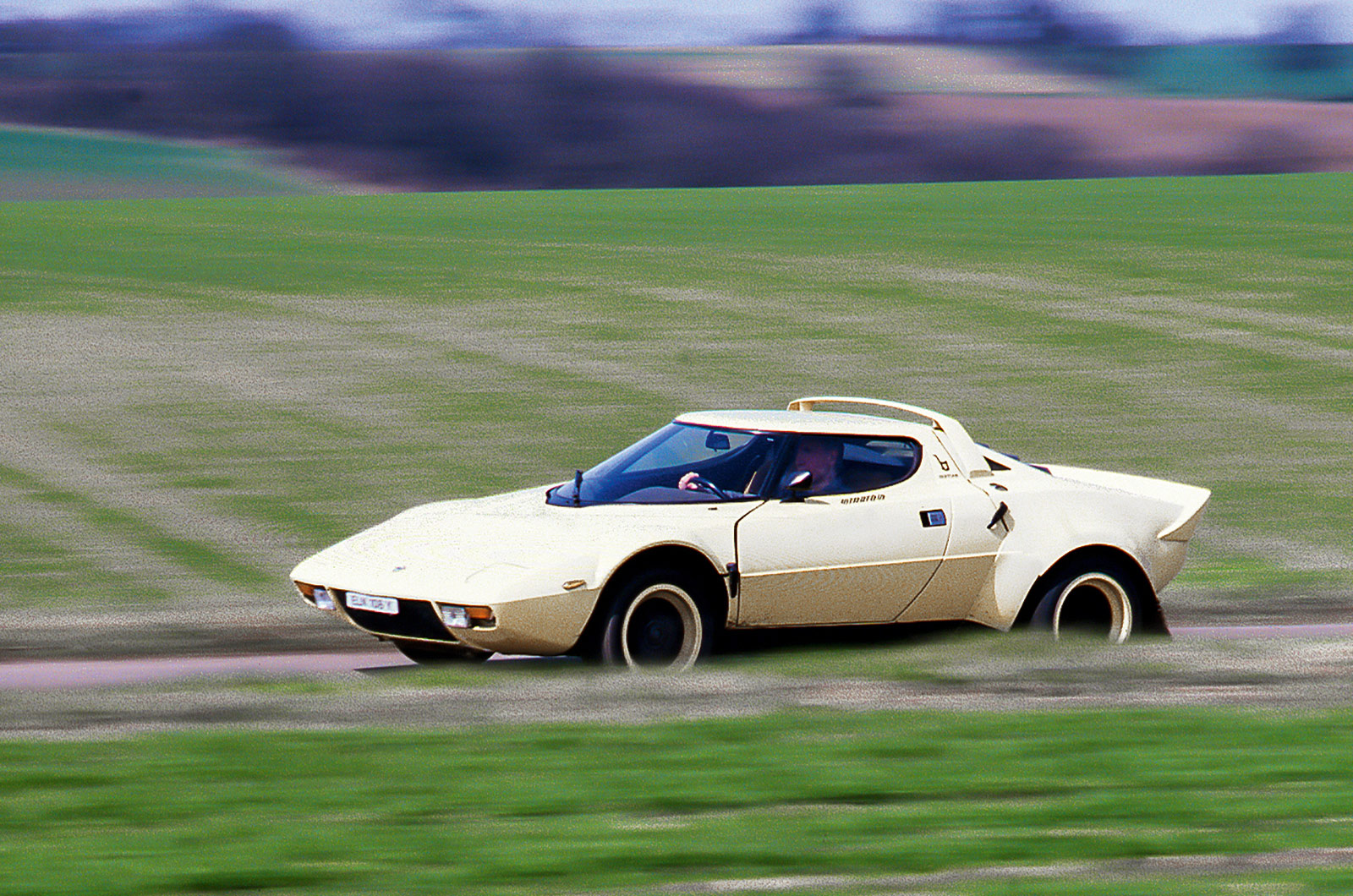
You’d probably hate the Stratos the first time you try it. Other cars just don’t drive like this. Sat on a vanishingly small wheelbase and designed to change direction in an instant, it is an acquired taste. But once you have it, it never leaves you.
16: BMW M3 (E30)
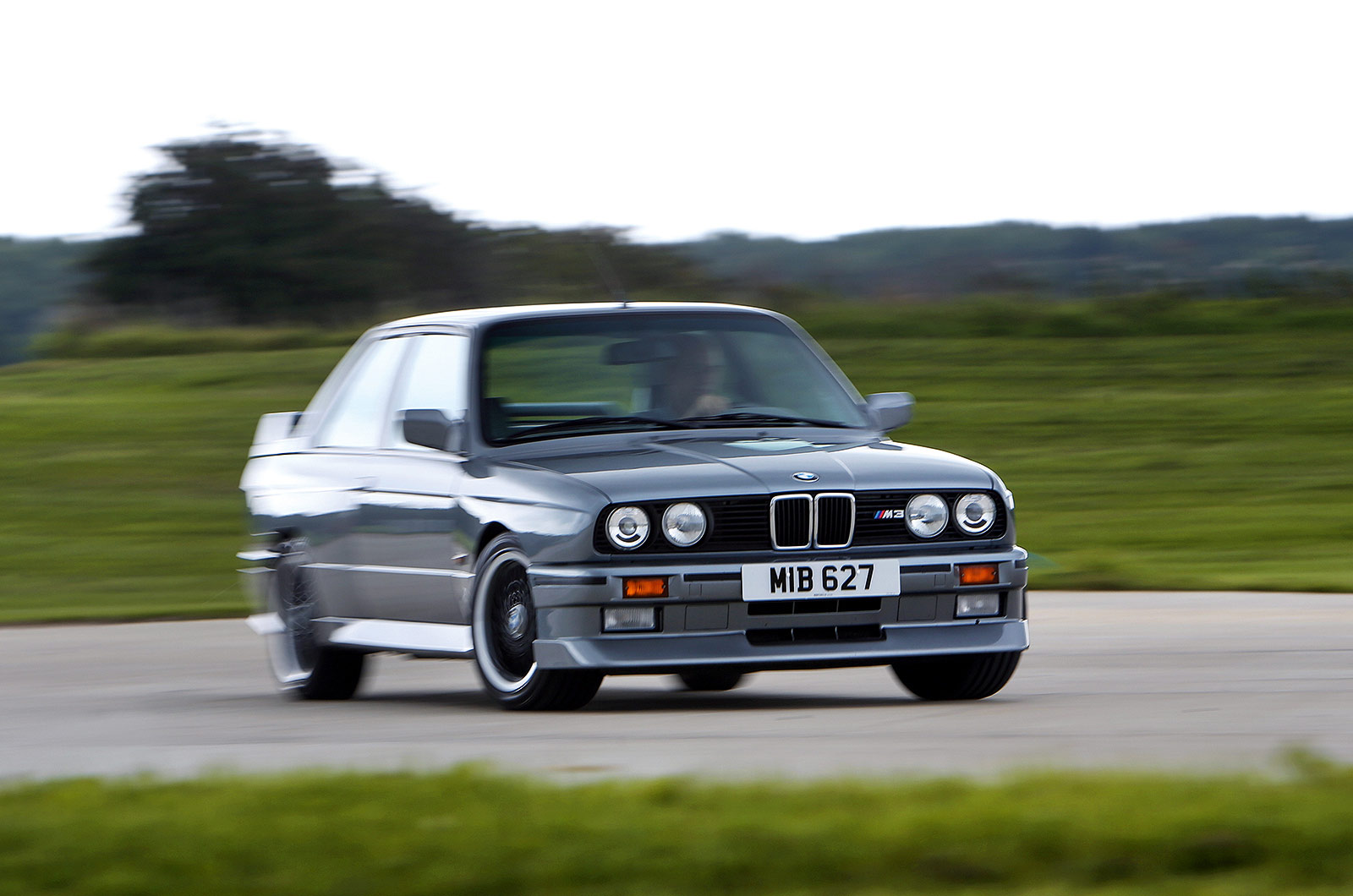
If a Martian fell to Earth and asked the meaning of the phrase ‘it ain’t what you do, it’s the way that you do it’, you could do no better than strap him, her or it into an original M3 to explain. Superb motor, perfect balance, sublime experience.
15: Fiat 500
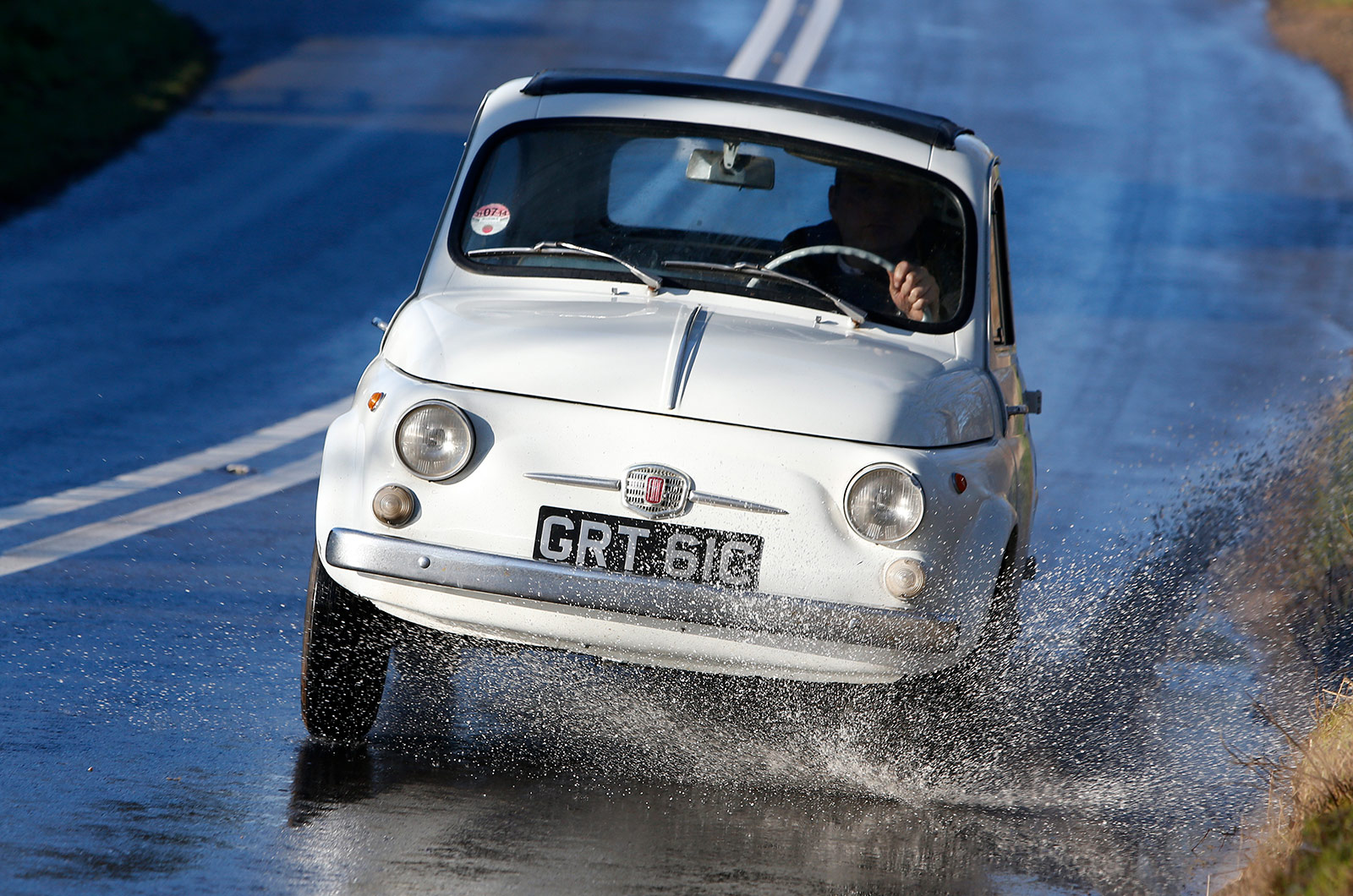
Everyone raves about the Mini and rightly so. But Dante Giacosa’s Nuova Cinquecento also sat four, was far more manoeuvrable around town and was already on sale when the Mini was launched. More fun than you could possibly imagine from just 18bhp.
14: Lexus LFA
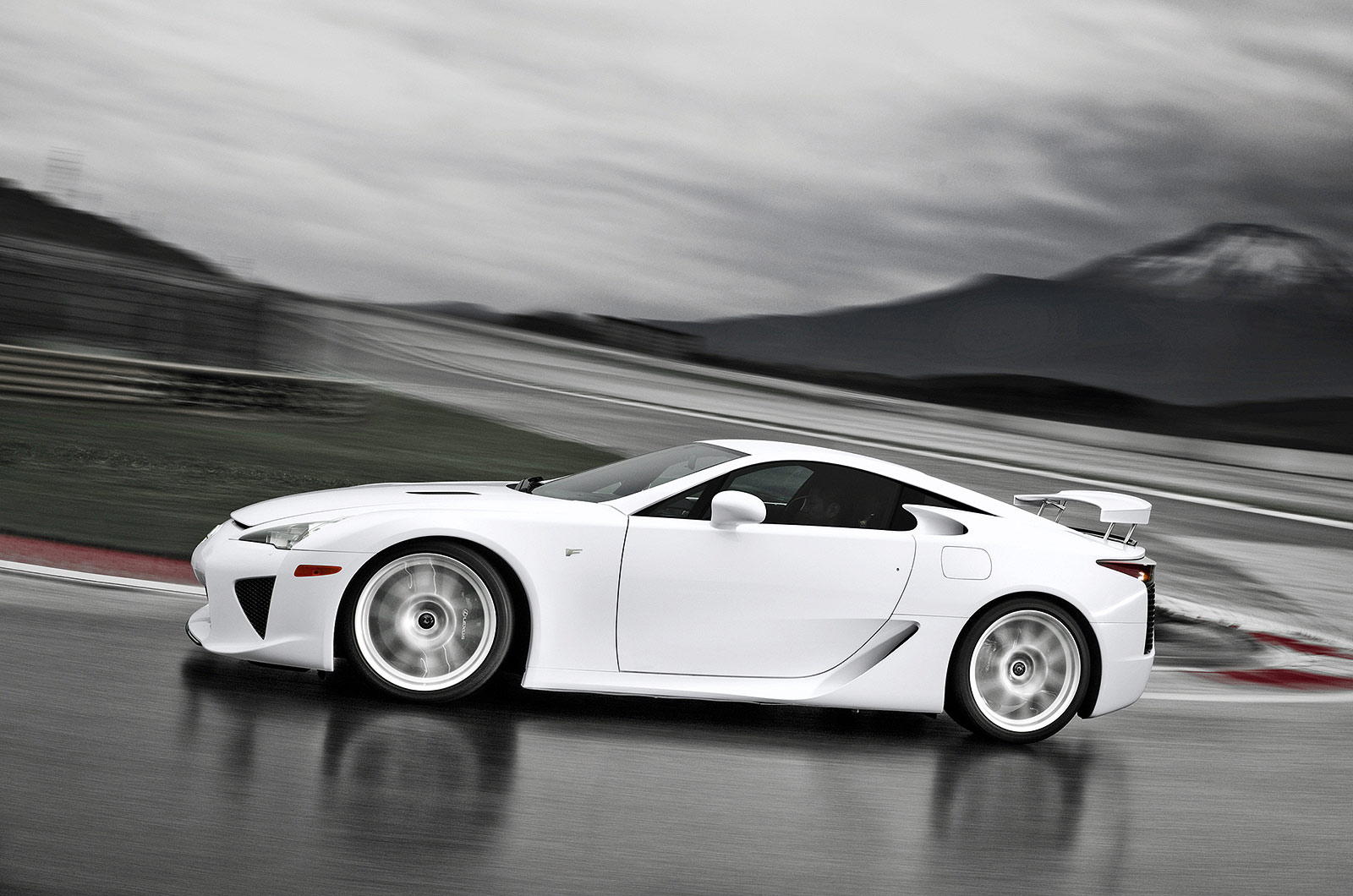
It was late in appearing and fiendishly expensive, but my goodness it was fun while it lasted. An incredible chassis powered by a V10 engine that still has a good claim to being the best used in a road car. Such a shame, then, that it never spawned the successor it so deserved.
13: Caterham Seven
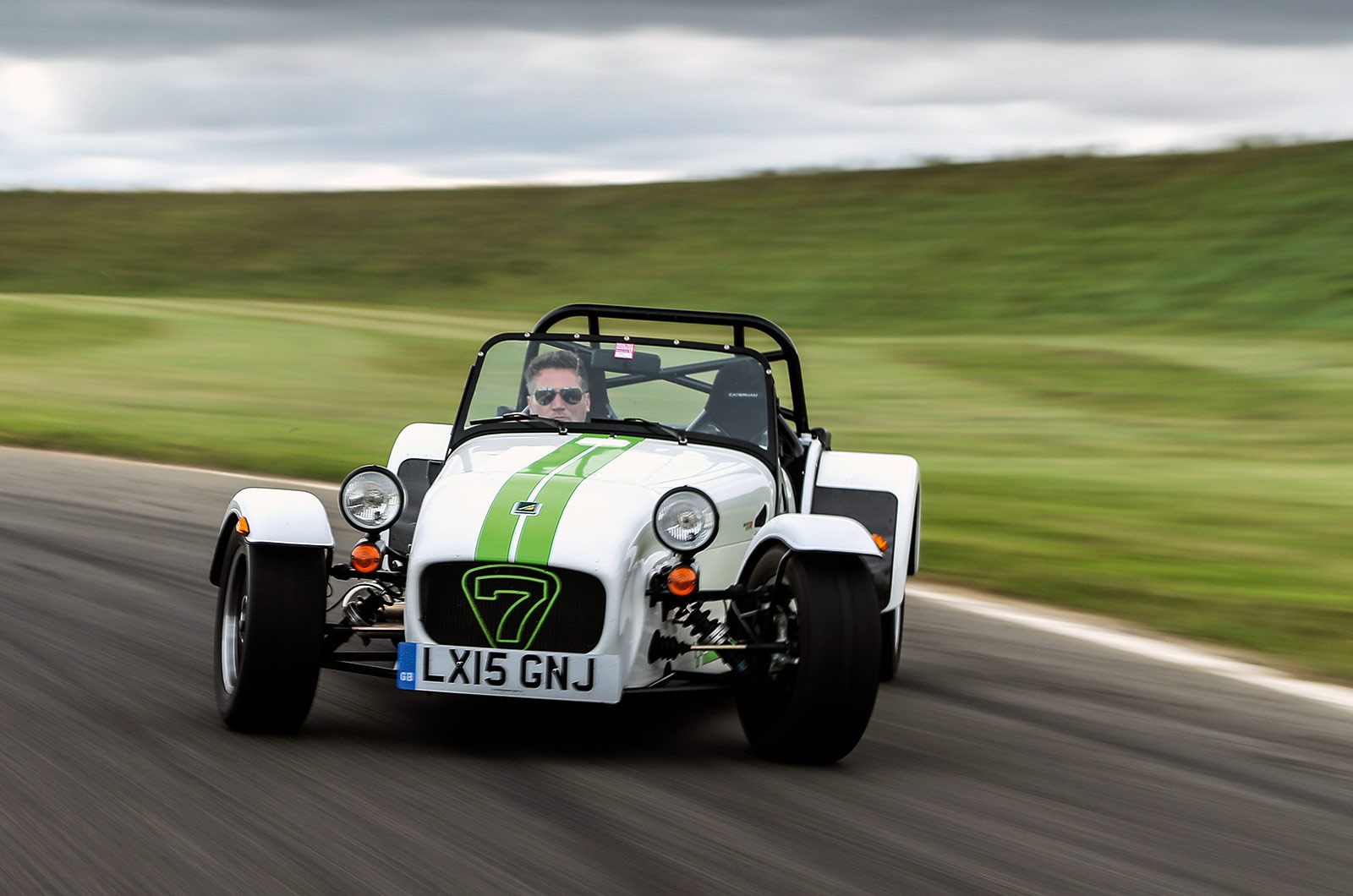
As viscerally thrilling as an Ariel Atom? Perhaps not quite, but close, and it comes with a hood and even a heater if you want, so it can be used all year round. And no car is any fun parked in the garage.
12: Rolls-Royce Phantom
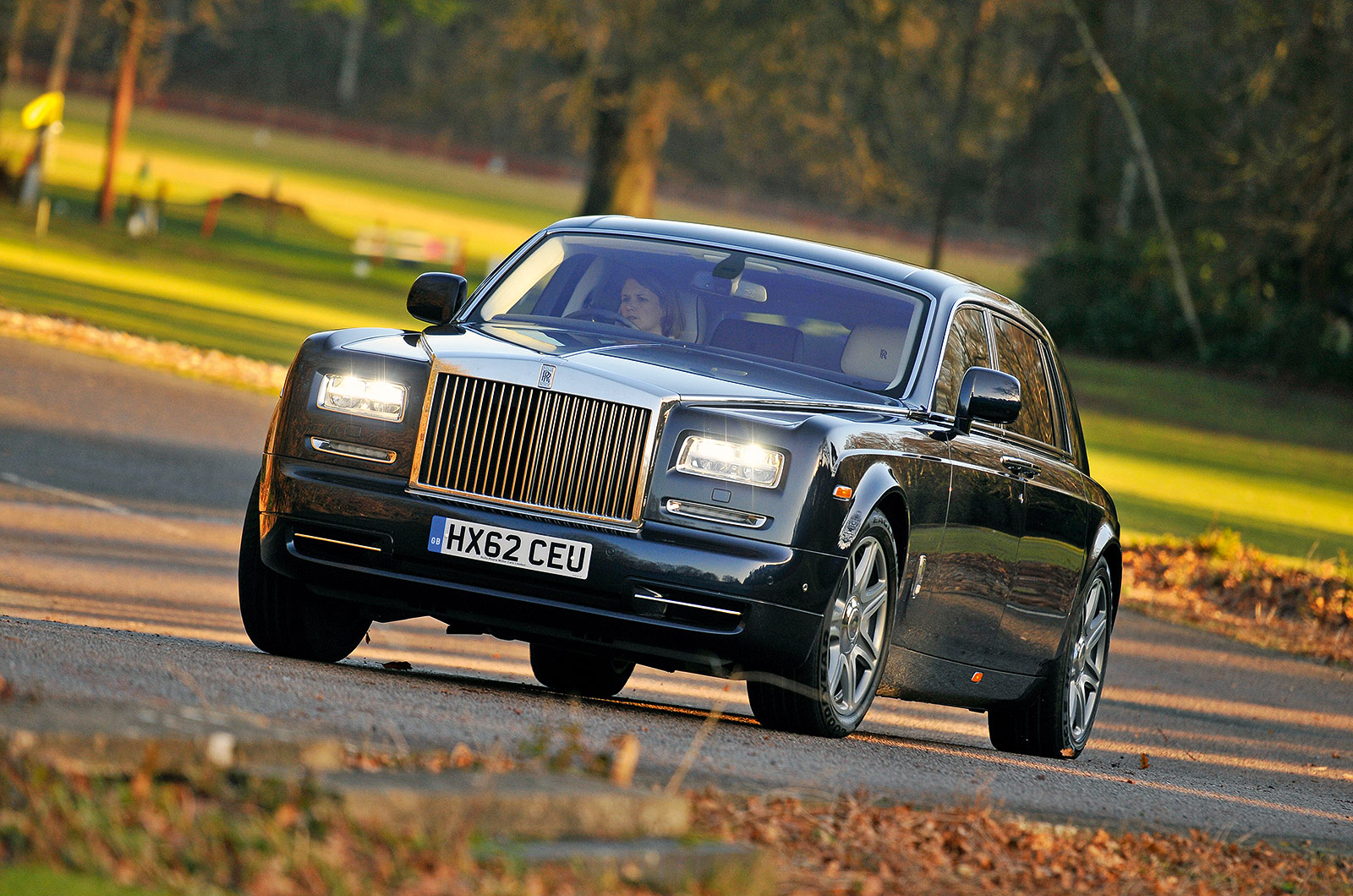
Having seen the complete Horlicks it made of Rover, many of us worried what BMW might do with Rolls-Royce. The answer was to create the finest luxury carriage of its era and a car as worthy of the name as any other.
11: Volkswagen Golf GTI (Mk1)
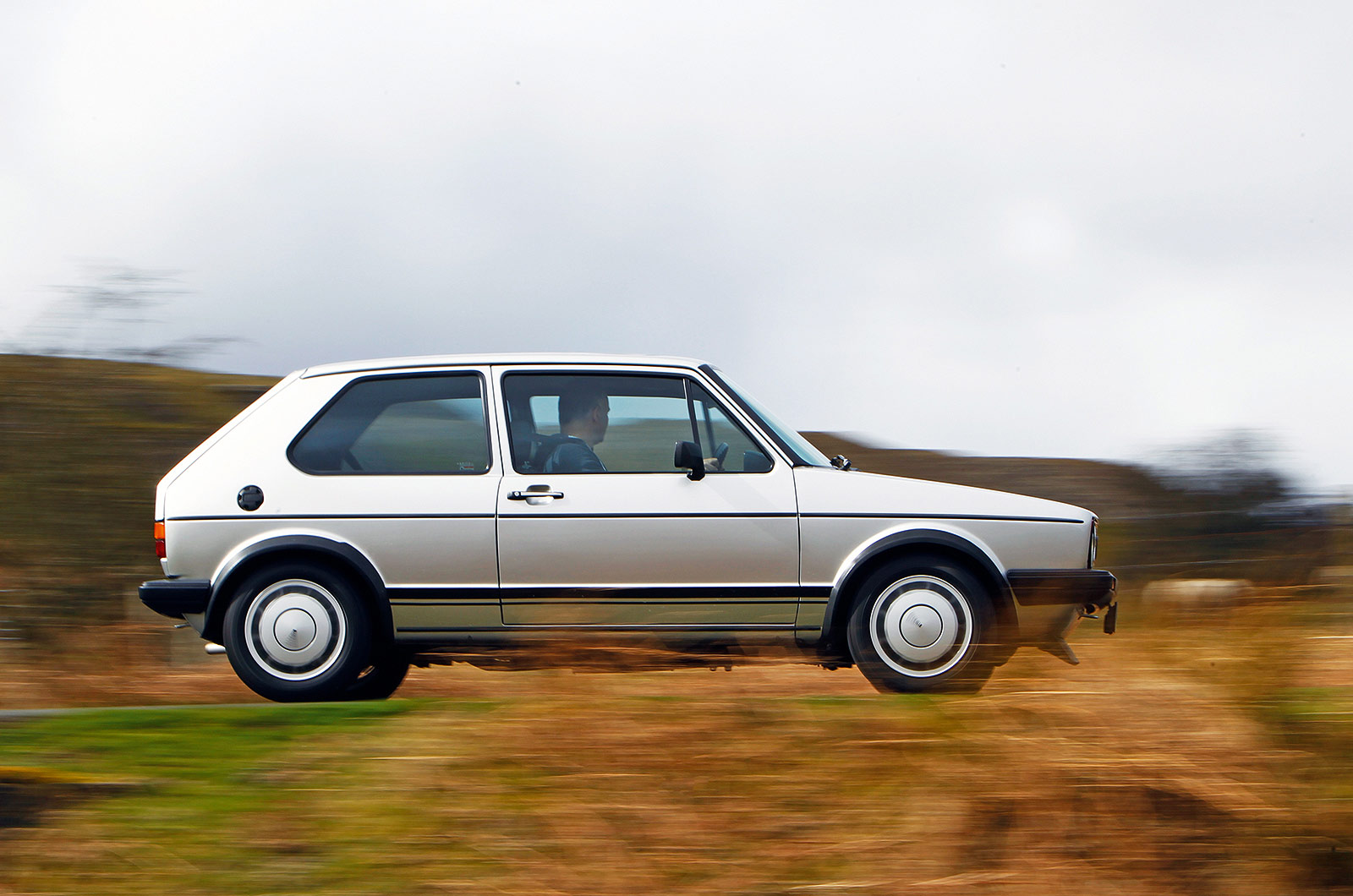
Not the first hot hatch, but the car that perfected the art and set the template for others to follow. Simple, strong, fast and fun, it seems staggering that no one had thought of it before. An absolute icon of pragmatic car design.
10: Lamborghini Miura
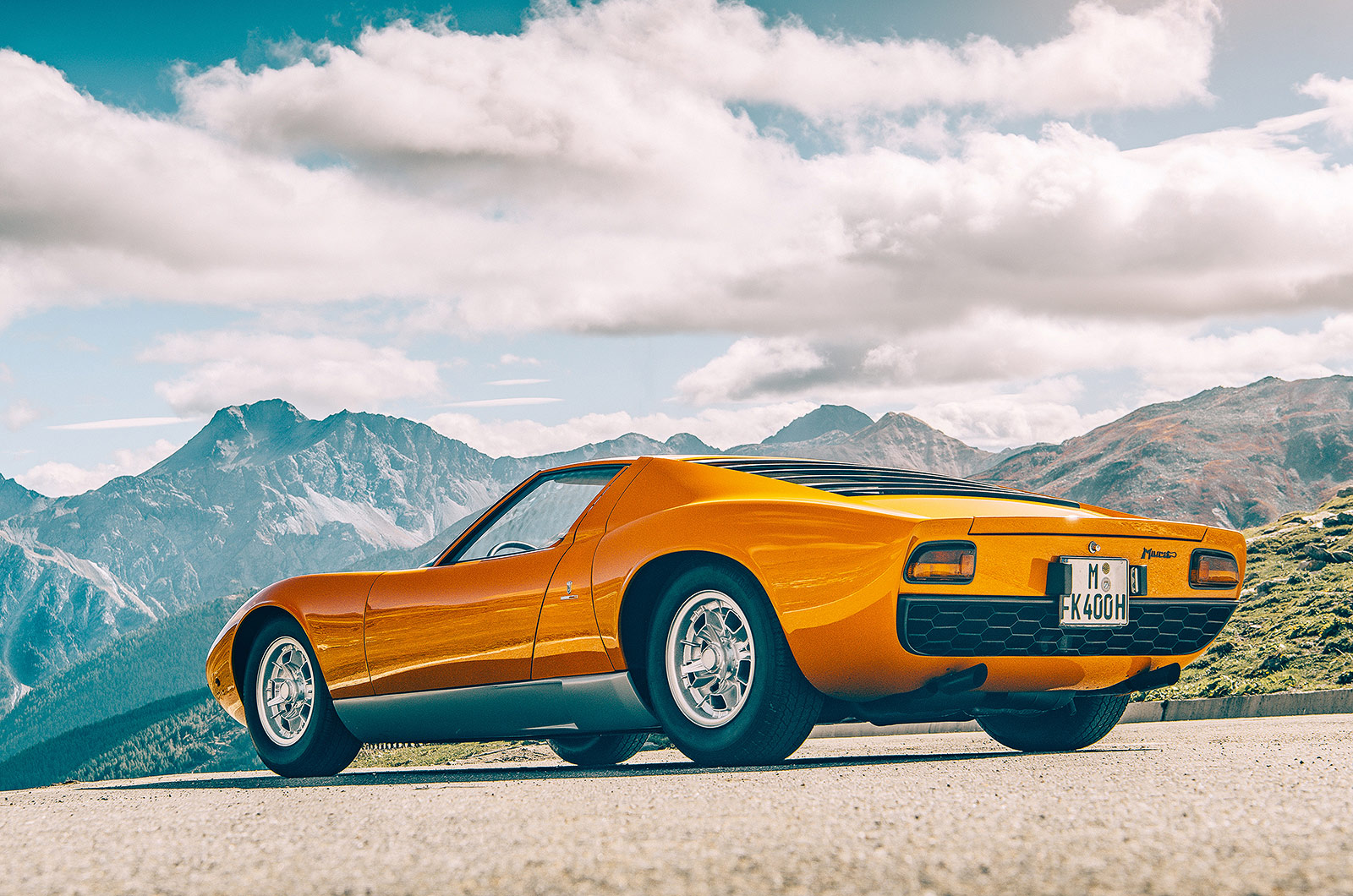
I know, Miuras are meant to be rubbish to drive. But there’s not a petrolhead who’s seen the film who has not dreamed of slipping down into that unimprovable shape and making like the man in the opening credits of The Italian Job. Just without the bulldozer bit.
9: Alpine A110
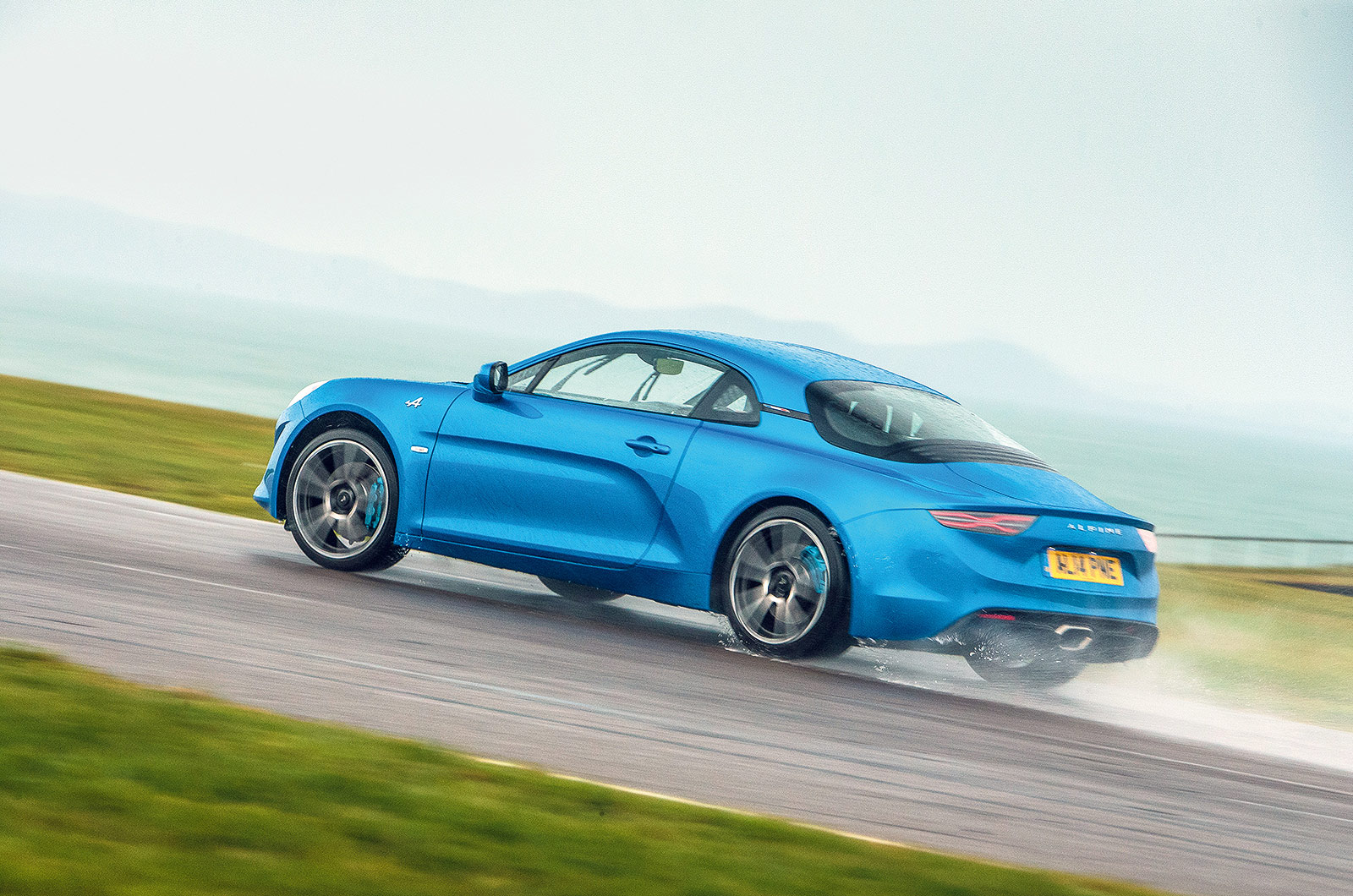
For once a sequel that improves on the original and, in the meantime, changes the way a complacent world thinks about sports car design. One of very few true icons of our age and one of the finest driver’s cars yet conceived.
8: Mini (original)
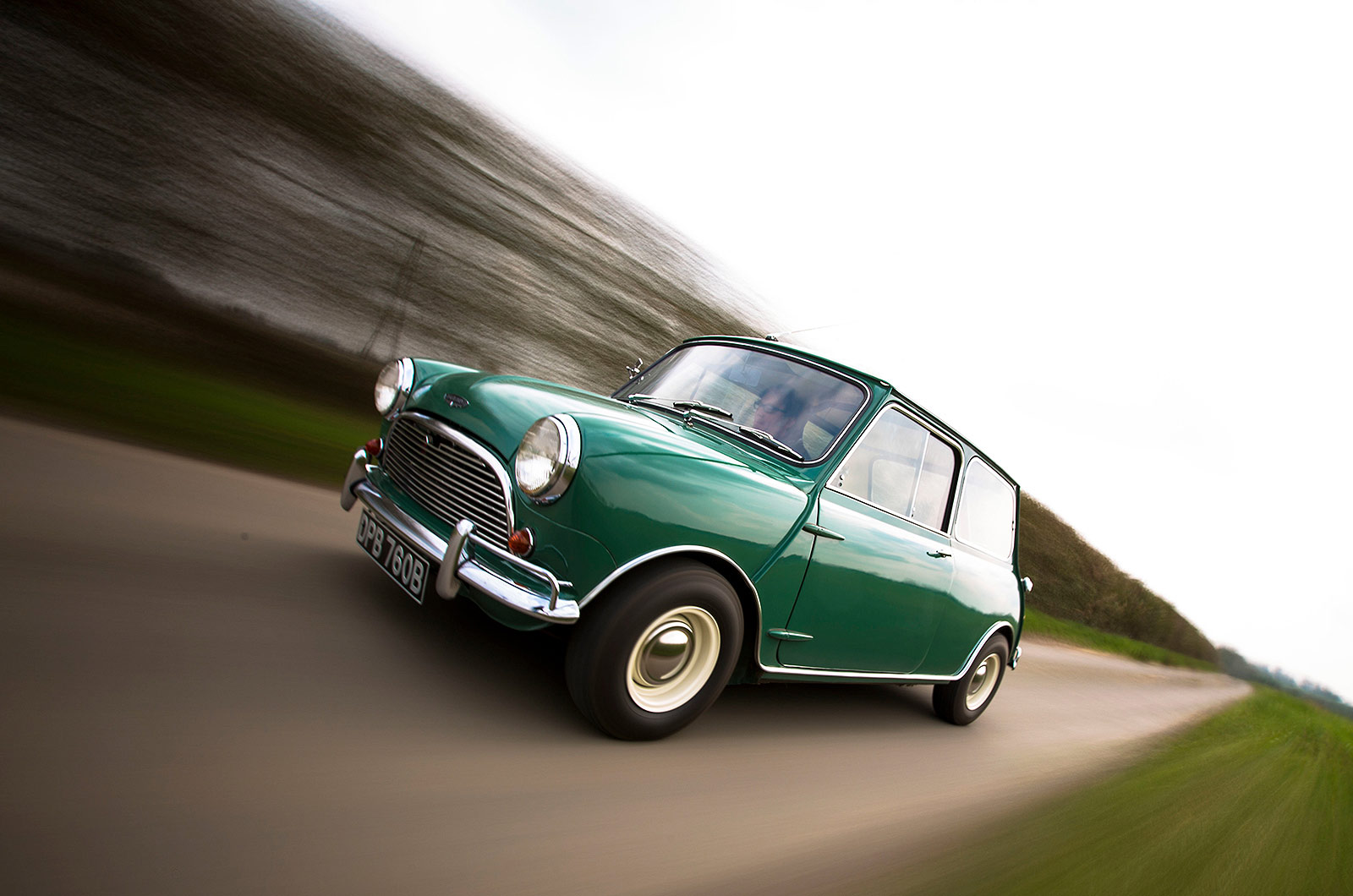
Became both a fashion accessory and a Monte Carlo rally winner, a film star and a runabout for millions. Simple, spacious, affordable and fun, it was also the first to perfect front-wheel drive. Few cars of any size have been more important.
7: Peugeot 205 GTI
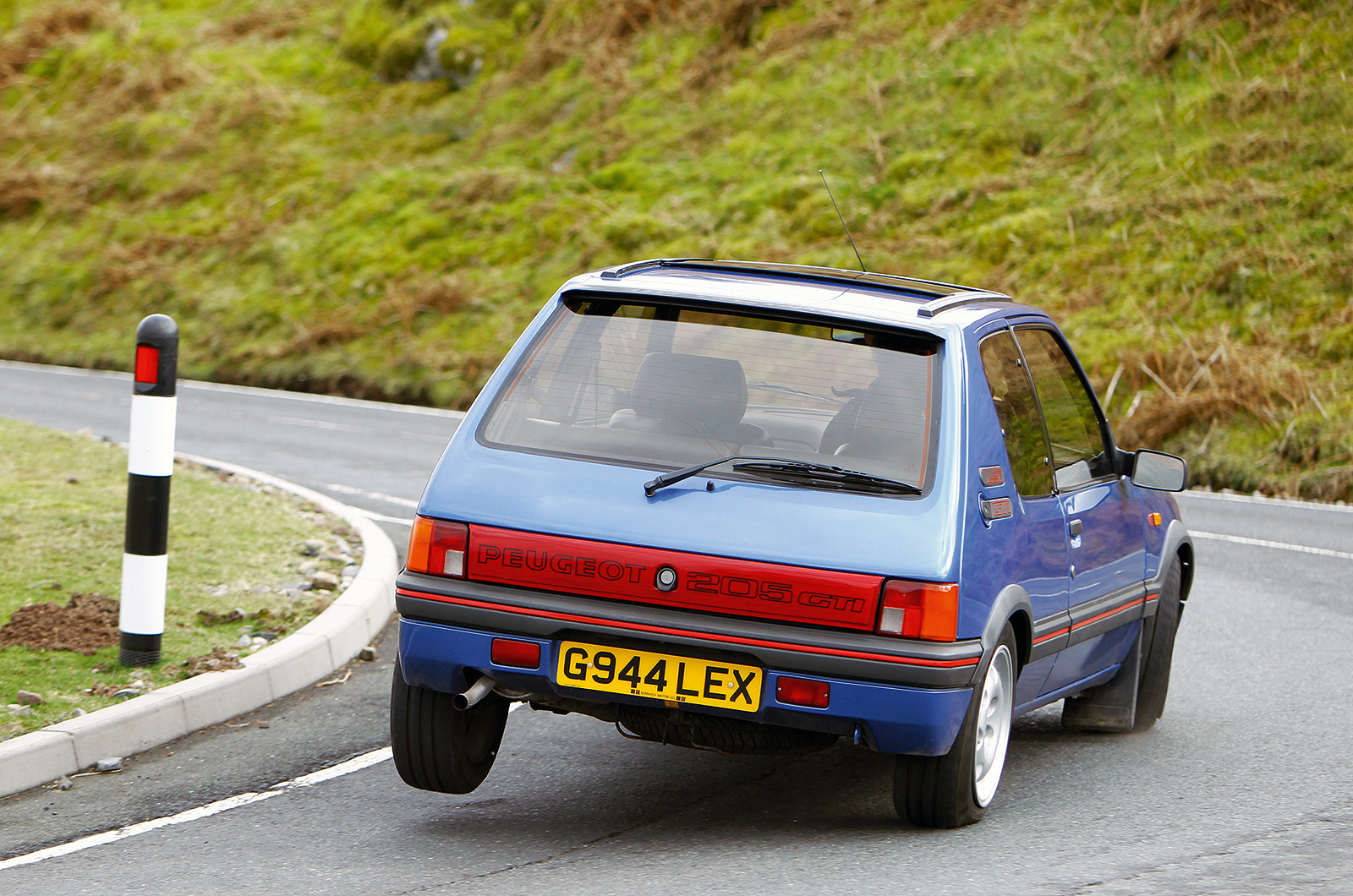
Enough people have done enough tests over the years for it surely now to be unarguable that the 205 GTI is the defining hot hatch not just of its era but of any era. A dizzying blend of performance, practicality and outrageous handling, wrapped up in landmark styling for an affordable price. And there’s not much better than that.
6: Ferrari LaFerrari
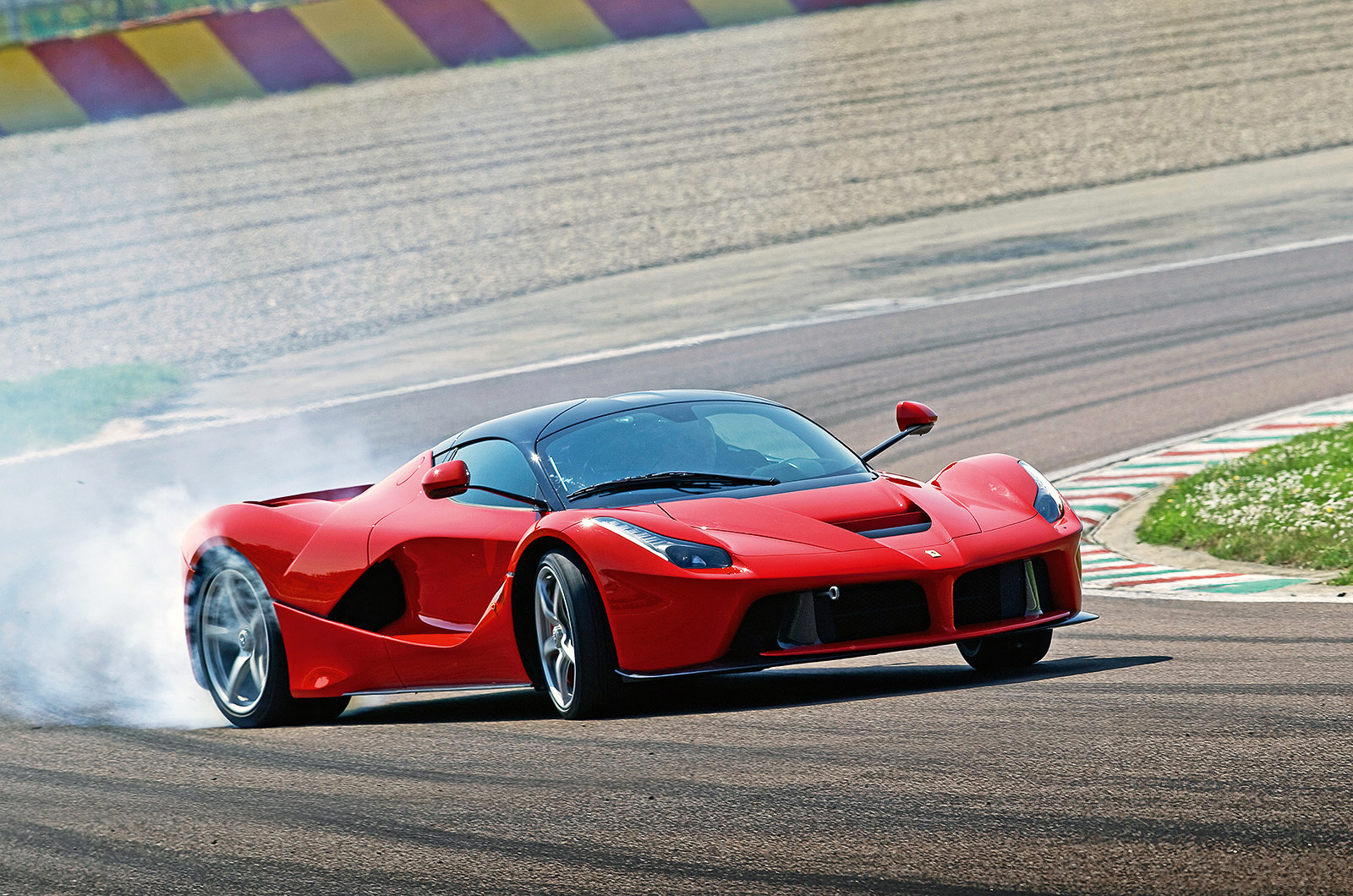
I’d rather drive a P1 around a track and I’d rather use a 918 Spyder every day but, as a thing just to get in and drive, the LaFerrari was and remains the most engaging and accessible of all the hypercars.
5: Lotus Elan (original)
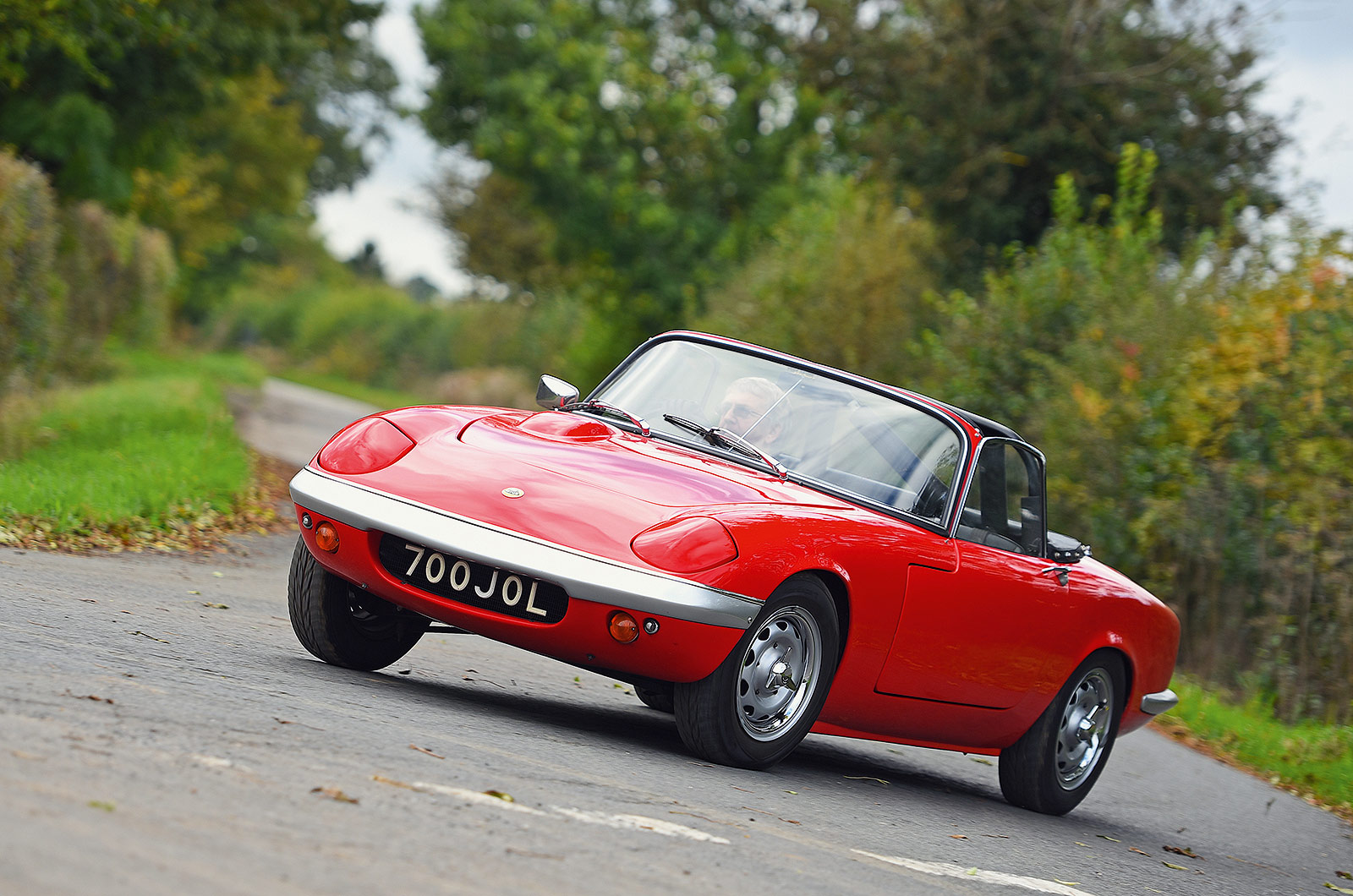
At least within the confines of the road car design, there is no greater expression of Colin Chapman’s genius than his original Elan. Beautiful, tiny, ultra-light and fast, it was handling from which lessons can still be learned today that set it apart.
4: Porsche 911 GT3 RS (997 Gen 2)
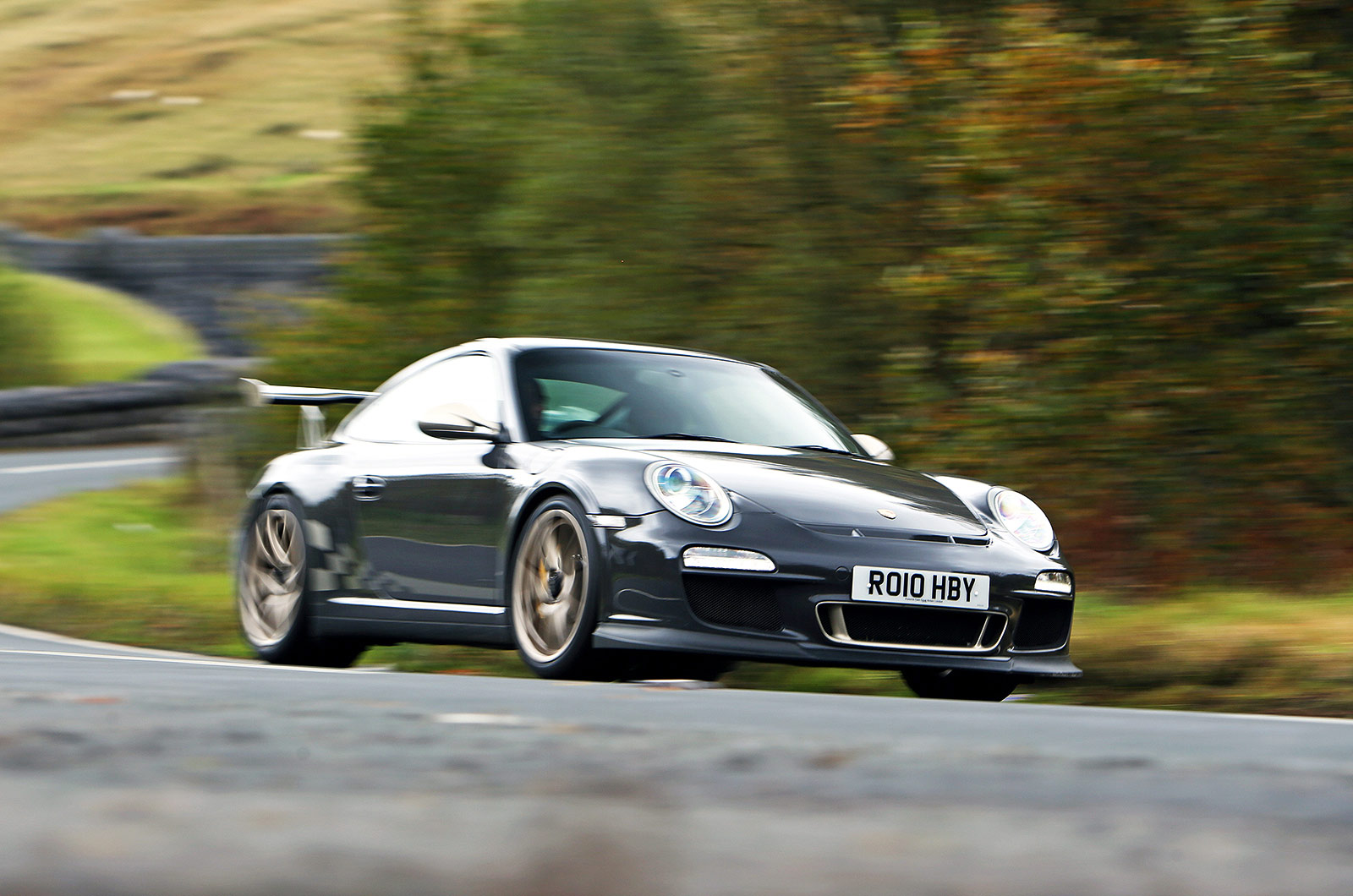
The best version of the best sports car. This is a car you can use, with performance whose full range can be enjoyed, with exceptional handling and also a fine ride. As exciting as you’d want or need a road car to be.
3: Jaguar E-Type
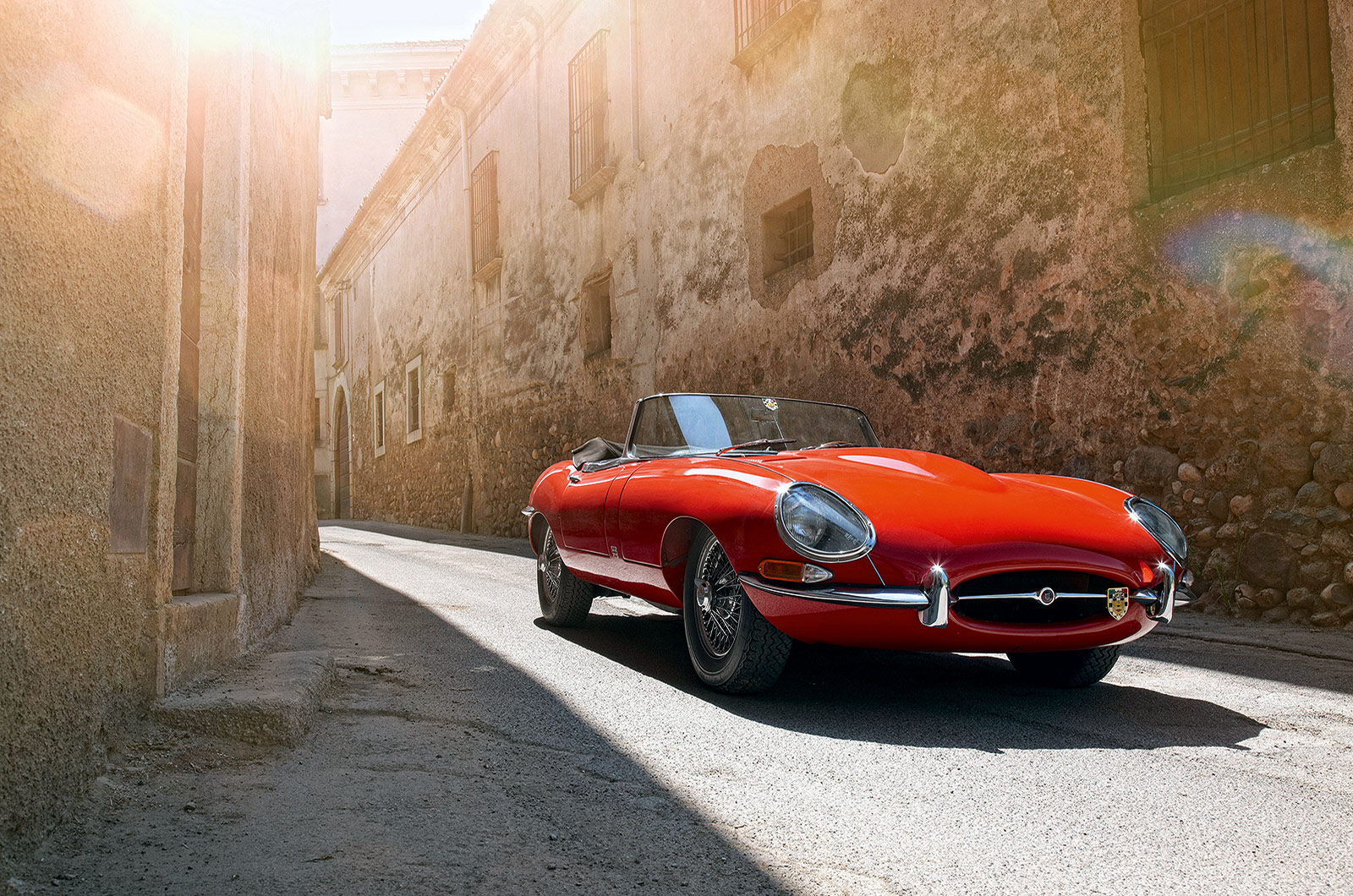
A design landmark: one became a permanent resident of the New York Museum of Modern Art, alongside the works of Picasso, Monet, Cézanne and Degas. And it delivered on those looks. At least as fast as an Aston DB4, and less than half the price.
2: McLaren F1
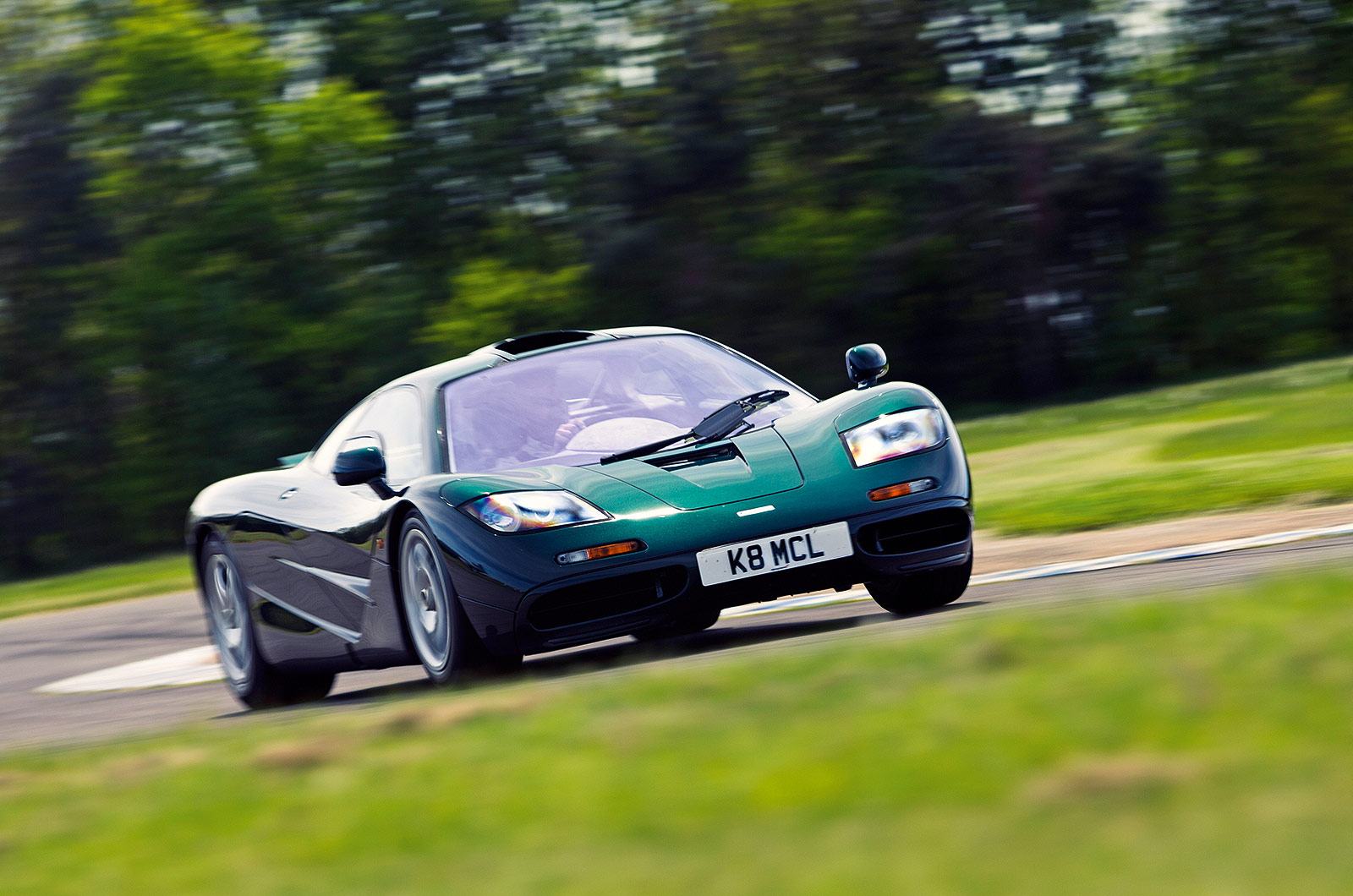
The greatest supercar this country has produced. Moved the global boundaries of road car performance further and faster than any other. Commercially unsuccessful when new, its speed, scarcity and race record meant it would in time acquire the status of true automotive legend.
1: Ferrari F40
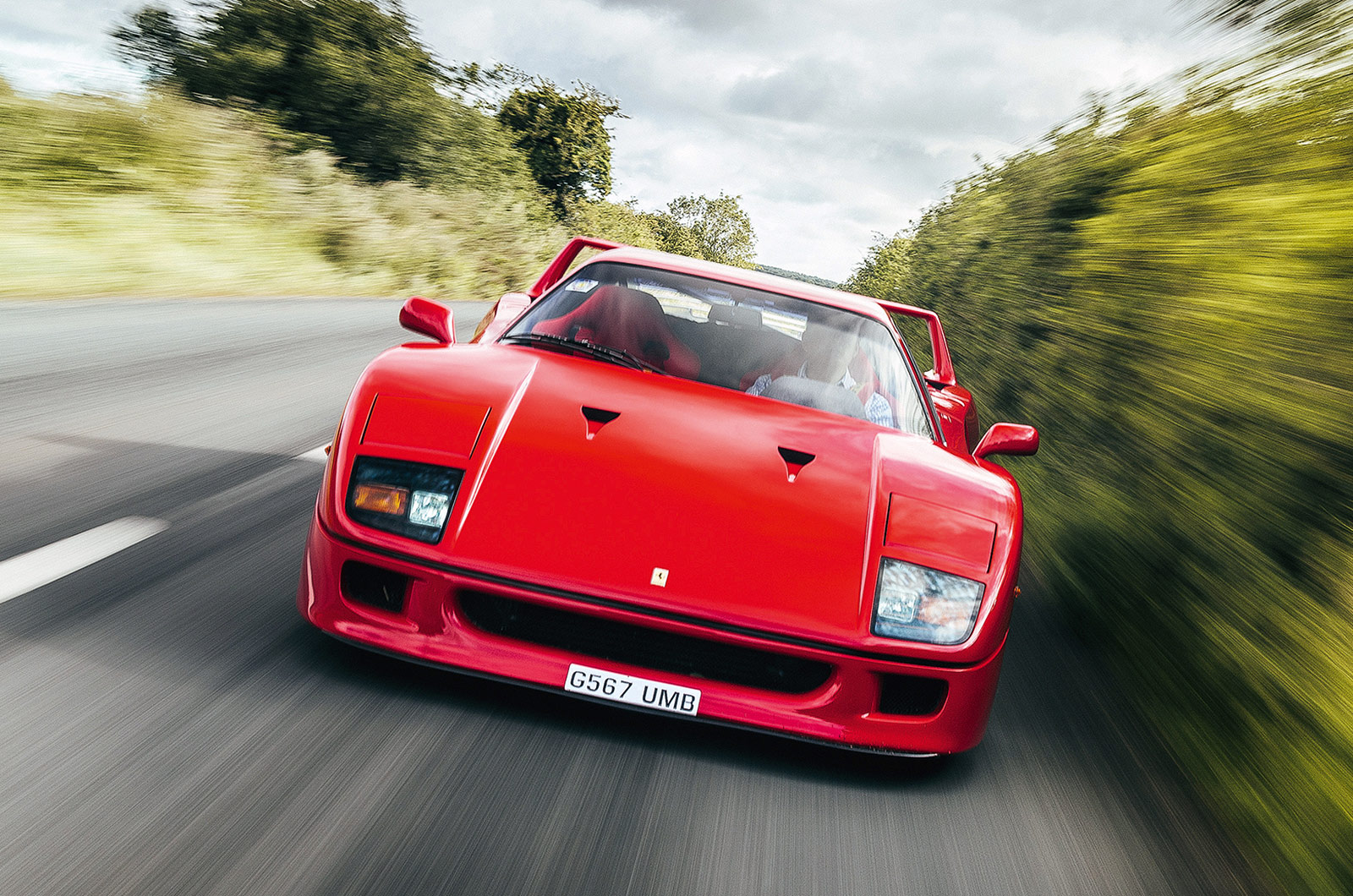
There have been times – rare ones, I concede – where briefly the Ferrari F40 is superseded in my mind as the greatest road car I’ve driven. It happened a few years back with the LaFerrari, and many years before with the McLaren F1. But once time is allowed for true perspective, there it always is. The F40.
Twist the key and press the little rubber button. Mayhem breaks out behind you. Anyone who says a turbo engine can’t sound good has never listened to one of these. It’s growling and gurgling, spitting and popping, and that’s just at idle. If its looks don’t intimidate you, the noise will.
You need to respect this machine, but also to trust it. Unlike other Ferraris made around that time, 288 GTO included, the F40 is remarkably faithful on the limit, so if the boost arrives a trifle suddenly at the exit of a corner, you can be reassured that, first, the chassis will tell you the moment traction is about to break and, second, the steering will round up any movement at the back without even the need to lift.
1: Ferrari F40 – continued
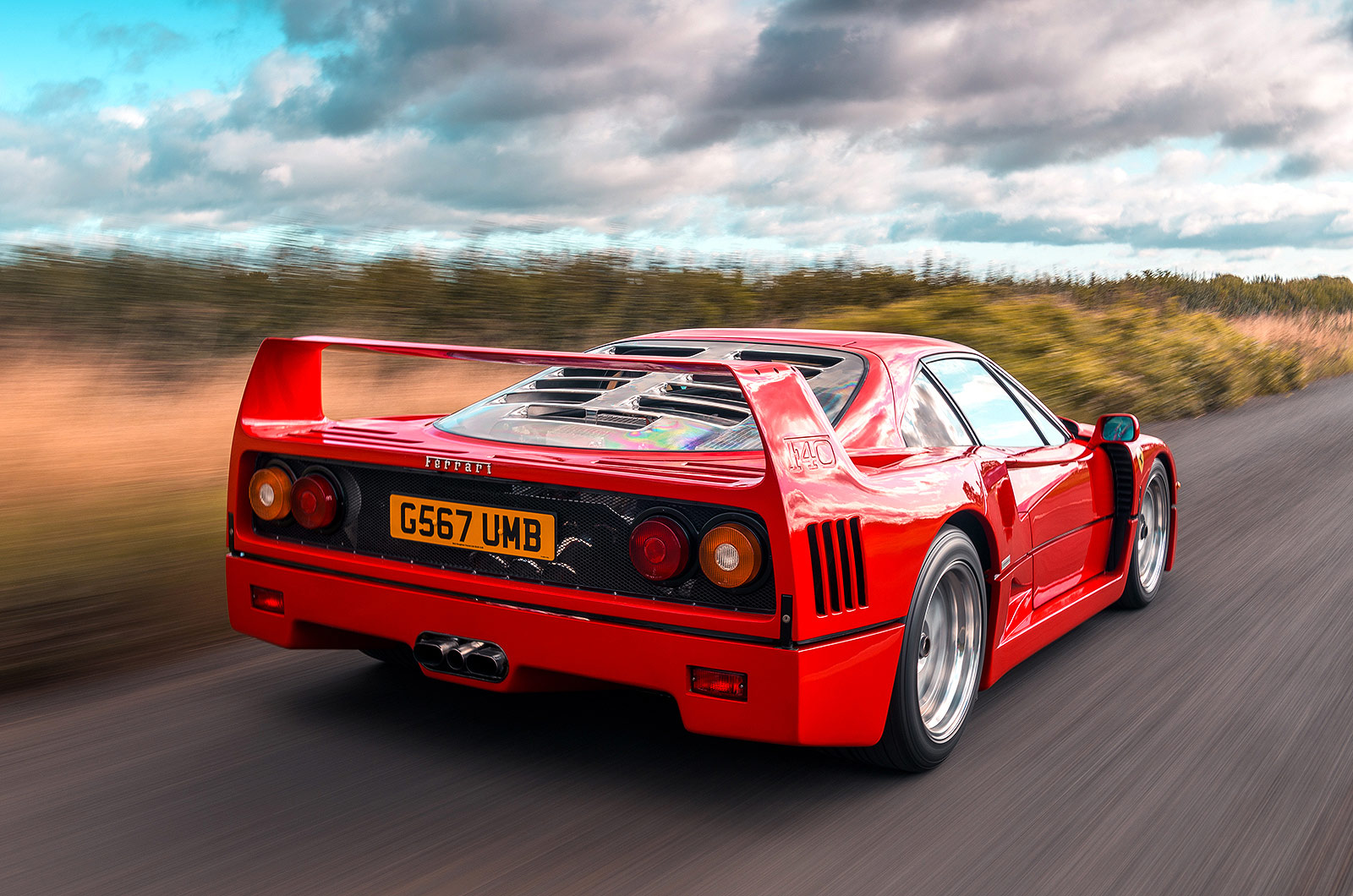
It’s number one because of all the thousands of cars I’ve driven doing this job, it’s the one I think of most. It’s the one I most miss being in, the one I most don’t want to get out of. Speed and grip? They’re incidentals. It’s about the sense of occasion, the totally immersive driving experience; it’s every crackle from the engine, every scrape from the gearshift, every snatched breath and every tick of the bodywork as you sit at journey’s end, unable to take in what just happened.
And yes, it is also that this is Enzo’s last car. I know he was difficult, know too he cared little for his road cars and even less for those who drove them. But I don’t care. The F40 has his defiance, his iconoclasm and, though I never met him, what I imagine to be his spirit, too. It is, to me, still the most exciting road car in the world, if now far from being the fastest. I don’t know how you get to drive one before you die, but believe me, it’s the one you should covet above all the rest.
What do you think? Vote for your favourite car from this story here.
If you enjoyed this story, sign up to Autocar’s newsletter for all the best car news, reviews and opinion direct to your inbox. Click here to subscribe.

Autonomous Vehicles Face Regulatory Shift as NHTSA Proposes Dropping Brake Pedal Mandate for Driverless...
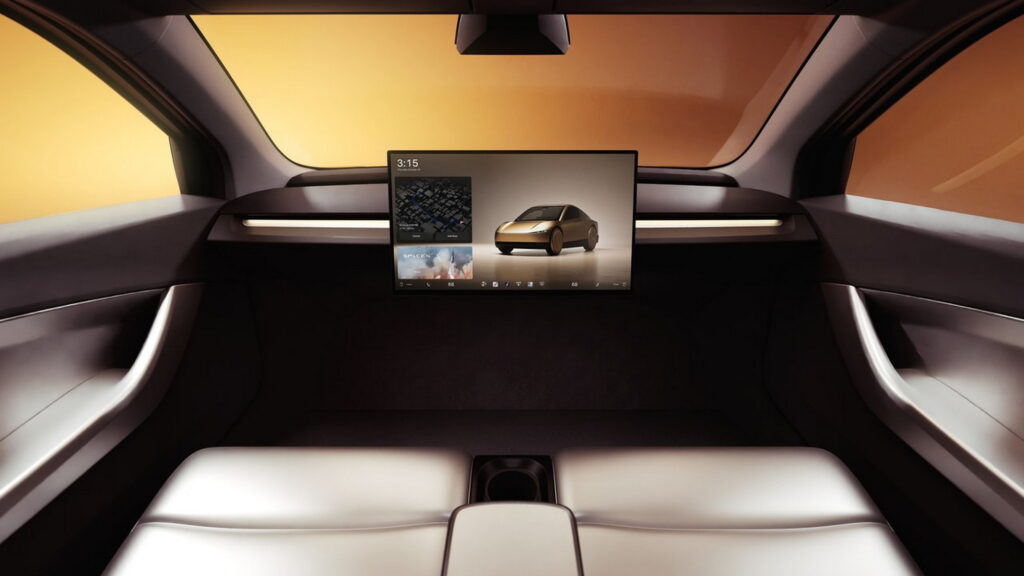

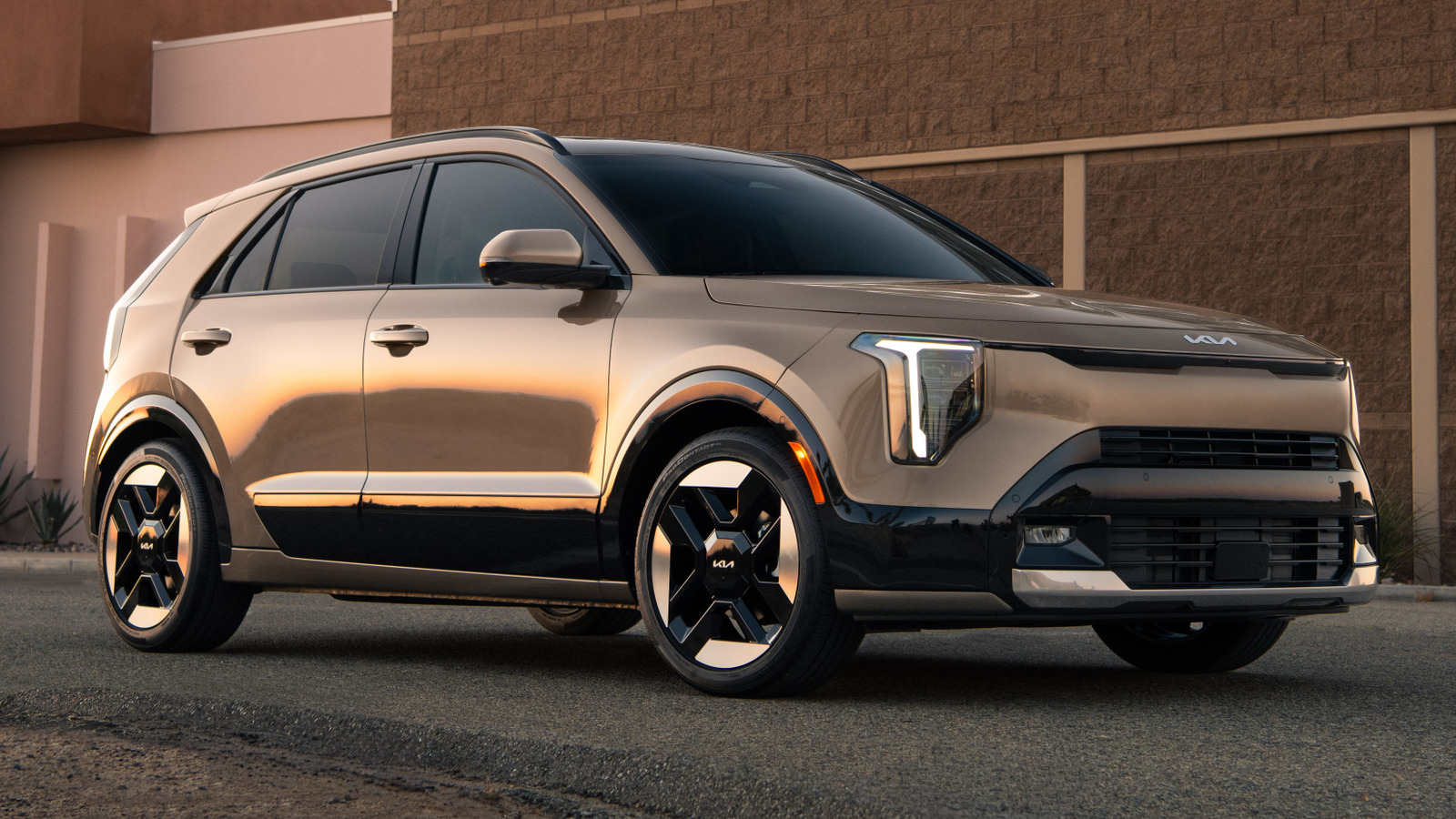
Kia Niro Refresh Prioritizes Hybrid Continuity Amid Loss of EV and PHEV Options

Performance Cars of the 2000s Redefined Speed, Design, and Engineering Benchmarks
During the 2000s, we received some of the best cars ever produced by their respective manufacturers.
From hot hatchbacks to hypercars, and everything in between, some of the best cars of all time graced showroom floors during the period, whether because of their beauty, outstanding driving dynamics or just downright craziness.
Join us as we take a look at 25 of the very best in alphabetical order, as well as 5 bonus cars that had the potential to join such esteemed company, but for one reason or another, never got the chance:
Alfa Romeo 8C Competizione (2007)
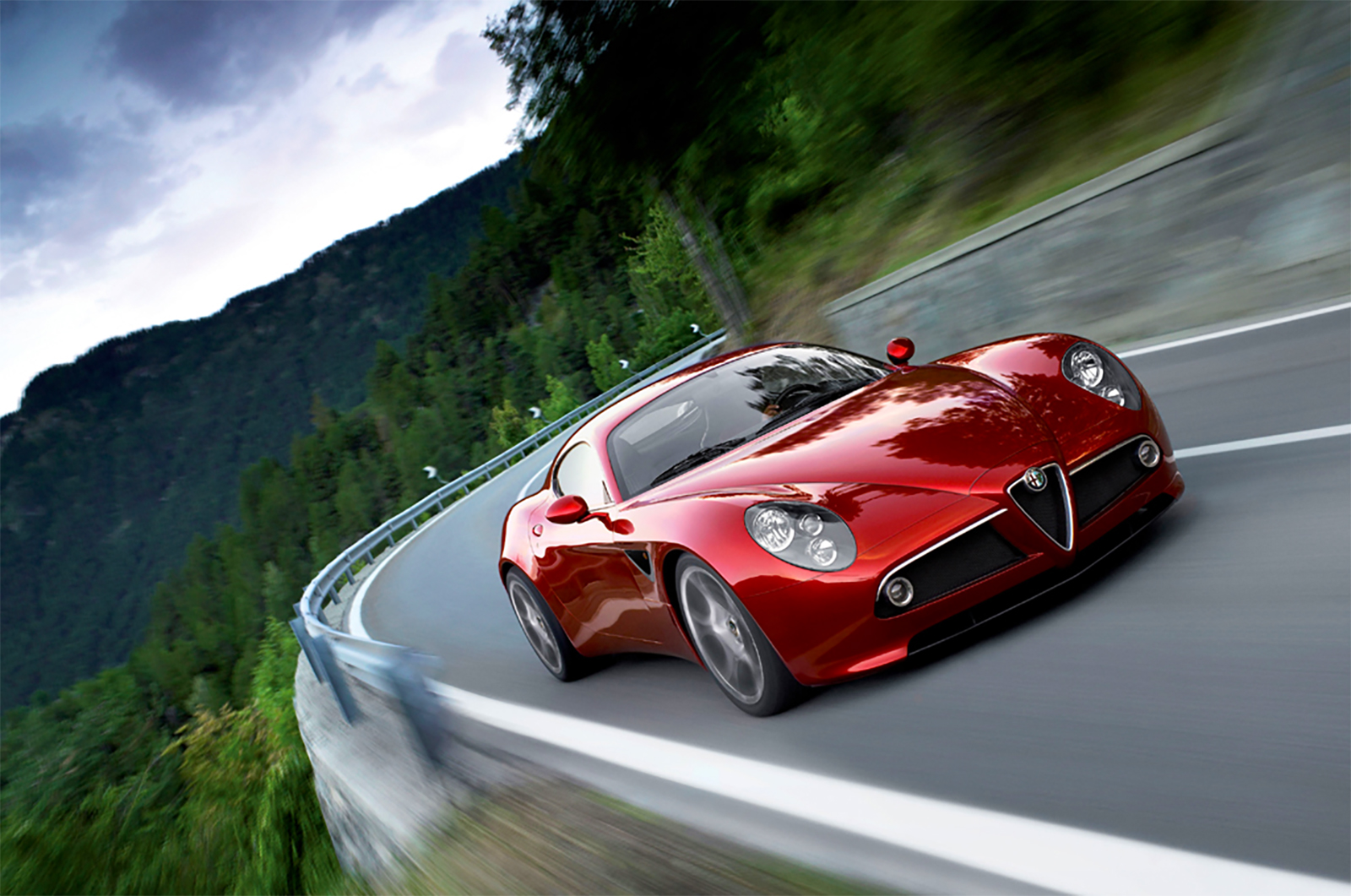
Launched as a halo model for the Italian brand, just 500 examples of the Alfa Romeo 8C Competizione were ever built, alongside a further 329 Spiders.
Powered by a Ferrari-derived, 4.7-litre, 444bhp naturally-aspirated V8, which was later shared with the Maserati Granturismo, the 8C received a bespoke platform, carbon fibre bodywork and carbon ceramic brakes to accompany the thunderous soundtrack.
What we said: “In GT terms it’s a bit of a hot rod, but when you step out, you want to step right back in.”
Aston Martin DBS (2007)
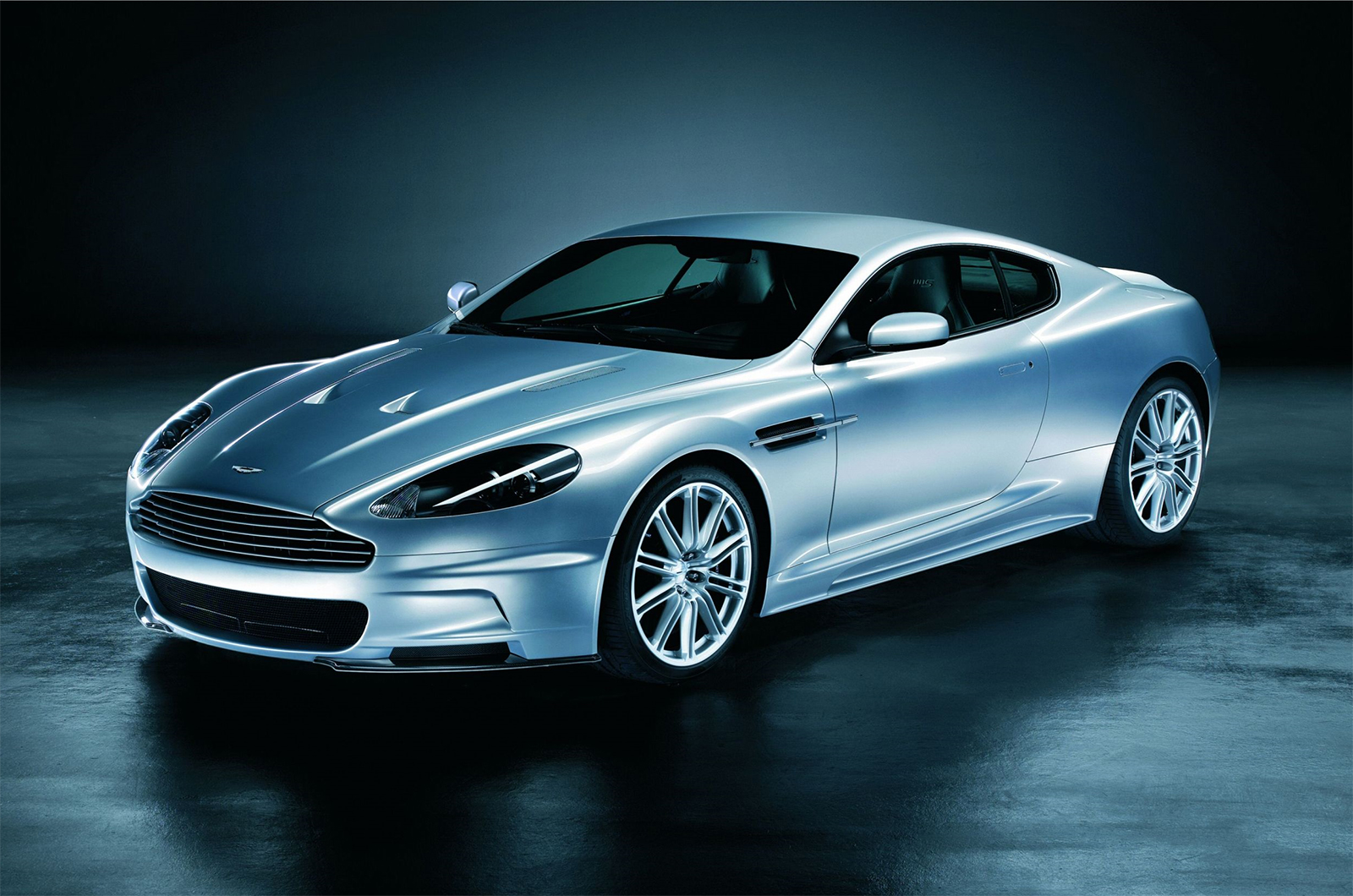
With looks that haven’t aged a day, you may recognise the DBS as the first proper Bond car to have accompanied Daniel Craig during his time as the world’s most famous spy. But Aston’s super-GT was so much more than just a movie star.
Arriving in 2007 as a more focused version of the DB9 grand tourer, the DBS weighed 65kg less than the car it was based upon, thanks to an aluminium structure and a blend of carbon fibre and aluminium body panels. The DBS also had a 5.9-litre, 510bhp V12 at its disposal – and, if optioned, this colossal powerplant could be controlled via a six-speed manual gearbox. Unfortunately though, there was no box to tick on the configurator for a glovebox-located defibrillator.
What we said: “In being lighter, more accelerative and a much more accomplished grand tourer than the Vanquish S, the DBS is a fitting dynamic successor.”
Audi RS4 B7 (2005)
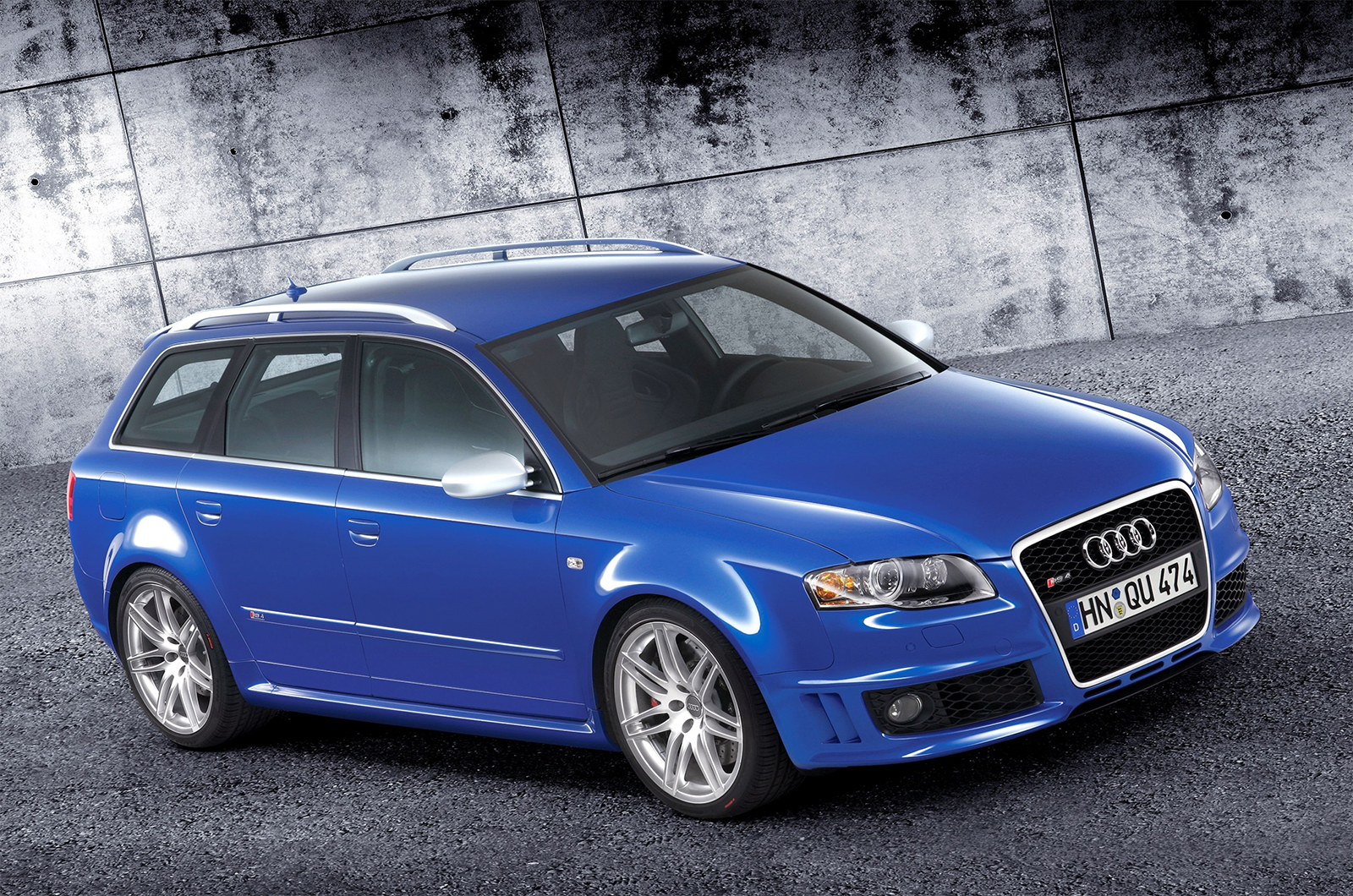
Unveiled in 2005 as an answer to the BMW M3, the B7-generation RS4 set the Audi Sport brand on a completely different path, proving that the Ingolstadt-based manufacturer could indeed build exciting drivers’ cars in the 21st century – something that had been increasingly called into question.
Available in saloon, estate and convertible flavours, the RS4 was able to break such a stereotype mainly through the deployment of a truly great powertrain. Namely, Audi fitted a 4.2-litre, 414bhp naturally-aspirated V8 screamer (the redline could only be located after 8250rpm) and a six-speed manual gearbox that we described as ‘hard to find fault with.’
What we said: “Sensationally quick, practical and desirable. Something very special.”
Audi R8 (2006)
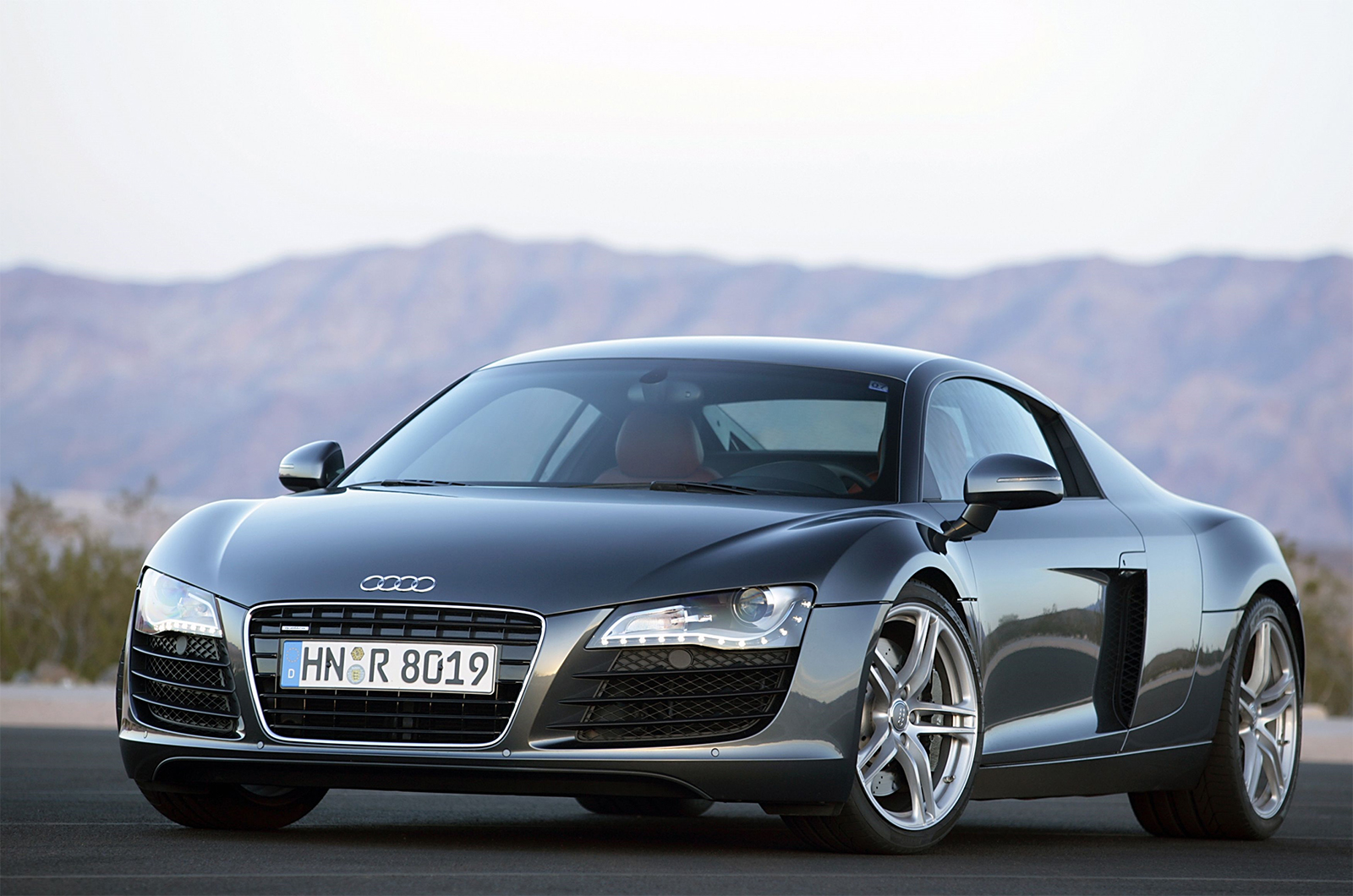
In 2006, Audi caused jaws to drop even further when the covers came off their first ever supercar, the R8. Named after the successful Le Mans racer, the R8 was the sister car to the Lamborghini Gallardo – but, somehow, it managed to be even better, emerging as the victor in our coveted Driver’s Car of the Year issue.
At first, the R8 was offered solely with the same 4.2-litre V8 that had made the RS4 such a star, with the only variable being which gearbox it was coupled with. The optional six-speed automated R-Tronic ‘box was never the best; however, the six-speed, open-gated manual provided a sense of drama that the Audi brand had never before been attributed to. A Lamborghini-derived 5.2-litre V10 was also offered at a later date.
What we said: “As an everyday supercar it has few rivals. And even fewer flaws.”
Audi RS6 C6 (2008)
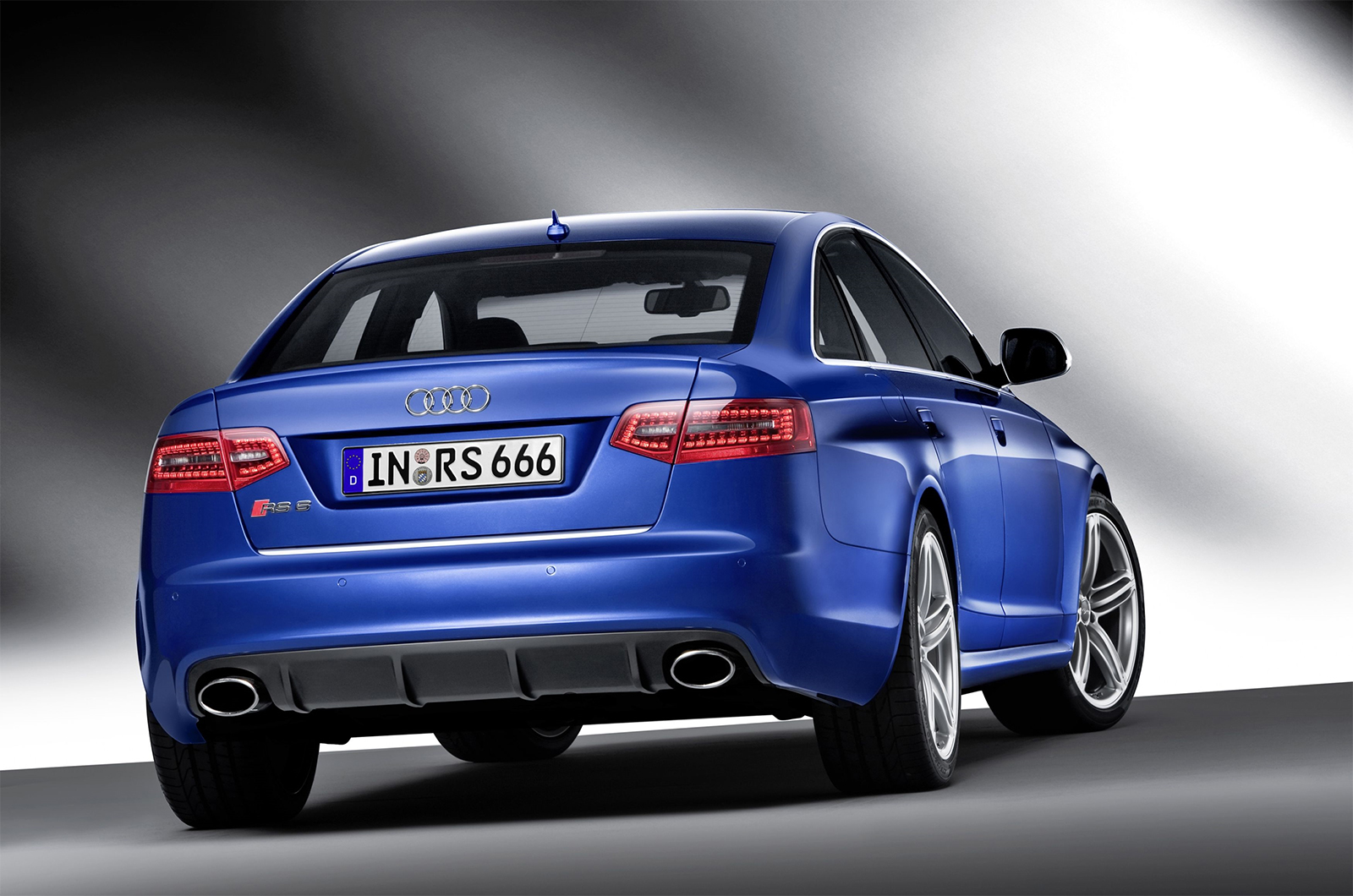
First shown in 2008, the C6-generation Audi RS6 was on the receiving end of one of the automotive world’s craziest powertrain matchups – a 580bhp, 5.0-litre, twin-turbocharged V10 within the unassuming silhouette of an Audi saloon or Avant, depending on which version was chosen.
Although, once you got a bit closer, the blistered wheel arches, huge wheels and massive exhausts did struggle to play down the demon lurking under the aluminium bonnet. Little wonder the number plate reads ‘666’…
What we said: “The major strength of the RS6 remains its colossal engine, but this time around Audi has given it a chassis that will allow it to challenge the likes of M and AMG.”
BMW M3 E90 (2007)
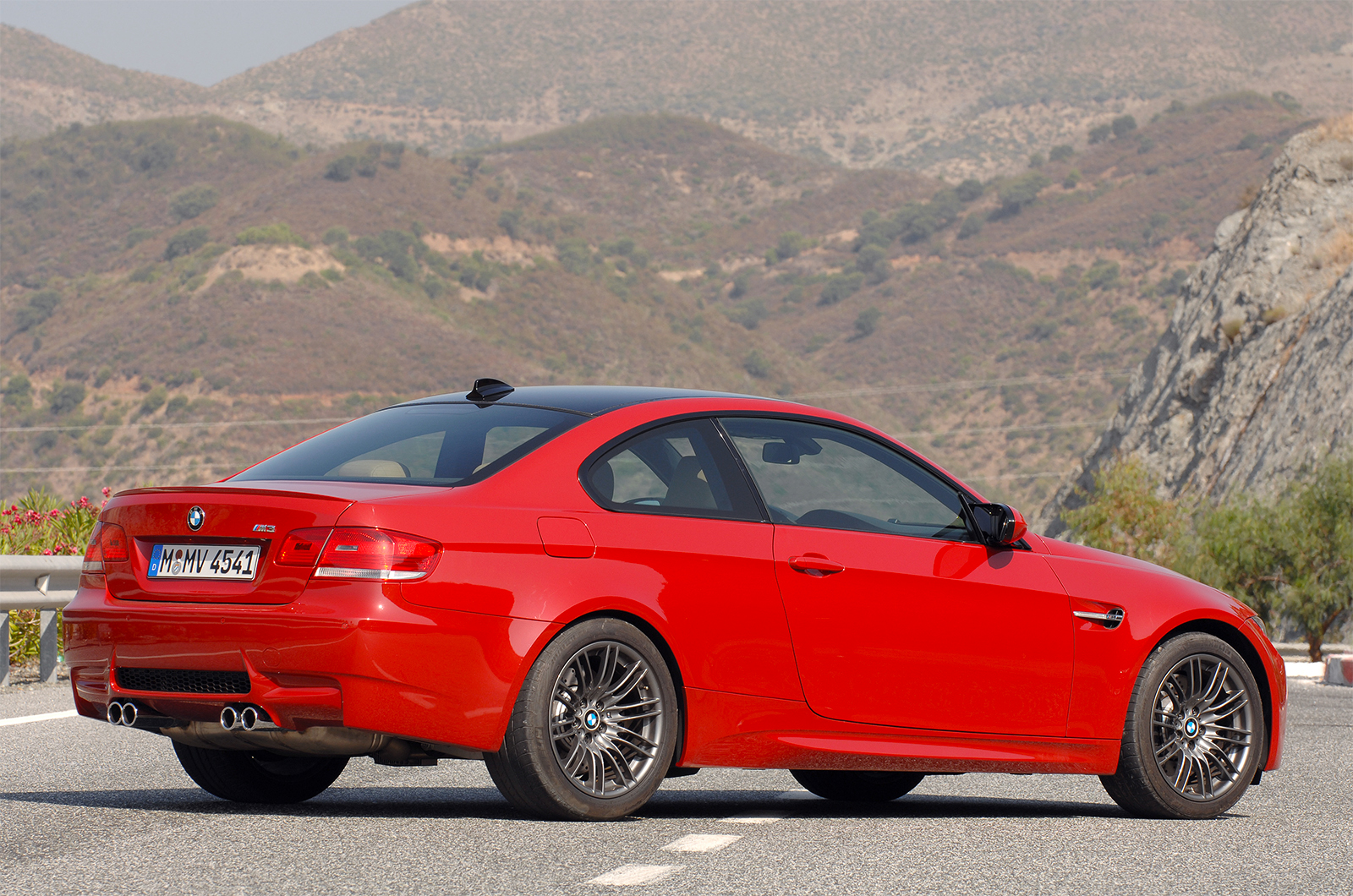
During the 2000s, BMW released not one but two generations of the M3. The third generation, the E46, came along in 2000 with a 338bhp, 3.2-litre straight six, and eventually spawned Competition and CSL variants with more power, and especially in the case of the CSL, additional rarity.
However, with the introduction of Audi’s acclaimed, V8-powered B7 RS4, BMW needed to up their game – and they responded in 2007 with the E90 M3, which was afforded an all-new 4.0-litre, 414bhp eight-cylinder powerplant of its own. It was also offered as a coupé, a convertible and a four-door saloon, pitching it as a direct rival for the Audi. In the end, the RS4 emerged as a surprising victor, but the E90 still proved itself as a great M car.
What we said: “One of the most sensational V8 engines yet to be installed beneath the bonnet of a road car.”
BMW M5 E60 (2005)
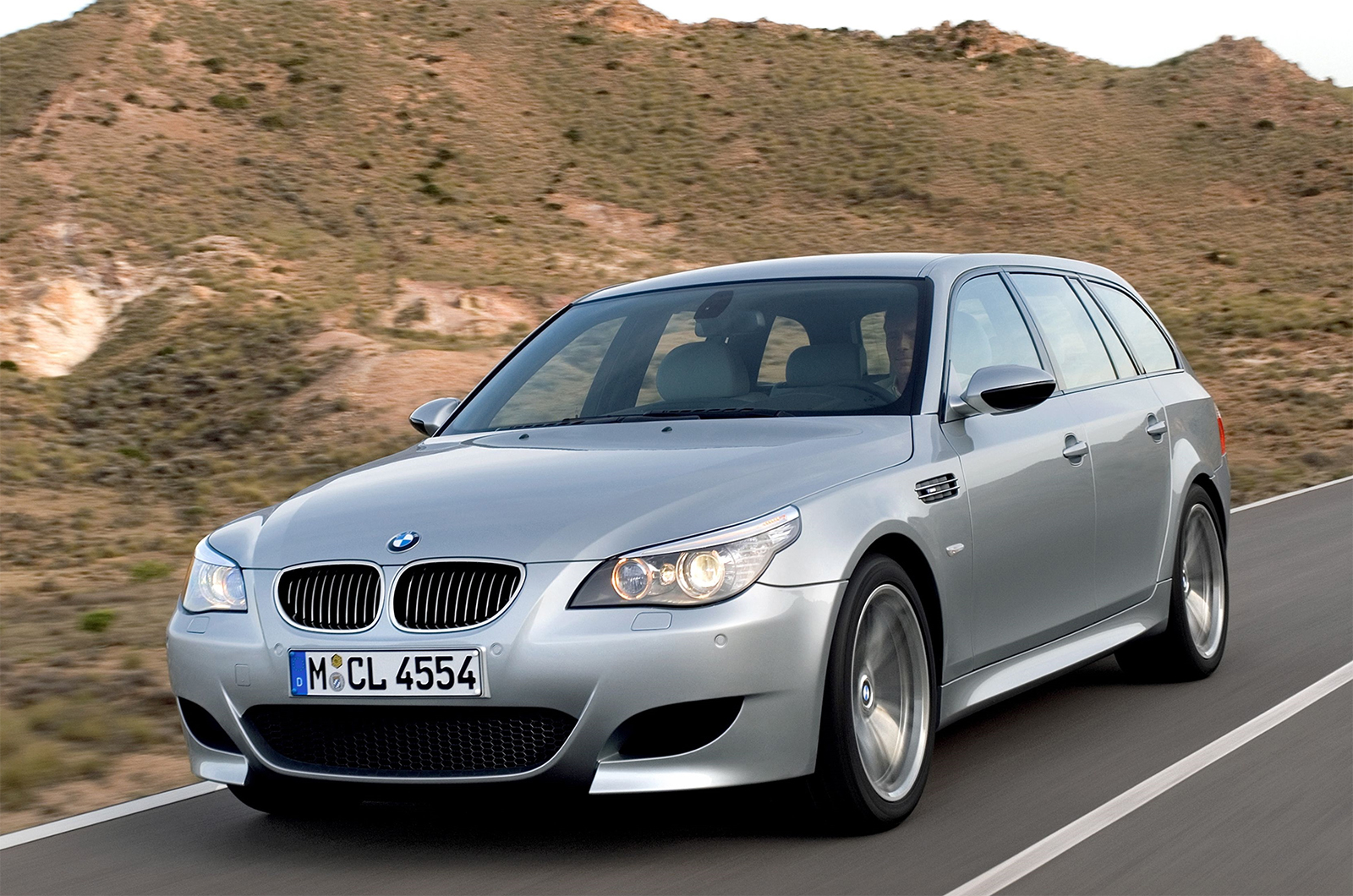
Although, whilst the idea of shoehorning a howling 4.0-litre V8 into the baby M car of the time was certainly a crazy one, it was nothing compared to what had happened to the M5 a few years earlier.
The fourth-generation of the M5, designated ‘E60’, was unleashed for the first time in 2005. However, as the previous generation had already been equipped with an enormous 4.9-litre V8, the M division were inclined to develop a very special engine in order to better it - resulting in the E60 being powered by a Formula 1-inspired, 5.0-litre, 500bhp V10. Offered in both saloon and estate form, the E60 M5 has since gone down as one of the best – and craziest – BMW products of all time.
What we said: “It's such a complete, beguiling car that it might just be the best car in the world. Which is why we award a rare five stars.”
Bugatti Veyron (2005)
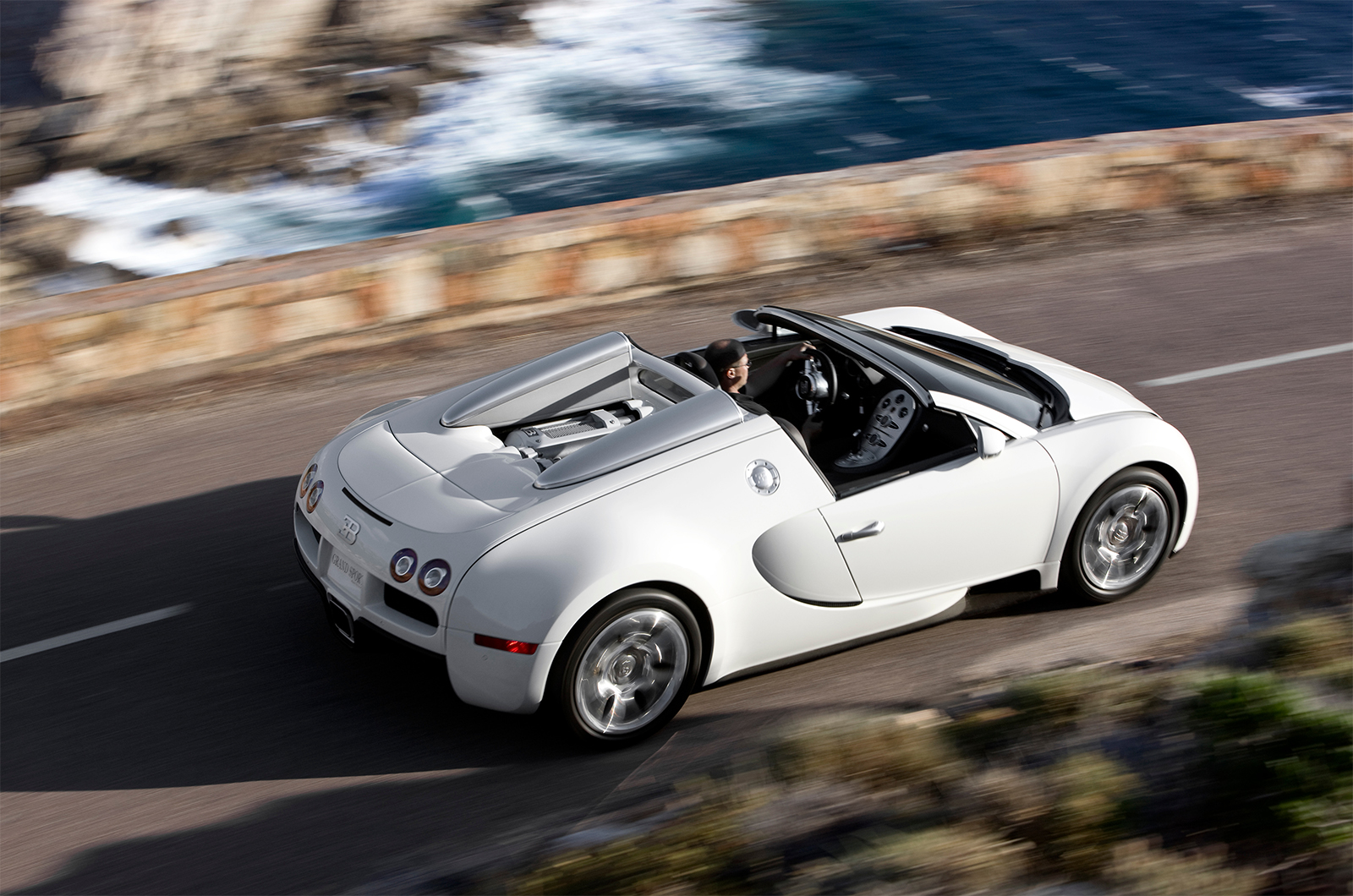
A list of the greatest cars from the 2000s, or in fact a list of the greatest cars of all time, just wouldn’t be complete without the inclusion of the Bugatti Veyron. First shown in production form in 2005 after a long and difficult birth, the Veyron was the ultimate showcase of what the VW group, under the directorship of the late Ferdinand Piëch, was capable of at the height of its power.
Built at the Bugatti factory in Molsheim, France, the Veyron 16.4 set a new precedent for what a car could achieve. It produced 1001bhp from an 8.0-litre, quad-turbocharged W16 engine, that required no less than 10 radiators to keep cool. This remarkable powerplant, which was coupled to a seven-speed dual clutch automatic gearbox and a four-wheel-drive system, allowed the Veyron to reach a top speed of 253mph at the Ehra-Lessien test facility in Germany in 2005, making it the fastest car in the world at the time. A convertible version, the Grand Sport (pictured), followed in 2009.
What we said: “I've driven the car that won Le Mans for Audi in 2002 and I've driven a Jag Fl car that had 900bhp, and I can tell you here and now, the Veyron feels quicker than either of them within the confines of a mountain road.”
Chevrolet Corvette ZR1 C6 (2009)
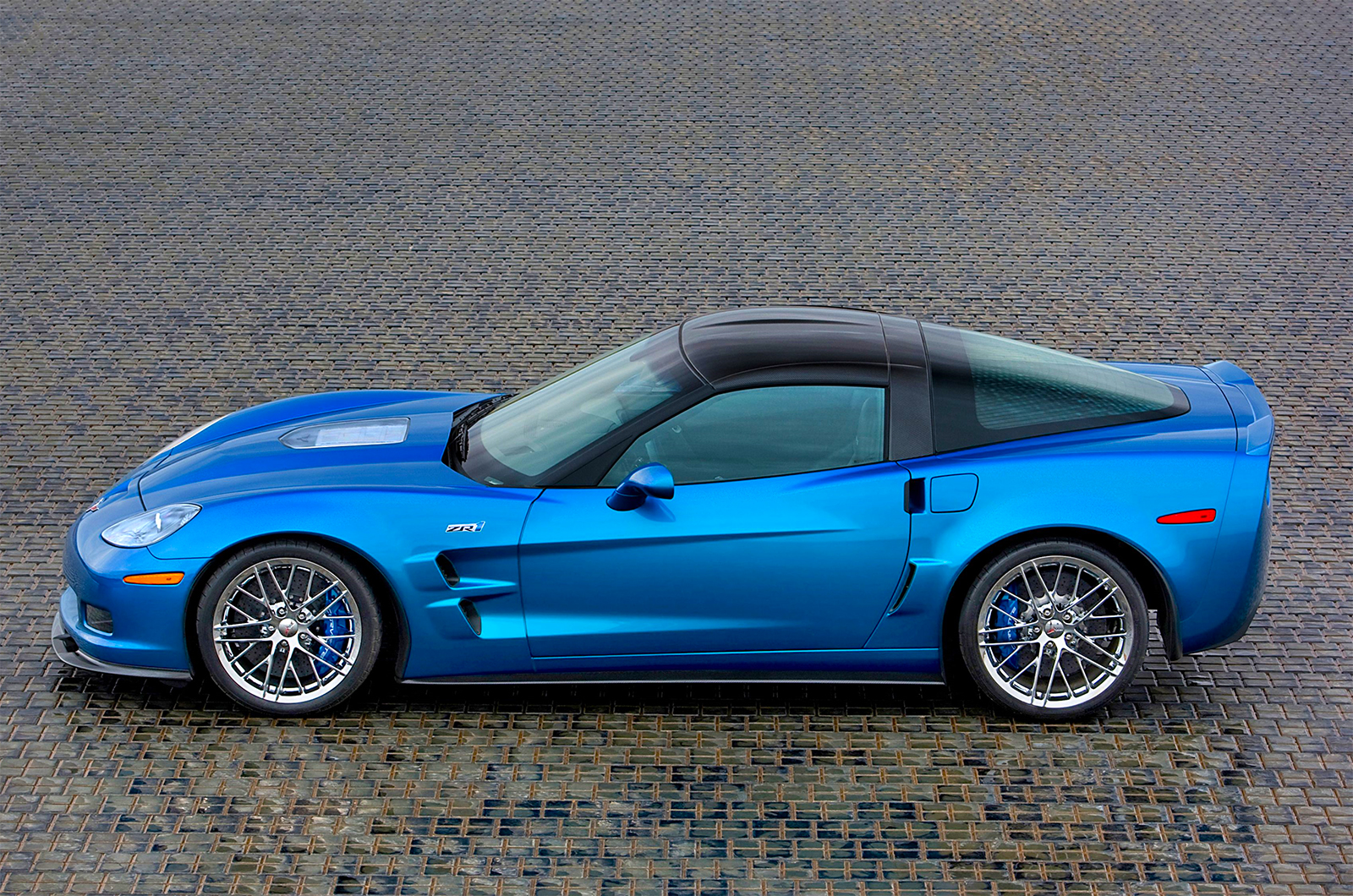
For the C6-generation of the iconic Corvette model, which made its first appearance in 2005, Chevrolet utilised some incredibly modern and sophisticated components when developing the high-performance variants, with the ultimate example being the C6 ZR1.
Developed under the codename ‘Blue Devil’, the ZR1 had a thunderous 6.2-litre supercharged LS7 V8 engine which produced 638bhp and 604lb ft, and was mated to a six-speed manual gearbox. In addition, the roof, bonnet and front wings were made of carbon fibre, the suspension out of aluminium, and in a Corvette first, the ZR1 also received magneto-rheological adaptive dampers.
What we said: “the fastest, most powerful and most expensive car ever produced by GM is a new classic among 'Vettes.”
Enzo Ferrari (2002)
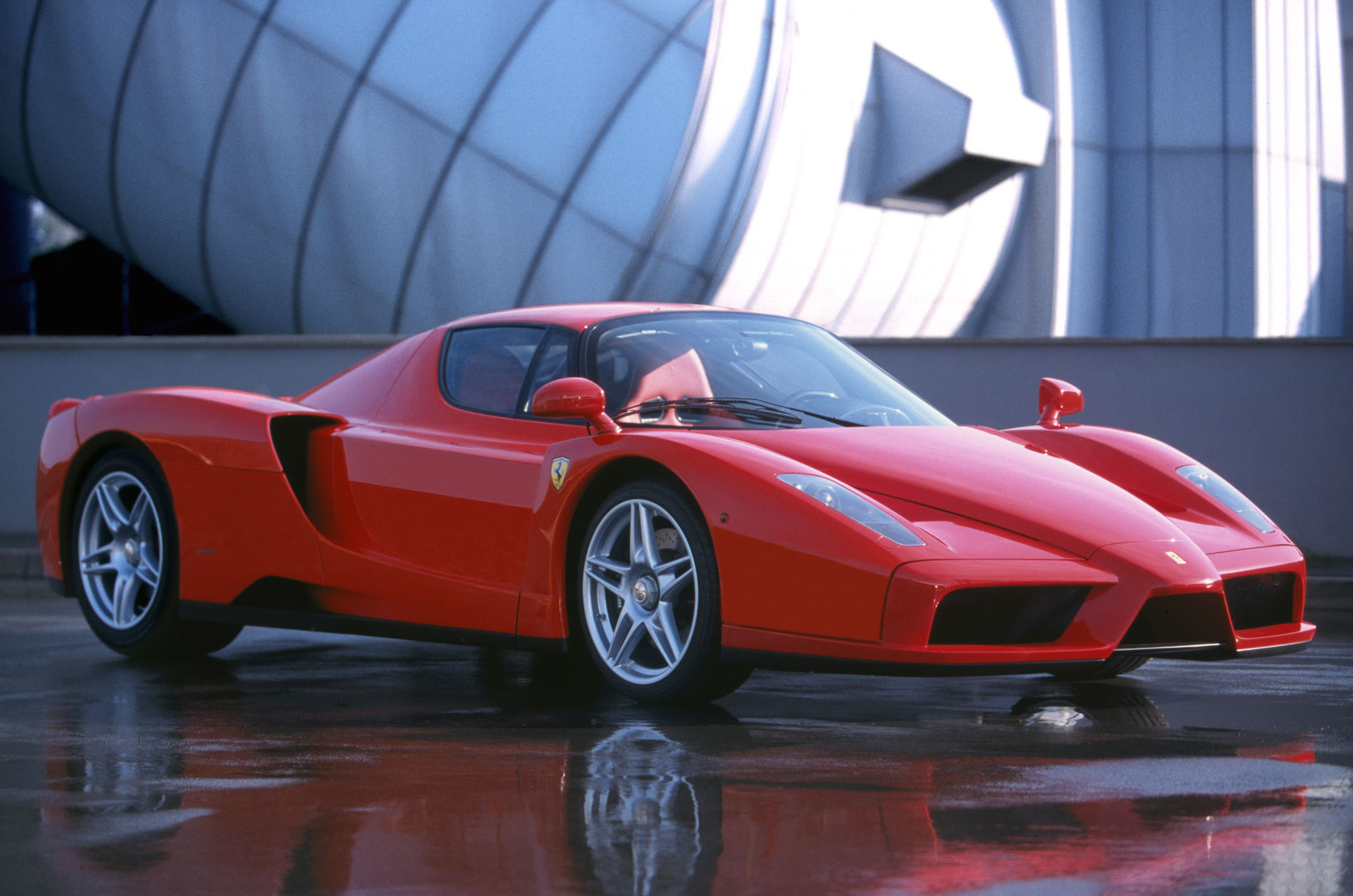
As the direct successor to the F40 and F50, the Enzo Ferrari had a large pair of boots to fill when it arrived on the scene in 2002. In order to achieve such a task, Ferrari raided the parts bin of the Scuderia Formula 1 team when creating what was initially referred to as the Type F140.
The Pininfarina-designed body was entirely made of carbon fibre, the 651bhp, 6.0-litre V12 was mated to an F1-style automated manual gearbox, and the brakes were made from silicon carbide. Plus, a chap called Michael Schumacher was drafted in as development driver…
What we said: “The Enzo is undoubtedly Ferrari's most committed expression of its huge FI and road-car experience.”
Ferrari 458 Italia (2009)
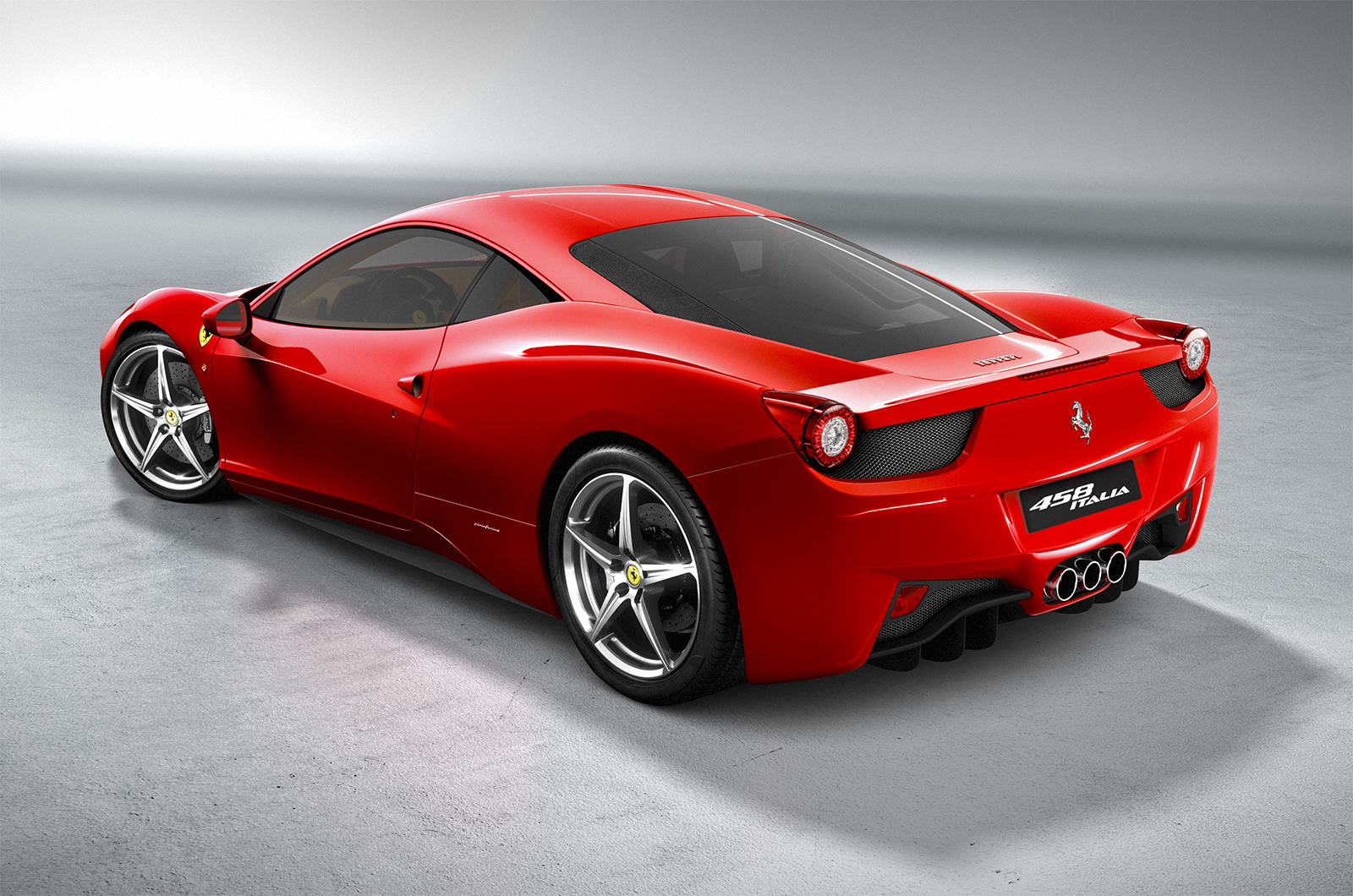
Announced as the replacement for the vulnerable F430 in 2009, the Ferrari 458 Italia moved the mid-engined supercar game along by a drastic margin.
With a body penned once again by Pininfarina, that still looks as fresh today as it did when it was new, the 458 gained an all-new 4.5-litre naturally-aspirated V8 that produced 562bhp, and was deemed so brilliant that it was the recipient of multiple Engine of the Year awards. In addition, the 458 also received a similarly contemporary 7-speed Getrag dual-clutch automatic gearbox, which offered a big improvement over the unit found in the F430.
What we said: “The 458 Italia is a once-in-a-generation Ferrari and the finest we have ever road tested.”
Ford GT (2003)
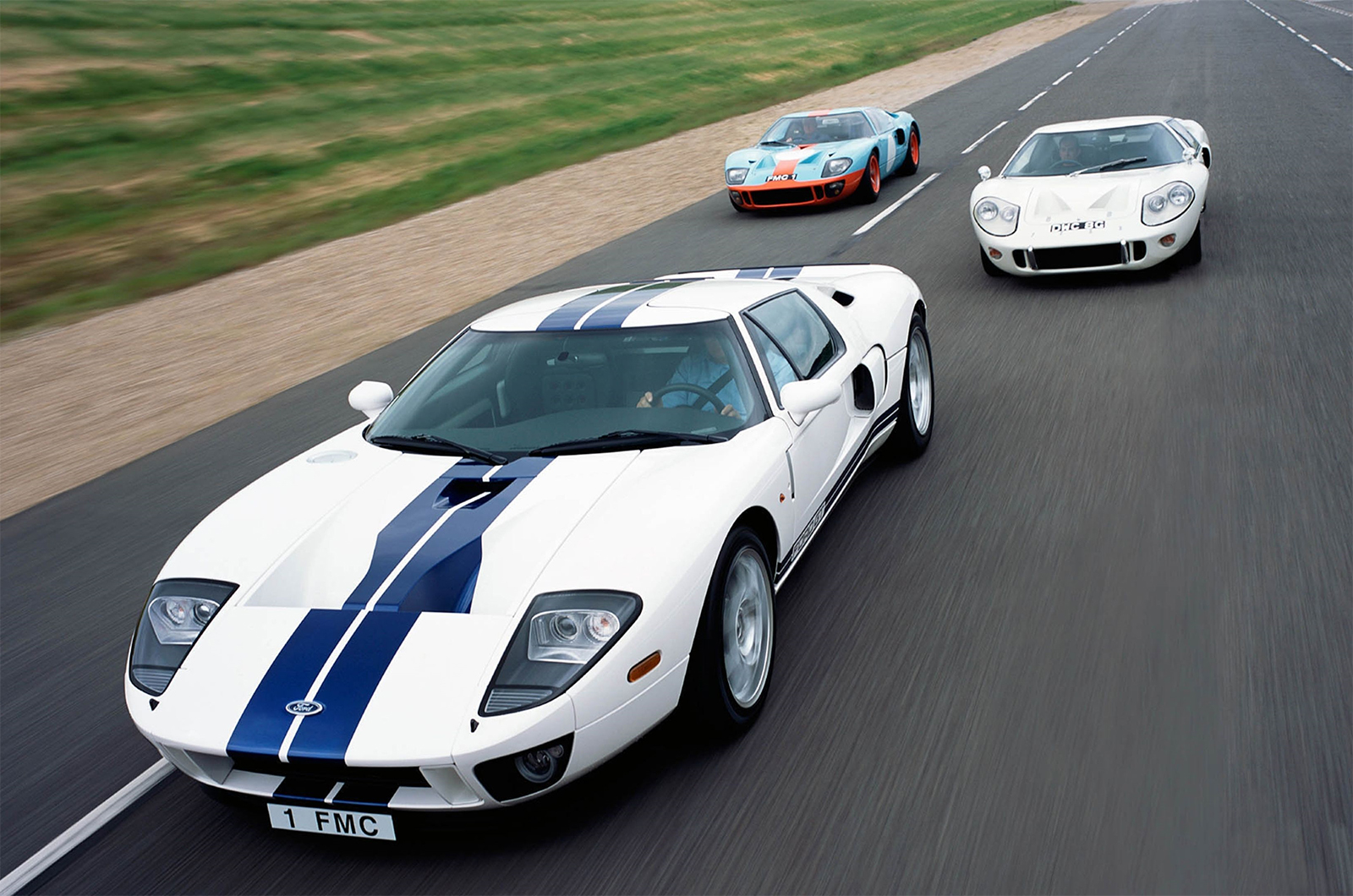
Introduced as a concept during Ford’s 100th anniversary in 2002, and then in production form a year later, the GT was evidently designed as a homage to the legendary GT40 racer of the 1960s. With styling that strayed very little from that of the original car, the GT was the ultimate slice of retro cool from the outside.
However, the same couldn't be said for what was hiding underneath the throwback aluminium bodywork, as the GT was a serious, thoroughly modern supercar. Described in our review summary as a “devastating cross-country device with sublime steering”, the GT was powered by a 550bhp, 5.4-litre supercharged V8, which was enough for 0-60mph in 3.3 seconds and a top speed of 205mph.
What we said: “The engine performance is astronomical. Corners are simply the bits that punctuate the fun, as the GT’s positive on turn-in, but you’re always aware of its size and weight. I'd have one though - It’s a cracker.”
Ford Focus RS Mk2 (2008)
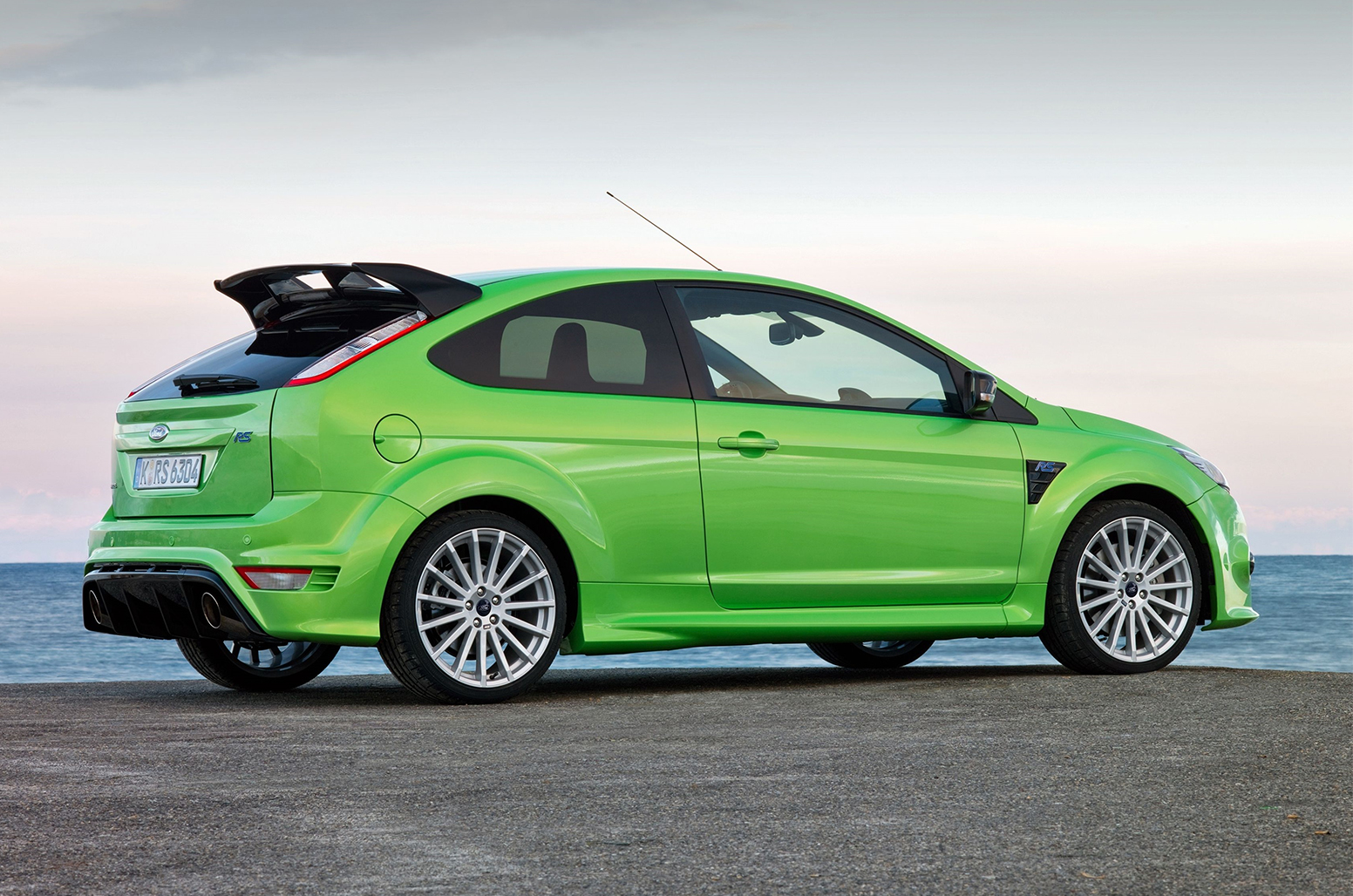
Ford unveiled the second generation of the Focus RS in 2008, with RS Rally Team boss Jost Capito stating that it was ‘a shark to the [Focus] ST’s dolphin.’ It certainly had the aesthetics to pull off such a claim; with flared wheelarches, aggressive vents and spoilers, duel exhaust tips and the garish ‘Ultimate Green’ WRC-inspired paint colour pictured, it certainly looked the part.
Performance was hardly lacking either, with a turbocharged, 2.5-litre inline five-cylinder engine capable of 305bhp and 325lb ft. Given the links to the Focus rally car, four-wheel-drive was reportedly considered; however, Ford decided it was unnecessary. It certainly wasn’t missed…
What we said: “Fast and, more importantly, fun. The new benchmark hot hatch.”
Koenigsegg CCX (2006)
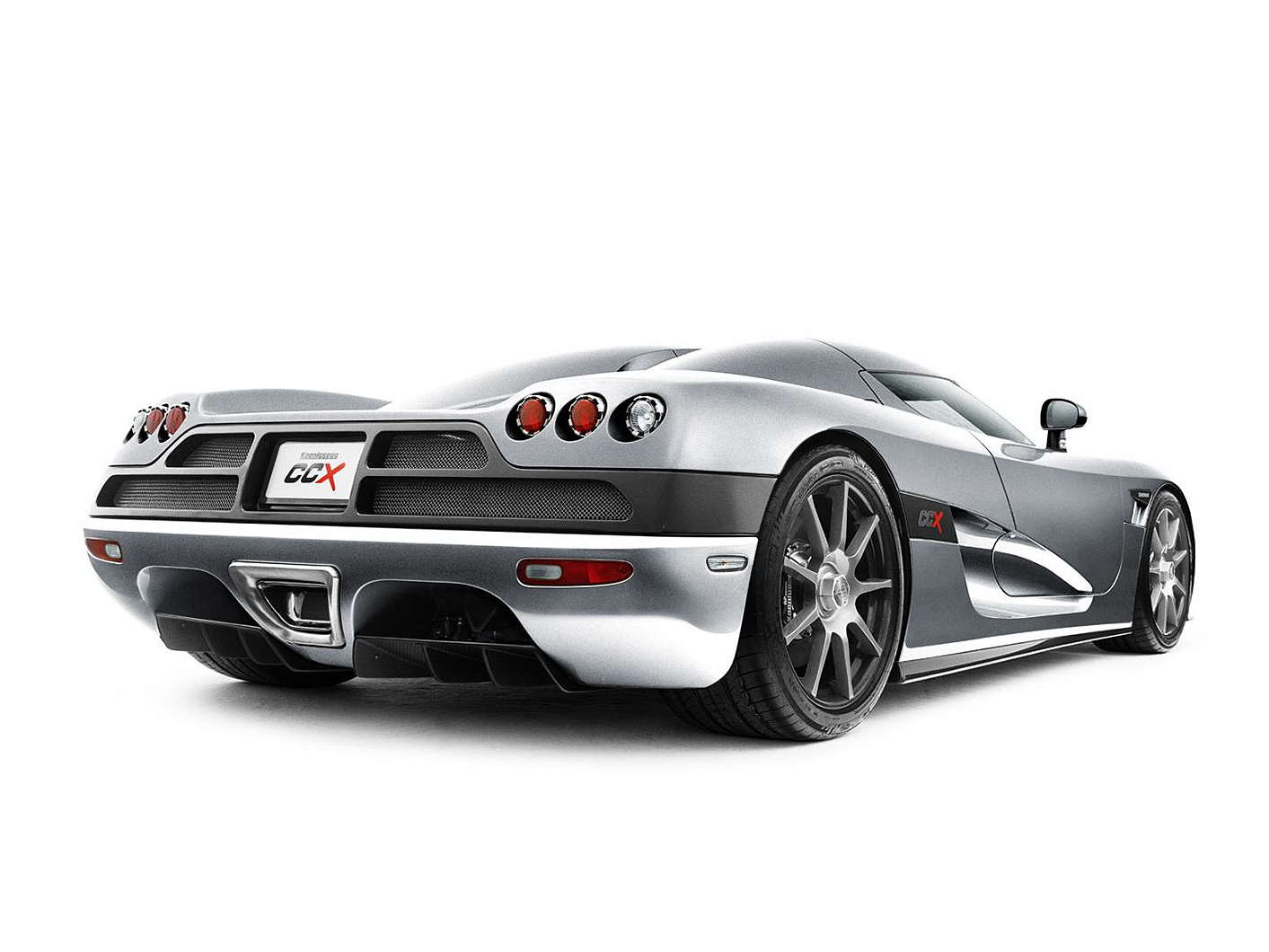
The first production Koenigsegg model, the CC8S, was unveiled at the very start of the decade at the 2000 Paris Motor Show. At the time, the Swedish hypercar firm was still very much in its infancy, so the CC8S utilised a 4.7-litre V8 that was based around a Ford-designed block – albeit one that had been completely re-engineered in Ängelholm.
However, when the time came to replace the CC8S with a new model, Koenigsegg developed an all-new engine themselves for the first time. The model in question was 2006’s CCX, and its brand new dry-sumped, twin-supercharged 4.7-litre V8 produced 806bhp and 693lb ft – unprecedented numbers for a car only weighing 1280kg. Today, Koenigsegg builds some of the world’s most impressive powertrains, and the CCX is largely to thank for it.
What we said: “Now we know that there’s only one Swedish car that resembles a jet fighter on wheels – and it isn't a Saab.”
Lamborghini Murcielago (2001)
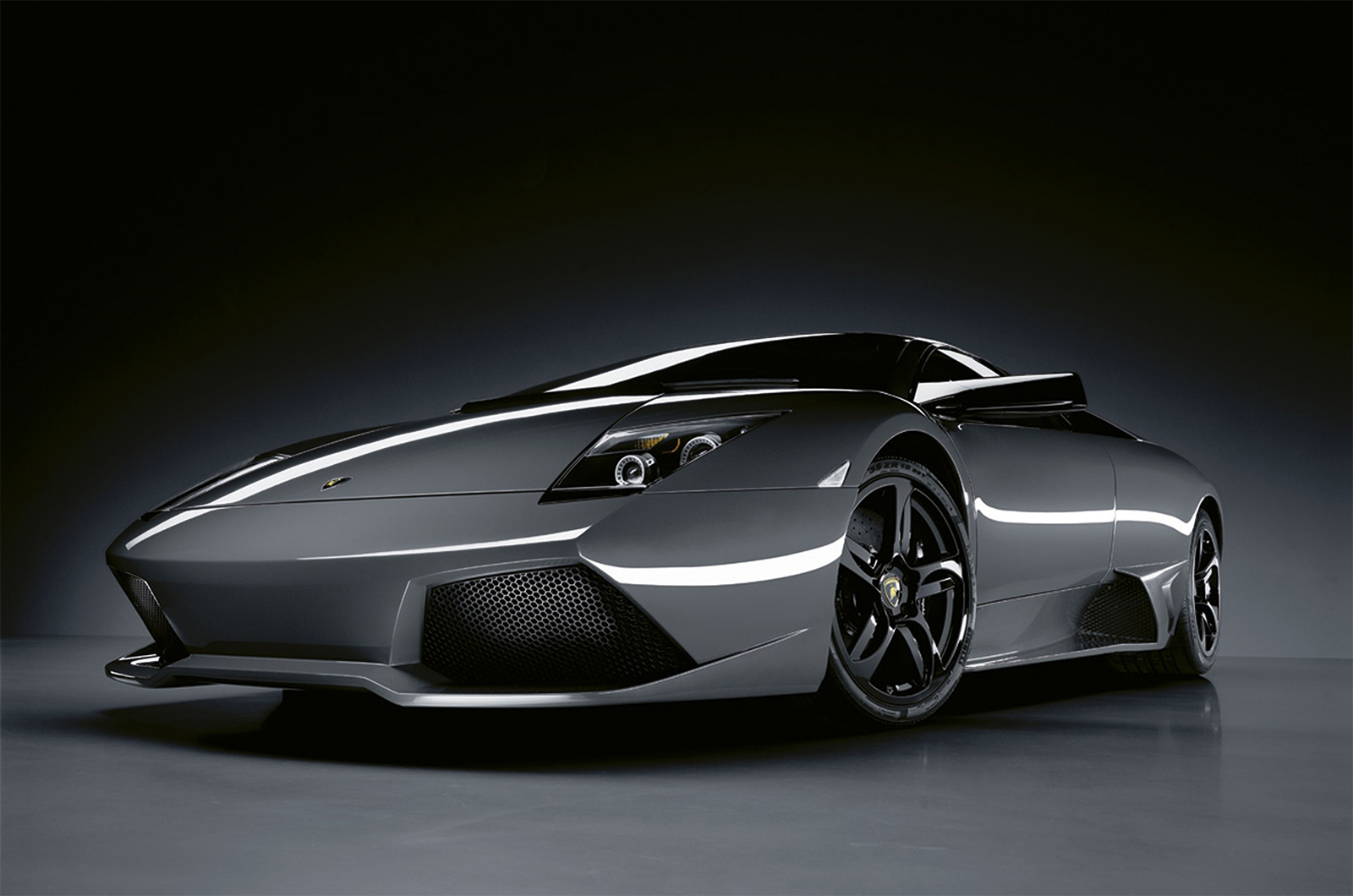
Announced as the replacement for the much-loved but flawed Diablo, the Murcielago was unveiled in 2001 and instantly became a poster car for a generation. Low-slung, angular and sleek, with a theatrical pair of retractable air intakes, the Murcielago looked like a proper Lamborghini – and with a 6.2-litre naturally-aspirated V12, it also had the performance to match. A roadster promptly followed, until an updated version – the LP-640 – came along in 2006 (pictured).
As the name suggests, the facelifted Murcielago received a horsepower boost to 640, and the engine grew from 6.2 to 6.5-litres. Alongside the Gallardo, the Murcielago LP-640 and its derivatives were also the last cars to be offered by the Italian brand with a manual gearbox. Not many people refrained from ticking the ‘e-gear’ automated manual option, making manual LP640’s incredibly rare and sought-after today.
What we said: “Off the top end of the desirability scale. Glorious name, glorious shape, glorious engine. Glorious steering. Glorious, in fact…”
Lamborghini Gallardo Superleggera (2007)
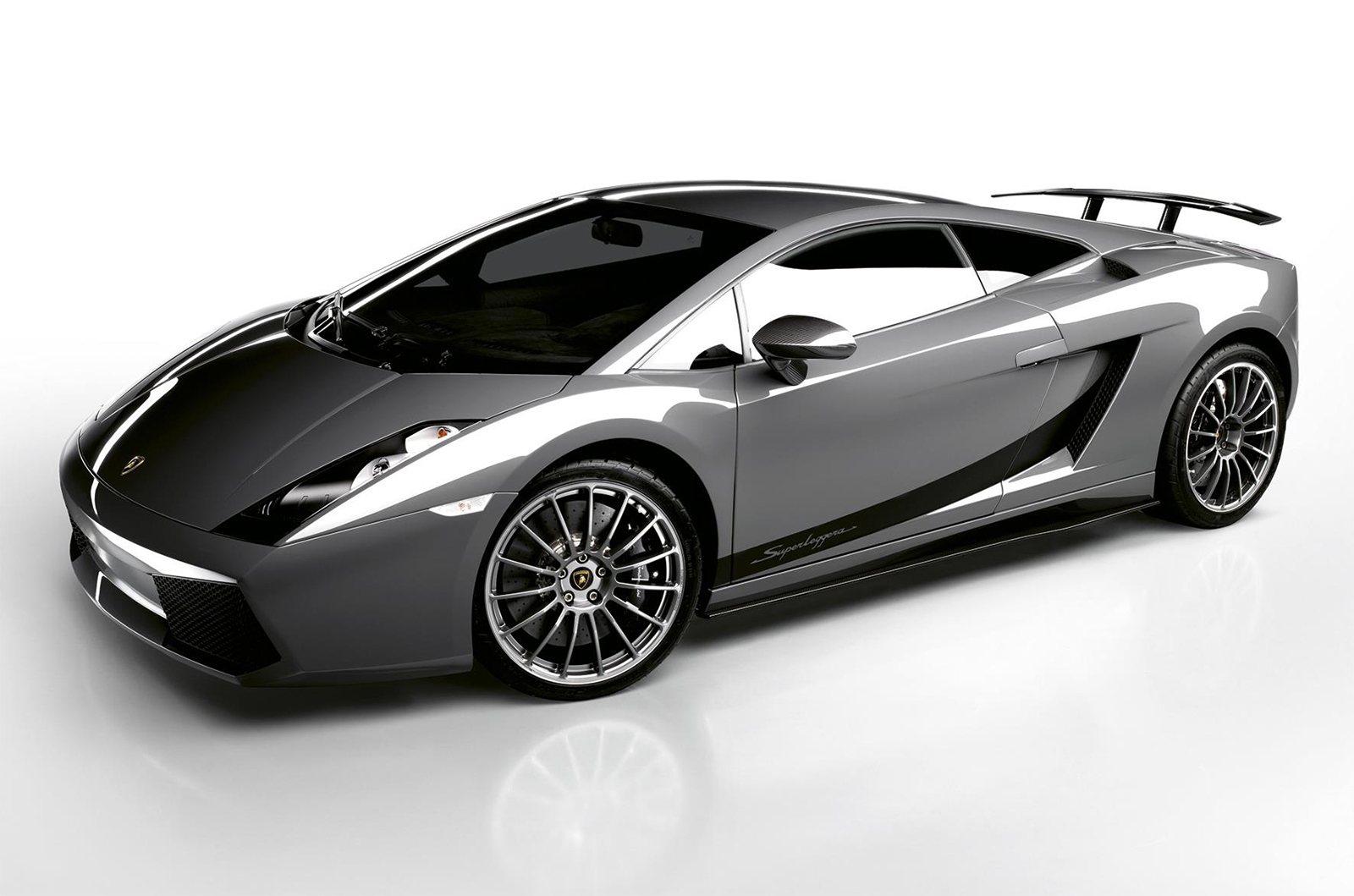
The so-called ‘baby Lambo’ was first shown to the world in 2002, and proved an immense success for the Italian brand – in fact, the Gallardo was comfortably the best-selling Lamborghini of all time until the arrival of the Urus SUV, with over 14,000 units produced (a number that has since been overtaken by its successor, the Huracán).
However, only 618 of that total was made up by the first generation of the Gallardo Superleggera, which was unveiled in 2007. Offered as a stripped-out, lightened version of the standard Gallardo, the Superleggera weighed 100kg less than the car it was based upon, despite being allowed to keep its four-wheel drive system. Thankfully, the sonorous 5.0-litre V10 also remained.
What we said: “It’s the sort of car Ferrari used to make once upon a time.”
McLaren-Mercedes SLR (2003)
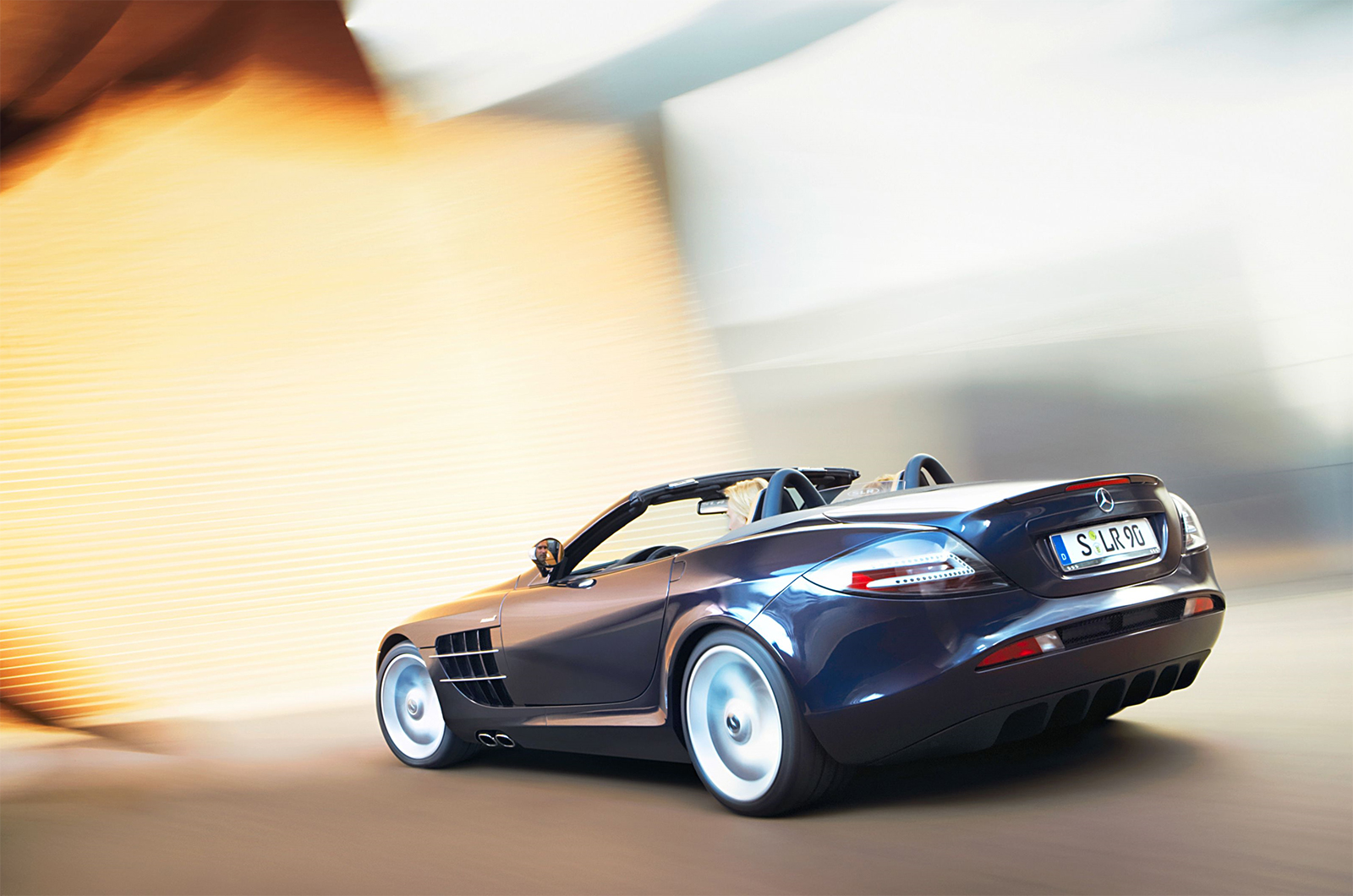
Co-developed and built by McLaren, and designed by Gordon Murray, the Mercedes SLR was unveiled in production form in 2003 after a series of concepts and development delays. With a dry-sumped 5.4-litre supercharged V8 that made 617bhp and 575lb ft, it perhaps came as no surprise that the SLR was monstrously fast.
However, with a flawed set of early carbon ceramic brakes, a harsh ride, a lazy 5-speed automatic gearbox and, despite carbon fibre construction, a kerb weight of 1700kg, the SLR was something of a problem child; meaning it couldn’t compete dynamically with the likes of its rivals, the Enzo Ferrari and Porsche Carrera GT. Where it impressed instead was as a long distance grand tourer, and with sensational styling, this Anglo-German curiosity more than deserves a spot on the list.
What we said: “Even at 192mph it was still accelerating like a train.”
Mercedes-Benz CLK 63 AMG Black Series (2007)
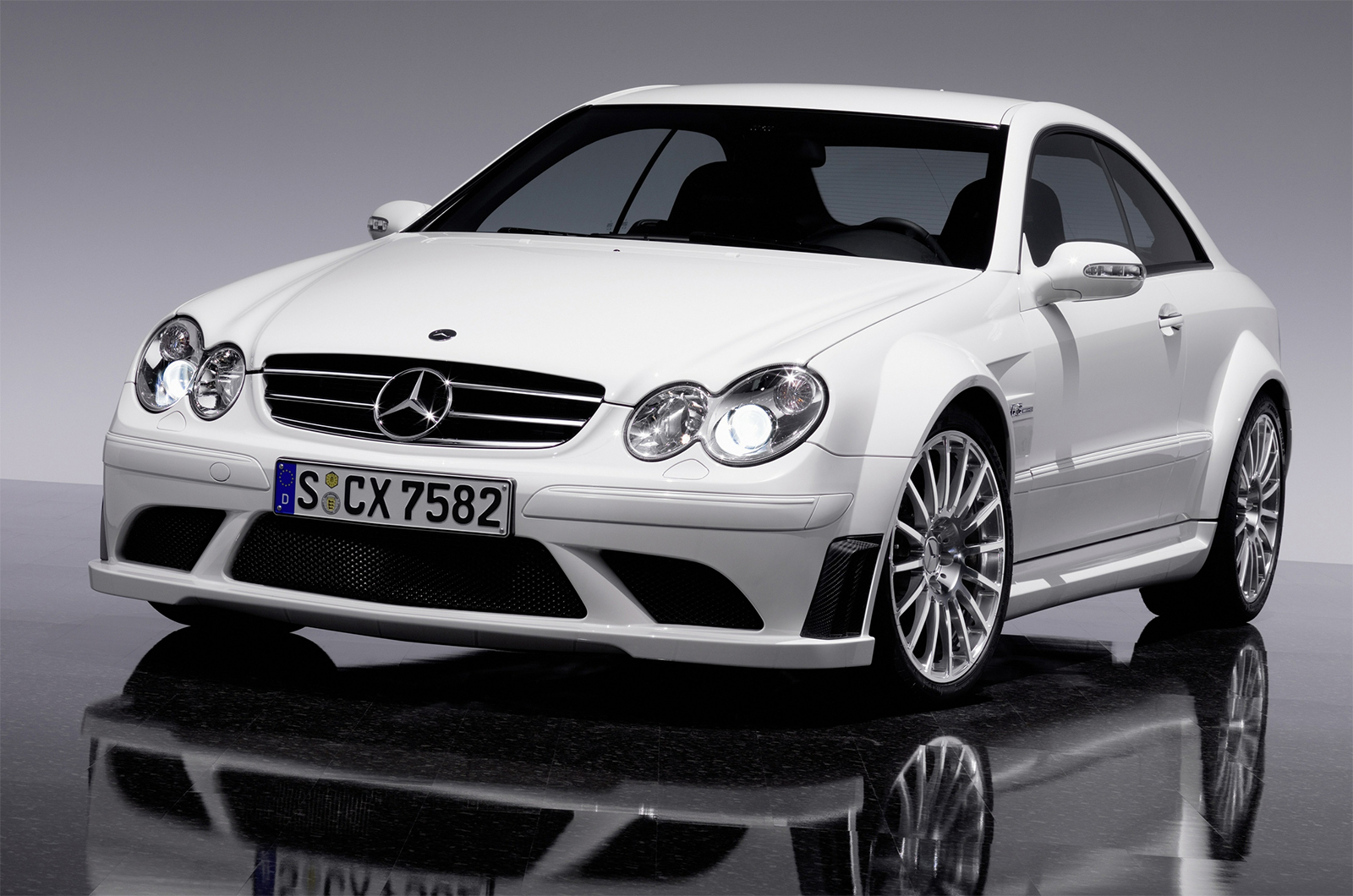
The Merecedes-Benz CLK 63 AMG Black Series was unveiled in 2007, and has since become one of our favourite models ever built by the team in Afalterbach.
Taking inspiration from a special CLK Safety Car that AMG developed for the Formula 1 World Championship, the Black Series gained outrageously widened wheel arches, a carbon fibre rear diffuser and door cards, bucket seats in the front…and no seats at all in the rear. And, while the 6.2-litre, naturally-aspirated V8 from the standard CLK 63 remained, in the Black Series it was fettled to produce 500bhp.
What we said: “One thing is immediately clear: this is the most extreme Mercedes currently on sale, including the SLR.”
Mercedes SLS AMG (2009)
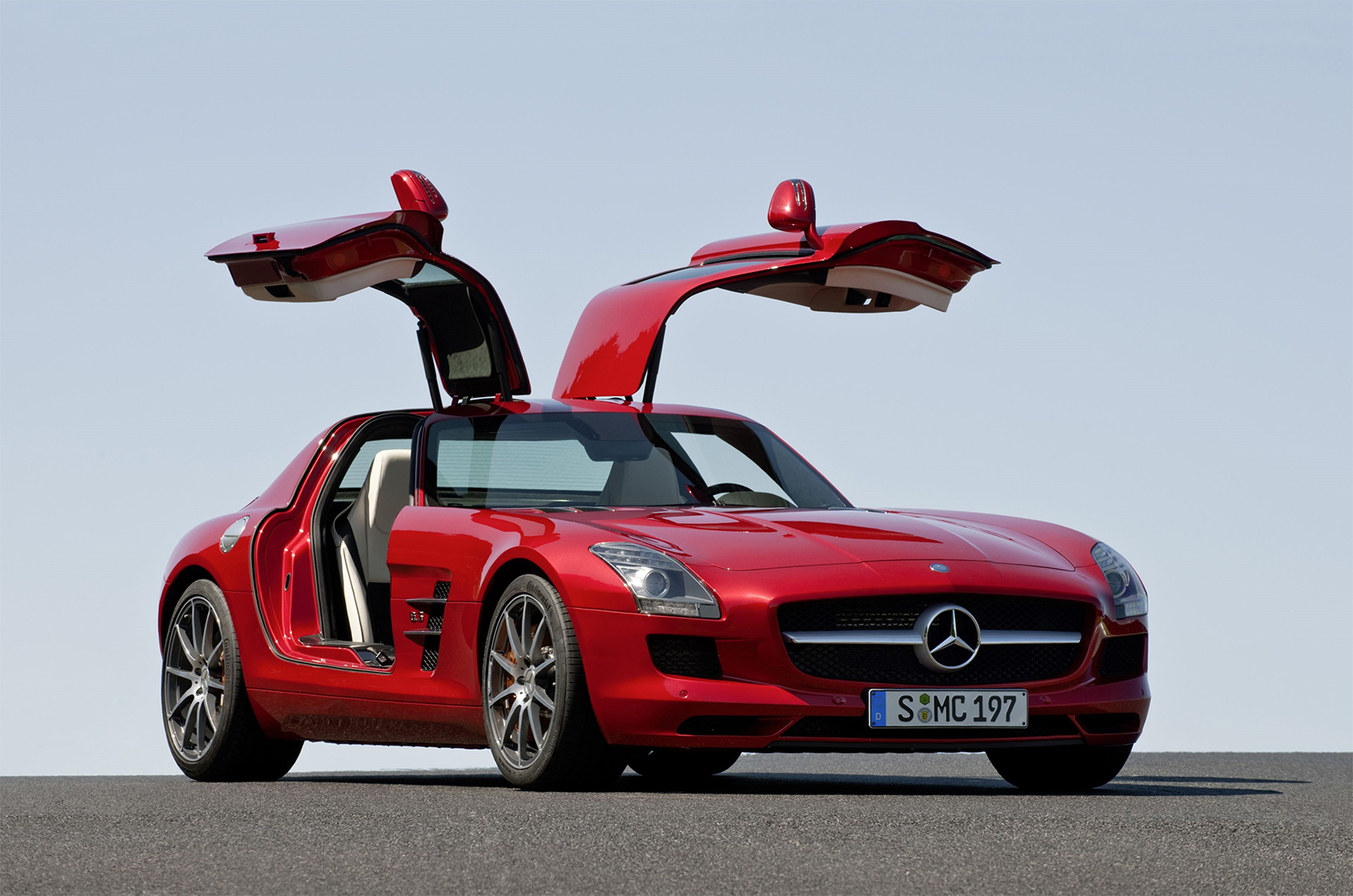
In fact, the 6.2-litre AMG V8 was deemed so special by Mercedes that they decided to use it at the heart of their next supercar. The supercar in question, the SLS AMG, arrived in 2009 with jaw-dropping styling – including the evocative and iconic gullwing doors – and a set of driving dynamics that more than lived up to the way it looked.
Here, the 6.2-litre V8 lump was stretched to 563bhp, which placed it squarely in the firing line of the brilliant Ferrari 458 Italia. In fact, the same 7-speed Getrag dual-clutch automatic gearbox was used in both cars – but, while the Ferrari was a bona fide, textbook supercar, the front-engined SLS was inherently more GT in its approach. The 458 edged it at the time, however Mercedes’ effort deserved the credit it received for also being a fantastic car.
What we said: “Outrageous pace and grip. A truly useable supercar.”
Nissan GT-R R35 (2007)
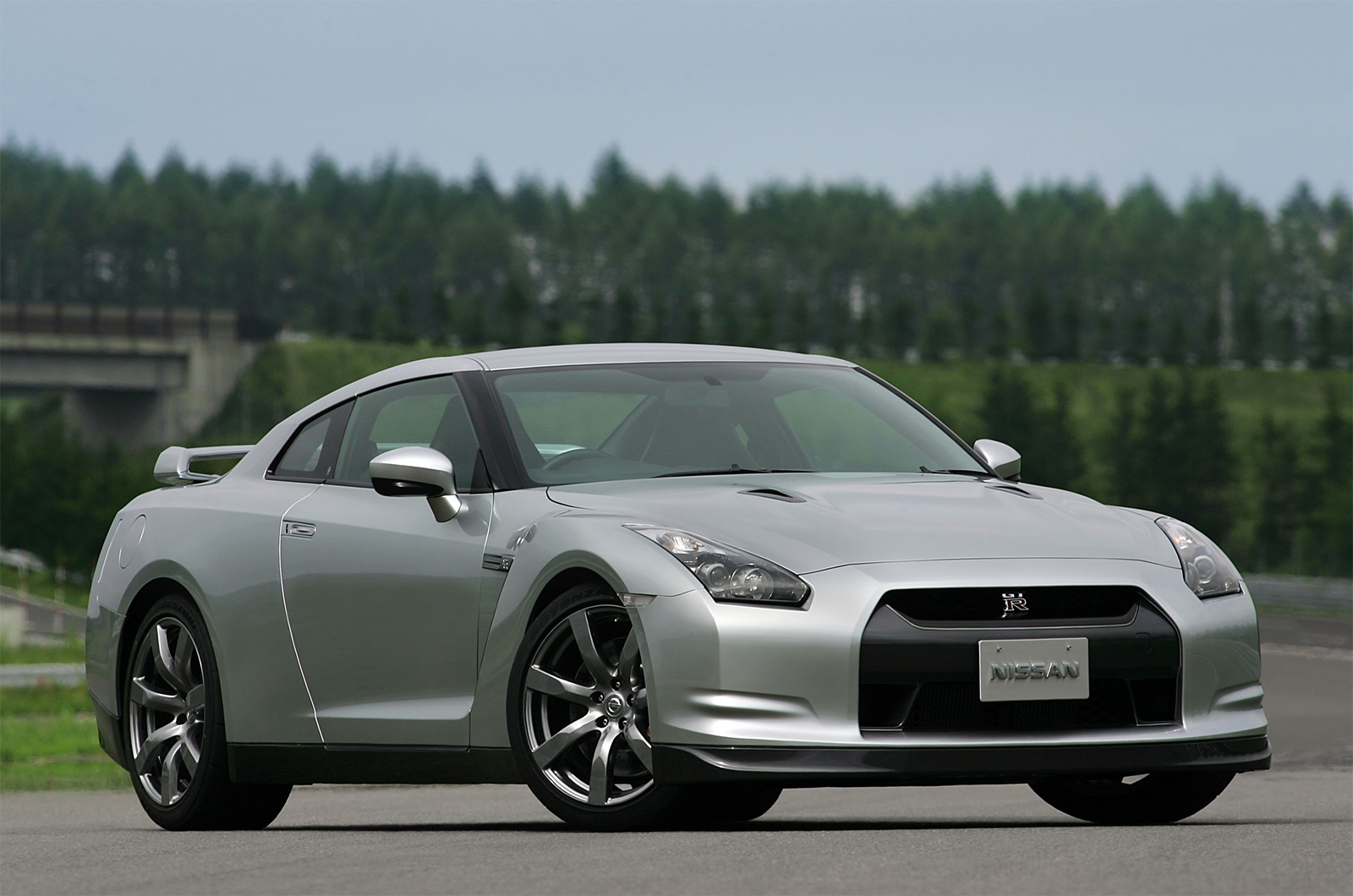
As one of the decade’s most anticipated cars, the R35-generation of the Nissan GT-R had a lot of hype to live up to when we first drove it in Japan in December 2007. Afterall, Nissan had claimed that, for almost half the price, the GT-R was quicker than the latest Porsche 911 Turbo, and had been built with an unmatched level of attention to detail.
Well, both claims turned out to be true. Thanks to a bespoke 3.8-litre twin-turbocharged V6, the 473bhp GT-R eclipsed the Turbo’s 0-60mph time (3.5 vs 3.6 seconds), and also set a blistering 7min 37sec lap around the Nürburgring. In addition, the ‘giant killer’ GT-R was one of the first road cars to be fitted with launch control, and each example received a hand-built dual-clutch automatic gearbox assembled in individual ‘clean rooms’ to ensure reliability. Remarkably, the R35 GT-R only went out of production in 2024.
What we said: “Faster than a 911 Turbo, laden with tech and only 55k…is the GT-R too good to be true? No, it’s even better.”
Porsche 911 Turbo (2006)
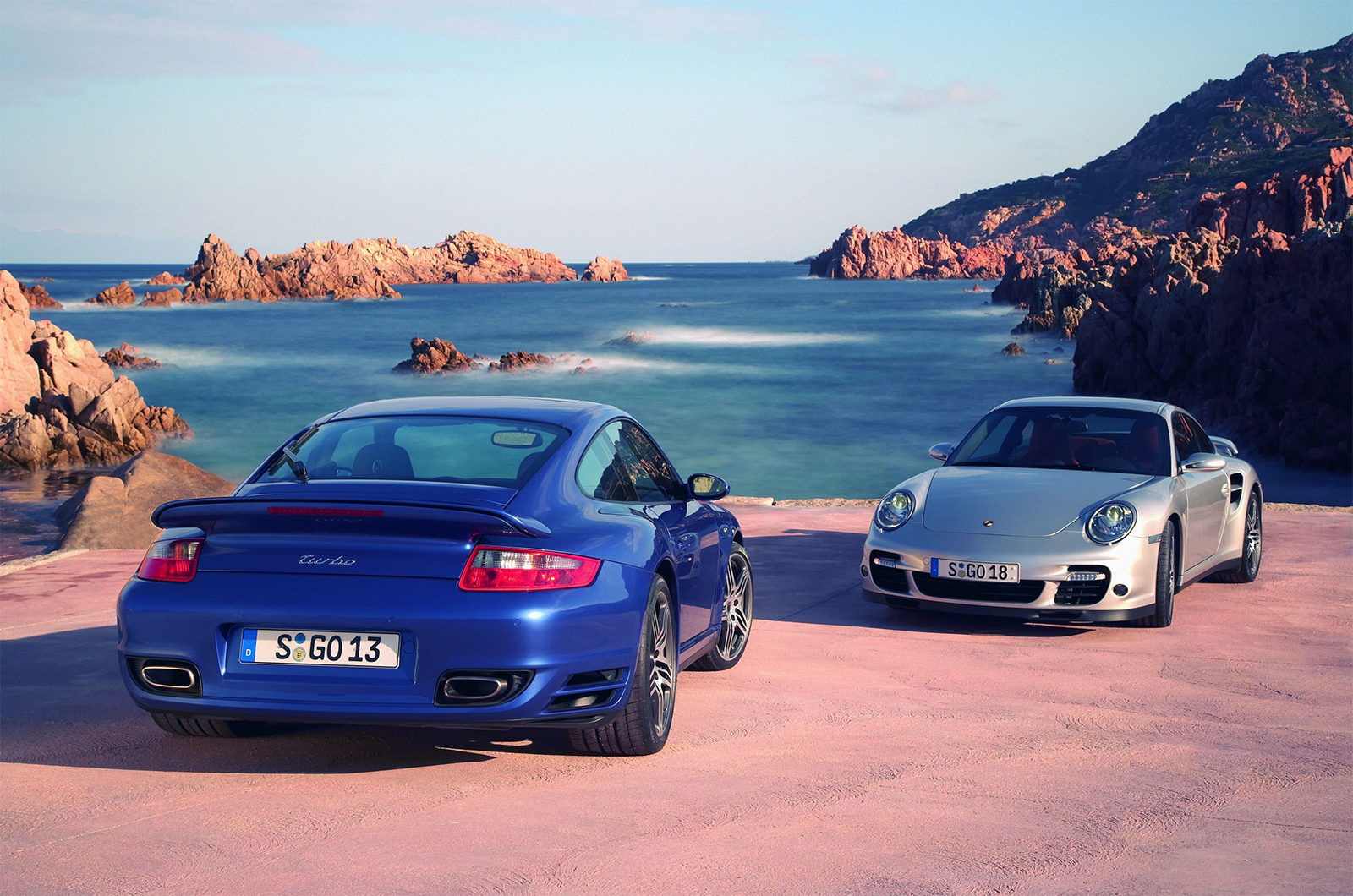
While it is true that the Nissan GT-R did ultimately outpace the Turbo variant of the 997.1-generation Porsche 911, which came along in 2006, let’s not discount the Porsche just yet. In fact, in recent years, 997 Turbo values have been on the rise – and there are several reasons as to why.
For instance, the 997 Turbo, in pre-facelift, 3.6-litre guise, was the final 911 Turbo to feature a ‘Mezger’ flat-six engine derived from the unit found lurking within the 911 GT1 Le Mans-winning race car. It was also the final 911 Turbo to be offered with a manual ’box, too, which adds another level of desirability today. And, while the GT-R was faster, the 911 was certainly no slouch either, with our road test concluding that we’d choose one over both the Ferrari F430 and Lamborghini Gallardo.
What we said: “Not only is it one of the fastest cars we've ever tested, but it's also the best 911 Turbo yet, no question.”
Porsche 911 GT3 RS (2006)
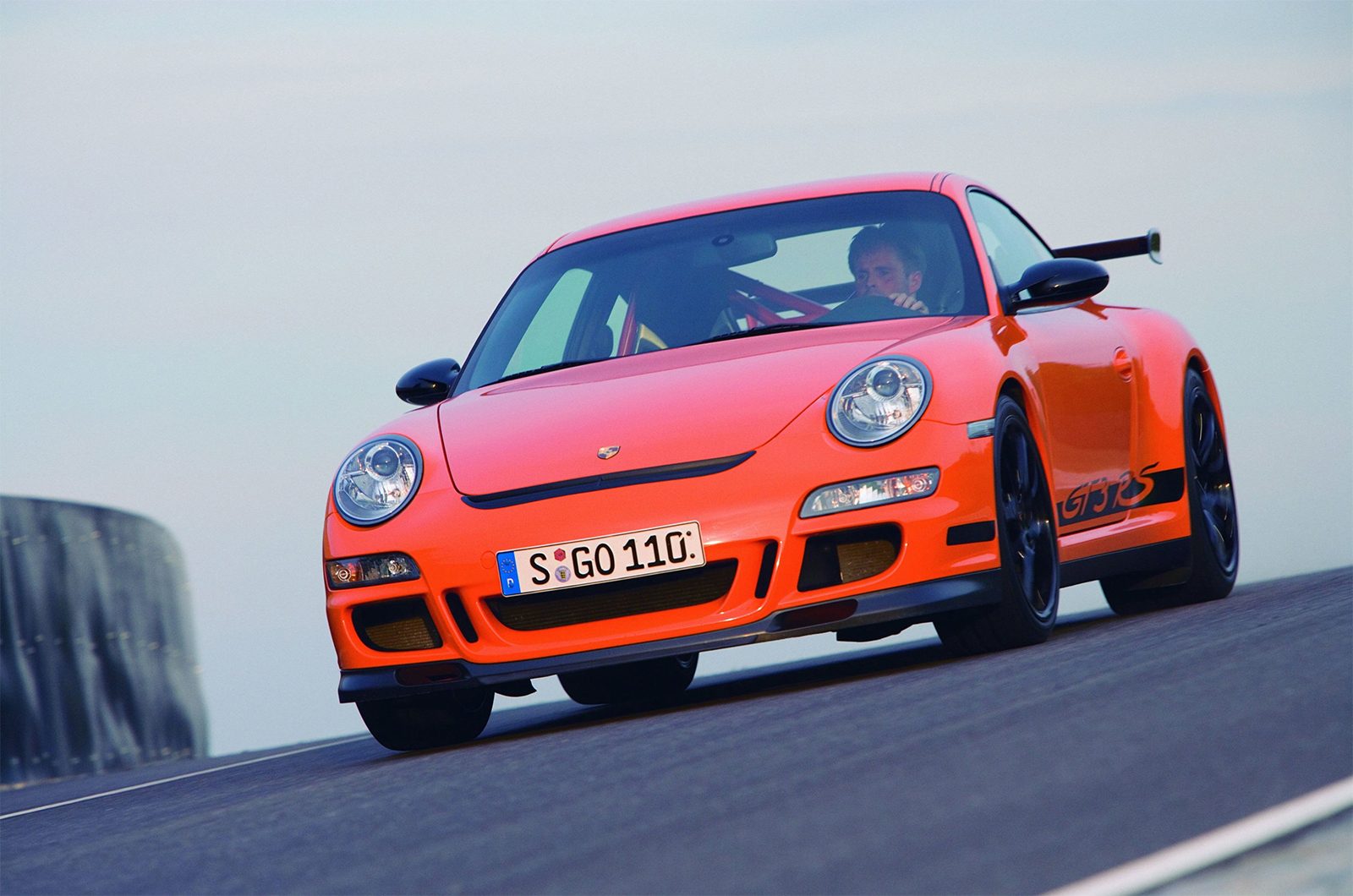
As it turned out, 2006 proved an important year for the 997.1-generation of the Porsche 911. First of all, we received the brilliant 911 Turbo, which was promptly followed by the GT3, and then this - what many regard as one of Stuttgart’s finest ever pieces of work – the 997.1 GT3 RS.
Another example of a 911 propelled by a 3.6-litre, motorsport-derived ‘Mezger’ flat-six, but here with a scintillating redline of 8400rpm, the GT3 RS took the already extreme GT3 and pushed things further. A widened bodyshell accommodated increased front and rear track widths, and 20kg of weight was removed from an already lightweight starting point. It was available exclusively with a six-speed manual gearbox, too, unlike the PDK-only GT3 RS of today.
What we said: “This is some of Porsche's best work to date: directly related to a racing car, staggering on the circuit, but also quite at home on the road.”
Porsche Carrera GT (2003)
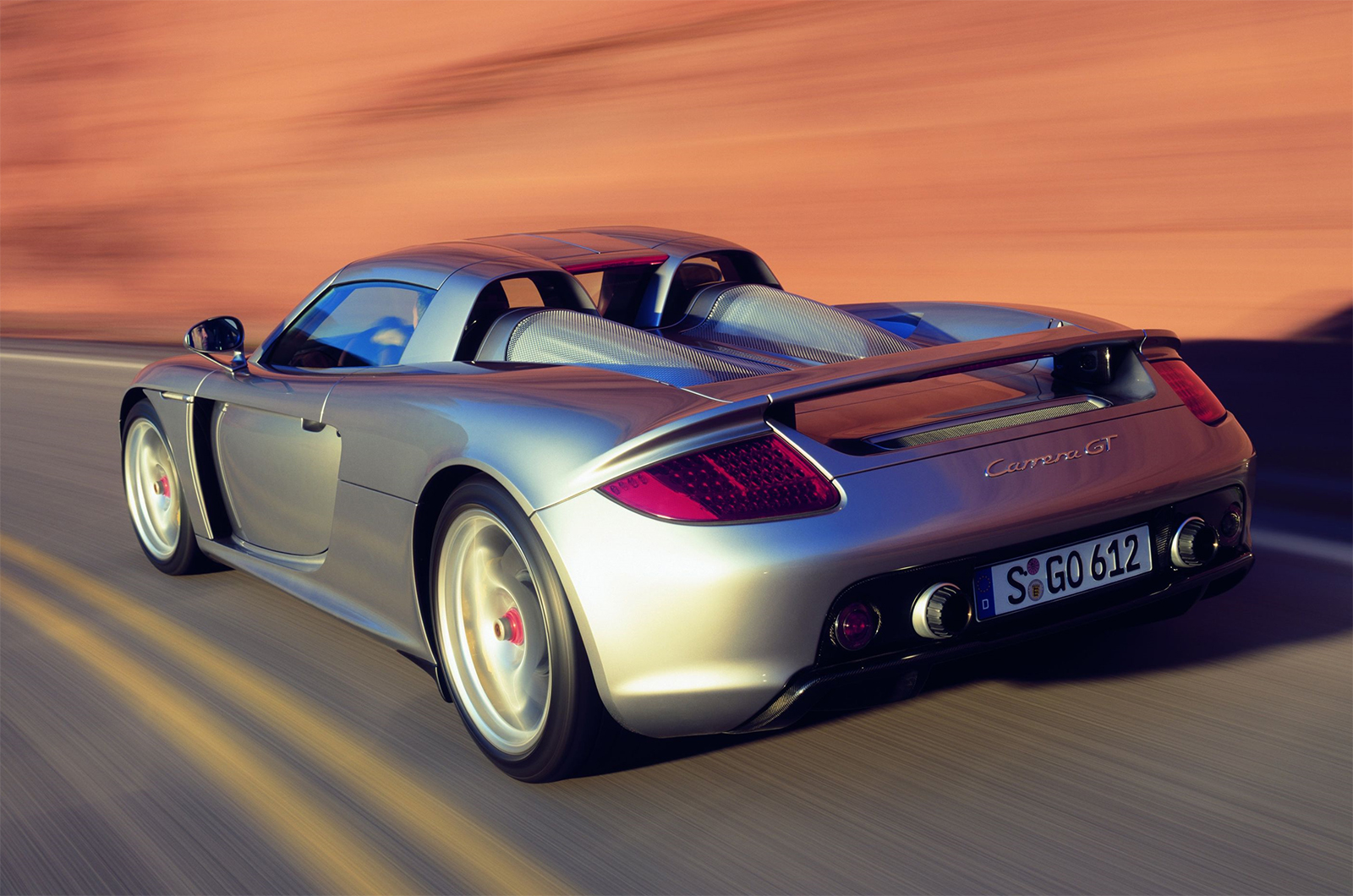
Unveiled in concept form in 2000, and following as a production model in 2003, the recipe for the Porsche Carrera GT is arguably as good as it gets. Power came from a 603bhp, 5.7-litre naturally aspirated V10 that originated from a cancelled Le Mans prototype, which, at the request of the project’s development driver, Walter Röhrl, was controlled via a six-speed manual gearbox.
Notorious for its tricky-to-use, 7.5-inch diameter clutch, which was chosen for its incredible effect on throttle response, the Carrera GT used innovative carbon construction to achieve a curb weight of just 1380kg. With a 205mph top speed, not only was the Carrera GT one of the world’s fastest and most technologically-advanced cars when new, it was also the greatest-ever to drive according to our road testers.
What we said: “The Carrera GT is the best supercar ever made, and probably the most exciting road car in history.”
Renaultsport Megane R26.R (2008)
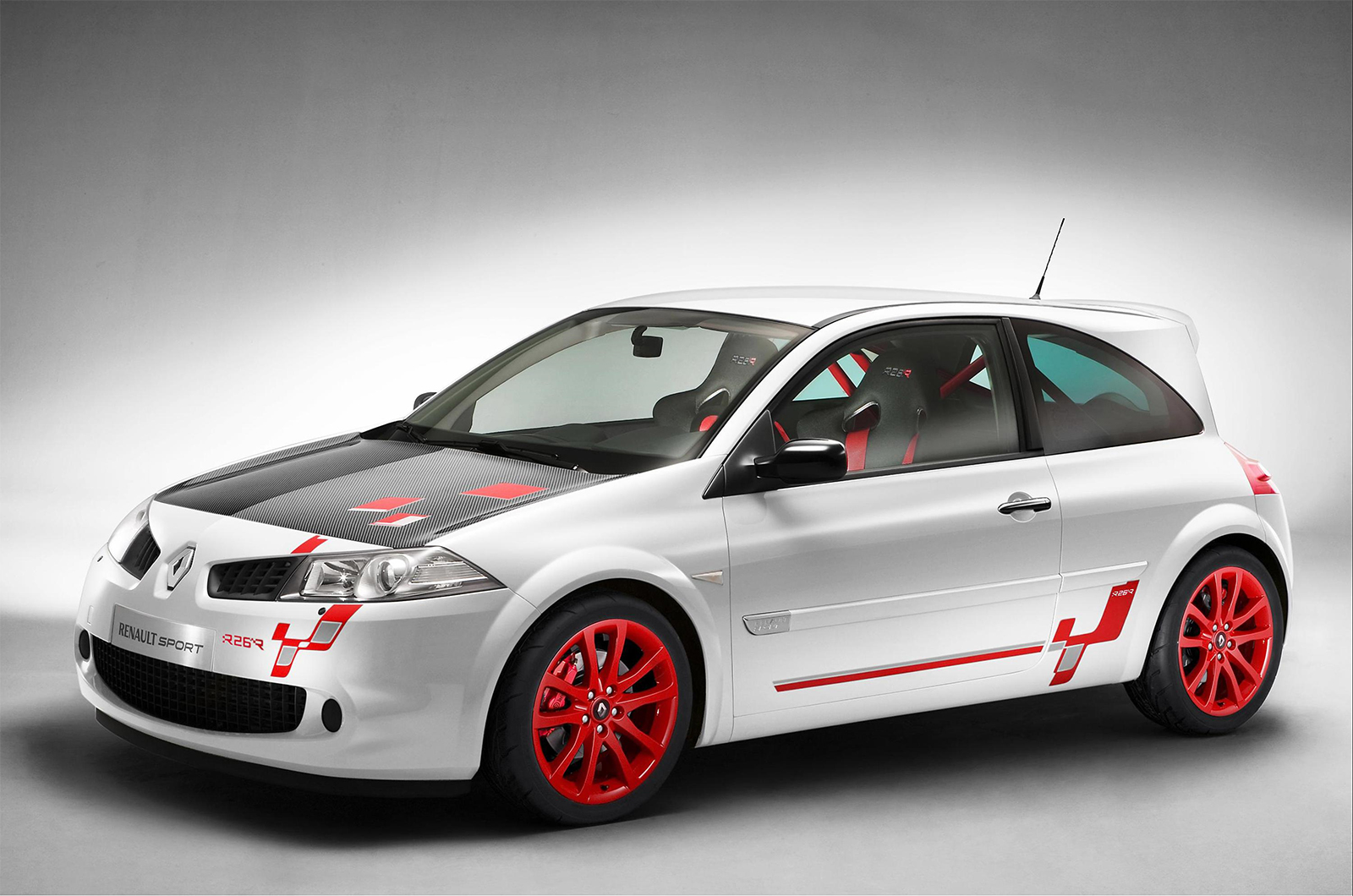
In truth, we could have chosen pretty much any one of the Renaultsport performance models released by the French manufacturer during the 2000s for our list, given that they very rarely got it wrong. However, at the expense of the mighty Clio 182 Trophy, we’ve decided to include the Megane R26.R for its sheer craziness alone.
Very much the GT3 RS of the hot hatch world, the R26.R went to places that no other hot hatch had previously dared. Using the R26 F1 Team as a starting point, the R26.R slashed 126kg of weight through the use of an outrageous carbon fibre bonnet, Perspex windows, lightweight wheels, a roll cage and race car-spec Sabelt bucket seats. After such intense weight-saving measures, and also with 227bhp on tap, it’s perhaps not a surprise that the R26.R broke the front-wheel-drive Nürburgring lap record when it was new.
What we said: “As a genuine driver’s car the Mégane R26.R has few rivals, and not just in the world of hot hatchbacks but at any level, at any budget.”
Volkswagen Golf GTi Mk5 (2004)
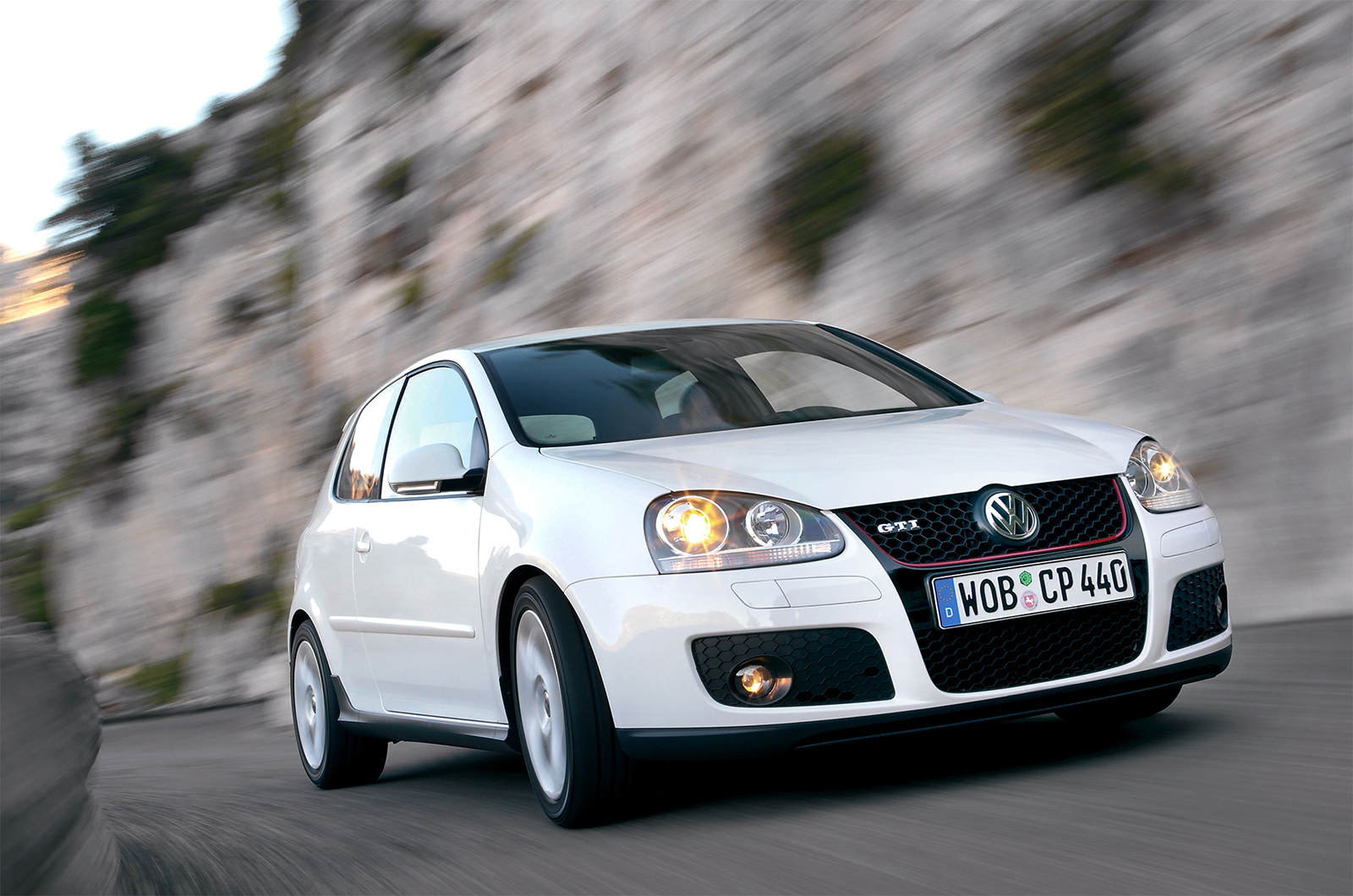
The original Golf GTi of 1976 was the car to popularise the hot hatch, introducing a new audience to the world of the performance car. A few generations later, though, and the GTi had lost its fun factor, becoming too grown up to replicate the achievements of the original.
That was until the Mk5 GTi arrived in 2004, and righted all of the Mk3 and Mk4’s wrongs. With pumped-up styling, exclusive 18” alloy alloys and ‘Interlagos’ tartan seat inserts, the Mk5 certainly looked like a GTi should – and, as we later found out, it also drove like one, too. The Mk5 GTi is a great driver’s car and a dead set future classic, making it a worthy successor to the likes of the Mk1 and Mk2.
What we said: “The GTi has returned, and this time it has image and ability.”
That wraps up our list of the best performance cars produced during the 2000s. However, how about the ones that we were promised, but never arrived? Let’s look at five more gems from the period that, for one reason or another, never saw the light of day…
Alfa Romeo Diva (2006)
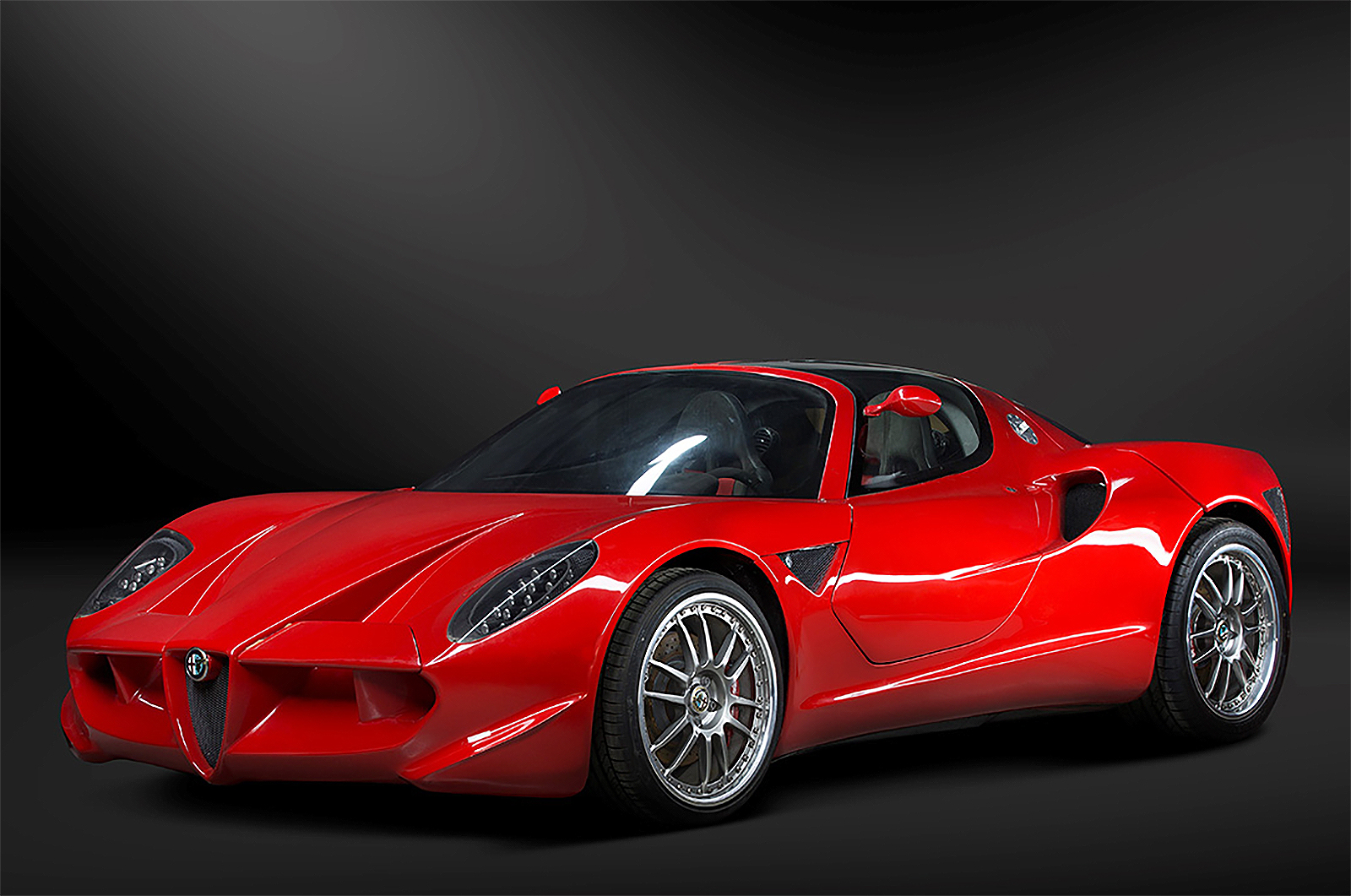
The stunning Alfa Romeo Diva concept was unveiled at the 2006 Geneva Motorshow, and took inspiration from the legendary 33 Stradale of the 1960s.
With a shorter nose-to-tail length than that of a Fiat Punto, and powered by a transversely-mounted 3.2-litre Busso V6, the Diva had so much potential. However, it seems as though there were never any plans to put the butterfly-doored sports car into production – perhaps due to the imminent arrival of the 8C.
Audi R8 V12 TDI (2008)
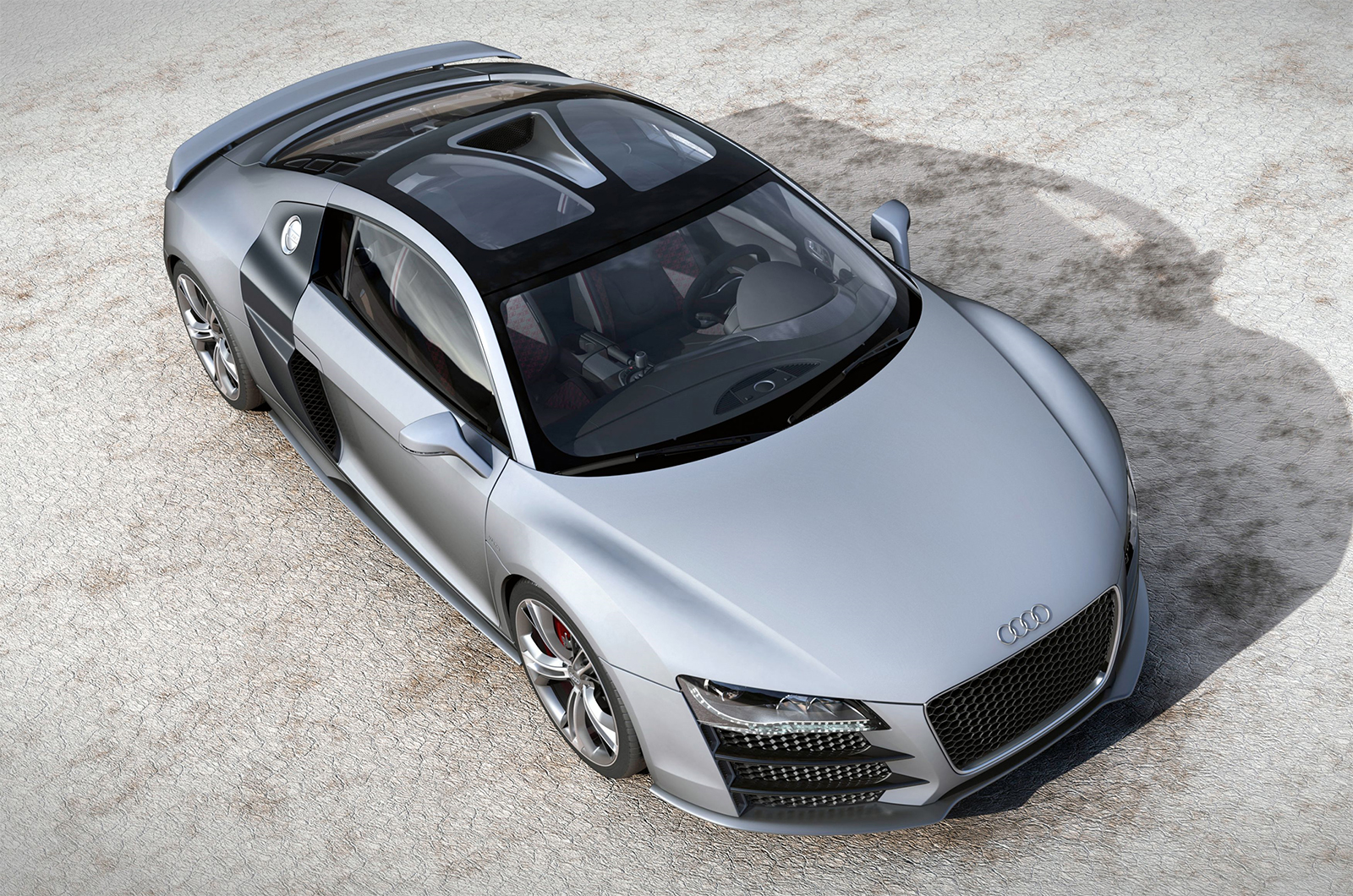
A diesel V12-powered supercar? Well, what seems like a complete oddity today was taken very seriously back when it was new, as we tipped the R8 V12 TDI to ‘change high performance forever.’
As a rare example of a concept that we actually got to drive, the 6.0-litre R8 V12 TDI impressed with immense torque figures and performance, while returning 25mpg. It even had a six-speed, open-gated manual gearbox to offset the supercar drama that was perhaps missing through the way of sound. Back in 2008, it looked as though the R8 V12 TDI was going to become reality; however, as the popularity of diesel took a turn for the worse, the range-topping R8 instead stuck with a petrol V10. While this was probably for the best, it’s a shame we missed out on one of the most unique supercars ever conceived.
BMW M1 Hommage (2008)
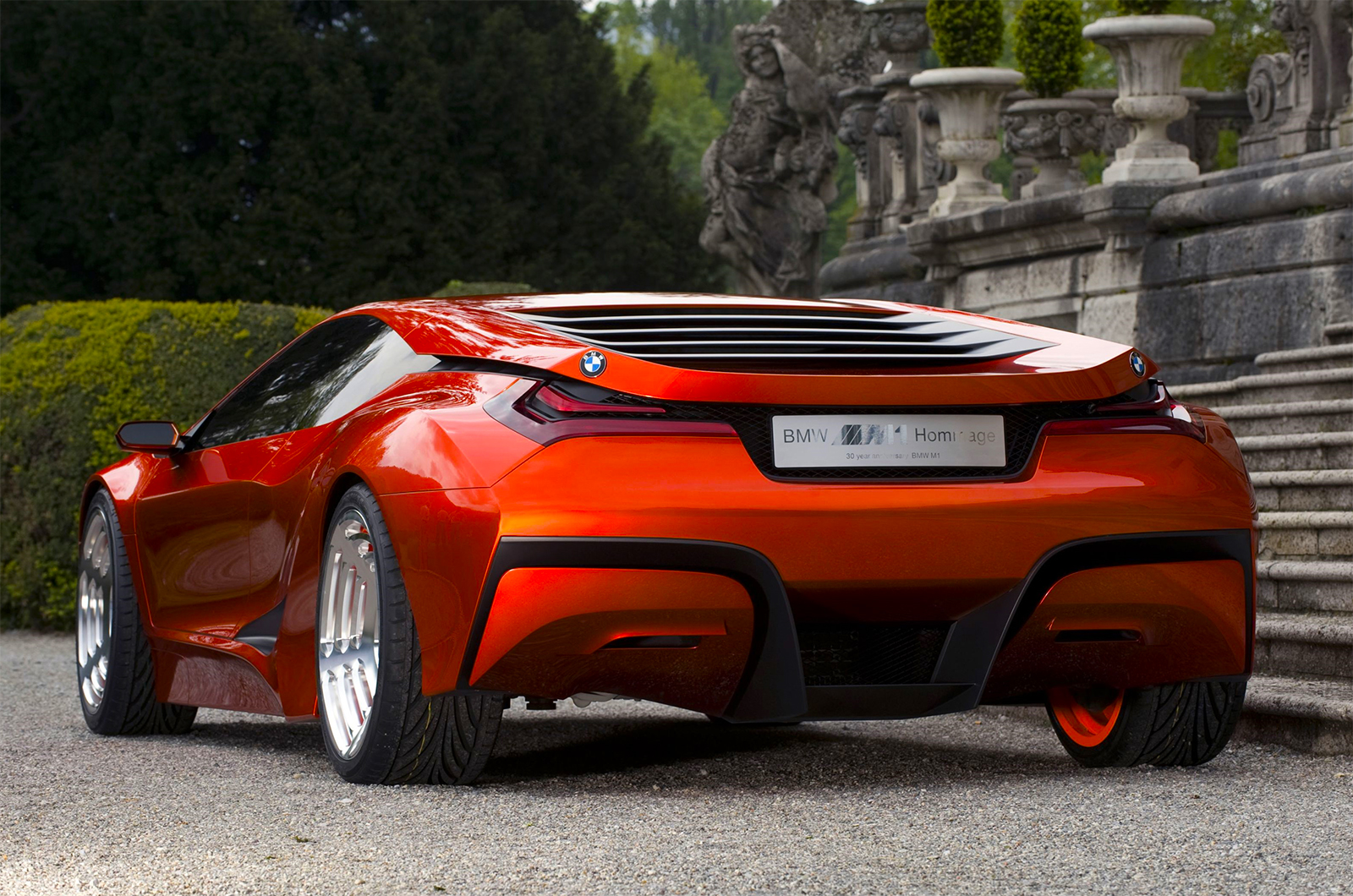
Designed by Chris Bangle, the BMW M1 Hommage was unveiled at the 2008 Concorso d’Eleganza as a contemporary take on the original M1 during its 30th anniversary celebrations.
While it was only ever intended as a one-off design study, and aspects of its design went on to influence the i8 in 2013, such a fantastic design deserved to make production in its own right. Perhaps with the V10 from the M5 of the era, or the V8 from the M3? Now we’re talking.
Cadillac Cien (2002)
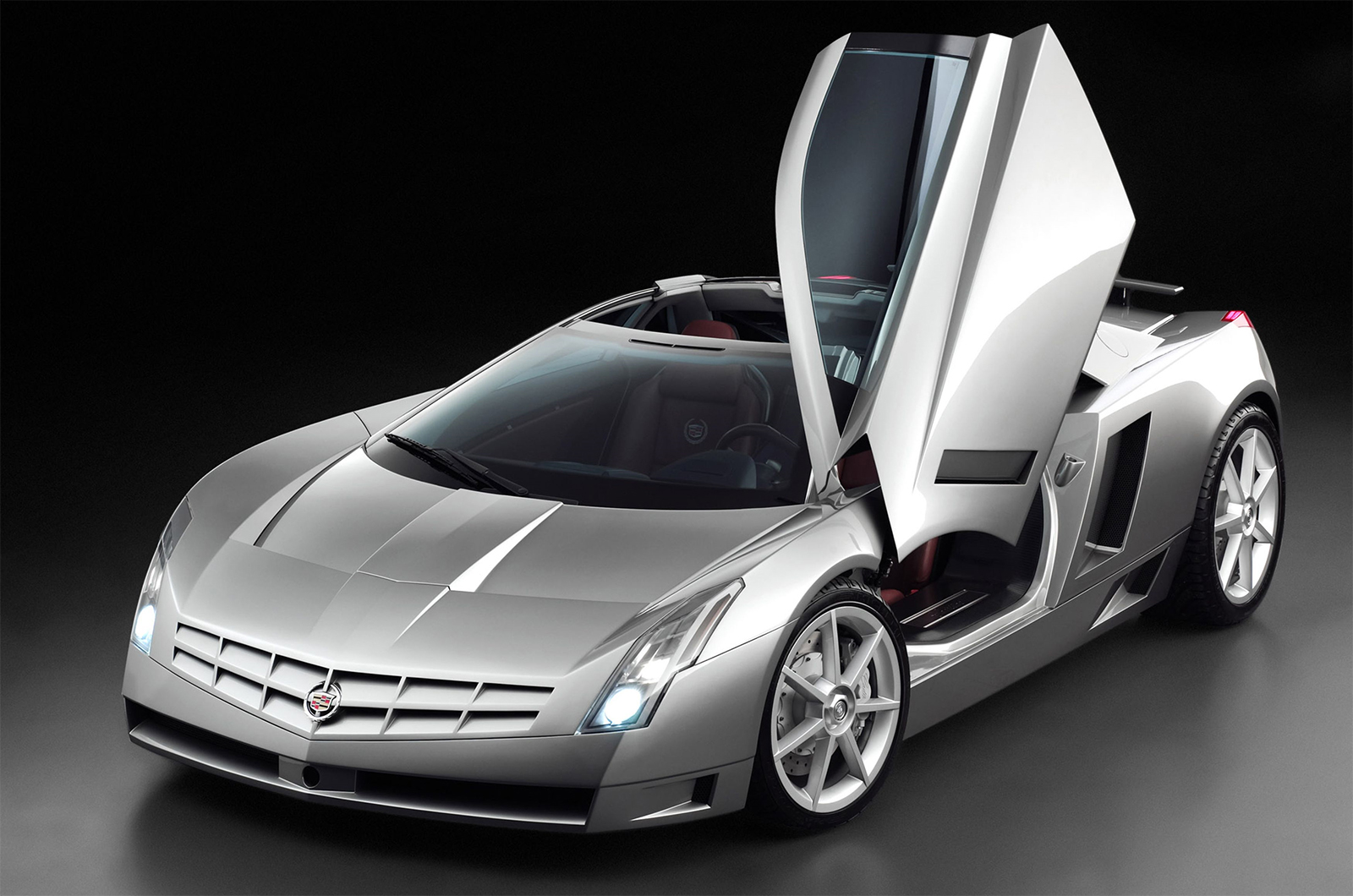
The Cadillac Cien would have been a monumental achievement for GM, and an immensely important car in their history, as a world-class supercar that could have taken the fight to the best. It was agonisingly close to production, but, unfortunately, just not quite close enough.
With award-winning styling, a carbon-fibre monocoque, a targa-style removable roof akin to the Porsche Carrera GT, active aerodynamics and a mid-mounted, 7.5-litre, 750bhp V12, the Cien had all of the right ingredients to properly upset the establishment. Despite this, though, the project was regrettably shelved. What could have been...
Lamborghini Estoque (2008)
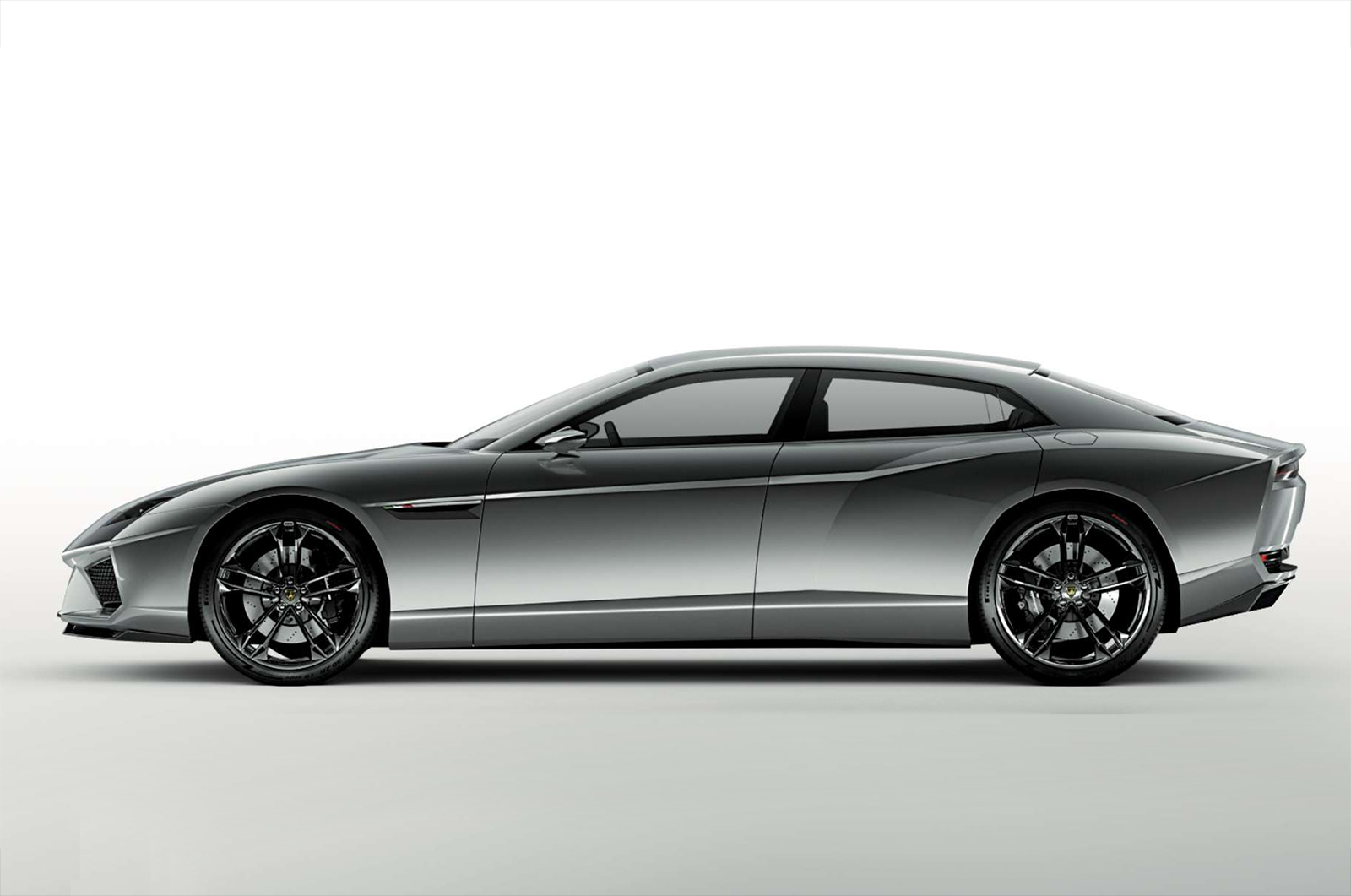
A contender for the most spectacularly-styled saloon car ever, the Estoque concept was unveiled at the 2008 Paris Motorshow and was heavily tipped for production.
Stephen Winkelman, who was the boss of Lamborghini during the period, claimed very little would have to change to make a showroom-ready Estoque feasible, and even disclosed potential engine options - a Gallardo-derived 5.2-litre V10, a 4.0-litre V8 hybrid and a diesel powerplant were all being discussed. It all looked incredibly promising; however, the project was sacrificed for the Urus, which first appeared in concept form four years later in 2012.
If you enjoyed this article, please click the ‘follow’ button above to see more like it from Autocar.

Kia Niro Reinvents Its Hybrid Identity With Facelifted Design and Advanced Tech for 2027

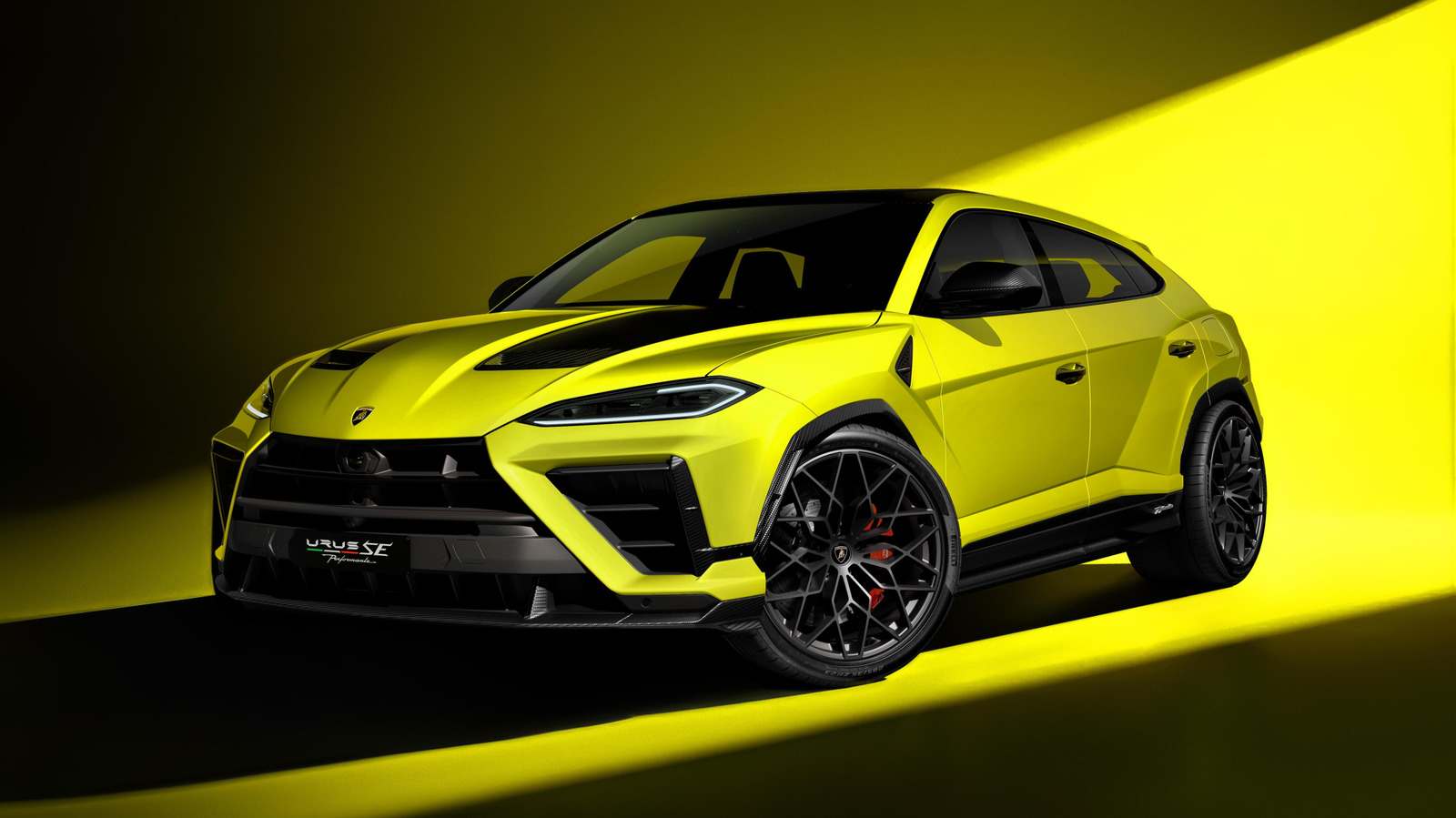
Lamborghini Urus SE Performante PHEV Redefines Power and Precision with 800 HP and Enhanced...

Mid-Engined Cars as Innovation Engines Tracing Six Decades of Accessible Performance and Design Evolution
 It's well over 60 years since the first mid-engined road car was made, so let's celebrate the best
It would have been all too easy to fill a gallery of mid-engined cars with Ferraris, Lamborghinis and other assorted exotica.
But mid-engined doesn't have to mean unattainable, so here we bring you some of the landmark mid-engined cars since they first arrived in the early 1960s. Sure, there are a few exotics in here, but you'll also find affordable sportsters, intriguing rarities, a few total duffers, and even one or two concepts to remind you of what might have been. Let's take a look:
Bonnet Djet (1961)
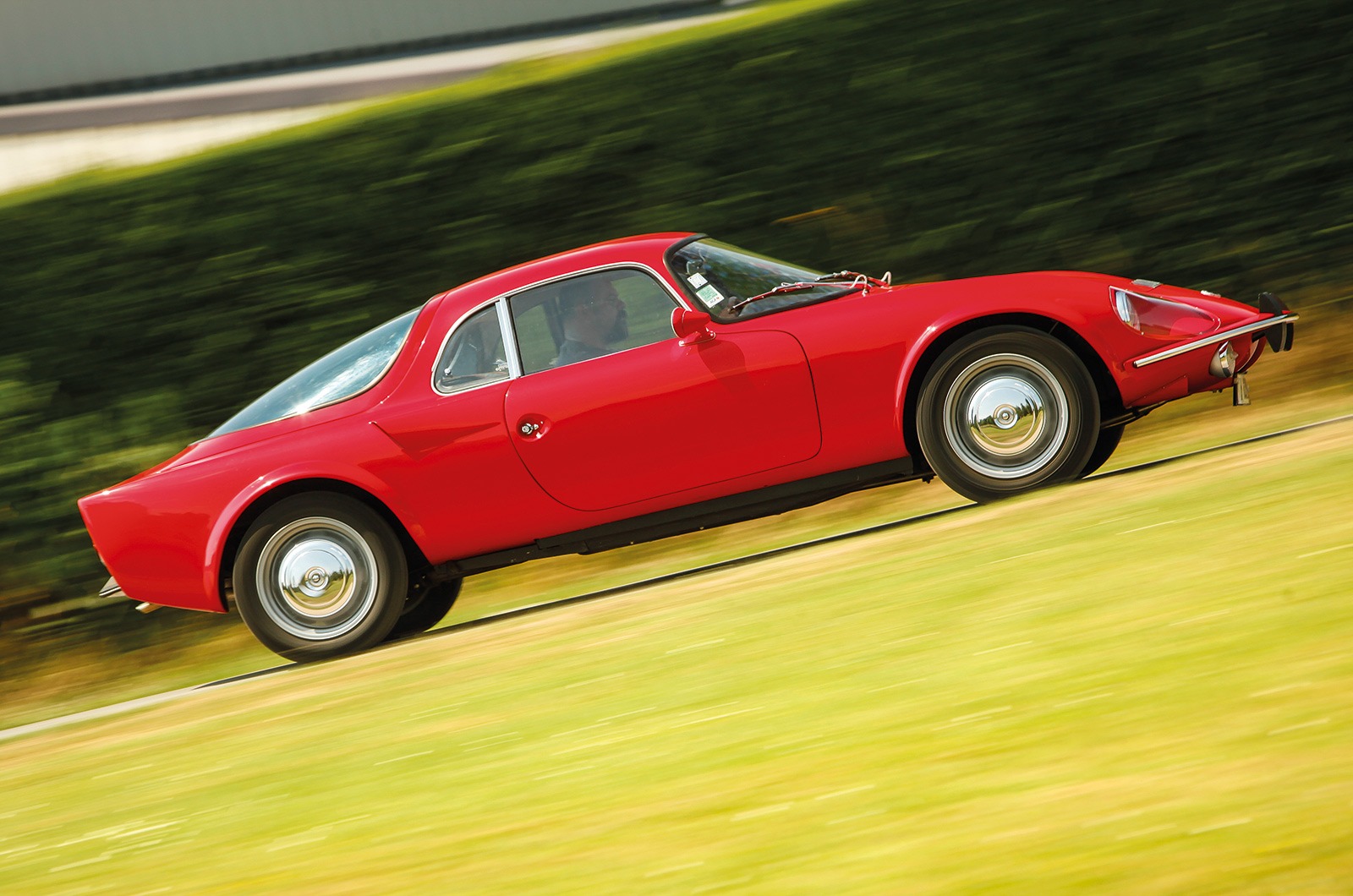
The one that started it all; the world's first ever mid-engined road car. It used Renault running gear and was made by Matra, which took over the project when Bonnet couldn't pay its bills.
De Tomaso Vallelunga (1964)
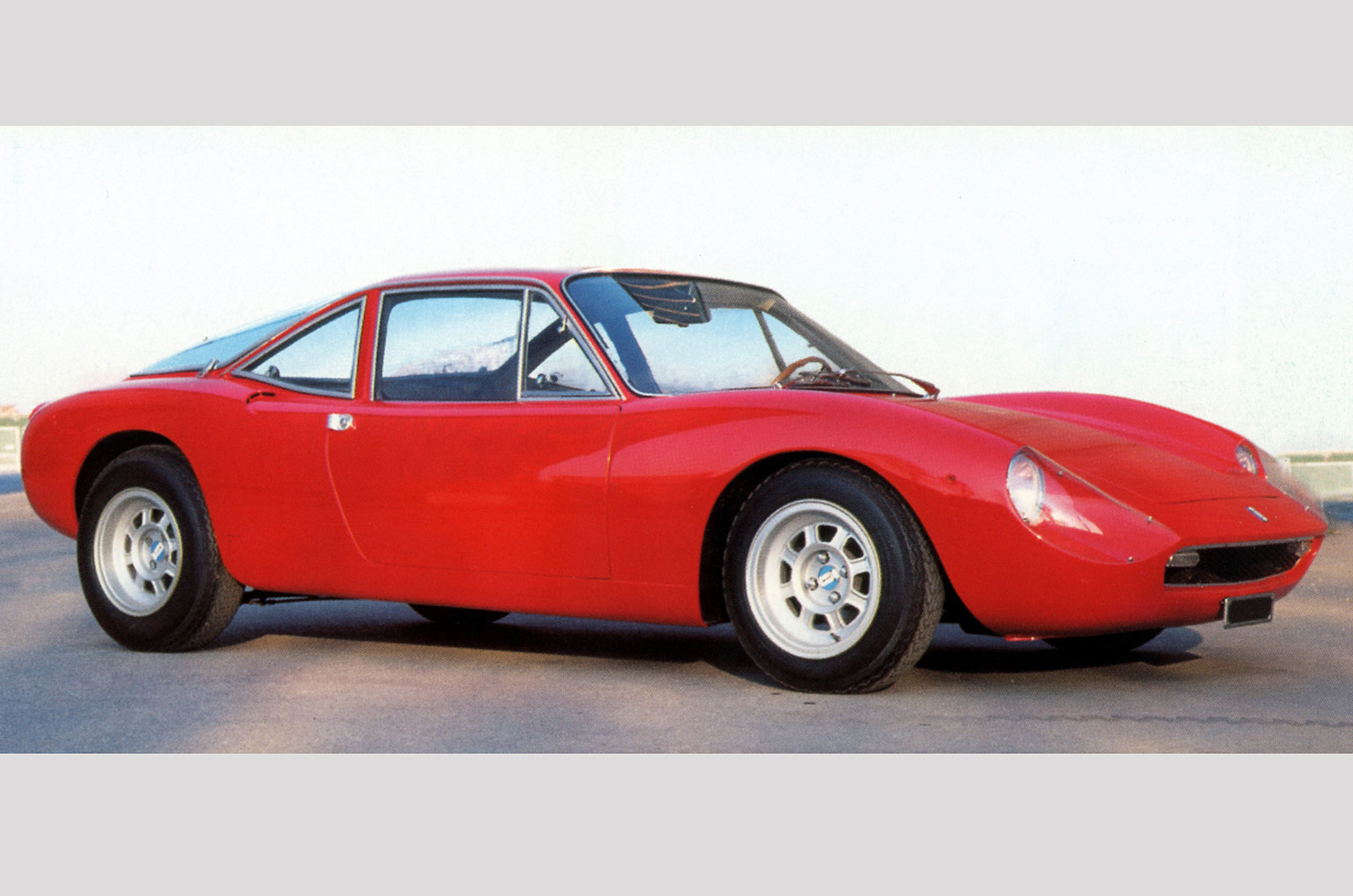
A mid-engined De Tomaso might sound exotic, but this 'supercar' packed nothing more pokey than a 1.5-litre Ford Cortina engine. The Vallelunga looked great but could manage just 112mph. Just 58 were made between 1965 and 1967.
Ford GT40 (1965)
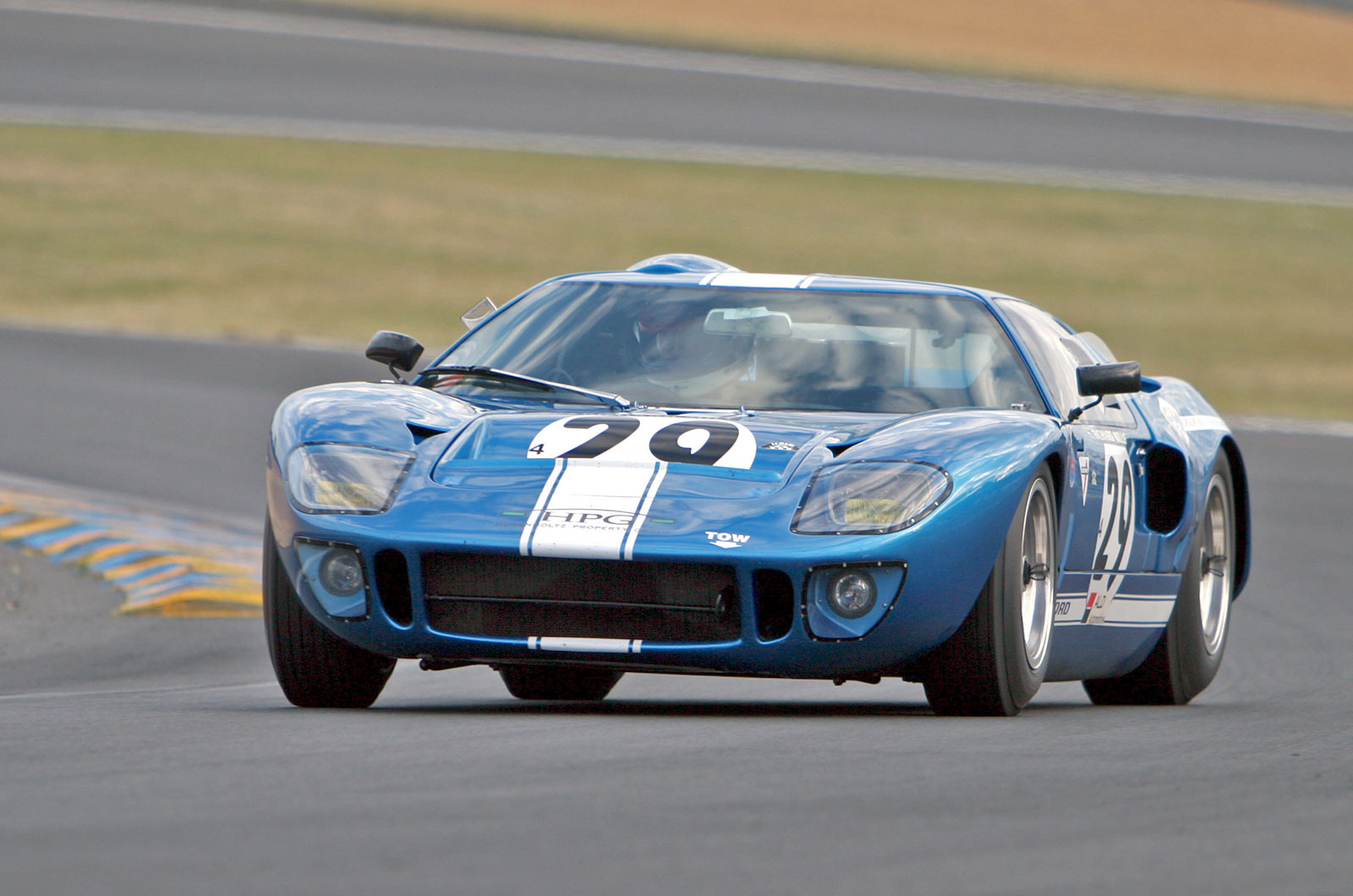
When Ford was thwarted in its attempt to buy Ferrari in 1963, it retaliated by creating a car that would thrash the Italian outfit at Le Mans – which the GT40 did no fewer than four times.
Lamborghini Miura (1966)
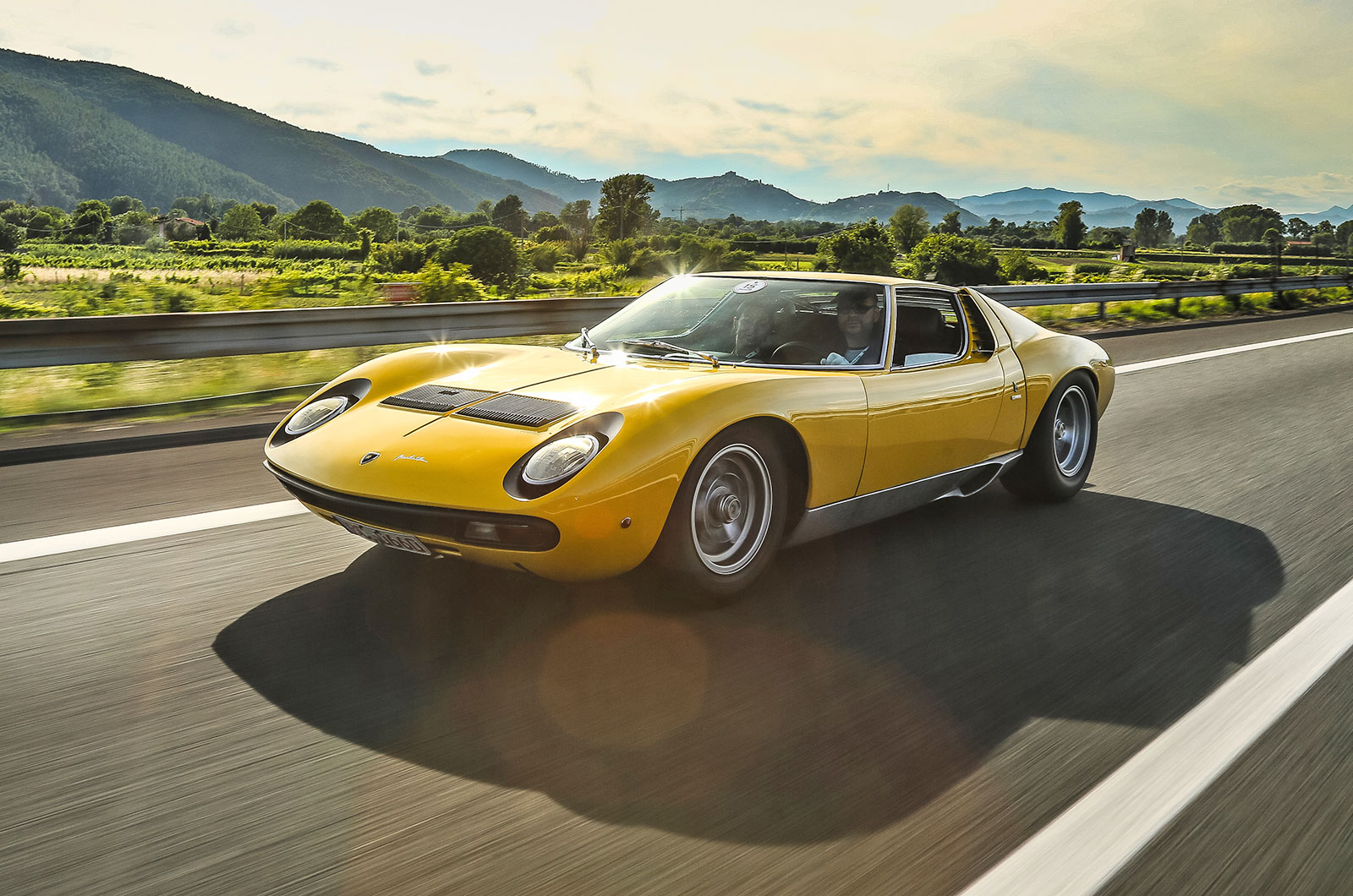
When the prototype was unveiled at the 1966 Geneva motor show, Lamborghini reckoned it could sell maybe 20 examples of its Miura. Seven years later, 763 examples had been built, each with a 3929cc V12 in the middle.
Unipower GT (1966)
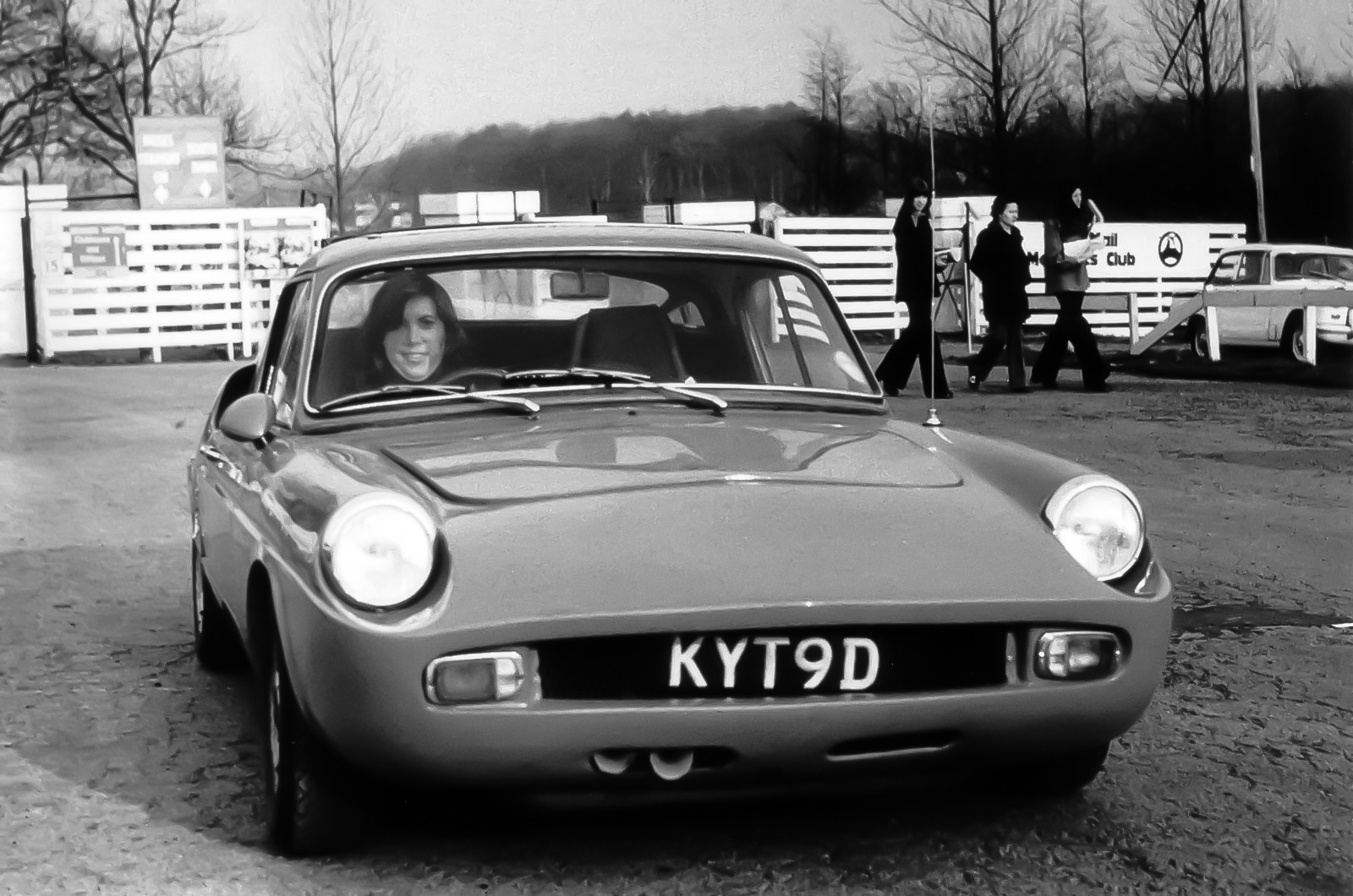
The first affordable British mid-engined sportster, the Unipower featured Mini mechanicals and was beautifully made, but it was too costly to survive and just 75 were produced in two years.
Porsche 914 (1969)
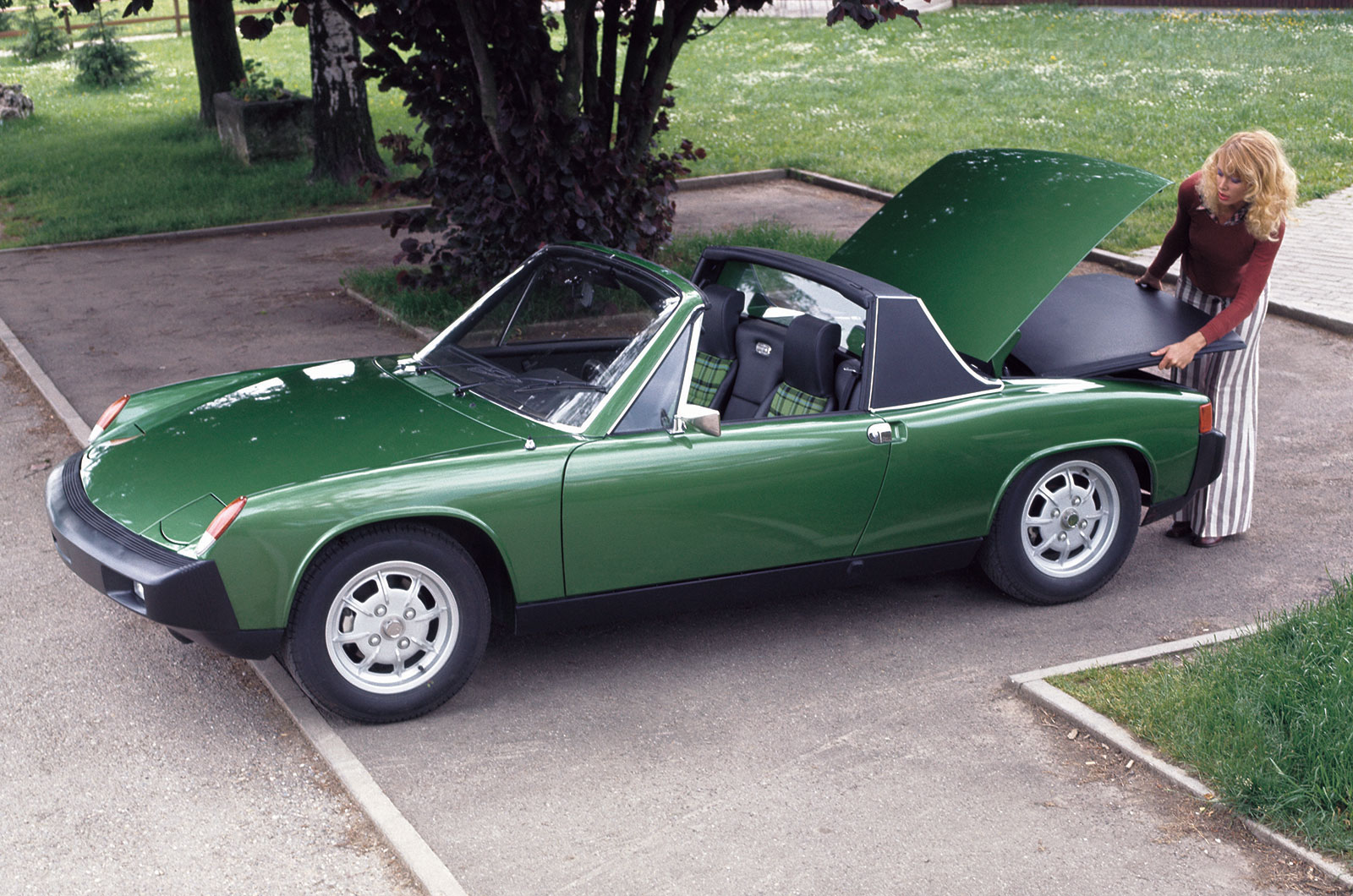
Despised by Porsche afficionados but great to drive and very costly when new, the 914 was fitted with a tuned VW 411 powerplant that displaced 1.7, 1.8 or 2.0 litres – a few were fitted with a 2.0-litre flat-six from the Porsche 912. Over 100,000 Porsche 914s were made.
Clan Crusader (1971)
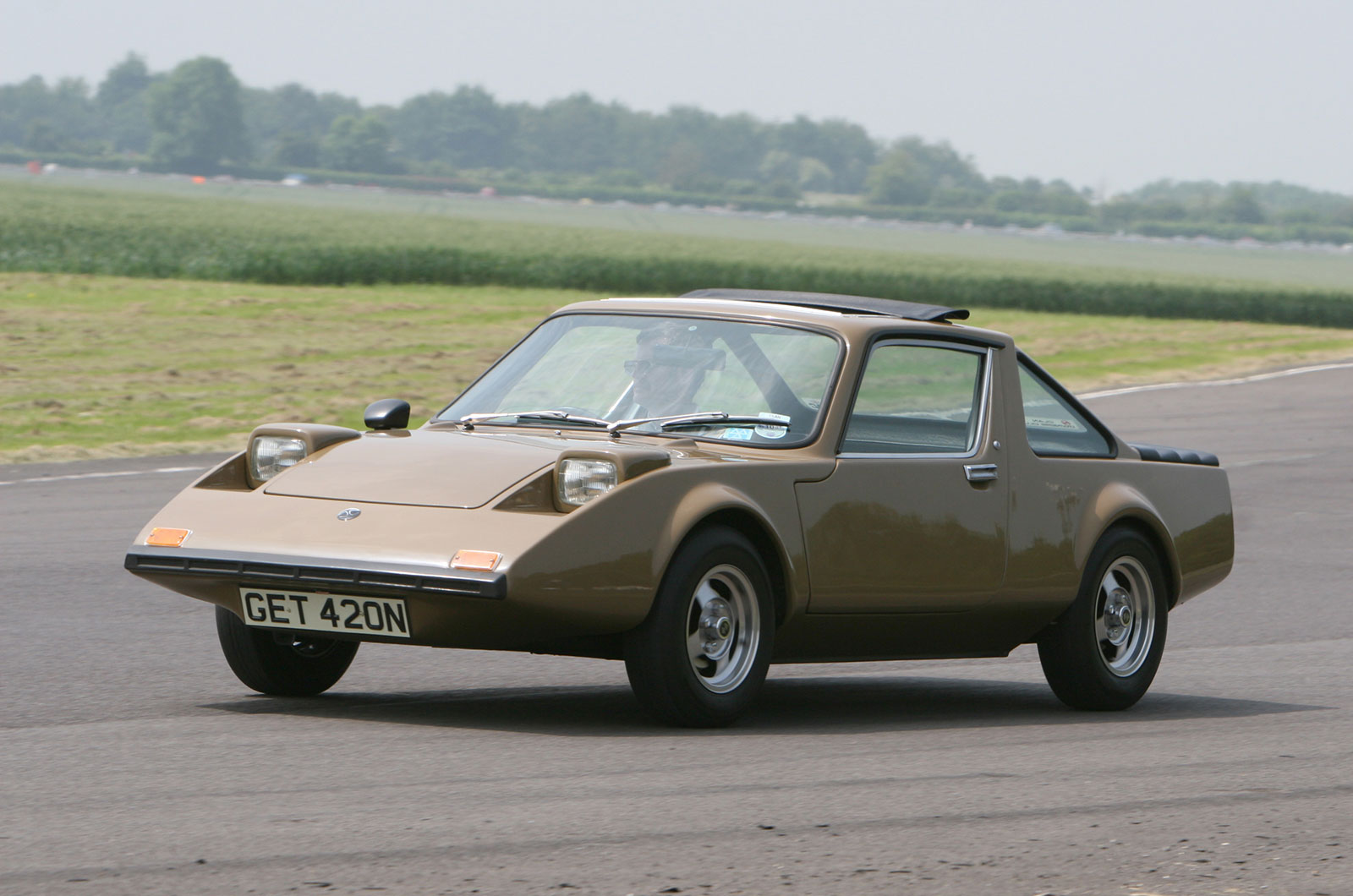
With its rev-happy Hillman Imp engine and lightweight glassfibre bodywork, the Crusader was fast and economical – but it also cost about 40% more than an MG Midget. Despite this, 315 were built before the company went belly up.
De Tomaso Pantera (1971)
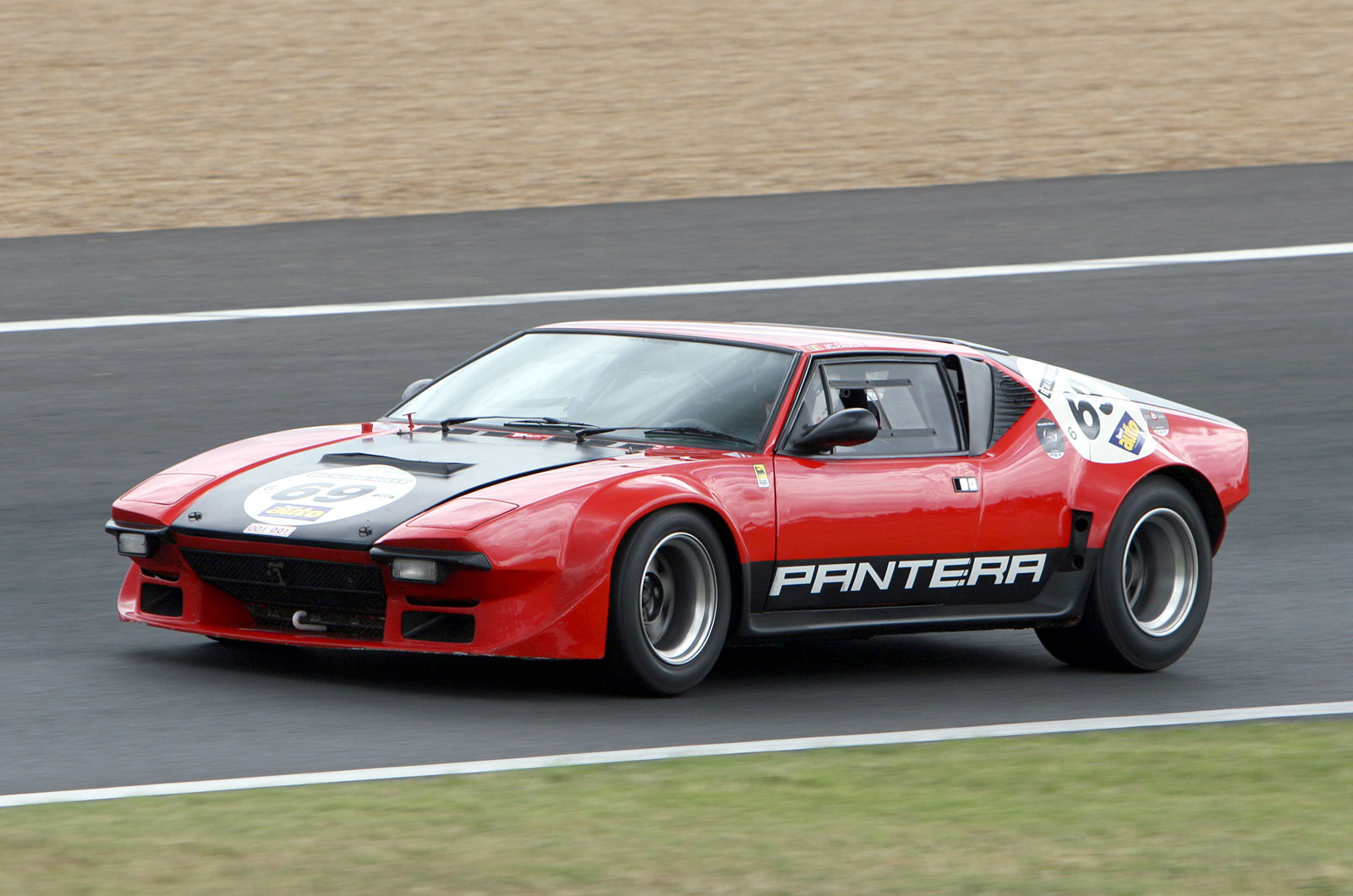
With its 5.8-litre Ford V8, this is the relatively affordable Italian supercar. But like most of its ilk, the Pantera (Italian for Panther) was shockingly badly built, although it still looks fabulous. More than 7000 were made in a 21-year production run.
Maserati Bora (1971)
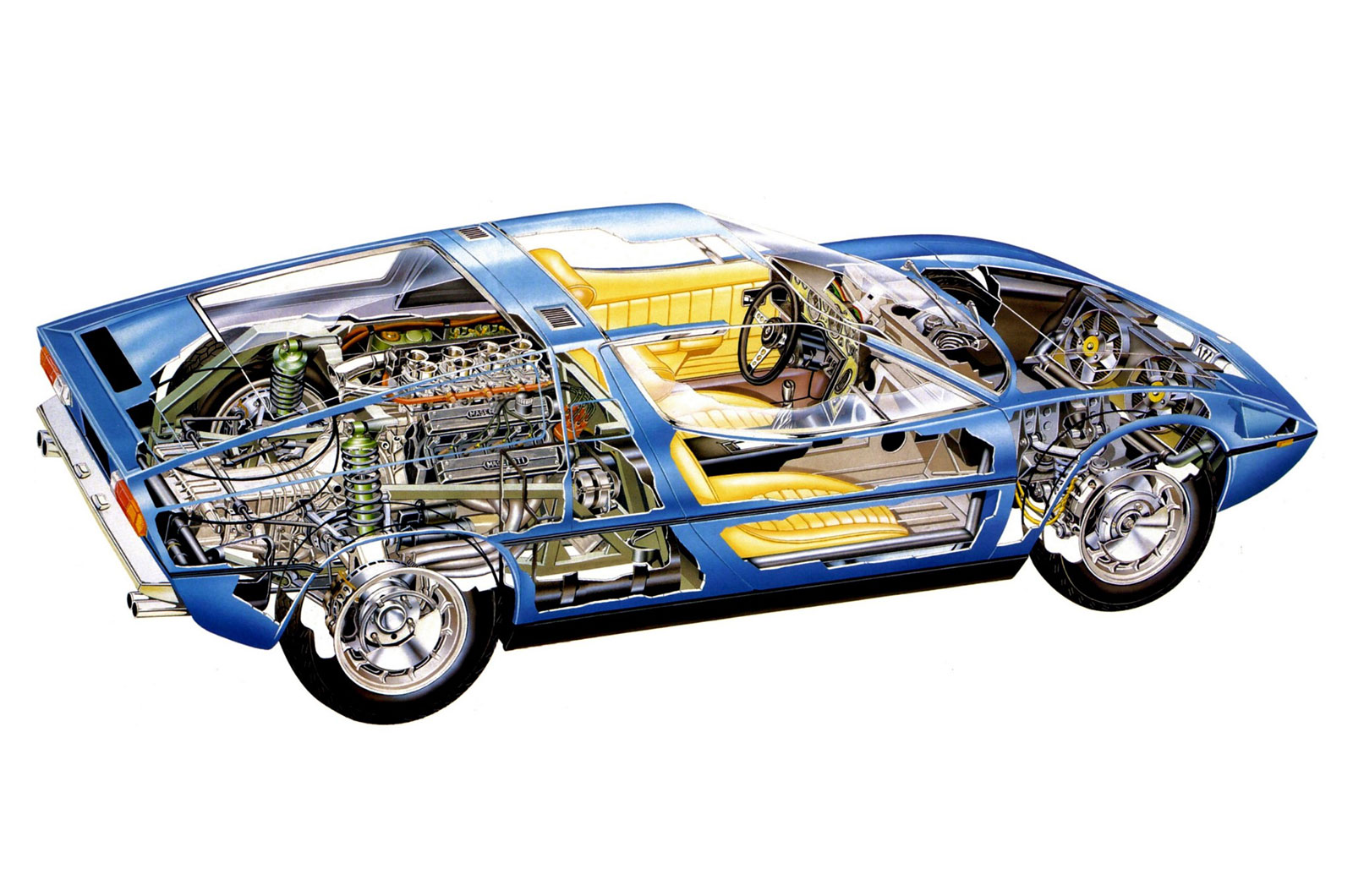
Designed and built at a time when Citroen owned Maserati, this was the company's first mid-engined car. Styled by Giorgetto Giugiaro, the car looked great but never sold especially well; between 1971 and 1978 just 571 were sold.
Fiat X1/9 (1972)
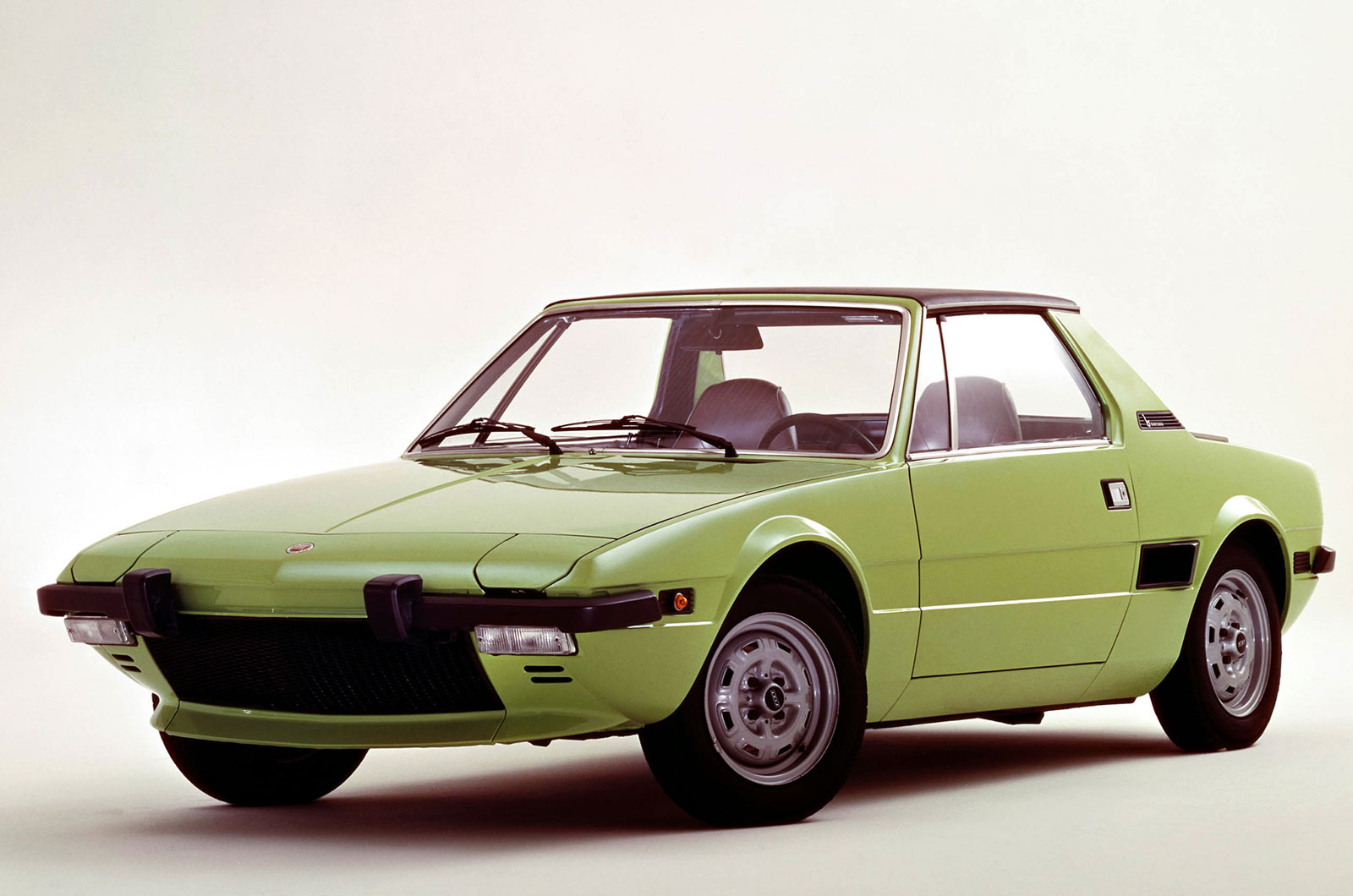
Arguably the first affordable mid-engined sportster, the X1/9 was designed by Bertone and used Fiat 128 running gear. That initially meant a 1.3-litre engine and a top speed of just 99mph; from 1978 a 1.5-litre unit was fitted.
Ferrari 365 GT4 BB (1973)
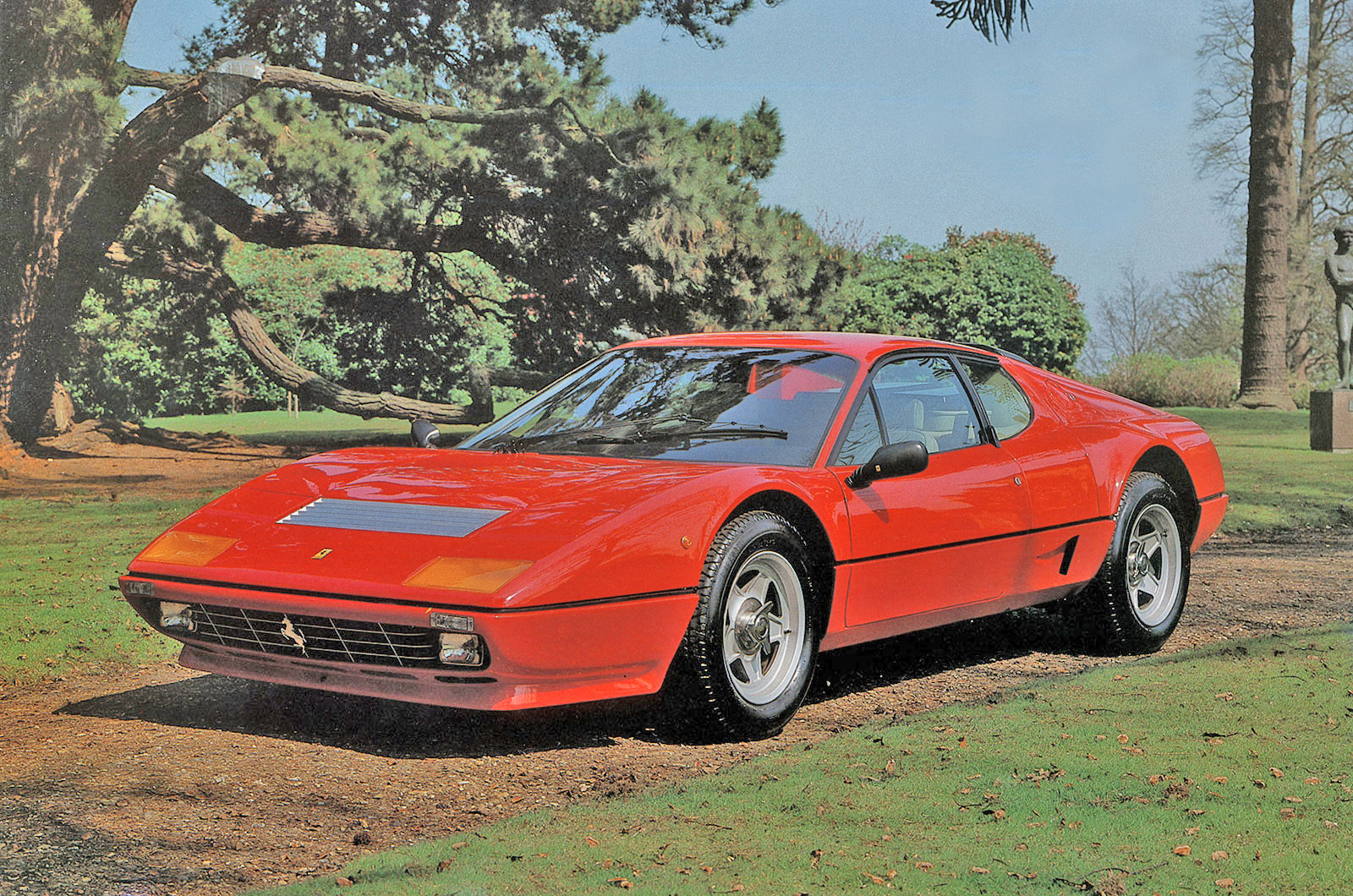
Stung by the phenomenal success of Lamborghini's Miura, Ferrari had to retaliate with this, its first mid-engined 12-pot. With a 4.4-litre flat-12, Ferrari claimed the 365 GT4 BB could do 170mph; from 1976 a 4.9-litre engine was fitted.
Lancia Stratos (1973)
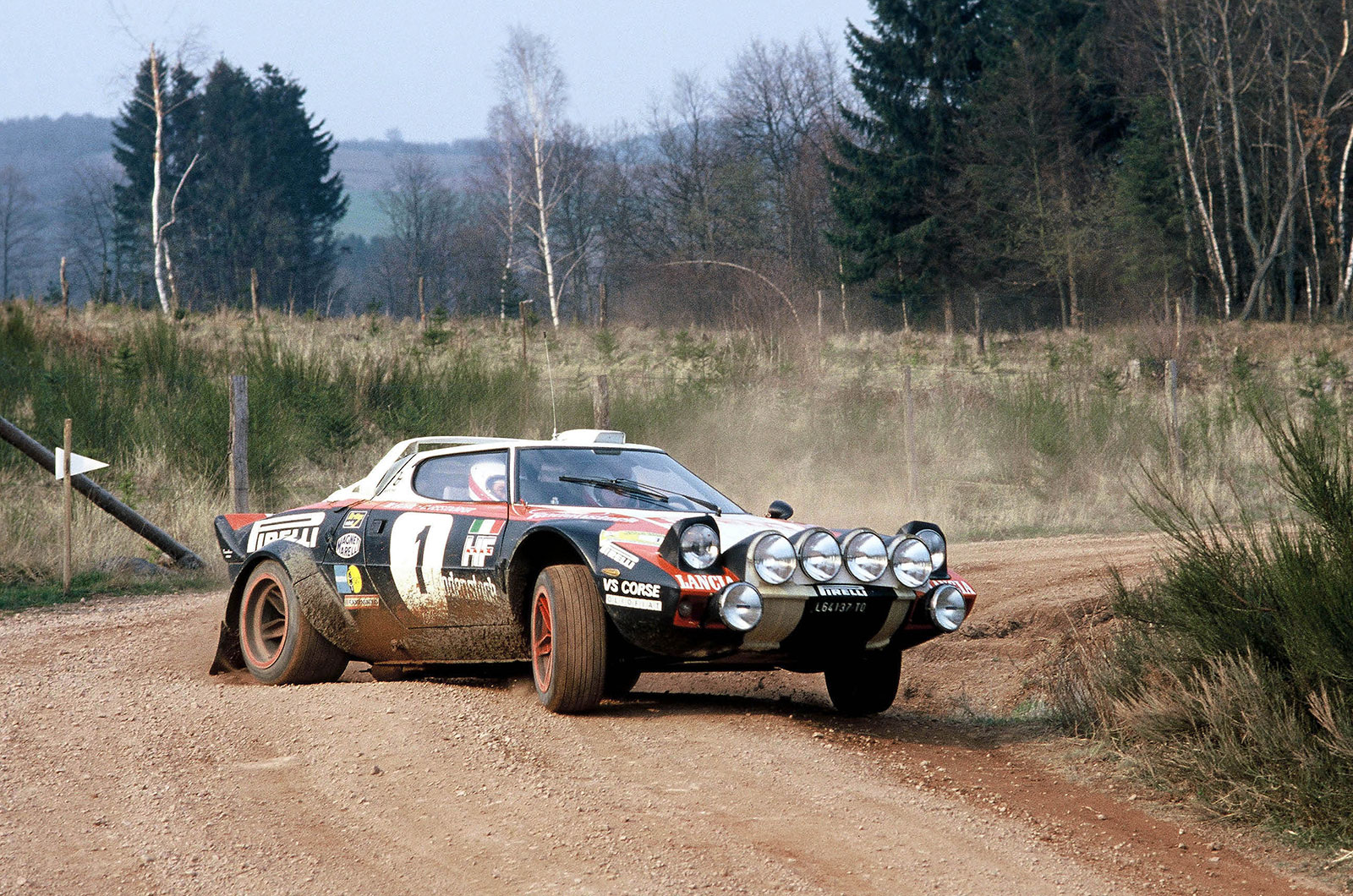
After Lancia's competition director Cesare Fiorio saw Bertone's wedge-shaped Stratos Zero concept at the 1970 Turin salon there was no turning back. This 2.4-litre V6-powered homologation special was the result and it proved massively successful in rallying.
Lamborghini Countach (1974)
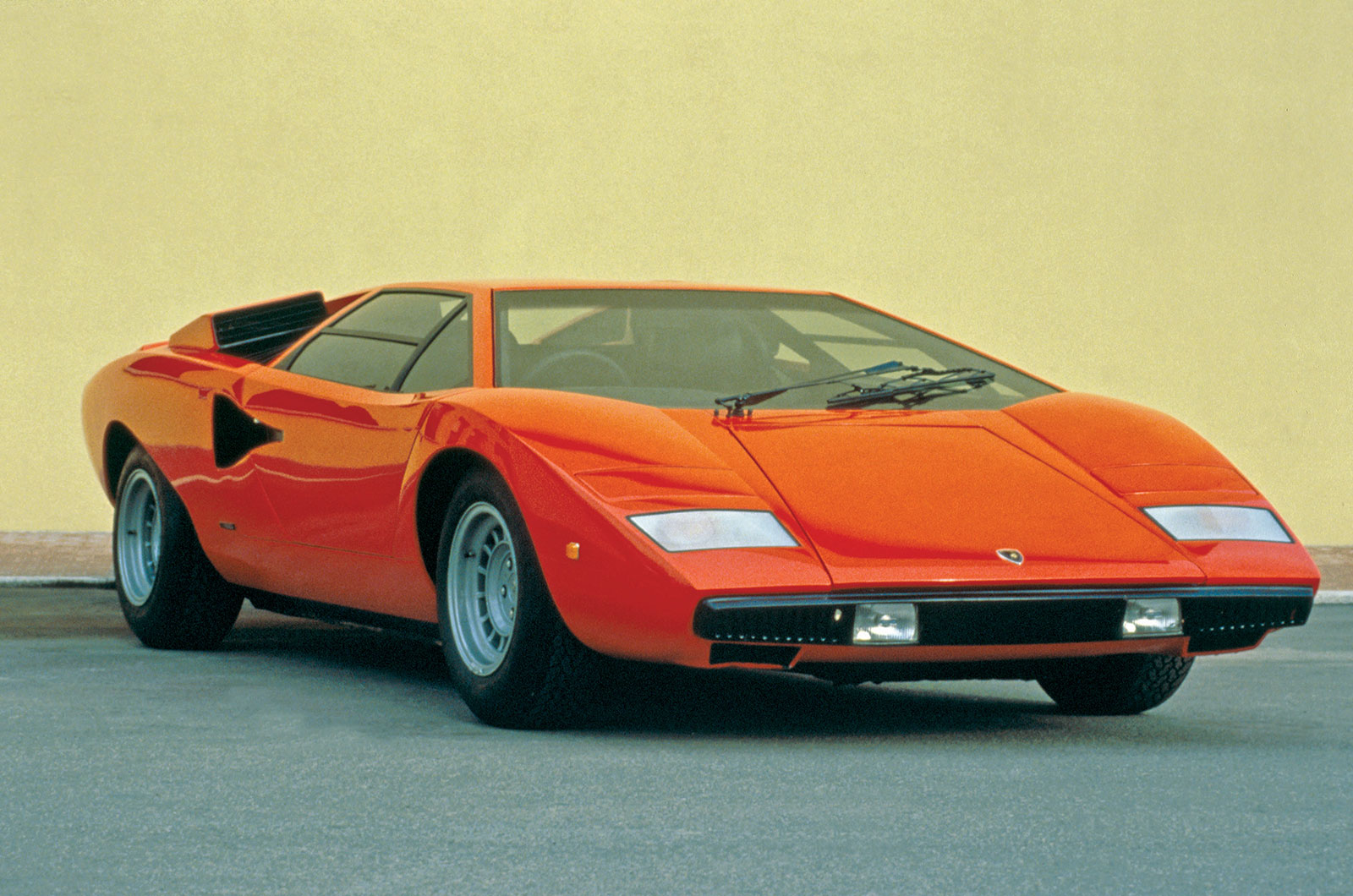
Has any supercar ever looked more dramatic than the Countach? Named after a Piedmontese exclamation, this V12-powered behemoth survived 16 years of production, with 1997 made.
Lancia Montecarlo (1975)
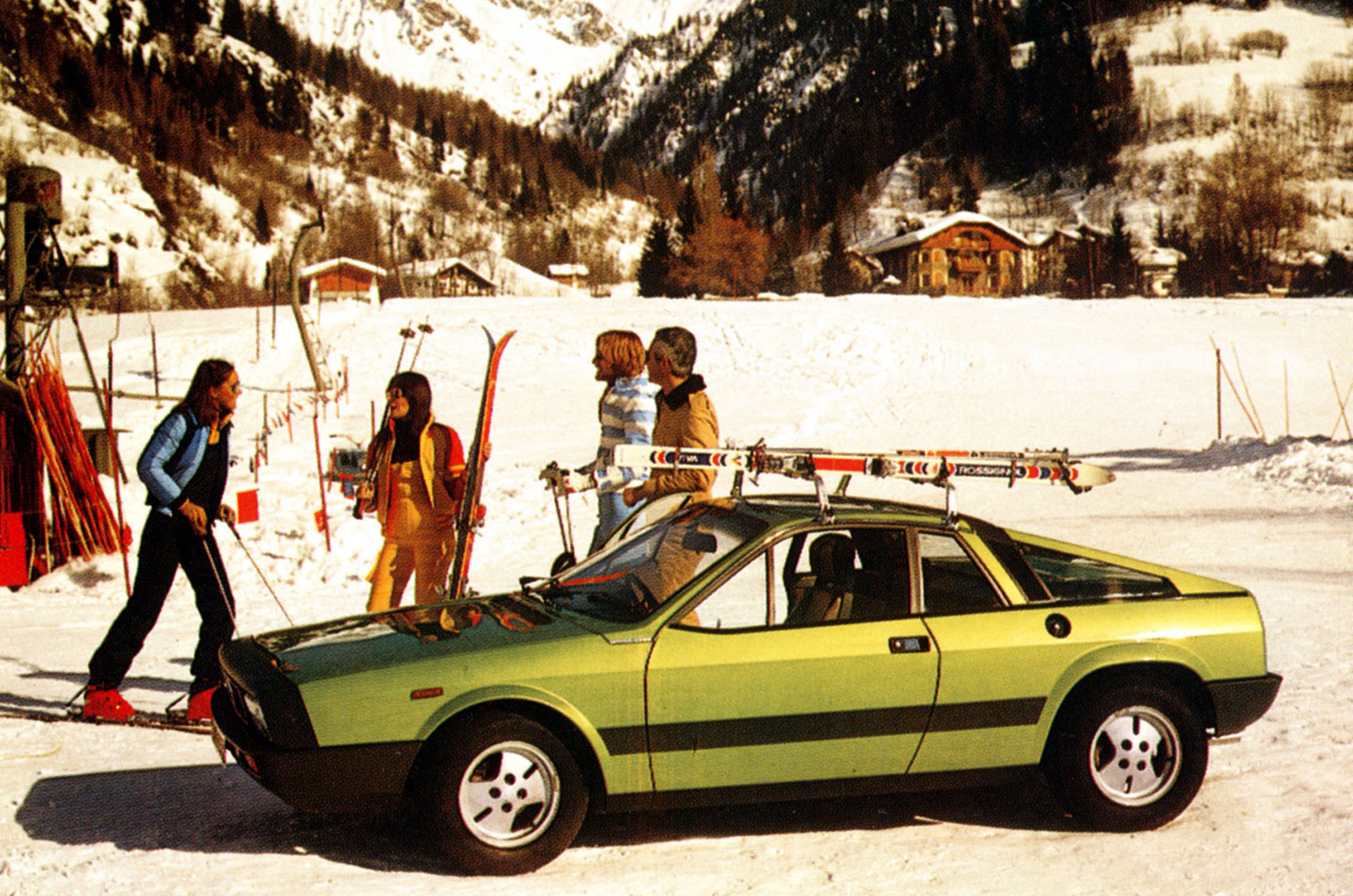
The Lancia Beta might not seem like the most promising start point for a mid-engined budget sports car, but the Montecarlo (it was called Scorpion in the US) was actually rather fun. With zesty 1.8 or 2.0-litre four-cylinder engines the Montecarlo was perky, handled well and looked neat. Both coupé and spyder editions were offered.
Lotus Esprit (1976)
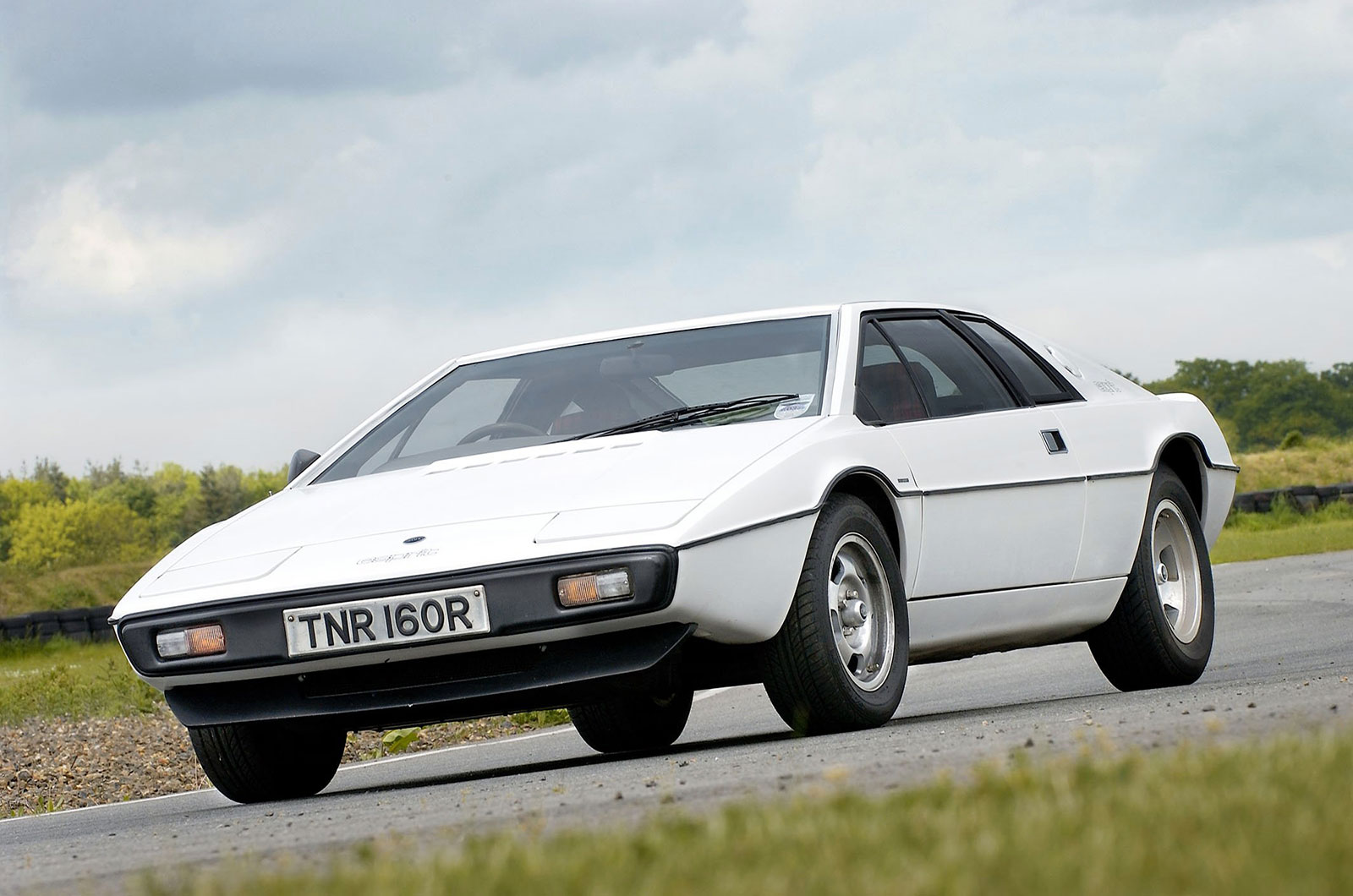
The second mid-engined Lotus (after the Europa), the Esprit would become an icon thanks to James Bond. Originally penned by Giugiaro, the Esprit was refreshed by Peter Stevens in 1987, with softer lines.
AC 3000ME (1978)
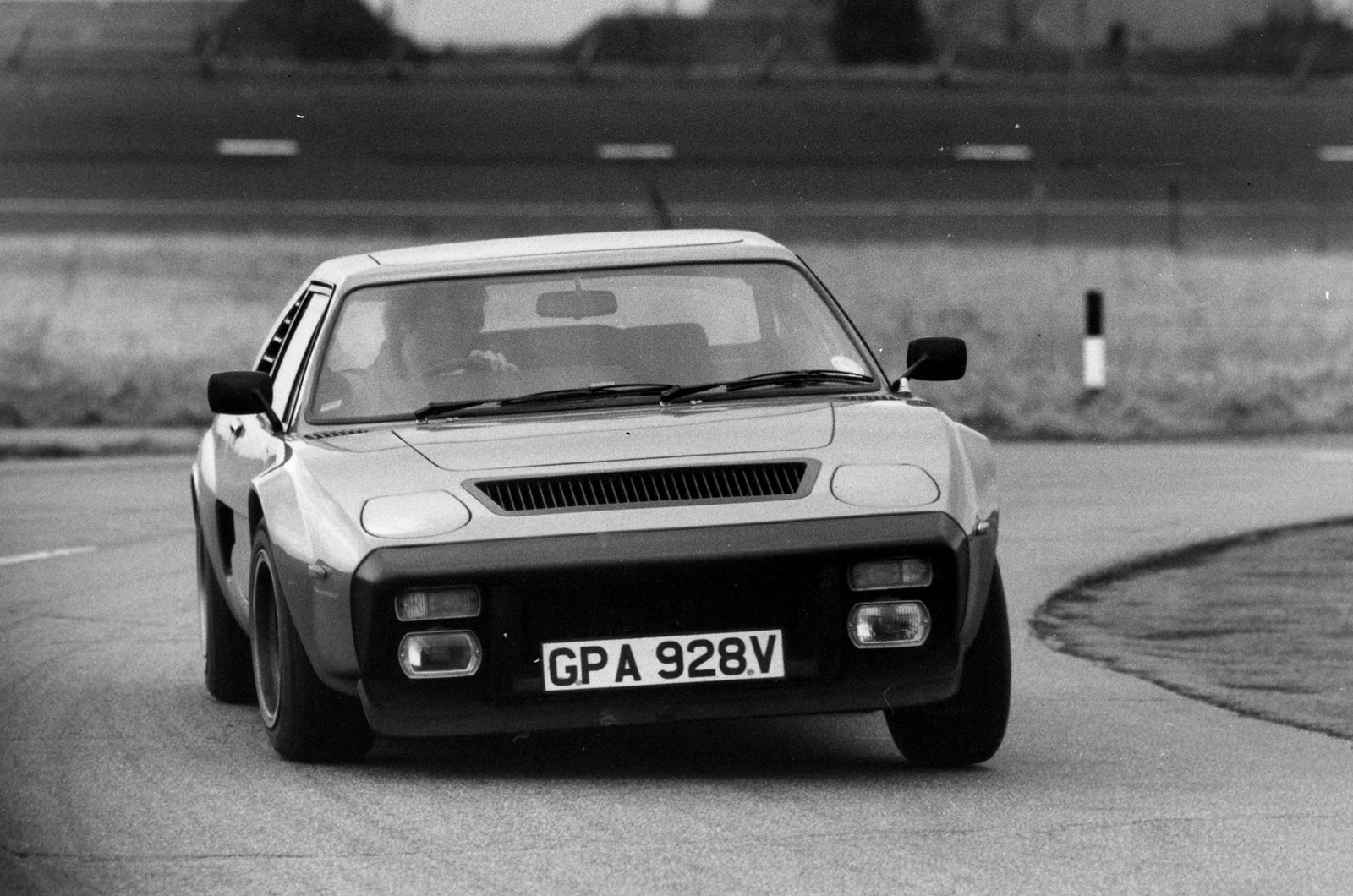
The ME stood for mid-engined – the first car in AC's history to feature such a configuration. But the gestation was protracted and the car was outdated by the time it arrived; it failed dismally with production running to just 100 or so examples.
BMW M1 (1979)
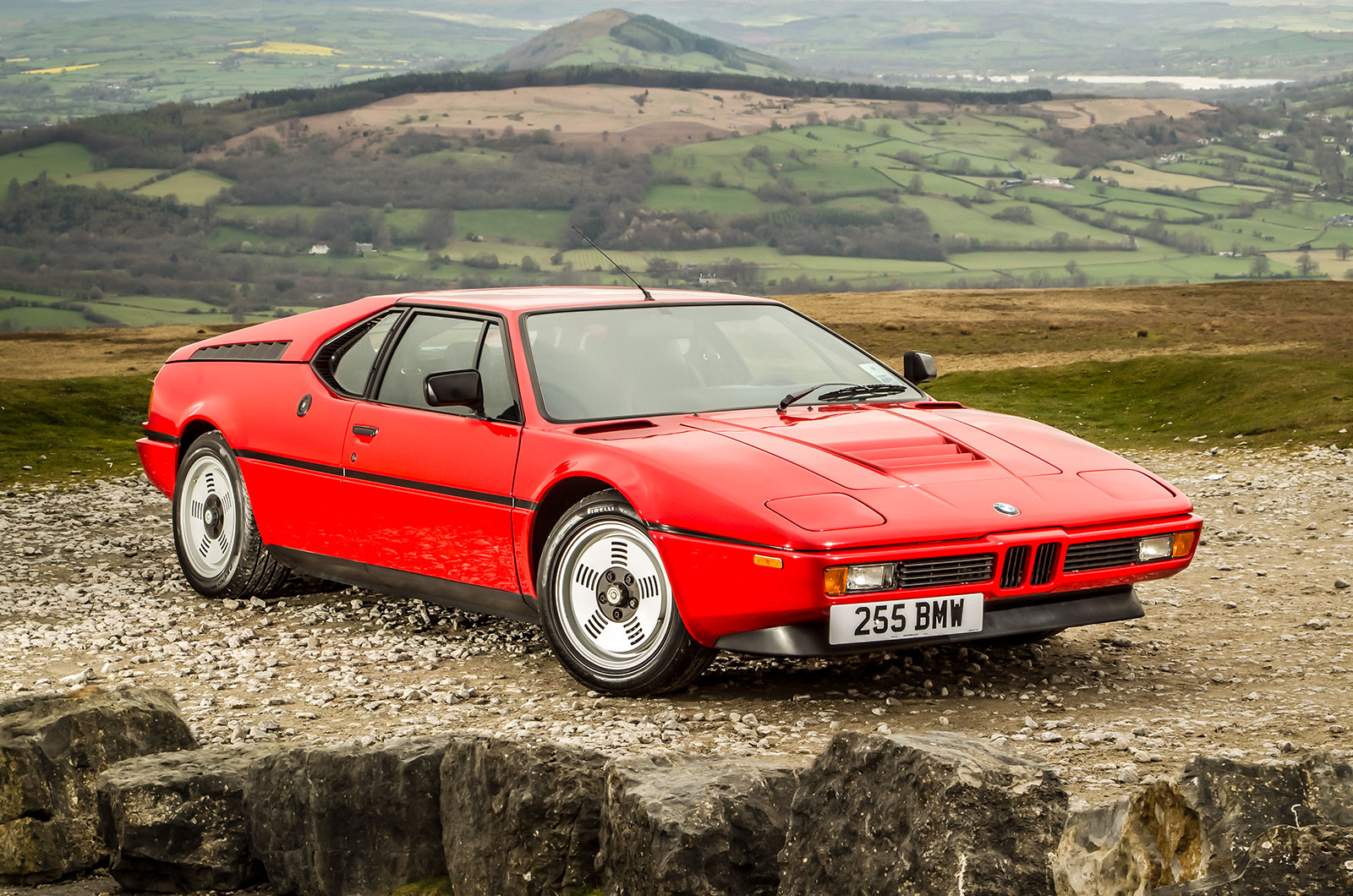
The first car to come from BMW's M Division and also the first mid-engined car ever to come out of BMW. Power was provided by BMW's classic 3453cc straight-six, pushing out 277bhp. Between 1979 and 1980 456 BMW M1s were built; now they're hugely sought after.
Matra Murena (1980)
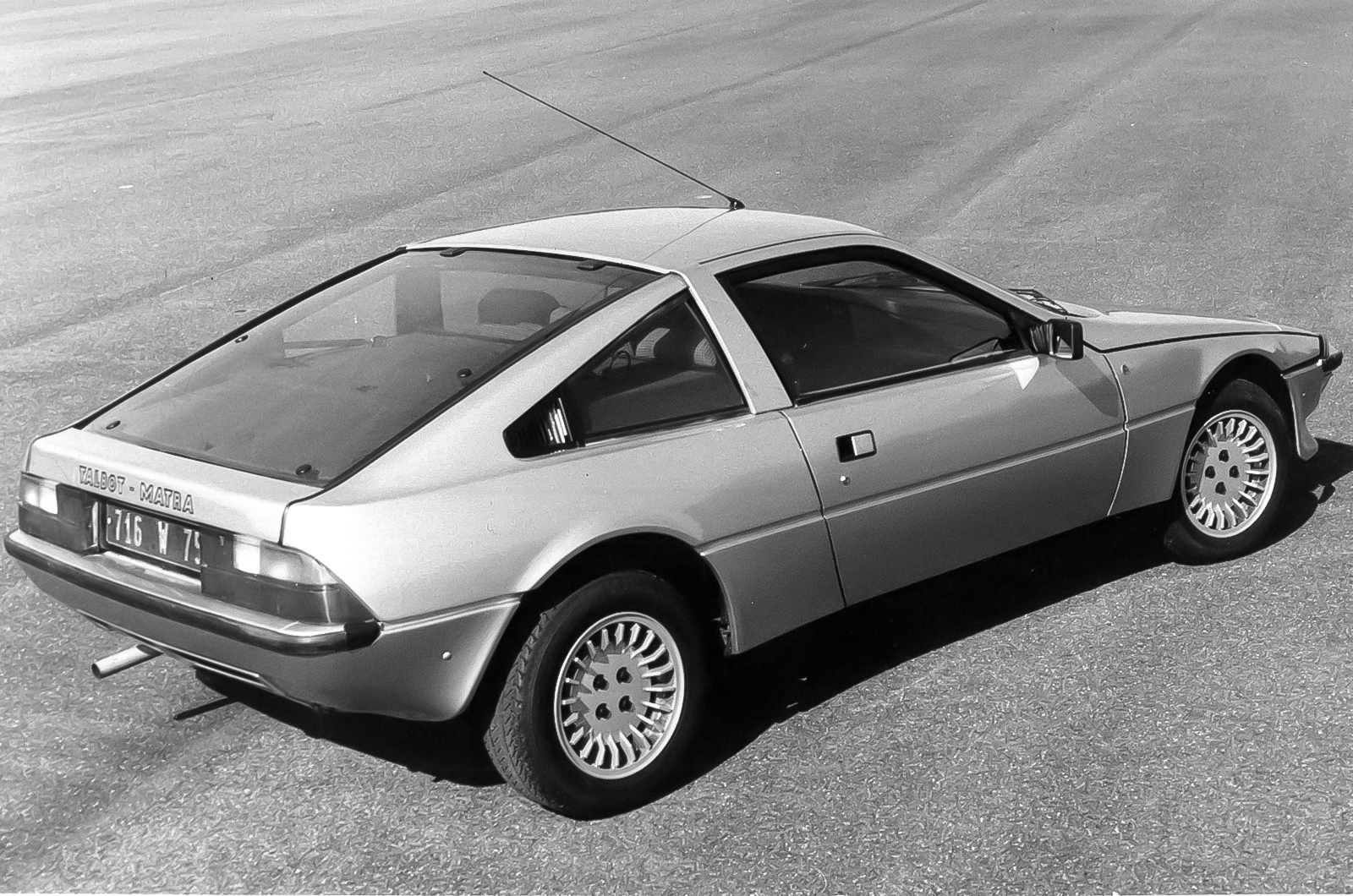
First came the Bagheera, then the Murena, which was effectively an update of the earlier car. Both featured an unusual three-abreast seating layout; Murena’s power was courtesy of Renault.
Renault 5 Turbo (1980)
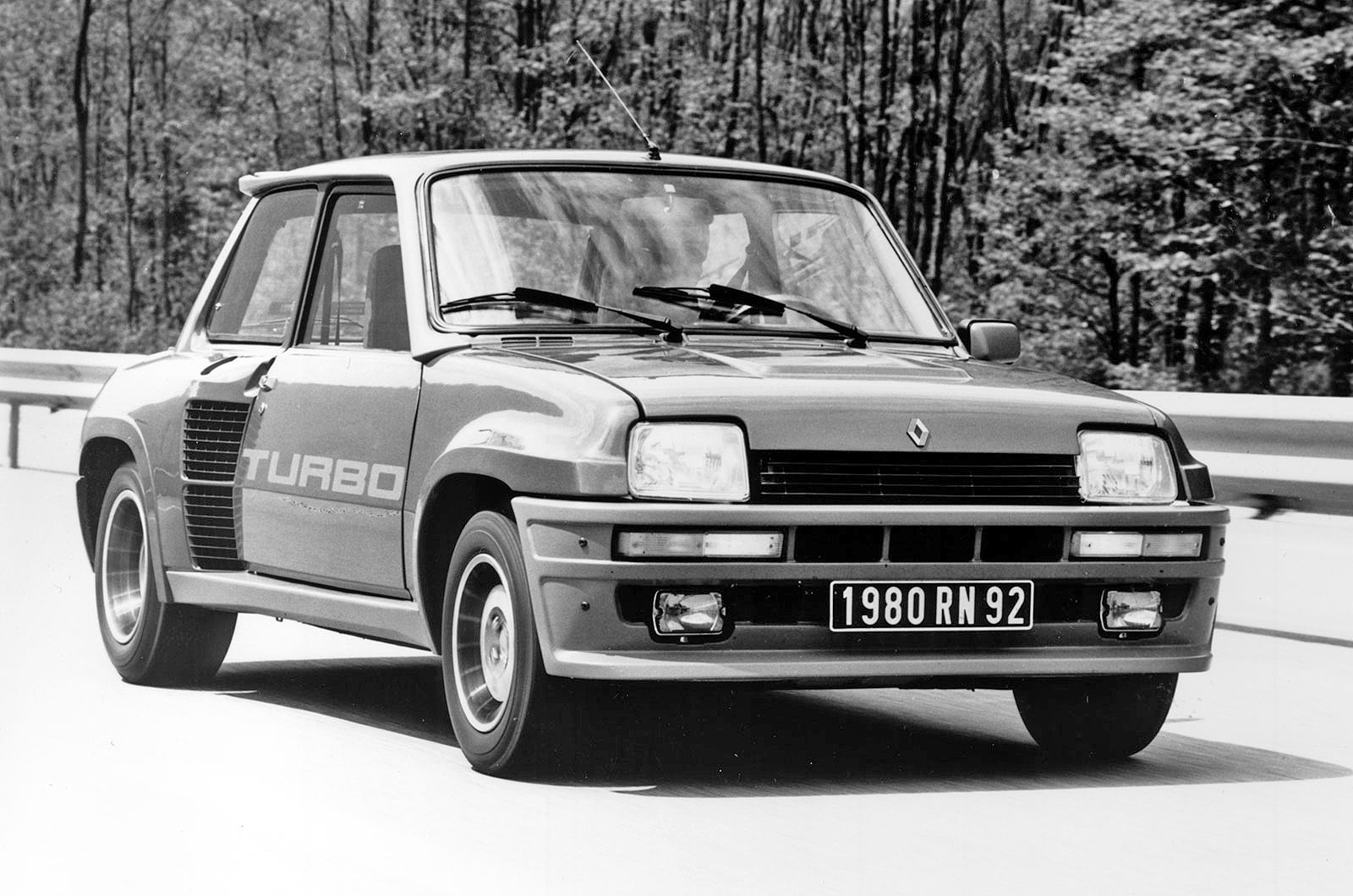
There would be a sequel in 1983, called the Turbo 2, but this is the original homologation special from 1980. Renault created the Turbo for rallying but road cars were made too; in all 1820 R5 Turbos left the factory, each powered by a 158bhp turbocharged 1397cc four-cylinder engine.
De Lorean (1981)
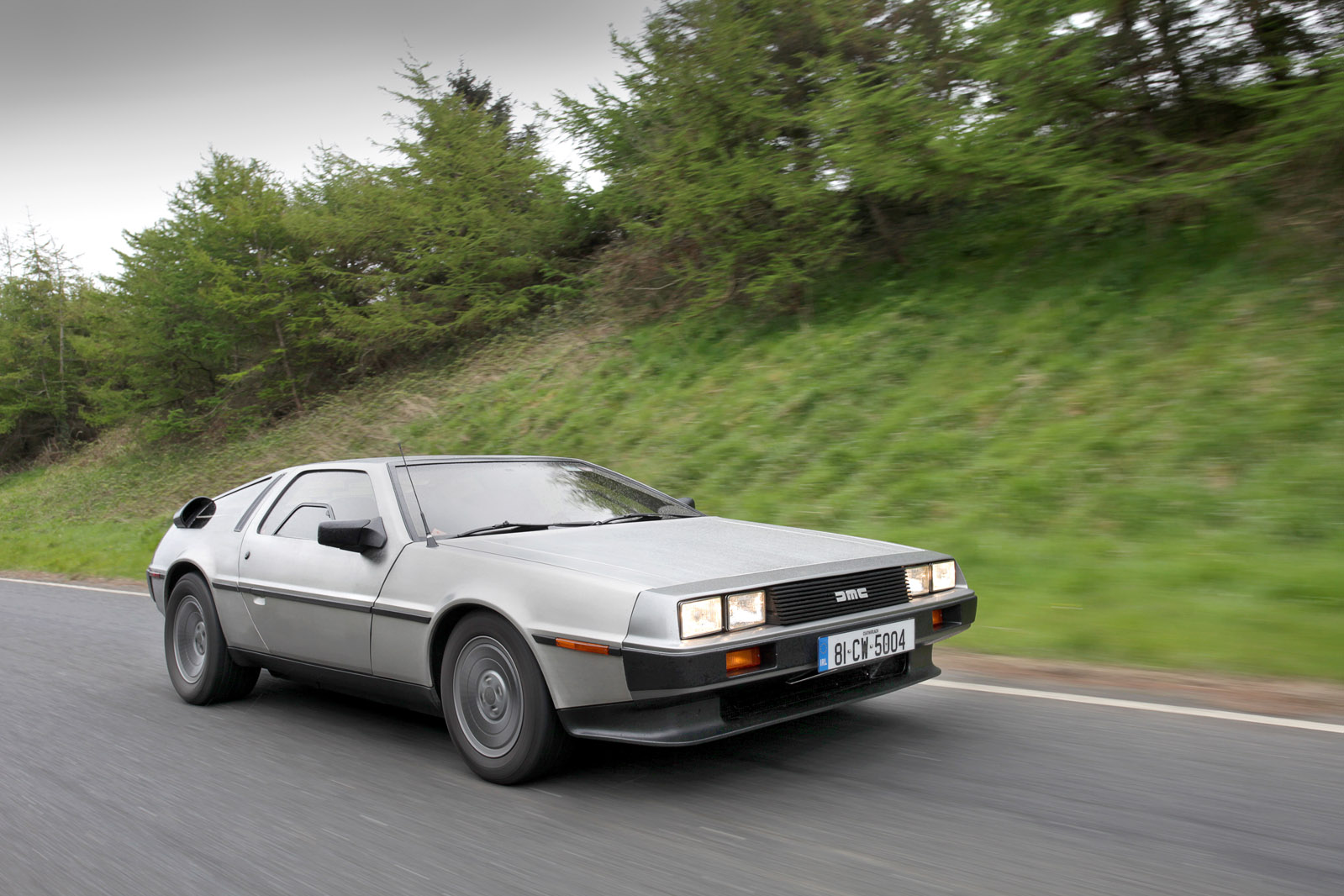
With its stainless steel bodywork, gull-wing doors and 2849cc Renault-sourced V6 engine, the De Lorean looked promising. But then the company and its founder was rocked by scandal and it was all over after just two years, with 8353 cars made.
Pontiac Fiero (1983)
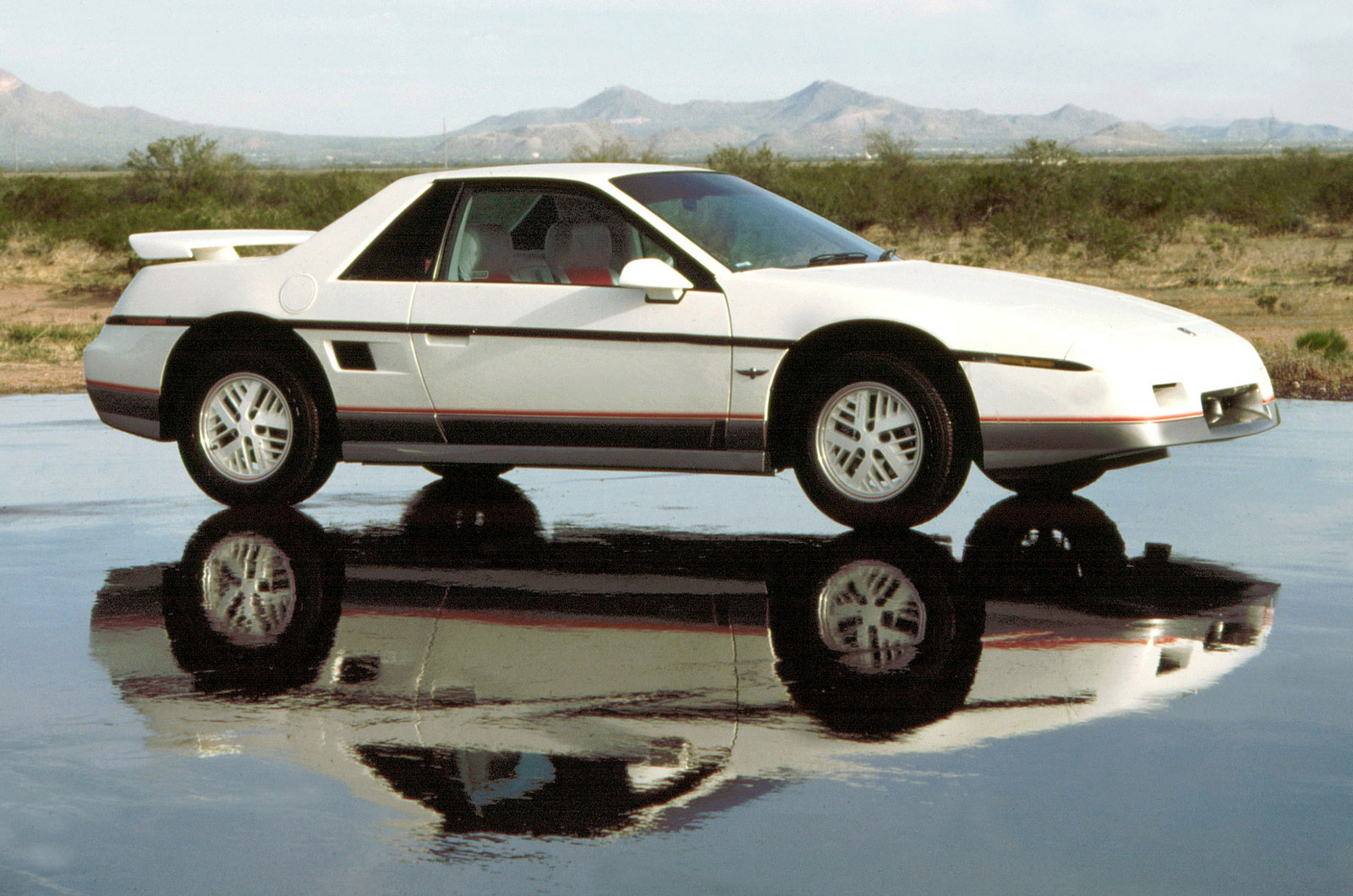
American companies have generally shied away from producing mid-engined cars, so the Pontiac Fiero was a big statement from the usually very conservative General Motors. Although 370,000 were made in a five-year production run, the car was heavily criticised in period for its poor dynamics, build quality and safety record.
Toyota MR2 (1984)
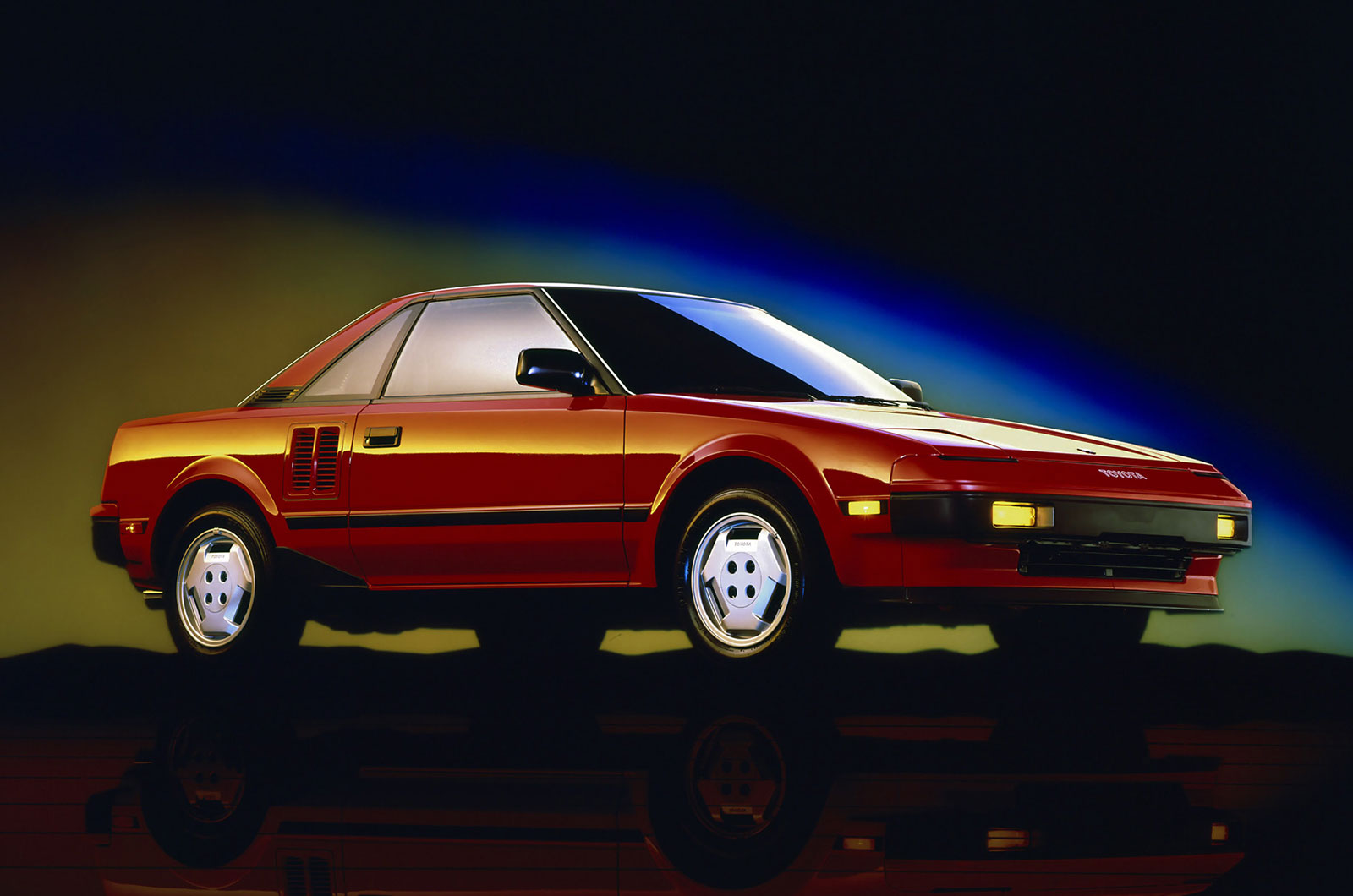
Once the MGB had died, Fiat had the affordable sportster market to itself with its X1/9. Then came the MR2, with its rev-happy 1.6-litre twin-cam engine, superb reliability and brilliant chassis. There would be three iterations of the MR2 between 1984 and 2005, with the original arguably the best.
Ford RS200 (1985)
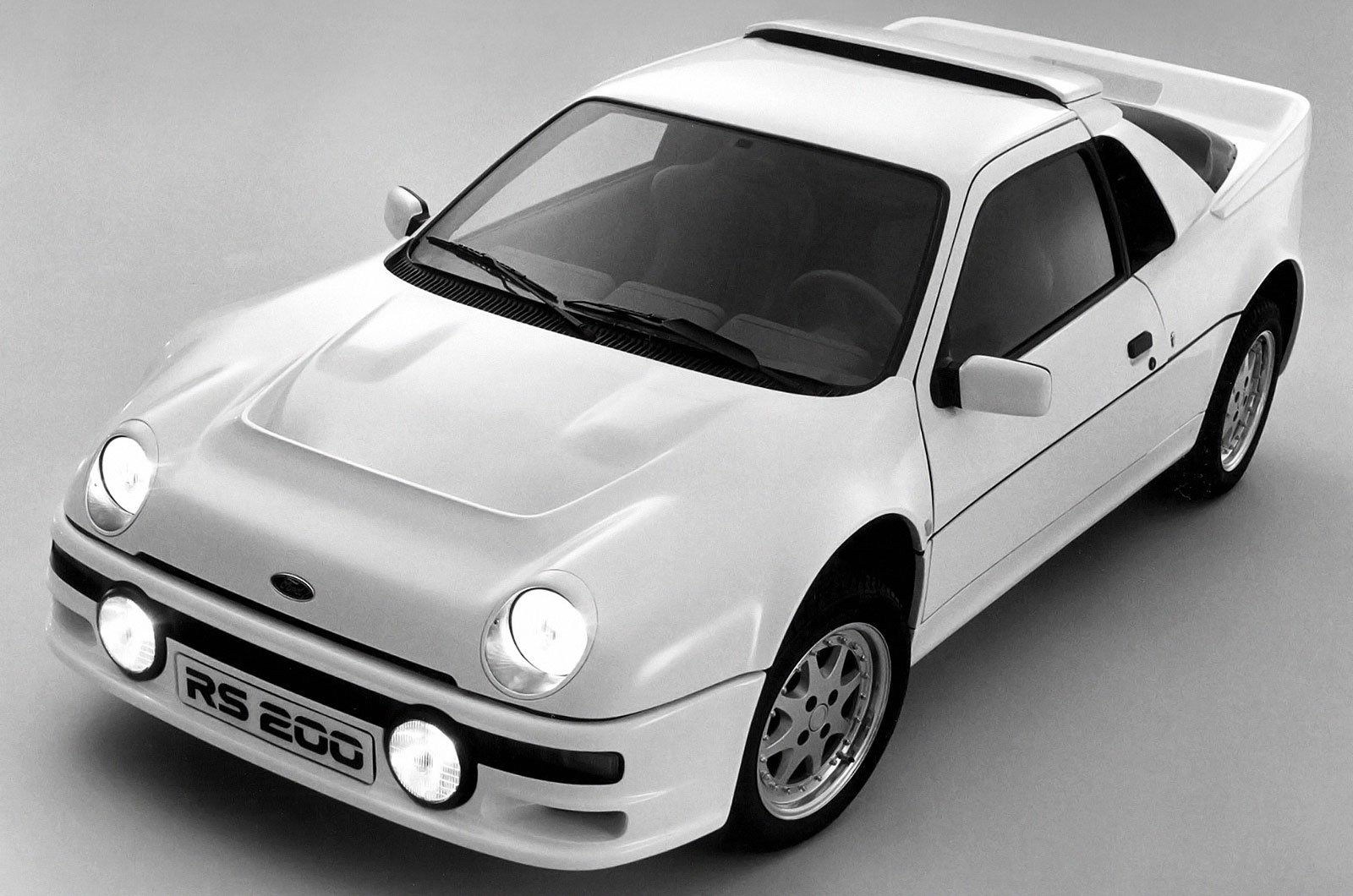
Powered by a turbocharged 1.8-litre BDT engine, the RS200 was a Group B special that came in roadgoing form with 250bhp, while competition versions boasted up to 650bhp. It could have shone on the rally stage, but the series was cancelled before the RS200 got into its stride.
Nissan Mid-4 (1985)
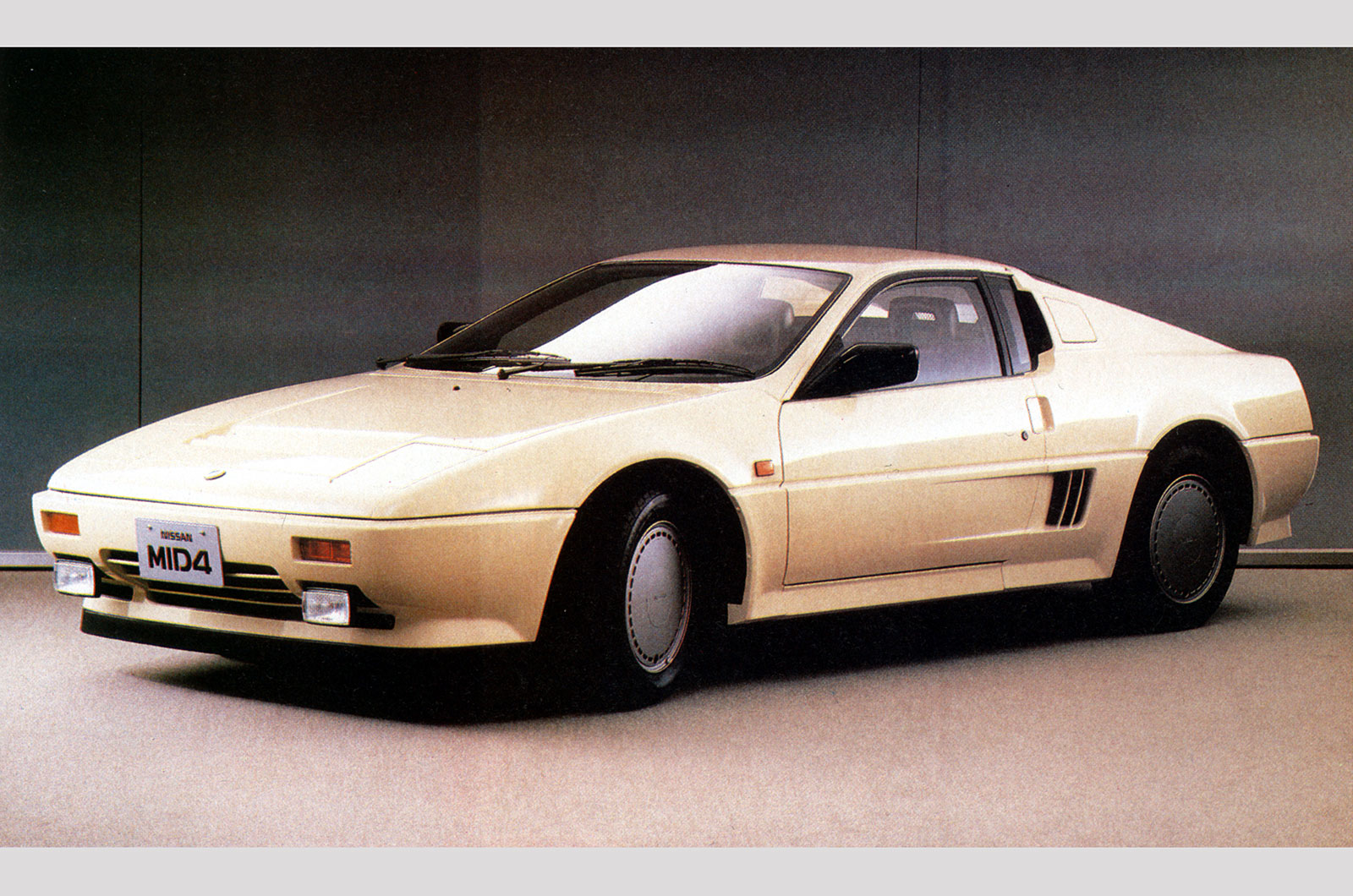
Nissan produced a mid-engined four-wheel drive supercar proposal in 1985, and then another in 1987, both with twin-turbo 3-litre V6 power. To complete the hat-trick a third iteration was produced with a 4.5-litre V8. Then came a recession, and that was the end of it…
MG Metro 6R4 (1986)
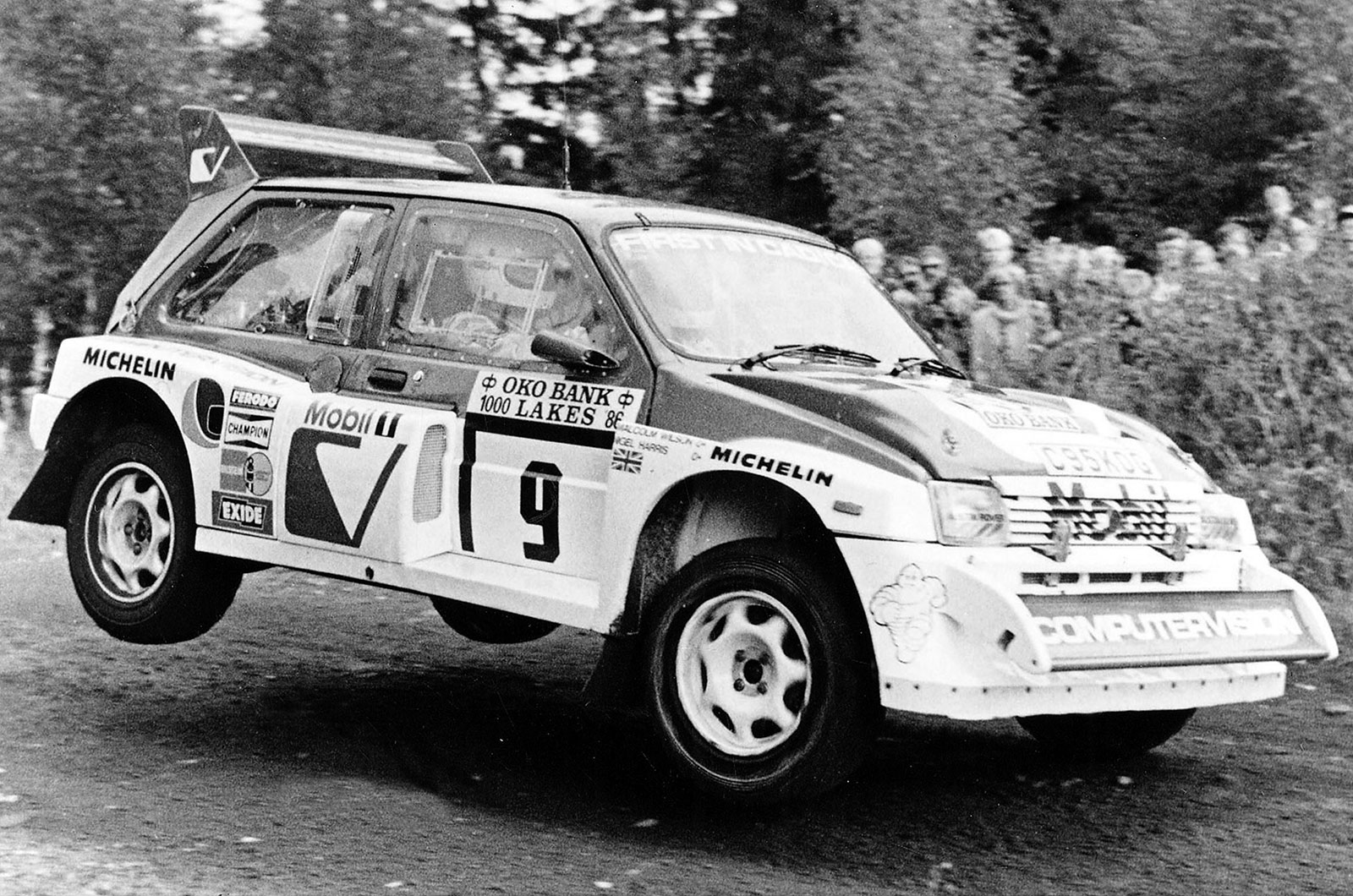
You'd struggle to find much Metro in there (just the headlights, dash and doors were carried over) but there was plenty of Group B rally car. Phenomenally fast, around 200 Metro 6R4s were built, some of which were 250bhp road cars; the racers got 380bhp.
Ferrari F40 (1987)
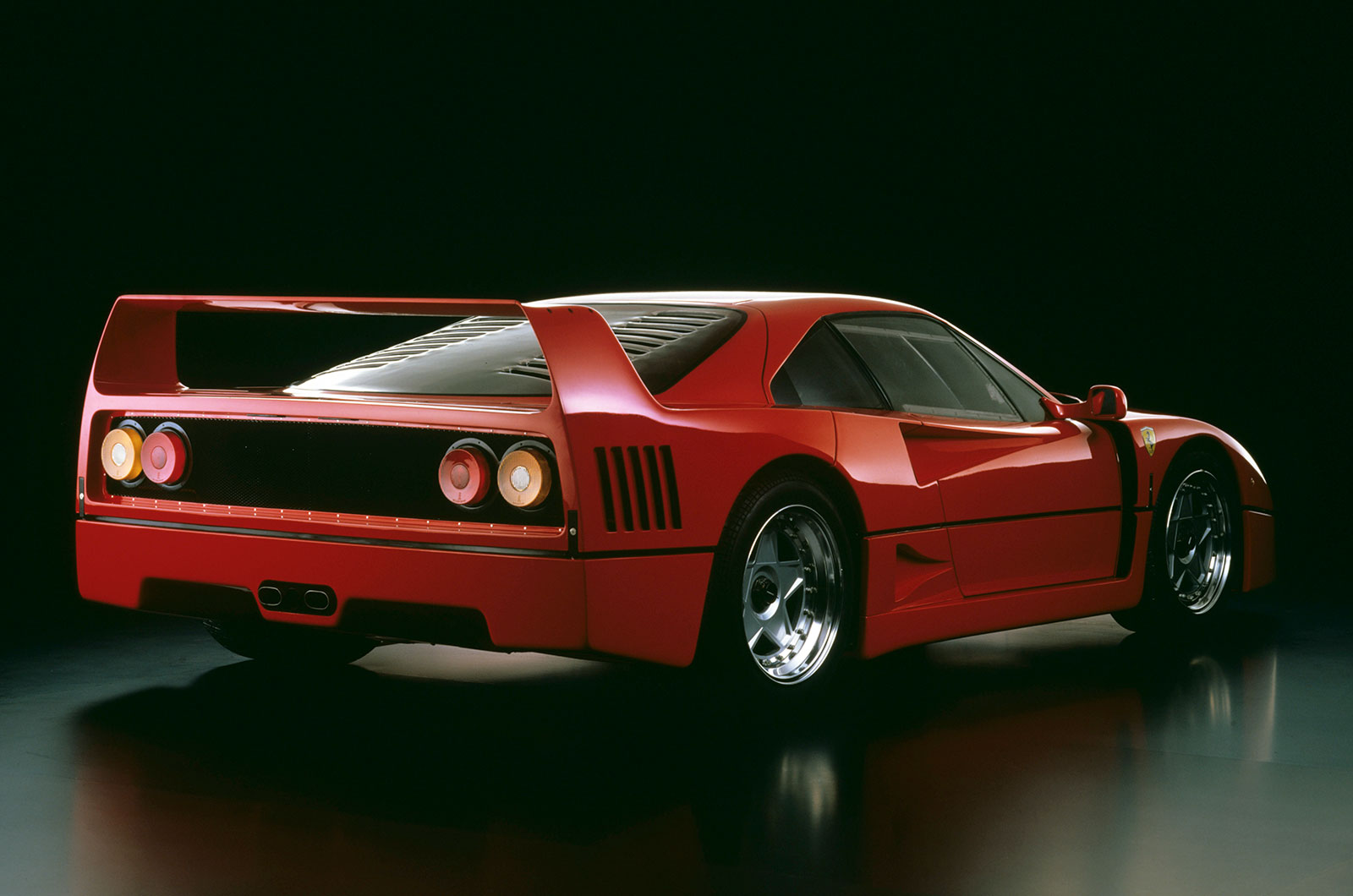
Possibly the greatest Ferrari ever and a seminal supercar, this was the last Maranello machine to be developed and unveiled before Enzo Ferrari died. It celebrated 40 years of the company and thanks to its 478bhp twin-turbo V8 it was the first Ferrari capable of cracking 200mph.
Ginetta G32 (1989)
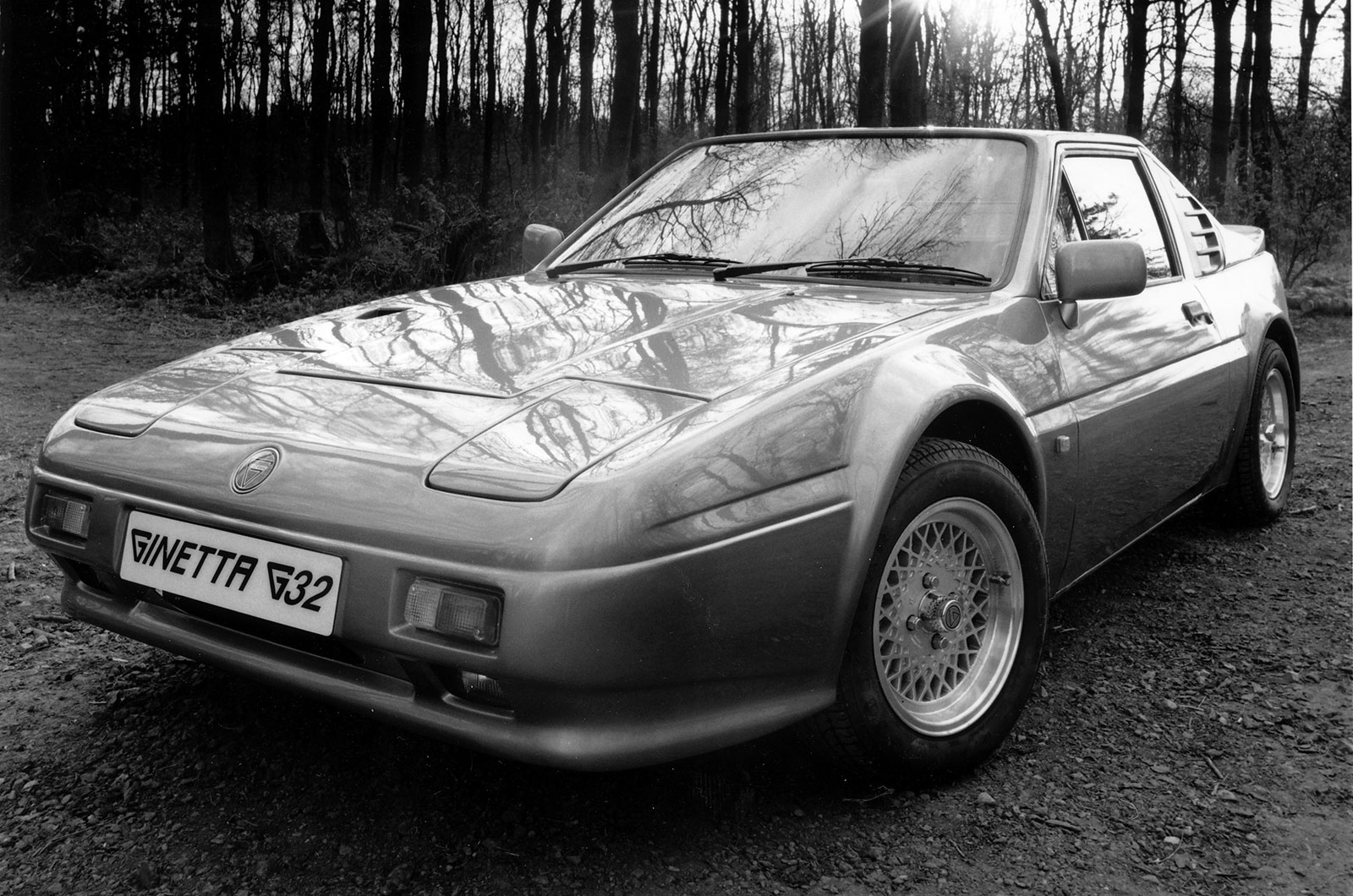
Ginetta had made rear-engined cars before, but this was the company's first stab at one with its powerplant in the middle. There was Ford 1.6 CVH power to give 120mph, while buyers could choose between coupé or convertible editions.
Panther Solo 2 (1989)
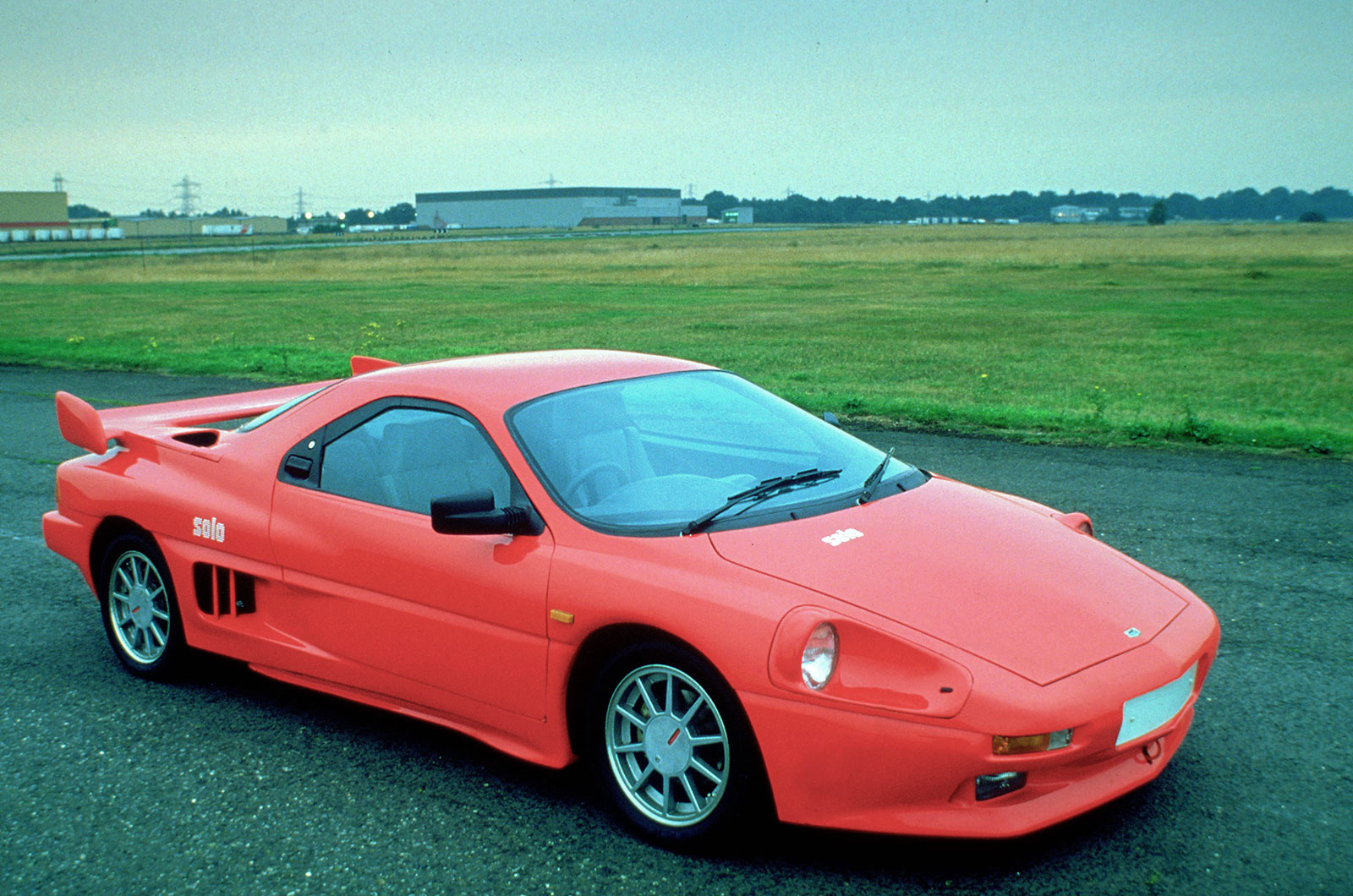
Panther's original plan with the Solo was to create an affordable mid-engined two-seater to launch around 1985. Then Toyota introduced the MR2, forcing Panther to move upmarket. It proved to be a bad move with just a dozen or so cars made before bankruptcy beckoned.
Vector W8 (1989)
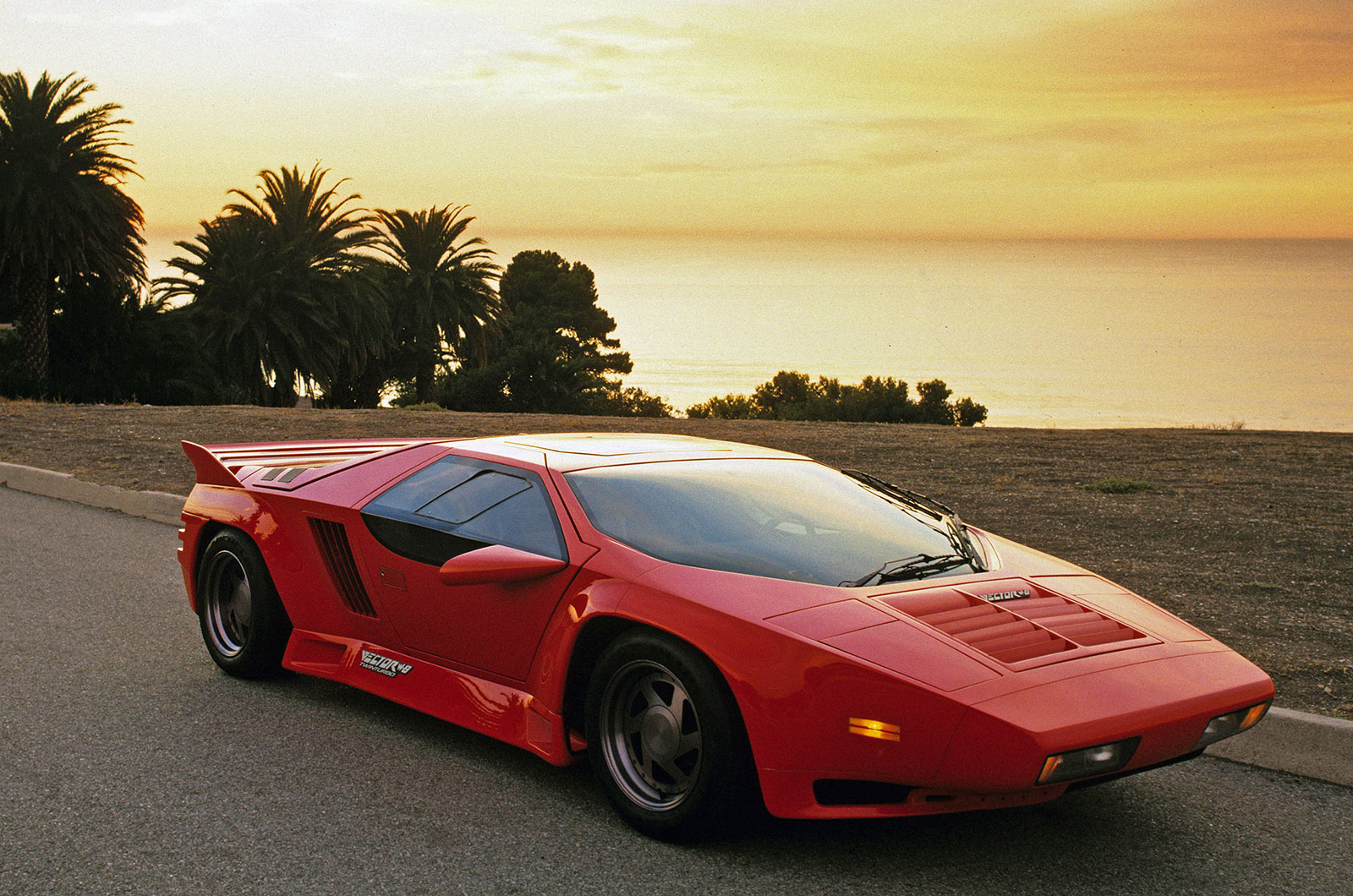
The story of Gerry Wiegert and his company Vector Aeromotive is worthy of a film. Founded in 1978, Vector built just 22 cars between 1989 and 1993. The company was sold soon after but Wiegert would go on to buy it back and is still working on a new hypercar with a claimed 1850bhp.
Honda NSX (1990)
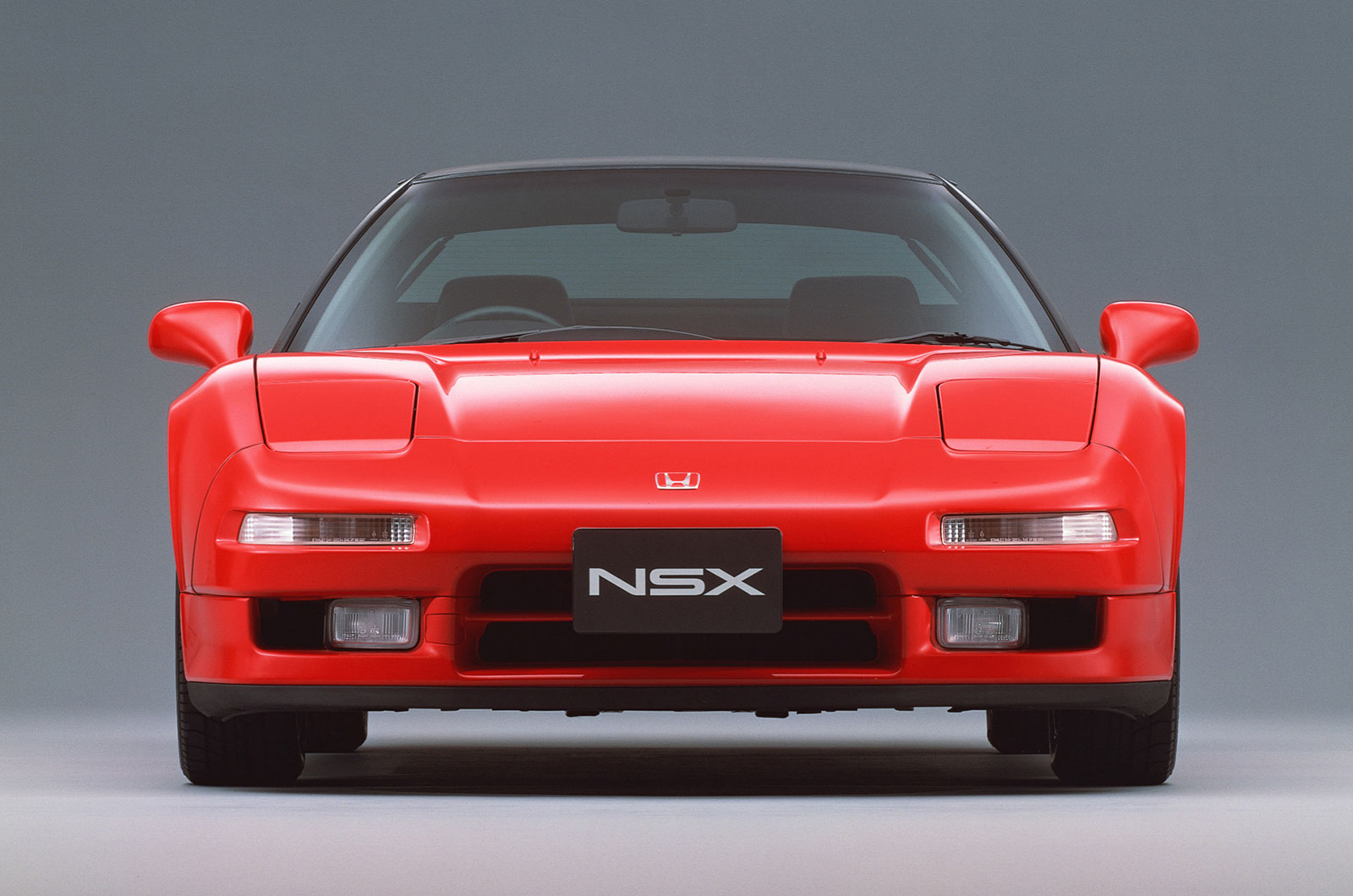
Honda took the mid-engined supercar concept and made it work, with a design that offered reliability, usability and amazing performance. Better to drive than the contemporary Ferrari 348, few NSXs were sold as buyers were put off by those Honda badges.
Bugatti EB110 (1991)
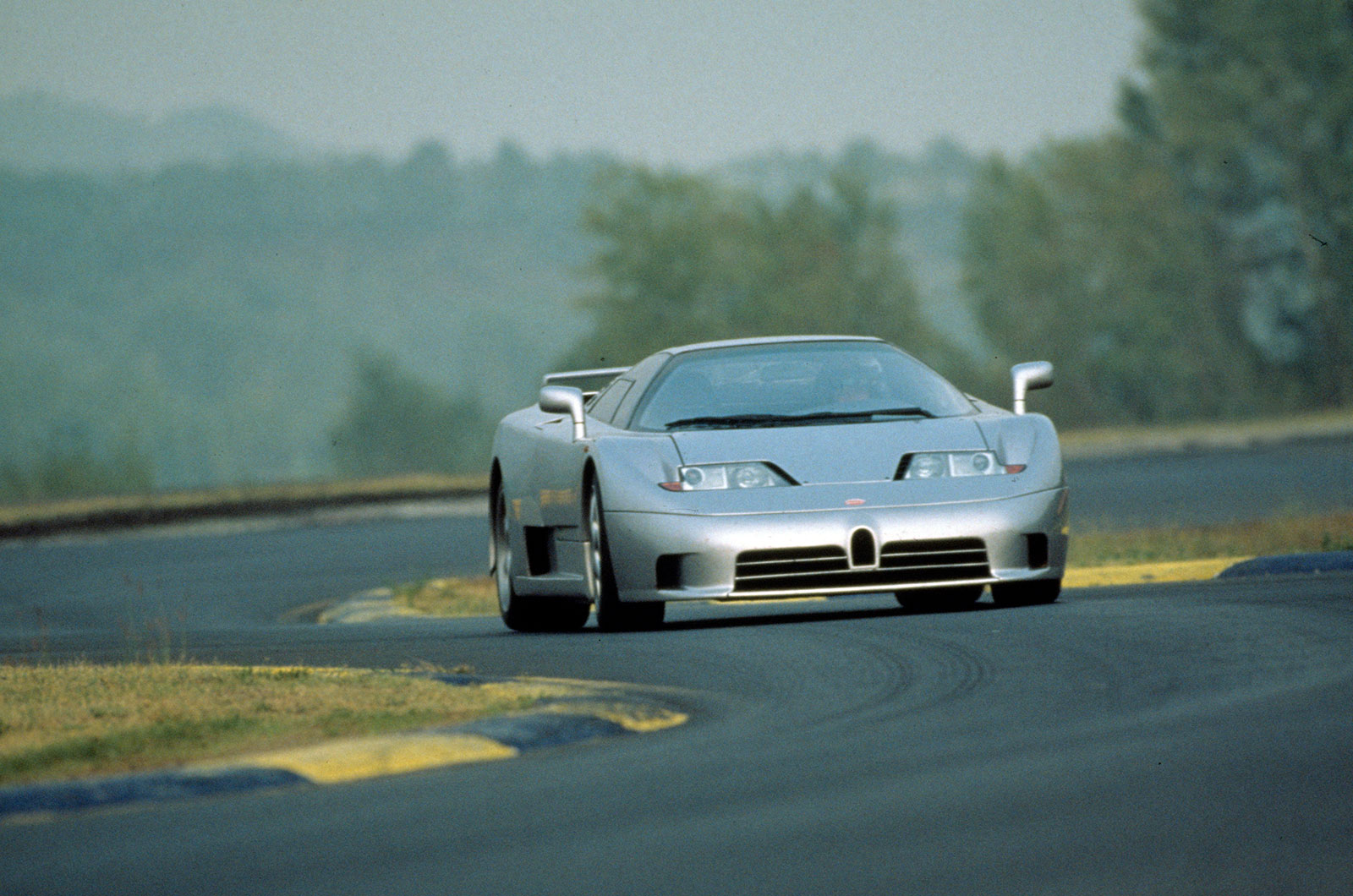
With a 60-valve, quad-turbo V12 powering all four wheels through a six-speed gearbox, this 542bhp monster was mind-blowing. But it was massively costly too, so just 139 were made before the company went out of business.
Honda Beat (1991)
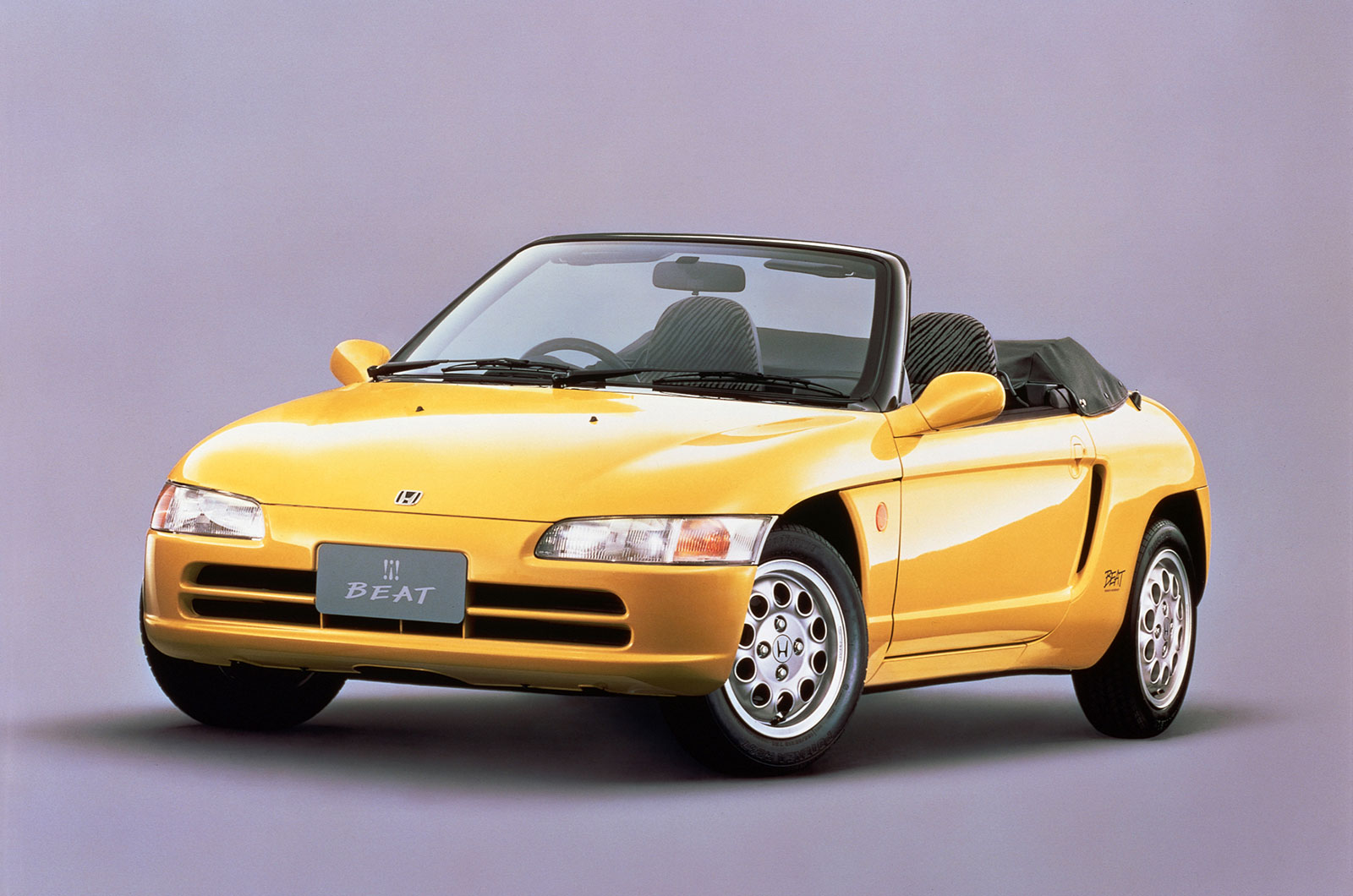
Proving that the best things can come in small packages, the Honda Beat was a kei car with a mid-mounted turbocharged 656cc three-cylinder engine. It was a hoot to drive, looked great and was affordable, and over five years of production more than 33,000 were made.
Autozam AZ-1 (1992)
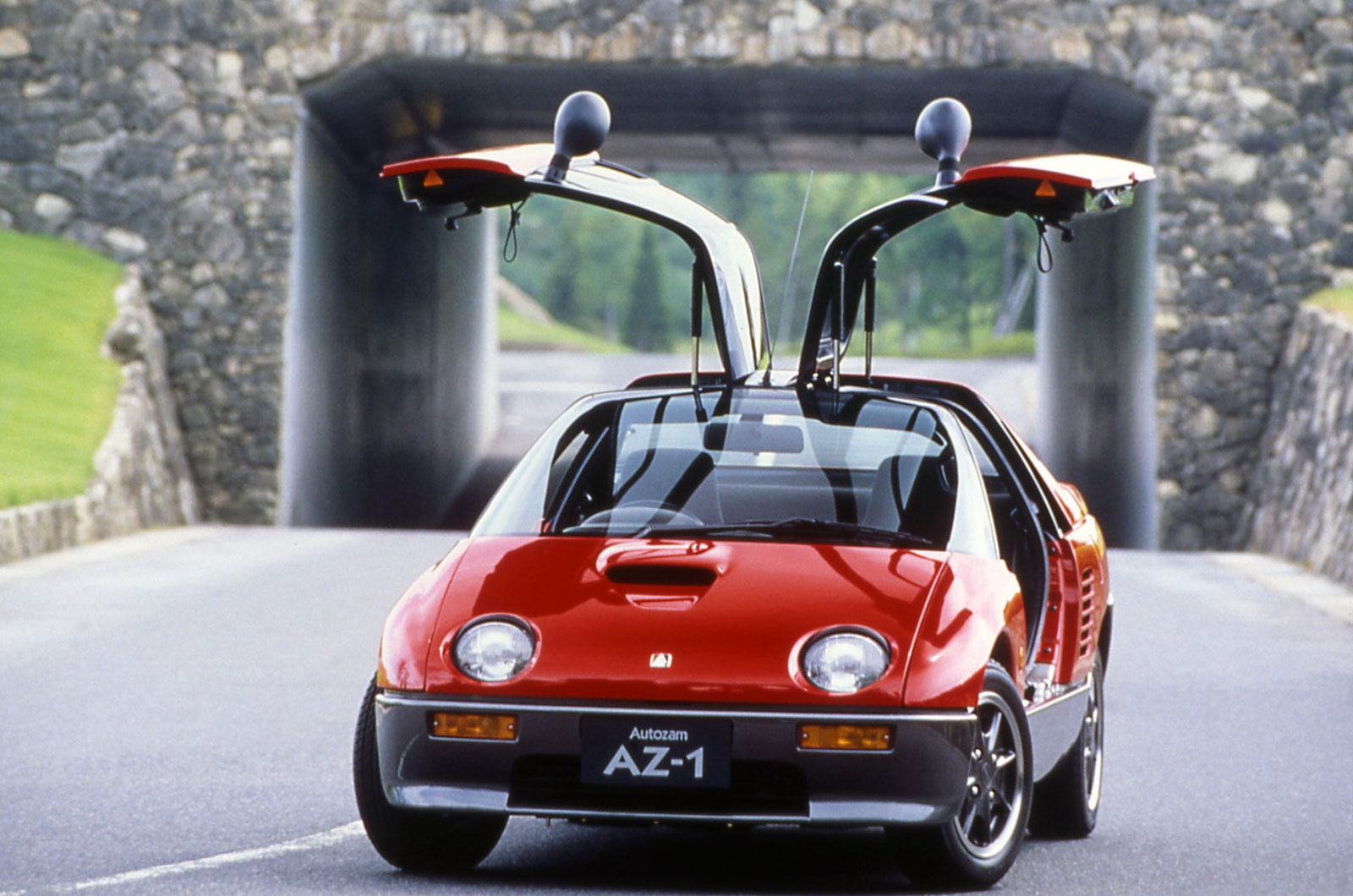
Another kei car, but unlike the open-topped Honda Beat the Autozam AZ-1 was a coupé with gull-wing doors. Autozam was a subsidiary of Mazda, which licensed the AZ-1 to Suzuki, which would then produce its own version called the Cara.
Jaguar XJ220 (1992)
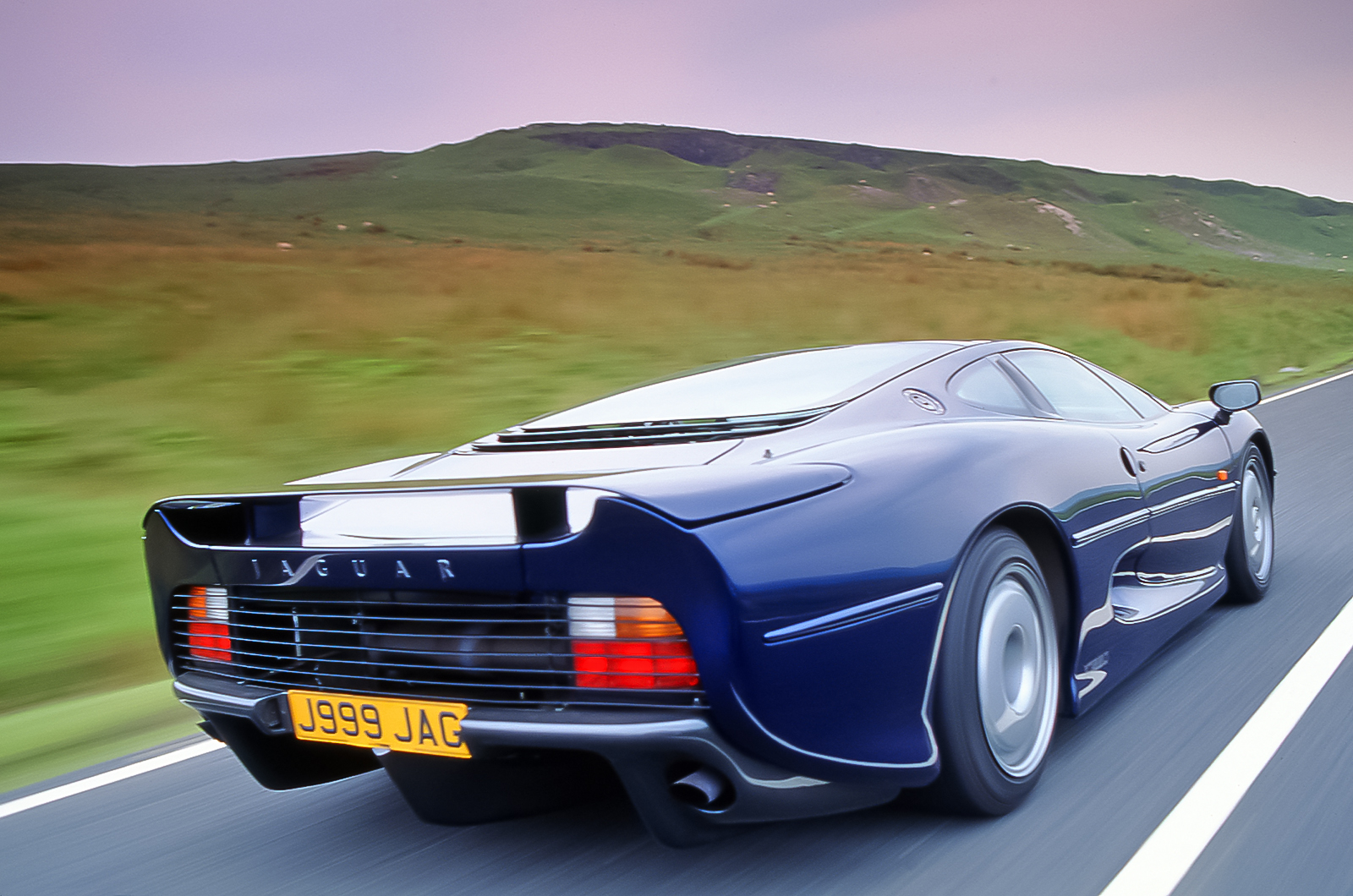
Originally unveiled as a V12-engined four-wheel drive concept, the production XJ220 featured a twin-turbo V6 and rear-wheel drive. It could still crack 210mph though, thanks to packing 542bhp, but just 274 were made.
McLaren F1 (1992)
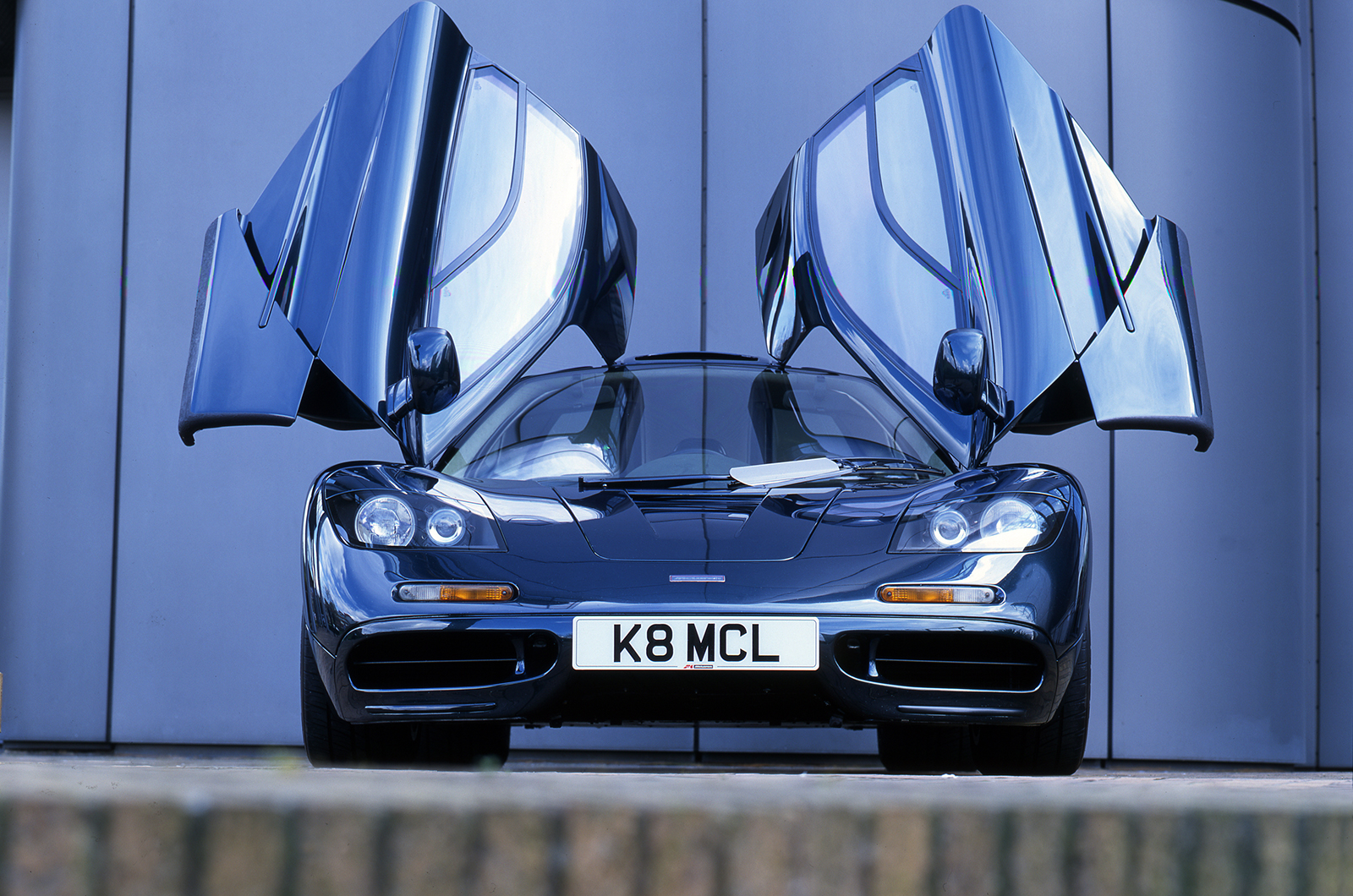
It seems like we'll never see its kind again; no road car has ever been less compromised than this. Just 106 examples of this 240mph 627bhp car were built, of which only 64 were road cars. Each was powered by a BMW-sourced naturally aspirated V12. They are all extremely valuable today.
MG F (1995)
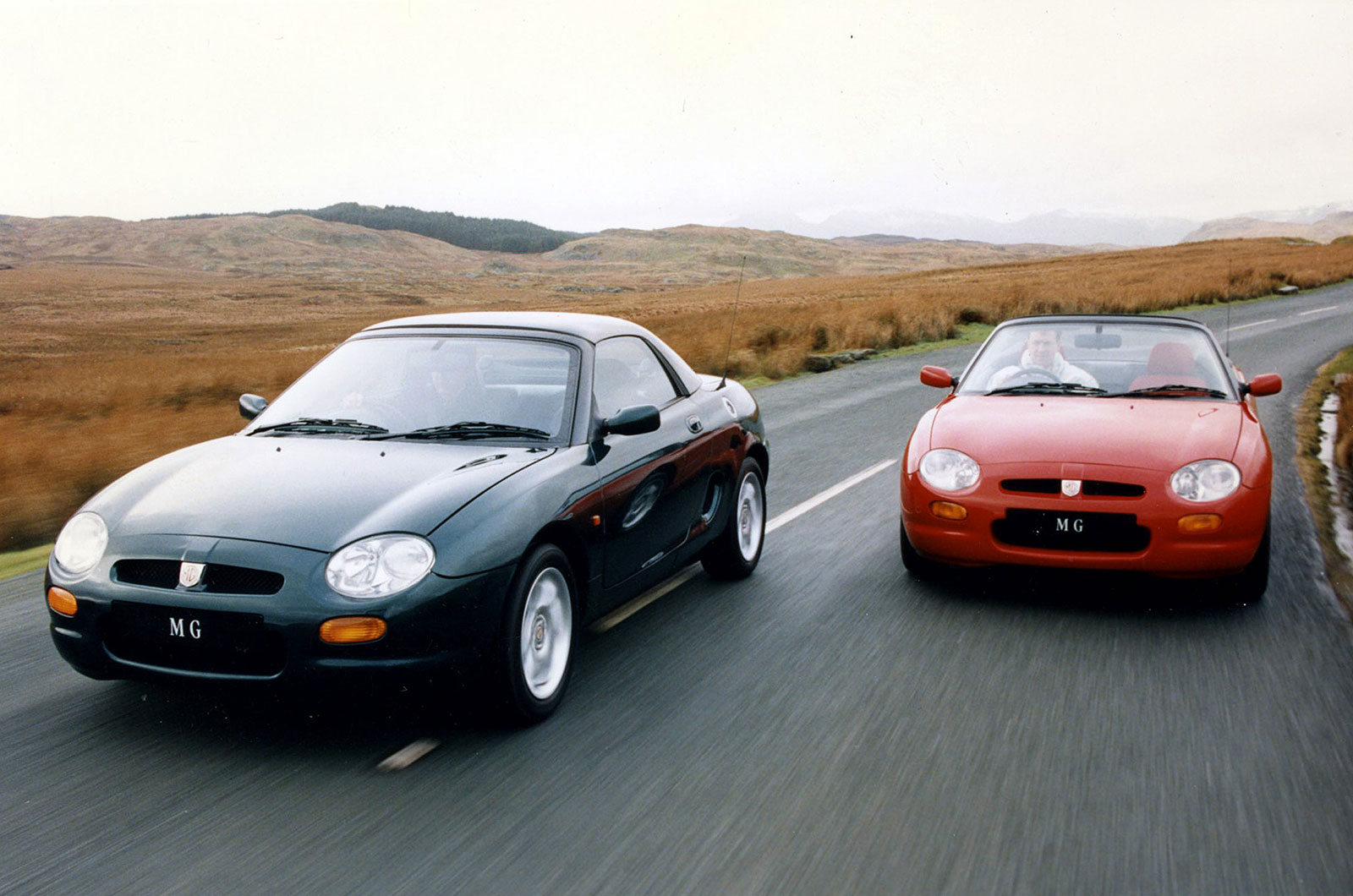
MG's first mid-engined road car, we got a preview of the F over a decade earlier in the EX-E concept. Perky and fun, the F proved affordable and even better when relaunched as the TF, with steel suspension in place of the original Hydragas.
Ariel Atom (1996)
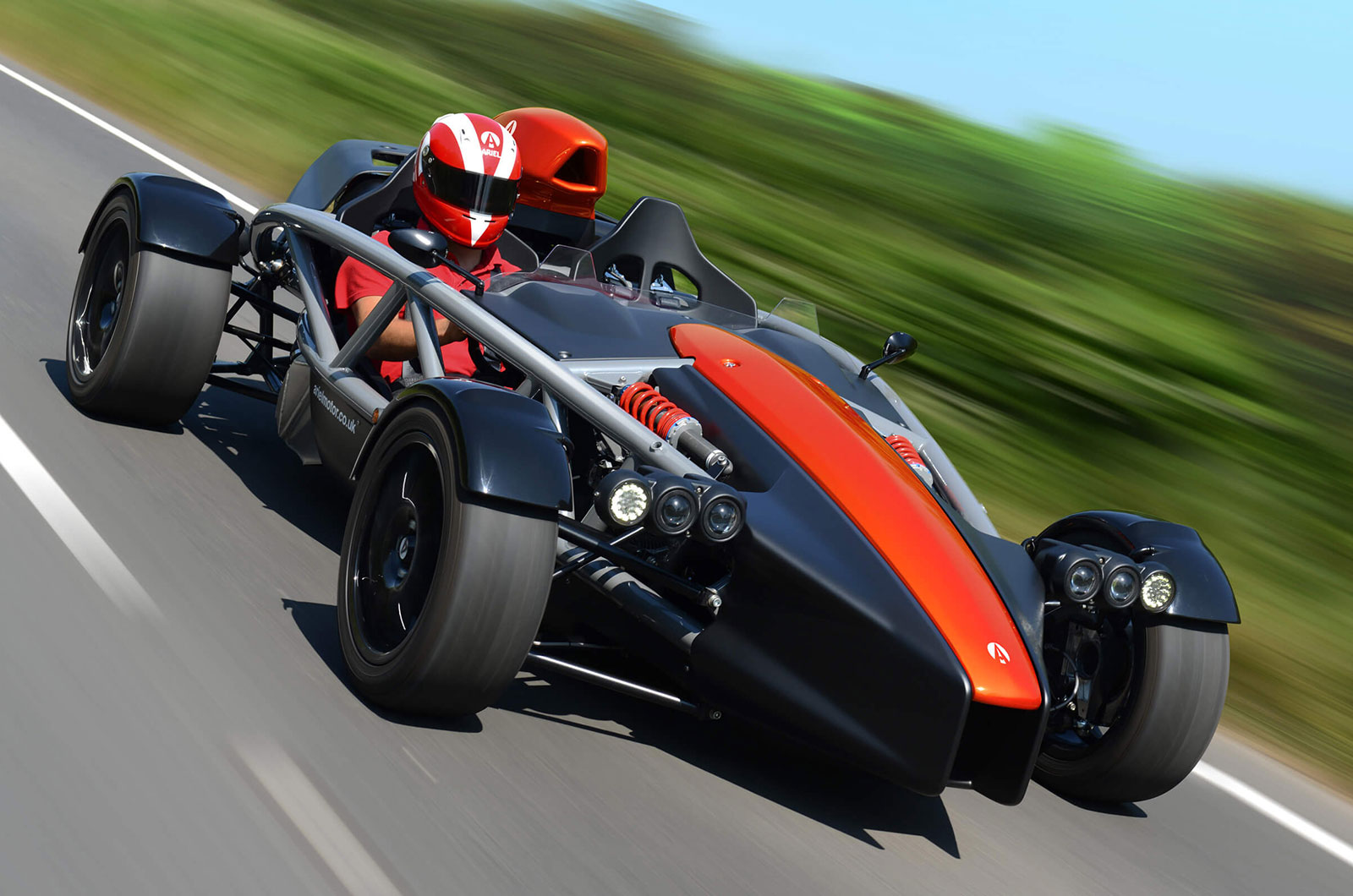
Very much created in the mould of the Lotus 7, the Ariel Atom is a no-holds-barred performance machine that puts driving fun ahead of all other considerations. The original Atom featured a naturally aspirated 2.0-litre four-cylinder engine; turbocharged and V8 units have appeared since then.
Lotus Elise (1996)
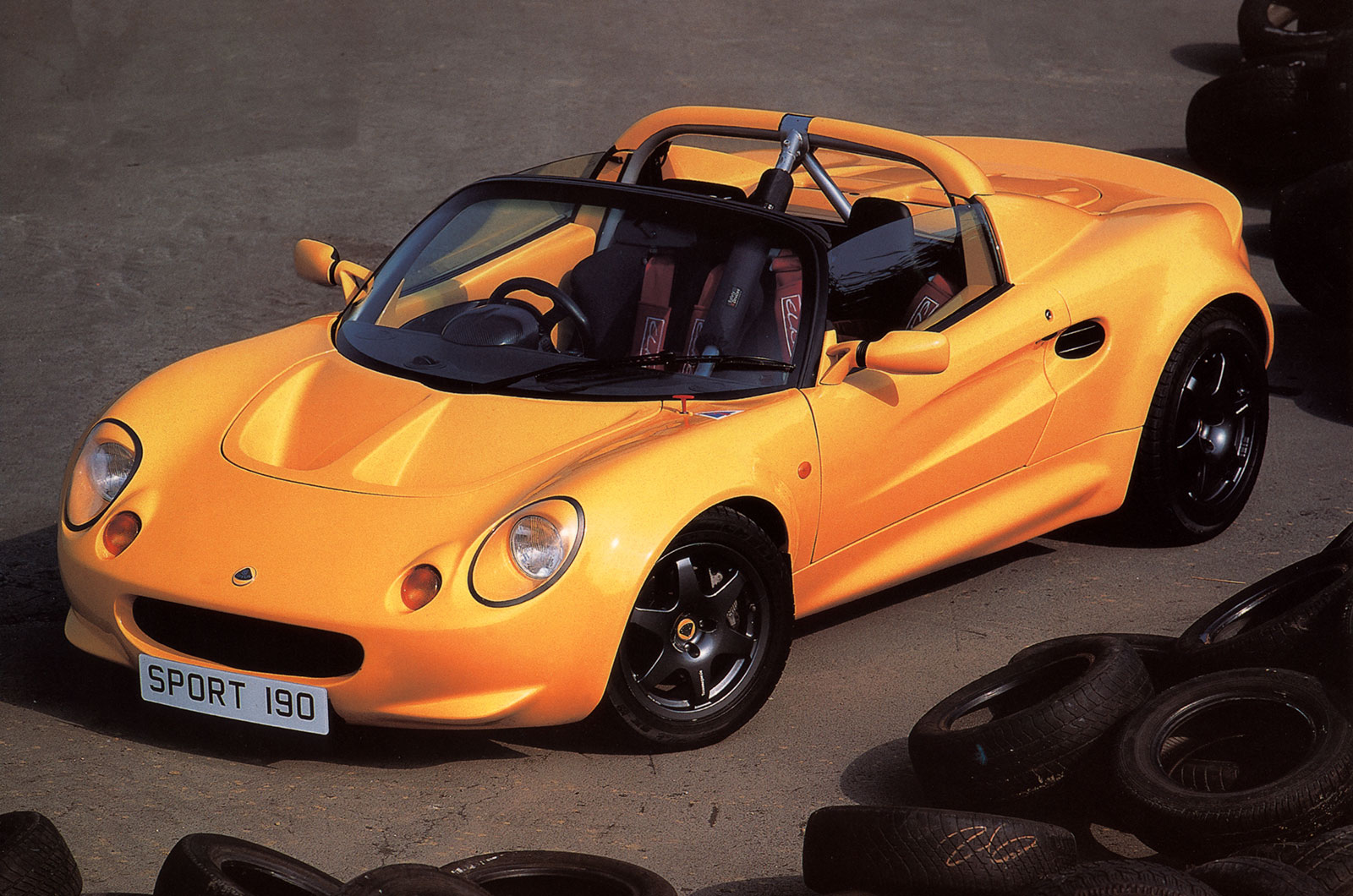
Lotus has long been a by-word for pin-sharp dynamics, and nowhere was this more evident than with the first-generation Elise. Fast, light, frugal and affordable, it's the perfect B-road blaster.
Porsche Boxster (1996)
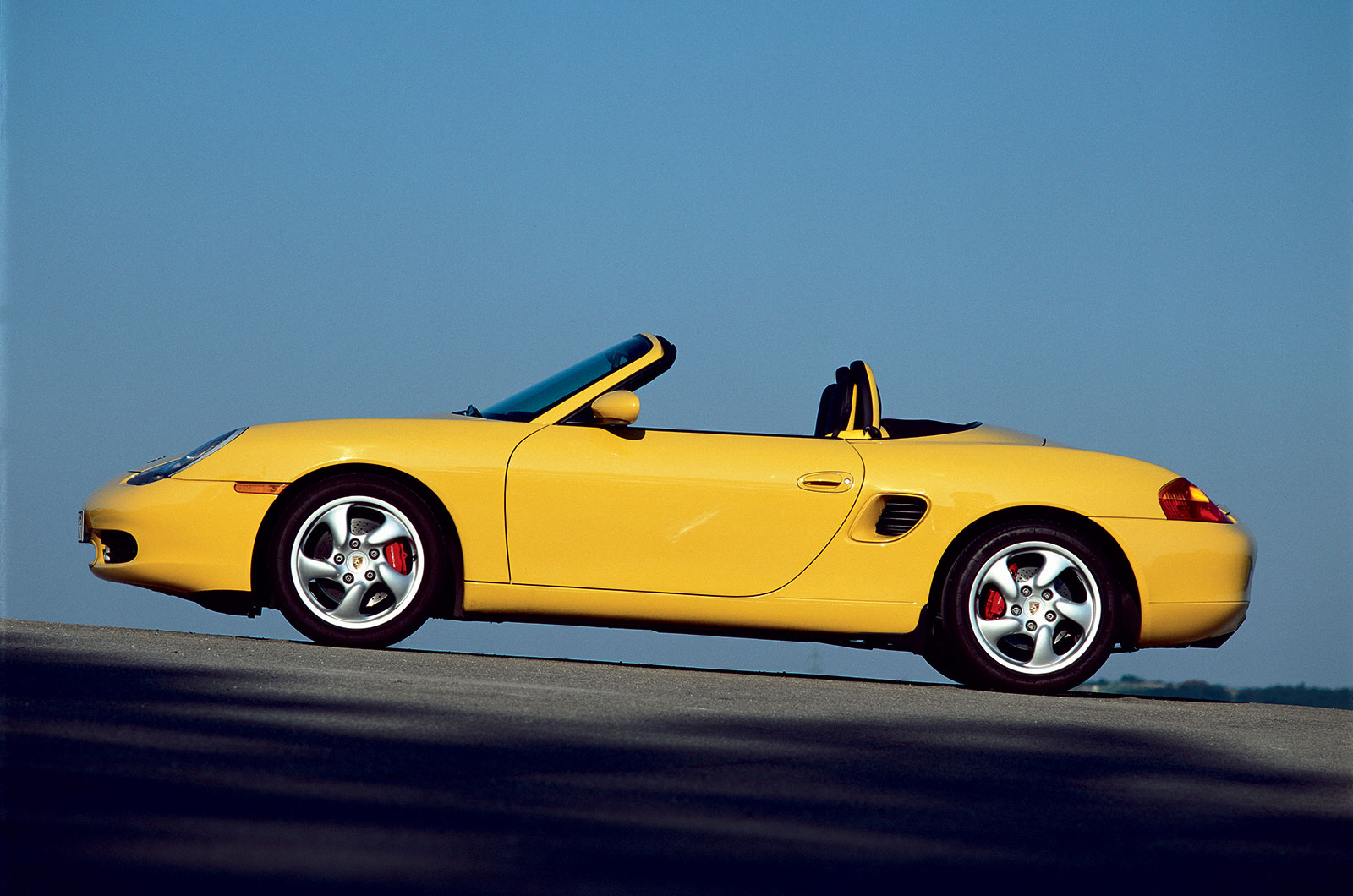
Porsche was on the verge of bankruptcy when it decided to move downmarket with a more affordable convertible. This car was the company's saviour, with its delicious poise and quality, along with its six-cylinder engines.
Renault Sport Spider (1996)
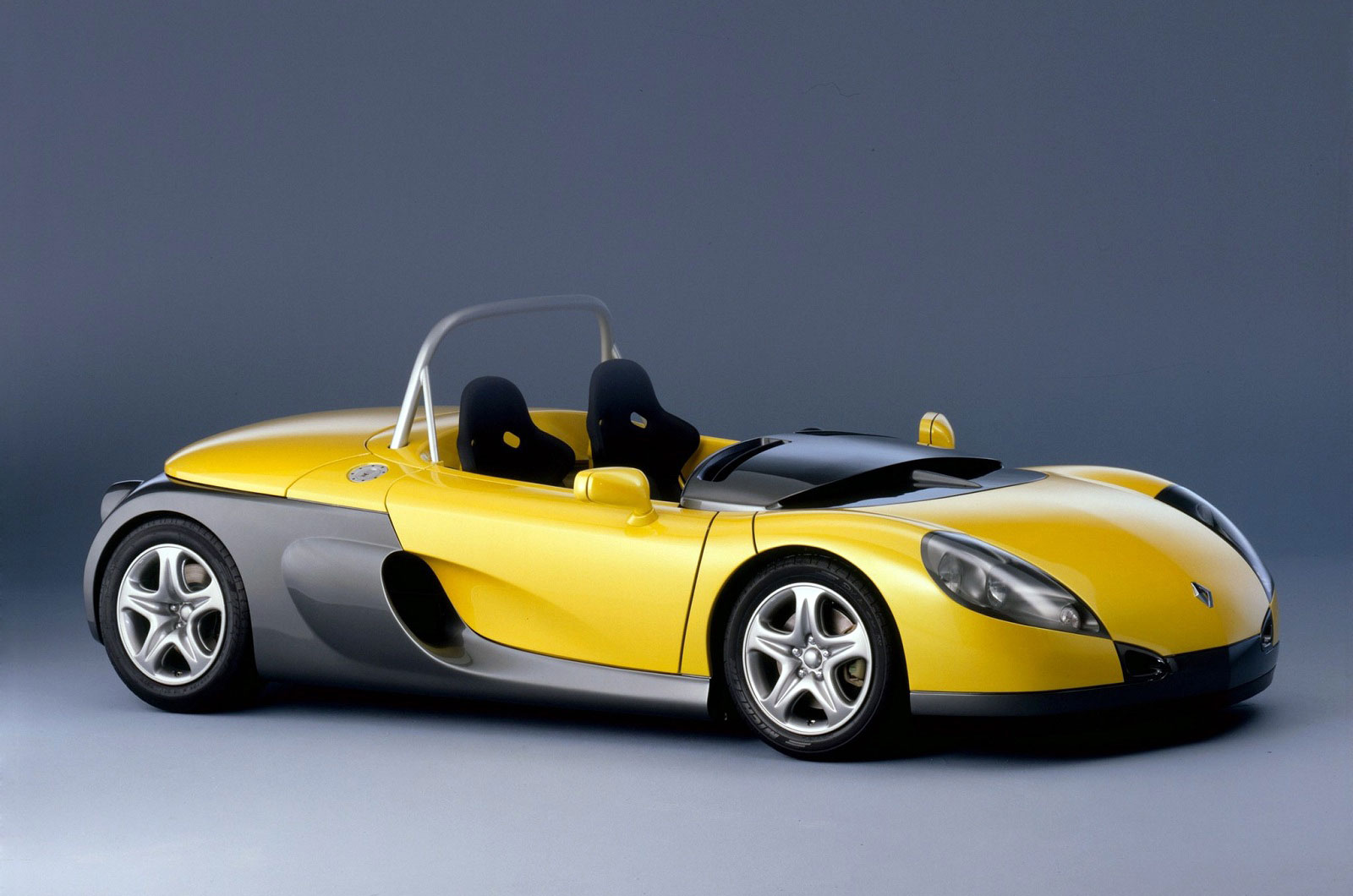
Renault needed something to give its image a boost in the 1990s, and this proved just the ticket with its great dynamics. But production lasted just 18 months, during which time a surprisingly healthy 1800 units were made.
Bentley Hunaudieres concept (1999)
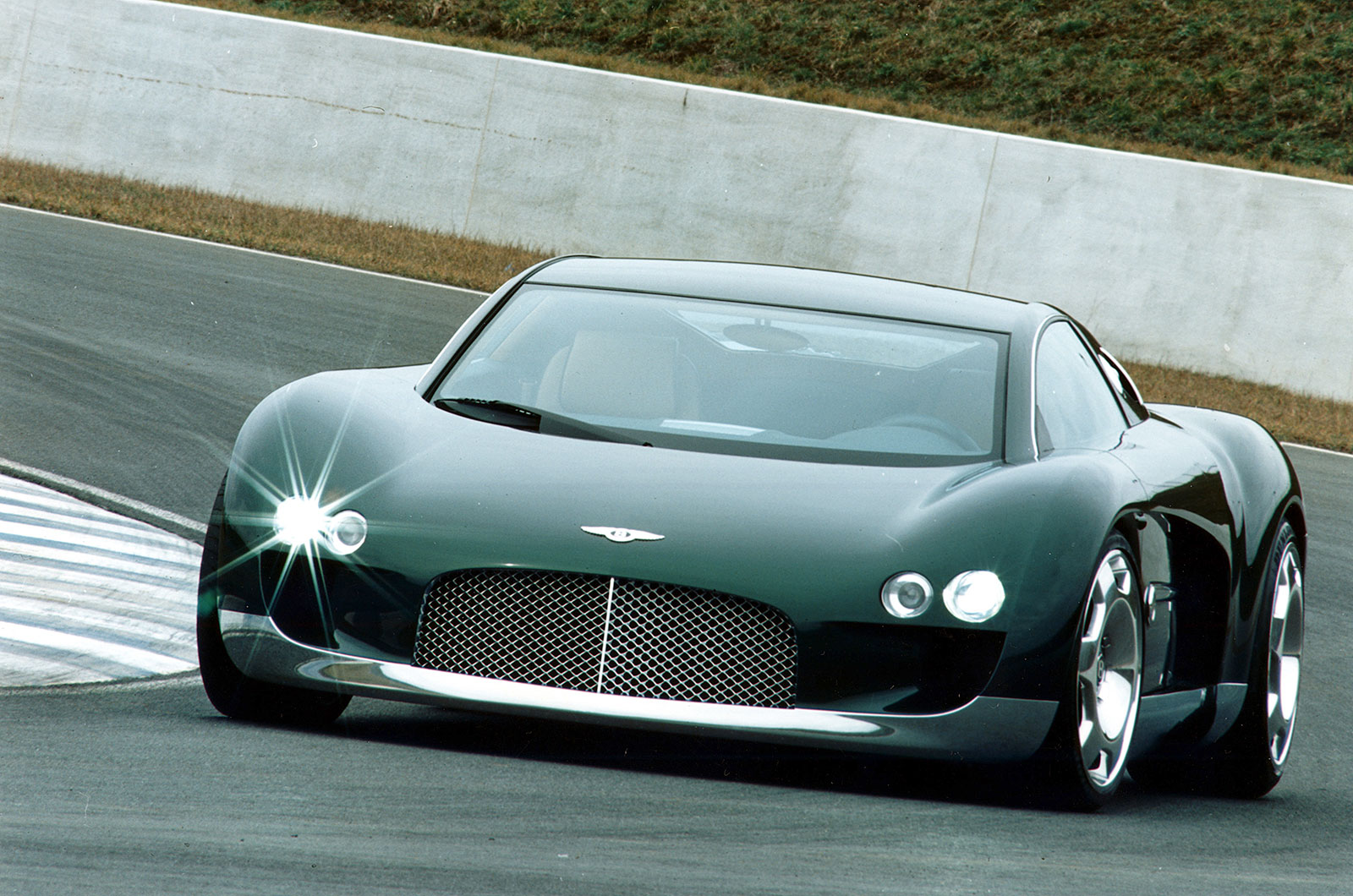
Unveiled at the 1999 Geneva motor show, this was Bentley's first ever mid-engined car. Power came from a 623bhp naturally aspirated 8.0-litre W16 engine to give a 220mph top speed. But with Volkswagen already developing the Bugatti Veyron, it made no sense to proceed with the Bentley.
Pagani Zonda (1999)
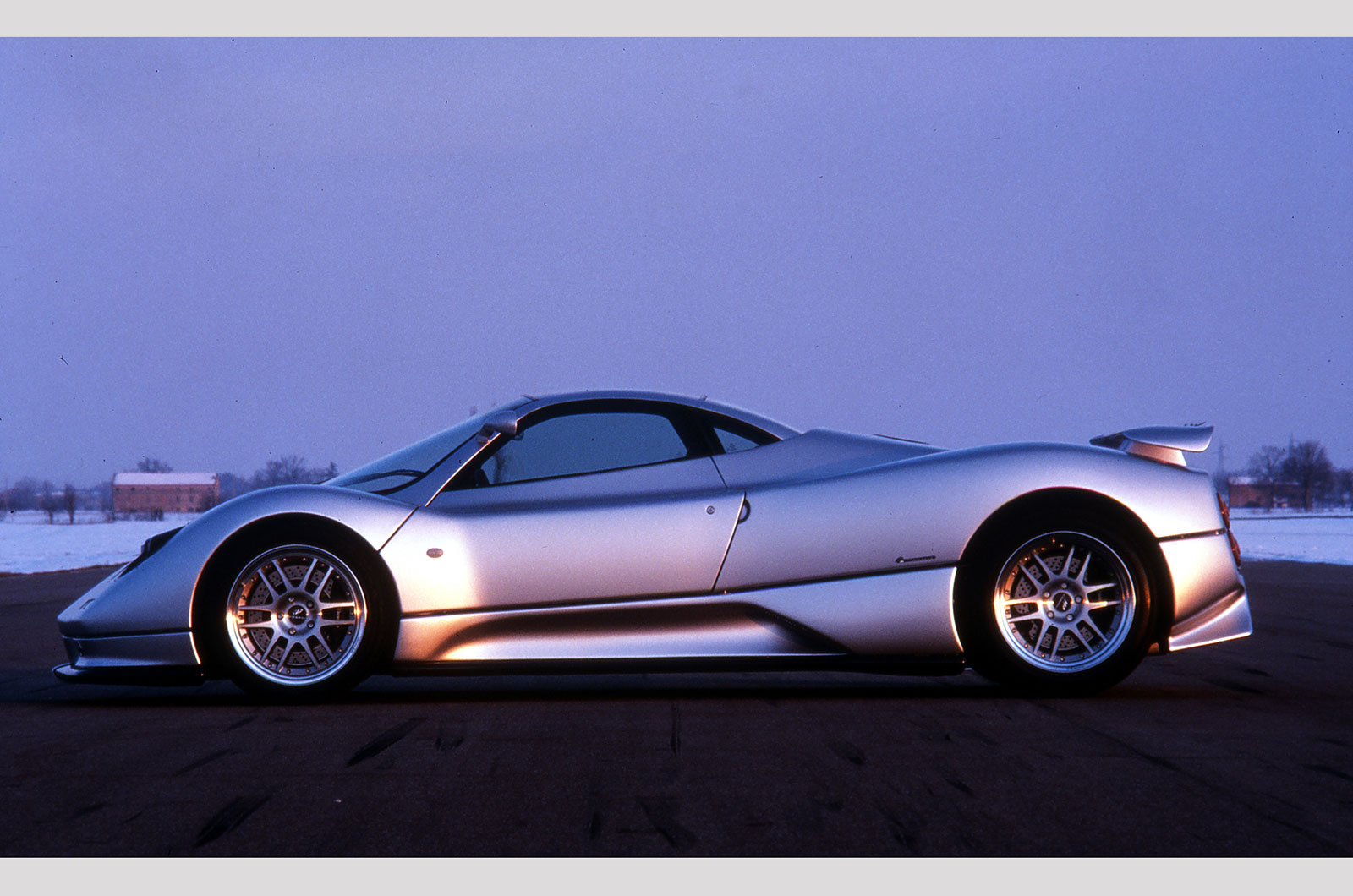
Horacio Pagani made his fortune producing carbon fibre for other people, so he began making his own cars, kicking off with the Zonda. Each featured a Mercedes-AMG V12, tuned to give anywhere between 444bhp and 789bhp depending on the edition.
Noble M12 (2000)
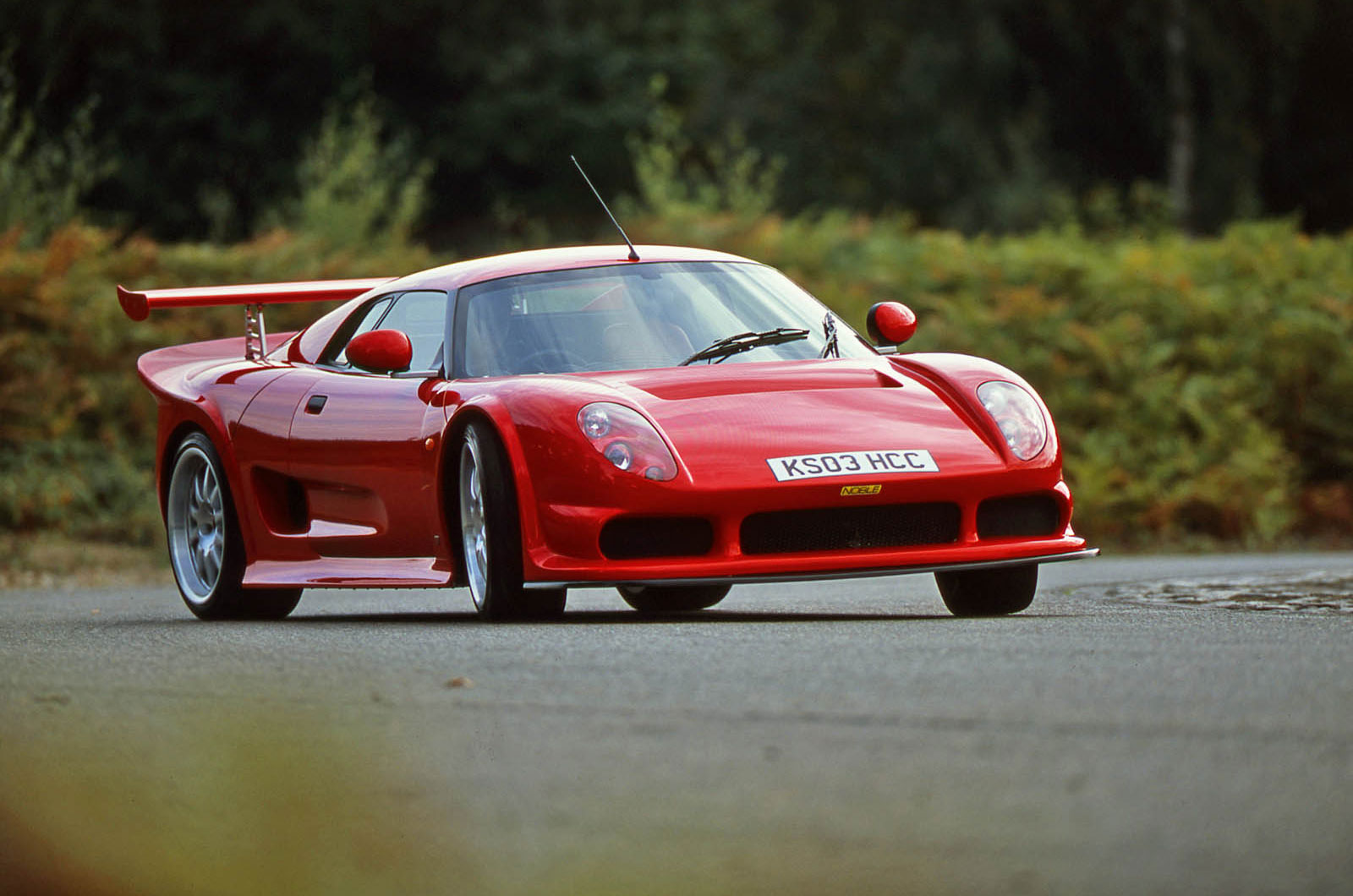
With its twin-turbo Ford Duratec engine producing anything from 310bhp upwards, this isn't a car for the faint-hearted. A proposed convertible never materialised, and since 2008 the GTO has been produced under licence by US company Rossion, as the Q1.
Saleen S7 (2000)
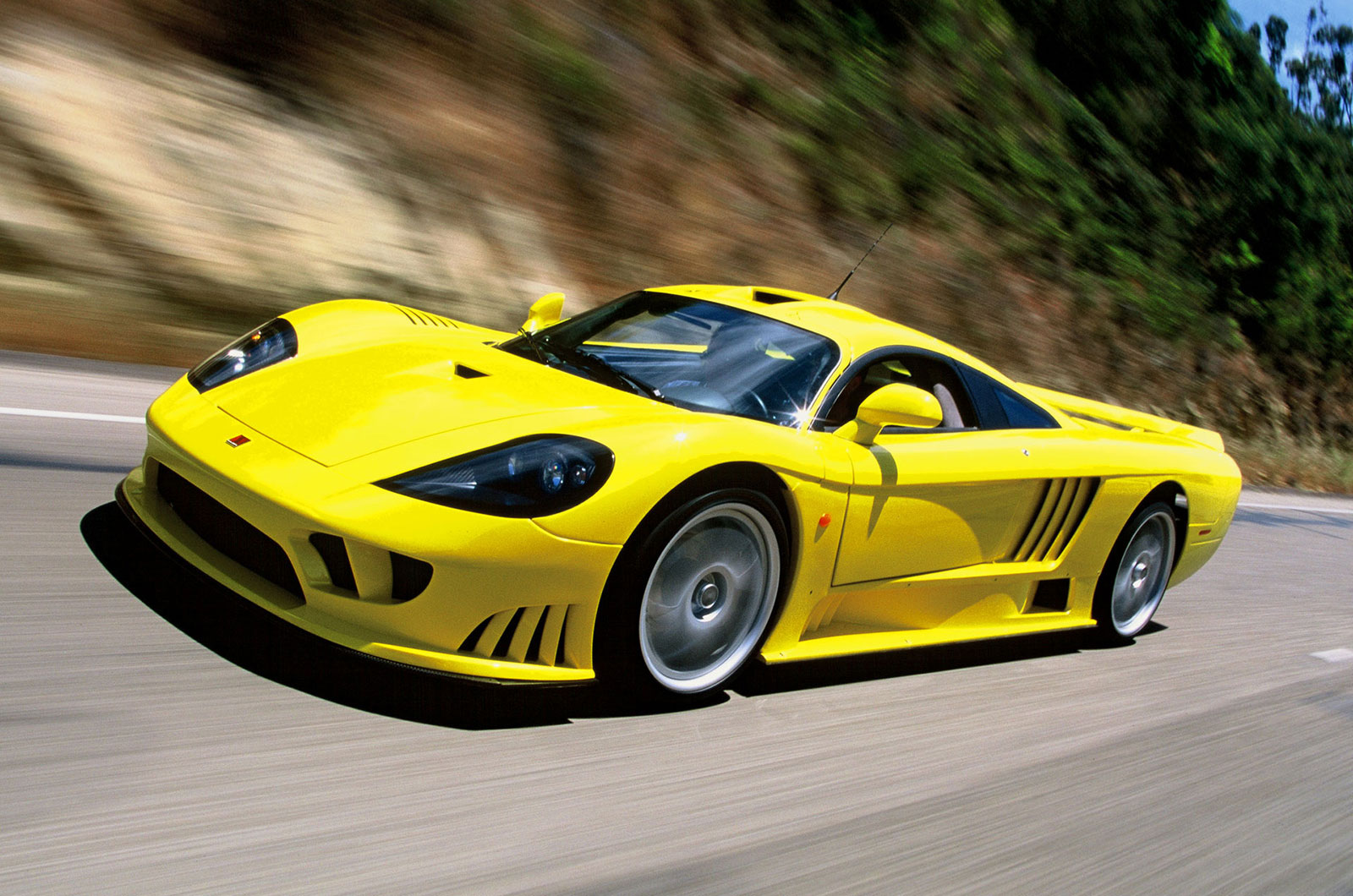
Developed by Ray Mallock in the UK, the Saleen S7 was a red-blooded American supercar. Initially featuring a 550bhp V8, in 2005 two turbos became standard, to increase power to 750bhp. Production ran until 2009.
Vauxhall VX220 (2000)
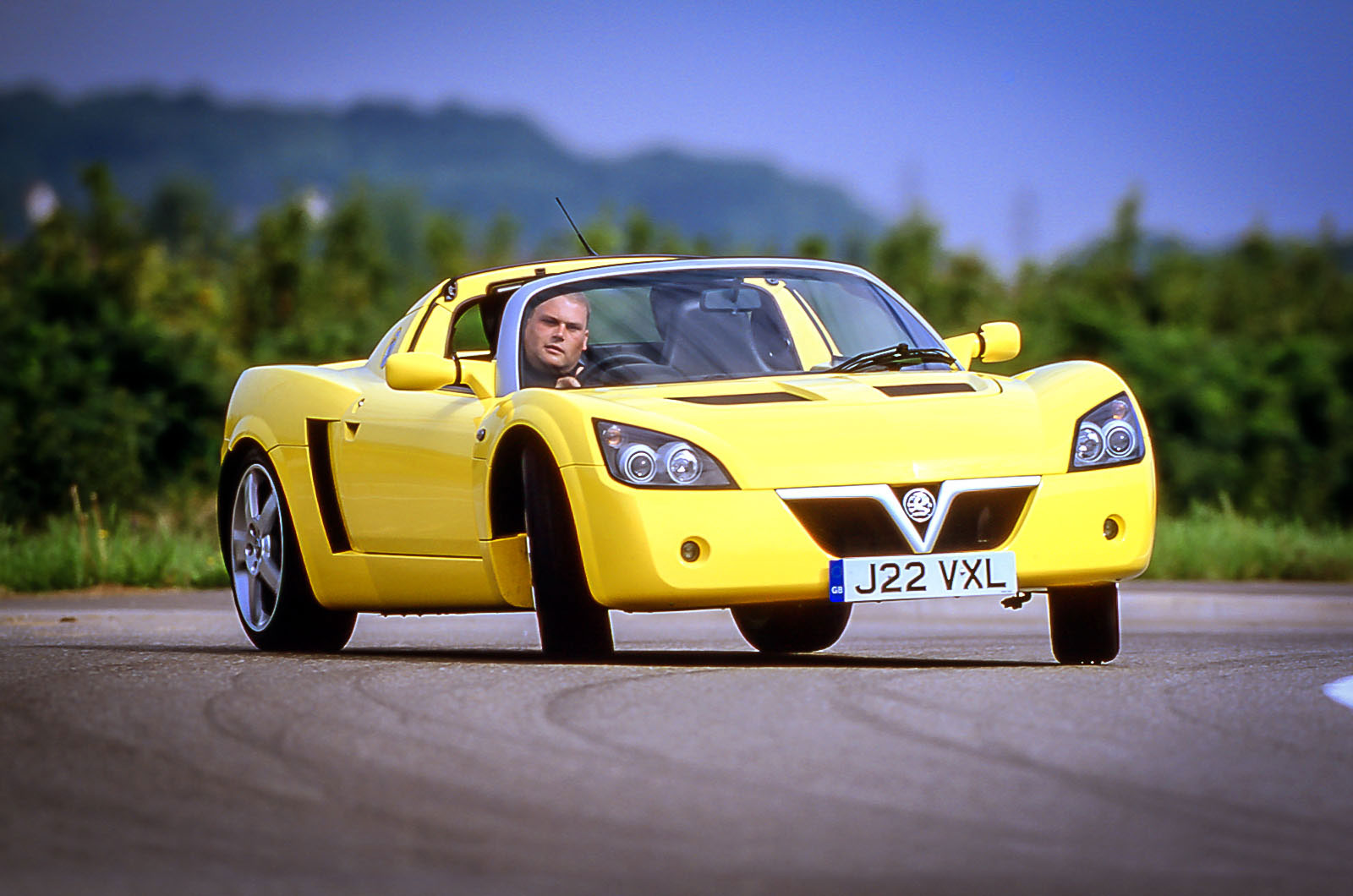
Related to the Lotus Elise and sold in Europe as the Opel Speedster, the VX220 was arguably the most exciting car ever released by Vauxhall. As if that wasn't enough, then came the Turbo which cut the 0-62mph dash from 5.6 seconds to just 4.7.
Renault Clio V6 (2001)
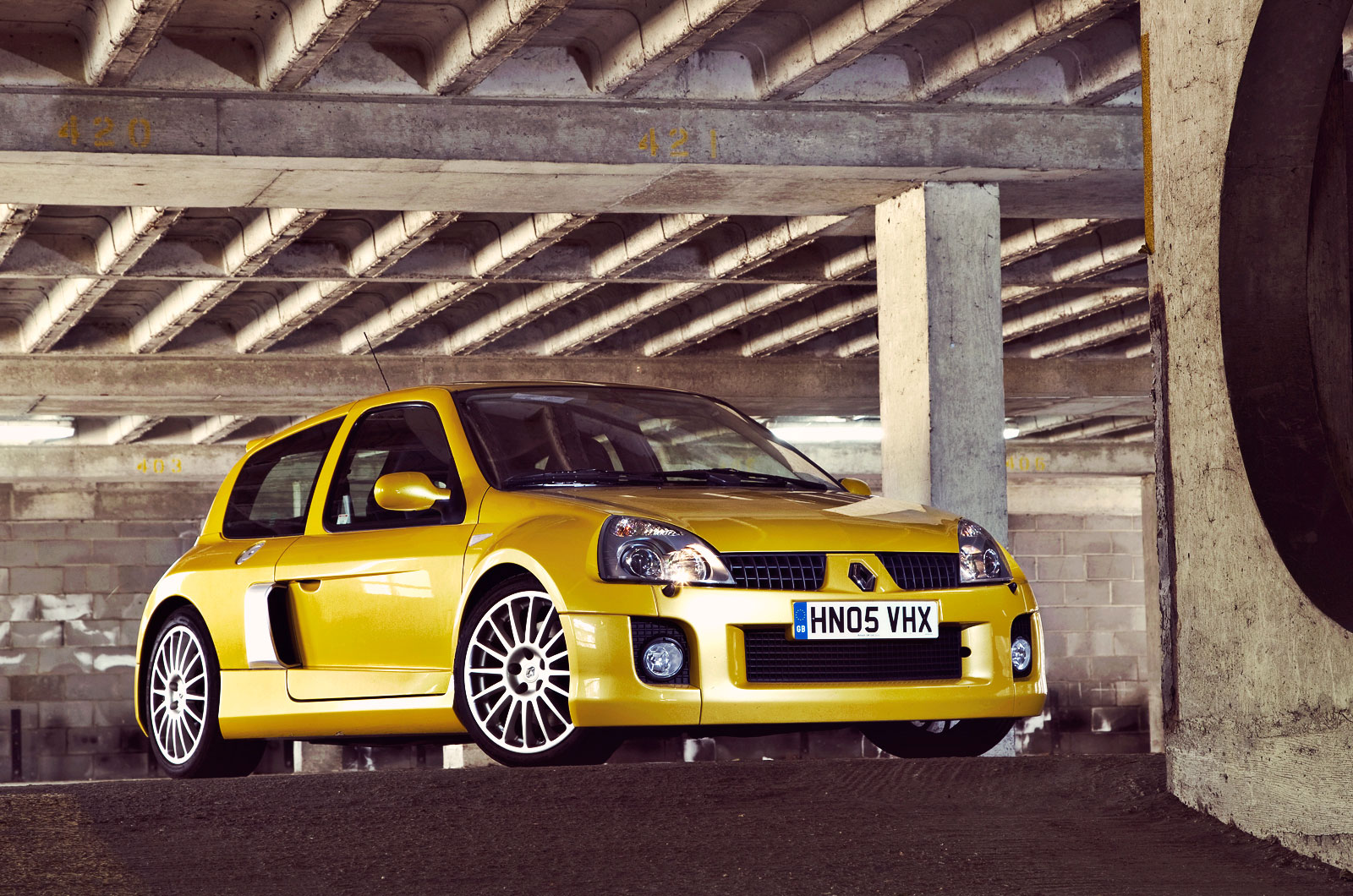
The original Clio V6 was a landmark car for all the wrong reasons. Launched in 2001 and developed by TWR, the Phase 1 was a real handful in bends, but the Phase 2 from 2003 was much more sorted and more powerful too, with 252bhp compared with the 222bhp of earlier models.
Ferrari Enzo (2002)
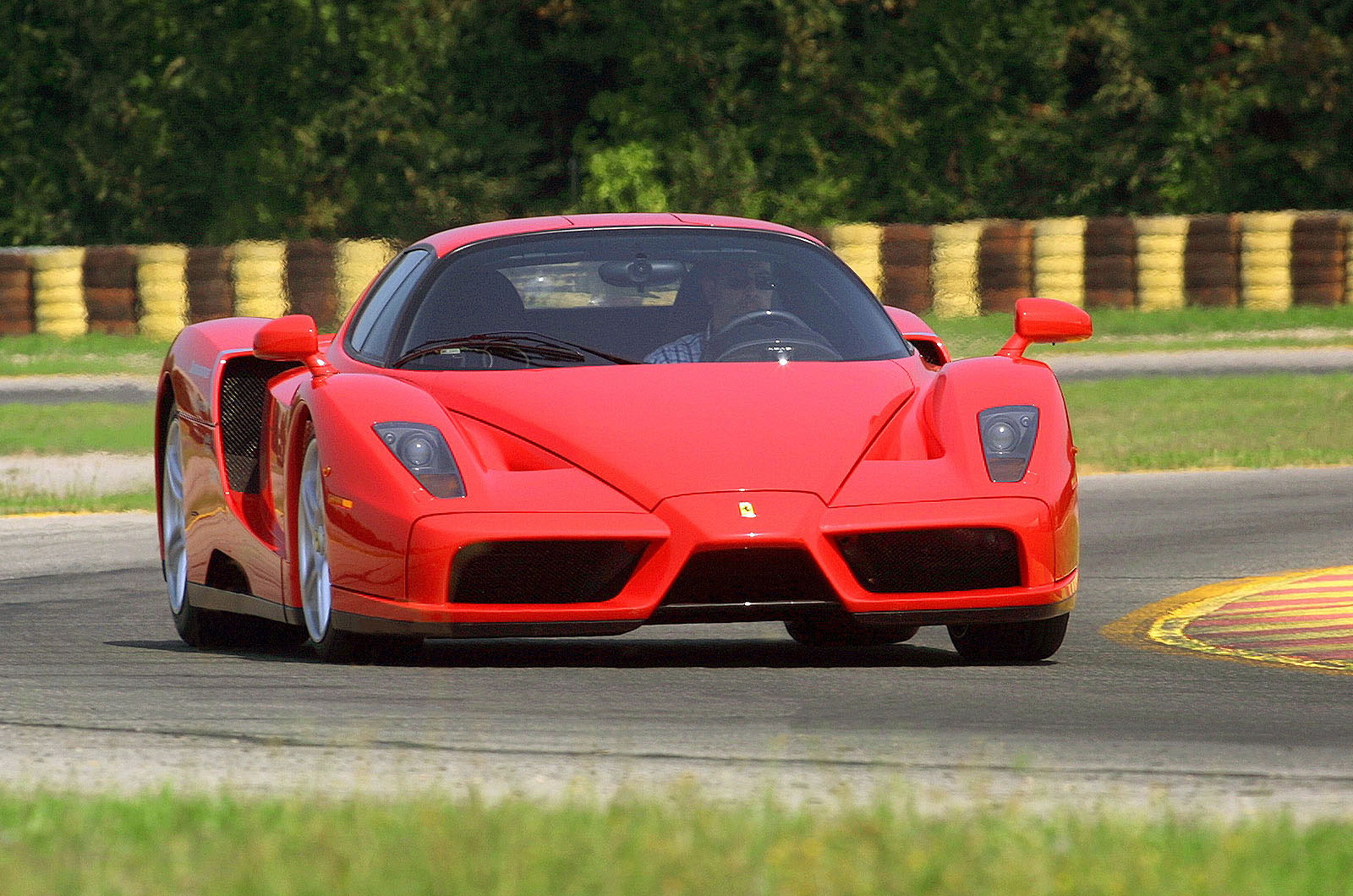
Everyone assumed it would be called F60, but when it arrived it carried the name of Ferrari's founder – and what a car it was. Packed with F1 tech the Enzo was an instant (costly) classic with a screaming 650bhp naturally aspirated 6.0-litre V12 at its heart.
Koenigsegg CC8S (2002)
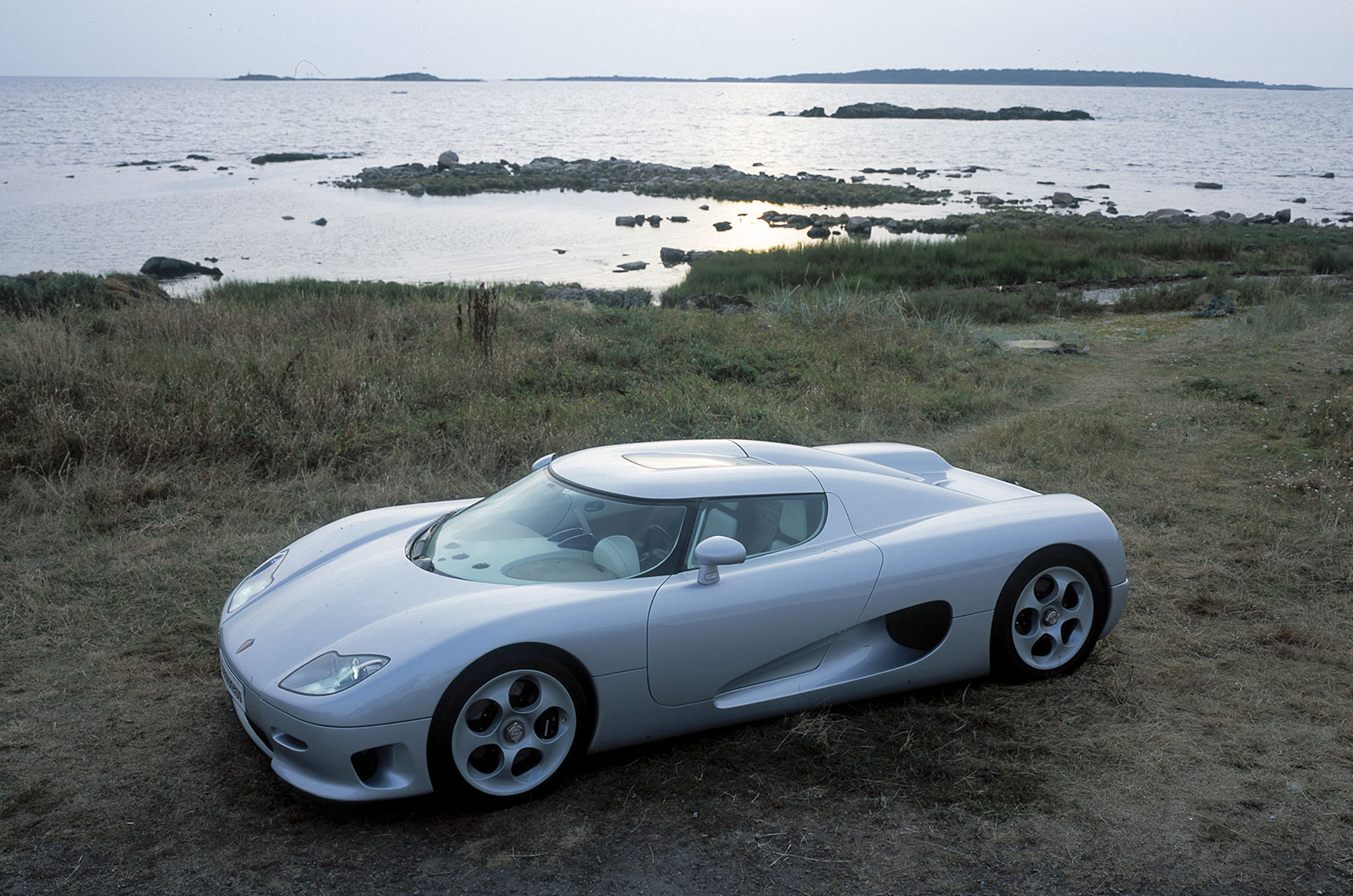
The car that started it all for this Swedish car maker, the CC8S was originally named the Sethera Falcon. The brief was to create a car that could beat the McLaren F1's 240mph, but while Koenigsegg claimed such a speed was possible, it was never independently verified.
Lamborghini Gallardo (2003)
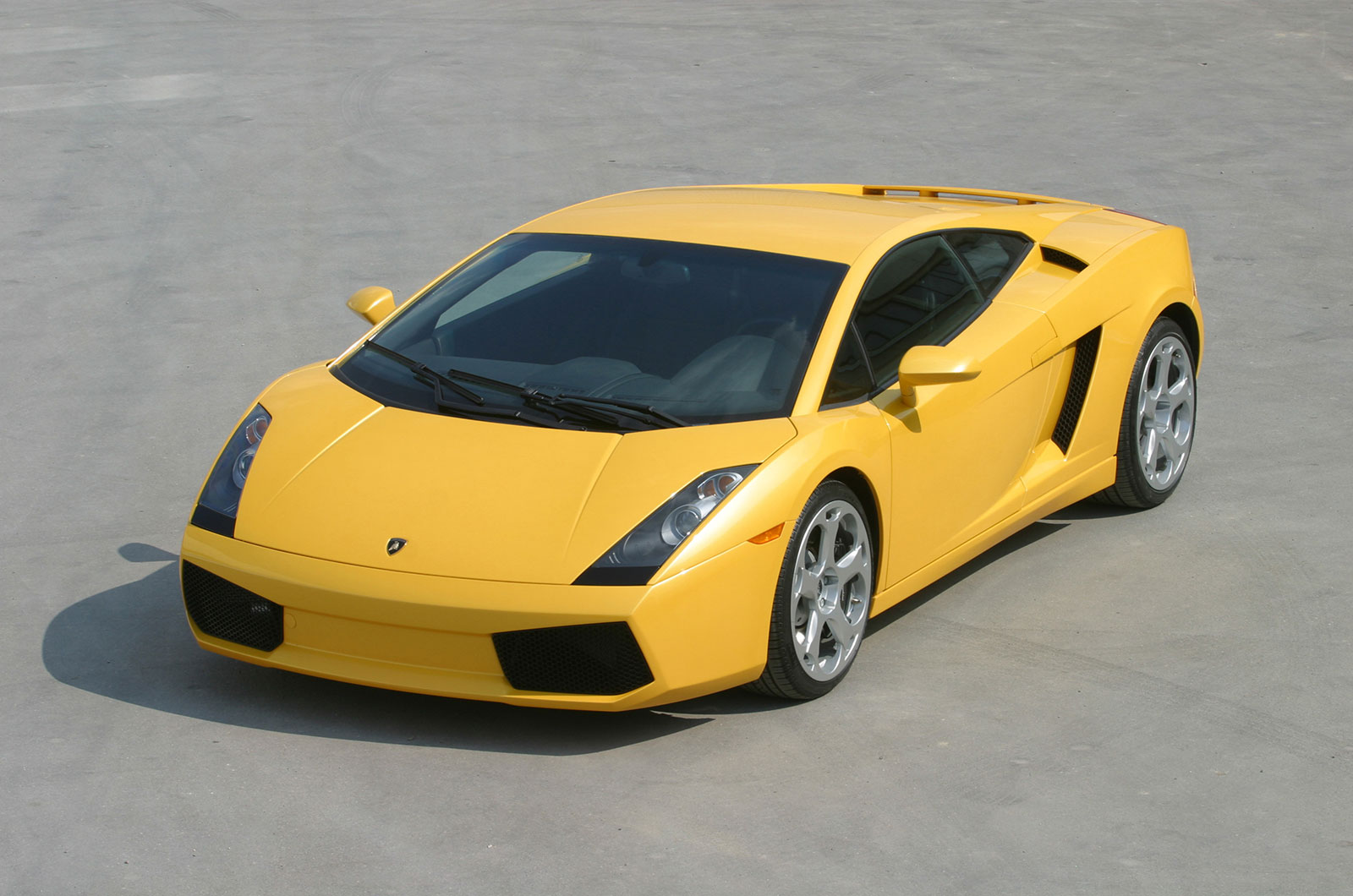
Lamborghini's first production car with a V10, the Gallardo marked the start of a new era for its maker. By the time it had gone out of production in 2014 it was easily Lamborghini's all-time best seller, with more than 14,000 rolling off the production lines in two- and four-wheel drive forms.
Chrysler ME412 (2004)
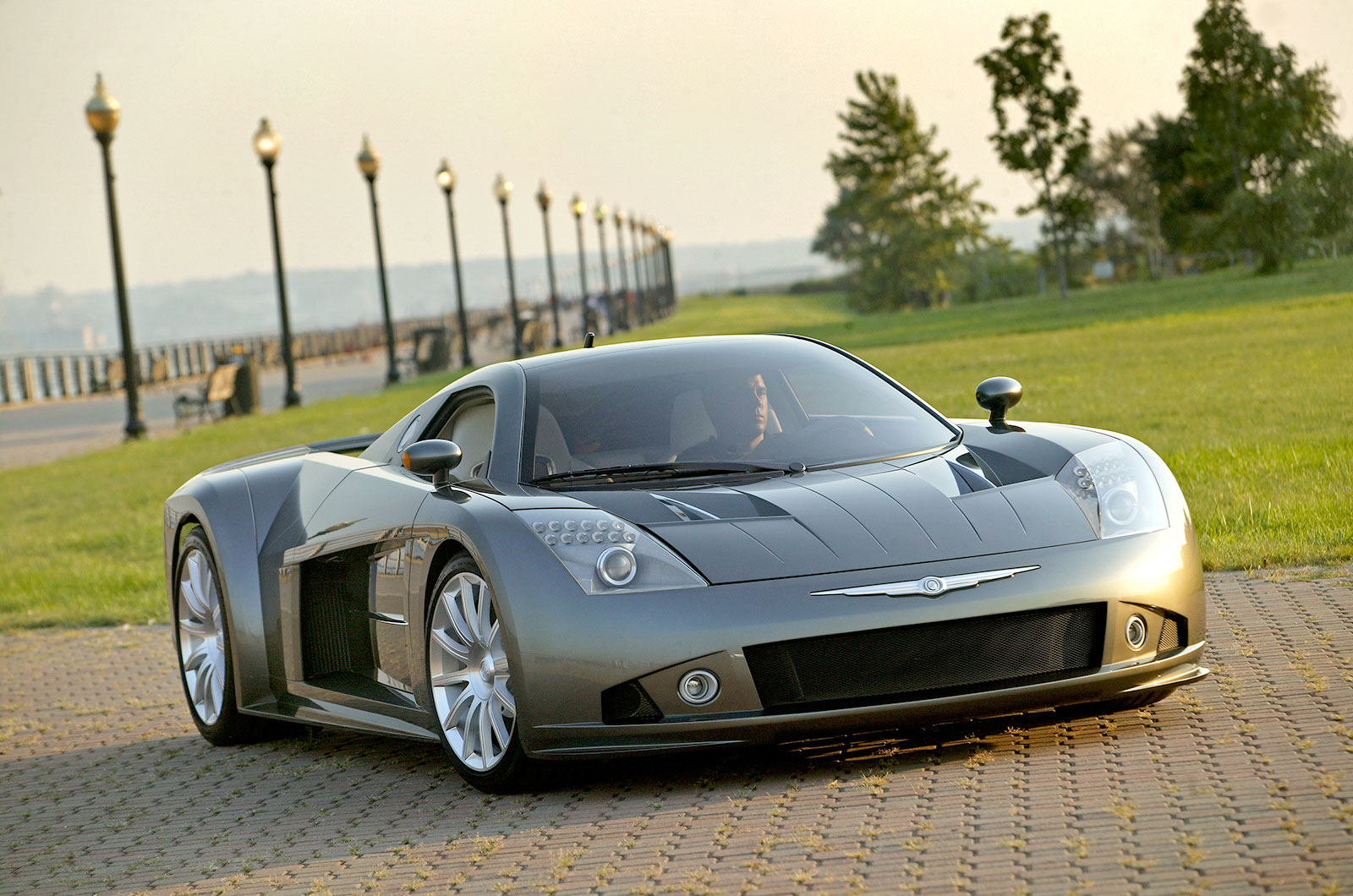
With its 6.0-litre 850bhp V12, Chrysler reckoned 250mph was in sight. You couldn't accuse Chrysler of a lack of ambition, but in truth a hypercar with a Chrysler badge would have been a total non-starter.
Porsche Carrera GT (2004)
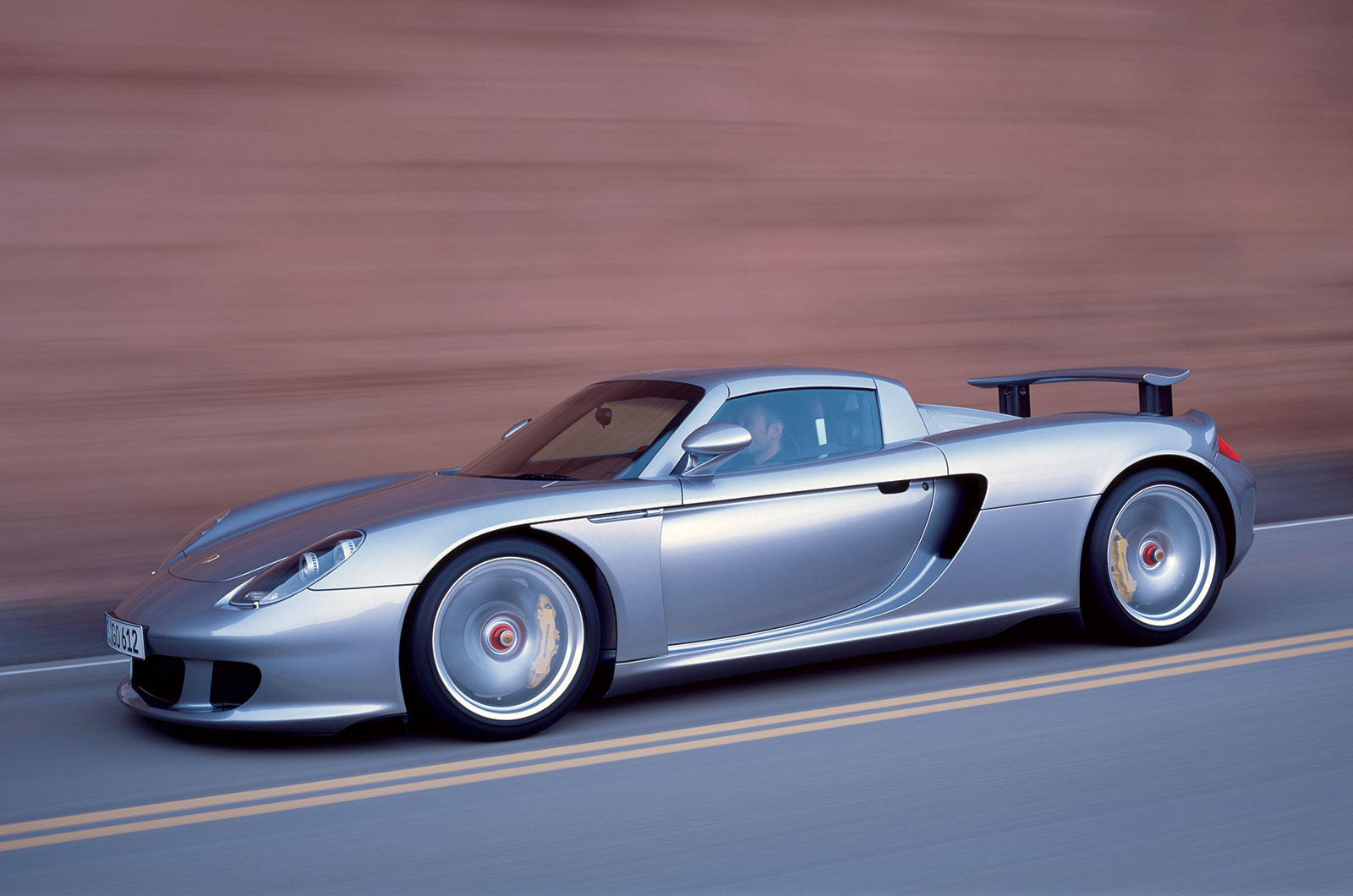
The Carrera GT was originally intended to feature a flat-six, but instead Porsche fitted the 5.7-litre V10 which it had developed for the Footwork F1 team in 1992. Just 1270 were made; 1500 had been planned.
Bugatti Veyron (2005)
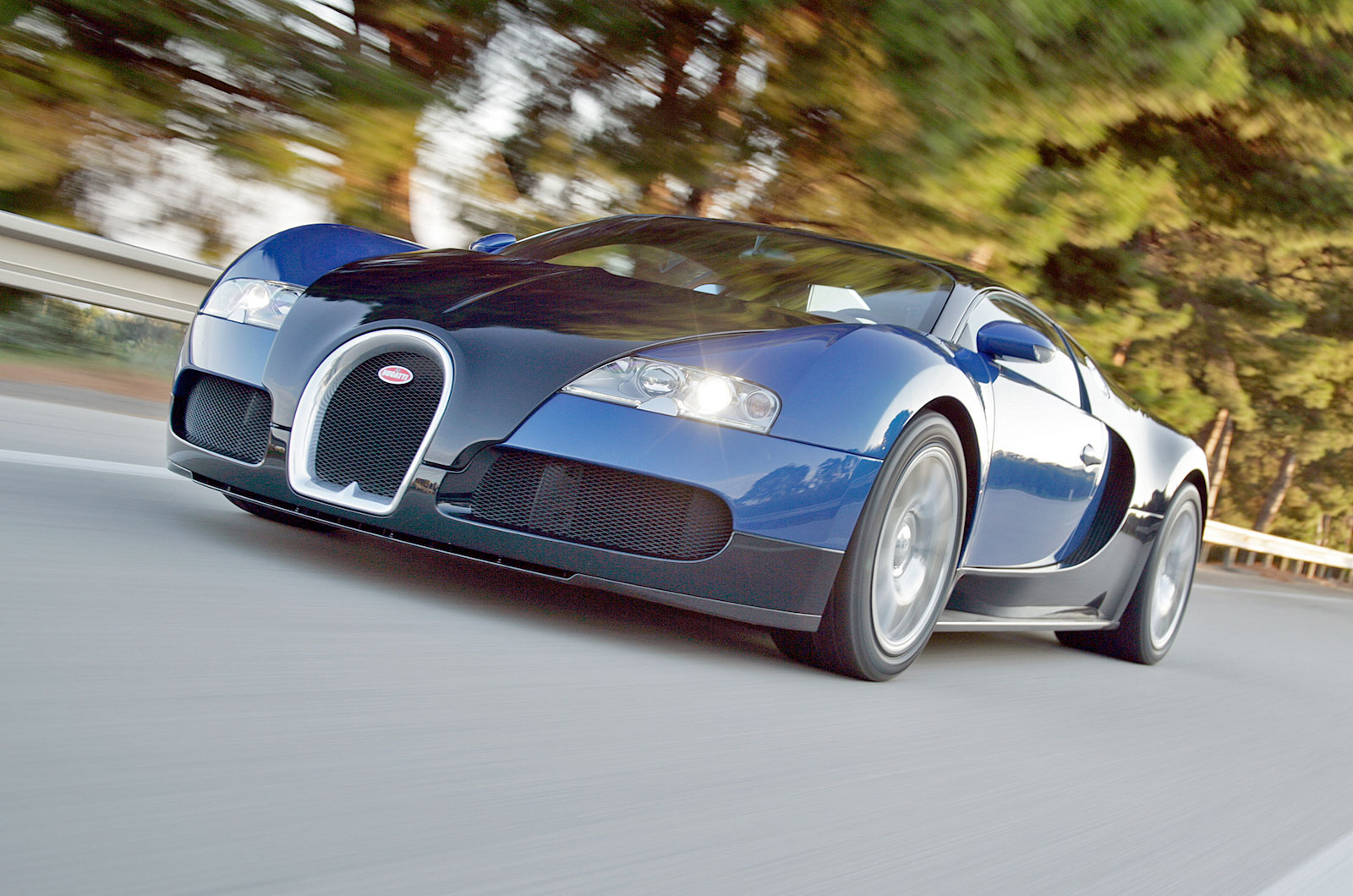
With a top speed of 252mph the Bugatti Veyron claimed the world record for the fastest production car ever made, until Shelby Supercars came along. So Bugatti upped the ante with an even faster Veyron, the Super Sport, capable of an amazing 268mph.
Gumpert Apollo (2005)
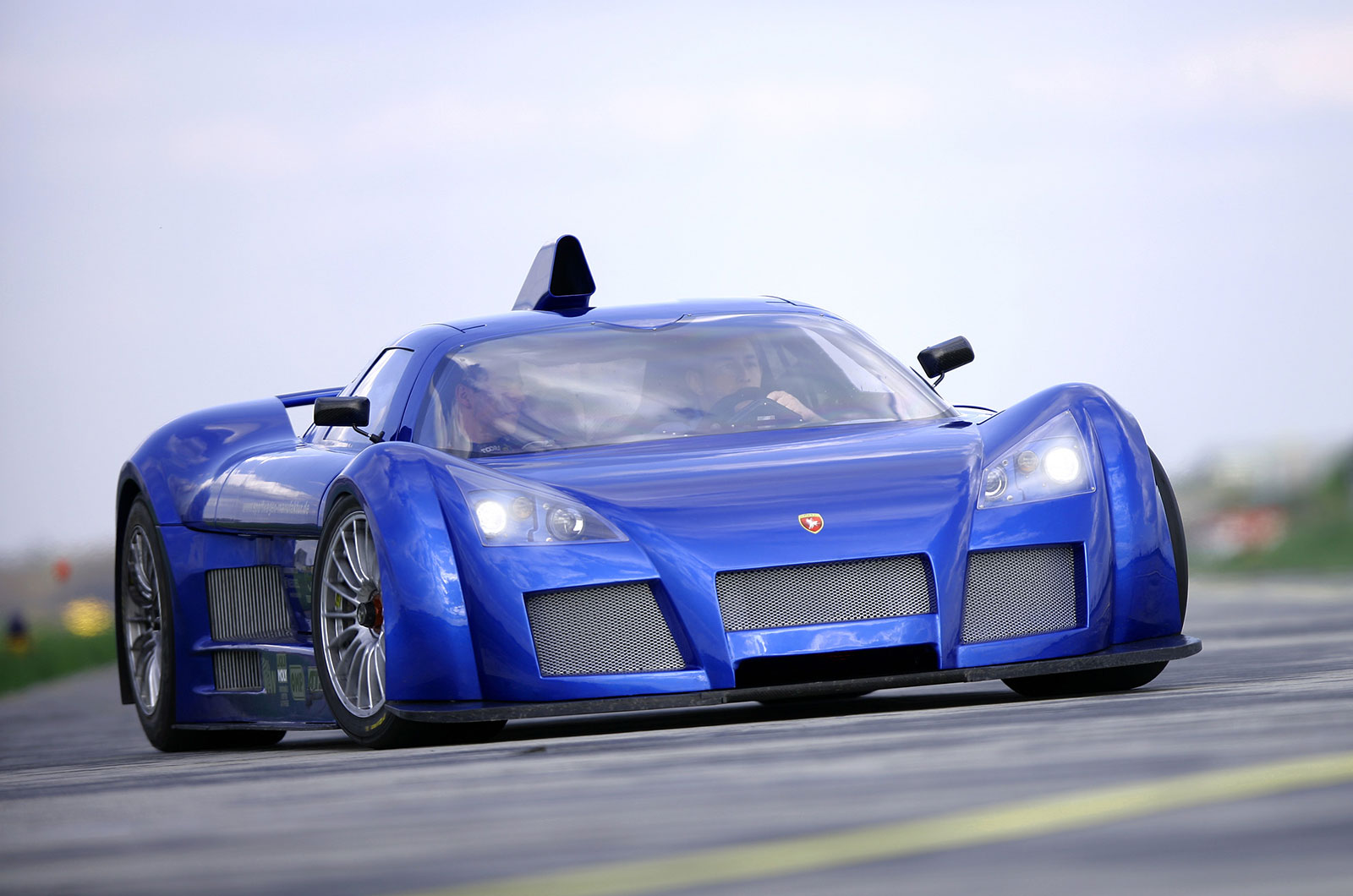
Ex-Audi engineer Roland Gumpert decided to take on established supercar marques with his gull-winged Apollo, which featured a twin-turbo Audi 4.2 V8 to give a claimed 220mph. Things ticked over until 2013 when Gumpert went bust; it resurfaced in 2016 renamed Apollo.
Audi R8 (2006)
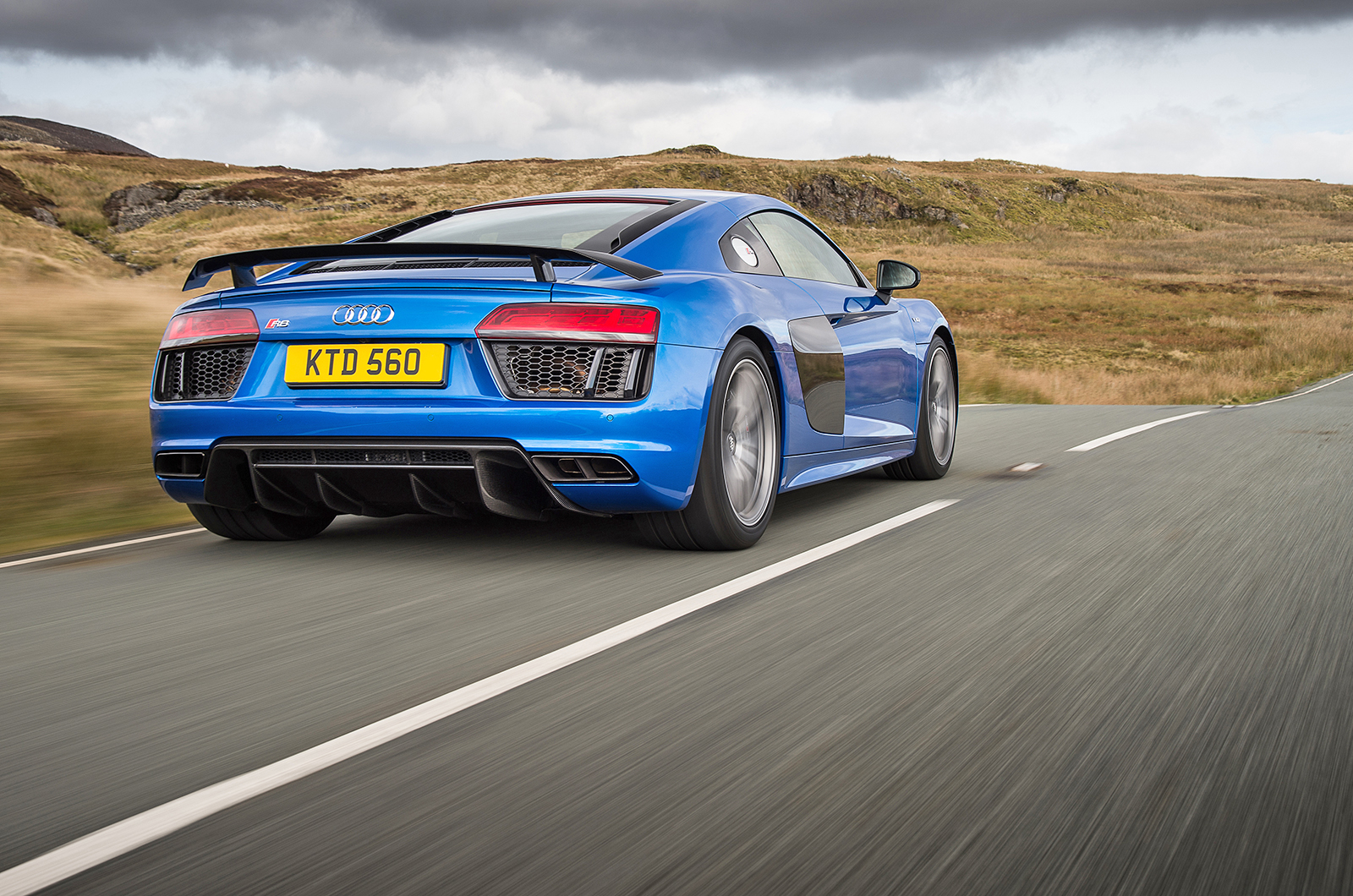
It started out as the Le Mans concept in 2003, but three years later came the V8 production car. One of the most usable supercars ever made, later would come V10 and Spyder versions, then an all-new R8 in 2015 (pictured). Production ended in 2024, after 45,289 examples of all versions were made.
SSC Ultimate Aero (2006)
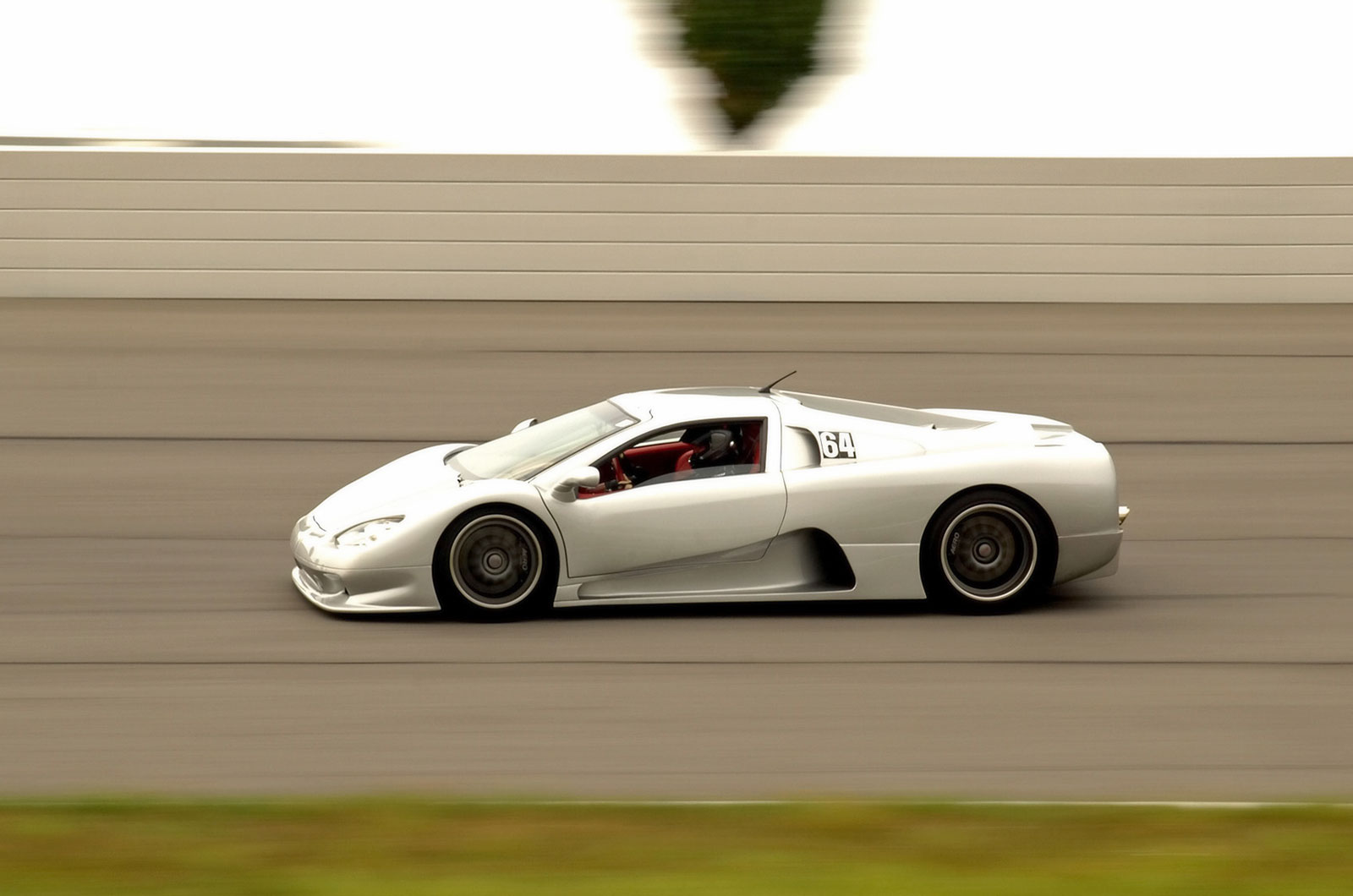
For a while this was officially the fastest production car in the world, thanks to its ability to top 257mph. With a twin-turbo V8 there was 1183bhp on tap, along with 1094lb ft of torque. Production ended in 2013.
Jaguar C-X75 (2010)
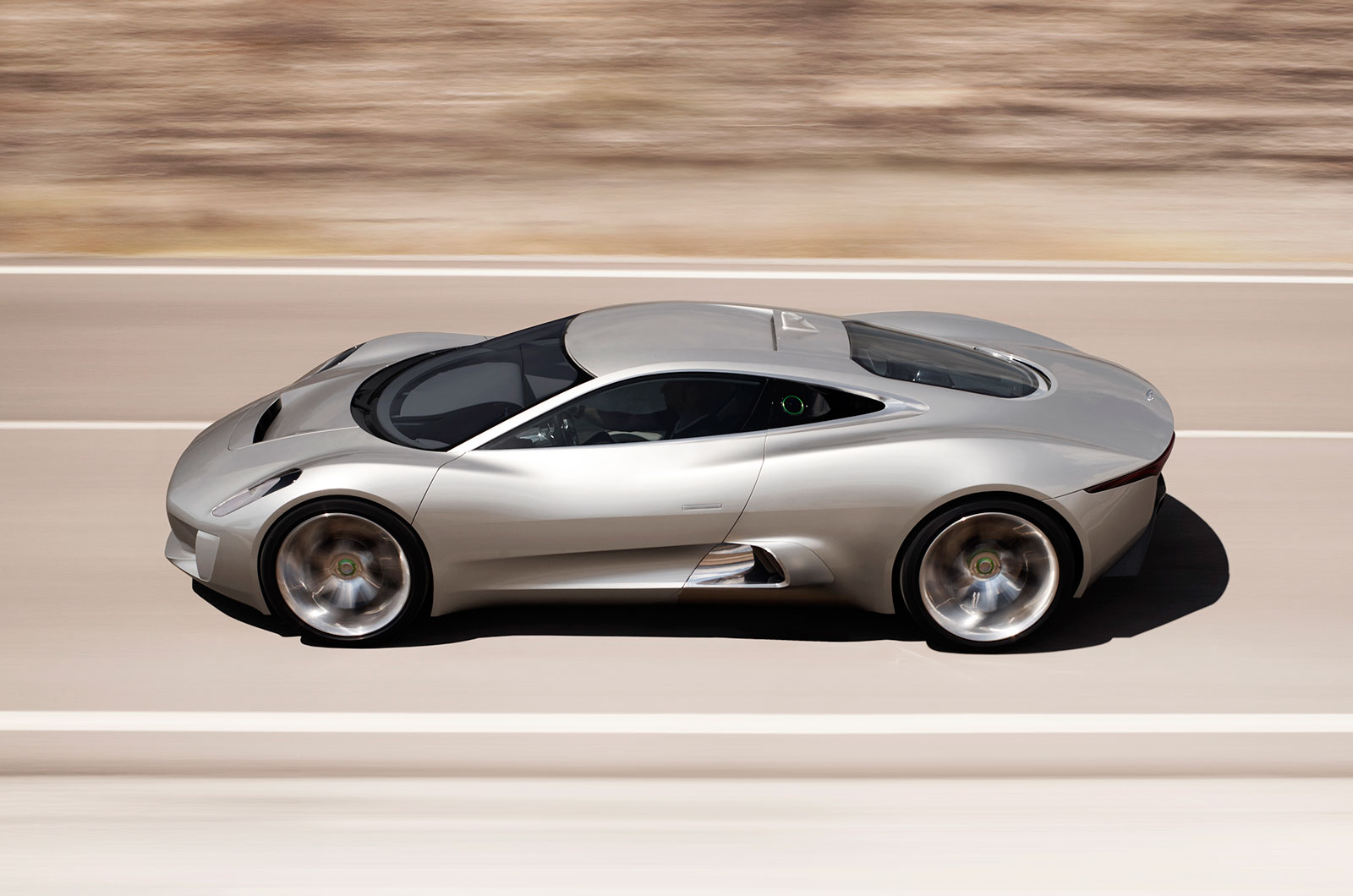
When Jaguar unveiled the C-X75 at the 2010 Geneva Salon there was a very real prospect of the car going into production, in conjunction with Williams F1. It was hoped that 250 examples would be built at a hefty price, but plans were cancelled in 2013 because of global economic uncertainty.
Ian Callum designed the car, and he later said the failure of the car to make production was one of his biggest regrets.
Pagani Huayra (2012)
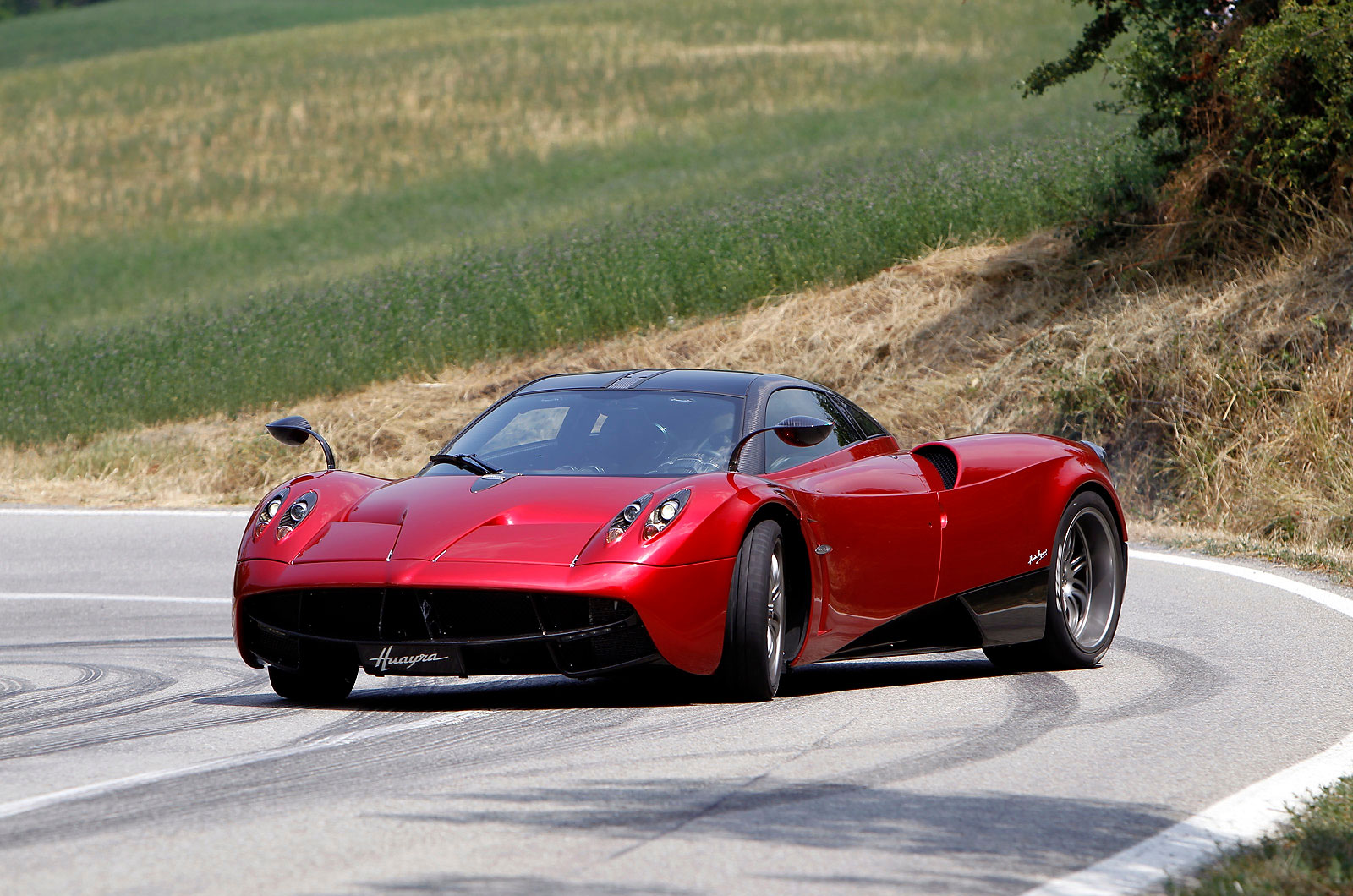
Coming up with a sequel to the Zonda was never going to be easy, but Pagani more than pulled it off with a car that looked fabulous from every angle, was even better to drive and even faster. Still fitted with a Mercedes-AMG twin-turbo V12, the Huayra could crack 238mph.
Alfa Romeo 4C (2013)
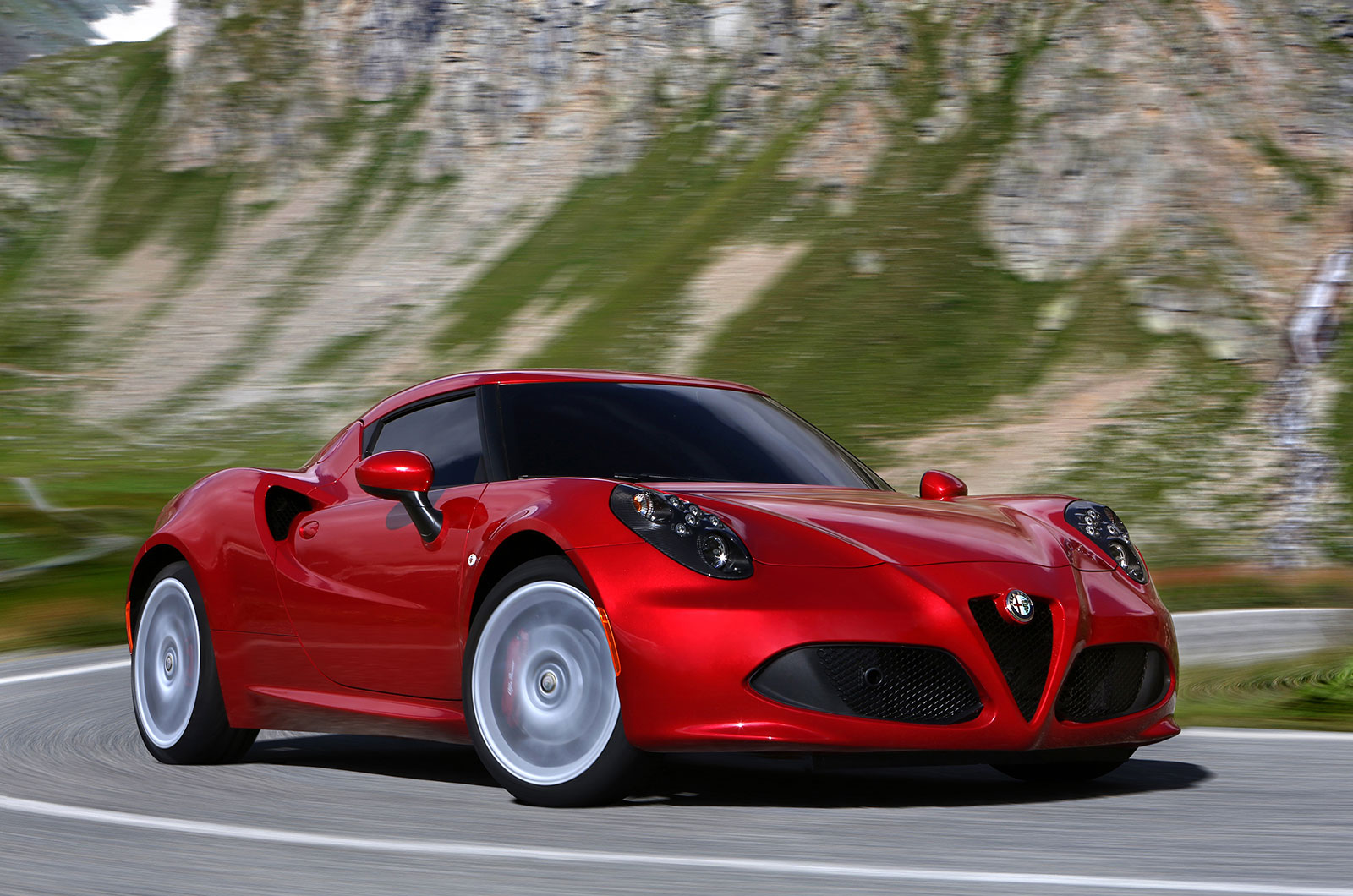
The 4C is exactly the sort of car that Alfa Romeo should be building. Made of carbon fibre and featuring a mid-mounted turbocharged 1750cc engine the 4C is Alfa's Elise, but sadly it's not as affordable, its handling isn't as exquisite and there's no manual gearbox option, which is why few were sold.
Ferrari LaFerrari (2013)
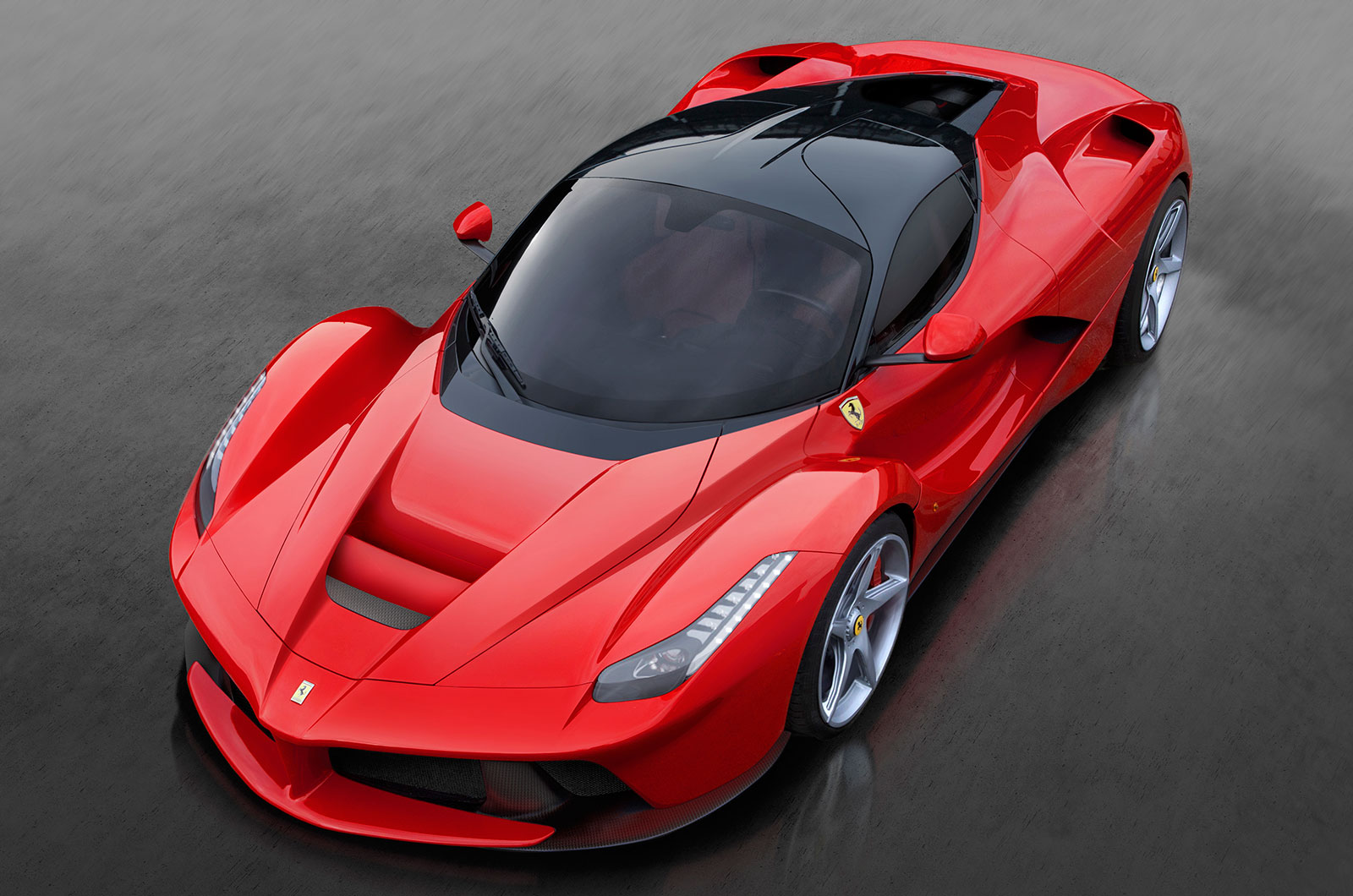
Following in the tyre tracks of the F40, F50 and Enzo, the LaFerrari was built in limited numbers (500 coupés and 210 convertibles), was outrageously fast and cost a fortune to buy, with some amazing stats: 950bhp, 0-186mph in 15 seconds and a vast price tag.
Lamborghini Veneno (2013)
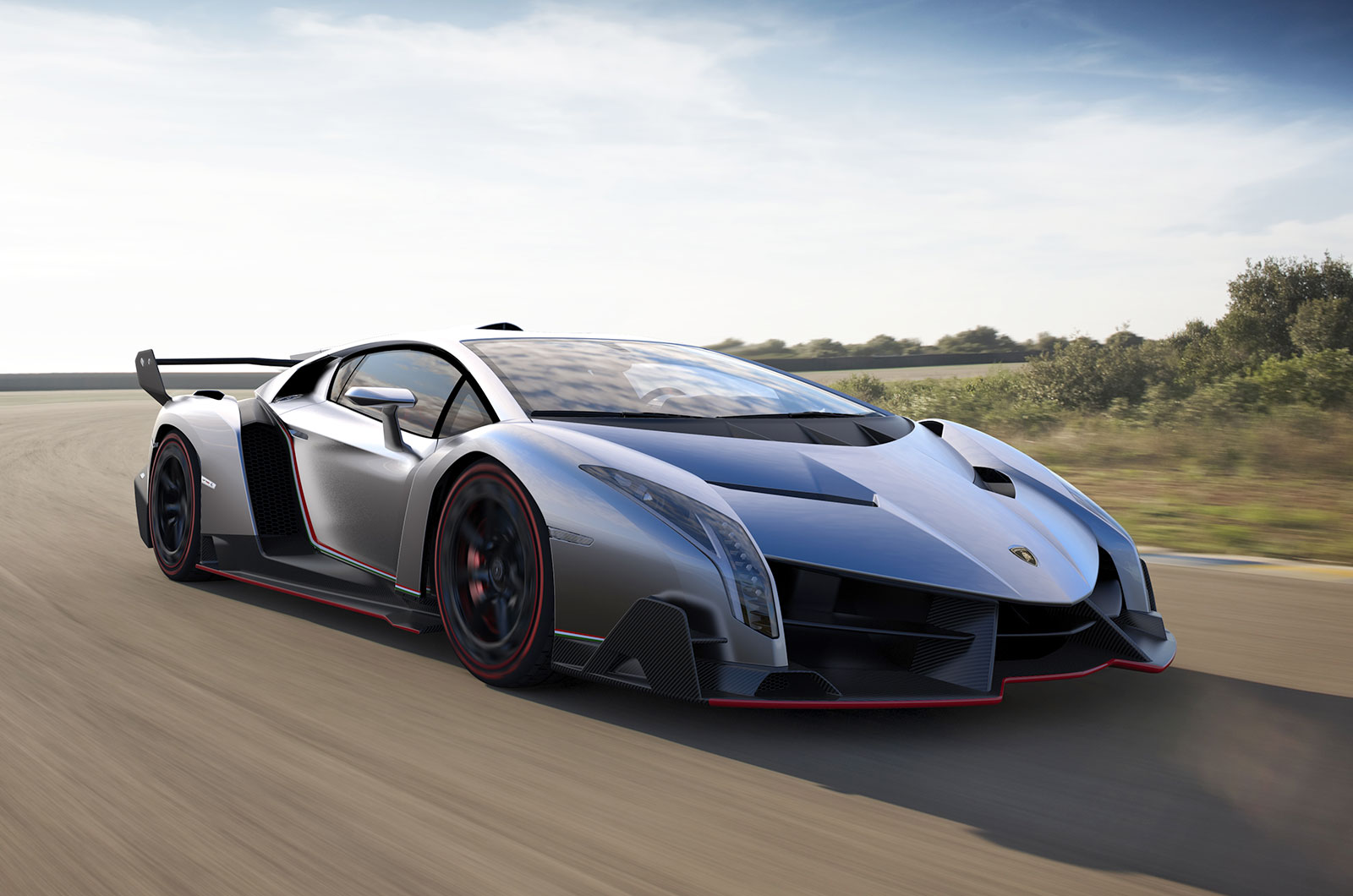
We could have filled this slot with any number of Lamborghinis, so why not pick on one of the most extreme models it’s made. Based on the Aventador, the 740bhp Veneno was built in coupé and roadster forms, with total production running to just 14 – each pre-sold at around €3m apiece.
McLaren P1 (2013)
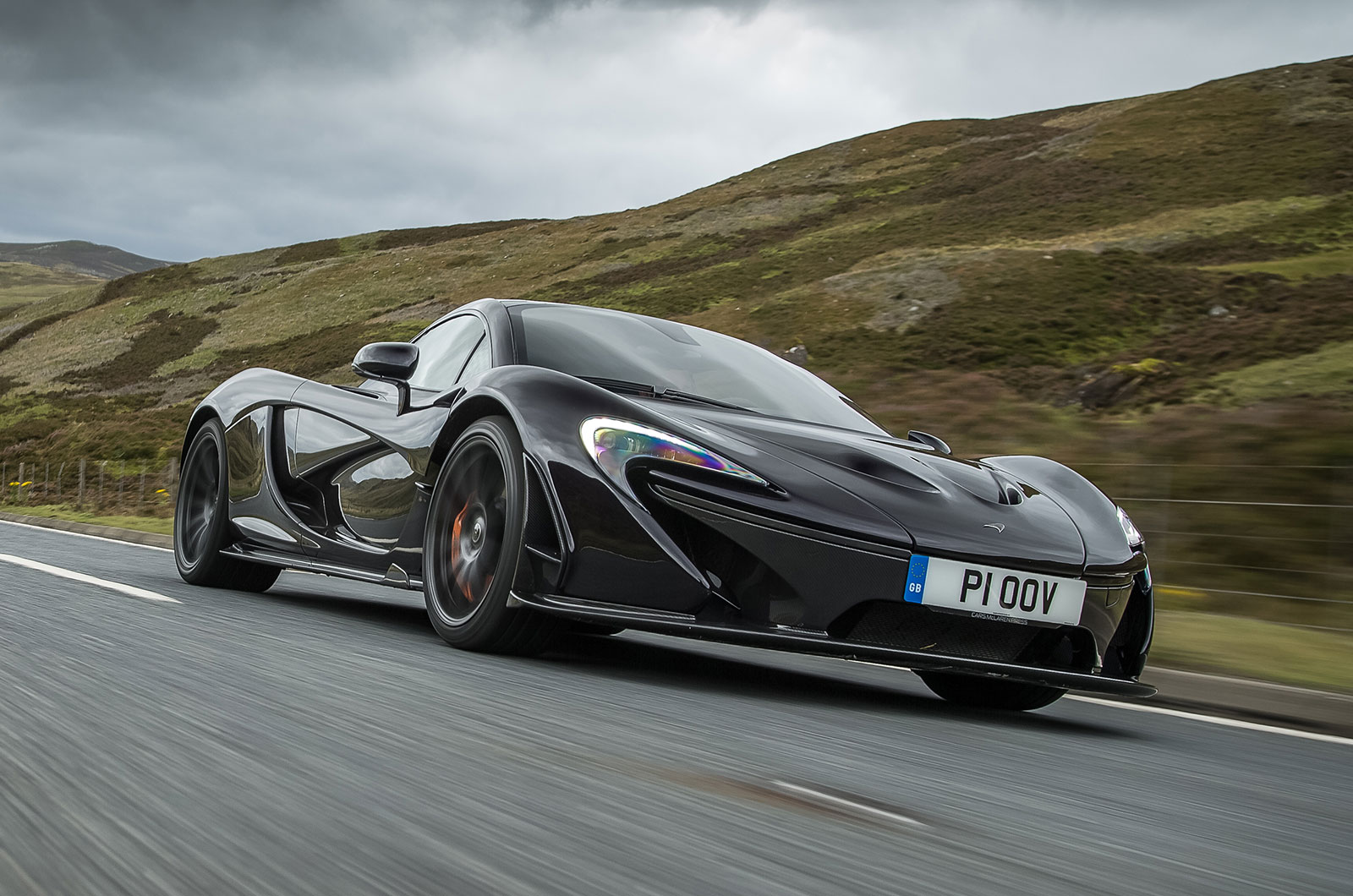
McLaren could never build another car with the purity and simplicity of the F1, but the P1 was a pretty good sequel. With its petrol/electric hybrid powertrain the 903bhp P1 could do 0-186mph in 16.5 seconds, yet was claimed to also be capable of 20mpg on a run.
Porsche 918 Spyder (2013)
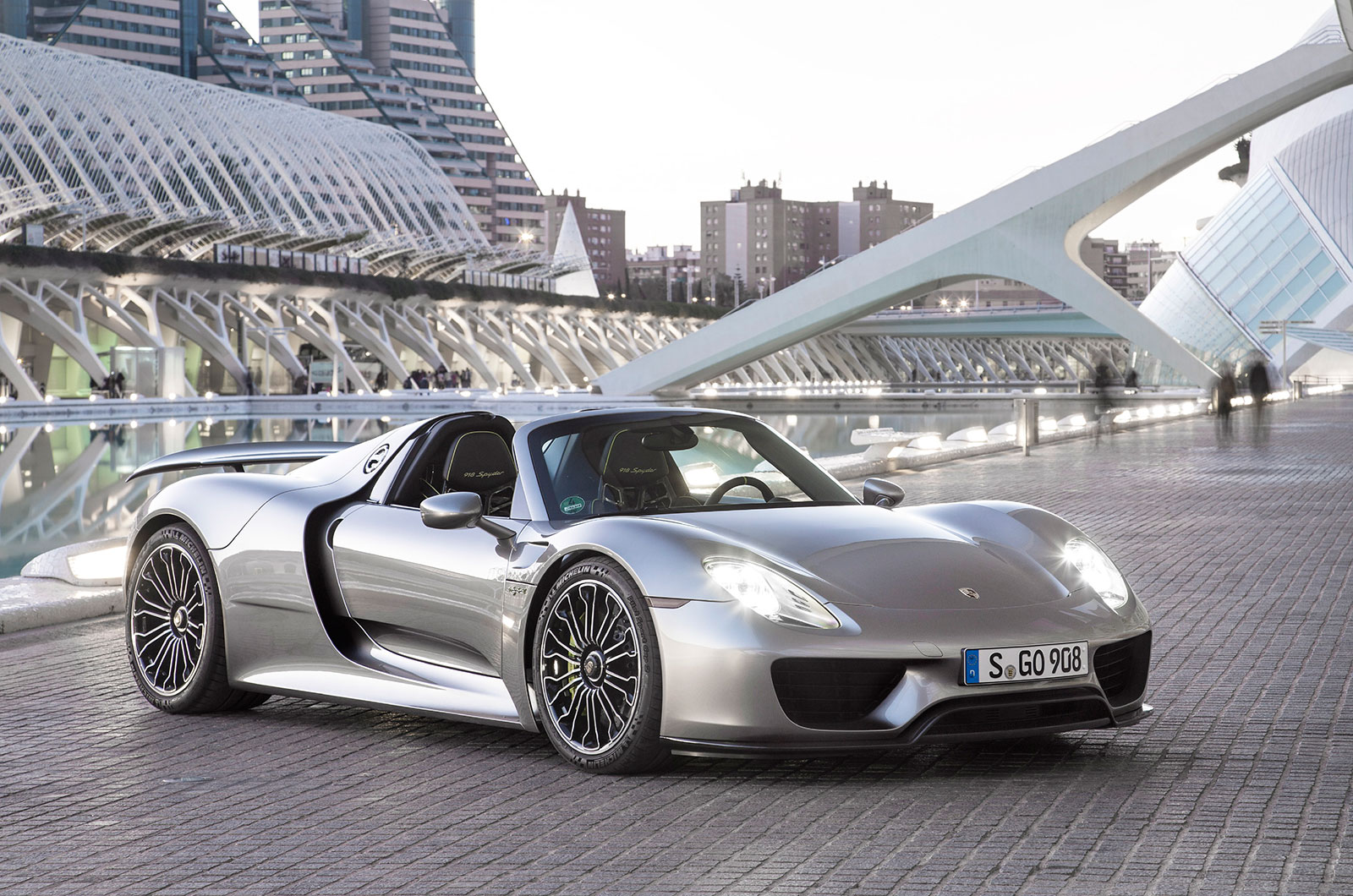
The third of the Holy Trinity, alongside the LaFerrari and P1, the Porsche 918 Spyder was – like its rivals – a very costly petrol/electric hypercar built in limited numbers. This one packed an 875bhp punch, could do 0-186mph in 19.9 seconds and it topped out at 214mph. With production totalling 918 units, these Porsches are much less rare than its rivals from Italy and the UK.
Bugatti Chiron (2016)
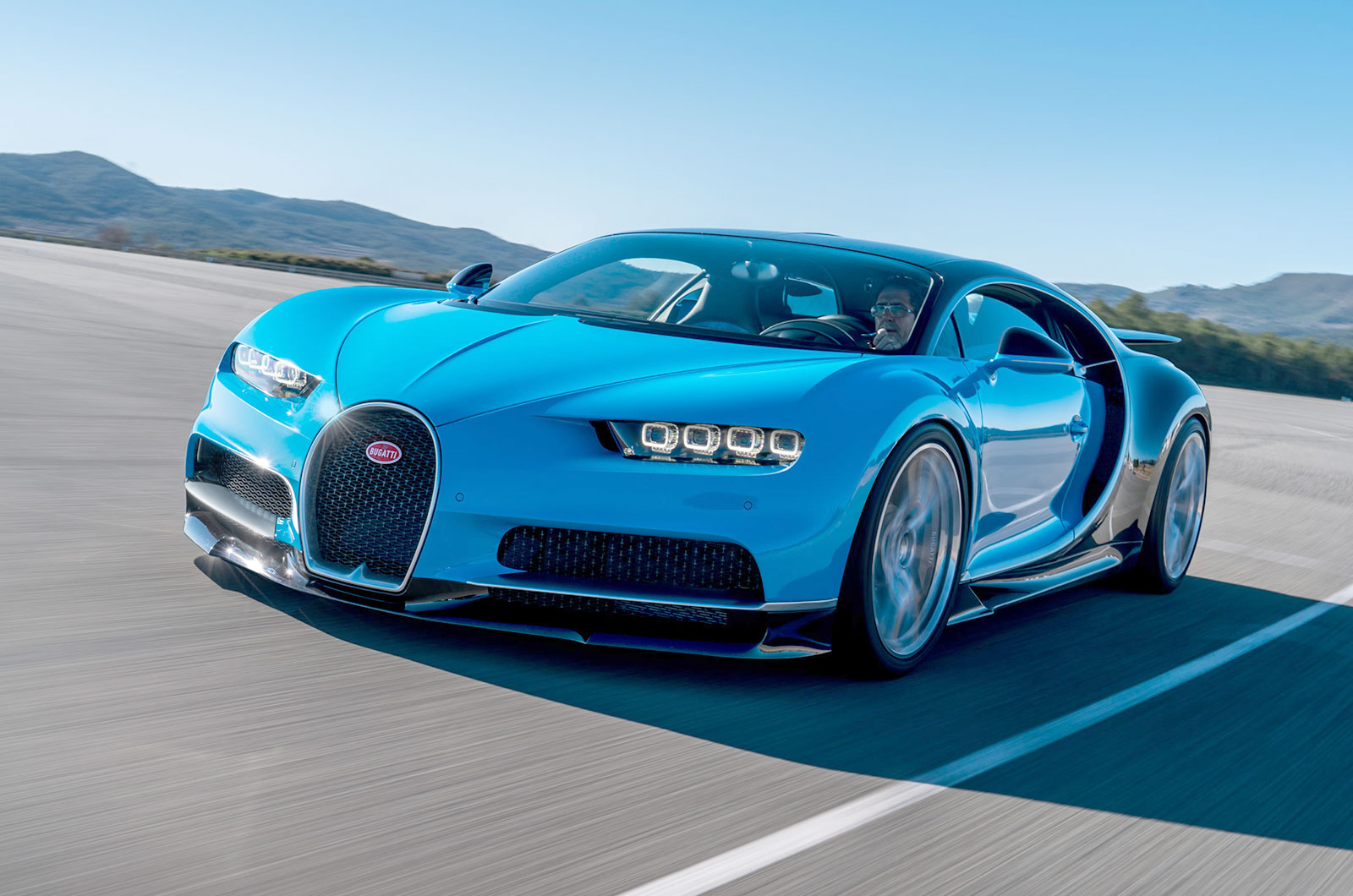
It was always going to take something pretty special to put the Veyron in the shade, but it's fair to say that pretty much sums up the Chiron. With a quad-turbo W16 engine rated at 1479bhp, the Chiron was limited to 261mph to save its tyres from disintegrating. Despite its €2.4m price tag, more than 200 Chirons were sold before the first car was even delivered. It ended production in 2024; 500 were made (all versions).
Ford GT (2017)
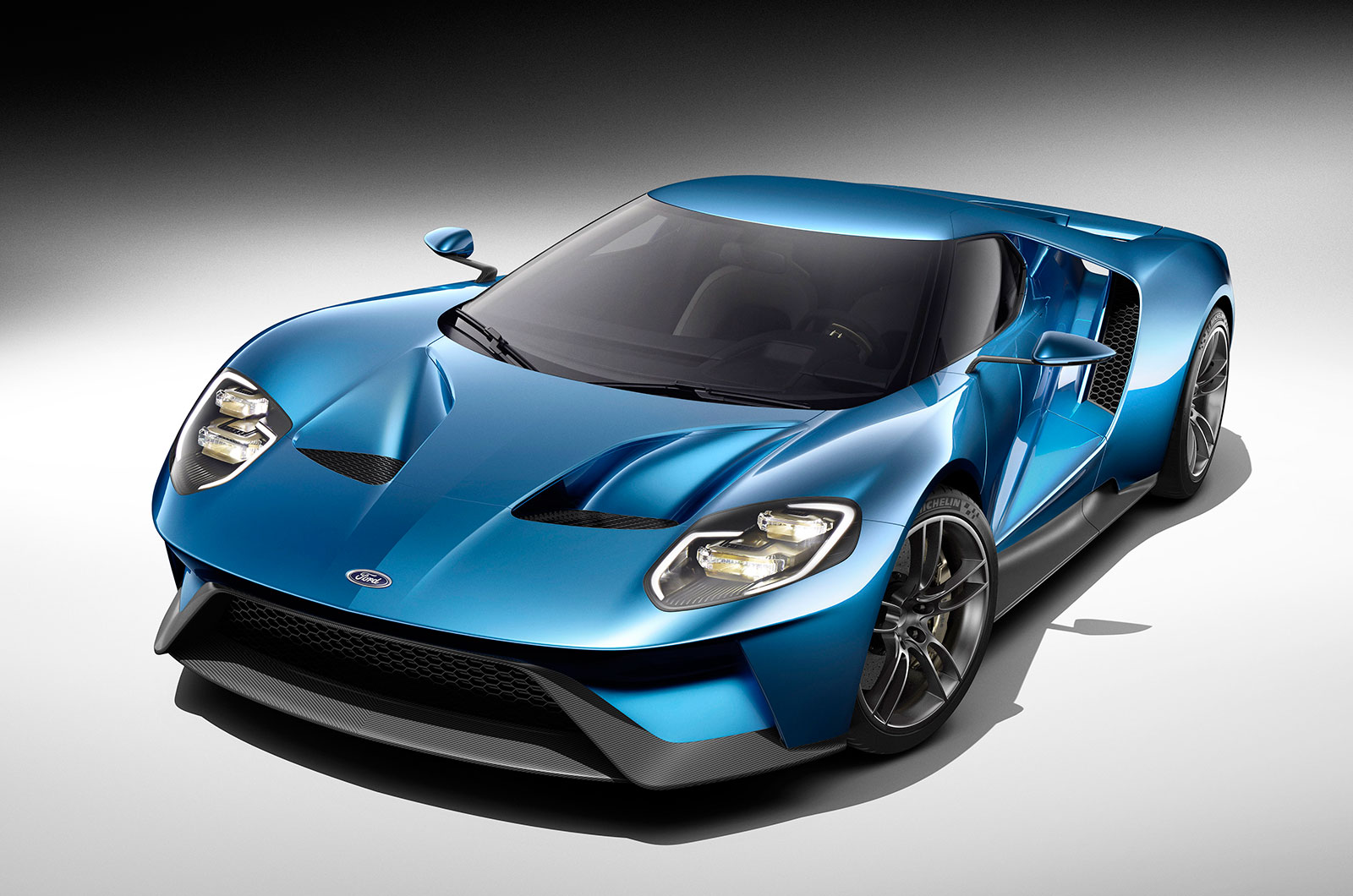
The Focus and Fiesta may be excellent cars but it's hard to believe that they're made by the same company that brought you this; a 647bhp twin-turbo V6 race car for the road. Made in strictly limited numbers, the second-generation GT (following on from the original of 2004-6), and it's likely to be as collectible as pretty much anything from Maranello.
Aston Martin Vanquish Vision concept (2019)
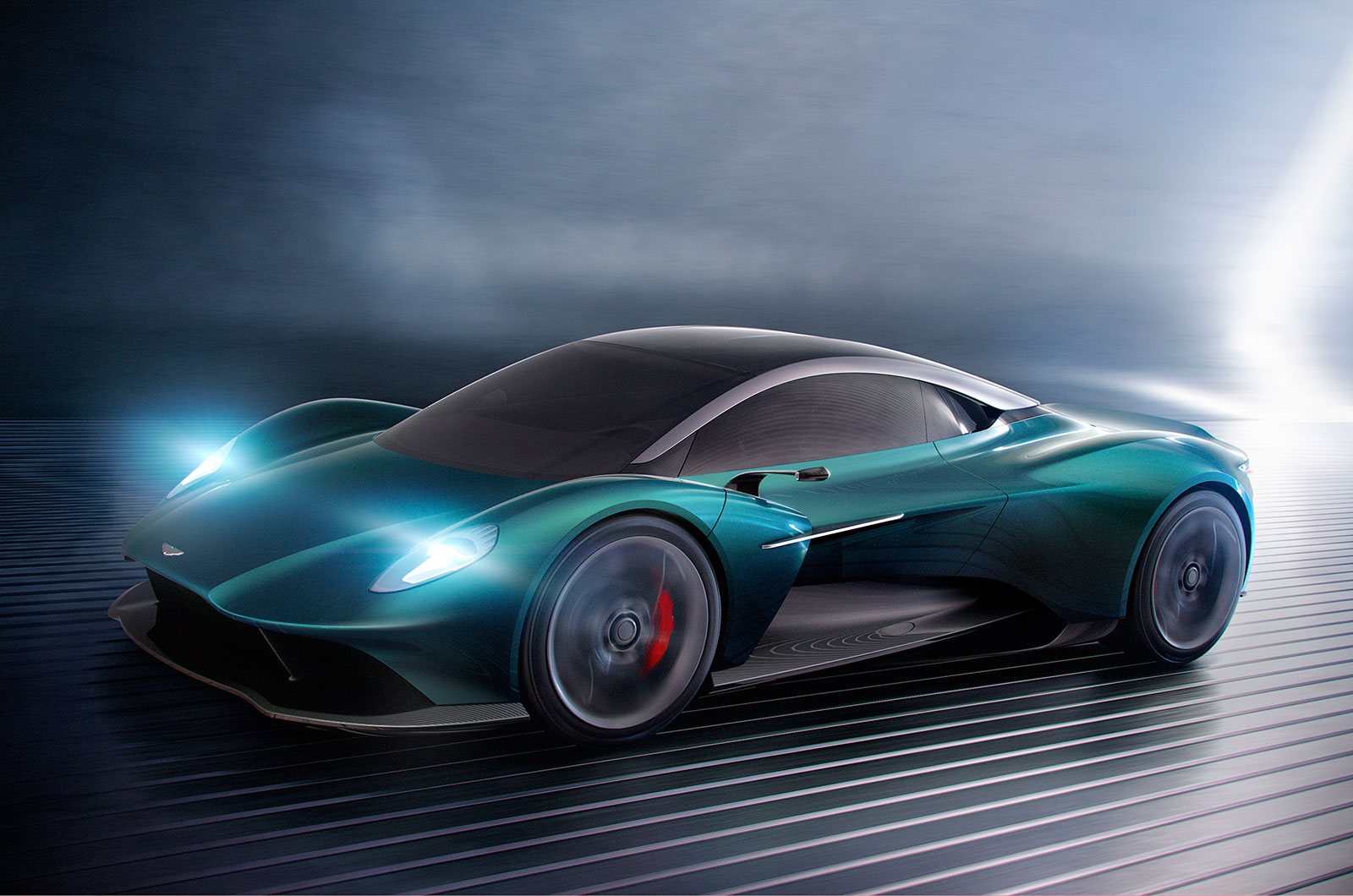
Aston Martin has never built a mid-engined production car, so when it showcased its Vanquish Vision concept at the 2019 Geneva Salon a few eyebrows were raised. Sadly this junior supercar never made production.
Chevrolet Corvette (2020)
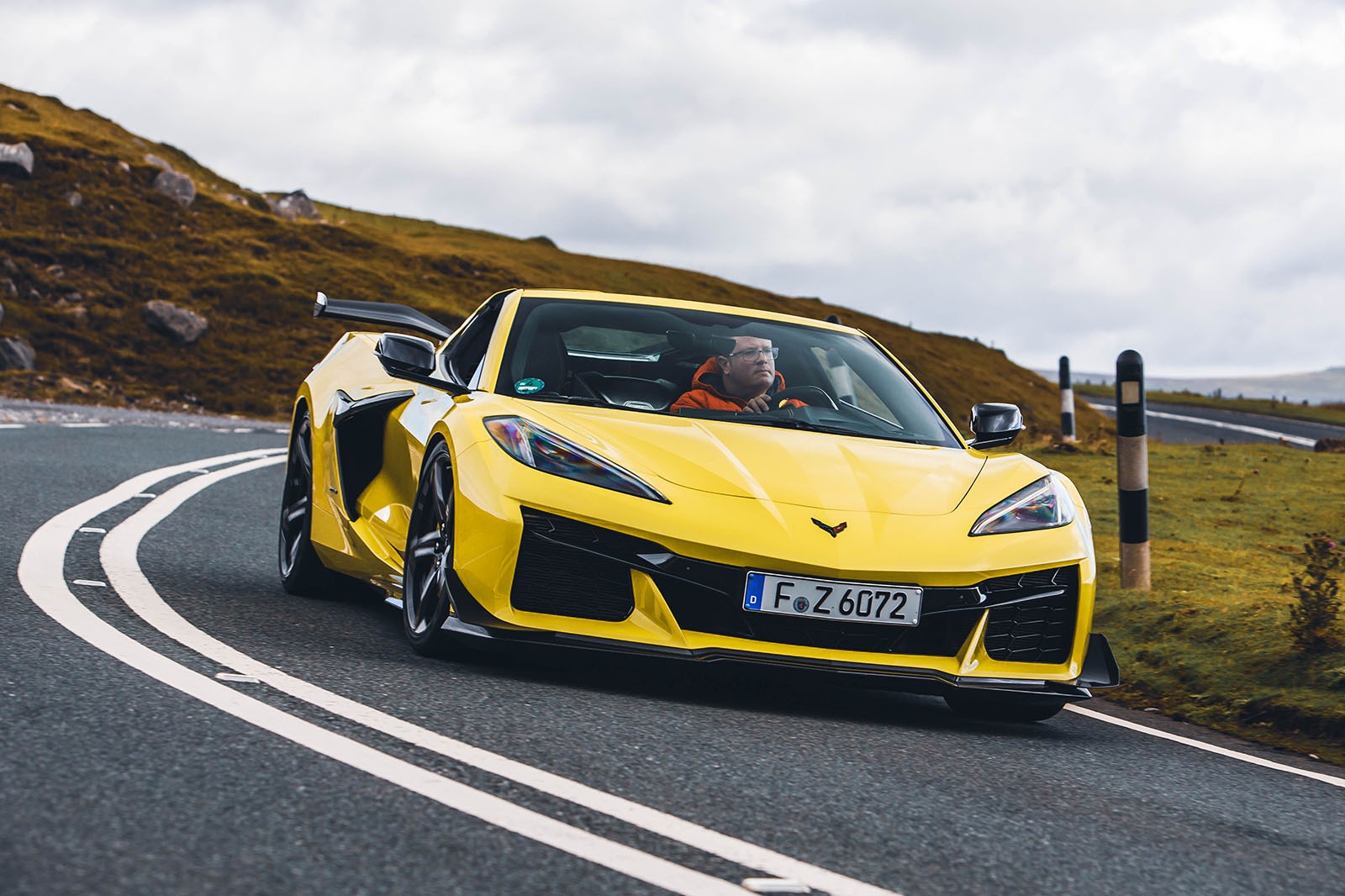
For its eighth generation, the Corvette finally joined the mid-engined club – and all in a surprisingly affordable package…
GMA T50 (2020)
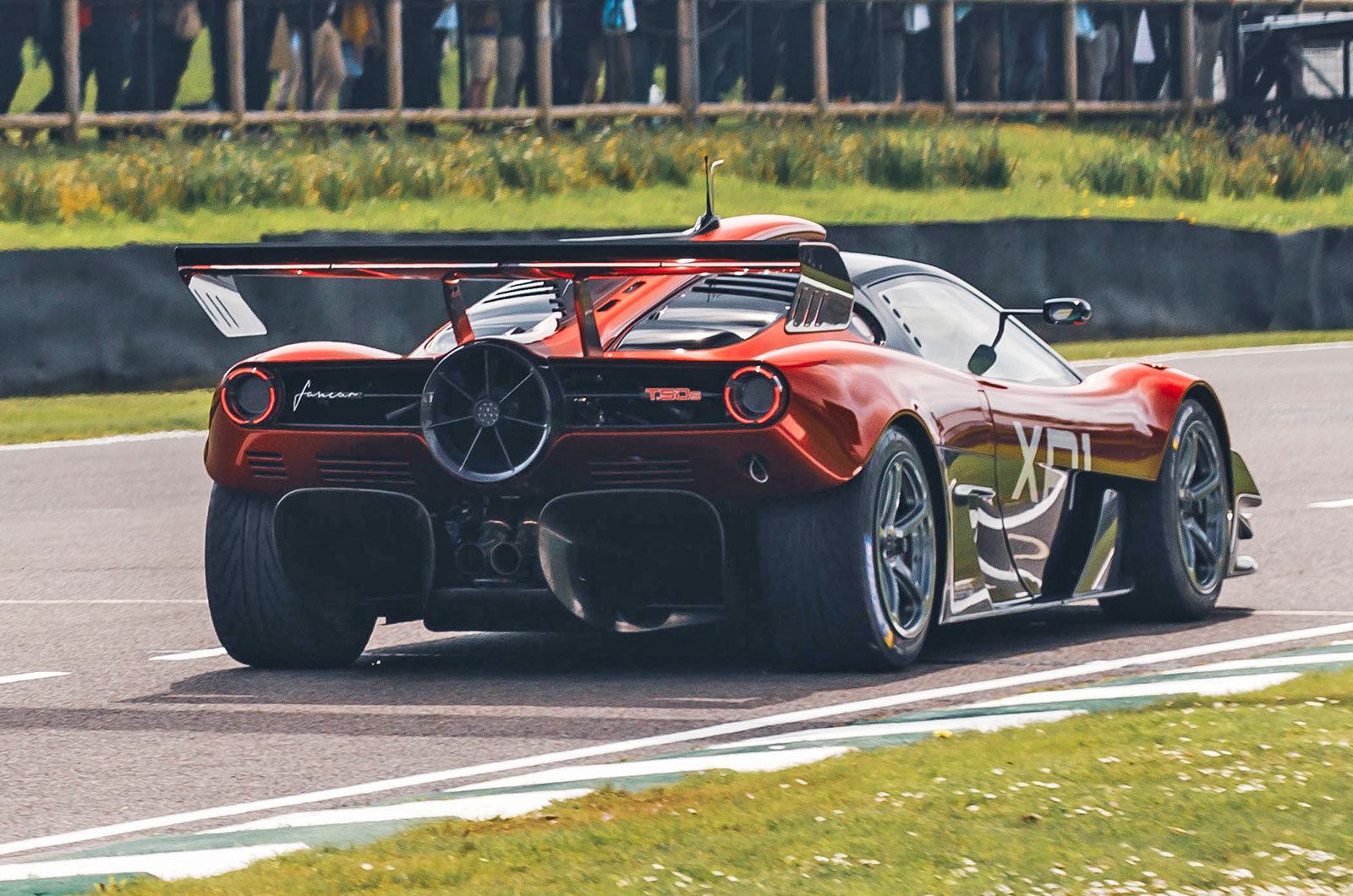
The T50 features a 650bhp 4.0-litre V12 which screams all the way to 12,100rpm – it has a 48-volt electric motor but it powers the fan at the back, not the wheels. Extraordinary…
If you enjoyed this story, please click the Follow button above to see more like it from Autocar